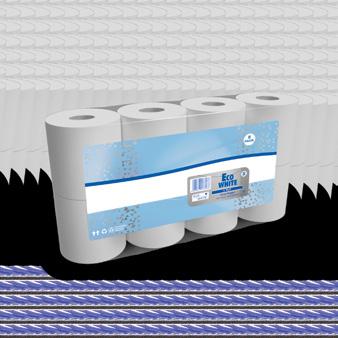
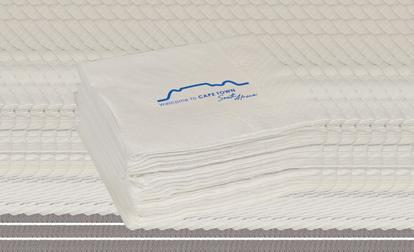
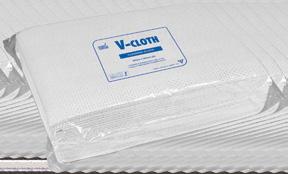
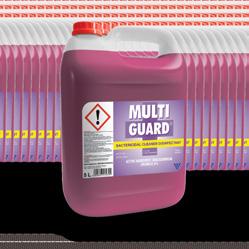
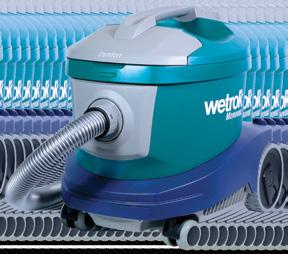
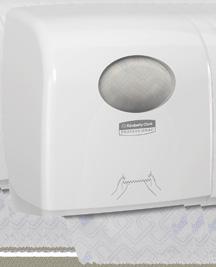
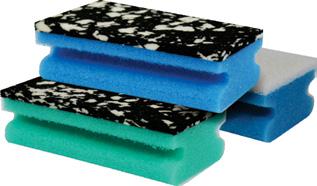
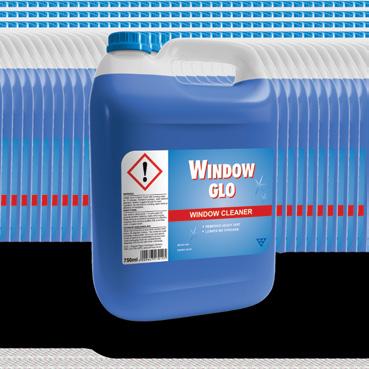
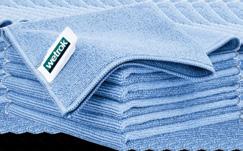
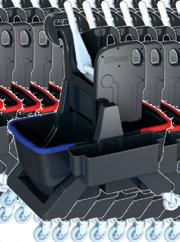
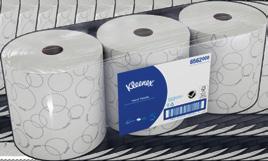
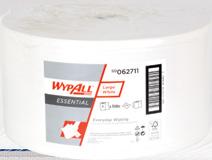
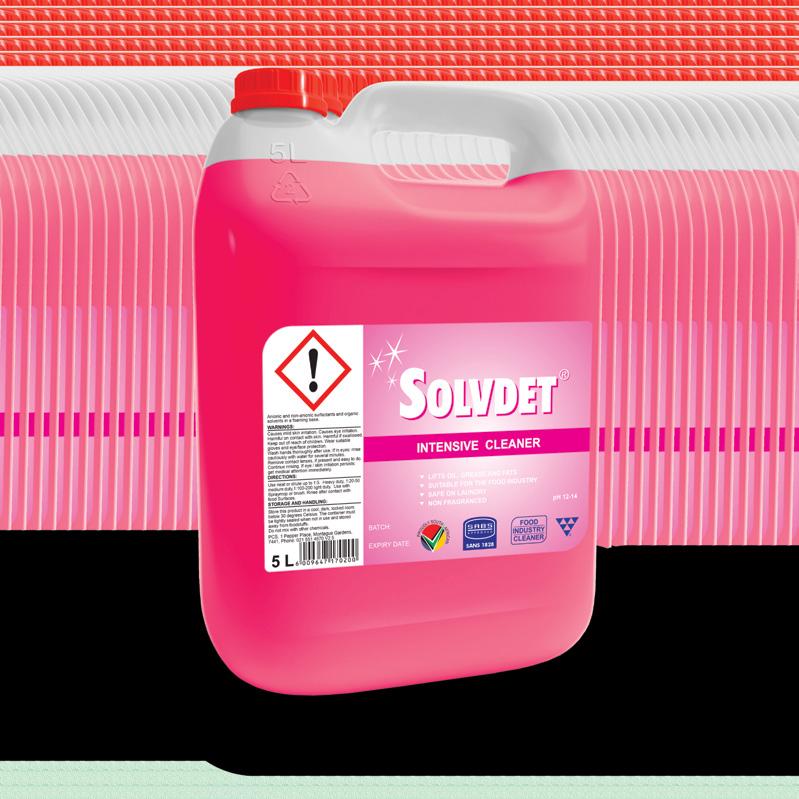
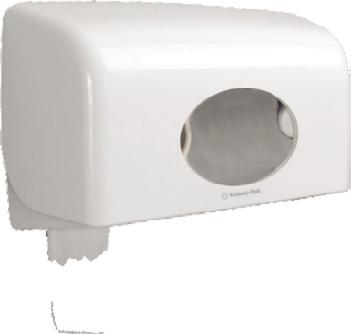
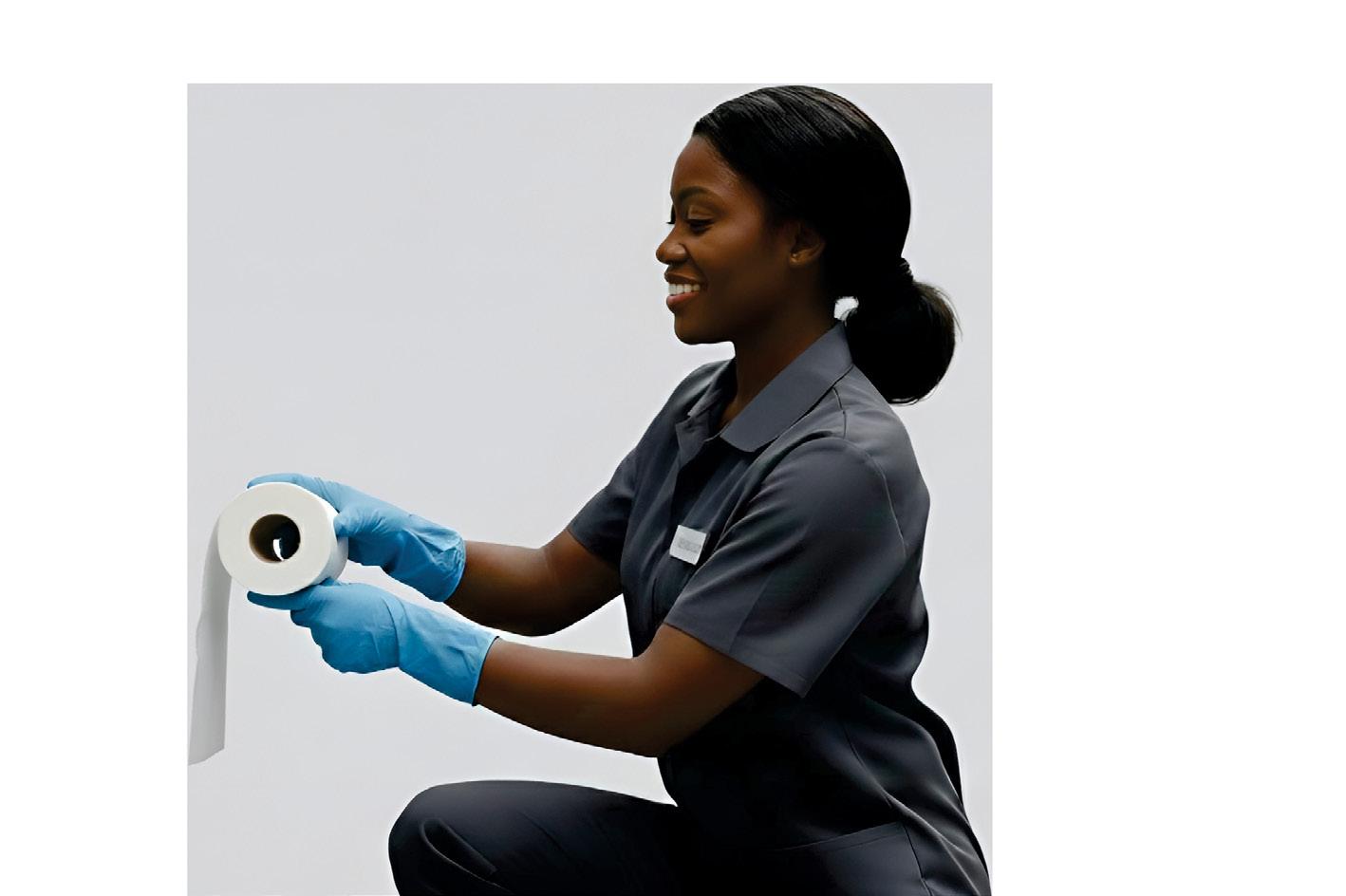
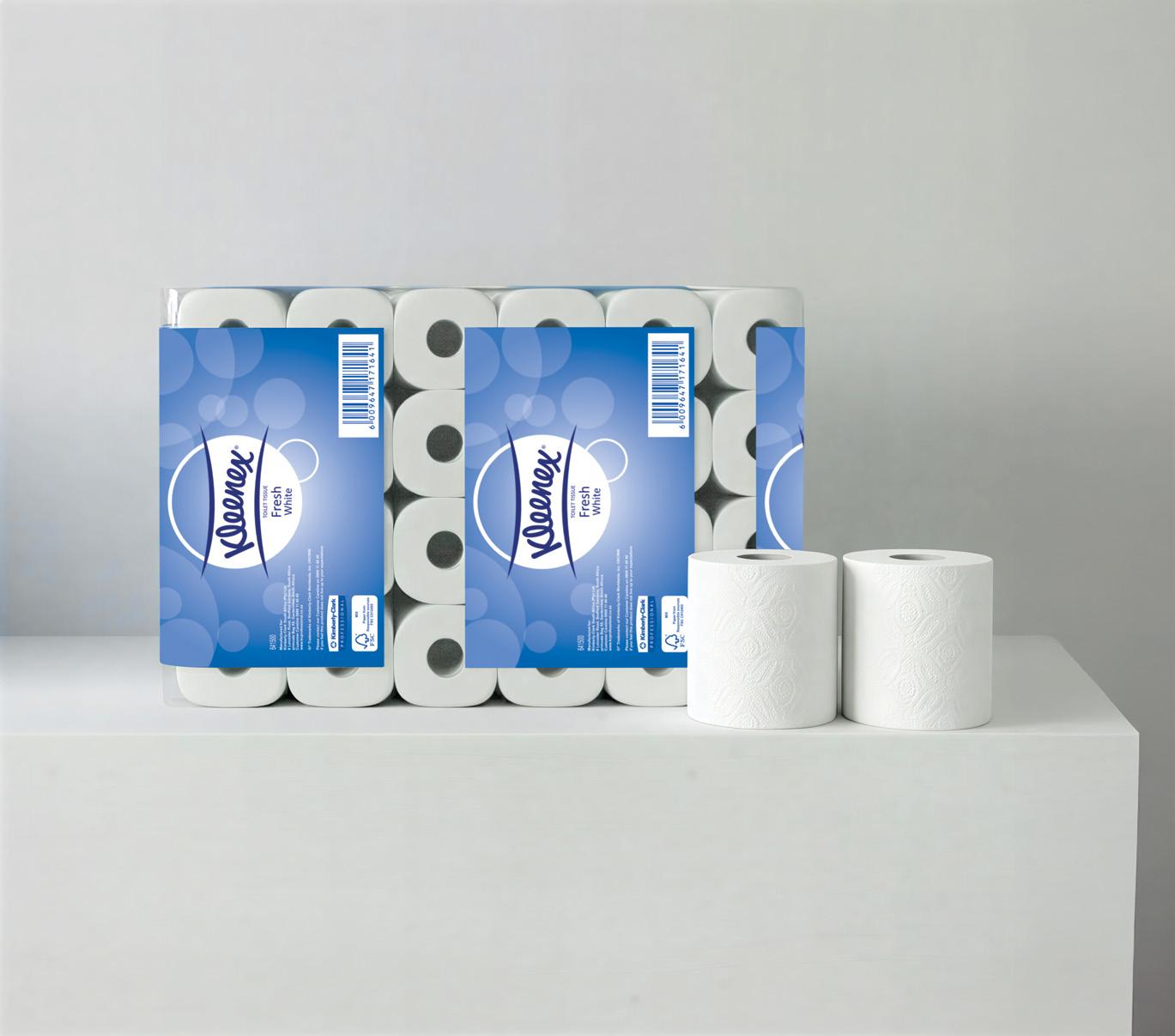
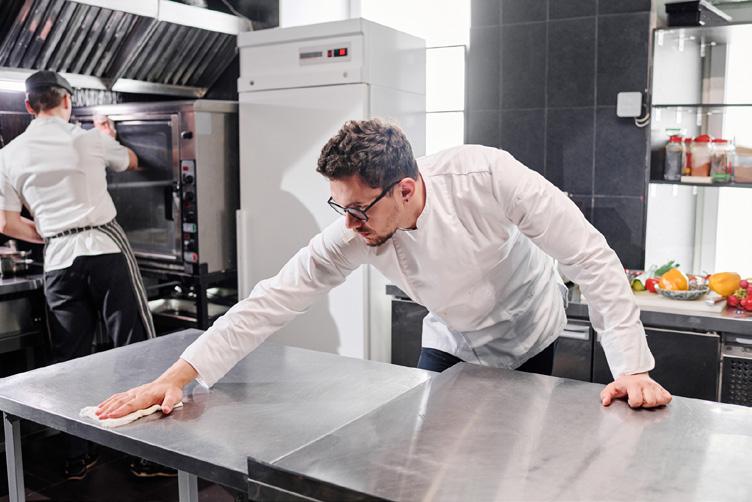
As demands on facilities, businesses, and procurement teams continue to rise, the need for dependable, high-performing paper and hygiene solutions has never been greater. Dream has been developed with this reality in mind. Ranges such as Revive and Pure deliver premium performance and reliable wet strength across a comprehensive portfolio, including folded hand towels, industrial wipes, and toilet tissue.
Read more about Wipe-it products on page 19.
Opinion 2
• A case for outsourcing cleaning services Industry News 4
• Nilfisk board recommends voluntary takeover offer to shareholders
• Tsebo Solutions Group acquires Flick Pest Control
• ISSA announces 2026 International Cleaning Week
• Labour minister seeks treasury funding for more labour inspectors
• The 2026 Clean Hands Index to elevate public handwashing standards worldwide
• Interclean Amsterdam returns during Tulip season
• Rural health and hygiene bolstered in Zambia through WASH-FIT
Editorial
• Secure a long-term partnership with a brand that 7 guarantees performance – Numatic
• Valuable addition to the Tennant Professional 13 Range – Goscor
• How technology and innovation in cleaning drives productivity • Cleaning and hygiene services in production environments Chemicals and dilution systems 16
• Making informed choices between chemical dilution systems and ready-to-use
• The mathematics of dilution – more product does not mean more clean Skills Development Update 14
• New digital learning platform to bridge cleaning sector training gap
Advertorial
• How hygienic workplace washrooms support your 15 customer’s bottom line – Nuwkem
• Dreaming forward together: The next chapter in paper 19 excellence – Wipe-it
African Cleaning Review is aimed at end-users, contractors and suppliers of products and services to Africa’s Cleaning, Hygiene, Maintenance, Textile Care, Pest Control, Waste- and Facility Management industries. It is published every other month by: e-squared Media
All editorial contributions can be sent to the editor who reserves the right to publish editorial based on the strength of its content. No articles or photographs may be reproduced, in whole or in part, without written permission from the publishers.
Although every effort is made to ensure the accuracy and reliability of material published in African Cleaning Review, e-squared Media and its agents can accept no responsibility for the veracity of the claims made by contributors, manufacturers or advertisers. Copyright of all material published in African Cleaning Review remains with e-squared Media and its agents.
Planned features for 2026
March/April issue: Editorial deadline 20 February
• Digital and smart solutions
• Training and skills development
• Food and beverage hygiene solutions
May/June issue: Editorial deadline 17 April
• Hard floorcare cleaning solutions
• Hand hygiene
July/August issue: Editorial deadline 19 June
• Healthcare cleaning and hygiene
• Wipes and wiping solutions
• Women in cleaning and hygiene
September/October issue: Editorial deadline 14 August
• Sustainability in cleaning
• Washroom hygiene
• Cleantex Africa 2026 catalogue
November/December issue: Editorial deadline 16 October
• Hospitality cleaning solutions
• Retail cleaning solutions
• Cleantex Africa 2026 review
Feature sections in every issue:
• Textile care review
• Facilities management review
• Green building
•
•
Welcome to the first 2026 issue of African Cleaning Review. I trust that you enjoyed a relaxing break, revitalised to start an exciting new year. We start the issue off with a prominent reminder that the Cleantex Africa exhibition takes place in Johannesburg from 13 to 15 October this year. Regarded as the African marketplace for cleaning and facility solutions, it is the continent’s must attend event to connect with local and international decisionmakers exploring trends, technology, and attending educational sessions.
Apart from industry news, this issue will highlight the key trends shaping contract cleaning and facility management. It offers a closer look at how technology and innovation drives cleaning productivity, the mathematics of dilution, and a new digital learning platform bridging the cleaning sector training gap.
Please remember that digital issues of African Cleaning Review remain available via our website throughout the year, which serves as a boon for those that want to refer back to articles or, if sourcing products, equipment, and services, as contained in the annual Buyers Guide. The annual Buyer’s Guide, released together with this issue provides facility owners and managers, contract and in-house cleaners with a valuable product and services sourcing tool for the next 12 months and is now also available at: www.africancleaningreview.co.za
As the leading African source of trade information for the professional cleaning and facility solutions industry for more than 25 years, we look forward to continue in providing the latest news and trends. We invite this community to join us in the next exciting phase of growth and connection to better serve our audience and industry partners, by actively Promoting Clean.
Typically, there is a lot more in this issue to consume, enjoy the read. May your year be filled with an abundance of new opportunities.
opinion
A case for outsourcing cleaning services
Many businesses are under the impression that the cost of a cleaner is only the salary on their payslip. The truth is far more costly and carries additional risks. Hidden expenses such as statutory contributions, provident fund obligations and mandatory bonuses can add up to 29 percent on top of the base wage. According to Robert Erasmus, Managing Director at Sanitech, an integrated hygiene and sanitation solutions company, this is before the cost of cleaning equipment, chemicals and training or the administrative work required to remain compliant on that employee.
Outsourced cleaning services can be a strategic way to address challenges. In fact, outsourcing cleaning cuts hidden labour costs, ensures compliance, improves efficiency and reliability, and protects businesses from legal, financial, and operational risks. Using a professional service provider allows businesses to gain clarity and control over these hidden costs, cut administrative burdens and ensure full compliance with labour legislation while maintaining consistent standards of service and operational efficiency.
Outsourcing reduces compliance risk
Compliance with labour legislation can be complicated and time-consuming, particularly for businesses that do not operate in highly regulated industries. Outsourcing eliminates this challenge. A professional cleaning provider ensures that all statutory contributions, bargaining council requirements and labour regulations are met, which removes the risk of
inadvertently breaking the law and allows management to focus on core operations rather than employment administration.
The right provider will handle the full spectrum of responsibilities, from employment contracts and payroll to absenteeism management and health and safety compliance, mitigating hidden liabilities that in-house teams often overlook. This is particularly valuable in sectors where labour legislation changes frequently or where small businesses may lack the expertise to manage obligations correctly.
Predictable costs and smarter budgeting
Outsourcing simplifies budgeting. Businesses receive a single, predictable invoice covering labour, equipment, chemicals, and compliance obligations. This makes financial planning more accurate and eliminates unexpected costs that often arise from managing in-house staff, such as overtime, absenteeism cover, and training expenses.
In addition to predictability on costs, outsourcing reduces indirect expenses such as administrative overheads, the risk of fines, and operational inefficiencies. Most importantly, it allows businesses to maintain high service standards without the complexity and risks that come with direct employment. The overall result is not only a cleaner facility but also a smoother, more manageable and legally compliant operation.
Hidden costs often go unnoticed
The true cost of employing a cleaner goes far beyond the basic wage shown on a payslip, as employers are legally required to make additional payments, including provident fund contributions, annual bonuses, and other statutory obligations. Organisations often assume the quoted wage or contract price represents the full cost of the worker, but this is often not the case.
Many unscrupulous cleaning service providers cut corners to offer lower prices. Common measures by noncompliant providers include failing to pay mandatory annual bonuses or provident fund contributions, not supplying the correct equipment, chemicals or Personal Protective Equipment (PPE),
While these shortcuts may reduce the provider’s costs, they shift the compliance risk to the client and can leave workers unprotected.
While these practices may appear cost-effective in the short term, they carry serious potential ramifications. Businesses caught using non-compliant contractors can face fines, back pay claims, and reputational damage if legislation is breached. Aside from the financial implications, using such providers creates operational and legal risks.
For example, an audit or inspection could expose unpaid contributions or unsafe working conditions, potentially leading to penalties and legal costs. Being aware of all employment costs, including hidden legal obligations, is key to effective budgeting. Choosing a compliant service provider protects the business from compliance risks, ensures worker safety, and supports professional cleaning standards.
Operational efficiency and reliability
Small in-house teams often face operational challenges that are easy to underestimate. Absenteeism, coverage gaps, and equipment shortages can disrupt cleaning schedules and
to provide coverage in the event of absences, ensuring operations continue without interruption. Outsourcing also guarantees use of the correct equipment, chemicals, and PPE.
Cleaning service providers train staff to handle all materials safely and efficiently, reducing the risk of accidents, improper chemical use or equipment damage. For businesses without expertise in industrial cleaning or chemical handling, these considerations are critical. Professional service providers ensure that work is done safely, effectively and in line with environmental and safety regulations.
Practical approach to keeping it clean
Outsourcing cleaning services is about efficiency and control. It ensures that all employment costs are covered, labour laws are followed, and staff have the proper training, equipment, and support.
For businesses with small or non-specialist teams, outsourcing provides a reliable way to manage costs, maintain high standards, and reduce administrative burdens. By leaving employment and compliance to experienced service providers, organisations can focus on their core
Nilfisk Board recommends voluntary takeover offer to shareholders
Nilfisk’s Board of Directors has unanimously recommended the voluntary all-cash takeover offer for all shares in Nilfisk from Freudenberg.
“Following a comprehensive evaluation of the offer and its implications, conducted together with our advisors, the Board unanimously recommends that Nilfisk’s shareholders accept Freudenberg’s offer,” stated Peter Nilsson, Board chair. “Our recommendation is based on the attractive all-cash offer price,
which is supported by an independent fairness opinion, the high degree of transaction certainty, and the support expressed by major shareholders and the Executive Management”.
“In addition, we see a strong strategic and cultural fit between the two companies, which makes this a compelling offer for Nilfisk’s shareholders.”
The Board concluded that the offer from Freudenberg represents the result of an extensive and meticulous due diligence and negotiation process, where the Board has worked to secure improved terms and conditions.
In the Board’s view, the offer now presented to Nilfisk’s shareholders represents the most attractive
Tsebo Solutions Group acquires Flick Pest Control
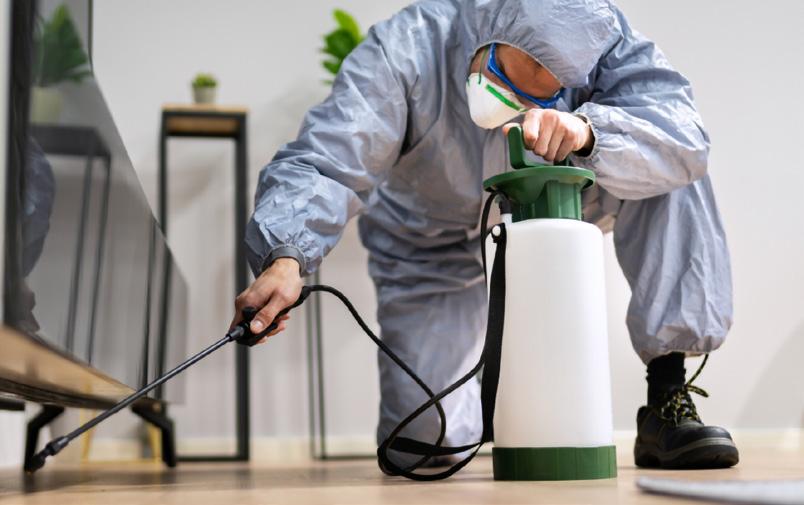
As part of its strategy to build a fully integrated, compliancedriven national service platform, Tsebo Solutions Group has acquired Flick Pest Control. The acquisition strengthens Tsebo’s Cleaning, Hygiene and Pest Control division and significantly expands its capacity to deliver pest management solutions across both commercial and domestic markets. It comes at a time when organisations face increasing regulatory and public scrutiny around hygiene standards, food safety, and environmental compliance.
As part of the transaction, the workplace management provider has acquired Flick’s established brand portfolio, including Pestmaster KwaZuluNatal, Fumigation and Marine Services (FMS), and Contractokil Environmental Services in the Western Cape.
Flick’s expertise spans a wide range of pest risks, including rodents, termites, cockroaches, flies, bed bugs, and birds. The addition of FMS’s fumigation capabilities further strengthens Tsebo’s ability to deliver standards-aligned pest management solutions nationwide.
The acquisition supports Tsebo’s ambition to build a leading, integrated workplace management platform across Africa, focused on accountability, consistency, and measurable outcomes.
Each business will continue operating under its existing brand identity, while gaining access to Tsebo’s national infrastructure, systems, and governance frameworks. Tsebo operates in 27 countries across Africa, providing workplace management solutions that support productivity, operational efficiency, and regulatory alignment.
Flick brings more than 50 years of pest management expertise and a strong reputation in the South African market.
The acquisition also responds to a growing demand for audited pest control programmes supported by certified technicians, transparent reporting, and measurable compliance outcomes. Businesses across sectors are increasingly required to demonstrate robust hygiene and pest management systems as part of broader risk and safety frameworks.
Flick will continue operating under
outcome. The Board welcomes Freudenberg’s stated commitments regarding employee continuity, company culture, and its intention to further develop Nilfisk.
The offer period is expected to expire on 18 February 2026, unless extended. Freudenberg expects completion of the offer, including payment of the consideration to the selling shareholders, in the first half of 2026, subject to the receipt of all regulatory approvals and clearances.
Nilfisk, founded in 1906 is a world-leading global provider of professional cleaning equipment and services with more than 90 percent of its sales to professional customers.
its existing name, retaining its people, systems and client relationships. Melusi Maposa, CEO of Tsebo’s Cleaning, Hygiene and Pest Control division, said the acquisition brings together organisations with complementary strengths.
“Flick and its regional businesses, including Pestmaster, FMS, and Contractokil, have built strong reputations through reliable, compliance-focused service. By combining that foundation with Tsebo’s national footprint, integrated systems, and consistent operating standards, we can provide clients with a more predictable, future-ready service with enhanced operational oversight,” said Maposa.
ISSA announces 2026 International Cleaning Week
ISSA, the worldwide association for cleaning and facility solutions, announced the return of International Cleaning Week (ICW), from 22 to 28 March 2026. This event honours the vital work of cleaning professionals, advances industry advocacy, and recognises exemplary organisations and teams through a series of signature celebrations.
“International Cleaning Week reflects our shared commitment to excellence and the remarkable impact of cleaning and facility professionals worldwide,” said ISSA Executive Director Kim Althoff. “I am honoured to lead this vibrant community, and excited to celebrate the teams and innovators who raise the bar for healthy, safe, and sustainable environments year-round.”
The second annual Spotless Spaces Competition, sponsored by Tork, an Essity Brand, is designed to spotlight the facility management teams and cleaning professionals who are committed to creating and maintaining
safe, healthy, clean, and accessible spaces for everyone. This exclusive programme honours the individuals and groups whose dedication ensures the environments we rely on, from offices and hospitals to schools and public spaces, support wellbeing, accessibility, and excellence every day.
“Tork is proud to sponsor the Spotless Spaces Competition and champion a facility or cleaning team whose dedication to sustainability, and inclusive hygiene serves as a best-inclass example for our industry,” said Essity Brand Activation Director, Raquel Carbonari.
ICW 2026 includes the ISSA Clean
Labour minister seeks treasury funding for more labour inspectors
Minister of Employment and Labour, Nkosazana Meth, recently confirmed that her department will approach National Treasury for increased funding to employ more labour inspectors across all nine South African provinces.
The move comes as the department reports persistent non-compliance in workplaces across the country, with noncompliance rates ranging between 13 to 66 percent across provinces and sectors over the past five years. Between 2021 and 2025, the Department conducted 1,265,135 workplace inspections and received thousands of complaints regarding non-
compliant workplaces. During the same period, a total of 1,662 labour inspectors were employed.
“Motivation will be made to the National Treasury for increased funding to employ more labour inspectors. The number will be determined by the International Labour Organisation (ILO) ratio of 1:20 000, that is, one labour inspector for 20,000 workers for transitional economies such as South Africa”, Meth said.
“There is also a need to strengthen labour inspectors by increasing their numbers, especially in Employment Equity and Statutory Services”.
The Minister also highlighted the launch of “Project 20K,” a two-
Advocacy Summit, taking place from 23 to 24 March 2026, in Washington, D.C. This premier event brings together leaders, advocates, and stakeholders for policy briefings, advocacy training, and direct engagement with Congress. The inaugural ICW Awards Dinner, on 23 March, will recognise Spotless Spaces Competition winners, outstanding advocates, policymakers, and up-and-coming industry leaders, providing unparalleled networking and recognition opportunities.
For more information about signature events and engagement opportunities during International Cleaning Week, visit: www. issa.com/icw
year initiative that will see 20,000 graduate interns deployed within the inspections and enforcement branch to support labour inspectors and gain experience within the South African Labour Market.
Nkosazana Meth
The 2026 Clean Hands Index to elevate public handwashing standards worldwide
Clean Hands Man announced the launch of the 2026 Clean Hands Index, a groundbreaking, independent benchmarking report focused on real public handwashing experiences in public and commercial washrooms. The index brings together insights from multiple industries – including hand hygiene and dispenser manufacturers, plumbing fixture manufacturers, architects and designers, distributors, facility owners and managers, cleaning professionals, and public health advocates – while placing public input at the centre of the conversation.
Unlike traditional industry reports that rely primarily on
product specifications or internal performance claims, the 2026 Clean Hands Index combines national public surveys, on-site facility evaluations, public health research, and human-centred storytelling to assess how well public handwashing environments actually serve people in everyday life.
“Public handwashing sits at the intersection of health, design, operations, and behaviour,” said Tim Cromley, Founder of Clean Hands Man. “The Clean Hands Index is designed to break down silos and create a shared, credible understanding of what’s working, what’s not, and how we can collectively raise hygiene standards.”
Interclean Amsterdam 2026 returns during Tulip season
Interclean Amsterdam, the world’s leading platform for cleaning and hygiene professionals, returns from 14 to 17 April 2026. Set amongst Europe’s most vibrant spring flowers, the upcoming edition promises a host of new initiatives and experiences designed to inspire, connect, and advance the global cleaning and hygiene community.
The 2026 exhibition will introduce more live and interactive experiences than ever before. Visitors will be able to explore hands-on zones, including Hospitality, Robotics, Outdoor Cleaning,
and Healthcare Cleaning Experiences, which offer real-world demonstrations and practical insights. The Outdoor Cleaning Experience will also showcase the latest façade and window cleaning systems in action.
Knowledge exchange will take centre stage across four dedicated platforms: The Data and Tech Stage, Sustainability (ESG) Stage, Main Stage, and Health and Hygiene Stage. Each will feature a dynamic programme of expert talks, product presentations, and demonstrations throughout the event. Innovation remains at the core
A defining feature of the 2026 Clean Hands Index is its emphasis on public participation. Through multiple national surveys and realworld sampling, the index captures how people perceive cleanliness, accessibility, touch-free technology, and overall trust in public handwashing environments.
Clean Hands Man is an independent advocacy and storytelling platform dedicated to improving public handwashing standards worldwide. Through research, benchmarking, media, and partnerships, Clean Hands Man connects manufacturers, designers, distributors, facility managers, and health advocates to raise expectations – and outcomes – for hygiene everywhere.
For more information visit: www.cleanhandsman.com
of Interclean Amsterdam. The twelve most promising new developments from around the world will be highlighted in the House of Awards as part of the Amsterdam Innovation Award programme.
Hosting more than 900 exhibitors and 30,000 expected visitors from 120 countries, Interclean Amsterdam stands as the world’s largest global meeting place for cleaning and hygiene professionals. This is a unique opportunity to discover breakthrough technologies, sustainability solutions, and new product launches up close, and take part in structured and informal networking opportunities with manufacturers, distributors, contract cleaners, facility managers, and leading international experts. Alongside the business agenda, visitors can immerse themselves in an electric atmosphere with live music, art performances, DJs, and VIP networking sessions that capture Amsterdam’s dynamic spirit.
For more information about the show or to register visit: www.intercleanshow.com/amsterdam
Secure a long-term partnership with a brand that guarantees performance
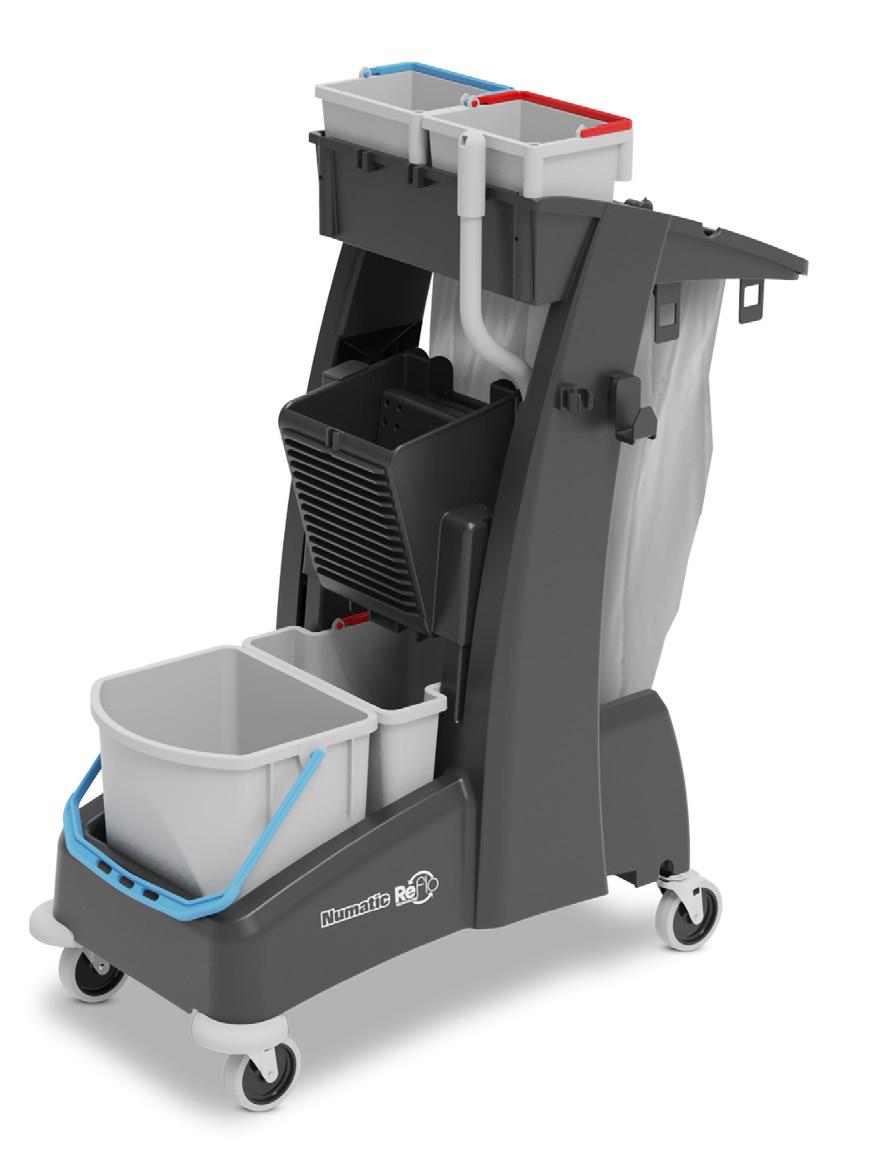
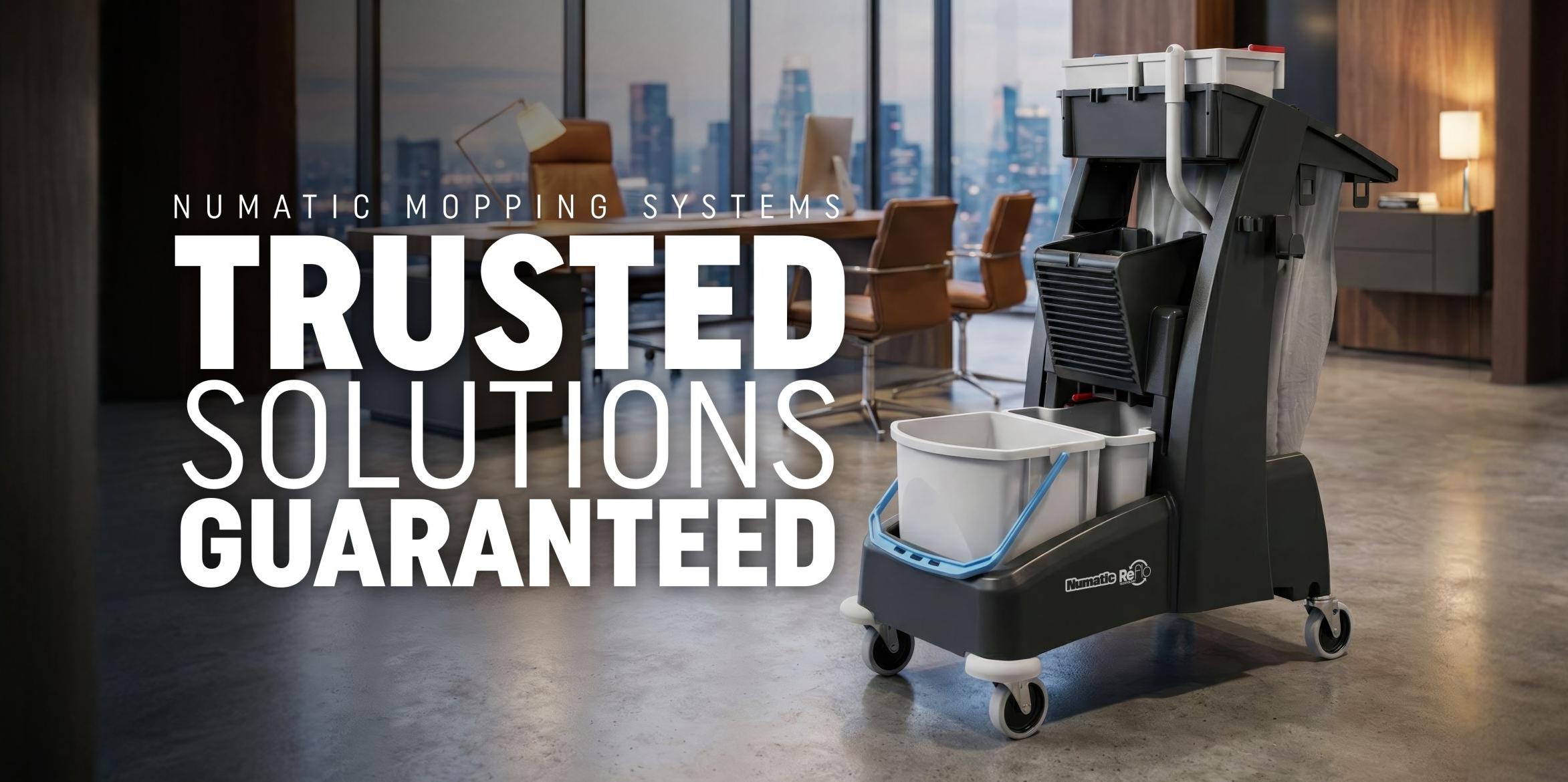
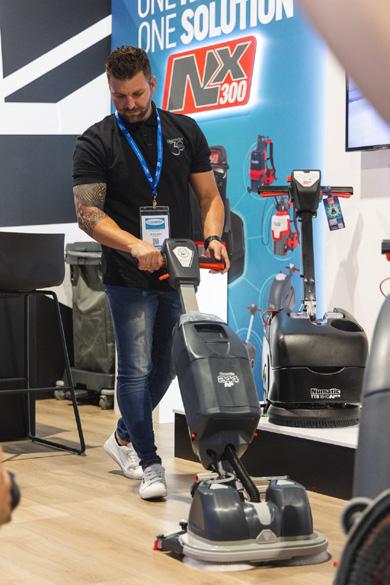
The standard for hygiene and efficiency in the demanding professional cleaning sector is constantly rising. To meet this challenge, businesses and institutions require cleaning solutions that are not only effective but also reliable and built to last. This is where Numatic mopping systems stand apart, offering a suite of products designed on the foundation of trusted solutions, guaranteed.
Numatic has long been synonymous with quality in the cleaning industry. Their mopping systems are meticulously engineered to deliver superior performance, optimising the cleaning process and significantly reducing the time and effort required to maintain pristine environments. From healthcare facilities demanding the highest levels of sanitation to busy commercial spaces where efficiency is paramount, Numatic provides the correct tools for the job. What sets Numatic apart is their unwavering commitment to durability and practical
design. Their equipment is robust, easy to manoeuvre, and intuitively designed, ensuring cleaning staff can work faster and more comfortably. By investing in Numatic, you’re not just purchasing equipment; you’re securing a long-term partnership with a brand that guarantees performance and supports your operational goals.
In an era where every operational decision counts, choosing Numatic is a smart, strategic move. It is a commitment to cleanliness, efficiency, and the professional-grade reliability that your organisation deserves.
Leading provider of material handling, industrial cleaning, and agricultural equipment and services, BHBW South Africa, recently announced the relocation of its corporate headquarters and Gauteng branch
from Boksburg to a new, purpose-built premises in Kempton Park.
This strategic move represents a significant investment in the company’s expansion and underscores its dedication to delivering top-tier
service and support to customers across southern Africa. The new BHBW premises located at 3 Bonaero Drive, Sky Park Industrial, Kempton Park, offers several advantages, including improved access to OR Tambo International Airport and the R21 freeway, and state-of-the-art warehouse and workshop facilities.
BHBW specialises in the supply and aftermarket support of worldrenowned brands including Hako, Hyster, Yale, Motrec, Massey Ferguson, Fendt, Bednar, Geringhoff, and Crary. The move supports the company’s focus on quality, reliability, and customer service, which has established it as a preferred partner for businesses across the logistics, industrial, agricultural and consumer sectors in southern Africa.
For more information about BHBW and Hako professional cleaning equipment visit: www.bhbw.co.za
Rural health and hygiene bolstered in Zambia through WASH-FIT
Progress in rural Zambia, often begins with the everyday commitment of women working quietly but powerfully in their communities. At Chati Rural Health Centre in Kalulushi and Mboshya Rural Health Centre in Chibombo, two dedicated health workers –Mazinza Nyaywa, an Environmental Health Technician, and Christine Mweemba, a long-serving Nursein-Charge, are leading efforts with their work that goes beyond routine tasks. This involves assessing gaps in water, sanitation, and hygiene (WASH), and waste management, and implementing practical solutions that make a real difference for patients. These improvements are guided by the Water and Sanitation for Health Facility Improvement Tool (WASH-FIT), a structured approach to WASH service provision supported by UNICEF with funding from the government of the Republic of Korea and the European Union’s Nexus Energy and Water Programme for Zambia (NEWZA),
an initiative under the European Union’s Global Gateway strategy.
The WASH-FIT approach begins with forming a dedicated facility team to assess seven key domains: water supply, sanitation, hand hygiene, environmental cleaning, health-care waste management, energy, and building/facility management. Based on this assessment, the team prioritises gaps, develops practical improvement plans that can also be used to advocate for resources and funding, and regularly monitors progress to ensure
sustainable change. UNICEF Zambia applied a newly adapted WASH-FIT tool, developed with OCHA CERF funding, to help healthcare facilities incorporate climate considerations into their assessment and planning processes. Supplies procured such as handwashing materials, sanitizers, detergents, mops, bins, bin liners, chlorine, buckets, and industrial cleaning tools reinforced WASH-FIT actions and made daily work significantly easier for staff.
How technology and innovation in cleaning drives productivity
Technology and data are no longer just supporting cleaning teams – they are revolutionising how they work, making operations smarter, more efficient and more responsive to real-time needs. Trine Lops, Head of Global Cleaning Services, and Anders Dedenroth, Director of Methods and Technologies, are among the key leaders driving these developments at ISS, a leading global workplace experience and facility management company that provides placemaking solutions that contribute to improved business performance. In this article, they share details on how data and technology are enhancing cleaning services.
From routine to responsive: Cleaning powered by data
Replacing static cleaning schedules, Pure Space Connect’s sensor technology measures activity levels across a day or multiple days so cleaning teams can adjust their schedules based on when and where cleaning is most needed in a facility.
“This is all about using the data that we can collect to make our schedules more activity based and more dynamic to what’s actually happening in the building, instead of being static,” says Anders. “Historically, cleaning has been conducted with constant frequencies, resulting in some areas being over cleaned and other areas being under cleaned. However, by having access to and applying the data we can become rule based, and we can also adjust our routines based on the feedback that we are getting from the users,” he adds.
Feedback can be through user satisfaction scores, which alongside the sensor data, help teams strike the right balance between efficiency and quality. Whether it’s a high-traffic washroom or a quiet corner desk, cleaning is now tailored to actual usage.
“It’s making sure that the employees don’t enter a washroom which should have been cleaned a couple of hours ago based on the number of people
The goals behind the cobots are to ensure consistent cleaning quality and improve sustainability, which is key as research for our Evolving Workplaces Report found that 80 percent of employees think it is important that their company has sustainability initiatives in place.
that have entered. We also work to ensure that you don’t run out of supplies like hand towels, toilet paper or soap,” says Trine.
Employees can also request cleaning or a refill of supplies by scanning a QR code in the washroom.
Cobots and cleaners:
A collaborative force
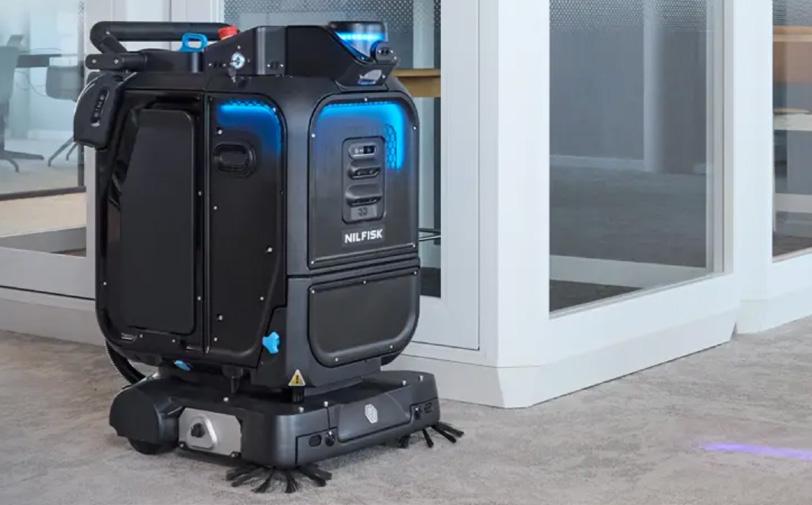
Across 21 countries, ISS is deploying over 800 cleaning robots – known as cobots – that sweep, vacuum, and scrub. But these aren’t there to be an interesting gadget, says Trine, “We shouldn’t just implement a robot on site because the customer wants it or thinks it’s fancy to have a robot around. We should do it because it solves a problem and it has a wider purpose.”
As part of this aim, we’re launching the Cobot Framework which is an extensive process to address areas such as whether adding a cobot is justified at that customer site, which type of cobot
is most suitable, if it meets privacy and data protection requirements, and more. Having this framework in place will ensure we maximise the impact of cobots at our customer facilities. The goals behind the cobots are to ensure consistent cleaning quality and improve sustainability, which is key as research for our Evolving Workplaces Report found that 80 percent of employees think it is important that their company has sustainability initiatives in place.
The devices also reduce physical strain on placemakers by doing the first phase of cleaning, with the placemakers then using their knowledge of ISS’ cleaning standards to decide if more work is needed – the technology is enhancing, not replacing, the human touch. Together, they create a workplace that’s not only cleaner but also smarter and more sustainable. In fact, multiple UK customer facilities have increased floor cleaning efficiency by 30 percent since using the cobots.
Image by freepik
We are looking for robots that can support the cleaner to focus on what’s most important to the client, and the important thing is the collaboration, so the robot can tell them where it has been or where it hasn’t been, or what it has experienced. The intelligence is transferred to the human so that they can put their focus on where the needs are.
“People are still more intelligent than the robots, so it’s about how we can help them apply that intelligence. We are looking for robots that can support the cleaner to focus on what’s most important to the client, and the important thing is the collaboration, so the robot can tell them where it has been or where it hasn’t been, or what it has experienced. The intelligence is
transferred to the human so that they can put their focus on where the needs are,” says Anders.
“We will always look for factors that can make us work smarter. It’s making sure that we are in front of the wave for finding the right balance between the resources that we’re using in the manual equipment and the more technological equipment,” he adds.
From sensor-driven scheduling to collaborative cobots, smart solutions are not only boosting productivity but also enhancing the everyday experience for employees.
ISS, is a leading global workplace experience and facility management company that provides placemaking solutions that contribute to improved business performance. The company believes people make places and places make people. ISS is driven by the principal that when the company get things right, it enhances lives and makes the world work better.
Cleaning and hygiene services in production environments
The specialised task of cleaning high-risk environments in industrial production facilities goes far beyond surface-level wipe downs and sweeping. Every manufacturing process is unique, especially the associated risks, which can range from high temperatures, high pressures, use of toxic or flammable raw materials, all the way to risk of contamination in food processing facilities.
Effective cleaning is often overlooked but it should be a key consideration and needs to be customised to protect products, safeguard workers, and to minimise costly downtime according to Servest Group’s Silvia Schollenberger. Seamless integration of cleaning with production schedules is vital. Specialised cleaning of production lines and machinery is often only scheduled to take place during planned maintenance. Close collaboration between cleaning and hygiene service providers and operations can create efficiency benefits when cleaning teams can also clean machines during unplanned downtimes. This allows for increased up-time of
production lines or machines as the need for further down-time for cleaning can be delayed or even avoided.
Industries have different moving parts and cleaning requirements. In the tyre industry, strict contamination controls are vital for the product to be vetted for its eventual use in the motor industry.
A single foreign object in the rubber mix can lead to defective products and increased waste. Cleaning protocols should be designed in collaboration with clients, covering the entire production cycle, from raw material handling to final quality control. These protocols are monitored via custom dashboards, and reported on, ensuring traceability and audit readiness. Regular reports from
cleaning and hygiene service providers should provide clients with statistics on reduced equipment downtime due to tailored cleaning schedules.
Chemical manufacturing could involve the use and production of toxic, flammable, and explosive materials. In this environment, cleaning equipment and solutions must be vetted carefully to ensure safety protocols are always adhered to.
The pharmaceutical sector is another sector that is subject to rigorous process controls as per the Good Manufacturing Practices (GMP) and Good Distribution Practices (GDP) and a range of other process adherence requirements.
Trine Lops Anders Dedenroth
feature contract cleaning
Specialised industrial cleaning is no longer a support function; it should be a strategic part of manufacturing. From avoiding contamination to keeping workers safe, healthy, and ensuring compliance, the role of a modern industrial cleaning service provider is multidimensional.
Cleaning and hygiene services should support adherence to covering items from warehouse deep cleaning, that limit dust build up all the way to running an Integrated Pest Management solution in-line with Hazard and Critical Control Points (HACCP) requirements.
Glass manufacturing processes again poses unique challenges, from hot furnaces and hazardous gases to sharp glass shards. Cleaning must be precisely timed and carefully executed, always prioritising safety and operational continuity
In food manufacturing, cleanliness can directly impact consumer health
coded equipment to prevent crosscontamination and should swab and test surfaces for bacterial activity using specified techniques to support the client control measures.
The listeriosis outbreak across South Africa in 2018 placed greater emphasis on hygiene protocols with increased audit requirements implemented. By extension, cleaning service providers needed to support their customers in this sector with improved monitoring and reporting.
Specialised industrial cleaning is no longer a support function; it should be a strategic part of manufacturing. From
By co-creating tailored, risk-conscious solutions with cleaning and hygiene service providers, cleaning teams help maintain smooth operations, reduce liability, and protect both people and products, making them a vital partner in every industrial setting.
Abridged article by Silvia Schollenberger
Silvia Schollenberger
editorial Goscor cleaning equipment
Valuable addition to the Tennant Professional Range
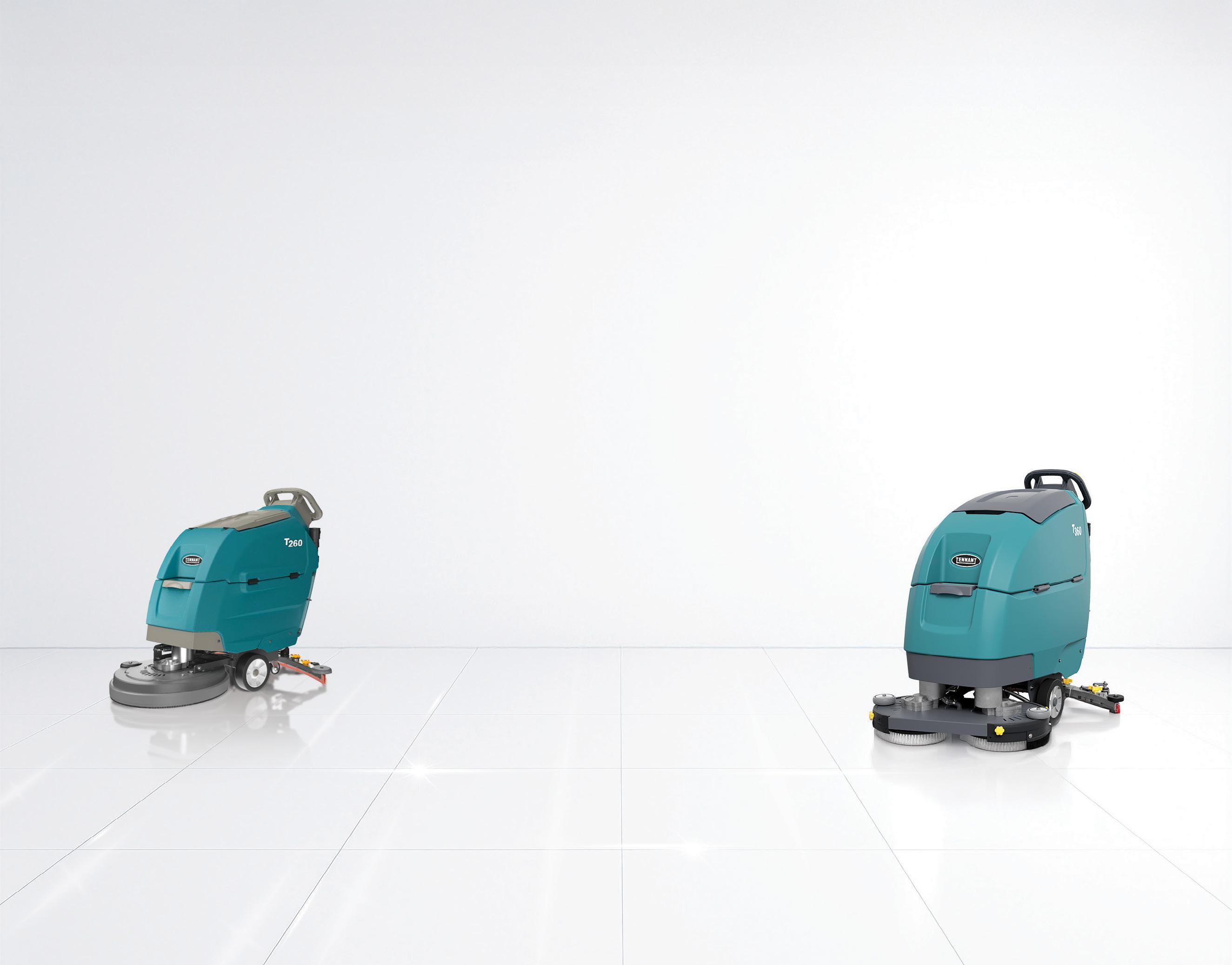
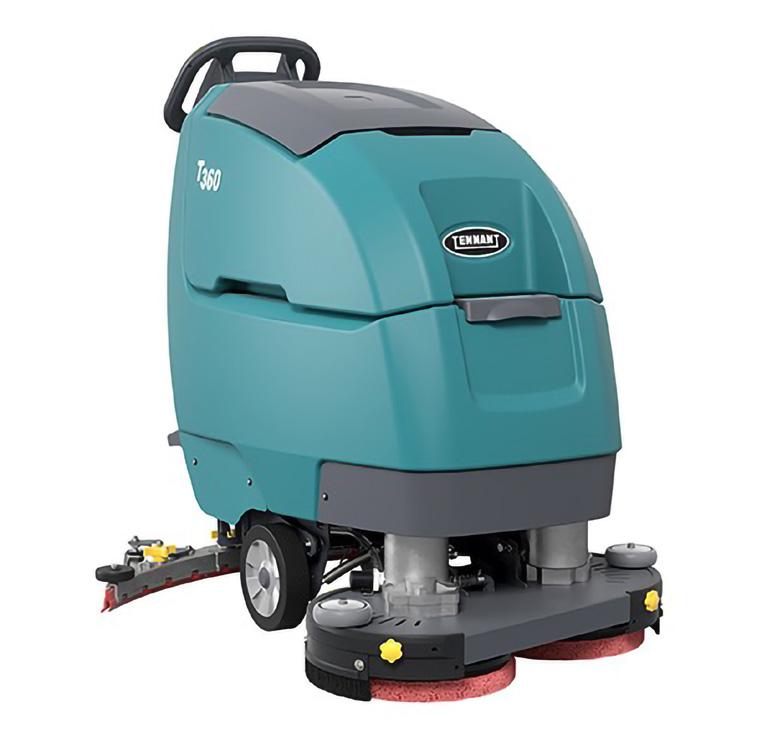
Tennant has expanded its Professional Range, originally launched in South Africa in 2025, with the introduction of the T360 walkbehind scrubber. This strengthens Goscor Cleaning Equipment’s (GCE) ability to support high-volume, performance-driven cleaning operations across South-Africa. Designed for environments where uptime, consistency, and cost control are essential, the T360 offers contract cleaners a dependable solution that
enhances productivity while simplifying daily floorcare. The T360 delivers reliable scrubbing performance through even brush pressure, controlled solution flow, and a durable scrub deck engineered for frequent use. Its intuitive, easy-to-learn controls help reduce training time and support consistent results across multiple shifts – an important advantage for teams working across diverse sites.
Productivity that supports SLA delivery
For cleaning contractors, efficiency directly impacts service levels and contract profitability. The T360’s Lithium battery, efficient solution usage, and generous tank capacity reduce downtime, allowing teams to cover more floor area per shift. Its compact, ergonomic design ensures smooth movement around obstacles and in busy operational spaces, helping operators maintain pace without sacrificing quality.
Durability reduces total cost of ownership
Built with industrial-grade components, the T360 withstands demanding, high-frequency
cleaning schedules common in contract environments. Clear daily maintenance points and rapid access to serviceable components help minimise unplanned downtime. Backed by GCE’s national technical support network and availability of genuine Tennant parts, contract cleaners gain long-term reliability and predictable maintenance planning.
Efficient, cost-effective cleaning
With controlled use of water and chemicals, the T360 supports sustainability targets while lowering operational expenditure, key considerations for contractors competing on both performance and cost efficiency.
As part of the latest Professional Range, the Tennant T360 offers a powerful balance of durability, productivity, and ease of use, making it a smart, future-ready choice for contract cleaners seeking dependable results across multiple sites.
For more information visit: www.goscorcleaning.co.za
Step Up Your Clean with the New TENNANT T360.
The Tennant T360 expands on the trusted T260 platform - delivering higher productivity, enhanced features, and the same Tennant durability you rely on. The
New digital learning platform to bridge cleaning sector training gap
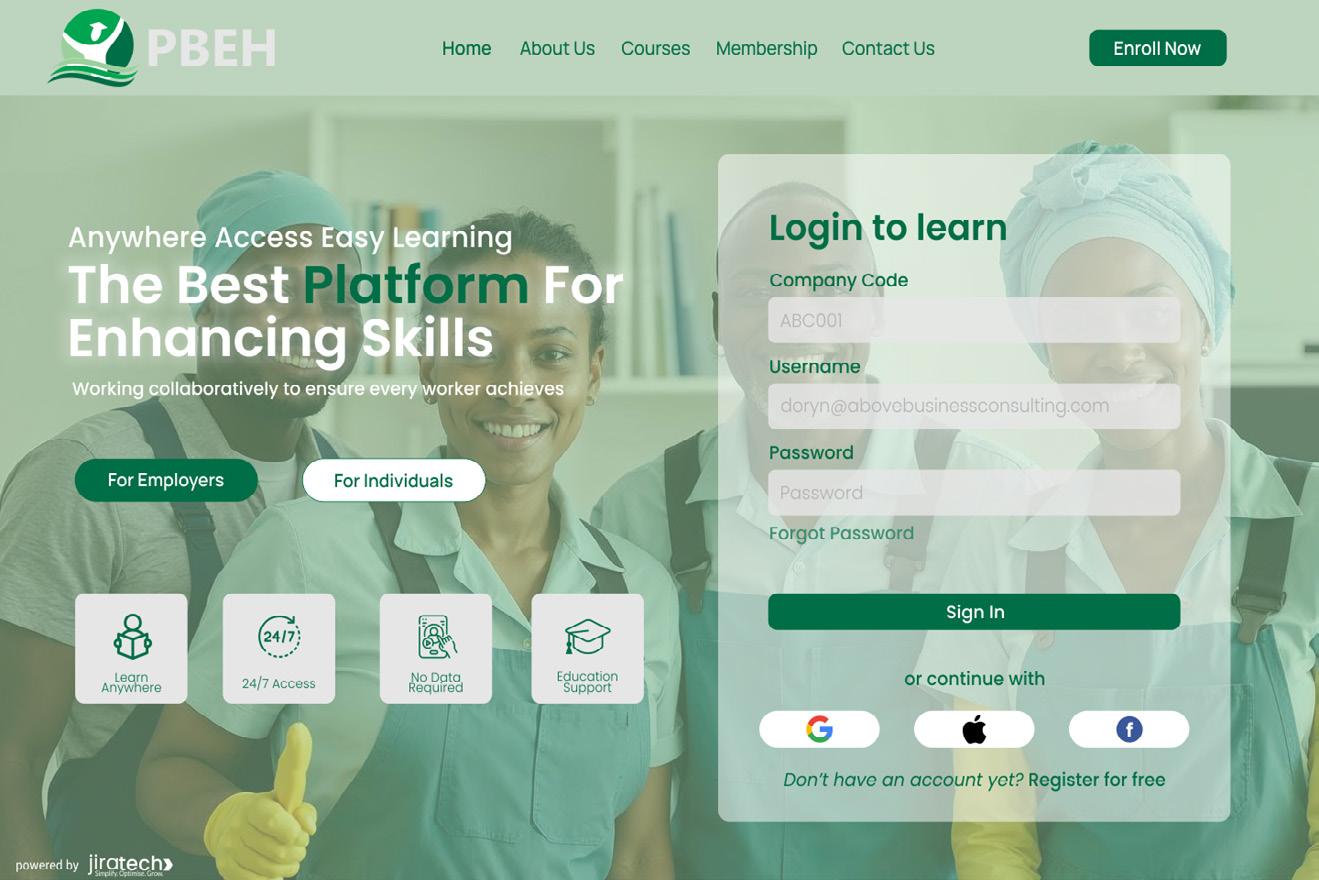
In an industry where an estimated 90 percent of frontline cleaning staff have never received formal training, a new collaborative initiative is set to change the landscape of professional development in South Africa’s cleaning sector. UbuntuIQ, a purpose-built digital learning platform launched recently, is a joint venture between the Professional Body for Environmental Hygiene (PBEH), AboveBusiness Consulting, and technology partner Jiratech. The platform addresses one of the industry’s most persistent challenges: how to train a dispersed workforce operating across thousands of client sites, where staff cannot afford time away from work and inperson training is costly and difficult to scale.
“The PBEH has always believed that cleaning is a profession, not just a job,” says Arthur Bath, PBEH Chairman, who has spent more than 40 years advocating for higher standards in the sector. “But you can’t professionalise an industry if 90 percent of the workforce has no pathway to formal skills development. This digital platform changes that equation entirely.”
Central to UbuntuIQ’s approach is its zero-data model, making training accessible on basic smartphones without consuming expensive mobile data. The platform offers CPD-accredited courses aligned with PBEH standards, covering cleaning
fundamentals, chemical safety, HACCP compliance, healthcare cleaning, and ESG principles – supported by AI-powered tutoring and automated assessments.
“I’ve spent almost two decades in this industry, including managing a cleaning company in the corporate space,” says Doryn Dippenaar, Director at AboveBusiness Consulting. “Traditional online training assumes everyone has data and devices, which simply isn’t the reality for most of our workforce. UbuntuIQ extends access to the 90 percent left behind.”
Beyond training, the venture has secured partnerships providing tangible benefits to learners and their families,
including discounted transport, educational support for children, and retail discounts.
“This is not one organisation trying to solve everything alone,” adds Bath. “It’s the industry coming together, the professional body, consulting expertise and technology partners, as we all recognise that lifting standards benefits everyone: workers, companies, and the clients we serve.”
PBEH is now accepting registrations from cleaning companies, hygiene service providers, and facilities management organisations across South Africa. For more information visit: www.pbeh.co.za or email:info@pbeh.co.za
Arthur Bath
How hygienic workplace washrooms support your customer’s bottom line?
Did you know that businesses that invest in thoughtful washroom design and maintenance often see stronger customer loyalty, better reviews, and even increased revenue? When people walk into a business, they notice more than just their business offerings. They notice how that space makes them feel, and washrooms are among the most telling spaces. In this article Nuwkem, a washroom hygiene solutions wholesaler, offers hygiene service providers more insight on what it takes to achieve superlative results in workplace washroom environments.
It might seem like a small detail, but a clean, well-equipped washroom speaks volumes. Right or wrong, customers decide how much your business values them from the state of your washrooms. That’s not simply an opinion; it’s backed by research. Studies show that 74 percent of customers are unlikely to return to a business with dirty washrooms, which means that cleanliness is a key driver of loyalty and repeat business.
According to one survey, 45 percent of retail customers say they would avoid a business with dirty washrooms, and they won’t keep it to themselves – 50 percent of the respondents said they would share negative experiences with friends and family. This should be a major concern for your customers because word of mouth could cause potential clients to decide to avoid your customer’s business, even if they haven’t experienced it for themselves.
Washrooms may be thought of as a mere convenience, but people notice when soap dispensers are empty or when there is no toilet paper. They remember unpleasant smells or poor ventilation. Those impressions matter because a neglected washroom can undo much of the hard work your customers have put into their brand. But here’s the good news – the opposite is also true. A South African
study of shopping centre attributes found that amenities are significant predictors of customer satisfaction and patronage. Proving the validity of this statement is the fact that one restaurant saw a 40 percent rise in turnover after just upgrading their washroom facilities. That’s the power of getting the basics right.
A study conducted in the city of Bloemfontein involving 300 restaurant customers found that washroom cleanliness had a significant influence on customer satisfaction. It affected the customers’ willingness to pay premium prices, made them more willing to return, and to spread the message through positive word of mouth. It is interesting to note that the study found that washroom cleanliness outweighed other hygiene factors like personal hygiene and equipment cleanliness.
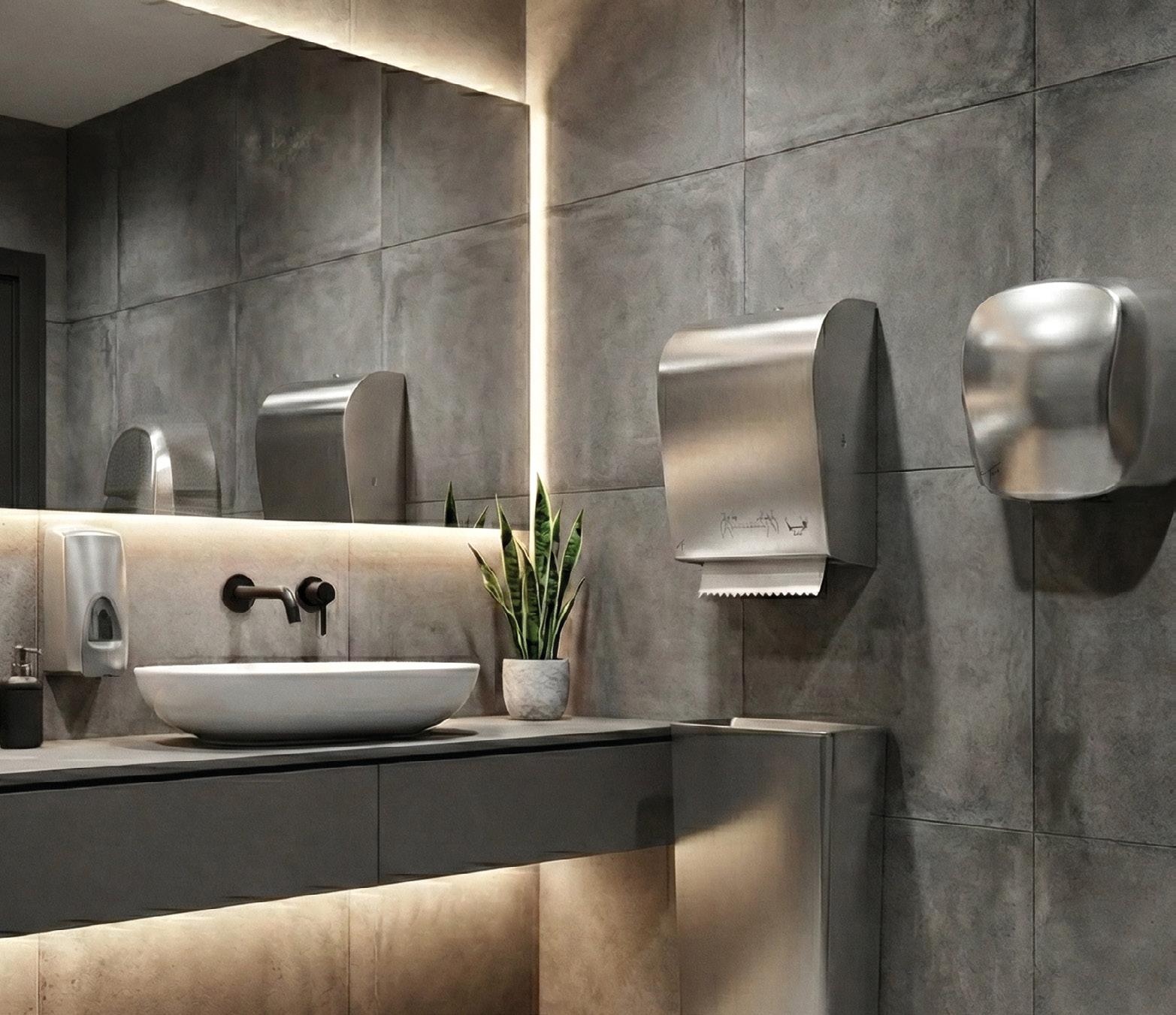
So, how can you assist your clients? Start with the essentials. Soap dispensers should always be stocked with quality soap, something that lathers well and feels pleasant to use. People are far more likely to wash their hands properly when the soap feels effective. Paper towels and toilet paper should be readily available, with highcapacity dispensers like the Nuwkem Ticra TR3 or Decca systems helping to prevent runouts.
Sanitary bins are a must, especially in female washrooms. One in three women have left a public washroom due to a lack
of proper disposal options, considering it a lack of respect and concern for their dignity. In male washrooms, urinal mats and auto-cleaners help reduce odour and improve the overall experience. You can guide your customers with Ticra’s available range.
A fresh-smelling washroom is one of the strongest signals of cleanliness. Humidity and poor ventilation lead to bacteria growth and lingering odours. Systems like the Nuwkem Microburst 3000 don’t just mask odours – they neutralise them, creating a space that feels not just clean, but also cared for.
These aren’t just nice-to-haves. They’re smart investments that work quietly in the background to ensure that your customer’s washrooms reflect the excellence their business stands for. Clean, well-maintained washrooms not only reduce complaints and lower maintenance costs – they also help improve the customers’ experience.
It’s a simple truth: people remember how a space made them feel, even if they don’t tell you about it.
Subconsciously, clean, welcoming washrooms tell them they’re valued, which builds trust. And that trust can make all the difference when it comes to converting casual visitors into loyal customers.
For more information about Nuwkem’s washroom hygiene products, visit www.nuwkem.co.za
Making informed choices between chemical dilution systems and ready-to-use
At the heart of effective facility management lies a keen understanding of the options available and the ability to choose the most fitting solutions for the operation. Each decision has a ripple effect on efficiency, costeffectiveness, and overall functionality. Every decision plays a role in achieving optimal operational performance. Choosing the right chemical system is an example of one of these decisions. This article by Hillyard examines the benefits of dilution control systems vs manual concentrate dilution or ready-to-use (RTU) chemicals.
Chemical dispensers have some distinct benefits over manual dilution or RTU systems:
• Enhanced safety: Using a cleaning chemical dispenser eliminates the need to manually handle concentrated cleaning chemicals, reducing the risk of accidental exposure and spills. This helps create a safer and healthier work environment for cleaning staff.
• Cost-effectiveness: Cleaning chemical dispensers accurately dilute chemicals, ensuring the right amount is used for each cleaning task. This eliminates overuse, a common failure when manually diluting cleaning chemicals. Additionally, diluted concentrates typically cost less per litre compared to ready-to-use formulas due to savings arising from reduced packaging and shipping costs.
• Improved cleaning efficiency: With manual dilution, there is a risk of overuse, which could damage building surfaces, or underuse, which reduces cleaning efficiency. A cleaning chemical dispensing system ensures that cleaning staff have easy access to the right products at the right dilution, leading to more efficient cleaning processes and better results.
• Improved sustainability: Cleaning chemical dispensers are designed to reduce the environmental impact of cleaning chemicals by promoting accurate dilution and reducing packaging waste, making them a more sustainable choice for facilities.
In addition to reducing landfill contents, they reduce the overall carbon footprint of your cleaning operation by eliminating fuel waste caused by shipping the additional weight of pre-diluted chemical cleaners.
• Simplified training: Manually diluted chemicals require additional training and supervision to be used effectively. By incorporating a dilution control system, facility managers can eliminate the training requirements associated with manual dilution.
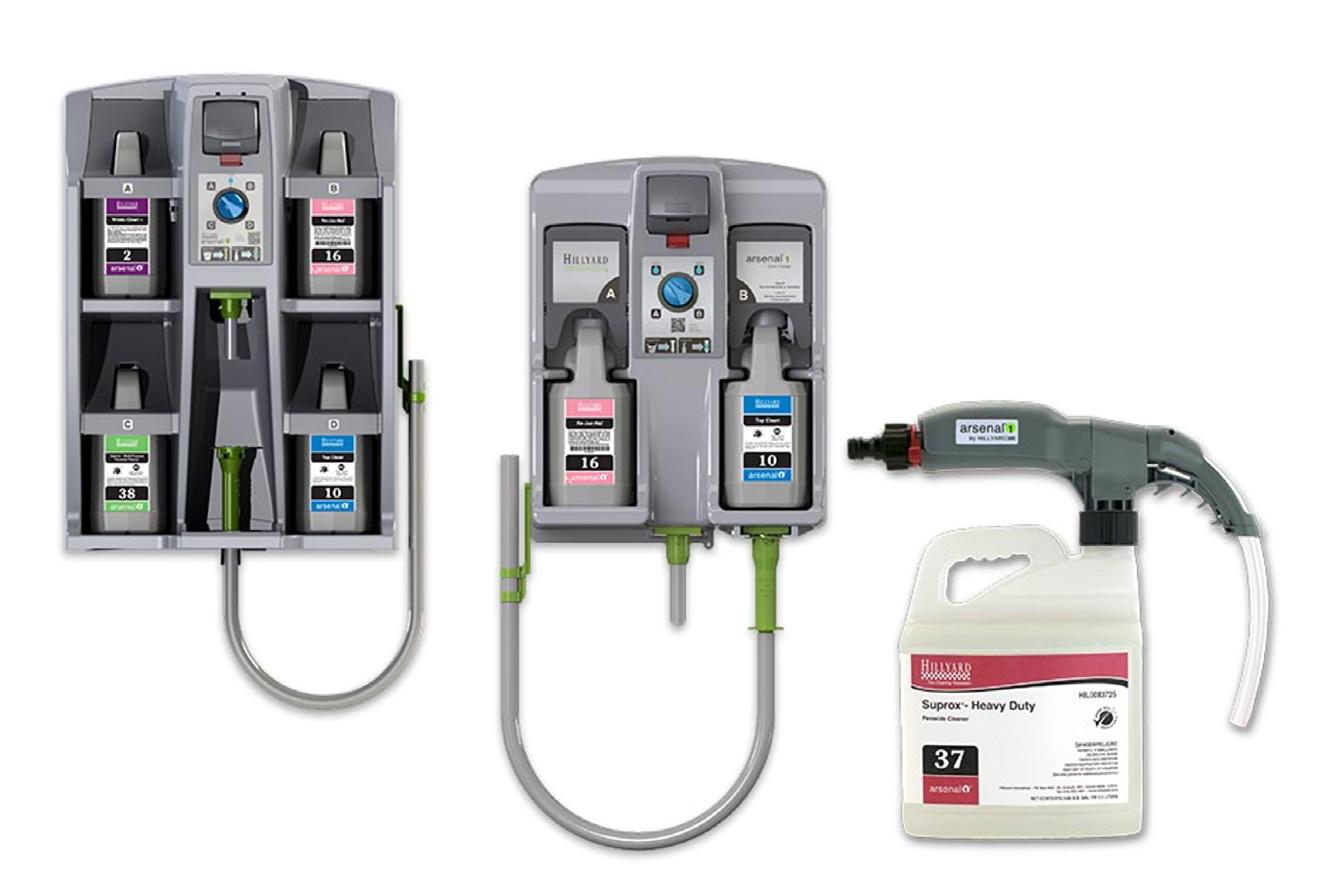
• Improved organisation and reduced storage requirements: Concentrated chemicals occupy less space in the cleaning company’s closet than RTU products. By switching to concentrates, closets become less congested and better organised. The Hillyard Arsenal One cleaning
chemical dilution control system simplifies dilution control for professional cleaning. It offers a single refill style dispensed through three options, maintaining consistency and standardisation. The system ensures accurate chemical dilution, preventing issues associated with manual mixing. Colour and number coding across systems simplify training, and the concentrate containers have features to prevent leaks and spills. Arsenal One is cost-effective compared to ready-to-use products, providing significant savings.
As a facility manager, finding ways to save on purchases without compromising product and service quality is always important. By analysing your cleaning processes and understanding your facility’s unique requirements, cleaning product distributors can offer tailored recommendations that help you clean at the lowest total cost.
Cleantex Africa Cleantex Africa
2026 2026
Join a dedicated trade event that enables you to connect directly with decision-makers who have the budget to spend. We provide cleaning, facility solutions and FM professionals with immediate access to companies like yours, facilitating opportunities to connect and do business.
Be at the forefront of exposure to a multi-African nation audience
Generate new business opportunities whilst nurturing existing relationships during 3 show days
Conduct research, boost industry insight and integrate in the new trend market by participating
Add value to and differentiate your products and services by showcasing to a qualified audience eager for innovative solutions
Build brand awareness, get noticed and stay ahead of the opposition
Contact us now!
SPONSORS
The mathematics of dilution – more product does not mean more clean
It is a common misconception that using extra cleaning product will make a surface safer and more hygienic. In reality, exceeding the manufacturer’s recommended concentration can reduce the product’s effectiveness, damaging surfaces, leaving a residue that attracts more dirt, and in some cases, posing health risks such as skin irritation or respiratory discomfort. Conversely, diluting products too much can reduce their germ-killing power, leaving harmful micro-organisms behind. Following correct dilution guidelines is therefore essential to achieving both safety and effective cleaning.
Dilution ratios lie at the heart of professional hygiene. “These ratios are carefully tested by manufacturers to ensure the right balance between effectiveness and safety. Overdosing increases costs and risks, while underdosing can create a false sense of hygiene security,” says Jeffrey Madkins, Marketing Manager at Unilever Professional Southern Africa.
A recent study published in the International Journal of Environmental Research and Public Health tracked over 300 professional cleaners at different daycare centres. Frequent exposure to disinfectants, particularly in poorly ventilated spaces, was directly linked to increased respiratory symptoms, underscoring the importance of safe, correctly dosed cleaning solutions –especially in high-traffic, high-touch environments such as daycare centres, schools, hotels, restaurants, and healthcare facilities.
During the COVID-19 pandemic, the Centre for Disease Control and Prevention in the US tracked and reported a significant increase in calls to poison control centres related to exposure to cleaning agents and disinfectants. These calls often stemmed from improper use, such as mixing chemicals, inhaling fumes, or applying disinfectants to skin or food surfaces – driven by heightened concern over transmission.
So, now you’re possibly wondering,
Smaller quantities are all that’s needed for most of their professional-grade cleaning products to perform effectively.
what are the correct cleaning product ratios? And do you need a chemistry degree to figure it out? Madkins says not! “It’s easier than you think, and once you know the right proportions, you not only get a more effective clean but also safer and more sustainable results.”
He goes on to explain that if a product calls for a 1:20 ratio, it means one part product to twenty parts water. “For example, if we use utensils found in any kitchen, like a tablespoon, this would mean that if one part equals one tablespoon, the correct mix is one tablespoon of product with twenty tablespoons of water.”
So, how does the maths work in practice? For common dilution ratios, the correct mixes are:
• 1:10 – 100 ml product (about 6 ½ tablespoons) to 1 litre water
• 1:20 – 50 ml product (about 3 ½ tablespoons, or a fifth of a cup) to 1 litre water
• 1:50 – 20 ml product (about 4 teaspoons) to 1 litre water
• 1:100 – 10 ml product (about 2 teaspoons) to 1 litre water When it comes to Unilever Professional products like Domestos, the Handy Andy range, and Sunlight Liquid, smaller quantities are all that’s
needed for most of their professionalgrade cleaning products to perform effectively.
According to Madkins, businesses can avoid waste and health risks due to incorrect dilution ratios by:
Training staff so that they:
• Understand why dilution accuracy matters.
• Always check the label for the correct ratio.
• Use a tablespoon or cup rather than estimating/measuring ‘by eye’.
Conducting regular audits to ensure that cleaning staff apply products correctly
With staff and customer well-being in mind, and sustainability increasingly important, proper dilution practices are essential. And when businesses get the maths right, everyone wins: healthier staff, surfaces that are protected for longer, and savings from reduced waste.
Precision in cleaning is not complicated – but it makes all the difference. “You needn’t be a mathematician, but every business can think like one when it comes to cleaning with precision,” Madkins concludes.
Dreaming forward together: The next chapter in paper excellence
In the paper and hygiene industry, longevity is never accidental. It is earned through consistency, discipline, and the quiet confidence that comes from doing the fundamentals exceptionally well, year after year. Since 2002, Wipe-it, a predominant toilet paper manufacturer and supplier of high-quality paper hygiene products has been built on consistency, discipline, and trust.
From modest beginnings, the business has grown into a trusted partner for customers across South Africa, not by chasing trends or shortcuts, but by showing up reliably and delivering exactly what was promised. In an industry where trust is everything, relationships have always mattered more to us than transactions.
Over more than two decades, those relationships have shaped who Wipe-it has become. Customers who challenged us to improve. Partners who trusted us to grow alongside them. Teams who believed in building something sustainable and meaningful. That collective belief formed the foundation on which Wipe-it stands.
In an industry where trust is everything, relationships have always mattered more to us than transactions.
These strengths are now expressed through modern design, purposeful innovation, and a clearer vision for the future.
Wipe-it proudly introduce Dream
Dream represents the next chapter in our journey. Dream is not a reinvention, and it is certainly not a departure from what has worked previously. Rather, it is a deliberate refinement of everything our customers already rely on. The same commitment to quality. The same consistency in supply. The same focus on service excellence.
This evolution is not driven by novelty. It is driven by leadership As demands on facilities, businesses, and procurement teams continue to rise, the need for dependable, highperforming paper and hygiene solutions has never been greater. Dream has been developed with this reality in mind. Ranges such as Revive and Pure deliver premium performance and reliable wet strength across a comprehensive portfolio, including folded hand towels, industrial wipes, and toilet tissue. Every product is designed to perform consistently in real-world environments, where reliability matters more than promises
Just as importantly, Dream reflects how we believe the paper and hygiene industry should move forward. With discipline instead of disruption. With long-term partnerships instead of short-term wins. And with a clear understanding that excellence is sustained through people, systems, and accountability.
The values that guided Wipe-it from its earliest days, integrity, service, quality, and partnership, are woven into the very fabric of Dream. Our customers are not end points in a supply chain. They are collaborators in a shared ambition to raise standards across facilities, businesses, and communities.
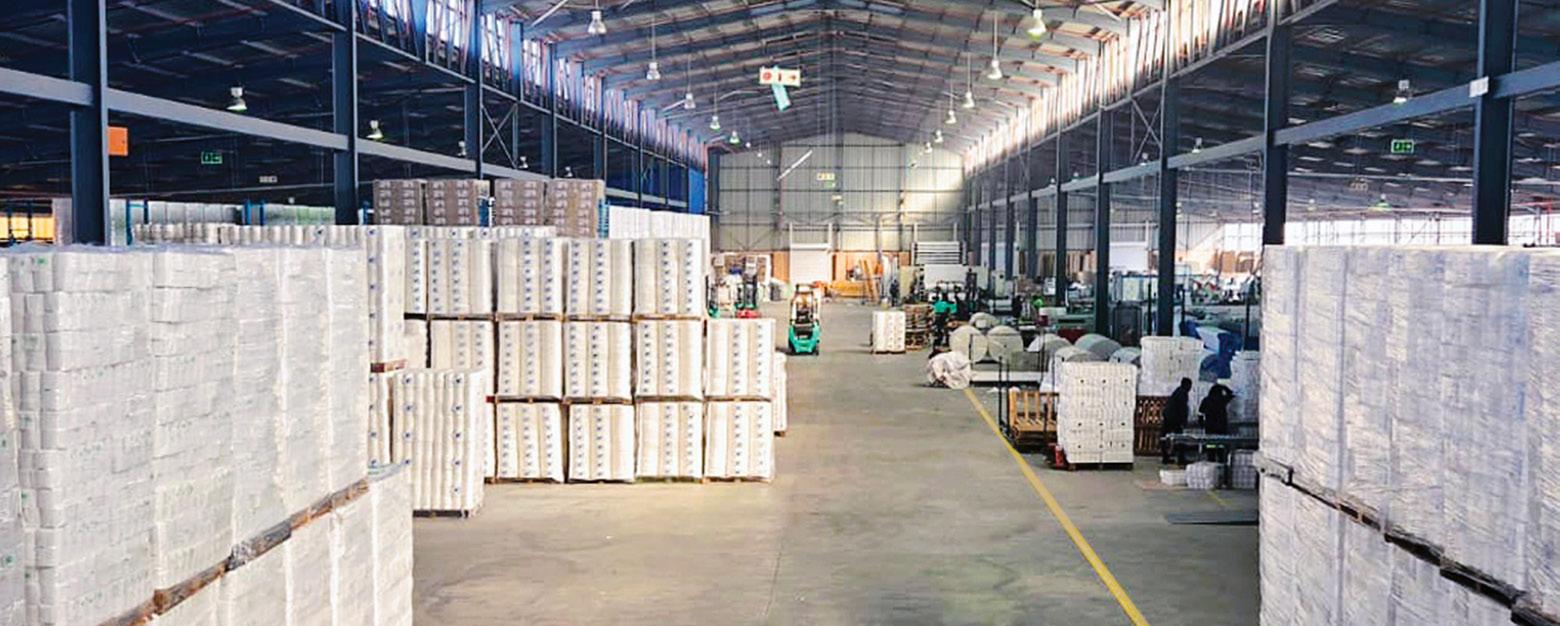
We take pride in prompt, accurate deliveries, in an expanding product suite designed to meet evolving needs, and most of all, in relationships built on trust and mutual respect. These are not one-off exchanges, but enduring partnerships that we honour with every conversation and every pallet that leaves our warehouse
As Dream products roll out nationally, we extend an invitation. Explore what is new. Rediscover what has always set Wipe-it apart. Engage with us, challenge us, and grow with us.
Because in the end, it is not just paper that defines our business. It is trust. And that trust is what we are committed to carrying forward, together.
For more information visit: www.wipe-it.co.za or email: info@wipe-it.co.za
Facilities Management trends that will shape 2026
Facilities leaders are heading into 2026 with a lot to balance. Buildings are aging, budgets are tight, hybrid work as the standard still needs to be optimised and AI is shifting from a buzzword to something Management expect meaningful outcomes from. This year will make the difference between industry leaders and everyone else much more visible. After reviewing research from IFMA, JLL, CBRE, Deloitte and leading facilities management groups, these are the five shifts that will shape the year ahead, according to Nuvolo, a global leader in modern, cloud-based Integrated Workplace Management Systems (IWMS).
1. The rise of the FM data analyst Facilities teams have always collected data, but how they use it varies widely across the industry. Some teams have strong reporting capabilities with centralised dashboards and system integrations. Others still rely on spreadsheets, paper work-orders, email threads or technician notes that never make it into a consistent system of record. The data exists, but it is not always structured or reliable enough to support long-term planning, reporting or AI initiatives. The International Facility Management Association (IFMA) highlights this growing gap and reinforces the need for analytics skills inside FM teams.
What is driving the shift?
• Leaders want clearer visibility into asset performance, utilisation, and operating costs.
• Reporting expectations from finance and the C-suite continue to increase.
• AI and automation require structured and complete datasets that someone must manage.
The industry is moving from simply collecting data to actually using it to drive decisions. Teams that organise and analyse their information will be better positioned in 2026.
How to prepare
• Standardise KPIs across sites.
• Build dashboards that support routine reporting.
• Upskill team members who already show interest in data.
2. Technology dawdlers will fall further behind on AI
Many organisations are experimenting with AI, but only a small number are seeing real value. JLL’s global research shows a clear divide. Companies with clean data and modern systems are making progress with their AI initiatives. Those without these foundations struggle to move beyond pilot projects.
What is driving the shift?
• AI is only as strong as the data it draws from.
• Organisations with integrated systems and standardised workflows are already seeing measurable improvements.
• Executives are beginning to expect AI to deliver results tied to downtime, cost reduction or energy performance.
In 2026, the difference between early adopters and those still operating with siloed or incomplete data will become more pronounced.
How to prepare
• Select AI use cases that solve real problems.
• Map the data and integrations required for each use case.
• Improve foundational practices including asset lifecycle accuracy and consistent work order data.
3. Facilities teams will play a role in portfolio right-sizing Deloitte’s 2026 Commercial Real Estate Outlook shows that the market is stabilising, but not evenly across sectors. Industrial and digitaleconomy properties continue to perform well, while traditional office buildings remain challenged due to hybrid work and shifting demand. This uneven performance is prompting many organisations to take a closer look at their real estate footprints. Facility managers are becoming key contributors because they hold the operational and cost data needed to evaluate each location’s true value.
What is driving the shift?
• Hybrid work continues to lower daily occupancy, which increases the need for accurate utilisation data.
• Leadership teams want clearer visibility into operating costs, facility condition and energy performance across sites.
• Deloitte’s findings show that organisations are pursuing more selective investment strategies, which require accurate insights from facility operations.
As portfolio decisions become more data driven, facility teams are being asked to provide meaningful comparisons across different buildings and locations. Their insights help identify which facilities are performing well, which are becoming liabilities and where consolidation or reinvestment would have the greatest impact.
How to prepare
• Benchmark occupancy, operating costs, maintenance backlogs, and energy usage across all locations.
• Strengthen collaboration with real estate, finance, and workplace strategy teams.
• Present clear recommendations based on cost, condition, risk, and utilisation to support decisions on keeping, consolidating or repurposing space.
4. Maintenance data will play a bigger role in capital planning Organisations are looking for ways to make capital planning more predictable and less reactive and many are beginning to rely on the data already captured in their maintenance systems.
What is driving the shift?
• Leadership teams want capital requests supported by documented evidence rather than assumptions.
• Maintenance histories reveal patterns in failures, costs, and asset performance that one-time inspections may not capture.
• Data-backed capital requests move faster and face fewer challenges. As more organisations work to align capital spending with operational needs, facility teams are being asked to provide clearer insight into asset reliability and lifecycle trends. Their data helps determine which assets carry the most risk, where investments will have
facilities management review
the strongest return and how delaying renewal may affect operations.
How to prepare
• Standardise asset data and ensure maintenance histories are complete for critical equipment.
• Improve work order documentation so that trends in costs, failures, and conditions are easy to interpret.
• Align with capital planning teams on shared scoring criteria for condition, criticality, and risk.
5. Designing workplaces for hybrid use as the default Hybrid work is no longer a transitional phase. CBRE’s research shows that close to 80 percent of occupiers have adopted a hybrid work policy and intend to continue this. Their findings make it clear that traditional one-desk-perperson planning no longer fits how people use space. Companies need a better understanding of attendance patterns, peak days, the mix of spaces employees prefer and how utilisation changes throughout the week.
What is driving the shift?
• Many workplaces continue to
operate below full occupancy and need to right-size based on actual utilisation.
• Employees want an experience that justifies the commute.
• Organisations are prioritising quality of space over quantity of seats. Expect ongoing adjustments rather than one-time changes. Real-time usage data will guide decisions about whether to repurpose, redesign or reinvest in a space.
How to prepare
• Track space utilisation with sensors and reservation systems.
• Set thresholds that indicate when a space should change.
• Collaborate with HR and IT to support both people and technology needs.
What this means for 2026
Across these trends, one theme stands out. Data is becoming the foundation for every major decision. Facilities teams that invest in accurate data, integrated systems and strong crossfunctional partnerships will be best positioned to manage costs, improve reliability and enhance workplace experiences.
FM sector sizzling in the mergers and acquisitions market
South Africa’s facilities management (FM) sector is attracting unprecedented interest from investors, trade buyers, and private equity firms. Driven by the convergence of outsourcing trends, sustainability imperatives, technological integration and expanded infrastructure investment, the industry is emerging as a dynamic landscape for mergers and acquisitions (M&A), according to Deal Leaders International Executive, Janine Wright.
At Deal Leaders International (DLI), one recent transaction illustrates how these forces are shaping M&A activity. This transaction – a full exit to a strategic trade buyer – was executed smoothly, highlighting the value of carefully matching sellers with the right buyers and structuring deals that deliver measurable outcomes for all parties.
Janine Wright
facilities management review
As businesses seek specialised expertise to optimise operations and meet evolving market demands, the sector is becoming a hotbed for M&A. A number of trends are shaping deal activity, with recent transactions serving as prime examples.
A successful transaction is one where both parties achieve a mutually beneficial outcome. While compromise is often necessary, it is a balanced process that ensures a win-win scenario for all involved.
During our market engagement and research process, we observed significant traction in the industry, fuelled by five key factors:
1. Rising demand for outsourcing services: Companies increasingly rely on FM specialists, allowing them to focus on their core business while leveraging professional expertise to optimise efficiency and reduce costs.
2. Sustainability and ESG commitments: FM providers are developing tailored solutions that help corporates meet environmental, social and governance objectives, while maintaining operational efficiency.
3. Infrastructure expansion: The country’s surge in commercial and public infrastructure projects has created increased demand for skilled FM professionals capable of maintaining high standards of performance and compliance.
4. Technology-driven growth: The integration of building management systems (BMS), data analytics, and automation is transforming FM operations. Businesses that harness
these technologies successfully are attracting considerable interest from investors.
5. Employment creation across skill levels: The FM industry creates jobs across multiple levels, further positioning it as a sector of strategic importance.
The facilities management market in South Africa is expected to grow five percent annually through to 2029, underscoring the increasing importance of the industry and presenting exciting opportunities for both sellers looking to exit and buyers seeking strategic acquisitions.
Recent transactions in the facilities management sector highlight the importance of strategic alignment between buyers and sellers. Deals that achieve a smooth transition and clear value creation typically share three characteristics:
• Careful matching of capabilities and needs: Successful acquisitions often involve buyers whose operational strengths complement the target company’s services, ensuring continuity and growth potential.
• Structured deal terms: Well-defined agreements regarding handover periods, financial arrangements and performance milestones help reduce risk and enable seamless integration.
• Understanding sector dynamics: Knowledge of trends such as outsourcing growth, ESG requirements, and technology adoption is critical for accurately valuing businesses and identifying the right investment opportunities.
These factors demonstrate that M&A in facilities management is not just about completing a transaction – it’s about navigating a complex ecosystem where operational, technological, and market considerations intersect. Companies and investors that approach the sector with a clear understanding of these dynamics are more likely to achieve outcomes that support longterm growth and efficiency.
For business owners considering exits or investors exploring acquisitions, the facilities management sector presents a compelling combination of steady growth, technological transformation, and strategic importance. Understanding the forces shaping the market – and structuring deals with attention to operational and financial alignment – can make the difference between a routine transaction and one that creates lasting value.
ABOUT DLI
Deal Leaders International (DLI) is a boutique M&A sell-side advisory firm specialising in helping business owners and executives, with a business EBITDA between R20 million and R300 million per year, engineer their growthto-exit journey. As the Africa representative of the Pandea Global M&A Network, DLI offers its clients both local and international expertise and experience. With 69 offices in 34 countries, over 2,500 successfully completed transactions with a combined deal value over €30 billion, DLI offers deep market insights, practical expertise and a results-driven approach to prepare and successfully execute on business growth and exit strategies. For more information visit: www.dealleadersint.com
Cold washing laundry programme for hospitality sector
Diversey, a Solenis company, recently announced that ClaxTM Polar, its Room Temperature Laundry Solution, has achieved EN14476 certification. Independently validated by an accredited laboratory for virucidal efficacy under EN14476, Clax Polar offers hygiene-excellent laundry even at room temperature and delivers significant energy and water savings in every wash – a true win for hygiene and sustainability.
Clax Polar is a premium laundry programme designed for cold washing that maximises energy and water savings without compromising performance. Similar to the Clax Advanced Low Temperature Laundry Programme, Clax Polar support hotels to enhance their sustainability efforts by contributing to Scope 3 of GHG protocol while simultaneously lowering operational costs.
When paired with IntelliLinen, Diversey’s smart dispenser featuring 24/7 remote monitoring capabilities, laundry operations become streamlined, more sustainable, and highly efficient. Using the Clax Polar cold washing programme offers several value-added benefits, including:
• Enhanced guest experience: Linens are impeccably clean, soft, and fresh smelling.
• Low rewash levels: Ensures sufficient clean linens at hand.
• Reduced operational costs: Saves significantly on energy and water consumption while shortening wash cycles.
• Extended linen life: Reduces replacement costs.
• Maintained hospitality hygiene standards: Compliant with BS EN14065 and with virucidal activity against all enveloped viruses according to EN14476.
• Reduced carbon footprint: Protects both your assets and the planet.
How Clax Polar Works
By cold washing at approximately 30°C and using only one rinse cycle, energy consumption is significantly reduced,
Proven Results
Clax Polar has been successfully implemented in luxury hotels across various countries, delivering exceptional results, including:
• Up to 65% (or 340 MWh) savings on energy*
• Up to 80% (or 1,300 metric tons) savings on steam**
• Up to 25% (or 13,000 kWh) savings on electricity**
• Up to 50% (or 12M litres) savings on water
• Up to 23% reduction in wash time
• Up to 50% (or 12M litres) reduction in effluent
• Up to 30% extended linen lifespan
• Up to 275 metric tons CO2 emissions reduction
*For laundries only using electricity – not steam – as energy source
** For laundries using both steam and electricity
while both water consumption and washing times are minimised. The lower temperature and gentler washing process help to extend the lifespan of linens. Lower energy and water consumption, coupled with an extended linen lifespan, reduces operational costs and minimises environmental footprint.
The above savings in percentage terms represent the average annual laundry operational cost reductions for hotels with 200 to 700 rooms. The actual numbers quoted represent measured annual savings from six European hotels.
Savings vary based on laundry conditions and geographic locations. The Clax Polar cold washing laundry programme is part of Diversey’s laundry
solutions, designed to optimise the complete linen lifecycle. In addition, Diversey’s Linen Consulting helps hotels decide on the right linen quality and provides significant savings on their capital investment.
Furthermore, Diversey is dedicated to making a significant impact globally by actively engaging with the communities where it operates. Through the company’s Linens For LifeTM Programme, it collaborates with hotels and NGOs to transform discarded hotel linens into new, useful items. All these solutions and initiatives help businesses optimise resources while protecting their brand and the planet.
For more information, watch the video here
textile care review
CINET GBPA 2026 convention to be held at Interclean Amsterdam
During the course of the exhibition, the International Association for Textile Care (CINET) will present its Global Best Practices Awards with a focus on international Professional Textile Care markets.
International laundry and drycleaning suppliers will exhibit, showcasing the latest innovations and achievements.
At Interclean Amsterdam running from 14 to 17 April 2026, the CINET convention programme will include a series of international Professional Textile Care workshops offering:
• insights, and highlights of international markets;
• advanced business opportunities;
• sustainability standards;
• AI supported processing and IT innovations; and
• practical hygienically clean and certification insights.
Also, during the event, the CINET 2026 Lifetime Awards, CSR Awards and the new CINET 2026 AI Awards will be presented at an official CINET PTC Awards 2026 Dinner.
For more information email: cinet@cinet-online.com
Green Building Council South Africa appoints new CEO
The Green Building Council South Africa (GBCSA) recently announced the appointment of Georgina Smit as its next Chief Executive Officer, effective May 2026. The announcement was made during the opening plenary at the annual Green Building Convention, marking the beginning of an exciting new chapter for the organisation and South Africa’s green building industry. Smit succeeds Lisa Reynolds, who has led the organisation since 2020. This leadership transition reaffirms GBCSA’s commitment to driving the transformation of South Africa’s built environment toward greater sustainability, inclusivity, and climate resilience. Georgina moves into the CEO role after more than five impactful years within the GBCSA as Head of Technical and Executive Director, where she has
Meet the Cleantex 2026 Platinum sponsor
Cleantex Africa, the continent’s marketplace for cleaning and facility solutions, is delighted to announce Prime Cleaning Suppliers as the Platinum sponsor for the 15th edition of “Africa’s cleanest show” taking place in Johannesburg, South Africa from 13 to 15 October 2026 along with the co-located 6th Cleantex Executive Summit on 14 October 2026.
Prime Cleaning Suppliers (PCS) is a leading South African manufacturer and distributor, specialising in a comprehensive “solutions basket” for the commercial cleaning, hospitality, healthcare, retail, and FM sectors.
Established in 1996, the company has grown into a preferred supplier in the industry, driven by a commitment to quality, on-time delivery, and a passion for excellence. PCS’s core strength lies in its dual offering: local manufacturing and exclusive distribution. The company proudly produces inhouse SABS-certified cleaning chemicals and essential paper products (toilet paper, hand towels, tissues, and serviettes).
This proprietary range is complemented by its role as a key South African brand ambassador and distributor for valued international brands, including Kimberly-Clark Professional*, Wetrok, Arcora, Tork, and Rubbermaid.
Prime Cleaning Suppliers boasts a significant national footprint with branches and partners in major economic hubs. This robust infrastructure, supported by a dedicated logistics fleet and multiple warehouse
led certification, training, and research initiatives that drive measurable change across the property sector.
A respected thought leader and regular speaker at industry events, she champions practical, locally relevant solutions that advance green building adoption.
facilities, ensures prompt, reliable service and adequate stockholding to support large commercial and industrial customers.
The company upholds the highest standards, with its SABS-tested chemical brands carrying the mark of surety and all disinfectants registered with the NRCS. It offers a holistic solution through experienced sales consultants providing hygiene analysis, solution recommendations, and full technical support for all equipment.
PCS is an active member of pivotal industry associations, including the ISSA, NCCA, SACSC, SACA, CASA, and Fedhasa, underscoring its deep engagement with the industries it serves.
For Cleantex 2026 sponsorship opportunities contact: nande@cleantex.co.za
Georgina Smit (pictured right) with outgoing GBCSA CEO Lisa Reynolds.
people and events
Cleaning Products Europe 2026 taking place in Amsterdam
Smithers has announced the full agenda for its upcoming Cleaning Products Europe conference, taking place from 24 to 25 March 2026 at the Steigenberger Airport Hotel in Amsterdam. First held in 2008, the conference brings together professionals from across the cleaning, home and personal care sectors to explore regulatory change, sustainability transformation, and the evolving needs of consumers.
This year’s programme focuses on the key topics and challenges that are shaping the future of the industry, offering strategic insight, technical expertise and collaborative discussion. Delegates also could attend a pre-conference Fragrance Workshop on 23 March 2026 led by Keva, followed by two days of presentations, panel discussions, and extensive networking time.
Key speakers for 2026 include:
• Arturo Enguix, R&D Manager, Persán
• Michel Dirickx, Vice President, Fabric & Home Care Purchasing, P&G
• Nils Wedler, Senior Associate, Reckitt
• Peter Sandkuehler, Senior Business Sustainability Director EMEA, Dow
• David Bléger, Biotech Solutions Manager, Evonik
• Jenny Kwan, Director, Climate Action & Member, WBCSD Extended Leadership Group With additional speakers from Novonesis, MonoSol (a Kuraray company), Euromonitor, Cefic, SAPONIA, HAYAT, and more.
The 2026 conference programme focuses on:
• Regulation, consumers and market dynamics
• Unlocking value through lowcarbon collaboration
• Circular and bio-based polymers in cleaning products
• Emerging modelling approaches for modern formulation
• Laundry for a changing world
• Innovation shorts session
• Scent, freshness and modern laundry needs
To view the full agenda, speaker line-up and registration options, visit the Cleaning Products Europe website.
Initial launch inclusive washroom bin
Anew unisex washroom bin suitable for disposing of incontinence and menstrual waste has been launched by Initial Washroom Hygiene. The Signature Inclusive Sanitary Bin features a larger tray to accommodate all washroom waste, from period waste to incontinence waste. It also includes a touch-free sensor, pedal or manual opening for accessibility.
The new concept has been developed in response to research suggesting a gap in sanitary waste options in male or unisex washroom facilities. A UK survey of 900 adult men revealed that over half would feel afraid to leave their homes if they had incontinence issues, and 29 percent admitted to being forced to carry a used incontinence pad in their bag or coat due to a lack of sanitary waste disposal.
In another survey of over 2,000 people who menstruate (including women, non-binary
people, transgender men and intersex people), three percent of respondents said they did not feel comfortable directly asking their employer to improve sanitary provisions in washrooms. Initial Washroom Hygiene has partnered with the British Toilet Association to promote better facilities in “away from home” washrooms across the UK.
Raymond Martin, Managing Director, British Toilet Association, said, “We are united by our shared goal of improving the hygiene and facilities of ‘away from home’ washrooms across the UK. All too often, the design of public and workplace washrooms overlooks the reality of people’s actual needs. By ensuring both incontinence and menstrual waste can be disposed of in the cubicle, this new unit demonstrates real progress in making washrooms more respectful of user dignity. It’s a reminder that hygiene provision is not just a matter of convenience, but of wellbeing.”
UK Technical and Innovations Manager at Initial Washroom Hygiene, added, “We believe that every individual deserves a washroom experience that is fit for purpose. No one should enter a washroom without the confidence that they will be able to dispose of their personal hygiene waste in a discreet and dignified way within the toilet cubicle.”
Nilfisk launch VP25 robotic vacuum cleaner for the professional cleaning market
Global leader in professional cleaning solutions Nilfisk, announced the launch of the Nilfisk VP25, a versatile industrialgrade robotic vacuum that ensures smart, consistent cleaning at the push of a button. The VP25 was created to efficiently vacuum open, high-traffic areas, making it ideal for use in office spaces, hospitality, and retail sectors.
As part of Nilfisk’s expanding range of robotic cleaning machines for professional use, the VP25 is engineered to help businesses support stretched workforces, improve productivity, and consistently maintain a clean, safe environment. The VP25
Jamie Woodhall,
new products
was built on the same platform as the Nilfisk SC25 robotic scrubber, which was launched early in 2025. Combined, they form a complete cleaning duo, delivering powerful performance for both hard and soft surfaces.
“At Nilfisk, we understand the challenges businesses face in optimising workforce efficiency.
Professional cleaning teams are being asked to do more with fewer resources, while cleanliness and hygiene are more important than ever. We built the VP25 to overcome these hurdles. This clever vacuum streamlines cleaning tasks so teams can focus on what matters most while ensuring consistent, highquality results,” said Maria Nielsen, Vice
President of Commercial Floorcare at Nilfisk.
The VP25 helps businesses optimise their workforce by handling labourintensive tasks, enabling employees to focus on higher-value activities. It requires minimal training, making it an easy addition to any team. With its quiet operation and HEPA filtering, the VP25 also improves workplace air quality, reduces airborne allergens, and minimises noise pollution.
Tool-free access to the dust bag and filter makes the VP25 easy to maintain. Its highly durable components ensure minimal downtime, while advanced diagnostics allow for quick servicing. The VP25 is equipped with 2D or 3D
LiDAR laser technology and advanced sensors, enabling it to detect obstacles, avoid collisions, and determine the most efficient routes for reliable and precise cleaning. This intelligent system ensures consistent results, reducing variability and human error. The VP25 delivers exceptional cleaning consistency with a dual-brush system for picking up large and small debris and side brushes for precise edge cleaning. Its powerful battery ensures minimal downtime, with up to three hours of runtime. Additionally, the VP25’s agile design ensures easy navigation in crowded spaces, with the ability to make quick U-turns and navigate tight corners.
Our features offer you the opportunity to address major decision-makers
MARCH / APRIL 2026
We want to hear from you!
THE POWER OF NEW TECHNOLOGY SET OPERATIONS APART
Innovation and technology are crucial forces that facilitate efficiency and growth in any industry and the professional cleaning industry is no different While some have historically viewed cleaning as a labour-intensive and tech-lacking industry, this is no longer the case as recent years have seen dynamic changes Today’s technology encompasses not only the popular robotic vacuum systems or automated floor scrubbers, but also state-of-the-art sensors, technology to gather and report critical facility information, monitoring equipment, tools for testing cleanliness, and all types of smart technology for virtually any task Share your news and technology innovations with us and collaborate in the transformation of the sector
FOOD & BEVERAGE HYGIENE
Every commercial restaurant faces hygiene battles Good kitchen hygiene is the backbone of a professional kitchen
When you think of success in restaurants, you can’t forget about cleanliness If food isn’t prepared in a safe environment, foodborne illnesses can be transmitted to customers, which damages trust and hurts business
TRAINING AND SKILLS DEVELOPMENT
Facility managers and in-house service providers need efficient, properly trained staff more than ever These individuals are critical to the spaces where people live and operate every day There are multiple opportunities for individuals to forge meaningful careers in the cleaning industry - and to expand those careers into the larger facility maintenance business There are also training opportunities to help attract individuals to these industries and support them as they advance their skills Our feature offers training providers the opportunity of communicating directly to major decision-makers in the cleaning industry, so don’t miss out, participate!
We invite you to contribute your insights, expertise, and groundbreaking solutions to industry challenges Contact us today to learn more about how you can share your knowledge with our readership