
From
unregulated to regulated
Indigenous crops, medicinal plants, and the future of livelihoods, biodiversity, and agroecology in South Africa
April 2026 i


The African Centre for Biodiversity (ACB) is committed to dismantling inequalities and resisting corporate industrial expansion in Africa’s food and agriculture systems.


© The African Centre for Biodiversity www.acbio.org.za
PO Box 29170, Melville 2109, Johannesburg, South Africa
Tel: +27 (0)11 486-1156

Researched and written by research consultant Stefanie Swanepoel
Editorial oversight and input by ACB executive director Mariam Mayet
Cover design and layout: Katerina Sonntagova, Moss and Sea Studio
Cover photo: Hoodia parviflora © SAplants | Wikimedia Commons
Acknowledgments
The ACB gratefully acknowledges the financial support of several donors, though the views expressed may not necessarily reflect the views of our donors.
April 2026
Acronyms
ABioSA ABS Compliant BioTrade in South(ern) Africa
ABS Access and benefit sharing
ACB African Centre for Biodiversity
CBD Convention on Biological Diversity
DALRRD Department of Agriculture, Land Reform and Rural Development
DFFE Department of Forestry, Fisheries and the Environment
EWT Endangered Wildlife Trust
FMSS Farmer managed seed systems
GoSA Government of South Africa
IP Intellectual property
MAP Marketing of Agricultural Products (Act)
NAMC National Agricultural Marketing Council
NEMBA National Environmental Management Biodiversity
NBSAPs National Biodiversity Strategy and Action Plans
RoSA Republic of South Africa Tables
Table 1: Draft list of newly declared agricultural products under MAP Act 2025 9
Table 2: Indicative overview of wild versus cultivated harvesting of medicinal plants 12
Table 3: Indigenous crops on the declared agricultural production list with indicative harvesting system 17 From unregulated to regulated Indigenous
Executive summary
In November 2025, South Africa’s (SA) Minister of Agriculture, John Steenhuisen, announced the designation of indigenous crops and medicinal plants as agricultural products under the Marketing of Agricultural Products (MAP) Act. This decision brings sectors historically rooted in informal, livelihood based systems into a formal market governance framework, enabling the introduction of statutory measures such as levies, registration, and reporting requirements.
This briefing examines the implications of this declaration for small-scale actors, biodiversity stewardship, and the future of agroecology in SA.
It assesses how statutory measures may reshape production systems, market organisation, value distribution, and ecological outcomes, with a particular focus on the risks and opportunities facing marginalised actors who currently underpin these sectors.
On paper, the declaration has the potential to unlock investment, improve coordination, and generate data to support sector development. It could strengthen value chains, enhance research and market access, and elevate the role of indigenous crops and medicinal plants in food systems, healthcare, and climate resilience. However, these outcomes are not guaranteed and will depend on how statutory measures are designed, governed, and implemented.
From unregulated to regulated Indigenous crops, medicinal plants, and the future of livelihoods, biodiversity, and agroecology
Several key concerns emerge:
There is a high risk that formalisation will impose administrative and financial burdens on small-scale farmers, wild harvesters, traders, and traditional healers—many of whom operate outside formal systems and lack the capacity to comply. This could lead to exclusion from formal markets or increased criminalisation of livelihood activities.
Governance processes under the MAP Act tend to favour well-organised and well-resourced actors, creating a significant risk of elite capture Representative bodies tasked with administering statutory measures may not reflect the diversity of value chain actors, leading to inequitable benefit sharing and the consolidation of power.
The declaration may intensify commercialisation pressures that prioritise export oriented and standardised production systems. This could risk undermining agroecological practices, eroding farmer managed seed systems (FMSS), and redirecting value away from local economies towards higher value processing and intellectual property (IP) located elsewhere.
Biodiversity and knowledge systems are at risk. Increased market demand without adequate safeguards could accelerate overharvesting, habitat degradation, and biopiracy, while existing access and benefit sharing (ABS) frameworks have shown limited effectiveness in delivering equitable outcomes for knowledge holding communities.
Finally, there are implications for food and nutrition security, as well as water and energy use. While indigenous crops are associated with resilience and low input production, poorly designed regulatory and market incentives could encourage more resource intensive models and reduce the availability of these crops in local food systems.
To address these risks, the paper proposes a set of core recommendations. Governance processes must be inclusive, with clear requirements for the representation of small-scale actors and safeguards against capture. Regulatory systems should include exemptions, simplified compliance pathways, and accessible support to avoid criminalising informal livelihoods.
Statutory measures should explicitly embed agroecological principles, directing investment towards sustainable harvesting, FMSS and localised value addition. Strong alignment between agricultural and biodiversity governance is essential to ensure implementation supports national biodiversity and climate commitments.
Equitable benefit sharing must be strengthened through legal, institutional, and financial mechanisms that recognise knowledge holders as rights holders. Transparency, accountability, and participatory monitoring systems are critical to ensuring benefits flow to communities and ecological impacts are tracked.
Ultimately, the declaration represents a pivotal policy moment. Its outcomes will depend not on the act of declaration itself, but on whether subsequent regulatory design reinforces existing patterns of exclusion and extraction, or enables a more just, inclusive, and ecologically grounded transformation of SA’s food and biodiversity systems. From
Explanatory note on stakeholder engagement
In preparing this paper, the authors sought to inform the analysis through interviews with relevant public institutions and sector experts, including the South African National Biodiversity Institute, government officials, and specialists working on indigenous crops, medicinal plants, and biodiversity governance. Despite multiple requests and follow ups, it was not possible to secure interviews within the research timeframe. The analysis presented, therefore, relies on publicly available policy documents, legislation, published research, and secondary sources.
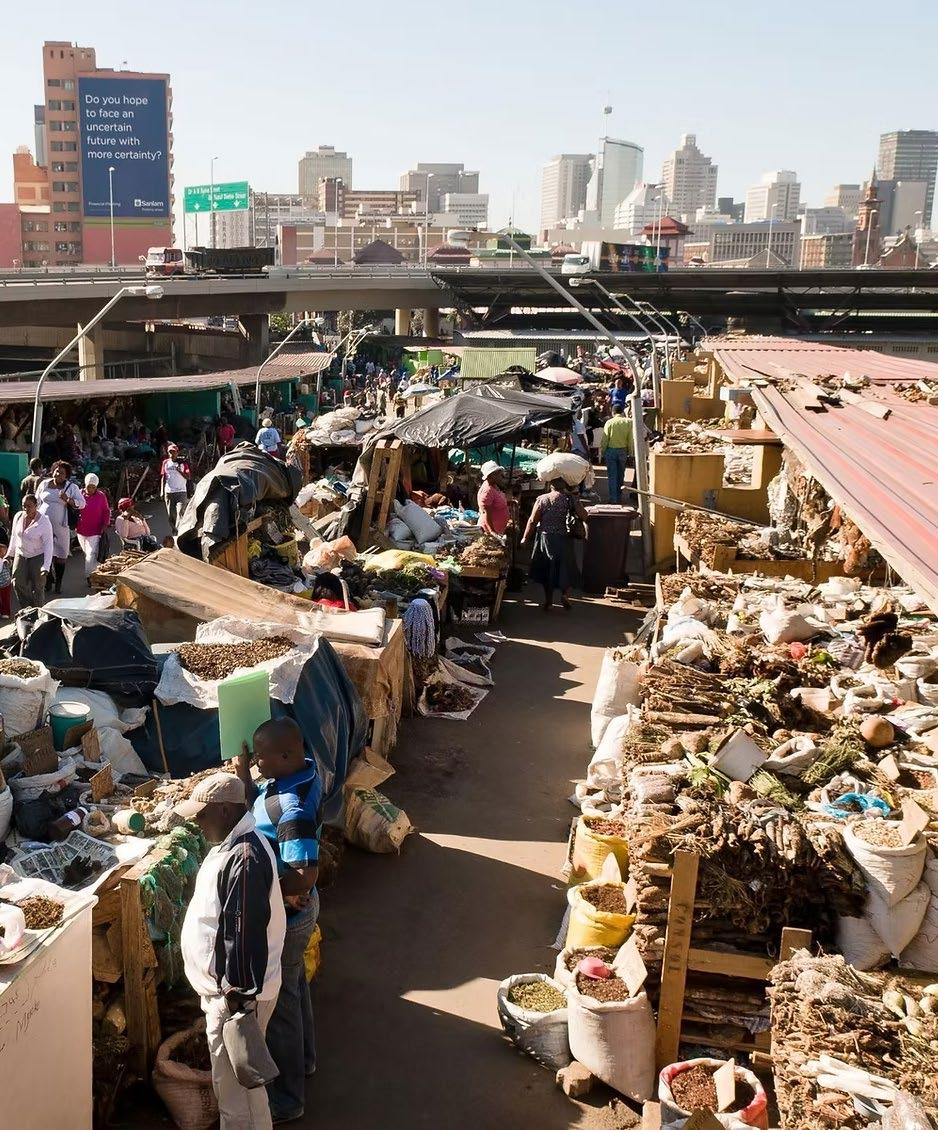
Warwick Herb Market Durban © Markets of Warwick
Introduction
In November 2025, the South African Minister of Agriculture, John Steenhuisen, announced the inclusion of indigenous crops and medicinal plants into the list of declared agricultural products under the MAP Act (1996) (GoSA, 2025). This decision brings sectors long characterised by policy defined informality—wild harvesters, traditional healers, small-scale farmers, and informal traders—into a formal market governance framework. It opens the door to statutory measures such as levies, registration, records, and returns, with the potential to increase investment, improve coordination, and generate more robust data.
But the declaration intersects with longstanding concerns around biodiversity governance, ABS, market concentration, land inequality, and the marginalisation of indigenous knowledge systems.
The central question is not the declaration itself, but how the resulting statutory measures will be designed and governed, and whether they will reinforce or disrupt existing patterns of exclusion.
This paper examines the implications of the declaration for small-scale actors, biodiversity stewardship, and agroecology, assessing how statutory measures may reshape production systems, market organisation, and value distribution.
Background to the decision
The inclusion of indigenous crops and medicinal plants is framed as an economic and market-development intervention. These sectors are estimated to generate about R12 billion a year (2%-3% of total national agricultural output) through unregulated informal production and sales (GoSA, 2025). If regulated and brought into the formal economy, this value would be included in SA’s gross domestic product. Siphiwe Sithole, chief executive officer of African Marmalade, an organic farming business, notes in an interview with Farmers Weekly that this formal recognition could attract investment, promote research to improve crop production, storage, and marketing; encourage sustainable harvesting practices; and help develop new markets (Kriel, 2025).
The list was last updated in 2009 to include bee and honey products, horses, and mushrooms (Government Gazette, 2009).
Why this decision matters
The declaration incorporates these agricultural products into a market regulation framework oriented towards export optimisation, enabling the introduction of levies, registration, and other statutory measures that will significantly influence patterns of governance, resource allocation, and participation across the sector.
The declaration creates an opening for a representative body—whether an organisation or consortium—to emerge as the administrator of the sector, shaping research priorities, funding flows, and, ultimately, who benefits and who does not. While formalisation and commercialisation may offer some opportunities, they also risk imposing new administrative burdens on already under capacitated and marginalised small-scale actors. At the same time, formal recognition can intensify market demand in ways that incentivise harmful production systems and extraction at all costs, while assigning explicit market value to biological resources and associated knowledge in ways that may accelerate bioprospecting and biopiracy.
Purpose of this paper
This paper examines the implications of the 2025 decision to declare indigenous crops and medicinal plants as agricultural products under the MAP Act, with a focus on what this shift towards formal market regulation means for small-scale actors who underpin these sectors. It considers how statutory measures such as levies, registration, and records and returns may affect livelihoods, market participation, and governance across largely informal and decentralised value chains.
The paper assesses the potential impacts of formalisation on agroecological practices, biodiversity stewardship, FMSS, and patterns of value distribution, including risks related to export oriented commercialisation, bioprospecting, and inequitable benefit sharing. It aims to inform policy debates by identifying the conditions under which statutory measures could either reinforce existing patterns of exclusion and extraction or support more inclusive, equitable, and ecologically grounded outcomes.
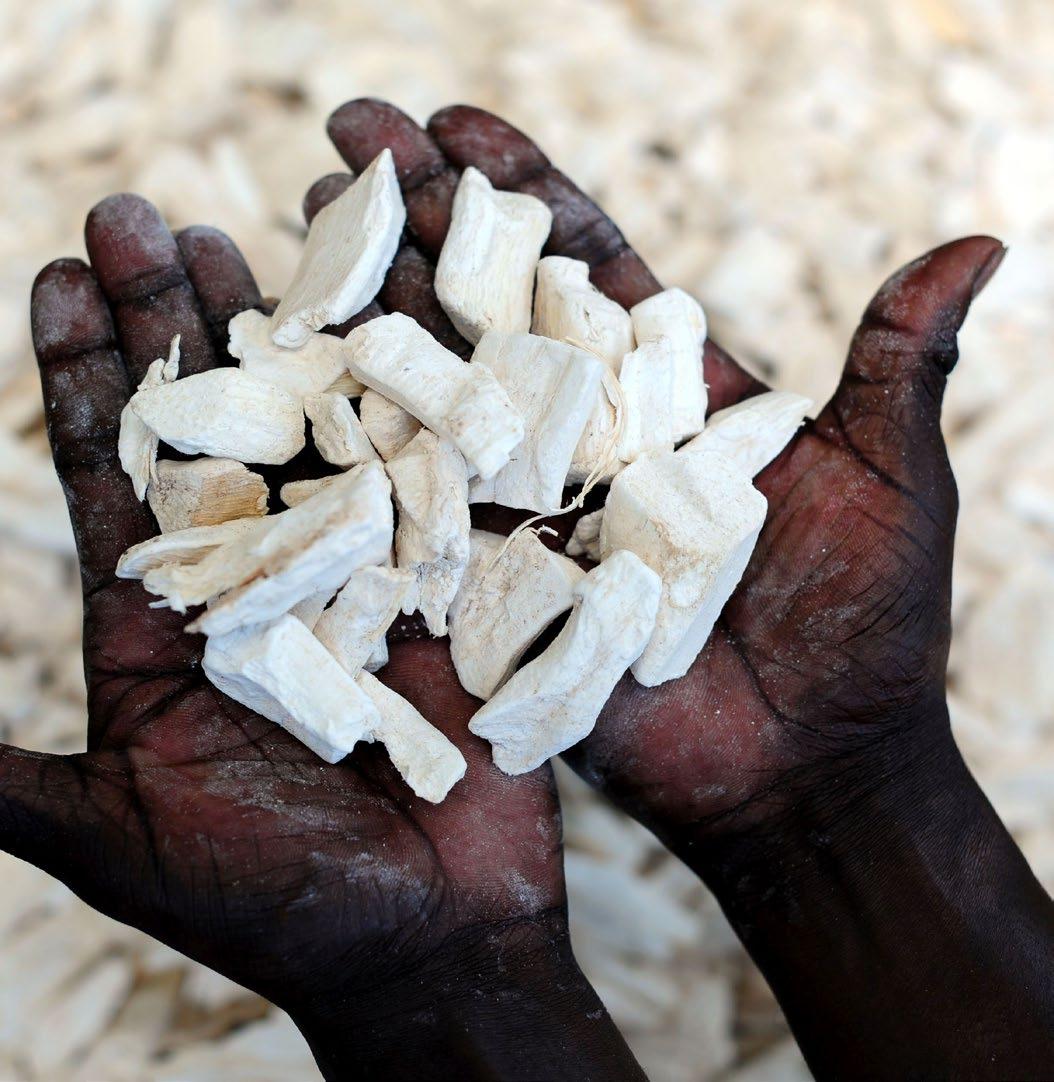
Chips of the cassava plant
© CIAT, Neil Palmer | Wikimedia Commons
Policy and legal context
The Minister’s declaration of indigenous crops and medicinal plants as agricultural products did not happen in a policy vacuum. How the declaration plays out in practice will be informed by current agricultural policies and marketing plans, as well as biodiversity governance, climate priorities, and trade pressures. Outcomes of the declaration will depend heavily on enabling conditions: institutional and enforcement capacity, accessible and appropriate data systems, and the political will to include small-scale actors and to secure equitable benefit sharing.
This section summarises the relevant agricultural market framework under the MAP Act and links it to biodiversity governance risks and opportunities.
From unregulated to regulated Indigenous crops, medicinal plants, and the future of livelihoods, biodiversity, and agroecology in South Africa
What are agricultural products under the MAP Act?
An agricultural product is any product declared as such by the Minister under the MAP Act. Declared products in SA include animal and plant propagation material, livestock and their outputs, a range of crops, coffee and tea, and natural fibres (NAMC, n.d.).
Declaration as an agricultural product under this Act is significant because it enables the introduction of statutory and industry measures that influence how a sector is funded and organised. It provides for four statutory measures that may be established for a declared product: levies, records and returns, registration, and control of agricultural products (RoSA, 1996). Records and returns are measures that require value chain stakeholders to keep records and submit reports; they are used to generate market information and monitor levy payments.
The issue is not simply the declaration itself, but who gains control over statutory measures, how costs are shared across the value chain, and whether safeguards are strong enough to prevent exclusion, inequity, and capture.
While the MAP Act is formally intended to promote market access, marketing efficiency, export earnings, and sector viability, its statutory tools were largely designed for consolidated, formal, and export oriented value chains. As a result, the Act is structurally misaligned with the decentralised, livelihood based realities of indigenous crops and medicinal plant sectors, creating significant risks of exclusion, burden shifting, and elite capture if statutory measures are applied without adaptation.
Understanding representative bodies and statutory measures
SA’s current agricultural product governance landscape was shaped by the 1996 deregulation of agricultural markets and the dismantling of control boards. In 22 sectors (ranging from sorghum to pork), assets formerly held by boards were transferred into industry trusts with mandates to protect and grow them and to use these proceeds to finance industry-wide work (Mazibuko & Makhele, 2021). There are a further 18 sectors that have statutory levies (NAMC, 2026).
Over time, these trusts have become substantial pools of capital in some value chains, managed through formal investment brokers and governed by trustees drawn from government and industry. The asset value of control boards was R677 million in 1996 (Mazibuko & Makhele, 2021) and had grown to R2.61 billion by 2024 (Farmers Magazine, 2025).
NAMC guidelines require that levy income be allocated as follows:
• 70% to consumer education, export promotion, information, and research;
• up to 10% to administration; and
• 20% to transformation.
(NAMC, 2017)
Transformation encompasses black enterprise development, skills development, ownership, and socioeconomic development, including for workers and their families (Mazibuko & Makhele, 2021).
Establishing a new representative body and statutory measures
A de facto representative body for declared agricultural products is a directly affected group that has registered with NAMC and successfully applied for a statutory measure, which it is then responsible for administering and implementing. ‘Directly affected groups’ are those people who regard themselves as a group directly or potentially directly affected by the MAP Act and related market interventions (RoSA, 1996). This includes any group that is involved in producing, selling, processing, or consuming agricultural products, including labour (NAMC, 2017). NAMC maintains a registry of all such groups that have voluntarily identified themselves. This list is not publicly available.
Establishing a statutory measure
To establish a statutory measure, a directly affected group applies to the Minister of Agriculture, who refers it to NAMC. The application is published in the Government Gazette to solicit any objections or representations from other groups. NAMC provides a recommendation to the Minister, who then approves or does not. If approved, the applicant group is responsible for administering and reporting on the statutory measure.
There are criteria in place to ensure that the group is representative, has a publicgood rationale (over narrow private benefit), has the capacity to administer and report (NAMC, 2017), and that the application speaks to a MAP Act objective. These objectives are increasing market access for all, efficiency of marketing of agricultural products, optimising export earnings, and enhancing sectoral viability, without prejudicing the other objectives (Government Gazette, 1996). An application requires proof of support from directly affected groups across the value chain, with a guideline of two-thirds support required (NAMC, 2017).
Misalignment between the statutory measure process and sector realities
Most wild harvesters, traditional healers, small-scale producers, and informal traders do not monitor Gazette notices or NAMC communications.
Many actors lack digital access, literacy, or time to engage in formal consultation processes.
Representative bodies tend to be dominated by well-resourced actors, increasing the risk of elite capture.
Compliance systems (registration, records, levies) assume formalised value chains, which is not the case for these sectors.
Without proactive, inclusive outreach, entire constituencies risk exclusion from a process that will shape their regulatory environment.
Representative bodies tend to endure, shaping sectoral priorities and agendas after the lifespan of a levy or project. The Sorghum Trust is a good example. After the Sorghum Board was dismantled in 1997, its assets were transferred to the Sorghum Trust (2026), which, in 2024, had an asset value of R30.7 million and was administered by Nedbank Private Wealth (NAMC, 2024). The Trust stopped administering a statutory levy on sorghum and sorghum products in 2018, relying on funds from its invested assets to pay for market information (provided by the South African Grain Information Service), to give scholarships, commission research, and develop skills (NAMC, 2024).
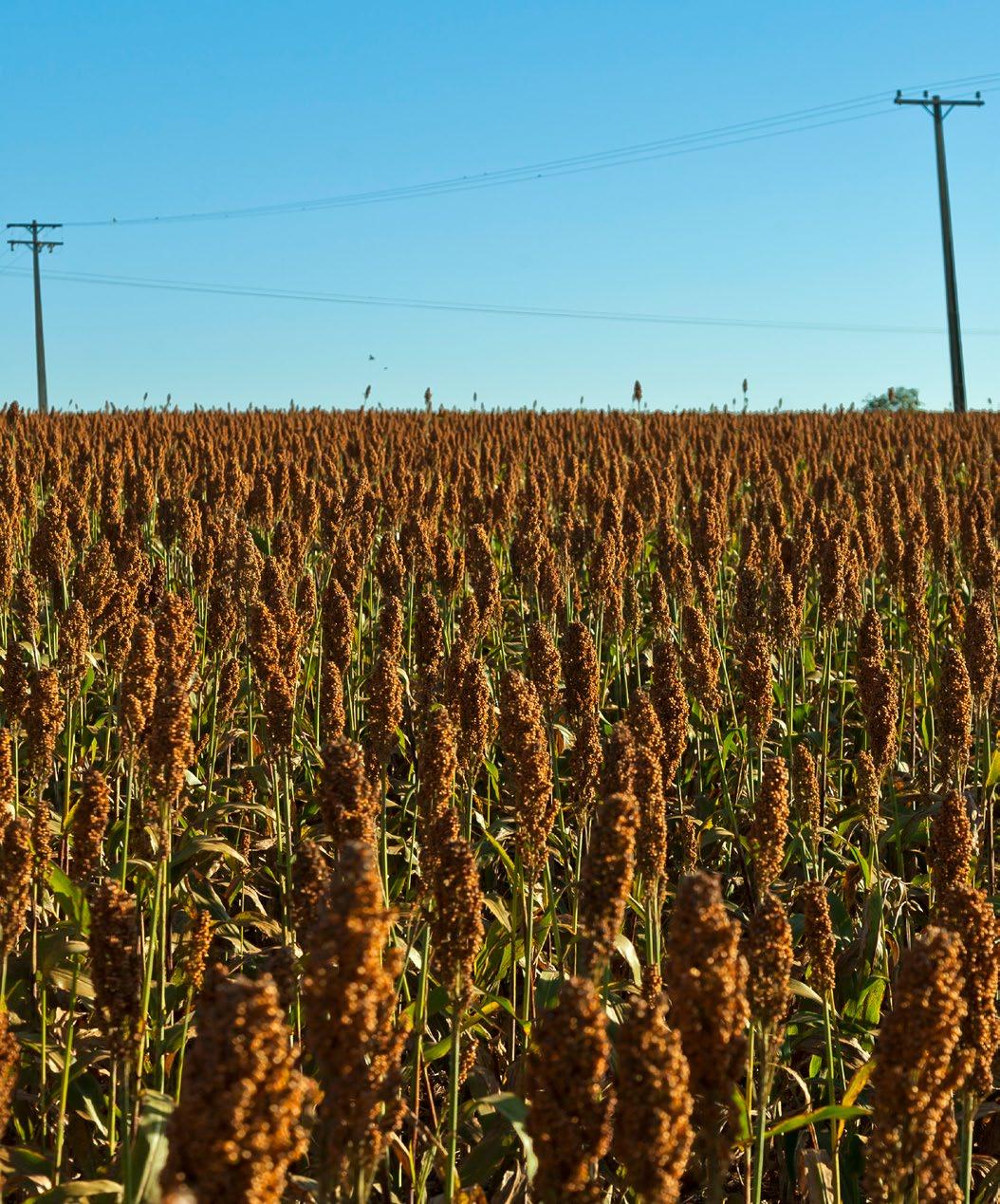
Sorghum © Jonathan Wilkins | Wikimedia Commons
How levies work and why design matters
The MAP Act sets guidelines and limits for establishing levies, which may not exceed 5% of the price realised minus costs incurred up to the first point of sale (RoSA, 1996). Any levy model will need to deliver direct and indirect benefits to small-scale actors to justify costs and administrative burdens.
Key risks
If levies are not associated with a direct benefit, they can be costly for smallscale actors and potentially incentivise illegal harvesting of medicinal plants.
If the levy is imposed at the first point of sale, but small-scale actors sell through intermediaries, they could bear the cost while not being able to engage in higher-level levy-funded programmes.
Levy systems can impose administrative burdens related to registration and reporting, and small-scale actors may struggle to comply. This also generates a risk that those unable to comply will be shut out of formal markets.
The Minister has the right to exclude any class, grade, quantity, or percentage of agricultural products from export (including placing prescriptions on specific markets or for a specified period (RoSA, 1996). Some considerations in this regard include domestic value addition, exporters’ investment in developing the local market, and facilitation of market access for small-scale farmers (RoSA, 1996).
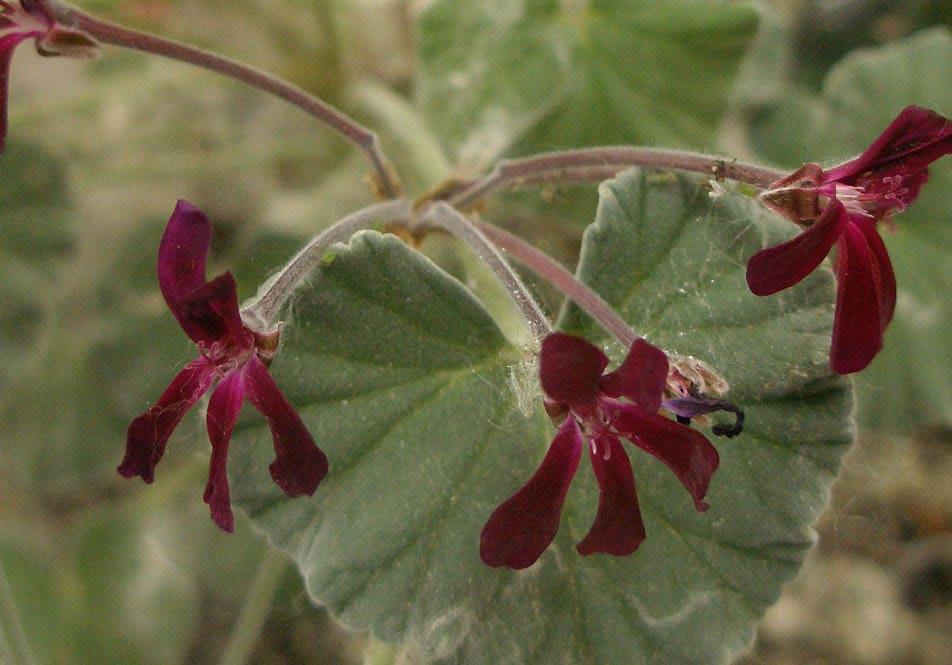
Pelargonium sidoides
© Brigitte Rieser | Flickr
Declared indigenous crops and medicinal plants
The list of declared ‘products’ in these sectors has not been finalised. Table 1 includes plants referred to in media releases related to the Minister’s declaration.
Table 1: Draft list of newly declared agricultural products under MAP Act 2025
Category
Indigenous food crop (grain/pulse)
Indigenous food crop (fruit)
Indigenous food crop (root/tuber)
Indigenous food crop (leafy veg)
Medicinal plant
Plant (common name)
Millet
Bambara groundnut
Marula
Wild apricot
Wild plum
Raisin bush
Sour plum
Cassava
Amadumbe
Marama bean
Living potato
Cleome Cowpea
Amaranth
Blackjack
Jew’s mallow
Buchu
Hoodia (ghaap)
Sutherlandia (cancer bush)
Devil’s claw
Aloe vera
African wormwood
African potato
Hooded pelargonium (umckaloabo)
Current overview of the sectors
SA’s medicinal plant sector
The medicinal plant and traditional medicine sector in SA is vast, diverse, and largely informal. More than 2,000 plant species are used to make traditional medicines (EWT, 2024), and in 2007, the sector supported the livelihoods of about 200,000 traditional healers, with a further 500,000 working as harvesters, processors, and retailers (Mander et al., 2007). About 72% of black South Africans (about 46 million people in 2026)1 use traditional medicine for their primary and/or complementary healthcare (Mander et al., 2007). The sector is therefore not marginal or confined to rural areas; it is a mainstream, cross-class health sector. As the sector is largely informal and dispersed, with no robust ongoing studies, the figures are indicative but point to a substantial economic sector characterised by reliance on wild biodiversity and extensive participation by small-scale actors.
A declaration under the MAP Act could move medicinal plants from a loosely governed informal economy into a formal market-governance framework, enabling statutory measures such as levies, registration, record-keeping, and returns. Although these measures offer opportunities for better coordination, data, and investment, poorly designed frameworks could offload compliance burdens onto informal actors, with far reaching consequences for inclusion, value capture, and biodiversity stewardship.
South Africa Population (2026) - Worldometer
The Minister notes that the sector is worth about R3 billion, aligning with Mander et al.’s 2007 study, which estimated R2.9 billion generated by the trade in medicinal plants and products. These figures are indicative, given the lack of national surveys, but do point to a large informal economy (and healthcare system) with limited formal support (research and investment) and that impacts biodiversity (positively and negatively) (Mander et al., 2007; Xego et al., 2016). The formal commercial sector has not entered this market primarily due to an inability to consistently secure raw materials in the required volumes, uncertainty regarding IP rights, and high investment requirements (Mander et al., 2007).
In most value chains, the greatest value is generated through processing, standardisation, branding and the control of IP, rather than through the supply of raw plant material. If declaration accelerates formalisation, it can either support the localisation of value addition—through domestic processing, quality systems and market inclusion for small-scale actors—or reinforce extractive models in which rural suppliers remain confined to low-margin raw material trade while higher value processing and ownership are concentrated elsewhere.
Gender and intergenerational dynamics
Women play a central role in indigenous crop production, seed saving, and informal trade. Women and older traditional healers dominate the medicinal plant sector. Without careful design, formalisation without careful design risks further marginalising women through increased financial and administrative burdens. Similarly, younger harvesters and producers face barriers to entry related to land access, finance, licensing, and knowledge transmission. Any new governance framework must therefore account for gendered and intergenerational inequalities to ensure continuity of knowledge systems and livelihoods.
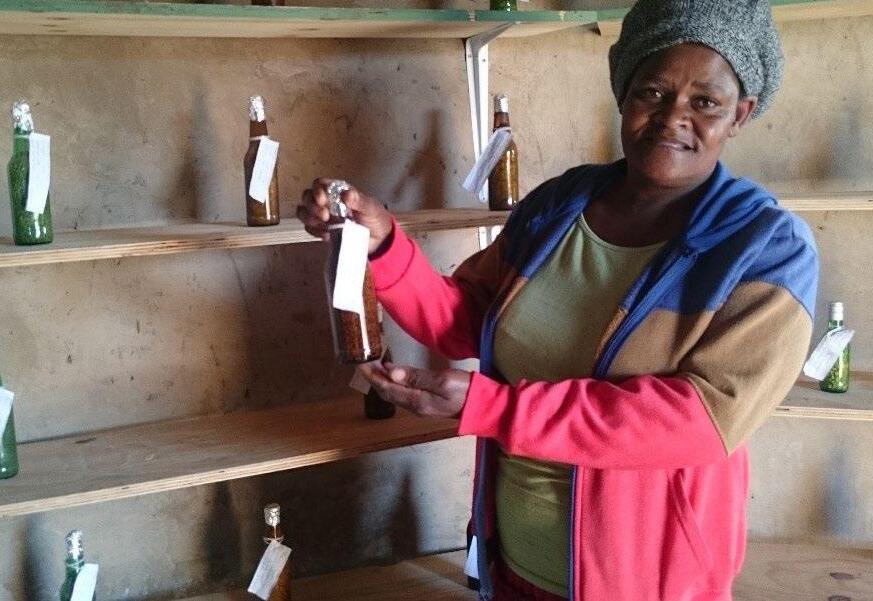
Mma Phindiwe Msesiwe, seed custodian at Quzini Community Seed Bank, Berlin, Eastern Cape
Wild harvesting versus cultivation
Current supply is significantly dependent on wild harvesting; cultivation is the exception because of:
Dispersed nature of this predominant traditional healthcare system across geographies and needs,
Low barriers to entry for harvesters (it requires some plant knowledge and access to wild plant populations), and
Limited financial and infrastructural investment in cultivation and plant nurseries.
Table 2: Indicative overview of wild versus cultivated harvesting of medicinal plants
Buchu
Hoodia (ghaap)
Sutherlandia (cancer bush)
Devil’s claw
Aloe vera
African wormwood
African potato
Hooded pelargonium (umckaloabo)
Mixed (cultivated and wild-harvested)
Mostly wild-harvested, some cultivation
Mixed (cultivated and wild-harvested)
Mostly wild-harvested
Mostly cultivated
Mixed (wild and cultivated)
Mostly wild-harvested
Mostly wild-harvested
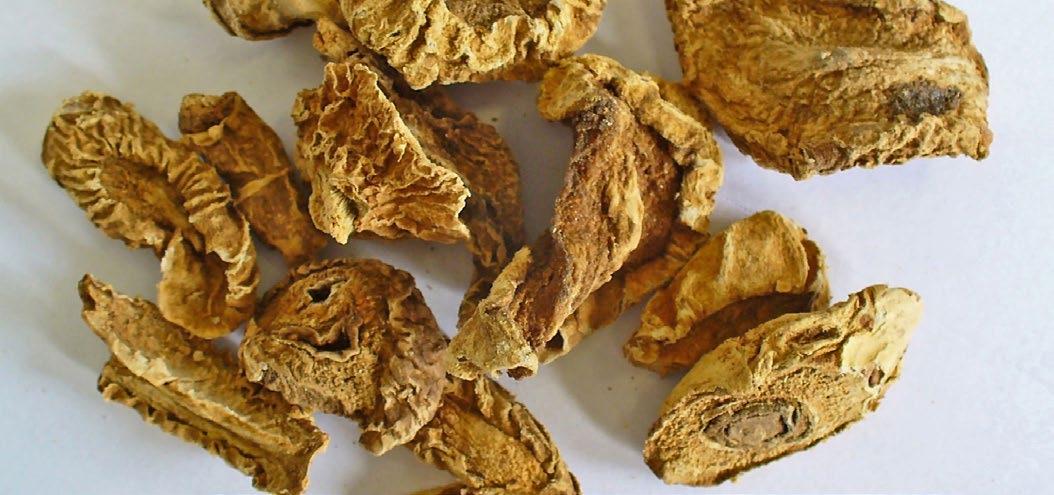
Harpagophytum
Predominantly wild harvested species—particularly those for which roots, bark, bulbs, or rhizomes are extracted—are especially vulnerable to destructive harvesting practices and rapid population decline. By contrast, mixed harvesting and cultivation systems can be strengthened through community led stewardship and low input cultivation where feasible. While predominantly cultivated species are generally more amenable to standardisation for formal markets, equitable outcomes ultimately depend on who has access to land, water, finance, and market channels.
The sustainability of wild harvesting depends heavily on how plants are harvested, the health of the ecosystem in which they grow, and incentives (customary or financial) for stewardship. At least 80 species of wild medicinal plants are at risk of extinction due to inappropriate or overharvesting (Xego et al., 2016). Methods such as ringbarking can kill the entire tree, and the removal of rhizomes and roots immediately reduces plant numbers and, hence, levels of genetic diversity (Xego et al., 2016). Habitat degradation and land-use intensification increase pressure on wild populations, raising the likelihood that extraction outpaces ecological recovery (EWT, 2024). This places both biodiversity and an extensive primary healthcare system at risk.
This raises the question of whether cultivation is the solution for conserving these important plants, ensuring a steady supply to the market, and replenishing wild habitats (Xego et al., 2016). There is, however, a significant livelihood risk associated with cultivation, as benefits would shift towards those with land, water, finances, and access to markets, away from wild harvesters (Van Niekerk & Wynberg, 2012). Healers debate whether medicinal efficacy is site-specific and whether plants grown in uniform nursery environments have the same properties as wild plants. It is also critical to appreciate and preserve the knowledge associated with the use of wild plants (Xego et al., 2016).
The declaration may increase demand, investment, and pressure on standards, thereby intensifying harvesting in the short term and accelerating a shift to cultivation in the medium term. Without safeguards, this could redirect benefits from wild harvesters and informal traders towards better-capitalised growers and processors. Biodiversity risks will persist if cultivation drives land clearing, irrigation, and input use, or if wild harvesting continues in parallel through unmonitored channels. Loss of medicinal plant biodiversity has ecological and economic implications. Scarcity would drive illegal harvesting and trade, increase prices for consumers, and create an unstable supply that disincentivises any form of formal investment.
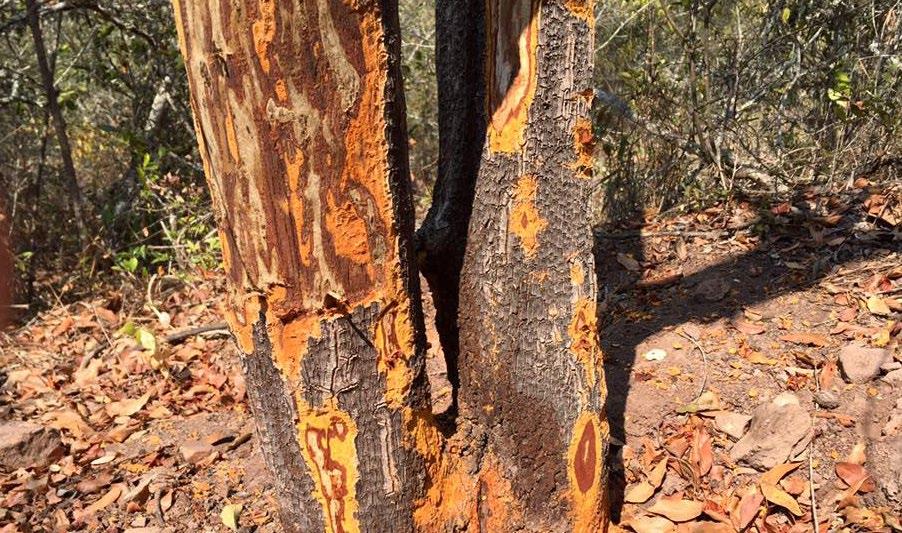
Brackenridgea zanguebarica Oliv. bark is sought after by traditional healers in Venda © Brita Lomba, Wikimedia Commons
Regulation and enforcement in a livelihood-linked informal economy
Regulation of this sector is difficult, despite progressive biodiversity strategies and action plans, due to its informality and strong interconnection with livelihood strategies. A 2022 study on the Warwick Herb Market in Durban notes a misalignment between current environmental legislation favouring biodiversity conservation and the urgent need for livelihoods, particularly in rural areas (Xaba, Nkoma & Harrypersad, 2022). Enforcement of regulations related to sustainable harvesting can escalate illegal practices and effectively criminalise livelihood strategies. Accessible information and awareness raising, paired with practical and appropriate regulatory steps and support for sustainable harvesting, will need to be in place to avoid this (Xego et al., 2016; Mbanjwa, 2025). Strong partnerships among government, traditional healers, communities, and traders will be required (EWT, 2024).
Records and returns could be a public good if used to:
• Improve the visibility and transparency of trade,
• Identify pressure points on threatened species, and
• Support monitoring of wild stocks.
However, if designed as bureaucratic compliance obligations without practical support, reporting requirements may marginalise informal actors, increase their exposure to enforcement actions, and further stimulate illegal trade.
Biotrade, bioprospecting, and the role of ABS and IP
The sector operates at the intersection of biotrade and bioprospecting, a space that also creates opportunities for biopiracy.
• Biotrade refers to the collection, processing, and sale of plant material and related products, activities that currently occur predominantly through informal value chains.
• Bioprospecting, by contrast, encompasses research, extraction, product development, and the pursuit of IP claims linked to plant characteristics and methods of use.
These represent fundamentally different value chain dynamics. While biotrade is largely undertaken by small-scale actors who derive relatively limited returns from direct sales, bioprospecting offers far greater potential for value addition and for capturing substantial benefits through IP rights.
Donor investment in SA’s medicinal plant sector
There are three interconnected donor projects in Southern Africa that address biotrade. ABS Compliant BioTrade in South(ern) Africa (ABioSA), ABS Capacity Development Initiative, and BioInnovation Africa are funded by the German Federal Ministry for Economic Cooperation and Development, the Norwegian Ministry of Foreign Affairs, the Dutch Ministry of Agriculture, Fisheries, Food Security and Nature, the Swiss Confederation, and administered by GIZ in cooperation with other local partners (ABioSA, 2026). The South African Department of Forestry, Fisheries, and the Environment (DFFE) is a key partner. ABioSA focused on building a jobs-rich biotrade sector compliant with ABS rules under the Convention on Biological Diversity (CBD) and the Nagoya-Kuala Lumpur Protocol on Access and Benefit Sharing, between 2018 and
2024. ABioSA provides technical and financial assistance to South African and regional ABS-compliant small and medium enterprises and to Indigenous Peoples and Local Communities to access new global markets for indigenous natural products through national and transboundary value chains.
Legal framework for ABS related to genetic resources
SA has a comprehensive legal framework that regulates the use of genetic resources and the sharing of associated benefits (Mbanjwa, 2025). SA’s National Environmental Management Biodiversity (NEMBA) Act and Biodiversity Act align with international frameworks, including the CBD and the Nagoya-Kuala Lumpur Protocol. SA has bioprospecting and benefit-sharing regulations that require permits and benefitsharing agreements for the commercial use of indigenous biological resources (GoSA, 2013).
There is, however, a significant gap between policy intention and implementation, particularly in the medicinal plant sector (Mbanjwa, 2025). A 2025 analysis highlights persistent weaknesses that hinder efforts to curb biodiversity loss and disadvantage knowledge-holding communities from gaining equitable benefits (Mbanjwa, 2025). These weaknesses include:
• A general lack of community awareness of the regulations, and often an inability to access (online or in-person) regulatory systems.
• A permit system that does not adequately reach traditional healers, rural harvesters, and informal traders (most of the medicinal plant sector).
• Weak enforcement capacity to ensure compliance.
• Benefit-sharing agreements tend to disadvantage knowledge-holding communities, who often lack the legal literacy and negotiation capacity to navigate complex legal documents.
(Mbanjwa, 2025)
These weaknesses tend to perpetuate illegal harvesting and trade, compounded by economic pressures that drive the sale of medicinal plants for income (Mbanjwa, 2025). SA is not alone; studies in Zimbabwe, Kenya, and Tanzania indicate low compliance due to inadequate communication, weak institutional capacity, and economic pressures that drive illegal harvesting (Mbanjwa, 2025).
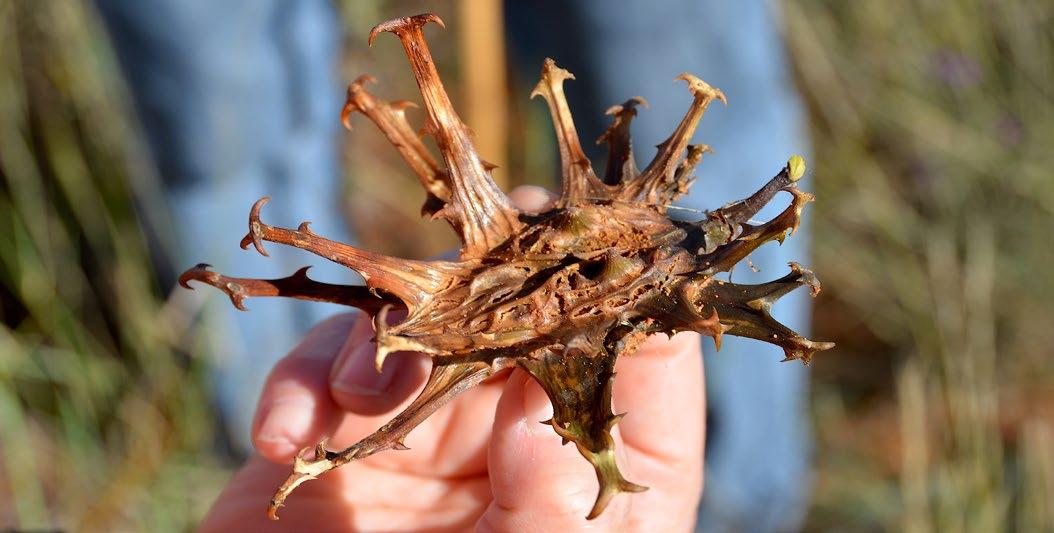
Olga Ernst & Hp.Baumeler,
Biopiracy and inequitable ABS
For this sector, the key risk is not only ‘biopiracy’ in the narrow sense, but the way that rising commercial value can reshape governance and benefit capture, especially where knowledge is widespread and contested, and where value addition occurs far from harvesters and informal traders (Van Niekerk & Wynberg, 2012; Wynberg, 2023).
The Pelargonium case illustrates how accusations of biopiracy and ABS requirements can leave communities with little control over high-value biodiversity-based industries. A knowledge-holding community in Alice has long used Pelargonium sidoides and P. reniforme to prepare root tinctures to treat respiratory illness (ACB, 2008).
Schwabe Pharmaceuticals developed Umckaloabo using imported Pelargonium extracts and marketed it as a unique African traditional remedy, generating reported revenues of €80 million in 2006 (ACB, 2008). At the time, there was no evidence that prior informed consent had been obtained from knowledge holders, while the company pursued patents over extraction methods and therapeutic uses, prompting a formal successful patent challenge by the African Centre for Biosafety (as ACB was then called) at the European Patent Office, on the grounds that the methods reflected longstanding traditional practice and were not novel (ACB, 2008). Even where ABS later becomes the regulatory frame, the underlying value chain remains structurally unequal: Van Niekerk and Wynberg describe near-monopolistic buyer power, vertical integration, and strategic use of IP that concentrates value addition in the Global North, leaving harvesters with low prices and limited bargaining power in a captive supply chain (Van Niekerk & Wynberg, 2012). ABS processes also intensify conflict over representation because plants and knowledge are widely distributed, and governments and companies tend to contract with the most organised or politically connected entities, creating risks of exclusion and elite capture (Van Niekerk & Wynberg, 2012; Wynberg, 2023).
Crucially, there is little evidence that ABS has delivered meaningful conservation outcomes, despite conservation being a core objective of the CBD. In practice, ABS agreements tend to prioritise monetary redistribution and regulatory compliance over strengthening habitat protection, sustainable use systems, and community resource rights. Moreover, cultivation strategies promoted as sustainability solutions can further displace benefits away from resource poor harvesters towards actors with access to land, capital, and infrastructure. (Wynberg, 2023).
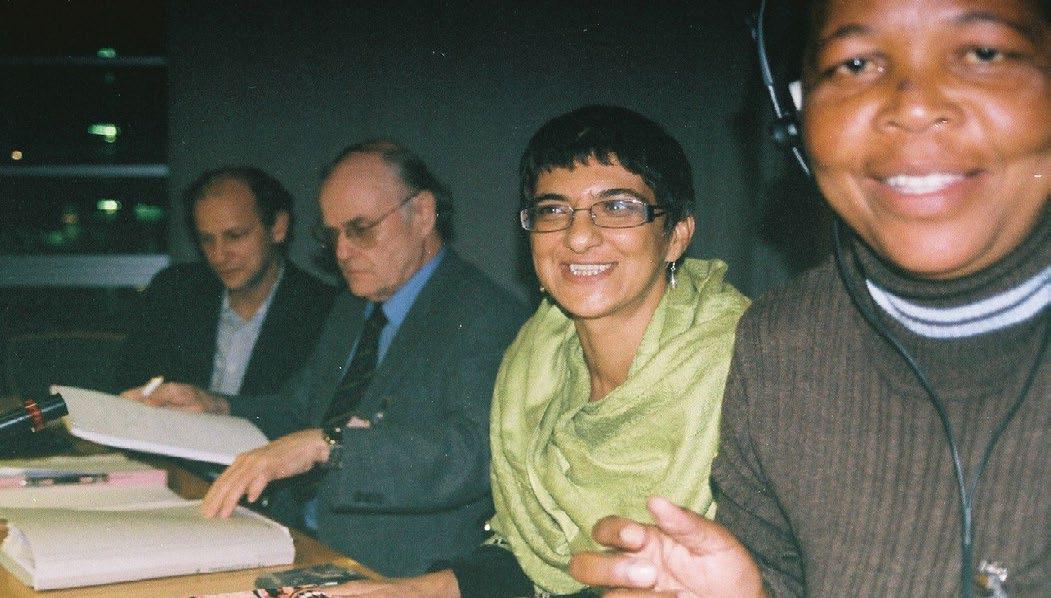
ACB successfully challenged Schwabe Pharmaceuticals’ application at the European Patent Office to patent extraction methods and therapeutic uses of Umckaloabo in 2010.
Left to right: Francois Meienberg, who represented the Berne Declaration; Prof. Dr. Fritz Dolder, Attorney-at-Law, who represented ACB and Berne Declaration at the hearing; Mariam Mayet, executive director, ACB; Nomthunzi Sizani, representing the Masakhane community from Alice in the Eastern Cape.
The weaknesses in the current system are consequential because they will directly shape how any new statutory measures play out in practice. If statutory intervention prioritises export growth, measures are likely to emphasise standards, traceability, and formal compliance. For small-scale actors, this would translate into significant administrative, financial, and time burdens, increasing the risk of non compliance and, in turn, driving illegality and exclusion from formal markets.
Although legislation requires ABS agreements with traditional knowledge holders, material benefits often fail to accrue equitably to the communities that steward genetic resources. In the absence of strong oversight, ABS frameworks tend to prioritise compliance and monetary redistribution over strengthening community resource rights, habitat protection, and sustainable use systems, allowing extraction oriented models to persist (Wynberg, 2023).
Alignment with updated NBSAPs
The declaration also intersects with SA’s ongoing update of its National Biodiversity Strategy and Action Plans (NBSAPs). The new NBSAPs emphasise sustainable use, ecosystem restoration, genetic diversity conservation, and equitable benefit sharing as national commitments. Statutory measures introduced under the MAP Act will directly influence the country’s capacity to achieve these goals. Without clear coordination between the Department of Agriculture, Land Reform and Rural Development (DALRRD) and DFFE, there is a risk that market-oriented statutory measures incentivise cultivation models that drive land-use change, increase harvesting pressure on wild populations, or enable benefit-sharing arrangements that do not reflect community rights or customary stewardship. Embedding NBSAP priorities into the design, approval, and monitoring of statutory measures is therefore essential to ensure that the declaration supports—rather than undermines—SA’s biodiversity obligations.
ACB has published extensively to raise awareness of the NBSAPs and the opportunities for civil society to shape national strategies, plans, and indicators that are relevant and meaningful on the ground, and to ensure accountability for implementation and progress against the 4 goals and 23 targets set out in the 2022 Global Biodiversity Framework.2
Will the declaration ensure the conservation of biodiversity and enhance livelihoods?
The 2025 study notes the importance of appropriate mechanisms and raising community awareness (Mbanjwa, 2025). There is the risk that the same dynamics that weaken ABS in practice—first-mover advantage, contested representation, unequal negotiation capacity, and value capture through land, markets, and IP— could be replicated through statutory measures, if a representative body is not genuinely representative and accountable.
If the declaration enables a small set of organised actors to position themselves as the sector administrator, statutory measures can institutionalise exclusion and elite capture rather than distributing benefits across the broader informal economy and stewardship communities.
2 https://acbio.org.za/corporate-expansion/gbf-nbsaps-ensure-just-futures-for-all-role-of-african-civil-society/
South Africa’s indigenous crops sector
Indigenous and traditional crops play a key, but significantly undervalued, role in the cultural, economic, and social life of rural South Africans. Indigenous crops are regarded as those originating from SA and those that have been naturalised (indigenised) or cultivated over generations (often referred to as traditional crops). They include grains (cereals: millet; pulses: Bambara groundnut, cowpea); fruits (marula, wild apricot, wild plum, raisin bush, sour plum); and vegetables (roots/tubers: cassava, amadumbe, marama bean, living potato; leafy vegetables: cleome, cowpea, amaranth, blackjack and jews mallow) (GoSA, 2025).
African leafy vegetables include pumpkin, Chinese cabbage, jute mallow, cowpeas, amaranthus (pigweed), bitter melon, and spider plant, with pigweed and pumpkin leaves most used in SA (Shembe et al., 2023). Indigenous fruits include marula, red milkwood, mobolo plum, wild medlar, num-num, kei apple, and monkey orange (Shembe et al., 2023). Indigenous crops that are cultivated in some commercial form in SA are rooibos, buchu, pelargonium, and herbs; even SA’s food composition database only lists 21 indigenous leafy vegetable food items from 12 species out of the hundreds available (Akinola et al., 2021).
The list provided in the Minister’s declaration is not yet finalised; the draft list contains the following indigenous crops.
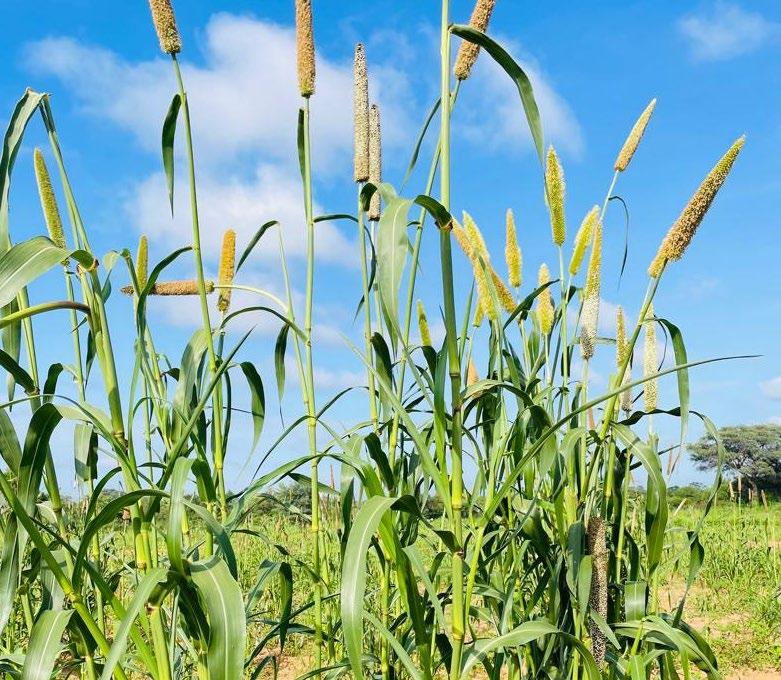
Millet, © MakaLeanne, Wikimedia Commons
Table 3: Indigenous crops on the declared agricultural production list with indicative harvesting system
Plant (common name) System (indicative)
Indigenous food crop (grain/pulse)
Indigenous food crop (fruit)
Indigenous food crop (root/tuber)
Millet Cultivated
Bambara groundnut Cultivated
Marula
Wild apricot
Mixed (wild-harvested and cultivated)
Mostly wild-harvested
Wild plum Mostly wild-harvested
Raisin bush
Sour plum
Cassava
Indigenous food crop (leafy veg)
Mostly wild-harvested
Mostly wild-harvested
Cultivated
Amadumbe Cultivated
Marama bean
Living potato
Cleome
Mixed (often wild-harvested, sometimes cultivated)
Mostly wild-harvested
Mixed (wild and cultivated)
Cowpea Cultivated
Amaranth
Blackjack
Jew’s mallow
Mixed (wild and cultivated)
Mostly wild-harvested
Mixed (wild and cultivated)
Benefits of indigenous crops
Indigenous and traditional crops are widely considered more nutrient-dense than conventional crops (Akinola et al., 2021; Shembe et al., 2023). Some indigenous crops (baobab, amaranth, rooibos) are hailed as ‘superfoods’ for their nutrient density, with many providing vitamins and macro- and micro-elements at levels exceeding the minimum intake recommended by the World Health Organisation (Akinola et al., 2021).
They are also more resilient than conventional crops, having adapted over time to changing ecological conditions and thus better adapted to marginal growing conditions, including water scarcity, and more resistant to pests and diseases (Mabhaudhi et al., 2018; Shembe et al., 2023). Their cultivation is also associated with enhanced agrobiodiversity, diversified and more nutritious diets, and reduced reliance on often costly external inputs (Mabhaudhi et al., 2018). Many of them are more tolerant of poor soils and can also improve soil health through nitrogen fixation (legumes) or by increasing organic matter through higher populations of soil microorganisms; they require fewer inputs than their exotic counterparts and have greater tolerance to pests and diseases (Akinola et al., 2021). Some, such as amaranth, can yield up to 40 tons a hectare, and other African leafy vegetables grow year-round (Shembe et al., 2023) and can be harvested early (Akinola et al, 2021).
There is international attention on many traditional medicinal plants, such as pelargonium, rooibos, and moringa, for their potential to treat diseases such as diabetes and cardiovascular diseases (Akinola et al., 2021). Bambara groundnut, for example, is being tested for its potential to treat diarrhoea, anaemia, ulcers, and fertility issues (Atinola et al., 2021).
Indigenous crops are, however, marginalised in policy and research, as the predominant agricultural narrative remains aligned with an external synthetic-input model that relies on hybrid and sometimes genetically modified seed from a small set of major crops, favouring yield over resilience and nutrition (Mabhaudhi et al., 2018). There has been limited value chain development and an overriding narrative that positions these crops as ‘poor or old people’s food’. Indigenous crops such as morogo, sweet potato, and cowpea leaves are often labelled simply as African leaves, without the distinctions made for cabbages, lettuces, and other greens (Kriel, 2025), relegating them to a marginal accompaniment rather than playing a key role in nutrition.
Cultivation and growing practices
Indigenous foods are often found in domesticated crops (sorghum, cowpeas, and sweet potatoes), in semi-domesticated production, or in the wild (amaranth, calabash) (Akinola et al., 2021). They have been a primary source of nutrition for communities for thousands of years, but colonisation and, in SA, apartheid, displaced these foods along with people from their lands, marginalising them as primitive foods and discarding associated knowledge of their valuable use along the way (Akinola et al., 2021). Above their nutritional use, they are cultural signifiers, used in traditional and spiritual ceremonies and rituals (Akinola et al., 2021).
Value chain actors and markets
A 2018 study in Limpopo Province found that the value chain for African indigenous vegetables comprised input suppliers (mostly informal seed inputs with some originating from the provincial department of agriculture), smallholder farmers, traders, and consumers—with some connections to middlemen linking to bigger markets or to
formal retailers (Senyola et al., 2018). In most cases, value chains are localised, with strong relationships among stakeholders (Senyola et al., 2018). There is some interaction with middlemen taking produce to larger urban markets or to formal retailers.
Sales of indigenous vegetables are seasonal and dependent on production, and are done predominantly through informal markets (street, roadside, and township trade) (Xaba et al., 2022; Zinyoro, Mwadzingeni & Leonah, 2025) as unprocessed products (Senyolo et al., 2018). The potential for value addition is very high, as illustrated by rooibos, which is sold as a tea, but its extracts are used in the beverage, food, nutraceutical, and cosmetic industries (Senyola et al., 2018). Amaranth has similar potential—in Kenya, its grains are used as cereal, flour, popcorn, and sprouts, and as a nutrient-dense thickening agent, and its leaves are used as powders (Senyola et al., 2018).
While 70% of low-income households source their food from informal markets, this does not translate into a ready market for indigenous vegetables, which have been stigmatised (Zinyoro et al., 2025). Producers and vendors face significant challenges in infrastructure deficits (shade and storage—including cold storage, as there are high perishability levels for these crops), limited access to finance (Xaba et al., 2022), high transport costs (often on poorly maintained roads) to reach bigger markets (Zinyoro et al., 2025), and limited access to market information. In a study conducted in Gauteng Province with 210 indigenous vegetable vendors (mostly aged between 26 and 35 years), most vendors cited government policies and practices as their primary market barrier (Zinyoro et al., 2025). They note that they are hounded for trading licenses and that their produce is often confiscated by municipal officers and police (Zinyoro et al., 2025).
Implications
of statutory measures on this sector
Declaration under the MAP Act could move indigenous crops from a loosely supported, largely informal and localised food economy into a formal market governance framework, enabling statutory measures such as levies, registration, records, and returns. This may unlock coordination, research investment, and market development, but it can also shift costs and compliance burdens onto small-scale growers, informal traders, and vendors if the design is not protective. Because indigenous crops are closely tied to culture, informal markets, and household food strategies, the core risk is that formalisation prioritises exportfacing standards and commercial production models before local demand, dietary diversity, and farmer agency have been strengthened.
A levy or registration requirement applied at the farm gate or at the informal market level can be passed down to small-scale growers and vendors, while collection at aggregation, processing, or formal retail can shift the burden higher up the chain. Records and returns can improve visibility of volumes, prices, and seasonal supply and support better planning and monitoring. However, reporting designed as a bureaucratic hurdle without simplified pathways and support could exclude informal actors and deepen harassment and confiscation dynamics already experienced in street trading environments.
Any new data systems introduced through statutory measures must respect community knowledge sovereignty. Many harvesters and healers hold ecological and medicinal knowledge that has historically been extracted without adequate recognition or benefit sharing. Data collected for records and returns should therefore be governed through clear safeguards, including consent, community ownership, and restrictions on commercial use.
Policy frameworks
Indigenous and medicinal crops are under-researched and have been sidelined by mainstream value chains. Thus, sector activity tends to be localised and informal (Senyola et al., 2018; Xaba et al., 2022).
From unregulated to regulated Indigenous crops, medicinal plants, and the future of livelihoods, biodiversity, and agroecology
In the 2025 interview in Farmers Weekly, Sithole explains:
Research into indigenous and medicinal crops is highly fragmented, and we often have to Google production guidelines when we want to farm them. Unfortunately, very few of these resources are based on South African conditions, which leaves huge room for costly mistakes (Kriel, 2025:1).
SA has had a draft National Strategy for Indigenous Food Crops in circulation since 2014, but there is no final public strategy document. A 2022 review by a representative of DALRRD notes that various projects had been implemented, such as the development of production guidelines, but not enough has been done to raise awareness of the nutritional, economic, and climate change benefits of these foods (Mojapelo, 2022). Key challenges include limited investment in research, language barriers, the absence of a farmer database, and the need for political buy-in to support the sector’s development (Mojapelo, 2022).
Bringing indigenous crops into the realm of formal agricultural products in a way that benefits those who have developed and served as custodians requires a transformative approach not yet seen in government policy circles.
The current market framework is profit-driven and characterised by environmental harms and inequitable distribution (Mabhaudi, 2018). The policy landscape tends to have divergent goals: a focus on commercial agriculture and integrating small-scale actors into profit-making models, while addressing nutrition, health, climate change, and the environment (Mabhaudi, 2018). The actions taken in these policy spheres do not support one another. There are also policy gaps in the food system, which have been filled by corporate actors.
To enable indigenous crops to make a meaningful contribution to SA’s pressing challenges, there needs to be a change in the food environment, defined by the United Nations Food and Agriculture Organisation as:
“all the foods which are available and accessible to people in the settings in which they go about their daily lives”, including supermarkets, street stalls, restaurants, markets, etc., as well as the “physical, economic, political and social-cultural context, which influences consumers’ decisions on acquiring, preparing and consuming food.” (Shembe et al., 2023:2)
Indigenous crops are not widely available throughout SA and many have been marginalised by a narrative painting them as primitive, poor man’s, or old people’s food, with many of the leafy green vegetables legally classified as weeds since the 1960s (Akinola et al., 2021). As cultivation of these crops and harvesting from the wild have declined, traditional knowledge about them and their uses has also faded (Shembe et al., 2023), leading to further reductions in consumption.
There would need to be a radical reordering of the food environment to encourage local production for local consumption, including investments in production systems (infrastructure, post-harvest losses, seed banks, etc.). There is a risk that they will be grown commercially and processed for export markets. Many of these crops grow naturally without deliberate cultivation and are not intentionally produced for the market. As part of reorienting the food environment, much knowledge needs to be reclaimed about how to cook with indigenous crops, which can be bitter, and how to process and prepare them (Akinola et al., 2021).
Government institutions are already engaging with foreign development organisations to encourage exports of indigenous plants. A new export strategy unveiled in late August 2025 by the Eastern Cape Development Corporation and the Swiss Import Promotion Programme—the Eastern Cape Natural Ingredients Export Promotion Strategy—targets a 25% increase in exports over the next three years to the value of R5.25 million (Matsimela, 2025). The strategy guarantees access to at least five new international markets (North America, the United Kingdom, Europe, and Switzerland) and support for securing 15 new product certifications for local farmers and harvesters of indigenous plants (Matsimela, 2025).
Why this matters for the declaration debate
Any effort to organise or regulate the indigenous crop sector must begin with a clear acknowledgment that these crops are deeply rooted in culture and tied to custodians and community knowledge. Attempts to mainstream them risk reducing their value to mere substitutes for conventional crops, rather than highlighting their vital contributions to biodiversity conservation, climate resilience, and adaptation. The focus would need to be on regulation and investment that grow local demand, build the agency and market share of smallscale actors, and align with a nexus of agriculture, health, climate, and the economy (Mabhaudhi et al., 2018).
The declaration may increase interest and investment, and put pressure on standards, potentially shifting production incentives in two directions.
Without safeguards, it can accelerate commercial cultivation aimed at uniformity, traceability, and bulk supply, with processing and branding geared towards higher-value export markets and nutraceutical or ingredient industries, while local informal markets remain underserved.
With safeguards, it can support a different pathway: local production for local consumption, strengthened seed and knowledge systems, improved post-harvest handling and storage, better market infrastructure, and promotion that reduces stigma and increases demand, enabling indigenous crops to contribute to nutrition, resilience, and diversified livelihoods rather than becoming niche commodities.
Minimum conditions before applying statutory measures in this sector should include:
• Inclusive representation requirements for any administrator, including small-scale producers, informal traders, vendors, and knowledge-holding communities.
• Practical exemptions or thresholds for micro-volumes and informal actors to avoid criminalising livelihoods.
• Ring-fenced funding or benefits that directly support seed systems, local processing, market infrastructure, extension and training, and culturally appropriate consumer education.
• Accessible, multilingual compliance support and offline pathways to registration and reporting.
• Transparent reporting, independent monitoring of nutrition and biodiversity impacts, and a clear grievance and dispute mechanism to manage representation conflicts and prevent elite capture.
Key risks and safeguards
Key risks
Exclusion of small-scale actors: Levies, registration and reporting requirements may impose burdens that marginalise harvesters, growers, traders and healers, increasing the risk of exclusion or criminalisation of livelihoods.
Elite capture: Governance structures that administer statutory measures may be dominated by well-resourced actors, sidelining knowledge holders and informal participants.
Extractive commercialisation: Export oriented formalisation risks locking rural actors into low-margin raw material supply while value addition and IP are captured elsewhere.
Biodiversity pressure: Increased demand without safeguards may accelerate overharvesting and habitat degradation, particularly for vulnerable wild harvested species.
Inequitable benefit sharing: ABS mechanisms may acknowledge traditional knowledge without delivering meaningful or fair benefits to the communities that steward it.
Safeguards
Govern inclusively: Require credible representation of small-scale producers, harvesters, healers, and traders, with safeguards against capture.
Regulate proportionately: Introduce volume based exemptions, simplified compliance pathways, and accessible, offline support for micro actors.
Shift compliance upstream: Locate levy collection and reporting at aggregation, processing, or export levels to avoid burden shifting onto small-scale actors.
Ring-fence public good investment: Direct levy funds to sustainable harvesting, community stewardship, seed systems, local processing, and market infrastructure.
Align with biodiversity and ABS priorities: Design and monitor statutory measures in line with NBSAP commitments and equitable benefit sharing obligations.
Implications for agroecology and biodiversity
The declaration of indigenous crops and medicinal plants may seem neutral, but it places these species, along with the associated knowledge and practices that sustain them, firmly within the commercial sphere.
This shift presents opportunities—increased research investment, improved coordination, enhanced benefit sharing, and potential pathways for livelihood improvement. It also introduces risks—further marginalisation of small-scale actors, capture of regulatory processes by well-resourced interests, and redirection of production systems toward commercial and export-oriented models that may compromise biodiversity stewardship.
From unregulated to regulated Indigenous crops, medicinal plants, and the future of livelihoods, biodiversity, and agroecology in South
Africa
Outcomes for smallholder farmers and informal actors
Visibility and formal recognition can unlock support for small-scale actors and enable their inclusion in mainstream agricultural systems. Appropriately designed statutory measures—such as levies directed toward public good functions like market information, research, and consumer education—could strengthen smallholder participation. However, under business as usual conditions, a well-resourced group could position itself as the de facto administrator of statutory measures, even if most informal actors lack the means to participate in consultative processes. Poorly designed levies or reporting requirements may place disproportionate burdens on harvesters, small-scale producers, and traders, further limiting their access to formal markets and exposing them to enforcement risk.
Implications for scaling agroecology outward and upward
A more explicit integration of agroecology into the regulatory approach is essential. Indigenous crops and medicinal plants already embody agroecological principles: they are adapted to marginal environments, require few external inputs, support diversified production systems, and contribute to dietary and ecological resilience. Their formal recognition, therefore, has the potential to anchor a broader agroecological transition— but only if statutory measures and incentive structures reinforce, rather than erode, these characteristics.
Without an agroecological orientation, formalisation may incentivise standardisation and uniformity, particularly for export facing markets. Research funded through levies risks prioritising high yield, homogeneous production models aligned with industrial agriculture, sidelining traits linked to resilience, nutrition, ecosystem functioning, and cultural significance. Conversely, if levy-funded research and development supported participatory breeding, low-input cultivation, FMSS, intercropping, community nurseries, and local processing, the declaration could meaningfully expand agroecology in SA.
Agroecology also highlights the importance of decentralised governance, local knowledge systems, and community custodianship. Many indigenous crops and medicinal plants depend on socially embedded seed exchange networks, place-based ecological practices, and customary stewardship norms. Regulatory frameworks that impose rigid registration, certification, or compliance requirements may unintentionally undermine these systems.
Embedding agroecological principles—diversity, co-creation of knowledge, circular resource use, and social equity—into the design of statutory measures would help safeguard the ecological and cultural foundations of these value chains.
Finally, integrating agroecology provides a way to address the social justice dimensions of formalisation. Since wild harvesters, small-scale producers, and informal traders form the backbone of these sectors, policy interventions must reinforce their agency rather than shift value upward to better resourced actors. An explicitly agroecological approach can guide the creation of statutory measures that strengthen local food and health systems, support value retention at the community level, and ensure that biodiversity governance aligns with equity and sustainability imperatives.
Implications for food and nutrition security
Expanding the production and use of indigenous crops and medicinal plants could help tackle nutrition and health challenges while creating livelihood opportunities, thereby strengthening food and nutrition security. With inclusive and well-directed investment, it may also reduce post-harvest and perishability losses and encourage value addition.
However, if driven primarily by commercial or export markets, such efforts risk diverting supply away from local markets, potentially worsening existing challenges. Requirements around registration and standards would further marginalise small actors and encourage illegal harvesting and biodiversity degradation. The imposition of levies could raise consumer prices, thereby negatively affecting household food security, particularly for those buying from informal markets. Even with significant awareness-raising about the value of indigenous crops, it will take a concerted effort by many stakeholders, including the government and private sector, to roll back decades of deliberate stigmatisation.
Climate change underscores the importance of safeguarding indigenous crops and medicinal plants, many of which are adapted to drought, poor soils, and variable climatic conditions. Their resilience aligns closely with SA’s National Climate Change Adaptation Strategy, which prioritises diversified, low input production systems and the protection of climate vulnerable rural livelihoods. However, poorly designed statutory measures could incentivise water-intensive commercial cultivation, land-use change, or homogenised production models that undermine climate-resilient agroecological practices. Integrating climate adaptation principles into statutory measure design is therefore essential to ensure that formalisation strengthens, rather than erodes, the ecological and livelihood buffers these species already provide.
Implications for water and energy use
Indigenous crops and medicinal plants, when harvested sustainably, thrive in marginal conditions without the need for extensive inputs such as irrigation. This makes them particularly well-suited to drought-prone regions. As low-input systems, they also demand less energy—whether through mechanisation, irrigation, or the embedded energy costs of fertilisers and pesticides.
Commercialisation, however, can accelerate large-scale cultivation, processing, and coldchain distribution, thereby increasing the water and energy footprints of these sectors.
Implications for governance, risks of capture, and determinants of outcomes
The MAP Act sets a ceiling on levies and provides guidelines for their use. It may be possible to ring-fence levies to ensure that investment flows into local markets, seed systems, and value addition. But Gazette-based consultation and formal application processes tend to favour those who are already organised and resourced, which risks the exclusion of small actors that, according to the Minister, “operate in the economic shadows”.
The declaration is an opening; what happens next will determine whether these sectors experience positive or negative outcomes.
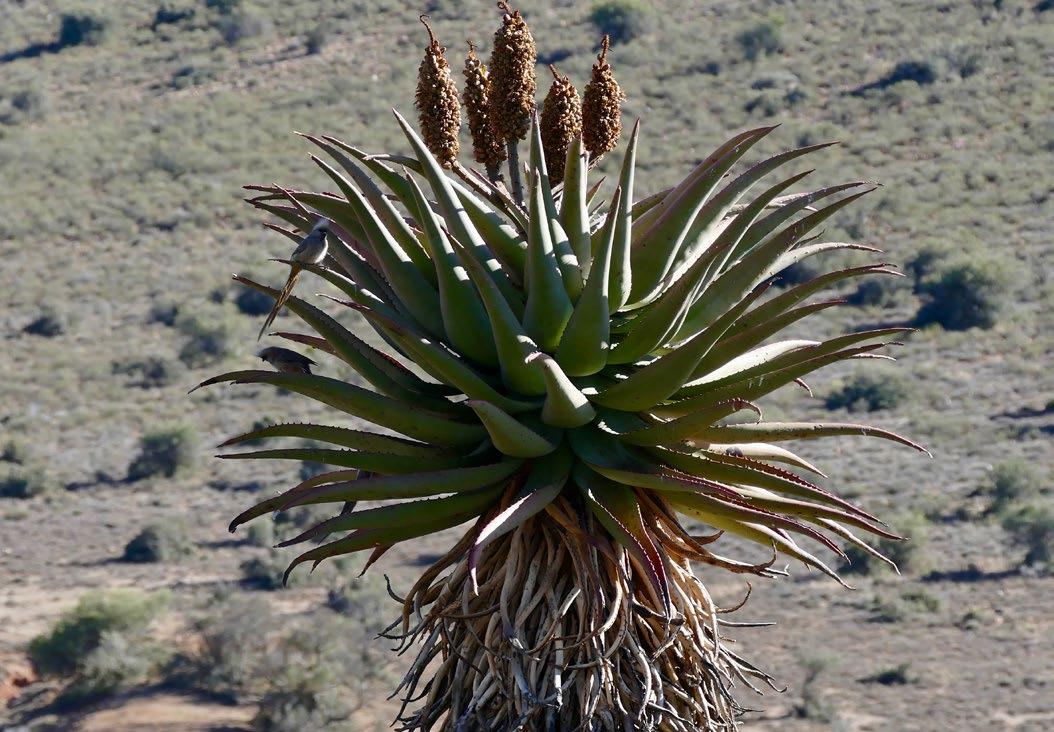
Bitter aloe (Aloe ferox), © Bernard Dupont, Flickr
Conclusion and recommendations
The declaration of indigenous crops and medicinal plants as agricultural products is not a neutral administrative act. It is a political intervention into territories, knowledge systems, and livelihoods that have been systematically marginalised, criminalised, and extracted from. If statutory measures under the MAP Act reproduce business as usual approaches to agricultural governance, this declaration will become yet another tool enabling elites, corporations, and well-organised interests to formalise claims over resources that communities have safeguarded for generations.
From unregulated to regulated Indigenous crops, medicinal plants, and the future of livelihoods, biodiversity, and agroecology
For centuries, indigenous knowledge holders, wild harvesters, healers, and small-scale farmers have borne the costs of biodiversity loss, land dispossession, and exclusion from markets and decision-making spaces. Their contributions have been rendered invisible, while their knowledge has been routinely appropriated. Any governance framework that fails to place these communities at its core risks perpetuating the legacy of extraction. Without strong protections, the declaration will accelerate commercialisation, intensify pressure on already threatened species, and shift value upward into export facing markets, stripping power from the very people who built and sustained these sectors.
DALRRD and DFFE can demonstrate a commitment to justice, transformation, and biodiversity stewardship through:
• Rejecting models that reward capital over custodianship;
• Preventing the consolidation of power in unrepresentative bodies;
• Treating traditional knowledge holders as rights holders, not informants;
• Ensuring that statutory measures cannot be weaponised against informal actors; and
• Aligning regulatory design with NBSAPs, ABS obligations, the evolving Agroecology Framework, and climate resilience priorities.
Anything less will be a betrayal of SA’s stated commitments to equity, sustainability, and indigenous rights.
Recommendations
DALRRD and DFFE should jointly:
Strengthen coordinated, cross-departmental governance
• Establish a formal coordination mechanism to align MAP Act implementation with biodiversity, ABS, and land use mandates. As SA updates its NBSAPs, both departments must ensure that new statutory measures for indigenous crops and medicinal plants support national biodiversity targets, ecosystem restoration priorities, and sustainable use commitments.
Ensure inclusive representation and prevent capture
• Require any applicant for statutory measures to demonstrate credible representation of wild harvesters, small-scale farmers, traditional healers, informal traders, and knowledge holding communities.
• Set minimum representativity standards, supported by transparent governance criteria, to prevent elite or industry capture of statutory structures.
Protect informal actors and avoid criminalisation
• Develop simplified, multilingual, and offline reporting and permitting pathways, together with volume-based exemptions for micro actors. Coordinated enforcement is essential to avoid duplicative controls under the MAP Act and NEMBA Act/ABS processes that unintentionally penalise or criminalise vulnerable actors.
Embed agroecology and sustainable-use principles
• Research, extension, and statutory measure incentives must support agroecological production and sustainable harvesting.
• DALRRD should ring-fence levy funds for participatory breeding, low-input cultivation, and FMSS, while DFFE ensures biodiversity safeguards and sustainable-use practices consistent with updated NBSAP commitments.
Improve transparency and accessibility of statutory measures and ABS processes
• Require broader reach communication for consultations—beyond the Government Gazette—through community radio, local networks, and vernacular-language platforms.
• Jointly host accessible online and offline repositories for statutory measure applications, levy allocations, and ABS permits to strengthen accountability.
Strengthen equitable benefit sharing
• As SA updates its NBSAPs, design of statutory measures must be aligned with fair and equitable benefit-sharing principles, ensuring that communities that hold traditional knowledge and steward biodiversity receive tangible, direct, and culturally appropriate benefits. This includes legal and negotiation support to communities involved in ABS agreements.
Support localised value chains and reduce export-led pressure on biodiversity
• Prioritise investment in rural and township market infrastructure, community controlled processing, and local value addition. Export-oriented incentives must be balanced with domestic food security, cultural use, and NBSAP biodiversity protection objectives, ensuring that commercialisation does not intensify pressure on wild populations.
Build participatory data systems without overburdening small actors
• Jointly invest in community based monitoring of harvesting pressure, ecological recovery, and trade flows. Data collection systems must align with NBSAP monitoring frameworks while avoiding burdensome reporting requirements for small-scale actors.
Indigenous crops and medicinal plants embody living histories of resistance, survival, and ecological wisdom. They represent a pathway toward food sovereignty, climate resilience, and community rooted economies.
SA now stands at a crossroads: either choose a future that honours and strengthens these community led systems or allow the declaration to become a mechanism for deepening inequality, accelerating ecological decline, and, once again, displacing those who have always protected these resources. The stakes could not be higher.
References
ABioSA. (2026). Home. www.abs-biotrade.info
ACB. (2008). Knowledge not for sale: Umckaloabo and the Pelargonium patent challenges https://www.publiceye.ch/fileadmin/doc/Biopiraterie/Briefing_Paper_Pelargonium_knowledge_not_for_sale_EN.pdf
Akinola, R., Pereira, L.M., Mabhaudhi, T., de Bruin, F-M. & Rusch, L. (2021). A review of indigenous food crops in Africa and implications for more sustainable and healthy food systems. Sustainability, 12(8). doi:10.3390/su12083493
Endangered Wildlife Trust. (2024). Safeguarding medicinal plants for future generations. https://ewt.org/safeguarding-medicinal-plants-for-future-generations/
Farmers Magazine. (2025). South Africa’s Agricultural Trusts: What farmers need to know from the 2024 NAMC Report. https://farmersmag.co.za/2025/10/south-africas-agricultural-trusts-what-farmers-need-to-know-from-the-2024-namc-report/ GoSA. (2013). South Africa becomes the twelfth country to ratify the Nagoya Protocol. https://www.gov.za/news/media-statements/south-africa-becomes-twelfth-country-ratify-nagoya-protocol-03-feb-2013
Government Gazette. (2003). Establishment of statutory measure and determination of guideline prices: levy related to sorghum. https://www.gov.za/sites/default/files/ gcis_document/201409/24367a0.pdf
Government Gazette. (2009). Declaration of agricultural products: amendment. https://www.gov.za/sites/default/files/gcis_document/201409/32234553rg9073. pdf
Kriel, G. (2025). Big boost for indigenous and medicinal crop production. https://www. farmersweekly.co.za/agri-news/south-africa/big-boost-for-indigenous-and-medicinal-crop-production/
Mabhaudhi, T., Chibarabada, T.P., Chimonya, V.G.P., Murugani, V.G., Pereira, L.M. et al. (2018). Mainstreaming underutilized indigenous and traditional crops into food systems: A South African perspective. Sustainability, 11(172). doi:10.3390/su11010172
Mander, M., Ntuli, L., Diederichs, N. & Mavundla, K. (2007). Economics of Traditional Medicine Trade in South Africa. https://www.hst.org.za/publications/South%20African%20Health%20Reviews/18_SAHR_2006-2007_Section%2013.pdf
Matsimela, M. (2025). EC indigenous plant producers set to benefit from R5.25m export strategy. https://www.africanfarming.com/2025/08/27/ec-indigenous-plantproducers-set-to-benefit-from-r5-25m-export-growth-strategy/
Mazibuko, N. & Makhele, B. (2021). Funding of transformation through statutory levies and trust funds in the agricultural sector. https://www.dlrrd.gov.za/images/Branches/Economica%20Development%20Trade%20and%20Marketing/international-trade-and-promotions/trade-facilitation/presentations-for-the-red-meat-17-november-2021/namc-presentation.pdf
Mbanjwa, S.T. (2025). An analysis of how South African legislation National Environmental Management Biodiversity Act (NEMBA) regulates the use of indigenous medicinal plants. Student’s Journal of Health Research Africa, 6(12). https://doi. org/10.51168/sjhrafrica.v6i12.2217
From unregulated to regulated Indigenous crops, medicinal plants, and the future of livelihoods, biodiversity, and agroecology in South Africa
Mojapelo, J. (2022). National Strategy for Indigenous Food Crops Review. https:// www.abs-biotrade.info/fileadmin/Downloads/1.%20PROJECTS/ABioSA/Repository/Biotrade_Stakeholder_Meetings/15th_Biotrade_Stakeholder_Forum/Appendix-1-IFC-Programme-Implementation-Review-15th-Biotrade-Stakeholder-Forum. pdf
NAMC. (2017). Apply for statutory measures. https://www.namc.co.za/wp-content/uploads/2017/11/APPLY-FOR-STATUTORY-MEASURES-30-Nov.pdf
NAMC. (2024). Status of the Trust Report 2024. https://www.namc.co.za/wp-content/ uploads/2025/10/Status-of-the-Trust-Report-2024-Final.pdf
NAMC. (2026). A summary of statutory measures implemented. https://www.namc. co.za/our-services/statutory-measures/statutory-measures-applicable/
National Agricultural Marketing Council. (n.d). Declared agricultural products. https:// www.namc.co.za/statutory-measures/2025-declared-agricultural-products/.
Republic of South Africa. (1996). Marketing of Agricultural Products Act 47 of 1996. https://www.gov.za/documents/marketing-agricultural-products-act
Republic of South Africa. (2025). Minister John Steenhuisen unlocks R12 billion indigenous economy boost. https://www.gov.za/news/media-statements/minister-john-steenhuisen-unlocks-r12-billion-indigenous-economy-boost-06-nov
Senyolo, G.M., Wale, E. & Ortmann, G. (2018). Analysing the value chain for African leafy vegetables in Limpopo Province, South Africa. Cogent Social Sciences, 4:1509417. doi.org/10.1080/23311886.2018.1509417
Shembe, P.S., Ngobese, N.Z., Siwela, M. & Kolanisi, U. (2023). The potential repositioning of South Africa’s underutilised plants for food and nutrition security: A scoping review. Heliyon 9. https://pdf.sciencedirectassets.com/313379/1-s2.0S2405844023X00073/1-s2.0-S2405844023044407/main.pdf
Sorghum Trust. (2026). Background. https://sorghumtrust.co.za/background/
Van Niekerk, J. & Wynberg, R. (2012). The trade in Pelargonium sidoides: Rural livelihood relief or bounty for the ‘bio-buccaneers’? Development Southern Africa, 29(4). https://www.tandfonline.com/doi/epdf/10.1080/0376835X.2012.715440?needAccess=true
Wynberg, R. (2023). Biopiracy: Crying wolf or a lever for equity and conservation. Research Policy, 52(2). https://www.sciencedirect.com/science/article/pii/ S0048733322001950
Xaba, N.N., Nkoma, S.L. & Harrypersad, K. (2022). Whose Knowledge? Examining the Relationship between the Traditional Medicine Sector and Environmental Conservation Using a Stakeholder Analysis: Perceptions on Warwick Herb Market Durban South Africa. Int.J. Environ. Res. Public Health, 19(19). https://doi.org/10.3390/ ijerph191911900
Xego. S., Kambizi, L. & Nchu, F. (2016). Threatened medicinal plants of South Africa: Case of the family Hyacinthaceae. Afr J Tradit Complement Altern Med, 13(3):169180.
Zinyoro, E., Mwadzingeni, L. & Leonah, D.M. (2025). Assessment of market barriers amongst the indigenous vegetable vendors in the city of Tshwane, Gauteng Province, South Africa. Discover Sustainability. doi.org/10.1007/s43621-025-02113-9