PO Box 29170, Melville 2109, Johannesburg, South Africa. Tel: +27 (0)11 486-1156
Researched and written by ACB research co-ordinator: Pesticides, Zakiyya Ismail
Editorial oversight and input by ACB executive director, Mariam Mayet
Design and layout by Baynham Goredema, Xealos Design studio
Acknowledgments
ACB gratefully acknowledges the financial support of several donors, though the views expressed may not necessarily reflect the views of our donors.
Acronyms
AMPA Aminomethylphosphonic acid
EU European Union
GBHs Glyphosate-based herbicides
GM Genetically modified
HT Herbicide-tolerant
MRLs Maximum residue levels
SA South Africa
US United States
Introduction
In January 2026, the African Centre for Biodiversity (ACB) conducted a targeted assessment of glyphosate and its primary metabolite, aminomethylphosphonic acid (AMPA), in selected staple foods available in major South African supermarkets. This work forms part of ACB’s broader mission to generate independent, publicly accessible data on pesticide contamination in the national food system.
Food samples were sourced directly from retail shelves at Checkers, Pick n Pay, Woolworths, and Spar to ensure they reflect what consumers routinely purchase.
The investigation focused on four widely consumed products:
• Impala Maize Meal
• Snowflake Wheat Flour
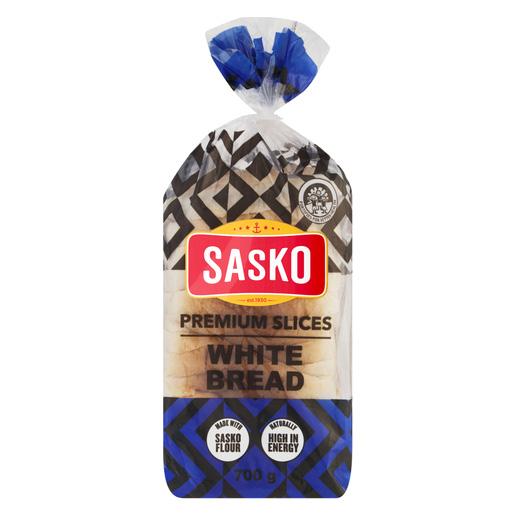
• Sasko White Bread
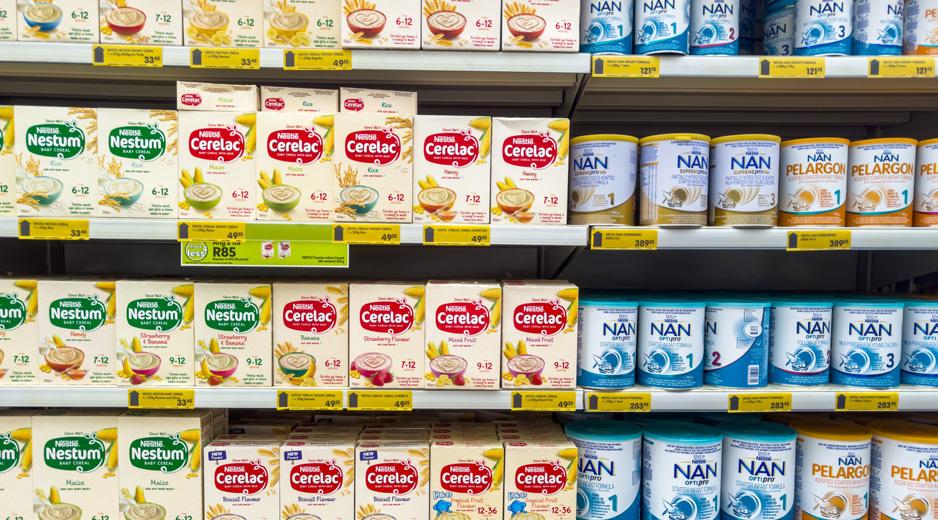
• Cerelac Regular Wheat (Baby Cereal)
To ensure complete integrity of the chain of custody, each product was purchased directly from retail shelves, documented immediately upon acquisition, securely sealed, and transported without interruption to the laboratory, eliminating any possibility of interference or contamination.
Glyphosate
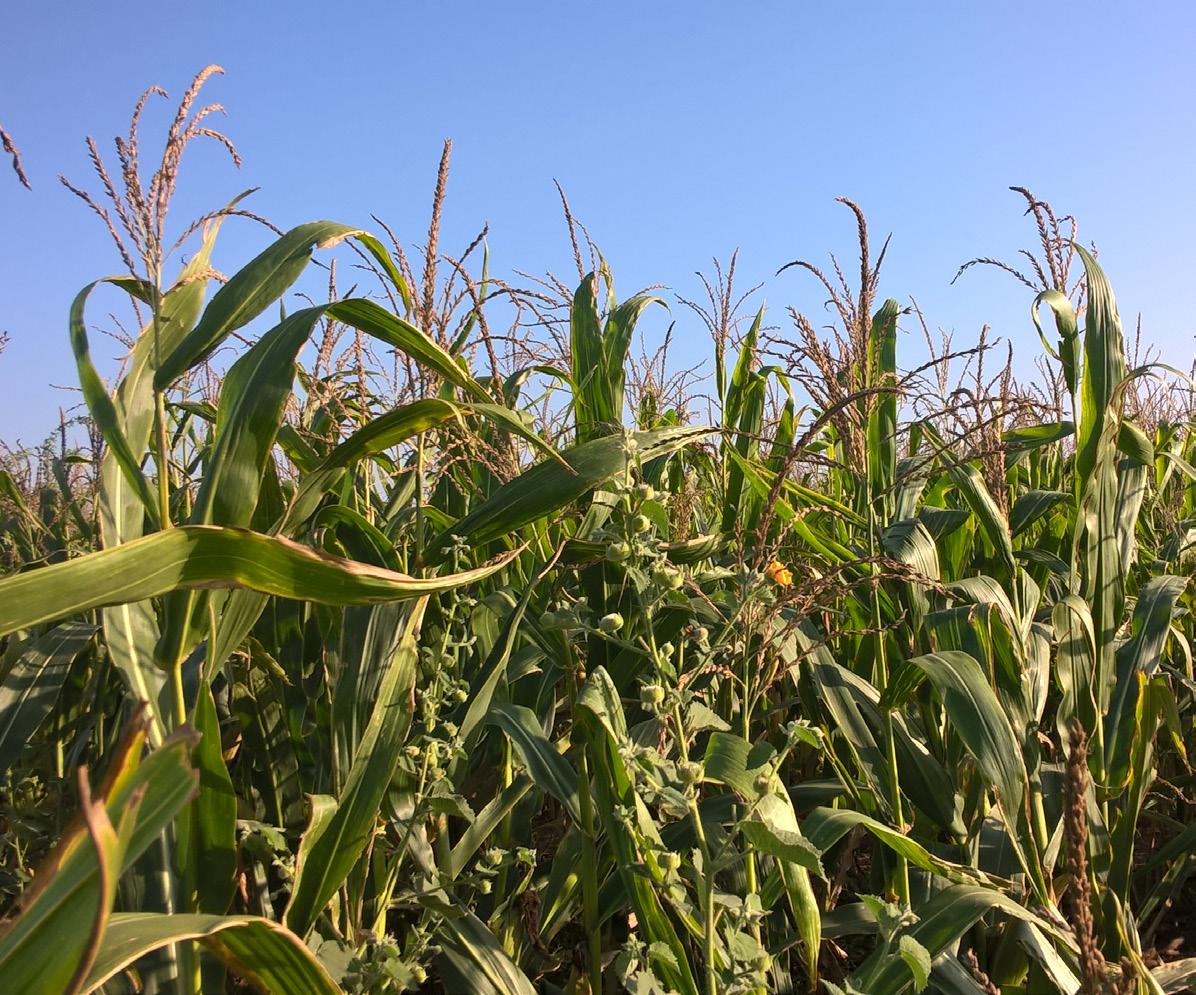
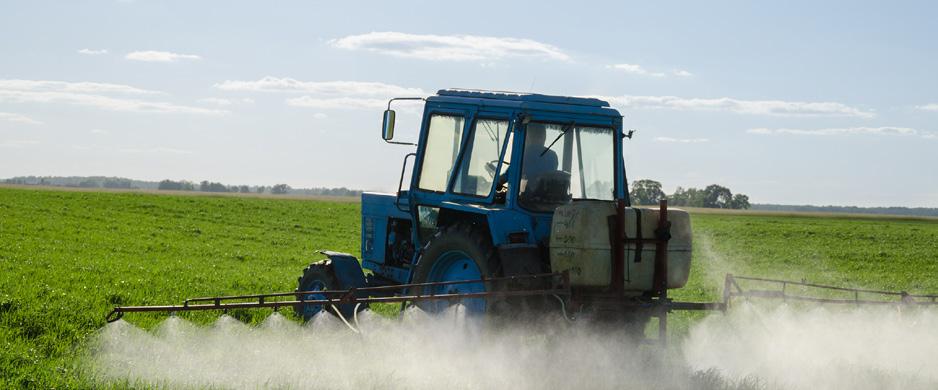
Glyphosate is the active ingredient in some of the world’s most widely used herbicides, including formulations such as Roundup®. It is a broad-spectrum, systemic herbicide composed of phosphorus and glycine and is used extensively in commercial agriculture worldwide (Aoun et al., 2025). In South Africa (SA), glyphosate is the most used herbicide and is applied extensively on herbicide tolerant (HT) genetically modified (GM) maize, which has been genetically engineered to withstand direct application of the chemical (Craven et al., 2021).
A critical characteristic of glyphosate is its systemic action. When applied to crops or weeds, glyphosate is absorbed through the leaves and stems and translocated throughout the plant’s vascular system, reaching roots, seeds, and all living tissues. This means the chemical becomes incorporated inside the plant material itself (Aoun et al., 2025). Consequently, glyphosate residues cannot be removed by washing or peeling – they are present within the food product itself, not merely on its surface.
AMPA
AMPA is the primary and most persistent degradation product (metabolite) of glyphosate. When glyphosate breaks down in the environment, in plants, or within living organisms, AMPA is formed.
Why AMPA matters
Testing for AMPA is essential because:
• It is more persistent than glyphosate and remains detectable long after glyphosate degrades (Émile Samson-Brais et al., 2022).
• It has its own toxicological profile, with growing evidence of metabolic and developmental effects (Tresnakova et al., 2021).
• Its presence serves as a marker of glyphosate exposure and degradation
• Regulators have not established specific MRLs for AMPA, setting the default at 0.01 mg/kg.
Laboratory methods
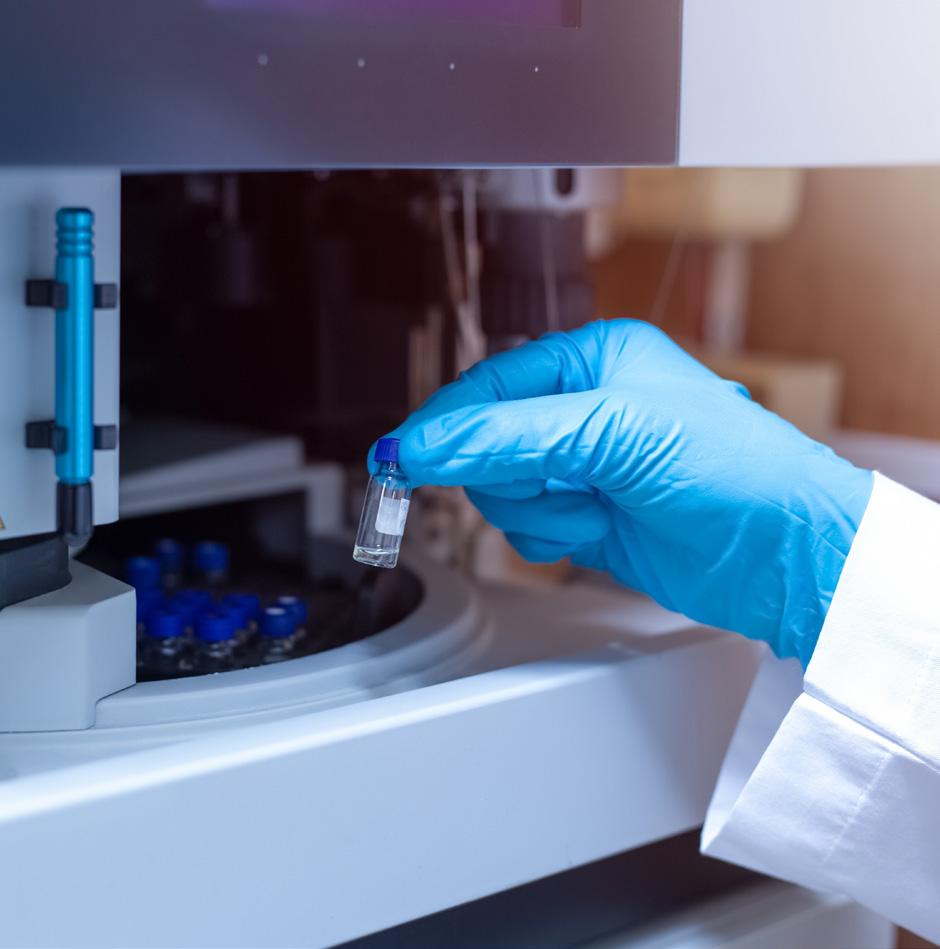
Testing was conducted by Food and Drug Assurance (FDA) Labs, an independent facility accredited by the South African National Accreditation System (SANAS) operating under ISO/IEC 17025 standards, ensuring technical validity and legal defensibility of all results.
Residue detection employed Liquid Chromatography–Tandem Mass Spectrometry (LC-MS/MS), a method recognised for its sensitivity and precision in food safety testing.
Two analytes were measured:
• Glyphosate, the active ingredient in widely used herbicides
• AMPA, glyphosate’s primary and highly persistent metabolite
Results overview
Of the four products tested1 , three contained glyphosate, and two contained AMPA Residues ranged from trace levels to concentrations exceeding default maximum residue limits (MRLs).
The table below summarises the key findings, with detailed results for each product presented in the following sections: Product
Maize Meal
White Bread Sasko Yes (trace) Yes (trace) No formal exceedance
Baby Cereal (Wheat) Cerelac Yes (trace) No No formal exceedance
Impala Maize Meal (genetically modified)
Impala Maize Meal tested positive for both glyphosate and AMPA, and the packaging confirms it is produced from GM maize.
*AMPA is not specifically listed in the South African or EU MRL databases. Where no specific MRL exists, the default limit of 0.01 mg/kg applies. 1
Interpretation of findings
• Glyphosate: The detected level of 0.1162 mg/kg is below all applicable MRLs (SA, Codex, EU, and export default). By conventional regulatory standards, this residue level would be considered compliant.
• AMPA: The detected level of 0.0135 mg/kg exceeds the default MRL of 0.01 mg/kg applied in the absence of a specific limit. This is significant for two reasons:
- It indicates that glyphosate has undergone degradation, and its persistent metabolite is present in the final food product.
- It raises the question of whether the default MRL is sufficiently protective, given emerging evidence of AMPA’s independent toxicity and its potential to contribute to cumulative health effects (Mao et al., 2018).
The detection of glyphosate (0.1162 mg/kg) and its metabolite AMPA (0.0135 mg/kg) in Impala Maize Meal is therefore not an accident or a trace contamination event. This finding underscores a direct link between GM HT crops and glyphosate residues in consumer foods.
Wheat products
Snowflake Wheat Flour
Snowflake Wheat Flour, a common wheat flour brand in SA, tested positive for glyphosate residues.
Note: SA has not established a specific MRL for glyphosate in wheat. The default limit of 0.01 mg/kg, therefore, applies. The EU and Codex have established significantly higher limits.
Interpretation of findings
• Glyphosate: The detected level of 0.0134 mg/kg exceeds the South African default MRL of 0.01 mg/kg for glyphosate in wheat. This is a regulatory exceedance.
• AMPA: AMPA was detected at levels below the limit of quantification (<0.010 mg/kg), indicating minimal glyphosate degradation in this sample.
Significance of the exceedance
The fact that this product exceeds the default MRL is concerning for several reasons, including:
Regulatory non-compliance
SA has no specific MRL for glyphosate on wheat, so the default applies. The product does not comply with the default standard, suggesting that current agricultural practices are resulting in residue levels higher than the “default safe” level. This exceedance is concerning and suggests agricultural practices – likely pre-harvest desiccation – are contributing to residues in wheatbased foods.
Sasko White Bread
Sasko White Bread, a widely consumed branded bread, tested positive for trace levels of both glyphosate and AMPA.
metabolite
*MRLs for processed products, such as bread, are typically based on the raw agricultural commodity (wheat). The default 0.01 mg/kg applies in the absence of a specific MRL for bread.
Interpretation of findings
Both glyphosate and AMPA were detected in Sasko White Bread at levels below 0.010 mg/kg. While not formally exceeding limits, these findings confirm that residues survive the milling and baking process and end up in final consumer products. Bread, as a daily staple for millions of South Africans, represents a continuous, low-level dietary exposure source.
Cerelac Regular Wheat
Cerelac Regular Wheat baby cereal, a product specifically marketed for infant and young child feeding, tested positive for trace levels of glyphosate.
Interpretation of findings
The detection of glyphosate in a baby cereal product is particularly concerning. Infants and young children are physiologically more vulnerable to toxicants than adults. Their bodies are still developing; they have lower body weight and consume more food per kilogram of body weight than adults (Bou-Mitri et al., 2025).
While the detected level is below the default MRL of 0.01 mg/kg, the precautionary principle demands that exposure to potentially harmful chemicals in food specifically designed for this vulnerable population be minimised to the greatest extent possible. The presence of glyphosate in Cerelac Wheat indicates that even products with rigorous quality standards are not immune to contamination from agricultural practices.
Summary of key findings
Finding
Glyphosate detected in 3 of 4 products
AMPA detected in 2 of 4 products
AMPA in Impala Maize Meal exceeds default MRL
Glyphosate in Snowflake Wheat Flour exceeds default MRL
Implication
Glyphosate detected in Cerelac baby cereal
Widespread presence in staple foods; exposure is chronic and dietary.
Glyphosate degradation products persist through food processing.
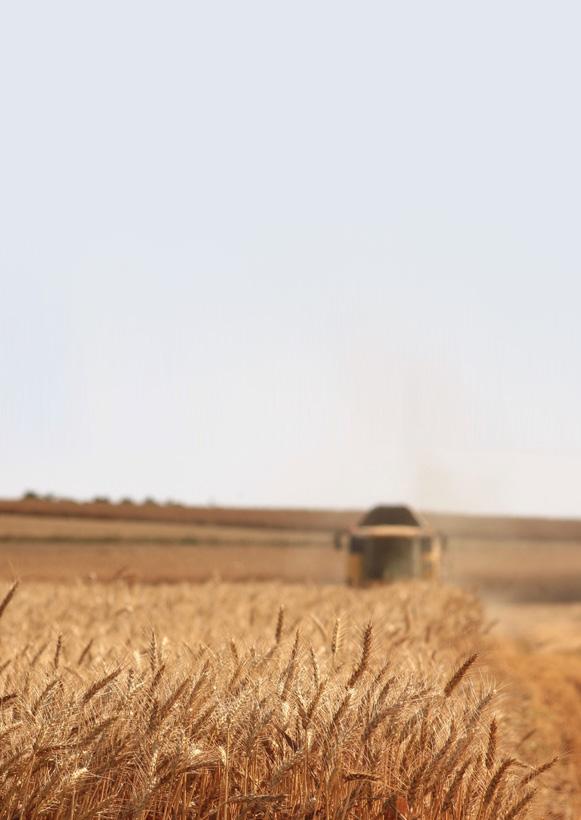
Why are glyphosate residues found in wheat? Could it stem from late-season spraying or pre-harvest desiccation, a practice used internationally to dry crops uniformly? Residue patterns strongly suggest similar practices in SA.
Vulnerable populations are exposed, raising specific health equity concerns.
What the results mean
The GM connection: from field to plate
The Impala Maize Meal sample that tested positive for both glyphosate and AMPA is labelled as genetically modified. This is not coincidental – it is causal.
GM maize varieties marketed in SA are primarily engineered for herbicide tolerance, specifically glyphosate tolerance. These crops, often referred to as “Roundup Ready”, are designed to withstand direct application of glyphosate-based herbicides (GBHs) during the growing season.
The detection of glyphosate (0.1162 mg/kg) and its metabolite AMPA (0.0135 mg/kg) in Impala Maize Meal is therefore not an accident or a trace contamination event. It is a direct consequence of the agricultural system that produced the grain. The presence of AMPA confirms that glyphosate was applied, began to degrade, and that both the parent compound and its persistent metabolite remain in the final food product consumed by South African families.
Why does wheat contain glyphosate?
Unlike maize, wheat grown in SA is not typically genetically modified for herbicide tolerance. So why does wheat flour contain glyphosate residues?
The detection of glyphosate in Snowflake Wheat Flour, Sasko Bread, and Cerelac baby cereal requires explanation. The exceedance highlights a regulatory gap: glyphosate is entering wheatbased foods through agricultural practices that are neither transparently monitored nor publicly documented. While the specific practice cannot be confirmed, our suspicion is that it may be attributed to pre-harvest desiccation. Pre-harvest desiccation involves spraying a crop shortly before harvest to evenly dry it, speed up harvesting, and control late-season weeds. Glyphosate is used for this purpose in several major wheat-producing countries, including Brazil and parts of Europe (where the practice is now restricted). The precise practice that enables glyphosate to enter wheat-based food products demands immediate inquiry.
Regardless, the presence of glyphosate residues in South African wheat products – including a baby cereal – demonstrates that consumers are being exposed to this chemical through staple foods, and the regulatory framework is failing to prevent this exposure.
The investigation exposes the limitations of MRLs, which are not health-based safety limits but rather administrative thresholds for assessing compliance and facilitating trade.
Both the AMPA in Impala Maize Meal and the glyphosate in Snowflake Wheat Flour exceeded the default MRL of 0.01 mg/kg – the level applied when no specific MRL has been set. This default is not based on a health risk assessment for these specific compounds or crops. It functions as an administrative placeholder.
The implicit assumption is that residues below this default are “safe”. However, a growing body of evidence demonstrates that glyphosate and AMPA can cause adverse biological effects at or below concentrations considered acceptable by regulators (Mesnage et al., 2015; Mao et al., 2018).
MRLs are designed to reflect expected residue levels under approved agricultural practices, support trade standards, and monitor compliance. They are not health-based safety limits. They do not account for chronic cumulative exposure, for the ‘cocktail effect’ of multiple residues, or the heightened vulnerability of certain populations, including children, pregnant women, and immunocompromised individuals.
The variability of MRL standards is illustrated by the South African wheat flour sample, which contained 0.0134 mg/kg of glyphosate. By the EU standard (10 mg/kg), it is compliant. By the South African default (0.01 mg/kg), it is non-compliant. This contradiction illustrates the arbitrary nature of MRLs and their dependence on regulatory decisions rather than on health- and safetybased scientific determinations.
Furthermore, AMPA is not listed in the South African or EU MRL databases. When detected, the default 0.01 mg/kg applies. Yet AMPA:
• Is more persistent in the environment and in plants than glyphosate.
• Has its own toxicological profile, with emerging evidence of developmental and metabolic toxicity (Wang et al., 2024).
• Represents a significant portion of total glyphosate-related exposure.
The detection of AMPA at 0.0135 mg/kg in Impala Maize Meal, above the default MRL, raises the question: Is the default limit sufficiently protective? And if AMPA is not even listed, how can regulators claim to be monitoring the full picture of glyphosate-related residues?
Health implications: cause for concern
A substantial and growing body of evidence from human epidemiological studies, animal experiments, and laboratory research suggests that glyphosate exposure is associated with a range of adverse health outcomes (Aoun et al., 2025). These findings, generated by independent scientists worldwide, provide genuine cause for concern and challenge the long-held regulatory assumption that glyphosate is safe at permitted exposure levels. What follows is a sampling of this literature, illustrating the depth and breadth of current scientific understanding. Together, they point to the need for a precautionary approach to glyphosate in SA’s food supply.
The detection of glyphosate in Cerelac Regular Wheat – a product specifically formulated for infants and young children – demands urgent attention. Children are not simply “small adults”. They face unique vulnerabilities due to developing organs, higher food intake relative to body weight, differences in metabolism, and a longer lifetime over which chronic diseases can develop (Barnett et al., 2025; Bou-Mitri et al., 2025; Reynier & Rubin, 2025):
• Developmental immaturity: Organ systems (liver, kidneys, nervous system, immune system) are still developing and are more susceptible to disruption by toxicants.
• Higher relative exposure: Children consume more food and water per kilogram of body weight than adults, thereby increasing their exposure to contaminants.
• Different metabolism: Detoxification pathways are immature, meaning children may metabolise and excrete pesticides less efficiently.
• Longer future lifespan: Early exposures have more time to contribute to chronic diseases that manifest later in life.
The Ramazzini Institute study (Mao et al., 2018) found that exposure to glyphosate at doses considered “safe” by regulators – United States (US) acceptable daily intake – caused significant alterations to the gut microbiome in rats, with effects most pronounced before puberty. Specifically:
• Decreased beneficial bacteria (Lactobacillus and Bifidobacteria)
• Increased pathogenic bacteria (Prevotella)
These changes occurred at a developmental stage analogous to human childhood. The researchers concluded:
This study provides initial evidence that exposures to commonly used GBHs, at doses considered safe, are capable of modifying the gut microbiota in early development, particularly before the onset of puberty. These findings warrant future studies on potential health effects of GBHs in early development, such as childhood.
Gut health and the microbiome
Emerging research links glyphosate exposure to disruptions in the gut microbiome, as demonstrated by Mao et al. (2018) and supported by subsequent investigations (Walsh et al., 2023). The microbiome plays a critical role in:
• Nutrient absorption and metabolism
• Immune system development and function
• Protection against pathogens
• Synthesis of vitamins and short-chain fatty acids
Glyphosate’s mechanism of action – inhibition of the shikimate pathway – is relevant to bacteria because many beneficial gut bacteria possess this pathway (Lehman et al., 2023). By disrupting these bacterial populations, glyphosate may indirectly affect human health in ways not captured by traditional toxicological assessments focused on direct toxicity to human cells.
In a country already grappling with severe malnutrition and food insecurity, any factor that impairs nutrient absorption or immune function is a significant public health concern. The potential for glyphosate residues to compromise the nutritional status of already-stressed populations represents an additional, hidden burden on vulnerable communities.
Brain and neurological effects
Beyond its impacts on the gut, glyphosate is increasingly recognised as a potential developmental neurotoxicant. A recent study examining glyphosate and AMPA exposure in pregnant women and their children (Reynier & Rubin, 2025) found that:
• Glyphosate and AMPA were detected in 98% of pregnant women in a US cohort.
• Higher glyphosate levels in pregnancy were associated with lower Intelligence Quotient (IQ) scores in children at age nine.
• The strongest effects were observed in boys, indicating sex-specific vulnerability.
This study adds to a growing body of evidence suggesting that early-life exposure to glyphosate may have lasting consequences for cognitive development. The authors note that their findings align with experimental studies showing glyphosate’s ability to disrupt neurotransmitter systems and induce oxidative stress in neural tissues.
Endocrine disruption
Glyphosate is increasingly recognised as an endocrine-disrupting chemical (EDC) (RiechelmannCasarin et al., 2025; Tajai et al., 2023). Evidence from in vitro, animal, and human studies demonstrates that glyphosate-based herbicides can:
• Interfere with hormone signalling pathways
• Disrupt proteins responsible for hormone transport and metabolism
• Alter circulating hormone levels
Endocrine disruption is particularly concerning because it can occur at very low doses, does not follow a simple linear dose-response relationship, and can have effects that are not apparent until later in life or across generations (Tajai et al., 2023). The ability of glyphosate to interfere with hormonal systems adds another layer of complexity to the risk assessment challenge and further undermines confidence in current MRLs, which are not designed to capture such effects.
Nutritional profile: glyphosate’s impact on food quality
A critical concern, often overlooked in discussions of pesticide residues, is the impact of glyphosate on the nutritional quality of the food itself. Recent assessments have highlighted glyphosate’s role in contributing to nutrient deficiencies in crops (Kanissery et al., 2019). Plants treated with glyphosate may show reduced uptake of micronutrients, including:
• Manganese
• Zinc
• Iron
• Calcium
• Magnesium
Consequently, foods derived from glyphosate-treated plants may have lower mineral content than their untreated counterparts. This effect compounds existing nutritional challenges in a country like SA, where micronutrient deficiencies are already prevalent. Even the quality of the food grown with glyphosate is compromised, meaning that consumers are receiving both less nutrition and a dose of the chemical itself.
Chronic exposure through staple foods
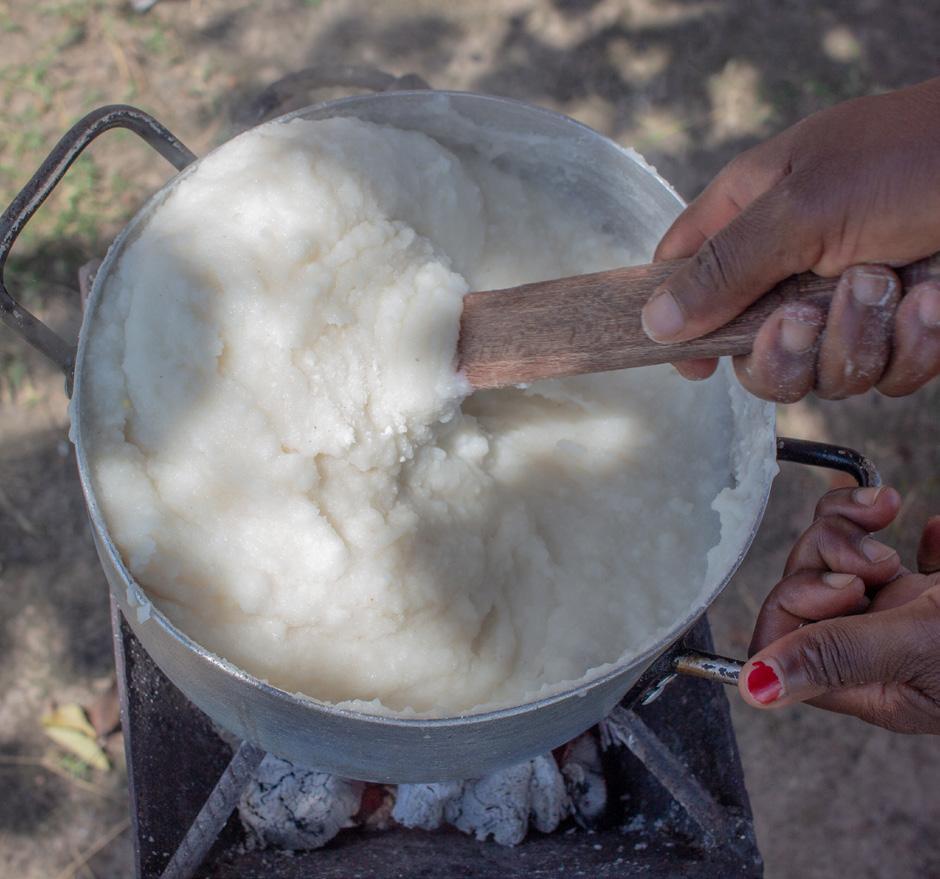
The products that tested positive in this study – maize meal, wheat flour, baby cereal, and bread – are not occasional or luxury items. They are daily staples for millions of South Africans. For low-income households, maize meal in particular forms the caloric foundation of the diet. This means:
• Exposure is chronic, not intermittent: Consumers are exposed to glyphosate and AMPA at every meal, day after day, year after year.
• Detoxification systems face continuous challenge: the body’s metabolic pathways for handling xenobiotics are under constant demand.
• The “cocktail effect” with other pesticides is unstudied and unregulated: glyphosate does not appear in isolation; it joins other pesticide residues in the diet, yet regulators assess each chemical individually.
The Pietermaritzburg Economic Justice & Dignity (PMBEJD) food basket, which tracks the cost of basic nutritious food for a family, includes maize meal as a core item. Our finding of glyphosate and AMPA in Impala Maize Meal means that families relying on this basket for food security are also receiving a daily dose of these chemicals, with no affordable, residue-free alternative available to them.
Conclusion: a ban on glyphosate
This investigation shows that the foods South Africans eat daily – including maize meal, wheat flour, bread, and even baby cereal – contain glyphosate and its metabolite, AMPA. Two of these products exceeded the default MRL: AMPA in Impala Maize Meal and glyphosate in Snowflake Wheat Flour.
These findings expose a regulatory system that fails to protect the public. The current regulatory framework appears insufficient to prevent routine dietary exposure to glyphosate-related residues in staple foods. AMPA is not even listed in MRL databases despite its persistence and toxicity. The presence of glyphosate in baby cereal is especially alarming given infants’ heightened physiological vulnerability.
This contamination is the predictable result of a production model dependent on GM HT maize and on late-season or pre-harvest desiccation in wheat. MRLs are not designed to assess cumulative, long-term exposure in vulnerable populations; they are administrative trade thresholds that fail to account for chronic, cumulative, real-world exposure. Millions of South Africans – especially low-income households – are therefore subjected to unavoidable, continuous exposure to chemicals through the very foods on which their survival depends.
These findings, together with growing international scientific concern regarding glyphosate and its metabolite AMPA, raise serious questions about whether continued widespread use remains compatible with a precautionary public health framework. Immediate action is required.
We therefore call for:
• The urgent deregistration of glyphosate as an agricultural chemical in SA, and
• A national ban on its use, import, and sale to protect public health – especially children –from further harm.
Anything less leaves South Africans unprotected from a chemical increasingly associated with metabolic, developmental, and immune disruption.
References
Aoun, P.G., Khairallah, W., Rejeb, A. and Haddarah, A. (2025). Glyphosate Use in Crop Systems: Risks to Health and Sustainable Alternatives. Toxics, 13(11), p.971. doi:https://doi.org/10.3390/toxics13110971.
Barnett, J.A., Josephson, J.K., Yuzbashian, E., Haskey, N., Hart, M.M., Soma, K.K., Verdugo, A., McComb, C.J., Bandy, M.L., Ghosh, S., Letef, C., Copp, A., Ishida, R., Gibon, J., Ye, J., Giebelhaus, R.T., Murch, S.J., Jung, M.M. and Gibson, D.L. (2025). Prenatal exposure to dietary levels of glyphosate disrupts metabolic, immune, and behavioral markers across generations in mice. Science of The Total Environment, [online] 1002, p.180437. doi:https://doi.org/10.1016/j.scitotenv.2025.180437.
Bou-Mitri, C., Dagher, S., Makkawi, A., Khreyss, Z. and Hassan, H.F. (2025). Glyphosate in food: A narrative review. Journal of Agriculture and Food Research, [online] 19, p.101643. doi:https://doi.org/10.1016/j.jafr.2025.101643.
Craven, M., Mokoena, P., Morey, L. and Saayman-Du Toit, A.E.J. (2021). Effect of glyphosate application time on yield parameters of South African glyphosate-resistant maize cultivars. South African Journal of Science, 117(7/8). doi:https://doi. org/10.17159/sajs.2021/8045.
Émile Samson-Brais, Lucotte, M., Matthieu Moingt, Tremblay, G. and Paquet, S. (2022). Glyphosate and aminomethylphosphonic acid contents in field crops soils under various weed management practices. Agrosystems Geosciences & Environment, 5(3). doi:https://doi.org/10.1002/agg2.20273.
Kanissery, R., Gairhe, B., Kadyampakeni, D., Batuman, O. and Alferez, F. (2019). Glyphosate: Its Environmental Persistence and Impact on Crop Health and Nutrition. Plants, [online] 8(11), p.499. doi:https://doi.org/10.3390/plants8110499.
Lehman, P., Cady, N., Sudeep Ghimire, Shahi, S.K., Shrode, R.L., Hans-Joachim Lehmler and Mangalam, A.K. (2023). Low-dose glyphosate exposure alters gut microbiota composition and modulates gut homeostasis. Environmental Toxicology and Pharmacology, 100, pp.104149–104149. doi:https://doi.org/10.1016/j.etap.2023.104149.
Mao, Q., Manservisi, F., Panzacchi, S., Mandrioli, D., Menghetti, I., Vornoli, A., Bua, L., Falcioni, L., Lesseur, C., Chen, J., Belpoggi, F. and Hu, J. (2018). The Ramazzini Institute 13-week pilot study on glyphosate and Roundup administered at human-equivalent dose to Sprague Dawley rats: effects on the microbiome. Environmental Health, [online] 17(1). doi:https:// doi.org/10.1186/s12940-018-0394-x.
Pietermaritzburg Economic Justice and Dignity. (n.d.). PMBEJD – Pietermaritzburg Economic Justice and Dignity. [online] Available at: https://pmbejd.org.za/.
Reynier, E. and Rubin, E. (2025). Glyphosate exposure and GM seed rollout unequally reduced perinatal health. Proceedings of the National Academy of Sciences, 122(3). doi:https://doi.org/10.1073/pnas.2413013121.
Riechelmann-Casarin, L., Valente, L.C., Otton, R., Barbisan, L.F. and Romualdo, G.R. (2025). Are glyphosate or glyphosatebased herbicides linked to metabolic dysfunction-associated steatotic liver disease (MASLD)? The weight of current evidence. Environmental Toxicology and Pharmacology, [online] 116, p.104705. doi:https://doi.org/10.1016/j.etap.2025.104705.
Tajai, P., Pruksakorn, D., Chattipakorn, S.C., Chattipakorn, N. and Shinlapawittayatorn, K. (2023). Effects of glyphosate-based herbicides and glyphosate exposure on sex hormones and the reproductive system: From epidemiological evidence to mechanistic insights. Environmental Toxicology and Pharmacology, [online] 102, p.104252. doi:https://doi.org/10.1016/j. etap.2023.104252.
Tresnakova, N., Stara, A. and Velisek, J. (2021). Effects of Glyphosate and Its Metabolite AMPA on Aquatic Organisms. Applied Sciences, 11(19), p.9004. doi:https://doi.org/10.3390/app11199004.
Walsh, L., Hill, C. and R. Paul Ross (2023). Impact of glyphosate (Roundup TM ) on the composition and functionality of the gut microbiome. Gut microbes, 15(2). doi:https://doi.org/10.1080/19490976.2023.2263935.
Wang, X., Wu, K., Mo, J. and Huang, W. (2024). Developmental Toxicity of Glyphosate, its formulations and AMPA in Non-Target Organisms: Insights from Zebrafish Embryos and Larvae. Journal of Hazardous Materials Advances, 16, pp.100516–100516. doi:https://doi.org/10.1016/j.hazadv.2024.100516.