PO Box 29170, Melville 2109, Johannesburg, South Africa.
Tel: +27 (0)11 486-1156
Conceptualisation, research and writing by ACB executive director Mariam Mayet
Design and layout by Baynham Goredema, Xealos Design studio
Acknowledgements
This paper was conceived by ACB’s director, Mariam Mayet, and produced as a collective output of the ACB, drawing on the organisation’s long-standing research, analysis, and engagement across networks and food systems, spanning extractivism, agroecology, and democratic control over resources.
The ACB gratefully acknowledges the financial support of several donors, though the views expressed may not necessarily reflect the views of our donors.
Acronyms
ACB African Centre for Biodiversity
AUDA–NEPAD African Union Development Agency-New Partnership for Africa’s Development
AFSA Alliance for Food Sovereignty in Africa
CFS Committee on World Food Security
CSIS Center for Strategic and International Studies
DRC Democratic Republic of Congo
EU European Union
FAO Food and Agriculture Organization of the UN
GDP Gross domestic product
HLPE High Level Panel of Experts on Food Security and Nutrition
IEA International Energy Agency
IFPRI International Food Policy Research Institute
IPCC Intergovernmental Panel on Climate Change
IPES-Food International Panel of Experts on Sustainable Food Systems
OECD Organization for Economic Cooperation and Development
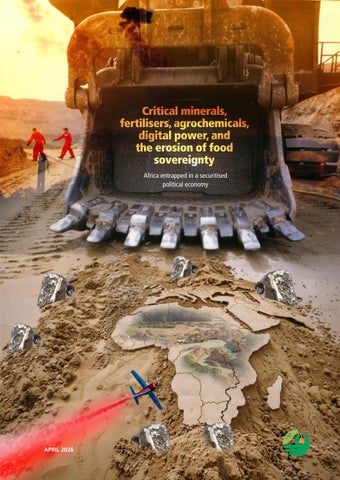
Africa is increasingly caught in a global system marked by permanent conflict, intensifying competition over resources, and growing control of minerals, food, and digital systems by powerful states and corporations.
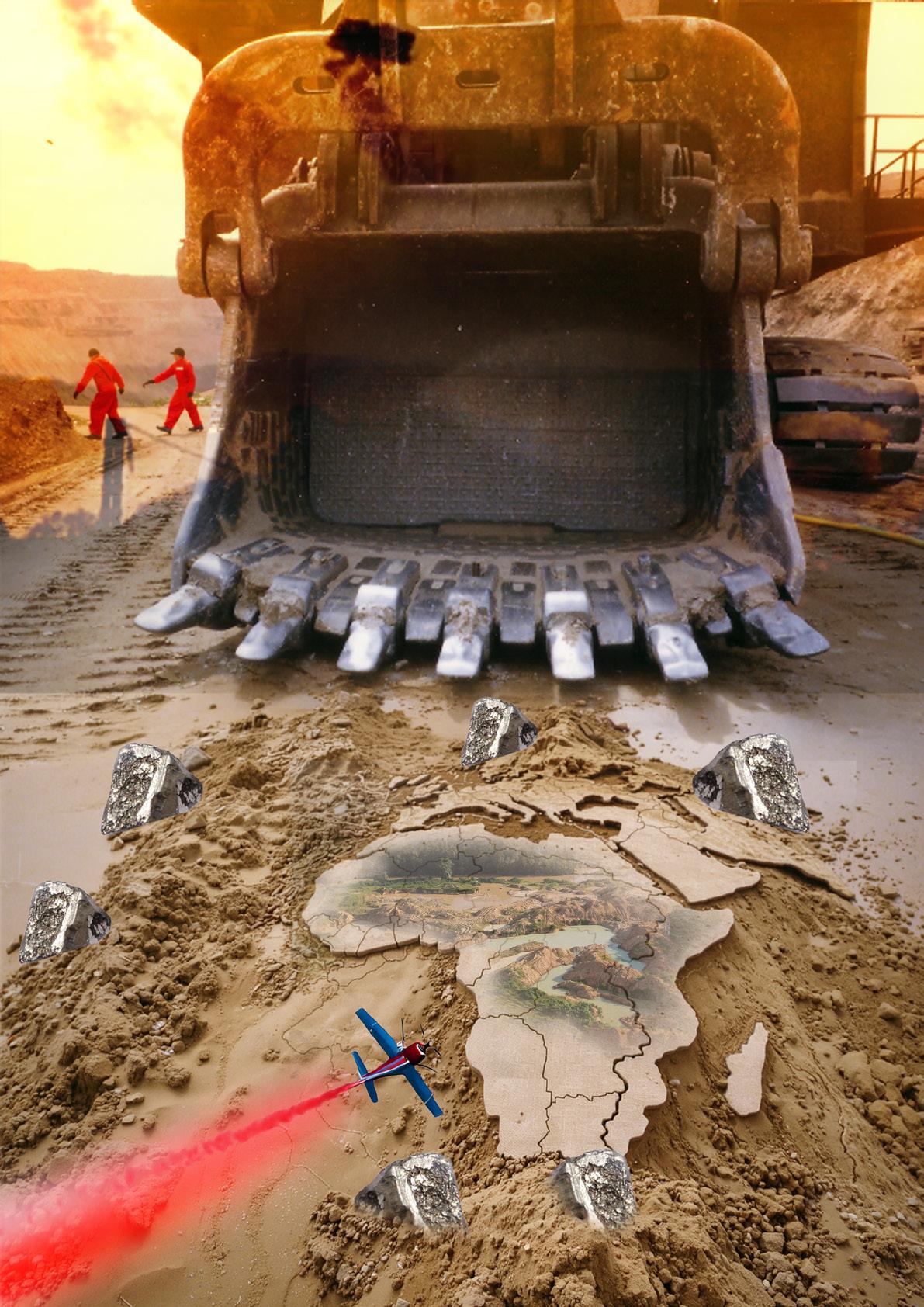
In this context, critical minerals extend far beyond renewable energy or industrial development. They underpin a complex web that connects mining, fertiliser production, agrochemicals like glyphosate, large-scale agriculture, digital infrastructure, and military power. While Africa holds vast mineral wealth, control over how these minerals and inputs are processed, valued, and deployed largely rests outside the continent. As a result, African food systems, livelihoods, and ecosystems remain highly vulnerable to global volatility.
Nowhere is this entrapment more visible than in fertiliser and agrochemical supply chains. African agriculture has been locked into dependence on imported synthetic fertilisers and chemical herbicides, all derived from the same mineral and energy foundations and governed through highly concentrated, geopolitically fragile supply chains.
When wars erupt, shipping routes are disrupted, or prices spike, shocks are transmitted immediately to African farms and households. Because farming follows biological and seasonal cycles, missed planting windows, reduced nutrient access, or the withdrawal of agrochemical inputs such as glyphosate cannot be easily corrected. As a result, distant geopolitical conflicts can quickly escalate into local food crises. Instead of fostering resilience, industrial input-dependent agriculture acts as a transmission belt channelling global conflict and market volatility directly into hunger and rural insecurity.
These risks are intensifying as fertilisers and associated agrochemicals are increasingly folded into national security and military frameworks, transforming inputs central to food production into strategic assets governed through defence and conflict planning. Recent decisions by powerful states to designate phosphorus- and glyphosate-based inputs as matters of national security formalise this shift, binding agricultural production directly to geopolitical and military priorities. At the same time, the documented use of phosphorus-based weapons that contaminate and destroy agricultural land, alongside the deployment of glyphosate as a tool of vegetation clearance and land denial in conflict settings, exposes the violent underside of this dual-use political economy. African food systems are not insulated from these dynamics; they are being drawn directly into them, as dependence on externally controlled inputs embeds food production within securitised and conflict-prone global supply chains.
At the same time, the rapid expansion of digital infrastructure is creating new and less visible forms of extraction and control. Digital agriculture, data platforms, cloud computing, satellites, and telecommunications networks all rely on mineral-intensive hardware, energy-hungry data centres, and globally concentrated infrastructure owned and governed largely outside the continent. Through these systems, farmers are increasingly repositioned as data producers, while information on soils, seeds, weather patterns, crop performance, and farming practices is captured, processed, and monetised elsewhere. Decisions about data ownership, storage, algorithms, and access are made far beyond the reach of African democratic oversight, extending historical patterns of extraction into the digital domain and deepening dependence on proprietary technologies embedded in industrial agricultural models.
Taken together, these dynamics reveal a cohesive system of structural entrapment. Africa is positioned as a supplier of strategic minerals, a captive importer of fertilisers and agrochemicals, and a source of valuable agricultural data, while seen to exercise limited control over processing, infrastructure, pricing, and governance. Within this configuration, disruption ceases to be temporary and becomes structural, while “resilience” is increasingly reduced to the management of exposure rather than a confrontation with the political and economic systems that perpetuate vulnerability.
This paper argues that food sovereignty is impossible without mineral and data sovereignty, and that agroecology is not a technical alternative but a political necessity. Rebuilding soil fertility through ecological nutrient cycles, biodiversity, and farmer-managed practices is essential to breaking dependence on fertiliser and glyphosate-based agricultural models, which remain embedded in extractivism, securitisation, and geopolitical competition. Mineral sovereignty— understood as democratic control over how minerals and digital infrastructures are extracted, processed, governed, and deployed—is equally critical to preventing food systems from being subordinated to external industrial, corporate, and military priorities.
The task of African civil society is not to adapt to crisis, but to confront it at its roots, by:
• Challenging the normalisation of fertiliser, agrochemical, and digital dependency;
• Resisting the concentration of power over minerals, nutrients, infrastructure, and data; and
• Organising for food systems grounded in agroecology, democracy, and collective control.
Africa’s future will not be secured by merely managing exposure to externally governed systems, but by reclaiming sovereignty over the resources, knowledge, technologies, and ecologies that sustain life.
Contextual overview: Africa in the cross hairs
The global political and economic order has entered a phase of sustained instability characterised by intensified great-power rivalry, accelerated militarisation, and the erosion of multilateral norms and international law. Armed conflict is no longer an episodic disruption but rather a structural feature of the global system, with interstate wars, proxy confrontations, sanctions regimes, and trade fragmentation increasingly shaping the movement of energy, minerals, food, finance, agricultural inputs, and technology across borders. Ongoing wars in Ukraine and West Asia, alongside rising tensions among the United States (US), China, Russia, and their respective allies, have produced a world in which supply chains are routinely weaponised, access to strategic resources is securitised, and economic relations are increasingly subordinated to geopolitical objectives. In this emerging order—described by some as a “third world war in slow motion”,1 Africa is not a passive bystander but a central arena, as global conflicts generate reciprocal interdependencies and far-reaching downstream repercussions across the continent.
The continent’s mineral wealth, agricultural systems, energy routes, and digital infrastructures have become deeply entangled in global struggles for technological dominance, military capability, and economic leverage. Intensifying competition among great and middle powers has produced a transactional international environment in which external actors focus less on collective governance and more on securing leverage over Africa’s critical minerals, transport corridors, data, digital infrastructure, and political influence. China, Russia, the US, the European
1 The phrase “Third World War in slow motion” is used to describe the current era of fragmented, ongoing global conflicts, economic warfare, and environmental crises that have the sense of being cumulative rather than instantaneous. This perspective suggests that unlike the fast-acting devastation of previous world wars, the present conflict is an unfolding process involving multiple nations, digital disruption, and economic strain. USPA News, “G7, UN & France under pressure from a ‘major humanitarian emergency’. To a last chance for de-escalation.” Rachdi, R. S. & Foster, J., 7 March 2026; http://www.the-viewer.uspa24.com/bericht-26572/g7-un-und-france-under-pressure-from-a-major-humanitarianemergency.html
Union (EU), Gulf states, Turkey, and India are all expanding their military, technological, and economic engagements on the continent, embedding Africa more firmly within a landscape of strategic rivalry often described as a “New Cold War” (Gopinath et al., 2025). Within this shifting landscape, powerful states increasingly treat African reserves of cobalt, rare earth elements, phosphates, platinum-group metals, and other critical minerals as assets central to securing long-term technological, economic, and military advantage.
As a result, Africa is increasingly exposed to the cascading effects of distant wars and geopolitical competition: rising fertiliser and energy prices, disrupted supply routes, currency pressures, and heightened vulnerability of food systems and public services to external shocks. At the time of writing, the war in West Asia is disrupting energy supplies, trade corridors, and fertiliser flows that are inextricably linked to African economies, compelling African states to navigate complex relationships with rival power blocs amid militarised conflict and shifting alliances.
In this context, critical minerals, fertiliser production, digitalisation, and food systems can no longer be understood as discrete policy domains. They converge into a contested geopolitical terrain in which mining inputs are deeply embedded within industrial agricultural systems in Africa, alongside advanced military technologies and digital infrastructures that continue to extract value from African land, labour, and knowledge. In this context, global conflicts are no longer distant events; they are transmitted directly into African farms, markets, and households. In a world where conflict and competition have become enduring features of the global order, Africa is increasingly trapped in systems that deny its autonomy, making sovereignty over resources, food systems, and data not merely a development aspiration but a defining condition for securing its future.
Agriculture, inputs, and structural dependency in Africa
Agriculture holds a foundational position in African economies, not only as the primary source of food for most of the population but also as a central pillar of employment, livelihoods, and social reproduction across both rural and urban landscapes. The sector employs well over half of Africa’s labour force and remains a critical anchor for poverty reduction, nutritional outcomes, and political stability, especially in contexts where formal employment opportunities remain limited.
Agriculture, beyond its direct contribution to gross domestic product (GDP), sustains extensive backward and forward linkages with agro-processing, manufacturing, transport, trade, and retail, thereby structuring and reinforcing the resilience of entire economies. Even in middle-income countries such as South Africa (SA)—where agriculture’s direct share of GDP appears relatively modest—the sector’s economic footprint is substantial, with agro-processing, logistics, and export chains amplifying its role as a driver of industrial activity, foreign-exchange earnings, and employment far beyond the farm gate. When agriculture is destabilised, the effects reverberate across food markets, employment, fiscal balance, and social cohesion, underscoring its systemic importance to Africa’s development trajectories (FAO, 2023a).
Despite its significance, African agriculture is characterised by deep structural dependence on externally sourced inputs. Farming systems across the continent rely heavily on imported
synthetic fertilisers, agrochemicals, patented/corporate seeds, machinery, and fossil-fuel-based energy, tying food production directly to volatile global commodity markets and fragile international supply chains. These dependencies create persistent vulnerabilities, particularly during periods of geopolitical instability, currency fluctuations, and supply disruptions.
In recent years, African agriculture has been further restructured through the promotion of input-intensive industrial farming models and the accelerating digitalisation of agriculture, both of which have advanced globally as solutions to productivity shortfalls and climate stress but are embedding African food systems more deeply within externally controlled input, technology, and data regimes (HLPE, 2019; ACB, 2023).
These shifts are closely linked to the growing strategic importance of critical minerals, which are essential to the production of both synthetic fertilisers and pesticides, and to the digital tools increasingly embedded in contemporary farming systems. As a result, African food systems are becoming ever more entwined with mineral-dependent supply chains that are highly concentrated, externally controlled, and prone to geopolitical shocks.
This convergence of agriculture, mineral dependency, and digitalisation is taking place within a global context marked by conflict, trade fragmentation, and strategic competition over resources. As fertiliser prices fluctuate and supply routes fracture, shocks originating far beyond the continent are transmitted directly into African farms, markets, and households. The consequences are not merely economic. Rising input costs, delayed deliveries, and shortages disproportionately affect small-scale producers, exacerbating rural inequality, undermining food sovereignty, and increasing household vulnerability to hunger and poverty.
Understanding African agriculture through the lens of structural dependency is therefore essential. The challenge facing the continent is not simply one of increasing yields or improving efficiency, but of confronting the political and economic conditions that lock food systems into externally governed input regimes. As the following analysis demonstrates, these dependencies are entrenched in specific mineral-based production systems, fertiliser and agrochemical supply chains, and increasingly in digital infrastructures that transmit external pressures directly into food systems. Unless these underlying dynamics are addressed, initiatives framed as agricultural resilience risk reinforcing the very vulnerabilities they are meant to overcome.
Rare earths and critical minerals: key distinctions
The terms rare earths and critical minerals are often used interchangeably in discussions about renewable energy, digital technologies, defence systems, and agriculture. However, they refer to different categories of materials, and confusing the two can obscure how global supply chains operate, how geopolitical power is exercised, and why certain minerals become strategic vulnerabilities in the global economy.
Rare earth elements
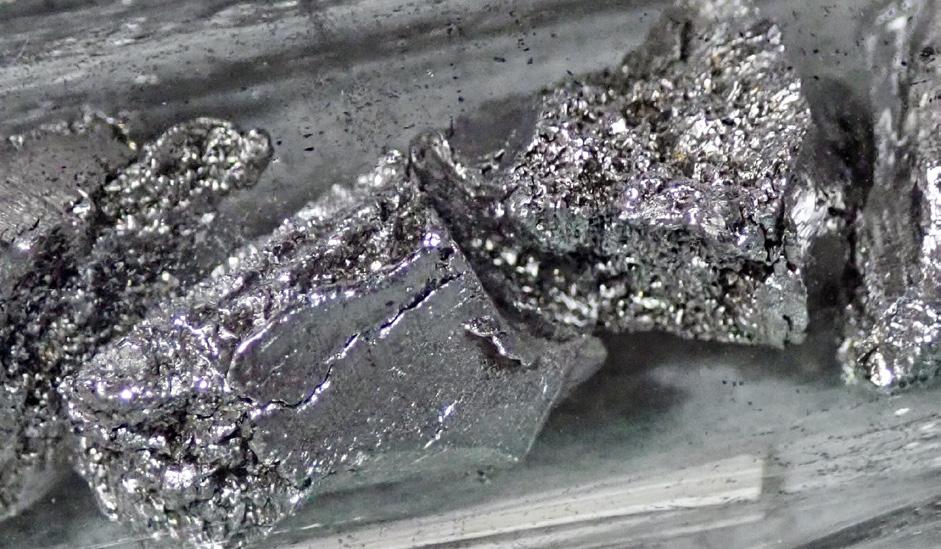
Rare earth elements are a group of 17 metallic elements with similar chemical properties, including neodymium, dysprosium, lanthanum, praseodymium, and terbium (Kondrashov, 2025). Despite their name, rare earths are not necessarily scarce in the Earth’s crust. Their perceived “rarity” lies in the fact that they typically occur in low concentrations and are difficult, energy-intensive, and environmentally damaging to extract and separate. In Africa, rare earth elements are found across a growing number of countries, including Madagascar, Burundi, and SA, Tanzania, Namibia, Malawi, and Angola, with further deposits in Mozambique, Kenya, Ethiopia, Zambia, and the Democratic Republic of Congo (DRC). These elements possess unique magnetic, optical, and conductive properties that are essential to high-performance technologies such as electric-vehicle motors, wind turbines, precision weapons, lasers, advanced electronics, and certain medical devices (Kondrashov, 2025)—making them increasingly strategic within both civilian and military supply chains.
Critical minerals, by contrast, are not defined by shared chemical characteristics but by strategic importance and supply risk. A mineral is considered “critical” when deemed essential to a country’s economy, energy systems, food production, or national security, and because its supply is vulnerable to disruption through concentration, conflict, or trade restriction. As a result, lists of critical minerals vary between countries and change over time to reflect evolving technologies, industrial priorities, and geopolitical conditions.2
2 Harvard Kennedy School Belfer Centre. “Critical Minerals Explained: Why They Matter for Geopolitics, Clean Energy & Tech”. https://www.belfercenter.org/explainer-what-are-critical-minerals
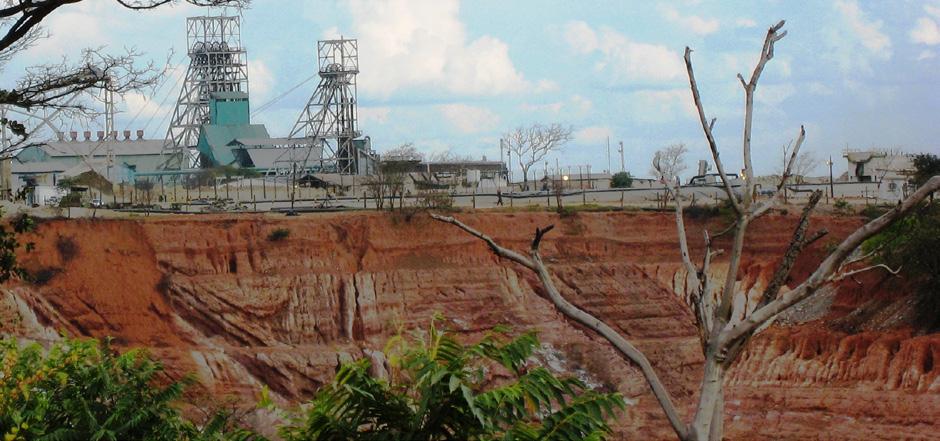
Africa occupies a central position within this landscape, holding some of the world’s most significant reserves of key critical minerals. These include cobalt and copper in the DRC and Zambia; phosphates in Morocco; manganese and platinum-group metals in SA; lithium in Zimbabwe; and graphite in Mozambique, Madagascar, and Tanzania. All rare earth elements are classified as critical minerals, but most critical minerals—such as lithium, cobalt, phosphates, graphite, nickel, or manganese—are not rare earths. These minerals simultaneously support fertiliser production, food systems, batteries, and digital technologies while also enabling defence capabilities, integrating food, energy, and security systems ever more tightly into global strategic competition (Chen, Laws & Valckx, 2024; UNCTAD 2024).
This distinction matters because the scope for substitution differs fundamentally between rare earth elements and other critical minerals, with significant implications for supply security, technological lock-in, and geopolitical leverage. Rare earth elements—such as neodymium, dysprosium, praseodymium, and terbium—perform highly specialised functions and cannot be replaced easily without significant loss of performance. These elements are essential to permanent magnets used in wind turbines, electric vehicle motors, advanced robotics, missiles, radar systems, precision-guided munitions, and secure military communications (Kondrashov, 2025). Their unique magnetic, optical, and conductive properties mean that viable substitutes are either unavailable or entail major efficiency and size tradeoffs, rendering rare-earth supply chains particularly rigid and strategically sensitive.
By contrast, many technologies reliant on other critical minerals—such as lithium, cobalt, nickel, manganese, graphite, phosphates, and potash—exhibit a greater, though still limited, degree of technological flexibility. Battery technologies, for instance, are shifting away from high-cobalt chemistries toward alternatives such as lithium-iron-phosphate and manganese-rich formulations, even as these transitions generate new mineral dependencies of their own. In agriculture, while nutrients such as phosphorus (derived from phosphate rock) and potassium (derived from potash) are biologically non-substitutable for plant growth, fertiliser formulations, nutrient delivery systems, and farming models can, in principle, change over time. These differences shape not only technological pathways but also the intensity, durability, and political consequences of mineral dependence across food, energy, and industrial systems.
Supply-chain structures further reinforce these distinctions. Rare earth production depends on highly specialised processing and separation facilities that are extremely concentrated geographically, with China controlling most of the global refining and separation capacity for elements such as neodymium and dysprosium. While many other critical minerals— such as cobalt, lithium, graphite, manganese, copper, and phosphates—are mined in more geographically diverse regions, including extensively across Africa, their downstream processing, trading, financing, and logistics remain similarly concentrated and externally controlled. This downstream concentration grants considerable power to states and corporations that dominate processing technologies, infrastructure, and market access, regardless of where extraction takes place (UNCTAD, 2023).
For Africa, the distinction between rare earth elements and other critical minerals therefore carries profound political and economic consequences. The continent holds substantial reserves of both rare earths and a wide range of critical minerals that underpin fertiliser production (phosphates and potash), digital infrastructure (copper, rare earths), renewable energy systems (lithium, manganese, cobalt), and increasingly, dualuse technologies with both civilian and military applications. Yet African countries largely remain exporters of raw and semi-processed materials, while advanced processing, technological integration, and value capture occur elsewhere. As global competition intensifies and minerals are increasingly securitised as strategic assets, this structural position deepens Africa’s exposure to external pressure, price volatility, and supply-chain disruption.
Understanding the difference between rare earths and critical minerals helps explain Africa’s place in the global political economy. It illustrates why abundant mineral resources alone do not guarantee food security, energy sovereignty, or meaningful development gains. It also clarifies why debates on resilience, industrialisation, and green transitions must move beyond extraction to confront deeper questions: who controls processing, value chains, and decision-making; how minerals are militarised; and where power ultimately resides (IEA, 2024).
Shifting technologies, shifting mineral priorities
Technological change continually reshapes which minerals are considered strategically important. When lithium-ion batteries became the dominant technology for energy storage, lithium and cobalt rose to the top of most critical mineral lists. As new technologies emerge—such as solid-state batteries and alternative energy storage chemistries—attention is now shifting toward materials like graphite, manganese, and even sodium. The minerals that power today’s smartphones, electric vehicles, and energy systems may not be the same ones that underpin the next generation of devices.
This technological dynamism means that the category “critical minerals” is inherently flexible and context-dependent. Governments must constantly reassess which materials are critical in their national and regional contexts, considering domestic reserves, industrial strategies, technological pathways, and geopolitical relationships. A mineral deemed critical in one country may be far less significant in another, underscoring both the usefulness and the complexity of critical-minerals frameworks (Kondrashov, 2025).
The distinction between rare earth elements and other critical minerals has important implications for how governments and industries plan and manage supply chains. As already mentioned, rare earths are chemically specific and require specialised processing and separation facilities, making substitution difficult and supply chains highly concentrated. Other critical minerals, by contrast, allow for greater technological flexibility. Battery technologies, for instance, cannot simply substitute one rare earth element in a permanent magnet with another. By contrast, battery chemistries and fertiliser formulations can evolve over time to reduce dependence on particular minerals—though these shifts inevitably introduce new dependencies of their own (Kondrashov, 2025).
For Africa, these dynamics highlight that mineral governance cannot be pursued through a single uniform strategy but must instead be anchored in an explicit project of mineral sovereignty. Different minerals embed Africa in global systems of power in different ways, producing distinct forms of exposure to external control, coercion, and dependency across food, energy, industrial, and defence systems.
Yet across these varied pathways, a common structural challenge persists: Africa’s continued position as a site of extraction rather than decision-making, processing, and value capture.
Addressing this condition requires policies that move beyond managing supply risks toward asserting democratic control over how minerals are governed, how their value is retained, and how their deployment is aligned with social, ecological, and food sovereignty priorities, rather than with external industrial or security agendas (UNCTAD, 2023).
Concentration, control, and strategic vulnerability in mineral supply chains
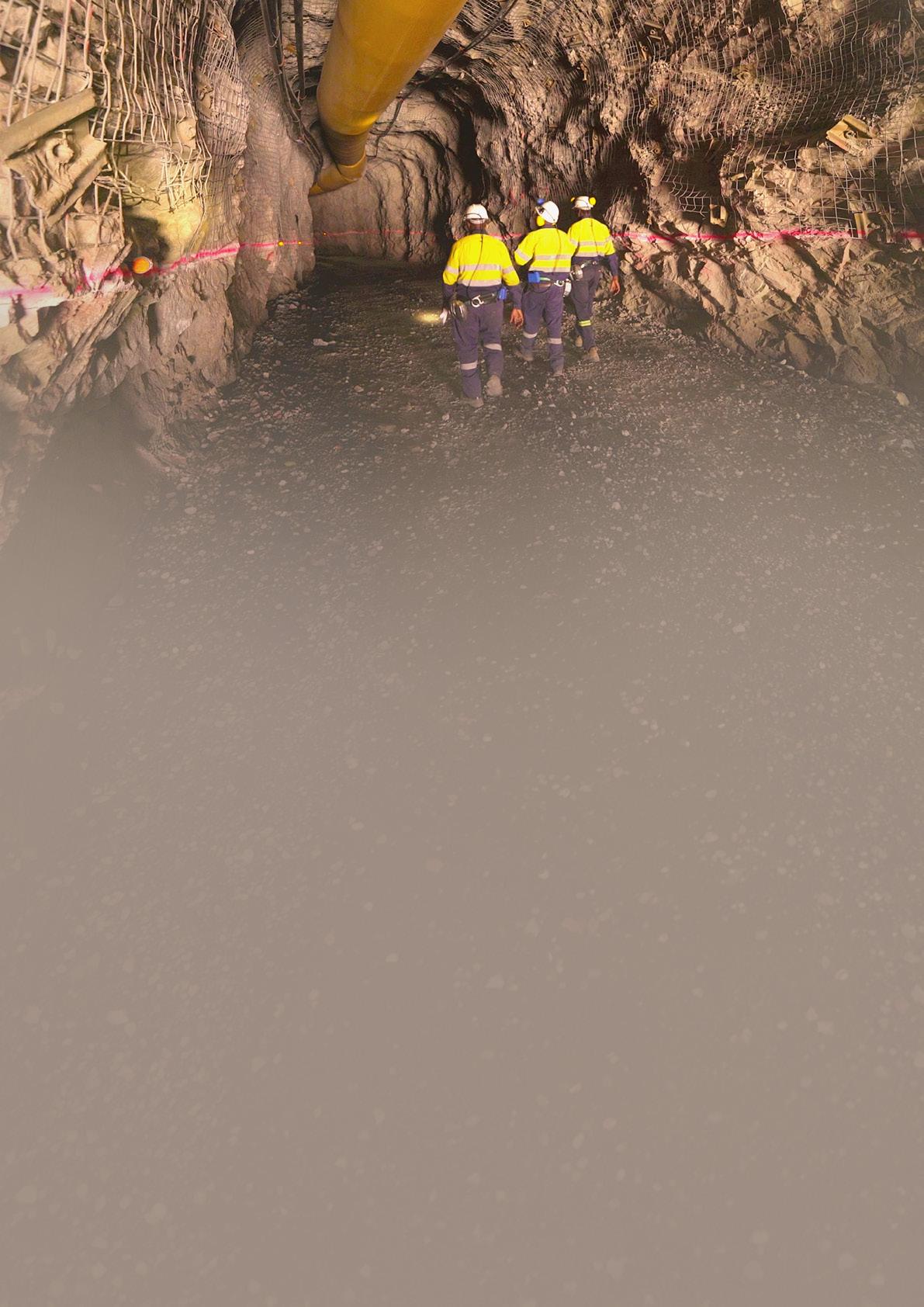
Extraction and processing of critical minerals are highly concentrated, both geographically and by ownership, creating structural vulnerabilities in global supply chains. In 2023, Indonesia accounted for approximately 42% of global nickel reserves and 54% of global nickel production, while the DRC held around 55% of global cobalt reserves and produced roughly 74% of the world’s cobalt (USGS, 2026). Although extraction takes place across a wide range of geographies, authority over the subsequent stages—processing, refining, and access to markets—remains highly concentrated. This concentration determines who ultimately wields power within mineral value chains.
Once mined, a large share of these minerals is exported for processing, with China occupying a dominant position in global refining capacity. China processes more than half of the world’s lithium, approximately two-thirds of its cobalt, about one-third of its nickel, and almost all rare earth elements used in industrial and high-technology applications. Taken together, China
controls an estimated 44% of global rare-earth mining and close to 90% of global rare-earth processing capacity. This extreme concentration confers significant leverage on actors controlling refining technologies, logistics, finance, and market access, creating systemic vulnerabilities for countries that depend on these inputs to sustain agricultural production, energy transitions, industrial development, and advanced manufacturing (IEA, 2023).
When access to materials essential for defence systems, renewable energy infrastructure, digital technologies, and advanced electronics is concentrated in the hands of a small number of states or corporate actors, importing countries are forced to navigate difficult trade-offs among industrial autonomy, technological security, and national security priorities (UNCTAD, 2023).
Geopolitical volatility adds a further layer of uncertainty to critical mineral supply chains. Trade disputes, new mining discoveries, shifts in political alliances, or the escalation of conflict can rapidly alter a mineral’s strategic significance. Materials that appear abundant and accessible one moment may quickly become scarce, contested, or politically sensitive the next. Recent global shocks, including the Covid-19 pandemic and escalating wars in West Asia, have demonstrated how abruptly supply chains can fracture, forcing governments to reassess their critical mineral requirements amid heightened instability.
These dynamics have not gone unnoticed by powerful states. As critical mineral supply chains have become more concentrated, fragile, and politically exposed, governments of the US, EU, China, and other industrial powers have increasingly reframed minerals as matters of economic and national security rather than as ordinary commodities. Emergency legislation, strategic stockpiling, export controls, and efforts to construct “trusted” or allied supply chains have become central tools for managing risk. Far from stabilising global mineral systems, these responses consolidate competition and externalise volatility, intensifying pressure on mineral-rich regions while further concentrating control over processing, infrastructure, and decision-making outside Africa. It is within this increasingly securitised and asymmetric global landscape that Africa’s challenge of mineral sovereignty must be understood (IEA, 2024).
For Africa, the extreme concentration of mineral processing and control over downstream infrastructure is not a neutral market outcome but a mechanism of continued dispossession that sharply limits democratic choice. Lacking meaningful infrastructure for refining, manufacturing, transport, and energy, African countries are locked into extractive roles that expose communities and food systems to price shocks, external coercion, and geopolitical struggles determined elsewhere.
Calls to “move up the value chain” obscure the reality that this is not a technical ladder to be climbed, but a contested terrain structured to keep decision-making, profits, and power outside the continent.
(WoMin African Alliance, 2023)
Africa and the battle for mineral sovereignty in a securitised global order
Africa faces a defining challenge in the current moment: how to assert meaningful control over its critical minerals in a world where these resources are increasingly securitised, weaponised, and subordinated to external strategic priorities.
This challenge is imperative for multiple reasons. It is political because mineral governance now intersects directly with questions of sovereignty, democratic authority, and alignment amid intensifying geopolitical rivalry. It is economic because continued reliance on raw material exports locks African economies into volatile, low-value positions while concentrating processing, profits, and power elsewhere. The challenge is both ecological and social: accelerated extraction framed through security narratives threatens land, water, food systems, and livelihoods, often overriding environmental safeguards and community consent. It is also existential for food and energy systems, as fertiliser minerals, energy-transition materials, and digital infrastructure inputs grow increasingly vulnerable to global supply shocks and strategic manipulation.
Meeting this challenge requires moving beyond extractivism toward forms of sovereign governance that place clear social, ecological, and democratic limits on how minerals are accessed and used, prioritising public accountability over externally determined extraction agendas.
From the perspective of African civil society, this entails:
• Contesting systems that lock countries into raw-material supply roles,
• Calling for collective approaches that prevent interstate undercutting, and
• Situating questions of mineral extraction firmly within broader struggles for food sovereignty, ecological repair, energy justice, and democratic control over infrastructure and data.
(WoMin African Alliance, 2023)
Without such a shift, the global scramble for critical minerals risks reproducing historical patterns of colonial dependency—intensifying Africa’s exposure to geopolitical volatility while externalising social and ecological costs—at precisely the moment when control over resources has become inseparable from control over futures.
Fertiliser dependency, agrochemicals and the geopolitics of food systems
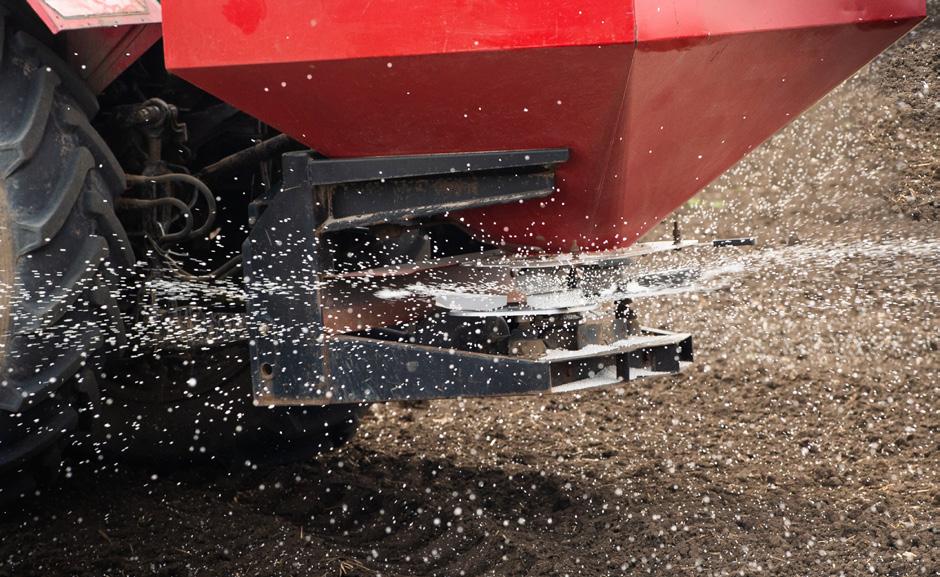
Africa’s food systems remain deeply shaped by dependence on imported synthetic fertilisers and agrochemicals, binding agricultural production to mineral- and fossil-fuel-intensive supply chains that are highly concentrated and geopolitically fragile. Key fertiliser inputs—including phosphorus, ammonia, nitrogen, and urea—move through the same energy corridors, maritime choke-points, and industrial infrastructures as oil and gas, exposing African agriculture to disruptions originating far beyond the continent. When wars escalate, shipping routes are constrained, or prices spike, shocks are transmitted directly into African farms and households, revealing how food production is structurally embedded within conflict-prone global systems (UNCTAD, 2026).
These disruptions are amplified within input-dependent farming models that dominate official agricultural policy frameworks across much of the continent. Fertiliser price spikes, shipment delays, or shortages have far-reaching consequences because such systems operate within rigid biological and seasonal time-lines. Missed planting windows or reduced nutrient application cannot easily be corrected later in the season, leading to income loss, lower yields, and heightened food insecurity. Even short-term disruptions, therefore, generate longer-term impacts on food availability and household nutrition, with small-scale farmers and net food-importing countries bearing the greatest burden. Rather than enhancing resilience, fertiliser-dependent industrial agriculture functions as a transmission belt, converting global market volatility and geopolitical conflict directly into local food crises.
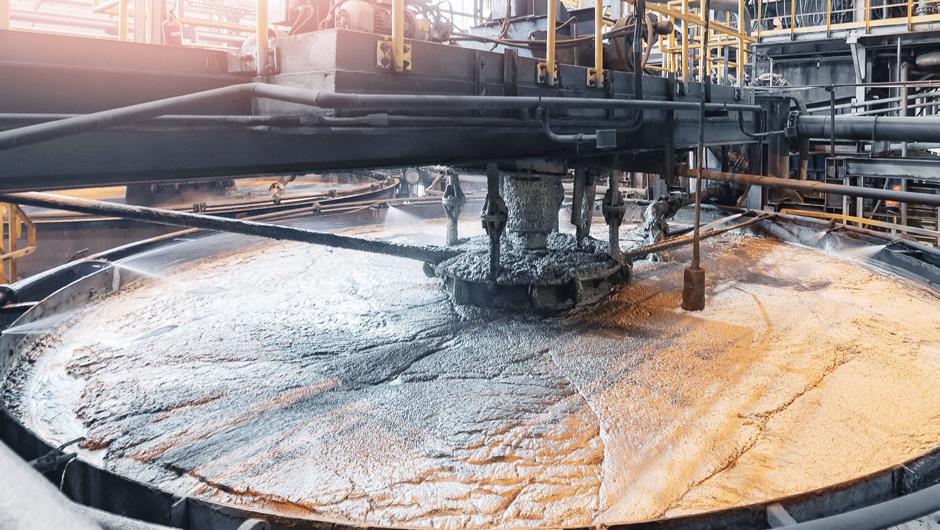
Fertiliser dependency is inseparable from parallel dependence on agrochemicals—particularly herbicides such as glyphosate—which are integral to industrial farming systems and produced from the same mineral- and energy-intensive base. Promoted as efficient and labour-saving, herbicide-centred models in practice lock farmers into tightly coupled seed–chemical regimes controlled by a small number of transnational corporations. These systems simplify landscapes through chemical elimination rather than ecological regeneration, degrading soils, undermining biodiversity, and eroding farmer knowledge while deepening reliance on external inputs and proprietary technologies.
Agrochemical dependence also reinforces new forms of technological enclosure. Chemical-dependent farming increasingly converges with digital agriculture platforms, precision application tools, and data-driven advisory systems that entrench standardised, input-intensive models. In this way, fertilisers and agrochemicals operate not only as production inputs but as mechanisms through which control over farming practices, data, and decision-making is progressively externalised. As these inputs are absorbed into securitised supply chains and treated as strategic materials, African agriculture is drawn ever more tightly into global political and security agendas beyond its control.
For Africa, the convergence of fertiliser and agrochemical dependency reveals a deeper structural vulnerability. Food systems reliant on mineral- and chemical-intensive inputs are governed by distant energy markets, industrial strategies, and security frameworks beyond democratic oversight. In this context, vulnerability is not incidental but actively produced, while resilience— framed as adaptation within input-dependent systems—risks reinforcing the very dependencies that generate exposure. These dynamics set the stage for the discussions that follow: the securitisation of fertilisers and agrochemicals, the expansion of digital infrastructure and data extraction, and the political necessity of agroecology and soil sovereignty as pathways out of structural entrapment.
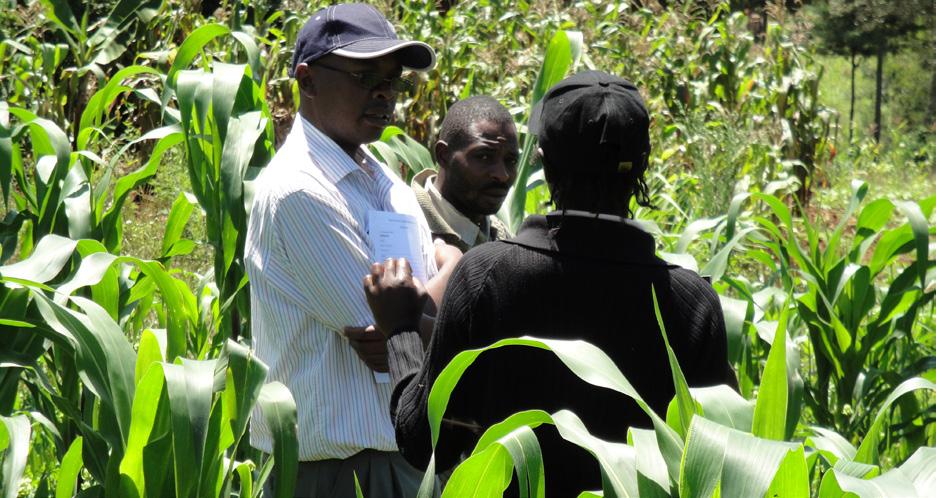
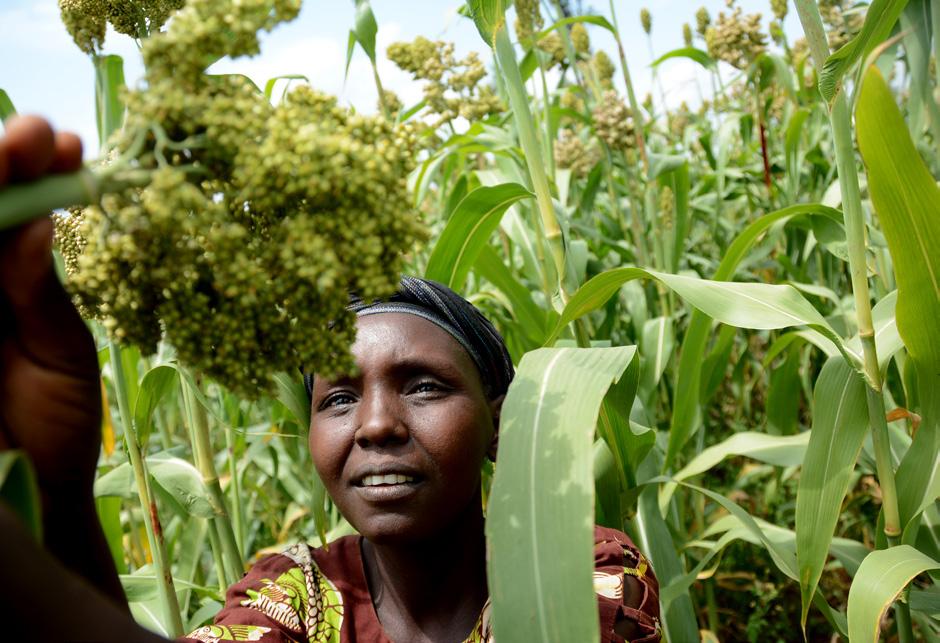
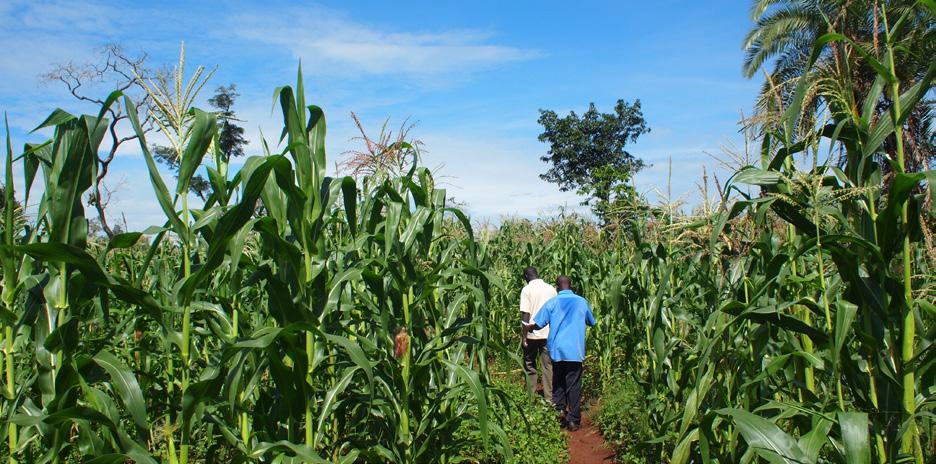
S.Kilungu (CCAFS), CGIAR Climate, Flicker
Fertilisers, agrochemicals, and military-food system nexus
The growing entanglement of fertiliser supply chains with geopolitics was made explicit in February 2026, when the US invoked the Defense Production Act to designate elemental phosphorus- and glyphosate-based herbicides as matters of national security (US Government 2026; CSIS, 2026). In announcing the executive order, President Donald Trump framed phosphorus as a strategic material— essential not only for agricultural production but also for military readiness, advanced weapons systems, and defence-related technologies. Glyphosate— produced using phosphorus-based inputs—and associated with weed management and genetically modified crop plants, was simultaneously declared indispensable to maintaining national food supply chains, with interruptions framed as a threat to the stability of both agriculture and defence industries.
This decision formally securitised a core agricultural nutrient and an associated agrochemical regime, placing them under emergency powers normally reserved for wartime production. By binding phosphorus, industrial agriculture, and military supply chains within a single national security framework, the order illustrates how current food systems are increasingly absorbed into conflict-driven political and economic agendas. Rather than insulating food production from geopolitical volatility, such policies deepen its exposure—normalising toxic, mineral-intensive input systems while concentrating control over essential nutrients in the hands of a few states and corporations.
White phosphorus and securitising an agricultural mineral
By invoking the Defense Production Act in February 2026 to securitise elemental phosphorus, the US formally bound an agricultural input to military doctrine—a convergence made materially visible in the deployment of white phosphorus in contemporary warfare.
White phosphorus is produced from phosphorus extracted from phosphate rock—the same mineral base that underpins global fertiliser and glyphosate production. Its use in contemporary warfare illustrates how the dual-use character of phosphorus translates directly into ecological destruction and food-system harm. Beyond its immediate lethality, white phosphorus contaminates soils, damages microbial life, and can render agricultural land unsafe or unproductive long after active hostilities cease. Documented deployments in agricultural and civilian landscapes in southern Lebanon and, most starkly, in Gaza demonstrate how phosphorus functions not only as a battlefield weapon but also as an instrument of scorched-earth agricultural destruction, undermining food production and ecological recovery, and entrenching long-term conditions of dependency and displacement (WHO, 2024; Public Works Studio, 2024).
For fertiliser-importing regions such as Africa, this dynamic underscores a deeper structural vulnerability: phosphorus is simultaneously an essential nutrient for food systems and a securitised material embedded in military doctrines. Its weaponisation sharpens global competition over access and control, concentrates power within militarised supply chains, and exposes food systems to geopolitical dynamics far beyond their reach—reinforcing the central argument that without mineral sovereignty, food sovereignty remains fundamentally unattainable.
Glyphosate as an instrument of land denial
A 2026 BBC investigation documents the repeated aerial spraying of glyphosate by Israeli authorities over villages and agricultural land in southern Lebanon, destroying crops, orchards, and grazing areas, and rendering land unusable for cultivation.3 Framed as a security management practice, the use of a commercial herbicide central to industrial agriculture collapses the assumed boundary between civilian food systems and military operations.
Glyphosate—produced from phosphorus-based inputs and treated globally as an indispensable agricultural input—thus emerges as a direct tool of territorial control and livelihood destruction. This reality gives concrete meaning to the US decision to securitise glyphosate-based herbicides under emergency powers: agricultural inputs are not merely disrupted by conflict but are actively absorbed into military and security doctrines. For fertiliser- and agrochemical-dependent regions such as Africa, this convergence signals a profound structural risk: essential agricultural inputs are embedded within securitised supply chains that can be mobilised for coercion, disruption, or land denial far beyond African democratic control.
3 BBC. Granville, S., 5 February 2026. “Lebanon says Israel sprayed southern villages with concentrated herbicide”. https://www.bbc.com/news/articles/cgez359nd72o
From minerals to data: digital entrapment in Africa
As ACB’s recent research and analyses demonstrate, digitalisation in Africa is not an abstract or immaterial transformation, but a deeply material and political process embedded within extractive political economies (ACB, 2026). The rapid expansion of digital agriculture, cloud computing, and data-driven platforms relies on energy-intensive data centres, telecommunications networks, undersea cables, satellites, and mineral-dependent hardware. These infrastructures draw heavily on electricity, water, land, and critical minerals, situating digital systems within the same extractive supply chains that underpin fertiliser production, energy markets, and contemporary military technologies. Far from shielding food systems from instability, digitalisation extends and reconfigures Africa’s exposure to mineral-, energy-, and conflict-dependent global systems.
Within agriculture, this material infrastructure underpins a growing process of data extraction and enclosure. As documented in ACB’s work on the digitalisation of African agriculture farmers are increasingly repositioned as data producers, generating information on soils, seeds, weather patterns, crop performance, and farming practices through digital advisory tools, platforms, sensors, and satellite-enabled services. Yet ownership, aggregation, and governance of this data are typically held by proprietary platforms, agritech firms, and cloud providers operating beyond African democratic, legal, and regulatory oversight. Agricultural data—often derived from African land, labour, and knowledge—is extracted, processed, and monetised elsewhere, reinforcing long-standing patterns of external control and value extraction (ACB, 2023).
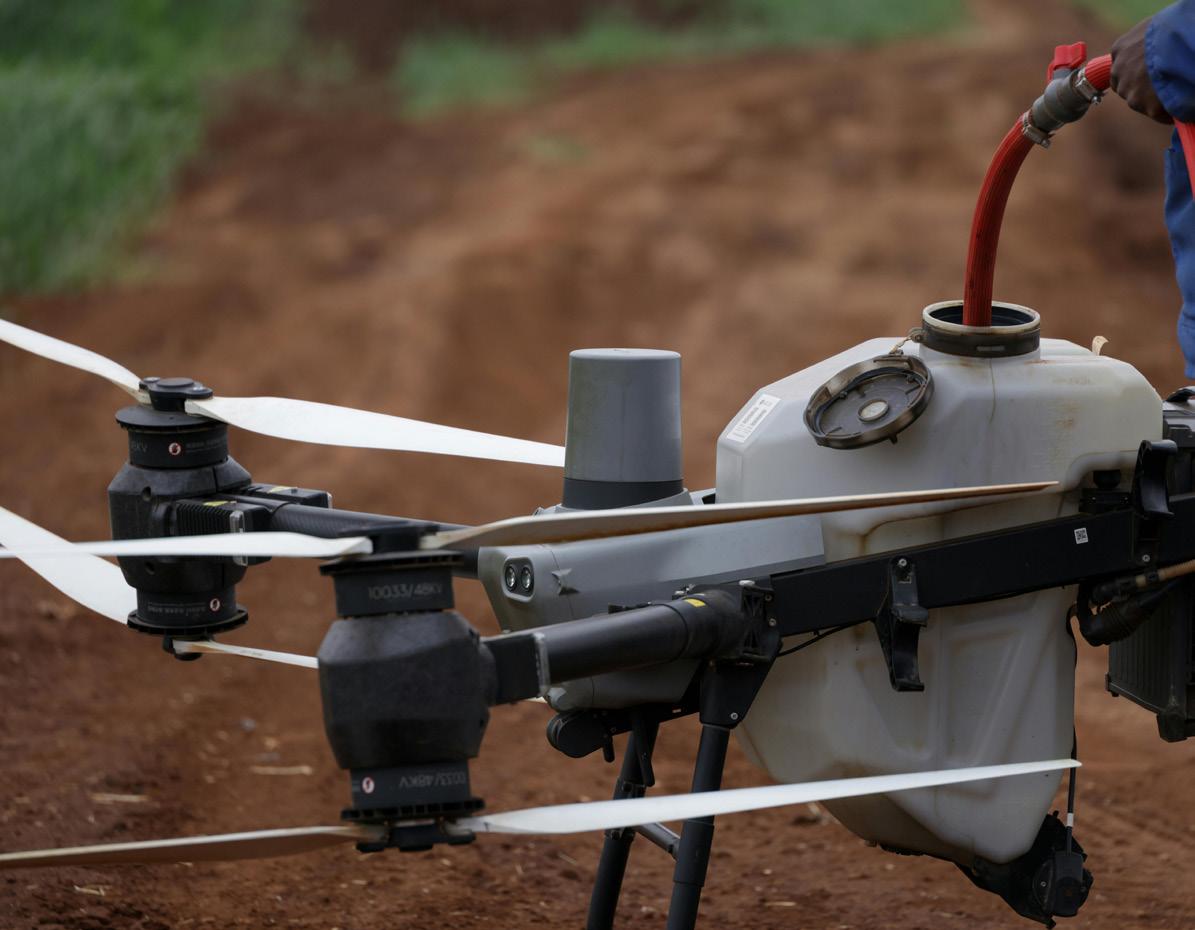
Crucially, digital infrastructure does not operate independently of fertiliser- and agrochemical-dependent farming systems but actively stabilises and extends them. Digital advisory platforms, precision agriculture tools, and algorithmic decision-making systems are largely designed around input-intensive models that assume the continued availability of synthetic fertilisers and herbicide-based weed control. By standardising farming practices and embedding fertiliser and agrochemical use into data-driven optimisation frameworks, digital systems narrow the space for ecological adaptation while deepening dependence on proprietary inputs and technologies. In this way, digital infrastructure functions not only as a site of data extraction but also as a mechanism that reproduces industrial agriculture and its underlying mineral dependencies. Rather than representing a departure from mineral- and agrochemical-dependent farming models, digitalisation increasingly functions as the connective tissue that stabilises, accelerates, and normalises them.
Understanding digitalisation in these material and political terms therefore reinforces the key claim of this paper: Africa’s food systems are increasingly governed through externally controlled, mineral- and data-intensive infrastructures that extend vulnerability rather than reduce it. Without enforceable public governance frameworks and democratic control over digital infrastructure and agricultural data, digitalisation risks becoming another layer of extraction— one that encloses food systems, normalises dependency, and undermines food sovereignty.
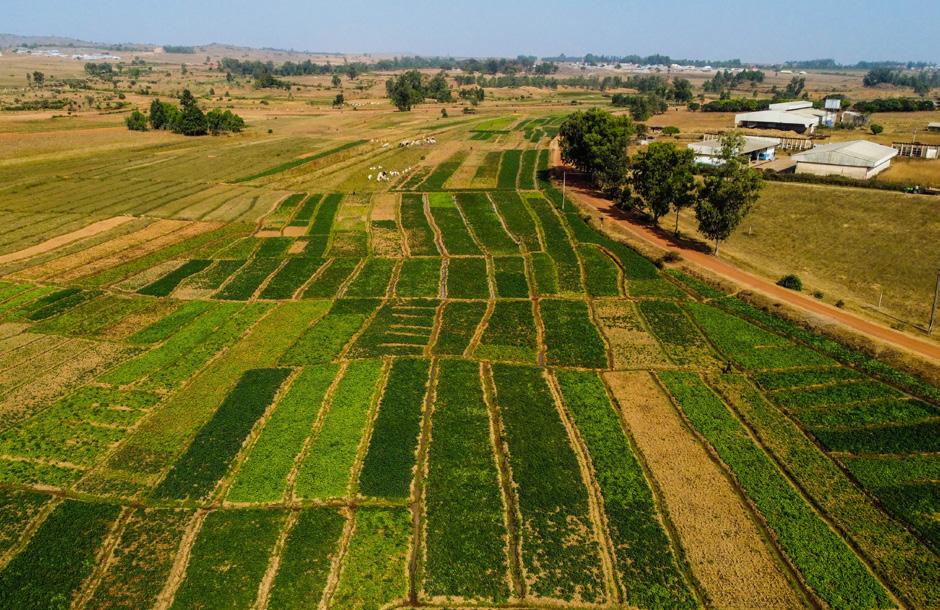
Pexels
Interlocking extraction and dependency: food, minerals, and data systems
Taken together, the disruptions examined in this paper do not represent a series of external shocks acting on otherwise stable systems, but instead reveal a single, expanding pattern of structural exposure. Critical minerals, fertiliser supply chains, food production systems, digital infrastructures, and, increasingly, data itself are being governed through the same externally controlled, conflict-prone, and highly concentrated global arrangements. These systems are shaped by power asymmetries rather than mutual resilience: extraction is concentrated in regions such as Africa, while processing, pricing, decision-making, and enforcement are consolidated elsewhere. As a result, decisions taken in distant centres of political, military, and economic power—through war and militarisation, sanctions and export controls, trade and technology restrictions, financial conditionalities, or platform governance—are rapidly transmitted across African farms, food markets, public services, and households, converting geopolitical instability directly into everyday vulnerability.
This convergence is generating new and more entrenched forms of exposure. Africa is simultaneously positioned as a:
• Supplier of strategic minerals essential to global industrial, technological, agricultural, and military systems;
• Dependent importer of fertilisers, energy, and industrial inputs; and
• Site of data extraction through digitalised agriculture and infrastructure.
Yet across these domains—minerals, nutrients, energy, and data—African countries retain limited control over downstream processing, pricing, standards, infrastructure, or governance. The resulting condition is not simply one of heightened vulnerability to disruption, but a deeper structural reality in which shocks are recurrent rather than exceptional, uncertainty is permanent rather than cyclical, and adaptation is demanded of local actors without corresponding control over the systems that shape their lives. In this context, resilience—when framed as the capacity to absorb shocks within externally governed systems—becomes a strategy of managed exposure rather than a means of securing autonomy. What is left unchallenged is the political economy that produces vulnerability in the first place, while responsibility for coping with disruption is displaced onto farmers, communities, and states that lack authority over minerals, inputs, infrastructure, and data.
Input dependency to agroecological sovereignty: Africa’s pathway out of permanent crisis
Africa’s dependence on imported synthetic fertilisers and external agricultural inputs has become economically unsustainable, ecologically destructive, and politically untenable, particularly in an era defined by geopolitical fragmentation, climate disruption, and recurrent supply-chain shocks. More than 65%–75% of African soils are already biologically degraded, depleted of organic matter, and increasingly unresponsive to chemical inputs, undermining productivity while deepening farmers’ vulnerability to price volatility and debt (AUDA-NEPAD, 2024; FAO,2023b).
Recent fertiliser price spikes following the Covid-19 pandemic and wars in Ukraine and West Asia exposed the structural fragility of this model, transmitting global instability directly into African food systems and household nutrition (AFSA, 2025).
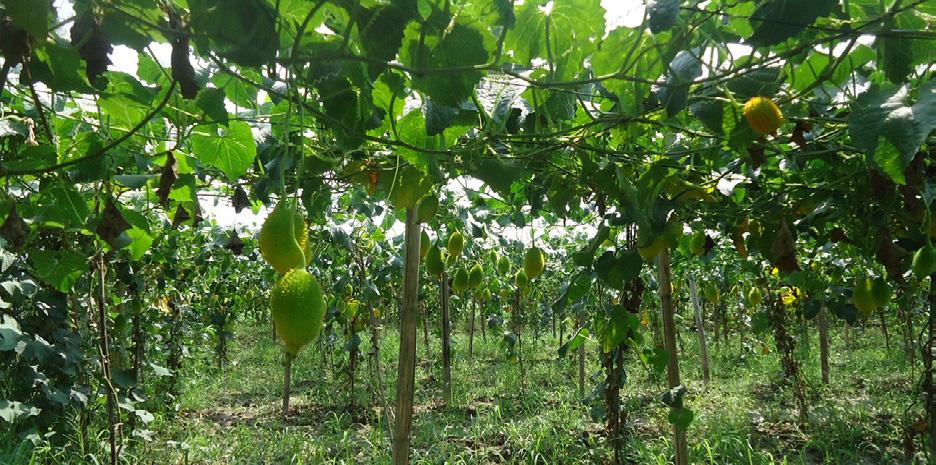
Decades of fertiliser-centric policies and subsidy regimes—rooted in Green Revolution paradigms—have failed to reverse soil degradation or deliver sustained productivity gains, while locking African agriculture into fossil-fuel-dependent, mineral-intensive supply chains that are incompatible with climate commitments and long-term resilience (Luig et al., 2025; IPES-Food, 2019). In this context, a continental transition toward rebuilding soil fertility and diversifying farming systems through agroecology is no longer optional but imperative. Agroecological approaches—grounded in crop diversity, organic matter regeneration, nutrient recycling, biological nitrogen fixation, farmer-managed seed systems, and local knowledge—have been consistently shown to restore soil health, enhance resilience to climate extremes, reduce dependence on external inputs, and improve food and nutrition security, particularly for smallscale producers (FAO, 2018; IPCC, 2022; HLPE, 2019).
Crucially, this transition is also opportune. Africa possesses the ecological diversity, agrarian knowledge systems, labour base, and growing policy momentum needed to scale agroecology at the continental level, as reflected in emerging national agroecology strategies and civil-society-led soil health initiatives under the auspices, for example, of the Alliance for Food Sovereignty in Africa (AFSA). Redirecting public investment from fertiliser subsidies toward composting infrastructure, biofertilisers, and farmer-led research, extension, and territorial markets offers a pathway to rebuild soils while retaining value, employment, and knowledge within local economies. Given the permanent nature of geopolitical disruption, accelerating climate impacts, and the strategic weaponisation of fertiliser and energy supply chains, continued reliance on imported synthetic inputs constitutes a structural risk to Africa’s food sovereignty.
Reconstituting soil fertility through agroecological transformation is therefore not only a development choice but a non-negotiable condition for securing Africa’s food systems, livelihoods, and autonomy in an increasingly unstable global order.
We must emphasise, though, that under prevailing conditions of fertiliser dependence, mineraland energy-intensive input regimes, and securitised global supply chains, a meaningful transition toward agroecology and soil sovereignty cannot be realised; it requires a structural break from the political and economic dynamics that lock African agriculture into dependency, rather than technical adjustments within the same system.
Importantly, breaking dependence on fertiliser- and agrochemical-centred farming systems does not require speculative solutions or untested innovations. A substantial body of field-based evidence already demonstrates that effective biological and agroecological alternatives to chemical pest management exist and are in use across diverse African farming systems. A forthcoming ACB Compendium of sustainable pest management alternatives for Africa, accompanied by a policy briefing, systematically documents this evidence—drawing on nearly two decades of field, laboratory, and farmer-led research on biological control, botanicals, push–pull systems, and broader agroecological approaches. Rather than duplicating that analysis here, this paper situates agrochemical dependency within the wider political-economy conditions that determine which farming pathways are enabled or marginalised. Read together, these works show that the primary obstacle to transition is not the absence of viable alternatives, but the structural arrangements of power, policy, and investment that continue to privilege input-intensive, externally governed food systems.
Conclusion: food sovereignty in an age of permanent disruption
The analysis in this paper leads to a clear and urgent conclusion: Africa’s food systems are being drawn ever more deeply into a global order defined by conflict, resource competition, and the concentration of power over minerals, energy, and data.
Rising fertiliser prices, fractured supply chains, and the digital capture of agricultural knowledge are not temporary crises or technical failures. They are structural outcomes of a system in which food production depends on externally controlled inputs, distant energy corridors, and proprietary technologies, increasingly governed through security logics that permit food-system inputs to be weaponised for disruption, denial, or control.
Critical minerals are at the centre of this transformation. Africa’s mineral wealth has elevated the continent’s strategic importance within global geopolitical competition, yet this prominence has not translated into greater autonomy or resilience. Instead, Africa remains positioned largely as a supplier of raw materials essential to fertiliser production, energy transitions, digital infrastructure, and, increasingly, military technologies—while processing, pricing, governance, and value capture are concentrated elsewhere. As minerals are securitised and treated as matters of national and military security by powerful states, African countries face intensifying pressure to serve external strategic priorities, often at the expense of food systems, ecological integrity, and democratic accountability.
Nowhere are these dynamics starker than in fertiliser supply chains. Africa’s continued reliance on imported synthetic fertilisers embeds food production within mineral-, fossil-fuel-, and conflictdependent systems that remain highly vulnerable to geopolitical disruption. Shocks originating due to distant wars or strategic choke-points are transmitted directly into African fields, markets, and households, affecting yields, prices, and nutrition.
The formal securitisation of phosphorus further deepens this vulnerability, binding food production to military and strategic agendas rather than insulating it from volatility. At the same time, the digitalisation of African agriculture is extending these patterns of dependency into new domains. Digital infrastructure—far from being immaterial or neutral—relies on the same mineral-intensive, energy-hungry, and externally governed systems that underpin fertiliser production and contemporary military technologies. As farmers are repositioned as data producers on proprietary platforms, control over agricultural data on soils, seeds, climate responses, and production practices is increasingly consolidated outside Africa. This digital enclosure reinforces historical patterns of extraction and dispossession, even as it is framed as innovation or resilience.
Taken together, these dynamics reveal an interlocking system of structural exposure rather than a series of disconnected shocks. Africa is simultaneously positioned as a supplier of strategic resources, a dependent importer of essential food and industrial inputs, and a site of mineral and data extraction—while retaining limited authority over the systems that govern their use.
In this context, disruption is no longer exceptional but permanent; uncertainty is structural rather than cyclical; and adaptation is demanded of local actors without commensurate control or agency. Framed narrowly, resilience becomes a strategy of managed exposure that leaves the underlying political economy of dependency intact.
Against this backdrop, the paper argues that food sovereignty—grounded in mineral sovereignty, data sovereignty, and agroecology—is not an ideological alternative but a strategic necessity. Agroecology offers a pathway to rebuild soil fertility through ecological nutrient cycles, biological processes, and farmer-managed knowledge systems, reducing dependence on globally concentrated, mineral and fossil-fuel-intensive fertiliser regimes. Mineral sovereignty— understood as democratic control over how minerals are extracted, processed, and linked to domestic priorities—is essential to protecting food systems from the weaponisation of supply chains. Equally, safeguarding agriculture in an age of digital enclosure requires public and community governance of digital infrastructure and agricultural data.
The choice facing Africa is no longer whether to adapt more efficiently to a system defined by extraction, conflict, and control, but whether to actively challenge it. As minerals, fertilisers, agrochemicals, energy, and data are increasingly drawn into securitised and militarised global regimes, continuing along input-dependent and externally governed pathways will only deepen dispossession and ecological harm.
The task ahead is therefore collective and political to:
• Resist the concentration of power over minerals, nutrients, infrastructure, and data;
• Defend land, livelihoods, and knowledge from further enclosure; and
• Organise for food systems rooted in agroecology, democratic control, and ecological regeneration.
Africa’s future will not be secured through the managed exposure to permanent crisis but, rather, through organised struggle to place clear social and ecological limits on extraction and to reclaim sovereignty over the resources and systems that sustain life.
References
African Centre for Biodiversity (ACB) (2023). The rise of digital agriculture and dispossession in Africa: Implications for smallholder farmers. Johannesburg: https://acbio.org.za/wp-content/ uploads/2023/08/Rise-of-digital-agriculture_dispossession_Africa_and_smallholder-farmers_briefing.pdf
ACB (2026). Digital infrastructure in Africa: Implications for environment, agriculture and food systems Johannesburg. https://acbio.org.za/research-and-analysis/digital-infrastructure/ African Union Commission (2023). Africa fertilizer and soil health action plan 2023–2033 Addis Ababa: African Union. Available at: https://au.int/sites/default/files/newsevents/ workingdocuments/43470-wd-2._EN_Africa_Fertilizer_and_Soil_Health_Action_Plan_VI_170523.pdf
AUDA–NEPAD (2024). Addressing Africa’s soil health challenges through the TenYear African Fertilizer and Soil Health Action Plan. https://www.nepad.org/publication/briefing-note-addressing-africas-soilhealth-challenges-through-ten-year-african
AFSA (2025). Lead the transition: Biofertilisers and biostimulants for Africa’s food sovereignty. https:// afsafrica.org/wp-content/uploads/2025/08/policy-brief-biofertilizers-eng_compressed.pdf
Beydoun, A. (2024). Mapping the use of white phosphorus in South Lebanon (2023–2024). Delft/Beirut: Independent research project, published via Public Works Studio. https://whitephosphorus.info/about Center for Strategic and International Studies (CSIS) (2026). Iran, fertilizer, and food security: Risks, impacts, and policy responses. Washington, DC: CSIS. https://www.csis.org/analysis/iran-fertilizer-and-foodsecurity-risks-impacts-and-policy-responses
Chen, W; Laws, A, and Valckx, N. (2024). “Harnessing Sub-Saharan Africa’s Critical Mineral Wealth”. International Monetary Fund Blog, 29 April 2024. https://www.imf.org/en/news/ articles/2024/04/29/cf-harnessing-sub-saharan-africas-critical-mineral-wealth Food and Agriculture Organization of the United Nations (FAO) (2018). Scaling up agroecology initiative Rome. https://www.fao.org/agroecology/overview/scaling-up-agroecology-initiative/en/
FAO (2023a). World Food and Agriculture – Statistical Yearbook 2023. Rome. https://openknowledge.fao. org/handle/20.500.14283/cc8166en
FAO (2023b). Sustainable soil and fertilizer management in Africa. Rome. https://www.fao.org/soils-portal/ soil-management/en/
Gopinath, G., Gourinchas, P.O., Presbitero, A.F., & Topalova, P. (2025). Changing Global Linkages: A New Cold War. Journal of International Economics, Vol. 153, January, 2025, 104042. Science Direct. https://www.sciencedirect.com/science/article/abs/pii/S0022199624001697
High Level Panel of Experts on Food Security and Nutrition (HLPE) (2019). Agroecological and other innovative approaches for sustainable agriculture and food systems. Rome: Committee on World Food Security. https://www.fao.org/3/ca5602en/ca5602en.pdf
Intergovernmental Panel on Climate Change (IPCC) (2022). Sixth Assessment Report, Working Group II: Impacts, Adaptation and Vulnerability. Geneva. https://www.ipcc.ch/report/ar6/wg2/
International Energy Agency (IEA) (2024). Critical minerals market review: Supply chains, concentration and geopolitics. Paris. https://www.iea.org/reports/critical-minerals-market-review-2024
International Food Policy Research Institute (IFPRI) (2024). ‘Who’s afraid of high fertilizer prices?’ Blog, 29 February 2024. https://www.ifpri.org/blog/whos-afraid-high-fertilizer-prices/
International Panel of Experts on Sustainable Food Systems (IPES-Food) (2019). From Uniformity to Diversity: A Paradigm Shift from Industrial Agriculture to Diversified Agroecological Systems. Brussels: IPESFood. https://ipes-food.org/reports/ Kondrashov, S. (2025). “Understanding Rare Earths vs Critical Minerals: What’s the Real Difference?” https://stanislavkondrashov.ghost.io/understanding-rare-earths-vs-critical-minerals-whats-the-realdifference/ Luig, L., Ofoegbu, I.D., Warui, H. & BenZeev, K. (2025). “Green” Fertilizer in Africa Is No Substitute for an Agroecological Transition. Berlin: Heinrich Böll Stiftung. https://www.boell.de/en/2025/02/12/greenfertilizer-in-africa-no-substitute-for-an-agroecological-transition
Organisation for Economic Cooperation and Development (OECD) (2023). Global material resources outlook to 2060. Paris. https://www.oecd.org/environment/global-material-resources-outlook-to-20609789264307452-en.htm
Public Works Studio (2024). White phosphorus: Mapping verified incidents and environmental impacts in South Lebanon. Beirut. https://whitephosphorus.info/about
UN Trade and Development (UNCTAD) (2023). Commodities at a glance: Special issue on strategic minerals Geneva: United Nations. https://unctad.org/publication/commodities-glance-special-issue-strategicminerals
UNCTAD (2024). Unlocking Africa’s Critical Mineral Wealth: Energy Transition Can Pave Path to New Prosperity. Geneva: United Nations. https://unctad.org/news/unlocking-africas-critical-mineralwealth-energy-transition-can-pave-path-new-prosperity
UNCTAD (2026). From gas to grain: Fertilizer disruptions raise risks for food security and trade. Geneva: United Nations. https://unctad.org/news/gas-grain-fertilizer-disruptions-raise-risks-food-securityand-trade
United States Geological Survey (USGS) (2024). Rare earths: Statistics and information. Washington, DC: U.S. Department of the Interior. https://www.usgs.gov/centers/national-minerals-informationcenter/rare-earths-statistics-and-information
United States Government (2026). Executive Order Invoking the Defense Production Act for Elemental Phosphorus and Related Fertiliser Inputs. Washington, DC.
USGS (2025). Final list of critical minerals. Washington, DC: U.S. Department of the Interior. https://www. usgs.gov/centers/national-minerals-information-center/critical-minerals
USGS (2026). Mineral commodity summaries: Phosphate rock. Washington, DC: U.S. Geological Survey. https://pubs.usgs.gov/periodicals/mcs2026/mcs2026-phosphate.pdf
WoMin African Alliance (2023). Reclaiming Africa’s mineral futures: Beyond the extractivist trap Johannesburg. https://wominafrica.org/publication/reclaiming-africas-mineral-futures/ World Bank (2024). Fertilizer price shocks in smallholder agriculture: Crosscountry evidence from subSaharan Africa. Washington, DC. https://documents.worldbank.org/curated/ en/099412307092441567
World Health Organization (WHO) (2024). White phosphorus. Geneva. https://www.who.int/news-room/ fact-sheets/detail/white-phosphorus