
PESTICIDES
Why system - level alternatives work in Africa — and why they are not scaling
Synthesising evidence from the Compendium on sustainable pest management alternatives for Africa


The African Centre for Biodiversity (ACB) is committed to dismantling inequalities and resisting corporate industrial expansion in Africa’s food and agriculture systems.
© The African Centre for Biodiversity www.acbio.org.za
PO Box 29170, Melville 2109 Johannesburg, South Africa
Tel: +27 (0)11 486 1156

Researched and written by ACB research consultant Sasha Mentz-Lagrange
Conceptualisation and editorial oversight by ACB executive director Mariam Mayet
Cover design and layout: Vicky-Lee Vermeulen, Align Creative
Acknowledgments
This paper was conceived by ACB’s director, Mariam Mayet, and produced as a collective output of the ACB, drawing on the organisation’s long standing research, analysis, and engagement across networks and food systems, spanning extractivism, agroecology, and democratic control over resources.
The ACB gratefully acknowledges the financial support of several donors, though the views expressed may not necessarily reflect the views of our donors.


TABLE OF CONTENTS
LIST OF ACRONYMS
EXECUTIVE SUMMARY
KEY FINDINGS
INTRODUCTION
METHODOLOGY FOR COMPILING ALTERNATIVES COMPENDIUM
Defining bio-alternatives
Research methodology
Research challenges
NATURE AND DISTRIBUTION OF RESEARCH IN THE COMPENDIUM
Geography and scope of research on alternatives in Africa
Crops and nuisances under study
Comparative trials
LESSONS FROM 20 YEARS OF IMPLEMENTING AGROECOLOGICAL ALTERNATIVES
Compelling and measurable large-scale bio-control interventions in Africa
Strong efficacy evidence of botanicals
Restoring farm ecology is key to effective bio-alternatives
Agroecology strengthens soil fertility, minimising use of synthetic fertilisers and pesticides
Push-pull technology—a winning alternative pest control solution for Africa
IPM dominates as a bridging framework—yet remains partially implemented, and reliance on agrochemicals persists
INSIGHTS FOR THE SCALABILITY OF ALTERNATIVES AND FURTHER RESEARCH
Proven in the field, unproven in the market: Gaps in scaling and valuation
One size does not fit all: The case for system-level agroecological alternatives
Farmer readiness for bio-alternatives under research
RECOMMENDATIONS
Frame classical biological control as a public good with due regard to limits
Align regulatory frameworks with the nature of biological alternatives
Reorient farmer support systems from input provision to knowledge and facilitation
Support farmer-led testing, adaptation, and innovation
Reorient research priorities toward scaling, economics, and system performance
Progressively reorient subsidy and incentive regimes
Invest in enabling systems, not only technical solutions
CONCLUSION
REFERENCES
ANNEXURE
Annex 1. Most frequently studied pests by category (from compendium)
Annex 2. Categories of alternatives studied
Annex 3. Readiness level for farmer adoption (practical uptake)
LIST OF ACRONYMS
ACB African Centre for Biodiversity
AUDA-NEPAD African Union Development Agency-New Partnership for Africa’s Development
BER Bureau of Economic Research (SA)
BFAP Bureau for Food and Agricultural Policy (SA)
Bt Bacillus thuringiensis
CORAF/WECARD West and Central African Council for Agricultural Research and Development
EPFs Entomopathogenic fungi
EPNs Entomopathogenic nematodes
EV Economic viability
FP Field-proven
FAW Fall armyworm
FPEV Field-proven and economically viable
ICIPE International Centre of Insect Physiology and Ecology
IPES International Panel of Experts on Sustainable Food Systems
IPM Integrated Pest Management
SA South Africa
EXECUTIVE SUMMARY
This briefing paper accompanies the Compendium of Sustainable Pest Management Alternatives for Africa, 1 which synthesises evidence from nearly 90 studies conducted between 2010 and 2025. Together, these documents demonstrate that Africa is not short of effective alternatives to synthetic pesticides. On the contrary, a wide range of biological and agroecological approaches are already delivering substantial pest suppression, yield gains, and ecological benefits across diverse farming systems under real-world conditions. The central challenge is no longer whether alternatives exist, but whether the institutional, policy, and investment conditions required to support a transition away from pesticide dependence are being put in place.
The strongest and most durable evidence emerges from classical biological control programmes, which have achieved large-scale, self-sustaining pest regulation across the continent while generating significant economic and livelihood benefits. Push–pull systems and fruit fly Integrated Pest Management (IPM) likewise stand out as integrated, system-based approaches that combine high field performance with documented farmer uptake and multiple co-benefits. Across the compendium, field studies frequently report pest reductions exceeding 60% and yield increases of 50% or more, often matching or surpassing the performance of synthetic pesticides while strengthening ecological functioning within farming systems.
Despite this robust evidence base, the compendium reveals a persistent gap between demonstrated effectiveness and wider adoption. While the majority of studies confirm field-proven performance, far fewer examine economic viability, scaling pathways, or sustained farmer uptake. Most research remains concentrated in experimental or pilot settings, with limited attention to costs, labour requirements, delivery mechanisms, regulatory readiness, or institutional support. This disconnect has constrained the policy relevance of existing research and contributed to the continued framing of pesticides as indispensable, despite mounting evidence to the contrary.
1 https://t2m.io/SustPestMngmt_Compendium
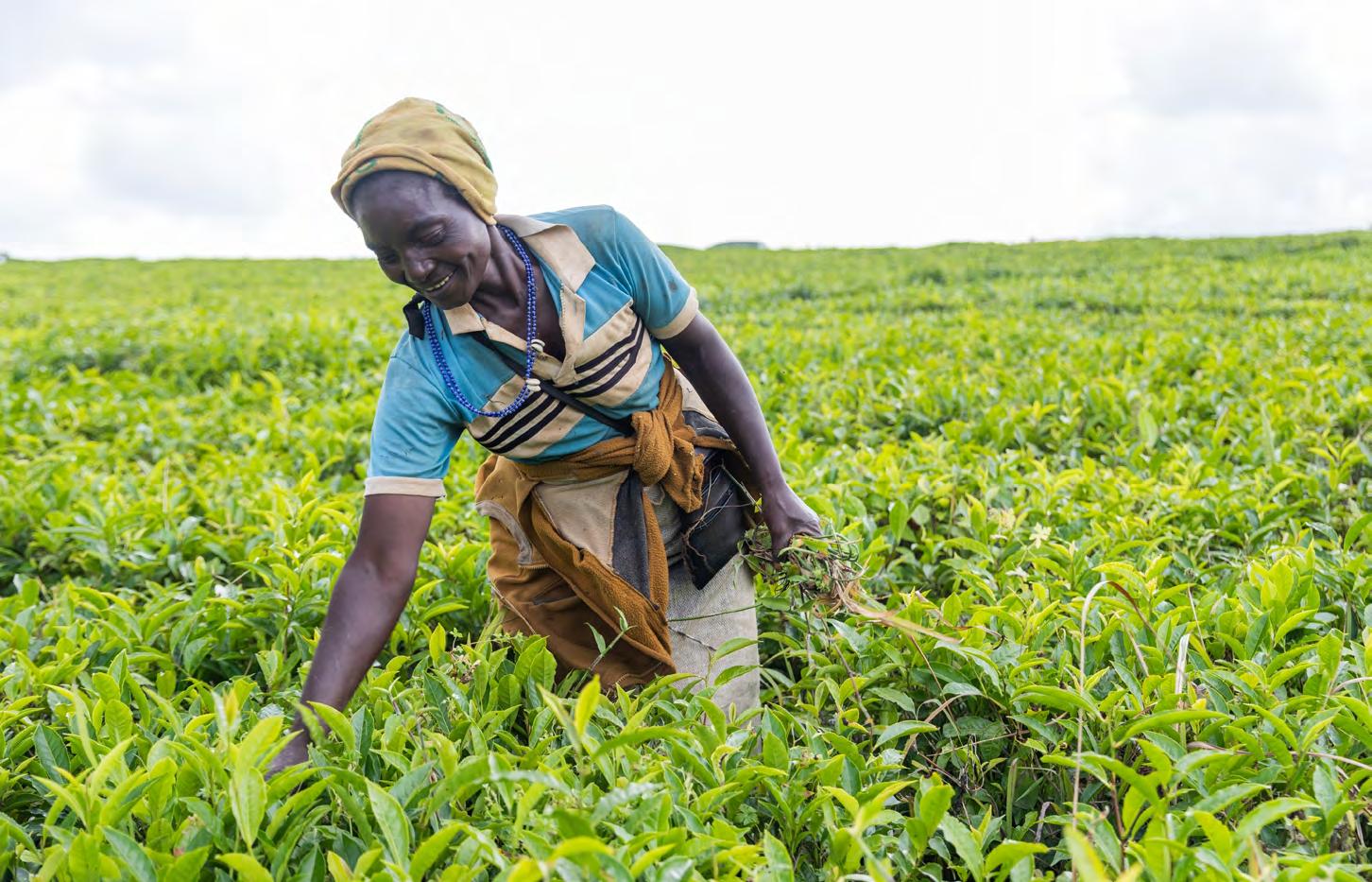
© Jeffrey Barbee/Thomson Reuters Foundation, CIF | Flickr
Importantly, the compendium shows that the most successful alternatives are not standalone products designed to substitute for chemical inputs, but system-level approaches that restore and mobilise ecological processes. Interventions that improve soil health, enhance habitat complexity, and strengthen biodiversity consistently outperform narrow, input-based solutions, while delivering additional benefits such as fodder production, resilience to climate stress, and reduced production risks. These findings highlight that reducing pesticide dependence is less a technical problem than a systemic one, demanding redesign at the whole-farm and landscape levels rather than mere input substitution.
The evidence base remains unevenly distributed across crops, pests, and geographies. Research remains concentrated in a handful of countries and cropping systems—most notably maize-based systems in East and Southern Africa—while significant gaps persist in West and Central Africa, as well as horticulture, legumes, mixed farming systems, and emerging pest threats. Weak regulatory frameworks for biological inputs, underdeveloped supply chains, and input-driven extension models continue to act as structural barriers to wider uptake.
Overall, the compendium challenges the assumption that Africa lacks viable pathways beyond pesticide-dependent agriculture. Instead, it shows that effective alternatives exist but remain marginalised by research priorities, policy frameworks, and support systems that favour short-term input-intensive solutions. Accelerating a transition beyond pesticides will require coordinated investment in scaling and economic validation, reoriented extension and learning systems, enabling regulatory environments for biological control, and recognition of certain ecological pest management approaches as public goods.
What works in one context will not automatically translate to another. Effective transition pathways must therefore be differentiated, evidence based, and aligned with the realities of diverse farming systems. Treated as such, biological and agroecological pest management offers a credible, practical, and urgently needed foundation for reducing pesticide dependence while protecting livelihoods and ecosystem health, and safeguarding long-term food system resilience across Africa.
KEY FINDINGS
Biological and agroecological alternatives deliver effective pest control under real farming conditions
Across the reviewed literature, a wide range of biological and agroecological approaches demonstrate substantial pest suppression, yield gains, and ecological benefits in on-farm settings. Several interventions—including classical biological control, push–pull systems, fruit fly IPM, and neem-based botanicals—achieve levels of pest reduction and yield performance comparable to those of synthetic pesticides, while strengthening ecological functioning within farming systems. This confirms that effective alternatives to pesticide-dependent pest management are already available across diverse African contexts.
Constraint to transition not technical performance, but weak evidence on economics, scaling, and farmer uptake
While a large proportion of studies demonstrate field-proven effectiveness, far fewer examine affordability, labour requirements, delivery mechanisms, or sustained adoption by farmers. This persistent gap between proof of efficacy and evidence of real-world feasibility limits policy relevance and continues to justify pesticide-centred approaches, despite mounting field evidence that alternatives can work. The challenge, therefore, lies less in developing new solutions than in validating and supporting those that already exist.
System-level approaches consistently outperform standalone products
The most effective and durable alternatives documented are not isolated biological inputs but rather integrated, system-level approaches that restore ecological processes, such as soil health, habitat complexity, and functional biodiversity. Interventions such as push–pull and diversified cropping systems generate multiple co-benefits beyond pest control, including improved resilience, fodder production, and soil fertility. These findings indicate that meaningful reductions in pesticide dependence require whole-farm redesign rather than simple input substitution.
Uneven evidence base reflects research investment patterns rather than a lack of viability
Research on alternatives is strongly concentrated in maize-based systems in East and Southern Africa and on a limited set of major pests. Significant gaps remain in West and Central Africa, particularly in horticulture, legumes, mixed farming systems, and emerging pest threats. This unevenness reflects historically skewed research priorities, not an absence of workable alternatives, underscoring the need to redirect research and validation efforts toward under-represented regions and systems.
Transition pathways are context-specific but demonstrable
Successful alternatives differ in their readiness, institutional requirements, and suitability across farming systems. Classical biological control, push–pull, and fruit fly IPM represent the most advanced pathways, combining robust field evidence with documented uptake and durability. Other approaches remain in earlier stages of development but show potential when supported by farmer training, adaptive learning, and enabling policy environments. No single solution fits all contexts, but the evidence clearly demonstrates that multiple viable pathways exist beyond reliance on pesticides.
Findings challenge the continued framing of synthetic pesticides as indispensable
The evidence reviewed shows that Africa’s primary constraint is not a lack of effective alternatives, but the absence of coordinated investment, supportive policies, and extension systems to enable their wider adoption. Transitioning beyond pesticides is therefore less a question of technological innovation than of restructuring the systems that govern research, regulation, and farmer support.
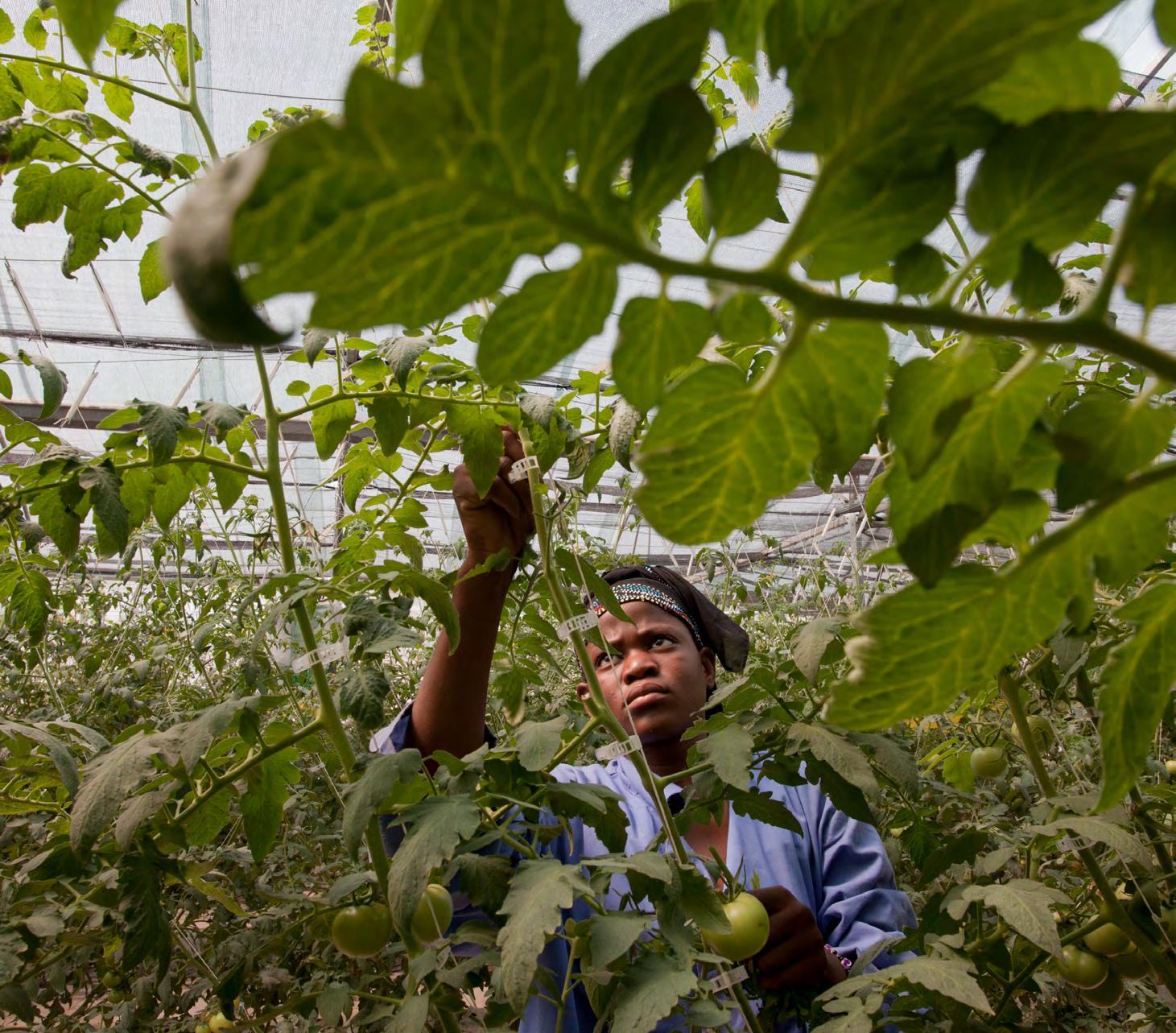
© Dominic Chavez/World Bank | Flickr
INTRODUCTION
Africa’s food systems face mounting pressure from an agricultural production model that has delivered short-term yield gains at high ecological and social cost. The productivity-centred paradigm promoted under successive Green Revolution initiatives for Africa has increasingly shown its limits, with growing evidence that yield gains have stagnated or declined in several contexts, while food security outcomes have not improved proportionately (Wise, 2020).
Across the continent, land and soils are being progressively depleted through erosion, nutrient mining, loss of organic matter, and biodiversity loss. It is estimated that between 65% and 80% of agricultural land in Africa is degraded, with
substantial annual nutrient losses, and projections suggest that more than half of the currently arable land may become unusable by 2050 (AUDA-NEPAD, 2024).
Despite this evidence, dependence on synthetic chemical inputs is increasing rather than declining. Pesticide use continues to be justified through prevailing food security narratives that frame chemical inputs as essential for maintaining yields and production stability. Across Africa, the use of synthetic fertilisers and pesticides continues to expand, with national strategies explicitly positioning external input dependence as a structural feature of conventional agriculture (Ministry of Agriculture, Kenya, 2024).
In South Africa (SA), fertiliser consumption and agrochemical use have shown sustained growth, driven by input-intensive production systems and import dependence (Ottermann & Truter, 2025; BFAP & BER, 2025).
Dominant food system narratives continue to marginalise or dismiss the viability of agroecological and non-chemical alternatives, reinforcing a policy environment that privileges input-intensive approaches. At the same time, while a growing number of biological and ecological pest management alternatives are being promoted, they are often supported by limited, fragmented, or non-field-based evidence. This creates a critical knowledge gap: decision-makers, extension services, and farmers lack access to consolidated, credible, field-relevant evidence demonstrating that alternatives can work at scale under real farming conditions.
The development of a compendium of biological alternatives to pesticides directly responds to this gap. By systematically consolidating scientific and grey literature, alongside practical field experiences, the compendium aims to challenge dominant narratives and provide a robust evidence base to support the transition away from pesticide-dependent systems. It focuses on pest management strategies that are field-proven, economically viable, and environmentally responsible, with particular attention to their applicability across African contexts, including smallholder, medium-scale, and commercial farming systems.
The broader purpose of this work is to build a compelling, policy-relevant case for reducing reliance on synthetic pesticides by demonstrating that effective alternatives already exist and can be scaled. In doing so, the compendium seeks to support more informed decision-making by governments, donors, researchers, and practitioners, and to help reorient extension systems toward agroecological approaches grounded in field evidence rather than input substitution.
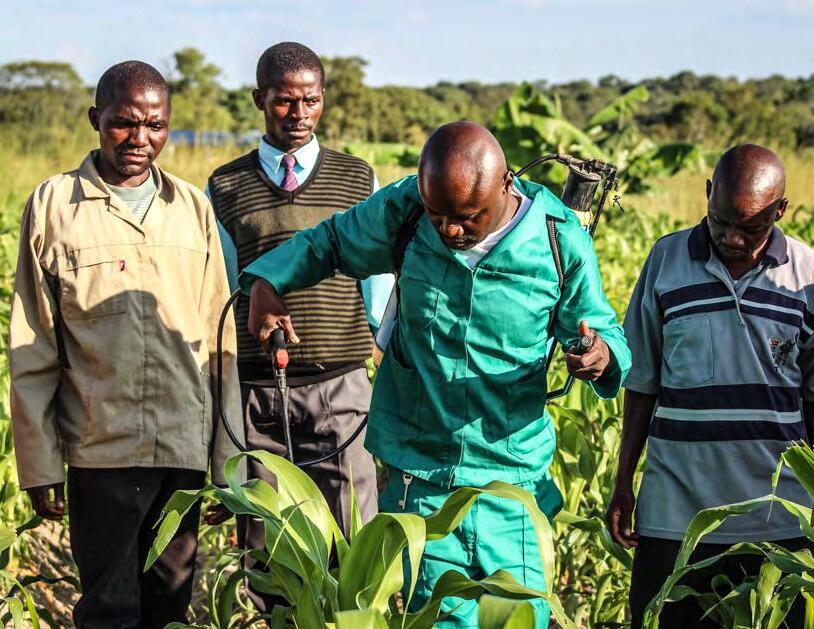

Extension officer demonstration in Zambia © Tigana chileshe | Wikimedia Commons
The compendium also highlights several structural blind spots shaping how alternatives are understood and promoted in Africa. Much of the existing research remains narrowly problem-oriented—focused on specific pests or technologies—rather than on system-level dynamics such as soil degradation, landscape complexity, and interactions among multiple stressors. Very few studies address rapidly spreading threats, including invasive weeds, emerging fungal pathogens, and secondary pest outbreaks linked to pesticide misuse, despite their growing importance for farmers.
The review further reveals limited attention to regulatory readiness, supply chain feasibility, and farmers’ knowledge systems, all of which strongly influence whether alternatives can move beyond experimental sites. Taken together, these gaps illustrate that the challenge is not a lack of biological options, but the absence of a coherent, cross-scale evidence base linking technical efficacy to socio-economic realities and institutional conditions.
By consolidating diverse forms of knowledge— including scientific literature, grey sources, and farmer-led experimentation—the compendium offers a more integrated foundation for rethinking pest management pathways in Africa. It provides a basis for informing policies that support agroecological transitions—not as niche interventions but as viable, evidence-based strategies—to address ecological degradation, farmer vulnerability, and long-term food system resilience.
These transitions are essential not only to safeguard farming communities, consumers, and the ecological foundations of soils and water, but also to confront a silent and systemic crisis across Africa—the ongoing collapse of pollinator populations, without which agricultural production and food systems cannot be sustained (Turo et al., 2024; Nganso et al., 2025).
METHODOLOGY FOR COMPILING ALTERNATIVES COMPENDIUM
Defining bio-alternatives
Bio-alternatives can be broadly defined as organic products used as an “efficient arsenal against bacteria, fungi, nematodes, viruses and insect pests” (Lengai et al., 2020). These products act by repelling pests, inhibiting their development, or eliminating them. Compared with synthetic pesticides, they are associated with lower environmental and human health risks, and their multiple modes of action can help limit the development of resistance. As such, bio-alternatives are well-suited to IPM approaches and to organic and agroecological farming systems (Deiss, 2024).
This approach recognises that biological alternatives are grounded not only in input substitution, but also in the mobilisation of ecological processes that underpin resilient agroecosystems (see Figure 2). Rather than replacing one product with another, biological-alternatives are best understood as tools that operate within—and depend upon—functioning ecological systems.
To systematically capture the full range of alternatives to synthetic pesticides, the ACB adopted a broad categorisation framework that reflects both established practices and emerging innovations within agroecological systems. This framework groups alternatives into several complementary categories, as outlined below.
• Biological control encompasses the use of living organisms—such as predators, parasitoids, pathogens, and competitors—to regulate pest populations.
• Botanical and natural products include plant-derived and naturally occurring substances such as botanical insecticides (e.g., neem, pyrethrin), essential oils, mineral-based products, and fermentation-derived compounds.
• Soil health and plant resilience-based approaches focus on strengthening agroecosystem functioning through composting, beneficial soil microbes, bio-stimulants, cover cropping, and reduced tillage, thereby reducing pest pressure.
• Genetic and host plant resistance include breeding or selecting resistant varieties and using resistant rootstocks.
• Physical and mechanical controls refer to direct interventions such as row covers, traps, hand removal, and other exclusion or destruction methods.
• Behavioural and ecological strategies manipulate pest behaviour or ecological interactions, including trap cropping, push–pull systems, pheromone disruption, and habitat management.
• IPM combines multiple strategies—monitoring and thresholds, cultural practices, biological control, and judicious pesticide use—within a systems-based decision-making framework.2
These categories capture varying levels of complexity, coordination, and investment—from low-cost, farmer-managed practices to landscape-scale biological control interventions. They highlight the need for differentiated pathways for adoption and scaling, depending on farming context, ecological conditions, and institutional support.
2 Although the rationale for this compendium is to identify alternatives to synthetic solutions, it is well acknowledged that the use of alternatives is introduced on farms in a progressive manner, often complementing conventional solutions, and IPM is recognised as an approach aligned to and supporting alternatives.
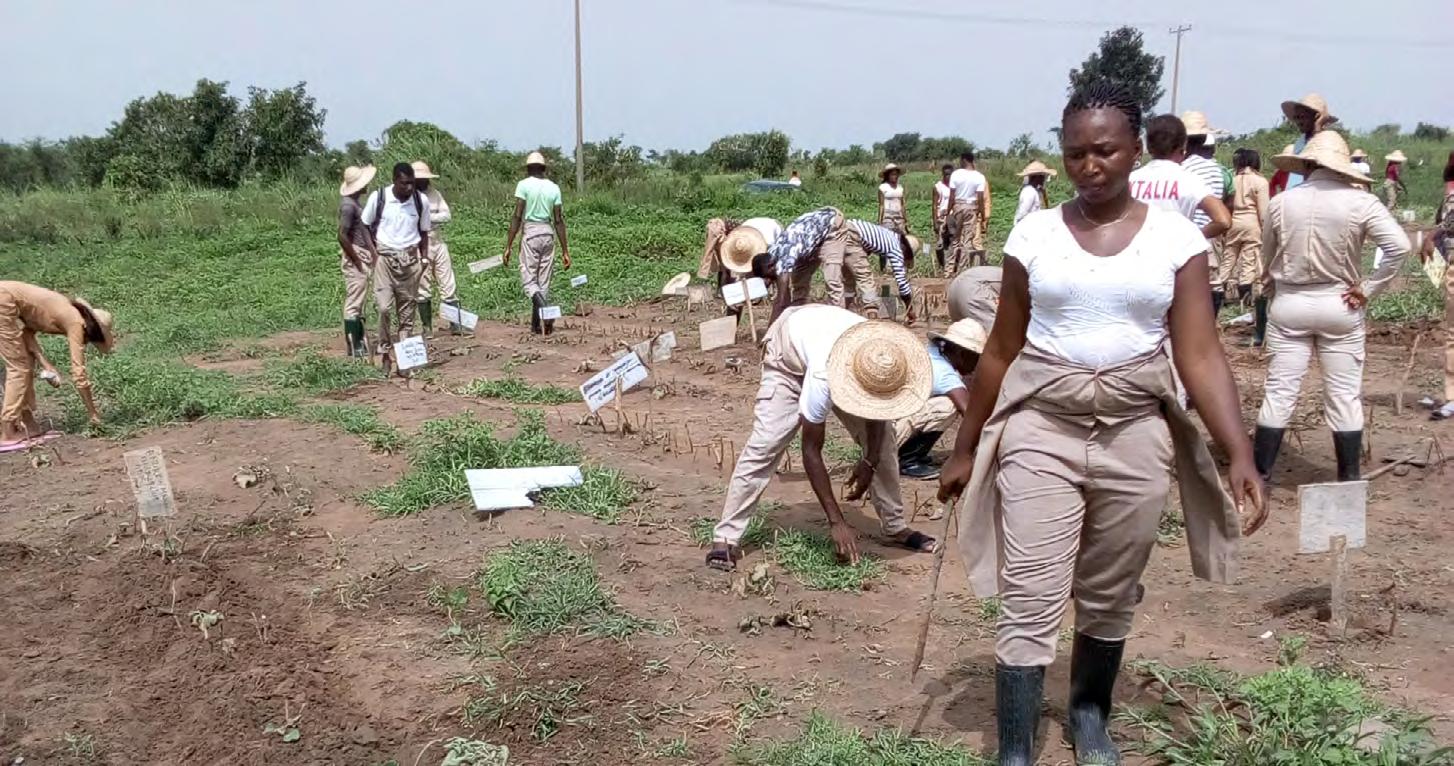
Experimental farming in Nigeria © Fred Timbee | Wikimedia Commons
It is important to emphasise that bio-alternatives should not be understood as technological stand-ins for hazardous synthetic pesticides. Within an agroecological transition, the ACB conceptualises biological alternatives as complementary tools within IPM systems. Their primary role is to support the restoration of diverse, ecologically functional farming environments that prevent pest outbreaks and offer curative options where necessary.
Curative interventions range from soft approaches, such as biocontrol (i.e., enhancing natural enemies), to harder approaches that entail the application of biopesticides (see Figure 1).3 These approaches occupy different positions within the agroecological transition and are relevant to different farming systems.
Curative care
Preventative care


Direct control
Physical control measures and biopesticides







Biocontrol
Enhancing natural enemies

Prevention
Providing good growing conditions for strong plants

Figure 1. Different pest control strategies serve different steps of the agroecological transition and different types of farming systems.
Adapted from Biovision (2025)
3 Importantly, it should not be assumed that all biopesticides are inherently benign; some substances can act as broad-spectrum agents and negatively affect a wide range of organisms within farm ecosystems (Pietersen, pers. comm., 2026).
Within the category of biopesticides, it is important to distinguish between solution types and the levels of investment they require.
Small-scale farmers often rely on farmer-produced biopesticides derived from locally available materials and knowledge, such as plant extracts and botanical formulations (e.g., neem-based products). Medium-scale and more commercialised operations generally require solutions such as semiochemicals (e.g., pheromone traps and lures) or microbial formulations (e.g., Trichoderma), which demand higher levels of technical capacity, infrastructure, and regulatory oversight.
Research methodology
The compendium was developed through the systematic identification and extraction of relevant studies published between approximately 2010 and 2025, with a strong emphasis on African farming contexts and, where available, Southern Africa.
A total of 90 papers were reviewed. The evidence base consists predominantly of peer-reviewed journal articles, complemented by grey literature, including technical reports, book chapters, institutional publications, and selected postgraduate theses.
Each paper was systematically coded into a standardised spreadsheet framework using predefined categories and controlled vocabularies. Variables coded include study type, level of application, crop and pest focus, type of alternative intervention, mode of action, efficacy, and—where available—evidence on scale (e.g., on-farm trials, landscape establishment, farmer adoption) and economic viability. Additional fields captured agronomic, environmental, economic, and social outcomes; data collection methodologies; study limitations; and recommendations for further research and policy.
Wherever possible, the compendium prioritised evidence generated under real farming conditions, including indications of farmer adoption, or potential for replication. Particular emphasis was placed on on farm, multi-site studies conducted within typical smallholder contexts, as these provide the most reliable insights into performance under variable and resource-constrained conditions.
The review prioritised comparative field evidence, including studies that assessed biological alternatives relative to untreated controls or conventional synthetic pesticide use. Such designs enhance relevance for real-world decision-making. At the same time, non-comparative field studies were included when they offered valuable insights into feasibility, implementation, or operational performance.
To assess whether alternatives are effective under real farming conditions and economically viable, a standardised coding framework was applied. Each paper is assigned a:
Field-Proven (FP) score
FPO (no field evidence)
(documented commercial or operational use) EVO (no economic information)
Economic Viability (EV) score
(full cost–benefit or profitability analysis)
These two dimensions are then combined into an overall Field-Proven and Economically Viable (FPEV) rating, used to identify studies that demonstrate both practical field effectiveness and credible economic performance.
The final FPEV rating is classified as:
depending on whether sufficient evidence existed across both dimensions.
These dimensions were combined into an FPEV assessment that indicates whether a given option meets minimum thresholds in both categories. Coding decisions were based strictly on information explicitly reported in each paper; where data were unclear or absent, entries were recorded as “not reported”. Applying this approach highlighted a sharp reduction in the number of studies that address both effectiveness and economic viability, revealing a key weakness in the existing evidence.
A detailed breakdown of the type of nuisances studied and the alternatives assessed is provided in the annexure.
Overall, while the compendium includes a diverse mix of study types, there is a clear bias toward experimental and conceptual research, with comparatively fewer studies providing integrated evidence across field performance, adoption, and socio-economic outcomes. Research is often confined to laboratory settings and small-scale trials, which limits understanding of operational scalability and broader societal and environmental benefits. While such trials are valuable for confirming biological efficacy, they are less informative regarding real-world implementation—an issue also recognised by the South African Centre for Biological Control (CBC) in SA (Hill, pers. comm., 2026).
Linked to this is a significant gap in the literature regarding the systematic assessment of farmer uptake and barriers to adoption, pointing to a persistent disconnect between research on technical efficacy and end-user realities. Without attention to adoption dynamics and farmer support needs, uptake remains limited, and policy decisions promoting biocontrol lack a robust evidence base. This finding echoes conclusions from a 2022 meta review of 173 studies across 20 countries, which similarly highlighted the limited
integration of adoption and socio-economic dimensions in biological control and botanical pesticide research (Ratto et al., 2022).
A further challenge is that African farmers possess a wealth of indigenous knowledge relevant to pest and disease management, yet this knowledge is seldom recorded or systematically validated. Much of it is transmitted through oral tradition and remains disconnected from formal efficacy trials, which constrains its visibility and policy uptake. For instance, an ethnobotanical study in Mpumalanga (SA) documented 23 plant species across 16 families used by smallholder farmers to manage crop pests and diseases (Shai et al., 2025). However, such studies are rarely linked to field-based assessments of effectiveness, limiting their influence on extension systems and regulatory frameworks.
Rawpixel
A critical shortcoming of many alternative pest and disease management studies included in the compendium is their focus on monocultural cropping systems. These simplified systems often exacerbate pest and disease pressure and do not reflect the ecological conditions under which agroecological practices are intended to function. Agroecological systems—characterised by crop diversity, polycultures, mixed farming, livestock integration, and functional biodiversity—are expected to moderate pest and disease dynamics in different ways, yet comparatively little empirical research has been conducted under these conditions. This gap reflects the fact that agroecological systems are often livelihood-oriented rather than designed for uniform production, making them less compatible with conventional research frameworks.
Related to this is the scarcity of interdisciplinary research in the reviewed literature. Studies rarely examine the broader social, environmental, and economic benefits of reducing pesticide use, focusing instead on narrowly defined agronomic outcomes. For instance, in SA—a country dominated by agrochemical farming systems—there are numerous examples of small-scale (and some large-scale) integrated farming systems that embody agroecological principles, yet these remain underrepresented in scientific documentation, and even the farmers themselves often lack the time to adequately document their pioneering work (Coetzee, pers. comm., 2026). As a result, lived practices often outpace formal research, reinforcing the disconnect between innovation on the ground and evidence recognised by policy and research institutions.
The compendium also highlights conceptual ambiguity in the use of the term “biocontrol” across the literature. It encompasses a wide spectrum of approaches, ranging from agroecological habitat management and classical parasitoid release to microbial products, bacillus thuringiensis (Bt)-based technologies, and broader biotechnology framings. The ACB exercised caution in including papers on resistance management in Bt maize, where biocontrol is sometimes framed as complementary to biotechnology. While such approaches are occasionally presented as part of a broader agroecological discourse (Visser & Van den Berg, 2020; Botha et al., 2020), this blending warrants careful scrutiny when assessing alternatives to synthetic pesticides.
Finally, the compendium underscores that bio-alternatives cannot be reduced to a one-size-fits-all solution, making it challenging to assemble a framework that applies uniformly across all farming systems. Farming contexts differ widely in terms of scale, labour availability, climate, crop composition, and institutional support. The compendium, therefore, captures a heterogeneous body of literature reflecting this diversity and should not be interpreted as comprehensive for any single farming model. Rather, it highlights the need for context-specific transition pathways grounded in differentiated evidence.
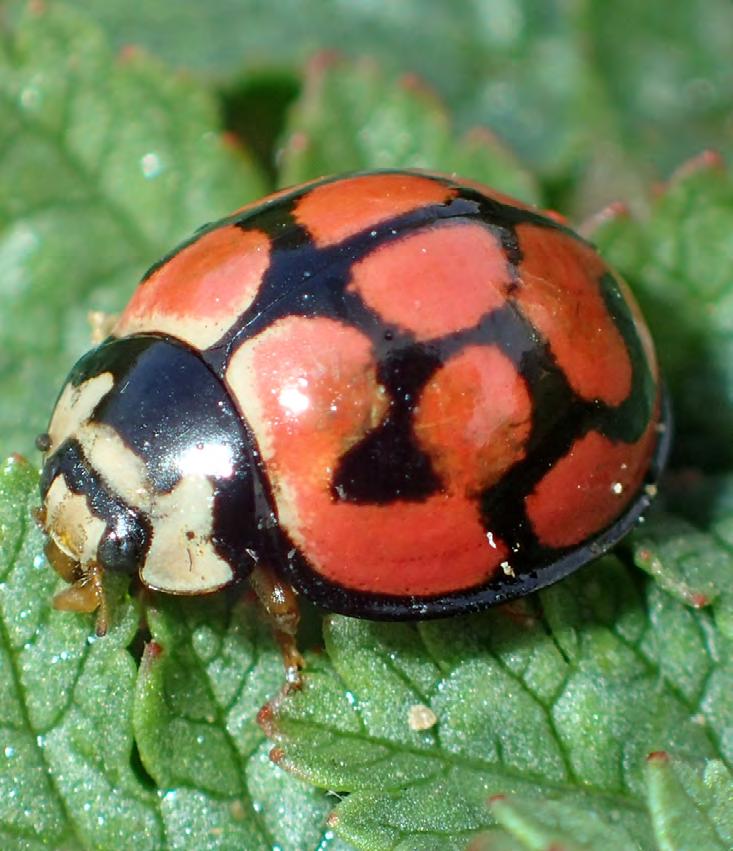
© Kaldari | Wikimedia Commons
NATURE AND DISTRIBUTION OF RESEARCH IN THE COMPENDIUM
Geography and scope of research on alternatives in Africa
The reviewed studies show a strong geographical concentration in East and Southern Africa, with Kenya and Ethiopia most prominently represented. SA also features significantly, alongside countries such as Zimbabwe, Tanzania, Nigeria, Uganda, and Ghana. In contrast, far fewer studies have been reported from countries such as Cameroon, Angola, Niger, Benin, and the Democratic Republic of the Congo. Several studies adopt a multi-country or regional perspective across sub-Saharan Africa.
The compendium reveals a clear clustering of frequently cited interventions around a small number of well-established approaches. Push–pull systems in maize-based farming in Kenya and neighbouring East African countries are among the most consistently documented and replicated cases of successful uptake of alternatives to agrochemicals. Such interventions have often been supported by long-running research and development programmes. Similarly, there is a strong body of studies on botanical pesticides, particularly those derived from locally available plant materials, highlighting their accessibility and relevance in smallholder contexts. Approaches focused on habitat management to enhance natural enemy populations—such as intercropping and agroecological diversification strategies—are also well represented.
It is important to note that this concentration of evidence reflects, to a significant extent, where sustained research investment and programmatic support have been directed, rather than providing a comprehensive representation of all viable interventions across the continent. The compendium highlights that several major
agroecological zones in West, Central, and Sahelian Africa remain severely under-represented in the literature, despite high pesticide dependence and rapidly emerging pest pressures in these regions.
This imbalance reflects historical patterns of donor-funded research, which have concentrated resources in a limited number of research hubs rather than in areas where evidence gaps are most urgent. As a result, the current distribution of studies does not necessarily align with regions of greatest need for validated alternatives, underscoring the importance of expanding research efforts beyond existing institutional “islands” of activity.
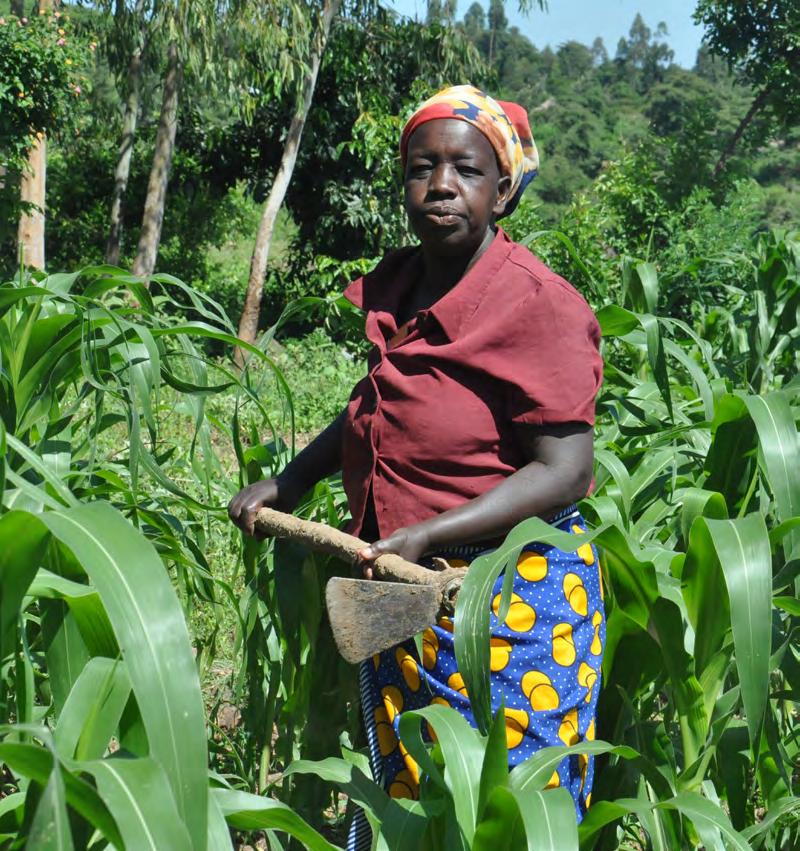
© CGIAR Climate | Flickr
Kenya provides a clear illustration of this dynamic. Institutions such as the International Centre of Insect Physiology and Ecology (ICIPE) have played a pivotal role in advancing and scaling biological control interventions, including the widely documented push–pull technology. While this concentration of expertise has generated a strong and influential body of evidence, it has also reinforced the geographic skew in the literature.
The compendium did not investigate francophone literature for inclusion, but a preliminary review indicates that botanicals are widely used in West Africa as alternatives to pesticides, and that large-scale fruit fly programmes have also been successful (CORAF/WECARD, 2017). Notably, francophone literature tends to provide more evidence on barriers and enabling conditions for diffusion than on fully stabilised, large-scale success cases. A study by Ouédraogo et al. (2025) in Burkina Faso shows that the use of biopesticides as substitutes for synthetic pesticides is increasing, but remains constrained by access, production, and support systems. Similarly, Adam (2024), focusing on Cameroon, analyses biopesticide production as an agroecological innovation and shows that its development depends on governance arrangements, actor networks, training systems, and mediation mechanisms between farmers, non-governmental organisations, research institutions, and the state.
At the same time, the majority of identified studies remain confined to laboratory settings or small-scale pilot trials, with comparatively few examples of large-scale, diversified, or commercially validated agroecological alternatives beyond these dominant intervention pathways. This further highlights the need not only for broader geographic coverage, but also for more robust evidence on scalability and real-world application.
Crops and nuisances under study
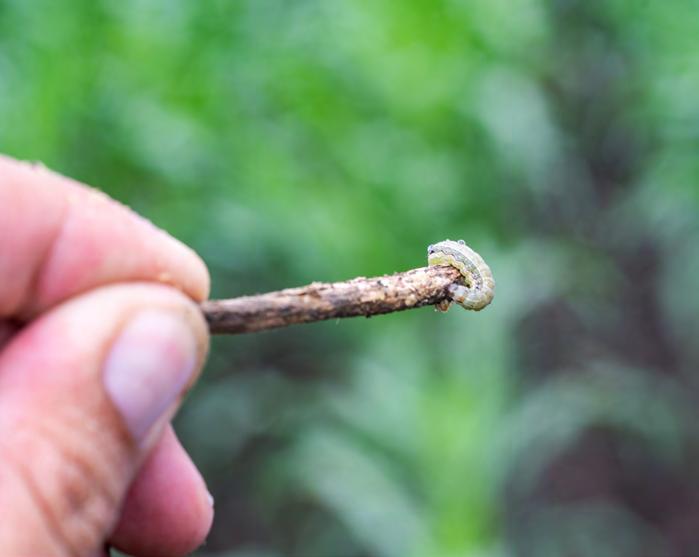
The compendium shows a strong concentration of studies on staple cereals, particularly maize, which accounts for a substantial share of the evidence base. This reflects maize’s central role in African farming systems and its vulnerability to major pests such as the fall armyworm (FAW) and stem borers. There is also a substantial body of research on cassava and sorghum, whereas wheat is only marginally represented.
This is complemented by extensive literature focused on fruit crops, especially mango, often in the context of fruit fly IPM. Fewer studies address citrus, papaya, grapes, and mixed-fruit systems. Vegetable crops, including cabbage, tomato, beans, and cucurbits, are represented to a lesser extent, while cash crops such as cotton and sugarcane appear only marginally.
The nuisances studied in the compendium are overwhelmingly dominated by insect pests, particularly chewing insects affecting staple crops. FAW (Spodoptera frugiperda) and cereal stemborers (Busseola fusca, Chilo partellus, Sesamia calamistis) emerge as the most frequently addressed pests, reflecting their major impact on maize-based systems. Other important insect pests include fruit flies (Tephritidae) in mango and citrus systems, tomato pests such as Tuta absoluta, and a range of aphids, whiteflies, and thrips affecting vegetable production.
Beyond insects, the compendium includes a smaller but significant set of studies on parasitic weeds such as Striga hermonthica and invasive species such as Parthenium hysterophorus, as well as limited coverage of nematodes, fungal pathogens, and stored product pests (see Annexure 1 and Sheet 3 of the compendium). However, high-value horticultural crops and legumes remain underrepresented, despite being among the most pesticide-intensive and economically important for smallholders.
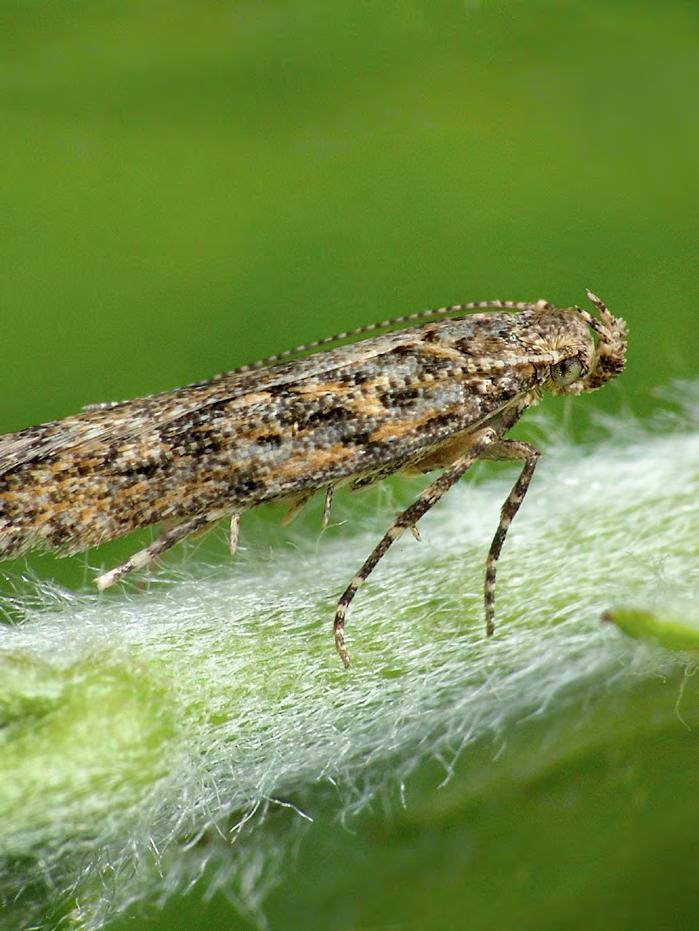
Very few studies examine multi-pest or multi-crop interactions, even though such dynamics are typical of diversified farming systems. As a result, the evidence base remains largely focused on single pest–single crop relationships. Emerging and rapidly spreading threats—including Tuta absoluta in tomato, invasive weeds, and secondary pest outbreaks linked to pesticide misuse—are only marginally represented, highlighting critical blind spots in current research.
Fall armyworm © CIMMYT/Alfonso Cortés | Flickr
Tuta absoluta © Patrick Clement | Wikimedia Commons
Comparative trials
Across the compendium, four main comparative trial designs are used to assess biological and agroecological alternatives. These approaches differ significantly in their level of methodological control, spatial and temporal scale, and relevance to real-world decision-making. Understanding these differences is essential for interpreting the strength, limitations, and transferability of the available evidence.
Before–after (ex post) impact assessments are most frequently employed in large-scale classical biological control programmes, particularly those targeting cassava mealybug, cassava green mite, and cereal stemborers. In these cases, pre-intervention outcomes are compared with conditions after natural enemy establishment, thereby capturing real-world, large-scale impacts even in the absence of randomisation (Herren, 1989; Midingoyi et al., 2016). Although these designs lack experimental controls, they provide powerful evidence of sustained, landscape-level pest suppression under farmer-managed conditions.
Treatment-versus-untreated control plot designs are widely used in field studies of entomopathogenic fungi,4 botanicals, and FAW management. These trials allow clear attribution of pest suppression effects at the plot or farm scale, often under farmer-managed conditions, but typically cover limited spatial areas and short timeframes (Sisay et al., 2019; Araya et al., 2023). While valuable for establishing biological efficacy, such designs offer more limited insight into durability, variability, and scalability across seasons and landscapes.
Far fewer studies directly compare IPM packages with conventional chemical control, despite the high relevance of such comparisons for farmers’ decision-making. Notable examples include mango fruit fly IPM systems that combine parasitoids, sanitation, and baiting, which are assessed against routine insecticide spraying (Mohamed et al., 2016). These studies are
particularly valuable because they speak directly to farmers’ and policymakers’ core question: whether agroecological approaches can perform at least as well as chemical-based regimes under practical conditions.
Fewer studies use system-level comparisons, contrasting monocropped systems with diversified or agroecological designs. Push–pull systems for controlling stemborers and the FAW are the most prominent examples, offering strong agroecological relevance by testing entire farming-system redesigns rather than isolated interventions (Khan et al., 2014; Abate et al., 2024). However, such studies are often context-specific and methodologically complex, making them harder to standardise or replicate across sites.
Finally, the compendium reveals that many comparative studies rely on different metrics to assess effectiveness, thereby hindering meaningful comparison across pests, crops, or interventions. In addition, most trials cover only a single season, even though pest pressure and ecological interactions vary significantly from year to year. These limitations constrain the extent to which individual study results can be generalised or confidently scaled, reinforcing the need for multi-year, multi-site field evidence.
4 Entomopathogenic fungi are naturally occurring fungi that infect and kill insects, thereby used as biological control agents to manage crop pests as an alternative to synthetic insecticides.
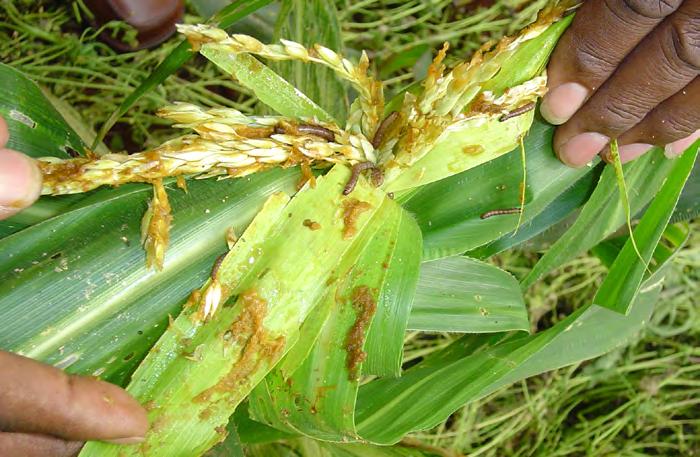
Stemborers on maize © CIMMYT | Flickr
LESSONS FROM 20 YEARS OF IMPLEMENTING AGROECOLOGICAL ALTERNATIVES
Compelling and measurable large-scale bio-control interventions in Africa
The compendium reveals that the strongest biological control cases are those based on the establishment, spread, and self-sustaining regulation of pest populations—so called “classical biological control” programmes—rather than on recurrent commerciallysupplied releases that incur ongoing costs without clear additional impact (referred to as “augmentative” approaches).
Africa has several compelling examples of classical biological control programmes that have achieved permanent pest suppression across landscapes, and these are well-documented in the literature analysed in the compendium.
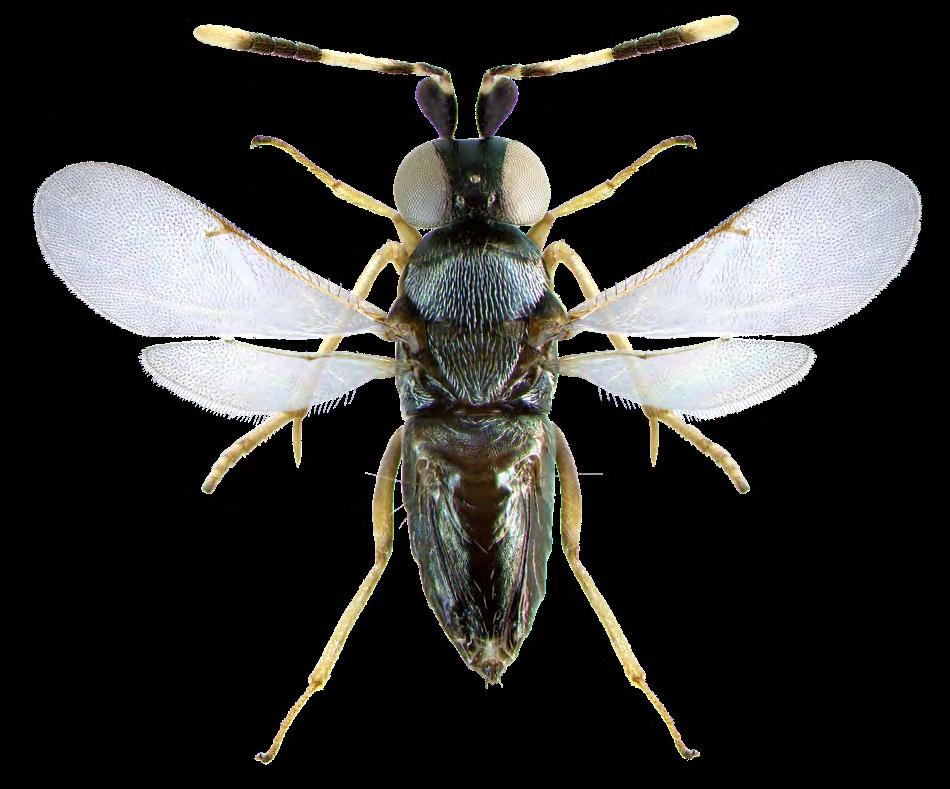
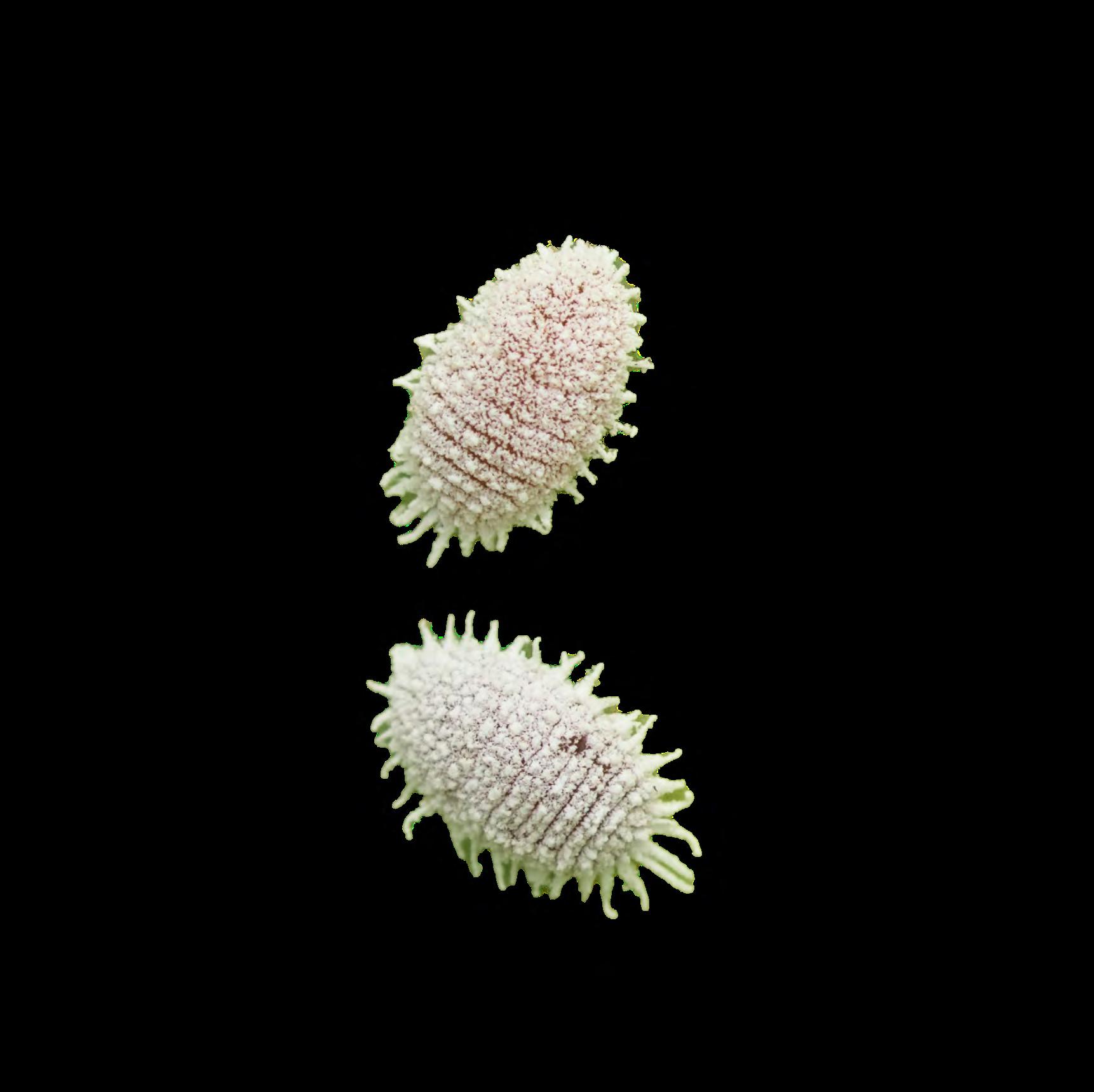
Among the most well-known large-scale biological control interventions in Africa is the coordinated campaign against cassava mealybug (Phenacoccus manihoti), which devastated cassava yields across the continent following its accidental introduction in the 1970s. Through a programme coordinated by the International Institute of Tropical Agriculture (IITA), a specialist parasitoid wasp (Anagyrus lopezi) was introduced. By the end of the 1980s, the biological control agent had spread to all major mealybug infestations and brought the pest under control in approximately 95% of fields (Herren & Neuenschwander, 1991).
Another well-documented success of landscape-scale classical biological control is the suppression of cassava green mite through the introduction of the predatory mite Typhlodromalus aripo, leading to sustained yield recovery across Africa (Hanna et al., 2015).
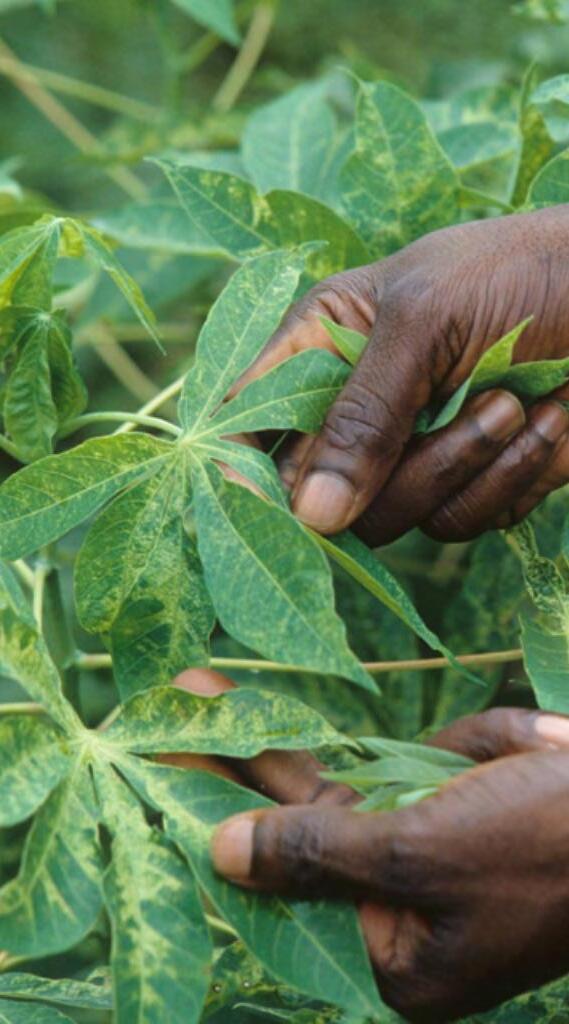
Green mite-infested cassava leaves © International Institute of Tropical Agriculture | Flickr
A study by Soul Kifouly et al. (2016) evaluates the long-term economic and welfare impacts of a large biological control programme implemented by ICIPE and partners targeting cereal stemborer pests affecting maize and sorghum in East and Southern Africa. The study found that biological control interventions across Kenya, Mozambique, and Zambia contributed to an aggregate monetary surplus of US$1.4 billion for the three countries—84% from maize production and the remaining 16% from sorghum production.
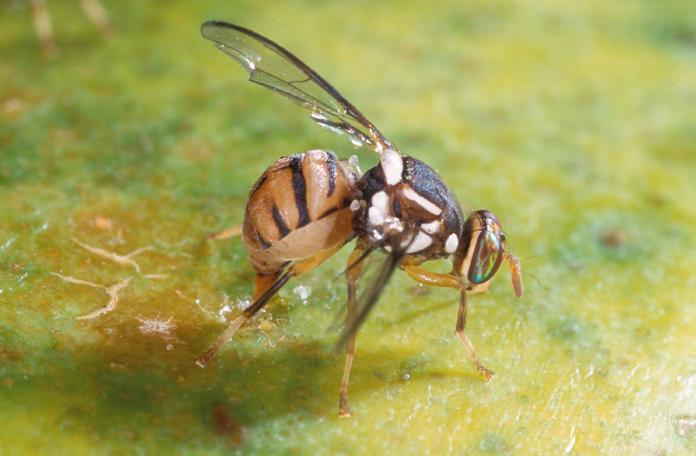
Studies on fruit fly parasitoids similarly show that introduced natural enemies can establish and spread under African conditions, providing the basis for long-term pest suppression (Appiah, 2011; Mohamed et al., 2016). Comparable dynamics are documented for classical biological control of invasive weeds and for aflatoxin management, underscoring the importance of persistence and system-level effects over time, in contrast to shortterm or input-dependent approaches (Agbetiameh et al., 2020).
By contrast, current IPM-based programmes in horticulture and maize are still in the process of building field evidence and have not yet matched the scale, durability, or economic certainty of these earlier classical biological control successes.
Across these programmes, a common feature emerges: the most successful classical biological control interventions were implemented under conditions of strong public investment, coordinated research partnerships, and clear regulatory pathways. These enabling factors, which are crucial to the establishment, spread, and long-term persistence of biological control agents, are far less common today, which helps explain why contemporary interventions often struggle to achieve similar scale or durability. This highlights that the effectiveness of classical biocontrol rests not only on ecological performance, but on the institutional architectures that support it.
While classical biological control illustrates the value of publicly coordinated, landscape-scale ecological interventions, the compendium also shows that not all successful alternatives depend on large institutional programmes or imported natural enemies. A second, highly relevant strand of evidence concerns farmeraccessible botanical solutions, which can often be prepared, adapted, or deployed locally while still delivering strong pest-suppression outcomes.
Strong efficacy evidence of botanicals
Numerous studies demonstrate the strong efficacy of botanical solutions as alternatives to synthetic pesticides in African farming conditions.
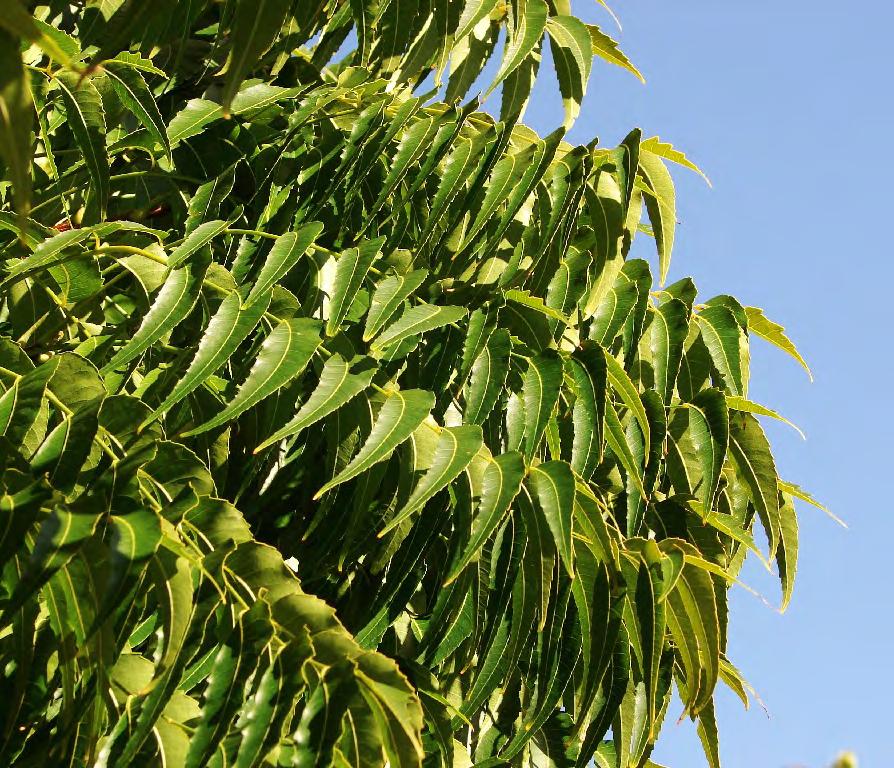
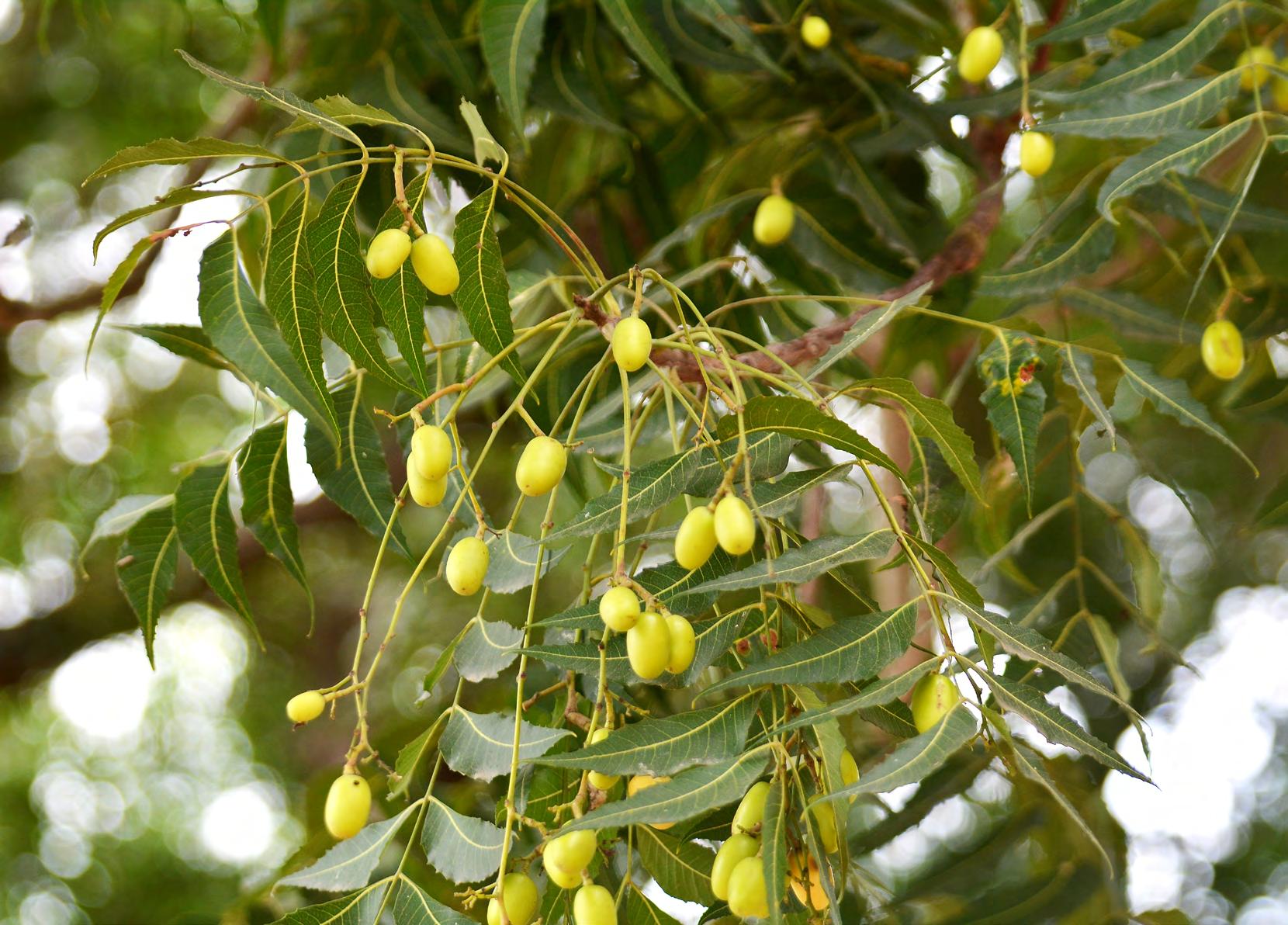
Neem-based botanicals—principally derived from Azadirachta indica and containing the active compound azadirachtin—consistently emerge as the most effective and reliable plant-based
alternative to synthetic pesticides across African smallholder systems. Field evidence from Ghana (Babendreier et al., 2020) shows that neem formulations significantly reduce FAW larval populations and crop damage, with associated yield improvements, while outperforming other locally promoted remedies such as ash, soil, and soap, which showed little to no efficacy.
Fruit fly © Wikimedia Commons
Similarly, multi-scale trials in Kenya, according to Tekie et al. (2006), demonstrate that the efficacy of neem-based treatments (consisting of a neem seed powder–sawdust mixture, and a 10% aqueous neem seed extract) was similar to that of a conventional chemical insecticide (Dipterex) under field conditions, showing neem can be an effective botanical alternative for controlling the spotted stemborer Chilo partellus. These findings are particularly important given the widespread perception that botanical pesticides are inherently less effective than chemical alternatives. Field trials conducted in Ethiopia in 2021 found that a botanical mixture of garlic, onion, and pepper consistently reduced cabbage aphid populations under smallholder field conditions. The botanical mix reached 93.79% efficacy, produced a marketable yield of 13.45 t/ha, and performed comparably to imidacloprid (a neonicotinoid systemic insecticide) (Shonga & Getu, 2021).
At the same time, the compendium shows that the effectiveness of botanicals depends on locally adapted preparation and application practices, with performance varying across environments and formulations. Several botanical options nevertheless combine strong pest suppression with lower risks to beneficial organisms and a reduced likelihood of resistance development, making them particularly well-suited to smallholder systems where ecological safety, affordability, and access are as important as efficacy.
The evidence also makes clear that efficacy cannot be understood only at the level of products or active substances. Whether botanicals, microbes, or natural enemies succeed in practice often depends on the ecological conditions of the farming system in which they are applied. This shifts attention away from individual remedies and toward the broader farm ecology that enables biological alternatives to function effectively.
Azadirachta indica (neem tree) © Kwameghana (Bright Kwame Ayisi) | Wikimedia Commons
Restoring farm ecology is key to effective bio-alternatives
Several studies in the compendium provide strong evidence that natural biological control is already present in African farming systems, but is often suppressed or underperforms due to simplified farm and landscape conditions. This has important implications for agroecological transition pathways, particularly the need to create conditions that support biodiversity, ecological infrastructure, and functional corridors. For example, Van Eeden et al. (2025) show that cutworm pests (Agrotis segetum) in South African grain systems (maize, soybean, and sunflower) are naturally suppressed by local parasitoids, reducing pest populations without reliance on insecticides.
Similarly, work on cereal stemborers demonstrates that diverse and interacting natural enemy communities already operate in African cropping systems, although their capacity to regulate pest populations is often undermined by simplified landscapes and farming practices, including intensive tillage and agrochemical use (Kfir, 1997; Zhou et al., 2011). When examined at wider spatial scales, evidence shows that increased habitat complexity and reduced landscape simplification enhance natural pest control by supporting higher abundance and effectiveness of predators and parasitoids (Van Eeden et al. 2025). Together, these findings demonstrate that natural enemies are not absent from African farming systems, but are frequently constrained by ecological conditions that limit their effectiveness. This indicates significant untapped potential to strengthen endogenous pest regulation through agroecological design, rather than through the continuous introduction of external input.
African monarch © Charles J. Sharp | Wikimedia Commons
The compendium further underscores that ecological restoration must be treated as a prerequisite rather than an add on. Most biological alternatives perform best where soils are biologically active, landscapes are not overly simplified, and natural enemy communities are already present. This highlights that pest management outcomes emerge not only from specific interventions but from the broader ecological conditions in which they operate (see Figure 2).
Agroecology strengthens soil fertility, minimising use of synthetic fertilisers and pesticides
As illustrated in Figure 2, based on the International Panel of Experts on Sustainable Food Systems (IPES)-Food framework, lower input use is not the starting point of an agroecological transition but its outcome. Practices such as reduced tillage, compost, nitrogen-fixing legumes, biostimulants, mulching, manure, crop rotations, crop diversity, intercropping, agroforestry, crop–livestock integration, and broader diversification are often introduced in overlapping and iterative ways. Together, these interventions rebuild soil health and farm ecology, reducing pest pressure, improving resilience, and progressively lowering the need for direct pest control.

LANDSCAPE
Diversification





FIELD LEVEL
CROP LEVEL
SOIL LEVEL
Nitrogen fixing legumes


Locally adapted varieties Agro-forestry
Crop-livestock integration



Figure 2. Agroecological practices that enhance soil fertility and eliminate the need for synthetic fertilisers and pesticides
Adapted from IPES Food 2026
Manure



Ecological pest management
Intercropping and crop rotation
Diversity of crops
Reduced tillage
This leads to a more fundamental insight regarding the role of alternatives in agroecological transitions. The effectiveness of biological alternatives is not determined solely by products or practices, but by the underlying ecological condition of the farming system—particularly soil health and biological functioning. Without a functioning soil microbiome and supportive ecological processes, biological inputs and control agents are unlikely to perform effectively (Olsen, pers. comm., 2026). This is especially evident in degraded or chemically saturated soils, where microbial life and ecological interactions have been disrupted.
In such contexts, restoration of soil biological activity and ecological processes becomes a necessary first step for the success of biological alternatives (Khan et al., 2014). Biological control and bio-inputs should therefore be understood not as standalone solutions but as components of a broader ecological transition that requires rebuilding functional agroecosystems at both field and landscape scales (Ardington, pers. comm., 2026).
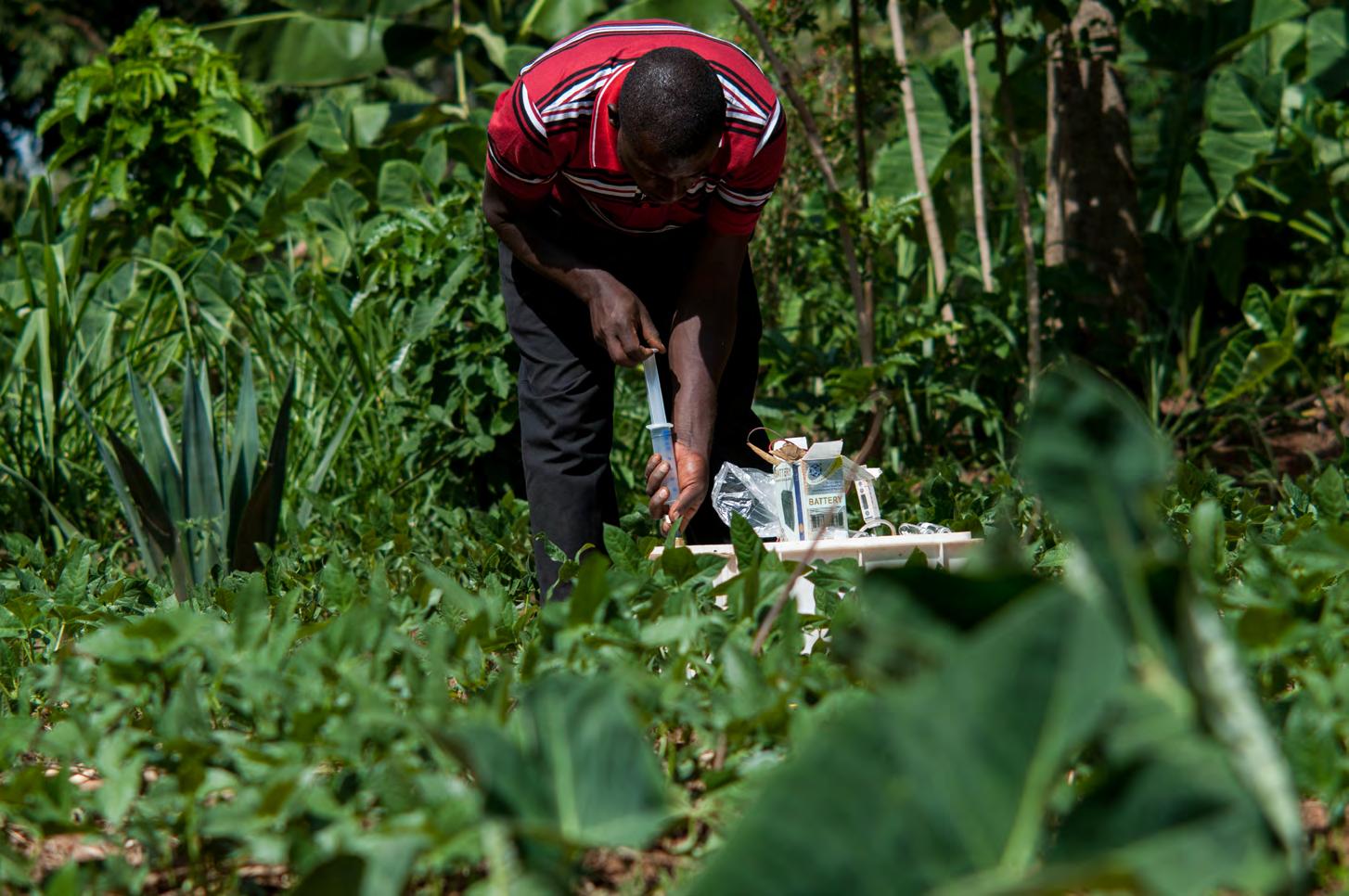
A study conducted in Cameroon compared intercropping systems—maize grown with cowpea and/or okra with the application of the synthetic insecticide cypermethrin. Intercropping consistently reduced insect pest infestations while improving overall land productivity. Although cypermethrin sprays effectively lowered pest densities and increased yields in monocropped fields relative to untreated controls, maize–cowpea intercropping delivered greater total system productivity alongside reduced pest pressure. These findings confirm that intercropping can serve as a viable alternative to or complement of chemical insecticides for smallholder farmers, depending on crop combinations and management objectives (Djidjonri et al., 2021).
If restoring ecological function is essential for durable pest regulation, the next challenge is to identify farming systems that effectively implement this principle. Among the approaches reviewed, push–pull emerges as one of the clearest examples of agroecological design translated into a practical, scalable pest management strategy, although its implementation remains context-specific.
© 2016 CIAT/GeorginaSmith | Flickr
Push-pull technology—a winning alternative pest control solution for Africa
Push–pull is an agroecological pest management system based on the spatial and functional diversification of cropping systems using repellent intercrops (“push”) and attractive trap crops (“pull”).
An example is using Desmodium spp. which deters pest oviposition while boosting soil fertility, in strategic combination with Napier grass or Brachiari, which acts as the trap crop, to manipulate pest behaviour and simultaneously enhance ecosystem functions (Khan et al., 2014; Midega et al., 2018).
Napier grass pulls the lepidopteran pests and natural enemies through volatile chemicals


Desmodium pushes away stem borers using volatile chemicals















Field studies consistently show significantly higher yields associated with push-pull. In a review of the impacts of push-pull used in East Africa, synthesising evidence for its ecological and economic benefits, Sileshi et al. (2025) found strong evidence of higher maize yields, with a reported median increase of ~96% across the surveyed countries (except Malawi). The literature also provides evidence of reductions in key pests, particularly cereal stemborers and FAW, with reported decreases in infestation levels of up














to 80% and associated yield increases in maize systems (Khan et al., 2014; Midega et al., 2018).
FAW control represents a more recent adaptation of the system rather than its primary design function, and while field evidence indicates meaningful suppression—with Sileshi et al. (2025) reporting a median reduction in FAW damage on maize of 46.4% in East African countries—push–pull’s greatest strength lies in its multi-pest, multi-benefit performance rather than single-pest containment
Figure 3. Push-pull using a repellent (push) intercrop and an attractive (pull) trap crop
Napier grass
Napier grass
Pull
Push
Desmodium roots control striga, fix nitrogen, and enhance soil organic matter
The dense roots of the Napier grass stop soil erosion
Desmodium Desmodium
Maize Maize Maize
(Khan et al., 2010; Cook et al., 2007; Midega et al., 2018). Importantly, push–pull also addresses multiple agronomic constraints simultaneously, including:
• Striga suppression (Sileshi et al. [2025] report a median reduction in infestation relative to cereal monocrops of 91.6% across Kenya, Uganda, and Malawi),
• Soil fertility improvement, and
• Reducing erosion on sloping terrain (Van den Berg, pers. comm., 2026).
The technology has demonstrated substantial uptake. By 2014, about 68,800 smallholder farmers in Kenya, Uganda, Tanzania, and Ethiopia had adopted push–pull; by 2021, this number had increased to more than 258,000 farmers across East Africa who had practiced it for over two years, with roughly 58% of adopters being women (Sileshi et al., 2025). Overall, push–pull stands out as one of the few agroecological approaches that combines robust field efficacy with documented large-scale adoption, reinforcing its relevance for smallholder farming systems.
A notable insight from the compendium is that the success of push–pull has depended as much on sustained institutional support—training, seed supply systems, extension services, and farmer networks— as on the technology’s biological efficacy. This underscores that system-level agroecological approaches do not scale through input markets alone, but through social learning, facilitation, and long-term programmatic investment.
Evidence for the application of push–pull systems beyond smallholder contexts remains limited but is emerging from semi-commercial trials and institutional experiments. Studies led by ICIPE and partners have demonstrated that push–pull can be implemented on larger maize plots (approximately 10–50 ha), with results indicating that biological efficacy—particularly in suppressing stemborers and Spodoptera frugiperda—is maintained at larger spatial scales, and may even generate enhanced landscape-level pest regulation effects (Abate et al., 2024, Khan et al., 2014; Midega et al., 2018).
However, these trials also highlight several structural constraints that limit uptake in commercial systems. Intercropping with Desmodium and the establishment of trap crops such as Napier grass complicate mechanised planting and harvesting operations, which are central to large-scale maize production systems. In addition, the system is more labour intensive than conventional monocropping, requires reliable access to quality seed for companion species, and depends on relatively high levels of ecological knowledge and adaptive management that are not widely supported by existing extension services (Khan et al., 2014).
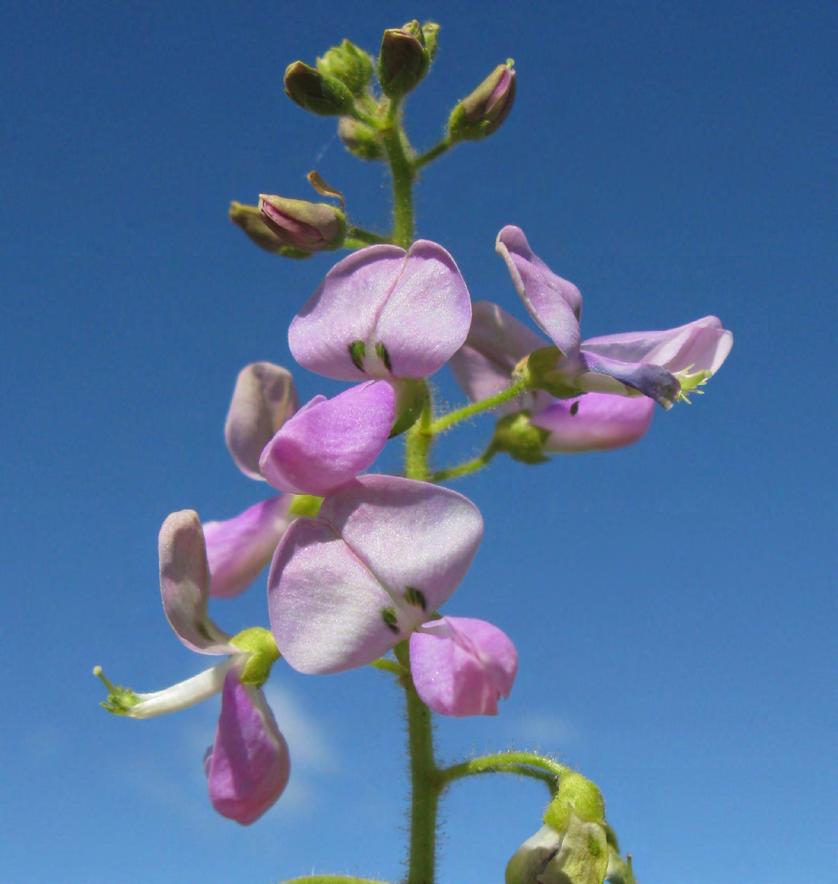
Desmodium uncinatum © Harry Rose | Wikimedia Commons
Constraints observed in efforts to introduce push–pull systems into more mechanised or commercial farming contexts (Van den Berg, pers. comm., 2026) show that even highly effective ecological designs can encounter structural barriers in systems dependent on uniformity, monocropping, and low labour availability. These mixed outcomes underscore both the transformative potential of push–pull and the need to align agroecological interventions with the operational realities of specific farming systems.
These findings suggest that while push–pull remains biologically robust at scale, broader uptake in larger farming systems is limited primarily by operational, institutional, and supply chain factors rather than by agronomic performance. Given the demonstrated efficacy and constraints that are far from insurmountable, adoption may depend less on technical feasibility than on socio-economic context and farmers’ willingness to embrace system-level change (Van den Berg, pers. comm., 2026). In practice, there is evidence that some farmers are already implementing partial adaptations of push–pull principles (Van den Berg, pers. comm., 2026), such as using ecological niches (e.g., habitat strips) and more diversified crop rotations. These adaptations may provide more feasible entry points for integrating biological pest regulation into larger scale, mechanised systems while maintaining operational efficiency (Pryke & Samways, 2012; Mbow et al., 2014).
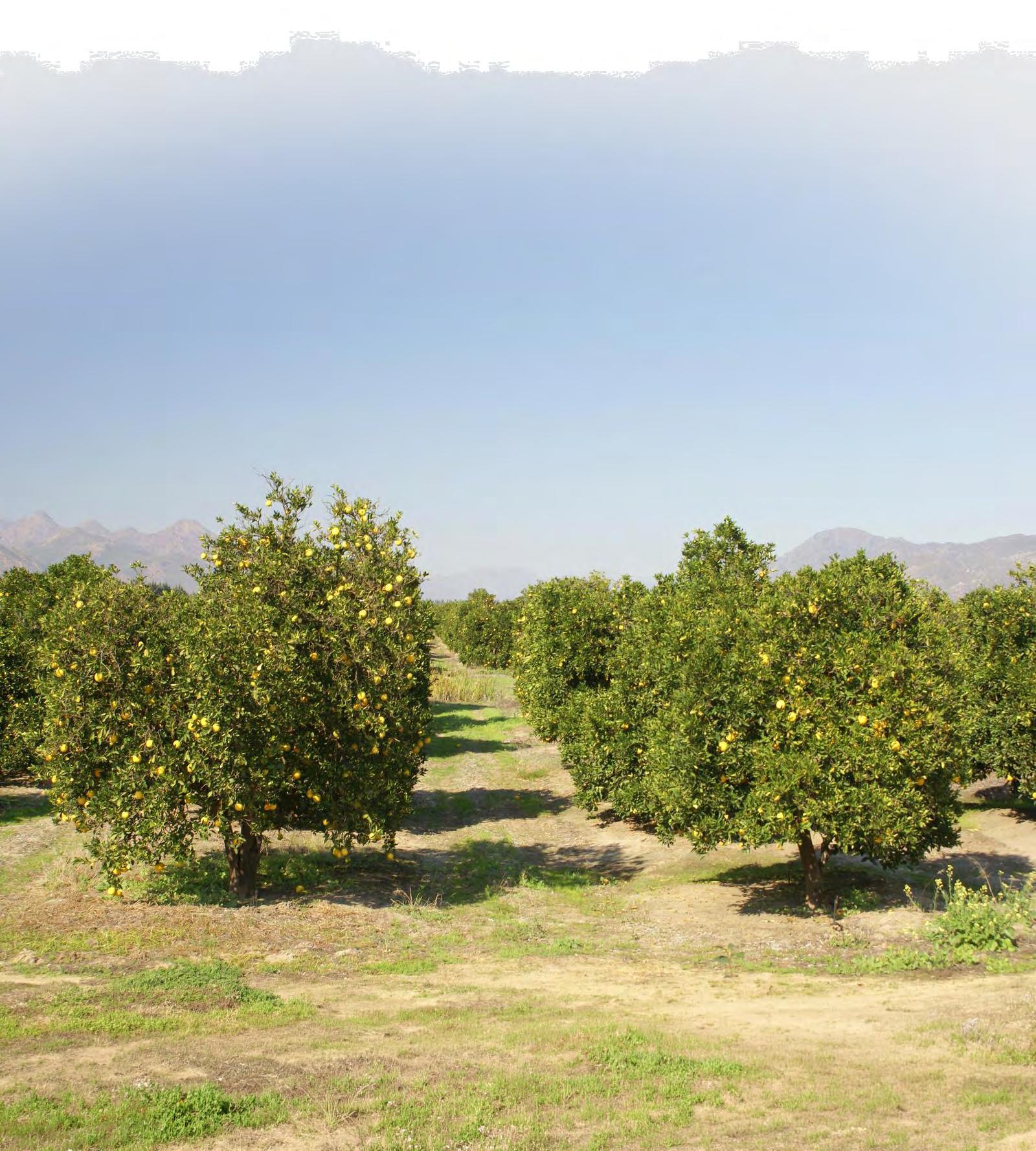
© Danie van der Merwe | Wikimedia Commons
IPM dominates as a bridging framework—yet remains partially implemented, and reliance on agrochemicals persists
IPM appears throughout the compendium as the main framework for combining biological control, botanicals, sanitation, habitat management, and reduced pesticide use. The strongest cases are system-based, such as fruit fly IPM, FAW IPM, and tomato IPM against Tuta absoluta (Githiomi et al., 2019; Tito et al., 2025). For example, a study synthesising the outcome of an IPM package implemented by ICIPE in Kenya to control the oriental fruit fly (Bactrocera dorsalis) shows that adopting multiple IPM practices,5 as an alternative to agrochemicals, delivers greater benefits in yield, net income, reduced pesticide use, and environmental gains compared to single components or conventional practices (Muriithi et al., 2018).
However, synthesis studies reveal that in Africa, IPM is often only partially implemented, with farmers continuing to rely heavily on synthetic pesticides. Weak policy support, inconsistent extension services, and dominant input-driven advisory models limit the full transition toward ecological IPM approaches (Srinivasan et al., 2022). Considering fruit fly management in mangoes, Niassy et al. (2022) report that IPM is widely implemented across Africa to address this issue, with Eastern and Western Africa having the highest uptake of IPM technology. However, the authors stress that adoption remains uneven and constrained by systemic barriers, including a lack of awareness, access, training, private-sector involvement, and policy support.
This indicates that limitations arise not from weaknesses in the IPM concept, but from gaps in the institutional, regulatory, and advisory systems required to implement it as a genuinely ecological— rather than predominantly chemical—approach. Where IPM is framed primarily as a means of optimising pesticide use rather than redesigning
pest management systems, its transformative potential is constrained.
As such, IPM functions more as a transitional framework than as a decisive break from pesticide dependence, unless it is embedded within a broader agroecological redesign and supported by enabling policies, extension services, and collective approaches.
5 The package includes parasitoids (Fopius arisanus and Diachasmimorpha longicaudata) and Metarhizium anisopliaebased biopesticides, orchard sanitation, spot spray of food bait and male annihilation technique.
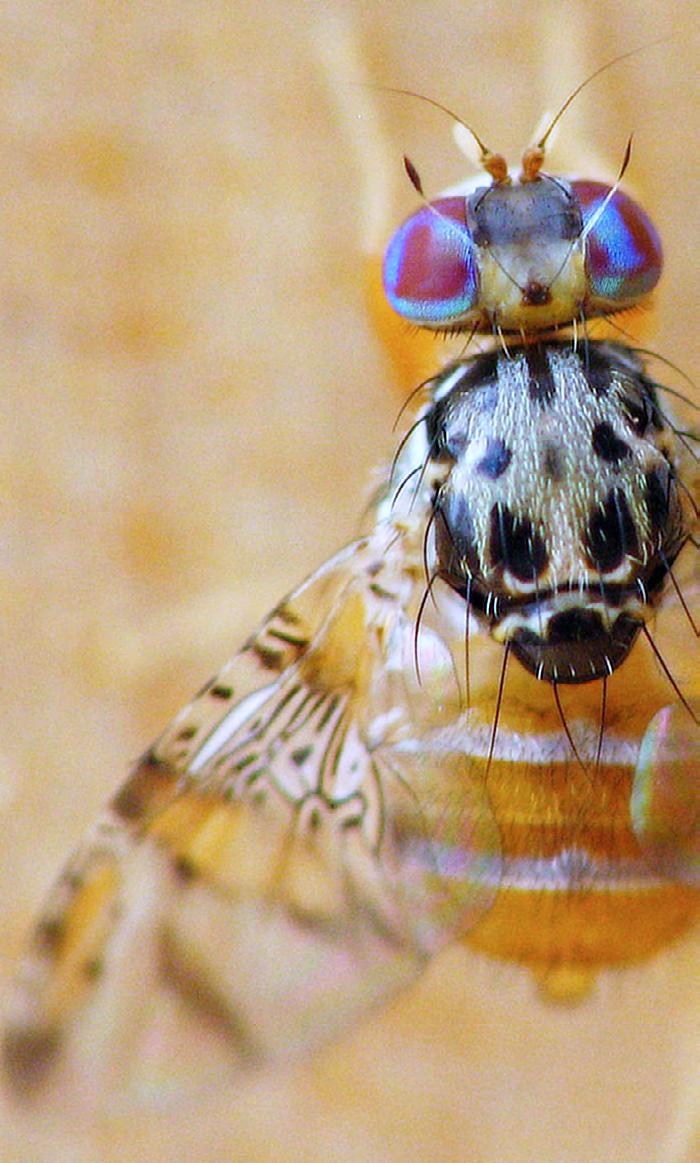
Fruit fly (Ceratitis capitata) © Daniel Feliciano | Wikimedia Commons
INSIGHTS FOR THE SCALABILITY OF ALTERNATIVES AND FURTHER RESEARCH
Proven in the field, unproven in the market: gaps in scaling and valuation
About three quarters of the papers included in the compendium demonstrate field-proven performance, meaning that alternative practices or biological control interventions were tested and shown to work under real farming conditions beyond laboratory or greenhouse settings.
The compendium, therefore, provides strong field-based evidence that biological control is a viable and effective pest management strategy for smallholder farming systems in sub-Saharan Africa.
A synthesis of 99 field studies across 31 crops similarly showed that biological control interventions—including natural enemies, botanical pesticides, intercropping, push–pull systems, and conservation biological control—reduced pest abundance by around 63% and crop damage by more than 50% compared with untreated controls. These reductions translated into average yield increases exceeding 60%, demonstrating clear agronomic benefits. Importantly, biological control achieved pest suppression and yield levels comparable to synthetic pesticides, while supporting significantly higher natural enemy abundance (43% greater), indicating stronger ecological functioning (Ratto et al., 2022).
Ecological soundness and effectiveness at the field scale provide credible evidence of agronomic viability for smallholder-relevant agroecological systems. However, on-farm trials alone do not guarantee real world adoption, scaling, or sustained impact.
Only a small subset of interventions progresses to landscape-scale or commercial application, and very few studies include economic analysis. The compendium, therefore, makes clear that the principal evidence gap lies not in technical performance, but in scaling, valuation, and real-world feasibility.
Most studies stop short of examining the institutional, market, and labour conditions that determine whether proven alternatives can take root beyond pilot sites. This gap is evident across studies on push–pull, neem-based pest control, and IPM packages, where pest suppression and yield gains are well documented but adoption metrics are often absent or weakly developed (Babendreier et al., 2020; Gebreziher & Gebreazgaabher, 2024; Djidjonri et al., 2021). As a result, field-level success does not automatically translate into adoption or policy traction.
Only around a quarter of the papers reviewed provide any information on economic viability, such as cost data, cost comparisons, or partial cost–benefit analyses. Most studies do not address—or address only superficially—costs, labour implications, availability of biopesticides, delivery mechanisms, or modalities for farmer uptake in real smallholder contexts. This constrains the assessment of feasibility and adoption pathways, leaving decision-makers without the information needed to judge affordability and risk.
A small number of studies demonstrate the value of integrating economic analysis into agroecological research. Neem-based FAW control in Ghana includes cost–benefit comparisons (Babendreier et al., 2020), mango fruit fly IPM demonstrates spillover income effects across crops (Githiomi et al., 2019), and scale-sensitive profitability is analysed in detail by Mulungu et al. (2023). These cases suggest that the economic performance of agroecological alternatives is insufficiently documented rather than inherently weak.
The few approaches in the compendium that combine robust field evidence with clear signals of scalability and livelihood relevance (13% n-90) are system-based rather than product-based. These include push–pull systems in East Africa, with strong on-farm validation, documented adoption, and multiple livelihood co-benefits (Khan et al.,
2014; Kumela et al., 2019; Sileshi et al., 2025), and fruit fly IPM in Kenya, which links biocontrol and IPM with household-level economic gains and broader scaling dynamics (Githiomi et al., 2019; Mulungu et al., 2023; Niassy et al., 2022). These cases demonstrate that the most convincing alternatives are integrated systems that combine agronomic performance, contextual fit, and economic plausibility.
The compendium makes clear that the key question is no longer whether the many biological alternatives are agronomically viable. Rather, the more significant challenge lies in understanding why promising field results so often fail to translate into widespread adoption, commercial uptake, or sustained policy attention. This makes the distinction between technical success and scaling success critical for future research and policy design.
© Pexels
A recurring pattern that emerges is that performance changes with scale; solutions that work well in smallholder or medium-scale systems may become less efficient or more difficult to implement in larger, more standardised operations. As noted earlier, this poses a methodological challenge for the compendium and reflects a core tenet of agroecology: identifying place-specific solutions rather than universal fixes.
This dynamic is illustrated, for instance, in mango fruit fly IPM, where profitability varies with production scale and declines in very large systems, partly due to labour and implementation constraints (Mulungu et al., 2023). Intercropping and push–pull studies similarly point to management complexity and crop competition as constraints to wider or larger scale adoption, even where agronomic benefits are evident (Djidjonri et al., 2021; Kumela et al., 2019). The viability of
The compendium therefore reinforces the idea that identifying effective alternatives is not only a question of technical performance but also of matching interventions to the specific ecological, economic, and operational realities of different farming systems. Closely linked to issues of scale and complexity is the fact that system-level agroecological approaches tend to generate broader co-benefits than single-product interventions. The most compelling cases in the compendium are those in which alternatives not only suppress pests but also improve soil health, fodder supply, biodiversity, resilience, or overall system productivity.
Push–pull provides the clearest example, simultaneously reducing stemborers and Striga, improving soil fertility, generating fodder, and supporting diversification into dairy and
poultry (Khan et al., 2014; Kumela et al., 2019). Intercropping studies show similar system-wide gains through improved land use efficiency and ecological pest regulation, even where yields of individual crops may decline (Djidjonri et al., 2021).
Across these cases, the evidence consistently shows that adoption outcomes depend on whether interventions fit the labour profile, farm size, ecological conditions, and economic logic of particular farming systems. This underscores the limits of universal solutions and highlights the importance of farmer readiness and context-specific design. Effective transition pathways, therefore, require differentiated strategies that respond to the realities of distinct farming systems, rather than standardised packages promoted across diverse contexts.
Farmer readiness for bio-alternatives under research
Farmer readiness was ranked on a five-level scale ranging from Level 1 (laboratory-only evidence) to Level 5 (widely adopted and validated in real farming systems), based strictly on the extent of field testing, demonstrated performance under farmer-managed conditions, and documented evidence of uptake or scaling (see Annexure 3). This classification is intended to distinguish between technical promise and practical readiness, and to support more realistic assessments of where different alternatives currently sit along the adoption pathway.
Across the compendium, farmer readiness for bio-based alternatives is highly variable and strongly dependent on the type of intervention. The most advanced readiness levels are observed in system-based approaches—such as push–pull systems, fruit fly IPM, and classical biological control—while significantly lower readiness levels are associated with standalone inputs such as botanicals and microbial products.
Interventions demonstrating readiness beyond the pilot level are typically embedded within farming systems and supported by extension and coordination structures, rather than relying on isolated technical inputs. Push–pull systems and fruit fly IPM programmes, for example, show Level 4–5 readiness, supported by documented farmer uptake, training programmes, and integration into existing cropping systems (Khan et al., 2014; ICIPE, 2014). Similarly, classical biological control interventions reach high readiness when agents establish and spread autonomously, reducing the need for ongoing farmer intervention (Zhou et al., 2011).
Approaches that reduce recurring input costs, align with existing practices, or deliver multiple benefits— such as pest control alongside soil fertility, fodder provision, or labour efficiency—also tend to show higher levels of farmer readiness. In these cases, alternatives are not perceived as add-ons or risks but rather as improvements to existing systems, helping to explain their greater uptake and persistence.
In contrast, many botanical and microbial solutions remain at Level 1–2 readiness. While some have demonstrated efficacy under laboratory or small-scale field conditions, there is limited evidence of consistent performance across sites and seasons, and little documentation of sustained farmer uptake. Reasons cited in the literature include limited awareness and technical know-how among farmers, insufficient extension support and dissemination of practices, and persistent concerns about efficacy and reliability.
The compendium also shows that farmer readiness is highest when alternatives build on existing practices or reduce production risk, while still leaving room for more transformative approaches that may require higher levels of training, coordination, and institutional support. Recognising these differences is critical for designing differentiated transition pathways, rather than promoting uniform solutions across diverse farming systems.
Acknowledging that diverse farming systems require diverse solutions also raises a practical question: which alternatives are currently most viable for real-world farmer uptake, and which remain largely experimental? Beyond theoretical suitability, the compendium enables a more grounded assessment of readiness, drawing on field validation, evidence of adoption, and the level of support required for implementation. This provides a practical basis for prioritising investments, research, and policy interventions.
Cover cropping © Alan Manson | Wikimedia Commons
RECOMMENDATIONS
The compendium demonstrates that alternatives to synthetic pesticides are not marginal or experimental; rather, they are already delivering measurable agronomic, ecological, and livelihood benefits across diverse African farming systems. At the same time, the evidence makes clear that no single transition pathway is universally applicable. Agroecological alternatives differ significantly in their readiness, scalability, and suitability across crops, climates, and farming systems. Effective policy, therefore, requires differentiated, system-specific strategies, rather than one-size-fits-all solutions or simple input substitution.
Against this backdrop, the following strategic priorities emerge.
Frame classical biological control as a public good with due regard to limits
The strongest and most durable evidence in the compendium concerns classical biological control, in which host-specific natural enemies establish, spread, and provide long-term, landscape-level pest regulation with minimal recurrent costs. Because these benefits extend beyond individual farms to entire regions and value chains, classical biocontrol should be treated as a public good, supported through coordinated public investment rather than left to private input markets.
This should encompass sustained funding for research, quarantine, and mass rearing infrastructure, alongside regional cooperation and harmonised regulatory and release frameworks— particularly in response to invasive pests that cross national borders.
At the same time, the compendium also shows that classical biocontrol is not universally replicable. Climate, crop specificity, ecological conditions, and cost structures can limit applicability, particularly in certain commercial systems. Evidence from SA’s citrus sector, for example, suggests that augmentative release programmes have not always delivered clear economic returns compared to naturally occurring enemies.
Policy frameworks should therefore treat classical biocontrol as strategically important but context-dependent, rather than as a universal solution.

Characteristics of thrips damage on citrus fruit © Shutterstock
Align regulatory frameworks with the nature of biological alternatives
Current pesticide regulatory systems—largely designed around synthetic chemicals—remain poorly aligned with the characteristics of biological alternatives. Lengthy, costly, and chemically oriented registration processes continue to restrict farmers’ access to biopesticides, microbial products, and semiochemicals.
Regulatory frameworks need to be proportionate, differentiated, and grounded in biological principles, acknowledging the lower risk profiles and distinct modes of action of biological inputs. This entails creating pathways tailored to farmer-produced botanicals and locally adapted solutions, alongside more formal regulatory tracks for commercial biological products.
In parallel, policy should actively enable area-wide and collective approaches to pest management. Many biological alternatives—especially biological control—are ineffective when implemented in isolation, yet current regulatory and support systems continue to place the burden of risk on individual farmers.
Reorient farmer support systems from input provision to knowledge and facilitation
The evidence consistently shows that biological and agroecological alternatives are knowledge-intensive rather than inputintensive. Their effectiveness depends on farmers’ ability to understand ecological processes, adapt practices over time, and manage systems holistically.
Scaling these approaches, therefore, requires a fundamental shift in farmer support systems— from agro-dealer-led input delivery toward facilitation, participatory learning, and social knowledge exchange. This is particularly important in commercial and large-scale systems, where agro-dealers currently serve as the default advisory channel.
Strengthening publicly accountable extension services, expanding farmer field schools, and supporting farmer-to-farmer learning networks are essential for reducing reliance on input-driven advisory models and enabling informed pathways towards an agroecological transition.
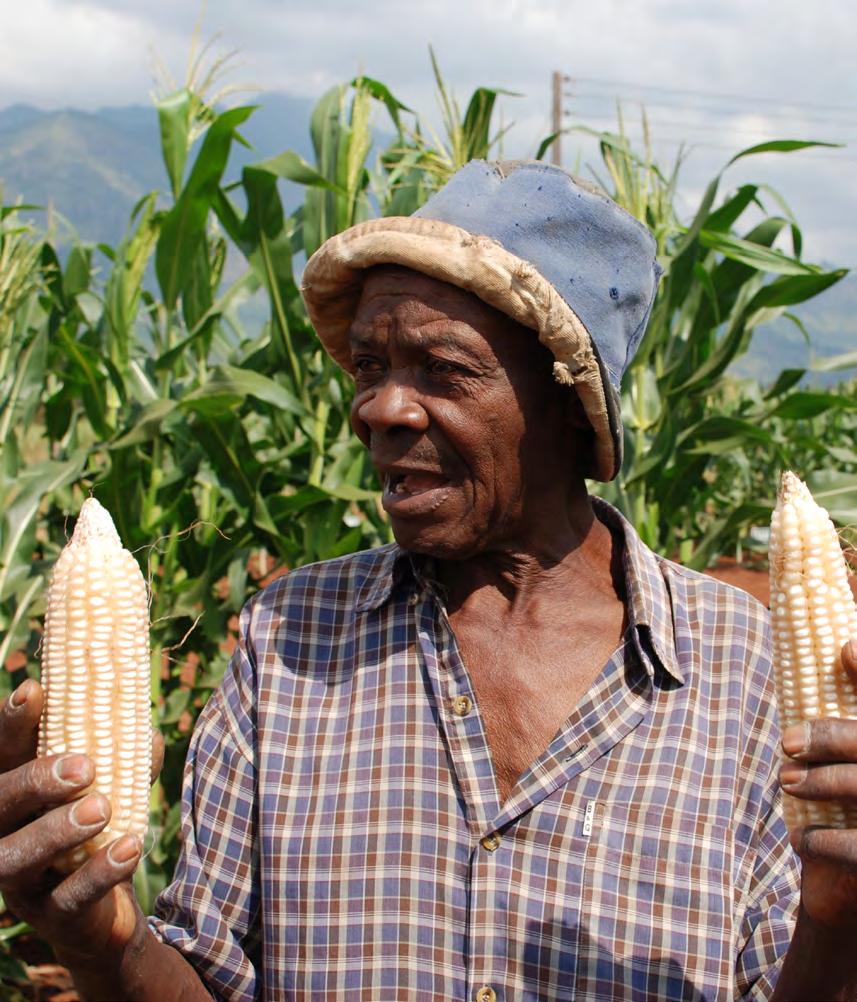
Maize farmer in Tanzania © CIMMYT | Flickr
Support farmer-led testing, adaptation, and innovation
Many bio-alternatives—especially botanicals, microbial solutions, and system-level practices—require local adaptation to climate, soils, labour availability, and cropping systems. The compendium shows that farmer-led experimentation often outpaces formal research, yet remains under-recognised and poorly supported institutionally.
Policy and investment should actively support farmer-centred experimentation, co-creation of knowledge, and iterative learning processes, rather than promoting fixed technical packages. Institutional mechanisms such as participatory guarantee systems can help legitimise these processes by embedding local validation, peer learning, and trust-based accountability.
These approaches are particularly valuable in enabling lower-readiness alternatives to progress toward wider adoption.
Reorient research priorities toward scaling, economics, and system performance
While the evidence from field efficacy is strong, the compendium reveals major gaps in understanding of economic viability, labour requirements, delivery mechanisms, and adoption pathways. Too few studies link technical performance to real-world feasibility.
Future research should therefore prioritise:
• Multi-year, multi-site field trials,
• Whole-farm and landscape-level assessments,
• Interdisciplinary approaches that integrate agronomic, ecological, and socio-economic dimensions, and
• Explicit analysis of cost structures, labour dynamics, and farmer decision-making.
Crucially, research investment should be guided by farmer readiness, ensuring that promising but immature options receive appropriate support rather than being prematurely scaled—or prematurely dismissed.
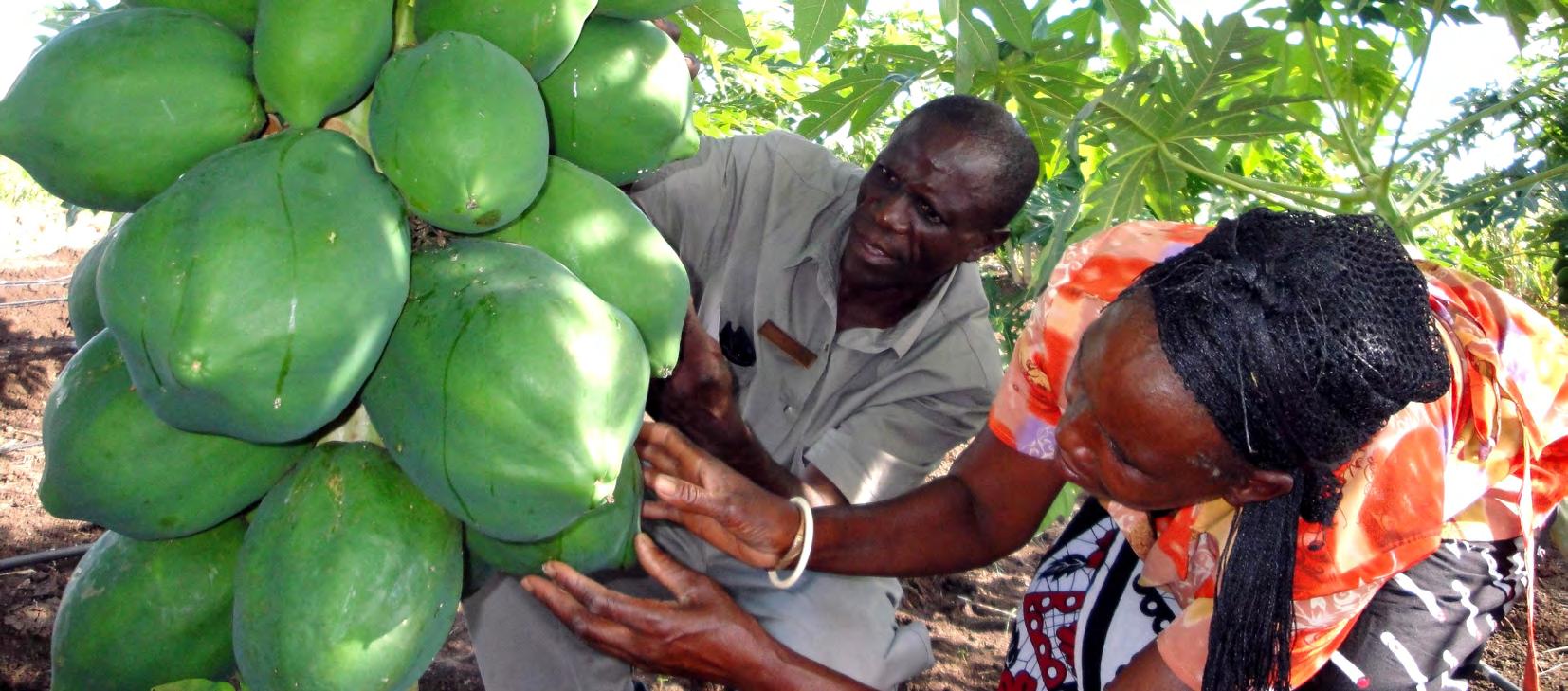
Progressively reorient subsidy and incentive regimes
Existing subsidy regimes in many African countries continue to favour input-intensive production systems, particularly through support for synthetic fertilisers, pesticides, and mechanised production packages. These incentives risk locking farmers into pesticide dependence and undermining long-term resilience.
The compendium suggests that progressively redirecting public incentives toward biological inputs, agroecological practices, and ecological infrastructure would help reduce transition risks and align public spending with sustainability, public health, and climate resilience objectives.
Such reorientation should be gradual, context-specific, and sensitive to farmers’ risk exposure, focusing on enabling transition rather than imposing an abrupt withdrawal of support.
Invest in enabling systems, not only technical solutions
Finally, the evidence emphasises that successful agroecological transitions depend less on individual technologies than on the systems enabling their uptake. This includes extension capacity, seed and inoculant supply systems, regulatory coherence, farmer organisations, and knowledge platforms.
Sustained public and donor investment in these enabling conditions is essential if biological and agroecological alternatives are to move beyond isolated success stories and become durable components of African food systems.
Investing in institutional and social infrastructure—rather than exclusively in products—offers the greatest leverage for scaling what already works.
CONCLUSION
If African countries are to move meaningfully beyond pesticide-dependent food systems, the question is no longer whether alternatives exist, but whether the enabling conditions required for their uptake are put in place. The evidence consolidated in the compendium demonstrates that biological and agroecological pest management approaches are already delivering substantial pest suppression, yield gains, ecological restoration, and livelihood benefits across a wide range of African farming systems. Continued claims that synthetic pesticides are indispensable are therefore not supported by the available field evidence.
At the same time, the compendium makes clear that a transition beyond pesticides is not a matter of simple substitution. The most effective and durable alternatives are system-level approaches that restore ecological functioning and reduce pest pressure over time, rather than standalone products intended to replace chemical inputs. Where alternative approaches struggle to achieve scale, the underlying causes lie in institutional, economic, regulatory, and knowledge system constraints—rather than technical shortcomings or farmer resistance.
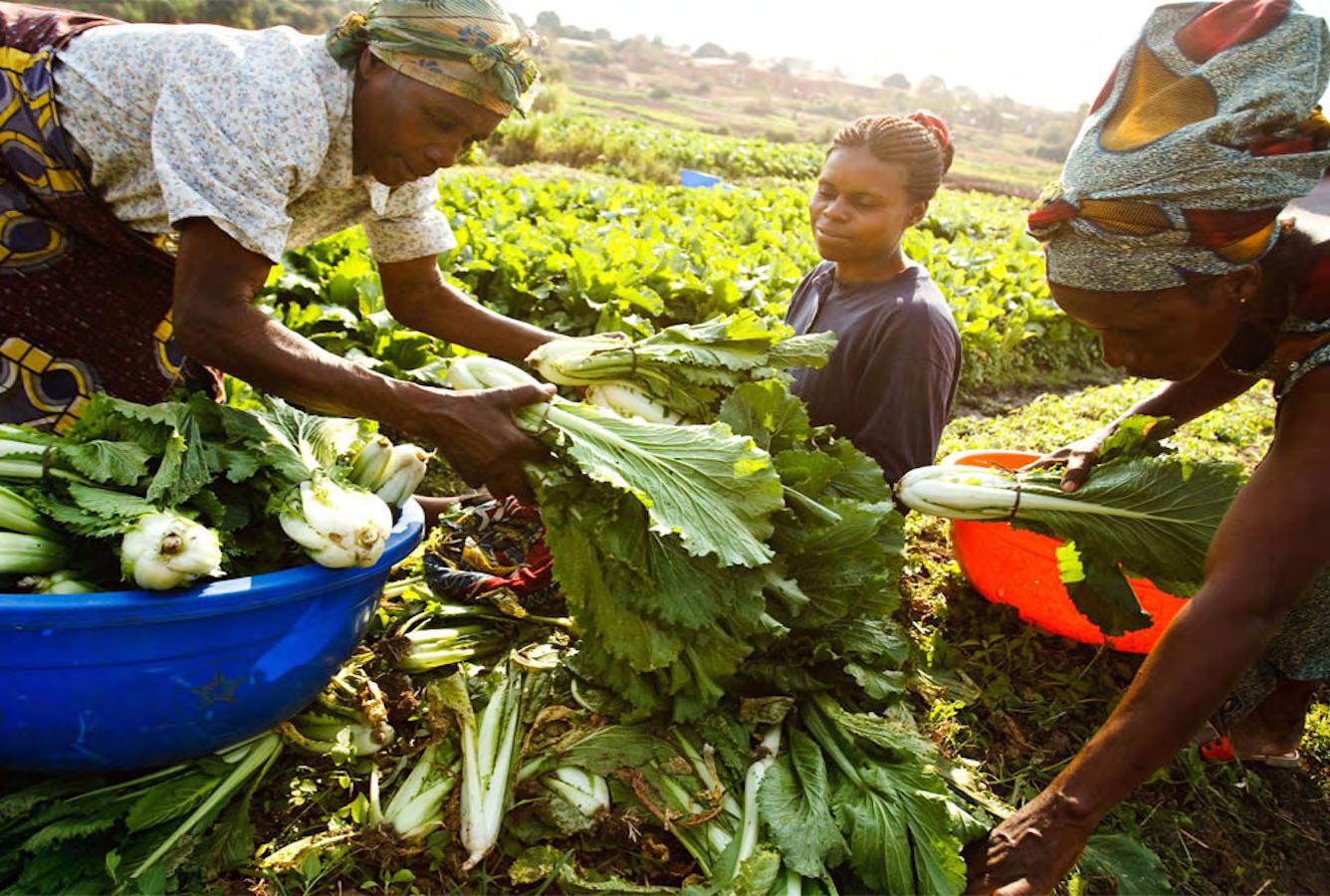
© Kabai Ken | Wikimedia Commons
Biological control, agroecological design, and habitat-based pest management are particularly well suited to many African contexts because they are knowledge-intensive but input-light. Their effectiveness, however, depends on healthy soils, rich biodiversity, and coordinated action that extends beyond individual farms. This underscores the need to treat certain ecological pest management approaches as public goods, and to rethink public investment, regulatory frameworks, and extension systems that continue to privilege input-intensive models.
Crucially, the diversity of African agroecological zones and farming systems means that no single pathway can be universally applied. Effective transition strategies must therefore be differentiated, scale appropriate, and grounded in farmer readiness. Approaches that succeed in smallholder systems do not automatically translate to highly mechanised production, just as product-based solutions cannot replace the need for whole-farm and landscape-level redesign.
Taken together, the evidence presented here reframes the challenge of pest management in Africa. Farmers are not constrained by a lack of viable alternatives, but by the absence of supportive institutional, regulatory, and knowledge environments that allow these alternatives to flourish. Moving beyond pesticides is therefore less a question of technological innovation than of rebuilding the ecological, social, and policy foundations of food systems. Investing in system-based, agroecological pest management is not a marginal or future option—it is a necessary and already demonstrable pathway toward resilient, productive, and just food systems across the continent.
REFERENCES
Abate, T., Tadesse, T., Gebremariam, G., Midega, C.A.O. & Khan, Z.R. (2024). Night-time light-traps and push–pull integrated system enhanced the control of different life stages of fall armyworm, Spodoptera frugiperda. Agroecology and Sustainable Food Systems https://doi.org/10.1186/s43170-024-00307-1
Adam, N.S. (2024). Gouvernance des mécanismes fonctionnels d’une innovation agroécologique : cas de la production de biopesticides au Cameroun. Cahiers Agricultures, 33: 55.
AUDA-NEPAD (2024). Briefing note: Addressing Africa’s soil health challenges through the Ten-Year African Fertilizer and Soil Health Action Plan. Available from: https://www.nepad.org/publication/summary-of-africa-fertilizer-and-soilhealth-action-plan-2024-2034
Agbetiameh, D., Ortega-Beltran, A., Awuah, R.T., Atehnkeng, J., Elzein, A., Cotty, P.J. & Bandyopadhyay, R. (2020). Field efficacy of two atoxigenic biocontrol products for mitigation of aflatoxin contamination in maize and groundnut in Ghana. Biological Control, 150:104351.
Appiah, E.F. (2011). Evaluation of introduced parasitoids against Bactrocera invadens (Diptera: Tephritidae) and their impact on indigenous parasitoids in Kenya. PhD dissertation, ICIPE.
Arlington, A. (2026). Personal communication on 12 March 2026.
Babendreier, D., Agboyi, L.K., Beseh, P., Osae, M., Nboyine, J., Ofori, S.E.K., Frimpong, J.O., Attuquaye Clottey, V. & Kenis, M. (2020). The efficacy of alternative, environmentally friendly plant protection measures for control of fall armyworm (Spodoptera frugiperda) in maize. Insects, 11(4): 240.
Beale, T., et al. (2022). Biological control interventions reduce pest abundance and crop damage while maintaining natural enemies in sub-Saharan Africa: a meta-analysis. Proceedings of the Royal Society B, 289: 20221695.
BFAP and Bureau of Economic Research (BER). (2025). Agriculture in South Africa in the democratic era. Pretoria: BFAP/ BER. https://www.bfap.co.za/wp-content/uploads/2025/02/Agriculture-in-South-Africa_BFAPBER.pdf
Botha, A.-M., Kunert, K.J., Maling’a, J. & Foyer, C.H. (2020). Defining biotechnological solutions for insect control in subSaharan Africa. Food and Energy Security, 9(1): e191.
Cockburn, J., Coetzee, H., Witthöft, J., Van den Berg, J. & Conlong, D. (no date). Exploring the feasibility of push–pull for management of Eldana saccharina by small-scale sugarcane growers. Proceedings of the South African Sugar Technologists’ Association (SASTA).
Coetzee, B. (2026). Personal Communication held on 13 January 2026.
Constantine, K., Makale, F., Mugambi, I., Rware, H., Chacha, D., Lowry, A., Rwomushana, I. & Williams, F. (2023). Smallholder farmers’ knowledge, attitudes and practices towards biological control of papaya mealybug in Kenya. CABI Agriculture and Bioscience, 4: 18.
Cook, S.M., Khan, Z.R. & Pickett, J.A. (2007) The use of push–pull strategies in integrated pest management. Annual Review of Entomology, 52: 375–400.
CORAF/WECARD. (2017). Rapport d’achèvement du projet de dissémination de technologies de contrôle des mouches des fruits en Afrique de l’Ouest (PPAAO/WAAPP). Dakar: CORAF/WECARD.
Deiss, F. (2024). Natural substance biopesticides: types and applications. https://bioprotectionportal.com
Djidjonri, P.F., Nchiwan, N.E. & Koehler, H. (2021). Comparative experimental effects of intercropping and cypermethrin on insect pest infestation and yield. AgriEngineering, 3: 383–393.
Gebreziher, H.G. & Gebreazgaabher, F.G. (2024). Night-time light-traps and push–pull integrated system enhanced the control of different life stages of fall armyworm (Spodoptera frugiperda). CABI Agriculture and Bioscience, 5:104.
Githiomi, C., Muriithi, B., Irungu, P., Mwungu, C.M., Diiro, G., Affognon, H., Mburu, J. & Ekesi, S. (2019). Economic analysis of spillover effects of an integrated pest management (IPM) strategy for suppression of mango fruit fly in Kenya. Food Policy, 84:121–132.
Hanna, R., Neuenschwander, P., Yaninek, J.S., Toko, M. & Zundel, C. (2015). Biological control of cassava green mite in Africa. Experimental and Applied Acarology, 65: 1–14.
Herren, H.R. (1989). Biological control of cassava pests in Africa. Annual Review of Entomology, 34: 201–224.
Hill, M. (2026). Personal Communication on 12 February 2026.
IPES-Food. (2026). Agroecological practices that enhance soil fertility and eliminate the need for synthetic fertilizers and pesticides [Infographic]. International Panel of Experts on Sustainable Food Systems. Shared via official LinkedIn channel. IPES-Food LinkedIn.
Janssen, A. & Van Rijn, P.C.J. (2021). Pesticides do not significantly reduce arthropod pest densities in the presence of natural enemies. Ecology Letters, 24: 2010–2024.
Kfir, R. (1997). Natural control of cereal stemborers Busseola fusca and Chilo partellus in South Africa. Insect Science and its Application, 17: 61–68.
Khan, Z.R., Midega, C.A.O., Pittchar, J.O. & Pickett, J.A. (2014). Push–pull: A novel IPM strategy for the Green Revolution in Africa. In: Peshin, R. & Pimentel, D. (eds). Integrated Pest Management. Dordrecht: Springer.
Lengai, G. M. G., Muthomi, J. W. & Mbega, E. R. (2020). Phytochemical activity and role of botanical pesticides in pest management for sustainable agricultural crop production. Scientific African, 7: e00239.
Mbow, C., Smith, P., Skole, D., Duguma, L. & Bustamante, M. (2014). Agroforestry for climate mitigation and adaptation. Current Opinion in Environmental Sustainability, 6: 8–14.
Midega, C.A.O., Pittchar, J.O., Pickett, J.A., Hailu, G.W. & Khan, Z.R. (2018). A climate-adapted push–pull system effectively controls fall armyworm. Crop Protection, 105: 10–15.
Midingoyi, S.G., Kassie, M., Muriithi, B.W., Diiro, G.M. & Ekesi, S. (2016). Do biological control interventions improve economic outcomes? Evidence from cassava pest control in Africa. Journal of Agricultural Economics, 67(2): 504–528.
Mohamed, S.A., Ramadan, M.M. & Ekesi, S. (2016). In and Out of Africa: Parasitoids Used for Biological Control of Fruit Flies. In: Ekesi, S., Mohamed, S. and De Meyer, M. (eds.) Fruit Fly Research and Development in Africa: Towards a Sustainable Management Strategy to Improve Horticulture. Cham: Springer, 325–368.
Mulungu, K., Muriithi, B.W., Kassie, M. & Khamis, F.M. (2023). The economic performance of mango integrated pest management practices at different scales of production. Frontiers in Insect Science, 3:1180568.
Murage, A.W., Pittchar, J.O., Midega, C.A.O., Onyango, C.O. & Khan, Z.R. (2015). Gender-specific perceptions and adoption of push–pull technology. Crop Protection, 76: 83–91.
Nganso, B.T., Ayalew, W., Wubie, A.J., Assefa, F., Belayhun, L., Ndungu, N.N., Toroitich, D., Otieno-Ayayo, Z.N., Wambua, M.B., Oyieyo, Y.O. et al. (2025). Honey bee colony losses and causes during the active beekeeping season 2022/2023 in nine Sub-Saharan African countries. PLOS ONE, 20(5), e0322489.
Niassy, S., Murithii, B., Omuse, E.R., Kimathi, E., Tonnang, H., Ndlela, S., Mohamed, S. & Ekesi, S. (2022). Insight on Fruit Fly IPM Technology Uptake and Barriers to Scaling in Africa. Sustainability, 14(5): 2954.
Ottermann, H.T. and Truter, K.J. (2025). Trends and drivers of fertiliser consumption in the South African agricultural industry. Agrekon https://doi.org/10.1080/03031853.2025.
Ouédraogo, O., Nikiema, A. & Margetic, C. (2024). Usage des biopesticides en substitution aux pesticides de synthèse au Burkina Faso : une adoption limitée. Cahiers Agricultures: 33, 55.
Pryke, J.S. & Samways, M.J. (2012). Ecological networks as biodiversity corridors. Journal of Applied Ecology, 49: 591–600.
Ratto, F., Bruce, T., Chipabika, G., Mwamakamba, S., Mkandawire, R., Khan, Z., Mkindi, A., Pittchar, J., Chidawanyika, F., Sallu, S. M., Whitfield, S., Wilson, K. & Sait, S. M. (2022). Biological control interventions and botanical pesticides for insect pests of crops in sub Saharan Africa: a mapping review. Frontiers in Sustainable Food Systems.
Rioba, N.B. & Stevenson, P.C. (2020). Botanical extracts for management of fall armyworm. Plants, 9(2): 207.
Rusch, A., Valantin-Morison, M., Sarthou, J.-P. & Roger-Estrade, J. (2016). Biological control of insect pests in agroecosystems: effects of crop management, farming systems and seminatural habitats. Agronomy for Sustainable Development, 36: 1–18.
Shai, K.N., Materechera, S.A., Amoo, S.O. & Aremu, A.O. (2024). Ethnobotanical insights on the management of plant pests and diseases by smallholder farmers in Mpumalanga Province of South Africa. Journal of Ethnobiology and Ethnomedicine, 20: 71. doi: 10.1186/s13002-024-00711-x.
Shonga, E. & Getu, E. (2021). Efficacy of plant derived and synthetic insecticides against cabbage aphid, Brevicoryne brassicae (L.) (Homoptera: Aphididae) and their effect on coccinellid predators. SINET: Ethiopian Journal of Science, 44(1): 27–37.
Sisay, B., Tefera, T., Wakgari, M., Ayalew, G. & Mendesil, E. (2019). Efficacy of insecticides and botanicals against fall armyworm. Insects, 10(2): 45.
Soul-Kifouly, M.G., Affognon, H.D., Macharia, I., Ong’amo, G., Abonyo, E., Ogola, G., De Groote, H. & Le Ru, B. (2016). Assessing long-term welfare effects of biological control of cereal stemborers. Agriculture, Ecosystems & Environment, 230: 10–21.
Srinivasan, R., Tamò, M. & Subramanian, S. (2022). The case for integrated pest management in Africa. Current Opinion in Insect Science, 54: 100970.
Tefera, T., Kassie, M., Midingoyi, S. & Muriithi, B. (2018). Do farmers and the environment benefit from adopting IPM practices? Evidence from Kenya. 2018 Conference, July 28-August 2, 2018, Vancouver, British Columbia, 275946, International Association of Agricultural Economists.
Tekie, H., Seyoum, E. & Saxena, R.C. (2006). Potential of neem, Azadirachta indica A. Juss., in the management of Chilo partellus (Swinhoe) on maize in Kenya. African Entomology, 14(2): 373–379.
Tito, N.J., Van-Dúnen, S.E.F., Regazzo, J., Regazzo, J., Rossi, F. et al. (2025). Integrated management of Tuta absoluta in tomato cultivation in southern Angola: a sustainable approach. Research Square.
Turo, K.J., Reilly, J.R., Fijen, T.P.M., Magrach, A. & Winfree, R. (2024). Insufficient pollinator visitation often limits yield in crop systems worldwide. Nature Ecology & Evolution https://doi.org/10.1038/s41559-024-02460-2
Van den Berg, J. (2013). Socio-economic factors affecting adoption of agricultural practices. African Journal of Agricultural Research, 8: 4490–4500.
Van den Berg, J., Nur, A.F., Mohamed, Z. & Van Hamburg, H. (2013). Contribution of biological control to IPM in South Africa. African Entomology, 21: 1–12.
Van den Berg, J. (2026). Personal communication on 24 March 2026.
Van Eeden, Z., Muller, B.S., Du Plessis, H. & Van den Berg, J. (2025). Biological control agents and levels of parasitism of Agrotis segetum (Lepidoptera: Noctuidae) in grain production regions of South Africa, African Entomology, 33(1), e23652.
Wise, T.A. (2020). Failing Africa’s Farmers: An Impact Assessment of the Alliance for a Green Revolution in Africa. Boston: Tufts University, Global Development and Environment Institute. https://bpb-us-e1.wpmucdn.com/sites.tufts. edu/dist/0/5123/files/2020/07/20-01_Wise_FailureToYield.pdf
Zhou, G., Overholt, W.A., Kimani-Njogu, S.W., Schulthess, F., Mueke, J.M., Hassan, R.M., & Kayumbo, H.Y. (no date). Impact of biological control of cereal stemborers in Africa.
ANNEXURE
Annex 1. Most frequently studied pests by category (from compendium)
Pest / nuisance category
Most recurring pests studied
Spodoptera frugiperda (fall armyworm)(FAW)
Busseola fusca, Chilo partellus, Sesamia calamistis (stemborers)
Insects (chewing)
Insects (sucking)
Helicoverpa armigera (African bollworm)
Plutella xylostella (diamondback moth)
Agrotis segetum (cutworm)
Tuta absoluta
Bemisia tabaci (whitefly)
Aphis gossypii, Brevicoryne brassicae (aphids)
Thrips spp. (Thrips tabaci, Frankliniella occidentalis)
Fruit pests
Weeds (parasitic/ invasive)
Nematodes
Fungal pathogens
Stored product pests
Vertebrate pests
Fruit flies (Tephritidae: Bactrocera dorsalis, Ceratitis spp.)
Thaumatotibia leucotreta (false codling moth)
Striga hermonthica
Parthenium hysterophorus
Root-knot nematodes (Meloidogyne spp.)
Phytophthora spp., Fusarium spp.
Sitophilus zeamais, Sitotroga cerealella
Rodents (various species)
Crop systems (examples)
Maize, sorghum
Maize, sorghum
Cotton, tomato, legumes
Cabbage, brassicas
Maize, soybean, sunflower
Tomato
Tomato, vegetables
Vegetables, brassicas
Vegetables
Mango, citrus, mixed fruit
Citrus
Maize, sorghum
Rangelands, cropping systems
Vegetables
Vegetables, legumes
Stored maize
Cereals
Notes on frequency / relevance
Most dominant pest across the compendium; major driver of biocontrol research
Strong representation, especially in classical biocontrol literature
Frequently studied in IPM and botanical control
Common in vegetable systems
Linked to natural enemy studies (e.g. Van Eeden et al.)
Increasing focus in recent African studies
Important vector pest, moderate representation
Often studied in IPM contexts
Emerging pest focus
Strong representation, especially in IPM and area-wide management
Key export pest; system-level control approaches
Frequently linked to push–pull systems
Studied in classical biocontrol context
Limited but present in microbial control studies
Less dominant than insect pests
Present in botanical control studies
Limited and often indirect (linked to system effects)
(See sheet 3 of the compendium for a detailed description of the pests under study)
Annex 2. Categories of alternatives studied
Category Description
Classical biological control
Augmentative biological control
Entomopathogenic nematodes (EPNs)
One-time introduction of host-specific natural enemies that establish and persist in the field (very large scale)
Mass-reared natural enemies released repeatedly, often within IPM systems
Soil- or canopy-applied biological agents that infect insects via symbiotic bacteria
Main
approaches
Parasitoids: Anagyrus lopezi, Cotesia flavipes, Fopius arisanus, Diachasmimorpha longicaudata; Predators: Typhlodromalus aripo
Fruit fly parasitoids in mango systems
Local Steinernema and Heterorhabditis species
Cassava mealybug, cassava green mite, cereal stemborers, fruit flies
• Permanent, selfpropagating control
• Strongest field and economic evidence
Bactrocera dorsalis
Entomopathogenic fungi (EPFs)
Cropping system / agroecological design
Botanicals and natural extracts
Fungal pathogens applied as sprays or introduced as endophytes
Habitat or system manipulation to enhance natural enemies and ecological regulation
Plant-based insecticidal compounds prepared locally
Beauveria, Metarhizium
Intercropping, diversified cropping systems, push-pull technology
Aqueous and ethanol plant extracts
Vine mealybug, soil-dwelling insect stages
FAW, other lepidopteran pests
FAW, general pest complexes
Establishment possible, but requires coordinated releases and institutional support
• Applied input
• Biologically based and resistancesafe, but not selfpropagating
• Variable field performance
• Sensitive to environmental conditions
Low-input, indirect control
Context-specific outcomes
Beetles, chewing insects
• Mostly laboratory or small-scale field evidence
• Early-stage maturity

Annex 3. Readiness level for farmer adoption (practical uptake)
Readiness level Definition
Level 1
Experimental/ pre-adoption
Level 2
Conditionally farmer-ready
Level 3
Farmer-ready with institutional support
Level 4
Fully farmer-ready, proven at scale
Level 5
Widely adopted and validated
• Evidence limited to laboratory or small-plot trials
• Not yet validated at scale
Field-tested, but performance depends on environmental conditions or management quality
Proven in the field but requires coordination, organised deployment, or sustained training
• Adopted without repeated purchase Works reliably under farmermanaged field conditions
Demonstrated widespread adoption across regions and farming systems, with sustained use over time and integration into standard farming practice
Examples
• Botanical extracts
• Endophyte-based EPFs
• Bacterial metabolites
• EPFs for FAW
• Cropping system diversification approaches
• Mango fruit fly parasitoids within IPM systems
• Selected EPN vineyard applications
Cassava mealybug biocontrol; cassava green mite biocontrol; cereal stemborer biocontrol
• Push–pull systems in East Africa
• Fruit fly IPM systems
• Established classical biological control programmes across multiple countries
• Not yet scalable; Requires formulation development; Needs multi-site field validation and economic analysis
• Outcomes are site-specific
• Requires adaptive management
• Moderate adoption risk for farmers
Area-wide coordination required Training and extension essential Moderate and recurring costs
• No ongoing input costs; Low technical complexity High replicability across sites and seasons
Embedded in farming systems and supported by institutions
• Demonstrated farmer uptake at scale
• Proven economic and livelihood benefits
• High scalability and long-term sustainability