
STEP INTO THE FUTURE OF
NEUROMODULATION WITH

RAPID ONSET
RelfydessTM can deliver fast results starting from Day 1 for up to 39% of patients.*1–3
(Not based on head-to-head data)
LIQUID SIMPLICITY
Designed for aesthetic use, RelfydessTM is a ready-to-use liquid neuromodulator optimised for simple volumetric dosing. 3
HIGH LEVEL OF SATISFACTION
71% preferred Relfydess™ compared to previous neuromodulators they had been treated with†4
NEW LEVEL OF PURITY
RelfydessTM is free of complexing protein and human- or animal-derived components.5,6
The majority of adverse reactions reported after one treatment with Relfydess in subjects receiving ≥ 50 units in all placebo-controlled studies in the development program were of mild to moderate intensity. The most frequently reported adverse reactions were injection site reactions and headache occurring in approximately 7% and 5% of subjects, respectively.3
Relfydess™ is indicated for the temporary improvement in the appearance of moderate-tosevere glabellar lines (GLs) at maximum frown and moderate-to-severe lateral canthal lines (LCLs) at maximum smile alone or in combination, in adult patients under 65 years, when the severity of these lines has an important psychological impact on the patient.3
*39% of patients treated for GLs (n=223) and 34% of patients treated for LCLs (n=230) saw an onset of effect by Day 1, as estimated from a Kaplan-Meier analysis of patient diary card response for the first seven days following treatment. Median time to onset was two days.1,2
†Based on the Subject Treatment Questionnaire completed by all ITT patients treated with Relfydess™ in the RELAX study (n=99). Patients agreed or strongly agreed with the statement ‘I prefer to be treated with this study product than with other neuromodulators I received in previous treatments’.4 FLTSQ, Facial Lines Treatment Satisfaction Questionnaire; GL, glabellar line; ITT, intention-to-treat; LCL, lateral canthal line.
‡Based on the Facial Lines Treatment Satisfaction Questionnaire from the READY-1 and -2 studies. 98% (GLs, n=218) and 93% (LCLs, n=226) of patients treated with Relfydess™ at Month 1 and 90% (GLs, n=210) and 86% (LCLs, n=223) at Month 6 agreed or strongly agreed with the statement ‘I would have this treatment done again’. 98% (GLs) and 93% (LCLs) at Month 1 and
90% (GLs) and 88% (LCLs) at Month 6 agreed or strongly agreed with the statement ‘I would recommend this treatment to others’.2,3 GL, glabellar line; ITT, intention-to-treat; LCL, lateral canthal line.
References: 1. Shridharani SM, et al. Aesthet Surg J.2024 June. Epub ahead of print. doi:10.1093/ asj/sjae131; 2. Galderma. Data on file. REF-24764; 3. Galderma. Relfydess™ Summary of Product Characteristics. January 2026; 4. 4. Galderma. Data on file. REF-24747. 5. Do M, et al. Poster presented at: TOXINS 2022 Conference; New Orleans, US; July 27–30, 2022. 6. Sundberg AL, Stahl U. Poster presented at: TOXINS 2021 Virtual Conference; January 16–17, 2021. 7. Galderma Laboratories. MA-47073. Clinical Study Report for Protocol 43QM1901: READY-2. Tables 14.2.12.4. 8. Galderma Laboratories. MA-47072. Clinical Study Report for Protocol 43QM1602: READY-1. Tables 14.02.11.04 and 14.02.12.02. Fort Worth, TX: 2021.
are asked to report any suspected adverse reactions.
A NATURAL, REVITALISED LOOK PATIENTS WOULD RECOMMEND1,6,8
Up to 98%
would return for treatment and would recommend RelfydessTM after 1 month, with up to 90% agreeing through to 6 months‡1,7
“I look natural when I make expressions”†8 94% at Month 1 and 83% at Month 6
Step into the future of neuromodulation with a natural look



Contents • May 2026
08 News
The latest product and specialty news
19 News Special: GDC Removes Non-Surgical Cosmetic Injectables from Scope of Practice
Aesthetics explores the wider impact of the GDC removing non-surgical cosmetic injectables from its Scope of Practice Guidance
CLINICAL PRACTICE
20 Alma PrimeX: Elevating Face and Body Treatments
Helping clinics meet demand, Alma PrimeX delivers powerful non-invasive skin tightening and contouring
22 Inside-out Ageing and Real-world Results
How CCR’s core programme can shape your next year in practice
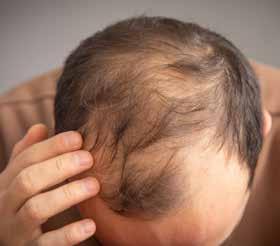
24 Special Feature: Stimulating Hair Restoration
Practitioners evaluate protocols to enhance growth through non-surgical treatment
30 CPD: Analysing Methods of Collagen Stimulation
Miss Jenny Doyle, Dr Arshi Baig and Dr Aaminah Haq explore strategies to stimulate collagen
36 Assessing the Role of Vaping in Skin Health Presentations
Dr Mayoni Gooneratne discusses the effects of vaping on the skin
39 Exploring the Gut-Skin Axis in Aesthetics
Mr Oli Curwen analyses the relationship between the gut-skin barrier
45 Combining Injectables with Trauma-aware Care
Sophie Brooks presents a case study in gender-affirming facial feminisation
50 Treating Menopausal Skin with PDLLA
Dr Barbara Kubicka discusses the use of PDLLA on menopausal skin
54 Aligned for Success: The Power of Strategic Partnerships in Modern Business
Dr Manav Bawa explores building scalable aesthetic clinics through trust, shared values and smart technology
55 Abstracts
A round-up and summary of the latest clinical studies
IN PRACTICE
57 Exploring Key Themes Across The Aesthetics Specialty ACE 2026 orchestrated an exclusive, invite-only Round Table series
60 Spotting Vulnerable Patients in the GLP-1 Era
Kimberley Cairns proposes a psychologically informed GLP-1 approach
62 Challenges Facing Aesthetic Practitioners
Yogeeta Bawa reflects on the common challenges affecting aesthetic practitioners post ACE mentoring
65 In Profile: Dr Clare Kiely
Dr Clare Kiely illustrates her route from skin cancer to medical aesthetics
66 The Last Word: BCAM Reflects on 25 Years of Medical Aesthetics
Sadie Van Sanden-Cooke reflects on 25 years of BCAM and the future of patient-centred medical aesthetics

News Special: GDC Removes Non-Surgical Cosmetic Injectables from Scope of Practice
Page 19
Special Feature: Stimulating Hair Restoration
Page 23
Clinical Contributors


Miss Jennifer Doyle is a consultant oculoplastic surgeon and founder of The Clinic at Holland Park. She also works within the NHS as an oculoplastics consultant at Milton Keynes University Hospital NHS Trust.
Dr Aaminah Haq is an ophthalmology registrar and aesthetic doctor at The Clinic Holland Park. She uses a variety of regenerative aesthetic techniques, including polynucleotides, laser and ultrasound treatments.
Dr Arshi Baig is a resident doctor who completed her foundation training within the NHS in the Oxford Deanery. She is currently undertaking a fellowship in this field at The Clinic at Holland Park.
Dr Mayoni Gooneratne is a London based medical practitioner specialising in functional, integrative and medical aesthetics with a particular interest in women’s health, metabolic optimisation and skin longevity.
Mr Oli Curwen is a colorectal specialist registrar with experience in surgical and medical management of bowel cancer and inflammatory bowel disease. He is currently undertaking a research doctorate at Imperial College London.
Sophie Brooks is a registered nurse and aesthetic practitioner specialising in gender-affirming and neurodivergentfriendly aesthetic care, and the founder of a patient-centred clinic Joy by Sophie in Manchester.
Dr Barbara Kubicka holds medical qualifications from the prestigious College International de Medicine Esthetique in Paris, followed by hands on training in South Korea and Italy, and regularly presents at international conferences including IMCAS and FACE.
Collagen. A New Chromophore.
The world’s first laser to directly target collagen, powered by a breakthrough 675nm wavelength.
Prejuvenation starts here with RedTouch Pro.


Trusted By Leading Experts



Dr. Ariel Haus - Harley Street Dr. Marwa Ali - Harrods
Dr. Aggie Zatonska - Atelier

Holly Carver Editor & Content Manager
May is here, summer is fast approaching and conversations in clinic are turning to skin quality, hair health and how to help patients feel more confident in their own complexion. Skin, hair and dermatology sits at the heart of this month’s issue, reflecting both what patients ask for most and where the medical aesthetics field is evolving fastest.
Hair takes centre stage in our Special Feature, which explores current and emerging strategies for hair regrowth. From medical and device-based approaches to regenerative techniques, we look at where the evidence is strong, where it is still developing and how to manage patient expectations in a highly emotive area.
Our CPD article offers a full review of the latest literature on collagen stimulation, cutting through marketing claims to clarify mechanisms, indications and outcomes across different modalities. Additional clinical pieces assess the impact of vaping on the skin,
Clinical Advisory Board
the role of PDLLA in practice, and the increasingly talked-about gut-skin axis, encouraging a more holistic view of skin health.
In the Last Word, we mark 25 years of the British College of Aesthetic Medicine, reflecting on what the association has observed over a quarter of a century of change, and what that perspective can teach us about the next phase of medical aesthetics.
Our News Special examines the General Dental Council’s decision to remove non-surgical aesthetic treatments from its Scope of Practice. For dentists, this raises immediate questions about professional identity, service provision and risk. We speak to practitioners and insurance providers to unpack what the change means in reality, how it may affect indemnity and what practical steps dental professionals should take now.
Finally, our Event Preview looks ahead to CCR on October 1&2, highlighting what is new this year, including a dedicated hair stage and a dentistry stage. Make sure to register your interest – it promises to be a busy, thought-provoking few days, and we are looking forward to uniting the aesthetics specialty once again.
Leading figures from the medical aesthetic community have joined the Aesthetics Advisory Board to help steer the direction of our educational, clinical and business content

Sharon Bennett is the former chair of the British Association of Medical Aesthetic Nurses (BAMAN), UK lead of the BSI committee for aesthetic non-surgical standards and member of the Clinical Advisory Group for the JCCP. She is a trainer and a registered university mentor in cosmetic medical practice, and is finishing her MSc at Northumbria University. Bennett has won the Aesthetics Award for Nurse Practitioner of the Year and the Award for Outstanding Achievement.
Sharon Bennett, Clinical Lead


Mr Naveen Cavale has been a consultant plastic, reconstructive and aesthetic surgeon since 2009. He has his own private clinic and hospital, REAL, in London’s Battersea. Mr Cavale is the national secretary for the ISAPS, president of the Royal Society of Medicine, and vice-chair for the British Foundation for International Reconstructive Surgery.
Miss Elizabeth Hawkes is a consultant ophthalmologist and oculoplastic surgeon. She is the lead oculoplastic surgeon at the Cadogan Clinic, specialising in blepharoplasty and advanced facial aesthetics. Miss Hawkes is a full member of the BOPSS and the ESOPRS, and is an examiner and fellow of the Royal College of Ophthalmologists.
Mr Adrian Richards is a plastic and cosmetic surgeon with over 30 years’ experience. He is the clinical director of the aesthetic training provider Cosmetic Courses and surgeon at The Private Clinic. He is also a member of the British Association of Plastic and Reconstructive and Aesthetic Surgeons and the British Association of Aesthetic Plastic Surgeons.
PORTFOLIO MANAGEMENT
Shannon Kilgariff • Publisher & Event Director
T: 0203 196 4351 | M: 07557 359 257
shannon.kilgariff@easyfairs.com
EDITORIAL
Holly Carver • Editor and Content Manager
T: 0203 196 4427 holly.carver@easyfairs.com
Amer Saleh • Journalist
T: 020 3196 4270 amer.saleh@easyfairs.com
Mia Sawyer • Journalist
T: 020 3196 4242 mia.sawyer@easyfairs.com
Sophia-Fai Roche • Journalist
T: 0203 196 4391 sophia-fai.roche@easyfairs.com


Dr Mayoni Gooneratne (MBBS, BSc, MRCS, MBCAM, AFMCP) was an NHS surgeon before establishing The Clinic by Dr Mayoni and founding Human Health – an initiative combining lifestyle with traditional and functional medicine to provide a ‘cell-up’ regenerative approach to aesthetics. She is also the co-founder of The British College of Functional Medicine.
Jackie Partridge is an independent nurse prescriber. She is the clinical director and owner of Dermal Clinic in Edinburgh and a KOL for Galderma. She holds an MSc in Non-surgical Aesthetic Practice and a BSc in Dermatology. Partridge is a stakeholder group member with Scottish Government/HIS, Honorary BACN member and JCCP Fitness to Practice Nurse.
Dr Souphi Samizadeh is a dental surgeon with a Master’s degree in Aesthetic Medicine and a PGCert in Clinical Education. She is the founder of the Great British Academy of Medicine and Revivify London Clinic. Dr Samizadeh is a Visiting Teaching Fellow at University College London and King’s College London.
DESIGN
Justin Bussell
• Senior Graphic Designer
Callum Benyon • Junior Graphic Designer
Aaron Smyth • Graphic Design Intern
ADVERTISING & SPONSORSHIP
Judith Nowell • Head of Sales
T: 0203 196 4352 M: 07765 407629
judith.nowell@easyfairs.com
Charlotte Norville • Senior Sales Executive T: 020 3196 4418
Charlotte.norville@easyfairs.com
MARKETING
Susana Burguera • Senior Marketing Manager T: 020 3196 4281 | susana.burguera@easyfairs.com
Lydia Glanville • Marketing Executive T: 020 3196 4387 | lydia.glanville@easyfairs.com
If you are interested in contributing to the journal, get in touch...
Email: editorial@aestheticsjournal.com

Dr Sophie Shotter is the founder & medical director of Illuminate Skin Clinic in Kent and Harley Street, London. Her passion is for natural treatments delivered with utmost attention to safety. She works closely with Allergan as part of their UK and International Faculty.

Dr Anjali Mahto is one of the UK’s leading consultant dermatologists. She is a Fellow of the Royal College of Physicians, member of the Royal Society of Medicine and a spokesperson for The British Skin Foundation. In 2023 Dr Mahto opened Self London, a dermatology and lifestyle clinic aimed at managing skin conditions holistically.

Dr Stefanie Williams is a dermatologist with a special interest in adult acne, rosacea and aesthetic medicine. She is the founder and medical director of multi-award winning EUDELO Dermatology & Skin Wellbeing in London, and creator of Delo Rx skincare. She is the author of three books and has published more than 100 scientific articles, book chapters and abstracts.
ARTICLE PDFs AND REPRO
Material may not be reproduced in any form without the publisher’s written permission. For PDF file support please email, contact@aestheticsjournal.com
© Copyright 2026 Aesthetics. All rights reserved. Aesthetics is published by Aesthetics Media Ltd, which is registered as a limited company in England; No 9887184
Talk #Aesthetics
Follow us on Instagram @aestheticsjournaluk
#AMWC
GAIN by Galderma @gainbygalderma
At AMWC Conference we presented, “GAIN Debates: The AART of Precision Aesthetics - Rethinking treatment in menopausal, overfilled and medication-driven weight loss patients” and “AART of Body.”

#Event
Katie Hughes-Dawkins @katiehughesdawkins
Wigmore Presents 2026 with the VIVACY
UK Dream Team! We had engaging and valuable interactions with both delegates and colleagues.

#Presenting
Dr Catherine Fairris @drcatherinefairris
#Netflix Dr Ejikeme @dr_ifeoma_ejikeme
A pleasure to see the gorgeous Masali Baduza in our clinic today from the hit Netflix show Bridgeton!

#Education
Inside Aesthetics podcast @insideaestheticspodcast
Our hosts have just finished a live podcast episode at the Hugel Australia Symposium on HA Fillers trends for 2026. Thanks for inviting us, we had a great time!
Stepping up to speak in front of 200+ peers was such a humbling experience. Being part of conversations that shape the future of our specialty is both inspiring and empowering!

Peptides
Regulators investigate clinics over peptide claims
The Medicines and Healthcare products Regulatory Agency (MHRA) is looking into peptide clinics suspected of making health claims following an investigation by The Guardian
The publication revealed clinics promoting unregulated, experimental peptides and issuing unsupported claims about their benefits online.
As part of the investigation, The Guardian identified top Google search results for UK peptide clinics and examined the clinic’s online presence. On one website in particular, Cortexin was described as “used for neuroprotection and cognitive enhancement,” BPC 157 as “aiding tissue repair and recovery from injuries,” and Thymosin Alpha as “boosting immune function.” In response to these claims, the MHRA confirmed that the website was making medicinal claims for the peptide treatments being offered. After The Guardian approached the clinic for comment, the claims were removed from the site. At another clinic, a clinician still suggested The Guardian reporter take two different peptides to help with exercise recovery and fatigue. As a result, the MHRA said it was investigating whether the claims made by the clinician were medicinal. In response, the clinic said its consultations encouraged, “shared decision-making, where individuals are given balanced information on potential mechanisms, theoretical benefits and uncertainties.”
Regulatory Enforcement
JCCP and BAAPS
issue warning over unregulated surgical practice
The Joint Council for Cosmetic Practitioners (JCCP) and the British Association of Aesthetic Plastic Surgeons (BAAPS) have issued an urgent warning following reports of surgical cosmetic procedures being carried out in unregulated settings.
The report includes serious concerns about an individual, Ms Luyen Vu, allegedly operating in the North West of England. According to the JCCP, sources indicate that procedures such as upper and lower blepharoplasty, facelifts and genital surgery have been promoted at significantly reduced cost and performed outside appropriately regulated clinical environments. The organisation stresses that such treatments should only be performed by suitably qualified and appropriately trained medical professionals, and only within premises regulated by the Care Quality Commission (CQC) in England.
These concerns have been raised in collaboration with Environmental Health Officers. Additionally, the JCCP reports that Ms Vu has been asked to provide evidence of recognised UK medical qualifications but, to date, has been unable to do so.
Andrew Rankin, acting co-chair of the JCCP, commented, “Procedures such as blepharoplasty, facelifts or genital surgery carry inherent clinical risks and must only be undertaken by appropriately trained and qualified professionals, within settings that meet established safety and regulatory standards. We are working closely with Environmental Health officers and policing partners and will continue to do so to support appropriate action, strengthen oversight and ensure that members of the public are protected from unsafe practice.”
Medical Longevity Summit returns to CCR

The Medical Longevity Summit (MLS) returns for its fourth year to the Clinical Cosmetic Regenerative Congress (CCR) with a focus on ‘inside-out ageing.’
This year at MLS, the theme is on how optimising metabolic health can extend both lifespan and healthspan. Curated by aesthetic practitioner and founder of Human Health, as well as co-founder of the Women’s Integrative Health Collective, Dr Mayoni Gooneratne, in collaboration with the Aesthetics Journal, the programme will examine glucose and insulin regulation, lipid profiling and links to ageing, cardiovascular disease and skin health. Sessions will consider body composition, mitochondrial function and muscle preservation, alongside chronic inflammation, hormonal change and gut health. A dedicated stream on women’s metabolic health, delivered with the Women’s Integrative Health Collective, will explore female-specific metabolic patterns and their implications for visible ageing, cardiovascular risk and wellbeing.
Holly Carver, editor and content manager at Aesthetics, commented, “MLS reflects a growing recognition that meaningful, long-term aesthetic outcomes depend on understanding and treating ageing from the inside out. CCR provides the ideal setting for practitioners to explore these concepts, share best practice and embed them into everyday patient care.”
Turn to p.22 to register your interest.
Study
Galderma unveils new data
Pharmaceutical company Galderma has released new interim data from two ongoing investigator-initiated trials (IITs).
The IIT presented results from Sculptra, a regenerative biostimulator, and hyaluronic acid injectable Restylane range in addressing the aesthetic changes associated with menopause and medication-driven weight loss, for both the face and body.
Conducted by plastic surgeon Dr Andreas Nikolis, new interim results from a nine-month clinical sequencing IIT of women in menopause, on both the face and the décolletage, demonstrated that the combination of Restylane Skinboosters and Sculptra drove progressive and meaningful improvement in skin quality. The most pronounced gains in hydration were seen when using Restylane Skinboosters first. Results showed that facial hydration and measures of skin barrier function improved over time in both groups, with satisfaction scores rising consistently across the study and reaching high levels by month six.
A separate IIT conducted by cosmetic dermatologist Dr Sabrina Fabi evaluated 20 female patients with mild-to-moderate skin laxity on their abdomen. It showed that in patients experiencing aesthetic changes in the abdomen associated with medication-driven weight loss, the cellular composition of adipose tissue is altered. Interim results demonstrated a four-fold reduction in adipose-derived stem cells, when compared to those who were not taking prescription weight-loss medication.
Dr Fabi commented, “The findings from this IIT suggest shifts in the skin and adipose-tissue profile that may help explain the volume-related changes clinicians are seeing. By clarifying the biological underpinnings, we can better guide treatment planning.”
Dr Nikolis said, “This clinical study is helping address an important unmet need by generating objective data in a population that has historically been overlooked in aesthetic research.”
Vital Statistics
Demand for aesthetic procedures is largely driven by adults aged 25-44 (60%), with 17% aged 65+ (Adoreal, 2026)
72% of 2,000 UK adults believe weight loss drugs are more effective than traditional dieting, with 67% less interested in junk food since starting treatment (YouGov, 2026)
Of the 2,000 adults questioned, 64% said they have used AI search tools to guide their cosmetic decisions in the last six months, with 82% actively seeking personalised solutions (Boots, 2026)
Over 25% of UK children aged nine to 12 use skincare with strong ingredients not appropriate for young skin like retinol and AHAs (LocalIQ, 2026)
Out of 2,000 UK men, over half are worried about receding hairlines, with Gen Z the most concerned at 71% (Elithair, 2026)
Online searches for the “fox eye” trend have reached around 138,000 per month, rising 21% year-on-year (Fresha, 2026)
Events diary
2nd May 2026
BCAM Conference 2026
24th-25th September 2026
BAMAN Autumn Aesthetic Conference
1st-2nd October 2026
Clinical Cosmetic Regenerative Congress (CCR) & Medical Longevity Summit (MLS)
7th November 2026
The Regenerative Aesthetics and Medicine Conference & Exhibition (RAMCE)
22nd November 2026
Interface Expo
IN THE MEDIA
What’s trending in the consumer press
Dr Ben Taylor-Davies discusses peptides in Glamour magazine
Aesthetic practitioner Dr Ben Taylor-Davies featured in Glamour magazine, where he described the ‘grey market’ of peptide use. He told the publication, “Whilst it’s great to see people taking a proactive approach to their health and considering the importance of longevity and positive ageing, the increasing use of injectable peptides is very concerning.” He continued by saying that certain peptides have no data supporting their safety for human use, such as GHK-Cu and BPC-157. Dr Taylor-Davies explains these peptides are different to prescription medicines, which have undergone rigorous clinical trials to establish safety and understand their effects.
GMB analyses the efficiency of collagen supplements
Appearing on ITV’s Good Morning Britain, general practitioner Dr Amir Khan discussed the efficacy of collagen supplements, noting that while collagen is essential for skin, hair and joints, supplements do not significantly improve these aspects.
Dr Khan referenced a meta-analysis featuring 23 different randomised controlled trials. He explained, “What’s happening is campaigns are selling patients, mainly women, collagen as something that helps with antiageing and wrinkles, but the evidence does not support that.”
Marketing Interpretation
ASA releases research on weight-loss adverts
The Advertising Standards Authority (ASA) has published new research regarding how patients interpret weight-loss treatment advertisements. The findings show that out of 2,030 participants, most believe weight-loss treatment adverts can place pressure on individuals to lose weight and may target vulnerable audiences. The ASA explains that while many patients can define prescription-only medicines, they struggle to identify specific products, and fewer than half recognise GLP-1 treatments as prescription-only.
The ASA shares its recently published enforcement report, that analysed more than 95,000 online adverts between February 2025 and January 2026, and identified around 900 potentially non-compliant ads. The ASA outlines targeted action towards the advertisers, carried out in collaboration with the Medicines and Healthcare products Regulatory Agency (MHRA) and the General Pharmaceutical Council (GPhC), helped raise compliance levels to 99% by January 2026.
Jessica Tye, regulatory projects manager at the ASA, commented, “Our latest research shows just how much weight loss is in the public consciousness and how they interpret and respond to adverts. We’re committed to continuing to monitor the sector, work with the MHRA and GPhC, and to take action where problem adverts appear.”
Developments
BAMAN outlines new leadership structure
The British Association of Medical Aesthetic Nurses (BAMAN) has announced a series of new board appointments and senior leadership developments.
The organisation introduces nurse prescriber Anna Baker as the new vice chair of BAMAN. Baker has been part of the BAMAN community for more than a decade as a member, director and chair of the Education and Training Committee. BAMAN also welcomes new co-opted company directors, nurse prescribers Julie Brackenbury, Helen Blanchard and Kelly Saynor, subject to approval at the next Annual General Meeting, alongside non-executive directors Emma Wedgwood and Fiona Wondergem.
The organisation has announced further leadership development, with former chief operating officer Gareth Lewis now taking on the role of chief executive officer (CEO). Abi Geran will move into the role of head of operations, while Bec Coleman will become head of brand, according to BAMAN.
Baker said, “My focus is on bringing our members together, creating meaningful connections and ensuring everyone feels supported, valued and inspired. Education sits at the heart of everything we do, and I am passionate about continuing to develop opportunities that empower nurses to grow with confidence and excellence.”
Regulatory Approval
Merz Aesthetics secures FDA approval for biostimulator
Aesthetic pharmaceutical company Merz Aesthetics has received US Food and Drug Administration (FDA) approval for the treatment of wrinkles in the décolleté using regenerative biostimulator RADIESSE.
The indication applies to patients aged 22 years and above, marking the fourth approved use for the product. Designed to address visible signs of ageing at their source, RADIESSE works by stimulating the production of collagen, elastin and other key structural proteins, thereby improving skin firmness and overall quality, shares the company. Samantha Kerr, chief scientific officer at Merz Aesthetics, said, “The décolleté is one of the most visible – and often earliest – areas to show signs of ageing. Frequently overlooked in both skincare routines and aesthetic treatments, this delicate region can benefit significantly from RADIESSE, helping to improve the appearance of wrinkles and enhance overall skin quality.”
FDA approves Restylane Contour for temple hollowing
Pharmaceutical company Galderma has received approval from the US Food and Drug Administration (FDA) for the correction of temple hollowing.
The company states that the approval is based on clinical data from Galderma demonstrating that Restylane Contour – part of its portfolio of hyaluronic acid injectables – delivers natural-looking results lasting up to 18 months, with high levels of patient satisfaction. In the study of 225 participants, 70% reported feeling they looked younger, less tired and more refreshed at 18 months post treatment, and 85% felt their temples still looked natural at this timepoint.
Bill Andriopoulos, head of global medical affairs at Galderma, commented, “As rates of medication-driven weight loss expand, we’re seeing greater need for treatments that can address associated facial volume changes. Restylane Contour for temples aligns with this rising demand, providing a natural and authentic way to restore harmony.”
Education
University introduces postgraduate diploma in medical aesthetics
Glasgow Caledonian University (GCU) has announced Scotland’s first university-accredited postgraduate diploma in non-surgical medical aesthetics. Designed to support safe practice and align with forthcoming regulation for non-surgical aesthetics in Scotland, the new part-time programme will welcome its first students in September 2026, according to GCU. The university adds that the programme has been developed in consultation with key stakeholders, including the Scottish Government, the Scottish Medical Aesthetics Safety Group (SMASG) and NHS Scotland.
Dr Val Ness, head of department for nursing, community and public health at GCU, commented, “By combining advanced academic study with supervised clinical experience, we aim to support practitioners to deliver treatments ethically, recognise and manage complications and place patient safety at the centre of practice as the sector moves towards stronger regulation.”
Specialty Insights
BAAPS releases annual cosmetic surgery audit
The British Association of Aesthetic Plastic Surgeons (BAAPS) has published data from its annual audit featuring 237 surgeons.
According to the association, 26,840 cosmetic procedures were performed in 2025, representing a 2% drop from the previous year. The audit also indicated that women are increasingly opting for more subtle facial procedures rather than body enhancements. While breast augmentation remains the UK’s most popular procedure, overall demand is falling sharply, down 8%.
The association reports that breast implant removals are rising, while procedures designed to refresh the face, including facelifts and eyelid surgery, becoming increasingly popular. Other procedures reported to be rising in popularity include blepharoplasty, up 8%, face and neck lifts, up 11% and labiaplasty, up 6%. In contrast, fat transfers, rhinoplasties, liposuction and abdominoplasty were all reported to be in decline. The audit also revealed the gender split for cosmetic surgery. Women still accounted for 93.9% of all procedures, with 25,217 operations performed in 2025, a 2% fall from the previous year. Conversely, cosmetic surgery among men fell by 10%.
BAMAN UPDATES
A round - up of the latest news and events from the British Association of Medical Aesthetic Nurses LEADERSHIP CHANGES
Spring is here, and with it comes a new chapter for BAMAN, with several important changes now in place across both the board and the leadership team.
You may have seen recent updates announcing new board appointments, alongside nurse prescriber Anna Baker stepping into the role of vice chair and Gareth Lewis moving into the position of chief executive officer (CEO) following 10 years with the organisation.
We are pleased to welcome our newly appointed co-opted company directors, nurse prescribers Julie Brackenbury, Kelly Saynor and Helen Blanchard, subject to approval at the next Annual General Meeting. We also welcome nurse prescriber’s Emma Wedgwood and Fiona Wondergem as non-executive directors.
The nurses join existing directors, BAMAN chair nurse prescriber Amy Bird and nurse prescribers Anna Baker and Amanda Demosthenous.
Beyond the announcements themselves, there has been a clear focus behind the scenes at BAMAN on what this next phase looks like and how we build on this momentum to support and enhance the experience of our wider membership.
In April, all eight members of the BAMAN board of directors came together for their first full board meeting and strategy day. There will also be opportunities to meet both the board and head office team at upcoming regional meetings, as well as at our Autumn Aesthetic Conference in September, for which tickets are now available.
AUTUMN AESTHETIC CONFERENCE
Our Autumn Aesthetic Conference returns to the Eastside Rooms in Birmingham on September 24-25, 2026, and this year, we’ll be taking over the entire venue. Every hotel room and every conference space will be dedicated to BAMAN, making it our most ambitious event to date.
You can find out more and book your place on the BAMAN website, accessible via the QR below.
This column is written and supported by BAMAN

01 & 02 October 2026 Excel, London
Event Spotlight: Treating Menopausal Skin with Galderma
Gul Gokyokus, head of marketing at Galderma UK&I, reveals what to expect from Galderma at CCR 2026

What will Galderma be focusing on this year at CCR?
We’re proud to return as Headline Sponsor, and we’re excited to deliver a strong, science-led educational programme for healthcare professionals.
This year, we’ll be sharing the latest aesthetic trends and clinical data, with a particular focus on menopause, driven by recent publications and Galderma-led research.
At the same time, skin quality remains our top priority, as the foundation of effective, natural-looking aesthetic outcomes.
Why is CCR a valuable event for the medical aesthetics specialty?
CCR is a key platform for engaging with healthcare professionals and advancing evidence-based practice, which is central to everything we do at Galderma.
It is one of the UK’s leading aesthetics events, bringing together education, innovation and collaboration, providing a vital space for practitioners to access the latest clinical insights and practical learning, helping to raise standards across the specialty.
What key trends do you think will be prominent at CCR this year?
We expect continued focus on skin quality and regenerative aesthetics, alongside a growing conversation around menopause and its impact on the skin.
There’s also a clear shift towards more personalised, holistic treatment approaches, supported by strong clinical evidence.
Register your interest for CCR 2026 by scanning the QR code
Skin Treatment
Candela debuts RF platform in UK and Ireland
Aesthetic device company Candela has introduced radiofrequency (RF) platform Matrix.
According to the company, the platform is equipped with three distinct modalities of RF energy, Sublime, Sublative and Matrix Pro applicators, aiming to tighten, tone and improve skin texture. Designed with Depth Intelligence technology, real-time impedance monitoring and thin, stainless-steel microneedles, the applicator delivers a precise amount of energy at one, two or three depths of the skin, all in a single insertion, Candela explains.
Victoria Worship, senior director and country sales for the UK, Ireland and Iberia at Candela, said, “Our Matrix Pro applicator with its expanded facial wrinkle indication, further combined with the unique treatment capabilities of the Sublime and Sublative applicators, exemplifies our unique approach, integrating state-of-the-art research and development of multi-modality solutions to deliver superior results.”
Harley Academy unveils AI learning system
UK training provider Harley Academy has released its Harley Academy learning system called HarleyAcademy.AI.
According to the company, the system is an AI-powered educational resource, inspired by educational app Duolingo. Developed by company founder and CEO Dr Tristan Mehta, the platform uses educational strategies to help clinicians, from anatomy and injection techniques to complications management and devices, the company explains.
Dr Mehta added, “We’ve translated the language of medical aesthetics into easy-to-follow, engaging and evidence-based education, delivered via a structured pathway. That sits alongside a host of valuable resources, including complications protocols, personalised consent forms and marketing support.”
Injectable
mesoestetic introduces new skin booster

Aesthetic manufacturer mesoestetic has launched its mesohyal redenx skin booster. The manufacturer shares that the booster supports skin regeneration, extracellular matrix reorganisation and long-lasting hydration.
mesoestetic outlines that mesohyal redenx is formulated with a combination of biomimetic peptides and biorevitalising ingredients designed to mimic the body’s natural signalling processes, helping to stimulate collagen production, enhance skin repair and improve firmness and vitality. The company adds that the formulation contains 15 mg/ml of hyaluronic acid alongside tripeptides and tetrapeptides.
Emily Short, aesthetic training lead at mesoestetic, commented, “mesohyal redenx marks a new era in medical aesthetics where science meets skin biology. By combining advanced biomimetic peptides with deep hydration technology, it delivers a refined, regenerative approach to improving skin density, firmness and vitality.”
AI Innovation
Education
Facial palsy training platform launches
Nurse prescriber Michelle McLean has introduced a new CPD-accredited platform on the management of facial palsy using botulinum toxin.
According to McLean, facial palsy affects approximately one in 60 people, yet access to trained practitioners remains limited. She explains that the new platform provides 12 hours of CPD-accredited learning, and has been designed to address this gap, combining clinical theory with practical application, including patient assessment, treatment planning and advanced toxin protocols for the upper and lower face.
McLean said, “Patients are often unsure where to go for specialist advice, and as a specialty, we need to build a stronger, more informed network of practitioners who can support them safely.”
Obagi Medical debuts new serum
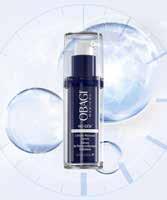
Skincare brand Obagi Medical has launched the NU-GEN Cellular Renewal Serum.
The company states that the formula centres on NAD+, a cellular coenzyme involved in energy metabolism and DNA repair and includes the precursors of nicotinamide mononucleotide (NMN) and nicotinamide (NAM).
The serum is intended for use as the first step after cleansing and toning, both morning and evening, and is positioned as part of a wider routine to support skin renewal, according to Obagi Medical.
Simone Shoffman, education and clinical director at Healthxchange, commented, “We’re incredibly excited to introduce Obagi Medical’s NU-GEN Cellular Renewal Serum, which represents a new frontier in skin longevity –one that focuses on supporting the skin’s natural energy systems to optimise function and resilience over time. Backed by three clinical studies, this is the kind of next-generation innovation we’re proud to bring to practitioners and their patients.”
Specialty Guide
Dermalogica unveils microneedling guidance with BABTAC
Skincare company Dermalogica has partnered with the British Association of Beauty Therapy & Cosmetology (BABTAC) to release a comprehensive guide for skin care clinics and non-medical aesthetics businesses in UK.
The Sharp Standards Guide to Microneedling aims to support practitioners to meet legal, ethical and professional obligations, according to the company.
Candice Gardner, education manager for learning and content at Dermalogica UK, commented, “At Dermalogica, we have always believed that exceptional practice is built on knowledge, skills and a commitment to going beyond the minimum. That is why we have invested in ensuring out own staff hold regulation qualifications at Level 4 and 5, and it is why we partnered with BABTAC to produce this guide.”
60
Kirsty Bramley-Dove, clinic owner at Dove Aesthetics
What makes mesofiller® nexha fundamentally different from traditional HA fillers?
mesofiller® nexha represents a true evolution of hyaluronic acid (HA) fillers. Rather than relying on volume alone, it combines cross-linked HA with succinic acid and targeted active ingredients to deliver both immediate correction and long-term skin regeneration.
Succinic acid, an endogenous molecule, has powerful biostimulatory properties. In synergy with HA, it activates fibroblasts, boosting type I collagen production by up to 40%, while also stimulating adipocyte activity to restore volume and supporting mitochondrial renewal for improved cellular function.
What results have you achieved for your patients with the nexha filler?
Many patients are not just seeking volume, but improved skin quality. This product offers a two-in-one syringe formulation, unlike any other product I’ve used. Its rheology allows mesofiller® nexha volume to provide excellent projection, particularly in the cheeks.
I often use less product compared to other fillers, achieving midface projection with minimal swelling. Patients report a noticeable “glow” and improved skin quality following treatment, alongside volume replacement.
How does compare clinically to standard fillers or biostimulators?
What’s unique is the dual-phase effect. Patients see an immediate structural improvement and results continue to evolve over time.
Can you explain the technology behind this progressive effect?
The dual release™ technology is key. Succinic acid is encapsulated within the cross-linked HA matrix, giving both an initial release and sustained delivery as the HA gradually degrades. Ensuring sustained stimulation without unnecessary inflammation.
Does this impact safety or reversibility?
Not at all. mesofiller® nexha is based on high-quality HA, it’s fully reversible with hyaluronidase.
This advertorial was written and supplied by mesoestetic.
Skincare
Regulation
Scottish aesthetics community reacts to licensing Bill
Aesthetics spoke to members of the Scottish aesthetics community about the landmark Non-surgical Procedures and Functions of Medical Reviewers Bill which the Scottish Parliament voted to pass.
Aesthetic practitioner and dental surgeon Dr Emma Ravichandran, describes the Bill as a “significant and necessary step forward for the aesthetics sector.” For established medical clinics, Dr Ravichandran believes the Bill helps create a more equitable and transparent landscape. “Those already operating to high clinical and ethical standards will be better distinguished from providers who do not meet the same level of medical oversight,” she explains.
Director at the British Association of Medical Aesthetic Nurses (BAMAN), Amanda Demosthenous, welcomes the new legal offence for treating under‑18s, noting it addresses a long‑standing concern and establishes a key safeguarding measure.
She continues, “At a system level, the inclusion of ministerial powers to define procedures, specify provider requirements, and introduce training and supervision standards is particularly important.”
However, Demosthenous adds that the Bill should be viewed as foundational rather than complete. She notes, “There is currently insufficient immediate clarity on scope of practice. This creates a risk that higher risk procedures including injectables and advanced energy based treatments may continue to be delivered without appropriate medical oversight during the interim period.”
Aesthetic practitioner Dr Nestor Demosthenous believes the Bill signals that non surgical practice is being taken seriously as a healthcare adjacent field. “Over time, that should encourage better training pathways, stronger clinical governance and a more professional culture across the discipline,” he says.
Dr Demosthenous adds that the real test will be in the secondary regulations, the guidance the Scottish Government is required to issue, the enforcement powers exercised by Healthcare Improvement Scotland and the willingness to review and strengthen the regime over time. “The fact that the offence relating to procedures outside permitted premises will not come into force before September 6, 2027, also shows that there is still a transition period ahead,” he says.
In addition, Dr Ravichandran feels there should have been greater emphasis on the management of complications included within the Bill. “This should include clear protocols and appropriate indemnity requirements, which would further enhance patient protection,” she says.
Aesthetic practitioner Dr John Elder notes that particular areas of concern within the Bill are lasers and the treatment of minor skin lesions with cryo‑cautery. He explains, “Unlike in England, there is no compulsory local authority licensing of non medical laser provision – the Bill refers to ablative lasers but seems to consider the use of laser and intense pulsed light for the treatment of other skin conditions to be acceptable.”
Dr Elder raises concern with the lack of diagnostic skills, as recognition of significant skin lesions can be challenging even for skilled clinicians, and that it is inappropriate for non medically qualified practitioners to be diagnosing and treating such cases. He concludes, “The same concerns regarding diagnosis also apply to non medical practitioners offering cryotherapy – currently a growing beauty add on.”
Microneedling
Nouveau Visage launches in the UK

French biomedical aesthetic company Nouveau Visage has introduced the NEWDERM regenerative microneedling system to the UK.
Nouveau Visage is entering the UK market in partnership with aesthetic distributors Fox Pharma, MedFx, Millenium and John Bannon. The company explains it is built around its patented Regen3 Complex, which combines exosomes, polydeoxyribonucleotide and biomimetic peptides in a single microneedling formulation.
Nouveau Visage shares that the technology supports cellular communication, fibroblast stimulation and extracellular matrix renewal within regenerative aesthetics, aiming to aid tissue repair, collagen synthesis and improved skin structure.
Carlos Royo, executive partner and CEO at Nouveau Visage, added, “The UK aesthetics market continues to move rapidly towards regenerative and biologically driven treatments, and Nouveau Visage represents a significant step forward within this space, offering an innovative and versatile treatment portfolio for discerning clinics. We are excited to be launching in the UK and adding this market to our growing list of territories – and we look forward to working closely with aesthetic practitioners, clinics and pharmacy partners to support this exciting rollout.”
Latest Appointments
Aesthetics rounds up the latest company appointments announced within the aesthetics community.
Skincare solution brand CACI has announced aesthetic practitioner Dr Paris Acharya as a new key opinion leader (KOL) for CACI Rejuva Med. In her new position, CACI shares that Dr Acharya will act as a spokesperson for Rejuva Med, providing media commentary on the new system, as well as contributing to content creation and speaking at events.
Aesthetic device company Hydrafacial has announced Reena Sandhu as the new international product and brand marketing manager. In this role, the company shares that Sandhu will lead international product and brand marketing strategy across EMEA, APAC and LATAM, with a focus on driving growth and ensuring excellence in product launches.
Aesthetic device company InMode has announced Caroline Abrego as the new director of marketing, customer experience and KOL management for the UK&I, and Dr Anda Bergmane as the new clinical education and training manager. Abrego will support the UK and Republic of Ireland teams. Dr Bergmane will support the development of KOLs and clinical ambassadors.
Wigmore Presents reunites the community
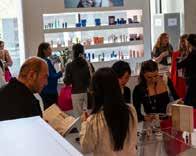
The 2026 edition of Wigmore Presents took place on April 17-19 at the Royal College of Physicians.
Wigmore Presents 2026 featured a comprehensive programme tailored to a wide range of aesthetic specialisms. Friday focused on the impact of regenerative medicine on quality of life and longevity, including contributions from Professor Anton Enright, Dr Brandon Brock and Dr Lauren Jamieson, among others. Saturday featured the IMAGE Skincare Innovation Seminar, bringing together founders Mr Marc Ronert and founder Janna Ronert, alongside Dr Hazel Parkinson, to explore the latest brand innovations and the science behind topical product VOL.U.LIFT. Sunday continued with four further agendas, covering injectables, skincare, innovations and the BAMAN x Wigmore Presents meeting. The company emphasised that a standout session was the afternoon anatomy masterclass for healthcare professionals, featuring Professor Sebastian Cotofana via video link, Mr James Olding and Dr David Eccleston, to name a few.
Raffi Eghiayan, CEO of Wigmore Medical, commented, “We are incredibly proud of the event’s continued growth, offering a valuable platform for delegates to connect with both new and longstanding specialty peers, experience best-in-class educational content and discover the exceptional brands that we represent within the aesthetics market.”
Amongst the education Wigmore Presents hosted a 90s-themed party on, inviting delegates, partners and exhibitors to network and connect.
Technology
Phorest launches aesthetics software tools
Software solution company Phorest has unveiled a suite of medical aesthetic-focused tools.
According to Phorest, the software offers structured aesthetic documentation, including dot-phrasing and clinical notes, supervisor sign-off with stored digital signatures and fully digital consent workflows, designed to support clinic operations. The new features also include enhanced markup tools for straightforward before-and-afters, side-by-side photo comparisons and face mapping, Phorest explains.
On top of this, clinicians now have access to consultation planning tools, as well as buy-now, pay-later options, memberships and add-on services.
Luke Doolin, country manager of Phorest, commented, “We didn’t decide to enter medical aesthetics, our customers brought us there. These updates reflect years of listening and building alongside clinics as their services evolved, while staying true to the people-first approach Phorest was built on.”
Teoxane unveils treatment trends report
Aesthetic manufacturer Teoxane has released its skin quality report, Gen Z Comes of Age in Aesthetics
Conducted by independent European data collector Norstat on behalf of Teoxane, the report presents findings of 2,500 UK participants, highlighting evolving trends in the aesthetics market. It states that general treatment uptake amongst millennials has increased from 23% to 30% since January 2025. The report also identifies rising curiosity in younger patients, with interest in dermal fillers among Gen Z rising from 30% to 49%, and 70% of those likely to consider future treatment aged 18-25. The research further notes that 28% of individuals aged 18-34 have already undergone dermal filler procedures.
Additionally, the report highlights that motivations are shifting toward skin quality, with 35% of respondents citing improvements in radiance and texture as their primary reason for seeking treatment, increasing to 47% among 18-25-year-olds. The company outlines that younger audiences view treatments as a ‘lifelong skin health management’.
Charley Clewley, senior brand manager at Teoxane UK, commented, “There is a hunger for information and more research is being done into treatments, products and practitioners alike. Understanding this allows us to not only produce educational content that is relevant and informative, but also help guide our practitioners to do the same, helping to build long term practitioner/patient relationships that are built on trust and transparency.”

Aller‐Tox™
Learn a Simple New, Needle‐Free Treatment for Hayfever Without Steroids
Why introduce Aller‐Tox™ training in your clinic?
No steroids - avoids steroid injections and steriod-based therapies
Simple, needle‐free procedure
Patients report around 2 months of relief per treatment


Safe alongside antihistamines, eye drops & nasal sprays (not same day)
Includes video demonstration + full theory modules (pharmacodynamics, dosing, contraindications, literature review, aftercare, and more)
Earn 8 CPD points
Complete online at your own pace
Bring this innovative hayfever treatment to your clinic. Lioness Medical online course costs just £395. To book, either scan the QR code, or log into www.lionessmedical.co.uk
THE EXPERT’S CHOICE FOR LASER TREATMENT
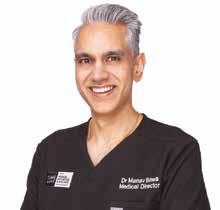
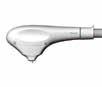
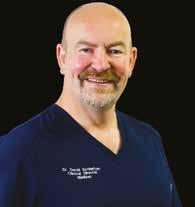




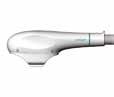
Trusted by leading UK & Ireland clinics, xeo+ delivers proven results across the most common pigmentary and vascular concerns. Patients presenting with pigmentation, redness and early signs of ageing can expect fast, effective solutions that restore clarity, confidence and an even skin tone.
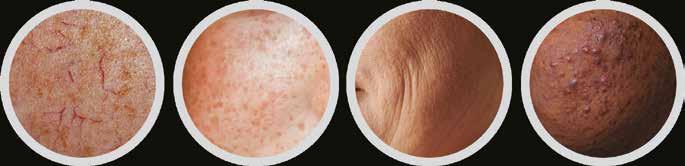
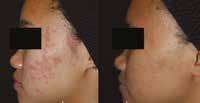
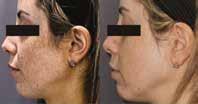
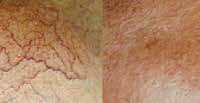
“Having worked in laser medicine for many years, i’ve seen how dramatically Intense Pulsed Light (IPL) has advanced. The xeo+ represents a leap forwards, delivering 3 wavelengths without the need to change filters, and offering the kind of power an consistency that older IPL couldn’t match.”
Dr David Eccleston MEDIZEN
Photos Courtesy of Dr Tahl Humes Patient results may vary.
Laser Genesis Treatment
Before After 5 Txs
Limelight
Photos Courtesy of Mira Kaga, MD. Patient results may vary. Before After
Photos Courtesy of Vein Institute and Medical Spa,Inc. Patient results may vary.
Before After 3 Txs
Features Cutera’s Signature Treatment
Clinic Support
Acclaro Medical collaborates with new training programme
Aesthetic device company Acclaro Medical has announced a new partnership with training programme Consultation Catalyst.
The company shares that this new collaboration aims to support clinic operations, noting that practitioners lack formal training on how to structure consultations, communicate value and confidently guide patients to purchase multiple treatments.
Under the partnership, Acclaro Medical will continue to deliver its established clinical training for laser technology UltraClear, but will now integrate Consultation Catalyst into its post-purchase support.
Aesthetic practitioner Dr Kamran Amjed, who led the programme, commented, “Consultation Catalyst was built to bridge the Medical gap between clinical excellence and commercial confidence. Partnering with Acclaro Medical allows us to support clinics not only in delivering advanced treatments like UltraClear, but in truly understanding and communicating their value, driving better patient outcomes and sustainable business growth.”
Educational Summit
Alma announces academy event
Aesthetic device company Alma is set to welcome practitioners to King’s Palace for the first London-based Alma Academy event on June 8.
Following on from the Global Alma Academy in Lisbon, Alma explains that this London edition brings the same world-class aesthetic movement to a UK audience. Covering both clinical and business-focused topics, the programme explores how energy-based devices, injectables and regenerative treatments, can be combined in harmony to deliver enhanced patient outcomes, the company explains. Alma notes that key areas of focus are hair restoration, periorbital rejuvenation and the management of patients on GLP-1 medications.
Adam Bashier, general manager at Alma for UK&I, commented, “We will highlight our commitment to excellence through our portfolio of award-winning technologies, ongoing innovation, and investment in research and development. The event will bring together respected speakers from the UK and around the world who trust and work with Alma globally.”
Accountancy training workshop commences

Accountancy company The Aesthetics Accountant hosted a medical aesthetics VAT workshop on April 15 in Leeds.
According to the organisers, the workshop was designed to provide medical aesthetic practitioners and clinic owners clear, accurate and evidence-based guidance on VAT categorisation. The organisers share that a major focus of the day was outlining the clear distinction between zero-rated and exempt services. The programme illustrated that many clinics concentrate heavily on exemption and misunderstand how zero rating applies, which can result in a loss of revenue.
The agenda also covered topics within case law which affect the aesthetics sector, as speakers used these decisions to demonstrate how HMRC interprets intention, medical necessity, documentation and patient pathways.
Samantha Senior, organiser of the event, added, “There is so much noise in the medical aesthetics world and a huge amount of incorrect information circulating about VAT. Our aim is to break down the myths, explain the real difference between zero-rated and exempt services and show how recent case law affects every day clinical decision-making.”
News in Brief
New clinic management book released
Director and co-founder of aesthetic service company Aesthetic Response, Gilly Dickons, has authored a new publication on the operational and organisational aspects of aesthetic clinics. Beautiful Business is based on real-world experiences and aims to support practitioners and clinic owners in developing more efficient, consistent and sustainable ways of working, according to Dickons. She adds, “Beautiful Business is intended to provide an accessible and practical framework that clinics can apply in their own environments.”
GetHarley and Eden Aesthetics debut new night cream Skincare platform GetHarley has partnered with aesthetic distributor Eden Aesthetics to launch the Neova SmartSkincare Night Therapy. GetHarley claims that the new product is ideal for patients who do not want to use a vitamin A, but want a night product that boosts the health of the skin through repair and moisturise retention. Lindsay Gray, managing director of Eden Aesthetics, said, “Loved by practitioners for its copper peptides and DNA repair technology, this product is a perfect example of innovation meeting clinical excellence.”
NAD+ Revival unveils microdosing pen
Wellness brand NAD+ Revival has launched a science-led NAD+ microdosing supplement. The company explains that it’s designed to support cellular health, improve energy and promote long term vitality. The supplement is delivered via a reusable microdosing pen designed to provide small, consistent doses which bypass traditional digestive processes, with the aim of improving absorption, according to the company.
Lynton Lasers debuts new website
Aesthetic device company Lynton Lasers has launched its new user-friendly website. The company shares that the new site features sharper navigation with key information easy to access. There has also been a stronger emphasis on education which sits at the heart of the redesign, with expanded training courses, regularly updated insights and new editorial content.
TRUE BIORESTORATION

GDC Removes Non-Surgical Cosmetic Injectables from Scope of Practice
Aesthetics considers the impact of the GDC removing non-surgical cosmetic injectables from its Scope of Practice Guidance
At the Aesthetics Conference & Exhibition (ACE) 2026 Dentists’ Round Table, attendees raised concerns about the General Dental Council (GDC) removing non-surgical cosmetic injectables from its updated Scope of Practice Guidance. In the previous guidance, published in 2013, “providing implants and non-surgical cosmetic injectables” was listed under “additional skills dentists could develop.”1 However, in the updated document, which was published in November 2025, the reference to non-surgical cosmetic injectables was removed.2
Responding to the concerns raised a GDC spokesperson commented, “We removed non-surgical injectables as it was an anomaly. The Scope of Practice Guidance relates to the role of dental professionals in dentistry, and non-surgical injectables are not the practice of dentistry. The GDC does not regulate these procedures.”
The GDC clarified that, for registrants, the new guidance does not change which non dental tasks they can undertake, and that many such procedures fall under the remit of other regulators. It went on to explain that some tasks, such as botulinum toxin and dermal fillers, are outside the scope of dental regulation, noting, “These may, however, be subject to regulation by other bodies, or specific legislation may apply.”
Aesthetic practitioner Dr Raquel Amado observes that classifying botulinum toxin and dermal fillers as ‘outside the scope of dental regulation’ raises legitimate questions about regulatory clarity. She explains, “It is important to acknowledge that at this point, dentists practising aesthetics do not yet have a fully dedicated professional organisation specifically advocating for their recognition and support within the aesthetics specialty. While broader bodies like the British College of Aesthetic Medicine (BCAM) and the Joint Council for Cosmetic Practitioners (JCCP) provide valuable frameworks, there remains a gap when it comes to a unified voice.”
Aesthetic practitioner Dr Lee Walker believes that removing non-surgical cosmetic injectables from the GDC’s Scope of Practice Guidance effectively formalises a
grey area. “The GDC are essentially saying ‘this isn’t dentistry’ while still expecting us to uphold professional standards. That creates a disconnect – responsibility without clear ownership,” he says.
Indemnity cover
Aesthetics spoke with two insurance companies, Cosmetic Insure and Hamilton Fraser to better understand the implications.
What insurers care about
Lizzie Etcell, business development manager at Cosmetic Insure, explains that insurers do not base cover on whether a procedure appears in a scope of practice document, but whether the practitioner can demonstrate appropriate training, competence and governance. She notes, “Dentists remain well placed to deliver non-surgical injectables – provided their training, documentation and insurance arrangements accurately reflect their practice.” Nicola Bowtell, cosmetic account executive at Hamilton Fraser, points out that indemnity is based on the activities declared to the insurance provider, with aesthetic procedures treated as non-core dental work.
What has changed in underwriting
Etcell reassures that Cosmetic Insure has not had to update its policy wording due to this development, however the GDC’s updated guidance has sharpened the company’s underwriting focus. “We are now more likely to seek clarity around the specific aesthetic treatments performed, the level and recency of training and the clinical setting in which treatment is delivered,” Etcell explains.
What dentists should do now
Bowtell adds that from an insurer’s standpoint, practitioners should ensure their insurance policies accurately reflect all treatments carried out. Moreover, she explains practitioners should have clear, documented protocols in place for dealing with adverse events. “Take time to understand and manage patient expectations, particularly where they may be unrealistic, and always adhere to manufacturer guidelines for the products and treatments you use,” she notes.
In terms of consent processes, Etcell advises that protocols should be treatment-specific and outcomes-focused, with detailed clinical notes documenting the rationale, products used, technique and post-treatment advice. Future landscape
Following the Department of Health and Social Care (DHSC) announcement of plans to introduce a national licensing scheme, a consultation is underway focusing on finalising the scope of procedures to be regulated.
Andrew Rankin, acting co-chair of the JCCP, expects that this framework will set out defined levels of competence and associated regulations. In his view, this should help GDC registrants to demonstrate their scope of practice within the cosmetic sector and clarify which registrants can perform or supervise procedures in each category.
Rankin also notes that the memorandum of understanding (MoU) – the existing cooperation agreement between the GDC and JCCP – remains in place and unchanged following the update to the Scope of Practice Guidance.4 This allows the JCCP to continue working with the GDC to examine the implications of proposed regulations for GDC registrants and to provide guidance accordingly.
Final thoughts
For Dr Walker, the bottom line is that the removal of non-surgical injectables from the GDC Scope of Practice Guidance does not make dentists less legitimate. He adds however, “It does mean you have to be sharper, clearer and more defensible in how you practice.”
Dr Amado concludes, “Ultimately, I believe there is a strong case for medical aesthetics to be recognised as a legitimate extension or even a future specialty within dentistry. The profession already possesses many of the core competencies required. What is needed now is recognition, representation and continued collaboration with regulators.”
At the Clinical Cosmetic Regenerative Congress (CCR) 2026, a new dentistry association founded by Paul Burgess – the Association of Dentists in Aesthetic Practice – will host a dedicated agenda on Day 1, providing a new stage for dentists in aesthetics to connect and access tailored education and support.
Alma PrimeX: Elevating Face and Body Treatments
Helping clinics meet growing demand, Alma PrimeX delivers powerful non-invasive skin tightening and contouring
Alma PrimeX is an advanced non-invasive platform designed for whole body skin tightening and contouring.1 Combining patented Guided Lamb Waves Ultrasound with AlmaWave™ Radiofrequency (RF), the highest RF frequency available on the market, PrimeX delivers controlled, uniform dermal and subdermal heating to stimulate collagen remodelling and improve skin firmness. In addition, the platform incorporates RF plasma technology for targeted ablative refinement, supporting enhanced skin resurfacing and precision treatment outcomes. Its versatile, comfortable and customisable approach allows for personalised protocols across multiple indications, offering effective results with minimal downtime and high patient satisfaction.1

Hollie Baldwin, nurse practitioner at Attic MediSpa, explains how they expanded their treatment portfolio into body refinement with Alma PrimeX. Introducing new technology into clinic is always approached thoughtfully, with patient outcomes remaining central to decision-making.
Responding
to
a new post-weight-loss demographic
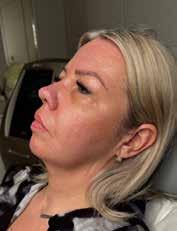
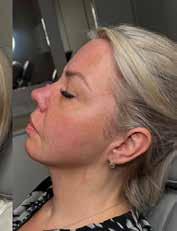
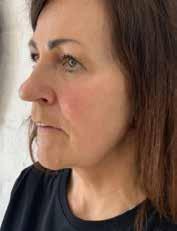
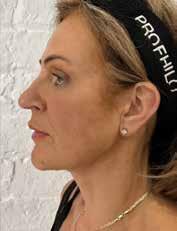
Prior to integrating the Alma PrimeX platform, the clinic was already utilising a range of Alma devices that consistently delivered excellent results in facial rejuvenation and skin quality. However, non-invasive body contouring and skin tightening remained the missing element within our treatment offering. This became increasingly apparent during a period of significant growth in patients presenting following weight loss, many of whom were seeking effective, non-surgical solutions for skin laxity affecting both the face and body.
This shift in patient demographic is reflective of a much wider industry trend. The global use of GLP-1 agonist therapies has increased dramatically, with prescriptions growing at approximately 38% annually between 2022 and 2024.2 In the UK alone, an estimated 1.6 million adults across England, Wales and Scotland used GLP-1 medications between early 2024 and early 2025.3 Demand continues to rise, with an additional 3.3 million people expressing interest in using weight loss drugs in the near future, and nearly one in ten individuals either currently using or considering these treatments.4
While the health benefits of weight loss are undeniable, the aesthetic implications – particularly skin laxity – are becoming an increasingly prominent concern. Data shows that, out of 174 medical spas, 82% of patients wish to address skin laxity following GLP-1 treatments, highlighting a significant and growing need for effective, non-invasive solutions.5 Interestingly, 63% of patients seeking aesthetic treatments post-weight loss were not previously engaged with medical aesthetics.5 Many had never considered treatment before, while others had been “fence-sitters” who were then motivated to act
following their transformation. This represents a notable expansion of the patient population within aesthetic practice.
Introducing Alma PrimeX into clinic practice
The addition of Alma PrimeX has therefore been an extremely positive and timely development for the clinic, allowing us to expand our treatment capabilities while remaining aligned with an ethos of safe, progressive and results-driven care. Alma PrimeX was introduced to complement our existing technologies rather than replace them, enabling a more comprehensive and layered approach to treatment planning.


At the core of Alma PrimeX is its unique combination of technologies. The system utilises AlmaWave™ RF, which operates at 40.68 MHz – one of the highest frequencies available on the market.1 This is clinically significant, as higher-frequency RF allows for more controlled and uniform energy delivery, resulting in consistent volumetric heating of the dermis and subdermal layers.1 This level of precision supports effective collagen denaturation and subsequent neocollagenesis, leading to progressive improvements in skin firmness, elasticity and overall quality.6
Complementing this is the patented Guided Lamb Waves Ultrasound. Unlike traditional ultrasound technologies, which primarily deliver energy in a more diffuse or vertical manner, Guided Lamb Waves combine longitudinal and transverse wave propagation, generating both thermal and mechanical effects within the tissue. This dual-action mechanism creates heat and pressure, supporting the breakdown of localised adipose tissue while stimulating tissue remodelling. Delivered alongside a powerful vacuum, this further enhances lymphatic drainage and tissue mobilisation.1 Clinically, this translates to improved contouring outcomes and enhanced skin tightening, while maintaining patient comfort and safety.7
In addition, the platform’s RF plasma capability introduces an ablative component, enabling precise epidermal and superficial dermal resurfacing. This supports improvements in skin texture, fine lines and overall skin quality, allowing practitioners to address both deeper structural concerns and surface-level refinement within a single platform.8
Patient selection, protocols and experience
Initially, Alma PrimeX was offered to patients with mild-to-moderate skin laxity who were seeking non-surgical options and who previously felt limited by the lack of effective body contouring treatments available within clinic. Facial treatments most commonly focus on the lower face, jawline and neck, while body areas frequently treated include the abdomen, thighs and upper arms. This measured introduction allowed techniques to be refined, outcomes reviewed and confidence built in the results being achieved.
The success of Alma PrimeX within clinic has been driven by honest consultation and realistic expectation setting. Patients are carefully guided through how RF and ultrasound work synergistically, the gradual nature of collagen remodelling and the importance of committing to a course of treatments. This transparent communication has been fundamental in building trust and long-term patient engagement.
From a nursing perspective, treatments are always highly individualised. Energy levels are adjusted based on anatomical area, tissue quality, patient comfort and visible skin response. The ability to customise parameters is particularly valuable when treating post-weight-loss patients, as skin quality and laxity can vary significantly between individuals. Detailed documentation and outcome tracking support reflective practice and allow protocols to be continually refined in line with clinical experience.
Alma PrimeX has proven particularly rewarding in practice due to its versatility and patient tolerability. Treatments are comfortable, require minimal downtime and can be easily integrated into busy lifestyles. This has supported strong patient compliance and consistent treatment uptake, which is essential for achieving optimal results in collagen-stimulating procedures.
Supporting the post-weight loss journey
We have also seen a marked and sustained increase in patients presenting following significant weight loss achieved through both lifestyle changes and medical intervention. While weight loss can be life-changing from a health perspective, the resulting skin laxity can be emotionally challenging and, in some cases, impact confidence just as significantly as the weight itself once did. Alma PrimeX has become a valued solution for this patient group, offering a non-invasive option to improve skin firmness, restore contour and support overall wellbeing.1
In practice, we frequently combine Alma PrimeX with ClearLift on the Harmony platform within the same session. While PrimeX targets deeper tissue tightening through RF and ultrasound, ClearLift uses photoacoustic energy at a dermal level to improve skin texture, tone and fine lines.1 Together, they provide a layered, multi-dimensional approach to rejuvenation – addressing both structural integrity and surface quality without increasing downtime.
This combination approach has been particularly beneficial for post-weight-loss patients, where both deep tissue laxity and superficial skin quality concerns are often present simultaneously. By addressing multiple layers of the skin in a single treatment plan, we are able to achieve more comprehensive and natural-looking results.
Impact on clinic practice
The integration of Alma PrimeX has been one of the most impactful decisions I have made for the clinic. It has completed our non-invasive treatment offering, enhanced our ability to support a rapidly growing and evolving patient demographic, and strengthened our position within an increasingly competitive aesthetic landscape.
Most importantly, it has enabled the continued delivery of safe,1 effective and patient-centred outcomes across both facial and body treatments. Alma PrimeX has quickly become an integral part of contemporary aesthetic nursing practice at Attic MediSpa, reflecting not only advancements in technology, but also the changing needs and expectations of today’s patients.
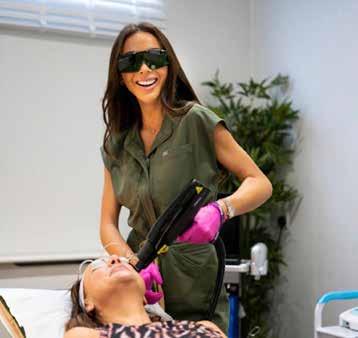


Inside-out Ageing and Real-world Results
How CCR’s core programme can shape your next year in practice
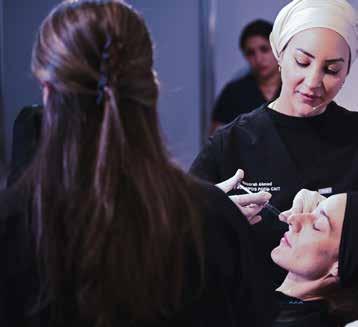
Modern aesthetic practice is becoming increasingly integrated with wider questions of health, ageing and long term outcomes. At the same time, regulators, peers and patients increasingly expect practitioners to demonstrate not only technical skill, but also consistent, well documented results.
As a result, clinicians are looking for education that goes beyond techniques in isolation.
This year’s Clinical Cosmetic Regenerative Congress (CCR) agenda has been developed with these needs in mind. Several new additions – including an expanded two day Medical Longevity Summit (MLS), the introduction of the CCR Results Awards and two new stages – aim to give practitioners more structured ways to address these questions alongside the existing injectables, skin, device and business education.
Understanding metabolic health in aesthetic practice
In its fourth year at CCR, the Medical Longevity Summit (MLS) will focus on ‘inside-out ageing: optimising metabolic health for longer, better lives’.
Metabolic health affects blood sugar control, lipid metabolism, inflammation and hormone signalling, with consequences for visible ageing as well as cardiovascular, oncological and cognitive risk. MLS will explore:
· Glucose, insulin and lipids
Practical interpretation of markers such as fasting glucose, HbA1c, insulin resistance and advanced lipid profiles, and how these relate to cardiovascular risk and skin ageing.
· Body composition, muscle and mitochondrial function
The relevance of visceral fat, lean mass and fat distribution beyond BMI, and the role
of muscle preservation and mitochondrial efficiency in healthy ageing.
· Inflammation, hormones and gut health
Chronic low grade inflammation (“inflammageing”), thyroid and sex hormone changes across the lifespan, and the impact of the gut microbiome on nutrient absorption, appetite and glucose regulation.
· Applying metabolic insights in practice
Early identification of metabolic imbalance, realistic interventions around nutrition, activity, sleep and stress in busy patients, and the use of monitoring tools and targeted pharmacology to influence healthspan and aesthetic outcomes.
· Women’s metabolic health and oncology interfaces
Female specific metabolic patterns (menstrual cycle, pregnancy, peri and post menopause), links between metabolic

dysfunction and cancer incidence/ survivorship, and how aesthetic and longevity clinicians can collaborate safely with oncology and endocrine teams.
This year, MLS will run across two dedicated theatres – The Discovery Stage and The Future Health Forum, giving delegates access to a wider range of education, more diverse expert perspectives and greater flexibility to tailor their learning to their own interests and clinical priorities.
For clinicians, MLS offers a structured way to connect internal health with the durability and safety of aesthetic outcomes, and to clarify what can realistically be managed in an aesthetics setting versus when to refer. The full agenda will be revealed soon.
Aesthetics Results Awards
Have you got an unforgettable case you are proud of – a patient whose confidence you transformed, a complex indication you finally cracked or a carefully planned journey that changed someone’s life?
The new CCR Results Awards gives you the chance to showcase those real-world outcomes in a two-hour, case-based learning session.
Categories include:
1. Best full-face transformation using injectables
2. Best skin transformation
3. Best result using a hero product (to be announced soon)
4. Best body transformation
5. Most challenging aesthetic case study
On the day, the judges will announce the top three from each category, who will then get the opportunity to present their case to the audience. Winners will gain automatic entry into next year’s Aesthetics Awards, putting their work in front of an even wider audience.
Entry opens this month – stay tuned for more details.
What else is new at CCR 2026?
Several other new additions will shape this year’s event, including:
· New clinical theatre
A new stage will run across both days, with day 1 dedicated to dentists developing their aesthetics practice, and day 2 focusing on hair, scalp and skin. The agenda will be delivered in partnership with leading associations, covering current trends, indications and protocols for these increasingly active areas of practice.
· Talks from Aesthetics Awards Rising Stars
This year’s Aesthetics Awards Rising Stars will feature within the conference agenda, giving newer but high performing
practitioners a platform to share how they are approaching assessment, treatment planning and clinic growth early in their careers. The Rising Star content will sit alongside a dedicated Aesthetics Awards feature, allowing delegates to hear directly from clinicians recognised for excellence over the past year.
· Innovation Trail live tours
Innovation Trail live tours will guide delegates around selected stands, highlighting specific products, devices or technologies and how they are being used in real clinics. This is designed to complement stand seminars and independent research, helping practitioners compare options efficiently on the event floor.
· Aesthetics Journal Round Tables
The Aesthetics Journal is hosting an exclusive, invite-only Round Table Series, bringing together a carefully selected group of leading professionals to take part in informed, forward-thinking discussion on the issues shaping medical aesthetics today. Designed specifically for senior voices, emerging leaders and respected specialists within the field, these small-group sessions provide a confidential and collaborative environment.
Designing your experience
As well as the new features, CCR offers a broad event experience designed for medical aesthetics professionals at different stages of practice.
Evidence-led, free-to-attend conferences
Across six dedicated conference theatres, delegates can access a packed programme of free, CPD-verified education spanning injectables, regenerative medicine, energy-based devices, skincare, medical longevity, business strategy and the latest regulatory developments. Sessions range from in-depth clinical masterclasses and live demonstrations to practical, case-based discussions designed to translate evidence into everyday practice.
All education is firmly evidence-led and shaped by recognised experts and key opinion leaders from across the specialty, offering a balance of cutting-edge science, real-world protocols and honest discussion of complications and challenges. With multiple streams running throughout the event, delegates can build a personalised learning journey that reflects their own experience level, clinical interests and future plans for their practice.
Galderma returns as CCR’s Headline Sponsor, once again setting the standard with cutting-edge clinical insights, scientific innovation, and live injectable demonstrations from top aesthetics experts.
Don’t miss their daily one-hour symposiums – session topics and speaker details coming soon! More details can be found on p.12
A focused event floor
CCR brings together more than 150 brands, giving practitioners the opportunity to:
· Explore the latest devices, skincare and injectable products in one place
· See live demonstrations and stand seminars before committing to new technologies
· Access show only pricing and promotions to support purchasing decisions
Networking and professional community
CCR is designed to facilitate networking and collaboration, bringing together medical professionals, clinic staff and non-clinical partners such as distributors, marketing specialists and business consultants. Delegates can:
· Connect with peers facing similar clinical and business challenges
· Speak directly with specialty associations and partners
· Build referral and support networks that extend beyond the event
Save the date
Register your interest to be the first to know when registrations open. Early registration means you can start planning your CCR experience in detail.
Scan the QR code to register your interest
01 & 02 October 2026 Excel, London
Headline Sponsor
Stimulating Hair Restoration with Non-surgical
Interventions
Practitioners evaluate clinical protocols to support and enhance hair growth through non-surgical treatment modalities
Whilst traditional hair transplant surgery remains a safe and widely accepted treatment, there is growing interest in non-surgical alternatives, with clinics exploring a range of evidence-based protocols to stimulate hair growth.1-3 Non-surgical hair growth is therefore emerging as an important area of contemporary practice, driven by demand for minimally invasive, low-downtime solutions tailored to individual patterns of hair loss.2,3 Rather than relying solely on surgical intervention, practitioners are adopting multimodal approaches that focus on improving scalp health, stimulating follicular activity and supporting long-term hair density through regenerative and injectable therapies.4 Treatments such as platelet-rich plasma (PRP), polynucleotides (PNs), mesotherapy, low-level laser therapy (LLLT) and medical-grade topical or oral therapies offer both preventative and restorative benefits, enabling more personalised and progressive treatment strategies.5,6
Aesthetics spoke with consultant dermatologist and president of the Institute of Trichologists Dr Sharon Wong, aesthetic practitioner Dr Bonny Armstrong and independent nurse prescriber Lois Cook to explore the growing role of non-surgical hair restoration.
Recent literature
Emerging evidence highlights several non-surgical aesthetic modalities for treating androgenetic alopecia (AGA), with PRP, microneedling and PNs being the most substantiated.
A meta-analysis in Aesthetic Plastic Surgery of randomised controlled trials found that PRP produces a significant increase in hair density, with pooled gains of approximately 25 hairs/ cm2 versus baseline or controls (p = 0.002).7 PRP has also been shown to cause increases of over 30 hairs in treated target areas, alongside improvements in hair shaft thickness, supporting its regenerative effect across varied protocols.7
Microneedling has similarly been evaluated in a systematic review and meta-analysis of randomised controlled trials, also published in Aesthetic Plastic Surgery, demonstrating a significant increase in hair density compared with controls, with clinical trials reporting up to ~80-88% increases in hair count.8 When combined with minoxidil, microneedling has shown superior outcomes versus monotherapy, with consistently higher patient-reported improvement rates.8
Emerging data suggests that combination protocols, such as microneedling with low level light-emitting diode (LED) therapy and growth factors, have yielded further gains in hair density over pharmacological therapy alone.8
Additional research published in Archives of Dermatological Research highlights the use of PNs in practice.9 A prospective study of 28 AGA patients found that four PN injection sessions
significantly improved hair density and diameter, with 82.1% reporting improvement and no serious adverse effects, suggesting promising regenerative potential.9
A randomised controlled trial, published in Archives of Dermatological Research evaluating a combination of topical finasteride and minoxidil, demonstrated significantly greater improvements in hair density, diameter and terminal hair count compared to minoxidil monotherapy over a 12-week period.10 These findings indicate that concurrent inhibition of dihydrotestosterone (DHT) alongside follicular stimulation provides superior therapeutic efficacy in the treatment of androgenetic alopecia.10
More novel modalities including stem cell based and exosome therapies, explored in publications such as World Journal of Stem Cells and Journal of Cosmetic Dermatology, show early promise but are currently supported only by small, heterogeneous studies and are considered experimental.11-13
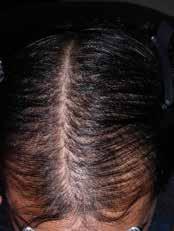

Analysing patient selection
Cook highlights that ideal candidates for non-surgical hair restoration are patients presenting with active hair follicles.14 She explains, “We would consider the non-surgical route for patients with early-to-moderate hair loss, rather than significant bald patches.”14,15
Dr Wong highlights that surgical intervention is usually only considered in specific situations, such as advanced scarring alopecia, including traction alopecia or hair loss resulting from burns. In most cases, surgery is only an option after medical and non-surgical treatments have been optimised.”16
Elaborating on suitability, Dr Armstrong notes that non-surgical approaches are particularly effective for patients experiencing post-partum, weight loss and stress-related hair loss, describing these as key “triggers” that must be identified to support long-term restoration.17 Addressing the growing prevalence of GLP-1 use, she notes, “GLP-1 isn’t causing hair loss directly. It’s the nutritional deficit that comes with under eating that can cause hair shedding and hair thinning.”18
For patients who do proceed with surgery, Dr Armstrong adds that regenerative approaches can help maintain surgical outcomes.19 She states, “For patients undergoing hair transplants, non-surgical treatments can support and preserve results from around six weeks post-procedure onward.”19
Figure 1: A male 22-year old patient before and three years after low dose oral minoxidil and dutasteride. Originally presenting with rapidly progressing male pattern hair loss and considering surgery, he was advised to consult a dermatologist first. Images courtesy of Dr Wong.
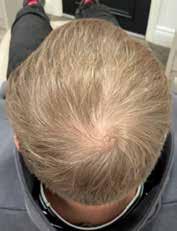
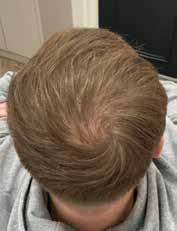
Figure 2: A 30-year-old male patient at baseline and three months after a combined approach of microneedling and exosomes with PNs. Images courtesy of Dr Armstrong.
Assessing the scalp
Dr Wong explains that assessing a patient’s scalp and hair loss pattern begins with a thorough visual inspection to identify areas of thinning, patchy loss or changes in density.14 She follows this with a detailed scalp examination using a dermatoscope. 20
She states, “It helps assess hair shaft calibre, follicular miniaturisation and key diagnostic signs,” listing examples such as exclamation mark hairs in alopecia areata, perifollicular redness, scaling in lichen planopilaris and grey halos in central centrifugal cicatricial alopecia. 20
Dr Wong notes that, once identified, severity is graded using validated classification systems, including the Sinclair Scale, Severity of Alopecia Tool (SALT) Score and lichen planopilaris (LPPAI). 21 If uncertainty remains, a scalp biopsy may be carried out for histological confirmation. 21
Cook performs a hair pull test, where clinicians “gently comb through the patient’s hair with our fingers and see how many hairs come out.” 17 While Cook references the Norwood scale, she notes that assessment tools often vary by clinician preference. 22 She adds, “Imaging, including global photography, plays an essential role in objectively tracking treatment progress and guiding ongoing patient management.”23
According to Dr Armstrong, non-surgical treatments are most effective for male patients at Hamilton-Norwood stages I-IV and female patients at Ludwig stages I-II. 24,25 She also outlines the suitability threshold between men and women for the scales, saying, “This difference is mainly due to differences in pattern, progression and preservation of follicles between male and female pattern hair loss.”22
Dr Armstrong uses a trichoscopy tool to assess scalp and follicle health, explaining, “You can look at the follicles and the scalp itself to see the health and the density of the hairs.”26
Referencing the earlier “triggers,” Dr Armstrong emphasises that identifying this is a crucial part of consultation and assessment.17,27 She explains that understanding the timeline and pattern of hair loss helps determine whether a trigger is involved. 27 Dr Armstrong says factors such as illness, stress, surgery and medication can all contribute to AGA for men and thinning across the central scalp for women, adding, “A thorough patient and medical history is essential to figure that out and guide appropriate treatment.”27
Utilising modalities and product selection
The practitioners outline several protocols for hair restoration, ranging from topical and oral therapies to device intervention and regenerative medicine.
Topical and oral therapies
Dr Wong explains that treatment typically begins with licensed, evidence-based medicines, including minoxidil, anti-androgens or DHT blockers for AGA, and topical or intralesional steroids for alopecia areata.28 She says, “Treatment selection is guided by severity, medical history and patient preference, with advanced AGA often responding better to oral medication where appropriate, while severe alopecia areata may require systemic therapies such as oral steroids or JAK inhibitors.”28,29
In early-stage AGA, Dr Wong notes, “Topical therapies are typically my first line,” adding that early intervention can halt progression, promote hair retention and delay the need for oral therapy or surgery.29 She states that the DOSE range, a once-daily topical formulation, is her preferred product.
Dr Armstrong also highlights, that treatments such as minoxidil can be prescribed and used in combination with regenerative approaches, depending on patient needs and suitability.19
“Consultations are essential for transparency; this year, I’ve seen a notable rise in young men coming into clinic worried they’re losing their hair, when in reality there’s no clinical evidence of hair loss”
Lois Cook
Safety and aftercare
Dr Wong explains that no specific aftercare is required for oral medications, aside from remaining alert to uncommon side effects.30 She notes, “Patients are counselled on potential issues such as mood changes, sexual dysfunction with dutasteride and blood pressure fluctuations, headaches or palpitations with minoxidil.”30 Dr Wong states that all patients are carefully screened for suitability before starting treatment.30 She advises, “Individuals with pre-existing psychological or sexual disorders, pre-menopausal women and those planning a family should not take dutasteride due to the risk of birth defects.”30
Dr Wong further highlights that oral minoxidil is unsuitable for those with uncontrolled hypertension, palpitations or phaeochromocytoma, adding, “Any cardiac history warrants prior cardiology review.”30 She explains that patients are warned about temporary shedding and
possible increased hair growth at higher doses.30 Regarding topicals, Dr Wong recommends washing hands after use and monitoring for scalp irritation, noting lower systemic risk.31
Regenerative approaches
In cases where pharmacological therapy is contraindicated, poorly tolerated or reaches a therapeutic plateau, Dr Wong integrates regenerative approaches to support ongoing hair growth and help maintain response. 32
According to Dr Wong, treatments such as PRP should be used as adjuncts rather than stand-alone replacements for medical management. 33 Describing her PRP protocol, she says, “A small venous blood sample, usually 10ml, is taken from the arm and processed through a centrifuge that is specifically CE marked for PRP. This typically yields around 5-6ml of PRP, which is then reinjected into targeted areas of the scalp.” 34 Dr Wong outlines that the injections are administered at a depth of approximately 3-4mm and spaced at 1cm intervals, commonly using 32G needles and a mesotherapy delivery device. 34 She adds that she uses the Regenlab centrifuge for this procedure.
In clinic, Cook emphasises precision in delivery, noting, “I use a 33G needle for PRP to minimise discomfort,” explaining that treatment is targeted into the dermis as because that’s where the follicles are.14 She notes that younger patients who are in the early stages of recession and have no additional scalp pathology tend to respond well to PRP as a standalone treatment. 35
Dr Armstrong’s approach centres on multimodal regenerative protocols. “We use a synergistic combination of microneedling, exosomes and PNs to target multiple pathways involved in hair restoration,” she reports. Adding that microneedling is performed at 0.5mm with a stamping technique to reduce traction on existing hairs. 36 “Controlled micro-injury increases perfusion and induces collagen and elastin remodelling, improving the scalp environment for follicular function,” she notes. 37
Exosomes are then used to deliver growth factors and signalling molecules, while PNs are administered via 4mm injections to promote tissue repair and dermal remodelling. 38 Dr Armstrong’s preferred products include Plinest Hair, Pursaomes and the DermaFocus Wireless Anti - Back Flow Microneedling Pen. “The aim is to optimise the scalp microenvironment and enhance follicular activity rather than simply addressing hair shafts in isolation,” she says. 37
Safety and aftercare
Dr Wong explains that aftercare for PRP is important, noting, “Due to multiple injection sites, the scalp may appear slightly flushed and feel sensitive, though this typically settles within 24-48 hours.” 39 She advises patients to avoid direct sun exposure, scalp massage, intense exercise and heat-based environments, such as saunas or steam rooms, during the recovery period. 39
She also highlights that patients on anticoagulants or with bleeding disorders may have an increased risk of bruising following injectable treatments.40 A history of keloid scarring is also clinically relevant, as she explains, “Any skin trauma, no matter how superficial or minor this may be, can increase risk.”41 Treatment is contraindicated in pregnancy and patients under 18, while active scalp disease or infection should be managed prior to intervention.42 Growth factor-based therapies are additionally avoided in patients undergoing active cancer treatment.43
For aftercare, Dr Armstrong advises patients not to wash their hair for 24 hours post-treatment, stating, “This aims to keep everything in place,” and recommends avoiding alcohol during this period to optimise outcomes.44
She further outlines key contraindications for regenerative hair treatments, emphasising the importance of excluding active
scalp disease such as eczema or psoriasis, as well as systemic conditions including active autoimmune disease.45,46 She also notes product-specific allergies, including fish allergies in PN-based treatments and milk allergies in certain PRP formulations.47
Cook adds that patient suitability must be carefully assessed prior to treatment, with procedures postponed in cases of active infection or systemic illness, particularly for PRP, where treatment efficacy depends on the quality of the patient’s own blood.22 She notes that PRP is generally well tolerated due to its autologous nature, which reduces the risk of allergic reactions and may improve patient reassurance.19
“Photography is essential, offering evidence of treatment progress when patients struggle to assess outcomes objectively”
Dr Sharon Wong
Utilising devices
Before beginning in-clinic treatment, Cook uses LED therapy to reduce scalp inflammation, explaining, “Red or near-infrared (NIR) LED ahead of in-clinic treatments calm down any inflammation, but can also be used straight after treatment to further support growth and healing.”48 She cites the Dermalux range as her preferred technology.
Cook notes that treatment duration typically ranges from 10-20 minutes, depending on the patient’s scalp condition. She adds that NIR LED is particularly useful for patients presenting with significant inflammation, as it provides deeper therapeutic support.48
Cook also microneedles in adjunction with PRP, with her device of choice being the Axion device, to deliver the mesoestetic Dutexome solution to the scalp. She states, “This is ideal for a patient with low levels of inflammation, as the solution contains cooper tripeptide, which calms down scalp inflammation.”28,36,37
Dr Wong utilises scalp therapy device Tricopat for conditions such as AGA and telogen effluvium when topical therapies don’t initiate response.32 The device is designed to enhance absorption through a combination of iontophoresis, micro-pulsing and LED therapy, helping to stimulate follicular activity.36 “A topical growth factor serum is applied to the scalp and delivered to the follicles using a specialised probe,” she explains.36 Dr Wong adds that patients with needle phobia or low pain tolerance may be better suited to non-invasive options such as Tricopat.
Safety and aftercare
Cook explains, “Dutexome microinjections offer a safer alternative to systemic medication, as the drug is delivered directly into the scalp in small volumes, keeping it concentrated in local tissue and reducing the risk of systemic hormonal side effects.”43 She says treatment is avoided in active scalp infections, pregnancy, breastfeeding or men trying to conceive.42,43
Regarding Tricopat, Dr Wong says normal activities can resume immediately.22 She further notes, “The scalp may look wet from the applied growth factor serum, so many patients choose to wash their hair later that day.” Dr Wong adds that Tricopat is contraindicated in patients with pacemakers or metal implants in the skull or ear region due to its use of iontophoresis.22
Product Spotlight: as seen at ACE and CCR
· Amedica Group: Ameela Rejuvenation
· Beautyeurope.eu: Exovair H
· Cure Medical Limited: xosomes
· DermaFocus: Purasomes XCell Skin & Hair Supplement
· Dermapenworld: EXO-GROW L.E.D Laser Cap
Dermaroller: XCellarisPRO
· Obagi Medical: Nu-Cil BioStim Scalp Serum
· Sculpt Pro Aesthetics: Follicle Former
· Skymedic: Meso ox Hair
Additionally, the practitioners note that LED therapy is not suitable for individuals with certain medical conditions.49 It should be avoided by those who have epilepsy or experience seizures triggered by light, unless they have been seizure-free for a minimum of five years and have obtained medical consent.49 It is also contraindicated for individuals diagnosed with porphyria, lupus erythematosus, polymorphic light eruption or photosensitive eczema.49
At-home protocols
Discussing at-home care, Dr Armstrong explains that patients can be offered a DHT-blocking shampoo, noting, “High levels of DHT increase hair loss in AGA. This helps reduce a key trigger factor alongside in-clinic care.”22
Cook explains that her approach begins with addressing any scalp concerns first, particularly inflammation. She says, “For at-home management, I frequently recommend a combination of Nizoral shampoo and mesoestetic’s Trichology Lotion. Nizoral is excellent for managing scalp inflammation and utilising the anti-androgenic properties of ketoconazole, while the lotion optimises the follicle environment between visits.”50
Treatment sequencing and maintenance
Dr Wong explains that treatment plans are tailored to each patient, taking into account the type and severity of hair loss, medical history, allergies, lifestyle and personal preferences.42 “Patient preference and likely adherence are critical,” Dr Wong adds, emphasising that treatments are only effective when used consistently, with topical and oral therapies typically prescribed for daily use and reviewed regularly to ensure ongoing compliance.28 She says, “For AGA, this is a progressive condition which needs consistent, long term treatment to maintain results. I recommend oral minoxidil and dutasteride once daily; DOSE topicals are formulated so it only needs to be applied once daily.”
Discussing the sequencing of regenerative modalities, Dr Wong notes, “These treatments are typically delivered in structured protocols, for example Tricopat is administered monthly for four months followed by maintenance every two to three months.”32 She says that PRP is usually performed monthly for three months and then repeated every three to six months, depending on patient response.32
Dr Armstrong explains that her combined approach of microneedling, exosomes and PNs is typically delivered as a course of around six
sessions, spaced out two to three weeks between each session, alternating between microneedling with exosomes and PN therapy.47 She notes, “The sequence is tailored on a case-by-case basis, with clinicians alternating between modalities based on response and scalp condition.”47
She adds that if a patient presents with scalp irritation, PNs may be prioritised first to improve skin quality before introducing microneedling, which creates controlled micro-injury and may be too stimulating for already inflamed tissue.37 Dr Armstrong explains, “It’s very patient subjective,” with treatment plans adapted according to whether the priority is reducing inflammation or stimulating regeneration.37
For maintenance, Dr Armstrong confirms that patients attend clinic three times a year, saying, “Every four months patients return to clinic, alternating between microneedling with exosomes or PNs to maintain results.”
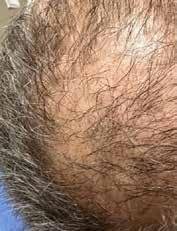
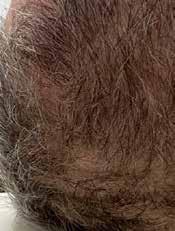
Cook notes that treatments of PRP and microneedling can be spaced anywhere between two to five weeks, but she personally prefers a monthly schedule for ease and consistency. She adds, “This spacing also allows for more meaningful review of progress over time, supporting both clinical progression and patient satisfaction.”32
Cook says that shorter intervals can sometimes make it harder for patients to perceive change clearly. She explains, “When you go too quick, then you’re not seeing or noticing results, it can become a negative loop for both the patient and practitioner.” Cook suggests that longer gaps allow both to reassess outcomes with a clearer perspective. She adds, “This is particularly useful when using dermatoscopic imaging, as you show them the images and help patients view objective progress more clearly.”23
Integrating scalp health into practice
With a focus on non-surgical alternatives and regenerative medicine, practitioners are now able to offer a wider range of treatments and protocols to support hair restoration.
For more information head to p.22. Before After
Aesthetics is delighted to introduce the NEW Hair, Skin and Scalp Stage at CCR 2026! Join us on October 2 for more hair-focused education.
Figure 3: 62-year-old male patient who underwent a surgical transplant 10 years prior. Images show baseline and six months after Nizoral Shampoo, mesoestetic Trichology Lotion, alongside use of the Axion device using Dutexome solution. Images courtesy of Cook.














REASONS TO CHOOSE BOCOUTURE



• Results seen as early as 7 days, lasting up to 4 months in upper facial lines1
• A well characterised safety profile1

• Convenient – no refrigeration needed prior to reconstitution1










Scan the QR code to access BOCOUTURE UK and Ireland Prescribing Information







1.BOCOUTURE Summary of Product Characteristics. Merz Pharmaceuticals GmbH: https://www.medicines.org.uk/emc/product/600/smpc (Last accessed January 2026).
Date of Preparation: January 2026

























Access complimentary training resources

Merz Aesthetics Exchange (MAX) is a promotional website developed and funded by

Adverse events should be reported. Reporting forms and information for United Kingdom can be found at https://yellowcard.mhra.gov.uk/. Reporting forms and information for Republic of Ireland can be found at https://www.hpra.ie/homepage/about-us/reportan-issue. Adverse events should also be reported to Merz Aesthetics UK Ltd by emailing UKdrugsafety@merz.com or calling +44 (0) 333 200 4143.


Merz Aesthetics UK & Ireland.
Methods of Collagen Stimulation Available in Aesthetics
Miss Jenny Doyle, Dr Arshi Baig and Dr Aaminah Haq explore advanced strategies to stimulate collagen through treatments in medical aesthetics
Collagen is the most abundant structural protein in the human body and a primary component of the dermal extracellular matrix (ECM).1 In the skin, type I collagen makes up roughly 80-90% of the total collagen content. It forms strong, elongated fibrils that provide the dermis with tensile strength, structural support and resistance to mechanical stress – contributing to skin that looks firm, lifted and youthful.2 Fibroblast cells produce the majority of collagen.3 Collagen plays a dual role in skin biology. Structurally it provides the ‘scaffold’ that bears stress and preserves form, and biologically it supports fibroblast activity. When collagen fibres break down, fibroblasts receive altered mechanical and biochemical cues that reduce new collagen synthesis and contribute to visible signs of ageing.4,5
During ageing, collagen production decreases and degradation by enzymes increases. This degradation and fragmentation leads to many of the hallmark appearances of aged skin, including dermal thinning, reduced elasticity, fine lines and sagging.6
Thus, interventions that stimulate collagen production or slow its degradation are foundational to antiageing strategies in both clinical dermatology and cosmetic science.7
Oral collagen supplementation in skin health
There is increasing interest in supplementing collagen orally. The collagen supplements market was valued at around £2.54 billion in 2025 with expectations to grow to £4.32 billion by 2031, reflecting rising demand across age groups and product formats.8 The majority of supplement products contain small fragments of hydrolysed collagen peptides, purported to allow better absorption. However, when consumed, collagen is further digested into amino acids and peptides.9
A systematic review and meta-analysis of 26 randomised controlled trials found that hydrolysed collagen supplementation significantly improved skin hydration and elasticity compared with placebo, though the magnitude of these changes varied by study and formulation.10 Current research suggests daily oral hydrolysed collagen doses most commonly range from about 2.5g to 10g/ day, with a median effective dose around ~3.5-4g per day taken once daily.11
Another randomised, double-blind, placebo-controlled trial, with a study size of 100 participants, demonstrated that low-molecular-weight collagen peptides taken daily for 12 weeks significantly improved wrinkle depth, skin elasticity, hydration and barrier integrity in photoaged skin.12 Additional trials have observed increases in dermal collagen density, reduced collagen fragmentation and enhanced hydration after eight to 12 weeks of oral collagen peptide intake.13
Despite these positive findings, several important limitations exist. Many studies are specialty-funded or involve relatively small sample sizes, which may bias results; systematic reviews have underscored
the need for larger, independent trials to confirm efficacy and determine optimal dosing.10 Additionally, oral collagen does not selectively target skin; its peptides and amino acids are distributed systemically and used wherever protein synthesis is needed. Therefore, benefits tend to be modest and systemic rather than dramatic or localised. Finally, oral supplementation should be viewed within the context of overall nutrition. Adequate protein intake and co-factors such as vitamin C are essential for endogenous collagen synthesis.14 Some studies suggest, for healthy adults eating a varied, protein-adequate diet, supplemental collagen is not required for meeting basic collagen production needs, though it may offer functional peptides beyond basic amino acid nutrition in some clinical contexts.15,16
In contrast, collagen stimulation through procedural interventions, such as injectables and energy-based devices (EBDs) can target the cellular and tissue-level repair mechanisms right where they are needed, in the dermal extracellular matrix itself.17,18
Energy-based devices
EBDs stimulate collagen production primarily by inducing controlled thermal or mechanical injury within the dermis or subdermal tissues. This injury initiates a wound-healing cascade involving inflammatory mediators, fibroblast activation and subsequent neocollagenesis and collagen remodelling.19
Ultrasound
Microfocused ultrasound (MFU), commonly referred to as high-intensity focused ultrasound (HIFU), delivers focused acoustic energy to precise depths within the dermis and superficial musculoaponeurotic system (SMAS).19
Mechanism of collagen stimulation
Ultrasound energy generates discrete thermal coagulation points (approximately 60-70 °C) at targeted depths while sparing the epidermis. These microthermal injuries trigger a wound-healing response, resulting in fibroblast activation and increased synthesis of collagen types I and III.19 Histological analysis demonstrated increased collagen density and reorganisation following treatment.20
Treatment approach
Treatment is typically performed in a single session using transducers that target depths of 1.5-4.5mm depending on anatomical site. Clinical improvements evolve gradually over three to six months as neocollagenesis progresses.19,21
It is generally suitable for all Fitzpatrick skin types (I–VI), as its mechanism does not target melanin directly, making it less dependent on skin colour, unlike many laser or light-based devices, which can carry higher risk of hyperpigmentation in darker skin.22 Active infections and open skin lesions at the treatment area, active severe or cystic acne, and the presence of metallic implants such as pacemakers or defibrillators in the treatment
area are contraindications, because they can increase risk or impair outcomes.23
Synchronous Ultrasound Parallel Beam technology
A newer category of non-invasive collagen stimulation uses high-intensity parallel ultrasound energy delivered into the mid-dermis to induce controlled thermal injury, while preserving the skin surface.24
This approach targets the mid-dermis at approximately 0.5–2mm depth, centred around 1.5mm, which is where a significant proportion of collagen and elastin fibres reside.24
Energy is delivered in short pulses that generate temperatures of approximately 60–70°C for about four seconds, creating controlled thermal zones within the dermis. Importantly, the epidermis is protected through active cooling mechanisms, allowing effective dermal heating while minimising surface damage and downtime.24 The parallel beam configuration centres thermal energy at approximately 1.5mm within the dermis, helping confine treatment to this layer and reducing the risk of unintended subcutaneous fat injury seen with deeper-penetrating technologies.24
Mechanism of collagen stimulation
The therapeutic effect relies on the creation of fractional thermal injuries within the dermal connective tissue. These microthermal zones initiate a cascade of biological repair processes, similar to those involved in wound healing.24 The process begins with thermal denaturation of existing collagen fibres, which immediately leads to some degree of collagen contraction. This initial injury stimulates the release of pro-inflammatory cytokines, signalling molecules that trigger the early stages of tissue repair.24 Following this signalling phase, macrophages are recruited to the treated area. These immune cells help remove damaged tissue and orchestrate the healing response by releasing additional growth factors and cytokines.24 A second wave of biochemical signalling then attracts fibroblasts, the key cells responsible for producing structural components of the dermis. Activated fibroblasts increase the synthesis of new collagen, elastin fibres, and hyaluronic acid, which collectively contribute to improved dermal thickness, elasticity, and hydration.24
Over time, this process results in dermal remodelling, where newly organised connective tissue replaces older, fragmented collagen. Clinical improvements typically become more visible over three to six months, as neocollagenesis progresses.24
Treatment approach
Treatment is delivered using a handheld ultrasound applicator that moves across the skin surface. The ultrasound beams are emitted parallel to the skin surface, producing a uniform band of dermal heating rather than isolated focal points.24
Each pulse covers a defined treatment zone, and two passes are typically performed, providing approximately 43% dermal tissue coverage per treatment session. The epidermis is actively cooled during energy delivery so the procedure is generally well tolerated and does not require significant downtime.24
Clinical outcomes typically evolve gradually, with increased dermal density observed over three to six months as collagen remodelling occurs.
Radiofrequency
Radiofrequency (RF) devices deliver electromagnetic energy that converts to heat within the dermis and subcutaneous tissue. Systems may be monopolar, bipolar or multipolar. Monopolar RF provides deep tissue penetration (up to 20mm) but requires precise energy control to limit discomfort. Bipolar RF offers more localised effects with shallower penetration (1-4mm), supporting safer home use. Multipolar RF, especially microneedle-based systems, combines
mechanical injury with thermal remodelling to stimulate collagen while preserving the epidermis.26 Although RF is considered safer than many light-based devices in darker phototypes, post-inflammatory hyperpigmentation (PIH) has been reported, particularly following aggressive settings or in patients with higher Fitzpatrick types III–VI.27
Mechanism of collagen stimulation
RF induces volumetric dermal heating (typically 40-45°C), leading to immediate collagen fibre contraction and delayed neocollagenesis through fibroblast activation. Heat-induced collagen denaturation initiates a remodelling process that results in new collagen and elastin formation.28
It has been shown that RF treatment increases collagen types I and III, enhances dermal structure; additionally, independently scored blinded photographs have demonstrated a noticeable reduction in wrinkles.29
Treatment approach
Protocols usually involve three to six treatments spaced two to four weeks apart and downtime is usually negligible.29 The needle depth is adjusted by anatomical site to optimise collagen stimulation while minimising risk e.g. thinner skin areas like the forehead and periorbital region use 0.5-1.5mm, mid-face areas 1.5-3mm, jawline and neck 2-3.5mm and body areas may require 3-4mm or more depending on tissue thickness. Excessive needle depth or energy delivery can extend thermal injury beyond the dermis into the subcutaneous layer, potentially leading to adipocyte damage and unintended fat atrophy. Careful anatomical depth selection is therefore critical to confine treatment to the reticular dermis and avoid subdermal tissue injury.30 Depth adjustments are crucial as they help target the dermis and superficial subcutaneous tissue appropriately for effective neocollagenesis.31
Laser-based devices
Fractional non-ablative and ablative lasers deliver focused thermal energy to microscopic treatment zones in the skin.32
Mechanism of collagen stimulation
Laser-induced microthermal zones trigger controlled tissue injury, promoting collagen denaturation followed by neocollagenesis during healing by the activation of fibroblasts.32
Laser treatments can be categorized in two primary ways: ablative versus non-ablative and fractionated versus non-fractionated.33
Ablative lasers work by rapidly heating water within the skin cells; as the water converts to vapor, the cells are precisely ablated, creating a controlled resurfacing effect similar to a targeted peel.33 This process stimulates new collagen production and leads to tightening as both the dermis and epidermis contract.33 Due to their depth of action, ablative treatments involve longer recovery times and more downtime, but they typically yield the most dramatic and noticeable improvements.33
Non-ablative lasers, in contrast, offer a milder approach by acting beneath the skin’s surface while leaving the outer layer intact.33 They create a controlled level of thermal stimulation within the dermis, which triggers the skin’s natural repair response.33 This process encourages collagen production and gradual dermal remodelling, leading to subtle improvements over time.33
Treatment approach
Treatment regimens vary by laser type, typically involving multiple sessions for non-ablative lasers or fewer sessions for ablative devices.32
Contraindications for laser therapies include active skin infections, open wounds and inflammatory dermatoses, and a personal history of keloid or hypertrophic scarring, which may predispose to adverse healing outcomes.34, 35 Patients with photosensitising conditions or
medications require careful evaluation due to increased risk of burns or pigmentary change.34, 35 Darker skin phototypes (Fitzpatrick III–VI) may carry a higher incidence of PIH without conservative treatment settings and cooling measures alongside the use of topical tyrosine kinase inhibitors.34,35
Light-based therapy
Broadband light (BBL), an advancement of intense pulsed light (IPL), is a non-coherent light therapy that emits a wide range of wavelengths, typically spanning visible to near-infrared light (roughly 560–1200 nm), rather than a single laser wavelength.36 It uses these varied wavelengths to target multiple chromophores in the skin simultaneously, such as melanin and haemoglobin, which contributes to its cosmetic effects on pigmentation, redness and overall photodamage.36
Mechanism of collagen stimulation
BBL delivers pulses of broad-spectrum light energy into the skin that are absorbed by different skin components. This energy is believed to stimulate cellular processes that alter gene expression patterns associated with ageing.36,37 In the pilot study, BBL treatment shifted the expression levels of over a thousand ageing-related genes so that they more closely resembled the gene profile of youthful skin – suggesting a molecular ‘rejuvenation’ effect rather than merely a superficial cosmetic change.36,37 Among the genes studied, this therapy had a positive impact on the RING1 and MOV10, which controls the lifespan of the collagen-producing cells in human, the fibroblasts.36,37
Treatment approach
In the study, five women over 50, with moderate to severe forearm photodamage, received a series of three monthly BBL treatments using filters in the 515 nm or 560 nm range, with pulse durations of 10–20ms and fluences between 8–14 J/cm². Two or more passes were performed per session.36 Four weeks after the final treatment, skin samples were compared to untreated aged skin and to young untreated skin.36 This approach revealed visible clinical improvements in fine wrinkles, pigmentation and elastosis, as well as molecular changes indicating a gene expression profile closer to youthful skin.36
This therapy is contraindicated in areas with active skin infection or open wounds, as light energy can exacerbate irritation and delay healing. Treatment should also be avoided over dysplastic nevi, pigmented lesions or suspected/confirmed skin cancers due to the risk of unintended energy absorption and adverse effects. Patients with darker skin phototypes (Fitzpatrick IV–VI) carry a higher risk of PIH if treatment parameters are not carefully adjusted.36 The use of photosensitising medications, such as tetracyclines or systemic retinoids, and recent isotretinoin therapy increases susceptibility to burns or pigmentary changes, necessitating appropriate waiting periods before treatment, usually 72 hours after cessation of therapy.38
Injectable collagen stimulators
Injectable collagen stimulators promote neocollagenesis through mechanical fibroblast activation, foreign-body response or biochemical signalling, producing localised effects than energy-based treatments.39
Hyaluronic acid
Cross linked hyaluronic acid (HA) formulations are designed mainly for volume replacement but can also improve skin quality. Available products vary in concentration and degree of cross-linking, which determines their rheological properties and clinical indications.40
Mechanism of collagen stimulation
When cross-linked HA dermal fillers are injected into the dermis, they form discrete pockets in the ECM that physically stretch adjacent
collagen fibres and fibroblasts. This mechanical deformation activates fibroblasts upregulation of genes involved in type I and III collagen production. A controlled, in vivo human study showed that compared with saline, cross-linked HA significantly increased collagen deposition, procollagen gene expression and profibrotic growth factors with fibroblasts appearing stretched and biosynthetically active. Fibroblasts in treated skin appeared stretched and biosynthetically active.39 HA is a major component of the ECM and interacts with cell surface receptors like CD44, influencing cell adhesion, migration and fibroblast function. Through these interactions, HA modulates ECM remodelling and can indirectly support collagen production during tissue repair and regeneration processes.41 It should be noted that much of the evidence supporting receptor-mediated pathways derives from in vitro, animal, or wound-healing models, and their relative contribution to collagen stimulation in the context of highly cross-linked dermal fillers in vivo remains less well defined.42,43
In contrast, non-cross-linked HA formulations, used as skin boosters, are intended for bioremodelling rather than volume enhancement. Their lower viscosity allows for diffuse dermal distribution, improving tissue hydration and stimulating fibroblast activity through ECM signalling pathways, which may support gradual collagen and elastin synthesis.40,41 Histologic and in-vitro studies have demonstrated that hybrid co-operative complexes of high- and low-molecular-weight HA can significantly increase the expression of collagen types I and III as well as elastin in dermal fibroblasts and keratinocytes, suggesting a stimulatory effect on extracellular matrix remodelling.41 These findings support the concept of dermal ‘bioremodelling,’ whereby non-cross-linked HA complexes enhance fibroblast activity and promote new collagen and elastin synthesis rather than acting primarily as volumising fillers.44
Treatment approach
Emphasis is placed on meticulous injection technique, depth control and anatomical accuracy to reduce the risk of complications, including vascular and inflammatory adverse events.41
Polynucleotides
Polydeoxyribonucleotides (PDRNs) originate from the sperm cells of Oncorhynchus mykiss (rainbow or steelhead trout) and Oncorhynchus keta (chum salmon).45 The DNA is carefully processed through advanced purification methods to remove proteins that could trigger immune reactions.46 These compounds are commonly applied in skin rejuvenation treatments, where they enhance collagen synthesis and promote healthier-looking skin.46
Mechanism of collagen stimulation
On a cellular level, PDRNs increase collagen production by effects on the Adenosine A2A receptor, which leads to the activation of fibroblasts, in turn increasing the production of collagen and elastin.47 They also provide a reservoir of nucleotides, which the cells then harness for DNA replication and repair.47 This ‘salvage pathway’ allows the cell to utilise nucleotides from locally injected PDRNs, as opposed to assembling them from the beginning, as would be the case with oral supplementation.48
Treatment approach
High-molecular-weight PDRNs are delivered via injection with either a needle or cannula, in a similar manner to dermal filler.45 Techniques include microdroplet, linear threading and fanning.45
Polynucleotide (PN) treatments generally demonstrate a more favourable safety profile, compared with HA fillers.45,46,49 The risk of the Tyndall effect is considerably lower, making them particularly suitable for delicate areas such as the infraorbital region where the skin is thin and transparent. In addition, the likelihood of vascular occlusion is reduced, as PNs do not create the same intravascular obstruction risk associated with volumising dermal fillers.49
Calcium hydroxylapatite
Calcium hydroxylapatite (CaHA) is a well-tolerated, resorbable substance with a long history of use in medical fields such as orthopaedic repair and dental implantology, reflecting its high level of biocompatibility and clinical safety.50 In medical aesthetics, CaHA-based dermal fillers are formulated as synthetic microspheres dispersed within a water-based gel, delivering instant volumising effects while gradually inducing endogenous collagen formation.50
Mechanism of collagen stimulation
In one study, biopsies were obtained from five individuals with mild-moderate nasolabial wrinkles who received a single treatment with CaHA filler. The results showed a notable increase in collagen deposition surrounding the CaHA particles.51 The increase was evident with standard histology and enhanced by picrosirius red staining and immunohistochemistry, which specifically highlighted collagen types I and III.51 Despite the new collagen deposition, there was no significant chronic inflammation detected around the filler, suggesting that the observed neocollagenesis was not simply a reaction to irritation, but part of a longer-term tissue remodelling response.51
Treatment approach
CaHA is injected into the deep dermis/superficial subdermal plane, with biopsy specimens demonstrating collagen type I and III deposition surrounding CaHA microspheres within the dermal connective tissue.51
CaHA fillers should be avoided in patients with active infection, local inflammation or known hypersensitivity.51,52 Caution is advised in individuals with autoimmune conditions or a tendency toward abnormal scarring, as their biostimulatory action may trigger an exaggerated inflammatory or foreign-body response. Unlike HA fillers, CaHA is non-reversible, limiting its use in higher-risk areas such as the oral mucosa.52 Potential complications include nodule formation, granulomatous reactions, and, rarely, vascular occlusion.52
Poly-L-lactic acid
Poly-L-lactic acid (PLLA) is described as a collagen stimulator rather than a traditional volumising filler.53
Mechanism of collagen stimulation
After injection, the PLLA microparticles provoke a controlled foreign-body response, leading to fibroblast activation and gradual neocollagenesis, primarily of type I collagen.53 The clinically observed improvement in volume develops gradually, as newly synthesised collagen replaces the resorbing carrier gel and PLLA particles, with its effect lasting up to two years.53,54
Treatment approach
PLLA is injected into the deep dermis or subcutaneous plane, depending on the anatomical region and degree of volume loss. Treatment is performed over multiple sessions, typically two to four sessions spaced four to six weeks apart, rather than as a single treatment.53 Gradual correction is intentionally favoured to allow progressive collagen deposition and to minimise the risk of overcorrection or nodule formation.53 It is crucial to instruct patients to massage the treated area daily for several days following the procedure. This helps reduce the risk of nodule or papule formation and promotes even dispersion of the product. A useful guideline is the rule of fives which involves massage the area five times a day, for five minutes each time, over five days.54
Understanding collagen stimulation
Collagen stimulation involves multiple mechanisms that collectively promote dermal regeneration. Understanding these processes enables clinicians to design personalised,
evidence-based treatment plans aimed at improving skin structure and quality, and facilitates informed, evidence-backed consultations for patients seeking collagen enhancement or skin rejuvenation.
Test your knowledge!
Complete the multiple-choice questions and email memberships@aestheticsjournal.com to receive your CPD certificate!
Questions
1. Which cell type is primarily responsible for producing collagen in the skin?
2. Which collagen type constitutes the majority of collagen found in the dermis and is primarily responsible for tensile strength?
3. Which of the following best explains the mechanism by which cross-linked hyaluronic acid fillers stimulate collagen production?
4. Which injectable treatment stimulates collagen by creating a controlled foreign-body response?
5. In the landmark study on broadband light (BBL), collagen stimulation was associated with which additional molecular effect?

Possible answers
a. Keratinocytes
b. Fibroblasts
c. Melanocytes
d. Langerhans cells
a. Type II collagen
b. Type I collagen
c. Type IV collagen
d. Type VII collagen
a. Direct thermal coagulation of dermal tissue
b. Activation of fibroblasts through mechanical stretch within the extracellular matrix
c. Selective destruction of aged collagen fibres
d. Systemic amino acid supplementation
a. Poly-L-lactic acid (PLLA)
b. Vitamin C serum
c. Sunscreen
d. Botulinum toxin
a. Immediate collagen fibre contraction only
b. Permanent fibroblast ablation
c. Rejuvenation of age-related gene expression patterns
d. Inhibition of type I collagen synthesis
e. Epidermal stem cell depletion
Answers: B,A,B,A,C
Miss Jennifer Doyle is a consultant oculoplastic surgeon and founder of The Clinic at Holland Park. She also works within the NHS as an oculoplastics consultant at Milton Keynes University Hospital NHS Trust. She is a key opinion leader for Sciton, Sofwave, Skinstorm and Ameela.
Qual: BMBCh, MA(OXON), L7Cert, FRCOphth


Dr Aaminah Haq is an ophthalmology registrar and aesthetic doctor at The Clinic Holland Park. She trained in Oxford Deanery as a microsurgeon and undertook her Level 7 in aesthetics at Harley Academy.
Qual: MBBS, BSc, L7Cert, FRCOphth
Dr Arshi Baig is a resident doctor who completed her foundation training within the NHS in the Oxford Deanery. She is currently undertaking a fellowship in this field at The Clinic at Holland Park. In August 2026, she will begin her ophthalmology surgical training within the East of England Deanery.
Qual: MBChB, BSc
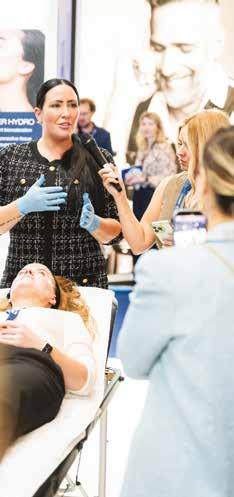



Why the Aesthetics Community Gathers at CCR
EDUCATION
Discover five CPD accredited education theatres delivering evidence-based panels, live product demonstrations, and practical case studies to help you stay at the forefront of the specialty.
NETWORKING
Expand your network and connect with key aesthetics leaders and peers through exclusive networking opportunities, including the Aesthetics Mentoring programme.
INNOVATION
Be the first to see exclusive product launches, device demos, and gain early insight into latest treatments and technologies entering the UK Medical aesthetics market.
Where science meets longevity

Educating healthcare professionals on evidence-based functional, integrative, holistic, lifestyle, and wellness treatments.
Promoting the concept of healthy longevity, emphasising healthspan over lifespan in the specialty.
Shifting the focus from treatment to prevention, supporting longer, healthier, and more fulfilling lives.
Assessing the Role of Vaping in Skin Health
Presentations
Aesthetic practitioner Dr Mayoni
Gooneratne explores the effects of vaping on the skin
E‑cigarette use is reshaping skin health presentations, with emerging evidence for impacts on ageing, inflammation and wound healing that clinicians cannot ignore.1,2
Vaping has rapidly moved from niche behaviour to everyday habit, particularly in younger demographics in Great Britain.3,4 Recent UK youth survey data suggest that around one in five 11-17 year- olds have tried a vape, with current use highest in older teenagers and young adults. 3,4 Midlife women are an important and often overlooked vaping cohort, with meaningful e-cigarette use now seen in those aged roughly 35–55. This group sits at the intersection of menopausal hormonal change and vaping related oxidative stress and microvascular compromise, so nicotine exposure may compound intrinsic menopause related thinning, dryness and collagen loss to accelerate visible skin ageing and impair healing.5
While most public and professional discourse has focused on respiratory and cardiometabolic effects, dermatological consequences are now being described in case reports, observational studies and systematic reviews.1,6,7
Mechanistic overlap with combustible tobacco
Although e - cigarettes avoid combustion, most devices deliver nicotine, volatile organic compounds, metals and reactive oxygen species (ROS) in an aerosol that directly contacts facial skin and the oral region.6 Nicotine promotes vasoconstriction and endothelial dysfunction, resulting in reduced dermal microcirculation and impaired oxygen and nutrient delivery to the skin.8,9 Experimental dermatology and translational wound-healing studies indicate that e - cigarette aerosol can induce oxidative stress, lipid peroxidation and mitochondrial dysfunction in keratinocytes and sebocytes, in patterns broadly similar to conventional cigarette smoke.8,10,11
These pathways are highly relevant to aesthetic outcomes because they underpin collagen degradation, barrier fragility and low- grade neurovascular dysregulation, all of which can modify baseline skin quality and treatment responses.
Impact on skin ageing
Integrative and clinical dermatology reviews increasingly describe vaping as a potential accelerator of extrinsic skin ageing.1,6 ROS generated by e - cigarette aerosols can upregulate matrix metalloproteinases, particularly MMP-1, promoting collagen and elastin breakdown in the dermis and contributing to fine lines, textural roughness and loss of elasticity.8,11 At the same time, nicotine -induced vasoconstriction reduces capillary perfusion, limiting delivery of oxygen, vitamin C and other micronutrients required for ongoing matrix repair.8,12
In practice, this combination may manifest as dullness, sallowness and slower recovery from everyday insults, even in relatively young vapers. Although robust long-term, population-level data on wrinkles and photoaging in exclusive vapers are lacking, current evidence and pathophysiology suggest that regular use is unlikely to be neutral from an ageing perspective and may share
more with smoking-related “smoker’s face” than many younger users anticipate.1,6,7
Inflammation, irritation and specific dermatoses
Emerging clinical data links vaping with a spectrum of inflammatory and irritant facial dermatoses. Narrative and systematic reviews describe increased prevalence or exacerbation of acneiform eruptions, perioral dermatitis and rosacea in e-cigarette users.1,6,7
A recent review of facial dermatoses in vapers highlights nicotine-induced oxidative stress in sebocytes, dysregulated sebum production, inflammatory cytokine release and barrier disruption as plausible drivers of these presentations.11
Contact and allergic dermatitis have also been reported in association with flavouring agents, propylene glycol, glycerine and metals present in e-liquids and device components.6,7
Wound healing and barrier function
One of the most clinically relevant areas for aesthetic practice is wound healing. Pre-clinical work from facial plastic surgery and dermatology has shown that exposure to e-cigarette vapour can impair cutaneous flap survival and wound repair to a degree comparable with traditional cigarette smoke.8,9 In rodent models, 30 minutes per day of exposure to either cigarette smoke or e-cigarette vapour over a month resulted in substantially increased tissue necrosis in random pattern skin flaps compared with smoke-free controls.8,9
At a molecular level, vaping has been associated with decreased vascular endothelial growth factor (VEGF) expression, reduced microvessel density and altered expression of key wound-healing genes such as TGF-β and MMP-1 in healing tissue.8 Clinical reviews now conclude that e-cigarettes should be considered risk factors for impaired healing and thermal injury to otherwise healthy skin.13,14,15
Impact of vaping on body systems and skin
Although most aesthetic discussions centre on local cutaneous effects, vaping also exerts systemic changes, particularly in the gut and oral environment, that can indirectly worsen skin health. Experimental work shows that even nicotine-free e-cigarette aerosols containing propylene glycol and glycerol can disrupt intestinal epithelial tight junctions, increasing paracellular permeability and triggering colonic inflammation in murine models and human gut-derived organoids.15,16 Chronic exposure has been associated with submucosal inflammatory infiltrates, higher epithelial infectivity and dysregulated cytokine responses, indicating that vaping can compromise gut barrier integrity and immune homeostasis even in the absence of traditional tobacco smoke.15-17
Emerging in vivo data suggests that chronic exposure to both conventional and electronic cigarettes alters ileal and colonic turnover, immune function and barrier integrity in mice, further supporting the concept that these products drive low-grade systemic inflammation via the gut.18 While early human studies reported broadly similar gut bacterial composition between vapers and non-smokers, more recent work indicates that functional changes, rather than gross taxonomic shifts, may be key-modulating host-microbe interactions, susceptibility to infection and systemic inflammatory tone.19,20
In parallel, a study of the subgingival microbiome demonstrates that vaping reshapes oral microbial communities and associated metabolites in a way that favours a more pro-inflammatory and tissue-remodelling profile, with potential implications for periodontal health and chronic inflammatory load.21
Recent reviews and Mendelian randomisation studies have linked gut microbiota composition and gut barrier dysfunction to common inflammatory dermatoses, including acne, eczema, psoriasis and rosacea.22,23 When the gut barrier is compromised, translocation of
microbial products such as lipopolysaccharide can promote systemic low‑grade inflammation, insulin resistance and oxidative stress, all of which are recognised contributors to sebogenesis, inflammatory acne, impaired barrier repair and accelerated skin ageing.22,23 In practical terms, a young person who vapes heavily may present not only with local irritant or vascular changes from aerosol exposure, but also with a systemic milieu that favours breakouts, flares of inflammatory dermatoses and slower recovery from procedures. While causality cannot yet be firmly established in humans, the convergence of pre‑clinical gut‑barrier data and emerging gut–skin axis research supports presenting vaping as a behaviour that can influence skin both directly, via local oxidative and vascular effects and indirectly, via its impact on gut integrity, microbiota‑immune signalling and systemic inflammation.15,16,18,22
Gaps in the evidence and what is needed next
Despite growing concern, the dermatology literature on vaping remains relatively young and methodologically limited. Recent systematic reviews emphasise a lack of large, high‑quality epidemiological studies quantifying cutaneous disease incidence and prevalence in vapers versus non‑smokers and smokers.1,6
There is minimal prospective data linking vaping intensity or duration to specific clinical endpoints such as wrinkle formation, barrier metrics, pigmentary change or post‑procedural complication rates in aesthetic populations. Few studies adequately adjust for confounders such as UV exposure, indoor air pollution, diet, stress load, hormonal status and co‑existing dermatoses, all of which can significantly affect skin appearance and healing. Priority research needs to include:
· Prospective, longitudinal cohorts comparing ageing markers, barrier function and dermatoses in exclusive vapers, smokers, dual users and non‑users.
· Procedure‑specific clinical trials assessing complication rates, downtime and healing trajectories in relation to vaping status, product type and cessation windows.13,14
· Mechanistic work disentangling the roles of nicotine, solvents and flavourings in barrier disruption, inflammation and microvascular compromise.6,8
· Youth‑focused behavioural research exploring perceptions of aesthetic risk, social drivers of vaping and effective communication strategies for harm reduction and cessation.3,4
Clinical assessment of vaping as a contributing factor
Incorporating vaping into routine skin and aesthetic assessment can sit alongside traditional smoking, alcohol and lifestyle history without significantly extending consultation time. A brief, structured enquiry might cover product type (disposable, refillable pod, mod), nicotine strength, daily frequency, duration of use and any dual use with cigarettes.3
On examination, clinicians can remain alert to perioral papulopustular eruptions, persistent erythema, telangiectasia, delayed healing, atypical scarring and unexplained barrier fragility in younger or otherwise low‑risk individuals.11,15
Practical advice for patients
Practitioners should focus on clear, actionable guidance that resonates with patients.
Communicating risks without fearmongering
Many younger vapers are motivated by appearance, so anchoring discussions in skin outcomes can be powerful. Explaining that vaping can reduce blood flow to the skin, increase oxidative stress and slow healing even if it feels ‘light’ or ‘cleaner’ than smoking grounds risk in tangible, relatable endpoints.7 9
Procedural timing and peri‑treatment guidance
Given the mechanistic overlap with smoking, peri‑operative reviews now recommend treating nicotine‑containing vaping similarly in the surgical setting.13,14 Practical measures for aesthetic practice could include:
· Advising complete abstinence from nicotine vaping for an agreed window before and after higher‑risk procedures (for example, around four weeks for surgical interventions and deeper resurfacing such as laser therapies or deep peels, and at least several days around more moderate wounding treatments), adapted to patient risk and procedure type.9,13,14
Incorporating clear messaging on vaping into pre‑treatment information, consent forms and post‑care leaflets, alongside standard instructions on UV avoidance, skincare and infection prevention.
· Emphasising that even partial reduction or short‑term abstinence before and after a procedure may improve microvascular function and healing, while supporting patients who are not yet ready for full cessation.8,9
Skincare and adjunctive support for current vapers
Many patients will continue to vape, at least in the short term. A supportive, harm‑reduction mindset can preserve rapport and still deliver meaningful dermatological gains.
Evidence‑aligned advice might include:
· Prioritising barrier support with gentle, fragrance‑free cleansers and emollients rich in ceramides and humectants, to counteract irritant and dehydrating effects of aerosol exposure.7
· Daily broad‑spectrum SPF, given that UV‑driven oxidative stress may synergise with vaping‑related ROS to accelerate photoageing.6,7
· Incorporating topical antioxidants such as vitamin C and niacinamide, alongside anti‑inflammatory agents for acneiform or rosacea‑prone skin, to help buffer oxidative and inflammatory load.11,24
· Being proactive about managing acne, perioral dermatitis and rosacea with evidence‑based topical or systemic therapies e.g. use of tretinoin topically for acne, while simultaneously addressing vaping as a modifiable co‑factor.
Balancing evidence and patient guidance
Vaping is no longer a peripheral issue in medical aesthetics. While the dermatological evidence base is still evolving, current data indicates meaningful effects on skin ageing pathways, inflammatory dermatoses and wound healing that are highly relevant to cosmetic outcomes.1,6,7
For now, integrating vaping history into routine assessment, treating nicotine vaping like smoking in the peri‑procedural context, and offering pragmatic, non‑judgemental guidance to younger patients represents a balanced, patient‑centred approach that supports both skin health and overall wellbeing.

Dr Mayoni Gooneratne is a London‑based medical practitioner specialising in functional, integrative and medical aesthetics with a particular interest in women’s health, metabolic optimisation and skin longevity. She leads a multidisciplinary clinical team and regularly speaks and writes on evidence‑based approaches to skin health, hormones and mitochondrial optimisation.
Qual: MBBS, BSc, MRCS, AFMCP










Boost your patients’ collagen production to work against skin ageing from within







RADIESSE is an injectable dermal filler used to enhance the facial area and back of the hands. RADIESSE is available for smoothing moderate and severe wrinkles of the décolleté. Actual RADIESSE® patient.



Scan the QR code to speak to an Account Manager for more information
Adverse events should be reported. Reporting forms and information for United Kingdom can be found at h ps://yellowcard.mhra.gov.uk. Reporting forms and information for Republic of Ireland can be found at h ps://www.hpra.ie/homepage/about-us/report-an-issue. Adverse events should also be reported to Merz Aesthetics UK Ltd by emailing UKdrugsafety@merz.com or calling +44 (0) 333 200 4143.
©2026 Merz Aesthetics UK Ltd – All rights reserved. MERZ AESTHETICS and RADIESSE logos are trademarks and/or registered trademarks of Merz Aesthetics UK Ltd in the United Kingdom. Registered in England No. 14506945. Merz Aesthetics UK Ltd. Ground Floor Suite B, Breakspear Park, Breakspear Way, Hemel Hempstead, Hertfordshire, HP2 4TZ. www.merz-aesthetics.co.uk.
M-RAD-UKI-0570 Date of Preparation: February 2026

as B-group vitamins and vitamin K.10 For example, some strains of Lactobacillus and Bifidobacterium are believed to produce vitamin B3 (niacin), which can then be converted into niacinamide in the body – a compound widely recognised for its role in supporting skin repair and barrier function.11 While this connection is biologically plausible, the direct impact of microbially derived nutrients on skin outcomes remains an area of ongoing research.
Exploring the Gut-Skin Axis in Aesthetics
Mr Oli Curwen analyses the prospective relationship between the gut-skin barrier
In 2026, interest in biohacking, evidence-based healthy ageing strategies and skin health optimisation has increased.1 This reflects a shift away from immediate progression to injectable interventions. Practitioners are therefore facing a greater demand to understand and explain the pathophysiology of common skin complaints, as well as to suggest treatments beyond what is on the clinic shelf, from lifestyle changes to food supplement advice.2
This article addresses the developing correlation between the gut and the skin, noting that while evidence is still emerging, practitioners can offer a deeper understanding of the underlying reasons behind skin behaviour.
Introducing the gut-skin axis
The gut-skin axis is a term used to describe the bi-directional relationship between skin health and the gut microbiome, the environment within the gastrointestinal tract that includes gut flora, bacterial genomes and their metabolites.3 We now know that the gut microbiome is intrinsically linked to overall health and longevity, due to its role in metabolic, immunological and neuro-endocrine signalling systems.4,5
Similarly, the skin also performs roles within the same pathways, either because of direct exposure to stimulants in the outside world (for example UV rays), or via the actions of its own microbiome.6 Dysbiosis is used to define a loss of microbe diversity, increased concentrations of pathogenic microorganisms and a loss of beneficial microbes.7 This is related to a multitude of health conditions, including type 2 diabetes, and, specifically to this article, common skin complains including acne vulgaris, rosacea and psoriasis.6,8
Biological mechanisms linking gut and skin
The relationship between the gut and the skin is increasingly being explored as part of a broader, emerging concept often referred to as the gut-skin axis. While research is still developing, early findings suggest that these two systems may share more in common than previously thought, including aspects of their embryological origin and their role as interfaces between the body and the external environment.9 Both are thought to participate in barrier function, immune signalling, metabolism of external compounds and neuroendocrine activity, though the extent of these shared roles continues to be investigated.6
There is growing interest in how gut microorganisms may influence skin physiology. The gut microbiome is known to contribute to nutrient metabolism, including the synthesis of certain vitamins such
Similarly, compounds such as urolithins – metabolites produced by gut bacteria from polyphenols found in foods like berries and pomegranates – have attracted attention for their potential antioxidant properties.13 It has been suggested that they may help protect skin cells from oxidative stress, although much of this evidence is still emerging and not yet fully translated into clinical practice.14
Dietary fibre provides another possible link. Because fibre is not fully digested by the human body, it is fermented by gut bacteria into short-chain fatty acids (SCFAs).15 These molecules are thought to play a role in maintaining epithelial integrity and modulating inflammation. Some researchers propose that SCFAs may support both gut and skin barrier function, potentially influencing factors such as hydration and inflammatory responses, although this connection is still being clarified.16,17
Dietary patterns, particularly high sugar intake, have also been hypothesised to influence the gut-skin relationship. Excess sugar consumption is associated with glycation, a process linked to skin ageing.18 At the same time, it may contribute to changes in the gut microbiome, potentially reducing microbial diversity.19 These shifts have been suggested to influence systemic pathways, including insulin-like growth factor 1 (IGF-1), which has been associated with increased sebum production and acne development – though this remains a complex and multifactorial process.20
As research evolves, these pathways may help to build a more comprehensive picture of skin health from a systemic perspective
The gut microbiome may also interact with stress-response systems such as the hypothalamic–pituitary–adrenal (HPA) axis.21 Certain gut bacteria are thought to be involved in the production or modulation of neuroactive compounds like gamma-aminobutyric acid (GABA) and serotonin.22 These pathways are of interest because of their potential role in stress regulation, which in turn may influence skin conditions such as acne or impaired barrier function.23 However, the mechanisms involved are still being actively studied.
Hormonal regulation presents another area of interest. Oestrogen, known for its role in skin health and ageing, may interact with the gut microbiome in a bidirectional way.24 The concept of the ‘estrobolome’ – a collection of gut microbes involved in oestrogen metabolism – has been proposed as a potential link between gut activity and systemic hormone balance.25 While intriguing, this concept is still in its early stages, and its clinical relevance for skin health, particularly in
peri- and post-menopausal patients, continues to be explored. Overall, while these mechanisms offer promising insight into how the gut and skin may be connected, much of the current understanding remains theoretical or based on early-stage evidence. As research evolves, these pathways may help to build a more comprehensive picture of skin health from a systemic perspective.
Assessing the indications
Upon inspection of a patient’s face, common complaints and features can be indicators of dysbiosis or impairment of the gut-skin axis.
Acne
Acne is characterised by the presence of four key factors: follicular hyperkeratinisation, excess sebum production, bacterial colonisation and inflammation. Each of these traits can be either directly or indirectly linked to the gut biome, via the mechanisms discussed above.19,26
Diffuse malar flush
The cutaneous manifestations of rosacea include telangiectasia on the cheeks or the nose, oedema and erythema.27 Patients with features of rosacea, or who have flushing early on after a high-carbohydrate meal or alcohol can indicate small intestinal bacterial overgrowth (SIBO), a cause of gut dysbiosis.6,28
Dryness and peeling
In the absence of sun damage or trauma, persistent facial dryness can be an indicator of SCFA depletion.17 The forehead and periorbital regions are often the first areas affected by gut dysbiosis, due to their relative increased number of sebaceous glands and thinner skin, respectively.29
Perioral dermatitis
Perioral dermatitis (PD) may often be misdiagnosed as stubborn acne or dryness, and its aetiology remains poorly understood.30 PD is an inflammatory rash, with clusters of uniform papules that affect the lower face but often leave a halo of unaffected skin around the mouth, while acne has comedones and dryness is associated with scaling.30 While linked to the use of topical steroids, there is evidence demonstrating a relationship between vitamin B and zinc deficiencies with the condition.30,31
Impaired healing
Chronic wounds or slow recovery from treatments causing controlled injury, like microneedling, laser or peels, can be a sign of gut dysbiosis. SCFA depletion increases permeability of the skin and gut barrier to lipopolysaccharides.16 These pro-inflammatory cytokines have been shown to increase wound healing time, as well as the production of hypertrophic scars.32
Increased serum levels of cytokines, for example interleukin-6 (IL-6) and tumour necrosis factor-alpha (TNF-alpha), have been identified in patients with dysbiosis.33 These inflammatory molecules are directly related to post inflammatory hyperpigmentation (PIH), a common post-procedural complication.34
Consulting the gut-skin axis in clinic
As with all medical issues, a thorough consultation is essential to provide adequate treatment advice and recommendations. Lifestyle questions should be included as part of this, as low exercise levels, high alcohol intake, smoking and poor diet all have a direct negative impact on the gut microbiome.35
Specific questions to consider in an aesthetic clinic could be:
1. “Do you notice skin has flares or breakouts within 24-48 hours of eating certain meals?”
This question helps identify potential metabolic and inflammatory
triggers, including activation of the IGF-1 pathway and post-meal surges in lipopolysaccharides following high-sugar or high-fat foods. Recognising dietary-related inflammation can guide more holistic treatment planning and improve clinical outcomes.19,20
2. “Is your skin reacting more aggressively to products that you previously tolerated well?”
An increased sensitivity to active skincare products, like retinol or vitamin C may indicate a compromised skin barrier, due to further activation of cytokines and having a low pH.36,37 This can be linked back to reduced SCFA production and impaired barrier integrity, making patients more prone to inflammation.
3. “Have you recently taken antibiotics?”
Recent or long-term antibiotic use can significantly disrupt the gut microbiome, causing overgrowth of pathogenic bacteria.38 This may contribute to treatment resistance and impair the skin’s healing response following in-clinic procedures that rely on controlled micro-injuries to the dermis, such as microneedling, chemical peels or laser treatments.9 Identifying this pre-treatment allows practitioners to adjust protocols and focus on recovery and skin resilience.
4. “If you experience acne breakouts, are they particularly on the jawline and chin or at specific points of your menstrual cycle?”
This helps differentiate hormonal acne from inflammatory acne vulgaris. Hormonal breakouts often require a different treatment approach, with a focus on hormonal regulation and oestrogen balance to improve skin quality and reduce sebum production, rather than relying solely on topical or procedural interventions.26
Exploring emerging protocols
Conditions such as inflammatory acne, hormonal acne, rosacea and atopic or dry skin are increasingly being explored in relation to gut microbiome imbalance, dietary patterns and systemic inflammation.3-5 While these associations are not yet fully established, it is thought that such factors may influence processes including sebum production, skin barrier integrity, immune response and even treatment tolerance.
In acne-prone patients, dietary patterns such as high sugar intake and low plant fibre consumption, alongside hormonal influences, have been suggested as potential contributors to inflammation and microbial imbalance. Similarly, rosacea has been hypothesised to involve alterations in short-chain fatty acid production and an increased sensitivity to inflammatory triggers, including the presence of Demodex mites within hair follicles.19,23,26,39,40 However, these links remain under investigation and are likely to be multifactorial.
Atopic and dry skin conditions are also being examined through this lens, with some evidence suggesting a possible association with increased permeability and immune dysregulation.16,19,41 These factors may, in theory, compromise skin barrier function and influence healing responses following in-clinic procedures, although more robust clinical data is needed.
In clinical practice, aesthetic treatments are often used to manage the visible manifestations of these conditions. However, there is growing discussion around whether addressing potential underlying contributors – such as diet, lifestyle or gut health – may support longer-term outcomes, though this approach is still evolving.6
For example, LED blue light therapy is widely used in acne management due to its antibacterial effects on C. acnes and its role in reducing inflammation.42,43 That said, there is some discussion around its potential to induce oxidative stress, and the long-term implications of this are still being explored.44
Intense pulsed light (IPL) and certain laser therapies are commonly used for vascular concerns, including telangiectasia and rosacea.45 These modalities work through targeting haemoglobin and reducing visible vasculature, and may also impact inflammatory pathways and
Skin condition Gut microbiome influence
Inflammatory acne High sugar diet, leading to increased sebum production.20
Hormonal acne Reduced SERMs from plant fibres, or dysregulation of oestrogen cycles.24
Rosacea Dysbiosis leads to reduced SCFAs, increasing susceptibility to proinflammatory lipopolysaccharides.19
Atopic/dry skin Increased skin permeability from gut dysbiosis increases the susceptibility to allergens and oxidative stress.41
Accelerated ageing SCFA and NAD+ depletion.11
Skin microbiome influence
Overgrowth of C.acnes bacteria, triggering follicular inflammation.59
Hormonal fluctuations in the skin increase pH, allowing overgrowth of pathogenic bacteria.64
An impaired skin barrier increases risk of Demodex mite infestation within hair follicles, triggering inflammation.39
S. aureus overgrowth occurs with poor immune function.69
Loss of UV-Shield and repair.9,11
Table 1: A simplified guide on how the gut-skin axis is involved in complaints.
Considerations
Gut: Zinc supplements (to reduce IGF-1, low glycaemic diet.60
Skin: Salicyclic acid, niacinamide.61,62
In clinic: LED blue light therapy, laser.42,63
Gut: Increase plant fibre consumption and probiotics, like natural yoghurt.
Skin: Retinoids, adapalene.65,66
In clinic: Salicylic acid peel.67
Gut: Consider referral for SIBO screening, adding lemon to drinking water can help reduce bacterial overgrowth, probiotics.40
Skin: Azelaic acid.68
In clinic: IPL or laser treatments for redness, consider antibiotics, botulinum toxin mesotherapy.53
Gut: Omega-3 supplementation to aid ceramide production.70
Skin: Topical ceramides.50
In clinic: HA skin boosters, PRP injectables.48,71
Gut: Urolithin A supplements, pre-biotics.72
Skin: Vitamin C and ferulic acid.73
In clinic: PNs, PLLA injectables.58,74
Disclosure: These treatment protocols should be viewed as considerations or areas of interest, rather than established pathways.
Demodex populations.46,47 While often effective for symptom control, they are generally considered part of ongoing management rather than a definitive solution, particularly if underlying triggers persist.
Hyaluronic acid (HA) skin boosters and similar injectables are frequently used to improve hydration and support skin quality. Their anti-inflammatory effects within the dermis have been proposed as beneficial, particularly where barrier function may be compromised.48,49 However, outcomes can vary significantly between individuals and may depend on broader physiological factors that are not yet fully understood.50
Platelet-rich plasma (PRP) has gained attention for its regenerative potential, with evidence supporting its role in wound healing and tissue remodelling.51 As an autologous treatment, its effectiveness may be influenced by the patient’s overall health and inflammatory status, which could include factors such as microbiome balance –although this connection remains largely theoretical at present.52
Botulinum toxin, when used intradermally, has shown promise in the management of rosacea-related symptoms such as flushing and erythema.53 Techniques such as mesotherapy with neuromodulators may offer symptomatic relief, though repeated treatments are typically required as effects are temporary.
Emerging injectable treatments such as polynucleotides (PNs) and poly-L-lactic acid (PLLA) are also being explored for inflammatory skin conditions, including atopic dermatitis.54 Early findings suggest they may influence inflammatory pathways and support skin repair processes, but current evidence is limited, and optimal treatment protocols have yet to be clearly defined.55-58
Overall, while these treatment approaches can address visible skin concerns, their interaction with broader systemic factors – such as the gut-skin axis – remains an area of active research. As such, many of these connections should be viewed as promising but not yet conclusive.
Contraindications and referrals
As with all treatments, patient selection is key. Relative contraindications to controlled-injury treatments include those with darker skin, who are prone to keloid scarring, patients taking photosensitising medications and hyperglycaemia.75 These patients are likely to have impaired healing following IPL, laser or microneedling, and may have heightened sensitivity to peels and active skin treatments. A full list of contra-indications will be found in the specific information leaflets for each treatment modality.
Similarly, patients who have allergies to specific ingredients found within injectable treatments must have a risk-benefit discussion depending on the severity of allergy, for example an allergy to fish when discussing PNs.76
Patients with immune hypersensitivity or uncontrolled autoimmune conditions, such as systemic lupus erythematosus or Crohn’s disease, should have deferred treatment until their lead physician has approved intervention. All lesions should be screened for malignancy prior to treatment, with urgent referral to a dermatologist if there is anything of concern.
Treatment resistance should raise alarm bells for aesthetic practitioners. Referral to a gastroenterologist, or functional gut specialist, for suspected SIBO or other gastrointestinal disorders is encouraged in these cases. Referral to a specialist dermatologist should be considered for treatment resistant cases, concern of malignancy or in patients with active autoimmune conditions. These referrals should be made with involvement of the patient’s GP.
Responding to inflammation
This article explores the concept of the skin as a reflection of underlying intestinal health, emphasising the influence of the gut microbiome on cutaneous function. As medicine advances into a new era defined by longevity, optimisation of ageing and biohacking, there is a growing expectation for practitioners to adopt a more integrative perspective.
Understanding and addressing the gut–skin axis will become increasingly important in managing dermatological conditions holistically. However, this field remains in its relative infancy, and further robust clinical research is required to substantiate emerging theories and guide evidence-based practice in this promising and evolving domain.

Mr Oli Curwen is a colorectal specialist registrar with experience in surgical and medical management of bowel cancer and inflammatory bowel disease. He has published and presented in the field of gut health and is currently undertaking a research doctorate at Imperial College London. He also runs his own aesthetics clinic in Central London, Dr Oli Aesthetics.
Qual: MBBS, BSc (Hons) MRCS


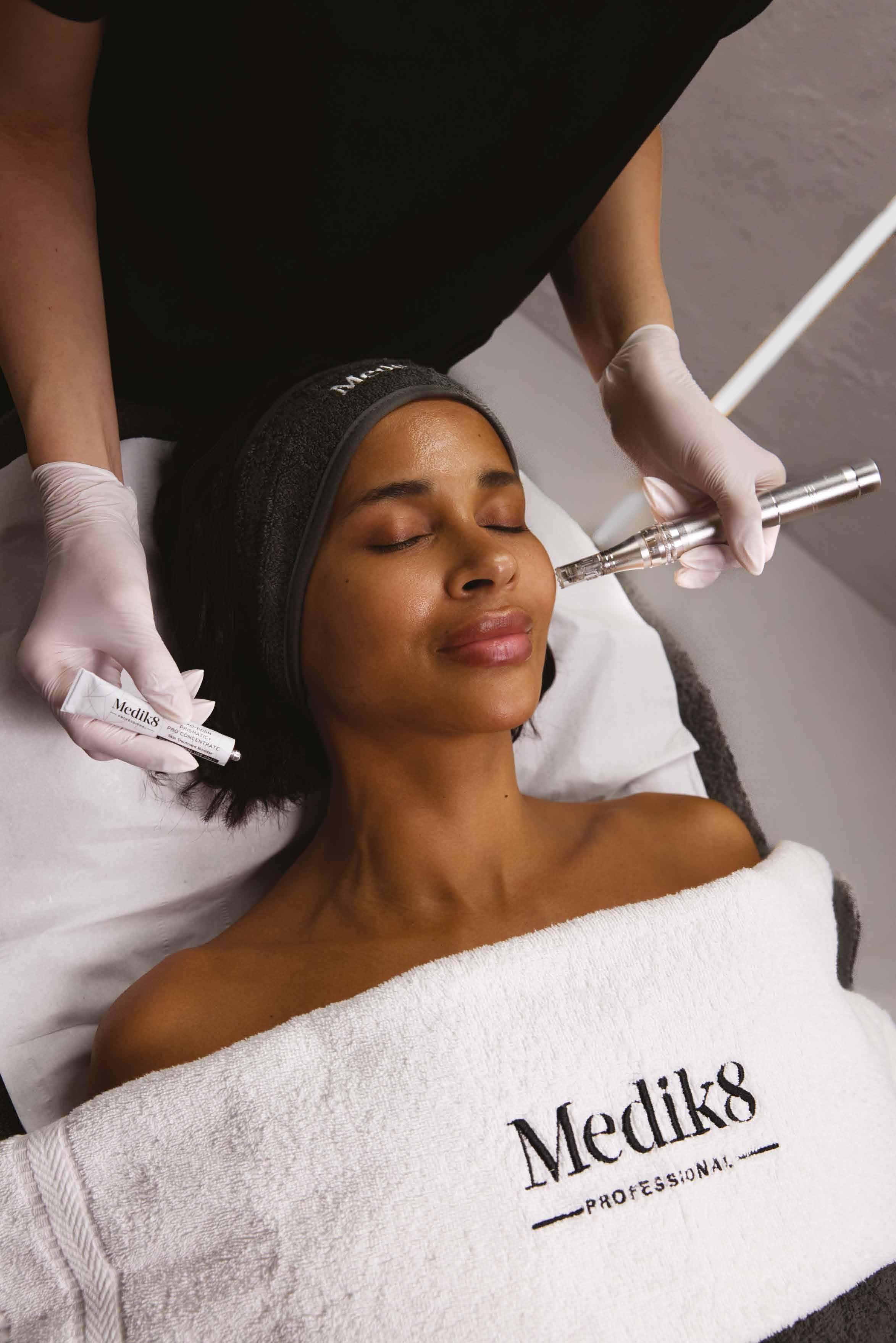

Permanently
Non-invasive
Pain-free
Up
Addresses
Commercially


Injectable Approach with Trauma-aware Care
Nurse practitioner Sophie Brooks presents a trauma-aware injectable case study in gender-affirming facial feminisation
The concept of gender being fluid is becoming more widely accepted within society. As a result gender-diverse, transgender and non-binary patients are a population seeking non-surgical aesthetic treatments to affirm their gender identity.1-3
Gender-affirming aesthetics (GAA) is a specialist service that focuses on supporting individuals to feel more aligned with their gender identity through sensitive, ethical and patient-centred care. For some transgender women, facial features can play a significant role in gender dysphoria, particularly where skeletal and soft tissue characteristics shaped by testosterone exposure during puberty conflict with an individual’s gender identity.1
Injectable treatments offer non-surgical options to soften, harmonise and feminise facial features, although they cannot reduce underlying bone structure which has been influenced by testosterone. 2 Instead, the treatments offer focus on camouflage, contouring and proportion, while maintaining realistic expectations and prioritising psychological safety.
This article will outline a trauma-aware, gender-affirming injectable approach to facial feminisation, using a mid-face and lower-face case study to illustrate anatomical assessment, clinical decision-making, product selection and psychological considerations in practice.
Scope and treatment planning
Medical aesthetic treatments are cosmetic in nature and GAA is an optional, complimentary treatment modality, to support patients in aligning their physical appearance with their chosen gender identity. 3 It is a modality that may sit alongside a multidisciplinary model of care for a marginalised and vulnerable patient group, and ethical working should transcend all clinical care.4 Practitioners seeking to offer this service should ensure they are working within their scope of practice and can recognise their limitations, and the need to refer on as necessary.
Evidence highlights that the trans community are disproportionately affected with mental health needs,5,6 have high incidences of social isolation,7 and are more likely to have unmet health needs in comparison to their cisgender peers.8 These statistics embolden the need for a comprehensive consultation which considers support needs and vulnerabilities requiring referral or signposting to additional services. Informed consent should be obtained in line with the practitioner’s professional guidance,9,10 ensuring the patients capacity to consent, expectations are managed, limitations of treatments are highlighted and screening for body dysmorphic disorder (BDD).11,12
Patients may present at different stages of their transition; while many are established on hormone therapy, others may be newly commenced or awaiting treatment. A comprehensive consultation is carried out, incorporating a full medical history, current medications including hormone therapy,13 along with other professionals involved with the patient’s care (statutory or non-statutory)14 and immediate support networks.15
Baseline assessment should include facial analysis, assessment of an individuals anatomical structure, muscle movement and skin
condition,16 with the status of medical transition being considered in relation to anatomical changes which have/may occur.17,18
Sexual dimorphism in facial anatomy
Anatomical characteristics traditionally associated with masculine and feminine features include variations in skeletal structure, fat distribution, and soft tissue projections.19,20 Masculinising features are considered to include a wider mandibular angle, more prominent brow ridge, and a flatter mid-face, 21 whereas feminising features are widely considered as a smoother, convex forehead, 22 elevated eyebrow positioning, increased mid-face projection, reduced lower facial width and fuller lips with a smaller philtrum. 23
Of course, classifications are based on population averages and can reinforce binary or stereotypical ideals of gendered appearance. In practice, facial aesthetics exist on a spectrum, and individual preferences may not align with these conventional descriptors. As such, it is essential that practitioners avoid prescriptive assumptions and instead adopt a patient centred approach, focusing on open-ended questioning and using patient-led language to conceptualise individual goals. 24
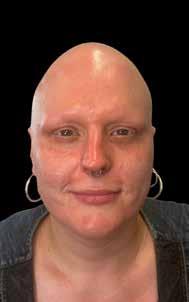

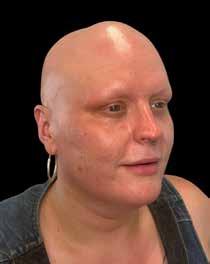
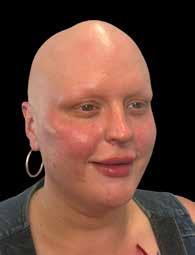
Treatment planning
Treatment planning is guided by the patient’s individual goals, exploring what femininity looks like for them before considering approaches that may support this.
While injectable treatments can achieve meaningful and affirming changes, it is important to recognise their limitations. Their ability to alter underlying skeletal structure is limited, and patients
Figure 1: Patient before and immediately after treatment using Azzalure and dermal fillers from the Stylage range.


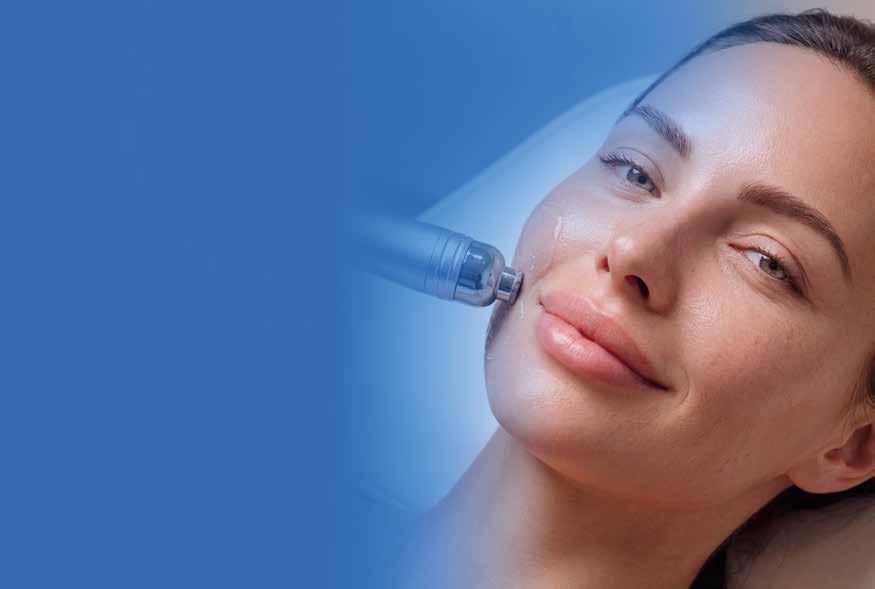

presenting with features influenced by post-pubertal bone development, 25 such as a wider mandible or prominent brow, or those seeking structural changes such as philtrum shortening. 26,27 Professional judgement should be used to determine if surgical intervention would be more suitable for the patient based on their anatomy and treatment expectations.
Injectable treatment modalities
Treatment modalities used for feminisation vary depending on the expectations, anatomy and treatment goals for the patient, though these modalities may be considered based on the previously identified feminising features.
Upper face: Treatments which add volume may include dermal filler or calcium hydroxylapatite (CaHA), though careful consideration should be taken due to the high vascularity of the area and the influence of muscle movement. 28,29,30,31
Elevated eyebrow positioning: Botulinum toxin can be used to temporary lift the forehead and eyebrow position. Dermal filler may be used in the periorbital area or the temples to provide lift if the patient is suitable, though the high-risk nature of the areas requires a skilled practitioner to offer this. 32,33,34
Mid-face: Treatment modalities which add volume could be considered, including hyaluronic-acid dermal fillers, CaHA and poly-L-lactic-acid fillers, and should be considered in the context to the length of time on hormone therapy if applicable. 35,36,37,38,39,40
Chin/jawline width: A multimodality approach of dermal filler in the chin to add projection and soften, alongside volumisation in the mid-face and botulinum toxin to reduce muscle bulk of the masseter, can reduce the perceived lower facial width. Referral for surgical treatments should be discussed for patients with significantly larger lower facial width.41,42,43,44
Lips: Dermal filler can be used to add volume, projection and enhance the shape of the patients’ lips, in line with their individual goals. Though as previously highlighted it cannot reduce the length of the philtrum and so surgical referral may be necessary.45,46,47,48
Case study
This case study explores a gender-affirming injectable approach for mid-face feminisation in a transgender woman, integrating anatomical assessment with a trauma-aware consultation ( Figure 1 ).
Patient background and indication
The patient was a 34-year-old woman who had socially transitioned two years previously and had begun medically transitioning one year previously, with a hormone therapy consisting of estradiol and finasteride. Her medical history was unremarkable, she reported asthma, chronic bruxism and was undergoing a course of exciplex light therapy for alopecia totalis. She was also using tirzepatide to support weight loss. During consultation, the patient described persistent dysphoria related to her mid-face and lower face, in particular the width of her jawline in relation to the flatter appearance of her cheeks. Her goals were focused on achieving greater cheek definition, reducing perceived lower face width and enhancing lip volume, this is in line with perceived attractive feminine facial features.49 She also reported general concerns regarding skin dryness and sensitivity since starting hormone therapy; this is likely due to the influence of oestrogen which reduces sebum production, resulting in an increase in transepidermal water loss.50 Though not experienced by the patient, oestrogen therapy can impact melanogenesis, highlighting the importance of SPF to prevent developing melasma.51
The patient explained that these concerns significantly impacted her confidence, particularly when presenting in public and within her professional role. She reported frequently analysing her facial features in mirrors and photographs and feeling that her appearance did not align with her internal sense of self.
Feminising features are widely considered as a smoother, convex forehead, elevated eyebrow positioning, increased mid-face projection, reduced lower facial width and fuller lips with a smaller philtrum
Consultation and clinical decision-making
Expectations were managed by discussing the limitations of injectable treatments, particularly in relation to skeletal features influenced by testosterone exposure during puberty.52 The patient was advised that while dermal fillers and neuromodulators cannot alter underlying bone structure, they can soften, camouflage and harmonise facial proportions.53
We also discussed the potential psychological overlap between gender dysphoria (GD) and BDD. Whilst both conditions cause the individual mental distress because of physical attributes, BDD distorts an individual’s perception of themselves, whilst GD is a result of the biological sex contradicting their gender identity.54
Although these are distinct constructs and not mutually exclusive, awareness of this relationship is important in aesthetic practice. The consultation was non-judgemental, focusing on affirmation, autonomy and psychological safety.
Several treatment options were explored including skin quality treatments such as non-crosslinked hyaluronic acid or polynucleotides, to strengthen the skin barrier and reduce transepidermal water loss, neuromodulators to soften muscle movement and reduce muscle bulk and dermal fillers to add volume, soften contours and harmonise the physical features. Given the patient’s preference for non-surgical interventions and her current stage of transition, we agreed on an injectable approach focusing on mid-face feminisation, facial slimming and lip enhancement.


STRONGER EFFICACY

COMPARED TO THE LEADING 15% L-ASCORBIC SERUM¹
TARGETED SERUMS
C-RADICAL DEFENSE











innovative antioxidant serum helps reduce e ects of free radicals up to 74%²





Weight loss and hormonal changes were significant considerations. Rapid weight loss following the use of GLP-1 agonists impacts the volume within the facial fat pads,55 particularly the mid-face,56 whilst feminising hormones influence skin texture, hydration and fat placement.57-59 This was discussed with the patient, who did not wish to postpone dermal filler treatment until discontinuing tirzepatide, given the mid-face flattening she presented with. It was therefore agreed that a subtle, conservative approach would be most appropriate, with the option to build and refine the results gradually over time.
Treatment plan and rationale
The final treatment plan involved a combination of neuromodulator and dermal filler. The goals were to:
1. Reduce lower face heaviness and muscle-related facial width
2. Lift and contour the mid-face to enhance zygomatic projection
3. Enhance lip volume and shape to support facial feminisation
4. Soften upper facial lines and open the eye area
From an anatomical perspective, feminisation was achieved by increasing emphasis on the mid-face and lips while reducing masseter bulk, creating a softer, more tapered facial silhouette.
Neuromodulator
A total of 120 Speywood units of Azzalure botulinum toxin type
A was used to treat the masseter muscles for bruxism and facial slimming, chosen due to its smaller molecule giving faster and longer lasting results.60 The masseters were mapped by palpation while the patient clenched, allowing accurate identification of muscle borders. This approach aimed to reduce muscle tension and pain while also decreasing lower face width over time.61
An additional 40 Speywood units of Azzalure was used to treat the glabellar complex, and 50 Speywood units for the orbicularis oculi. This was performed to soften dynamic lines and create a subtle upper-face lift by reducing the depressor activity of the glabellar region.62 Injection sites were mapped following assessment of facial movement and anatomical landmarks, including palpation along the orbital rim to identify the frontozygomatic suture.63
Dermal filler
A total of 3ml hyaluronic acid dermal filler was used in the mid-face, and 1ml was used for lip enhancement.
Facial mapping was performed using the Hinderer’s lines, with the superior aspect of the tragus used as a reference point, commonly preferred in facial assessment of those assigned female at birth.64 A secondary line from the oral commissure to the lateral canthus was used to identify the malar eminence.
Stylage XXL was administered as bolus deposits laterally from the malar eminence along the zygoma using a 27G needle, injected perpendicularly to the periosteum. This high-elasticity filler was selected to provide structural lift and projection to the mid-face, enhancing zygomatic width and support.65,66 Further bolus injections were placed into the deep medial fat pad to improve anterior cheek projection.
Stylage XL was then injected laterally using a 22G x 50mm cannula into the deep dermis, using the ala-tragus line as a guide. As the viscosity of Stylage XL is lower in comparison to Stylage XXL,67 this enabled me to sculpt the product to achieve a soft contour at the cheek apex, whilst maintaining the structural integrity of the product. Stylage dermal filler products were chosen due to the IPN technology, promoting tissue integration, whilst the presence of mannitol prevents post-procedure swelling and an increase in longevity.68
Stylage Lips Plus was selected within the body of the lip to create volume, with its higher HA content giving a fuller look,69 vertical retrograde linear threads were used and micro-bolus injections into the body of the lip, delivered with a 30G needle. The Cupid’s bow and vermilion border were enhanced using Stylage S, a softer filler appropriate for delicate lip structures.70
Alternative filler options discussed included Juvéderm Voluma and Restylane Lyft for the mid-face.71
Risks
and contraindications
Potential side effects discussed included redness, swelling, bruising and tenderness, and injection at injection sites.72 Risks specific to dermal filler, including nodules, migration and a vascular occlusion, were explained in detail.73 Neuromodulator risks included asymmetry, unwanted muscle weakness and headache.74
Informed consent was obtained through verbal discussion and written consent forms, ensuring the patient fully understood both benefits and risks. Aftercare advice included avoiding pressure on treated areas, minimising sun exposure and avoiding strenuous exercise immediately post-treatment to reduce swelling and avoid filler degradation.75
Outcomes and follow-up
Dermal filler results were visible immediately, although some swelling was present. Neuromodulator results became apparent approximately two weeks post-treatment.
The patient reported feeling significantly more confident and less dysphoric, describing her face as “softer” and “more feminine.” Clinically, the treatment achieved improved mid-face projection, reduced lower face heaviness and enhanced lip volume, contributing to overall facial harmonisation ( Figure 1 ).
Limitations included the inability to alter underlying skeletal structure, which was discussed throughout the consultation process. Future treatment plans included bio-revitalisation therapies aimed at improving skin hydration, stimulating collagen production and strengthening the skin barrier, particularly considering hormone-related dryness and sensitivity.76
Practice implications for gender-affirming injectables
This case highlights the importance of gender-affirming, patient-centred consultation in aesthetic practice. Injectable treatments can play a valuable role in supporting transgender patients to feel more aligned with their identity when delivered ethically, conservatively and with psychological awareness. While injectables cannot replace surgical interventions, they offer accessible, non-invasive options for facial feminisation and harmonisation when guided by anatomical expertise and trauma-informed care.

Sophie Brooks is a registered nurse practitioner specialising in gender-affirming and neurodivergentfriendly aesthetic care, and the founder of a patientcentred clinic Joy by Sophie in Manchester. She has worked in the third sector with a trauma-informed lens, supporting marginalised communities and is an MSc Sexual Health candidate.
Qual: RN, BSc
Treating Menopausal Skin with PDLLA
Dr Barbara Kubicka discusses the use of PDLLA on menopausal skin
Menopause represents a profound physiological transition, marking the cessation of reproductive function in women. While its hormonal changes have systemic effects, the impact on the skin is particularly notable, leading to a host of visible and functional alterations.1 Declining oestrogen levels during menopause directly affect the skin’s collagen structure, moisture retention and overall resilience, resulting in common concerns such as dryness, wrinkles and laxity.1
Addressing these age-related changes has become a central focus in medical aesthetics, where treatments aim to rejuvenate and restore skin health. Among the innovative solutions is poly-D-L-lactic acid (PDLLA), a biostimulatory agent that promotes collagen production and collagen remodelling and offers sustained improvements in skin quality. 2
This article explores the interplay between menopause and skin ageing, delves into the mechanism and benefits of PDLLA and evaluates its effectiveness compared to alternative treatments, alongside considerations for its use.
The effect of menopause on the skin
Menopause triggers a significant decline in oestrogen, a hormone integral to maintaining skin integrity and function. This hormonal drop leads to pronounced changes that manifest visibly over time. One of the most notable effects is the reduction in collagen synthesis. Collagen, the primary structural protein in the dermis, provides support and elasticity. Women experience up to a 30% loss of skin collagen within the first five years of menopause, followed by an annual decline of approximately 2% thereafter. 3-5
In addition to collagen loss, menopausal skin suffers from reduced elastin production, which further compromises its ability to snap back into place after movement.4 The epidermis and dermis also thin during menopause, making the skin more fragile, prone to injury and slower to heal.4 Another significant issue is dryness, as oestrogen plays a vital role in maintaining the skin’s moisture barrier.4 With declining hormone levels, the skin’s natural ability to retain water diminishes,
exacerbating feelings of tightness and flakiness. 3-6 The cumulative effect of these changes often results in a dull and uneven skin tone, adding to the visible signs of ageing.6
Furthermore, menopause is associated with accelerated bone loss and an increased risk of reduced muscle mass and strength, both of which may contribute to a reduction in facial volume and structural support over time.7-9
Treatment options
The treatment of menopausal skin requires a multifaceted approach, as the underlying causes involve both structural and functional changes. Several options are available to address these concerns, each with its own advantages and limitations. Hyaluronic acid (HA) fillers are among the most commonly used injectables for skin rejuvenation. These fillers work by attracting and retaining water, providing immediate hydration and volume to targeted areas. However, their effects are temporary, typically lasting six to 12 months, and they do not stimulate collagen production.10
Botulinum toxin is another popular option, effective for reducing dynamic wrinkles caused by muscle activity. While it smooths lines such as crow’s feet and frown lines, botulinum toxin does not address skin laxity, volume loss or texture issues.11
Energy-based devices, including laser resurfacing and radiofrequency treatments, are widely used to stimulate collagen production and improve skin texture. These modalities are effective for tightening skin and reducing pigmentation, but may not provide the volumising benefits needed for severely aged or menopausal skin.12
Hormone replacement therapy (HRT) can also improve skin quality by addressing the systemic hormonal deficiencies of menopause. However, HRT is not localised, and its suitability varies depending on the patient’s medical history and risk factors. 3
Nutrition, protein intake, omega fatty acids and exercise remain essential components in supporting skin and overall tissue health.13
Biostimulators
Biostimulators are a newer group of injectable products that focus on tissue repair, stimulation of collagen production, skin hydration and volume replacement. 2 This category includes poly-L-lactic acid (PLLA), calcium hydroxyapatite (CaHA), polycaprolactone (PCL) and, more recently, PDLLA.
PLLA and PDLLA are both biostimulator fillers from the poly-lactic acid (PLA) family, designed to restore facial volume by stimulating collagen. PLLA was first introduced in Europe in 1999 and is supported by a substantial body of long-term clinical evidence. 2,14 The two materials differ in molecular structure and degradation rate. PLLA has a semi-crystalline structure composed of pure L-lactic acid units, whereas PDLLA contains a mixture of L- and D-lactic acid units, resulting in a more amorphous structure and faster degradation.15 Clinically, PLLA tends to provide longer-lasting collagen stimulation (around 18-24 months), while PDLLA usually shows results for approximately 12-18 months, often with a smoother injection profile.14,15 Both PLLA and PDLLA stimulate fibroblast activity and gradual collagen production. While PLLA benefits from more extensive long-term data, emerging evidence, including prospective and randomised trials, indicates that PDLLA is an effective and safe option for facial rejuvenation.16,17 PDLLA has emerged as an increasingly attractive treatment option because it can address both volume loss and skin quality. It is a synthetic, biodegradable polymer that has been used for decades in medical applications such as sutures and drug delivery systems. Its value in aesthetics lies in its ability to stimulate collagen production, offering a restorative approach to ageing skin.15 Unlike traditional HA dermal fillers, which primarily provide immediate volume, PDLLA initiates a regenerative biological process that unfolds over two to three months.18
In a multicentre, randomised, evaluator-blinded clinical trial published in the Aesthetic Surgery Journal, injectable PDLLA was compared with HA filler for treating moderate to severe nasolabial folds in 260 patients over 52 weeks. PDLLA demonstrated non-inferior efficacy, with 67.6% of patients achieving at least a one-grade improvement on the Wrinkle Severity Rating Scale and a favourable safety profile.18
When injected into the dermal or subdermal layers, PDLLA microparticles act as a scaffold and trigger a controlled inflammatory response. This activates fibroblasts, which then produce new
collagen fibres. Over time, this collagen remodelling restores volume, improves skin elasticity and smooths wrinkles.15-17,19 PDLLA is gradually metabolised into lactic acid, a natural compound that is eliminated from the body, so it does not leave permanent residues in the tissues.15
A key feature of PDLLA is its gradual onset of action. Instead of the instant volumising effect seen with HA fillers, improvements develop over weeks to months as collagen remodelling progresses.16,17 This staged improvement supports natural-looking results and enhanced overall skin quality, rather than only targeting isolated lines or folds. As PDLLA acts independently of hormonal pathways, it is particularly suitable for menopausal skin, in which intrinsic collagen production is reduced.17
Case study
The patient was a 49-year-old presenting with significant skin laxity and age-related volume loss across the face. She entered menopause approximately two years prior to presentation, reporting typical systemic symptoms including cognitive changes (brain fog), insomnia and vasomotor instability (hot flushes).
Over the same period, she observed a significant decline in skin quality, characterised by increased dryness, reduced elasticity and progressive loss of dermal volume.
HRT was initiated one year prior to commencing aesthetic treatment, resulting in improvement of systemic menopausal symptoms. 3 However, the patient reported no significant improvement in skin quality, suggesting that hormonal optimisation alone was insufficient to address the structural and regenerative deficits observed at the dermal level.
They had previously undergone RF microneedling and HIFU treatments, with minimal visible results. The patient expressed a strong preference against dermal fillers and botulinum toxin, instead seeking a natural, low-maintenance treatment option – making collagen-stimulating therapy the most appropriate pathway.
On examination, the patient presented with deep tissue volume loss in the mid-face, temples and periorbital areas. Additional presentation was fine skin crepiness, particularly around the eyes, forehead and neck, and a loss of definition in facial contours and overall skin laxity.
Treatment plan
The treatment plan involved AestheFill injections, a PDLLA–based biostimulator, delivered over a structured protocol of three sessions spaced six weeks apart.
Treatment was performed across the full face, including the periorbital region and forehead as well as the neck.
The aim of the treatment was to restore deep volume gradually through collagen induction, improve skin firmness, elasticity and texture, whilst providing long-lasting, low-maintenance rejuvenation.
Hyperdilution was used, with 1ml of product diluted in 20ml of water for injection to allow for even distribution, improved tissue integration and enhanced biostimulatory effect across superficial treatment areas. 20
Results
Before and after photographs were compared at six months following the first treatment. Clinical outcomes showed a marked improvement in mid-face volume and natural facial contour, alongside visible lift and tightening through the lower face and jawline.
The periorbital region and forehead demonstrated smoother, softer skin with a noticeable reduction in crepiness, while the neck showed improved firmness and overall skin texture.


Side effects and considerations
While PDLLA is generally regarded as a safe and effective treatment, it is essential to consider potential side effects and precautions to ensure optimal outcomes. Common immediate reactions include mild swelling, redness and bruising at the injection site. These effects are typically transient and resolve within a few days.15
Delayed nodules and granulomatous reactions appear to be uncommon; however, they have been reported in the literature and should be discussed as part of informed consent.17
As with any biostimulatory product, adherence to a structured treatment protocol is essential to optimise clinical outcomes. In this case, two different dilution strategies were utilised.
A base dilution was prepared using one vial reconstituted with 7ml of water for injection combined with 2% lidocaine.
This formulation was administered via cannula at a deep, supraperiosteal level to address volume loss and provide structural support, contributing to tissue repositioning and lifting.
A secondary hyperdiluted solution was then created by taking 1ml from this base preparation and further diluting it to a 1:20 ratio. This was applied through superficial injections across the face and neck to stimulate dermal regeneration, improve skin quality and enhance overall tissue biostimulation.
Practitioners must have a thorough understanding of facial anatomy and adhere to recommended protocols to avoid complications such as over-correction or asymmetry.
Patient selection is another important consideration. PDLLA is not suitable for individuals with active skin infections, autoimmune disorders or a history of severe allergic reactions. 21
Additionally, patients should be informed that the treatment process requires patience, as multiple sessions are often needed to achieve the desired results. The gradual nature of PDLLA’s effects should also be communicated clearly to manage expectations.
An effective treatment option
Menopause-induced skin changes present unique challenges that demand innovative and effective solutions in medical aesthetics. PDLLA offers a combination of volumising and biostimulatory effects that address the multifaceted nature of skin ageing.
By stimulating collagen production and remodelling, PDLLA provides gradual, natural-looking results that enhance skin quality and resilience.16
While it requires careful patient selection and skilled administration, PDLLA represents a valuable tool for practitioners aiming to meet the needs of menopausal patients.

Dr Barbara Kubicka has over 15 years of experience within the field of medical aesthetics. She holds medical qualifications from College International de Medicine Esthetique in Paris, followed by hands on training in South Korea and Italy.
Qual: MD, CIME/ICAM
Figure 1: 49-year-old patient before and after three sessions, six weeks apart, using PDLLA.
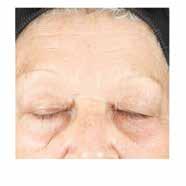
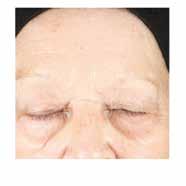
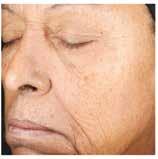
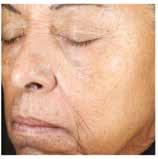
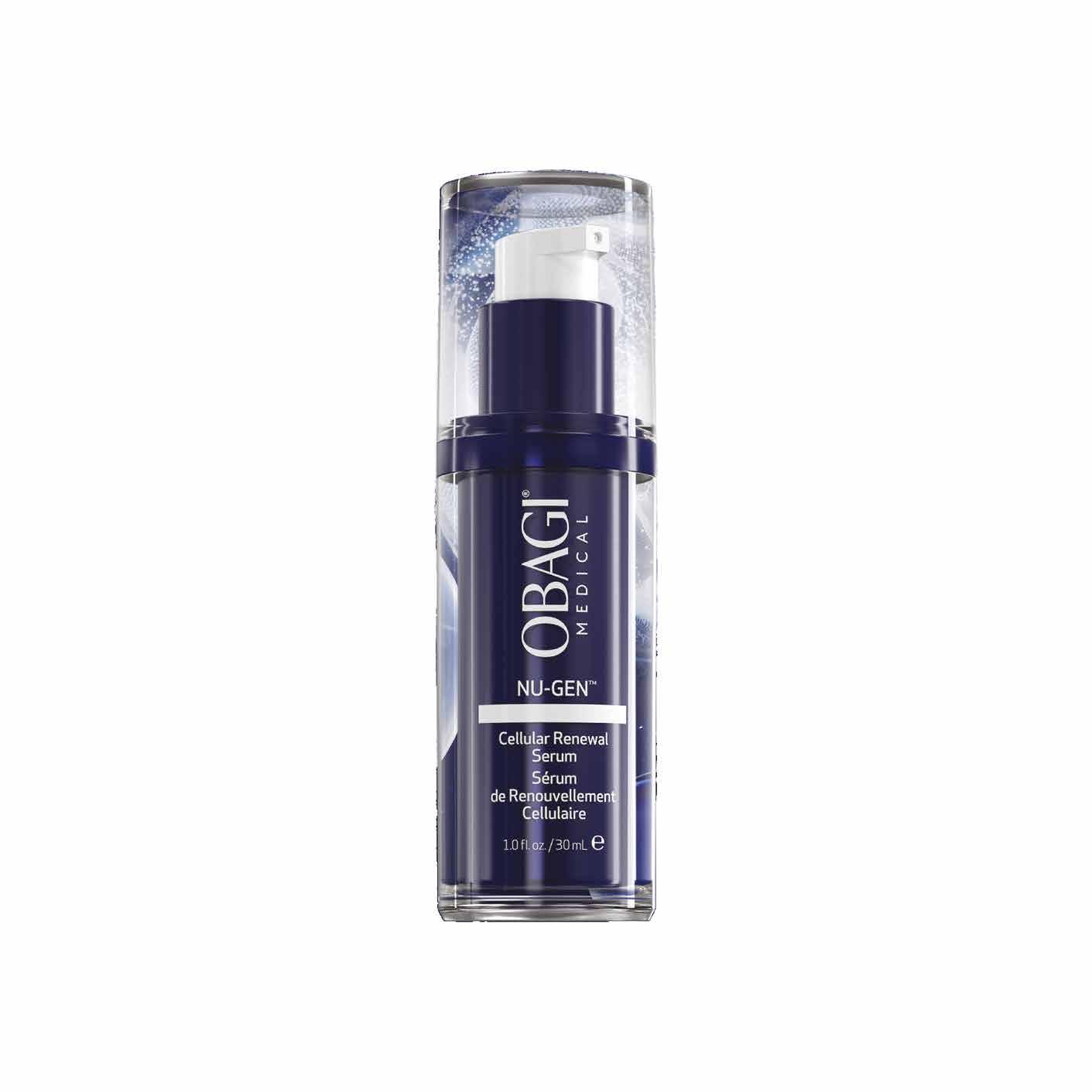
EXCLUSIVLEY DISTRIBUTED BY
Aligned for Success: The Power of Strategic Partnerships in Modern Business
Dr Manav Bawa explores building scalable aesthetic clinics through trust, shared values, and smart technology

How does trust, shared ethos and technology work together to enable sustainable growth?
“In aesthetics, growth only works if trust comes first. Trust from patients, trust within teams and trust in the systems you’re using. A shared ethos keeps decisions clinically led rather than commercially driven, and technology provides the framework to support that at scale. When those elements align, growth becomes sustainable. Platforms like GetHarley work best when they support good medicine and sound governance.”
How does having a shared brand purpose influence patient experience and long-term brand reputation?
“A clear brand purpose creates consistency, and consistency builds trust. Patients feel reassured when the experience is calm, professional and coherent at every stage of their journey. Over time, that consistency shapes reputation. In an industry where trust is everything, a strong, values-led purpose protects your brand far more effectively than marketing alone.”
Why do you think patients are increasingly drawn to clinics with a clear, values-led identity?
“Patients today are far more informed. They understand that aesthetics is medical, not transactional. A values-led identity signals that a clinic prioritises long-term outcomes, patient safety and ethical decision-making. In a crowded market, that clarity helps patients feel confident in who they’re choosing –and why.”
As a business grows, how do you ensure that your original ethos isn’t diluted?
“Ethos has to be intentional. It needs to be clearly defined and embedded into how the business operates day to day. Technology helps reinforce that by standardising processes, documentation and patient pathways. When systems reflect your values, they help preserve culture even as teams or locations grow.”
How important is technology when scaling an aesthetic clinic business, and why?
“Technology becomes essential as soon as you start to scale. It allows growth without losing oversight, consistency or governance. The challenge isn’t growing quickly – it’s growing safely. With the right systems in place, clinics can expand while maintaining clinical standards. Platforms such as GetHarley support that balance by reinforcing structure rather than encouraging volume-led growth.”
Which areas of the business benefit most from technology when scaling?
“Patient journeys and compliance benefit most. Technology supports thorough consultations, robust consent and consistent follow-up, which are fundamental in medical aesthetics. It also improves operational efficiency and governance, allowing clinics to scale without compromising care quality or safety.”
How does technology help maintain consistency and quality across teams or locations?
“Consistency comes from reducing variation. Technology provides structure, shared standards and clear accountability. Platforms like GetHarley help ensure that every patient receives the same level of care, regardless of who treats them or where, which is crucial for both patient outcomes and brand integrity.”
How might technology support governance, compliance, and patient safety at scale?
“As clinics grow, governance becomes more complex. Technology supports this through secure records, audit trails and clearer oversight. In an unregulated space like aesthetics, having systems that prioritise compliance and patient safety isn’t optional – it’s essential.”
Why is it important that technology partners align with your brand values – not just your operational needs?
“Technology in aesthetics isn’t neutral – it influences how patients experience your clinic and how clinicians practise. If a platform doesn’t align with your values around safety, transparency and responsibility, that misalignment will eventually show.
I’ve always felt that technology partners need to understand the clinical realities of aesthetics. That’s where GetHarley fits well – it supports operational needs while respecting the ethical framework clinicians work within.”
What advice would you give to clinic owners who want to scale but are unsure how to choose the right partners?
“I’d encourage them to look beyond features and ask whether a partner truly understands medical aesthetics. Choose platforms that align with your values and long-term vision, not just short-term efficiency.”
Dr Manav Bawa is a multi-award-winning cosmetic doctor and Medical Director of Time Clinic, in London. He has a background of orthopaedic surgery and general practice. Dr Bawa is a KOL for Allergan, Cutera, Hydrafacial, iS Clinical and Calecim. He is passionate about education enjoying training others in injectables as well as lecturing internationally. Dr Bawa is a Board Trustee at the British College of Aesthetic Medicine and is on the governance board at SaveFace. Qual: MD, PGDip(ESSQ), MRCS(Eng), M Ed SE & DIC, MRCGP, PGDip(CAIT), MBCAM.
This advertorial was written and supplied by GetHarley
Interested to join GetHarley? Book a demo https://www.getharley.com/book-demo

A summary of the latest clinical studies
Title: Treatment of Skin Cancer: From Conventional to Nanotechnological Approaches
Authors: Rita Cortesi, et al
Published: Biochimica et biophysica acta, April 2026
Keywords: Drug-delivery, Melanoma, Nanotechnology
Skin cancer represents a global health challenge with rising incidence rates, requiring the development of comprehensive therapeutic strategies.
Although conventional therapies, both local (surgery, radiotherapy) and systemic (chemotherapy, immunotherapy, molecular therapy), remain the cornerstone of managing various types of skin cancer, nanotechnology approaches now represent the cutting edge of skin cancer treatment, offering targeted drug delivery and reduced systemic toxicity.
However, some limits on clinical transfer are still present. This review examines current treatment modalities ranging from conventional approaches to emerging nanotechnological innovations, such as lipid-based nanosystems (vesicles, solid lipid nanoparticles), as well as polymeric nanocarriers (nanospheres, nanocapsules, dendrimers, polymeric micelles) and new programmable nanocarriers (framework nucleic acids and microneedles) in the treatment of the most aggressive skin cancers, such as basal cell, squamous cell carcinomas and melanoma. These delivery nanosystems demonstrate superior biocompatibility, controlled drug release, enhanced therapeutic efficacy compared to conventional formulations and treatments, enabling size-dependent skin penetration and effectively reaching dermal layers, avoiding off-target effects.
Title: Ultrasound Imaging of High-Risk Facial Areas for Injectables: A Practical Guide for Common Scenarios
Authors: Claudia Gonzalez, et al.
Published: Aesthetic Plastic Surgery, April 2026
Keywords: Facial vascular anatomy, Filler, High-resolution ultrasound
Dermal filler procedures have become increasingly popular in aesthetic medicine; however, they carry the risk of vascular adverse events (VAEs) that can lead to complications such as tissue necrosis and vision loss. A review of common clinical scenarios was conducted to outline when and how HRUD can assist in identifying vascular structures, anatomical variants, and vascular changes post-surgery. These scenarios include creating full or focal vascular maps and pre-injection assessment in postsurgical patients. The HRUD procedure was conducted at a reference center for aesthetic ultrasonography. HRUD provides real-time visualization of vascular anatomy and its variations, reducing the risk of complications from filler injections. Its use is particularly recommended in high-risk areas such as the forehead, glabella, nose, and pyriform fossa. For postsurgical patients, HRUD aids in navigating altered anatomy, thereby minimizing the risk of VAEs. Conducting a targeted ultrasound evaluation before filler injection can lead to greater precision and fewer complications.
Title: The Clinical Efficacy and Mechanism of Action of Alitretinoin in the Treatment of Alopecia Areata
Authors: Jung-Min Shin, et al.
Published: Annals of Dermatology, April 2026
Keywords: Alitretinoin, Alopecia areata, Autoimmune diseases
Alitretinoin, a pan-retinoid receptor agonist approved for chronic hand eczema, exhibits immunomodulatory effects that may benefit alopecia areata (AA). However, clinical evidence for its use in AA is limited. We reviewed retrospectively twenty-one patients with AA who were treated with alitretinoin, either as monotherapy (n=9) or add-on therapy (n=12).
Treatment response was assessed using the Severity of Alopecia Tool (SALT) scores, and in vitro studies used human outer root sheath cells stimulated with interferon-γ and polyinosinic: polycytidylic acid to investigate the drug’s effects on inflammatory pathways. Both groups showed significant reductions in SALT scores (p=0.04 and p=0.02, respectively). Patients with baseline SALT scores below 50 demonstrated superior improvement. Adverse events were mild, with headache (33.3%) and cheilitis (4.8%) being the most common.
In vitro, alitretinoin suppressed interleukin-6 and tumor necrosis factor-α expression, decreased phosphorylation of signal transducer and activator of transcription (STAT) 1/ STAT3, and downregulated major histocompatibility complex class I expression, suggesting restoration of hair follicle immune privilege.
Title: Perimenopausal Nuances in the Aging Face: A Comprehensive Perspective
Authors: Lindsey Pennington, et al
Published: Facial Plastic Surgery & Aesthetic Medicine, April 2026
Keywords: Perimenopause, Skin health, Tissue regeneration
Perimenopause accelerates facial aging through hormonal, structural, and psychosocial changes, presenting unique challenges for facial plastic surgeons.
This viewpoint article integrates two key perspectives: (1) psychosocial impacts and patient-centered care, contributed by Dr. Mary Claire Haver, a board-certified obstetrician-gynecologist and menopause specialist; and (2) hormonal influences and strategic interventions during perimenopause as a critical window for rejuvenation, contributed by Dr. Lindsey Pennington, who emphasizes integrated surgical and non-surgical approaches and notes a trend toward earlier interventions.
By combining Dr. Haver’s insights on hormonal and emotional contexts with Dr. Pennington’s clinical observations experience, and Dr. Sabrina Fabi’s research on skin health and tissue regeneration, we provide a holistic framework for addressing perimenopausal facial aging.






At AestheticSource, we champion clinically proven brands and empower aesthetic professionals with training, marketing, and business support - delivering more than products, we deliver trusted partnerships.







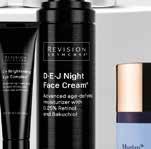







“I would highly recommend their training to other practitioners. It is well structured, clinically relevant, and truly worth investing in”
Email: orders@aestheticsource.com
Telephone: 01234 313 130
www.aestheticsource.com




Scan here to discover how to build your clinic — with the right team behind you.
Exploring Key Themes Across The Aesthetics Specialty
The Aesthetics Conference & Exhibition (ACE) 2026 orchestrated an exclusive, invite-only Round Table series
The Aesthetics Conference & Exhibition (ACE) debuted its first-ever Round Table series at the Business Design Centre on March 14-15, bringing together leading professionals to take part in informed, forward-thinking discussions on the issues shaping medical aesthetics.
Four invite-only Round Tables formed the backbone of discussion at ACE 2026. The Round Tables featured a Dentists in Aesthetics group, the Aesthetics Clinical Advisory Board (CAB) & Aesthetics Reviewing Panel, a cohort of Aesthetics Awards Rising Star Finalists and a Business of Aesthetics panel. Each Round Table was led by an expert chair. These included Paul Burgess, founder of the Association of Dentists in Aesthetics Practice; Sharon Bennett, nurse prescriber and chair of the CAB; Dr Jordan Faulkner, Winner of The Aesthetics Awards Rising Star 2025; and Dr Zunaid Alli, a business-focused aesthetic practitioner.
The discussions brought together a cross-section of experienced clinicians spanning dentistry, surgery, medicine and nursing, ensuring a broad and balanced range of professional perspectives. This article will explore these shared themes – from identity and combating imposter syndrome, to how to sustainably grow your clinic and finally the power of community and not working in isolation.
Identity
Themes of identity and recognition intersected in the Round Tables, shining a light on aspects of the speciality which at times can feel overly exclusive.
Recognition for dentists
Many dentists felt that they are not considered part of the aesthetics community. A poignant example given was the disparity between professional capability and external recognition. Participants noted that, despite a global increase in dental professionals entering aesthetics – and wider acknowledgement that dentists can practise safely and effectively – some remain restricted from attending certain international events or practising in specific countries. The discussion highlighted a disconnect between self-identity and external perception. Attendees consistently viewed dentists as head and neck specialists with strong anatomical knowledge and diagnostic expertise. However, they felt that regulators and some medical professionals continue to position them as peripheral or limited to cosmetic roles, rather than recognising their full clinical scope. One attendee pointed out, “As dentists, we can bring so much to the table, because we’re trained in assessment, diagnosis and treatment – rather than the transactional nature that aesthetics can tend to become.”
As a practical response, participants called for greater support for CPD training, mapped both to General Dental Council (GDC) requirements and to aesthetics-specific competencies. One dentist explained, “At the moment, there is not one company I work for that delivers CPD that the GDC can accept. If the companies
acknowledged that dentists need aims, objectives and a GDC number, that would help. I think this will act as a signpost to the GDC that these companies are trying to help and that dentists are part of medical aesthetics.”
These concerns led the dentists at the Round Table to lend support to the establishment of a new professional association for dentists working in aesthetics that recognises dentists at different stages of development, from beginners to advanced practitioners. They believe this body, founded by Burgess, will be well placed to focus on standards and the specific education, training and CPD needs. The dentists in attendance felt that the new group will also be a voice for dentists when talking to the GDC and other critical bodies such as regulators. The imminent introduction of licensing and new regulatory frameworks was also given as another example where dentists will need a lot of support from a body that understands their specific needs.
Imposter syndrome
The Rising Stars discussion highlighted how practitioners’ self-perception can be distorted by those around them. Attendees discussed experiences of being criticised for their achievements by others in the specialty, particularly through Instagram comments and Facebook groups. Off the back of this, some shared that they often feel imposter syndrome, despite their strong credentials.
By nature of the aesthetics speciality, many practitioners come from different backgrounds and carve out their own paths, which the Rising Stars agreed is empowering but also destabilising. A member of the group reflected, “We do not have strict hierarchies or a clear stepwise progression, and while that is brilliant in many ways, it is probably a major reason why so many of us experience imposter syndrome. There is no single, set qualification and nothing that firmly validates your position.”
To combat these feelings, the cohort agreed that entering awards such as The Aesthetics Awards can embody a structured reflection tool which forces entries to look back on the previous year and recognise how far they have come. It was recommended to reframe fears such as “Am I good enough?” to “I’ve done a lot”. Even for those who do not win on the night, the attendees agreed that the entry process forces individuals to list their achievements, recognise growth and combat imposter syndrome with evidence, which can be really impactful for improving their confidence.
The cohort agreed that entering awards such as The Aesthetics Awards can embody a structured reflection tool which forces entries to look back on the previous year and recognise how far they have come
Patient identity
Shifting the theme of identity from the practitioner to the patient, the CAB and Aesthetics Reviewing Panel Round Table spoke on the rise of body dysmorphic disorder (BDD) presenting in clinic. It was highlighted how increasingly complex patient presentations are changing risk components within clinic, and that the sector is struggling to respond. “Patients seeking these treatments are becoming higher risk, not because of pathology, but because of the emotional drivers and psychological vulnerabilities that bring them into clinic in the first place,” one clinician in the group noted. Shockingly, the discussion went on to expose that treatment refusal sometimes encouraged patients to self-inject. Off the back of this revelation, those in attendance explained that these circumstances shine a light on taboos that those in the sector are not always comfortable exploring. As a specialty, the group shares, we are seeing more risky behaviours that colleagues are worried about, but it is difficult to navigate when the systems are not set up to support this inclusively.
In an attempt to combat these dangerous practices, Bennett believes practitioners should stop self-injecting on social media, describing it as a dangerous practice that demonstrates poor judgement. She said, “If practitioners are doing it then it sets an example to the public that it is perfectly okay.” In addition she feels the role of education is vital, explaining to patients online the risks and complications that can come from such practices.
Cultivating a sustainable aesthetics career
In order to build a career in aesthetics that balances both individualism and institution, there were some key tokens of wisdom across all Round Table discussions.
During the Business of Aesthetics discussion, delegates shared that many practitioners within aesthetics are in phases of active growth, exploring new devices, skincare ranges or injectables. The consensus, however, was to pursue phased, data-driven expansion rather than reactive purchasing.
Before purchasing any large device, attendees suggested asking three key questions:
1. Does this address a genuine gap in what my current patients are asking for?
2. Can it be used for multiple high-demand indications?
3. Do I already have sufficient patient flow to justify the investment?
The Rising Stars were advocates for developing a clear niche, such as menopausal skin, complications, laser treatments or community-building, that can differentiate a practitioner’s brand and cultivate deeper patient trust.
One Rising Star in attendance explained that, in her clinic, building community started with a conscious shift away from purely transactional, clinical care and instead towards relational care. She said, “Practically, we tend to focus on slowing things down. Creating space for patients to feel heard, not just assessed. Listening is super important, being transparent and candid about what you would and wouldn’t do and hitting the point as to why. Patients don’t just remember results, they remember how safely and confidently those decisions were made with them.”
She stressed that community is also built in the moments between appointments. “The way you show up online matters not as a highlight reel of outcomes, but as a consistent, honest voice. Education-led content, real conversations and a willingness to demystify and debunk the specialty smoke and mirrors helps patients feel included rather than sold to,” she commented.
Working together
Across all Round Tables, one theme was coherent: the power of collaboration and building multidisciplinary teams.
Multidisciplinary
teams
The CAB and Aesthetics Reviewing Panel discussed what constitutes gold-standard practice, concluding that investing in a multidisciplinary team is the ideal model of care. In practical terms, they envisaged cross-speciality, multiprofessional teams involving dermatologists, plastic and oculoplastic surgeons, aesthetic doctors and nurses, dentists and clinical psychologists – working together around the needs of the patient. As one member reflected, “It does take time and trust, but I do think it is achievable.”
On the topic of patient trust, the Dentists in Aesthetics Round Table recommended taking a holistic approach to care, looking at the patient as a whole rather than focusing purely on toxins and fillers. An example given of this in action was integrating wellness services, as well as lifestyle and regenerative approaches, particularly around life stages like menopause. One dentist shared that blood testing, genetic testing, supplementation and regenerative treatments are delivered by an in-house team in their clinic, while mindfulness and mental support are provided by a separate practitioner working alongside them in the same space.
The Rising Stars recommended practitioners setting a micro goal of talking to three people they don’t already know at an event and staying until the end of at least one session to say thank you to the speaker and exchange details
Networking within aesthetics
The power of networking was a coherent theme throughout all Round Tables, and at the Dentists in Aesthetics Round Table delegates repeatedly stressed that practitioners should not work in isolation. They highlighted the value of having trusted colleagues to contact when faced with uncertainty, complications or complex decision-making. Mentorship and peer support were seen as central to this, whether through more formal structures such as ACE and Clinical Cosmetic Regenerative Congress (CCR) mentoring schemes, or through regional WhatsApp-style groups where practitioners can safely discuss complications, challenging cases and regulatory or business concerns.
This emphasis on connection and support strongly resonated with those at the Rising Star Round Table. With many at the earlier stages of their aesthetics careers, they reflected on how important it is to have a community in which they can ask questions openly, seek reassurance and coordinate referrals. The group actively advocated for building or joining support networks within aesthetics to create these relationships. The Rising Stars recommended practitioners setting a micro goal of talking to at least three people they don’t already know at an event and staying until the end of at least one session to say thank you to the speaker and exchange details.
Collaborative business delegation
Business development emerged as a key skill gap at the Business of Aesthetics Round Table, with attendees noting that many practitioners in the specialty have yet to fully develop this capability. In particular, challenges were identified around effective delegation and building the right support structures. The group noted that it is common in aesthetics for practitioners, particularly early in their careers, to take on multiple roles – ranging from clinic director to receptionist and even cleaner. The difficulty arises when they fail to recognise the opportunity cost of this approach – time spent on low value tasks, excessive administrative work or basic marketing may ultimately cost more than paying someone else to undertake them. As the business grows, trying to do everything yourself is likely to stall progress. The group felt that this oversight reflects a skill gap not only in the ability to delegate, but also in creating a strong team around the practitioner. “You have to signpost and give people opportunities. That can be very difficult as a medical professional, because you want to keep control and hold on to everything,” explained one practitioner in attendance.
Understanding your own strengths and weaknesses is also vital. One practitioner described how she co-manages her clinic with her husband – he organises the business operations while she focuses on the clinical aspects. They highlighted that this clear division between clinical and commercial decision making can be an effective model for many working in aesthetics.
Emerging concerns
Peptides were a major talking point during the CAB and Aesthetics Reviewing Panel discussion, with one practitioner outlining that, like
Aesthetics Journal Round Table attendees
Rising Stars:
Dr Ben Taylor-Davies
· Eleanor Hartley
· Dr Ahrooran Sivakumar
· Dr Bethany Rossington
· Dr Dorota Chudek
· Dr Hazel Parkinson
· Dr Cemal Kavasogullari
· Lucy Foster
· Dr Amanda Hong
· Emma Anderson
Register now!
Dentists in Aesthetics:
Dr Lara Watson
· Dr Olha Vorodukhina
· Dr Yousrah Ahmed
· Dr Raquel Amado
· Dr Lisa Dinle
· Dr Arti Singh
· Dr Emma Ravichandran
· Dr Rehanna Beckhurst
· Dr Narjes Hawisa
In Practice Round Tables
most of the aesthetics sector, peptides are unregulated in the UK and can be obtained through research labs marketed as pharmacies and then sold on the black market. Shockingly, one CAB member brought it to the group’s attention that some individuals are mixing vials of powder at home and injecting on the kitchen table, often guided by influencers and people who “sound knowledgeable” on social media instead of clinicians.
It was noted that the patient demographic for this treatment is young, often gym goers who have been influenced by social media soundbites rather than long-form education. The CAB and Aesthetics Reviewing Panel identified a series of ethical and systemic concerns:
· New practitioners often accept company claims at face value without questioning them or critically appraising the evidence.
· Manufacturers, distributors and “research labs” are pushing research peptides into the public space, using vulnerable influencers and creating cascades of misinformation.
· Supplement-based business models that sell the idea “you can make money by selling supplements” risk incentivising profit over patient safety, even for healthcare professionals.
In terms of action, those at the Round Table recommended that clinicians educate patients proactively using short, high-impact content such as Instagram Reels, TikToks or brief videos aimed at younger audiences, explaining that not all peptides are equal. This would include information about topical vs. injectable vs. GLP-1s, clarifying that many products sold in gyms or online are unlicensed research compounds, as well as emphasising the risks of self-injection and the unknown long-term safety profile. Clinicians should also be honest about their own scope and knowledge, stating clearly that most peptides are not part of their formal training and that many are unlicensed and therefore not offered.
Bringing it all together
Across all discussions, a consistent message emerged: no one should be navigating aesthetics alone. Whether the focus was practitioner identity and imposter feelings, sustainable clinic growth or the ethical and psychological risks facing patients, the Round Tables reinforce the value of collaboration. Through ongoing training, visibility at speciality events and genuine multidisciplinary support, practitioners can build careers that are both sustainable for them and safer for their patients.
CAB and Aesthetics Reviewing Panel:
· Dr Mayoni Gooneratne Miss Elizabeth Hawkes
· Dr Raul Cetto
· Anna Baker
· Kimberley Cairns
· Julie Scott
· Mr James Olding
· Dr Ahmed El Muntasar
Business of Aesthetics: Dr Anna Hemming
· Dr Rehanna Beckhurst
· Caj Shusee
Chairs:
· Dr Zunaid Alli
· Sharon Bennett
· Paul Burgess
· Dr Jordan Faulkner
The Round Tables will return at the Clinical Cosmetic Regenerative Congress (CCR) 2026 for exclusive, small-group round table discussions, bringing together leading voices to explore the key clinical, business and regulatory issues shaping medical aesthetics. If you’re interested in taking part in the CCR Round Table discussions please email your interest to the editorial team at editorial@aestheticsjournal.com.
Spotting Vulnerable GLP-1 patients
Psychologist Kimberley Cairns proposes a cognitively informed GLP-1 approach for aesthetic practice
Glucagon-like peptide-1 (GLP-1) receptor agonists have reshaped discussions around weight, identity and appearance. In UK aesthetic practice, clinicians are increasingly seeing patients whose bodies, and sometimes decision-making, are changing rapidly, often outside regulated, multidisciplinary weight-management pathways designed to ensure safety.1,2
National Institute for Health and Care Excellence (NICE) guidance specifies that treatments such as semaglutide must be delivered within specialist services with robust governance, including clinical assessment, psychological screening, structured follow-up and medical monitoring.1,2 These requirements exclude aesthetic-only or non-Care Quality Commission (CQC) settings. Tirzepatide has also been approved for use within regulated services, reinforcing that these prescription-only medications require appropriate clinical oversight.3,4
Despite this, many individuals access GLP-1 therapies privately or online without adequate review or continuity of care. As a result, aesthetic practitioners are encountering patients with rapid physical changes, altered interoception and unmet clinical or emotional needs.5 While not expected to provide mental health care, practitioners must demonstrate psychological literacy – understanding patient context, recognising vulnerability and pausing treatment when appropriate – to ensure safe and ethical practice.6
Understanding patient presentations
Patients attending aesthetic clinics with GLP-1–related concerns present with intersecting motivations involving weight management, appearance and pharmacological intervention. For clarity, these presentations can be grouped into three broad clinical categories, recognising that motivations frequently overlap in practice.
The first group includes individuals already using GLP-1 receptor agonists who experience rapid or unexpected physical changes, such as facial volume loss, altered proportions, skin laxity or hair shedding. Emerging UK clinical observation and dermatological commentary suggests that adipose redistribution and soft tissue deflation commonly accompany GLP-1–associated weight loss.6-8 This often prompts patients to seek corrective
aesthetic treatment or reassurance about whether these changes reflect normal physiological adaptation.6-8
The second group comprises individuals seeking aesthetic treatment to maintain or enhance weight related outcomes. Aesthetic procedures may be framed as part of a broader body optimisation strategy, including contouring, skin tightening or proportionality adjustments. These requests raise ethical considerations – aesthetic interventions must not be positioned as mechanisms for sustaining weight loss or compensating for energy restriction, and practitioners must avoid reinforcing weight centric beliefs or medication reliance. Proportionate responses require clear professional boundaries and careful enquiry to prevent inadvertent collusion with risk bearing behaviours.2,5
The third and growing group consists of individuals presenting specifically to obtain or explore GLP-1 medication, often influenced by social media narratives or commercial messaging promoting rapid weight loss. Many report limited understanding of monitoring requirements or risks, particularly when accessing medication privately or online.9,10 Within the UK regulatory framework, prescribing or advising on GLP-1 medicines is a regulated clinical activity restricted to CQC registered services with appropriate governance.11-13 In aesthetic only environments, the appropriate response is compassionate redirection and signposting to regulated services. Across all groups, psychological drivers, including fear of weight regain, perfectionism and comparison with filtered or AI modified images, can distort expectations and reduce autonomous decision making.6,14 These dynamics align with Joint Council for Cosmetic Practitioners (JCCP) and Professional Standards Authority (PSA) guidance emphasising safeguarding, psychological assessment and clear scope of practice.15,16
Psychologically informed assessment in the GLP-1 era
A psychologically informed extension of routine assessment – exploring motivation, behavioural patterns, emotional stability, decision-making capacity, GLP-1 use and contextual risk – helps practitioners determine when treatment should be paused, deferred or referred to protect patient wellbeing.5
This approach is particularly important
where individuals present with current or historical eating disorders, restrictive intake, compulsive exercise, body image distress or dysmorphic concerns that may not meet diagnostic thresholds. In aesthetic settings, these presentations are best understood through behavioural indicators, functional impact and psychosocial context rather than diagnostic labels.5 Physical warning signs such as dizziness, dehydration, syncope or marked fatigue may indicate nutritional compromise or medical instability and require immediate clinical consideration.5 Similarly, trauma history, neurodivergence affecting comprehension or urgent and disproportionate requests for correction should prompt enhanced assessment and careful review.6
Neurodivergent individuals, including those with autism or ADHD, may require slower pacing, clear language, visual aids and written summaries to support informed consent, while trauma-related motivations or dysmorphic concerns may signal that aesthetic treatment risks functioning as emotional regulation rather than proportionate cosmetic interventions.6 Urgency that exceeds clinical findings should be understood as a potential safeguarding indicator and explored with sensitivity.17
A flexible and psychologically informed assessment should therefore consider:
· Behavioural indicators: Restrictive eating, compulsive checking, overexercise and avoidance patterns.
· Functional impact: Effects on work, relationships, sleep, emotional stability and decision-making.
· Cognitive and emotional patterns: Perfectionism, shame, fear of weight regain and reassurance seeking.
· Appearance standards: Reliance on filters, AI-modified images or unrealistic ideals.
· Motivational stability and safeguarding context: Unregulated GLP-1 access, fragmented prescribing, social media pressure or recent life stressors.
Navigating sensitive conversations
Navigating conversations about weight loss and GLP-1 use requires a psychologically informed approach, underpinned by clear professional boundaries in communication.17,18
Within aesthetic practice, discussions should remain focused on how GLP-1–related weight loss is affecting physical health, emotional stability and decision making, while maintaining clear limits on prescribing and treatment scope.
Structured prompts can help practitioners explore motivations for weight loss, expectations of aesthetic outcomes and any medication related changes in appetite,
mood or behaviour in a reflective, non judgemental manner.5,19 Attention should be given to the conversations surrounding restrictive eating, heightened anxiety about weight regain or pressure to maintain rapid weight reduction.
By focusing on GLP-1 related weight loss patterns, emotional responses to body change and stability of treatment goals, practitioners can identify when reassurance, pause or referral is needed, ensuring that communication supports safe, ethical and patient centred care.
Supportive prompts include:
1. What prompted you to seek this today?
2. What would success look like beyond appearance?
3. Have your mood or stress levels changed since starting GLP-1s?
4. Does this feel like the right time for treatment, and do you feel able to make this decision comfortably and safely?
For individuals with neurodivergence, sensory sensitivities or trauma linked distress, these questions may require adapted delivery, such as visual aids, written reinforcement, concrete rather than abstract language or increased structure. This approach reflects contemporary UK expectations for safety, equity and good clinical practice.17,18,20
When to decline and refer
Treatment should be paused, deferred or declined when clinical, behavioural or contextual factors indicate that a patient is not safe to proceed.5,18 In the context of GLP-1, this decision most commonly arises where rapid weight loss, nutritional compromise, psychological instability or requests related to medication fall outside the scope of aesthetic practice.
Pausing
Medical and nutritional instability requires immediate caution. Dizziness, dehydration, syncope, severely restricted intake, rapid weight loss, visible frailty or marked fatigue may indicate nutritional compromise or emerging eating disorder risk and are incompatible with elective aesthetic treatment. In these situations, the consultation should pause and the patient should be directed to appropriate medical review before any aesthetic intervention is considered.5
High-risk behavioural indicators also warrant deferral. Disclosure of purging, prolonged fasting, compulsive exercise or severe restriction – particularly where GLP-1–related appetite suppression masks early relapse – undermines physiological stability and decision-making capacity. Practitioners should acknowledge concerns, explain the need to prioritise health and
signpost patients to regulated medical or psychological support.
Acute psychological distress compromises valid consent and requires immediate pause. Tearfulness, agitation, catastrophising, sleep deprivation, mirror checking or urgent statements such as, “I need this fixed today,” suggest emotional dysregulation or dysmorphic concern. The appropriate response is to slow the consultation, avoid treatment decisions and arrange same-day or urgent psychological or GP review where needed.5,18
Declining
Requests for GLP-1 prescribing or advice in non-CQC settings must always be declined. Prescribing, adjusting or monitoring GLP-1 medication is a regulated clinical activity that can only occur within CQC-registered medical services.21 Aesthetic practitioners should not advise on dosing, continuation or side-effect management but instead provide clear, boundaried signposting to appropriate pathways.12,15,21 Simple, supportive explanations, such as clarifying that GLP-1 medications require assessment within regulated services, help maintain rapport while ensuring compliance.
Off-pathway GLP-1 use should be understood as a safeguarding indicator, often reflecting fragmented care, misinformation, urgency or reliance on medication to regulate weight or distress.
Referring
Patients requiring oversight of GLP-1 prescribing, side-effect management or medication reconciliation should be directed to their GP or regulated weight-management services, ensuring care occurs within CQC-registered pathways.11
GP review is particularly important where patients have accessed GLP-1 medication privately or online, require medical monitoring or need re-entry into regulated weight-management pathways following fragmented prescribing. Where restrictive eating, rapid weight change, purging behaviours or nutritional instability are present, referral to NHS eating disorder services or dietetic support is essential, as Medical Emergency in Eating Disorders (MEED) guidance highlights that clinical risk cannot be judged by appearance alone and early intervention prevents deterioration.5 Psychological referral is indicated where distress, dysmorphic concerns, emotionally driven treatment requests or trauma-related motivations are evident. Neurodiversity-informed or gender-affirming pathways may also be required where autism, ADHD or gender dysphoria influence risk comprehension, identity or treatment expectations, ensuring reasonable adjustments and equitable care.2,4,6
Dietitians or registered nutritionists play a key role where GLP-1 use is associated with restrictive intake, gastrointestinal distress, inconsistent fuelling or confusion around nutrition, supporting safe weight management and physiological stability. Third-sector organisations, including body image, eating disorder and LGBTQ+ support services, can provide additional psychosocial support where social stressors contribute to treatment seeking.
All referral decisions should be clearly documented, including identified risks, rationale for pausing or deferring treatment, referral pathways and safety-netting advice, in line with CQC and JCCP expectations for defensible and accountable practice.11,15,21
NICE guidance (TA675; NG245) places GLP-1 weight management treatments within specialist, multidisciplinary services with defined protocols, including assessment, monitoring and stopping rules.12 The CQC (CQC) classifies prescribing for weight reduction as a regulated activity requiring appropriate governance and oversight, a position reinforced by insurers and sector guidance.21,22 As Medicines and Healthcare products Regulatory Agency approvals expand to include higher-dose and oral formulations, prescribing must remain within medically governed systems capable of monitoring and pharmacovigilance.23,24 Parliamentary reports highlight concerns around appearance pressure, inequality and under-recognised eating disorders, particularly among men and minoritised groups.25-27 Marketing must comply with Advertising Standards Authority and Committee of Advertising Practice rules, which prohibit promotion of prescription-only medicines.28
Safer aesthetics in a changing landscape
Psychological awareness supports realistic treatment planning, reduces dissatisfaction and strengthens professional integrity. As GLP-1 use expands, aesthetic practitioners play a vital role in providing ethical guidance, maintaining clear boundaries and upholding responsible decision making in a culture increasingly shaped by rapid transformation.

Kimberley Cairns is a psychologist specialising in safeguarding, psychological risk in aesthetics and the intersection of body image, identity and regulatory governance. She advises across UK health and aesthetics sectors on neurodiversity, trauma informed practice and psychologically safe consultation models.
Qual: BSc, MSc, MBPsS
Current Challenges Facing Aesthetic Practitioners
Managing director Yogeeta Bawa reflects on the challenges affecting aesthetic practitioners in light of the mentoring discussions at Aesthetics Conference & Exhibition (ACE)
The aesthetics speciality continues to expand at a pace, attracting a growing number of newly qualified practitioners entering the market each year. A University College London (UCL) study identified 19,701 practitioners working across 5,589 clinics, compared with 3,667 practitioners identified in 2023 – an increase of over 400%. While this growth reflects significant opportunity within the sector, it also highlights a critical gap between qualification and real-world readiness, with many newly qualified practitioners struggling to gain the practical experience needed to enter and sustain clinical practice.1
This notion was an aspect I observed when I participated in the Aesthetics Conference and Exhibition (ACE) mentoring sessions, in which I returned as a mentor. These discussions offered direct access to speciality leaders for expert guidance on business, clinical skills and the evolving aesthetics landscape. Across the mentoring conversations that took place, what became evident was that among practitioners, there is not a lack of ambition, but a lack of structure. Practitioners are motivated, engaged and eager to progress – but many feel uncertain about how to translate their training into safe, confident clinical practice.
Following the consensus from this year’s conference, it seemed that many practitioners’ entering aesthetics are looking for further business guidance and clinical experience, hoping to build overall confidence in practice. Therefore, this article spotlights these ‘grey areas’ whilst offering practical tips towards progression.
Bridging the gap between training and clinical readiness
Interestingly, a consistent theme emerging from the mentoring discussions at ACE was the uncertainty about what comes next. This reflects the time period once initial training has concluded, and practitioners have successfully passed the initial entry phase into the aesthetics landscape. 2 Many individuals have invested significantly in education but
feel unprepared for independent clinical practice, reflected in questions such as, “Am I ready to start?” and “Have I made the right decision?”
It was noted that there is a clear disconnect between theoretical learning and practical confidence, driven by a lack of hands on experience post qualification.¹
As one mentor observed, “They’re doing their training – but then they don’t have anyone to follow it up with. They might not do the treatment again for a month.”
Another added, “They’re doing Level 7 and a lot of theory, but when it comes to practical work, they don’t feel they’re getting enough hands on experience.”
The mentors’ feedback was that new practitioners often find themselves in an ‘experience paradox’. They want to start working but lack the experience to confidently set up their own clinic. However they also simultaneously do not have enough experience to secure a role in an established clinic.
Gaining clinical experience following education
To combat the ‘experience paradox’, mentors advised practitioners to focus on gaining experience within a supportive environment first. This could manifest as: Starting with family and friends to build confidence and develop technique.
· Seeking employment in a clinic that offers mentorship and has an existing patient database. Mentorship opportunities such as these are usually advertised on the clinic’s website as well as with some training providers.
· Renting a room within a reputable, well established clinic to begin practising in a lower risk setting, while benefitting from an existing patient base and professional infrastructure.
· For those who do not have connections within the aesthetics field yet, it is important to make the most of conferences and events such as ACE and the Clinical Cosmetic Regenerative Congress (CCR) to help foster these relationships.
While practitioners can and do take it upon themselves to foster connections and build experience, the mentoring discussions highlighted a clear need for more defined pathways at a structural level. Possible solutions include:
· Stronger partnerships between training academies and mentors or peer networks to act as a guide for the practitioner when starting. In practical terms, academies would provide a suggested list or directory for delegates to look into after their training if they are unsure where to go next.
· Suppliers providing practical “how-to” guides that are supportive and accessible. Organisations could provide brochures or directories of approved partners offering mentoring and coaching services, along with a clear “next five steps” guide for practitioners to follow after completing their initial aesthetics training.
· Professional bodies, such as The British College of Aesthetic Medicine (BCAM), The British Association of Medical Aesthetic Nurses (BAMAN) and the Nurses Network, to name a few –offering advice on next steps, as well as workshops and programmes to support practitioners throughout their journey. These could include experienced practitioners providing guidance based on their own journey within the speciality, or business coaches helping practitioners start and scale their business.
Practitioners are motivated, engaged and eager to progress – but many feel uncertain about how to translate their training into safe, confident clinical practice
Balancing the clinical and business aspects
As witnessed through the mentor and mentee discussions at ACE, new entrants into the aesthetics speciality are facing pressures earlier than before. Unlike more traditional medical pathways, aesthetics often lacks a clearly defined progression route, leaving practitioners to navigate complex decisions independently. 2 Many mentees shared that they have faced more pressure surrounding competition and consistently raised questions regarding how they can stand out from the crowd. To address these concerns, it is recommended that practitioners develop a clear niche rather than attempting to please everyone. This will ensure their positioning is clear and reduces comparison. Furthermore, it can be useful to collect testimonials and reviews to understand what patients value about you specifically, then lean into those strengths in your messaging.
Another recurring theme was the feeling that clinicians are expected to develop not only clinical competence, but also business acumen, marketing awareness and strategic clarity – often simultaneously. This can be a hurdle at different points in a clinician’s career. It is therefore strongly recommended that practitioners utilise companies within the aesthetics speciality that now offer valuable support, including online training, marketing guidance and resources for those starting. When researching which company to use, it is advisable to choose a course that features marketing tools, patient acquisition and branding assistance. Be sure to speak with your suppliers, as they can often provide helpful tools and direction during the early phases of your journey. This could include sharing success strategies, tips on pricing and helping to connect the practitioner with valuable courses and coaches within their network.
For those looking for a mentor, it can be helpful to attend talks and meet speakers who may be open to mentoring when approached, or alternatively to read speciality journals, follow coaches online and then reach out to them directly to explore a potential mentoring relationship.
Support in clinical confidence
It became evident from the discussions at ACE that practical confidence, particularly around more advanced treatments, remains a key barrier. These concerns reflect a deeper need for supported
progression, not just initial education. New practitioners should look to shadow more experienced peers, attend advanced training courses and start with a trusted group of patients.
In terms of educational advancements, attending educational conferences and workshops and staying engaged with groups and bodies in the field help practitioners stay up to date. It is important to understand what you are looking to get out of an event before you go. If you are looking for your first new device or considering which products you should use when treating patients, it is helpful to speak with suppliers. For those who wish to learn more about advancements in clinical education and research, conferences and speaker events are a good avenue.
For those who struggle to keep up with the intensity and fast-paced nature of aesthetics, it can be helpful to reduce the number of clinic days or high complexity treatments per week while you build confidence and systems. Moreover, blocking out time in your diary for notes, follow-ups, reflection and learning so you are not constantly ‘on the back foot’. Finally, focus on a smaller number of treatments you can deliver confidently and safely, rather than offering everything at once.
The influence of social media and market perception
Social media continues to shape how new practitioners perceive the specialty. While it offers inspiration and education, it also amplifies comparison and creates unrealistic benchmarks.
This can lead to self-doubt and the belief that they are “behind” before they have even started. In reality, these comparisons overlook the gradual progression required to build a sustainable and ethical practice. Comments from mentees like, “Everyone online looks so established already – it makes me feel like I’m already behind,” show there is a pressure on new entrants. To combat these feelings, it is important not to become obsessed with the highlight reels people post online, and instead, focus on networking and being in the right rooms with the right people to foster human connections that will, in turn, help your profession. Also, view these individuals as a source of motivation and inspiration as to where you’d like to be and what can be achieved.
“The specialty is not saturated with great, ethical, well trained practitioners – it is saturated with people,” was an observation, by a mentor which challenged
the common narrative that aesthetics is simply an oversaturated market. While there is undoubtedly a high number of practitioners, the field is not necessarily saturated with those who are ethical, well-trained and consistently working to best practice, always putting patient care first. Standards vary widely, and although patients may appear to have many options, those options are not always comparable. For newer practitioners, the challenge is therefore not just to enter the market, but to do so with clarity, thoughtful positioning and a genuine commitment to quality – leading with thorough clinical assessment, prioritising patient safety and being honest about what is in the patient’s best interests.
It is vital that, as a practitioner, you are very clear on who you are and the type of practitioner you wish to be, as well as who your patient base will be. To do this, it is advisable to consider your own interests, strengths in treatments, what you enjoy and perhaps what you want to specialise in. Focus on those treatments first and then expand your portfolio as confidence gains.
The advice from the mentors was that you should use social media as a powerful tool to help motivate and inspire you, to show you where the demands are and what people are searching for. In return, this can allow you to create your own content and build your social platforms accordingly.
What this means for the future of aesthetics
The future of the medical aesthetics speciality depends not only on attracting new practitioners, but on supporting them effectively once they enter. The gap between qualification and confident practice is becoming increasingly visible –and must be addressed.
If the field continues to prioritise entry without supporting progression, this gap will widen. However, if mentorship, structure and strategic guidance become embedded within the practitioner journey, there is a significant opportunity for the specialty to evolve into a more sustainable and professionally supported space.

Yogeeta Bawa co-founded and scaled Time Clinic, combining corporate project management precision with real-world clinic ownership experience. Through her mentoring programme, The Invisible Business Partner, she helps clinic owners replicate that same success – sharing practical strategies and patient-centred practices.
Qual: BA (Hons) BIS; Dip. Bus. Leadership
Patients want real results that look natural, not overdone. Matrix™ by Candela delivers skin renewal that evolves with every age, concern, and tone, helping you build loyalty and grow revenue in one seamless system. Treat, tighten*, and transform—without compromise.**
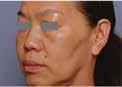
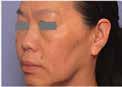

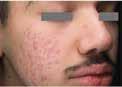

“Patients often present at a point of vulnerability and a considered, ethical approach is required”
Dermatologist Dr Clare Kiely shares how she uncovered aesthetics through her work in skin cancer care

Dr Clare Kiely was born and raised in Mayo, Ireland. Growing up, Dr Kiely’s mother, a special education teacher, instilled the importance of having an education and profession. This grounding, alongside her childhood desire to become a doctor, paved the way for her career as a dermatologist. She recalls, “Without sounding cliché, there was never a moment when I didn’t want to be a doctor, from when I was very little and role-playing doctors and nurses, it was always a dream of mine.”
This interest led Dr Kiely to Dublin, where she attended University College Dublin, later graduating in 2004 and undertaking basic medical training. It was during this training working on different wards that she discovered her passion for dermatology. “You are exposed to a variety of ailments, and with dermatology, you can really make a difference to people’s quality of life,” she says. Over the next five years, Dr Kiely completed her specialist dermatology training, working in hospitals across Ireland and gaining extensive experience on the job. In 2014, Dr Kiely moved to London with her husband and her young baby, where she under took fellowships in dermato-oncology and Mohs surgery at St Johns Institute of Dermatology, London. It was during this training that she studied all aspects of skin cancer diagnosis, treatment and surgery. As her career progressed within dermatology, she realised that there was a significant overlap with the medical aesthetics speciality. She reflects, “During my fellowship I used lasers to treat skin cancer surgery scars and realised how small changes in appearance can significantly impact wellbeing, demonstrating the overlap between dermatology and aesthetics.”
In 2016, Dr Kiely decided to enrol on a master’s programme at the University of Manchester on skin ageing, driven by aesthetic complications she had witnessed during her work on hospital wards. She says, “Patients were being admitted to us under dermatology with complications relating to cosmetic procedures that nobody understood. I remember thinking if I was to help these people, I needed to understand more about what was going on.” Upon completing this course in 2018, Dr Kiely was invited to stay on at the university as an honorary lecturer on skin ageing. This role led her to meet consultant dermatologist Dr Tamara Griffiths, with whom she co-founded skincare company The Skin Diary in 2023.
For the past eight years, Dr Kiely has also been working at Skin Associates, Chelsea, balancing both dermatology and aesthetic practice.
She notes that when she first started in aesthetics in 2018, there was a strong shift towards hyaluronic acid fillers, while other options such as poly-L-lactic acid and calcium hydroxylapatite were falling out of favour because they were considered non dissolvable. “Aesthetics used to be about making people look younger and altering their appearance, whereas now there is an increasing focus on skin quality,” Dr Kiely notes. In clinic, botulinum toxin and lasers are her favourite procedures to perform. “We still treat long-standing patients who have been coming once or twice a year for intense pulsed light (IPL) therapy and botulinum toxin, and now, in their 70s, their skin looks amazing. It shows how small, consistent tweaks can make a big difference,” she says.
Despite Dr Kiely’s love for aesthetic treatments, she is also acutely aware of the responsibility she has as a practitioner. She explains, “Patients often present at a point of vulnerability and a considered, ethical approach is required.” Dr Kiely points out that there is a significant level of appearance dissatisfaction and body dysmorphic disorder within aesthetics, and stresses that practitioners must remain focused on holistic patient care. She also cautions against practitioners who develop a preoccupation with their own appearance, adding, “Practitioners who become appearance-obsessed with aesthetic treatments for themselves may also instil that obsession in their patients.”
Dr Kiely wears many hats beyond her clinical work. She is chair of the Cosmetic Practice Standards Authority (CPSA), where she frequently discusses regulation on Government panels with stakeholders. On top of this, her work as the founder of The Skin Diary sees her delivering speeches at events. She reflects, “My role with The Skin Diary has pushed me out of my comfort zone, as the marketing side of the role requires presenting and specialty talks. You’ll usually find me in clinic or looking down a microscope, so I am happy that this is allowing me to learn new skills.”
Looking ahead, Dr Kiely is excited about the research she is currently involved with regarding skin health. “Your skin has a shelf life”, she says, adding, “If you live longer than your skins shelf life, you may run into problems with age-related skin disease. Looking at different methods for maintaining skin health in the long run is fundamental.” She explains that while sunscreen is still the cornerstone of dermatological advice, optimising skin quality over a longer lifespan involves additional factors. “We are now focusing on emerging topical therapies, as well as laser and light devices, which we have long used and now recognise to have biostimulatory effects. We are starting to understand much more about the deeper biological mechanisms behind how they work, how they improve skin health and, of course, how they can be combined,” she explains. Looking ahead, Dr Kiely feels skin health and longevity is where the specialty is heading.
Do you have a mantra you stick to?
Stay curious and stay positive.
What is the biggest lesson you have learnt?
In medicine, the learning never stops, and that is the beauty of it. But also, it’s a team sport. You can’t do it alone!
If you could choose a career outside the medical field, what would it be?
Gardening or interior design, I love the mix of creativity and practicality.
BCAM Reflects on 25 Years of Medical Aesthetics
Chief operating officer of BCAM Sadie Van Sanden-Cooke reflects on 25 years of BCAM and the future of patient-centred medical aesthetics
As the British College of Aesthetic Medicine (BCAM) marks its 25th anniversary, the moment invites reflection not just on how far the sector has come, but on where it may be heading. While medical aesthetics predates this milestone, the past quarter century has seen the specialty move from a relatively niche, medically led discipline into a vast and rapidly expanding specialty that is now firmly embedded in mainstream culture.
“For me, the biggest shift has been the scale and accessibility of treatments,” says Sadie Van Sanden-Cooke, chief operating officer (COO) of BCAM. “20 or so years ago medical aesthetics was still relatively exclusive. Botulinum toxin and dermal fillers were not widely understood by the public and were largely sought by a small, often affluent demographic. Today the treatments are recognised by almost everyone and are accessible to people across all age groups.”
Governance, regulation and patient safety
As demand for non-surgical treatments has grown rapidly, gaps in regulation and governance have become increasingly apparent.
“One of the biggest challenges is governance,” she notes, adding, “From BCAM’s own data, this is not a theoretical concern – it is something we see consistently across our member appraisals, audits and the Annual Clinical Review.”1 She highlights recurring themes including gaps in structured training pathways, inconsistent documentation of consent and variable preparedness for managing complications.
“Our 2025 Annual Clinical Review alone recorded more than 3,000 complications treated by medically qualified practitioners, many of which originated from treatments carried out in non-regulated settings,” adds Van Sanden-Cooke.2
The COO raises concern that complications are often not the result of rare or complex scenarios, but of fundamental governance issues – such as inadequate patient assessment, poor product knowledge or lack of clear escalation pathways. She shares that BCAM also see variability in ongoing CPD and clinical supervision, further highlighting the absence of a standardised framework across the wider sector.
BCAM has long advocated for stronger regulatory oversight in the aesthetic sector, shares Van Sanden-Cooke. Recent proposals to categorise treatments by risk –including the new ‘red category’ restricted for healthcare professionals – represent a significant step forward.3
“That kind of framework is essential,” Van Sanden-Cooke says, adding, “Treatments that carry significant risk should only be administered by medically qualified professionals who have the training and prescribing rights to manage complications backed by clinical governance and frameworks.” She notes that BCAM members follow a clearly defined complications pathway. Where necessary, cases are escalated or referred in a timely manner to suitably qualified specialists, underpinned by documented protocols and ready access to clinical support.
Integrated and personalised care
Looking ahead, she believes the future of medical aesthetics lies less in standalone treatments and more in integrated, personalised care. “The future will be about combining different technologies and approaches to create personalised journeys for patients, taking a more holistic view of skin health and ageing,” she says.
The surge in demand is difficult to separate from the rise of social media. Van Sanden-Cooke explains that social media has dramatically increased the visibility of aesthetic treatments, making patients more aware of what is available. “Platforms normalise aesthetic procedures, often presenting them as quick, low-risk lifestyle choices, while algorithms accelerate the spread of trends without always reflecting the clinical complexity behind them. This can shape patient expectations, drive demand and in some cases blur the line between medically led treatment and consumer-led beauty trends, making it even more important that accurate information and responsible clinical standards underpin what patients see and seek out.”
Over time, public education has shifted from being a “nice to have” to a central pillar of the reputation of medical aesthetics. “Our own data – 67% of BCAM doctors reporting they have treated problems caused by other practitioners, with almost 2,000 cases linked
to beauticians – underlined how vulnerable patients can be in an under-regulated environment.”1 That evidence shaped BCAM’s recent ‘Vet It Before You Get It’ campaign, which aims to encourage people to scrutinise who is treating them and what safeguards are in place.4 Yet even with these efforts, complications linked to poor decision-making and misinformation remain common. If there is one lesson the specialty should have learned over the past 25 years, Van Sanden-Cooke believes it is this – patient safety must remain at the centre of every conversation. “People come to aesthetic practitioners because they want to feel better about themselves and with medical indications. Our responsibility – whether we are clinicians, regulators or policymakers – is to ensure that their safety always comes first,” she says.
Building a stronger community
As the specialty continues to grow, Van Sanden-Cooke believes that the strength of medical aesthetics will depend not only on clinical innovation, but also on the networks that surround practitioners. “Having a community means you are not making difficult decisions alone,” she notes, adding, “You have colleagues you can turn to, shared standards to uphold and a place where you can challenge and be challenged.”
She highlights the importance of multi-disciplinary collaboration, working alongside each other to promote consistent standards and shared learning across professional groups. Bringing doctors, nurses and other healthcare professionals together, she argues, is vital if the specialty is to navigate rising demand, regulatory change and the influence of social media without losing sight of patient safety.
“Over the next 25 years, our ability to evolve as a specialty will depend on how well we work together,” Van Sanden-Cooke, concluding, “If we can maintain strong, supportive networks and a genuinely multi-disciplinary approach, then we can continue to move medical aesthetics forward in a way that is safe, evidence-based and centred on the needs of our patients.”

Sadie Van Sanden Cooke is the chief operating officer of the British College of Aesthetic Medicine (BCAM). She has a background spanning sales leadership, clinical training and strategic business development. Through research, training and advocacy, BCAM works to elevate clinical standards and protect patient safety across the sector.
SMART DESIGN. PRECISE CONTROL.

SAME TRUSTED FORMULA.
Introducing the NEW BELOTERO Syringe. Now available for BELOTERO Balance, Intense and Soft. Created to enhance your BELOTERO experience, it features an improved design for optimised precision during injection, while retaining our trusted formula.


Non-detachable rubberised finger and thumb grip.
Colour coding for intuitive ease.
Improved Security and Safety Design

Integrated Luer-Lock for secure needle attachment.
Automated production with tamper-evident and anti-counterfeit safeguards for improved authentication and streamlined handling.


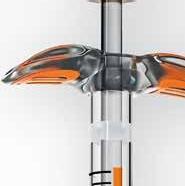

Premium Jewel
Box Design


Enhances brand experience, aids product identification.












Adverse events should be reported. Reporting forms and information for United Kingdom can be found at https://yellowcard.mhra.gov.uk. Reporting forms and information for Republic of Ireland can be found at: https://www.hpra.ie/homepage/about-us/report-an-issue. Adverse events should also be reported to Merz Aesthetics UK Ltd by emailing UKdrugsafety@merz.com or calling +44 (0) 333 200 4143.
2026 Merz Aesthetics UK Ltd – All rights reserved. MERZ AESTHETICS and the BELOTERO logos are trademarks and/or registered trademarks of Merz Aesthetics UK Ltd in the United Kingdom. Registered in England No. 14506945. Merz Aesthetics UK Ltd, Ground Floor Suite B, Breakspear Park, Breakspear Way, Hemel Hempstead, Hertfordshire HP2 4TZ. www.merz-aesthetics.co.uk
Date of Preparation January 2026 All BELOTERO products referred to in this infographic contain lidocaine, as BELOTERO without lidocaine has been discontinued, with the exception of BELOTERO Revive designed without lidocaine. For your information, BELOTERO lidocaine and non-lidocaine share the same product specifications with the key di erence being the inclusion (or absence) of lidocaine.
Scan the QR code to speak to an Account Manager for more information
WAKE UP TO HEALTHY, GLOWING SKIN
Revitalise the skin from within going beyond deep hydration for up to 15 months.1-12

WAKE UP TO
References: 1. Wu Y et al. J Cosmet Dermatol 2020;19(7):1627–1635. 2. Williams, S., Tamburic, S., Stensvik, H. & Weber, M. Changes in skin physiology and clinical appearance after microdroplet placement of hyaluronic acid in aging hands. J Cosmet Dermatol 8, 216 -225 (2009). 3. Gubanova, E. I., Starovatova, P. A. & Rodina, M. Y. 12-month effects of stabilized hyaluronic acid gel compared with saline for rejuvenation of aging hands. J Drugs Dermatol 14, 288 -298 (2015). 4. Dierickx, C. et al. Effectiveness and safety of acne scar treatment with non-animal stabilized hyaluronic acid gel. Dermatol Surg 44, S10-S18 (2018). 5. Nikolis, A. & Enright, K. M. Evaluating the role of small particle hyaluronic acid fillers using micro-droplet technique in the face, neck and hands: a retrospective chart review. Clin Cosmet Investig Dermatol 11, 467 -475 (2018). 6. Lee, B. M. et al. Rejuvenating effects of facial hydrofilling using Restylane Vital. Arch Plast Surg 42, 282-287 (2015). 7. Ribe A et al. Neck skin rejuvenation: histological and clinical changes after combined therapy with a fractional nonablative laser and stabilized hyaluronic acid-based gel of non-animal origin. J Cosmet Laser Ther 13, 154-161(2011). 8. Kerscher M et al. Rejuvenating influence of a stabilized hyaluronic acid-based gel of non-animal origin on facial skin aging. Dermatol Surg 34, 720-726 (2008). 9. Kim, J. Effects of injection depth and volume of stabilized hyaluronic acid in human dermis on skin texture, hydration, and thickness. Arch Aesthet Plast Surg 20, 97-103 (2014). 10. MA-54085. 11. Gubanova, E.I. et al. Poster presented at the International Master Course on Aging Skin. (IMCAS) 29 January – 1 February, 2015. Paris, France. 12. Willkerson EC, Goldberg DJ. Dermatol Surg. 2017; 0: 1–7 13. Belmontesi M et al. J Drugs Dermatol 2018; 17(1):83-88.