


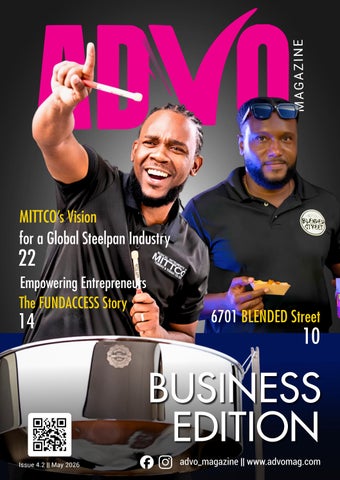
This edition arrives at a pivotal moment. Across the Caribbean, technology is reshaping industries, global uncertainty is testing the resilience of small states, and yet everywhere we look, Caribbean businesses are doing what Caribbean people have always done: adapting, creating, and leading from the front. Our feature on artificial intelligence and the future of work examines how AI is transforming the global labour market and what it means for the Caribbean’s workforce. We are proud to spotlight FundAccess the developmental financing agency that has been empowering Barbadian MSMEs for over 25 years. With a sweeping revamp now underway — new lending products, extended loan terms, and a fresh mandate in pairing financing with mentorship — Fund Access is positioning itself as a modern engine for entrepreneurial growth. In an economy where over 85% of all businesses are MSMEs,
this transformation matters immensely.
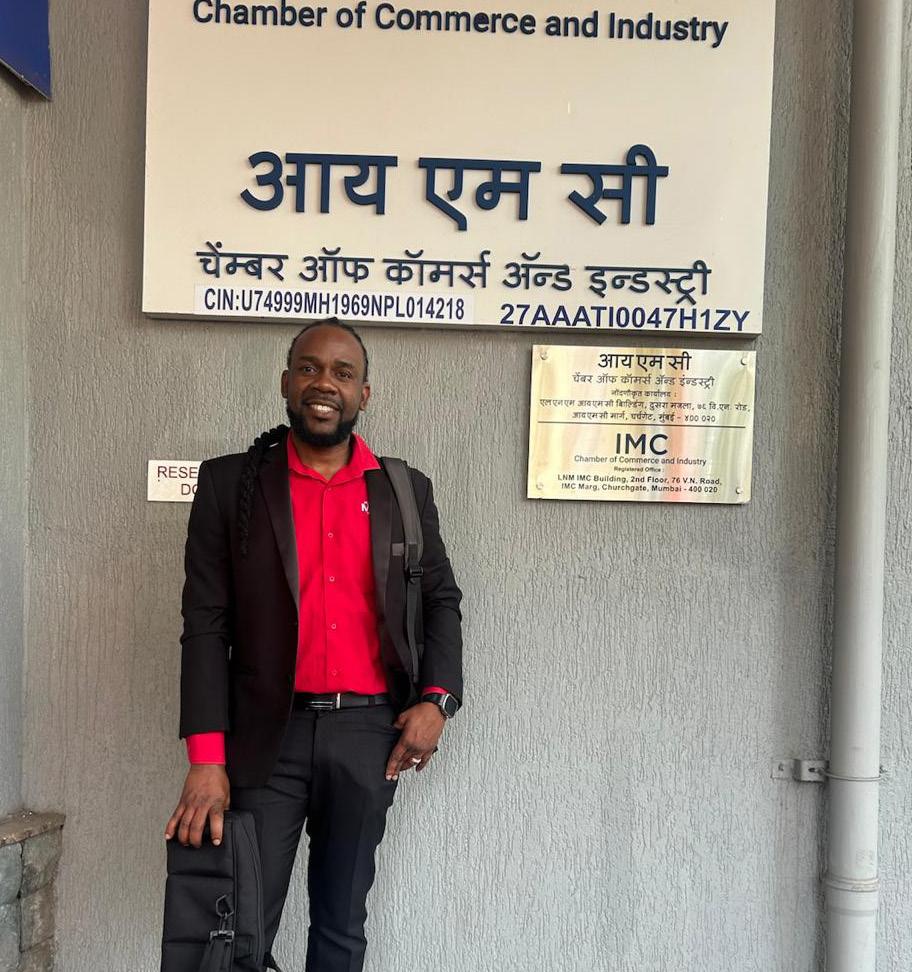
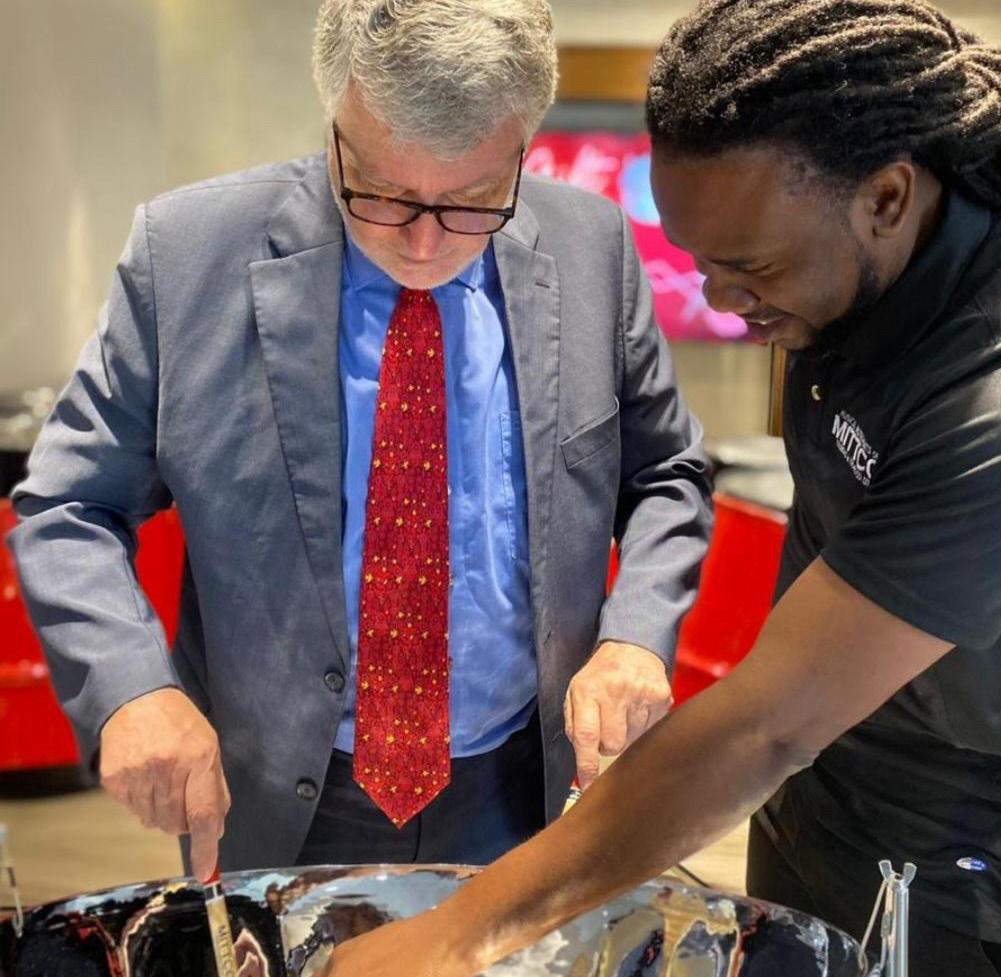
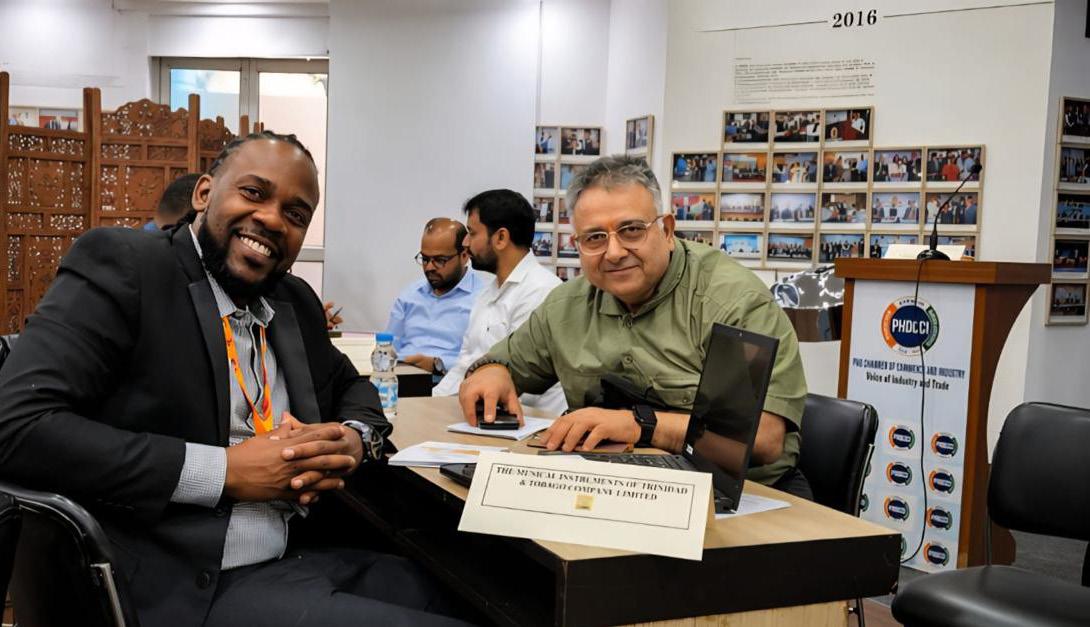
Across the water in Trinidad and Tobago, we turn the spotlight on MITTCO — the Musical Instruments of Trinidad and Tobago Company Limited — the world’s only eight-part ecosystem steelpan manufacturing establishment. Under executive director Akua Leith, MITTCO recently represented T&T on a trade mission to India, signed on to the national “Buy Local, Build Trinbago” charter, and has taken the national instrument to stages from the French Ambassador’s visit to the floor of the United Nations General Assembly. Caribbean manufacturing: world-class, culturally rooted, and commercially viable.
These stories share a common thread. Caribbean business is not defined by the size of our markets but by the scale of our vision. We hope this edition informs, inspires, and perhaps nudges a few of you to take that next step.
As always, thank you for reading, sharing, and believing in what we do.









Twenty years ago, there was no such thing as a social media manager, a cloud architect, a data scientist, or an AI prompt engineer. The smartphone had not yet been invented. YouTube did not exist. The gig economy was unimaginable. Today, these roles and the industries built around them employ hundreds of millions of people worldwide. The numbers are staggering. Research from economists at MIT and Boston University estimates that more than 60% of employment in 2018 was found in job titles that did not exist in 1940. A widely cited Dell Technologies and Institute for the Future study goes further, projecting that 85% of the jobs that will exist in 2030 have not yet been invented.
The message is unmistakable: the labour market is not static. It never has been. But the pace of transformation we are now witnessing, driven by artificial intelligence, is unlike anything in modern history — and it carries profound implications for the Caribbean.

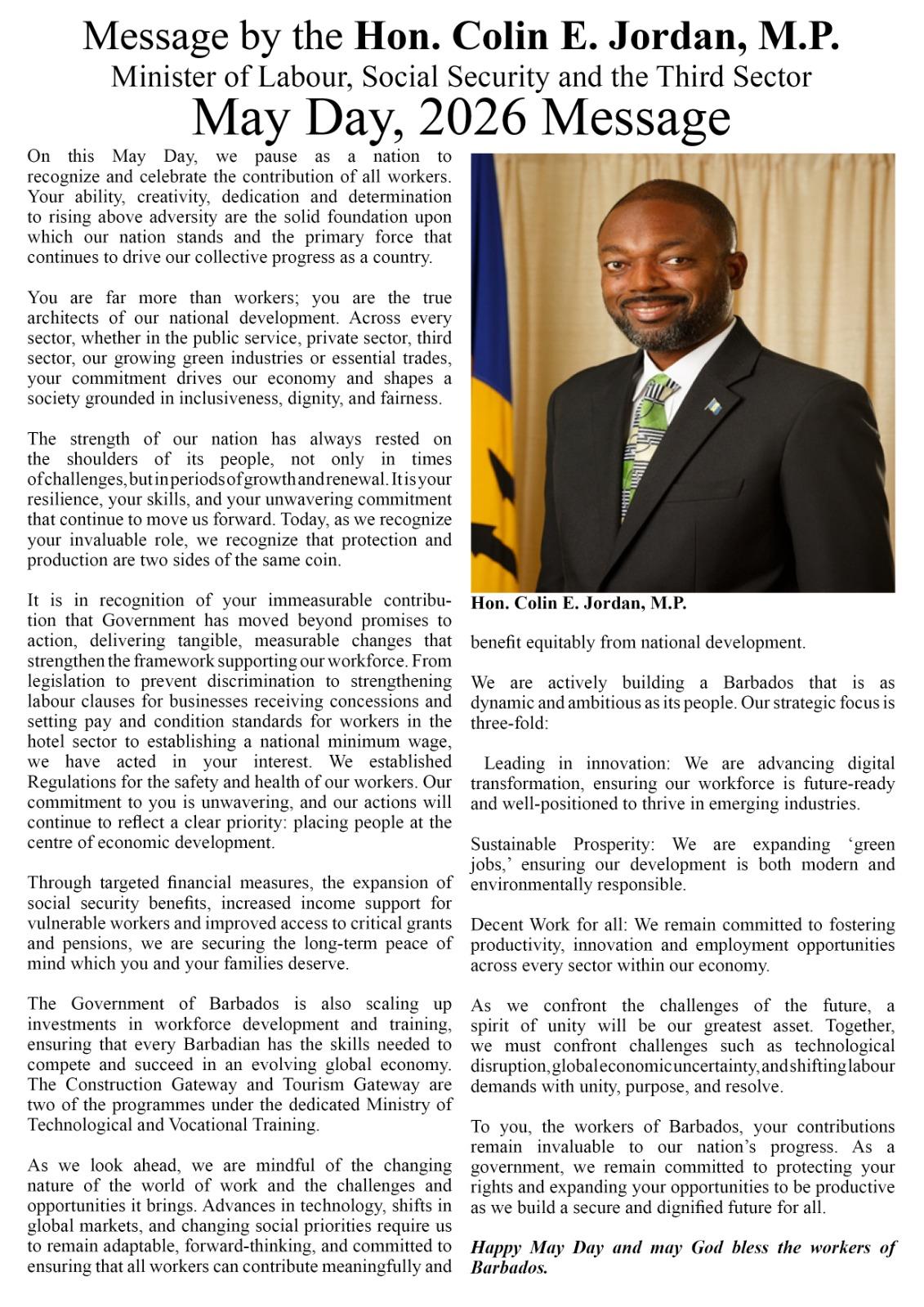
According to the World Economic Forum’s Future of Jobs Report 2025, an estimated 92 million jobs worldwide will be displaced by AI and automation by 2030. Customer service representatives face the sharpest immediate threat, with an 80% automation rate projected by 2025. Data entry clerks — a role that has been a gateway to formal employment across the Caribbean — face the elimination of 7.5 million positions globally by 2027. Roughly 65% of all data processing and information-handling tasks could be automated in the near term.
For the Caribbean, where services dominate GDP, the exposure is acute. Tourism call centres, back-office processing operations in Barbados, Jamaica, and Trinidad, government clerical functions, and routine financial services work all sit squarely in AI’s crosshairs. Consider: an AI chatbot today can handle a hotel booking enquiry, process a customs declaration, or draft a standard legal letter in seconds — tasks that once sustained entire departments.

But here is the critical nuance the headlines miss. The same WEF report projects that 170 million new roles will be created over the same period, yielding a net addition of 78 million jobs globally. The question for Caribbean businesses is not whether jobs will change — they will — but whether our people will be positioned to fill the new ones.
Caribbean leaders are increasingly sounding the alarm. In May 2025, Barbados Prime Minister Mia Amor Mottley called for the creation of a unified CARICOM approach to artificial intelligence, stressing the need for the region to confront its implications for democracy, sovereignty, and economic development. By August of that year, speaking at CARIFESTA XV in Barbados, Mottley issued a far more visceral warning: without reforms in education, strengthened regional governance, and safeguards for democracy, the Caribbean risks, in her words, “being recolonised again.” “The Armada is not coming. The flotillas are not coming,” Mottley told the audience, lifting her cell phone. “They are coming straight into your heads and your minds.”
The conversation is not limited to Barbados. Trinidad and Tobago has established a dedicated Ministry of Public Administration and Artificial Intelligence. Jamaica is expanding electronic health records. Guyana is deploying telemedicine to rural communities. CARICOM SecretaryGeneral Dr. Carla Barnett, speaking at a regional health conference in April 2026, declared that AI, genomics, and
digital health platforms are “no longer futuristic” but offer “an immediate path to leapfrog historical barriers.”
Internationally, AI is already creating entirely new categories of work: prompt engineers, AI ethics officers, humanAI collaboration specialists, machine learning operations managers. Globally, some 350,000 new AI-specific positions have emerged in just the past two years.
For Caribbean economies, the possibilities are tantalising. AI-driven precision agriculture could transform food security across the region. AI-powered climate modelling can strengthen disaster preparedness — a matter of existential urgency for small island developing states. In tourism, AI tools can personalise visitor experiences, optimise pricing, and reduce waste in ways that boost profitability while preserving fragile ecosystems. In financial services, the Bahamas’ early leadership with the Sand Dollar digital currency has already demonstrated the region’s capacity to pioneer fintech innovation.
The challenge, however, is access. The WEF reports that over 40%of workers will require significant upskilling by 2030, and an alarming 77% of new AIrelated jobs require a master’s degree or equivalent. For a region where tertiary education enrolment remains uneven and digital infrastructure is still developing, closing this gap demands urgent, coordinated investment.
The Caribbean has always been resilient, adaptive, and inventive. The region that produced the Bridgetown Initiative and that leads the global conversation on climate justice, is more than capable of meeting the AI moment.
But capability alone is not enough. It requires political will, educational reform,
private sector investment, and a refusal to be passive consumers of technology designed elsewhere. As Prime Minister Mottley has consistently argued, success is not about becoming Silicon Valley — it is about remaining distinctly Caribbean while harnessing the tools of the future.
The algorithm is coming for the archipelago. The only question is whether we will write the code — or be written out of it.
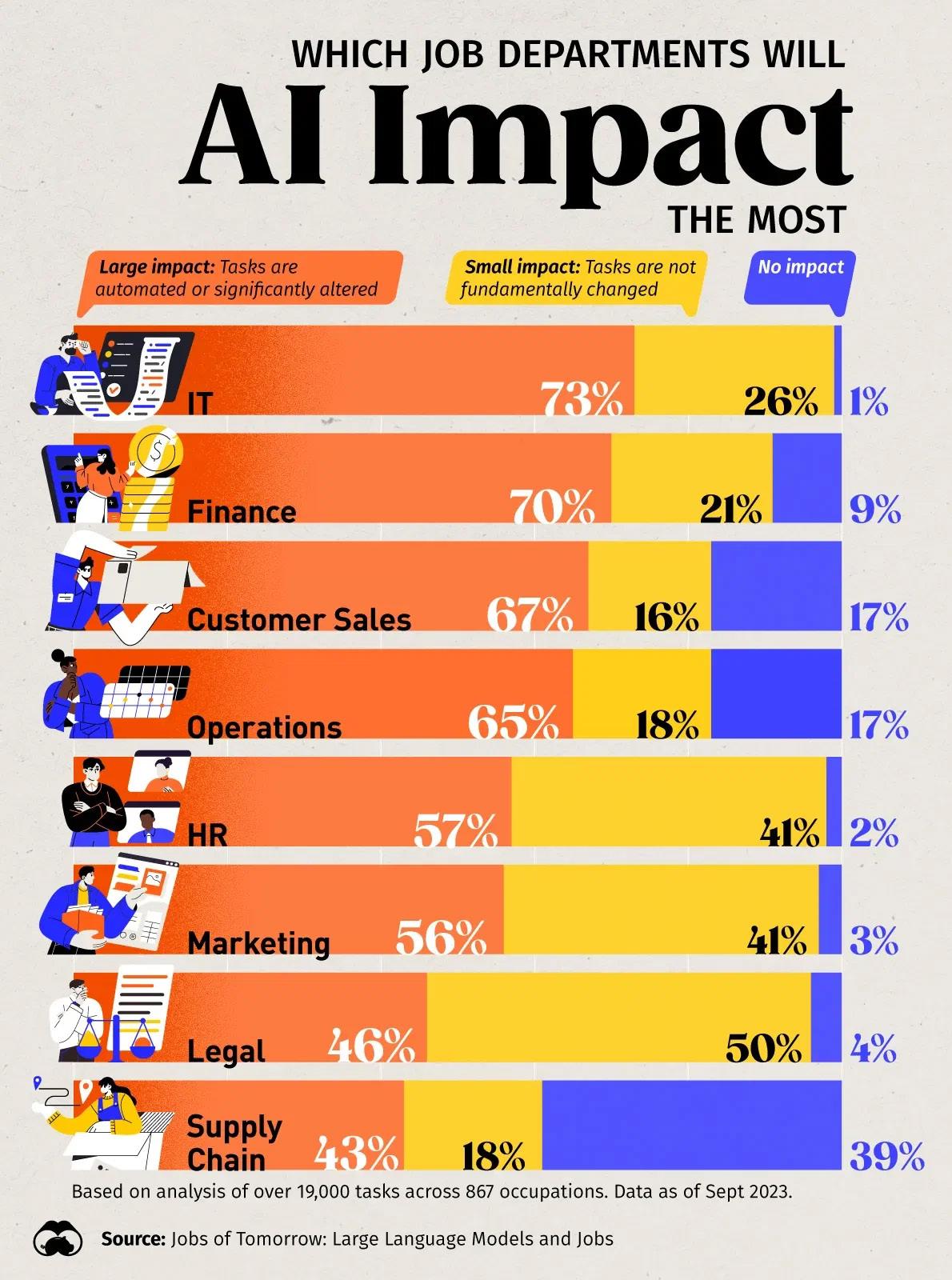

According to the World Economic Forum, the departments feeling AI's heat the most are IT and Finance — where up to 70% of everyday tasks could be fully automated or dramatically changed. Customer service, operations, and HR aren't far behind. In short: if your job involves language, data, or processing — AI is already looking over your shoulder.
Source: World Economic Forum via Visual Capitalist
The first two years of any startup are often described as the most exhilarating—and the most unforgiving. It’s a period marked by ambition, uncertainty, long hours, and constant decision-making. For many entrepreneurs, especially within small and dynamic markets survival isn’t just about having a great idea—it’s about

execution, resilience, and adaptability.
How can startups not just survive, but build a solid foundation for long-term success.
We asked a few business owners in a range of fields to five their advice to persons who are looking to start a business. Here are some of their tips.
1
Don’t over spend, be smart and think lean, meaning no fancy offices, large teams or excessive inventory all of these can drain limited resources. Decide to work from home, share space with another entrepreneur, hire limited staff and focus revenue generating activities. Cash flow—not profit—is your lifeline in the early stages.
2
Secondly, ask yourself is there demand for this product or service, is the price one that they are willing to pay, what is the feedback? How many others are in this line of business and what makes your business unique? Often times new business fail because they expand too quickly without confirming demand.
3
Next is being financially disciplined, you don’t have to be an accountant but you should know your monthly expenses, sales that will make your break even and the amount of sales to make a profit. At the basic level setup an excel file to help you track income and expenditure.
4
A great product without visibility will struggle. In today’s digital world, marketing is one of the most powerful (and cost-effective) tools available. So focus on social media, IG, Tik Tok, WhatsApp, presence and consistency, be responsive to enquiries and comments but remember nothing beats engaging directly with customers. Networking is critical and key to building meaning full connections these can include mentors or other entrepreneurs .
5
A message common to all of the entrepreneurs was this adviceIf something isn’t working, don’t be afraid to adjust your strategy.
The ability to pivot comes with monitoring performance, keeping an eye open for new opportunities and be flexible as the market changes
6
Finally, don’t try to achieve perfection, it will never happen. It is better to survive, learn, and grow. Every challenge you overcome strengthens your business and sharpens your entrepreneurial instincts.
Stay disciplined, flexible and focused on your vision because if you can navigate the early stages successfully, you will be on the path to building something truly impactful.



After losing his job in the compliance space in antimoney laundering nearly a decade ago, Clement MappPadmore turned hardship into opportunity, building what is now regarded as one of Barbados’ leading natural juice companies with just $200, a pot and a determination to survive.
Speaking to AdvoMag, the Founder and Managing Director of 6701 Blended Street recalled the difficult period that followed his dismissal, explaining that the longer he remained unemployed, the
harder it became to re-enter his field.
“As time went on, it became increasingly difficult to obtain a job,” he said, noting that despite applying widely, opportunities in corporate administration, corporate governance and compliance never materialised. To make ends meet, he took on several temporary jobs, including working as a waiter.

Faced with dwindling options in 2017, Mapp-Padmore invested the last of his savings into a small juice-making venture.

“I took the last $200 to my name, I bought a pot, 30 half-gallon bottles, three packs of sugar and two packs of sorrel from Price Lo, and the rest was history,” he said.
With no formal experience in beverage production, he said he learned through trial and error, reinvesting every dollar earned back into the business.
“I knew nothing really about making juice. I just tried to perfect the craft,” he explained. “Every time I made money, I would buy another piece of equipment.”
The sacrifices, he admitted, were significant.
“At one point in time, as embarrassing as it is, I had to make a choice between buying new boxers because of the holes they had and buying new equipment,” he said.
In the early days, Mapp-Padmore sold juices directly from the trunk of his car, travelling across the island and relying on the support of customers willing to “give me a sale here, give me a sale there”.
He credited the company’s growth to consistency and quality, noting that the brand’s transparent labels were intentionally designed to reflect confidence in the product.
“I am a firm believer in letting your work speak for itself,” he said.
Today, under the slogan “Where Passion, Flavor and Excellence Meet!”, Blended juices can be found
in several major retailers and outlets across Barbados, including Massy, PriceSmart, Cost U Less, Sol and Rubis.
“As far as I know, Blended is regarded as one of the top natural juice businesses in Barbados right now,” Mapp-Padmore said. “It’s not easy, but we try to make it possible.”
Despite its expansion, he stressed that the company remains rooted in Barbadian culture and flavour.
“If you’re coming to Barbados, or leaving Barbados, we give you a taste of the island from the juices that we make.”




For nearly three decades, The Barbados Agency for Micro Enterprise Development Ltd., trading as FundAccess, has been the quiet engine behind thousands of Barbadian dreams. From the seamstress in her front room to the tech start-up in a coworking space, FundAccess has been there: funding the vision, training the founder, and walking with the entrepreneur long after the cheque is cashed.
When the Barbados Development Bank closed its doors, it left behind a vacuum, thousands of micro and small entrepreneurs with ideas, ambition, and drive, but nowhere to turn for the kind of accessible, patient capital they needed to get started or to grow. The Government of Barbados recognized this gap and on 23 December, 1997 incorporated The Barbados Agency for Micro Enterprise Development Ltd. under the Companies Act of Barbados. On 2 January, 1998 trading as FundAccess, the agency opened to the public and began writing a new chapter in Barbadian enterprise development.
From its home at City Building on Pinfold Street in the heart of Bridgetown, FundAccess has spent nearly twentyeight years proving that small business is serious business. The numbers tell a powerful story: more than 1,808 loans approved, 2,755 job opportunities
created, and in excess of $80 million lent to Barbadian entrepreneurs across every sector of the economy. These are not just statistics, they are livelihoods, families, and communities transformed.
What sets FundAccess apart from conventional lenders is a philosophy rooted in a simple but radical idea: money alone is not enough. A loan without support is a debt; a loan with training, guidance, and followthrough is an investment in human potential. That philosophy is embedded in everything FundAccess does.
A critical component of the process is the mandatory one-day Micro Enterprise Training Programme conducted prior to disbursement. This training equips clients with practical skills in cash management, record keeping, costing and pricing, budgeting, statutory compliance, customer service, and marketing. It also reinforces professional discipline, goal setting, and accountability.
And the support does not stop there. Each client is assigned a dedicated Business Development Officer who visits within the first three months to ensure the business is on track. Technical assistance continues for as long as it is needed—including access to external consultants, specialised workshops, and even grant funding for unexpected challenges like equipment
failure or the need to pivot a business model. During the COVID-19 pandemic, for example, FundAccess provided grants to barbers, hairdressers, and other small operators who needed to reconfigure their workspaces for physical distancing and sanitation compliance.
FundAccess offers a comprehensive suite of loan products designed to meet the specific needs of entrepreneurs at every stage of their journey, across every major economic sector: Agriculture, Retail and Distribution, Manufacturing, Services and Trade, Tourism, Creative Industries, Renewable Energy, S.T.E.M., and ICT. With competitive interest rates and flexible terms, these products are structured to ensure that financing is not a barrier to ambition.--------

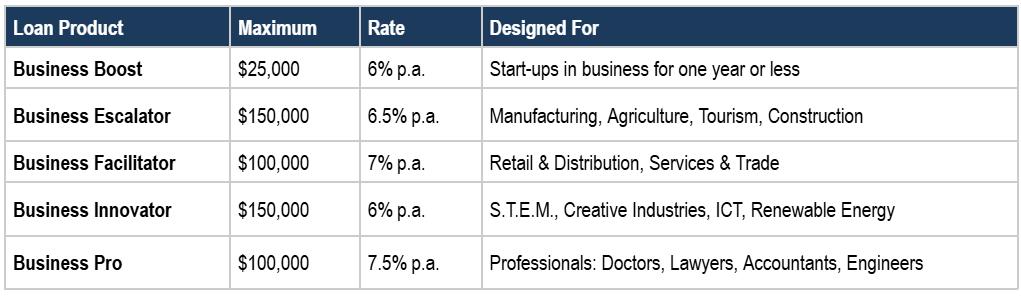





Whether you are a first-time entrepreneur with a bold idea and a business plan, or an established professional looking to expand your practice, FundAccess has a product tailored to your reality. The process
is straightforward: an initial interview with a friendly and knowledgeable representative, preparation of your documentation, a follow-up consultation to explore your options, and then a decision. Four steps to your future.

In an era of rising energy costs and growing environmental awareness, FundAccess is also at the forefront of Barbados’s green energy transition through its role in administering the Energy Smart Fund. This initiative provides concessionary financing and technical assistance grants to help businesses implement energy efficiency, renewable energy, and energy conservation technologies—from LED lighting upgrades and solar PV systems to electric mobility solutions and power monitoring equipment.
The Energy Smart Fund is open to all locally registered businesses, with particular emphasis on tourism operators and small and medium enterprises, including micro businesses such as hairdressers, bars, and barbers. It is yet another example of how FundAccess thinks beyond the traditional boundaries of micro-lending to address the real, evolving needs of the Barbadian business community.
FundAccess has never been content to simply write cheques. In recent years, the agency has launched a suite of innovative programmes designed to educate, inspire, and connect Barbadian entrepreneurs in ways that go far beyond the loan portfolio.
FundAccess is in the process of formalizing and implementing a loan graduation system with the Barbados Trust Fund Ltd. (BTFL). This partnership will be implemented through a dynamic progression system, designed to support continuous enterprise onboarding, staged development, and structured progression based on demonstrated readiness. The approach will enable the creation of a fluid system that facilitates a streamlined transition of clients between both entities.
FundAccess has partnered with The Centre for Agricultural Research and Innovation (CAGRI), University of the West
Indies, to establish a programme that will assist farmers and manufacturers with utilising technology and scientific methodologies to enhance operations and improve productivity. The aim is to support agricultural entrepreneurs through financing and advisory services, contributing to national food security and sector development.
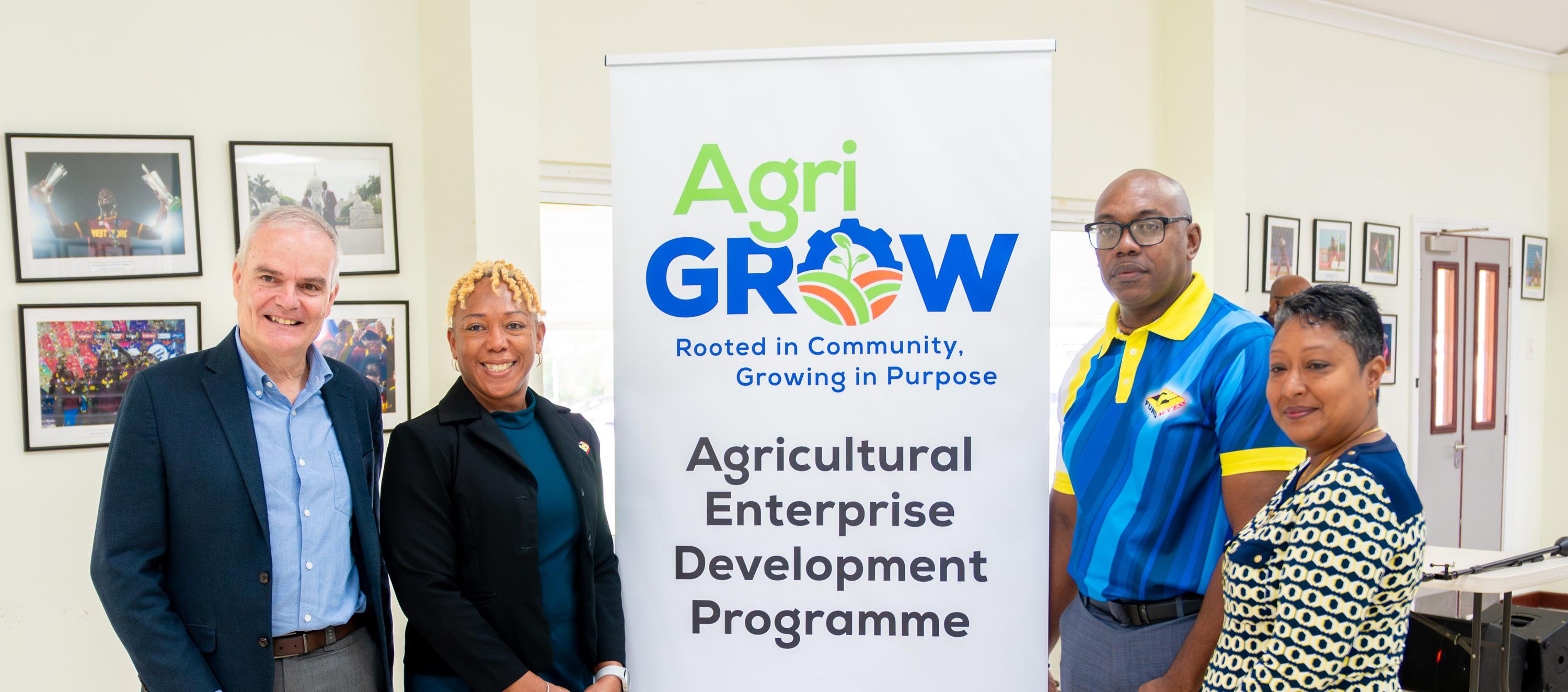
The AGRI-GROW Agricultural Enterprise Development Programme initiative is designed to strengthen the technical, operational, and commercial capacity of small and medium-scale agribusinesses in Barbados. The programme will be held over a period of six (6) months commencing on May 27, 2026 to November 25, 2026.
FundAccess and the Institute of Chartered Accountant of Barbados (ICAB) has established a partnership, aimed at strengthening financial literacy and promoting sound accounting practices among MSMEs, thereby improving the quality of financial information and business decision-making. The pilot project was launched on April 1, 2026.
Client education continues to be a critical component of FundAccess’ development strategy, ensuring that clients are equipped not only with financing but also with the knowledge required to operate sustainable enterprises.
Key initiatives undertaken during the period include:
» Promoting compliance and improving awareness among MSMEs of their statutory obligations – through collaboration with the National Insurance and Social Security Service (NISSS)
» Delivery of a BimPay webinar, through partnership with the Central Bank of Barbados
» Engagement with Business Barbados, aimed at strengthening the formalization and sustainability of micro, small and medium-sized enterprises across Barbados.
Inspiring Entrepreneurs the Focus of KIR Online Series

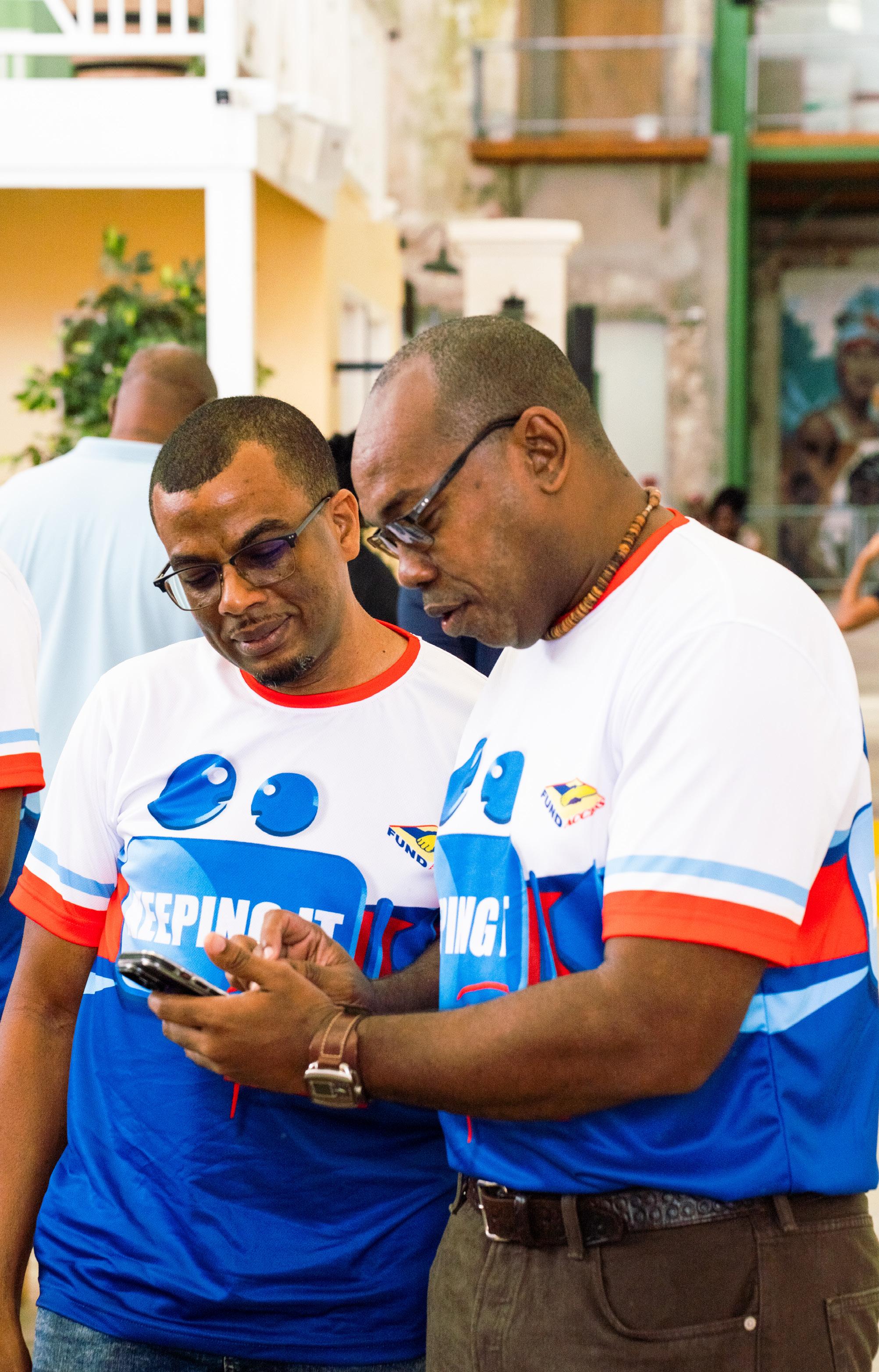
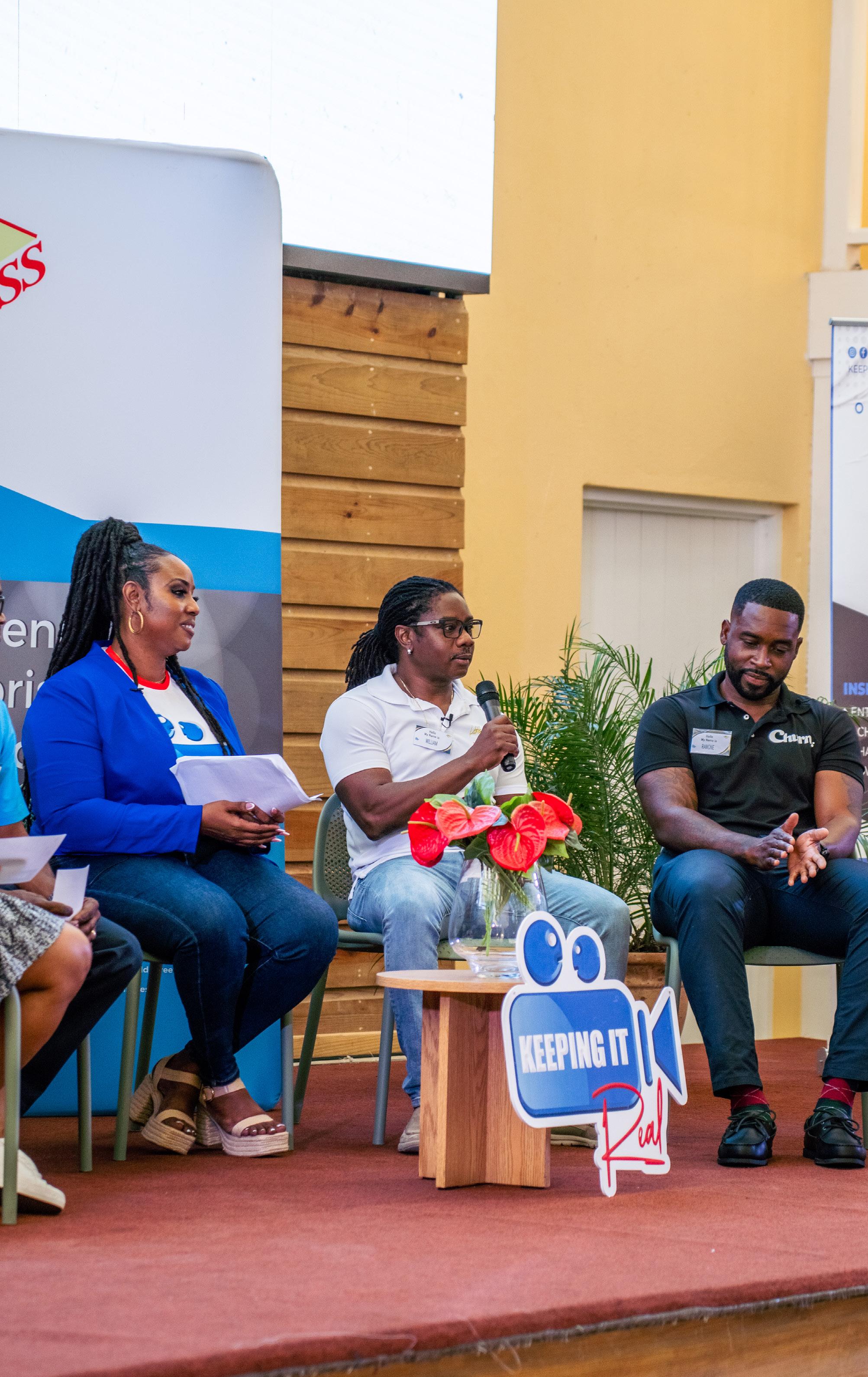
Peer-to-Peer education is at the core of the programme’s objectives as entrepreneurs share real-world experiences of their journey through starting up and managing their businesses, as a source of inspiration to others. The programme, “Keeping It Real”, features business operators across a range of endeavours talking about their
actual experiences through starting up and operating their enterprises. The real world, practical experiences of entrepreneurs will be the highlight of the series, and aims to enable existing entrepreneurs to inspire and educate each other, while offering insight and guidance for emerging and would-be business owners.
Team lead of KIR, Ms. Sophia Forte, noted that Business people talk about their experiences and one of the points they often make is that if they had had someone to tell them then what they had to learn on their own the hard way, they probably could have avoided some of the pitfalls they encountered along the way. That is the core idea at the heart of “Keeping It Real”. It is envisage that through this programme entrepreneurs will engage in knowledge-sharing to support each other, and authentic learning that will help guide and encourage existing business owners, as well as those who are now emerging. Hence the theme: Inspiration via Reality.
“Keeping It Real” encompasses interview segments with entrepreneurs, reels, and other content delivered via Facebook, Instagram and YouTube channels. The video series is powered by FundAccess, with the support of the Ministry of Energy and Business, and sponsored by the Barbados Trust Fund Ltd., NSR Ltd., Export Barbados and RBM Creative Productions.
Complementing these programmes is The Founders Compass, FundAccess’s official newsletter - a publication launched in
December, 2025 designed to keep the entrepreneurial community informed, connected, and inspired. Featuring business tips, client success stories, programme updates, financial literacy content, and insights from industry leaders, The Founders Compass serves as a vital touchpoint between FundAccess and the thousands of entrepreneurs it serves.
Under the stewardship of Interim General Manager, Mr. Michael Callender, and Deputy/Acting General Manager, Ms. Sophia Forte, FundAccess continues to evolve and expand its impact. The agency’s vision remains clear and ambitious: to be the premier lender for micro and small businesses in Barbados, with an unwavering emphasis on trust, sustainability, and growth.
That vision is underpinned by three core values—Leadership, Innovation, and Integrity—and a commitment to being accountable to the highest ethical standards. It is a promise that has been kept for nearly three decades, and one that continues to define every loan approved, every training session delivered, and every entrepreneur supported.
FundAccess does not operate in isolation. Its work is strengthened through strategic partnerships with institutions that share its commitment to enterprise development, including:
» The Barbados Trust Fund Limited
» Export Barbados (BIDC)
» The Youth Entrepreneurship Scheme (Y.E.S)
» Barbados Youth Business Trust (BYBT)
» The Small Business Association (SBA)
» The University of the West Indies at Cave Hill
Together, these partnerships form an ecosystem of support that ensures Barbadian entrepreneurs have access not only to capital, but to the knowledge, networks, and mentorship they need to succeed. YOUR DREAM. YOUR BUSINESS. YOUR
If you have a business idea, a growing enterprise, or a professional practice that needs capital to reach the next level, FundAccess is ready to meet you where you are. You do not have to do it alone.

By Bavina Sookdeo
When Akua Leith first envisioned MITTCO, it was about creating an ecosystem — one capable of preserving, modernising and globalising one of Trinidad and Tobago’s greatest gifts to the world – the steelpan.
Today, MITTCO — Musical Instruments of Trinidad and Tobago Company Limited — based at the e-Teck Diamond Vale Business Park, exports instruments across the globe, trains new generations through its academy and has already earned major national business recognition.
Yet for Leith, this is only the beginning.
“What I pitched to the team was a steel band ecosystem,” he explained. “The ecosystem had eight pillars.” They included:
A Manufacturing Hub: Establishing a state-of-the-art steelpan manufacturing facility that produces high-quality instruments while providing artisans with year-round employment and improved working conditions.

Story by: Bavina Sookdeo Writer/Media Consultant
Institute/Academy: Training youth and aspiring professionals in steelpan manufacturing, performance, arranging and composition.
Performance Ensemble: Using a private ensemble to promote steelpan internationally, showcase its possibilities and drive interest back to manufacturing and educational programmes.
“Pan is a gift from God, entrusted to Trinidad and Tobago to create the Caribbean voice to share with the world."
Steelpan Museum: Creating a space to document and display the history and evolution of the steelpan.
Hall of Fame: Honouring the pioneers and contributors responsible for the instrument’s development.
Scholarship and Research Foundation: Supporting research, innovation and education in areas such as sound technology, manufacturing, robotics and
AI connected to the steelpan industry.
Apprenticeship Programme: Developing the next generation of steelpan artisans through structured training opportunities.
International Steelpan Festival and performance space: Building a global festival in Trinidad and Tobago that goes beyond Panorama and showcases steelpan talent and innovation from around the world.
“Pan is one of the only instruments where you can have a beginner experience and have someone playing a song within the first 10 to 15 minutes."
Leith, a lifelong pan enthusiast, believed the industry needed a more sustainable and organised future — one capable of creating year-round employment while protecting the authenticity of steelpan craftsmanship.
“I’ve had this idea for a while now,” he said, “but was very protective of it until I felt I could collaborate with a team who shared the same vision and values as I did.” That team eventually came together through collaboration with Mario Joseph, David Hackett and the Hadad Brothers, longtime supporters of steelpan music and culture. Together, they established MITTCO in 2022 with a mission to keep steelpan manufacturing alive in its country of origin.
“Trinidad and Tobago is the home of steelpan,” Leith stated. “We have, without doubt, the best artisan steelpan craftsmen in the world, and there is no better time than now to establish a world-class company with international reach.”
As the birthplace of the steelpan, MITTCO believes preserving the traditional craft of pan-making is essential to maintaining the instrument’s authenticity and value. However, the company is also integrating modern technology and improved production systems to support artisans and reduce some of the more labour-intensive aspects of the process. Rather than relying on one individual to complete every stage of production, MITTCO has introduced specialised roles across different areas of manufacturing, creating greater efficiency while still maintaining the craftsmanship at the heart of the instrument. Leith explained that the company is focused on “marrying craftsmanship and technology” as it continues to expand its operations.
That approach has helped the company steadily expand its footprint internationally. Today, approximately 80 percent of MITTCO’s instruments are exported. “The US demands the most pans from MITTCO and then Grenada, Barbados and Guyana,” Leith revealed. “We are seeing heavy momentum in the region in terms of pan in schools and in communities.”
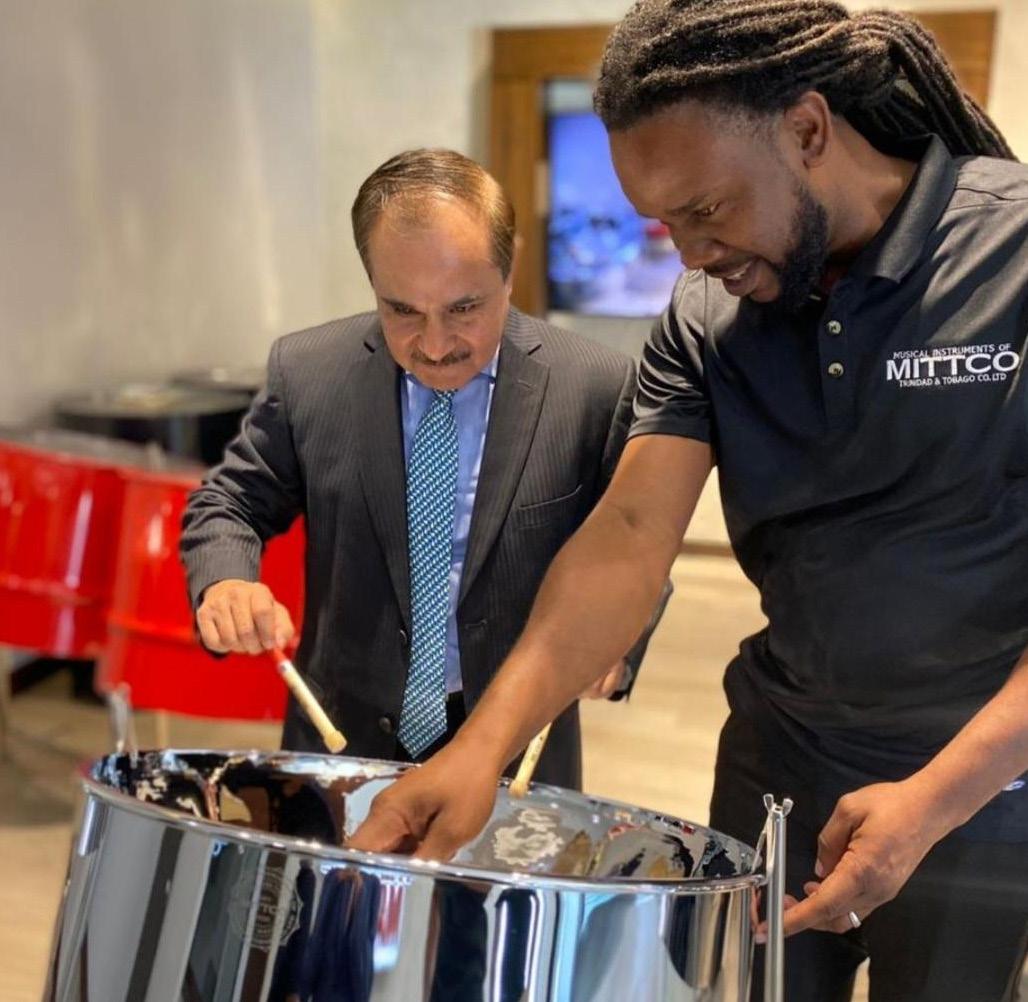
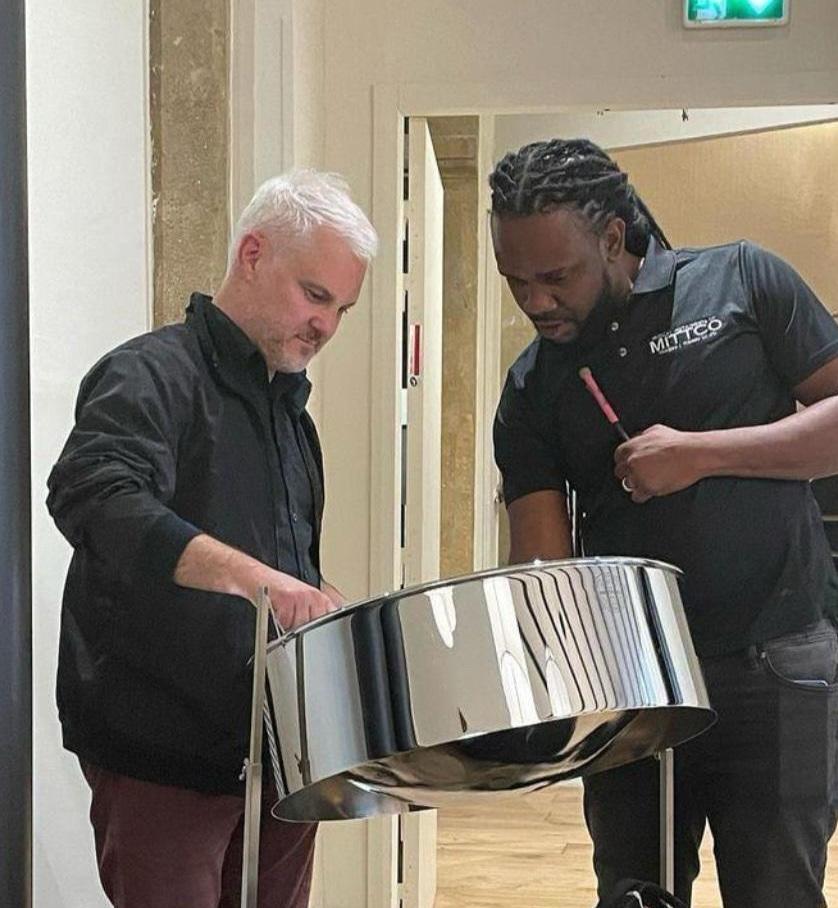
The company’s growing international reputation has also attracted diplomatic and cultural attention. MITTCO has hosted international ambassadors and



performed abroad, including recent engagements in India where the company showcased the possibilities of steelpan performance and education.
“We went to India on a trade mission with Trinidad And Tobago Manufacturers’ Association to showcase possibilities of steelpan,” Leith explained. “If they want to start an ensemble, we point them back to the manufacturing. If they want people to unfold the programme, we point them back to our institutes and academies.”
For Leith, the steelpan represents far more than music.
“I have a saying,” he shared. “Pan is a gift from God, entrusted to Trinidad and Tobago to create the Caribbean voice to share with the world.”
That philosophy also shapes MITTCO Academy, the company’s educational arm designed to introduce new audiences to the instrument while nurturing future players, arrangers, composers and artisans.
The academy currently offers online access bundled with instrument purchases, guiding beginners from unboxing and caring for their instruments
to learning simple songs.
Leith believes accessibility is one of the pan’s greatest strengths. “Pan is one of the only instruments where you can have a beginner experience and have someone playing a song within the first 10 to 15 minutes of the interaction,” he said. “All you need is your motor skills, the notes are already tuned.”
Entrepreneurship Award under the Trinidad and Tobago Chamber of Industry and Commerce Champions of Business Awards programme.
“Trinidad and Tobago is the home of steelpan. We have, without doubt, the best artisan steelpan craftsmen in the world."
Beyond music, he argues that pan builds teamwork, communication and leadership skills. “It helps with communication, leadership, camaraderie building, team efforts, understanding business, math and music,” he said. “Pan is that instrument I can get someone from age five to 55 having a whole new authentic experience with.”
MITTCO captured the Breakthrough Exporter of the Year Award in 2023 followed by the 2025
Still, despite the company’s rapid growth and recognition, challenges remain. Leith openly admits the company is still working toward profitability. “We are not currently a profitable business, but we are working towards profitability,” he said. “We are seeing nice climbs in terms of our sales every year, so we are seeing good projections going into the future.”
The awards, however, reinforced confidence in MITTCO’s long-term vision. “Being awarded gives us the idea that MITTCO is on the right track towards handing over pans all over the world,” he said.
One of the industry’s biggest hurdles, according to Leith, is human resource development. “For far too long, we haven’t really had a strategic plan to stimulate interest in the steelpan manufacturing space,” he explained. “The demand for artisans is way beyond what the actual output could be.”
He believes apprenticeship systems and government-supported training


programmes are urgently needed to sustain the industry’s future. “This is where the government can come in,” he said. “This will send the manufacturing sector into a positive direction.”
Over the next decade, MITTCO’s immediate goal is sustainability and self-reliance. “HADCO is definitely operating as a big brother to us, keeping us afloat,” Leith acknowledged. “But we want to be able to at least pay our bills and salaries and become sustainable.”
At the same time, the company continues looking outward, inviting deeper Caribbean partnerships and regional collaborations. “We are ready to do business and
collaborations with the rest of the Caribbean,” Leith said. “Pan in schools, communities and homes — it is definitely a space and an instrument they can look to. We are ready to give the most professional support from instruments to performance.”
No matter where he travels, Leith said three things are almost always associated with Trinidad and Tobago. “Pan, Carnival and Brian Lara,” he laughed when asked what people most associate with the country.
For MITTCO, however, the goal is ensuring the steelpan’s global future remains firmly connected to T&T.

The first steelpan performance outside of Trinidad and Tobago was given by the Trinidad All Steel Percussion Orchestra (TASPO) on July 26, 1951. The pioneering group made their international debut at the Festival of Britain on London's South Bank exhibition grounds, introducing the world to the newly invented national instrument.

Younger Barbadians are the future of renewable energy

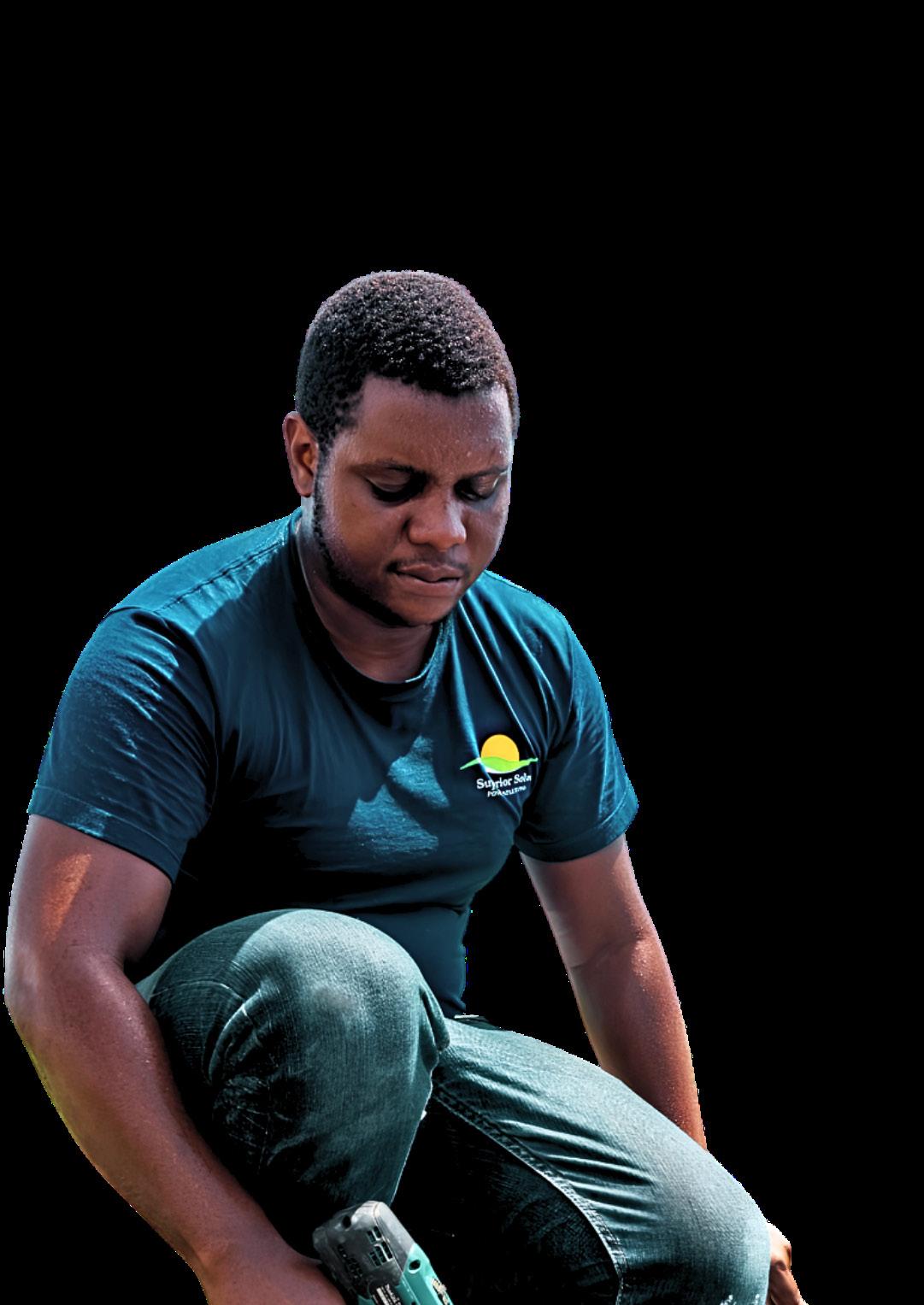
Despite notable expansion in Barbados’ renewable energy sector over the past decade, Chief Executive Officer of Superior Solar, Ryan Gittens, says persistent structural challenges continue to slow progress.
Speaking to AdvoMag, Gittens explained that while interest in solar energy surged in recent years, particularly among residential and commercial customers, issues such as grid constraints and the delayed integration of battery storage have created uncertainty within the industry.
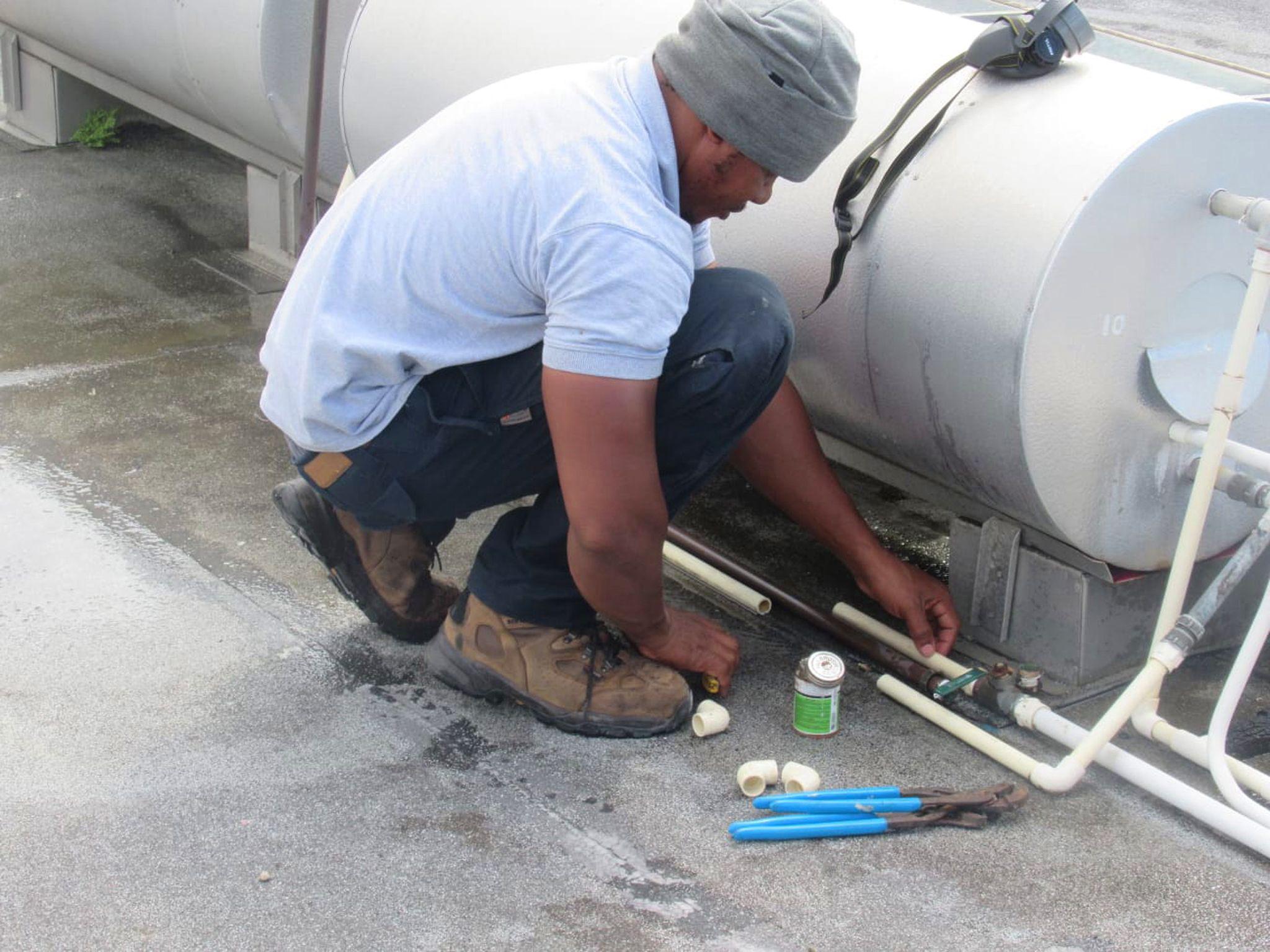
Superior Solar, established in 2008, operates as a renewable energy company offering services including energy audits, solar water heating systems, and photovoltaic (PV) installations.
Gittens recalled a period of strong market enthusiasm, driven largely by the ability of consumers to generate electricity and sell excess power back to the national grid.
“There was a buzz and a great interest from the residential market, as well as commercials who heard, about the generating of energy from the PV panels and selling into the grid… and having a decent return on investment through this process. That was the main driving force,” he said.
He added that government-led initiatives also helped to stimulate larger-scale renewable projects, contributing to a significant shift in the island’s energy landscape.
“So the landscape of Barbados had
changed tremendously from let’s say, 2019… I think 2022, there was a great drive and that was responsible for the growth in the market.”
However, momentum slowed in 2023 when Barbados Light and Power Company halted the onboarding of new customers to the grid, a move Gittens described as abrupt and disruptive.
“Now unfortunately in 2023 Light and Power had made an abrupt stop in facilitating persons on to the grid. So the industry has been struggling from then to find a plausible solution…,” he noted.


While regulatory changes in 2025 allowed for the integration of battery storage systems into installations, Gittens said this development has introduced new financial pressures, particularly for early adopters of solar technology.
“The reality of the matter is the older customers that would have made the investment… are left wanting because obviously the batteries… is now an additional cost,” he explained, adding that the sector is currently experiencing “a lull in the market and a conundrum on how to navigate this element”.
Even so, Gittens pointed to growing interest among younger Barbadians as a promising sign for the future of renewable energy.
“What I have observed is that there’s a lot of interest from the younger generation to get involved in renewable energy… clean energy solutions are a new frontier,” he said, while questioning whether the country will be able to retain this emerging talent.
“However, what does that look like for us as a people, are we going to export our skill sets to other borders?”
As the industry navigates its current challenges, stakeholders will be closely watching how policy, infrastructure, and investment align to shape the next phase of Barbados’ renewable energy transition.

What does a conflict thousands of miles away have to do with the price of food in Barbados or the survival of a small business? More than we think.
The ongoing tensions involving the United States, Israel, and Iran are already placing strain on global energy markets and key shipping routes, particularly through the Strait of Hormuz, a critical artery for oil and trade. According to Global eProcure, as disruptions intensify, higher fuel costs and longer shipping times are feeding into global supply chains, pushing up the cost of transporting goods, including food (GEP, 2026).
For small, import-dependent economies like Barbados, the implications are not hypothetical; they are immediate and, increasingly, structural. With food imports accounting for a significant share of the country’s import bill, even small shifts in global prices and shipping costs can quickly filter into domestic food prices and business operating costs.
Rising oil prices do not just affect fuel at the pump; they influence the cost of fertilisers, transportation, and food production globally. If the current conflict persists or escalates, these pressures are likely to become a defining feature of the economic landscape over the next year and beyond.
Rising oil prices are not only felt at the pump, but they also influence the cost
of fertilizers, transportation, production inputs, and global food production. If the current conflict persists or escalates, these pressures are likely to become a defining feature of the economic landscape over the next year and beyond.
But if recent history offers any insight, it is that some businesses are better positioned to respond.
During the COVID-19 pandemic, when global supply chains were disrupted, local agriculture played an important role in keeping food available in Barbados. That period revealed an important truth: being close to your source of supply makes a real difference. Businesses based in local production were able to respond more quickly and with greater flexibility
than those that relied on imports. For example, local farmers and roadside vendors were able to continue supplying fresh produce directly to communities, helping to fill gaps when imported goods were delayed or unavailable.
In a prolonged period of geopolitical uncertainty, that advantage becomes even more significant.
Local agriculture startups could, therefore, once again emerge not just as alternatives but as strategic players. By reducing reliance on imported inputs and shortening response times to market shifts, they are better equipped to navigate volatility. What was once seen as small-scale could become increasingly important for economic resilience.


Farm-to-table models reinforce this shift. With shorter supply chains and less reliance on external inputs, these businesses are less exposed to global disruptions such as shipping delays and sudden price increases. In a context where import costs may stay high, their ability to maintain more stable pricing becomes a clear competitive advantage.
At the same time, agri-tech and climatesmart farming solutions, such as hydroponics and controlled-environment agriculture, are positioning themselves for a future defined by both global and environmental uncertainty. These systems allow for more consistent production while reducing exposure to external shocks.
That adaptability is critical, particularly as climate change introduces additional
pressures. More frequent droughts and periods of intense rainfall are already affecting traditional farming cycles, making local food production less predictable. Businesses that integrate climate resilience into their operations are therefore not only responding to global conflict, but to the realities of a changing environment at home.
Taken together, these trends point to a broader shift. In a world where geopolitical instability and climate risk are no longer temporary disruptions but ongoing conditions, food security is becoming a business imperative.
And increasingly, it is the businesses closest to the ground (those producing, innovating, and adapting locally) that are best positioned to meet that moment.

Story by:


In the world of small business, there are stories of ambition, innovation, and growth—but ever so often, there emerges a story rooted deeply in love, purpose, and an unshakable determination to make a difference. Sanii Renewed For Life is one such story.
Founded out of a deeply personal journey, Sanii Renewed For Life was created by Natalie Ollivere to address a range of health challenges encountered while caring for a beloved daughter, Saniyah—a miracle baby who faced multiple medical complications. Though her passing left an immeasurable void, her legacy lives on through a brand that continues to touch lives in meaningful and


Driven by a mother’s love and a desire to ease her child’s discomfort, the founder immersed herself in research, training, and hands-on experience, developing products tailored to relieve the symptoms Saniyah endured. What began as a mission to support one child soon evolved into a broader vision—extending care and comfort to others living with chronic illnesses and special needs. Importantly, the brand intentionally moves away from limiting labels, focusing instead on empowerment, dignity, and holistic well-being.
But Sanii Renewed For Life is more than a product line—it is a support system. Drawing on a professional background in social work, the founder offers guidance to individuals navigating life with chronic conditions. From building coping mechanisms to encouraging entrepreneurship and continued education, the business bridges the gap between wellness and personal development, creating a safe and supportive space for growth.
Like many small business owners, the journey has not been without its challenges. Managing personal health while running a business requires resilience and adaptability. Progress is often measured in small, deliberate steps rather than rapid expansion—a reality that can be both humbling and frustrating.


Additionally, the financial demands of training, marketing, and promotion can be significant, particularly when striving to align with professionals who share the brand’s vision. Sourcing quality materials—essential for maintaining product integrity—also presents ongoing challenges, compounded by economic uncertainties.
Despite these hurdles, the brand continues to flourish through authenticity and community collaboration. All products are locally created and manufactured, often in partnership with other Barbadian businesses—a testament to the power of local enterprise and shared growth.
The product range reflects both innovation and care, featuring sleep mists, pain relief oils and rubs, congestion relief blends, infused hair oils, beard balms, whipped body butters, and handcrafted soaps made from local fruits, vegetables, and goat milk. Beyond wellness products, the founder’s artistic flair shines through in hand-painted accessories— each piece thoughtfully designed to uplift and brighten the spirit through colour and creativity.
At its core, Sanii Renewed For Life is a brand built on resilience, compassion, and purpose. It stands as a reminder that even in the face of loss and adversity, something beautiful and impactful can emerge.
For women and aspiring entrepreneurs, the founder offers heartfelt encouragement: never give up. Take time to rest when needed, reassess your approach, and keep moving forward despite the obstacles. Every setback carries a lesson, and every lesson brings you one step closer to success.
In every bottle, every blend, and every creation, Sanii Renewed For Life continues to honour a legacy—transforming pain into purpose, and purpose into healing for others.





For some, a career in healthcare is a choice. For others, it is something far deeper—a calling shaped by life, loss, and an unshakable desire to care for others.
For the founder of Nat’s Nursing & Grooming Services, Natalie Weekes, that calling began at just two years old.
Her earliest memory of death—the passing of her great-great-grandmother— did not create fear, but instead sparked something profound. Even as a toddler, being able to help in the smallest way left a lasting imprint.
“I remember wanting to help,” she reflects. “And that feeling never left me.”
By the age of seven, after losing her grandfather, that early spark had evolved into purpose. She knew then that her life’s work would centre around caring for the elderly—those who had paved the way and deserved dignity, compassion, and respect in their later years.
At fifteen, she migrated to Brooklyn, New York, where she began shaping her future through education. Her journey continued in Pennsylvania, where she pursued Medical Administrative Assistance, alongside Medical Coding and Billing— equipping herself with both clinical and administrative knowledge in healthcare.
But returning home to Barbados in 2011 came with an unexpected challenge. “There were limited opportunities in
my field at the time,” she explains.
Rather than stepping away from her purpose, she pivoted.
Determined to stay aligned with her calling, she enrolled at the Career Development Institute, where she pursued Care of the Elderly—and excelled.
Graduating with top marks in 2013, she was awarded Most Outstanding Student, a recognition that reflected both her skill and dedication.
Her training soon transitioned into real-world experience at the Geriatric Hospital, where she worked as an activities nurse and assisted with NG and feeding tube care. She later expanded her experience across several nursing homes, steadily building a reputation for compassion and competence.
Each step sharpened her expertise. Each patient strengthened her resolve.
In 2017, she took a bold step— transforming years of training and experience into her own venture: Nat’s Nursing & Grooming Services.
Unlike traditional care models, her business is mobile—bringing professional, personalised elderly care directly into clients’ homes.
Her services are comprehensive, blending medical care with personal grooming—an
approach that recognises both the physical and emotional needs of her clients.
These include:
» Wound care for ulcers, pressure sores, amputations, and injuries
» Vital sign monitoring and IV management
» Physiotherapy support and dressings
» Grooming services such as manicures and pedicures
» transportation to doctor and dental appointments when family members are unavailable
It is this holistic approach that sets her apart. She is not just treating conditions—she is restoring dignity.
Ask her what keeps her going, and the answer is immediate.
“The smiles,” she says.
“The comfort. The appreciation. Knowing that I can make someone feel better, even on their worst days—that’s everything.”
For her, the work goes beyond routine care. It is about connection. Trust. Presence.
It is about standing in the gap when families cannot—and doing so with empathy and excellence.
“Being there for them during difficult times and seeing them
recover… there’s no better feeling.”
In an era where many are searching for purpose-driven careers, she offers honest advice to those considering elderly care.
“This field is not for everyone,” she says plainly.
“It requires strength, patience, and genuine compassion. You have to be willing to give your all.”
It is not just about qualifications— it is about heart.
“If you are not willing to show empathy and go the extra mile, then this may not be the field for you. But if you truly love helping people, it is one of the most rewarding paths you can take.”
Nat’s Nursing & Grooming Services is more than a company—it is the embodiment of a lifelong mission.
From a two-year-old child touched by loss, to a healthcare professional transforming lives one patient at a time, her journey is a powerful reminder that purpose often begins in the most unexpected moments.
And in a world where care can sometimes feel clinical and distant, her work stands as proof that compassion is still at the heart of true healing.

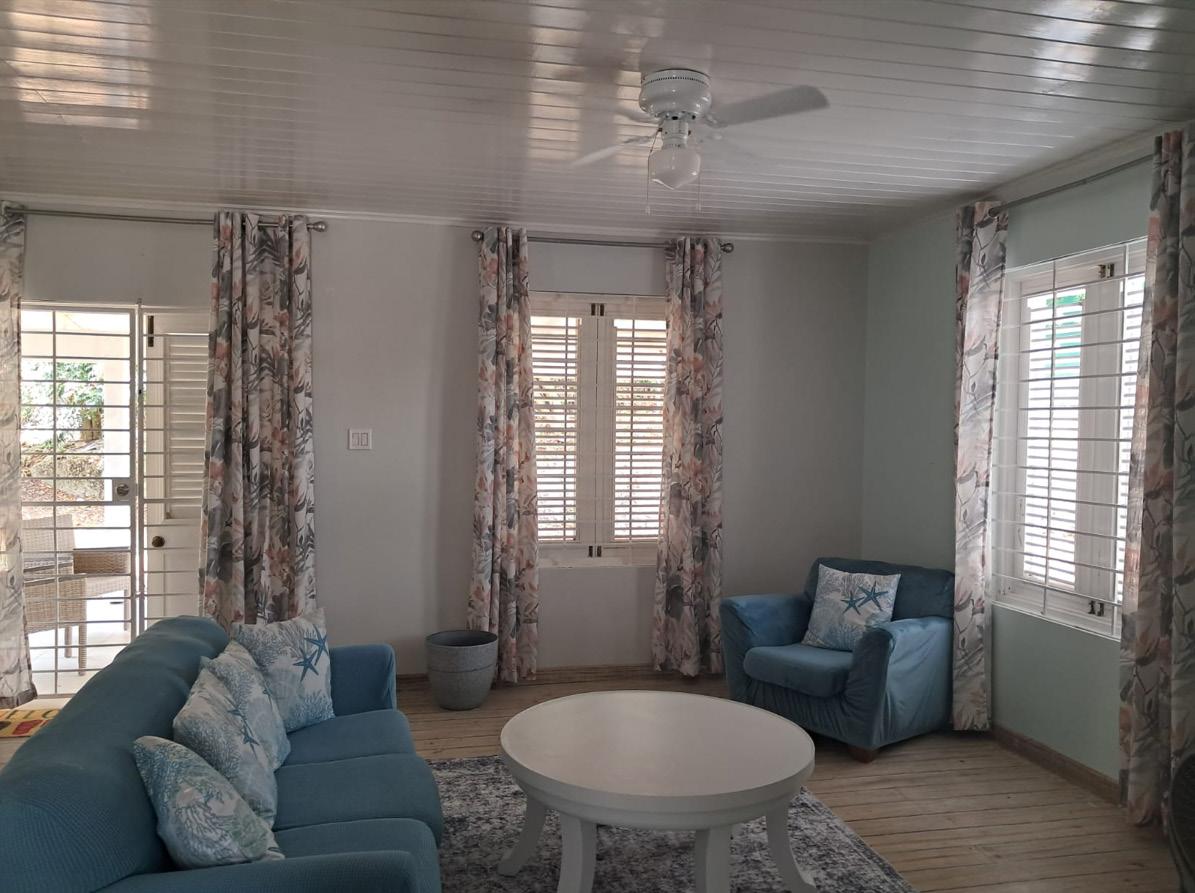
his beautifully furnished 3-bedroom, 2½-bathroom two-storey home is located in the desirable Dairy Meadows community, a quiet residential neighbourhood in St. James on Barbados’ prestigious West Coast. The area is well known for its spacious properties, peaceful surroundings, and private gardens.
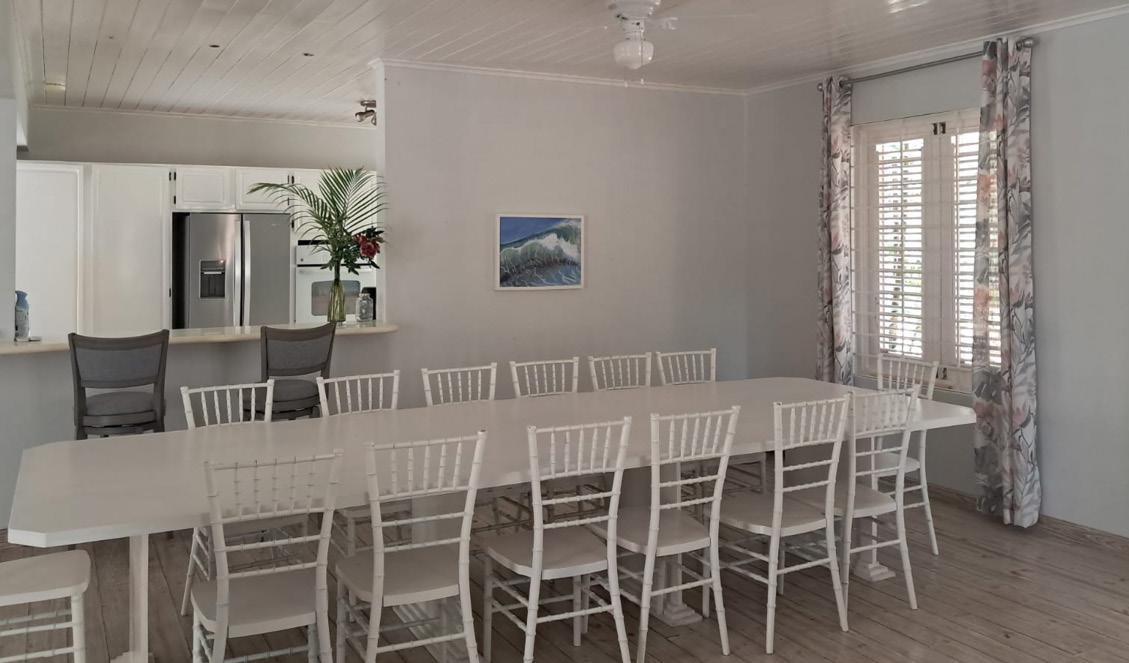
The ground floor features an open-plan living and dining area, a well-appointed kitchen with appliances and ample cupboard space, and a convenient powder room. There are two patios facing south and west, providing enjoyable spaces for outdoor dining and relaxation. A laundry room equipped with a washer and dryer is also located on this level.
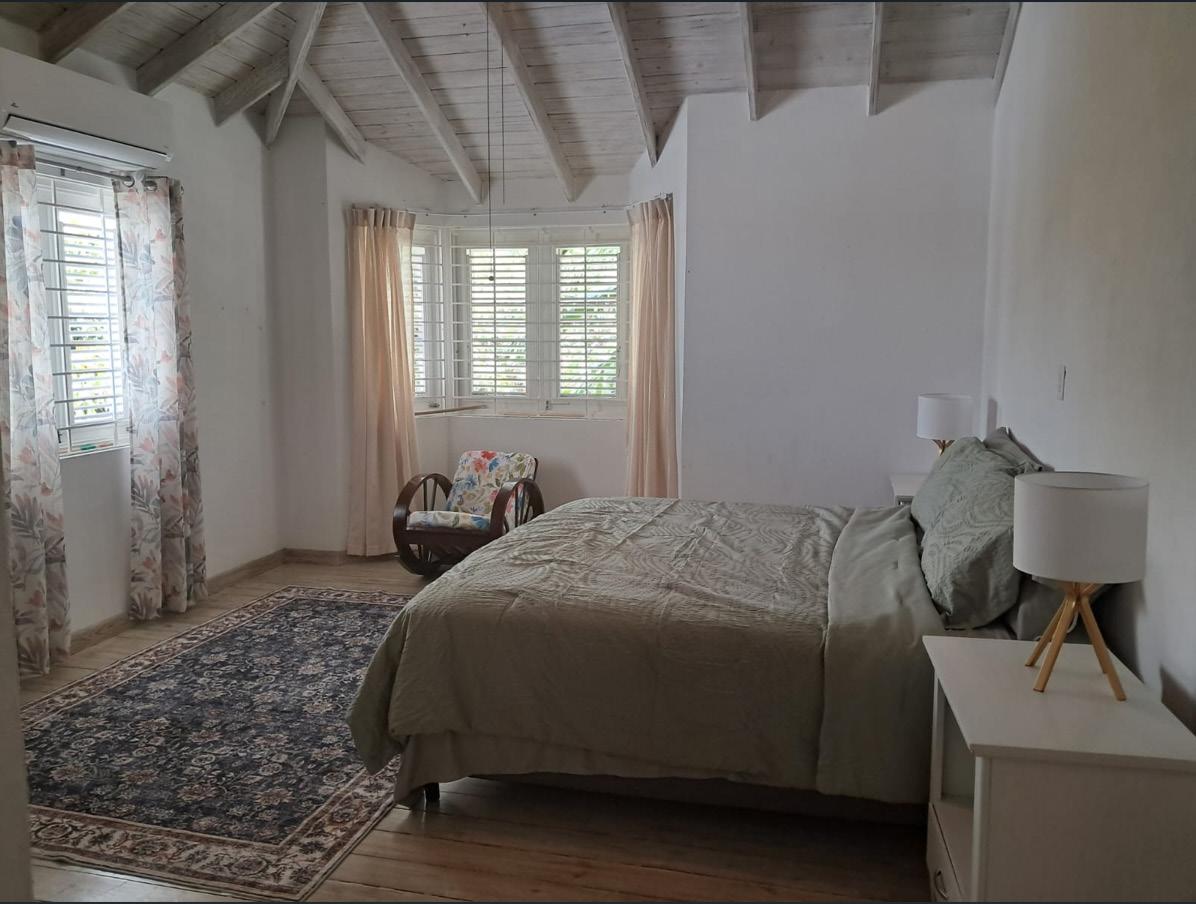
Upstairs comprises three bedrooms and two bathrooms, offering comfortable accommodation for family living.
The property is just minutes away from Sandy Lane Estate and Holetown, with easy access to beautiful beaches, restaurants, shopping, and other amenities along the stunning St. James coastline.
Electric gates lead up to the carport with easy access to the sheltered, private rear garden and the spacious front garden both of which are laid mainly to lawn with mature trees.
Tenant is responsible for all utilities (electricity, water, and internet). NO PETS ALLOWED.