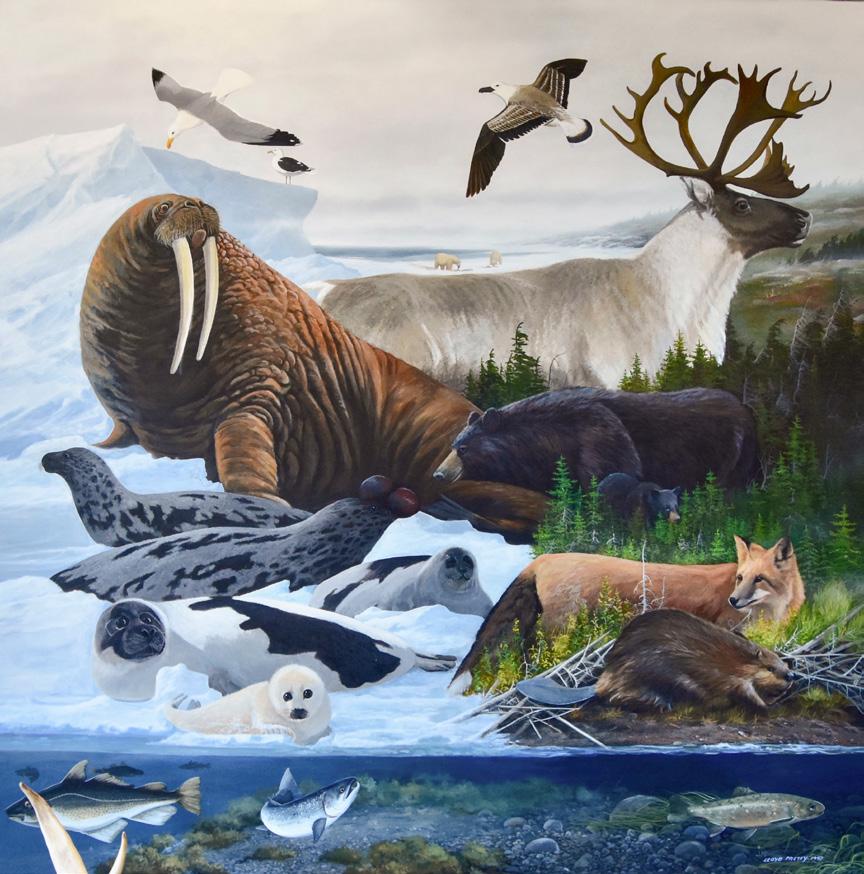
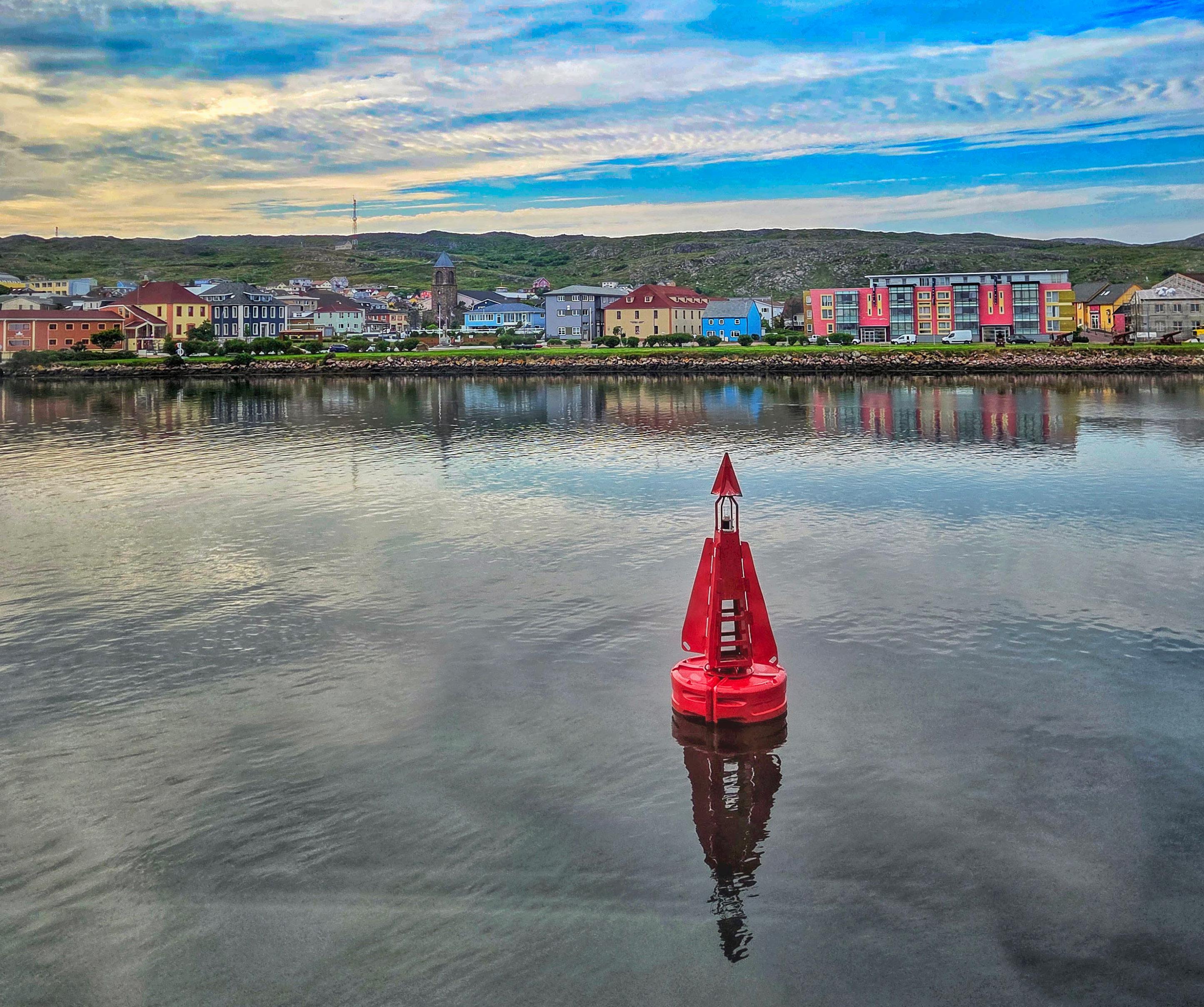
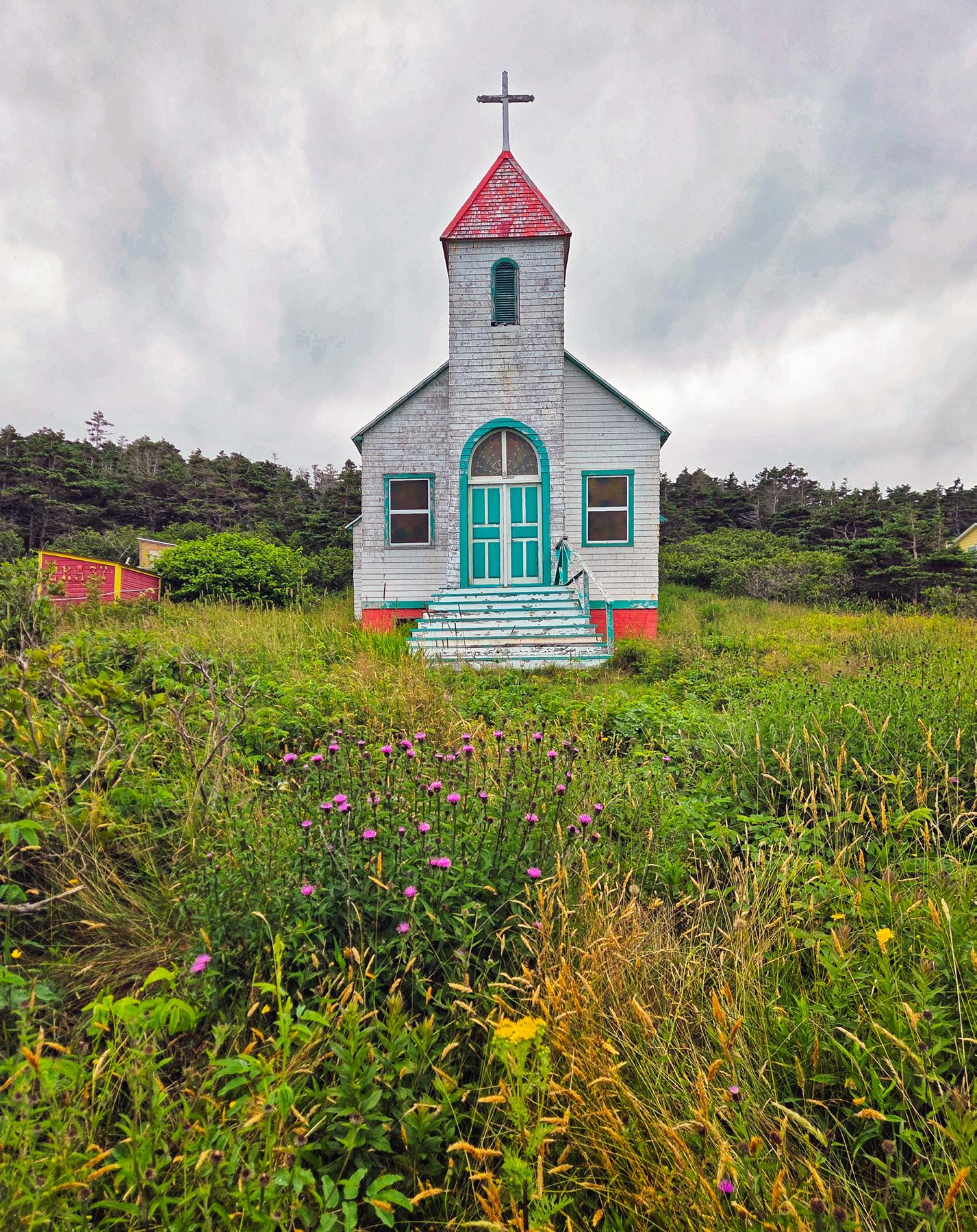
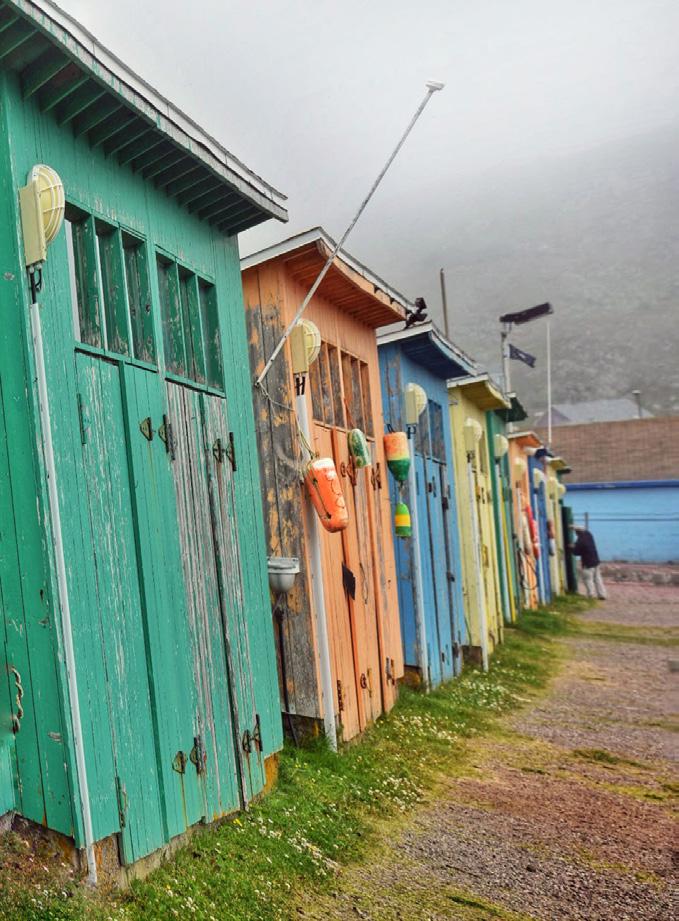
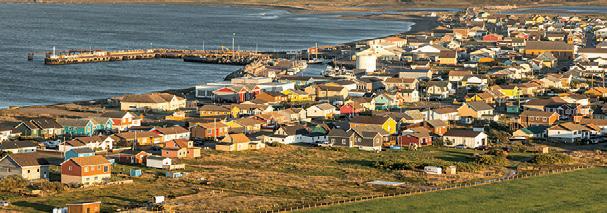
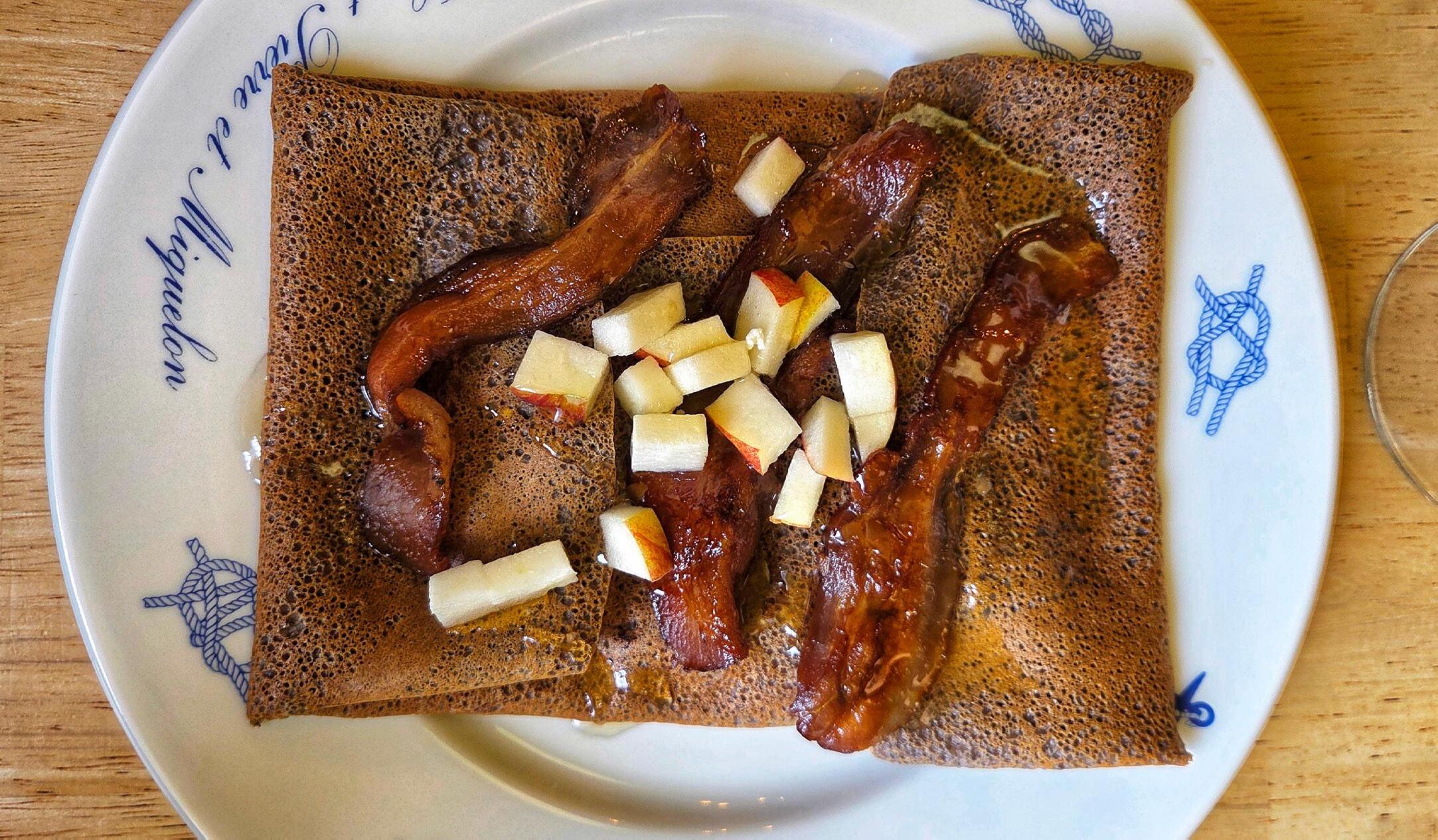
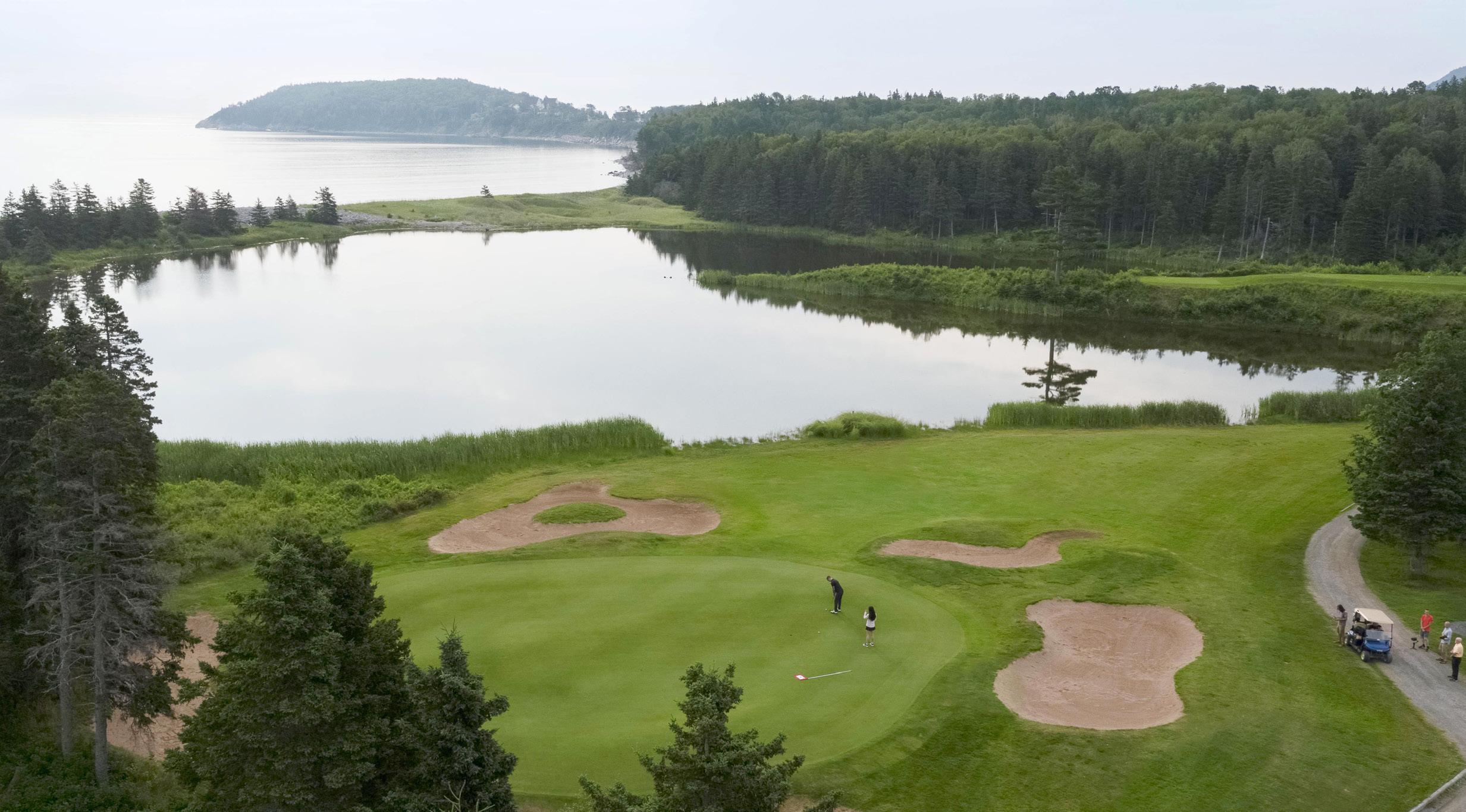
20 From rabbit stew to pulled bear sandwiches Exploring Indigenous cuisine from Newfoundland and Labrador
Home from the sea Newfoundland’s Sealers Interpretation Centre
Excursion around the bay Discovering Gros Morne’s enclave
28 The city at the edge of the continent Exploring downtown St. John’s
Scotia 30 The heart of the capital Adventures around Halifax Harbour 35 ‘What it means to be human’ Walk on the wild side on Brier Island 38 Peggy’s Cove from the water
A different perspective on an iconic landmark
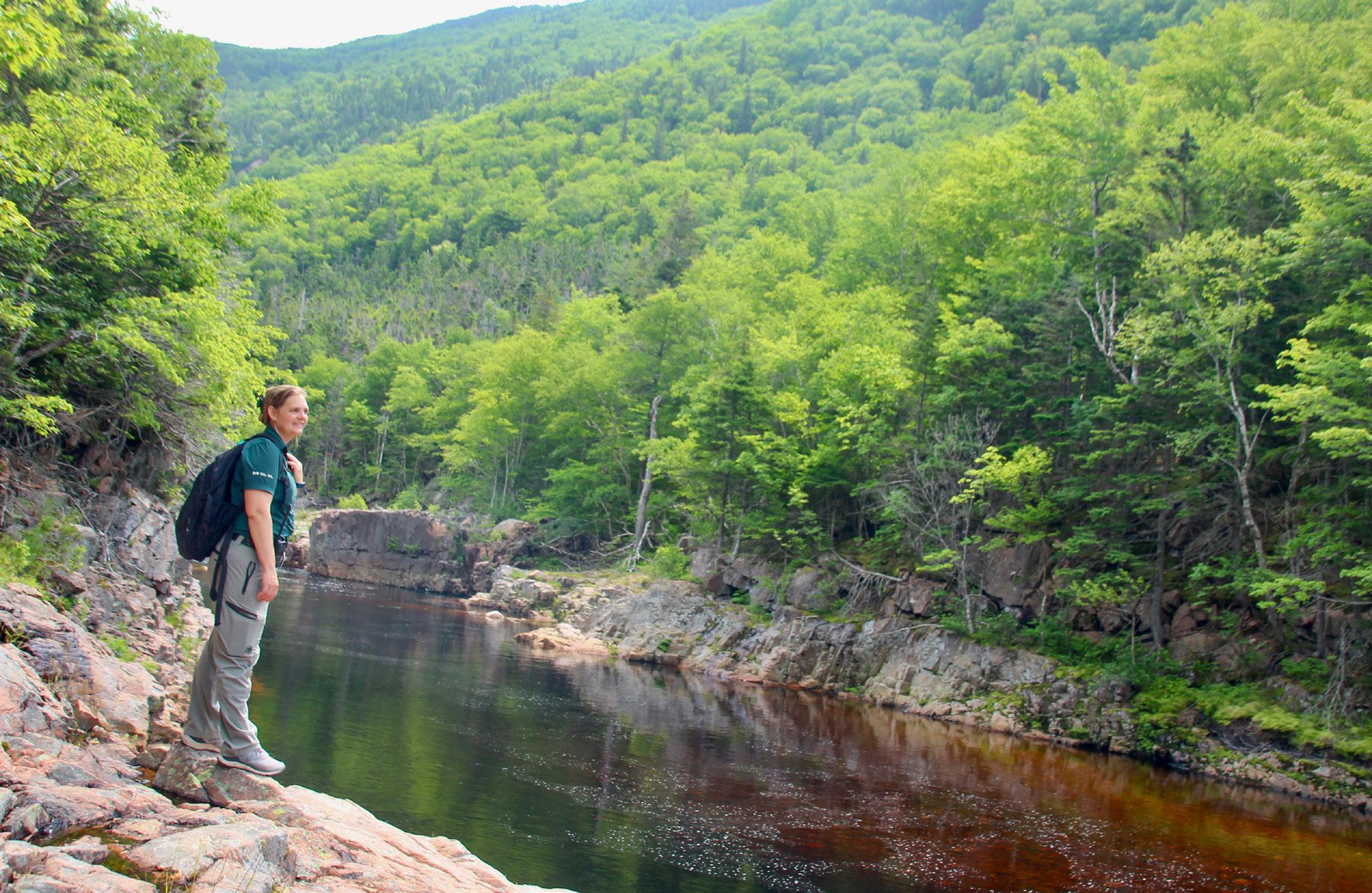
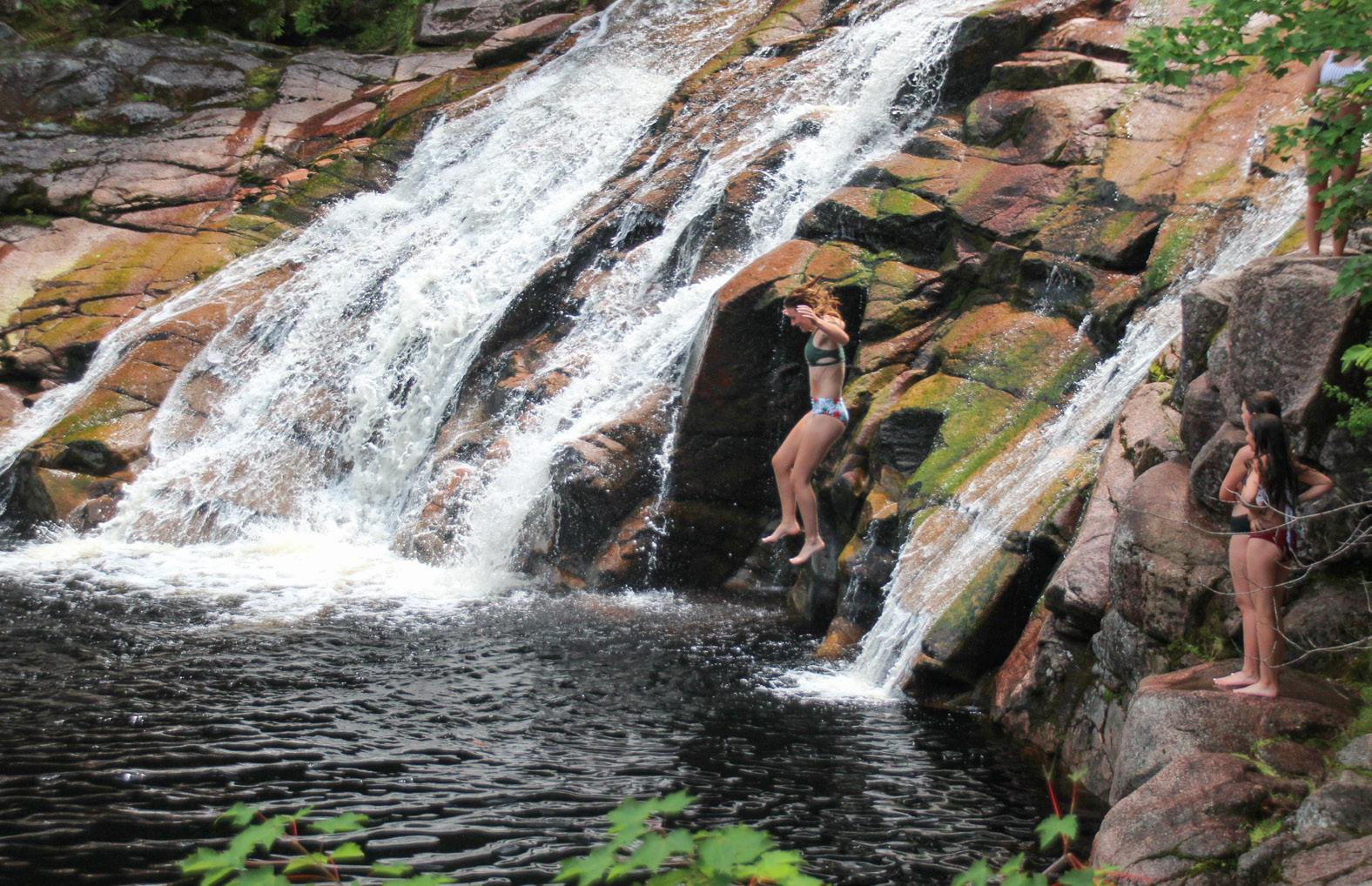
40 Three can’t-miss experiences in Highlands National Park Waterfalls, salmon pools, and stunning scenery 44 The forest to the sea
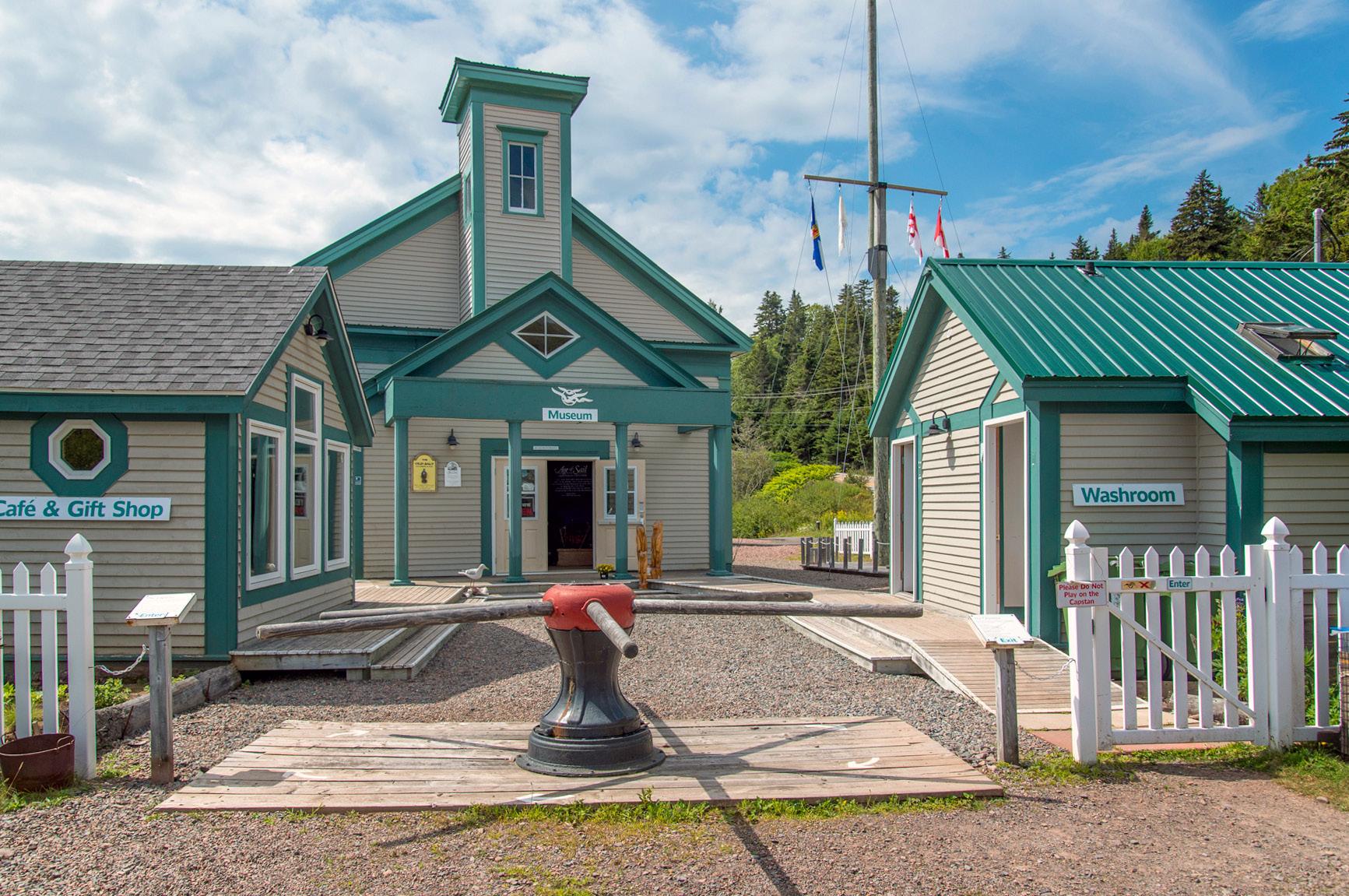
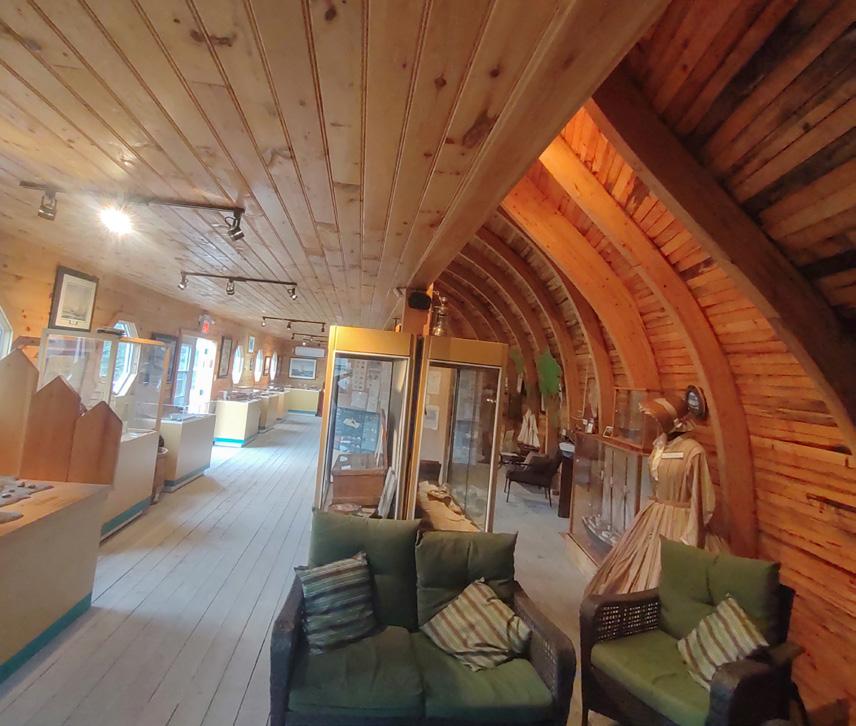
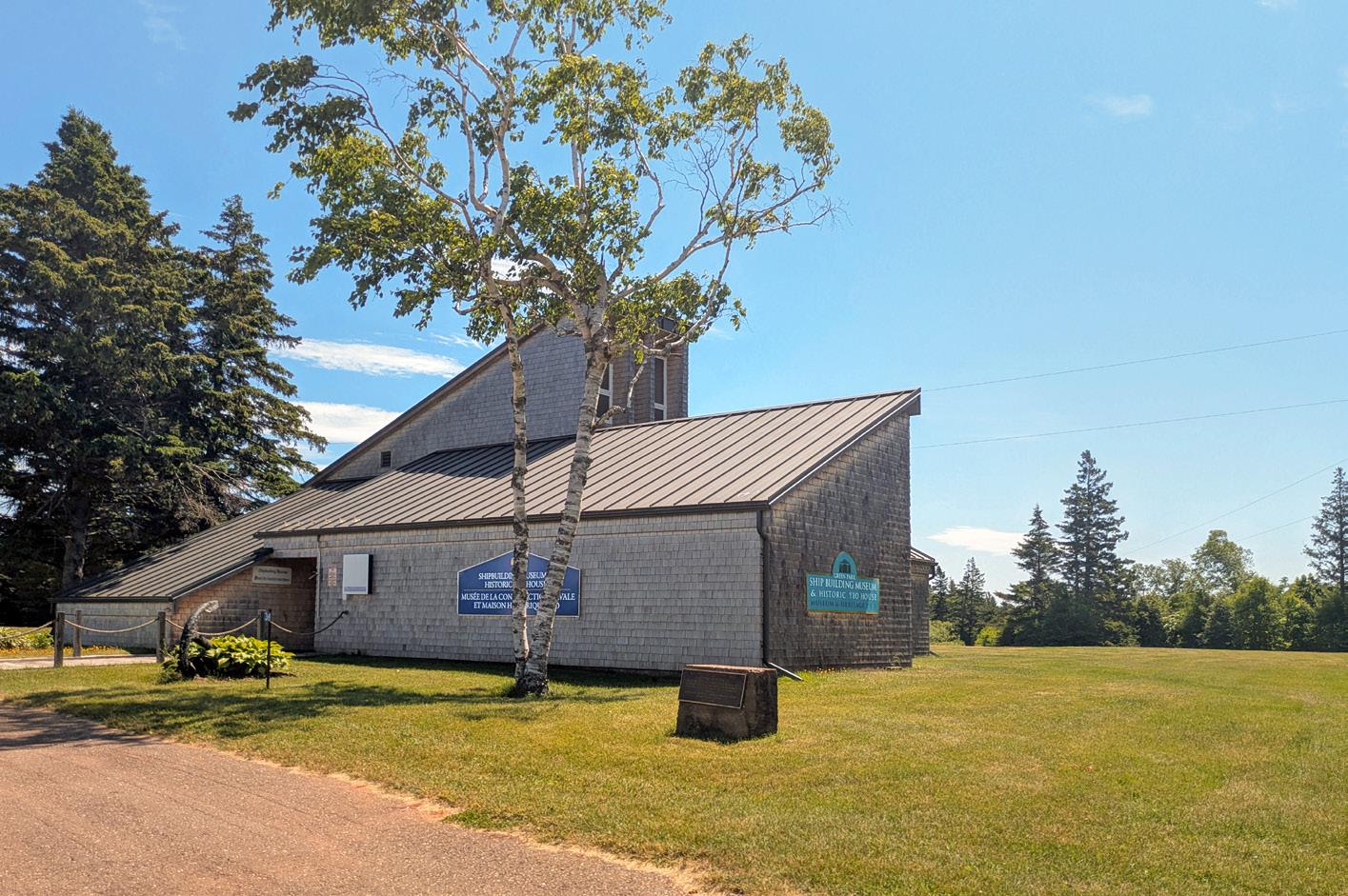
The Age of Sail Museum in Port Greville
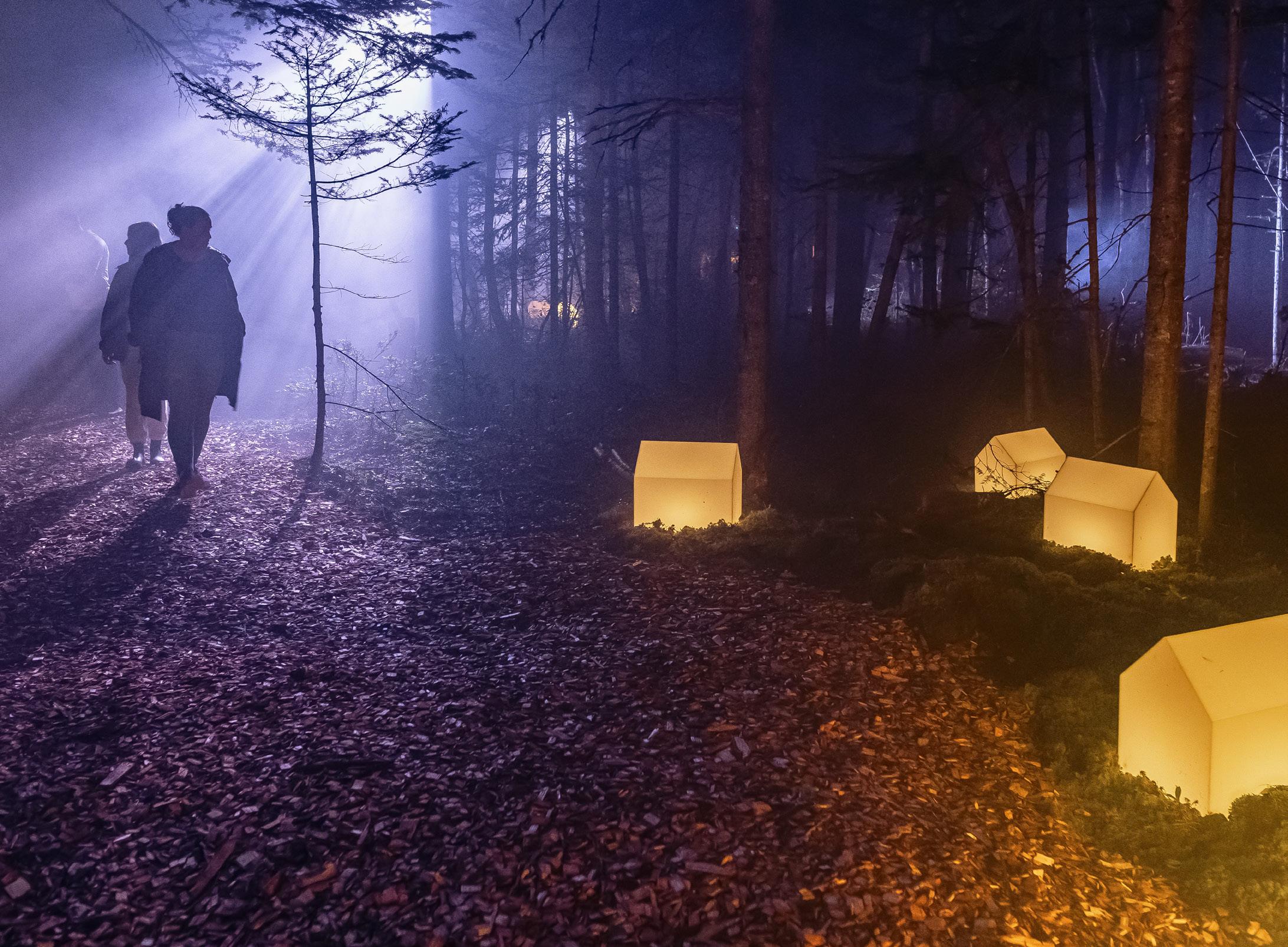
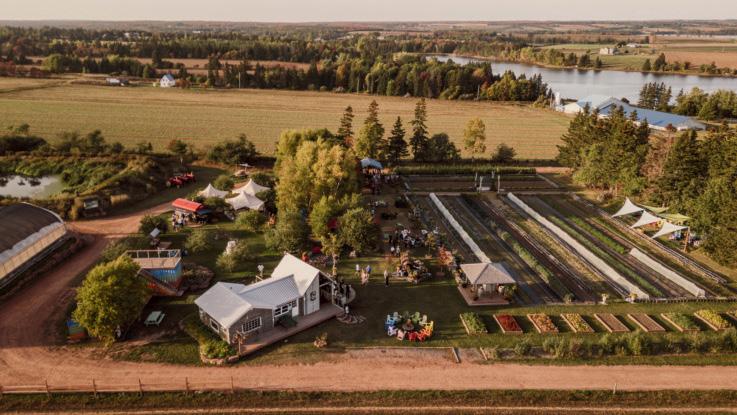
Explore Akadi Lumina, a nighttime path through sound, light, and projections.
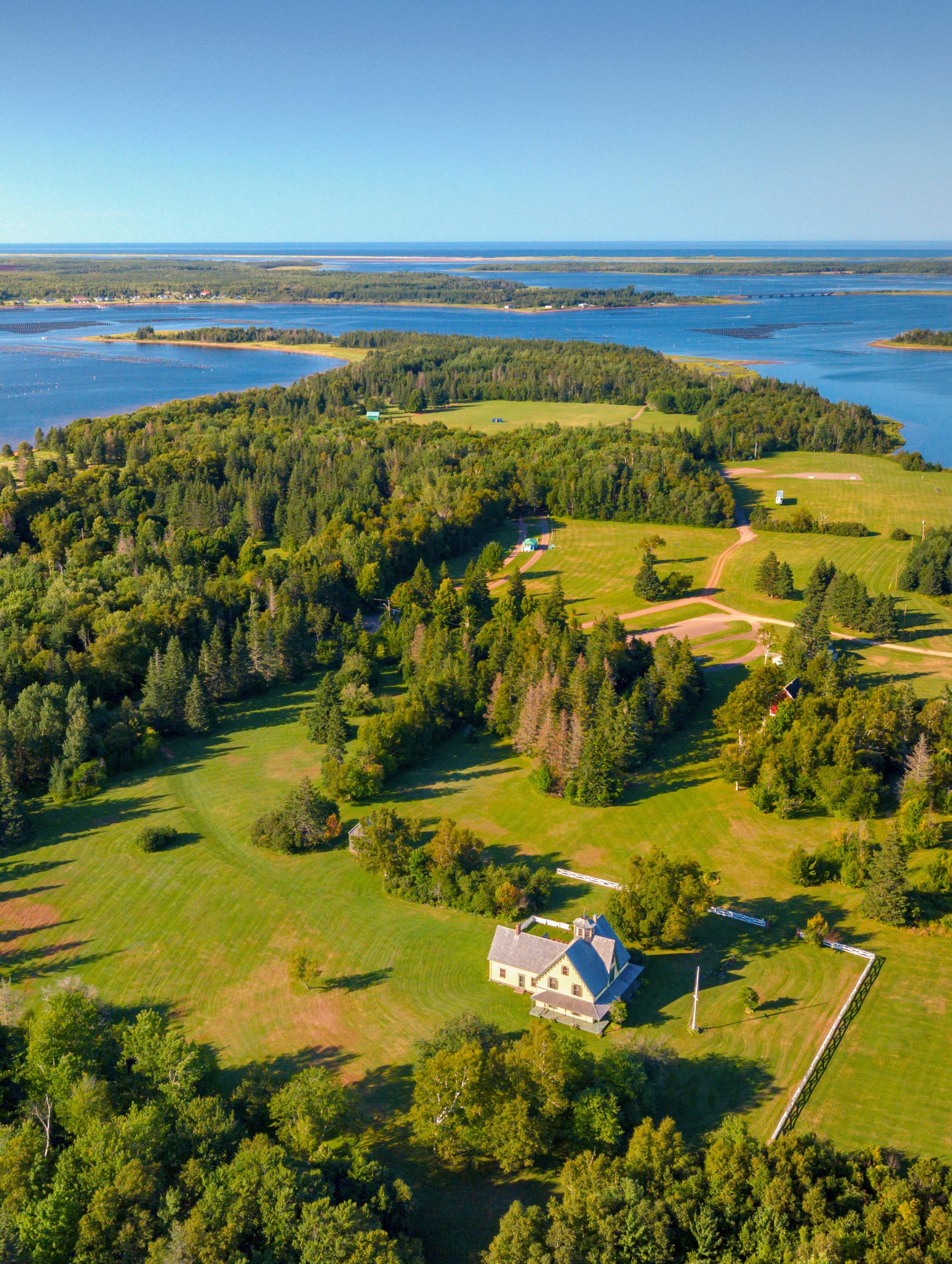
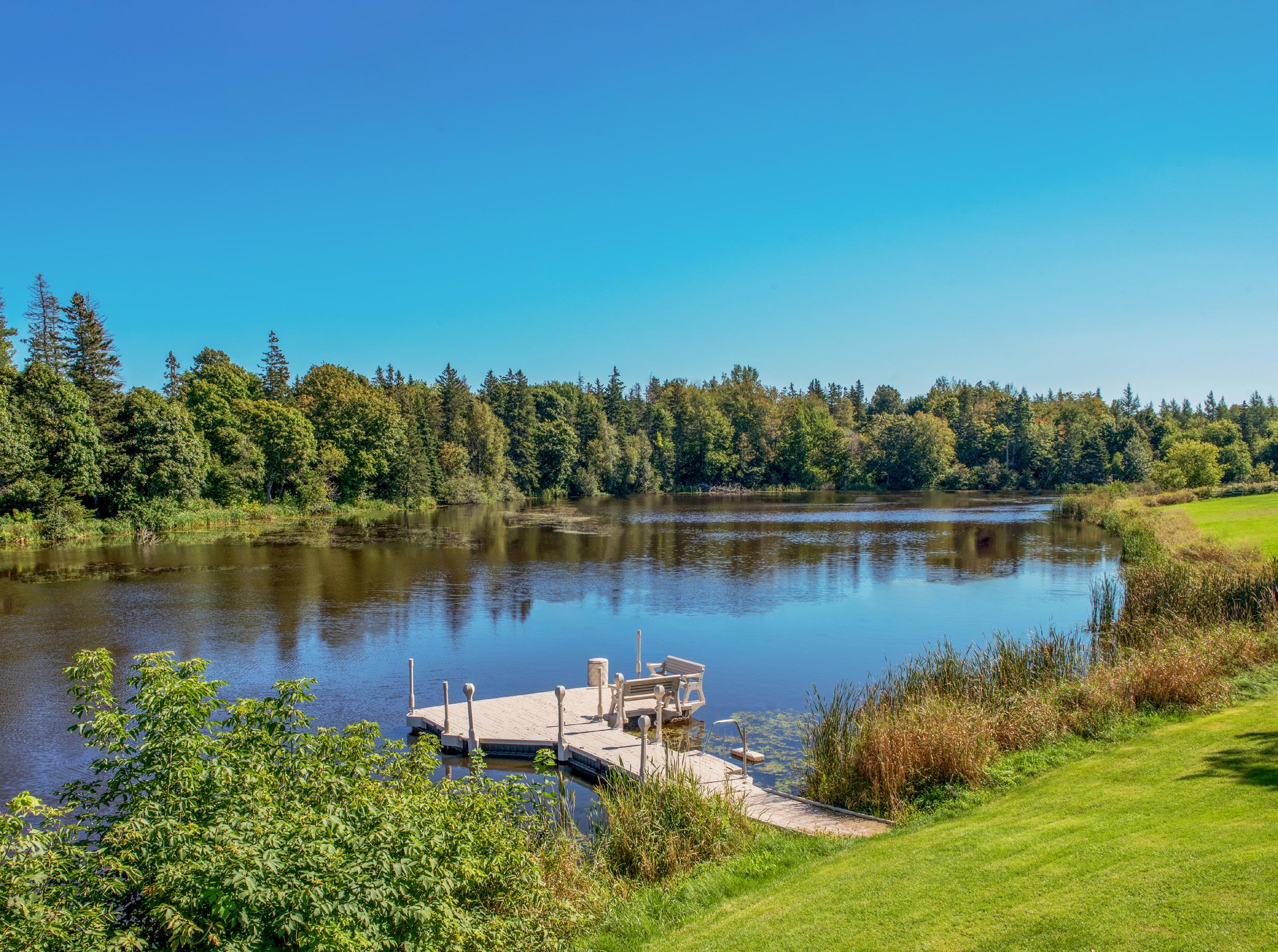
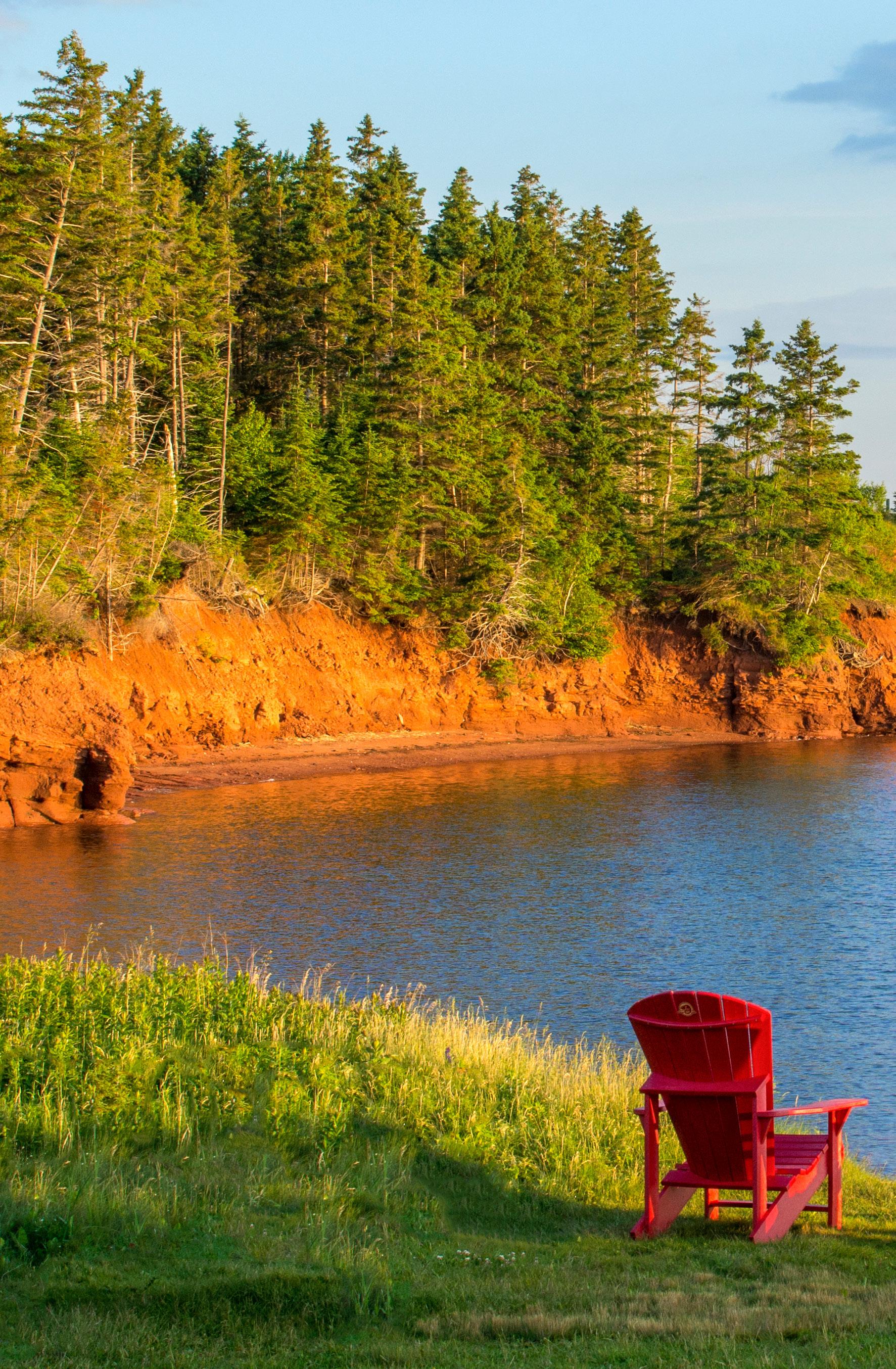
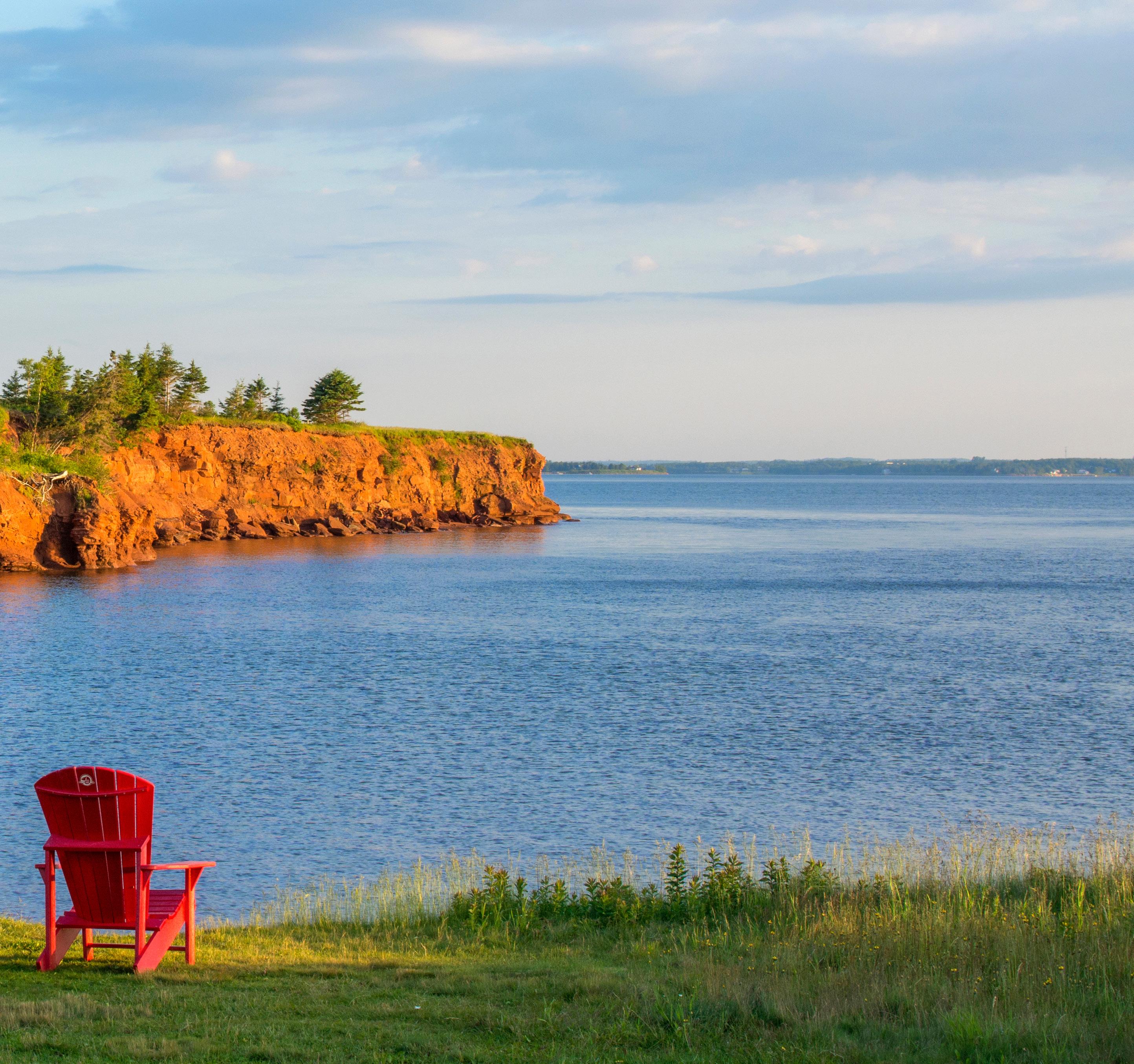
Green Park Provincial Park, P.E.I.
Island romance
Exploring P.E.I. in the footsteps of author Carley Fortune
51 Tyne on the Trout
Visiting a small community rich in history and great foods
The French fact of P.E.I. Acadian resilience in the smallest province
Magdalen
Islands
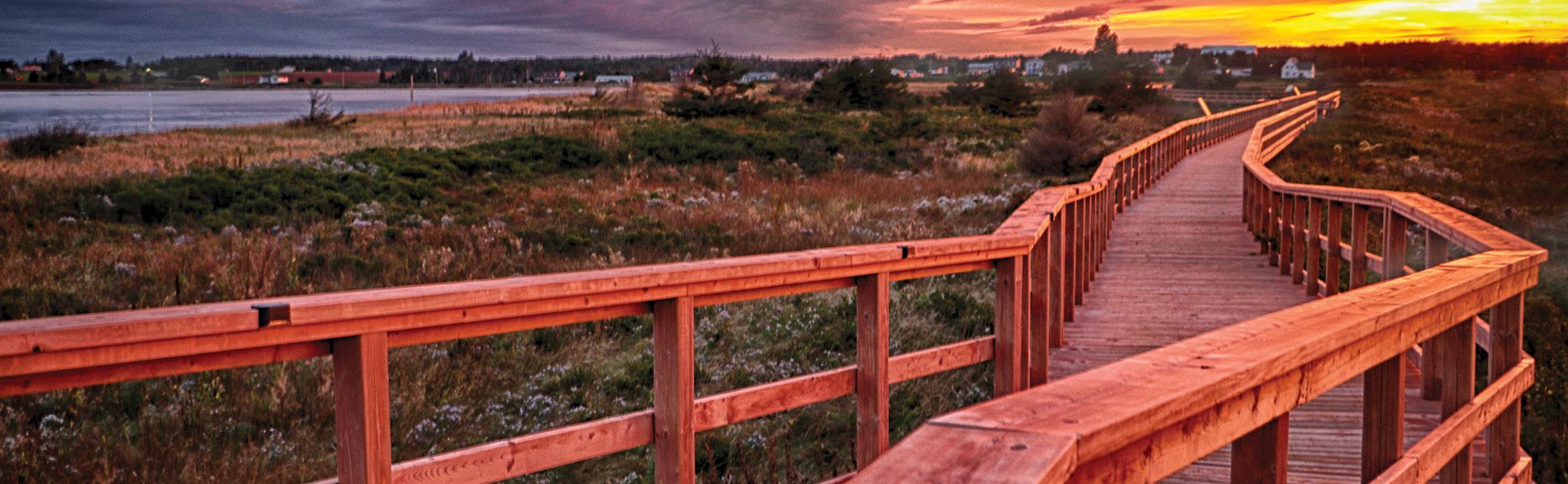
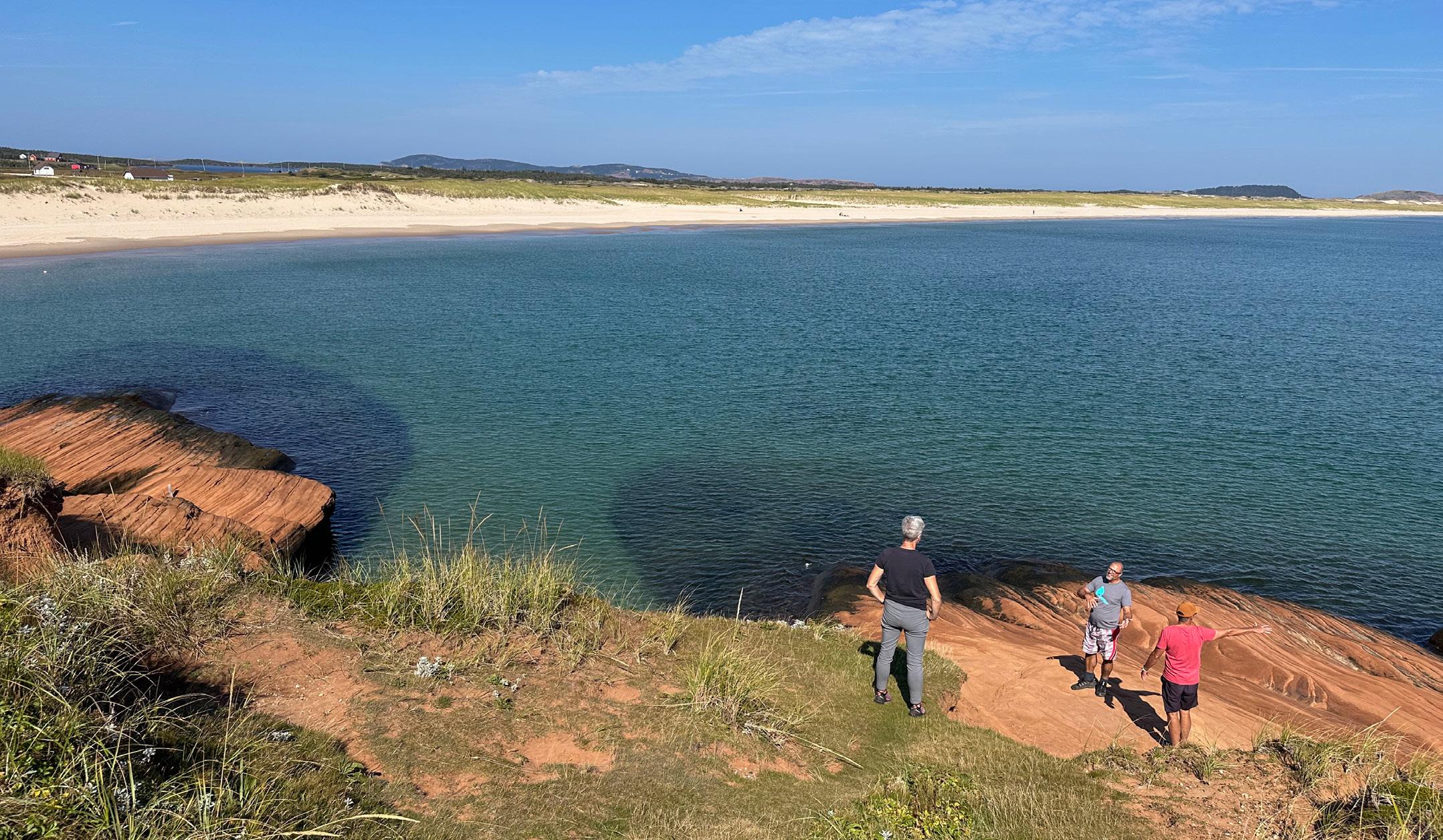
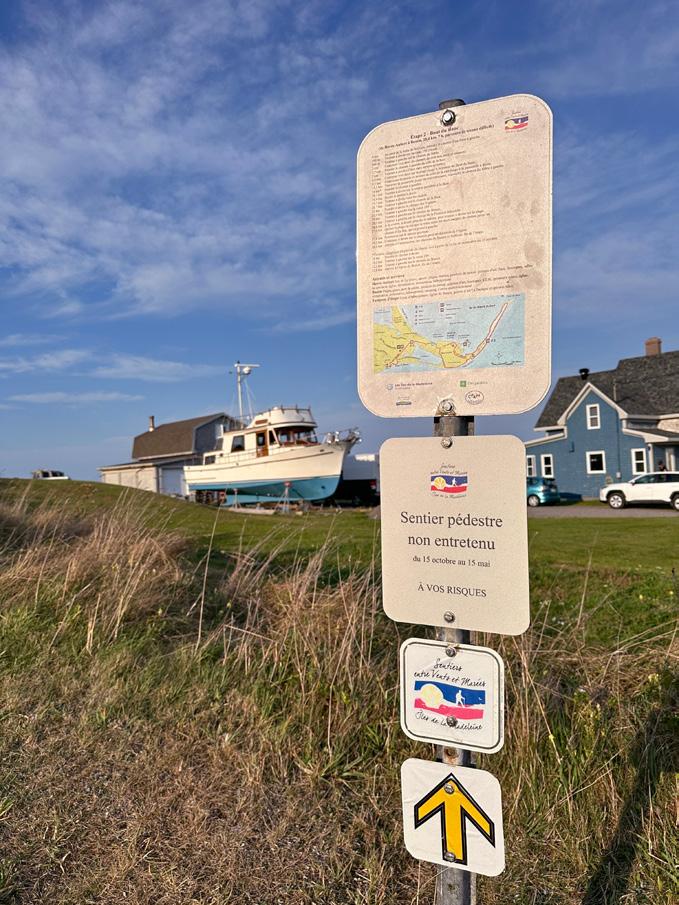
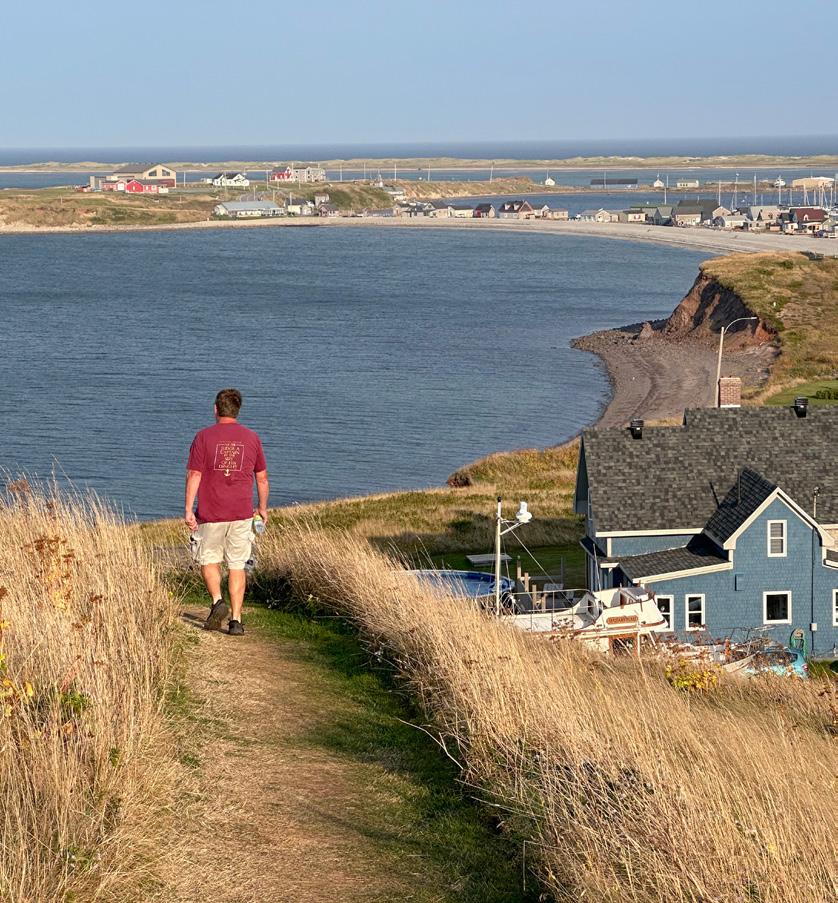
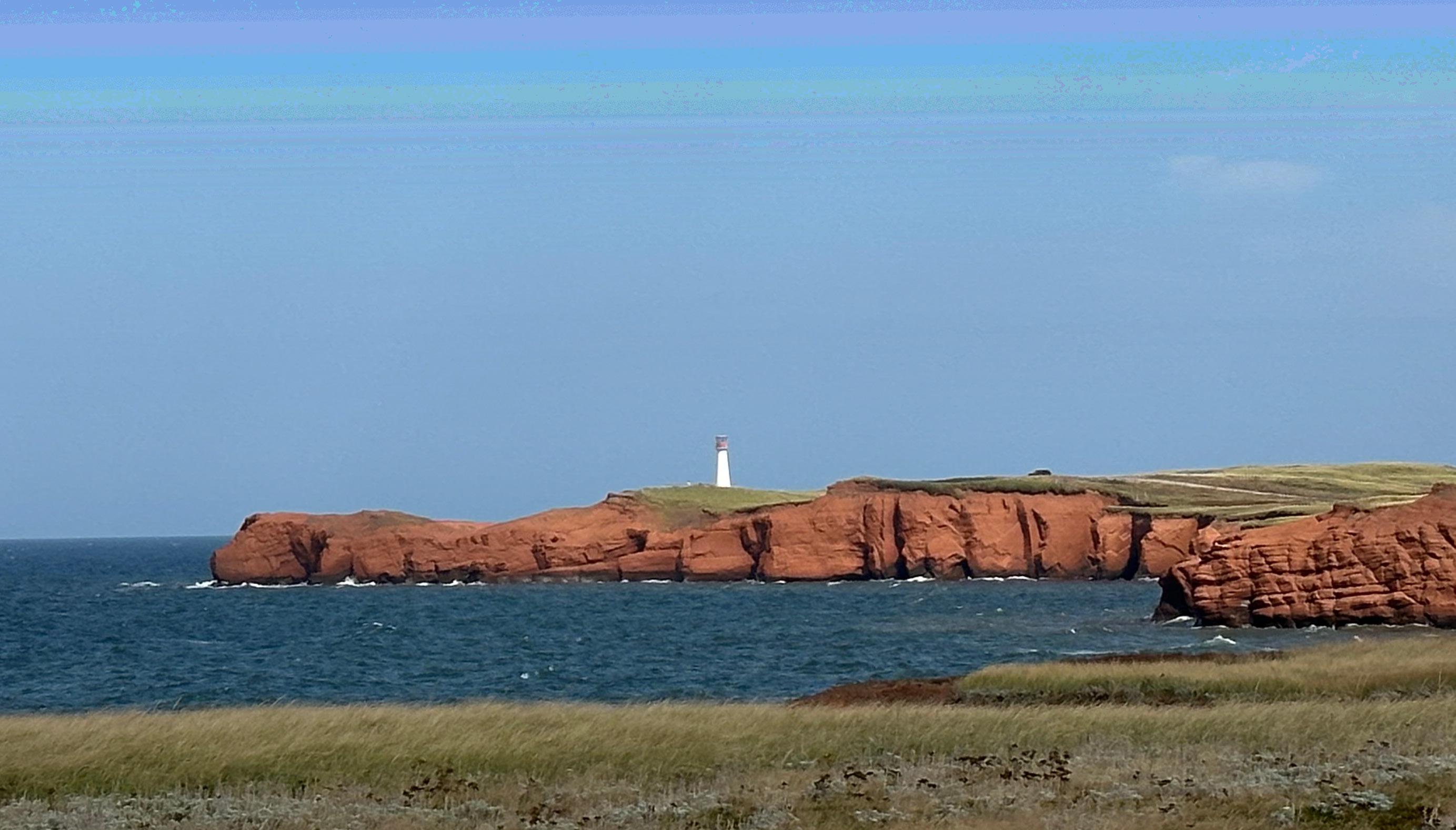
58 Between wind and tide Circumnavigating Quebec's Magdalen Islands on a unique hiking trail Atlantic Region
The land before time
a trip into the East Coast’s prehistory
the secret of the fire
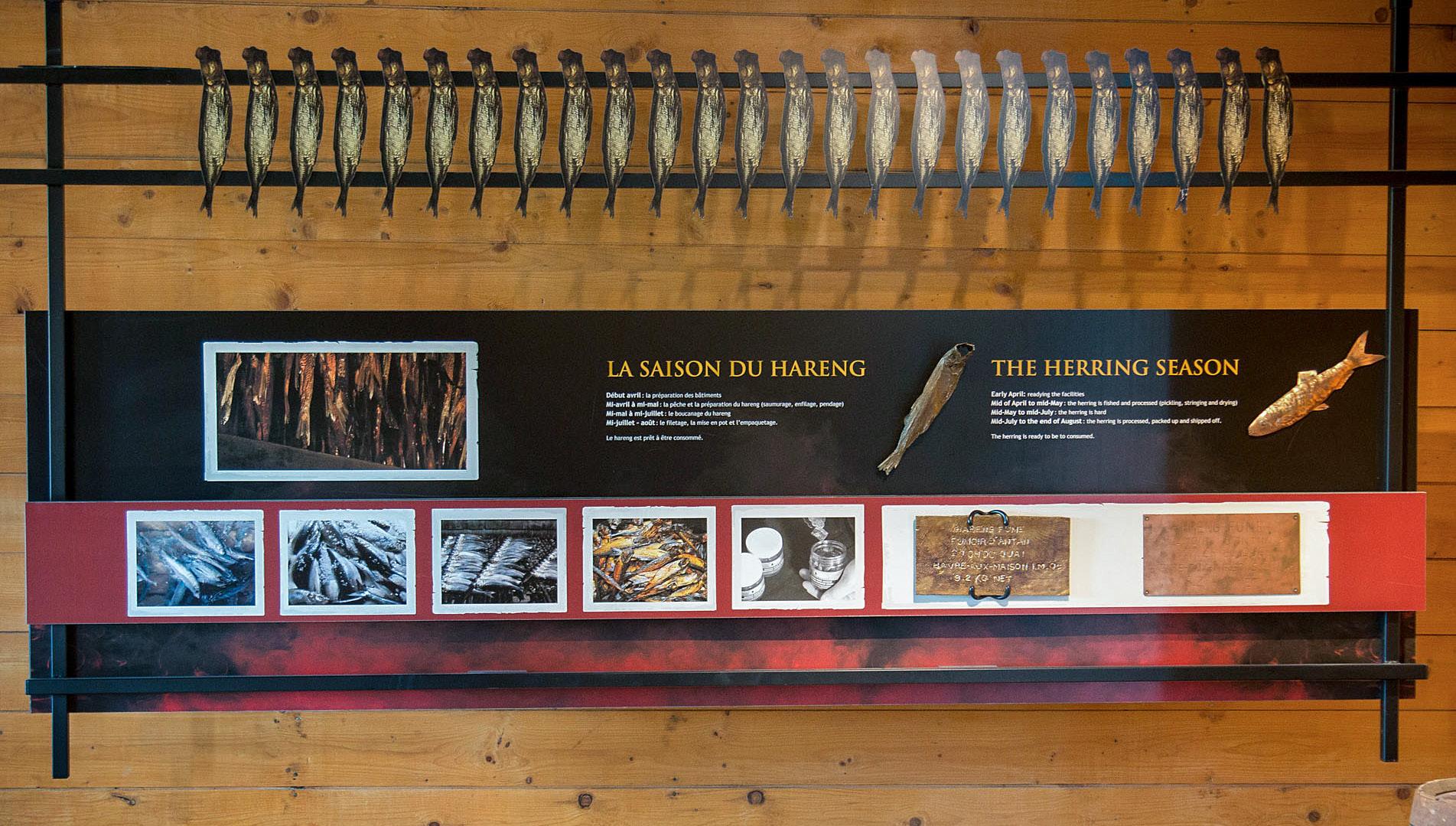
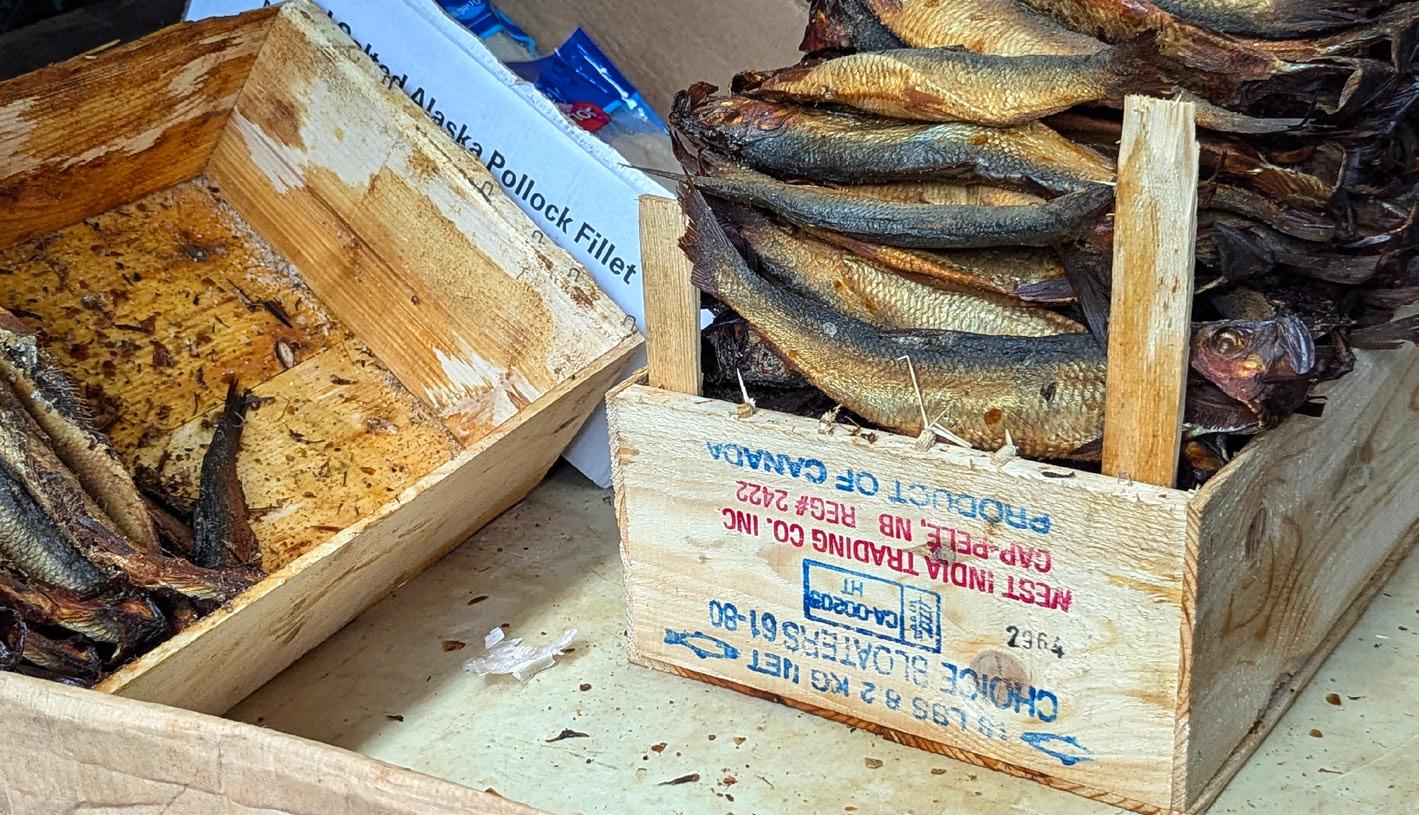
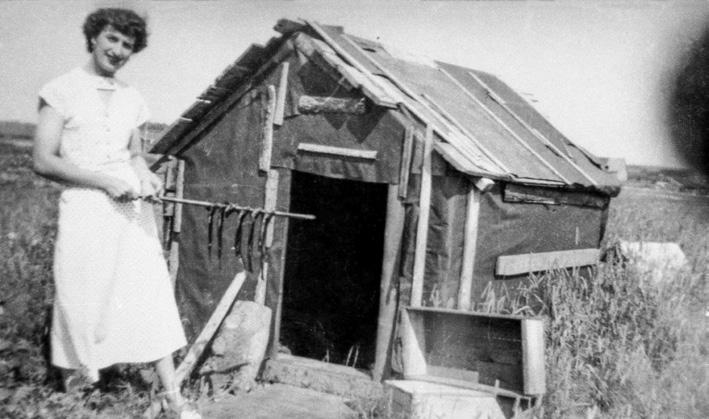
the savoury tradition of smoked herring in our region
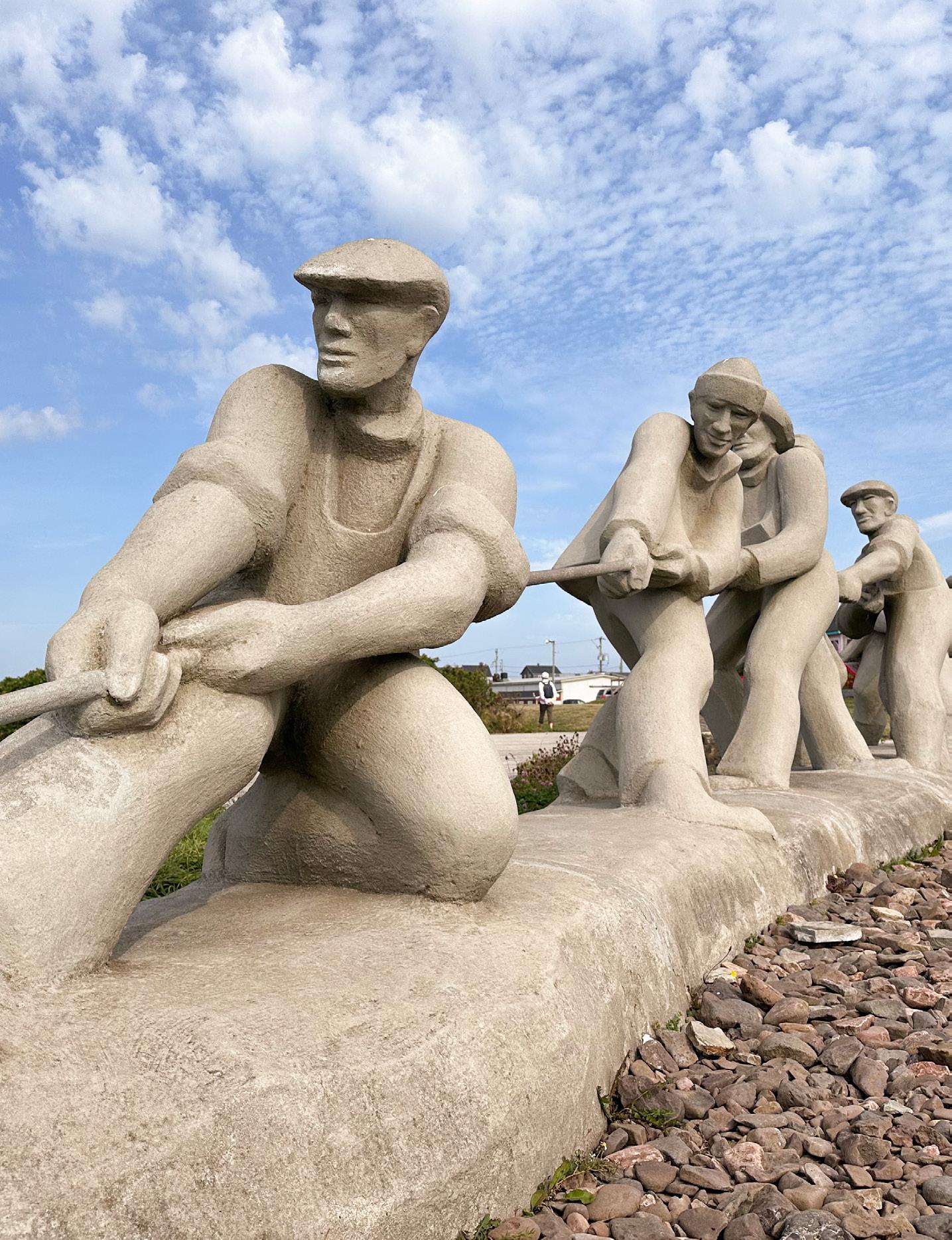
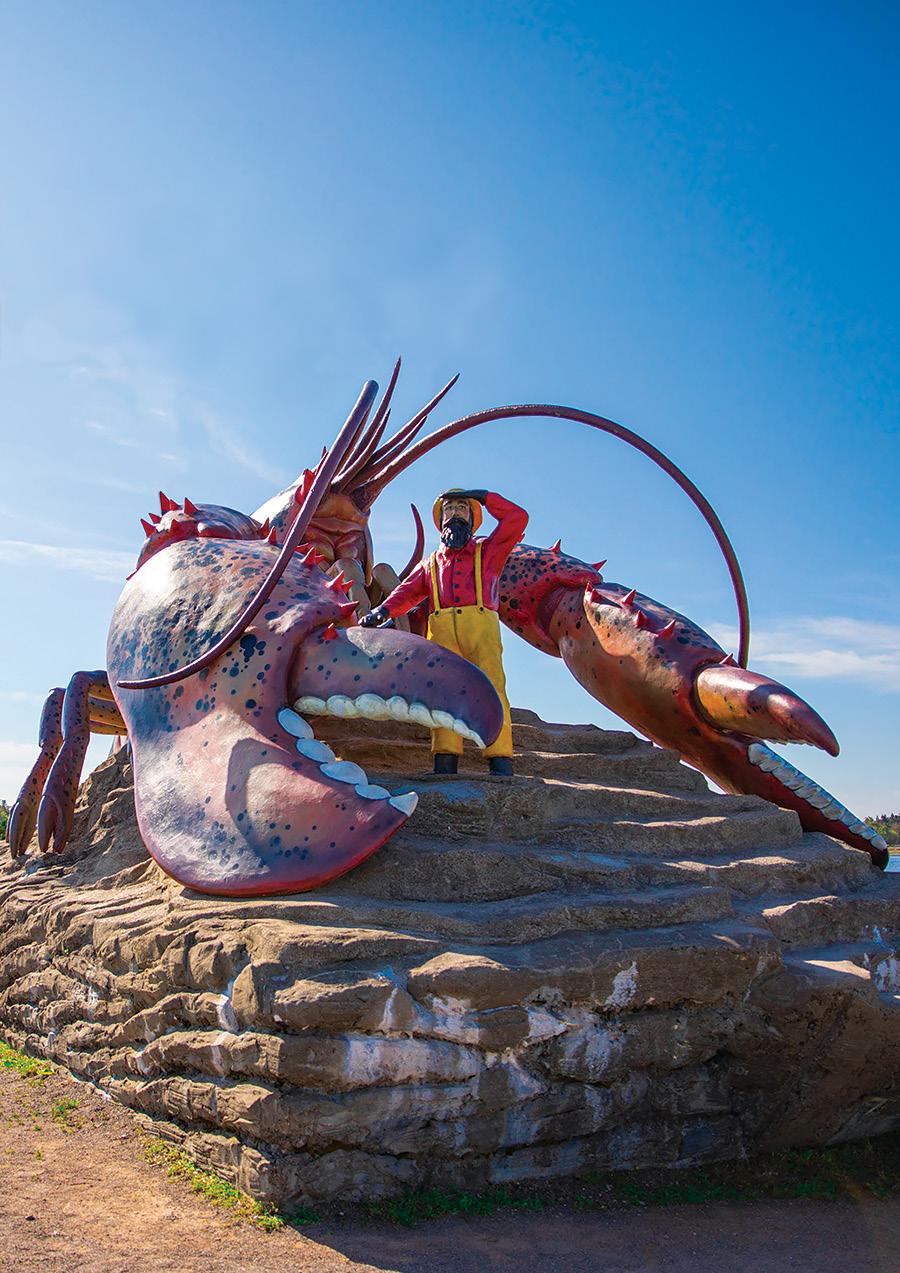
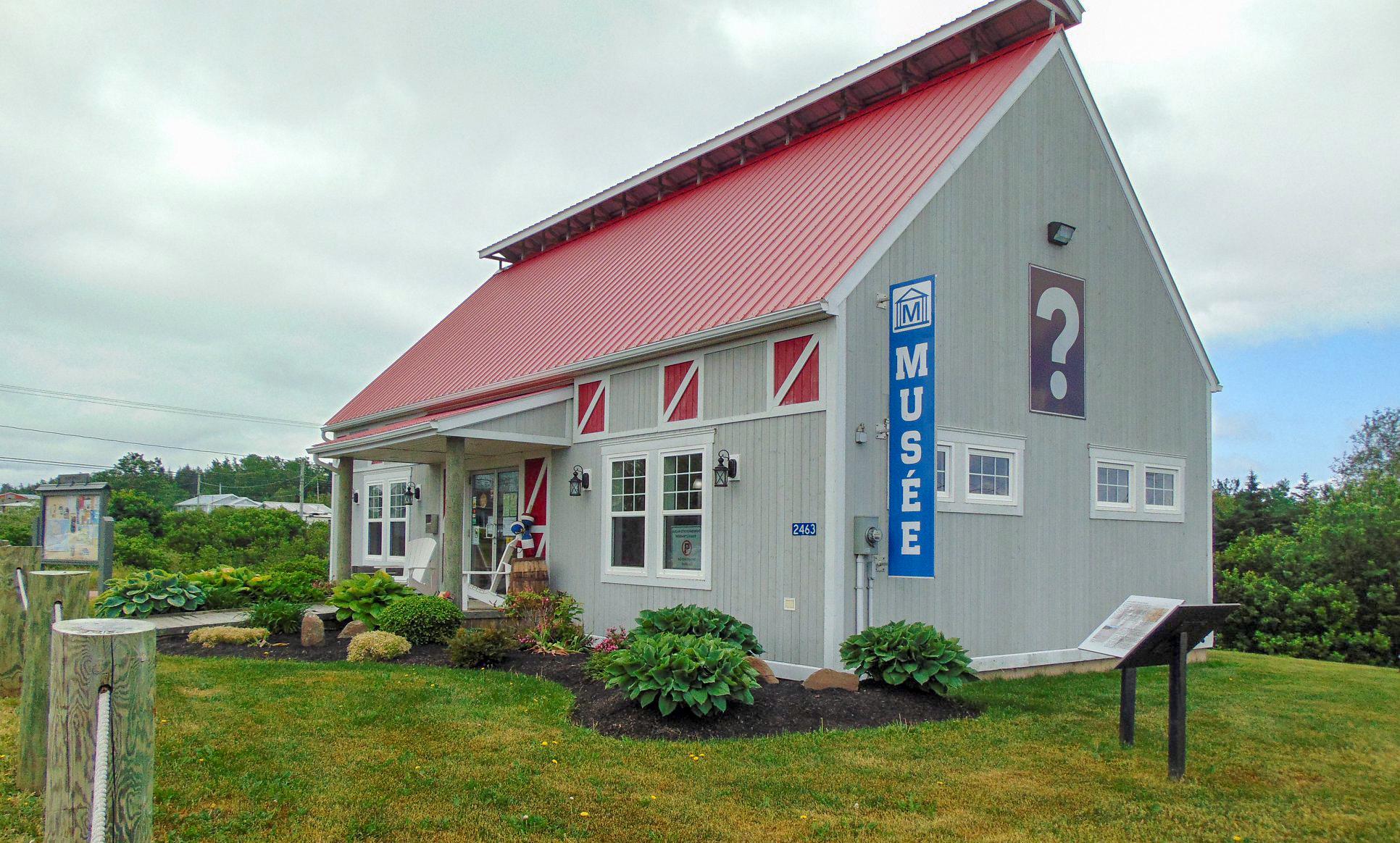
The Fishermen Monument at L'Etang du Nord, Que., on the Magdalen Islands.
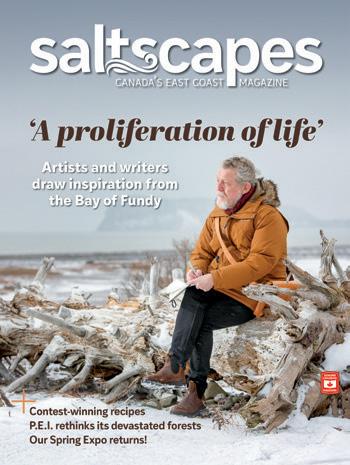
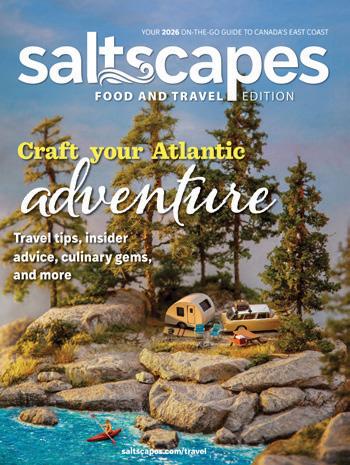
FOOD AND TRAVEL EDITION
Publisher
Crystal Murray • cmurray@saltscapes.com
Editor-in-Chief
Trevor J. Adams • tadams@metroguide.ca
Vice-President of Sales Fred Fiander • ffiander@saltscapes.com
Anna Blackwood • annablackwood@advocatemediainc.com
Designers
Roxanna Boers • rboers@saltscapes.com
Lisa Gillis • lisa@acgstudio.com
Kazeem Onafuwa • kazeem@acgstudio.com
Editorial feedback
We welcome your comments. Please send letters to: Letters, Saltscapes, 2882 Gottingen St., Halifax, N.S. B3K 3E2
Email: dearsaltscapes@saltscapes.com
Be sure to include your community name and a telephone number. We can’t publish all your notes but include as many as we can in each issue. We edit published letters for length and clarity.
Customer service
Go to saltscapes.com and click Subscribe. You can get a new subscription, renew a subscription, change your address, pay an invoice, give a gift, and more, whenever it’s convenient for you. You can also email us at subscriptions@saltscapes.com. Or call toll-free 1-877-885-6344 from 9:00 a.m. to 5:00 p.m. AST.
Saltscapes is published seven times annually by: Metro Guide Publishing, a division of Advocate Printing & Publishing Company Ltd. 2882 Gottingen St., Halifax, N.S. B3K 3E2
Contents copyright: No portion of this publication may be reprinted without the consent of the publisher. Saltscapes can assume no responsibility for unsolicited manuscripts, photographs or other materials and cannot return same unless accompanied by self addressed stamped envelope.
Publisher cannot warranty claims made in advertisements. Saltscapes is committed to Atlantic Canada’s unique people, their culture, their heritage, and their values.
Subscriptions: Canada, one year (7 issues) $39.95, two years (14 issues) $59.95 (plus applicable tax) U.S. one year $39.95 (Cdn.) plus $17.00 shipping Overseas one year $39.95 (Cdn.) plus $29.00 shipping
Subscriptions are non-refundable. If a subscription needs to be cancelled, where applicable, credits can be applied to other Metro Guide Publishing titles. Please note that each circumstance is unique and election to make an offer in one instance does not create obligation to do so in another.
We acknowledge the financial support of the Government of Canada.
Canada Post Publications Mail Agreement No. 40064799 ISSN 1492-3351
Return undeliverable Canadian addresses to:
Saltscapes Subscriptions, PO Box 190 Pictou, N.S. B0K 1H0
As much of the globe simmers with strife and conflict, travellers are looking for spots that are safe, wholesome, and authentic, soothing to body and spirit. They’re discovering, as locals have for generations, that Atlantic Canada offers all that and more.
In this edition, our dedicated team is more excited than ever to share the best of what Atlantic Canada offers. You’ll find the tourism mainstays like Peggy’s Cove and its iconic lighthouse. But soak up a new perspective as you experience it from the waves (page 38) with writer Dale Dunlop. Perhaps you’ll explore Prince Edward Island anew, through the eyes of beloved romance writer Carley Fortune (page 48). Or maybe you’ll marvel at the fjords of Western Newfoundland (page 25) with Darcy Rhyno and discover the time-tested enclave communities where folks thrived long before visitors began showing up.
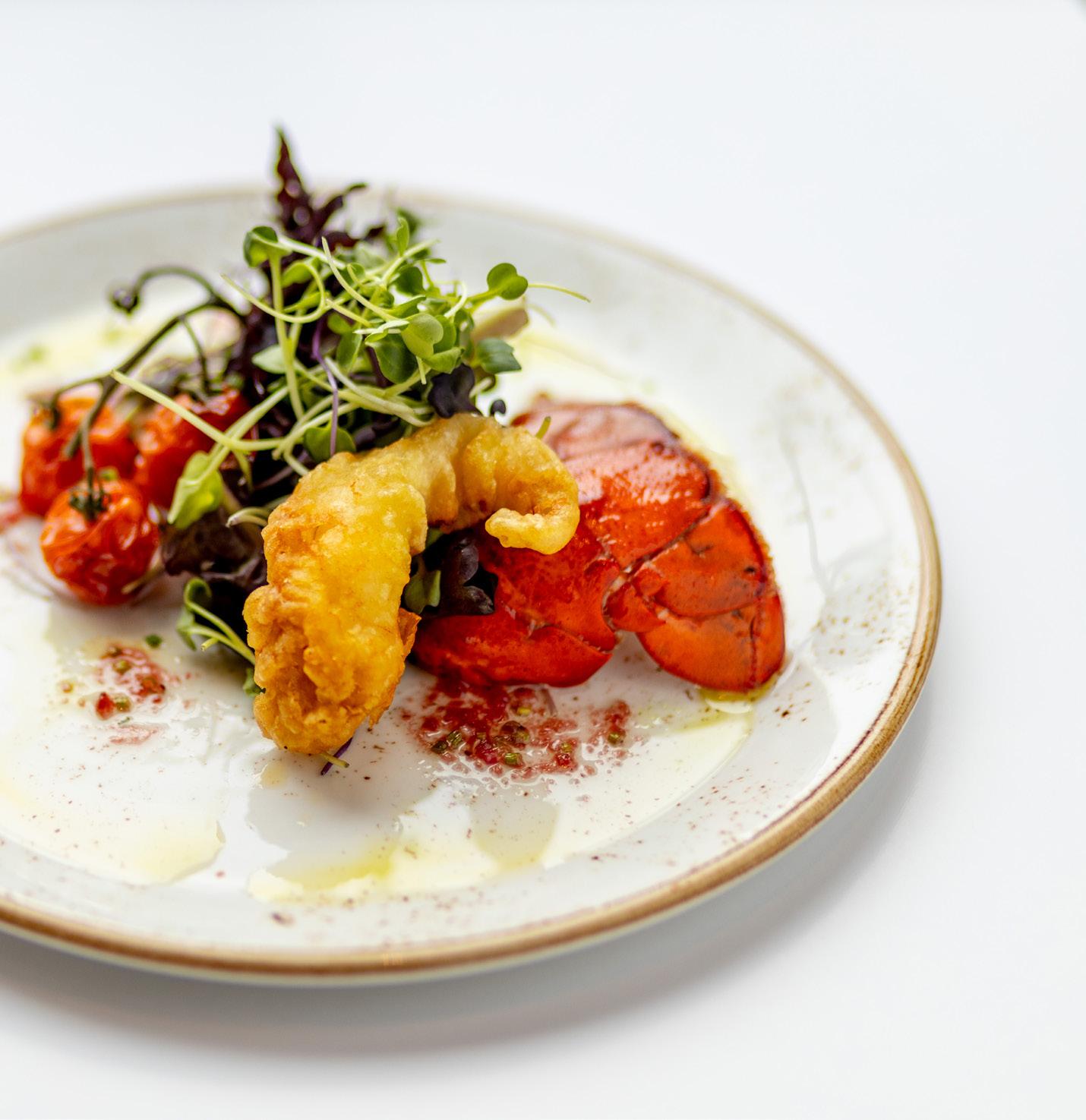
When you’ve had your fill of lobster and chowder, take a broader culinary journey with Shelley CameronMcCarron (page 20) and savour dishes like rabbit stew and pulled bear, reflecting Native culinary traditions as old as the land itself. Or pop into Saint Andrews, N.B., with Colleen Thompson (page 7) and discover why the tiny town on the Bay of Fundy has become a foodie destination.
Wherever your rambles lead you, welcome! We’re happy to be part of your journey.
Trevor J. Adams, Editor-in-Chief
Saltscapes is a member of:
On our covers
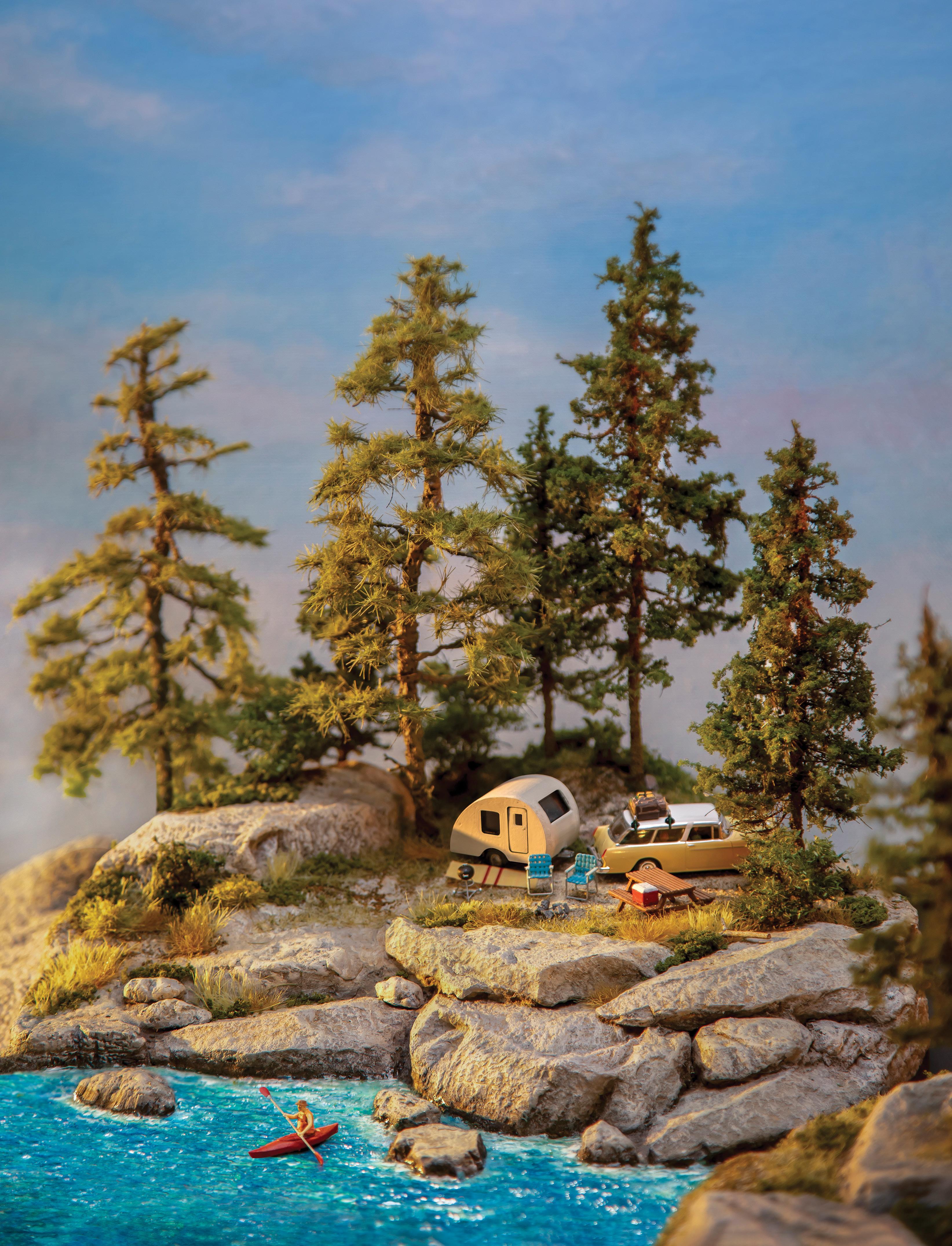
Diorama art by Roxanna Boers, with thanks to Bernard Hellen for use of his miniprints. Photography by Steve Smith Sobeys: Photography by Tourism Nova Scotia / Unbound Media
A statement on artificial intelligence Humans wrote every story in this edition of Saltscapes, conducted every interview, took every photo, and created every illustration.
A new culinary rhythm
A
tour of Saint Andrews
Some places linger in the senses — the scent of sea salt, the creak of old floorboards, the taste of something freshly baked. Saint Andrews, N.B, perched on the shore of the Bay of Fundy, is one of those places.
Loyalists fleeing persecution during the American Revolution founded the town in 1783. Those early settlers brought British recipes such as puddings, breads, and salted meats, but the bay soon rewrote the menu. The tides taught them to eat differently: cod, clams, periwinkles, dulse. By the late 1800s, the town had become one of Canada’s first seaside resorts, drawing summer visitors from Boston, Montreal, and further afield. The Algonquin Resort, still standing like a proud sentinel
on the hill, served lobster dinners and high tea beneath white linens and chandeliers.
Today, Saint Andrews hums with a culinary rhythm that’s small-scale, personal, and rooted in connection. The next generation of food makers carries forward that legacy of care and craft.
At the New Brunswick B&B on Champlain Avenue, mornings begin with the scent of sourdough, French press coffee, and snapdragons on the kitchen table. Owners Les and Ken Knight have made breakfast a daily ritual of abundance and detail. “We want to create a memorable experience where each guest is catered to as if they were in their own home with a couple of butlers,” says Ken.
cook’s
story and photography by COLLEEN THOMPSON
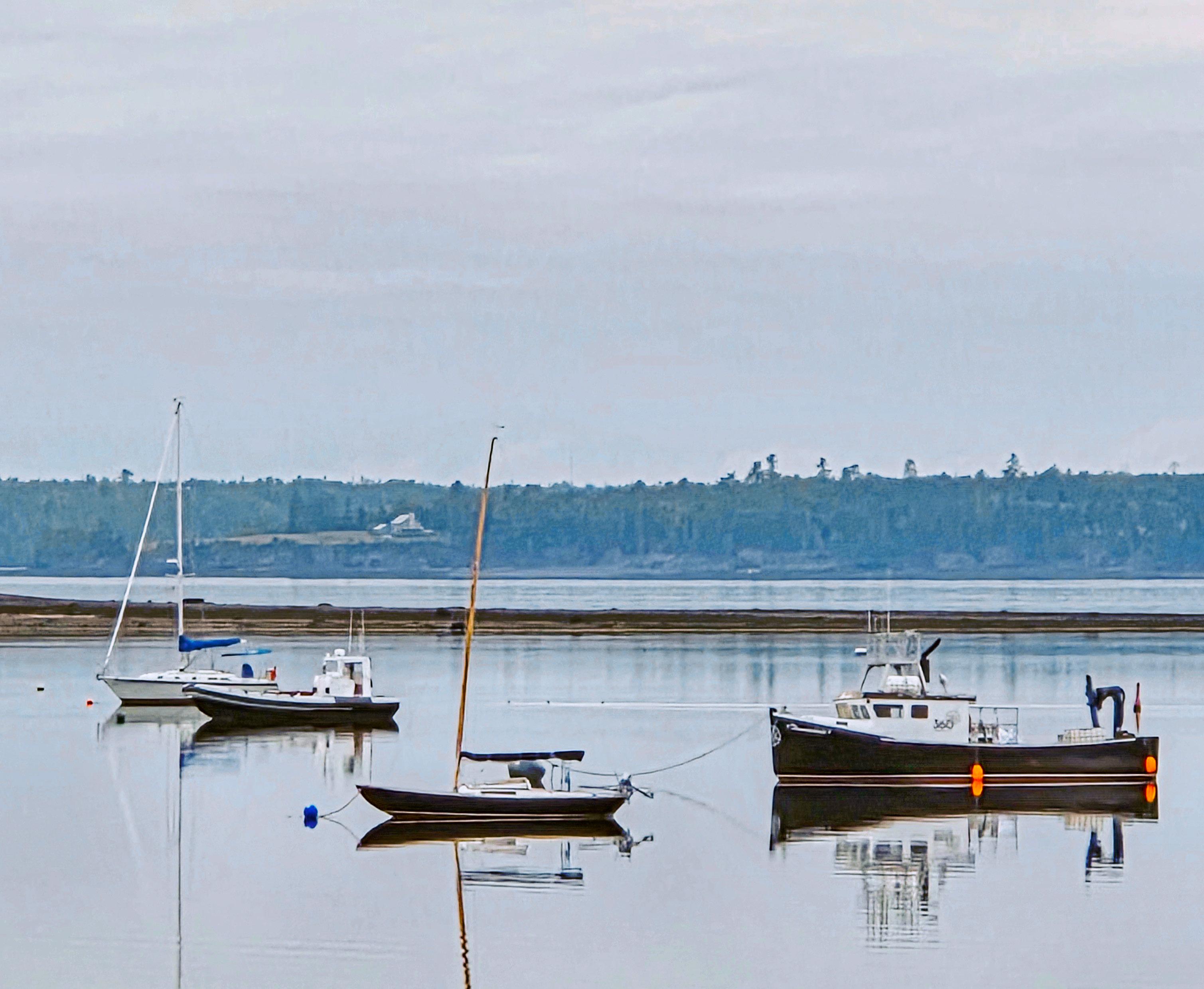
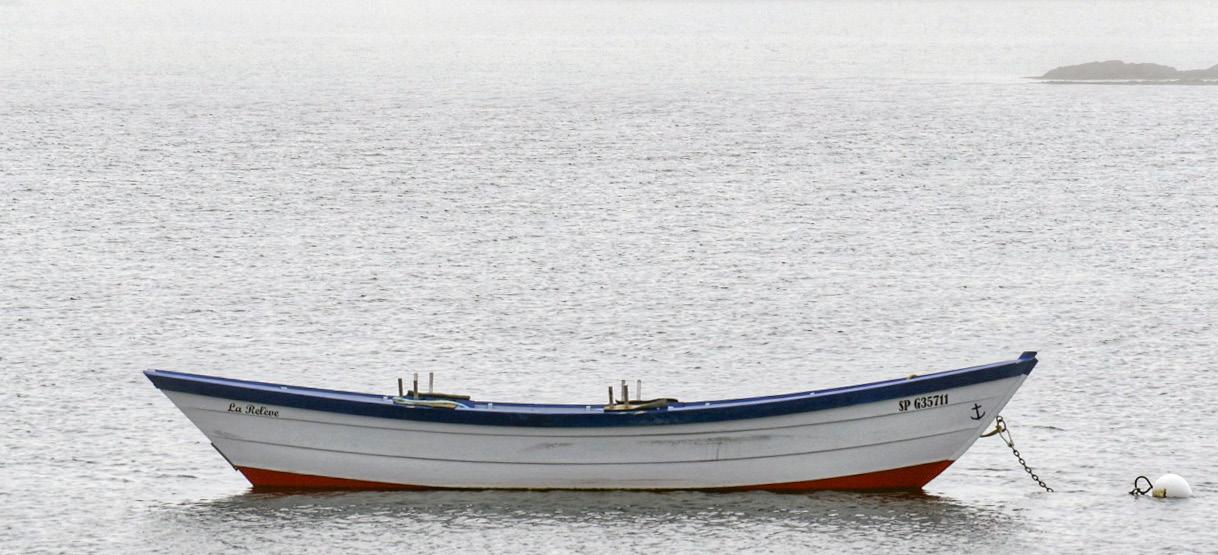
Boats rest in the harbour at Saint Andrews, N.B.
That hospitality shows up in gestures like chocolate chip cookies on the bedside table, flowers in every room, and breakfasts that never repeat. For Les, who bakes each morning, the kitchen is both sanctuary and stage. “There’s nothing better than the aroma of muffins, cookies, and granola filling the house.” His sourdough has become a local legend. “After taking a course, I now bake a picture-perfect loaf every day,” he says. “Friends are delighted to get a text offering one.”
Les and Ken’s food philosophy is anchored in place. They source from Bantry Bay Farm just down the road, which supply many of the town’s best kitchens. “Anything on our breakfast table rarely comes from the grocery store,” says Ken. But what makes the B&B unforgettable is the intimacy.
“We might have a small obsession with finding the perfect menu and
ingredients, along with stunning tableware and glassware,” says Les. “Our B&B is an extension of that passion, where every guest is welcomed like a friend. And what friend doesn’t adore fresh flowers and chocolate chip cookies on their bedside table?” It makes strangers feel like old friends in a home by the sea.
Chef Chris Aerni has spent years defining what he calls Rossmount Inn food, cuisine rooted in tides and terroir, in the rhythm of the land itself. “The concept of Rossmount food has always been about using as many local, seasonal products as possible,” he says, including from the inn’s kitchen garden and foraging the local woods and waters.
On a summer night at the Rossmount bar, the air hums with the clinking of glassware and the scent of something floral. The dishes are
almost too lovely to eat, including a strawberry-rose semifreddo with strawberry-lime compote, pistachios, meringue cookies, and rose pearls that shimmer like dew. The flavours are delicate yet grounded, an edible reflection of this place where wild things and refinement meet. “There are so many local products that can define a menu if you’re prepared to adapt daily,” says Aerni.
On Water Street, the scent of roasting cacao drifts from McGuire Chocolate Company, where every bar, bonbon, and scoop of ice cream tells a story of craft and restraint. “We keep things simple and stay focused on quality,” says owner Mark McGuire. “We love noticing when someone’s world has melted away and the only thing they’re focused on is the ice cream in their hand … Our signature bonbon, a Bay of Fundy Sea Salt Caramel, is designed to capture the look, taste, and feeling of life by the sea.” That mindfulness to place and season makes McGuire Chocolate an essential thread in the town’s culinary story.
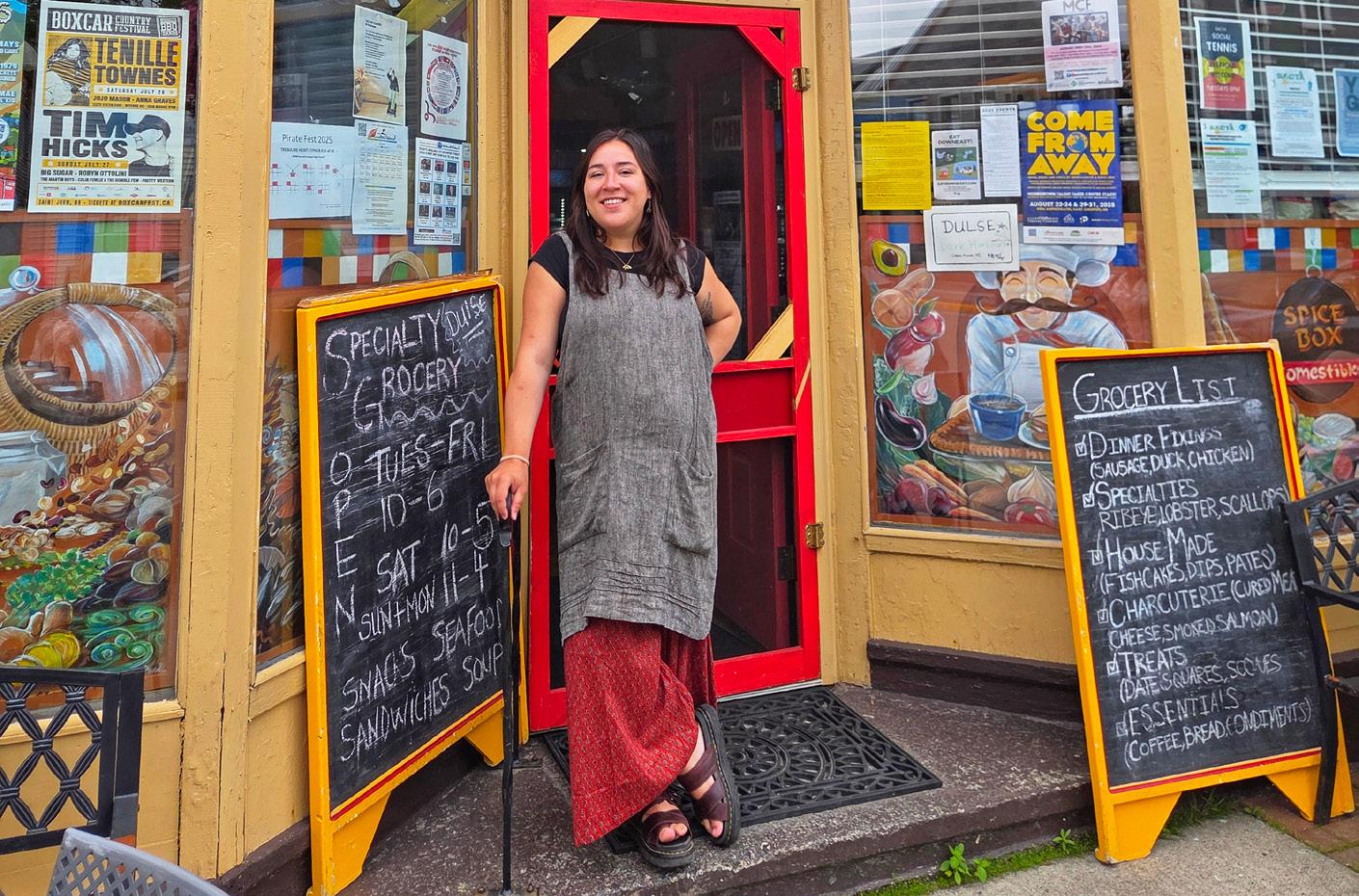
If McGuire Chocolate is where Saint Andrews indulges, Spice Box Comestibles is where it gathers. Founded in 2008, the shop began as a tea and herb store and has evolved into a hub for everything local — fresh fish, organic produce, specialty cheese, and handmade goods. “Our catchphrase is ‘Purveyors of organic, local
Ambre Devolpi, owner of Spice Box Comestibles, at the colourful entryway to the shop.
whole foods,’ and that’s exactly what we do,” says owner Ambre Devolpi. “In a small community, it’s crucial to support one another. We’re all neighbours after all. When you buy local, you know where your dollar goes. It’s more than a purchase; it’s a relationship.”
Walking through the shop is a sensory journey: jars of herbs, baskets of just-picked vegetables, stories on every shelf. “Spice Box is a continuous revolving door of deliveries,” says Ambre. “You could come in each day and discover something new.” Her connection to Saint Andrews runs deep: summers by the sea, culinary school at New Brunswick Community College, and a return in 2020 that felt inevitable. “The quality of life here is unmatched,” she says. “The love from the people around you, it fuels you. Whether across the counter or across the dinner table, these people have shaped me.”
On a Thursday morning, I walk the farmers market with Ambre. She moves through the crowd like someone greeting family, introducing me to the town’s makers and growers, with each stall a heartbeat of Saint Andrews itself.
We stop at the Bantry Bay stand, where Mike and Liana offer armfuls of greens and flowers, more than 50 varieties grown on three acres just outside town. A few stalls down, Devan from Worksong Bakehouse offers a blistered loaf from his wood-fired oven, the scent old-world and comforting. At Brettlynn Farms, jars of amber honey catch the morning light, their bees foraging on nearby Ministers Island, waggle through wildflowers to make something that tastes like the landscape itself.
And when your legs are tired and your voice hoarse from all the chatter, there’s always Salty C’s, where lobster rolls drip in garlic butter. Grab a bench, sip a cold brew from Saint Andrews Brewing, and watch the comings and goings of a town that feels, in every sense, alive.
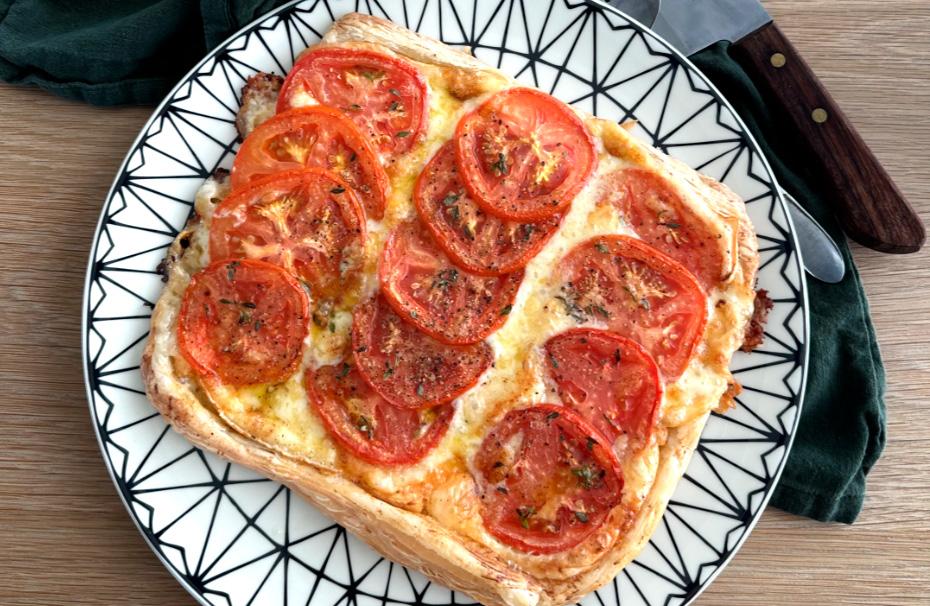
Heirloom Tomato Salad with Buttermilk and Dill Dressing
Serves 6
In Saint Andrews, N.B., the gardens hum in summer and tables fill with whatever’s just been picked. This salad captures that effortless abundance — heirloom tomatoes in all their shapes and hues, dressed with a cool buttermilk and dill dressing that brings a hint of seaside freshness.
INGREDIENTS
Salad
6–8 heirloom tomatoes, a mix of colours and sizes, sliced or torn 1 cup (250 mL) cherry tomatoes, halved
½ small red onion, very thinly sliced
1 small cucumber, thinly sliced or shaved
Handful of fresh herbs: dill, basil, and parsley leaves
Sea salt and cracked black pepper
A sprinkle of crumbled feta or fresh ricotta (optional)
Dressing
½ cup (125 mL) buttermilk
¼ cup (60 mL) mayonnaise or Greek yogurt
1 tbsp (15 mL) lemon juice
1 tsp (5 mL) honey or maple syrup
2 tbsp (30 mL) fresh dill, finely chopped
1 small garlic clove, grated
Salt and pepper to taste
METHOD
1. In a bowl, whisk together buttermilk, mayonnaise or yogurt, lemon juice, honey, garlic, and dill. Season generously with salt and pepper. Chill while preparing the salad.
2. Arrange tomatoes on a large platter, layering colours and shapes. Scatter the onion, cucumber, and herbs over the top.
3. Season lightly with sea salt to draw out the tomato juices. Drizzle generously with the buttermilk dill dressing. Add a final grind of black pepper. Crumble a bit of feta or fresh cheese over top.
4. Serve alongside grilled seafood or with a slice of crusty bread to catch the tomato juices. The dressing doubles beautifully as a dip for vegetables or a drizzle over cold poached salmon.
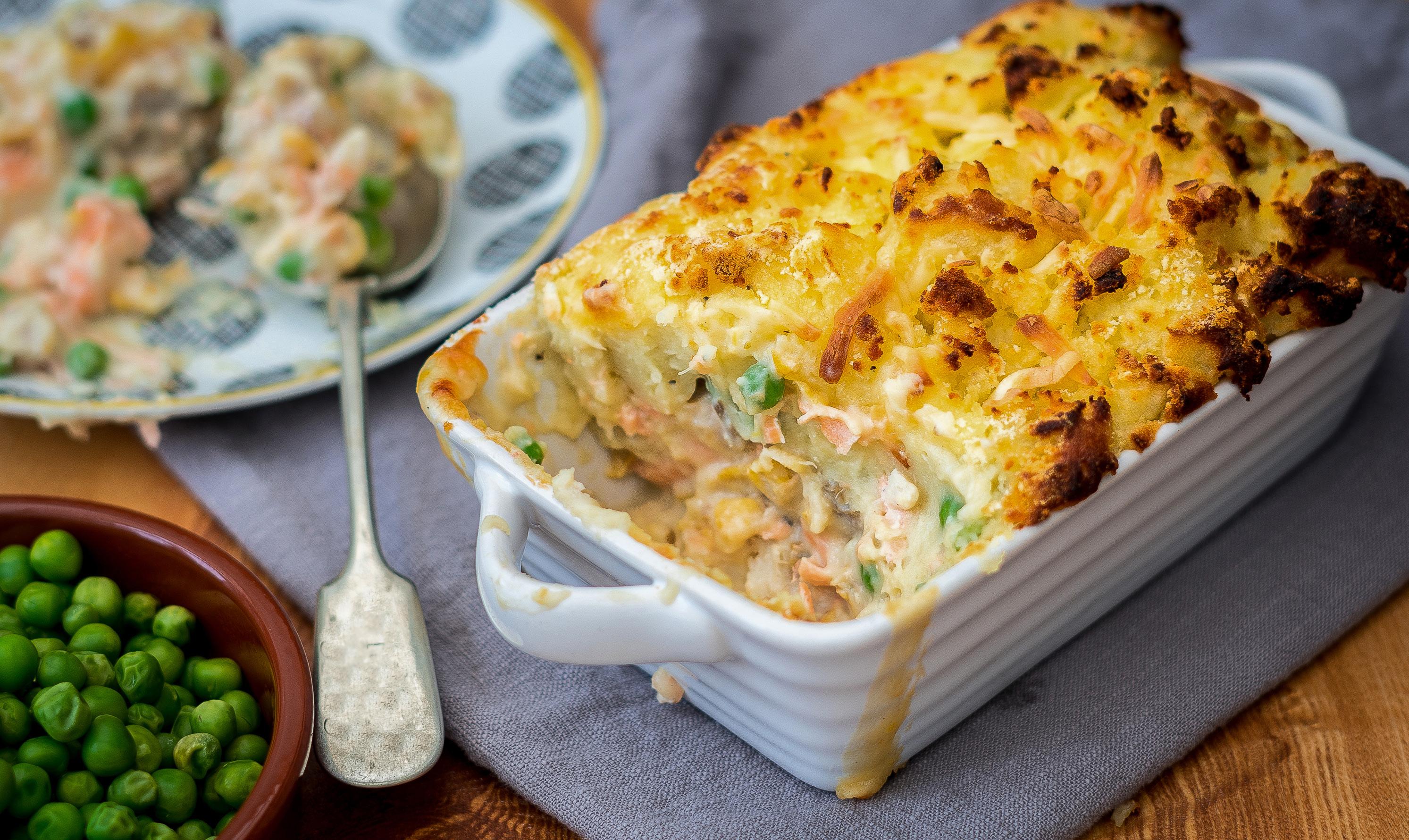
Summer Lobster Fish Pie
Serves 6–8
This pie is indulgent yet fresh — a seaside comfort food. The lemon and herbs lift the richness, while the lobster keeps it celebratory. Serve it outdoors, with a view of the sea or a hint of salt in the air.
INGREDIENTS
Filling
10 oz (300 g) lobster meat, cooked and roughly chopped
½ lb (250 g) white fish (haddock, cod, or halibut), cut into chunks
5 oz (150 g) salmon or smoked haddock, cut into chunks
1½ lb (700 g) Yukon Gold or new potatoes, peeled and cut
2 tbsp (30 mL) butter
1–2 tbsp (15–30 mL) cream or warm milk
Salt to taste
Handful of fresh peas or chopped spinach folded into mash for colour (optional)
METHOD
1. Boil potatoes in salted water until tender, then drain and mash them with butter and cream. Set aside to cool slightly.
2. In a large pan, melt the butter and gently sauté the shallot until soft. Stir in the flour and cook 1 minute. Gradually whisk in the milk and fish stock to make a smooth, creamy sauce. Stir in the mustard, cream, lemon zest, juice, and herbs. Season well, then fold in the fish and lobster (raw fish will cook in the oven).
3. Spoon the filling into a buttered baking dish. Top with mashed potatoes, swirling the surface with a fork for texture. Bake at 375F/190C for 25–30 minutes, until golden and bubbling at the edges. Scatter with extra herbs and serve with a green salad or buttered peas.
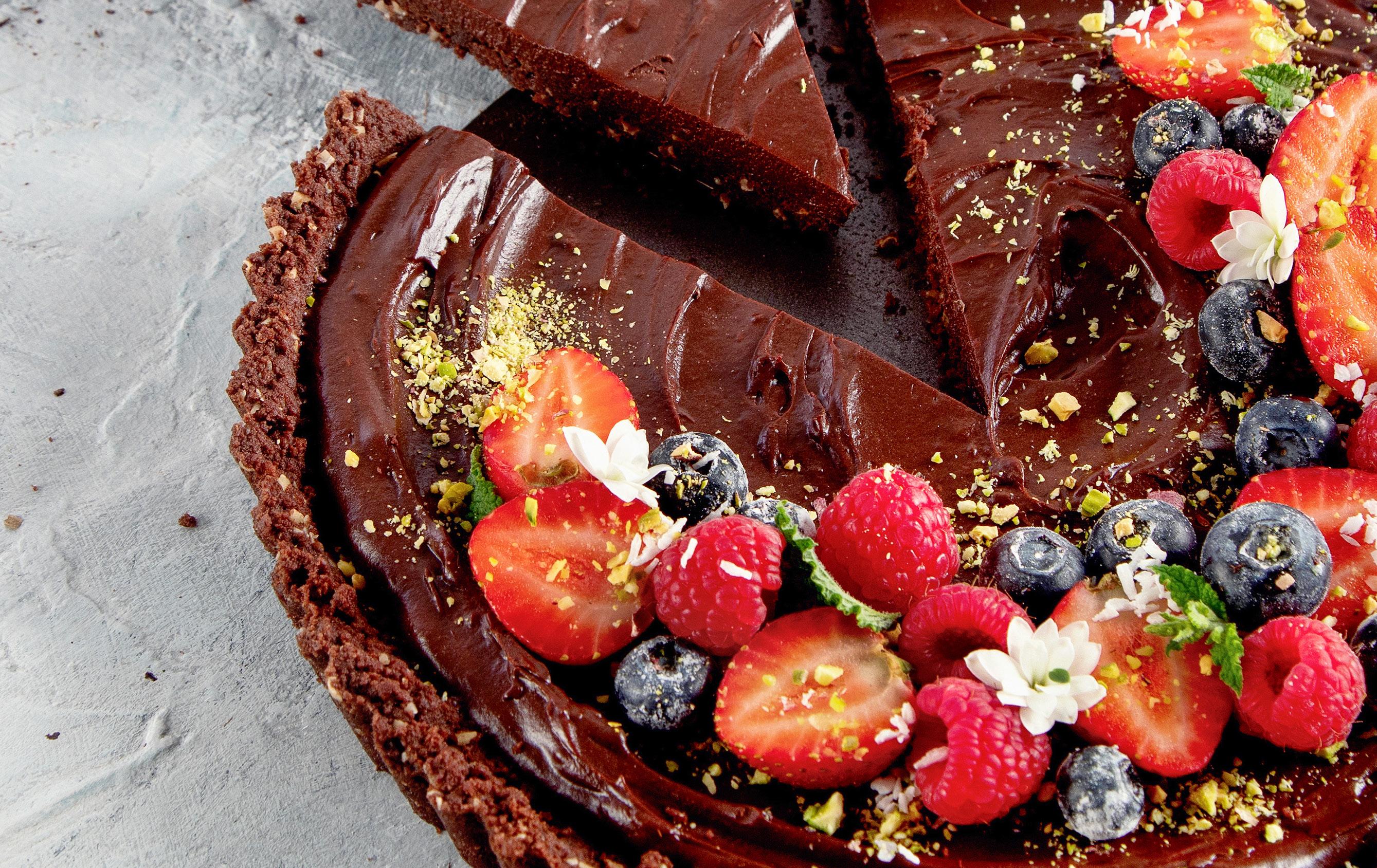
Dark Chocolate and Honey Torte
Serves 8
Inspired by McGuires Chocolate, this recipe captures a bit of that richness: a dark chocolate and honey torte, simple and elegant, with just enough sweetness to echo the town’s quiet indulgence.
INGREDIENTS
7 oz (200 g) dark chocolate (70 per cent cocoa or higher), chopped
10 tbsp / 2/3 cup (150 g) unsalted butter, cut into pieces
1/3 cup (100 g) honey (wildflower honey adds depth)
½ cup (100 g) granulated sugar
4 large eggs, separated
1 tsp (5 mL) vanilla extract
¼ tsp (1 mL) fine sea salt
2 tbsp (30 mL) cocoa powder, sifted (optional, for extra richness)
Powdered sugar, cocoa, or flaky salt for finishing
METHOD
1. Heat oven to 340F/171C. Butter a 20-centimetre (8inch) springform pan and line the base with parchment paper. In a heatproof bowl, set over a pot of simmering water (or use a microwave in short bursts), melt the
chocolate and butter together until smooth. Stir in the honey and vanilla. Let cool slightly.
2. In a medium bowl, whisk the egg yolks, sugar, and salt until thick and pale. Slowly stir in the warm chocolate mixture until glossy and uniform. Fold in cocoa powder.
3. In a clean bowl, whisk the egg whites until they hold soft peaks. Gently fold them into the chocolate base in three additions, keeping as much air as possible. Pour into the prepared pan and smooth the top.
4. Bake for 25–30 minutes, until just set. The centre should still have a slight wobble. Cool in the pan for 15 minutes, then release and cool completely.
5. Dust with cocoa powder, powdered sugar, or a pinch of flaky salt. Serve with whipped cream sweetened with a touch of honey and summer berries.
The taste of Fredericton
Where Maritime roots meet modern flair
by
Fredericton may be best known for its riverside charm and history, but a culinary revolution is quietly simmering in New Brunswick’s capital, a delicious melting pot from a new generation of chefs, entrepreneurs, and food lovers who are transforming the city into one of Atlantic Canada’s most exciting food destinations. Here are five reasons why Fredericton deserves a spot on every foodie’s radar.
The dining experience
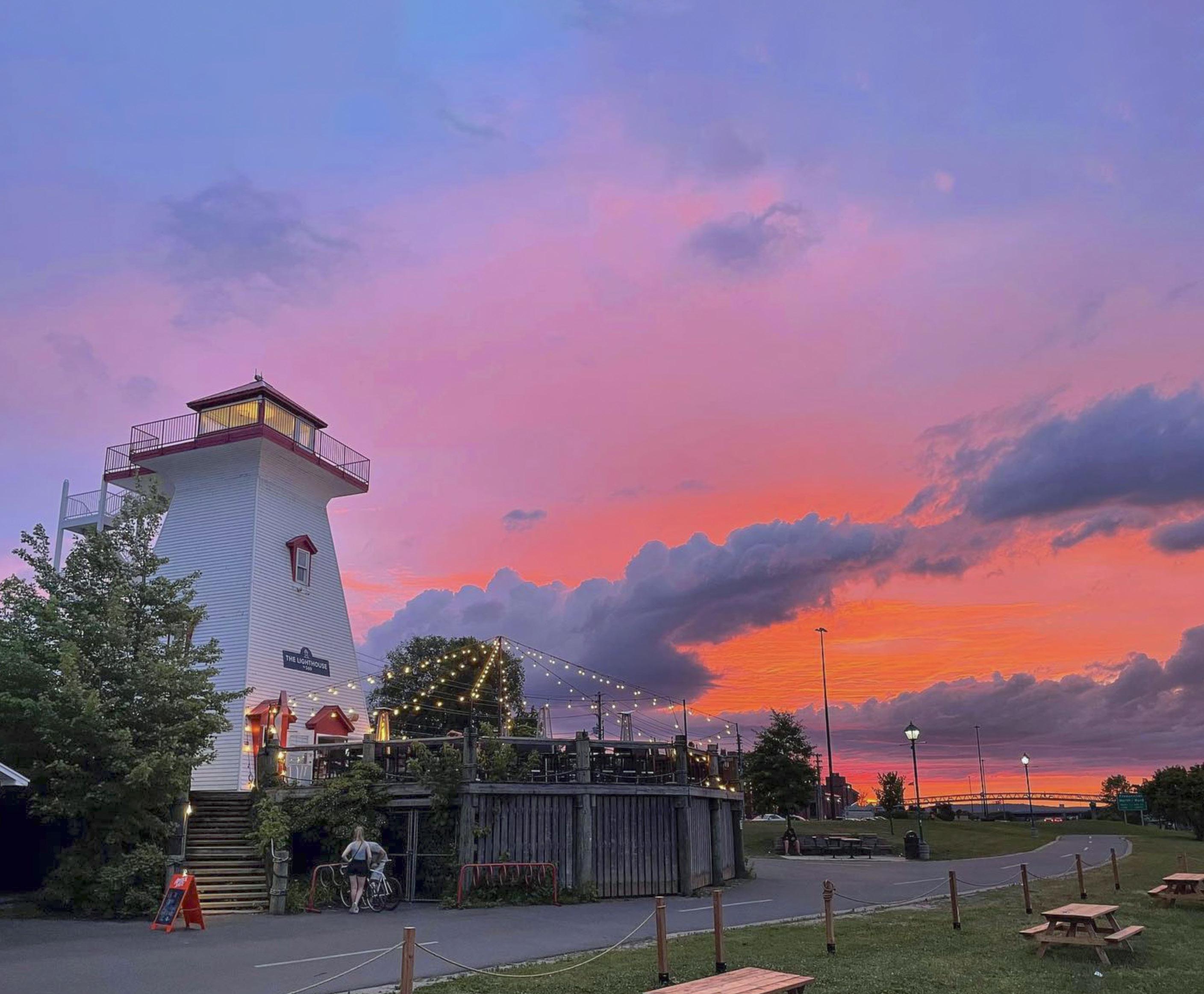
Eat at a lighthouse with riverside views rivalling any oceanfront establishment. Enjoy an outdoor dining area that doubles as a vibrant community
space, where locals and tourists converge to enjoy coffee, ice cream, burgers, brews, and more.
540 Kitchen & Bar, The Lighthouse, and 540 North offer a wide range of dining experiences. Owners Adam Atkinson and Ted Jones explain their original location on Queen Street offers a smaller seating area with a chatty ambiance and affordability. Menu features like the lobster dip and seafood pappardelle highlight Maritime flavours.
“I’d rather see someone twice at a $20 price tag than once at $40,” says Jones. “I want our customers to walk out and not eat for the next few days.”
ALICIA SIMMS BRELAND
The Lighthouse offers wonderful food in a stunning setting beside the Saint John River.
Head across the Saint John River via the Bill Thorpe Walking Bridge, and you’ll arrive at Picaroons Roundhouse, where 540 North resides. The concrete courtyard is dotted with bright red chairs and picnic tables, flanked by lush green grass. Popular with locals and visitors alike, here you can enjoy a belly-busting burger piled high with fixings, perfectly paired with golden fries or a colourful side salad. Wash it down with one of a dozen local brews made right on site
Giving back
“Fredericton loves to eat,” says Tabitha Smith, owner of Isaac’s Way on eastern Queen Street. While the restaurant boasts Maritime comfort food with a twist, such as the Butter Chicken Burger, it’s the community support that piques diners’ interest.
“When we were a young restaurant, we didn’t have a lot of money to contribute to the community. The previous owner came up with the idea to provide space to community artists,” says Smith. To date, Isaac’s Way has raised over $358,000 for programs benefiting underprivileged children by selling local art. While you’re there enjoying a Cold Chicken Club with maple bacon jam, you can also peruse paintings and sculptures, knowing that your purchase will support local artists and community initiatives.
Unique infusion of culture
Abbas Baghaeian and Maryam Shabani, owners of Ma Cafe on King Street, are not only sharing their love of coffee but also slowing down to enjoy it. After arriving in Fredericton to study at Universtiy of New Brunswick, Baghaeian returned to his entrepreneurial roots.
“Most cafés are grab and go,” he explains. “We tried to make a space where you can work, read and have a conversation.” The couple are marrying a European taste of primarily Italian and French beans roasted at Witney Coffee in Fredericton. They’ve
also introduced unique offerings, such as coloured matcha — a rare delicacy. Try the Strawberry Cheesecake Latte.
The city of markets
Fredericton is not to be missed for market lovers with its roster of seasonal and permanent markets. Voted one of the top 10 markets in Canada by Destination Canada, the Boyce Farmers Market is Fredericton’s original and largest. More than 200 vendors fill their George Street building, a short walk from central downtown. Browse the best of what Fredericton has to offer directly from its local producers. Try homemade pasta varieties from Nashwaak Noodles.
Markets dot Fredericton in the summer. The Garrison Night Market is in the historic British Military Garrison located off Queen Street. Go hungry, as you’ll find every manner of food truck and food vendor you can imagine. Folks love the crispy curls of Uncle John’s Potato Spirals. If you have to wait in the line-up, enjoy the experience of getting an on-the-spot original poem about you pecked from a typewriter by Dennis Atchinson. If you’ve had your fill of food, head over to the Recap Night Market, also on Queen Street, where you can peruse art and crafts, plus vintage and thrifted items, while enjoying local music.
If you’re visiting one of the many local markets in Fredericton, you’ll want to arrive hungry.
Investing in the future of Fredericton
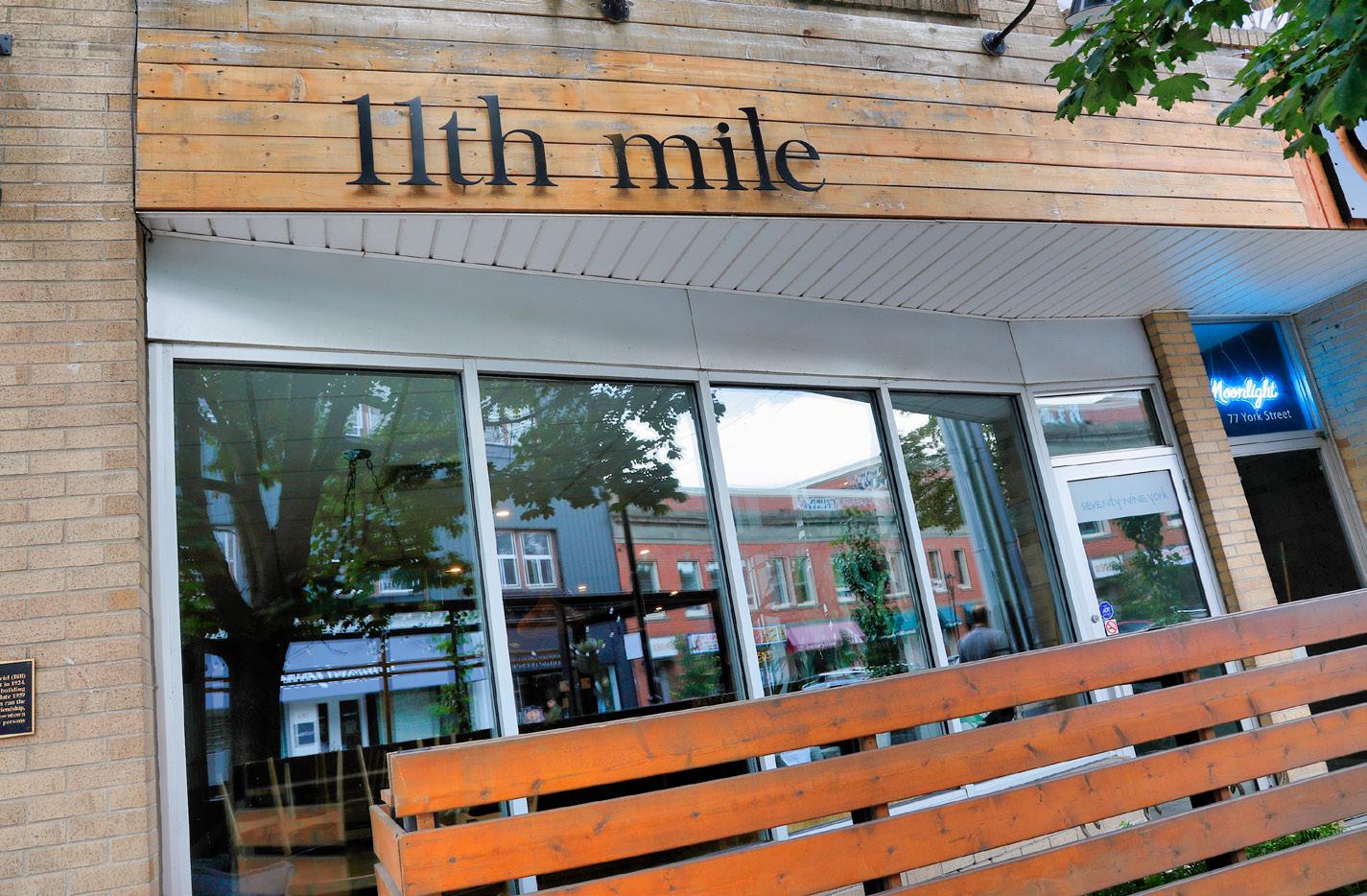
11th Mile Chef Peter Tompkin’s vision for what he wanted to bring to the Fredericton food scene was clear. He
um-sized, shareable dishes was a new concept for the area at the time, but they knew that nothing brings Maritimers together like sharing good food.
how hard it was to find meaningful work growing up in the region. “How do you get the restaurant without the chefs? How do you keep the chefs without the restaurant?” Jennie asks. They hoped to create a place where new people could learn and want to stay to work.
The chef of their sister restaurant, Coastline Pizza & More, Evan Bower, began at 11th Mile. What began as a kiosk evolved into a full-scale ItalianAmerican establishment, specializing in Detroit-style square pizza. “When people perceive food as craft, they get excited,” Jennie says.
A common thread amongst these very different chefs and restaurants is that they’ve all lived away at one time or another, but the East Coast has called them home. Their Maritime
11th Mile on York Street in downtown Fredericton boasts shareable dishes in a convivial atmosphere.
STEVE SMITH, VISIONFIRE
The essence of Acadie
Akadi Lumina, a nighttime path through light, sound, and projections, immerses visitors in a whirlwind of emotions
by
It’s nearly 11 p.m. and I’m spellbound, deep in a forest in Bouctouche, N.B.
Tall trees surround me as I breathe in the heady scent of the night air. Fanciful blue lasers pulse under a swirl of cascading stars. I raise my arms toward the light, twirl slowly, lost in wonder. This is Akadi Lumina, Atlantic Canada’s first and only luminous night walk.
Created by Bouctouche’s Le Pays de la Sagouine, a theatrical village celebrating Acadian
heritage, in collaboration with Montreal multimedia studio Moment Factory, Akadi Lumina places visitors directly into an immersive, sensory-rich journey through the sorrow and triumph of the Acadian people. The story unfolds through a sound and light show along a 1.5-kilometre path through the forest at night.
By the time visitors reach the final dreamlike zone, “Amid the Possibilities,” inspired by a quote by the late Antonine Maillet, the
SHELLEY CAMERON-McCARRON photography by MOMENT FACTORY
Step into a world of wonder at the Akadi Lumina Night Walk near Bouctouche, N.B.
celebrated Bouctouche author and guiding force behind Le Pays de la Sagouine, a powerful hope has taken root in a visitor.
“It’s a very emotional experience,” says Monique Poirier, executive director and artistic director of Le Pays de la Sagouine. “The fact it is so emotional is one of the things that makes it so important. When people come out of the forest, they are moved and impressed. People will talk about the technology and the lights, but the most common comment we receive is how moving it is. You’re thrown in different directions in terms of feelings.”
The Acadian story moves people. “There are several components of it that resonate with other cultures,” she adds. “We’re not the only people
who have survived difficult times. People connect with that feeling and they create connection with their own story. That it’s outside and at night, it elevates all your senses. It’s sort of like the magic that happens when you’re camping and you’re one with nature. You connect with your inner child.”
Entering the forest in the darkness, visitors progress through 10 zones that each share an aspect of Acadian culture. At one zone, tiny houses fill the air with voices and light. At another, Acadian artists appear in the forest through the magic of projection: dancers leap onto a table to kick up their heels to the drive of a fiddler’s beat, while visitors can sit and do basic step dancing. In other sections, the forest floor pulses in light, trees are cast in a
crimson glow, and a curving “singing bridge” brings voices together.
At one point, paths diverge. Those with surnames in the first half of the alphabet go one way. Those in the latter go another. Stripped of choice, it’s a poignant moment.
“It’s a snippet of how difficult and traumatic it is must have been to be separated during the Acadian deportation of 1755. It’s a very symbolic and poetic way of adding that to the experience,” Poirier says.
The idea for the walk started when Le Pays de la Sagouine began an evaluation before the pandemic on how to extend the operating season and daily operations while celebrating Acadian culture, Poirier says. They wanted to offer something they could share with everyone, no matter what language they spoke.
Conversations with tourism consultants alerted them to Moment Factory, which creates lumina night walks, with 22 around the world. They visited Quebec to experience one firsthand. “We quickly understood it was an interesting concept that we could adapt to celebrate the Acadian culture.”
They also had the necessary forested land in which to create the vision.
“We felt having it at night would intrigue the visitor, interest and pique their curiosity,” says Poirier. “It connects a lot of interests, people who like to be outdoors, people who like to walk, and those who like evening events. We felt the concept was brilliant.”
It took a year for the creative and collaborative partnership between Moment Factory and Le Pays de la Sagouine to create the experience. More than 100 Acadian artists and artisans took part in the production, which opened in August 2023.
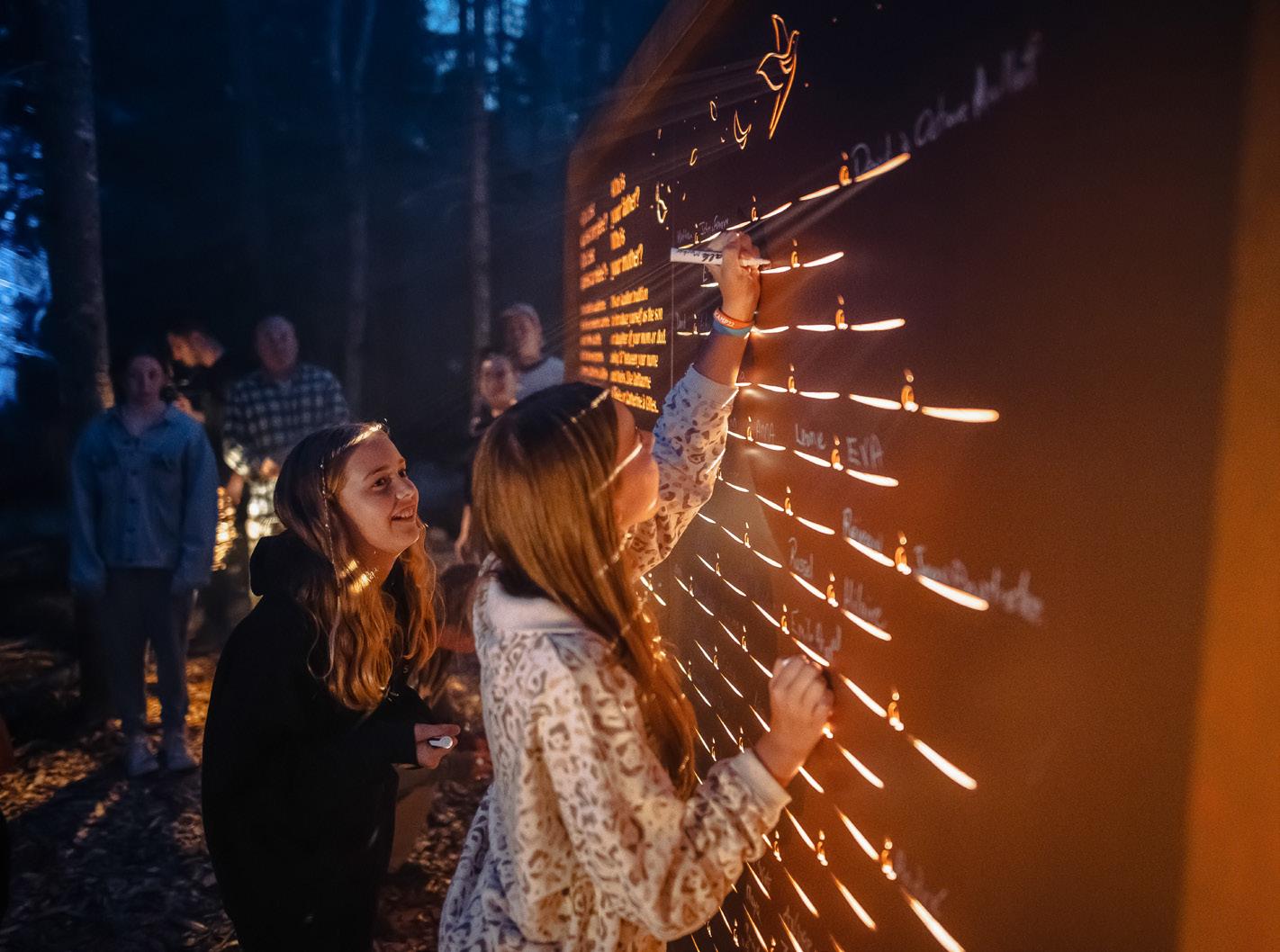
The experience starts as visitors pass a portal marked by white lights and soon press pen to hand to sign an illuminated wall, inscribing their names and those of their parents.
“That’s an Acadian way of identifying people,” says Poirier. “We thought it
Acadian artists appear in the forest through the magic of projection. Opposite: Visitors inscribe their names, and those of their parents, on an illuminated wall.
How to experience Akadi Lumina
Wear walking shoes and dress in layers according to the weather. Each zone plays on loops. Give yourself time to linger in areas that are particularly appealling. Allow at least 90 minutes for the walk to fully immerse yourself in the experience.
While admission to Akadi Lumina is through timed tickets, visitors are encouraged to come early or stay late to relax in l’Espace Uni, an enchanting forest clearing with live music, comfortable seats, a campfire, photobooth, bar, and food truck.
Check operating hours. Times vary seasonally.
Tickets: sagouine-lumina.tuxedobillet.com
was an interesting way to celebrate family and heritage.”
Poirier says each zone brings different realities of the culture, including its resilience and its celebrated joie de vivre, that ability to find the good in everything. High Seas, a new zone inaugurated in 2025, is a tribute to fishermen and Acadian coastal regions. “It’s one of my favourite zones. It’s very poetic. Lots of people
are very emotional when they see that zone. It’s a beautiful tribute to the fishing industry and Acadian coast,” says Poirier.
Reaction has been strong.
“Acadians are very proud to have their culture celebrated like this.” People come from all over. Some come twice, three times, four times,” says Poirier. “The comments have been over and beyond what were we hoping for.”
Making family memories in Kouchibouguac
Connecting through New Brunswick’s often-overlooked national park
by DALE DUNLOP
Even though 82 per cent of Canadians live in cities, according to the 2021 census, many of them would define the country’s essence as our great outdoors. We’re proud of the lakes, forests, mountains, and rivers that make up our land. Nowhere is this love of nature more apparent than in the number of Canadians who visit our national parks, more than 15 million a year, according to government figures.
A first visit to a national park is a rite of passage for a child and equally enjoyable for the rest of the family. In Atlantic Canada there is no better place to do that than Kouchibouguac National Park on New Brunswick’s eastern shore. Here’s why, as I found out when visiting with my son and his five-year-old daughter.
Kouchibouguac, about 130 kilometres from Moncton and 300 kilometres from Halifax along the Acadian coastal drive, was established in
1969 to protect and enhance the estuary of the Kouchibouguac River and the many kilometres of sand dunes that have created a natural barrier behind some of the gentlest waters in the Maritimes. This has created the perfect environment to learn canoeing. Young children can be a bit apprehensive about getting into a canoe for the first time, but as my granddaughter quickly learned, after my son and I paddled away from the wharf at the Ryans Rental Centre, there was nothing to fear. The Kouchibouguac River is slow flowing, and she was soon pointing out great blue herons and some of the common terns that nest in the park. She was fascinated as the terns dived for small fish only metres away from the canoe.
The more experienced parent or grandparent can rent paddleboards here too. Several couples were taking their small children with them on their paddleboards.
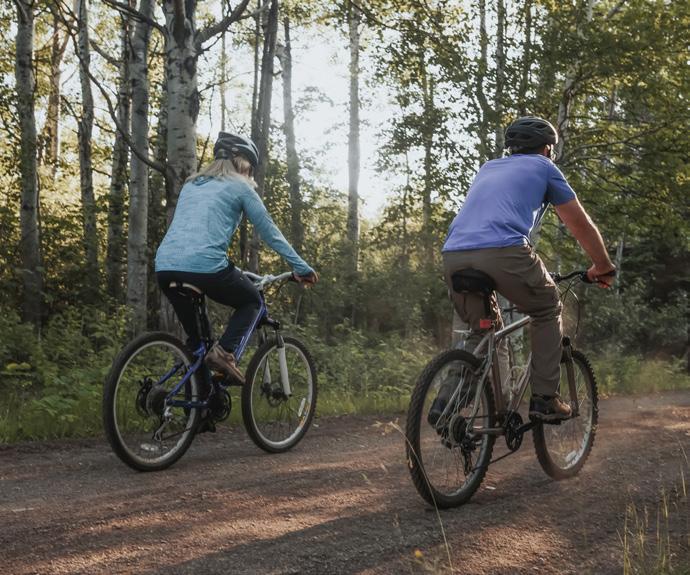
It’s not just the waters of Kouchibouguac that are gentle. The land is as well, with virtually no changes in elevation, making it the perfect place for a child to learn to cycle. When the park was first planned, there were a number of small villages along the river that were connected by a series of roads. In a controversial move, the federal government expropriated land and homes from about 1,200 people to create the park. Today these former roads have transformed into 60 kilometres of bike paths that connect all the major campgrounds, beaches, trailheads, the canteen and the Visitor Centre. The only catch is that there are currently no bike rentals, so visitors need to bring their own.
The waters of the Northumberland Strait are among the warmest in Canada, and Kelly’s Beach, which stretches for many kilometres along the outer dune, is the perfect spot to enjoy them. Just getting to the beach is a fun experience.
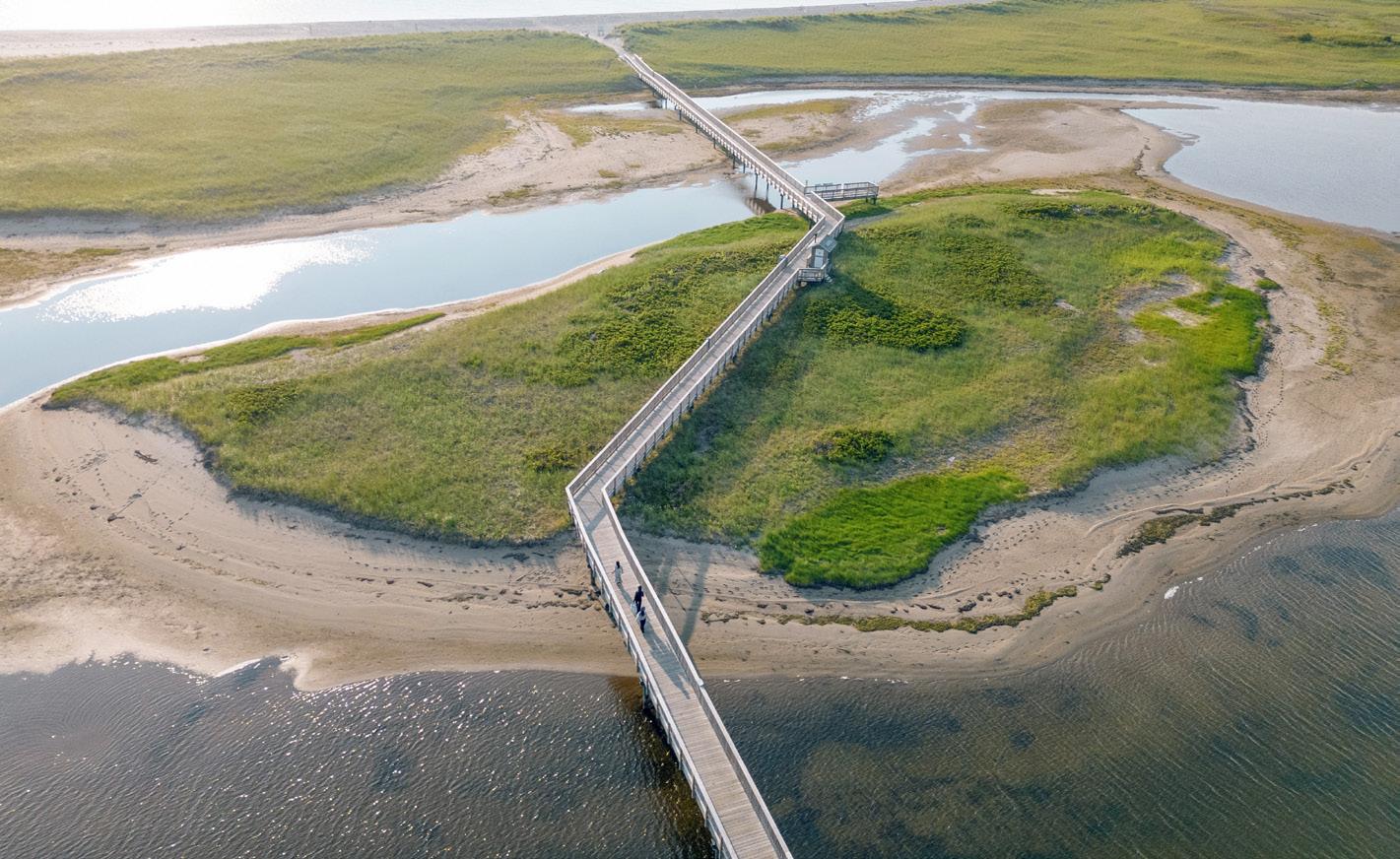
A 500-metre raised boardwalk passes over a tidal lagoon where shorebirds, crabs, great blue herons, and other creatures abound.
The beach is composed of fine sand, perfect for building sandcastles and other constructions. Or maybe it’s more fun to just bury a parent up to their neck. Once it’s time to go for a swim, there’s a large area cordoned off where lifeguards are on duty, and the water is quite shallow. This was my granddaughter’s first experience with salt water, she being an Albertan, and after being a bit shocked at first by the salty taste, soon took to it like a water baby.
Not to be overlooked are Kouchibouguac’s 10 hiking trails, of which nine are designated as “easy,” making them quite doable even for a five-year-old. The Bog trail leads to an easy to climb tower from which there is a panoramic view of a peat bog and the chance to spot a moose. Other trails feature saltmarshes, river frontage, and Acadian forest.
One of the activities that most captivated both my son and granddaughter was the Introduction to Geocaching program. This is a one-hour program that starts outside the visitor centre with an explanation of what geocaching is and how to use the GPS on your cell phone to find the hidden caches.
After that, the guide lets the group loose to find three geocaches located nearby. The look of wonder on my granddaughter’s face as she found her first geocache hidden in the hollow of a tree was priceless. Parks Canada provides a passport which you punch with a unique tool found in each geocache and then, upon returning to the Visitor Centre with proof that you found the geocaches, receive a special geocoin for your efforts.
There is one special activity at Kouchibouguac, an introduction to parts of the park you can only reach by boat. This is the Phoca Tours Marine Wildlife Safari that departs from just outside the park boundary and heads down the Little Kouchibouguac River to the outermost dunes, where the largest herd of grey seals outside of Sable Island is found. The tour also passes by the second largest colony of common terns in North America. The trip is narrated in English and French, and aside from learning about the seals, terns, and eagles, you’ll discover a lot about the history of the area. Binoculars are provided.
There are several options with respect to accommodation both inside and outside the park. Inside, there are the 311 serviced campsites at the South Kouchibouguac campground where you can pitch a tent or bring your own RV. There are also a dozen of the popular oTentiks that are a combination of a tent and a cabin. Reservations for these should be made well in advance of your visit.
Outside the park there are only a few choices nearby, but the Kouch Chalets has everything one could ask for when you are travelling with grandchildren. The playground here is excellent and even includes a kid’s zipline. The chalets have up to three bedrooms and are equipped for housekeeping.
The gentle lanscape invites cyclists of all skill levels. Kelly’s Beach boasts the warm waters of the Northumberland Strait plus a striking boardwalk over the dunes.
BRUNSWICK TOURISM / MATT HEWITSON
From rabbit stew to pulled bear sandwiches
Exploring Indigenous cuisine from Newfoundland and Labrador
by SHELLEY CAMERON-McCARRON
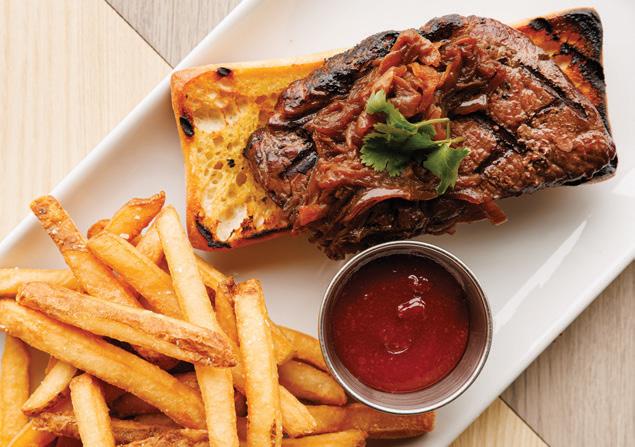
When Jason and Holly Cullihall added pulled bear sandwiches to the menu at their Mi’kmaw-owned Buoy & Arrow Restaurant and Suites in Rocky Harbour, N.L., they thought their supply of bear at the restaurant would last through August.
“We sold out by the end of June and people kept coming back to see if they could get it,” says Jason Cullihall.
Pulled bear sandwiches (bear is mild, like beef, he says) isn’t something one typically sees on menus. “They’re not hesitant to try it. People are coming to get it,” says Cullihall of the Indigenous cuisine highlighting their menu, meals he grew up eating with his family. “We’re trying to offer something real.”
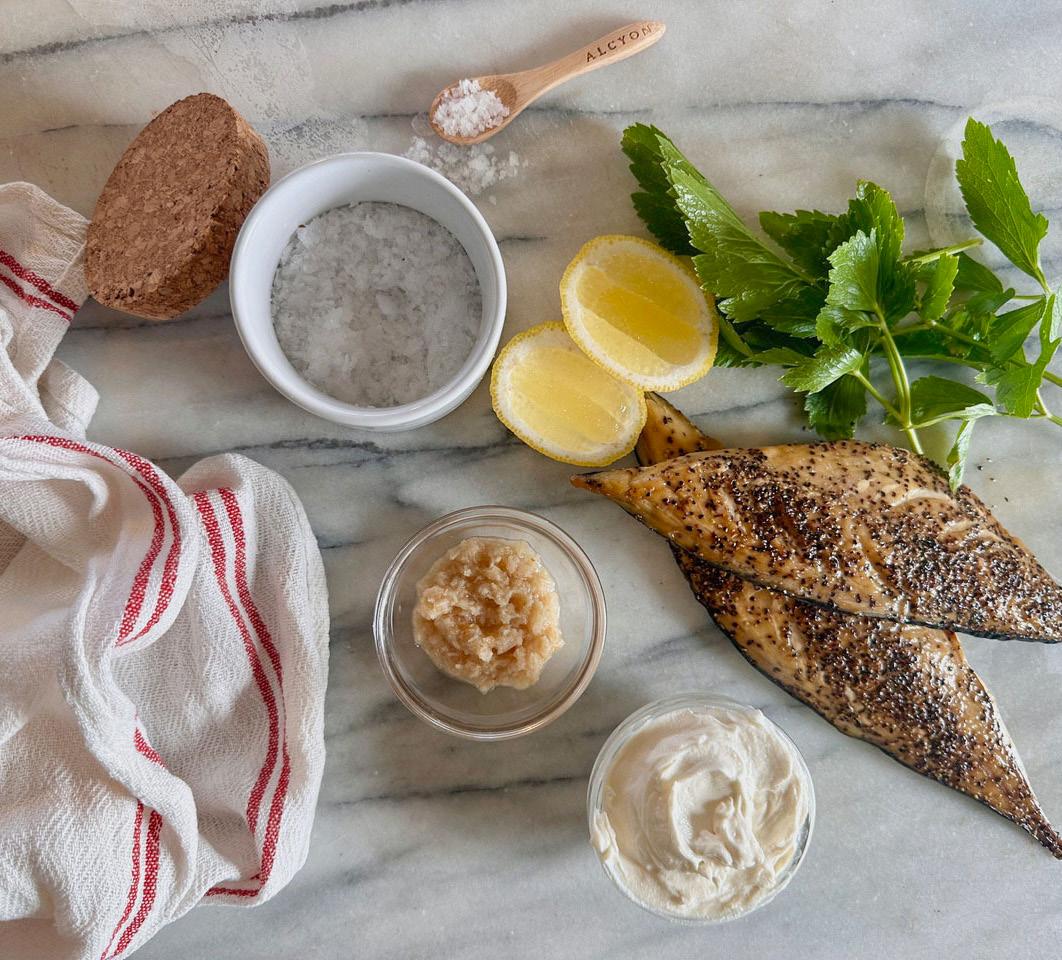
Flush with all the comfort food one expects, the restaurant also shines with its Indigenous offerings, from smoked mackerel paté to a snow crab dip. Wild rabbit stew with slow cooked Newfoundland snowshoe hare is a top seller and the soup of the day is often moose stew. Mi’kmaw names dot the menu, with accompanying English translations.
“People are coming to Newfoundland and Labrador to experience the life of someone who lives here. What better way to experience it?” says Cullihall, who sells his 90-year-old grandmother’s knitted socks in the retail section and who, with advance notice, will make suite guests an Indigenous meal during the restaurant’s off-season.
The Buoy & Arrow is far from alone in sharing pride in an Indigenous provincial culinary scene Cullihall calls a “little hidden treasure.”
Barbara Young, marketing coordinator of Newfoundland & Labrador Indigenous Tourism Association, says there’s been a boom within the last five years. It’s been a welcome addition to the province’s culinary landscape.
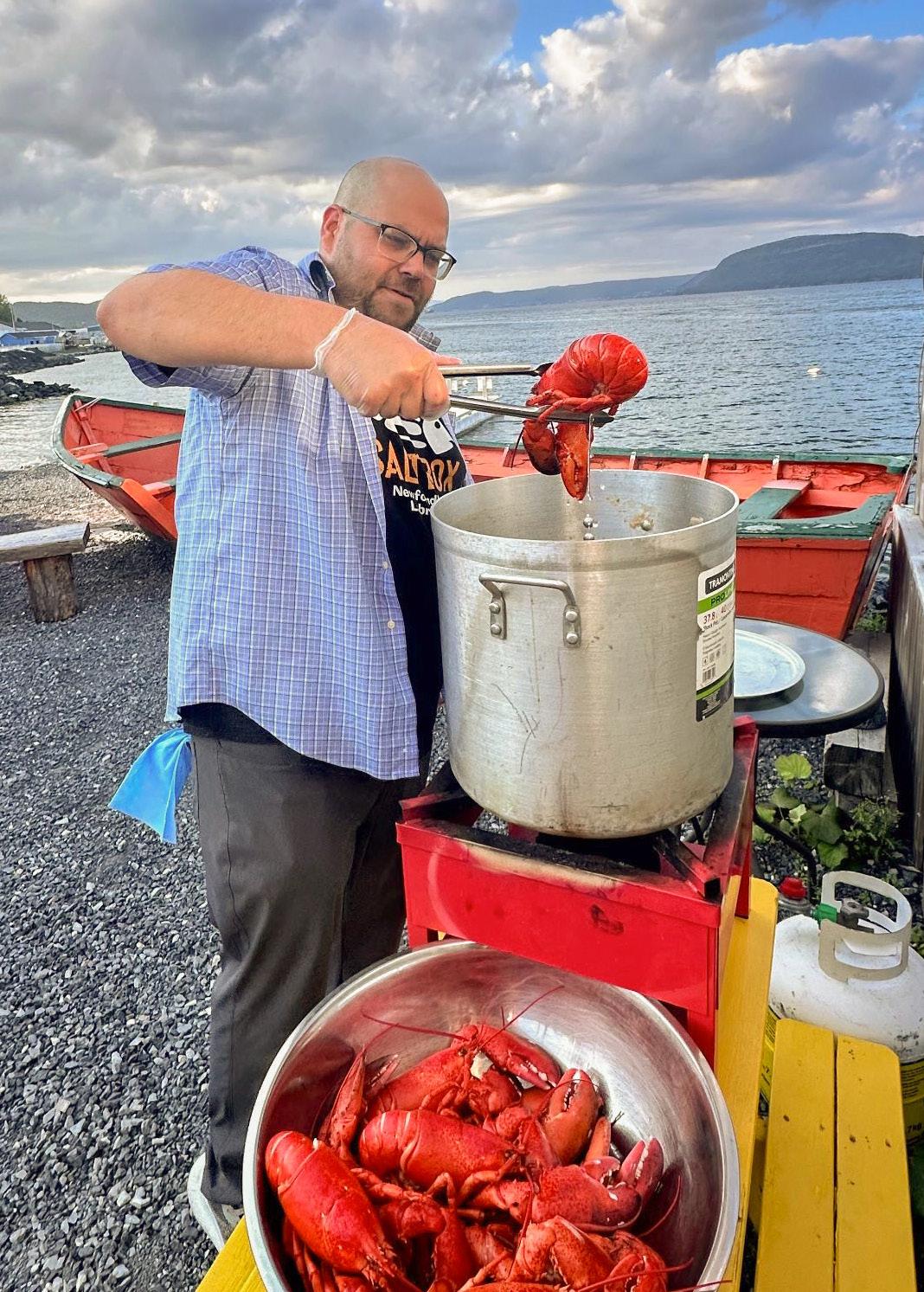
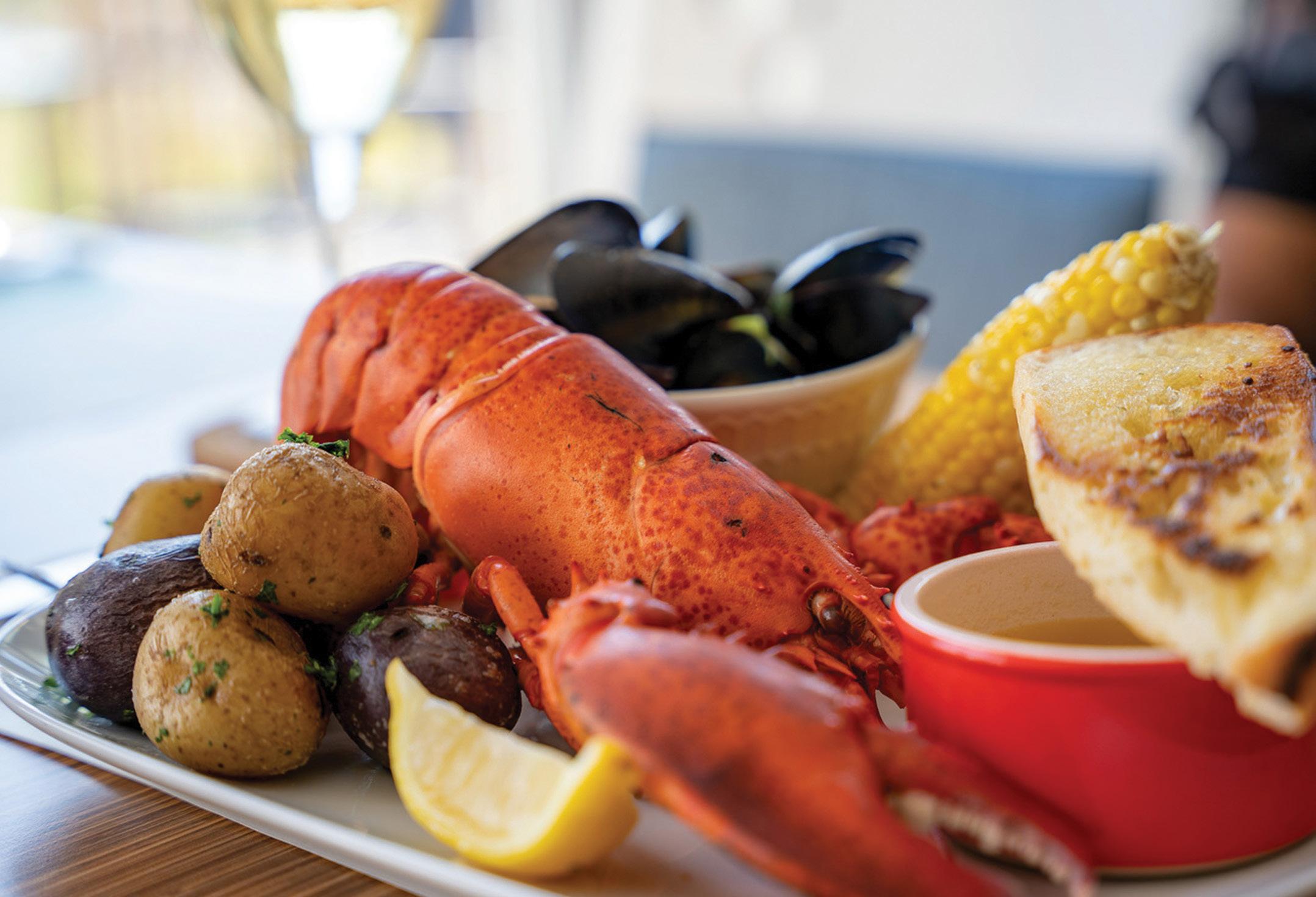
There's nothing quite like a boilup of fresh lobsters on the beach.
Where to go
• Buoy & Arrow, Rocky Harbour, Western Newfoundland. Winner, Culinary & Agritourism Award of Excellence 2025, Culinary Tourism Alliance. buoyandarrow.com/restaurant
• Mamattuk, Happy ValleyGoose Bay, Labrador. The menu includes Labrador cod, shrimp and scallops, Arctic char, and locally sourced and seasonal ingredients.
“Indigenous tourism is growing by leaps and bounds,” says Young, who notes Indigenous people have more of a platform to speak for themselves since 2015’s Truth and Reconciliation Commission. A progressive national Indigenous tourism organization is also helping with this.
Newfoundland and Labrador is home to three distinct Indigenous groups: Newfoundland Island is the land of the Mi’kmaq and Labrador is home of the Inuit and the Innu. Because the food comes from the land, different areas have different foods.
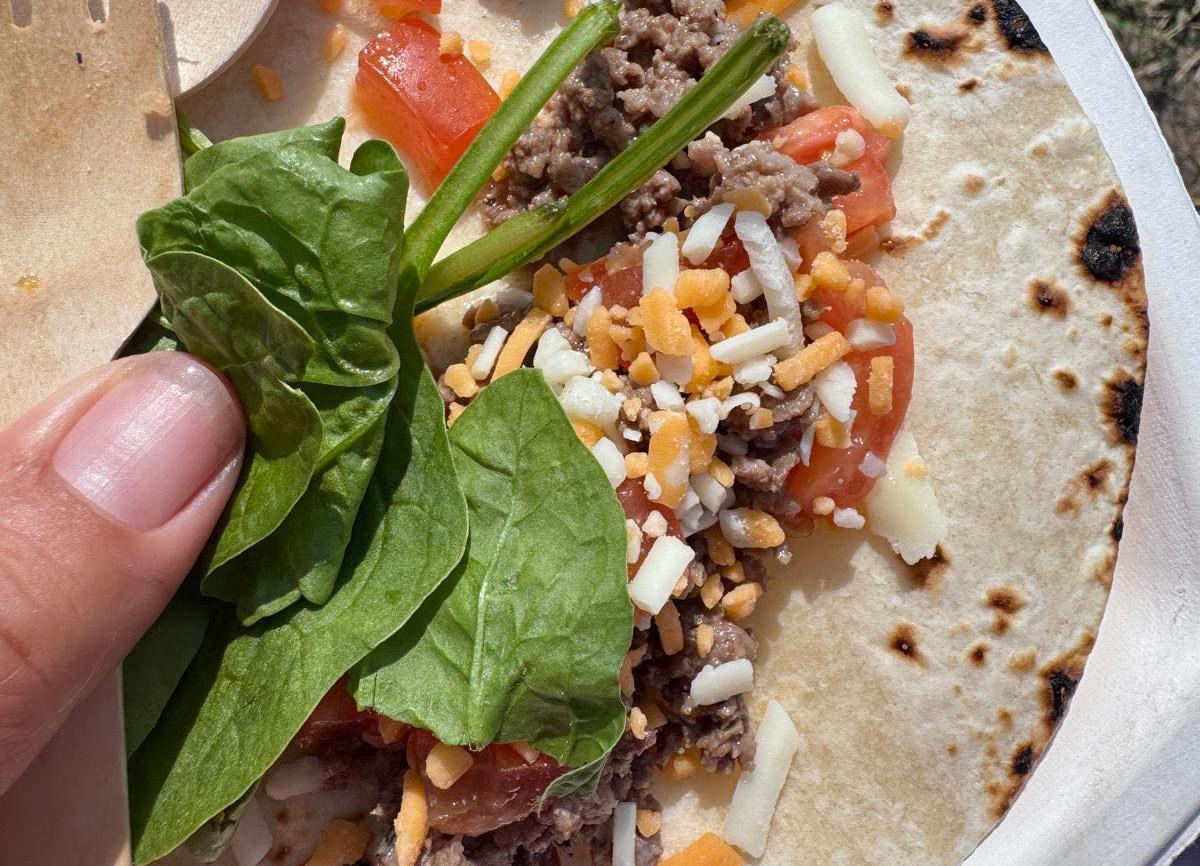
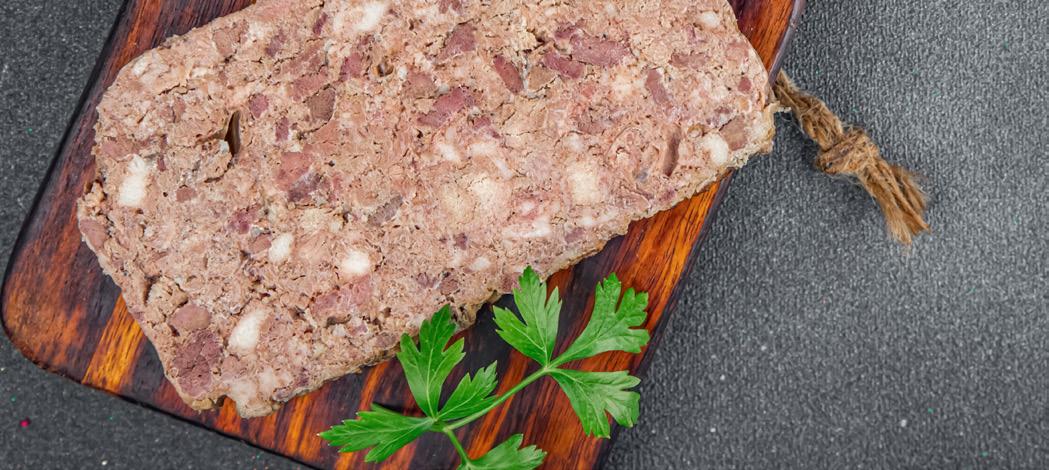
“Indigenous culinary tourism means different things to different consumers and operators,” says Young. “In most cases, you’ll find a blend of traditional ingredients, including foods locally sourced and harvested from the land and sea resulting in contemporary modern cuisine. This can mean many inventive dishes including bear tacos, rabbit stew, seal terrine, moose burgers, locally grown vegetables, herbs, berries, seaweeds, and much more.”
Making the province unique from the get-go, it’s one of the only places in Canada that allow off-reserve restaurants to serve wild game.
Young says tourism is an avenue to reconciliation, as Native people share their food and traditions, creating opportunity for learning and
conversation. “It goes beyond eating. It’s about place, identity.”
As more people reclaim their ancestry, the scene grows, says Eric Bourgeois, who with business partner and fellow Mi’kmaw, Rob Thomas, operates Everoutdoor Adventures and the Saltbox restaurant in Benoit’s Cove at the base of the Blow Me Down mountains.
“It’s young, exciting, and I can’t wait to see where it goes,” says Bourgeois. One experience, aimed at cruise ships and groups, sees a local Mi’kmaw elder guide groups through Indigenous sites from Corner Brook before a presentation and Indigenous food experience at the Saltbox. Everoutdoor also offers a Zodiac tour and food, storytelling, and step-back-in-time experience to resettled Woods Island, from where the government relocated many Mi’kmaq. Bourgeois adds many families were forced to hide their ancestry to protect their children from being taken to residential school.
“This is an opportunity to get back in touch with the land and a culture that has been lost,” he says. “We wanted to discover our heritage and to honour our past. Whatever we can do, and do it with authenticity and pass on knowledge, then that’s what we’re going to do.”
In Twillingate, off Newfoundland’s northeastern coast, Crystal Anstey is
• Pirate’s Haven ATV Resort, Robinsons, Western Newfoundland. Famed for its locally harvested moose sausages and moose burgers, it also offers ATV tours, a beachside mug-up, longhouse dining, and a crab festival. pirateshavenadventures.com/ longhouse-restaurant
• Pollen Nation, Little Rapids, Western Newfoundland. The menu changes weekly depending on what’s available from local growers, foragers, fishers, and farmers. Farm tours available. Winner, ITAC Indigenous Culinary Tourism Award 2025. pollennationfarm.ca/dining-at-the-beestro
• The Saltbox, Benoit’s Cove, Western Newfoundland. Specializing in fresh seafood, it offers a tour with a culinary component. everoutdoor.ca/saltbox
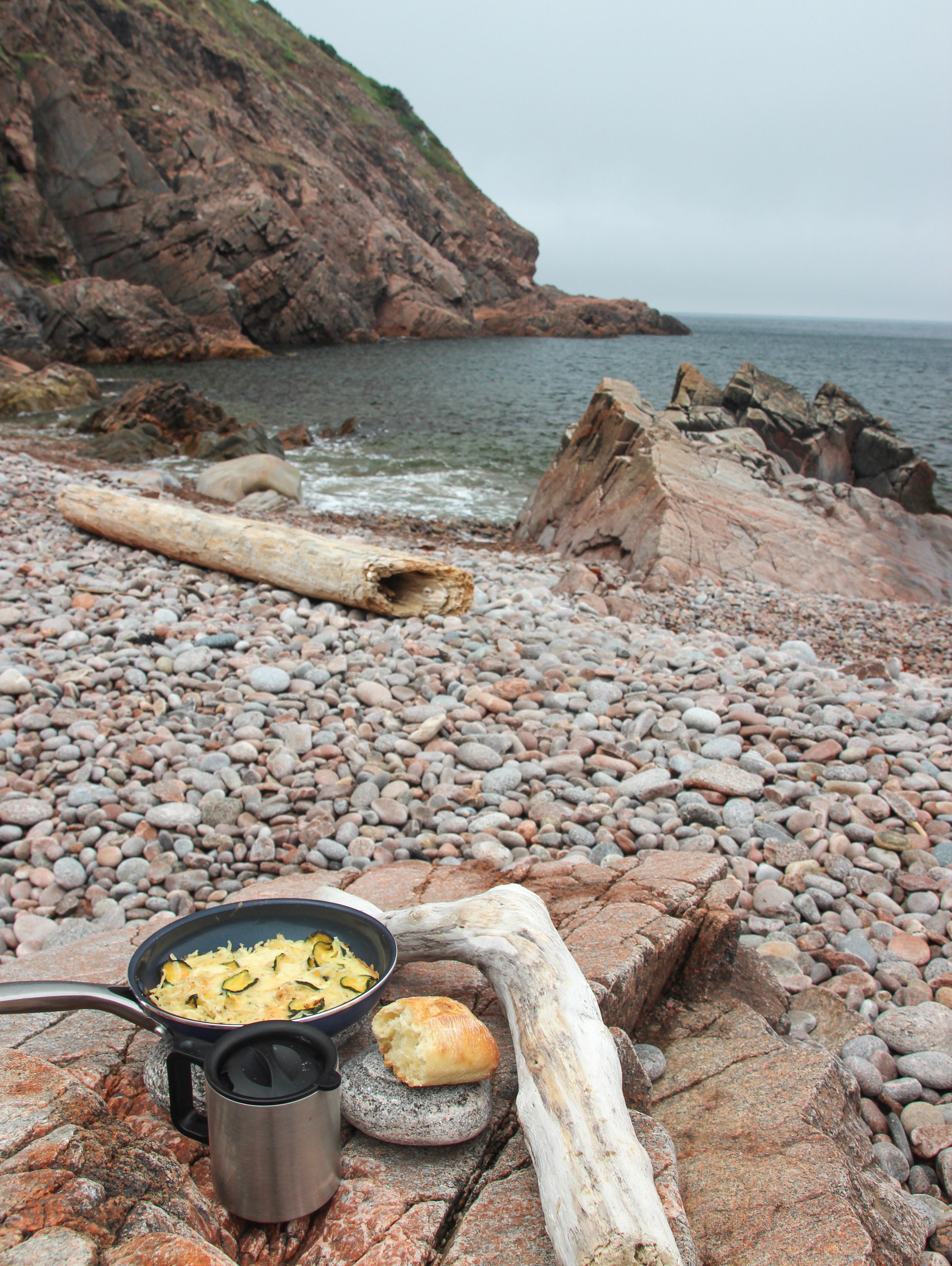
• Wild Island Kitchen, Twillingate, Central Newfoundland. A sea-to-plate experience with foraged foods and a beachside cook-up. wildislandkitchen.com
Tourism is an avenue to reconciliation, as Native people share their food and traditions, creating opportunity for learning and conversation, says Barbara Young of the Newfoundland & Labrador Indigenous Tourism Association.
Wild Rabbit Stew
Serves 8
INGREDIENTS:
2 rabbits (snowshoe hares), trimmed and cubed
3 tbsp (45 mL) all-purpose flour
½ tsp (2.5 mL) garlic powder
½ tsp (2.5 mL) salt
½ tsp (2.5 mL) black pepper
3 tbsp (45 mL) olive oil
1 onion, chopped
4 celery stalks, cut into 1-inch pieces
6 cups (1.5 L) broth
½ cup (125 mL) red wine (optional)
1 lb (454 g) potatoes
4 carrots, cut into 1-inch pieces
1 pinch of summer savory
2 tbsp (30 mL) cornstarch (as needed)
2 tsp (10 mL) water (as needed)
METHOD
1. Trim rabbit meat off the bones and set aside. Add the carcass along with 6–7 cups water with a few carrots to a roasting pan and place in the oven at 350F/175C for 1–1.5 hours. This will provide the 6 cups of broth needed for the stew.
2. Combine flour, garlic powder, salt, and pepper. Toss rabbit pieces in the mixture.
3. In a stew pot, heat oil, then sear off rabbit pieces until the meat is nicely browned. Remove from pot and set aside.
4. Heat oil, then add onions and cook until soft, about 3 minutes. Add broth and wine.
5. Stir in rabbit meat, potatoes, carrot, celery, and savory. Bring to a boil then reduce heat to medium, cover and simmer for 1 hour to 90 minutes until rabbit meat is tender. To reach desired consistency, you may need a cornstarch slurry. Slowly add to stew to reach desired consistency.
6. Add salt and pepper to taste.
Source: Buoy & Arrow Restaurant and Suites.
the owner, operator, and lead guide of Wild Island Kitchen. She offers culinary and foraging experiences and beach cook-ups in wildly beautiful locations.
Anstey’s family background on her father’s side is Inuit and Innu from Labrador. Her paternal grandmother was a residential school survivor, which caused trauma in the family. Her parents met while her mother, from Twillingate, was in Labrador on student exchange. Although raised in Twillingate, and outside the culture, she always felt a connection. Growing up, she was immersed in nature, living the culture without realizing it, and today, her business — “a lot of simple food cooked over the campfire” — is a love letter to both sides of her family.
Anstey’s most popular experience features ingredients sourced that day from fish harvesters to her garden, served in a weather and tide-dependent location, also determined that day. As she cooks over an open fire, guests may spot an eagle overhead or a whale in the waters and find themselves connecting.
“It’s a safe place for people around the fire,” she says. “It’s interesting to see them open up. The whole three hours, I’m thinking of my family. It makes me feel at home, and safe. I’ve always cooked over an open fire … It’s a form of reclaiming my life.”
Newfoundland and Labrador is a huge province with many different Indigenous people. Along with distance, the culture was often previously hidden. “People are only just finding themselves again ... starting to explore the possibilities. And to be comfortable in their own skin. People are finding their way home, trying to find some peace. Food does that.”
Award-winning flavours
The Buoy and Arrow Restaurant won the 2025 Culinary Tourism Alliance Culinary & Agritourism Award of Excellence from Hospitality Newfoundland and Labrador. The award honours people, businesses, and projects that showcase the province’s foods, beverages, and culinary traditions.
Home from the sea
Discover gritty, and sometimes heartbreaking, stories at Newfoundland’s Sealers Interpretation Centre
story and photography by DARCY RHYNO
The John C. Crosbie Sealers Interpretation Centre in Elliston, N.L., isn’t like most museums. It tosses visitor emotions like a ship in a North Atlantic gale.
In the 19th and early 20th centuries, ships sailed from ports in Newfoundland and Quebec to ice floes where they released armies of seal hunters: 13,000 sealers aboard up to 400 sailing ships in the early 1800s. The men fanned out across vast icefields to club seals and drag them back to the mother ships. Sudden blinding storms that could break up ice made the work perilous. The centre gives a sense of what it was like to find oneself lost and unreachable, slowly perishing in the penetrating, relentless cold.
The centre is a tribute to the thousands of men who risked their lives, scouring the frozen ocean for their prey. The photos, stories, objects, and art reach across time to wrench you into a past where you feel the weariness in your limbs as you lean into a blizzard in a life-and-death struggle to return to your ship, only to have your feet, hands,
and face go numb with frostbite, your mind a squall of delirium. Those who reached their ships then had to hope the captain could successfully navigate out of the ice and back to port.
Still, many considered sealing worth the risk, both for the adventure and the financial rewards. Many Newfoundland fishermen worked via the “truck system,” in which they traded their catch for goods like basic food and clothing. Sealing, on the other hand, brought cash into the household. Still, profit was far from guaranteed. The centre tells the story of one ship, the Diana, which earned each crew member $184.30 (over $6,500 today) from the sale of 41,104 seals in 1891.
That ship brought home just 476 seals in 1915, earning each hand $2.35 (about $75 today) for weeks of exhausting, dangerous labour.
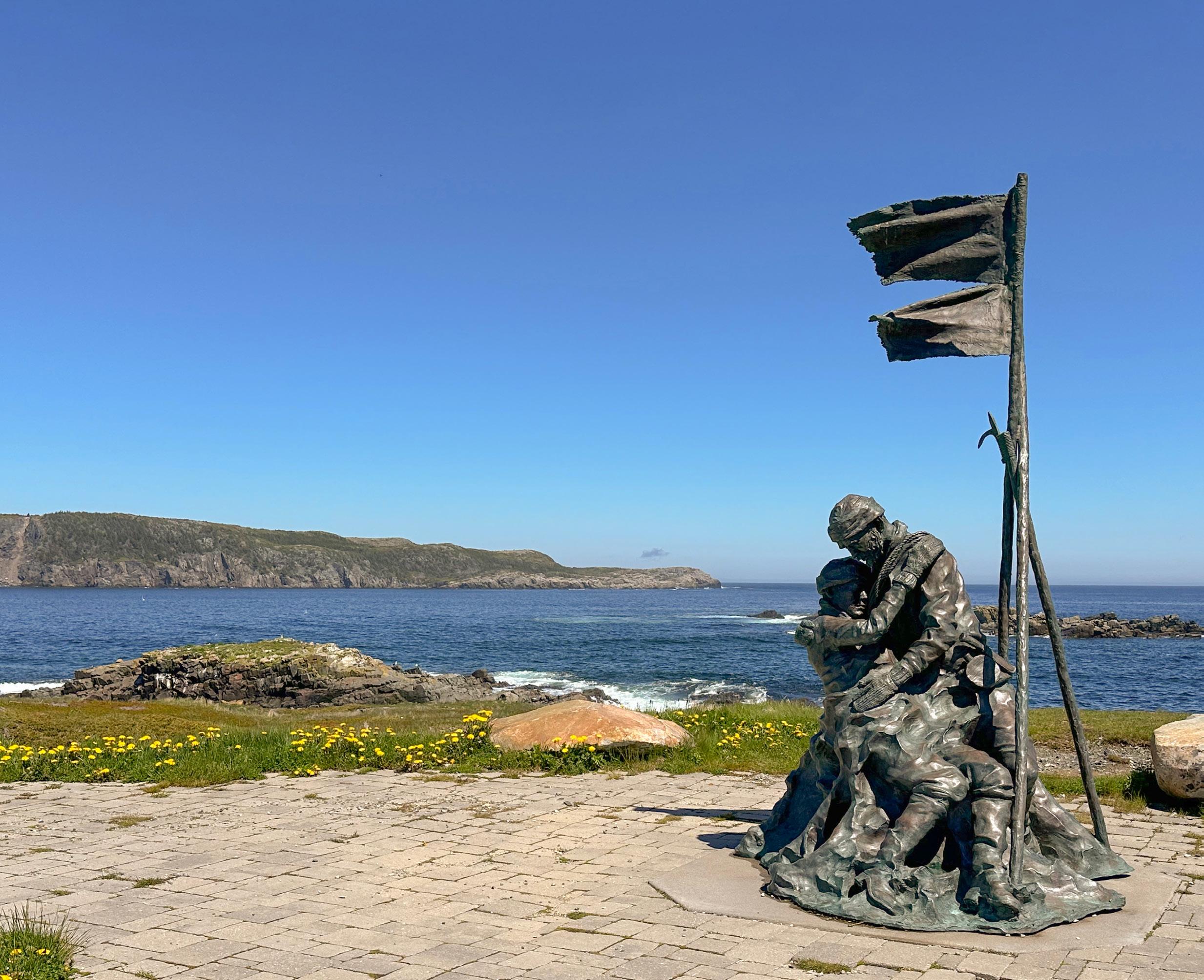
Over the years, workers hunted and processed millions of seals for their oil, skins, and meat, sustaining countless families and whole communities. By 1914, the year of the industry’s worst disaster, only 20 steamers remained. The centre is one of four components that comprise the “Home From The Sea” site, but it’s not even the most moving. The other three parts are outside — an interpretive walkway, a granite wall etched with the names of 365 sealers from a hunting tragedy in 1914, and a statue of two of their number, Reuben and Albert John Crewe.
The Crewes were among 78 men from the SS Newfoundland lost in a storm on the ice. Days later, 173 more perished in heavy weather when the SS Southern Cross sank on its way back to port with a heavy load of seal pelts. Visitors walk from the centre, down the interpretive walkway past the granite wall to a rocky, exposed promontory.
There, the scene of the 16-year-old son dying in his father’s arms, frozen in bronze, concentrates the grief of this major tragedy into a single moment. Witnessing their demise in this lonely place overlooking the sea stabs like an icicle through the heart.
Albert John Crewe’s mother, Mary, dreaded her son’s first sealing trip, more so because her husband, Reuben, accompanied the boy to protect him. Reuben had already survived the SS Greenland sealing disaster of 1898 that killed 48 of his crewmates. Against her wishes, the two set off, and a few days later on March 31, 1914, Mary woke from a vision that came true, captured in the sculpture of her husband cradling his dying son as they both perished.
Mental images of the mass slaughter of wildlife conjured by the centre’s artifacts are as jarring as those of the doomed seal hunters themselves. You can almost see the scarlet-stained ice when examining the centre’s century-old black and white photos, depicting teams of men clubbing their
way through a seal herd. A single ship’s crew could slaughter tens of thousands in one trip, returning to port laden with heaps of furs.
The seal hunt continues today, although at nothing like 19th-century levels. “It’s pretty highly regulated,” says Gil Theriault, director of the Intra-Quebec Sealers Association and former international food critic. “There aren’t many people out there who know how to hunt.”
Theriault offers three-hour online courses for hunters around Atlantic Canada who want to qualify for a licence and go out on their own. Pressures such as international bans on seal products, conflicting regulations in Canada, and a lack of processing facilities have severely restricted the market.
“The quota for the whole Gulf of St. Lawrence is around 60,000,” says Theriault. “But we don’t talk about quotas anymore because we barely scratch the surface. We take five per cent.” While populations still haven’t recovered to pre-sealing times, the seal recovery is now one of the planet’s great wildlife comeback stories.
Theriault says the grey seal population grew from roughly 10,000 in the 1970s to over 400,000 today, a level that raised the species to the “Not at Risk” level by the Committee on the Status of Endangered Wildlife in Canada. Today, the harp seal population has recovered from near extinction to number 7.4 million.
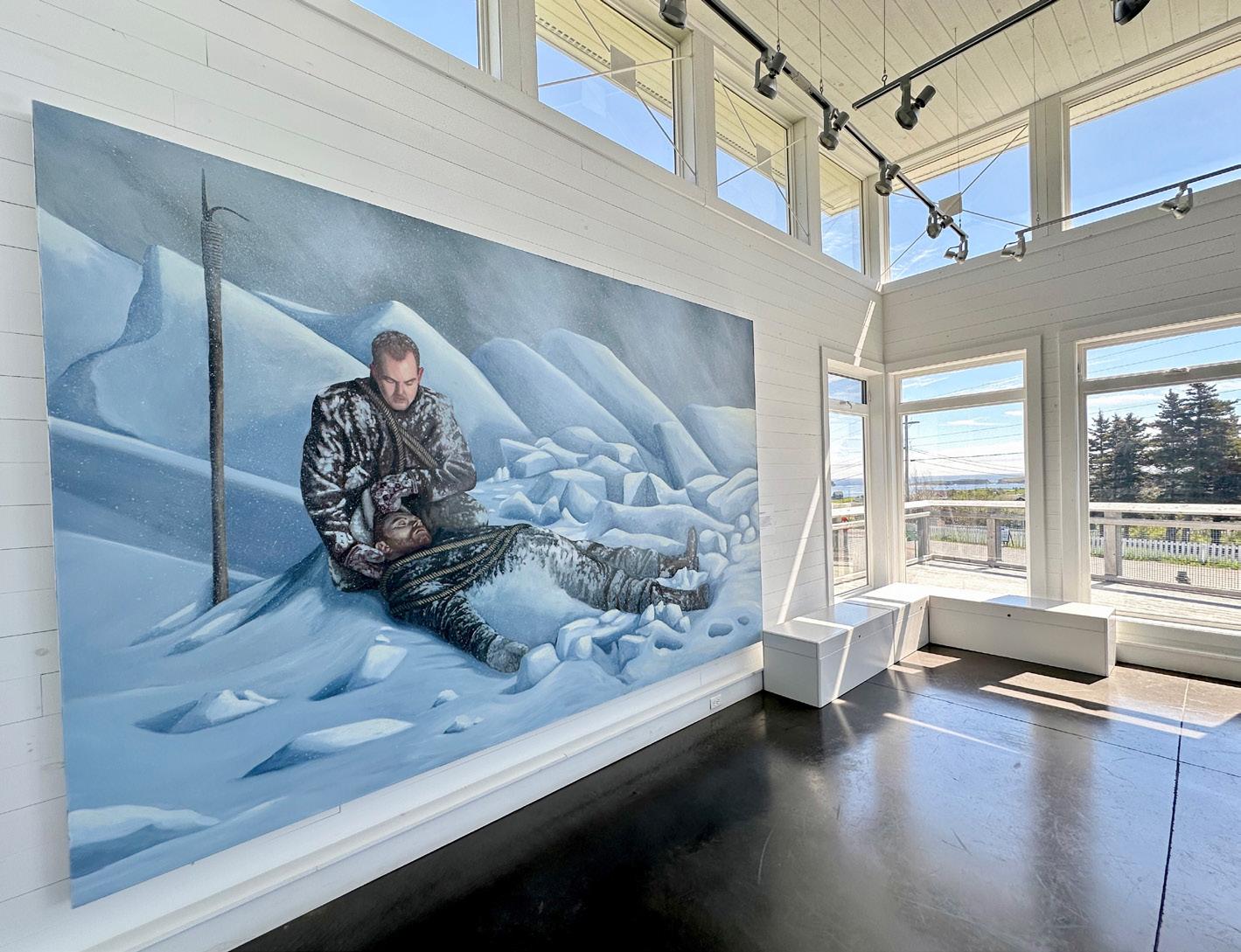
At the Sealers Interpretation Centre, it’s the dual impact of the human suffering and the decimation of entire species that leaves a deep impression, but it’s the stories of individual hunters that resonate. In a room bathed in light, one painting fills an entire wall. As with the Crewe sculpture, the artist captures a moment that’s both distressing and beautiful. Against a wall of buckled ice, a sealer lies frozen, snow building in drifts around his cold corpse, his head cradled in the mitts of his comrade who sees his own fate foreshadowed in the dead sealer's face.
One of three paintings comprising “You don’t know cold” by Newfoundland artist John MacDonald, on display in the Elliott Art Gallery.
Excursion around the bay
Discovering Gros Morne's enclave communities
story and photography by DARCY RHYNO
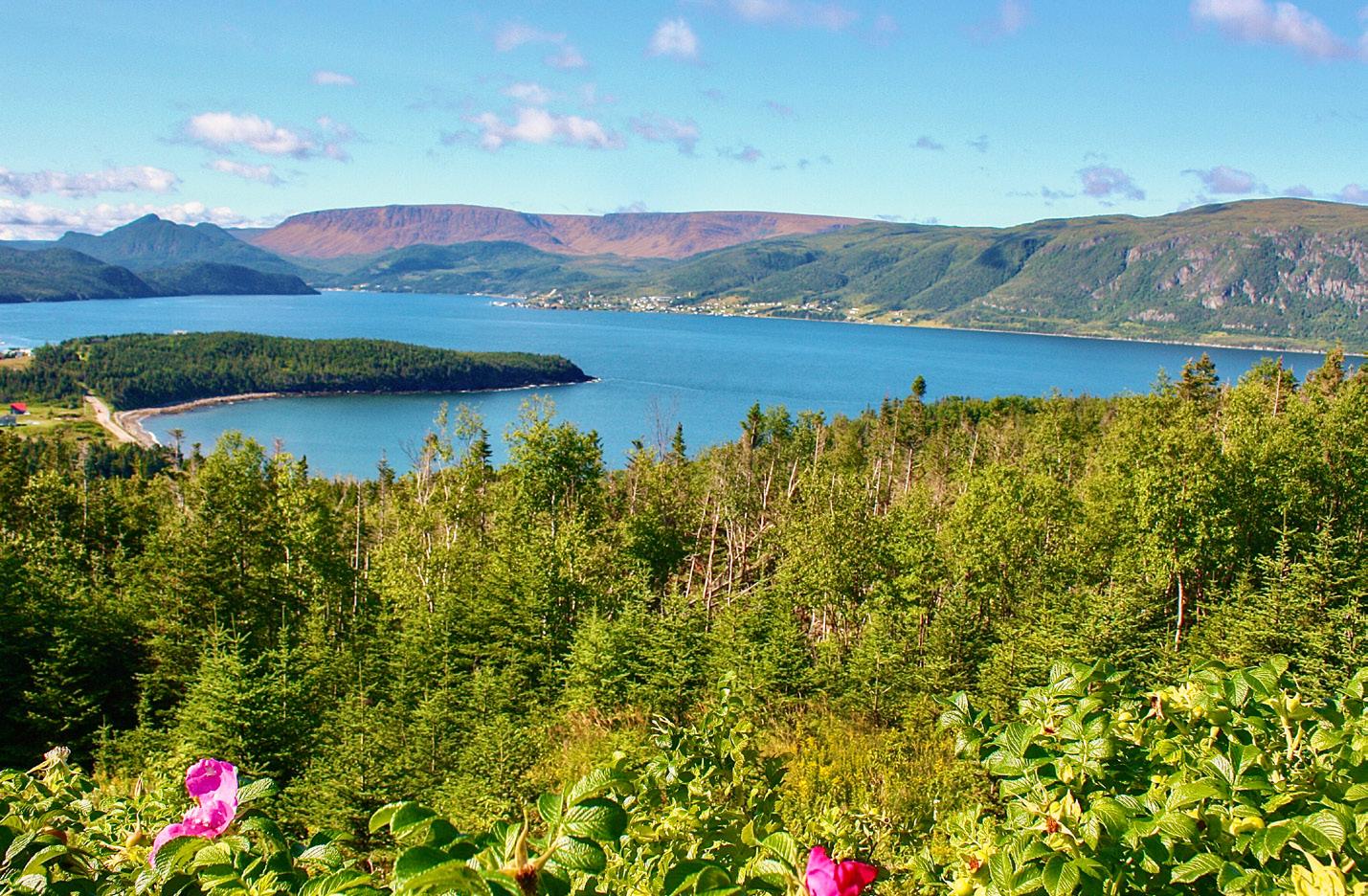
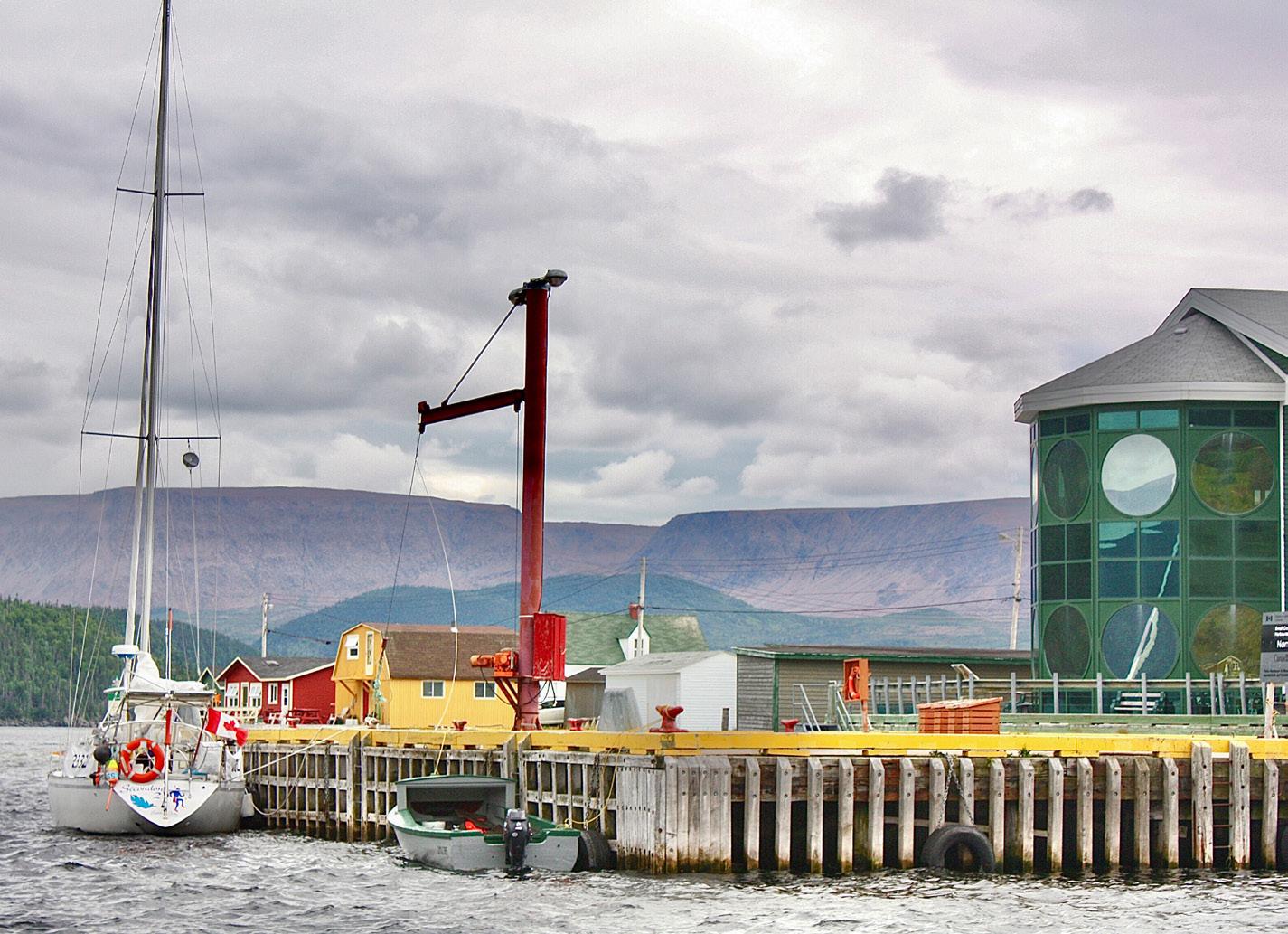
Chugging from Norris Point to Woody Point, N.L., the local water taxi carves a V into the mirror-flat waters of Bonne Bay. The wild, forested slopes of Gros Morne National Park’s tabletop mountains plunge into the fjord, protecting it from the open North Atlantic. To the northeast, the hulk of Gros Morne Mountain looms. To the southwest, the treeless plateau of the Tablelands rises in rusty red over the green shoreline.
The 15-minute crossing aboard the BonTours Breeze cuts off an hour’s drive around Bonne Bay’s east and west arms. It’s also a mini-cruise through some of Atlantic Canada’s prime
scenery. Norris Point and Woody Point, two of several enclave communities carved out of the park, add deep cultural and historical context to the grand landscape.
Norris Point is a loose collection of homes, inns, restaurants, and quays around a horseshoe peninsula punctuated with a rocky hill. The water taxi docks near the Bonne Bay Marine Station where an aquarium is home to species from the depths of the fjord — lobster, crab, starfish, and grimacing Atlantic wolffish.
Woody Point is a seaside village with a string of former fishing sheds transformed into a handful of bars and restaurants. The beating
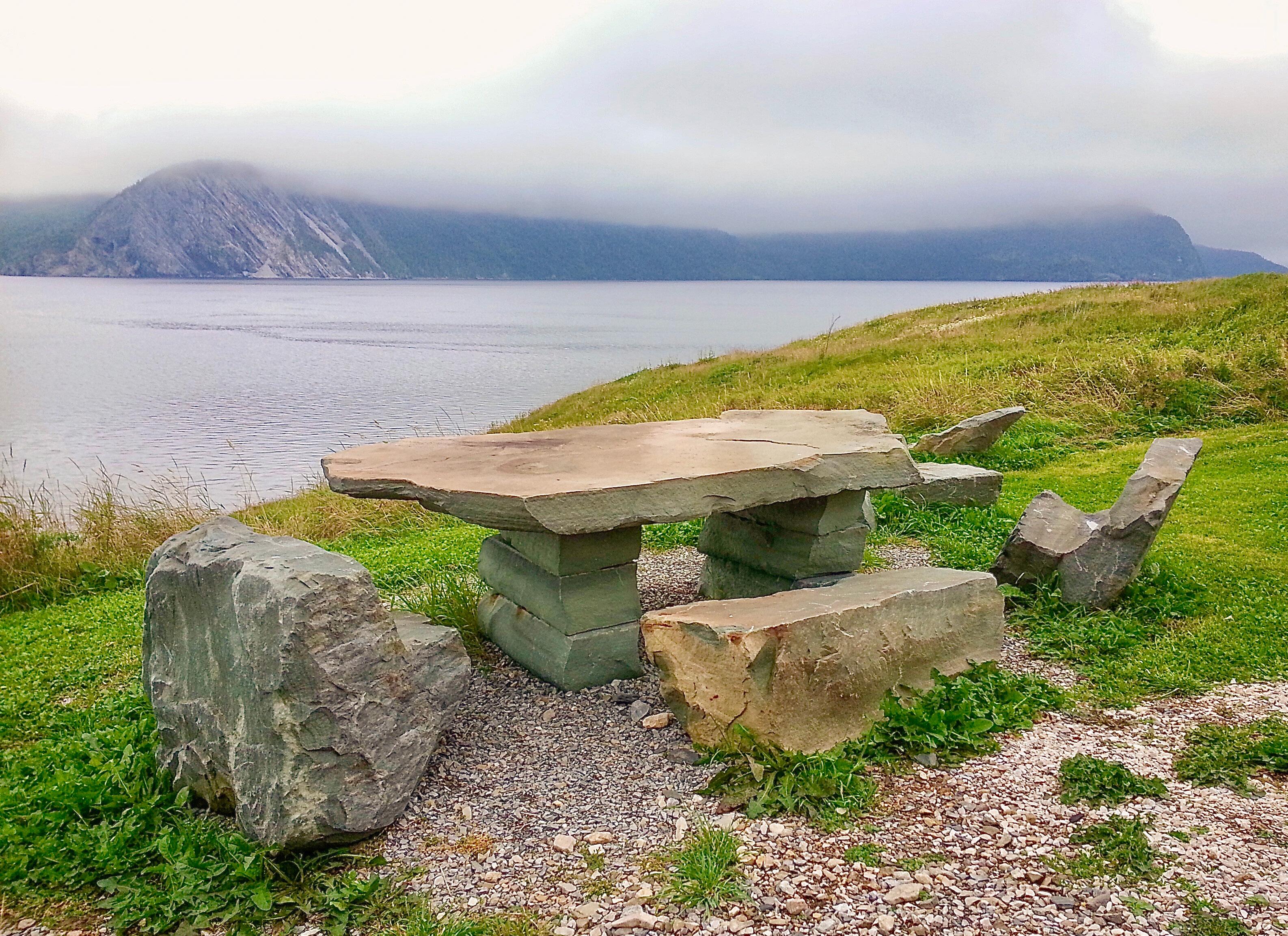
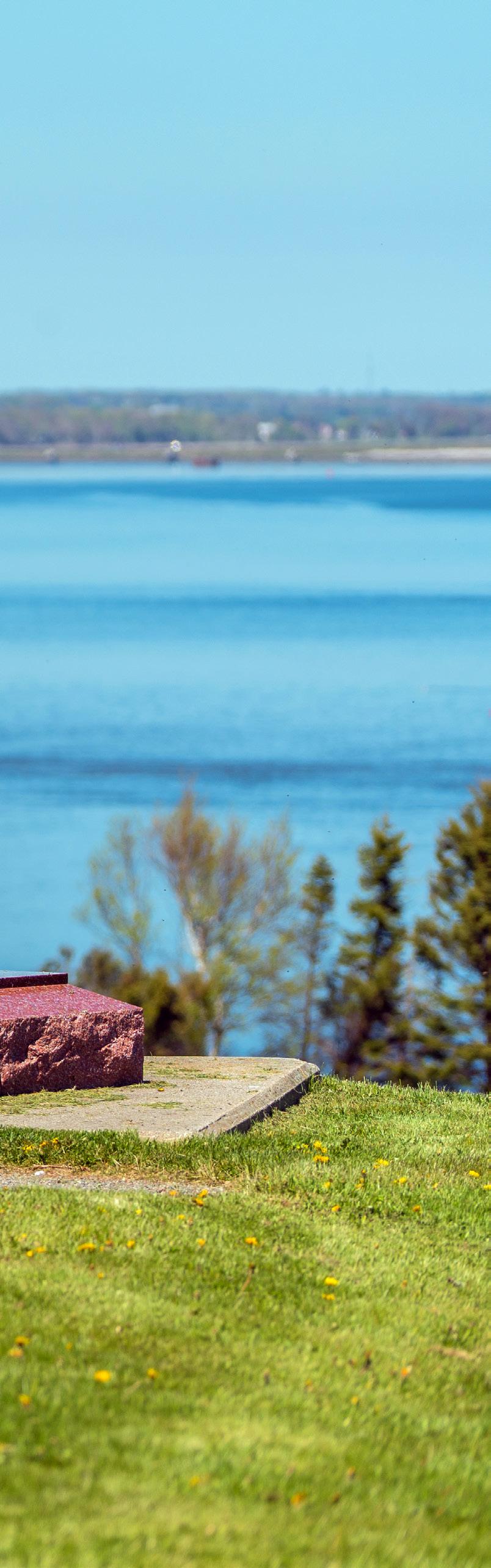
A stone picnic bench and seats overlooking the waters of Bonne Bay and the surrounding rocky cliffs.
heart of this tiny hamlet is the Woody Point Heritage Theatre, a handsome, two-storey hall that hosts a Newfoundland fixture, the annual Writers at Woody Point festival. Every year since 2004, literary giants have headlined the festival, including Margaret Atwood, Michael Crummey, and Alexander McCall Smith, plus musicians like Bruce Cockburn, Gord Downie, and Alan Doyle.
In 2016, organizers created a spinoff called Comedy at Woody Point where big names like Cathy Jones, Shaun Majumder, and Ron James provoke belly laughs. Majumder
credits his upbringing in rural western Newfoundland for his folksy, grounded sense of humour.
“If you’re growing up in rural Newfoundland, you don’t have the influences you have in Toronto in terms of size, consumerism, and having the same channels as everybody else,” says Majumder. “But you go outside and there’s a moose in your back yard. It’s a different kind of upbringing.”
Similarly, Kevin Blackmore, lead of the Newfoundland musical comedy group Buddy Wasisname and the Other Fellers, says, “I spent a lot of time in the woods with my buddies.
360 degrees around you is woods, lakes, and rivers for hiking, fishing, camping — anything that would carry us out to the woods.”
It takes ingenuity to entertain oneself in small, isolated Newfoundland communities, according to Blackmore. “I remember screwing a doorstop on my mandolin. It made wonderful punctuation at the end of a phrase. I screwed a bicycle horn to the bottom of that.” Of the self-deprecating, homemade humour his band is known for, he says, “You’re having fun within a culture because you’re part of it.”
Across Bonne Bay is Rocky Harbour, the largest of the enclave communities, where another musical comedy group is a fixture at the Ocean View Motel. The Ocean View’s Anchor Pub is home to the thrice-weekly performances by the Anchors Aweigh Band. Lurching from toe-tapping dance tunes to heart-clenching ballads to one-line zingers, the band puts on a rollicking show. Like Blackmore and his doorstop-bicycle horn-mandolin, the Anchors Aweigh Band employs a homemade instrument in its self-deprecating musical humour: the ugly stick.
Tour operators Under the Stump include an Ugly Stick 101 class on their all-terrain vehicle tours. A classic Newfoundland homemade musical instrument, the ugly stick is a wooden handled mop or broom with sets of bottle caps, tin cans, bells, or other noisy accoutrements. The mop end of this “ugly” percussion instrument is often dolled up to resemble a face. The whole apparatus is banged on the floor in time with the music.
There’s more original Newfoundland humour and culture found in local shops. One Rocky Harbour store advertises liquor, fudge, and crafts, pulling in many curious passersby. Chocolates flavoured with Screech, a dark rum unique to Newfoundland, share the shelves with jams and other preserves made from foraged local fruit like partridgeberry, bakeapple, and crowberry, all made
Top: Stunning views surround Bonne Bay, from the treeless Tablelands to the dramatic mountains, including Gros Morne Mountain. Above: The local water taxi docks near the Bonne Bay Marine Station.
by a business called Dark Tickle. In Newfoundland, a “tickle” is a narrow passage of water.
There’s more to learn about Newfoundland through its food at the Sunset Café. In the local dialect, Cod au Gratin, a menu favourite, is pronounced cod-a-GRAT-n. The cod fishery drew settlers to this island and served as the backbone of the economy for close to 500 years. While the commercial fishery all but died out in the 1990s with the collapse of cod stocks from overfishing, there’s still a small, local fishery. Topped with cheese, baked in a creamy sauce, and given a swanky French name, Cod au Gratin is fine eating.
Today, Rocky Harbour owes much to the creation of Gros Morne National Park, now a World Heritage Site. Founded in the 19th century as a fishing village by French fishers and English merchants, the community grew quickly from 35 in 1874 to 357 in 1921. Although growth stagnated in the early 20th century, the park’s creation in 1973 and the tourism related businesses that sprung up gave the town a second growth spurt, reaching a population of nearly 1,000 by 2021.
Green, grassy grounds at the edge of town are studded with bone-white headstones, which testify to the depth of settler history on these shores. On the face of every stone, epic stories of whole lives are contained within a few carefully selected words. One reads, “In loving memory of William Young, lightkeeper, beloved husband of Esther Young, died Aug. 14, 1941, aged 73 years.” And on the next stone from just three months later, “In loving memory of Esther Young, beloved wife of William Young, died Nov. 16, 1941, aged 73 years.”
Family histories encapsulated in a few words, a water taxi, a writers festival, foraged berry preserves, ugly sticks, and musical comedy. These unique Newfoundland traditions define the lively enclave communities set among the wondrous landscape of Gros Morne National Park.
Seared Sea Scallops with Beet Pureé and Orange Butter
Serves 8
INGREDIENTS:
3 large beets
¼ cup (60 mL) dry white wine
1 orange
4 tbsp (60 mL) unsalted butter
12 large scallops
Sea salt
Ground white pepper
METHOD
1. Roast beets in a 350F/177C oven for 45 minutes or until a fork slides into them without much force. Cool beets and peel, purée in a food processor until smooth. Place beet purée in a small pot.
2. Heat white wine and reduce by half, then add juice and zest of orange. Whisk in 3 tablespoons of butter and set aside.
3. Melt the remaining butter in a hot pan. Cook scallops until crisp on the outside and just warm on the inside.
4. Reheat beet purée, season to taste with salt and pepper, and mould into a round in the centre of each plate.
5. Pour the orange butter around the beet purée, and arrange three scallops atop the purée on each plate.
Source: Chef Jason Lynch at Neddie’s Harbour Inn
The city at the edge of the continent
Exploring downtown St. John’s
by DARCY RHYNO
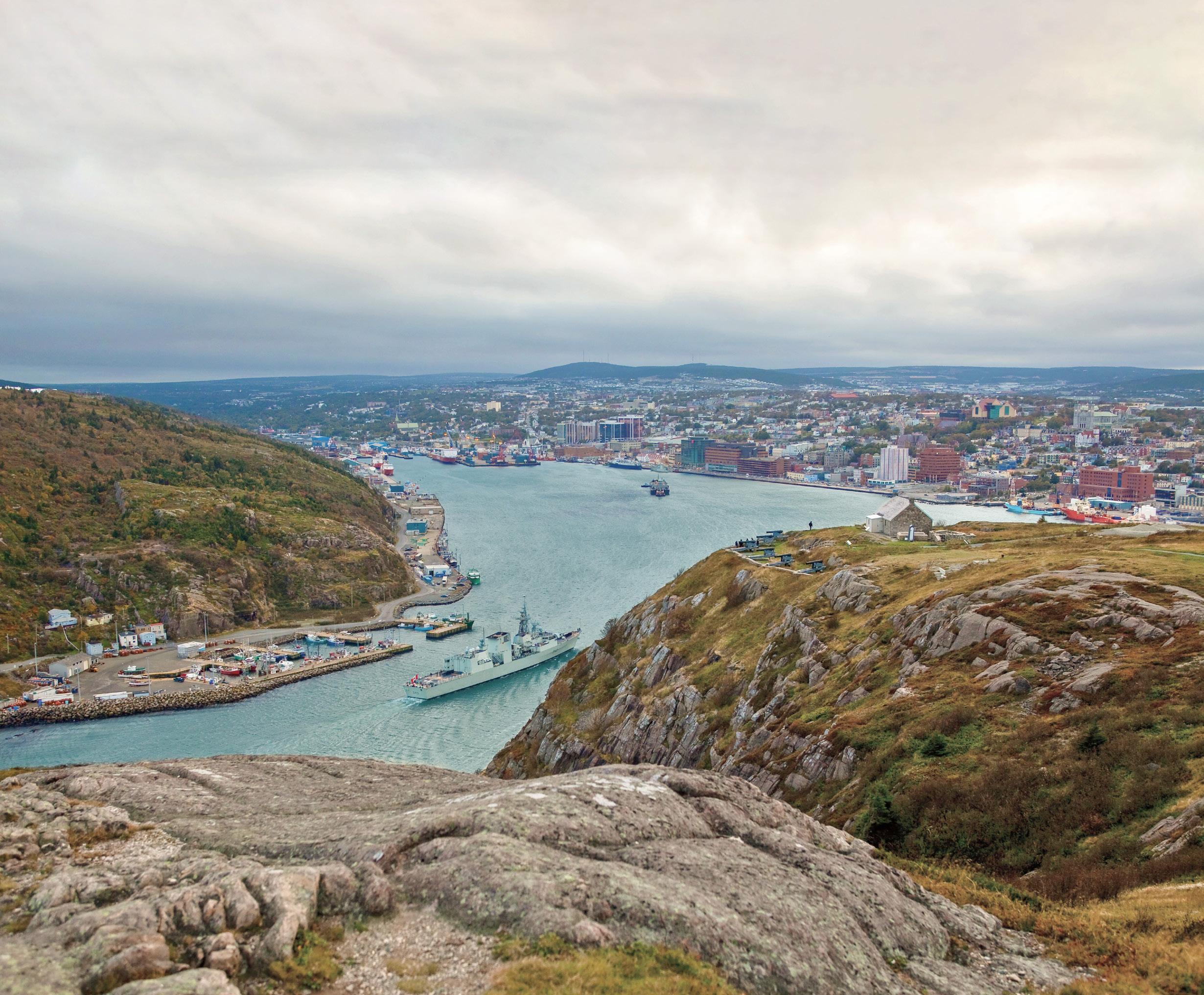
Leaning into the wind on Signal Hill overlooking the North Atlantic, one can imagine some giant knife cutting a thin slice out of the bald rock cliffs as if it was a cake. The opening into St. John’s Harbour is so slim, icebergs occasionally block the passage, known locally as the Narrows. Here on the edge of the continent, the entire downtown of Newfoundland and Labrador’s capital city is visible.
Pete Bennett and Kim Neale, visiting from Nova Scotia for the first time, found the perspective magnetic, drawing them into the scene before them. “You get a view of that part of the city, this stunning, multicoloured mass of houses
and streets on the hillside, leading down to this very secure harbour with a tiny entrance,” says Bennett. “The downtown is quite distinctive from the rest of the city. It’s like a little town in a big metropolis.” The metropolitan St. John’s area has a population of 239,000, almost half of the province’s population of 550,000.
Crowning the streetscape across the narrow harbour is the optical illusion that is the Rooms. This mammoth modern art gallery, museum, and cultural centre is designed to look like three Newfoundland fishing sheds. It towers high over its surroundings, dwarfing the Gothic revival Roman Catholic cathedral a street below.
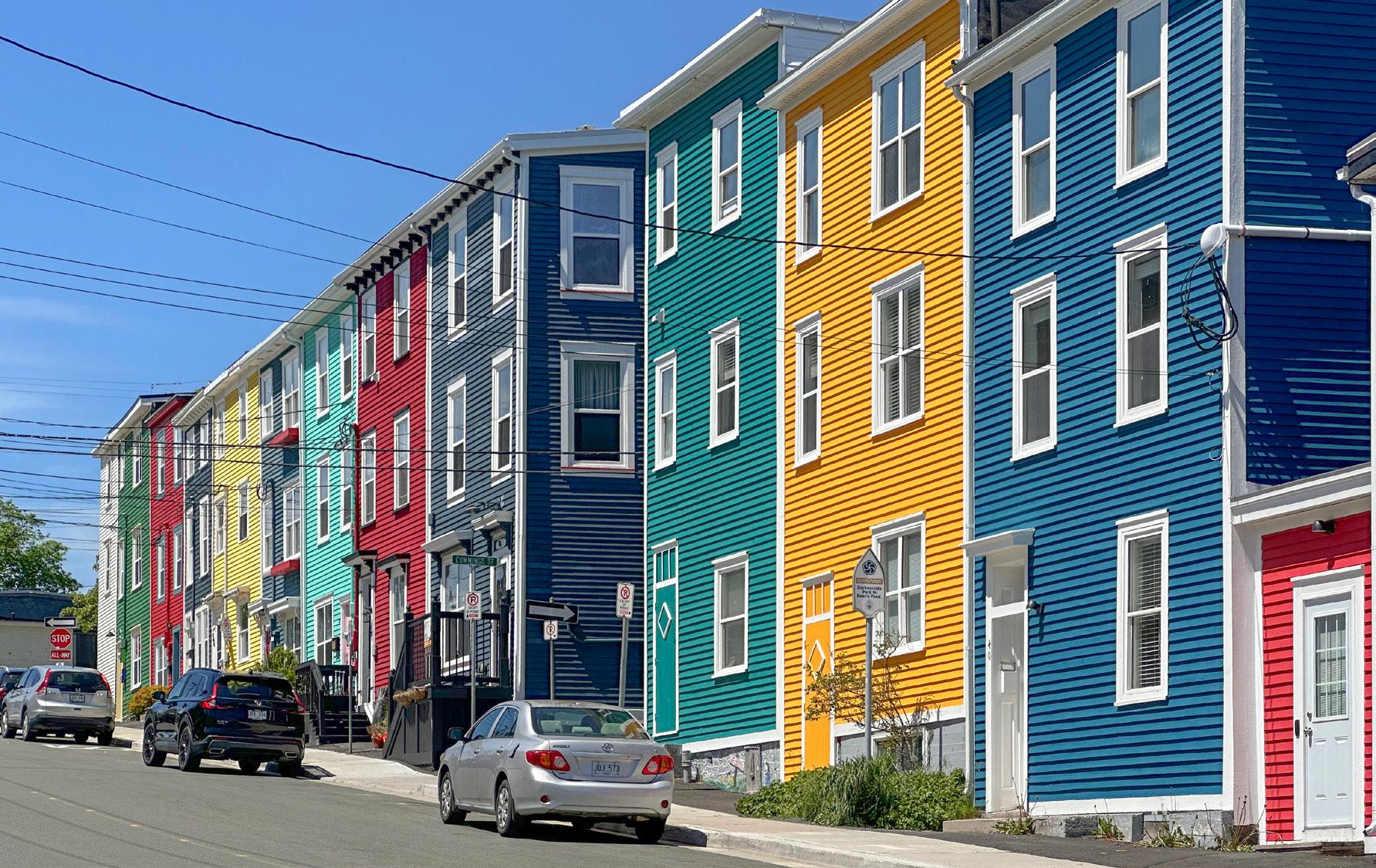
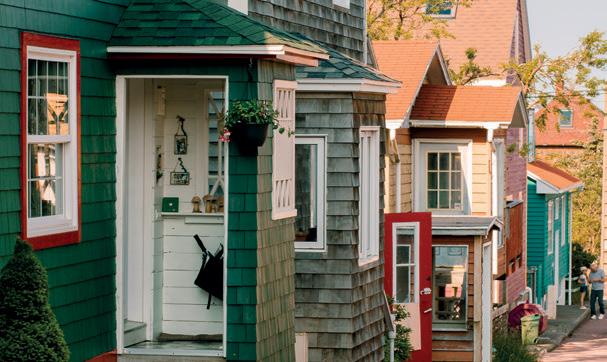
The historic houses of Jellybean Row attract many visitors and inspire artists.
The contrast gave rise to a joke that refers to the Rooms as the box the cathedral came in.
Settled five centuries ago and incorporated in 1888, St. John’s is the most easterly city in North America. It stretches a dozen blocks along the waterfront and up four steep streets — Water, Duckworth, George, and Gower — between these two distinctive landmarks, the cathedral completed in 1850 and the Rooms opened 20 years ago.
Small shops, pubs, and restaurants are scattered among colourful houses on streets residents refer to as Jellybean Row. The practice of painting houses bright colours began in the 1970s as a collective effort to spruce up what was then a rundown downtown. Today, these vibrant Victorian row houses are a tourist attraction.
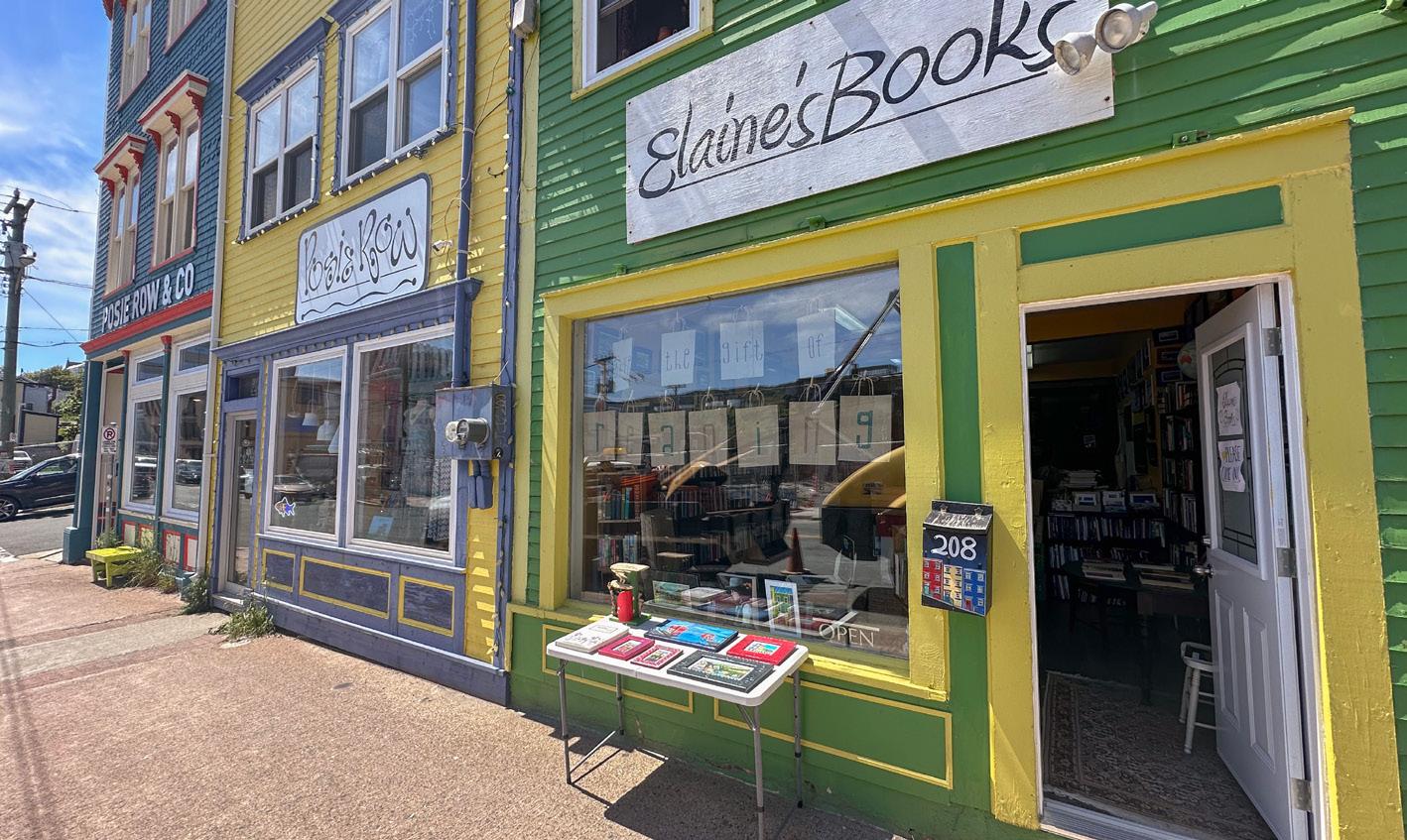
In a set of façades as colourful as jellybean houses, stores along Duckworth Street hint at the variety of small businesses thriving in the downtown: Posie Row handmade gifts, the Doghouse pet supplies, Elaine’s Books, Sinaing Filipino food, Sun Sushi.
“The independence of the shops, the friendliness of the people, and the music scene” impressed Bennett. A lifelong music fan, he enjoyed browsing the vintage vinyl at Fred’s Records, in business more than 50 years, while Neale, an animal lover, was drawn to the Mad Catter Cafe, which doubles as a cat adoption centre. They were intrigued by menu curiosities at the Bagel Cafe like toutons, traditional Newfoundland fried bread dough topped with anything from molasses to cod to bologna and eggs. “That place seems an institution for breakfast on a Saturday or Sunday,” says Bennett.
A contrasting cosmopolitan, contemporary vibe defines the other end of the downtown. Big, brash rock star portraits line the walls of the Jag Hotel lobby and Zimmy’s Restaurant and Lounge on the ground floor overlooking George Street. In summer, an outdoor stage pulls pub patrons into the street. The loud surroundings fit the reputation of these few blocks as the heart of
the city’s nightlife, boasting Canada’s highest number of bars per capita.
“One evening, we must have gone into three or four different bars for the music,” says Bennett.
“The downtown core was hopping and full of energy,” adds Neale. “It was way more alive than either of us expected. Downtown especially at night was so vibrant with open air music. You can hear house music. You can hear Irish music. It was wonderful for people of all ages.”
After a busy night of pub hopping, the couple needed a head-clearing stroll. Along the working waterfront where coast guard ships, freighters, and fishing boats dock, a brisk walk brings you to a fitting memorial, the Terry Fox statue. A Canadian hero, Fox ran halfway across Canada on one leg to raise funds for a cancer cure, the disease that took his life and ended his Marathon of Hope in 1980. From there, the way leads past history-evoking murals to the Battery, a neighbourhood of small houses and shacks balanced on a craggy cliff over the harbour. The challenging North Head Trail that runs beneath, then to the top of Signal Hill before returning via the road back downtown.
“We wove our way through the Battery to the start of the cliff walk,”
says Bennett. “Some of the houses on stilts were wonders of construction.”
“We wanted to keep going to see what was around the next corner,” says Neale. “That’s how we ended up on the trail.” They met a few local characters along the way, including, in typically quirky Newfoundland fashion, a woman walking her poodle which was wearing a jacket emblazoned with his name — Arthur Fudge.
“Suddenly you’re on a trail that takes you into the sky,” says Neale. They found the trail that winds among the rocky outcrops challenging but absolutely rewarding.
“At one point, a mass of terns and seagulls emerged from one of the rocks in a cloud,” says Bennett.
“I felt alive that day, that’s for sure,” says Neale, “and I felt a sense of achievement.”
“We headed straight for a cold beer,” laughs Bennett.
The couple came to St. John’s for a few reasons. “Everybody said you must go,” says Bennett. “Everything I read about it said St John’s is a mustsee place … Now, I just want to go back and explore more of the place.”
“I’ve had friends over the years from there, and they were such wonderful people,” adds Neale. “I wanted to see where they all came from.”
Echoing Jellybean Row houses, downtown shops are vibrantly coloured and welcoming to visitors.
The heart of the capital
Adventures
by AMEETA VOHRA
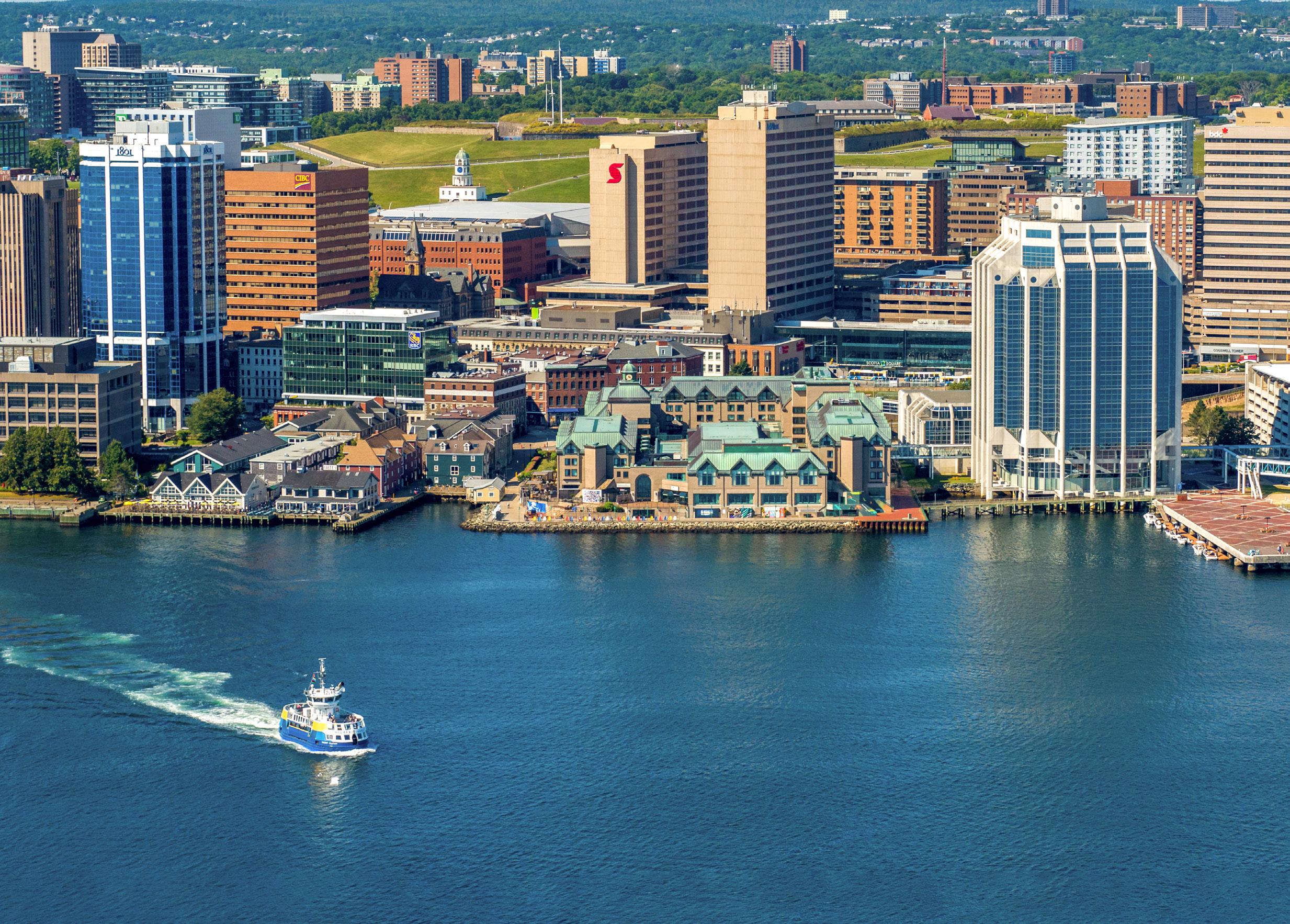
Avibrant, picturesque waterfront that offers something for everyone seamlessly connects the communities of Halifax and Dartmouth, N.S. Best of all, you can explore the heart of Atlantic Canada’s largest city in a single day.
Joggers begin their mornings on either side of Halifax Harbour with an early run, walkers take their dogs for a leisurely stroll, and early risers sip their coffees as they watch the ferries glide across the water.
Begin your morning on the Halifax side of the waterfront with a coffee from Terra Café in the Brewery Market on Lower Water Street, which brews beans from Dartmouth’s own Have Fun Coffee roasters. Add a shot of the house-made syrup for a flavourful kick. Sip your drink while taking in the sights from one of the colorful
Muskoka chairs, especially across from George’s Island, a prime spot for photography.
Next visit the Canadian Museum of Immigration at Pier 21. Outside the red-brick building stands a replica train, representing the journeys of immigrants who arrived in Canada seeking new beginnings. Inside, exhibitions share personal stories and highlight the diverse roots that shape Nova Scotia and our country — a meaningful stop for anyone interested in our shared heritage.
Steps away is the historic Halifax Seaport Farmers’ Market, one of North America's oldest markets, operating since 1750. The scent of fresh bread from Boulangerie La Vendéenne draws visitors in. Sample jams, seafood, and other local treats. Don’t miss That Dutchman’s Farm’s award-winning Dragon’s Breath Blue Cheese
around Halifax Harbour
or buttery almond croissants and baguettes from La Vendéenne. On market days, many visitors grab breakfast here to fuel their adventures.
Along the waterfront boardwalk, you’ll find a peaceful stroll surrounded by water, ship bells, and seabirds. Art installations dot the path, including the “Wave” sculpture near the Maritime Museum of the Atlantic, popular for climbing and photos. Nearby, kids enjoy the submarine-themed playground, and families relax in orange hammocks near Bishop’s Landing, swinging gently while taking in the sea views. Pop in to the museum to learn about Nova Scotia’s rich seafaring history through a variety of interactive exhibitions.
For adventure seekers, I Heart Bikes offers rentals for scenic rides, while Sea Halifax provides jet-boat tours. Kayak rentals are also available to explore the harbour from the water.
The Tall Ship Silva sails daily, offering narrated tours of Halifax’s maritime history. These experiences give visitors a chance to see the city from a different perspective and learn about its nautical past.
By noon, the waterfront’s culinary scene comes alive. Crème is a whimsical café adorned with floral garlands and a green bicycle at the entrance. Inside, crystal chandeliers and a carousel pony create a magical atmosphere. When you open the menu, butterflies flutter out. Try the flower-decorated cupcakes, raspberry mini éclairs, or a pistachio rose latte. Crème is more than a café, it’s an experience.
For seafood lovers, the Waterfront Warehouse serves fresh lobster, oysters, and cedar-planked salmon in a historic setting. Depending on the season, enjoy a cozy fireplace or dine on the patio near the harbour. The restaurant’s ambiance and menu make it a popular choice for locals and tourists alike.
At Bishop’s Landing, the Bicycle Thief offers “North American food with an Italian soul,” paired with East Coast hospitality. The lobster ravioli is indulgent, and the lobster roll, served in a buttery bun, is among Nova Scotia’s best. For a cozy experience during winter or early spring, dine in one of the outdoor cabins. These heated cabins offer an intimate setting with views of the water.
After lunch, explore Queen’s Marque, a modern architectural hub right on the waterfront. Visit Peace by Chocolate, founded by the Hadhad family, immigrants from wartorn Syria. Its Wild Blueberry Dark Chocolate Bar is a sweet tribute to Nova Scotia, and a message of peace and unity resonates through every product. The shop is a symbol of resilience and community.
Once you’ve explored Halifax, hop on the Halifax-Dartmouth ferry, the longest-running saltwater ferry service in North America. For just $3, enjoy a 15-minute ride with panoramas of Georges Island,
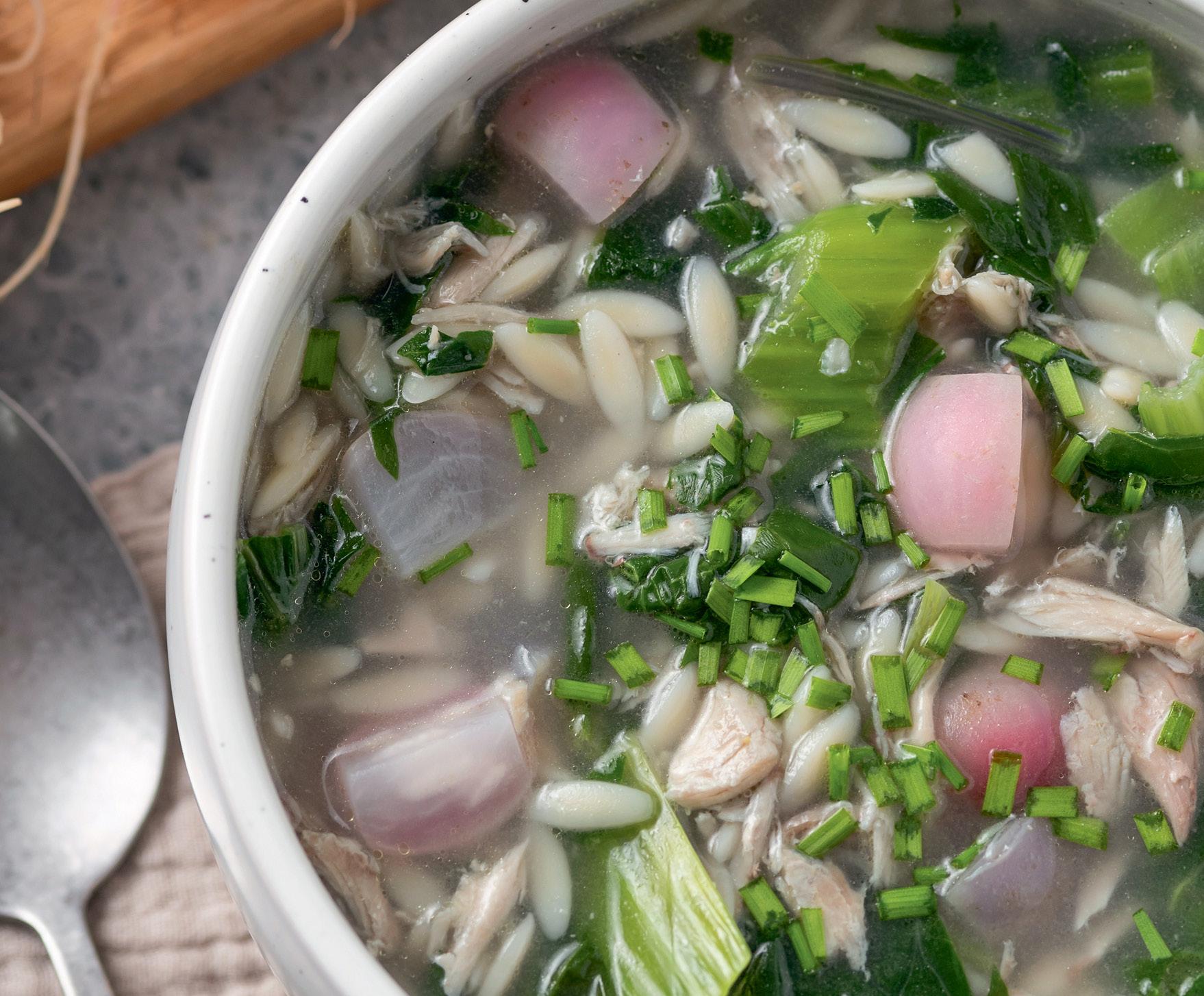
Spring Green Soup
Serves 6–8
For the spring greens, consider any combination of mustard greens, Asian greens, Swiss chard, radish greens, young dandelion greens, or spinach.
INGREDIENTS
8 cups (2 litres) chicken or vegetable broth
3/4 cup (177 mL) orzo pasta
8 cups (2 litres) spring greens, packed and chopped
1 cup (250 mL) radishes, cleaned and chopped (increase to 3 cups (750 mL) if not using chicken)
1/4 cup (60 mL) green garlic, minced
1 pound (454 grams) cooked chicken, shredded (optional) salt and pepper to taste
METHOD
1. Heat broth over medium-high heat until simmering, then add orzo, greens, and radishes. Cook at a simmer, stirring occasionally, until orzo is cooked through, about 7 minutes.
2. Add green garlic and chicken (if using), turn heat to medium and cook another 2 minutes.
3. Add salt and pepper to taste and serve.
Reprinted with permission from Nimbus Publishing Ltd.
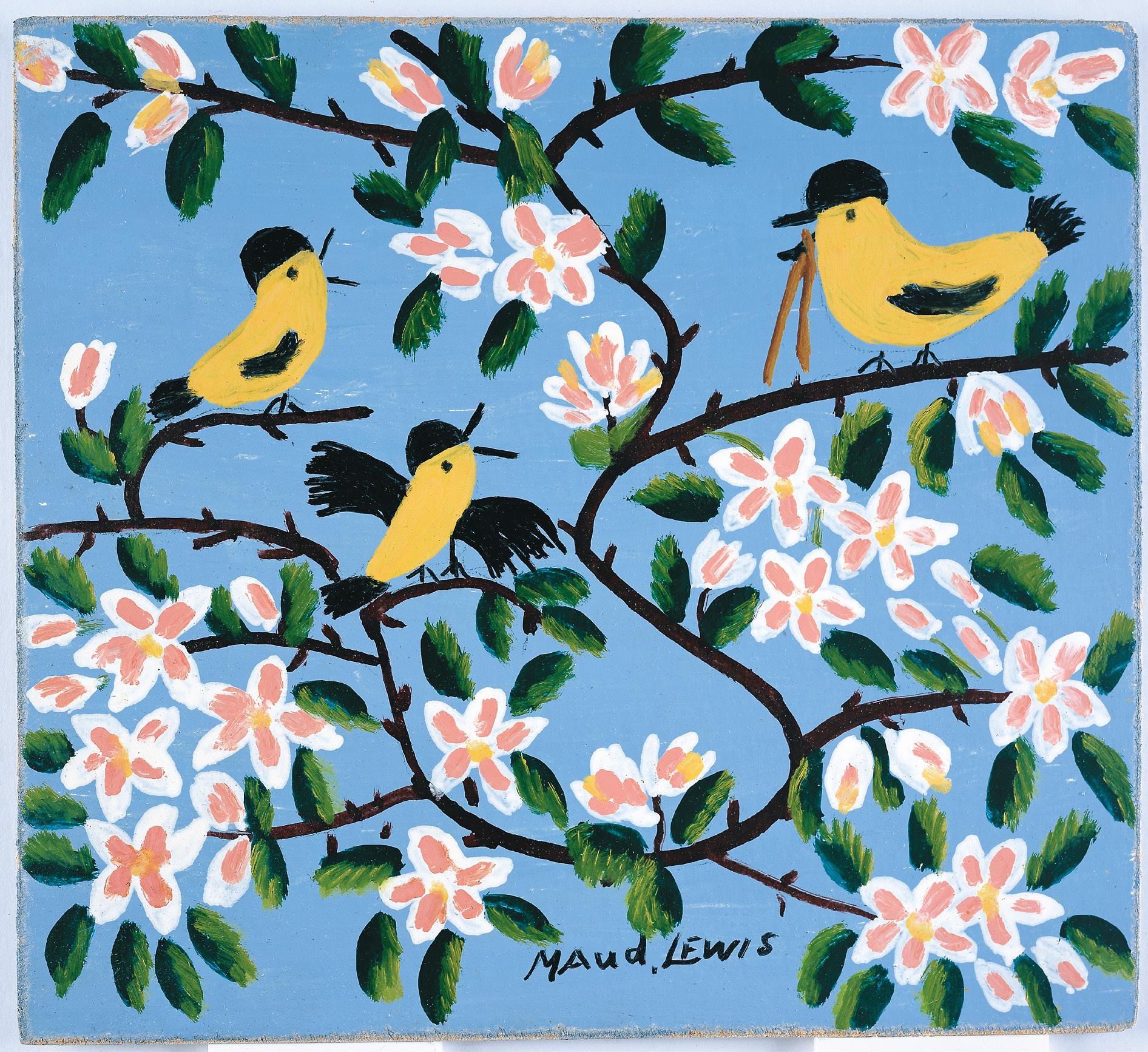
While in Nova Scotia get up close and personal with the work of Maud Lewis.
sailboats, and the city skyline. From the top deck, watch Halifax recede as Dartmouth comes into view. The ferry ride is short but scenic, offering a relaxing transition between the two communities.
The ferry docks at Alderney Landing, a cultural hub hosting the weekend Alderney Farmers Market. Though smaller than its Halifax counterpart, it’s full of energy and community spirit, offering local produce, baked goods, and crafts. The market is a great place to meet local artisans and sample homemade treats.
Nearby, Evan’s Seafood serves up fresh fish and chips with a view of Halifax. Its commitment to sustainable, local sourcing makes every bite worthwhile. The casual setting and waterfront views make it a perfect lunch or snack stop.
A short walk leads to Portland Street, the heart of downtown Dartmouth. This district blends indie charm with urban flair. Kept is a boutique offering home décor, gifts, and Nova Scotian souvenirs like sea-inspired jewelry and art prints. It’s a great place to find thoughtful gifts or keepsakes. Nearby in this area is the Dartmouth Heritage Museum on Newcastle Street. It lovingly documents the community’s roots and evolution.
Another standout is New Scotland Clothing Co., where the apparel radiates Nova Scotian pride. Popular items include the New Scotland and Tartan Lion hoodies. The shop’s vibe is relaxed and welcoming, and the clothing celebrates local heritage.
For foodies, the Canteen on Portland Street is a must-visit. Its signature Crobster Roll combines snow crab and lobster with truffle aioli, grainy mustard, dill, and lemon zest on a toasted bun. The dish is rich, flavorful, and uniquely Nova Scotian. The Canteen’s menu is full of locally inspired dishes that highlight the region’s unique flavours and culinary creativity.
To wind down, head to Dear Friend Bar for a craft cocktail. The Espresso Martini, made with Northern Keep vodka, coffee liqueur, espresso, cacao, and nitro, is a perfect nightcap. The bar’s cozy atmosphere and inventive drinks make it a great spot to relax after a full day of exploring.
As the day ends, return to Alderney Landing and grab a bench to watch the sunset. Capture scenic photos of the Macdonald Bridge and Halifax skyline reflected in the calm waters, a fitting end to a day spent exploring both sides of the harbour. The view is peaceful and picturesque, offering a final moment of reflection before heading home.
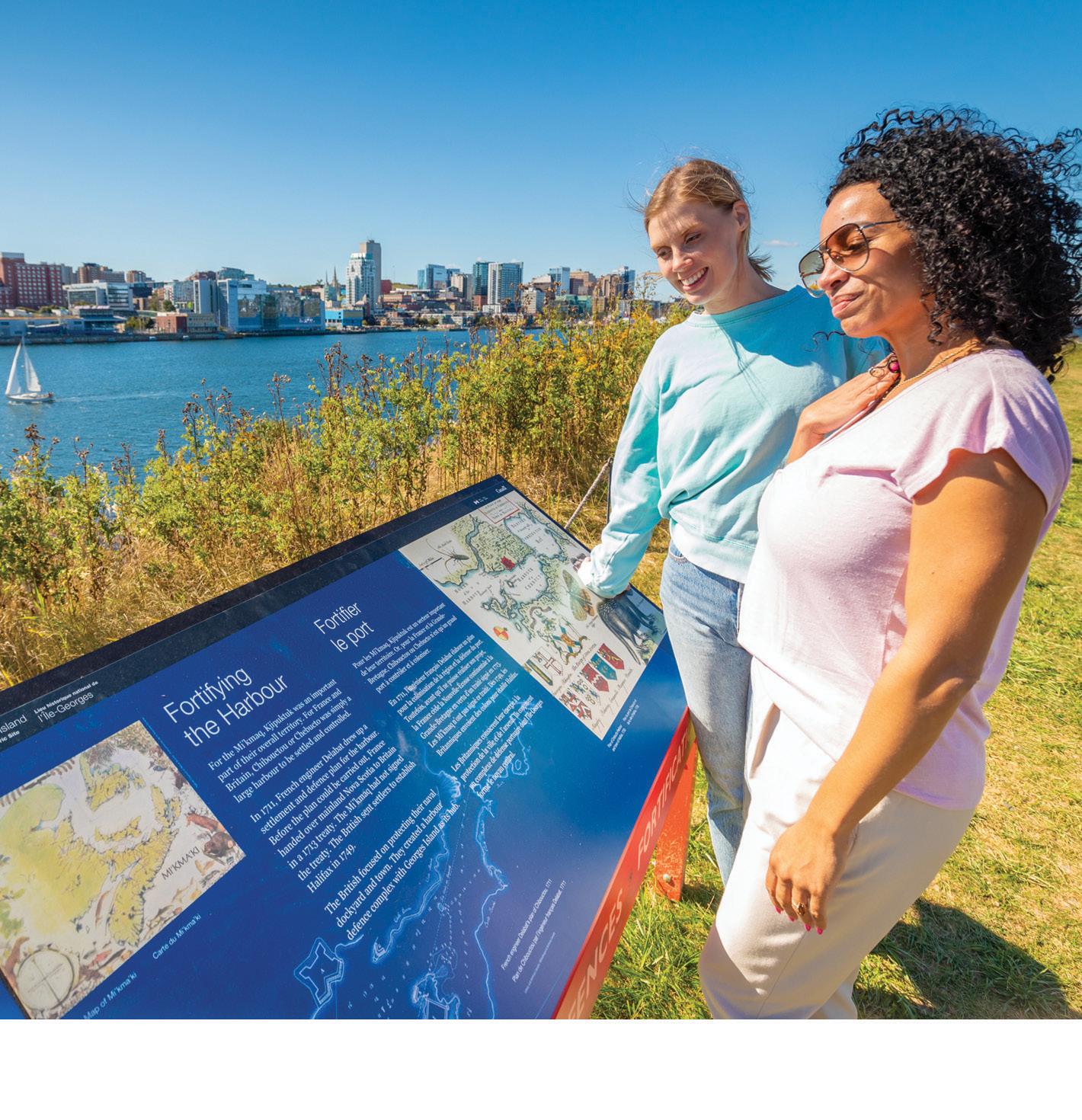
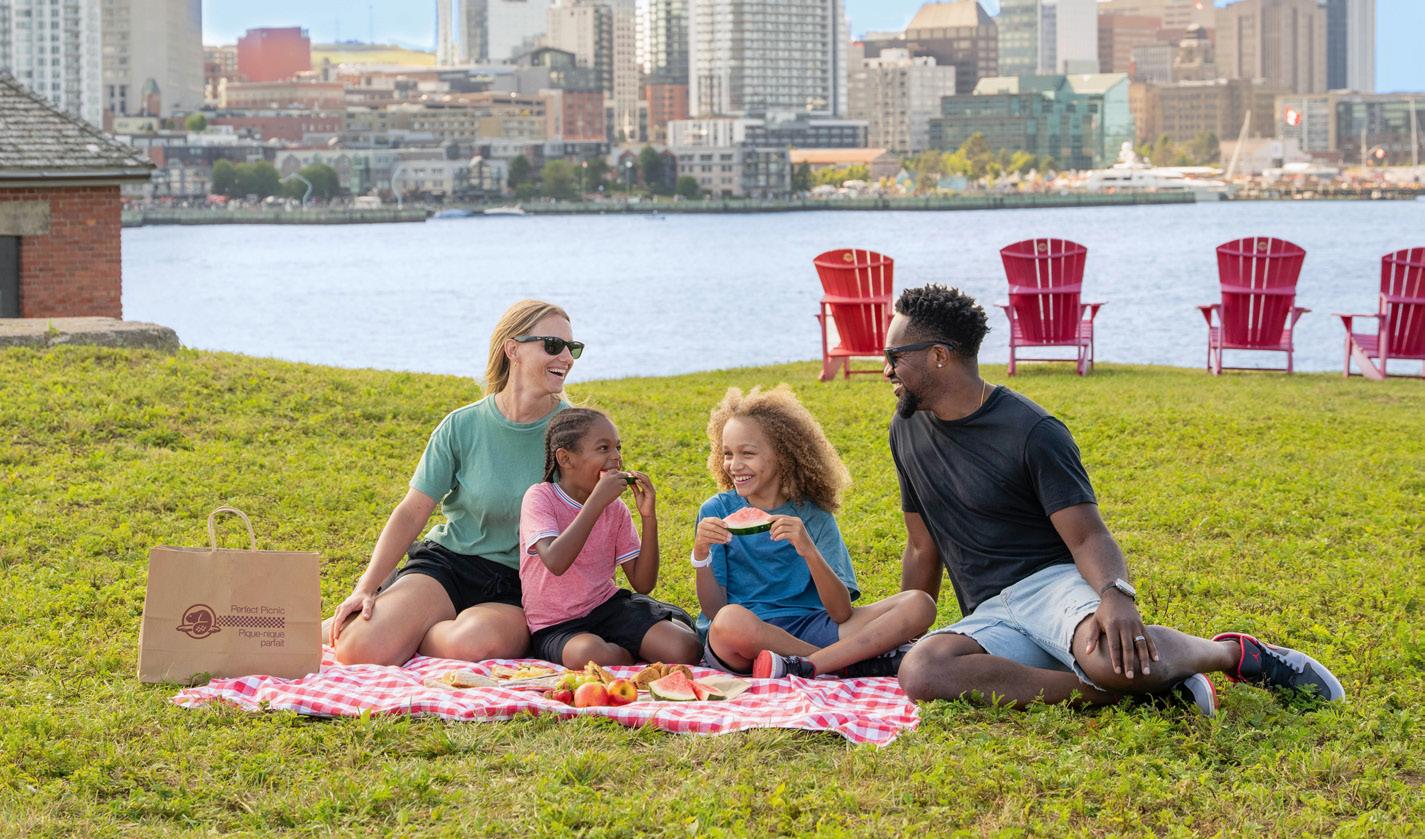
Waterside parks and walking trails attract visitors to both sides of the harbour.
‘What
it means to be human’
Walk on the wild side on Brier Island
by HARVEY SAWLER
Wildness reminds us what it means to be human, what we are connected to rather than what we are separate from,” says famed writer, educator, conservationist, and activist Terry Tempest Williams.
Such wildness is powerfully evident at the 400-hectare Nature Conservancy of Canada (NCC) site on Brier Island, one of 45 NCC properties covering 14,000 hectares in Nova Scotia.
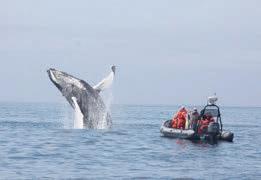
It’s the most westerly point in Nova Scotia. Travellers leave Digby, drive the Digby Neck peninsula, and take two short ferry rides to reach Brier Island, famous for its outstanding whale-watching experiences.
The Brier Island Nature Reserve is an astonishing, remote, and rugged destination shoreline that occupies a quarter of the island, formed of basaltic rocks from the North Mountain Formation, a geological feature extending along the south shore of the Fundy Basin.
Within the nature reserve lies the Brier Island Coastal Trail, a 3.5-kilometre coastal hiking
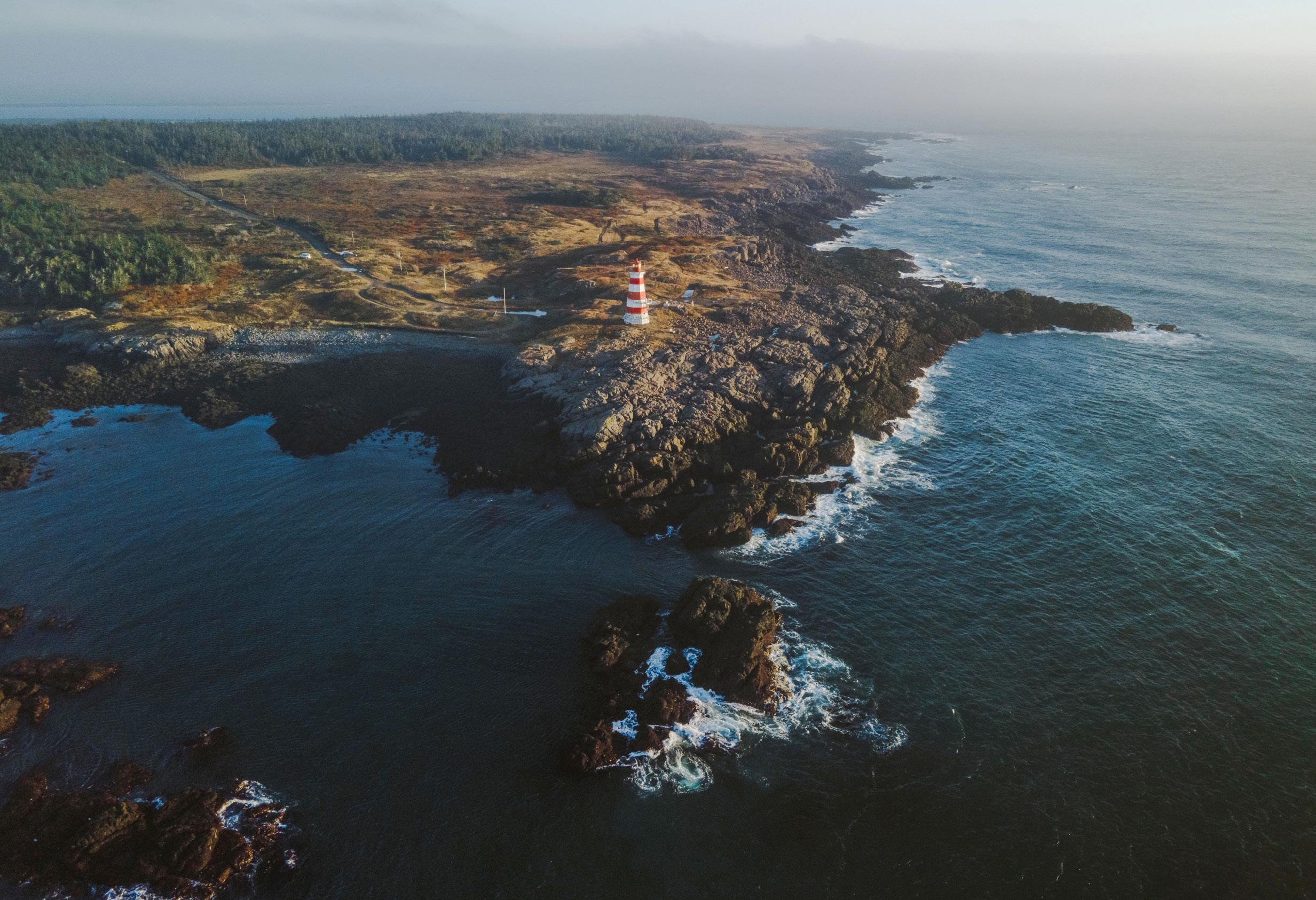
experience that’s a treasure trove of Fundy sights and sounds running between Pond Cove and the red-and-white-striped Western lighthouse.
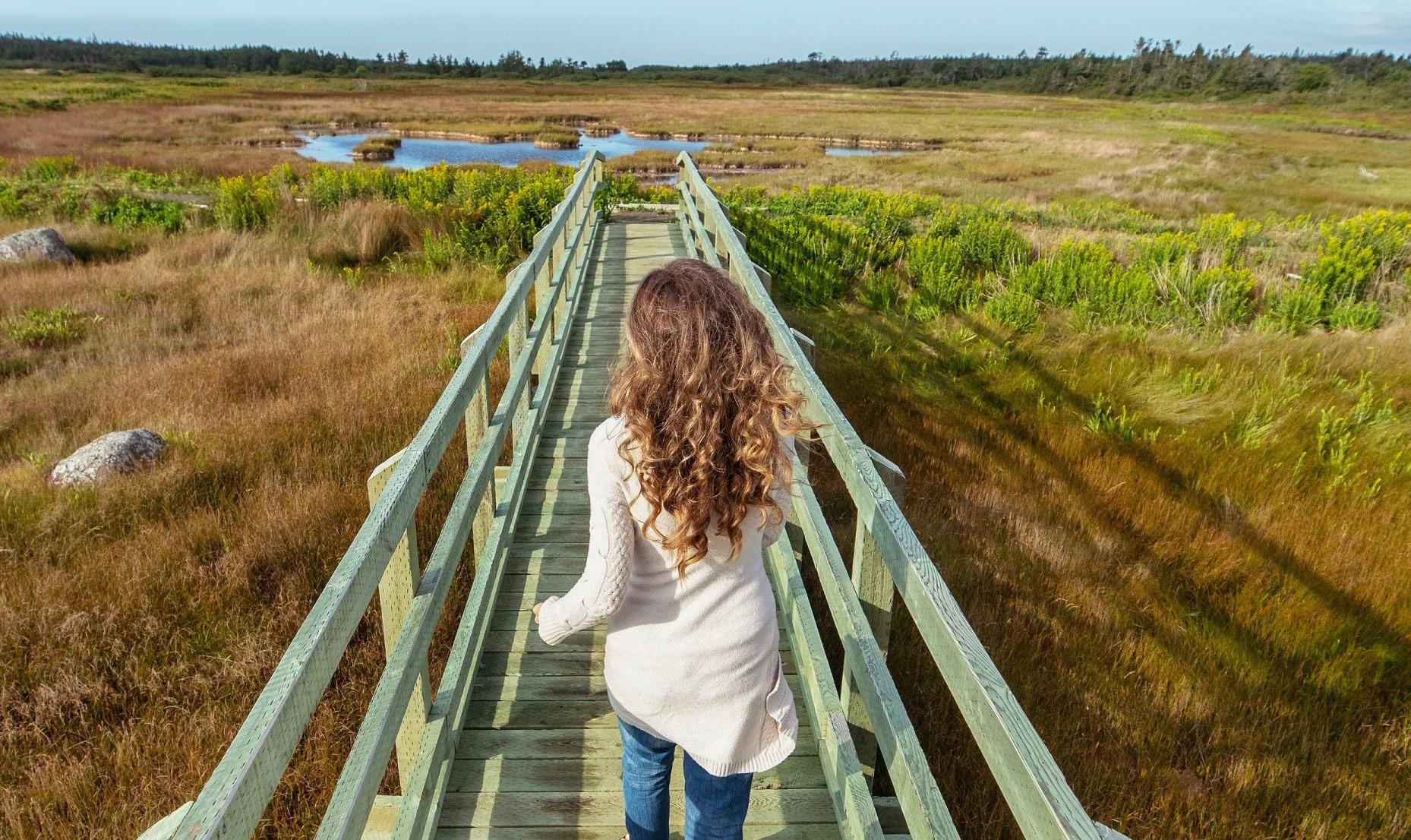
The island’s second hiking feature is the Big Meadow Bog Trail, a newly-completed one-kilometre accessible boardwalk rich with self-guiding interpretive panels that begins right in the heart of Westport. A portion of it is situated on NCC land, with the largest piece owned by the municipality and a small section under private ownership.
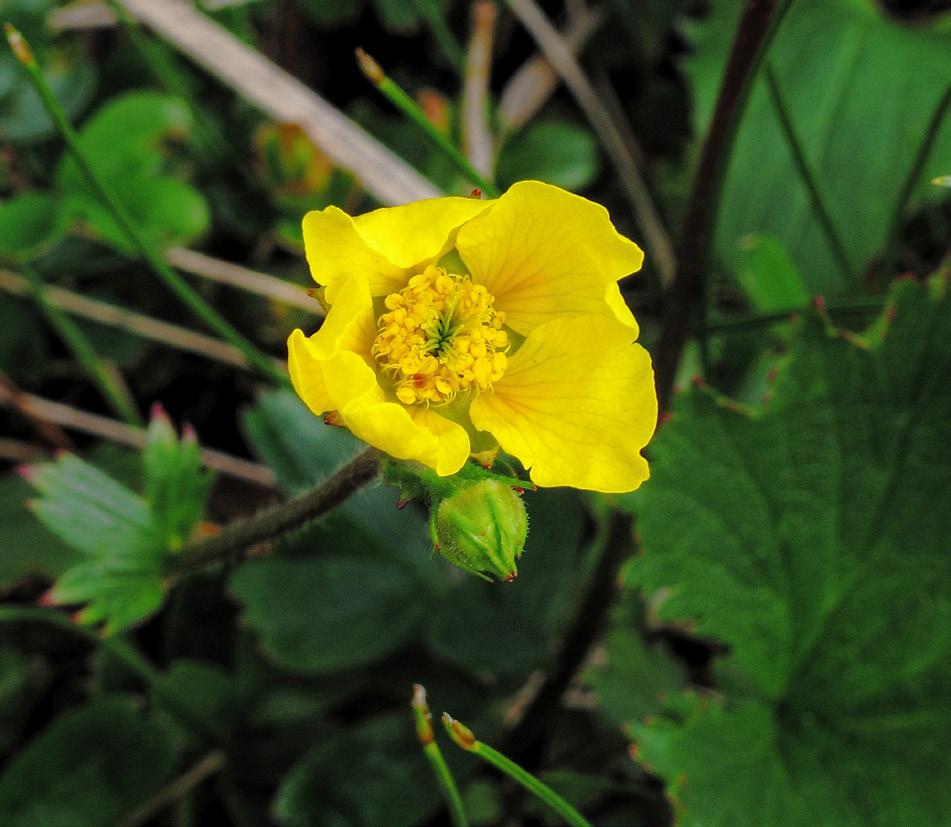
The reserve provides rich habitat for migrating birds on the Atlantic Flyway and is home to several rare orchids and other plants, such as eastern mountain avens, 95 per cent of the world’s population of which is found here. The health of this small, yellow-flowered plant, while not an orchid, is considered a bellwether for the island’s ecological stability and has been the focus of significant conservation efforts linked to the combined provincial and federal designations of the flower as an endangered
The Western Light is one of three lighthouses on Brier Island. Inset: The delicate and endangered Eastern Mountain Avens is found only in Brier Island and New Hampshire.
Brier Island Whale and Seabird Cruises
species. The only other known location of the avens in the world is in New Hampshire’s White Mountains.
visitor traffic, with a signage refresh that will guide and inform visitors.
Amongst the 20 other rare species on the island are the White Fringed orchid, the Boreal Bog orchid, the Large Purple Fringed orchid, the Small Purple Fringed orchid, and the Yellow Nodding ladies-tresses.
An estimated 20,000 people visit Brier Island annually, most fixated on whales, with fewer seeking out the lesser-known coastal trail and bog experiences. However, it’s known that these will undoubtedly grow in demand. In readiness, a detailed assessment of the deteriorating coastal trail was completed in 2022, identifying improvements needed to keep the trail safe, enjoyable, and more sustainable. By using long-lasting materials, such as stone instead of wood, supported by the installation of culverts, the trail is now more resilient to the effects of climate change and
The NCC stewardship manager for Nova Scotia, Halifax-based Doug Van Hemessen, talks about the significance of the Brier Island properties. The NCC is a lead partner in the restoration of the bog, working with research groups and local volunteers to save the avens and reverse impacts on the landscape.
Locals “have a certain pride of ownership of the special nature of Brier Island,” he says, “which is important to how we conduct ourselves there and how we connect with the local community to make sure everyone there has a good feeling about our presence.”
One of the many volunteers behind conservation and education activities on the island is Roger Outhouse, who taught high-school science for 23 years, as well as working with local youth and environmental groups such as the Bay of
The Big Meadow Bog’s fully-accessible boardwalk stretches for nearly a kilometre over some of Brier Island’s most unique natural habitats.
Fundy Discovery Centre Association and the Gulf of Maine Institute.
For eight years, Outhouse has joined other local volunteers in building the Big Meadow Bog Trail. He cannot say enough about the NCC and how it’s shown leadership, collaborated with the community, and helped with resources to get the job done.
“The NCC has been an extremely wonderful partner,” says Outhouse, “bringing focus to climate change, and to the protection of species such as the avens and various birds. The NCC has gone over and beyond working to ensure people understand the habitat’s importance and relevance, such as helping to organize public clean-ups.”
Before this era of collaboration, most residents weren’t necessarily aware of what they had in terms of environmental significance. But they did know their local history.
“We worked to find out what people valued,” says Outhouse, describing interviews with older residents to gain their perspective about the bog and their interpretation of the nature. “What we heard was absolutely mind-blowing.”
They learned the bog has been a community resource for blueberries, cloudberries, and cranberries, but it had other uses as well. Residents used to dam the bog to set the stage for pond hockey, bonfires, and cutting of ice destined for ice houses for use by local fishermen and the making of ice cream in the summer, all activities that had gone on since early times.
When it comes to this new era of conservation, Outhouse says “the public has bought in hook, line, and sinker, and it has spread over the islands. It’s been a uniting of hands.”
Outhouse is particularly proud over how virtually every student in
Westport and surrounding Digby County communities has been involved in contributing toward trail maintenance and coastal clean-ups.
“If we can involve our youth, then we have a future.”
178 Peggys Point Rd, Peggys Cove, NS (902) 823-2561
www.peggys-cove.com
Restaurant & Gift Shop
Our fully licensed restaurant is situated at the top of the hill overlooking the famous Peggy’s Cove lighthouse. A large selection of Nova Scotia handcrafts as well as souvenirs and gift items of all types.
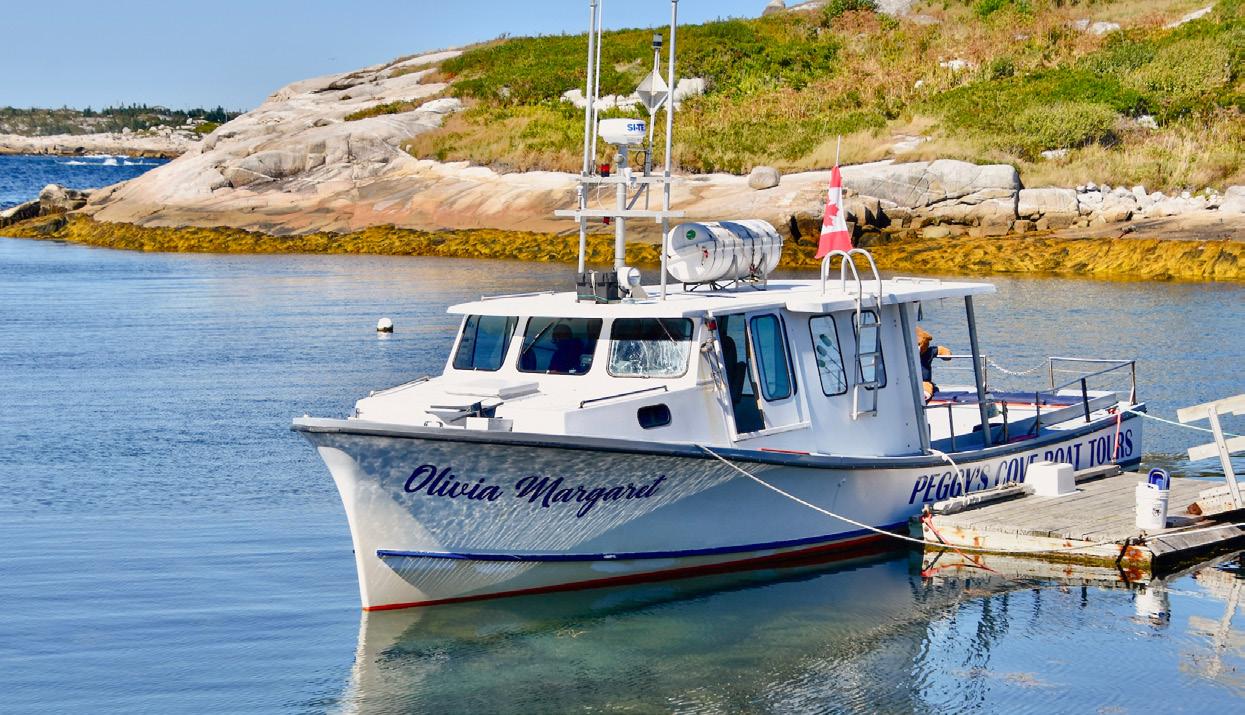
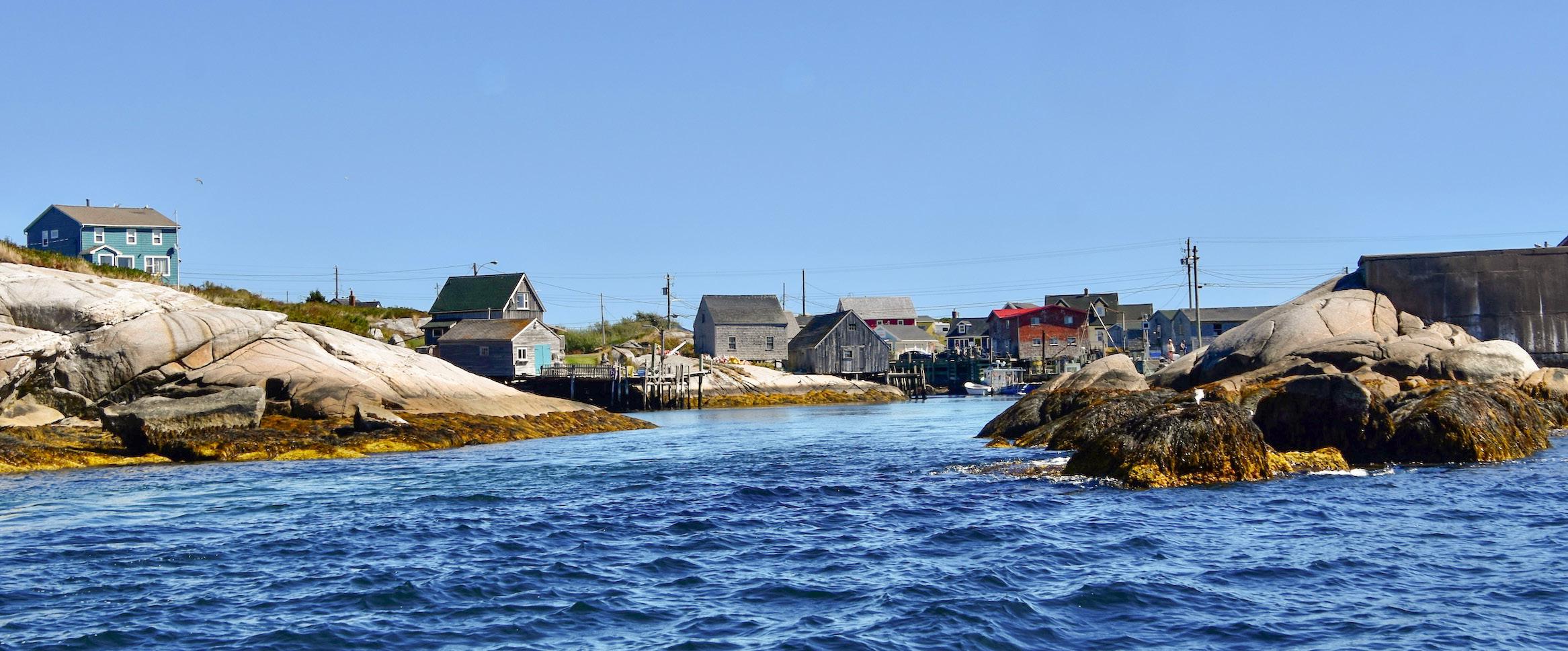
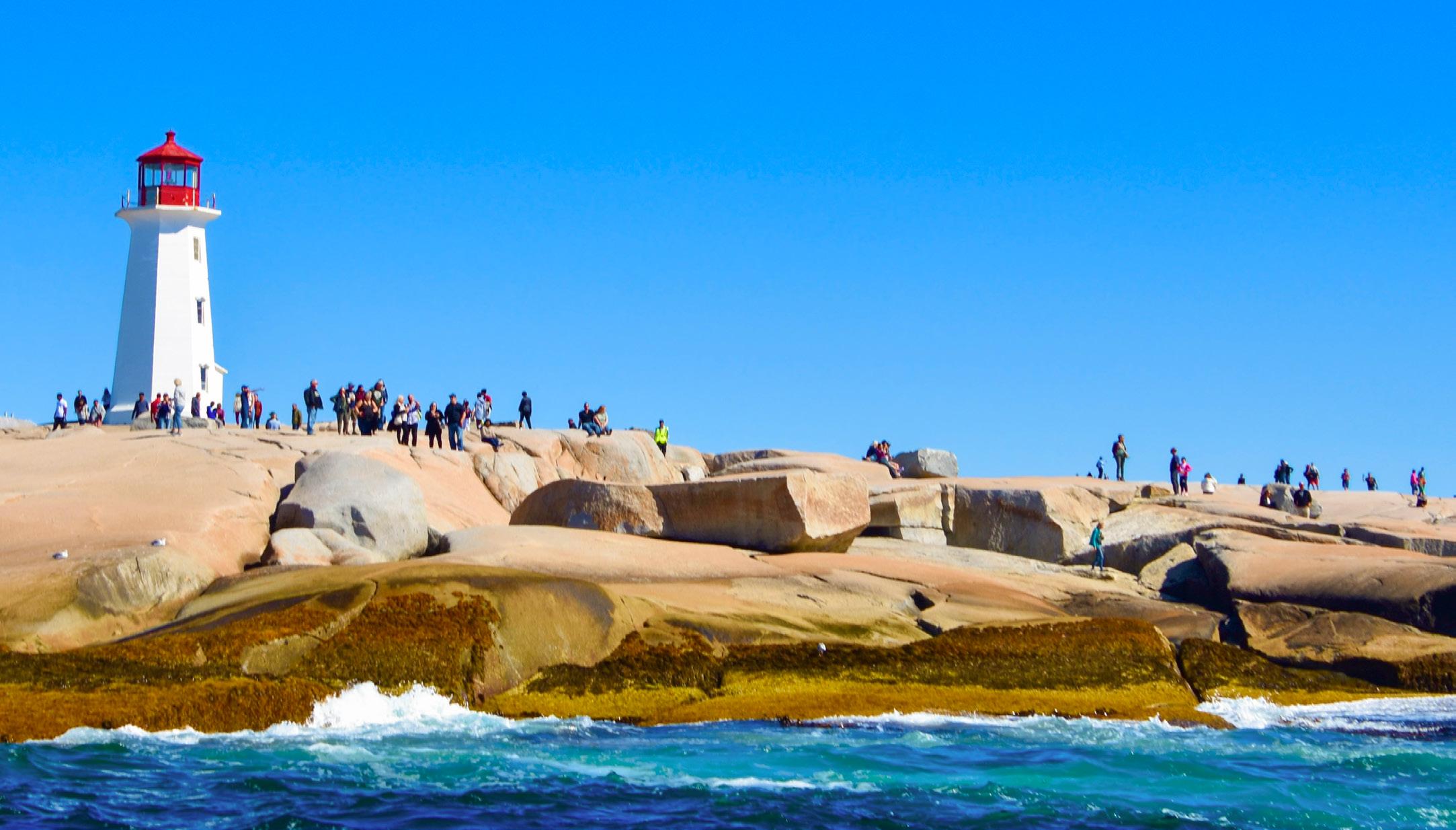
Peggy’s Cove from the water
A different look at an iconic landmark
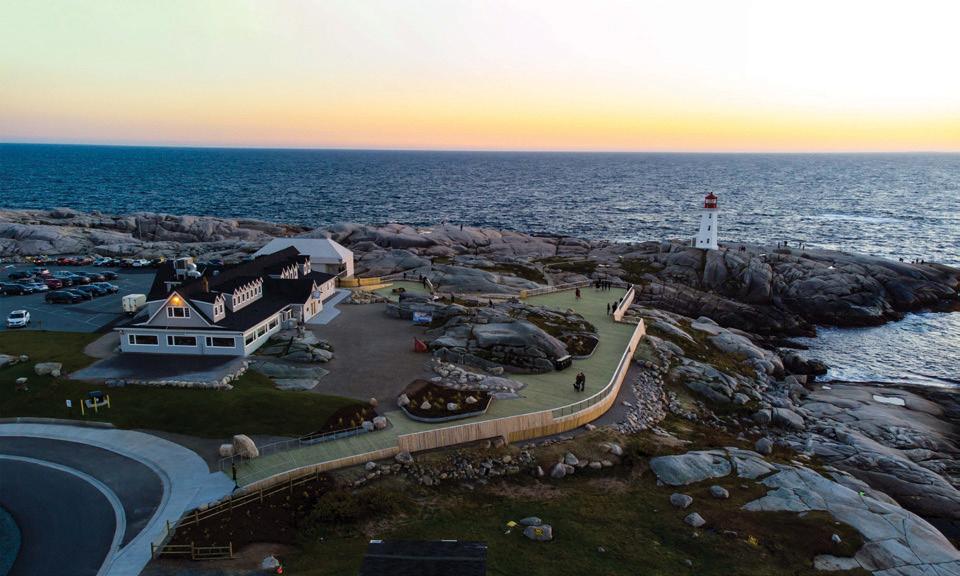
Peggy’s Cove has a permanent population of only about 30 people yet, depending on your source, hosts 500,000 to a million visitors yearly. It’s a fixture for bus tours and one of most popular day trips for cruise visitors. It’s also a pilgrimage for many Nova Scotians, who visit at least once or twice a year.
The result is that on an average visitation day in summer season the uniquely beautiful place is packed. The combination of the iconic lighthouse, the impossibly narrow cove with its painted boat sheds, and the dramatic granite shoreline make it irresistible.
But only a small fraction of those visitors see the lighthouse and the surrounding area from the water. Ever since 2009, former Quebec native turned Nova Scotian Peter Richardson has been operating Peggy’s Cove Boat Tours that offers several types of tour to see the lighthouse from the water.
The Olivia Margaret is a 42-foot Cape Islander carrying 20 passengers per tour. June through October, it offers a variety of tours. In September and October, which is the busiest time of year for cruise ships, the company offers a 20-minute tour, which features just the cove and the lighthouse. It’s aimed primarily at those arriving by bus and only have a short time in the area.
The most popular excursion is the onehour Sightseeing and Marine Life tour. This excursion is a photographer’s delight, starting with the departure through the cove’s narrow mouth and then rounding the granite headland to reveal the lighthouse and viewing platform from a perspective you can only get from the water. For the next 10 minutes, the lighthouse is visible from three angles, making for unforgettable photo opportunities.
Gradually, the people on the shoreline peter out and soon the rugged Atlantic coastline shows few signs of civilization. For much of the tour,
story and photography by DALE DUNLOP
there are views of the glacial erratics (large rocks scattered throughout the area by retreating glaciers during the last ice age) that dot this landscape.
About 20 minutes out, the boat passes a small island with geodesic domes that seem like something out of a science fiction movie. This is Nova Glamping and these sites are available for rent seasonally at a range of styles and prices. novaglamping. holidayfuture.com
As the boat comes nearer to West Dover, there are several collections of abandoned anchors on small islets that are almost works of art in themselves. These once held down nets for now closed inshore fishery.
The village of West Dover differs from Peggy’s Cove. Instead of boats tied to a government wharf, which is typical of most lobster fishing villages, in West Dover each licensee has their own small wharf with boat, traps, and fishing sheds. As the lobster season is closed in this area in the summer, the boats are tied up and the traps neatly stacked on the wharf, making for more great photo opportunities.
Depending on the weather, the tour may circumnavigate Privateer Island
at the head of Dover, a great choice for marine wildlife sightings. Whichever route is taken, the tour will almost certainly see grey seals, some quite close. Other possibilities include porpoises, sea turtles, sunfish, or even bluefin tuna.
The final highlight of this tour takes place back at the lighthouse, when the captain positions the boat so that anyone who wants a picture of themselves with the lighthouse in the background can get one, with the help of the ship’s mate.
From June to early August Peggy’s Cove Boat Tours features a 2.5-hour trip to Pearl Island at the mouth of St. Margarets Bay. This is a must trip for serious birders and anyone who loves puffins. Not only puffins, but razorbills, murres, kittiwakes, and petrels nest on the island. Aside from the nesting birds there are four species of shearwater that have been spotted on this tour. On Saturdays the tour is accompanied by local naturalist Jason Dain who can help spot and identify birds that are rarely seen from land.
Every day in the evening from June through September there is a two-hour sunset cruise which goes
in the opposite direction of the onehour tour. It heads out to explore St. Margaret’s Bay with Boutiliers Cove and Southwest Cove as the principal destinations and includes the castle on the water on Owl’s Head Island. Built by Max Manger, a Halifax engineer, for his wife Gigi who always wanted to live like a queen, it is reason enough to sign up for this tour.
Lastly, every morning at seven from June through August and eight in September and October, the Olivia Margaret heads out for a two-hour fishing trip. Even if you are not an avid angler, this is when the light is the best for photography. As an added bonus, there will be few if any people around the lighthouse at this time of day.
The boat moors to a buoy about a kilometre offshore and fishing for mackerel, cod and pollock begins. Success is almost guaranteed and the crew will clean your catch for you.
Book a boat tour to escape the crowds and experience the famous Peggy’s Cove lighthouse as generations of seafarers have seen it.
can’t-miss experiences in Cape Breton Highlands National Park
Waterfalls, salmon pools, and stunning scenery await
From the Cheticamp Campground in Cape Breton Highlands National Park, it’s a short, scenic 15-kilometre drive to the Skyline trailhead. A vista of the park’s ancient Appalachian Mountains, where their forested slopes plunge into the sea, is the reward for the relatively easy 6.5-kilometre-return hike. From the viewing deck capping the promontory, sunlight glints off the choppy Gulf of St. Lawrence. South across a canyon, moose sometimes browse in the stunted forest, and eagles ride thermals into the sky.
The Skyline Trail is one of the park’s can’t-miss experiences. It’s easy to gush over the best known and most popular trail. The view at the end is so spectacular, it’s often depicted by tourism promoters as
story and photography by DARCY RHYNO
the iconic Cape Breton scene and it’s a social media darling. But the Skyline Trail is just one of 26 hiking trails in a park, making it so much more than a single, breathtaking view. Other trails can be just as rewarding, and far less busy, making them a better choice for anyone looking for wilderness experiences away from the crowds.
Hiking isn’t even the only way to reach a lookoff. Along the road that corkscrews up one side of the park’s flat-topped mountains and down
the other, vehicles pull over at any number of lookoffs where interpretive signs provide mini-lessons in geology, natural history, and human heritage. Along with hikes, waterfalls, and prime camping sites, these roadside lookoffs are among the park’s top attractions.
Salmon pools
From the Cheticamp campground, Miranda Dodd, an interpretation coordinator with Parks Canada, guides
small groups upstream beside the burbling Cheticamp River that forms the western boundary of the park. The river’s canyon narrows to a V at the turn-around point of the 9.5-kilometre Salmon Pools Trail. Here, the river flows more quickly than at the start, shooting through constricted channels between boulders, then slowing to linger in deep pools.
“These salmon pools and the rock that most of the river bed is made of is granite,” says Dodd, “rock made from
Opposite: Lunch at the beach, Fishing Cove Trail, Cape Breton Highlands National Park. Above: Miranda Dodd, an interpretation coordinator with Parks Canada, guides small groups along the Cheticamp River.
magma that stays underground and slowly solidified.” Dodd adds these half-billion-year-old rocks of the steep-sided canyon are also exposed at the trailhead near the highway that cuts through 400-metre crumbling orange cliffs called la Grande Falaise (the Great Cliff), an ancient geological wonder that’s part of the deepocean Atlantic Ridge. “The ocean is tearing apart down the middle,” she says. “There’s like 1,700 miles (2,735 kilometres) of a volcanic line, but it’s almost all underwater. Iceland is at the top where it’s sticking out.”
Zooming in from global geography that links Cape Breton with Iceland, Dodd says the river’s deep waters have names like Fence Pool, First Pool, and Chance Pool, and they make ideal salmon habitat. Today, a single angler is trying his luck at Chance Pool, whipping his fly fishing line over the dark waters. Alan Dawe introduces
himself and proudly shows off his mini tackle box brimming with flies he’s tied himself. “This is kind of my spot to come up here this time of year for a bit of salmon fishing,” he says. “We come up in August and again in October. It’s a great time.”
Hikes to waterfalls and fishing coves
Just nine kilometres from Skyline, the Fishing Cove Trailhead gives the illusion that it’s nothing special, but don’t let the non-descript beginning turn you away. The steep
FLAVOURS
six-kilometre trail follows a gurgling brook through mature mixed forest to the base of MacKenzie Mountain where it emerges onto a grassy knoll with a view of low cliffs that cradle a narrow cobblestone beach. Here, a small fishing community once thrived, the settlers taking advantage of the immediate access to the ocean and the abundance of fresh water. Today, it’s humbling to realize that nearly all signs of the village have been erased by time. Of Highland’s eight campgrounds, the eight backcountry sites here are the park’s only designated wilderness sites. If Skyline is like a pedestrian highway, Fishing Cove is the opposite, a rarely traversed path to the park’s most remote seaside haven, beyond the reach of cellular
signals, where the only sound is the hush of waves washing the cobble.
Given Cape Breton Island’s mountainous terrain, waterfalls tumble down many of its slopes. It’s the way the landscape comes alive that makes waterfalls so attractive, rushing in noisy cascades over rock faces and billowing into foam and mist. Once a part of the original Cabot Trail, the six-kilometre gravel road to Mary Ann Falls recently closed to vehicle traffic and is now a wide hiking and cycling trail. Of the park’s five falls, Mary Ann is a favourite. The deep pool beneath the veil is the best swimming hole in the park. A family can lounge on the gravel spit in the river while the bravest leap half the height of the falls into the dark pool.
Back at the Cheticamp Campground, a kilometre north on the Cabot Trail, Le Chemin du Buttereau Trail runs five kilometres through a mossy forest. A steep climb flattens to a grassy trail that was a cart path traveled by horse and wagon from the late 1700s to the 1930s.
Along the trail, three stone foundations and a communal well are all that remain of an Acadian settlement. Still, they are enough to evoke the clip clop of horses, the laughter of frolicking children, and the shouts of mothers calling them to supper.
Near the end of the trail, a sign marks the location of a bridge that once linked the promontory to a barrier beach, spanning the mouth of the Cheticamp River. Looking inland, the half-billion-year-old la Grande Falaise — part of the Atlantic Ridge Miranda Dodd pointed out — slowly crumbles into a skirt of skree. For its natural and cultural history, the hike to this little-known lookoff, caught between the skyline peak and the shoreline beach, qualifies as one of the park’s do-not-miss experiences.
Far left: Mary Ann Falls in Cape Breton National Park.
Left: Cape Breton Highland Links Golf Course in the national park.
The forest to the sea
The Age of Sail Museum in Port Greville takes you back to an era when Nova Scotian ships ranged over the seven seas
by DAVID HOLT
For centuries, many of the villages on the north shore of the inner Bay of Fundy in Nova Scotia, were more easily accessed by sea than by land. A reminder of that era, the Age of Sail Museum in Port Greville isn’t hard to get to by road, but remote enough to give a sense of isolation.
Driving west on Route 2, you feel a presence that’s more than the surging tides and the shifting winds. Dinosaurs once roamed along this shore, which is sacred to the Mi’kmaq, whose god Glooscap was a naturalist, a shapeshifter, and a storyteller.
Beyond Parrsboro, the road snakes along the cliffs to the Age of Sail Museum, its wooden buildings guarded by a lighthouse moved up from the cliffs below, a giant anchor, and a capstan used to pull up anchors from the deep. Just below, a tidal river flows down to the entrance
of the harbour that launched wooden ships for centuries. The museum is open daily in July and August, and Thursday to Monday from May through October.
Curator Oralee O’Byrne tells visitors about the age of sawmills and wooden ships, chats with patrons, and glides back and forth between the on-site café at the museum next door. While the museum has a board of directors and dedicated volunteers, O’Byrne is the heart and soul of the place. In 1982, she moved to Port Greville at age 15 from Alberta when her father Ross (Keith) Colins came back home. Her parents co-founded the museum, which opened in 1994.
After exploring the gift shop, we enjoy a lobster roll with the meat flowing onto the plate and the waffles with fresh strawberries and whipped cream. Two volunteer carpenters sit nearby. One is the treasurer. Together, they are finishing the
exterior of the new building, designed in the shape of one of the last wooden ships built in the area.
“I like the pace here,” says O’Byrne. “I’m an introvert so isolation doesn’t bother me. People are more real, more down to earth. You get to know your neighbours.” The population of Port Greville was once mostly working-class people, she says. Now it’s mostly retirees and seniors.
Living history
Inside the main building, you feel the presence of the original Indigenous inhabitants and the early Europeans, a time when almost everything came from the forest, including the wood for
the first sawmills and the shipyards that grew along the shore. Surrounded by images and models of sailing ships of all sizes, there are sextants used for navigation, logbooks, the clothing of the day, a dory, tools, a working blacksmith shop, a hand-powered saw, an early radio, and a harmonium taken from a ship. A model of an old woman sits beside a real stove surrounded by her kitchen ware.
The new building beyond is designed in the shape of a historic sailing vessel. It contains models, images, and artifacts of historic ships connected with Nova Scotia, including the Glooscap, built at nearby Spencer’s Island in 1887; the Mary Celeste, found
Nautical museums in Nova Scotia
Besides the Age of Sail Museum, history buffs can check out the Maritime Museum of the Atlantic and the Admiralty House Naval Museum, both in Halifax, the Fisheries Museum in Lunenburg, and Heritage Quay and Northumberland Fisheries Museum in Pictou.
Where to stay
While off the beaten track, the shore is endowed with inns, bed and breakfasts, and campgrounds.
Advocate Harbour Wild Caraway
Parrsboro
Parrsboro Mansion Inn
Fox Point Inn
Riverview Cottages
The Maple Inn
Gillespie House inn
Evangeline’s Tower B&B
The Sunshine Inn
Five Islands
WoW This Old Tree camping
The museum looks over the Port Greville River. Wooden ships were launched at high tide from the river mouth below.
Parrsboro: Harbourview, Glooscap, Ottawa House By-The-Sea, Salty Spoon Cafe, and High Tide Take Out.
Five Islands: Granny’s, Diane’s
Lower Economy: Pat’s Boardwok
Five Islands and Economy bazaars (in season): homemade pies, jams, vegetables, baked goods.
On the road: look for signs for farm-fresh eggs, veggies, etc. Put your money in the slot. Some of these outposts are hard to spot, so slow down. Some, like Yorke’s Family Farm in Five islands, are well marked.
Note: Geopark Gastronomy, a taste of the Cliffs of Fundy Geopark (UNESCO), shows the commitment to unique local foods. The Fundy Food Trail highlights local food producers and experiences.
abandoned and drifting in the North Atlantic in 1872; the Spray, the sailboat used by Joshua Slocum of Brier Island, N.S., to make the first solo circumnavigation of the Earth in the 1890s; and the Titanic, the largest ship afloat when it went down in April 1912.
The history of sawmills parallels that of shipbuilding. The first European mill in what is now Nova Scotia was built in 1605 at the French settlement at Port Royal. By 1871, there were 1,144 mills, which shrank to 720 by 1953 and to less than 100 today, of which many are small family-owned operations. Meanwhile, 723 ships were built on the shoreline between Parrsboro and Eatonville alone.
Built in 1854 as a Methodist church, the museum’s main building was originally in nearby Greville Bay. A local shipbuilder moved the building to use
as a sail loft and later donated it as a community hall. It was taken apart once more and moved to the site of the proposed museum. In 1992, the building was donated to the development society. Workers dismantled it again and moved it two kilometres to the present site.
Building ships from wood cut from the forest is partly science, partly art. Imagine sailing them by lead line, telescope, and sextant. The tides come alive. Even in summer the air is brisk, keeping your balance an adventure. You step outside the museum, smell the salt air, feel more alive.
The museum is chockablock with artifacts celebrating Nova Scotia’s marine history. The new building is based on the design of a wooden ship built in Great Village.
Seedy Strawberry Salad
Serves 4
Strawberries aren’t just for shortcake!
INGREDIENTS
3 cups (750 mL) baby spinach, loosely packed
2 cups (500 mL) strawberries, washed and sliced
1/4 cup (60 mL) walnut pieces, crushed
1/4 cup (60 mL) almond or walnut oil
2 tbsp (30 mL) balsamic vinegar
1 tbsp (15 mL) white sugar
1. Combine baby spinach, strawberries, and walnut pieces in a serving bowl and toss lightly.
2. In a smaller bowl, combine oil, balsamic vinegar, sugar, and poppy seeds, and whisk together to form dressing.
3. Pour dressing over salad and toss again. Serve immediately.
Reprinted with permission from Nimbus Publishing Ltd.
Exploring P.E.I. in the footsteps of author Carley Fortune
story and
by DARCY RHYNO “
Some of my happiest memories are set on this gorgeous crescent of green land,” muses Lucy (Bee) Ashby, the narrator in This Summer Will Be Different, the third and latest novel by New York Times bestselling Canadian romance writer, Carley Fortune. “Some of my biggest mistakes, too. But I won’t repeat them. Not this time. For once, this summer will be different.”
Rather than a mistake, Bee considers her love for Prince Edward Island one of the best outcomes of her adventures. “I fell hard for the island,” she says, “both the beauty of the place and the warmth of its people.” She returns several summers in a row after making what she considers her biggest mistake, hooking up with her best friend’s brother, the muscular, blue-eyed oyster shucker she met and fell straight into bed with on her first visit.
Like Bee, readers are falling for P.E.I. as they devour this latest steamy romance from one of the country’s hottest new authors. For folks eager to follow in Bee’s footprints, and for those inspired to read the book on location, here’s a P.E.I. travel itinerary.
In the Charlottetown airport parking lot, Bee makes a beeline for Wowie Cowie, the life-sized plastic bovine that promotes nearby Cow’s Creamery. Moose Tracks ice cream swirled with toffee and dotted with chocolate and crunchy bits is Bee’s favourite. The Wowie Cowie cow is Bee’s rendezvous spot where she meets her best friend, Bridget Clark and Bridget’s brother, Felix (Wolf) Clark.
The three cruise to the Clark family home in Wolf’s Mustang along Route 2, through a patchwork quilt landscape of yellow canola fields, green potato plantations, white churches, and orange barns. Place names like Hunter River, Hazel Grove, Pleasant Valley, and Kensington hint at the peacefully pastoral communities scattered through the novel.
The Clarks’ cedar-shingled home, “Summer Wind,” sits at the end of a red dirt driveway, overlooking the Gulf of St. Lawrence. Summer Wind is a romantically fictional place, but the coastal setting north of Kensington is not. Head to nearby Thunder Cove Beach to find the view Bee calls “spellbinding.” This is the beach where Bee and Bridget take a head-clearing walk and where the
photography
sandstone curiosity known as Teacup Rock stood until a storm knocked it over in 2022.
“Red sandstone cliffs rising high above the sand,” writes Fortune of the beach that remains just as alluring. “Caves and crevices, carved by the Atlantic, shaped by wind. Swishing grasses and soaring gulls.”
Taking inspiration from the scenery, Bridget plans. “For the rest of the week, we do all the greatest hits. Sandcastles. Seafood. Lighhouses. Coastal drives.” She insists they attend the Tyne Valley Oyster Festival where brother Wolf will compete in the national oyster-shucking championship, and where she and Bee will eat their weight in oysters.
Their P.E.I. ramblings begin at Green Gables Heritage Place near Cavendish Beach. Fortune’s characters wander the house and grounds where author Lucy Maud Montgomery
Opposite page, above: Scenes from Basin Head Provincial Park, nicknamed “Singing Sands.”
at Chef Michael Smith’s real-life Inn at Bay Fortune. In Wolf’s car, they visit Point Prim Lighthouse and the “Singing Sands” beach at Basin Head.
Back to the present, from the oyster competition, they drive to the Island’s western tip, passing stacks of lobster traps en route to the windmills of Cape North that contrast the pastoral landscape. Fortune drops a little history lesson, explaining the difference between lighthouses and range lights. The latter come in pairs to mark a harbour entrance and 20 sets still stand around the Island.
Read more
• The novel: This Summer Will Be Different.
• The author: New York Times bestselling Canadian romance writer, Carley Fortune.
• The main character and narrator: Lucy (Bee) Ashby, a Toronto flower shop owner.
• Bee’s love interest: Felix (Wolf) Clark, a muscular, blue-eyed oyster shucker.
• Locations: Prince Edward Island and Toronto.
• The opening setting: Shuck Malpeque, a P.E.I. oyster shack.
set her 1905 masterpiece, Anne of Green Gables. Bridget and Bee discover the darker side of the author’s married life with a Presbyterian minister, a stark contrast to that of the spirited redheaded Anne whose days seem bathed in the deliriously joyous light of rural P.E.I. Bee and Wolf stroll down Lover’s Lane over the wooden foot bridge through the Haunted Wood, as Anne refers to them in her characteristic fits of romanticism. The setting sparks romance of a different kind between Fortune’s two characters as big bad Wolf massages spellbound Bee’s tired feet.
It’s Chapter 24 before the three friends finally head to the oyster competition. At a firehall supper in Tyne Valley, they stuff themselves with fried oysters, potato salad, and lemon pie. Across the street, they enter the competition arena, welcomed by the skirl of bagpipes. Cheered on by his sister and his secret lover, Wolf places a respectable third.
In one of the novel’s many flashbacks, Wolf drives Bee from the airport to P.E.I.’s eastern shore where he and a friend have built four coastal rentals called the Salt Cottages. While the cottages are fictional, Bee treats Wolf to the “Fireworks Feast” dinner
Back at Summer Wind, a storm erupts, and the secret lovers stand in the stinging rain for a totally honest conversation. Despite the many obstacles to a life together, they admit their deep mutual attraction, the sparks flying between them like flashes of lightning.
You can build a soundtrack for a road trip in Bee’s footsteps with recommendations from the novel itself. Bee discovers East Coast musicians in Wolf’s collection like Joel Plaskett, Feist, and Sloan. Add to your P.E.I. travel accessories by picking up a copy of Canada’s Food Island, a cookbook Wolf gives Bee so they can prepare Chipotle Mussel Salad together virtually while he’s on P.E.I. and she’s in Toronto.
This novel isn’t your average paperback romance. The fondness for P.E.I. feels genuine, and the descriptions of it lovingly crafted. Carley Fortune honed her literary skills at the Globe and Mail, Toronto Life, and Chatelaine magazine. In 2008, she and a friend visited P.E.I. The details Fortune mentally filed away on the trip surface in this novel like heart emojies to the island. In her epilogue, she writers, “Each of my books is a love letter to a place... This Summer Will Be Different to Prince Edward Island.” The fictional romance between Bee and Wolf burns from the first page to the last, a love story that parallels Fortune’s own fondness for P.E.I., and ends when — well, you’ll have to read to find out.
Chefs prepare food for the Fireworks Feast at Chef Michael Smith’s Inn at Bay Fortune.
Tyne on the Trout
Visit a small community rich in history and great foods
by KEVIN YARR
The road has been prairie flat since leaving Summerside. I shouldn’t be surprised when it takes a downward turn as I approach Tyne Valley, but Prince Edward Island is known for its flat mounts (Mount Stewart, five metres above sea level; Mount Carmel, two metres above sea level), so I wasn’t necessarily expecting a valley.
But it is a lovely river valley, with the community of Tyne River sitting at the crossroads where the last bridge crosses the river before it heads out to sea. But this is not the Tyne River. It’s the Trout River. The community took its name from the River Tyne in England.
It’s at this point that the Trout turns from a stream into a river and it will, not too far from here, widen into an estuary hundreds of metres across. Here the river is placid, with grassy banks, trees increasingly crowding the shore as it flows away from the bridge.
Historic Yeo House is a beautifully restored, possibly haunted, Victorian home originally built for shipbuilder James Yeo.
When Tyne Valley took its name in 1868 it was a busier place. There were grist and sawmills, a cheese factory, a tannery, and a carriage shop. It’s quieter now, outside of the annual oyster festival in early August. There’s still a post office, a convenience store, and a credit union.
And there’s Tyne Valley Teas Café in a modest house a few steps away from the bridge, dressed up by scalloped shingles on the gable. To one side sit a few cast-iron bistro tables. We step
inside, where a woman behind a long wooden bar greets visitors. There are lots of cozy seating choices: by the big windows of the old living room, an enclosed patio area, or the bistro tables outside. Upstairs, wide softwood planks cover the floor. The peaked ceiling is also finished with wood. A window at one end looks over a lawn that runs down to the river.
The restaurant has a large selection of loose teas, but I opt for coffee with my eggs benedict. The owner, Carol
Rybinski, boasts of growing her own herbs and greens on the property and in partnership with a local farm. This commitment to freshness is particularly evident in the tomatoes, which are so sweet.
The atmosphere is casual, and we strike up a long conversation with a man having coffee at another table.
After breakfast we carry on a few kilometres down the river to the Green Park Shipbuilding Museum and historic Yeo House.
The house is named for James Yeo, who had it built in 1865 within sight of the shipyard his father founded. The shipyard was built where the Trout flows into the Bideford River, and it made the Yeos among the most successful shipbuilders in the province.
The museum itself is small, featuring models of some of the ships built in the area, along with hardware from the ships and interpretive panels that bring to light the astonishing achievement of building a huge sailing vessel by hand.
The house, built in a gothic revival style, is distinctive due to its sharply sloped roof. Inside, the house is furnished as it would have been in the 1860s: china and crystal on the table, cast-iron grates on the hearth.
Above: Moth Lane Brewing boasts a cozy atmosphere and unique beers. Right: Tyne Valley Teas Café offers tasty local fare. Below: Green Park Shipbuilding Museum.
A guide runs us through the history of the house and family. She points out a ladder-like stair running up to a small hatch in the kitchen ceiling. This, at the time the house was built, was the only access to the manservant’s quarters. He slept in the room next to the maids, but for reasons of propriety there was no door providing access to the upstairs hallway, and the maids.
Another distinctive feature of the house is its octagonal cupola, at the roof’s peak. Yeo would climb up here and use a telescope to keep an eye on work at the shipyard down by the river. You can still climb up here, but trees obscure the view of the river.
The PEI Museum Foundation recently moved the old blacksmith shop from the shipyard up near the house. This feature is still under development, but they’ve hired a blacksmith. The building is not yet ready for
smithing indoors, and last summer’s drought meant the smith wasn’t comfortable providing demonstrations outdoors. Hopefully, there will be demonstrations in the summer of 2026.
Looking for dinner now, we drive back into Tyne Valley and then continue along the shore to Moth Lane Brewing. It’s hard to find, lacking even one of the province’s ubiquitous blue tourism directional signs. You could easily miss the turn you need off Route 12 onto the Murray Road, but there is a sign at the end of the dirt road that it sits on. This road runs straight into the Gulf of St. Lawrence, ending in a boat ramp.
Surrounding this boat ramp is a small cottage development that is the home of Moth Lane Brewing. We grab beer at the bar, order food — typical but tasty pub fare: nachos, burgers, and fish and chips — and head
upstairs. We pass through a cozy room with long wooden tables. Windows on one end look over the gulf, and the other three walls are lined with chalkboards. On them are scrawled messages from patrons who have come before: love notes, drawings, and exhortations to sports teams.
It’s a lovely afternoon, so we step out onto the deck. The view is stunning. There is just a narrow strip of water here, about 200 metres, before you hit Pituamkek National Park Reserve, a chain of sandy islands that run across the mouth of Malpeque Bay and all the way west to Alberton. The island itself is narrow, and the main waters of the gulf peek out behind it.
The red ale is malty but surprisingly refreshing on this summer day. The supper rush hasn’t started yet. It’s quiet, though the woman at the bar tells us it won’t stay that way.
The French fact of P.E.I.
Acadian resilience in the smallest province
by HARVEY SAWLER
Although contrary to its rural-based humour on the subject, never let it be said that Prince Edward Islanders can’t keep a secret.
There’s at least one that's been hidden away for generations: the first European colonizers were French, long before the Island was ceded to England in 1763 by way of the Treaty of Paris. Explorer Jacques Cartier had visited as early as 1534, staking France’s claim, even though the Island had a Native population for centuries earlier.
The task of bringing settlers to colonize P.E.I. went to an entrepreneur from Normandy, the Comte de Saint-Pierre, who founded the Compagnie de l’Île Saint-Jean. In the spring of 1720, the company sent some 200 French settlers and fishermen to the Island. They built fortifications at Port-la-Joye, near present-day Charlottetown, which served as a French satellite of Île Royale (Cape Breton) and its fortress of Louisbourg.
Although Charlottetown was the administrative capital of the colony, most colonists were brought to the north shore of the Island where they named the settlement of Havre Saint-Pierre (now St. Peter’s Bay) in honour of the company’s
founder. Havre Saint-Pierre was the breadbasket for Louisbourg, growing and shipping cultivated wheat, oats, peas, and linseed.
Beyond Havre Saint-Pierre, a 1752 map of what was then called Île SaintJean illustrates 51 more French place names from one tip of the Island to the other, and virtually every nook and cranny in between. Twenty-seven of these still bear the French monikers.
The words “every nook and cranny” hold great meaning for Island teacher Eileen Pendergast, active in the establishment of a French school in western P.E.I., in addition to writing and directing several plays about local Acadian traditions and history. She identifies as a woman “woven with Acadian threads … wholly Acadian with fierce determination and honourable pride in who I am because of who came before me.”
On the point of secrecy, Pendergast says that her ancestors “hid, by and large, in the most remote nooks and crannies in a desperate need to survive, places off the beaten path or not considered favourable in other ways. The same can be said of the Cajuns recessing in the bayous,” she explains, places like swamps that
were not attractive to higher-class folks at that time. “Acadians also hid, so to speak, by changing their names to English versions in order to be able to secure jobs and to fit in. Now when a person’s identity has found a prominent place in the development of the total person, Acadians are able to take a stand and come out of hiding. Thus, over the recent years, pockets of Acadians are recognized where there seemed to be none.”
Seventh-generation Prince Edward Island folklorist, historian, author, and lecturer Georges Arsenault is widely considered the authority on Island Acadian history. While attending the Université de Moncton, he learned of the importance of preserving the oral traditions of his people, researching and recording traditional singers and storytellers. He discovered in his mother’s home community of St. Edward, for example, a wealth of French traditional songs and stories that were on the verge of being forgotten after radio and television entered Acadian households.
“It is certainly through the influence of my mother that I became interested in researching the history and traditions of the Acadian people,”
Skmaqn–Port-la-Joye–Fort Amherst National Historic Site, on the southern shore, is where the French settlement of P.E.I. began in 1720. It’s also where the Mi'kmaq and French forged their “Grand Alliance.”
PRINCE EDWARD ISLAND
he says. “She was not a historian, had little education, but she enjoyed telling us stories of growing up in the West Prince area where the important Acadian community lived closely and generally peacefully with a good number of Irish families ... A visitor to Prince Edward Island would never guess that a quarter of the Island’s population is of Acadian or French ancestry.”
He attributes that to marriages into the dominant population of British origin, the decline of the French language, and the anglicization of family names. Most people don’t know that familiar Island surnames such as Perry, Deagle, Myers, Burke, Peters, and Wedge were once Poirier, Daigle, Maillet, Bourque, Pitre, and Aucoin.
Alcide Bernard is a past president of the Acadian Tourism Association of PEI. He describes the Island’s Acadian presence as “a story of resilience marked by strong commitment towards the preservation of a culture that has been continuously drawn into the melting pot” of Island society.
“The tourism theme ‘Ile Acadie’ is an acknowledgement of the overall presence of Acadians that have long standing roots in this province and have contributed greatly in shaping the socio-economic fabric of this province,” he says. “It is this amazing sense of pride in the roots of a people that visitors will discover when visiting Ile Acadie.”
Weekends,
CHEF MICHAEL & CHASTITY SMITH PROPRIETORS
Through the centuries
Immerse yourself in Acadian culture by visiting communities and attractions where Acadie comes to life through stories and interpretation, education, live music, culinary experiences, and theatre. Begin with the Acadian Tourism Association website (ileacadie.ca) and plan a visit to locations such as Skmaqn–Port-la-Joye–Fort Amherst National Historic Site, the Village musical acadien in Abram-Village, the Farmers’ Bank Museum and 1772 Doucet House in Rustico, Le Carrefour de l’Isle-Saint-Jean in Charlottetown, the Roma at Three Rivers National Historic Site near Montague, and the Acadian Museum in Miscouche.
Archaeological excavations at Greenwich in the PEI National Park have uncovered evidence of human activity spanning 10,000 years, including artifacts from later settler cultures, exhibitions of which are featured in the Greenwich Interpretation Centre.
Photo Courtesy of JoAnne Dunphy
Skmaqn–Port-la-Joye–Fort Amherst is a National Historic Site near Charlottetown, where visitors can learn more about the Acadians in P.E.I.
Between wind and tide
Circumnavigating Quebec’s Magdalen Islands on a unique hiking trail
When we walk and walk and walk —” Réal Jomphe begins before partner Carole Longuépée finishes his thought, “There’s nothing else. You’re in a bubble in your mind.” Talking with the couple from the Magdalen Islands off Canada’s East Coast is like chatting with one person. They often finish each other’s sentences. Their synchronicity comes from 50 years and countless long walks together. Every chance they get, whether travelling or at home, they walk, including on the Camino de Santiago from France (nearly 800 kilometres) and Portugal (nearly 300 kilometres) to the Spanish city of Santiago de Compostela, an ancient pilgrimage destination.
In 2015, Jomphe and Longuépée got together with four other Camino walkers from the Magdalens — Carole Turbide, Fernande Petitpas, Claire Boudreau, and Jean Bouffard — to create their own long-distance trail on their beloved archipelago. The following spring, the group completed their concept for the Sentiers Entre Vents et Marées (SEVEM) (in English: the Path Between Winds and Tides). Like the Camino de Santiago, the SEVEM logo features a scallop shell, but with the addition of an Acadian flag. By 2017, the group had way signs built and posted along the entire route.
The 230-kilometre trail circumnavigates the Magdalens’ five main cliff-edged islands in the
story and photography by DARCY RHYNO
Visitors overlook one end of Old Harry Beach, part of the SEVEM trail on the Magdalens’ island of Grosse-Ile.
Gulf of St. Lawrence. Rusty-hued beaches link four of the islands. Along quiet back roads, across pastures, into stunted forests, through small villages, and on very long stretches of sand, the volunteer-maintained route is a slow, purposeful immersion into the culture, topography, and gastronomy of the islands. Its 13 sections measure from 10 to 28 kilometres. It takes about two weeks to complete the whole circuit.
“It’s not religious,” says Jomphe. “It’s spiritual. There’s a difference.” The Spanish Camino is an 1,100-yearold religious pilgrimage to the church that some believe holds the remains of the apostle Saint James. The Magdalens walk has no religious endpoint or purpose and is more about experiencing the natural environment.
“You just feel the area around you,” Longuépée adds. “When you walk, just for half an hour, you feel better. Sometimes you have a reflection. Sometimes, you find a solution to your problem.”
At the same time, the religious heritage of these islands, and the 12,000 mostly French-speaking and Catholic Madelinots who live here, is a prominent feature of the route. A towering, white cross crowns a rounded, grassy hill called Butte de la Croix (Hill of the Cross) on the southern-most island of Havre-Aubert. This is where SEVEM’s 27-kilometre first section ends. The cross shadows a shed-like chapel and a grotto cobbled together with flat field stones sheltering a statue of the Virgin Mary.
Carole Turbide had the idea for
the name, says Longuépée. “When she walks, she has to fight the wind and waves.” Winds constantly buffet the stretches of beach and the rocky islands in the middle of the Gulf of St. Lawrence. Tides lap at the coastline, breaking on the long beaches, eroding the soft, copper-hued sandstone cliffs into caves and sea stacks. It’s between these winds and tides that the SEVEM meanders.
At the opposite end of the archipelago, on the most northerly island of Grosse-Ile, another long beach lends its name to the eighth of SEVEM’s 13 sections: Old Harry, one of Canada’s most spectacular beaches. This is SEVEM’s second shortest section at 10.2 kilometres, but also the wildest and most remote. Much of this lonely 8.5-kilometre beach is a national wildlife reserve, so the path follows the beach for just a kilometre. It also follows the rural road across GrosseIle before turning onto a trail that
plunges into dense, stunted woodland and across sand dunes before emerging onto Old Harry.
Walking on sand may sound effortless, says Longuépée and Jomphe, but many people find it one of the most difficult phases of the walking path. Sand gives way with each step, turning a steady hike into a tiring trudge.
“It’s harder, but it’s fabulous,” says Jomphe. “I will be 70 years old, and for my hip, it’s not easy.” Longuépée adds that she finds it calming, but an hour on the beach is not the same as an hour on the road or a trail on solid ground. She says the two of them walk the beach regularly, so they’re used to it, but anyone new to hiking on sand will find it challenging.
It takes a 45-minute boat trip to reach the shortest and final section of the SEVEM, Entry Island. The 9.1-kilometre, three-hour hike around the grassy island begins at the wharf where the boat lands and leads up
Above, left: A way sign marks part of the SEVEM trail. Right: A visitor walks along the SEVEM trail at Butte de la Croix (Hill of the Cross) on the island of Havre-Aubert.
Puff Pastry Tart with Tomato and Pied-De-Vent Cheese
Serves 2–4 as appetizer
Pied-De-Vent is a semi-firm, surface-ripened farmstead cheese made from whole milk. With a slightly salty taste, it offers flavours of cream and hazelnuts. If unavailable. substitute any semi-firm, washed-rind cheese.
INGREDIENTS
2 tomatoes, thinly sliced
1 sheet butter puff pastry
1 tbsp (15 mL) Dijon mustard
1 sprig fresh thyme, or 1 tsp (5 mL) dried thyme
1 tbsp (15 mL) camelina or olive oil
1 cup (250 mL) Pied-De-Vent cheese, thinly sliced Gourmande de nature’s sea parsley salt, to taste. May substitute with regular or kosher salt. black pepper, to taste
METHOD
1. Place a sheet of thawed puff pastry on a baking sheet. Prick the base of the pastry with a fork. Refrigerate for 10 minutes.
2. Spread a thin layer of Dijon mustard on the pastry, then place slices of Pied-De-Vent cheese on top. Cover with half-centimetre tomato slices, slightly overlapping them.
3. Season the tart with salt and pepper, sprinkle with fresh thyme leaves and drizzle with camelina or olive oil.
4. Bake in a preheated oven at 375F/190C for 25–30 minutes. Place on a wire rack and let the tart cool slightly.
Recipe by Maison Mer and Chef Louise Duhamel
MAGDALEN ISLANDS
a steep path to the island’s summit, a view of the surrounding North Atlantic, and the beach-linked islands of the archipelago on the horizon.
Jomphe, Longuépée, and the other four founders of SEVEM are keen for visitors to discover the islands. For the longest parts of the path, they advise packing enough food and water for a full day, with local flavours available throughout the archipelago. When the SEVEM passes through more populated areas, they hope hikers will have a peek into shops and restaurants.
“There is a lot of scallops and lobster,” says Longuépée.
“And lobster rolls,” adds Jomphe. “On Harve aux Maison, at Fumoir d’Anton, there are a lot of products with lobster.” Fumoir d’Anton is the islands’ only remaining smokehouse where workers cure herring, scallops, and other seafoods and meats. Jomphe says they’re best when washed down with beers from the Magdalens only microbrewery, À l’abri de la tempete, translated as “shelter from the storm.” Longuépée recommends the soft, ripened cheeses from Pied du Vent (Feet of the Wind), the islands’ only cow milk cheese maker.
Island accommodations are getting on board as well. Those certified as “Bienvenue randonneurs” cater to hikers, offering boxed lunches, laundry, storage, and trail maps.
To encourage walkers to complete the SEVEM, organizers created the “Passeport du Louvoyeur.” At authorized locations, walkers receive a stamp as proof they’ve completed that section. Walkers who collect at least 12 of 13 stamps receive l’Estran, a certificate signed by the Magdalens’ mayor. L’Estran refers to the coastline between high and low tides. A marine term, “louvoyeur” suggests an undulating journey when the wind doesn’t allow a straight line. It’s just the sort of journey that organizers of the Sentiers Entre Vents et Marées hope visitors embrace.
The land before time
Take a trip into the East Coast’s prehistory
by DALE DUNLOP
When people see the word “prehistoric,“ they tend to think of dinosaurs, but the word refers to any period before written history. In the case of humankind, that means over 99 per cent of the time that we’ve existed. Written history in Atlantic Canada began with the arrival of John Cabot in 1497, some 12,000 years after the Indigenous peoples first settled here, so a lot was going on before he arrived. Here are eight prehistoric Indigenous sites where you can broaden your understanding of our region’s history.
1. Port aux Choix National Historic Site
This is one of the most important prehistoric Indigenous site in Atlantic Canada. In 1967, on a peninsula about halfway up the western side of Newfoundland’s Great Northern Peninsula, workers accidentally unearthed a prehistoric burial ground when excavating the foundations
Port aux Choix National Historic Site on Newfoundland’s Great Northern Peninsula is a key prehistoric site.
DALE
DUNLOP
of a movie theatre. Archaeologists discovered that the limestone-based soil of the area had preserved remains that were almost 5,000 years old. Subsequent investigations over the years have revealed that Port aux Choix was occupied by four distinct peoples over a period of 4,400 years.
The modern visitor centre, through multimedia presentations combined with artifacts and murals details the history of the Maritime Archaic Indians, the Groswater Paleoeskimos, the Dorset Paleoeskimos, and the ancestors of the Beothuk people. While the terms Indian and Eskimo are no longer in common use, archaeologists use them to refer to certain groups of prehistoric ancestry that no longer exist.
Visitors will learn that the abundant wildlife in the area included caribou, walrus, and seals, which allowed in some cases for year-round inhabitation by the Maritime Archaic Indians and Dorset Paleoeskimos and in other cases, seasonal visits by the Groswater Paleoeskimos and Beothuk ancestors.
Aside from the visitor centre, there are hiking trails, the photogenic Pointe Riche lighthouse, and a small herd of caribou that live on the peninsula. parks.canada.ca/lhn-nhs/nl/ portauchoix
2. L’Anse Amour National Historic Site. This small community is on the south coast of Labrador not far from where the Newfoundland ferry docks at Blanc Sablon, Que. In 1974, a team from Memorial University excavated a small burial mound and found what turned out to be the oldest known grave in North America. It contained the remains of a 12-year-old Maritime Archaic girl who died more than 7,700 years ago. The body was covered in red ochre and surrounded by spearheads, a walrus tusk, and the oldest known toggling harpoon, used to hunt seals.
Realizing that this was a sacred place, the remains were placed back as they were found and the mound
restored to its original condition. The items found in the grave are not on display, but you can see reproductions of the artifacts at the Labrador Straits Museum in nearby L’Anse au Loup.
The area also features the tallest lighthouse in Atlantic Canada and the Red Bay UNESCO World Heritage Site. pc.gc.ca/apps/dfhd/page_nhs_ eng.aspx?id=228
3. Fleur de Lys Soapstone
Quarries National Historic Site. Fleur de Lys is a small fishing community at the northern tip of the Baie Verte Peninsula on Newfoundland’s north coast. Here, for about a thousand years, beginning around 500 BCE, the Dorset people quarried soapstone that they shaped into bowls and lamps. It is the only known such quarry in North America. The nearby Dorset Soapstone Museum provides the background one needs to appreciate the significance of this place. It’s undergoing a renovation and in July 2026 will reopen with new exhibitions providing a more in-depth look into the lives of the Dorset people who once lived here. museumsnl.ca/ business/dorset-soapstone-quarry-site-and-museum
4. Beothuk Interpretation Centre, Boyd’s Cove, N.L. is about a one-hour drive north from
Gander en route to the popular iceberg viewing town of Twillingate. The Beothuks were the Indigenous people of Newfoundland at the time Europeans first arrived. The Boyd’s Cove site was a seasonal village of about 35 people who lived in pit houses. The combination of disease and violence by both Europeans and rival Mi’kmaq led to their extinction in the 19th century.
The centre contains exhibits and artifacts found at Boyd’s Cove and elsewhere. There is also a 1.5-kilometre trail that leads to viewing platforms from where visitors can see the pit houses. On the trail is the “Spirit of the Beothuk” statue by Gerald Squires, a moving tribute to the people colonization destroyed. seethesites.ca/sites/ beothuk-interpretation-centre
5. Kejimkujik National Historic Site. In mainland Nova Scotia between the South Shore and Annapolis Valley, this is the only national historic site that’s also a national park. Located within the UNESCO Southwest Nova Biosphere Reserve, it was the wintering grounds for the Mi’kmaq for thousands of years. Visitors can paddle the same routes they used to connect to the Atlantic and Bay of Fundy coasts. The area is known for the largest collection of petroglyphs in Atlantic Canada,
North America’s oldest known Indigenous funeral mound at L’Anse Amour in Labrador, N.L.
more than 500 in total. These are sacred places and can only be visited on a guided tour, and it’s worth the effort to book one. parks.canada.ca/ pn-np/ns/kejimkujik
6. Mi’kmawey Debert
Interpretive Trail. A 15-minute drive from Truro, N.S., one finds the trailhead for a 4.4-kilometre hike
through an area that once was home to the Paleo-Indian ancestors of the present-day Mi’kmaq. This area of glaciated ridges was the site of several settlements that date back as far as 11,000 years. Interpretive panels explain the significance of the sites on a hike that features many ups and downs through a hardwood and pine forest. mikmaweydebert.ca/ sharing-our-stories
7. Maliseet Trail. The Maliseet, or the Wolastoqiyik as they often call themselves, are the Indigenous people of New Brunswick’s Saint John/Wolastoq River valley as well as northern Maine. For millennia, they used a 200-kilometre route that linked the river to the Penobscot in Maine, with only 20 kilometres of portages. The trail fell into disuse not long after European contact.
Today, you can still hike a portion of one of these portages. A gradual 1.5-kilometre ascent through a pine and then hardwood forest leads to a junction. One path leads steeply
down to the base of Hays Falls, one of the prettiest in the province while the other leads to the top of the falls. It’s a rewarding hike in any season. tourismnewbrunswick.ca/listing/ maliseet-trail
8. Lennox Island. The Mi’kmaq and their ancestors have lived in this remote and scenic area of Prince Edward Island for some 12,000 years. The small Lennox Island Mi’kmaq Cultural Centre has artifacts from the area and on neighbouring islands that attest to their history. Ask for a guided tour and you’ll learn a great deal not only about the Mi’kmaq people, but also the challenge they faced in transitioning from an oral culture to one that spread ideas through the written word. Looking around you will see that they’ve successfully met this challenge.
In addition to the cultural centre, the band offers cultural experiences that can be booked through its website. experiencelennoxisland.com
Near Debert, meet Nova Scotia’s earliest people on the Mi’kmawey Debert Interpretive Trail.
Park interpreter Jonathan Oickle examines a petroglyph at Kejimkujik.
DALE DUNLOP
Holding the secret of the fire
Explore the savoury tradition of smoked herring
by HARVEY SAWLER
In 1962, 10-year-old Ronnie-Gilles LeBlanc and his eight-year-old cousin Norbert
Gaudet would be up at crack of dawn on schooldays, arriving at Basile Cormier’s smokehouse plant (boucanière in French), and stringing herring on sticks. Then home to wash away the fish fragrances, change their clothes and be off to school. They’d be back at it on Saturdays too, each making two cents per stick, working toward batches of 100, each batch earning them $2.
It reads like Dickensian-era child labour, but to LeBlanc, it feels wholly innocent, warm and memorable. It was, after all, their way of life.
The early days of working in the smoked herring industry along the Cap-Pelé shores of New Brunswick was a “complete family affair” as LeBlanc puts it, from harvesting the fish,
transporting the catch from the shores to the smokehouses, often using horses and carts, and then beginning the process of curing, smoking, packaging and shipping the end product off to market. Basile Cormier was, for example, Norbert Gaudet’s great uncle on his mother’s side.
As young Acadians dashed off to university and other livelihoods during the ensuing decades, the employment pool in the region diminished, forcing the recruitment of Quebecers and Newfoundlanders through the 1970s and 1980s to pick up the slack. Today, Mexicans, Jamaicans, and Filipinos constitute most of the work force.
It’s a labour-intensive trade. After the harvest and transport to the plant, preserving fish by smoking requires brining them for five to seven
Le Femoir d'Antan is a working smokehouse in the Magdalen Islands, offering guided tours and tastings from June to September.
If you go
Smokehouse Museum 2463 Acadie Rd., Cap-Acadie/Cap-Pelé, N.B. Open June–September. facebook.com/musee.boucaniere
Le Fumoir d’Antan 27 Chemin du Quai Havre-aux-Maisons, Magdalen Islands, Que. Open seasonally. fumoirdantan.com
days. Workers then string the herring on long poles (called “cannes”) that hang in the smokehouse for five to six weeks, where workers light the fire using softwood and saw dust, keeping it burning to produce smoke, while avoiding too much heat production, which would cook the fish. Those who keep the fires burning have acquired a specific technique, which is essential to ensuring the quality of the product. They’re said to “hold the secret of the fire.”
The smoked herring phenomenon is an extension of the region’s natural resource: the waters off the coast of the Cap-Pelé area have always been
one of the main spring spawning shoals for herring. During the 17th century, French explorers called the area Cap Hareng (Cape Herring).
Spring became synonymous with herring season and most families built small domestic herring smokehouses in their backyards, some, according to LeBlanc, resembling outhouses. The tradition’s origins date back to the time of the first French settlers, strongly influenced by the knowledge acquired from Indigenous people, who also smoked fish.
Over time, the Acadians developed their own techniques but it was English-speaking settlers from
Chimougoui (Shemogue) and from the Bay of Fundy’s Grand Manan Island who taught them the technology for commercially-producing smoked herring
It was as early as the 1840s when small domestic smokehouses began to appear on farms and at homes. By 1922, there were five commercial operations in Bas-Cap-Pelé, with one in Trois Ruisseaux. Willie E. Landry (whose building is today listed on the Register of Canada’s Historic Places) and Thaddée S. LeBlanc built two of these.
Thaddée learned the skills associated with the industry from a man who by all accounts was an entrepreneurial genius. Born in 1875 in Baie Berte, N.B., industrialist, financier, politician, educator, and benefactor Fred Magee began his life in business by opening a general store in nearby Port Elgin by the age of 22. He then spotted a much greater opportunity, exporting canned lobster, from which he was never to look back. Magee went on to create a line of canned goods that also included smelts, herring, and vegetables. He fed the smoked herring canning side of the business by establishing three plants in New Brunswick and one in Nova Scotia.
In 1956, 25 operations produced a million cans, or 8,200 tonnes, of product. By the late 1990s, that had risen to two million units valued at $40 million and employing 435
Top: The Smokehouse Museum in Cap-Pelé, N.B. Above: A woman stands by her family’s small domestic smokehouse.
Smoked Mackerel Rillettes
Serves 4–6
Rillettes is a spread similar to paté.
INGREDIENTS
12½ ounces (350 g) smoked mackerel
5½ ounces (150 g) white cheese
1 tbsp (15 mL) sea parsley or substitute with fresh flat-leaf parsley
1 tbsp (15 mL) fresh chives, chopped
1 tbsp (15 mL) horseradish (optional)
2½ tbsp (40 ml) lemon juice salt and pepper to taste
METHOD
1. Remove the skin from the mackerel. In a bowl, shred the flesh with a fork.
2. Add all the other ingredients except the salt and pepper. Mix well and taste. Adjust seasoning if necessary.
3. Serve the rillettes with toasted croutons or crackers, pickled cucumbers, fresh dill, capers.
Recipe by Maison Mer and Chef Louise Duhamel.
full-time-equivalent jobs within a population of approximately 4,000 people.
Today, with 20 smokehouses remaining in operation, the Cap-Pelé region is responsible for 95 per cent of Canada’s smoked herring output, leading some to call it the smoked herring capital of the world.
With all the culinary glamour swirling around oysters, lobster, mussels, crab, salmon, and haddock, it’s easy to see how the humble herring, often used for bait or turned into low-value products like fish meal or manure for growing potatoes, was destined to get lost in the fishery economy. But as in other parts of the world — such as Europe, where herring is a prized delicacy with a rich history and cultural significance — along the Northumberland shores of New Brunswick, the herring has a deep heritage and long-established markets.
Smoked herring was slow food long before there even was such a movement. Smoked herring checks off the right boxes in the slow-food concept: it’s an ancient method of food preservation that has been practised for millennia in coastal communities. It represents the values associated with traditional and artisanal food practices, heritage, and sustainability.
There are two places the area where travellers can learn about the industry. The Cap-Pelé region’s smokehouse heritage is illustrated and described in detail at the modest but well-curated Smokehouse Museum in Cap-Pelé, within a building that also functions as a visitor information centre with a modern café.
In the Magdalen Islands, Fumoir d’Antan is a third-generation Arseneau family business that has emerged as an industry leader and also the official Smokehouse Économusée, one in a network of exclusively-themed operations in Quebec. According to Économusée guidelines, a so-designated site must include a retail operation, a museum aspect of the product being made, and the opportunity to witness artisans at work on-site — clear and contemporary evidence that the trade is alive and well.
Pastel streets, salty air, and French flair
Experiencing France in Saint Pierre and Miquelon
story and photography by COLLEEN THOMPSON
Just 25 kilometres off Newfoundland’s southern coast, the French islands of Saint Pierre and Miquelon rise out of the Atlantic like a secret whispered across the waves. It feels improbable, yet enchanting, that a pocket of France still lingers here, where colourful houses tumble down narrow streets with names like Rue George and Rue Temple. The air is scented with sea salt and baked bread, and conversations drift in French. One moment you’re in Canada; the next, you’re transported to a place where time moves more slowly, traditions run deep, and every view seems painted in watercolour. For Canadian travellers, this is France without the jet lag.
There are a few quirks to Saint Pierre and Miquelon. No traffic lights, no need for a car; you’ll get your 10,000 steps in. The euro is the currency, the time zone is half an hour ahead of Newfoundland, and your phone may flip between Canadian and French carriers. Power sockets are the continental European style, so bring an adaptor.
Life follows its own rhythm. From noon to two, shops shut while restaurants hum with long lunches. Dinner doesn’t start before 7 p.m., and without a reservation, you risk going hungry. French is the language of choice, though most locals switch easily into English — far more gracefully than my faltering français de l’école.
Take a short voyage from Newfoundland’s south coast and discover an enchanting slice of France.
This isn’t a place to plan down to the minute. Leave room to wander the cobblestones and discover the islands at their own pace.
Arrival in Saint Pierre
The flight from Halifax lands in late afternoon, setting down on French soil just 25 kilometres off Newfoundland, yet worlds apart. At Auberge Saint Pierre, the innkeeper welcomes guests with quiet ease, pointing out essentials such as the cathedral dome to help you orient yourself and the grocery store down the street for Normandy cheese, pâté Basque, and Miquelon beer. Breakfast starts at 7 a.m., with warm pain au chocolat delivered fresh.
From its hillside perch, the hotel puts the island at your feet, with restaurants, shops, and sights all within a stroll. For dinner, seek out
Les Petits Graviers. The plain grey building with no signage, hides a chic, white linen-draped dining room. The special, scribbled on a chalkboard, is the Magret de Canard entier sauce foie gras: a whole duck breast in rich foie gras sauce, accompanied by a glass of Bordeaux, it seems the obvious choice.
As twilight settles over Saint Pierre, the island begins to reveal its quiet charms. The sharp thwack of pelota balls (elastic rubber ball) echoes against the weathered Basque fronton (wall) where the town gathers to play the beloved game. Pelota is a fastpaced Basque game in which players hurl a hard rubber ball against a stone wall using their bare hands or a curved basket, aiming to outplay their opponent through speed and precision.
Rows of houses painted in crayon box colours flank the narrow streets, their lace curtains fluttering like whispered secrets in the breeze. By the time you wander back uphill along Rue des Chats, where the island’s cats emerge to murmur bon soir, Saint Pierre has already cast its subtle, enchanting spell.
A crash course in island life
The quickest way to get your bearings in Saint Pierre is a taxi tour. My driver, Logan from Taxi Salomon, pulls up after breakfast with stories, shortcuts, and local pride. From the foggy hilltop where only the cathedral’s dome breaks through, we circled the island in a few hours: trout-filled lakes, rocky beaches dotted with dories, sweeping Atlantic lookouts.
Logan laces the drive with insider tips, such as where to find authentic local pastries, his favourite barstool, and the restaurant he swears by, all punctuated with stories that make the island come alive. The painted houses? “All different colours,” he laughs, “so fishermen knew which one to stumble back to.” Horses graze in paddocks, descendants of the island’s first transport. Each August, “that’s what we call summer,” Logan
Top: A quiet chapel among the wildflowers on Miquelon. Above: Colourful boat houses, known as salines, were once used to store fishing gear and process cod. Painted in vibrant leftover hues, they now stand as iconic symbols of the islands’ seafaring heritage.
jokes, “they’re ferried to Langlade to roam free until autumn.”
The beauty of having a taxi tour is the freedom to go further. We wind our way to Goéland, the island’s lone distillery, and Ligne Verte, a hydroponic farm. I meet Roman, a sunbrowned, curly-haired agricultural student from France, who speaks passionately about the island’s innovative farming methods and how they keep local chefs supplied with fresh greens and herbs. He shows me with quiet pride the giant mushrooms he coaxes inside a shipping container. We finish with a pour of Goéland’s Wild Rose Gin — floral and bracing.
The taxi tour ends as hunger sets in, with lunch at Le Roc Café, known for its buckwheat galettes. Go for the one layered with local apples, smoky bacon, goat cheese from Miquelon, and a drizzle of honey. It’s a plateful of the island’s spirit.
From there, Elea takes the lead. On her walking tour, her passion for Saint Pierre shines with every step. Past the lighthouse, with Île-aux-Marins shimmering offshore, coloured fishing shacks line the coast, their dories pulled up like resting birds. At Shack No. 20, Les Zigotos (The Weirdos) keep alive the craft of handmade wooden boats that once filled the harbour and a museum pays homage to the island’s soul.
With this grounding in history and flavour, wander Saint Pierre at your own pace, making discoveries, gathering memories, and queuing with locals at Boulangerie Girardin for a morning slice of tarte aux fraises and coffee with evaporated milk. Yes, it’s a thing here — and yes, it’s very good.
A taste of history
Saint Pierre and Miquelon may be just eight windswept islands with
fewer than 6,000 residents, but its story looms large. Claimed by Jacques Cartier in 1535, the archipelago seesawed between French and British hands until France secured it in 1816. Breton, Norman, and Basque settlers arrived with their nets, recipes, and rituals, anchoring island life in the sea. Cod sustained both the economy and the cuisine for centuries, and when the 1992 moratorium ended that way of life, islanders pivoted with resilience. Today, seafood still defines the table, along with French wines, pastries, and dishes that marry Old World flavours with the wild North Atlantic.
Île aux Marins
Just a 10-minute local boat ride from Saint Pierre, Sailors Island feels suspended in time. Once a bustling fishing village, today it’s a quiet summer retreat where only the sea and seabirds break the silence. Follow
winding paths past the wharf, church, school, and cemetery, remnants of a community once defined by grit and salt air. Wild roses and colourful houses soften the landscape, silent witnesses to lives long gone. Settled in 1604, the island once held 700 residents. Known as Pieds Rouges (Red Feet) for braving the icy Atlantic, the fishermen left in the 1960s.
Quiet and wild
Miquelon, a two-hour ferry ride from Saint Pierre, is the larger of the islands, yet home to only 600 residents. Connected to the sparsely populated, breathtakingly wild Langlade by a slender stretch of sandy isthmus. Wander its quiet streets and windswept beaches. When hunger strikes, make a beeline for Chez Adriene, where the burger is, without exaggeration, the best I’ve tasted in years. This burger stood out for its perfectly seasoned, loosely packed beef, cooked over open flame, layered with sharp local cheese and served on a toasted bun that held together to the last bite.
How to get there
Weekly flights connect Saint Pierre with Halifax (1.5 hours) and St. John’s (45 minutes). Ferries run between Saint Pierre and Miquelon from Fortune, N.L. Vehicles are not transported on all sailings, and visitors must carry a valid passport to enter the French territory. Book tours, hotels, and meals in advance. The Saint Pierre tourism office is invaluable for reservations and tips. The schedule for ferries between the islands and more info can be found at spm-ferries.fr/en/schedulesand-fares.
When to go
The peak tourism season is July–September, when the weather is at its best, and festivals like DuneFest and the Basque Festival bring the islands to life. Restaurants and hotels remain open year-round.
Basque Pâté
Serves 6–8
Rich, savoury, and intensely flavourful, this pâté blends pork, bacon, and aromatic spices into a rustic loaf perfect for slicing.
INGREDIENTS
1 lb (500 gm) pork shoulder, finely chopped or ground
3 1/2 oz (100 mL) bacon or pancetta, finely chopped
1 small onion, finely chopped
2 cloves garlic, minced
1 egg
1/4 cup (60 mL) heavy cream
1 tsp (5 mL) salt
1/2 tsp (2.5 mL) black pepper
1/2 tsp (2.5 mL) nutmeg
1 tbsp (15 mL) brandy or Armagnac (optional)
METHOD
1. Prepare the filling. In a skillet, cook bacon/pancetta over medium heat until lightly crisp. Remove and set aside.
2. In the same skillet, sauté the onion and garlic until they are soft and translucent. Let cool slightly.
3. In a bowl, combine the pork shoulder, cooked bacon, onion, garlic, egg, cream, salt, pepper, nutmeg, and brandy. Mix until fully incorporated.
4. Assemble the pâté. Heat oven to 350F/177C. Grease a loaf pan or terrine mould. Press the meat mixture into the pan. Cover loosely with foil. Bake 60–70 minutes until cooked through (internal temperature 160F/72C). Let cool, then refrigerate at least 4 hours before slicing.
5. Slice and serve with cornichons, mustard, crusty bread, or a fresh salad. Pâté Basque is excellent chilled or at room temperature.
Buckwheat Galettes with Bacon, Diced Apple, Honey, and Goat Cheese Filling
Serves 4–6
Nutty buckwheat crêpes hug a savoury-sweet filling of crisp bacon, tender diced apples, creamy goat cheese, and a drizzle of honey. Fully enclosed like little pockets, these galettes are cozy, elegant, and perfect for brunch.
INGREDIENTS
Galettes
1 cup (250 mL) buckwheat flour
1/4 tsp (1 mL) salt
1 large egg
1 1/4 cup (310 mL) cow’s or goat’s milk
2 tbsp (30 mL) melted butter or oil
Filling
4–6 slices bacon, chopped
1–2 apples, diced
½ cup (125 mL) goat cheese, crumbled or in small chunks
2–3 tsp (10–15 mL) honey fresh thyme or rosemary (optional) salt and black pepper to taste
METHOD
1. Whisk together buckwheat flour and salt. In a separate bowl, beat the egg with milk. Gradually mix wet ingredients into dry until smooth. Stir in melted butter and let batter rest 30 minutes.
2. Cook bacon until crispy. Drain on paper towels. Lightly sauté diced apples in the bacon fat or a little butter until just tender. Combine bacon, apples, goat cheese, honey, black pepper, and thyme in a bowl. Set aside.
3. Heat a non-stick or crêpe pan over medium heat. Lightly oil. Pour 1/4 cup batter into the pan and swirl to form a thin circle. Cook 2–3 minutes until edges lift and bottom is golden. Flip and cook 1–2 minutes. Remove from the pan.
4. Spoon a portion of filling onto the centre of the galette. Fold all four edges toward the centre so the filling is fully enclosed (like an envelope or square). Press gently to seal. Return to the pan and cook 1–2 minutes on each side to lightly crisp the folded edges. Drizzle with extra honey if desired.
Travelling the Stanley Thompson golf route
Fantastic sites to tee up in Atlantic Canada
by HARVEY SAWLER
Showy, beautiful, and flashy aren’t sentiments most golfers associate with bunkers. Given the challenge of getting out of sand poses, four-letter words come more often to mind. But from the perspective of preeminent Canadian golf course architect Tom McBroom, it’s the artistry of bunkers that drives great golf course design and experiences. This is one of the philosophical elements that McBroom has adopted from the godfather of golf architects in Canada, Stanley Thompson (1893–1953), a man who left his imprint throughout Atlantic Canada.
McBroom, like Thompson, feels bunkers define a golf course. “They’re the part that people see,” he explains, although Thompson had many other “tricks up his sleeve,” including the pursuit of par threes that are downhill and dramatic.
As boys, Toronto-born Thompson and his four brothers caddied at the Toronto Golf Club and developed into excellent golfers. But his seriousness about the game followed his service in the Canadian army during the First World War, when he visited and played several iconic courses in the British Isles. This left a
mark on him that combined with a brief pre-war stint studying cultivation at the Ontario Agricultural College (now the University of Guelph) and the eventual founding of Stanley Thompson & Company.
Between 1920 and 1953, he designed or remodelled 145 courses across Canada and internationally. Amongst his most celebrated are those tracks at the Banff Springs Hotel, Jasper Park Lodge, West Vancouver’s Capilano, Toronto’s St. George’s, and a string of iconic destination courses in the Maritimes. This region’s Stanley Thompson golf route includes the nine-hole experience at Fundy National Park, the Highland Links at Ingonish, the Digby Pines, Halifax’s Ashburn Golf Club (the old course), the Lingan Country Club in Sydney, N.S., and Green Gables Golf Course in Prince Edward Island National Park.
Thompson’s primary design principle was that nature should take the lead, including the pursuit of par threes that are downhill and dramatic. Courses were designed to blend
harmoniously with their surroundings, appearing as if they were always meant to be there.
Thompson’s bunkers are key to his style. They’re typically large and irregularly shaped, and feature high, flashed sand faces that are both visible and striking. These “capes and bays” of sand add visual interest and create tactical challenges.
This takes us back to McBroom’s insistence that bunkers define a course. He should know. Twelve of his courses are ranked in Canada’s top 100 according to Score Magazine, second only to the legendary Thompson’s 15.
McBroom’s and Thompson’s connection is most evident at Green Gables, where Thompson designed the original course in 1939 and McBroom
restored and redeveloped it in 2008 to preserve Thompson’s vision while incorporating modern playability and length. Green Gables is the prime example of McBroom as protégé to Thompson, augmenting the master’s achievement of a golf experience that is beautiful, exciting, and fun to play — timeless. His work involved adding new tees, restoring bunkers to Thompson’s specifications, and clearing trees to enhance ocean views, all while maintaining the spirit of the original design, integrating with the natural landscape, and creating a sense of timelessness and artistry.
Like Thompson's, each one of McBroom’s unique designs captures the character of the land upon which it is built, so that every course
Left: Cape Breton Highland Links Golf Course boasts artful design and a stunning setting. Top: Golf architect Tom McBroom working in one of his trademark bunkers.
Right: The Stanley Thompson statue at Cape Breton’s Highland Links Golf Course pays tribute to the legendary course designer.
possesses its own personality, charm, and playing experience. Together, their works emphasize strategic play, using flowing, rolling lines rather than harsh angles.
“He had all of the skills needed to design great routings on difficult terrain,” says McBroom, pointing to Highland Links with its mountainous surroundings.
A retired Parks Canada historian, Ken Donovan has taught history parttime at Cape Breton University for more than 30 years, and amongst his many scholarly and other writings, served as editor and co-author of seven books on local history. He also conducted an interview published in St. Thomas University’s Nashwaak Review with the late Geoffrey S. Cornish: “Stanley Thompson and the Construction of Cape Breton Highland’s Links, Ingonish, Cape Breton, 1938–1939.” Cornish was
a prolific architect, designing or co-designing more than 250 courses and writing several books, including The Architects of Golf.
According to Donovan’s piece, Cornish’s relationship with Thompson began when he was 24 and was hired to evaluate the soils for the Capilano course. The quality of his work compelled Thompson to send him to Ingonish to supervise the construction of the Highland Links.
Thompson had convinced the federal government at the time to take on the Links and Green Gables properties as make-work projects during an era when such communities desperately needed jobs. Cornish and other design luminaries agreed that Thompson was the greatest salesperson ever in their profession because he got everything that the artist in him desired.
Cornish described Thompson as a
visionary, a creative spirit and forceful personality who exhibited an “iron will” when it came to the Highland Links project management team.
Thompson’s practice involved the use of aerial photography to plot out his courses, superimposing the placement of the tees, the hole’s centre line (the ideal playing line that defines the hole’s official yardage), and the bunkers and greens. Cornish told Donovan that Thompson would use the land he was given to work with to optimum results, including situating two par fives consecutively if that’s what he felt was necessary.
“To hell with this thing about no par fives back-to-back,” Thompson is quoted as saying, his stature permitting him to contradict some contemporaries who held stubborn views about golf course design, affirming his deep understanding of that other most critical aspect of golf: the player.
2026 OUTBACK
With Subaru, thoughtful design and features that feel like upgrades just come standard. Greater cargo space? Standard. Symmetrical Full-Time All-Wheel Drive? Standard. EyeSight® Driver Assist? Standard. Rugged capability for roads that haven’t seen pavement since … ever? Standard. Visit your local Subaru dealer today for great value that, you guessed it, comes standard.