Lifting the profile of skills and vocational learning
NATIONAL Skills Week (August 25-31) is dedicated to raising the profile and status of skills and vocational learning, dispelling outdated myths and showcasing the attractive career opportunities available.
Vocational Education and Training (VET) has been a strong foundation for Australia’s economy. It has produced industry leaders, offers great diversity, new and exciting career paths, supports our resources and primary industries, and much more.
This year’s theme is ‘Explore all the Options’. National Skills Week Chairman, Brian Wexham, said, “It empowers individuals to explore all the options available to them, pursue the careers
they are passionate about and supports Australia’s workforce development.
“Importantly, the week is designed to highlight ALL the options available through the VET sector – for high school students still at school, post school as well as mature age students looking to retrain or upskill. We also focus on industries facing critical skills shortages and Australia’s jobs needs of the future.”
Whether considering a trade, reskilling for a new career, or exploring the latest technologies, National Skills Week 2025 provides the perfect opportunity to discover options.
To find out more, or access resources, visit: www.nationalskillsweek.com.au
REWARDING CAREERS... National Skills Week 2025 will take place from August 2531, under the exciting theme “Explore ALL the Options”. This year’s event will once again celebrate the significant role that vocational education and training (VET) plays in helping Australians unlock a world of career opportunities. Photo: Supplied
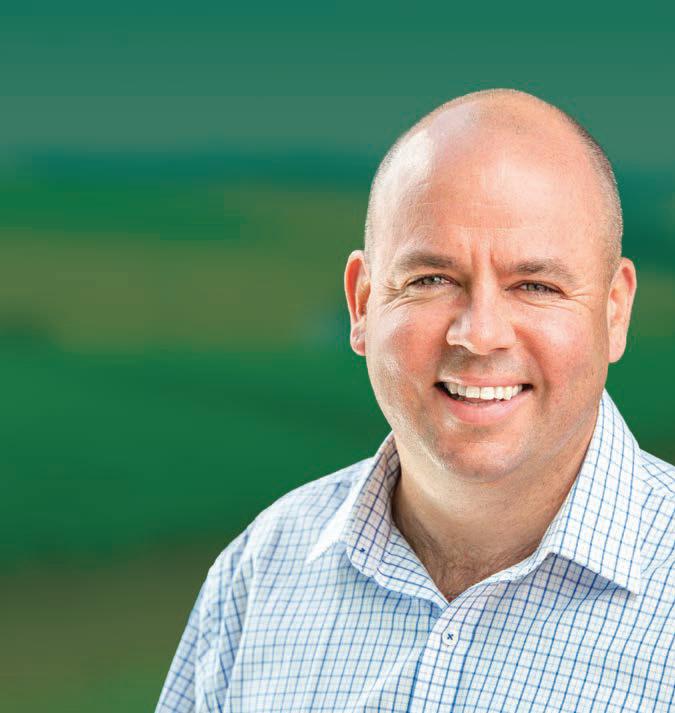
Local businesses need skilled workers now more than ever.
Regional shortage leaves opportunity for growth
REGIONAL Victoria, like most of the country has a skills shortage, but where there is a lack of certain qualifications there is opportunity for growth in our local community.
National Skills Week
highlights the training, trades, and pathways available locally to encourage more people to upskill and help shape our region’s future.
Goulburn supports several pockets of concentrated industry activity. These include industrial enterprise in Seymour, equine industries, Australian Defence Force activity in Puckapunyal, tourism around the Lake Eildon area, and National Parks and border-town communities in the north of Moira Shire. With significant labour shortages being felt by industry in Goulburn, there are opportunities to engage underrepresented cohorts and increase workforce participation across major industries.
Key Sectors & Skills required: Healthcare and Social Assistance: This sector has the highest workforce growth and demand. Specific roles include:
• Ageing and disability carers
• Registered nurses
• Early childhood educators
• Welfare support workers
Construction: This is another sector with significant projected growth and demand for workers.
Education and Training:
• Primary school teachers
• University lecturers and tutors
Agriculture:
• Livestock farmers are in demand across several key regional areas.
Authorised by S.Birrell, National Party of Australia, 426 Wyndham St, Shepparton VIC 3630
Increasing support for mature-aged students
By Aaron Cordy
FIXING the Healthcare manpower shortage is a many-layered problem that needs to be approached from an array of angles to attract, keep and maintain qualified people in rural centres.
Researchers from the University of Melbourne Shepparton, Deakin University, Bentley, WA, and La Trobe University, Bendigo, have combined their skills and knowledge into a study aimed at building support to help mature-aged rural students into healthcare.
Dr Claire Quilliam, The University of Melbourne along with Dr Nicole Crawford, Deakin University, and Carol McKinstry, La Trobe, looked at the rural pipeline approach of recruiting rural people into health professions, educating them in their communities so they can join the workforce.
“With current rural health workforce approaches, there is a big emphasis on retention because we focus on recruiting people from outside rural communities,” said Dr Quilliam.
“So, you have to get them here, then you have to work to keep them here because they don’t have those deep connections with the community; they don’t have close friends or strong connections with social groups. It takes years to develop those relationships, and in my mind, that’s a lot of work that has to go into retaining people. Or we can go with building opportunities for developing the rural pipeline and supporting rural people who already have a sense of belonging in their community or nearby communities. They get their qualifications done and they stay in their community because that’s where they have
that belonging.”
Mature-aged students face different challenges than students straight out of high school, so the study focused on how best to support them. The researchers used surveys, interviews, and focus groups across three rural campuses to develop a comprehensive description of each case from multiple perspectives. Participants included professional and academic staff working at the campuses, mature-aged students enrolled in nursing or allied health courses, and placement supervisors.
The researchers found that most of the support for mature-aged students comes from the student’s home life, or informally from campus staff. While
these types of supports are great, a lack of specific supports for this cohort driven by the campus can leave students at risk of dropping out when family and life commitments outside of study demand their attention. And it was clear there needs to be an array of support services tailored to meet the needs of mature-aged students with their own challenges.
“We need to support rural campuses to think through how they’re going to support this cohort. Mature-aged students made up over 50 per cent of nursing and allied health student cohorts on these rural campuses. We don’t want them withdrawing because it’s too hard,” said Dr Quilliam.
KICKSTART YOUR CAREER AT GV HEALTH
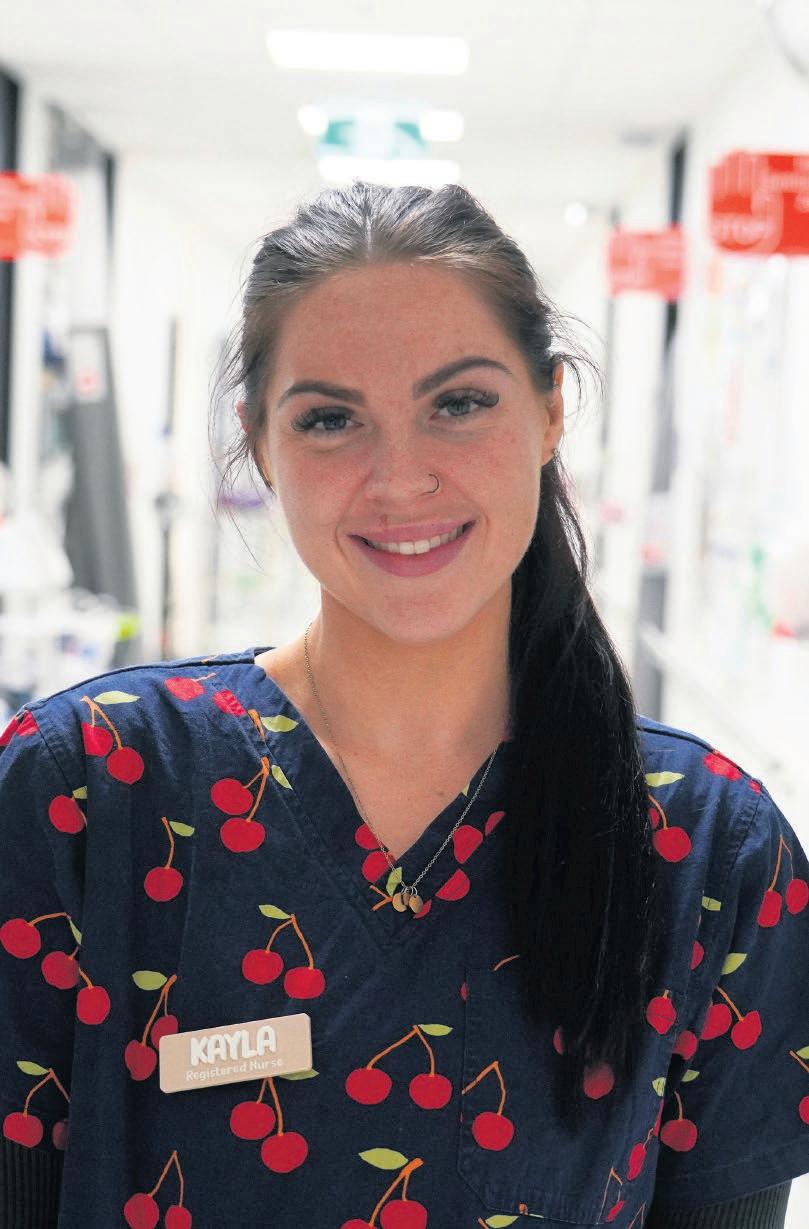
Kayla Doyle knows what it’s like to pivot.
A former beautician, Kayla returned to study during the COVID-19 pandemic in search of a career that offered longterm security and purpose and found it in nursing.
“I used to run my own business, but when COVID shut everything down, I had two kids to think about,” Kayla said.
“I needed an income that wouldn’t disappear overnight.”
She completed her Enrolled Nursing qualification in 2020, and after a year of hands-on experience at GV Health, went on to study a Bachelor of Nursing at La Trobe University.
She graduated in late 2024 and is now completing her graduate year as a Registered Nurse with GV Health.
“It’s been a challenge,” she said.
“But I’ve learned so much, it’s absolutely been worth it.”
As part of her graduate year, Kayla is completing three rotations across GV Health’s services, including a recent fourmonth placement at Euroa Hospital, now part of GV Health.
“That rotation was actually really special,” she said.
“I worked at Euroa years ago as an enrolled nurse, so it was incredible to come back as a grad and see how things had grown.
“It’s a smaller service and the team there is amazing.
“It felt like a family.
“Everyone was approachable and supportive.”
Currently based at the Graham Street campus in Shepparton, Kayla is finishing her surgical rotation before moving into Critical Care.
“It was great to ease into things at Euroa, and now I’m building confidence in busier settings too,” she said.
“The support across GV Health has been really strong, it’s been a great place to start my career.”
Why GV Health?
Experience a wide range of regional healthcare settings, from the major hospital in Shepparton to rural sites like Euroa.
Be part of a workplace where everyone plays a role in supporting community health, whether you’re on the frontline or behind the scenes.
Access structured graduate and early-career pathways with hands-on support from experienced mentors.
Benefit from flexible and hybrid work options, generous salary packaging, and five weeks of annual leave.
Build a long-term career with a health service committed to training, development and internal progression.
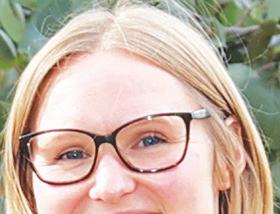
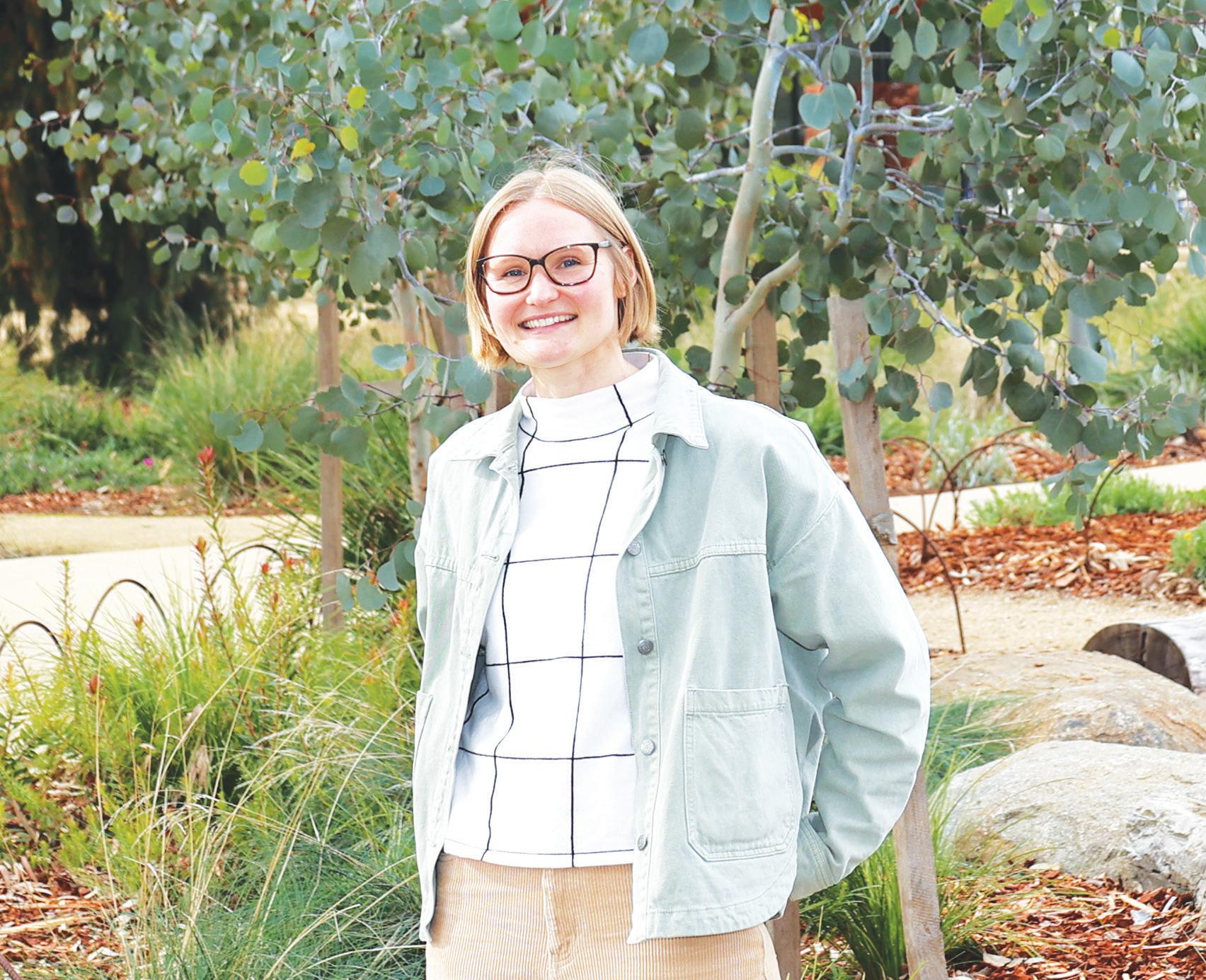
BUILDING PATHWAYS… Rural Nursing and Allied Health Research fellow, Department of Rural Health, Faculty of Medicine, Dentistry and Health Sciences of The University of Melbourne, Dr Claire Quilliam, has headed up research into the support needed for rural mature-aged students in healthcare, with an aim to help breach the gape in the workforce. Photo: Aaron Cordy