



1. Australia tops 2.7M businesses Australia now has 2,729,648 businesses, after business numbers increased by 2.5 per cent, or 66,650, over the year.
2. More Australians taking the plunge A total of 437,150 new businesses were created during the year, while 370,500 closed, with both figures higher than in 2023–24.
3. Western Australia leads growth Western Australia saw the fastest rise in business numbers, up 4.3 per cent, or 10,877 businesses. Queensland followed with growth of 2.7 per cent, adding 13,579 businesses.
4. Businesses move north Queensland attracted more relocating businesses than any other state or territory, with 1,250 businesses shifting their operations there from elsewhere.
5. Health care records the strongest gains
Business numbers rose the most in: Health Care and Social Assistance, up 6.6 per cent Transport, Postal and Warehousing, up 5.1 per cent.
6. Construction continues to surge The construction sector recorded 76,414 new businesses, the largest number of new entrants of any industry.
7. Ongoing decline in partnerships Partnership numbers have not increased in any year since 2002, when business types were first included in the data. In 2024–25, partnership businesses fell by 4.3 per cent, a drop of 9,226.
ALTHOUGH we would all relish up to the minute data, the logistics of compiling it take considerable time and effort. Still, as we mark this year’s Australian Made Week from May 18 to 24 by consciously swapping imported goods for those that are locally made, grown or processed, it is
an ideal moment to take a closer look at seven interesting facts about the nature of Australian business. These figures were compiled by the Australian Bureau of Statistics (ABS) and released in August 2025, reflecting the scale and diversity of our innovative and industrious nation.

As of 2026 Greater Shepparton has 8,311 GST registered businesses across a diverse industry landscape, with the largest share (21 per cent) centred in agriculture, forestry and the fishing industry, followed closely by construction.
RECOGNISED by 99 per cent of Australians, influencing 89 per cent to preferentially buy products carrying it, and marking its 40year anniversary this year, the green and gold Australian Made logo stands as one of the nation’s most trusted and recognisable country of origin symbols ever to hop across our economic landscape.
Since its launch in 1986, the iconic kangaroo has done far more than sit quietly on packaging, giving Australian producers, makers, processors and manufacturers a clear edge in an increasingly competitive market by offering consumers an unmistakable marker of authenticity that speaks directly to a strong preference for local jobs, Australian knowhow and trusted quality.
Commissioned by the Australian Government, designed by Melbourne graphic designer Ken Cato and famously launched by Prime Minister Bob Hawke, the logo gave shoppers a simple way to identify genuinely Australian made goods at a time when global competition was rapidly intensifying.
As the economy has shifted, so too has the relevance of the logo, which surged anew during COVID when fragile supply chains and empty shelves sharpened the focus on buying local, a mindset that looks set only to deepen as competitive pressures grow.
So, here’s to the Australian Made logo at 40 — a small but mighty symbol that does more than influence choice but rather delivers Australia industry a thumping stamp of confidence.
CELEBRATING 40 YEARS...The iconic Australian Made logo stands as one of the nation’s most trusted and recognisable symbols, providing shoppers with a simple way to identify genuinely Australian made goods. Photo: Supplied
Buying Australian means you’re creating local jobs, boosting the economy, and supporting your fellow Aussies in the Goulburn and Murray Valley and beyond… please support Aussie makers and growers by purchasing locally made products!


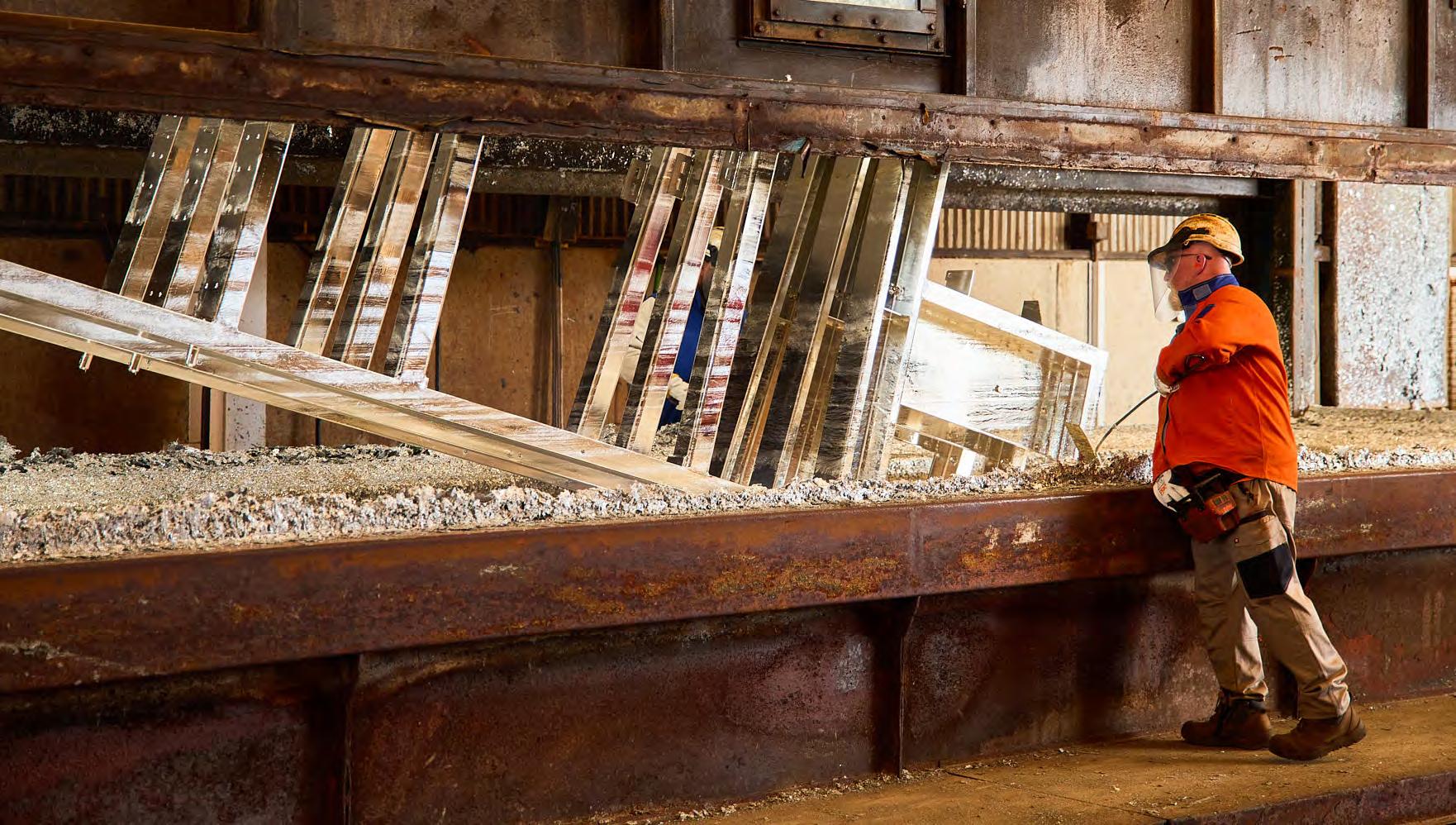
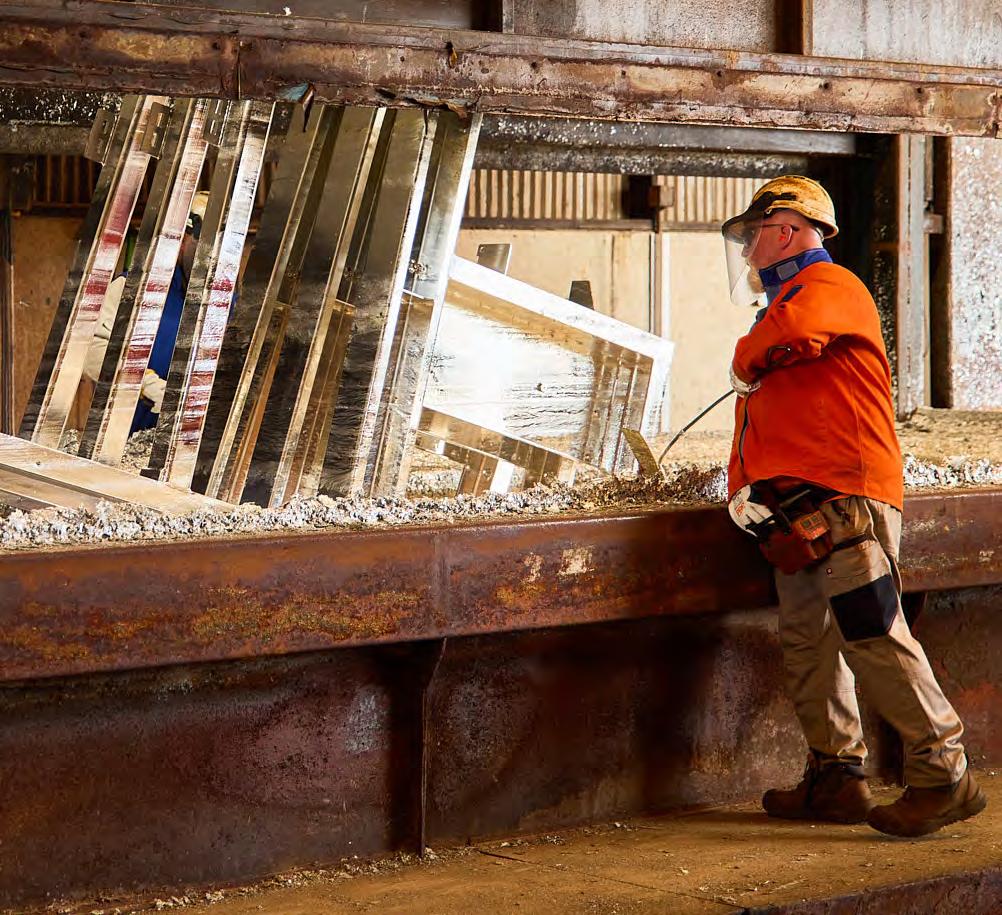
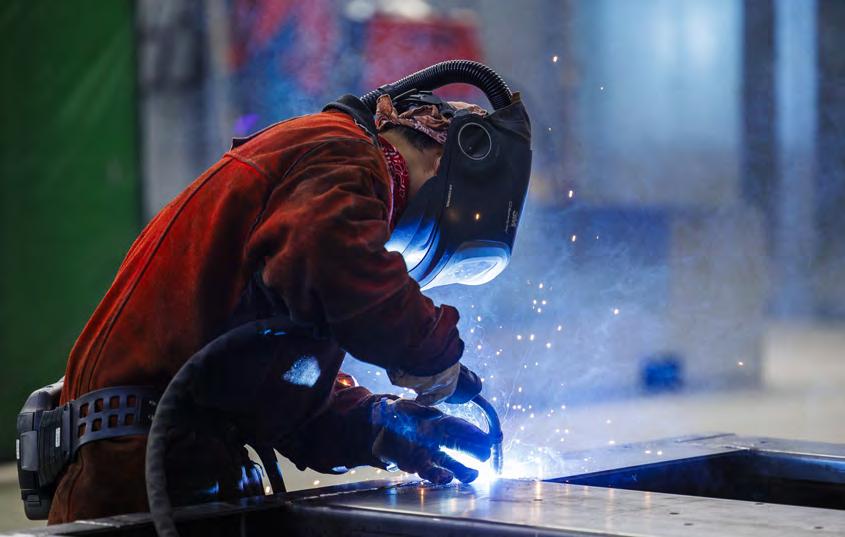
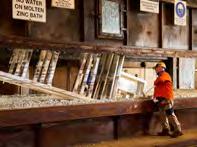
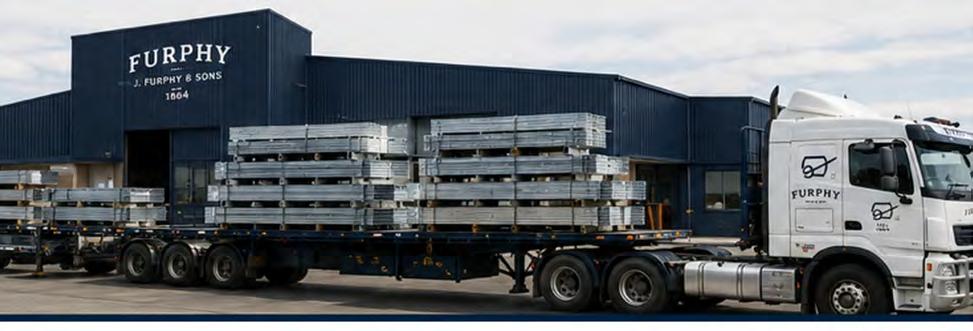
SEVERAL businesses within the J. Furphy & Sons organisation have recently come together under a new unified Furphy brand and identity — marking an exciting new chapter in one of Australia’s most recognised manufacturing and engineering families.
While the branding may be new, the foundations remain the same: generations of Australian manufacturing expertise, regional commitment and industry-leading capability.
The new Furphy identity brings together specialist operations across:
• Galvanising
• Blast and paint
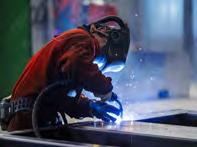
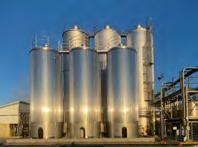


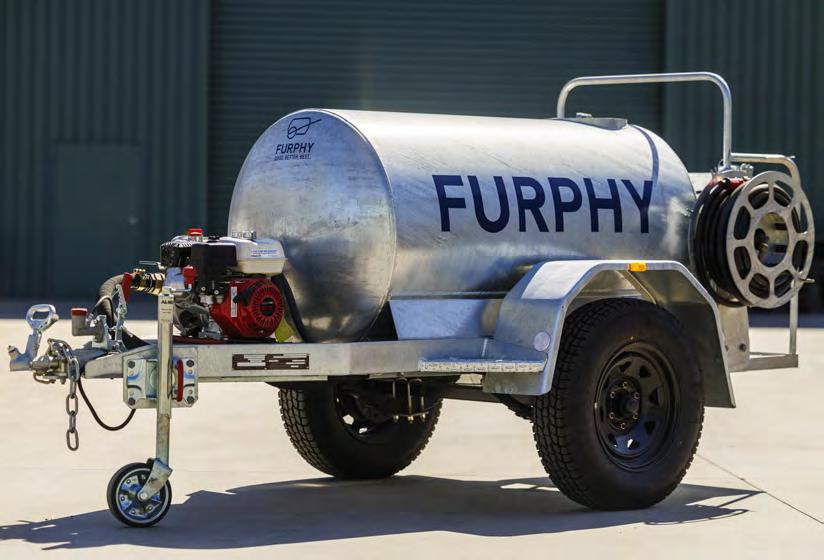
• Stainless tanks and vessels
• Fabrication
Together, these capabilities provide customers with a stronger, more connected end-to-end manufacturing and engineering solution — backed by the scale, experience, and support of a united national group.
With operations strategically located throughout regional Australia, Furphy continues to invest in local people, skilled jobs, apprenticeships and regional suppliers, helping strengthen Australian manufacturing and support the communities in which we operate.
For generations, the Furphy name has been associated with quality, reliability, innovation and service. This next
evolution builds on that proud heritage while positioning the group for future growth and continued industry leadership.
By aligning under one unified brand, Furphy is enhancing collaboration across its businesses, strengthening customer service capabilities, and delivering greater value through shared expertise and integrated solutions.
As Australian industry continues to evolve, Furphy remains committed to setting the benchmark in quality manufacturing, engineering excellence, customer support and innovation.
Better Steel Products, For a Brighter Tomorrow. Good…Better…Best..

KNOWN fo r producing some of Australia’s most trusted household chemical brands, Pental Cleaning Products is a significant player in its sector and a strong example of a progressive, growthfocused Australian manufacturer.
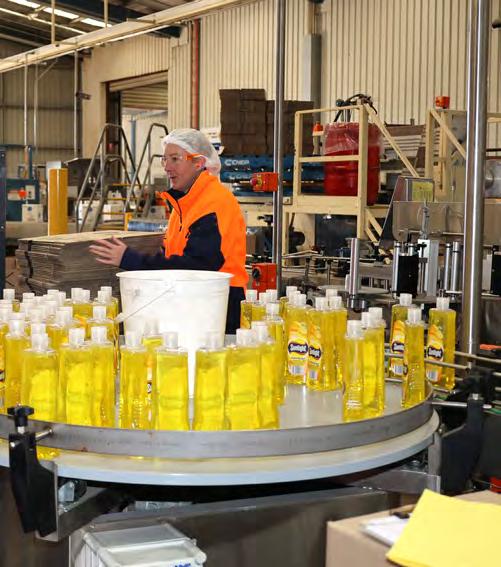
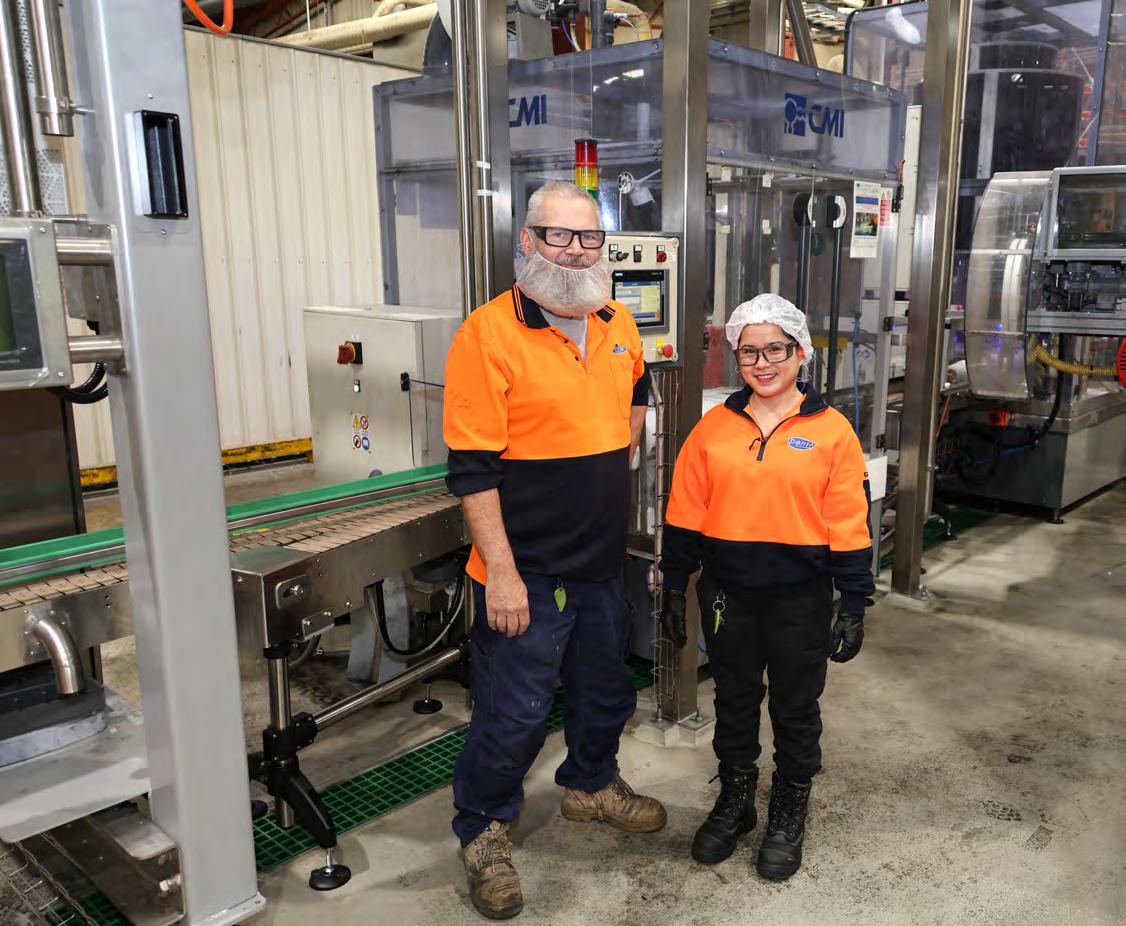
Si nce joining the DuluxGroup portfolio in November 2023, Pental has undertaken a substantial manufacturing growth and investment program, with approximately $6.5 million invested to date in highspeed filling lines, increased batching capacity and enhanced automation, alongside targeted investment in the Finished Goods warehouse. The installation of new pallet racking has significantly increased onsite storage capacity to 7,600 pallets, strengthening operational efficiency and supporting future growth.
R eflecting confidence, capability and a long-term commitment to sustainable local production, Pental is building on its established strengths. With a welldeveloped manufacturing footprint across detergent liquids, bleach, bar soap and firelighters, this investment has acted as a catalyst for further expansion.
T hat momentum has been strengthened through P ental’s i ntegration into the
Selleys business unit, a well-known, highquality brand within the Dulux portfolio. As a result, additional trusted brands — including Selleys Complete Clean, Cabot’s cleaning and care range and SteelKleen — are now being produced locally in Shepparton.
T he results of this investment are already evident, with production output at the White King plant doubled for gels, sprays and cleaners. Growth is also occurring across the liquid detergents division, spanning laundry, dishwashing and multipurpose products.
I n addition, Country Life bar soap is gaining renewed momentum through export opportunities into China, with production for these contracts having already commenced from March.
Fur ther enhancements to site capability include a new batching plant extension and two fully automated robotic palletising stations, all of which are currently in commissioning.
The future presents significant opportunity for Pental, now supported by major partners Dulux and Selleys, as it continues to operate and invest locally at its Drummond Road facility in Shepparton.
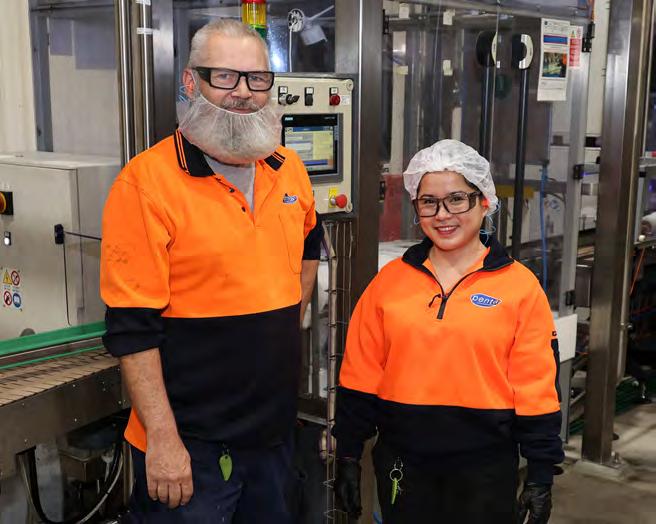
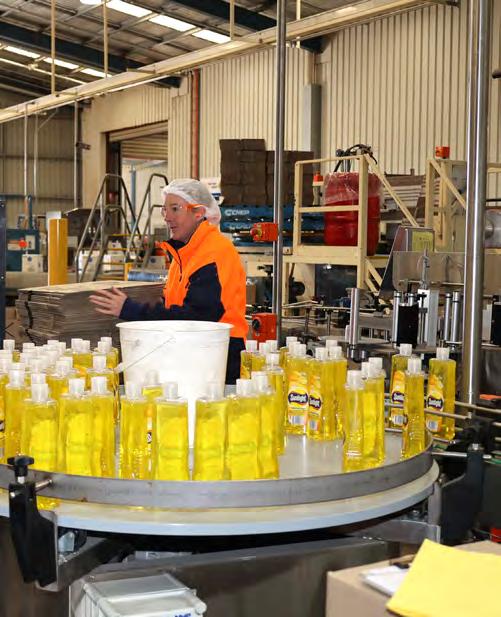
FORGING AHEAD... Since joining the DuluxGroup portfolio in November 2023, Pental Cleaning Products has embarked on a substantial manufacturing growth and investment program, building on its strengths to significantly lift output through highspeed filling lines, increased batching capacity and enhanced automation,
and proud to be manufacturing products in Shepparton


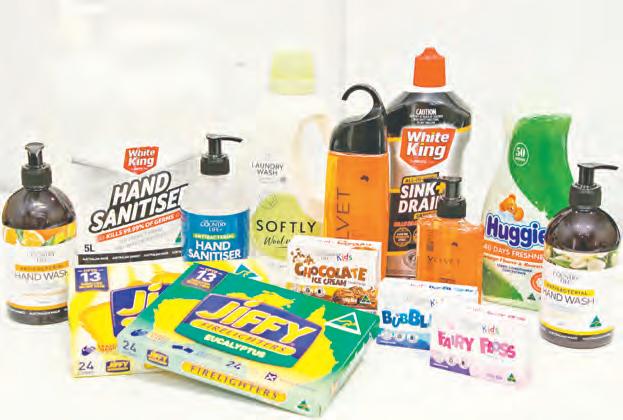
Trusted by families for generations
These Pental brands are manufactured and packed by our team at our Shepparton facility












CENSUS night is on Tuesday, August 11, 2026. The Census is the largest collection of data undertaken by the Australia Bureau of Statistics (ABS).
Emily Walter, Census National Spokesperson, said, “With less than 100 days until the 2026 Census, it’s a good time to remind people why every answer matters.
“The Census provides some of the country’s most valuable statistics. It’s a snapshot of who we are and how we are changing, informing what we need now and into the future.”
Census data informs planning for schools, healthcare, transport and infrastructure. It is also used to help plan local services for individuals, families and communities.
“An example of the importance of Census data can be seen in how Playgroup Australia uses it to understand emerging community needs and modern Australian families,” Ms Walter said.
“Census data helps them plan the timing and
locations of playgroups to accommodate working parents, while also identifying gaps in their network.
“Playgroups have become more vital than ever for providing trusted, community-based spaces that support early childhood development, social connection and parental wellbeing.”
The ABS has been preparing to ensure everyone in Australia can take part in the Census.
“The ABS will provide a range of ways for the public to complete the Census this year, including online or via a paper form,” said Ms Walters.
“Additional support will also be available for people who need it, including Census field staff, phone and online services, information hubs in public spaces and translated material.”
The Census is held every five years and is compulsory. Everyone in Australia on Census night must be included on a Census form, including visitors and visa holders.
For more information, visit census.abs.gov.au

By Aaron Cordy
AUSTRALIA Post has conducted research, revealing that the four-digit code sparks more pride than was first believed. With 57 per cent of Australians identify more strongly with their postcode than city (55 per cent), state (39 per cent) or nation (44 per cent).
The study examined pride, local identity, and how neighbourhood interactions make people feel connected to their suburb or town, with 75 per cent of people surveyed having a level of pride in their suburb/town.
State pride is strongest among Banana Benders and
Sandgropers. 50 per cent of Queenslanders say their state is their strongest identity marker, above the national average of 39 per cent. City pride resonates more with Victorians (63 per cent) and South Australians (67 per cent). Across the remaining states and territories, people are more likely to identify first with their postcode/suburb.
Australia Post Executive General Manager Retail, Brand & Marketing, Josh Bannister, said postcodes have taken on meaning far beyond their original purpose.
“Postcodes may have started as a practical tool for delivering mail, but today they represent something
far more personal, for many their postcode represents identity, belonging and community,” said Mr Bannister. Suburb connection is driven primarily by human interactions, with the strongest sense of connection coming from chatting with neighbours. The survey revealed 71 per cent of Australians interact with their neighbours on a regular basis, averaging about 13 days per month, with older Australians leading the way. It is estimated that 80 per cent of people think their neighbours are friendly.
So, what do locals think? Do you find more pride in living in Australia, Victoria, Greater Shepparton or your town with its own unique postcode?
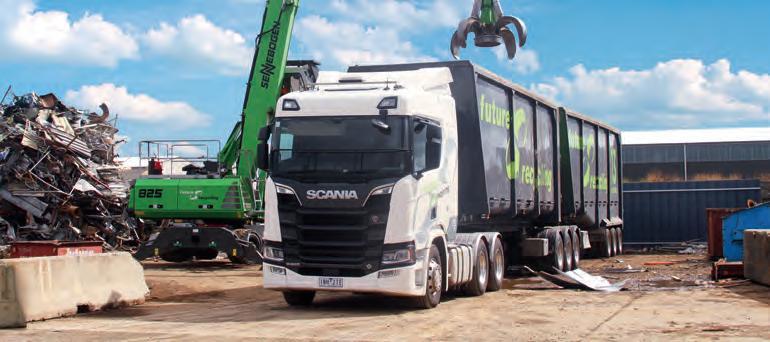


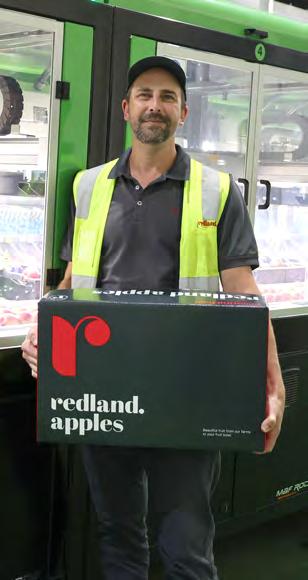
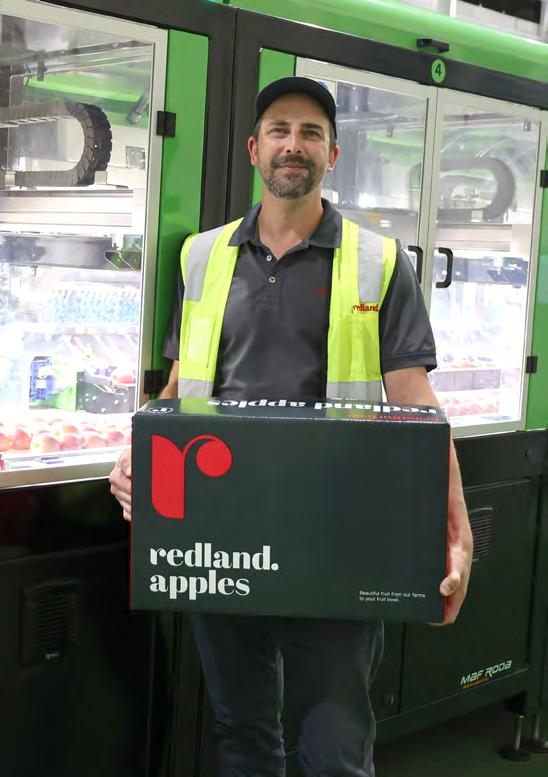
REDLAND is expanding its fruit growing and packing operations across Australia, with a focus on lifting production, improving efficiency and building new market opportunities.
Speaking at the Mooroopna facility, Redland’s Jordan Bain said a key development for the business is the introduction of Dori gold kiwi fruit, with the first commercial crop produced this year. Redland is the exclusive licensed marketer of the variety in Australia, which until now has been traditionally importdependent, with no commercial production compared to New Zealand and other major global suppliers.
The move marks a diversification into new fruit categories, alongside its existing citrus, grapes, apple and pear production.
“In the next five or six years, the volume will increase over a greater length of time,” he said.
Alongside new crops, Redland continues to rework and replant apple and pear orchards in the Goulburn Valley that are producing lower yields or inconsistent quality or colour, with a rich colour being particularly favourable in Asian markets.
“We identified blocks with resources that are not performing well. We put a plan in place to redevelop,” Jordan explained.
The business is also looking to expand export opportunities, with China identified as a long-term potential market for its Sassy and Dazzle apples, and Vietnam emerging as a growing opportunity that is yet to have market access for Australian fruit exports. These markets sit alongside existing domestic supply commitments across Redland’s national operations.
Automation and technology continue to play an increasing role in packing and sorting fruit, with camera systems and robotics used to assess quality and direct fruit through packing lines.
Bain said efficiency gains are increasingly important as production costs rise across the industry, placing pressure on margins for growers.
“Apple and pears are in that space where things are outside of your control. If the market doesn’t hold, then it comes off the bottom line.”
He said despite this, fruit growers have continued to show excellent resilience and determination to improve models for the best results. Largely this is achieved through technology and operational improvements to offset pressures, while acknowledging most available efficiency measures are already being actively pursued across the sector.

By Linda Nieuwenhuizen, Committee for Greater Shepparton CEO
THE Greater Shepparton, Moira and Campaspe region is home to iconic Australian brands and world leading companies and among the top three regional food manufacturing clusters in Australia.
This region can boast:
• Australia’s largest:
» Oilseed crushing facility
» UHT milk producer
» Fruit processor
» Manufacturer of bar soap, liquid bleach and firelighter cubes
» Cut flower producer
» Cream cheese processor
» Regional concentration of dairy processing – processing around 30 per cent of the national milk pool while producing around 20 per cent of raw product
» Regional concentration of glasshouse producers of fresh tomatoes, capsicum and cucumber
• A ustralia’s largest and only tinned tomato processors
• O ne of only two Australian based canned soup manufacturers and frozen
and canned vegetable processors.
The region’s concentration of food and grocery manufacturing is complemented by a significant allied manufacturing sectors, including 10 per cent of Australia’s metal fabrication businesses and a nationally significant specialist food-grade stainless and dairy process equipment cluster.
This integrated supply chain, from paddock to processing plant to port, ensures local produce reaches markets not only across Australia, but internationally.
The Committee for Greater Shepparton (C4GS) plays a critical role in enabling this growth.
Bringing together more than 100 businesses and organisations, C4GS drives advocacy, partnerships and strategic collaboration to strengthen the regional economy.
Together, local industry and C4GS are shaping a future where Sheppartonmade products continue to grow in value and reach—demonstrating how regional Australia can design, build and deliver world-class goods proudly stamped “Australian Made.”





INFLATION rising, interest rates and the relentless rise in the cost of living — and the spin goes on and on.
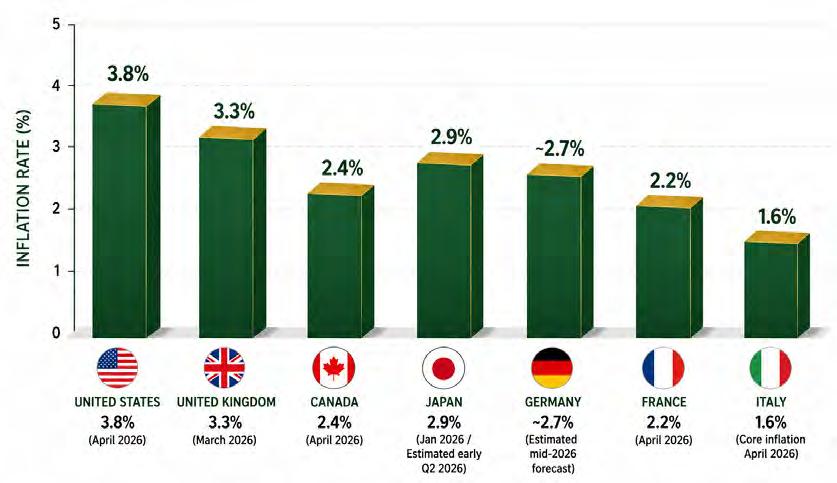
A mid the noise, the numbers and the stress, you may be wondering why our nation appears to be hit harder by higher inflation and interest rates than other economies of a similar size, particularly when Australia is compared with the G7 nations — the United States, United Kingdom, Canada, Japan, Germany, France and Italy — where the contrast becomes clearer.
A c ombination of factors, including a postpandemic rebound in demand, supply chain disruptions, monetary policy
settings and energy price shocks linked to geopolitical conflict, means global inflation continues to affect countries around the world in 2026 and Australia has been no exception.
Interest rates are often described as the “price of money” and are set by the central bank, while inflation refers to the rate at which the prices of goods and services rise over time, which reduces purchasing power and pushes up the cost of living.
A lthough inflation has eased from the extreme highs seen after the COVID19 pandemic, many nations are still working to return to stable levels, and progress has been uneven across economies.
Countries such as France and Canada are currently recording inflation rates of around 2 to 3 per cent, while Australia’s inflation rate remains higher at about 4.6 per cent, and economists say this gap is driven by a combination of global and domestic pressures.
O ne major global driver of inflation is rising energy prices, as ongoing conflict in the Middle East has pushed up oil and fuel costs, making transport and production more expensive worldwide, while supply chain disruptions and strong consumer demand have also added to higher prices.
A ustralia faces additional challenges, including a housing shortage and rising
rents, and when these are combined with strong spending across the economy, inflation has proven more persistent here than in many other G7 economies.
D espite the complexity, the unpredictability and levers pulled by the government and central bank to bring inflation down, the fact remains that inflation impacts families and businesses the most through rises in fuel, electricity and housing costs, and all this while experts warn global uncertainty and future energy shocks could keep prices elevated for some time yet.











WHEN you choose Australian owned and Australian made, you are not only investing in local jobs and economic resilience, but in a standard the global market has come to respect.
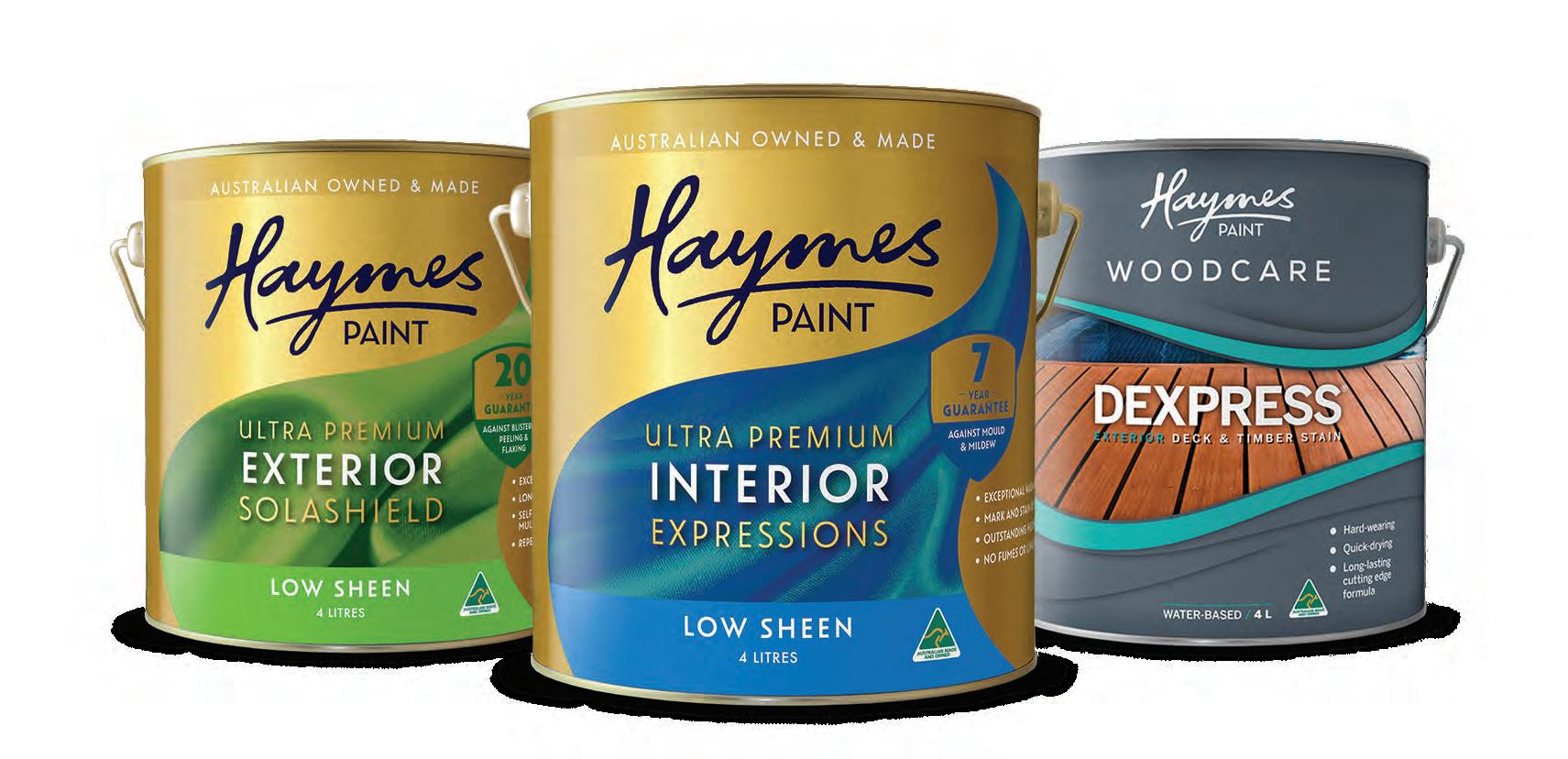
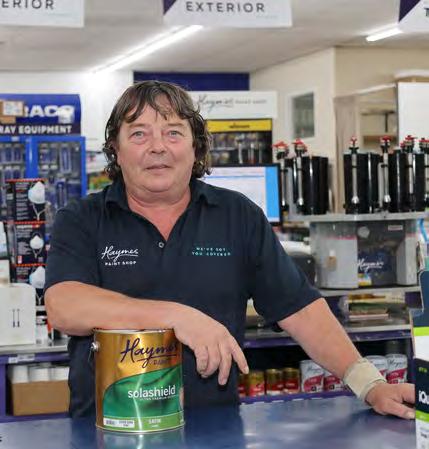
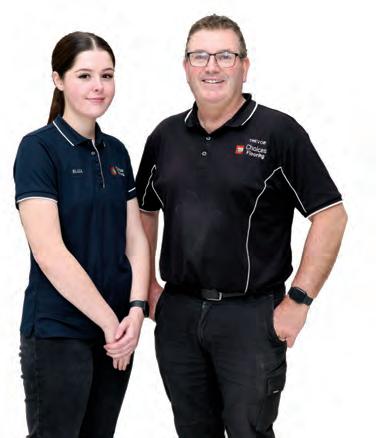
As the nation’s largest 100 per cent family owned and operated paint manufacturer, Haymes Paints stands as a testament not only to home grown entrepreneurial ingenuity, but as a market leader that has remained firmly anchored to the values of quality on which it was built.
Founded in Ballarat in 1935 by Henry Haymes, the company has grown from a small regional operation into a national brand. Now led by the third generation of the Haymes family, Haymes Paints remains the only major paint brand that is wholly Australian owned and Australian made.
Employing more than 400 people across its operations, and supporting a nationwide network of Haymes Paint shops, PaintRight stores and more than 350 independent stockists, the company is a significant employer and contributor
to local economies, particularly in regional areas.
Harnessing the experience, ethos and know-how of a business journey that began 90 years ago, Haymes Paints’ long term commitment to Australian manufacturing continues to unfold.
The company’s recent multimilliondollar investment in its state-of-the-art Ballarat manufacturing facility reflects this focus. By expanding production capabilities, Haymes Paints is not only strengthening local expertise, but also creating jobs and supporting the future of regional industry.
Building a reputation over decades for producing high-performance products designed specifically for Australian conditions, quality remains central to the brand’s success. Local manufacturing enables greater control, innovation and consistency — factors that are highly valued by homeowners, tradespeople and commercial customers alike.
Beyond manufacturing, the company is also committed to community
connection, actively supporting local paint specialists, hardware stores and professional painters, many of them family-owned businesses.
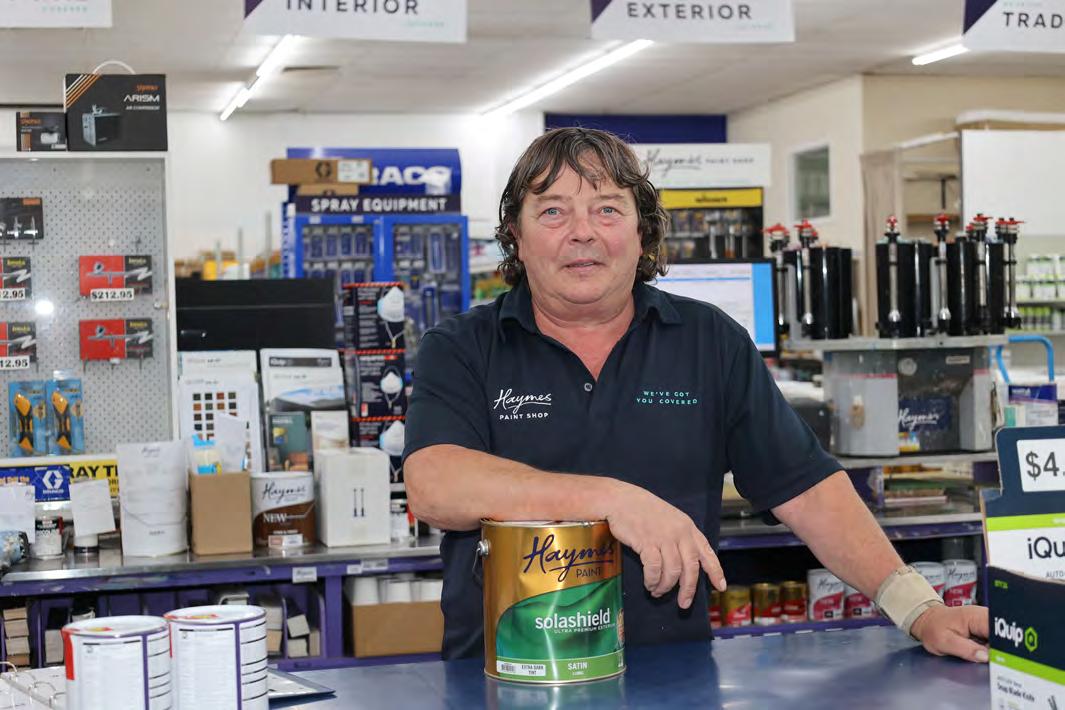
An Australian, home-grown success story, Haymes Paints continues to stand out in a competitive market while maintaining its strong local focus. And with outlets such as Shepparton’s own
Haymes Paints store on Fryers Street, why not drop-in and see Karl and the team, next time you need quality paint — and expert advice you can trust. Call in to your local Haymes Paint shop in Shepparton and meet Karl and his amazing team at 177 Fryers St, Shepparton or phone (03) 5821 1899.
#buylocal
#buylocal
“The best food is home grown not imported. Support our growers, manufacturers and your local job” Our region leads when it comes to producing and manufacturing local goods and services. Back our growers factories, and jobs by shopping locally and buying Australian made.


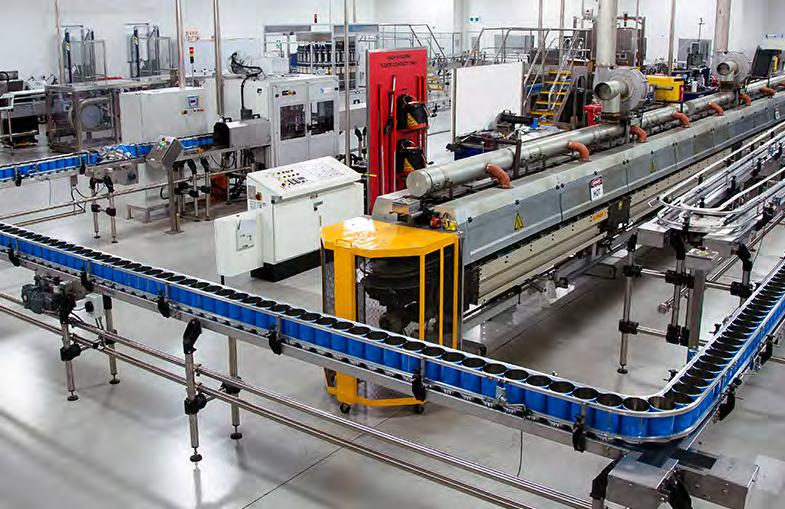
OVER the years, Jamestrong has backed Australian manufacturing with significant investment, including $13 million in a highcare infant formula can facility in Kyabram and a broader $52 million program across Australia and New Zealand.
J amestrong CEO Alex Commins said the company is one of many local businesses committed to manufacturing in the region, helping position the Goulburn Valley as a national leader in advanced manufacturing. He said the Kyabram facility plays a vital role in supporting Australia’s food and beverage supply chain, producing high-quality steel packaging for both domestic and export markets, and highlighting the importance of keeping critical manufacturing
capability in Australia.
I n an era marked by global supply disruptions and growing demand for trusted, locally produced goods, Australian-made manufacturing has taken on renewed significance. Facilities like Jamestrong Kyabram not only strengthen supply chain resilience but also ensure consistent quality, sustainability, and compliance with Australia’s high production standards.
B eyond the factory floor, the impact is deeply local. Investment in Kyabram supports skilled jobs, drives regional economic activity, and reinforces the Goulburn Valley’s reputation as an industrial hub with national reach. It also reflects a broader shift toward valuing
sovereign capability - producing essential goods closer to home rather than relying on overseas supply.
A s consumers increasingly seek out the Australian Made label, businesses that invest locally are helping to shape
a more secure and self-reliant future. In this context, Jamestrong’s long-term commitment highlights how regional manufacturing can lead the nation - with the Goulburn Valley firmly at the forefront.
WITH the Federal Government releasing the budget last week, debate, criticism and commentary from all sides have erupted about Australia’s economic future.
Federal Member for Nicholls Sam Birrell says families, farmers and small businesses will be impacted by Labor’s broken promises on tax which betrays the trust of Australians and will see regional Australians pay more.
“This is a Budget of broken promises, higher taxes, more debt, lower living standards and fewer homes
for Australians,” said Mr Birrell.
“The Albanese Government’s spending is still out of control, and they are raising taxes and cutting from regions to fund it.”
“The argument that this is about intergenerational equity is a fallacy because young Australians are going to be paying for this government’s reckless spending for most of their working lives.”
Across the Budget, regional Australians face at least $11B worth of cuts, including:
• $6.15B cut from the Inland Rail project,
• $ 4.7B cut from infrastructure spending,
• $ 103M cut from the National Water Grid,
• $ 191.6M cut from pest and disease, regional trade and drought funding for farmers
• $ 21.4M cut from regional communications funding.
The budget included funding for new rounds for Growing Regions (projects up to $15M) and Stronger Communities (smaller community projects up to $20,000).

Your packaging should take you to market with full product brand protection. Our advanced metal packaging and technical expertise will do precisely that.
AS of May 2026, the Australian business landscape remains sophisticated, stable and transparent, yet is increasingly challenged by rising operational costs, persistent inflation, rapid AI adoption and an uneven labour market.
While applications per role across much of the whitecollar sector are rising, critical shortages persist in construction, healthcare and specialist technology roles –
particularly in AI, cloud computing and cyber security.
S et against a backdrop of geopolitical instability, ongoing global conflicts and fragile, if not tenuous, global energy supply chains, several Australian industries are nonetheless demonstrating resilience and growth.
According to IBISWorld – a trusted, h uman verified provider of market research, analytics and industry reporting – the fastest growing Australian
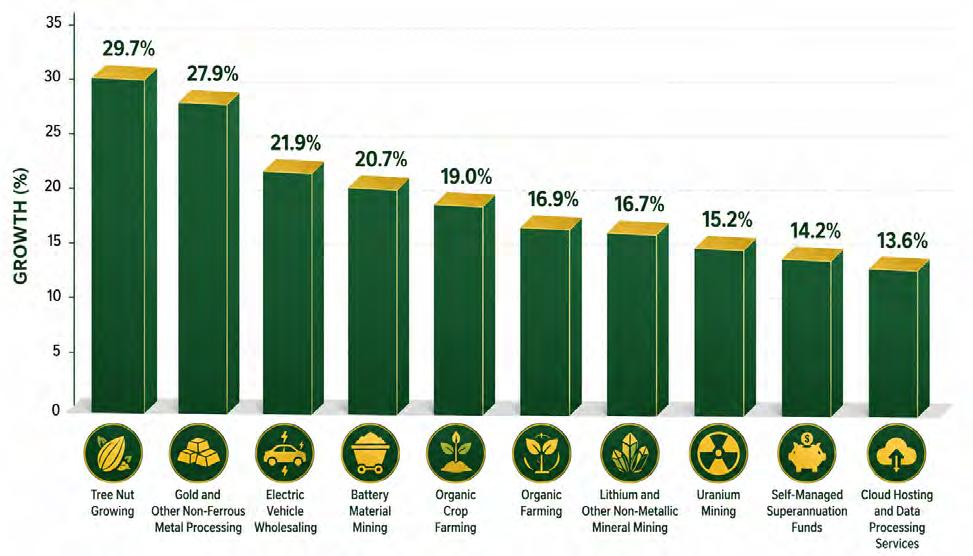
industries by revenue this year may come as a surprise. While healthcare, mining or finance might be expected to dominate, one of the standout performers is tree nut growing, forecast to expand by 29.7 per cent in a single year, placing it among the fastest growing industries in the country by revenue growth.
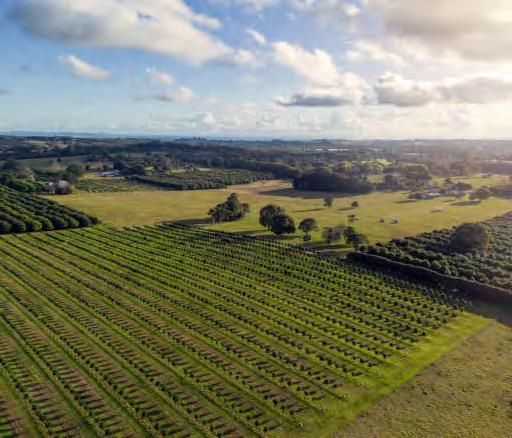
FASTEST GROWING INDUSTRIES... Against an increasingly competitive, though less stable world, industry is advancing in Australia, with some perhaps surprising standout performers. Photo: Supplied
Source: IBISWorld database