HEART AND STROKE CARE EARNS HOSPITALS NATIONAL HONORS
Adventist HealthCare hospitals are continuing a streak of earning national recognition for high-quality, evidence-based treatment of heart attack and stroke.
• Adventist HealthCare Shady Grove Medical Center earned designation as an American College of Cardiology HeartCARE Center for the fourth straight year. The national honor demonstrates excellence in integrating evidence-based science, quality initiatives, clinical best practices and the latest medical guidelines into heart care, leading to better outcomes for patients.
• Adventist HealthCare White Oak Medical Center received the American College of Cardiology’s NCDR Chest Pain – MI Registry™ Silver Performance Achievement Award – one of only 79 hospitals nationwide to receive the honor in 2025. This award recognizes White Oak Medical Center’s commitment and success in implementing a higher standard of care for heart attack patients.
• Adventist HealthCare Shady Grove and White Oak Medical Centers each earned dual American Heart Association (AHA) recognitions for research-based care for patients experiencing STEMI and NSTEMI heart attacks.
• Both hospitals also received AHA Get With The Guidelines®
– Stroke Gold Plus Awards with Target: Stroke Honor Roll and Target: Type 2 Diabetes Honor Roll, recognizing a commitment to improving outcomes for stroke patients.
“Our goal has always been to provide the kind of care we’d want for our own loved ones,” said Neil Roy, MD, chief medical officer at Adventist HealthCare Shady Grove Medical Center. “Being recognized by the American Heart Association is an honor, but what matters most is knowing our stroke and heart care is making a real difference in the lives of our neighbors, families and friends throughout the community.”
“This recognition is a powerful affirmation of the dedication and expertise our team brings to every patient encounter,” added James Rost, MD, chief medical officer at Adventist HealthCare White Oak Medical Center. “It reflects our commitment to clinical excellence, and the compassion that drives us to ensure every stroke and cardiac patient receives the best possible care, when every second counts.”
How’s your heart health? Take our free online assessment at AHCYou.com/W26Heart.
PROGRAM MARKS 10 YEARS OF LAUNCHING NEW NURSES
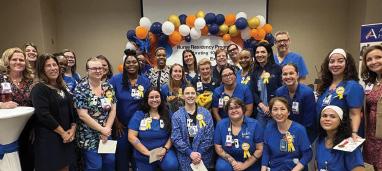
In October, Adventist HealthCare’s Nurse Residency Program celebrated a decade of giving nursing school graduates support and mentoring for long-term success in hospital careers.
Since its start, the program has graduated 511 nurses. Its evidence-based curriculum focuses on leadership, patient and safety outcomes, and professional and personal development. Entering the nursing profession can be both exciting and overwhelming, noted Joan Vincent, vice president of Patient Care Services and chief nursing officer for Adventist HealthCare Shady Grove Medical Center.
“The program was made to ease the transition by providing mentorship, education and a sense of belonging,” she said.
She credits the experienced Adventist HealthCare nurses who have guided, encouraged and inspired the next generation of caregivers for our community.
“Their investment has created a legacy that will carry for decades to come.”
NEXT-GEN HEALING: Lab Helps Reimagine Community Cancer Care
Hearing the words “you have cancer” is overwhelming. With so much new information to process, the last thing a patient needs is a long wait to begin treatment.
WHITE OAK CANCER CENTER
and Shady Grove Aquilino Cancer Center, in partnership with Maryland Oncology Hematology, are advancing and accelerating patient care with the launch of a lab for next generation sequencing (NGS) – one of only a few labs integrated into a physician practice in the U.S. Kashif Firozvi, MD, medical director of Cancer Services at Adventist HealthCare, explains how this added technology makes a difference for patients.
Q: WHAT IS NGS?
Dr. Firozvi: NGS is a cutting-edge technology that allows the analysis of thousands of genes in a single test. In oncology, this testing allows physicians to uncover the unique genetic mutations that drive tumor growth. It unlocks the genetic fingerprint of the cancer, empowering an oncologist to provide the most personalized, targeted therapy for each and every patient.
Q: HOW DOES NGS HELP TO TREAT CANCER?
Dr. Firozvi: NGS testing analyzes the constantly changing genetic mutations that promote cancer growth. By knowing this information, oncologists can access treatments that are known to target that particular mutation and, in doing so, provide more effective and less toxic therapy
Q: HOW ARE THE CELLS GATHERED FOR TESTING?
Dr. Firozvi: Cell collection can vary for each cancer type. A biopsy, the removal of tissues or cells from your body, is the most common way cancerous cells are collected. In addition, we can now collect small pieces of DNA that are shed from the cancer into the bloodstream and isolate them through a blood draw. This provides another option for patients to have a personalized roadmap for treatment when biopsies aren’t feasible.
Q: HOW DOES THIS IMPACT TREATMENT FOR PATIENTS?
Dr. Firozvi: By adding an NGS lab in one of our cancer centers, we can fast-track treatment by completing the testing in the Adventist HealthCare system. Sometimes, patients used to wait more than three weeks for their results to come back from the lab. Now, with our own NGS lab, patients only have to wait one week for their results. A cancer diagnosis is overwhelming enough, and the wait time to start treatment should not have to be an added stressor for patients and their families.
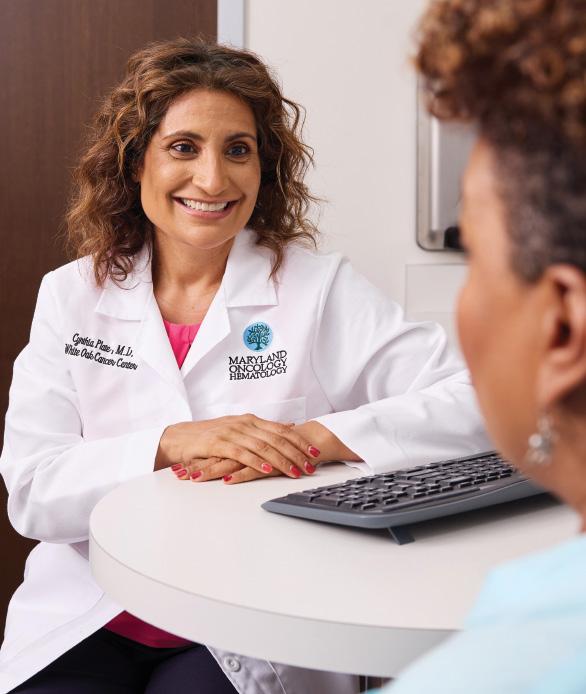
Breast surgeon Cynthia Plate, MD, uses NGS to help create personalized treatment plans for her patients.
Q: WHO CAN USE THE NGS LAB?
Dr. Firozvi: Patients being treated at Adventist HealthCare cancer centers will have their genomic sequencing completed within White Oak Cancer Center’s Next Generation Sequencing Lab. This should help our oncologists initiate more effective and less toxic treatments for their patients in a shorter period of time.
Tune into the “Adventist HealthCare & You” podcast to learn more about the Next Generation Sequencing Lab. Listen at AHCYou.com/ W26Podcast.
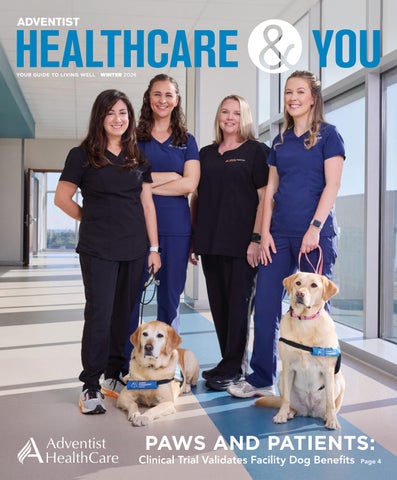
TRAILBLAZING TRIAL PUTS FACILITY DOGS ON THE RESEARCH MAP
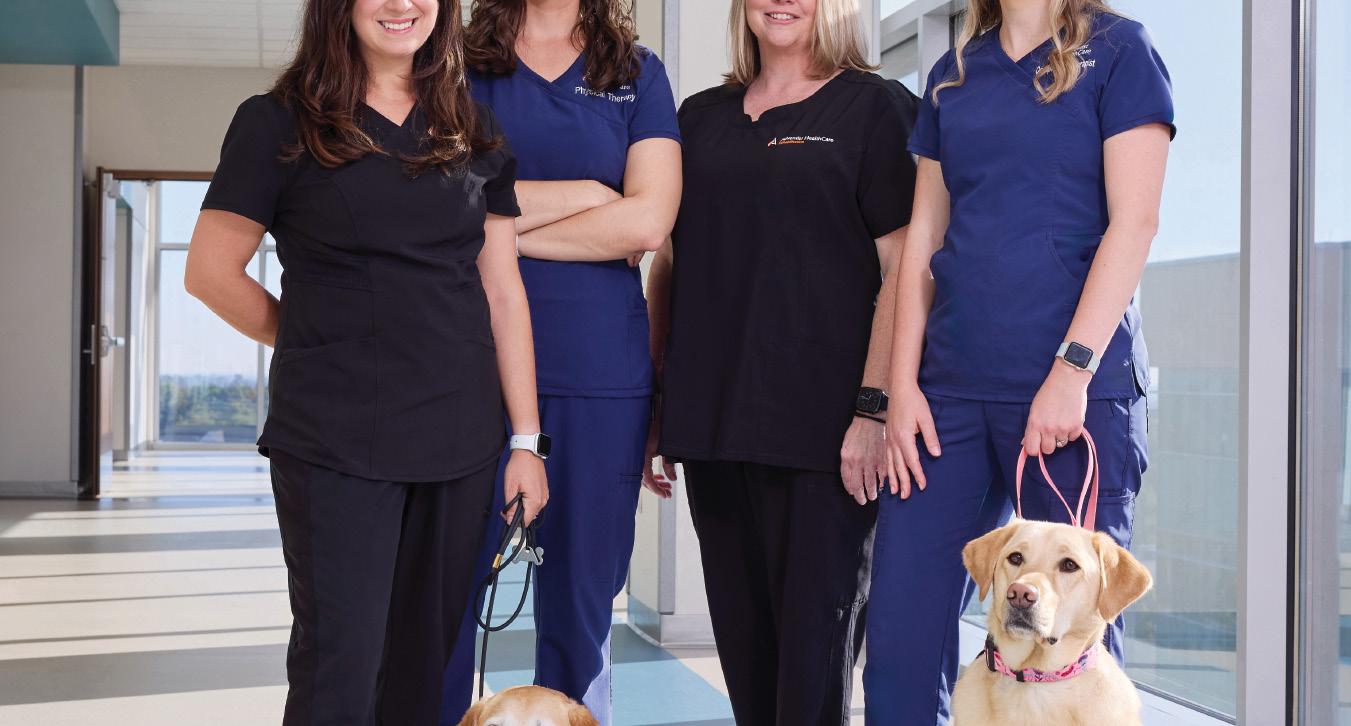
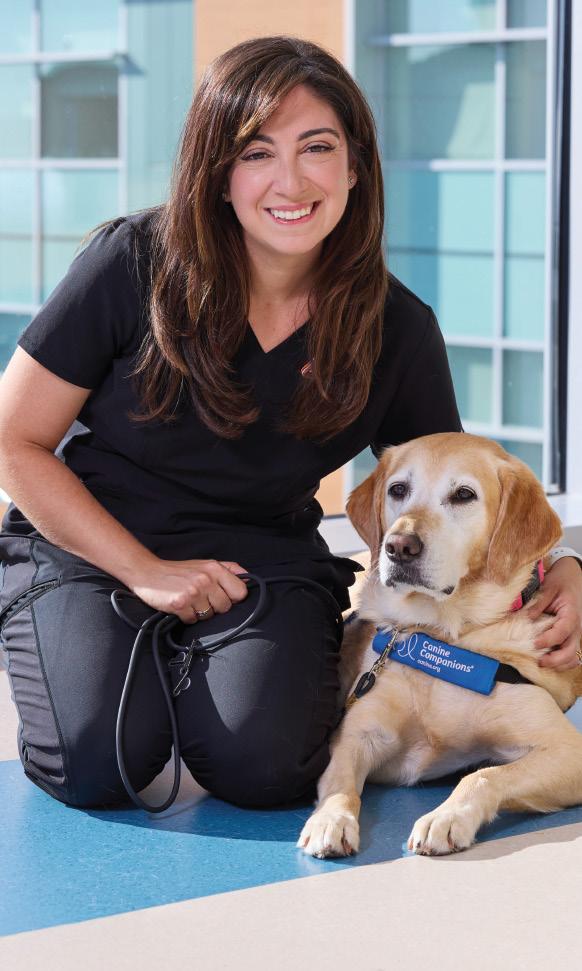
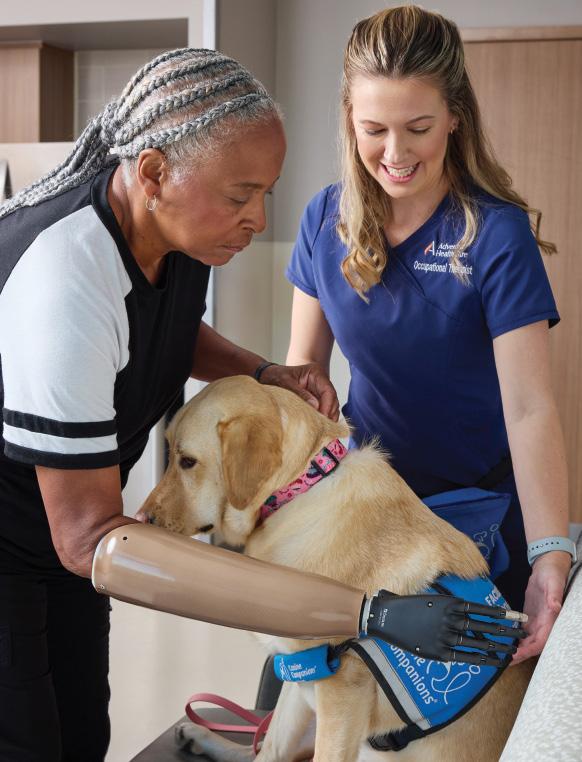
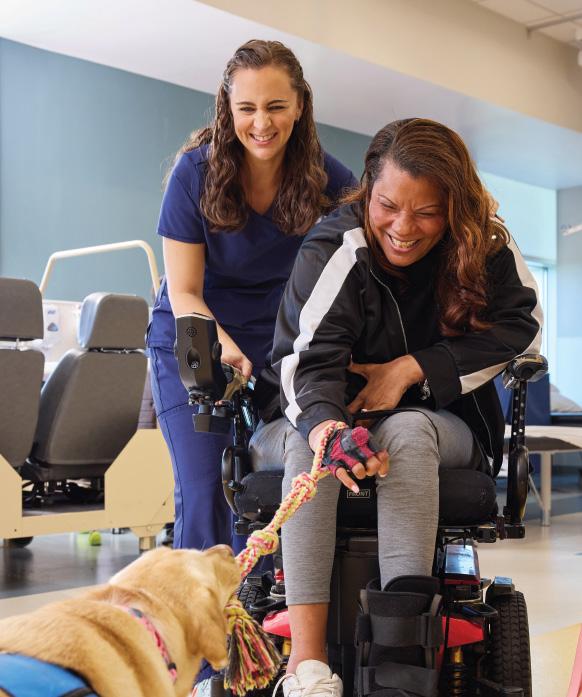
The Adventist HealthCare Rehabilitation team is always looking for innovative ways to help patients regain their independence after life-altering injuries or illnesses, explained Heather Tropiano, PsychD, a clinical psychologist and director of the organization’s Facility Dog Program.
“COMMONLY, BARRIERS SUCH AS fear, anxiety, low motivation, fatigue and pain impede progress,” Dr. Tropiano said. “I jumped at the opportunity to apply for a facility dog, because I saw the potential for creatively navigating barriers to help patients reach their goals.”
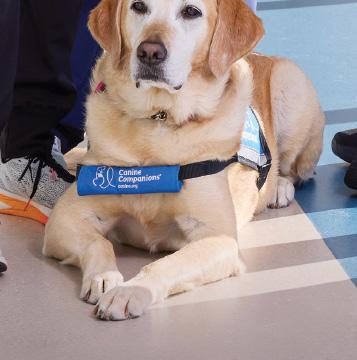
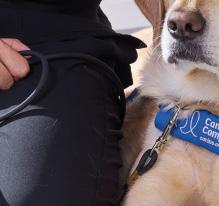
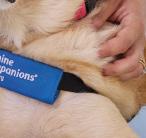
Dr. Tropiano became a facility dog handler in 2020. She was matched with Peru – a Labrador-Golden Retriever mix – who was trained by Canine Companions, a national service dog organization. She affectionately jokes that patients now also know her as “Peru’s mom.”
Almost immediately after integrating Peru into treatment sessions with physical therapists, occupational therapists and speech language pathologists, Dr. Tropiano noticed significant changes.
“It quickly became clear that patients would do much more with Peru than without her, and suddenly those barriers to progress did not seem as big,” she said.
Julie Robertson, a physical therapist who works closely with Dr. Tropiano, also noticed the positive changes right away.
“Adding Peru to our team brought a different type of fun and joyfulness into sessions. When patients find a task not quite as difficult, they spend more time doing it,” she said. “And when patients do more in physical therapy, they get better faster.”
Dr. Tropiano and Julie were asked to quantify their clinical observations. Over three months, they evaluated 69 patients participating in physical therapy tasks like kicking balls, tapping balloons and playing ring toss games. They compared how patients did while working with Peru versus without the dog.
Last July, they published their findings in Anthrozoös, a journal focusing on human-animal interactions. The study marked the first published research of its kind measuring the effect of integrating a facility dog into inpatient rehabilitation sessions.
In addition to finding that all participants could do the same tasks longer with Peru than without her, Dr. Tropiano and Julie discovered heart rate and self-reported pain was lower when the facility dog was introduced to the patient on the first task of an activity. When they were introduced to the facility dog on the second task, patients overall reported higher pain and had increased heartrate, but persisted longer in completing the task with the dog.
“If patients start doing more and realizing they can push through some of the pain that is related to their injury or illness, we can improve their independence and get them home safely,” Julie said. “That was our goal – to show these dogs can have a powerful impact in rehabilitation, leading to better patient outcomes.”
BRINGING IN MARCY
The published study is just the beginning. This past February, occupational therapist Colette Calomeris at Adventist HealthCare Rehabilitation Rockville matched with facility dog Marcy.
“We have expanded the clinical reach of the program with two facility dogs – one at each rehabilitation hospital,” Dr. Tropiano said.
Within her work as an occupational therapist and as Marcy’s handler, Colette has already seen Marcy’s impact. She recalls a patient who was unable to use his hand post-stroke.
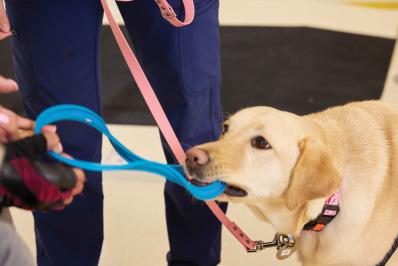
“Fine motor coordination tasks were frustrating, and he often gave up, until Marcy assisted us in sessions. Marcy brought him clothespins, which he took from her mouth and pinched open to place on her working vest,” Colette explained. “He engaged in this task with Marcy for the whole session, without frustration, and this helped him relearn dressing skills. It was a turning point in his recovery.”
PLANS FOR GROWTH
The team plans to expand upon their research by studying how and why facility dogs help patients achieve their rehabilitation goals.
Dr. Tropiano also hopes to extend the facility dog program to additional Adventist HealthCare sites, starting with outpatient rehabilitation.
“It would be a natural growth path for us,” she said, adding that she is also working toward a successor dog for inpatient rehabilitation when Peru retires.
Julie hopes a recent grant application will allow her to expand on a case study performed years ago. The study looked at whether patients who had a stroke resulting in paralysis on one half of the body achieved greater improvements when walking with a dog than using a device like a cane.
“We hope to find that patients walk with a more normalized gait pattern with the dog versus when they are using a cane or other device,” she said. “This would mean collaborating with a facility dog could be a unique and effective method to improve patients’ mobility.”
A RESEARCH HUB
Dr. Tropiano explained the program aims to grow its reach and its research efforts. “We hope to establish Adventist HealthCare as the authority at the intersection of human-animal interactions” within the field of rehabilitation.
“I think there is tremendous potential,” said Nicole Fromm, PsychD, director of Neuropsychology and Rehabilitation Psychology Services and director of Research for Adventist HealthCare Post-Acute Care Services. “Within the next decade we can position ourselves as emerging leaders in research in rehabilitation for the first time.”
As Julie said: “There is no limit to what we can do with these dogs on our team. Our only limits are our own creativity.”
PAIN GIVES WAY TO POSSIBILITIES AFTER SHOULDER REPLACEMENTS
When reaching for what you need or giving a hug comes with unbearable pain, what do you do?
For two patients, turning to the nationally recognized shoulder replacement team at Adventist HealthCare Shady Grove Medical Center was a solution with double the impact on improving their lives.
DAN’S STORY: A SEARCH FOR ANSWERS AND RELIEF
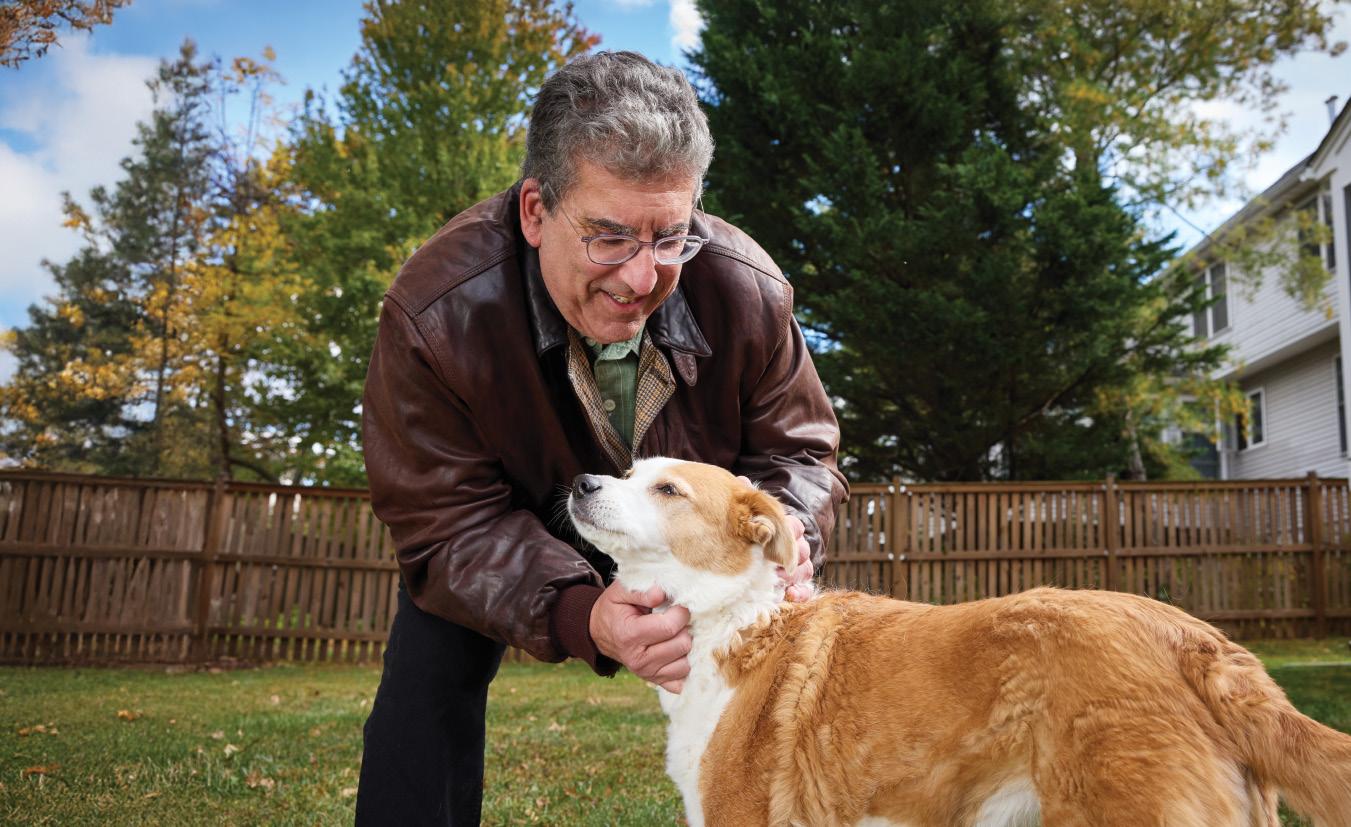
When Potomac resident Daniel (Dan) Laibstain began experiencing shoulder pain that limited his daily activities, he never imagined it would lead to two replacement surgeries.
In August, Dan’s second surgery, performed by orthopedic surgeon Craig Miller, MD, was the medical center’s 500th shoulder replacement using GPS-guided technology. The procedure replaced the damaged joint in Dan’s left shoulder and repaired a nearby tendon. It came a little over a year after his first surgery, when Dr. Miller replaced his right shoulder with the technology, which the hospital pioneered in Maryland in 2018.
Dan’s shoulder pain had developed slowly over the years. His wife first noticed his decreasing strength around 2018, but he brushed it off. In early 2024, he awoke one morning unable to raise his right arm. He panicked.
“I couldn’t lift my hand to shower, shave or walk the dog,” he recalled. “It was restricting me from what I liked to do.”
Dan consulted with his care team, and imaging showed the
cartilage in his shoulder had worn away, leaving the joint boneon-bone. Dr. Miller confirmed that a shoulder replacement could restore his function and relieve pain. Although Dan was nervous about his first operation, the results quickly eased his fears.
“The pain I experienced from surgery was 10 times less than the pain I was feeling before,” he said. “Within three months, I had my full range of motion back.”
By early 2025, Dan’s left shoulder began showing similar signs –clicking, grinding and growing pain. When cortisone injections failed to help, Dr. Miller recommended another replacement. The experience felt easier the second time around, as Dan knew the process and felt reassured by the experts at Shady Grove Medical Center.
Today, Dan stays active in physical therapy and reports minimal pain. He’s careful to follow his rehabilitation plan precisely. He credits much of his shoulder replacement success to the team at Shady Grove Medical Center.
“They were amazing – everyone from pre-op to post-op,” he said. “Some staff even remembered me from the year before. I’d recommend them to anyone in a heartbeat.”
CHRISTINE’S STORY: RESTORING LIFE’S LITTLE JOYS
For months, everyday movements had become painful for Christine (Chris) Forst of Frederick. Simple tasks like reaching, driving or lifting light objects brought sharp pain that spread down her arm and into her fingers.
“It got to the point where I couldn’t even drive,” she said. “I’d try to hold on to things, but my grip would give out and I’d drop them.”
Chris was referred to orthopedic surgeon Gabriel Petruccelli, MD, by a close friend. After a successful shoulder replacement on her left side in 2021, she didn’t hesitate to return to him and Adventist HealthCare Shady Grove Medical Center in October 2025, when arthritis in her right shoulder began to worsen.
During Chris’s recent surgery, Dr. Petruccelli used the hospital’s GPS-guided system to help personalize the procedure. Chris felt reassured that her surgeon had computer-navigated technology that allowed for such precision.
“It was impressive to know he had tools that could guide his hands so perfectly,” she said.
Just days after surgery, Chris noticed the improvements. Her pain was gone. She needed only over-the-counter medication to stay comfortable, a remarkable difference from the constant, intense pain she’d felt all summer.
Chris credits her smooth experience to the entire care team at Shady Grove Medical Center, beginning with Dr. Petruccelli, who helped the hospital reach its 500th surgery milestone. From preregistration a week before surgery to the gentle, thoughtful nurses, surgical techs and nursing assistants who cared for her afterward, every detail mattered.
“The staff was wonderful,” she said. “They updated each other at every shift change and even asked if I wanted to add anything. It made me feel seen and included.”
That attention to detail helped Shady Grove Medical Center’s shoulder, hip and knee replacement programs to earn The Joint Commission’s Gold Seal of Approval. The certification demonstrates a hospital team’s commitment to safety and quality.
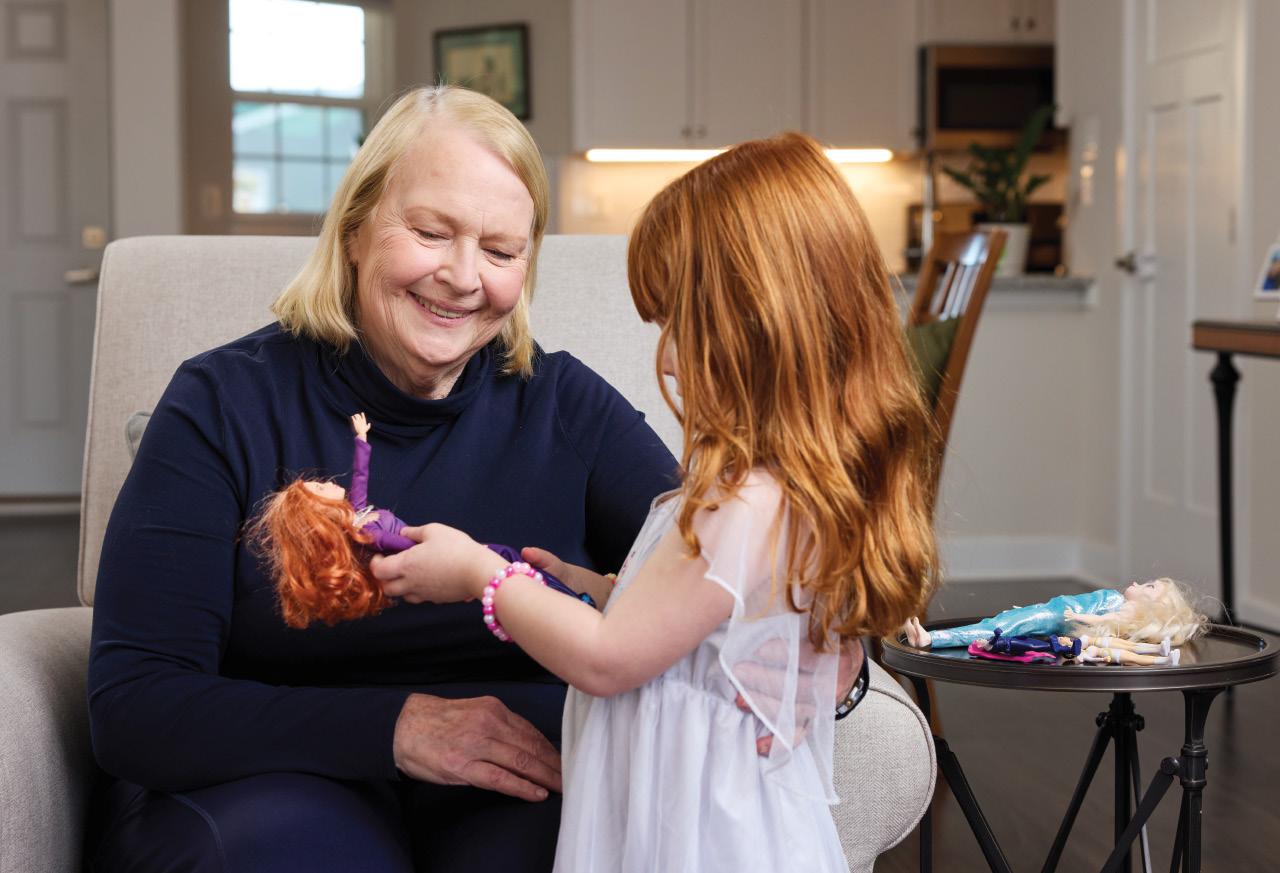
As Chris begins physical therapy, she looks forward to driving again, playing chess with her grandkids and, as she puts it, “properly dressing Barbie.” Her goal: live to 95 and stay active at the YMCA.
“I had the best care each time I’ve been here,” she said about her hospital stays. “Every process was a 10.”
Hear from our surgeons and discover how the nationally recognized joint replacement programs at Adventist HealthCare support patients at every step. Visit AHCYou.com/W26Surgery.
SHOULDER SMARTS: A Guide to Rotator Cu Injuries
Whether you’re an experienced athlete, weekend warrior or juggling daily activities, rotator cuff injuries could be the cause of shoulder pain.
BOARD-CERTIFIED SURGEON Shaun Khosla, MD, medical director of orthopedics at Adventist HealthCare Fort Washington Medical Center, breaks down symptoms, treatment and prevention of rotator cuff injuries. Your path to pain-free movement starts here!
Q: WHAT IS THE ROTATOR CUFF AND WHY IS IT SO IMPORTANT TO SHOULDER
FUNCTION?
Dr. Khosla: The rotator cuff is a group of four muscles that helps stabilize the shoulder joint and allows the shoulder to move in different rotational patterns. The most common types of rotator cuff injuries include inflammation, tendinitis and tearing of the tendon tissue. Trauma, such as a fall or using the arm to catch oneself, can cause acute rotator cuff tears. Certain jobs that require repetitive overhead lifting or manual labor may predispose a person to developing rotator cuff issues. Age-related changes also play a role.
Q: WHAT ARE THE EARLY SIGNS OF A ROTATOR CUFF INJURY?
Dr. Khosla: Early signs may include pain with overhead lifting or reaching out to the side, a dull ache in the shoulder, and nighttime pain. These can all occur with varying intensity and start slowly. With trauma such as a fall, pain might start suddenly and it may be difficult or impossible to raise the arm to the side or overhead. In these cases, patients should seek early orthopedic evaluation for an acute tear.
Q: WHEN SHOULD SOMEONE STOP “WAITING IT OUT” AND SEE A DOCTOR?
Dr. Khosla: If chronic shoulder pain does not improve after a reasonable period of time with over-the-counter medications and activity modification, patients should see an orthopedist to evaluate their shoulder. In acute trauma, seeking an early orthopedic evaluation can make a difference in treatment outcomes. Risks of ignoring a rotator cuff tear include increasing the size of the tear and retraction, which can make the tear much more difficult and, in some cases, impossible to repair.
Q: WHAT ARE THE MOST EFFECTIVE NONSURGICAL TREATMENTS? WHEN IS SURGERY NECESSARY, AND WHAT DOES RECOVERY TYPICALLY
INVOLVE?
Dr. Khosla: Effective nonsurgical treatment includes physical therapy as the mainstay, with oral anti-inflammatory medications as well as selective use of a cortisone injection. When surgery is necessary, recovery typically involves extensive physical therapy. Recovery after a typical shoulder rotator cuff repair takes approximately four to six months.
Q: HOW CAN PEOPLE PREVENT SHOULDER INJURIES?
Dr. Khosla: Appropriate stretching and warm-ups are vitally important to help prevent musculoskeletal injury in all areas of the body, especially as people get older. Also, I tell my patients to incorporate cross training so that one body part or muscle is not constantly being overused. This may help prevent wear-and-tear issues.
For the most part, rotator cuff tears will not heal on their own. Therefore, seeking orthopedic care is necessary to appropriately manage your condition and get the treatment necessary for the long-term health of your shoulder.
To connect with an Adventist HealthCare surgeon near you, visit AHCYou.com/W26Ortho.
CLASSES NOW OFFERED ONLINE
LIVING HEALTHY
Adventist HealthCare offers classes, events and activities to support a healthy body, mind and spirit. For the
PRENATAL,
FAMILY AND WOMEN’S HEALTH
Prenatal Classes
Adventist HealthCare offers a variety of pregnancy, childbirth and breastfeeding classes so that you can prepare for the arrival of your baby. To learn more, visit AHCYou.com/ W26Family or call 800-542-5096.
Info: Visit AHCYou.com/W26Pregnancy for more details.
MENTAL HEALTH SUPPORT GROUPS
Virtual support groups are available and open to patients, families and community members. Visit AHCYou.com/W26Support for more information.
Mindful Eating: A Healthier Relationship with Food
When: Five-week online series on Tuesdays, Jan. 20 to Feb. 24, from noon to 1 p.m.
Info: Visit AHCYou.com/W26Mindful for more details.
Relaxation Strategies
When: Weekly online series on Wednesdays, Jan. 14 to Feb. 4, from 1 to 2 p.m.
Info: Visit AHCYou.com/W26Relax for more details.
Rest & Reset: Strategies to Improve Your Sleep
When: Weekly online series on Wednesdays, Feb. 18 to March 11, from 1 to 2 p.m.
Info: Visit AHCYou.com/W26Sleep for more details.
CPR CLASSES
Adventist HealthCare Life Support partners with the American Heart Association (AHA) to provide convenient CPR and first-aid courses. Visit AHCYou.com/W26CPR for course schedules, locations and registration.
AHA Heartsaver First Aid and CPR/AED
The AHA’s Heartsaver course is designed for individuals with little or no medical training who need first aid and CPR training for a job, regulatory or other requirements. This five-hour combined program is for teens and adults who want to be prepared to act in an emergency. Class is offered in-person.
This class teaches safety, choking management and CPR for newborns through age 1. An AHA Family & Friends CPR attendance card will be given to each participant upon completion. NO BABIES PLEASE.
Cost: $100 per attendee. One guest allowed.
When: For upcoming dates, please visit AHCYou.com/InfantSafety
COMMUNITY HEALTH
Adventist HealthCare offers programs for diabetes, healthy eating, stroke and more. For information on available programs, visit AHCYou.com/W26Calendar
When: Free monthly workshop. Preregistration required. Class is held in person.
Info: Visit AHCYou.com/W26Workshop for details.
REHAB SUPPORT GROUPS
Adventist HealthCare offers support groups for those with brain injuries, Parkinson’s disease and more. For information on available programs, visit AHCYou.com/W26Rehab
Aphasia Group
When: Meets every Tuesday from 1 to 2 p.m. via Zoom
Cost: $15/session (first session is free). Info: Visit AHCYou.com/W26Aphasia
Brain Injury Support Group
When: Meets every second Thursday of the month at Adventist HealthCare Rehabilitation in Rockville and online. Info: Visit AHCYou.com/W26Brain
Grupo de apoyo de daño cerebral en español
Le invitamos al grupo de apoyo en español para personas que han tenido un derrame cerebral.
Cuándo: Nos reunimos el tercer martes de cada mes a las 6:30 p.m. via Zoom y también en persona.
Donde: Nos reunimos en la clínica Adventista en el White Oak Medical Pavilion, tercer piso 11886 Healing Way en Silver Spring, MD.
Para Obtener Información: Comuníquese con Amelie Bail: ABail@ AdventistHealthCare.com. Familiares y amistades que brindan apoyo también quedan invitados.
Parkinson’s Disease Support Group
Our support group welcomes individuals
and care partners living with Parkinson’s disease. We invite you to connect with others facing similar challenges in a safe, comfortable and supportive environment. Activities include guest speakers, networking and sharing of resources. This group is facilitated by a physical therapist and speech-language pathologist. New members are always welcome.
When: Meets both virtually and every second Thursday of the month at White Oak Medical Center from noon to 1 p.m.
Info: Visit AHCYou.com/W26Parkinson
Stroke Support Group
When: Meets the fourth Wednesday of every month from 4 to 5 p.m. at White Oak Medical Center and virtually via Microsoft Teams.
Info: Visit AHCYou.com/W26Stroke.
CANCER SUPPORT
At Shady Grove Aquilino Cancer Center and White Oak Cancer Center, we believe healing is more than medicine. Our wellness services support your mind, body and spirit to enhance recovery, reduce side effects and improve quality of life. We offer over 25 free programs to support patients and families in various key areas of wellness, including movement, support, coping, connection, spiritual care, reflection, nutrition, calming and more. Each program is thoughtfully designed to complement medical treatment. To register for upcoming classes, visit AHCYou.com/ W26Cancer
A TRIBUTE TAKES FLIGHT
A doctor’s generosity elevates emergency care to honor his son.
AS KIDS WE’RE ALL TOLD the sky is the limit. For Connor Gamma, the sky was a door to endless possibilities.
“Connor was fascinated with birds and their ability to soar. He could identify dozens of bird species, simply by their pattern of flight and calls,” remembered his dad, Brett Gamma, MD, an emergency physician at Adventist HealthCare Shady Grove Medical Center.
Before long, Connor started flying remote controlled airplanes and visiting airports with his family to watch planes take off and land. Connor quickly knew that he wanted to become a pilot. He attended the JROTC flight program in high school and took his first solo flight at age 16.
“He found his calling among the clouds,” Dr. Gamma said.
Connor’s future in fl ying ended in 2021, but a fi tting tribute was recently dedicated in his memory: the rooftop helipad on the new tower at Shady Grove Medical Center. In August, friends and family gathered to celebrate as the hospital put the sky-high care space into service, the fi rst piece of its new tower to care for patients. The remainder of the building is expected to open in mid-2026.
From the moment the Gamma family stepped onto the helipad platform, they knew it was a sacred place where Connor’s life would best be represented.
“This is where he will be, touching each patient as they arrive or as they leave,” said Dr. Gamma, who serves as the hospital’s associate vice president of Physician Outcomes and Quality.
As an emergency physician, Dr. Gamma knows that for a busy community hospital, a helipad is a gateway to critical care access
when minutes matter.
“The new tower is a magnificent beacon of hope, highlighting a state-of-the-art hospital that is an absolute must for the residents of Montgomery County,” he said.
Shady Grove’s Emergency Department has treated millions of patients during Dr. Gamma’s 28-year tenure. Decades ago, he saw its care spaces designed to address healthcare needs of the time. Now, Dr. Gamma said, the new tower’s “modern advances in design will match the compassionate and high-quality care that patients receive.” Patients will benefit from upgrades for today’s care standards, like roomier private treatment rooms, more sun-filled spaces to promote faster healing, modern materials that simplify infection prevention and critical care services repositioned for speed and efficiency.
Dr. Gamma noted his donation to the helipad is one of many gifts that caregivers at Shady Grove have made to help upgrade the hospital.
“Working in a hospital and healthcare in general is a team sport. Most of the care for our patients begins in the emergency room, where I’ve been fortunate to work alongside exceptional physicians and nurses,” Dr. Gamma said. “We support the hospital because we believe in it.”
That belief, he says, drives a culture where quality shines from the inside out.
To learn more about the new tower at Adventist HealthCare Shady Grove Medical Center and how you can support its care teams, visit AHCYou.com/W26Tower .
FIGHTING HUNGER FOR BETTER HEALTH
Adventist HealthCare’s commitment to the health of our community extends beyond treatment for illness or injury. Whole-health care also means ensuring that families are properly nourished.
ADVENTIST HEALTHCARE’S
Food as Medicine program, funded by grants from the Montgomery County Office of Food Systems Resilience, addresses that need for Montgomery County families.
According to a report by the Capital Area Food Bank, 34% of Montgomery County residents are experiencing food insecurity. In response to this pressing issue, the grants team at Adventist HealthCare created the Food as Medicine program in partnership with community organizations including Manna Food Center, One Acre Farm, Giant Food, Mary’s Center, Mercy Health Clinic and the Muslim Community Center Medical Clinic.
FOCUS ON THE FAMILY
The program is open to Montgomery County families with at least one child, who are referred by a medical professional. Participating families receive food weekly at sites alternating between Gaithersburg and Silver Spring.
At a recent distribution at Mary’s Center, children from different families played with each other as their parents picked up their nourishing food. Families will often pick up for others when they can’t attend the events.
“It’s a real community,” said Adventist HealthCare Grants Director Henry Artigues.
In addition to fresh produce, meats and pantry staples, the program team also provides dignity and respect.
“No one wants to ask for things when you’re struggling,” Henry said. “You want to feel like you’re talking to a friend.”
The families feel that personal touch.
“What I appreciate the most is the kindness of those people,” one participant shared. “They are doing an exceptional job. … If you cannot come to pick up your food, they will deliver it. They are good listeners – they care for what they are doing.”
FEEDING AND EDUCATING
The program provides families with:
• Weekly fresh vegetables
• Monthly boxes of shelf-stable food like whole-grain pasta, beans, canned vegetables, frozen meats and fish
• Ongoing nutrition education via text, email and in-person classes
• Assistance enrolling in the Supplemental Nutrition Assistance Program (SNAP) and other food programs
Manna Food Center provides the dry goods and proteins, while the fresh vegetables come from One Acre Farm. In September, a new grant allowed Adventist HealthCare to purchase a refrigerated van for the program, which “is really going to boost our ability to deliver for the families that we serve,” Henry noted.
MAKING A REAL IMPACT
Since the program’s inception in 2024, the program has made a real difference for families in Montgomery County.
• The program distributed 20,835 total pounds of food in its first year and 19,530 well into year two – a total of 40,365 pounds
• To date, 412 households in Montgomery County have benefited from the program
• The program has helped nourish a total of 901 children in these households
LOOKING TO THE FUTURE
While the program’s focus and funding has come from Montgomery County, Adventist HealthCare is looking to grow its impact. The health system has applied for additional funding from the county to expand the program and met with Prince George’s County council members about bringing the program to that area.
“We’re providing a valuable resource to the community.” Henry said. “I’d like to see it expand.”
Learn more about Adventist HealthCare’s community-focused programs at AHCYou.com/W26Community.
Paying It Forward for ANSWERED PRAYERS
Tori Chapman couldn’t wait to welcome her daughter into the world. She chose the name Eliana –with the nickname “Ellie” – because it means “God answered my prayers.” The meaning became more powerful in the weeks after Ellie’s birth.
TORI CHECKED
INTO the Labor & Delivery unit at Adventist HealthCare Shady Grove Medical Center on a September morning. As she labored, Ellie stayed still. That afternoon, Tori delivered Ellie in 18 minutes, with a doctor from the hospital’s Neonatal Intensive Care Unit (NICU) standing by.
Ellie didn’t cry. Her umbilical cord was wrapped around her ankle, preventing her movement. More concerning, she had inhaled meconium, or amniotic fluid mixed with her stool. Tori held Ellie briefly before the baby was rushed to the NICU. Meanwhile, doctors cared for Tori, who had lost four times the amount of blood typical in delivery.
“I had envisioned birth like you see in the movies,” Tori said. “You give birth, they give you your baby and then you go home.”
Yet Tori had faith that Ellie was in the safest hands with the Shady Grove Medical Center team. The NICU doctor explained Ellie needed a blood transfusion. Before and after the transfusion, the doctor prayed over Ellie. In that moment, Tori knew the providers cared as much as she did.
“They really took the extra time to make her as comfortable as possible in a situation that was the hardest thing I’ve ever gone through,” she said.
ONGOING SUPPORT
“The Birth Center team is committed to providing not just worldclass medical care, but also emotional and spiritual support for every family,” said Amber Richter, RN, director of Women’s and Infants’ Services at Shady Grove Medical Center.
When Tori could fi nally hold her baby girl, it made her heart sing. Still, these early days held overwhelming stress. Tori went
home while Ellie remained in the NICU showing signs of pulmonary hypertension, or danger with her lungs and heart. Tori’s fear caused her to have headaches and high blood pressure. Early one morning, Tori stretched her arms and froze. She was having a seizure. Emergency services rushed her to Shady Grove Medical Center.
Tori spent a week in the hospital, around the corner from the NICU. Soon, both mother and daughter were cleared to go home. Tests showed Ellie’s lungs were healthy. Tori’s blood pressure returned to normal.
“When the team found out, they were so excited for us,” Tori said. “It felt like family.”
GIVING BACK
Now 2, Ellie is thriving as an early crawler, walker and talker. She loves reading with her mom, snuggling up to favorites like The Very Hungry Caterpillar and Goodnight Moon
“She amazes me every single day,” Tori said.
Tori is forever grateful for the care that she and Ellie received at Shady Grove Medical Center. Tori now serves on the hospital’s Patient and Family Advisory Council, which gives ideas and suggestions to ensure the best patient experience.
“I feel like this is a small way that I can give back to a hospital that has literally given me everything,” she said.
To discover the range of maternity care at Shady Grove Medical Center, visit AHCYou.com/W26Baby. Find out how you can serve an Adventist HealthCare Patient and Family Advisory Council at AHCYou.com/W26PFAC.
Hydrate With Sparkle –SUPPORTING YOUR HEALTH
WITH SELTZER WATER
Whether it’s mixed into a delicious mocktail or sipped solo, carbonated water in all its forms is more popular than ever, according to beverage industry reports. Why has it taken our tastebuds by storm? How healthy is it?
WHEN MOST PEOPLE THINK OF A FIZZY DRINK,
they think of soda first: Enter seltzer. Patricia Hertz, registered dietitian with Adventist HealthCare, said seltzer water is a good option if you’re looking to move away from sugary beverages to no-calorie substitutes that keep the bubbles.
Also, she notes that soda includes phosphoric acid and caffeine, which can weaken your bones.
“You don’t get as many of the other ingredients and colors when you have the seltzer water,” Patricia said.
Although seltzer is a dietary upgrade from soda, there are a few things to keep in mind when drinking it.
The carbonic acid which gives seltzer its bubbles raise the pH levels in your mouth and can affect your dental health. Patricia recommends that you rinse your mouth right after drinking seltzer to lessen your risk of cavities and other dental conditions. Carbonic acid could also cause problems in your digestive system.
“If you’re predisposed to having GERD or constant heartburn, carbonated drinks may not be the right choice for you,” she said.
As with soda, you should steer clear of seltzers that use artificial sweeteners. Patricia suggests naturally flavored beverages.
“I would say the gold standard would be to drink the seltzers that have the flavorings without the added sugar substitutes,” she said.
So, is drinking seltzer good for you? Patricia thinks so. She’s happy people are drinking less soda and more water, carbonated or not. She notes dehydration can cause issues such as fatigue and mood changes, making water in all its forms important for your physical and mental health.
“I would love for everybody to remember to just always hydrate, whether you’re hydrating with seltzer water, flat water, tap water or spring water.”
Check out healthy eating tips and recipes on our “Living Well” blog at AHCYou.com/W26Blog.
ADVENTIST HEALTHCARE, INC.
820 W. DIAMOND AVE, SUITE 600
GAITHERSBURG, MD 20878
Adventist HealthCare complies with applicable federal civil rights laws and does not discriminate on the basis of race, color, national origin, age, disability or sex. For more information, see link on our homepage at AdventistHealthCare.com.
ATENCIÓN: si habla español, tiene a su disposición servicios gratuitos de asistencia lingüística. Llame al 301-315-3127.
注意:如果您使用繁體中文,您可以免費獲得語言援助 服務。請致電 301-315-3127。
GRATEFUL PATIENTS, GENEROUS HEARTS
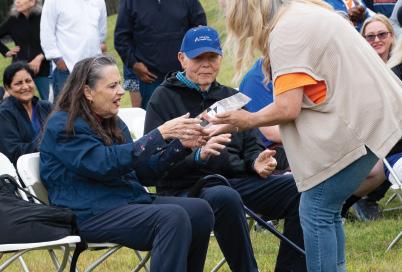
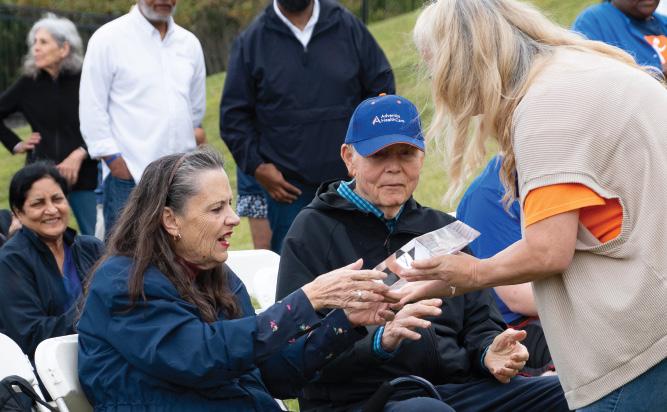
Adventist HealthCare White Oak Medical Center was alive with energy last September as hundreds gathered for Adventist HealthCare Rehabilitation’s annual Triumph Trek and Health Fair.
AMONG THE CROWD were Jay and Karen Garrett, honored guests whose lives have been intertwined with Adventist HealthCare for decades. At the event, the Garretts received the Patient Award for Outstanding Community Service.
For Karen, the connection began in childhood. Her family has trusted Adventist HealthCare through generations. Her grandmother stayed at Washington Adventist Hospital “back when there were rocking chairs on the front porch.” Later, that legacy of care continued as Karen and Jay relied on Shady Grove and White Oak Medical Centers and Adventist HealthCare Rehabilitation.
Their bond with the system deepened through personal trials. Karen survived three battles with cancer, beginning at age 11. She credits her strength to what she calls a partnership with Kashif Firozvi, MD, medical director of Cancer Services at Adventist HealthCare. Jay also faced life-threatening illness, including a long recovery from pancreatitis, and later received pioneering treatment for atrial fibrillation at White Oak Medical Center.
Through every challenge, they found compassion, skill and hope in Adventist HealthCare’s caregivers.
“They treated us like family,” Karen said. “You can feel the mission in everything they do.”
Out of gratitude, the Garretts give generously to ensure that hospital teams have the tools and technology needed to deliver exceptional care.
“We like our gifts to go where they’ll make a real difference for patients,” they said.
Their recent gift to the Shady Grove Medical Center Forensic Medical Unit reflects their lifelong commitment to supporting survivors of domestic violence: Karen as an advocate, educator and spokesperson, Jay as a lawyer providing pro bono services, as well as rides to safe houses.
They hope their story inspires others to give back.
“When you’ve been cared for with such kindness,” Jay shared, “you can’t help but want to help others experience that same care.”
Join the Garre s in making a difference. Large or small, your gi will help Adventist HealthCare continue to heal, upli and transform lives. Visit AHCYou.com/W26Give.