In 2024, Adventist HealthCare embarked on a series of listening sessions to set the direction of the organization for the next six years. Leaders, team members, physicians, board members and community members were invited to participate in discussions about the best path forward to ensure that Adventist HealthCare can advance its Mission by creating meaningful, lasting impact in the communities it serves. The result:
Vision 2030 establishes a clear direction for growth, innovation and excellence in care, with a focus on improving patient outcomes, staff engagement and the health of the communities we serve. By meeting our strategic goals, we are confident that we will become the trusted choice for exceptional care in every community we serve, as we live out our ministry of extending God’s care through physical, mental and spiritual healing.
Vision 2030 is grounded in Adventist HealthCare’s operating framework and anchored by three Strategic Themes that guide how the organization grows, excels and innovates:
Strategic Themes
Bigger
How we pursue growth and expand access to our Mission and services.
Better
How we strengthen excellence across quality, safety, experience and finance.
Beyond
How we innovate to meet the evolving needs of our communities.
Supporting these Strategic Themes are the four Pillars of Excellence that define the highest priority areas of focus.
Pillars of Excellence
People: How we attract, develop and retain a high-performing, engaged workforce.
Quality & Safety: How we deliver safe, reliable and high-quality care every time.
Experience: How we create compassionate, seamless experiences for patients, families and team members.
Finance: How we steward resources responsibly to enable reinvestment and long-term sustainability.
Vision 2030 establishes a clear direction for growth, innovation and excellence in care
BEYOND
BIGGER BET TER
Strategic Goals
Together, the Strategic Themes and Pillars of Excellence inform the goals of Vision 2030, creating a clear and consistent structure for aligning Adventist HealthCare’s objectives, initiatives and performance over time. These strategic priorities are organized into six goals:
Bigger
Expand access to Adventist HealthCare’s Mission in the District of Columbia/ Maryland/ Virginia (DMV) region and beyond.
Better – People
Be a top workplace for people to work and grow.
Better – Quality & Safety
Achieve consistent excellence as a High Reliability Organization.
Each year, we will report on progress made toward achieving our Vision 2030 goals and celebrate the wins that belong to all who work so hard to ensure that Adventist HealthCare realizes its Vision and lives its Mission.
Better – Experience
Deliver a compassionate and frictionless experience across the Patient Journey.
This report highlights measurable progress to date and shows how our objectives, initiatives and performance align with Vision 2030 as it takes shape across the organization.
Better – Finance
Achieve high-impact financial performance to further the mission and enable reinvestment.
Beyond
Innovate to drive breakthrough change.
With Gratitude & Hope
As we reflect on the first year of our Vision 2030 Strategic Plan, I am filled with gratitude and optimism for the meaningful progress Adventist HealthCare has made toward achieving our long-term goals. Rooted in our Mission, Vision 2030 guides our work and inspires our commitment to those we serve.
Over the past year, we have taken important steps to turn strategy into action. Across our system, teams have expanded access to high-quality care, strengthened the patient experience and advanced innovative approaches that support better health outcomes. We have also deepened our focus on creating a workplace culture
JOHN SACKETT President and CEO, Adventist HealthCare
where every team member feels valued, supported and empowered to thrive. These accomplishments are early but meaningful markers of our progress toward becoming the trusted choice for exceptional care in every community we serve.
The healthcare landscape remains complex and dynamic, yet our foundation is strong. Guided by our Mission, Vision and RISES Values (Respect, Integrity, Service, Excellence and Stewardship), we are navigating change with resilience and agility. Our efforts in 2025 have reinforced
the importance of collaboration across clinical teams, support services, community partners and leadership to ensure we meet today’s needs while preparing for tomorrow.
Vision 2030 was shaped by the voices and insights of many, and its success depends on our continued partnership. I am deeply grateful to our frontline caregivers, administrative teams, physicians, community members and Boards of Directors. Their compassion, expertise and dedication bring this strategy to life every day and embody the spirit of our Mission.
While we are proud of the progress made in year one, we know this journey is ongoing. The years ahead will call for innovation, teamwork and a steadfast focus on our patients, communities, partners and one another. I am confident that, together, we will continue reaching important milestones and transforming lives along the way.
Thank you for your continued commitment to Adventist HealthCare and to the shared vision that unites us. I look forward to building on this strong first year as we advance toward the goals of Vision 2030.
Over the past year, we have taken important steps to turn strategy into action. Across our system, teams have expanded access to high-quality care, strengthened the patient experience and advanced innovative approaches that support better health outcomes.
— John Sackett, President and Chief Executive Officer
Based in Gaithersburg, Maryland, Adventist HealthCare is a faith-based, not-for-profit, mission-driven healthcare organization serving Montgomery, Prince George’s and Frederick counties.
We are the only healthcare system headquartered in Montgomery County, and we are one of the county’s largest employers.
Adventist HealthCare is affiliated with its sponsoring organization, the Seventh-day Adventist Church, and part of a network of more than 200 Adventist hospitals in more than 70 countries. Adventist HealthCare’s staff of dedicated professionals work together each day to improve the health and well-being of our neighbors and communities. Our policies and practices are aligned around the intrinsic value of every human being and the belief that treating the whole person — body, mind and spirit — is the path to restored health.
Support Center
Aquilino Cancer Center
White Oak Cancer Center
Germantown Emergency Center
Shady Grove Medical Center
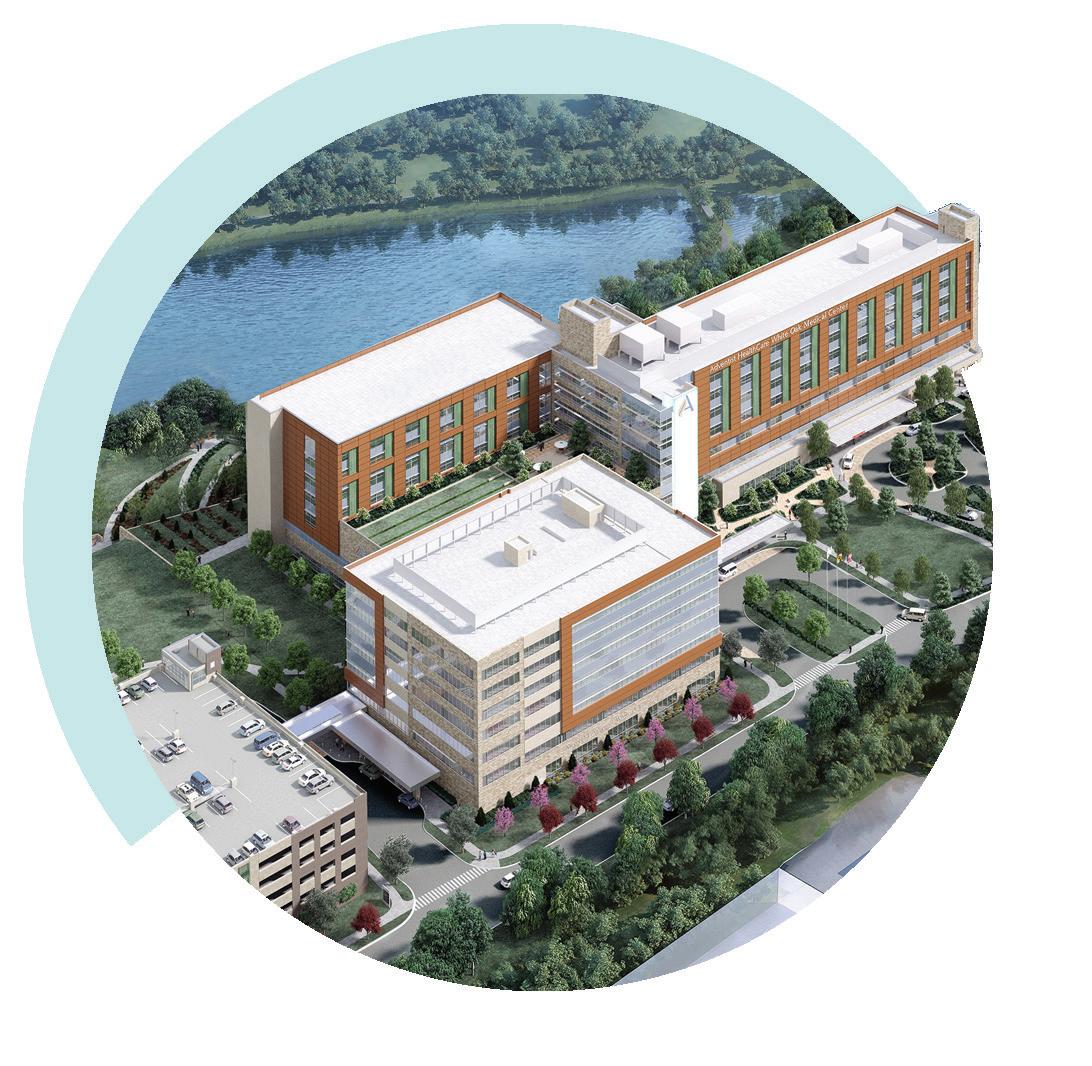
White Oak Medical Center
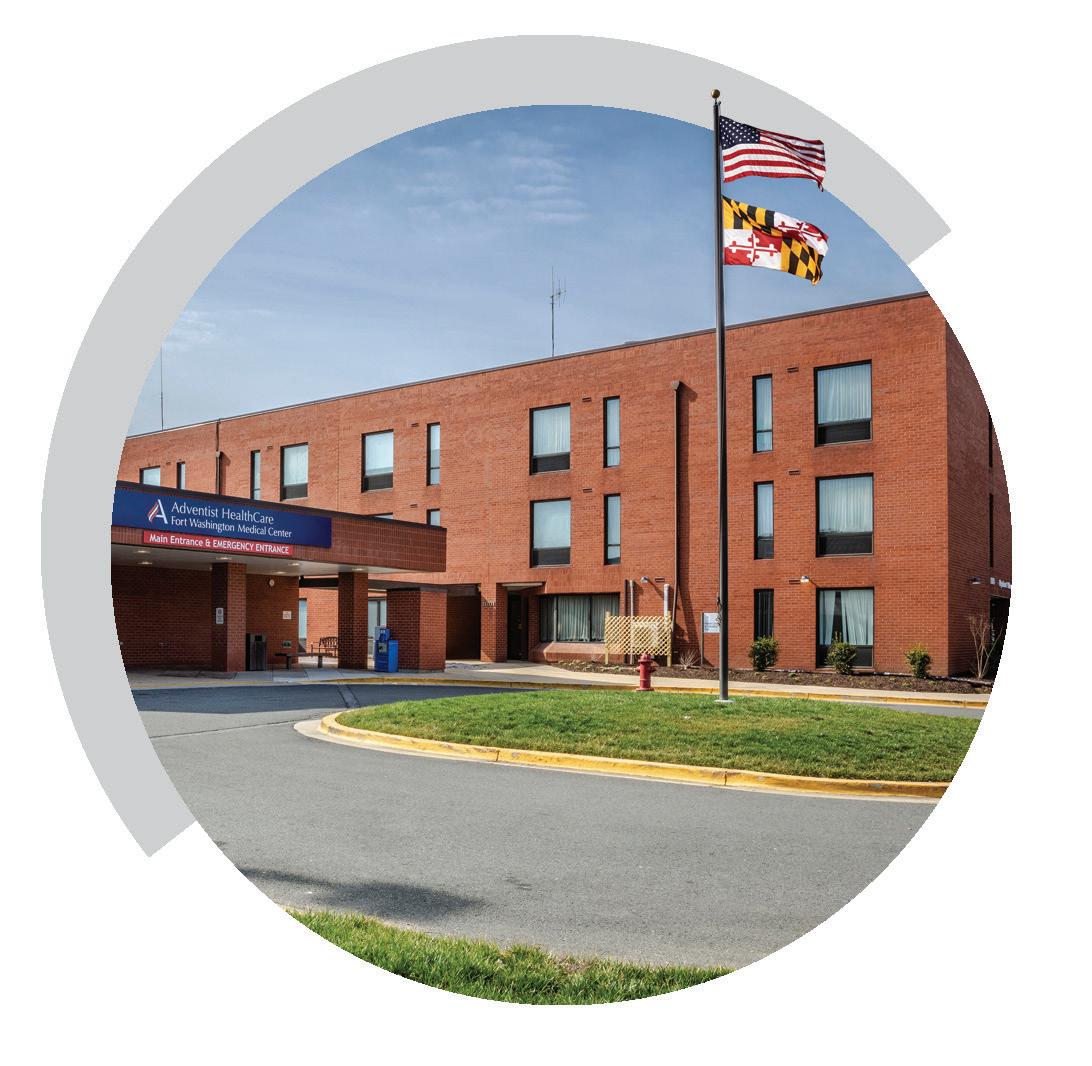
Fort Washington Medical Center
Rehabilitation Hospital
Ambulatory Surgery Center at National Harbor
Rehabilitation Centers
Behavioral Health Services
The Lourie Center & Head Start Programs
Adventist Medical Group
Imaging Centers
Cardiac Associates
Capital Choice Pathology Laboratory
Home Care HQ
Home Care Office
CHARLES
PRINCE GEORGE’S COUNTY
Annual Snapshot
76,566 Home Health Visits
5 Hospitals
7,814 Outpatient Surgeries
160,060 ER Visits
731,508 Total Patient Encounters
6,630 Team Members
$93.6M Community Benefits 5,732 Newborns
1,826 Medical Staff
37,218 Admissions
2,367 Providers
5,310 Surgical Admissions
536,212 Outpatient & Physician Visits
Our Mission
We extend God’s care through the ministry of physical, mental and spiritual healing.
Our Vision
We will be the trusted choice for exceptional care in every community we serve.
Our RISES Values
Respect, Integrity, Service, Excellence and Stewardship (RISES) are the five expressions of God’s character that Adventist HealthCare has chosen as its core values. These values shape our organizational culture and inform our behavior toward, and interactions with, one another and with patients, families, visitors and business partners.
At Adventist HealthCare, we believe healthcare is a calling to compassion in action. This belief drives us to see every person as more than a diagnosis and every interaction as an opportunity to bring compassion, dignity and hope.
As a faith-based healthcare system, we are committed to extending God’s care through the ministry of physical, mental and spiritual healing. Our Mission guides everything we do,
from the care we provide our patients to the way we support our team members, collaborate with partners and serve our communities.
By combining clinical excellence with whole-person care, we attend to the needs of body, mind and spirit. Our caregivers are human agents of God’s healing, our decisions are rooted in ethics and human dignity and our outreach extends beyond our walls to improve the well-being of the communities we serve.
Together with our employees, donors and partners, we are advancing a ministry of healing that brings hope, promotes health and makes a lasting difference in the lives of those we are privileged to serve.
The Adventist HealthCare Brand
Our Brand
A trusted brand is key to an organization’s success and missional impact. Public relations, marketing and communication are strategic engines that shape how communities understand, trust and engage with Adventist HealthCare. These brand management functions are central to achieving clinical, financial and community-health goals. A well-known and preferred brand, a protected reputation, effective crisis management, empowered patients, intuitive wayfinding and strong loyalty all contribute to a healthier population and a stronger organization.
In 2025, the brand team prioritized proactive reputation management, recognizing that public perception directly influences patient choice and confidence. Focused efforts to monitor sentiment, respond to feedback and elevate patient experience contributed to measurable improvement in online ratings, strengthening trust across the system. Structured processes were also reinforced to address emerging risks, correct misinformation and coordinate timely responses when challenges arose.
In a landscape defined by regulatory complexity, intense competition and rising consumer expectations, the strength of our brand and its ability to communicate effectively can directly influence organizational performance, patient outcomes and long-term sustainability.
Trust is not built by accident. It is cultivated through consistent, transparent and valuesdriven communication, creating a strong brand that:
Attracts patients in an increasingly consumerdriven market.
Enhances credibility with policymakers and payers.
Supports recruitment and retention of top clinical talent.
Strengthens philanthropic efforts and community partnerships.
The AHC Way
In 2025, teams across the system advanced our Vision 2030 goals by turning strategy into measurable, meaningful progress anchored in The AHC Way.
The AHC Way is Adventist HealthCare’s comprehensive operating framework, which defines and aligns our work across the system. The AHC Way informs two key functions of our Standard Management Approach crucial to Vision 2030 success: Strategic Planning & Development and Operational Excellence. These ensure consistency across the Strategic Themes and Pillars of Excellence and promote alignment between The AHC Way and our strategic direction.
Strategic Planning & Development
The Strategic Planning & Development team advanced Adventist HealthCare’s Vision 2030 priorities across the system through a comprehensive, collaborative and data-driven approach. Working in close partnership with Entity and Service Line leadership and the Strategic Liaison network, the team aligned goals, strengthened governance and supported initiatives that connect long-term strategy to measurable operational results. These efforts brought clarity, discipline and shared purpose to optimization, growth, performance improvement and innovation.
Through consistent alignment, performance tracking and problem solving, the Strategic Planning & Development department supported Adventist HealthCare leaders in advancing the three Strategic Themes and the four Pillars of Excellence. Together, these efforts are building a more unified, resilient organization that is prepared to meet evolving community needs with clarity and confidence.
Operational Excellence
Informed by a strong Adventist HealthCare culture of performance excellence, our Operational Excellence team guided strategic improvement projects across the system. From expanding access and improving patient flow, to elevating safety and enhancing care reliability, teams delivered world-class outcomes that demonstrate both discipline and innovation. Improvements in financial stewardship, workforce engagement and community health further underscore how operational excellence is a catalyst for transformation across every corner of the organization.
Working collaboratively across the system, we strengthened performance, elevated patient experience and deepened a culture rooted in accountability and collaboration. This shared commitment is building a more integrated, equitable and resilient healthcare system — one capable of delivering consistently high-quality care while adapting to the evolving needs of our communities.
Strategic Planning & Development and Operational Excellence ensure alignment between The AHC Way and our strategic direction.
Strategic Planning Highlights
28
Strategic planning sessions facilitated across entities, service lines and departments, strengthening enterprise alignment to Vision 2030 priorities and reinforcing disciplined strategy development and execution.
Strategic initiatives advanced systemwide in 2025 by completing strategic execution, reflecting broad enterprise participation in advancing Vision 2030 priorities.
Leaders engaged at the Strategic Planning and Alignment Summit, sustaining strong leadership engagement and shared ownership across the planning cycle. 162 115
Operational Excellence Highlights
Performance improvement projects led across the system, with 85% achieving target or world-class results, demonstrating strong execution and sustained improvement capability.
53 54
Leaders and employees trained in Lean Six Sigma methodologies, expanding our internal capacity for datadriven problem solving and continuous improvement.
Philanthropy
Adventist HealthCare’s Mission is rooted in the belief that healing is sacred work. Philanthropy ensures that this work can flourish and that our strategic goals are met even when financial pressures persist.
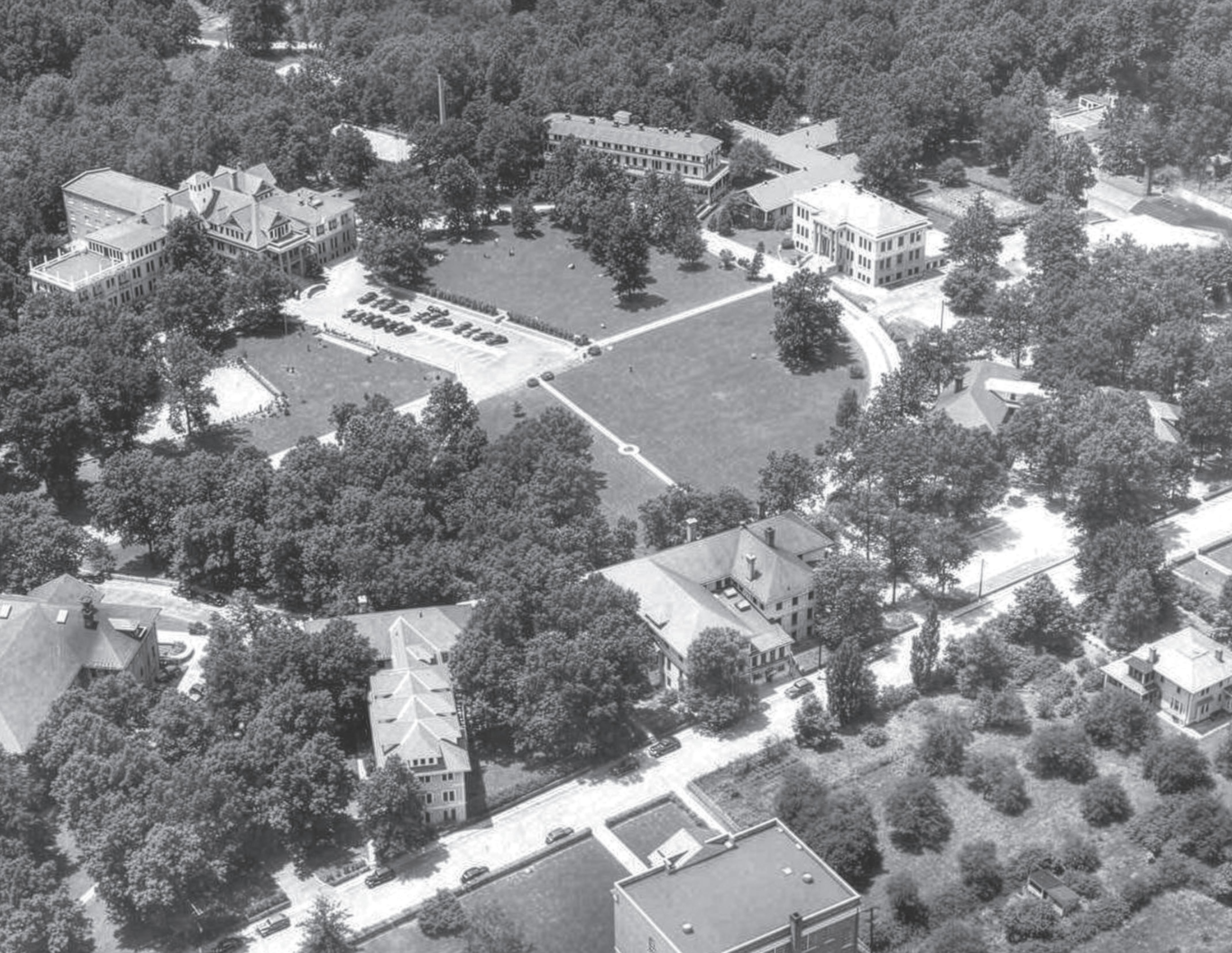
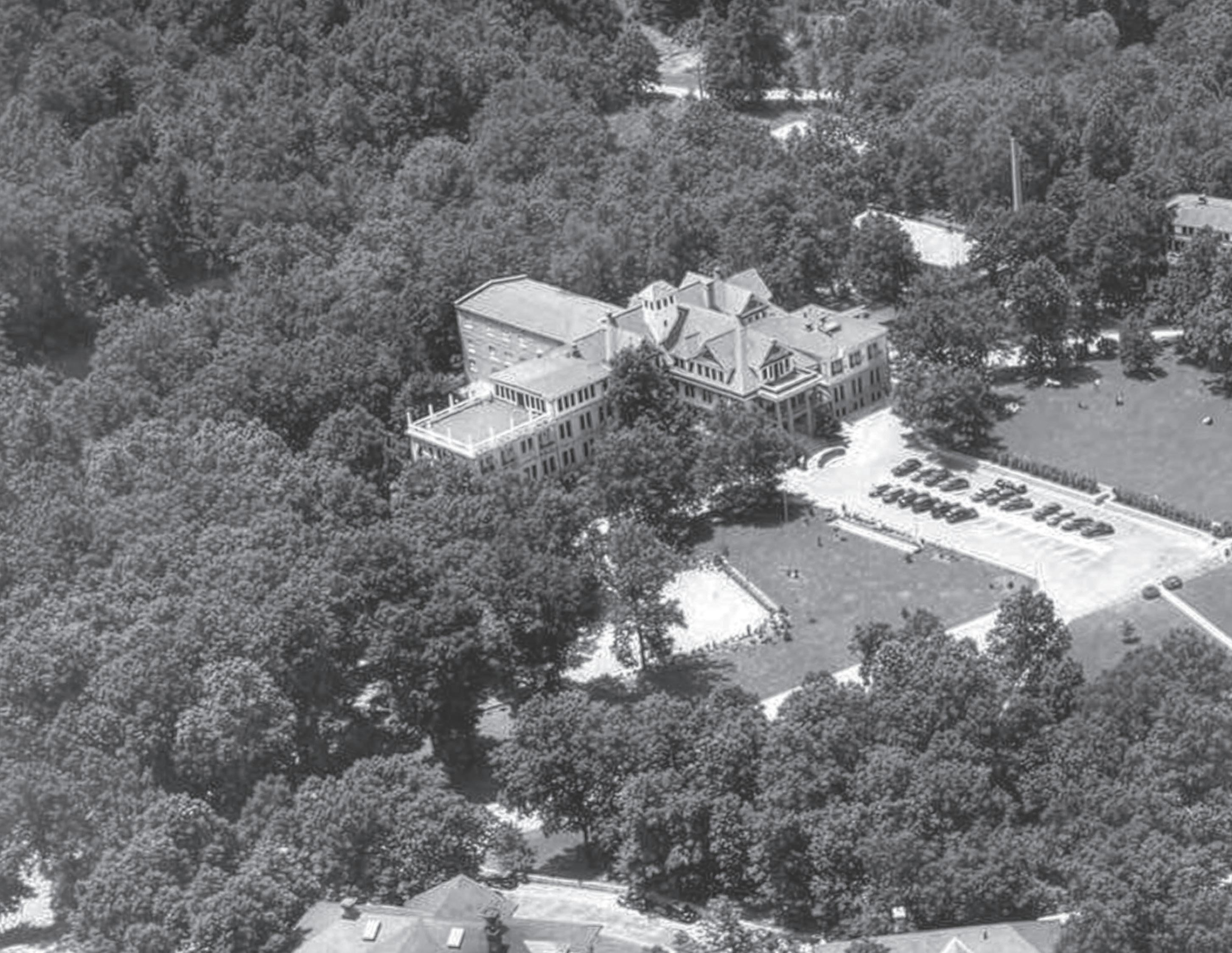
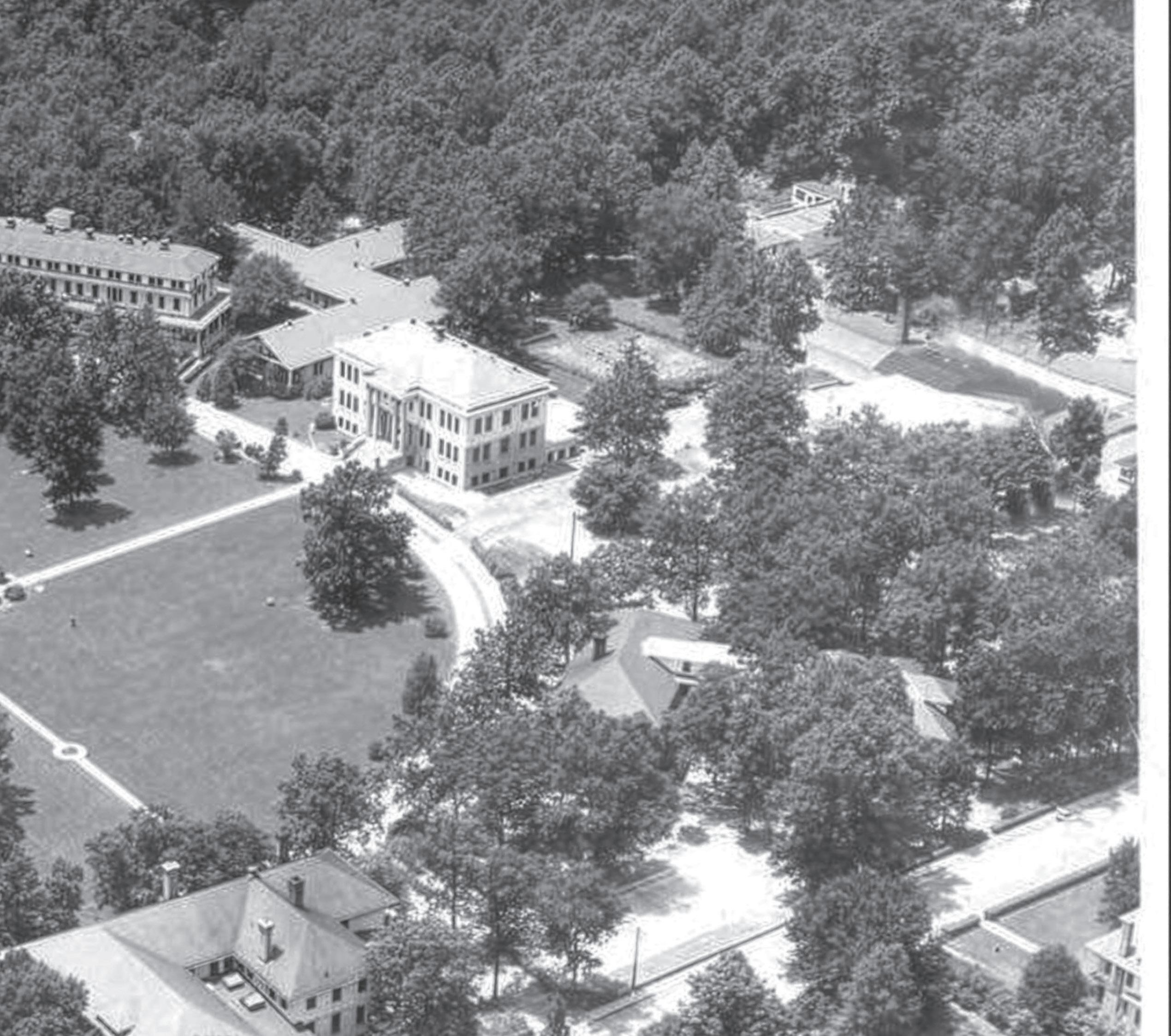
Philanthropy is in our DNA. In 1907, founders of the Seventh-day Adventist Church established the Washington Sanitarium in Takoma Park, Maryland, just outside Washington, D.C. Ellen G. White, a church cofounder and author, donated proceeds from one of her books to help finance the project, planting the seeds for a culture of philanthropy at Adventist HealthCare.
$356,087 Physician/ Physician Group
$3,213,956 Private Foundation
$50,000 Corporate Foundation
$710,003 Corporation
$7.5M
Total Raised in 2025
$1,122,961 Individual
$1,658,072 Government Entity
$422,804 Employee
Today, we continue to foster that spirit of giving through our purposeful and intentional annual giving and grateful patient campaigns, and through our WeCare employee giving program. At the same time, our major-gift officers build trusted partnerships with business and community leaders, whose philanthropic support allows us to lead with mission.
Each gift, whether given in celebration, remembrance, or in honor, carries a story. Together, these stories form a community of support that surrounds every patient who walks through our doors.
Through philanthropy, gratitude is turned into action:
Innovation becomes reality through advanced equipment and emerging therapies.
Access expands so vulnerable patients receive care regardless of circumstance.
Healing environments are enhanced to support comfort, recovery and peace of mind.
Care teams are strengthened through education, training and wellness initiatives.
Spiritual and emotional support programs continue to sustain patients and families during life’s most difficult moments.
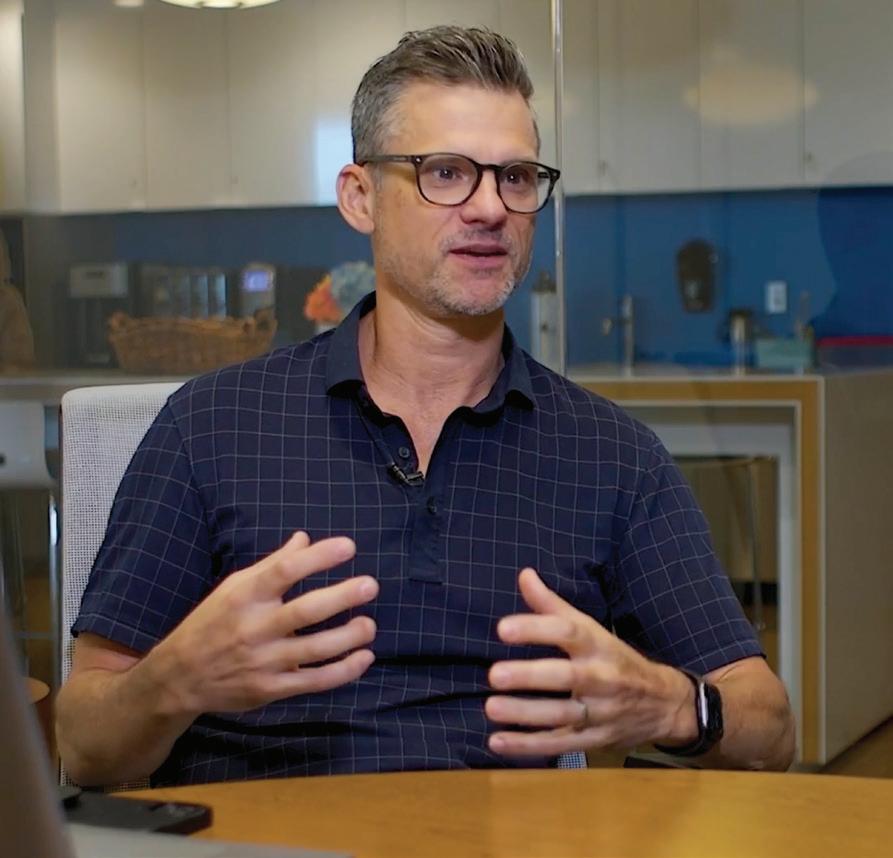
How much more indebted can you be than to people who take your kid who has been told he won’t walk again and help him walk? How can you not make that organization your charity of choice? I’ve also come to appreciate Adventist HealthCare’s total commitment to making a difference in people’s lives.
— Jerry Leener
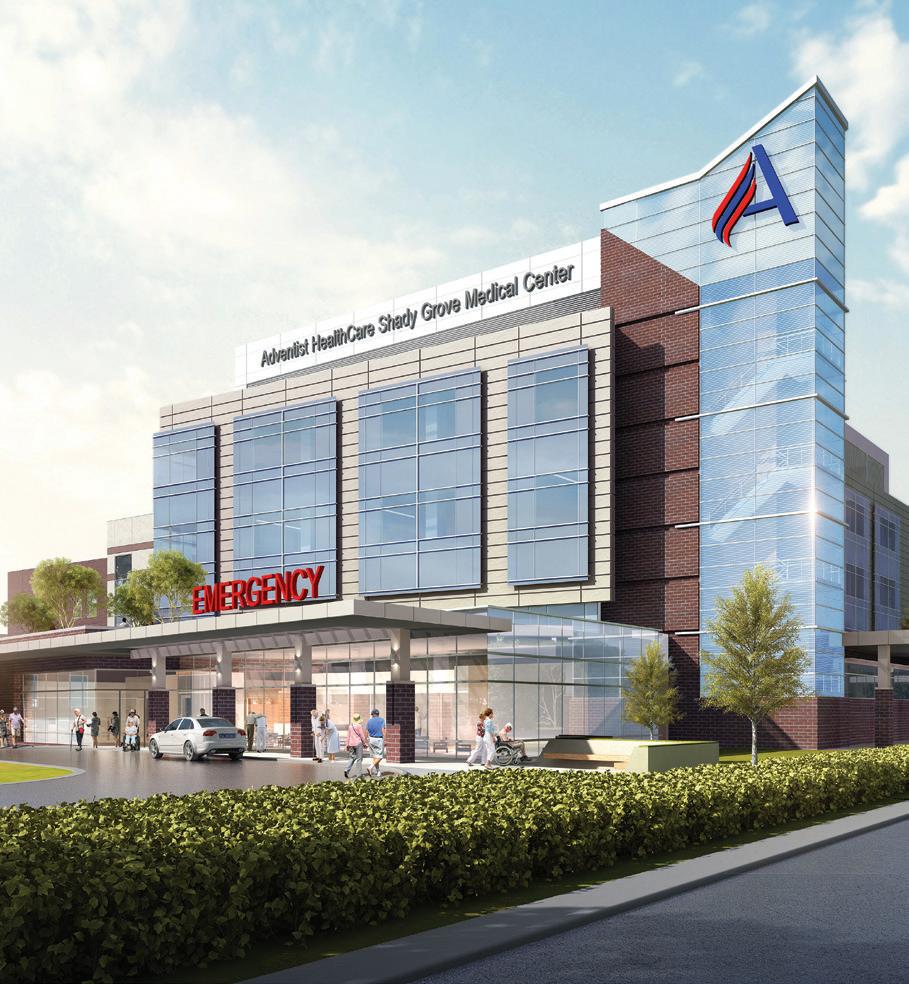
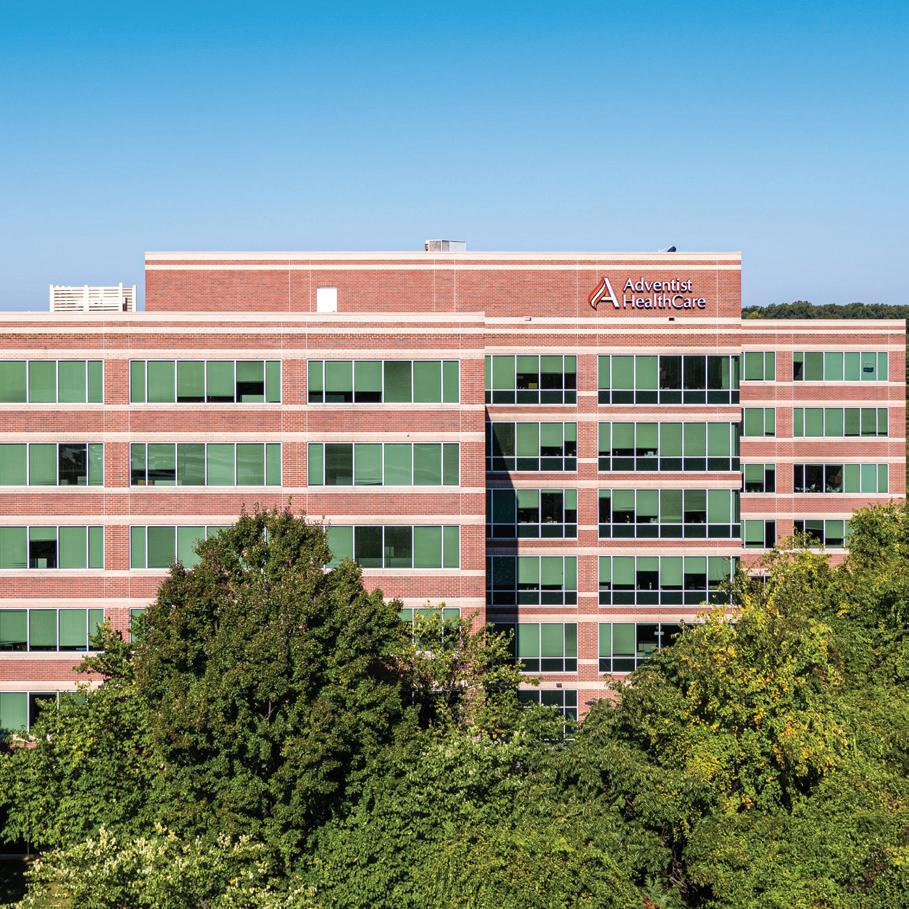
Shady Grove Medical Center Horizon Tower, top, and Washington Sanitarium in Takoma Park, Maryland (1918)
Bigger
GROWTH AND EXPANSION
Goal 1: Expand access to Adventist
HealthCare’s Mission in the DMV region and beyond.
Adventist HealthCare’s progress in 2025 reflects a clear, systemwide commitment to optimizing existing facilities while expanding services and connectivity across the DMV region and beyond.
One of Vision 2030’s core strategic themes, to expand access to Adventist HealthCare’s Mission, comes to life through coordinated growth in clinical programs, ambulatory care, hospital operations and post-acute services. Organizing these achievements by strategic pathway highlights how each part of the system is working in concert to strengthen access, capacity, care navigation and patient experience.
Momentum & Milestones
We continued to invest in facility modernization and operational readiness to support future growth.
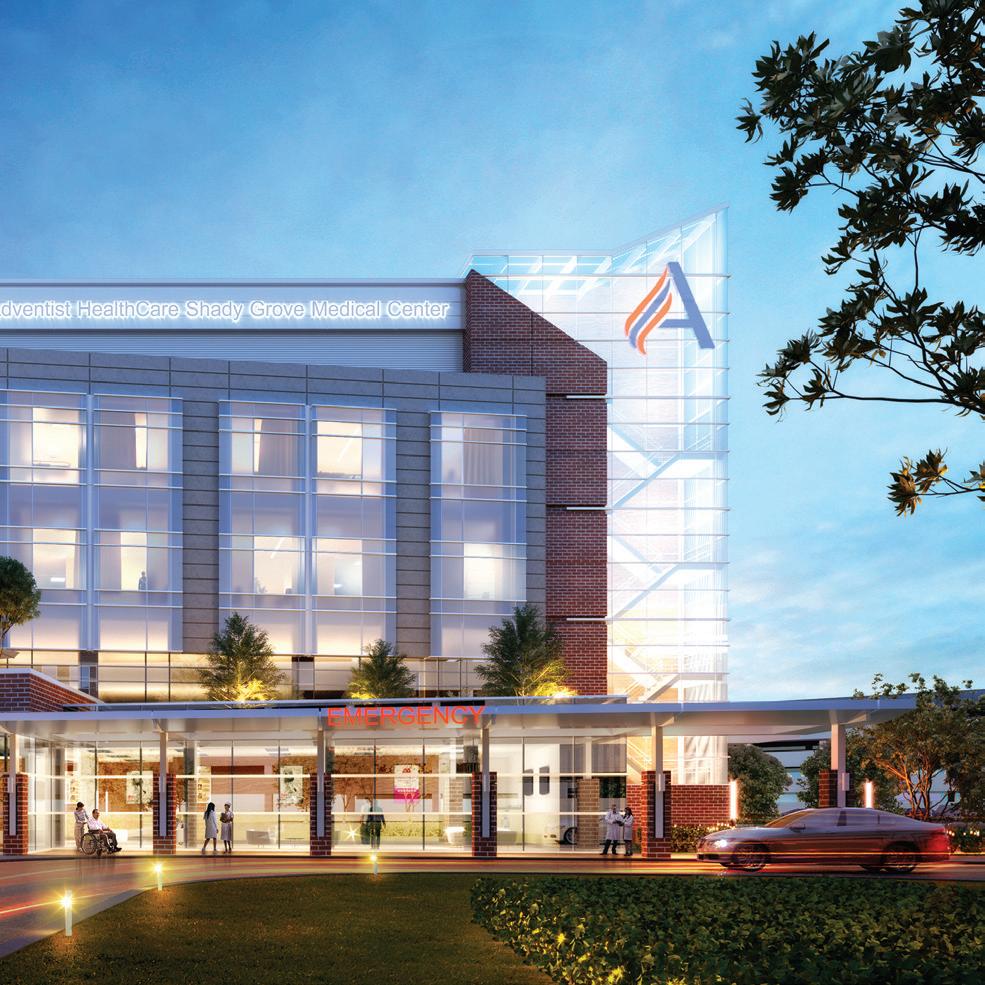
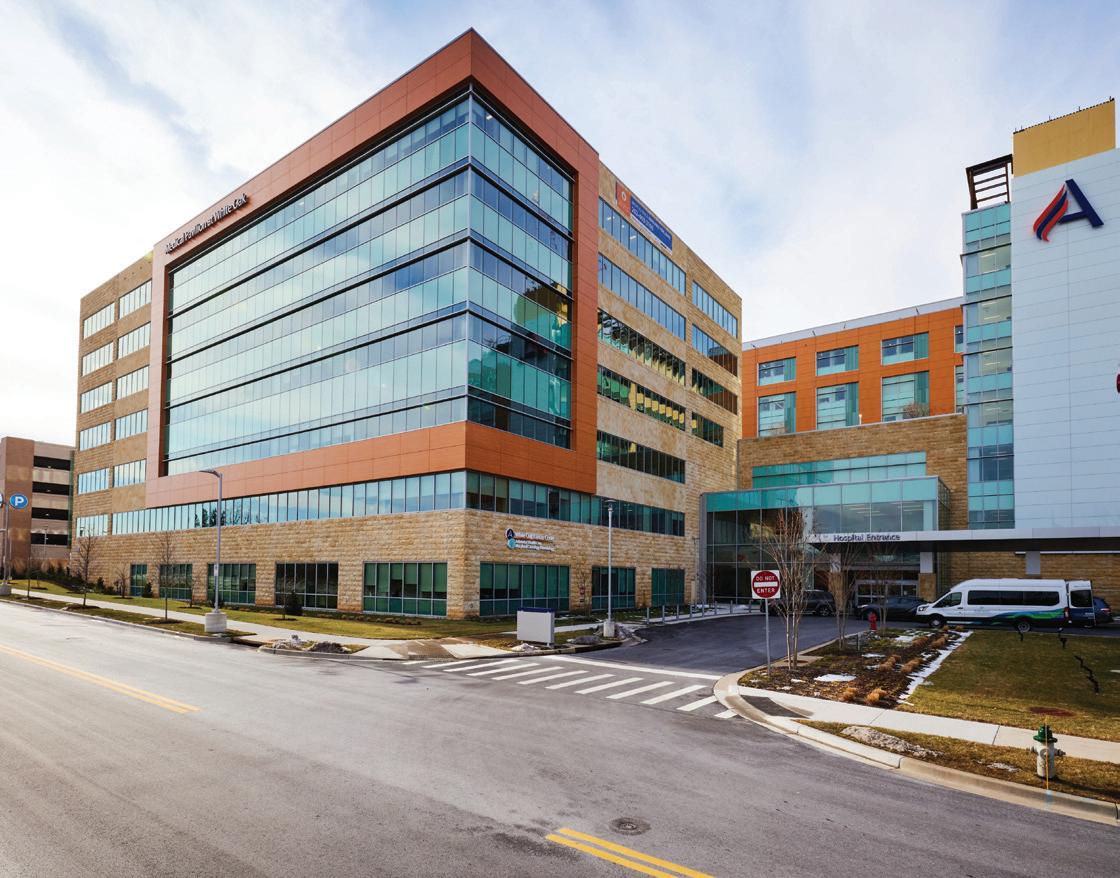
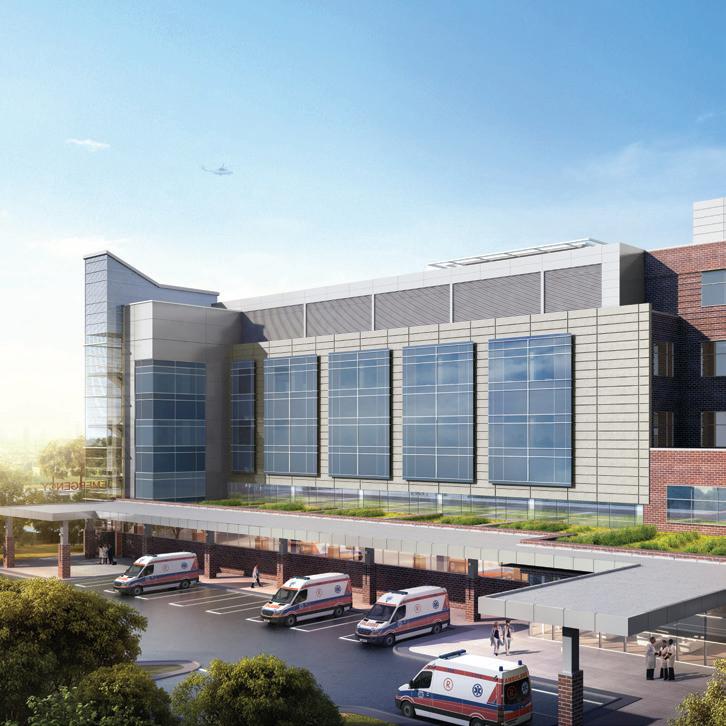
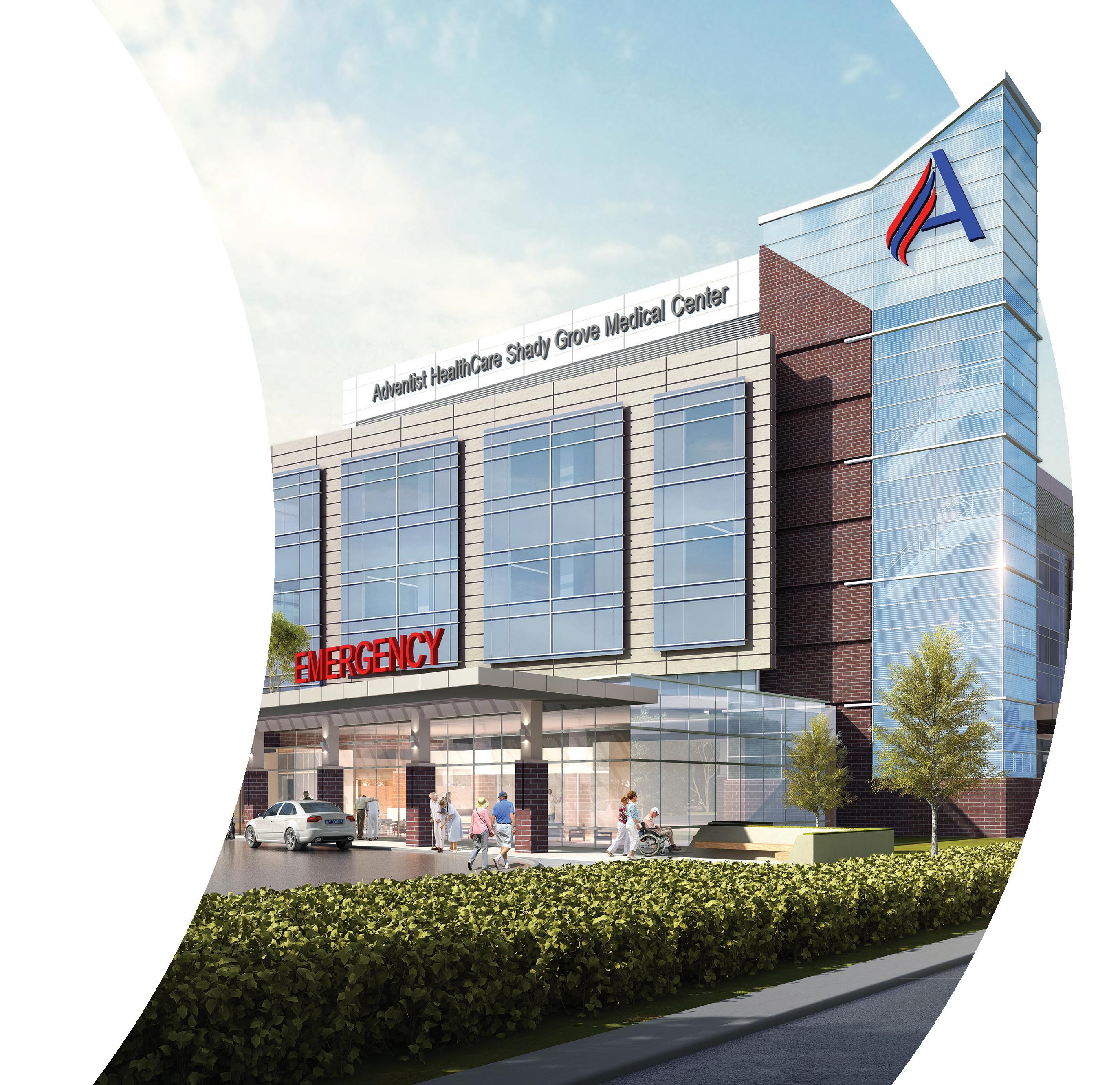
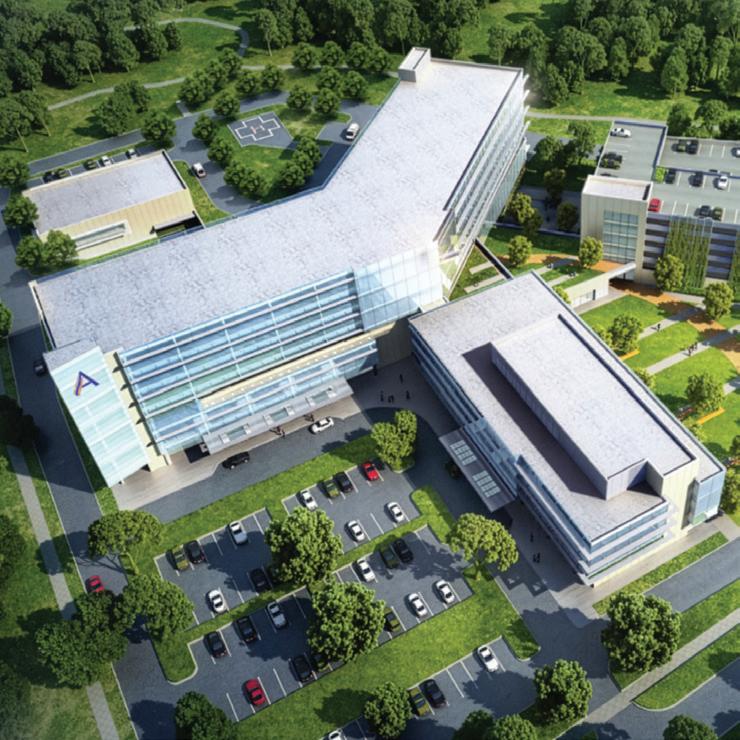
Shady Grove Medical Center Horizon Tower: Construction of the patient tower progressed substantially in 2025, keeping the project on track for a June 2026 opening. The completion of the rooftop helipad, marked by its first patient transport on August 11, represents a significant step forward in expanding access and enhancing emergency and specialty care.
IT Infrastructure: Systemwide technology readiness advanced with preparation of the SGMC Tower’s IT backbone, ensuring clinical and operational continuity.
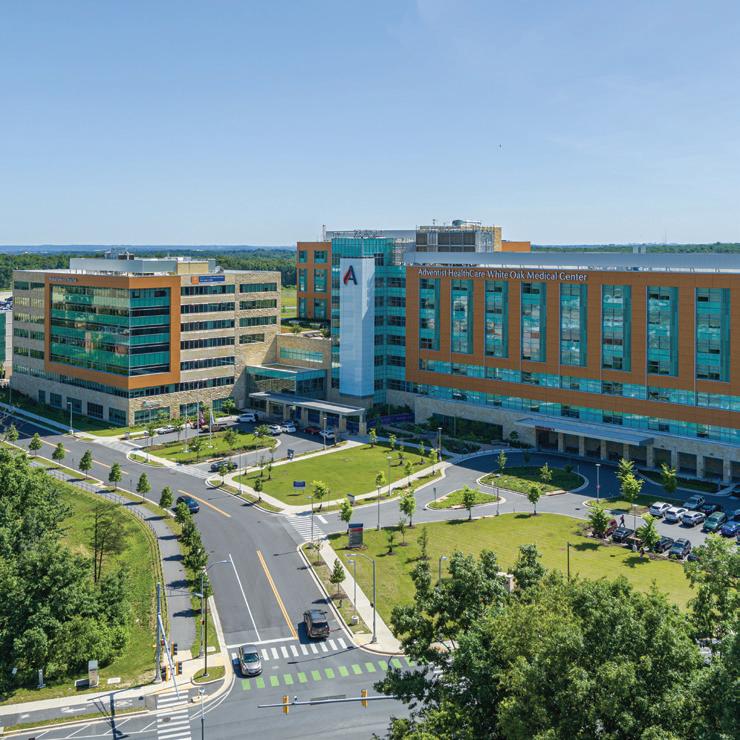
White Oak Medical Center: Opened a new 30-bed, state-of-the-art unit in the south tower, which was celebrated with community and organizational partners.
Maternal Care Center Relocation: Consolidated the Germantown Women’s Center clinic to the Rockville campus, improving access to high-quality maternity care and strengthening care coordination.
These efforts ensure that our facilities evolve alongside patient needs, allowing us to care for more people without compromising quality or experience.
Our Vision 2030 strategy is intentionally aligned with our brand position, ensuring that every message underscores our Mission and drives strategic goals.
— Costin Jordache, Senior Vice President for Strategy & Brand
Highlights
Adventist HealthCare’s service lines have advanced our targeted growth strategies that deepen specialty care access while maximizing existing clinical infrastructure.
The 2025 acquisition of the Advanced Pathology Associates pathologist group empowered Adventist HealthCare to leverage and deploy cutting-edge digital and AI technologies across the system. This move strengthened quality, standardization and innovation capacity within one of the most critical diagnostic services in healthcare.
Cancer Service Line
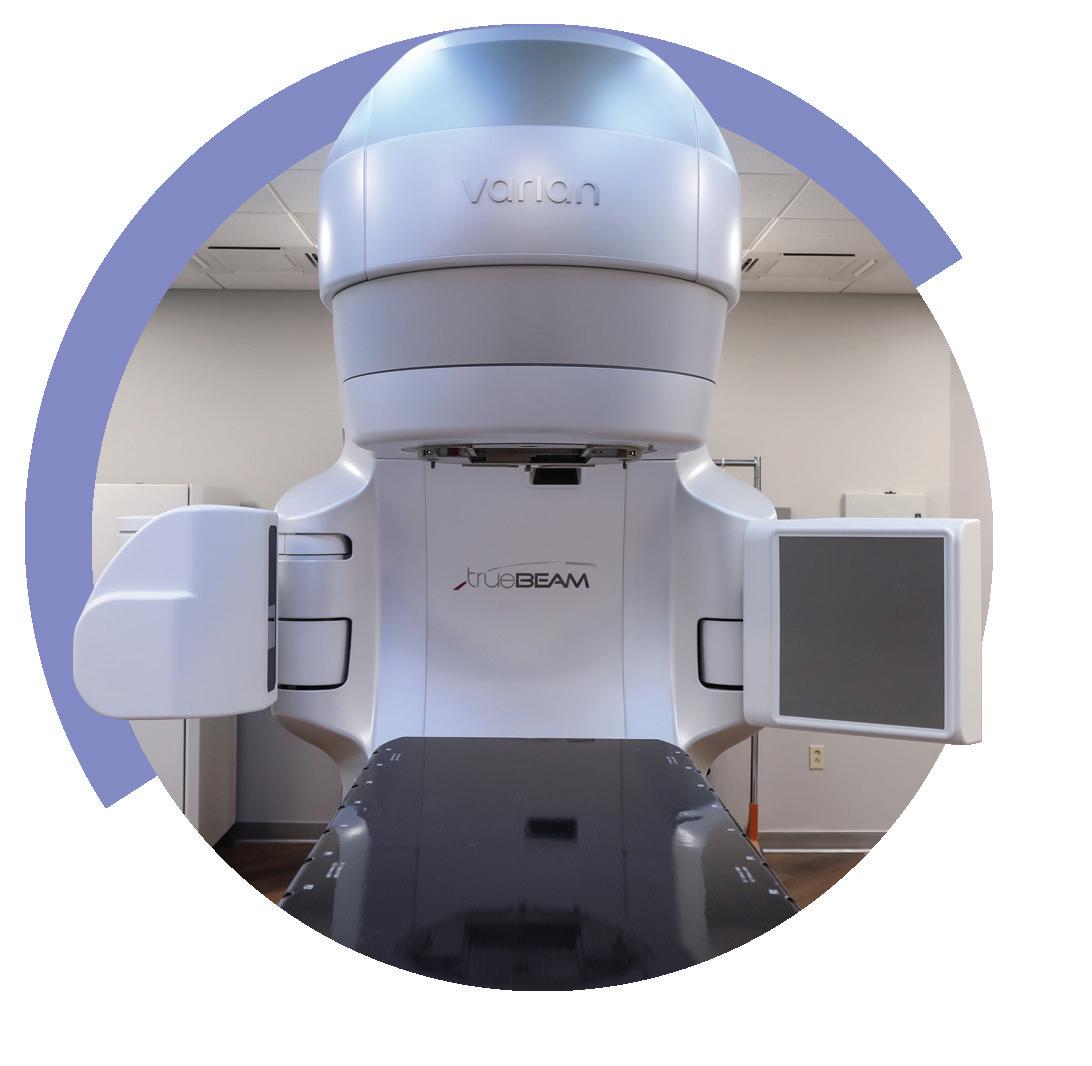
Diagnostic and treatment services were strengthened through the addition of the Molecular Studies Lab enhanced breast imaging at Shady Grove Medical Center Ongoing planning to expand thoracic oncology, lung cancer programming and urology services at Aquilino Cancer Center positions the organization to deliver more comprehensive cancer care regionally.
Heart & Vascular Institute’s White Oak Outpatient Imaging
Increased volume in high-end imaging modalities. Expanded patient access by moving testing from White Oak Medical Center to White Oak Outpatient Imaging location, which also improved utilization of available space.
Physician Enterprise
Increased in-network referrals to 80%, reinforcing high-quality care pathways and system sustainability. Strategic recruitment across cardiology, primary care, neurology, urology and OB/GYN met demand without expanding the real estate footprint. By shifting procedures such as cystoscopy, echocardiography and nuclear stress testing from hospital to ambulatory sites, global budget performance was optimized and patient convenience improved.
Community Benefit
Expanded access to culturally responsive care by offering Spanish language diabetes education and partnering with Shady Grove Women’s Center to support gestational diabetes patients.
The Lourie Center for Children’s Social & Emotional Wellness
Expanded its partnership with Teach for America D.C. and Virginia Communities of Support for Schools initiative, made possible through a $1 million gift. The program is designed to support the lowest-performing D.C. public schools in Ward 8. The Lourie Center provides trauma training for early childhood and elementary school educators to better support students facing adversity and trauma.
The Lourie Center also provided traumainformed training to the entire educator cohort from Teach for America D.C. and Virginia. The Lourie Center trained 80 educators for 57 schools, impacting more than 1,600 students in D.C. (both public and charter schools) to better support students facing adversity and trauma. All teachers are placed in Title I schools in the District, with some in Virginia as well.
Metrics & Outcomes
Adventist HealthCare expanded partnerships and care transitions to improve seamless patient experiences from acute care through recovery.
Post-Acute Care Services
Outpatient PT/OT/ST and Cardiac Rehab exceeded 90,000 visits in 2025, continuing a growth trend that reflects strong demand for outpatient rehabilitation services.
Post-Acute Liaisons returned onsite for the first time since the pandemic, improving transitions in collaboration with Care Navigation.
Inpatient Rehab increased capacity, including completing the 4-bed expansion at White Oak and exploring additional space on the 5th floor.
Rockville capacity planning continued, addressing challenges related to semiprivate rooms.
The Facility Dog program was expanded to Rockville Rehabilitation giving more patients access to the proven benefits of working with a facility dog during physical therapy, which include less pain, lower heart rates and greater endurance.
Adventist HealthCare’s developing ambulatory strategy focused on increasing access points, driving volume and strengthening community relationships.
Outpatient Rehab continued site expansion, targeting two or more outpatient locations annually.
The first full year of the hospice partnership with Frederick Health Hospice demonstrated continued success in compassionate end-of-life care and a decrease in length of stay, opening up more access.
Shady Grove Medical Center Partnerships
Collaboration with Children’s National Hospital strengthened pediatric surgery, Neonatal Intensive Care Unit, newborn nursery and inpatient pediatric coverage.
Fort Washington Medical Center: Priorities for 2025 Q3–Q4 centered on volume growth and offsetting National Harbor Ambulatory Surgery Center losses. Coordination with Adventist HealthCare’s outpatient clinics is driving surgical volume to FWMC, and an RFP launched in Q3 seeks partners to expand procedure volume and equity opportunities.
Expanding Ambulatory Reach and Community Presence
Physician Alliance: Recruited and onboarded six primary care and five specialty practices, expanding the provider network to 2,365 clinicians. These practices deliver high-quality, lower-cost care within Adventist HealthCare’s service areas, expanding community access and system alignment.
Summary
Across our hospitals, ambulatory sites, specialty programs and post-acute services we are advancing a unified strategy: optimize what we have, expand where it matters and connect care across the continuum.
By modernizing facilities, strengthening clinical programs, broadening community-based access and deepening strategic partnerships, Adventist HealthCare is building a more integrated, accessible and patient-centered system for the DMV region and beyond.
Better
Goal 2: Be a top workplace to work and grow.
Adventist HealthCare is distinguished as an exceptional place to work, not by a single program, but by a systemwide commitment to career development, a supportive culture, workforce investment and a deep, ongoing focus on equity, diversity and inclusion.
People value their career at Adventist HealthCare because it is not just a place where they are encouraged to grow, belong and build a future in the following ways:
High engagement and improving retention
Commitment to equity and community
Strong leadership development
Fair, supportive workplace culture
Clear career pathways
Nationally recognized employer practices
Momentum & Milestones
What follows are some of the many ways our system, entities, locations and service lines demonstrated commitment to becoming a top workplace to work and grow in 2025.
Professional development is structured and visible across roles and locations.
Leadership and Clinical Development
RISES values–aligned Leadership Academy, with 72% leader completion and top-tier ratings.
Formal leadership development program with 464 participants (Supervisors/Managers and above)
completing at least one of four core classes in 2025.
Expanded assistant nurse manager roles and strengthened nursing leadership structures.
Nursing Professional Development Day and annual competency events.
Enhanced onboarding through TSAM and RN IV Master Preceptors.
Nurse Residency Program with 96% acceptance and a growing talent pipeline.
International nurse recruitment welcoming 60 international nurses to Adventist HealthCare, alongside Volunteer Services and BRIDGE programs supporting entry into nursing.
Nationally recognized Pharmacy Technician Training Program.
Whether at Shady Grove Medical Center, White Oak Medical Center, Fort Washington Medical Center or Post-Acute Care inpatient and outpatient locations, staff can see a clear path forward.
Adventist HealthCare is not just a place to work; it’s a place to grow, belong and build a future.
Metrics & Outcomes
20.2% systemwide decrease in registered nurse turnover in 2025
Engagement and Retention
$13.5m investment in market-pay alignment
Location Highlights
Physician Enterprise: Strong engagement scores reduction in vacancies year over year achieved 58%
Shady Grove Medical Center
Rise in engagement survey participation 86% reduction in turnover 17.5%
Work
Environment
Just Culture training provided for Fort Washington Medical Center leadership; anticipate rolling out for assistant nurse managers in Q1 2026
Physician engagement is above national average
Heart & Vascular Institute and Outpatient Imaging implemented targeted compensation adjustments, improving recruitment and retention
Adventist HealthCare strengthened systemwide communication through structured nursing huddles
White Oak Medical Center received Pathway to Excellence designation from the American Nurses Credentialing Center, which recognizes healthcare systems that foster positive, supportive work environments where nurses can flourish
Internal Communications
Adventist HealthCare listens and responds. Robust internal communication ensures that all team members have timely access to the information they need to perform at their best.
Research shows that informed teams deliver better care. By providing clear, timely information, we help team members focus on serving our patients while fostering a connected and engaged workplace culture. This approach enhances patient care, improves efficiency and attracts talented professionals.
2025 Internal Comms
Snapshot
Systemwide NewsBriefs articles
Team Huddle
Our systemwide e-newsletter, NewsBriefs, is a cornerstone of this effort, connecting team members to events, benefits, policies, learning and development opportunities, awards, community partnerships, well-being resources and our shared Mission.
We are at our best when our people thrive. Adventist HealthCare is a great place to work because we nurture compassion, celebrate excellence and empower every colleague to grow with purpose and confidence.
— Allison Dichoso, Chief Human Resources Officer
Equity, Access and Inclusion
Adventist HealthCare is committed to workplace equity, diversity and inclusion (EDI), demonstrated in the following areas:
National recognition from Newsweek for inclusive workplace practice.
Health Equity Strategic Plan and updated Language Access Plan.
Auxiliary aid kits deployed to SGMC, WOMC and FWMC to improve communication access.
Systemwide EDI communications, devotionals and leadership engagement.
Systemwide Section 1557 compliance training with 87% completion rate.
Lucy Byard Symposium and scholarships supporting future nurses.
Supplier diversity integrated into sourcing.
Published EDI Report to track progress and accountability.
Vendor Inclusion Partnership integrating supplier diversity into sourcing practices.
Staff witness a clear, visible commitment to equity and dignity across the organization.
Summary
Recognition follows organizations that invest in their people, and 2025 brought significant external validation through employer awards. These awards are outcomes of sustained, strategic investment in people.
QUALITY & SAFETY
Goal 3: Achieve consistent excellence as
a High Reliability Organization.
Adventist HealthCare officially launched its systemwide commitment to becoming a High Reliability Organization (HRO) — a healthcare system where every patient receives safe, high-quality and compassionate care, every time.
Operating as an HRO means maintaining exceptional performance in complex, highrisk environments by building a culture grounded in vigilance, transparency and continuous learning. In healthcare, this translates to preventing harm, elevating patient satisfaction and empowering team members to speak up, solve problems and improve care at the front line.
Adventist HealthCare’s progress reflects the five core principles of high reliability:
Across the system, these principles guided measurable improvements in quality, safety and patient experience.
There is no greater privilege than improving the health and well-being of humanity. At Adventist HealthCare, our unwavering dedication to quality and safety reflects our deep commitment to extending God’s care through physical, mental and spiritual healing.
— Patsy McNeil, MD, Executive Vice President, Chief Medical Officer
Momentum & Milestones
Cancer Service Line
Aquilino Cancer Center earned the Maryland Cancer Registry Kimberly Stern Case Completeness Award for the third consecutive year; White Oak Cancer Center earned the award for the second year.
A new high-risk nutrition monitoring protocol was implemented to track weight-loss risk at structured intervals from one week to one year.
Fort Washington Medical Center
Earned an “A” Hospital Safety Grade from The Leapfrog Group.
The Diagnostic Excellence Committee advanced early detection and diagnostic accuracy.
Systemwide Med-Surg operational enhancements strengthened consistency and reliability across care settings.
Post-Acute Care Services
Semifinalist for the Minogue Award for Catheter-Associated Urinary Tract Infection (CAUTI) reduction.
Inpatient Rehabilitation rose to 55th of 1,049 hospitals nationally in U.S. News & World Report.
National quality metrics exceeded benchmarks:
- Functional Improvement above the 75th percentile.
- Falls Since Admission at the 92nd percentile.
- New/Worsened Pressure Injuries at the 83rd percentile.
Heart & Vascular Institute / Outpatient Imaging
Introduction of a Patient Safety Huddle improved communication and situational awareness.
All Imaging sites achieved American College of Radiology accreditation; all mammography sites maintained their Mammography Quality Standards Act (MQSA) certification; and the 9711 Vascular Lab earned IAC accreditation.
Physician Enterprise
Strong performance on key quality measures including blood pressure control, depression screening, BMI management and colorectal cancer screening.
White Oak Medical Center and Shady Grove Medical Center achieved American College of Cardiology accreditation.
Shady Grove Medical Center earned the prestigious American College of Cardiology (ACC) HeartCARE Center Designation, the only hospital in Maryland to receive this honor.
Shady Grove Medical Center
Launched a Patient Family Advisory Council.
Neonatal Intensive Care Unit achieved seven years without a Central Line–Associated Bloodstream Infection.
Led the state in preventing hospitalacquired conditions.
Achieved a 62.9% reduction in pressure injuries.
White Oak Medical Center
Earned an “A” Hospital Safety Grade from The Leapfrog Group.
Received the 2025 Circle of Honor Award for Patient Safety Innovation from the Maryland Patient Safety Center.
Awarded the ACC National Cardiovascular Data Registry Chest Pain–MI Registry Silver Performance Achievement Award (2025).
Metrics & Outcomes
4.12/5 Culture of Safety Index reached (69th percentile), with a system aim to reach the top quartile
2025 Quality & Safety Awardees
2026 Minogue/ Circle of Honor Award:
Post-Acute Care Services: CAUTI
Reduction in Inpatient Rehab
Adventist HealthCare recognizes exceptional efforts toward excellence through its Quality & Patient Safety Awards Winners are celebrated at Mission in Motion, our annual day of Leadership training
White Oak Medical Center:
61.36%
reduction in inpatient falls, with leadership debriefs including patients and families
Fort Washington Medical Center:
500+ days without hospital-acquired C. diff, contributing to its Leapfrog “A”
Shady Grove Medical Center Behavioral Health: Benzodiazepine prescribing reduced from 9.56% to
2.39% using evidencebased guidelines
Quality & Patient Safety Framework
HIGH QUALITY, SAFE AND EQUITABLE CARE
HIGH RELIABILITY ORGANIZATION (HRO)
Reliable high quality of care delivered across every Adventist HealthCare entity
QUALITY OF CARE OUTCOMES
Top quartile performance in public-facing domains
Top quartile performance in culture of safety index
Free from harm events
ANALYTICS & TECHNOLOGY PARTNERSHIP
Readily accessible, reliable and actionable data
TRUSTED ADVISORS
PATIENT SAFETY
Driving to zero harm for every patient
STANDARD MANAGEMENT APPROACH
BEST PRACTICE APPROACH
Study-driven practices superior to alternative approaches
Adventist HealthCare’s achievements reflect more than isolated successes. They represent a systemwide transformation toward high reliability.
By empowering teams, engaging patients and families and strengthening safety culture, Adventist HealthCare continues to build a future where every patient receives exceptional care, and every team member thrives in a safe, supportive environment.
EXPERIENCE
Goal 4: Deliver a compassionate and frictionless experience across the patient journey.
The patient journey includes every interaction a person has with Adventist HealthCare, from early awareness of our healthcare system to the experience within our facilities and the support that continues at home. Across the healthcare landscape, leading systems are reimagining this journey to be seamless, coordinated and compassionate.
In 2025, Adventist HealthCare advanced this work in meaningful ways. By leveraging realtime insights, integrating care, strengthening communication and delivering missiondriven service, our teams enhanced the patient experience across every setting. The pages that follow highlight system-wide achievements and entity-level progress toward Goal 4 of Vision 2030.
Momentum & Milestones
Launching the Patient Experience Portal
To deliver a frictionless patient journey, leaders need timely, unified information. Historically, at Adventist HealthCare, patient experience insights were scattered across up to five systems, published on different timelines and often 40 days old.
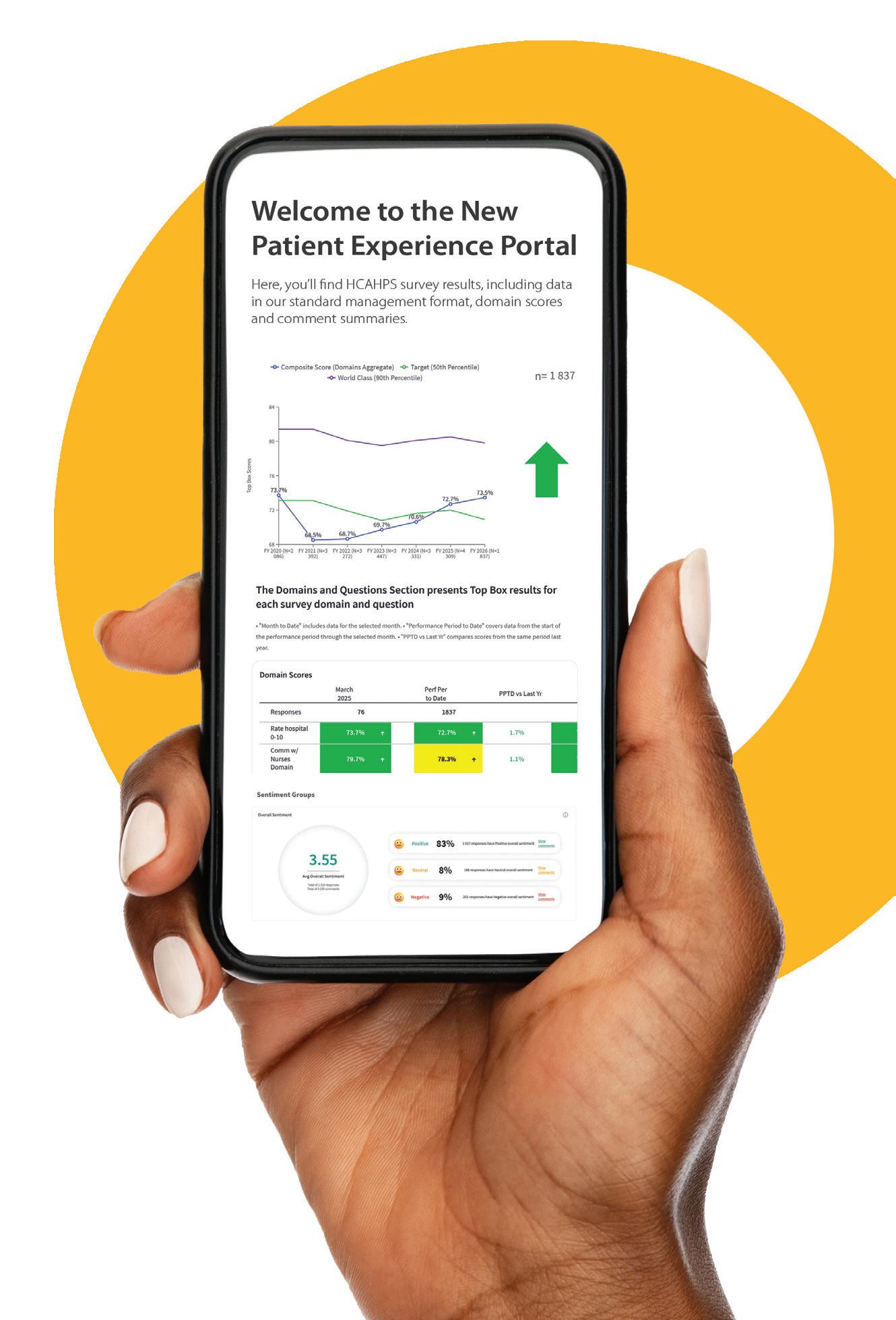
In 2025, we launched the Patient Experience Portal, a major advancement in how we listen to and learn from our patients.
Portal Highlights
The Patient Experience Portal allows us to consolidate all patient experience data into a single, easy-to-navigate platform:
AI-driven text analytics surface statistically validated key drivers and themes.
Role-customized dashboards ensure relevance for frontline leaders, executives and service lines; clean design and standard-management format-aligned dashboards guide decision-making and accelerate improvement.
As a result of our commitment to this work, we experienced the following systemwide outcomes:
Highest HCAHPS scores in five years.
Highest Leapfrog performance in Patient Experience.
Highest CMS Star Ratings in Patient Experience.
Lowest HCAHPS QBR penalty in five years.
Highest systemwide Likelihood to Recommend in five years.
Listening & Action at Scale
5,868 Direct-Report Rounds
26,000 Behavioral Validations
220,000 Nurse Leader Rounds
38,000 Surveys
120,000+ Call-Light Response Datapoints
22,000+ Discharge Calls
3,340 Team Members Recognized 50,780 Times
251,000 Patient Rounds
From physical therapy to occupational therapy to speech therapy, everyone we encountered not only displayed expertise in their field but kindness, compassion and warmth. They got to know us and the life we lived, and they were committed to getting us back to doing all the things we loved.
— Barbara and Larry Eldridge
In 2025, Adventist HealthCare Cancer Services expanded its Wellness for Cancer Care program and deepened its impact.
23 unique programs delivered
Reported benefits included:
Improved emotional regulation.
Increased calm, hope and resilience.
Reduced stress and anxiety.
Stronger coping skills.
2,408+ participations (encounterbased)
8/10 is the Average Importance Rating (participant reported)
As a pastor, I always noticed that the patients I worked with from Adventist HealthCare seemed different. Less lonely, more hopeful even. Once my husband and I became patients I understood why: Adventist HealthCare does everything they can to ensure their patients don’t walk through their health journey alone.
— Rev. Deb Vaughn, patient and wife of patient
Shady Grove Medical Center (SGMC)
Highest HCAHPS scores in
5 yrs
Fort Washington Medical Center (FWMC): Significant reductions in ED wait times, improving patient flow, safety and satisfaction
Medication communication topbox scores increased from 56% (2024) to 66% (Nov 2025)
Responsiveness improved dramatically: call-light response time reduced from 8:30 minutes to under 2 minutes
Record Patient Experience Performance
Emergency Dept. achieved its highest survey scores in
5 yrs
Inpatient
Rehabilitation White Oak Medical Center patient experience exceeded the 80th percentile Post-Acute Care Services and CCPL
Home Care Services improved Likelihood to Recommend to the 50th percentile
Highlights (continued)
White Oak Medical Center (WOMC)
WOMC Initiatives
Include:
We PAWS
(We Provide Awesome Worldclass Service)
Purposeful Hourly Rounding
White Oak Medical Center consistently achieved world-class or target across all domains, increasing patient experience scores
Service Excellence
Emergency Department Boot Camp Training
Physician Enterprise (PE)
CareFirst Accountable Care Organization achieved a 91% Member Experience Composite, which indicates that members are highly satisfied with their access to care, the coordination of their care, communication with their providers and with customer service.
Case Study
Integrated Care in Action:
A patient with repeated hospitalizations across Montgomery County found stability through coordinated Adventist HealthCare support.
Emergency Department (ED) and outpatient navigation teams collaborated .
Connected the patient to a community physician who could provide in-home visits.
This case exemplifies the compassionate, team-based care model envisioned in Vision 2030.
91% Member Experience Composite
Patient has not returned to the ED in months, reporting increased safety and stability.
Patient Experience
Adventist HealthCare is committed to restoring not just health, but each patient’s ability to live fully and well.
Trust is built in every interaction along the patient journey. Our commitment is to ensure every moment — clinical or otherwise — reflects compassion, clear communication and respect so every person we serve feels safe, valued and cared for.
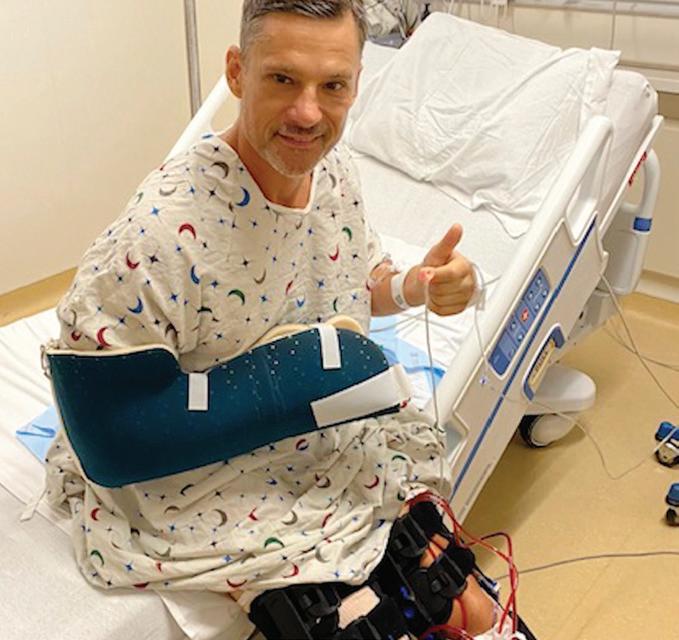
Denny Synder shares his Adventist HealthCare patient story. Patient Story Video
Defined standards of behavior
ServiceCulture
Disciplined execution and change management
Patient
Experience Approach
GatherFeedback
How we actively listen to our patients
ActionableInsights
Our focus on the patient experience reflects a culture where compassion is operationalized and excellence is measurable. In 2025, Adventist HealthCare made strides toward delivering a compassionate and frictionless patient journey. Through real-time insights, integrated care, improved responsiveness, and mission-driven service, every entity contributed to a more seamless and human experience for our patients.
2026 will see a targeted focus on redesigning our patient journey. As we advance toward Vision 2030, we remain committed to ensuring that every patient feels supported, understood and cared for at every step of their journey.
Right data, to the right person, at the right time
Achieving our mission requires more than clinical excellence; it demands the financial strength to reinvest in our people, our technology and the communities we serve. Vision 2030 calls us to deliver high-impact financial performance, measured not only by meeting our annual total operating revenue targets, but by demonstrating strong, sustainable margin reinvestment across the entire system. This means maintaining the right balance between cash reserves and total debt, ensuring we operate from a position of stability, security and readiness to grow.
Over the past year, every corner of our organization has contributed to building this foundation of financial strength. The achievements of Adventist HealthCare’s entities, service lines and departments show what is possible when operational discipline, innovation and mission alignment come together.
Momentum & Milestones
Adventist HealthCare strengthened its financial position this year through coordinated, systemwide efforts across every division of the Finance department:
Revenue Cycle & Managed Care
—
Improved cash flow through higher clean-claim rates, stronger collections, and enhanced reimbursement; supported by new technology and a systemwide Case Mix Index optimization initiative.
Supply Chain — Delivered significant savings through contract compliance, including $3M cost savings through contract negotiations, rebates and product conversions and negotiations and managed an $11M bed-replacement project with retired beds donated through Project Cure and ADRA.
Corporate Finance — Secured $2.9M in Inflation Reduction Act credits tied to clean energy improvements at the Shady Grove Central Utility Plant.
Strategic Analytics — Identified opportunity to improve reimbursement in a number of areas, including securing funding to expand access and capacity at White Oak Medical Center.
Our strong financial position reflects the dedication of teams who steward every resource with purpose. Their commitment allows us to invest in facilities, programs and innovations that create lasting, measurable impact for our patients and our communities.
— Kevin Cargill, Chief Financial Officer
Highlights
Adventist HealthCare’s entities delivered strong, mission-aligned financial performance this year, with disciplined operations, improved revenue-cycle execution and targeted investments that strengthened stability across the system.
Fort Washington Medical Center delivered sustained revenue-cycle gains, exceeding monthly cash collection goals, improving year-overyear collections by 5%, reducing days in AR by 5.5 days and lowering initial denial rates by 9%, while also positioning itself for a first-time readmission reward of $650K.
Systemwide automation efforts — including AKASA AI for claim status and the upcoming Experian eligibility enhancement — advanced operational efficiency, strengthened cash flow and supported long-term financial resilience.
Shady Grove Medical Center’s strong operating margin was due in part to significant reductions in readmissions that eliminated Quality Based Reimbursement penalties, avoiding more than $4 million in prior-year losses.
White Oak Medical Center closed 2025 with a strong financial performance, supported by operational improvements and continued growth across service lines.
Post-Acute Care’s EHR transition from Cerner to TheraOffice is expected to enhance efficiency, elevate the patient experience and improve revenue-cycle performance, generating more than $500K in projected annual benefit.
Adventist HealthCare’s marketing efforts led to 4,300 community members engaging with Adventist HealthCare about their heart health. The campaign resulted in 500 cardiac patients generating $9K in per-patient charges totaling $4.5M. The total marketing spend was $10,000.
IT played a critical enabling role, advancing AKASA implementation and supporting modernization efforts that improved revenue-cycle performance across the system.
These achievements reflect a unified commitment to financial stewardship, operational excellence and missiondriven growth across Adventist HealthCare.
The Physician Enterprise demonstrated the strength of value-based care, earning more than $3 million in shared savings and performance incentives across programs.
Securing State and Local Grants
Adventist HealthCare’s government relations team plays a critical, strategic role in securing local and state grants by acting as the primary liaison between the healthcare organization and public sector funders. They identify funding opportunities, align organizational initiatives with public priorities and build relationships to enhance the likelihood of success in competitive grant processes.
Fort Washington Medical Center secured another $5 million for the capital fund toward a new hospital. To date, we have secured $20 million.
Shady Grove Medical Center secured an additional $1.3 million for the Shady Grove tower project. As of FY 2025, we have received $6.6 million in grants from the state of Maryland. Montgomery County awarded a $1 million capital grant for FY2026.
Worked with The Lourie Center for Children’s Social & Emotional Wellness to reintroduce dedicated funding for the Therapeutic Nursery Programs. Through a joint effort with the Maryland Hospital Association, we secured a $3.7 million state grant.
Our commitment to financial impact extends beyond revenue and cost management. Through Equity, Diversity and Inclusion (EDI), we advanced supplier diversity by establishing a Vendor Inclusion Partnership, embedding equitable sourcing practices into value analysis workflows. This strengthens community investment while supporting long-term financial sustainability.
Summary
These achievements reflect more than isolated wins; they represent a systemwide shift toward operational excellence, innovation and financial discipline.
As we advance toward Vision 2030, Goal 5 will continue to guide us in building the financial strength required to expand services, invest in our workforce, modernize our infrastructure and deliver exceptional care for generations to come.
These results reflect disciplined performance, strong payer relationships and a commitment to delivering high-value care.
Beyond
INNOVATION
Goal 6: Innovate to drive breakthrough change.
Adventist HealthCare continued to accelerate its innovation agenda in 2025, advancing process improvements, technologies and partnerships that fundamentally reshape how care is delivered, how teams work and how patients experience our system. Vision 2030 calls for bold, breakthrough change, and in 2025, we demonstrated that innovation is not an abstract aspiration but a measurable, strategic investment across every corner of the organization.
Momentum & Milestones
Expanding Innovative Partnerships and Care Models
At Fort Washington Medical Center (FWMC), we launched a Request for Proposals (RFP) for the National Harbor Ambulatory Surgery Center, seeking new partners to expand procedural volume and explore equity opportunities. This initiative reflects a more entrepreneurial approach to growth, leveraging partnership models that bring new capabilities, new revenue streams and new access points for patients. By reimagining how we collaborate with external partners, we are positioning ourselves to scale surgical services in ways that traditional models cannot.
Transforming Care through Digital Platforms and AI
Across the system, we made significant strides in deploying next-generation digital tools that enhance efficiency, accuracy and patient engagement.
Imaging and Diagnostics
The Heart & Vascular Outpatient Imaging team launched a new EHR for outpatient imaging, designed to optimize scheduling, improve workflow, increase patient collections and support higher imaging volumes. This platform modernizes a historically fragmented process, enabling faster access to results and a more seamless patient experience.
Momentum & Milestones (continued)
Rehabilitation and Patient Monitoring
The IT Department and Post-Acute Care Services teams delivered several major technology upgrades, including:
Care.ai virtual monitoring, first launched in Inpatient Rehab, bringing state-of-theart tele-sitting technology directly into patient rooms. By integrating with in-room televisions, Care.ai enhances safety for high-risk patients, enables loved ones to participate virtually in care, expands access to medical consults and streamlines workflows from admission through discharge. This is a breakthrough example of how AI can elevate both patient experience and clinical efficiency.
Remote therapeutic monitoring using Wibbi and AgadoLive allow therapists to track patient progress outside the clinic and intervene earlier — an innovative extension of care beyond traditional walls.
Advancing AI-Enabled Clinical and Operational Excellence
Physician Enterprise and the IT team continued to lead the system in adopting AI tools that reduce administrative burden and enhance clinical decision making.
AI ambient listening tools (including eCW Sunoh) were deployed across Adventist Medical Group, dramatically reducing documentation time and improving provider satisfaction. These tools represent a major shift in how clinicians interact with technology — moving from manual data entry to automated, context-aware documentation.
Now, more than ever, it is imperative that we build new and better healthcare facilities and follow best community health practices to support the communities where we live, work and play.
— Bob Buchanan, business leader, donor
PRISMA, a health-information search engine, was implemented to aggregate records from outside HIEs, Electronic Medical Records and even wearable devices. This innovation strengthens interoperability and gives providers a more complete picture of patient health, improving care coordination and clinical decision making.
AI for revenue cycle management AKASA was expanded across departments, reinforcing Adventist HealthCare’s commitment to using automation to drive financial sustainability.
Pioneering New Clinical Technologies
Adventist HealthCare also continued to invest in cutting-edge clinical capabilities that expand treatment options and improve outcomes:
In 2025, the Physician Enterprise implemented Pulse Field Ablation (PFA), a next-generation electrophysiology technology that offers safer, faster treatment for atrial fibrillation.
In 2026, WOMC implemented the Tricuspid Clip, expanding access to advanced structural heart interventions and positioning Adventist HealthCare as a leader in minimally invasive cardiac care.
At Adventist HealthCare, operational excellence and data-driven insight are inseparable from our success. Our strategic operations teams turn information into action — strengthening performance, guiding transformation, and ensuring we meet the needs of our patients and communities with clarity and purpose.
Each year, Adventist HealthCare celebrates innovative quality and safety initiatives at Mission in Motion, an annual day of education for leaders from across the system. In 2025, there were 15 exceptional submissions reviewed by a panel of internal and external experts. Each submission reflected a deep commitment to advancing safety, quality and high-reliability care.
The 2025 Quality and Patient Safety Excellence Award was given to Shady Grove Medical Center — Behavioral Health, recognized for its project aimed at improving benzodiazepine prescribing practices in the Outpatient Wellness Center. The team addressed the concern of overprescribing benzodiazepines, particularly in Behavioral Health populations where the risk of dependence is high.
prescribed benzodiazepines, already well below the national average of 30.2%. However, the team proactively implemented controlled-substance practice parameters grounded in evidence-based medicine and communicated changes directly with patients to ensure transparency and alignment. As a result of this initiative, the prescribing rate was reduced to 2.39%, significantly outperforming both national and international benchmarks. This achievement highlights the team’s commitment to responsible prescribing, harm reduction and long-term patient safety.
Video featuring Mission in Motion highlights
Two other teams received the Circle of Honor award:
White Oak Medical Center earned recognition for its project titled Journey to Zero: Reducing Inpatient Falls, which also won a Maryland Patient Safety Center Minogue Circle of Honor Award for Patient Safety Innovation.
Fort Washington Medical Center was lauded for tackling the critical issue of Hospital Acquired Clostridioides difficile (C. diff.) infection.
In 2025, Shady Grove joined the system in implementing patient screening for C. diff. through Cerner and alerting a physician to consider primary or secondary prophylaxis. Cases of C. diff. fell by 50% from 2024.
A Circle of Honor Award from the MidAtlantic Patient Safety Center was granted to Post-Acute Care Services for its CUATI Reduction in Inpatient Rehabilitation project.
Adventist HealthCare’s progress toward Vision 2030 reflects a system that is not simply adopting new technologies but strategically deploying innovation to solve real problems, such as improving patient safety, enhancing provider experience, strengthening financial performance and expanding access to advanced care. The investments made in 2025 lay the groundwork for a more agile, data-driven and patient-centered future, ensuring that we remain at the forefront of healthcare transformation.
Safeguarding Trust
Adventist HealthCare’s exceptional culture is vividly reflected in the integrity, compassion and communitycentered commitment woven through all the programs and services described in this report, which are reinforced by the work of the Organizational Integrity,
Spiritual Care and Community Benefit teams.
The Organizational Integrity team safeguards a foundation of trust by ensuring ethical, transparent and accountable practices across the system. Spiritual Care deepens this culture by meeting patients and families with profound compassion, honoring every faith tradition and offering unwavering emotional support in life’s most challenging moments.
Through its Community Benefit initiatives, Adventist HealthCare extends this mission beyond its walls, thereby strengthening local partnerships, expanding access to care and investing millions in programs that uplift the health and well-being of the region. Together, these efforts create a culture where doing what is right, caring for the whole person and serving the community are not aspirations but daily realities that define Adventist HealthCare.
Organizational Integrity
The Organizational Integrity department plays a vital role in safeguarding Adventist HealthCare’s commitment to ethical, transparent and mission-driven care. By guiding the system’s compliance with federal and state regulations, the team ensures that every aspect of patient care, employment practice and business or community partnership reflects the highest standards of integrity-driven care.
The work of this team includes monitoring regulatory changes, educating leaders and staff, investigating concerns and promoting a culture where doing what is right is the expectation, not the exception. Through this steadfast oversight, Organizational Integrity helps protect patients, support employees and strengthen the trust that anchors Adventist HealthCare’s relationship with the communities it serves.
Snapshot of the Organizational Integrity Department
Accomplishments in 2025
Organizational Integrity establishes and upholds the standards for corporate compliance, regulatory obligations, and ethical behavior, ensuring that all actions align with the core values of Adventist HealthCare.
Core Distinctions
Our program is mandated by the Office of Inspector General (OIG).
Reporting relationship to the Audit Committee of the AHC Board.
We serve all entities and service lines, both patients and team members.
Seven Elements of an Effective Compliance Program
No fines or penalties issued in response to complaints filed with the Office of Civil Rights.
All team members achieved certification in their areas of expertise.
Inaugural annual compliance report published to ensure transparency and accountability.
Implemented a structure coding and billing program and conducted initial audits to ensure compliance.
Spiritual Care
Central to our Mission is the spiritual care and emotional support our chaplains provide to patients and their families of all faith traditions. All our chaplains are trained and board certified under the auspices of The Association for Clinical Pastoral Education and College of Pastoral Supervision and Psychotherapy.
Our chaplains’ professional training and credentialing is important, but it is their dedication, commitment, unwavering faith in God and compassion for those experiencing the most joyous occasion or the most devastating event that makes this team truly outstanding.
A day after Dr. Stephen Rockower was moved to Adventist HealthCare Rehabilitation to continue recovering from a devastating health event, his beloved wife and best friend lost her battle with cancer.
Although I am blessed with three wonderful children to lean on for support, my care team at Adventist HealthCare went above and beyond to not only get me back on my feet, but to help me cope with my wife’s passing. While the physical therapy I received was second to none, it was the true concern for my overall well-being that made all the difference. The comfort and attention from the chaplains, the handling of all the complicated arrangements necessary for me to be present at Anne’s service and to sit Shiva (part of my Jewish tradition), and the absolute compassion and understanding of the entire nursing team and physical therapists as I struggled to meet each milestone in my recovery without my best friend at my side made it possible for me to get back to my old self physically while adjusting to a new normal emotionally. I can’t begin to thank them for what they did. Whatever I needed, they made it happen.
— Stephen J. Rockower, MD
Community Benefit
The Adventist HealthCare Community Benefit program supports the organization’s mission to improve community health through partnerships with local organizations, free or reduced-cost care and health screenings. The program is central to our nonprofit mission to serve the public by improving community health.
In 2024 (the last year for which numbers are final), the program disbursed $93.6 million in benefits.
Key aspects of the program, which aims to support the overall well-being of our diverse local population, include:
Financial Assistance: Adventist HealthCare provides aid to uninsured, underinsured or low-income patients for emergency and necessary services.
Community Partnerships: The Community Partnership Fund supports local organizations focusing on health equity and wellness.
Health Services: Offerings include community health improvements such as diabetes education, screenings and faithbased nursing programs.
In 2025, the number of grant applications nearly doubled over previous years. In anticipation of this increase, we launched a new internal review process to ensure efficiency and equity.
Community Partnership Fund — Grant Awardees
Thank you for the wonderful news! All of us at MUM are grateful for the support of the Adventist HealthCare Community Partnership Fund, particularly at this time when so many of our neighbors have been severely impacted by the cost of living and federal decisions. Your funding will help us meet the increasing need for rent and utility assistance.
— Mid-County United Ministries
Thank you so much for your support. This funding comes at a critical time, and Adventist HealthCare’s partnership truly makes a meaningful difference in our ability to positively impact our community.
— Affordable Homes and Communities
Through classes, support groups, webinars and community events, Adventist HealthCare provides free health education and support around chronic disease, maternal and infant health, cancer and physical health and rehabilitation. In 2025, AHC also launched a Food Is Medicine program that distributes free food to community members in need.
Thank you!
We extend our sincere gratitude to the Adventist HealthCare leaders whose vision and guidance shaped the 2025 Vision 2030 Annual Report. Your commitment to our mission continues to inspire our path forward.
We also thank the many contributors whose expertise and collaboration brought this project to life. The individuals listed below played a particularly meaningful role, and we deeply appreciate their dedication.
Executive Sponsor:
Costin Jordache, Senior Vice President
Strategy & Brand
Adventist HealthCare
Contributing Executive:
Sebrena Sawtell, Vice President
Public Relations & Marketing
Adventist HealthCare
Creative Consultant:
Leonardo Bodmer, Creative Director
Adventist HealthCare
Content Strategist & Project Lead:
Corinne Kuypers-Denlinger, Director Philanthropy, Public Relations & Marketing Content
Adventist HealthCare
Project Support:
Alexander Marte, Program Manager
Strategic Planning
Adventist HealthCare
Copy Editor: Tim Lale (Tim Lale Editorial Services, LLC)
Art Direction: A. Grace Tesnau (The Write Design, LLC)
Graphic Design: Katerina Usvitsky (Noysky Projects) and A. Grace Tesnau
Infographic Consultant: Sean Noyce (Noysky Projects)