













• Cataract Surgery
• Glaucoma
• Macular Degeneration
• Diabetic Eye Care •
• Corneal Disorders
• Oculoplastics
• Dry Eye
Schedule an appointment with our eye specialists today.
• Contact Lenses









All of us wish our skin was just little bit healthier — with a bit of the ever-coveted “glow.” The secret to healthy, dewy skin, however, is not actually a secret. The answer is in what we do (or don’t do) every day for ourselves.
DO moisturize day and night. You should moisturize your skin every morning after your shower or splash your face with cool water, and right before you go to bed. The moisturizer should be gentle enough for everyday use, so avoid harsh fragrances.
DON’T use too many products. There is a product out there for everything, but that doesn’t mean you should use them all. Keeping your skin routine simple helps avoid breakouts, clogged pores and other skin reactions.
DO clean your makeup brushes regularly. Dirty brushes clog pores. You can clean brushes by rubbing them gently in the palm of your hand using warm water and a mild shampoo.
DO wear sunscreen every day. This means rain or shine, hot or cold. It is our daily exposure to ultraviolet rays that causes skin damage and leads to visible signs of aging. Choose a broad-spectrum sunscreen with a minimum SPF of 30.
DON’T touch your face. Touching your face not only causes breakouts through the transfer of dirt and oil but can increase wrinkles and spread more serious germs, leading to a cold or the flu.

DO drink plenty of water. Dehydration leads us to look (and feel) tired. Be sure you follow the 8x8 rule and get at least eight 8-ounce glasses of water every day. If drinking water is hard for you, consider
infusing it with fruit or veggies, such as lemon and cucumber, mint and raspberry or refreshing watermelon.
DO watch what you eat. This does not mean you need to stick to a stringent diet but
be conscious of what you are eating. Omega-3 fatty acids are great for helping your skin retain moisture and are found in high doses in fish, spinach, walnuts, soybeans and chia seeds.





Regular exercise can boost confidence, improve health and lead to substantial stress reduction. It is easy to avoid exercise with so many other responsibilities during your day, but it is important to fit it in.

Introducing an exercise program into a normally sedentary lifestyle can cause inconvenience as it will take a bit of time for your body to feel comfortable. It is important to start slowly and not over-do it at the beginning.
When planning your new exercise routine, set aside five minutes a day, five days a week. Then add an extra five minutes to your regimen each week for four weeks. Your body should be able to easily adjust using these five-minute intervals. Following this method will
transition into a 20-minute exercise system by week four. By week five, you should begin exercising an additional 10 minutes per day each week. Dedicating yourself to this system will get you up to a full hour in only two months. Adding these small intervals over time also will give you a good idea of how to fit exercise into your schedule. Even if you cannot complete a full hour at one time, break it up throughout the day. Remember to perform your routine three to five times a week.
Physical activity is necessary to prevent heart disease and stroke. The American Heart Association recommends a few different methods to boost your overall cardiovascular health.
• A total of 150 minutes of moderate-intensity aerobic activity each week. The CDC defines moderate intensity as working hard enough to be able to comfortably talk but breathing too hard to sing a song. Exercises can include walking fast, bike riding or water aerobics.
• Another way to obtain premium heart health is performing vigorous aerobic activity for 75 minutes per week. Vigorous intensity means you will be breathing too hard to say more than a few words without taking a breath. Exercises include playing tennis, running or jogging and playing basketball.
• By performing 40 minutes of moderate- to vigorous aerobic activity just three or four times a week, you can greatly improve high blood pressure and cholesterol levels.


The Centers for Disease Control and Prevention continually surveys, measures and collects data from the U.S. population to ascertain the health of the nation. Here are some of their most relevant statistics behind women’s health.
• 36 percent of women 20 years of age or older are considered obese.
• This is in part due to the fact that only 45 percent of women 18 years or older met the federal physical activity guidelines for aerobic activity in 2015.
• Almost 67 percent of all women 40 years and older received a mammogram in the last two years.
• More than 15 million mammograms were ordered by physicians in 2013 alone.
• While almost 90 percent of women in the United States have some measure of health coverage, according to the CDC, the National Pain Report asserts that 90 percent of women who experience chronic pain believe the healthcare system either dismisses or discriminates against them.
The easiest way to stay
• The good news is that the United States is experiencing the lowest number of women without some sort of health coverage in five years, at 9.2 percent.
healthy is to be an advocate for your own health. Here are the healthy ranges of some of the most common health measures: Blood pressure: 120/80 or lower is where you need to be. Blood pressure is a measure of how hard your blood is pushing against your arterial walls. If it’s too high, you risk damaging your blood vessels, causing them to weaken over time.
Cholesterol: You should aim to keep your LDL cholesterol below 100 mg/dL and your HDL cholesterol above 50 mg/ dL, according to the American
Heart Association. High cholesterol can lead to plaque buildup in arteries, which can contribute to heart attack or stroke.
Heart rate and exercise: A healthy pulse for a 40-yearold woman is 85 to 145 beats per minute. You should be completing at least 150 minutes of moderate exercise or physical activity per week, according to the World Health Organization. Hitting this target lowers the risk for heart disease, diabetes, stroke and several types of cancer.

to the
for
and
men are twice as likely as women to participate in binge drinking.
Becoming highly intoxicated can put you in danger due to irresponsible decision-making and can have a negative impact on your health.
The American Heart Assn. states that no more than two alcoholic drinks should be consumed daily for men. Too much alcohol in your diet increases your chances of high blood pressure, obesity, cancer and accidental injuries.
By sticking to alcohol restrictions, you can reduce the risk of developing heart disease. Studies have even shown that responsible alcohol use might lower your risk of diabetes or strokes.
Research shows that moderate alcohol consumption could be most important to those who have an existing risk of heart disease. This works due to resveratrol, a substance found in alcohol that prevents platelets in blood from sticking together. Reducing these buildups lowers the chance of a heart attack or stroke.
The National Institute on Alcohol Abuse and Alcoholism reports that anything over 14 drinks per week is considered

heavy- or at-risk drinking for men under 65. Those over 65 years old should avoid more than seven drinks per week. There are many health risks that come with alcohol abuse. Mouth, throat and esophagus cancers have all been linked to alcohol abuse.
It also can impact your mental health, leading to depression, alcohol dependence and even suicide. The CDC says men are more likely than women to have been drinking prior to committing suicide.
Many people struggling with alcohol issues aren’t like the ones you see on television. They are not jobless, homeless or helpless people. “Functioning” alcoholics can have successful careers and beautiful homes and be upstanding members of society. However, the damage alcohol abuse can cause to a body and mind can make all the success short-lived.
The risk factors depend on individual’s level of abuse and how his body reacts to alcohol. Those with a family history of abuse may become dependant sooner than someone who does not.
If you feel that alcohol may be overtaking your life or you realize your drinking habits put you at risk, you should seek help. Find a local counselor in your area and be honest when discussing your consumption levels.





Bob Kleszics began Harvest Market in Hockessin 23 years ago, to serve as a sanctuary of health and education for local families















The Harvest Market is located at 7417 Lancaster Pike, Hockessin, De. 19707. 302-234-6779. Store hours are Monday - Saturday, from 9 a.m. to 7 a.m. and Sunday, from 11 a.m.-5 a.m. For more information about Harvest Market, visit www.HarvestMarketNaturalFoods.com.
To contact Sta Writer Richard L. Gaw, email rgaw@chestercounty. com.








About one in 21 men will develop colon cancer during their lifetime. As with other cancers, early screening is just as important as practicing a healthy lifestyle.
The American Cancer Society estimates that colorectal cancer will take the lives of 50,260 Americans in 2017. As the third-leading cause of cancer-related death in men, it is crucial to understand the importance of early detection and what you can do to prevent colorectal cancer.
Per the Centers for Disease Control and Prevention, men who are at an average risk of colon cancer should begin


screenings at the age of 50. A higher risk due to family history may require early screenings.
A colonoscopy is performed to inspect your rectum and entire colon for signs of cancer.
Typically, a doctor will be looking for polyps, which are small growths that commonly turn cancerous. These polyps can be easily eliminated or pulled for a biopsy during the procedure.
For your doctor to have a clear view, you will be required to
completely empty your colon before your appointment. This means you must avoid solid foods for at least 24 hours. Ask your doctor about acceptable consumables. During the procedure, your doctor will insert a colonoscope into your rectum. This instrument contains a light and a video camera, giving your doctor a clear visual of your colon’s condition. Typically, the procedure only lasts around 30 minutes and a full recovery occurs just a few hours afterwards.
Sometimes, the only way to spot colon cancer is through a colonoscopy, but the following symptoms require immediate attention:
• Blood in stool or blood stains in underwear;
• Constant abdomen pain; and
• Unexplained weight loss.
Keeping your colon healthy
requires staying in overall good health. Having regular bowel movements without experiencing pain is a good indicator that everything is working normally.
Constant diarrhea or any signs of bleeding mean you should take proactive measures to enhance your colon’s health. Limit your levels of caffeine and alcohol to boost health. Plenty of water and exercise are other great weapons. Men also are recommended to ingest at least 32 grams of fiber per day.





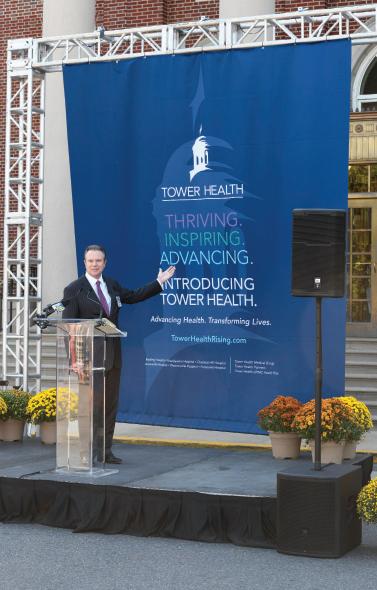
On October 1, 2017, two Western Chester County hospitals — Brandywine Hospital and Jennersville Hospital — joined Tower Health, a vibrant, newly formed health system that is serving a population of 2.5 million people in Chester County and the surrounding region.
Tower Health includes six acute-care hospitals — Reading Hospital in West Reading; Brandywine Hospital in Coatesville; Chestnut Hill Hospital in Philadelphia; Jennersville Hospital in West Grove; Phoenixville Hospital in Phoenixville; and Pottstown Hospital in Pottstown. It also includes Reading Hospital Rehabilitation at Wyomissing; Reading Hospital School of Health Sciences; and a comprehensive provider network of 2,000 physicians, specialists and providers across 65 convenient locations. All members of the health system participate with Tower Health – UPMC Health Plan, which enhances the ability to offer preventive care and access to care.
With 11,000 team members and a combined 1,500 beds, Tower Health provides a full range of medical care — from prevention, screenings and education; to the latest clinical services and surgeries available; to rehabilitation. Its hospitals have received national recognition for advanced care in areas such as neurosurgery and stroke, cardiac and vascular surgery,
Tower Health was formed when the former Reading Health System acquired the ve community hospitals, all previously owned by Community Health Systems. The acquisition was nalized on October 1, and the hospitals began operating as Tower Health that day. Today, Tower Health is the third largest healthcare system in the Philadelphia region, based on bed count.
“Each of our hospitals has a rich history of providing highquality, cost-effective, compassionate healthcare to the communities we serve,” said Clint Matthews, President and CEO of both Tower Health and Reading Hospital. “We have come together to create an even more dynamic and expansive health system. Our name, Tower Health, re ects our collective strength, innovative spirit and bold commitment to taking healthcare to new heights.”
The hospitals work closely together, and already that collaboration has enabled providers, leadership and staff to leverage best practices across the health system. Chester County residents bene t from the collaboration between hospitals as well as from access to a broader range of services.
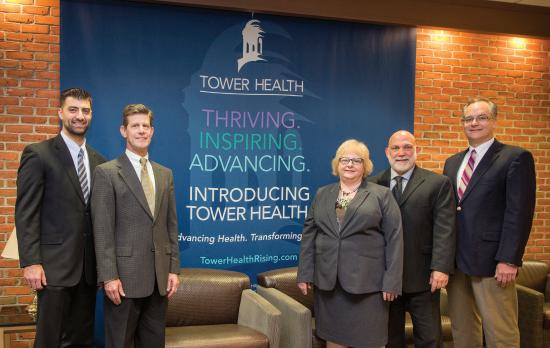
For example, Brandywine Hospital and Jennersville Hospital physicians work directly with Reading Hospital

specialists and send patients there for highly specialized tertiary care. Reading HealthPlex, which opened at Reading Hospital in October 2016, is one of the most sophisticated surgical centers and inpatient facilities in the region. It provides a convenient alternative for patients who need advanced medical services but do not want to travel to a large metropolitan area. In 2017, U.S. News & World Report ranked Reading Hospital the 7th best hospital in Pennsylvania, up from 34th just four years ago.

Tower Health combines the advanced tertiary services with communityfocused, compassionate care. Brandywine Hospital, with 171 beds, is nationally recognized for a wide range of services, including its advanced cardiovascular care, its Primary Stroke Center, and its inpatient behavioral health facility — the only one of its kind in Chester County. Jennersville Hospital, with 63 beds, features all private rooms and has received recognition for its quality outcomes and clinical expertise across services lines.
On January 2, 2018, Jennersville Hospital welcomed a new President and CEO, Ronnie Ursin, DNP, MBA, NEA-BC, FACHE, who has extensive executive and operational leadership experience and joins the hospital from Northern Louisiana Medical Center in Ruston, La.
“We are excited about Tower Health and our ability to work collectively to enhance the health and well-being of residents in our region,” Clint Matthews said. “Tower Health physicians and employees are committed to excellence, and their compassion for patients and our community are evident every day. Together, as one team, we are delivering on the Tower Health promise of Advancing Health and Transforming Lives.”
Testosterone is crucial to men’s health. It assists in keeping bones strong and impacts a man’s physical appearance. Levels begin lowering once men enter their 30s and 40s. Some situations might prematurely lower testosterone levels.
You might experience low testosterone levels due to medicinal side effects, testicle injuries, being obese or even problems with glands in your brain that control production. If you notice depression, insomnia or an unexplained decrease in muscle mass, you should express concerns to your doctor that you might be facing low levels of testosterone.
Testosterone is a hormone that develops in the testicles and is necessary to stimulate
male development. Healthy levels are regulated by the hypothalamus and pituitary glands.
Some of the benefits men see from healthy testosterone levels are efficient production of red blood cells and sperm. It also regulates bone mass, fat distribution and strength.
• Too much: Having elevated levels of testosterone can lead to acne on the back and shoulders. Some also experience testicle shrinkage, reduced fertility or even hair loss. The most
common way men are exposed to above normal levels is by using anabolic steroids. These substances are extremely harmful to your heart and liver.
• Too little: Low levels can lead to depression, loss of muscle and an increase in body fat. Because of testosterone’s ability to strengthen bones, it also can put an individual at risk of osteoporosis.
Ask your doctor about treatment options if you feel you are suffering from low testosterone levels. It can be
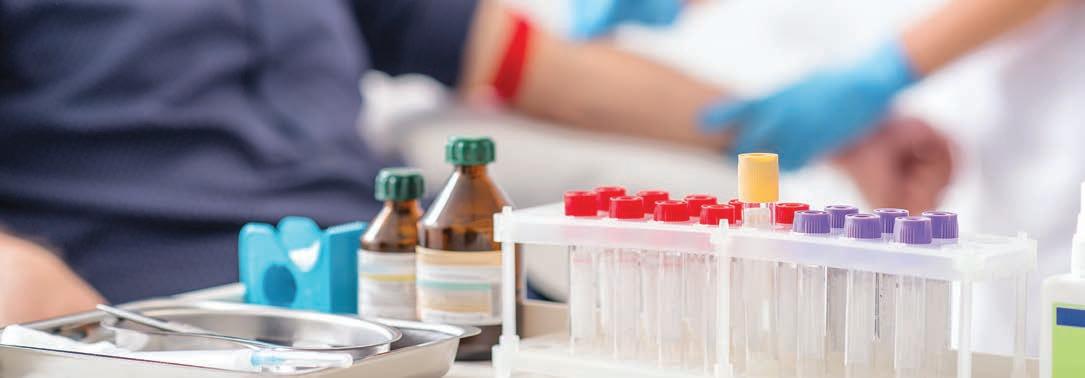
discovered through a simple blood test.
Hormone therapy is one effective treatment. It involves man-made testosterone being injected or implanted into your body to make up for your body’s inability to produce adequate levels of testosterone.
There are risks to consider. Hormone therapy can increase the risk of heart attack or stroke and be dangerous for men with a history of prostate cancer. Be sure to consult with your physician as you consider this type of treatment.

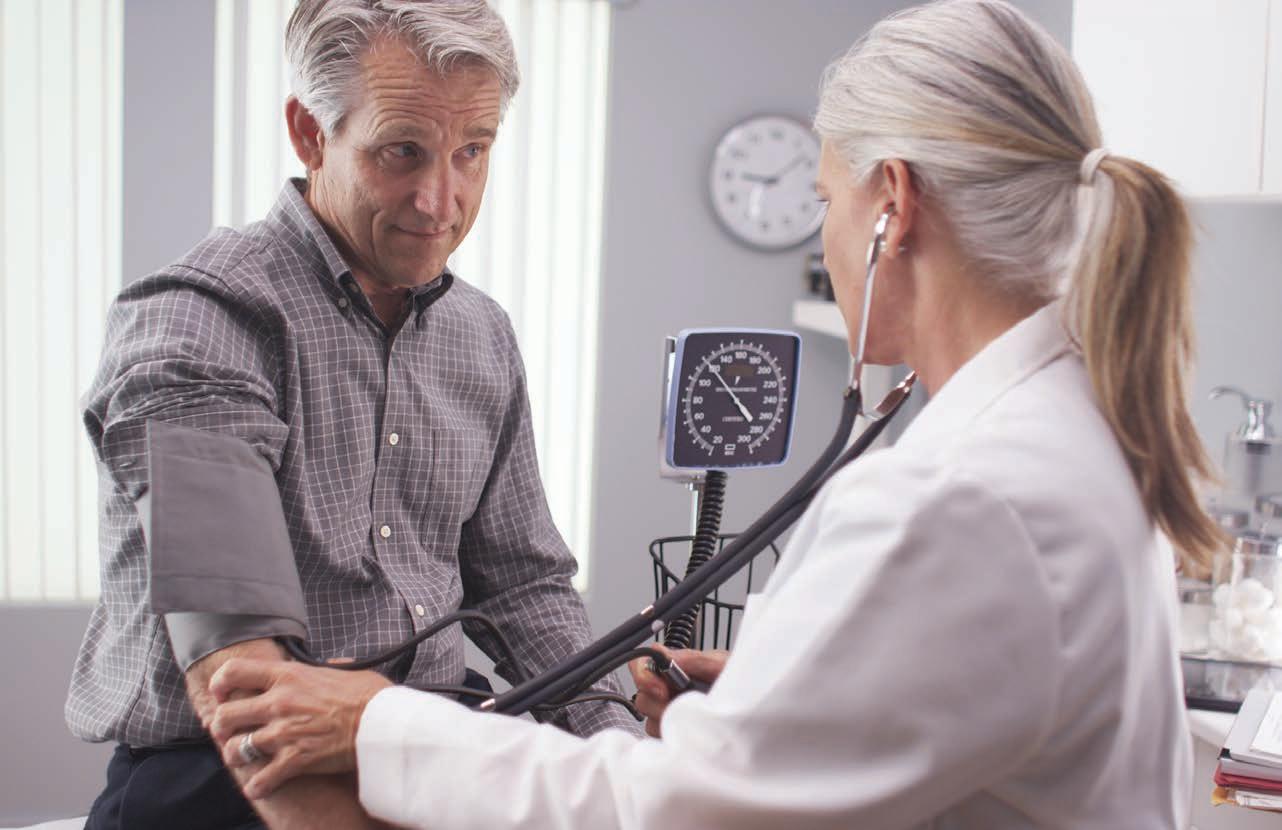
The American Heart Association reports that cardiovascular disease is the No. 1 cause of death among American men. Screenings for this disease are very important, as you can still lead a healthy life by changing behaviors that impact this condition.
Heart disease is mostly preventable in younger men. You can boost your heart health by practicing regular exercise, eating healthy and drinking alcohol responsibly.
The AHA recommends you beginning regular cardiovascular screenings as early as age 20. There are several factors your doctor will analyze to determine your risk factors. Learn what they’re looking for and the recommended age to begin certain screenings.
• Blood pressure: It is unlikely you will experience
noticeable symptoms due to high blood pressure. This is why early screenings are crucial. An initial screening should be administered at age 20 and regularly checked based on your doctor’s recommendation.
• Cholesterol: At the age of 20 and every four to six years after that, you should be checked for cholesterol discrepancies. Cholesterol levels that are too high or too low can be extremely dangerous to your heart.
• Glucose levels: Diabetes can wreak havoc on heart health. Beginning at age 45, levels should be checked at least every three years.
While there are many proactive measures you can practice to lower your risk of cardiovascular disease, there are some factors you are unable to change.
Aging greatly raises the risk of developing heart disease. About 80 percent of people who die from coronary heart disease are age 65 or older.
Another risk you cannot alter is gender. Men have a greater risk of experiencing a heart attack and are more likely to experience them earlier in life. Heart disease also can be genetic. Determine your family history of heart issues to learn
more about your risks.
Factors You Can Change
Quit smoking. This is imperative. The AHA states that smokers are up to four times more likely to develop heart disease than nonsmokers. Stay in shape. Physical activity such as jogging or weight lifting strengthens heart muscles and can keep your body’s fat levels low. Excess body fat, especially at the waist, plays a large role in heart disease.
Eat healthy. Avoid sugary and fatty foods. A healthy diet is a great defense against cardiovascular disease.

According to the World Health Organization, sexual and reproductive health problems comprise one-third of health issues experienced by women between the ages of 15 and 44. Staying apprised of critical information about reproductive issues is essential for achieving and maintaining reproductive health.
Hormones are key to a woman’s reproductive health, as they regulate menstruation, fertility, and menopause.
Amenorrhea and menopause are the most common causes of a women’s period ceasing. Menopause happens for women naturally, typically as a woman reaches age 50, when the ovaries begin to run out of viable eggs and estrogen levels drop. The process can take around five years, during which time hormones fluctuate drastically.
Amenorrhea can happen at any age but is typically seen in younger women and athletes. Those women who have a low body weight, a low percentage of body fat, are experiencing high emotional stress or perform a great deal of strenuous exercise are at higher risk.
Any woman who misses more than three periods within a year should see a doctor.
About 10 percent of women ages 15 to 44 have difficulty getting pregnant or staying pregnant, according to the Centers for Disease Control
and Prevention. That amounts to about 6.1 million women. Most cases of infertility relate to problems with ovulation.
According to the World Health Organization, almost 300,000 women died from complications during pregnancy and childbirth in 2013 alone. The major direct causes of maternal morbidity and mortality include hemorrhage, high blood pressure, infection, obstructed labor and unsafe abortion.
Many of these deaths could have been prevented, which is why regular checkups and necessary planning are essential to a healthy gestation and delivery.
While hormones play an important role in reproductive health, it also is important to stay informed of external factors, such as sexually transmitted diseases. If you are not in a monogamous relationship in which both you are your partner have been tested, you should be diligent about getting tested for STDs often.
Remember, condoms are the only form of birth control that protects you from sexually transmitted diseases.





While both men and woman are subject to mental health conditions, experts believe men are less likely to seek help. Suicide in America has been on a steady rise since 2000 and is the seventh leading cause of death for men.
Men who experience depression or another mental health disorder will show several different warning signs, including aggressive behavior, substance abuse, changes in appetite or trouble sleeping. If you find yourself experiencing these symptoms, it is time to seek help.
If you are overcome with feelings of depression, it may seem easier to repress the feelings and attempt to deal with the situation on your own.
The experts at the National Institute of Mental Health say this leads many men down the dark road of abusing drugs or alcohol to cope with emotional issues. This behavior can lead to more severe conditions, including health problems, financial stress and ultimately suicide.
You can find relief by talking to your loved ones and doctor. Your doctor will be able to prescribe you important medication to help curb feelings of depression. He also might recommend a qualified therapist in your area.
Therapy sessions will give you the chance to be completely honest about your feelings in a non-judgmental setting. Through these sessions, your therapist can usually determine the cause of

depression and create a plan to help you cope.
Another common mental health disorder men experience is severe anxiety. Feeling anxious when facing high-stress situations is an issue everyone faces. However, when anxiety occurs without warning and does not fade, it can create distractions that interfere with daily activities.
Severe cases of anxiety often cause panic attacks. The NIH defines a panic attack as a feeling of intense fear that can include accelerated heart rate, trembling, shortness of breath and a feeling of impending doom. This serious disorder can be treated through medicine, therapy and family support.
Stress is different for everyone but is often a
contributor in the development of mental health disorders. The next time you feel like the weight of the world is on your shoulders, practice these methods recommended by the National Alliance on Mental Illness:
• Exercise daily;
• Take time for yourself;
• Practice good time management skills; and
• Express your feelings with loved ones.

You might have questions about the best birth control method to consider.
This is a personal issue and one you should answer with your doctor. The answer lies in what your goals are and what you expect to get out of a specific method.
If you like the thought of having daily control over your birth control or don’t plan on needing it for very long, the pill might be best. If you aren’t looking to have children in the near future, and IUD might be a great option for you.
Here are some questions to ask your physician:
Can I start a new birth control pill pack if I want to skip my period?
Yes, but it works best if you are taking a monophasic pill (pills with the same hormone dose in the three weeks of active pills). There also are newer versions of the pill designed to prevent bleeding for three months at a time.
How soon after stopping birth control can I conceive if I want to have a baby?
A majority of women will begin to ovulate two weeks
after stopping the pill or the removal of an IUD, according to the Mayo Clinic. Condoms have no effect on your cycle. Depending on where you are in your ovulation cycle you could get pregnant immediately.
Should I ever take a break from hormonal birth control?
The only reason to take a break from your birth control is because you plan on trying to conceive. In fact, hormonal birth control can come with many benefits, including reduced likelihood for endometrial
cancer and decreased mood swings or feelings of anxiety. How long should I try out a new method of birth control if the side effects are driving me crazy?
The Mayo Clinic suggests trying to hold off switching forms of birth control until you hit the 90-day mark. You should not continue if your symptoms include leg or chest pain and difficulty breathing. These can be signs of a blood clot, in which case you need to stop using the product and alert your doctor immediately.

The Anxiety Center defines anxiety as “a state of uneasiness, apprehension, uncertainty and fear resulting from anticipation of a realistic or fantasized threatening event or situation, often impairing physical and psychological functioning.”
Anxiety is felt as a mixture of emotions and physiological symptoms.
Women are more susceptible to depression and anxiety than men. According to Daniel and Jason Freeman, authors of “The Stressed Sex: Uncovering the Truth about Men, Women and Mental Health,” rates of psychological disorders are 20 percent to 40 percent higher in women than in men.
In fact, many women go about their days experiencing at least a low level of anxiety or worry.
Symptoms of Anxiety
Common symptoms of anxiety include:
• Numbness;
• Dizziness;
• Headaches;
• Tension in the neck and shoulders;
• Chest pain;
• Abdominal pain;
• Nausea;
• Pulsing in the ears or temples;
• Shortness of breath;
• Heart palpitations;
• Inability to rest; and
• Inability to sleep.
Because anxiety causes stress hormones to enter the bloodstream and stress hormones affect other hormones, women can experience anxiety differently and more acutely

than men.
Women can feel an increase in symptoms due to the hormonal changes of menstruation, pregnancy and menopause, just to name a few.
Proven effective treatments for anxiety include medication but also many other forms of
management, such as therapy, learning coping strategies and alternative methods, such as acupuncture. Believe it or not, proper nutrition can make a big impact in treating anxiety. While cravings for sugar are common, too much sugar causes insulin spikes — which can destabilize your mood.
Supplements also are an option if you find through your doctor that you are deficient in calcium or other fatty acids, as a large majority of women are. Physical activity is known to not only lower our risk of heart disease, increase bone density and aid weight loss, but also improve our mood. Yoga can train you to take deep breaths and relax the mind.

Prostate cancer is a major problem for American men. The American Cancer Society reports more than 190,000 new cases in the United States each year.
Staying on top of your prostate health is key, as the disease generally develops so slowly that is commonly caught before it can spread to other parts of your body. An initial screening is recommended at the age of 50 and annually after that. A family history or other factors that increase your risk may require an earlier checkup.
Doctors can generally perform two different types of screening to diagnose prostate cancer. The first requires a physical rectum exam in which your physician will identify any abnormalities such as lumps, hard spots or any signs of growth. A healthy prostate is about the size of a walnut.
The less intrusive way of testing is called a prostate specific antigen (PSA) test. A simple blood test that checks levels of PSA in blood. Men with prostate issues typically have higher levels.
Once prostate cancer has been diagnosed, it is time to begin discussing treatment with your doctor. According to the American Cancer Society, there are several different ways to attack prostate cancer:
• Surgery;
• Chemotherapy and radiation;
• Active surveillance; and

• Vaccine treatment.
The most effective treatment will depend on the stage of cancer and a person’s age. If you find yourself in this situation, be sure to take your time when deciding which option is best for you. Discuss with your doctor any possible side effects and the likelihood of cure for each treatment offered.
While scientists haven’t pinpointed a direct cause of prostate cancer, they recommend an overall healthy lifestyle to lower the risks of cancer in general. You should consume plenty of super foods that contain cancerfighting antioxidants. These can be found in many vegetables including broccoli, kale and
Brussels sprouts. Consuming lycopene also has shown positive benefits in preventing prostate cancer. Food sources are easily spotted because lycopene is the pigment that gives red fruits and vegetables their colors. It works by destroying free radicals in your body that attempt to attach to your cells and damage your immune system.
At least 35 percent of women across the globe have been victims of domestic violence, according to the World Health Organization.
Domestic violence does not only cause physical and emotional harm directly from the abuse, but it puts victims at higher risk for depression, suicide, STDs and unintended pregnancy.
Sexual violence is one of the most pressing global human rights issues and includes any sort of sexual advancement that is unwanted.
According to a report published by the United Nations, 70 percent of women experience violence in their lifetime, and millions of women are victims of sexual violence every year. However, these numbers are considered an inaccurate portrayal because sexual crimes are frequently under-reported.
If someone ever confides in you about a domestic violence issue, it is up to you to listen without judgment and let them know you are on their side. Always believe what they are telling you and ask how you can help your friend get through the situation.
Being available is key. Be ready to lend a hand — whether it be financially or emotionally — if someone you know is thinking about leaving or is in fear that violence against them

will escalate.
There are many organizations working tirelessly to end abuse toward women. Find one you care about and volunteer. Below are a few to consider.
RAINN: An organization committed to providing support and counseling for sexual
assault victims in the United States.
National Coalition Against Domestic Violence: Aims to be the voice of victims and survivors of domestic violence by influencing public policy, providing programming and increasing awareness of the impacts of domestic violence. End Violence Against
Women International: An organization that works with professionals in the criminal justice system to help victims receive favorable outcomes and accountability for their assailants.
Nobel Women’s Initiative: A group working tirelessly to fight against sexual violence abroad.
Americans are busy, and our feet are suffering. They take the brunt as we rush through our daily activities at work, home and the gym.
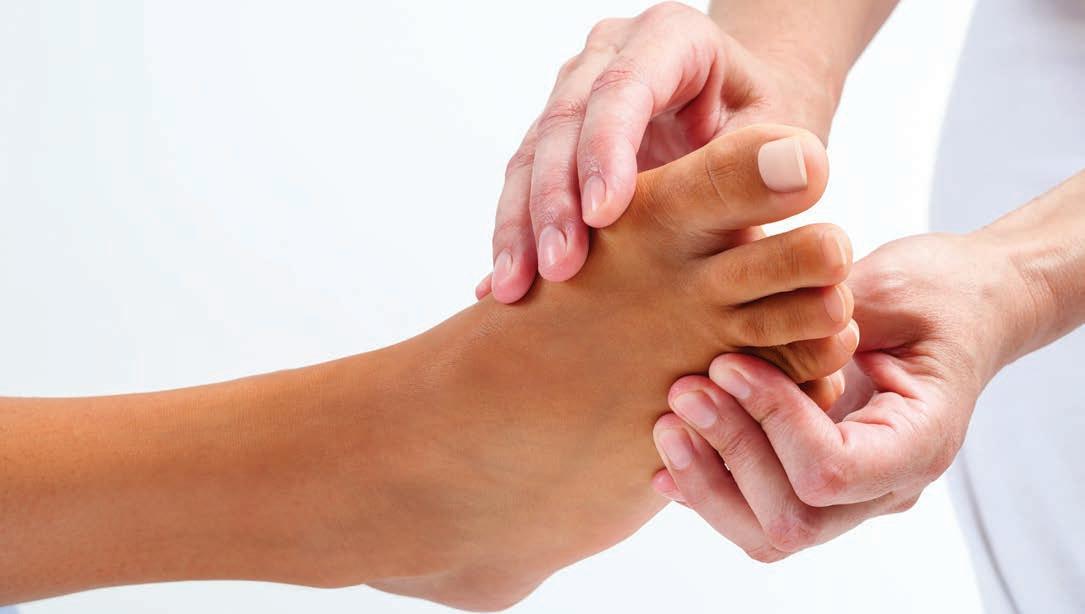
Those who simply ignore the problem may find that foot issues can impact the rest of the body in a hurry.
According to the American Podiatric Medical Association, over half of Americans say foot pain restricts them from walking and exercising. This pain can be chronic or due to injury. Either way, it’s important to practice proper stretching and wear proper footwear to keep your dogs from barking.
Regular foot care is vital to keep feet healthy and pain-free. Issues that are left untreated can sneak up on us and cause further damage. The continuous daily wear and tear can cause a variety of foot ailments, some of which can be serious.
Arthritis is one of these common ailments. Injuries can cause sprains and strains, which can be quite painful, and some diseases, such as diabetes, can cause further foot issues. All of these will limit
your mobility.
Skin disorders such as athlete’s foot, corns and bunions are not as serious but are painful annoyances. Sweaty feet, ingrown toenails and fungus can cause social issues, along with health consequences.
Sometimes feet just need to breathe. Rest and a good message can do wonders for aching feet, so don’t be afraid to pamper yourself at the first sign of a flare-up. Other
ideas for treating and preventing foot pain include wearing shoe inserts or custom-fit orthotics. If foot problems develop, make an appointment with your local podiatrist. They are the experts in foot care, so reach out to them. They will be able to quickly gauge the seriousness of your feet troubles and prescribe any special treatments needed.
A podiatrist also will have tips on proper footwear for different situations to help your feet stay healthy.

Before computers, medical data was stored in paper files. These days, almost everything is gathered, analyzed and transmitted electronically. This means your personal information may be prone to cyber attacks.
The Health Insurance Portability and Accountability Act (HIPAA) provides data privacy and security provisions for safeguarding medical information. This includes the HIPAA Privacy Act that gives you several different ways to ensure your medical data is being used and secured safely.
Your HIPAA Rights HIPAA grants you several benefits when it comes to finding health coverage. It can assist you in gaining coverage when starting a new job and lessen your chance of losing your existing care.
Here are a few different benefits you have under the HIPAA Privacy Act:
• Getting a copy of your medical record;
• Getting a notice about how your personal medical data is being shared; and
• Filing a complaint if you think your rights have been violated.
While you may not be able to set the level of security devoted to your medical data, there are still proactive ways you can approach your safety.
Regularly checking your credit can give you indications that your personal information has been compromised. The sooner you see your information being misused, the sooner you can take corrective steps to regain control of your credit.
Your Social Security number is one of the most important pieces of information that needs to remain private. If compromised, someone else can open credit card accounts, apply for loans and even gain access to your bank accounts.
The best ways to prevent someone else from gaining
access to your SSN include: keeping your card in a safe place (at home, not a wallet), frequently checking your accounts for fraudulent activity and using an identity protection service.
While you may think leaving your data in the hands of your medical professionals means it’s protected, it may not be in your best interest. Doctors are in charge of many different records, which can mean unintentional mistakes. Do yourself a favor and check up on your medical records to avoid errors.



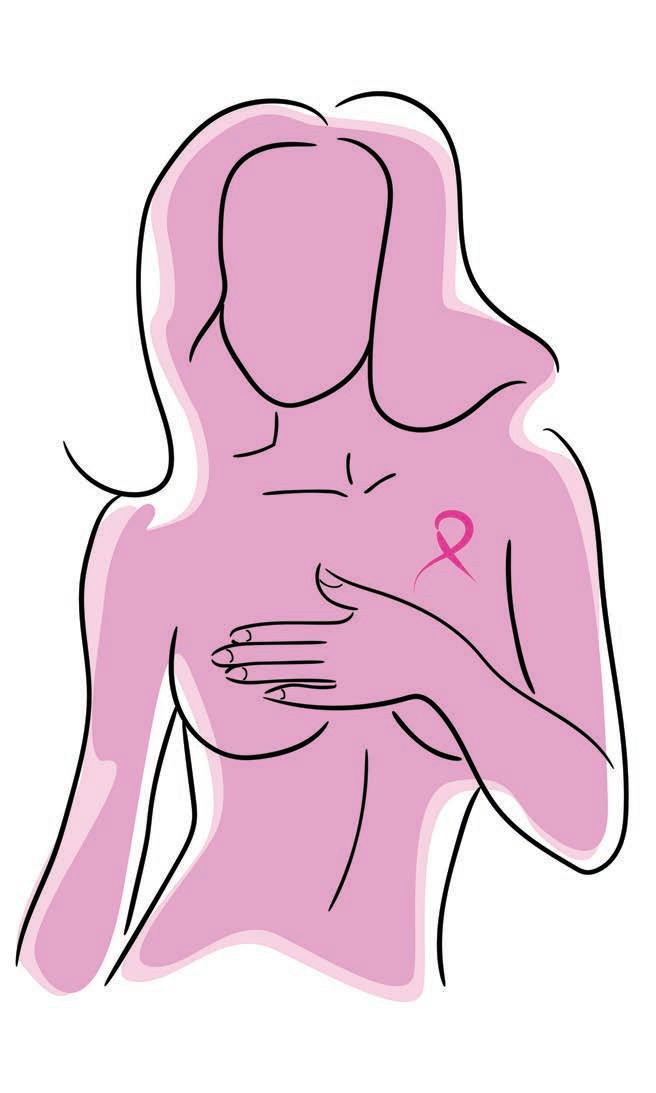
Breast cancer is the most common cancer among women today.
Women of all ages should be giving themselves a quick examination every moth to look for unusual lumps, skin changes or any sort of discharge.
All women should be familiar with their breasts. A yearly examination by your doctor is necessary for breast health, but examining yourself regularly will keep you aware at the earliest stages if something doesn’t feel quite right.
According to the National Breast Cancer Association, 40 percent of diagnosed breast cancers are detected by women who feel a lump.
Just looking down at your skin does not provide enough accuracy for an adequate breast exam. Consider that your view is only in one direction and will not allow you to view each section of the breast in equal measure. Face a mirror to check for indentations or any sort of odd coloring. You should inspect your breasts by both leaning forward slightly with your hand on your hips and standing straight with your arms raised over your head.
Feel — In The Shower
Performing a breast exam in
the shower allows the water to help your fingers glide over the skin more easily. Be sure to use the middle part of the fingers and not the tips to move the breast.
Be sure to move your hand both from the outside of the breast toward the nipple and then back out to the edge. Don’t forget the fleshy part of the armpit, as the breast tissue extends into this area.
It is important to check your breasts in multiple positions. In the morning before you get out of bed or after you get out of the shower are both great times to quickly feel for abnormalities.
When you are lying down, the breast tissue lays evenly along the wall of your chest. Be sure to lift your right arm straight above your head as you examine your right breast with your left hand, and then switch, raising your left arm to examine the left breast. Complete your examination using both light and firm pressure.










Having trouble finding motivation for this morning’s trip to the gym? An exercise partner will make it easier to stick to your plan. Ask a friend to join you or find other seniors in your area who are interested in improving their health.
You will want to find someone who is in similar physical shape to you so you can keep up with each other and compare improvements.
Joining a gym that houses many different age groups may seem daunting in your senior years. You may get the feeling that you’re not exactly fitting in or be discouraged due to not being able to keep up with the younger crowd.
The AARP has created a partnership with the International Council on Active Aging to increase awareness of agefriendly fitness centers across the country. They have created a locator tool which allows you to find these types of facilities in your local area.
You can find this very important tool at http://www.icaa.cc/ facilitylocator/facilitylocator. asp. There, you can enter your location and reveal a list of agefriendly facilities in your area. There are even icons to describe the types of services they offer, an address and phone number. You may find it beneficial to call your local center to schedule a tour.
More About the Tool
There are several unique

benefits and features you may find useful when using AARP’s new tool. For instance, only organizations committed to a code of conduct to accommodate seniors are allowed to enroll. They are required to provide
age-specific programs and follow all industry standards. Another good tip is to look for centers that offer the AARP Walking program. You will notice a Silver Sneakers logo next to the centers that do.
You will want to find someone who is in similar physical shape to you so you can keep up with each other and compare improvements.