Ethical Tourism: Roots of Kuleana
Addison Kennedy
The Ohio State University Senior Thesis Design 5103
Addison Kennedy
The Ohio State University Senior Thesis Design 5103
Designing an awareness campaign that promotes responsible, respectful, and sustainable tourism in Hawai’i by amplifying local voices and perspectives, spreading awareness about environmental impacts, and encouraging travelers to choose community-centered activities over corporate built experiences.
Statement
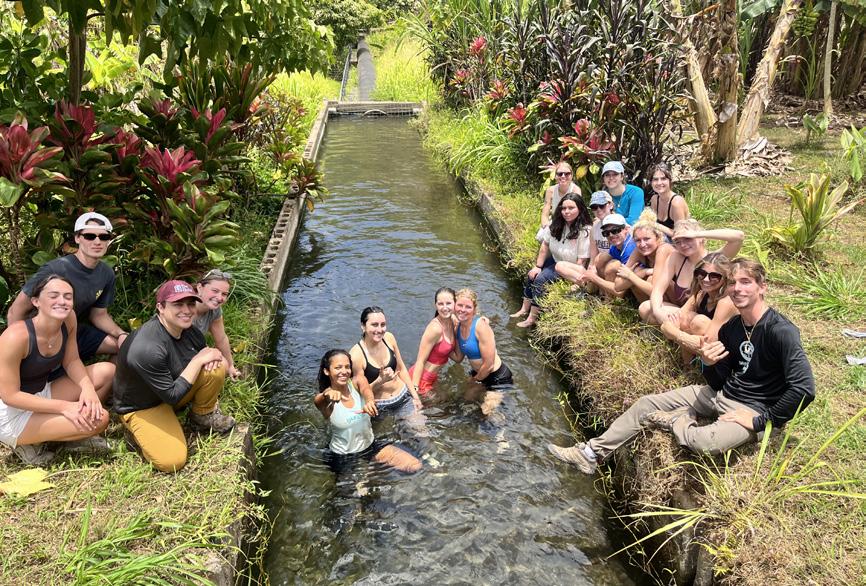
GIVE Volunteers focuses on providing service trips with real cultural connection and hands-on impact. They work to connect like-minded travelers, build meaningful volunteer experiences, and giving back to local communities. We worked side-by-side with locals to help plant food, clear farm land, provide regenerative farming, learn about agricultural practices, clean up coastlines, and restore acestral lands.


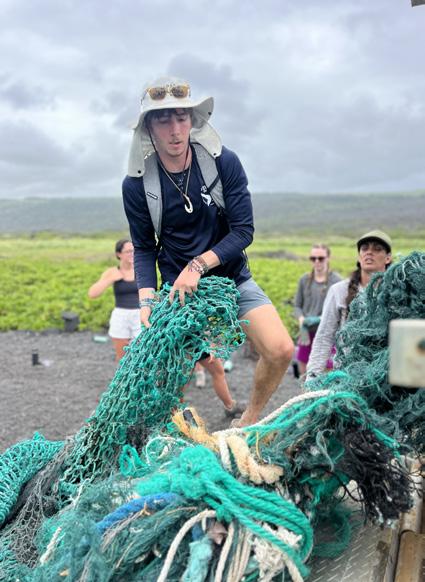
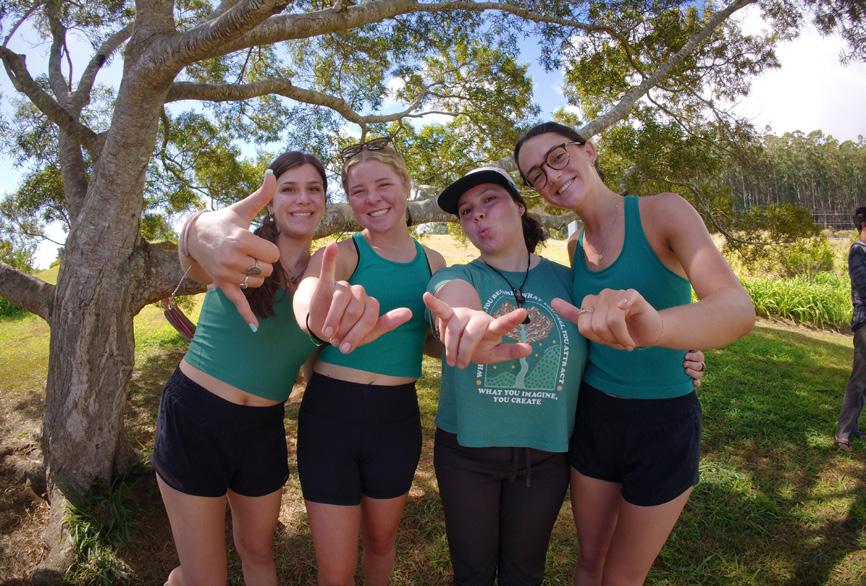
This is one of the top most negatively impacted states in the United States by tourism. Hawai’i is most valuable for its pristine natural environment, making it an ideal climate for food growth. It’s also home to ancestral land of more than half a million people and has rich cultural background.
Ever since the illegal overthrow of the Hawai’i Nation in 1893, tourism has continued the exploitation of Hawaiians and perpetuates their oppression. Native Hawaiians have had many part of their culture and background taken from them against their will. Tourism is a major obstacle in their movement towards self-governance.
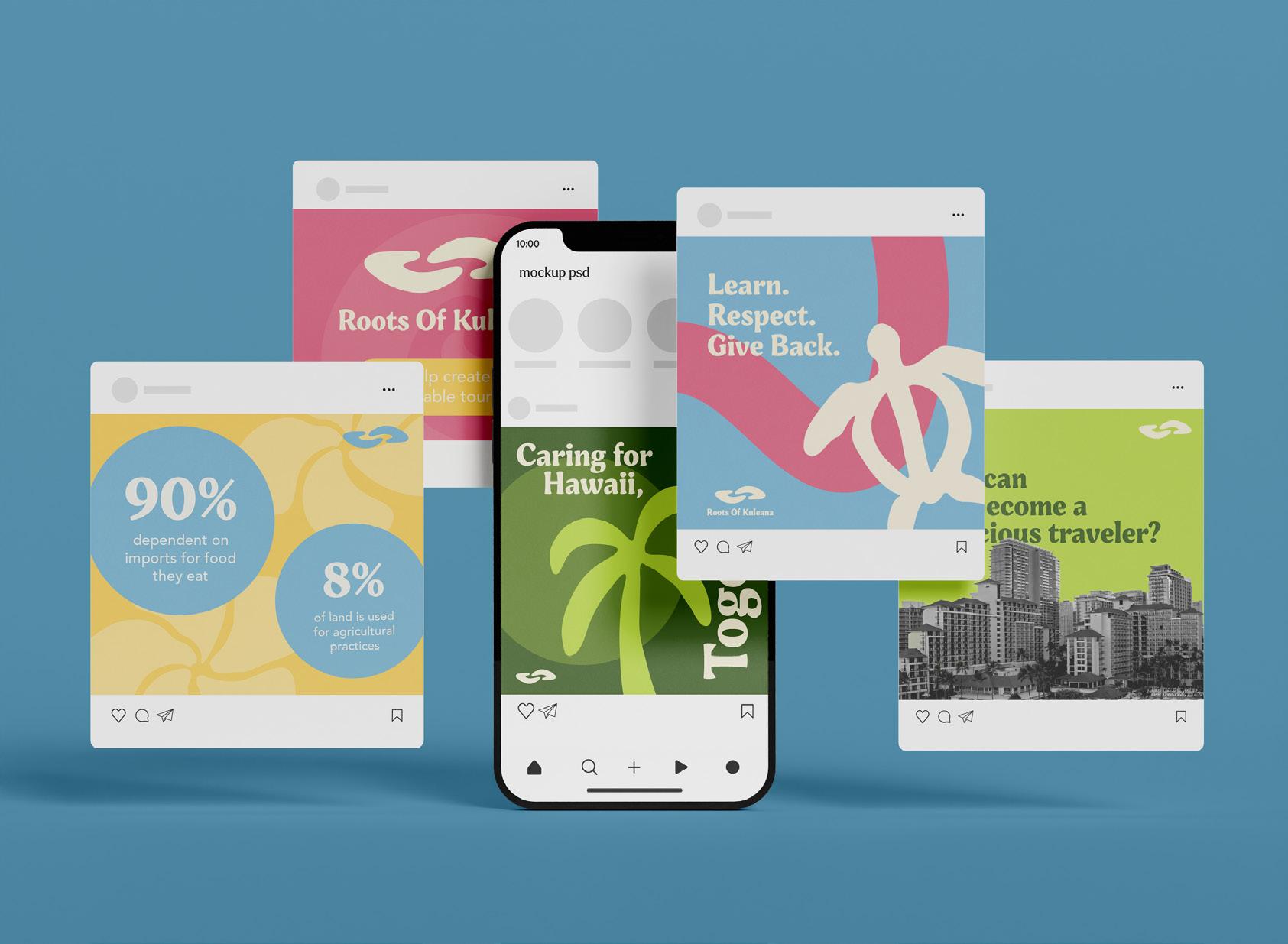
90% dependent on imports for food they eat
21% of native Hawaiians still live there
8% of land is used for agricultural practices
Hawaiian culture is appropriated for tourists expectations, erasing authenticity and deeply rooted traditions.
Tourism-driven capitalism exploits Hawaii by prioritizing profit over the land, pricing out locals, and funneling money to corporations rather than communities.
Rising land costs and tourism expansion pushes locals off ancestral lands and limits agricultural use, replacing farming with development.
Creates a false version of culture while eroding historical and spiritual identity in Hawaii.
Resorts and developments are built on sacred sites, worsening inequality and displacing Natives.
As a result, Hawaii becomes more dependent on imports and loses both food security and its spiritual connection to the land.
1
Make it easier and more accessible for people to stay in local towns/communities to interact with natives and learn the authentic culture from first hand sources.
Spread awareness on how tourists actions and leftover waste impacts the local people, lands, and ecosystems. Provide more sustainable solutions for traveling. Make educational opportunities through storytelling. Interview and talk with locals who see first hand the impacts of tourism, showing tourists their stories.
IT STARTS WITH HAWAI’I, BUT OUR IMPACT IS FELT IN MORE PLACES
THAN JUST THESE ISLANDS
Promote different volunteer experiences for people who want to give back to the island and where they visit. Allow locals to get outsiders involved in agriculture.
4
Senior Thesis: Goals & Objectives
My target audience for this campaign is adults and young adults who love to travel, specifically to Hawai’i. Travelers in Hawai’i need to educate themselves on the culture and historical background to understand the full impact of tourism. While these design opportunities are meant to help people become aware of negative tourism, it can also be used to provide a brighter future. Locals who live there will be able to connect with tourists and hopefully allow them to help restore their lands together.
Senior Thesis: Target Audience
32 years old, works as UX designer working remotely, loves the outdoors
Motive for trip: Wanted a relaxing, get some aesthetic photos, and go to the beach
Is known for loving comfort and convenience, which is why they used a planned itinerary and package experience for their trip.
Doesn’t have a car, so can’t explore far outside. The tours at the resort were overpriced and not culturally authentic. Scared of appropriateness due to a lack of knowledge beforehand.
Provide learning opportunities before traveling so people can feel more comfortable interacting with a culture that isn’t their own. Provide sources for them to find people and communities to provide them with outdoor experiences.
Thesis: Personas
45 year old, works as a cultural educator, works to preserve culture, land, and water.
Hard to find housing for a new family member due to rentals taking units off long-term market. Water overusage is causing grocery prices to rise. They also notice their family ancestral land is being developed.
Was born and raised on the island while also having Native Hawaiian acestory there. Values aina (connection to land) and sense of community.
Have tourists stay with locals in exchange for work to prevent them from long-term rentals and resorts. This will prevent more hotel from being developed on more sacred grounds. Hang more signs spreading awareness for this.
Senior Thesis: Personas
Asked past travelers about their experinces in Hawaii
Talked to locals about their perspectives on tourism
Online research about impacts of tourism and Hawaiian culture
Literature
Read about how travel can be improved and less impaction
Documentaries
Learned about how culture has been appropriated
Advertising
Researched current branding and advertisements, some harmful

“The reality is that much of our money never reaches the community we are visiting.”
Select locally owned and operated hotels, buy locally produced foods, stop saying in all inclusive resorts
“Distinguishing between sustainable tourism and false advertising can be a quagmire of confusion.”
The most important thing we can do is ask questions and be active tourists. Let businesses know we want to be responsible tourists
.
“We travel less to learn than we do to get from point A to B.”
Travel is education. Travel is inevitably about cross-cultural communication and creating honest conversations across barriers.
“Gives us a chance to educate ourselves and put in effort go enhance connections.”
We are able to experience firsthand issues and challenges the world is facing. The money you put towards housing could go to local communities to fund schools or other opportunities.
Article Source by Rev. Kaleo Patterson
Every major hotel is owned by foreign investors and is being funded by foreign investment. Foreign investment related to tourism went from 70.8 million dollars in 1981 to over a billion and a half in 1986. It is now over a billion dollars. Greed continues to keep native Hawaiians victims of exploitation. There is no economic benefit for Hawaiians.
Tourism development has played a major role in the destruction of ancient Hawaiian burial grounds, significant archaeological historic sites and sacred places. Almost every major resort development has been built on some culturally significant site.
Last year a site called Keonaloa, a well known ancient Hawaiian burial ground was excavated to make way for a condominium resort project. This is just one of many bulldozed for hotels.
Residents will be asked to reduce water consumption due to large resorts using far more water. This raises the prices of things like groceries that need water to grow. Half of Hawai’i’s short term rentals are owned by non-residents and used as Airbnbs. This impacts tourism food habits, as they cook at home instead of putting money towards local restaurants.
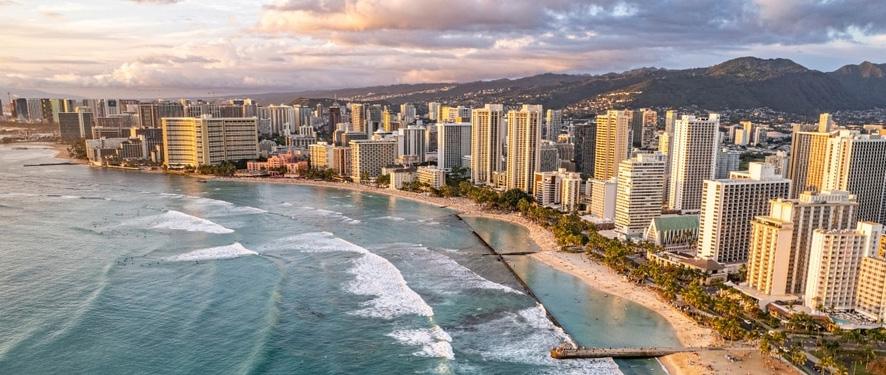
Article Source by Scottie Andrew
“One way to support Native Hawaiians is to not visit at all”
Kajihiro created the Hawai’i DeTour Project. He runs a program that aims to “interject a more critical historical account of Hawai’i” in hopes to start conversations about social responsibility and environmental activist efforts.
People seek him out for his tours even though he doesn’t advertise them. He found that many people just simply want the novelty of a ‘reality’ tour to ease their guilt by participating in more reprehensible tourism. He feels these people should not be give permission to visit Hawai’i guilt-free. Wants to encourage people to become a part of the solution.
“Let’s abolish the word ‘tourism,’” Kajihiro said. “The very term privileges the consumer, the act of consuming places, and the transactional relationship.”
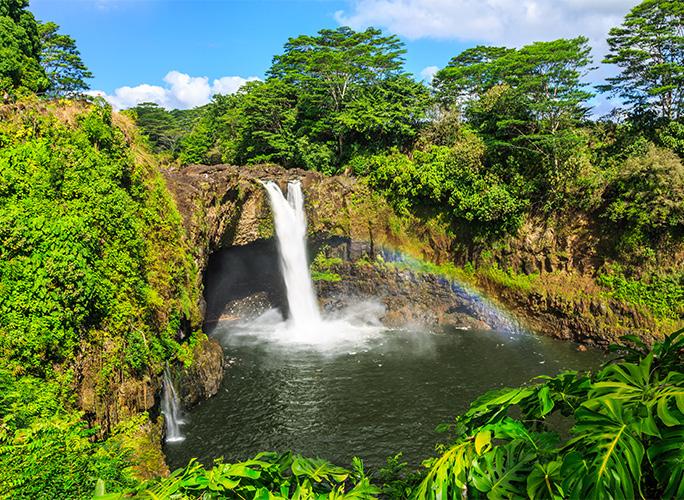
Documentary Source in 2025
This documentary gives us an inside look at what it is like to perform in luaus and other performative activities. These young performers struggle with how to preserve their culture, while exploiting it for tourists. They go back and forth with the idea of these performances being an act of cultural survival rather than merely entrainment. Costumes and dances have been changed to fit American perceptions, even the word “Aloha” has been appropriated.
Documentary Source in 2018
Highlights the darker sides of Hawai’i such as the homelessness crisis, and extreme cultural appropriation. There are many people who are displaced from ancestral lands and can’t find a job to make money to afford new housing. This shortage in jobs and housing means higher criminal activity. Throughout this film we see Hawaiians being depicted as the poorest people who live in Hawai’i. They can feel forced to get a job in the tourism industry, where they are forced to appropriate their own culture just for corrupt corporations to gain money and greed.

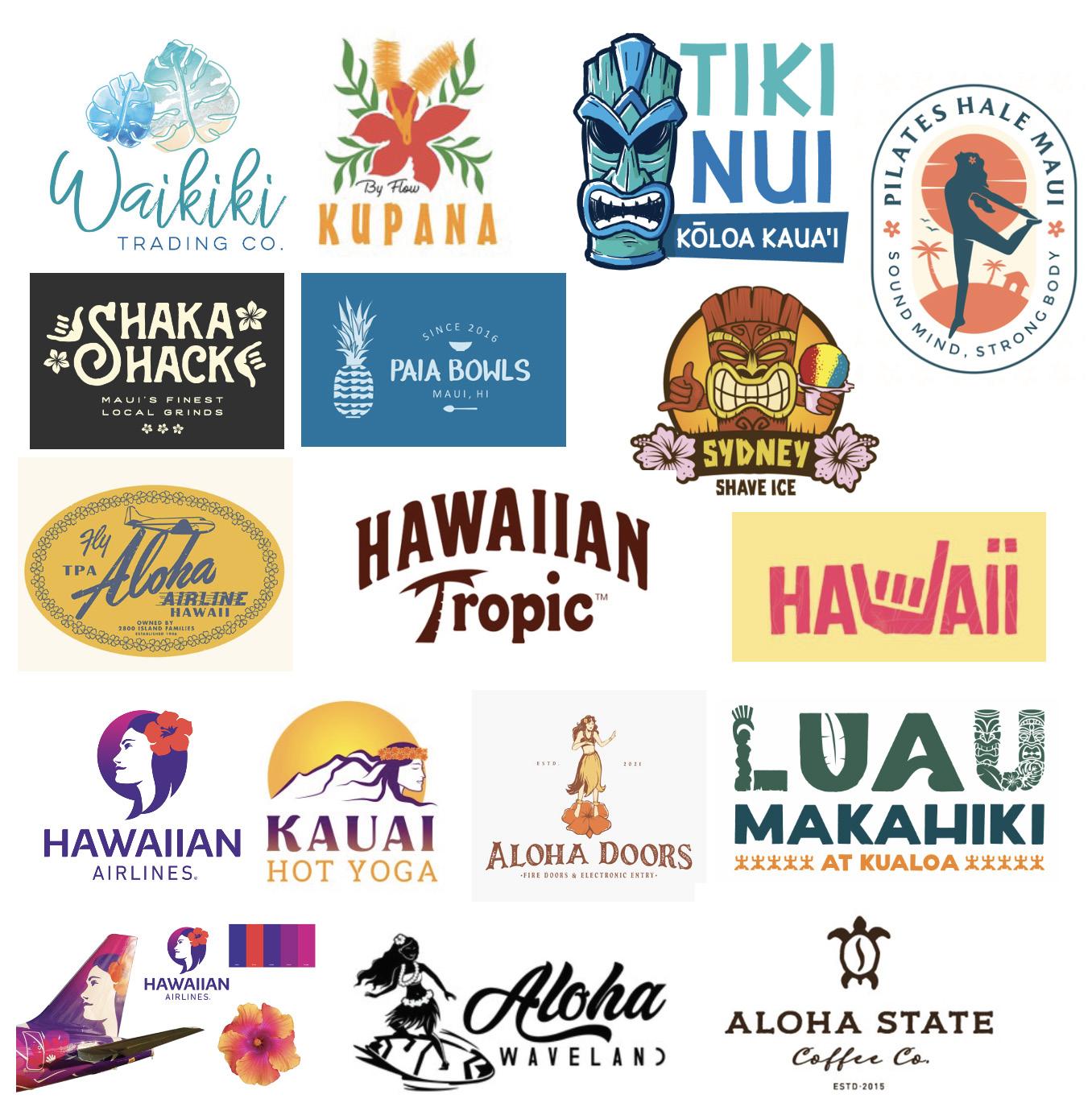
After extensive research, this is what current Hawaiian brands are using to express the aesthetic and culture of Hawai’i. A lot of these images are similar or us the exact same symbols to represent Hawai’i. Seeing this branding will help me to choose a more unique brand visuals that don’t feel stale or overused.
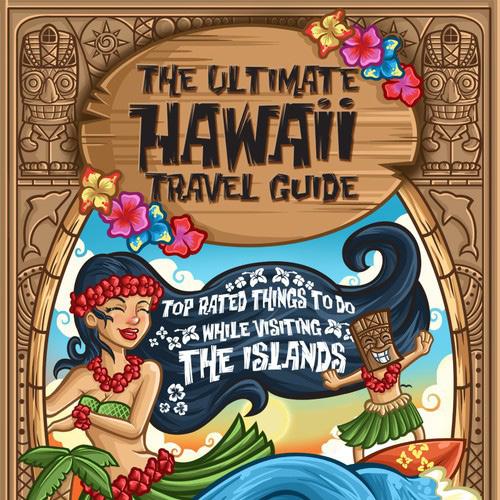
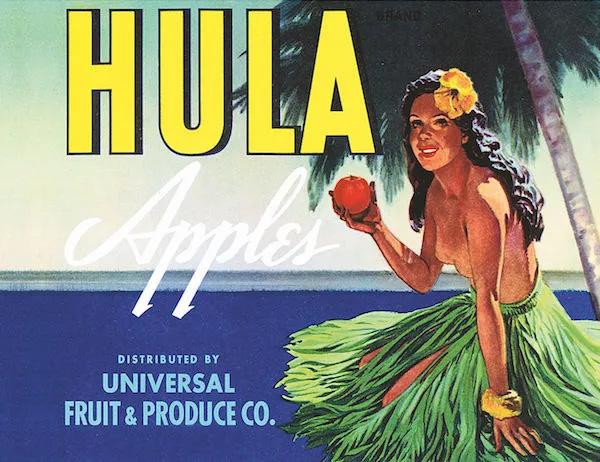
Hula Marketing
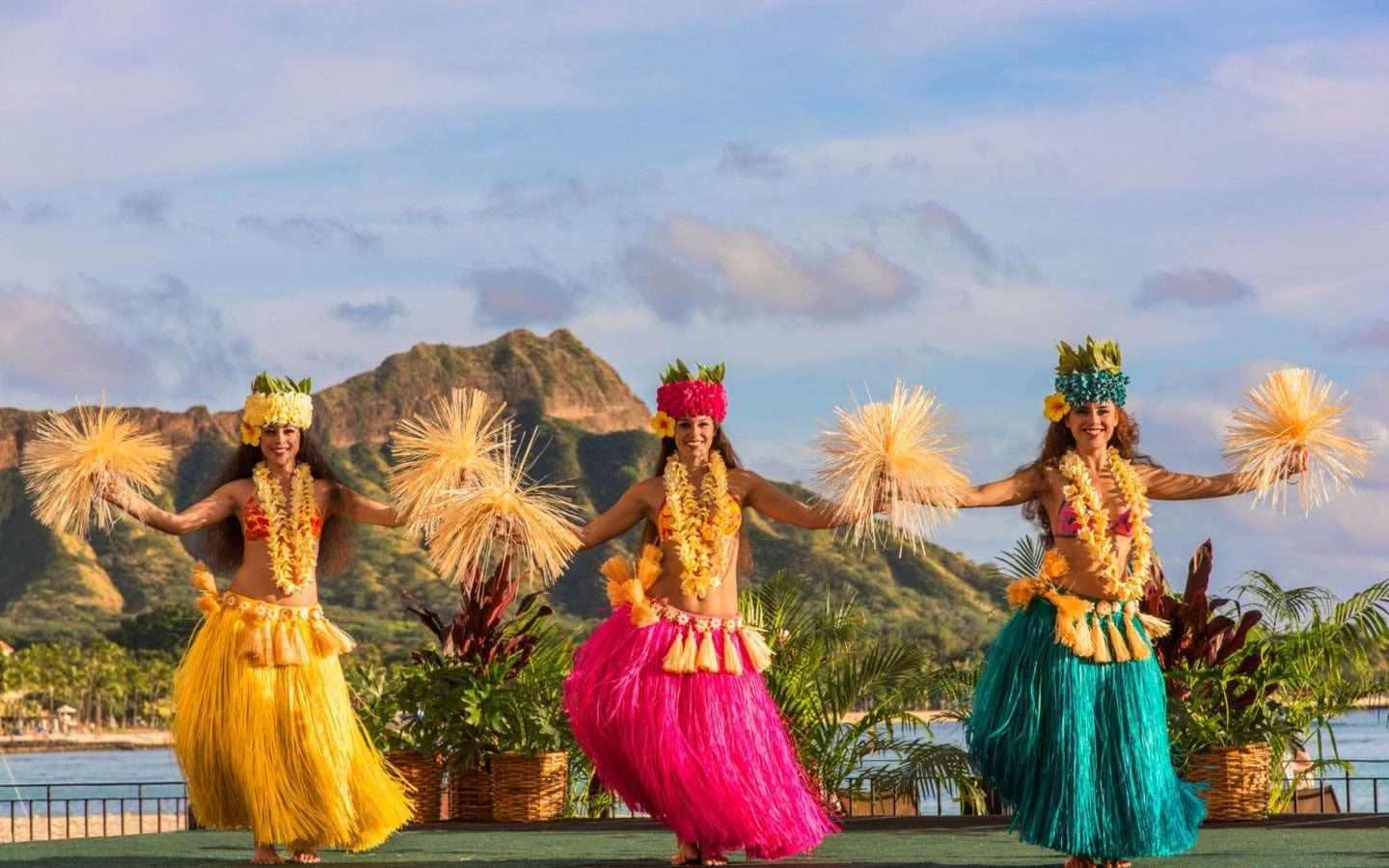
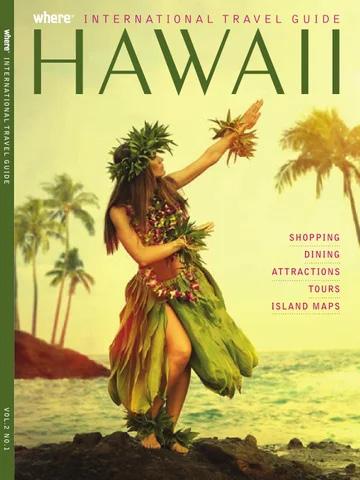
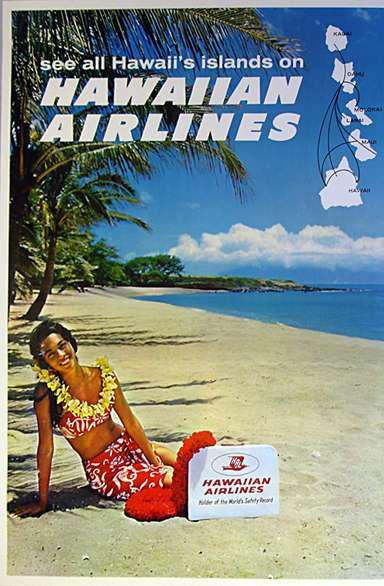
Marketing of people and culture for the purpose of exploitative economic benefit. Hawaiian culture is romanticized to appeal to exotic fantasies, so the most popular image is a smiling flower adorned hula dancer. This kind of marketing and promotional materials revolve around racist and sexist stereotypes that are culturally inappropriate.

Thesis: Current Branding
Aha Aina
Non-profit traditional ag system in Niuli’i, plant Taro
Aumaka Hilea
Located at Kawa Bay, working to restore traditional fishing village
They taught me about the history of Hawai’i and what Hawai’i looked like when thy were growing up. One described the abundance of Sugar Cane planations, while others talked about fighting off paper mill construction or how their families lost their anestral lands.
Was able to learn some Hawaiian, including the basic constanants and how to introduce myself. This came after learning about their struggles with learning the native hawaiian langauge after it’s ban. Hawaiians were supressed after being illegally overthrown, causing them to loose lots of their spiritual connection with their land.
“We must turn our palm up and give back, instead of constantly taking” (as she turned her palms down toward the floor)
“Knowledge is learned but wisdom only comes from experiencing”
There is a severe lack of information given to tourists when planning their trips, making them unaware of certain opportunities. Some people would have wanted to know more about local farmers markets or trails to go to. This also includes a lack of access to transportation, making them feel limited on what they could explore.
Most people stayed in these commercial resorts due to convenience, rewards/package deals, and location to the water. They expressed their trips felt more like an americanized vacation rather than an authentic Hawaiian experience.
Negative impacts of tourism
Water shortage/drought
Increase in living prices
Lack of housing/displacement
Extraction
Cultural appropriation
Greedy consumer driven environment
Oppressive
Destroying sacrade lands
Polluting the environment
1. Send money to local businesses, shops and people
2. Learn about the Hawaiian culture before traveling
3. Volunteer on local farms in exchange for free stays
4. Regenerative tourism
5. Being mindful and aware of our impacts
6. Educating people about respectful opportunities
7. Composting our products or food
8. Packing light and preventing waste
1 Accessible
Ensures that information and tools for conscious travel are easy to understand, visually clear, and available to all travelers, regardless of background or ability.
2 Reflective
Invite travelers to pause and consider the cultural, environmental, and social impacts of their choices, fostering mindful and informed decision-making.
3 Empathetic
Centers Native Hawaiian voices and stories to cultivate understanding, respect, and emotional connection between travelers and local communities.
The deliverables reveals meaningful truths about Hawai‘i’s history, culture, and ecology, helping travelers recognize their role in sustaining these systems.
While this covers heavy topics, this campaign communicates hope and possibility, showing that responsible tourism can honor Hawai‘i’s people and land while creating positive change.
6 Resourceful
This campaign provides practical, sustainable alternatives and actionable steps travelers can take to support community-centered, eco-conscious experiences.
Main style: Logo, typography, color palette, imagery, brand voice imagery, brand voice and values, etc.
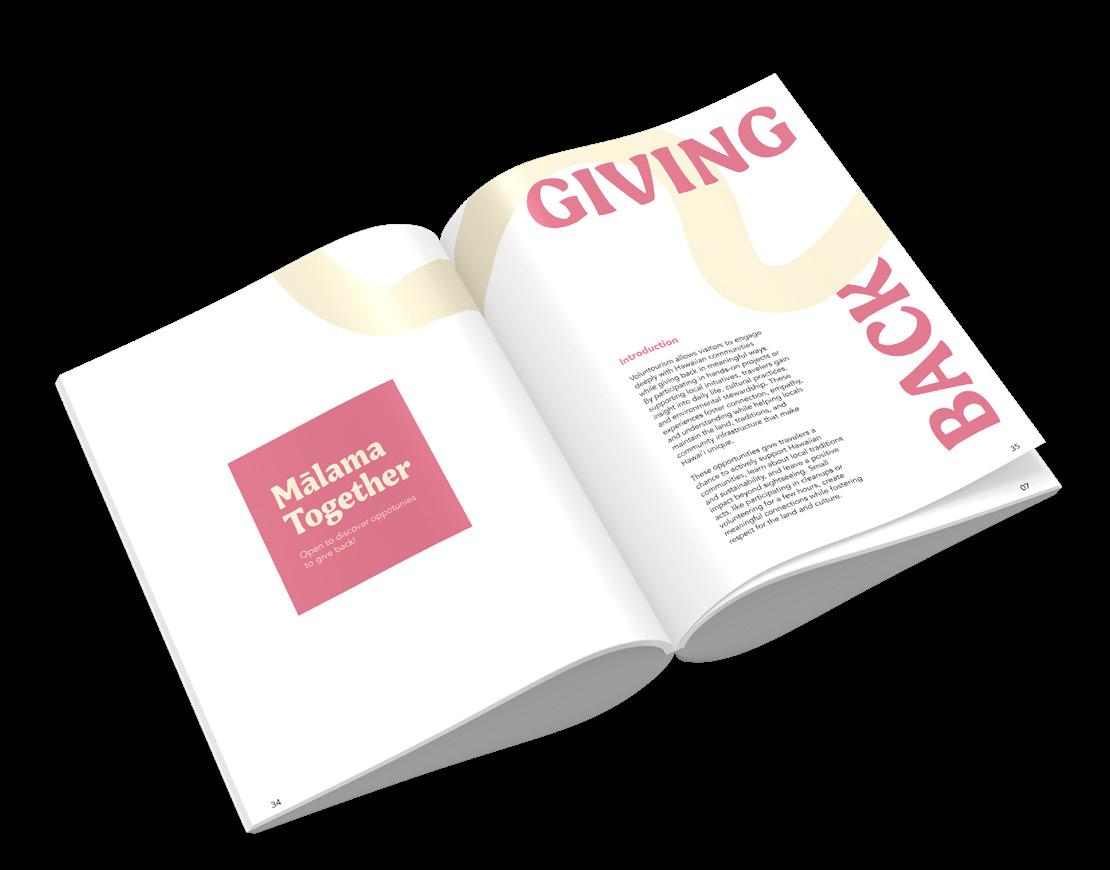
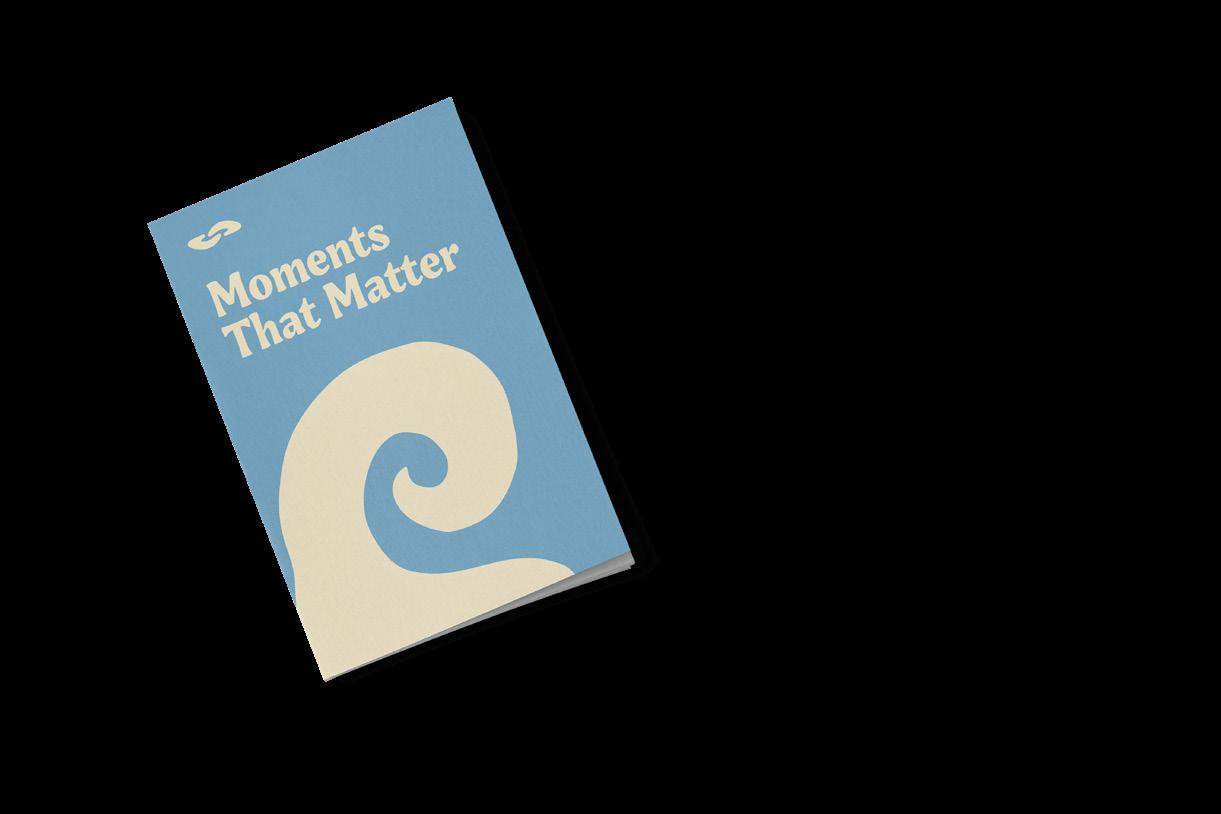
Printed magazine/book that educates and spreads awareness for tourism through storytelling.
Packaging design that provides sustainable products for travelers to use to prevent waste.
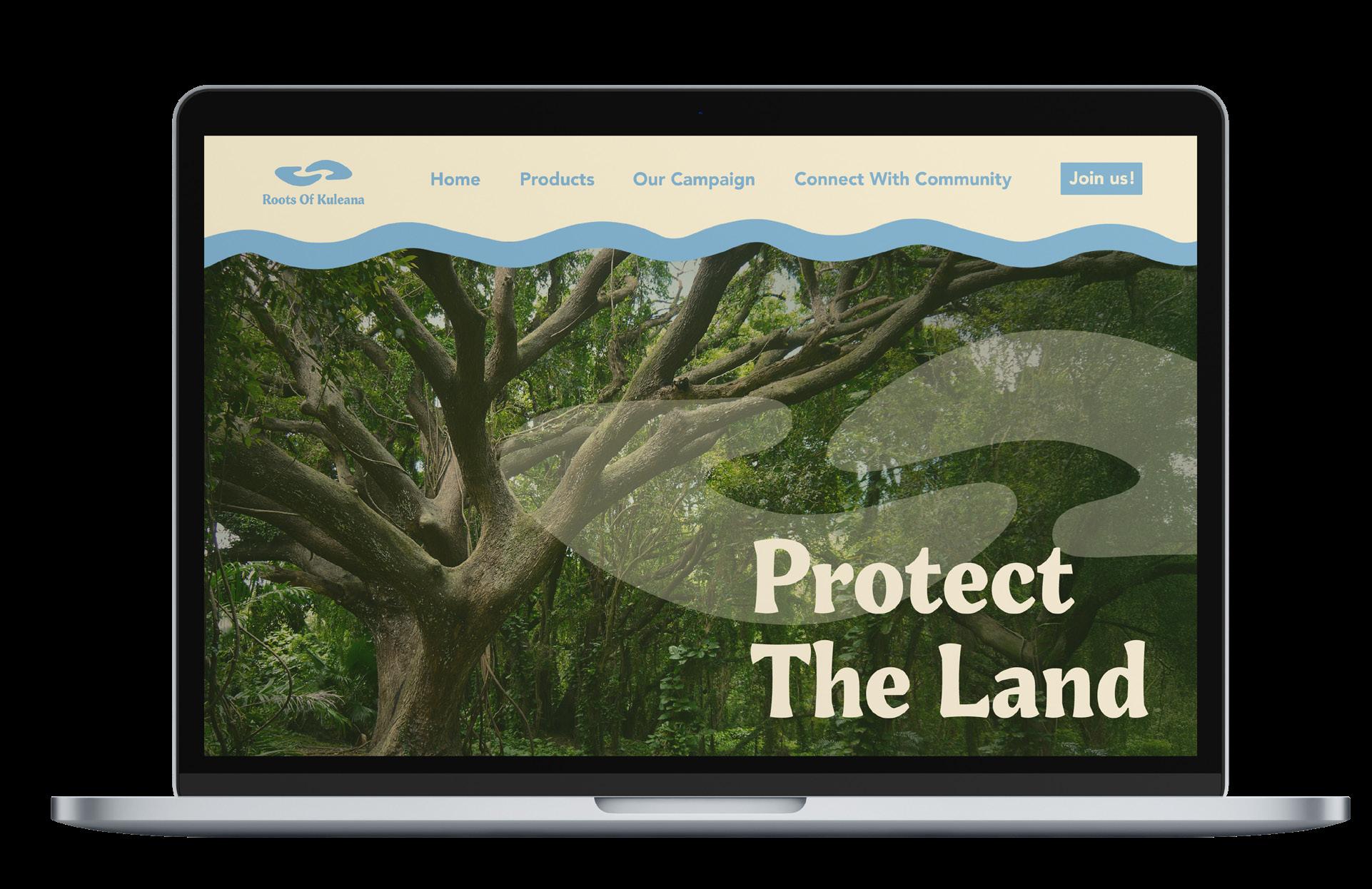
Site to help spread campaign and connect people with local communities to stay with locals.
Grow campaign audience and grow presence online for people to check out our website.
Campaign video that explains our cause and how tourists can help when traveling.
Primary Touchpoint One
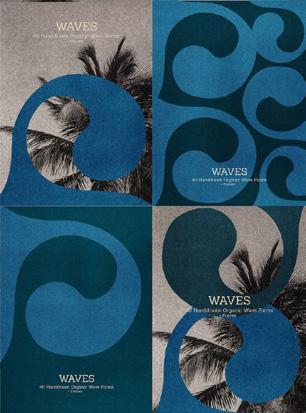


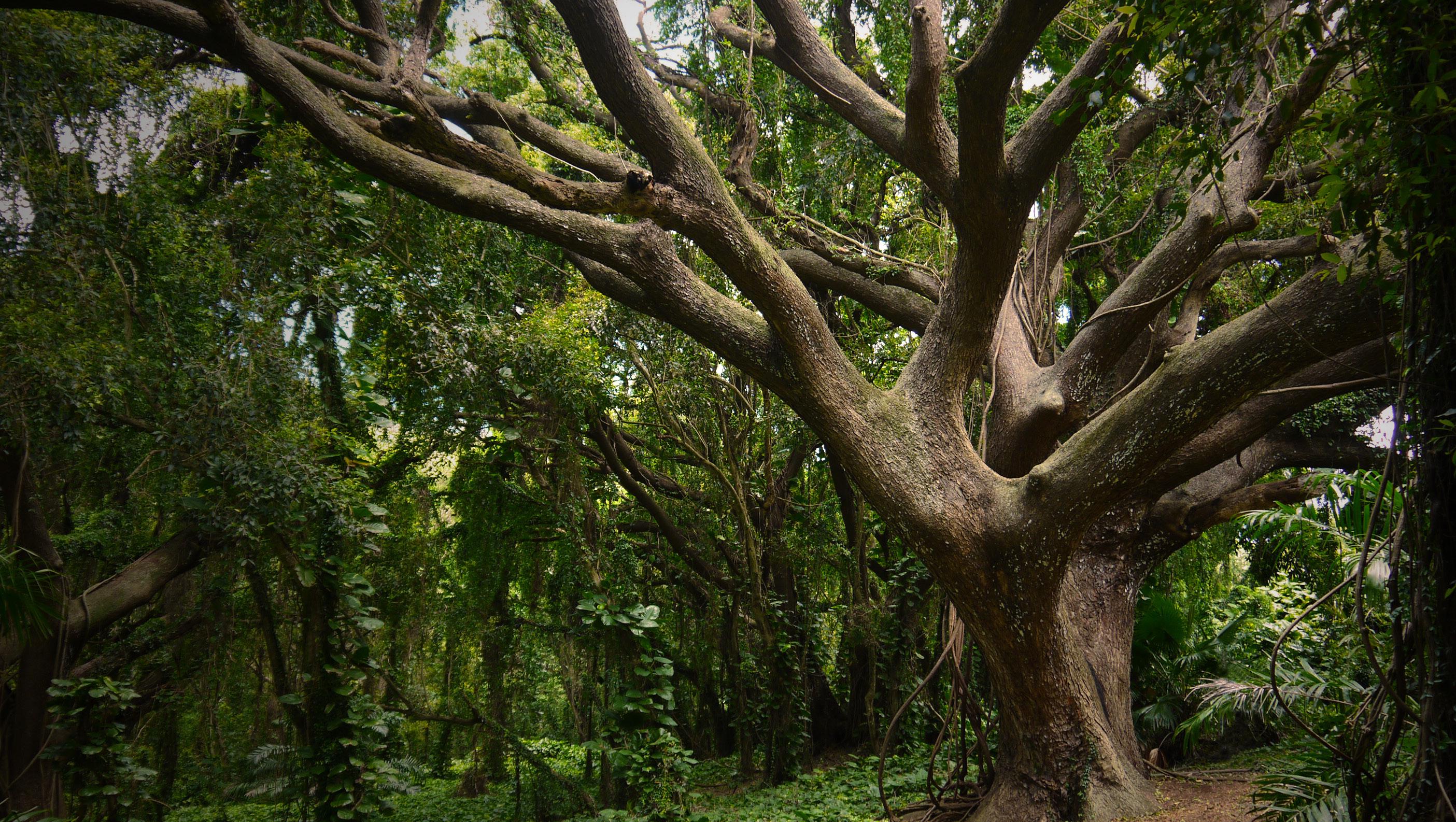
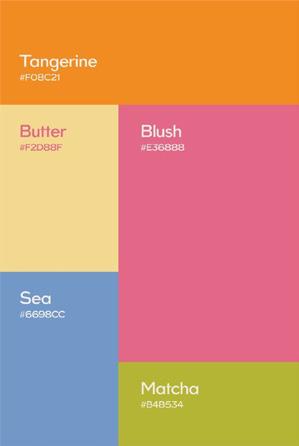
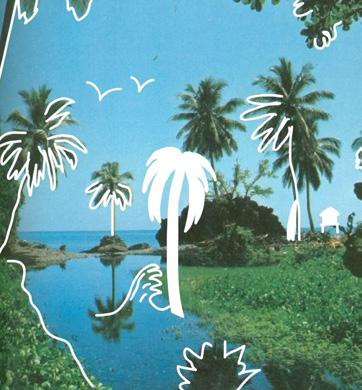
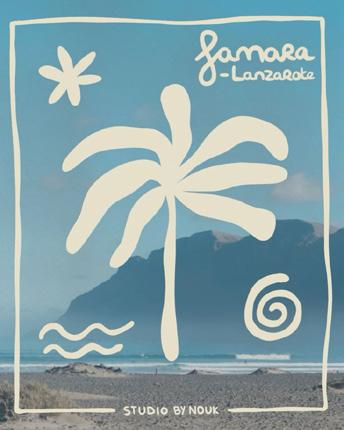
This campaign should feel feel light, simplistic, and organic to oppose the heavy topics it’s conveying. This style also fits into the already existent tropical branding, but feel different enough to catch people’s attention. There will be more summery color and shapes that feel free in form. The goal is to make it feel authentic to the unfiltered Hawai’i.




Look & Feel
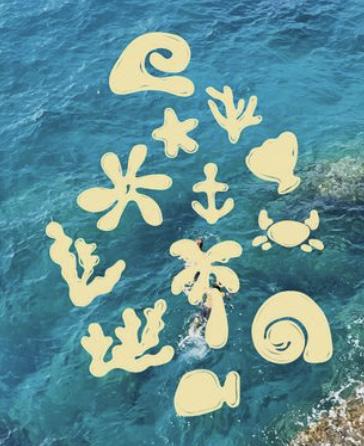
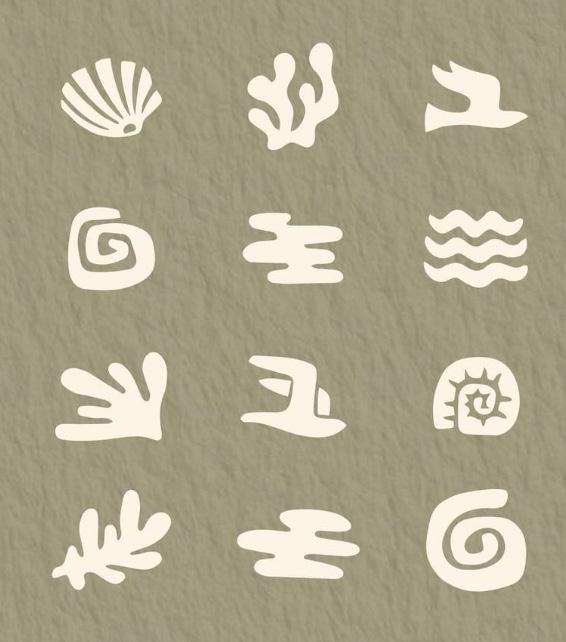
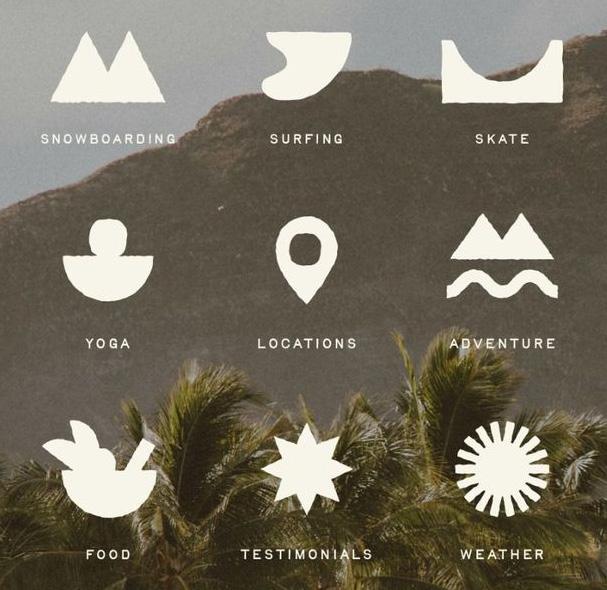
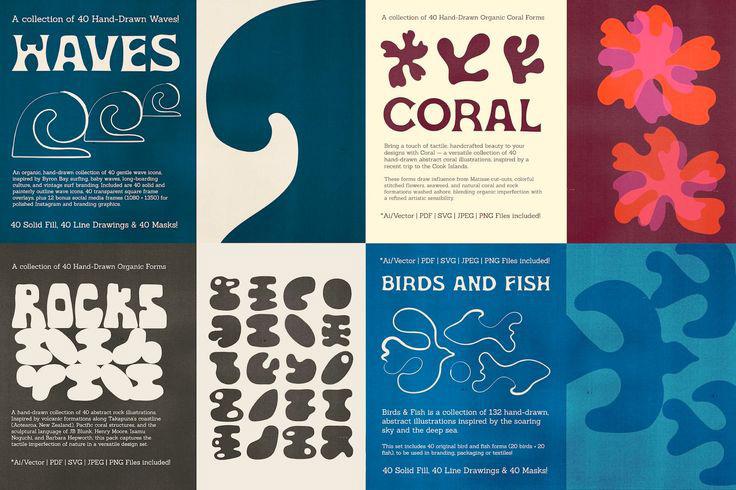
Here is some exploration of typography and symbols that fell organic and soft.
The goal was to make the symbol system feel cohesive with the logo mark and make each visual as simlified as it can be while still conveying it’s image. The typography should be rounded and feel tropical.
Look & Feel
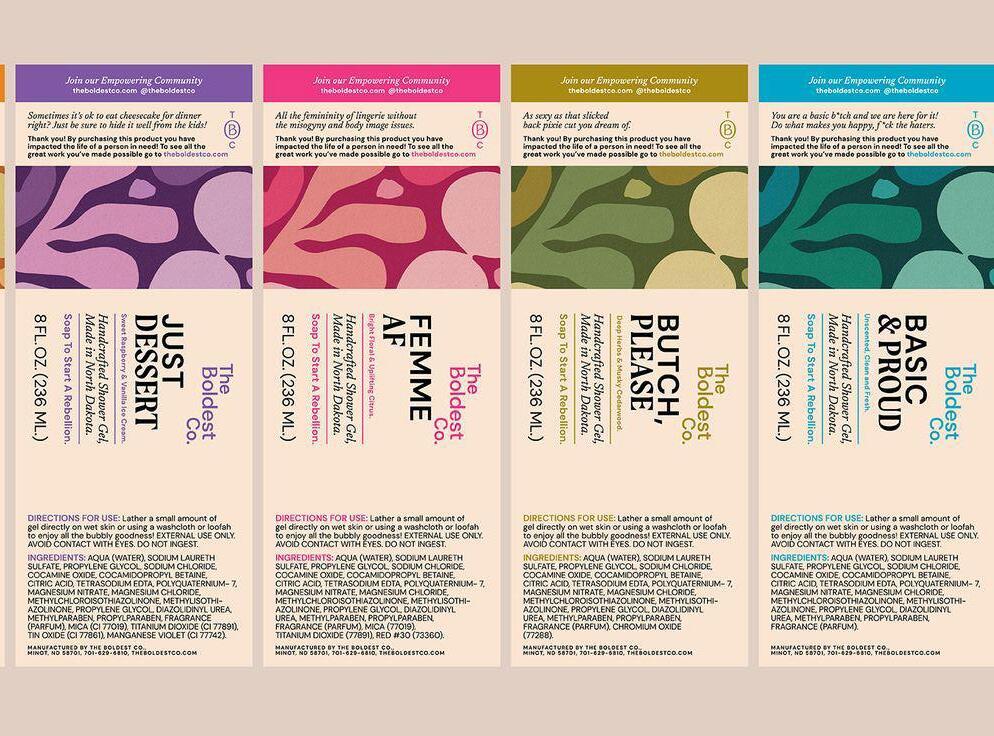
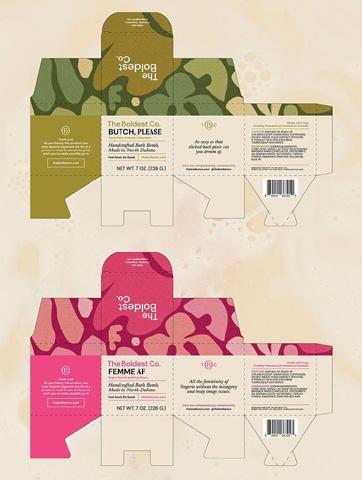
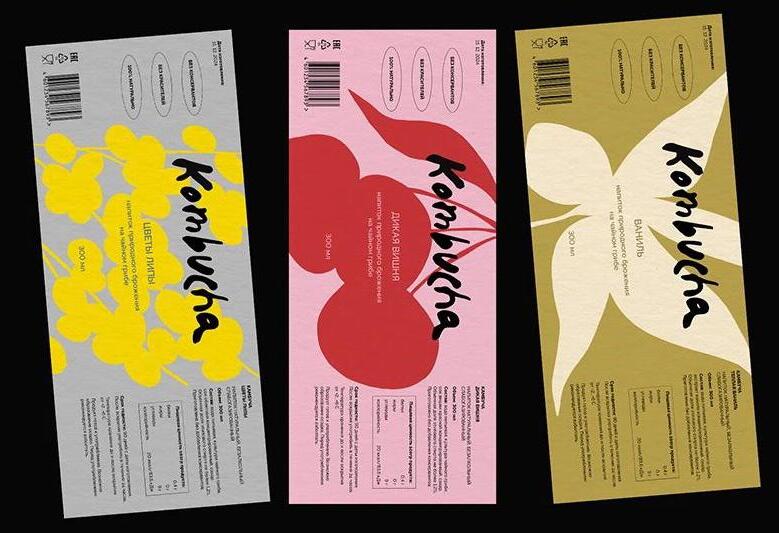
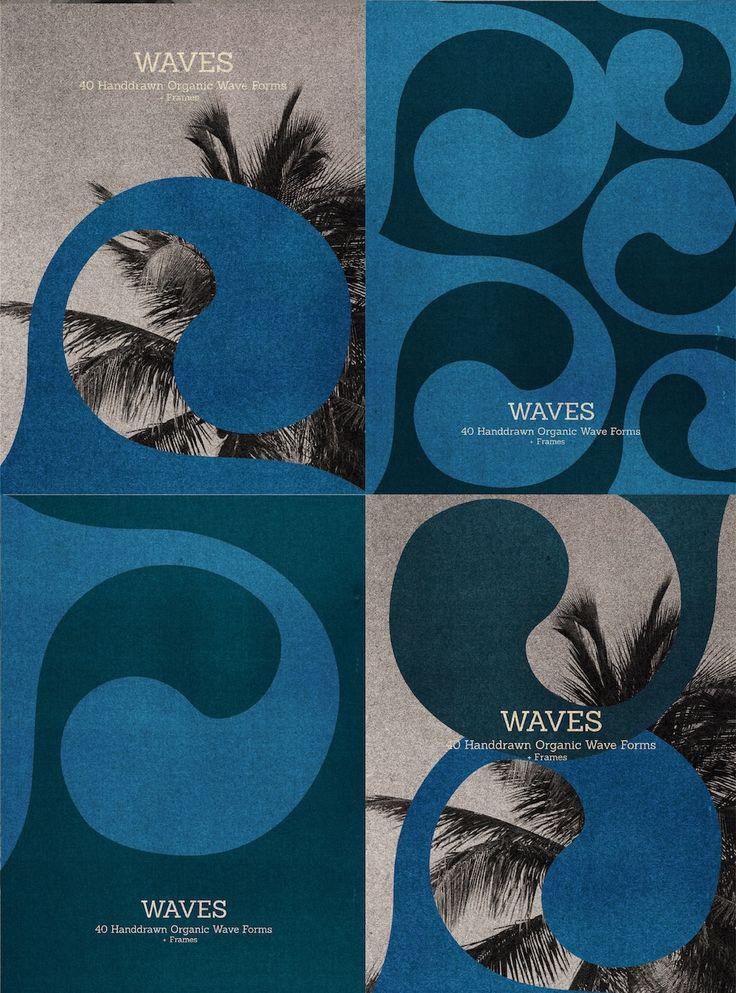
This is inspiration for packaging and layout designs. These layouts are based around symbols and organic shapes, making them feel energetic and authetic to the hawaiian life style.
Look & Feel
This campaign should incorporate hawaiian langauge and sacrad symbols that are held close to their culure in order for the branding to feel more authentic and special. Here are some examples of words and symbols that were pulled for inspiration.
Pono rightness, balance Kahiau give generously with no expectation of anything return
to care
Lokahi unity, harmony, balance



Thesis: Early Exploration
trip, voyage, journey
Color exploration one:
Senior Thesis: Early Exploration
Color exploration two:
Senior Thesis: Mark
Communicates the message of giving back to the community through the actions of being a mindful traveler. This is a part of Hawaiian culture, putting your palms up, ready to help others. Represents tourists.
Senior Thesis: Mark Anatomy
Senior Thesis: Mark Anatomy
The receiving end of this help is natives and local people who live in Hawai’i. These willing to embrace travelers who are respectful and responsible on their land.
Represents travelers working with local communities to improve the land and learn their culture. They are ready to give and locals are openly accepting them.
Senior Thesis: Mark Anatomy
This name ties in the Hawaiian word “Kuleana” which means responsibility. It describes the reciprocal relationship between a person and their community, environment, or work, where one has a duty to care for something, and in return, it provides for you. This name reflects how this campaign spreads awareness about being a responsible, respectful tourists who is open to creating a connection with local communities through learning about their culture, practices, and values.
Senior Thesis: Mark Anatomy
This is a popular Hawaiian phrase that means “care for the land,” which is a good partnering phrase to becoming a responsible tourists. In Hawai’i their land holds much value spiritually and culturally, so taking care of it and helping to protect it when visiting is important.
Thesis: Variations
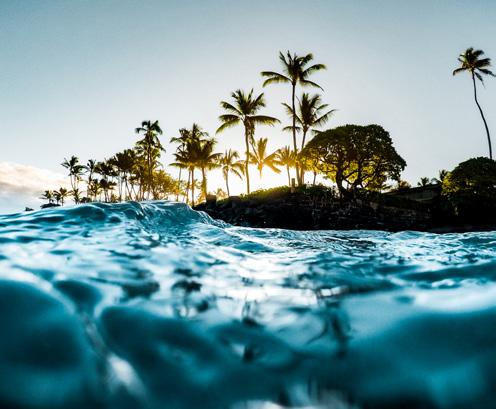
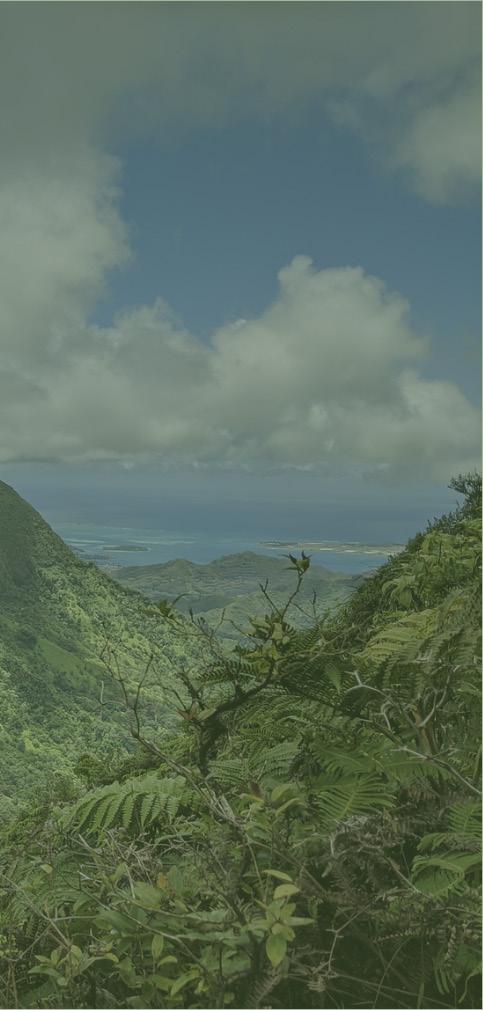
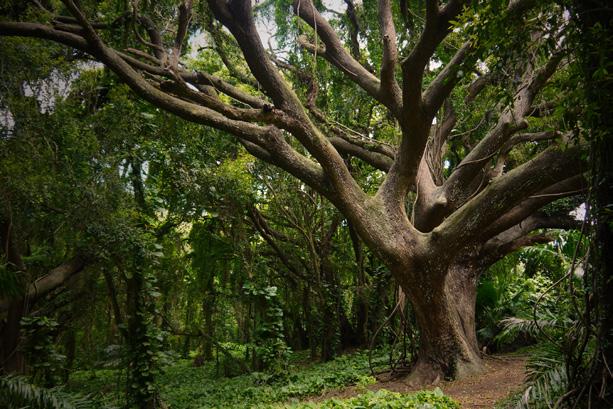
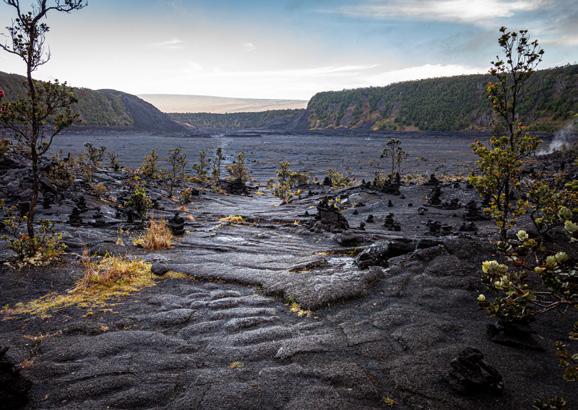
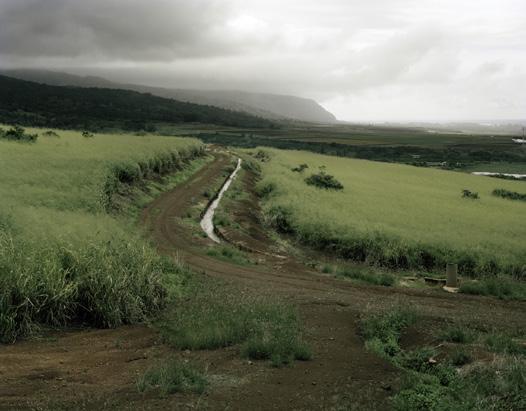
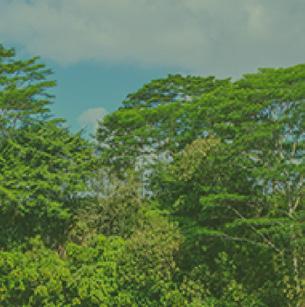
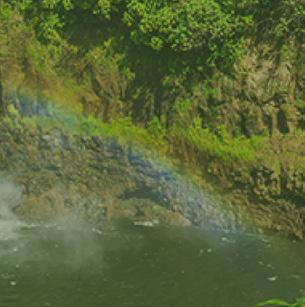
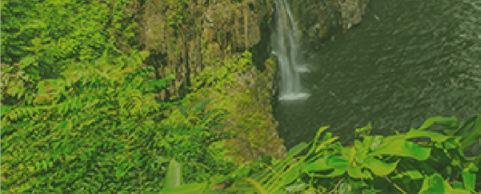
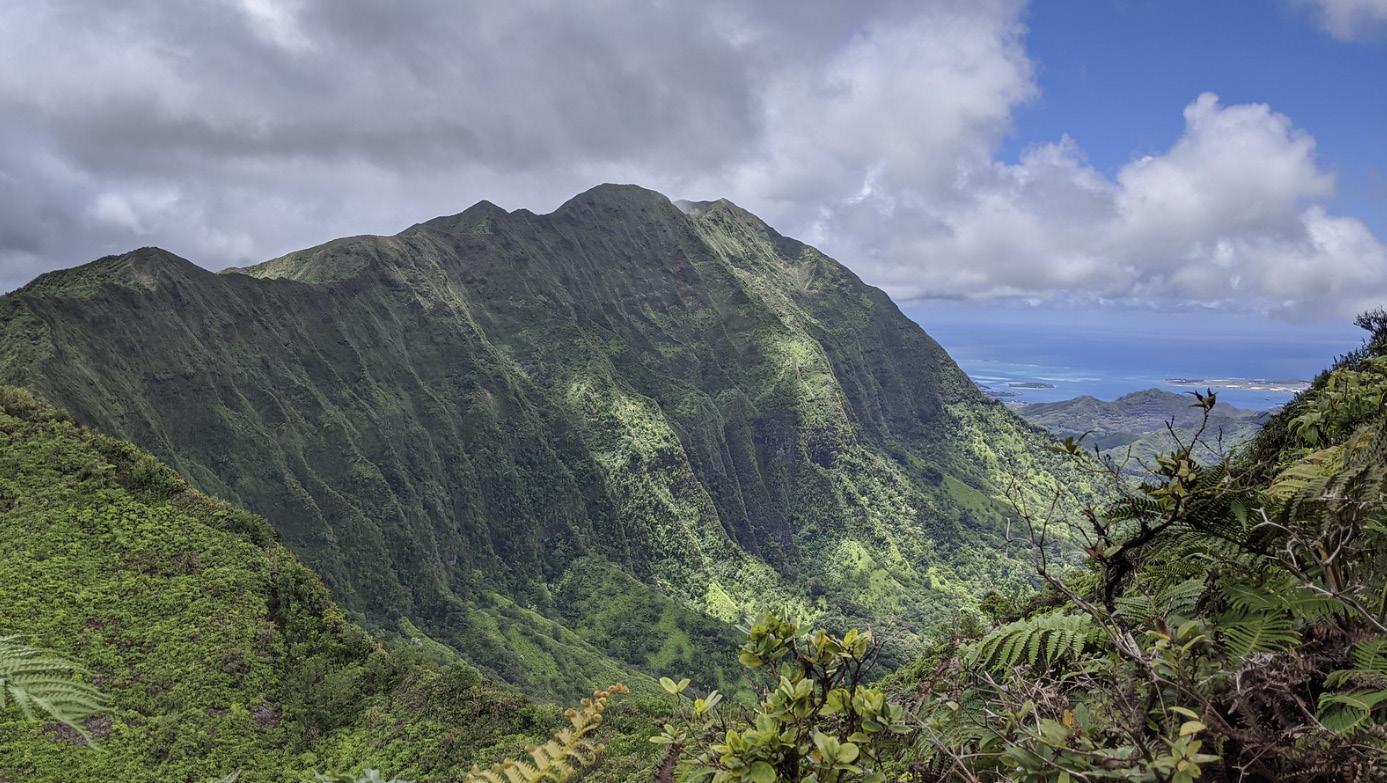
Senior Thesis: Photography

Senior Thesis: Stationary
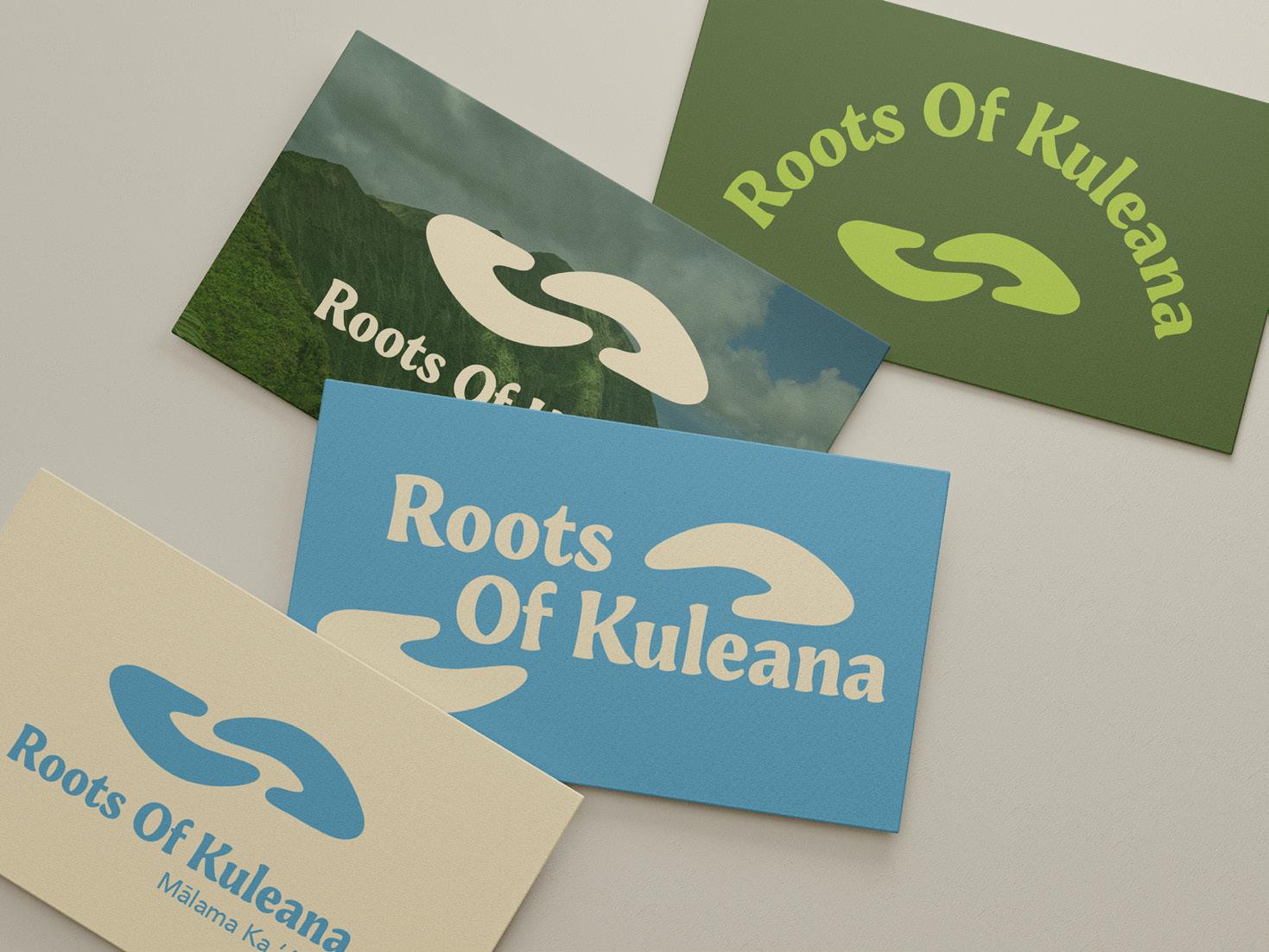
Thesis: Business Cards & Pins
Senior Thesis: Typography
Senior Thesis: Typography
Senior Thesis: Symbols
Primary Touchpoint Two
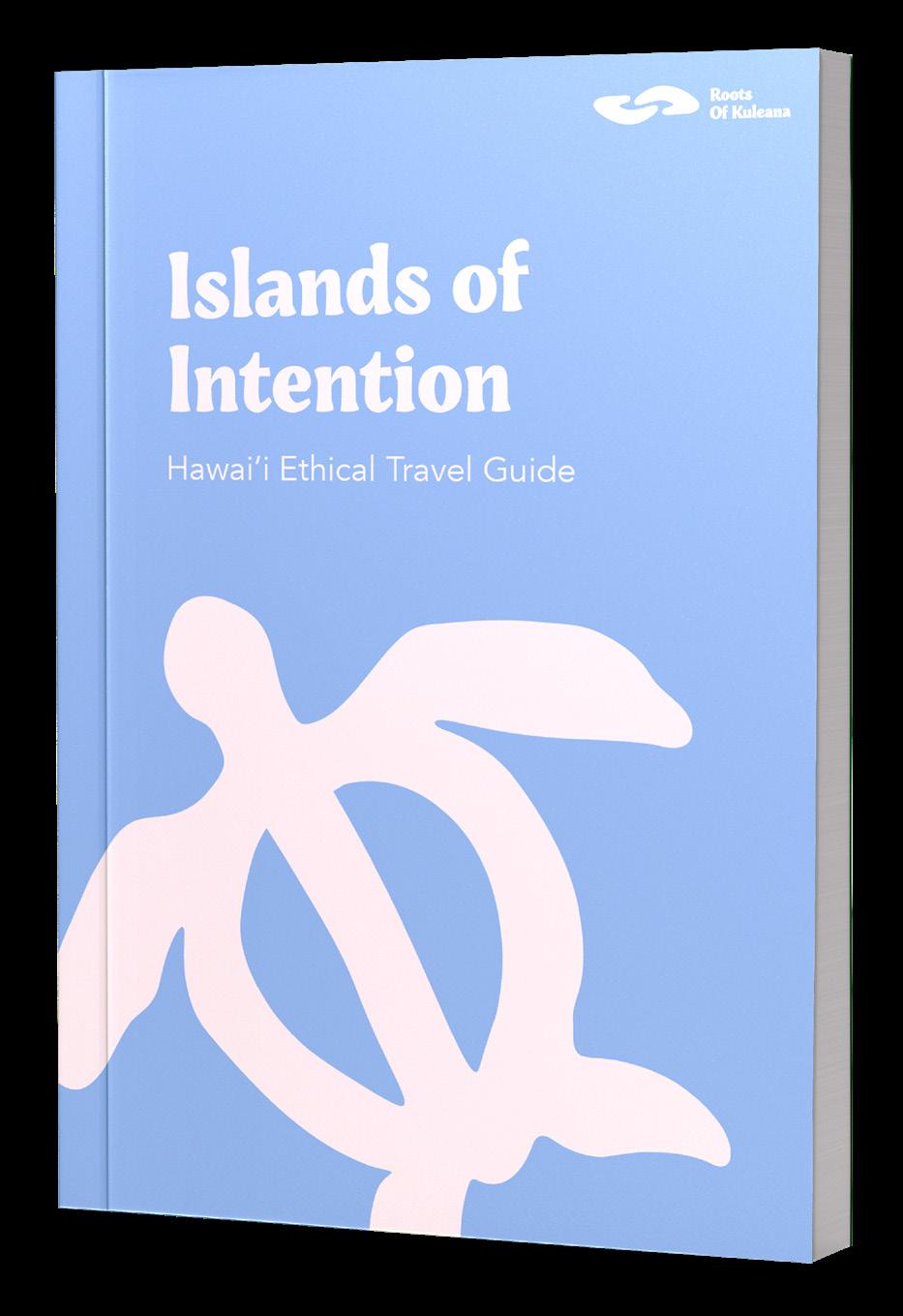
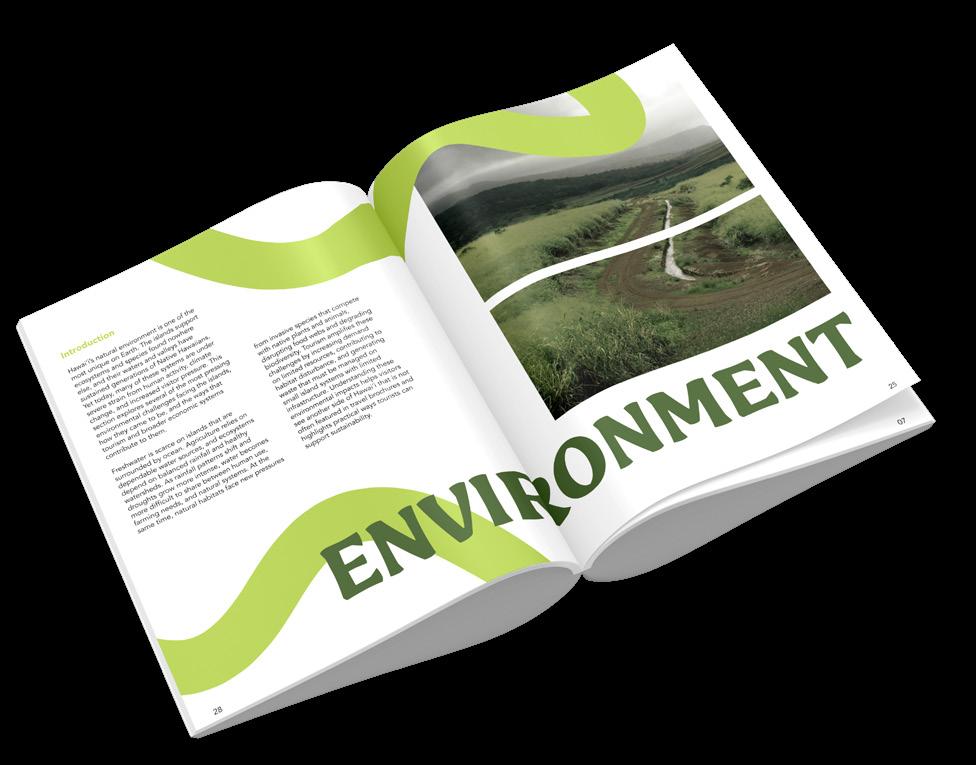
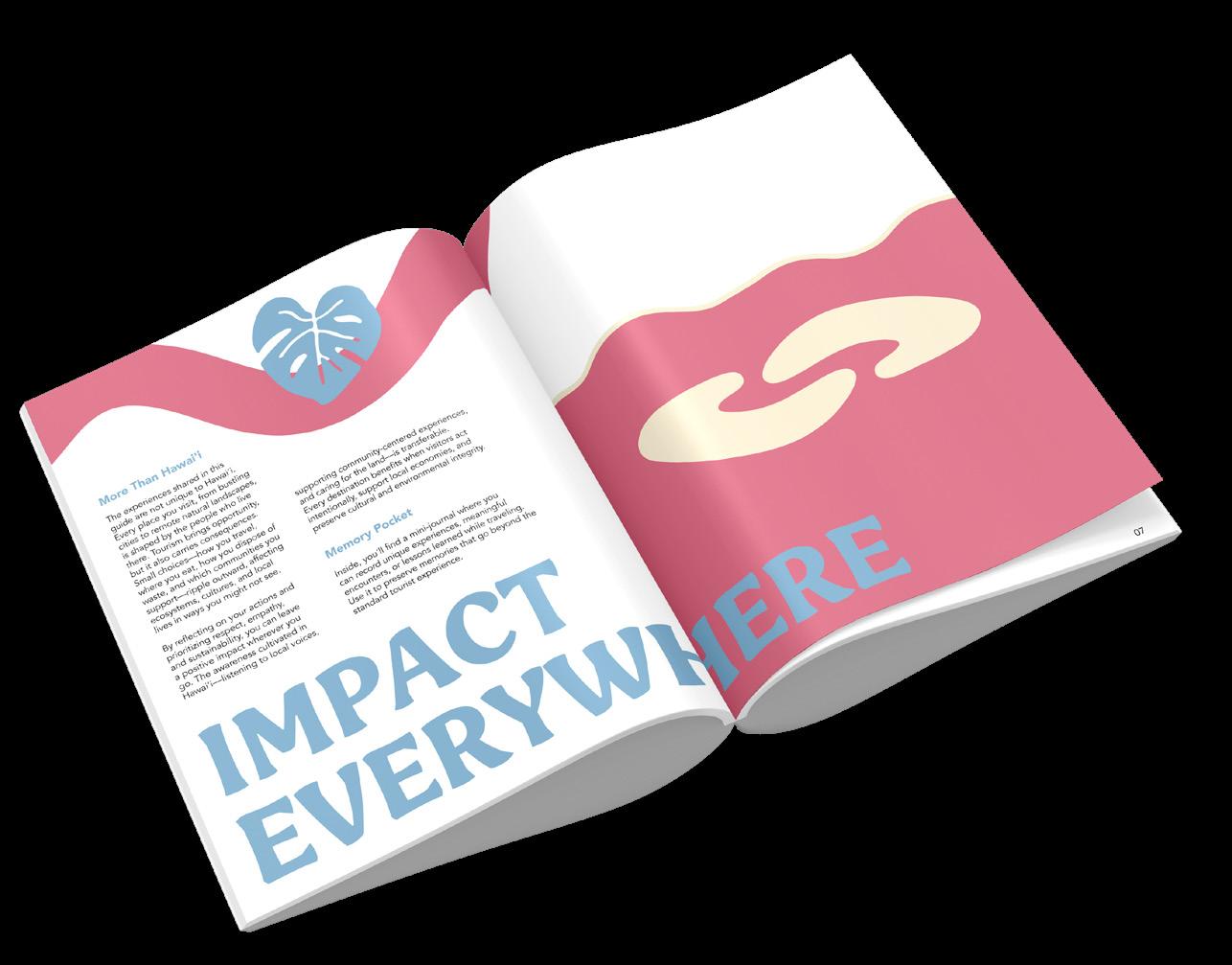
Goal is to spread awareness to tourists about how their actions impact the land around them along with teaching them about Hawaiian culture and background. Using storytelling to communicate, displaying insights from locals and shows tourists a different perspective. Show empathy for Hawaiians who have lost so much to tourism. This book is designed to encourage people change their traveling habits and give back to the communities they visit in positive ways.
Help people reflect on their choices, talk about water increase price of living, rehousing, homelessness, etc
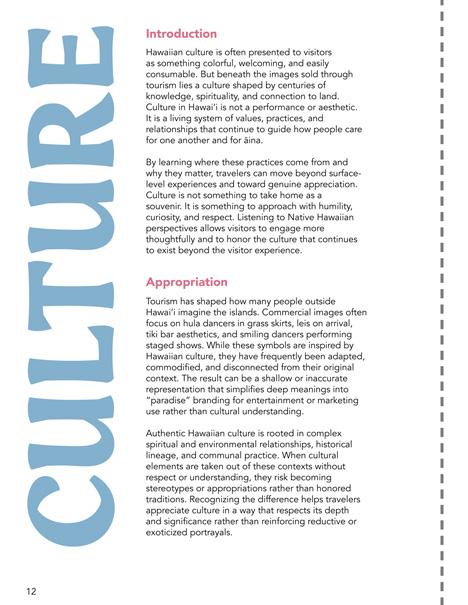
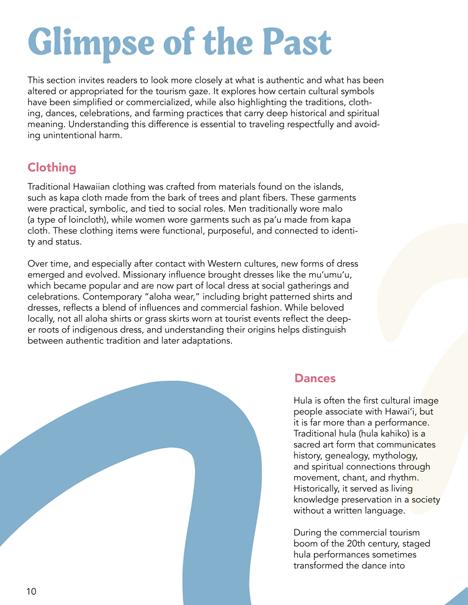
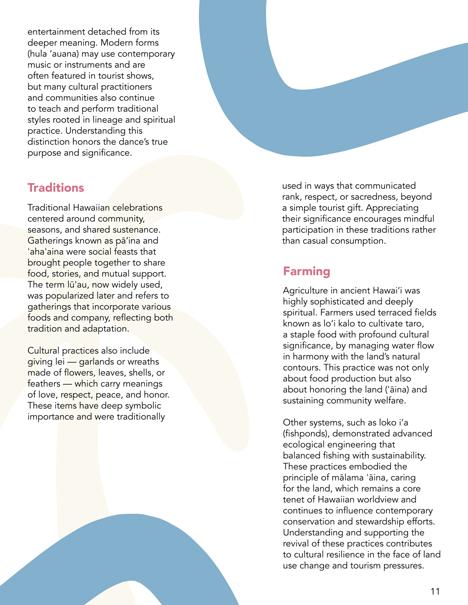
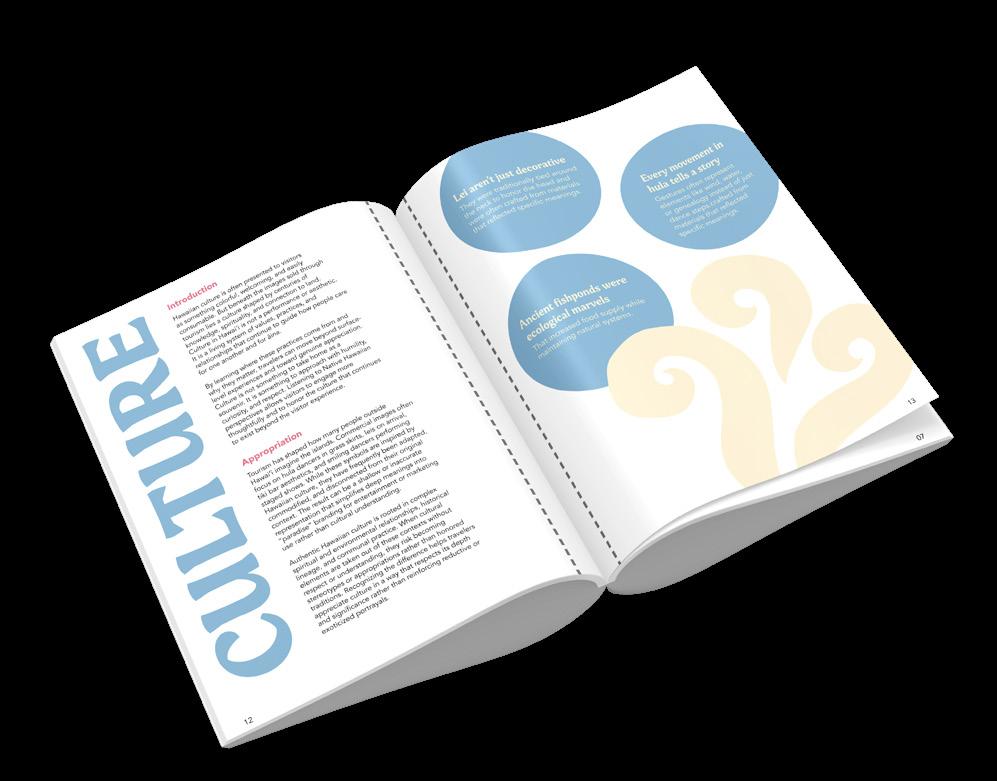
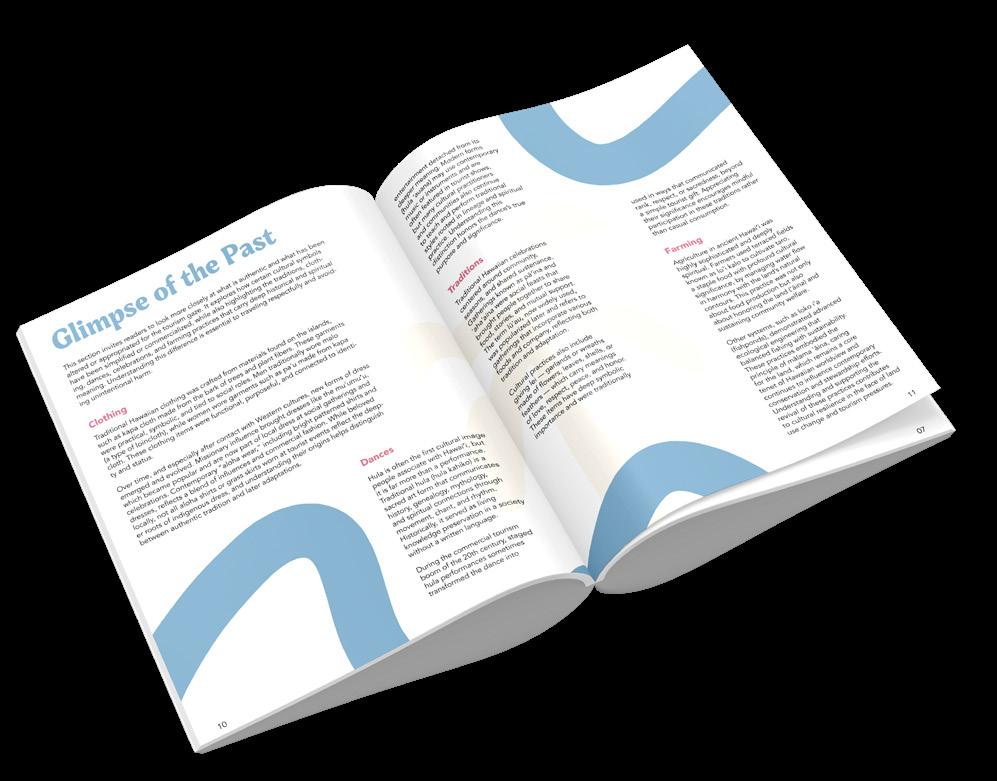
Culture
What is appropriated and what is real, historical background, agriculture, & spiritual connections
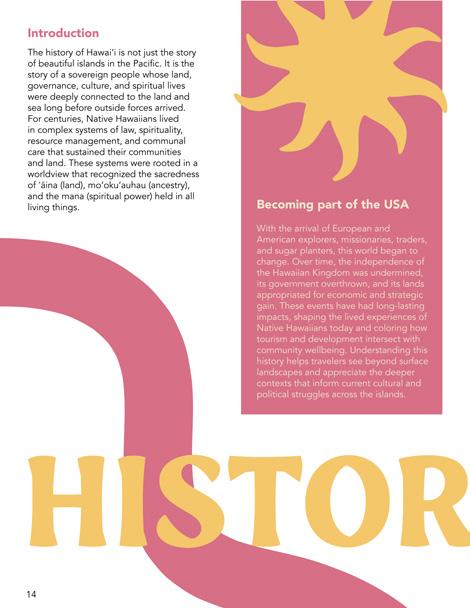
Colonization, government being overthrown, tensions & suppression, religion, and extraction
Language
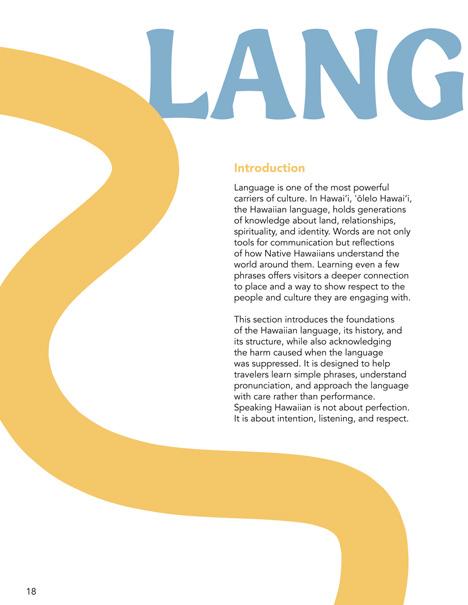
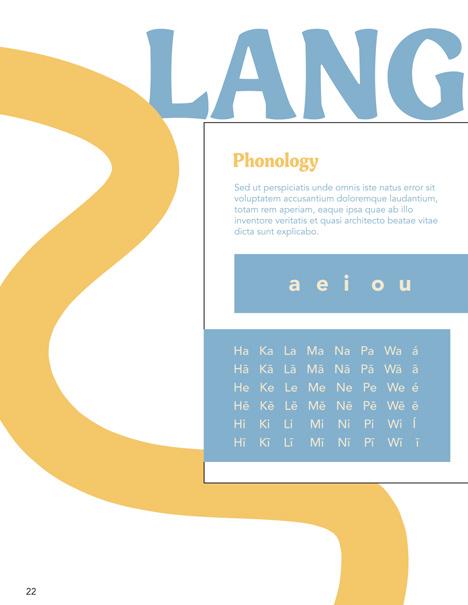
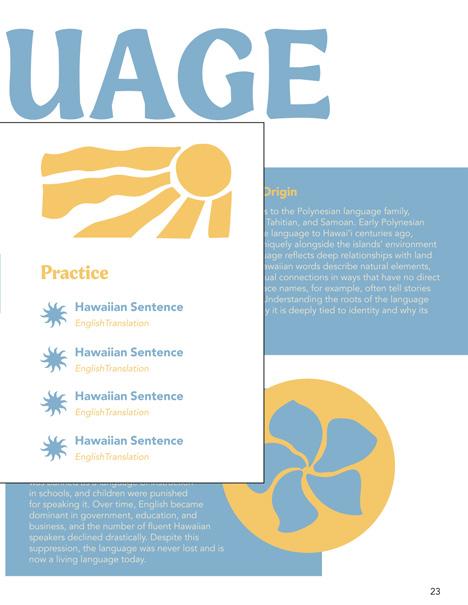
Background, consonants, vocab, structure, how to introduce yourself, history, simple phrases
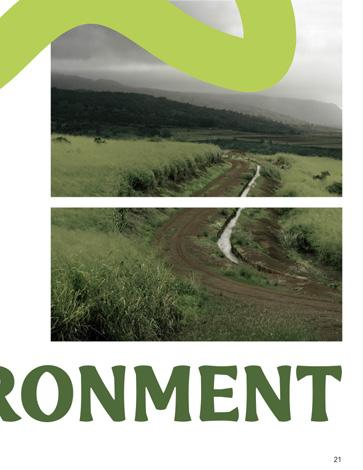
Water shortage/drought, killing agricultural land, flower crisis, invasive species and loss of wildlife
Provide opportunities for people to give back to the community and learns directly from locals
Food & coffee shops, individual shops or areas to shop, and locally sourced farmers markets
Reflect on how changing actions when traveling can have a positive impacts anywhere people visit.
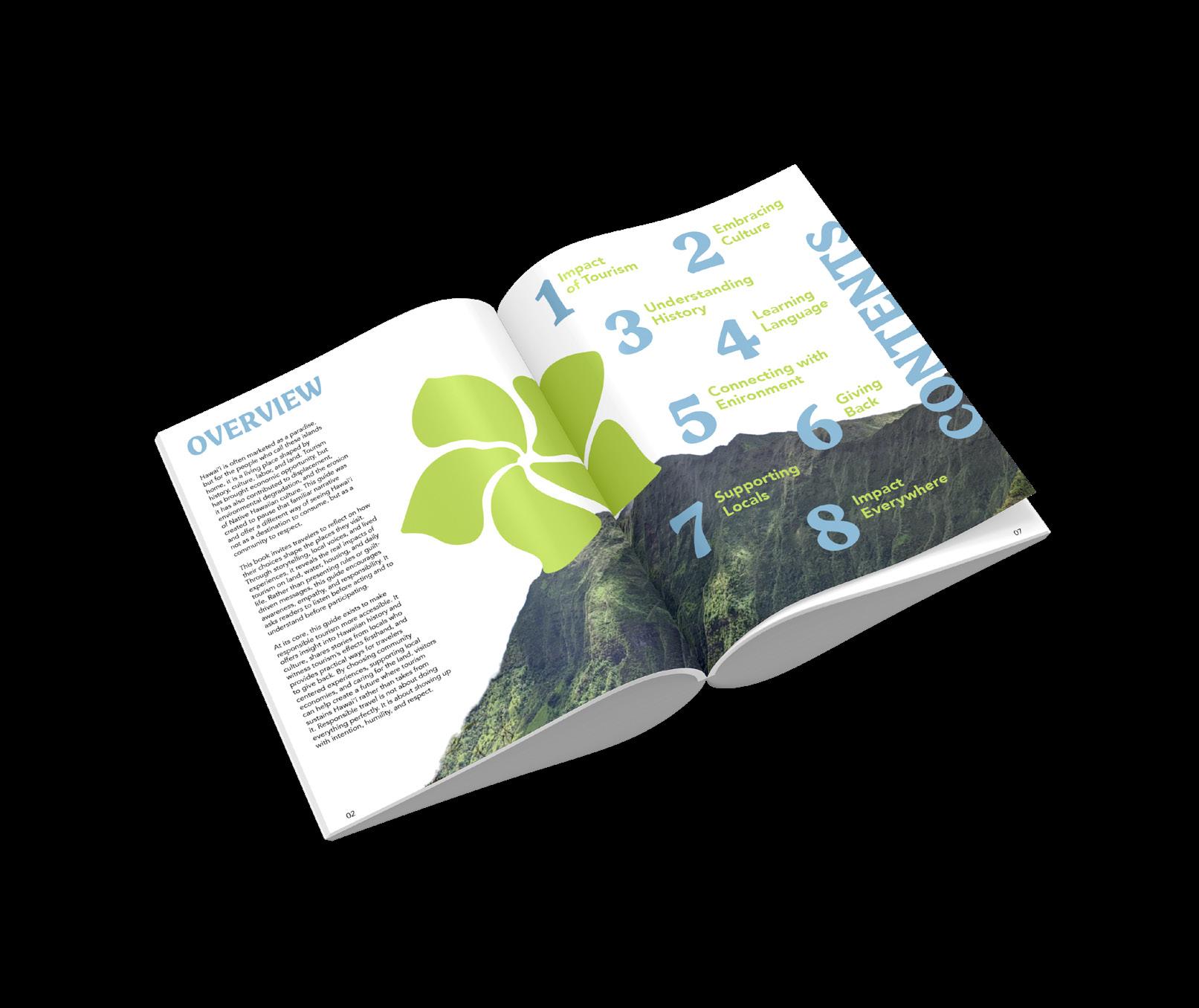
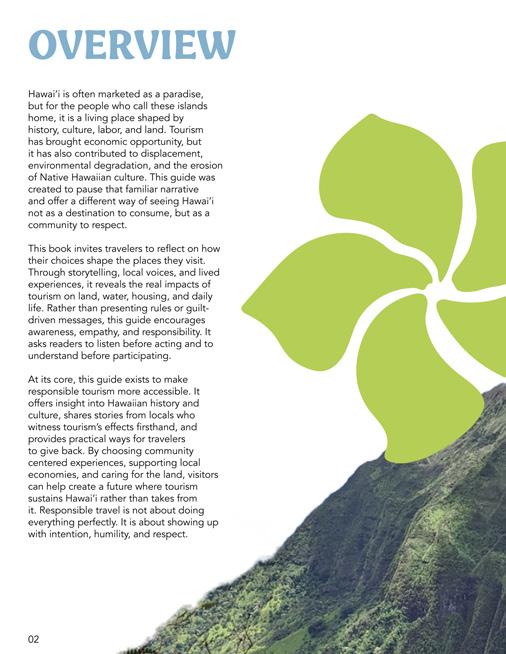
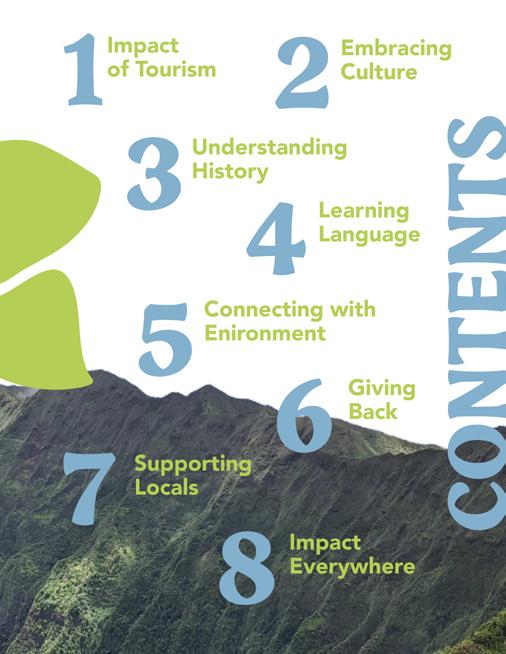
Language Impact Everywhere Back Cover
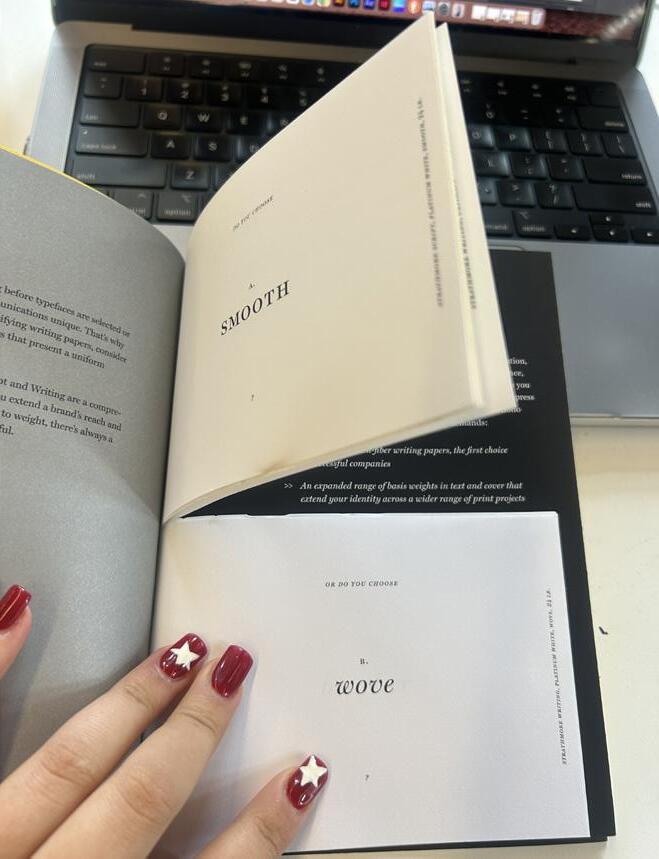
Pages will split so people can flip through the different stories from an assortment of locals. This section emphasizes the local’s voices and perspectives that we miss as tourists. Showing people the opposite side will help them reflect on how their actions impact those around them.
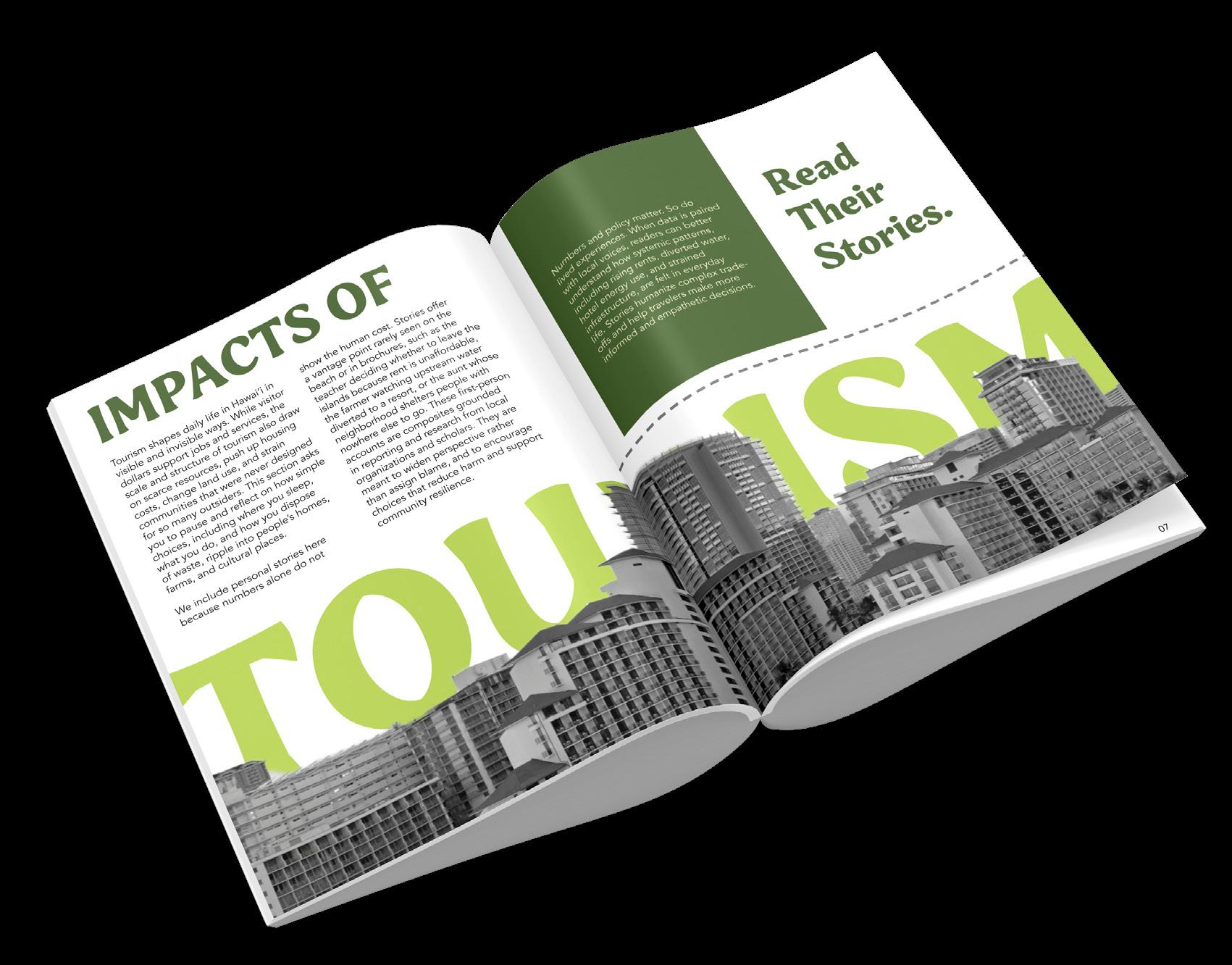
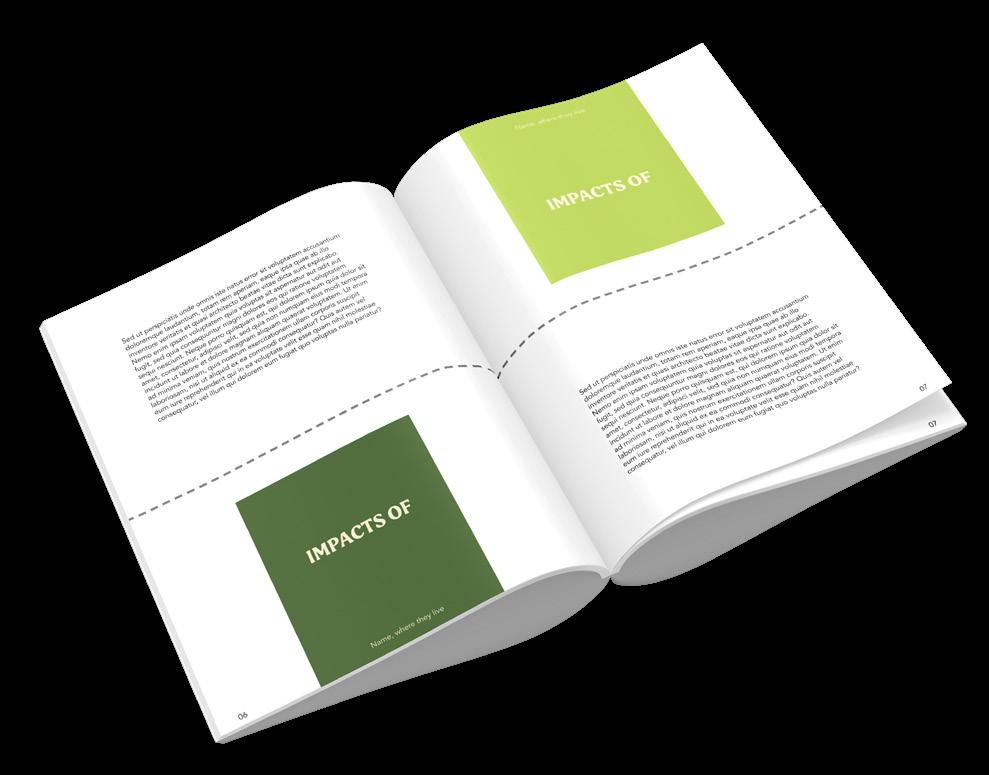
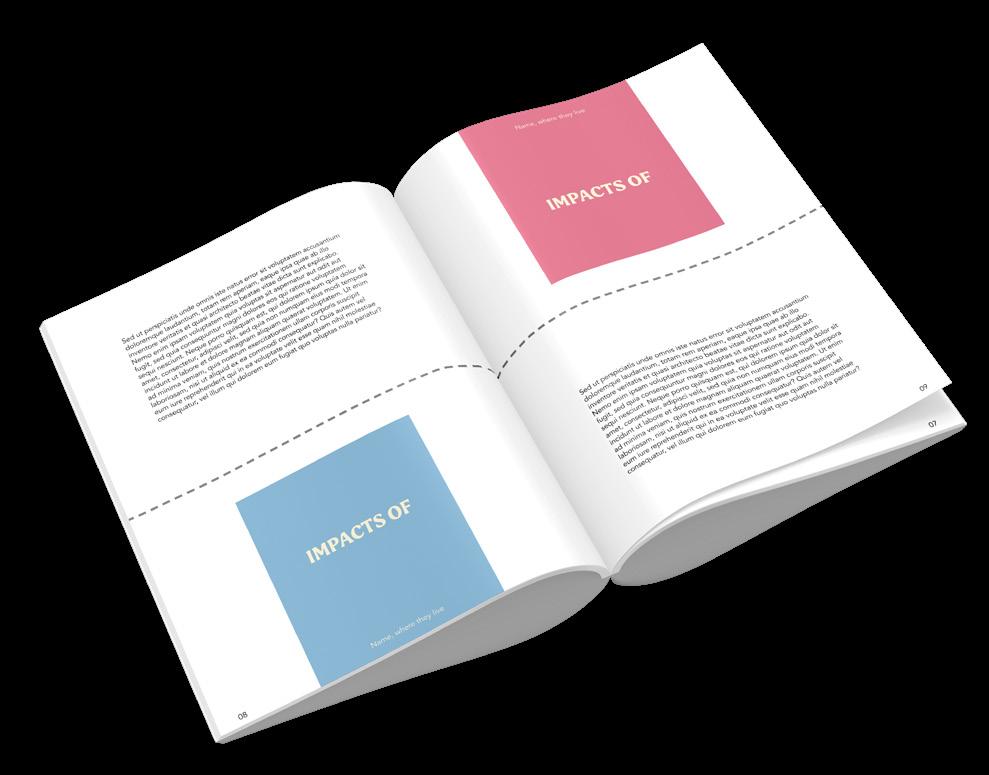
Culture
Language
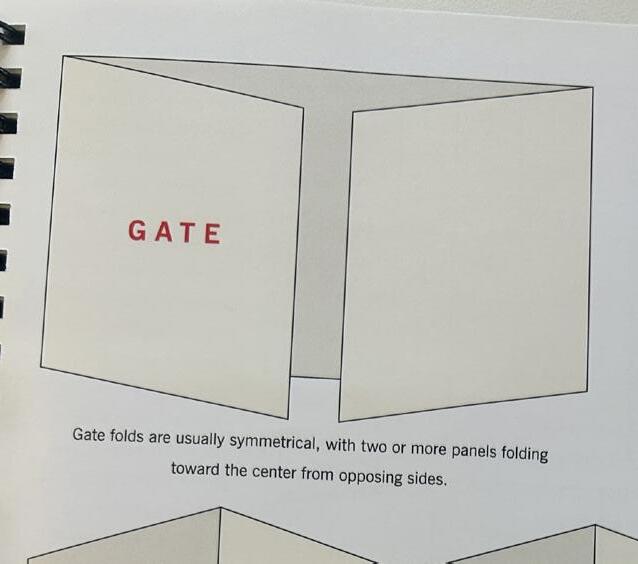
Culture
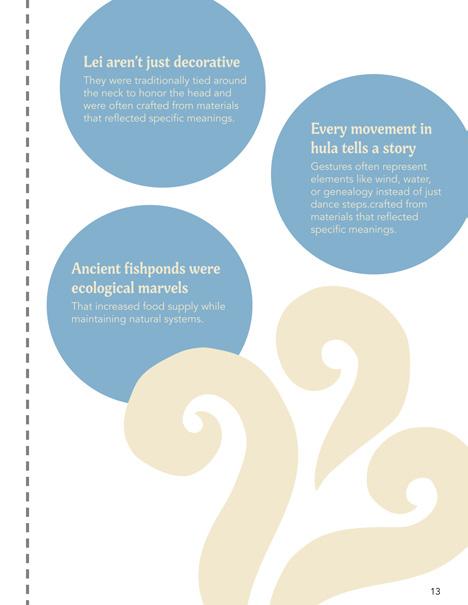
Uses the gate fold to demonstrate different sections of culture. Each side has separate focuses. One will display clothing, traditions, food, and dances. The other will talk about spiritual connection, farming practices, and animals. It will also highlight appropriation and how people can properly interact with natives.
History
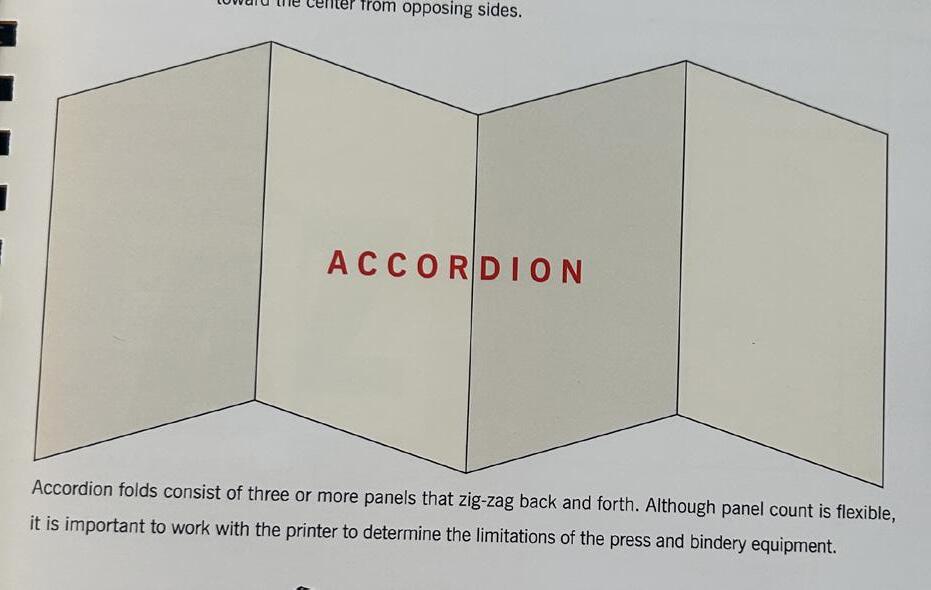
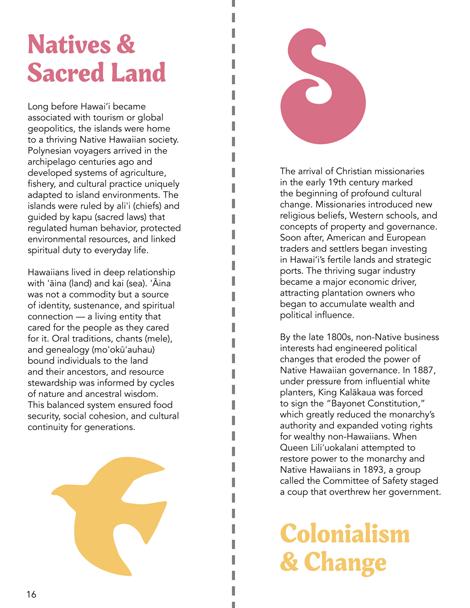
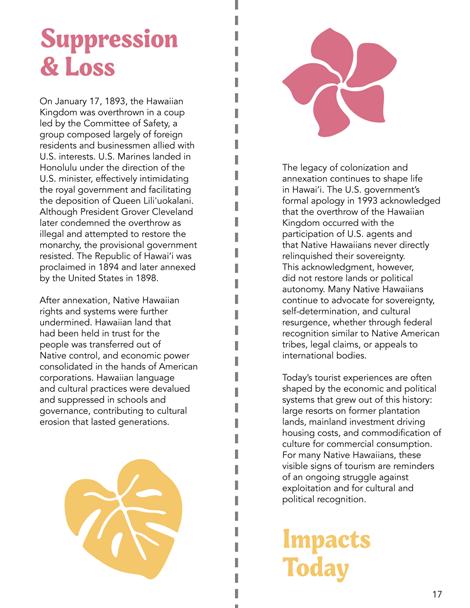
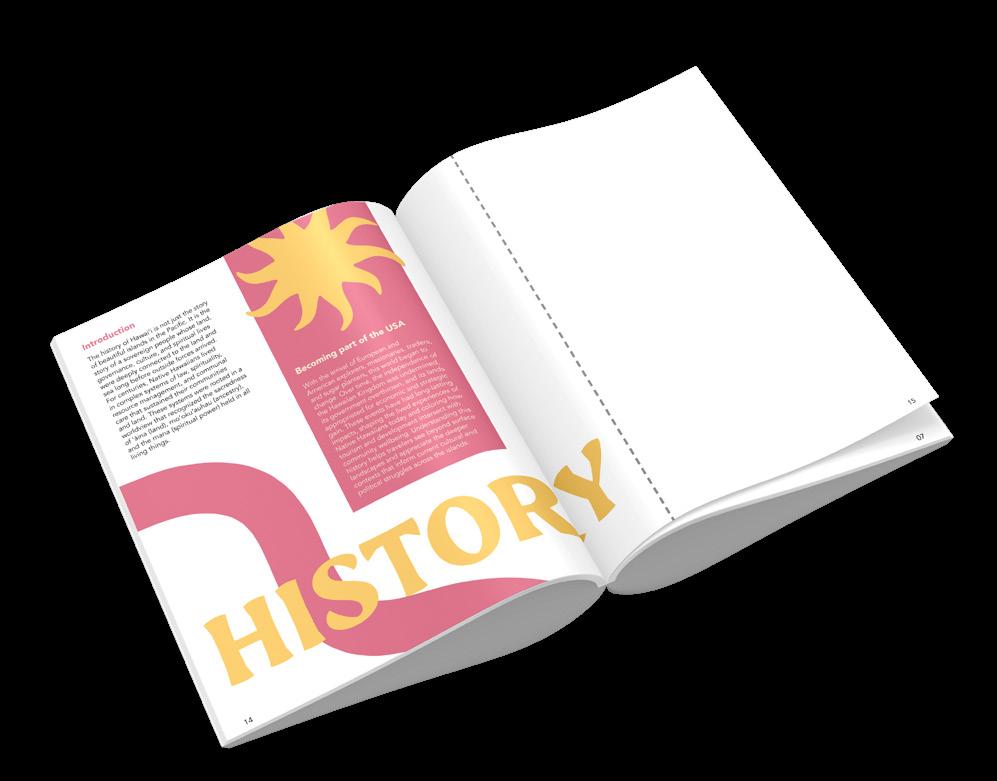
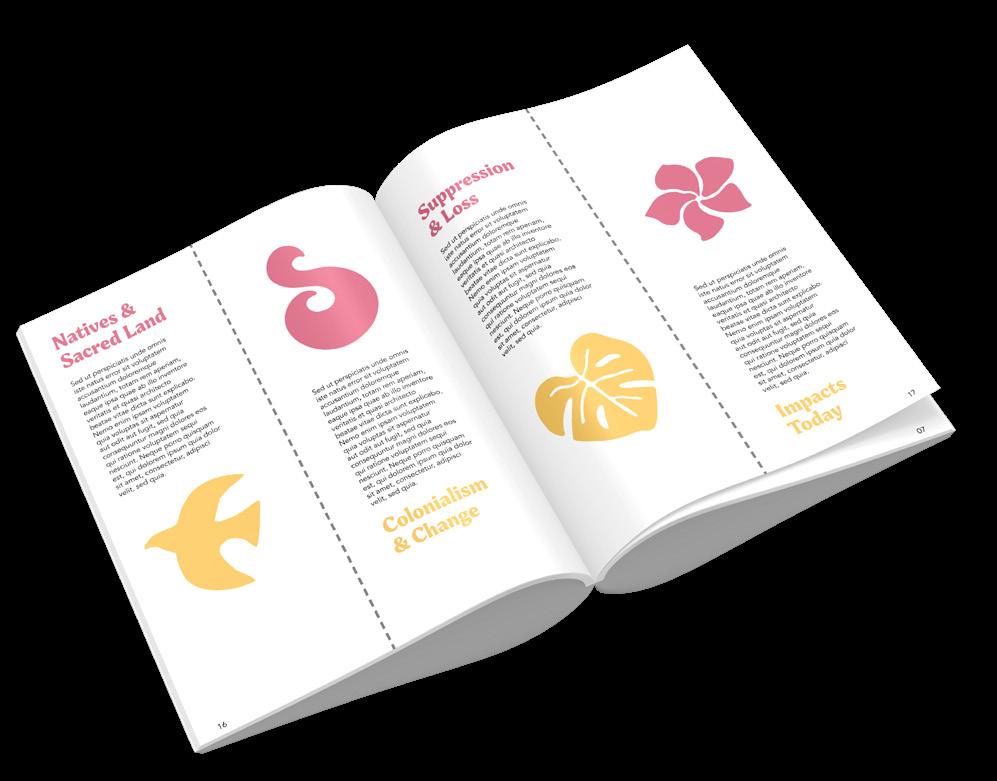
This section showcases an accordion folding technique so people can walk through each era of history. As they unfold the paper they will reveal more and more pieces of Hawaiin history, learning about the hardships they fought through.
History

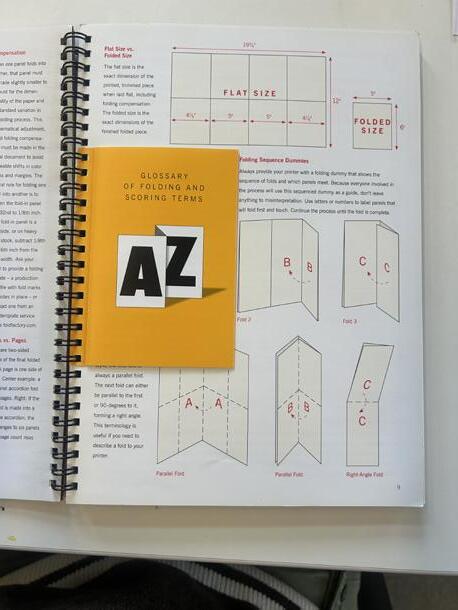
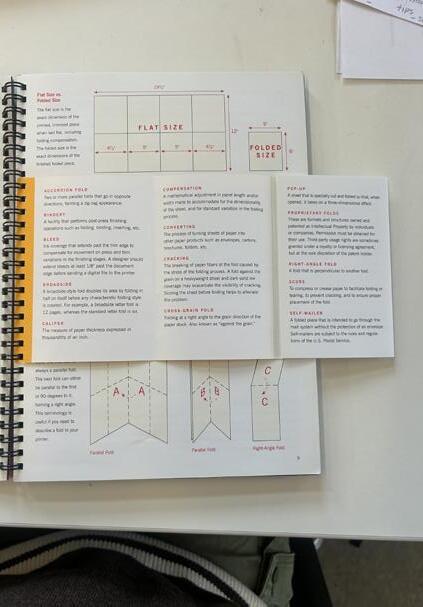
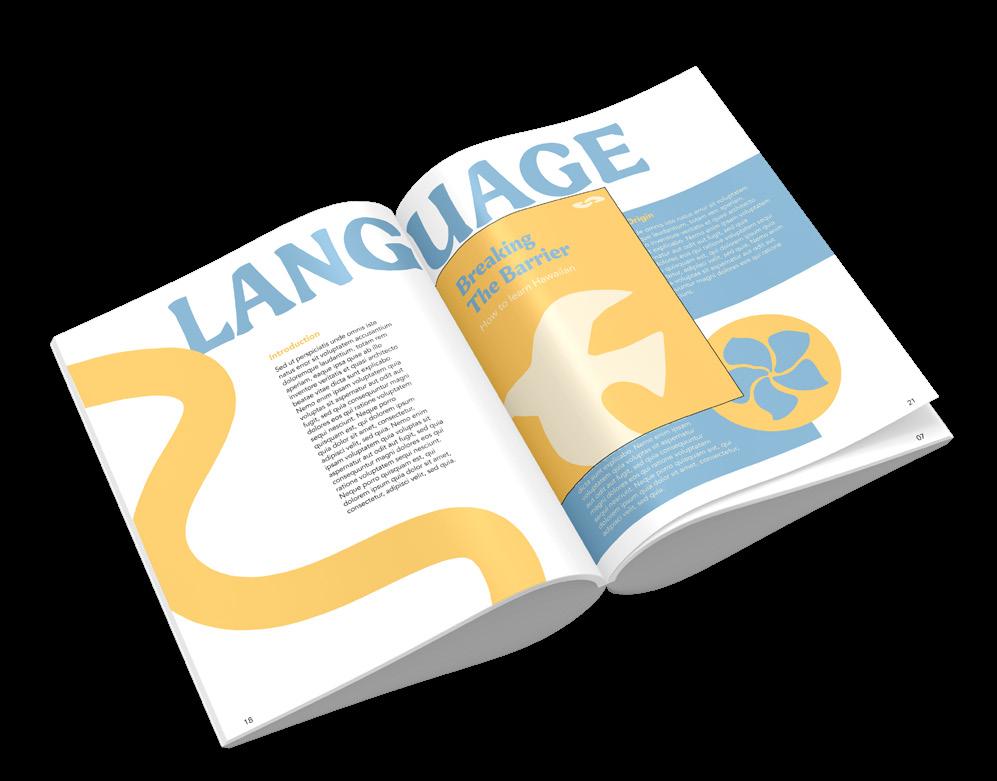
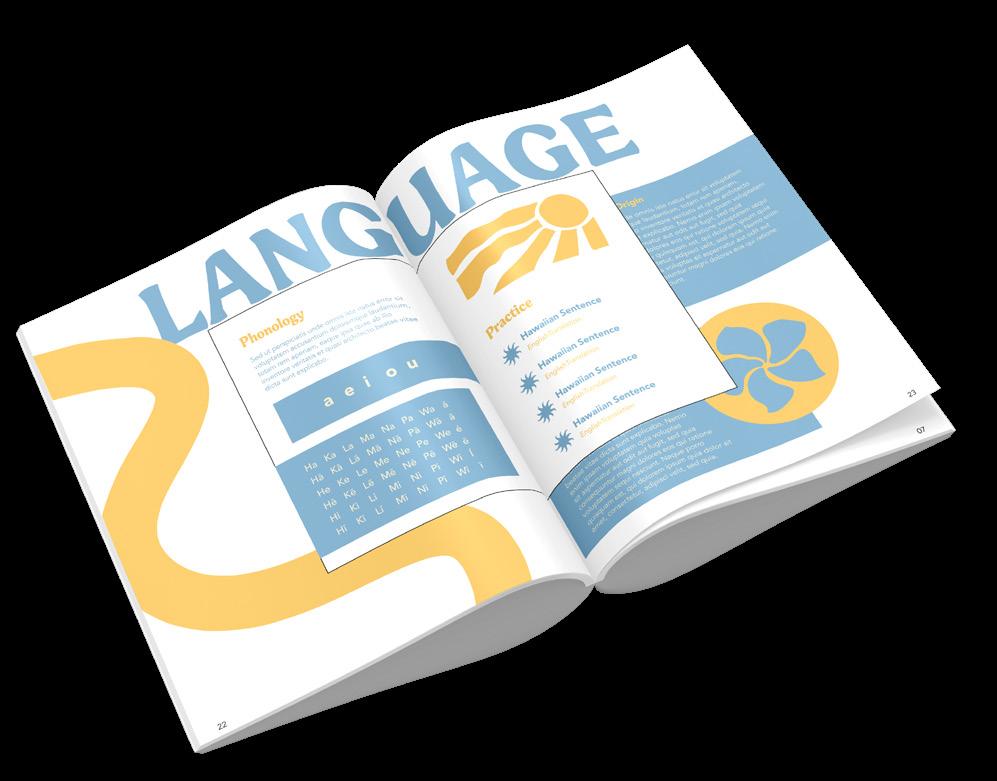
Displays a mini book in the middle to highlight different phrase and applicable vocab they can learn themselves. The paper surrounding the mini book will talk about the history of langauge and the basics of how it was
Language

Thesis: Ethical Travel Guide Back Cover


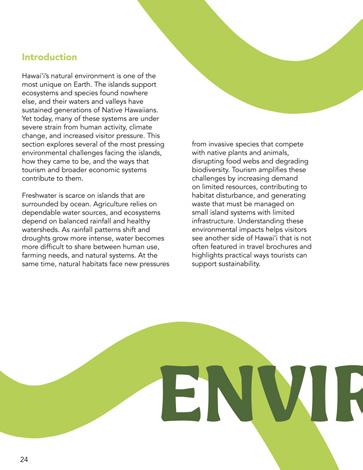
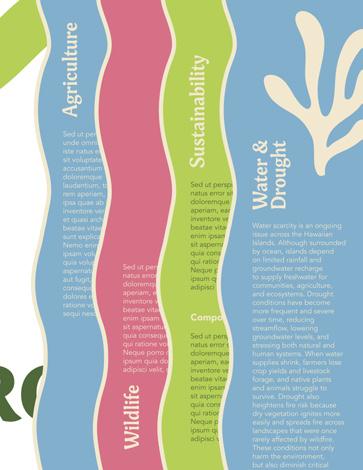
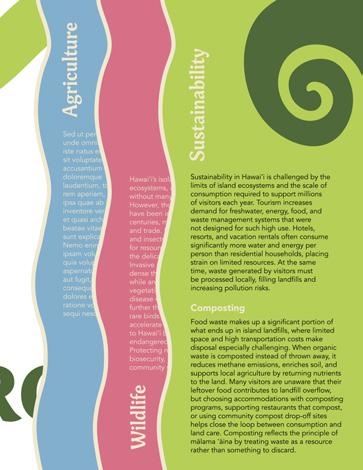
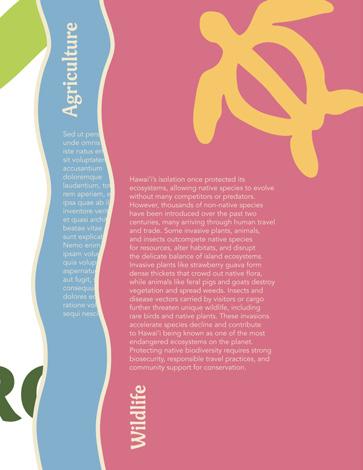
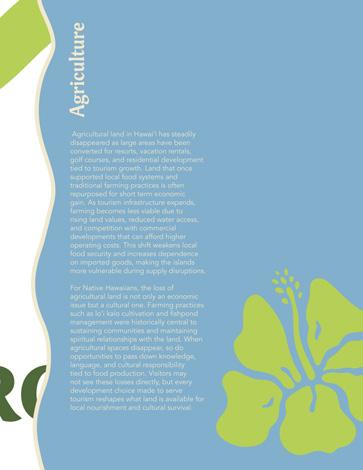
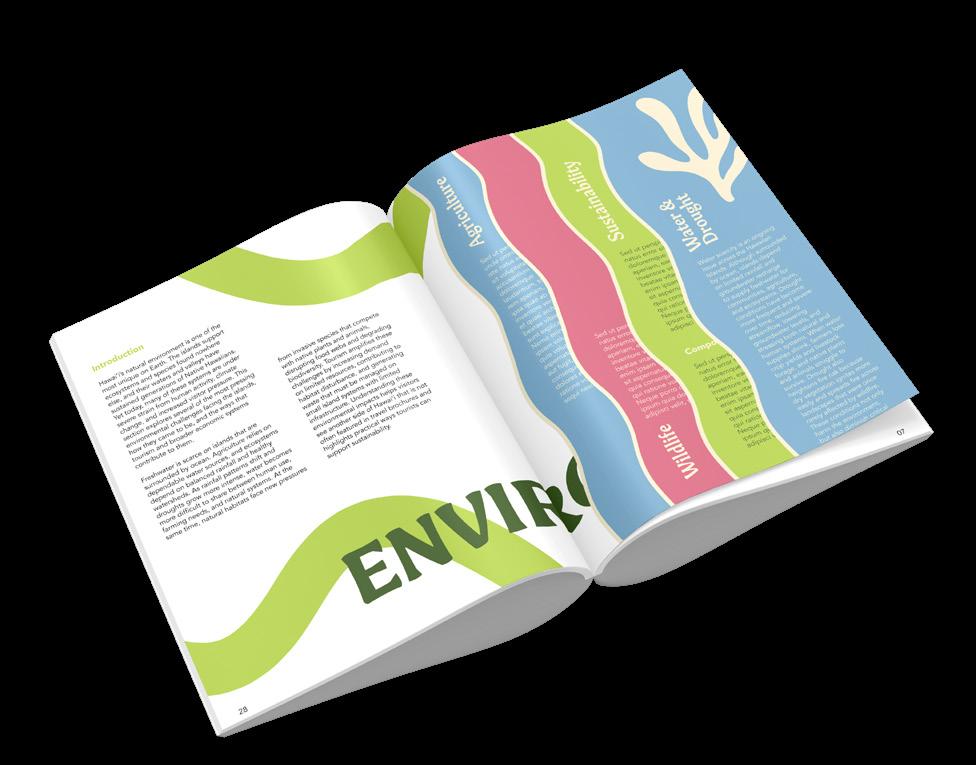
This section uses a flip book tabs to display the different types of envionment categories we should consider when traveling. Each flap is labled and unfolds to reveal more information, while all together they form waves of the ocean.
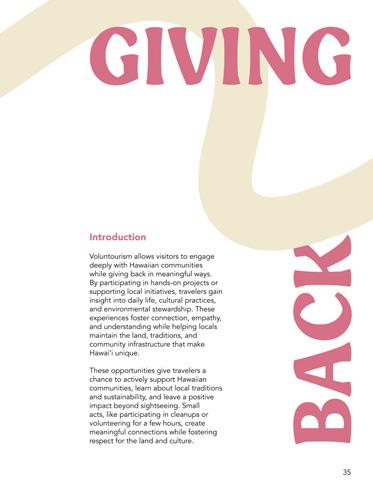
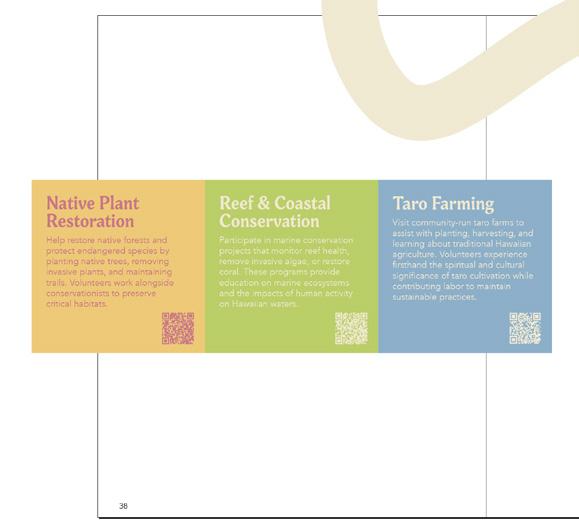
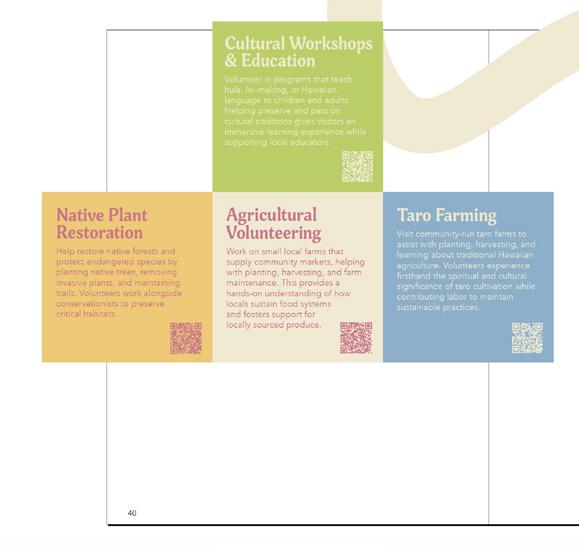
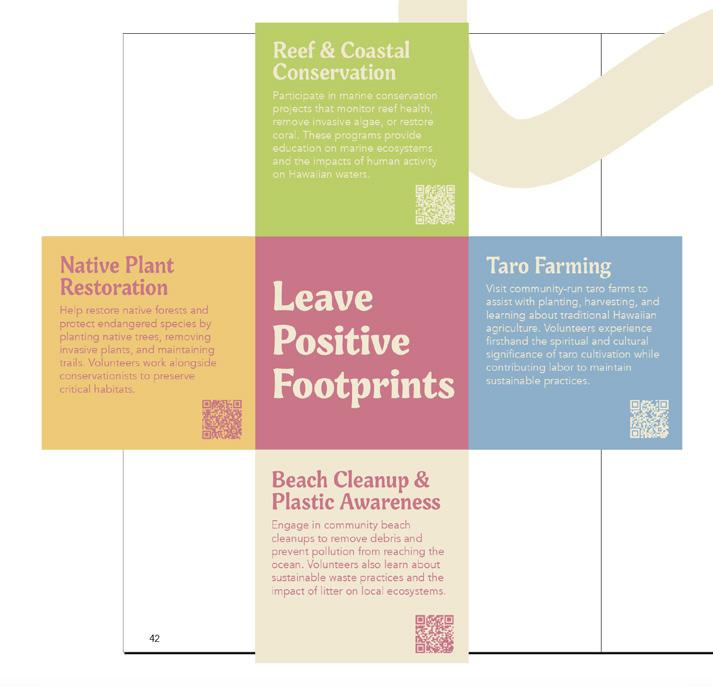
This section has a popout box flaps that can all fold together into one sigular square. Each flap of the box shows a type of volunteering travelers can particpate in/try to give back to the community while traveling.
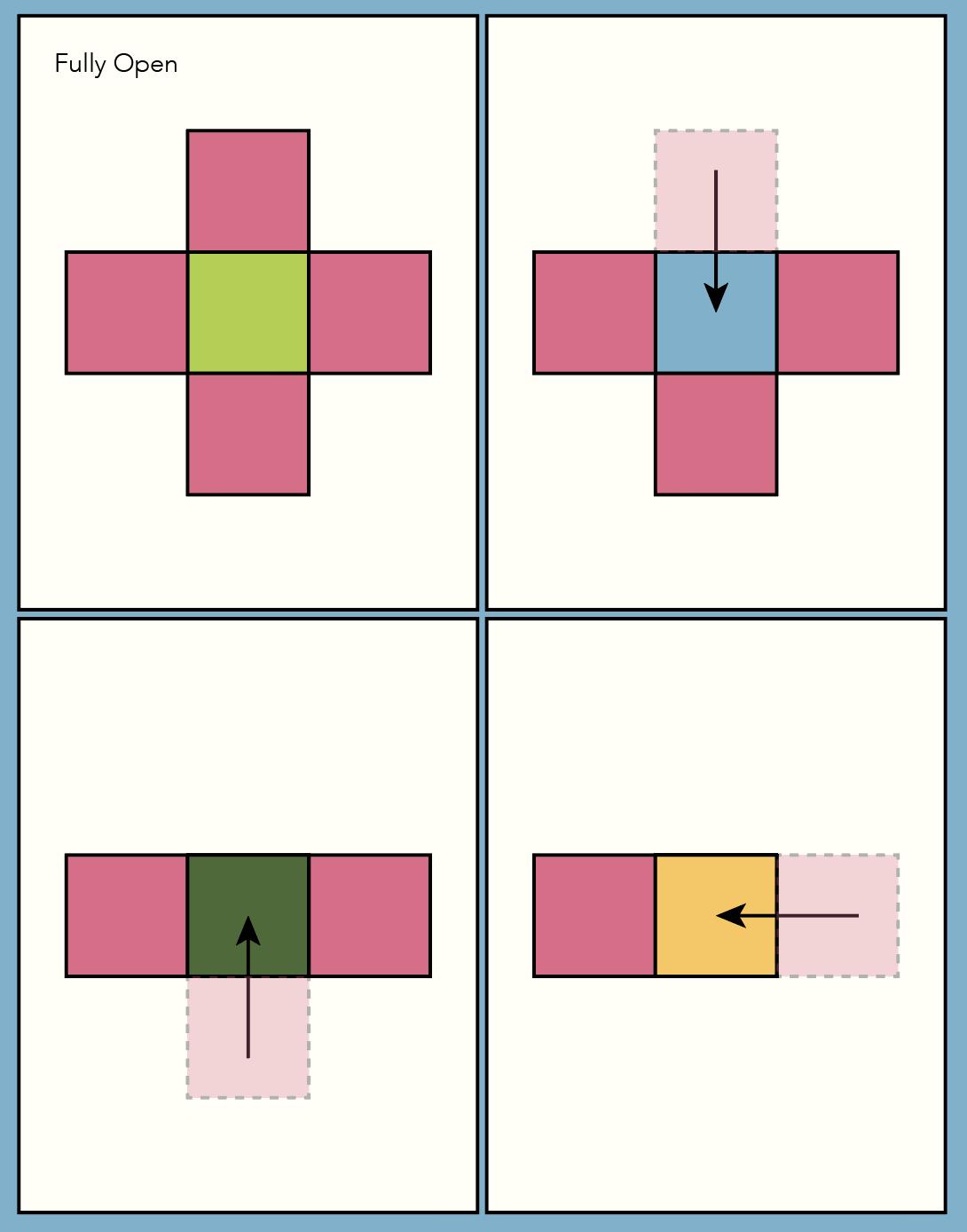
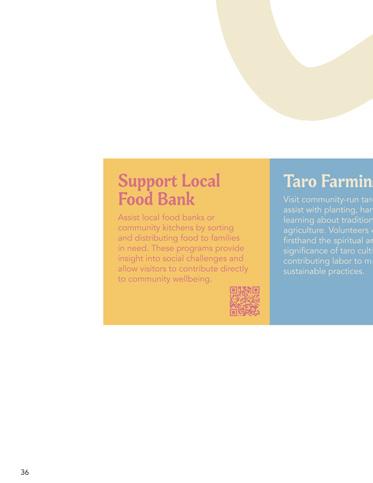
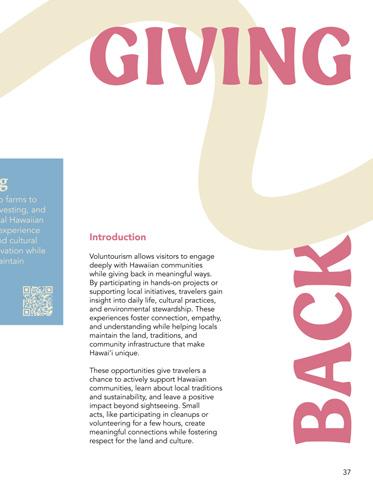
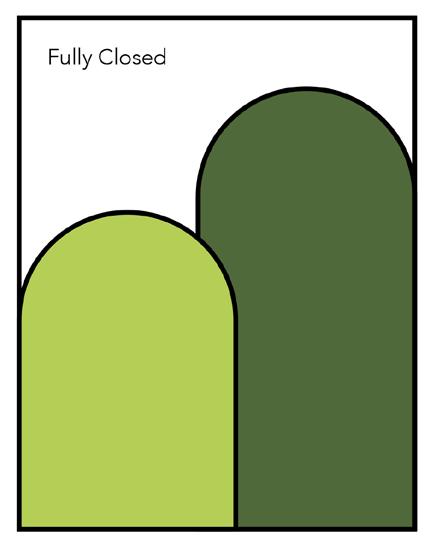
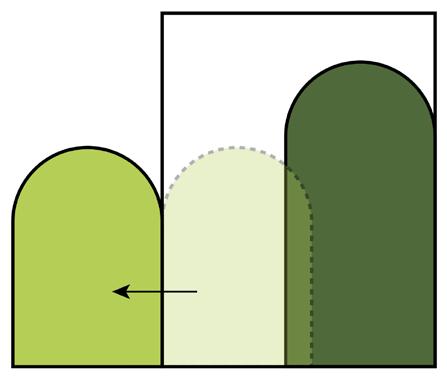
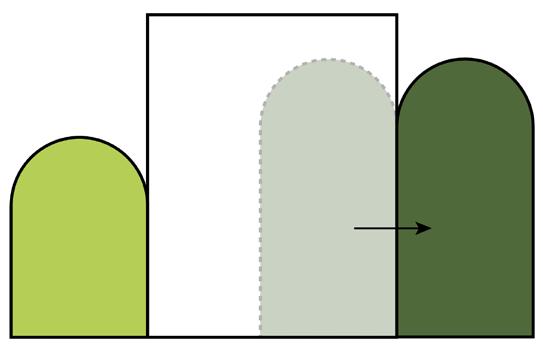
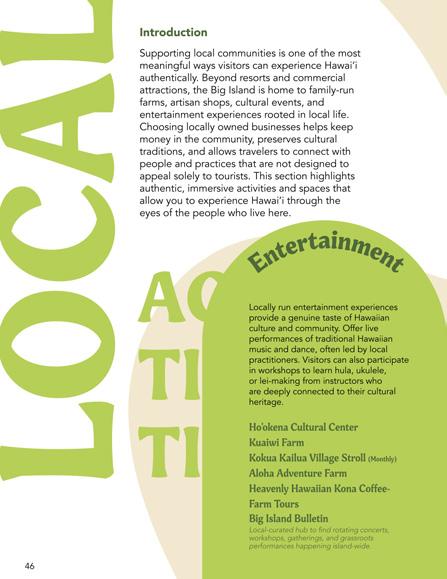
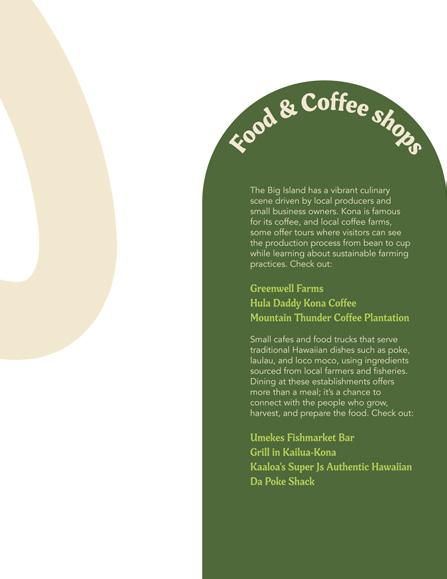
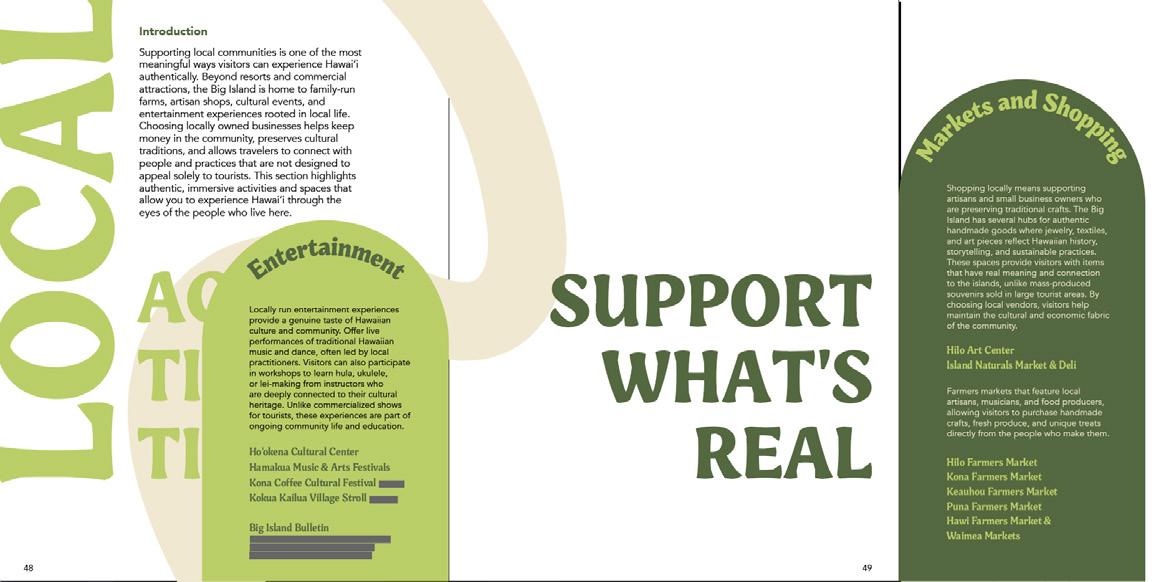
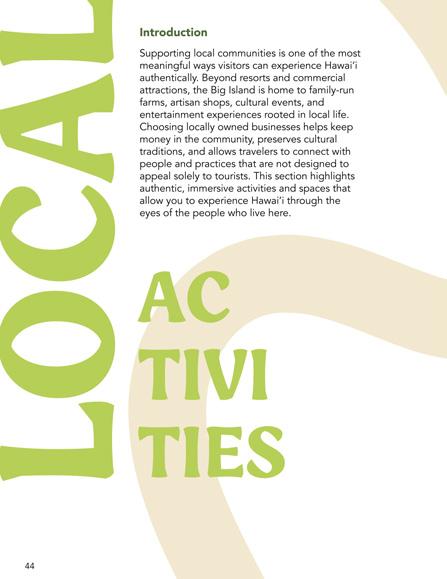
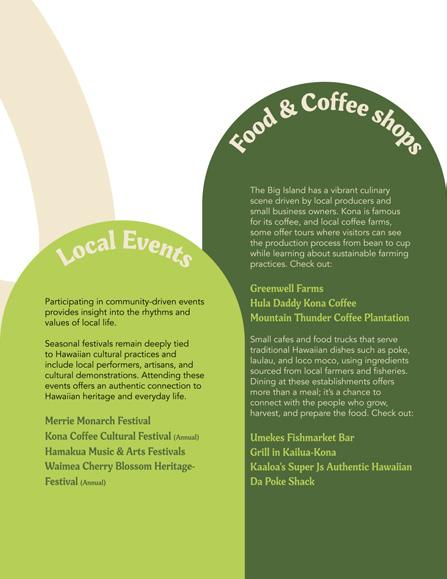
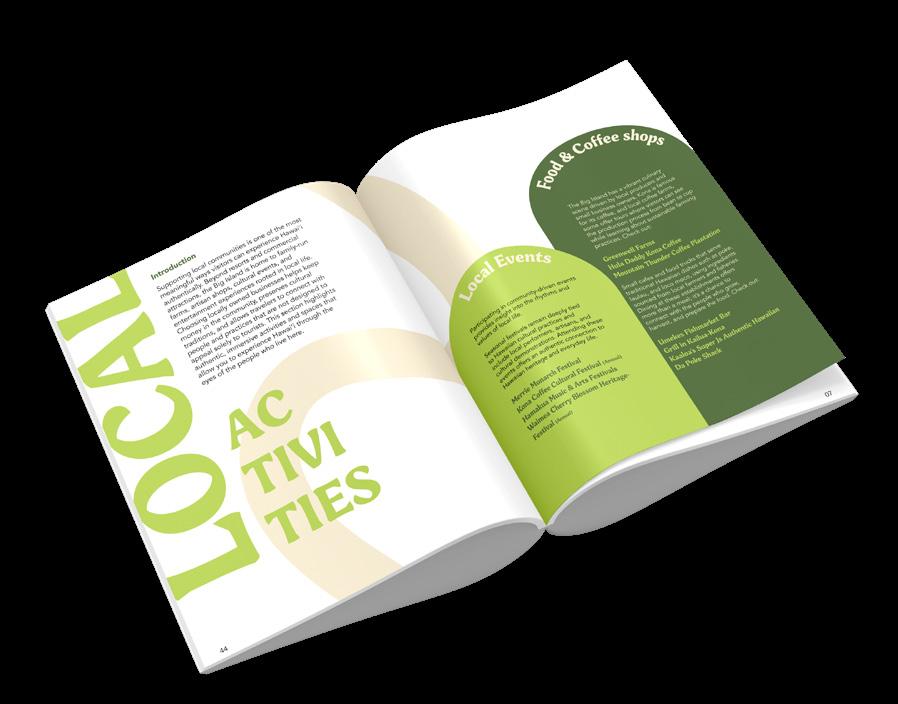
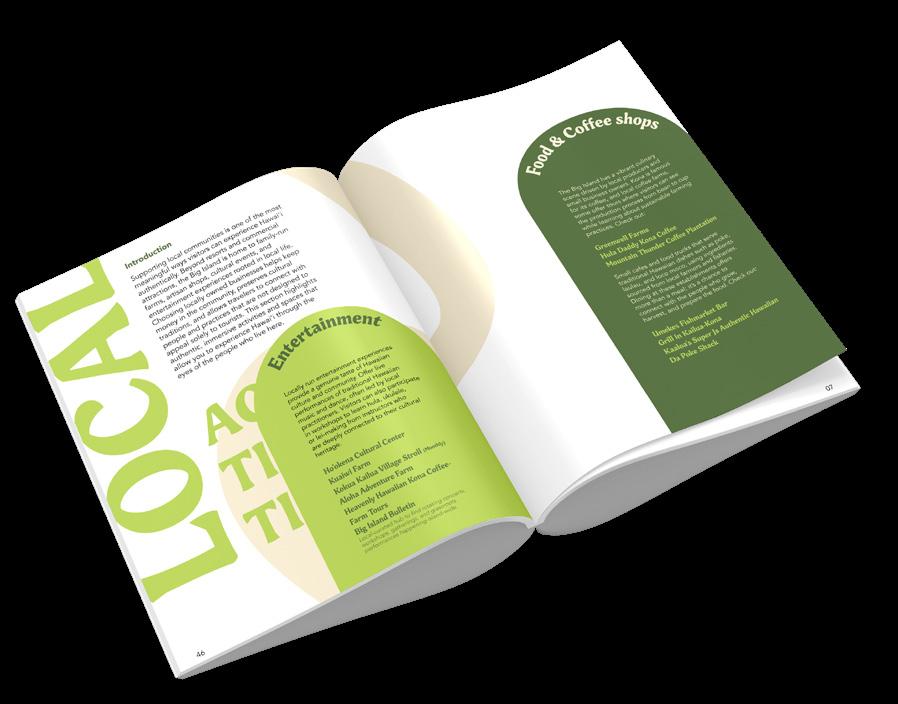
This content is displayed using two folding round tabs that overlap over each other. Both flaps fold out to show a seperate categories of activities and where to go locally to support the community while exploring.
Senior Thesis: Ethical Travel Guide
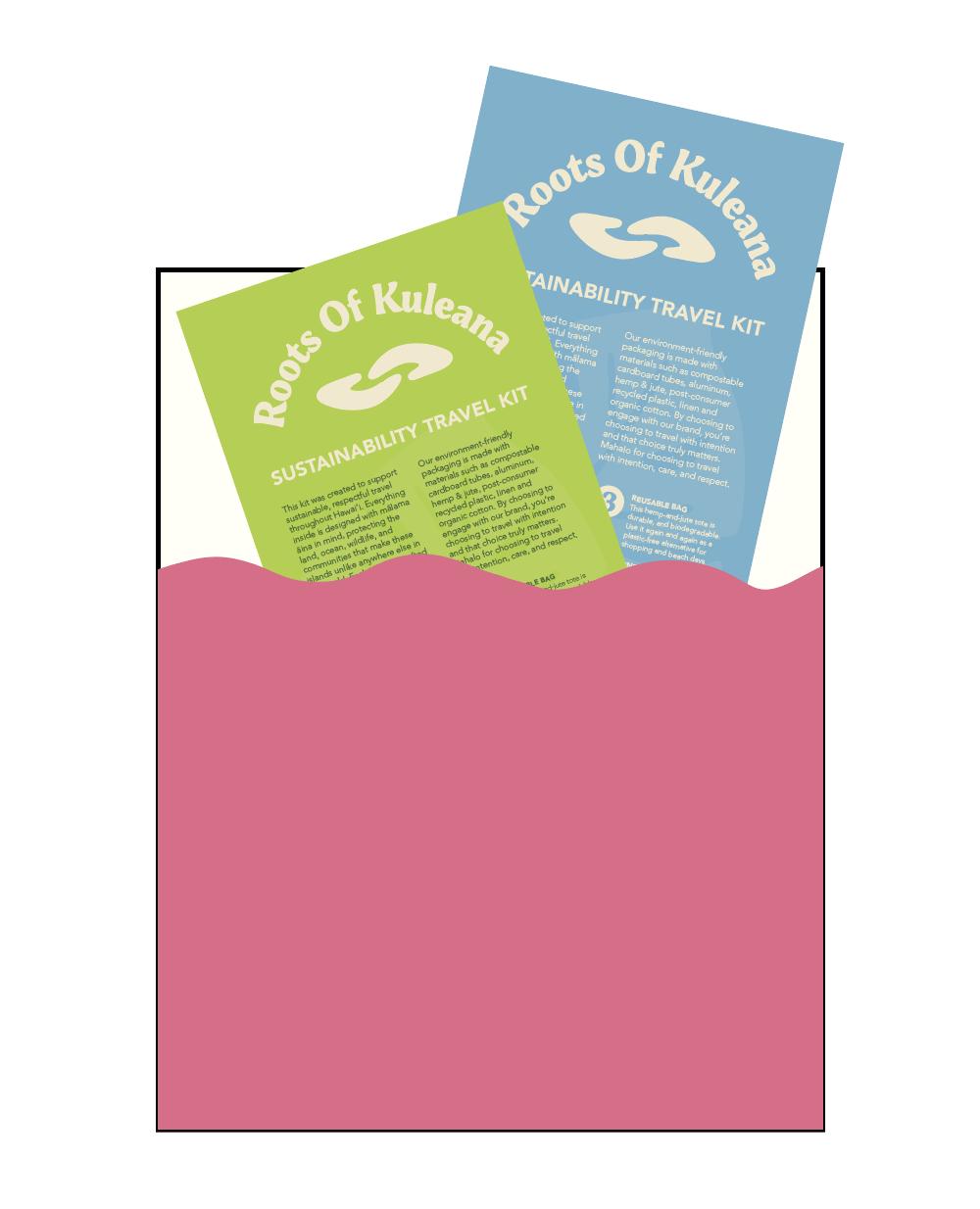
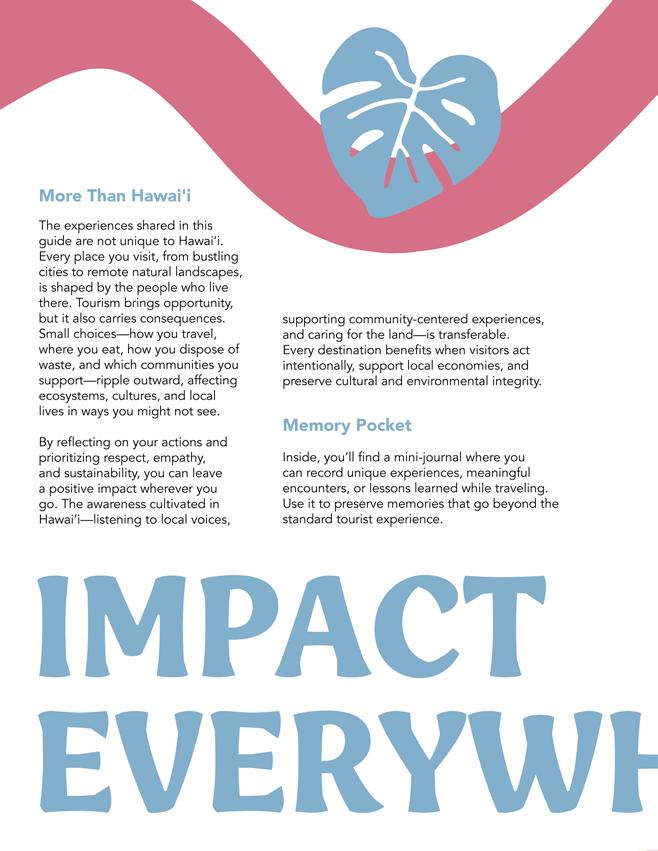
This section has it’s own pocket that holds a mini booklet/journal for tourists to write down their personal, unique experiences and preserve their knowledge. They can continue this journal series wherever they travel to next.


Primary Touchpoint Three
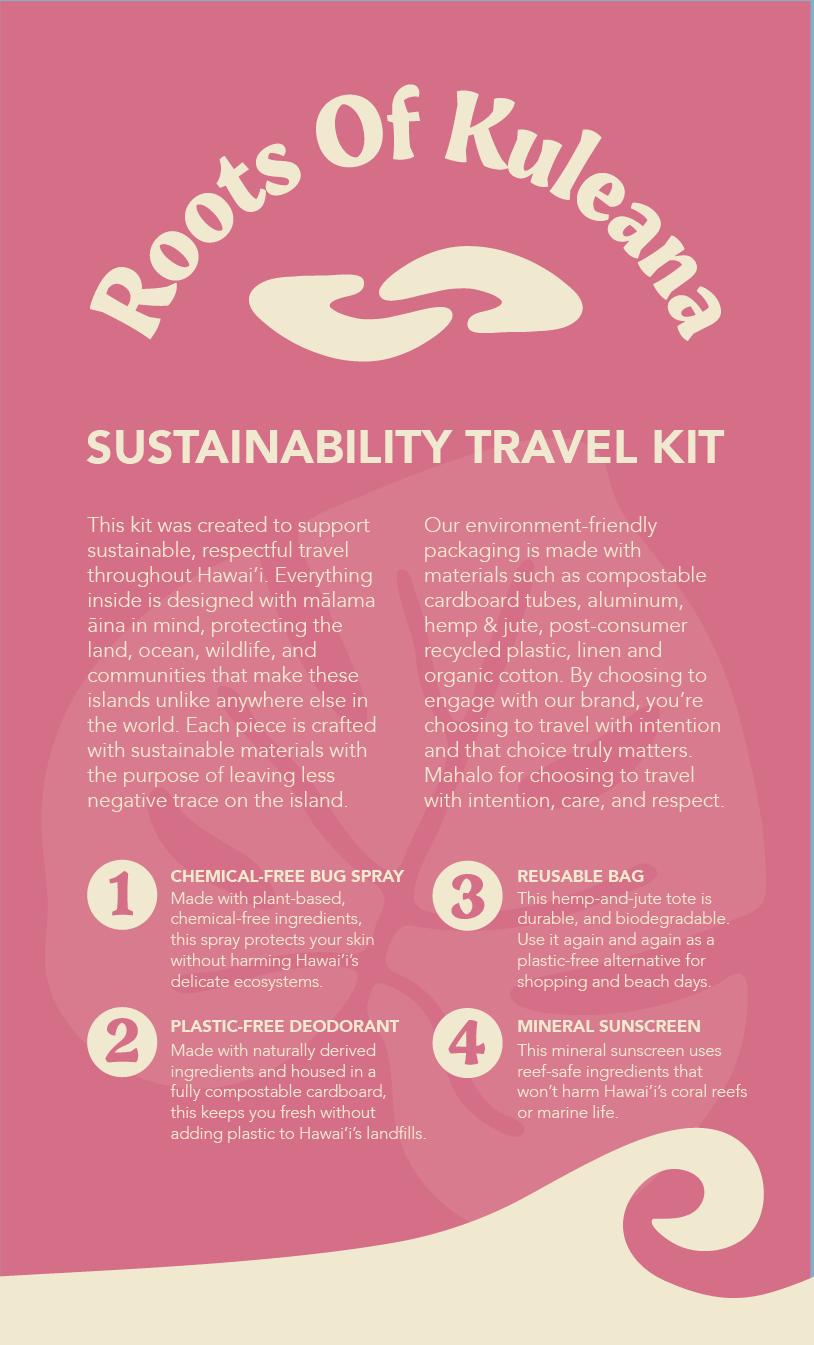
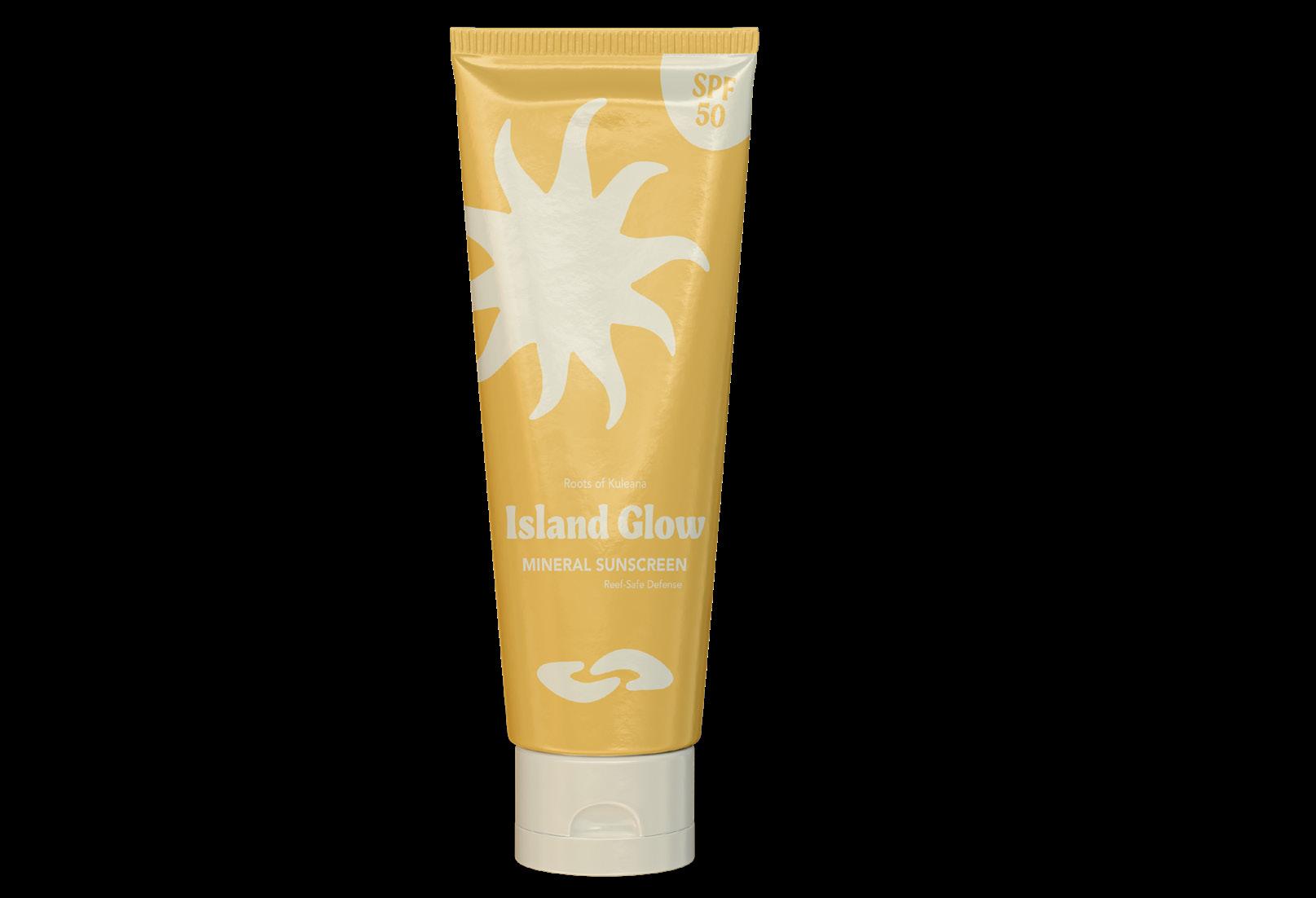
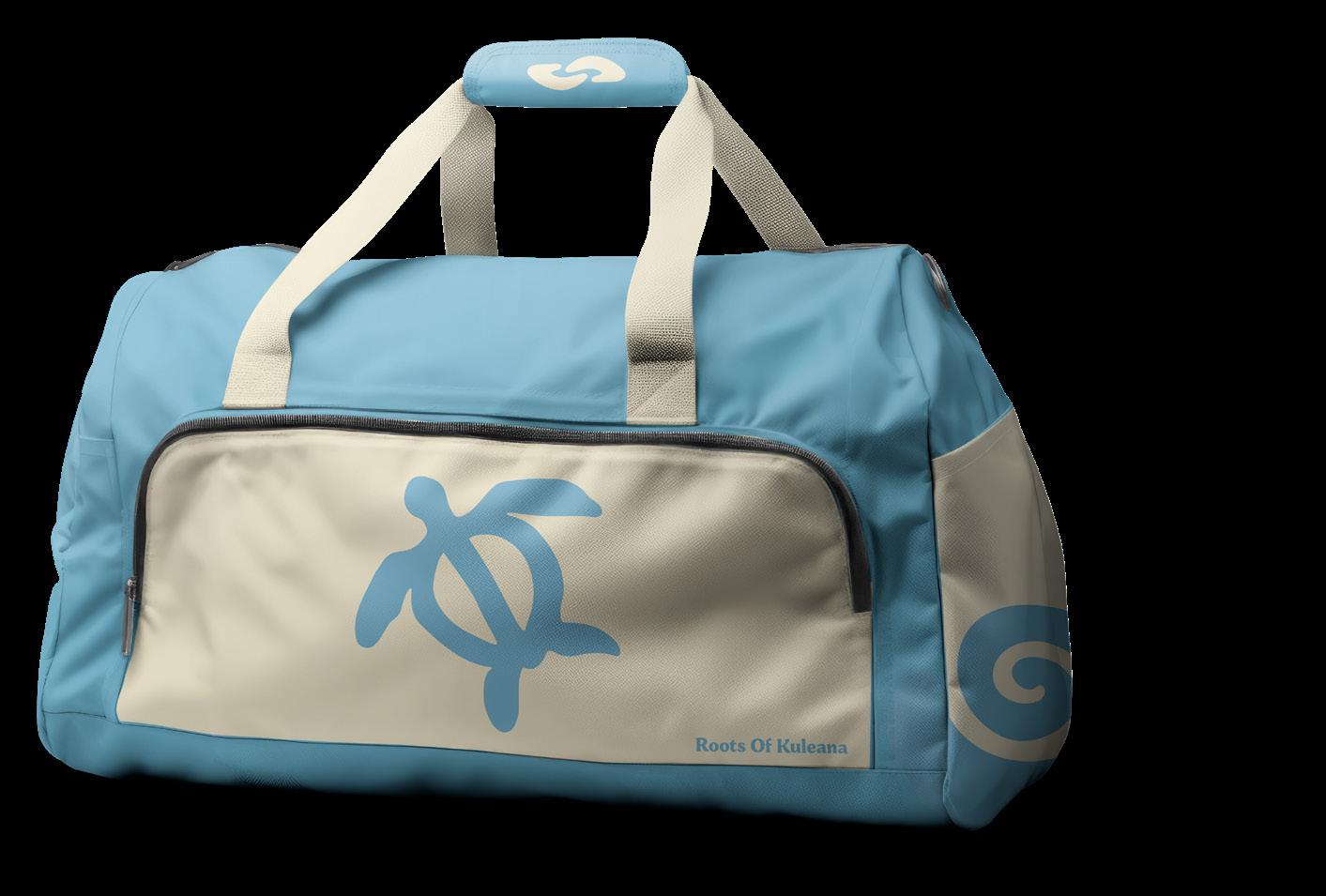
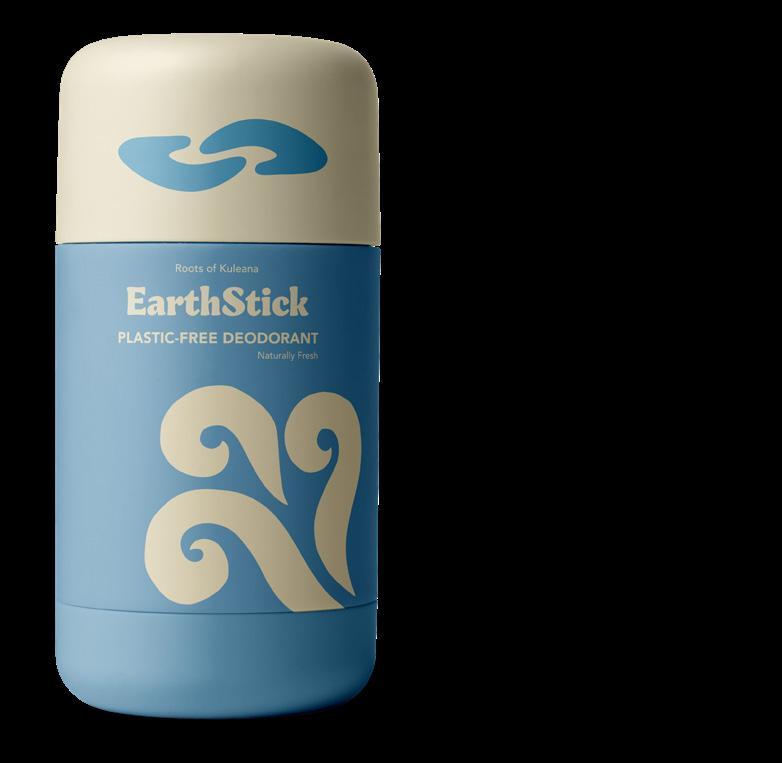
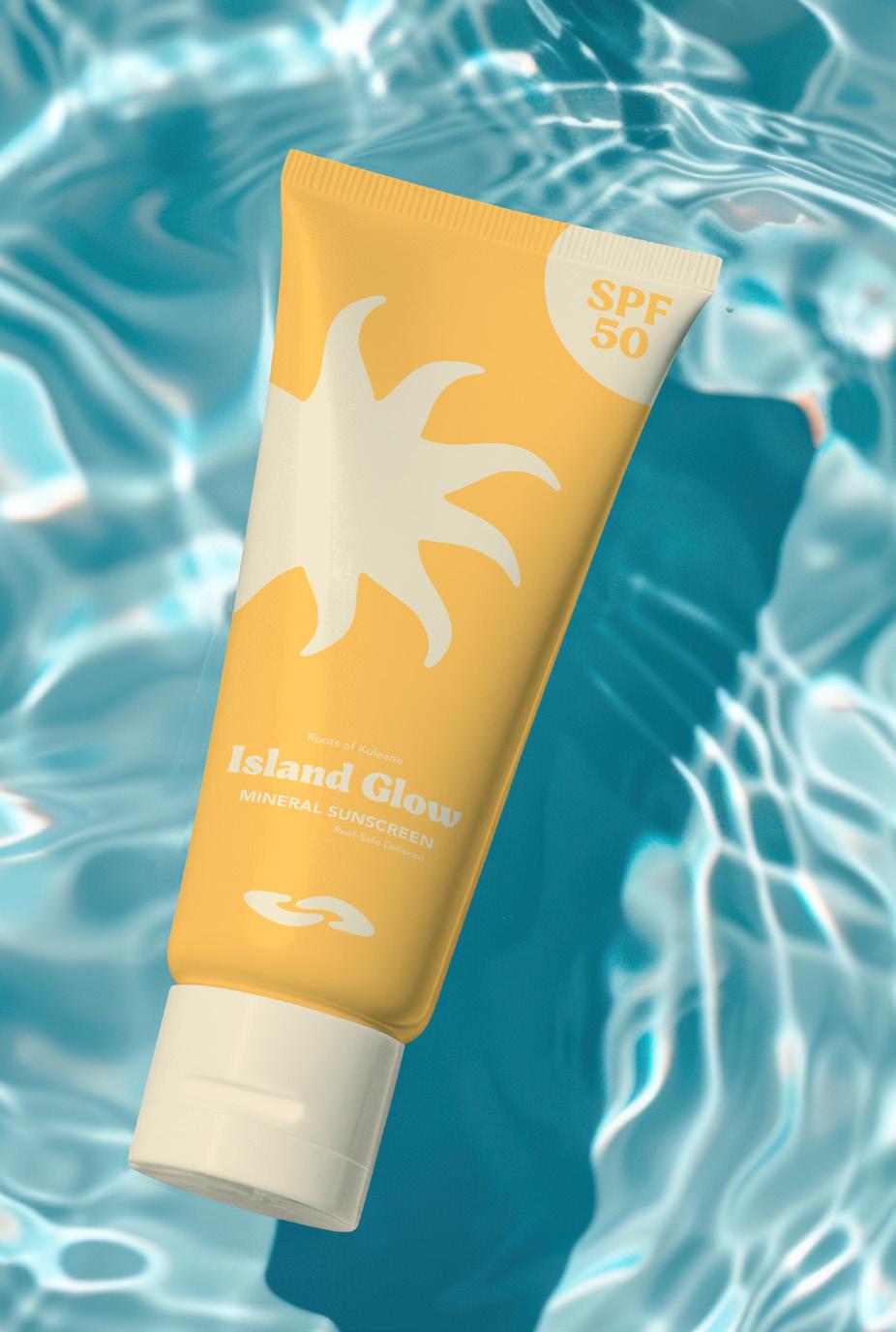
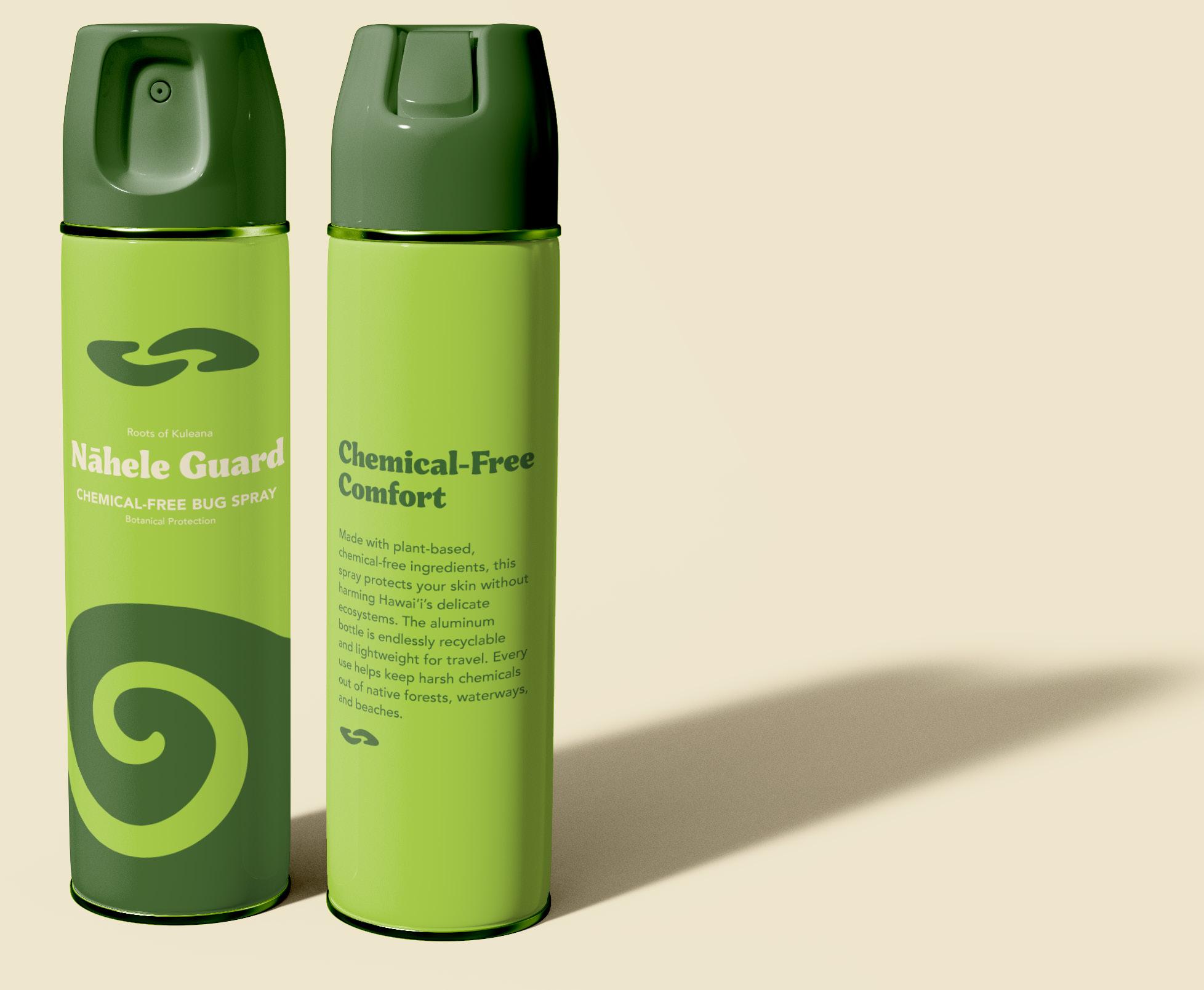
The goal of this kit would be to limit waste and highlight sustainable efforts we can take to minimize the impact of tourism. This includes using safer ingredients and being more aware of the chemicals we use on our bodies. Some of these products could even break down naturally and reduce the use of plastic.
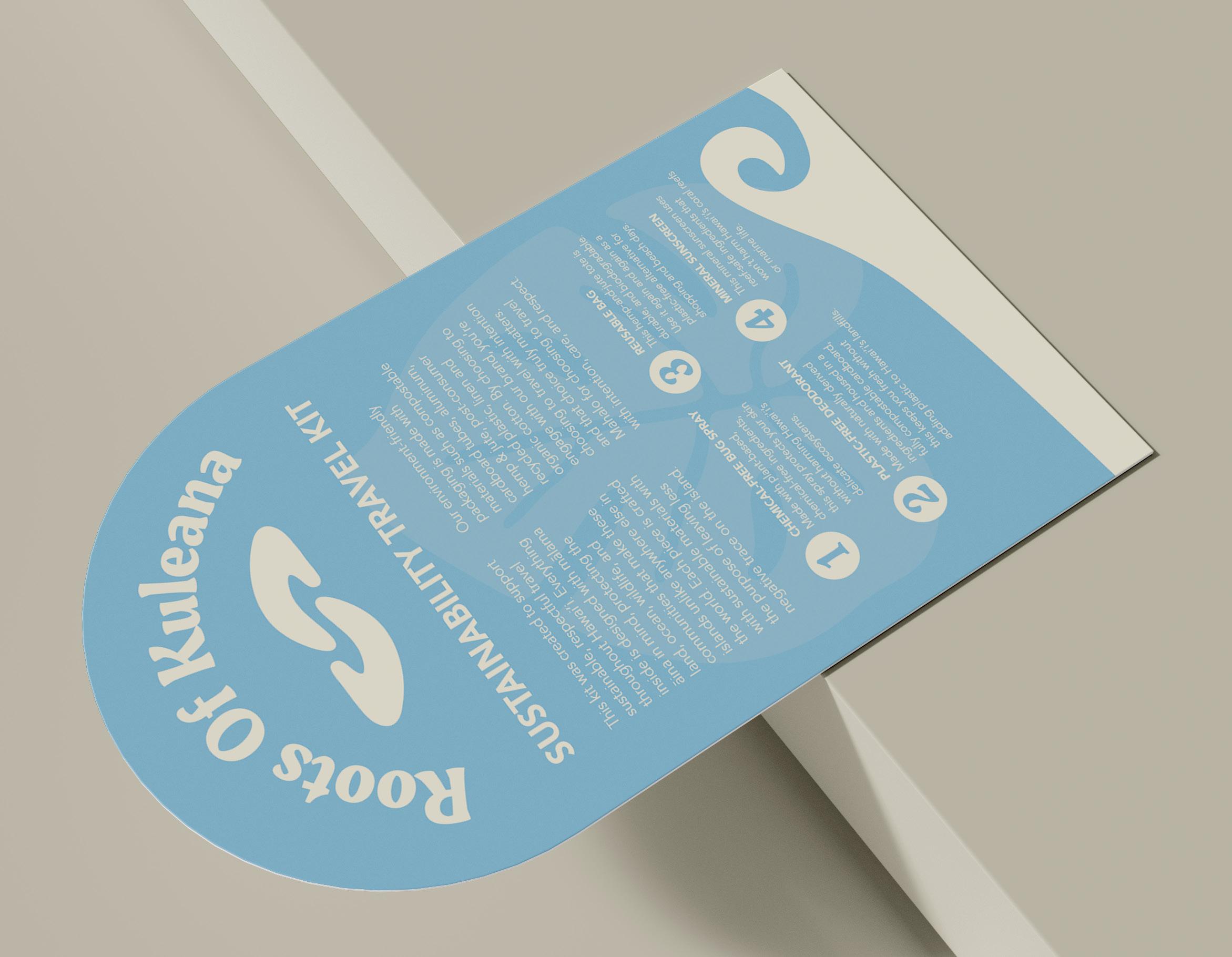
This card insert comes with each kit and further explains why each item in these kits are sustainable and important to use when traveling. It breaks down the mission of our campaign and how our sustainable travel kit supports our cause.
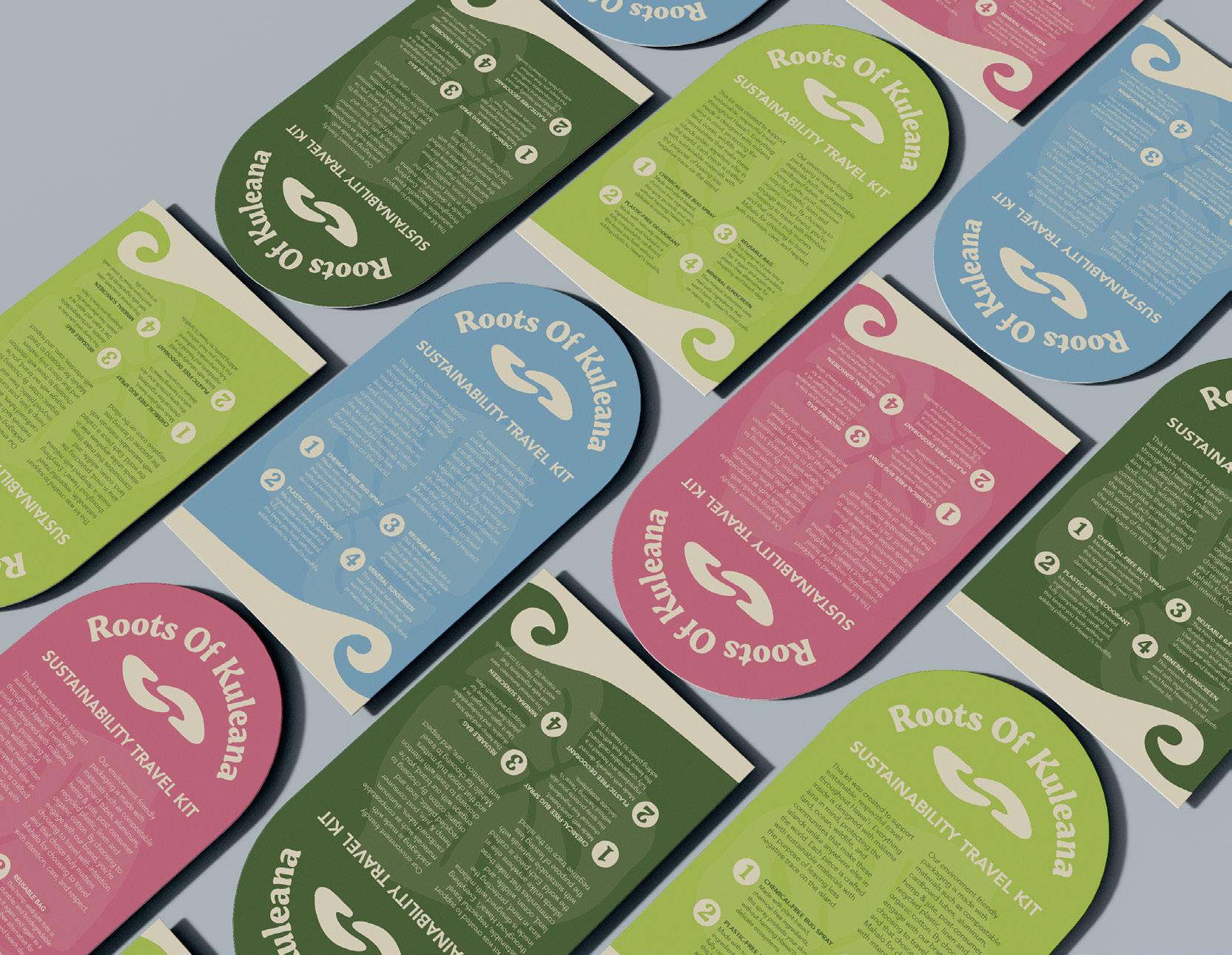
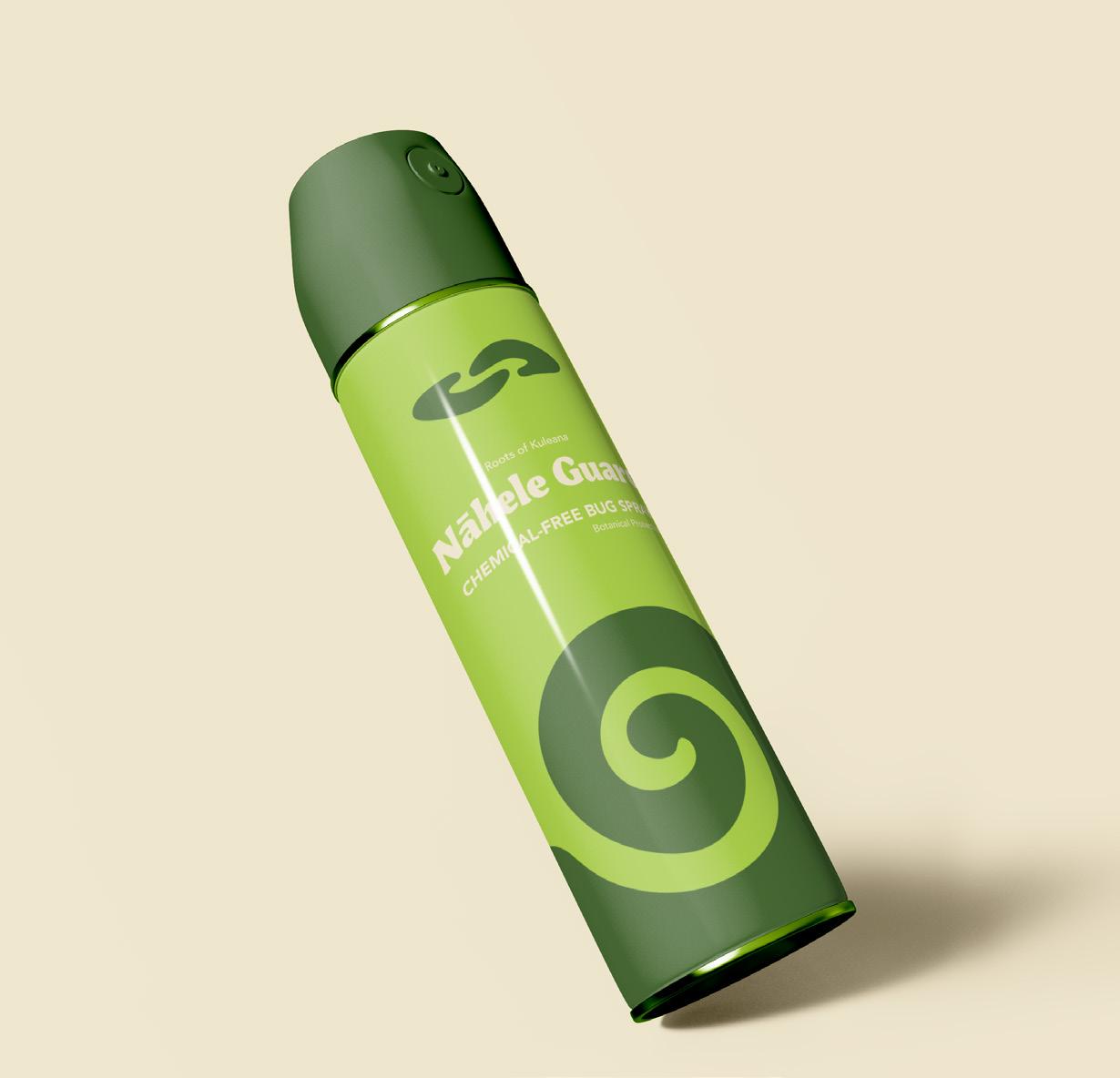
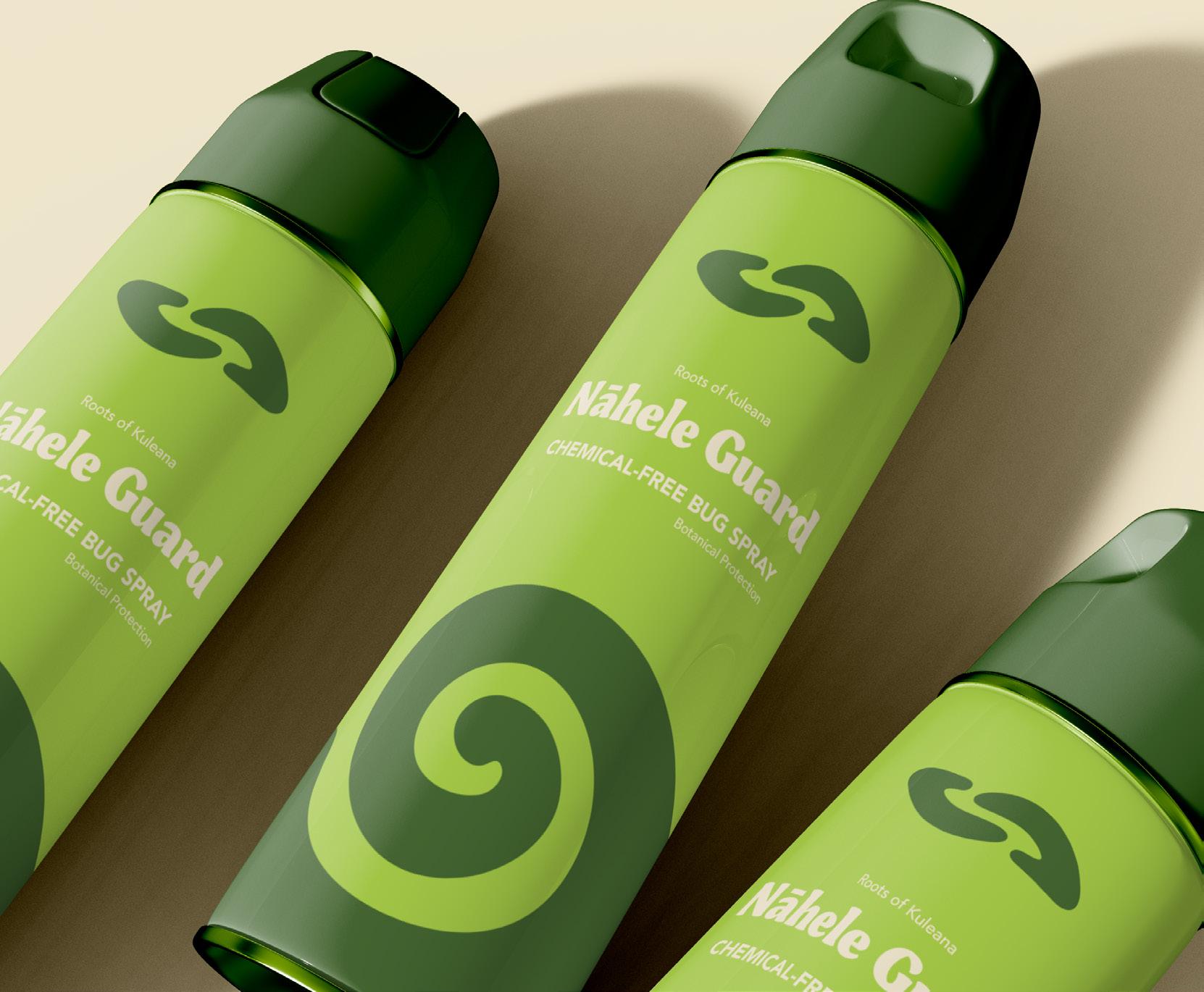
Plant-based protection that keeps chemicals out of Hawai’i’s forests and waterways.
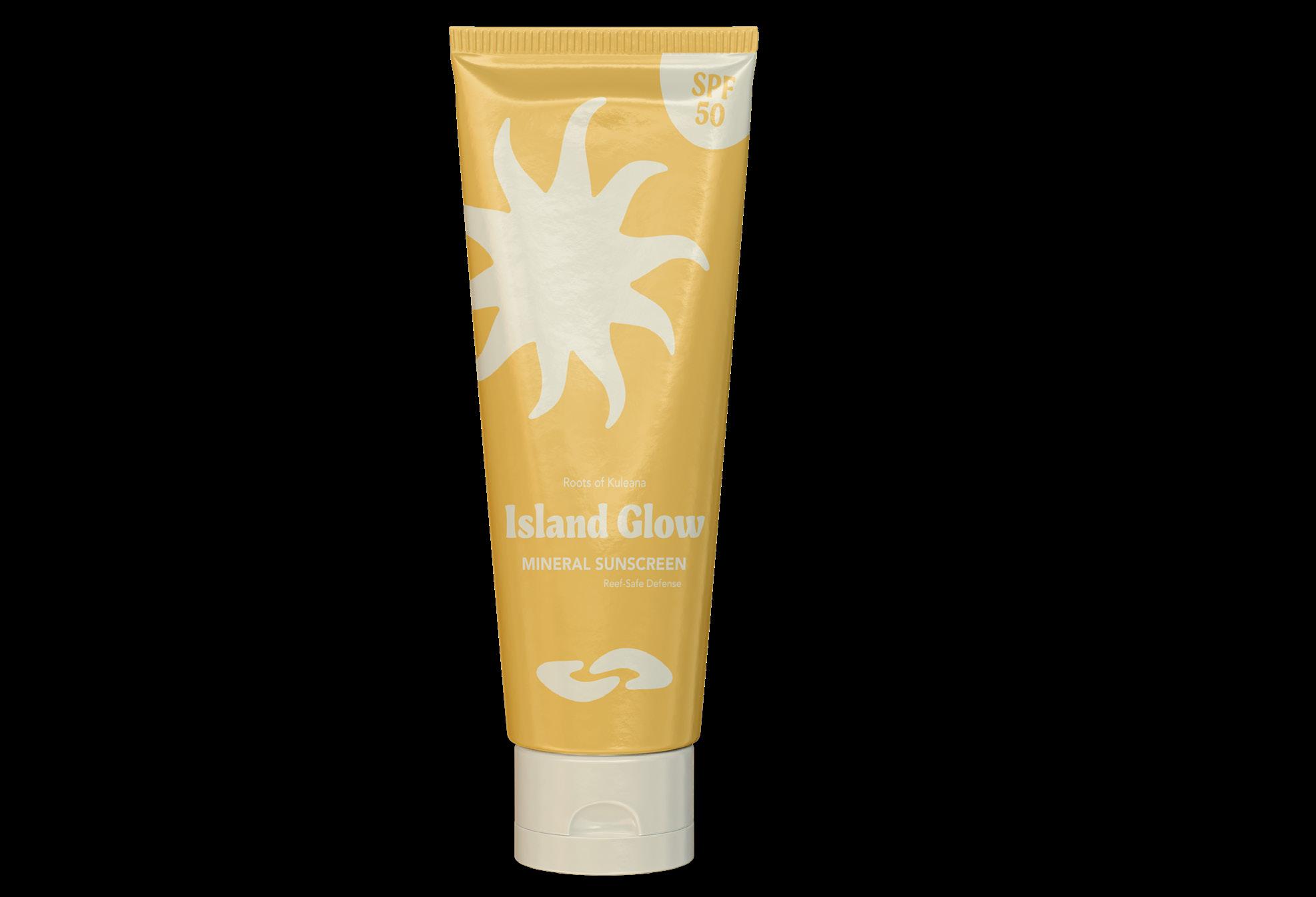
Uses reef-safe ingredients that won’t harm Hawai’i’s coral reefs or marine life.
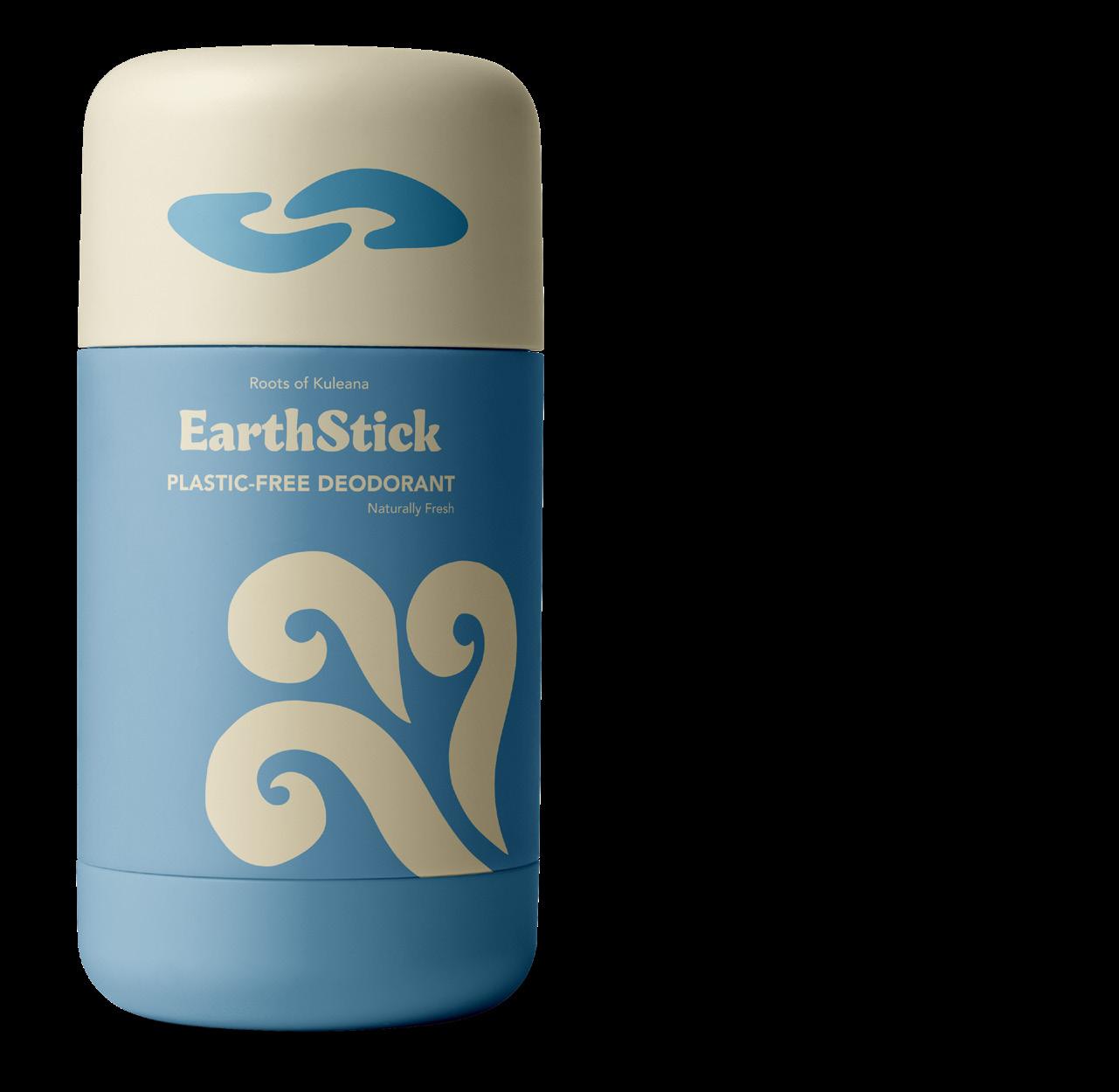
Keeps you fresh without adding plastic to Hawai’i’s ecosystem.
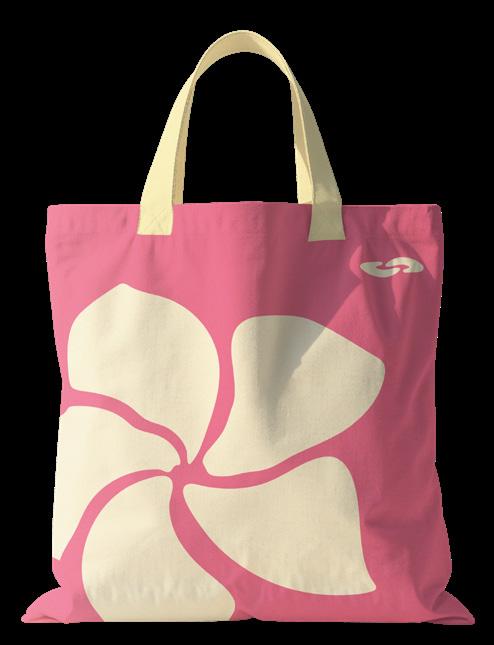
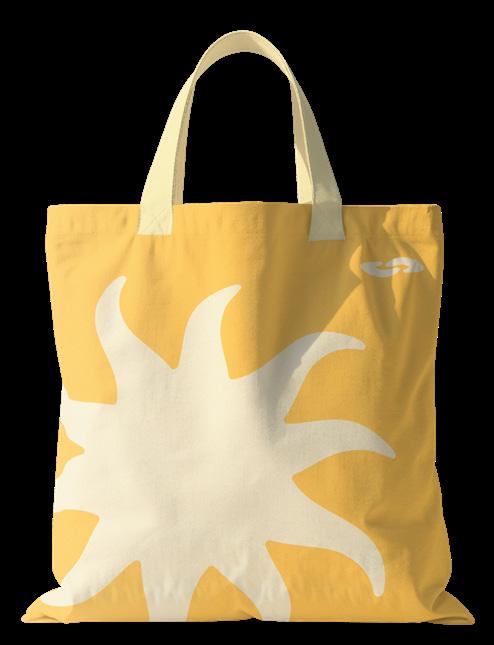
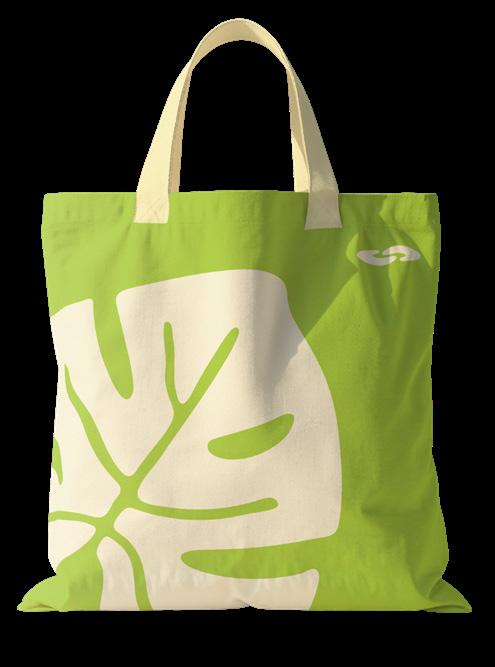
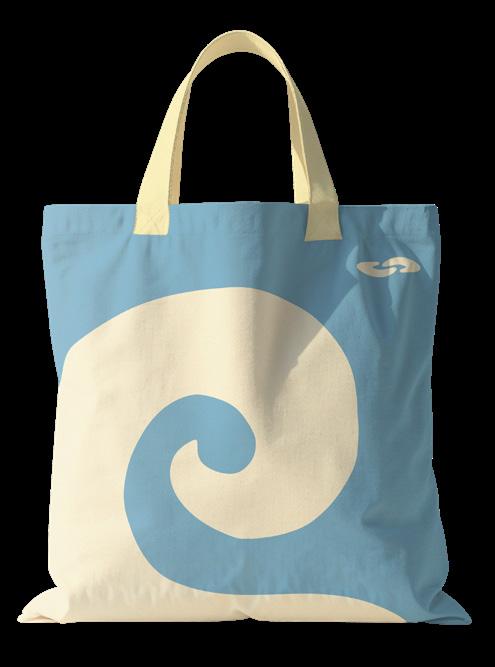
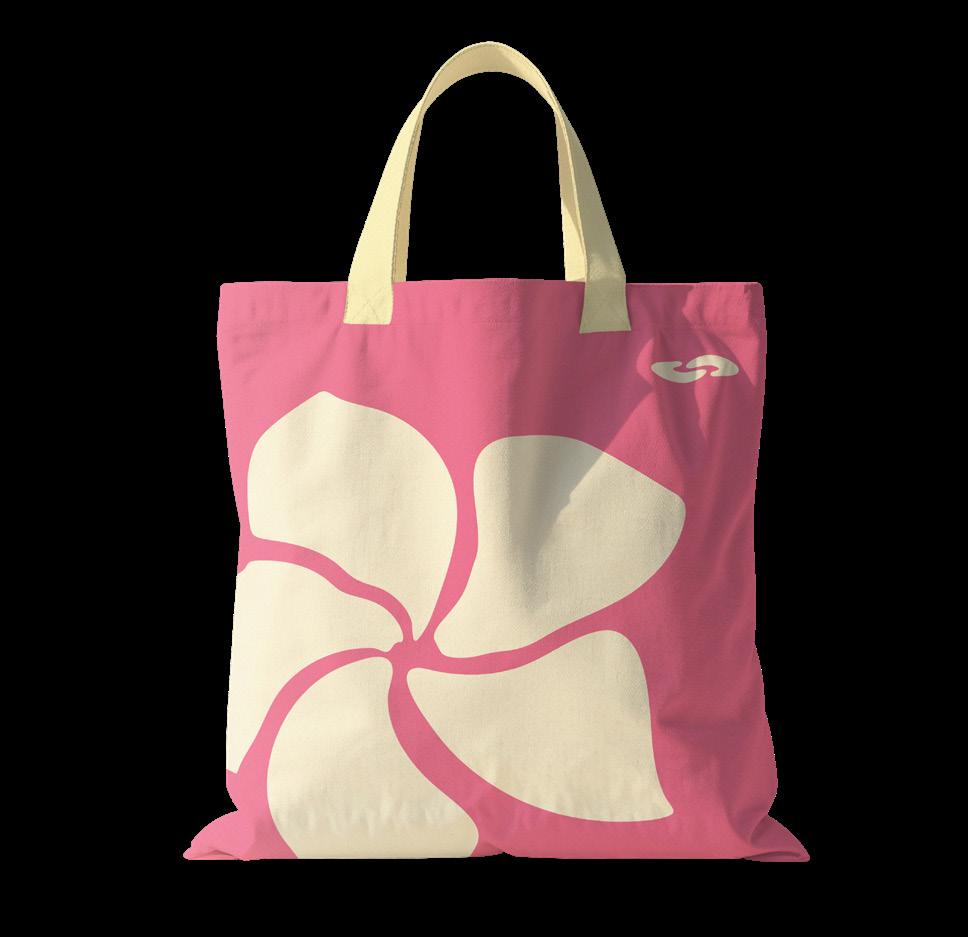
Use it again and again as a plastic-free alternative for shopping and beach days. This hemp-and-jute tote is durable, biodegradable, and made from fibers that require fewer resources than conventional cotton.
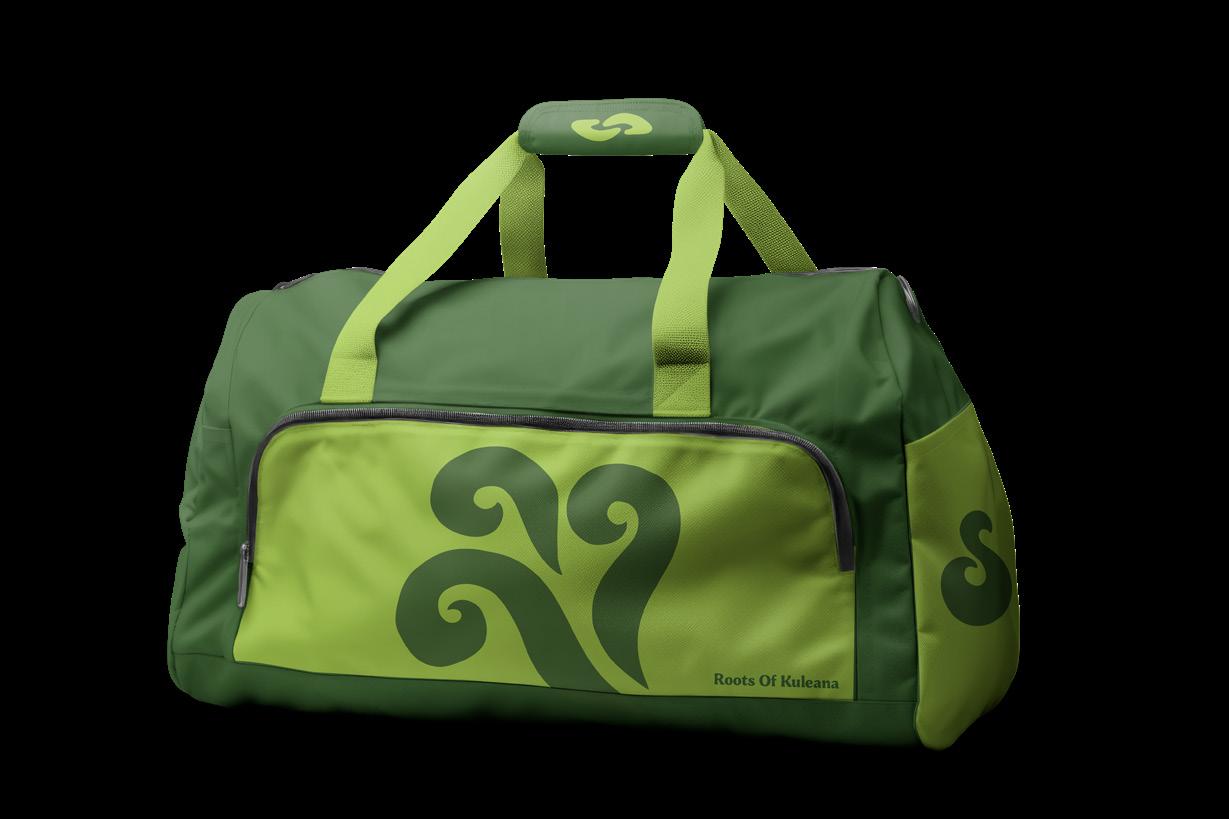
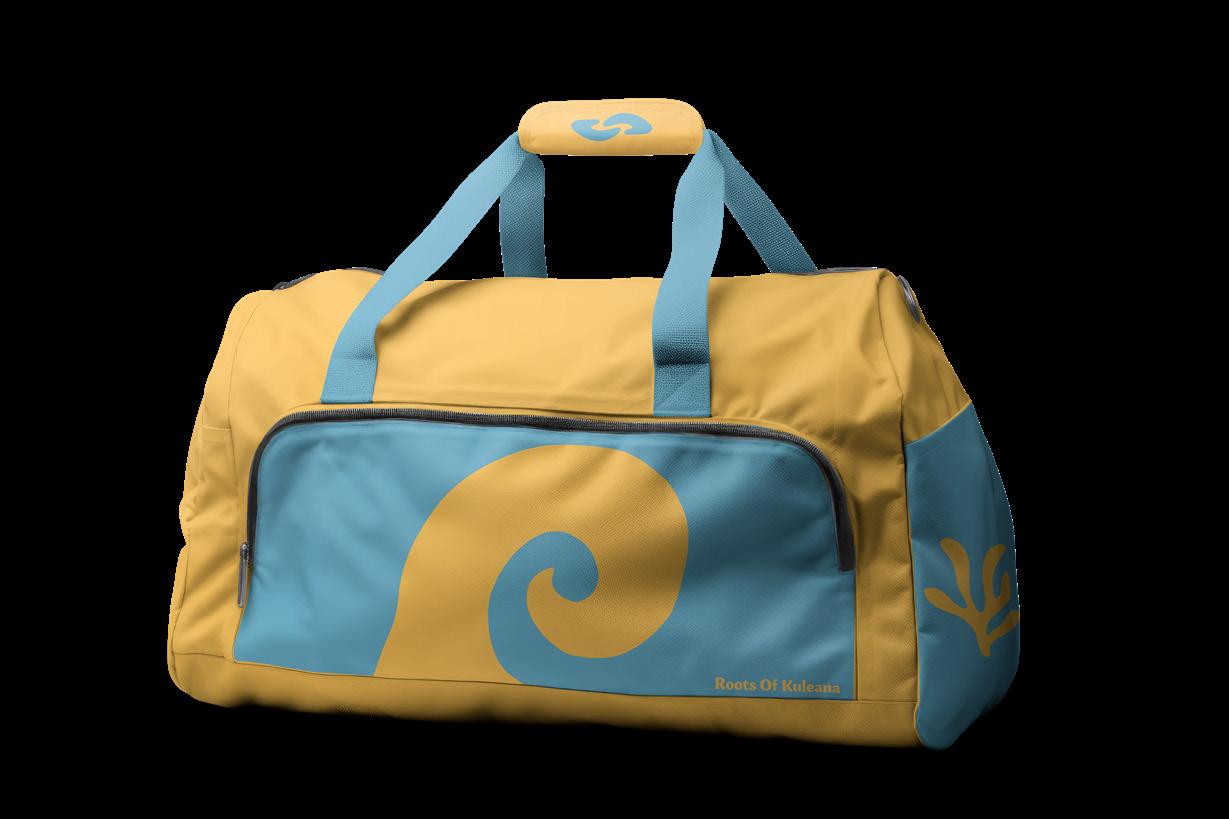

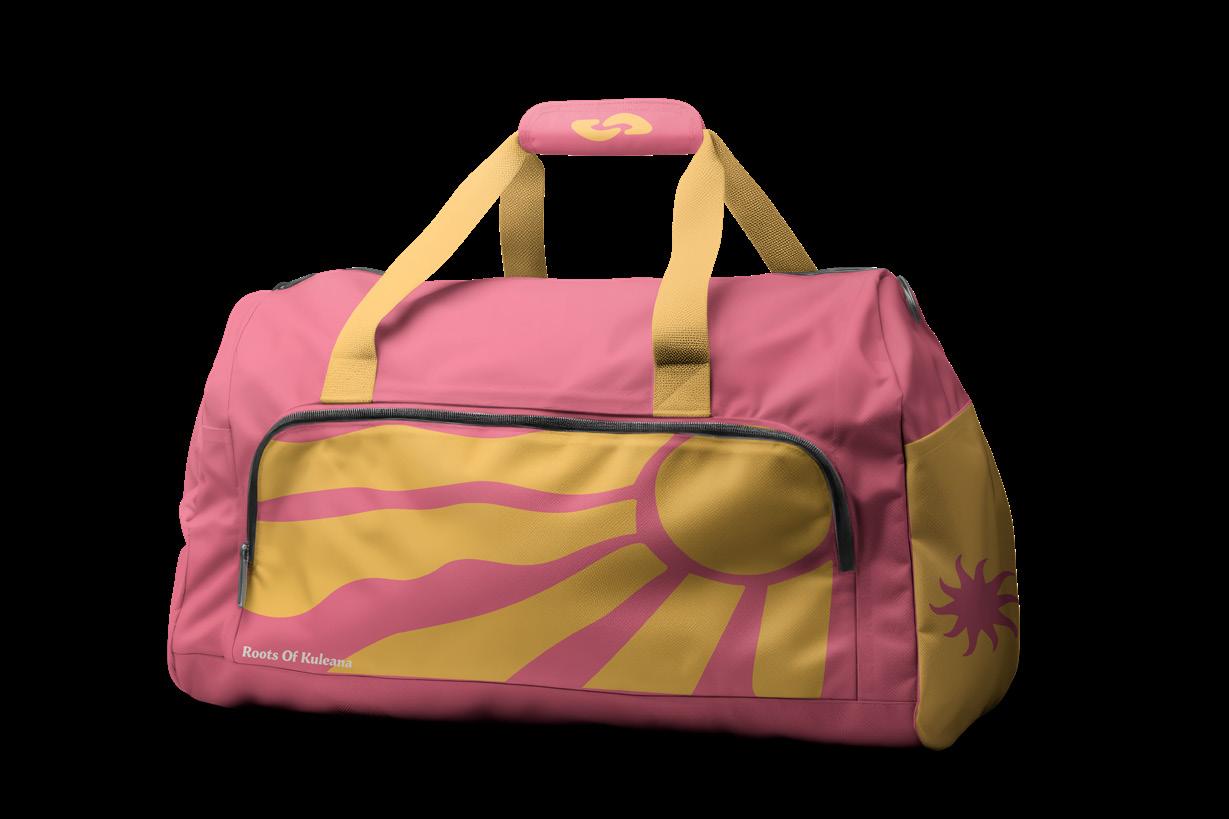
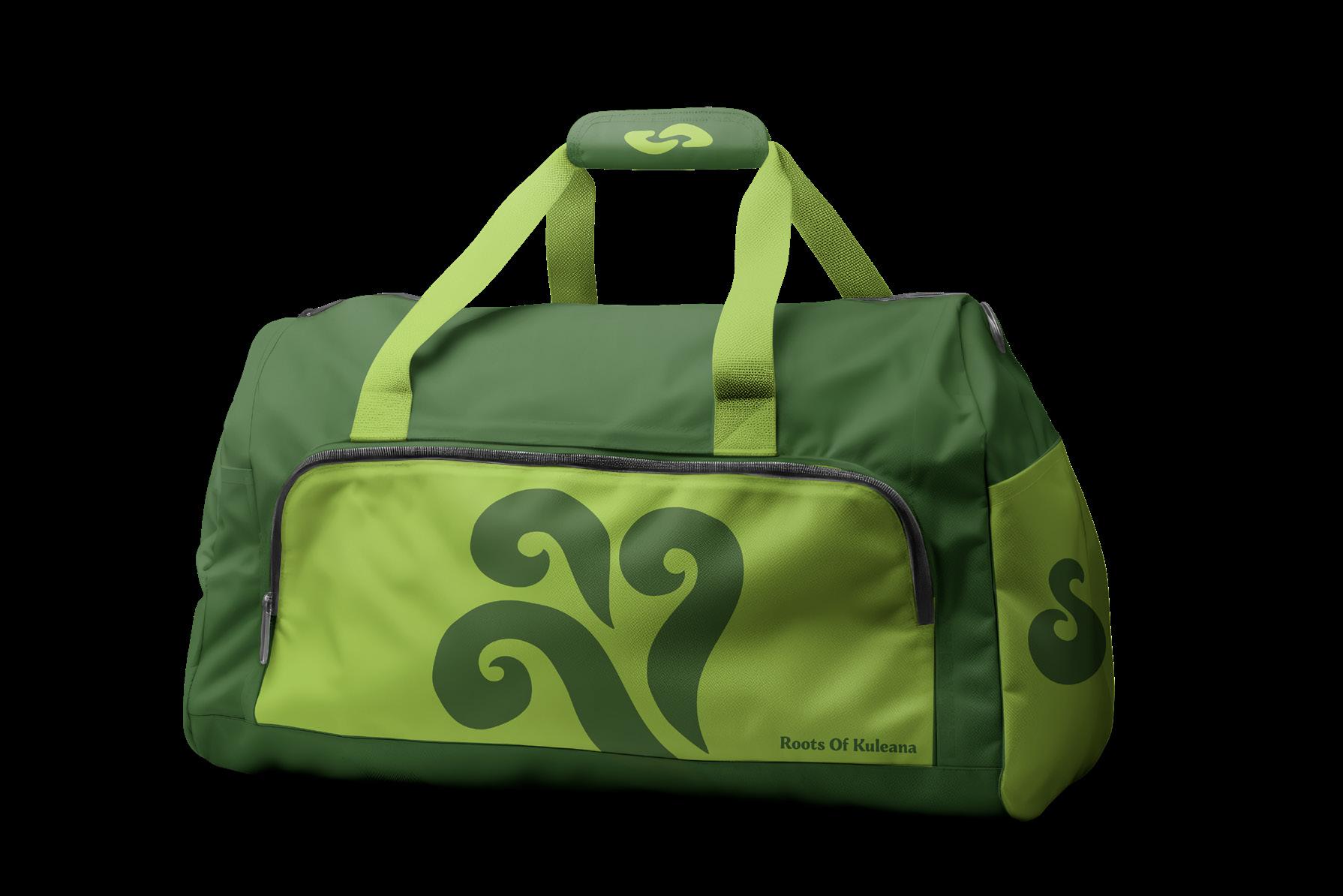
Crafted from organic cotton, this duffel is designed for long-term use. It’s fully recyclable and free of synthetic fibers, making it more environmentally friendly.
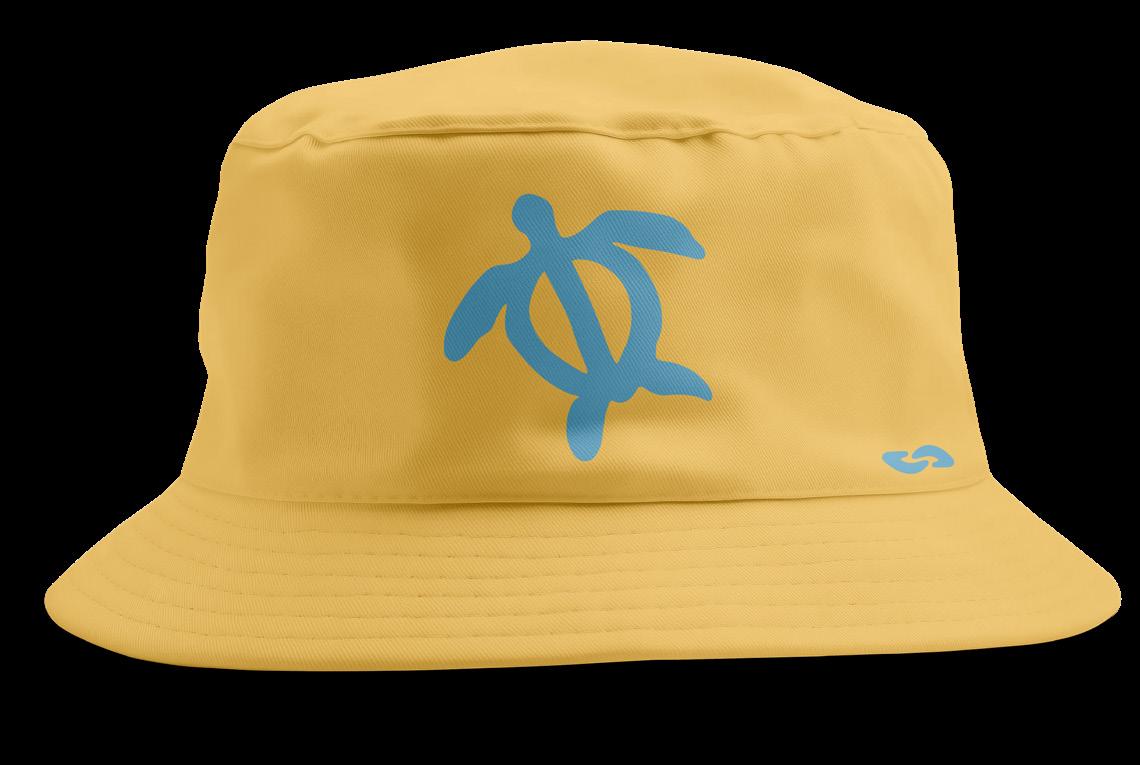
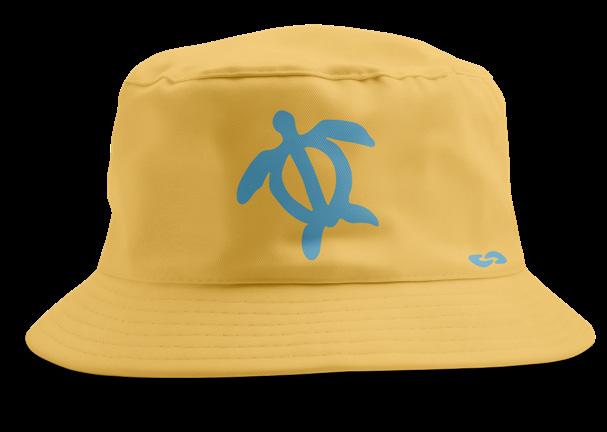
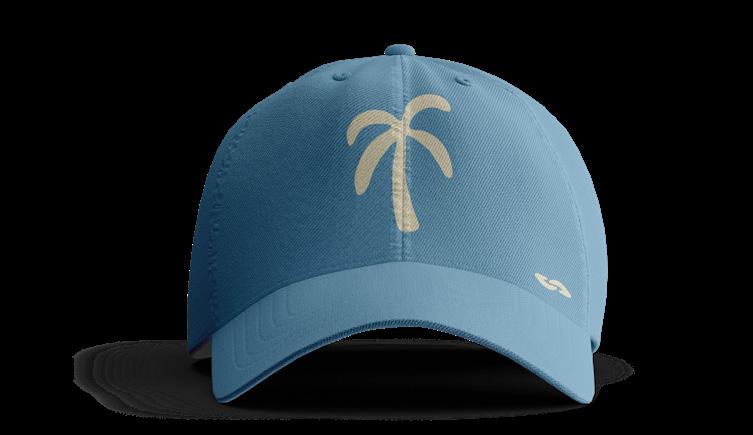
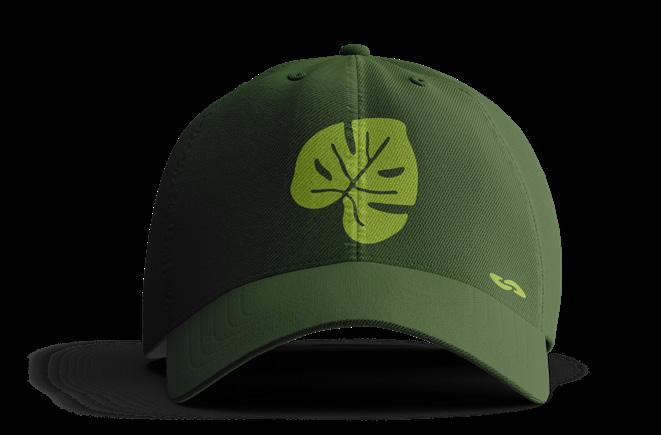
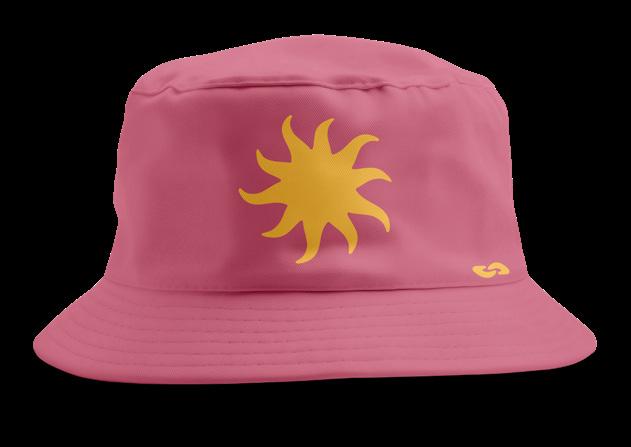
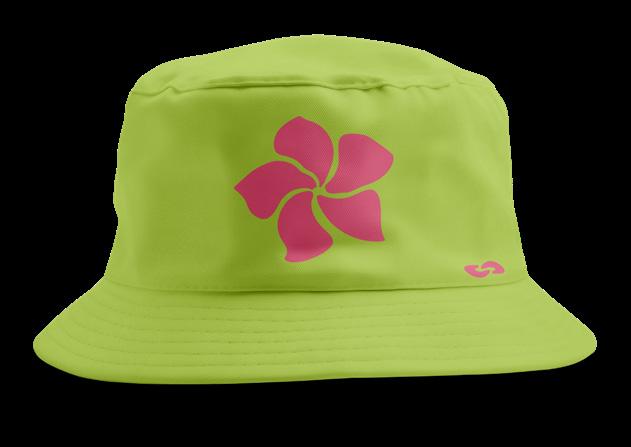
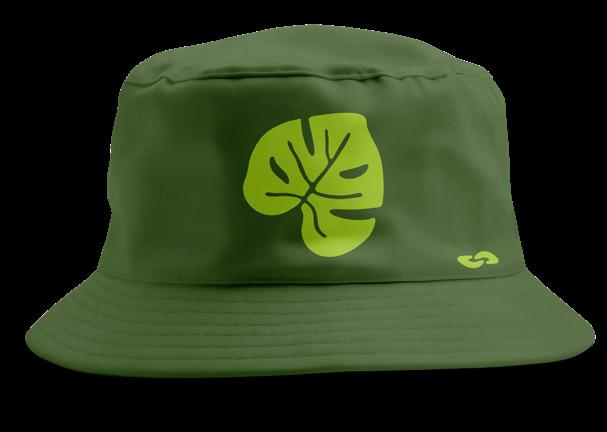
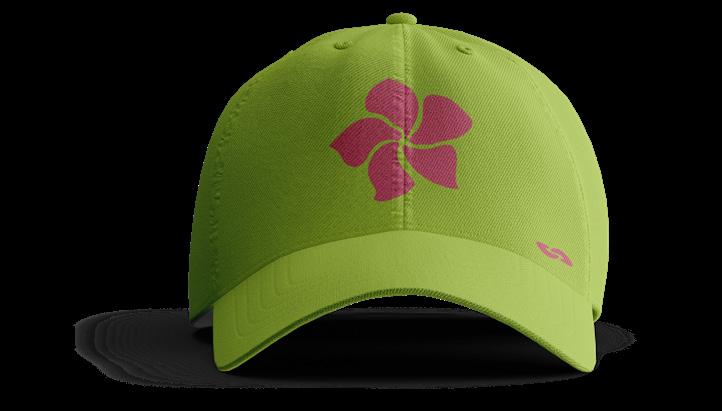
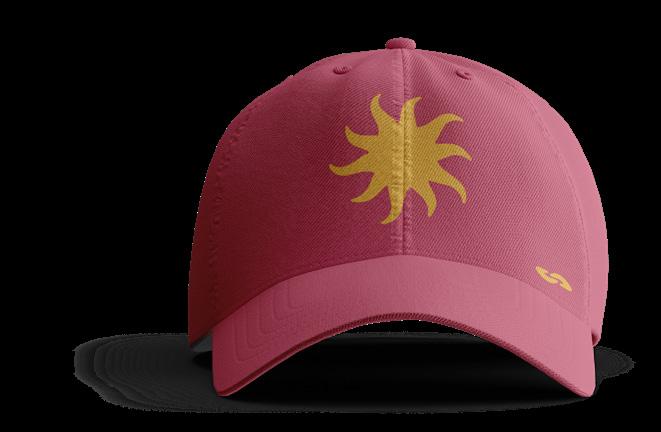
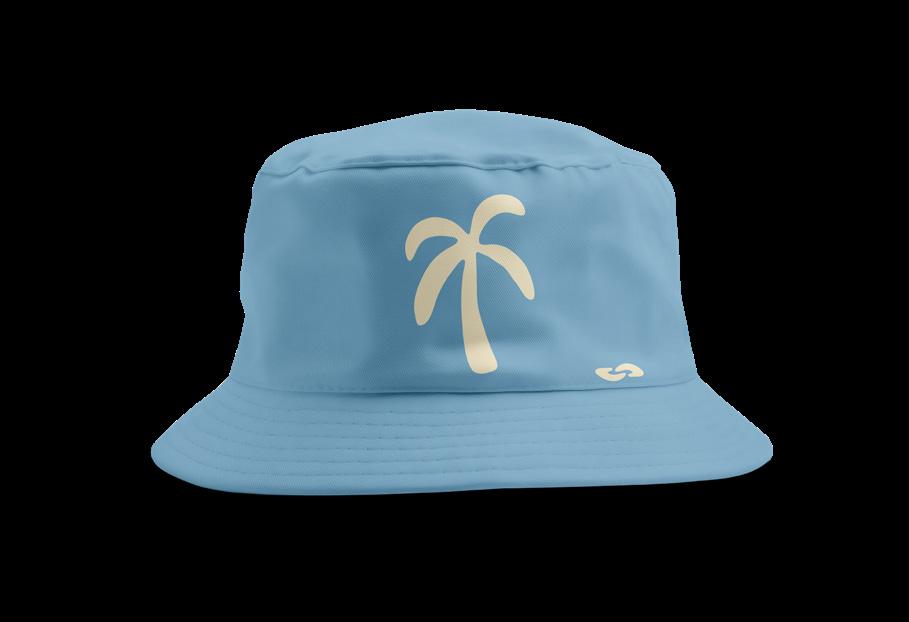
Made from renewable linen, this hat keeps you cool while reducing environmental impact. Linen is also naturally biodegradable and one of the most resource-efficient textiles.