ADIYA ORZHANOVA
Physical Thresholds
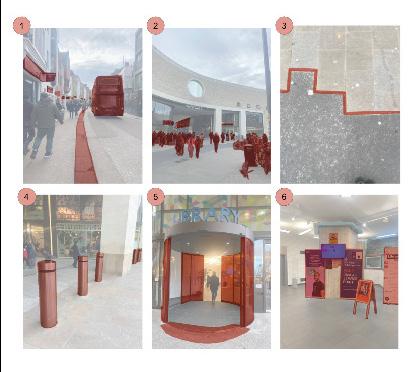
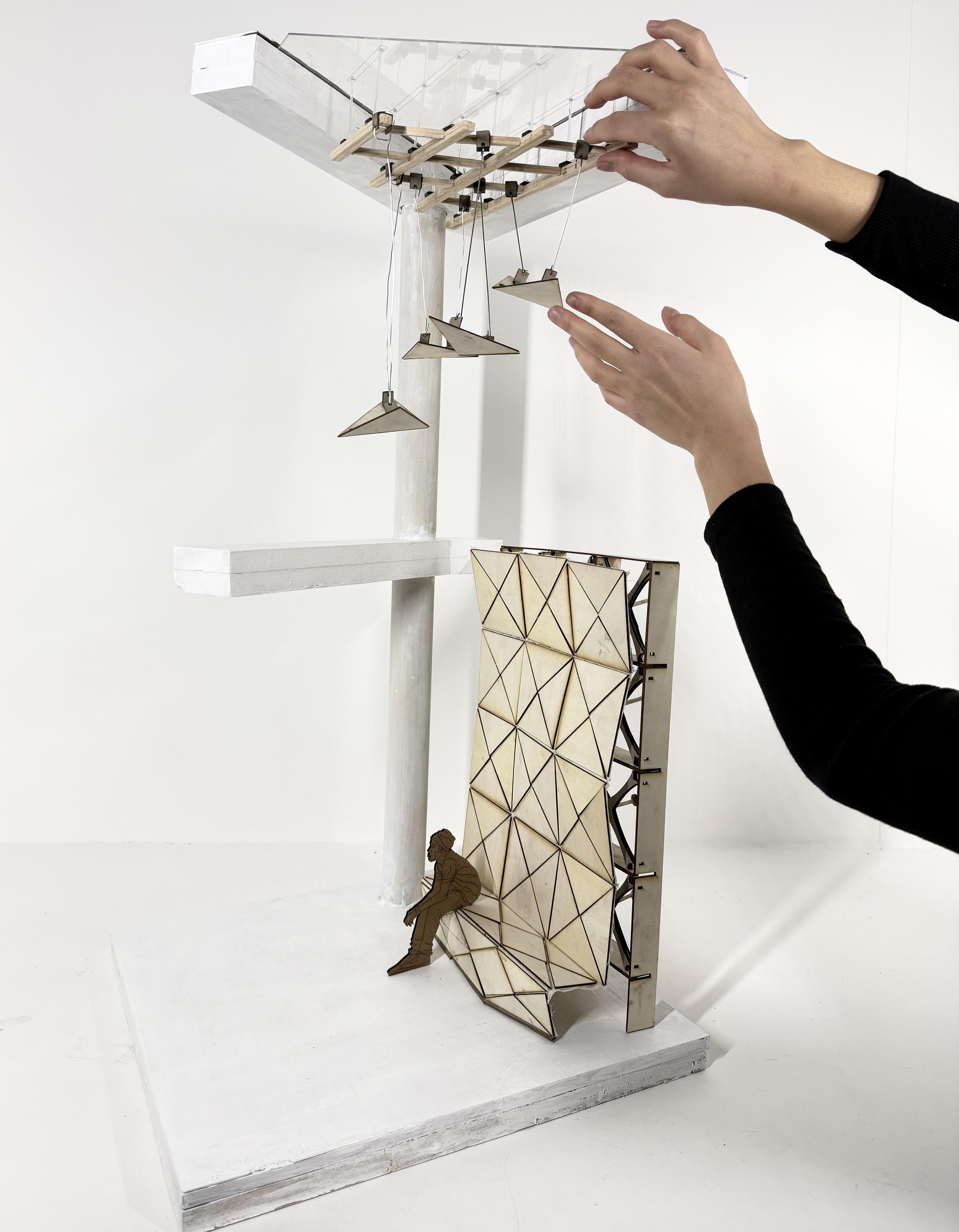
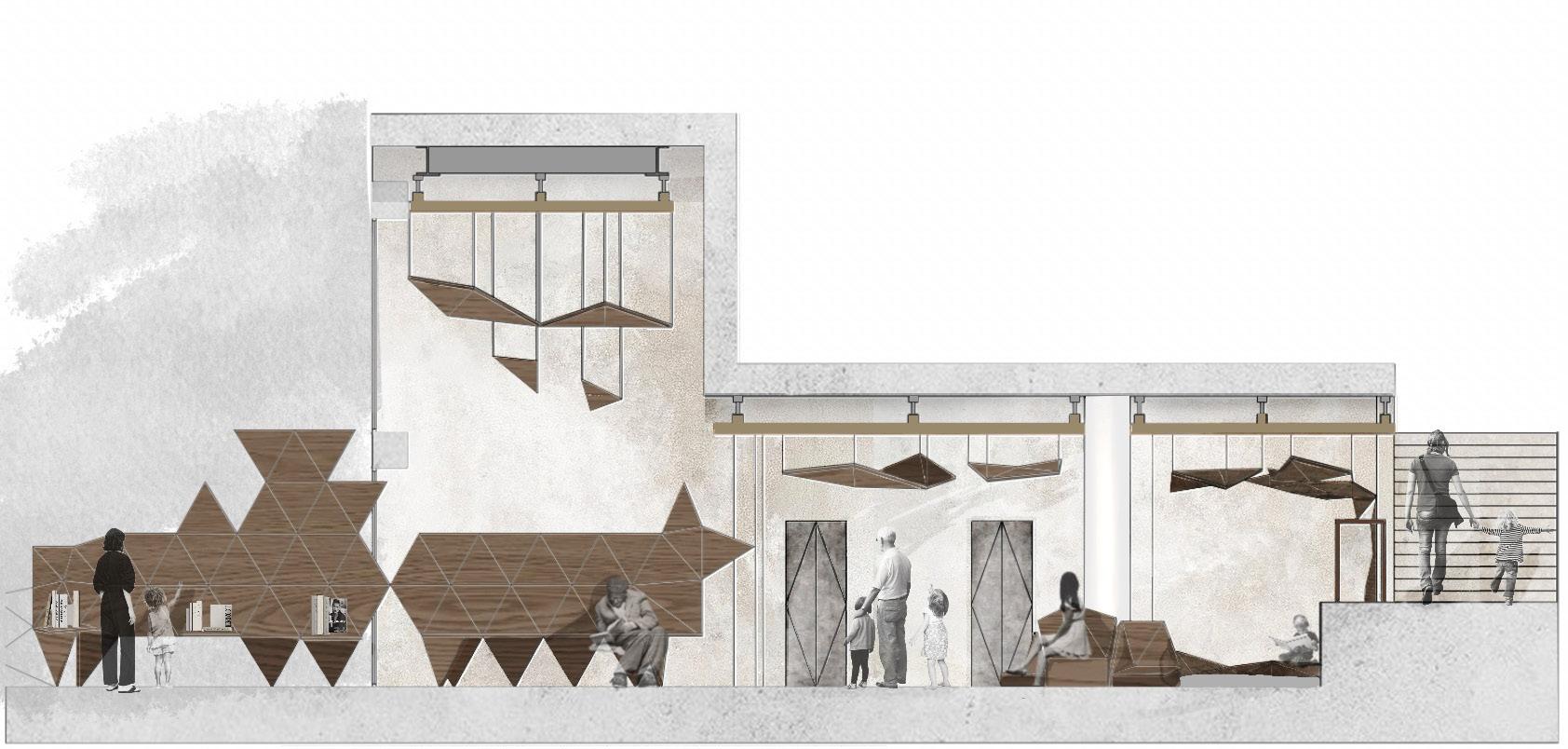
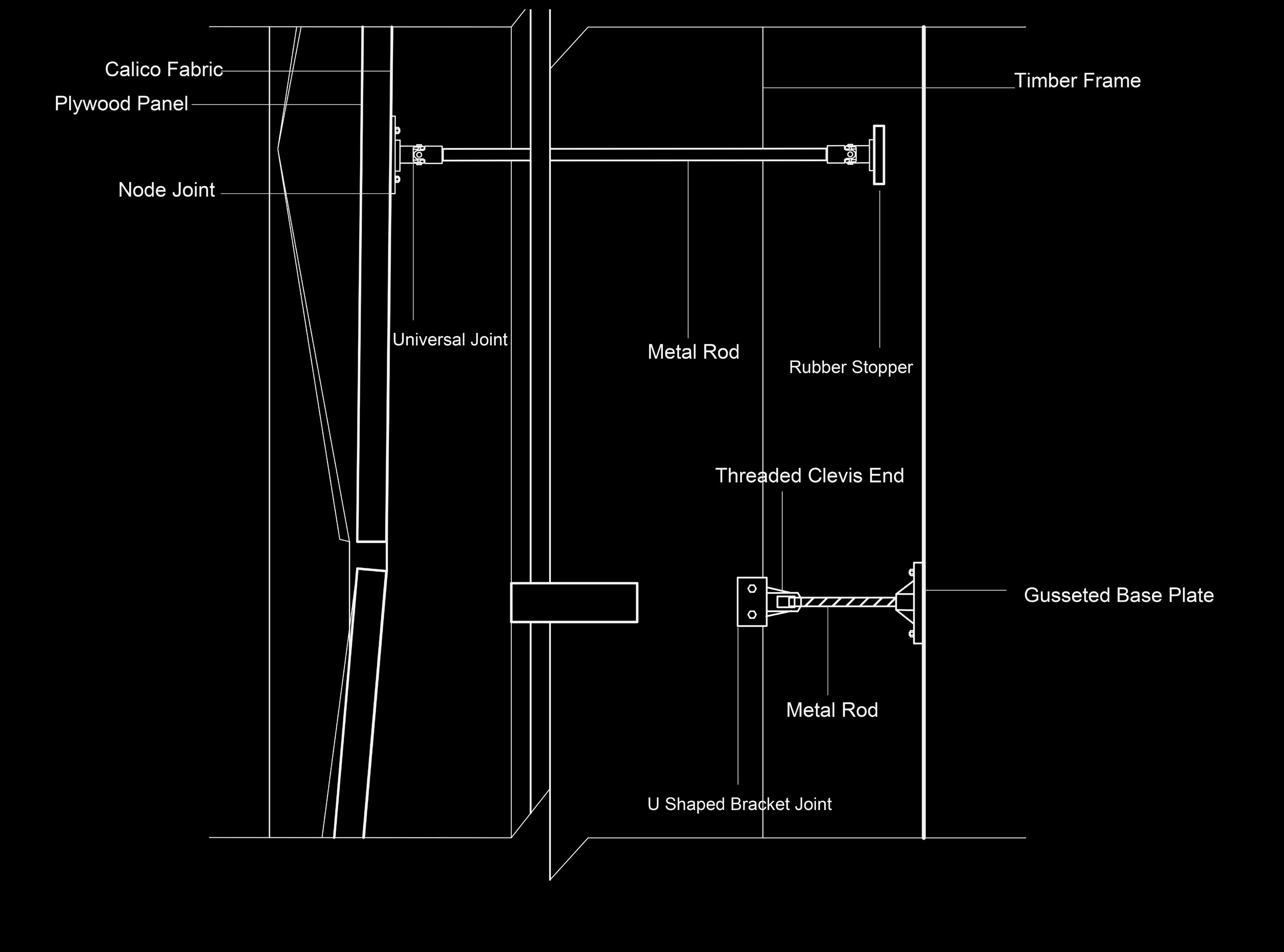
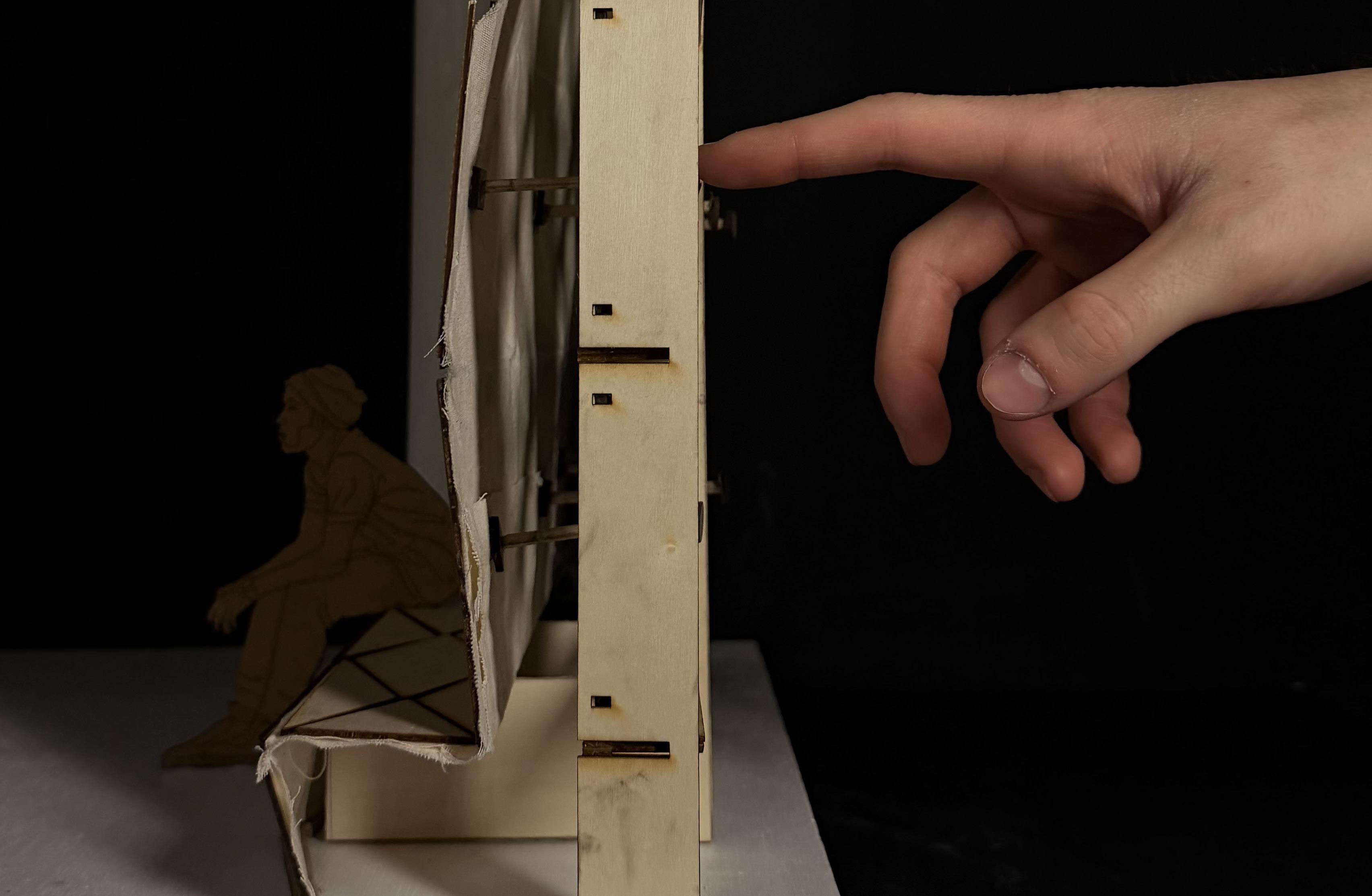
This project looks at the Oxford Westgate Library lobby located in the Westage mall and aims to create a third space of connection in a busy commercial environment. The problem of the modern shopping center is that it gathers thousands of people yet people feel isolated as it priorotizes sales over connections. This commercial environment creates a hostile place where silence is rare, and the citizens are seen as a customer. The proposal, ‘Social Fabric,’ deals with this disconnect by reclaiming the commercial threshold as a site of sanctuary for the exchange of knowledge and connection.
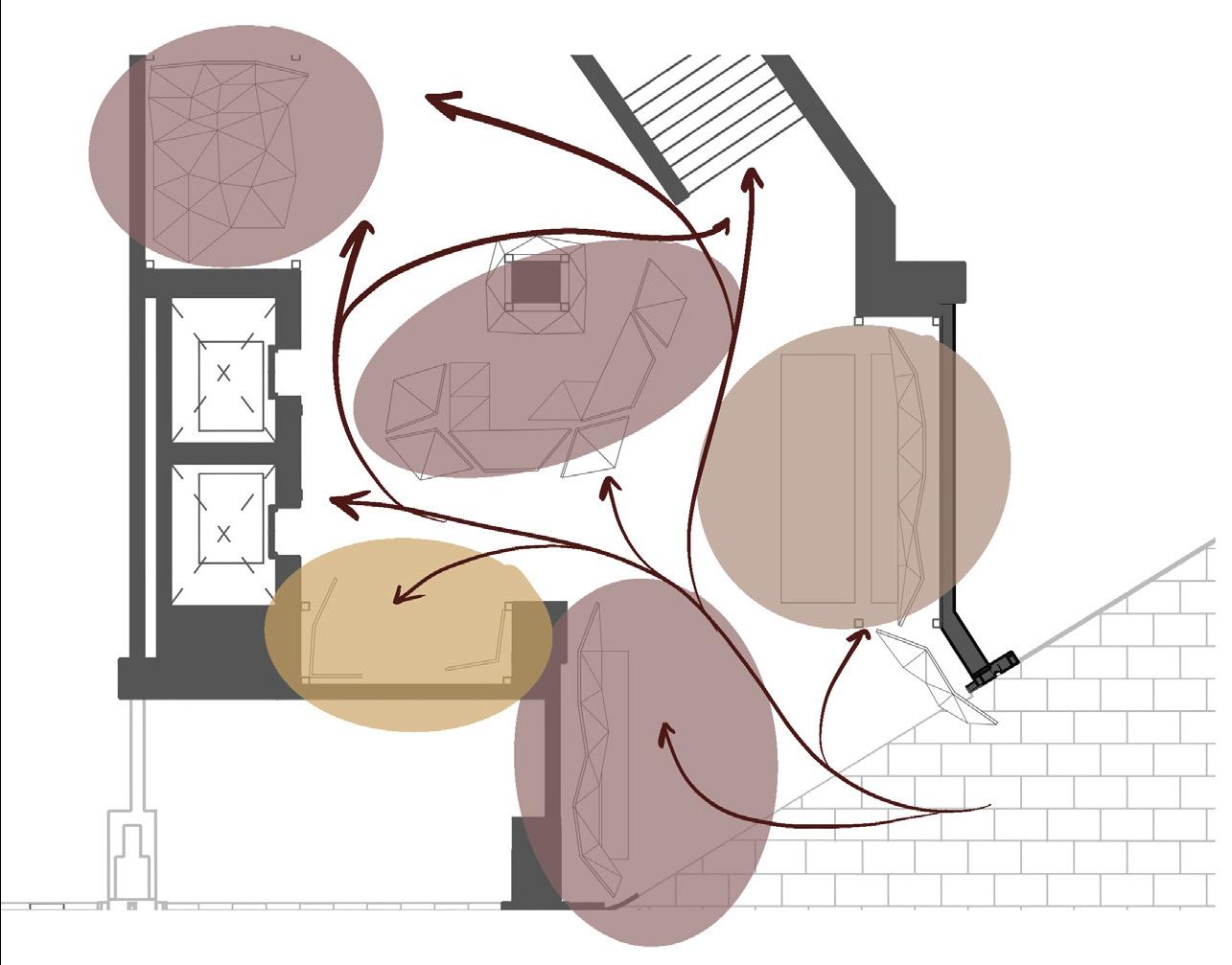
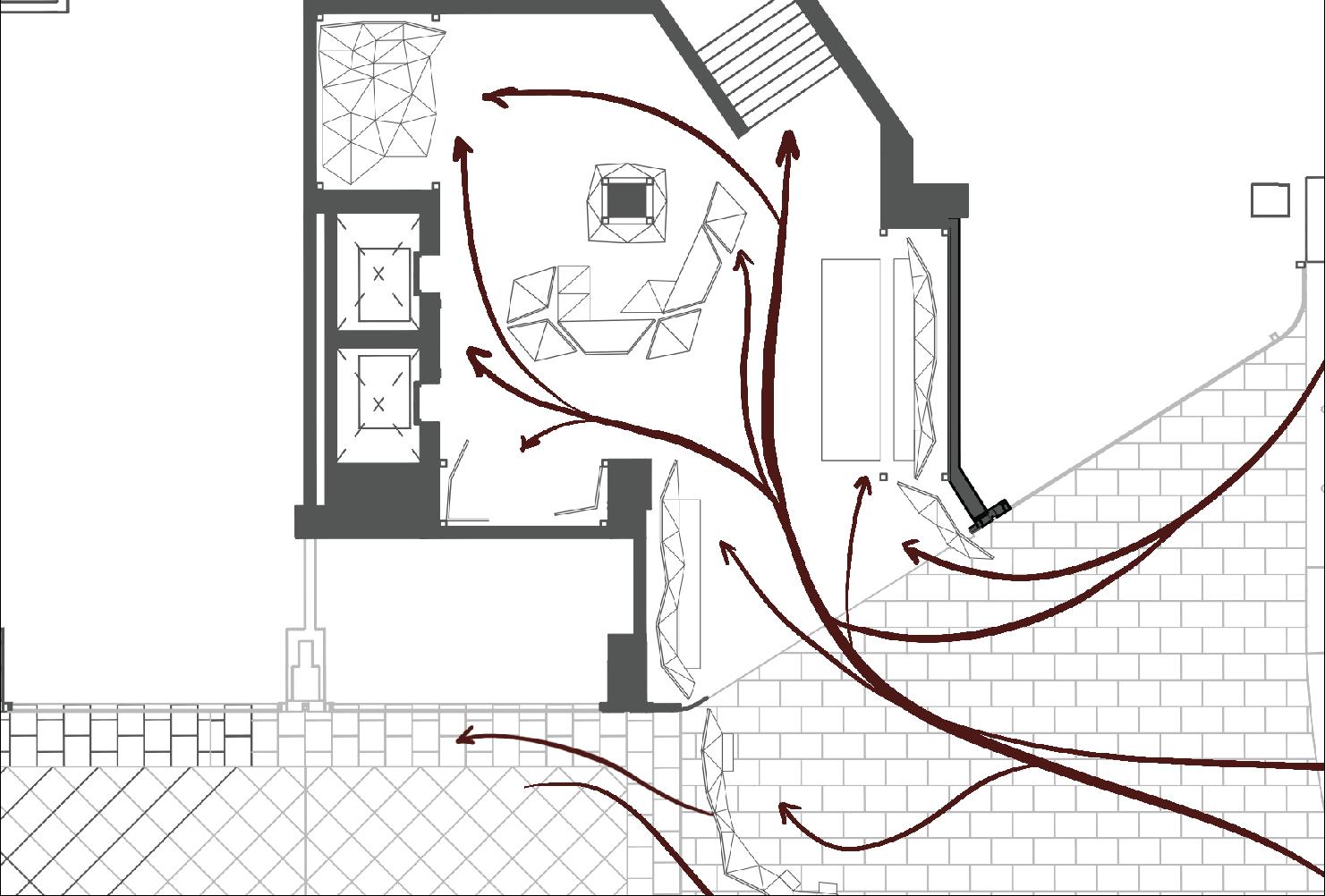
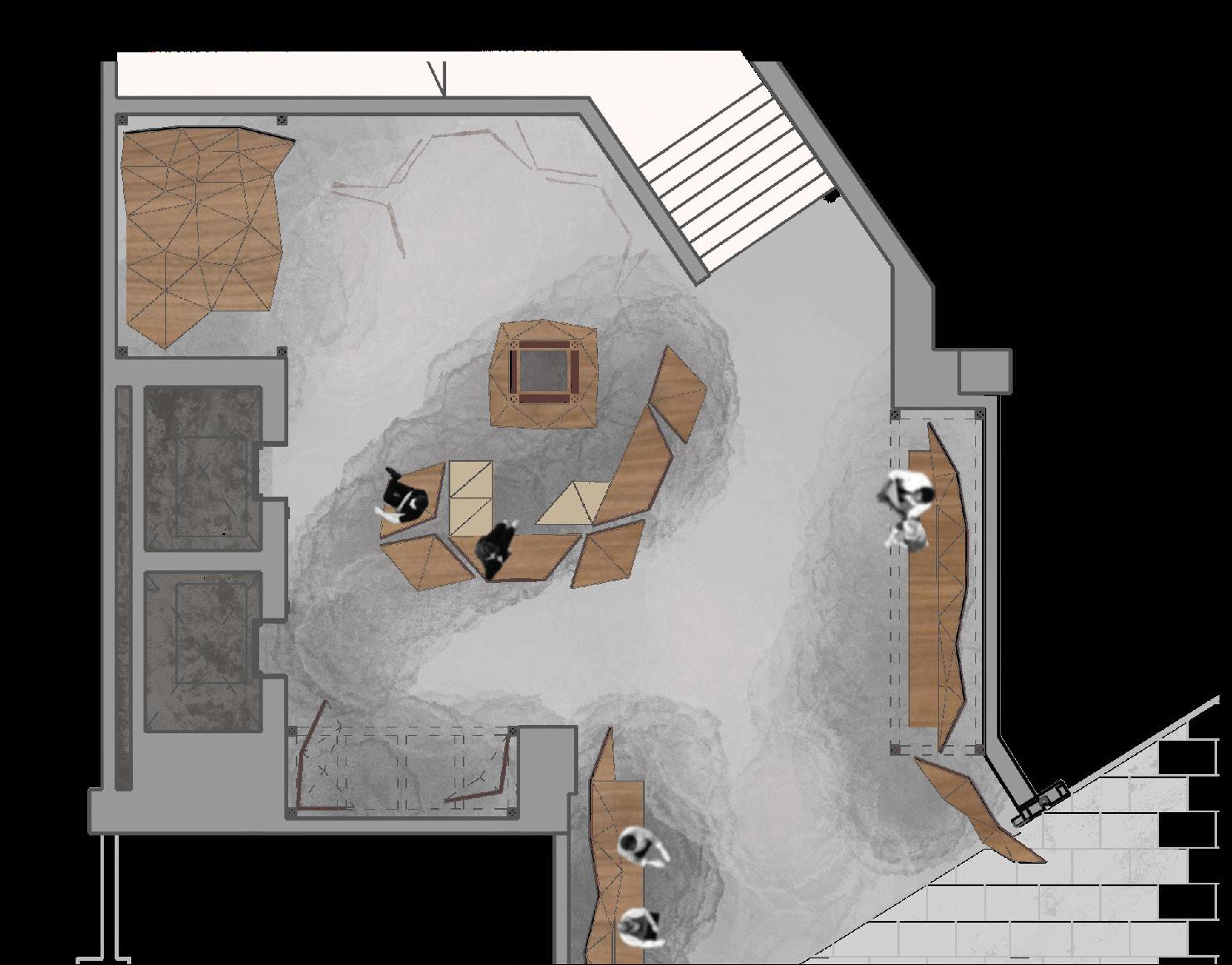
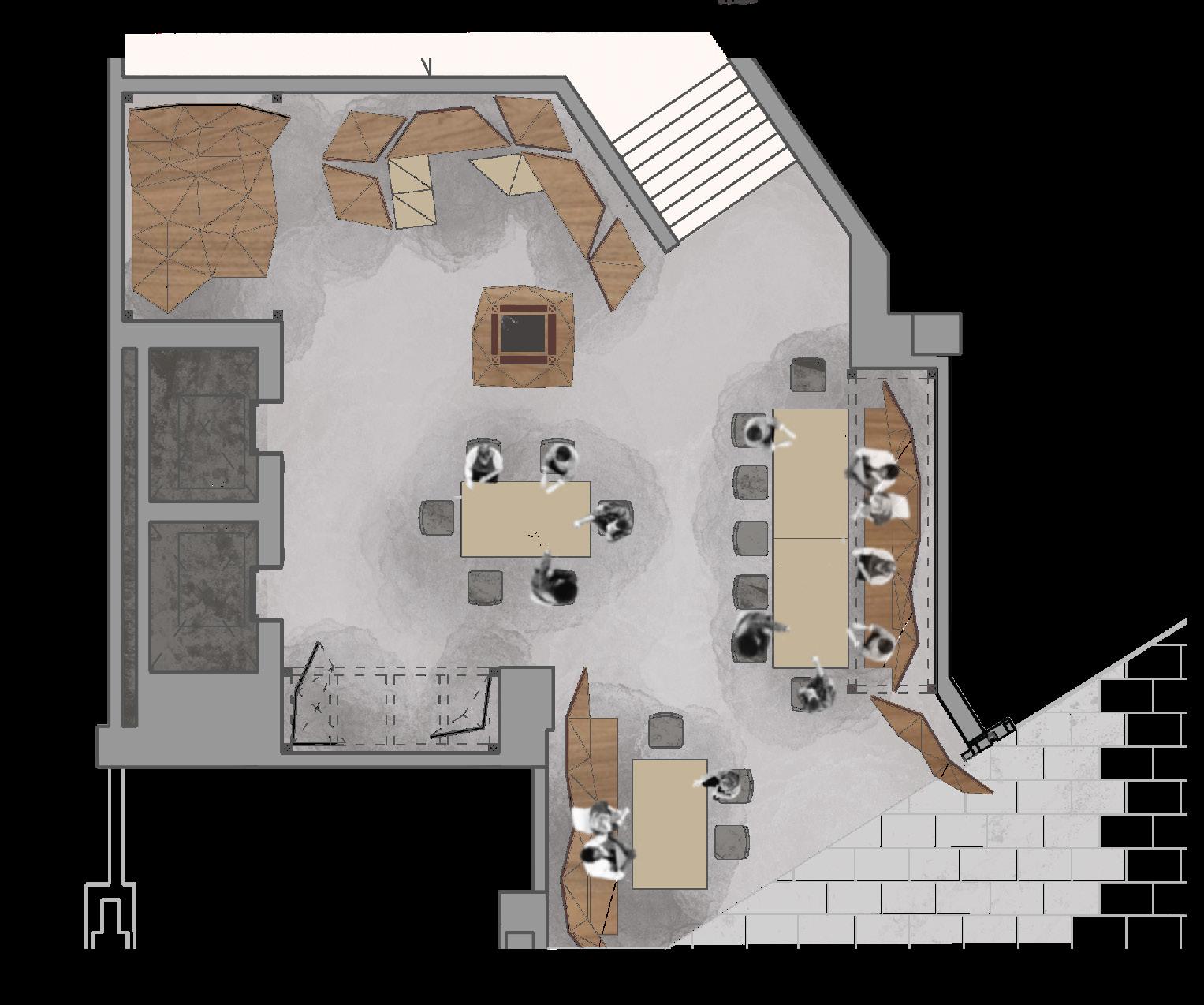
NORMAL LIBRARY DAY
Users:

- Library users - People seeking a place of rest - Mall users
Activities:
- Seating for rest - Reading
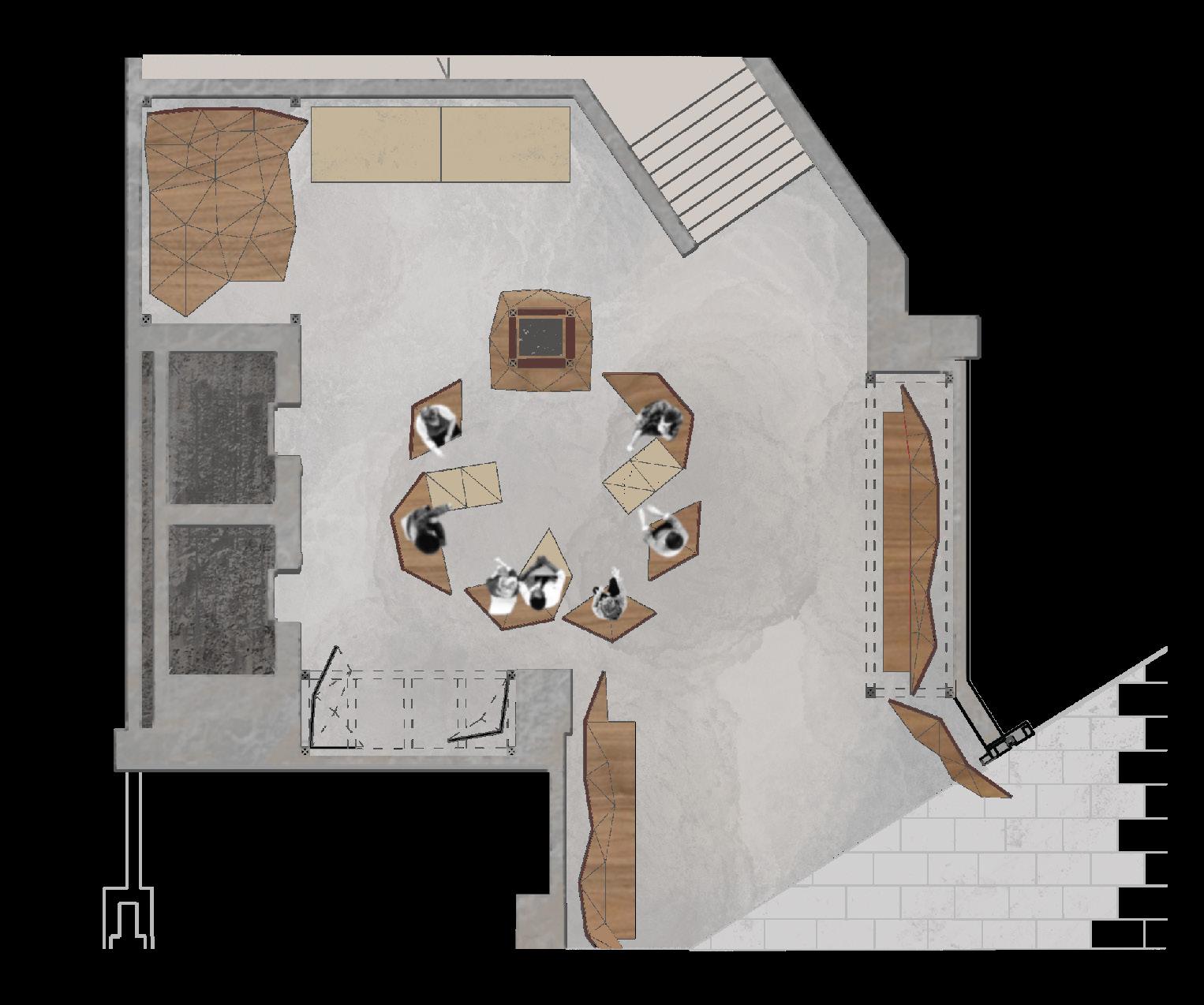
SUNDAY WORKSHOP DAY
Users:
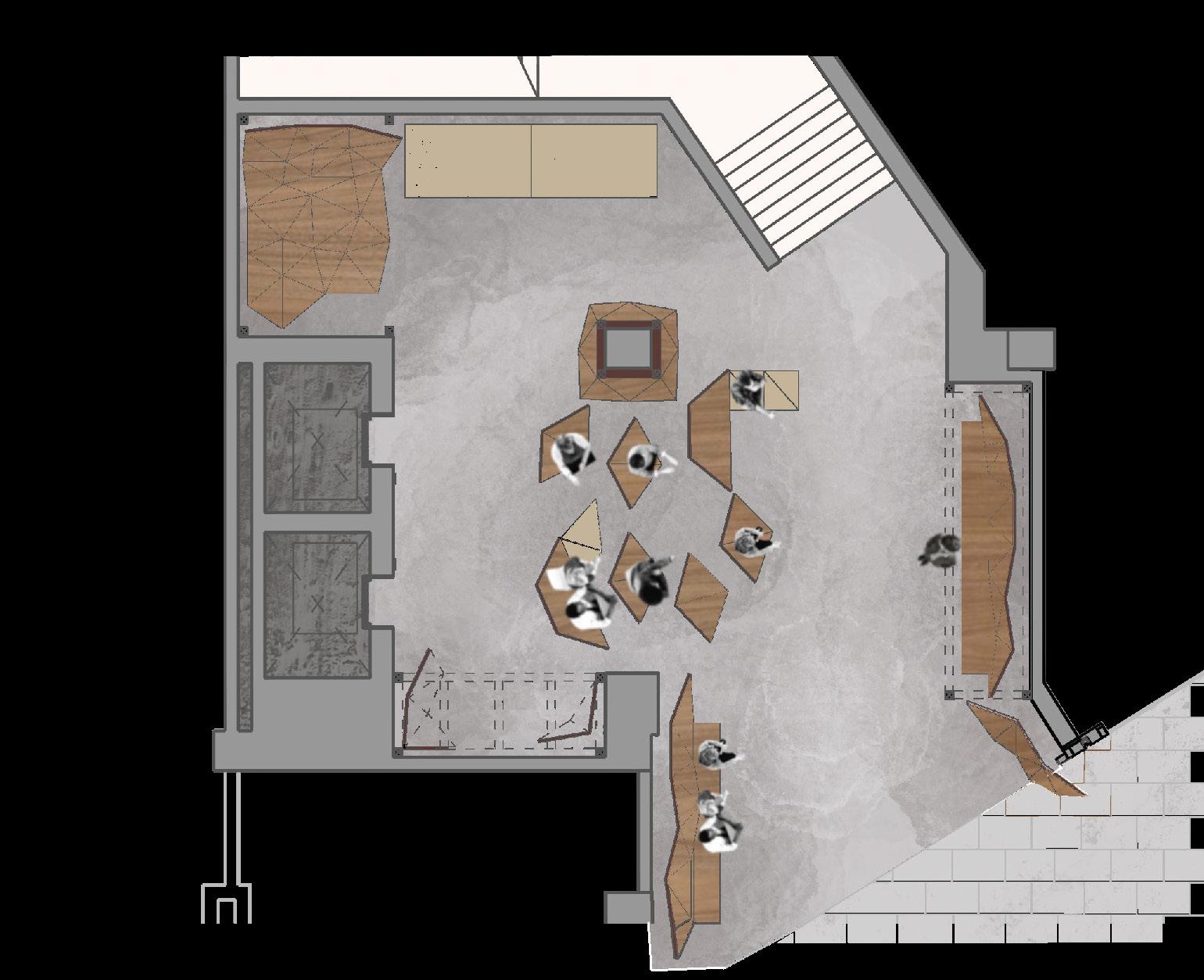
EVENING READING DAY
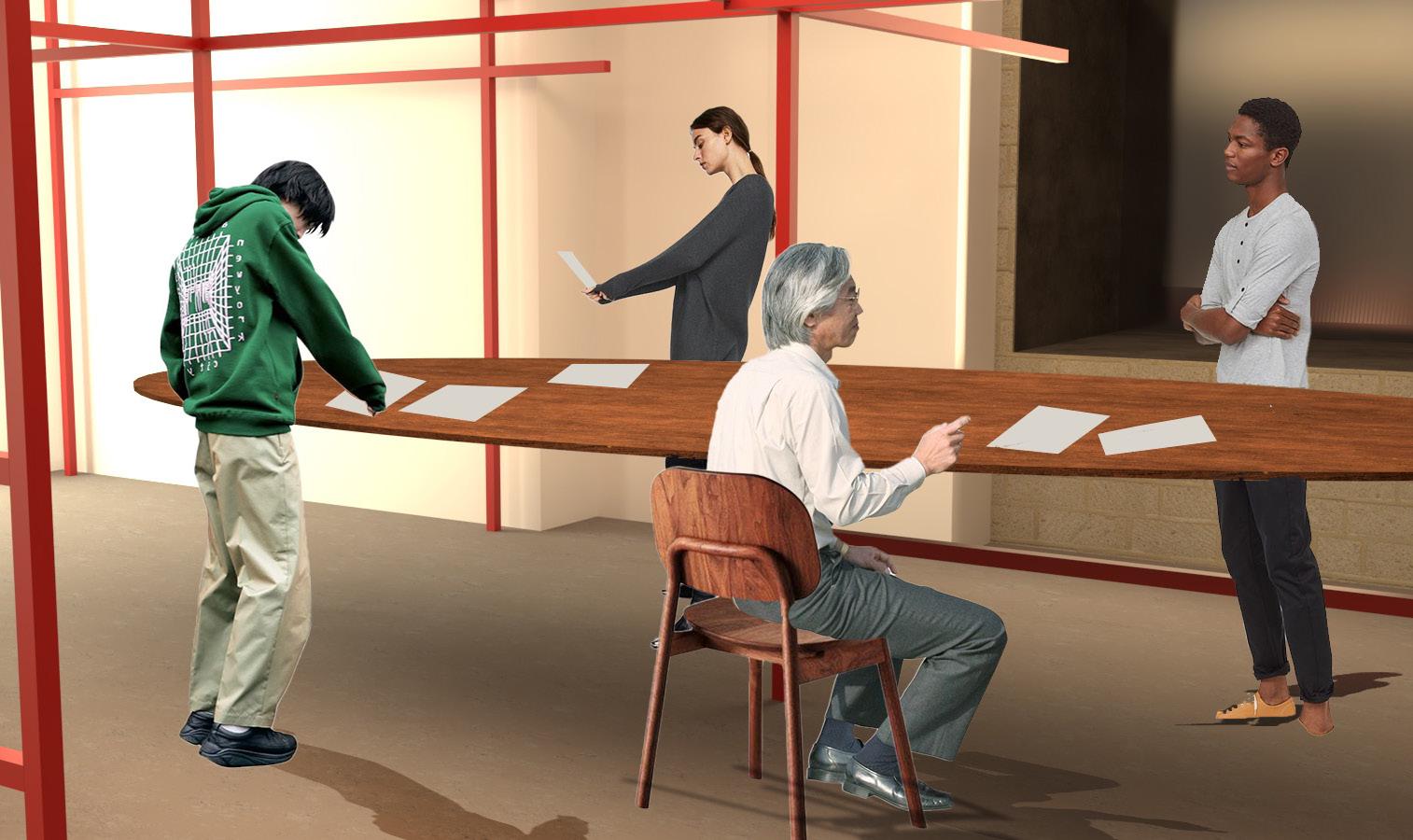
PRESENTATION DAY
- Children - Parents - Staff
Activities:

- Club activitiesSeating for parents
Users: - Children - ElderlyParents
Activities:
- Elderly reading to children
- Seating for parents
Users:
- Presenters - Audience

Activities:Presentation of books
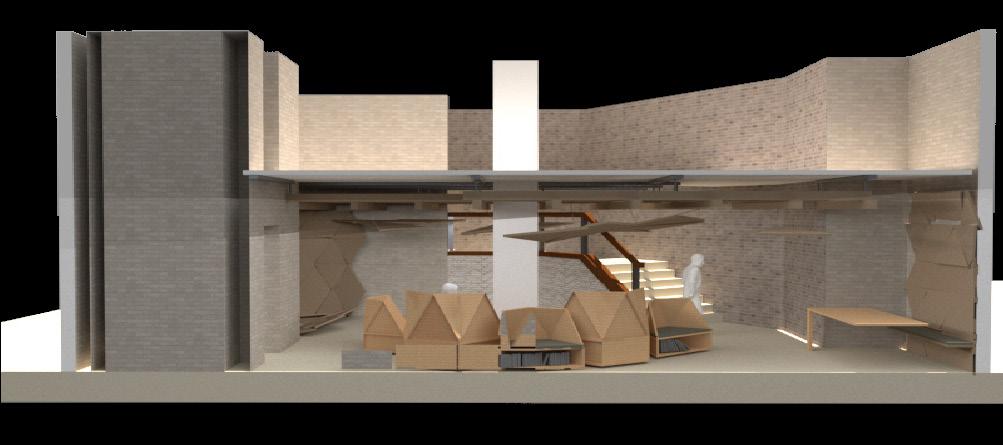
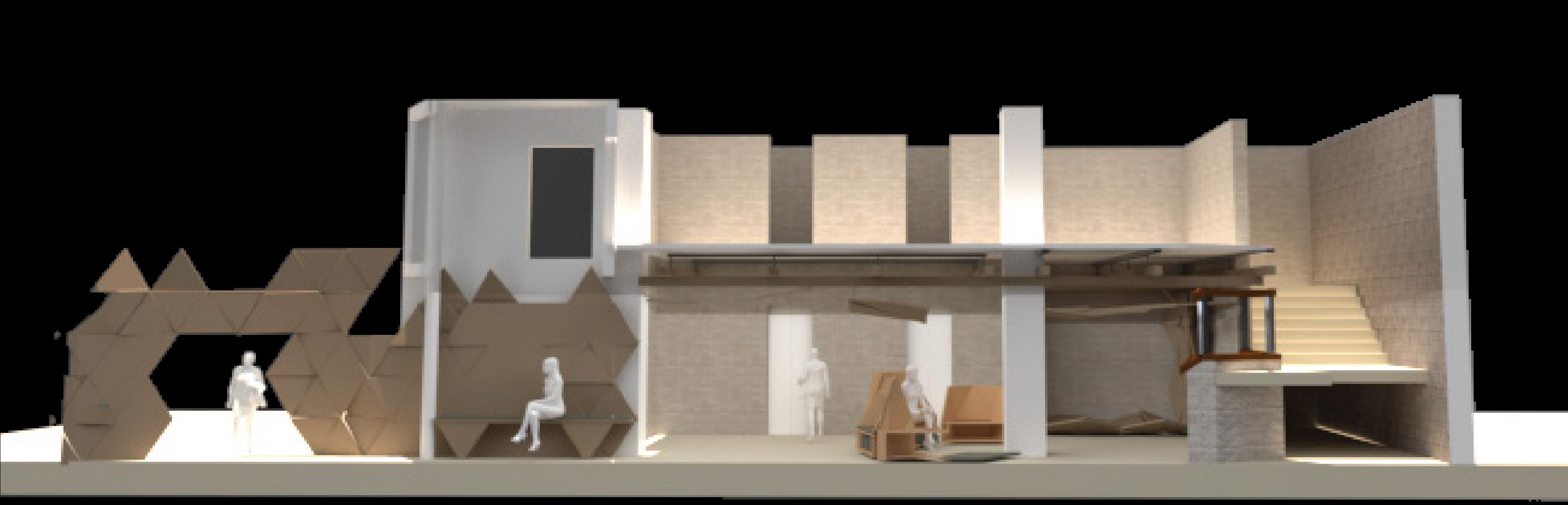
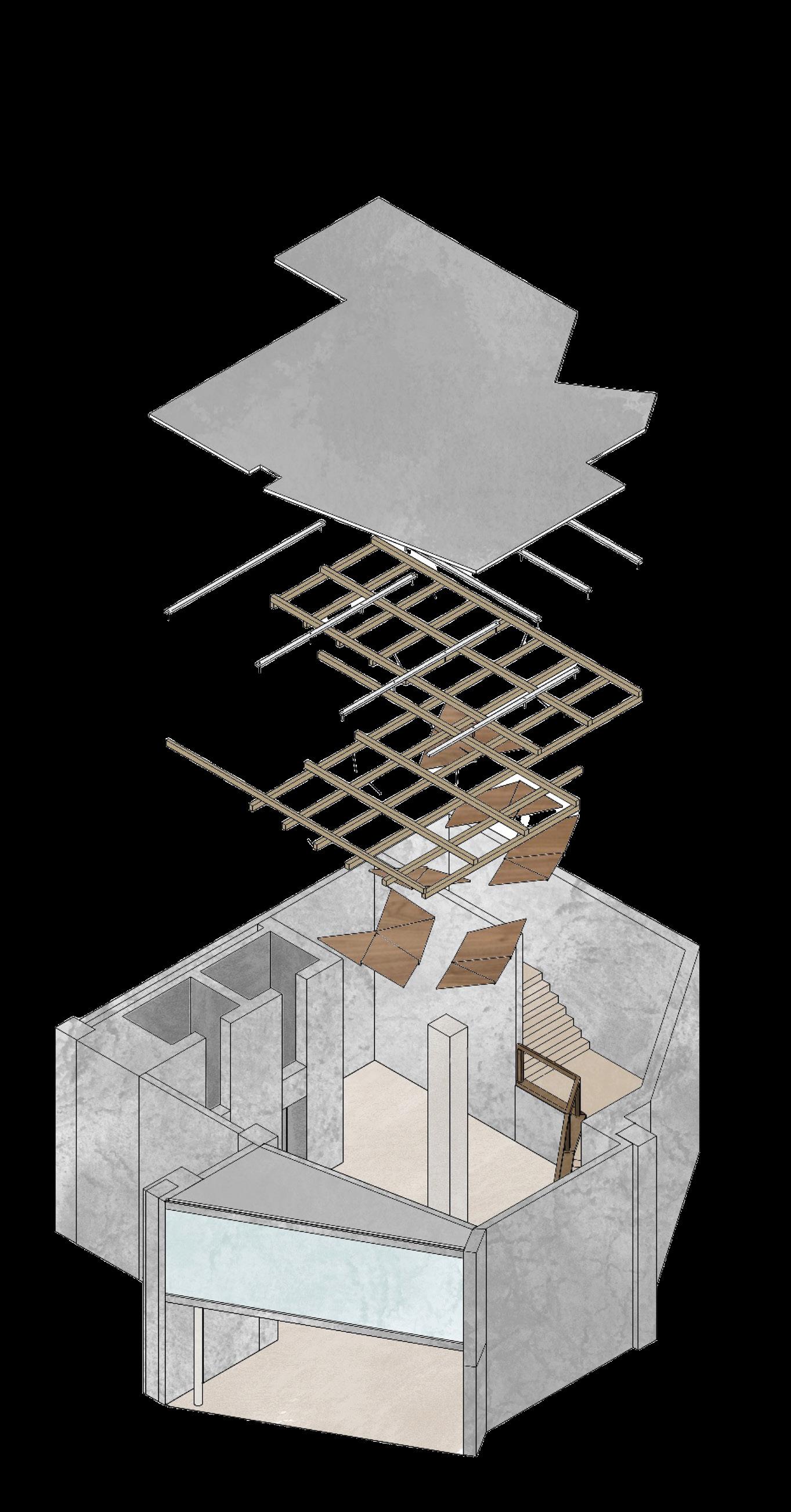
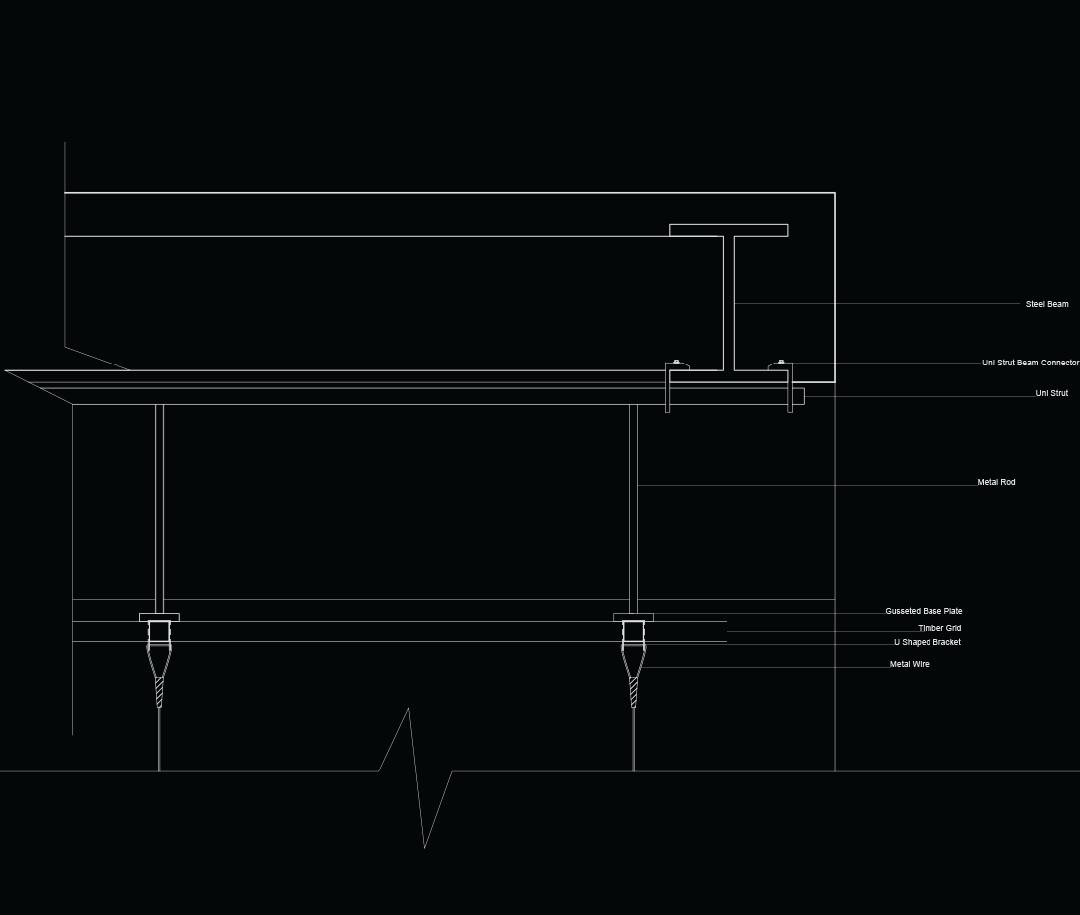
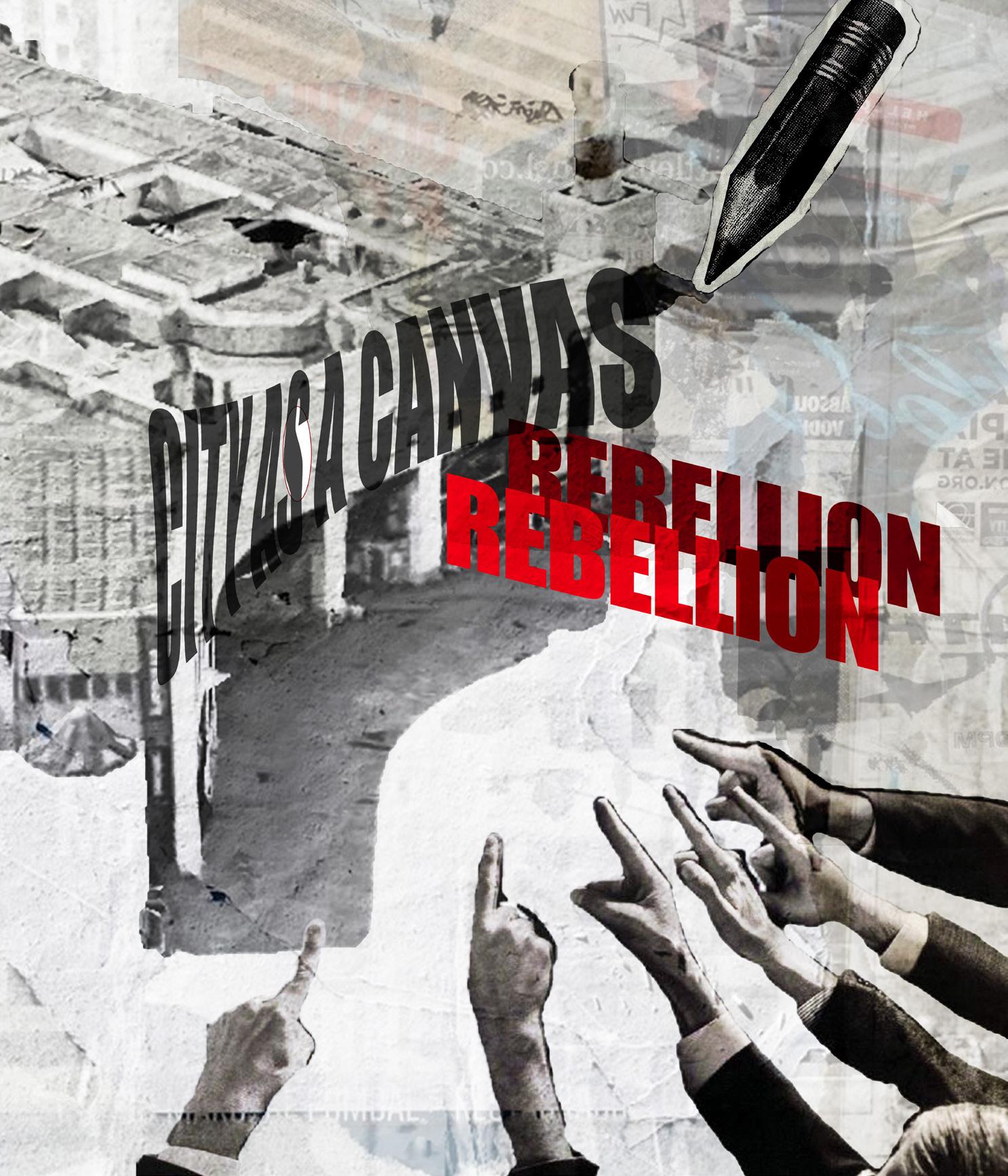
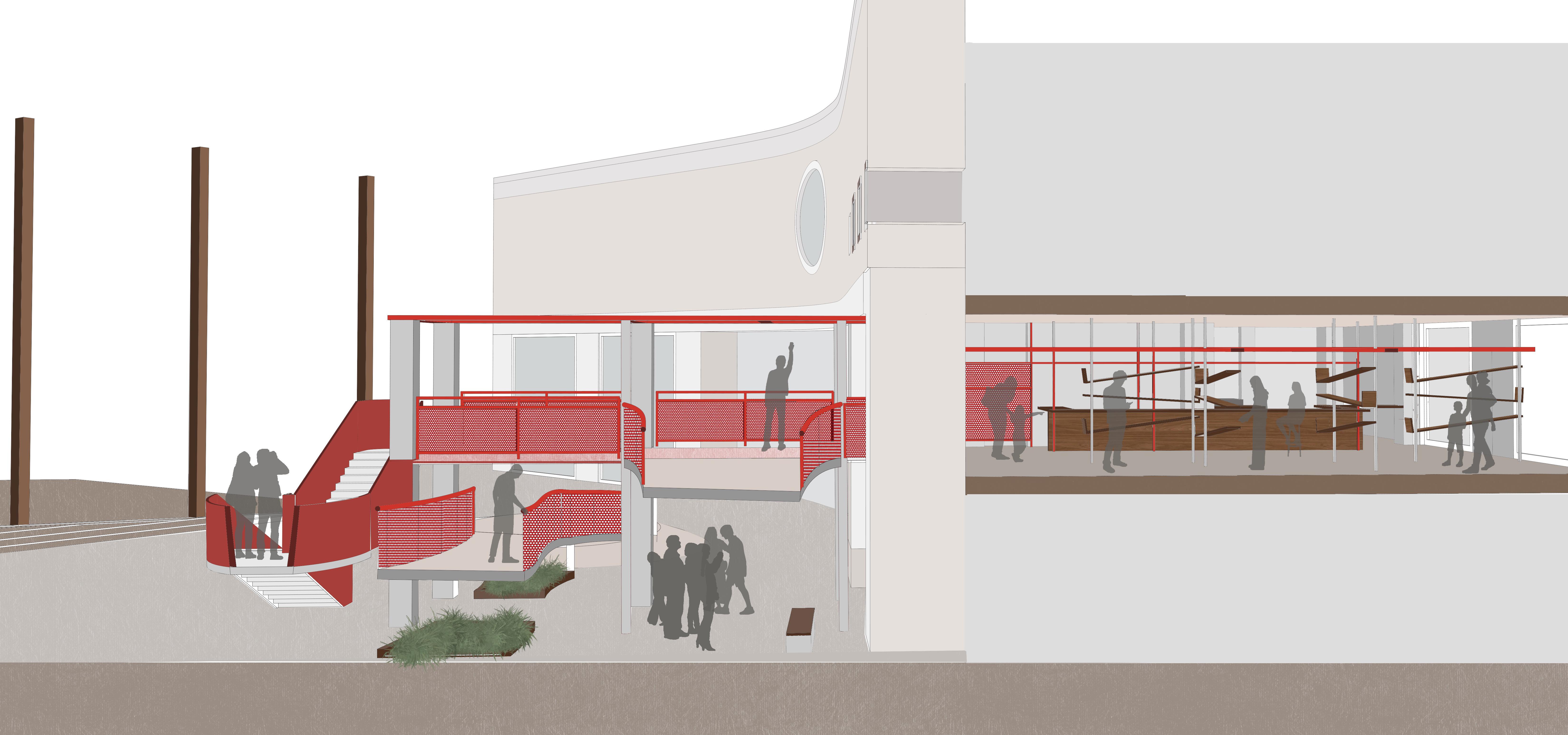
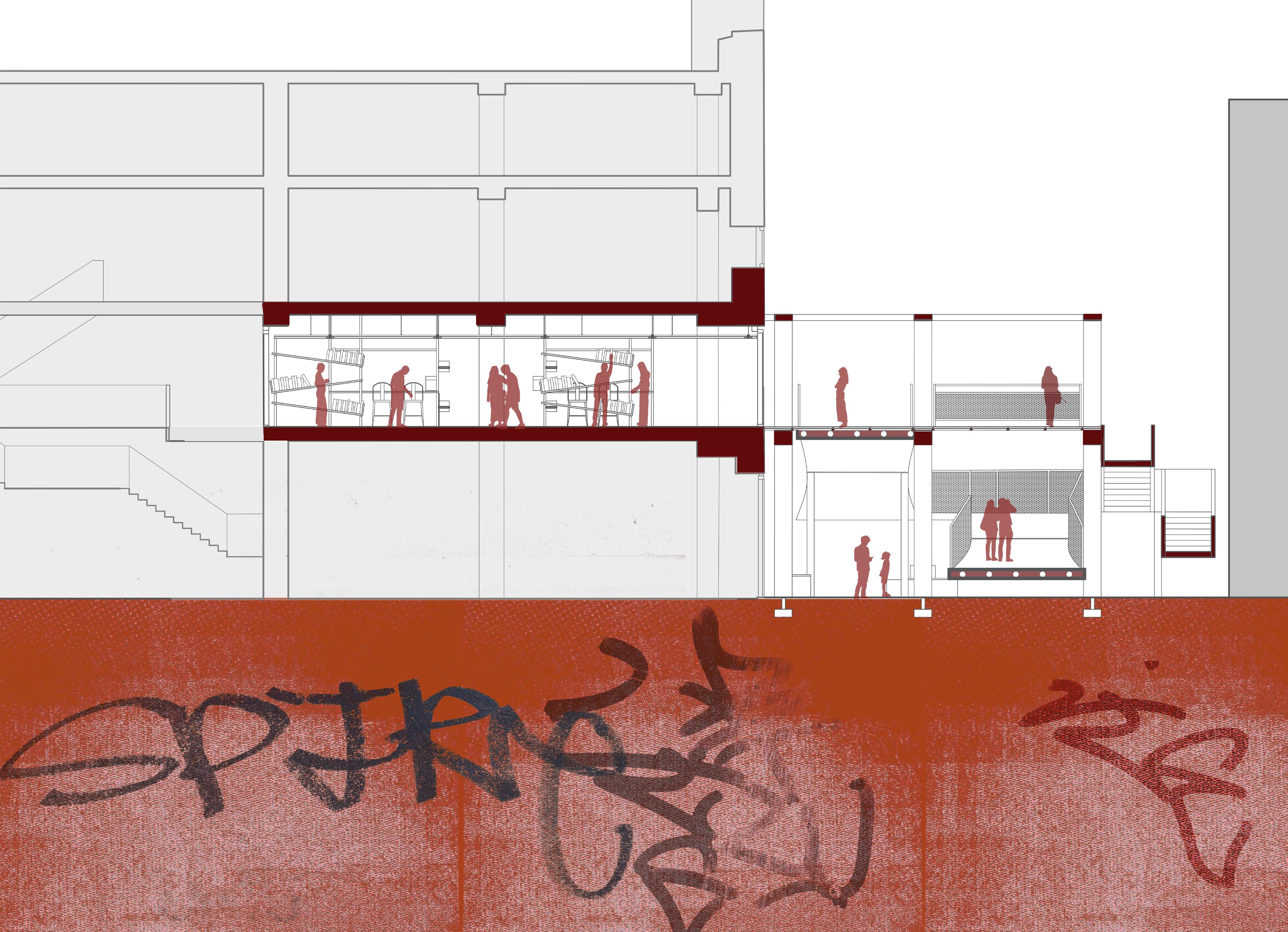
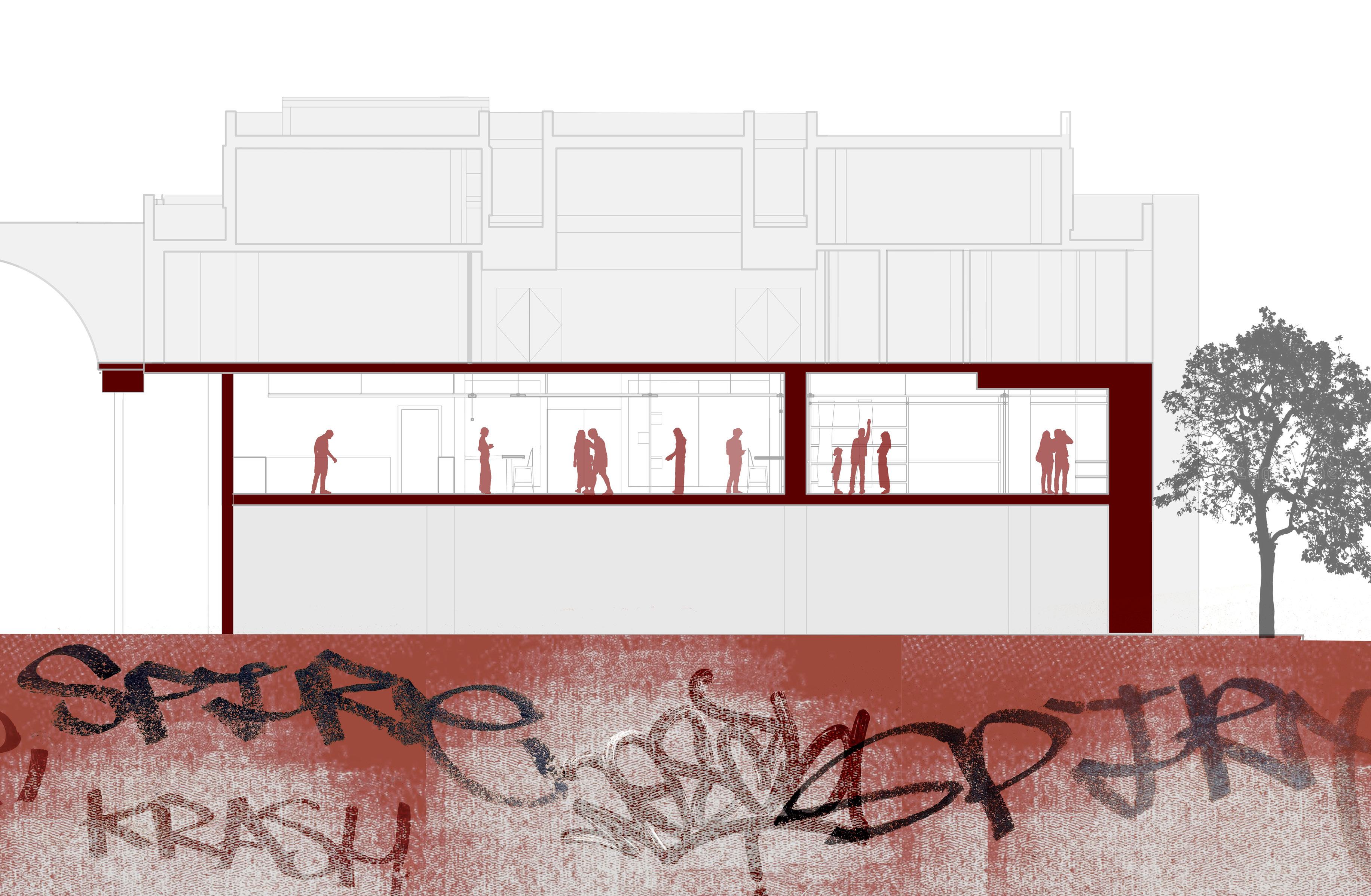
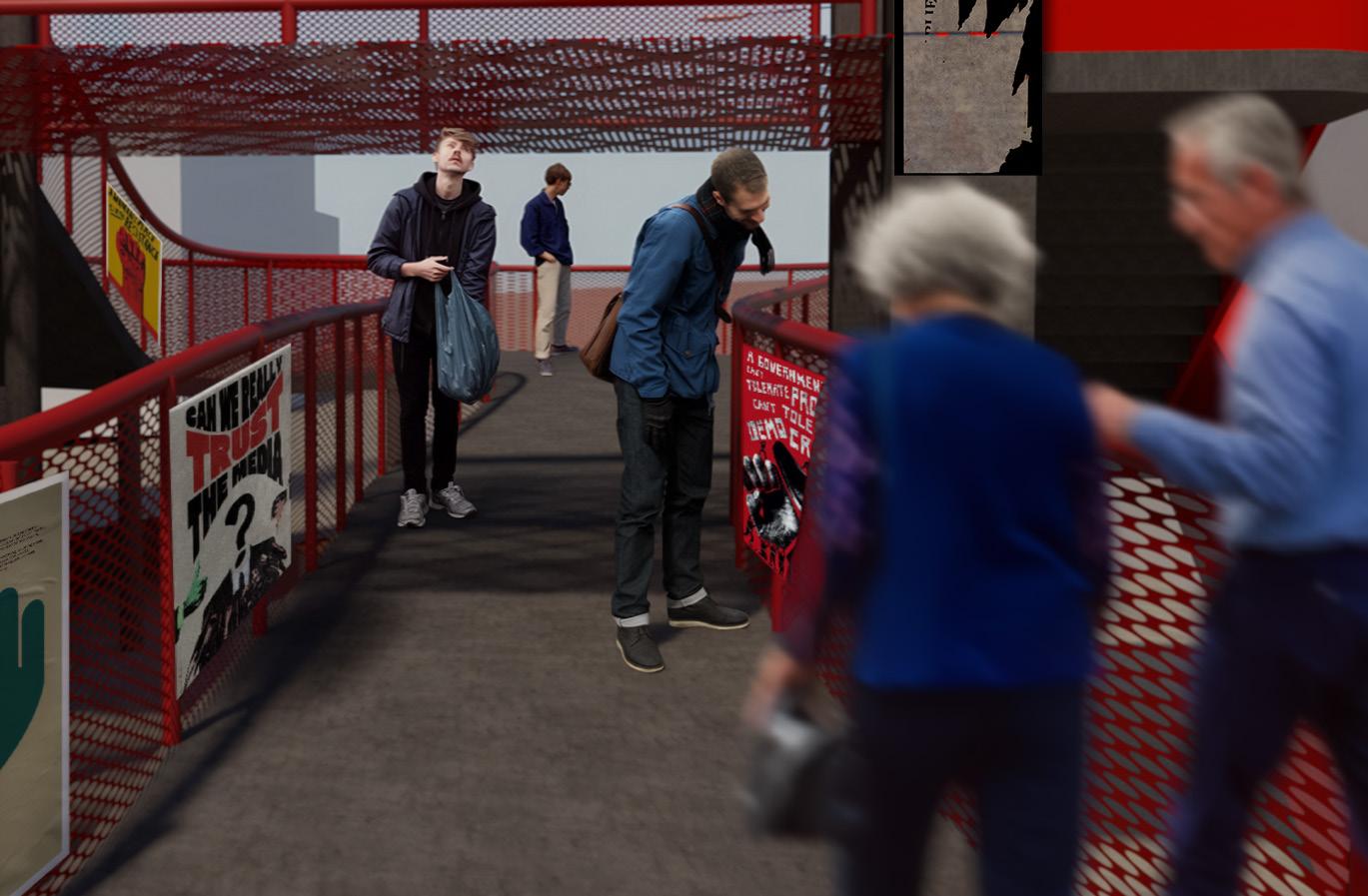
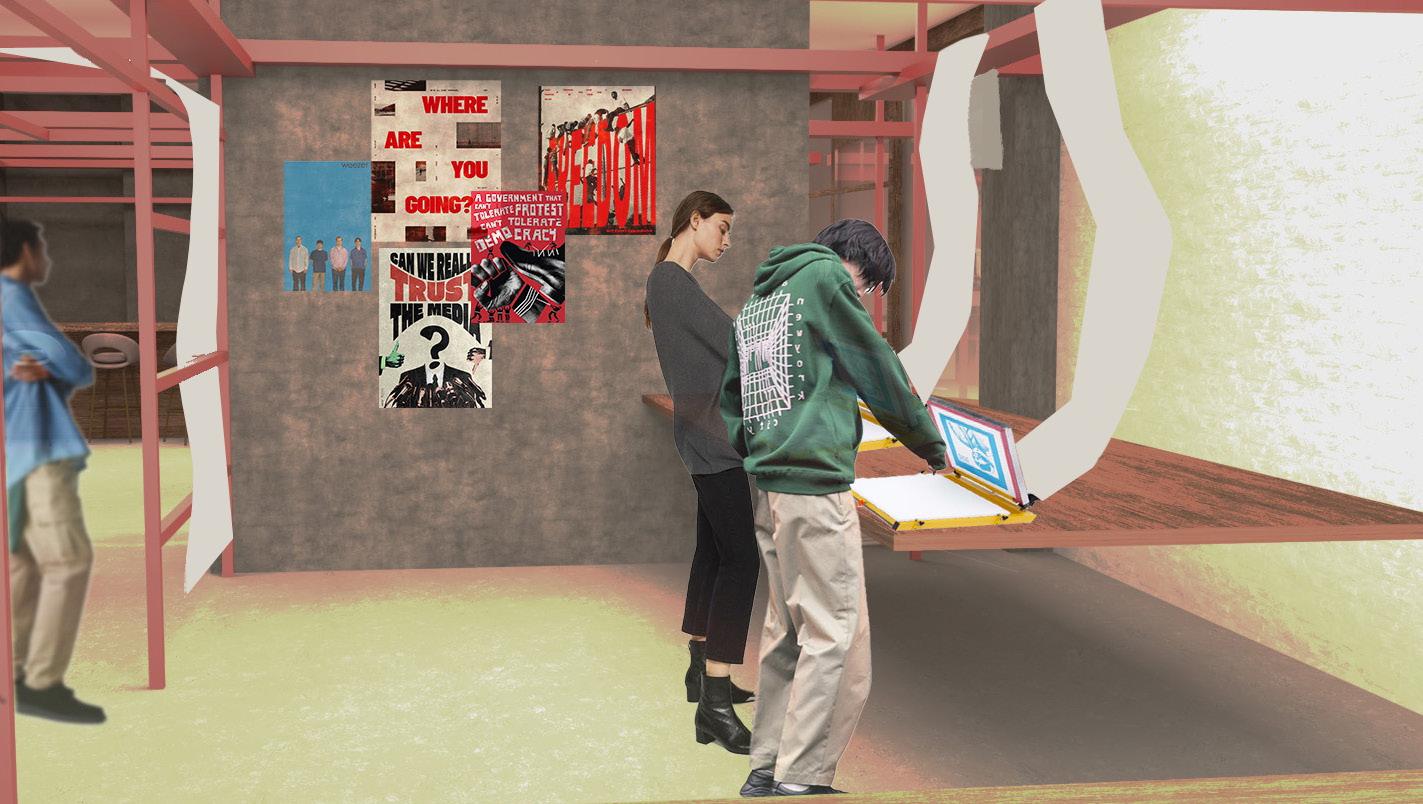
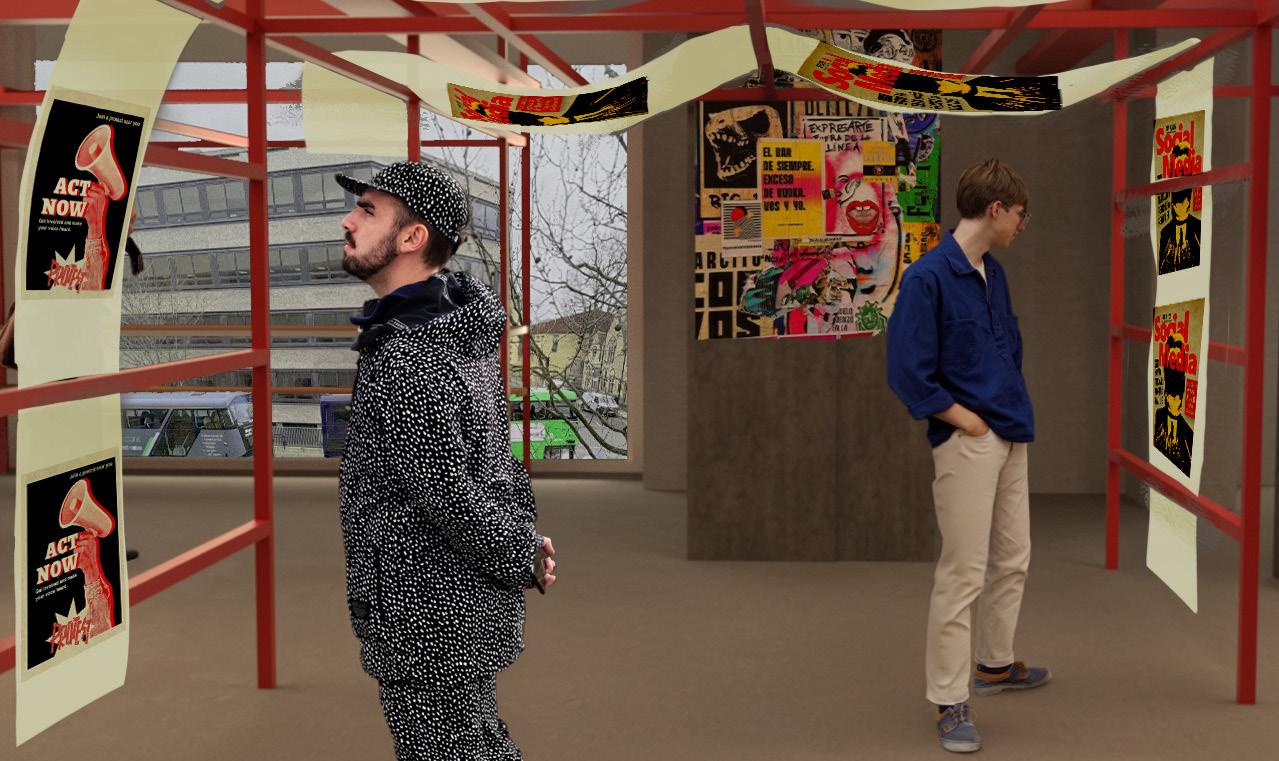
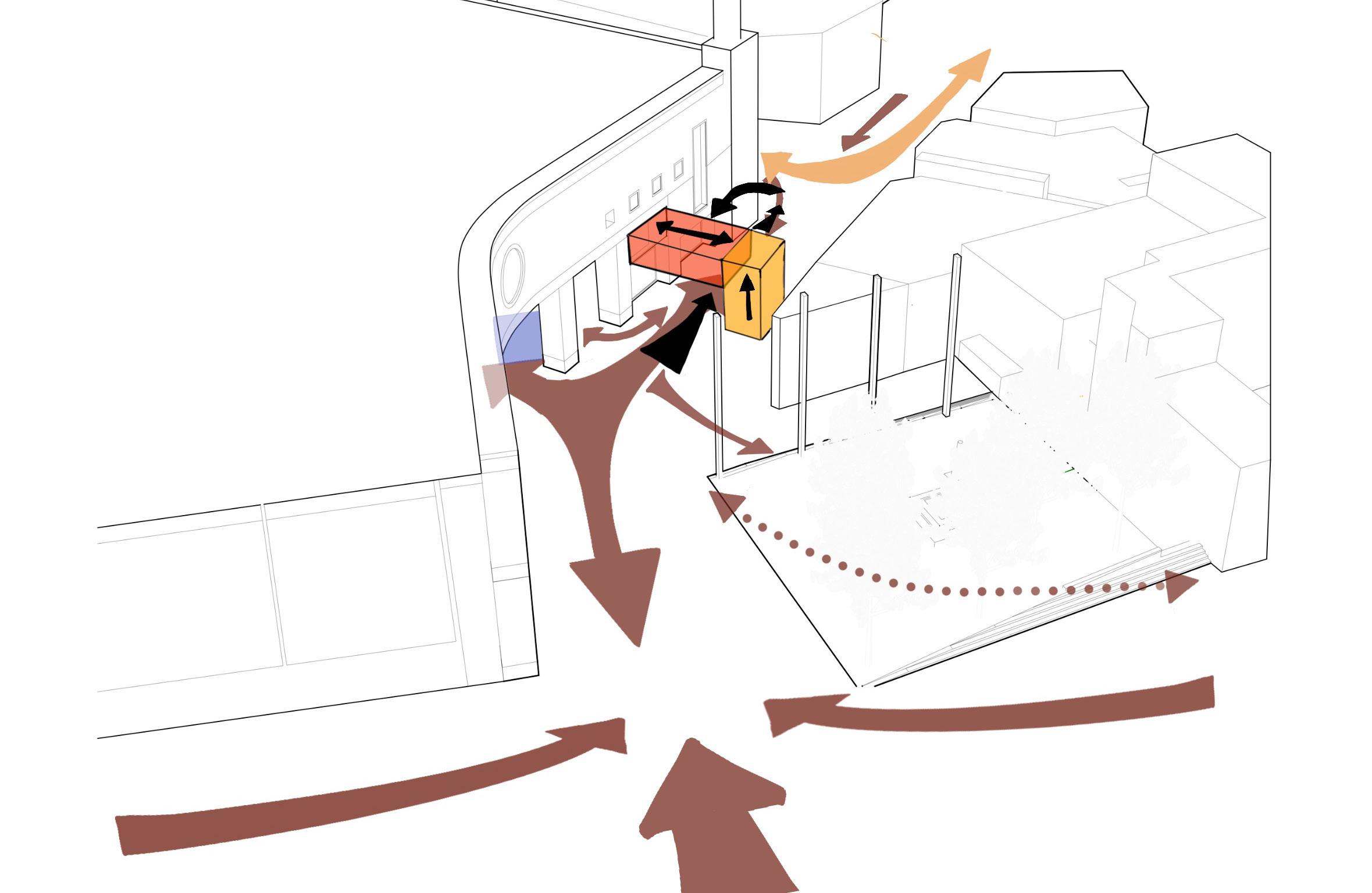
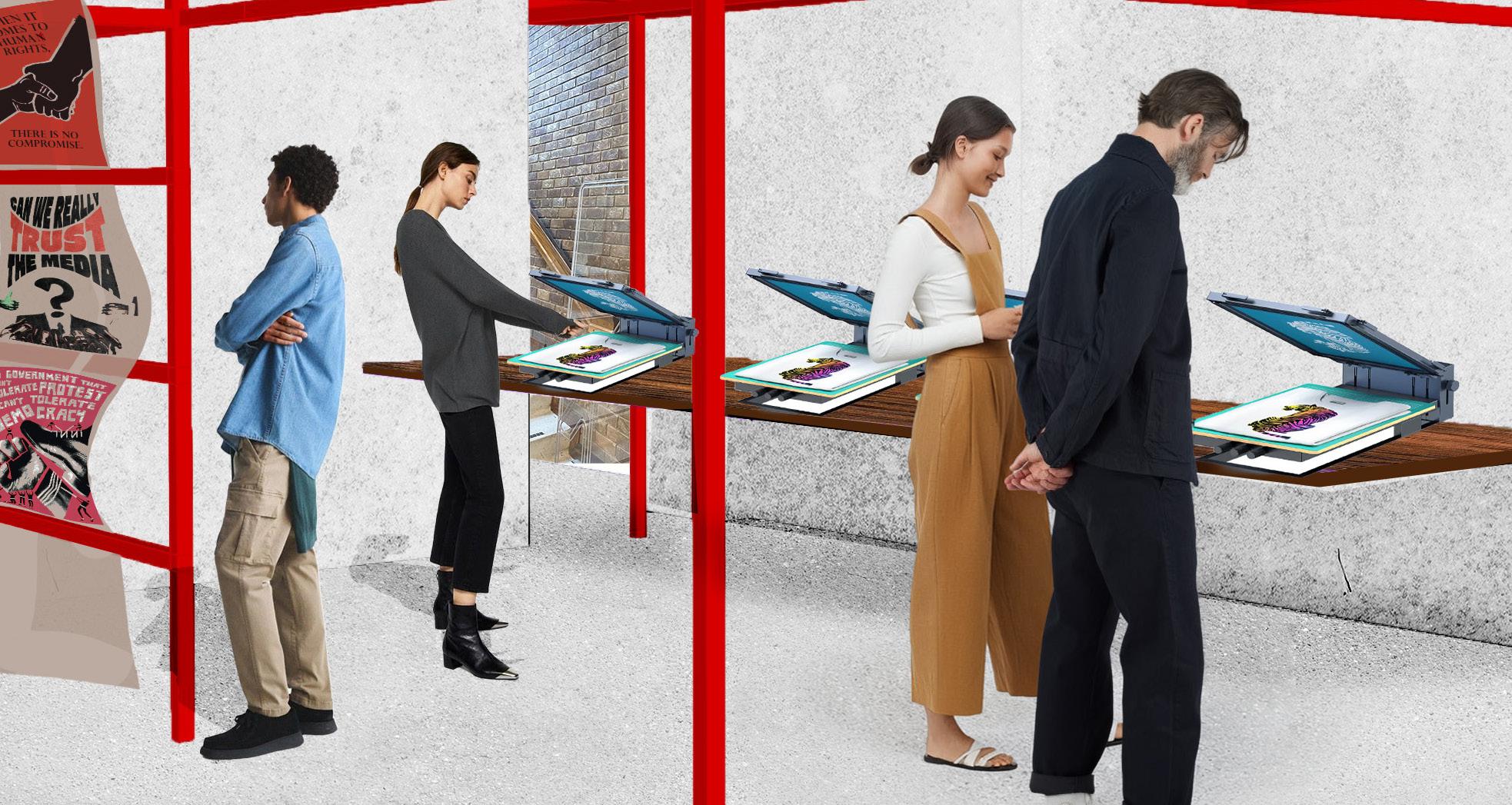
‘Freedom of the [OP]Press’ is a radical architectural rebellion against the hyper-commercialisation of Oxford’s city centre, by making the public library into an active factory for civic protest. The design bypasses thresholds of the Westgate mall, through a parasitic red steel bridge that pierces directly into the first-floor, converting the interior into a screen-printing facility for local movements. This intervention physically executes Henri Lefebvre’s ‘Right to the City’ and Bernard Tschumi’s concept of ‘Architecture as Event’ by replacing consumption with the noisy, mechanical production. The massive protest banners are then hung directly on the external bridge scaffold, deliberately accommodating street art and vandalism to create a constantly evolving vernacular envelope that reclaims the privatised urban realm and represents the uncensored voice of the public back to the streets.
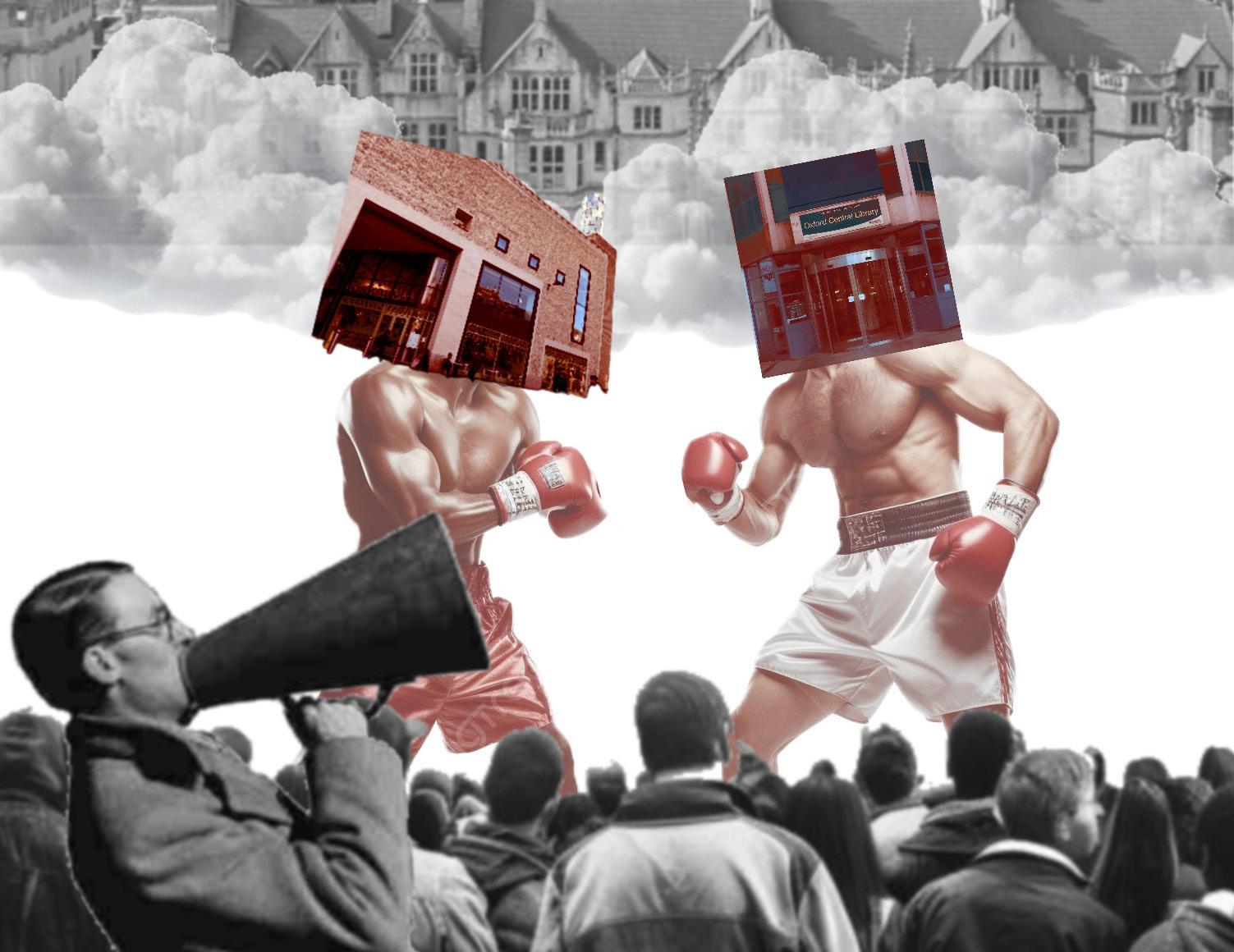
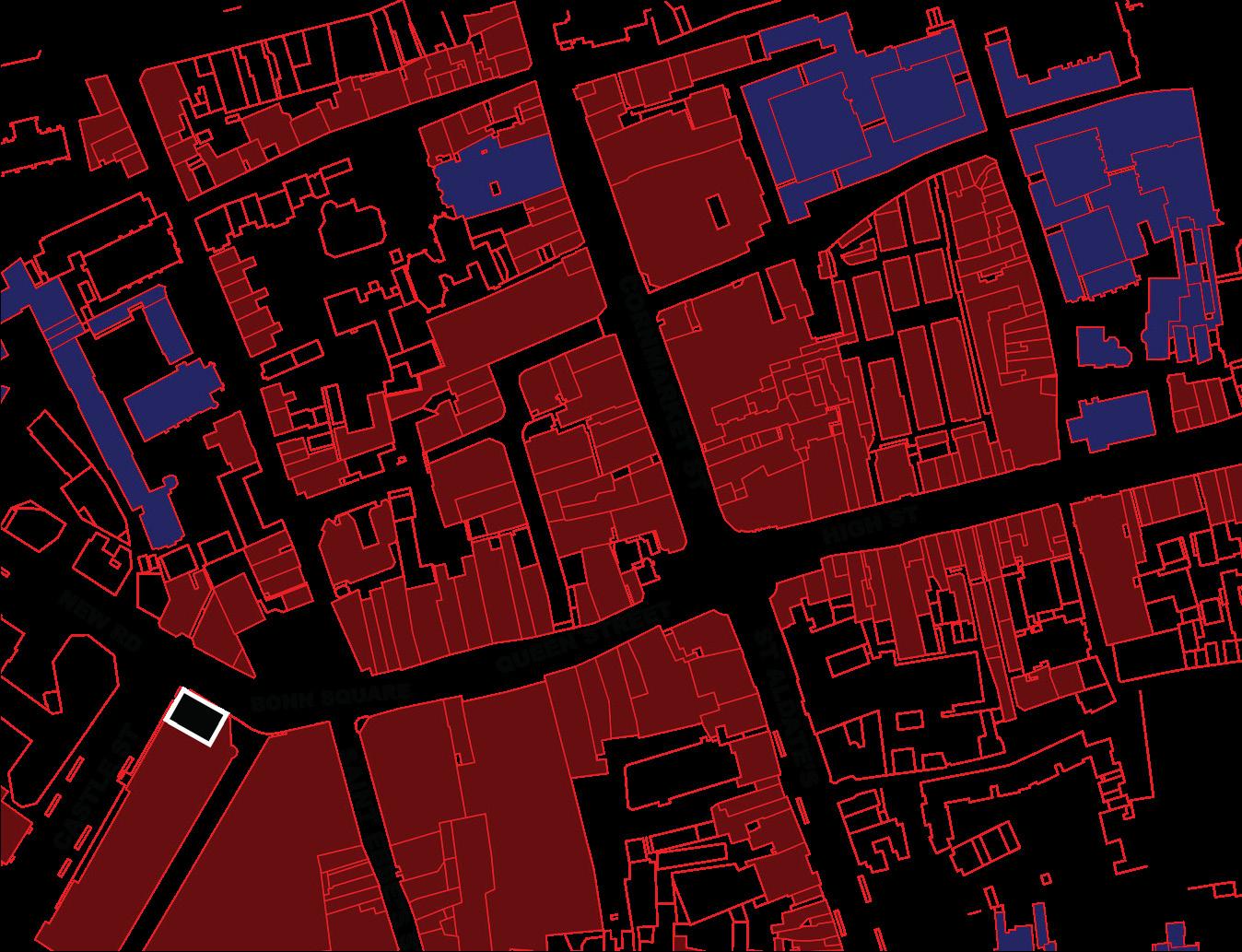
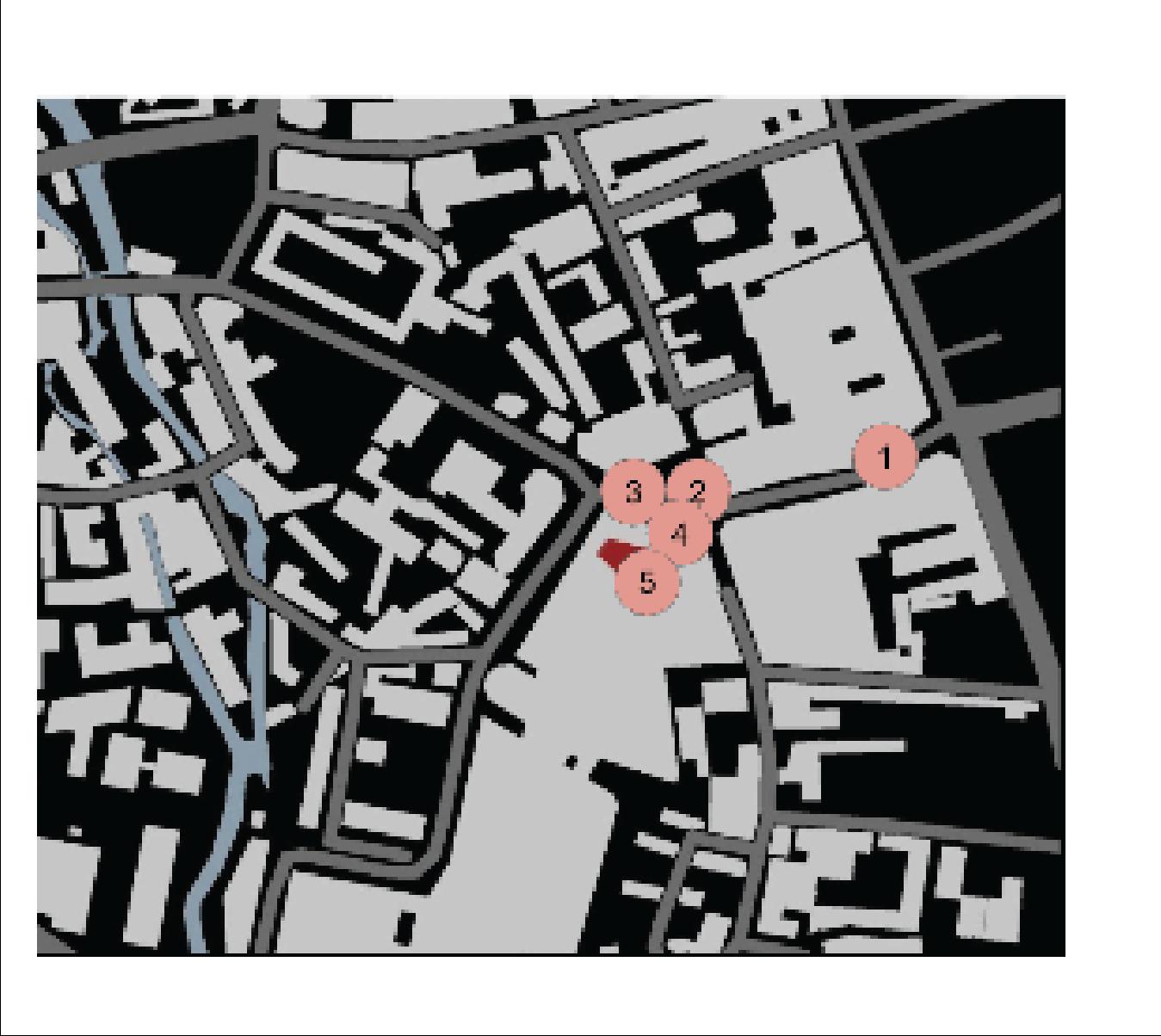
One of the main powerhouses is Westagate mall located in the very center of the city along side the historic colleges. The main Oxford Public Library happens to be located in the westgate as well which creates a contrast of the commercial versus the public space The project investigates how we can bring back the importnance of the library and build a stronger identity. lost it’s importance.
“The right to the city is like a cry and a demand... It is the right to appropriation, clearly distinct from the right to property.”
Henri Leferbvre, Right to the city, 1968
WHY IS THE CITY’S MAIN LIBRARY A WELL-KEPT SECRET?
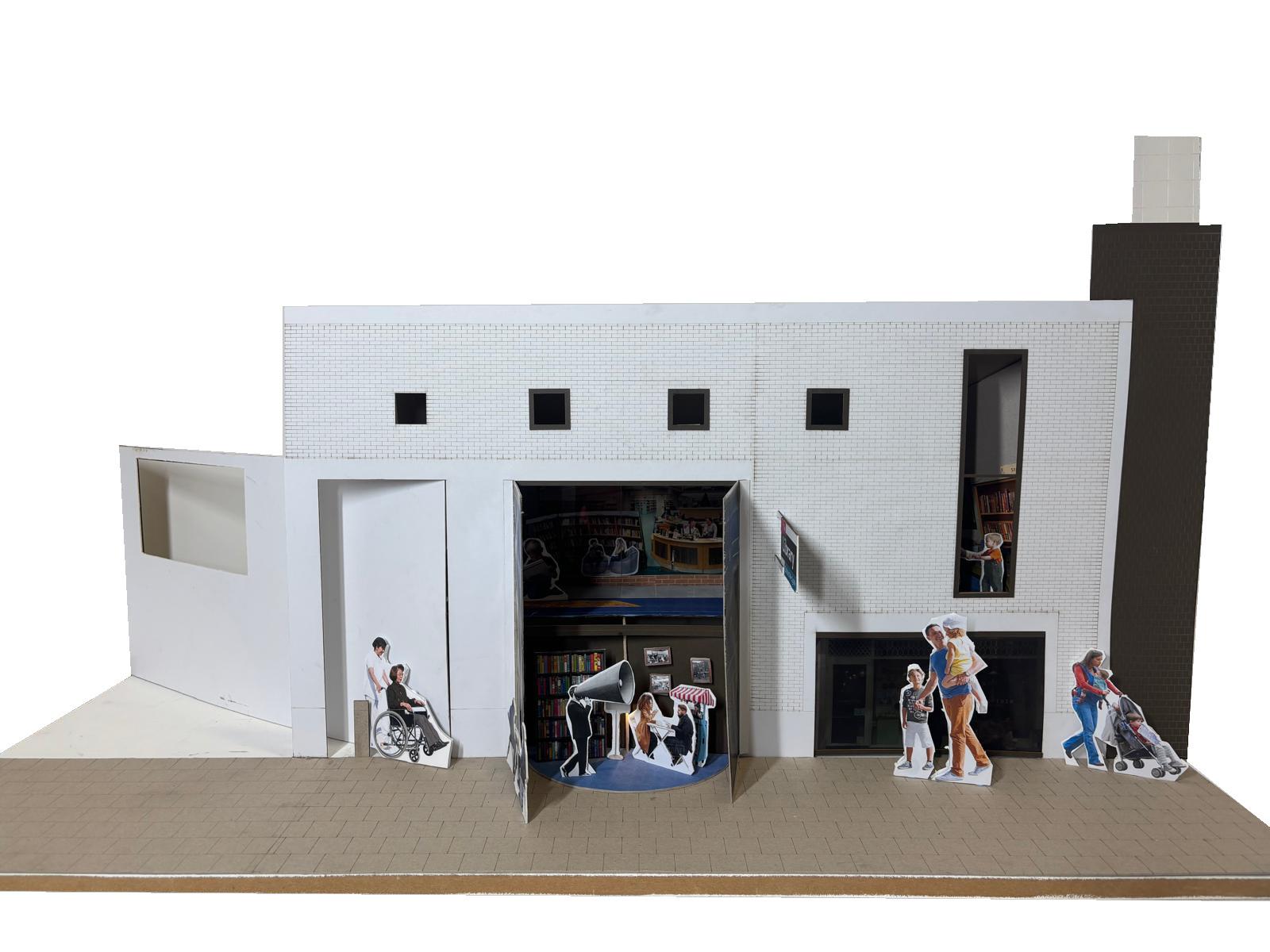
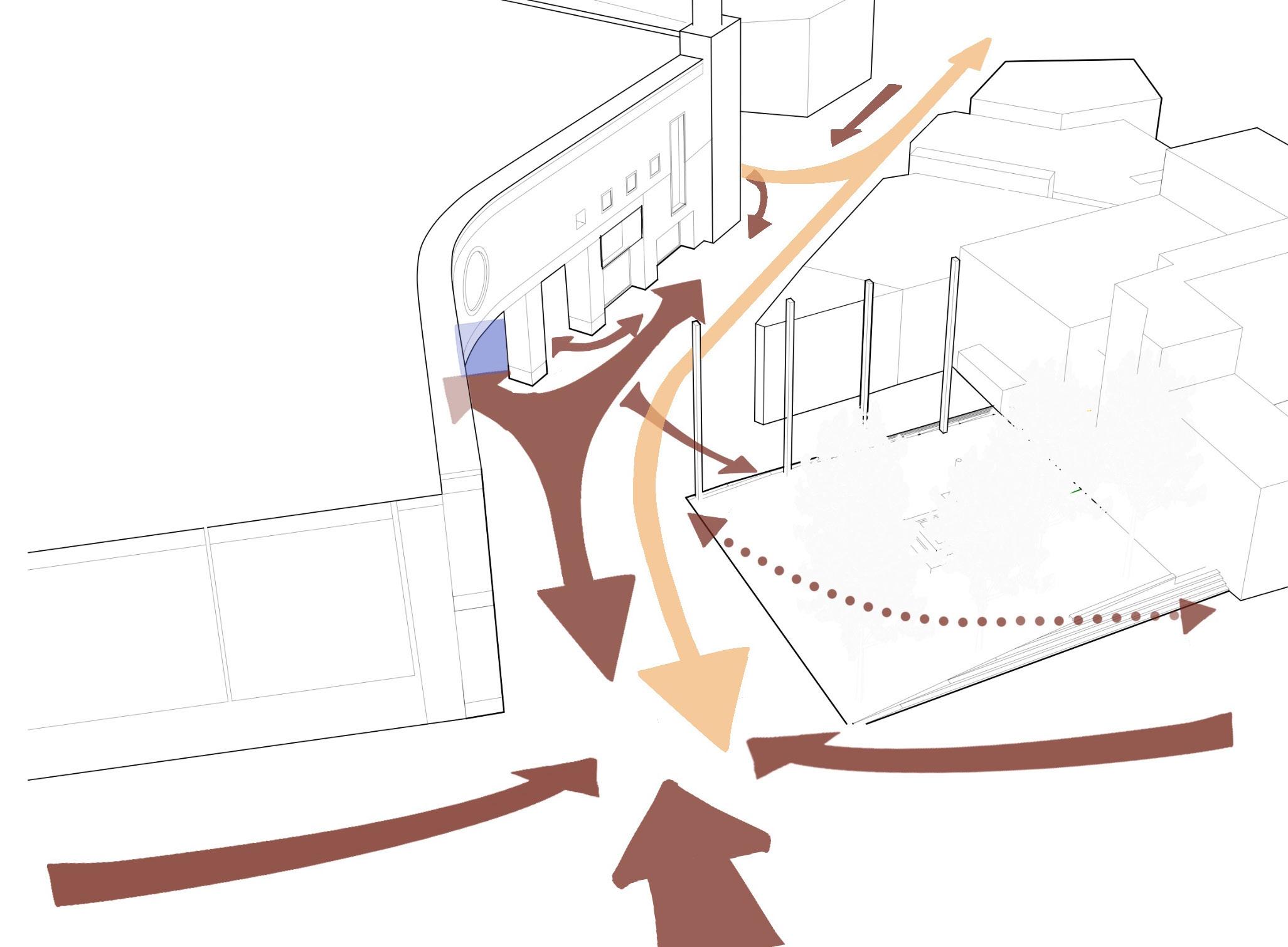
What used to be the storage of accessible knowledge became shadowed by consumerism. What this project revealed is that most people in Oxford do not know about the main Public Library of Oxford even though it is right in the center of the city on the most active road of the city. What was observed was that the main entrance to the Library is located within the Westgate and wasn’t very noticable. Whereas previously it had it’s own clear entrance. What this Diorama represents is how the library can become the heart of the city rather than just a storage place. The project aims to make the library part of the street and the street come into the library.
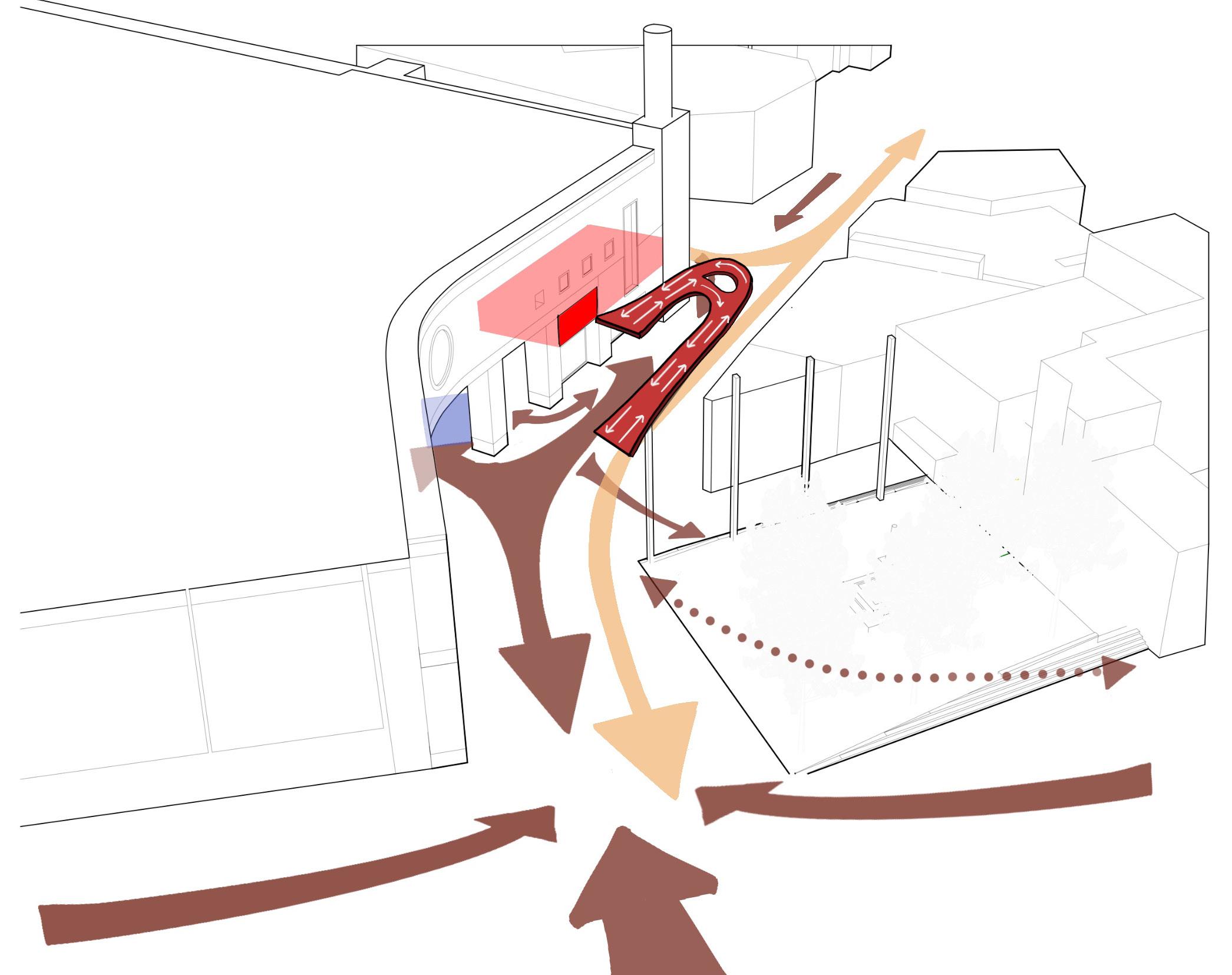
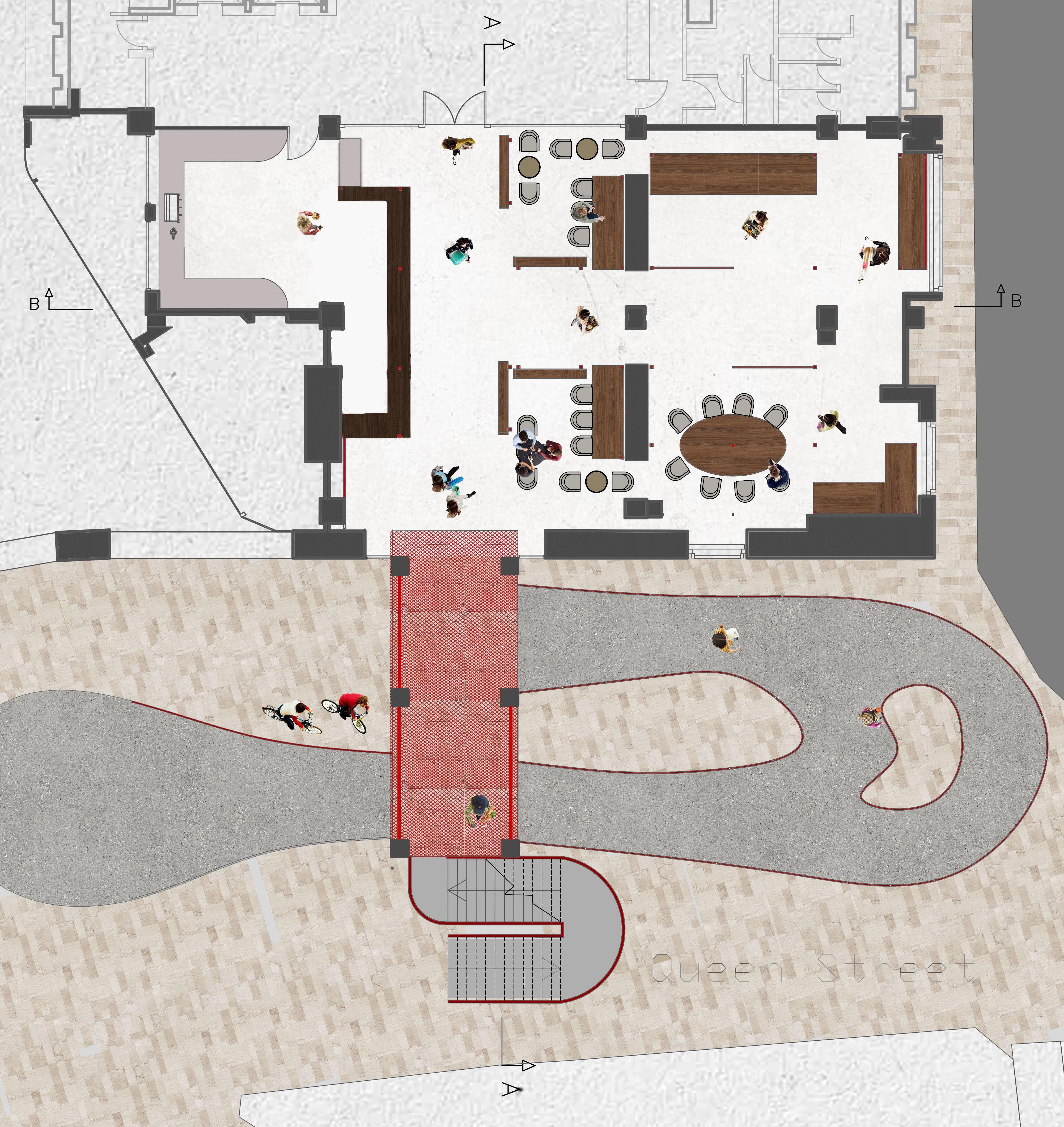
The current library entrace is located inside the Westgate and there is no way to enter the library without going through the commercial threshold. The proposed design changes the entrance to the main street infront of westgate. The idea is that the library should flow out onto the street and the street interact with the library This way the library has a more bold presence in the city.
A strong democracy depends on informed citizens, and historically, public libraries have made this possible by giving everyone free access to knowledge. However, as James Marriott highlighted on the Radical podcast, we are currently facing a ‘reading recession.’ People are reading significantly less, although the public library creates an easy access it does not make people participate in it. This project aims to fight that decline. Instead of a traditional, quiet library, the intervvention proposes an active, democratic space that breaks through normal commercial boundaries. By pushing reading out into the public street in unexpected ways, the design makes picking up a book easy, accessible, and an everyday part of community life.

4.4%
Year-on-year drop in books read.
The first structural decline recorded since 2008.
1.15 million
Fewer books read
33%
Proportion of students classified as weak readers.
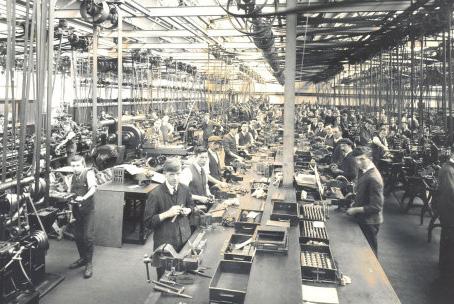
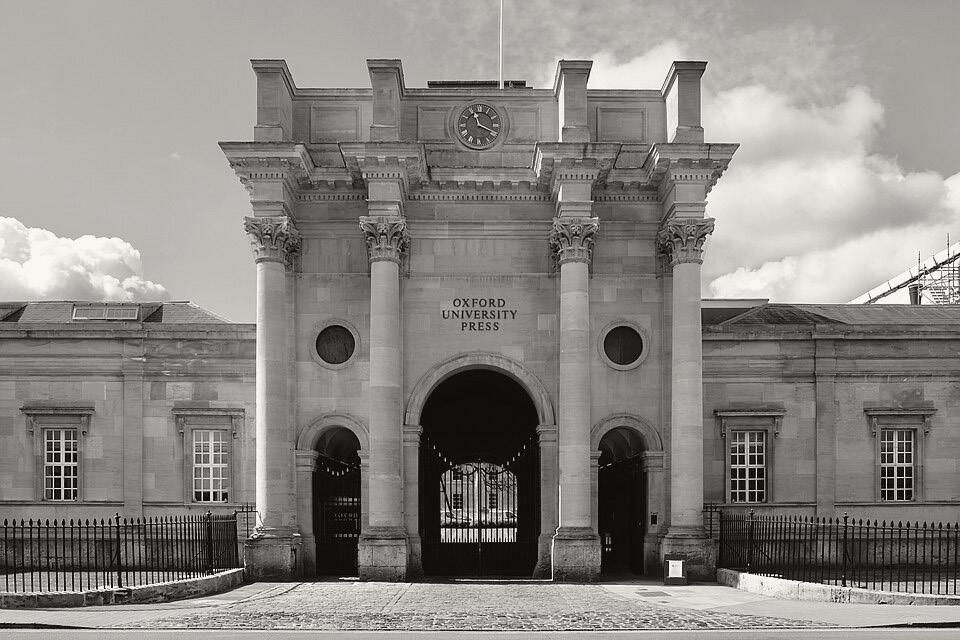
Oxford was the second location in the UK in 1586 that got permission to print books. This provided the access to mass produced books and easier access to knowledge. However it was still very unequally distibuted as it was mostly available to the higher class. The project incorporates printing in the interior to honor the history of printing in Oxford and also highlights the importance of production of physical pernamence in our digitally filled world.
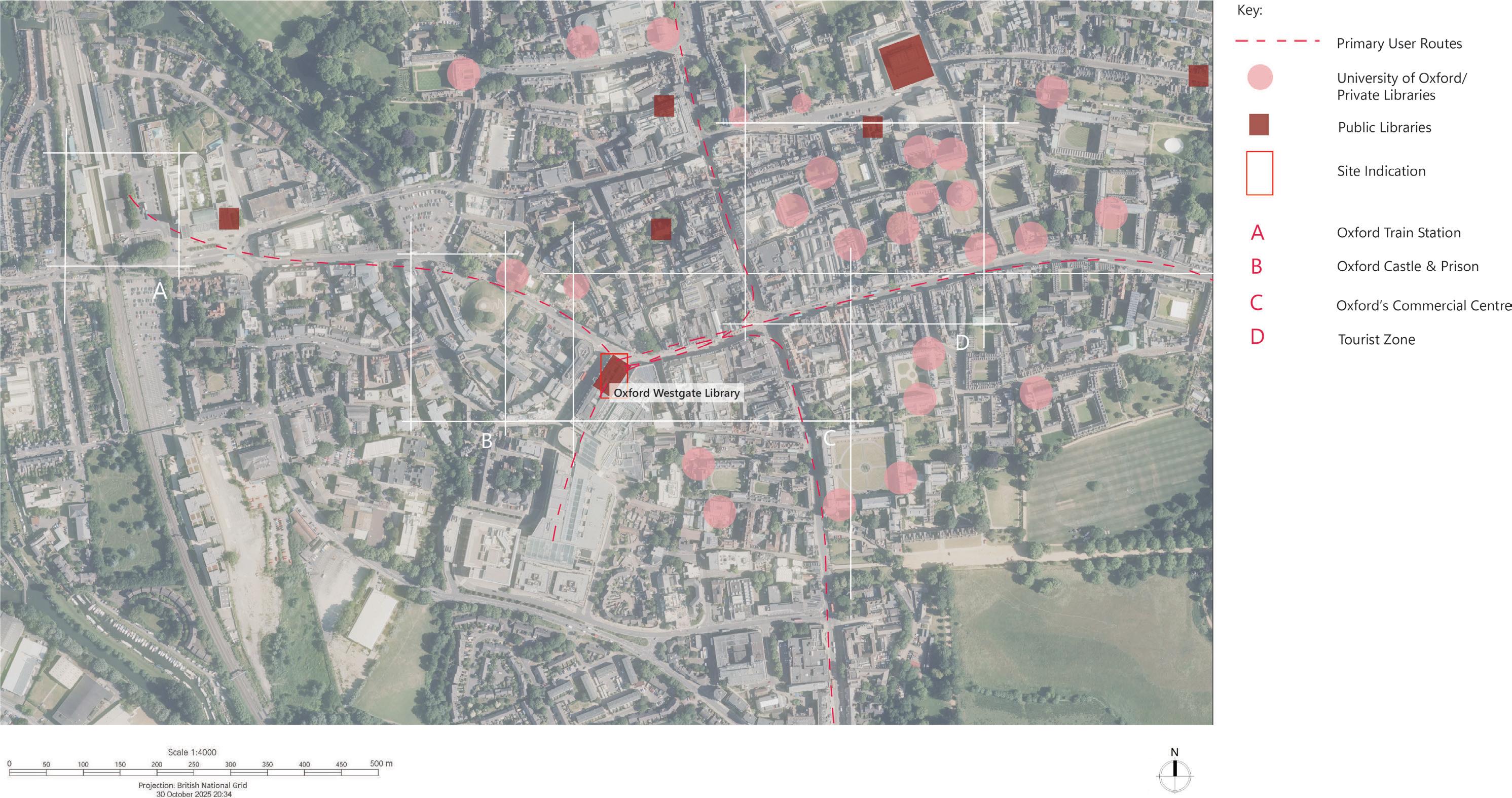
Oxford has a large amount of libraries around the cities, however most of the libraries are private libraries that are connected to Oxford colloges not accessible to the public. The main and biggest public library is the Oxford public library.
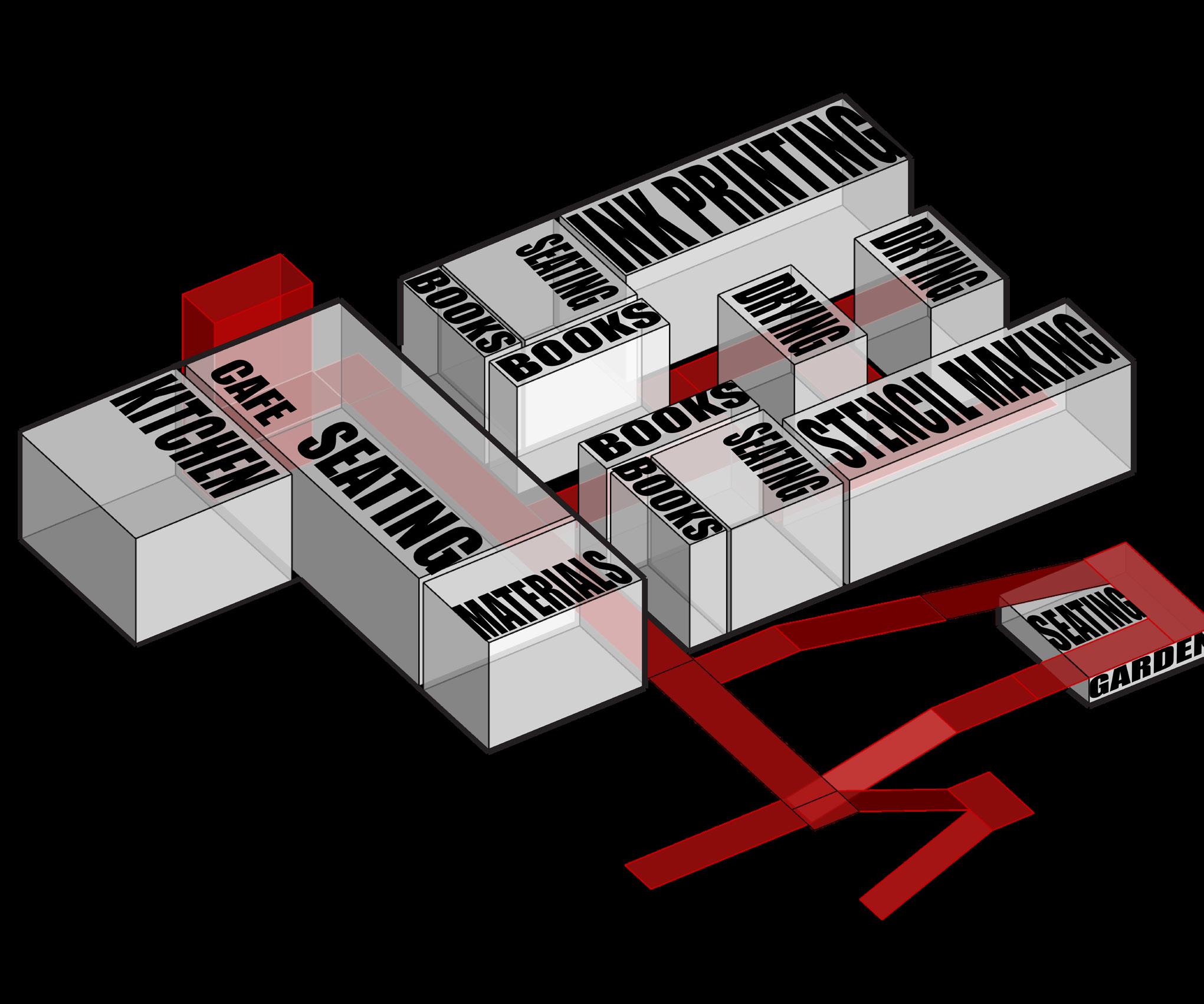
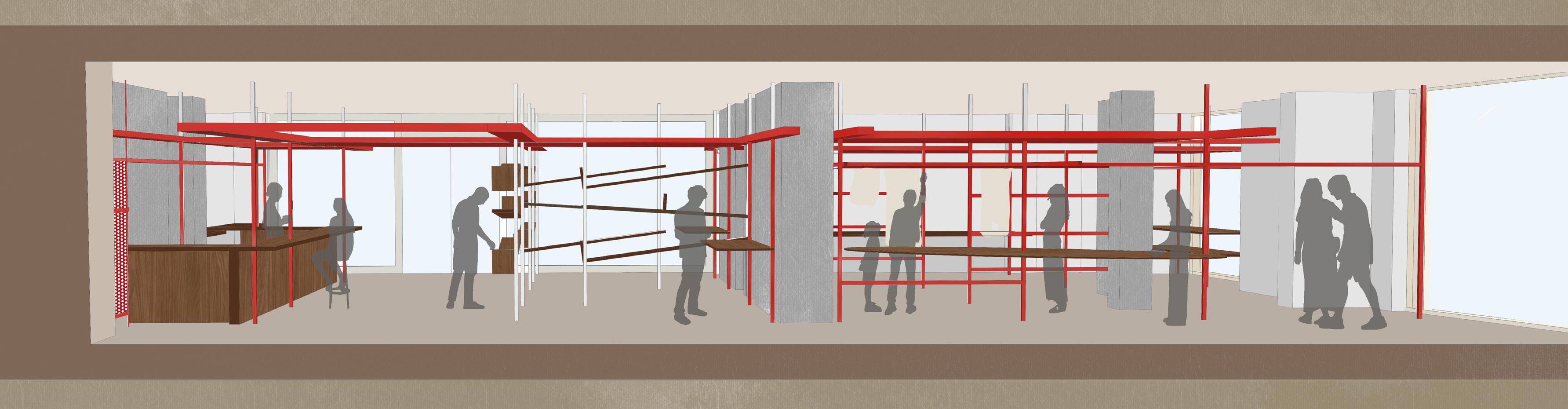
How can we design a library in a time where every book is accessible online and we have access to any type of entertainment in the reach of our hands. This project takes the standard and creates an unconvetional library that gives back the right of the city to the people. The main part of the library will stay but the current Childrens Library will be transformed into a Democratic Printing zone where people can print posters and then
CIVIC PRODUCTION VS. PASSIVE CONSUMPTION
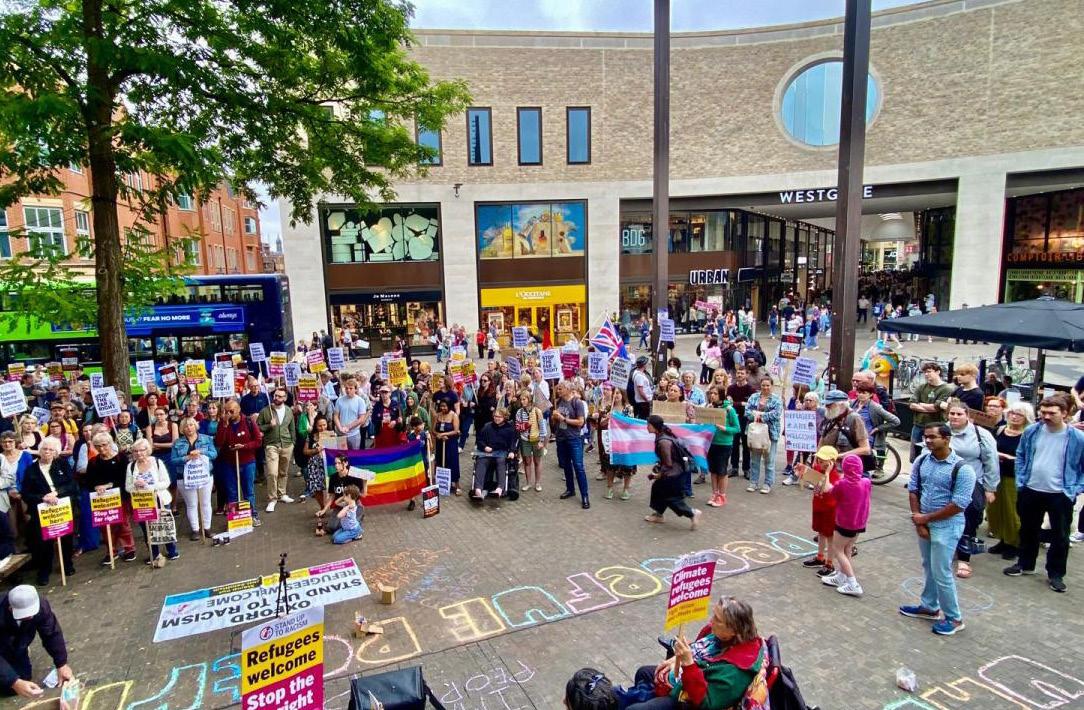
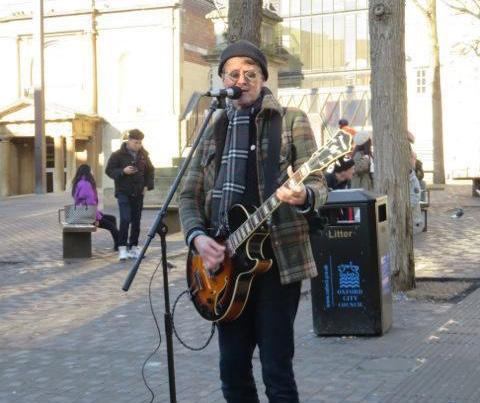
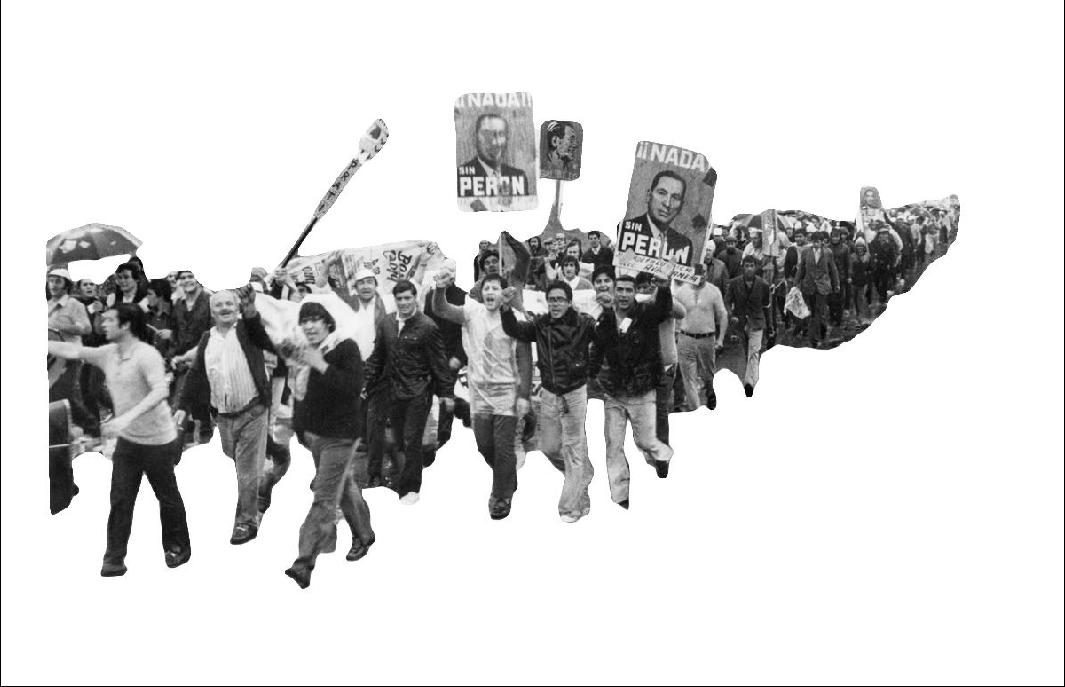
A true civic space is not defined by passive consumption; it is defined by active production. Just as the historic printing presses of Oxford bypassed the academic elite to distribute radical ideas, modern street culture reclaims the physical city. Skateboarding, street art, and public demonstration are the spatial equivalents of the printed pamphlet. Bonn Square is Oxford’s modern Agora. It is loud, public, and democratic. Our architecture extends this unprogrammed civic energy directly into the building.
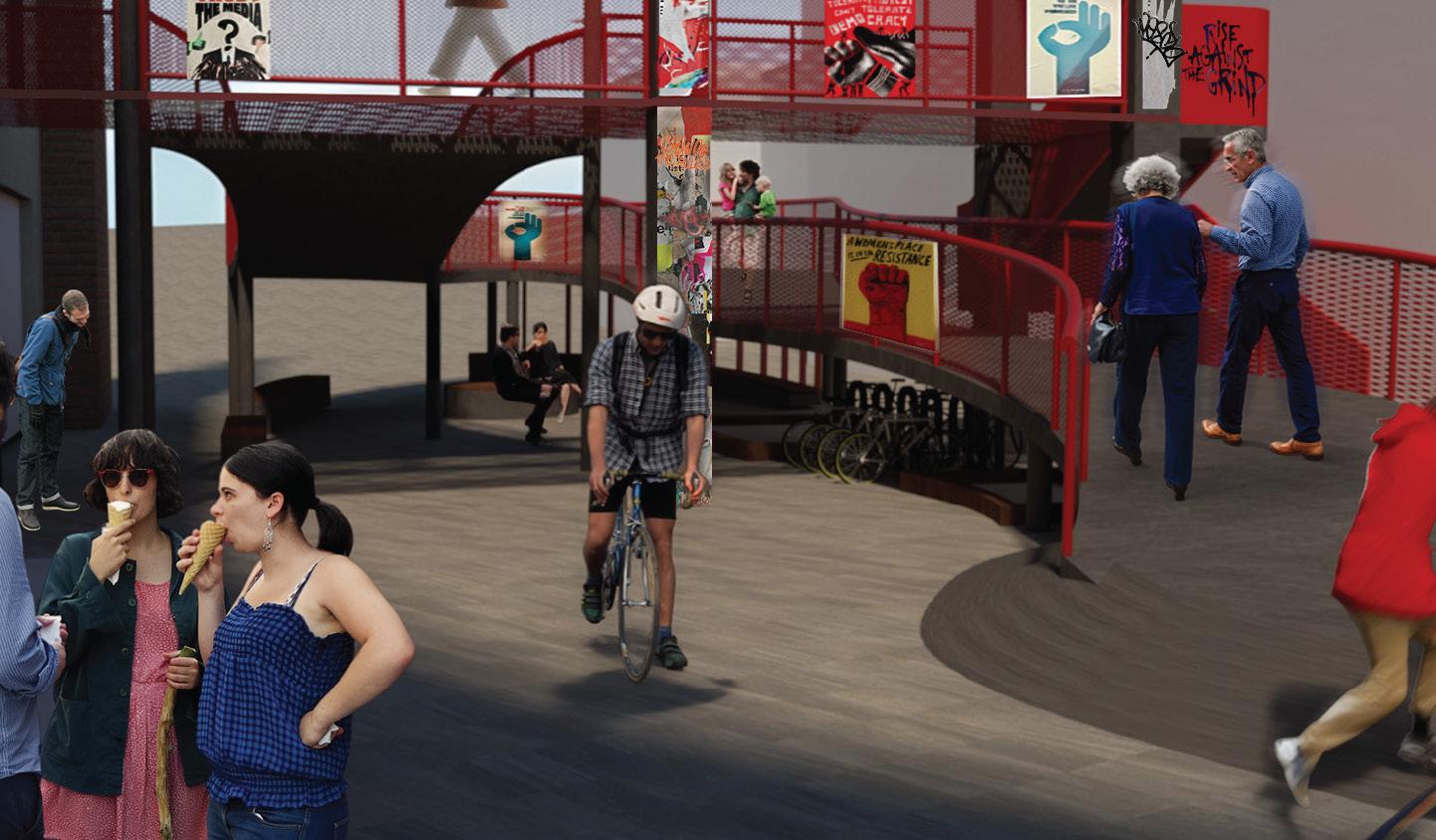
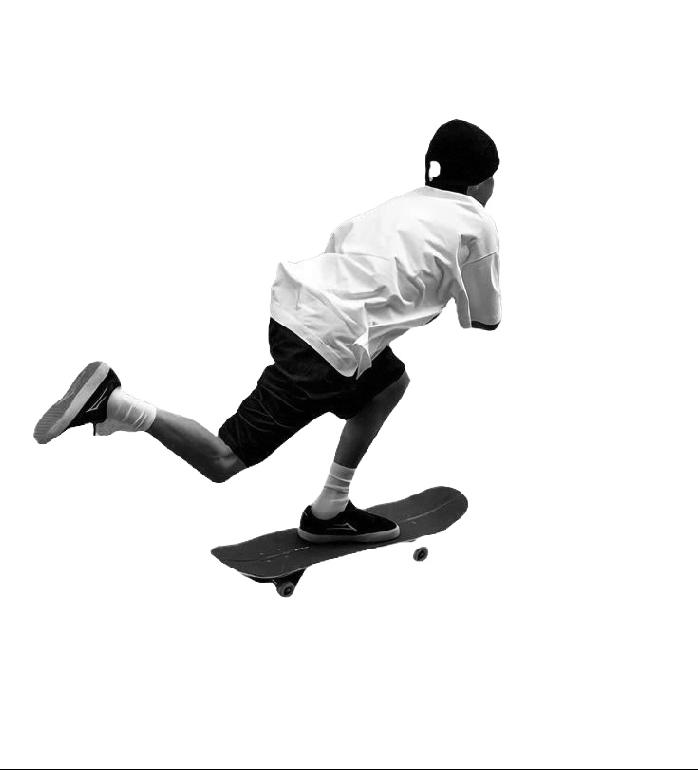
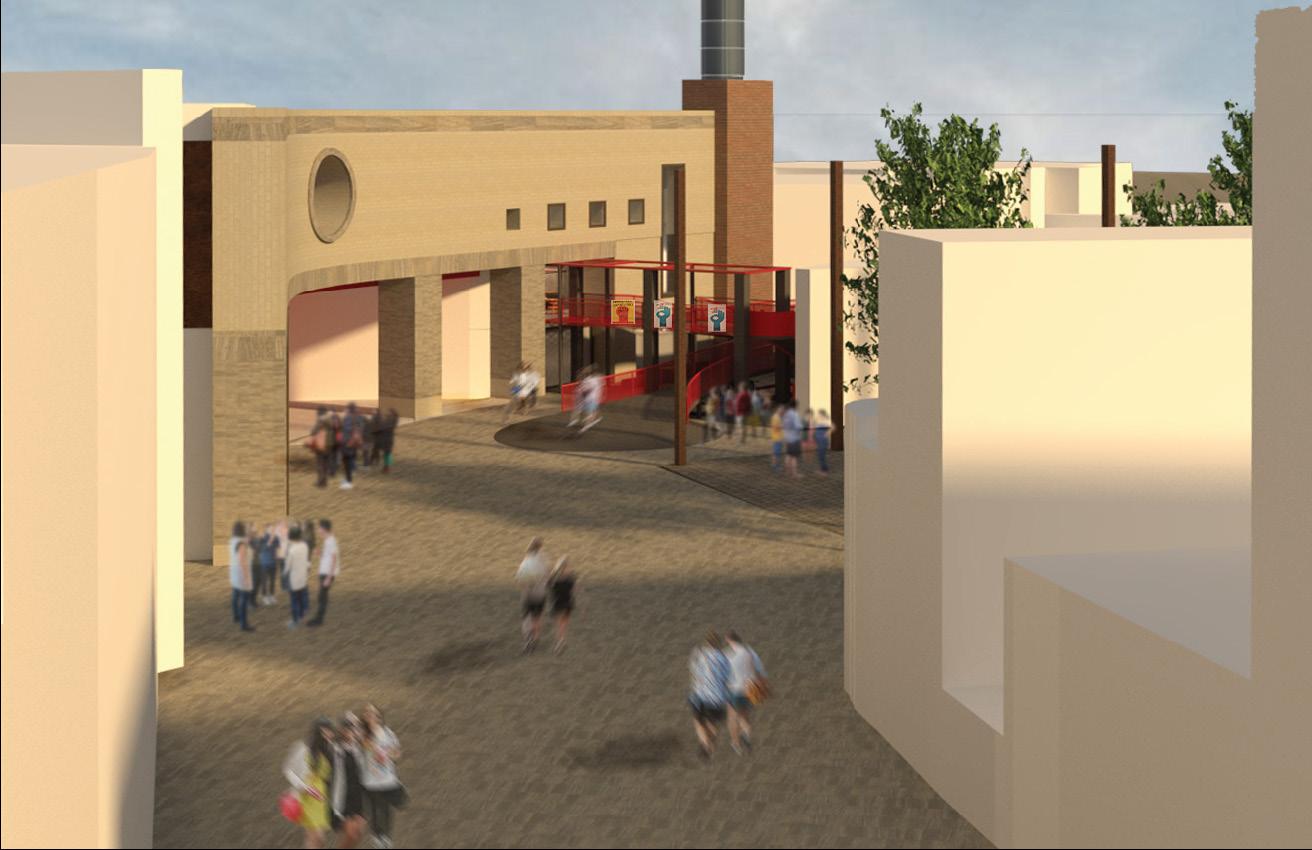
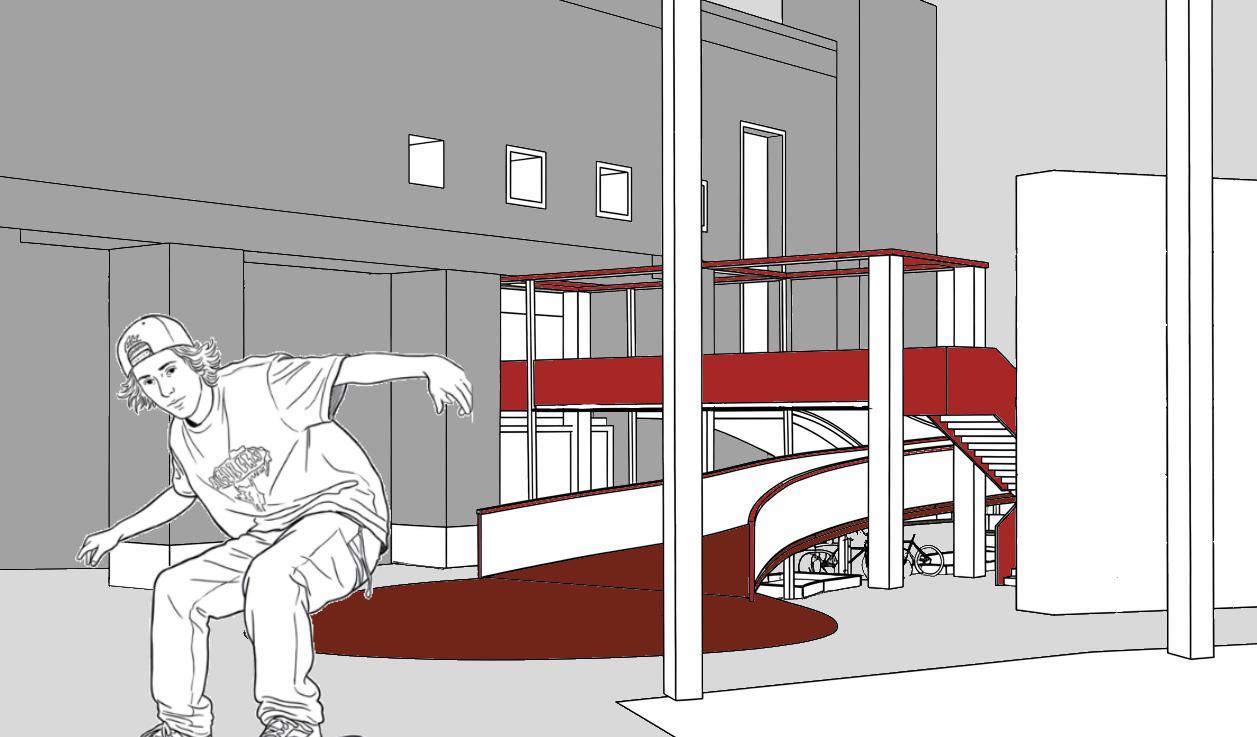
The ramp doesn’t only provide a place for posters but also can be used by skateboarders as they are users that are usually undesired in private owned areas such as mall, the ramp welcoes them to interact the architecture and rebel against the Westgate.
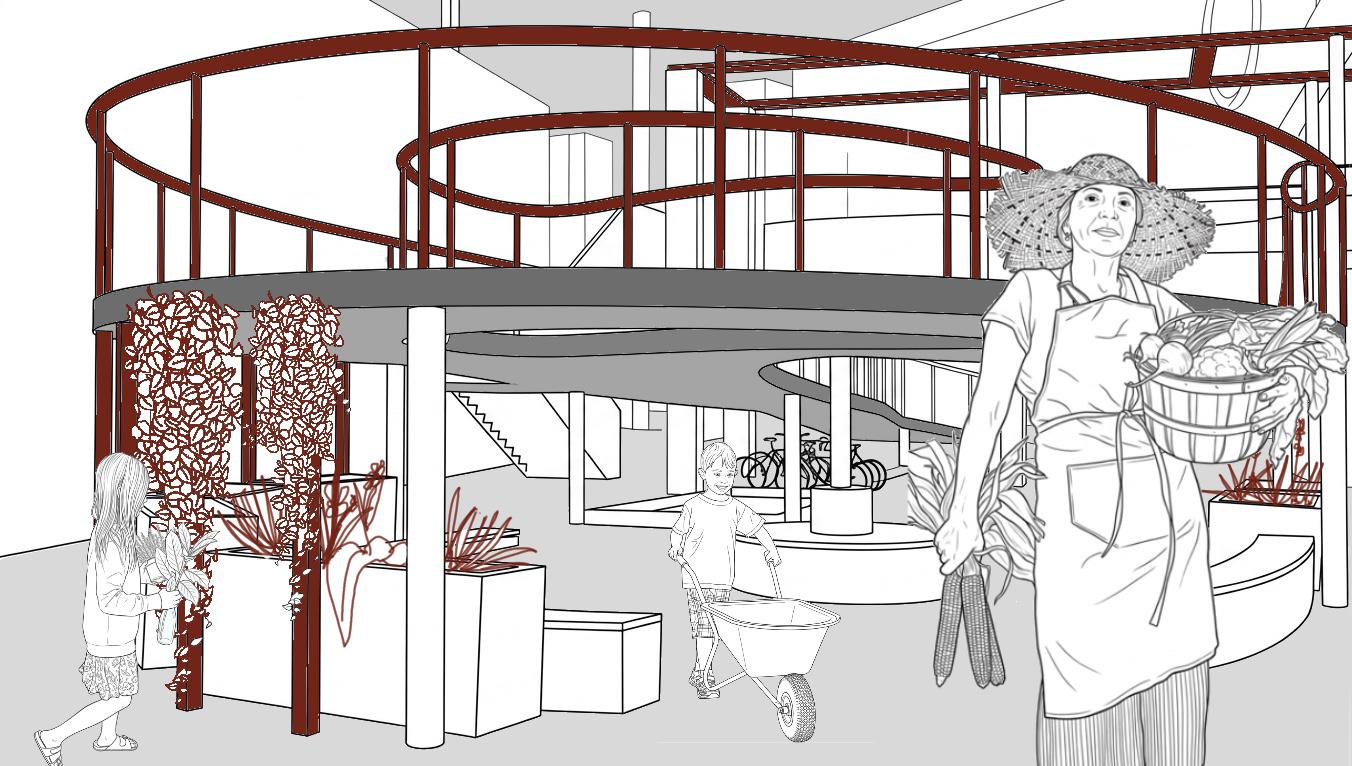
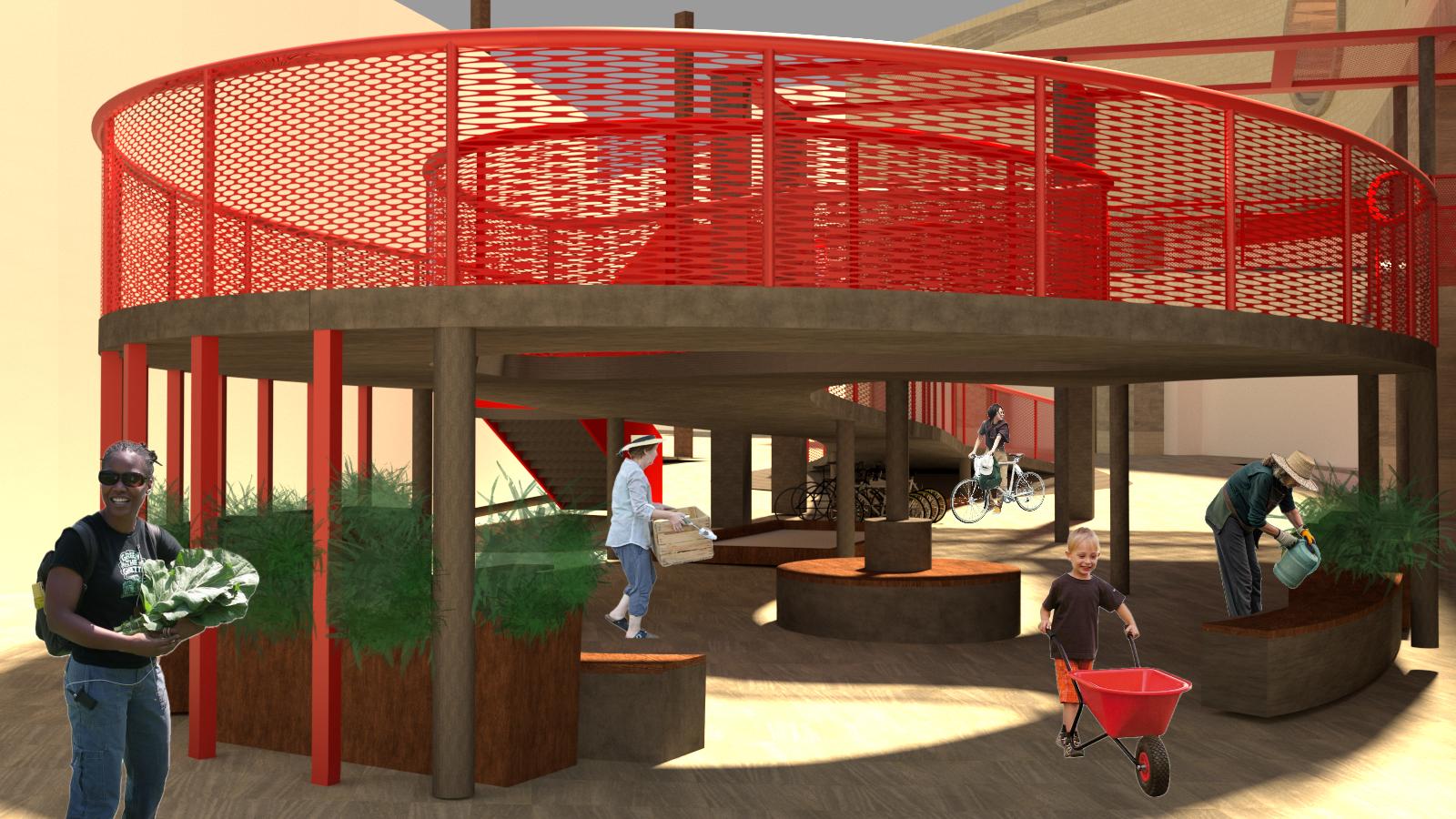
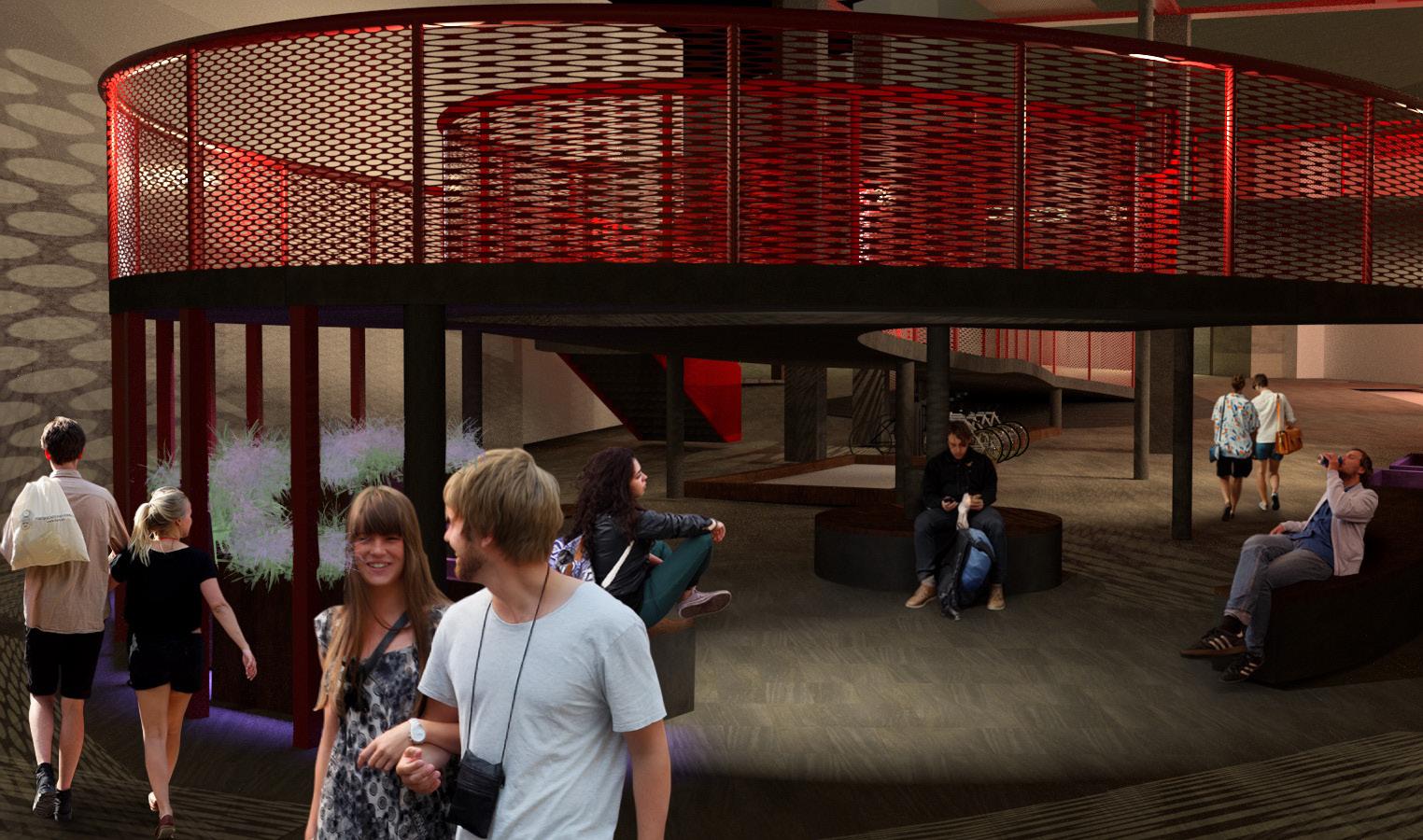
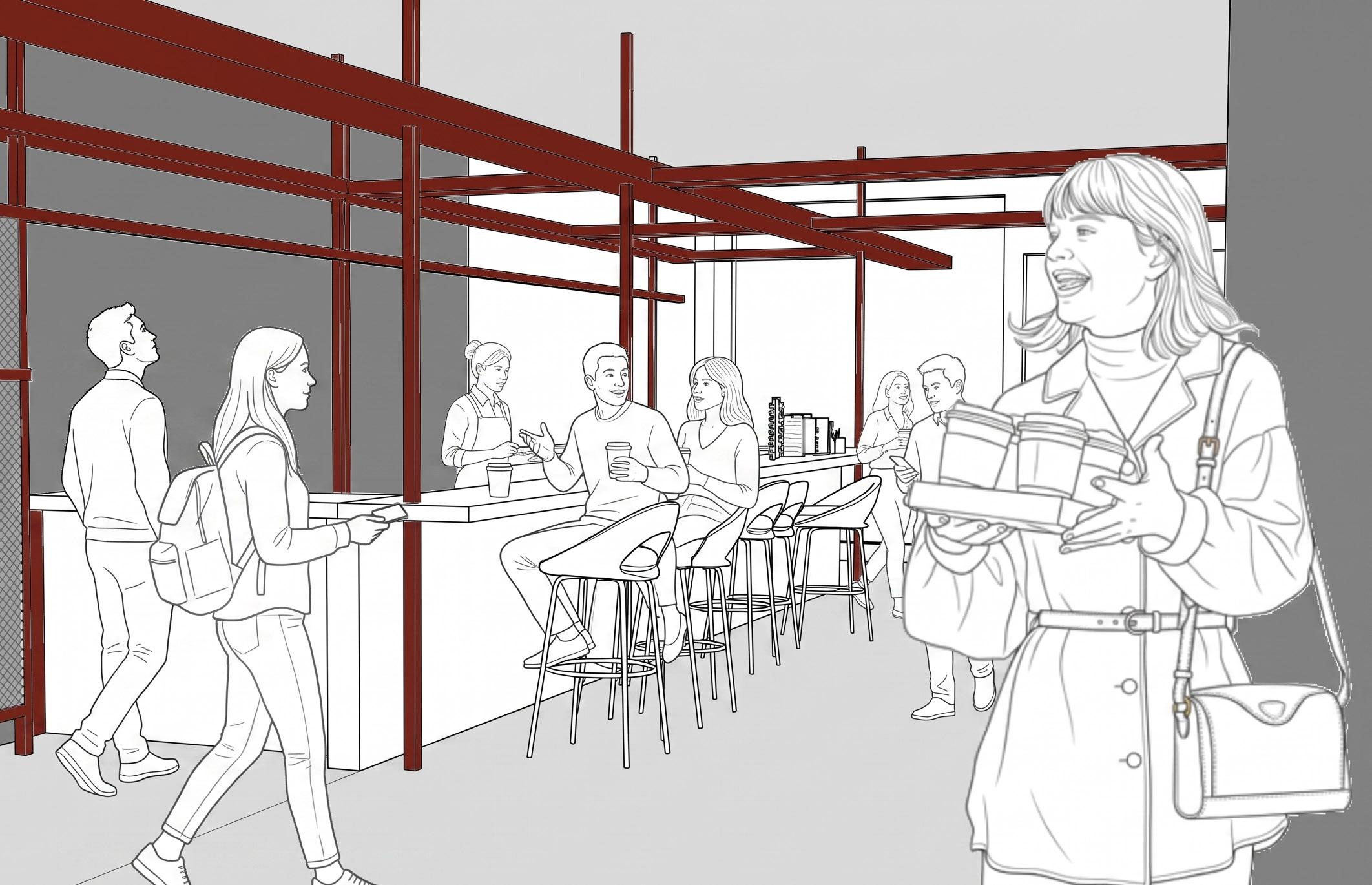
The library will also have a coffee shop that will accomodate social gatehrings that will encourage people to go through the library and make it a destination and a place of connections.
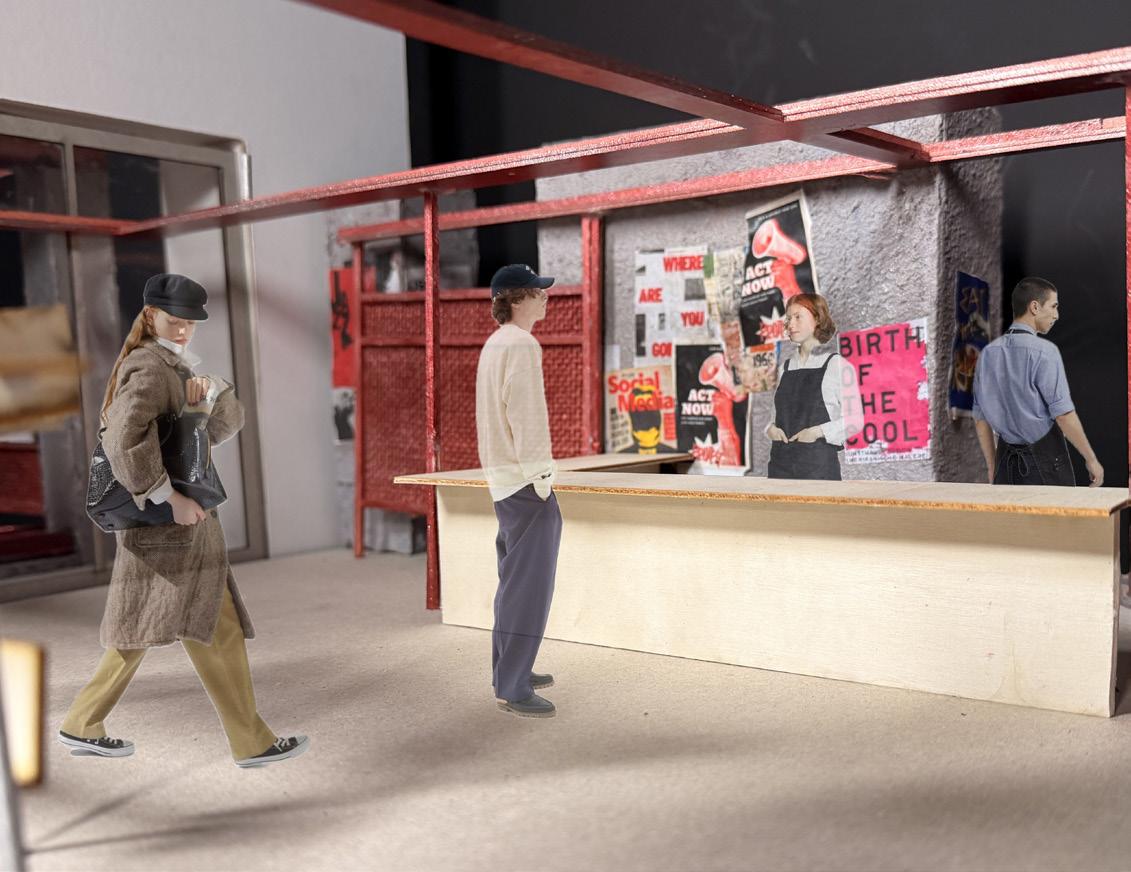
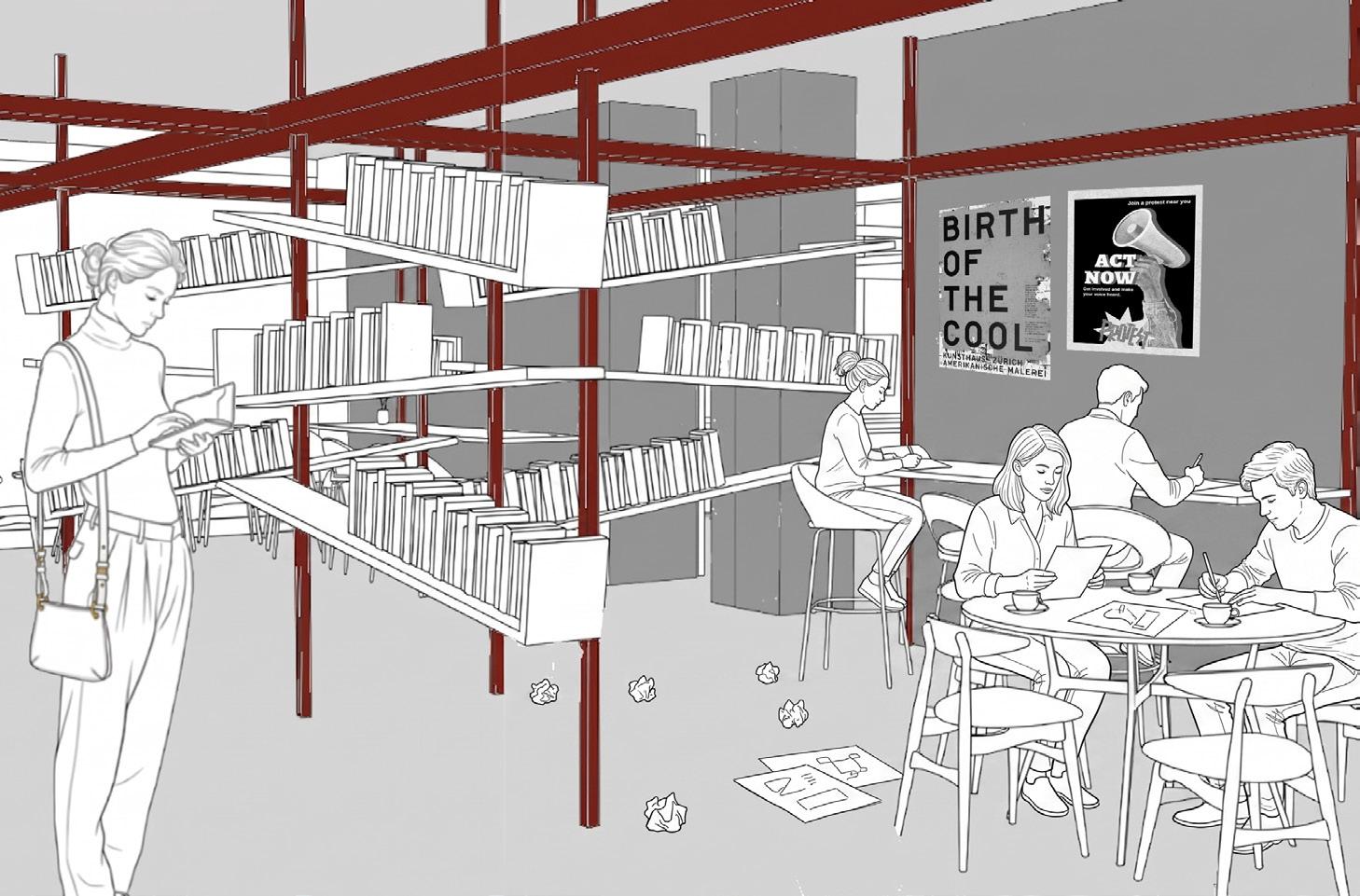
The library will have books that have more political and activists themes that are not as common to see at public libraries. The space also gives a place to reflect and critique the ideas.
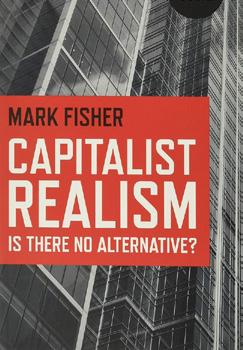
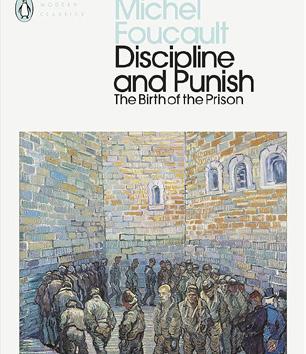
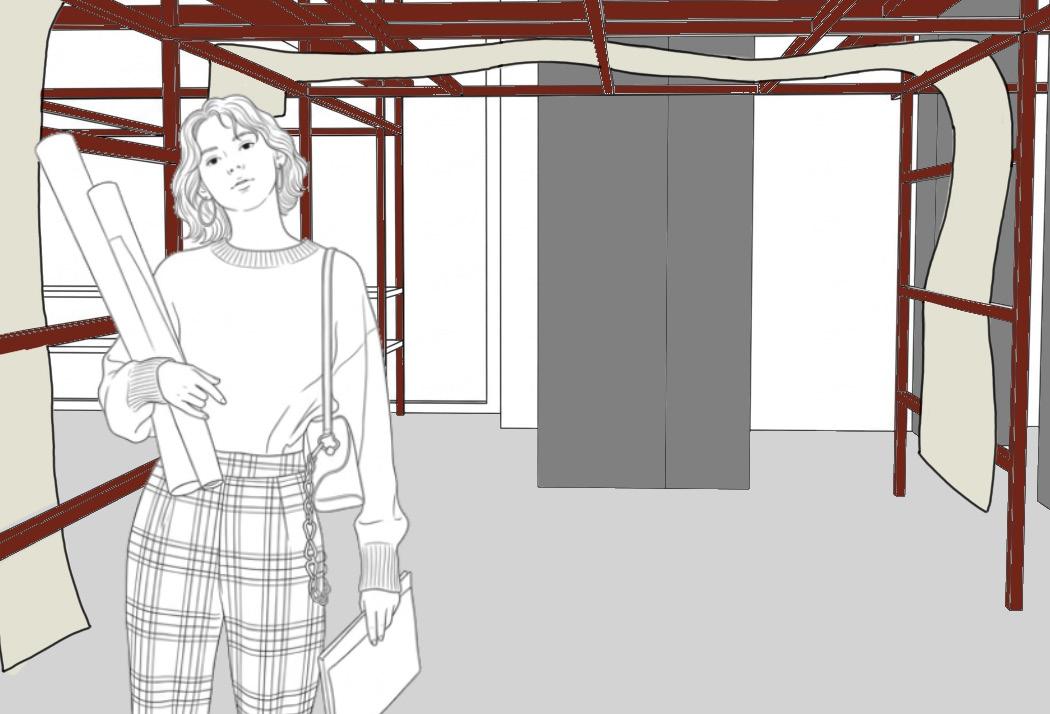
The main activity would be the printing area that would be an area for activists and artists to create posters that they can they present on the bridge or around the city which gives access to tools that are less accessible for the average person.
The area under the ramp which is usually unsafe in urban environments will be transformed into a community garden that can be used by organized groups to take care of. The garden will create greenery for the space but also provide lighting at night with night LED lights to help growth of the plants.