Adelaide PHN Innovate Reconciliation Action Plan
FEBRUARY 2026 – FEBRUARY 2028

FEBRUARY 2026 – FEBRUARY 2028
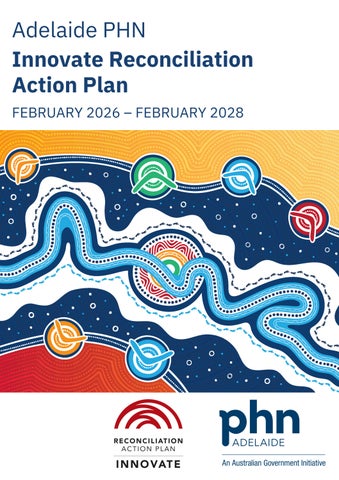
The Aboriginal and Torres Strait Islander artwork by Jordan Lovegrove, Ngarrindjeri man represents Adelaide PHN and its service to surrounding communities.
The large central meeting place is Adelaide PHN with the River Torrens running through representing the location The smaller meeting places with pathways connecting them are the different health services and partners servicing the local communities depicted by the patterned backgrounds on the outside. The boomerangs represent Adelaide PHN working with service providers and community to achieve equity of opportunity for positive health outcomes. The pathway going through the artwork is the waterways and the journey into the central meeting place. The footprints represent Adelaide PHN, service providers and community coming together to achieve a reconciled Australia where culture is restored to a place of equity, dignity and respect



Marni ngadlu tampinthi, Ngadlu, Kaurna yartangka inparrinthi Kaurna miyurna yaintya, Yarta mathanya
Which translates to “It's good that we acknowledge we are meeting on Kaurna Land. We pay respect to the Kaurna peoples as the Traditional Owners.”
We acknowledge the Kaurna peoples who are the Traditional Custodians of the Adelaide Plains. We pay tribute to their physical and spiritual connection to land, waters and community, enduring now as it has been throughout time. We pay respect to Elders past and present and acknowledge that cultural heritage and beliefs are still important to the living Kaurna people today. We would also like to acknowledge and pay our respects to those Aboriginal and Torres Strait Islander peoples from other Nations who live, work, travel and contribute on Kaurna Country.
We are excited to announce the launch of our Innovate Reconciliation Action Plan (RAP) for 20262028 In this, our third RAP, we take the opportunity to reflect on the insights we have gained and the lessons we have learned along our journey towards reconciliation. We are committed to identifying new opportunities that help to deepen our commitment to and expand our efforts in this vital work.
We recognise that to achieve a more equitable and inclusive health system, it is essential to build strong, collaborative relationships that are founded on mutual respect and understanding. Our 20262028 Innovate RAP is designed to foster these connections, ensuring that Aboriginal and Torres Strait Islander voices are heard and valued in all aspects of our work At the core of this work is Respect and Relationships which create Opportunities for us to work together to address disparities in health outcomes and create a more inclusive health system.
Our ongoing and organisation-wide commitment to reconciliation can be seen in everything we do. Our diverse staffing team reflects the diversity of the Adelaide region and strengthens the results that we deliver for communities and individuals Our relationships with Aboriginal and Torres Strait Islander health professionals, community organisations, Elders, and other essential stakeholders shape and guide our work to address the health and wellbeing disparities faced by Aboriginal and Torres Strait Islander peoples. Through this collective effort, we aim to reduce health and wellbeing inequalities and promote equity and justice in healthcare access and outcomes.
Collaborating closely with the remarkable Aboriginal organisations in Adelaide is paramount to our efforts We are dedicated to fostering opportunities where we can convene, engage, and collaborate with our healthcare partners and the communities we serve This collaboration is essential for reforming the health system and harnessing our collective strengths to create equitable health outcomes.
Our 2023-2026 Strategic Plan, alongside our Access and Equity Framework, positions us to effectively tackle health inequities. By focusing on these areas, we aim to drive meaningful and sustainable improvements in the health and wellbeing of our communities Together, we can make a lasting impact and ensure that the needs of Aboriginal and Torres Strait Islander peoples are prioritised and addressed. Our commitment and focus is to ensure every Aboriginal and Torres Strait Islander person in our region has easy access to holistic, culturally responsive and evidence-based health services to support optimal health, development and wellbeing across every stage of life.
We are grateful to the many people who have generously shared their insights and expertise in the development of this Innovate RAP We look forward to our continued partnerships as we work together towards reconciliation and improved health outcomes for all
Dr. Melanie Smith Chair of Board
Prof. Michelle McKay Chief Executive Officer


Reconciliation Australia commends Adelaide Primary Health Network (Adelaide PHN) on the formal endorsement of its third Innovate Reconciliation Action Plan (RAP).
Since 2006, RAPs have provided a framework for organisations to leverage their structures and diverse spheres of influence to support the national reconciliation movement
With over 5 5 million people now either working or studying in an organisation with a RAP, the program’s potential for impact is greater than ever. Adelaide PHN continues to be part of a strong network of more than 3,000 corporate, government, and not-for-profit organisations that have taken goodwill and transformed it into action.
The four RAP types Reflect, Innovate, Stretch and Elevate allow RAP partners to continuously strengthen reconciliation commitments and constantly strive to apply learnings in new ways
An Innovate RAP is a crucial and rewarding period in an organisation’s reconciliation journey. It is a time to build the strong foundations and relationships that ensure sustainable, thoughtful, and impactful RAP outcomes into the future.
An integral part of building these foundations is reflecting on and cataloguing the successes and challenges of previous RAPs Learnings gained through effort and innovation are invaluable resources that Adelaide PHN will continuously draw upon to create RAP commitments rooted in experience and maturity.
These learnings extend to Adelaide PHN using the lens of reconciliation to better understand its core business, sphere of influence, and diverse community of staff and stakeholders.
The RAP program’s emphasis on relationships, respect, and opportunities gives organisations a framework from which to foster connections with Aboriginal and Torres Strait Islander peoples rooted in mutual collaboration and trust.
This Innovate RAP is an opportunity for Adelaide PHN to strengthen these relationships, gain crucial experience, and nurture connections that will become the lifeblood of its future RAP commitments. By enabling and empowering staff to contribute to this process, Adelaide PHN will ensure shared and cooperative success in the long-term
Gaining experience and reflecting on pertinent learnings will ensure the sustainability of Adelaide PHN’s future RAPs and reconciliation initiatives, providing meaningful impact toward Australia’s reconciliation journey.
Congratulations Adelaide PHN on your third Innovate RAP and I look forward to following your ongoing reconciliation journey
Karen Mundine Chief Executive Officer Reconciliation Australia
Our vision for reconciliation is an Australia where Aboriginal and Torres Strait Islander peoples have equitable access to high quality, culturally responsive primary healthcare services that seek to address racism and power imbalance through active engagement with Aboriginal and Torres Strait Islander peoples, resulting in improved health and wellbeing outcomes
Our vision requires us to demonstrate courage, generosity, integrity and truth telling as we seek to achieve a reconciled Australia where Aboriginal and Torres Strait Islander cultures are recognised, respected and valued equally, ensuring dignity and equity for all.
Adelaide Primary Health Network is one of two PHNs in South Australia. The Adelaide PHN region covers 1,553 square kilometres and stretches from Sellicks Hill in the south to Angle Vale in the north, and from the beaches in the west to the foothills in the east. Comprising seventeen Local Government Areas and includes three regional LHNs – Northern Adelaide, Central Adelaide and Southern Adelaide and the Women’s and Children’s Health Network
The Kaurna peoples are the Traditional Owners of the Adelaide Plains. As well as Kaurna, Adelaide Aboriginal communities come from about 200 diverse Aboriginal and Torres Strait Islander clan groups and speak many different languages. It is estimated there were 26,934 Aboriginal and Torres Strait Islander peoples residing in the Adelaide PHN region in 2023, comprising 2 1% of the region’s total population





Our 2023-2026 Strategic Plan sets the foundation for us to address health inequities and inequalities by working with our partners to shape the health system to deliver better outcomes for vulnerable people. Adelaide PHN recognises the contribution partnering makes to the achievement of our key strategies.
Partnering allows us to facilitate a sustainable primary healthcare system characterised by innovative care pathways by improving the integration, efficiency, and effectiveness of health and relevant community services. We work with a broad range of partners including non-government organisations, state government departments including SA Department of Health and Wellbeing and LHNs, universities, local councils, and peak bodies.
We co-create with our Advisory Councils and other partners to improve health equity and access through planning, designing and commissioning of inclusive, culturally sensitive, and structurally appropriate services across all levels of the health system
Adelaide PHN works with general practices, allied and community health service providers, our Advisory Councils and community to identify health needs and service gaps. We then co-design, co-create and commission services and programs to address local needs using locally informed, place-based frameworks for delivering models of care Our work helps people access safe, equitable and timely healthcare where it’s most needed Our RAP is one of several strategic documents used to embed these values and guide improvements to organisational systems and processes. Other supporting strategic documents include Adelaide PHN’s Strategic Plan 2023 – 2026 and Adelaide PHN’s Access and Equity Framework 2025.



In South Australia, 2.9% of the population (52,069 people) identified as Aboriginal and/or Torres Strait Islander using the estimated residential population as of 2023. Of these figures, 95.5% identified as Aboriginal, 2.3% as Torres Strait Islander and 2.2% as Aboriginal and Torres Strait Islander.
Improving the health and wellbeing of Aboriginal and Torres Strait Islander peoples is one of our key priorities Others are mental health, alcohol and other drugs, suicide prevention, priority populations, prevention and management of chronic disease, older adults, and children and families.
We work in partnership with the local Aboriginal Community Controlled Health Organisations (ACCHOs), Aboriginal Community Controlled Organisations (ACCOs), Aboriginal Medical Services, general practice and others to improve health outcomes and access to culturally responsive healthcare.
The concept of social and emotional wellbeing emphasises that an individual's health is shaped by a variety of social determinants, including the inequities stemming from government policies, institutional racism, and the lasting impacts of colonisation and historical injustices. For Aboriginal and Torres Strait Islander peoples, health encompasses more than just the physical state of individuals; it reflects the holistic nature of ‘social, emotional, and cultural wellbeing’ that is deeply rooted in the collective health of the entire community. This holistic approach underscores the importance of strong connections to Cou bot we Wh peo ma res cul Stra Com Abo ana and and


Adelaide PHN employs 98 staff, all of whom are based in our office in Mile End, Adelaide.
Three of our staff identify as Aboriginal and Torres Strait Islander making up 3.06% of our total workforce.
Complementing our workforce is our Governance Structure which includes one Aboriginal Board Director and four Aboriginal Advisory Council members.


All staff at Adelaide PHN were given the opportunity to actively contribute to the development of our Innovate Reconciliation Action Plan (RAP). This process involved genuine collaboration with Aboriginal and Torres Strait Islander staff, Aboriginal and Torres Strait Islander members of our Community Advisory Council (CAC), and various stakeholders. By prioritising the voices, aspirations, and experiences of Aboriginal and Torres Strait Islander peoples, we have ensured that the RAP is designed with authenticity at its core
To oversee the implementation of the RAP, our Reconciliation Working Group (RWG) will determine the necessary resources and will be responsible for driving and monitoring the progress of RAP initiatives. Transparency and accountability will be integral to our governance structure,

Reconciliation Working Group (RWG)

Reconciliation Working Group Members
Christine Bell (Chair), Strategy & Engagement Manager
Sarah Murray (Executive Champion), Deputy CEO
Fiona Buzzacott, Aboriginal Health Lead and a proud Arabunna and Kungka woman
Rebecca Piovesan, Contracts and Capacity Building Coordinator
Nathanial Motlap, Contracts and Capacity Building Coordinator and a proud Mbabaram Man
Kyrstle Meyers, Primary Care Reform Manager
Donna Shotton, Planning & Performance Manager
Andrea Helyard, Corporate Services Support Officer
Kirsty Rawlings, Allied Health Lead
Veronica Hunter-Riviere, Primary Care Pathways Manager
Aboriginal CAC Members
Barunah Alick, Aboriginal CAC member and a proud Darnley Islander man
Isaiah Rigney, Aboriginal CAC member and a proud Ngarrindjeri man
Tyson Rigney Aboriginal CAC member and a proud Ngarrindjeri, Kaurna, and Boandik Korni
awuru woman from the Kimberley ed, worked and studied.


Adelaide PHN is committed to fostering strong partnerships with Aboriginal and Torres Strait Islander communities, celebrating our shared journey towards improving healthcare access We believe that ensuring widespread access to culturally responsive primary healthcare is essential to our reconciliation efforts and an important step towards enhancing the wellbeing of Aboriginal and Torres Strait Islander peoples.
Internally, our influence lies in the opportunities we offer our staff and members of our CAC and Clinical Council through our workplace culture as well as the corporate policies, protocols and accountability mechanisms that underpin them This includes the commissioning and procurement of primary healthcare services and facilitating continuous quality improvement and development
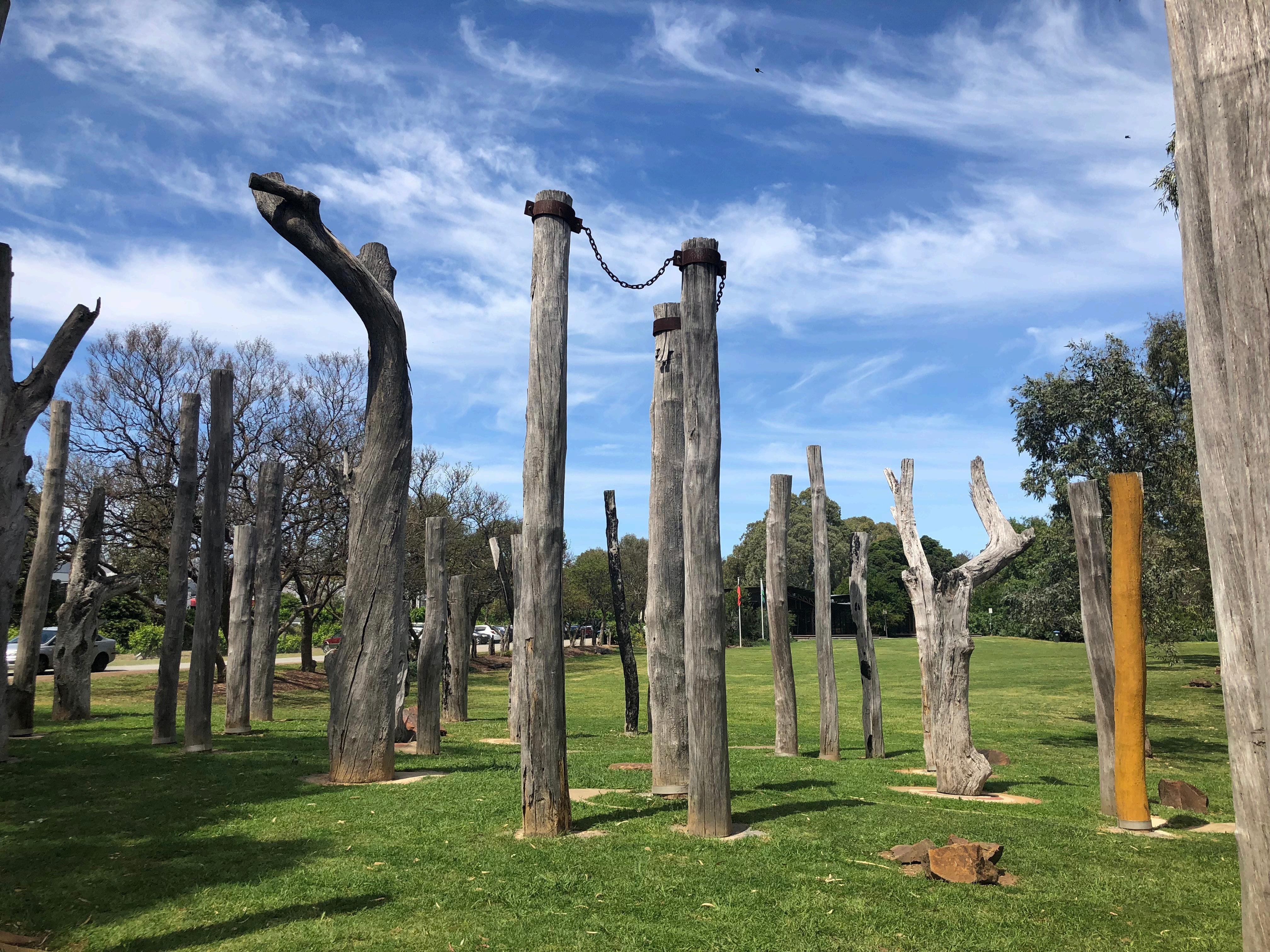
Adelaide PHN plays a pivotal role in enhancing health outcomes for Aboriginal and Torres Strait Islander peoples by partnering and collaborating with a diverse range of stakeholders This includes various levels of government, primary healthcare providers, not-for-profit organisations, ACCOs, ACCHOs, universities, educational institutions, and peak bodies. The goal of these partnerships is to ensure health services are culturally responsive and accessible, addressing the specific needs of the community and fostering a more equitable health landscape.
To support this, Adelaide PHN emphasises genuine community involvement through its various councils, such as the Clinical Council, GP Council and our CAC, which includes the voices of the Aboriginal and Torres Strait Islander community Each council provides essential insights and recommendations that inform the planning and design of primary healthcare services and engages stakeholders in an ongoing process of Needs Assessment maturity. Adelaide PHN works with local communities and service providers to identify health needs and the service gaps required to meet those needs. This informs decisions made by Adelaide PHN in collaboration with local partners to improve the health of our local population.
Aboriginal and Torres Strait Islander members of the CAC are deeply connected with their local communities and possess substantial knowledge of primary health issues. Their insights can arise from personal experiences as patients or caregivers, their professional roles in health consumer advocacy and community services, or through facilitating Yarning Circles, which encourages open dialogue and sharing of experiences. This level of engagement greatly enhances Adelaide PHN's ability to address the distinct health needs of Aboriginal communities by increasing our understanding, interpreting need and codesigning services that reflect the community's perspective with the Adelaide PHN Board This ensures that decisions regarding health investments and innovations are aligned with the needs of communities, are cost-effective, locally relevant, and resonate with the care experiences of the community.
Adelaide PHN also prioritises the engagement of locally based Aboriginal businesses as part of our commitment to reconciliation. This approach helps to build stronger relationships and promotes economic growth for all Australians, furthering the organisation's overall mission to improve health outcomes and foster a more equitable health system
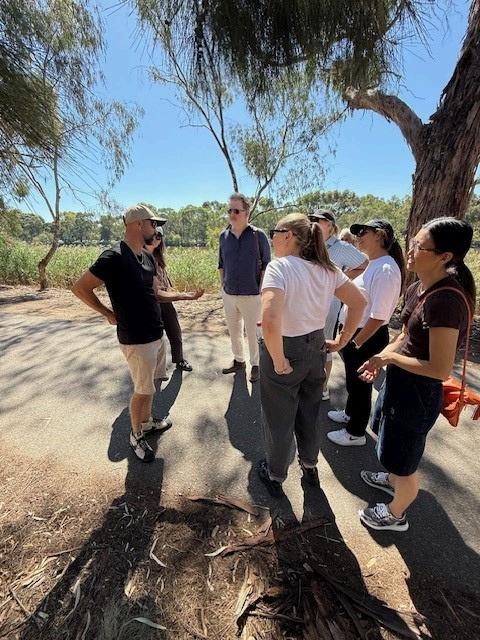

The development of our Innovate RAP including the formation of the RAP Actions has occurred in consultation with both internal and external stakeholders, including local Elders, community representatives and key staff from the Aboriginal Health sector, ACCOs, and local Aboriginal and Torres Strait Islander communities to inform and guide the development of the RAP from a community perspective. This was facilitated through regular meetings and collaboration. Our RAP is championed internally by the organisation’s Executive Leadership Team led by the CEO and supported by a cross-divisional RWG that meets every six weeks to steer the RAP deliverables and update progress against the identified deliverables Aboriginal and Torres Strait Islander members of our CAC attend a minimum of six RWG meetings per year.
Adelaide PHN began our formal reconciliation journey in 2019 with the development of our inaugural Innovate RAP for 2020-2022. This RAP was pivotal in guiding us through essential steps towards reconciliation, fostering curiosity and enhancing internal cultural understanding.
With the launch of our second Innovate RAP (2023-2025), we sought to strengthen our commitment to sustainable practices that ensure cultural inclusion, fairness, and recognition across all facets of our work This updated RAP emphasised the importance of forging meaningful partnerships with Aboriginal and Torres Strait Islander communities, stakeholders, ACCHOs, and ACCOs.
Building on the progress we've made so far, we are committed to creating a more culturally aware and inclusive workforce This transformation is expected to have a positive ripple effect on our community engagement and impact service delivery, ultimately fostering better health outcomes and stronger connections with Aboriginal and Torres Strait Islander peoples and communities.
During the past five years we have:
Established and maintained an Aboriginal CAC.
Developed and implemented a cultural protocols document for Welcome to Country and Acknowledgement of Country
Invited Traditional Owners to provide Welcome to Country at Adelaide PHN events
Developed and implemented an engagement plan to work with Aboriginal and Torres Strait Islander organisations, ACCHOs and ACCOs.
Developed Partnering Arrangements with ACCOs.
Increased cultural immersion and professional development opportunities, including Kaurna Language Courses for staff and Board.
Supported the cultural capability of primary care workforce
Developed and implemented a Cultural Capability Framework
Conducted a review of HR Policies to identifying barriers to employment.
Increased our commercial relationships with Aboriginal Business to seven ongoing commercial relationships.

Following the endorsement of our second Innovate RAP, the “No” outcome of the Voice to Parliament referendum has highlighted the importance of fostering deeper engagement with Aboriginal and Torres Strait Islander communities The referendum's result, which rejected the proposal for a constitutionally recognised Voice, has posed significant challenges for the reconciliation journey, highlighting the crucial need for healing and unity within our community.
In response, Adelaide PHN is strengthening its dedication to reconciliation by prioritising the Aboriginal and Torres Strait Islander Voice in all aspects of our work. We are committed to facilitating genuine dialogue, strengthening relationships, and ensuring that the perspectives and needs of Aboriginal and Torres Strait Islander peoples are recognised and valued, including regular engagement with representatives from the South Australian Voice to Parliament
Our approach includes actively seeking out partnerships and collaborations that empower Aboriginal and Torres Strait Islander voices, integrating cultural awareness into our practices, and creating spaces for shared learning and understanding. We believe that by deepening our engagement and commitment to these communities, we can make meaningful contribution toward reconciliation, healing, and a more inclusive future for all
Increasing the number of Aboriginal and Torres Strait Islander employees within our organisation has proven to be a challenge. Although we successfully created two Identified Positions, our general recruitment efforts have not been as effective as we had hoped. To address this, we have undertaken a comprehensive review of our policies and procedures, testing new recruitment pathways and employing innovative strategies designed to foster engagement with Aboriginal and Torres Strait Islander communities
Our approach includes collaborating with local Aboriginal organisations, participating in community events, and enhancing our outreach efforts to create a more inclusive recruitment process. By focusing on building strong relationships and improving our understanding of cultural needs, we aim to create a supportive environment that encourages Aboriginal and Torres Strait Islander individuals to consider a career with Adelaide PHN We remain committed to fostering diversity and inclusion within our workforce and believe that these efforts will ultimately lead to greater representation and engagement
Adelaide PHN funds the delivery of Aboriginal Cultural Sensitivity and Respect Training for General Practices, Allied Health Professionals and Commissioned Service Providers. These workshops are presented by a local Aboriginal family-owned business who specialises in the delivery of Cultural Training and aim to equip primary healthcare professionals with the knowledge and skills required to deliver culturally responsive and respectful care for Aboriginal and Torres Strait Islander communities.
Adelaide PHN funded 120 places for mainstream primary care providers during FY 2024-25 to attend Aboriginal Cultural Sensitivity and Respect Training.
The workshops provide powerful insights into the Aboriginal experience of colonisation, sustained government policies and racism, emphasising how past and present events continue to negatively impact the social and emotional wellbeing of Aboriginal communities. Health professionals are encouraged to examine the health status of Aboriginal communities through a culturally sensitive lens, adopting patient-centred and trauma informed approaches that respect and respond appropriately to the identities and experiences of Aboriginal consumers.
Workshop participants explore the principles of cultural safety, going beyond cultural awareness to create environments where Aboriginal and Torres Strait Islander peoples feel secure, understood and respected. The training also highlights how historical and ongoing experiences have contributed to health disparities, stressing the need for healthcare providers to be proactive in addressing these challenges
These training workshops support Adelaide PHN’s commitment to improving health outcomes by fostering cultural sensitivity and ensuring that primary healthcare services are inclusive and respectful for all community members.
After completing the training, participants report greater confidence engaging Aboriginal clients to deliver responsive healthcare and record data appropriately Clinical staff are also equipped to offer Aboriginal and Torres Strait Islander individuals the option to access dedicated services that can facilitate improved health outcomes, including health assessments, immunisations or engagement with an Aboriginal health worker.
In 2024 Adelaide PHN hosted its Reconciliation Event, Empowering Aboriginal and Torres Strait Islander Health: Leveraging Data for Better Health Outcomes. The event was a collaborative effort, developed by the Adelaide PHN Reconciliation Working Group to explore how data can improve health outcomes for Aboriginal and Torres Strait Islander peoples, particularly in the realm of social and emotional wellbeing.
Attendees were encouraged to engage deeply with the discussions, with a standout keynote from Dr Mark Wenitong Drawing from his extensive experience in Aboriginal and Torres Strait Islander health, Dr. Wenitong highlighted how data can be a powerful tool to enhance healthcare systems for Aboriginal and Torres Strait Islander communities. His firsthand insights offered practical strategies to leverage data for better health outcomes.
Associate Professor Courtney Ryder followed Dr. Wenitong with a compelling talk on the same theme, emphasising the potential for data to drive meaningful changes across healthcare services
The event also featured a panel discussion with Dr. Wenitong, Associate Professor Ryder, and Aboriginal Health Council SA CEO Tanya McGregor, moderated by Jason Downs, CEO of Reconciliation SA. The panel explored real-world applications of data and ways to address ongoing healthcare disparities.
This event marked a key milestone in Adelaide PHN’s Reconciliation journey, reaffirming the organisation’s commitment to building a healthcare system that is inclusive and accessible for all, particularly for Aboriginal and Torres Strait Islander communities.
Adelaide PHN has since become a member of the National PHN Indigenous Data Sovereignty and Governance Steering Group which was formed in November 2024. The National PHN Indigenous Data Sovereignty and Governance Steering Group will provide overarching strategic advice and guidance on the development/implementation and evaluation of the National PHN Indigenous Data Sovereignty and Governance Roadmap and other matters relating to Indigenous Data Sovereignty and Governance.

Adelaide Primary Health Network (Adelaide PHN) will enhance its commitment to building and maintaining mutually reciprocal relationships with Aboriginal and Torres Strait Islander peoples, communities, and organisations through a purposeful approach to leadership and allyship.
Action
1.Establish and maintain mutually beneficial relationships with Aboriginal and Torres Strait Islander stakeholders and organisations.
Deliverable
Continue to meet annually with local Aboriginal and Torres Strait Islander stakeholders and organisations to enhance and improve our guiding principles for future engagement
Timeline
September 2026, 2027
Responsibility
Strategy & Engagement Manager
September 2026, 2027
September 2026, 2027

Action
2.Build relationships through celebrating National Reconciliation Week (NRW).
Deliverable
Circulate Reconciliation Australia’s NRW resources and reconciliation materials to our staff.
RAP Working Group members to participate in an external NRW event
Encourage and support staff and senior leaders to participate in at least two external events to recognise and celebrate NRW, including: Reconciliation SA Breakfast Rec in the West Reconciliation in the South:City of Onkaparinga Local Reconciliation Walk in Port Adelaide And other local community events as advertised through local networks
Organise at least one NRW event each year.
Register all our NRW events on Reconciliation Australia’s NRW website.
April 2026, 2027
27 May- 3June, 2026, 2027
Strategy & Engagement Manager Strategy & Engagement Manager Timeline
27 May- 3June, 2026, 2027
27 May- 3June, 2026, 2027
27 May- 3June, 2026, 2027
Strategy & Engagement Manager
Strategy & Engagement Manager
Strategy & Engagement Manager

Action
3.Promote reconciliation through our sphere of influence.
Review and refine the staff engagement strategy to increase awareness and drive reconciliation across our workforce during the RAP period to February 2028.
Communicate our commitment to reconciliation publicly
Continue to explore opportunities to positively influence our external stakeholders to drive reconciliation outcomes during this RAP period March 2026-2028
Collaborate with a minimum of five RAP organisations and other like-minded organisations to develop innovative approaches to advance reconciliation, including:
Central Adelaide Local Health Network
Southern Adelaide Local Health Network
Northern Adelade Local Health Network
Sonder
Local Urgent Care Clinics
Neami National
Uniting Communities
Gowrie
Timeline
February 2026, 2027
May 2026, 2027
February 2028
Responsibility
Strategy & Engagement Manager
Strategy & Engagement Manager
Strategy & Engagement Manager
October 2026, 2027
Executive Manager, Primary Care and Integration

Adelaide PHN will develop an annual calendar of significant dates, such as NAIDOC Week, Sorry Day, and National Reconciliation Week, to encourage staff participation and reflection.
The Coming of the Light (1 July)
NAIDOC Week (6-12 July)
National Apology (3 February)
National Close the Gap Day (19 March)
National Sorry Day (26 May)
National Reconciliation Week (27 May – 3 June)
To foster a deeper understanding and appreciation of Aboriginal and Torres Strait Islander cultures we invite Aboriginal and Torres Strait leaders and health professionals to participate in our events and significant days.
May 2026, 2027
Chief Executive Officer
June 2026, 2027
Aboriginal Health Lead
Adelaide PHN will foster partnerships with local government, ACCHO, ACCOs, and community members to create three place-based initiatives that support the health and wellbeing of Aboriginal and Torres Strait Islander peoples.
Establish and implement an Indigenous Data Sovereignty Framework which aligns Adelaide PHN practices with national standards
Undertake an Indigenous Data Sovereignty maturity assessment to enable the development of a Best Practice Quality Improvement Action Plan.
Facilitate an annual forum for Commissioned Service Providers and partners that promotes discussion and
Timeline
February 2028
April 2026
December 2026
Responsibility
Manager, Planning & Performance
Manager, Planning & Performance
Manager, Planning & Performance
October 2026,
Aboriginal Health Lead

Action
4.Promote positive race relations through anti-discrimination strategies.
Engage with Aboriginal and Torres Strait Islander staff and/or Aboriginal and Torres Strait Islander advisors in the review of our anti-discrimination policy.
Review and update the Adelaide PHN anti-discrimination policy in consultation with Aboriginal and Torres Strait Islander staff and Traditional Owners/Cultural Advisors
Educate senior leaders on the effects of racism.
November 2026
March 2027
March 2026, 2027
March 2027
Responsibility
Continuously improve HR policies and procedures concerned with anti-discrimination
Provide ongoing education opportunities for senior leaders including Board Directors, managers, staff and Advisory Council members on the effects of racism.
Senior leaders to publicly support anti-discrimination campaigns, initiatives or stances against racism
Adelaide PHN employees Annual Performance Planning, Development and Review process includes the Core Competency: Cultural Capability and Inclusive Practice. Staff are required to demonstrate awareness, understanding and respect for cultural diversity
August 2026, 2027
June 2026, 2027
July 2026, 2027
People and Culture Manager
People and Culture Manager
People and Culture Manager
People and Culture Manager
People and Culture Manager
Chief Executive Officer
People and Culture Manager
5.Incorporate Aboriginal and Torres Strait Islander voices and cultural perspectives into Adelaide PHN organisational planning and service delivery.
Actively engage Aboriginal and Torres Strait Islander communities in the planning and decision-making processes of primary healthcare services. Establish and maintain regular consultation mechanisms, such as community advisory groups, to ensure Aboriginal and Torres Strait Islander voices are heard and integrated into Adelaide PHN activities.
Build strong partnerships with Aboriginal and Torres Strait Islander organisations, health services, and community groups for the purpose of collaborating on health initiatives, ensuring they are led by Aboriginal and Torres Strait Islander peoples and tailored to meet specific community needs
Engage with diverse communities, organisations, and stakeholders to co-create health initiatives. Building partnerships with Aboriginal and Torres Strait Islander communities, minority groups, and local organisations can ensure that programs are culturally relevant and sensitive to the needs of all Australians
Create platforms for community members to share their perspectives and experiences regarding health disparities. This can be done through yarning circles, surveys, and public forums, ensuring that the voices of those most affected by health inequities are heard and considered in policy-making
Timeline
March 2026, 2027
May 2026, 2027
June 2026, 2027
August 2026, 2027

Adelaide PHN is dedicated to fostering a workplace culture that recognises, respects, and honours Aboriginal and Torres Strait Islander peoples and their diverse cultures. By strengthening our commitment to social and emotional wellbeing, and taking a holistic view of health, we acknowledge the important aspects relating to connection to cultures, lands and communities.
Action
6.Increase understanding, value and recognition of Aboriginal and Torres Strait Islander cultures, histories, knowledges and rights through cultural learning.
Identify and engage a local Aboriginal Consultant to conduct an external review of Adelaide PHN’s Cultural Capability Framework.
Conduct a bi-annual review of cultural learning needs within our organisation to assess progress.
Consult local Traditional Owners and/or Aboriginal and Torres Strait Islander advisors on the implementation and evaluation of Adelaide PHN’s Cultural Capability Framework with regards to informing our cultural learning strategy
Develop, implement, and communicate a cultural learning strategy document for our staff.
Provide opportunities for RAP Working Group members, HR managers and other key leadership staff to participate in formal and structured cultural learning.
All staff undertake formal, structured and informal cultural learning.
60% of staff attend Kaurna Language Training
60% of staff attend Kura Palya Anti-Racism Training
100% of all new staff complete the Aboriginal and Torres Strait Islander e-learning module within four weeks of commencing at Adelaide PHN
85% of staff attend face-to-face Cultural Awareness training
Fund and facilitate Aboriginal Cultural Sensitivity and Respect Training for Commissioned Service Providers, General Practices and allied health professionals This training will:
Be delivered by a local Aboriginal-owned business specialising in cultural education.
Equip participants with knowledge of Aboriginal and Torres Strait Islander histories, cultural protocols, and the impacts of colonisation and systemic racism.
Include practical strategies for creating culturally safe environments for Aboriginal and Torres Strait Islander peoples
Timeline
November 2026
November 2027
November 2026, 2027
Responsibility Strategy & Engagement Manager
Strategy & Engagement Manager
February 2026, 2027, 2028
June 2026, 2027
June 2026, 2027
Strategy & Engagement Manager
Chief Executive Officer People and Culture Manager
June 2026, 2027
Aboriginal Health Project Officer
7.Demonstrate respect to Aboriginal and Torres Strait Islander peoples by observing cultural protocols.
Continue to increase staff's understanding of the purpose and significance behind cultural protocols, including Acknowledgement of Country and Welcome to Country protocols and review annually
Review and update our cultural protocol document, including protocols for Welcome to Country and Acknowledgement of Country in line with the organisational policy review process, scheduled for November 2027.
Invite a local Traditional Owner or Custodian to provide a Welcome to Country or other appropriate cultural protocol at significant events each year, including at all Adelaide PHN events, as per Adelaide PHN’s Acknowledgement of Country & Appropriate Language Poli
Include an Acknowledgem protocols at the commenc Adelaide PHN’s Acknowled Language Policy.
Staff and senior leaders pr Country in Kaurna Languag all public events
Display Acknowledgment o meeting rooms and recept
April 2026, 2027
November 2027
June 2026, 2027
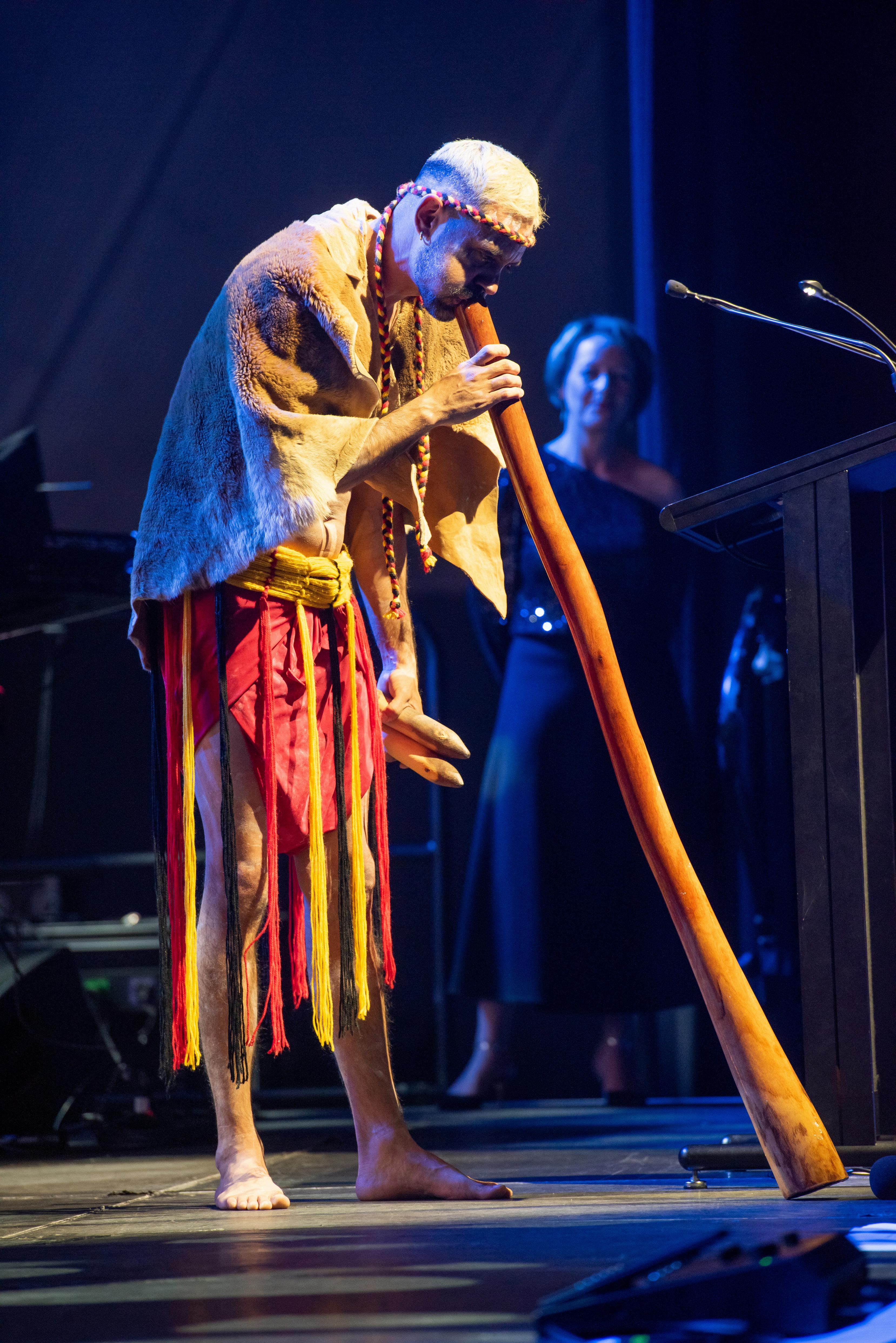
community forums or storytelling sessions
Incorporating Truth-Telling into staff cultural learning programs and public events such as National Reconciliation Week and NAIDOC Week.
eputy Chief xecutive Officer
10.Create HR policies to support traditional cultural, social and ceremonial systems practiced by Aboriginal and Torres Strait Islander peoples.
Aboriginal and Torres Strait Islander employees are entitled to up to 10 unpaid cultural and ceremonial leave days and three paid special leave days per calendar year, for the purpose of attending ceremonial or cultural events.
All staff, including Aboriginal and Torres Strait Islander staff, may apply to substitute a Public Holiday by agreement for occasions of significance to the employee, including religious or cultural occasions for a day that would otherwise be a public holiday.
Adelaide PHN will explore parental leave to reflect t families including foster adoption
Adelaide PHN will explore definition of ‘immediate f leave within our Leave Po
Continue to implement Si practices to demonstrate the unique knowledge an Strait Islander peoples. T experiences and insights initiatives and serves as a individual involvement
Timeline Responsibility
February 2026, 2027
January 2026, 2027
People and Culture Manager People and Culture Manager
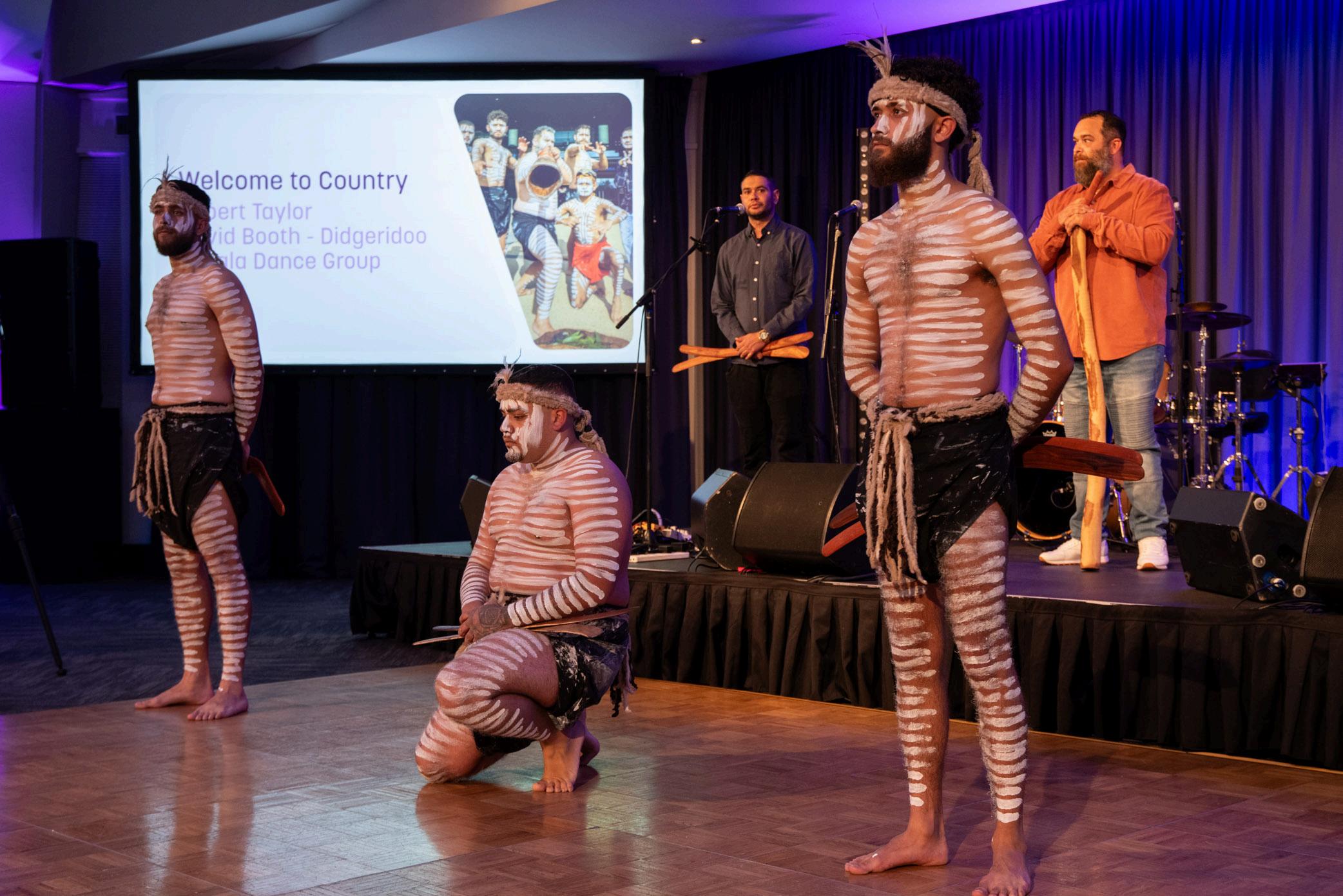
Adelaide PHN is dedicated to fostering collaboration and partnerships with Aboriginal and Torres Strait Islander peoples, communities, and service providers. Our focus is on ensuring these communities have equitable access to high-quality primary healthcare. This commitment includes supporting locally led solutions and initiatives that enhance health and well-being for Aboriginal and Torres Strait Islander peoples and their communities By prioritising these partnerships, we can create a healthcare environment that respects cultural values, addresses specific health needs, and empowers communities to take control of their health outcomes.
Action
11.Improve employment outcomes by increasing Aboriginal and Torres Strait Islander recruitment, retention, and professional development.
Continue to build on our understanding of current Aboriginal and Torres Strait Islander staffing to inform future employment and professional development opportunities
Engage with Aboriginal and Torres Strait Islander staff and key stakeholders to consult, refine and refresh Adelaide PNN’s approach to recruitment, retention and professional development strategy.
Review the effectiveness of our Aboriginal and Torres Strait Islander recruitment, retention and professional development strategy, and update as required.
Continue to test and improve new recruitment pathways and ways by which to reach Aboriginal and Torres Strait Islander candidates through community engagement and better understanding of needs
Continue to review HR and recruitment procedures and policies to remove barriers to Aboriginal and Torres Strait Islander participation in our workplace.
Increase the percentage of Aboriginal and Torres Strait Islander staff employed in our workforce to 4% by the end of this RAP period
Timeline
September 2026, 2027
July 2026, 2027
Responsibility
People and Culture Manager
People and Culture Manager
September 2026, 2027
People and Culture Manager
July 2026, 2027
March 2026, 2027
January 2028
People and Culture Manager
People and Culture Manager
People and Culture Manager
Action
12. Increase Aboriginal and Torres Strait Islander supplier diversity to support improved economic and social outcomes.
Continue to build on our understanding of current Aboriginal and Torres Strait Islander staffing to inform future employment and professional development opportunities
Engage with Aboriginal and Torres Strait Islander staff and key stakeholders to consult, refine and refresh Adelaide PNN’s approach to recruitment, retention and professional development strategy.
Review the effectiveness of our Aboriginal and Torres Strait Islander recruitment, retention and professional development strategy, and update as required.
Continue to test and improve new recruitment pathways and ways by which to reach Aboriginal and Torres Strait Islander candidates through community engagement and better understanding of needs
Continue to review HR and recruitment procedures and policies to remove barriers to Aboriginal and Torres Strait Islander participation in our workplace.
Increase the percentage of Aboriginal and Torres Strait Islander staff employed in our workforce to 4% by the end of this RAP period
Timeline
September 2026, 2027
July 2026, 2027
Responsibility
People and Culture Manager
People and Culture Manager
September 2026, 2027
People and Culture Manager
July 2026, 2027
March 2026, 2027
January 2028
People and Culture Manager
People and Culture Manager
People and Culture Manager

Action
13.Improve internal capabilities to commission culturally responsive services within the Adelaide PHN region.
Deliverable
Build an understanding of Adelaide PHN relevant data holdings, including within the health needs assessment, service reporting and any other community consultations, and how this data is used to inform commissioning and procurement activities.
Implement the recommendations of the review into the organisation's commissioning cycle and process
September 2026, 2027 June 2026
Action
14.Strengthen partnerships with the South Australian Voice to Parliament to advance reconciliation and support Voice and Treaty processes in South Australia.
Deliverable
Establish a formal engagement framework with the South Australian Voice to Parliament that includes: Six monthly meeting with Voice representatives to share health priorities and explore collaborative opportunities.
Co-design health equity initiatives that reflect community priorities identified through Voice consultations and Adelaide PHN Needs Assessment initiatives.
Provide capacity building support for Voice representatives on health system navigation and data insights to inform policy.
Consult with Aboriginal and Torres Strait Islander key stakeholders to refine the engagement framework for engaging with the South Australian Voice to Parliament members
Review the effectiveness of the engagement framework 12 months following implementation.
December 2026 July 2027
2028

15.Establish and maintain effective governance structures to support the delivery of the RAP commitments.
Maintain Aboriginal and Torres Strait Islander representation on the RWG
Review and maintain a Terms of Reference for the RWG annually.
Review and maintain the current CAC Terms of Reference annually.
To drive and monitor RAP implementation effectively, establish a cadence of at least six meetings per year, three of which include the attendance of CAC members. This approach will ensure consistent oversight and engagement from key stakeholders throughout the process.
October 2026, 2027
March 2026, 2027
November 2026, 2027
September 2026, 2027
Action
16.Provide appropriate support for effective implementation of RAP commitments.
Deliverable
Define and allocate resource needs for RAP implementation
Embed key RAP actions in performance expectations of senior management and all staff through the Adelaide PHN Position classifications and Performance Planning, Development and Review process
Define and maintain appropriate systems to track, measure and report on RAP commitments.
Maintain and review the appointment of an internal RAP Champion from senior management on an annual basis
Include the RAP as a standing agenda item at Executive and portfolio management.
February 2026, 2027
July 2026, 2027
January 2027, 2028
October 2026, 2027
October 2026, 2027
Action
17.Build accountability and transparency through reporting RAP achievements, challenges and learnings both internally and externally.
Contact Reconciliation Australia to verify that our primary and secondary contact details are up to date, to ensure we do not miss out on important RAP correspondence.
Contact Reconciliation Australia to request our unique link, to access the online RAP Impact Survey.
Complete and submit the annual RAP Impact Survey to Reconciliation Australia.
Report RAP progress to all staff and senior leaders quarterly
Publicly report our RAP achievements, challenges and learnings, annually.
Participate in Reconciliation Australia’s biennial Workplace RAP Barometer.
Submit a traffic light report to Reconciliation Australia at the conclusion of this RAP.
June annually
30 September annually
30 September, annually
January, March, July, October, 2026, 2027
August 2026, 2027
April 2026
February 2028
Strategy & Engagement Manager
Strategy & Engagement Manager
Strategy & Engagement Manager

Action
18.Continue our reconciliation journey by developing our next RAP.
Deliverable
Timeline November 2027 Responsibility
Register via Reconciliation Australia’s website to begin developing our next RAP Strategy & Engagement Manager
Action
19.Include Aboriginal and Torres Strait Islander participation in organisational governance and leadership.
Deliverable
Maintain strong Aboriginal and Torres Strait Islander representation on the CAC
Ensure at least one Aboriginal and Torres Strait Islander person is represented on the Adelaide PHN Board.
Timeline
October 2026, 2027
October 2026, 2027
Responsibility
Deputy Chief Executive Officer
Chair of the Board
Contact details
Name: Christine Bell
Position: Manager, Strategy & Engagement
Phone: 08 8219 5900
Email: cbell@adelaidephn.com.au