adedayo precious PORTFOLIO
Part 2 Architectectural Assistant
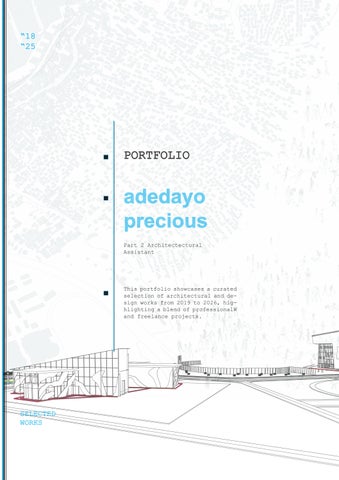
This portfolio showcases a curated selection of architectural and design works from 2019 to 2026, highlighting a blend of professionalW and freelance projects.
Part 2 Architectectural Assistant
This portfolio showcases a curated selection of architectural and design works from 2019 to 2026, highlighting a blend of professionalW and freelance projects.

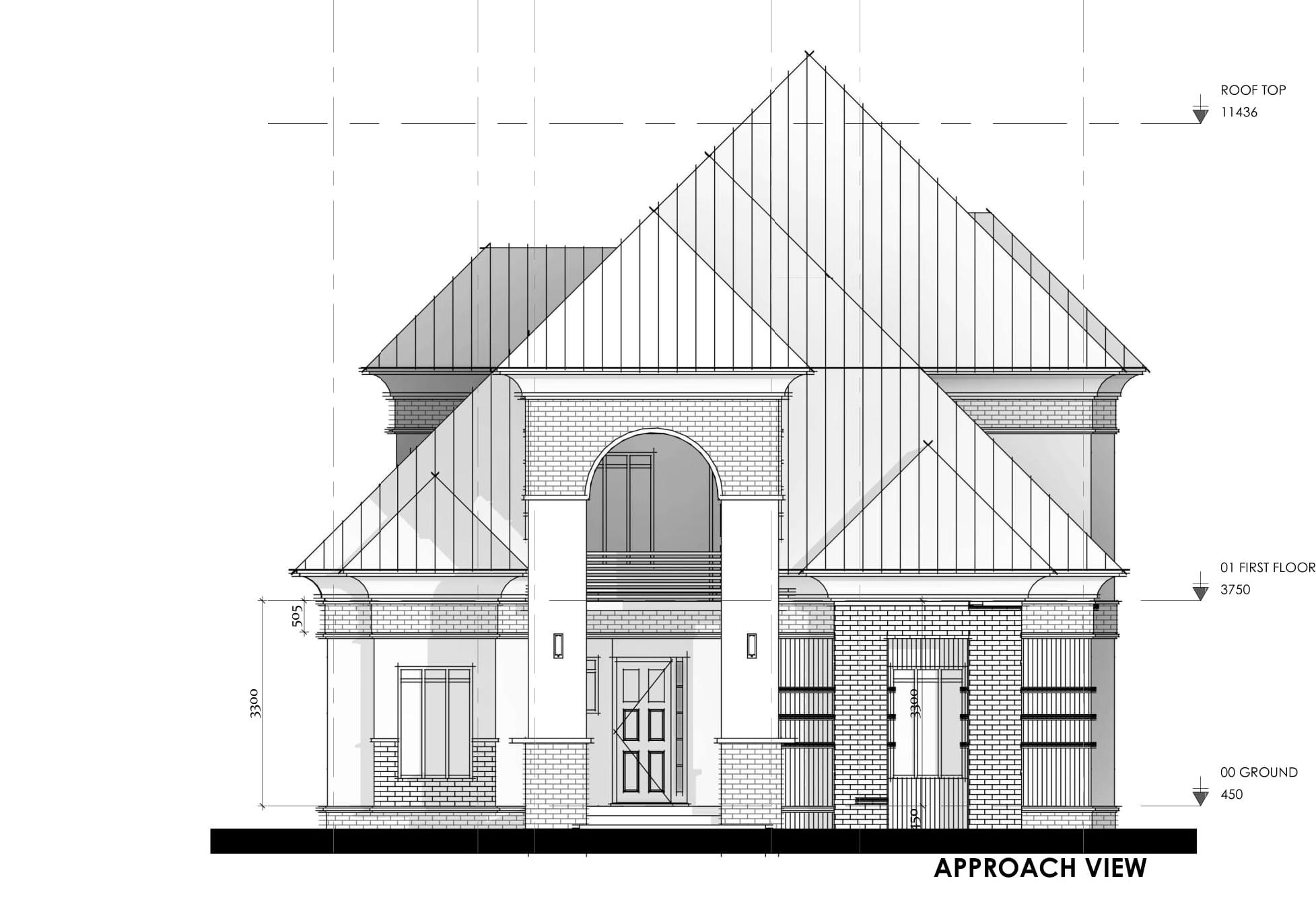
This is a multi-generational home designed. The design seeks to balance private and communal needs.
The core concept is Shared Structure, Independent Living.
The design language is defined by horizontal emphasis, simplicity, and visual rhythm.
Location: ABUJA.
Project Type: Multi-Unit
Private Residential. (Main House + Rental Flat)
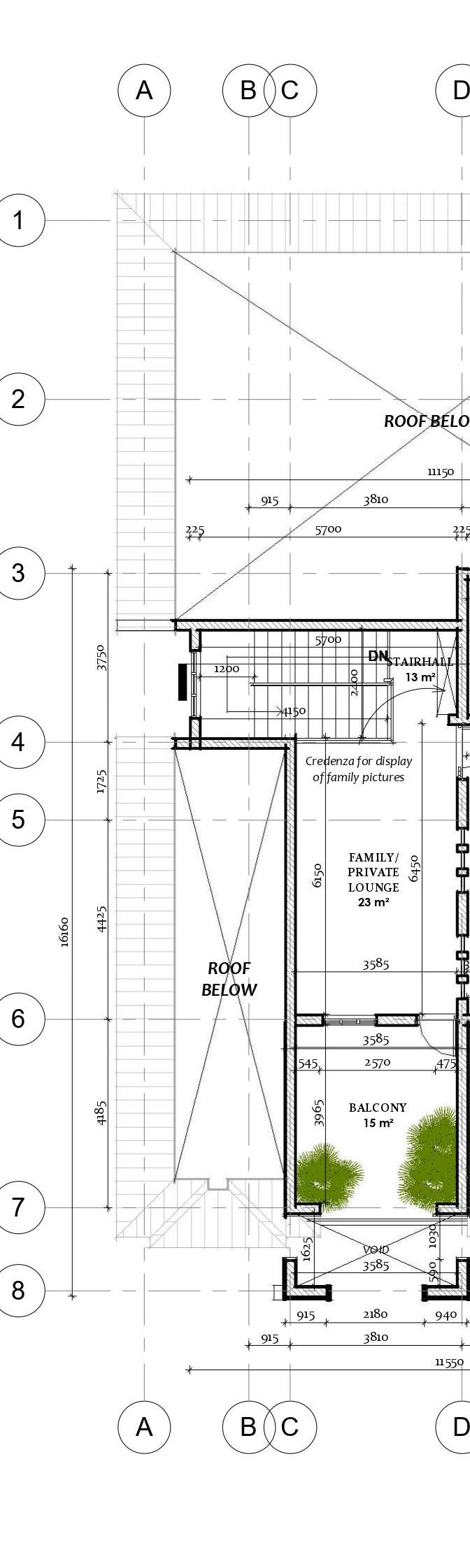
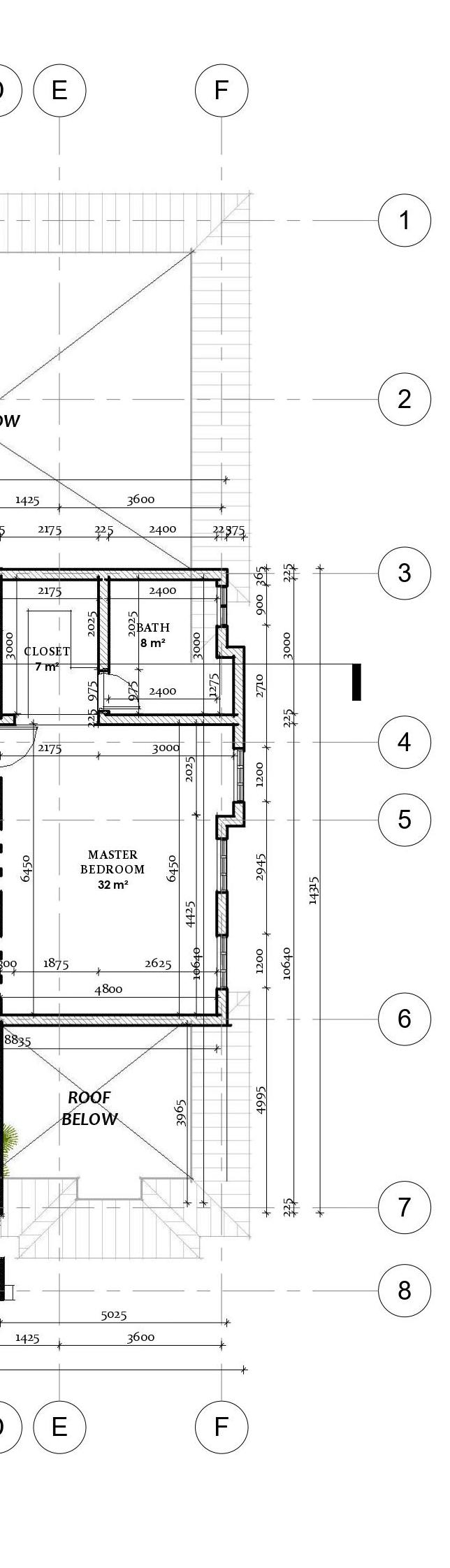
Toro’s Villa is a multi-generational home designed in response to the layered life of a single mother of three. The design seeks to balance private and communal needs while integrating rental income potential through an attached flat, creating a self-sustaining domestic ecosystem.
The home unfolds across two primary levels and a semi-detached rental unit:
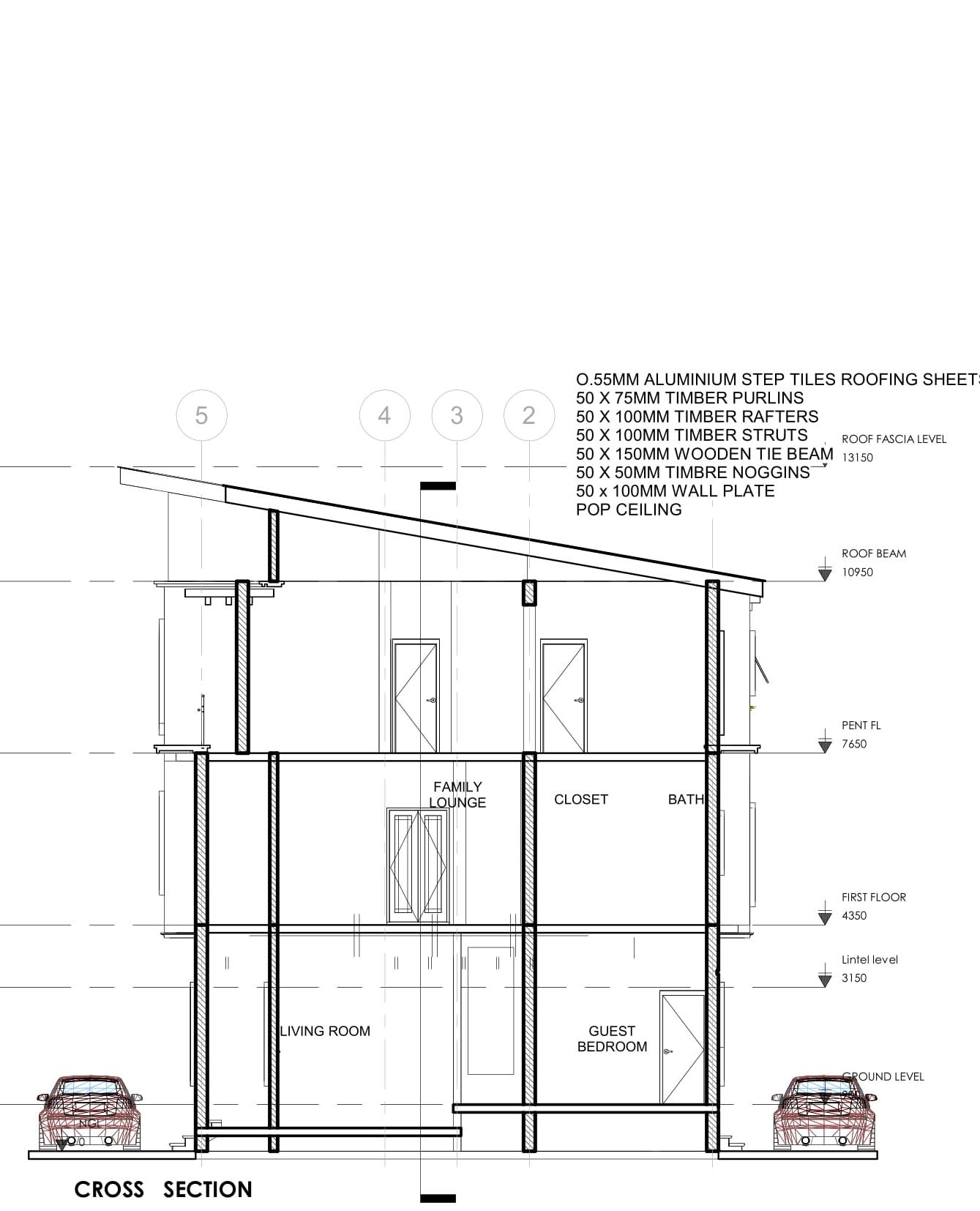
1. Ground Floor: Hosts three bedrooms,all en-suite, a shared Kitchen, and the main living/ dining areas.
2. Penthouse Level: A serene master suite functions as a personal retreat for the homeowner. Complete with a lounge corner, private balcony, and walk-in closet and Bath.
3. Rear Flat: A semi-detached 2-bedroom apartment provides a secondary income stream or accommodation for extended family. With its own access, it ensures privacy and autonomy for both occupant

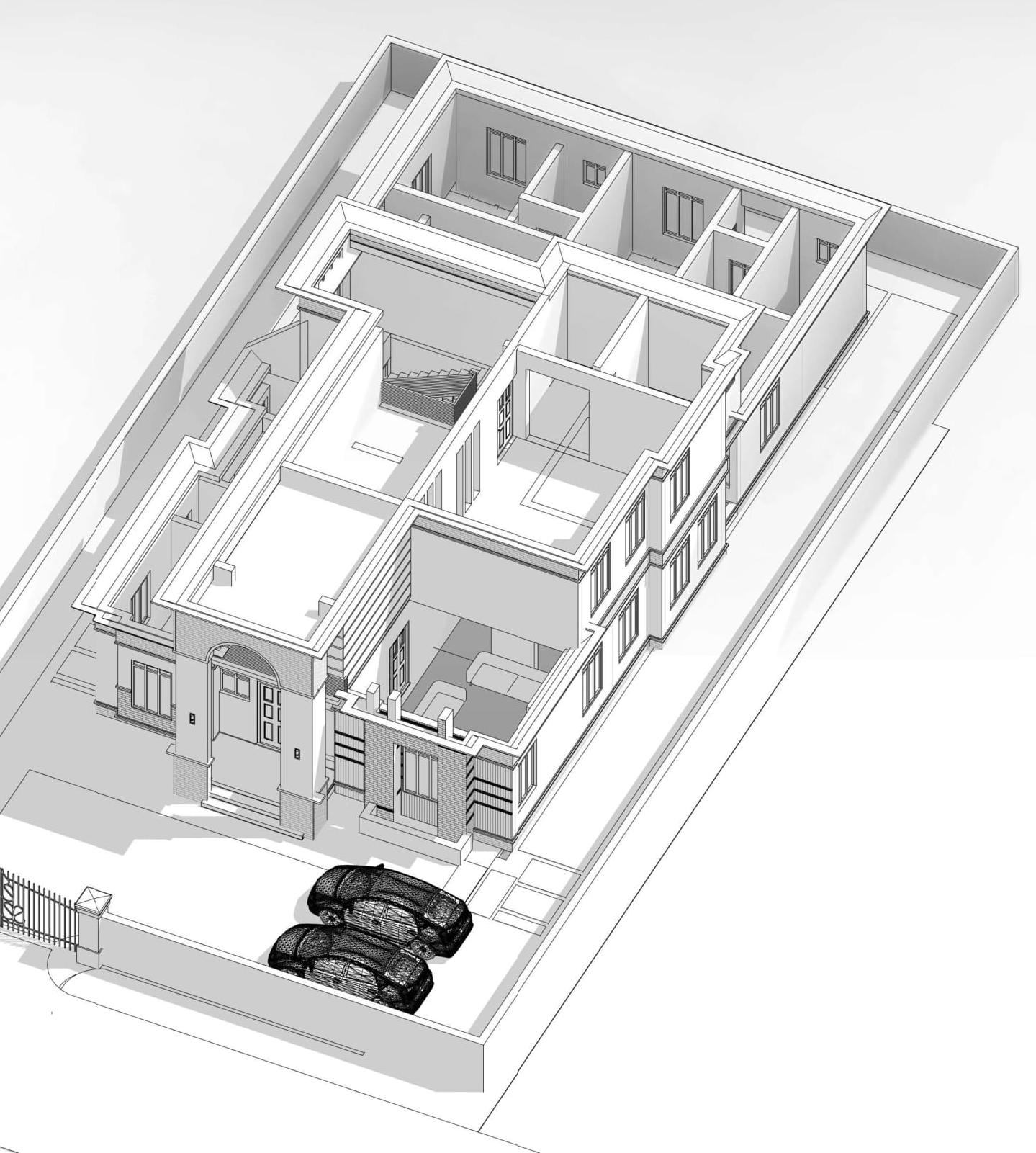
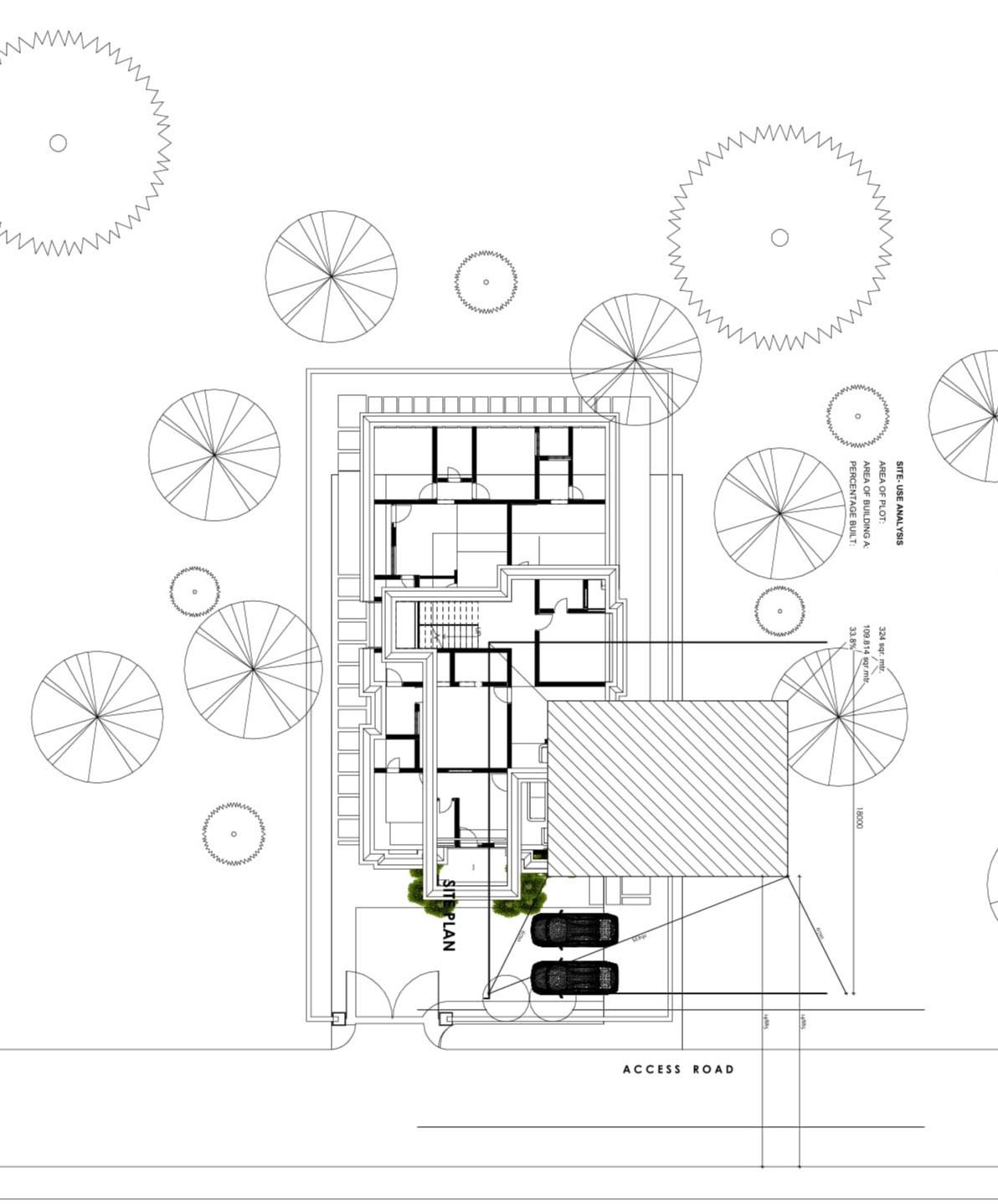
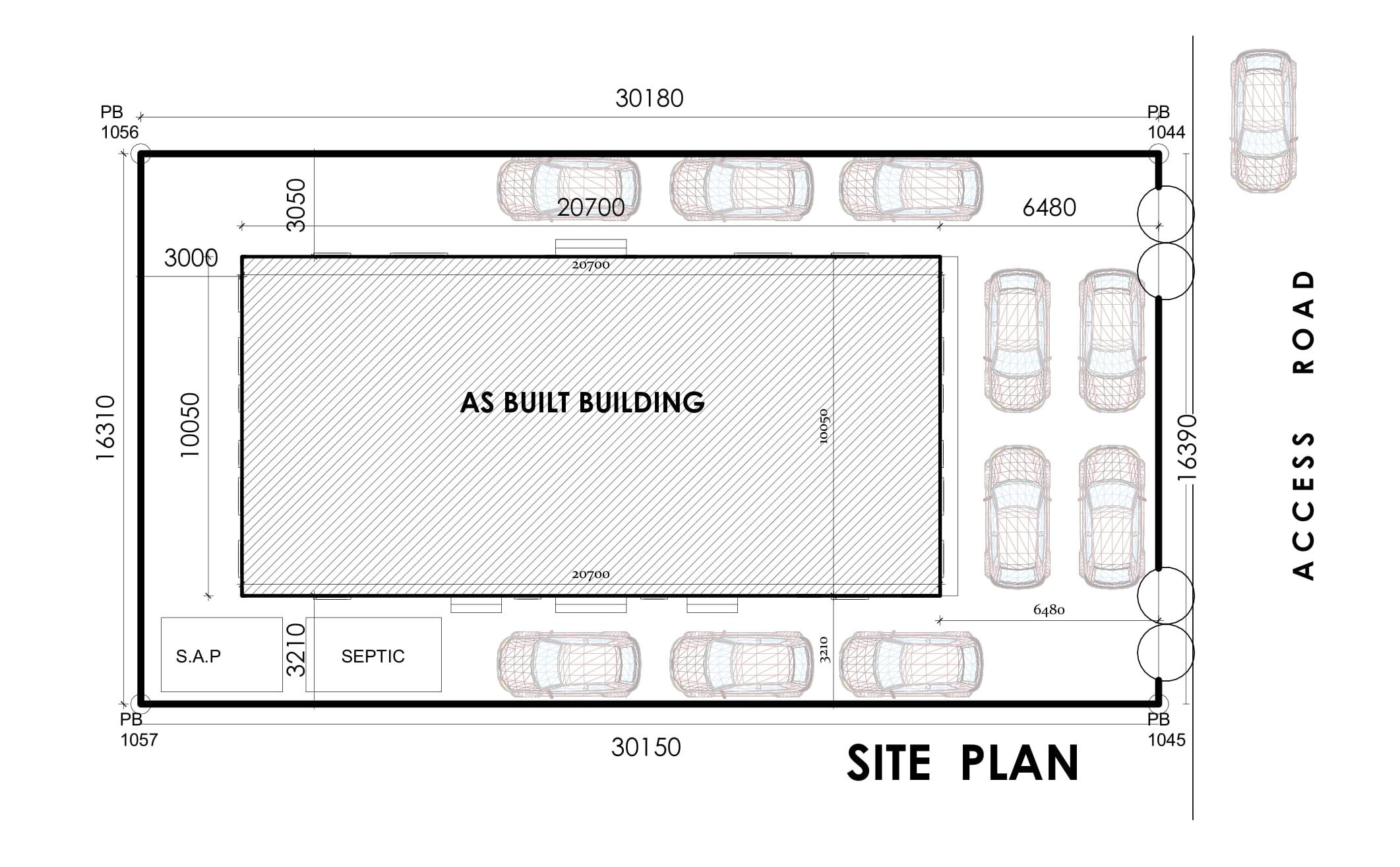
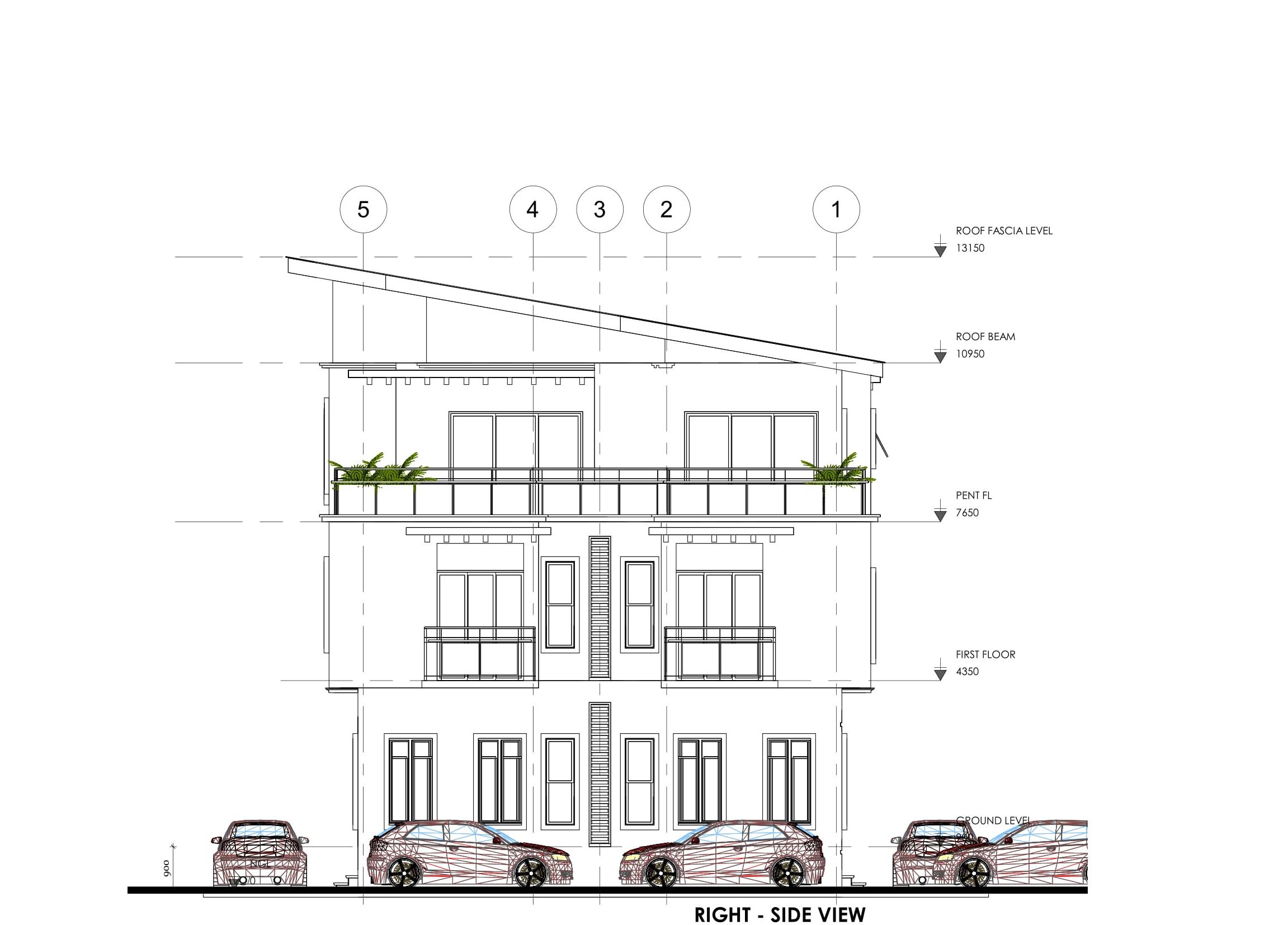
This aerial 3D floor plan and elevations reflect a deliberate balance between private family life and spatial openness. The layout prioritizes generous internal living areas while maintaining exterior space for a children’s play area, parking, and landscape integration. Every inch of the compound was considered to avoid compromising room functionality, allowing for fluid movement and light while maximizing outdoor use.
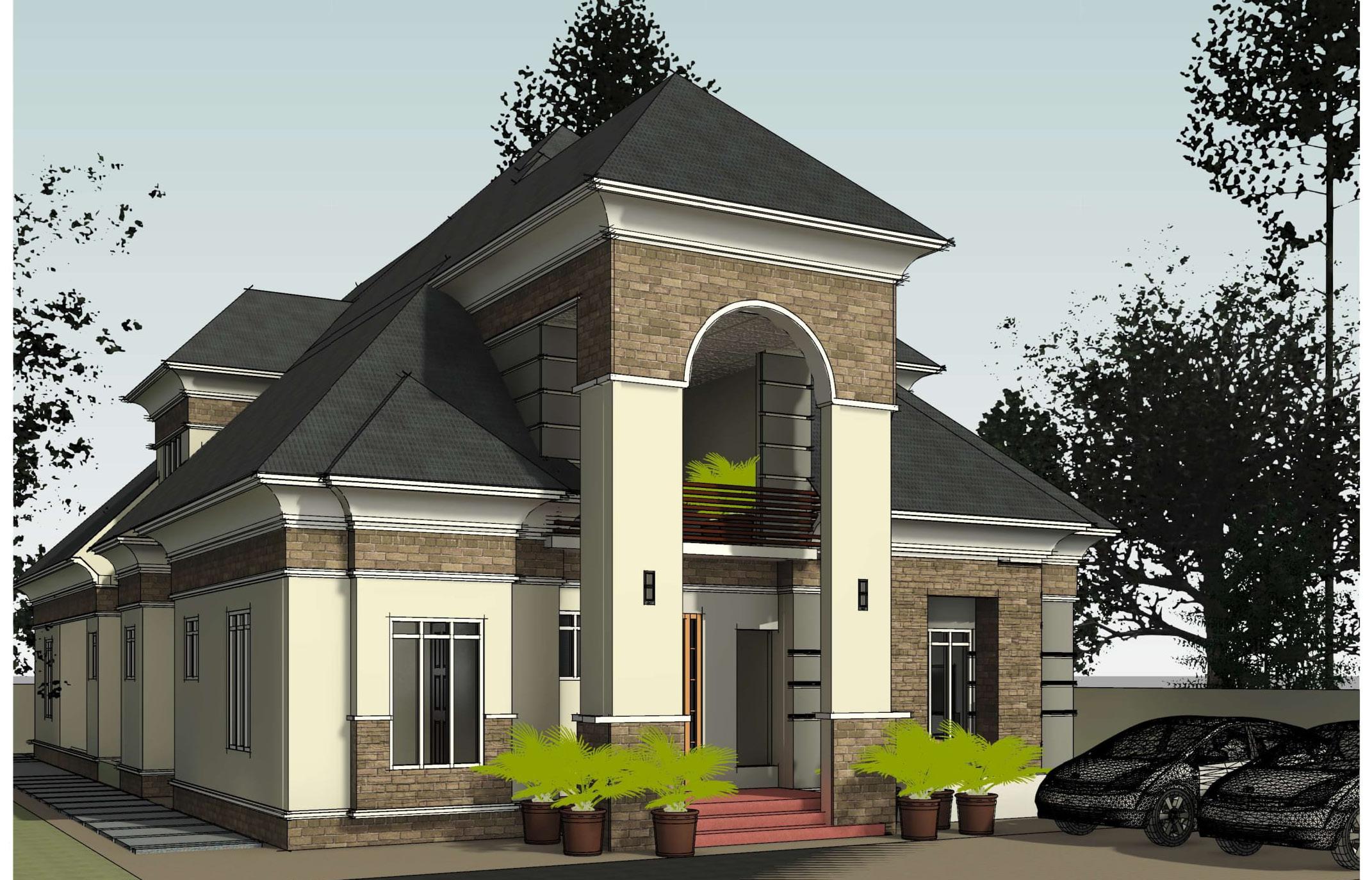
Materials were selected not only for their durability and aesthetic, but also to echo the client’s preference for natural tones and textures—creating a warm, welcoming domestic environment
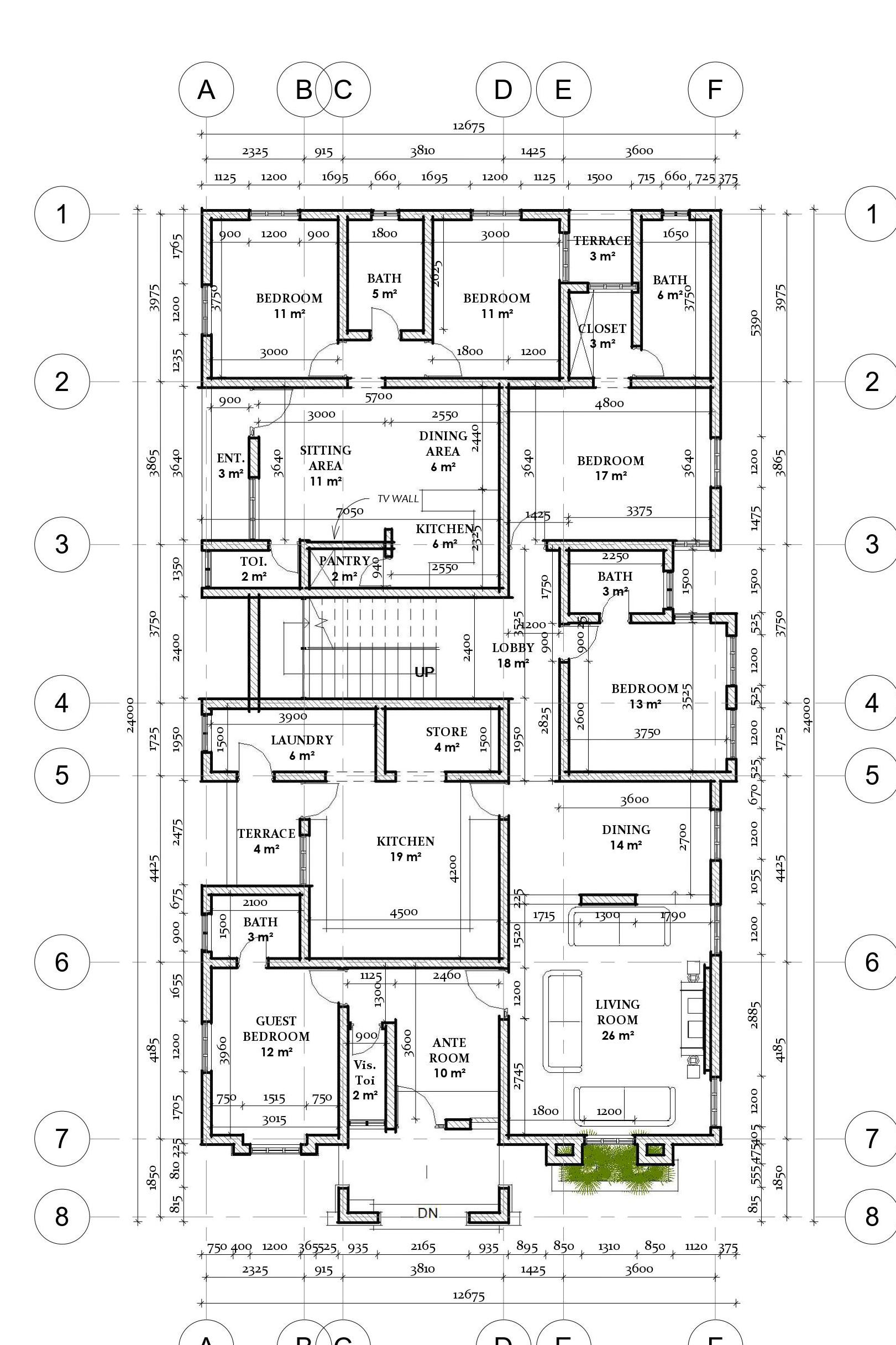
Functional Zoning & Circulation Strategy
This page shows the functional distribution of the building, outlining public, semi-private, and private zones. Circulation routes were designed for intuitive movement, separating service areas from living and recreational spaces. Accessibility and flow were key in shaping user experience.
Daylight & Ventilation Studies
Simulations and daylight natural lighting and mized through strategic atriums, and shading devices. building remained energy thermally comfortable
daylight analysis reveal how ventilation were optistrategic window placements, devices. This ensured the energy efficient, bright, and throughout the day.
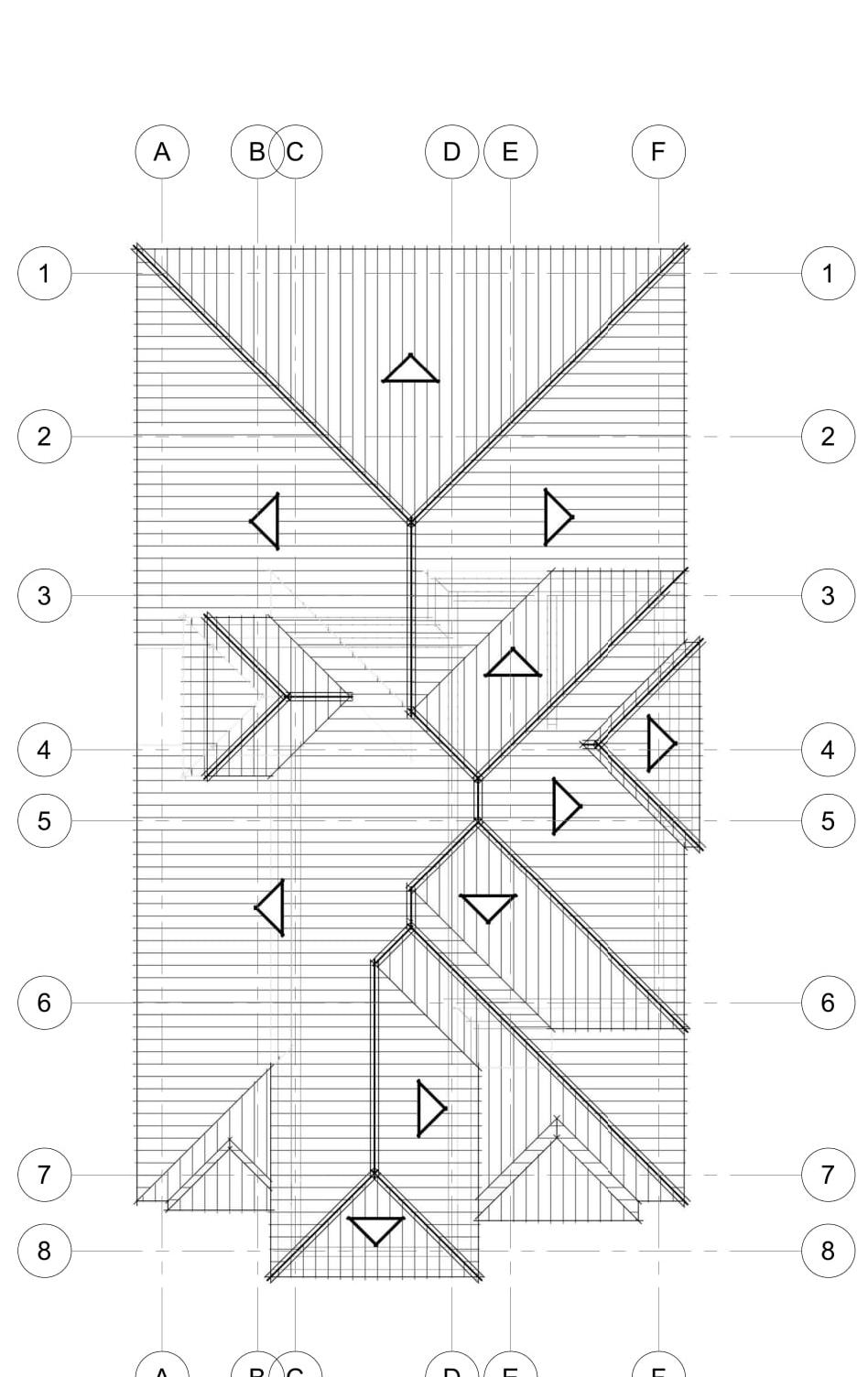
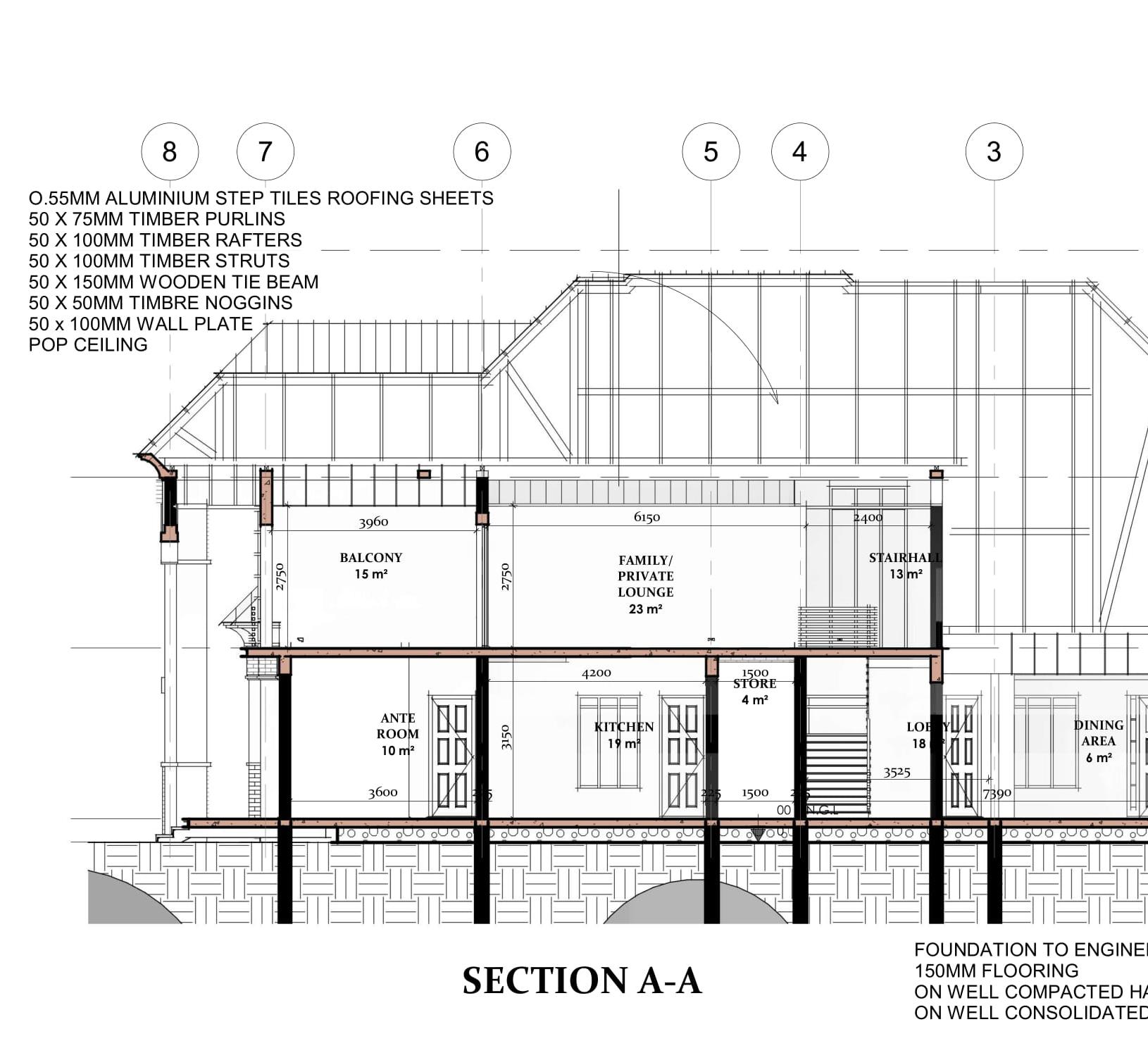
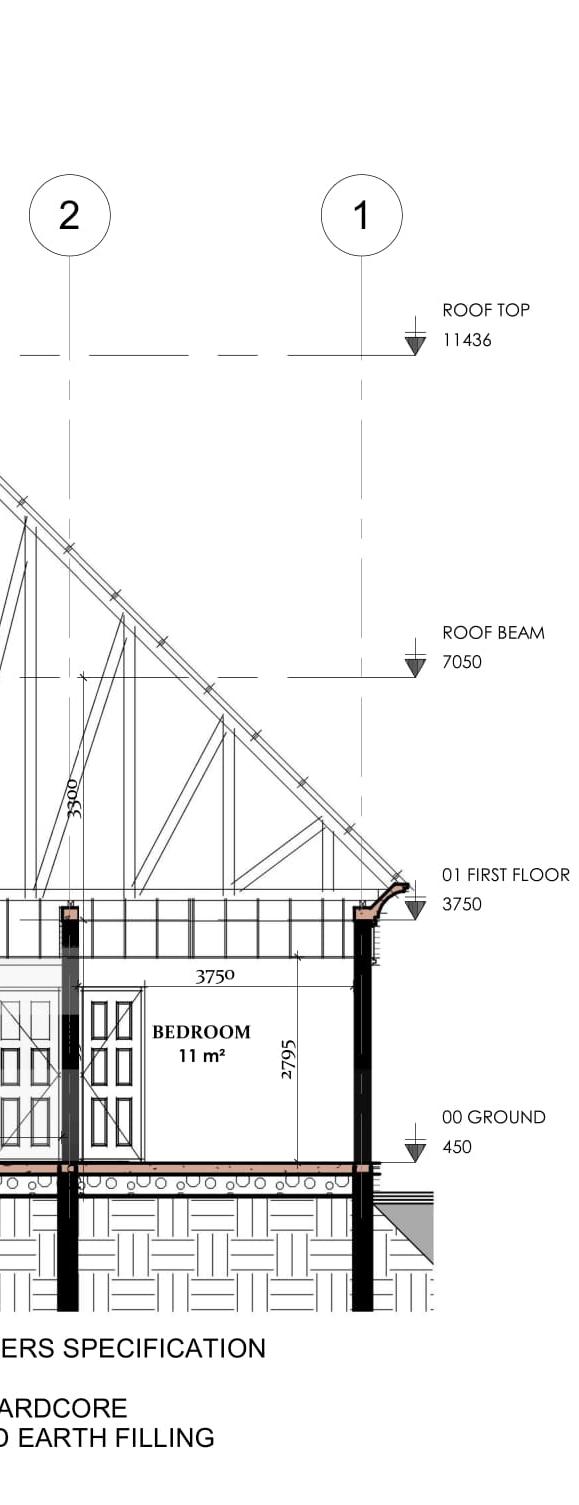
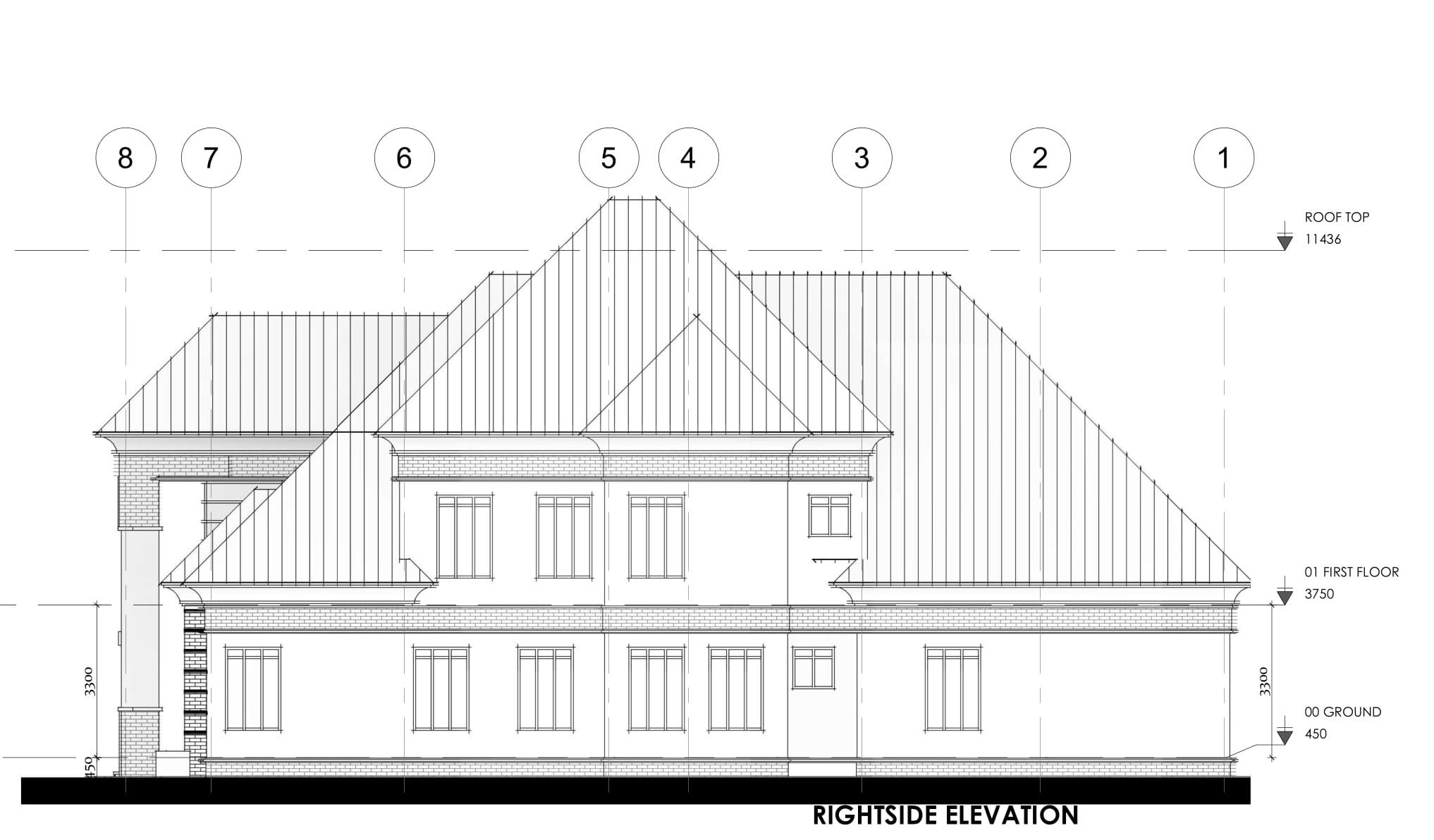
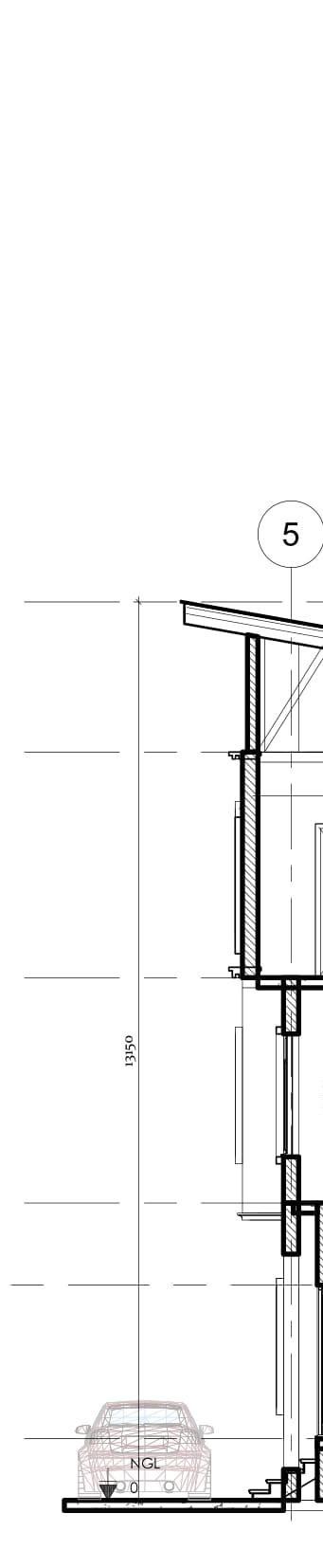
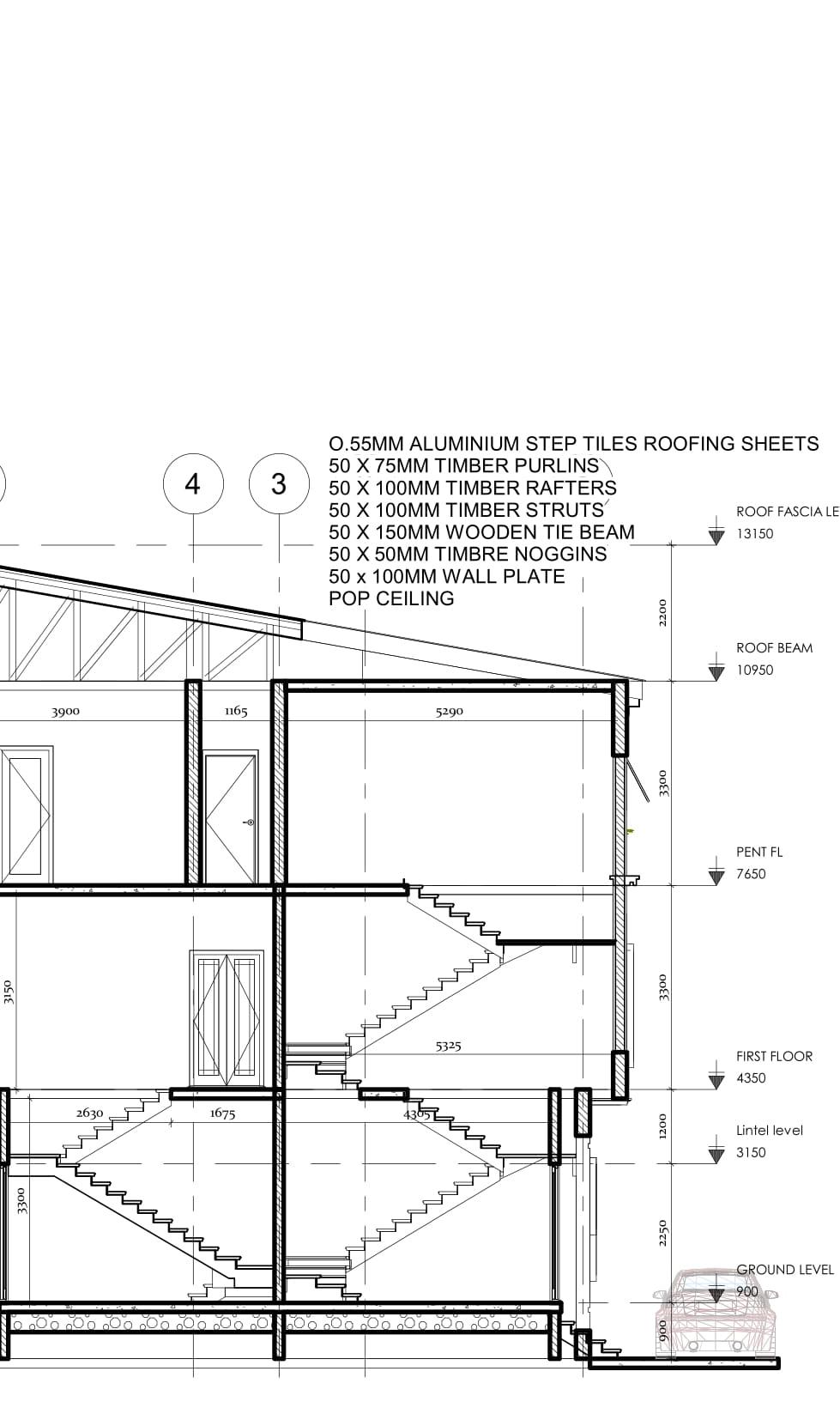
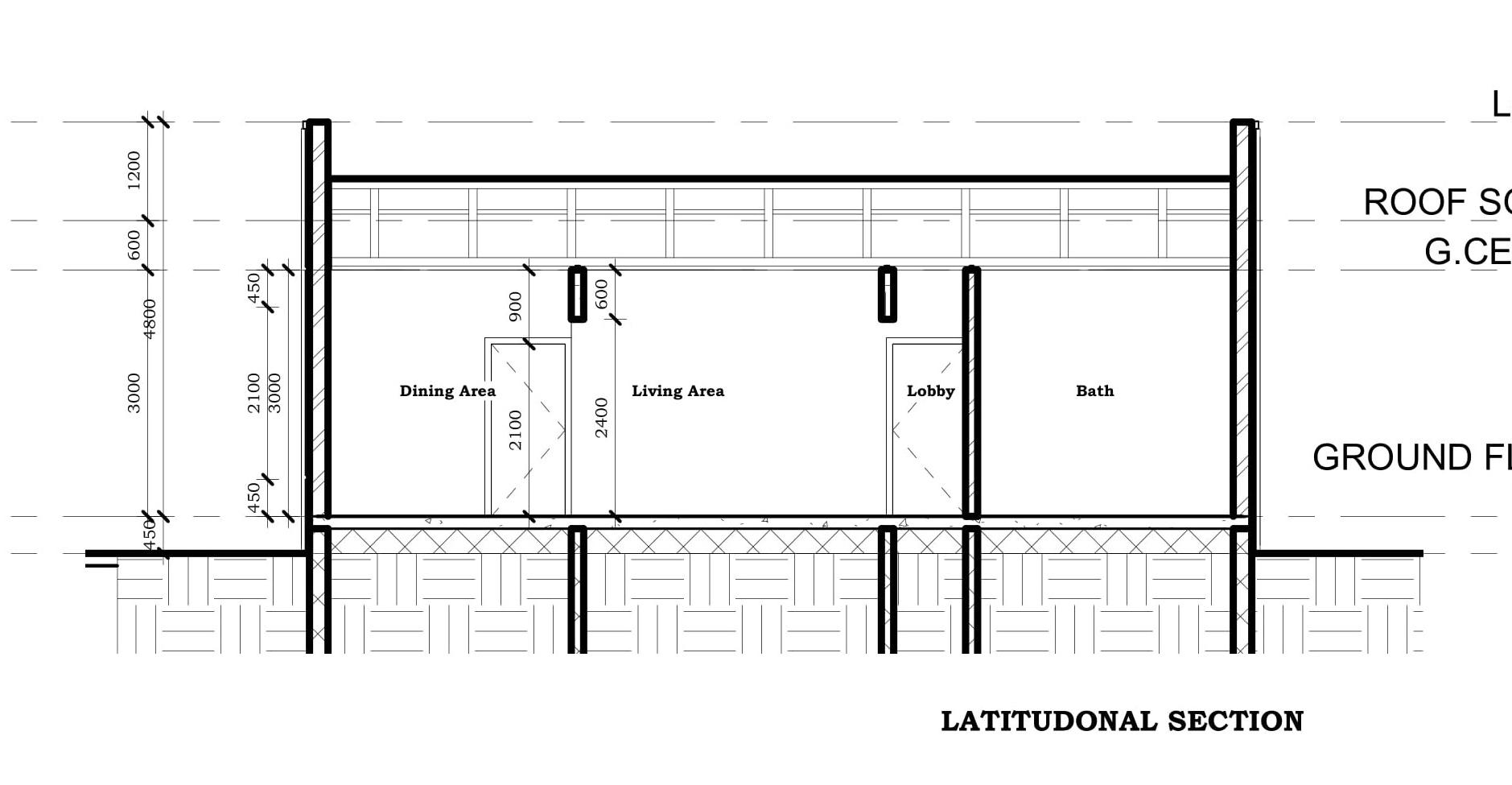
The blown-up sections showcase construction methods, material interfaces, and how structural and thermal performance was considered at critical points, including wall build-up, floorto-wall junctions, and roof detailing. Each drawing was developed to communicate both design intent and buildability, ensuring clarity for construction teams and alignment with technical standards.
Location: BIRMINGHAM
Project Type: The core concept is Shared Structure, Independent Living.
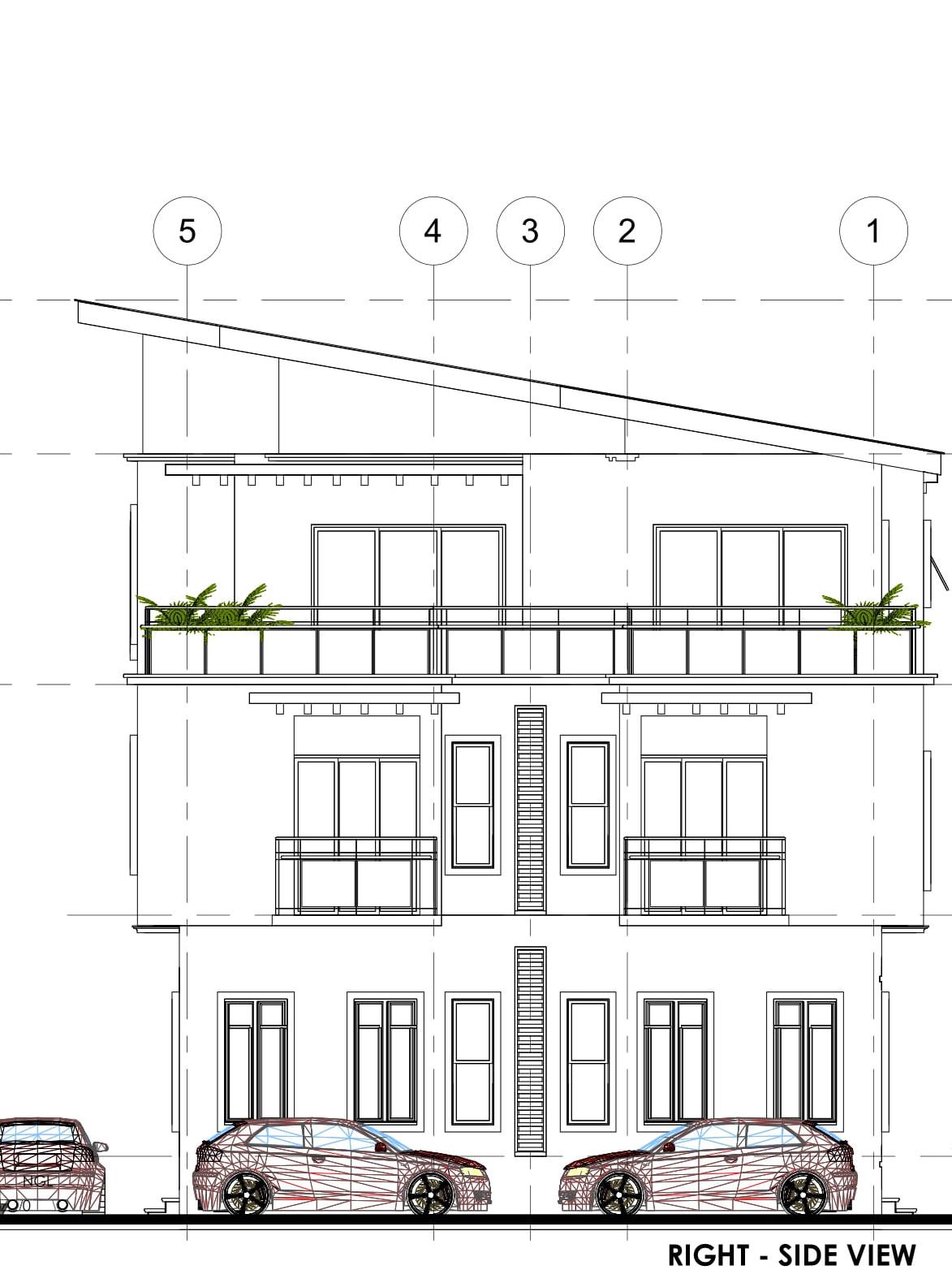
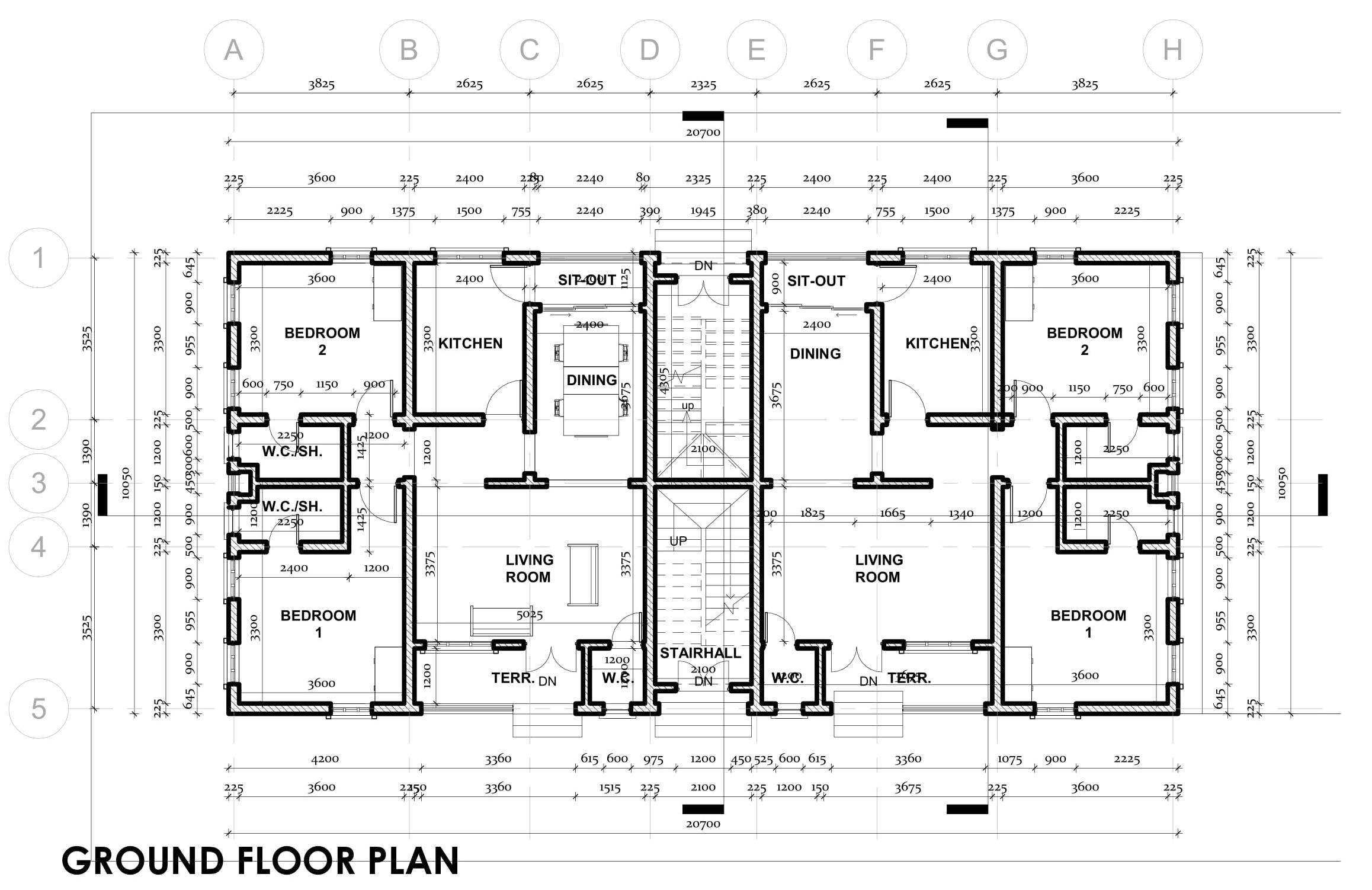
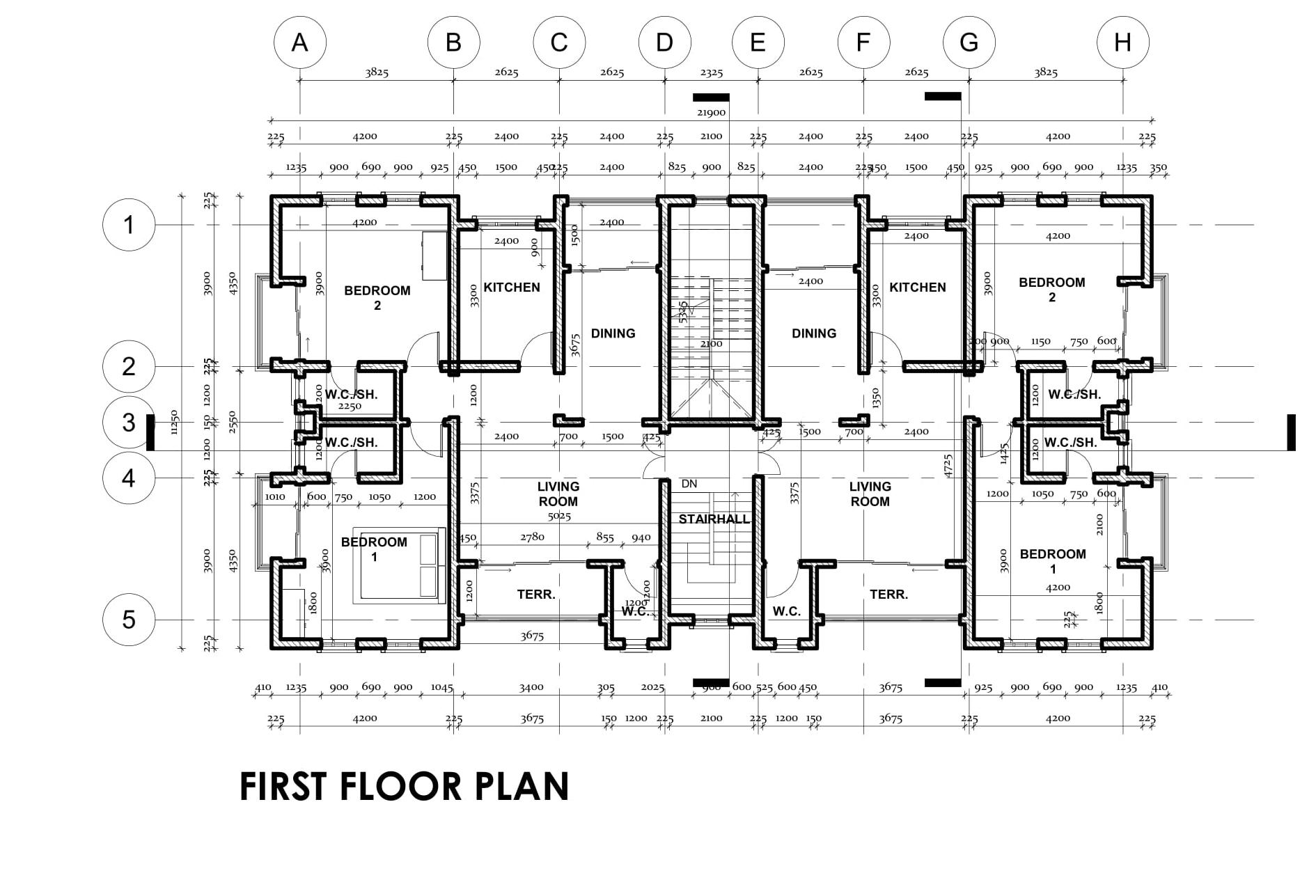
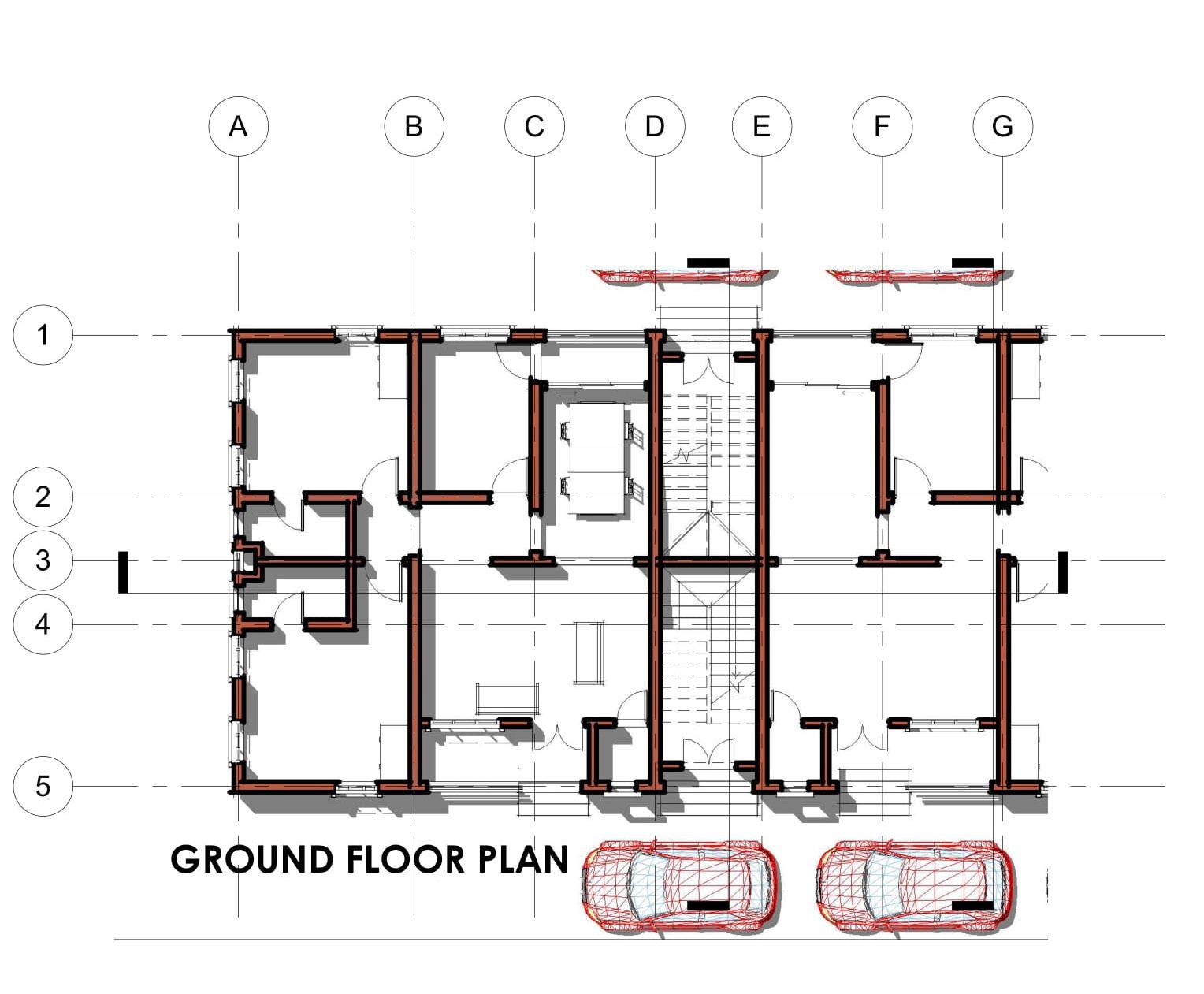
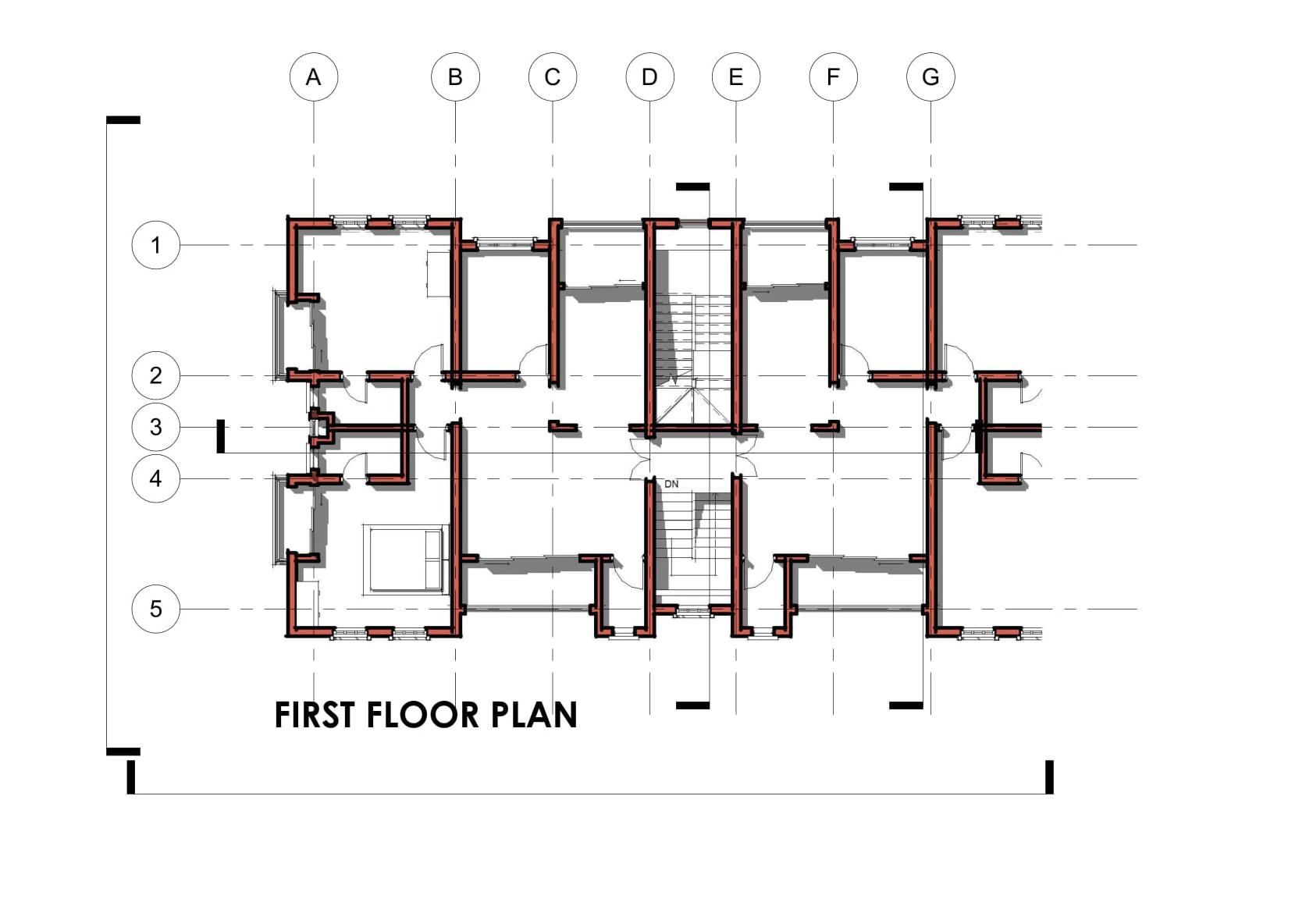
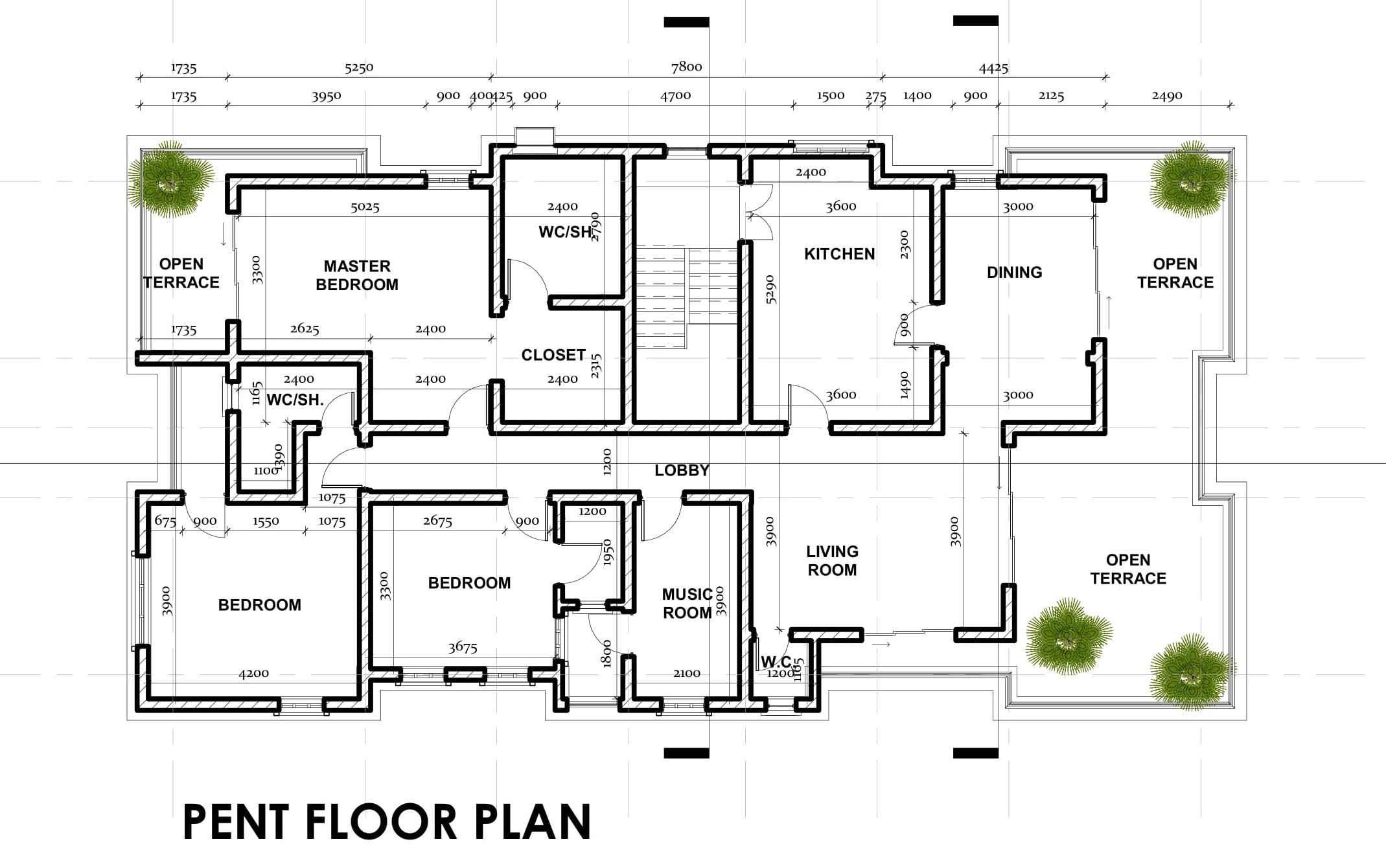
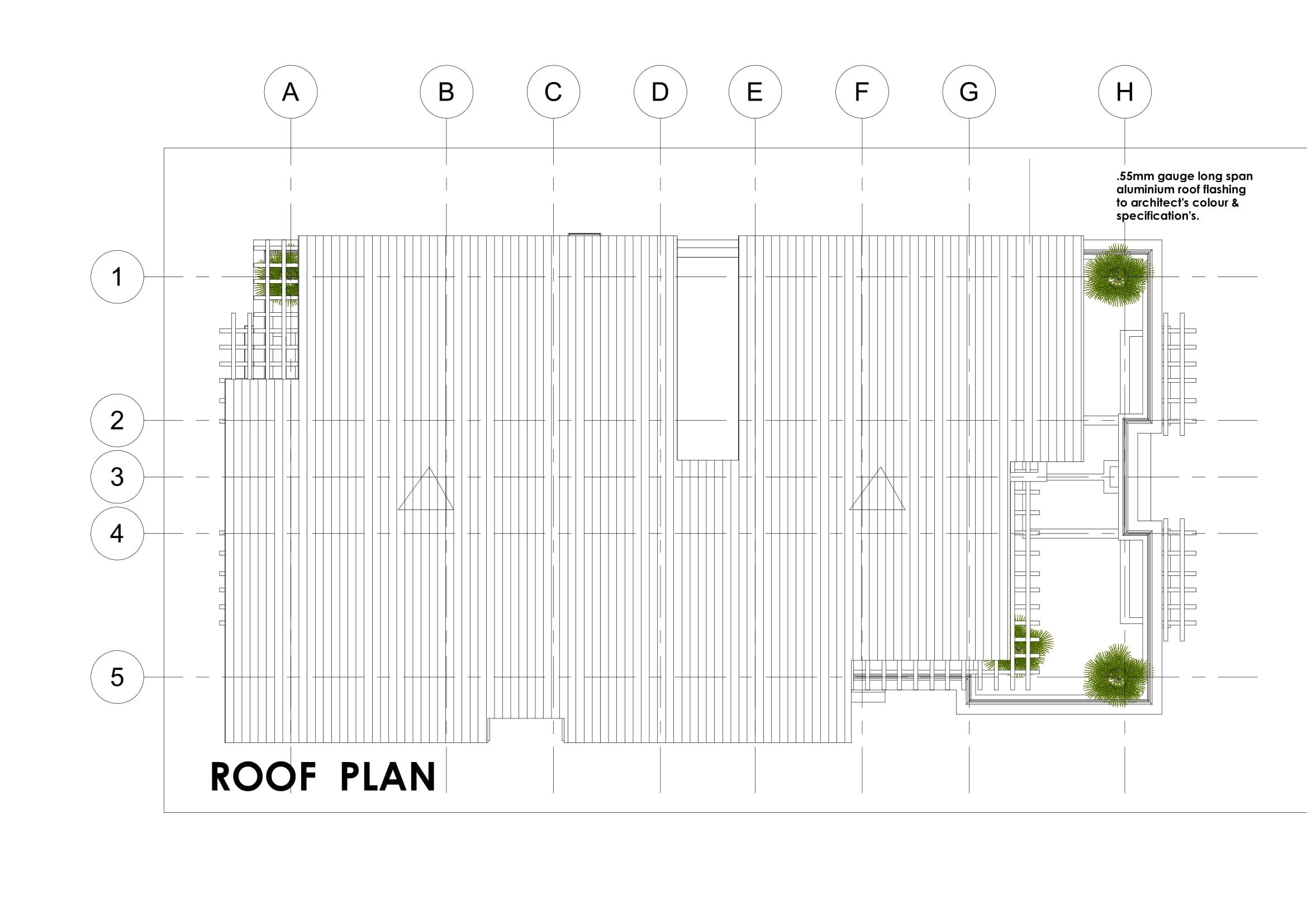
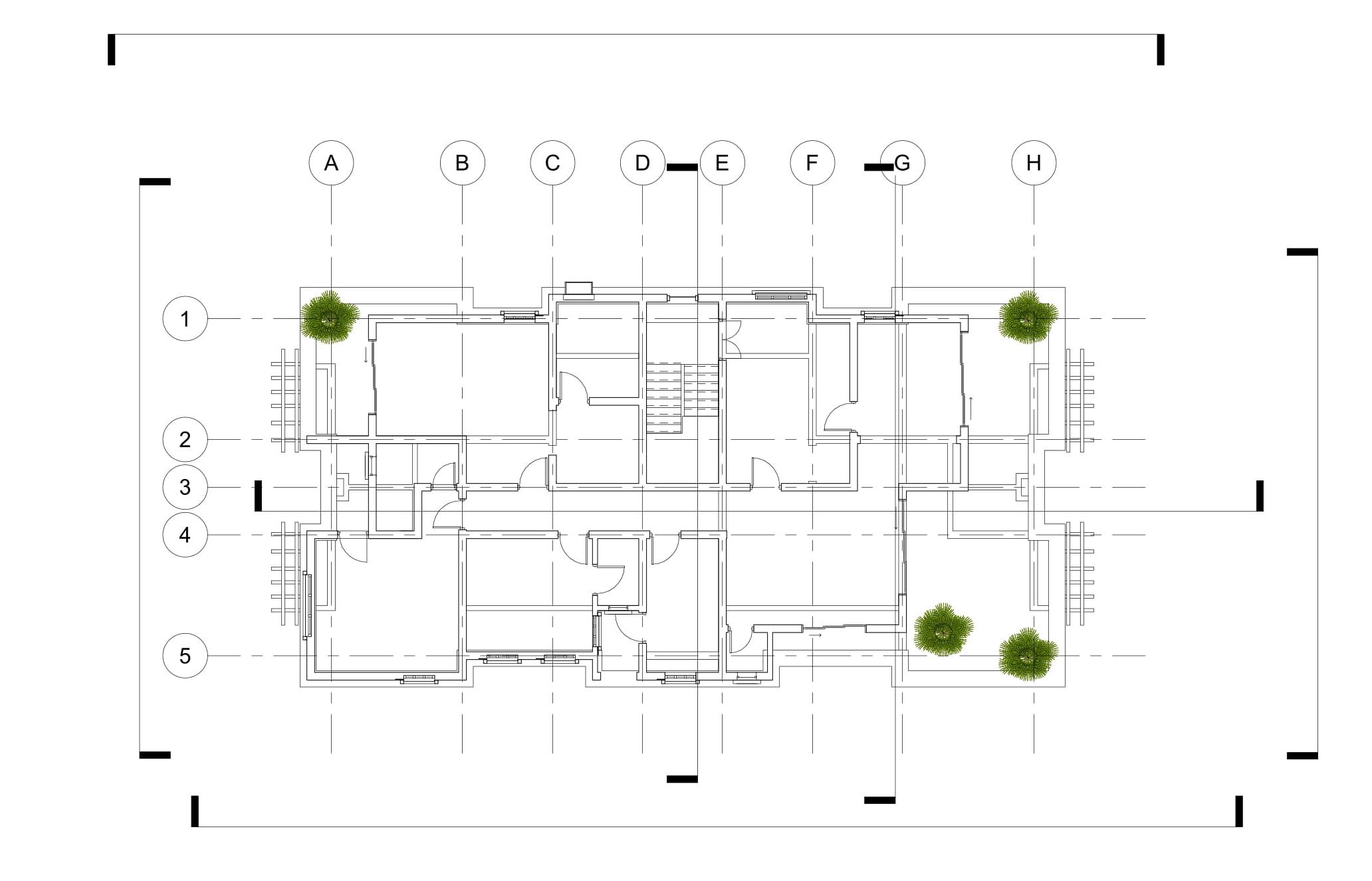
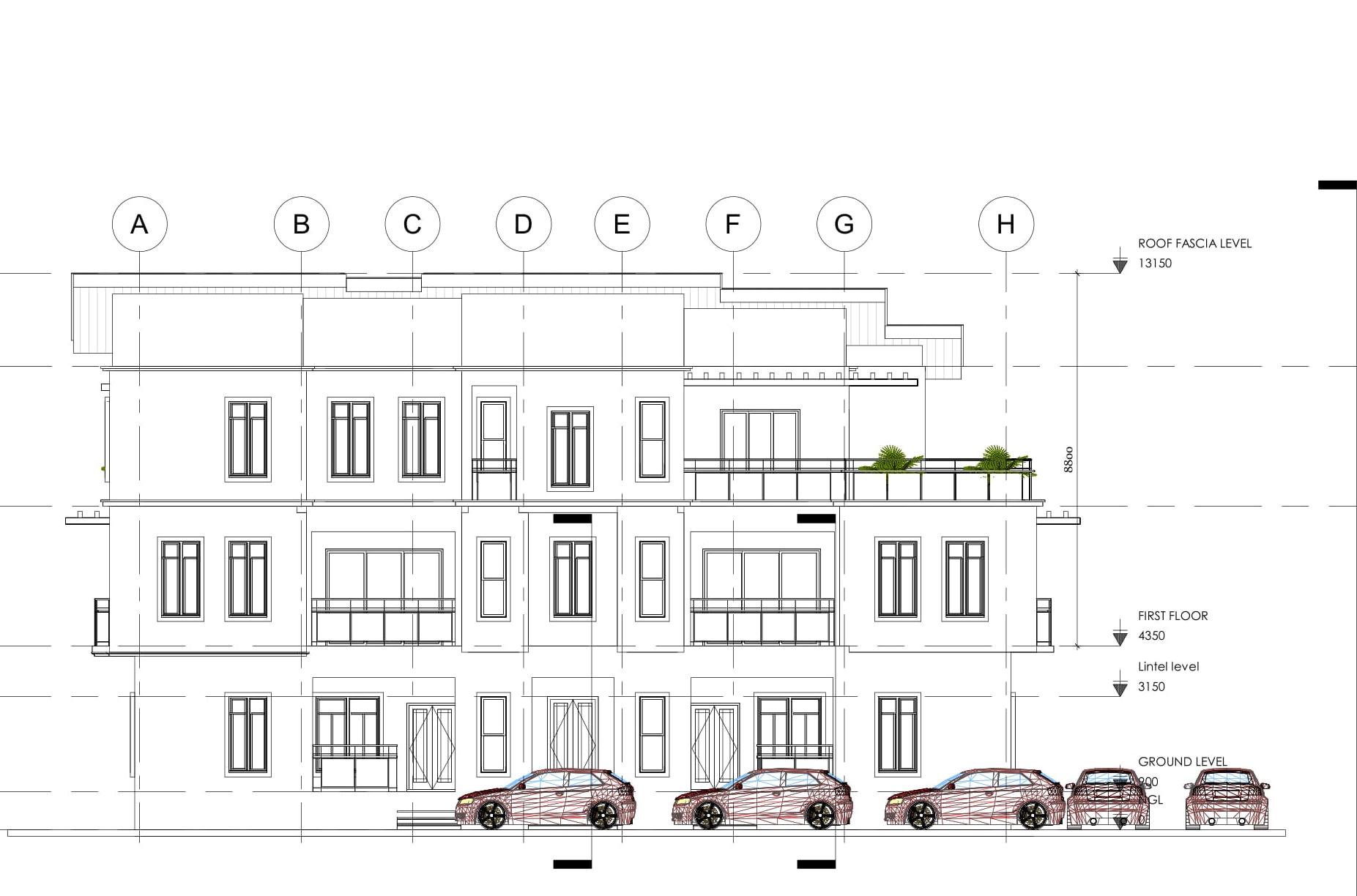
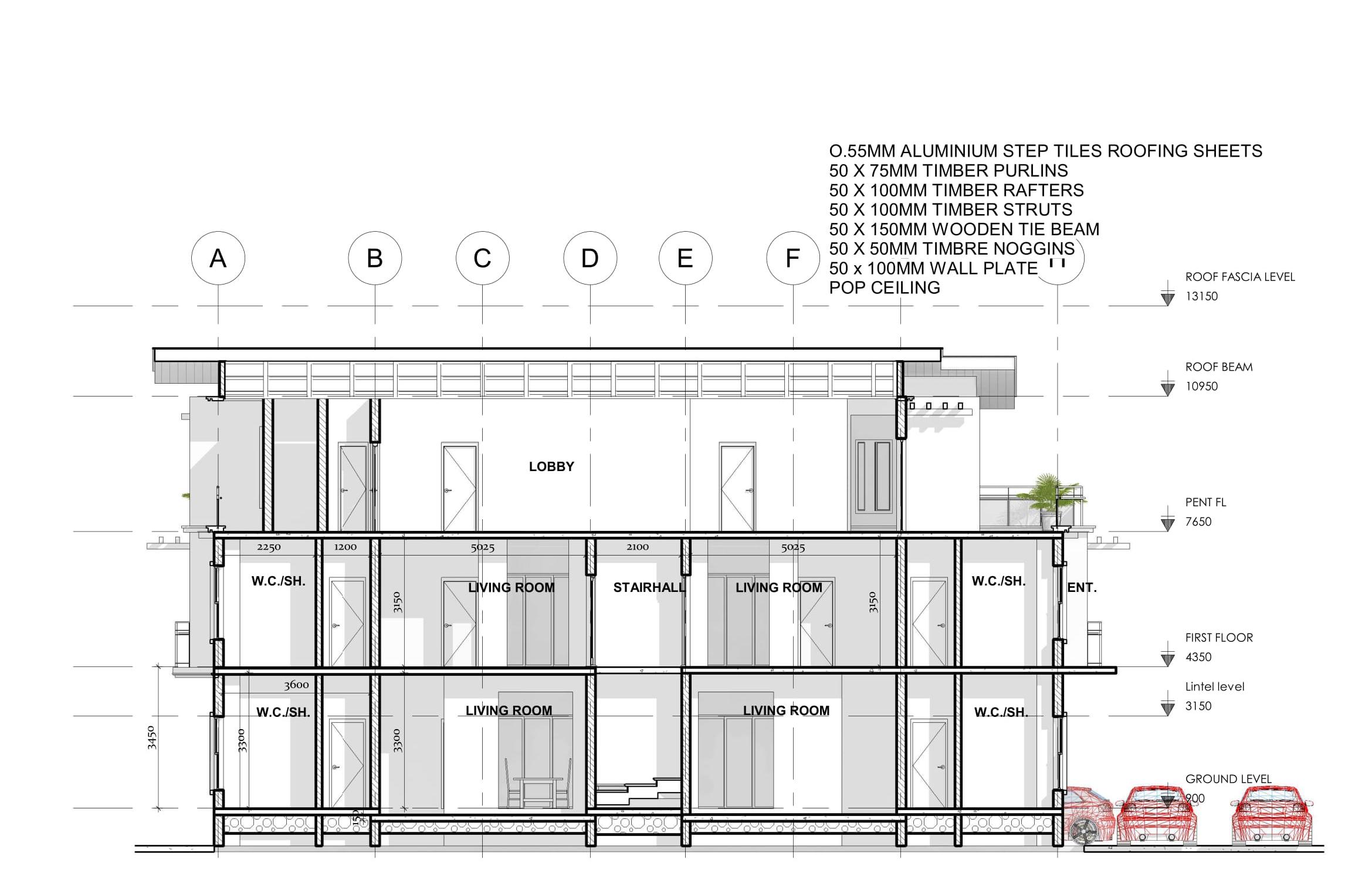
This project explores the design of a symmetrical residential duplex developed to maximise spatial efficiency, privacy, and functional clarity within a compact residential footprint. The proposal consists of four identical housing units arranged around a shared central circulation core, with the ground and first floors repeating the same spatial organisation to achieve construction efficiency and spatial consistency.
The planning strategy separates the home into clear functional zones. Living, dining, and kitchen areas form the social core of each unit, positioned for accessibility and interaction, while bedrooms are located toward quieter edges to ensure privacy.
Service spaces are compactly arranged and vertically aligned across floors to improve construction efficiency and service coordination.
A central stair hall organises circulation and strengthens spatial orientation, enabling the duplex to function as a cohesive architectural entity while maintaining the independence of each residence.
Repetition of the floor layout simplifies construction, reduces material complexity, and establishes a rational residential typology suited to medium-density housing contexts.
Location: SCOTLAND.
Project Type: A two bedroom Mordern Bungalow.
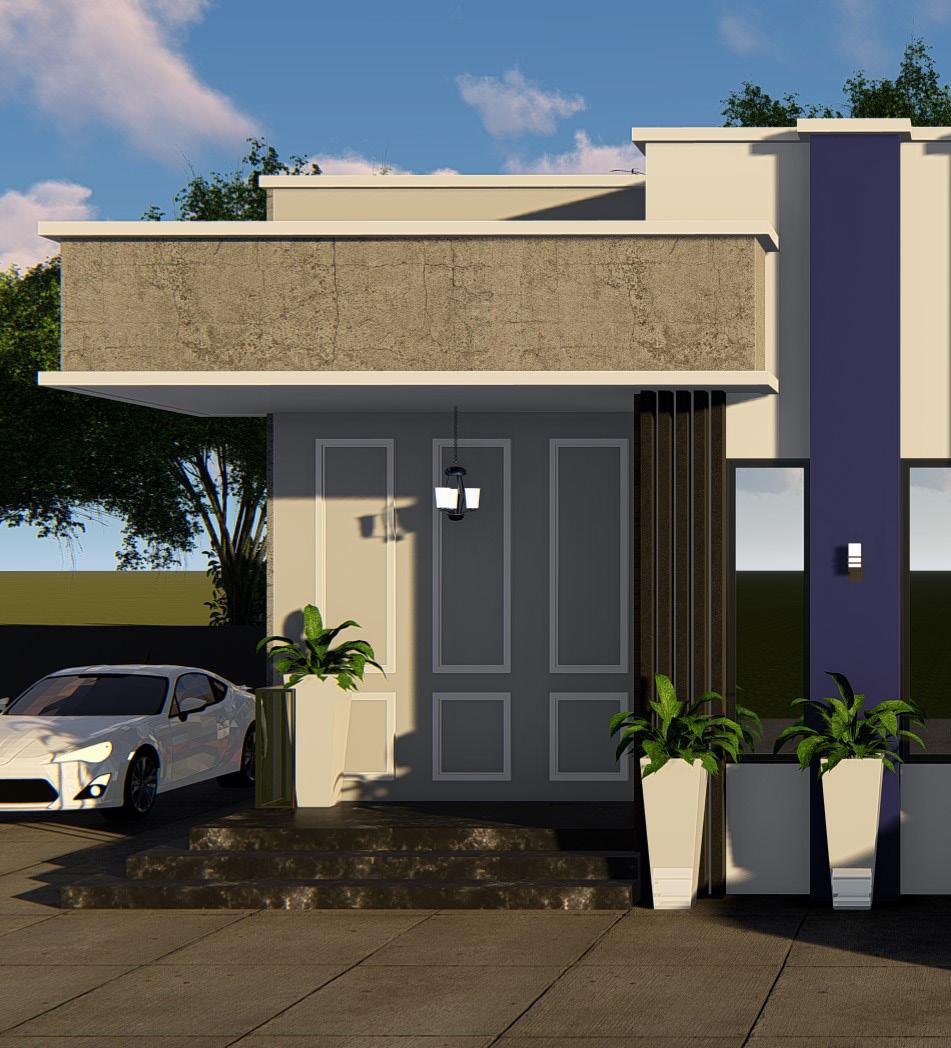
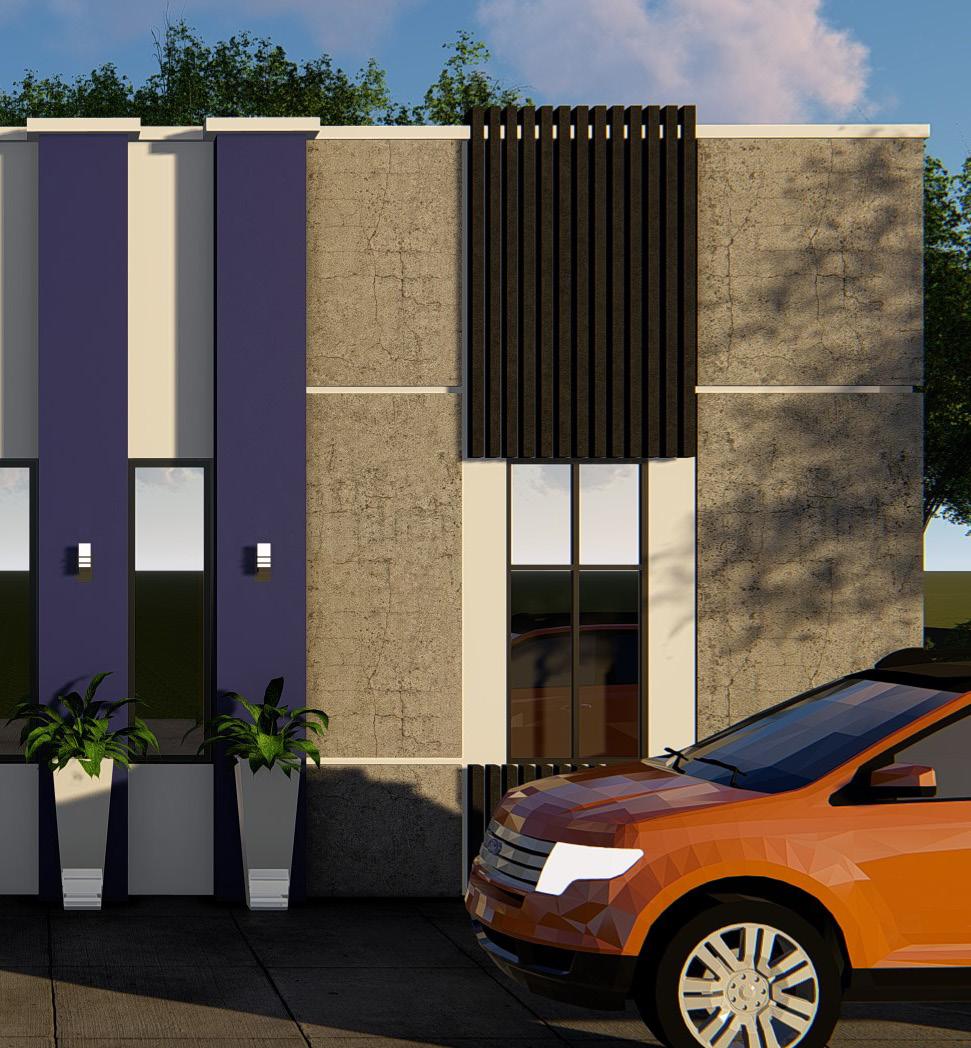
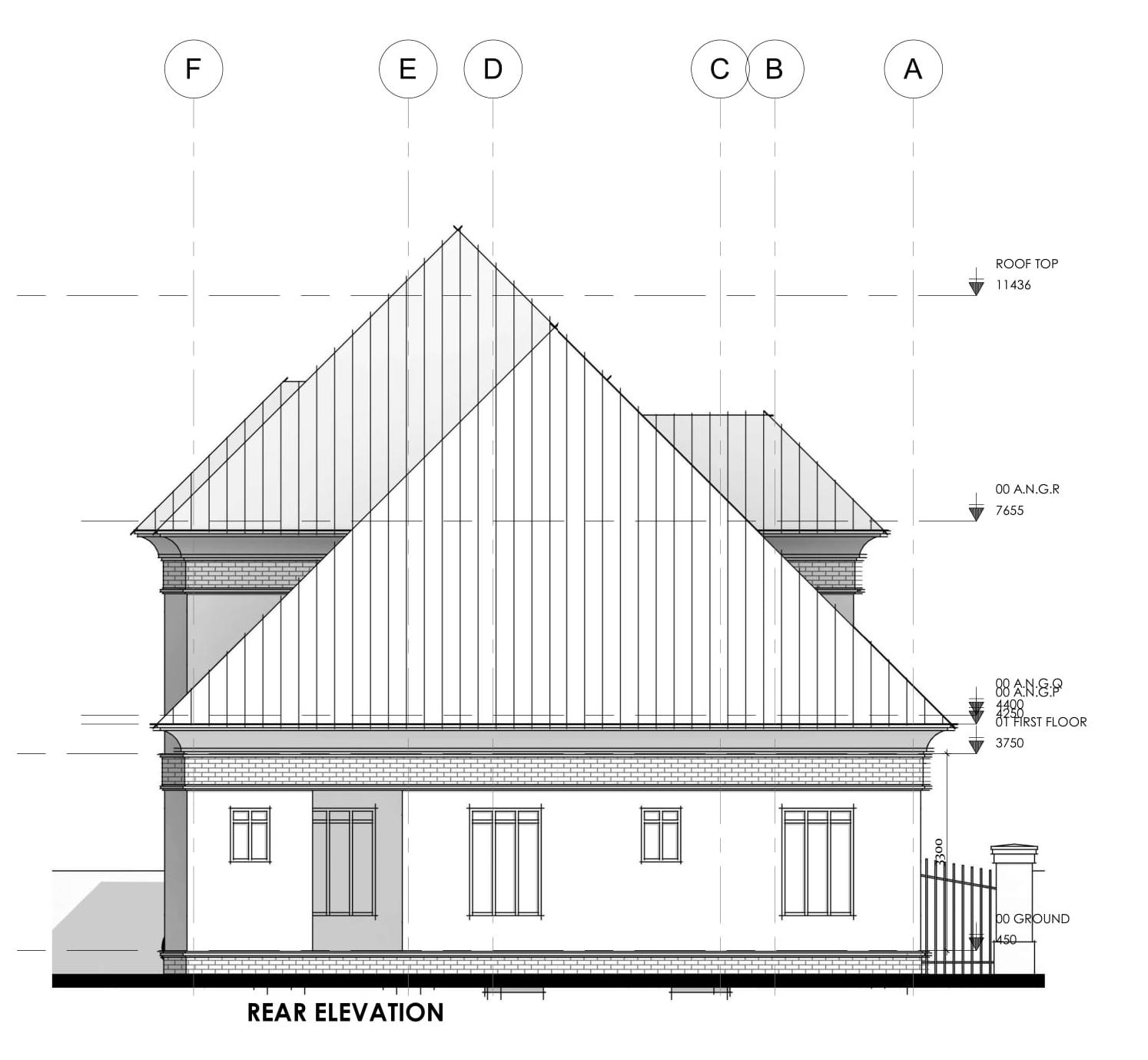
The design language is defined by horizontal emphasis, simplicity, and visual rhythm. Clean linear forms and layered façade elements create depth while maintaining a restrained modern identity. Carefully positioned openings maximise natural light and cross-ventilation, strengthening the connection between interior spaces and the surrounding environment.
The spatial organisation prioritises ease of movement and privacy. Public areas, living, dining, and kitchen spaces, form the social core of the home, while bedrooms are positioned within quieter zones to support rest and retreat.
Service areas are efficiently integrated to maintain spatial clarity and construction practicality.
The project demonstrates how modest residential architecture can achieve elegance through proportion, material contrast, and disciplined spatial planning rather than excessive formal complexity.
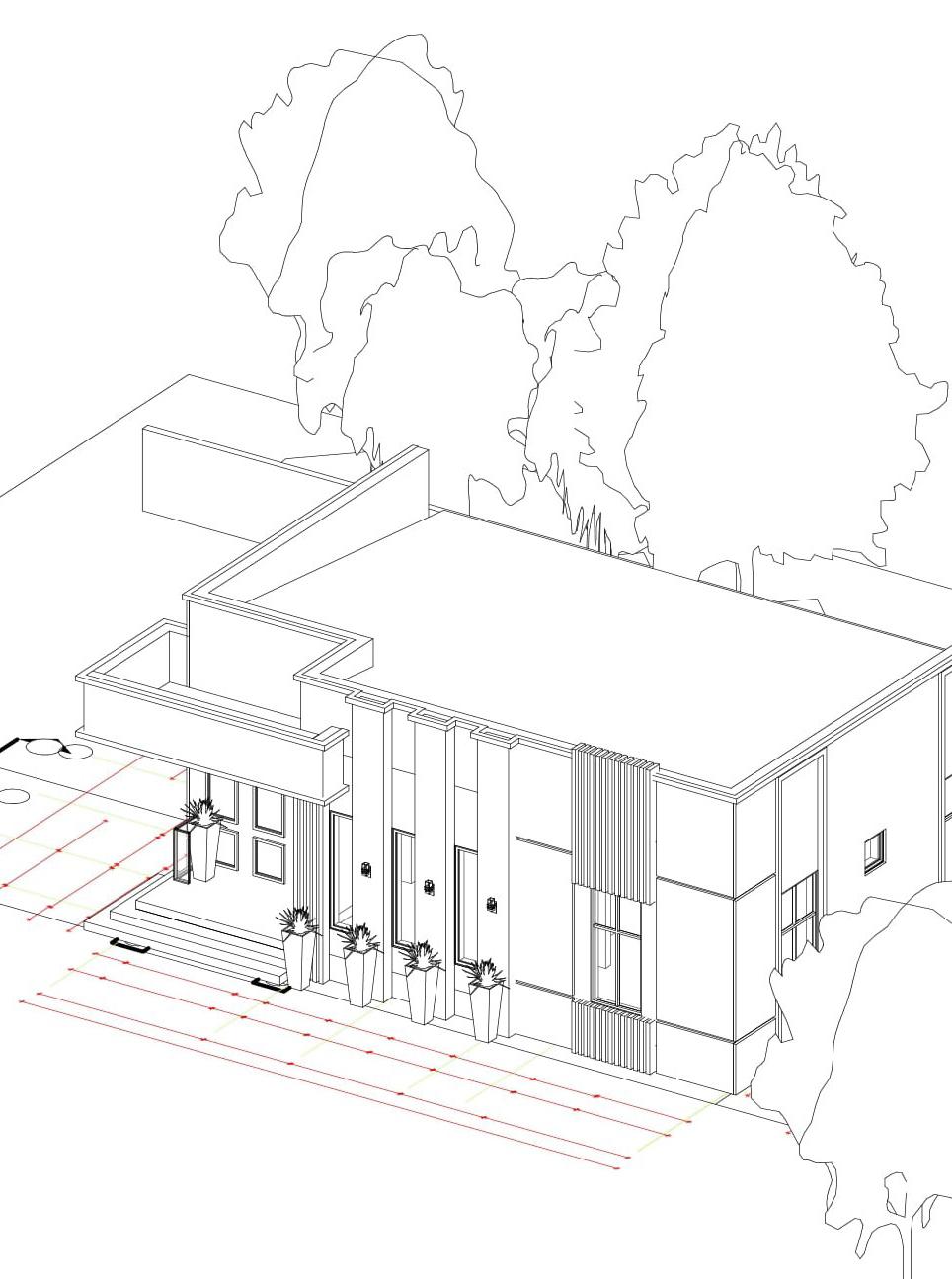
The Doctor’s House
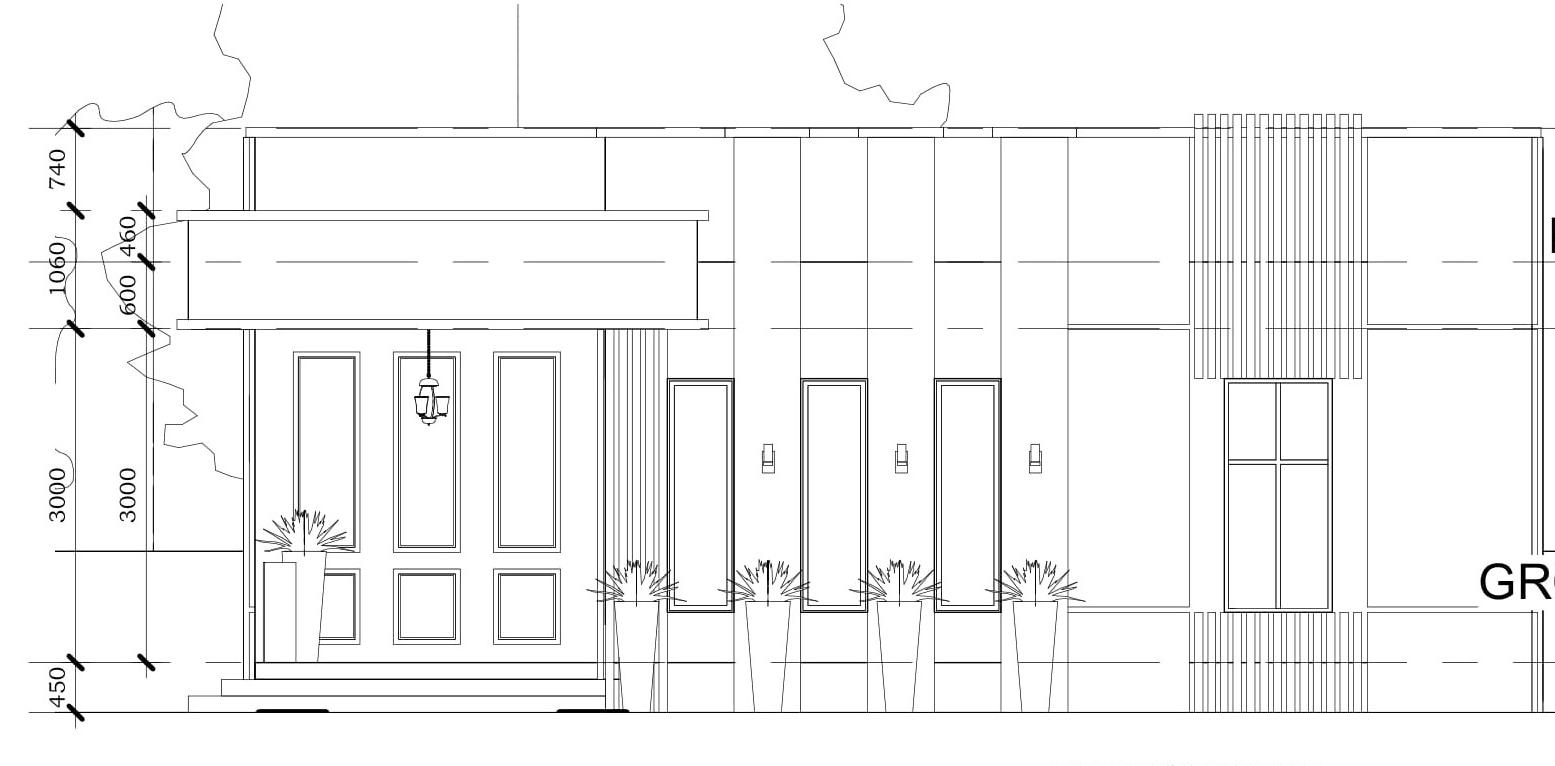
This residential design was tailored for a busy medical doctor in Scotland, with a vision to create a home that balances serenity, efficiency, and personal retreat. The layout was carefully orchestrated to maximise natural light and ventilation while ensuring privacy and ease of movement within his home.
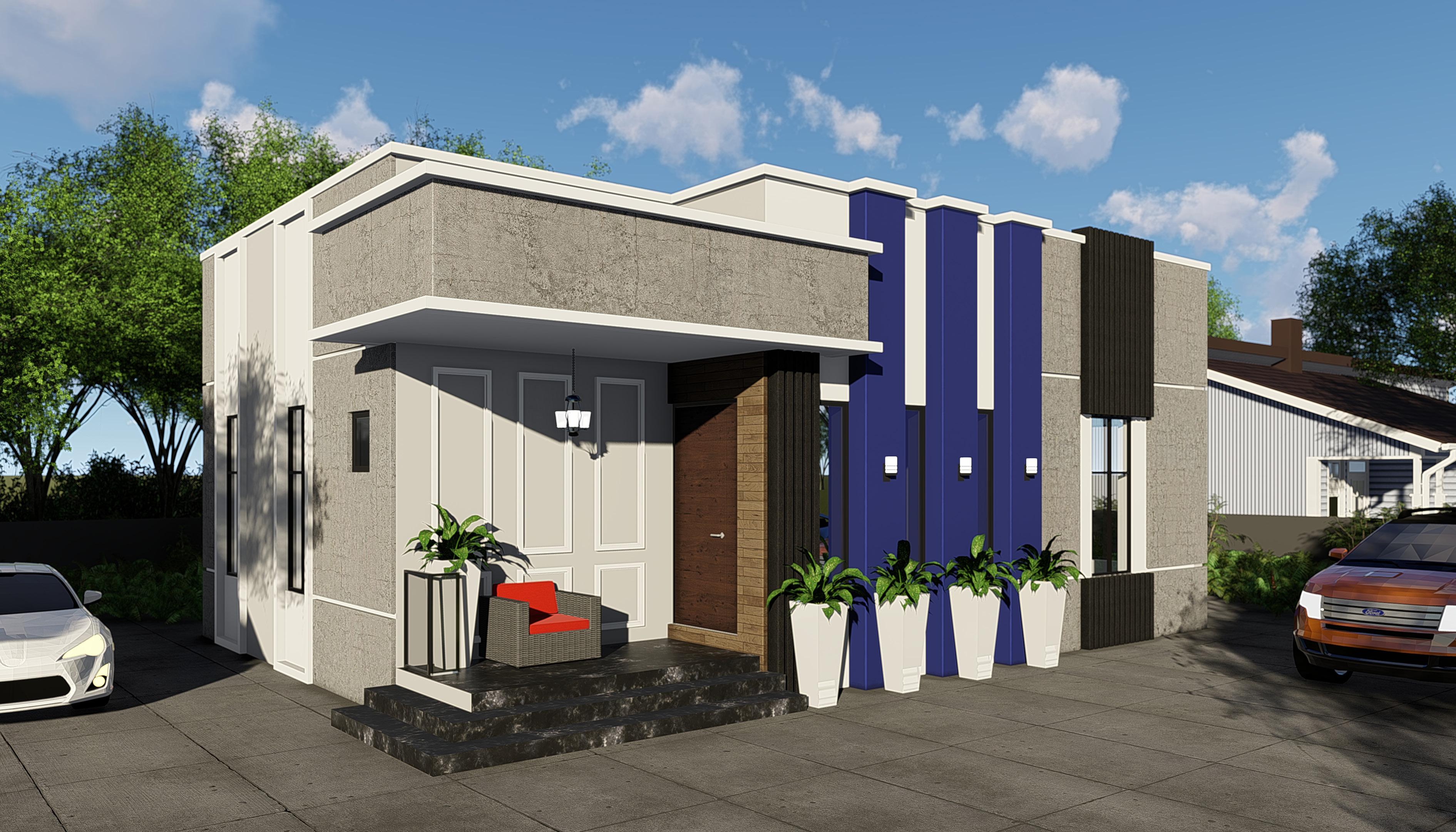
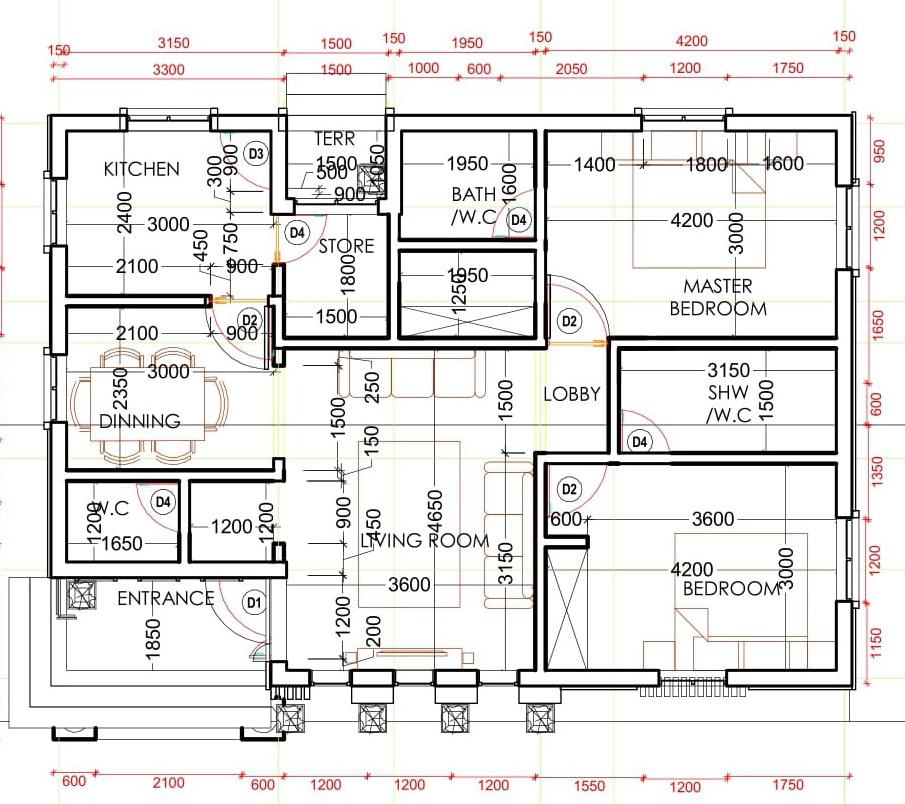
This home was shaped by the client’s deep desire for serenity, clarity, and elegance. He wanted a space that didn’t just look different from his workplace , but felt different. Clean, calm, and modern. Though a bungalow in structure, the design rises above the ordinary with thoughtful use of horizontal and vertical elements that guide the eye and shape how the space is experienced. The large windows frame the surrounding greenery, pulling nature in and creating quiet moments of visual relief.