
Have you taken a closer look at the scaffold?
Have you taken a closer look at the scaffold?
Canon is formational, unbroken, and integral.
With this note, I would like to extend a heartfelt acknowledgment of the work put into each shoot by teams through every stage of the production process. Most crucially, I express my gratitude to the graphic design team, who truly went above and beyond for this issue to enable the visible elements of photography, fashion, and writing to come together in a beautiful edition to be presented to the world. I give a personal thank you to Heidi and Jaimie, testifying to the long evenings we spent in discussion and collaborative review of this issue, to Abdur who always ensured that there was a plan for styling each shoot, and, most crucially, to Isabel and Brady for being the most wonderful partners on the executive team.
“Canon,” as with all ATTF issues, was a sincere team effort, and I bear the utmost privilege to have possessed a position of oversight to now see the sum of the pieces left behind by each individual who contributed to this volume.
Enjoy,
Manya
The Canon Issue
Executive Director, ISABEL LIU
Creative Director, MANYA DYER
Director of Operations, BRADY STOFFREGEN
Director of Photography, MADELINE BURNS
Co-Director of Design, HEIDI KWAK
Co-Director of Design, JAIMIE KOH
Head Stylist, ABDUR RAHMAN
Director of Writing, JULIANNA PENNA
Director of Marketing, ALEXANDRA DASSOPOULOS
IDEA Director, ISABELLA PAMIAS
CREATIVE DIRECTION
Anna Lynn, Brady Stoffregen, Jacob Gardner, Lindsay Khalluf, Madeline Burns, Mary AbiKaram, Samia Adjei, Serena Patel, Zarin Rizvi
PHOTOGRAPHY
Annika Nelson, Athena Huynh, Brady Stoffregen, Camille Stephant, Isabella Kim, Julian Huang, Katherine Whitfield, Liz Esteves, Manya Dyer, Marina Gallozzi, Matthew Gassoso, Mia Deschapelles, Quisha Lee, Zoe Frantz
MARKETING
Boa Seo, Claire Buchanan, Isabella Hill, Natalya Boufarah, Nina Skweres, Serena Patel
FUNDRAISING
Annabella Gao, Carol Zhou, Hadisa Ghulami, Hannah Chu, Jessica Harris, Joy Xie, Nino Thongwandee
Aaliyah Gala, Isabella Pamias, Joy Fiske, Mariana Bermudez, Minhal Nazeer, Zarin Rizvi
Begum Hussain, Bella Carmen, Bethe
Bogrette, Darius Haft, Helena Pietkiewicz, Isabel Liu, Jade Shi, Karan Patnaik, Lily Deng, Mary Abi-Karam, Messi Jetter, Nora Brue, Pia Cruz, Quinn Ross, Teagan
Maxymillian
Diane Lee, Quisha Lee, Adey Adeleye
Anika Lippke, Annie Quimby, Christina Pan, Diane Lee, Jacob Gardner, Olivia Pozen, Serena Gill
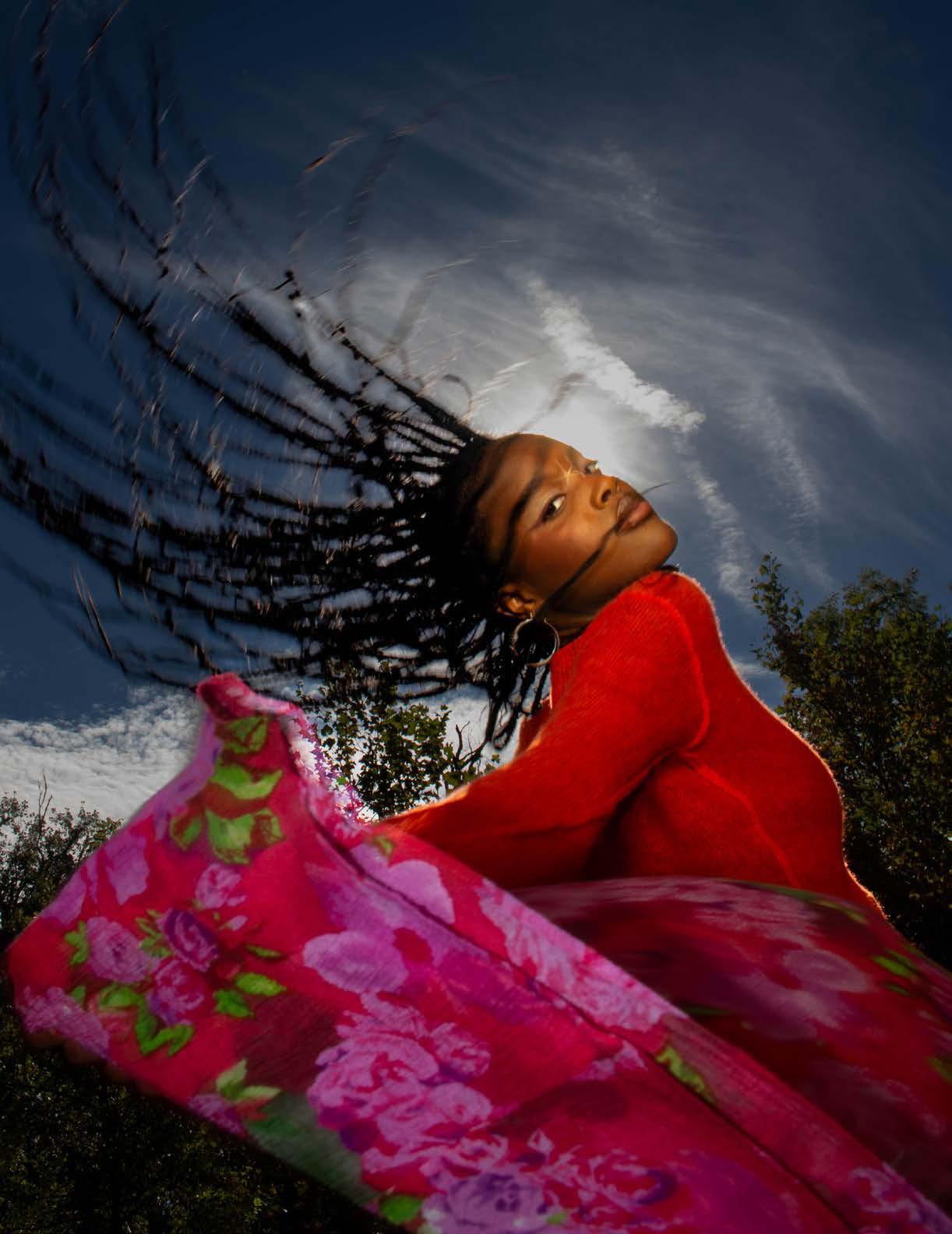
Creative Direction: Jacob Gardner
Photography:
Madeline Burns, Quisha Lee, Annika Nelson
Wardrobe: Isabel Liu
Makeup: Aaliyah Gala
Design: Heidi Kwak, Jaimie Koh
Writing: Jacob Gardner
Models: Dia Chawla, Sophia Fife
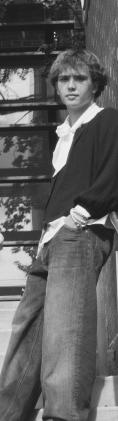
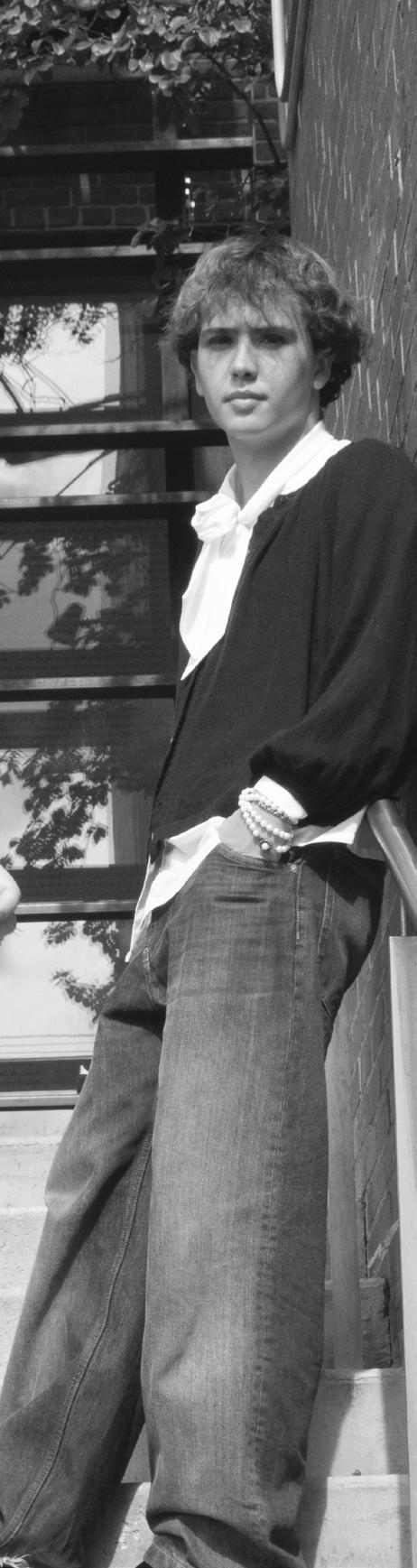
Creative Direction: Samia Adjei
Photography: Liz
Esteves, Mia
Deschapelles
Wardrobe: Jade Shi, Lily Deng, Pia Cruz
Makeup: Minhal
Nazeer
Design: Diane Lee
Writing: Julianna Penna
Models: Archie Rivero, Iris Cho
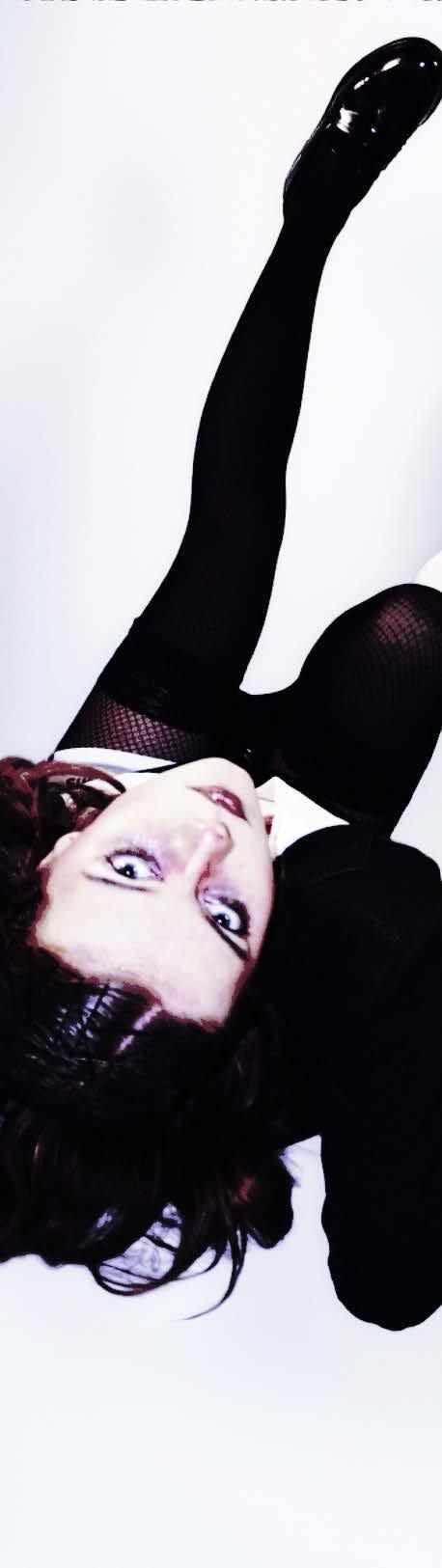
Creative Direction: Zarin Rizvi
Photography: Julian Huang, Marina
Gallozzi, Matthew
Gassoso
Wardrobe: Bethe
Bogrette, Teagan
Maxymillian
Makeup: Minhal
Nazeer
Design: Jaimie Koh
Writing: Diane Lee
Models: Manya Dyer, Lara Muyombwe
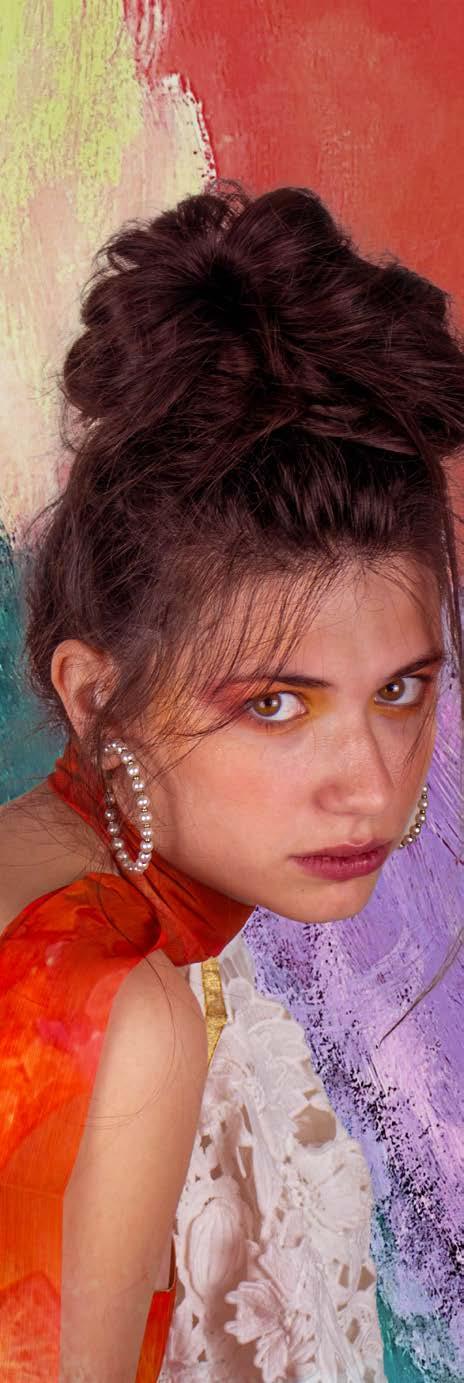
Creative Direction: Madeline Burns
Photography: Mia Deschapelles, Katherine Whitfield, Madeline Burns
Wardrobe: Pia Cruz, Teagan Maxymillian
Makeup: Isabella Pamias, Aaliyah Gala
Design: Jaimie Koh, Quisha Lee
Writing: Diane Lee
Models: Julianna Penna, Mia
Deschapelles
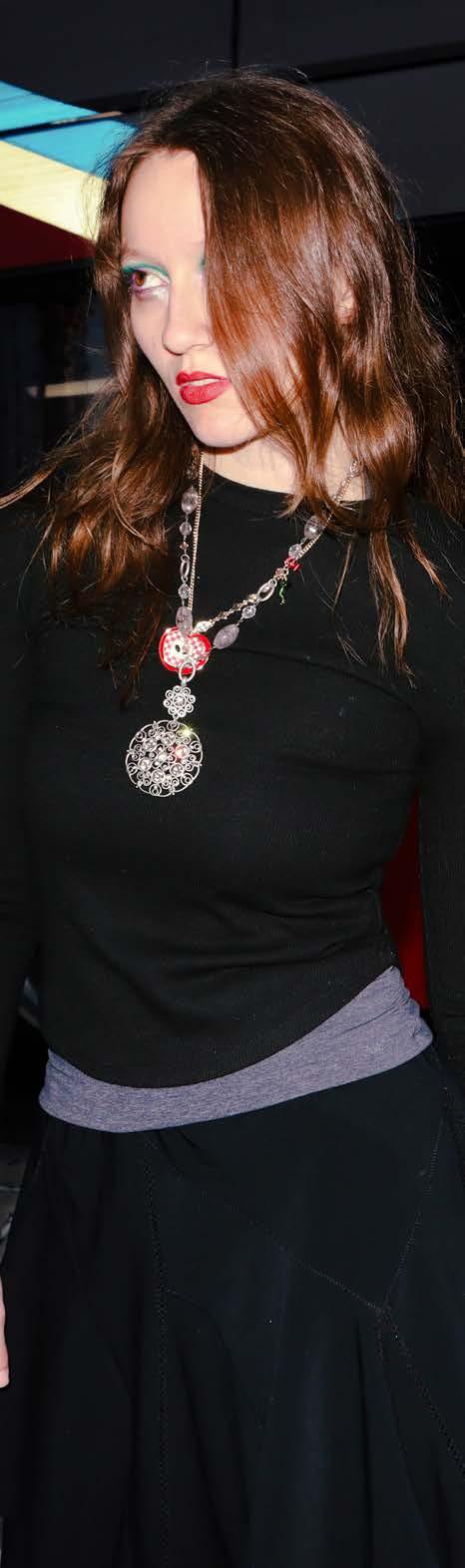
Creative Direction: Lindsay Khalluf
Photography: Brady
Stoffregen, Quisha
Lee, Julian Huang
Wardrobe: Isabel Liu, Karan Patnaik, Mary
Abi-Karam
Makeup: Isabella
Pamias, Manya Dyer
Design: Diane Lee
Writing: Christina Pan
Models: Aden Barcroft, Mansi
Peters, Madeline Burns
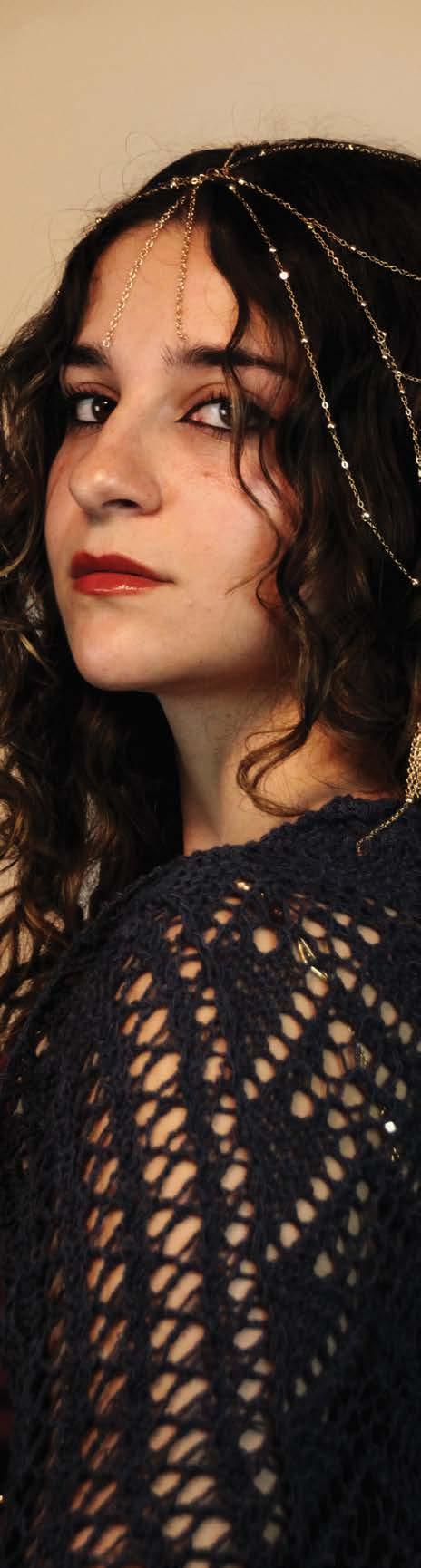
Creative Direction: Mary Abi-Karam
Photography: Athena Huynh, Camille Stephant, Manya Dyer
Wardrobe: Begum Hussain, Bella Carmen
Design: Heidi Kwak, Quisha Lee
Writing: Mary AbiKaram
Models: Lindsay Khalluf, Mary AbiKaram, Leila Hamdan, Noor Zaareir
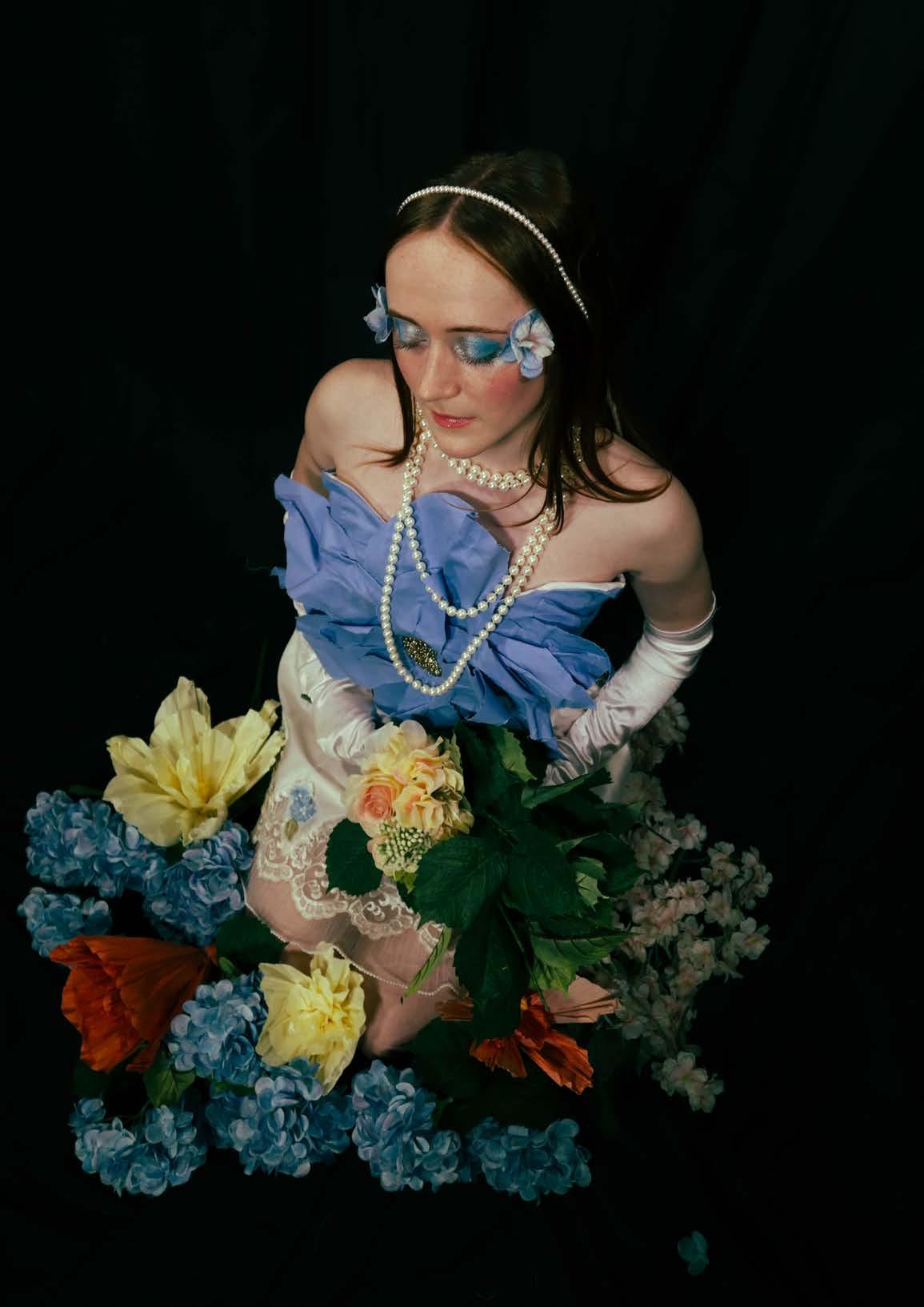
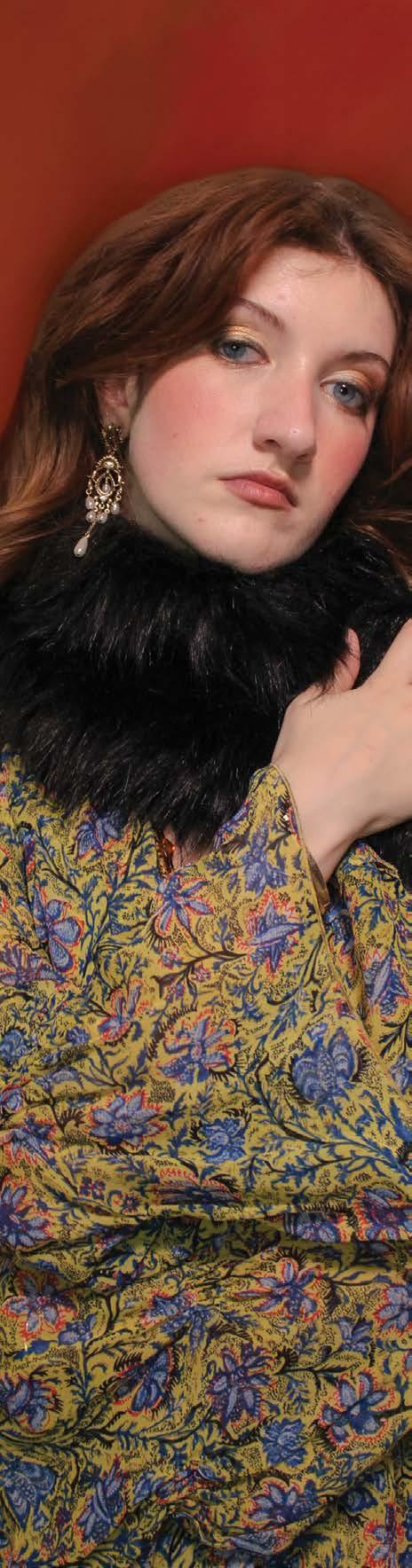
Creative Direction: Brady Stoffregen, Serena Patel
Photography: Zoe Frantz, Marina Gallozzi
Wardrobe: Quinn
Ross, Karan Patnaik, Lily Deng
Makeup: Isabella Pamias
Design: Heidi Kwak
Writing: Ellie Griswold
Models: Nola Millet, Ellie Griswold, Marina Gallozzi
Creative Direction: Anna Lynn
Photography: Zoe Frantz, Isabella Kim
Wardrobe: Bethe Bogrette, Bella Carmen, Messiah Jetter
Makeup: Isabella Pamias
Design: Jaimie Koh, Adey Adeleye
Writing: Jacob Gardner
Models: Ruari
Bamrick, Chloe Kim, Katie Hussman
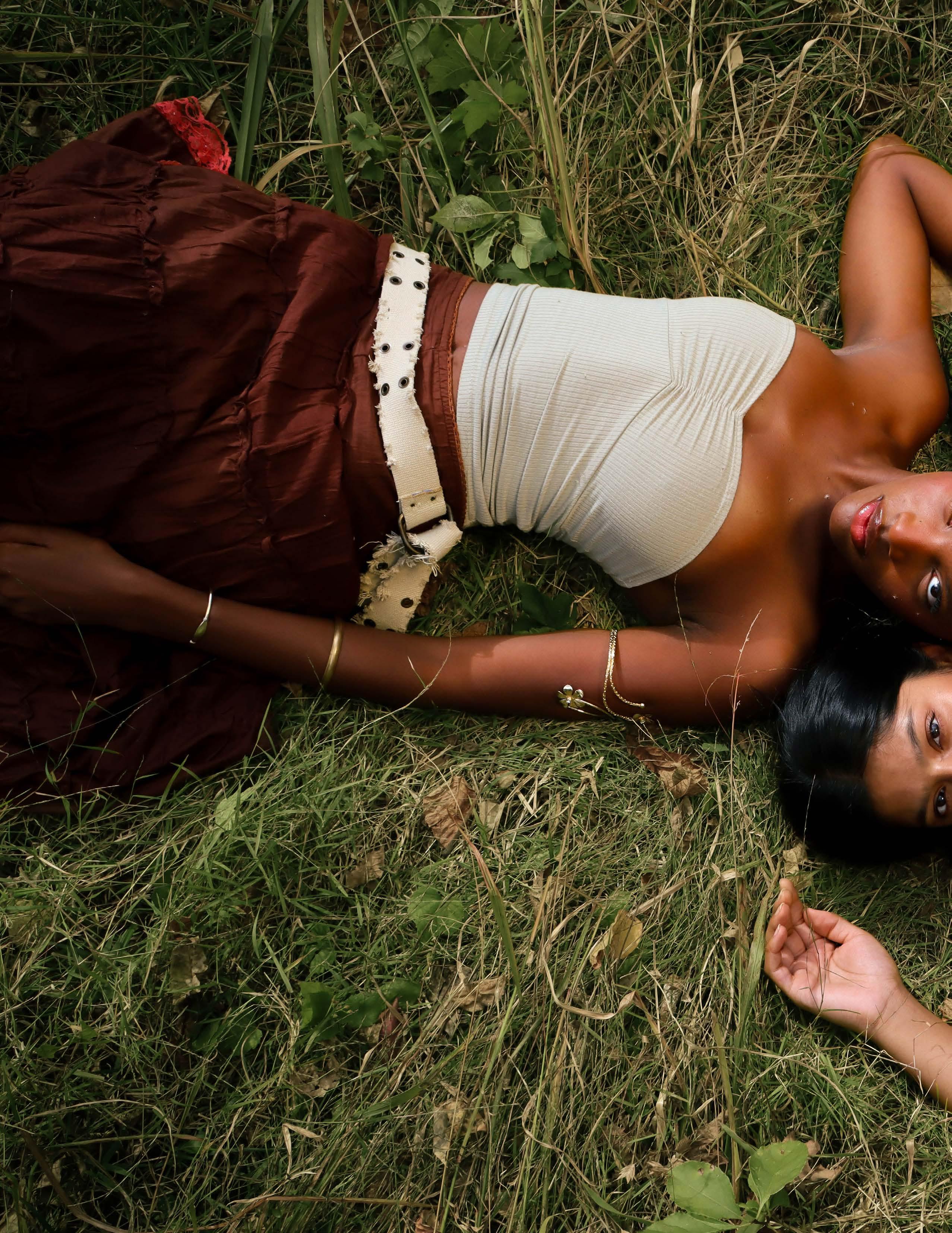
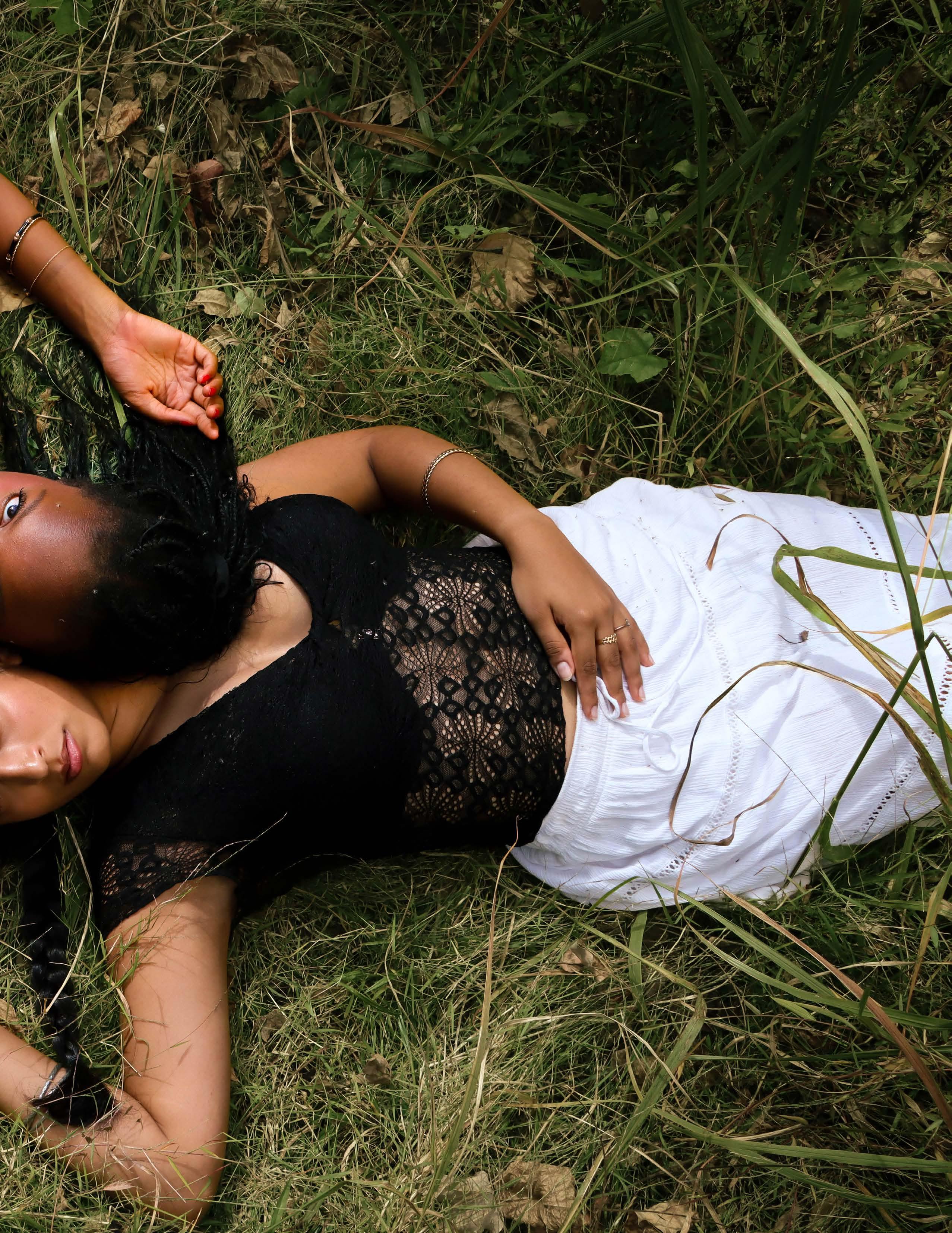
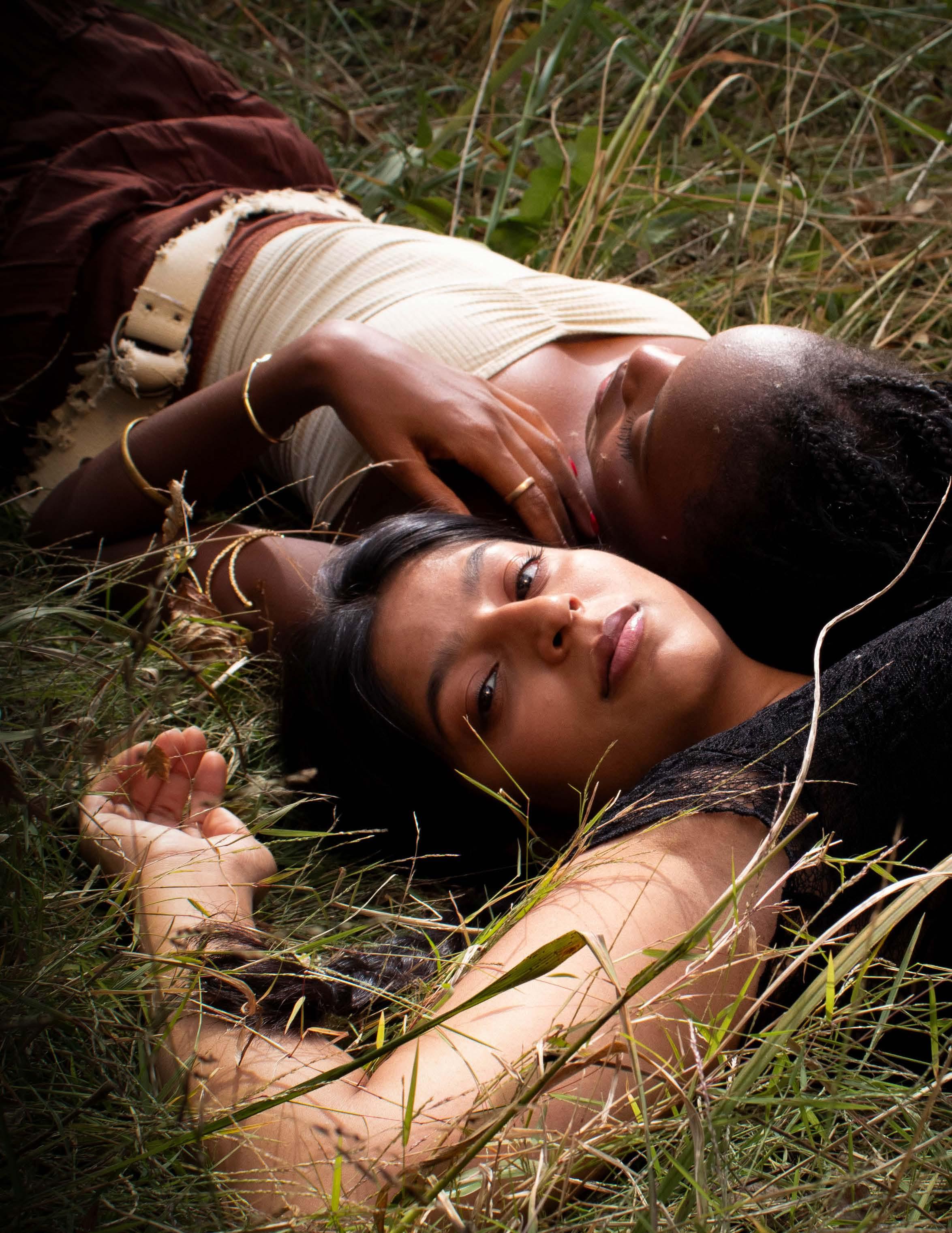
by Jacob Gardner
It was my sophomore year of high school when I first met Zora Neale Hurston and all of her shining, literary teeth. I read “Sweat,” then “Spunk,” and finally, in an ironic twist of fate, Their Eyes Were Watching God. And God was watching, indeed.
Born in 1891, Hurston became a singular presence of the Harlem Renaissance—part folklorist, part anthropologist—who insisted that Black life be recorded in its own idiom, with its humor and its stakes intact. That refusal to smooth or translate voice made her beloved by many and baffling to others: contemporaries sometimes faulted her for not being overtly “political,” and critics sidelined her as a Black woman who refused to accommodate expectation. For those reasons, and because of the racial and gendered blind spots of literary gatekeepers, Hurston was frequently omitted from the mainstream feminist canon.
She died in 1960 and was buried in an unmarked grave. Years later, Alice Walker paid for a stone reading “Zora Neale Hurston: Genius of the South.” Tombstones mark bodies; Hurston’s true monument is the language she left behind. Exact, combustible, and still very much alive.

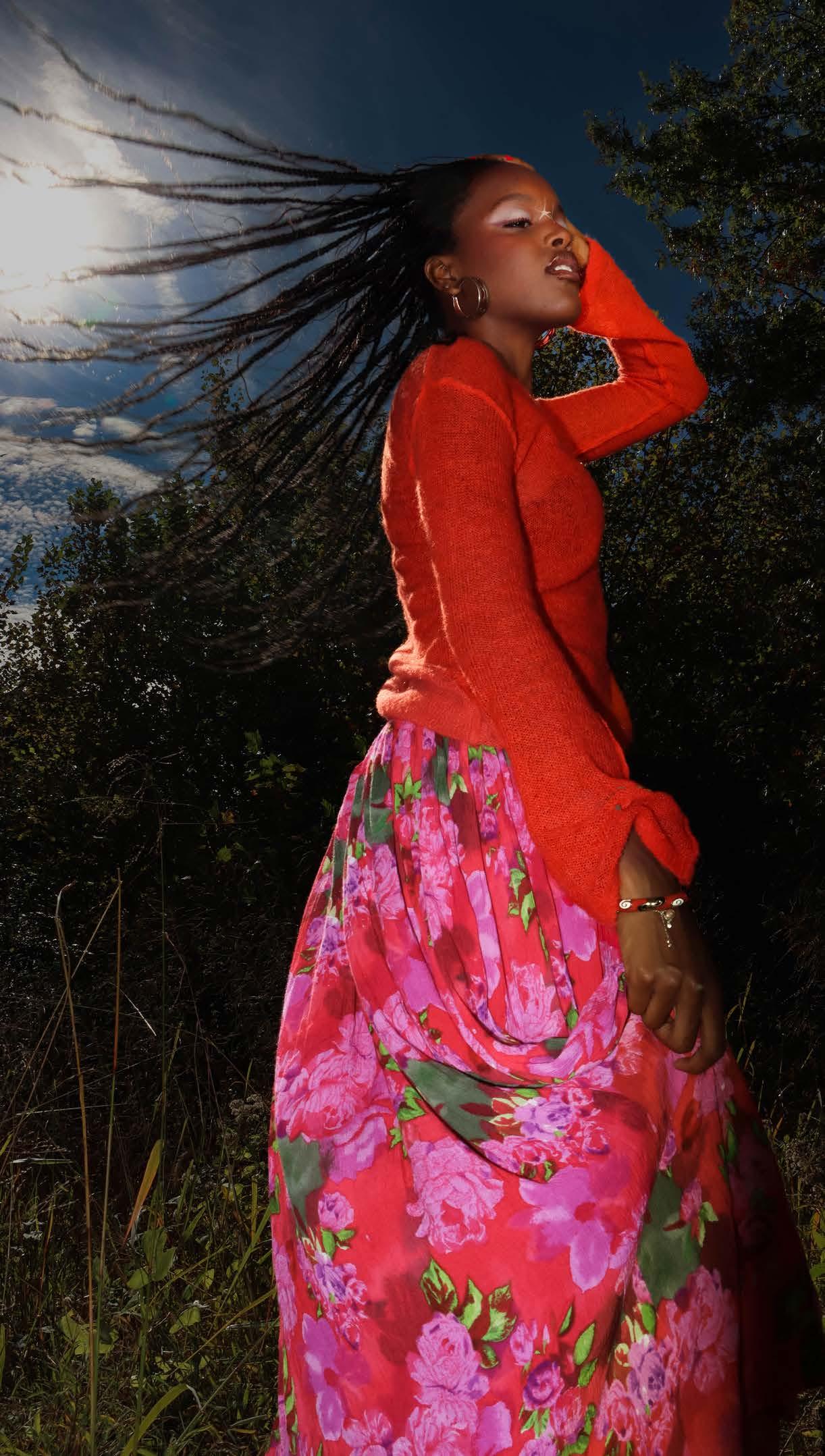
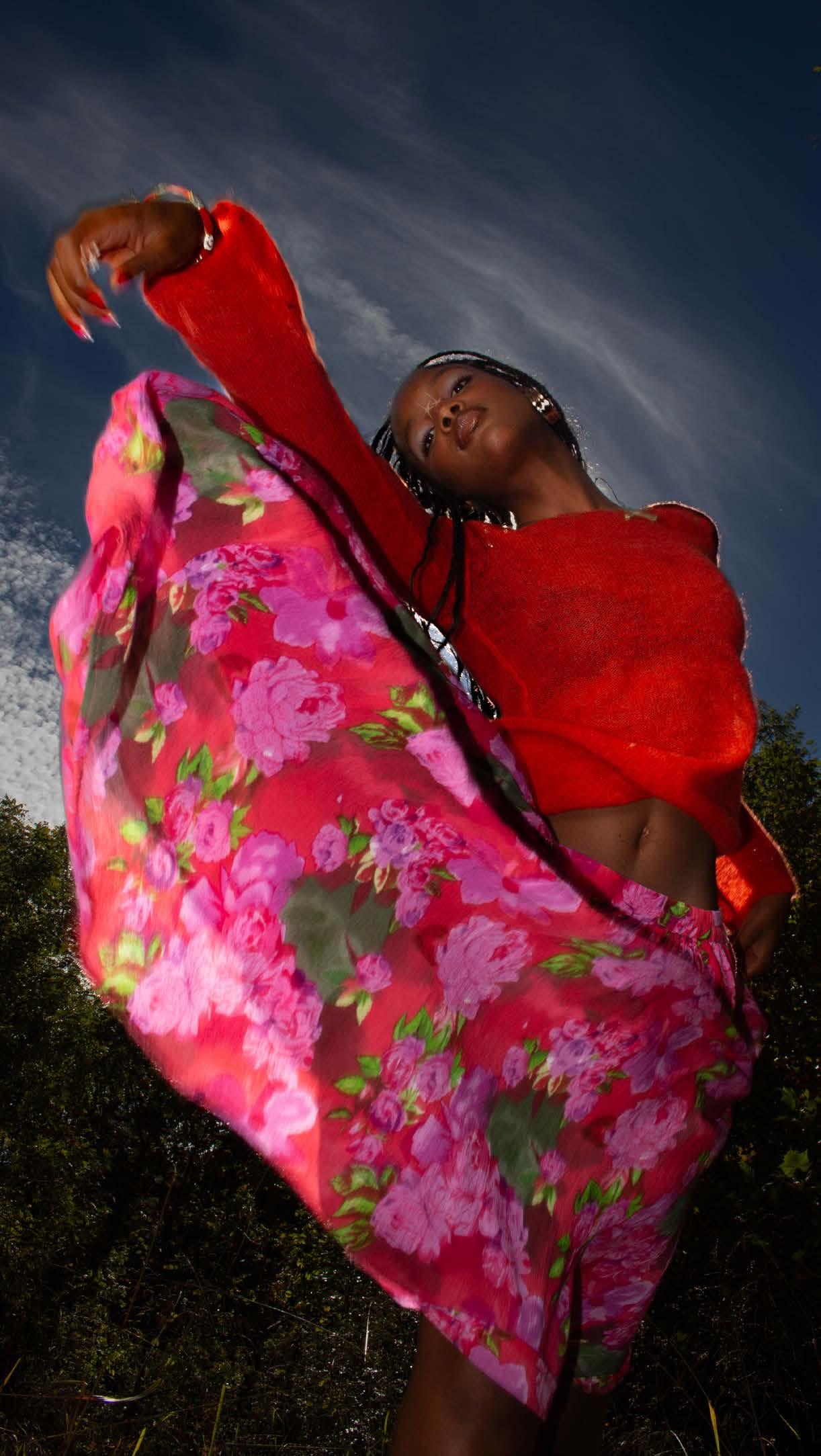
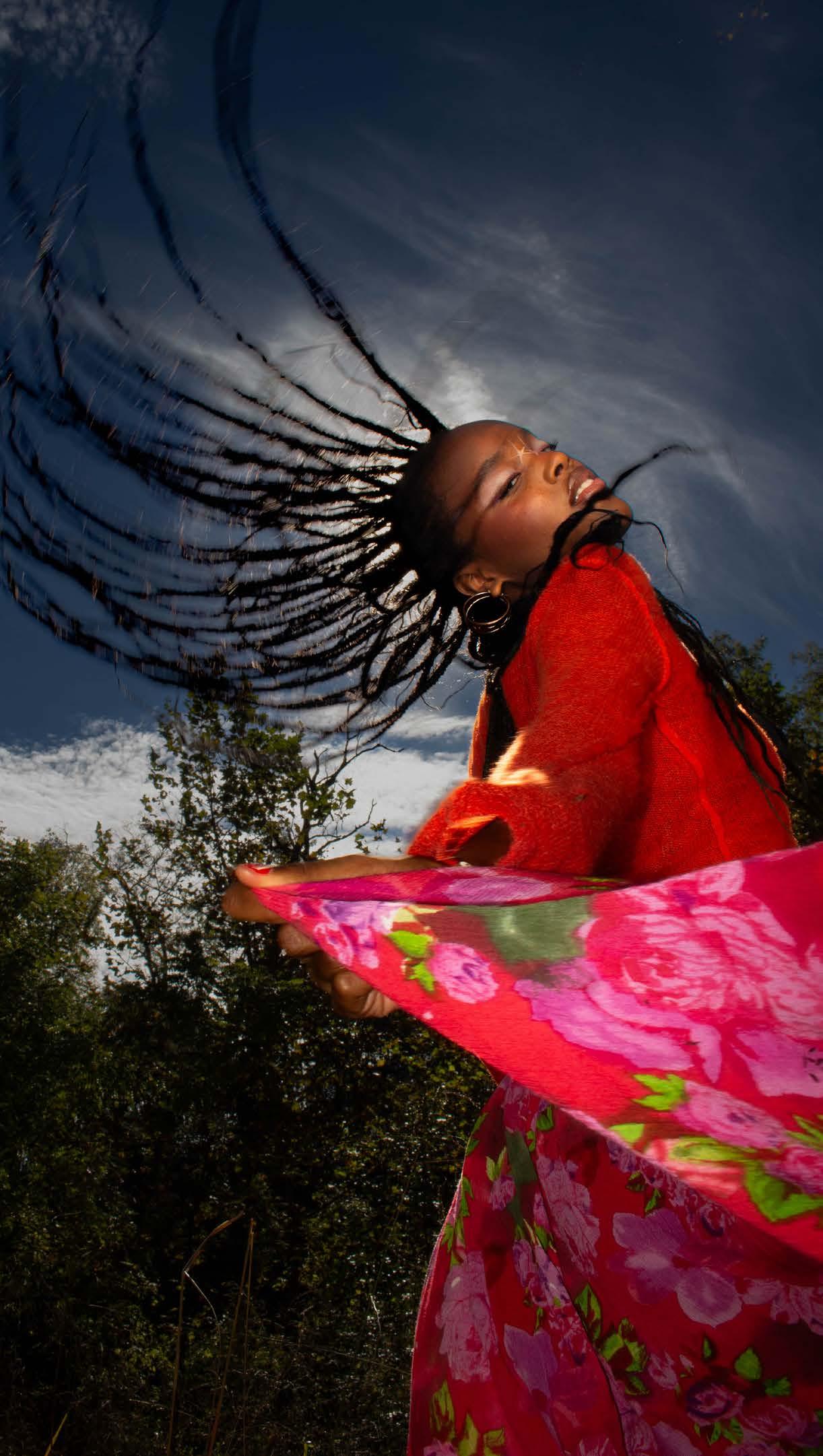
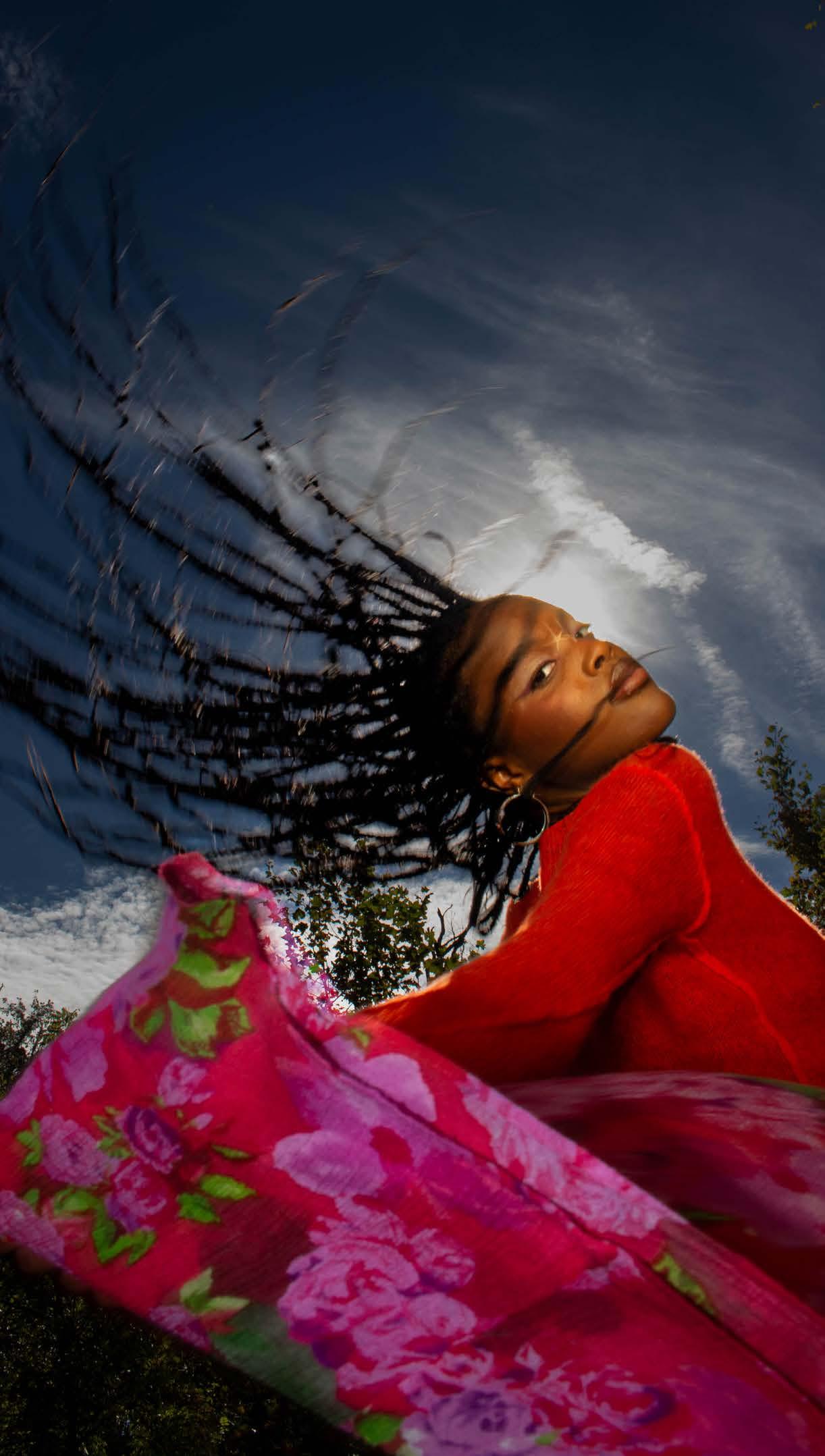

Love is like the sea. It’s a moving thing, but still and all, it takes its shape from the shore it meets, and it’s different with every shore.


Julianna
Penna


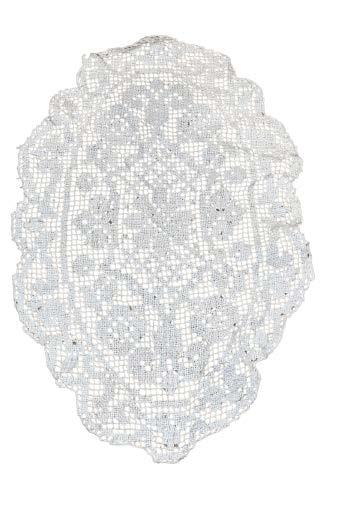
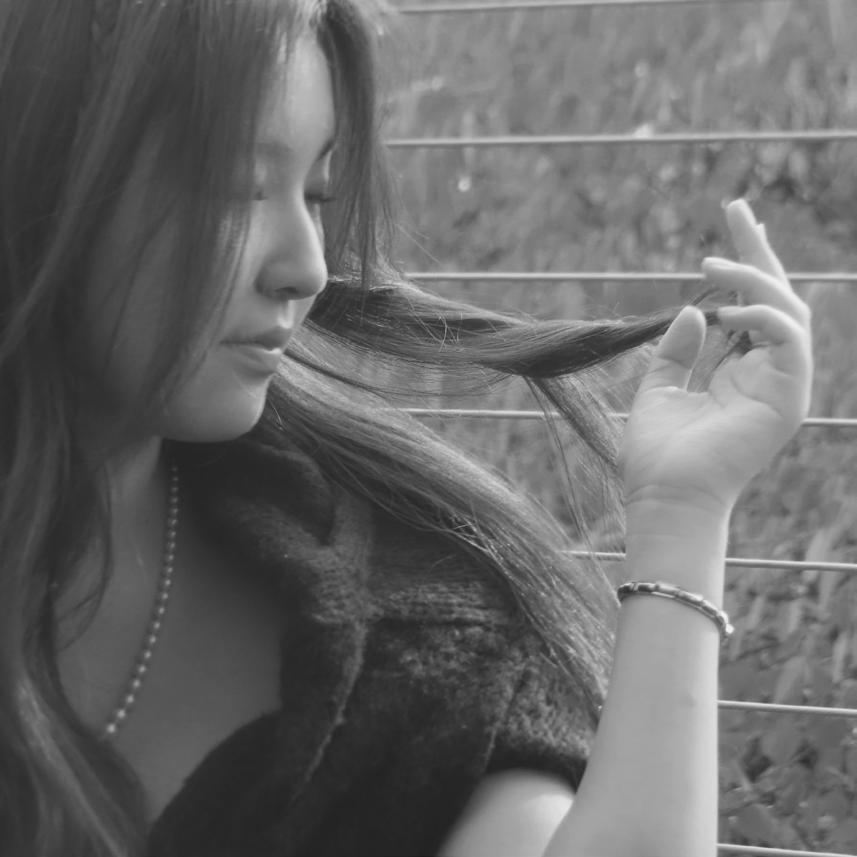
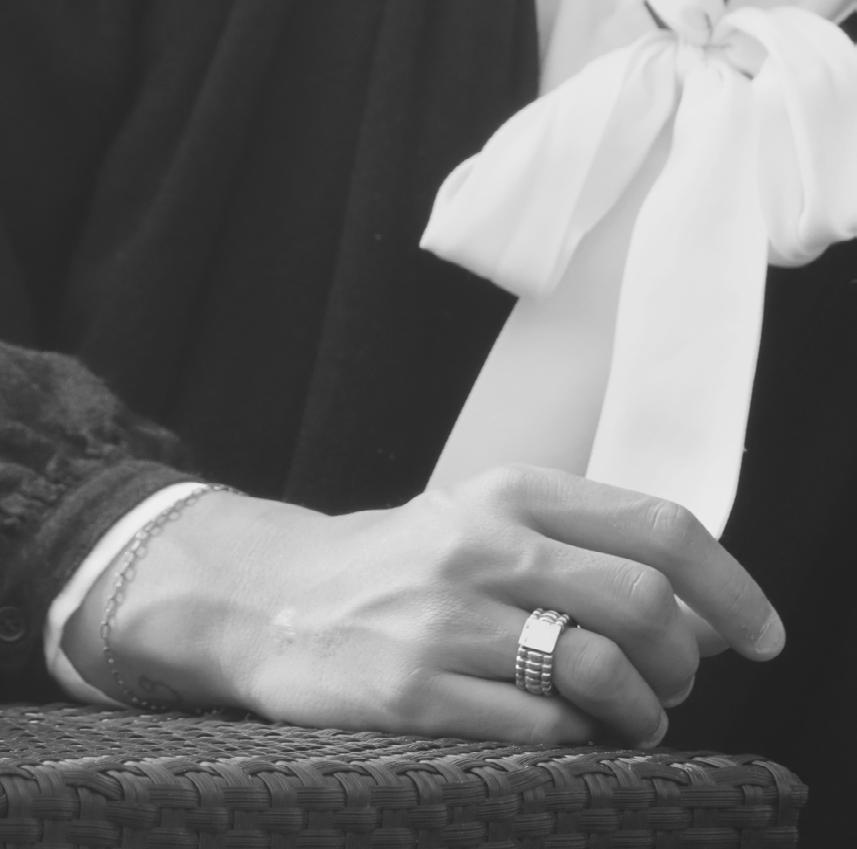
naïve beneath the whirlpool tucked in the corner of the drawer is a spot my eyes rarely find on the night of my birthday the year I received a single gift and really anything was nice but you were the one who thought a piping pink Britney shirt would suit me? we had never once thrown spears still laughter inflamed the hailing December sky now I’m not sure if the tee stands in a California closet or lies on stiff stranger skin maybe someone else will suit it better than I did green always flattered me more anyway
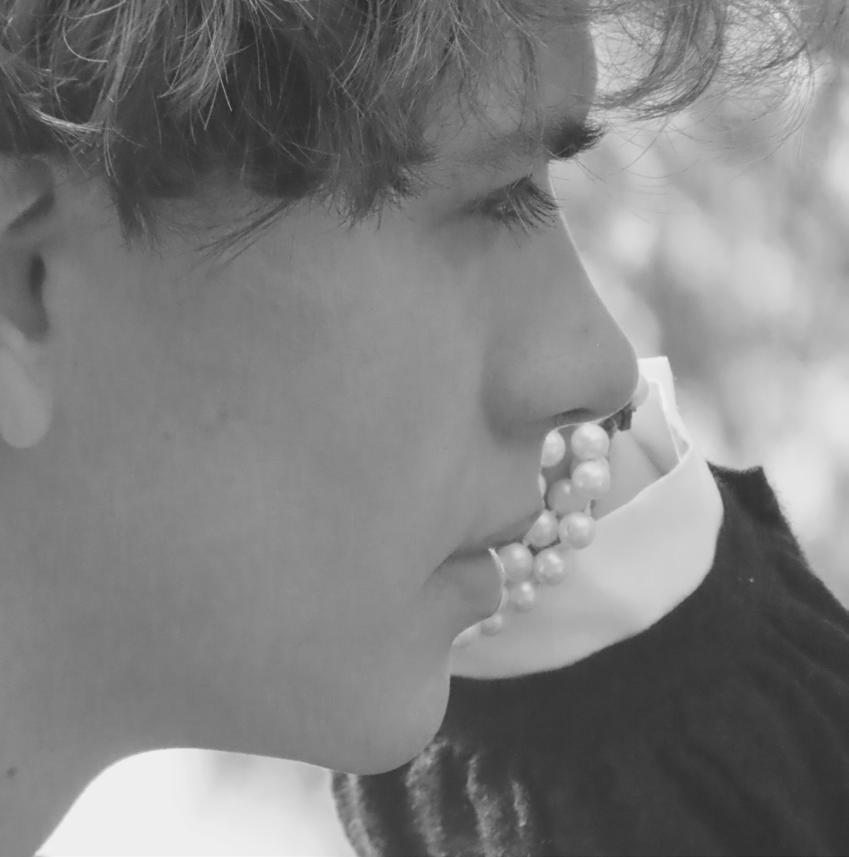
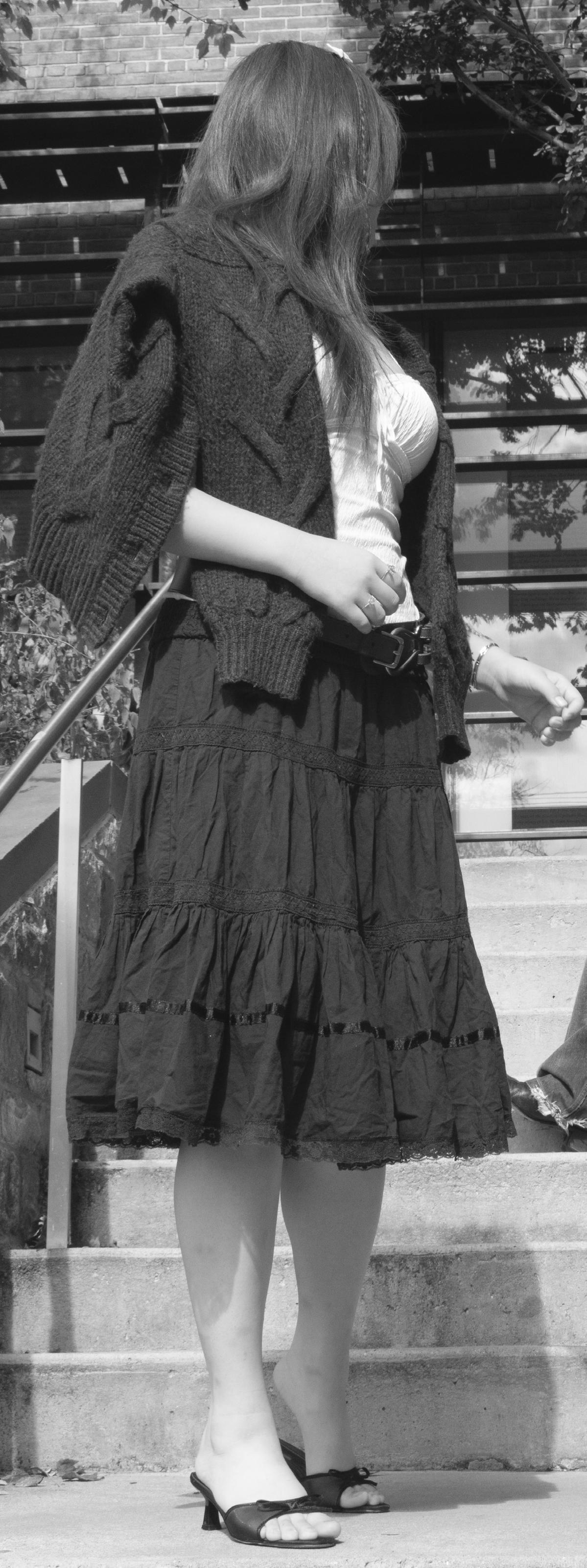
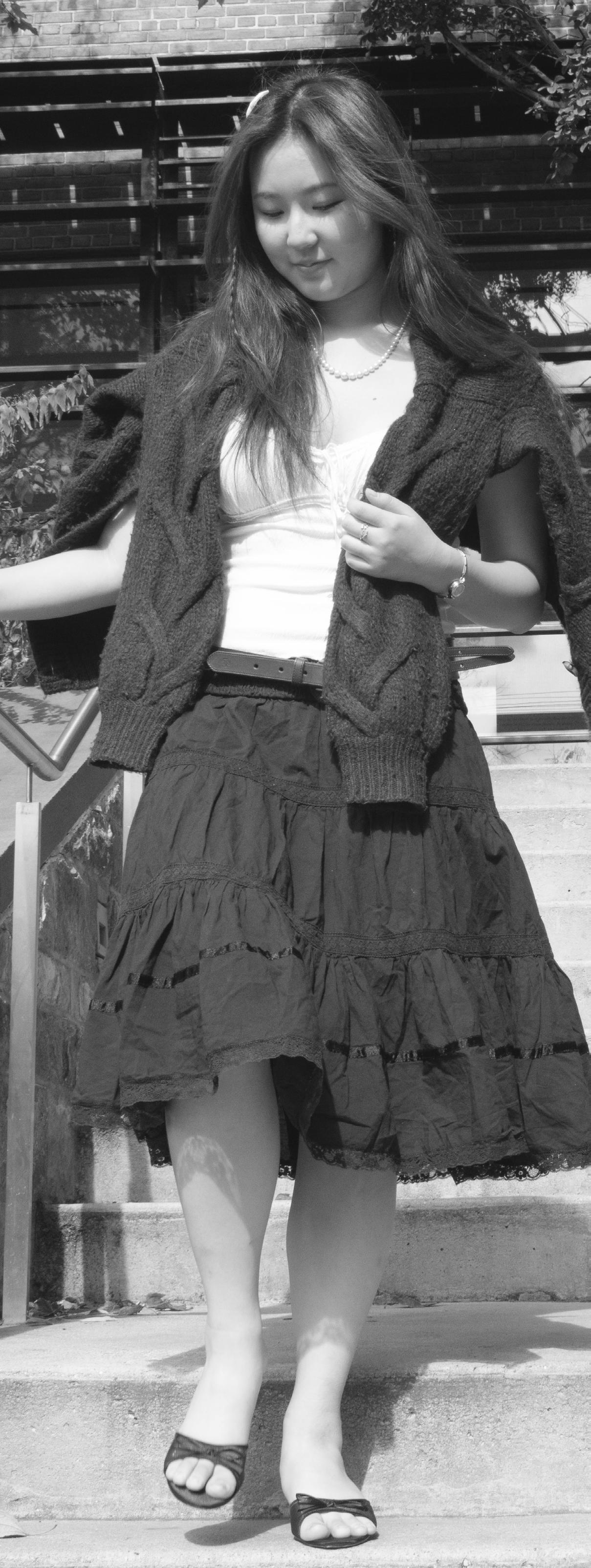

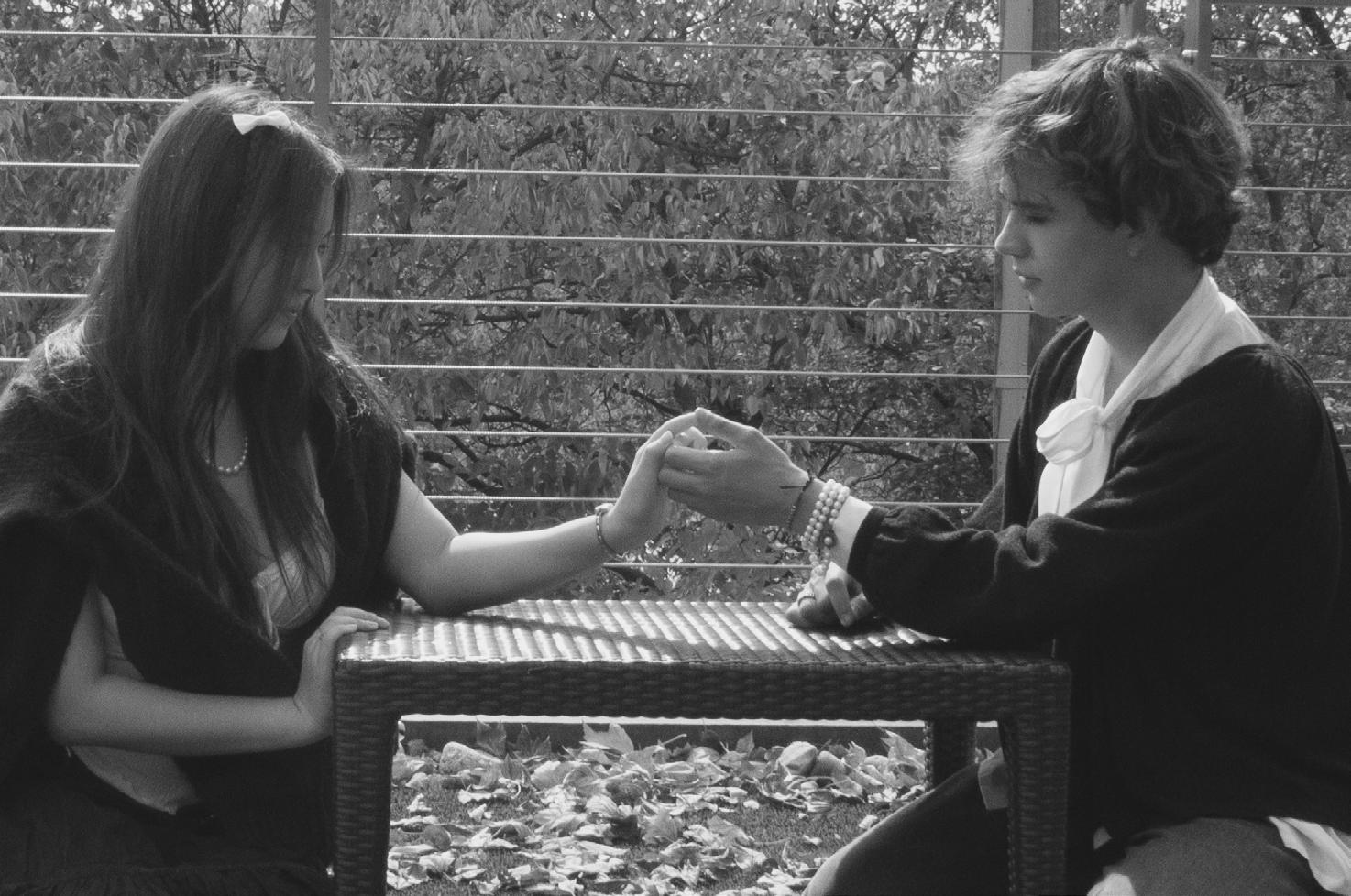

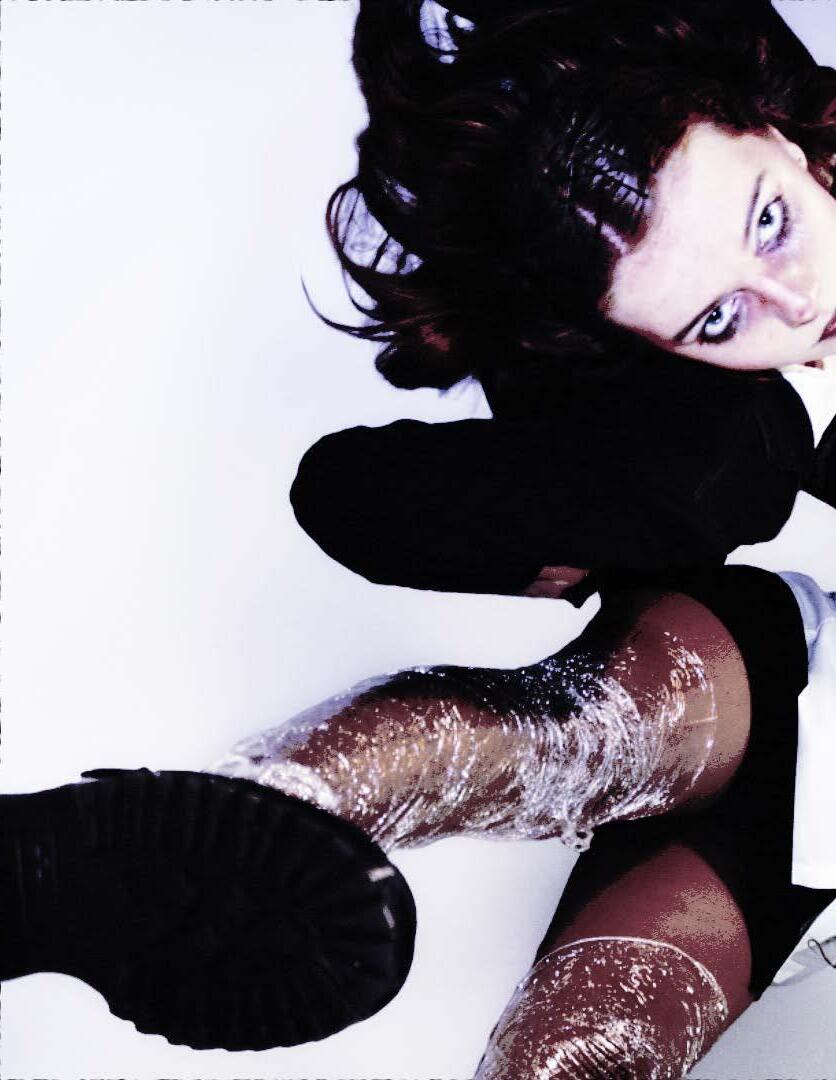
By Diane Lee

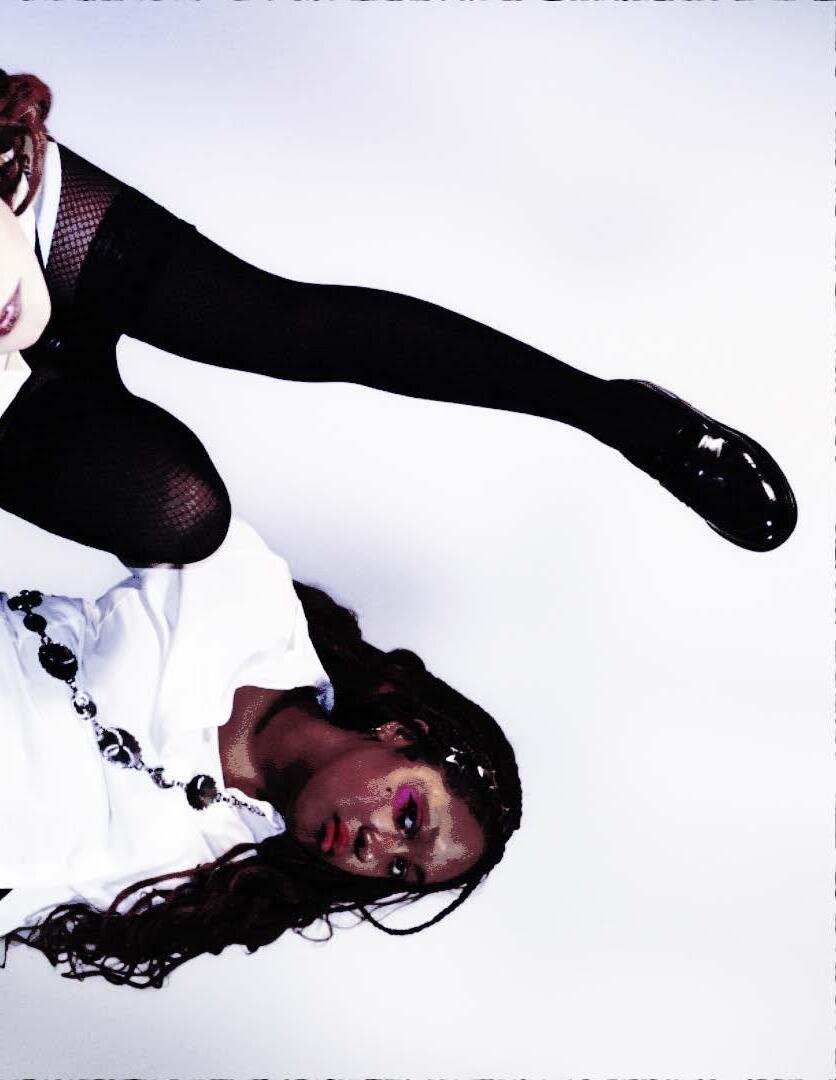


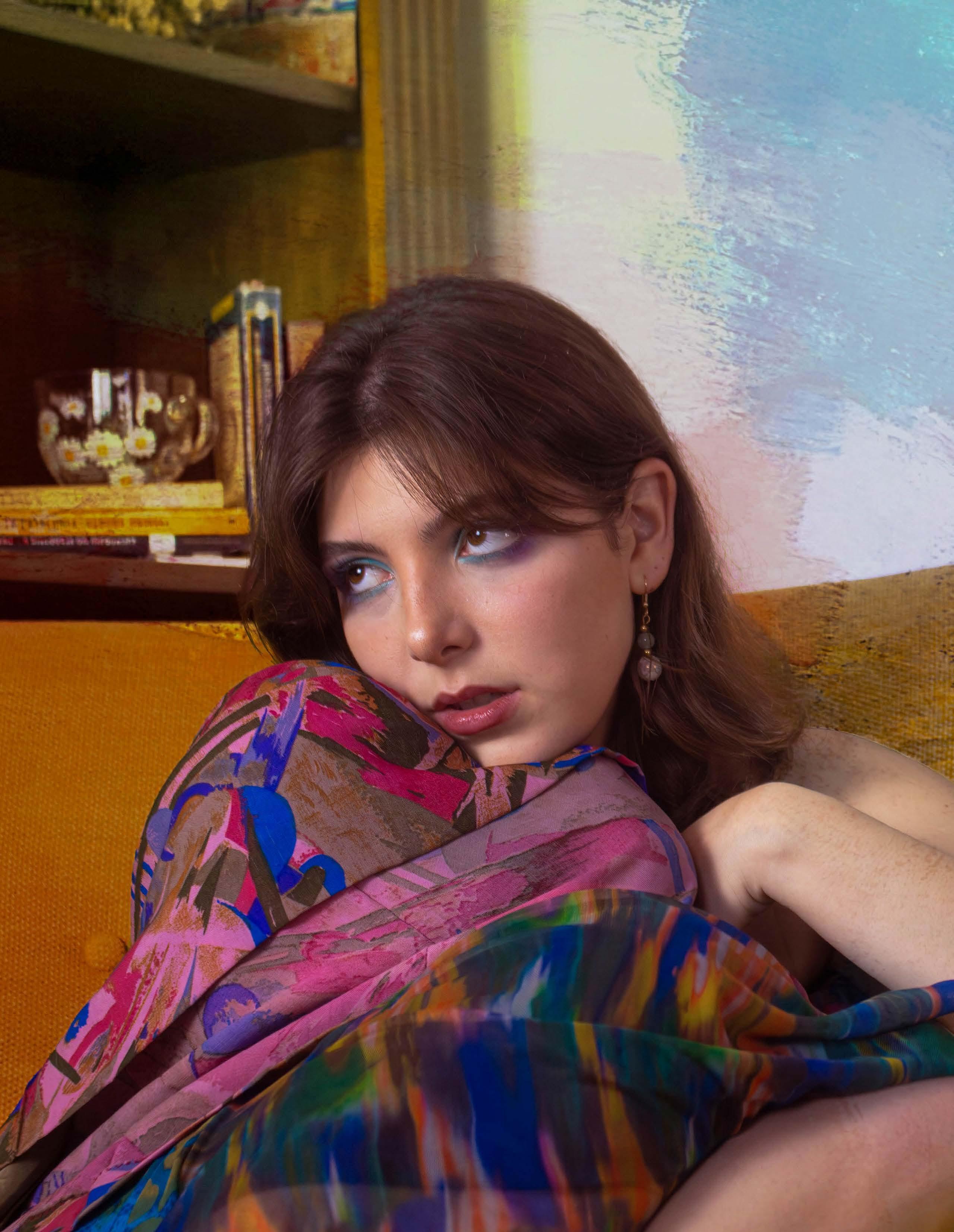

By Diane Lee

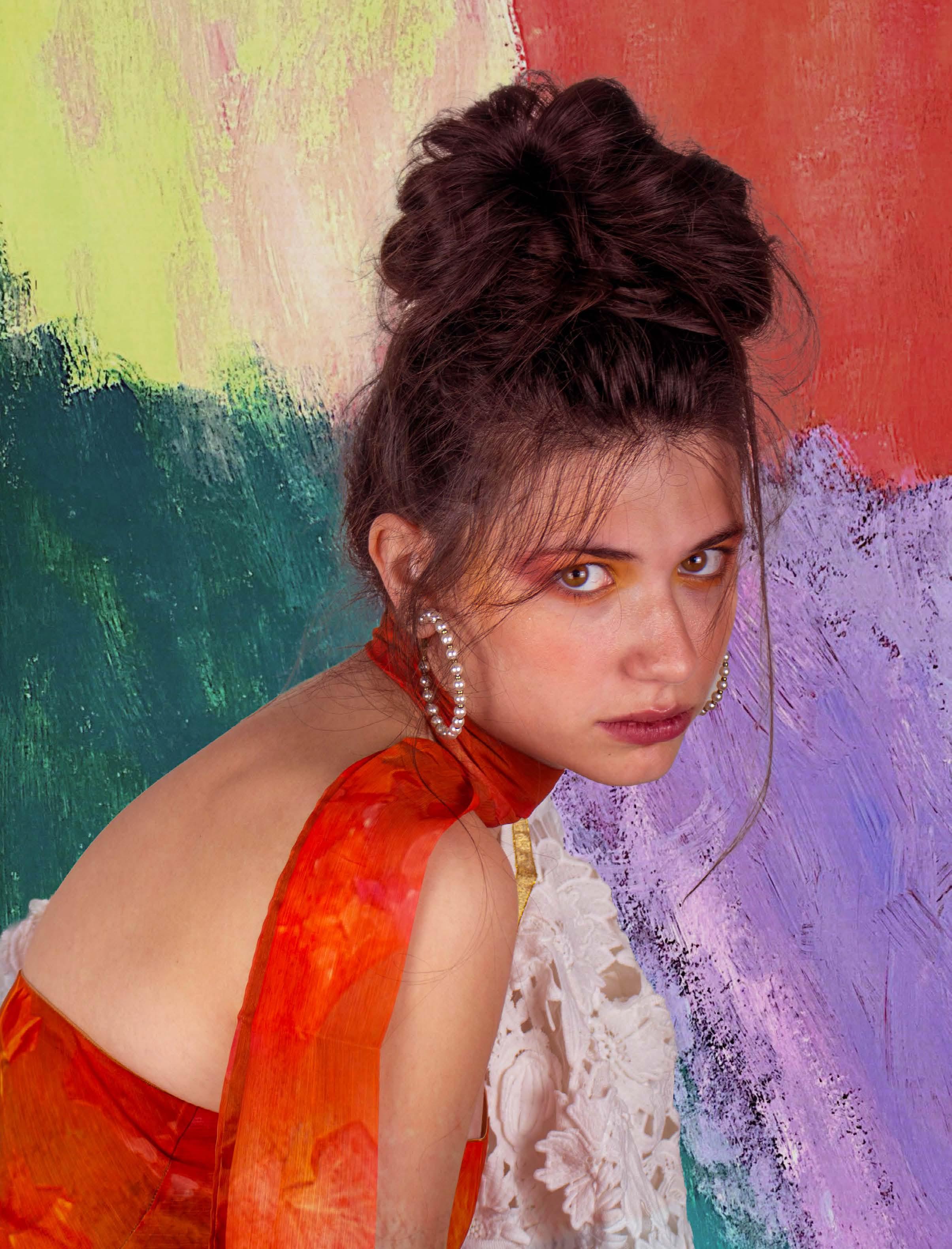
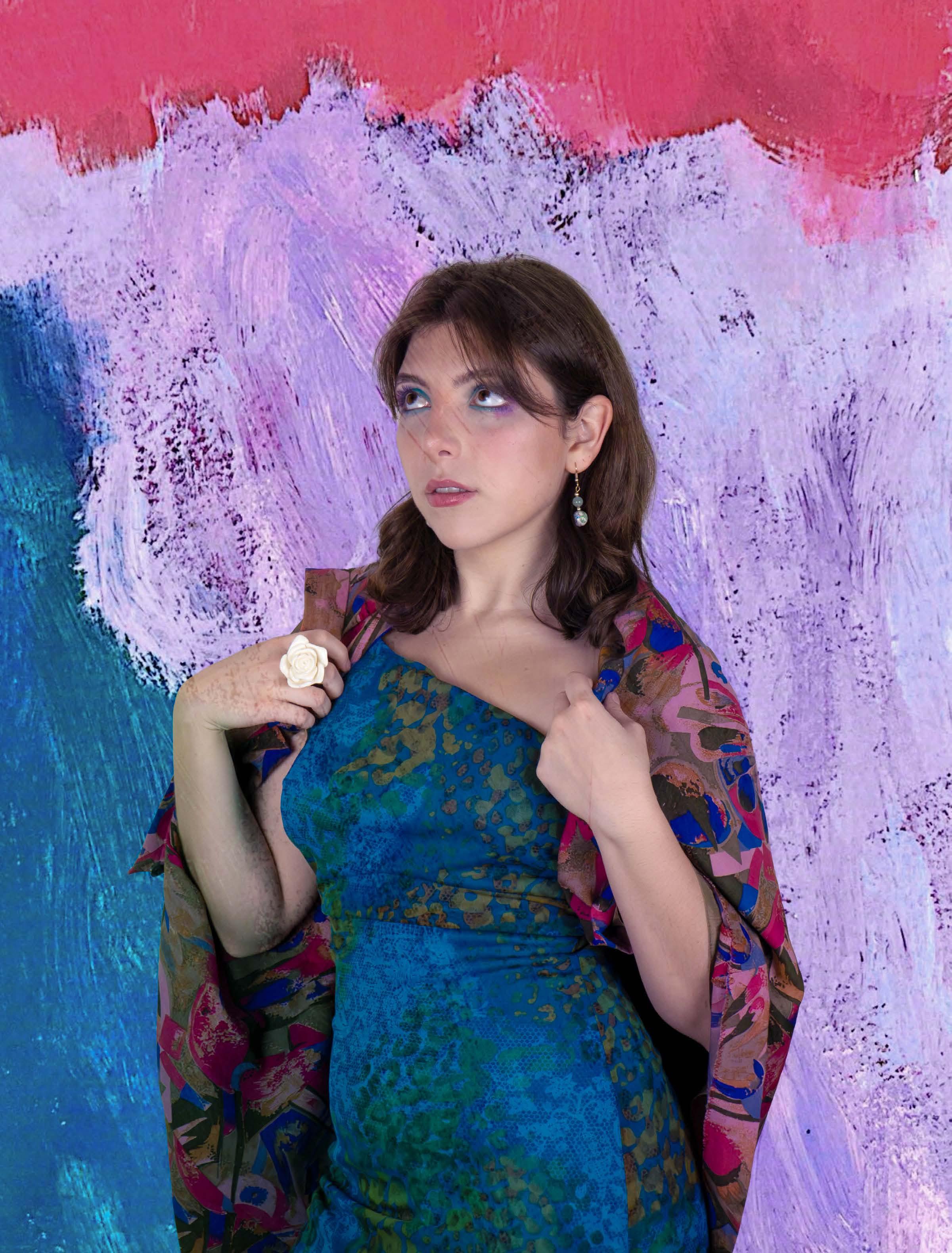
In the first years of the 20th century, Fauvism stood out for how loud it was. It defied existing art conventions; eschewing the quiet and painstakingly realistic pieces of artists past, “les fauves” picked up the brightest colors, the coarsest brushes, the edges of palette knives. Their name is telling of the critical reception to their works—art critic Louis Vauxcelles dubbed this group of artists “les fauves,” meaning “wild beasts” in French. Spearheaded by Gustave Moreau and Henri Matisse, the movement is characterized by strong colors, distinct brush strokes, and a certain “wildness” that a classical art education would scorn. Even today we hold an almost fetishistic reverence for realism; imitation takes precedence over expression, subtlety over loud creativity. Art suffocates under these constraints. Why do the same thing again and again?
There is no singular way to create art; it wouldn’t be art if that were the case, but rather the rote study of replicating images. Fauvism feels alive in a way that art school exercises don’t necessarily achieve; it seeks to capture the purest tones of a color and portray the world through feeling rather than the oneto-one reproduction of real-world spaces.
This isn’t to say that classical art is haughty and conservative (though the spaces created around them often are). However, art continues to thrive because people all view the world through a different lens. Fauvism is pure avant-garde because of how subjectively it approaches nature and challenges our art conventions. Emerging as one of the first movements of modern art, Fauvism retained the distinct, naturalistic brush strokes of Impressionism but shed the movement’s fidelity to realism. Fauvism is intensely painterly, done through emotion rather than strict reference. Paul Gauguin conceptualized his philosophy towards Fauvism as such: “How do you see these trees? They are yellow. So, put in yellow; this shadow, rather blue, paint it with pure ultramarine; these red leaves? Put in vermilion.” Is it accurate? Absolutely not; you wouldn’t see an ultramarine shadow in nature atop brown bark. But that’s the beauty of Fauvism; it’s fun, it steps outside of the box, and it’s one of the movements that helped spearhead the movement towards “art” as an all-expansive term. Pick up that brush and those bright primary colors, and start painting what your heart sees.


Think about listening to music: you hear a piece and it moves you, the melody catches something ineffable, the arrangement does exactly what it needs to do, and for some minutes you’re fully present in the aesthetic experience. Then you find out the song blew up on TikTok overnight, that it’s been algorithmically optimized for engagement metrics and playlist placement, and suddenly the pleasure you felt thirty seconds ago collapses into something suspect, unsophisticated, almost embarrassing. The same song sounds fundamentally different than it did before you knew what it was, before the institutional framework reorganized not just your judgment of the music but your actual sensory experience of it. Your ears haven’t changed, but the institutional framework has reorganized what counts as legitimate aesthetic experience. The question is whether your perception is still your own, or whether these frameworks have seeped so deeply into sensory experience that they’ve started replacing direct response with social positioning, turning every aesthetic encounter into a performance of taste rather than an experience of beauty.
Philosopher Arthur Danto identified the precise mechanism through which this reorganization operates when he encountered Warhol’s Brillo Boxes in 1964. A Brillo Box contains soap pads, accessible at any off-the-road supermarket. Warhol created sculptures that looked exactly like the supermarket cartons, indistinguishable to the naked eye, except Warhol’s rendition is considered art and the one at the supermarket isn’t. Danto concluded you can’t determine what’s art just by looking: you need theory, context, the institutional framework of the artworld, because the meaning of the art isn’t in the object itself but in how it’s positioned within networks of ideas and practices, within the elaborate apparatus that determines what counts as art in the first place.
Danto’s insight was precise and clarifying for understanding conceptual art, but the problem is that this logic escaped the gallery and metastasized into ordinary life. What was true for Brillo Boxes now determines not just what counts as art but what counts as beautiful or even visible in fashion, music, everyday aesthetics. Every domain of sensory experience is now somewhat mediated by institutional frameworks that tell you what you’re supposed to be perceiving.

French sociologist Pierre Bourdieu explains why Danto’s institutional framework works so effectively and insidiously: it operates through habitus, the system of internalized dispositions that makes certain judgments feel natural and inevitable rather than man-made and arbitrary. When you hear the pop song and suddenly register it as less artistically legitimate after seeing it all over Tiktok, you’re performing what Bourdieu calls distinction. This is the process through which taste functionas a marker of social position, through which aesthetic preferences become instruments of class differentiation. This differentiation between the artworld and non-artworld Danto described isn’t a neutral system for recognizing art or beauty. Bourdieu then defines cultural capital: the knowledge and taste that function like economic capital in determining social position, the accumulated competencies that allow you to decode institutional meaning and perform appropriate distinction. Those with cultural capital experience their preferences as evidence of superior aesthetic sensitivity rather than as the predictable outcome of privileged access to elite education and cultural instiutions, to the frameworks that teach you what counts as good and what counts as embarrassing. Bourdieu then argues this results in symbolic violence, which works precisely because it denies its own social origins, presenting constructed hierarchies as natural aesthetic truth, making social positioning feel like direct sensory response. This works by masking certain meanings and categories as legitimate while concealing the power relations that enable this imposition, mechanisms through which cultural hierarchies are naturalized and made to seem like they reflect objective aesthetic reality rather than the social structure that produced them.
Bourdieu’s framework reveals why you can’t simply choose to hear the pop song the way you heard it before you knew what it was.
You can still like it, can still find genuine pleasure in it, but you can’t unhear its social meaning, can’t pretend you don’t know how it’s read within systems of cultural capital and distinction. The same mechanism operates when you carry a designer bag that might be fake but if you’re wealthy enough, nobody questions it because the rest of your appearance confirms your position, while the identical bag on someone without that contextual wealth gets read immediately as counterfeit. Or when you genuinely enjoy a bestselling novel but become aware that admitting this marks you as unsophisticated in literary circles. Your personal enjoyment might remain intact, but the object’s position in social hierarchies has become visible, and that knowledge structures your experience whether you want it to or not. Your habitus, formed through years of exposure to these institutional frameworks, operates pre-cognitively, structuring perception itself rather than functioning as conscious interpretation applied after the fact. There is necessarily a time where you experience socially constructed hierarchies as objective aesthetic reality, as the way things actually are rather than as the way institutions have taught you to see them
But Bourdieu is a descriptive theorist, not a prescriptive one. He’s not telling you how things should be, he’s telling you how they are, mapping the mechanisms through which taste reproduces social hierarchy, showing you the invisible architecture of distinction that structures every aesthetic encounter.
What you do with that knowledge is another question entirely, one he doesn’t presume to answer. Perhaps the first step is simply experiencing things: listening to music because it moves you, wearing clothes because the fabric feels good or the color does something interesting or you like how you look, making aesthetic choices based on direct response rather than on performing the kind of effortless distinction that signals appropriate cultural capital. It’s difficult to unlearn your habitus or extract yourself from the systems of distinction that structure perception. But you can refuse to optimize for them and refuse to let every aesthetic choice become primarily a performance of taste designed to signal your position in cultural hierarchies. Further, you can become aware that your perceptions are structured by systems of distinction rather than by direct aesthetic response, and most importantly you can recognize the cultural arbitrary as arbitrary rather than natural. That awareness doesn’t recover the uncomplicated pleasure you felt before, but it creates a small space where you can ask whether what you’re perceiving is beauty or just the internalized logic of class distinction, whether your aesthetic response belongs to you or to the institutional frameworks that structured it. And in that space, you might find room to simply experience things, not as performance of taste, not as accumulation of capital, but as the direct aesthetic encounter that music and fashion and art were supposed to be about in the first place.

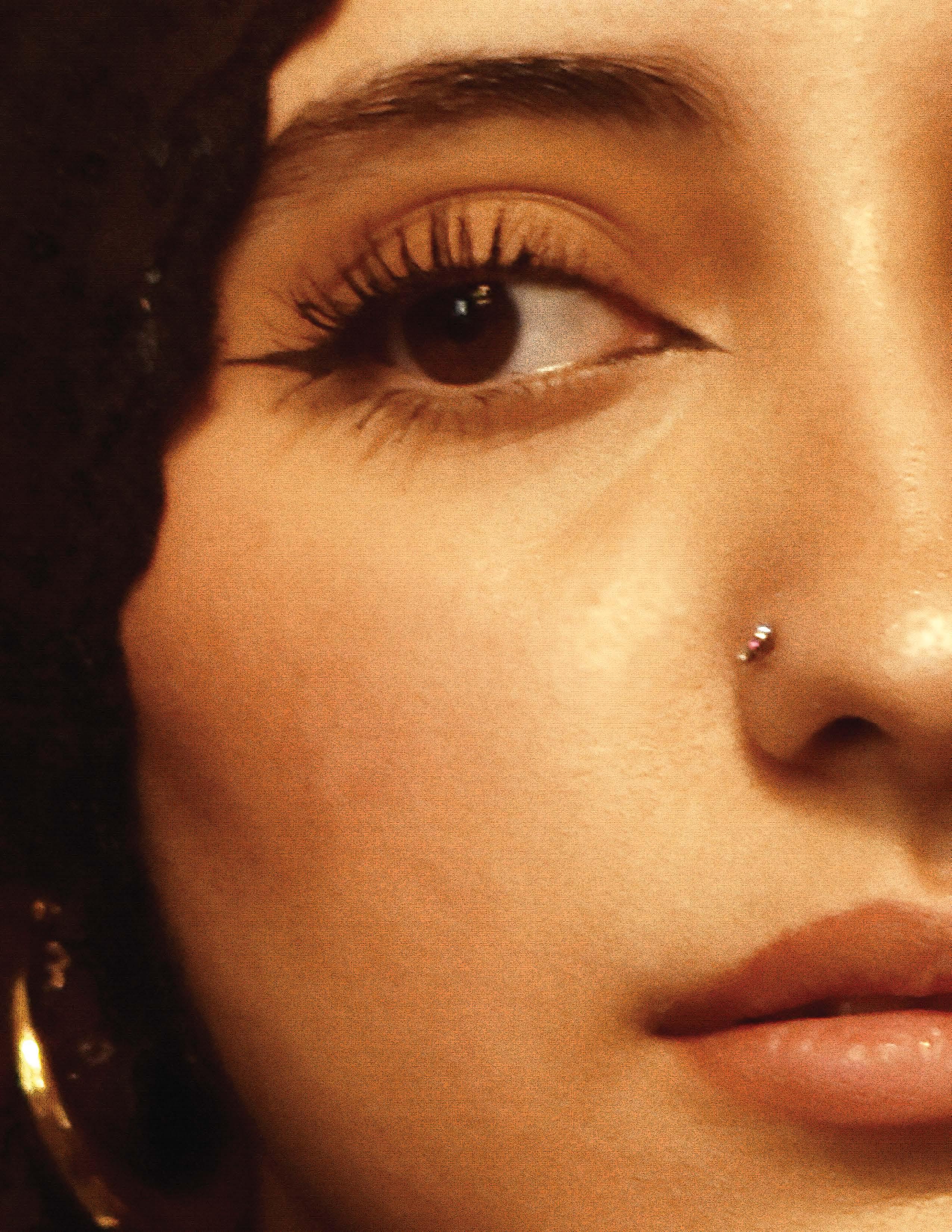

by Mary Abi-Karam
my mother wanted to be a mathematician
When she was a girl, she dreamed in numbers
But war and immigration do not know mercy and reduce to what is practical: nursing
So every day, she sorts through a dizzying array of sterile lighting, swiveling wheels, and the steady beeping of a hospital monitor
The 12-hour night shift anointed her with its evidence: angry pressure sock imprints cutting across her ankles unplaceable stains scarring her scrubs a pale, gaunt face
Memories are quiet relics
The loudest ones I hold of her are strewn in the places she passed through: Freshly washed dishes, folded laundry piles, my completed kindergarten math homework.
In the stories we imagine, a Father delivers the math lesson at a kitchen table for me, it was always my mother
helping me sort through a dizzying array of multiplication signs crinkled papers and piled up eraser shavings
The imprints of her glasses hugging her nose smile blooming across her face recalling a time when she used to dream in numbers
Sunday sun punches through our blinds, casting rows of light across my math books, backlighting my mother’s frizzy Lebanese hair Shining bright around the edges of her head
suddenly, she is canonized by the ordinary
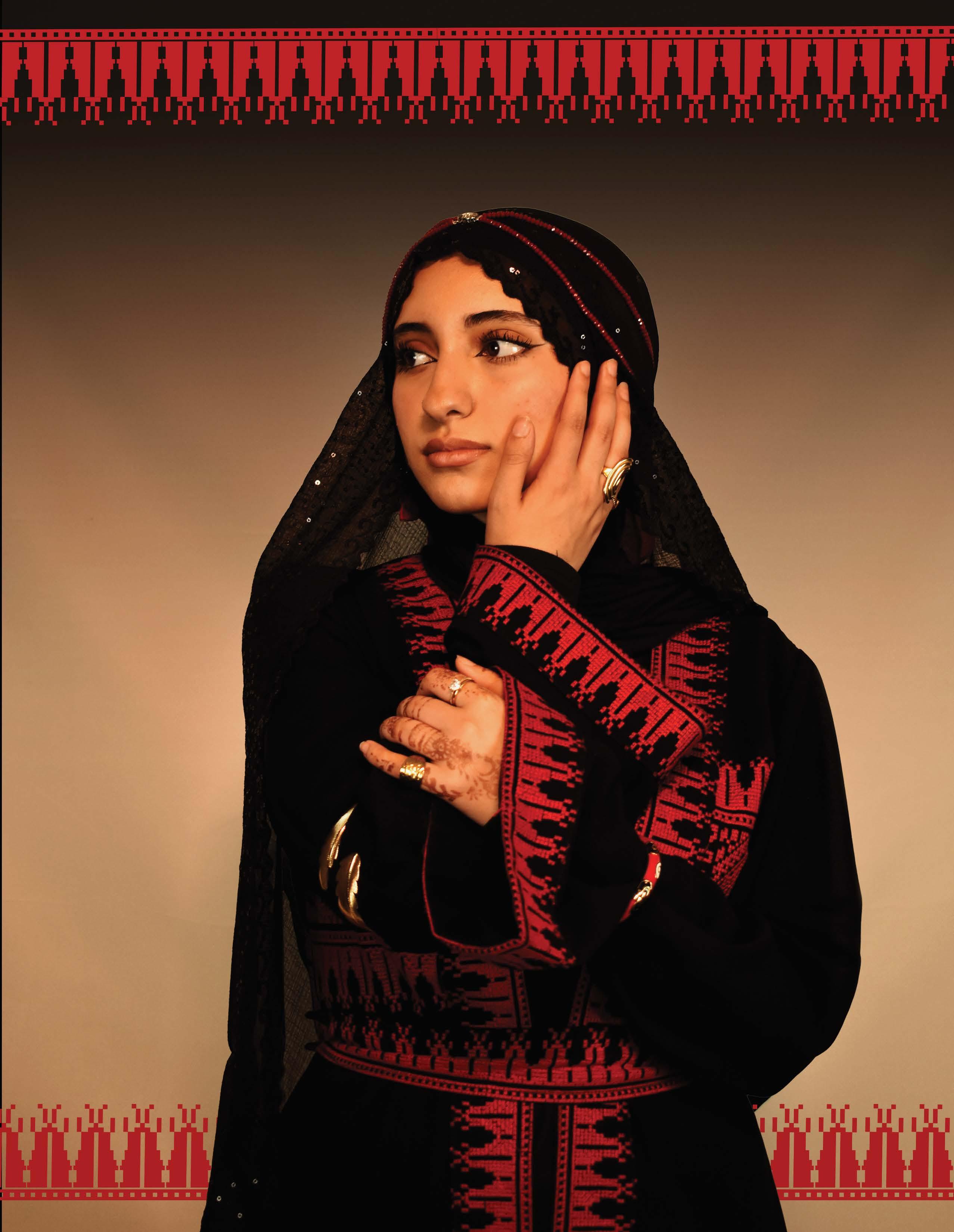
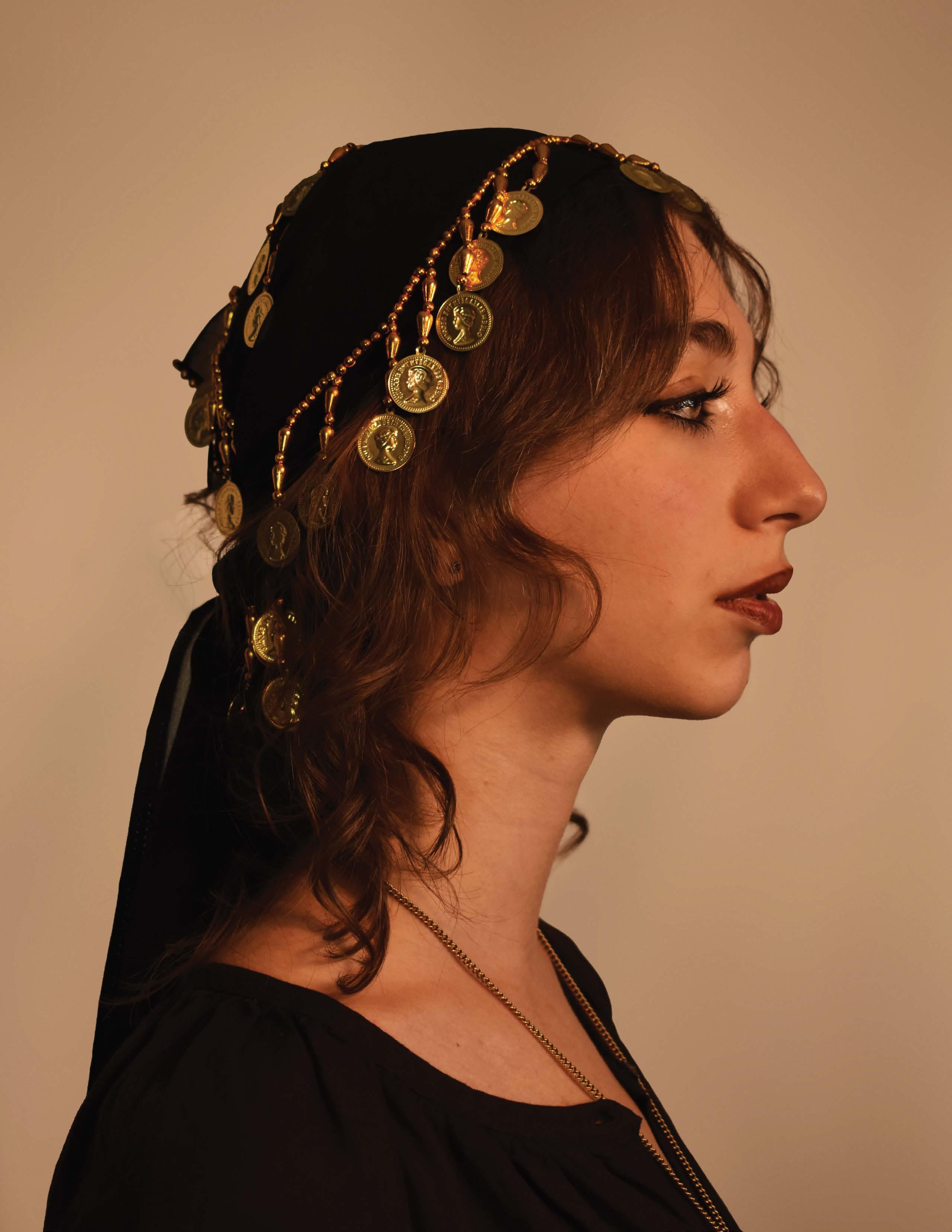

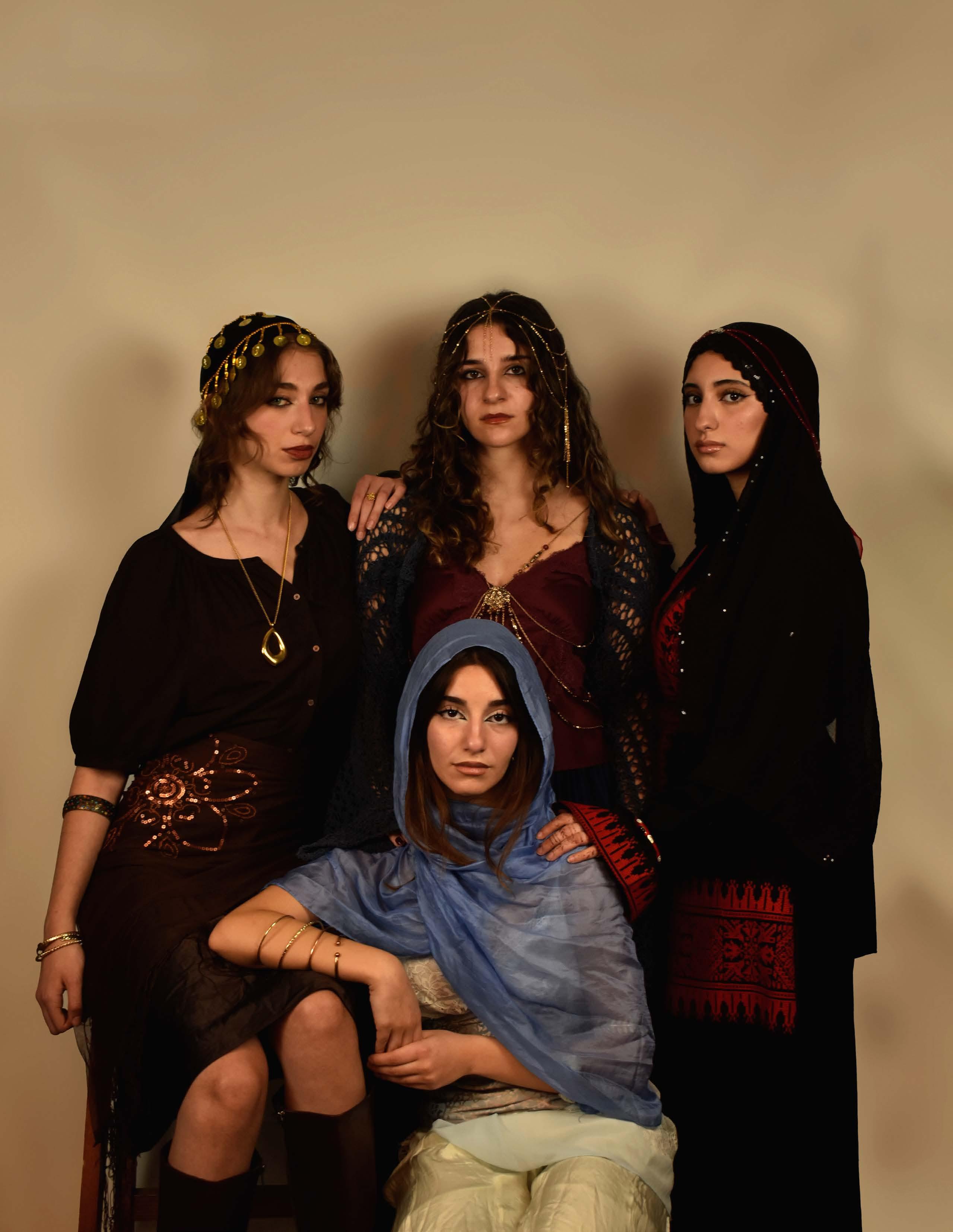
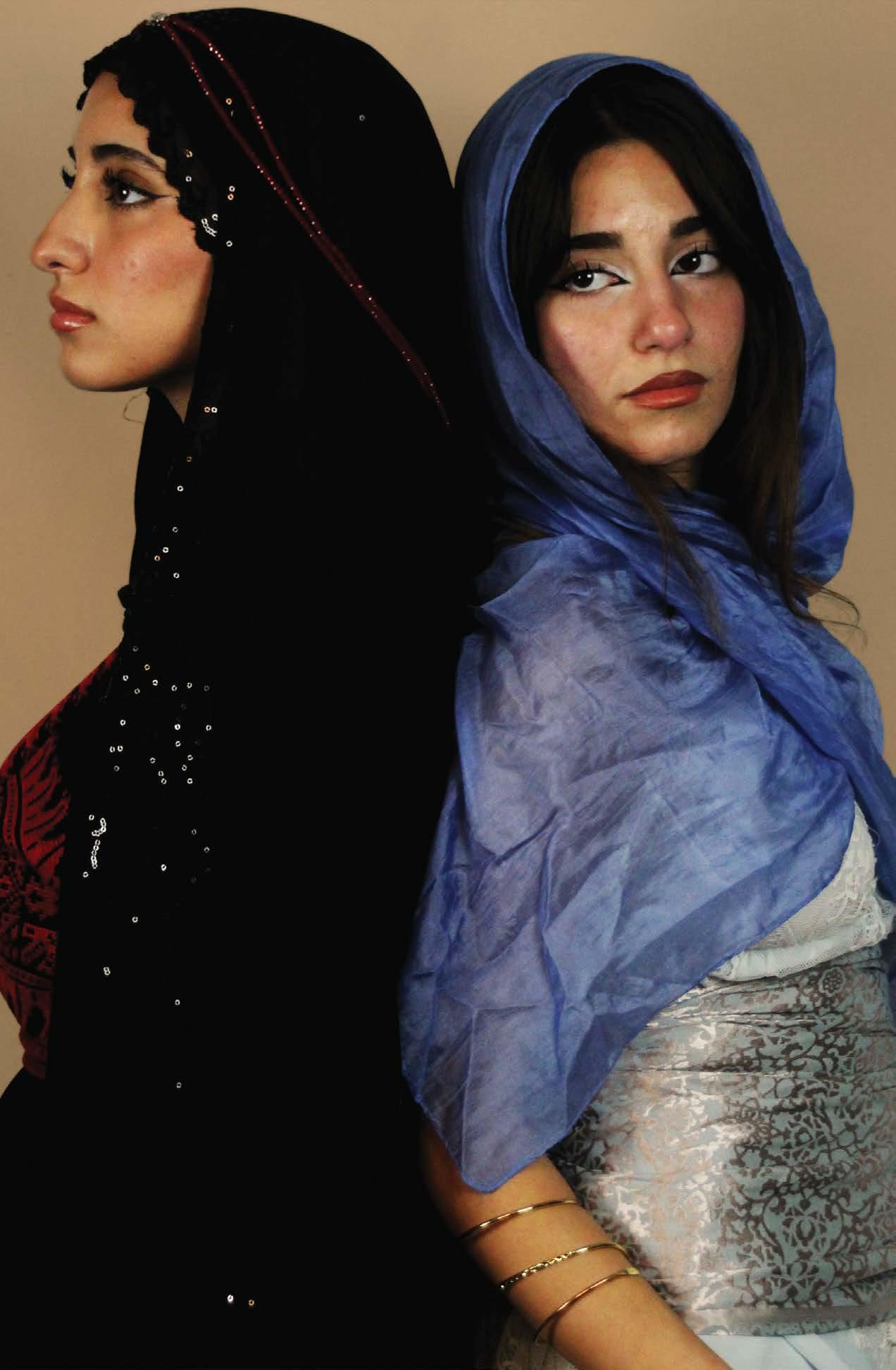
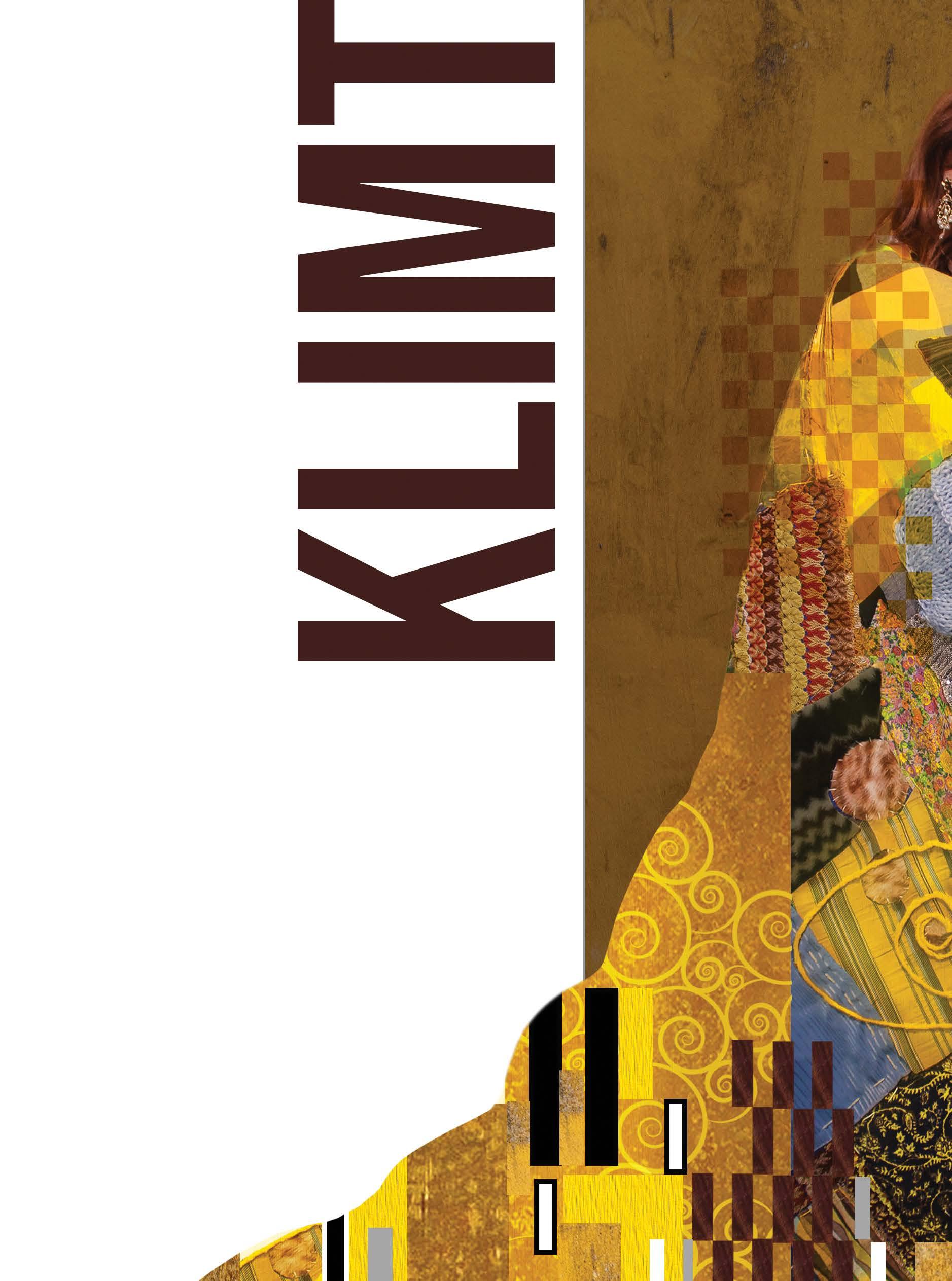
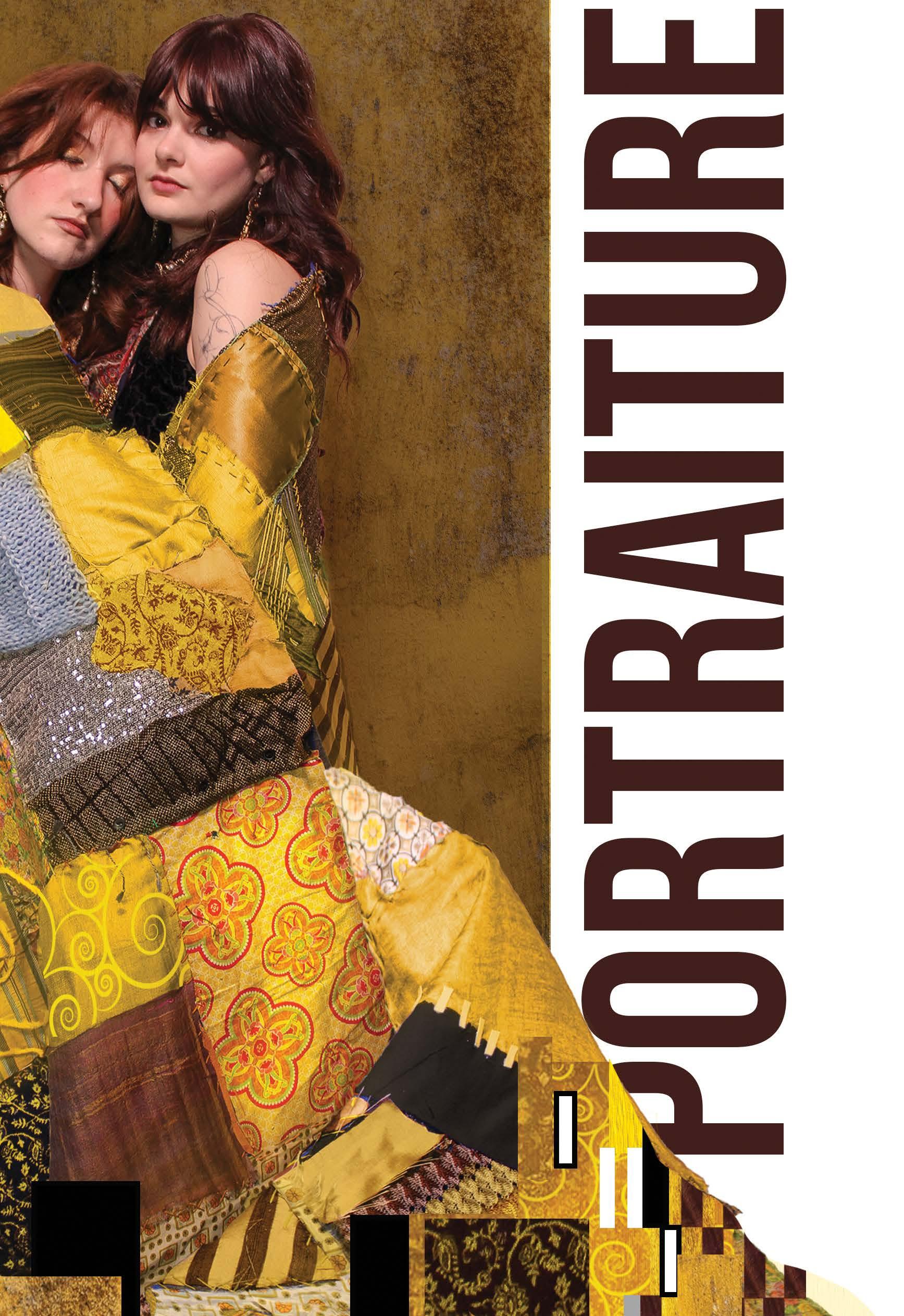
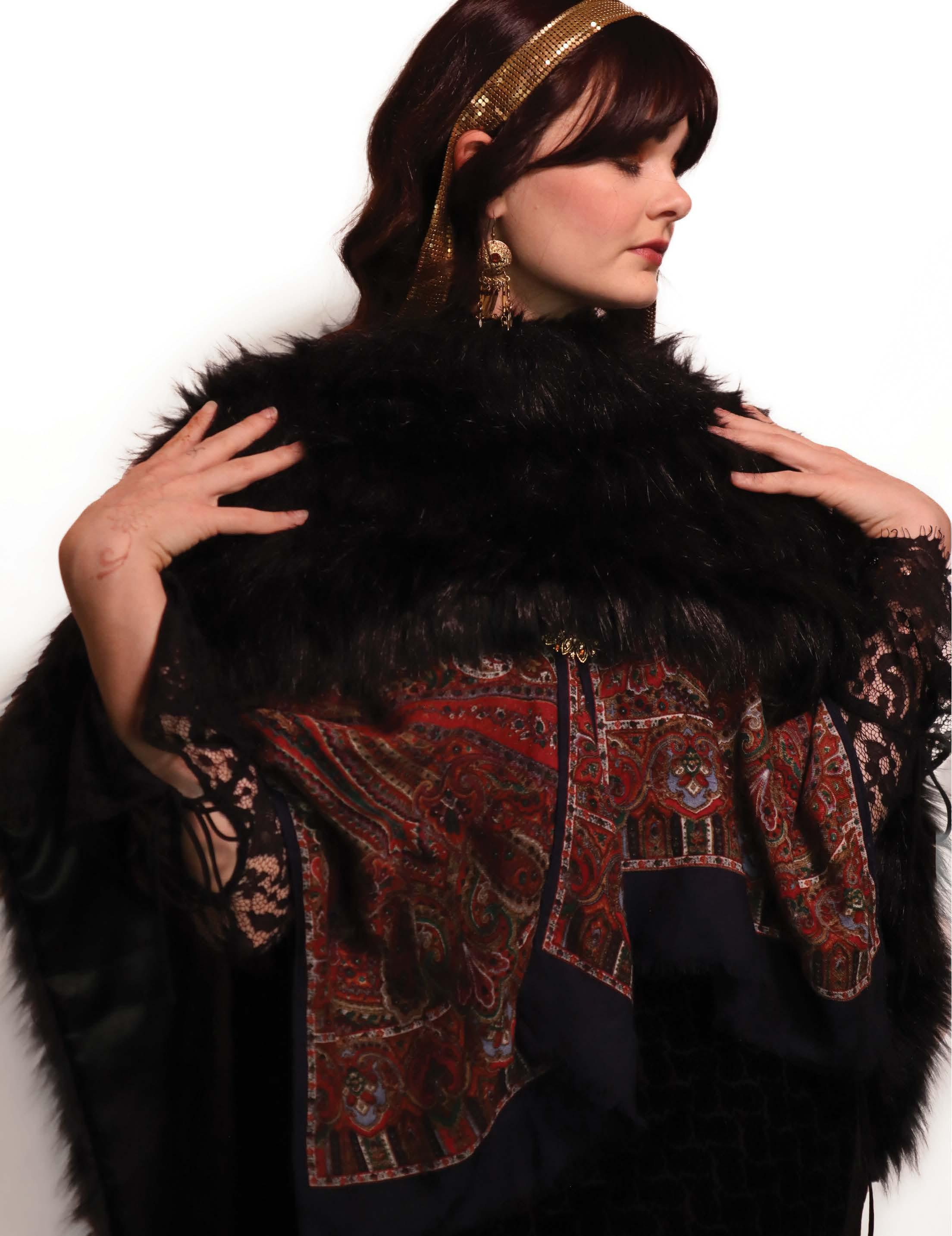
He attended Vienna School of Arts and Crafts, where he received conservative academic training in architectural painting. His childhood was marked by praise from high Austrian officials, including Emperor Franz Josef I, which gave him opportunity to create murals in large public buildings across Vienna. By 1890, Klimt began experimenting with his style, growing tired of the institutional rigidity of the European art academy under which he was trained. His portraiture evolved from traditional classicism to more ornamental work that incorporated elements of abstracted patterning Born to a gold engraver and musician in 1862, Gustav Klimt’s trajectory as an artist was clear even in the early days of his youth and landscape. His exploratory work resonated with other artists of the time, leading him to pioneer the Vienna Secession in 1897, a movement that broke from traditional convention to propagate modern and experimental aesthetics in visual art. With the turn of the century, Klimt became well-known for the way he blended fine art and decorative design, working against the fixed distinction between classical, realistic art and ornament that was so pronounced at the time. Gold leaf and shimmering metal tones characterized his “Golden Phase,” in which he drew inspiration from Byzantine, Egyptian, Minoan, and Greek art, along with works from the Japanese Rinpa School of the Edo period, bringing pattern to the forefront of his pieces. His approach to painting became focused on mixing media and collaging artistic traditions from various cultures. He often depicted themes of desire, power, death, and identity. His striking portrayals of young women were both admired and criticized in his time, his transfixion with the erotic attracting the attention of scandalized viewers. This became a source of widespread controversy, with some commissioned works facing rejection for their morally ambiguous quality and provocative subject matter.
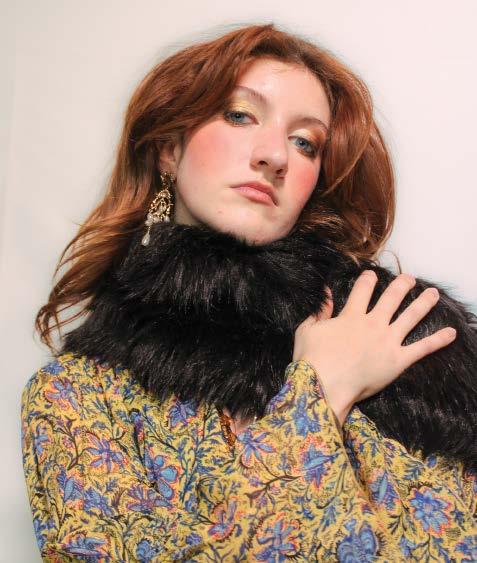

Though Klimt had a fixation with the naked body, most of his commissioned portraits featured ornate, costumey gowns and large cloaks enshrouding the shape of their subjects. The garments he depicted are generally thought to be inspired by the creations of his lifelong partner Emilie Flöge, a bohemian fashion designer influenced by the feminist movement of the late nineteenth century. Her pieces are seen in numerous paintings, and her mosaic style appears throughout the backgrounds of Klimt’s later work. Despite his committed relationship with Flöge, Klimt fathered 14 children with various others, his womanizing tendencies and obsession with the sexual dominating both his personal and artistic life. He was known to believe that all art was inherently erotic, every subject and form shaped by currents of desire. While his portraits aren’t shocking to modern eyes, they remain colored by tensions of power and objectification.
Gustav Klimt died in 1918 after suffering from pneumonia and a stroke. Many of his works went on to be enormous posthumous successes, profoundly changing modern aesthetics and inspiring later artists to experiment with surface, symbolism, and decorative elements. As the leader of the Vienna Secession and a central figure within the Art Nouveau movement, Klimt’s legacy lives on through experimental, contemporary design and decisive rejection of academic classicism.
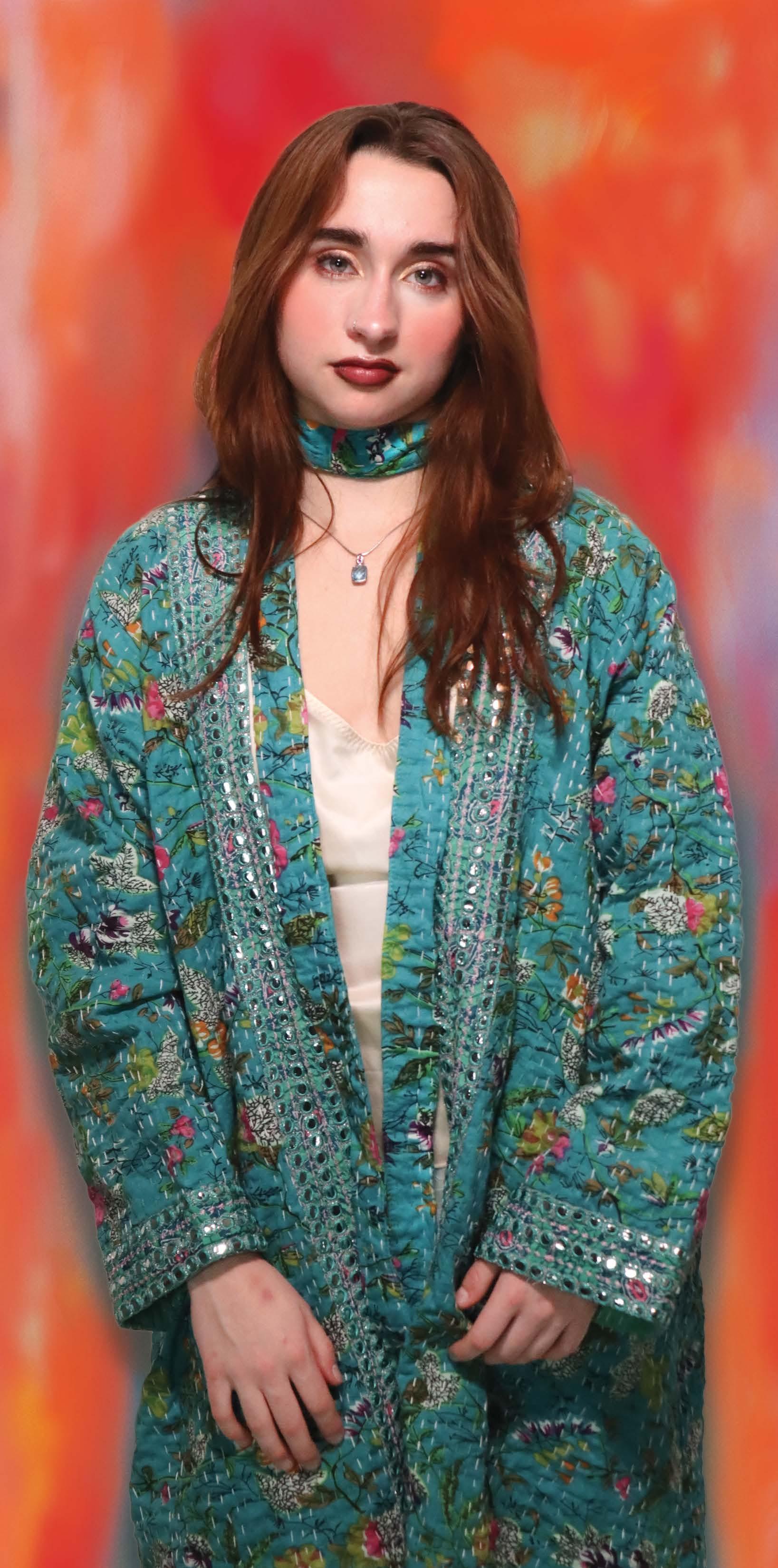
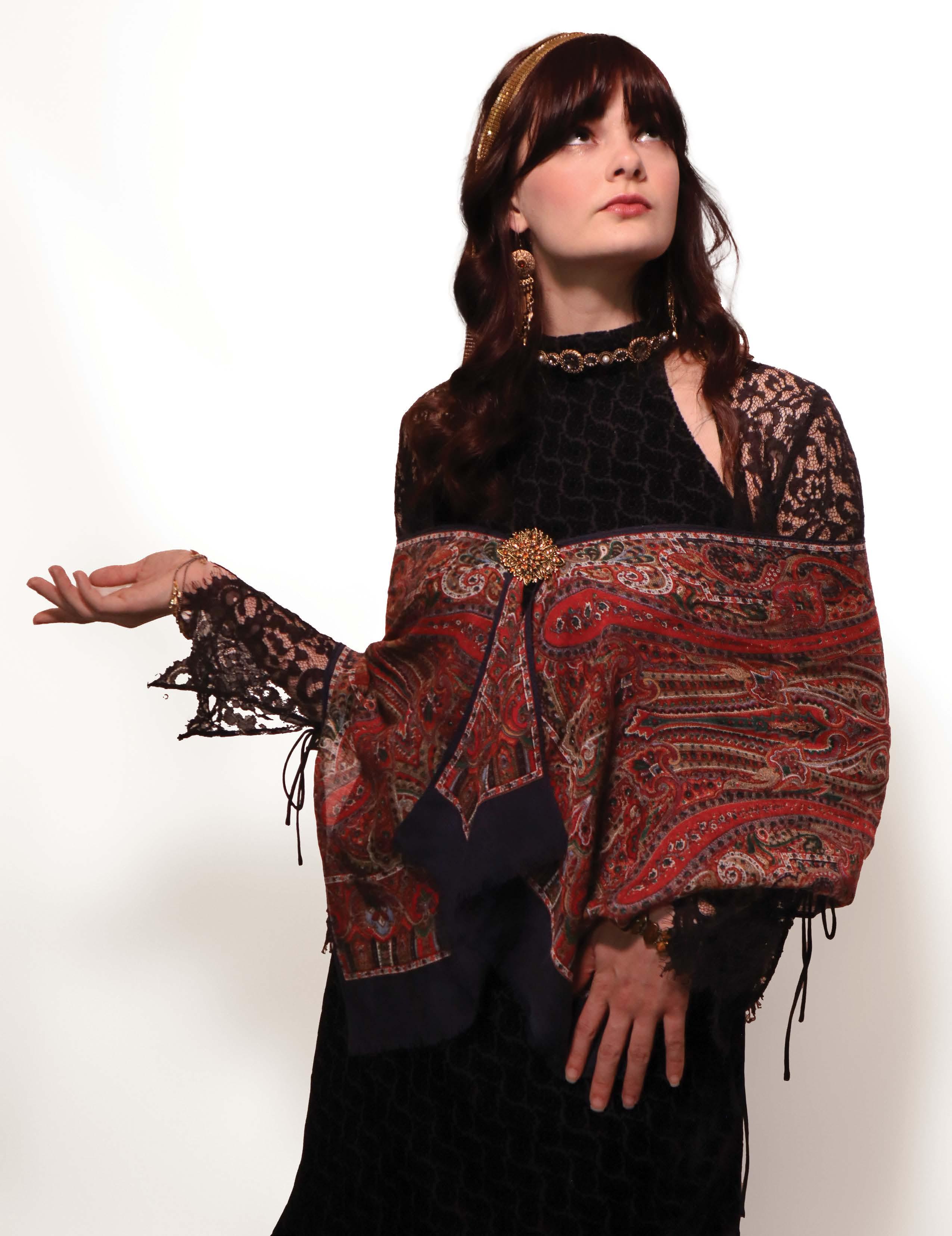
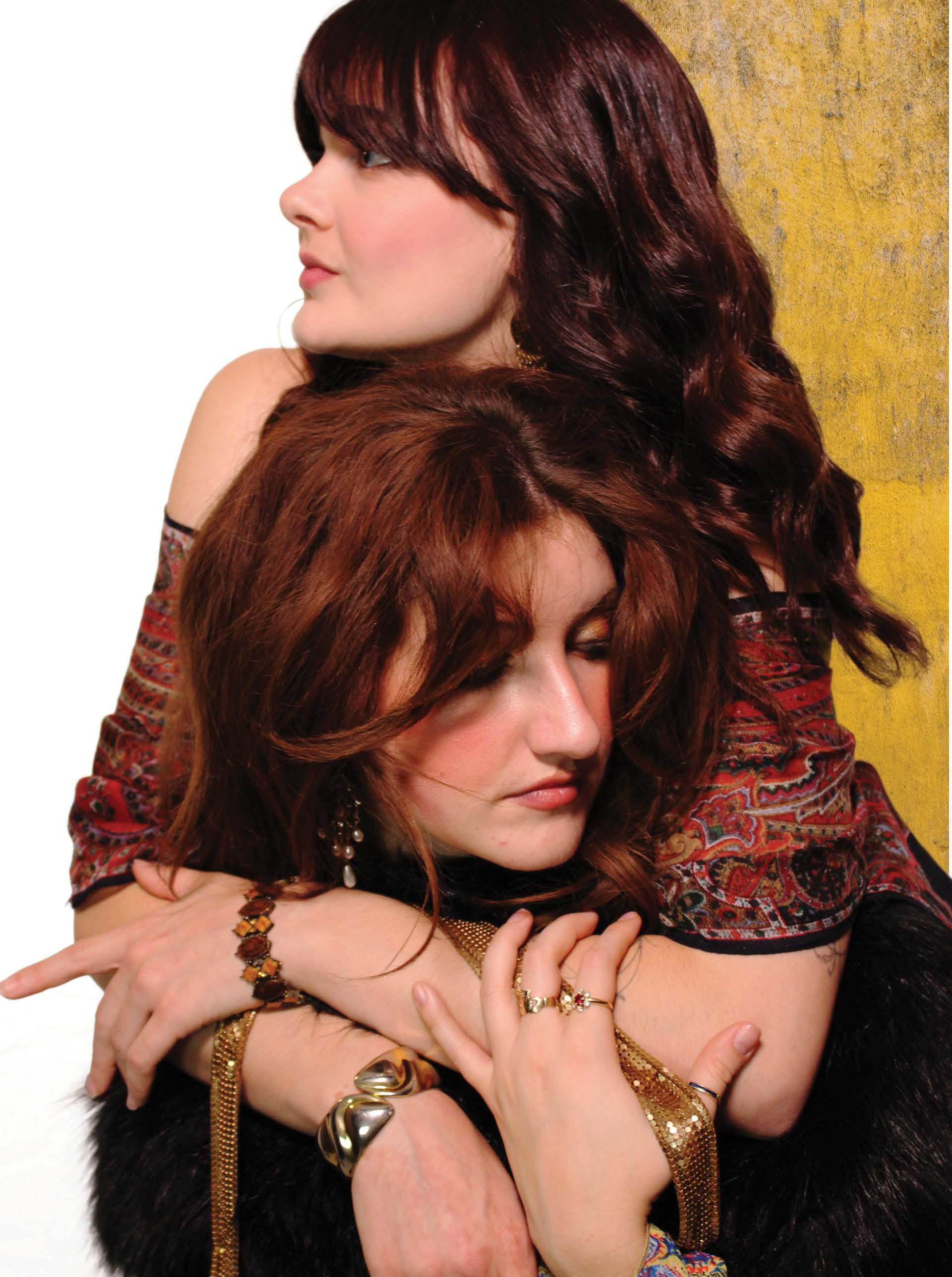
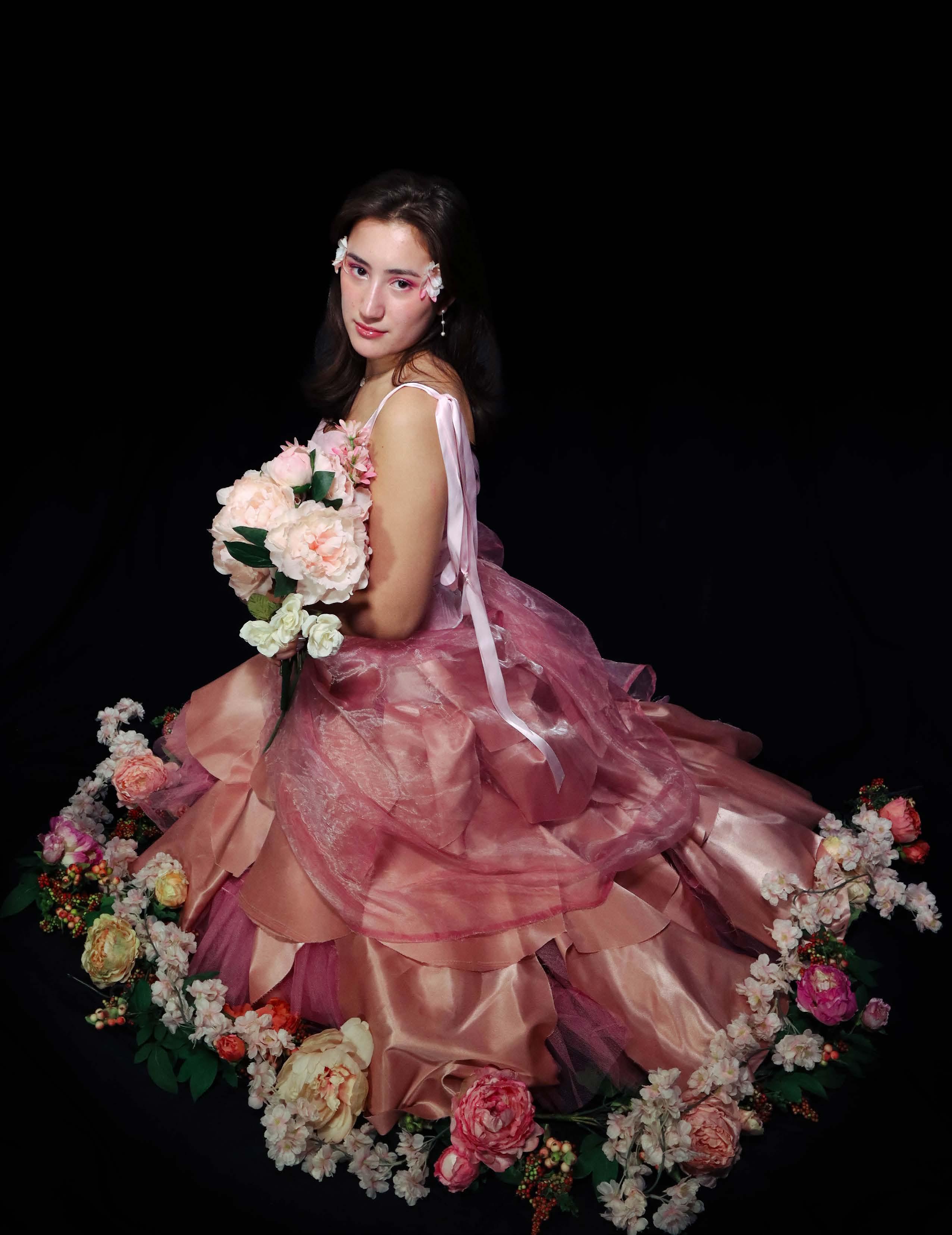
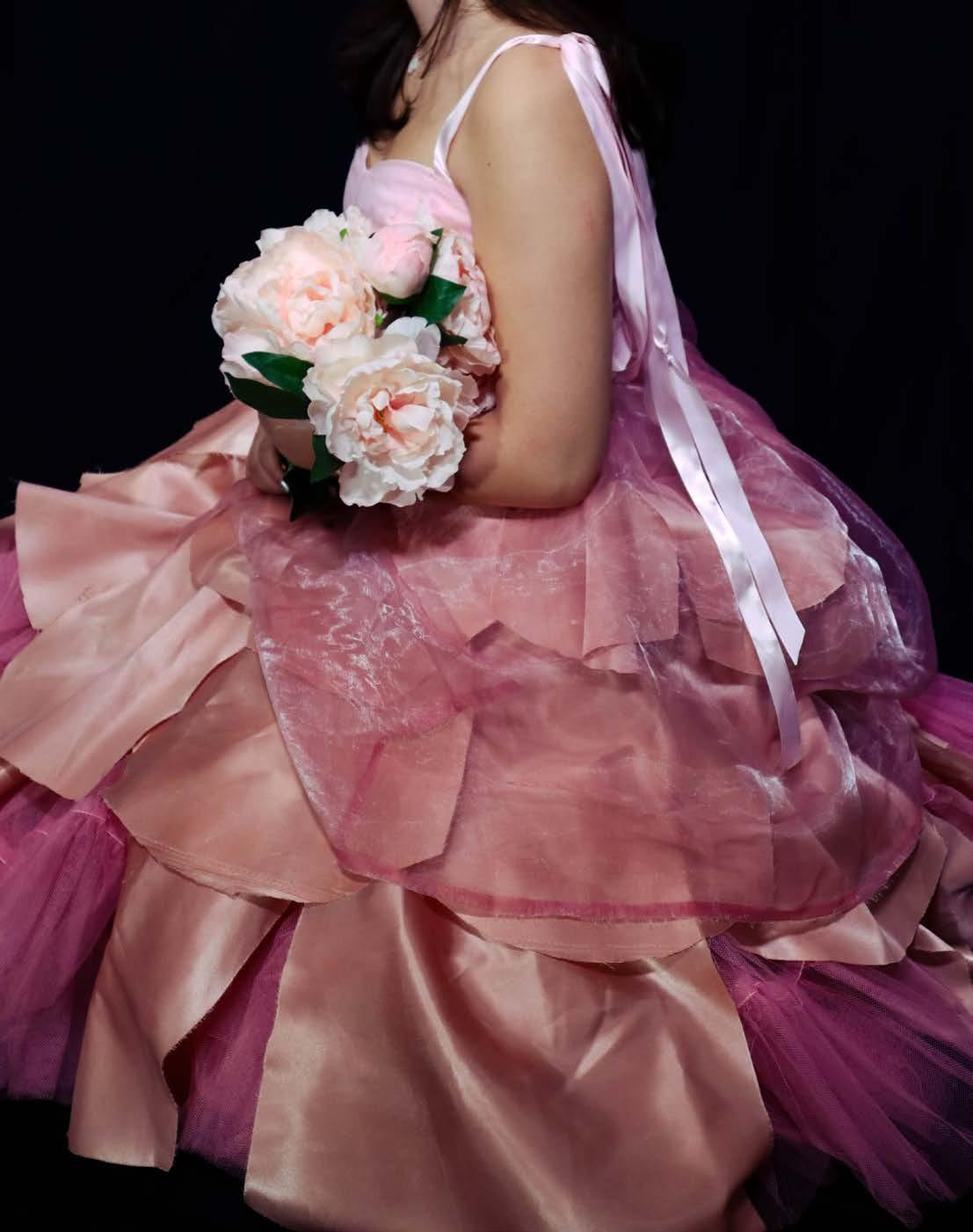

The awakening. They look different, as if someone pressed a soft rule across them, smoothed the stubborn kinks into a single line.
A hand with a lens has sorted leaves by angle, tucked a few into a better face.
I count the cuts: a pair of shears, a length of twine, the small, precise violences we call improvement.
They train themselves up the fence like children climbing toward a window. Some find a tooth of rust, some a clean nail. All of them learn how to rest against something that will not give.

We keep saying make it lovely and then we mean make it stop trembling.

We mean: erase the parts that tilt toward ordinary. We mean: fold the stubbornness into a silhouette.
I have been pruning my own edges until I can speak through a smile. I have learned the motions of being present. The tilt of chin, the slow unblinking.
Tonight I pry out a stake. I stop angling the light. A branch lolls where it wants, unguided and honest. It is awkward. It is how things live.
If beauty demands a pose, then let it pose alone. I am the green that keeps reaching, imperfect in its needing. Not finished, only continuing, only forever.
- Jacob Gardner

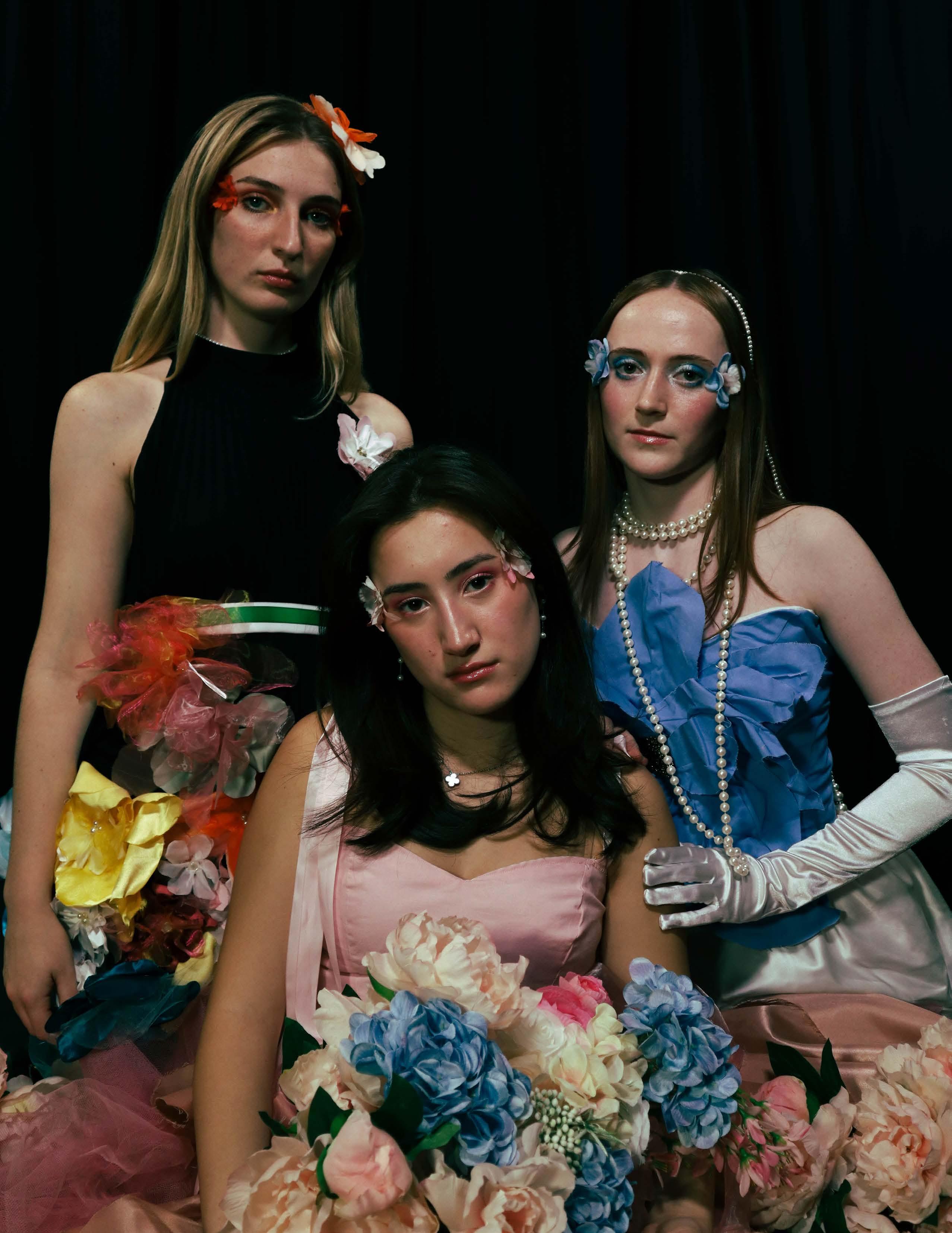
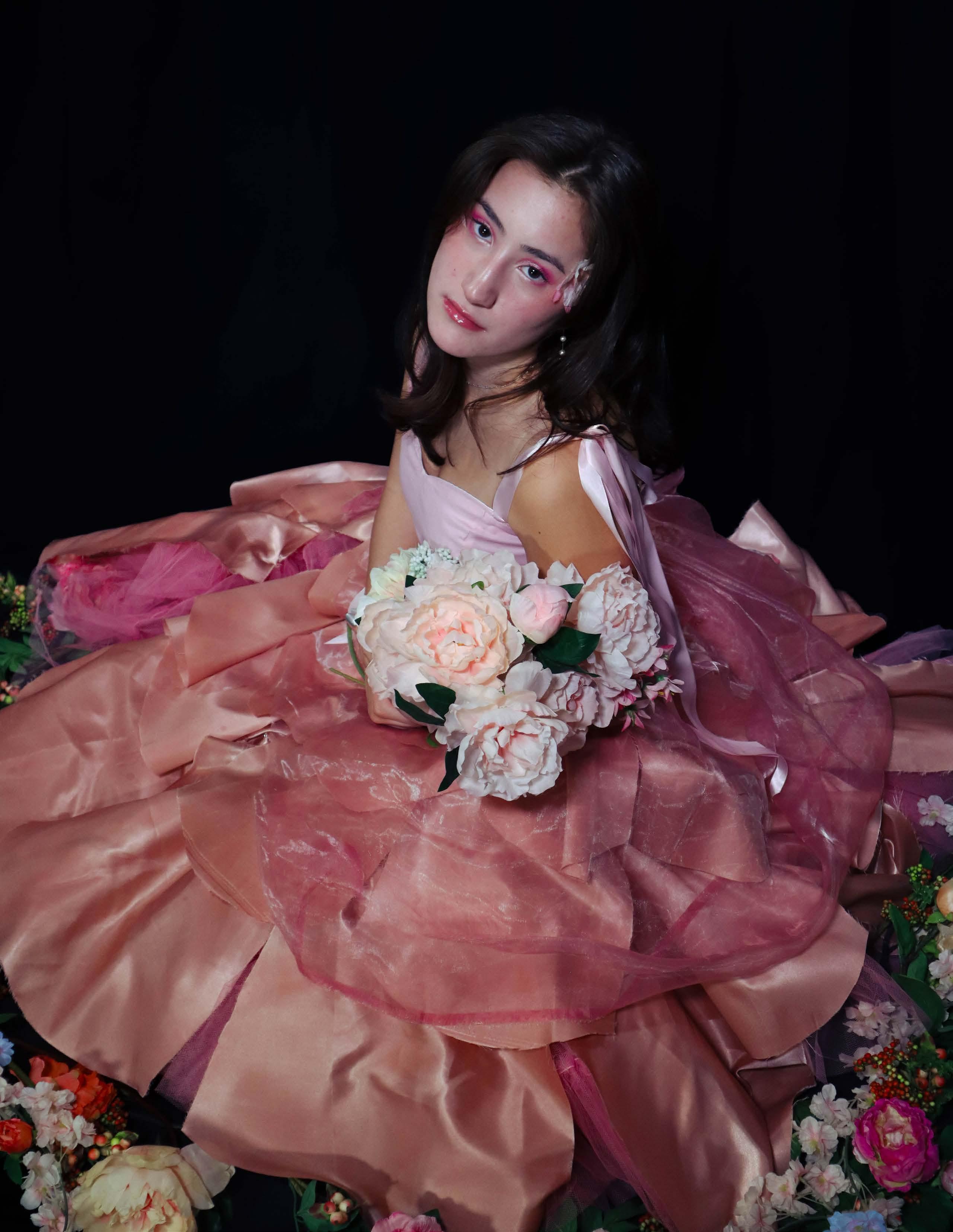
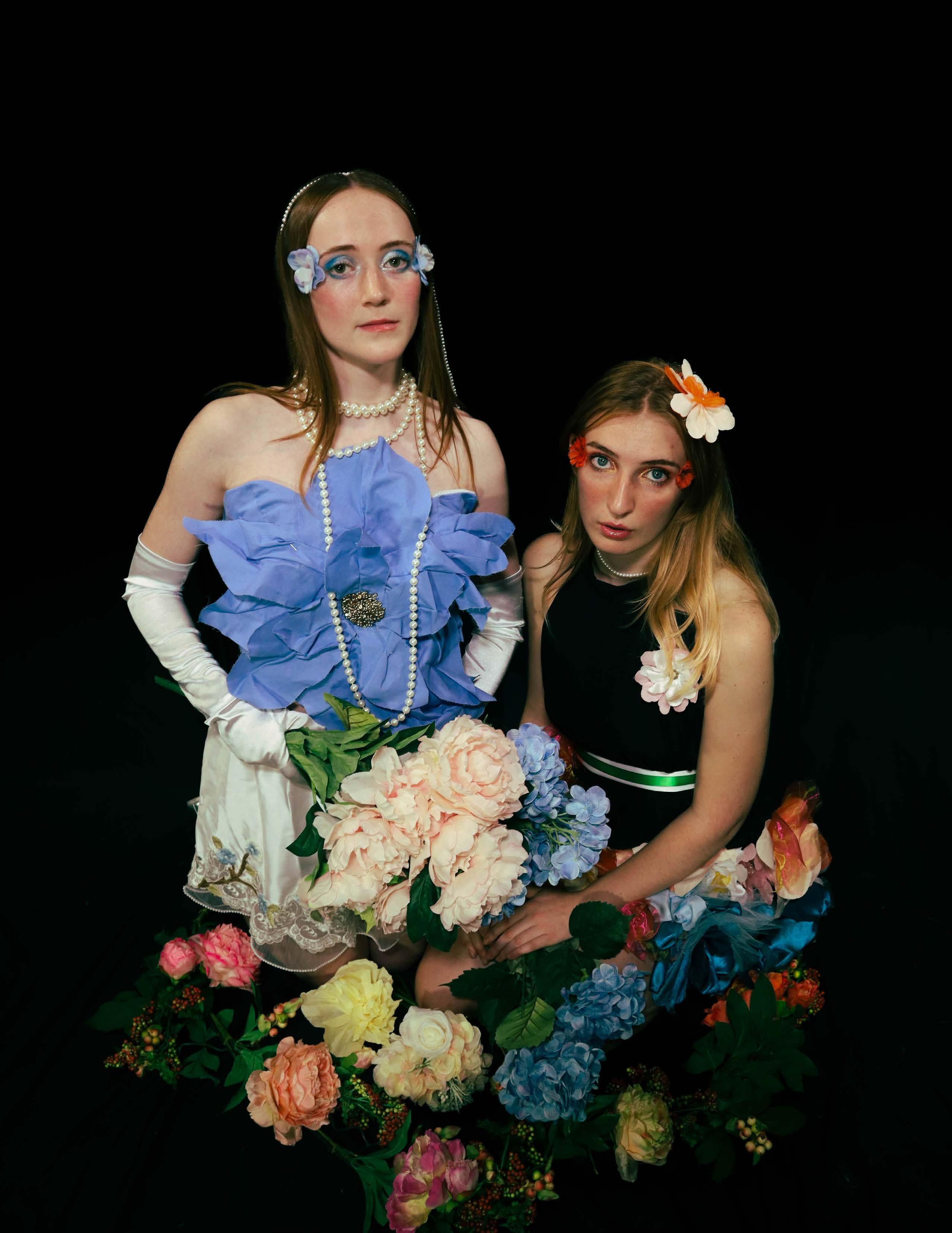
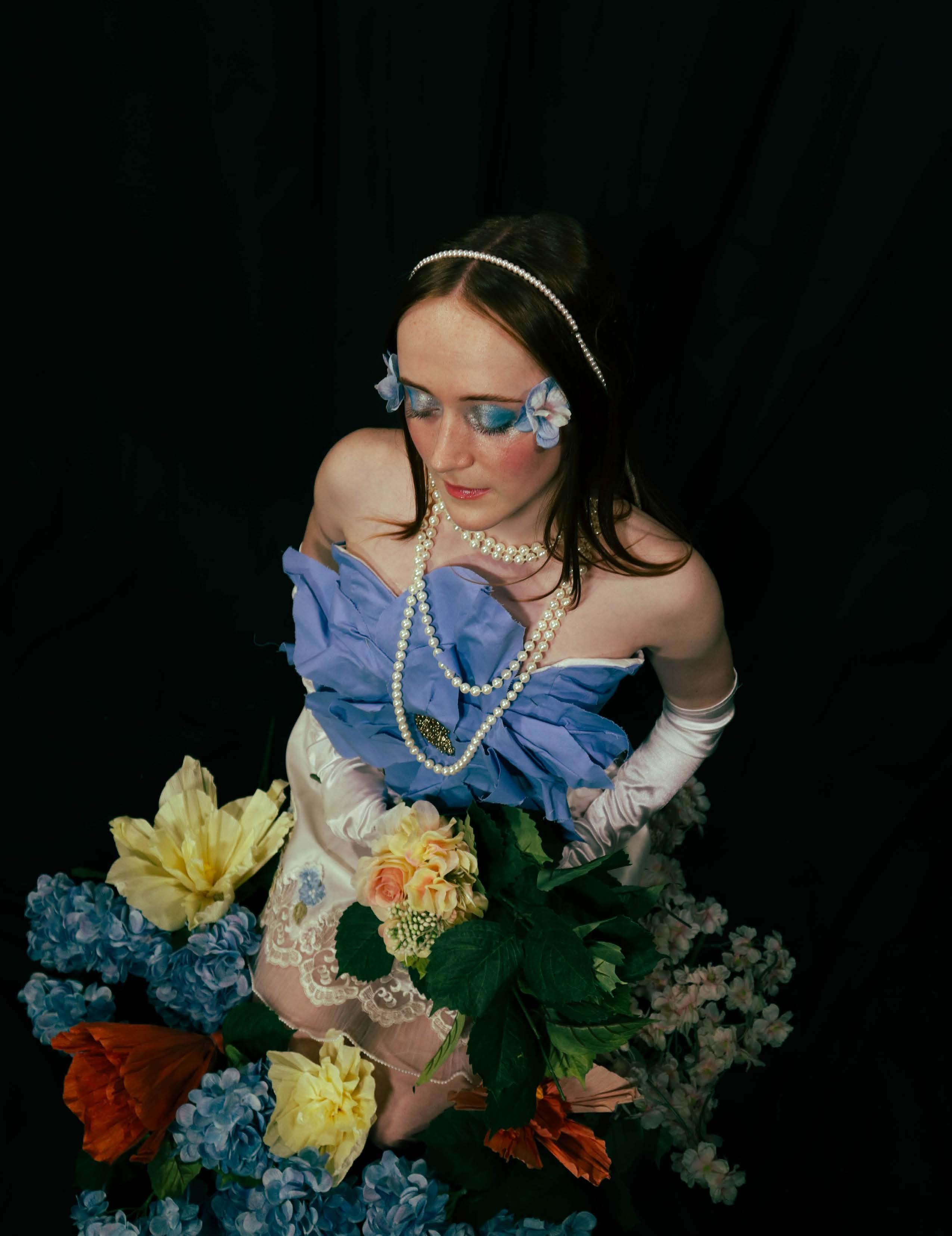
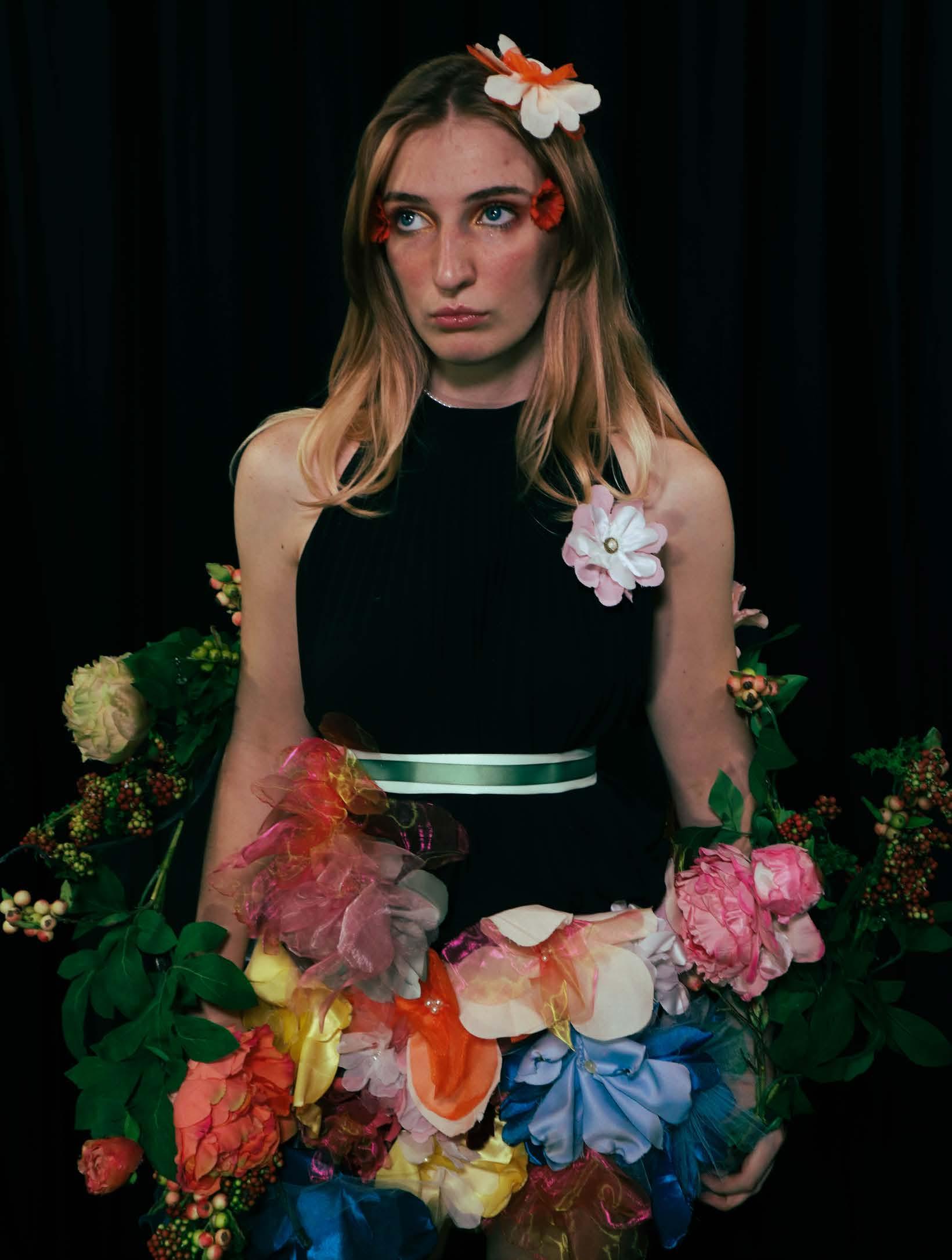

Founded in the 2023-2024 school year, Added to the File (ATTF) is Georgetown’s first fashion photography magazine It publishes two issues per year, with each issue centered around a “theme” that is explored through writing, fashion, photography, and other forms of visual artwork.
ATTF is dedicated to providing a creative space on campus for multidisciplinary collaboration and artistic expression. It was founded as a unique, artistic niche on campus for students to destress and be vulnerable through a variety of creative outlets. Through our publication, we aim to facilitate discussion around topics relevant to students today. Most importantly, we strive to create an environment on campus that instills confidence and self-acceptance in our community