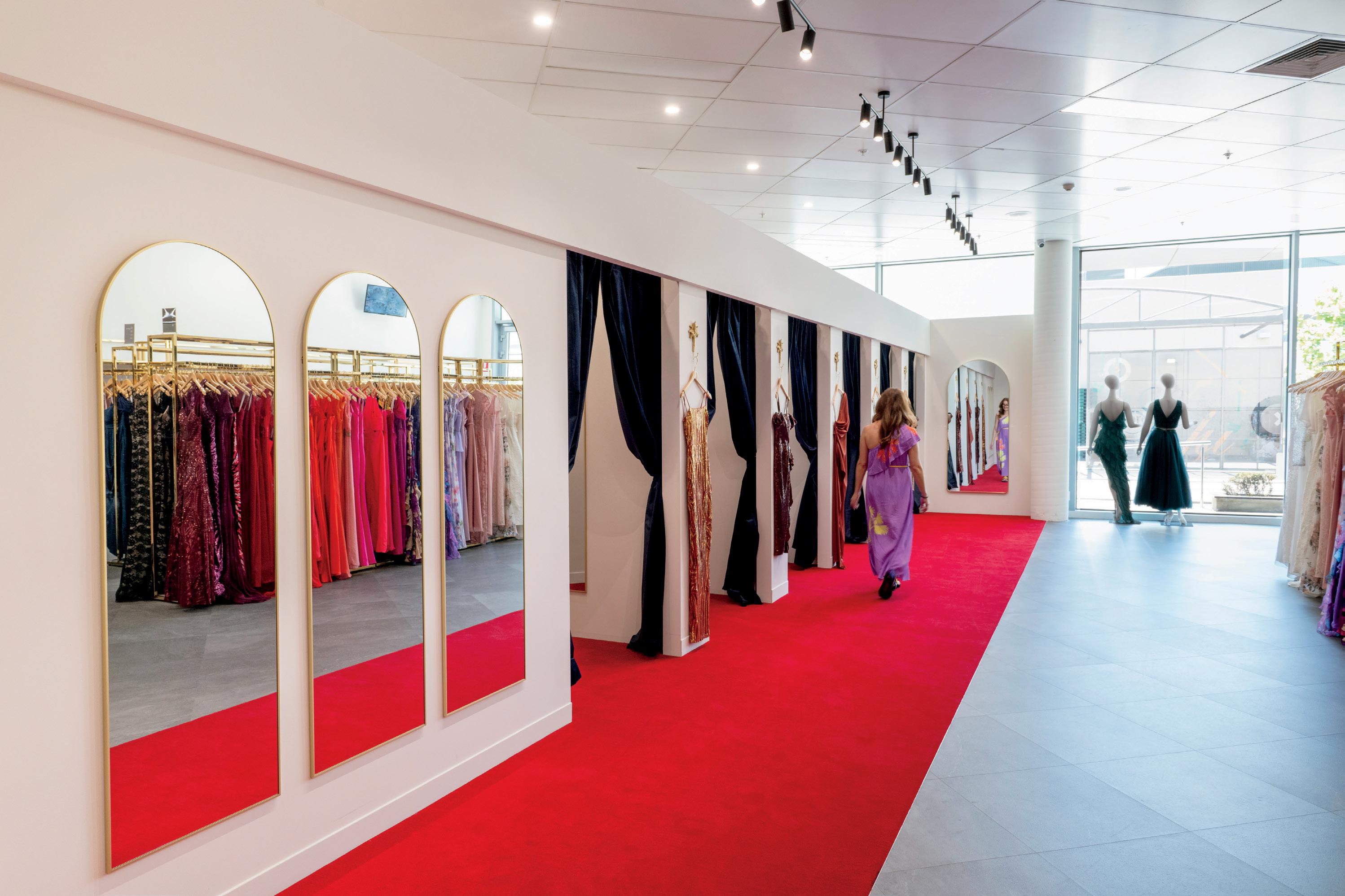
New-season and rare vintage designer dresses for your special occasion 100% of profits fund Vinnies WA services for women in need
As a lifestyle partner, we offer ADAWA members 10% discount on all hires
44 Station Street, Subiaco
Open for walk-ins 6 days a week
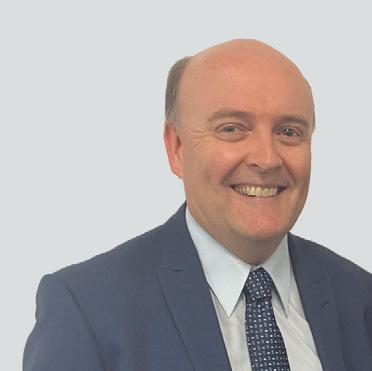
The President's report Dr Tim Crofts, ADAWA President
The Ahpra Consultation on the General registration for experienced internationally qualified health practitioners presents a once in tenyear opportunity for WA to improve our dental services to regional areas.
After consultation with the Country Committee and the Workforce Committee, then our Council, we have provided an independent submission to Ahpra. This supports allowing experienced overseas trained dentists who have done exams in a comparable jurisdiction to come and work in Australia. However, we have stipulated that it be limited to regional areas for two to three years to improve our service provision to desperately needed communities. This is at odds to some extent with the ADA Ltd (federal) submission.
Maldistribution is the key issue, where the largest capital cities have an oversupply of dentists, whereas the further we move into Regional
Australia the fewer dentists per capita there are. WA feels this effect stronger than most. There are large regional towns in WA where there has not been a permanent dentist for many years. And some other towns with lots to offer that have struggled to recruit. The government service in particular has had a lot of difficulty recruiting to these areas. This of course all means that about half a million West Australians may not have an adequate provision of service.
At last year’s Congress I twice made a plea to the audience to consider coming and working in regional WA and brought the issue directly to our federal colleagues, but nothing has changed. This has been an ongoing issue for years now and we need a new source of dentists.
So, we see a great opportunity here, not without some risk of course, as there are many other factors to consider, to help fix the problem.
DR TIM CROFTS
CEO Trevor Lovelle
President Dr Tim Crofts
Editorial Brooke Evans-Butler
Designer Michelle Walker Advertising Business Development Manager Shaden Kanaan
CEO comment
Trevor Lovelle
ADA Ltd and State Branches: Implications for Policy Development
The governance reforms undertaken by ADA Federal in 2023 marked a significant shift in the organisation’s structure, authority, and relationship with State branches. Historically, the Australian Dental Association reflected strong State identities, but the transition to a public company limited by guarantee (PCLG) clarified that ADA Ltd now operates as a single national legal entity with centralised governance responsibilities, rather than as a federation of autonomous State bodies.
In a traditional federation, State entities hold defined powers, and the national organisation is accountable to those constituent members. National policy positions are typically developed through negotiation among States. While many members still view the ADA through this historical lens and expect State perspectives to play a decisive role in shaping national policy, the PCLG structure establishes a different governance setting.
Under this model, directors of ADA Ltd must act in the best interests of the company as a whole. State branches are not subsidiaries and do not hold governance authority in the way federated members would, though their contributions remain important in informing national decisions.
One feature that continues is the shared membership model between ADA Ltd and the State branches. Members join both their state association and the federal body simultaneously, creating a
unified national membership base, which supports organisational cohesion and satisfies ACCC competition law expectations.
However, shared membership does not change the clear legal duties of each entity. State associations such as ADAWA must act in the interests of their State based members, meaning State and national policy positions will sometimes differ. This is a natural outcome of two entities with different responsibilities and constituencies. These differences can become more visible during national consultations. ADA Ltd must prepare national submissions from the standpoint of what its directors consider to be in the organisation’s overall best interests. State branches may offer views shaped by local regulatory settings or member priorities, and where perspectives diverge, ADA Ltd may adopt a national position that does not fully reflect every State view.
Divergent State views do not invalidate the national submission, but they can influence how government interprets it. If multiple submissions from within the ADA cohort present differing positions, agencies may seek clarification or treat the national view as one perspective among several.
The post 2023 environment therefore calls for a more nuanced understanding of how ADA Ltd and State branches work together.
Accessible dental care
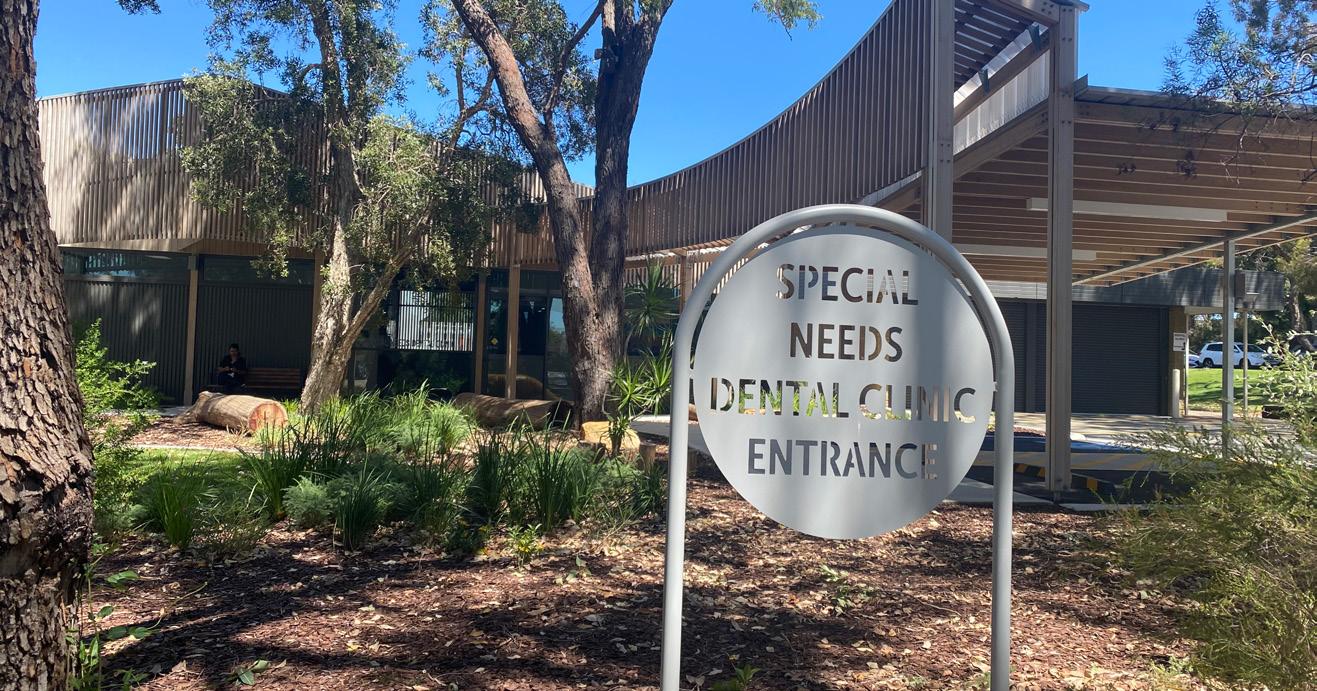
Dental Health Service’s new Special Needs Dental Clinic has been custom built to provide care for those who need accessible dental care.
Run by North Metropolitan Health Service, Dental Health Services is the largest public dental service in Western Australia.
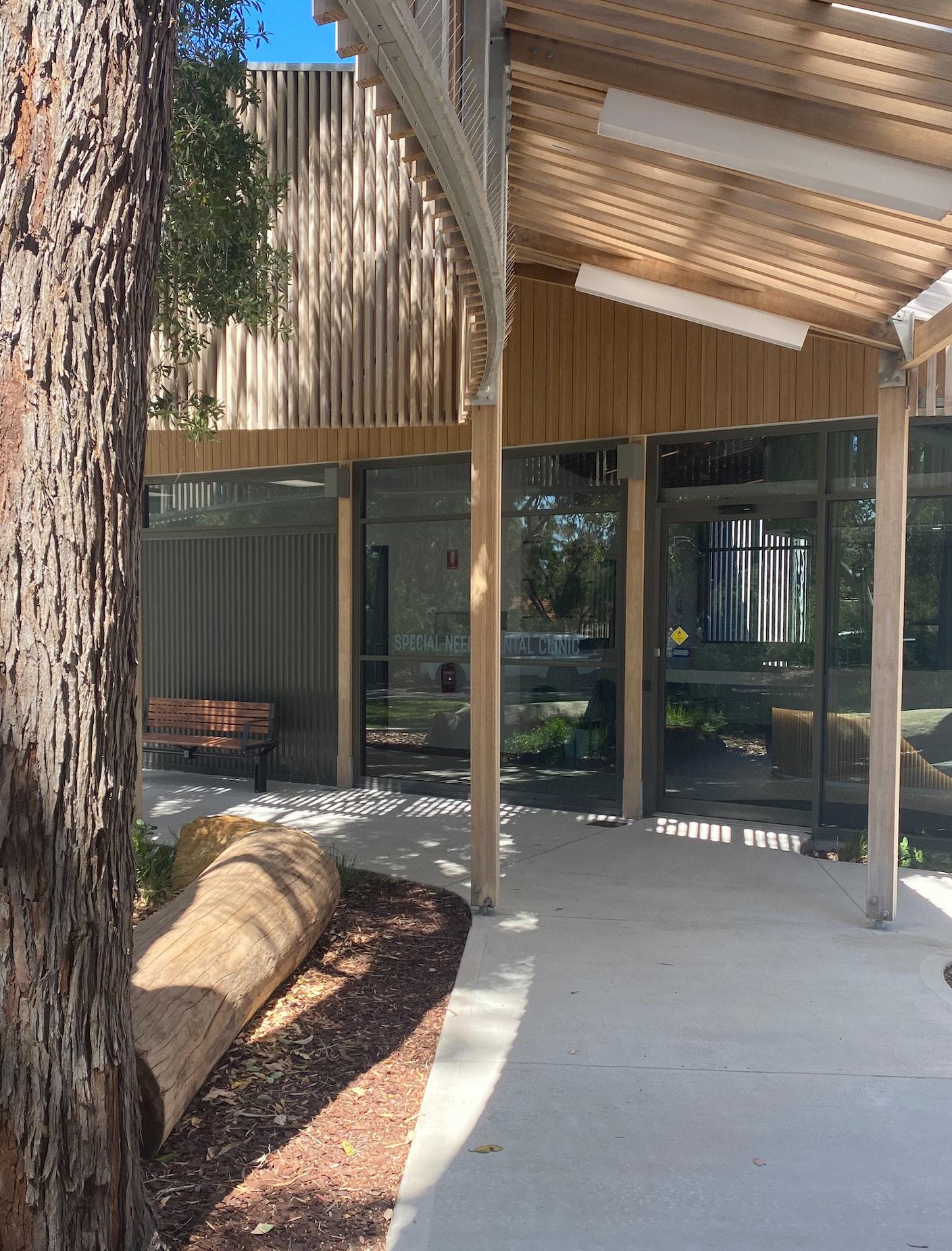
Amongst the shade of mature trees, a new building almost seamlessly blends in with the calming surroundings, an indication of the tranquil and calm space beyond the front door.
This is the new Special Needs Dental Clinic in Salter Point – a $6.1 million dollar facility built by McCorkell Constructions and designed by SPH architecture + interiors, opened in September to treat patients who cannot be seen in general practices.
From the onset, the idea was to create a space that did not look or sound like a traditional dental clinic.
There is an undercover outdoor waiting area, where patients can be assessed from their car if necessary.
Going through the front door, the materials, timber screening, soft welcoming colours and soft lighting reveal a low sensory space to not overwhelm. There is a colourful piece of art ‘Land of Many Colours’ in the waiting room by an artist, David Guhl, who has Down Syndrome, and this piece of art is replicated throughout the clinic and in the treatment rooms.
The painting honours the creativity,
diversity and richness of people with special needs.
Walking down the hallway, there are multiple framed photos, showing a social story about visiting the dentist.
There are 4 fitted clinic rooms, with an additional low sensory room with dimmed lights. The clinic also has accessible features including wheelchair ramps, ceilingmounted hoists, and end-of-trip facilities. The rooms are large enough for patients to have their carer or support persons present with them. The surgeries also have medical gases, including nitrous oxide.
It is a welcoming space, ensuring accessible dental care is in reach of everyone.
“The clinic has been designed with the needs of the patient front and centre,” says Dr Gino Cirillo, Director of Dental Health Services.
“The vision was to design and build a clinic that closely integrated into the existing environment and make it feel less like a traditional dental clinic. Dental Health Services is very proud of this clinic and more importantly, we are delighted that our special needs patients have a world class community clinic to receive dental care.”
Eligibility
Access to the Special Needs Dental Clinic has very specific criteria. It provides general dental care to patients 16-years-old and upwards that satisfy the following accessibility criteria:
• Patient presents a developmental, physical, and/or intellectual disability and is unable to tolerate treatment in a mainstream service.
• Patient has a Legal Guardian appointed.
• Patient presents with critical impairments of oral motor deficits (e.g. swallowing difficulties or reduced oral musculature control).
• Patient presents cognitive issues (e.g. unable to follow instructions/ directions or unable to verbalise pain presentation).
• Patient requires extensive support or assistance for their day-to-day living needs.
To access the Special Needs Dental Clinic in the first instance, the Legal Guardian or carer of an individual can contact the Clinic Reception at 08 9313 0699 such that an appropriate assessment process may begin. It is anticipated that the clinic will see approximately 1000 patients meeting these criteria each year.
A special thank you to Dr Gino Cirillo, for showing ADAWA staff through the clinic.
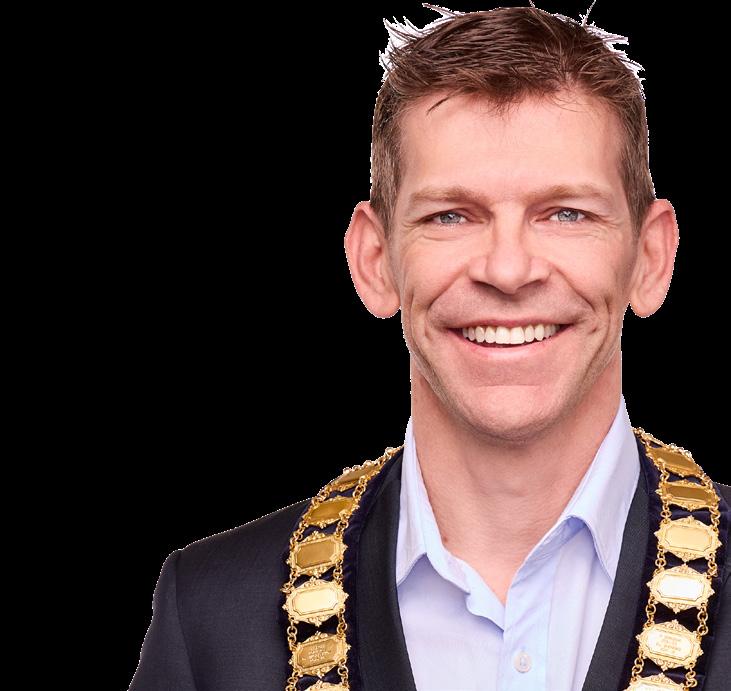
Congratulations Dr Andrew Brostek
A huge congratulations to our member, Dr Andrew Michael Brostek, who was awarded a Medal of the Order of Australia (OAM) in the General Division for service to dentistry.
A private practice Dentist since the early 80s, Dr Brostek has had a long history in educating future generations of dentists, being an Adjunct Clinical Senior Lecturer at OHCWA (the Oral Health Centre of Western Australia) for over 20 years. It certainly was serendipity when Prof Michael McGuinness AM (Establishing Head of OHCWA) asked him to give a single lecture in Restorative Dentistry.
“At the time I was also very fortunate to be in contact with Prof Laurie Walsh (QLD), who eventually became my mentor,” he recalls. “He and others including Prof. Ian Meyers (QLD) were researching how to restore carious teeth more conservatively (than G.V. Black design) with adhesive restorations. The focus then shifted to new ways to arrest dental disease and enhance teeth remineralisation (Prof Eric Reynolds (VIC). “We now call this minimal intervention dentistry, and I was in the right place at the right time. My co-colleague Dr Andrew Bochenek and myself under the direction of Dr Erica Yates tried to advance this modernised curriculum.”
“Teaching has always been fun, but the ability to influence young students to be innovative and analytical in their dentistry has been the goal, to the benefit of patient health outcomes.”
In addition to his long teaching history at OHCWA and to peers via CPD programs and presentations, Dr Brostek has co-authored publications and has given back to the profession as the past-President of the Australian Association of Laser Dentistry (from 20112019), as well as assisting charitable local Tzu Chi organisation with their clinical days.
On receiving the OAM, Dr Brostek said. “(Receiving the award) was overwhelming,” he says. “It is lovely to have recognition, but you realise it is not just about you, but the people who have helped you and guided you over the years. I think it is an honour for all of us as dentists to be able to care for patients and give back to help people as well.”
Congratulations again, Dr Brostek!
Mocom GEN3 brings a taste of Italy to ADX Sydney, and a Vespa to win!
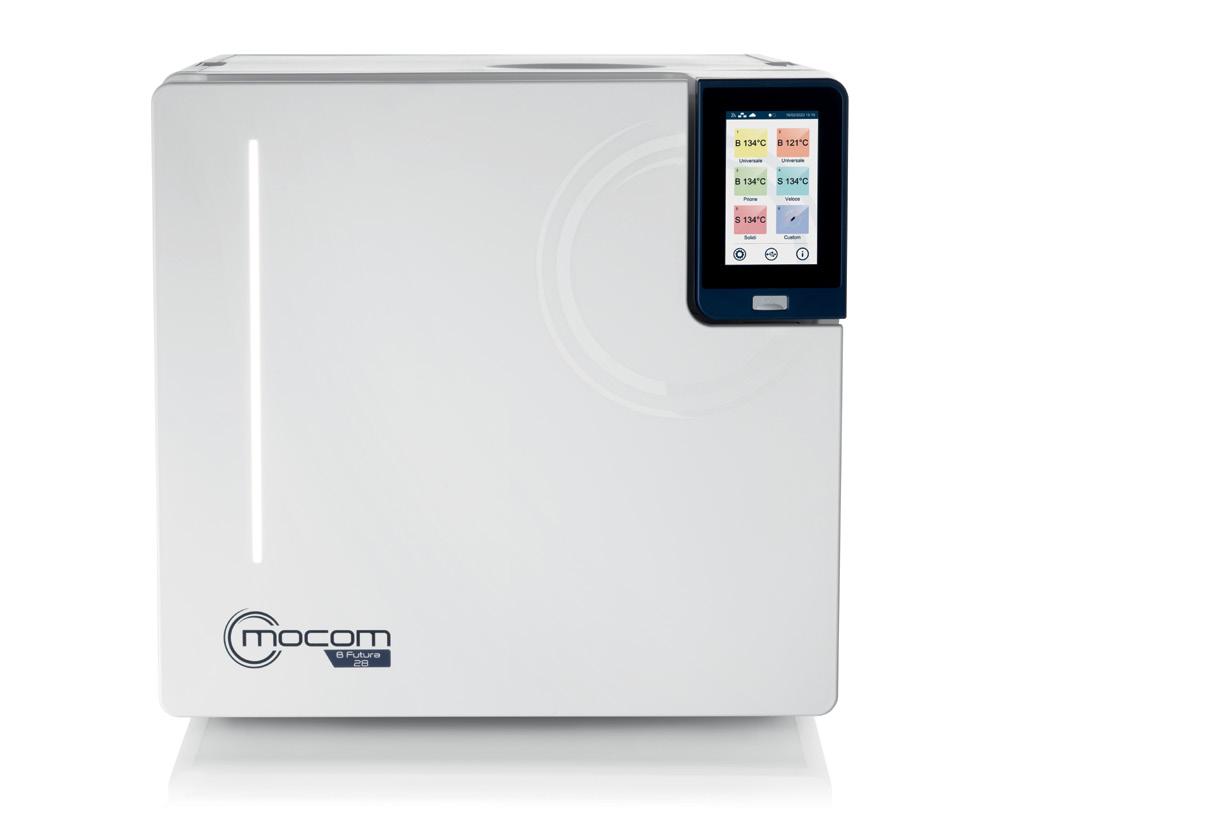
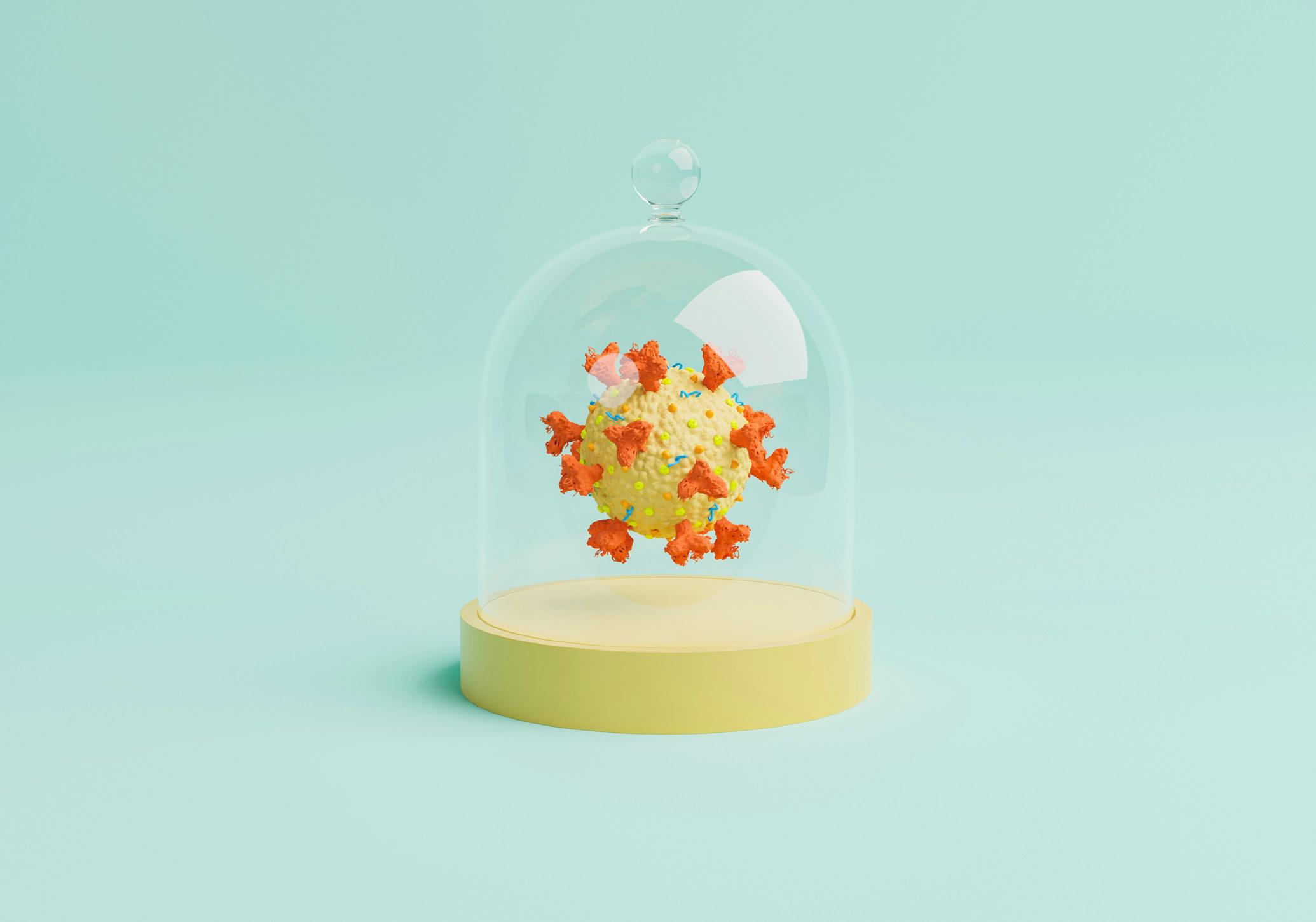
Sterilisation technology and the hills of Tuscany might seem worlds apart, but at ADX Sydney 2026, Mocom Australia is bringing them together in unmistakable Italian style. The company’s new GEN3 steriliser range will make its Australian official debut at the exhibition in partnership with national dental distributor Henry Schein, accompanied by a Vespa giveaway inspired by the brand’s Italian heritage.
Manufactured in Italy, Mocom sterilisers have long carried the hallmarks associated with Italian engineering, precision, reliability, and refined design. For the GEN3 launch, Mocom Australia has chosen a Vespa as the campaign centrepiece to evoke that origin story: the idea of freedom, movement, and touring through Tuscany, now playfully reimagined for the dental profession.
Italian design meets nextgeneration sterilisation
Following its initial release in late 2025, ADX Sydney marks the first major opportunity for Australian practices to experience the newly evolved GEN3 Supreme, Futura, and Classic models in person. The platform represents a significant step forward in cycle speed, connectivity, and usability,
reflecting the increasing demand for sterilisation solutions that support both compliance and clinical efficiency.
Faster cycles for modern practice pace
At the core of GEN3 is a redesigned modular drying architecture that reduces sterilisation cycle times while maintaining validated sterility assurance. By optimising the drying phase, traditionally the longest phase, GEN3 supports faster instrument turnaround and smoother workflow continuity in busy practices.
For clinicians, this means fewer sterilisation bottlenecks, and confidence that instrument availability keeps pace with patient demand.
Connected sterilisation for today’s compliance landscape
GEN3 also integrates digital tools designed for contemporary compliance expectations. The SterilConnect app enables practices to monitor cycles and access records from a connected device, while the Easy-Share Printing system supports barcode and QR-based traceability across multiple GEN3 sterilisers. These features align closely with documentation and audit requirements under AS/NZS 5369, helping practices manage sterilisation data with clarity and efficiency.
A Vespa, and a memorable launch
The Vespa promotion links Italian heritage with the GEN3 debut in a
way that is both symbolic and engaging. Eligible Mocom purchases through Henry Schein during March 2026 generate entries into the draw, with ADX attendees able to gain an additional entry via registration on the stand. The activation transforms the launch from a traditional equipment introduction into an experience, one that connects engineering origin, brand story, and exhibition theatre.
A partnership on display
The ADX showcase also reinforces the national rollout of GEN3 through Henry Schein as Mocom Australia’s exclusive dental distribution partner. Together, the companies are positioning GEN3 as a headline sterilisation innovation of the exhibition.
A new generation with Italian spirit
Infection control may be grounded in standards and science, but its technology can still carry identity and character. With GEN3, Mocom Australia combines next-generation sterilisation performance with a distinctly Italian narrative, precision engineering paired with the spirit of movement.
For ADX visitors, the message is clear: sterilisation has become faster, smarter, and more connected, with a little touch of Tuscany along the way.
For more information on this promotion, speak to your Henry Schein equipment representative or visit mocomaustralia.com.au for terms and conditions.
The Futura
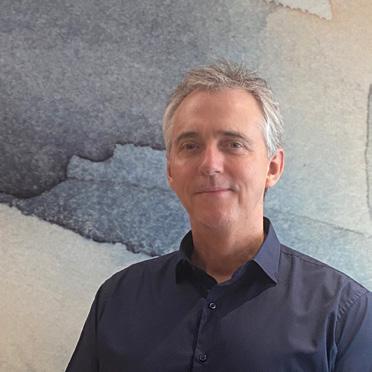
“At the 2025 ANZAOMS annual scientific meeting in Adelaide, I was fortunate to be appointed the President of the Australia and New Zealand’s representative body for Oral & Maxillofacial Surgery. Having been on the board since 2013, it’s been a long run up.
Congratulations Dr Nathan Vujcich
ANZAOMS was originally formed back in 1961, in the fledgling days of oral surgery, when it was known as ANZAOS. In fact, the original president was Gilbert Henderson, a West Australian, and for whom the oral surgery subject prize in the dental school is named after. In the last 60 years, Brian Henderson of Perth was our second WA president in 1983. Mr Dennis Gregory, one of my early supervisors, was the last WA surgeon to be president back in 1995.
Akin to the role of ADA for our dental background, the role of ANZAOMS is to further the specialties practice, standing and provide education amongst other roles. This has included running didactic oral surgery education days for general practitioners in the past.
Having completed my dental degree back in 2000 at UWA, and medical degree at UWA in 2008, I completed my OMS training as part of the national RACDS (OMS) program in 2012.
I have been heavily involved in training for our Western Australian based trainees, and have examined for our specialty’s exams (RACDS OMS) for the last 10 years.
I continue my public roles at Royal Perth Hospital, and Perth Children’s Hospital including on call commitments.
More recently, my colleague Dr Peter Ricciardo (whom I went to school with) and I have recently established our private practice, “Perth Maxfax”, in West Leederville.
My surgical focus would include orthognathic jaw surgery, facial trauma (particularly orbital), and implantology.
It has been a busy year, and it was nice to be recently notified I have been an ADA member for 25 years.”
Dr Nathan Vujcich
Periodontal Probing: Why a Simple Tool Is Still Underused
By Dr Wendy Gill, Specialist Periodontist
Despite decades of evidence, periodontal probing remains inconsistently performed and, more importantly, inconsistently interpreted in everyday dental practice. This is not a new problem, nor is it unique to Australia, yet it continues to affect early diagnosis and prevention of periodontal and peri implant diseases.
Periodontal probing is often perceived as a straightforward measurement. In reality, it is a nuanced clinical skill requiring correct angulation, controlled force, and biological interpretation. Small inaccuracies – particularly in posterior interproximal sites, inflamed tissues, or thick gingival biotypes – can significantly alter diagnostic outcomes. Systematic underprobing is common and disproportionately affects detection of early attachment loss.
Training frequently emphasises how to probe rather than why probing matters. Charting can become a procedural task rather than an investigative one. Early clinical attachment loss (1–2 mm) is often dismissed as normal variation, and bleeding on probing is still widely framed as a hygiene issue rather than a marker of disease activity.
Early periodontitis also challenges our mental model of disease. Patients are typically asymptomatic, radiographs may appear unremarkable, and classic signs such as mobility or suppuration are absent. Yet biologically, this is the stage where intervention is most effective.
Time pressure in busy practices further shapes behaviour. Partial charting, spot probing, and skipped posterior sites are understandable adaptations, but inevitably affects diagnosis.
There is also an unspoken reality: diagnosing periodontitis introduces complexity. It requires longer appointments, chronic disease conversations, consent considerations, and sometimes referral. Subconscious avoidance of this downstream burden is human – but it comes at a biological cost to patients. Radiographs can falsely reassure. Bone loss lags behind soft tissue attachment loss, and when imaging is prioritised over probing, early disease is easily missed. Periodontitis remains, first and foremost, a soft tissue diagnosis.
Dentistry often favours binary decisionmaking – treat or monitor, disease or no disease. Periodontitis resists this framework. It is progressive, episodic, and risk-based, requiring longitudinal thinking that can be cognitively demanding in routine care.
Periodontal probing is inexpensive and efficient. Disease diagnosis is expected by patients. The challenge lies not in the tool, but in how we value and interpret the information it provides. As a profession, there is an opportunity to recalibrate our approach – one millimetre, one conversation, and one early diagnosis at a time. perioinfo.org
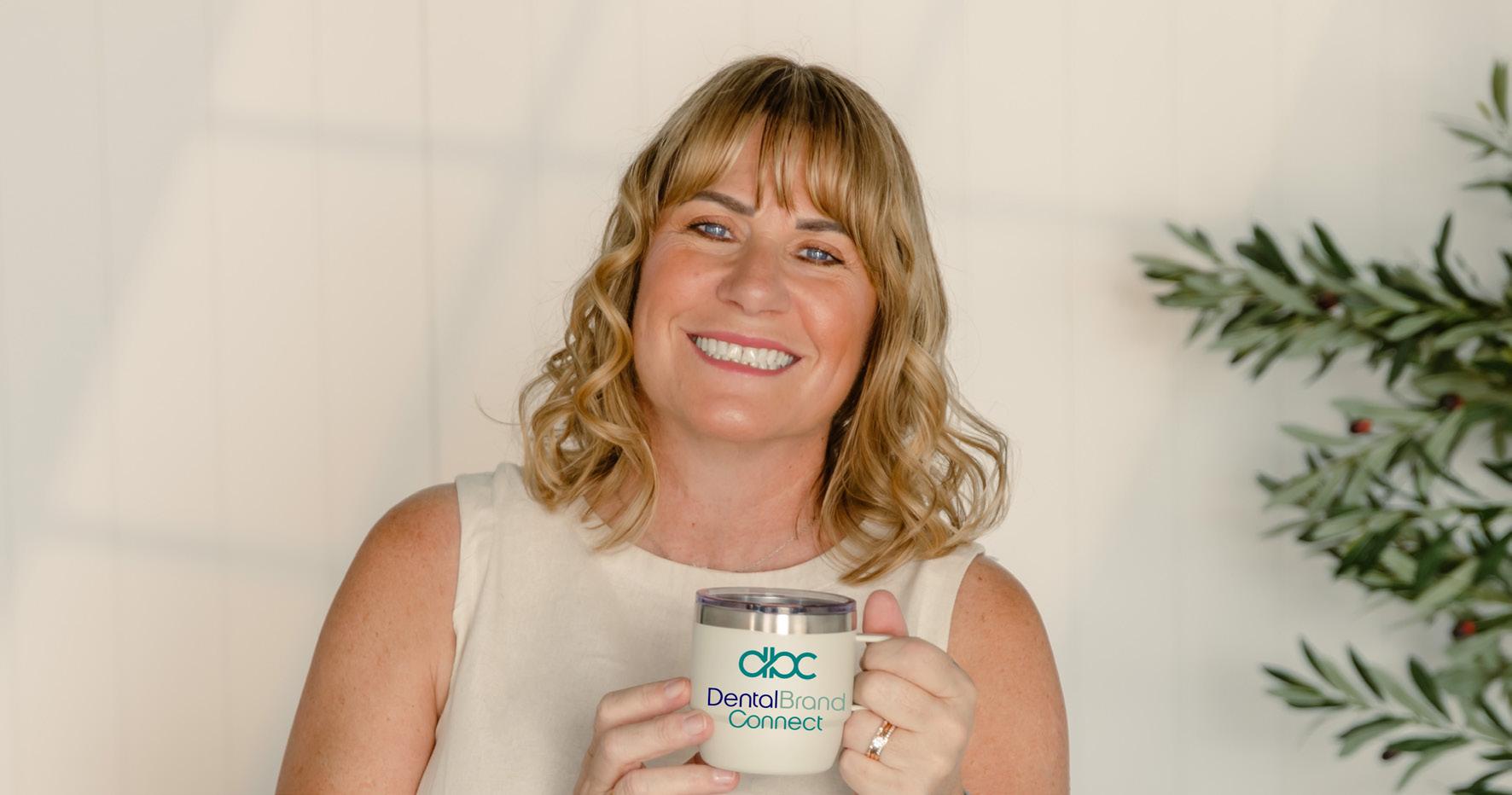
Making your practice memorable Sharon Lee has decades of experience in the business side of dentistry, and is now focusing on helping dental practices make their brand memorable.
Sharon Lee started working in the dental industry as a 17-year-old in the UK and quickly fell in love with everything dental.
A practice manager by the time she was 21, she later moved to Australia with her family and was running a business that coached Dental Practice Managers and Dental Practice Owners, before becoming an owner of multiple dental practices herself.
After selling her successful dental practices, Sharon is now on a mission to help other dental practices reach success by branding themselves
with the help of her new business, DentalBrandConnect, which helps dental practices strengthen their brand to help patient retention through a range of products, custom branded to the dental practice.
“DentalBrandConnect was a thought that I have always had lingering in the background,” Sharon says. “I woke up one morning thinking why do dental practices promote someone else’s brand, it’s just a wasted opportunity?
“As a previous practice owner myself, I know how hard it is, so with DentalBrandConnect, there isn’t anything for the dental practice to
do, they just send me their logo, my team create the products, and then the products are sent to the practice; it really is that easy!”
She adds it doesn’t cost much extra to order packs that include your practice branding for your patients.
“I priced up a big pharma pack, which costs the practice about $5.60 – then the practice needs to pack the packs themselves. With DentalBrandConnect, our costs are around $8.50 each, and the packs will come fully assembled and with products branded to the practice; we can also put you on a re-order, so you don’t have to keep remembering to place an order.”
There is a range of products available, beyond oral health products. “In reality, a lot of patients use electric toothbrushes, so I think it is a good idea to move away from giving a manual toothbrush,”
Sharon suggests. “We have tote bags, notebooks, stress balls, eye masks, floss cards…the feedback I am getting from practices, is that if a patient is using the practice branded products at home, then the patient feels connected to the practice as they are looking at that brand all the time.
“If you are not in your patients’ eye view all the time, they forget you. We are in the most competitive marketplace that we have ever been. If you do not get savvy with your marketing, you are going to get left behind.
“Practices are spending thousands on external marketing, but they overlook internal marketing and their
existing patients all the time,” she adds.
“Although you do have to keep attracting new patients, don’t overlook your existing patients. From my experience being a previous practice owner myself, when I had my own branded packs, my patients loved them, and talked about them all the time."
“Dental practice owners are starting to think outside the square to ensure patients return back to them time and time again. They must become brand aware centres themselves because patient retention should be their focus in 2026!”
ADAWA members enjoy 10% off all products from DentalBrandConnect for life, using discount code ADAWA10, dentalbrandconnect.com
Meet
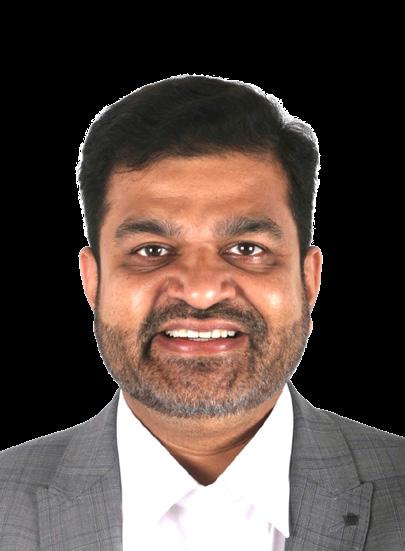
Dr Aqeel Sajjad Reshamvala
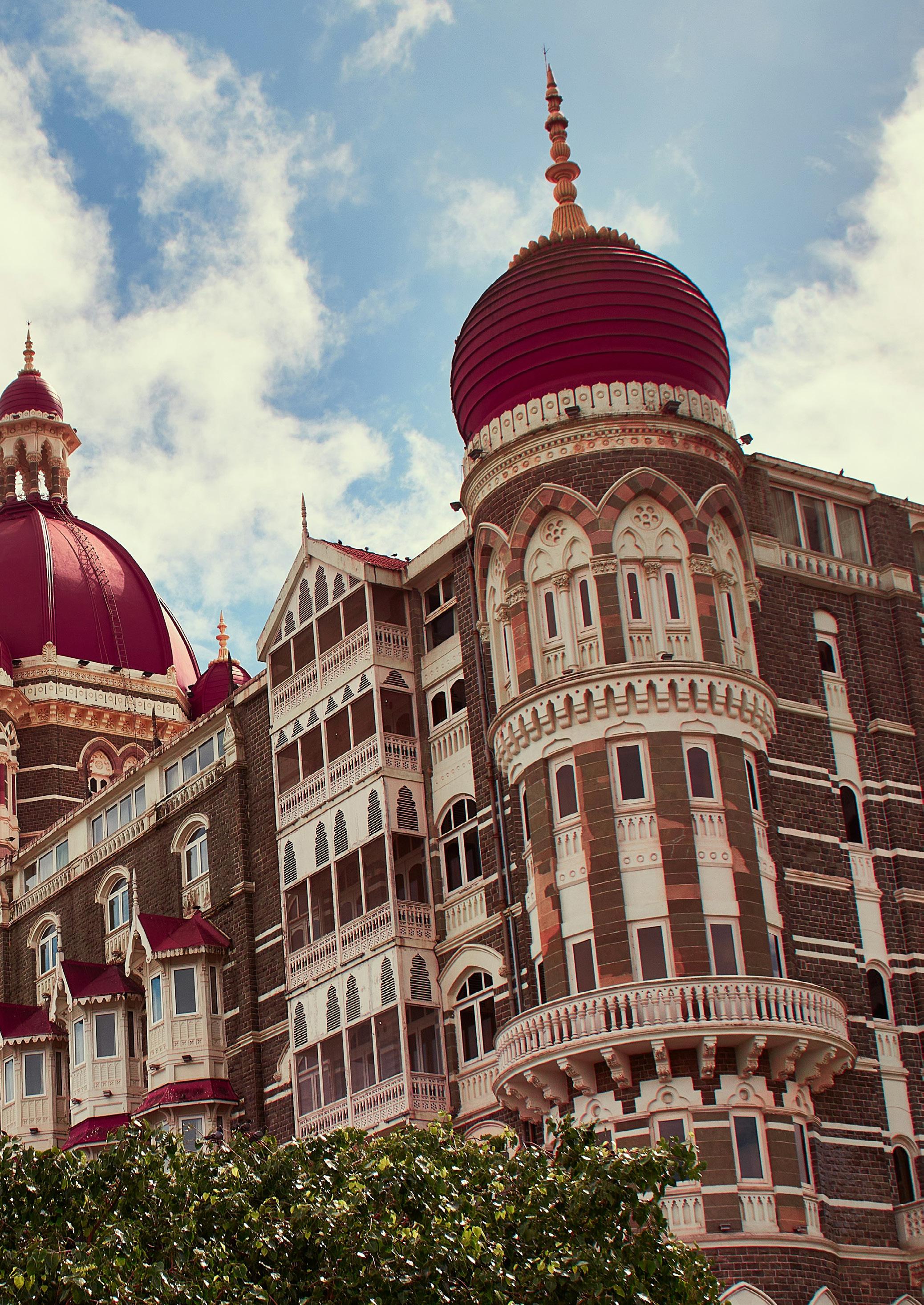
Dr Aqeel Sajjad Reshamvala will come to Perth from Mumbai in May to present a 3-day workshop on digital implant dentistry.
Dr Aqeel Sajjad Reshamvala is specialist prosthodontist and implantologist based in Mumbai. He says dentistry came into his life by chance, without a clear understanding of what lay ahead. “However, as I delved into the early years of my specialisation, I discovered a deep fascination with the artistry of the field, particularly through wax carving and the modelling of dental materials that demanded precision and skill,” he recalls. “What began as a coincidence soon transformed into a genuine passion, and today, I find myself completely captivated by the world of dentistry.”
“Two things really drew me to Prosthodontics,” he adds. “Firstly, it’s the one field where you can recreate lost tooth structure and
blend it harmoniously with the natural features of the patient, it’s like bringing a smile back to life. Secondly, it’s the only branch that truly focuses on occlusion, a topic that’s often ignored but makes all the difference in achieving the desired final result.”
Aqeel will be presenting a comprehensive introduction to digital implant dentistry with Dr Nishant Vaishnav in May. By the end of the course, attendees should be able to:
• Describe the digital workflow for implant dentistry, including data acquisition (intra oral scanning and CBCT), digital treatment planning, and guided surgery.
• Compare different scanner types and apply appropriate scanning protocols for single tooth and full arch cases.
• Use implant planning software to position implants in healed ridges and extraction sockets, taking into account anatomical landmarks and prosthetic requirements.
• Design and fabricate surgical guides (sleeved and sleeveless) for single and multiple implants, and understand the instrumentation required for guided surgery.
• Evaluate indications for flap versus flapless surgery and apply correct three dimensional implant positioning to achieve optimal prosthetic outcomes.
• Distinguish between screw retained and cement retained prostheses, select appropriate abutments, and fabricate immediate provisional restorations.
• Plan full arch implant rehabilitation, including determining implant number, distribution, and the need for grafting; compare implant level versus abutment level prosthesis fabrication.
• Perform immediate provisionalisation for single tooth replacement cases using suitable techniques and materials.
“As we all know that Digital Dentistry is the future and Implant Dentistry is now the norm,” Aqeel says. “The combination of both these topics leads us to develop this course.
How to get predictable and precise treatment plans for Implant dentistry and its respective restoration will be covered in this course.”
Aqeel says the course is designed for both experienced dentists already practicing implant dentistry and beginners looking to build a strong foundation in the field.
“This
course will
help you not only plan your implant placements precisely but also be able to provide the final prosthesis perfectly,” he says. “Since the entire workflow is digital, human errors are corrected by the software making both the surgical and prosthetic clinical workflows seamless.
“I have put in all the hard work of educating myself to achieve that excellence in my field and now with this course I want to share all this with my fellow colleagues so that they benefit from it too,” he adds.
“This particular course deals with the Digital approach to Implant Dentistry using all the knowledge that we have acquired from the Analogue era. The course will help them with a step-by-step protocol to approach either a single tooth implant case or a complicated full mouth implant
rehabilitation in a methodical way which ensures their predictable final outcome. More success - less failures.”
Dr Aqeel Sajjad Reshamvala and Dr Nishant Vaishnav will be presenting Advanced Digital Implant Reconstruction: From Single Tooth to Full Arch on May 22-24 at ADA House. To book your seat, visit cpd.adawa.com.au
5
minutes with Dr Aqeel Sajjad
Reshamvala
What three words best describe you? Empathetic, Adventurous, Creative.
What do you enjoy doing in your spare time?
Formula 1 means a lot to me. I love the mix of precision, strategy and adrenaline. I am equally happy watching a great movie/ OTT series, going on long drives with music and spending hours on the beach doing absolutely nothing. Those moments keep me sane and spontaneous. I love to connect with nature and animals and that has made me rescue and treat animals whenever possible for me. The unconditional love they impart is something that always touches me immensely.
What is your favourite movie?
Patch Adams – this film inspires me to lead with empathy and never lose my sense of humour, even in a serious work mode. It is a reminder that being human always matters more than looking perfect.
F1 the movie – it pushes me to keep improving, to perform under pressure and to adapt, even when the odds are not in my favour. It is a masterclass in focus and resilience.
What is your favourite place in the world?
Byron Bay Lighthouse – there’s something magnetic about the serenity and the energy there. It’s a place that resets your spirit. The ocean, the sky, the humpback whales and dolphins that you sight and your thoughts, they all fall in sync.
Is there anything someone might be surprised to learn about you?
I love racing cars on race tracks, sketching and most adventure sports, pretty much anything that gets my heart racing or my mind quiet. I’m the kind of person who will sketch a horse portrait after a dive while watching a sunset or plan a drive along a new coast just because it feels right. It’s part instinct, part thirst for adrenaline and 100% me.
What future plans are on the horizon for you?
Years ago, I told myself that I will travel the world to share my experiences in Dentistry and help dentists improve their skill sets, so they too love dentistry as much as I do and have more success stories. Today I would like to help them similarly with accepting digital dentistry as a part of their daily work routine. I aim to make this transfer as easy as possible for all.
BASIC PRACTICAL INFECTION CONTROL
HOW TO DO IT
COURSE OUTLINE
Infection control guidelines and standards tell you WHAT needs to be done, but they often leave out the crucial how. This practical, hands-on workshop is designed to help you implement the latest Australian Infection Control guidelines and standards with confidence and tackle the specific challenges of infection prevention in your practice. We’ll take a deep dive into essential areas like personal protective equipment (PPE), hand hygiene, instrument sterilisation and the day-to-day infection control procedures that you carry out in your practice.
Practical Component
Get up close and personal with autoclaves and sterilisation equipment on display. Learn how they work and how to maintain them effectively, ensuring the highest level of infection control in your practice.
WORKSHOP IS SUITABLE FOR THE WHOLE DENTAL TEAM
ABOUT THE PRESENTERS
Dr Roslyn Franklin has been working in the dental industry just on 30 years. She is a dentist, trainer and teacher of dental assistants, a writer of educational materials, and a passionate infection prevention and control consultant. She was the lead author for the chapter devoted to infection control in dental settings in the book Healthcare-Associated Infections in Australia: Principles and Practice of Infection Prevention and Control.
Mr Steve Lines is the Operations Manager at Mocom Australia, STS Health and ADIA WA branch past president. He has been working on medical equipment both hands on and in management roles for 23 years and in the dental sector for the past 18 years. He is responsible for training technicians across Australia and New Zealand on validation, installation, servicing and repairs of sterilisation, disinfection and high purity water systems. SCAN
CALENDAR 2026
Practices and patients keep costs in focus as dental spending jumps in WA
The national dental industry continues to navigate a higher cost environment, prompting practices to rethink how they improve operational efficiencies and meet the expectations of value-conscious patients.
At a macro level, persistent inflation is a factor keeping practice expenses higher and maintaining cost of living pressures for patients. Even so, the new CommBank Health Insights report shows that national spending on dentists grew 5.4% in the year to the end of January 2026, outpacing inflation and suggesting stronger consumption.
Over the same annual period, the average Australian increased yearly spend on dental services by 3% to $790; visiting a dentist 2.4 times and spending $330 each visit.
In Western Australia, dental spending growth was higher than the national average over the past year, lifting 8.0% in metro areas and 9.3% in regional locations. This reflects strong demand across the state, but as patients spend more, expectations around service, cost transparency and their overall experience are likely to increase.
Affordability also remains a barrier for many Australians, with most patients self-funding their dental care. In 2025, around one in five people (18%) reported cost as the reason for delaying or avoiding a dental professional , highlighting the ongoing sensitivity to out of pocket dental expenses and potential flow on effect to oral health management.
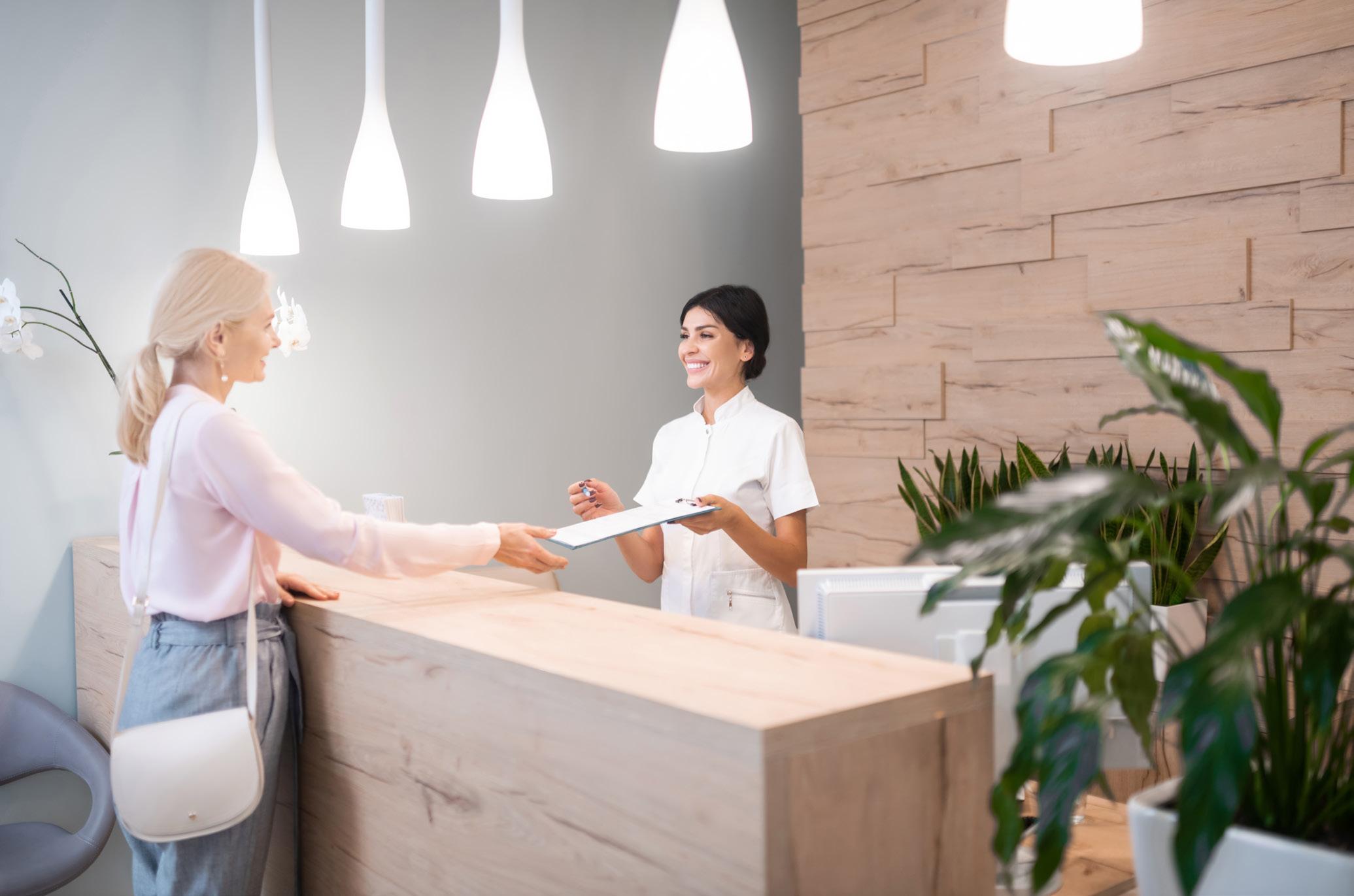
Against a backdrop of higher-value appointments, transparent pricing, and simple payment experiences at the front desk can become more important. At the same time, reducing administrative burden in the back office helps practices operate more efficiently and gives dentists more time to focus on patient care.
Solutions such as CommBank Smart Health are designed to support both, improving the payment experience for patients while streamlining day to day operations for practices.
To learn more about the CommBank Health Insights patient spending trends and how we help dental practices adapt and grow, visit https://commbank.com.au/health
Should we be friends with our patients on social media?
The concept of social networking can be problematic for dental practitioners, so how do we maintain professionalism in a world where such platforms are now considered mainstream communication tools?
Anita Kemp, Case Manager at Dental Protection, looks at the facts.
Contemporary dental practices have an increased reliance on social media platforms to attract and maintain their patient base. One challenge faced however, is that social media is egalitarian in its concept, giving the illusion that it is permissible for us all to be connected. So, how do we maintain the essential professional boundaries between ourselves and our patients without causing offence?
Blurred lines
Often patients feel it is appropriate to contact their health practitioners about their health issues through social media, whether via a post on their practice page or direct messaging. Consequently, research indicates that health professionals and dental practitioners are experiencing an increase in friend requests from their patients, to connect not only professionally but personally as well.
In fact, for many patients sending their dental practitioner a friend request seems like a reasonable and acceptable thing to do. Yet, in most cases, it would be fair to assume
that patients may not appreciate or comprehend the professional ramifications of extending a friend request, or for that matter the personal and professional boundary breaches that could potentially occur.
The challenge for practitioners is to balance these privacy and boundary requirements by knowing where and when to draw the line between their professional profile and their personal profile.
Boundary breaches
According to Ahpra, “when using social media, the Health Practitioner Regulation National Law (the National Law), your National Board’s code of ethics and professional conduct (the Code of conduct) and the Guidelines for advertising a regulated health services (the Advertising guidelines) apply, just as when you interact in person”.
Broadly, professional boundaries are defined as limits or borders that exist to protect that space between professional power and client vulnerability “enabling practitioner and patient to engage safely and effectively in a therapeutic relationship”.
Due to the potential power imbalance inherent in the practitioner-patient relationship, the preservation of professional boundaries is key to preventing
abuse of this relationship, promoting good care for the patient or client, and protecting both parties.
Case scenario 1
Dr A accepts a friend request from a regular patient who has a high caries rate, and subsequently notices that they are constantly posting photos of themselves consuming high sugar content and acidic drinks. However, when asked previously in clinical history taking around diet, they stated they preferred to drink water and never consumed sugary drinks – denying any suggestion they consumed cariogenic food or drinks.
Is it likely that the patient didn’t foresee that Dr A might see the images or how they might be perceived? Would bringing it up affect the therapeutic relationship? Would this be considered crossing professional boundaries?
Professional integrity and reputation
Accepting friend requests can be an avenue into your own and your patients’ personal worlds where everyone feels safe posting their personal views and content.
Although in-person we often share personal information with our patients around common interests, shared experiences and funny stories, the purpose is intentional with the design to build rapport, and these conversations
Would it be appropriate for Dr A to bring these posts up with them during their next appointment? Could this be viewed by the patient as confrontational? And on the flipside, as their dental practitioner, is it appropriate to ignore these posts and not instigate a conversation around diet and caries prevention?
are often shared with a degree of discretion in a clinical setting.
Excessive disclosure through unfiltered access is unlikely to be of benefit to the therapeutic relationship, dental professionals, like most people, share information on their personal social media accounts that includes personal information, photos, links to websites, likes and at times ‘off the cuff’ comments shared between friends, family and colleagues.
Whilst made under the premise of personal interaction, any comment made by a practitioner that expresses their personal beliefs that patients may find contrary to their own vulnerabilities or sensitivities – for example, political causes, religion, public health (think recent and ongoing vaccine controversies), could inadvertently breach the code of conduct.
Ahpra does provide guidance on social media use, which recognises “the freedom of expression for practitioners and their right to communicate, including advocating for causes via social media, provided their activities do not involve the abuse or discrimination of others, or present a risk to the public”.
Practical tips to manage social media
If you do find yourself in a position of receiving a friend or other social media request, you might on one hand feel flattered, while on the other hand feel uncomfortable or concerned that not accepting their request might prove awkward.
As mentioned earlier, patients may not fully understand the professional ramifications of extending a friend request. This may inadvertently lead
to a situation where it becomes difficult to back track and re-establish the originally intended parameters.
Case scenario 2
Dr B saw a 25-year-old new patient requesting cosmetic work to improve the appearance of their upper and lower anterior teeth. In the initial planning phase, they discussed multiple options in the clinic. Dr B also accepted a friend request and subsequently began responding to direct messaging (DMs) on a personal mobile, outside of office hours, as part of this ongoing conversation.
Dr B and the patient decided to proceed with 10 upper porcelain veneers and a full afternoon session was booked for preparation, impressions and temporaries. That evening, starting at 7pm, Dr B began receiving DMs – first, a close-up photo with drawings of suggested modifications of line angles, proceeding over the next few hours to increasingly agitated comments on the overall appearance. This only ended when Dr B agreed to open the practice early to see the patient first thing the next day for review.
Dr B seemed to address the concerns that morning with some minor re-contouring of the temporaries, however, later that evening when Dr B finished work and was driving to a family event, the DMs started again along similar lines.
Had Dr B previously set an expectation with this patient of open lines of communication at any time of the
day? Why would the patient contact the practice and go through the ‘gatekeeper’ at front desk if they had direct access to Dr B at their own convenience?
Beware of the law of unintended consequences, where well intended channels to facilitate patient communication are perceived as a more personal 24/7 service, especially for younger patients who may already have a pre-existing expectation for on-demand ‘UberEATS’ type access at their convenience for all services (including dental advice).
With this in mind, if we are going to engage over social media, it would be prudent to set a defined pathway with clear rules of engagement, such as the most appropriate ways to contact the practitioner, what might constitute a genuine need for ‘out of hours’ contact (such as a dental emergency) and a set expectation for timeliness of response.
Consider separating professional, practice and personal profiles on social media platforms, and adjust your privacy settings. It may even be prudent to change your name to a pseudonym, making it challenging for patients to find and access your personal page.
For more persistent patients, you could send a polite message explaining that the practice has a professional policy not to accept friend requests or establish online friendships with patients. It sets the tone and expectation for all
patients and allows the practitioner to maintain their professional boundaries, while also acknowledging that the patient’s wellbeing and care is at the centre of practice.
Conclusion
Because all forms of social media have become so entwined with our social fabric, managing social media on both a personal and professional level has become increasingly important. Similarly, it is imperative that we attempt to construct and maintain professional boundaries with various forms of social media as well as our interactions with our patients across these platforms.
In a situation where a practitioner’s professional behaviour or conduct was to come under review because of alleged boundary breaches relating to interactions over social media, it is irrelevant if the breach was inadvertently remiss, altruistic or well meaning. It could still be perceived as a boundary breach and effectively a breach of the DBA Code of Conduct, which often carries with it consequences for the practitioner.
So, if in any doubt, err on the side of caution – choose to maintain the “therapeutic relationship” and not the “social media friendship”.
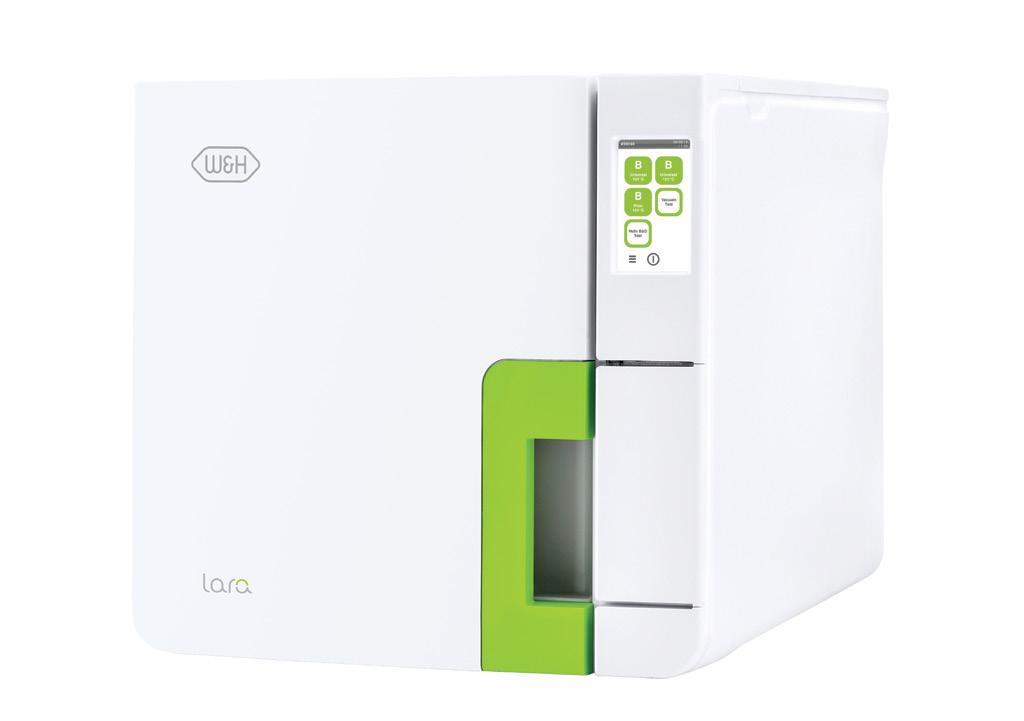
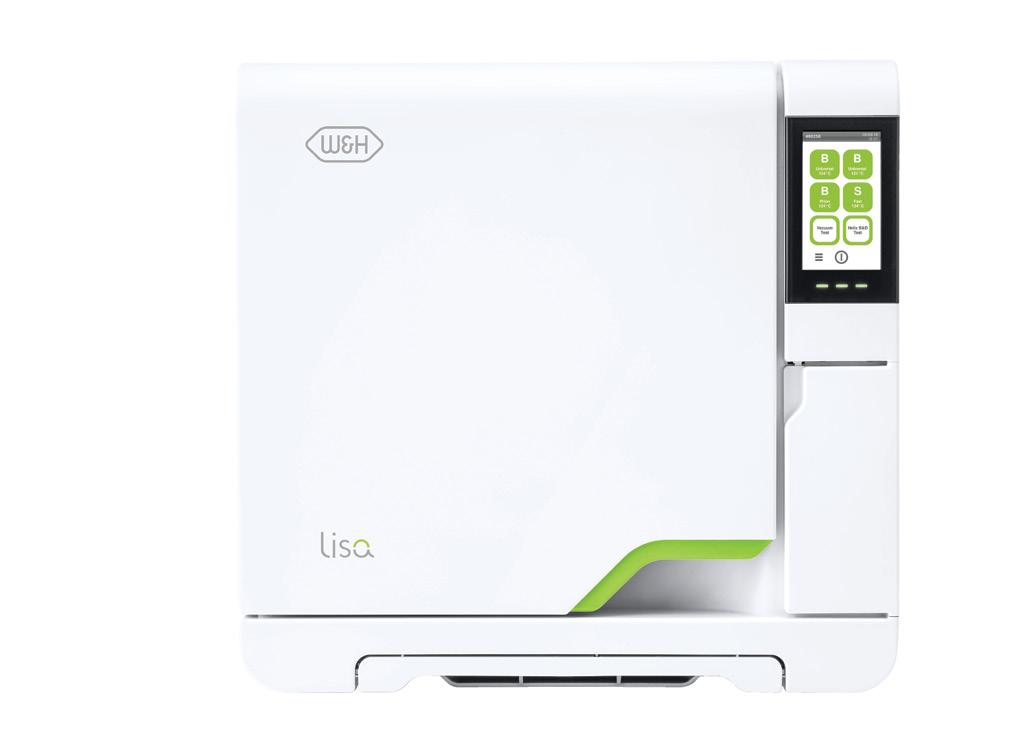
West Coast Dental Depot is the largest supplier of W&H sterilising equipment to dentists in Western Australia. For a great deal backed by the most reliable and experienced service and support team in the state, call West Coast.
Nobody beats West Coast Dental Depot on W&H
Endodontic Considerations in Orthodontic Treatment
Part III: Diagnosis and Management of Endodontic Complications During Orthodontic Treatment
This paper represents Part III in a clinical series exploring the biologic coordination between endodontics and orthodontics. While Part I illustrated interdisciplinary case management and Part II established a multilevel diagnostic framework, this section focuses on the recognition, prevention, and management of endodontic complications that may arise during or following orthodontic treatment. The aim is to help clinicians identify early warning signs of pulpal distress or periapical inflammation, intervene promptly, and preserve long-term dental and orthodontic stability.
Abstract
Endodontic complications during orthodontic therapy often result from the interplay of mechanical stress, preexisting trauma, and residual infection. Early diagnosis relies on systematic pulpal testing, radiographic surveillance, and patient-reported symptoms. This article outlines a stepwise protocol for monitoring teeth under orthodontic load, discusses diagnostic challenges unique to previously treated or traumatised teeth, and proposes management strategies grounded in evidence-based endodontic and orthodontic literature.
Pathophysiology of Endodontic–
Orthodontic Interaction
Orthodontic forces alter pulpal blood flow and periodontal-ligament (PDL) pressure.
Mild transient inflammation is physiologic; however, excessive or continuous forces can cause vascular stasis, pulpal ischaemia, or secondary necrosis (1).
In previously endodontically treated teeth, these effects are usually subclinical but may become significant when residual infection persists or coronal leakage reactivates microbial activity (2).
The presence of unresolved periapical pathology amplifies cytokine release and osteoclastic activity within the PDL, increasing the risk of external inflammatory root resorption (3, 4).
Controlled, intermittent force application and verification of periapical healing before activation are therefore essential.
Diagnostic Surveillance During Orthodontic Treatment
Baseline Records
Before appliance placement, clinicians should obtain:
• Recent periapical radiographs or CBCT of previously treated or traumatised teeth.
• Electric pulp testing for all teeth with prior trauma or extensive restorations.
• Photographs of gingival margins and tooth colour to assist future comparison for calcific metamorphosis or early discolouration.
Periodic Monitoring
At 3- to 6-month intervals, orthodontists should review:
Pause movement; retreat under magnification; allow 8–12 weeks healing before resuming.
Reduce or pause forces; monitor radiographically; most cases stabilise if load decreased.
Check occlusion; relieve interferences; conduct cold and percussion tests.
Observe unless symptomatic; treat endodontically only if irreversible pulpitis or necrosis develops.
Preventive management depends on structured collaboration between orthodontists, endodontists, and restorative clinicians. Key steps include:
• Assigning a pre-treatment endodonticrisk grade for each tooth in the orthodontic chart.
• Scheduling joint radiographic reviews at defined intervals.
• Maintaining AHPRA-compliant documentation of vitality testing and periapical status.
• Using consistent terminology (e.g., “healed”, “healing”, “uncertain prognosis”) to prevent misinterpretation among specialists.
Clinical Decision Protocol for
Mid-Treatment Findings
When a change in vitality or periapical appearance is detected during orthodontic therapy:
1. Pause mechanical forces on the affected tooth immediately.
2. Re-evaluate pulpal and periapical status via vitality testing and focused periapical imaging.
3. Consult an endodontist to confirm reversible versus irreversible pathology.
4. Stabilise infection and inflammation before resuming orthodontic movement.
5. Resume forces only after radiographic and clinical stability are confirmed, ideally following an 8–12-week healing interval (5, 6).
Post-Orthodontic Endodontic Review
At the completion of orthodontic treatment, a final endodontic assessment should be performed for all teeth with prior trauma, root-canal treatment, or radiographic change during therapy. Confirm the absence of periapical radiolucency or apical resorption, re-evaluate coronal seals, and document baseline posttreatment status for medico-legal purposes.
Discussion
Clinical success in interdisciplinary care depends less on avoiding complications than on recognising and managing them early.
Modern orthodontic systems using lighter, intermittent forces have reduced biologic stress, but they cannot offset the risk associated with unhealed endodontic pathology. Regular vitality and radiographic monitoring, transparent communication, and timely endodontic intervention remain the cornerstones of biologically safe orthodontic care.
Collaboration between specialists ensures that mechanical goals are achieved without compromising pulpal or periapical health.
Conclusion
Endodontic complications during orthodontic treatment are largely preventable through vigilant monitoring, biologic sequencing, and interdisciplinary communication.
The diagnostic framework developed in Part II provides a foundation for risk assessment, while the clinical strategies outlined here offer a practical guide for early intervention when pathology develops.
By recognising early signs of pulpal compromise and coordinating care, clinicians can preserve tooth vitality, prevent root resorption, and secure long-term orthodontic stability.
Selected References
1. Abbott PV. Endodontics and Orthodontics: Biologic and Clinical Interactions. Aust Dent J. 2018.
2. Ng Y-L, Mann V, Gulabivala K. Outcome of Primary Root Canal Treatment: Systematic Review. Int Endod J. 2011; 44: 283–302.
3. Patel S, Durack C, Abella F et al. Cone Beam Computed Tomography in Endodontics. Int Endod J. 2020.
4. Consolaro A. Orthodontically Induced Inflammatory Root Resorption: Biologic and Clinical Aspects. Dental Press J Orthod. 2018.
5. AAE–AAO Joint Statements on Root Resorption and Trauma (2013–2021).
6. Hamilton RS, Gutmann JL. Relationship Between Orthodontic and Endodontic Therapy. Int Endod J. 1999.
7. Jang GY et al. Apical Inflammation and Orthodontic Bone Remodelling. J Endod. 2016.
8. Andreasen JO, Bakland LK. Traumatic Dental Injuries: A Manual. 3rd ed. 2018.
9. Cohenca N. Management of Orthodontic Patients with Compromised Endodontic Status. Dent Clin North Am.2010.
10. Reitan K. Tissue Behavior During Orthodontic Tooth Movement. Angle Orthod. 1951; 21: 193–255.
Dry Lips or Something More? Recognising Actinic Damage and Early Lip Cancer
Dr Supeetha Suntharamoorthy BDSc (Hons) (UWA), DCD (UWA), FOMAA Oral Medicine Specialist
Can you spot the actinic damage?
A patient presents for a routine dental examination. During your extra-oral assessment, you observe dryness, scaling, fissuring and subtle colour change of the lower lip.
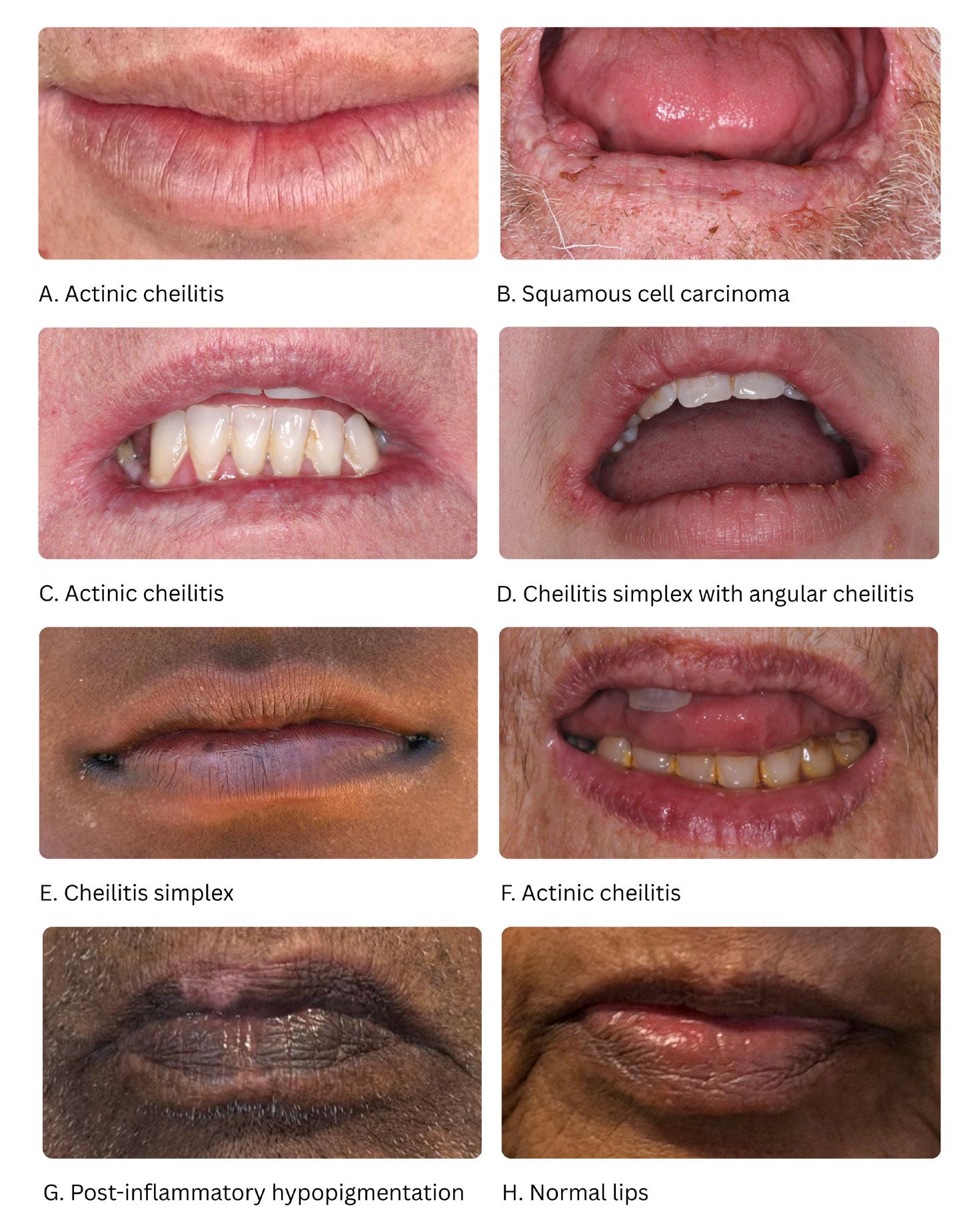
The patient reports these changes have been present for several months and assumes it is simply “dry lips”. Is it dry lips or something more? The clinical challenge is distinguishing dry lips (cheilitis simplex) from actinic cheilitis, a potentially malignant disorder, and early lip malignancy. Recognising this clinical spectrum is essential for guiding timely and appropriate management.
Cheilitis simplex
Cheilitis simplex is a common presentation, typically related to environmental exposure, irritation or dehydration. Patients may report a burning sensation or tightness of the lips, and symptoms often fluctuate.
Clinical features
• Diffuse dryness with mild scaling and fissuring.
• Peri-oral erythema, often associated with habitual lip licking.
• Secondary infection, such as angular cheilitis, in more severe cases.
• Soft lips on palpation.
• Improvement with hydration and emollients.
Actinic cheilitis
Persistent or evolving lip changes may reflect cumulative ultraviolet (UV) damage or malignant transformation, and warrant closer evaluation. Actinic cheilitis is commonly seen in high UV regions such as Australia, particularly in fair-skinned, older individuals with significant cumulative sun exposure. Risk is higher in outdoor workers or those with a history of regular outdoor recreation such as fishing, surfing, sailing, golf, running or cycling. A brief occupational and lifestyle history provides valuable context.
The lower lip is especially vulnerable to UV injury as a result of its anatomy. It receives direct sun exposure, has thinner epithelium than adjacent skin, reduced melanin protection, and limited shielding from surrounding facial structures. Additional UV exposure from occupational sources, such as arc-welding may further increase risk. Chronic UV injury leads to epithelial atrophy and cellular atypia, creating a field of actinic change that may progress to dysplasia and, in some cases, invasive carcinoma. Actinic cheilitis is recognised as a potentially malignant disorder, with reported transformation rates ranging from 3-30%.
Clinical features
• Loss of sharp vermilion border definition, usually on the lower lip.
• Pale, atrophic, or scaly patches.
• Focal keratosis or roughened surface texture.
• Patchy erythema.
• Unresponsive to routine lip care.
Definitive diagnosis requires biopsy and histopathological evaluation. Management is guided by the degree of dysplasia, with the primary goal of removing dysplastic epithelium and mitigating malignant transformation. Treatment options include vermilionectomy, topical chemotherapeutic agents, laser ablation, cryotherapy, and photodynamic therapy.
Lip malignancy
More than 90% of lip malignancies are squamous cell carcinomas (SCCs), with most arising from actinic damage and predominantly affecting the lower lip. Lip SCC carries a higher metastatic risk than cutaneous SCC, with regional lymph node involvement reported in approximately 11% of cases.
Risk factors
• Actinic cheilitis
• Advancing age
• Smoking
• Immunosuppression
• Previous skin cancer
• Inadequate lip sun protection
Clinical features suggesting dysplasia or malignancy
• Persistent ulceration, erosion, fissuring, or crusting.
• Rapid change in colour or surface texture.
• Spontaneous bleeding.
• Irregular or poorly defined margins.
• Induration, nodular or focal thickening on palpation.
• Fixation to underlying tissues. Early-stage lip SCC generally has a favourable prognosis when excised with appropriate margins. Advanced lesions may require more extensive surgery with functional and cosmetic implications. Prognosis worsens with nodal involvement, commissure extension or delayed treatment.
The Dentist’s role
Dentists are uniquely positioned to detect early lip pathology. A 30-second lip examination can be incorporated into every routine checkup supported by targeted history-taking and clinical photography for monitoring.
1 LOOK
Assess vermillion border definition, comparing bilaterally. Identify focal white, red or keratotic areas. Note ulceration, fissuring or crusting.
2
ASK
Enquire about past and current sun exposure, duration of change, and response to hydration and lip moisturisers.
3
FEEL
Palpate for induration, nodularity or fixation.
Consider monitoring when dryness is diffuse, improves with moisturising and sun protection, and lacks focal structural change. Prevention and education are vital - emphasise cumulative sun exposure as a risk factor for lip cancer, and encourage:
• Hydration.
• Daily SPF 30+ lip protection with re-application during outdoor activity.
• Avoidance of peak UV periods when feasible.
• Self-monitoring for changes in lip texture or colour.
• Prompt clinical review if any changes are observed.
Referral to oral medicine
Specialist referral is indicated for lesions that are persistent, focal, indurated, nodular, fissured, ulcerated, evolving, or when there is clinical uncertainty. Any lesion failing to resolve within two weeks following removal of potential irritants should be considered suspicious and warrant further investigation.
member news
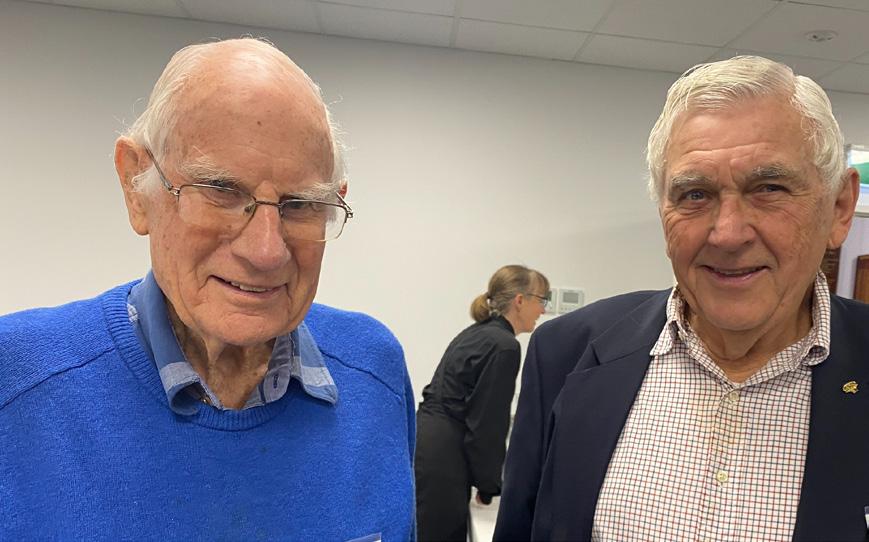
We are sad to inform our members that Dr Gerard (Bruce) Barblett passed away in January.
Bruce’s contribution to the dental profession was remarkable. He was greatly respected as a tutor for many years and a partner at Cottesloe Dental for 39 years, until his retirement.
Bruce was an active member of the dental community, including an incredible 70 years of continuous ADAWA membership
(in 1994, The Australian Dental Association (WA Branch) recognised Bruce with a Distinguished Service Award).
Bruce was member of the Western Australian graduate chapter of Delta Sigma Delta, as well as a member of the Dental Study Group of WA, Australian Society of Prosthodontists, and the Australian Endodontic Society. He held committee positions with the UWA Dental Alumni Council and the National Dental Foundation. He was also a Fellow of the Academy of Dentistry International and a Member of the International College of Dentists. Bruce served on the Dental Board of Western Australia for six years. He was also the Australian Dental Association’s representative for the education and training of dental technicians/prosthetists.
His contribution to the profession will long be remembered. Our thoughts go out to his family, friends, and colleagues.
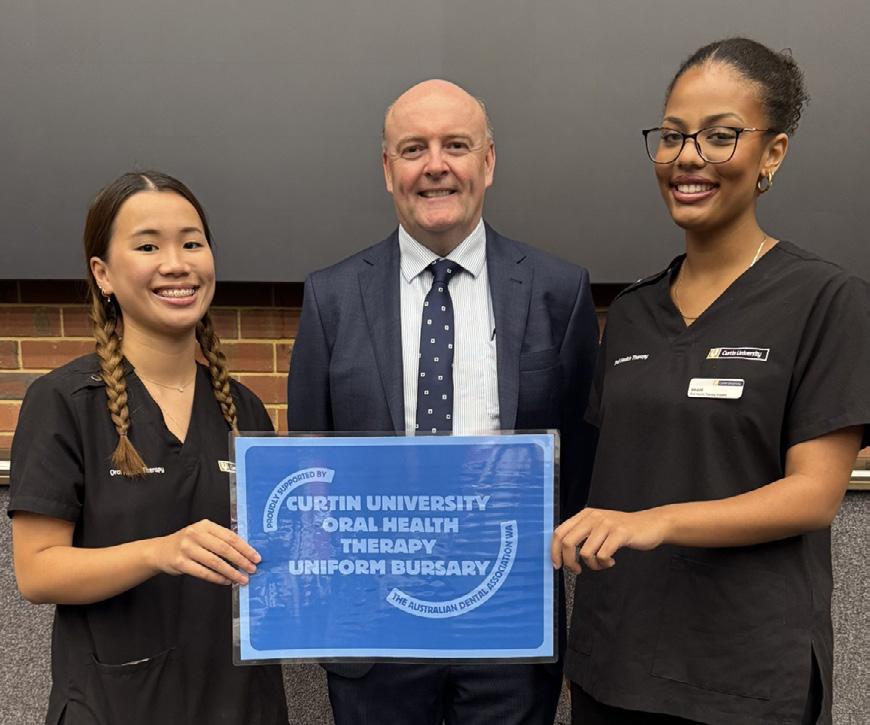
Uniform sponsorship
As the voice of oral health in Western Australia, ADAWA supports all our dental community. As a new initiative, ADAWA is proud to provide funding for uniforms for the new crop of Oral Health Therapy students at Curtin University.
Dr Gerard (Bruce) Barblett, left of photo
Our new dentists
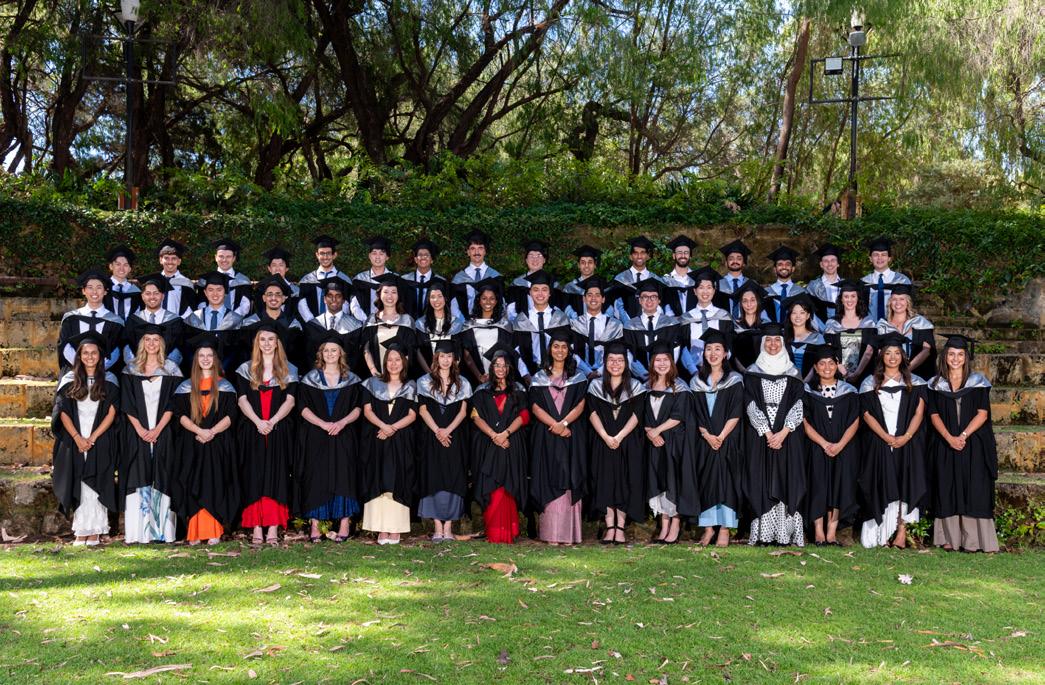
Congratulations to the Doctor of Dental Medicine cohort, who graduated late last year. We hope to see these new dentists at our New Practitioner Program events, including our first NPP Study Club of 2026 on April 22, cpd.adawa. com.au/w/courses/91-newpractitioner-program-1ststudy-club-april/100
Practice insurance. Done right.
At Dental Essentials, we’ll take care of all your insurance needs big and small.
As the leading insurance broker for dentists in Australia, our team will work closely with you to create a tailored insurance policy that offers ultimate peace of mind.
With our extensive services covering Practice Insurance, Management Liability, Practice Indemnity, Cyber Insurance and Personal Insurance, at Dental Essentials, we take care to do things right.
WADA Golf Hartfield
Golf Club
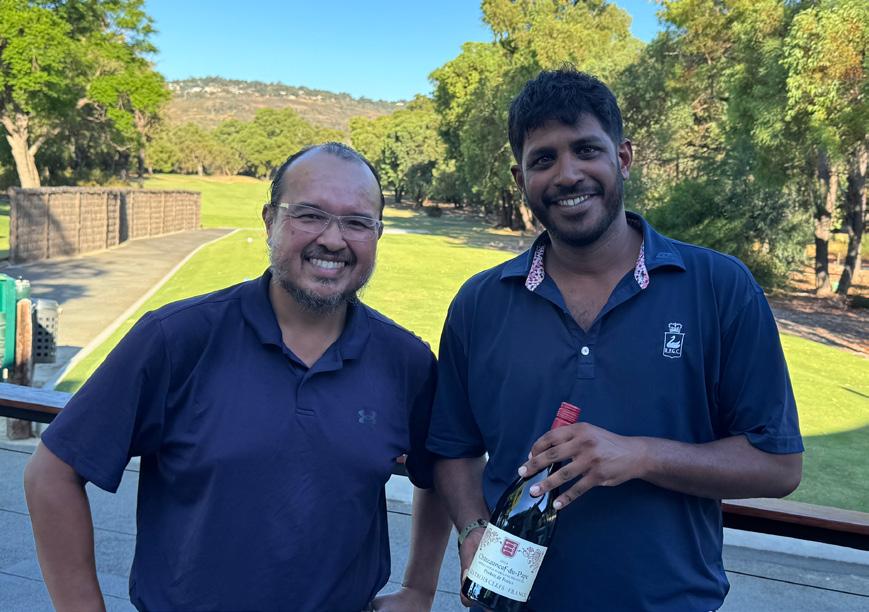
Round 1 of the WADA Golf season took us to Hartfield Golf Club. As always, Hartfield presented itself in great condition with quick greens and narrow fairways.
Thanks to our Day Sponsor David Owen from Swan Valley Dental Laboratory for sponsoring the day.
On a hot dry summer day, it was a battle against the elements as well as the course. Scores for the day were even but Naveen Mahendran managed to brush of some rough range form into a deserved win with a score of 36 points.
It was great to see Stuart Bowden return after a few years away from WADA.
Novelty Prizes
Health Practice Brokers - Garry Bishop
Swan Valley Dental Lab - David Owen
Health Linc - Brad Potter
Insight Dental Ceramics - Andres Vivanco and Angus Wilshaw
NAGA - Paul Chung
The
Place Getters
5th place - Stuart Bowden
4th place - Richard Williams
3rd place - Shih Lon Fu
2nd place - Mike Razza
1st place - Naveen Mahendran
Nearest the pin
4th hole Richard Williams
6th hole Shih Lon Fu
12th hole Mike Razza
Upcoming Fixtures
Friday 10th April - Gosnells Golf Club (Morning Tee off)
Friday 15th May – ADA CUP at Royal Perth Golf Club (Afternoon Tee off)
Please direct all related enquiries to Paul Tan at dentistgolf@gmail.com. For more information on the fixtures, please connect with us on Facebook at the WADA Golf page.
Good golfing,
Paul Tan
WADA Golf Captain
18th Hole (Longest drive) Rooshab Malde
Professional notices
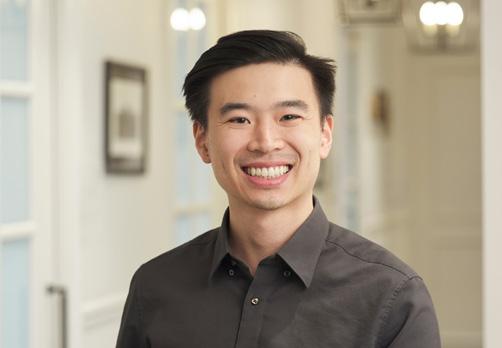
Dr Aaron Wong – New addition
Centre for Prosthodontics is pleased to welcome Dr Aaron Wong to our practice, commencing in February 2026. A proud West Australian, Dr Wong completed both his undergraduate dental degree and Doctor of Clinical Dentistry in Prosthodontics at UWA. He will be consulting at our South Perth location, bringing fresh expertise and a commitment to advanced restorative care to our community.
T (08) 9368 0888
E info@centreforpros.com.au
A 20 Lyall Street, South Perth W centreforpros.com.au
New orthodontic clinic
We are now taking bookings for our brand-new orthodontic clinic in Claremont. After many years as the only orthodontist in Albany, Dr Stewart Denize and his family have relocated to Perth where we are excited to serve the local dental community. Please consider giving us a try, we will look after your patients. Thank you!
T (08) 6288 7188
E hello@claremontorthodontics.com.au
A 7 / 355 Stirling Highway, Claremont W claremontorthodontics.com.au
Dr Lyndon Abbott – New addition
We’re delighted to share that Dr Lyndon Abbott has joined our paediatric dental team at Toothbuds. Dr Abbott brings a wealth of experience in paediatric dentistry, with a particular passion for preventive care and building trust with young patients and their families. His calm, empathetic approach and clinical excellence make him a wonderful addition to our values-led practice. Dr Lyndon is accepting referrals for our Canning Vale, Morley and Midland clinics.
Canning Vale (08) 6155 9899
Morley (08) 6155 9899
Midland (08) 6155 9899 W toothbuds.com.au
Dr David Thean – New addition
It is with great pleasure that Dr Brent Allan would like to welcome Dr David Thean, Oral and Craniomaxillofacial Surgeon, to his team at Perth Oral and Maxillofacial Surgery. Dr Thean has recently returned from a craniofacial fellowship at Boston Children’s Hospital, one of the world’s leading institutions in paediatric craniofacial care. His advanced training has further deepened his expertise in the management of complex craniofacial conditions, cleft and craniofacial surgery, and global surgery. Dr Thean is accepting referrals relating to all oral and maxillofacial surgical and implantology needs of your patients.
T (08) 9388 3999
E reception@brentallan.com.au
A 26 McCourt, West Leederville W brentallan.com.au
Professional notices
Western OMS – new practice location
Dr Franc Henze and his team are pleased to announce the relocation of our practice in Nedlands. With over 25 years of experience and a special interest in the management of complex wisdom teeth, we look forward to caring for your patients and thank you for your continued trust.
T (08) 9344 3907
E info@western-oms.com.au
A Suite 2 /1 Hampden Road Nedlands W western-oms.com.au
Dr Sanjana Baksi – New addition
Drs Howard Holmes and Arti Dyett are pleased to welcome Dr Sanjana Baksi to the team at Carousel Orthodontic Centre. Dr Baksi joins the practice as an Associate Orthodontist and is now accepting referrals for comprehensive orthodontic care for child, adolescent and adult patients. She brings a strong academic background and clinical experience, sharing our commitment to delivering high-quality, evidencebased orthodontic treatment and excellent patient care.
T (08) 9258 8440
E info@carouselorthodontics.com.au
A Suites 3 & 4, 7-9 Pattie St, Cannington W carouselorthodontics.com.au
Dr Supeetha Suntharamoorthy – new addition
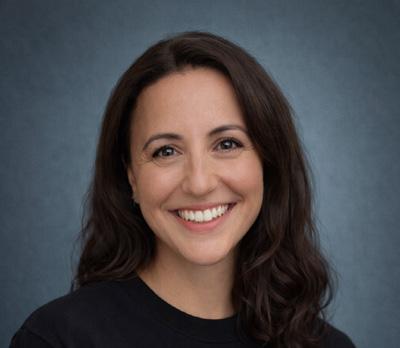
Dr Supeetha Suntharamoorthy has joined the team at Perth Oral Medicine and Dental Sleep Centre. She delivers patient-centred, evidence-based care across a broad spectrum of conditions, including oral mucosal disease, orofacial pain, temporomandibular disorders, and dental sleep medicine. She is known for her clear communication and compassionate approach, and works closely with referring practitioners to support high-quality, collaborative care. Supeetha is consulting at our Jandakot, West Leederville, and Padbury locations, with appointments readily available.
T (08) 9376 6789
E admin@pomds.com.au
A West Leederville, Jandakot and Padbury W oralmedsleep.com.au
Join us
General Meeting
Wednesday 6 May
Join us at the General Meeting, with a lecture to follow by Oral Medicine Specialist, Dr Jeremy Lau on ‘I swear it’s a toothache’.
ADA House
54-58 Havelock St West Perth
6.15pm Eat and Meet
7.15pm Meeting Followed by Lecture
RSVP to adawa.com.au/adawa-general-meetings
RSVPs must be received one week prior to the General Meetings for catering purposes
Country members ONLY who would like to join via Zoom, please email: adawa@adawa.com.au
Dr Yasmina Andreani – New addition
Western Endodontics is pleased to welcome Dr Yasmina Andreani who has joined the practice this February, and is taking new referrals. She completed her dental degree at the University of Sydney in 2008 and became a fellow of the Royal College of Dental Surgeons in 2016. She furthered her education with a Masters of Science in Endodontics from King's College London and a Doctor of Clinical Dentistry from UWA. She taught Endodontics at the University of Sydney for 14 years prior to relocating to Perth in 2023. She is fluent in English, and French. With her extensive experience and dedication to the profession she is looking forward to treating the local patients.
T (08) 9388 9656
E reception@westendo.com.au
A Unit 21 / 127 Herdsman Parade Wembley W westendo.com.au
New Endodontic practice
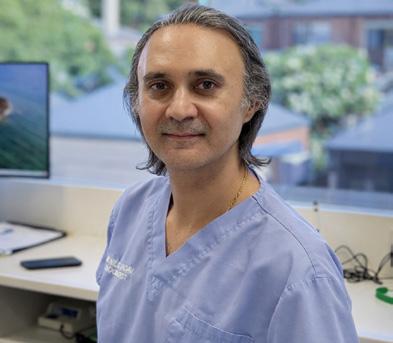
Dr Nilesh Jadav, Specialist Endodontist, is delighted to announce the opening of his new practice, Perth Endodontics, conveniently located on Cambridge Street in Wembley. With over 20 years of clinical experience dedicated exclusively to endodontics, Dr Nilesh Jadav has undertaken advanced endodontic training in both the UK and Australia. He brings extensive expertise in the diagnosis and management of complex root canal conditions, providing patients and referring practitioners with a high standard of specialist care. Dr Jadav is committed to remaining at the forefront of modern endodontic practice, utilising the latest techniques and technology grounded in evidencebased dentistry. Through Perth Endodontics, he aims to deliver precise, compassionate care and optimal treatment outcomes for the local community and referring dental colleagues.
T (08) 9388 7999
E office@perthendo.com.au
A 8/178 Cambridge Street, Wembley W perthendo.com.au
Directory
Premium Partners
Panetta McGrath Lawyers
We are excited to offer a member benefits program exclusive to ADAWA members. As a member of ADAWA, the member benefits program entitles you to an initial 30-minute consultation in person, by phone, or via video conference. ADAWA members are also eligible for a 15% discount on our standard hourly rates. ADAWA referral required pmlawyers.com.au
Medifit
Medifit is an award-winning dental design and construction company, providing a comprehensive solution for dentists and dental specialists looking to build new premises or renovate their existing practices. Established in 2002, the company has designed and built hundreds of successful practices across Australia from their Head office in Perth. Contact Medifit and get the practice you deserve. medifit.com.au
Smith Coffey
For over 50 years, Smith Coffey has specialised in providing financial services for dentists. We offer expertise in taxation, superannuation, mortgages, and personal risk insurance. Trust us to help you achieve financial freedom while you focus on patient care. Contact us today! smithcoffey.com.au
STS Group Australia
STS Group Australia is a family owned, WA business and industry leader in infection control and we have been serving the WA dental community for over 30 years. You’ll know us as Mocom Australia, offering a range of infection control and reprocessing equipment in Australia and New Zealand, STS Health, providing service and education throughout WA and STS Professional, manufacturer of infection control testing devices and related consumables. sts-group.com.au
BOQ Specialist
At BOQ Specialist, we understand that a highly personalised service is what dental professionals need. We offer a full range of finance products and services, tailored to your needs no matter where you are in your career. With over 30 years of experience in dental finance, our focus is on building long-term relationships with our clients so that you can make financial decisions that are right for you. boqspecialist.com.au
Commonwealth Bank
At CommBank Health, we’re focused on delivering financial services for Dental Professionals at every stage of their careers. Services designed to increase productivity and enhance the patient experience. Tailored banking by experienced Health Bankers ensure your ambitions are fully supported. Flexible lending and insights enable business growth, Smarter payments can unlock efficiencies. commbank.com.au/healthcare
Member
Benefits and Lifestyle Partners
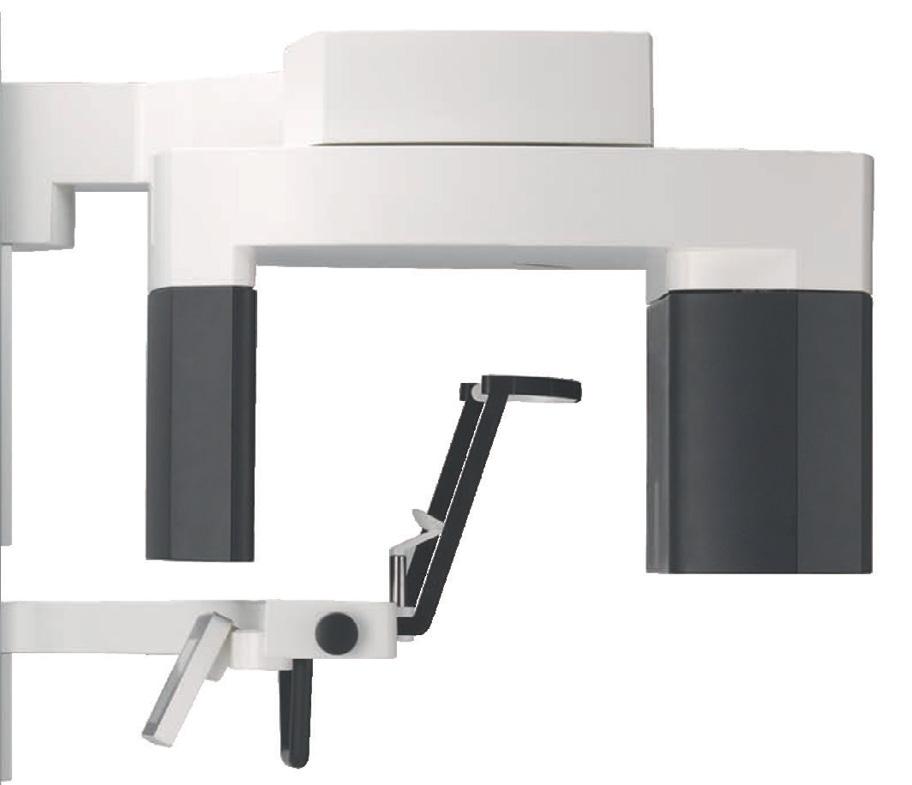
New Morita X800 CBCT at Envision Wembley
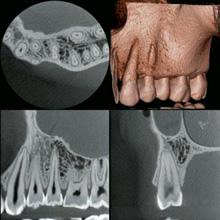
The Morita X800 at our Wembley rooms offers an impressive spatial resolution of 80 µm, helping you clearly visualise dentoalveolar structures, including:
• Root canals & root morphology
• Periapical spaces & periodontal ligament spaces
• Surrounding bone
The small 4 cm × 4 cm field of view (FOV) allows focused imaging of only the area you need, typically 2–3 adjacent teeth of interest.