The Ultimate Guide to Emergency HVAC Repairs
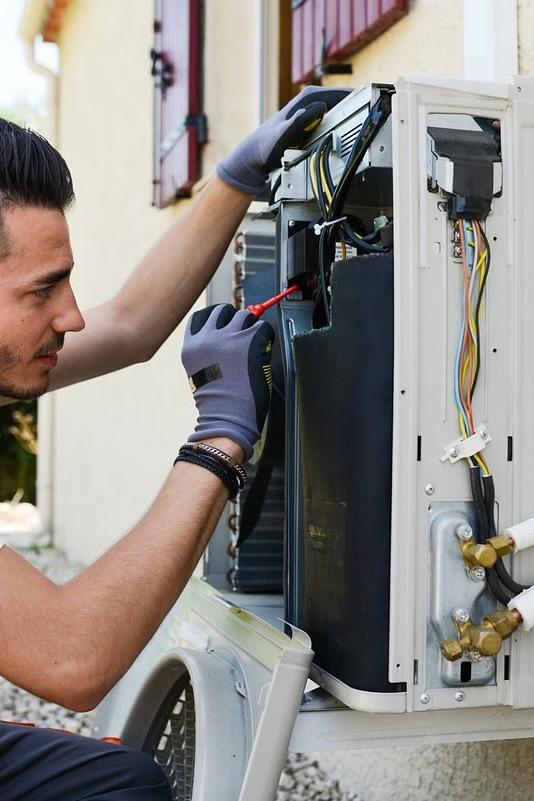
Learn how to quickly address emergencyHVACrepairs with expert tips and solutions to restore comfort in your home or business.



Learn how to quickly address emergencyHVACrepairs with expert tips and solutions to restore comfort in your home or business.
The most common emergency is a complete lack of heating or cooling.
Loud banging, grinding, or whistling sounds are signs of a serious issue.
A sudden spike in your energy bill can indicate a system inefficiency.
Dripping or pooling water around your unit could signal a refrigerant leak.
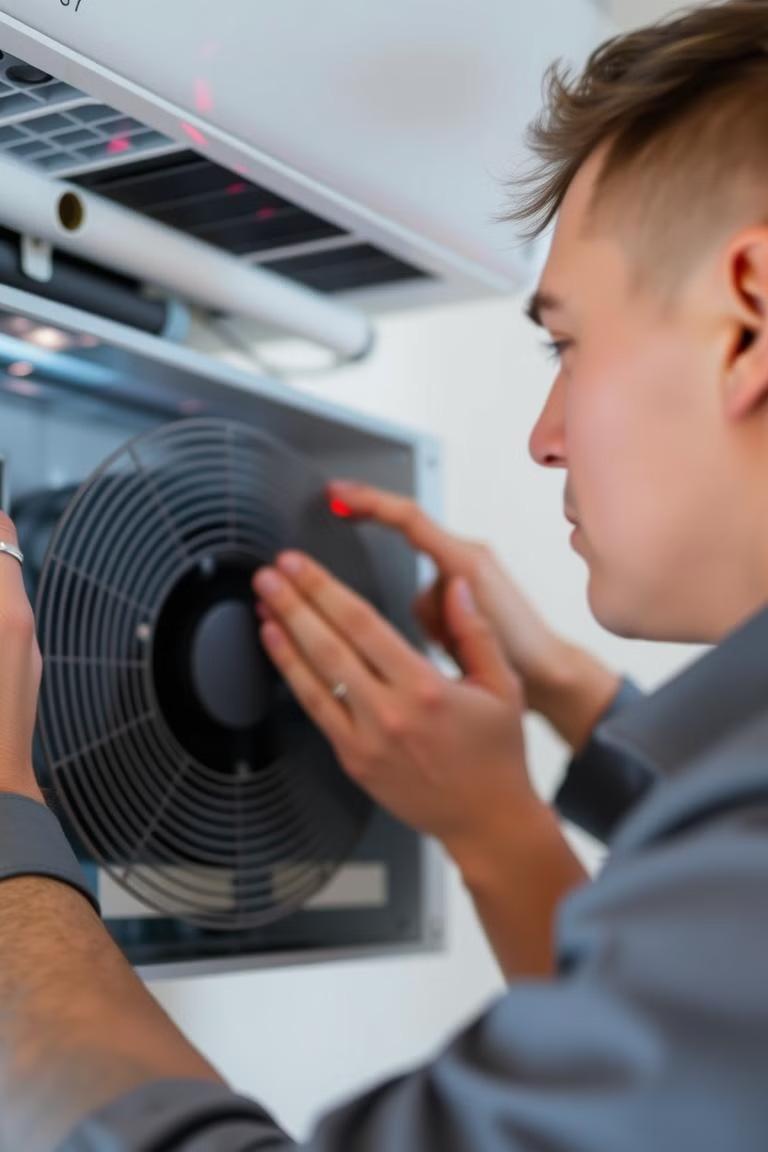
Keep a list of qualified
HVAC technicians and their contact information.
System Manual
Familiarize yourself with your HVAC system's manual for troubleshooting tips.
Basic Tools
Gather basic tools like a screwdriver, wrench, and flashlight for minor repairs.
Understand the safety risks associated with working on electrical systems.
Reset the Thermostat
Sometimes a simple reset can fix minor issues.
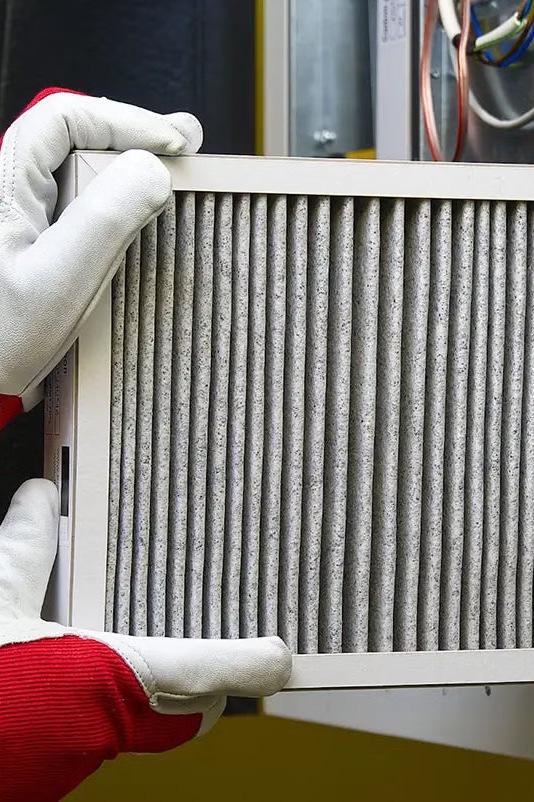
Change the Air Filter
A clogged filter restricts airflow, leading to inefficiency.
Check the Circuit Breaker
A tripped breaker can cut off power to your unit.
Debris around the unit can hinder its performance.
Read customer reviews on websites like Yelp or Angie's List.
Professional Organizations
Check with organizations like the National Association of Home Builders.
Word-of-Mouth Recommendations
Ask friends, family, or neighbors for referrals.
Verify that technicians have the necessary licenses and certifications.


Contact a Technician
Reach out to a qualified HVAC technician.
2
Provide System Information
Give details about your unit and the problem.
Schedule an Appointment
3
Set up a convenient time for the technician to arrive. 4 Repair or Replacement
Discuss the repair or replacement options.

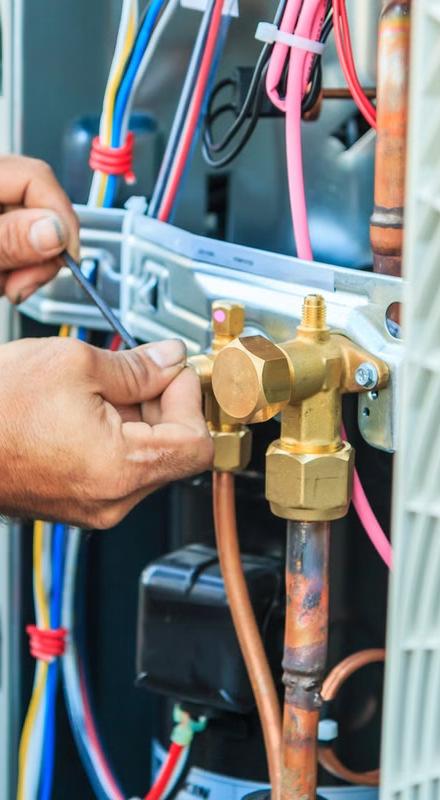
Schedule annual maintenance checks with a qualified technician.
Change air filters regularly according to manufacturer's instructions.
Keep an eye on your energy bills for any unusual spikes.