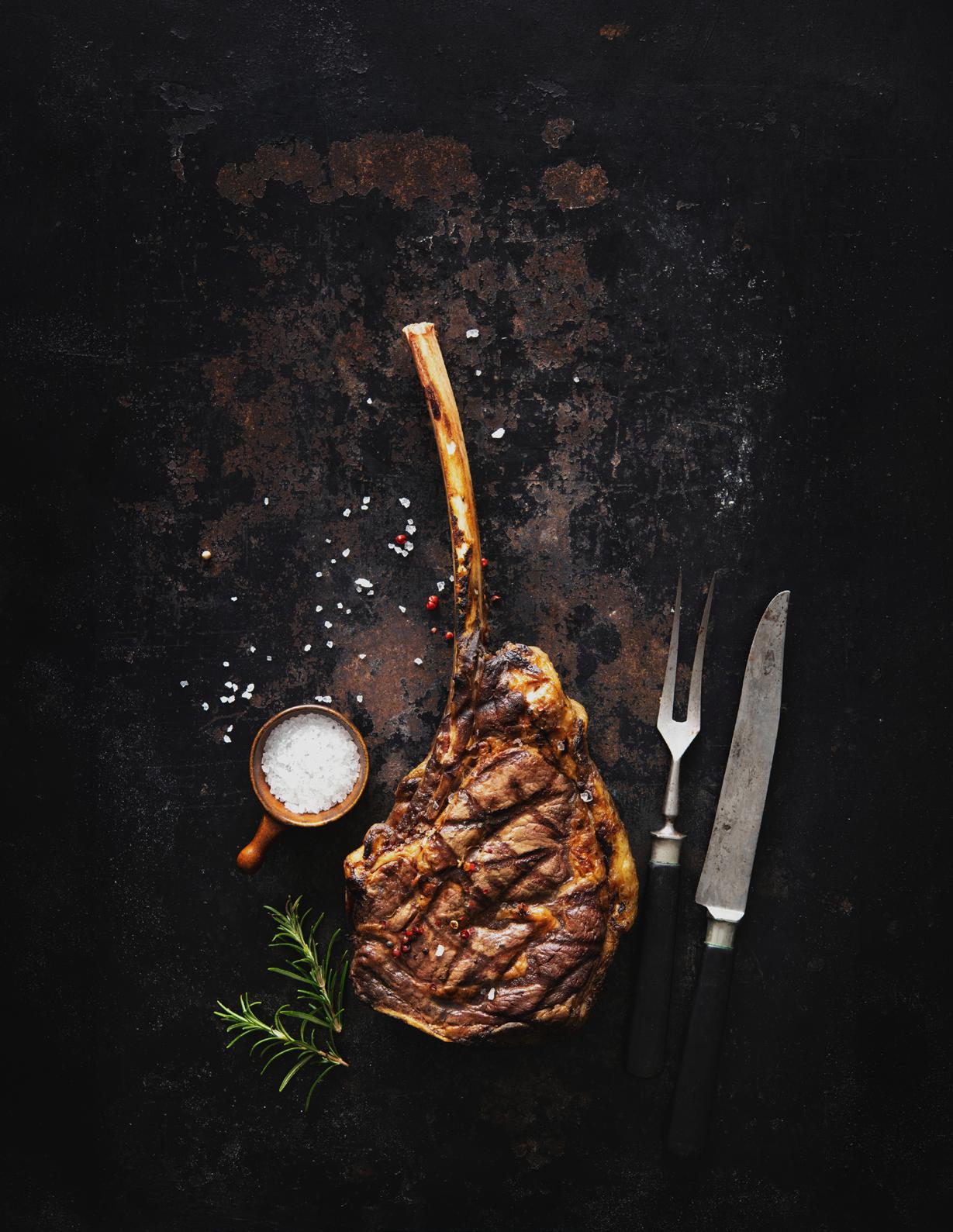




New sensory science research into the optimal flavor compatibility of pork may provide some clues as to why it complements fruits and vegetables so well.
A sensory analysis commissioned by the National Pork Board shows that pork has 111 unique flavor nuances, while pork fat has around 30 flavor nuances, highlighting the versatility in flavor and texture of cuts and preparation methods. Some of pork’s world of flavors includes sweet, fruity and floral tones, clove, hazelnut and mushrooms.
Pork also hits on all the basic tones — sweet, salty, acidic, umami and kokumi — the latter being a Japanese term for “rich” or “delicious” taste Lean pork showed the most umami, while both lean and high-fat cuts contained kokumi, contributing to pork’s fullbodied, complex flavor experience. Thanks to its wide flavor range and adaptability, pork fits seamlessly into global cuisines and menus — from light, lean dishes to bold, rich creations.
For pork inspiration and recipes, check out tastewhatporkcando.com
Editor-in-Chief
Kerstin Kühn
Director of Communications
David Ristau
Graphic Designer
Santiago Cantillo
Advertising and Event Sales
Eric Gershowitz
Contributors
Pamela Brill, Gloria Dawson, Jonathan Deutsch, Lauren Kramer, Stephanie Lewis, Jody Shee, Jeffrey Spear
Contributing Editors
Kevin Blackston, Kivi Hermans
American Culinary Federation, Inc.
6816 Southpoint Parkway Ste 400 Jacksonville, FL 32216 (800) 624-9458 • (904) 824-4468 • Fax: (904) 940-0741 ncr@acfchefs.org • ACFSales@mci-group.com • www.acfchefs.org
President
René J. Marquis, CEC, CCE®, CCA®, AAC®
ACFEF Chairperson
Barry R. Young, CEC, CCE, AAC
National Secretary
Bryan Frick, CEC, AAC
National Treasurer
Kyle Richardson, CEC, CCE, AAC
American Academy of Chefs Chair
Joe G. Aiello, CEC, AAC, HOF
Vice President Central Region
James F. Kokenyesdi, CEC, CCA, AAC
Vice President Northeast Region
Ray McCue, CEC, AAC
Vice President Southeast Region
Keith E. Gardiner, CEC, CCE, CCA, AAC
Vice President Western Region
Jay Marshall, CEC, AAC
Executive Director
JJ Vitale
The National Culinary Review® (ISSN 0747-7716), July/August 2026, Volume 50, Number 4, is owned by the American Culinary Federation, Inc. (ACF) and is produced six times per year by ACF, located at 6816 Southpoint Parkway, Ste 400, Jacksonville, FL 32216. A digital subscription to the National Culinary Review® is included with ACF membership dues; print subscriptions are available to ACF members for $25 per year, domestic; nonmember subscriptions are $40. Material from the National Culinary Review®, in whole or in part, may not be reproduced without written permission. All views and opinions expressed in the National Culinary Review® are those of the author and do not necessarily reflect the views and opinions of the officers or members of ACF. Changes of mailing address should be sent to ACF’s national office: 6816 Southpoint Parkway, Ste 400, Jacksonville, FL 32216; (800) 624-9458; Fax (904) 940-0741.
The National Culinary Review® is mailed, and periodical postage is paid at Jacksonville, Fla., and additional post offices.
POSTMASTER: Send address changes to the National Culinary Review®, 6816 Southpoint Parkway, Ste 400, Jacksonville, FL 32216.
Dear ACF Members,
I am still energized from the great National Convention in Grand Rapids! Having a chance to speak to many of you there reminds me of why I am doing this. As we dive into the heart of summer with this July/August issue of NCR, that excitement continues to fuel my appreciation for the creativity, passion and commitment that define our organization every single day.
This edition celebrates innovation, tradition and the powerful ways chefs are making a difference both in the kitchen and in our communities. Our Ingredients of the Month are Offal and Burrata—two ingredients that beautifully represent the breadth of our craft. We pair these with an On the Side article exploring organ meats, overlooked cuts and the true value of using the whole animal, reminding us of the importance of respect for our ingredients, sustainability and maximizing flavor and nutrition.
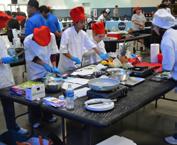
We are especially proud to showcase ACF’s involvement with NASA in this issue. You’ll find a compelling Chef to Chef interview with two dedicated ACF members working at the Kennedy Space Center, helping nourish astronauts in the critical final days before launch. We also shine a spotlight on the NASA HUNCH culinary competition, where talented high school students design food for space—with ACF serving as a sponsor and Chef Reimund Pitz contributing as a judge. These stories highlight the extraordinary reach and impact of our members.
Our trend explorations examine two fascinating directions in dining: Multi-sensory Dining and the Meat Resurgence, the latter viewed through a thoughtful, health-focused lens. On the pastry side, we explore the Sweet Side of Sourdough and how chefs are creatively expanding their sourdough repertoire far beyond the breadbasket. In our Classical vs Modern feature, we revisit the timeless elegance of Chicken Liver Mousse with contemporary interpretations that honor its roots while embracing new techniques.
We also visit the vibrant New Orleans Chapter, where the spirit of hospitality and culinary excellence continues to thrive.
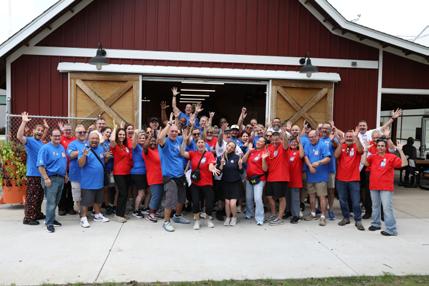
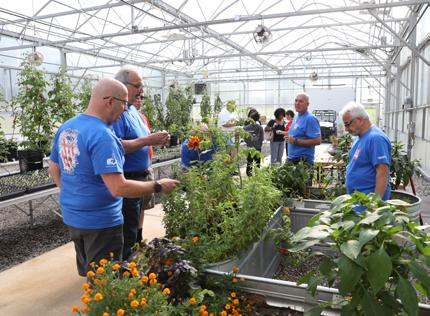
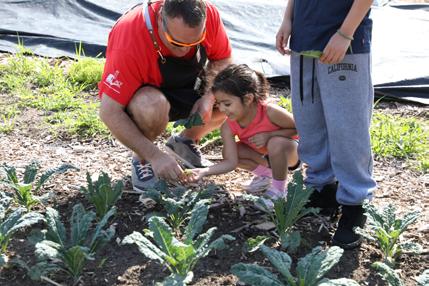
I want to extend my deepest gratitude to the many members who arrived a day early for the National Convention to participate in our community outreach efforts for Operations Chefs: A Recipe for Change. Your work began at Kids’ Food Basket in support of the Chef & Child Initiative, followed by the opportunity to prepare, serve and connect with our men and women U.S. veterans. The event was an overwhelming success and a powerful reminder of why we do what we do. We could not have made such an impact without the generous support of our sponsors, whose names are listed toward the end of this issue.
Finally, this is the time to start planning for October. Childhood Nutrition Day is October 16th and International Chefs Day is October 20th. Whether you have an event with children or with young chefs, be sure to share our profession to the next generation. For more information on how to get involved, email Chef Vanessa Marquis, CEC, AAC at vnmarquis@gmail.com.
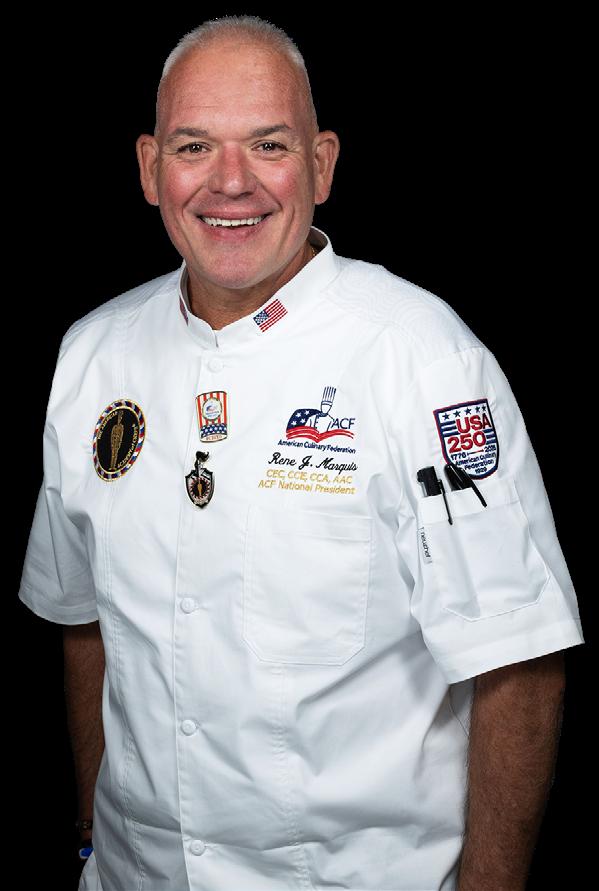
Thank you for your continued dedication to excellence, education, and service. I encourage you to read, engage and share the stories in this edition with your teams and fellow chefs. Let’s keep pushing our craft forward while staying true to our values.
Chefs, I Got Your Six. With appreciation and respect,

J. Marquis, CEC, CCE, CCA, AAC MSG (R), US ARMY National President of the American Culinary Federation Chairman of the Board, ACF Tampa Bay Chapter Certification Chair, ACF Tampa Bay Chapter WORLDCHEFS Chairman - Military Committee WORLDCHEFS Culinary Competition Committee - Special Advisor Military Kitchens and Development
EVENTS
ACF CHEF’S TABLE WEBINAR SERIES: REGENERATIVE BEEF THROUGH A CHEF’S LENS
July 29, 2026, at 2:00 PM ET
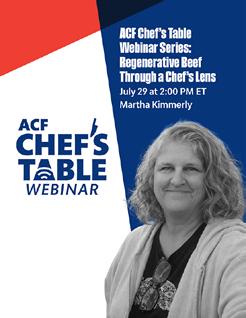
What makes regenerative, grass-fed beef different – and why should chefs care? In this webinar, chef and farmer Martha Kimmerly explores the connection between soil health, grazing systems, animal management and the final eating experience on the plate. Attendees will learn how regenerative production impacts flavor, cooking performance, carcass utilization and menu development while gaining practical insight into working with whole animals and premium grass-fed proteins. This session bridges the gap between farm and kitchen, helping chefs better understand sourcing, value creation and the future of protein in modern foodservice. Register at acfchefs.org

ACF CHEF’S TABLE WEBINAR SERIES: HOW MULTISENSORY PERCEPTION CAN TRANSFORM YOUR COOKING
August 12, 2026, at 2:00 PM ET
Join ACF Chef Michael Silver, CEPC, CCE, CEC, for a webinar exploring August’s featured trend: multisensory perception. He’ll discuss how color, shape, sound, atmosphere, room temperature, silverware and other factors can influence the way food tastes and how meals are remembered. Attendees will gain practical insight into how sensory cues shape flavor, why presentation matters and how chefs can use these ideas more intentionally in the kitchen.
Register at acfchefs.org
ACF CHEF’S TABLE WEBINAR SERIES: THE LANGUAGE OF FLAVOR
ACROSS CULTURES
August 19, 2026, at 2:00 PM ET
How do different cultures describe taste, texture and pleasure – and what can chefs learn from this?
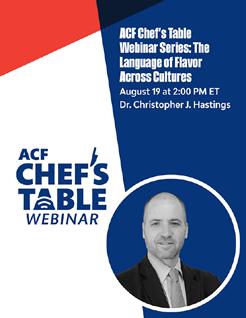
Drawing on a background in culinary arts, applied linguistics and two decades of teaching worldwide, Dr. Christopher J Hastings explores how language shapes the way food is understood and experienced. Participants will look at how menu language, translation and cultural metaphors influence perception at the table. Real-world examples from kitchens and restaurants across the Middle East, Asia and Latin America show how chefs can use language more intentionally to communicate authenticity, evoke emotion and connect with diners.
Register at acfchefs.org
ACF CHEFS AT WORLDCHEFS CONGRESS
ACF Chefs represented the US at the 41st Worldchefs Congress & Expo 2026 in Newport, Wales, competing alongside culinary professionals from around the globe. Chef Michael J. Stamets, CEC, AAC, participated in the Global Vegan Chefs Challenge, Chef Derek R. Mazzocoli competed in the Global Chefs Challenge, and Chef Yeishalee Santana represented the US in the Global Young Chefs Challenge.
The American Academy of Chefs supported several competitors through professional grants that helped offset participation expenses. AAC Vice Chair Chef Reimund Pitz, CEC, CCE, AAC, HOF, also served as an International Certified Judge during the competition.
During the Worldchefs Congress & Expo 2026, ACF Chef Thomas J. Macrina, CEC, CCA, AAC, HOF, HBOT, and ACF
Chef Vanessa Marquis, CEC, AAC, received the prestigious Worldchefs Honorary Lifetime Membership Award. The honor recognizes exceptional contributions to the global culinary profession. Chef Marquis made history as the first US woman to receive the distinction.
ACF Chef James F. Kokenyesdi, CEC, CCA, AAC, ACF’s Central Region Vice President, has been inducted into the Canadian Culinary Federation Honour Society during a ceremony at Langdon Hall in Cambridge, Ontario. The recognition honors Chef Kokenyesdi’s longstanding contributions to the culinary profession and leadership within the industry.
ACF Chef Jason D. Hall, CMC®, AAC, joined 147 chefs, restaurateurs and hospitality professionals in Chefs Cycle, a fundraising endurance ride benefiting No Kid Hungry. Held in Bend (OR), the twoday event raised more than $1.2 million to help combat childhood hunger across the US. Chef Hall, one of only three Floridians to participate, completed a 100-mile ride in support of the cause.

The ACF San Francisco Chapter’s Chef & Child Committee connected with families at the Davis Farmers Market on June 20 to promote nutrition education and healthy eating. Supported by an ACF Chef & Child grant, the outreach provided Farmers Market Bucks for fresh produce purchases, along with children’s cookbooks, nutrition resources and healthy recipe ideas. The event also strengthened connections with local schools, vendors and community organizations while raising awareness of the Chef & Child Program. “We increased awareness of how the ACF Educational Foundation helps combat obesity and ensure that all children have access to nutrition education,” says ACF Chef Denise Chapel, CCC®, the chapter’s Secretary.
Practical exams, required for earning and maintaining ACF certifications, assess your skillset based on the certification level you are pursuing. Each level has specific requirements, including what dishes to prepare, the time frame for the exam, and other important details, all of which are outlined in the candidate handbook. Exams are conducted at various locations across the country throughout the year. Be sure to check the upcoming practical exam schedule to find and register for an exam!
“No child should have to wonder where their next meal is coming from,” says Chef Hall. “Participating in Chefs Cycle was an opportunity to combine my love for the culinary profession with a cause that directly impacts families and communities across the country.”
The Cape Cod & The Islands Chefs Association raised $12,000 for Heroes in Transition during its sold-out inaugural Anthony Bourdain Mental Health Awareness Punk Rock Dinner at the Saccanessett Club (Falmouth, MA). The event welcomed 90 guests and featured a seven-course dinner prepared by seven chefs using recipes inspired by the late Chef Bourdain. Organized by the chapter’s Health and Awareness Committee, the fundraiser supports Heroes in Transition, a nonprofit serving veterans, service members and their families through 14 programs, including mental health services that provide participants with six to eight sessions with a psychiatrist.
Visit acfchefs.org/certify for a list of upcoming practical exams.
The ACF Online Learning Center (OLC) offers a variety of courses, demonstrations, webinars, and NCR quizzes that can be used for certification requirements and Continuing Education Hours (CEH).
Visit acfchefs.org/olc to explore all the courses, from garde manger to culinary nutrition, accounting, safety and sanitation, beverage management and more.
ACF specialized certificates are available through the ACF Online Learning Center. In 2025, we introduced new and exciting specialized certificates while also revamping our current offerings, which include culinary essentials, baking/pastry essentials, culinary cannabis and personal chef certificates.
Visit acfchefs.org/olc to learn more.
July 15, 2026 - Aramark - CIA Napa CIA at Copia, Napa, CA
Show Chair: Scott Zahren, CEC; Bill Allen, CEC
Lead Judge: Alan Neace, CEC, AAC
August 7, 2026 - Texas Chefs at Dallas Dallas College, Dallas, TX
Show Chair: Joanna Bryant, CCC, CCE; Larry Matson, CEC, CCE, AAC
Categories: A1-3; KC-12; KG; KP1-1GF; SA-D; SKC1-9,12,13; SP1,2; SKS; SPS
Lead Judge: Rene Marquis, CEC, CCE, CCA, AAC
October 25–27, 2026 - Florida Restaurant Show
Orange County Convention Center, Orlando
Show Chairs: Lynda Alfano; Jason Fridrich, Ed. D, MBA, CEC, CCE, CE
Categories: D-4; KC, KC-5, KC-11; SD
Lead Judge: Reimund Pitz, CEC, CCE, AAC, HOF
November 6–7, 2026 - John Joyce Competition
Johnson County Community College, Shawnee Mission, KS
Show Chairs: Edward Adel, CEC, AAC; Chrystal Tatum, CEC
Lead Judge: Susan Notter, CEPC, AAC
November 6–7, 2026 - John Joyce Competition
Johnson County Community College, Shawnee Mission, KS
Show Chairs: Edward Adel, CEC, AAC; Chrystal Tatum, CEC
Lead Judge: Alan Susan Notter, CEPC, AAC
We honor the memory of chefs who have passed, recognizing their invaluable contributions to the culinary profession and lasting influence they’ve had on the industry.
Jennifer Denlinger, CCC, CCE, Ph.D., was an award-winning culinary educator, former president of the ACF Central Florida Chapter, and 2020 ACF Chef Educator of the Year.
Murat Day, CEC, AAC, was a respected chef, former president of the ACF Orange Empire Chefs & Professional Cooks Association in California, and dedicated leader within the ACF.
The Caxambas Chapter of Southwest Florida and the Cape Cod & The Islands Chefs Association earned top national honors in ACF’s spring Membership Drive. The Caxambas Chapter of Southwest Florida recruited the most new professional members with 41, while Cape Cod & The Islands recorded the highest professional membership growth with a 59% increase. During the three-month competition, which ran from March to June, ACF chapters nationwide recruited a total of 624 new professional members.
MOST NEW PROFESSIONAL MEMBERS
• Caxambas Chapter of Southwest Florida – 41
• Texas Chefs Association – 31
• Atlanta Chefs Association – 29
HIGHEST PROFESSIONAL MEMBERSHIP GROWTH
• Cape Cod & The Islands Chefs Association – 59%
• Chefs Association of Southern Arizona Tuscon – 53%
• M idlands Chapter – 46%
MOST NEW PROFESSIONAL MEMBERS
• Cape Cod & The Islands Chefs Association – 17
• Greater Buffalo – 13
• Professional Chefs of New Hampshire – 12
HIGHEST PROFESSIONAL MEMBERSHIP GROWTH
• Cape Cod & The Islands Chefs Association – 59%
• Professional Chefs of New Hampshire – 43%
• Delmarva Chefs & Cooks Association – 27%
MOST NEW PROFESSIONAL MEMBERS
• Caxambas Chapter of Southwest Florida – 41
• Atlanta Chefs Association – 29
• Palm Beach County Chefs Association – 15
HIGHEST PROFESSIONAL MEMBERSHIP GROWTH
• M idlands Chapter – 46%
• Triad Chapter – 34%
• Virginia Chefs Association – 24%
MOST NEW PROFESSIONAL MEMBERS
• Texas Chefs Association – 31
• M ichigan Chefs de Cuisine Association – 22
• Greater Indianapolis Chapter – 18
HIGHEST PROFESSIONAL MEMBERSHIP GROWTH
• Mad City Chapter – 38%
• Upper Michigan – 28%
• Greater Indianapolis Chapter – 22%
WESTERN REGION
MOST NEW PROFESSIONAL MEMBERS
• Pikes Peak Chapter – 23
• Beehive Chefs Chapter – 9
• Southern Arizona Chefs Association – 8
HIGHEST PROFESSIONAL MEMBERSHIP GROWTH
• Southern Arizona Chefs Association – 53%
• Four Corners Chapter – 44%
• Greater Yellowstone Chapter – 36%
JULY: OFFAL
Offal, the culinary term for an animal’s internal organs and lesser-used cuts, has long been central to traditional cuisines around the world, where whole-animal butchery reflects both necessity and respect for the product. Encompassing everything from liver and kidneys to heart, tripe, tongue and sweetbreads, offal offers a wide range of textures and deeply concentrated flavors that differ markedly from more familiar cuts. Its successful use depends on precise handling, including careful cleaning, soaking, trimming and controlled cooking methods to manage intensity and achieve balance. In professional kitchens, offal brings both economy and versatility, lending itself to charcuterie, braises and quick sautés, where technique ultimately defines the result.
AUGUST: BURRATA
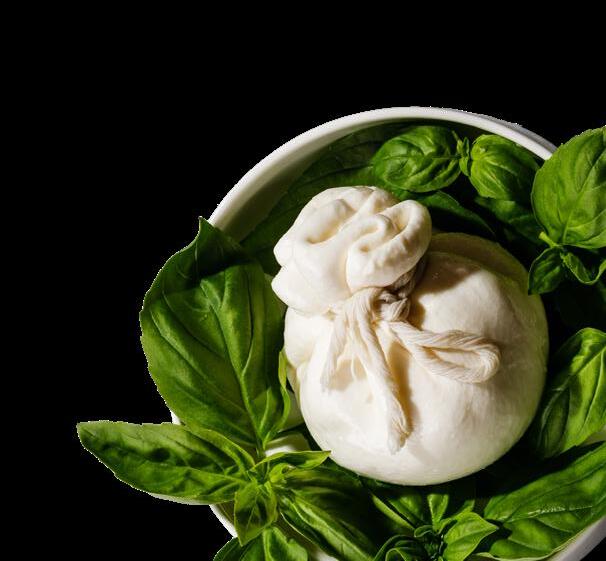
Burrata, a fresh Italian cheese originating in Puglia, is defined by its delicate outer shell of mozzarella encasing a soft, creamy filling of stracciatella and cream. Made from cow’s milk, it is produced by stretching curd into a pouch, then filling and sealing it while still warm, resulting in a product that is highly perishable and best served at peak freshness. Its appeal lies in the contrast between the tender exterior and the rich, flowing interior, offering subtle dairy sweetness and a luxurious texture. In professional kitchens, burrata functions as both a focal point and a finishing element, pairing naturally with seasonal produce, cured meats and acidic components that balance its richness, while requiring minimal intervention to preserve its integrity.
Members can explore ACF Ingredients of the Month in depth through the ACF Online Learning Center presentation and National Culinary Review, earning continuing-education credit toward ACF Certification. Visit acfchefs.org/olc
Beginning August 1, 2026, the American Culinary Federation (ACF) will provide complimentary Associate Membership to students enrolled in American Culinary Federation Education Foundation Accrediting Commission (ACFEF AC)-accredited Culinary Arts, Baking and Pastry, and Food Management programs, making it easier for the next generation of culinarians to connect with the profession from the start of their careers.
As part of the initiative, students who successfully complete an accredited program with a final grade of 70% or higher will also receive complimentary ACF certification based on their educational attainment. Eligible graduates will not be required to complete separate written or practical certification exams associated with their educational level.
According to ACFEF Chairperson ACF Chef Barry Young, CEC, CCE, AAC, the initiative is designed to remove barriers to professional membership and certification while strengthening the connection between culinary education and long-term career development.
"The goal is to give more students access to networking opportunities, scholarships, educational resources and professional credentials that recognize their achievements and support their career growth," he says.
The initiative is expected to impact thousands of students each year. Currently, ACFEF accredits 422 programs across 197 postsecondary institutions in 40 states and nine countries, as well as 155 programs at 131 secondary institutions in 22 states.
In addition to certification, students will gain access to a wide range of ACF benefits, including the Online Learning Center, webinars, podcasts, student competitions, Chef’s Table, local chapter involvement, and professional networking opportunities.
Educators from accredited programs say the change could have a meaningful impact on student engagement and longterm involvement in the profession.
"It strengthens the value of ACFEF-accredited education because it is a tangible credential that students will have in their hand, not something they have to take additional steps to acquire,” says ACF Chef Thomas Recinella, CEC, AAC, Dean
of Culinary at the Culinary Institute of Michigan. “The value of that really cannot be overstated.”
Chef Recinella believes the initiative will encourage graduates to remain active in both certification and professional membership throughout their careers. “They are more likely to renew because they are already members,” he says. “They are more likely to pursue that next rung in the certification ladder because they already have the first.”
For many students, cost has historically been a barrier to pursuing professional membership and certification. ACF Chef Gabi Wilson, Culinary Arts Instructor at Bishop State Community College (AL), says the initiative addresses a challenge faced by many community college students.
"Most of our students have a very limited budget and rely heavily on financial aid to cover the costs of school,” she says. “By offering complimentary membership and certification, ACF is inspiring students to take their education and career goals seriously.”
While membership and certification will be provided at no cost, ACFEF officials emphasize that certification standards remain unchanged. Students in accredited programs are assessed throughout their education against ACFEF Required Knowledge and Skills Competencies, which are designed to ensure graduates meet the standards expected of certified culinary professionals.
Chef Wilson says students who earn certification through their accredited program will better understand the connection between classroom performance and professional achievement, while gaining access to mentorship, networking opportunities, and future certification pathways - the first steps, she says, of a career built within the ACF community.
The ACF Chef’s Table Open Forum is where ACF members exchange ideas, share experiences and tackle industry challenges together. Here are three recent conversations that got ACF Chefs talking.
STAFFING CHALLENGES REQUIRE NEW THINKING
When ACF Chef Osmar Vasquez, CEC, Executive Chef at Banyan Golf Club (Palm Beach, FL), asked fellow members how they are addressing labor shortages, chefs from across the country shared practical ideas and fresh perspectives.
WHAT MEMBERS SAID
ACF Chef Mario Morales, Culinary Instructor at EntreNous Youth Empowerment Service, Compton YouthBuild (CA), encouraged employers to explore workforce development and reentry programs as a source of motivated talent.
ACF Chef Steven Walk, CEC, CCA, AAC, Executive Chef at Morrison/Compass Group (GA), suggested that today’s workforce often values flexibility and work-life balance differently than previous generations.
ACF Chef Caroline Juba , Chef de Tournant in North Carolina, highlighted career fairs, stage opportunities, and outreach to technical schools, while ACF Chef Mark Shoup, CEC, Executive Chef at the Springhaven Club (Wallingford, PA), shared positive experiences working with local CCAP students.
ACF Chef Terrie Thompson , Culinary Instructor at Immokalee Technical School (FL), emphasized the importance of stronger partnerships between educators and industry professionals.
THE TAKEAWAY
ACF members agreed that attracting future culinarians requires chefs to invest in mentorship, education and stronger talent pipelines.
WHY CHEF ADVOCACY MATTERS
ACF Chef Nick Snyder, Executive Chef at Morton’s The Steakhouse (San Antonio, TX), challenged members to consider why more culinarians aren’t involved in advocacy, professional organizations and community leadership.
WHAT MEMBERS SAID
ACF Chef April DuBose, CEPC, Culinary Education Director, Dignity Plates Culinary Training (Baltimore, MD), noted that community involvement is ultimately a personal choice, but argued that chefs have an important role to play in broader conversations affecting their communities.
ACF Chef Eric Gillish , Corporate Chef at Millenium Restaurants (Kalamazoo, MI), pointed to rising costs and increasing public scrutiny as factors that can discourage participation.
Peter Adame, Director of Sustainability & Communications at Lusamerica Foods (Morgan Hill, CA), shared how sustainability work has taken him to Capitol Hill to advocate for responsible seafood practices.
ACF Chef Don Zajac, CC®, emphasized the importance of mentorship and leadership development in encouraging greater involvement.
THE TAKEAWAY
ACF members agreed that if chefs want a voice in shaping the future of the industry, they need to be willing to engage beyond the kitchen.
A question posed by NCR Editor in Chief Kerstin Kühn sparked a discussion about whether the term Wagyu still carries the same meaning it once did.
WHAT MEMBERS SAID
Chef Mark Shoup, CEC observed that Wagyu has become far more accessible than it was two decades ago, but believes the name alone no longer guarantees exceptional quality.
Chef Zajac agreed, noting that grading, marbling and lineage often tell chefs more than the label itself.
ACF Chef Joseph Parajecki , Executive Chef of the Polish Center of Wisconsin, added that breeding practices, country of origin and marble scores can dramatically influence quality and encouraged chefs to work closely with trusted suppliers.
THE TAKEAWAY
ACF members agreed that while Wagyu remains an important premium category, sourcing knowledge and product expertise matter more than marketing terms alone.
Join the conversation. Visit Chef’s Table to share your perspective on these discussions and connect with fellow ACF chefs.
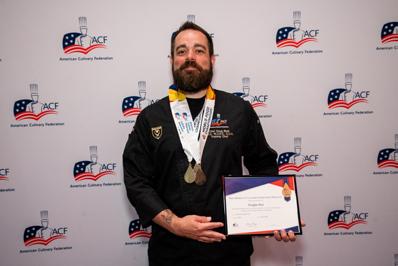
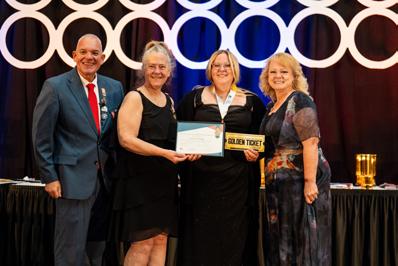

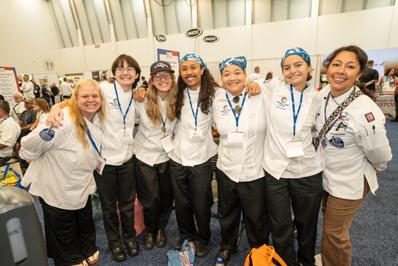
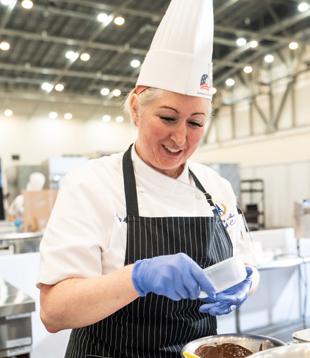
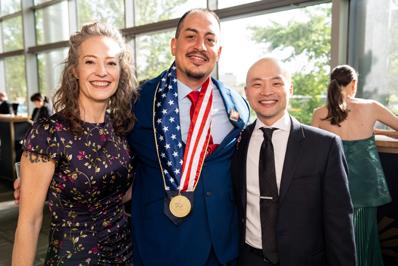



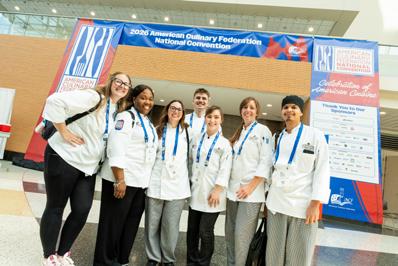
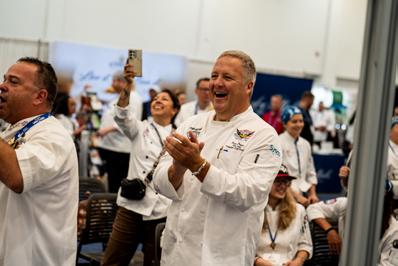


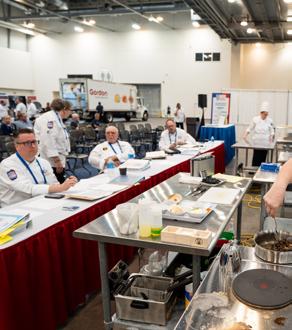





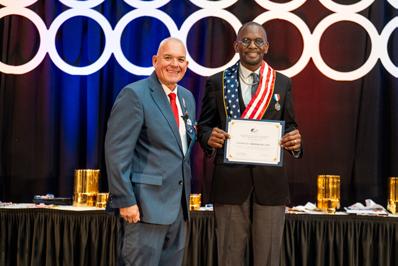
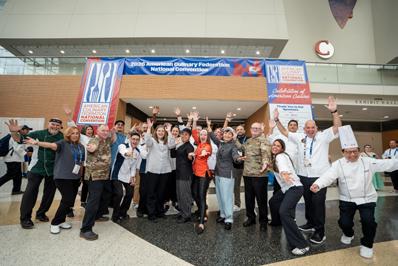
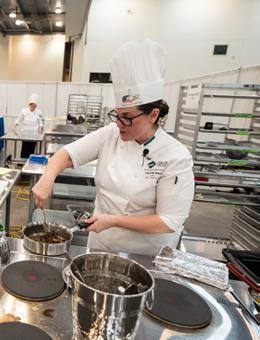
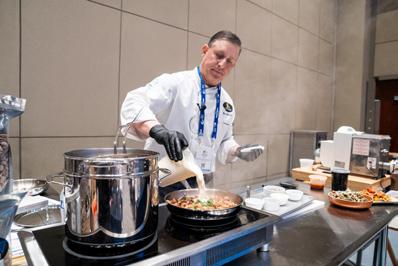
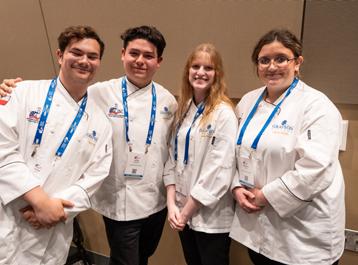
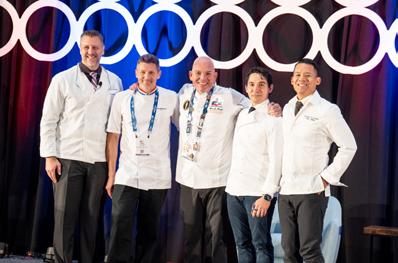
2026 BY THE NUMBERS
5 DAYS
1,200 ATTENDEES
102 SPEAKERS
23 LECTURES
21 DEMOS
28 CE HOURS
13 COMPETITIONS
18 GOLD MEDALS
93 TRADESHOW EXHIBITORS
38 SPONSORS

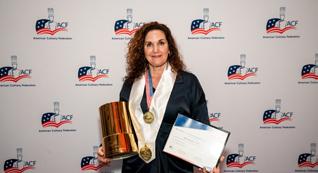
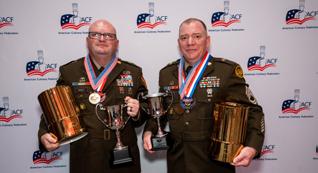
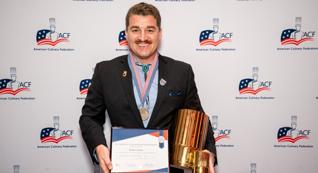
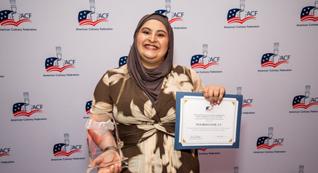
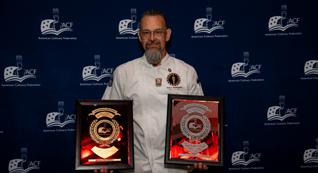
U.S.A.’s
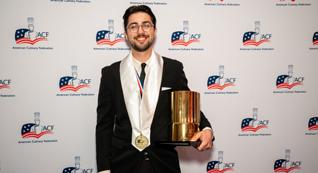




Ernst
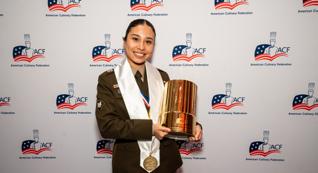
Wiley

Bryant Alden, CEC, AAC
Jason G. Avelson, CEC, CCE, CCA
Sheila Begay, CSC®, CWPC®
David Bressler, CEC, AAC
Haley M. Conant
Charles DeVries, CEPC
David W. Franklin, CEC
Christopher A. Galarza, CEC, CCA
Bouakhanh Greene, CEC
Daniel G. Hugelier, CMC
Travis R. Johnson, CEC, AAC
Melvina Jones, CEPC
John Kukucka, CEC, AAC
Geoffrey S. Lanez, CMC
Christopher J. LaVecchia
Isamar Leal
Harry Linzmayer, CEC, HAAC
Josh Meeker, CEC
Efthymia (Effie) Noifelt
Deniz Orhun
Douglas J. Overes
Michael W. Riggs, CEC, CCA
Gabe Rosado, CEC, CCA, AAC
Kara Terreault-Triplett
Rusty Weatherly, CEC, CCE
PRESIDENTIAL MEDALLIONS
Patrick S. Artz, CEC
Jonathan Bastianelli, CEC, CCA
Chris Bugher, CEC
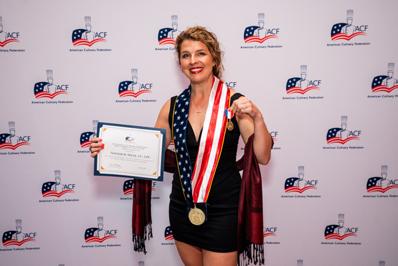
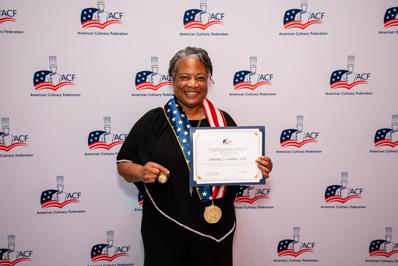
Denise L. Chapel, CCC
Frank Costantino, CEC, CCA, CCE, CEPC, AAC
David J. Durante, CEC, CCA, AAC
Timothy L. England, AAC
Lidia E. Felix
Natalie R. Feltz
Spyridon Giannakoulopoulos, CEC, CCE
Brian Hay, CEC, CCE
Wook Kang, CEC
Jason E. Knapp, CEC, CCA, AAC
Eric Leblanc, CEC
Ryan Marquis, HAAC
Gaston D. Merideth, CEC
Xiomara F. Mora-Rivera
Bruce M. Ozga, CEC, CCE, AAC
Alvin F. Recopuerto
Alexander Sapp, CEC, CCA, CEPC, PCEC
Philippe Striffeler
Chrystal L. Tatum, CEC
Shayne M. Taylor, CEC, CCA, AAC
Carmelo Vadacchino, HAAC
Melissa B. Trimmer, CEPC, AAC
Kenneth M. Watt, CEC
2026 EMERITUS JUDGES
Raimund W. Hofmeister, CMC, AAC
Rene J. Marquis, CEC, CCE, CCA, AAC
Helmut Franz Josef Holzer, CMC, AAC
Alan J. Neace, Sr., CEC, AAC
Derek Spendlove, CEPC, CCE, AAC
Frank Costantino, CEC, CCA, CCE, CEPC, AAC
Reimund D. Pitz, CEC, CCE, AAC, HOF
ACHIEVEMENT OF EXCELLENCE RECIPIENTS
Mancy’s Steakhouse
Martini Modern Italian Aramark
1901 Marketplace
Savor Restaurant at the Niagara Falls Culinary Institute
2026 ACF INDUSTRY PARTNER AND SPONSOR AWARDS
Industry Partner of the Year: RAK Porcelain Sponsors of the Year: ZWILLING J.A. Henckels
Jones Dairy Farm
CookUp Group Inc.
Kent Worldwide
The Middleby Corporation
Gordon Food Service
ACF FOOD SPORT COMPETITION
Powered by World Food Championships and sponsored by TurboChef Bacon:
Douglas Best, CEC, CCA
Chef Creation:
Douglas Best, CEC, CCA
Mac and Cheese: Douglas Best, CEC, CCA
Pastry/Dessert: Lavender Holzinger
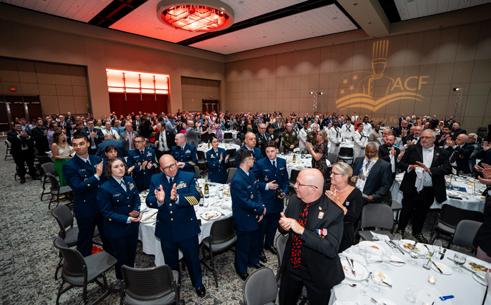



As we reflect on the 2026 ACF National Convention in Grand Rapids, Michigan, we note several events in support of the American Culinary Federation Education Foundation, which, in turn, supports our overarching Federation. On behalf of the Foundation and all its parts, I would like to express our sincere gratitude to the many sponsors, partners, and volunteers who give of their time, talent, and treasure to support students, both younger and older, in their career pursuits.
Some of the events included the Chef and Child event led by Chef Vanessa Marquis and her many volunteers, working with kids learning how to cook nutritious snacks and meals. Being part of these events over the years, I am not sure who gets more out of them, the chef volunteers or the kids. I have seen the most seasoned chefs with tears in their eyes.
Then we moved into the inaugural Chef Michael Ty Golf Outing, where we had a good number of golfers for a first year in an effort to raise money for the Foundation. Hopefully this will be the beginning of an annual event to continue to increase awareness of the Foundation and the work that is done on behalf of the students and chefs. Thank you to the many sponsors and volunteers who stepped up to make this event a success.
Of course, we cannot forget the Education Summit, where educators came together to re-energize, support students of all levels, and network while learning about the latest industry trends.
The American Academy of Chefs’ annual Induction Dinner honors new Academy Fellows and award winners who give of their time to promote and elevate our industry. Congratulations to all the inductees to the AAC. We also recognize the leadership they provide regarding the many scholarships awarded each year, such as the NASA HUNCH Program.
Also, remember the ACF Culinary Team USA as they prepare each month for the World Cup in Luxembourg in November. Check out the website under Foundation, then Events, for their next training session. If you can come to support and encourage them on their journey, please do so!
One of the initiatives we announced last year is finally going to be unveiled this coming Autumn, with the new school year. Students at ACFEF-accredited schools will receive free membership in the American Culinary Federation to create value and foster better engagement with students.
Lastly, as the Foundation continues to develop and announce the new initiatives through fundraising, creating awareness, and telling our story, please tell us your story about how the Foundation may have touched you or someone you know, and bring any ideas you may have to the attention of the Board of Trustees.
“ONE FOUNDATION. INFINITE FUTURES. TRANSFORMATION 2029 & BEYOND.” 501c3

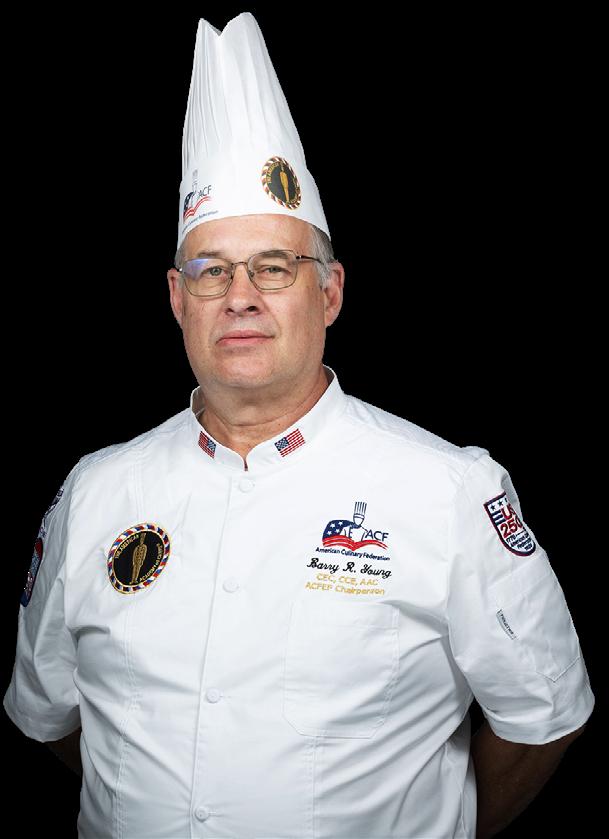
Barry R. Young, MBA, CEC, CCE, AAC
Chairperson

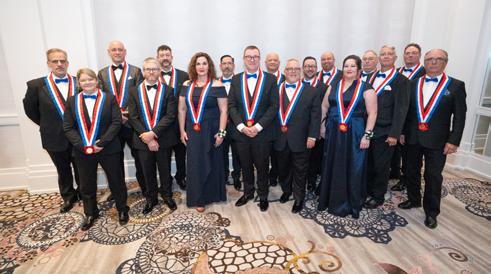
R. Andrew Chlebana, CMPC®, CCA, AAC
ACF Chicago Chefs
Lance S. Cook, CEC, CCA, AAC
ACF Triad Chapter, NC, Inc.
Aaron R. Guerra, CEC, AAC
National Member
Jason D. Hall, CMC, AAC
ACF Raleigh-Durham Area Chef’s Assn.
Marvin Herrera , CEC, AAC
ACF Augusta Chapter
Derek J. Ivancic, CEC, CCA, AAC
ACF Cleveland Chapter Inc
Todd Leonard, CEC, AAC
ACF Beehive Chefs Chapter Inc
Gary A. Marquardt, CEC, AAC
ACF Greater Grand Rapids Chefs Association
Joshua L. Martin, CEC, CCE, AAC
ACF Chefs de Cuisine of the Inland Northwest
Brian Mattice, CEC, CCA, CCE, AAC
ACF Professional Chefs / Cooks Assn of Rochester
Amanda Miller, CSC, CEPC, AAC
ACF West Michigan Lakeshore Chapter
Kevin L. Penn, CEC, CCA, AAC
ACF Michigan Chefs de Cuisine Association
Julie Selonke, CEC, AAC
ACF Michigan Chefs de Cuisine Association
Samantha Slechta, CEC, AAC
ACF Sarasota Bay Chefs Association
Dean C. Sprague, CEC, AAC
Texas Chefs Association
Timothy S. Wright, CEC, AAC
ACF Cleveland Chapter Inc
Walter S. Zuromski, CEC, CCE, AAC
ACF Sarasota Bay Chefs Association
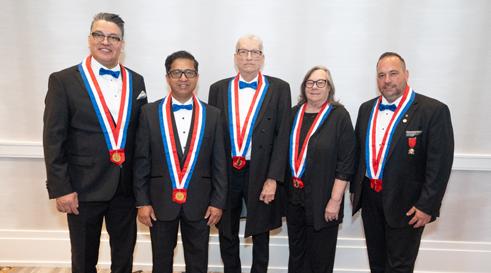
2026 HONORARY INDUCTEES
Nazim Khan, CEC, HAAC
ACF Tampa Bay Culinary Association, Inc.
Omar Martinez, HAAC
ACF Chicago Chefs
William D. Paul, HAAC
ACF Tampa Bay Culinary Association, Inc.
Tracie B. Tobin, RDN, LDN, HAAC
ACF Chicago Chefs
Carmelo Vadacchino, HAAC
National Member
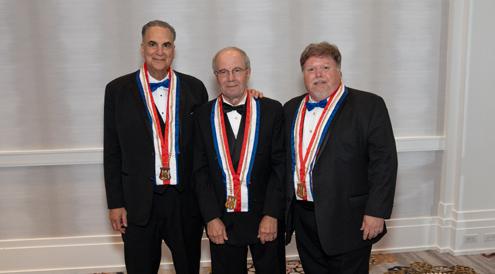
2026 CULINARY HALL OF FAME INDUCTEES
Vincent J. Alberici, AAC, HOF
Jan Bandula, CMPC, CCE, AAC, HOF
Patrick D. Mitchell, CEC, AAC, HOF
2026 HONORARY CULINARY HALL OF FAME INDUCTEE
O. Sigfried Krauss, CEC, AAC, HHOF
2026 POSTHUMOUS CULINARY HONORARY HALL OF FAME INDUCTEES
J. Daniel Knerr, CEC, CCA, AAC, HHOF
Robert A. Milam, CEC, AAC, HHOF
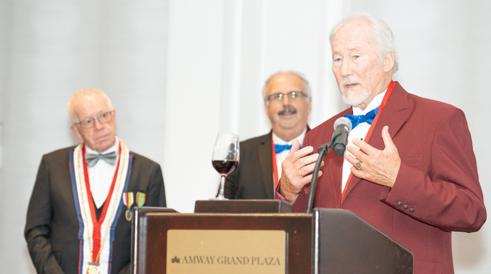
LEGEND AWARD
Ferdinand E. Metz, CMC, AAC, HOF, HBOT
CHAIR’S MEDAL
Alan L. Romano, CEC, CCE, AAC
LAWRENCE A. CONTI, CEC, AAC, HOF, CHAIR'S ACHIEVEMENT AWARD
George A. O'Palenick, CEC, CCE, AAC, HOF
JOSEPH AMENDOLA AWARD
Lisa M. Ramsey, CEC, CEPC, AAC
LT. GENERAL JOHN D. MCLAUGHLIN AWARD
CW5 Shane Rich
CHEF GOOD TASTE AWARD
Christopher Desens, CEC, CCA, AAC
SHARING CULINARY TRADITIONS AWARD
Keith A. Coughenour, CEC, AAC

By Jeffrey Spear
Ask a chef if wild or farmed seafood is better and you’re unlikely to get a straight answer. In professional kitchens, the question isn’t whether wild-caught or farmed seafood is “better.” It’s which one performs best for the dish in front of you. Chefs are constantly weighing flavor, fat content, consistency, cost and availability, making the call based on what the plate demands.
That decision-making rarely comes down to a single factor. Chefs weigh consistency for raw applications, yield and cost in high-volume service and the ability to reliably source the same product week after week. Sometimes that leads them to farmed seafood. In other cases, wild offers something farmed can’t replicate. More often, it’s a balance of both.
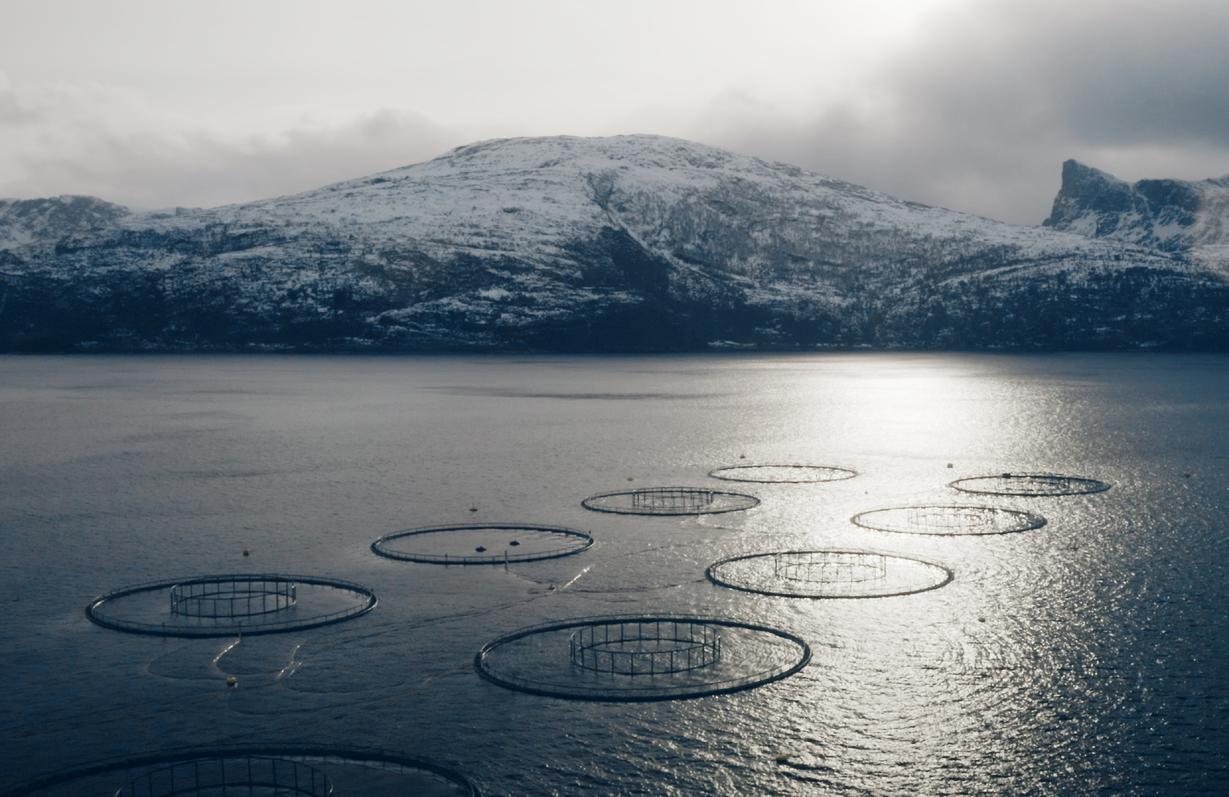
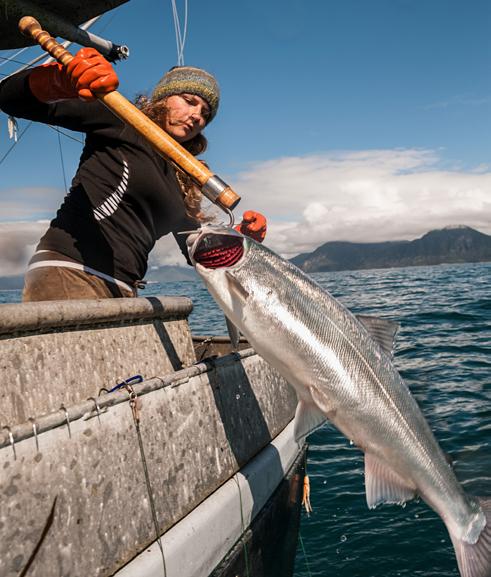
Wild and farmed seafood differ in ways that matter in the kitchen, particularly when it comes to flavor, fat content and consistency. Wild fish, shaped by their environment and diet, can vary from one catch to the next – whether it’s Alaska salmon or black cod – sometimes delivering more pronounced flavor but less predictability. Farmed fish, such as Norwegian salmon or tilapia, raised on a controlled diet, tend to offer greater consistency in both taste and texture, along with reliable availability throughout the year.
The distinction becomes more apparent in service. Leaner wild fish can perform differently under heat, while higher fat farmed fish often provide a margin of error in cooking and a more uniform result across portions. At the same time, the variability of wild seafood can be exactly what chefs are looking for when a dish calls for character over consistency.
Stacy Schultz, Director of Frozen Seafood at Fortune Fish & Gourmet, says with seafood, you are what you eat. “Farmed seafood consumes a curated diet, therefore giving it a consistent flavor that can be controlled,” she says. “Alternatively, wild
salmon eats whatever they encounter within their ecosystem. You could have two portions of the same species harvested at different times displaying slightly different flavor profiles.”
She adds that fat content also affects the flavor and texture of seafood: “Farm raised fish tend to be fattier by nature, while wild fish tends to be leaner.”
Without hard and fast rules, the choice between wildcaught and farmed seafood ultimately rests with the chef. In high-turnover environments such as fast casual, catering and hospitality, volume, price, consistency and reliability tend to shape that decision. In these settings, the ability to source a consistent product and deliver uniform results across service can make farmed seafood the more practical option.
In more refined applications, where the dish is built around the fish itself, wild seafood can offer a level of flavor and variation that’s worth the trade-off. But that variability comes with challenges, from fluctuating availability to less predictable yield and performance. In other cases, particularly in fried or heavily spiced preparations, those differences matter less, and more economical options can perform just as effectively.
ACF Chef Richard Hoffman, CEC, CCA, AAC, Executive Chef at the Woodholme Country Club (Pikesville, MD), finds that choosing between wild-caught and farmed, fresh or frozen, depends entirely on the application. “Every dish has its own set of culinary requirements,” he says. “I find Norwegian salmon to be a clean, high-end product. The fact that it’s farmed does not raise any concerns. For raw presentations, knowing that my guests expect the very best, Ora King salmon is always my first choice because of its consistency and quality.”
Chef Hoffman’s approach also extends to sourcing. Working closely with trusted vendors allows him to match product to application while managing cost. “We offer a dish that’s a play on Nobu’s miso black cod lettuce wrap,” he says. “Because it uses bite-sized pieces, our vendor can source from high-quality trimmings, which satisfies the needs of the recipe while helping manage costs.”
Preferences still vary. ACF Chef Thomas J. Delle Donne, CEC, Assistant Dean, College of Food Innovation & Technology, Johnson & Wales, favors fresh, wild-caught seafood whenever possible. “There’s an absolute difference in terms of flavor, texture, color and overall performance,” he says. “Seafood is one of the few remaining proteins that are truly wild.”
While he prefers fresh, wild-caught seafood, Chef Delle Donne acknowledges that seasonality and fluctuating availability often make farmed seafood the more practical choice. “Chefs should consider farm-raised fish when they need reliability, value, and consistency,” he explains. “Wild-caught fish may offer more complexity in flavor, but farm-raised often wins in practicality.”
For Chef Delle Donne, sourcing is part of the decisionmaking. He works closely with purveyors, adapting to what’s available and using that input to shape the menu. “I maintain
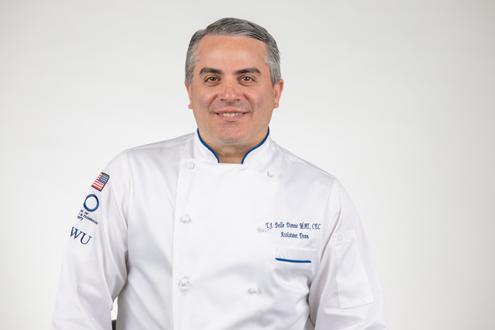
close ties with local purveyors and am always flexible,” he says. “They’ll tell me what’s available and with so many incredibly versatile species, their recommendations create an opportunity to become more creative.”
The choice between fresh and frozen follows the same logic. Fresh seafood is not always the better option, particularly when consistency, cost and waste management come into play. For many chefs frozen seafood offers a practical advantage, allowing them to control portioning, manage pricing and maintain a steady supply regardless of season. Chef Delle Donne adds that quality depends on how the product is handled. “Frozen is okay as long as it’s flash frozen on the boat, not landed and then frozen,” he says, pointing to the importance of preserving texture and flavor immediately after catch.
Advances in freezing technology have also helped to narrowed the gap further. Leah Krafft, Foodservice Marketing Manager at Alaska Seafood Marketing Institute, says that improvements in flash-freezing have made it increasingly difficult to distinguish between fresh and frozen seafood. She adds: “When you factor in seasonality, limited availability of some species and the potential for fluctuating prices, embracing frozen seafood becomes an attractive solution.”
Ultimately, the decision between wild-caught and farmed, fresh or frozen is less about choosing sides and more about understanding performance. The right choice depends on the dish, the operation and the realities of sourcing, and in most kitchens, it’s a balance rather than a rule.


By Gloria Dawson
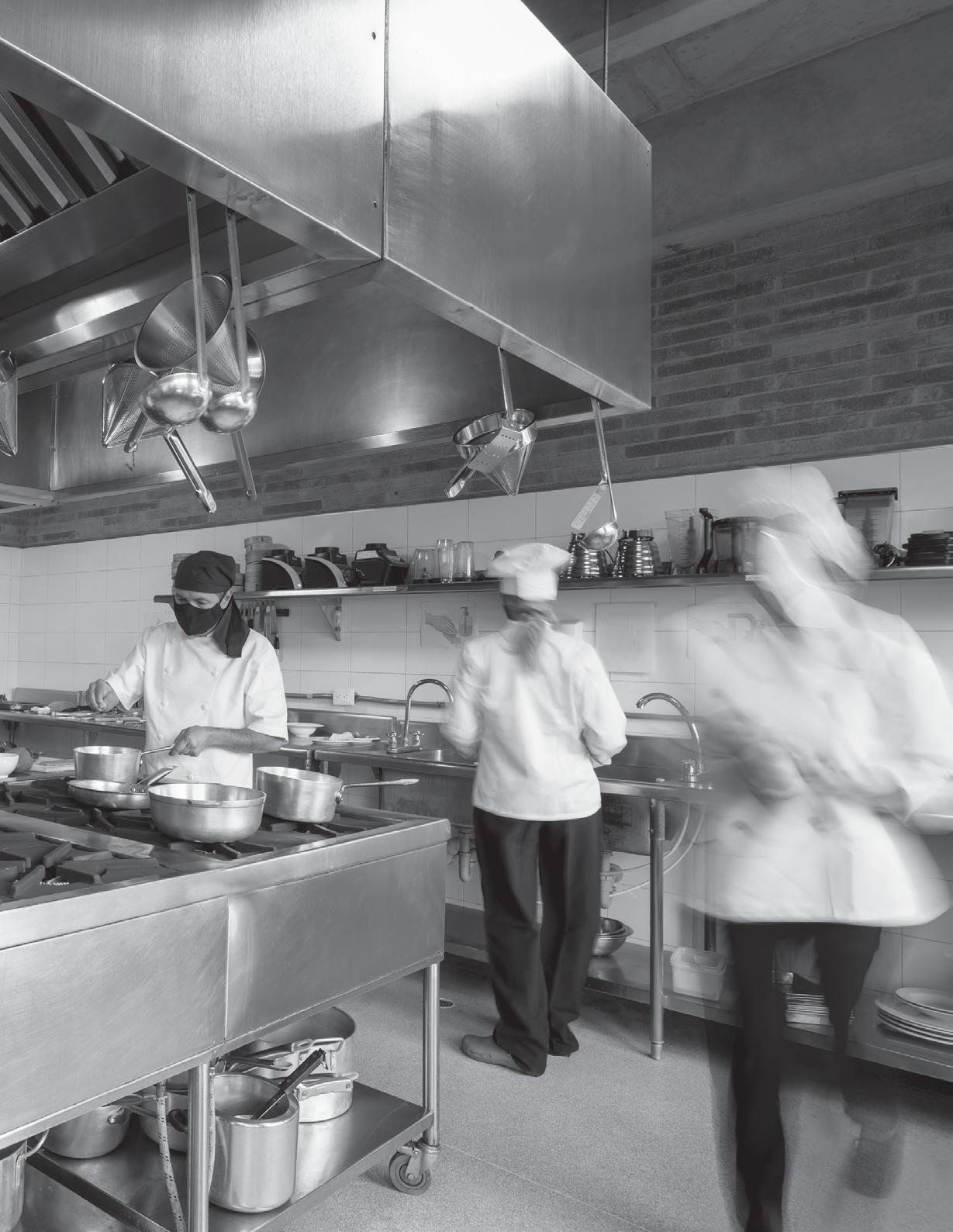
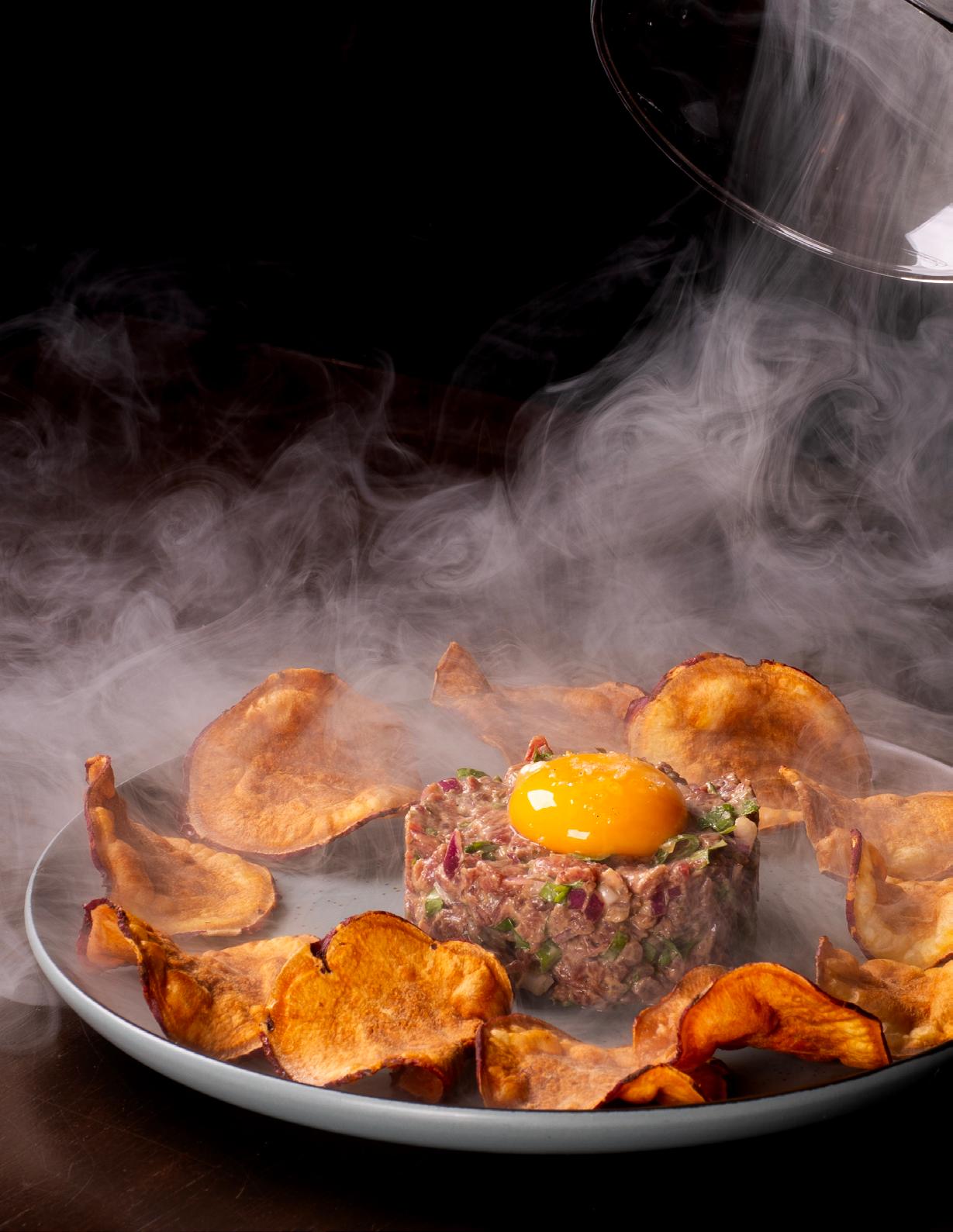
The importance of multisensory dining cannot be overstated. The way a dish combines crispy and smooth textures, the scent that wafts through the air just before a plate arrives, or the experience of witnessing a dish created at the table can be as important as how a meal tastes.
Multisensory dining is a great way to engage today’s busy and distracted diners and help them form a more intimate relationship with their meal. A multisensory experience could be something as simple as a textural garnish or as complex as a smoky cocktail or a tableside martini service, says Mike Kostyo, Vice President of Menu Matters, a food industry consulting firm.
Sensory elements can increase confidence in the food on the plate. Textures, aromas and tableside presentations can indicate that a meal is thoughtful and fresh. “Some of those sensory experiences that you’re incorporating into your restaurant can actually give the consumer a deeper sense that this is a restaurant I can trust, and it’s actually cooking real food,” says Kostyo.
But don’t trust diners to articulate which sensory elements are important to them. In a recent Menu Matters survey, consumers were asked which sensory experiences were most important to them when choosing a new food to try. “In a vacuum, consumers say sound is not that important to them,” Kostyo says. But in follow-up questions “the number one experience that consumers were interested in was sizzling fajitas.”
In the same study, texture ranked fourth, behind taste, appearance and aroma. Yet menu descriptions such as “crispy" or “crunchy" score highly with consumers. “For a chef, if you want to increase the craveability of a dish, add something crunchy, and then put the word crunchy on the menu. Consumers absolutely love it,” Kostyo says.
Textures like crunch are a gateway to the larger topic of sensory dining. They offer a way to add sensory elements without tipping into the overly gimmicky and can help diners stay focused on the food rather than their phones.
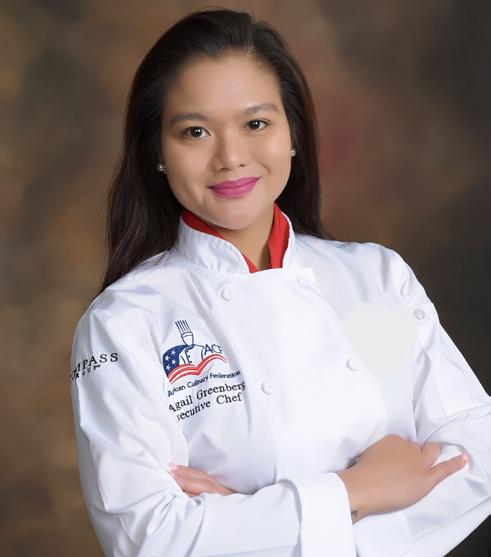
ACF Chef Marie Abigail Serbins, University Executive Chef at Northeastern University (Oakland, CA) keeps students and faculty engaged by paying close attention to texture. It plays a role in everything she creates. “I grew up eating texture, especially crunch,” she says. “I’m Filipino, so lumpia is the number one crunch factor.”
While these deep-fried spring rolls deliver a classic crunch, Chef Serbins is quick to point out that texture doesn’t have to come from fried foods, despite what social media might suggest. “I also rely on the freshness of vegetables for that crunch effect,” she explains.
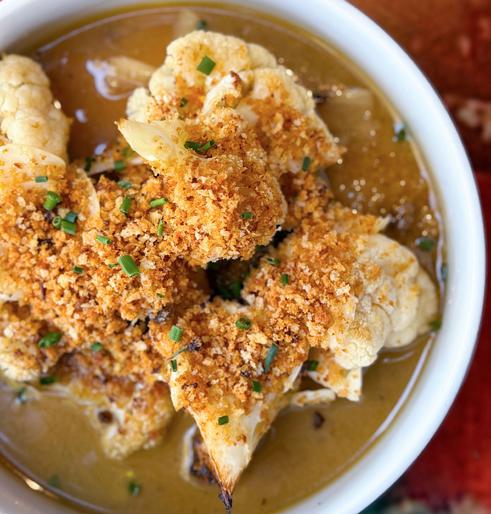
There is a science behind diners’ love of crunch. Studies have shown that crunchy ingredients are often associated with freshness, making them particularly appealing on the plate.
Chef Serbins’ work goes far beyond vegetables, of course. On the sweet side, she creates desserts that combine crunch and creaminess, such as crème brûlée and cream puffs topped with caramel candy crunch. She also likes to trim the crispy edges from brownies and use them as toppings for cakes and mousses.
At the McClaskey Culinary Institute at Clark College (Vancouver, WA), Executive Chef Instructor ACF Chef Aaron Guerra, CEC, AAC, teaches students to identify and parse different sensory elements, including texture, aroma and appearance.
"It’s important to understand why this food works, where this food came from, and, when you change it, what happens to it, whether texturally, visually or otherwise,” he says. “Flavor is what you smell and what you taste, so you need to be able to separate those and identify those.”
Sometimes, one ingredient cooked two ways is the key to bringing texture and aroma into a dish. A crab cake is one example Chef Guerra often uses with students. Mixed in with the crab and binder are bell peppers and onions, half sautéed and half fresh. “Bell peppers and onions most certainly have different profiles when they’re raw and freshly cooked,” he explains. “But they’re still bell peppers and onions, so when you do that, you have texture contrast and aroma development.”
Interest in multisensory elements differs across cultures and demographics and can change over time. For example, an older diner with sensitive teeth might shy away from a crunchy baguette sandwich, says Chef Mat Schuster, Chefowner of Canela Bistro & Wine Bar in San Francisco. Before the pandemic, he noticed growing interest in dishes featuring ingredients that produced dramatic sounds when bitten into, a trend he believes was driven by social media. Dishes with more subtle textural elements, such as his cauliflower with garlic sauce and crispy anchovy crumbs, tend to have greater staying power.
Even with his traditional vegetable dishes, Chef Schuster keeps local diners and their textural preferences in mind. While vegetable dishes in Spain often incorporate softer vegetables, diners in the US tend to prefer firmer textures.
The adjustment highlights how much perspective and personal preference shape the multisensory experience.
“I do think there are folks that break apart the dish and consider all the elements,” he says. “But for the most part, people have that initial, ‘I like it, or I don’t like it.’ And they decide with that first bite.”
Start with texture
Mixing textural elements in a dish like smooth and crispy is a great way to begin incorporating multisensory experiences.
Watch your language
Build excitement for a multisensory dish with illustrative language that describes the texture, look and aroma of a dish.
Know your diner
Consider your diners' preferences and how different cultures and demographics respond to multisensory elements.
Build trust
Crunchy textures, appealing aromas and tableside preparations inspire trust.
Trust your senses
Diners may not be able to describe why they’re attracted to certain multisensory elements, so adjust the menu based on how diners react to dishes.











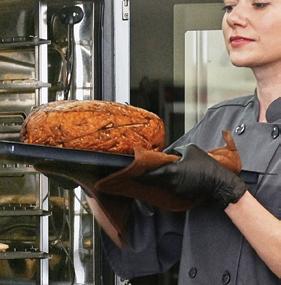


Performance you can count on.




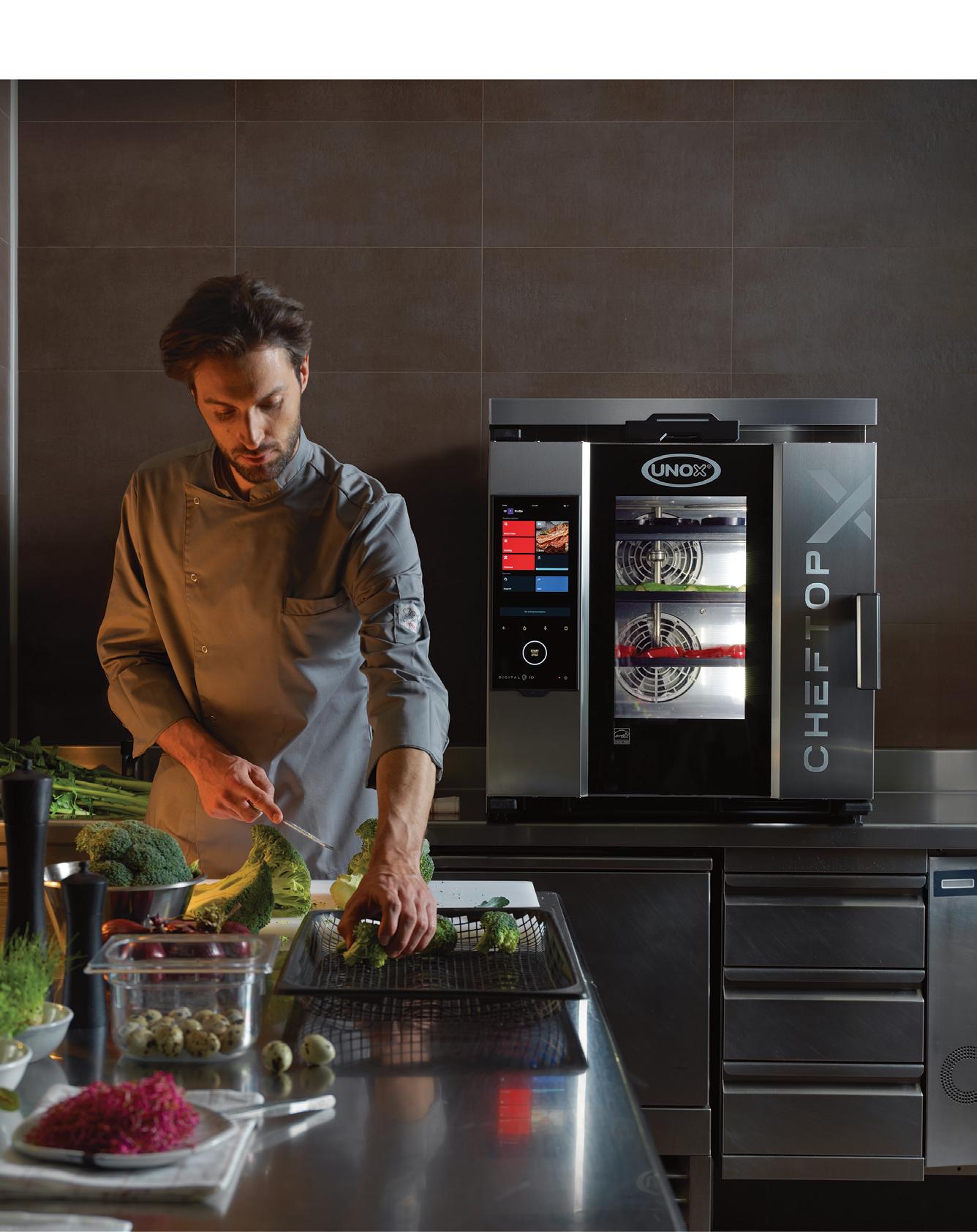
Chef’sCombi helps kitchens stay consistent with guided automatic cooking, programmable recipes, and intuitive controls that ensure consistent results across users. Automatic cleaning and customizable screens enable eff icient workflows, reduced labor demands, and long-term value.


EVERYTHING YOU NEED. NOTHING YOU DON’T.


By Kerstin Kühn
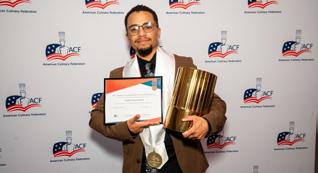
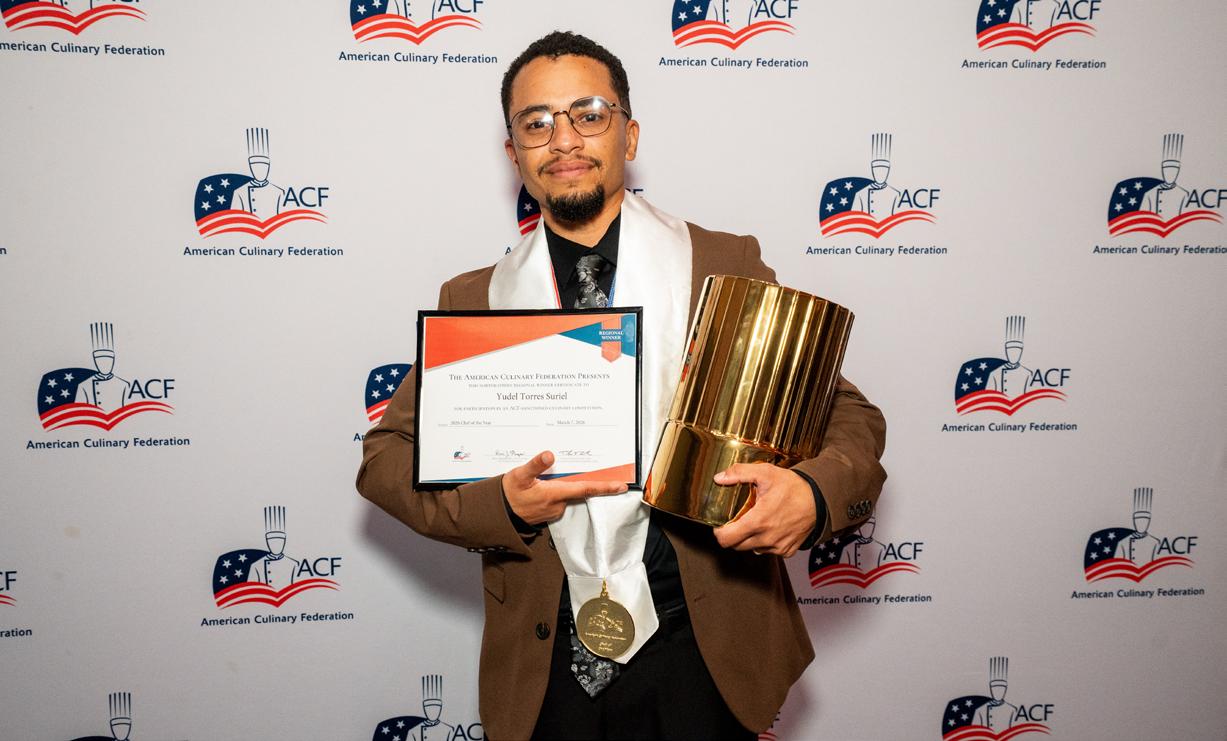
When ACF Chef Yudel Torres, CEC, CEPC, heard his name announced as the 2026 U.S.A.’s Chef of the Year, it marked the culmination of more than a decade of dedicated work. “This is an achievement I’ve thought about for years and something I’ve worked toward throughout my career,” he says. “So, to finally receive this recognition means a lot to me both personally and professionally.”
For him, the award isn’t a moment of triumph so much as a marker along a much longer road. “It represents all the hard work, long hours, sacrifices and passion that come with this industry,” he says. “There were challenging moments along the way, but those experiences only helped shape me and keep me focused on what I was trying to achieve.” The recognition, he adds, is something he doesn’t take lightly. “It’s an honor to be recognized by the ACF and by people I respect immensely.”
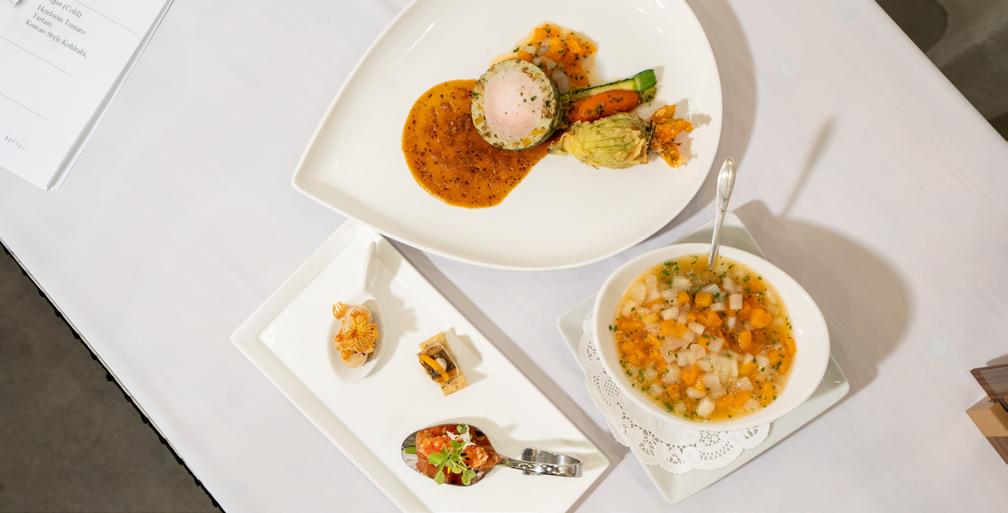
Chef Torres’ competition menu was a study in contrast and control; dishes designed to demonstrate both range and restraint, without losing his own voice. The hot pescatarian course paired crispy-skin local fish with pickled kumquat, silky eggplant and a black pepper cracker, while the cold vegan presentation leaned into brightness and clarity with an heirloom tomato tartare with Korean-style kohlrabi, toasted sesame and bitter greens.
The Chef’s Choice category gave him room to stretch himself technically. He built a foie gras and chicken mousse entremet layered with tomato gelée, spinach sponge and a parmesan crisp choux – a dish showcasing precision as much as flavor. His restaurant platter rounded out the menu with a pork loin roulade finished with dried peach and Dijon mousseline, served alongside a quinoa-stuffed tempura squash blossom, glazed carrots and baby zucchini with mint and lemon, all tied together with a vermouth mustard cream and stone fruit relish.
None of it came together overnight. “A tremendous amount of preparation went into the competition,” he says. “Two months of practicing, refining recipes, working on timing and perfecting presentation. Every detail mattered, so repetition and consistency were a huge part of the process.”
Chef Torres’ path to the kitchen began not in a professional setting but at his family’s table. Raised in a household of six, he says food was the thread that held the family together. “Watching my mom cook every day had a huge impact on me and inspired my love for the kitchen early on,” he recalls. Raised
on Dominican cuisine – food he describes as flavorful, fresh, comforting and made with heart – left an imprint that still shapes his cooking today.
The turning point came as a teenager at Passaic County Technical Institute (Wayne, NJ), where his instructors first introduced him to the world of culinary competitions. Under their guidance, he competed in two state qualifiers and two national ProStart championships before graduating high school. “At that point, I realized this was something I truly wanted to pursue professionally and I committed myself fully to learning this craft.” His career took him through kitchens across New York City and New Jersey, where he spent years refining French cuisine and classical technique. In 2022, he stepped into culinary education, a chapter he describes as one of the most rewarding of his career: “Since then, I’ve been mentoring students in competition while continuing to compete myself.”
Chef Torres is quick to credit the people who helped to shape him. Since college, ACF Chef Frank Costantino, CEC, CCA, CCE, CEPC, AAC, has been his closest mentor and coach. The two met 15 years ago while Chef Torres competed for a scholarship at the Culinary Institute of New York at Monroe University (New Rochelle, NY), and they have since competed together at numerous ACF competitions. “Chef Costantino taught me discipline, commitment and the importance of seizing every opportunity,” he says. “He has pushed me to constantly grow as both a chef and a person.”
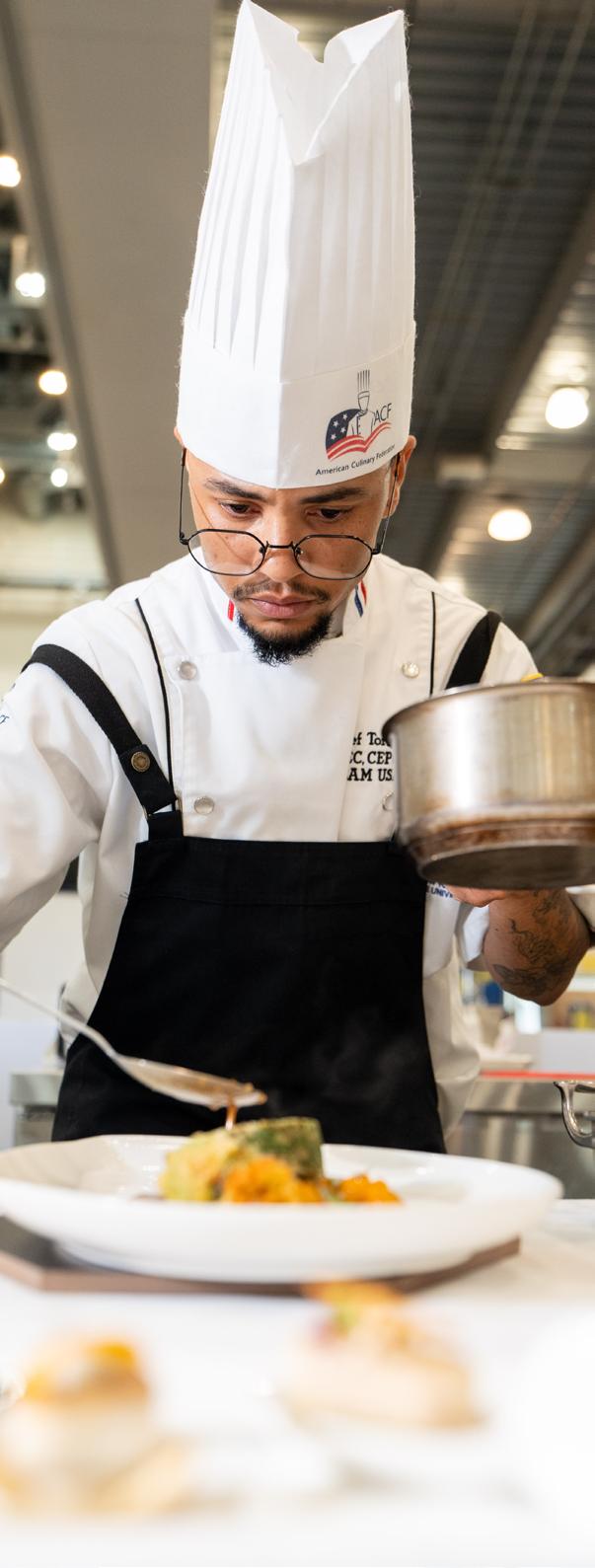
Balancing restaurant work with teaching has shaped a leadership style built on both rigor and patience. Professional kitchens, he says, taught him discipline, consistency and how to perform under pressure. The classroom taught him something different – how to teach, communicate and lead with patience. “I try to bring those experiences together by creating an environment where people feel challenged, supported and motivated to become the best version of themselves,” he says.
That same commitment to standards extends to his view of certification. Earning his Certified Executive Chef and Certified Executive Pastry Chef credentials represented years of disciplined training and professional commitment. Becoming an ACF judge added another layer of perspective. “It gave me a deeper appreciation for the standards and commitment that go into competition and the profession as a whole,” he explains. “This industry is always evolving, and there is always something new to improve on.”
Chef Torres is now training with ACF Culinary Team USA toward the 2028 Culinary Olympics, with a World Cup appearance in Luxembourg this November serving as an early test. The process, he notes, is already reshaping how he thinks about excellence. “Being surrounded by so many talented chefs exposes you to different techniques, ideas and ways of thinking,” he says. It’s also underscored something less tangible but just as important to him: camaraderie in an industry known for its intensity. Surrounded by some of the country’s most accomplished competitors, Chef Torres feels the experience has reinforced a lesson he has been learning since his first student competition: excellence is never a destination, but the product of continual learning, teamwork and discipline.
The U.S.A.’s Chef of the Year title may be the highest recognition of his career so far, but he speaks about it less as a finish line than a responsibility. “I believe striving to be greater as a chef requires continuous training and a willingness to keep learning no matter how much experience you have,” he says. For a chef who has spent his career chasing excellence, the journey is far from over.
"This is an achievement I’ve thought about for years and something I’ve worked toward throughout my career."
ACF Chef Yudel Torres, CEC, CEPC

By ACF Chef Jonathan Deutsch, Ph.D., CHE, CRC
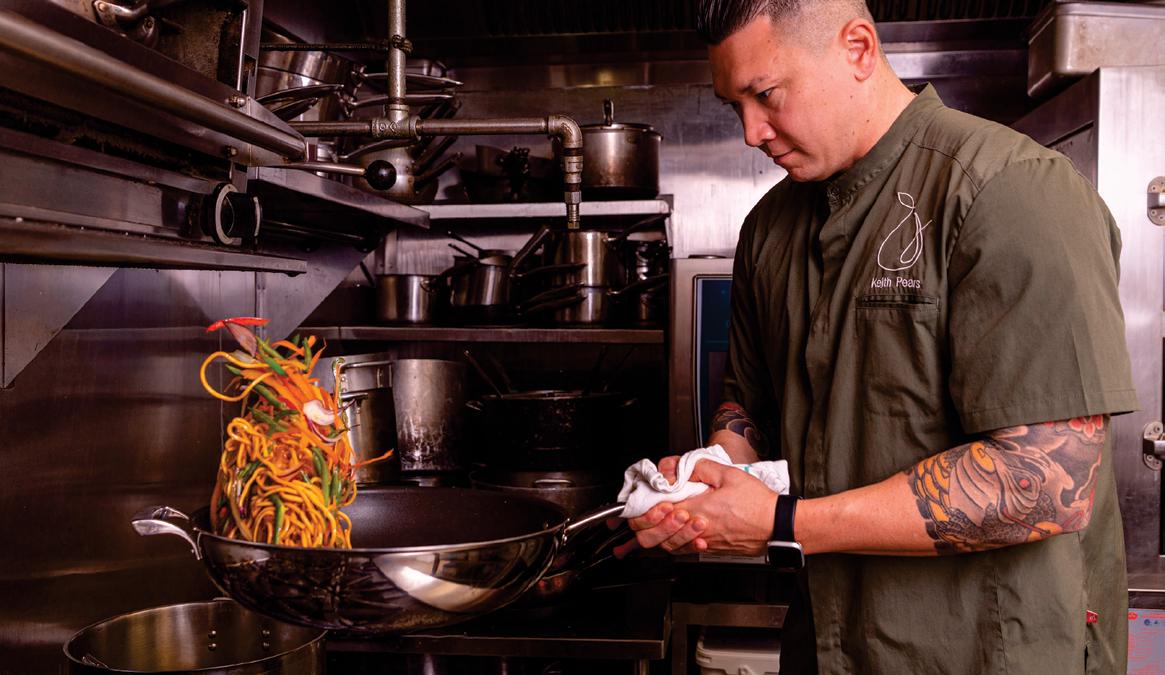
Americans are eating more meat than ever, about 225 pounds per person annually, according to the USDA’s Economic Research Service. US meat consumption is roughly three times the global average, despite growing interest in alternative proteins and concerns around meat’s cost, sustainability, safety and nutrition. Yet despite that appetite for meat overall, Americans consume less than one pound of organ meats, or offal, per person annually, a stark contrast to many other meateating cultures. More than 20 percent of U.S. beef exports are organ meats, illustrating the mismatch between supply and demand in the domestic market.
Offal is a catch-all term for the parts of the animal that “fall off” during slaughter. These parts, sometimes called variety meats or organ meats, may include liver, brains, heart, kidneys, tongue, sweetbreads, gizzards and tripe, in contrast to the skeletal muscles that become steaks, chops and hamburgers.
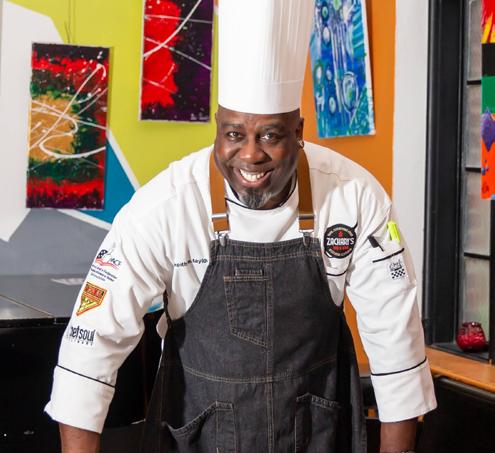
Despite their absence from most menus, savvy chefs have many reasons to incorporate offal into their operations: sustainability, nutrition, cost effectiveness and, of course, flavor. ACF Chef Keith Taylor, Chef-owner of Zachary’s BBQ (Collegeville, PA) uses chicken livers in his Louisiana dirty rice. “Too many people take shortcuts, but traditionalists, like my family, love the richness and mouthfeel that chicken livers bring to this Cajun classic,” he says.
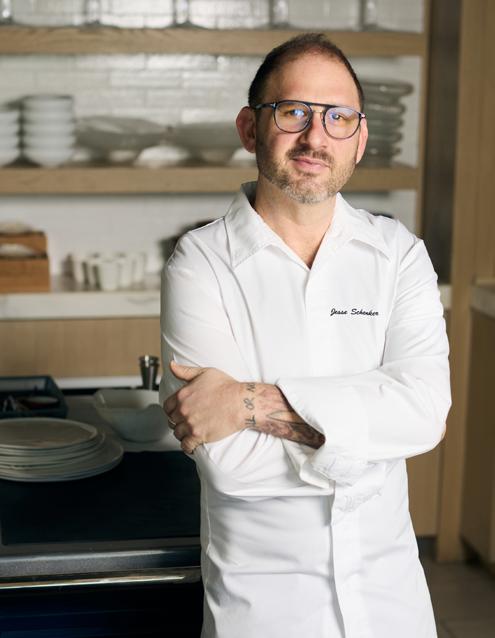
Many chefs feature whole animals in their operations, and that commitment often extends to organ meats and even tendon. Chef Jesse Schenker, Chef-owner of Four in Oyster Bay (NY), highlights that philosophy with a slow-braised beef
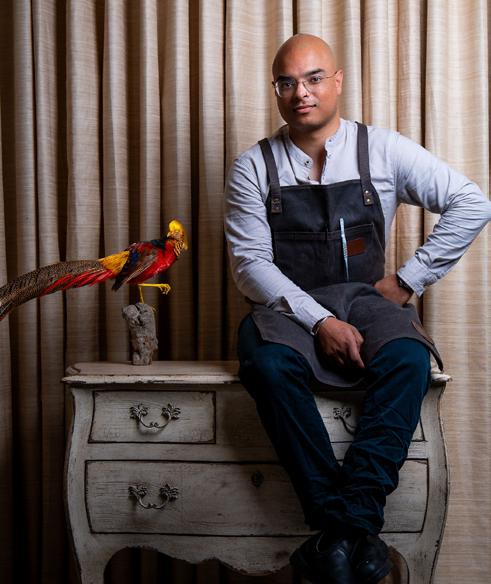
tendon served with caviar and egg. For Chef Schenker, the dish reflects a broader approach to whole-animal utilization and finding value in overlooked cuts and textures. “It’s a good example of how offal and lesser-used cuts can be both deeply flavorful and commercially viable in a modern restaurant setting,” he explains.
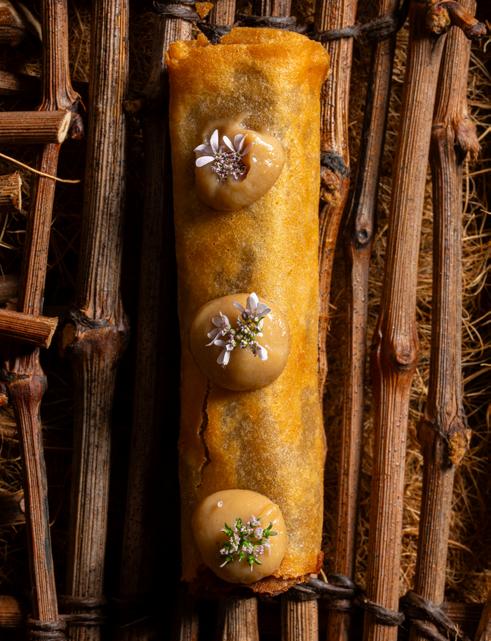
Chef Julian Silvera, Executive Chef at Vicinity (Los Gatos, CA), takes a similarly thoughtful approach, using squab liver and pork intestine in the filling for lumpia on his 13-course tasting menu. He aims to minimize waste by using the full breadth of each animal and sees that practice as both a creative challenge and a responsibility. “If you’re fortunate enough to work with incredible products like these whole animals we are using, it feels like there is a sort of responsibility that comes with it,” he insists. “A life was taken, so using offal is part of honoring that animal’s life. From an operations standpoint, I think this approach pushes us to be better chefs, more creative, resourceful and thoughtful.”
While the composition of each organ differs, organ meats are generally more nutrient-dense than muscle meat. They are particularly high in vitamin A, B vitamins, iron and minerals such as zinc, copper and selenium. Liver, heart and kidneys are especially rich in micronutrients.
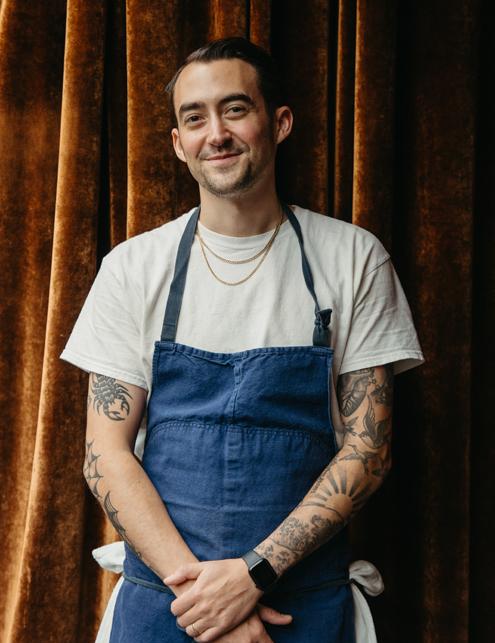
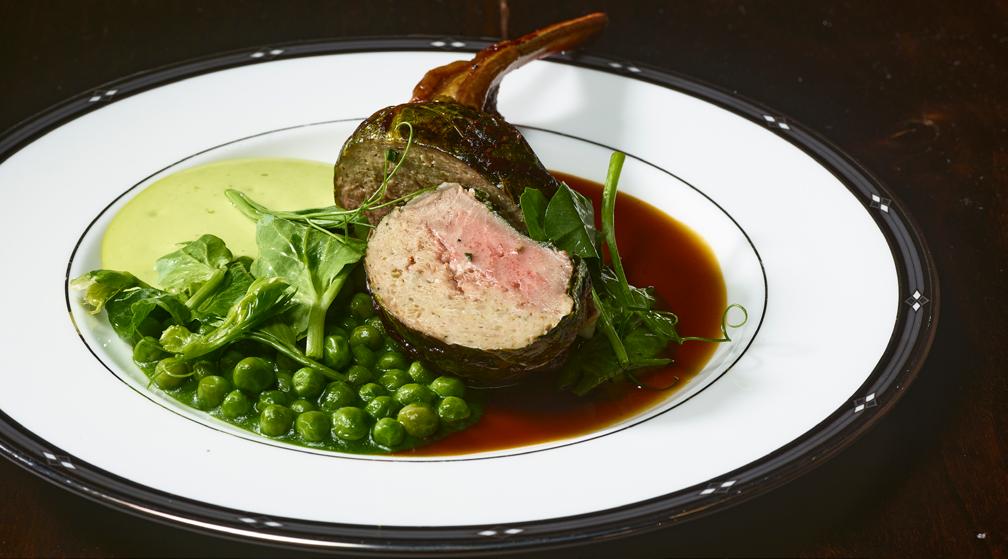
Chef Jonas Offenbach, Executive Chef of SERRE at the Maker Hotel (Hudson, NY), incorporates lamb heart into the jus for his lamb chop crepinette, poaching it in the sauce just before service to enhance both flavor and nutrition. “Offal brings a depth of flavor, minerality and texture that’s difficult to replicate with standard cuts of meat,” Chef Offenbach says. “Whether it’s the silkiness of liver, the delicate richness of sweetbreads, or the gelatinous quality of tongue or heart, these ingredients create layers of flavor and mouthfeel that make dishes feel more complete and expressive.”
Depending on the cut, organ meats can offer significant value. Chef Offenbach says offal not only helps balance food costs, but also encourages greater creativity and technical skill in the kitchen. “Many off-cuts and organ meats are more affordable than traditional center-of-the-plate proteins, allowing us to produce dishes with high perceived value at a lower cost.,” he says. “At the same time, it encourages the team to think more creatively and technically, which ultimately strengthens the identity of the menu.”
Some chefs, including Chef Evan Snyder, Chef-owner of Emmett in Philadelphia, consider organs almost “free” when working with whole animals. He notes that every whole duck already includes a liver, and the cost is effectively built into the
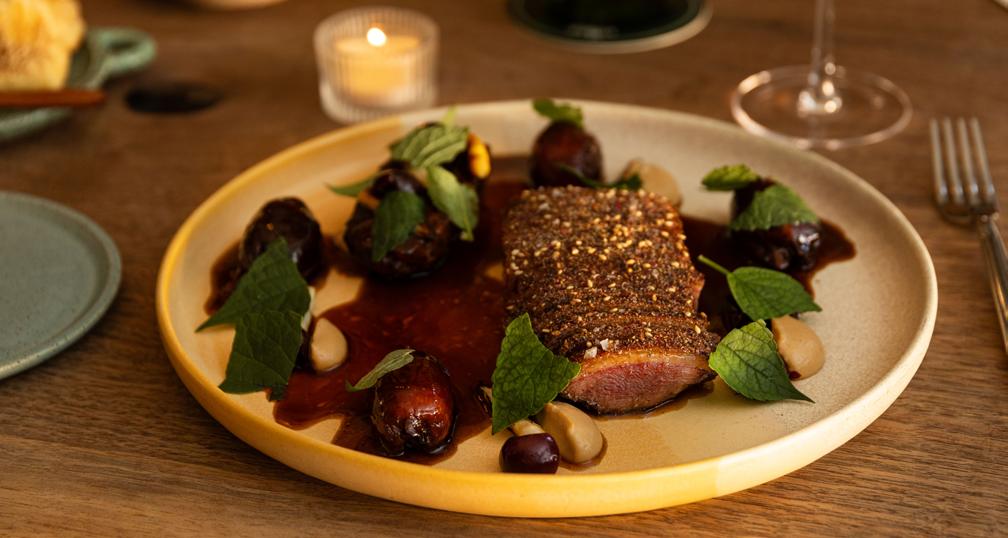
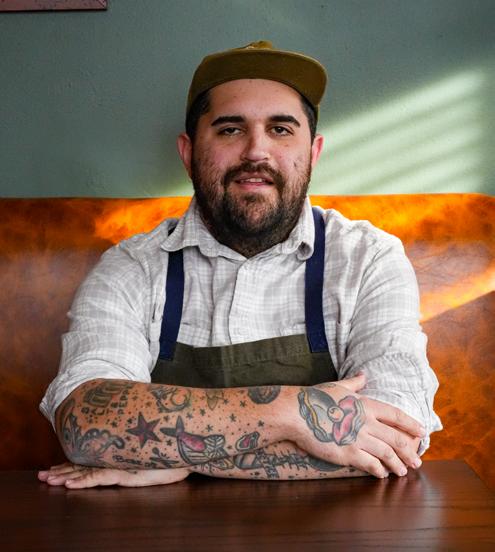
entrée. Chef Snyder uses seared duck livers to start the sauce for his dry-aged duck dish, relying on their natural properties for texture and flavor. “The hemoglobin in the livers acts as a natural sauce thickener and emulsifier. I don’t have to reduce super hard or burn wine,” he explains. “Protein is the best way to emulsify while adding flavor. Some newer chefs are not thinking of the old-school methods. We use every piece of the duck.”
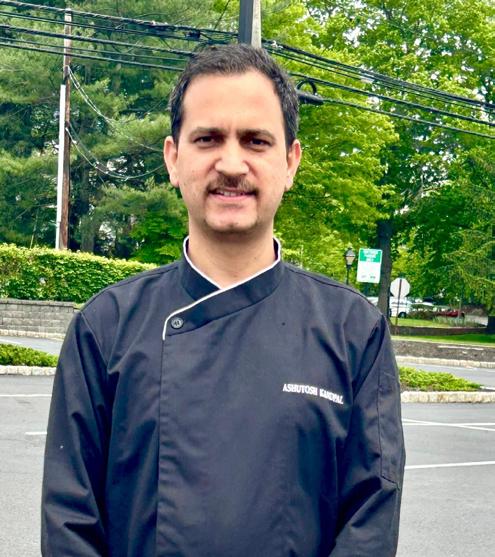
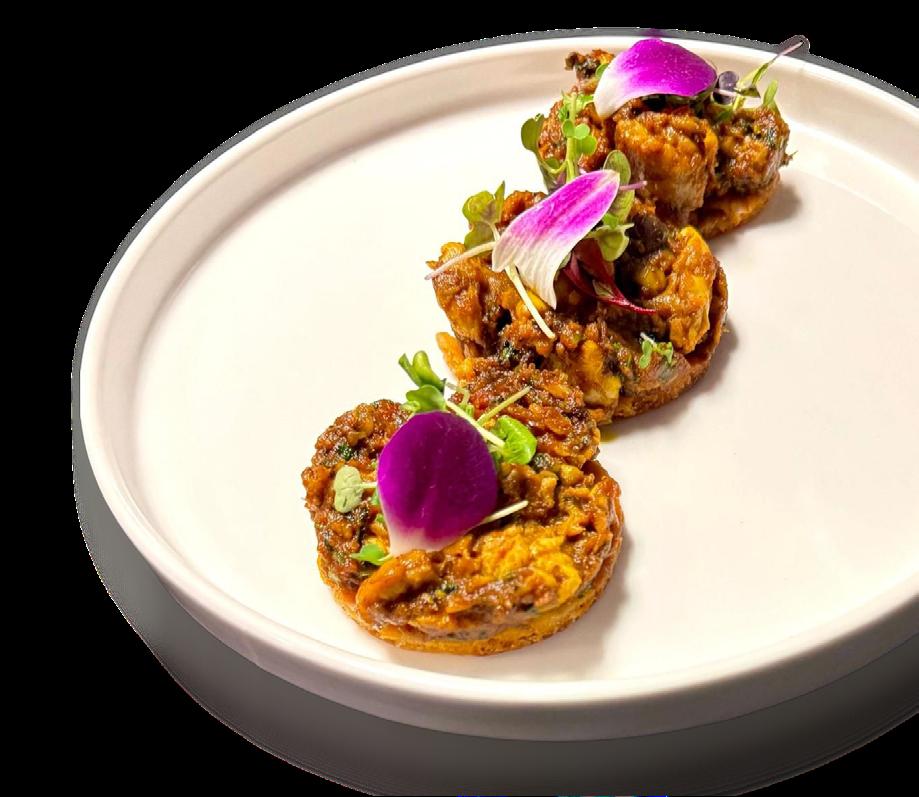
ACF Chefs know that the sustainability, nutrition and cost benefits of offal mean little if they can’t be prepared deliciously. ACF Chef Ashutosh Kandpal, Executive Chef at Paheli Modern Indian Cuisine (Wayne, NJ), says offal offers an opportunity to connect flavor, technique and cultural tradition. He enjoys working with ingredients such as goat brain, chicken gizzards, lamb kidneys and sweetbreads, applying refined techniques while respecting their rustic roots. “One preparation I particularly enjoy is a masala-spiced chicken gizzard dish finished with pickled onions and fresh herbs, balancing bold Indian flavors with contemporary plating,” he says. “I believe these ingredients offer not only remarkable flavor and texture, but also an important connection to heritage, craftsmanship and responsible cooking.”
Soft and delicate with a custard-like texture, brains appear in traditional French, South Asian and Mexican cooking, often lightly fried, scrambled or folded into rich sauces.
A muscular digestive organ from poultry, with a firm bite and deep flavor. Commonly braised, confited or fried, they feature in Southern, Japanese and Southeast Asian cuisines.
Lean, dense and intensely meaty, with steak-like texture. It can be stewed, stuffed and braised or grilled and is widely used in Latin American and Eastern European cooking.
Earthy and robust with a distinct minerality, they’re a staple in classic British and French dishes such as steak and kidney pie, as well as in sautés, curries and offal terrines.
Rich and highly nutritious, liver is one of the most widely consumed offal cuts. It appears in pâtés, mousses, dirty rice, chopped liver and countless regional dishes around the world.
Typically referring to the thymus gland or pancreas, sweetbreads are valued for their delicate flavor and creamy interior. Frequently soaked, poached and crisped, they are a hallmark of classic French cuisine.
Not technically offal, tendon becomes silky and gelatinous when slow cooked. It is especially popular in Vietnamese pho, Chinese braises and rich beef stews.
Tender and richly flavored when slowly braised, tongue is used in everything from tacos de lengua to deli-style sandwiches and charcuterie.
The stomach lining of ruminant animals, tripe has a chewy texture that readily absorbs flavor. It is commonly simmered in soups, stews and curries.
By ACF Chef Ashutosh Kandpal
A refined take on the traditional Indian offal dish, this bheja fry pairs lamb or goat brain with a rich tomato masala, warming spices and saffron-infused bread.
Serves 4 to 6 as an appetizer
Ingredients:
• 4 to 5 lamb or goat brains (340 to 400 g), cleaned and blanched in turmeric water
• 1 Tbsp clarified butter
• 1 tsp cumin seeds
• ½ onion, finely chopped
• 2 garlic cloves, finely chopped
• ½ tsp turmeric
• ¼ tsp red chili powder
• ½ tsp coriander powder
• ¼ tsp cumin powder
• ½ tsp salt, or to taste
• ¼ tsp dried fenugreek leaves (kasuri methi)
• ½ tsp garam masala
• 225 g finely chopped tomatoes
• 2 Tbsp heavy cream
• 15 g cilantro, coarsely chopped
Method:
1. Heat clarified butter in a pan over medium heat.
2. Add cumin seeds and toast until aromatic.
3. Add onion and garlic; sauté until softened and lightly golden.
4. Add turmeric, red chili powder, coriander powder, cumin powder, salt, dried fenugreek leaves and garam masala. Cook briefly until fragrant.
5. Add tomatoes and cook until broken down and fully incorporated into the masala.
6. G ently fold in the blanched brains and sauté carefully so they absorb the masala without breaking apart.
7. Stir in cream to finish the sauce.
8. G arnish with fresh cilantro before serving.
Plating:
• Arrange saffron-infused bread at the base of the plate.
• Spoon the warm bheja fry over the bread.
• Finish with cilantro and, if desired, a light butter glaze.
By Kerstin Kühn
Burrata is a fresh Italian cheese defined by structure and contrast. A thin mozzarella shell encases a soft mixture of curds and cream, creating a texture that shifts from firm to gooey when opened. That combination makes it a useful ingredient in professional kitchens, where it can add richness without requiring heavy handling or complex preparation.
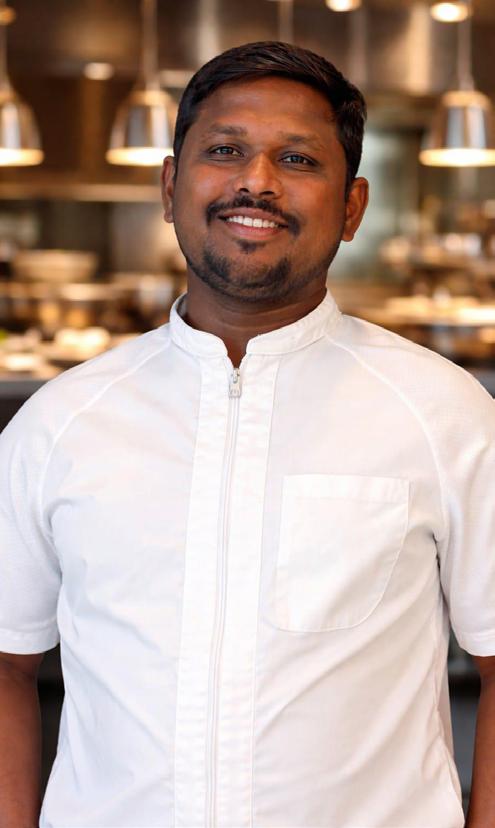
“Burrata is compelling because of its contrast,” says ACF Chef Saravanan Ravichandran, PhD, Executive Chef and specialist in Indian fine dining. “Its delicate outer shell and rich, creamy interior allow you to create balance between texture and temperature.” He notes that it can act as either a focal point or a supporting element, depending on how it’s positioned in the dish.
The cheese itself is mild, with a clean, milky sweetness and a soft, creamy texture that melts on the palate. This neutrality gives it range. “It pairs well with acidity, bitterness and spice,” Chef Ravichandran explains, “which allows chefs to build layered, balanced flavor profiles.” In practice, that means burrata can sit alongside everything from roasted vegetables and citrus to more assertive, spice-driven components without losing its role on the plate.
In menu development, placement matters. While burrata often appears as a centerpiece, Chef Ravichandran finds it more
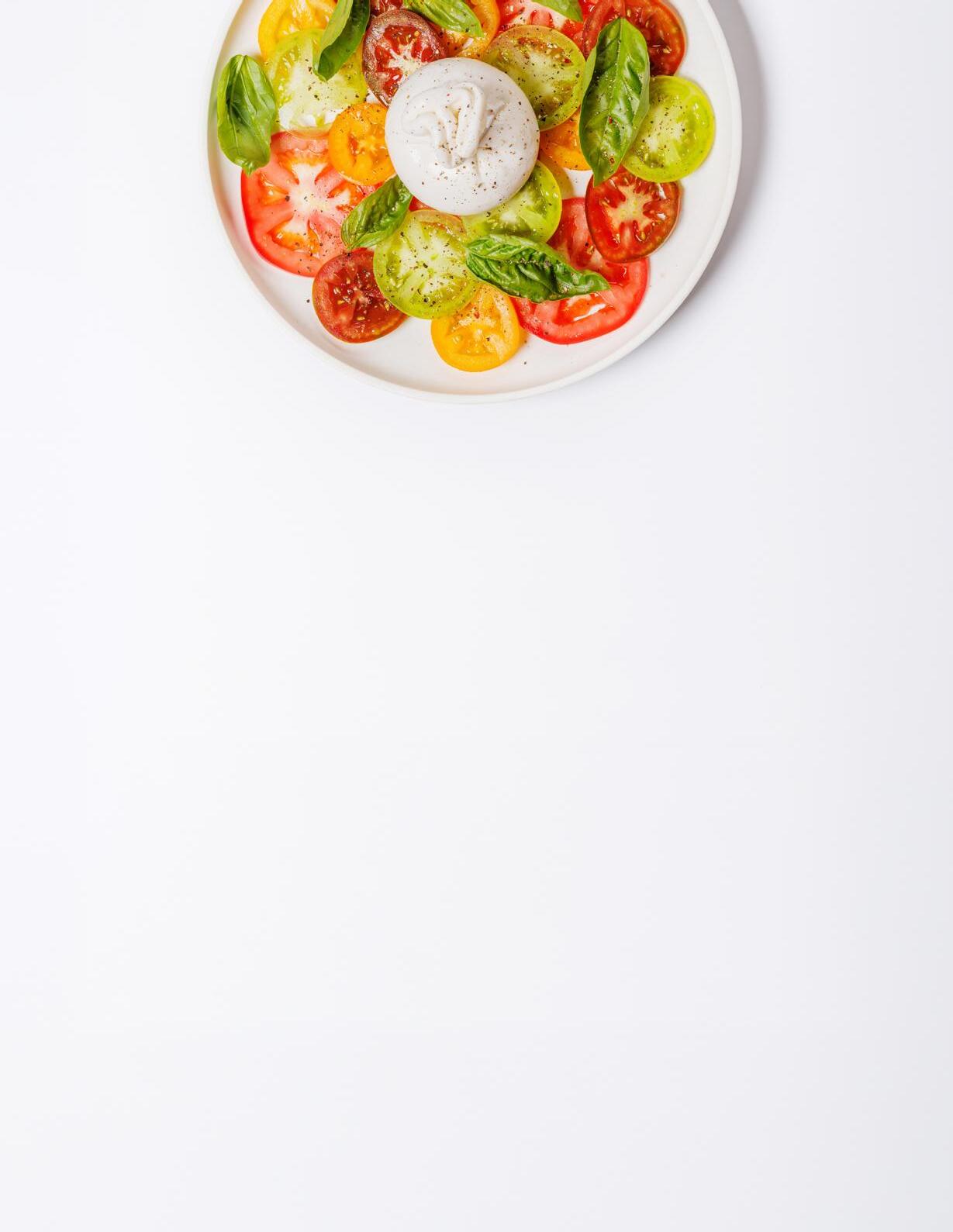
effective in smaller formats. “I see it working particularly well in amuse-bouches or starters,” he says. “That way, its richness can be controlled and presented with precision.” Used this way, it delivers impact without overwhelming the dish.
Managing that richness is also the main technical challenge. “Without proper balance, it can overwhelm,” he notes. Temperature control is critical, as is pairing. “You need contrast, whether that’s acidity, texture or spice, to maintain harmony.” Crisp elements, bright acids or heat-driven components help keep the dish from feeling heavy.
While burrata is widely used, Chef Ravichandran sees continued potential. “It is still evolving,” he says. “There is significant opportunity to reinterpret it through global flavors and modern techniques.” Its neutral profile makes it particularly suited to cross-cultural applications, where it can bridge familiar and new without losing clarity.
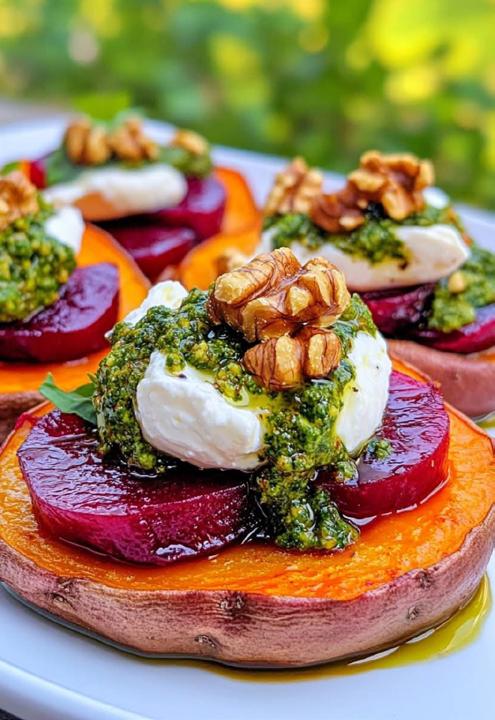
Chef Ravichandran applies these principles in his own cooking, where global ingredients are integrated into an Indian fine dining context. In one example, burrata is paired with roasted sweet potato and a curry leaf and green chili essence. The sweet potato provides a caramelized base, while the curry leaf brings aroma and the chili adds controlled heat. Burrata sits at the center, softening the spice and tying the elements together, with toasted nuts and herbs adding texture and freshness.
By ACF Chef Saravanan Ravichandran, PhD
Ingredients:
• Sweet potato, cut into small, even rounds
• Burrata cheese (or stracciatella), portioned
• Fresh curry leaves
• Green chili (adjust for heat)
• Cashew nuts
• Lemon juice
• Gingelly (sesame) oil
• Sea salt
• Toasted walnuts or peanuts
• Micro coriander or baby herbs
Method:
1. Sweet Potato
Toss the sweet potato rounds with gingelly oil and sea salt. Roast at 200°C / 392°F until tender with well-caramelized edges.
2. C urry Leaf Essence
Gently warm curry leaves in oil to release their aroma without browning. Blend with green chili, cashews and lemon juice until smooth, adding a small amount of water if needed to achieve a lightly emulsified, spoonable consistency. Adjust seasoning, then pass through a fine sieve for a more refined texture if desired.
3. Bu rrata
Bring to room temperature. Tear into small portions, or use the stracciatella interior for a cleaner texture.
4. A ssembly
Place a roasted sweet potato round as the base. Add burrata, then spoon the curry leaf essence so it connects the elements. Finish with toasted nuts, herbs and a pinch of sea salt.

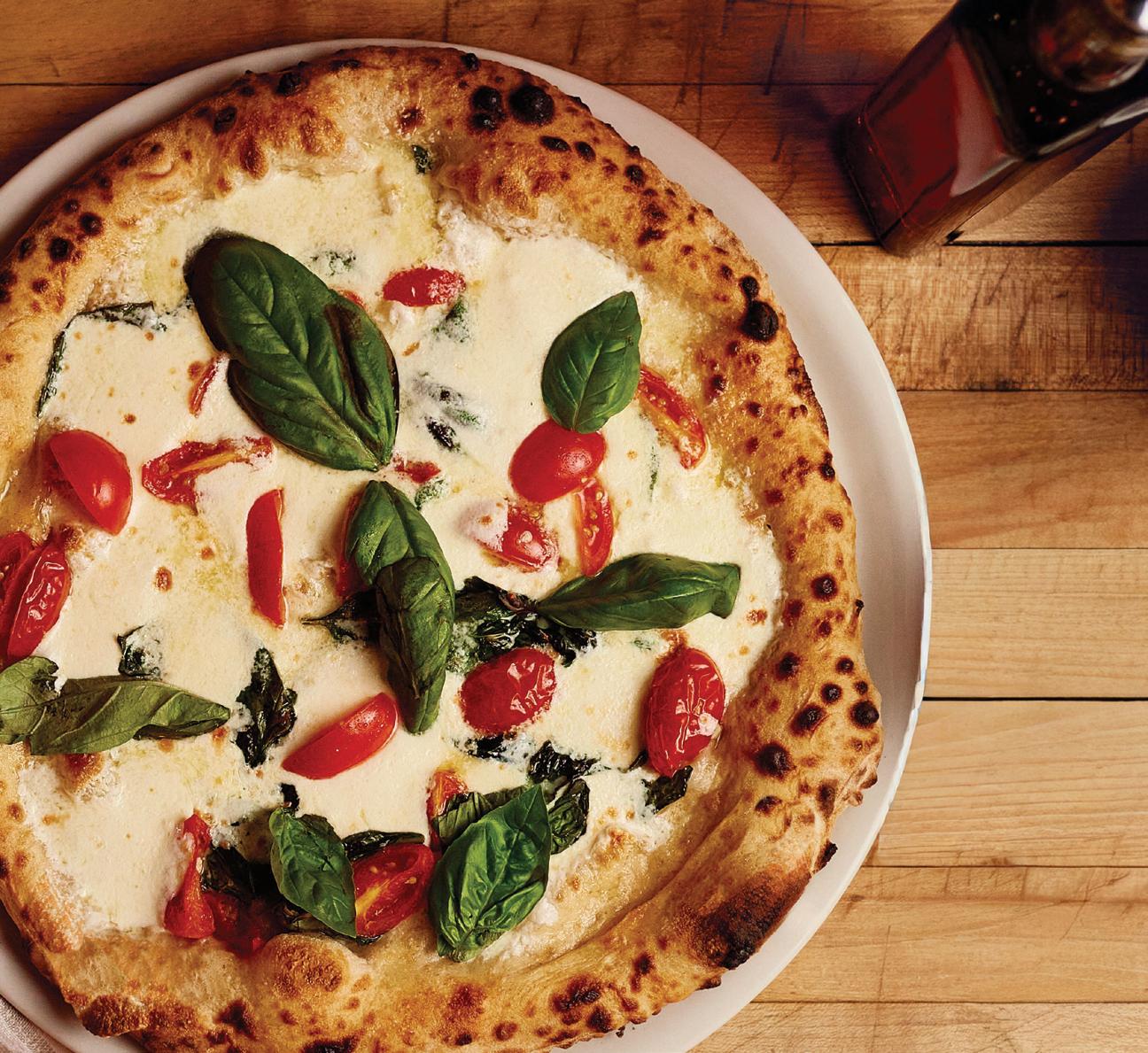
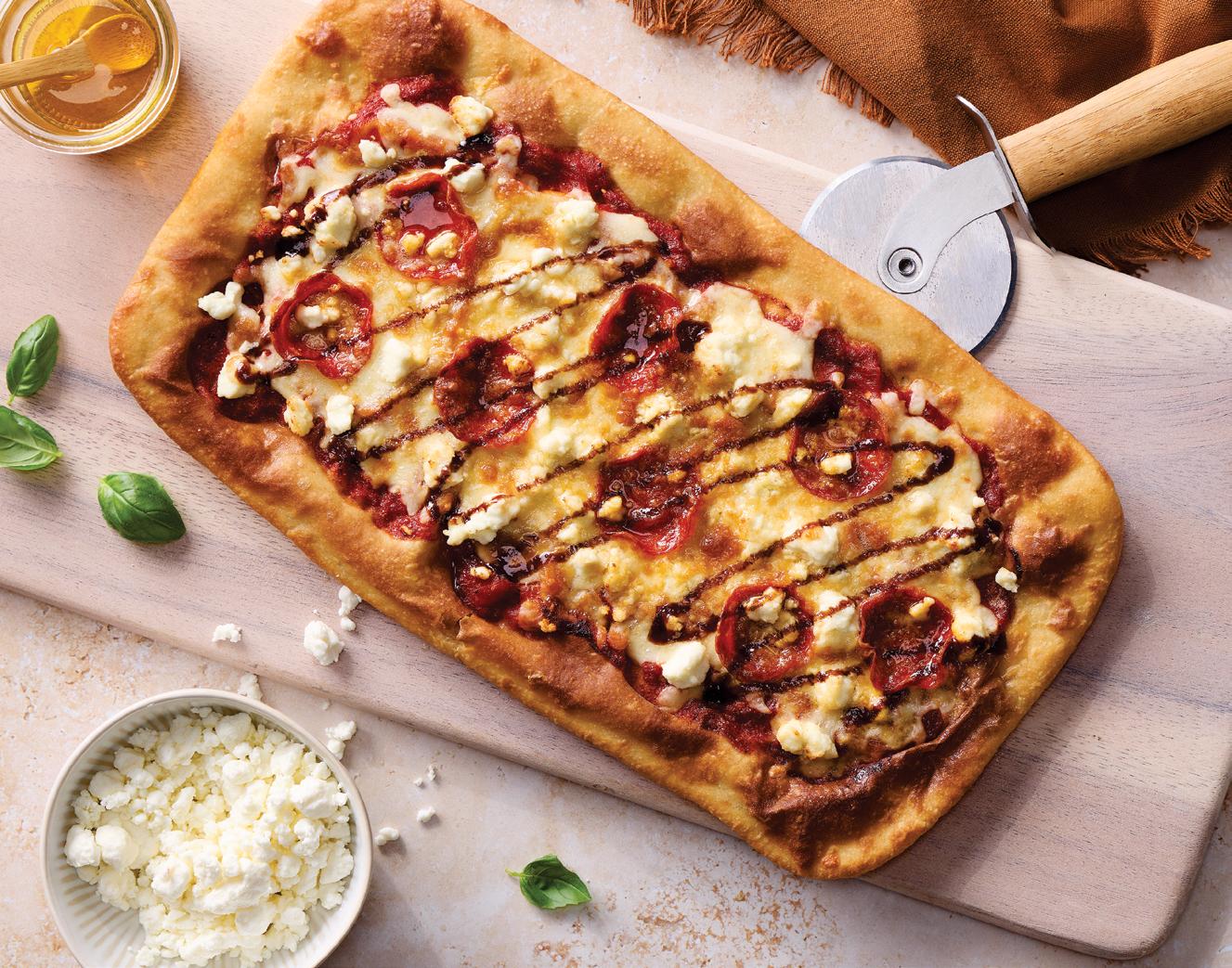
melts into the crust, cherry tomatoes bring a sweetness & basil finishes the bite. Familiar flavors for timeless Italian comfort.













By ACF Chef Jonathan Deutsch, Ph.D., CRC, CHE
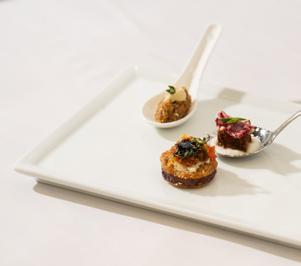
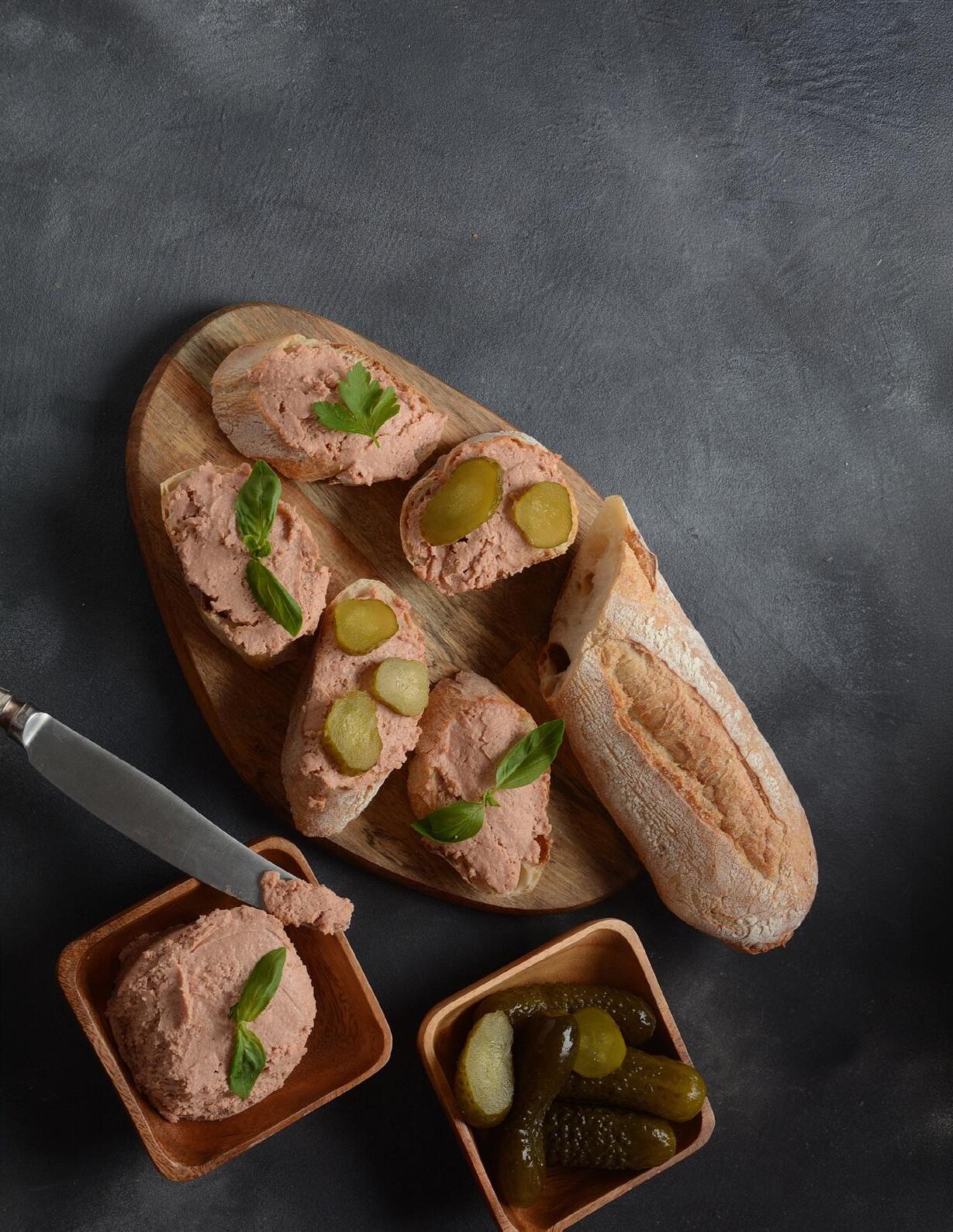
Chicken liver mousse, done well, turns the mundane sublime. Starting from a humble ingredient, a properly made mousse is a rich, savory, silky, indulgent addition to an appetizer menu or charcuterie board. It can be served as simply as a Jewish style sandwich of liver spread on rye bread with brown mustard and raw white onions or as elevated as a farce piped inside morels, served with buttered brioche toast points and mushroom demi-glace. As a component in other dishes, it adds depth of flavor and richness to everything from beef Wellington (try a 50/50 duxelles to chicken liver mousse blend), to agnolotti, to banh mi. It also works wonderfully on top of a grilled or sauteed steak – an alternative to compound butter and a sort of discount Tournedos Rossini.
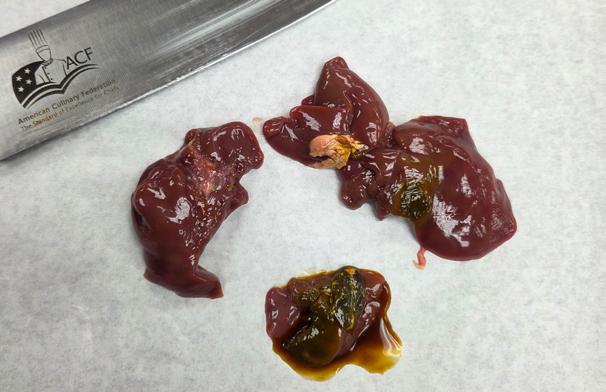
Like many classical dishes – omelets, roast chicken or pâté en croute – chicken liver mousse is also a test of the chef’s fundamental technique. While relatively simple to prepare, if done poorly, the mousse is grainy, has a bloody iron flavor, or is greasy and broken, with the fat falling out of its protein emulsion.
ACF Chef Tim Recher, CEC, AAC, Director of Culinary Operations at The Club at Mediterra (Naples, FL), recalls eating chopped chicken liver as a child. “I didn’t know what it was, but I always loved it,” he says. “From early in my career, old world charcuterie has been a passion. Making chicken liver mousse is a great way to start if you’re interested in charcuterie. I love classical cooking and these classic recipes.”
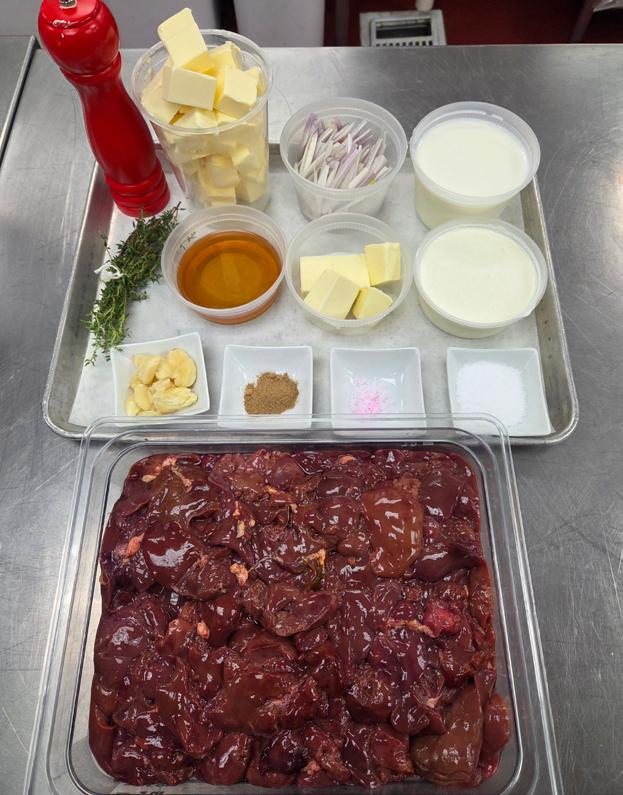
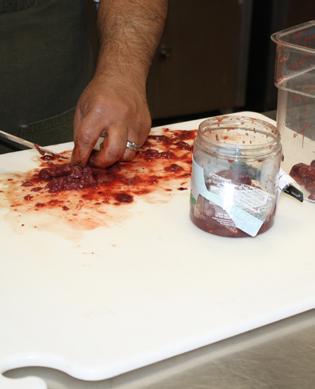
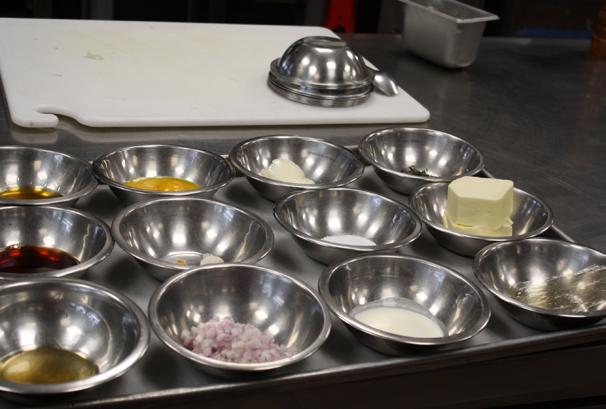
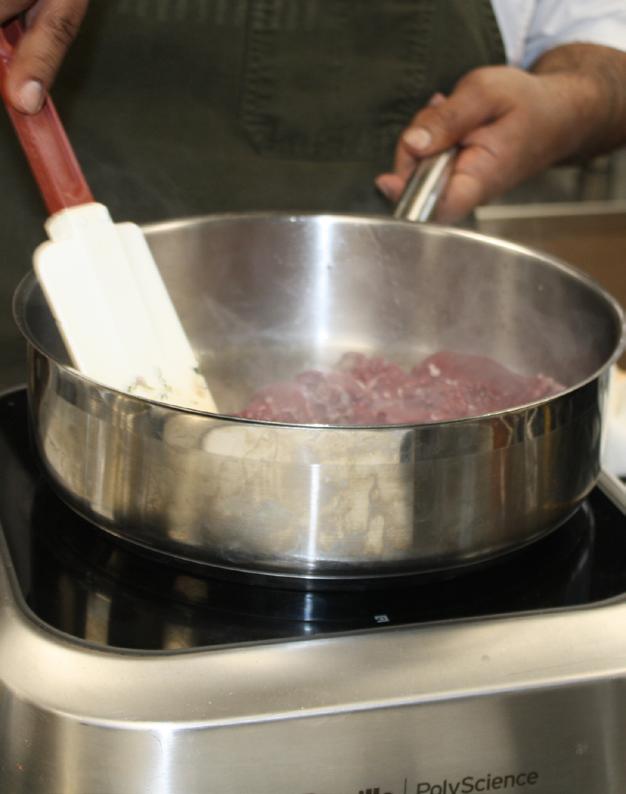
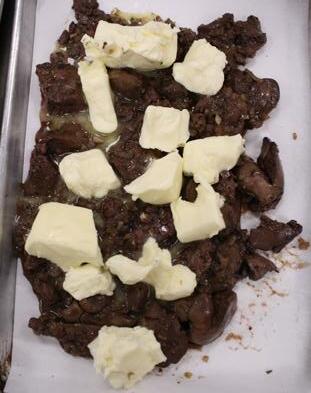
Chef Recher prepares his classical version by gently cooking the livers with butter, shallots, garlic and thyme before deglazing with brandy and emulsifying the mixture with heavy cream and additional butter. He cautions chefs not to overcook the livers to avoid a grainy texture. He also insists on straining the mousse through a chinois or tamis to achieve silky smoothness, which he says, “defines classical refinement.” The
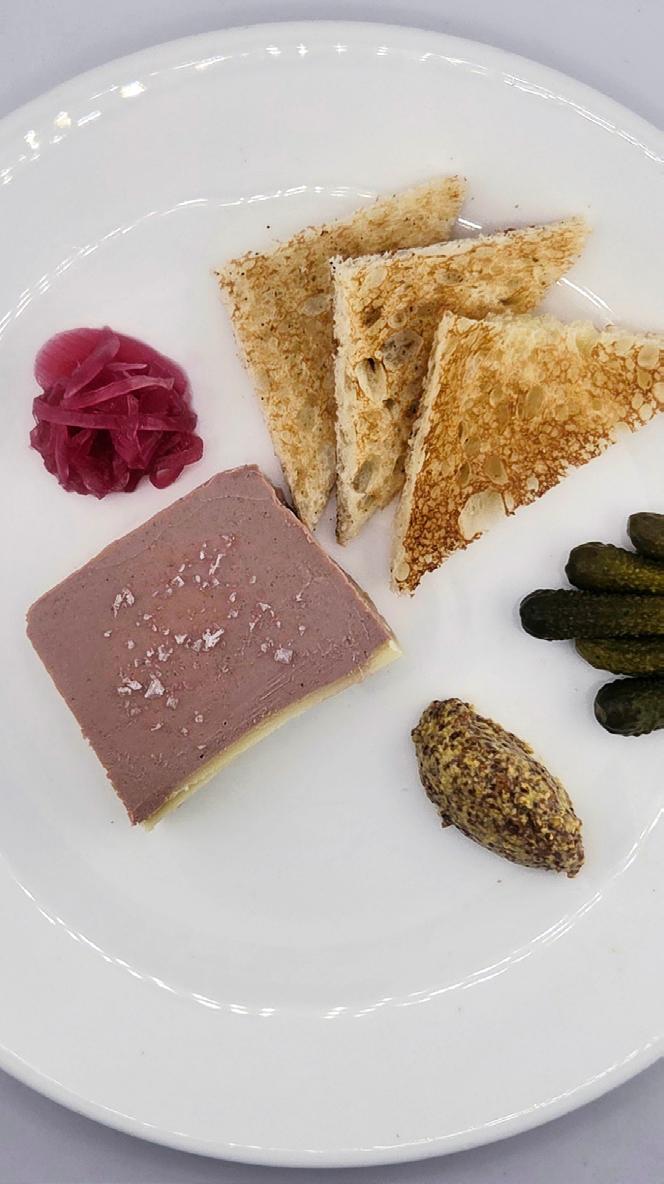
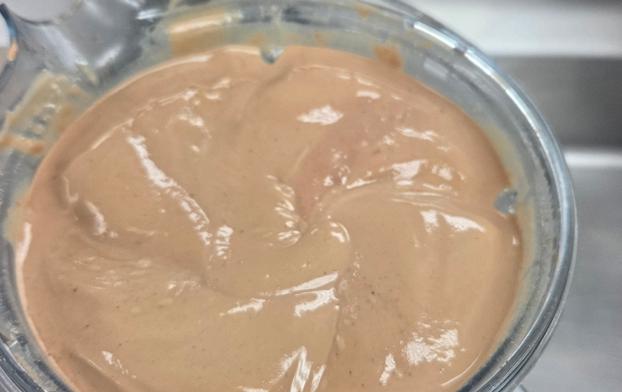
texture and flavor targets of the finished mousse, Chef Recher says, are a silky, spreadable texture with no grain; a mild, slightly sweet flavor with subtle aromatics; and a warm pink to tan color. He suggests serving the classical chicken liver mousse with toasted brioche, cornichons, whole grain mustard, pickled shallots and a seasonal fruit compote or port gelée.
Chef Brian Lofink, Culinary Educator at Drexel University in Philadelphia, fell in love with making pâtés and other charcuterie as a culinary student co-op and line cook at the famed Brasserie Perrier in Philadelphia. He added chicken liver mousse to his repertoire when he was Executive Chef of Kraftwork, also in Philadelphia, where the dish was a staple of the restaurant’s charcuterie board.
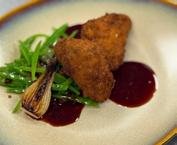
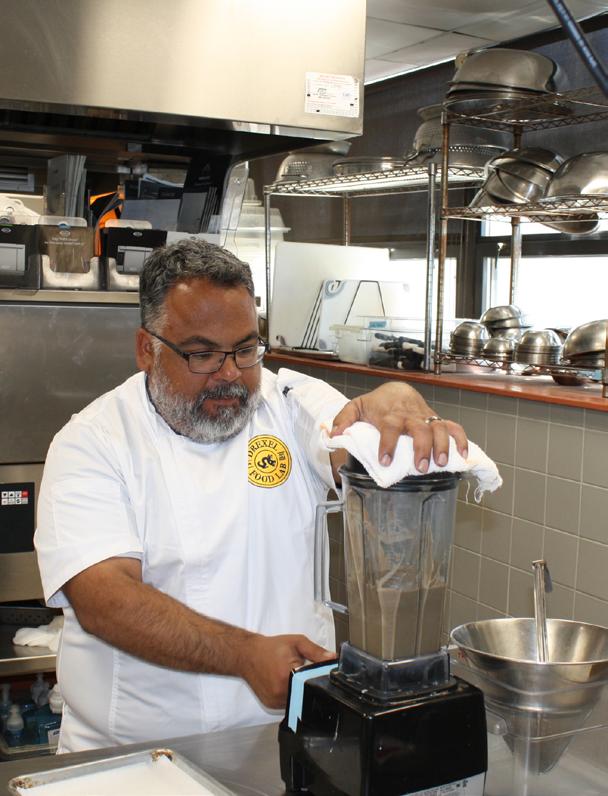
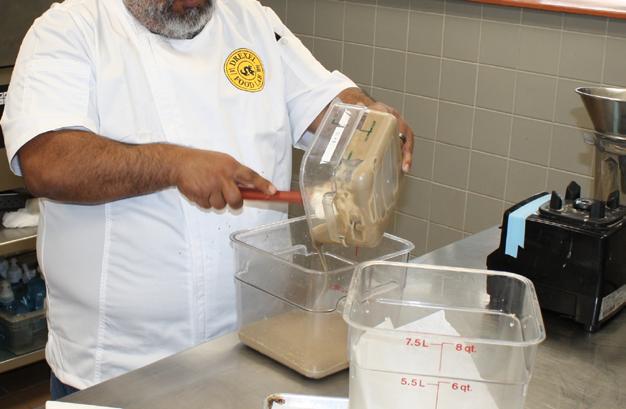
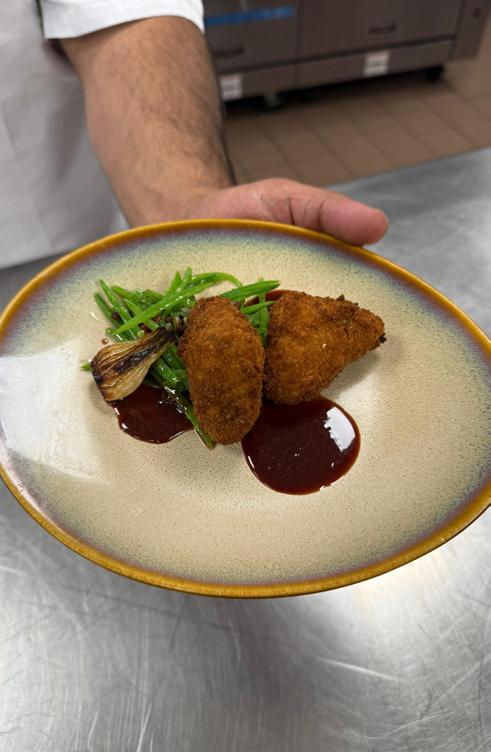
Chef Lofink’s modern version of a chicken liver mousse takes a form not usually seen: a crisp chicken liver mousse cromesquis (a crispy croquette with a molten center) served with “a glossy tawny port and veal reduction, charred spring onion, and a bright snow pea salad with crispy guanciale, spring onion tops, shallot, and citrus-Dijon vinaigrette.” Chef Lofink says the idea for the cromesquis came to him because he wanted to do something that was modern today as well as modern in the past. “A cromesquis is an old school way to present certain dishes,” he says. “It goes backwards to go forwards but uses modern technique. In addition to setting mousse with gelatin, I cooked it sous vide and set it in the blast freezer. So, I used classical techniques with modern equipment and application.”
Chef Lofink advises chefs to keep the cromesquis frozen until frying to help maintain its shape and prevent leaking. He suggests using very fine panko for a cleaner crust and more delicate bite. The success of the dish relies on immediate plating so that the texture and temperature contrast between the hot cromesquis, warm sauce and crisp salad remain intact.
By ACF Chef Tim Recher, CEC, AAC
Yields approximately 950 ml or 25 30 ml portions
Ingredients:
• 9 00 g chicken livers
• 240 ml whole milk
• 3 40 g unsalted butter
• 6 0 ml brandy
• 120 ml heavy cream
1 0 g kosher salt, to taste
• 1 g white pepper
• 2 g cure #1 (pink salt)
• Pinch of quatre épices
Method:
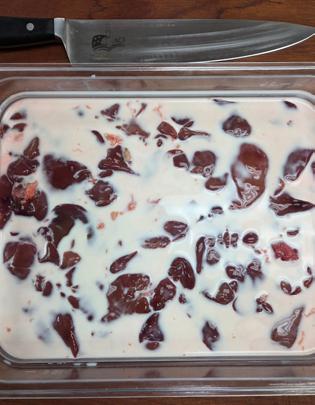
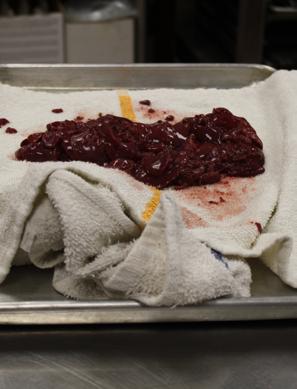
1. Soak livers. Place cleaned chicken livers in whole milk and refrigerate for 1–2 hours. Drain and pat dry.
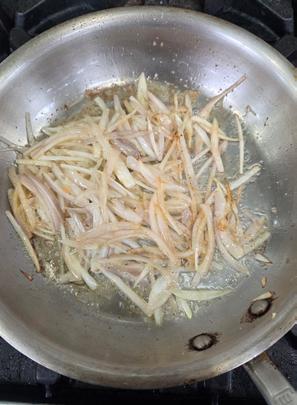
2. Prepare aromatics. In a sauté pan, melt a small portion of butter over medium-low heat. Add shallots, garlic, and thyme. Sweat gently until translucent; do not brown.
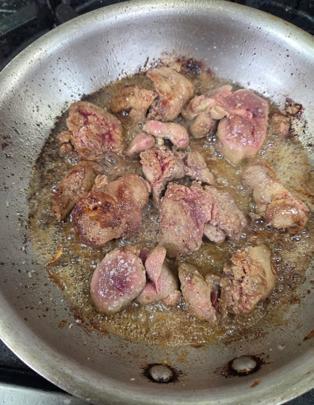
3. C ook livers. Add livers to the pan. Season lightly with salt and white pepper. Cook over medium heat until just cooked through but still slightly pink in the center.
4. Deglaze. Add brandy. Reduce au sec.
5. B lend. Transfer mixture to a highspeed blender. Add heavy cream and remaining softened butter. Blend until completely smooth and emulsified.
6. Strain. Pass the mixture through a fine chinois or tamis to achieve a smooth texture.
7. Adjust seasoning. Taste and adjust seasoning as needed.
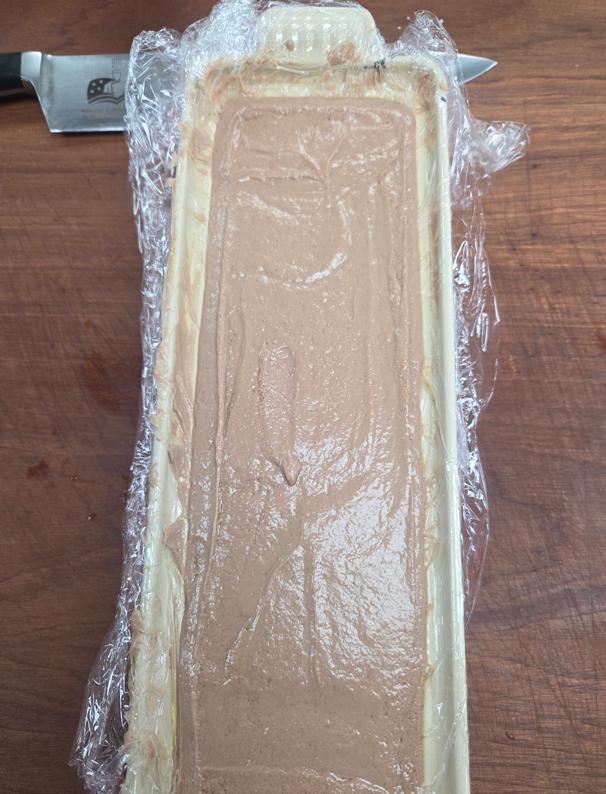
8. Mold and seal. Transfer mousse into terrine molds or ramekins. Pour a thin layer of clarified butter over the surface to seal and prevent oxidation.
9. Chill. Refrigerate for at least 6 hours or overnight before serving.

By Chef Brian Lofink
Components:
• Chicken Liver Cromesquis
• Tawny Port-Veal Reduction
• Charred Spring Onion
• Snow Pea, Guanciale & Spring Onion Salad
• Citrus-Dijon Vinaigrette
Chicken Liver Cromesquis
Ingredients:
500 g chicken livers, cleaned and trimmed
• 6 0 g shallots, sliced
• 2 garlic cloves
• 2 sprigs thyme
• 4 0 ml Cognac or Armagnac
6 0 ml ruby port
• 15 ml sherry vinegar
• 4 egg yolks
• 150 ml heavy cream
• 2 50 g unsalted butter, softened
• 6 0 g rendered duck fat or Wagyu tallow
• 8 g gelatin sheets, bloomed, or 6 g powdered gelatin
• 1 0 g kosher salt, or to taste
• W hite pepper, to taste
1 00 g flour
• 2 eggs, beaten
• 1 00 g panko breadcrumbs, finely processed
Method:
1. In a large sauté pan, sweat the shallots, garlic and thyme in a small amount of butter over medium-low heat until softened and aromatic.
2. Add the chicken livers and cook gently until just cooked through but still slightly pink in the center.
3. D eglaze with Cognac or Armagnac and ruby port. Reduce slightly, then add the sherry vinegar. Remove the thyme stems and allow the mixture to cool slightly.
4. Transfer the mixture to a blender. Add the egg yolks, cream, softened butter, duck fat or Wagyu tallow, bloomed gelatin, salt and white pepper. Blend until completely smooth.
5. Pass the mixture through a fine chinois.
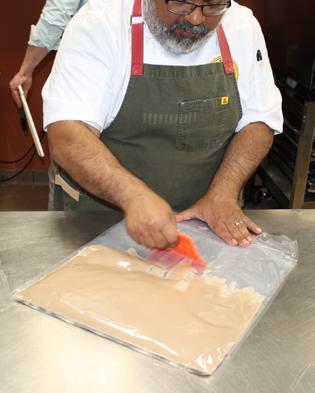
6. Vacuum seal in a flat, even layer.
7. C ook sous vide at 63°C for 35–40 minutes.
8. O ptional: Re-blend briefly after cooking for an extra smooth texture.
9. Pour into a parchment-lined quarter sheet tray to approximately 2 cm thick.
10. Refrigerate overnight until fully set.
11. O nce set, cut into approximately 4 cm squares, then cut each square diagonally into triangles. Transfer to a parchment-lined sheet pan.
12. Freeze completely before breading.
13. Prepare a standard breading station with flour, beaten eggs and finely processed panko breadcrumbs.
14. Bread the frozen triangles in flour, egg wash and panko. Return to the freezer until ready to fry.
15. For service, fry from frozen at 175°C for 45–60 seconds, or until golden brown and heated through.
16. D rain briefly on a rack or paper towel. Season lightly with salt and serve immediately.
Tawny Port-Veal Reduction
Ingredients:
4 80 ml 10-year tawny port
• 240 ml veal stock
• 14 g cold unsalted butter, diced
• Kosher salt, to taste
• Freshly ground black pepper, to taste
Method:
1. Place the tawny port in a small saucepan and bring to a simmer over medium heat.
2. Reduce until thickened, glossy and syrupy.
3. Add the veal stock and continue reducing until the sauce reaches a light nappé consistency.
4. Remove from the heat and mount with the cold butter, whisking until emulsified.
5. Season lightly with salt and black pepper.
6. Hold warm for service.
7. Note: The finished sauce should be rich and glossy with balanced sweetness and acidity.
Charred Spring Onion
Ingredients:
• 8 –10 spring onions
• Kosher salt, to taste
• Neutral oil, as needed
• Ice water, for shocking
Method:
1. Trim the spring onions, reserving the green tops for the salad.
2. Halve the bulbs lengthwise.
3. B lanch briefly in salted boiling water until just tender.
4. Shock immediately in ice water.
5. D rain and dry thoroughly.
6. Heat a small amount of neutral oil in a sauté pan over medium-high heat.
7. Place the spring onions cut-side down and cook until deeply charred and caramelized.
8. Season lightly with salt and reserve for plating.
Citrus-Dijon Vinaigrette
Ingredients:
• 30 ml white wine vinegar
• 30 ml fresh lemon juice
• Zest of ½ lemon
5 g Dijon mustard
• Kosher salt, to taste
• B lack pepper, to taste
• 180 ml neutral oil
Method:
1. In a mixing bowl, combine the vinegar, lemon juice, zest, Dijon mustard, salt and pepper.
2. Slowly whisk in the oil until emulsified.
3. Taste and adjust seasoning as needed.
4. Refrigerate until ready to use.
Snow Pea, Guanciale & Spring Onion Salad
Ingredients:
• 6 0–90 g guanciale, finely diced
• 2 25 g snow peas, trimmed
• 1 small shallot, finely minced
• Reserved spring onion tops, thinly sliced
• Citrus-Dijon vinaigrette, as needed
• Kosher salt, to taste
• B lack pepper, to taste
Method:
1. Render the guanciale slowly in a sauté pan until crisp and the fat has fully rendered.
2. D rain and reserve.
3. B ring a pot of salted water to a boil.
4. B lanch the snow peas for approximately 5 seconds, just long enough to brighten the color while maintaining their crisp texture.
5. Shock immediately in ice water.
6. D rain and dry thoroughly.
7. Thinly slice the snow peas on a bias.
8. In a mixing bowl, combine the snow peas, shallot, spring onion tops and crispy guanciale.
9. D ress lightly with the citrus-Dijon vinaigrette.
10. Season with salt and black pepper to taste.
11. Note: The salad should remain crisp, bright and lightly dressed.
Final Plating:
1. Spoon or brush the tawny port-veal reduction onto the plate.
2. Place a small mound of snow pea salad slightly off-center.
3. A rrange a charred spring onion beside the salad.
4. Fry the frozen cromesquis at 175°C until golden brown and heated through.
5. D rain briefly, season lightly with salt and place 1–2 cromesquis alongside the salad.
6. Finish with an additional spoonful of port reduction, if desired.





ACF Chefs Joe Alfano, CEC, AAC, and Marianne Hunnel, CEC, help feed astronauts in the final days before launch. From middle-of-the-night meal shifts to creating a sense of home before liftoff, they share what it’s really like to cook for crews preparing to leave Earth

How many chefs typically work on a mission?
How did you get involved with the space program?
Chef Alfano: In March 2020, I received a phone call from Sherry Kolleda, the owner of [staffing agency] Spherion in Melbourne, FL. She explained that she was building a team of chefs to support the return of crewed space missions to the International Space Station (ISS). The team’s role would be to provide meal services for the astronauts while they were in pre-launch quarantine at the Kennedy Space Center (Cape Canaveral, FL). I have to admit, at first, I thought it was a joke! But as the conversation continued and Sherry shared more details, I realized she was completely serious. I knew right then that this was an incredible, once-in-a-lifetime opportunity.
We usually have a team of four to six chefs that work with two food service leads from NASA, depending on the size of the crew and the length of the quarantine period. The quarantine typically lasts between five and eight days and is governed by very strict protocols. Because we are ’Primary Contacts’ for the astronauts and their support team, we have to meet the rigorous requirements of NASA’s Health Stabilization Program (HSP) to ensure their safety. It’s a level of responsibility that goes far beyond our standard professional culinary training.
How many missions have you worked on?
We started with the historic SpaceX DM-2 mission in 2020, which carried astronauts Bob Behnken and Doug Hurley. That was a milestone because it was the first crewed launch from American soil in nearly a decade. Since then, including both NASA and private commercial launches, our team has had the honor of feeding astronauts for over 15 missions, including our most recent work for Artemis II.
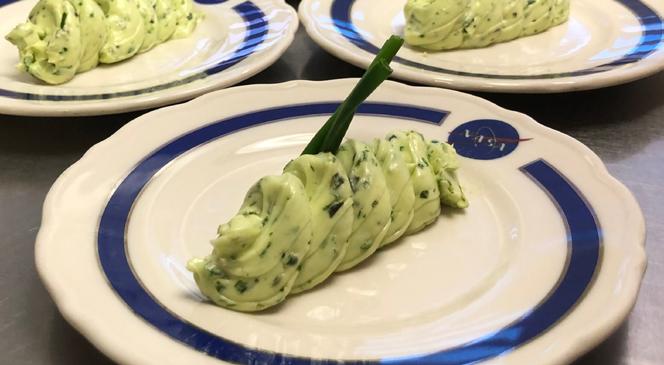
Do you prepare the meals astronauts eat in space?
We get that question a lot. The short answer is no. The Space Food Systems Laboratory in Houston supports the production and development of flight food, menus, packaging, and food-related accessories for all NASA programs including the Commercial Crew Program. Our mission is different: we focus on feeding the crew while they’re still on Earth. Our job isn’t finished until they leave the planet.
Do you create the menus for the astronauts?
The menus are developed by a specialized team at The Space Food Systems Laboratory and follow strict guidelines for food safety and nutrition. These menus are then tailored based on crew and support team preferences, as well as specific dietary needs or allergy restrictions. Our role is to work within that established framework to prepare the meals, ensuring every dish meets those high standards while still tasting like a home-cooked meal.
What’s the most challenging part of the job?
The commitment to flexibility. Being retired from a fulltime position is a huge advantage because launch dates can shift and slip multiple times depending on the mission requirements. If you are still working a standard job, your schedule has to be incredibly fluid to keep up. Mealtimes are strictly dictated by the mission launch window, and every mission is different. A major factor is a process called ‘sleep shifting.’ To ensure they don’t wake up exhausted on launch day, astronauts adjust their internal clocks for several days leading up to the mission, shifting their wake times earlier or later to align with the launch time. This means meals can be served at any hour of the day or night; breakfast might be served in the middle of the night, and dinner might be ready at sunrise. You have to remain flexible and ready to cook whenever the schedule calls for it.
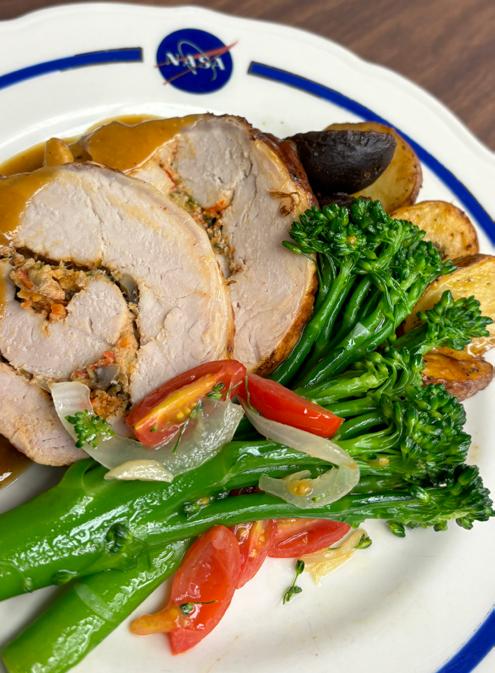
What surprised you most about working with astronauts?
Honestly, it’s seeing how truly excited they are leading up to a launch. To the rest of the world, they are superheroes, but in person, they are incredibly humble and deeply grateful for the support teams surrounding them. They genuinely appreciate every single person who plays a role in getting them ready for flight, including the chefs. It’s a powerful reminder that while they’re the ones going into space, they truly see it as a team effort.
What is the most rewarding part of your job?
Most chefs would probably give the same answer – seeing someone enjoy the food you made. We’ve had the pleasure of meeting astronauts and support teams from all over the world. One of the highlights is preparing what’s called the ‘ultimate meal,’ which is the astronaut’s choice of their favorite food, usually served the day before launch. One astronaut told us the dish we made tasted just like something their mom used to cook when they were growing up. Hearing that put a big smile on our faces. It reminds us that beyond the nutrition and the fuel, we’re providing a sense of home. In those high-pressure days leading up to a mission, a communal meal creates a ‘family-table’ atmosphere that allows the crew to decompress. It’s a rare moment of normalcy where they can put aside the technical checklists, share a laugh, and find a bit of quiet before the mission.

By Pamela Brill
The care and nurturing behind sourdough is proving its versatility. What began as a pandemic-fueled project has evolved into a broader culinary movement, with fermented dough now appearing in laminated pastries, cookies and other sweet applications. As pastry chefs discover novel ways to incorporate this underutilized product onto their dessert menus, they are learning how to maximize its potential via unconventional formats.

Working with sourdough offers pastry chefs another layer of flavor and texture to explore. For ACF Chef Jessica Quiet, Executive Pastry Chef at The Country Club of Virginia (Richmond), it’s about achieving equilibrium in baking. “In pastry, we spend a lot of time balancing sweetness, fat, acidity, texture and aroma, and sourdough gives you another flavor to work with,” she says. “It brings a sense of character that feels both old-world and modern at the same time.” The club’s café features a sourdough daily donut program, which enhances the existing menu of sourdough bagels and cinnamon rolls.
ACF Chef Michael B. Santos, CEPC, AAC, Instructor at Anne Arundel Community College (Arnold, MD) and ACF Treasurer of the Greater Baltimore Chapter, sees sourdough as an important tool for building balance and character in pastry. “Commercial yeast is perfect for consistency, but sourdough brings a depth of flavor that’s hard to get any other way,” he says. “There’s a subtle acidity, deeper aroma and real sense of craft behind it. In pastry especially, where you’re often working with rich ingredients like butter and sugar, that slight tanginess helps balance everything out.”
Sourdough also offers practical advantages in pastry kitchens, particularly when it comes to reducing waste. “As the price of quality organic flour continues to rise, I’m driven to find applications for sourdough discard,” says Chef Michael Kalanty,

CEPC, CCE , bakery product developer and cookbook author in San Francisco. He uses sourdough discard in batters and griddled items, including waffles, crepes and blinis, rolled with fresh fruit filling and sour cream.
Enriched and laminated doughs also benefit from sourdough, especially in brioche, croissant and other breakfast pastries. In addition to perfecting a sourdough Danish with different fruit fillings, Chef Santos has introduced his students to other uses for sourdough, like muffins, cookies and quick breads. “These types of recipes are also a fantastic way for professional and even home bakers, who may not necessarily use an active starter daily, to eliminate the waste that is caused by discard,” he says.

For Chef Sarah Owens, a California-based baker, culinary instructor and cookbook author of Sourdough Rising (2027), globally inspired desserts offer another compelling platform for sourdough. Her recent baking and preserving workshops held in Italy featured sourdough in her pasta frolla recipe (along with whole spelt flour) to complement sour cherries and ricotta. Chef Owens is also a fan of adding sourdough starter to pie crust, which “can help prevent gluten formation and tenderize the pastry, leading to a lovely mouthfeel once baked,” she explains.
Flavor and texture are greatly impacted by the presence of sourdough in pastry. Chef Owens appreciates how fermented dough can enhance the moistness of a whole wheat or whole emmer chocolate cake. “Baking soda tends to neutralize some of acidity, but there is something undeniable about the combination of chocolate and a truly sour sourdough batter or dough,” she says.
Sourdough can also extend shelf life while maintaining flavor over time thanks to the natural acids that occur during fermentation. “In quick breads and cookies, it creates a more tender, cohesive crumb that doesn’t dry out super-fast,” says Chef Quiet. “In laminated doughs, it contributes to a softer interior.”
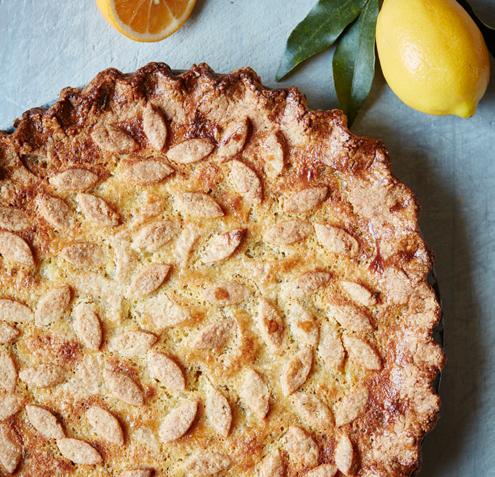
Curbing sweetness is another one of sourdough’s hidden traits, something that Chef Tia Throckmorton, Consultant in Kansas City, MO, understands. She recalls working with a chef who requested a caviar course with ice cream. Chef Throckmorton dehydrated and then toasted a variety of sourdough starters for a balanced flavor. “I didn’t reduce the sugar, so it could stay a nice consistency, but I did add a bit of extra salt,” she says. “It created a really nice creamy and umami result.”
Time and consistency remain essential to successful sourdough production. Chef Throckmorton builds her daily schedule around sourdough and relies upon a hydrometer with a thermometer to adjust the dough accordingly. “We feed our starter every other day, as we bake multiple times per week,” she says. Dates are marked on the kitchen calendar to ensure consistent follow-through.
Chef Santos adjusts his sourdough starter timing to accommodate his culinary class schedule. “During weeks when classes are producing a variety of sourdough breads and pastries, we begin regular feedings about three to five days ahead to bolster yeast activity,” he explains. Starter is otherwise refrigerated and fed once a week.
Devoting time and attention to sourdough production is vital to long-term success. Chef Kalanty recommends creating a logbook to track feeding, fermentation times and temperatures. “The more consistent you are here, the more reliable the discard will perform for you in your menu items,” he says.
As pastry chefs continue to experiment with sourdough, its role on dessert menus is expanding well beyond the breadbasket. What was once viewed mainly as a rustic baking tradition is proving equally valuable in modern pastry kitchens.
















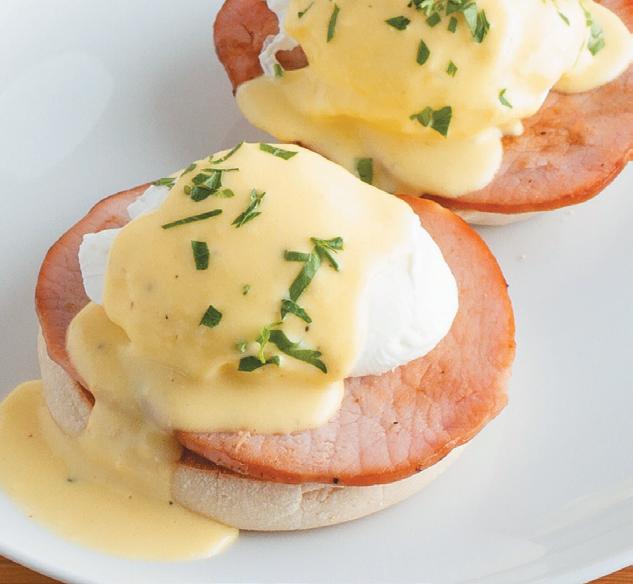
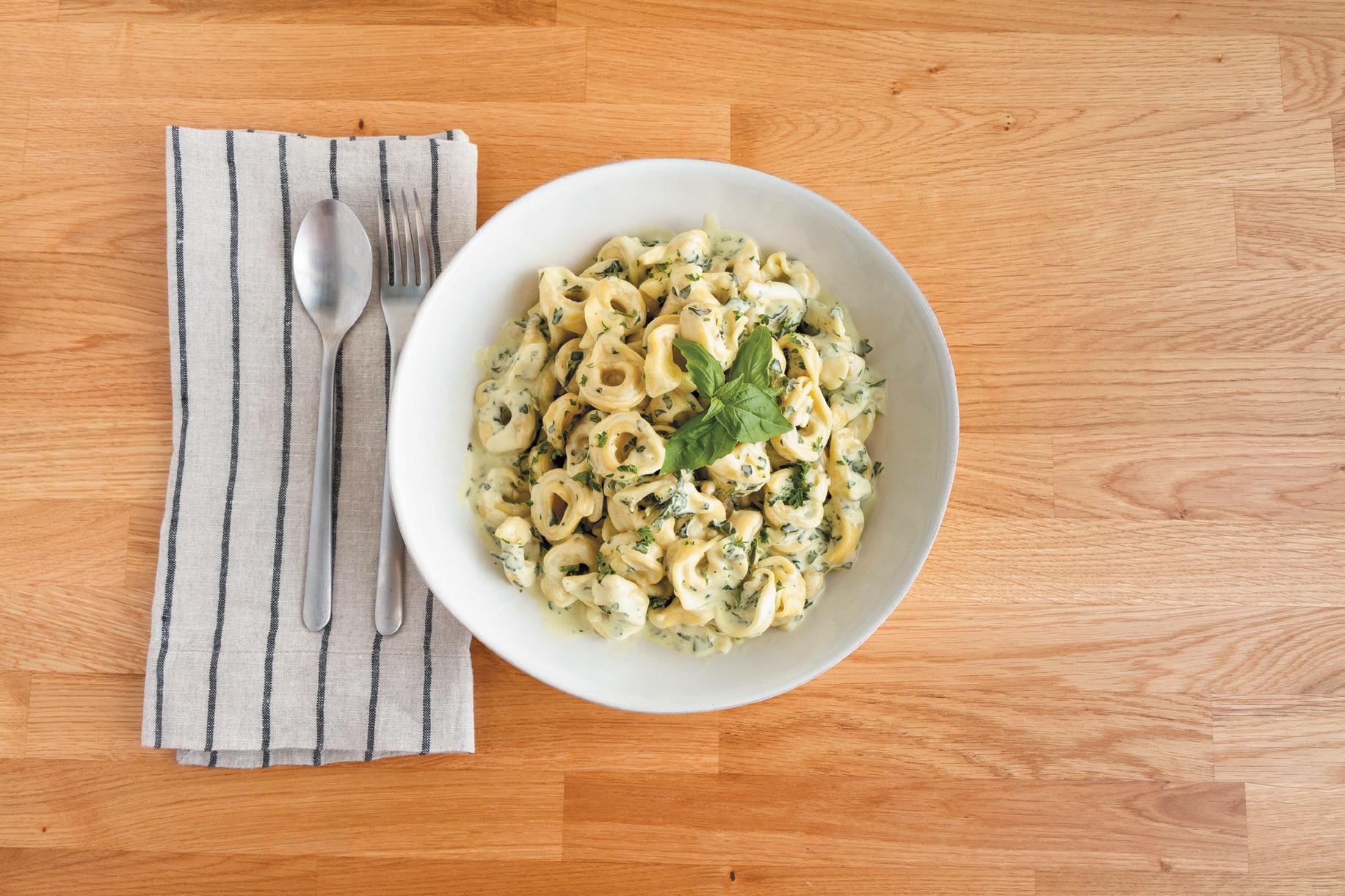
TRY IT FOR YOURSELF
When every second in the kitchen counts, Land O Lakes® Butter Sauce gives you the scratch-made quality without all the labor. Made with real butter, this versatile sauce comes prepared and ready to be mixed into whatever menu item you can dream up while removing both guesswork and time. We do all the work so you can stay focused on serving your customers the highest quality product possible.
By Jody Shee
In restaurants, healthcare, campus dining and beyond, interest in meat is strengthening, albeit with a focus toward more health-conscious choices. Guests are still ordering favorites like steak, salmon, chicken and beef, but now more often through the lens of protein, fuel and balance. In response, chefs are leaning toward smaller starch portions with protein add-ons, leaner preparations and dishes built around satiety, flavor and nutrition.
“There’s been a definite increase in customer interest in meat protein, with guests asking for a half salad with double chicken or pasta dishes with double chicken or steak,” says ACF Chef Kurt Kwiatkowski, CEC, CCA, AAC, Vice President of restaurant group Dining Ventures (Lansing, MI).
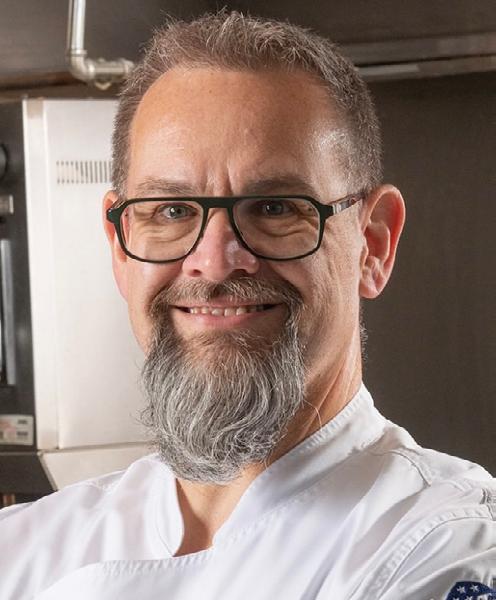
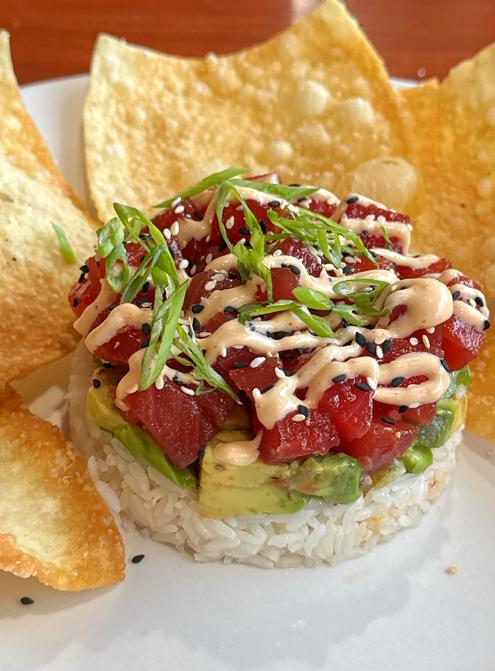
He believes lifestyle considerations like macro tracking and the use of GLP-1 medications explain the renewed demand for animal protein. From customer feedback, he says, it is loud and clear, with diners saying: “We don’t want the protein portion size to change. We just want everything else to get smaller.”
Chef Kwiatkowski’s restaurants have worked to customize the menu, allowing guests to add an extra burger patty to the already large burger, or to add chicken, steak, shrimp or salmon to more dishes.
On the university campus, the shift toward more proteinforward choices stems not only from protein awareness, but from “fatigue with highly processed plant-based alternatives,”
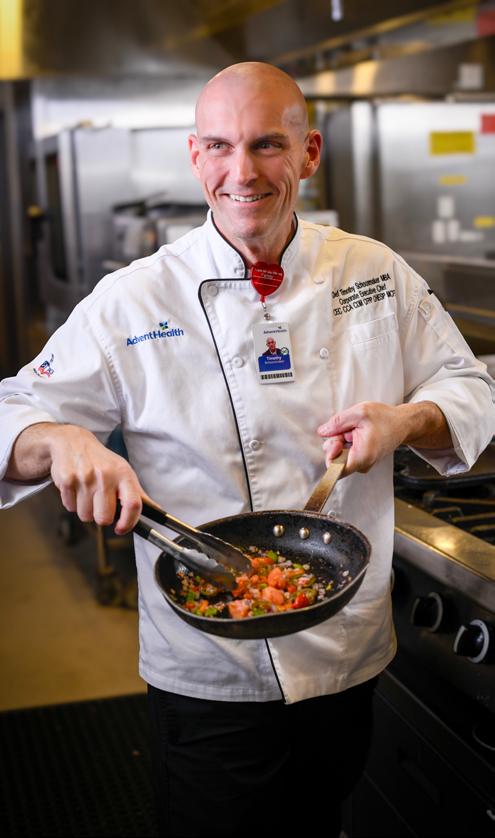
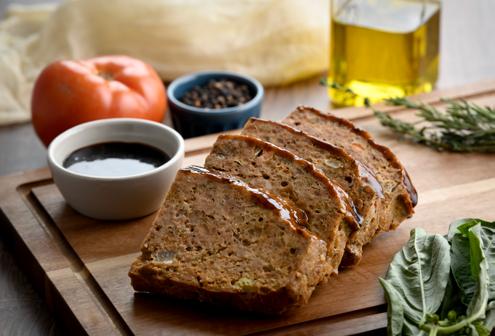
says ACF Chef Johnny Curet, CEC, AAC, recently retired Director of Campus Dining for Rice University’s Housing & Dining Department (Houston, TX). “People are reading labels more closely and gravitating toward foods they perceive as more ‘real’ and minimally processed,” he explains. “At the same time, demand for halal meats has increased significantly, and there is steady, meaningful interest in kosher proteins as well. These aren’t niche offerings anymore.”
To meet that demand, chefs are rethinking the plate in ways that still deliver flavor and satisfaction. At one Dining Ventures location, Chef Kwiatkowski tested a Brussels sprouts appetizer made with roughly 80 percent Brussels sprouts and 20 percent burnt ends, finished with a drizzle of Nashville hot sauce. “It got rave reviews,” he says. “They were flying through the Brussels sprouts.” A second location tested the dish with similar success. Meanwhile, a Latin-inspired rice bowl originally developed as a vegan option with zucchini, black beans, pico de gallo and a house-made chili sauce eventually evolved into a chicken rice bowl after diners repeatedly requested the addition of protein.
“There’s definitely been a shift toward using meat more as one element of the dish rather than the centerpiece at Rice University,” Chef Curet adds. “From a concept standpoint, we’ve leaned into mixed formats like grain bowls, small plates and globally influenced stations, where meat still has a place but shares the spotlight with other ingredients.”
The push toward healthier meat dishes is showing up in practical kitchen decisions, from fewer fried preparations to simpler ingredient lists and leaner cuts. In the healthcare setting, that often means focusing on heart-healthy proteins, says ACF Chef Timothy Schoonmaker, CEC, CCA , Senior Manager of Culinary Strategy for AdventHealth (Altamonte Springs, FL), which operates 57 hospitals across nine states. The hospital kitchens are removing fryers, reducing sodium and taking a closer look at foods with long lists of unpronounceable ingredients.
In AdventHealth’s project, traditional favorites are being reworked to emphasize wholesome ingredients and healthier cooking methods. As part of that process, the culinary team recently took a closer look at the wide range of meatloaf preparations used across the system. “We found that in some cases we were using a pre-made meatloaf that contained additives such as soy protein or other fillers labeled as protein,” Chef Schoonmaker says. “So, we stripped it back to the basics with ground chicken, ground turkey and ground beef.” The shift
added labor and training requirements, but also moved the dish closer to the program’s goal of offering familiar comfort foods made with better ingredients and healthier techniques.
Labor and training are two very real operational considerations when using meat more strategically on the menu. Sourcing, skill and yield also play a major role. For ACF Chef David Turin, CEC, Chef-owner of David’s Restaurants, which includes three concepts across two locations in Greater Portland (ME), those pressures influence how meat is purchased, cut and utilized. Restaurants like his once operated comfortably with food costs around 32 percent and kitchen labor at roughly 18 percent, he says. Today, with labor costs closer to 21 percent, his team aims to keep food costs between 26 and 28 percent.
That reality turns yield into a creative discipline. Chef Turin avoids pre-portioned meats and fish when possible, preferring larger cuts because the trim gives his kitchen more to work with. Beef trim is used for braised beef cannelloni as well as a beef carpaccio appetizer, both with a higher margin than filet mignon, tenderloin or tournedos. The same approach drives his popular Portland sirloin steak, which is cut from shoulder clod heart. “It’s an off-cut that most people don’t have a clue how to butcher,” he says. The cut is tenderized, marinated and served with a porcini mushroom demi-glace. It reflects Chef Turin’s belief that the real measure of a chef is the ability to transform overlooked cuts into dishes guests genuinely want to order, while also helping the numbers work in the process.
In the end, the strongest meat dishes are not necessarily the largest. They are the ones that deliver flavor, satisfaction and value while reflecting the way guests increasingly want to eat.

“People are reading labels more closely and gravitating toward foods they perceive as more ‘real’ and minimally processed.”
ACF Chef Johnny Curet, CEC, AAC
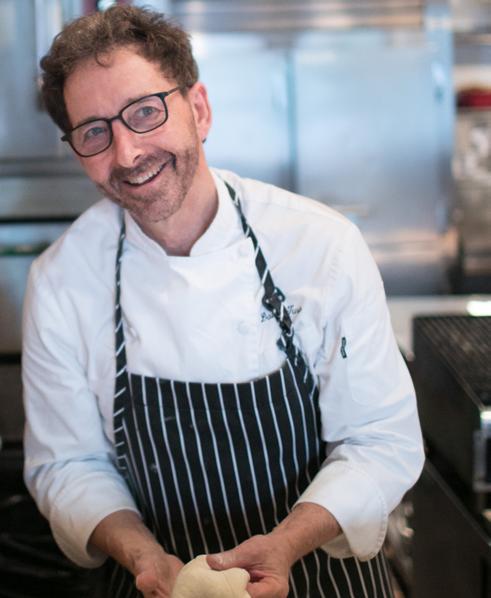
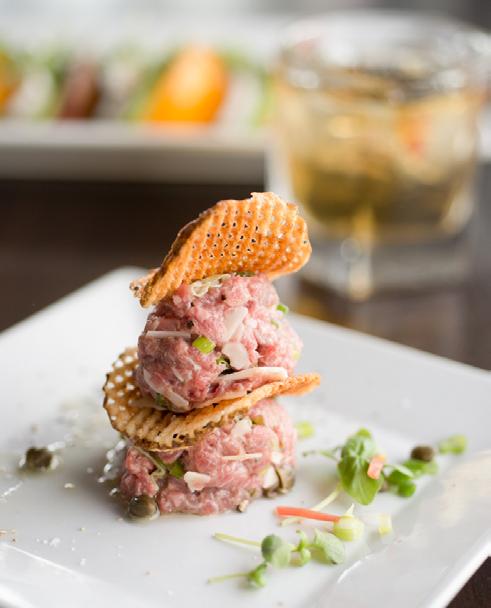

Inside NASA HUNCH’s culinary competition, where high school students are designing food for astronauts
By Kerstin Kühn

Developing food for astronauts isn't a challenge most high school culinarians expect to tackle. But through NASA HUNCH, students are asked to do exactly that, creating dishes that must satisfy not only the palate but also the unique nutritional and scientific demands of life aboard the International Space Station.
The program, which stands for High School Students United with NASA to Create Hardware, spans disciplines ranging from engineering and biomedical science to software development, manufacturing and culinary innovation. Within the culinary division, students combine cooking with nutrition science, technical research and problem-solving to develop food concepts that could support future space missions.
This year’s challenge focused on taco fillings created for tortillas already used aboard the International Space Station, where crumb-free foods are preferred in zero gravity. Alongside cooking, students were required to research astronaut nutrition, understand how space affects the body and present technical documentation supporting their dishes.
“Unlike traditional culinary programs, HUNCH’s culinary track is grounded in nutrition science and space physiology,” says Alli Westover, Project Manager for NASA HUNCH’s nutrition engineering and culinary science program.
Now in its 11th year, the competition was originally inspired by feedback from astronauts themselves. While crews consistently praised NASA’s food systems, many expressed interest in involving students in the development of future food concepts. What began as a small Houston-area competition with just seven teams has since grown into a national initiative with international participation and support from organizations including the American Culinary Federation and the American Academy of Chefs (AAC), the ACF’s honor society.
Framing the partnership as an opportunity to expand students’ understanding of where a culinary education can lead, ACF Executive Director JJ Vitale emphasizes the value of programs that connect creativity, science and real-world innovation.
“One of the most exciting aspects of culinary education is helping students discover that food can take them places they never imagined,” she says. “NASA HUNCH challenges young culinarians to think differently, blend creativity with science and innovation, and see that the possibilities within the industry are truly limitless.”
NASA HUNCH is not like any other culinary competition and creating food for space involves far more than flavor.
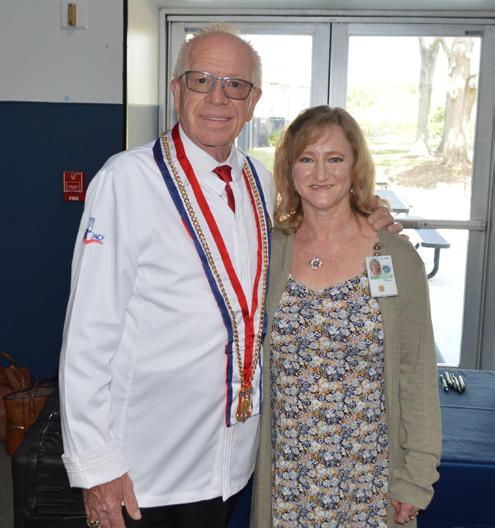
“Students must design recipes that meet strict nutritional guidelines based on how the human body changes in microgravity,” Westover explains.
In space, fluid shifts can affect cardiovascular function, requiring sodium restrictions. Gastrointestinal activity slows, increasing the need for fiber. Even taste and smell change in microgravity. “Flavor must be amplified using herbs and spices, as astronauts experience diminished taste and smell due to fluid shifts,” Westover says.
Throughout the school year, students research astronaut nutrition, study how the body responds to microgravity and develop recipes around an annual theme. Teams submit recipes, technical papers and video presentations before advancing through regional competitions.
“Students refine their work throughout the process,” Westover says. “They learn how to accurately interpret nutritional data and identify hidden sources of sodium.” The top teams then travel to Houston for a live final judged by astronauts, NASA food scientists and culinary professionals. Final scores are weighted across sensory evaluation, scientific research and communication.
For ACF Chef Reimund D. Pitz, CEC, CCE, AAC, HOF, Vice Chairman of the AAC and a returning judge, the level of professionalism among students stood out immediately.
“As a professional organization, if we support a program, we want to ensure the competition is run as professionally as possible,” Chef Pitz says. “What impressed me most was how seriously the students approached every aspect of the competition.”
Chef Pitz points to the students’ focus on sanitation, execution and kitchen discipline. “The workstations were extremely clean,” he says. “They wore hats, aprons and gloves, and they followed proper procedures throughout.”
The creativity was equally impressive. One team developed a vegetarian taco using roasted firm tofu layered with vegetables and spices to create bold flavor without relying heavily on sodium. Another used a 3D printer to create a futuristic serving vessel featuring an astronaut holding the dish. “There were astronauts judging the food, and everyone was trying to get one of those cups afterward,” Chef Pitz says. “It was unlike anything I’d seen before.”
The competition’s broader impact extends well beyond the kitchen. “The program exposes students to careers spanning food science, nutrition engineering and aerospace systems, often revealing pathways they were previously unaware of,” Westover says.
That exposure arrives at an important moment for culinary education and Chef Pitz believes programs like NASA HUNCH and the ACF apprenticeship system play a critical role in developing the next generation of industry professionals. He says: “If we don’t support and mentor these young professionals today, who’s going to take care of our industry tomorrow?”
This year’s winning team, from Warren Tech (Lakewood, CO), earned first place for its Spicy Carne Asada Street Corn Tacos. The dish will now move through NASA’s food processing system and may eventually be sent into space alongside a letter written by the students who created it. For most young culinarians, getting a dish onto a restaurant menu is the dream. At NASA HUNCH, the destination is considerably further.

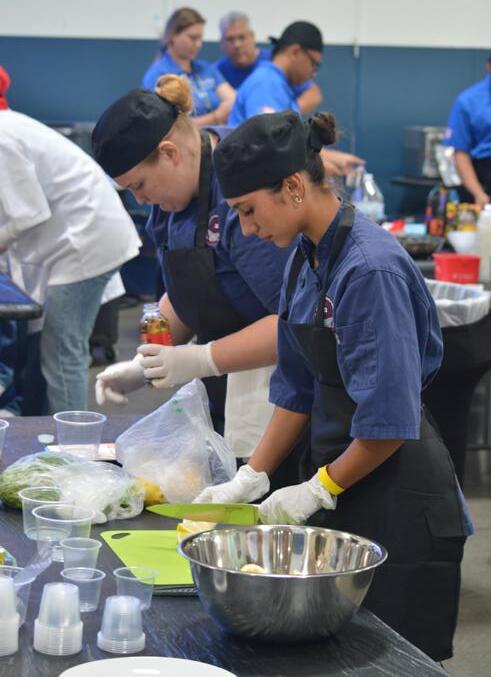
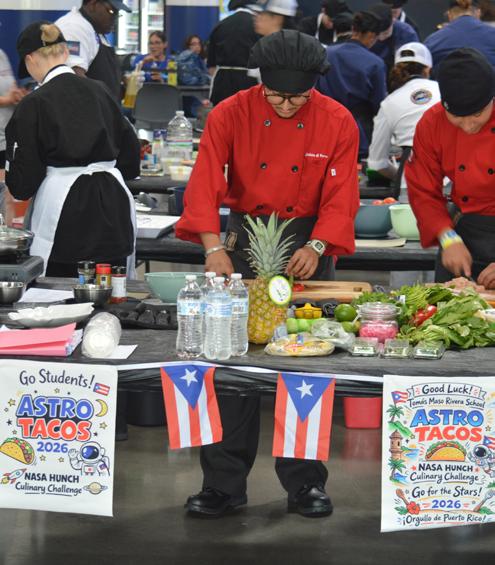

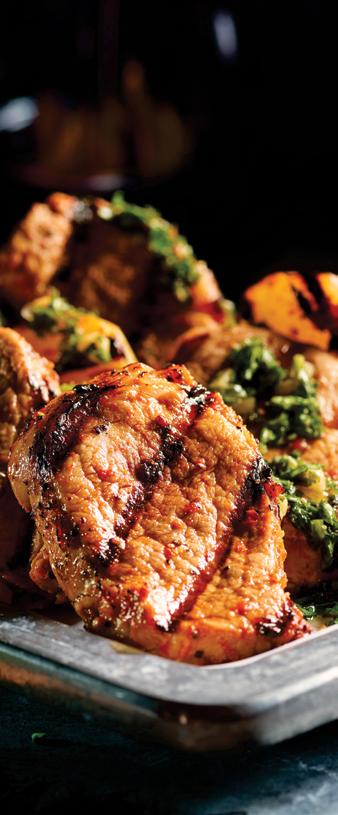


From crawfish boils to hands-on demos, the ACF New Orleans Chapter creates space for chefs to connect, learn and support one another
By Lauren Kramer
You don’t get more traditional than a crawfish boil in New Orleans. For members of the ACF’s New Orleans Chapter, the annual event is as much about connection as it is about food. About 60 people gathered in April to share crawfish and dishes donated by industry partners including Performance Food Group, Affinity Food Brokerage, Louisiana Fresh Produce and Louisiana Seafood Exchange. For many, it presented a rare chance to step away from the day-to-day and reconnect in a more relaxed setting.
“The event is always a success because it brings people together to sit around a table and snap some tails,” says ACF
Chef Ron Iafrate, chapter president and owner of Chef Ron’s Gumbo Stop (Metairie, LA). “It’s a great opportunity to give back to our chefs and show our appreciation for everything they do. We also invite industry members to join us, so we can renew those relationships at the same time.”
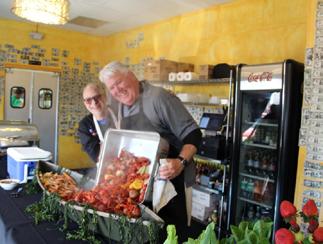
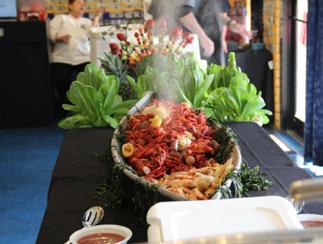
demonstrated how to break down and utilize fresh tuna. In May, the focus shifted to blackened catfish with saffron cream, with product supplied by Magic Seasoning Blends in New Orleans, continuing the chapter’s emphasis on pairing education with a shared dining experience.
Certification is another key focus, with leadership encouraging members to advance their professional credentials. “By becoming certified, they become better culinarians,” Chef St. Paul says.
For Chef Iafrate, however, the chapter’s role goes beyond technical development. “The culinary industry is about nutrition, but it’s also about nurturing and the social aspects of life,” he says. “We spend so much time taking care of our guests, but we have to be reminded to take care of one another. Our meetings give us a place to share experiences, questions and knowledge, and simply spend time together.”
In addition to monthly meetings, the chapter hosts two to three larger annual events designed to deepen engagement and attract new members. One of the most popular is the Second Line Supper, a mini food show where brokers showcase products and offer samples.
That sense of community is becoming increasingly important as the chapter looks ahead. Chef Iafrate notes that the average age of current members is 62, with many nearing retirement, making the recruitment of younger chefs a clear priority. At monthly meetings, the board focuses on programming that appeals to both current and prospective members, from hosting events at a range of venues to building in strong food components and educational elements that encourage the exchange of ideas.
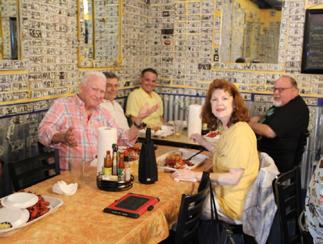
Affinity Food Group hosted the March 2026 meeting in its kitchen, where ACF Chef Joseph St. Paul, CEC, chapter vice president,
“The idea is to come and have a seat at our table, not only to learn, but also to be nourished,” Chef St. Paul says. “It gets people out of the usual mold, which is important. In an operation, it can be very self-isolating. A lot of the time, our chefs are having such a good time catching up that they don’t want to leave.”
That balance of professional development, community and industry connection remains central to the chapter’s identity.
The chapter is also committed to giving back. This year, members participated in a Christmastime toy and winter coat drive for the Daughters of Charity, a New Orleans organization that supports underserved communities. In total, members collected more than 200 coats, toys, Christmas trees and decorations, along with $1,000 in donations to support the Healthy Child program, which provides food for 60 children and their families each month.
By Kerstin Kühn
1. According to Stacy Schultz, why does farmed seafood tend to have a more consistent flavor than wild seafood?
a. I t is always harvested at the same age
b. I t consumes a curated diet
c. I t contains less fat
d. I t is frozen immediately after harvest
2. ACF Chef Thomas J. Delle Donne, CEC, says frozen seafood can maintain quality as long as it is:
a. F rozen after being landed
b. P acked in saltwater
c. F lash-frozen on the boat
d. T hawed slowly at room temperature
3. I n the Menu Matters study, which sensory experience generated the greatest consumer interest?
a. Tableside carving
b. S izzling fajitas
c. S moky cocktails
d. C runchy desserts
4. According to Mike Kostyo, chefs can increase the craveability of a dish by adding something crunchy and:
a. S erving it tableside
b. P airing it with a creamy sauce
c. U sing the word “crunchy” on the menu
d. P resenting it on a chilled plate
5. M ore than 20 percent of U.S. beef exports are organ meats.
a. Tr ue
b. Fa lse
6. W hich of the following is NOT technically considered offal?
a. Sweetbreads
b. Tr ipe
c. Te ndon
d. To ngue
7. H ow long did ACF Chef Yudel Torres, CEC, CEPC, spend practicing and refining his menu for the U.S.A.’s Chef of the Year competition?
a. Tw o weeks
b. O ne month
c. Two months
d. S ix months
8. According to Chef Torres, which quality is essential to becoming a greater chef?
a. W inning competitions early in your career
b. C ontinuous training and a willingness to keep learning
c. M astering one culinary style
d. Working only in fine-dining restaurants
9. W hat is the “ultimate meal” served to astronauts before launch?
a. N ASA’s highest-calorie approved meal
b. A m eal designed to support sleep shifting
c. T he final meal prepared before quarantine begins
d. T he astronaut’s choice of favorite food
10. W hy might astronaut meals be served in the middle of the night or at sunrise?
a. T he kitchen follows Houston time
b. A stronauts practice emergency meal schedules
c. M ealtimes are adjusted to support sleep shifting
d. N ASA limits kitchen access during daylight hours
11. W hat form does Chef Brian Lofink’s modern chicken liver mousse take?
a. A f rozen terrine
b. A f ried cromesquis
c. A s avory soufflé
d. A m ousse-filled raviolo
See the rest of the questions, finish the quiz and earn four
12. W hich of the following is NOT listed as a benefit of using sourdough in pastry?
a. B alancing sweetness and richness
b. E xtending shelf life
c. C reating a more tender crumb
d. E liminating the need for fermentation timing
13. W hat is the main technical challenge when working with burrata, according to ACF Chef Saravanan Ravichandran, PhD?
a. P reventing the shell from becoming too firm
b. M anaging its richness through balance and temperature control
c. K eeping it cold enough to preserve its acidity
d. Avoiding pairings with spicy ingredients
14. W hy are tortillas preferred over bread aboard the International Space Station?
a. T hey contain more protein
b. T hey require less refrigeration
c. T hey are crumb-free in zero gravity
d. T hey cook more quickly in space
15. According to Chef Kurt Kwiatkowski, what are diners increasingly asking for?
a. P rotein portions to stay the same while everything else gets smaller
b. L arger side dishes with smaller proteins
c. M ore vegetarian entrées
d. F ewer customizable menu options
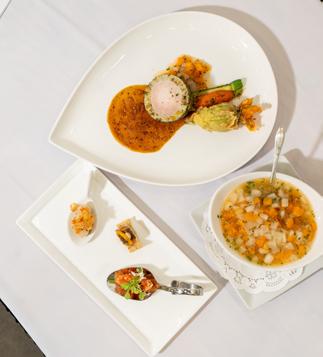
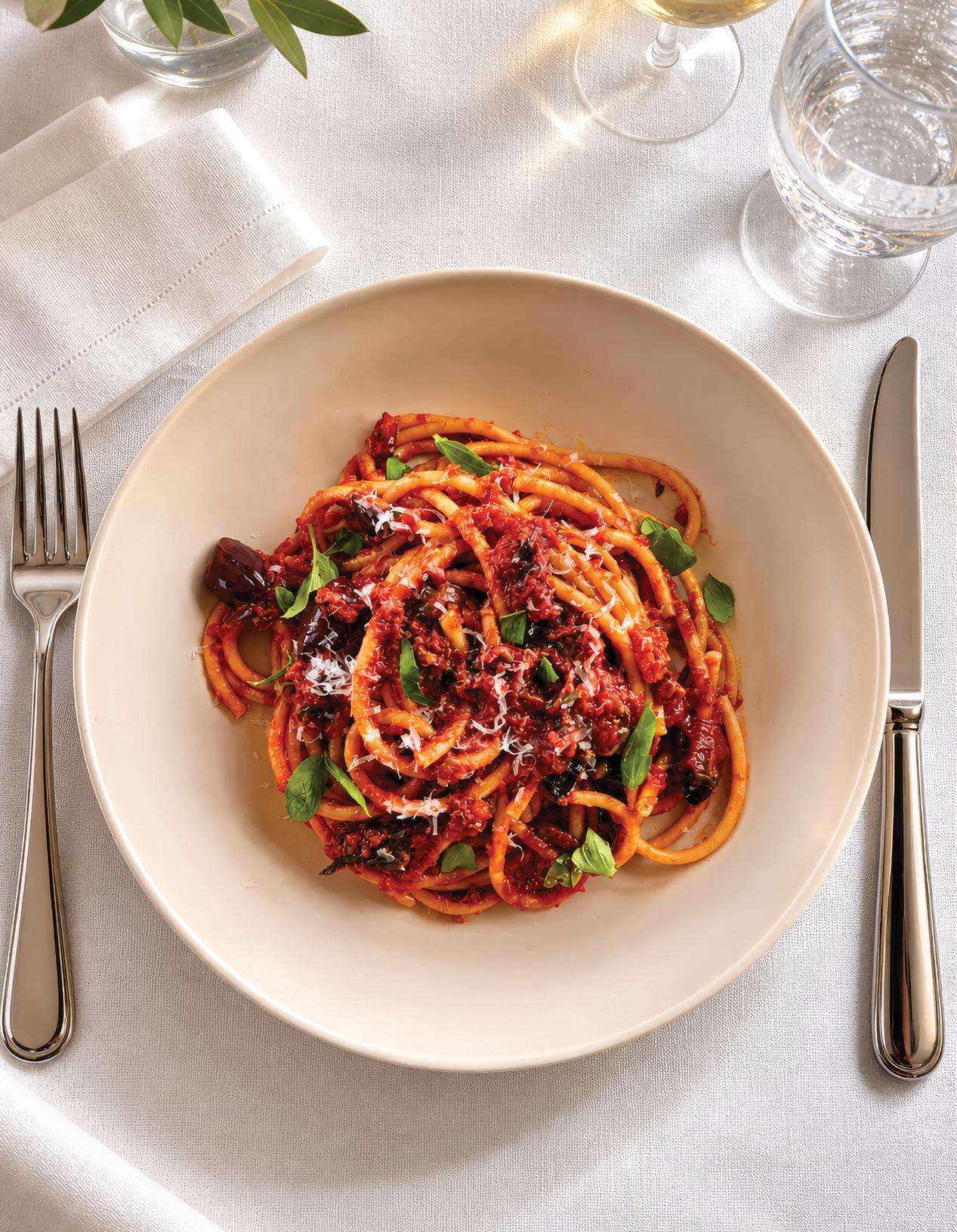








ACF National Convention 2027
JULY 1 2 - JULY 1 5
OR LANDO WORLD CE N TE R MARR IOTT