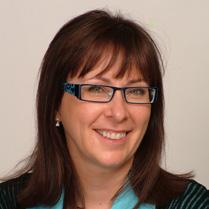
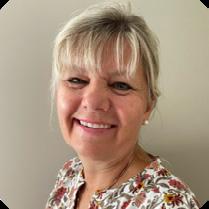
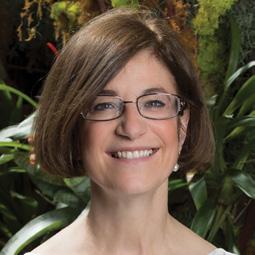
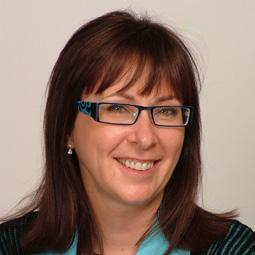
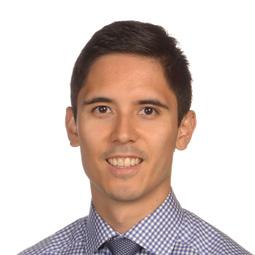
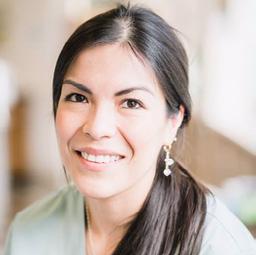
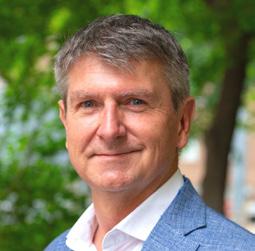
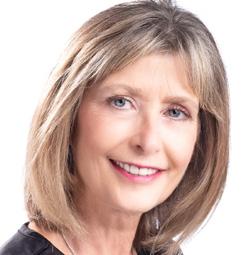
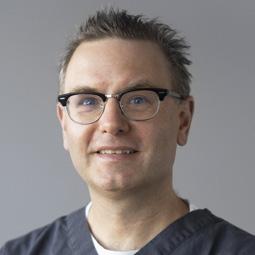
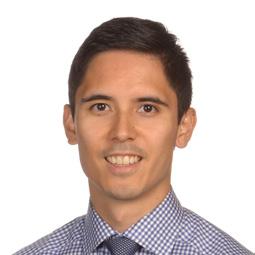
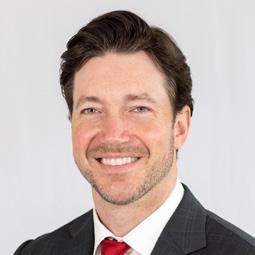
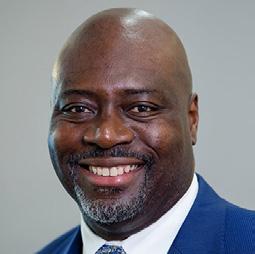
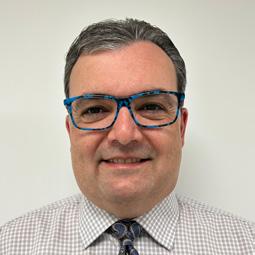
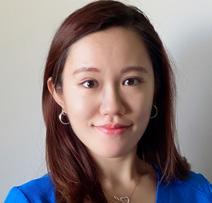
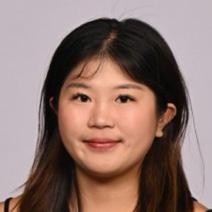
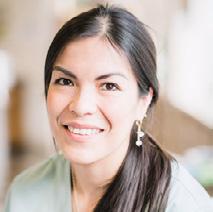
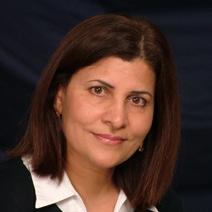
Dr. Sonia Slawuta & Dr. Tamara Sosath Co-Editors, ACD-OS Newsletter 2026
We are pleased to present the latest edition of the American College of Dentists – Ontario Section Newsletter, themed “Embracing the Future of Dentistry.”
In this issue, we look at the growing importance of environmental sustainability in dental practice and explore practical ways our profession can become more eco-conscious. We also highlight emerging technologies that are reshaping the daily work of dental professionals and enhancing patient care and experience.
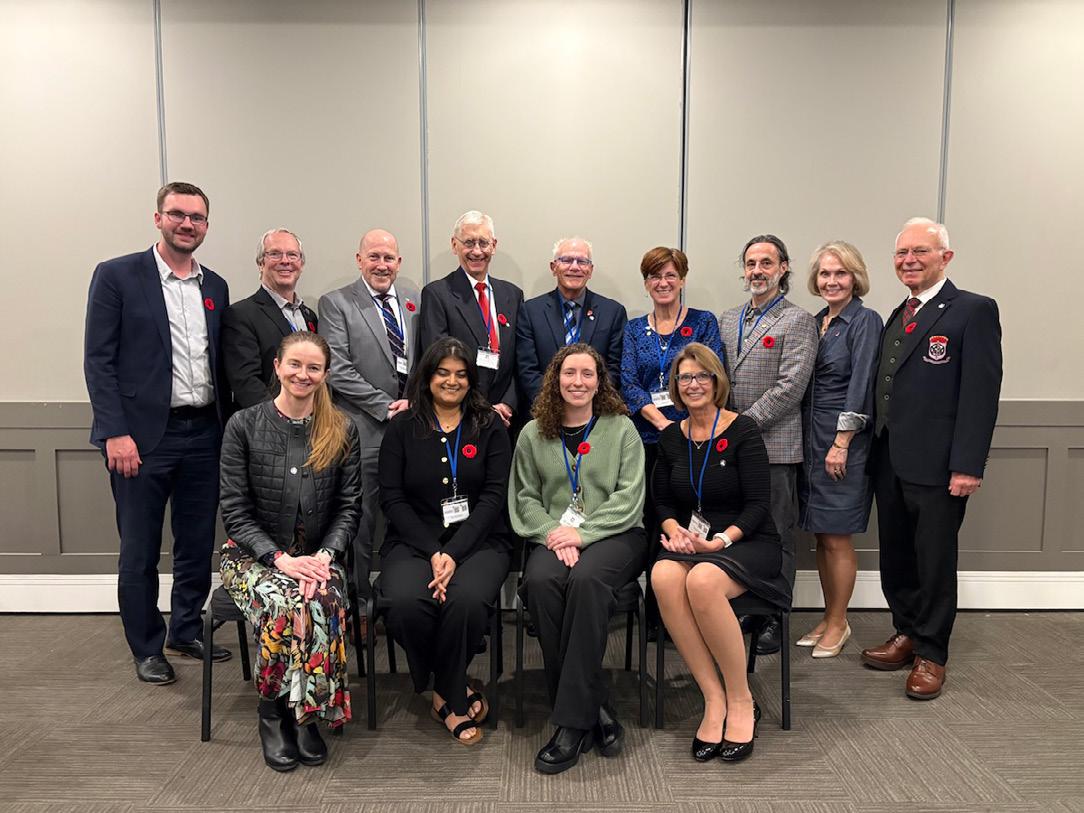
This edition also showcases several significant initiatives within the Ontario Section. We are proud to have launched our new podcast, The Pillars Pod—the first of its kind among ACD sections. In addition, we feature highlights from our Strategic Planning Meeting, the live event on virtue ethics which we hosted for SPEA, and our Annual General Meeting. Finally, it is our pleasure to introduce the 2025 ACD–Ontario Section Inductees.
We extend our sincere appreciation to all contributors who shared their expertise, helping us reflect on how innovation can be adopted responsibly and in service of our patients, our teams, and the profession. Our thanks also go to the Ontario Section Executive for their thoughtful reports, steadfast commitment, and ongoing efforts to advance the mission of the ACD–Ontario Section throughout the year.
Respectfully submitted,
Dr. Sonia Slawuta & Dr. Tamara Sosath Co-Editors, ACD-OS Newsletter 2026
ACD-Ontario Section Executive
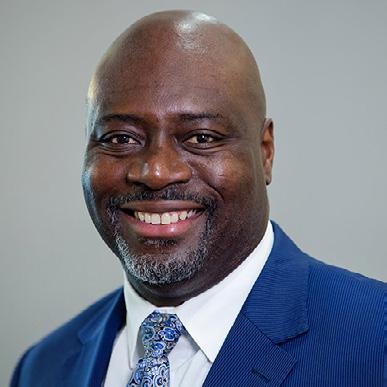
Dr. Shawn Steele Chair
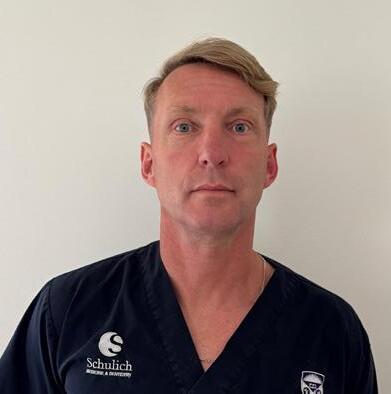
Dr. Louann Visconti Immediate Past Chair
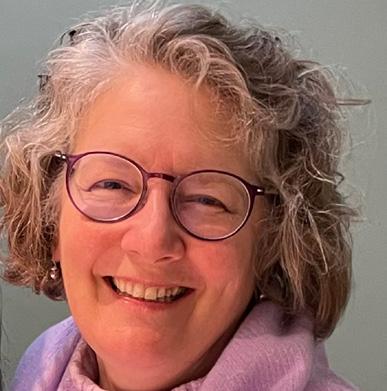
Dr. Sonia Slawuta Co-Editor Newsletter 2026
Dr. Sunita Joshi Editor Newsletter 2027
Dr. Saira Paredes Raut Vice Chair
Dr. Karin Van Ryswyk Treasurer/ Schulich SPEA Liaison
Dr. Nada Tabbara Member at Large
Dr. Tamara Sosath Co-Editor Newsletter 2026
Dr. Jawad Tawil SPEA Liaison – U of T
Dr. Christopher Swayze Member at Large
Dr. James Tonogai Member at Large
Outgoing Chair’s Report
As another year closes and a new one begins for the ACD Ontario Section, it has been a pleasure and an honour to serve as your Chair working on your behalf to further the mission of the College.
“No one can whistle a symphony. It takes a whole orchestra to play it.”(H.E. Luccock). This is so true; I was blessed with a team of hard-working individuals who took the ideas that were discussed at the beginning of my tenure as Chair and made them a reality with countless hours of hard work. To every one of them I owe a debt of gratitude!
It is always difficult to come onto a board of an organization and to know your role and responsibilities as a member or director. The learning curve is steep, and it has been compared to drinking water out of a fire hose. To assist in the process, an Onboarding session was developed to provide new members with the information to make their transition to this new role seamless.
This year, the ACD-OS went social developing an on-line social media presence on Facebook and Instagram platforms. Here fellows will be kept up to date on what is happening within the organization; upcoming events, continuing education opportunities, fellows being celebrated and much more. If you have not already done so, we invite you to follow us on what is new and exciting!
Speaking of new and exciting, the ACD-OS has developed a podcast series that you can follow up on our social media platforms! The ACD-OS continues to evolve and remain relevant in this ever-changing environment and one area was in our CE offerings. Once again, we had a first-rate line up of speakers this year speaking on a variety of topics in our Dr. E.J. Rajczak webinar series. However, with busy schedules, we wanted to provide a continuing education platform that fellows could access on their own time. The podcast series was developed with this in mind and covers a variety of timely topics that are sure to be of interest no matter what stage of your career that you are in.
The ACD-OS continued to support our future
Dr. LouAnn Visconti
Immediate Past Chair
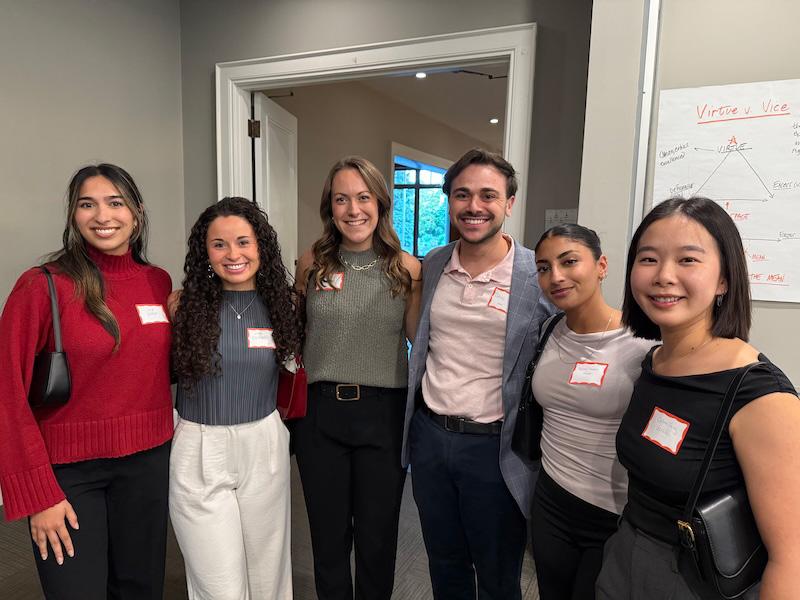
leaders through participation in two events at the Schulich School of Medicine and Dentistry; the White Coat Ceremony on August 28/25 and the inaugural Professionalism Day on September 12/25, which was open to 1st and 4th year dental students. Presentations were given throughout the day from the ODA, CDA and the RCDSO to name a few, and each presentation was followed up with exercises to apply the learnings from each presentation. Members of the ACD-OS Executive Committee were invited to participate as facilitators of discussion on the exercises with students.
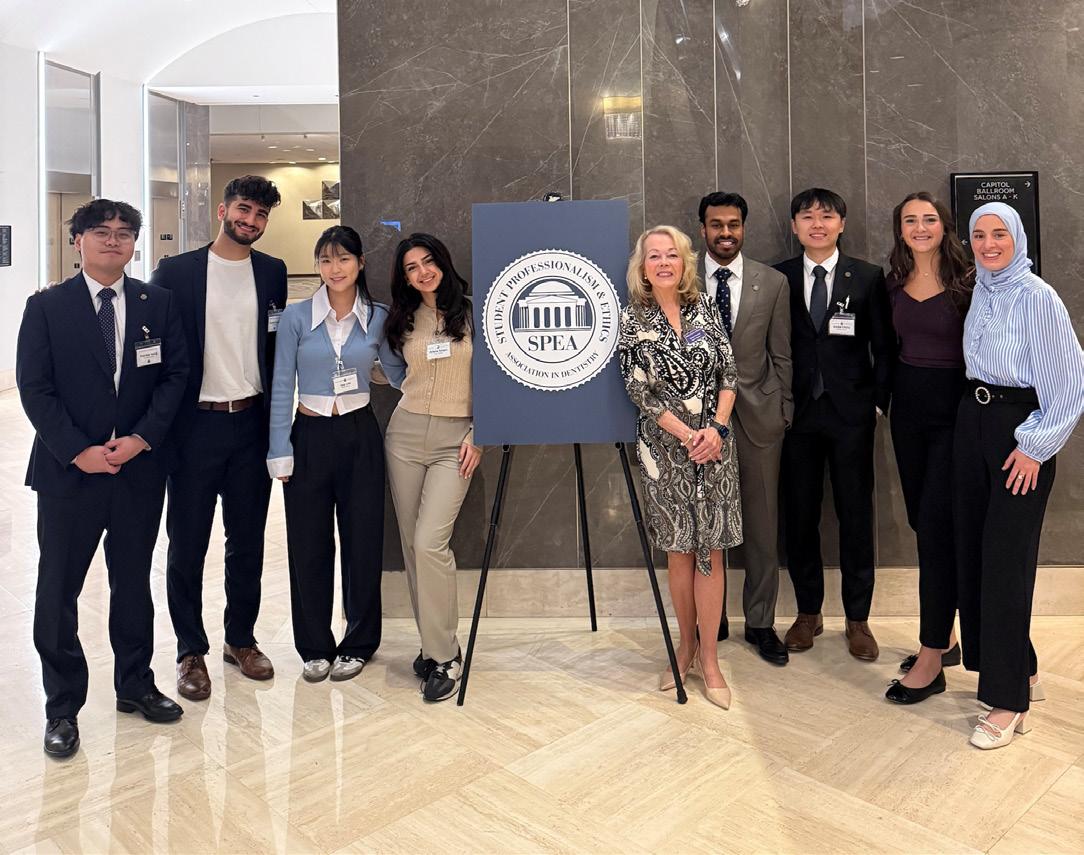
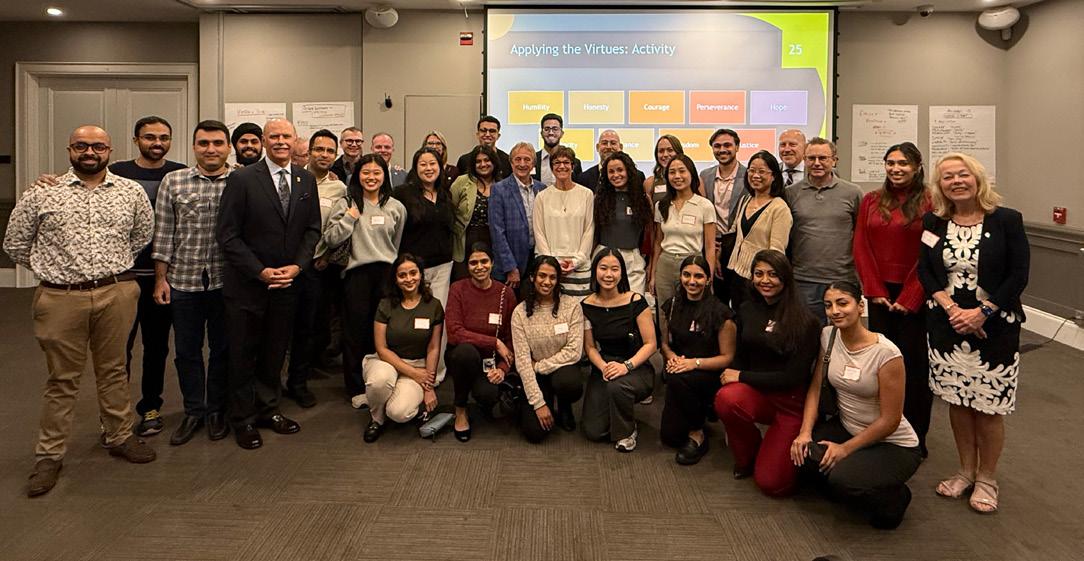
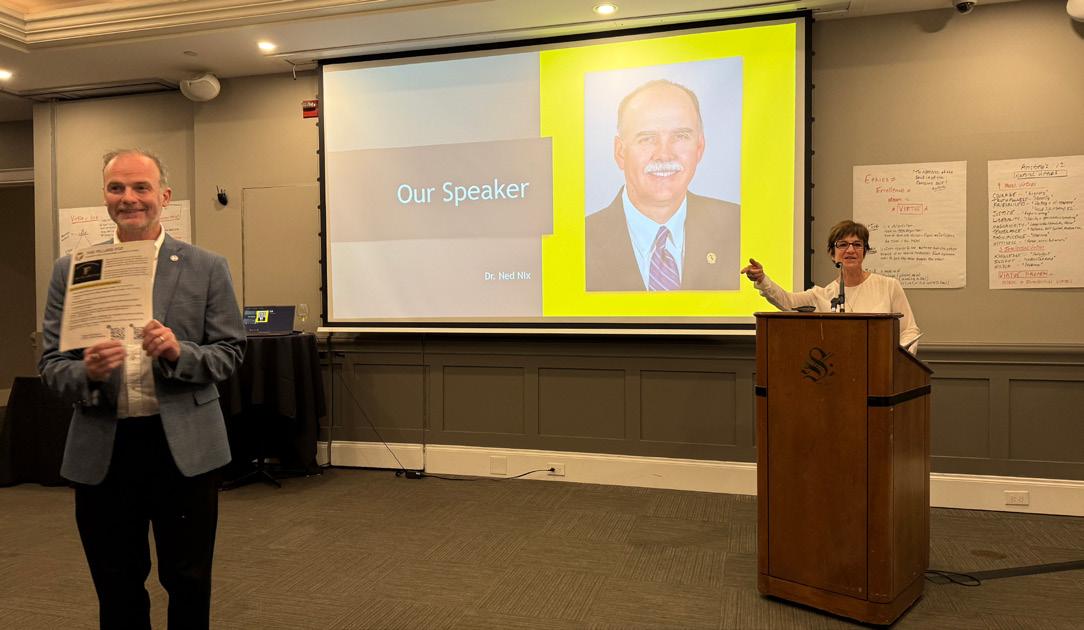
On October 2nd and 3rd the ACD-OS facilitated a CE opportunity for the students of each faculty of dentistry. Dr. Ned Nix, Vice President for ACD led the thought-provoking discussion on Virtue ethics and how this applies to ethical decision making. ACD Ontario section was proud to use these events to launch our podcast series.
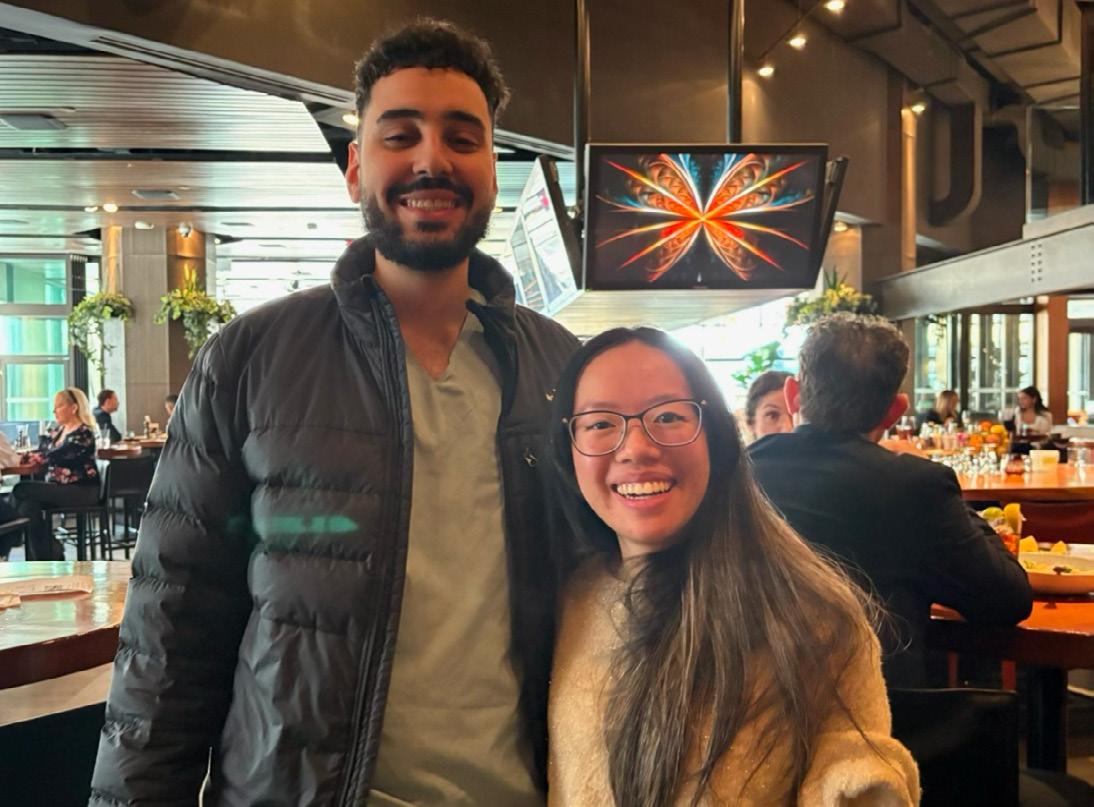
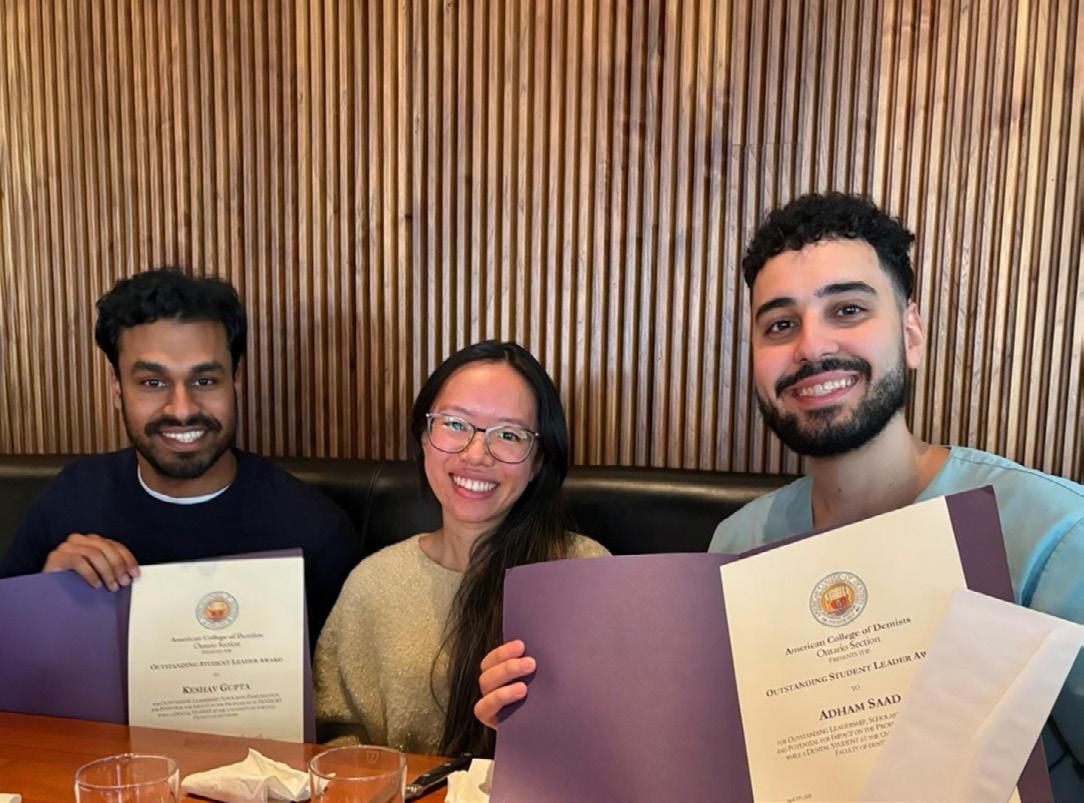
ACD-OS was also proud to recognize our future leaders with the ACD Outstanding Leadership Award luncheons for students at each of the faculties of dentistry in March this past year. We were also very proud to assist the SPEA students with their travel costs as they made their way to the ACD AGM and convocation that took place in Washington D.C. this past October 23-24/25 and to attend the hugely successful SPEA national meeting that took place on Saturday October 25/25.
As I step into the role of Immedidate Past Chair, we welcome our new Chair, Dr. Shawn Steele. I look forward to supporting him in continuing the work that we have begun and to the new ideas that he will bring forward to serve you.
LouAnn Visconti
ACD-OS Immediate Past Chair 2025-26
Incoming Chair’s Report
It is an honour to serve as Chair of the Ontario Section of the American College of Dentists for 2025–2026. I am deeply grateful to all members of our Executive for their dedication and leadership in advancing the mission and values of the College. As I reflect upon the activities of the 2024-2025 year, I am reminded of the strength of our Section - a group of Fellows united by shared values of ethics, professionalism, leadership, and service. These pillars of the ACD continue to guide our work and inspire us to uphold the highest ideals of our profession.
My vision for the year is one of engagement and giving back. The ACD has long stood for excellence through ethics, and I believe that leadership in dentistry is most meaningful when it is rooted in service. Whether by mentoring a student, supporting a colleague, or contributing to our communities, every act of service strengthens the integrity of our profession. It is my hope to use my experience and opportunities as Chair to serve others.
This year will continue to explore new initiatives that benefit our Fellows and the next generation of dentists and dental leaders. We look forward to providing opportunities for all to connect and contribute through involvement in ethics education, collaborative initiatives with dental schools, and celebrating those who exemplify the College’s values in action. Together, we can help shape the current and next generation of ethical leaders in dentistry and ensure that our Section continues to be a model of professionalism and compassion.
The ACD’s purpose of advancing excellence, ethics, professionalism, and leadership in dentistry resonates deeply in this moment. The challenges facing our profession today, from social change to public trust and technological transformation, require thoughtful, principled leaders. As Fellows, we are uniquely positioned to model the balance of skill and conscience that defines true professionalism.
Dr. Shawn Steele Chair
In the year ahead, I hope to continue to renew our collective commitment to service. Together, we can ensure that the Ontario Section continues to be a source of ethical guidance, collegial support, and inspiration for others in our profession. As we move forward, I invite each of you to reflect on how you can make a difference and contribute to the ACD-OS, the profession and to the lives of others. In the words of Mahatma Gandhi, “The best way to find yourself is to lose yourself in the service of others.”
I look forward to working with all of you as we continue to live out the ACD’s mission and lead through service.
Shawn Steele Chair, Ontario Section American College
of Dentists
Dr EJ Rajczak Ethics & Professionalism CE Program 2026
Dr. Shawn Steele Chair
Lifelong learning is one of the hallmarks of a true professional. In dentistry, where science, technology, and society evolve rapidly, continuing education is not only about maintaining competence, but also about deepening our understanding of what it means to serve patients ethically and responsibly. Professionalism is at the core of public trust in the dental profession, and education plays a vital role in ensuring that trust endures.
The Ontario Section of the American College of Dentists continues its proud tradition of promoting ethical education through the Dr. E. J. Rajczak Ethics & Professionalism CE Series. This annual program brings together distinguished speakers who explore the moral, social, and leadership dimensions of dental practice.
The 2025–2026 series was developed to inspire participants to think critically about their professional responsibilities and personal values through the following sessions:
• Dr. Ansley Depp: “Responding to Offensive Comments or Behavior from Patients”
Learn effective, ethical strategies for addressing inappropriate patient behavior while maintaining professionalism and compassion.
January 28, 2026 @7:00 PM | RCDSO: 1 pt in Category 1
• Dr. Tracey Adams: “Regulating Professional Ethics in a Context of Technological Change” Examine how emerging technologies—from AI to tele-dentistry—are reshaping ethical expectations and professional regulation.
February 19, 2026 @7:00 PM | RCDSO: 1 pt in Category 1
• Dr. Sanjukta Mohanta: “Ethical Dilemmas in Clinical Dentistry”
Reflect on real-world clinical challenges that require moral reasoning and balance between competing duties.
April 23, 2026 @7:00 PM
• Dr. Linda Edgar: “Leadership Mindset for Dentists”
Discover how leading with integrity and purpose enhances both team culture and patient care. May 20, 2026 @7:00 PM
• Mr. Julian Perez: “The Legal and Ethical Basis of the Dentist–Patient Relationship”
Explore how law and ethics intersect to define the trust and obligations at the heart of patient care.
June 23, 2026 @7:00 PM
Through these sessions, Fellows and colleagues will have the opportunity to renew their commitment to ethical practice and professional growth. As Dr. Rajczak exemplified, true professionalism lies in continuous self-improvement and service to others.
“Education is not the filling of a pail, but the lighting of a fire.” — William Butler Yeats
I truly hope that this year’s CE series ignites reflection, dialogue, and a shared dedication to integrity in dentistry among all who attend.
Treasurer’s Report 2024-2025
Dr. Karin Van Ryswyk Treasurer
I am pleased to report the Ontario Section of the American College of Dentists Executive has gone to great lengths to be fiscally responsible with the Ontario Sections finances.
The Ontario Section is a non-incorporated, not for profit organization. Our fiscal year runs from December to November to coincide with each new chair installation.
Last year at this time we had $40, 449.58in the bank.
Currently we have $30,930.52 in the bank.
Our revenue to date is $28,142.35.
Our expenses to date are $37,661.37.
Our Net is $-9,519.02.
Our revenues are generated mostly from the membership dues of $120 USD for active Fellows. But we also have generous sponsorship from MNP LLP, as well as grants from ACD for special projects such as SPEA and our Podcast initiative.
At the time of the writing of this report we are expecting the second half our grant for the podcast initiative and the SPEA allowance for travel. This should reduce our net to approximately $-3,169.00.
Our major expenses are for:
• IT at $6,157.79
• AGM at $8,032.35 (minus offset registration fees)
• Newsletter at $2,372.98
• Podcasts at $10,669.61 (totally offset by grant from ACD)
• SPEA at $3,449.61 (partially offset by grants from ACD)
The approximate net $-3,169.00 is primarily due the reduction of revenue from our membership dollars.
Respectfully submitted,
Karin Van Ryswyk ACD-OS Treasurer
Membership Nominations and Awards Report 2025
The Ontario Section of the American College of Dentists had another active and productive year as we continued our work to ensure that Fellowship remains meaningful to our members and to the dental students at our two provincial dental schools. Membership under the leadership of Dr. LouAnn Visconti, we enjoyed another successful year of the Dr. E.J. Rajczak Education Series, with programming focused on ethics and professionalism. We worked collaboratively with the Royal College of Dental Surgeons of Ontario (RCDSO) to ensure that these ethics courses were appropriately categorized as Core 1 offerings. To further strengthen engagement with our Fellows, we continued our tradition of sending birthday and holiday cards. Our sincere thanks go to Dr. XueEr Hong for crafting such thoughtful and meaningful messages. We also maintained our quarterly Bulletin, which continues to be an informative and valued publication for our Fellows. We are grateful to Dr. Sonia Slawuta for her tremendous work and dedication in producing each issue. The newest initiative to engage our members is a podcast series “Pillars Pod “ on Facebook and Instagram. Thank you goes to Dr Sonia Slawuta and Dr. Saira Paredes Raut.
Student Engagement
The Ontario Section continued its endorsement of the White Coat Ceremony and provided financial support to SPEA for their programming and for student travel to the ACD Annual Meeting in Washington, D.C. We were also pleased to introduce a special program led by Dr. Ned Nix, an oral and maxillofacial surgeon from California, who explored ethics and professionalism through the lens of virtue ethics. His interactive sessions at both dental schools provided an engaging and valuable perspective on ethical decision-making in practice. Our thanks to Drs. Shawn Steele, Karin Van Ryswyk, and Jawad Tawil for their efforts in organizing and supporting these highly successful events in both London and Toronto.
Nominations
A nomination to the American College of Dentists is one of the highest professional compliments, representing the respect and recognition of one’s colleagues. It acknowledges the nominee’s contributions, leadership, and commitment to improving the profession and the broader community. This year, eight dentists received ACD Fellowship in Washington. We congratulate all new Fellows and extend our appreciation to the sponsors who invested their time and effort into preparing these nominations.
Dr. Sunita Joshi
Dr. Mario Moscone
Dr. M. Morrison
Dr. John Sulijak
Dr. John Odai
Dr. James Tonogai
Dr. Theodorus Emons
Dr. Brad Campbell
Dr. Lorraine Thaker
National Recognition
The Ontario Section achieved significant distinction at the national level this year, with two prestigious awards presented to Ontario Fellows:
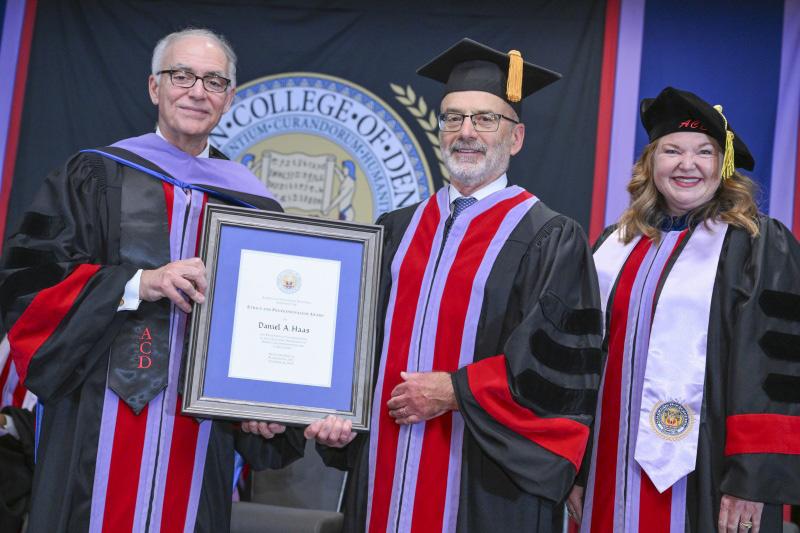
Dr. Dan Haas Ethics and Professionalism Award
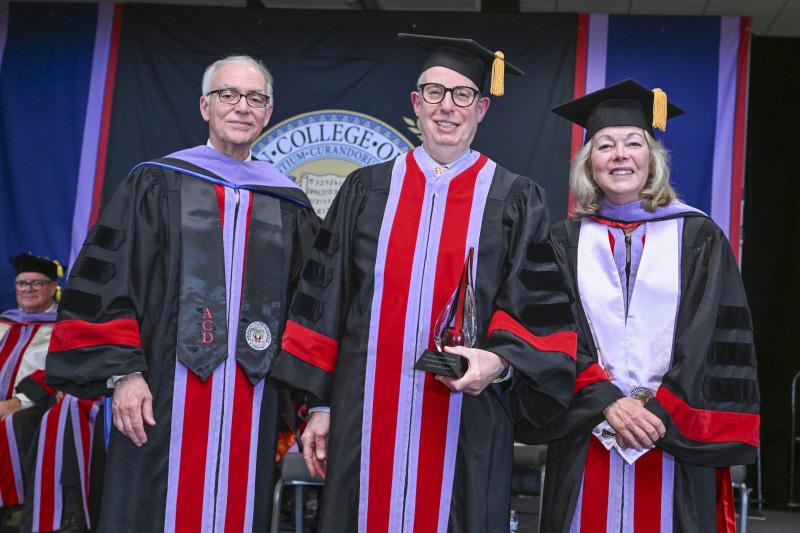
Dr. Larry Levin
Distinguished Leadership Award
Both awards were presented in Washington, D.C., at the Annual Meeting in October.
Ontario Section Recognition
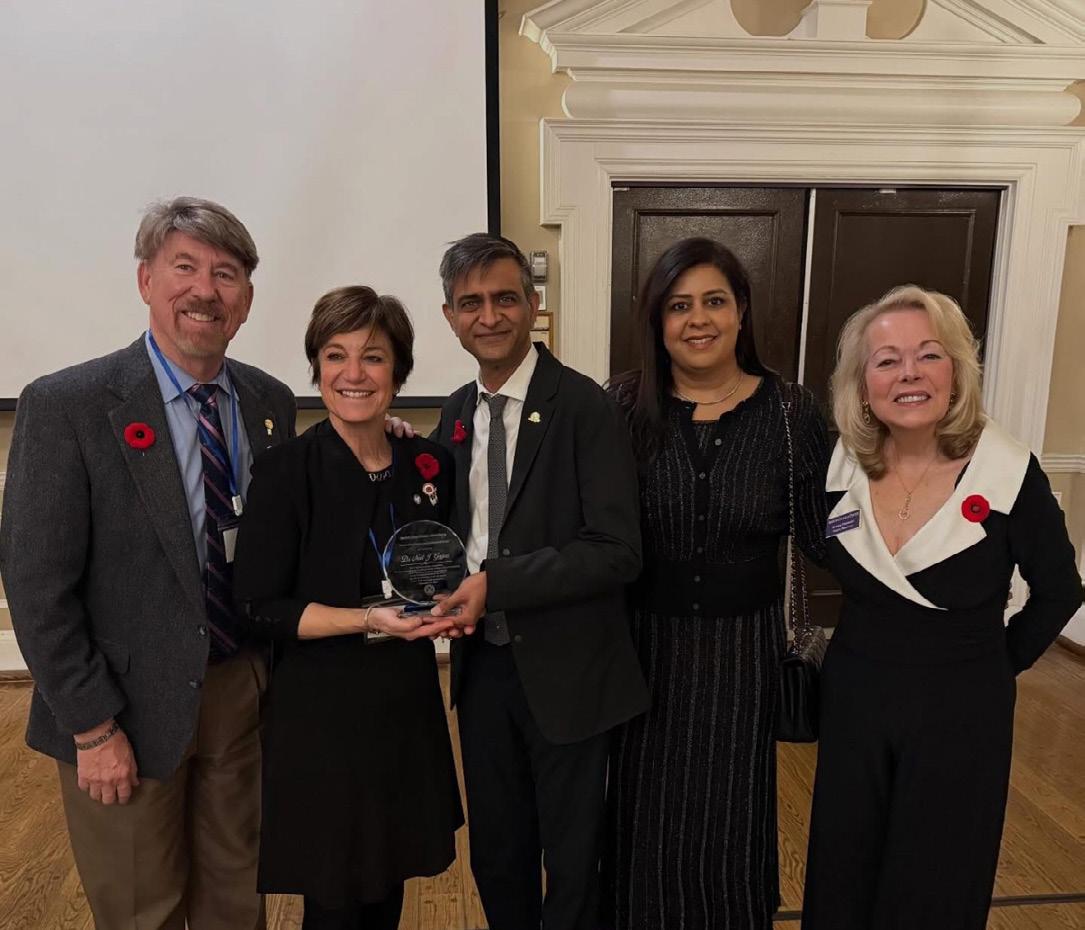
At the November ACD-OS Annual General Meeting, Dr. Neil Gajjar was honoured with the Ontario Section Leadership Award in recognition of his outstanding service and contributions.
Communications Committee Report
Dr. Sonia Slawuta Chair, Communications Committee
Co-Editor Newsletter 2026
Pillars Pod Co-host
The Communications Committee has had a busy and rewarding year, continuing several of our established programs while introducing exciting new initiatives.
We are pleased to share that our triannual Bulletin —featuring highlights of special events, updates from the Section Chair, and announcements of upcoming activities—which has been very well received by our Fellows. Based on this positive feedback, we are delighted to continue this publication well into the future.
We also hope you’ve enjoyed the birthday and holiday cards we’ve sent throughout the year. These small gestures are our way of adding a little extra cheer to your special occasions.
On October 14, 2025, following the successful Social Media Launch , we proudly introduced our newest communication initiative: an audio podcast, The Pillars Pod. Designed to accompany you on your morning commute, during office administration, or in moments of relaxation, the podcast features engaging conversations centered around the pillars of excellence, ethics, professionalism, and leadership in dentistry.
New episodes are released every second Tuesday of the month. We invite you to follow us on Instagram and Facebook, and subscribe to our YouTube Channel so you’ll never miss an episode.
As Chair of the Communications Committee, I want to extend my heartfelt appreciation to all committee members for their creativity, hard work, and commitment to the Ontario Section. Your dedication and teamwork have made our initiatives possible and successful.
Special thanks to:
Dr. XueEr Hong – Chair, Holiday and Birthday Card Subcommittee
Dr. Eunice Park – Chair, Social Media Subcommittee
Dr. Saira Paredes – Chair, Podcast Subcommittee & Pillars Pod Co-Host
Dr. Sunita Joshi – Committee Member, Pillars Pod Production
Thank you all for your contributions to advancing communication, connection, and excellence within our Section.
Respectfully submitted,
Dr. Sonia Slawuta Chair, Communications Committee
American College of Dentists - Ontario Section
@ACDOntario
@ACDOntario
ACD Ontario Section AGM
Thursday November 6, 2025
Dr. Louann Visconti Immediate Past Chair
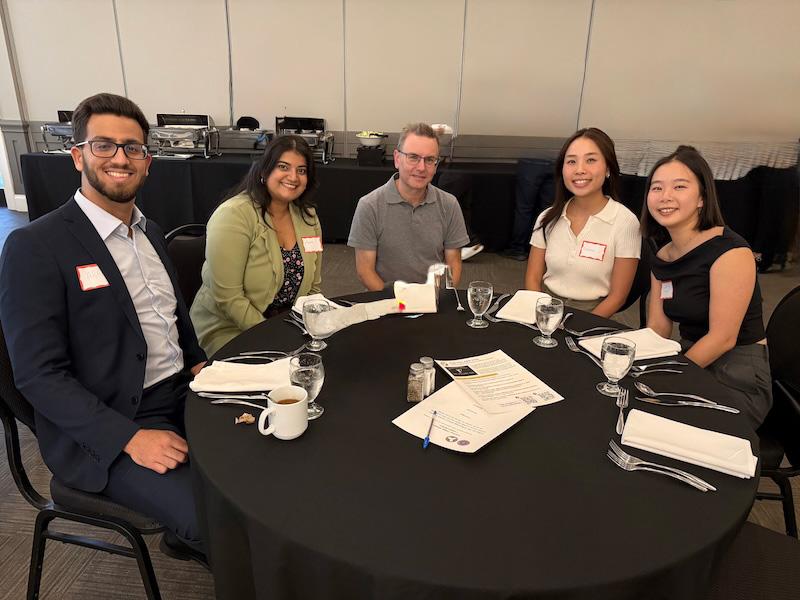
The ACD Ontario section held its annual general meeting on Thursday November 6, 2025 simultaneously at two venues; The Old Mill in Toronto and Sunningdale Golf & Country Club in London. There was lively conversation and camaraderie throughout the evening as fellows reconnected all while enjoying scrumptious hors d’oeuvres during cocktail hour followed by a delicious gourmet 3-course meal.
The ACD-OS was honored to host the ACD 101st President, Dr. Terry Norris as the key-note speaker for the evening. Dr. Norris reminded us of the privilege of our fellowship and our responsibility to continue to embody the values of the College, making meaningful contributions to the profession to further its mission.
Other highlights of the evening included;
• Words from our sponsors by representative Mr. Andrew Lee on the MNP’s commitment to Corporate Social Responsibility initiatives central to the core values of the company
• A tribute to Dr. Emanuel Rajczak; as we said goodbye to our friend, mentor and leader we reflected on the contributions made by this exceptional leader and the legacy that he has left behind. There to say a few words about Dr. Rajczak’s life and values and to accept a plaque on behalf of the ACD-OS were his daughter Katharine Rajczak and Dr. James Tonogai.
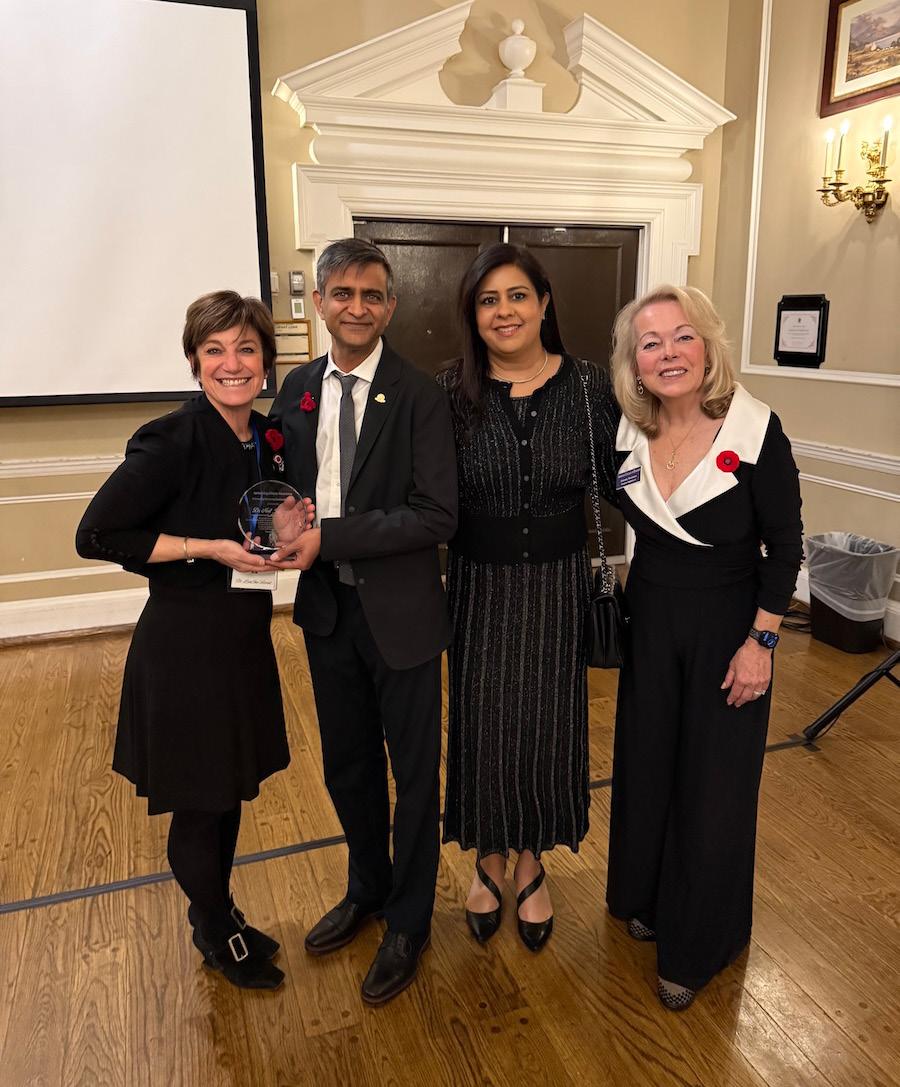
• The ACD-OS’ own Outstanding Leadership Service Award was presented to Dr. Neil Gajjar for his exemplary leadership both within the profession and within his community.
• SPEA representatives from the University of Toronto, Eddie Chow (co-president of the SPEA) and Frankie Yang (VP of Finance) as well as from Schulich, Mansha Nayyar (past president) and Faith Findlay (current president) shared highlights of planned events for the year ahead for both SPEA chapters. They also thanked the ACD-OS for the support provided for them to attend the national SPEA meeting in Washington D.C. that took place on October 25 of this year.
• ACD-OS honoured two of its members celebrating their recent accomplishments; Dr. Lawrence Levin who received the ACD Distinguished Leadership Award and Dr. Daniel Haas who received the ACD Ethics and Professionalism Award at the ACD AGM in Washington on October 24/25. The ACDOS also welcomed new fellows who convo cated recently at the Washington AGM!
ACD Ontario Section AGM Thursday November 6, 2025
As the evening was winding down, the work of the 2024-25 Executive Committee was shared with attendees highlighting the following projects that were brought to fruition by the hard work of this committee;
• Development of the Onboarding session for New Executive committee members
• Development of our podcast series
• Creating an ACD-OS social platform presence
• The Dr. E.J. Rajczak CE webinar series
• Facilitating two in-person learning events for each of the dental faculty students with Dr. Ned Nix
• Participating in Schulich’s White Coat Ceremony and its inaugural Professionalism Day
• June planning sessions Tuesday June 24/25 (virtual) and Fridy June 27/25 (in-person).
The Executive Committee of 2024-25 was thanked for all their tireless work this past year and a new Executive slate for the 2025-26 fiscal year was approved by the fellows. We welcomed our new members; Dr. Nada Tabbara,Dr. Christopher Swayze and Dr. James Tonogai and thanked our outgoing members Drs. Christine Ng, Eunice Park, Xue Er Hong and Anwar Dean for their contributions.
At the end of the evening, it was time to pass the gavel to my successor, Dr. Shawn Steele, who provided words about his goals for the upcoming year of his chairmanship. We are all proud of you Dr. Steele and know that you will bring your exemplary leadership skills to the role. We are looking forward to working together with you as we move forward continuing to evolve as an organization to meet these challenging times!
LouAnn Visconti
ACD-OS Immediate Past Chair 2025-26
ACD President’s Update – Ontario Section
Ontario is never a disappointment; that is an understatement to say the least. Ginger and I always look forward to being in the fourth largest city in North America. Your Section’s hospitality and the city of Toronto is always inviting. Thank you for making us feel like one of you.
The work that you have done since my first meeting in November 2019 is astounding. The satellite AGM, the Dr. Emo Rajczak Ethics Seminars, the C.E. Courses for Canada and Regency 4 and the Pillar Pods show your dedication to dentistry, to Canada and to the ACD. You are to be congratulated.
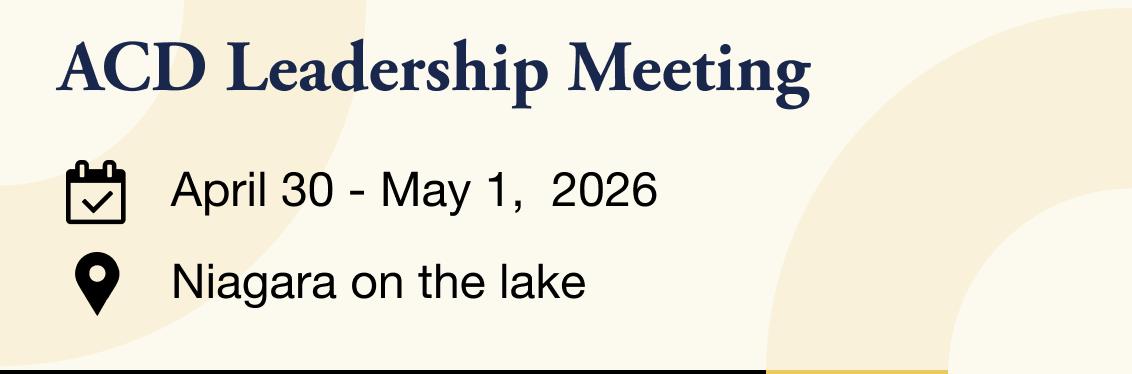
Looking forward, I am excited that the ACD’s Spring Board Meeting and the Leadership Conference will be held at Niagara on the Lake from April 28 – May 2, 2026. I would love to
see a large turnout from your Section at the Leadership Conference portion which happens that Friday and Saturday. As we say in Kentucky, “Y’all Come”.
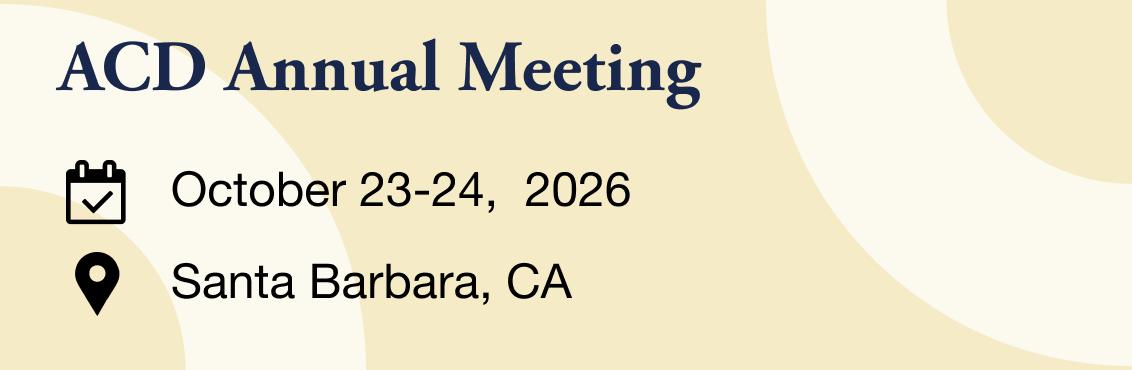
This past October saw the largest Convocation in my history in the ACD. Santa Barbara has been chosen for our next Annual Meeting on October 23-24, 2026 at the Beachfront Hilton Resort, and we have been given convention rates at the Hilton from the 20th through the 27th; come early and/or stay late. This location will be a welcome change from Washington DC. Your presence is important to support the ACD’s first standalone meeting. I plan on being there, for some reason, and I hope to see you there also.
Thank you Ontario,
Terry L. Norris ACD President
Regent’s 2025 Report
Regency 4 has had a remarkably productive and rewarding year.
We continue to host quarterly Regency Update meetings with section leaders from Michigan, Indiana, West Virginia, Kentucky, Ohio, and Ontario. Each gathering features six presentations on a wide range of topics, ensuring our leaders remain well-informed and able to share timely updates with their fellows.
SPEA chapters continue to flourish across our Regency. I am especially proud of Ontario’s two chapters and of our Canada-wide SPEA Regent, Schulich’s own Ms. Sophia Kim. West Virginia and Kentucky also maintain strong and active SPEA chapters.
This year, I was fortunate to attend meetings at five of our six sections. Regency 4 was honoured to host the inaugural regency-specific Shift Leadership Program in Indiana, an initiative led by former Regent and ACD past President, Dr. Dick Jones, together with Shift founder Dr. Sree Koka.
The ACD 2025 Annual Meeting in Washington, DC, was an outstanding success. Regency 4 was well represented at the annual Regency Breakout Session, themed “ACD 101”. This
Dr. Brenda Thomson
Regent for Regency 4
dynamic, interactive session helped orient both fellows and new fellow candidates to the structure of the College, its regencies, sections, and affiliations. Following the session, we held our first-ever Regency 4 Dinner at Clyde’s Gallery Place.
This year’s ACD Convocation was one of the largest on record, with the highest number of new fellows inducted. I was delighted to welcome Ontario’s newest fellows:
Drs. Brad Campbell, Theodoros Emons, Matthew Morrison, Mario Moscone, John Odai, John Suljak, Lorraine Thaker, and James Tonogai.
A highlight of the AGM was the opportunity to present former ODA and CDA President Dr. Larry Levin with the ACD Distinguished Leadership Award. Regent Dr. Robin Henderson was also honoured to present former University
of Toronto Dean Dr. Dan Haas with the ACD Ethics and Professionalism Award. Warmest congratulations to both recipients.
Looking ahead, the ACD will host its Spring Leadership Conference in Niagara-on-the-Lake from April 30 to May 2, 2026. The Shift 10 Leadership Program will take place in Vancouver May 7–9, 2026, and in Rockville MD June 5-7, 2026.
Next October 23-24, the ACD will host its first ever stand-alone AGM in Santa Barbara, CA. It will be held at the beautiful Hilton Beachfront Resort. Rooms are available 3 days in advance and following the meeting, at the AGM rate.
We continue to live in challenging times; however, the ACD remains steadfast in its mission. The College is not a political organization—its purpose is to protect and advance the integrity of our profession. I encourage all fellows to continue supporting the vital work of the ACD, which includes:
• Supporting and funding our SPEA chapters
• Creating ethics courses and leadership programs
• Designing and publishing The New Ethics
Handbook for Dentistry for the benefit of all dentists
• And, in 2025, providing one of the largest grants in ACD Foundation history: US $8,600 awarded to the Ontario Section to support its social media program.
This funding enabled the Dr. Ned Nix Ethics Course at both dental faculties for students and fellows, as well as the launch of the Pillars Pod podcast, created by Sonia Slawuta and Saira Paredes Raut.
The Ontario Section continues to be recognized as a leader, with its world-class newsletter, timely Bulletins, the Dr. E. J. Rajczak Ethics and Professionalism Continuing Education Series, and many other initiatives. Let us continue building on this tremendous momentum.
Respectfully submitted,
Brenda Thomson Regent for
Regency 4
Ontario Fellows Take to Washington for a Monumental Meeting
Dr. Shawn Steele Chair
When the Ontario Section touched down in Washington, D.C. for the ACD’s 2025 Annual General Meeting and Convocation, we brought more than luggage and toiletries. We brought purpose, the spirit of service and the energy and pride of Ontario. For the Ontario Fellows and candidates in attendance, the event was a blend of intellectual engagement, collegial connection, and exploration of the U.S. capital’s rich cultural offerings.
The meeting, which took place October 2324, 2025, at the beautiful JW Marriott on Pennsylvania Avenue, was kicked off by most attendees with some time spent exploring the city, taking in D.C.’s iconic landmarks, such as the White House, Capitol Building, and Washington Monument, to name just a few. Some Fellows took time to explore D.C.’s vibrant neighborhoods including the picturesque streets of Georgetown, the waterfront views at The Wharf, and the beauty of memorials at the Tidal Basin, where the Jefferson, MLK Jr., and FDR Memorials create a powerful sense of remembrance. Fellows enjoyed taking this time to unwind, soak in history, and socialize before the business of ethics and the ACD began.
From the outset, the AGM’s programming delivered on the ACD’s core pillars. Fellows engaged in sessions, workshops, and discussions around excellence, ethics, professionalism, leadership, and the challenges of modern practice. Ontario Fellows were not spectators, we contributed actively by meeting others, asking questions, sharing Canadian perspectives, and broadening conversations beyond borders.
On Thursday morning, the ASDE Ethics Course “The Truth About Veracity” explored ethical foundations with a focus on truthfulness and its impact in professional and personal contexts. Later in the afternoon, the Regency Breakout Sessions brought Fellows from across each regency face to face with governance, leadership structure, succession planning, and the architecture of the ACD itself. During the informative and interactive Regency 4 session, which was led by our esteemed Regent, Dr. Brenda Thomson, Ontario’s voices were present, raising thoughtful questions about the role of Section leadership, the bridge between local and national, and how to engage more Fellows in meaningful service. The day ended with a Regency dinner with friends, new and old.
Friday morning opened with the Annual Business Meeting, with the tone of respect and solemnity being set by the presence of Howard University’s Reserve Officers’ Training Corps Color Guard. During this portion, ACD Officers updated the Fellowship regarding the state of the College and Foundation, and new Fellows received an orientation. This was a great opportunity to learn about the College and Foundation and to witness governance in action.
Ontario Fellows Take to Washington for a Monumental Meeting
The Fellows Forum that followed stirred deep engagement. Leadership was the theme with the talk focusing on “Standards in Leadership in Oral Healthcare: The Need for Action Now”. Ontario participants joined colleagues to learn about and discuss what is expected of individuals and organizations and how leadership is closely related to trust. Each discussion highlighted much of what we wrestle with at home, in our practices, schools, and organizations. The Canadian perspective added fresh contrasts about public trust, regulation, and professional identity.
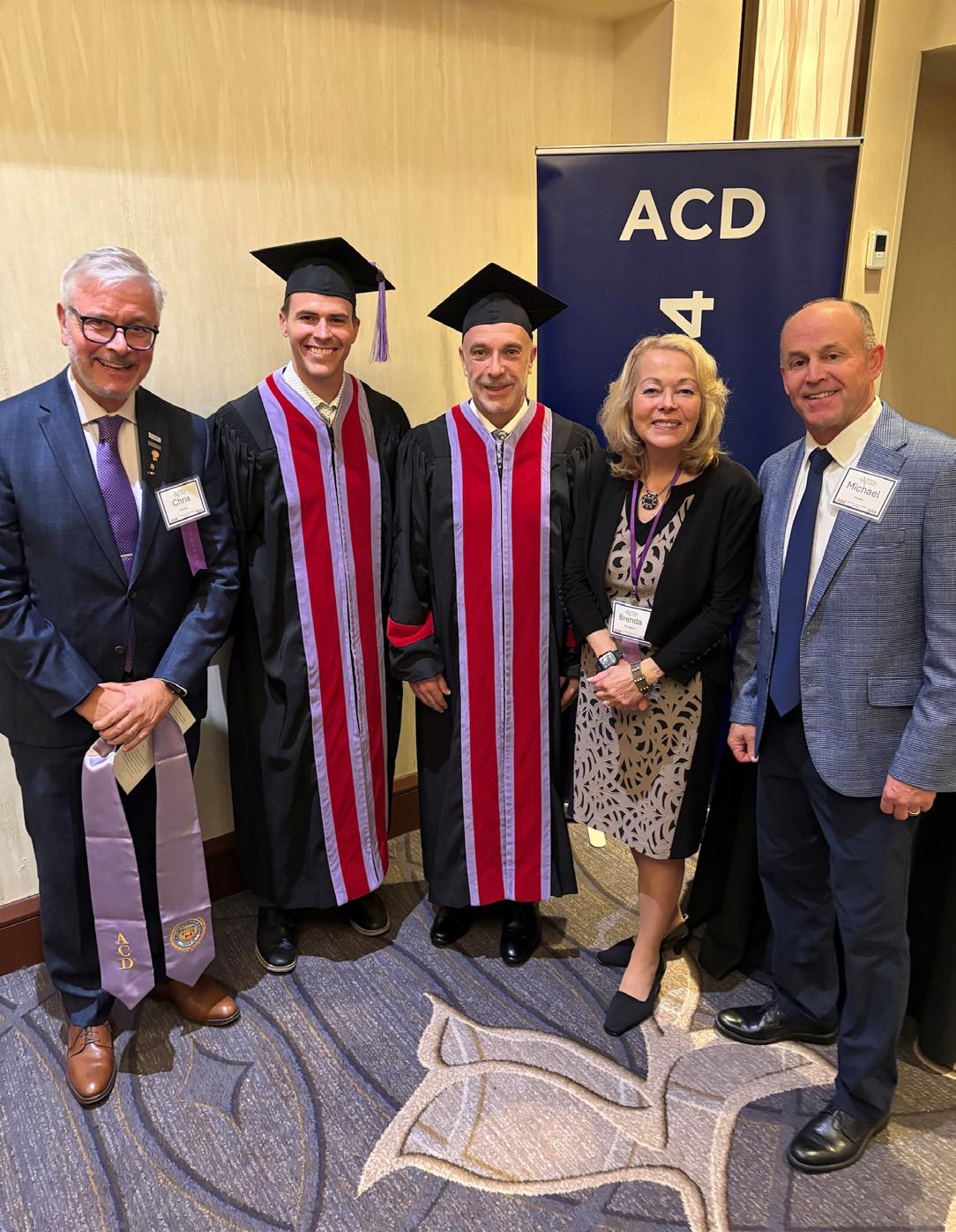
At midday, the Convocation Lunch offered an opportunity to socialize with peers and to recognize the accomplishments across ACD sections. Next came the grand Convocation Ceremony: the procession into the Grand Ballroom, the convocation of new Fellows, the champagne toast, and the swing of Georgetown Jazz underscoring the moment. Ontario Fellows watched with pride as our colleagues were welcomed into the ranks and honoured. Congratulations to all new Fellows who were inducted into the ACD at this memorable
ceremony and to award winners, Dr. Daniel Haas and Dr. Larry Levin.
Washington, D.C. offers monuments, history, and vibrant neighbourhoods, but for Ontario Fellows, it became a landscape of inspiration, fellowship, and reaffirmation: that the quest for excellence in dentistry is alive and thriving among the profession. As the AGM drew to a close, Ontario Fellows departed not only with program notes and new contacts, but with renewed purpose. We carry back fresh perspectives on leadership, service, and professional identity, and a network of mentors, peers, and ethical partners that will enhance our ability to serve the Ontario Section.
To every Ontario Fellow who joined us: thank you for your presence, participation, and dedication to meaningful discourse. And to those who wonder whether to attend a future AGM, let this be your invitation: join us not just to learn, but to connect, to explore, to serve and to lead.
Celebrating our Newest ACD Fellows
“I am humbled beyond words to be recognized by my peers. I have always held a great importance on ethics and professionalism as a practicing dentist, and it is so great to be part of a group that believes the same. Together, we are more powerful in promoting these attributes across our profession.” – Dr. John Sulijak
“The ACD induction ceremony in Washington, D.C. was a very important milestone in my early career and it was an honour to be standing alongside so many excellent, ethical, and professional leaders in the field of dentistry. Having the opportunity to speak to clinicians and researchers who have lived full careers and balanced their personal and professional lives in harmony with their life goals was motivating to me. I feel that I will continue to learn more from ACD members and look forward to giving back to the ACD to continue to support the missions of the organization in a meaningful way. I would like to thank the ACD for fostering such a supportive environment for new members and for continuing to represent the highest of ethical standards in dentistry.” – Dr. James Tonogai
“In October of 2025 I was granted fellowship into the ACD. After years of simply doing my part in my community it was an unexpected honor to be invited to join this distinguished group of like minded colleagues. I wish to express my heartfelt thanks to my two sponsors for considering me worthy of this accomplishment. I look forward to exploring all that the ACD has to offer and will aspire to live up to the expectations of excellence, ethics and leadership both personally and professionally.” – Dr. Brad Campbell
Dr. Mario Moscone Dr. M. Morrison
Dr. John Odai
Dr. Theodorus Emons Dr. Lorraine Thaker
Environmentally Sustainable Dentistry
Dr. Lynn Tomkins Past-President, Canadian Dental Association
In the early days of the Covid pandemic lockdown I stood on the balcony of my condo and looked out over downtown Toronto and right around to Queen’s Park. Instead of the usual traffic noises and hustle and bustle of the city I heard only birdsong. It was a poignant and bittersweet moment in which our impact on the natural world was starkly demonstrated.
The Covid pandemic was a generational event whose direct, indirect and long term impacts are only beginning to be known and I feel sorrow for the people we have lost (including in my own family) and the hardships it brought to so many. The difficult circumstances also had environmental implications. Lockdowns affected about 3 billion people. Global oil demand dropped by hundreds of millions of barrels as industrial and economic activity reduced and people travelled much less. Carbon dioxide emissions reduced worldwide and the reduction in the numbers of cars on the road resulted in historic low nitrogen dioxide emissions.
Though there may have been environmental upsides to the pandemic there were also many downsides. It caused a significant increase in the amount of waste produced by health care, including dentistry. The environmental burden of infection prevention and control measures and the enhanced personal protective equipment (PPE) was a concern for dentists before Covid and became even more pronounced during and after the pandemic. I am very proud of the efforts of our Canadian dental profession with not a single recorded case of transmission of Covid in dental offices to or from patients.
When we look at our ethical responsibilities as educated professionals and leaders in our communities it seems that care for the environment should
be a part of everything we do in our offices and in our personal lives. Human health depends on a heathy environment, and ultimately we depend on our natural environment to sustain all life.
We can do this in many ways, large and small. Many dentists have taken steps to make their offices’ use of energy more environmentally sustainable. A simple way to reduce PPE use is to schedule patient care into fewer appointments by planning ahead. The use of virtual dentistry had some value during the pandemic but dental care is still largely “hands-on” so reducing the number of times patients have to travel to their appointments conserves energy and reduces pollution. Simple measures in the office to reduce the number of disposable items used for procedures will have positive environmental effects (and also reduce overhead costs).
One of the greatest strategies to reduce the environmental burden of dental care is through prevention of dental disease and conservative management of a patient’s oral health care throughout their lifetime. Reducing the amount of interventional dental care a patient needs over time will have net positive effects on the environment. This means providing dental treatment that lasts, that does not need to be replaced frequently, and by using techniques and materials that are supported by science and research. And one of the greatest environmentally sound ways to prevent dental caries (the most common dental disease in the world), and thereby reduce the environmental burden of dental treatment is through community water fluoridation.
We can also reduce the environmental effect of dental care by talking with our suppliers and working together to reduce packaging, improve disposal measures, and reduce wasted inventory by judicious purchasing practices. Shipping of supplies and materials can be made more efficient, even how we get to and from our dental offices can have an impact. I am certain that dental office staff members would have many ideas to reduce
waste, improve efficiency and help us practice in a more environmentally friendly way. Everyone would benefit.
At the organizational level we have seen how efficient and effective virtual meetings can be. We need to consider carefully the environmental impact of travel when making decisions about where and how to hold meetings (and how often). Now that we are “between pandemics” there is a great desire to meet together in person and make up for lost time, but we need to consider the longer term environmental impacts, especially of air travel. There is a balance between the social value of in person meetings and the practical advantages of using technology for making business decisions.
The Canadian dental profession needs a strategic vision for environmental sustainability that will set the example for the oral health care sector, and I would argue, for the entire health care sector. Our clinical practices are visible to our patients and staff. We have a tremendous opportunity to show what environmental stewardship can look like day to day. The FDI (Federation Dentaire Internationale) published a consensus statement in 2022 on sustainable dentistry that provides global strategies and solutions that can be localized to the Canadian context. Our vision could be the foundation for developing realistic strategies and tactics that will help dentists in their practices and institutions make choices that support both the environment and the bottom line. It would also guide organized dentistry as we engage with governments and the dental industry on sustainability solutions.
Environmental sustainability is a global effort, but I do believe that Canadian dentists can be the leaders in sustainable oral health practises for the global profession. Amidst advocating for the oral health of our patients and working through the myriad of issues facing our profession, we also have an opportunity to make positive change that is good for dentists, good for patients, and good for the planet.
Environmentally
Biography
As a graduate of the Faculty of Dentistry, University of Toronto, Dr. Lynn Tomkins took office as President of the Canadian Dental Association in April 2022. Dr. Tomkins is CDA 2nd female president in its 120 year history. She was first appointed to the CDA Board of Directors in 2015.
Dr. Tomkins has been involved in organized dentistry for many years, serving on numerous committees and task forces at the provincial and national levels and as President of the Ontario Dental Association. She is a fellow of the International College of Dentists, the Academy of Dentistry International, the American College of Dentists and the Pierre Fauchard Academy.
Dr. Tomkins is a clinical instructor at the University of Toronto Faculty of Dentistry and was in general practice dentistry in Toronto for over 35 years. When not practicing dentistry, Lynn and her husband Daniel enjoy theatre, skiing, scuba diving, hiking, canoeing and exploring Canada’s National Parks.
Watch Now: Environmentally Sustainable Dentistry
Climate Change, Plastic Waste, and the Dental Profession
Toni Roucka Professor Emeritus Marquette University School of Dentistry
The world is getting warmer. Climate change is a widely acknowledged global phenomenon that affects the whole planet. Artificial geographic boundaries are, by definition, artificial. What happens in Canada, the US, or China, for instance, has a significant impact on the rest of the world. The increased accumulation of greenhouse gases in the atmosphere, resulting from the burning of fossil fuels and other human activities, is well-documented. This contributes to global warming and its sequelae for everyone.
The healthcare sector worldwide contributes to greenhouse gas emissions, which in turn contribute to rising global temperatures.1 Healthcare facilities (dentistry included) also generate a substantial amount of plastic and other waste. Plastics are harming our world in many ways, clogging our oceans and polluting the land.2 Healthcare leaders are taking notice and working to find solutions to these problems. This article examines the environmental impact of healthcare, including dentistry. It explores practical strategies for dental offices to become more sustainable, reduce their carbon footprint, and enhance office efficiency in the process. While sustainability can be a charged word, it shouldn’t be. Sustainability means “meeting the needs of the present without compromising the ability of future generations to meet their needs.”3 It is a simple and noble concept.
The healthcare industry annually contributes between 4.4% and 5.2% of greenhouse gas emissions worldwide.1 ,4 The United States health sector, the world’s number one emitter in both absolute and per capita terms, produces 57 times more emissions per person than does India. China is number two, and the European Union is third.4 When considering hospital medical waste generation (kg/bed/day), in 2021, one study concluded that the US was the largest contributor, with Canada a close second.5 In the US, on average, a single hospital bed produces 29 pounds of waste per day.6 It is almost impossible to comprehend. There are no directly comparable scientific studies examining waste generated in dental offices in these terms; however, one study suggests that dentistry uses a high volume of single-use plastics (SUP), with an average of 21 SUPs per procedure.7 SUP, used to increase convenience and ensure patient safety through infection control, are ubiquitous. Plastics are derived from fossil fuels, so they also contribute to greenhouse gas emissions. Due to their widespread use, plastics have infiltrated the very fabric of the environment and have recently been found embedded in human tissues, including, but not limited to, the bloodstream and the brain.8
Healthcare Waste Quantified
Climate Change, Microplastics, and Human Health
The interconnectedness of dentistry, health, and the environment is not just an abstraction; it is a reality that we must be acutely aware of and take responsibility for. The long-term effects of microplastics on human health are unknown. Regarding the question of human influence on the environment, it is worth noting that all plastics are man-made. People own the plastics problem. As plastics invade our oceans, they decrease the ocean’s ability to mitigate greenhouse gases as well. The world’s oceans absorb 25% of all CO2 emissions.9 We need to protect them. We could and must do better.
Another concern is that climate change exacerbates human health issues, including respiratory, vector-borne, and cardiovascular diseases. It also contributes to natural disasters and mass migration due to conditions such as famine, flooding, drought, wildfires, and infrastructure damage.9 In recent years, we have seen extreme weather events unfolding in real-time around the globe and the impact they have on the populations affected. Dentists, as healthcare professionals, must prioritize whole-patient health and welfare and think ‘outside the mouth’ about the many circumstances that affect our patients’ health, and indeed, our own. The effects of climate change can be devastating.
Dentistry’s Impact
Sustainability is impacted at many levels along the dental care continuum. It begins with the sourcing of raw materials used to make dental products. From there, manufacturing processes are a significant factor, particularly those that involve the creation of plastic. Packaging and distribution then play a role. Procurement is next, followed by actual patient care, where products and resources are utilized, including energy. Waste management concludes the continuum.10,11 (Figure 1)
When considering the environmental impact of patient care, we must also account for the transportation that patients and the dental team use to travel to and from the office. Transportation is the most significant contributor to greenhouse gas emissions in the environmental continuum for the dental industry.12 Transportation is heavily involved at the levels of distribution, procurement, patient care, and waste management.
Figure 1. The sustainability continuum in dentistry10,11
Climate Change, Plastic Waste, and the Dental Profession
While SUP poses environmental issues related to bulk waste and microplastic creation, the two most significant contributors to microplastics in the environment are transportation and the production and use of synthetic clothing. Transportation, because of tire wear and tear on the roads, and the microplastic waste generated from that. We inhale road dust or consume water contaminated by run-off. Synthetic clothing because it is composed of plastic-derived fabrics. Washing and wearing such clothing items introduces microplastics into our water supplies through fiber shedding and into the air we breathe through friction.13,14 The connection between transportation being the most significant factor in dental office greenhouse gas emissions, as well as one of the most significant contributing factors to microplastic creation, is important. It provides an opportunity for dental offices to address both issues simultaneously.
Reducing the transportation impact of dental practices can bring down greenhouse gas emissions and microplastics in the environment. Below are some simple suggestions to help address these issues in practice:11
• Order in bulk to decrease the number of delivery trips
• Utilize autoclavable items where possible to decrease the use of consumables like SUP
• Patronize suppliers that utilize eco-friendly options such as electric delivery vehicles and eco-friendly packaging.
• Treatment plan thoughtfully to help maximize patient care procedures at each appointment, decreasing transportation to and from the office for patients.
• Train staff to prepare carefully for each patient appointment, limiting runs for missing items during a procedure. This will conserve PPE and decrease waste.
• Use only the appropriate amount of gauze, cotton rolls, and other single-use materials to minimize waste.
• Bike, walk, or take the train to work whenever possible.
• Utilize digital technologies where feasible to decrease material waste.
• Recycle when possible.
These suggestions will not only reduce waste and environmental impact, but they may also increase the practice’s bottom line. When care is well-planned, efficient, and timely, it is a win-win for the practice and the environment.
Other sustainable practices that may be adopted include the following:
• Conserve energy by turning off lights and turning down the thermostat when not in use and employing energy-efficient equipment and fixtures, including plumbing and lighting.
• Consider following Leadership in Energy and Environmental Design (LEED) design principles
Making a Difference
Climate Change, Plastic Waste, and the Dental Profession
if remodeling or building a practice. LEED provides a framework for healthy, highly efficient, and cost-saving green buildings that offer environmental, social, and governance benefits.
• Turn off water faucets while brushing teeth and teach patients to do the same.
• Promote sustainable practices to your patients. Many patients are concerned about the environment and will appreciate your efforts to shrink your carbon footprint.
Conclusion
Climate change and microplastics pose a threat to the planet and the future of human health. Sustainable practices that help mitigate waste, greenhouse gas emissions, and plastic pollution will not only benefit the Earth and its inhabitants but also benefit the dental practice itself. It’s time to meet the needs of the present without compromising the ability of future generations to meet their needs.
References
1. Hospitals race to save patients and the planet. AAMC News. Accessed September 29, 2025. https://www.aamc.org/ news/hospitals-race-save-patients-and-planet#:~:text=Hospitals%20and%20labs%20emit%204.4,to%20re duce%20its%20carbon%20footprint.&text=The%20statistics%20are%20staggering.
2. Impacts of plastic pollution. The Environmental Protection Agency (EPA). Updated May 15, 2025. Accessed September 29, 2025. https://www.epa.gov/plastics/impacts-plastic-pollution
3. Sustainability. United Nations Academic Impact. Accessed September 29, 2025. https://www.un.org/en/ academic-impact/sustainability
4. Health care’s climate footprint. How the health sector contributes to the global climate crisis and opportunities for action. Health Care Without Harm. Climate-smart health care series Green Paper Number One. ARUP. September 2019. Accessed September 29, 2025. https://global.noharm.org/sites/default/files/documents-files/5961/ HealthCaresClimateFootprint_092319.pdf
5. Singh, N, Ogunseitan, OA, Tang, Y. Medical waste: Current challenges and future opportunities for sustainable management. Critical Reviews in Environmental Science and Technology. 2021. 52(11), 2000–2022. https://doi.org/ 10.1080/10643389.2021.1885325
6. Atwater, W. As hospital systems begin to grapple with medical waste, environmentalists call for tighter regulations. NC Health News. Published October 27, 2023. Accessed September 29, 2025. https://www.northcarolinahealth news.org/2023/10/27/as-hospital-systems-begin-to-grapple-with-medical-waste-environmentalists-call-fortighter-regulations/
7. Martin N, Mulligan S, Fuzesi P, Hatton PV. Quantification of single use plastics waste generated in clinical dental practice and hospital settings. J Dent. 2022;118:103948. doi:10.1016/j.jdent.2022.103948
8. Alziny N, Elgarhy FM, Mohamed AM, et al. The Impact of Microplastics in Food and Drugs on Human Health: A Review of the MENA Region. Int J Environ Res Public Health. 2025;22(3):380. Published 2025 Mar 5. doi:10.3390/ ijerph22030380
9. Climate Action Fast Facts Ocean. United Nations. Climate Action. Accessed September 29, 2025. https://www. un.org/en/climatechange/science/key-findings
Climate Change, Plastic Waste, and the Dental Profession
10. Martin N, Mulligan S, Shellard IJ, Hatton PV, eds. Consensus on Environmentally Sustainable Oral Healthcare: A Joint Stakeholder Statement. York (UK): White Rose University Press; December 2022.
11. Roucka, T. Dentistry’s ethical responsibility to patients’ overall health: Sustainable Practices and Climate Change Awareness. Am Col Dent 2025; 91 (3): 17-22.
12. Duane, B., Steinbach, I. What is the environmental footprint of a dental practice? A life cycle analysis (Part 1). Br Dent J. 2024. https://doi.org/10.1038/s41415-023-6710-z
13. Kole PJ, Löhr AJ, Van Belleghem FGAJ, Ragas AMJ. Wear and Tear of Tyres: A Stealthy Source of Microplastics in the Environment. Int J Environ Res Public Health. 2017;14(10):1265. Published 2017 Oct 20. doi:10.3390/ ijerph14101265
14. Chandra S, Walsh KB. Microplastics in water: Occurrence, fate and removal. J Contam Hydrol. 2024;264:104360. doi:10.1016/j.jconhyd.2024.104360
Author information
Dr. Tonia Rouka is the Editor of the JACD. She is a nationally recognized speaker on dental ethics and has numerous publications in peer-reviewed journals on ethics topics such as social media and dentistry, sustainability in healthcare and narrative ethics.
Setting up an Environmentally Sustainable Office
Dr. Richard Erlich
1) What was your practice philosophy with regard to the environment and minimizing dentistry’s footprint on it?
I have always been environmentally conscious, long before the recent awareness of climate issues. (I was known for cycling 30km to University of Toronto and back all year round in the 80s, long before cycle commuting was popular.) Our philosophy is to run our practice with as close to a zero environmental footprint as we can, for the health of us all.
2) How did you run your dental practice to make it as environmentally friendly as possible?
When I built the Elm Tree Dental clinic in 1997, I purchased the building and did multiple environmental upgrades.
We had an energy audit and air leakage test, replaced windows and got the building sealed, with a Heat Recovery Ventilator system and HEPA filter, which proved very helpful during Covid.
We upgraded the heating to ultra high efficiency, upgraded the lighting to LEDs, installed water saving faucets and whole-office shut-offs.
We were the first business in Caledon to install 8KW of rooftop solar panels via the Microfit program, and we sell power back to the grid. This has been both environmentally and financially beneficial.
We purchase renewable energy from Bullfrog Power for needs we can’t generate, including renewable electricity, gas from landfills, and fuel for my hybrid vehicle. Any office can purchase clean power from Bullfrog Energy.
We shut down all the office computers and peripherals at end of day except for the server. There are more and more of these every year, and they draw significant power, but are only needed 40 -50 hours a week so they are turned off the remaining 120-130 hours. This not only saves energy but ensures nobody can hack into the system for most of the time.
Both myself and Dr Kee Reddy, who now owns the practice, bike to work. Dr Kee has an e-bike which is charged at the office, while I bike or run. Dr Kee also has an EV, and I will get one once my hybrid vehicle needs replacement, although I rarely drive to work. As EV adoption increases, we may add more solar panels for direct charging for staff and patients.
We try to encourage patients to bike or walk to work. Close to 65% of carbon emissions from a dental office are from transportation of patients and staff to and from the office. The office has
secure bike parking for staff and patients, and a shower.
Not everyone can travel this way, but we make efforts to minimize trips for patients. We combine family appointments in one visit to the office when we can. Wherever possible we perform multiple procedures at one appointment on a patient, such as scheduling non-urgent restorative at the next hygiene visit on the same day. Doing this reduces front desk time, set-up time, and single use waste,resulting in significant cost savings. Any practice can implement this.
When I owned the practice we initiated several programs to reduce our waste. We got reusable bibs that were professionally laundered along with our scrubs and gowns. We offered made-in-Canada wooden toothbrushes. We also have recycling programs for oral care products, but interestingly this only captures a tiny proportion of the tens of thousands of plastic toothbrushes we used to give out. We are able to compost our cups used by the patients, and any compostable food, paper towels and packaging waste.
My investment portfolio has also been audited and adjusted for environmental impact, which has a surprisingly large contribution. My RRSPs were modified to avoid high carbon producers, especially in the US right now, and I hold some investments in clean energy which have done well, including shares in large solar arrays via Solarshare.
3) Any tips you could give young dentists just setting up their practices who have similar environmental concerns?
If I was setting up a practice now, I’d consider a whole-office power battery backup system, rather than individual backup units for computers. It could be charged from solar panels, or the grid during low demand times, could allow limited operation during power failures, and could allow one central shut down rather than each peripheral needing to be shut down. It could potentially sell power back to the grid in high demand times and charge during low demand.
Solar power has become much cheaper than when I set up my system, and is the world’s fastest growing power generation. It might be practical to cover parking areas with panels and charge EVs directly which will surely be the way of the future.
Setting up an environment conducive to commuting by human power also benefits staff who might want to shower at work.
Intelligent booking can save money, staff time and really reduce environmental footprint.
Be cognizant of the impact your investments have on the environment. Ethical and environmentally conscious investing can also be highly profitable.
There is still considerable work to be done on all the non-recyclable waste produced by a dental office. Some of the current sterilization and packaging IPAC standards are at odds with environmental footprint, and may not necessarily be scientifically proven as the best or only option.
4) How did your staff and patients feel about the extra steps you took to make your office as environmentally friendly as possible?
All of these suggestions are good PR, showing the office is progressive and taking care of the health of the planet as well as the patients. Not all the steps we take are feasible if you don’t own the practice, but many can be done in any practice. Some of these steps save money, some have produced good income, some are no cost while others have cost a bit more, but my co-workers and I have all been proud to show environmental leadership.
Biography
Dr. Richard Ehrlich graduated from the University of Toronto in 1986. As a student, he volunteered for the environmental organization Energy Probe. He has practiced general dentistry in Caledon, Ontario since graduation, associating at first then establishing his own solo practice.
Dr. Ehrlich was a founding member of EcoCaledon, a citizen environmental group associated with the Region of Peel, where he volunteered for 20 years. For several years, he published a column in a Caledon newspaper entitled Clean Air Clean Energy - a series of articles about energy and costefficient actions that homeowners and businesses could take. He also started the first household battery recycling program in Ontario, a service that is now available province-wide. He has published numerous articles about Environmental aspects of Dentistry.
In 1997, Dr. Ehrlich established the Elm Tree Dental Clinic in Palgrave, renovating a 19th century building and operating it with very high environmental standards. He commutes year round by foot, bike or ski.
BY SUZANNE BOWNESS
ILLUSTRATION BY GREG MABLY
BITS AND BITES
Digital dentistry is here, and it’s transforming offices and patient care
Twelve years ago, Jaffer Kermalli 0T8, 1T1
MSc Perio invested in a cone beam computed tomography (CT) scanner, then an intraoral scanner and software to help him do virtual implant planning and guided surgery.
“It’s a very convenient workflow for the patients. For us, we’re able to control the fees. Patients are coming out with a nice package price, the practice consults for everything, and it all happens under one roof,” says Kermalli. Over time, he and his team have found that 3D printing in house has been less effective, and have returned to using a lab to produce top-quality implants.
Kermalli, who is also an instructor at the Faculty of Dentistry, has been sharing his digital dentistry success story with his study club of referring dentists. Half of them have invested in an intraoral scanner as a result. “There’s a large financial barrier, and people don’t want to drop $50,000 on a technology unless they know it’s going to work and make their life better, but then they hear from you about how well it works.”
If put in place properly, tech tools can improve workflow and the patient experience. Teched-up offices can set themselves apart. “Dentists are excited about how they can differentiate themselves amongst their peers, through technology, through office design, and through elevated patient experience,” says Prashant Ohri, president of dental equipment distributor Henry Schein Canada.
COSTS AND TRANSFORMATION
Outfitting a digital office comes with significant up-front costs, plus ongoing expenses related to software upgrades and maintenance — with training also adding to extra fees and requiring staff time. A 2022 study released by the American Dental Association (ADA) showed expenses rising by 7.7 per cent from the previous year, despite dentists working 4.5 per cent more hours. Inflation and the cost of technology are likely behind this rise.
More reliance on big-investment technology has contributed to the decline in numbers of solo practices — the ADA reports that two in three dentists worked alone in 1999, but that was closer to one in two by 2019, while Canadian practices likely follow a similar trend — and the rise of dental service organizations (DSOs). Many of these corporate entities back large practices where dentists can share hardware and software, while head office buys in bulk. As well, these companies often ink partnerships with tech companies for even more affordable access to new products. For instance, last May, dentalcorp signed with Bluelight Analytics for access to light curing and other technologies.
PATIENTS FIRST
The most frequently embraced technologies improve the patient experience. Software packages that help design treatment plans, plus make results sharable with patients for better buy-in, are high on wish lists. So are tools that reduce the number of patient visits, such as 3D printers and intraoral scanners. According to Ohri, the former is the hottest indemand product currently and the latter is close to tipping over into mainstream use. “Five years ago, we would read about people debating digital scanners and their accuracy. Today, I think clinician adoption is closer to 35 to 40 per cent of dentists,” he says.
Patients take notice of these upgrades as well. According to a 2019 survey by Carestream Dental of 7,000 adults across seven global markets, including Canada, two out of three patients would consider switching to a dentist who uses more advanced technology. Patients are nearly twice as likely to report a positive experience when dental technology is used.
Toronto orthodontist Bradley Lands says that chatter has started among patients about his favourite tool, the intraoral scanner that he began using about eight years ago. “Patients love it. The funniest thing is parents who come in with their kids, they’re still scarred from having had those alginate impressions. We hear almost daily, ‘You’re so lucky. You don’t have that goopy stuff,’” he says, adding that from a dental perspective the scans create better-fitting appliances and less worry over storing and transporting the alginate, which can sag out of shape without proper care.
For prosthodontist Effrat Habsha 9T5, 9T8 Dip Prostho, 0T0 MSc Prostho, adopting digital photography and radiography, along with scanners and surgical guidance systems, has made a big change in her Toronto practice. Software allows her to stitch images from multiple angles and sources together, plus add the patient’s face in three dimensions, so she can better analyze the surgical approach and communicate her treatment plan. She can provide her patients with a more
In the implant realm, there’s tremendous benefit in terms of less postoperative discomfort and swelling , bruising and bleeding, because we have less invasive surgery
accurate sense of the end result, a key element in gaining their confidence before they make the investment. “It’s very compelling from a patient standpoint that they can visualize what their cosmetic outcome will be at the end of treatment,” says Habsha.
PRECISION DENTISTRY
Habsha says she’s impressed by the improvements to intraoral scanners in the last few years, noting that she uses them more now, to scan everything from single teeth to full arches. Dedicated software that helps her to plan implant placement combined with navigational aids have transformed surgery. “In the implant realm, there’s tremendous benefit in terms of less post-operative discomfort and swelling, bruising and bleeding, because we have less invasive surgery,” she says, comparing this highly accurate approach that uses a smaller incision to laparoscopic procedures in medicine.
Lands, similarly, relies on treatment planning software to make sure his approach with Invisalign or traditional braces will integrate with any restorative elements such as crowns and bridges that a patient may require in time, generating a whole-mouth plan. “We can get our spacing really precise, and show patients what things might look like afterwards, even if they have more dental work to do. It’s gotten really powerful on that side,” he says.
Also, for braces, Lands can use software to make a digital plan that creates custom wires for the patient, enabling more precision and cutting a few months off the total treatment time. The collaborative elements of the software also allow Lands to plan treatments with oral surgeons when they step in for their role in a complex treatment plan.
Habsha often takes advantage of the collaborative benefits of the latest software. Some tools have become so operatorfriendly that she can assign staff members to do tasks that previously only she could handle. “It allows me to have my assistant take pre-treatment scans, and set the location of the crown for me to come in and scan. So, it increases my efficiency,” she says. She also saves time with the ability to review the images before they go to the lab and redo them if necessary. “You don’t have to send it to the lab only to discover that it was not appropriate,” says Habsha. “You can see in real time as you’re prepping patients. That is very helpful because you’re sending something out that’s good quality.” For Habsha, all of these elements add up to the same benefit. “I know my productivity is increased because I’m able to do more in a better way in a shorter period of time,” she says. Improving dentists’ productivity is clearly a goal for many dental manufacturers. At Dentsply Sirona, ease of use and automation were major goals for their latest 3D medical-grade printer. It uses cartridges that are inserted into the printer without the operator having to touch any material, and the smart software alerts the user to any issues, so it can be operated by a non-specialist. Henry Schein’s practice management system aims to improve productivity by pulling together multiple programs, including dental analytics, patient communication and marketing, practice development and more to help dentists run their clinics more smoothly.
TECH KEEPS RISING
For digital dentistry to inch even further toward the mainstream, costs must come down while tools need to become increasingly precise. Ohri adds that improved compatibility between different devices and software packages will make a difference in allowing dentists to mix and match multiple brands. “The biggest opportunity for manufacturers is to create solutions that are open architecture,” he says.
As for what tech-savvy dentists would like to see in the future, Kermalli looks forward to better integration of CT scans with other imaging. Lands says he’s excited about what artificial intelligence (AI) can do for dentistry. Indeed, dentists can expect AI — which already fills in gaps from incomplete scans by working in the background — will likely aid more in analytics to analyze and annotate images, helping dentists to more quickly evaluate scans. Dental
We think that dental MRIs will at some point be something that you will find in a lot of dental offices, certainly specialists’ offices
magnetic resonance imaging (MRI) could become a key tool in future, which is why Dentsply Sirona is conducting research into its viability. “We think that dental MRIs will at some point be something that you will find in a lot of dental offices, certainly specialists’ offices,” says Julie Amyot, the company’s national manager of institutions and government. Besides their potential to help diagnose oral cancers, more machines in dental offices could offer greater accessibility for MRI facial and cranial scanning, which could improve access to care.
A tech-heavy future will ultimately be driven by dentists, first by these early adopters and then by those who begin to see the benefits to their practices. The industry will need to get better at assessing the return on investment of digital dentistry and, ideally, connect that return to better outcomes for patients.
Training has to become accessible, too. That’s already happening — Lands says that the process of learning about new tools has become easier with readily available continuing education programs, study clubs and trade journals. Kermalli keeps an eye on Instagram and YouTube, where other dentists post about their technology.
Where it’s all going is toward a seamless ecosystem of digital communications, record keeping, treatment planning and execution, all underpinned by the usual attention to detail, precise hand skills, and care and compassion that make dentistry both technical and human. “These are tools that improve outcomes — clinical outcomes, patient outcomes and lab outcomes,” says Habsha. “But at the end of the day, these are just tools. You still have to have the fundamentals.”
The Paradox Machine: Why AI Reveals What Makes Dentistry Irreplaceably Human
A Framework for the Augmented Profession
Peter C. Fritz B.Sc., D.D.S., F.R.C.D.(C), Ph.D (Perio), M.B.A., LL.M., LL.M.
Before we begin, here are the contradictions that will illuminate everything that follows:
The Efficiency Paradox: The more time AI saves us, the less excuse we have not to spend it on what matters.
The Trust Paradox: The better AI gets at clinical tasks, the more patients will value the clinician who chooses not to delegate their care to it.
The Data Paradox: AI knows everything about your patient except the one thing that would change how you treat them today.
The Compassion Paradox: We needed machines to remind us that compassion isn’t efficient and that’s precisely why it works.
The Expertise Paradox: AI makes clinical knowledge abundant, which makes clinical wisdom scarce and therefore more valuable.
The Speed Paradox: The faster AI processes information, the more important it becomes to slow down.
The Visibility Paradox: AI illuminates pathology while making the art of care invisible again, returning dentistry to something that looks, from the outside, like magic.
The Two Things No One Is Talking About
Let us offer two insights that, once heard, cannot be unheard.
The First Unseen Truth: Information Is Not Truth
We’ve been seduced by a category error. We speak of AI as if it traffics in truth. It doesn’t. It traffics in information, and truth is merely a subset of information.
Here’s what this means in practice: AI can tell you that a 4mm pocket has progressed to 6mm. That’s information. Truth is understanding that this progression happened during the six months your patient was caring for her dying mother, eating poorly, sleeping less, grinding her teeth through grief she hasn’t named. Truth requires relationship. Information requires only sensors. The dental profession has always known this intuitively. The patient who presents with “tooth pain” but really came because they needed someone to notice they’re not okay. The teenager whose “cosmetic concern” masks social anxiety so profound they’ve stopped smiling in photographs. The executive who cancels three hygiene appointments not because he’s busy but because his father died in a dental chair forty years ago.
AI will never access these truths. Not because the technology isn’t advanced enough, but because truth lives in relationships, and relationships cannot be downloaded.
The Second Unseen Truth: AI Doesn’t Augment Dentistry, It Reveals It
We’ve framed AI as augmentation, as if dentistry were a bicycle and AI a motor we’re strapping on. This metaphor obscures something more profound.
AI is a mirror.
The Seven Paradoxes
The Paradox Machine: Why AI Reveals What Makes Dentistry Irreplaceably Human
When we automate the mechanical, we expose the meaningful. When algorithms handle the routine, we’re left holding what algorithms cannot touch. AI doesn’t add to dentistry; it subtracts everything that was never really dentistry in the first place.
This is uncomfortable. For decades, we’ve hidden behind our technical complexity. We’ve justified our professional status with our diagnostic acumen, our procedural precision, our scientific knowledge. Now a machine matches or exceeds us in each domain.
What remains is what mattered all along: the trust between clinician and patient. AI clarifies that this was always the job.
Where We Stand
Ernest Hemingway wrote of waking in the highlands and thinking, “Here I am, where I ought to be.” For generations, the operatory has represented those highlands, a place of purpose, precision, and the privilege of healing.
The landscape is shifting. Not slowly, like tectonic drift, but rapidly, like weather. AI isn’t arriving; it’s already rearranging the furniture while we debate whether to let it in the door.
The Compass We Need
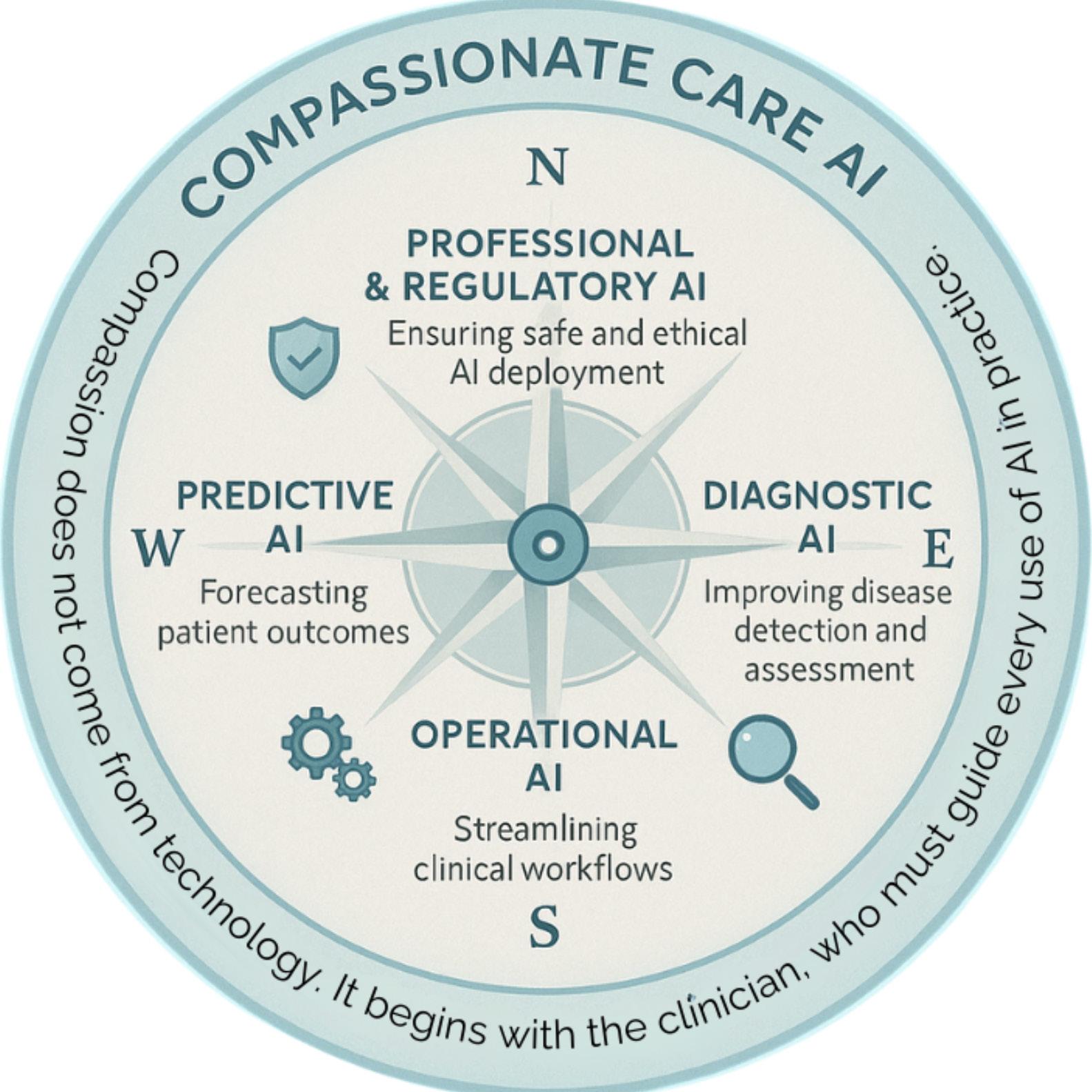
To navigate new terrain, you need orientation. The “Dental AI Compass” offers five cardinal directions, domains where AI is transforming practice. But here’s what makes this framework different: one direction serves as true north, the ethical anchor that keeps the others aligned (Figure 1).
Diagnostic AI guides us toward enhanced detection. Pattern recognition in radiographs. Subtle indicators of periodontal progression. Earlier identification of oral malignancies. This isn’t replacement of clinical judgment; it’s augmentation of clinical perception. When the machine sees everything, the clinician’s role shifts from detection to mean-
ing-making. What does this finding signify for this patient, in this life, at this moment?
Predictive AI allows forecasting of treatment outcomes, anticipation of complications, personalization of care using datasets no human could process. Evidence-based dentistry at scale.
Yet prediction without relationship is just statistics wearing a lab coat. AI can tell you the probability of implant failure. It cannot tell you whether this patient will follow post-operative instructions, whether their marriage is stable enough to handle the financial stress, whether they’re telling you the truth about their smoking.
Operational AI handles the invisible architecture of practice: scheduling, billing, inventory, workflow optimization, AI scribes preparing comprehensive chart notes, and personalized patient education materials. The unglamorous machinery that keeps the enterprise running.
Here’s where the Efficiency Paradox bites: every minute AI saves is a minute you now must justify. What will you do with the time? See more patients? Or see patients more? The technology is agnostic. The choice reveals character.
Compassionate Care AI is the domain that surprises people. Tools that identify anxious patients, simplify communication, and improve follow-up. But I want to be precise about language: these tools are not compassion. They create capacity for compassion.
Compassion is a clinical skill practiced with intention. It means slowing down when everything pushes you to speed up. Listening without formulating your response. Holding space for fear that cannot articulate itself. Last month, a patient sat in my chair, and I noticed her hands trembling before she’d said a word. No algorithm flagged her anxiety, she’d completed the intake form with practiced calm. But thirty years of paying attention to hands taught me to pause, to ask a different question. Fifteen minutes later, I understood that her last dentist had dismissed her concerns, that
The Paradox Machine: Why AI Reveals What Makes Dentistry Irreplaceably Human
she’d driven forty-five minutes past three other periodontists to see someone her sister trusted, that the clinical issue was straightforward but the relational repair would take longer.
AI could have handled her periodontal disease. Only a human could hear her.
Professional and Regulatory AI serves as true north. This domain ensures ethical standards, protects patient privacy, and remembers the fact we must never forget: behind every data point is a human being who trusted us with their care.
Figure 1. The Dental AI Compass: Five Domains Guiding the Ethical Integration of AI in Clinical Practice.
The Paradox Machine: Why AI Reveals What Makes Dentistry Irreplaceably Human
The Question Everyone Asks (And the Better Question They Should)
“Will AI replace dentists?” The question reveals its own limitation.
Certain tasks dentists perform will absolutely be automated. Routine diagnoses. Straightforward treatment planning. Some aspects of patient communication. But dentistry isn’t a task list. It’s a relationship wrapped in tasks.
The Replacement Paradox applies: the tasks AI replaces are the ones we shouldn’t have been doing anyway. If your value as a clinician consists entirely of activities a machine can perform, that’s not a threat, it’s a diagnosis.
The better question: “What becomes possible when AI handles what AI handles best?”
The answer: everything that matters.
When I’m not drowning in documentation, I notice more. When scheduling algorithms optimize my day, I have margin for the patient who needs an extra ten minutes. When diagnostic AI serves as a second set of eyes, I can focus on being a first point of connection.
What AI lacks is experience, the kind of embodied knowledge that comes from years of hands in mouths, of conversations across dental chairs, of watching how treatment plans unfold in real lives over real time.
The Path Forward That Isn’t Easy
The profession faces a choice with three doors:
Door One: Resistance. Cling to traditional methods and risk irrelevance as AI-enhanced care becomes standard.
Door Two: Uncritical embrace. Adopt every new tool, optimizing for efficiency at the cost of humanity.
Door Three: Slow, thoughtful integration. Use AI to enhance what already works rather than replace what matters. Create space for connection rather than merely processing more patients.
The third door is harder. It requires ongoing discernment, continuous learning, and the courage to be inefficient in service of what efficiency cannot achieve.
Here’s the uncomfortable truth about dental education: most curricula are preparing graduates for a profession that no longer exists. They’re teaching 2016 while practitioners face 2026.
This isn’t about creating AI experts in every operatory. It’s about developing AI literacy—clinicians who can critically evaluate these tools, integrate them thoughtfully, and recognize their limitations. Students ask whether AI will render dental degrees obsolete. The question misunderstands what degrees represent.
AI has data. It has processing power. It has pattern recognition exceeding human capacity.
So what does thoughtful integration look like in practice? Use diagnostic AI as a collaborator, not an oracle. Invest efficiency gains back into patient connection. Maintain foundational skills even when AI can assist with them. Be transparent with patients about how AI supports their care. Advocate for ethical frameworks that prevent technology from outpacing our judgment.
The Future is Already Here
Twenty years from now, patients won’t remember whether their dentist used AI. They’ll remember whether their dentist listened. Whether they felt safe. Whether someone noticed they were struggling before they had to say so.
The Learning That Isn’t Optional
The Paradox Machine: Why AI Reveals What Makes Dentistry Irreplaceably Human
AI supports all of this, but only if we let it. Only if we resist the temptation to fill recovered time with more volume. Only if we remember that efficiency is a means, not an end. Only if we stay human enough to recognize when algorithms are wrong and brave enough to say so.
The future of dentistry isn’t artificial or human. It’s augmented with the intelligence of machines in service of the wisdom of healers. That future is already here. It’s simply not distributed evenly yet.
Our task is to distribute it wisely. And to remember, always, that the patient in the chair is not a data point to be optimized but a person to be cared for.
The highlands are still there. The question is whether we’ll recognize them when AI has redrawn the map.
Transparency Statement
This article was created with the support of generative artificial intelligence to assist in early drafting, structural organization, and clarity enhancement. Initial development used ChatGPT (OpenAI, GPT-5) in November 2025; subsequent refinement and expansion used Claude (Anthropic) in December 2025. All content was reviewed, revised, and approved by the human author to ensure accuracy, ethical alignment, and professional integrity. The following attribution reflects the University of Waterloo’s AID framework.
AID Statement
Artificial Intelligence Tools: ChatGPT (OpenAI, GPT-5; November 2025) and Claude (Anthropic; December 2025)
Conceptualization: AI assisted in outline development, refinement of the core domains, and development of the paradox framework
Writing, Review, and Editing: AI supported drafting and clarity improvements. All content was critically evaluated, fact-checked, and edited by the author to meet academic and professional standards
Dr. Peter Fritz, BSc, DDS, FRCD(C), PhD (Perio), MBA, LLM, LLM
Dr. Peter Fritz is a periodontist and implant surgeon in Fonthill, Ontario, Chair of the Royal College of Dentists of Canada’s Committee on Artificial Intelligence and Emerging Digital Technology, and holds academic appointments at the University of Toronto, Western University, McMaster University, Brock University, and the University of Rochester. He is currently pursuing graduate studies in AI and Digital Business Transformation at IMD Business School.
Carly Zanatta, BSc, MSc
Carly Zanatta is the Project Manager at Dr. Peter C. Fritz Periodontal Wellness and Implant Surgery, where she supports clinical innovation through research coordination, AI-enhanced education, and program development. She helps manage student residency programs, continuing education initiatives, and multidisciplinary projects that introduce emerging technologies into real-world dental practice. Carly also oversees major events, partnerships, and outreach programs such as DrFritz. ai and the Big Red Canoe Dental Explorers Study Club, helping connect clinicians, students, and industry partners in ways that advance learning, collaboration, and compassionate care across the dental community.
Oral Healthcare and the Environment FDI Modules
The completion qualifies for 3 RCDSO points in Category 2.
Click to explore modules
Student Professionalism and Ethics Association (SPEA)
Dr. Jawad Tawil, DDS SPEA Liaison – U of T
SPEA, which stands for “ Student Professionalism and Ethics Association “, is an independent student organization supported and funded by the ACD.
Schulich SPEA was established in 2015, by a third year student, Guessy Wang, with the support of Drs. Drew Smith and Jake McLister. The same year, Dr. Rollin Matsui founded the U of T SPEA organization.
Both SPEA sections engage in current ethics based discussions and presentations and have expanded their outreach to interact with other student chapters throughout North America.
The 2024–2025 academic year was both exciting and meaningful for the Student Professionalism and Ethics Association (SPEA) at the Schulich School of Medicine and Dentistry, University of Toronto. Throughout the year, SPEA focused on strengthening connections within the dental community while supporting student well-being and promoting professionalism and ethical conduct in dentistry.
Fall Term Highlights
The academic year began in Fall 2024 with an Introductory Meeting that brought together faculty advisors, members of the American College of Dentists (ACD), and the 2024–2025 SPEA executive team. This meeting provided a valuable opportunity for participants to become acquainted, align goals for the year, and discuss SPEA’s vision moving forward. The collaborative dialogue set a positive tone for teamwork and open communication between faculty, ACD members, and students.
One of SPEA’s major fall initiatives was the event titled “Surviving First Year.” This session brought together upper-year dental students and first-year students for an engaging and honest discussion. Upper-year students shared practical advice, encouragement, and personal insights into navigating the academic and personal challenges of dental school. The event reinforced the importance of mentorship, professionalism, and peer support in dental education.
To further support students during the demanding exam season, SPEA introduced Exam Care Packages for the first time. Students were able to purchase care packages for their friends and classmates as a gesture of appreciation and encouragement. Each package included snacks, pens, and a small tooth charm. This thoughtful initiative was well received and highlighted how small acts of kindness and empathy can have a meaningful impact on student well-being.
Winter Term Initiatives
During the winter term, SPEA proudly celebrated National Dentist Day by distributing donuts to faculty members, instructors, and dental students. While simple in nature, this initiative was one of the most impactful events of the year. It served as an expression of appreciation for the dedication, professionalism, and hard work of everyone within the dental community.
year, share insights, and ensure continuity as the 2025–2026 SPEA team begins its mandate.
Overall, the 2024–2025 year was defined by strong student engagement, community spirit, and a continued commitment to promoting ethics and professionalism in dentistry. SPEA looks forward to building upon its established initiatives and introducing new programming to further support dental students in the years ahead.
The student portion of this report was authored by Mansha Nayyar, 2024–2025 SPEA President, DDS Class of 2026.
A major focus of the 2024–2025 academic year was the development of an Ethics Case Discussion and Competition. This initiative is currently in the final stages of planning. The goal for the 2025–2026 academic year is to offer students educational sessions on ethics and professionalism, followed by collaborative, case-based problem-solving activities. This program aims to provide students with meaningful opportunities to apply ethical principles to real-world scenarios encountered in dental practice.
Year-End Transition and Continuity
The academic year concluded with a handover meeting involving faculty advisors, ACD members, and both the outgoing and incoming SPEA executive teams. This meeting allowed participants to reflect on the accomplishments of the 2024–2025
On behalf of the Ontario Section of the American College of Dentists, Drs. Sunita Joshi, Sosath, Padres, and I had the pleasure of presenting Student Leadership Award certificates and honorarium cheques to Keshav Gupta and Adham Saad. The presentation took place during a celebratory lunch, which also included Athena Zhong, in recognition of her outstanding contributions to SPEA and student leadership.
Due to scheduling constraints, the Ethical Dilemma Challenge has been postponed to February 2026. Drs. Joshi and Sosath have secured funding for this rescheduled event in collaboration with MNP, ensuring a meaningful and engaging experience for participating students.
Ontario Section Update – American College of Dentists
Recent SPEA Activities
American College of Dentists – Ontario Section
On behalf of the Ontario Section of the American College of Dentists, Drs. Joshi, Sosath, Padres, and I had the pleasure of presenting the Student Leadership Award certificates and honorarium cheques to Keshav Gupta and Adham Saad. The presentation took place during a celebratory lunch, which also included Athena Zhong, in recognition of her outstanding contributions to SPEA.
Due to scheduling conflicts, the Ethical Dilemma Challenge has been postponed to February 2026. Drs. Joshi and Sosath have proactively secured funding for this rescheduled event in collaboration with MNP, ensuring a successful and engaging experience for all participants.
We look forward to continuing our support of student leadership and the promotion of ethics and professionalism in dentistry.
Student Professionalism and Ethics - Schulich Chapter
Mansha Nayyar 2024 – 2025 SPEA President DDS Class of 2026
The 2024 – 2025 academic year was exciting and meaningful for the Student Professionalism and Ethics Association (SPEA) at Schulich School of Medicine and Dentistry. This year’s activities and meetings focused on strengthening the connections between our community and providing support for the well – being of our students.
In the fall of 2024, we began with an “Introductory Meeting” between the faculty advisors, ACD members and 2024 – 2025 SPEA members. This was a valuable opportunity for everyone to get to know each other, align goals for the year and discuss the club’s vision for the upcoming year. This meeting set a positive tone for teamwork and open communication between faculty, ACD members and SPEA students.
Our first major event of the fall “Surviving First Year”, brought together upper year students and first year dental students for an engaging discussion. This event provided advice, encouragement and honest insights about navigating challenges
throughout dental school. This event reinforced the value of professionalism and peer support in dental education.
To help boost morale during exam season, SPEA introduced “Exam Care Packages” for the very first time. Students had the opportunity to buy care packages for their friends and classmates as a way to show appreciation for each other. These care packages included snacks, pens, and a small tooth charm. This thoughPul gesture resonated with students as it helped remind everyone that small acts of kindness and empathy can go a long way to help with students’ well – being.
In the winter term, SPEA proudly celebrated “National Den.st Day” by distributing delicious donuts to faculty members, instructors and dental students. This event was a simple one yet one of the most significant. This was our way to express appreciation to celebrate the profession, dedication and hard work of everyone in our dental community.
In the 2024 – 2025 year, SPEA worked hard on developing an “Ethics Case Discussion and Competition”. This project is currently at the end of
American College of Dentists – Ontario Section Schulich SPEA Report
its planning stages. Our goal for the 2025 – 2026 year is to offer students an opportunity to attend lectures on ethics and professionalism and to later apply these concepts and knowledge through collaborative case – based problem solving. We are hopeful that this event will take shape in the upcoming year and provide an engaging platform to explore ethical dilemmas we face in dentistry.
Finally, the year concluded with a handover meeting between the faculty, ACD members, 2024 – 2025 SPEA members and 2025 – 2026 SPEA members. This meeting allowed us to reflect and celebrate the accomplishments in the 2024 – 2025 year. Our experiences in the past year allowed us to share insights with the upcoming SPEA team and help plan future ini4atives to ensure continued growth and success of SPEA.
Overall, SPEA’s 2024 – 2025 year was defined by community spirit, student engagement and a commitment to promoting professionalism and ethics in dentistry. We look forward to continuing our established events and adding new events for the upcoming year. Mostly, we hope to cultivate a supportive, ethical and compassionate environment for all dental students in the years to come.
This SPEA report was written by Mansha Nayyar, 2024 – 2025 SPEA President, DDS Class of 2026.
Ned Nix Event Report
An Evening Exploring Ethics and Professionalism with
The ACD-OS hosted two extraordinary events last October that brought together Fellows, students, and faculty in a shared celebration of ethics, professionalism, and community. The events, held on October 2, 2025, at The Host Restaurant in Toronto and October 3, 2025, at Sunningdale Golf and Country Club in London featured Dr. Ned Nix, Associate Professor of Oral and Maxillofacial Surgery at the University of the Pacific and then ACD Vice President Elect and Regency 7 Regent.
Both evenings centered around Dr. Nix’s engaging presentation, “Nicomachean Ethics: The Doctrine of the Mean,” and marked the Ontario Section’s official launch of its new Social Media initiative which is designed to connect Fellows, dental students, and others to share resources that promote ethical reflection and professional excellence. Together, the two events reflected the heart of the ACD’s mission: to advance excellence, ethics, professionalism, and leadership in dentistry.
Introducing the Pillars Pod
The evening marked the official launch of the Ontario Section’s social media presence and the debut
of The Pillars Pod, a podcast initiative designed to extend the ACD’s mission of advancing ethics, professionalism, leadership, and excellence beyond traditional settings. Introduced by Dr. Slawuta and Dr. Paredes, the series takes its name from the four pillars of the American College of Dentists and aims to spark thoughtful conversations about the values that guide dental professionals in practice and in life. Each episode features Fellows, educators, and emerging leaders sharing personal insights and real-world stories about ethical challenges, professional growth, and service to others.
Exploring Aristotle’s Virtue Ethics in Modern Dentistry
In his lecture, Dr. Nix invited participants to step back from the clinical and technical aspects of dentistry and reflect deeply on the moral character that defines the profession. Drawing from Aristotle’s Nicomachean Ethics, he explored the Doctrine of the Mean, which is the idea that virtue lies in balance between excess and deficiency.
Dr. Nix explained how these classical principles apply to modern dental practice. Whether in patient care, leadership, or communication, ethical excellence depends not on rigid adherence
Dr. Louann Visconti Immediate Past Chair
Dr. Ned Nix
to rules but on the cultivation of moral character, exemplifying habits of honesty, courage, empathy, and humility.
This perspective resonated deeply with attendees, many of whom were students in the early part of their professional journeys. The discussion illuminated the importance of personal reflection and moral balance in daily practice, highlighting the kind of practical wisdom that helps clinicians navigate complex ethical challenges.
Learning Through Dialogue and Shared Reflection
In keeping with the ACD’s commitment to interactive and applied ethics education, the evenings included facilitated group discussions using custom-designed virtue ethics activities. Participants were presented with short clinical and professional scenarios involving dilemmas common in dental education and practice, such as managing patient confidentiality, handling social media boundaries, and balancing professional judgment with empathy.
Each table explored these cases through the lens of Aristotle’s virtues, such as courage, honesty, temperance, generosity, and justice, asking how a virtuous practitioner might respond and where the “mean” lies between extremes of action.
The atmosphere was lively and collegial. Students engaged enthusiastically with Fellows, exchanging experiences and insights in a setting that was both intellectually stimulating and socially enjoyable. The dinner format lent itself beautifully to the spirit of open discussion, where ethics felt less like a lecture and more like a shared conversation about the values that define good dentistry.
Building Bridges Between Generations
Both events also reinforced one of the Ontario
Section’s most valued traditions of mentorship and connection. The inclusion of students from the University of Toronto and Western University’s Schulich School of Dentistry highlighted the Section’s ongoing commitment to nurturing professionalism at every stage of a dental career.
Fellows shared personal reflections on how ethical decision-making shapes their relationships with patients, teams, and the public. The exchange of perspectives between students and experienced practitioners reminded everyone that professionalism is not static but rather it evolves with experience, reflection, and community.
A Celebration of Fellowship and Service
Beyond the learning, both evenings were memorable for their sense of camaraderie. Attendees enjoyed wonderful meals, lively conversation, and meaningful networking, underscoring the social dimension of the College’s mission to foster community and collegiality among ethical leaders in dentistry.
Special thanks were extended to the ACD and ACDF for their support of this initiative; Dr. Ned Nix for his insightful and inspiring presentation and for travelling to Ontario; and, to our Regent, Dr. Brenda Thomson, for her pivotal role in connecting the Ontario Section with Dr. Nix.
Appreciation was also shared for the Ontario Section’s leadership and event organizers, whose thoughtful planning ensured two seamless and successful evenings that embodied the ACD’s ideals.
We Stand on the Shoulders of Giants
This year, we mark the passing of several remarkable Fellows of the American College of Dentists whose lives and careers embodied excellence, ethics, professionalism, and leadership. Each of them contributed profoundly to elevating our profession, setting standards that have guided generations of dentists and strengthened the integrity of dental practice.
Their absence will be deeply felt, but their legacy endures—in the values they championed, the colleagues they inspired, and the countless patients and communities they served. As we reflect on their achievements, we are reminded that we stand on the shoulders of giants. We honour them best by continuing the work they so passionately advanced and by upholding the high ideals that defined their Fellowship.
May we follow in their footsteps with the same dedication, humility, and commitment to keeping our profession the honoured one that it is.