
Pen and Pencil

Page 1


Pen & Pencil

Visual and literary culture in Georgian England

Duncan Robinson ATHENE
PALLAS

Opposite: Tomas Gainsborough, Elizabeth Linley (Mrs Richard Brinsley Sheridan), 1785–87 (detail)

Preface by Brian Allen p. 7

Introduction p. 11

Chapter 1: Hogarth and the Stage p. 19

Chapter 1: Reynolds and the Discourses p. 65

Chapter 1: Gainsborough’s Letters p. 123

Chapter 4: Blake’s Divinity p. 177

Chapter 5: Constable’s Correspondence p. 227

Chapter 6: Turner and Poetry p. 275

Notes p. 333

Some further reading p. 351

List of illustrations p. 352

Index p. 362

Preface by Brian Allen

Opposite: John Constable, Hampstead Heath, between 1820 and 1830

this book has its origin in the Paul Mellon Lectures, delivered by Duncan Robinson at the National Gallery in London in January and February 2009 and repeated later that year at Yale University in New Haven, Connecticut. I invited my former colleague Duncan to deliver the lectures towards the end of 2006 when plans were well advanced to mark the centenary of the birth of Yale and Cambridge alumnus Paul Mellon (1907–1999) the following year. I hoped it would provide the impetus to complete a book on a subject that had always remained close to Duncan’s intellectual heart for almost four decades. Rather remarkably, during his years in Cambridge, Duncan Robinson managed not only to direct the Fitzwilliam Museum (1995–2007) but he also took on the Mastership of Magdalene College (2002–12) which he enjoyed immensely while also teaching a great deal in the university’s history of art department. It was only after his retirement to the United States that he was able to devote time to working up his Paul Mellon Lectures for publication and, mercifully, completed a fnal draft before his death in December 2022.

Duncan had read English at Clare College, Cambridge, graduating in 1965, and during his time there developed a profound interest in the history of Italian Renaissance art. A two-year Mellon fellowship, which took him to Yale between 1965 and 1967, provided a perfect opportunity to immerse himself in his newly discovered subject within Yale’s excellent history of art department. It was during Duncan’s time at Yale in 1966 that Paul Mellon announced the gift of his burgeoning collection of British art to his alma

mater although Duncan could not possibly then have been aware of the signifcance of that decision for his own future career. When Duncan was appointed Director of the Yale Center for British Art in 1981, he quickly forged an excellent working relationship with Paul Mellon which developed into a strong friendship during his fourteen years of tenure in New Haven and thereafter until Mr Mellon’s death in 1999. Whilst Duncan did not enjoy the privilege of Paul Mellon’s immense wealth, he quickly recognised that his patron’s interest in art history had developed along similar lines to his own since Paul Mellon majored in English during his undergraduate years at Yale (1925–9) before a further period of study at Cambridge (1929–31) where he indulged his interest in poetry and English literature. Duncan Robinson and Paul Mellon even had the same Cambridge College in common.

What would doubtless have fascinated Duncan was the discovery that Paul Mellon had taken courses in the later 1920s with the legendary Yale professor Chauncey Brewster Tinker (1876–1963) whose book Painter and Poet: Studies in the Literary Relations of English Painting (1938) Duncan later knew well and admired. Tinker’s book had originated as the Charles Eliot Norton Lectures at Harvard for the academic year 1937/8 but its contents had been refned in the lecture theatres and classrooms at Yale during the previous ffteen years. What Tinker’s courses and lectures developed were the ideas expounded in the early eighteenth century by writers such as Alexander Pope who believed that painting and poetry were equals. Te Latin phrase ‘Ut pictura poesis’ meaning ‘as is painting so is poetry’ was a concept Pope and other contemporaries explored in their writings, acutely aware of the relationship of the sister arts.

In his introduction to this book Duncan Robinson explores the theoretical basis of the sister arts and sets the tone for the six chapters that follow on the giants of British art between 1730 and 1850. For William Hogarth, who famously stated ‘my picture was my stage’, his scenes from everyday

life paved the way for the narrative tradition so beloved of the Victorians. Trough his Discourses Joshua Reynolds raised the bar for his profession by insisting that students at the Royal Academy Schools must ‘warm his imagination with the best productions of ancient and modern poetry’. Opposite in almost every sense, Tomas Gainsborough’s intimate correspondence took the place of the formal lecture and from the letters he wrote to his friends we gain an appreciation of the man as well as insights into his painting. Te same can be said of John Constable. By contrast, J. M. W. Turner’s appreciation of poetry encouraged him to pen his own Fallacies of Hope. Te focus of Chapter 4 is William Blake, for whom Duncan had a particular love, and he unquestionably shared Blake’s world view that the literary and the visual are inseparable in the unity of their art.

Brian Allen former Director of Studies, Te Paul Mellon Centre for Studies in British Art September 2025

Opposite: William Blake, Laocoön, central image c. 1815, lettering c. 1826-7

INTRODUCTION: THE SISTER ARTS

in 1747 the bookseller, poet and playwright Robert Dodsley (1703–1764) published Polymetis: or, An Enquiry concerning the Agreement Between the Works of the Roman Poets, And the Remains of the Ancient Artists. Being An Attempt to illustrate them mutually from one another. In Ten Books. By the Revd. Mr. Spence. It was designed to be a handsome book comprising 362 folio pages illustrated with engravings, and it attracted an unusually large number of subscribers. Te printed list of 717 individuals and institutions who signed up when the book was advertised in 1743 was headed by the Prince of Wales and it included eighteen dukes, forty-fve earls, and both Archbishops. Te contemporary political spectrum was refected in the names of the former Prime Minister, Robert Walpole (listed as ‘the late Lord Orford’), the longestserving Speaker of the House, Arthur Onslow, and the new intake of rising stars such as Charles Townshend and John Wilkes. Among Spence’s literary friends, the names of the poets Mark Akenside, Alexander Pope, and James Tomson appeared, as well as numerous individuals who can be identifed as his former colleagues from Oxford where he served as Professor of Poetry for ten years from 1728 Tat arbiter of taste the politician and writer Horace Walpole eagerly awaited the publication of the book and signed up for fve copies, one of which he sent to the poet Tomas Gray who, as a Cambridge classicist, took considerable pleasure in carping at Joseph Spence’s scholarship. Overall, however, the book was well received: a second edition was issued in 1755, a third in 1774, and an abridgment for use as a textbook was made by Nicholas Tindal in 1764. 1

Te subject of the book, the unity of the arts, is one that dominated art theory in eighteenth-century Europe. Ultimately derived from ancient Rome, from Cicero and Horace especially, it was revived in France by Charles Alphonse du Fresnoy (1611–1665) whose Latin treatise De arte graphica was translated into French by his fellow-countryman Roger de Piles in 1668. An English translation by the poet John Dryden appeared in 1695 and was promoted further by Alexander Pope in his Epistle to Mr. Jervas with Dryden’s Translation of Fresnoy’s Art of Painting of 1712:

Smit with the love of Sister-Arts we came, And met congenial, mingling fame with fame,

Title page opening of third edition of Polymetis (1774), with portrait of Spence by Isaac Whood, engraved by George Vertue

Like friendly colours found them both unite, And each from each contract new strength and light.

Te last of those lines appears alongside a quotation from Cicero on the title page of Polymetis. 2 It was not, however, the frst occasion on which Spence had referred to the theory of ut pictura poesis. 3 Twenty years earlier, in his Essay on Pope’s Odyssey, he had written that the designs of Painting and Poetry are so united that to me the Poet and the Painter seem scarcely to difer in any thing, except the Mean they make use of, to arrive at one and the same end.4

As a well-informed young academic, Spence was clearly familiar with current critical theory, including the infuential views of Anthony Ashley Cooper, 3rd Earl of Shaftesbury (1671–1713), to whom he referred in his Essay. 5 Like Shaftesbury, Spence was educated at Winchester College. Te school’s motto, ‘manners makyth man’, neatly summarizes the basis of Shaftesbury’s outlook on life:

Justice of thought and style, refnement in manners, good breeding, and politeness of every kind can come only from the trial and experience of what is best.6

Te same values were attributed to Spence by his fellow Wykehamist William Somerville, who wrote of him in 1729 that Taught by his founder’s motto how to write, Good-manners guides his pen.7

Nevertheless as a commoner and a member of a younger generation, Spence was fully aware that Shaftesbury had written for a limited readership of men who belonged to his own social class, patricians who were by defnition uninterested in the workaday world of commerce and the professions. Spence’s literary output contributed directly to the wider dissemination of Shaftesbury’s ideas among social aspirants, including artists, which occurred largely

because of the increased circulation of periodicals in the early years of the century. Spence clearly had in mind the mixture of advice on manners and popular entertainment with which the co-founders of Te Spectator Joseph Addison and Sir Richard Steele regaled their readers when he wrote that ‘Horace introduced the same pleasing way of teaching, among the Romans, as the authors of Te Spectator, have done among us.’8

As he acknowledged, Spence owed a further debt to Addison whose Dialogues upon the Usefulness of Ancient Medals appeared in 1721, anticipating both the form and the content of Polymetis. It was, Spence explained, the combined product of his engagement with literary criticism as Oxford’s Professor of Poetry and the knowledge of art he acquired during his two visits to Italy as a travelling companion, or cicerone, to Lords Middlesex and Lincoln:

As these two periods of my life happened partly to coincide, this put me on the thoughts of joining these studies together … for (as Cicero says in the motto to my book) there is a natural connection between all the polite arts.9

He also elected to follow both Addison and his earlier Essay on Pope’s Odyssey by presenting his discoveries as a series of dialogues. He did so, he claimed, to avoid both ‘the frequent use of that most disagreeable of all monosyllables—I’ and the ‘sullenness and severity that has been thrown over the studies of Criticism and Antiquities’. Committed, then, to the principle of utile dulci, he proceeded to examine in detail the relationships between texts and images in a series of Socratic dialogues between Polymetis, ‘well known for his taste in the polite arts’, and two companions, or pupils, Philander and Mysagetes. With shades of both Horace’s Sabine farm outside Rome and Pope’s villa at Twickenham, they came early to the villa and sat down to their tea, in the library; which looks directly upon the gardens, which were just then

fnished and brought to their perfection. You see, says Polymetis, I have followed the taste in fashion (which, as it happens, is certainly the best taste too) of making my gardens rather wild than regular. Tat general air, I hope, has nothing stif and unnatural in it; and the lower part, in particular, joins with the country, as if it made a part of it.10

Te last four dialogues (XVIII–XXI) are devoted to theory, and serve to remind us of the ferce controversy that dominated intellectual debate at the turn of the eighteenth century. Originating in France, it was imported to England by Sir William Temple in his Essay upon Ancient and Modern Learning of 1690. Named ‘the battle of the books’ after Jonathan Swift’s satire that appeared as a supplement to A Tale of a Tub in 1704, it continued to resonate for, among others, Shaftesbury and Spence, whose eighteenth dialogue treats ‘the Defects of the MODERN ARTISTS, in Allegorical Subjects’.

‘ Te allegories of the ancients’, he begins, ‘where they are well settled and known, might I think be of very great service to our artists, and poets, now.’ As an example of the defects of ‘modern’ artists, he cites ‘the fne set of pictures, by Rubens, in the Luxemburg Gallery’, and proceeds to identify what he sees as the ‘improprieties’ in the depiction of the ‘death of Henry the fourth’. Among them,

Fame, wringing her hands, and holding a palm-branch (who, by the way too, is much more like some distress’d popish saint, than the goddess she is meant to represent) … Bacchus caressing Ceres, a little too familiarly for a council of the gods, the Queen-mother in council, with two cardinals and Mercury, and the Hymen on one side of Mary of Medici, and Cardinal Aldobrandini on the other.11

In his Essay on Painting of 1714 Shaftesbury was similarly critical of what he called

a more ridiculous Attempt to comprehend two or three distinct Actions or Parts of History in one Picture, than to comprehend ten times the number in one and the same Poem.12

As its full title indicates, the subject of Shaftesbury’s Essay is the depiction of the Judgment of Hercules, a classical legend that Spence chose to highlight in Polymetis. At the end of the tenth discourse, his mouthpiece turns to Philander who had ‘promised to read us your friend’s poem’, an epic of twenty-seven stanzas describing in dramatic detail ‘ Te Choice of Hercules’. It was actually written by the friend of Spence who succeeded him as Professor of Poetry at Oxford, Robert Lowth, later Bishop of London, and thanks to its inclusion in Polymetis, it was to become an important literary source for Sir Joshua Reynolds (1723–1792) when he undertook his mock-heroic painting of Garrick between Tragedy and Comedy in 1761 (see p. 75). Lowth may well have consulted Shaftesbury as well as Xenophon for the prescriptive treatment of the contest between virtue and vice, on the outcome of which rested the hero’s immortality. By the end of Shaftesbury’s Essay it is hard to resist the conclusion that the Judgment of Hercules had become a metaphor for the choice confronted by the artist:

’Tis evident however from Reason itself, as well as from History and Experience, that nothing is more fatal, either to Painting, Architecture, or the other Arts, that this false Relish which is govern’d rather by what immediately strikes the Sense, than by what consequently and by refection pleases the Mind, and satisfes the Tought and Reason.13

Only a year later, one of the frst British painters to take up the pen, Jonathan Richardson (1667–1745), echoed the same sentiment when he wrote that

a Painter ought to be a Title of Dignity, and understood to imply a Person endowed with such Excellence of Mind, and Body, as have ever been the Foundations of Honour among Men.14

As we shall see, this was one of the many lessons learned in his youth by the painter who was to become, in 1768, the frst President the Royal Academy of Arts, London.

1. HOGARTH AND THE STAGE

Subjects I consider’d as writers do — my Picture was my Stage and men and women my actors who were by Mean of certain Actions and express[ions] to Exhibit a dumb shew.1

William Hogarth (1697–1764) painted his portrait Te Painter and his Pug in 1745, at a stage in his career when the sturdy self-confdence it refected must have seemed more than justifed. From his beginnings as an apprentice silver-plate engraver, he had risen to become a well-known artist whose increasingly successful practice as a painter and printmaker was complemented by a strong, entrepreneurial streak. In what is one of the most carefully considered self-refections, Hogarth adopted the convention of placing himself at one remove from the picture plane, in a painting within a painting, a double illusion. X-rays of the canvas reveal that the original composition was much simpler and more conventional,2 closer in fact to the Self-portrait with Palette he painted some ten years earlier.3 Te changes are signifcant. He removed his wig and replaced it with a fur-trimmed cap, infuenced perhaps by the tendency from Sir Godfrey Kneller (1646–1723) onwards to paint scholars and men of letters either bare-headed or capped.4

In a further play on the ambiguity of pictorial space, the line of the drapery which overlaps the painted oval is continued in the superfuity of fabric wrapped around the sitter’s waist within it, providing a visual link between himself and the objects he placed in the foreground to represent his artistic agenda. On the right, and of almost equal size to the image of himself, Hogarth portrayed his dog Trump, a symbol no doubt of his own dogged Opposite: William Hogarth, Te Painter and his Pug, 1745

a governor of St Bartholomew’s Hospital, he had painted two biblical scenes to hang there, Te Pool of Bethesda, 1736, and Te Good Samaritan, 1736–7. For the Foundling Hospital, he donated in 1747 Moses Brought before Pharaoh’s Daughter, an accomplished exercise informed by Poussin’s classicism, and for Lincoln’s Inn in 1748 Paul before Felix, with its unconcealed reference to Raphael’s cartoons at Hampton Court. Finally in 1755–6, he completed a triptych for the church of St Mary Redclife in Bristol (above). In 1757 he was appointed as Sergeant Painter to the King. Yet all of these achievements were overshadowed by the success of his ‘modern moral subjects’. Even if Walpole put the fnal nail into the cofn of his reputation as a painter in ‘the grand style’, it was perhaps inevitable that as an ofspring of the Augustan age in which the mock-heroic substituted for the epic, he would accept the verdict that, like Swift, he was frst and foremost a satirist.

Increasingly isolated by his insularity, towards the end of his life Hogarth found himself at odds with many of his fellow artists as well as the cognoscenti who favoured the establishment of an ofcial academy along French lines. With its determined rejection of idealism, Te Artist Painting the Comic Muse can be viewed as a deliberate snub to Richardson’s earlier claim that ‘a Painter ought to be a Title of Dignity’.

William Hogarth, Christ’s Ascension (centre) fanked by Te Sealing of the Sepulchre and Te Tree Marys at the Tomb, 1755–6

and the stage

In the decades which followed the foundation of the Royal Academy of Arts, Reynolds perpetuated the view ‘of our late excellent Hogarth, who, with all his extraordinary talents, was not blessed with [a] knowledge of his own defciency’.48 Yet early in the following century Hogarth’s reputation soared as the precursor of what the art historian David Solkin has called ‘painting out of the ordinary’. From his Southwark Fair to David Wilkie’s Pitlessie Fair, 1804, (see p. 119), or for that matter, to William Powell Frith’s Derby Day, 1856–8, ‘every picture tells a story’. Holman Hunt’s painting of Te Awakening Conscience, 1853, is a direct descendant of Hogarth’s Piquet as a modern moral subject and, to move forwards into the twentieth century, David Hockney’s ironic account of himself as the innocent abroad in his Rake’s Progress of 1961–3 attests to the enduring legacy of the artist for whom, to echo his favourite author, ‘all the world’s a stage’.

William Hogarth, Southwark Fair, c. 1733

responsibility, little less than a sacred trust, to uphold the principle of male primogeniture. To do so he adopted a tightly knit pyramidical composition based on sixteenth-century Italian paintings of the Madonna with the infants Christ and St John the Baptist to create a secular variant of the Holy Family. In a wooded but cultivated landscape, itself an indication of ownership, Lady Delmé’s son John leans against his mother but also stands upright and looks away from her into the distance. As if to acknowledge his future role as the head of the family, he places a protective arm around his sister, Isabella Elizabeth, whose child-like feminine charm contrasts with his more abstracted gaze. It is this ability of Reynolds to encapsulate in his portraits the values of contemporary society that explains why his name is so often appropriated by writers on the later eighteenth century to describe it as ‘the age of Reynolds’.

In 1778, unusually for Reynolds, he exhibited only four, rather than his usual twelve to ffteen canvases, at the Academy’s annual exhibition. One reason may have been that foremost among them was Te Marlborough Family, guaranteed by its size (318 x 289 cm) to dominate the principal gallery. Presumably Reynolds hoped that it would be acclaimed as a masterpiece of group portraiture. He would not have been disappointed by the description of it which appeared in the Public Advertiser on 25 April as ‘a most noble Composition, and perhaps the best Piece of Portrait Painting that has been produced since the Days of Vandycke’.76 However, reviews overall were mixed, as were Walpole’s waspish comments noted in his copy of the catalogue:

Te colouring fat and bad, and killed by a red velvet curtain. Te Duke’s head much too old and distorted. Lord Blandford a most graceful fgure, and the little child and dog expressive.77

Another reason for Reynolds’s reticence in 1778 may have been that he was fully occupied by another important commission he had managed to secure in

and the discourses

Anonymous printmaker after Sir Joshua Reynolds, Painted window of New College Chapel, Oxford (1779), 1816 (detail)

1777. Tat July the Warden and Fellows of New College, Oxford engaged Reynolds to make designs for stained glass to fll the west window of the college chapel. While the fnished product was not installed until 1785, by 1779 Reynolds was ready to show four of his designs, painted in oils on canvas, at the Academy. Te principal one, of the Nativity, was to occupy the central section of the window, from which he had persuaded the college to remove the tracery so that he could represent, as he explained to the Warden, ‘in the great space in the centre Christ in the Manger, on the Principle that Correggio has done it in the famous Picture called the Notte’.78 When he saw the painting of the Nativity, Walpole overcame his usual reservations: ‘Very great. Te Virgin Mrs Sheridan. Joseph the old beggar man.’79 From the surviving evidence, including the faded windows themselves, the

Referring to his painting of Two Shepherd Boys with Dogs Fighting, which he exhibited at the Royal Academy in 1783, Gainsborough wrote to Chambers in the letter mentioned at the beginning of this chapter that I sent my fghting dogs to divert you. I believe next exhibition I shall make the boys fghting and the dogs looking on – you know my cunning way of avoiding great subjects in painting & of concealing my ignorance by a fash in the pan. If I can do this while picking pockets in the portrait way two or three years longer I intend to sneak into a

Tomas Gainsborough, Two Shepherd Boys with Dogs Fighting, 1783

gainsborough ’ s letters

Left:

William Hogarth, Te First Stage of Cruelty, 1751

Centre: William Hogarth, Te Second Stage of Cruelty, 1751

Right:

Martino Rota after Titian, Te Death of St Peter Martyr (1528–9), 1560–80

cot & turn a serious fellow; but for the present I must afect a little madness.72

As the recipient of the letter, Chambers may well have been amused, but it is unlikely that he was deceived by the disingenuity of the author’s remarks. Concealment there is in them, but of knowledge rather than ignorance. No less, but less obviously than Reynolds, Gainsborough drew inspiration from the art of the past. His contemporaries would have recognized his debt to Murillo for the fgures of the boys, and for the dogs to the seventeenth-century Flemish painter of boar hunts and other violent scenes of animals in extremis, Frans Snyders. Tey might also have related the fghting dogs to more recent paintings of mortal combat in the animal world, ‘nature red in tooth and claw’, by George Stubbs (1724–1806), a regular exhibitor at the Society of Artists and the Royal Academy from the 1760s onwards. More recent commentators have pointed to Titian’s Death of St Peter Martyr for Gainsborough’s composition and to Hogarth’s Stages of Cruelty for the poses of the black dog and the boy raising a stick. Among more

Linnell as a good angel from Heaven to pluck me from the pit of modern art.’56 Linnell encouraged Palmer to draw from the antiquities in the British Museum and the engravings of Dürer, and to study the masters of the northern Renaissance. To judge from Palmer’s sketchbook of 1824, now in the British Museum, he was also infuenced by his mentor’s approach to landscape painting, which Linnell regarded increasingly as a means of expressing his religious feelings. It was virtually inevitable that he would introduce his like-minded protégé to Blake. According to Palmer, the meeting took place on 9 October 1824, when

Mr Linnell called and went with me to Mr. Blake. We found him lame in bed, of a scalded foot (or leg). Tere, not inactive, though sixtyseven years old, but hard-working on a bed covered with books sat he up like one of the Antique patriarchs, or a dying Michael Angelo. Tus and there was he making in the leaves of a great book (folio) the sublimest designs from his (not superior) Dante. He said he began them with fear and trembling. I said ‘O! I have enough of fear and trembling.’ ‘ Ten,’ said he, ‘you’ll do.’57

Left: William Blake, illustration to Tornton’s Pastorals of Virgil, Tenot and Colinet, c. 1821

Right: Samuel Palmer, Te Valley Tick with Corn (Psalm 65), 1825

In 1826 Palmer visited the village of Shoreham in Kent, before deciding to settle there in the following year. He was clearly inspired by the village itself, nestled into the hillsides which surround it, and began to produce both paintings and drawings that are almost claustrophobic in their intensity and disregard for perspective. Te infuence of Blake’s illustrations to Tornton’s Pastorals of Virgil of c. 1821 is clear in sepia drawings such as the Valley Tick with Corn of 1825, and in one of Palmer’s frst Shoreham works, the Hilly Scene of c. 1826–8, to which the church spire adds a deliberately religious dimension. Tis is even more pronounced in Coming from the Evening Church of 1830, with worshippers enfolded by the landscape. In Te Magic Apple Tree of the same year, however, the tree itself with its bright, cloisonné-like colour-

Left:
Samuel Palmer, Hilly Scene, c. 1826–8
Right:
Samuel Palmer, Coming from the Evening Church, 1830

but fnally decided to send in what he described to Leslie as ‘my Harlequin’s Jacket’, referring presumably to the preponderance of red and gold pigments. What followed is taken from Robert Leslie’s edition of his father’s Life of Constable. Apparently the Hanging Committee placed Waterloo Bridge next to Turner’s Helvoetsluys (opposite), a sea piece with no positive colour in any part of it. Constable’s Waterloo seemed as if painted with liquid gold and silver, and Turner came into the room several times while he was heightening with vermilion and lake the fags of the city barges. Turner stood behind him, looking from the Waterloo to his own picture, and at last brought his palette from the great room where he was touching another picture, and putting a round daub of red lead, somewhat bigger than a shilling, on his grey sea, went away without saying a word.

John Constable, Te Opening of Waterloo Bridge (‘Waterloo Bridge’, or ‘Whitehall Stairs, June 18th, 1817’), 1832

J. M. W. Turner, Helvoetsluys, the City of Utrecht, 64, Going to Sea, 1832

Te intensity of the red lead, made more vivid by the coolness of his picture, caused even the vermilion and lake of Constable to look weak. I came into the room just as Turner left it. ‘He has been here’, said Constable, ‘and fred a gun.’ … Te great man did not come into the room for a day and a half; and then, in the last moments that were allowed for painting, he glazed the scarlet seal he had put on his picture, and shaped it into a buoy.73

From 1829 onwards Constable was involved with the engraver David Lucas (1802–1881) in producing a series of mezzotints after his paintings, to be published as Various Subjects of Landscape, characteristic of English Scenery, principally intended to display the Phenomena of the Chiar’oscuro of Nature: from Pictures Painted by John Constable, R.A. (to give it the expanded title used for the 1833 edition).74 He and Fisher had discussed the idea of using lithography to reproduce some of his drawings in 1822, but nothing came of the project, and Fisher later advised his friend against reproducing his paintings in ‘black & white. Your charm is colour & the cool tint of English daylight. Te burr of mezzotint will not touch that.’75 However, Constable

must have been aware of the important precedent set by Turner with his Liber Studiorum, a series of unbound prints in etching and mezzotint, issued between 1807 and 1824 in emulation of Claude’s Liber Veritatis.76 It may not be coincidental that he decided to rise to that challenge in the year that he could also add the initials ‘R. A.’ to his name. Although it could be argued that both artists shared the common goal of attempting to raise the status of landscape painting by their eforts, Constable’s agenda in doing so could not have been more diferent from that of the English Claude. In an early draft of his Prospectus for English Landscape, he staked out his claim that ‘the features of this country itself abundantly contain all that is so eagerly sought under foreign skies’. ‘But why’, he asked, should not subjects purely English be made the vehicle of General Landscape? – and, when embodied by its highest principles, be so rendered, as to become legitimate, and at the same time original –and consequently classical art.77

To reinforce his further aim ‘to place English Scenery on the same footing in respect to Landscape as that on which it has long stood with regard to poetry’, 78 the introduction is prefaced by quotations from Constable’s favourite poets: Tomson, Wordsworth, Ovid, and Horace.

In David Lucas, Constable found the perfect instrument. In his late twenties when their collaboration began Lucas was, in Beckett’s words, ‘young enough to be pliant and teachable’ and ‘industrious and endowed with infnite patience’. His outstanding achievement was to fnd a way of expressing through his own medium of mezzotint the subtleties of the ‘chiaroscuro’ by which Constable set so much store. As they worked together, the images that emerged not only replicated the contrasts of light and shade in the paintings, but also heightened their drama. In the print of Hadleigh Castle, for instance, the storm clouds are parted by shafts of eerie light and the foreground is darkened to convey an even stronger impression of the ‘melancholy bounds’ with which Constable invested his original landscape.

David Lucas after John Constable, Hadleigh Castle: large plate, progress proof judged ‘mighty fne’ by Constable, 1830, published 1849

Constable judged it to be ‘mighty fne’, although he could not resist adding that ‘it looks as if all the chimney sweepers in Christendom had been at work on it, & thrown their soot bags up in the air’.79 Good-natured though that comment may seem to be, the working relationship between painter and engraver was not an easy one. Constable was a hard taskmaster, whose constant revisions and corrections to the plates were often accompanied by outbursts of temper. His letter to Lucas written in April 1833 is by no means exceptional:

Tis dreadfull book must be my ruin … Te great quantity of worthless & bad proofs, which you have sent, renders all the lists, to make up, of no use. Te things you have sent (and of course charged for) should have been burnt by you, ‘from the press’ … And I do consider

And to fair Prosperine the present borne, Ere leave be giv’n to tempt the nether skies

In the painting Turner represented the Sybil brandishing the golden bough as Æneas responds to her fnal command:

Now, Trojan, take the way thy fates aford; Assume thy courage, and unsheathe thy sword.

Of the eight pictures Turner exhibited in 1800, the one which attracted the most attention was his Fifth Plague of Egypt 17 which, to judge from the epigraph, he confused with the seventh: ‘And Moses stretched forth his hands towards heaven, and the Lord sent thunder and hail, and the fre ran along the ground. – Exodus ix, 23.’ It was bought by another of his early patrons, William Beckford (1760–1844), the eccentric author and collector who is best remembered for his gothic novel Vathek (1786) and his equally gothic

J. M. W. Turner, Te Fifth Plague of Egypt, 1800

folly, Fonthill Abbey in Wiltshire, which it could be argued Turner’s Plague matched in scale and exaggeration. Much less attention was paid to Dolbadarn Castle, North Wales,18 which was destined to become the diploma picture Turner presented to the Academy. Te fve lines of verse that accompanied it were unattributed but unmistakably his own:

How awful is the silence of the waste, Where nature lifts her mountains to the sky.

Majestic solitude, behold the tower Where hopeless OWEN, long imprison’d, pin’d And wrung his hands for liberty in vain.

J. M. W. Turner, Dolbadarn Castle, North Wales, 1800

LIST OF ILLUSTRATIONS

All measurements given height before width. All images from holding institutions or Wikimedia unless noted

Half title: William Hogarth (1697–1764), detail of Te Painter and his Pug, 1745. Oil on canvas, 90 x 69 9 cm. Tate, London. On loan to the National Gallery, London

Frontispiece: Sir Joshua Reynolds (1723–1792), detail of Mrs Richard Lloyd, 1775–6. Oil on canvas, 236 x 146 cm. Waddesdon Manor, Aylesbury, Buckinghamshire. Photo Alamy

p. 4 Tomas Gainsborough (1727–1788), detail of Elizabeth Linley (Mrs Richard Brinsley Sheridan), 1785–7. Oil on canvas, 219 7 x 153 7  cm. National Gallery of Art, Washington DC

preface

p. 6 John Constable (1776–1837), Hampstead Heath, between 1820 and 1830. Oil on canvas, 45 x 36 cm. Yale Center for British Art, Paul Mellon Collection, New Haven, CT

introduction

p. 10 William Blake, Laocöon, central image c. 1815, lettering c. 1826–7. Intaglio etching and engraving with lettering in drypoint, image 26.2 x 21.6 cm. Fitzwilliam Museum, Cambridge

p. 12 Joseph Spence, Title page opening of third edition of Polymetis, London, 1774, with portrait of Spence by Isaac Whood, engraved by George Vertue.

chapter 1: hogarth and the stage

p. 18 William Hogarth (1697–1764), Te Painter and his Pug, 1745. Oil on canvas, 90 x 69.9 cm. Tate, London. On loan to the National Gallery, London

p. 21 Left-hand side of the Temple of British Worthies at Stowe, c 1735 Te busts of Milton and Shakespeare

by Michael Rysbrack (1694–1770); Sir Tomas Gresham probably by Peter Scheemakers (1691–1781); Inigo Jones maybe also by Rysbrack. Stowe Gardens, Buckinghamshire. Photo Daderot, Wikimedia

p. 22 William Hogarth, Te Line of Beauty, title page of Te Analysis of Beauty, London, 1753

p. 24 William Hogarth, Masquerades and Operas (‘ Te Bad Taste of the Town’), 1724. Etching and engraving on paper, 125 x 175 mm. Metropolitan Museum of Art, New York, NY

p. 26 William Hogarth, Te Wedding of Stephen Beckingham and Mary Cox, 1729. Oil on canvas, 128 x 103  cm.

Metropolitan Museum of Art, New York, NY

p. 28 (left) William Hogarth, Before, c. 1730–1. Oil on canvas, 37 x 45 cm. Fitzwilliam Museum, Cambridge

p. 28 (right) William Hogarth, After, c  1730–1. Oil on canvas, 37 x 45 cm. Fitzwilliam Museum, Cambridge

p. 30 William Hogarth, preparatory drawing for Te Beggar’s Opera, c. 1728–9. Black chalk with some white chalk on blue paper, some outlines pricked, splashed with oil paint, 373 x 492 mm. Royal Collection

p. 31 William Hogarth, Te Beggar’s Opera, 1729. Oil on canvas, 59 x 76 cm. Yale Center for British Art, Paul Mellon Collection, New Haven, CT

p. 32 Charles Philips (1708–1747), Algernon Seymour, Lord Hertford (later 7th Duke of Somerset) with Colonel Tomkins Wardour; Colonel Browne; Lord Beauchamp with drums holding the hand of Frances, Lady Hertford; Lady Elizabeth Seymour (later Duchess of Northumberland) and Miss Herbert, 1732. Oil on canvas. Alnwick Castle, Collection of the Duke of Northumberland, Alnwick

p. 33 William Hogarth, Te Conduitt Piece (‘ Te Indian Emperor, or, Te Conquest of Mexico’, Act IV scene 4, as performed in 1731 at John Conduitt’s house before the Duke of Cumberland), 1732–5. Oil on canvas, 80 x 147 cm. Private collection. Photo Alamy

p. 35 William Hogarth, Te Cholmondeley Family, 1732

Oil on canvas, 71 x 107 cm. Houghton Hall, Norfolk. Photo Alamy

p. 36 William Hogarth, John, Lord Hervey and his Friends (‘ Te Hervey Conversation Piece’), 1738–40. Oil on canvas, 102 x 127 cm. Ickworth House, Sufolk. Photo Alamy

p. 39 William Hogarth, Te Four Times of Day: Morning, 1736. Oil on canvas, 74 x 61 cm. Upton House, Warwickshire

p. 40 William Hogarth, Te Harlot’s Progress, plate 1: Moll Hackabout Arrives in London, 1732 (after painting since destroyed). Etching and engraving on paper, 318 x 391 mm (sheet). British Museum, London

p. 41 William Hogarth, Te Rake’s Progress, plate 11: His Levée, 1735. Etching and engraving on paper, 311 x 387 mm. Metropolitan Museum of Art, New York, NY

p. 42 William Hogarth, Te Rake’s Progress, plate 8: In Bedlam, 1735. Etching and engraving on paper, 314 x 387 mm. Yale Center for British Art, Paul Mellon Collection, New Haven, CT

p. 44 William Hogarth, Marriage A-la-Mode, 1: Te Marriage Settlement, 1743–5. Oil on canvas, 70 x 91 cm. National Gallery, London

p. 45 William Hogarth, Marriage A-la-Mode, 2: Te Tête-à-Tête, 1743–5. Oil on canvas, 70 x 91 cm. National Gallery, London

p. 47 William Hogarth, Industry and Idleness, plate 10: Te Industrious ’Prentice Alderman of London, the Idle One Brought before Him & Impeach’d by his Accomplice, 1747. Etching and engraving on paper, 210 x 286 mm. Yale Center for British Art, Paul Mellon Collection, New Haven, CT

p. 48 (left) William Hogarth, Beer Street, 1751. Etching and engraving on paper, 357 x 305 mm. British Museum, London

p. 48 (right) William Hogarth, Gin Lane, 1751. Etching and engraving on paper, 357 x 305 mm. British Museum, London

p. 49 William Hogarth, David Garrick as Richard III, c 1745. Oil on canvas, 191 x 251 cm. Walker Art Gallery, Liverpool

p. 50 William Hogarth, Ferdinand Courting Miranda (from Shakespeare’s Tempest), c  1736. Oil on canvas,

80 x 107 cm. Nostell Priory, West Yorkshire

p. 53 William Hogarth, David Garrick and his Wife Eva-Maria, 1757. Oil on canvas, 133 x 104 cm. Royal Collection

p. 55 William Hogarth, Te Lady’s Last Stake (‘Piquet, or Virtue in Danger’), c. 1759. Oil on canvas, 91 x 105 cm. Bufalo AKG Art Museum, Bufalo, NY

p. 56 Francesco Furini, Sigismunda with the Heart of Guiscardo, c. 1635–45. Oil on canvas, 73 x 59 cm. Birmingham Museums, Birmingham

p. 57 William Hogarth, Sigismunda Mourning over the Heart of Guiscardo, her Murder’d Husband, 1759. Oil on canvas, 100 x 127 cm. Tate, London

p. 59 Sir Joshua Reynolds, Kitty Fisher as Cleopatra Dissolving the Pearl, 1759. Oil on canvas, 76 x 64 cm. Kenwood House, London:

p. 61 William Hogarth, Te Artist Painting the Comic Muse, c. 1757. Oil on canvas, 45 x 43 cm. National Portrait Gallery, London

p. 62 William Hogarth, Christ’s Ascension (centre) fanked by Te Sealing of the Sepulchre and Te Tree Marys at the Tomb, 1755–6. Oil on canvas, 670 x 580 cm (centre) and 420 x 370 cm (sides). St Nicholas Church, Bristol. Bristol Museums and Art Gallery

p. 63 William Hogarth, Southwark Fair, c. 1733. Oil on canvas, 121 x 151 cm. Cincinnati Art Museum, Cincinnati, OH

chapter 2: reynolds and the discourses

p. 64 Sir Joshua Reynolds (1723–1792), Self-portrait, c. 1780. Oil on panel, 127 x 102  cm. Royal Academy of Arts, London

p. 66 Rembrandt van Rijn, Aristotle Contemplating the Bust of Homer, 1653. Oil on canvas, 144 x 137 cm. Metropolitan Museum of Art, New York, NY

p. 68 Sir Joshua Reynolds, Parody on the ‘School of Athens’, 1751. Oil on canvas, 97 x 135 cm. National Gallery of Ireland, Dublin

p. 69 Tomas Patch (1725–1782), British Gentlemen at Sir Horace Mann’s Home in Florence, 1763–5. Oil on canvas, 96 x 124 cm. Yale Center for British Art, Paul Mellon Collection, New Haven, CT

pen & pencil

p. 70 (left) Pompeo Batoni, Charles Compton, 7th Earl of Northampton, 1758. Oil on canvas, 238 x 149  cm. Fitzwilliam Museum, Cambridge

p. 70 (right) Sir Joshua Reynolds, Charles Coote, Earl of Bellomont, in Robes of the Order of the Bath, 1773–4. Oil on canvas, 245 x 162  cm. National Gallery of Ireland, Dublin

p. 75 Sir Joshua Reynolds, David Garrick between Tragedy and Comedy, 1761. Oil on canvas, 148 x 182  cm. Waddesdon Manor, Buckinghamshire. Photo Alamy p. 78 (left) Te Apollo Belvedere, (Roman copy of Greek statue, c. AD 120–40), illustration by Louis Peter Boitard from Joseph Spence, Polymetis, London, 1747

p. 78 (centre) Sir Joshua Reynolds, Captain the Honourable Augustus Keppel, 1752–3. Oil canvas, 239 x 148  cm.

National Maritime Museum, London

p. 78 (right) Allan Ramsay (1713–1784), Norman MacLeod, Chief of Clan MacLeod, c 1747. Oil on canvas. Dunvegan Castle, Skye

p. 79 Sir Joshua Reynolds, Lord Heathfeld of Gibralter, 1787. Oil on canvas, 142 x 114  cm. National Gallery, London

p. 80 (left) Copy after Sir Anthony van Dyck, Tomas Wentworth, Earl of Straford, with his secretary Sir Philip Mainwaring (c 1639–40), 18th century. Oil on canvas, 77 x 64 cm. Birmingham Museums, Birmingham

p. 80 (right) Sir Joshua Reynolds, Lord Rockingham and Edmund Burke (unfnished), c. 1766. Oil on canvas, 145 x 159 cm. Fitzwilliam Museum, Cambridge

p. 86 (left) Edward Penny, Te Death of General Wolfe, 1763. Oil on canvas, 102 x 127  cm. Ashmolean Museum, Oxford

p. 86 (right) Attributed to Joseph Wilton, detail of Monument to General Wolfe, Westminster Abbey, c 1773 Grey ink and grey wah on paper, 280 x 198 mm. Private collection.

p. 87 Benjamin West (1738–1820), Te Death of General Wolfe, 1771. Oil on canvas, 151 x 213 cm. National Gallery of Canada, Ottawa

p. 89 Nathaniel Hone, Te Conjuror (‘ Te Pictorial Conjuror, displaying the Whole Art of Optical Deception’), 1775. Oil on canvas, 145 x 173  cm. National Gallery of

Ireland, Dublin

p. 91 Sir Joshua Reynolds, Te Montgomery Sisters: Tree Ladies Adorning a Term of Hymen, 1774. Oil on canvas, 234 x 291 cm. Tate, London

p. 95 Sir Joshua Reynolds, Te Marlborough Family, 1778. Oil on canvas, 318 x 289  cm. Blenheim Palace, Oxfordshire

p. 96 (left) Sir Joshua Reynolds, Lord Henry Spencer and Lady Charlotte Spencer: Te Young Fortune Tellers, c 1774. Oil on canvas, 143 x 114  cm. Huntington Art Museum, San Marino, CA

p. 96 (right) Sir Joshua Reynolds, Master Crewe as Henry VIII, 1775. Oil on canvas, 140 x 110  cm. Tate, London

p. 97 (left) Sir Joshua Reynolds, Joanna Leigh, Mrs Richard Bennett Lloyd, Inscribing a Tree, 1776. Oil on canvas, 236 x 146  cm. Waddesdon Manor, Aylesbury, Buckinghamshire. Photo Alamy

p. 97 (right) Sir Joshua Reynolds, Portrait of Mai (‘Omai’), 1776. Oil on canvas, 236 x 146  cm. National Portrait Gallery, London, and Getty Museum, Los Angeles, CA

p. 98 (left) Sir Joshua Reynolds, Georgiana, Duchess of Devonshire with her Infant Daughter Lady Georgiana Cavendish, c 1785. Oil on canvas, 112 x 140 cm. Chatsworth House, Derbyshire.

p. 98 (right) Sir Joshua Reynolds, Georgiana, Countess Spencer with her Daughter Lady Georgiana Spencer, 1759–61. Oil on canvas, 122 x 115 cm. Althorp, Northamptonshire.

p. 99 Sir Joshua Reynolds, Lady Elizabeth Delmé and her Children, c 1779–9. Oil on canvas, 238 x 147  cm. National Gallery of Art, Washington, DC

p. 101 Anonymous engraver after Sir Joshua Reynolds, detail of Te much admired Painted Window of New College Chapel Oxford ... (1779), 1816. Stipple and etching printed in colour, 650 x 475 mm (sheet), published by John Boydell. British Museum, London

p. 106 Tomas Gainsborough (1727–1788), Te Duke and Duchess of Cumberland Attended by Lady Elizabeth Luttrell, c. 1785–8. Oil on canvas, 164 x 125  cm. Royal Collection

p. 107 (left) Sir Joshua Reynolds, Sarah (Kemble) Sid-

dons as the Tragic Muse, 1783–4. Oil on canvas, 239 x 147 cm. Huntington Art Museum, San Marino, CA

p. 107 (right) Tomas Gainsborough, Sarah Siddons, 1785. Oil on canvas, 126 x 100  cm. National Gallery, London

p. 108 (left) Tomas Gainsborough, Te Cottage Girl, 1785. Oil on canvas, 174 x 125 cm. National Gallery of Ireland, Dublin

p. 108 (right) Sir Joshua Reynolds, Cupid as Link Boy, 1774. Oil on canvas, 76 x 64  cm. Bufalo AKG Art Museum, Bufalo, NY

p. 109 Edward Francis Burney (1760–1848), North Wall, Te Great Room, Somerset House, 1784. Ink on paper, 268 x 444 mm. British Museum, London

p. 110 (left) John Keyse Sherwin (c 1751–1790) after Sir Joshua Reynolds, Mrs Frances Abington as Roxalana in ‘ Te Sultan’ (1783), 1791. Stipple engraving on paper, 222 x 183  mm. Yale Center for British Art, Paul Mellon Collection, New Haven, CT

p. 110 (right) John Raphael Smith (1752–1812) after Sir Joshua Reynolds, A Bacchante (1784), 1784. Mezzotint, 384 x 279 mm. Birmingham Museums, Birmingham

p. 111 (left) John Raphael Smith after Sir Joshua Reynolds, A Nymph and Cupid (‘Te Snake in the Grass’) (1784), 1787. Stipple and etching on paper, 328 x 253 mm (sheet). British Museum, London

p. 111 (right) Abraham Raimbach after Sir Joshua Reynolds, Venus and Cupid (‘ Te Wanton Bacchante’) (1785), 1810. Engraving and etching on paper, 507 x 353 mm (sheet). British Museum, London

p. 113 Sir Joshua Reynolds, Te Infant Hercules Strangling Serpents in his Cradle, 1786. Oil on canvas, 303 x 297 cm. State Hermitage Museum, St Petersburg

p. 116 James Gillray (1756–1815), Shakespeare – Sacrifced; – or – the Ofering to Avarice, 1789. Hand-coloured etching and aquatint, 500 x 382  mm. Yale Center for British Art, Paul Mellon Collection, New Haven, CT

p. 119 Sir David Wilkie (1785–1841), Pitlessie Fair, 1804 Oil on canvas, 62 x 111  cm. National Gallery of Scotland, Edinburgh

p. 120 Sir David Wilkie, Chelsea Pensioners Reading the Waterloo Dispatch, 1822. Oil on canvas, 158 x 97  cm. Apsley House, Wellington Collection, London, on

loan to National Gallery, London

chapter 3: gainsborough ’ s letters

p. 122 Tomas Gainsborough, Self-portrait, c. 1787. Oil on canvas, 77 x 65 cm. Royal Academy of Arts, London. Photograph Alamy

p. 125 (left) Tomas Gainsborough, Te Charterhouse, 1748. Oil on canvas, dia. 56 cm. Foundling Museum, London

p. 125 (right) Sir Joshua Reynolds (1723–1792), Te Eliot Family, c. 1746. Oil on canvas, 87 x 114 cm. Private collection, Port Eliot, Cornwall.

p. 126 Tomas Gainsborough, Cornard Wood, near Sudbury, Sufolk, 1748. Oil on canvas, 122 x 155 cm. National Gallery, London

p. 129 Tomas Gainsborough, Portrait of the Artist with his Wife and Daughter, c 1748. Oil on canvas, 92 x 71 cm. National Gallery, London

p. 130 Tomas Gainsborough, Mr and Mrs Andrews, c  1750. Oil on canvas, 70 x 119 cm. National Gallery, London

p. 133 (left) Tomas Gainsborough, Dr Rice Charleton, c 1764. Oil on canvas, 229 x 152 cm. Holburne Museum, Bath

p. 133 (right) Tomas Gainsborough, Isabella, Viscountess Molyneux, later Countess of Sefton, 1769. Oil on canvas, 236 x 155 cm. Walker Art Gallery, Liverpool

p. 134 (left) Tomas Gainsborough, Te Blue Boy, 1770 Oil on canvas, 178 x 112 cm. Huntington Art Museum, San Marino, CA

p. 134 (right, above) Sir Anthony van Dyck (1599–1641), George Villiers, 2nd Duke of Buckingham and his Brother, Lord Francis Villiers, 1635. Oil on canvas, 137 x 128 cm. Royal Collection

p. 134 (right, below) Tomas Gainsborough, Miss Teodosia Magill, afterwards Countess of Clanwilliam, 1765. Oil on canvas, 127 x 102 cm. Ulster Museum, Belfast

p. 136 Tomas Gainsborough, Ann Ford (later Mrs Philip Ticknesse), 1760. Oil on canvas, 197 x 135  cm. Cincinnati Art Museum, OH

p. 137 Tomas Gainsborough, Elizabeth and Tomas Linley (‘A Beggar Boy and Girl’), c  1768. Oil on canvas, 70 x 62 cm. Clark Art Institute, Williamstown, MA

pen & pencil

p. 139 Tomas Gainsborough, Mrs Richard Brinsley Sheridan (Elizabeth Linley), 1785–7. Oil on canvas, 220 x 154 cm. National Gallery of Art, Washington DC

p. 141 (left) Tomas Gainsborough, Edward, Viscount (later Earl) Ligonier, 1770. Oil on canvas, 239 x 158 cm.

Huntington Art Museum, San Marino, CA

p. 141 (right) Tomas Gainsborough, Penelope (Pitt), Viscountess Ligonier, 1770. Oil on canvas, 240 x 157 cm.

Huntington Art Museum, San Marino, CA

p. 143 Tomas Gainsborough, Carl Friedrich Abel, c. 1765. Oil on canvas, 127 x 101  cm. National Portrait Gallery, London

p. 144 Tomas Gainsborough, Johann Christian Fischer, 1774. Oil on canvas, 229 x 151 cm. Royal Collection

p. 149 (left, above) William Hogarth, Captain Tomas Coram, 1740. Oil on canvas, 239 x 148  cm. Foundling Museum, London

p. 149 (left, below) William Hogarth, Simon, Lord Lovat, 1746. Etching and engraving on paper, 362 x 233 mm. Metropolitan Museum of Art, New York, NY

p. 149 (right) Tomas Gainsborough, James Quin, 1760–3. Oil on canvas, 231 x 150  cm. National Gallery of Ireland, Dublin

p. 150 Valentine Green after Tomas Gainsborough, David Garrick (1766). Mezzotint on paper, 618 x 389  mm. Published by John Boydell, 1769. National Portrait Gallery, London

p. 155 Tomas Gainsborough, John Henderson, c 1773–5 Oil on canvas, 74 x 62  cm. National Portrait Gallery, London

p. 157 Tomas Gainsborough, James Christie, 1778. Oil on canvas, 128 x 102 cm. Getty Museum, Los Angeles, CA

p. 158 Tomas Gainsborough, Two Shepherd Boys with Dogs Fighting, 1783. Oil on canvas, 223 x 155 cm. Kenwood House, London

p. 159 (left) William Hogarth, Te First Stage of Cruelty, 1751. Etching and engraving on paper, 375 x 317 mm.

Metropolitan Museum of Art, New York, NY

p. 159 (centre) William Hogarth, Te Second Stage of Cruelty, 1751. Etching and engraving on paper, 379 x 320 mm. Metropolitan Museum of Art, New York, NY

p. 159 (right) Martino Rota after Titian, Te Death of St Peter Martyr (1528–9),  1560–80. Engraving, 401 x 272  mm. Metropolitan Museum of Art, New York, NY

p. 161 Tomas Gainsborough, Rocky Landscape, c 1783 Oil on canvas, 119 x 147 cm. National Gallery of Scotland, Edinburgh

p. 163 Tomas Gainsborough, Cottage Children (‘ Te Wood Gatherers’), 1787. Oil on canvas, 148 x 120  cm.

Metropolitan Museum of Art, New York, NY

p. 164 (left) Richard Earlom after Tomas Gainsborough, Te Shepherd Boy (1781), 1781. Mezzotint and etching on paper, 405 x 281 mm. Yale Center for British Art, New Haven, CT

p. 164 (right) Bartolomé Esteban Murillo, Invitation to a Game of Argolla, 1665–70. Oil on canvas, 165 x 111 cm. Dulwich Picture Gallery, London

p. 165 Tomas Gainsborough, Te Cottage Door, c 1778 Oil on canvas, 123 x 149 cm. Cincinnati Art Museum, Cincinnati, OH

p. 167 Tomas Gainsborough, Diana and Actæon (unfnished), 1785–8. Oil on canvas, 158 x 188 cm. Royal Collection

p. 168 Tomas Gainsborough, Girl with Pigs, c. 1781–2. Oil on canvas. Castle Howard collection, image supplid by the kind permission of the Hon. Nicholas Howard.

p. 169 Tomas Gainsborough, Young Hobbinol and Ganderetta, c. 1788. Oil on canvas, 125 x 101  cm. Huntington Art Museum, San Marino, CA

p. 171 (left) Tomas Gainsborough, Lavinia (‘A Village Girl with Milk’), 1786. Oil on canvas, 151 x 120 cm. Abe Bailey Collection, Iziko South African National Gallery, Cape Town

p. 171 (right) Sir Joshua Reynolds, Te Cottagers, 1788 Oil on canvas, 241 x 180  cm. Detroit Institute of Art, Detroit, MI

p. 172 Sir Joshua Reynolds, Cymon and Iphigenia, c 1775–89. Oil on canvas, 143 x 172 cm. Royal Collection

p. 173 Tomas Gainsborough, Haymaker and Sleeping Girl, c. 1788. Oil on canvas, 227 x 150  cm. Museum of Fine Art, Boston, MA

chapter 4: blake ’ s divinity

p. 176 William Blake, Self-portrait, c. 1802–4. Black white and grey washes over pencil on paper. , 243 x 101 mm. Collection of Robert N. Essick.

p. 178 James Barry, Orpheus Instructing a Savage People in Teology and the Arts of Social Life, 1777–83. Oil on canvas, 360 x 462 cm. Royal Society of Arts, London

p. 180 (left) William Blake, Te Spiritual Form of Pitt Guiding Behemoth, ?1805. Tempera and gold on canvas, 74 x 62 7 cm. Tate, London

p. 180 (right) William Blake, Te Spiritual Form of Nelson guiding Leviathan, c 1805–9. Tempera on canvas, 76 2 x 62 5 cm. Tate, London

p. 181 William Blake, Portrait of Edward III from his Monument, 1786. Etching and engraving on paper, 401 x 278 mm. Illustration to Richard Gough, Sepulchral Monuments of Great Britain (1786–99).

p. 182 (left) John Hamilton Mortimer (1740–1779), Sir Arthegal, the Knight of Justice, with Talus, the Iron Man (from Spenser’s Færie Queene), c. 1778. Oil on canvas, 243 x 146 cm. Tate, London

p. 182 (centre) James Barry, Te Temptation of Adam, c  1771. Oil on canvas, 200 x 153 cm. National Gallery of Ireland, Dublin

p. 182 (right) James Barry, Venus Rising from the Sea, c. 1772. Oil on canvas, 285 x 195 cm. Hugh Lane Gallery, Dublin

p. 183 (left) Henry Fuseli, Te Oath on the Rütli, 1779–81 Oil on canvas, 267 x 178 cm. Kunsthaus Zürich

p. 183 (right) Henry Fuseli, Te Mandrake: A Charm, 1784–85. Oil on canvas, 64 x 75  cm. Yale Center for British Art, Paul Mellon Collection, New Haven, CT

p. 184 William Blake, Joseph Making Himself Known to his Brethren, c. 1784–5. Indian ink and watercolour over graphite on paper, 405 x 561  mm. Fitzwilliam Museum, Cambridge

p. 187 William Blake, Te Marriage of Heaven and Hell, plate 3 from copy A, composed and printed 1790. Relief and white-line etching with hand tinting in watercolours on paper, 154 x 110 mm. 1790. Houghton Library, Harvard University, Cambridge, MA

p. 190 James Barry, Te Phœnix or the Resurrection of Freedom, 1776. Engraving and aquatint on paper, 432 x

613 mm (plate size). Yale Center for British Art, Paul Mellon Collection, New Haven, CT

p. 191 William Blake, ‘London’ from Songs of Innocence and Experience, object 47 from copy F, 1794. Relief and white-line etching, with colour printing and hand-colouring on paper, 111 x 69 mm. Yale Center for British Art, Paul Mellon Collection, New Haven, CT

p. 192 (left) William Blake, ‘ Te Ecchoing Green’, from Songs of Innocence and Experience, object 6 from copy A, 1789. Relief and white-line etching, with colour printing and hand-colouring on paper, 111 x 70 mm. British Museum, London

p. 192 (right) William Blake, ‘ Te Garden of Love’ from Songs of Innocence and Experience, object 45 from copy A, 1794. Relief and white-line etching, with colour printing and hand-colouring, 111 x 68 mm. British Museum, London

p. 195 William Blake, America: A Prophecy, object 8 from copy A, composed 1793, printed 1795. Relief etching, with hand-colouring, 234 x 167  mm. Morgan Library and Museum, New York, NY

p. 197 William Blake, illustration to ‘Elegy in a Country Churchyard’ by Tomas Gray, c. 1797–8. Pen and ink and watercolour over pencil on paper, 420 x 325 mm. Yale Center for British Art, Paul Mellon Collection, New Haven, CT

p. 198 William Blake after John Flaxman (1755–1826), ‘Pandora Gifted’ from Compositions from the Works, Days and Teogony of Hesiod, 1814–17. Etching and engraving on paper, 213 x 187 mm. Collection of Robert N. Essick

p. 199 William Blake, alternative design for the titlepage of Te Grave by Robert Blair, 1806. Pen and ink and watercolour on paper, 425 x 310 mm (sheet). British Museum, London

p. 200 William Blake, Sir Je fery Chaucer and the Nine and Twenty Pilgrims on their Journey to Canterbury, 1808. Tempera on canvas, 46 x 136 cm. Pollok House, Glasgow

p. 201 Luigi Schiavonetti and William Heath after Tomas Stothard, Pilgrimage to Canterbury (1807), 1817. Engraving and etching on paper, 361 x 963 mm.

pen & pencil

Cleveland Museum of Art, Cleveland OH

p. 202 William Blake, Te Angel of the Divine Presence Clothing Adam and Eve with Coats of Skins, 1803. Pencil and watercolour on paper, 393 x 287  mm. Fitzwilliam Museum, Cambridge

p. 203 William Blake, God Judging Adam, 1795. Colour printed relief etching with watercolour and pen and ink additions to the impression on paper, 426 x 526  mm. Metropolitan Museum of Art, New York, NY

p. 204 William Blake, Te Great Red Dragon and the Woman Clothed in the Sun, c 1803–5. Black chalk, pen and ink, and watercolour on paper, 437 x 348  mm.

Brooklyn Museum, New York, NY

p. 205 William Blake, Blake’s Cottage at Felpham, detail from object 39 of Milton: a Poem, copy C, composed c. 1803–4, printed c. 1811. Relief and white-line etching with hand colouring on paper, 56 x 102  mm (whole page 141 x 102  mm). New York Public Library, New York NY

p. 206 William Blake, Te Head of Homer, 1800–3. Pen and ink and tempera on canvas, 40 x 84 cm. Manchester Art Gallery, Manchester.

p. 208 William Blake, frontispiece of Jerusalem Te Emanation of the Giant Albion, object 1 of copy E, composed 1804–20, printed c. 1821. White-line etching printed in orange ink, with watercolour, pen and black ink, and gold on paper, 343 x 264 mm. Yale Center for British Art, Paul Mellon Collection, New Haven, CT

p. 210 William Blake, plate 97 of Jerusalem: Te Emanation of the Giant Albion, copy E, composed 1804–20, printed c 1821. Relief etching printed in orange ink, with watercolour, pen and black ink, and gold on paper, 210 x 149  mm. Yale Center for British Art, Paul Mellon Collection, New Haven, CT

p. 212 William Blake, plate 99 of Jerusalem: Te Emanation of the Giant Albion, 1804–20. Relief etching printed in orange ink, with watercolour, pen and black ink, and gold on paper, 27 x 154  mm.. Yale Center for British Art, Paul Mellon Collection, New Haven, CT

p. 213 (top left) William Blake, Two visionary heads: William Wallace and Edward I, c 1819. Pencil on paper, 198 x 269 mm. Collection of Robert N. Essick

p. 213 (top right) William Blake, Te Ghost of a Flea, c. 1819. Pencil on paper, 189 x 153 mm. Tate, London

p. 213 (left margin) John Linnell, William Blake Wearing a Hat (on Hampstead Heath), c. 1825. Pencil on paper, 17 9 x 11 5 cm. Fitzwilliam Museum, Cambridge

p. 215 (left) William Blake, Satan and the Sons of God before the Divine Trone, plate 2 from Illustrations to the Book of Job. Letterpress and intaglio engravings on paper, 199 x 152 mm. Composed 1823–6, printed 1826. Collection of Robert N. Essick

p. 215 (right) William Blake, I have heard thee with the hearing of my Ear but now my Eye seeth thee, plate 17 from Illustrations to the Book of Job. Letterpress and intaglio engravings on paper, 200 x 151 mm Composed 1823–6, printed 1826. Collection of Robert N. Essick

p. 216 William Blake, Beatrice Addressing Dante from the Car, 1824–7. Pen and ink and watercolours over pencil, on paper, 307 x 525 mm. Tate, London

p. 217 William Blake, Te Bafed Devils Fighting, 1826–7. Line engraving on paper, 242 x 334  mm. Collection of Robert N. Essick

p. 218 (left) William Blake, Tenot and Colinet from Illustrations to Tornton’s Pastorals of Virgil, c 1821. Etching and engraving on paper, 60 x 85 mm. Huntington Art Museum, San Marino, CA

p. 218 (right) Samuel Palmer (1805–1881), Te Valley Tick with Corn (Psalm 65), 1825. Pen and dark brown ink with brush in sepia mixed with gum, varnished, on paper 182 x 275 mm. Ashmolean Museum, Oxford

p. 219 (left) Samuel Palmer, Hilly Scene, c 1826–8. Watercolour and gum arabic on paper on mahogany, 20.6 x 13 7 cm. Tate, London

p. 219 (right) Samuel Palmer, Coming from the Evening Church, 1830. Tempera, chalk, gold, ink, and graphite on gesso on paper, 302 x 200 mm. Tate, London

p. 220 Samuel Palmer, Te Magic Apple Tree, 1830. Pen and Indian ink, and watercolour, mixed with a gumlike medium in some areas on paper, 349 x 273 mm. Fitzwilliam Museum, Cambridge

p. 221 George Richmond (1809–1896), Samuel Palmer, 1829. Watercolour and bodycolour on ivory, 83 x 70 mm. National Portrait Gallery, London

p. 222 (left) William Blake, Te Ancient of Days, plate

list of illustrations

1 from Europe: A Prophecy, 1794 (copy K). Relief and white-line etching with extensive hand-colouring on paper, 234 x 169 mm. Composed 1794, printed 1821 Fitzwilliam Museum, Cambridge

p. 222 (right) George Richmond, Te Creation of Light, 1826. Tempera with some gold and silver leaf on panel, 48 x 42 cm. Tate, London

p. 223 (left) Edward Calvert, Te Bride, 1828. Line ngraving on paper, 76 x 127 mm. Cleveland Museum of Art, Cleveland, OH

p. 223 (right) William Blake, Bathsheba at the Bath, c  1799–1800. Tempera on canvas, previously relined and now mounted on board, 26 x 38 cm. Tate, London

p. 225 Dante Gabriel Rossetti, Astarte Syriaca, 1877. Oil on canvas, 185 x 109  cm. Manchester Art Gallery, Manchester

chapter 5: constable ’ s correspondence

p. 226 John Constable, Self-portrait, c. 1799–1804. Pencil and black chalk heightened with white and red chalk on paper, 248 x 194  mm. National Portrait Gallery, London

p. 232 John Constable, View in Borrowdale, 1806. Pencil and watercolour on paper, 243 x 346 mm. Victoria and Albert Museum, London

p. 234 John Constable, Lane near Dedham, 1802. Oil on canvas, 33 x 43  cm. Yale Center for British Art, Paul Mellon Collection, New Haven, CT

p. 238 John Constable, Landscape: Ploughing Scene in Sufolk, 1824–5, repetition of 1814 original. Oil on canvas, 43 x 77 cm. Yale Center for British Art, Paul Mellon Collection, New Haven, CT

p. 239 John Constable, Barge-building at Flatford, 1815 Oil on canvas, 51 x 62 cm. Victoria and Albert Museum, London

p. 240 John Constable, Wivenhoe Park, Essex, 1816. Oil on canvas, 56 x 101 cm. National Gallery of Art, Widener Collection, Washington, DC

p. 241 (top) John Constable, Archdeacon John Fisher, 1816. Oil on canvas, 36 x 30 cm. Fitzwilliam Museum, Cambridge

p. 241 (bottom) John Constable, Mrs Mary Fisher, 1816 Oil on canvas, 36 x 31 cm. Fitzwilliam Museum, Cam-

bridge

p. 242–3 John Constable, A Scene on the River Stour (‘ Te White Horse’), 1819. Oil on canvas, 131 x 188  cm. Frick Collection, New York, NY

p. 245 (top) John Constable, Study for Stratford Mill (‘ Te Young Waltonians’), 1819–20. Oil on canvas, 131 x 184 cm. Yale Center for British Art, Paul Mellon Collection, New Haven, CT

p. 245 (bottom) John Constable, Stratford Mill (‘ Te Young Waltonians’), 1820. Oil on canvas, 127 x 183 cm. National Gallery, London

p. 247 John Constable, Te Hay Wain, 1821. Oil on canvas, 130 × 185 cm. National Gallery, London

p. 249 John Constable, Hampstead Heath Looking towards Harrow, 1821–2. Oil on paper laid on canvas, 30 x 48  cm. Yale Center for British Art, Paul Mellon Collection, New Haven, CT

p. 250 John Constable, Cloud Study, 1821. Oil on paper on board, 250 x 300  mm. Yale Center for British Art, Paul Mellon Collection, New Haven, CT

p. 254 John Constable, Te Leaping Horse, 1825. Oil on canvas, 142 x 187 cm. Royal Academy of Arts, London

p. 257 John Constable, Hadleigh Castle, Te Mouth of the Tames – Morning after a Stormy Night, 1829. Oil on canvas, 122 x 165 cm. Yale Center for British Art, Paul Mellon Collection, New Haven, CT

p. 258 John Constable, Salisbury Cathedral from the Meadows, 1831. Oil on canvas, 14 x 97  cm. Tate, London

p. 259 John Constable, Te Valley Farm, 1835. Oil on canvas, 147 x 125 cm. Tate, London

p. 262 John Constable, Te Opening of Waterloo Bridge (also called Waterloo Bridge’or Whitehall Stairs, June 18th, 1817), 1832. Oil on canvas, 138 x 218  cm. Tate, London

p. 263 J. M. W. Turner, Helvoetsluys, the City of Utrecht, 64, Going to Sea, 1832. Oil on canvas, 91 x 122 cm. Tokyo Fuji Art Museum, Tokyo

p. 265 David Lucas after John Constable, Hadleigh Castle, 1830, published 1849. Mezzotint, trial proof, 280 x 380 mm. Metropolitan Museum of Art, New York, NY

p. 267 John Constable, Dedham Vale, 1828. Oil on canvas,

pen & pencil

145 x 122 cm. Scottish National Gallery, Edinburgh

p. 272 John Constable, Cenotaph to the Memory of Sir Joshua Reynolds erected in the grounds of Coleorton Hall, Leicestershire by the late Sir George Beaumont, Bart., 1833–6. Oil on canvas, 132 x 109 cm. National Gallery, London

p. 273 John Constable, Arundel Mill and Castle, 1837. Oil on canvas, 72 x 100  cm. Toledo Museum of Art, Toledo, OH

chapter 6: turner and poetry

p. 274 J. M. W. Turner, Self-portrait, c 1799. Oil on canvas, 74 x 58 cm. Tate, London

p. 277 John Gibson, Venus and Cupid, c. 1839. Marble, 119 x 90 cm. Victoria and Albert Musuem, London

p. 278 J. M. W. Turner, Morning amongst the Coniston Fells, Cumberland, 1798. Oil on canvas, 123 x 90  cm. Tate, London

p. 280 J. M. W. Turner, Dunstanburgh Castle, North-East Coast of Northumberland: Sunrise after a Squally Night, 1798. Oil on canvas, 92 x 123  cm. National Gallery of Victoria, Melbourne

p. 281 J. M. W. Turner, Harlech Castle, from Tygwyn Ferry, Summer’s Evening Twilight, 1799. Oil on canvas, 87 x 119  cm. Yale Center for British Art, Paul Mellon Collection, New Haven, CT

p. 283 (left) Richard Wilson, Te Lake of Nemi or Speculum Danæ (‘ Te Lake of Nemi with Diana and Callisto’), c. 1758. Oil on canvas, 76 x 97 cm. Te Trustees of Jane, Lucy, and Charles Hoare, Stourhead, Wiltshire, National Trust

p. 283 (right) J. M. W. Turner, Æneas and the Sibyl, Lake Avernus, c 1798. Oil on canvas, 77 x 98 cm. Tate, London

p. 284 J. M. W. Turner, Te Fifth Plague of Egypt, 1800 Oil on canvas, 122 x 183  cm. Indianapolis Museum of Art, Indianapolis, IN

p. 285 J. M. W. Turner, Dolbadern Castle, North Wales, 1800. Oil on canvas, 119 x 90  cm. Royal Academy of Arts, London

p. 288 J. M. W. Turner and William Say (1768–1834), Near Blair Atholl, Scotland (Part VI, plate 30 from Liber Studiorum), 1811. Etching and mezzotint, 183 x

265  mm. Metropolitan Museum of Art, New York, NY

p. 291 J. M. W. Turner, Pope’s Villa at Twickenham, 1808 Oil on canvas, 92 x 123 cm. Private collection

p. 292 J. M. W. Turner, Tomson’s Æolian Harp, 1809 Oil on canvas, 167 x 306 cm. Manchester Art Gallery, Manchester

p. 295 J. M. W. Turner, Snow Storm: Hannibal and his Army Crossing the Alps, 1812. Oil on canvas, 146 x 238 cm. Tate, London

p. 296 J. M. W. Turner, Dido Building Carthage, or the Rise of the Carthaginian Empire, 1815. Oil on canvas, 156 x 230 cm. National Gallery, London

p. 298 J. M. W. Turner, Te Decline of the Carthaginian Empire, 1817. Oil on canvas, 170 x 239  cm. Tate, London

p. 299 J. M. W. Turner, England: Richmond Hill, on the Prince Regent’s Birthday, 1819. Oil on canvas, 180 x 335 cm. Tate, London

p. 300 J. M. W. Turner, What You Will, 1822. Oil on canvas, 50 x 54 cm. Te Clark Art Institute, Williamstown, MA

p. 302 J. M. W. Turner, St Hugues Denouncing Vengeance on the Shepherd of Cormayer in the Val of d’Aoust, 1803. Watercolour on paper, 673 x 1009 mm. Sir John Soane’s Museum, London

p. 303 J. M. W. Turner, Rome, from the Vatican. Rafaelle, Accompanied by La Fornarina, Preparing his Pictures for the Decoration of the Loggia, 1820. Oil on canvas, 177  x 335 cm. Tate, London

p. 305 J. M. W. Turner, Ulysses Deriding Polyphemus, 1829. Oil on canvas, 133 x 203  cm. National Gallery, London

p. 307 J. M. W. Turner, Caligula’s Palace and Bridge, 1831. Oil on canvas, 137 x 246 cm. Tate, London

p. 308 J. M. W. Turner, Childe Harold’s Pilgrimage –Italy, 1832. Oil on canvas, 142 x 248 cm. Tate, London

p. 309 Clarkson Frederick Stanfeld, Venice from the Dogana, 1833. Oil on canvas, 130 x 167  cm. Bowood House, Wiltshire

p. 310 J. M. W. Turner, Bridge of Sighs, Ducal Palace and Custom-House, Venice: Canaletti Painting, 1833. Oil on canvas, 51 x 82 cm. Tate, London

p. 311 Giacomo Rocrué after C. R. Cockerell, Idea for the Reconstruction of the Capitol and Forum of Rome, 1818. Engraving on paper, 275 x 340 mm. Private collection

p. 312 J. M. W. Turner, Ancient Rome; Agrippina Landing with the Ashes of Germanicus, 1839. Oil on canvas, 91 x 122  cm. Tate, London

p. 313 J. M. W. Turner, Modern Rome – Campo Vaccino, 1839. Oil on canvas, 92 x 127  cm. Getty Museum, Los Angeles, CA

p. 314 J. M. W. Turner, Venice, the Bridge of Sighs, 1840. Oil on canvas, 69 x 91  cm. Tate, London

p. 315 J. M. W. Turner, Te Campanile of St Marco, Venice, from the Hotel Europa by Moonlight, 1840. Watercolour and gouache on paper, 242 x 307 mm. Tate, London

p. 313 J. M. W. Turner, Juliet and her Nurse, 1836. Oil on canvas, 89 x 121 cm. Private collection

p. 320 J. M. W. Turner, Slavers Trowing Overboard the Dead and Dying – Typhoon Coming On (‘ Te Slave Ship’), 1840. Oil on canvas, 91 x 123  cm. Museum of Fine Arts, Boston, MA

list of illustrations

p. 322 (left) J. M. W. Turner, Peace – Burial at Sea, 1842. Oil on canvas, 87 x 87  cm. Tate, London

p. 322 (right) J. M. W. Turner, War – Te Exile and the Rock Limpet, 1842. Oil on canvas, 79 x 79 cm. Tate, London

p. 325 (left) J. M. W. Turner, Shade and Darkness – Te Evening of the Deluge, 1843. Oil on canvas, 79 x 78 cm. Tate, London

p. 325 (right) J. M. W. Turner, Light and Colour (Goethe’s Teory) – Te Morning after the Deluge – Moses Writing the Book of Genesis, 1843. Oil on canvas, 79 x 79  cm. Tate, London

p. 327 J. M. W. Turner, Te Angel, Standing in the Sun, 1841–6. Oil on canvas, 79 x 79  cm. Tate, London

p. 330 J. M. W. Turner, Regulus, 1828, overpainted c. 1829 and 1837. Oil on canvas, 90 x 124 cm. Tate, London

p. 332 Tomas Fearnley, Turner Painting Regulus, 1837. Oil on paper, 240 x 210 mm. Staten Museum for Kunst, Copenhagen/ Private collection

INDEX

Numbers in italic refer to illustrations

Abel, Carl Friedrich 123, 141f, 143, 146, 147, 148

Abington, Frances 110, 110

Ackland, Michael 196

Ackroyd, Peter 207

Adam (and expulsion from Eden) 23, 85, 118, 161, 162, 165, 166, 182, 183, 188, 201, 202, 203, 203, 269, 328

Addison, Joseph 14, 20, 23, 166

Dialogue upon the Usefulness of Ancient Medals 14

Aix-en-Provence 31, 34

Akenside, Mark 11

Albert, Prince 318

Alfred the Great 20 Algarotti, Count Francesco An Essay on Painting 84

Alison, Archibald 93

American Revolution 189, 190, 194 see also War of American Independence

Amiens, Peace of 301

Ancients, Te 220f

Anderson, Robert (ed.), British Poets 276

Andrews, Frances 129f, 130

Andrews, Robert 129f, 130

Angelo, Henry 138, 139, 156

Antwerp 102, 103, 161

Apollo Belvedere 77f, 78, 97

Arbuthnot, John 27

Aristotle 66, 93, 94

Arrowsmith, John 252

Athenæum, Te 306, 310

Bach, Johann Christian 141f

Bacon, Sir Francis, Baron Verulam, Earl St Alban 83

Barry, James 85, 177f, 182f, 189; and St Paul’s 89

An Inquiry into the Real and Imaginary Obstructions to the Acquisition of the Arts in England 179

Te Phœnix or the Resurrection of Freedom 189f, 190

Progress of Human Knowledge and Culture, 177f, (including Orpheus Instructing a Savage People in

Barry continued

Teology and the Arts of Social Life) 178

Te Temptation of Adam 85, 118, 182

Venus rising from the Sea 142, 182, 183

Bartolozzi, Francesco 198

Basire, James 181, 181

Bate Dudley, Revd (Sir) Henry 126, 148, 163, 169, 174

Bath 131, 135, 137, 139, 141, 144, 145, 147, 148, 150, 162;

Teatre Royal (Orchard Street Teatre) 148, 153

Bath, Maid of see Elizabeth Linley

Bath, Order of the 70, 71

Batoni, Pompeo 70f

Charles Compton, 7th Earl of Northampton 70

Beattie, James 124

Beaumont, Sir George 121; and Constable 121, 228, 229, 232, 233, 271f, 272; and Turner 296

Beckett, R. B. 228, 264, 266, 268

Beckford, William 284; Vathek 284

Bellomont, Charles Coote, 1st Earl of 70, 71 Bentley, Gerald Eades 193, 196

Bernini, Gianlorenzo 304

Bible 184f (Blake), 201, Bible 325f (Turner); Genesis 183, 327, 328, 202, 202, 203 221 Revelation 203, 204f, 204, 207, 210, 224

Bickerstaf, Isaac 110

Bicknell family 235

Bicknell, Maria see Constable, Maria Bindman, David 202

Blackwood’s Magazine 316, 320

Blair, Robert Te Grave, 198, 199, 200

Blake, William: and Reynolds, 177; and Royal Academy 179; his exhibition 179f; early training and infuences 181f; begins to make his own books 185f; infuence of Swedenborg 186f; and revolution 189f; America 194f; and Flaxman 196f; Chaucer 199f; Butts and Bible illustrations 201f; Jerusalem 207f; and Linnell 213f, 213; Job 214f; and Dante 215f; and Palmer 218f; and 221f;

Blake continued and the Ancients 220; continuing infuence 224f

America: A Prophecy 189, 194f, 195

Te Angel of the Divine Presence Clothing Adam and Eve with Coats of Skins 202, 202

Bible illustrations 201f

Te Ancient of Days 203, 221f, 222

Bathsheba at the Bath 222, 223

Blake’s Cottage at Felpham, from Milton: A Poem 205

Blair, Robert, title page for ‘ Te Grave’ 199

Dante, illustrations for 201, 213, 215f, 216, 217, 218

Edward III from his Monument 181

Europe: A Prophecy 189, 203

First Book of Urizen 203

Te Ghost of a Flea 213

God Judging Adam 202f, 203

Gray, Tomas, illustration for Te Bard 183; illustration for ‘Elegy in a Country Churchyard’ 197

Te Great Red Dragon and the Woman Clothed in the Sun 204f, 204

Te Head of Homer 206, 206

Illustrations to the Book of Job 201, 213f, 215

Jerusalem: Te Emanation of the Giant Albion 207f, 208, 211, 212

Joseph Making Himself Known to his Brethren 183f, 184

Laocöon 10

Marriage of Heaven and Hell 186f, 187

Milton: A Poem 205, 207, 209f

‘Pandora Gifted’ from Compositions from the Works, Days and Teogony of Hesiod, after John Flaxman 198, 198

Pastorals of Virgil 219; Tenot and Colinet 218

Poetical Sketches by W. B. 184f ‘Sansom’ 184

Self-portrait 176

Sir Je fery Chaucer and the Nine and Twenty Pilgrims on their Journey to Canterbury 199f, 200

Songs of Innocence and Experience 189, 190f, 191, 193, 212

Te Spiritual Form of Nelson Guiding Leviathan 179f, 180

Te Spiritual Form of Pitt Guiding Behemoth 179f, 180

Tiriel 185

Visionary Heads 213

Blake, Catherine 207, 217

Blake, James 179

Boccaccio 57, 173

Bognor 223

Bolton, Charles Paulet (or Powlett) 3rd Duke of 31f, 31

Bonasone, Giulio 214

Bonomi, Joseph 117

Borrowdale 232, 232

Boswell, James 152

Boyce, William 137

Boydell, John: Shakespeare Gallery 88, 115f, 116, 118, 126, 127

Brathay Hall 232f

Bristol: St Mary Redclife 62, 62

British Institution (Pall Mall Picture Galleries) 179, 251, 305, 332, 332

British Museum 218, 223

Bryant, Julius 160

Bunyan, John 43

Burke, Edmund, 80f, 80, 83, 85

On the Sublime 80, 93

Burlington, Richard Boyle, 3rd Earl of 25, 27, 289

Burney, Edward Francis: North Wall, Te Great Room, Somerset House 109

Bute, John Stuart, 3rd Earl of 80

Butlin, Martin 299, 304, 305, 318

Butts, Tomas 201, 206, 214, 222

Byron, George Gordon, 6th Baron 276, 279, 313

Childe Harold’s Pilgrimage 307f, 308, 312f, 314

Calvert, Edward 222f

Te Bride 222, 223

Campbell, Colen: Vitruvius Britannicus 123

Canaletto, Antonio 310

Canova, Antonio 277, 302

Caravaggio, Michele Merisi da 223

Caroline, Queen 34

Carracci, Annibale 296

Carter, Frances see Andrews, Frances

Carter, William 129f

Carthage 294, 296f, 296, 298, 306

Cary, Henry 215

Carysfort, John Proby, Baron (later Earl) 110, 112

Catherine, Empress 112

& pencil

Chambers, Sir William 65, 117, 123, 159, 158f; house designed for Reynolds 259

Treatise on Civil Architecture 123

Champion, Te 120

Chantrey, Sir Francis 277, 302

Charlemont, James Caulfeld, 4th Viscount, 1st Earl of 54f, 57

Charles X 253

Charlotte, Queen 65, 141f, 168

Charteris, Colonel Francis 40, 41

Chaucer, Geofrey 200, 200, 201

Cholmondeley, George Cholmondeley, 3rd Earl of see Malpas

Christie, James 157, 157

Christie’s (auction house) 156f

Christoph, Johann 27

Cibber, Colley 49f, 54

Cibber, Teophilius 34, 60

Cicero 12, 13, 14, 37, 83

Cipriani, Giovanni Battista 177

Clare College, Cambridge 7, 8

Clarkson, Tomas: History of the Abolition of the African Slave Trade 318f

Claude (Claude Gellée, called Le Lorrain) 123, 160, 229, 264 (and Turner), 281, 282, 292, 294, 296, 297, 299, 301, 304, 306

Liber Veritatis 264, 287

A River Landscape with Jacob and Laban and his Daughters 292, 306

Seaport: Te Embarkation of the Queen of Sheba, 297

‘Claude, the English’ (Turner) 264 Cleland, John: Fanny Hill: Or, Memoirs of a Woman of Pleasure 147

Clive, Kitty 43

Club, Te 152

Cockerell, Charles Robert 306, 311, 313

Idea for the Reconstruction of the Capitol and Forum of Rome, print after 311

Coleorton 268, 271f, 272

Coleridge, Samuel Taylor 233

Collins, William: Ode Occasion’d by the Death of Mr. Tomson 292f

Colman, George 60; Te Clandestine Marriage 60

Cologne 102

Conduitt, John 32f, 33

Constable, John: and Reynolds, Gainsborough, and landscape 227f; early years 228f; and Fishers 229 and passim; visits Lake District 231f; and Maria Bicknell 232 and passim; Sufolk landscape 237f; marriage 240f; large landscapes 241f; Hampstead 238f; and family 247f; clouds 249f; French appreciation of 251f; revising paintings 255f; conservative politics 255f; freshness 257f; RA 259f; and Turner 260f; and Various Subjects of Landscape 263f; character 268f; homage to Reynolds 271f

Archdeacon John Fisher 241, 241

Arundel Mill and Castle 272, 273

Barge-building at Flatford 238, 239

Te Cenotaph 121, 271f, 272

East Bergholt, Sufolk 288

Cloud Study 250

Dedham Vale 267

Hadleigh Castle, Te Mouth of the Tames – Morning after a Stormy Night 256f, 257, 257, 259, 271; mezzotint after, by David Lucas 264, 265

Hampstead Heath Looking towards Harrow 249

Te Hay Wain 246, 247, 251f

Landscape: Ploughing Scene in Sufolk 237f, 238

Lane near Dedham 234, 234

Te Leaping Horse 253f, 254, 268

Mrs Mary Fisher 241, 241

Te Opening of Waterloo Bridge (‘Waterloo Bridge’, or ‘Whitehall Stairs, June 18th, 1817’) 261f, 262

Salisbury Cathedral from the Meadows 258, 258

Salisbury Cathedral or Te Rainbow (mezzotint with David Lucas) 266

A Scene on the River Stour (‘ Te White Horse’) 241f, 242-3

Self-portrait 227

Stratford Mill (‘ Te Young Waltonians’) 244, 245, 255

Study for Stratford Mill (‘ Te Young Waltonians’) 244, 245

Valley Farm 259

View in Borrowdale 232

View of Hampstead Heath 248

View of Harrow 248

Wivenhoe Park, Essex 240

Constable, Abram (Constable’s brother) 228

Constable, Ann (née Watts; Constable’s mother) 234, 247

Constable, George 250, 259, 273

Constable, Golding (Constable’s father) 228, 230, 231 (preferences for Constable), 235, 240 (death), 256, 268, 270 (legacy)

Constable, Maria (née Bicknell) 231, 235, 236, 237, 238, 240f (marries Constable), 246f, 256 (death), 259, 268f

Copley, John Singleton: Te Death of Chatham 116f

Copper-Plate Magazine, Te 287

Coram, Captain Tomas 149, 149

Cornelius, Peter von 221

Correggio, Antonio Allegri da 56f, 77, 101

Cortona, Pietro da 90

Cowley, Abraham 112

Cowper, William 205, 206

Cozens, John Robert 302

Crabb Robinson, Henry 215

Crewe, John (2nd Baron Crewe) 96, 96

Cromek, Robert Hartley 198, 199

Cumberland, Prince William, Duke of 33, 33, 106

Dante, 209

Divine Comedy 213, 215f, 216, 217, 218

Darnley, John Bligh 3rd Earl of 134

Dartmouth, William Legge, 2nd Earl of 132

Davy, Sir Humphry 326

Dawe, George 277

Delacroix, Eugène 253

Delany, Mrs. Mary 136

Delmé, Isabella Elizabeth 99, 100

Delmé, John 99, 100

Delmé, Lady Elizabeth (née Howard) 98f, 99

Delmé, Peter 99f

Delmé, Sir Peter 99

Deloraine, Mary Howard, Countess of 33, 34

Desenfans, Noel 164

Devis, Arthur 128

Dodsley, Robert 11

Domenichino (Domenico Zampieri) 296

Dorset, John Frederick Sackville 3rd Duke of, 128, 138

Drawing School (Henry Pars, Strand) 181

Drifeld, Revd Walter Wren 256

Dryden, John 94

Fables Ancient and Modern 57

Te Indian Emperor 32f, 33

Marriage A-La-Mode 43 translation of du Fresnoy, Art of Painting 12, 84 translation of Virgil 276, 282f, 296

Dunthorne, John 229, 237

Dupont, Gainsborough 123, 134

Duport, Jean Pierre 142

Dürer, Albrecht 214, 218

Dusart, Cornelis 104

Düsseldorf Academy 102

Dutch art 72, 102f, 105, 111, 119, 127

Dyck, Sir Anthony van 79, 94, 96, 100, 123, 133f, 135, 153

George Villiers, 2nd Duke of Buckingham and his Brother, Lord Francis Villiers 134, 134

King Charles on Horseback 175

Te Pembroke Family 125

Tomas Wentworth, Earl of Straford with his secretary

Sir Philip Mainwaring 80, 80

Lord John Stuart and his Brother, Lord Bernard Stuart 132

Dysart, William Tollemache, 6th Earl of 160

Eagles, Revd John 316

Earlom, Richard 164

East Bergholt 229, 230, 231, 235, 247, 275, 288

East Bergholt House 230, 247, 288

Eastlake, Sir Charles 304, 323

Edwards, Richard 198

Egerton, Judy 130

Egremont, George Wyndham, 3rd Earl of 227, 292, 306

Einberg, Elizabeth 33, 37, 49

Elizabeth I 20

Engraver’s Copyright Act (1735) 40

Erdman, David 185

Etty, William 269, 270

Everyman 43

Examiner, Te 180, 294

Fancy pictures 108f

Farington, Joseph 229, 233, 244, 271, 287, 296, 301

Farnley Hall 294, 318

Fawkes, Walter 318

pen & pencil

Fearnley, Tomas 332

Turner Painting Regulus 332

Felpham 205, 205, 207, 223

Fenton, Lavinia (later Duchess of Bolton) 31f, 31

Fielding, Henry 23, 39f

Enquiry into the Causes of the Late Increase of Robberies 48

Joseph Andrews 23, 39

Tom Jones 23, 39

Finberg, Alexander 330

Fischer, Johann Christian 141f, 143f, 144, 147, 151

Fisher, Archdeacon John (the younger) 236f, 241, 241, 244, 246 (buys Stratford Mill, comments on Hay Wain), 248, 251f, 255 (retouching), 256, 257, 261 (Constable writes about Turner), 263, 268, 270 (impoverishment), 271 (death)

Fisher, Canon Dr John (Bishop of Salisbury) 229, 236f, 271

Fisher, Kitty 59, 59

Fisher, Mary 241, 241

Fitzwilliam Museum, Cambridge 7

Flanders 38, 102f, 114

Flatford 238, 238, 246

Flaxman, Anne 196, 197

Flaxman, John 181, 182, 196, 198, 198, 205; and Swedenborg 186, 196; illustrations to Homer 198

Compositions from the Works Days and Teogony of Hesiod 198, 198

Flemish art 38, 102f, 111, 159, 161

Fonthill Abbey 285

Foote, Samuel: Taste 53f

Ford, Ann (Mrs Philip Ticknesse) 135f, 136, 148

Forrest, Ebenezer 38

Forster, Tomas: Researches about Atmospheric Phænomena 250

Fox, Charles James 109, 189

Fox, Henry 36f, 36

Fox, Stephen 36, 37

France 12, 15, 38, 85, 194, 252f, 301

French art 28, 43, 44, 56, 62, 65, 253, 300

French Revolution 116, 189, 191, 194

Fresnoy, Charles Alphonse du: Art of Painting 12, 84, 84, 104, 300, 323

Frith, William Powell: Derby Day 63

Fry, Roger 121

Furini, Francesco 56f

Sigismunda with the Heart of Guiscardo 56

Fuseli, Henry 114, 177, 182, 240

Te Mandrake: A Charm 183

Te Oath on the Rütli 183

Gainsborough, Tomas 79, 117, 118, 177; a ‘reading man’ 123; early years 124f; return to Sufolk 128f; moves to Bath 131f; and Van Dyck 133f; and musicians 135f; and Linleys 138f; and William Jackson 145f; and the theatre 148f; and Garrick 150f; studio/gallery at Schomberg House 153, 174, 179, 287; wit and good humour 155f; and idealised village life 161f; and Reynolds 168f

Ann Ford (later Mrs Philip Ticknesse) 135f, 136

Te Blue Boy 133f, 134

Carl Friedrich Abel 143, 143

Te Charterhouse 125, 125

Cornard Wood, near Sudbury, Sufolk 126, 126

Cottage Children (‘ Te Wood Gatherers’) 108, 163

Te Cottage Door 164f, 165, 171

Te Cottage Girl 108, 108, 227

David Garrick, print after, 150

Diana and Actæon 165f, 167

Dr Rice Charleton 131f, 133

Te Duke and Duchess of Cumberland Attended by Lady Elizabeth Luttrell 106, 106

Edward, Viscount (later Earl) Ligonier 140f, 141

Elizabeth and Tomas Linley (‘A Beggar Boy and Girl’) 137f, 137

Girl with Pigs 168, 168

Haymaker and Sleeping Girl 172f, 173

Isabella, Viscountess Molyneux, later Countess of Sefton 133, 133

James Christie 157, 157

James Quin 148f, 149

Johann Christian Fischer 143f, 144

John Henderson 155

Lavinia (‘A Village Girl with Milk’) 170, 171

Mr and Mrs Andrews 129f, 130

Mrs Richard Brinsley Sheridan (Elizabeth Linley) 4, 139, 140

Gainsborough continued

Penelope (Pitt), Viscountess Ligonier 140, 141

Portrait of the Artist with his Wife and Daughter 128f, 129

Rocky Landscape 160, 161

Sarah Siddons 107, 107

Self-portrait 122

Te Shepherd Boy, 164, print after 164

Two Shepherd Boys with Dogs Fighting 158f, 158

Te Watering Place 105

William Shakespeare 150f

Young Hobbinol and Ganderetta 169, 169

Gainsborough, Mary (Molly) 144f

Gainsborough, Peggy 145

Galt, John 86, 87

Gandy, Joseph Michael 311

Garrick, David 16, 48f, 49, 52f (and Hogarth portrait with his wife), 53, 60, 139, 144, 148, 152, 156; 60 (Te

Clandestine Marriage); and Judgment of Hercules (and portrait David Garrick between Tragedy and Comedy) 16, 74f, 75, 112, 151–2; and Gainsborough’s portrait of Shakespeare 144, 151; portrait by Gainsborough 150f, 150; and the Club 153; and John Henderson 154f; at Christies 157

Garrick, Eva Maria 52f, 53, 139

Garth, Samuel 166

Gay, John

Beggar’s Opera 23, 27f, 30, 31, 34

Shepherd’s Week 27f

George I 25, 26

George II 34

George III 65, 80, 81 (and foundation of Royal Academy), 85, 86, 109, 156, 185, 191

George IV 109, 109, 156, 235, 261, 270, 299, 300

Géricault, Téodore 253

Ghezzi, Pier Leone 68

Giardini, Felice 135, 147

Gibbon, Mary (née Gainsborough) 144, 156

Gibbs, Joseph 135 Gibraltar 78, 322

Gibson, John 277

Venus and Cupid 277, 277

Gilbert, Sir John 332

Gilchrist, Alexander 181, 199, 201, 206, 213, 214, 223

Gillray, James: Shakespeare – Sacrifced; – or –Te Ofering to Avarice 116

Giovane Italia, La 312

Girtin, Tomas 233

Godfrey, Peter 248

Godwin, William 189, 194

Goethe, Johann Wolfgang von: Teory of Colours 323f, 325

Goldsmith, Oliver 93, 311

Roman History 311

Gombrich, Sir Ernst 92, 228

Gothic Revival 223

Gowing, Sir Lawrence 331f

Grand Tour 51, 52, 68f, 68, 69, 70, 282 see also Italy and Rome

Gravelot, Hubert 124

Graves Revd Richard 162

Gray, Tomas 11, 197

Te Bard 183, 286 ‘Elegy in a Country Churchyard’ 197

Green, Valentine 150

Gresham, Sir Tomas 21

Grifth, Tomas 316, 320

Grosvenor, Sir Richard (1st Earl Grosvenor) 57f

Hadleigh Castle 256f, 257, 265

Hallett, Mark 97

Hamerton, Philip Gilbert 275, 276, 277

Hamilton, Emma 110, 110

Harden, Jessy (née Allan) 232, 233

Harden, John 232, 233

Hardwicke, Philip Yorke, 2nd Earl of 160

Hay Drummond, Robert, Archbishop of York 85, 86f

Hayley, William 205f

Life of William Cowper 205

Ballads 205

Hayman, Francis 124, 125, 128

Hazlitt, William 107, 326, 329; on Reynolds 120f

Heath, William 201

Heathfeld of Gibraltar, George Augustus, Baron 78, 79

Heidegger, John Jacob 25

Helst, Bartholomeus van der: Banquet of the Civic Guard 103

Henderson, John 153f, 155

& pencil

Henri IV 15

Henry VIII 96

Henry of Strafan, Joseph 69

Hercules, Judgment of 16, 30, 31, 74f, 75, 112

Hertford, Algernon Seymour, Lord (7th Duke of Somerset) 32, 32

Hervey, John Hervey, 2nd Baron 36f, 36

Hilles, Frederick 84, 121

History painting – Hogarth and 50, 59; Benjamin West and debate on 86f; Reynolds and 110, 121; Gainsborough on 145f, 168; Samuel Johnson on 128; Blake and 177, 179; Turner and, 294f and passim; Houses of Parliament decoration 327

Hoadly, John 52, 53

Hoare, Henry 282

Hoare, Sir Richard Colt, 2nd Bart 282

Hockney David: Te Rake’s Progress 63

Hogarth, Jane (née Tornhill) 26

Hogarth William 8, 120, 124, 125, 128, 189; Hogarth William and St Martin’s Lane Academy 124; Hogarth, William: his self-image and reading 21f; and bad taste 23; Te Beggar’s Opera 27f; conversation pieces 32f; bufoonery 38; in France 38; and satire 39f; Progresses 40f; Marriage-A-la-Mode

43f; Industry and Idleness 46f; and Garrick 48f, 52f; Analysis of Beuaty 51; Piquet and Sigismunda

54f; Sergeant Painter to the King 62; religious paintings 62; and academies 62; continuing infuence 63

Te Analysis of Beauty 22f, 22, 51f, 71

Anecdotes of William Hogarth 23

Te Artist Painting the Comic Muse 60f, 61

Autobiographical Notes 46, 54f

Battle of Pictures 90

Beer Street 48, 48

Before and After 28

Te Beggar’s Opera 31; preparatory drawing for 30

Captain Tomas Coram 149

Te Cholmondeley Family 34f, 35

Christ’s Ascension (with Te Sealing of the Sepulchre and Te Tree Marys at the Tomb) 62, 62

Te Conduitt Piece (‘ Te Indian Emperor, or, Te Conquest of Mexico’, ... as performed in 1731 at John

Hogarth continued Conduitt’s house before the Duke of Cumberland) 33

David Garrick and his Wife Eva Maria 52f, 53

David Garrick as Richard III 49f, 49

Ferdinand Courting Miranda (from Shakespeare’s Tempest, Act 1, scene 2) 50, 50

Te Four Times of Day: Morning 39, 39

Gin Lane 48, 48, 190, 275

Harlot’s Progress 40f, 60, 192; plate 1: Moll Hackabout Arrives in London 40

Te Hervey Conversation Piece(‘John, Lord Hervey and his Friends’) 36f, 36

Industry and Idleness 46f; plate 10: Te Industrious ’Prentice Alderman of London, the Idle one brought before him & Impeach’d by his Accomplice 47

Te Lady’s Last Stake (‘Piquet, or Virtue in Danger’) 54f, 55, 59, 63

Te Line of Beauty 22, 22, 64

Marriage A-la-Mode 40, 60, 90, 130; plate 1: Te Marriage Settlement 44; plate 2: Te Tête-à-Tête 45

Masquerades and Operas (‘ Te Bad Taste of the Town’) 23f, 24

Te Painter and his Pug 1, 18, 19f, 23

Piquet see Te Lady’s Last Stake

Te Rake’s Progress 40f, 63; plate 11: His Levée 41; plate 8: In Bedlam 42

Te Roast Beef of Old England (‘ Te Gate of Calais’) 38

Sigismunda Mourning over the Heart of Guiscardo, her Murder’d Husband 57, 57

Self-portrait see Te Painter and his Pug and Te Artist Painting the Comic Muse

Simon, Lord Lovat 149, 149

Southwark Fair 63, 63

Te Stages of Cruelty 159, 159

Te Wedding of Stephen Beckingham and Mary Cox 26f, 26

Holbein, Hans the Younger 96, 102

Holland, Charles 60

Holman Hunt, William: Te Awakening Conscience 63

Holworthy, James 300

Holy Land 322

Homer 66, 206, 206, 276; Iliad 198; Odyssey 304, 305

‘Homer of painting, the’ (Michelangelo) 66, 72

Hone, Nathaniel: Te Conjuror 88f, 89

Horace 12, 14, 94, 118, 236, 264, 276

Ars Poetica, 30, 289

‘Horace, the English’ see Pope, Alexander

Howard, Luke

Te Climate of London 250–1

Essay on the Modifcation of Clouds 250

Howe of Langar, Sophia Charlotte Waller, 2nd

Baroness 290, 292

Hudson, Tomas 125, 148

Hume, David 124

Humphry, Ozias 132

Hunt, Robert 180

Hussey, Christopher 231

Idler, Te 69f, 71f, 83

Ipswich Music Society 135

Ipswich 128, 135

Italian art 7, 25, 52, 59, 67, 70, 71, 72, 77, 100, 102, 104, 105, 125, 137, 182, 268

Italy 14, 67, 77, 85, 125, 137, 182f, 189, 198, 282, 295, 301f, 310f, 324

Jackson, William 123, 124, 128, 135 (Gainsborough’s last words), 137, 145f, 155 (Gainsborough’s prose style)

156, 160, 162

Character of Gainsborough 147

Jeferson, Tomas 286

Jersey, William Villiers, 3rd Earl of 137

Johnson, Joseph 193f

Johnson, Samuel 69, 72f, 80, 83, 93, 102, 117, 124, 128, 140, 152 (and the Club); and Cowley 112; and Savage 319; see also Idler Rasselas 83

Joll, Evelyn 304f, 318

Jones, George 276

Jones, Inigo 21

Jonson, Ben 24, 25 Junius 83

Kaufman, Angelica 89

Kenney, Edward John 76

Kent, William 24, 25, 27

Ketton-Cremer, Robert 131

Kneller, Sir Godfrey 19

Kraye, Lambert 102

Lake District, Constable journey to 231f, 232

Lakeland poets 286; see also Wordsworth and Coleridge

Lamb, Charles 120

Landseer, John 291, 294

Langhorne, John 280

Lawrence, Sir Tomas, 259–60, 276f, 302; his sale 228

Leslie, Charles Robert 227, 256, 258, 259, 262, 271

Autobiographical Recollections 268

Memoirs of the Life of John Constable, R. A. 233, 261, 262, 266f, 269

Leslie, Robert 262

Lewis, Frederick Christian 255

Library of the Fine Arts, Te 156 Licensing Act (1737) 23

Ligonier, Edward, Viscount 140f, 141

Ligonier, Penelope, Viscountess (née Pitt) 140f, 141

Lincoln, Henry Pelham-Clinton, 9th Earl of (and later 2nd Due of Newcastle-under-Lyne) 14

Linley, Elizabeth (later Mrs. Richard Sheridan) 4, 97, 101, 102, 137, 138f, 139

Linley, Tomas (the elder) 137, 138

Linley, Tomas (the younger) 137, 137

Linnell, John 213f, 213, 217f

William Blake Wearing a Hat (on Hampstead Heath) 213

Liverpool 170

Lloyd, Mrs. Richard Bennett, (née Joanna Leigh) 2, 97, 97

Llywelyn ap Grufudd 286

Locke, John 189, 190

London Chronicle, Te 162

London Daily Advertiser, Te 60

London Packet, Te 280f

London:

Adelphi 177

Broad (Broadwick) Street 179

Burlington House 25

Charlotte Street 248, 253

Covent Garden 39, 275

Covent Garden Teatre (also known as Teatre

Royal, Covent Garden) 54

Drury Lane Teatre (also known as Teatre Royal in Drury Lane) 34, 46, 50, 51, 54, 60, 110, 139, 153

pen & pencil

London continued

Exeter Hall 318

Fleet Street 114

Foundling Hospital 62, 125, 125

Fulham 266

Gerrard Street 80

Greenwich, Painted Hall 26

Hampstead and Hampstead Heath 6, 213, 213, 248f, 249 251

Hampton Court 62, 71

Harley Street 179, 287

Harrow 248, 249

Hatton Garden 125

Haymarket Opera House (also known as King’s Teatre, Haymarket, now His Majesty’s) 25, 54, 41

Houses of Parliament decoration 121, 327

Keppel Street 246

Lambeth 192, 205

Lincoln’s Inn 62

Lincoln’s Inn Fields Teatre 25, 27, 34, 43

Mitre Tavern 115

Pall Mall 115, 117, 251, see also London, Schomberg House

Pall Mall Picture Galleries see British Institution

Peckham Rye 181

Piccadilly 329

Prince’s Hall 329

Putney 293

Queen Anne Street 287

Richmond 289, 290, 292, 293, 299f, 299, 301

Schomberg House 157, 179, 274, 287

Sheen (Shene) 301

Somerset House 65, 109, 109, 114, 121, 251, 259, 272

St Bartholomew’s Hospital (‘Barts’) 62

St Martin-in-the-Fields 26, 27, 241

St Paul’s Cathedral 88f, 89, 179

Strand 65, 114 181, 272

Turk’s Head Tavern 80

Twickenham 14, 289f, 291

Vauxhall Gardens 138

Westminster 65, 121

Westminster Abbey 86, 87, 181, 181

Whitehall 65

London continued Whitehall Stairs 261f, 262 see also British Museum, National Gallery, Royal Academy

Lott, Willy 246

Louis XVI 194

Lovat, Simon Fraser, Lord 149, 149

Lowth, Robert, Bishop of London 16, 75

Lucas, David: and English Landscape 263f, 265; memories of Constable 267f

Hadleigh Castle, print after John Constable 265

Macklin, Hannah (née Kenting) 171, 171

Macklin, Tomas 114f, 118, 169f

Macpherson, James 286

Magdalene College, Cambridge 7

Magill, Teodosia (Countess of Clanwilliam) 134, 134

Mai (Omai) 97, 97

Mallet, David 280

Malpas, George Cholmondeley, Viscount (later 3rd Earl of Cholmondeley) 34f, 35

Manchester Art Treasures (exhibition) 174

Mann, Sir Horace 69

Mannings, David 74

Maratta, Carlo 268

Marcantonio see Raimondi

Margate 102

Marlborough, Caroline, Duchess of 94, 95

Marlborough, Charles Spencer, 3rd Duke of 36, 37, 94

Marlborough, George Spencer-Churchill, 5th Duke of 95, 95, 100

Marlborough, George Spencer, 4th Duke of 94f, 95, 100

Marlborough, John Churchill, 1st Duke of 95

Marlborough, Sarah, Duchess of 95

Marlowe, Christopher: Dr Faustus, 24, 25

Marvell, Andrew 189, 190

Mason, William 104, 300

Mathews, Captain Tomas 138

Mayhew, William 153

Mazzini, Giuseppe 312

Mengs, Anton Raphael 70

Metcalfe, Philip 102

Metsys, Quentin 102

Michelangelo: Hogarth and 24, 25; Reynolds and 64, 66, 72, 103, 107, 114, 118; Fuseli and 183, 184; Blake like 218; Constable and 271

Middleton, Revd Dr Conyers 36, 37

Middlesex, Charles Sackville, Earl of (later 2nd Duke of Dorset) 14

Millar, Sir Oliver 134

Milton, John 20f, 21, 189, 190, 201, 207

Paradise Lost 20f, 162, 194, 207, 255, 279, 280–1

Samson Agonistes 184

Molière pseudonym of Jean-Baptiste Poquelin: Le

Bourgeois gentilhomme 42

Monro, Dr Tomas 302

Montagu, John Montagu, 2nd Duke of 34

Morning Chronicle, Te 115, 174, 296

Morning Herald, Te 126, 148

Mortimer, John Hamilton 177, 182

Sir Arthegal, the Knight of Justice, with Talus, the Iron Man (from Edmund Spenser’s Færie Queene) 182, 182

Motherwell, Robert 331

Mozart, Wolfgang Amadeus 137 Munich 221

Murillo 108, 153, 159, 163

Te Good Shepherd 153

Invitation to a Game of Argolla 164, 164

St John in the Wilderness 164

Murray, Fiona: Memoirs of the Celebrated Miss Fanny Murray 54

Napoleon I, Emperor 286, 301, 322, 323

Napoleonic wars 116, 120, 294, 297, 301

Nardini, Pietro 137

National Gallery, London 7, 272, 297, 305, 328

Nazarenes 221

Needham, Mother 40, 41

Netherlands 102f

New York School 331

Newton, Sir Isaac 32, 33; Opticks 323

Nicoll, Allardyce 23

Nodier, Charles 251

Northcote, James 67

Omai see Mai

Orford see Walpole

Onslow, Arthur 11

Osmington 241

Ossian 286

Ostade, Adriaen van 104

Ostend 102

Ovid: Amores 76; Metamorphoses 166

Owain (Owen) Goch ap Grufudd 285f

Oxford 11, 14, 16, 65, 66; New College 101, 101

Oxford Almanac, Te 287

Oxford University Press 287

Palladio, Andrea 25, 27, 36, 45

Pall Mall Picture Galleries see British Institution

Palmer, John 148, 153f

Palmer, Samuel 217f, 221; sketchbook (1824)

Coming from the Evening Church 219, 219

Hilly Scene 219, 219

Te Magic Apple Tree 219f, 220

Valley Tick with Corn 218, 219

Paris 15, 44, 65, 114, 146, 301f, 323; Constable showing pictures in Paris 251f

Paris, Treaty of 194

Pars, Henry 181

Parthenon frieze 305

Patch, Tomas 68f, 68

British Gentlemen at Sir Horace Mann’s Home in Florence 69

Paulson, Ronald 24, 34, 37

Pennethorne, James 311

Penny, Edward: Death of General Wolfe 86, 86, 88

Petworth House 227, 292, 306

Philips, Charles 32, 32

Algernon Seymour, Lord Hertford (later 7th Duke of Somerset) with friends and family 32

Phipps, Constantine (2nd Baron Mulgrave) 138, 142

Picturesque tours 286

Piles, Roger de 12, 132

Pindar 112

Piranesi, Giovanni Battista 306

Pitt, George, 1st Baron Rivers 140f

Plato 94

Plautus 112

Plympton 67

Poets’ Gallery 114f, 169

pen & pencil

Pointon, Marcia 54, 59, 161

Pomfret, Tomas Fermor, 1st Earl of 33

Pope, Alexander 8, 11, 27, 94, 276, 289 (the English

Horace); his villa 14, 289f, 291

Epistle to Lord Burlington 289

Epistle to Mr. Jervas with Dryden’s Translation of Fresnoy’s Art of Painting 12

Essay on Criticism 30, 289

Essay on Man 319

Imitations of Horace, 289

Satires 289, 293

Odyssey 13f, 276, 304

Postle, Martin 74, 114

Potemkin, Prince 112

Potts, Jane 171

Poussin, Gaspard (Dughet) 232

Poussin, Nicolas 62, 92, 296

Cephalus and Aurora 305

Landscape with Polyphemus 305

Pre-Raphaelite Brotherhood 221, 222, 223, 224, 328

Price, Richard: Observations on the Importance of the American Revolution 189

Prince Regent see George IV

Public Advertiser, Te 100, 111, 160

Quin, James 148f, 149

Quintilian 83

Raimbach, Abraham 111

Raimondi, Marc Antonio 214

Ramsay, Allan 77f, 78

Norman MacLeod, Chief of Clan MacLeod 78

Raphael 24, 25, 71, 90, 271 (and Constable), 303f, 303, 310

Cartoons 62, 71

Madonna della Sedia 303, 304

School of Athens 68, 68

St Paul Preaching 71

Rebow, Mary 239

Rembrandt van Rijn 66, 114, 223

Aristotle Contemplating a Bust of Homer 66, 66

Night Watch 103

Reni, Guido 77

Repository of Arts, Te 296

Review of Publications of Art 291f

Reynolds, Sir Joshua: self image; and Royal Academy 65 and passim; family 66-7; in Italy 67; and Raphael 71; Idler essays 72f; and Garrick/Judgment of Hercules 74f; Discourses 81f and passim; and history painting 85f; and borrowing 88f; and the senses 92f; portaiture 94f, including children; in Flanders 102f; and Gainsborough 104f, 168; and Prince of Wales 109; and erotica 110f; and Infant Hercules 112f; rival academies 114f; retires from Royal Academy 118; continuing infuence 118f

A Bacchante, print after 100, 110

Captain the Honourable Augustus Keppel 77, 78

Charles Coote, Earl of Bellomont, in Robes of the Order of the Bath 70, 71

Te Cottagers 171, 171

Cupid as Link Boy 108, 108

Cymon and Iphigenia 172f, 172

David Garrick between Tragedy and Comedy 16, 74f, 75, 112, 152

Death of Dido 110

Discourses 9, 65, 73, 81f; 110, 177, 180, 228, 235, 327; publication 91; publication in French and Italian 117; later reaction to 120f; continued republication 121;

First Discourse 81, 84

Second Discourse 82, 121

Tird Discourse 82, 83, 132, 282

Fourth Discourse 84f, 88

Sixth Discourse 90

Seventh Discourse 92f

Tirteenth Discourse 112

Fourteenth Discourse 104f, 146, 168, 174

Fifteenth Discourse 117

Te Eliot Family 125, 125

George III 65

George, Prince of Wales 109, 109

Georgiana, Duchess of Devonshire with her Infant

Daughter Lady Georgiana Cavendish 98, 98

Te Infant Hercules Strangling Serpents in his Cradle 112f, 113, 117

Joanna Leigh, Mrs Richard Bennett Lloyd, Inscribing a Tree 2, 97, 97

Lady Elizabeth Delmé and her Children 98f, 99

Lord Heathfeld of Gibraltar 78, 79

Reynolds continued

Lord Henry, Spencer and Lady Charlotte Spencer: Te

Young Fortune Tellers 96, 96

Lord Rockingham and Edmund Burke 80, 80

Kitty Fisher as Cleopatra Dissolving the Pearl 59f, 59

A Lady in the Character of St Cecilia 97, 102, 140

Mai (‘Omai’) 97, 97

Te Marlborough Family 94f, 95, 100

Master Crewe as Henry VIII 96f, 96

A Midsummer Night’s Dream 115

Te Montgomery Sisters: Tree Ladies Adorning a Term of Hymen 90, 91, 92

Mrs Frances Abington as Roxalana in ‘ Te Sultan’, print after 100, 110

Mrs Pelham Feeding her Chickens 171

A Nymph and Cupid (‘ Te Snake in the Grass’), print after 110, 111

Parody of Raphael’s ‘School of Athens’ 68f, 68

Painted window at New College Chapel, Oxford, print after 101, 101

Queen Caroline 65

Sarah (Kemble) Siddons as the Tragic Muse 107, 107

Self-portrait 64, 65

Venus and Cupid (‘ Te Wanton Bacchante’), print after 111

Reynolds, Revd Samuel (father) 66

Rhudde, Dr. Durand 235, 270

Rich, John 25, 27

Richardson, Jonathan 16, 20f, 62, 71, 73, 77, 84

Richmond, Charles Lennox, 2nd Duke of 33

Richmond, George 221f, 221, 222

Te Creation of Light 222

Samuel Palmer 221

Rockingham, Charles Watson-Wentworth, 2nd

Marquess of 80f, 80

Rocrué, Giacomo 311

Rogers, Samuel: Italy 316

Rome (place) 25, 27, 51, 67f, 83f, 183, 196, 268, 276, 277, 302, 303, 303, 304, 306, 311, 313

Rome, Ancient 12, 85, 297f, 303, 306f, 307, 310f, 311, 312, 319, 330, 332, 332 and see individual writers

Romney, George: Death of General Wolfe 86

Rosa, Salvator 182, 296

Rosenthal, Michael 160, 255

Rossetti, Dante Gabriel 223f ‘Astarte Syriaca’ 224

Astarte Syriaca 224f, 225

Rossetti, William Michael 223

Rota, Martino 159

Rowland, Christopher 184, 214

Rowley, Revd Joshua 248

Royal Academy 17, 63, 65, 85, 86, 88, 109, 114f (and competition), 117, 271; and Reynolds 81 and passim; and Stubbs 159; and Gainsborough 105, 160; and Blake 177, 179; and Palmer 217; moves to Somerset House 65; moves to Trafalgar Square 272; Professor of Ancient History 311; Professor of Perspective 121, 304, 310; Schools 9, 177, 223, 228, 229, 269, 275; Varnishing Day 322; and Constable and 228, 260f, 271f; and Turner 275f and passim, 288

Royal Academy exhibitions:

1769: 133, 133

1770: 133, 134

1771: 85, 86, 87, 88, 118, 182, 183

1772: 142, 182

1774: 70, 71, 90, 91

1775: 88, 89, 91, 96, 96

1776: 96, 96

1777: 143, 143

1778: 95, 100, 182, 182

1779: 102

1780: 110, 144, 145

1781: 110

1782: 168, 168

1783: 158, 158, 160, 161

1784: 109f, 109, 110; 1785 110f, 111 1785: 110, 111

1788: 110, 111, 113, 114, 115

1789: 172, 172

1798: 260, 278, 279f, 280

1800: 284, 284

1803: 302, 302

1804: 233

1805: 287

1806: 287

1804: 287

1807: 233, 287

pen & pencil

Royal Academy exhibitions continued

1808: 233, 284f

1812: 260f, 290f, 291

1814: 237, 238

1815: 296, 296

1817: 297, 298

1818: 241

1819: 241f, 242–3, 299, 299, 301, 311, 311

1820: 244, 245, 303, 303

1821: 246, 247, 248, 251, 253

1822: 120, 120, 300, 300

1823: 261

1825: 253, 254

1826: 261

1828: 261, 270

1829: 256, 257, 304

1830: 306

1831: 258, 258, 306, 307

1832: 261f, 262, 263, 307f, 308

1833: 308f, 309, 310, 316

1836: 261, 272, 272, 316f, 317

1837: 273, 273

1838: 310

1839: 310, 312

1840: 314f, 314, 317f, 320

1842: 322, 322

1843: 324, 325

1846: 327, 327;

Royal Society 65

Rubens 15, 96, 103f (Reynolds and), 111, 114, 161, 223

Crucifxion of St Peter 102

Descent from the Cross 103

Virgin and Child with Saints 103

Ruisdael, Jacob Isaacksz. van 251

Rush, Sir William Beaumaris 248

Ruskin, John 121, 222, 304, 316 (meets Turner), 320f (and the Slave Ship), 326, 328f, 329 (and Whistler)

Modern Painters 121, 317f, 321, 328

Notes on the Turner Gallery 328

Rutland, Charles Manners, 4th Duke of 111, 112

Rysbrack, Michael: Temple of British Worthies, Stowe, 20 21

Salisbury 236, 244, 246, 258, 270

Salmon, Frank 310

Savage, Richard 319

Say, William 288

Scharf, George 174

Scheemakers, Peter: Temple of British Worthies, Stowe 21

Schiavonetti, Luigi (also Louis, Lewis) 198f, 201

Scott, Samuel 38

Scott, Sir Walter 119f

Scriblerus Club 27, 43

Shaftesbury, Anthony Ashley Cooper, 3rd Earl of 13, 15, 27, 46, 298

Essay on Painting 15f, 74f, 84, 93

Letter Concerning Enthusiasm, 67f, 71, 73f

Shakespeare, William 20f, 21, 23, 24, 25, 39, 49f (and Garrick), 49, 50, 50, 72, 119 (and Wilkie), 149, 150, 156, 185 (Blake imitates), 276, 301 (shares birthday with Turner); Shakespeare Gallery 115f, 116, 127; Jubilee 150f; portrait by Gainsborough 144, 151

Hamlet 153

Lear 119, 185

Merry Wives of Windsor 154

Richard III 49f, 49

Romeo and Juliet 316, 317

Tempest 50, 50

Shebbeare, Dr John: Te Marriage Act 60

Shenstone, William 161f

Sheirdan, Elizabeth see Linley, Elizabeth Sheridan, Richard Brinsley 138f

Sheridan, Tomas 138

Sherwin, John Keyse 110

Shoreham 219, 222

Skerrett, Maria 31

Slater Rebow, Francis 239

slavery, abolition of 318

Smith, John Raphael 110, 110, 111

Smith, John Tomas 186, 201

Smith, Old Crazy 270

Smollett, Tobias 37f

Adventures of Peregrine Pickle 37f

Snowdonia 285, 286

Snyders, Frans 159

Soane, Sir John 261, 306

Society for the Encouragement of Art, Manufactures and Commerce 84, 177, 178

Society for the Promoting of the Arts of Painting and Design (Liverpool) 170

Society of Antiquaries 65, 181, 286

Society of Artists 54, 85, 86, 132, 148, 150, 159

Solkin, David 63, 289

Somerset, Algernon Seymour, 7th Duke of see Hertford, Lord

Somerville, Mary

Mechanism of the Heavens, 324

Recollections 324

Somerville, William: Hobbinol, or, Te Rural Games 169f

Sophocles 185

Southend 256

Spectator, Te 14, 20, 24, 147, 308, 309, 323

Spence, Joseph: Polymetis 11f, 12, 75, 78, 112, 123, 166; Professor of Poetry, Oxford 11, 14

Essay on Pope’s Odyssey 13

Spencer, Lavinia Spencer (née Bingham), Countess 79

St James’s Chronicle, Te 113–4, 281

St James’s Evening Post, Te 51

St Martin’s Lane Academy 124

Staford, George Grenville Leveson-Gower, 2nd Marquess of 270

Stanfeld, Clarkson Frederick 309, 322

Venice from the Dogana 309, 309

Steele, Sir Richard 14, 23

Steen, Jan 104

Stendhal (pseudonym of Marie-Henri Beyle) 323

Sterne, Laurence 37

Tristram Shandy 155

Stokes, Adrian 330f

Stonehenge 214

Stothard, Tomas 182, 199f

Pilgrimage to Canterbury 199, 201 (print after)

Stour, River 231, 235, 241, 242–3, 244, 245, 246, 247, 255, 256

Stourhead 282

Stowe, Temple of British Worthies 20, 21

Stratford St Mary 244, 245

Stratford upon Avon 150f

Stratford, Edward 155

Stubbs, George 123, 159

Sudbury 126, 127f

Sufolk 253 see also East Bergholt, River Stour, Sudbury

Swedenborg, Emanuel 186f, 196; Swedenborgian Church (Te New Jerusalem Church) 186

Heaven and Hell 186

New Jerusalem and its Heavenly Doctrine 186

De ultimo judicio 186

Swift, Jonathan 15, 21, 23, 27, 62

A Tale of a Tub 15

Switzerland 302

Sydney, Algernon 189, 190

Telford, Henry 316

Temple, Sir William: Essay upon Ancient and Modern Learning 15

Teniers, David 102f, 104, 119

Terrick, Richard, Bishop of London 89

Tames, River 190, 257, 289, 290f, 291, 292, 293f, 301, 329

Ticknesse, Lady Elizabeth 135

Ticknesse, Philip 135, 137

Tomson, James 11, 23, 264, 276, 286, 292f, 292

Liberty 290, 298, 311f

Te Seasons 170, 260, 279, 280, 295, 301, 319

Tornbury, Walter 276, 278, 297, 330

Tornhill, Jane see Hogarth, Jane

Tornhill, Sir James 25f, 51, 89

Tornton, Dr Robert John 218

Tiber, River 294

Times, Te 258

Tindal, Nicolas 11

Tinker, Chauncey Brewster 8, 164

Tinney, John Perl 246, 255

Titian 103, 104, 111, 223

Death of St Peter Martyr 159, 159 (print after)

Townshend, Charles 11

Trimmer, Revd Henry Scott 293

True Briton, Te 281

Trustees’ Academy (Edinburgh) 119

Turner, Joseph Mallord William: early years 275; trains at RA 275; made ARA 275, 282; illegitimate children 276; his father 276; reading 276f; and poetry

pen & pencil

Turner continued

(Milton and Tomson) 279f; Fallacies of Hope 9, 278f, 294f, 306, 317f, 322f, 324; and Claude 282; Diploma picture RA 285; sets up gallery in Queen Anne Street 287; exhibits less at RA 287; Professor of Perspective 287, 304, 310; builds Sandycombe Lodge 289; and the Tames 290f, 299f; and Virgil 282f; opens gallery 287; and print making 287f; and Twickenham 289f; Carthaginian paintings and empire 279f; travels to Italy 301f; Polyphemus 305f; and Byron 307f; Venice 308f, 314f; Ancient Rome and empire 310f; illustrations to Rogers’ Italy 316; and Ruskin 316f; Slave Ship 317f; and colour theory 323f; and faith 325f, 329; late paintings 329f

Æneas and the Sibyl, Lake Avernus 282f, 283

Ancient Rome: Agrippina Landing with the Ashes of Germanicus 310f, 312

Te Angel, Standing in the Sun 327, 327

Bridge of Sighs, Ducal Palace and CustomHouse, Venice: Canaletti Painting 309f, 310, 316

Caligula’s Palace and Bridge 306, 307

Childe Harold’s Pilgrimage – Italy 307f, 308

Te Decline of the Carthaginian Empire, 297f, 298

Dido Building Carthage, or the Rise of the Carthaginian Empire 296f, 296

Dolbadarn Castle, North Wales 285f, 285

Ducal Palace, Venice 309

Dunstanburgh Castle, North-East Coast of Northumberland: Sunrise after a Squally Night 260, 279f, 280

England: Richmond Hill, on the Prince Regent’s Birthday 299f, 299, 301

Te Fifth Plague of Egypt 284f, 284

Forum Romanum for Mr Soane’s Museum 261

Harlech Castle, from Tygwyn Ferry, Summer’s Evening Twilight 280f, 281

Helvoetsluys, the City of Utrecht, 64, Going to Sea 261f, 263

Turner continued Isleworth 288

Juliet and her Nurse 316f, 317

Liber Studiorum 264, 266, 287f, 288

Light and Colour (Goethe’s Teory) – Te Morning after the Deluge – Moses Writing the Book of Genesis 324f, 325 Modern Rome – Campo Vaccino 312, 313

Morning amongst the Coniston Fells, Cumberland 278, 279

Near Blair Atholl, Scotland (Part VI, plate 30 from Liber Studiorum) 288

Palestrina – Composition 306

Peace – Burial at Sea 322, 322, 324

Pope’s Villa at Twickenham 290f, 291

Regulus 330, 332, 333

Rome, from the Vatican. Rafaelle, Accompanied by La Fornarina, Preparing his Pictures for the Decoration of the Loggia 303, 303, 306

Self-portrait 275

Shade and Darkness – Te Evening of the Deluge 324f, 325

Slavers Trowing Overboard the Dead and Dying – Typhoon Coming On (‘ Te Slave Ship’) 317f, 320

Snow Storm: Hannibal and his Army Crossing the Alps 260, 294f, 295

St Hugues Denouncing Vengeance on theShepherd of Cormayer in the Val of d’Aoust 302, 302

Tomson’s Æolian Harp 292f, 292, 299

Ulysses Deriding Polyphemus 304f, 305

Venice, the Bridge of Sighs 315

View of Orvieto 306

View of the Temple of Jupiter Panellenius 313

War – Te Exile and the Rock Limpet 322 Watteau Study by Fresnoy’s Rules 300, 323

What You Will 300, 300 Tyers, Jonathan 138

Unwin, Mr. & Mrs. James 147 Varley, John 213

Vasari, Giorgio: Lives of the Most Excellent Painters, Sculptors, and Architects 67, 83

Venice 84, 111, 309f, 309, 310, 314f, 314, 315, 316f, 317, 322, 329

Veronese, Paolo: Marriage Feast at Cana 104

Vertue, George 11, 12, 125

Victoria, Queen 318

Virgil 276

Æneid Book I 296

Æneid Book VI 282

Pastorals of Virgil 218, 219

Volterra, Daniele da 64, 66

Wales 285f

Wales, Frederick, Prince of 11, 298

Wales, George, Prince of see George IV

Walker, James 114

Walker, Tomas 30, 30, 31

Walpole, Horace (4th Earl of Orford) 11, 32, 34, 40f (on Hogarth’s Progresses), 45, 52, 58 (on Hogarth’s Sigismunda), 62, 74 (on Judgment of Hercules), 96, 100, 101, 110 (on Reynold’s erotica), 112, 142 (on Barry’s Venus)

Anecdotes of Painting in England 123

Walpole, Mary (Viscountess Malpas) 34

Walpole, Sir Robert 11, 23, 29f (and Beggar’s Opera), 34, 36, 298

Walton, Izaak: Compleat Angler 244, 245, 276

War of American Independence 160, 194f

Wark, Robert 135

Warton, Joseph 52

Waterhouse, Ellis 133, 140

Waterloo, Battle of 120, 120, 297, 301

Watteau, Jean-Antoine 299f

Enchanted Isle 299f

Watts, David Pike 231, 232

Wells, William 269

West Benjamin 85f, 89, 118, 177, 229, 268; ; and decoration of St Paul’s 89

Death of Wolfe 86f, 87

Weymouth Bay 241

Whistler, James Abbott McNeill 329f Mr. Whistler’s Ten O’Clock 329

White, Christopher 66

White, George 89, 90, 101, 102

Whitley, William Tomas 123, 174

Whood, Isaac: Portrait of Joseph Spence 12

Wilberforce, William 318

Wilkes, John 11

Wilkie, Sir David 119, 303, 322f, 322

Chelsea Pensioners Reading the Waterloo Dispatch, 120, 120

Diana and Callisto 119

Pitlessie Fair 63, 119, 119

William III 20

Wilson, Richard 85, 146, 281, 282, 286

Te Lake of Nemi or Speculum Danæ 282, 283

Te Tames near Twickenham 290

Wilton, Joseph Monument to General Wolfe, Westminster Abbey 86, 87

Winchester College 13

Wind, Edgar 124

Windsor Castle 301

Winnington, Tomas 36, 37

Wivenhoe Park 239f, 240

Wollstonecraft, Mary 193f, 196

A Vindication of the Rights of Men 193

A Vindication of the Rights of Woman 193

Original Stories from Real Life 193

Wordsworth, William 233, 264, 271, 272

‘Lines Composed a Few Miles above Tintern Abbey’ 234

Te Excursion 234

World, Te 170

Wouwerman, Philips 102, 251

Wren, Sir Christopher 27

Xenophon 16

Yale Center for British Art 8

Yale University 7f

Young, Edward 23

Night Toughts 198, 276

Zeuxis 83

First published 2025 by Pallas Athene (Publishers) Limited, 2 Birch Close, London n19 5xd

© Te estate of Duncan Robinson

Te author hereby asserts his moral right

Layout © Pallas Athene (Publishers) Ltd

All rights reserved. Except for brief quotations in a review, this book, or any part thereof, may not be reproduced, stored in or introduced into a retrieval system, or transmitted, in any form by any means, electronic, mechanical photocopying, recording or otherwise, without the prior written permission of the publisher.

Layout, design and picture research by Alexander Fyjis-Walker

Copy-editing by Caroline Brooke Johnson

Proofreading by Lisa Adams

Editorial assistance by Patrick Davies

Te publisher would like to thank Brian Allen, Robert N. Essick, Anthony Mould, Charles Saumarez-Smith and Ian Warrell

Half-title, p. 1: detail of William Hogarth, Te Painter and his Pug, 1745

Fronstispiece p. 2: detail of Sir Joshua Reynolds, Joanna Leigh, Mrs Richard Bennett Lloyd, Inscribing a Tree, 1775–6

www.pallasathene.co.uk

@pallasathenebooks

@pallasathene.co.uk

isbn 978 1 84368 265 3

Printed in England by Blissetts

@PallasAtheneBooks

@pallasbooks

Turn static files into dynamic content formats.
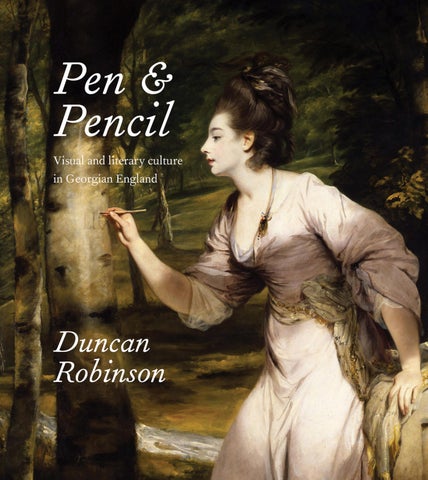
Create a flipbook