© 2012 William Rau
World copyright reserved
ISBN 978 1 85149 694 5
The right of William Rau to be identified as author of this work has been asserted by him in accordance with the Copyright, Designs and Patents Act 1988
Every effort has been made to secure permission to reproduce the images contained within this book, and we are grateful to the individuals and institutions who have assisted in this task. Any errors are entirely unintentional, and the details should be addressed to the publisher.
All rights reserved. No part of this publication may be reproduced, stored in a retrieval system, or transmitted in any form or by any means electronic, mechanical, photocopying, recording or otherwise, without the prior permission of the publisher
Frontispiece: Albert Joseph Moore, Midsummer, see page 586
Title page: Montague Dawson, The Pirate’s Cove, Wafer Bay, Cocos Island, see page 409
Endpapers: Front, Daniel Ridgway Knight, Awaiting the Return of the Fishing Fleet, see page 156 Back, Edgar Degas, Before the Race (Avant la Course), see page 431
British Library Cataloguing-in-Publication Data
A catalogue record for this book is available from the British Library
The text paper used within this publication is FSC certified and from sustainable resources.
Printed in China
Published in England by the Antique Collectors’ Club Ltd., Woodbridge, Suffolk
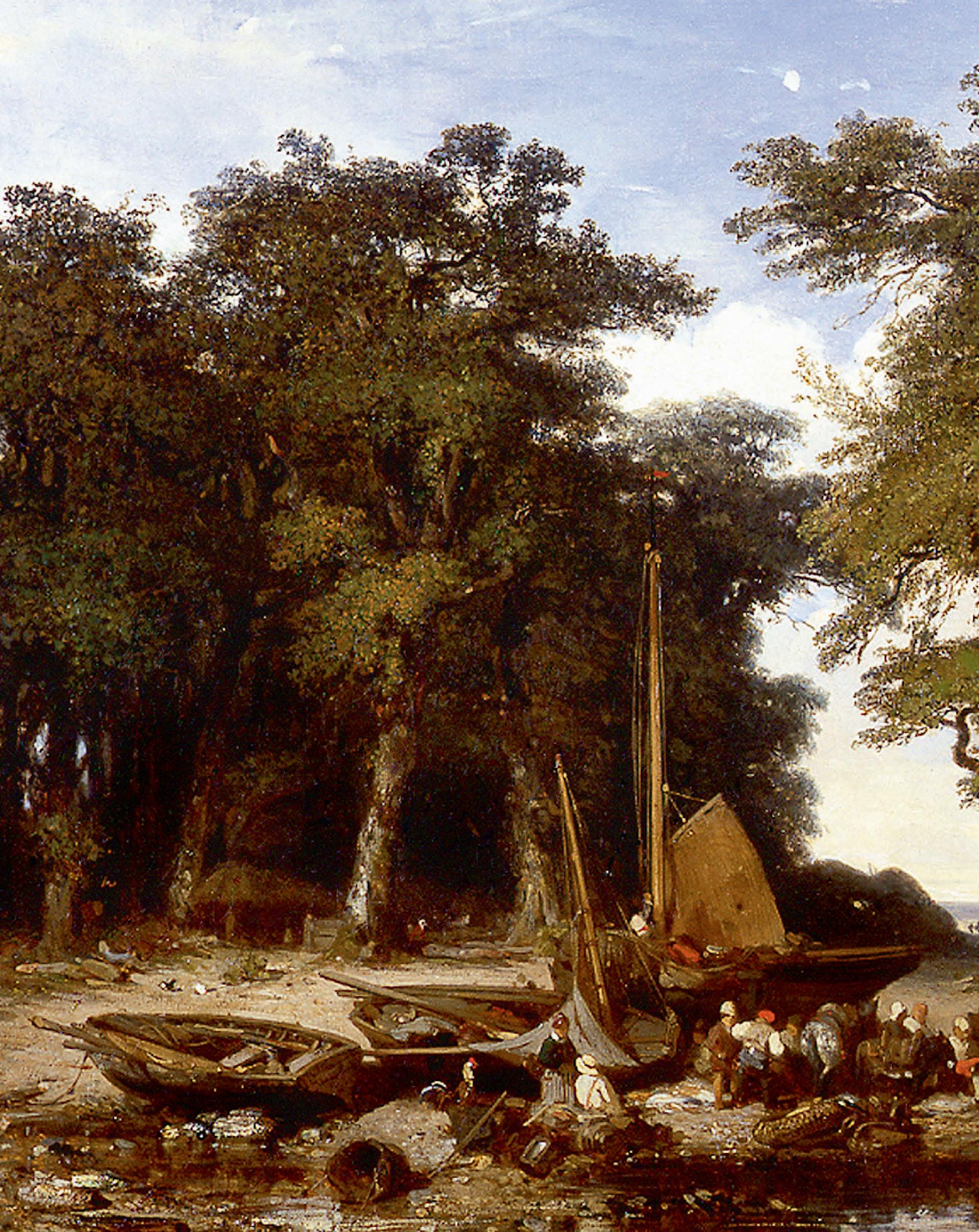
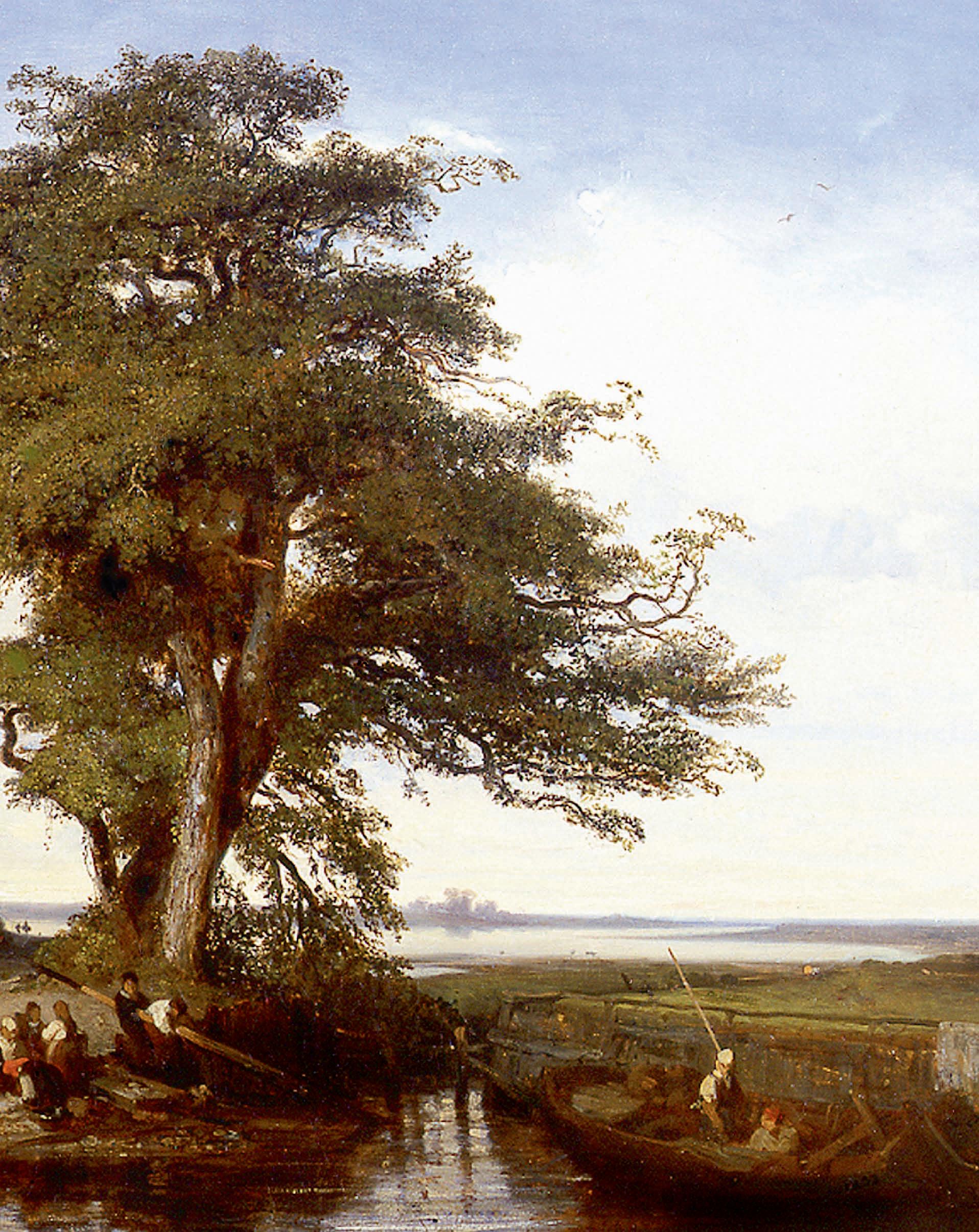
CHAPTER ONE
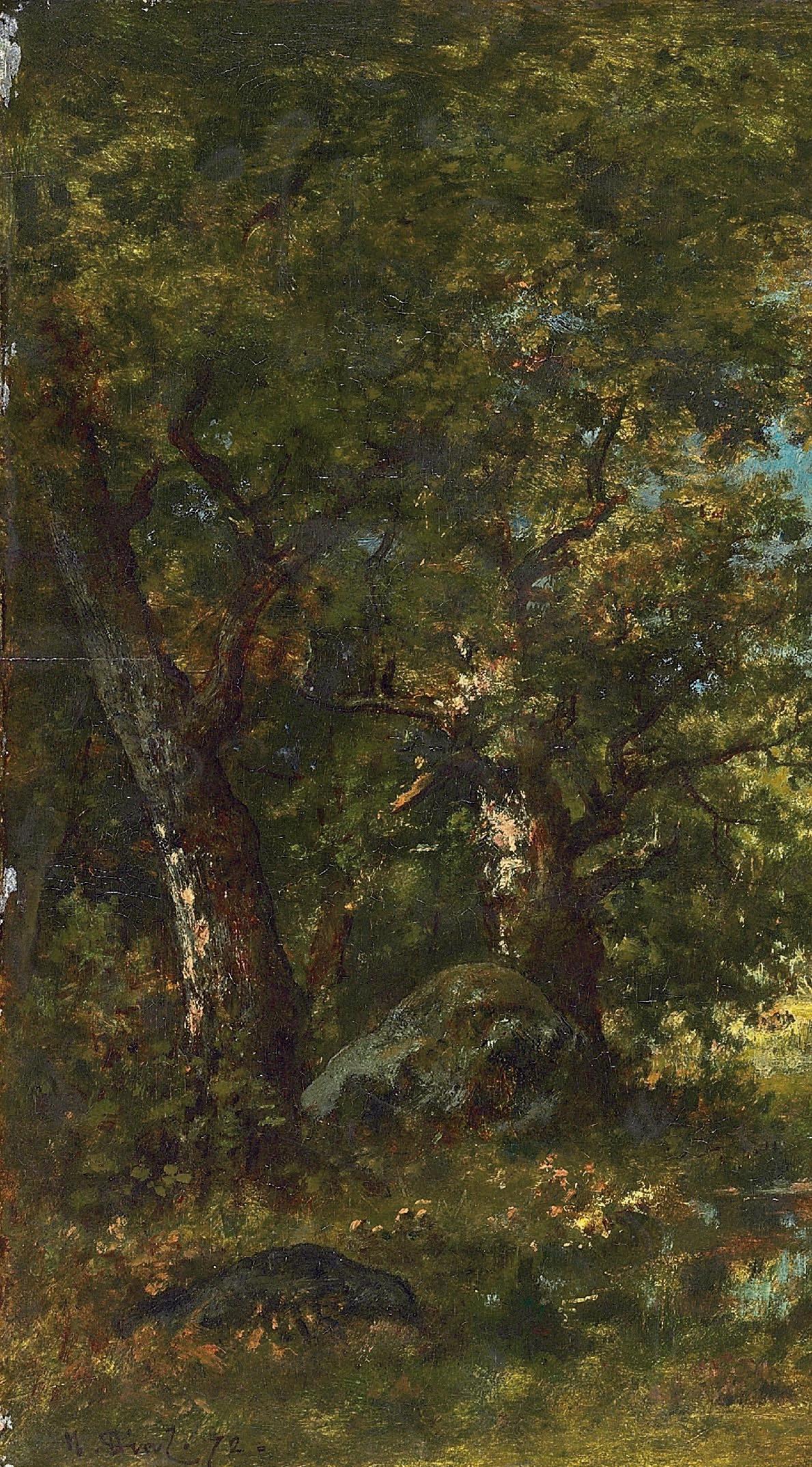
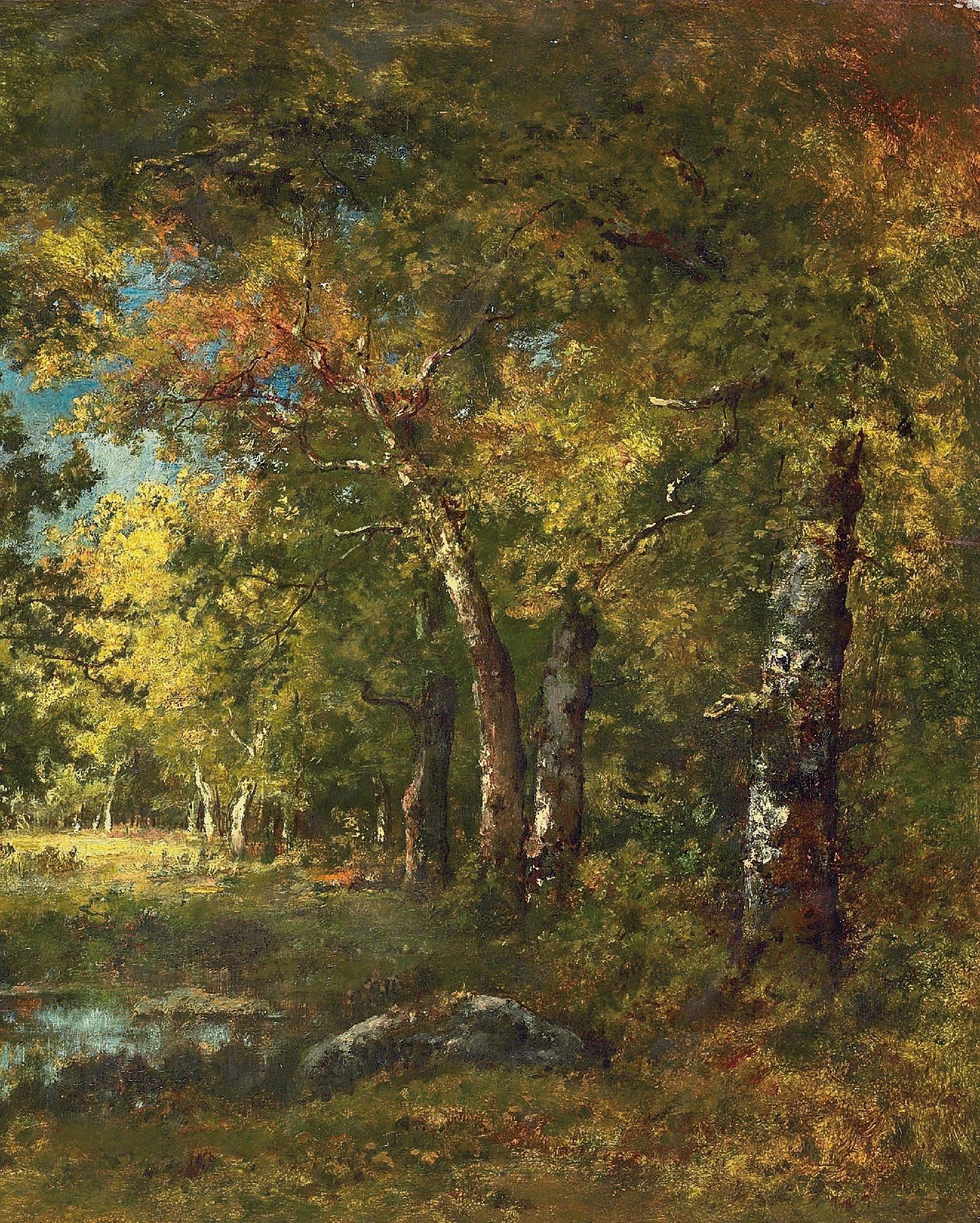
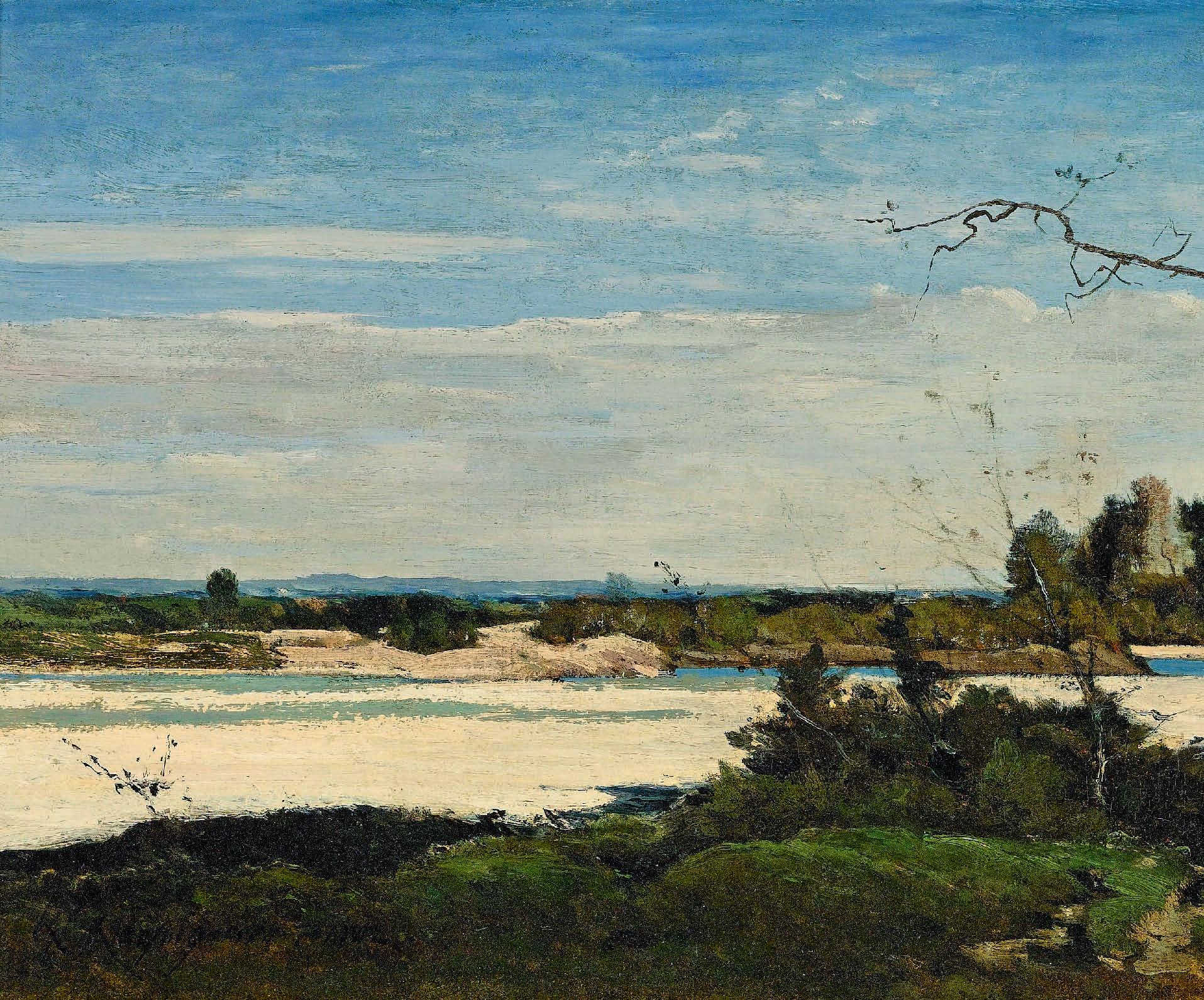
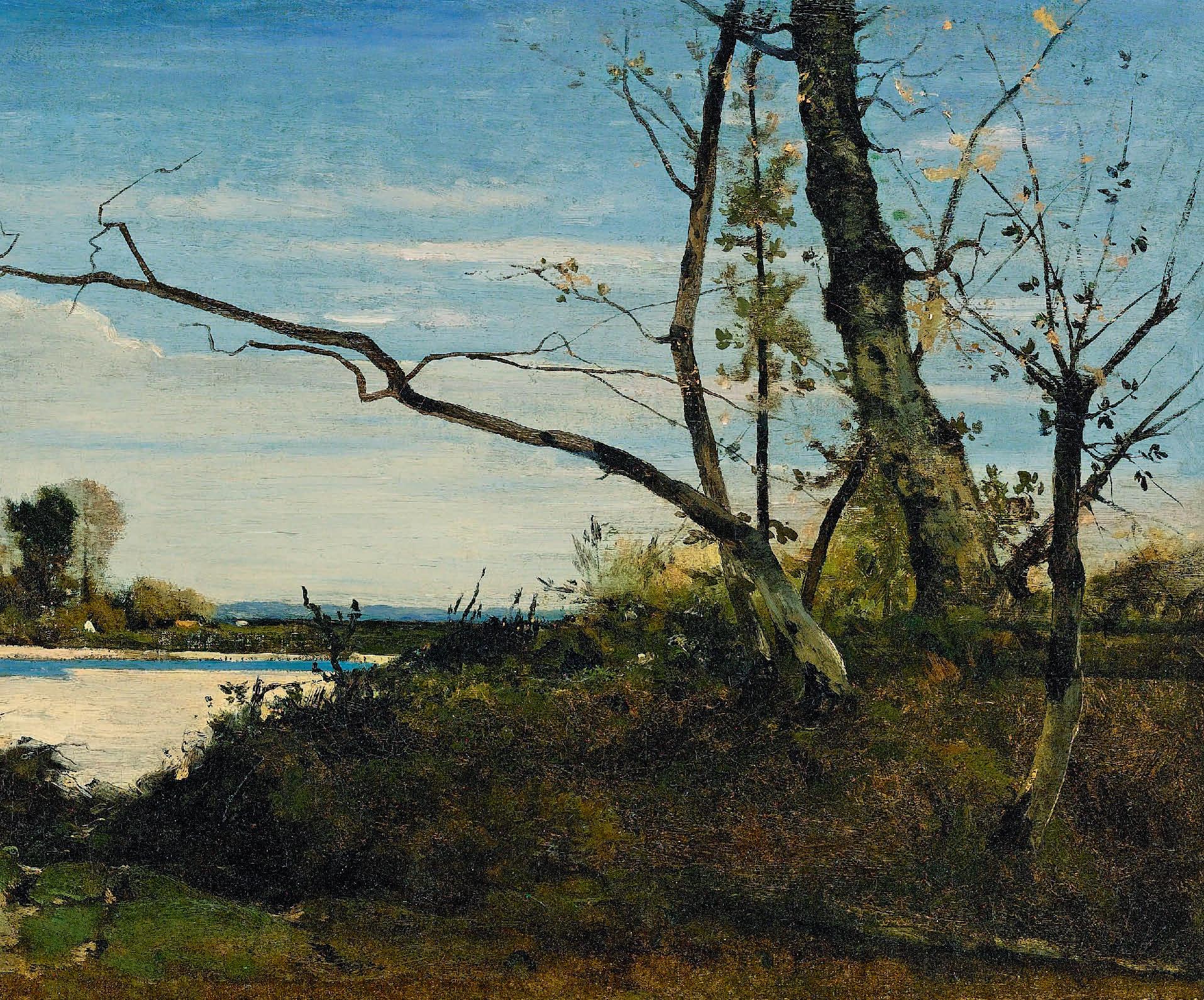
Plate 1.5 Narcisse-Virgile Diaz de la Peña, Deep Forest, Under the Trees (Grande Fôret, Sous-Bois), 1872 Oil on panel, 193⁄4 in. high x 26in. wide Private Collection/ © Christie’s Images, Ltd.
Inspired as much by famed 18th-century masters as by nature itself, Narcisse-Virgile Diaz de la Peña took to painting landscapes after having claimed earlier success with Romantic and Orientalist scenes. He sought out advice on his palette from his friend Théodore Rousseau, yet maintained a more textural approach to his canvases with additional focus on dramatic lighting. He often applied paint more heavily to his canvases than did his fellow Barbizon School painters, even resorting to the use of a palette knife in some works. Despite this loose application, Diaz de la Peña was renowned for the warm palette and intense light in his compositions, which ultimately led to a resurgent appreciation for his work in the late 19th century that coincided with the emergence of the Impressionists.
Private Collection/Photograph
Plate 2.3 Baron
Antoine Jean Gros, Napoléon Bonaparte (1769-1821) Visiting the Plague Stricken of Jaffa, 11th March, 1799, 1804 Oil on canvas, 209in. high x 280in. wide Louvre Paris, France/Giraudon/ The Bridgeman Art Library
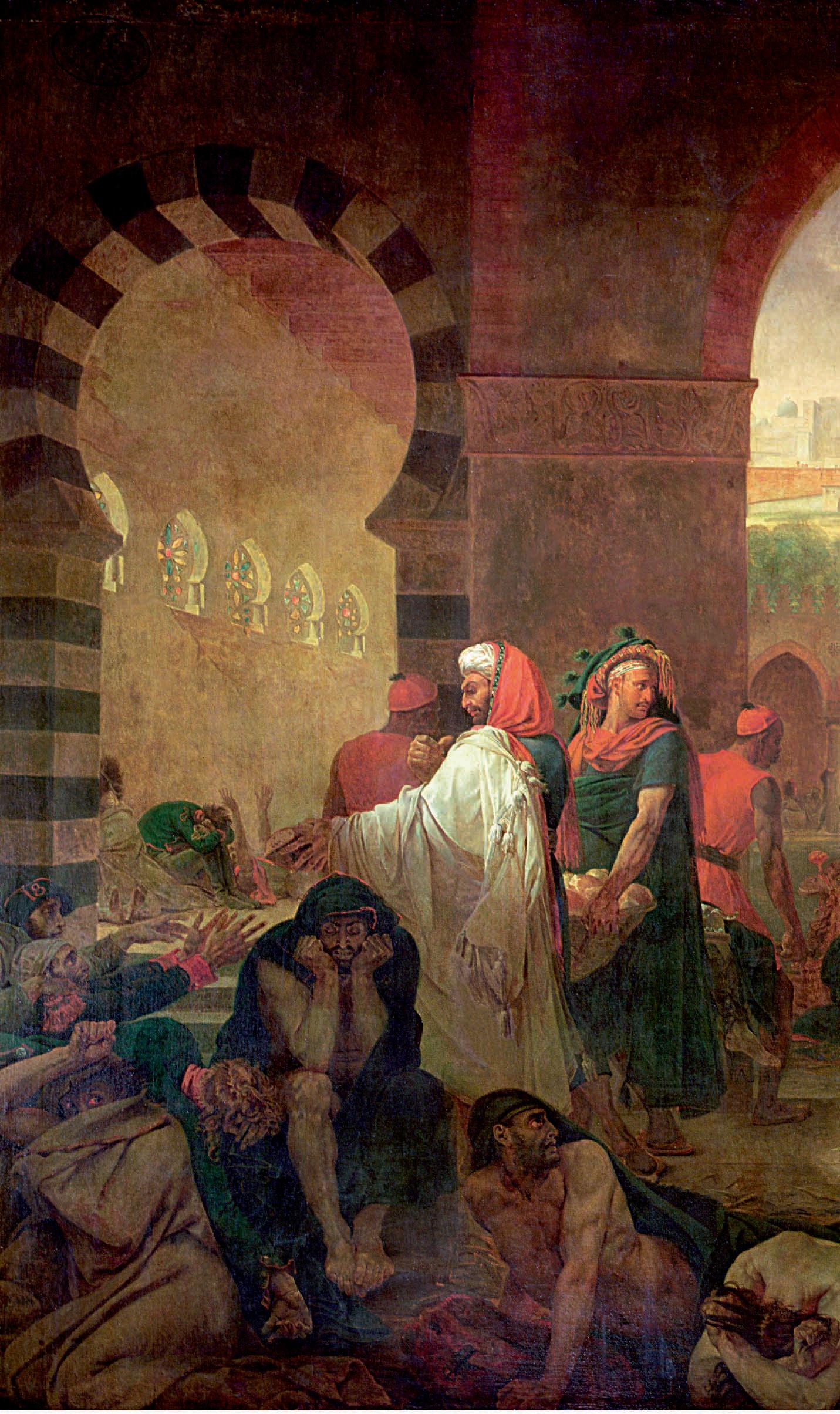
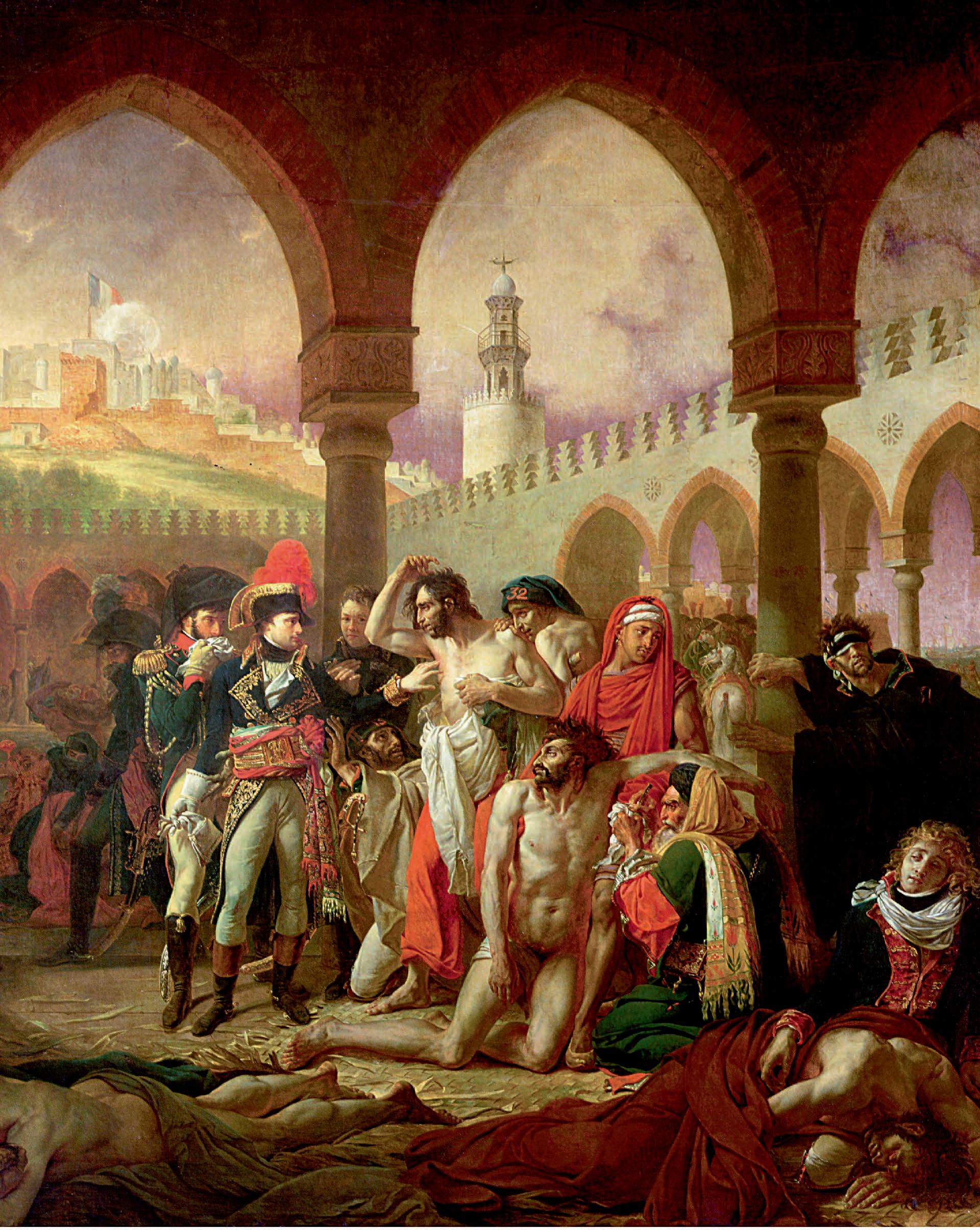
of Jacques-Louis David, Gros fell on hard times with the death of his father in 1791. Forced to make his chosen profession immediately profitable, Gros survived painting portraits until he had the good fortune to befriend Napoléon. It was Napoléon’s patronage that yielded Napoléon Bonaparte (17691821) Visiting the Plague Stricken of Jaffa, 11th March, 1799 (Plate 2.3), Gros’ debut work at the Parisian Salon of 1804. This was the work that, interestingly, has since been recognized as harboring initial hints of Romanticism.
On initial inspection, Napoléon Visiting the Plague Stricken of Jaffa seems a Neoclassical composition. Napoléon is depicted as the iconic hero, highlighted in the midst of a visit to victims of the bubonic plague in Jaffa in 1799. The French General daringly reaches out to inspect with one finger the oozing bubo on the chest of the plague sufferer next to him. Napoléon is depicted as a noble, almost Christ-like figure tending to the sick, Gros’ composition, similar to those completed by his Neoclassical teacher David, was also propagandistic. Napoléon had indeed paid a visit to the plague house, but his actions had been far from noble. In fact, he commissioned this work to rectify the growing rumors that he had proposed poisoning the plague victims rather than allowing them to recuperate in order to quickly cover up a dire situation. Hence, Gros’ glowing re-interpretation of Napoléon, set within a Neoclassical stage.
Incorporated into the Neoclassical elements of this work, however, lies evidence of a Romantic persuasion. First, Gros depicts Napoléon in a contemporary scene, a purely Romantic intention. Though the General is shown with classicizing gravitas, Gros made every effort to place this scene in current, not classical, times. Such efforts are reinforced with his careful study of the exotic Eastern architecture that forms the backdrop of this composition. These exotic motifs, significantly different than the severe, classicizing backdrops that filled Neoclassical works, would become a hallmark of Romantic Painting in the years to come. Added to these elements are the heightened emotions and expressivity of the figures framing the foreground. A striking contrast to the solid posture of Napoléon, the plague victims in the foreground are rendered in writhing and contorted postures. This intensity, amplified by brushstrokes freed from rigorous Neoclassical draftsmanship, laid the foundation for future development of Romantic Painting.
Building on Gros’ legacy, French artists Théodore Géricault and Eugène Delacroix greatly expanded Romanticism from subtle manipulations of Neoclassical ideals into its own dramatic mode of artistic expression. Géricault, seven years Delacroix’s senior, had been trained in the
Neoclassical tradition, but he found his true artistic inspiration studying the master works of the Louvre Museum. For most of the 1810s, Géricault pored over paintings by famed Flemish Baroque painter Peter Paul Rubens, Dutch Golden Age painter Rembrandt van Rijn, and Spanish Baroque painter Diego Velázquez. Géricault found in these artists’ paintings an exuberance and passion in both brushstroke and composition that was missing in Neoclassicism.2
Géricault began incorporating this vitality and dynamism into his works, the peak of which was achieved in his iconic painting, The Raft of the Medusa (Plate 2.9), a narrative drawn from contemporary events. Here he depicted the tragic demise of the French Naval frigate, the Méduse, which ran aground in July of 1816 near Mauritania. Close to 150 people survived the wreck, but, left to float at sea for nearly two weeks without much more than a make-shift raft, only fifteen survived; it was a tragedy sensationalized by the French press, but Géricault set out to capture the dramatic story on canvas with unmitigated intensity.
Compared to David’s Death of Socrates and Gros’ subsequent Napoléon Visiting the Plague Stricken of Jaffa , Géricault’s monumental The Raft of the Medusa reflects a full implementation of Romanticism’s ideals. The subject, ripped from contemporary headlines, has been portrayed so dramatically it was as though the tragedy were being reenacted. Géricault depicted an incredibly sobering moment, as survivors clinging to life frantically wave for rescue (at the upper center), while ashen corpses intertwine with one another and tumble into the sea in the immediate foreground. Further heightening this sobriety is his use of dramatic lighting and color.
The composure and confinement of David’s figures in The Death of Socrates, relaxed somewhat in Gros’ depiction of the plague victims at Jaffa, has been completely usurped by intertwined, writhing figures in anguished postures. What is more, Géricault has added to the tumult by decentralizing the composition. Instead of the viewer’s focus being drawn to one central character, such as David’s Socrates or Gros’ Napoléon, Géricault’s raft forces the viewer’s eye to move around the entire painting, thus becoming engrossed in the sorrowful saga.
In close pursuit of Géricault’s passion, Eugène Delacroix sought the same intensity of expression in his paintings. He too had been educated in the Neoclassical tradition, but his love of Rubens and his fascination with his contemporary, Géricault, pulled him toward the Romantic ideal. In fact, it was Géricault’s debut of TheRaft of the Medusa at the 1819 Parisian Salon that encouraged Delacroix to enter this new field. Building on Géricault’s intense colors and dynamic figural treatment, Delacroix explored similarly contemporary themes in his earliest
Romantic works. A prime example is his masterful composition entitled Liberty Leading the People (Plate 2.11). Delacroix painted this composition to commemorate the July Revolution of 1830, a momentous uprising that spanned social classes in an ongoing fight for personal liberty and resulted in the exile of King Charles X. Here Delacroix has personified Liberty as a strong, ruddy woman, who leads a charge of French citizens with a musket in one hand and an exultant thrust of the French flag into the air with the other.
This commemorative scene plays out with a drama akin to Géricault’s The Raft of the Medusa. Delacroix’s figures share the same dynamic torsion, woven through the composition amidst a melée of activity. The interwoven corpses over which these zealous French citizens march serve as a visual prelude to the maelstrom of figures that extend far back into the composition. His palette abounds with deeply saturated colors, which highlight Liberty’s pale flesh and tempers the overall sobriety of the composition with a hint of optimism.
The power with which Romanticism revolutionized painting in the wake of Neoclassicism was remarkable. Perhaps just as impressive is the fact that, though the movement did not last long in its pure form, the techniques and principles of Romanticism soon disseminated into other emerging fields of painting. With Géricault’s premature death in 1824 at the age of 33 after a long bout with tuberculosis, and Gros’ suicide in 1835 following a downturn in his career, Delacroix — then Romanticism’s main surviving heir — was left to carry forth the movement. He did so with enduring vivacity, expanding from contemporary subjects to explore the application of Romanticism’s ideals to a wider range of themes.
As his career progressed, he further developed the Romantic fascination with the Near East. In the early years of the 19th century, the regions of North Africa and the presentday Middle East were just beginning to be explored by Western Europeans. These explorations inspired the field of Orientalist Painting, for which Delacroix also later became well-known.
In addition to dramatic depictions of modern life and the Eastern world, Delacroix found comfort in contemporary authors’ dramatic narratives of the past, a theme that was already emerging in 19th-century literature. Authors of the period were some of the first writers to recreate the past in their works. Scottish writer Sir Walter Scott popularized the genre of historical fiction. His iconic novels such as Ivanhoe and Rob Roy wove tales of valor and righteousness that played out in the days of the distant past. Following in his footsteps was the great French author Alexandre Dumas, whose adventurous tomes of cavaliers and swooning maidens, like The
Count of Monte Cristo and The Three Museketeers, gained even more followers to the literary genre. Scott and Dumas succeeded in creating fictive narratives that conveyed historical facts without muddying them with contemporary cultural or political propaganda. They brought history back to life in a visually pleasing manner, not to impart a moral message but rather to fully mesmerize their audience.
These authors’ historical narratives provided Delacroix with more fodder for artistic exploration: an uncharted territory that offered a plethora of new avenues for his imagination. Like his images of the East, Delacroix thus carried ideals of Romanticism to scenes and stories of a bygone era. A great example is his Study of Armor (Plate 2.10). Military garb that had been defunct for generations due to advances in firearms, the armor Delacroix rendered with such detail in this composition alludes to the pervasiveness of this cultural nostalgia for the bygone past.
This nostalgic sentiment would be, arguably, the most enduring aspect of the Romantic movement for the remainder of the 19th century. Though different in timbre than the original Romantic canvases of Gros or Géricault, which stressed expressions of contemporary emotion, and explored only preliminarily in the oeuvre of Delacroix, the element of nostalgia transformed the term of “Romanticism.” As the 19th century progressed, it was applied to a wider range of works to describe their sentimental quality. Landscape painter Caspar David Freidrich, for example, was lauded for his “Romantic” views of Germany, and Costume painters and Genre painters both picked up on this nostalgic element to elicit emotional engagement with their compositions.
And just as the term “Romanticism” became increasingly diffuse and was applied to a growing range of artists, so too did the technique of the movement inspire other emerging fields of painting. The loose brushstroke and powerful palette so characteristic of Romanticism has been cited as a major influence on the early Impressionists, who capitalized on similar technical elements in their work.
Working against Enlightenment ideals and Neoclassical conventions, Romanticism set art on a new course in the early years of the 19th century. As Charles Baudelaire commented in 1846, “Romanticism is precisely situated neither in choice of subject nor in exact truth, but in a way of feeling.”3 This “feeling” that Romanticism renewed in painting, and its emphasis on emotion and originality not only yielded some of the most iconic works of the first half of the century, but it also paved the way for a wholly new expressivity in painting that enlivened art for centuries.
Plate 2.5 Paul Delaroche, The Execution of Lady Jane Grey, 1834 Oil on canvas, 967⁄8in. high x 1167 8in. wide
National Gallery London
A devoted student of Antoine-Jean Gros, Hippolyte Delaroche, better known as “Paul,” carried forth the Romantic tradition in such powerful paintings as the iconic The Execution of Lady Jane Grey. His subject matter, however, is more akin to that of Eugène Delacroix’s Study of Armor. Instead of conjuring a contemporary event, Delaroche looks to the 16th century for his muse. Lady Jane Grey was the cousin of King Edward VI; when he died in 1553 she was proclaimed Queen of England on July 10, stepping over his sister, Mary Tudor. Uproar ensued in England, as Mary was the favored heir to the throne. So, less than nine days after her assumption of the throne, Jane stepped down, albeit against her will. Her abdication, however, was not enough to absolve her, and in early 1554 she underwent trial for treason, the result of which was her execution. In this composition, Delaroche imagines those painful few moments before her death, a dramatic end to a truly tragic historical moment.
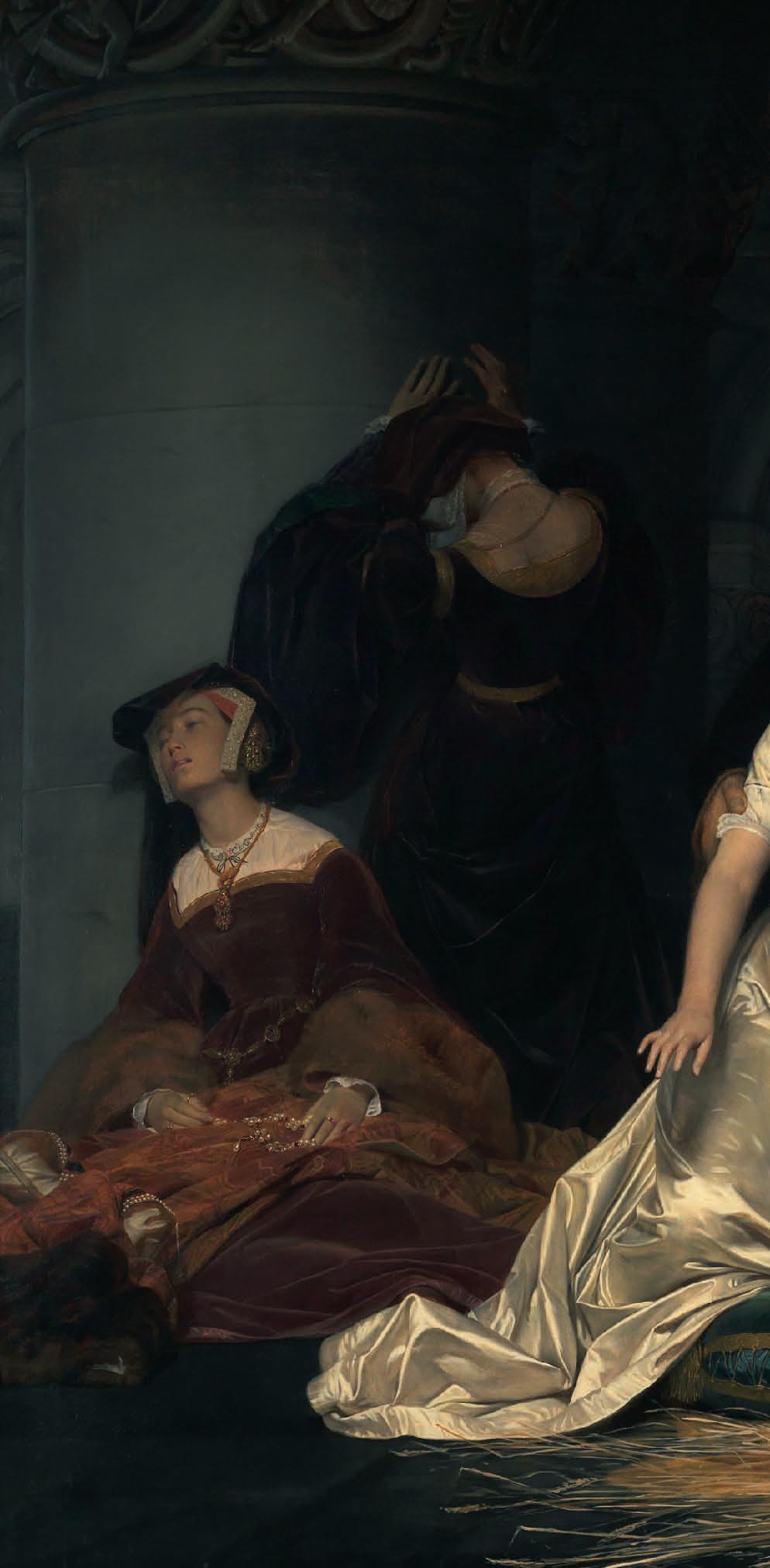
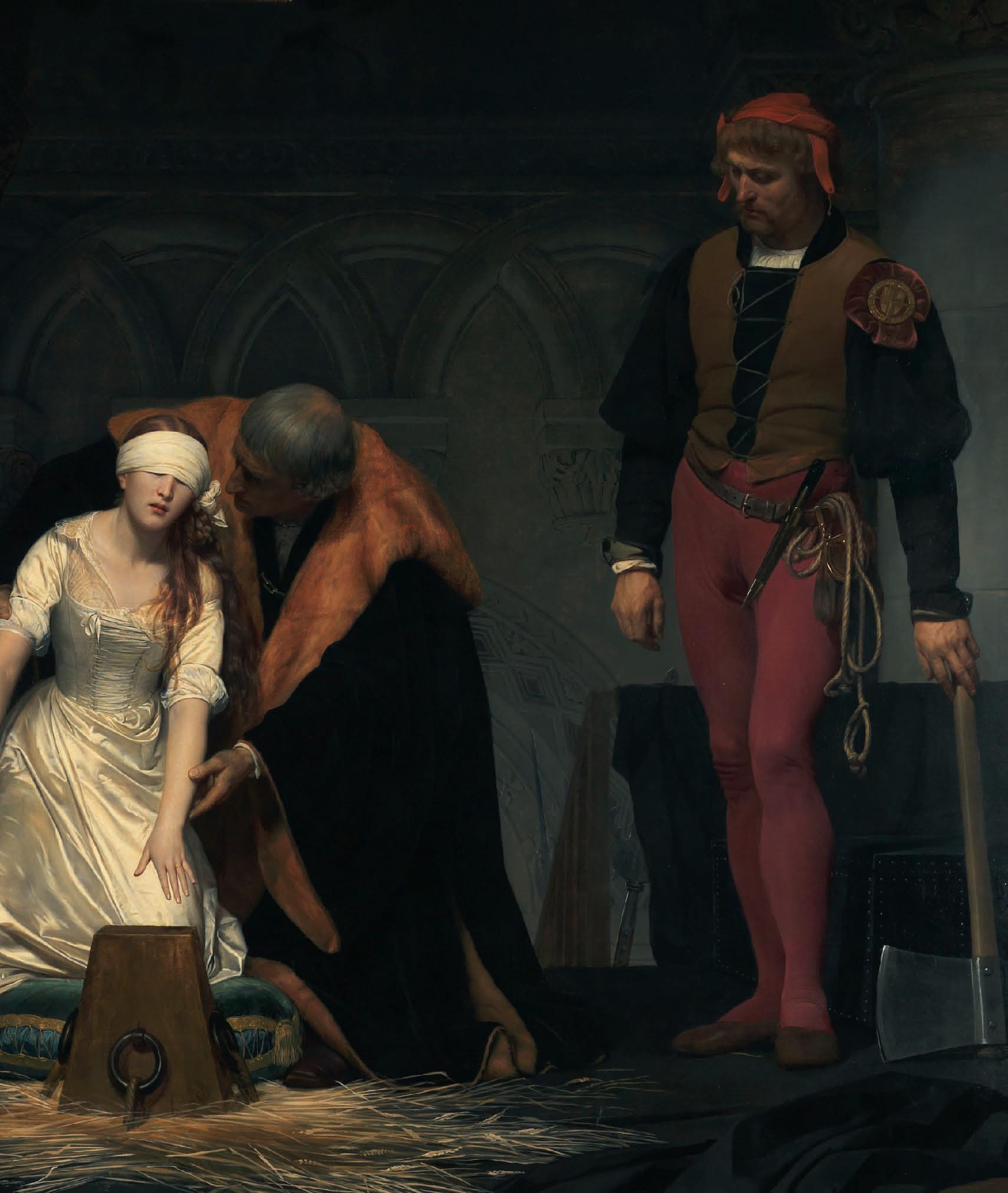
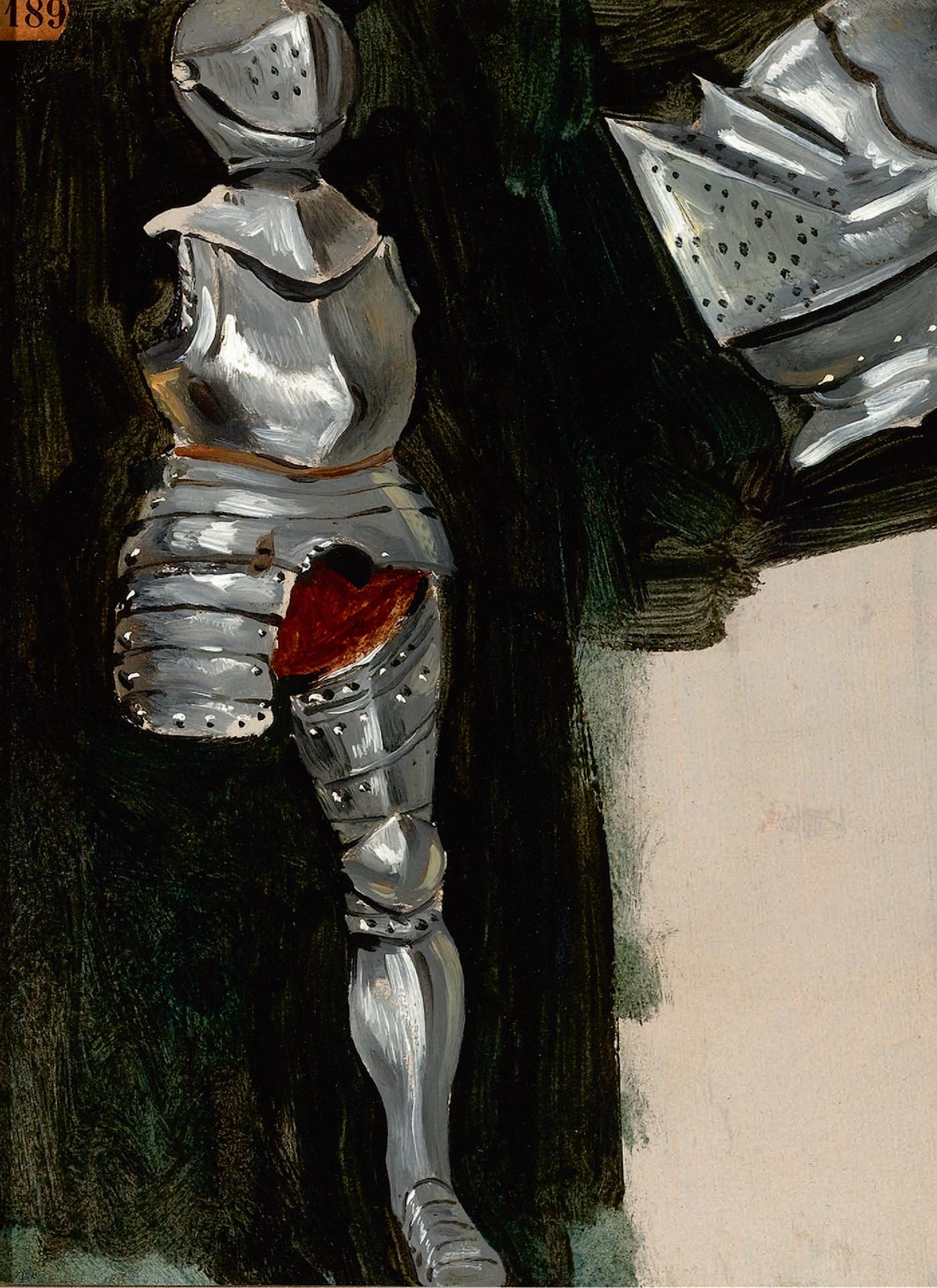
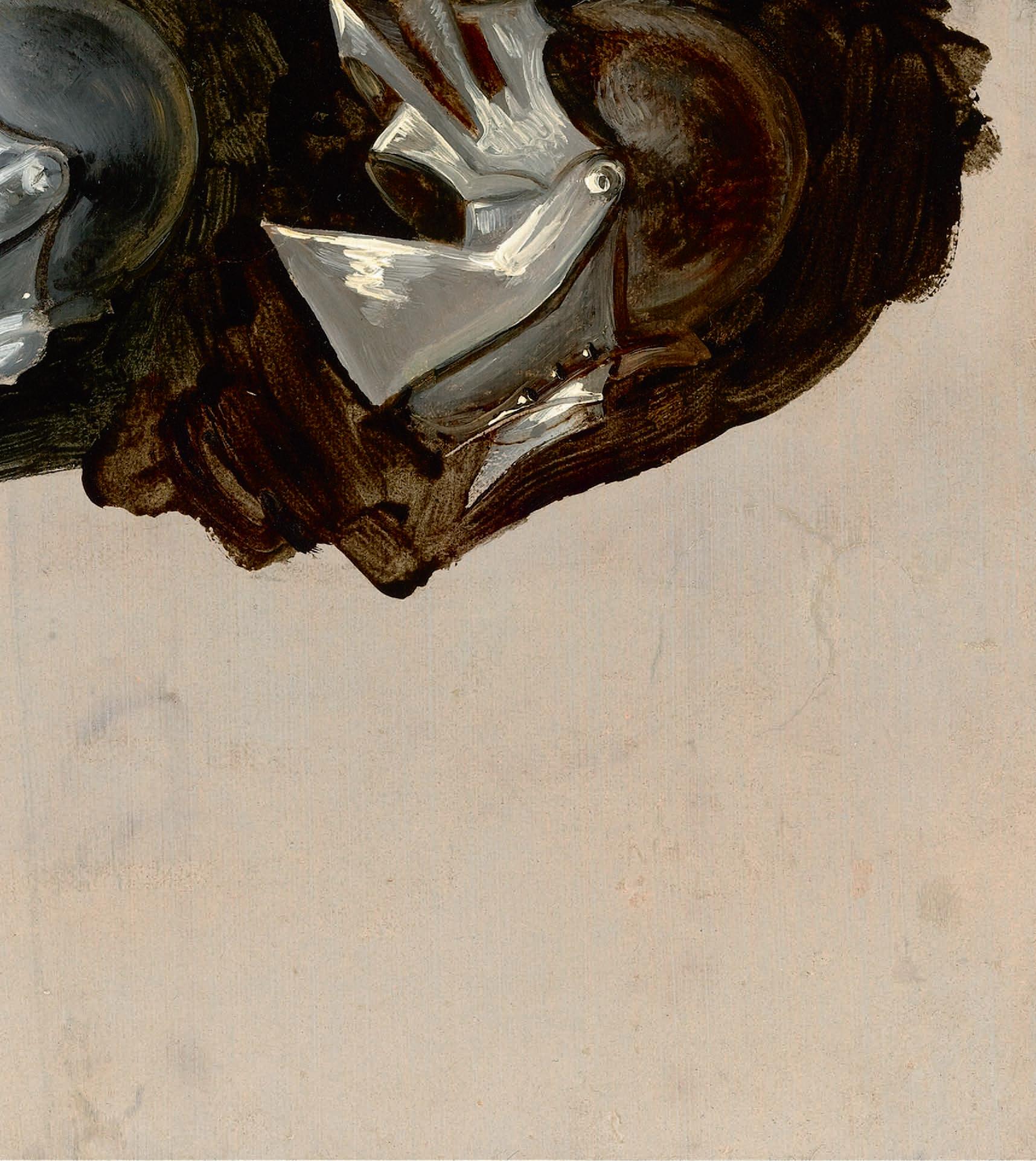
Plate 3.7 Jean-Léon Gérôme, A Joke – An Albanian Blowing Smoke in the Nose of a Dog/A Greyhound Who Does Not Like Tobacco (Une Plaisanterie—Arnaute Fumant au Nez d’un Chien/Un Lévrier Qui N’aime Pas le Tabac), 1882 Oil on canvas, 231⁄2in. high x 283 4 in. wide Private Collection/ © Christie’s Images, Ltd.
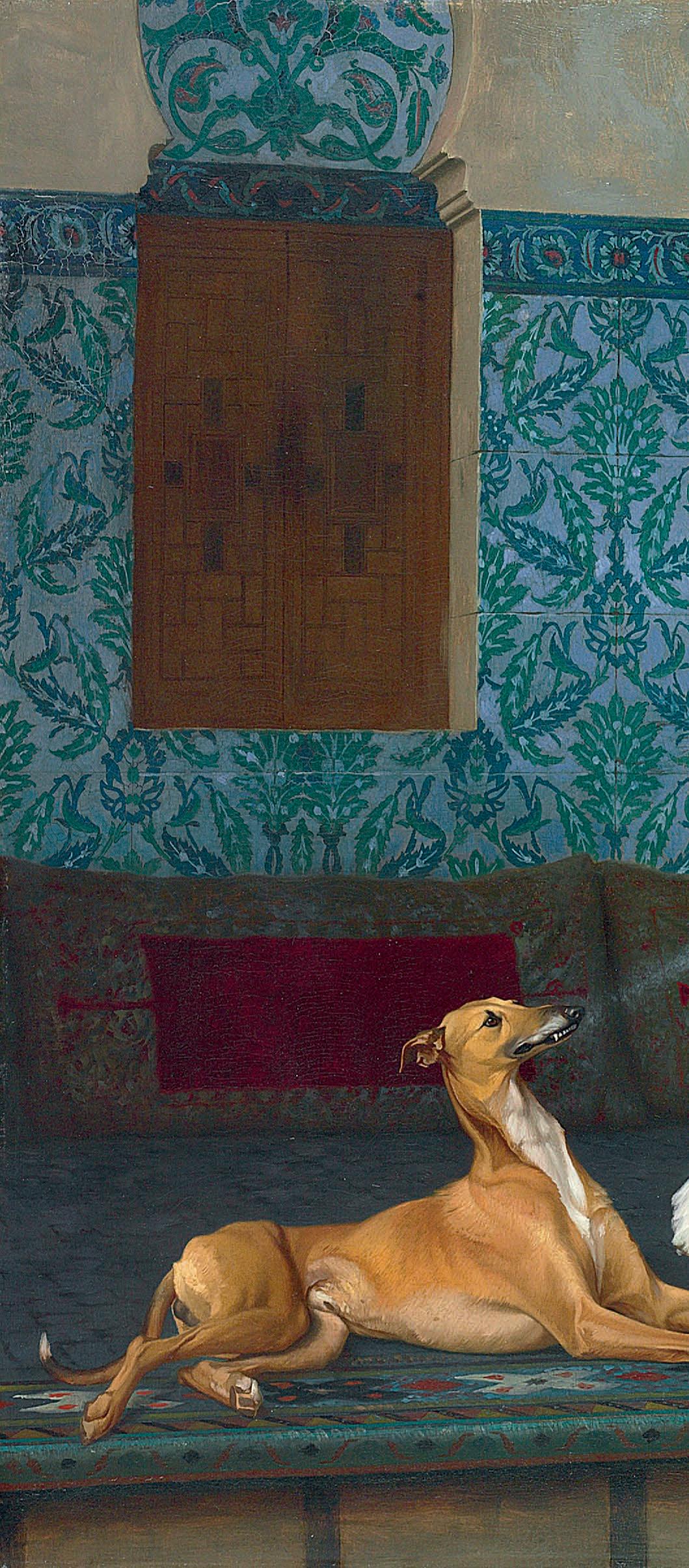
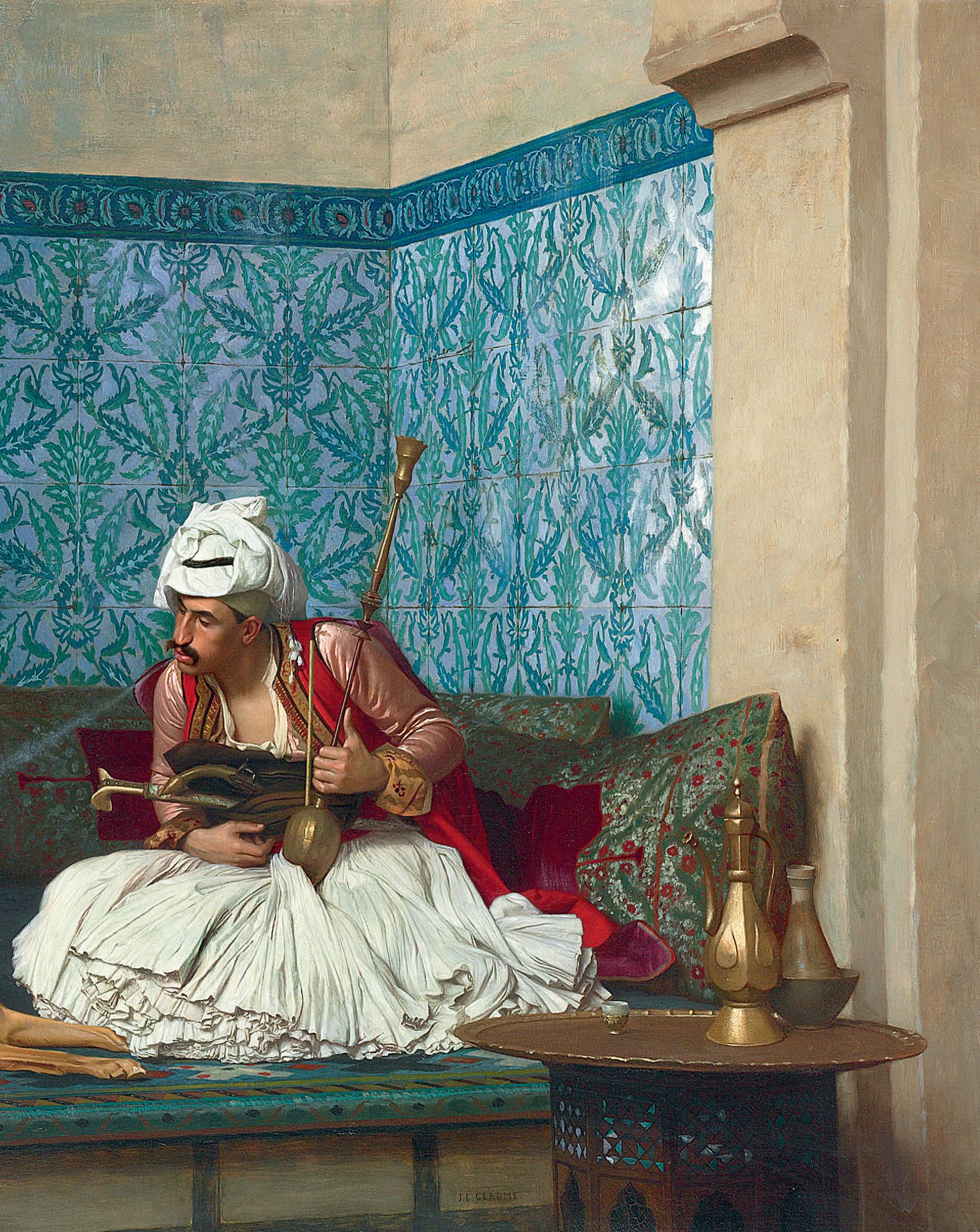
Plate 3.16
Gustave Boulanger, The Palace Court of Dar Khdaouedj El Amia, Algiers (La Cour du Palais de Dar Khdaouedj El Amia, Alger), 1877
Oil on canvas, 33in. high x 45in. wide Private Collection/ © Christie’s Images, Ltd.
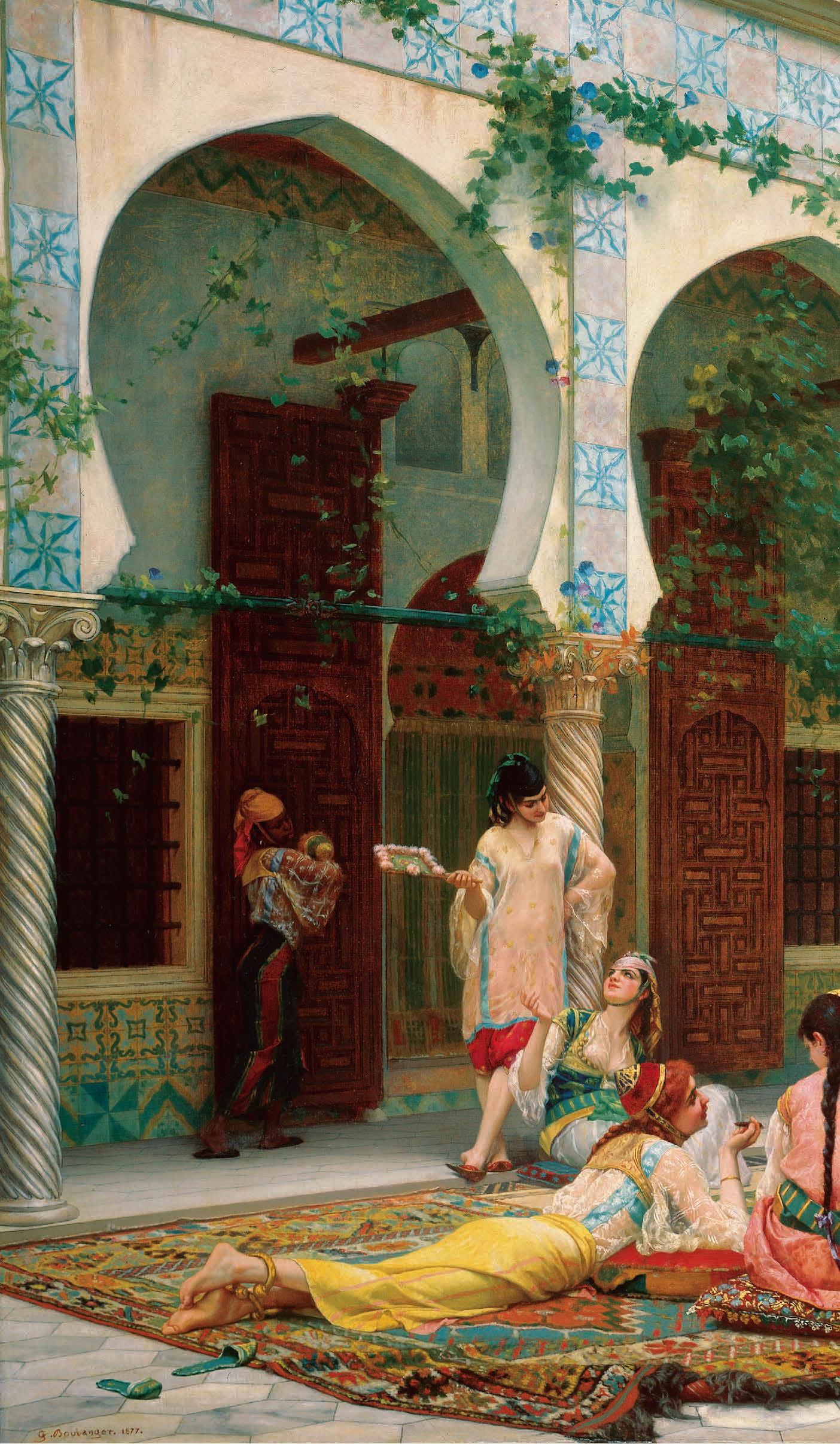
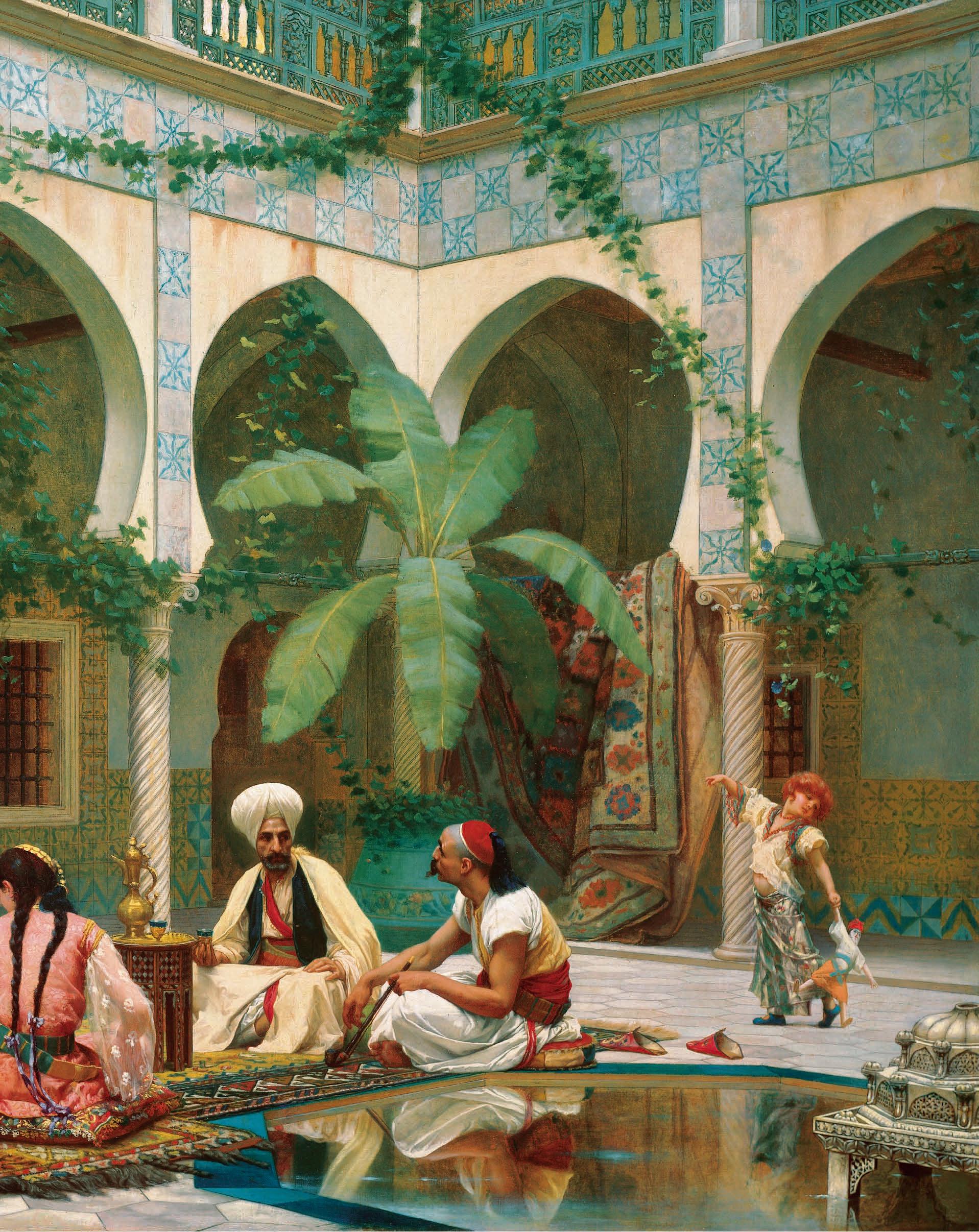
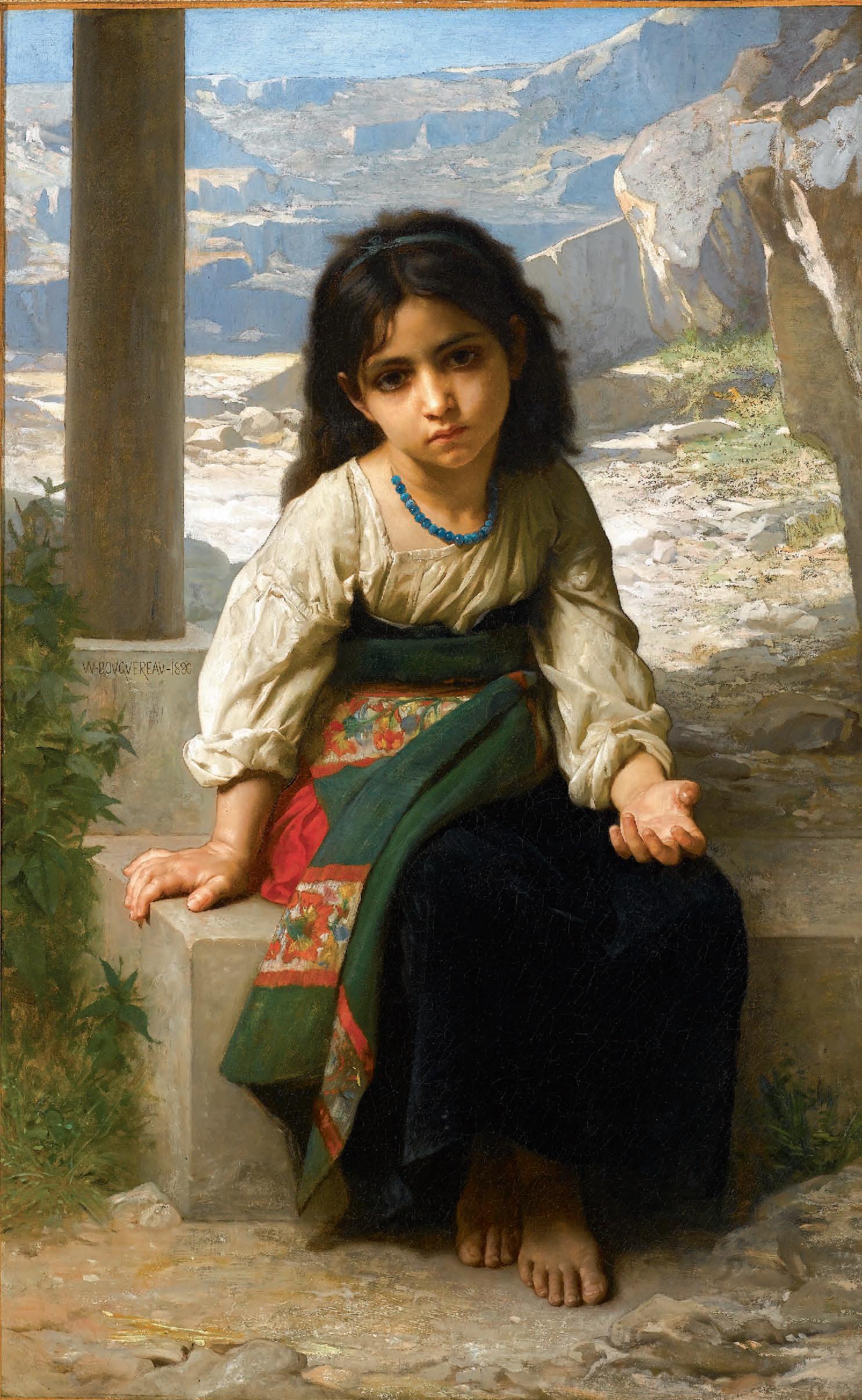
Plate 6.7 William-Adolphe Bouguereau, Young Bohemians (Jeunes Bohemiens), 1879 Oil on canvas, 603⁄8 in. high x 39in. wide
The Fred and Sherry Ross Collection
Facing page: Plate 6.6 William-Adolphe Bouguereau, The Little Beggar (Petite Mendiante), 1880 Oil on canvas, 46in. high x 29in. wide Private Collection/Fine Art Collection of M.S. Rau Antiques, New Orleans
Bouguereau’s Petite Mendiante is one the finest examples of his expert combination of his study of classical forms with his examination of the 19thcentury peasant class. His impeccable detail captures the beauty and sobriety of this young girl, both of which are features amplified by the deep colors that saturate the composition.
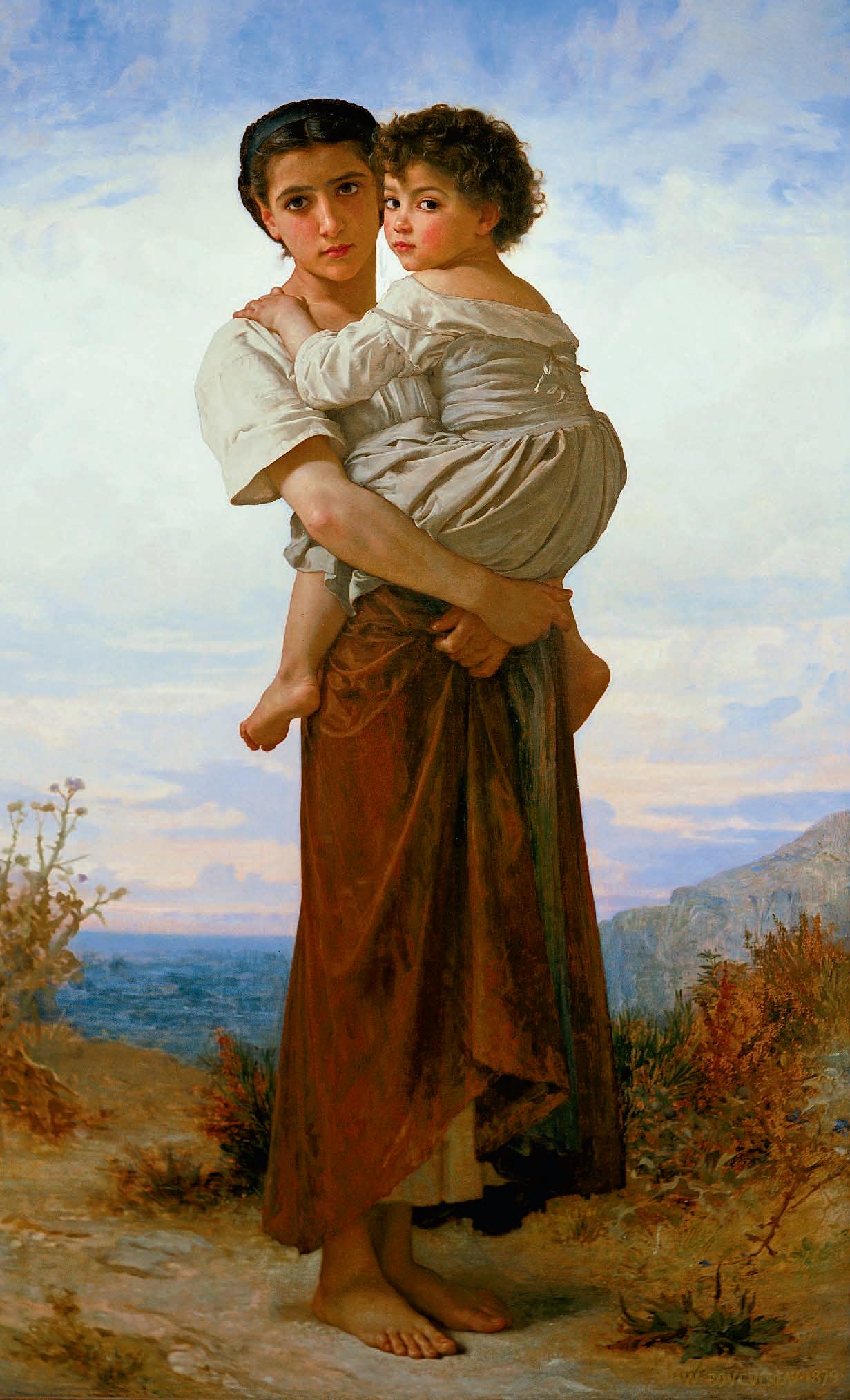
Plate 6.17 Alexei Harlamoff, The Arrangement, late 19th-early 20th century
Oil on canvas, 29in. high x 403⁄4in. wide
Private Collection /© Christie’s Images, Ltd.
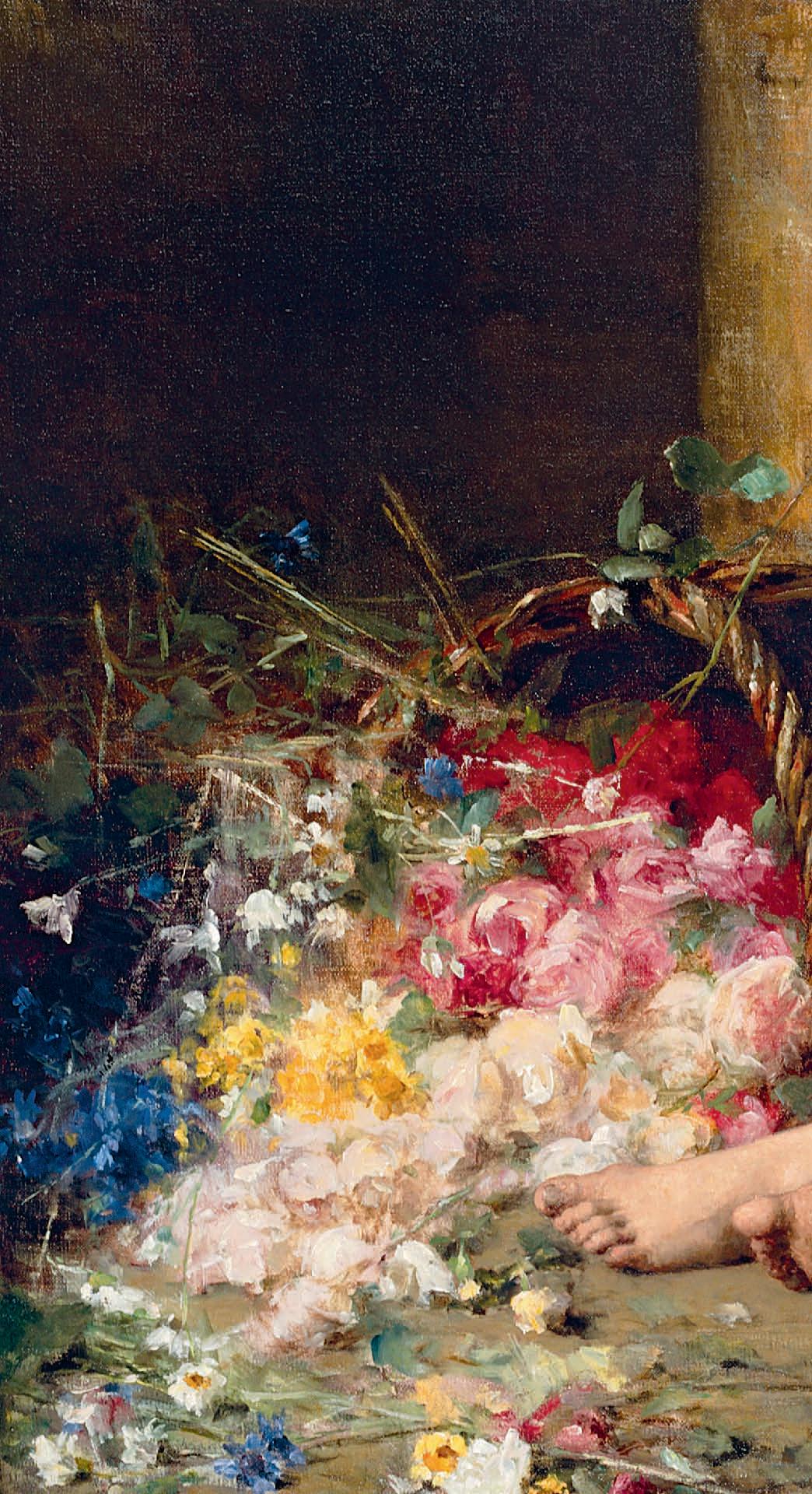
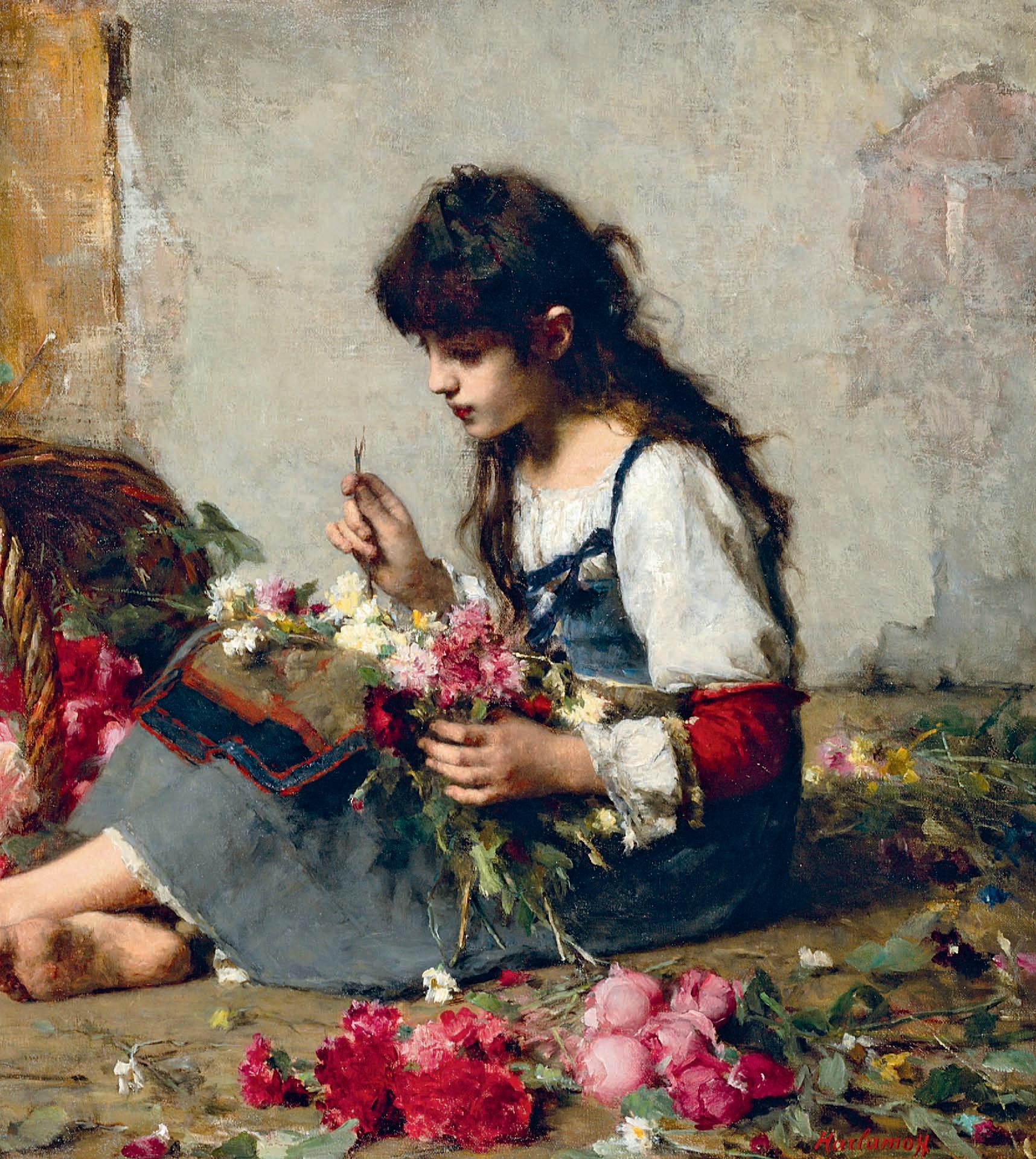
Plate 7.14 Claude Monet, Falaise et Porte d’Amont par Gros Temps, 1886
Oil on canvas, 255⁄8 in. high x 317⁄8 in. wide
Private Collection/ Fine Art Collection of M.S. Rau Antiques, New Orleans
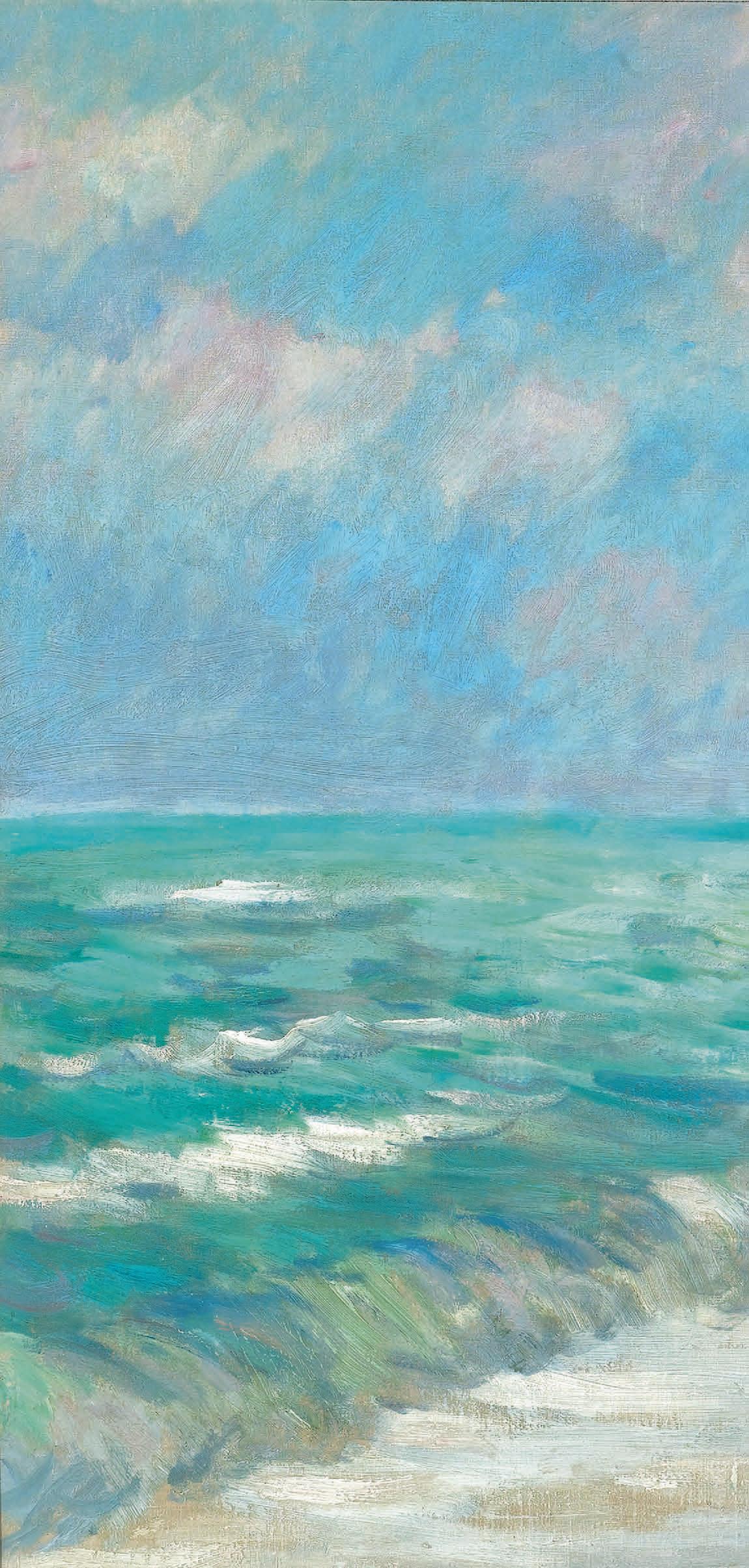
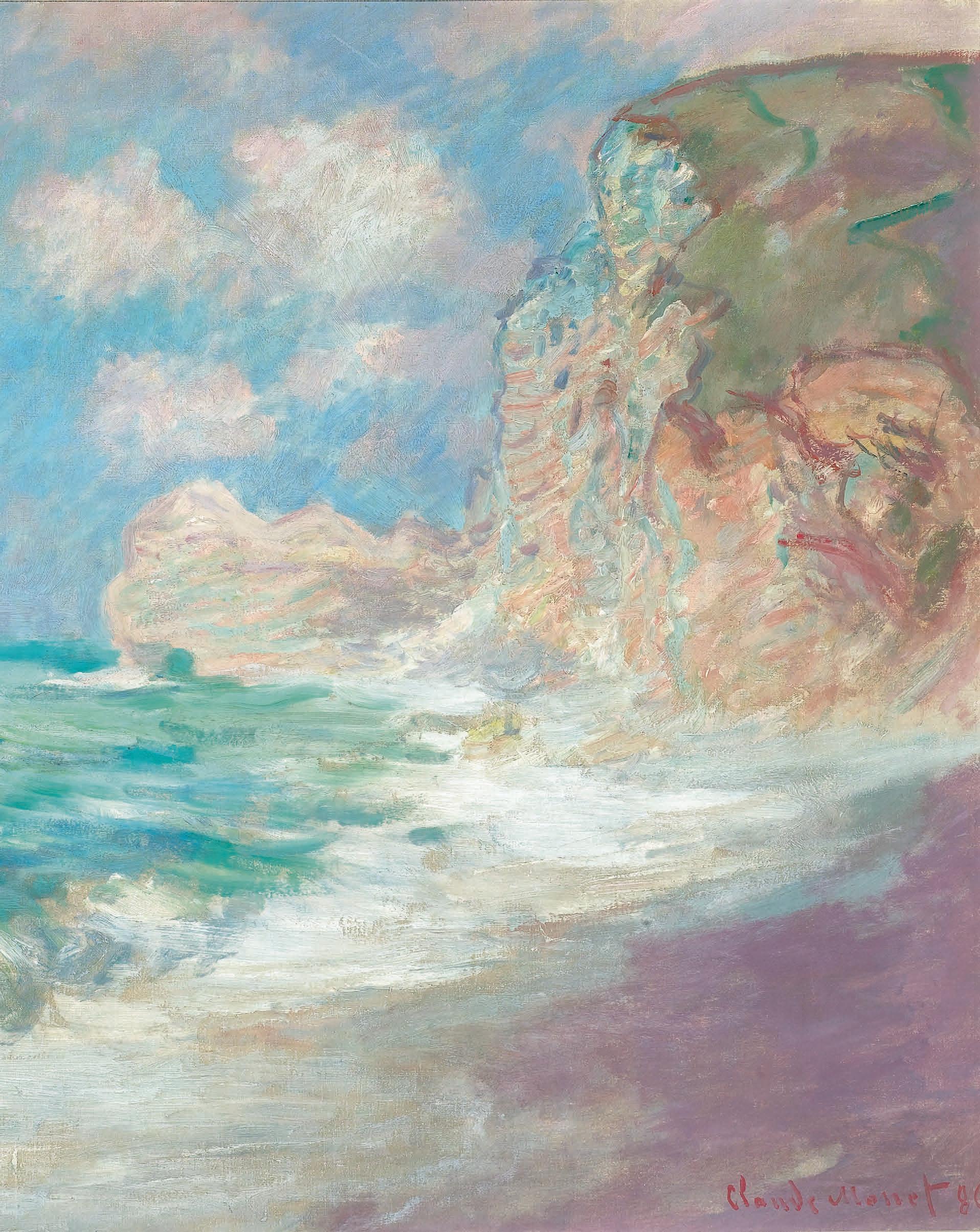
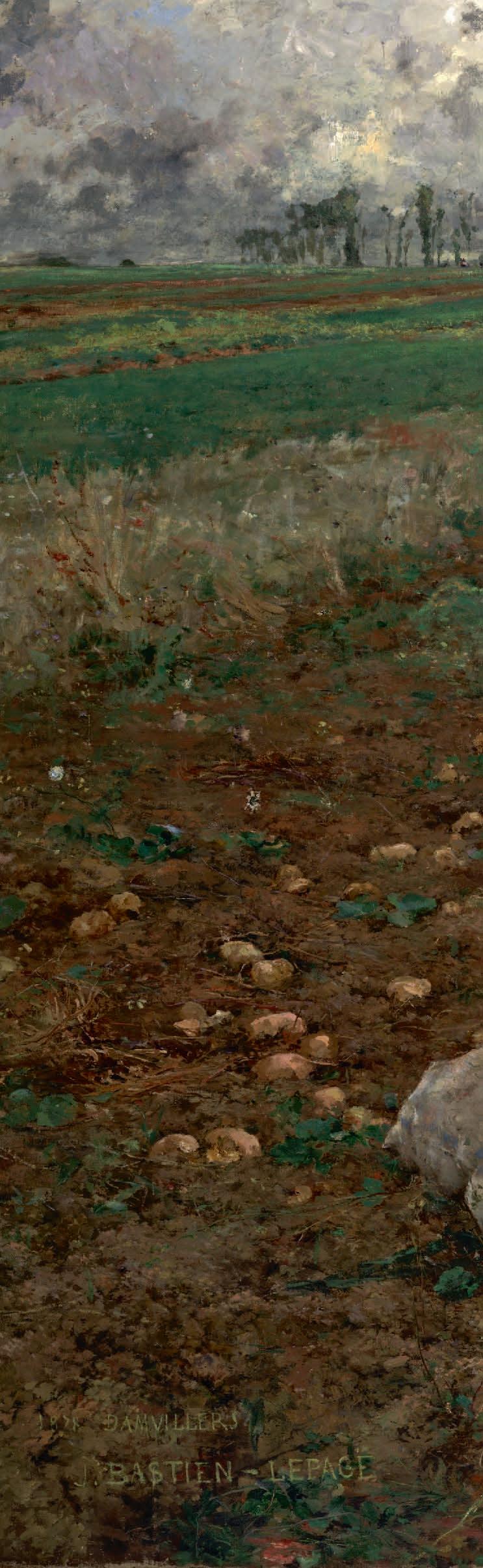
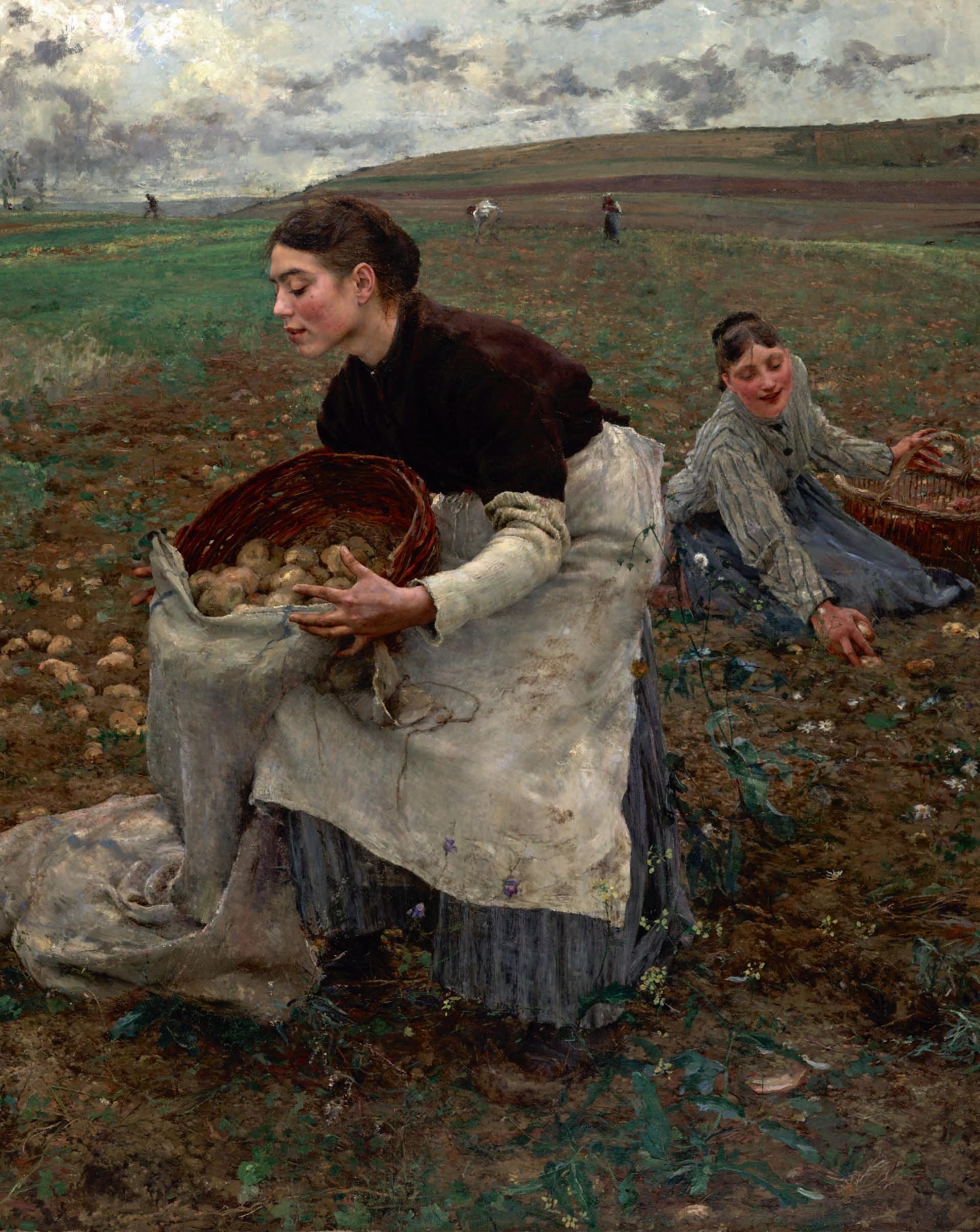
Plate 8.3 Jules Bastien-Lepage, October: Gathering Potatoes, 1878
Oil on canvas, 71in. high x 78in. wide
National Gallery of Victoria, Melbourne, Australia/Felton Bequest/ The Bridgeman Art Library
wharfs of bustling British cities with the same skill he had honed in his early studies of the rural British countryside. In doing so, Grimshaw not only translated the techniques of Landscape Painting into cityscapes, but he also amplified the potential power of such compositions by mastering nocturnal scenes.
A native and life-long resident of Leeds, England, Grimshaw began his career painting magnificent landscapes not unlike those of Cole or Percy. Having mastered the rural landscape early in his career, however, Grimshaw was hungry for new inspiration. He had always been intrigued by the bustling atmosphere of Britain’s cities and felt a particular power when viewing these cities by night, so he decided that would be the atmosphere he would try to re-create in his paintings.
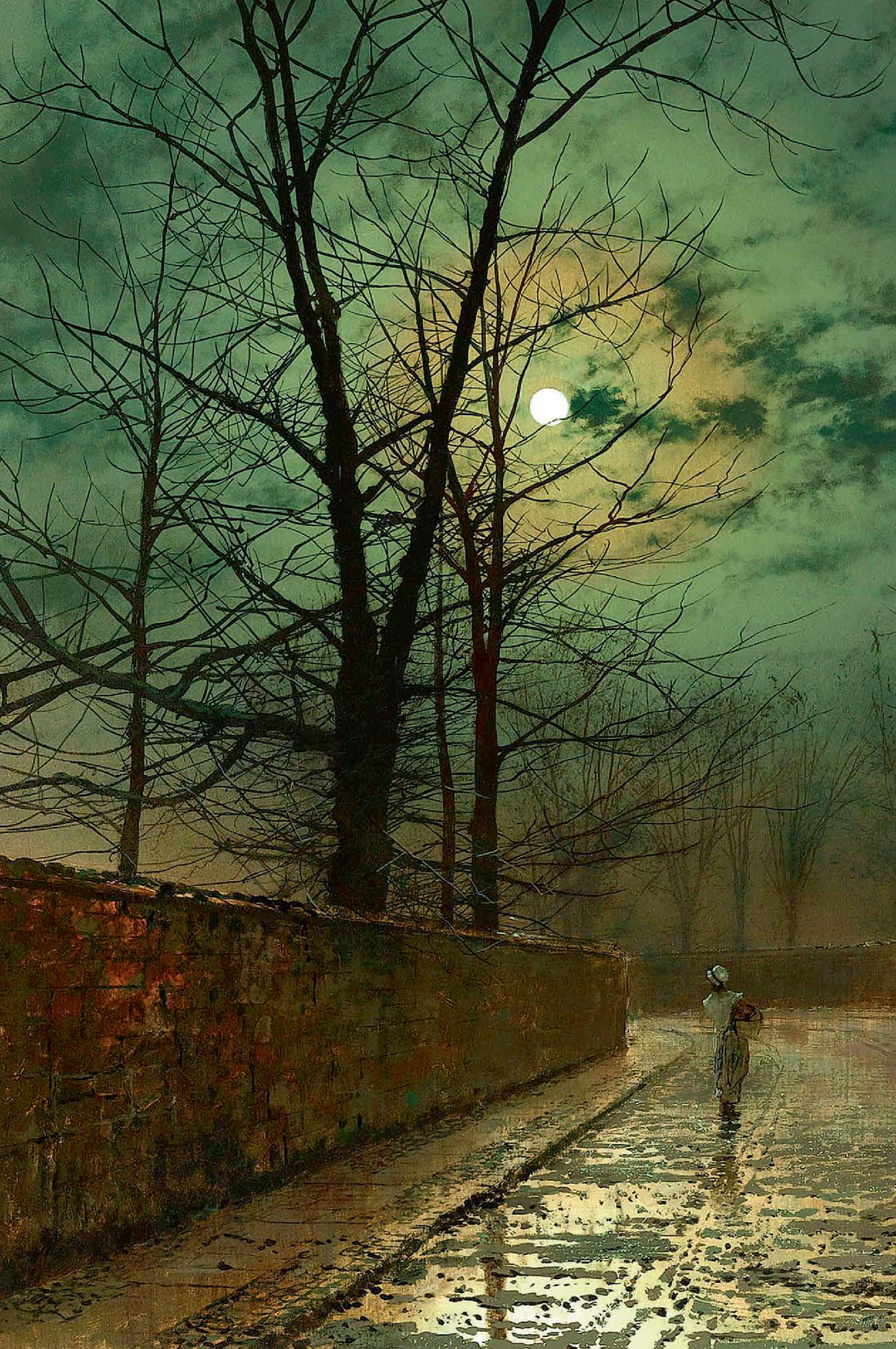
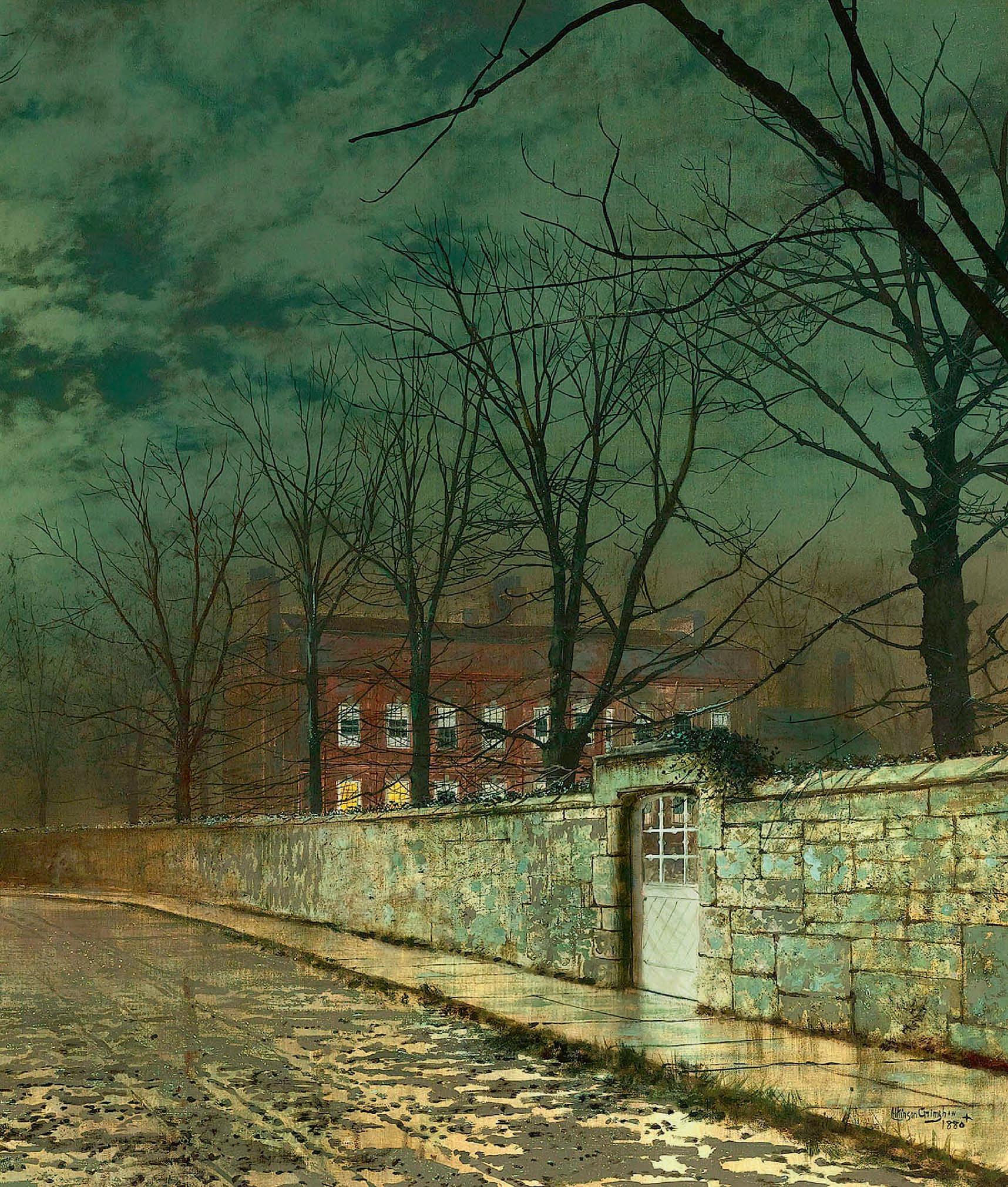
Grimshaw’s impeccable attention to detail allowed him to master the style. Such is seen in his painting entitled A Bend of the Road (Plate 10.5). Just as in his earliest landscapes, here too Grimshaw captured every detail, from the wispy tree branches to the reflective pools of rainwater accumulated in the ruts pitting the road. What is perhaps most striking about these nocturnal scenes, however, is the surprisingly realistic sky. So impressive was Grimshaw’s skill that American painter and close friend James McNeill Whistler once commented: “I considered myself the inventor of nocturnes until I saw [Grimshaw’s] moonlight pictures.”11 Grimshaw’s moon glows as it would in the nighttime firmament, obscured only by thin strands of translucent clouds that spread across the canvas. Such works, though of a different terrain than Constable’s pastures or Cole’s rocky peaks, nevertheless shared the same reverence for the natural world.
Further expanding the field of Landscape Painting were those artists who centered their scenes of views of the sea. These seascapes were akin to the masterful works of contemporary Maritime painters, but the distinction between the two was that Landscape painters marginalized ships and seafaring folk to focus solely on the craggy rocks and sandy shores of the coastline. A prime example of such a seascape is John Brett’s work entitled Port Gwarra, Cornwall. Here the sunlight illuminates the sandy rocks that tumble into the turquoise sea. A ship’s sail is barely discernible on the horizon, overshadowed by the water’s whitecaps. Brett was renowned for the technical precision of his seascapes, capturing the same atmospheric elements championed by his fellow Landscape painters.
Meanwhile, Landscape Painting was flourishing elsewhere in Europe. Artists in northern and eastern Europe were inspired not only by their 17th-century artistic predecessors who had established the tradition, but also by contemporary German artists, such as Caspar David Friedrich. Friedrich, who was rapidly becoming northern Europe’s Landscape Painting master, grew up in a relatively rural town in northeastern Germany, so, like Constable, he too was blessed with a youth filled with exploration outdoors. Whereas English artists like Constable found poetry and majesty in the landscape, Friedrich instead developed a contemplative, almost spiritual, connection, which he in turn expressed in his brilliant paintings.
When Friedrich first exhibited one of his landscapes in 1808, it met with tepid reviews. Like Constable’s The Hay Wain, it seemed that the German public was not ready to receive Landscape Painting. Nevertheless, Friedrich gained a great deal of publicity for his novel approach, and word of his impressive paintings spread rather quickly across Europe. Within only a few years his paintings were in high demand, and by 1820, the soon-to-be Emperor of Russia, Duke Nikolai Pavlovich, traveled (on his wife’s behest) all the way from Saint Petersburg to Friedrich’s studio to buy several of his paintings, a collection that would mount over the coming years.12
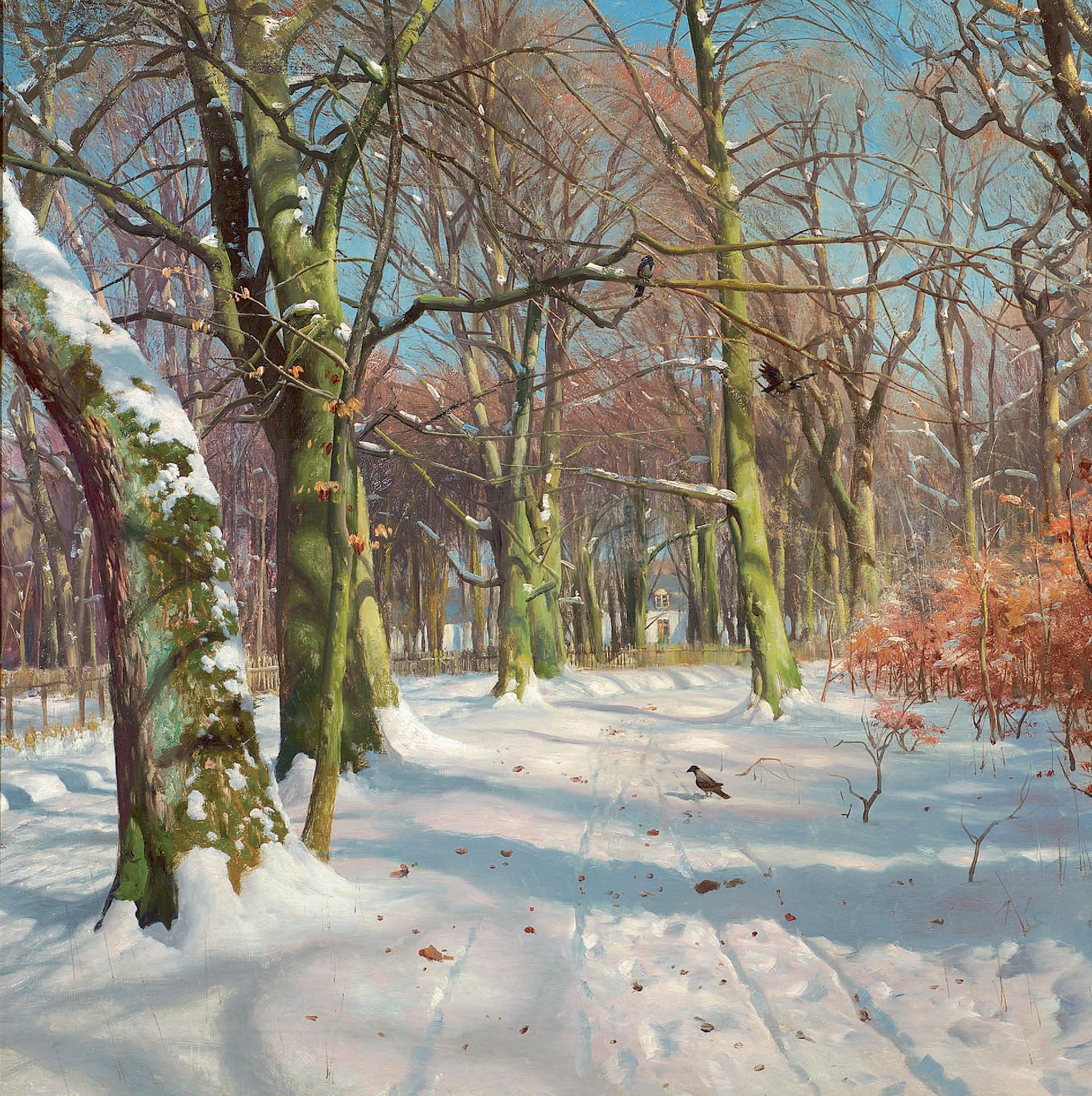
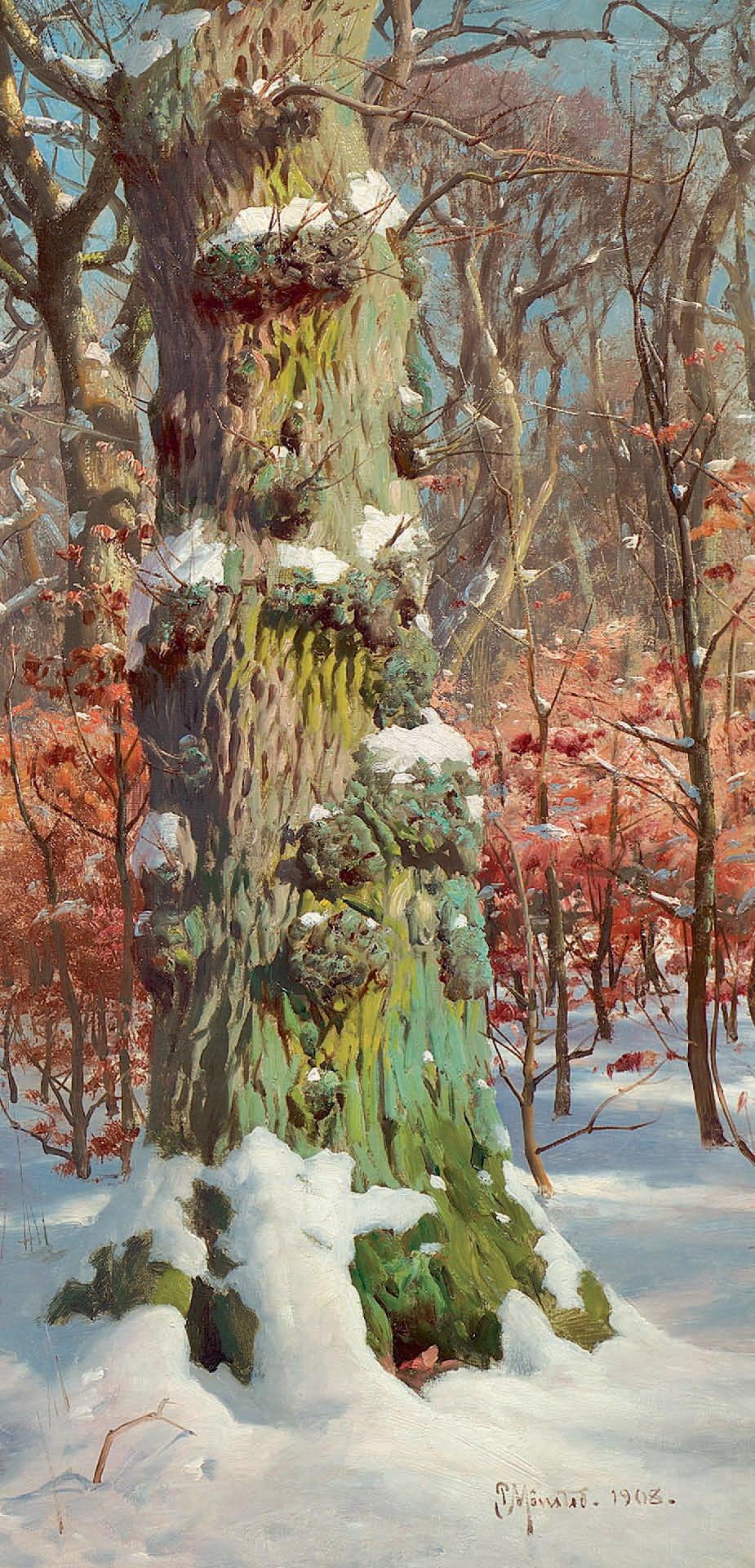
With Friedrich’s increasing success as a Landscape painter, other artists in northern and eastern Europe channeled the same passion they felt for the landscape. One of the greatest was the famed Danish Landscape painter Peder Mork Mønsted. A student of the Academy of Fine Art in Copenhagen, Mønsted was exposed to some of the best Danish artists of his day, allowing him to perfect his understanding of color and technique. He carried these skills with him on travels around Europe, even venturing to North Africa in the late 1880s; but the compositions for which he is best-known are views of his beloved homeland. In these works he captured the immediacy of the landscape through an intensified palette.
Taking advantage of the long Danish winters as well as the near-endless Danish summer sun, Mønsted became known as one of the pre-eminent Landscape painters specializing in snow and swamp scenes. This expertise can be seen in his composition entitled Winter in Charlottenlund Forest (Plate 10.6). Reflecting a serenity akin to Grimshaw’s peaceful moonlit compositions, and an emphasis on timelessness reminiscent of Constable’s The Hay Wain, Mønsted’s Winter in Charlottenlund Forest captures the inevitable transition between seasons in the woods outside the eastern Danish town of Charlottenlund. Here, Mønsted depicts the few remaining bright auburn leaves of fall, once adorning the tree canopy, that still cling to the
branches. These burning embers of autumn are highlighted against the brilliantly white banks of snow that blanket the ground, signaling that winter has indeed arrived.
Equaling Mønsted was Russian Ivan Fedorovich Choultsé, who excelled at capturing the hibernal atmosphere. Of particular brilliance were his snow-filled sunsets, epitomized in his composition entitled Soir D’Hiver (Plate 10.7). The vibrancy of the setting sun, muted by the billowy clouds that echo the drifts of snow, created a cold winter scene that somehow still seems warm and inviting.
Painting realistic snow scenes was as challenging as painting moonlit pictures. The success of a Landscape painting is dependent upon rendering accurate perspective that conveys recession into space. Artists imply this recession through variations in tint: that the farther the distance conveyed, the more muted the shade becomes. When an artist is attempting a snow-filled scene this technique became more difficult, as the range of tones is drastically reduced. Mønsted and Choultsé, however, overcame this challenge in their individual styles. Mønsted compensated by relying more heavily on his painting’s vanishing point, a clear point in the background of the work to which all views center. In Winter in Charlottenlund Forest, the rutted road leads the eye backward into the woods. Choultsé, on the other hand, relied upon the intense hues of sunset to suggest depth in his snow scenes. In Soir D’Hiver he used the shadows cast by the setting sun to give depth and dimension to his snow banks as they lead away from the river.
The field of Landscape Painting in the 19th century is without a doubt one of the most diverse of its day, not only in the terrain portrayed, but also in the painterly techniques used to render them. From Grimshaw’s moonlit tableaux to Mønsted’s snowy scapes, it is remarkable that such variety would blossom within only a matter of decades after Constable’s revolutionary reawakening of Landscape Painting. Yet, for as much diversity as was produced, this field of painters nevertheless all shared an unyielding passion for nature combined with an uncanny ability to capture the momentary qualities of terra firma, from sky to sea. The fleeting, transitory quality of their paintings at the same time elicits a sense of universality, allowing these compositions to astonish all who view them. At the time of their creation, these paintings reflected the contemporary culture. For some, these works were emblems of national pride; for others, these panoramas hearkened back to a world yet untouched by industrial intrusion. These elements have since given way to a more universal love of 19th-century Landscape Paintings for their intense and eternal beauty.
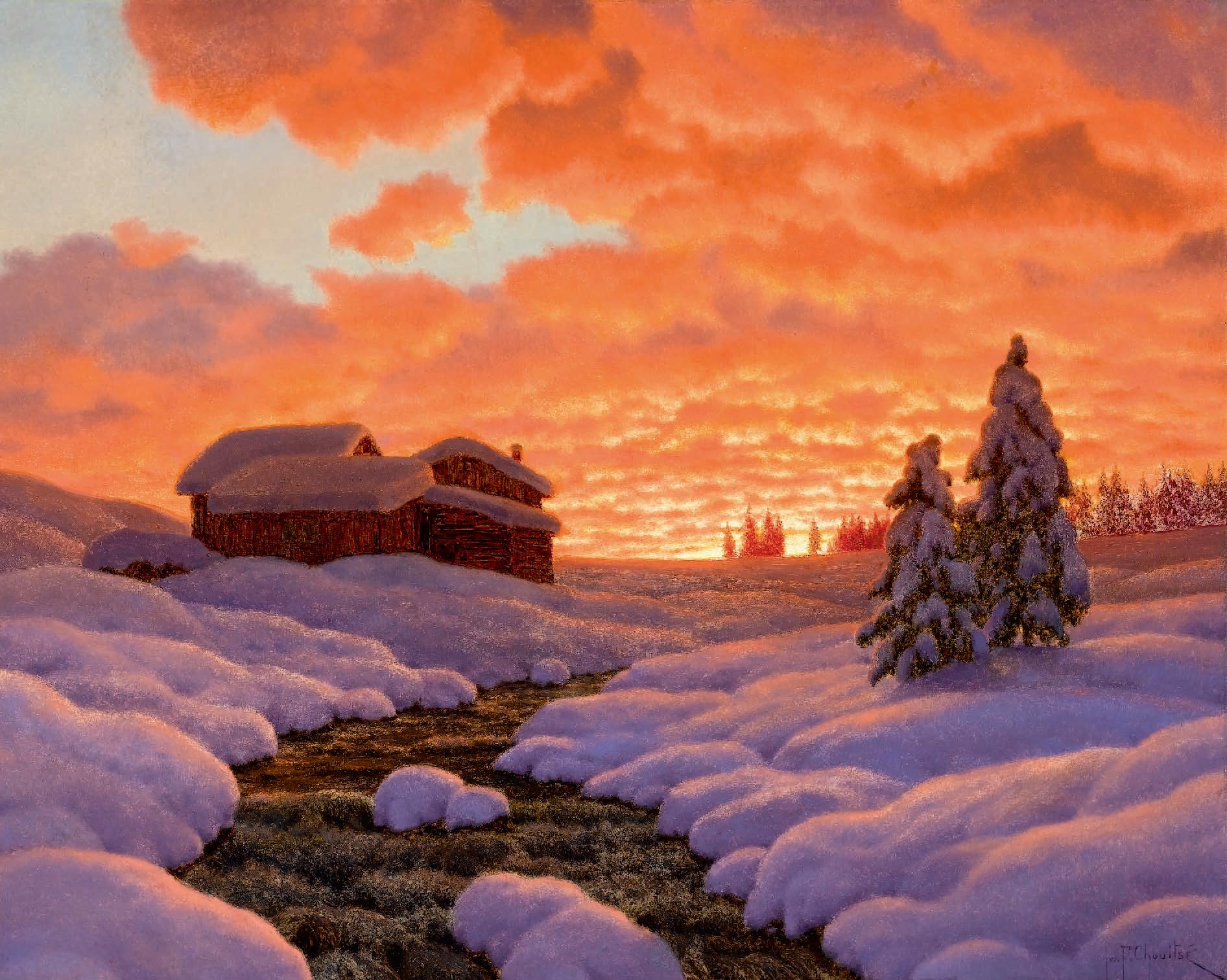
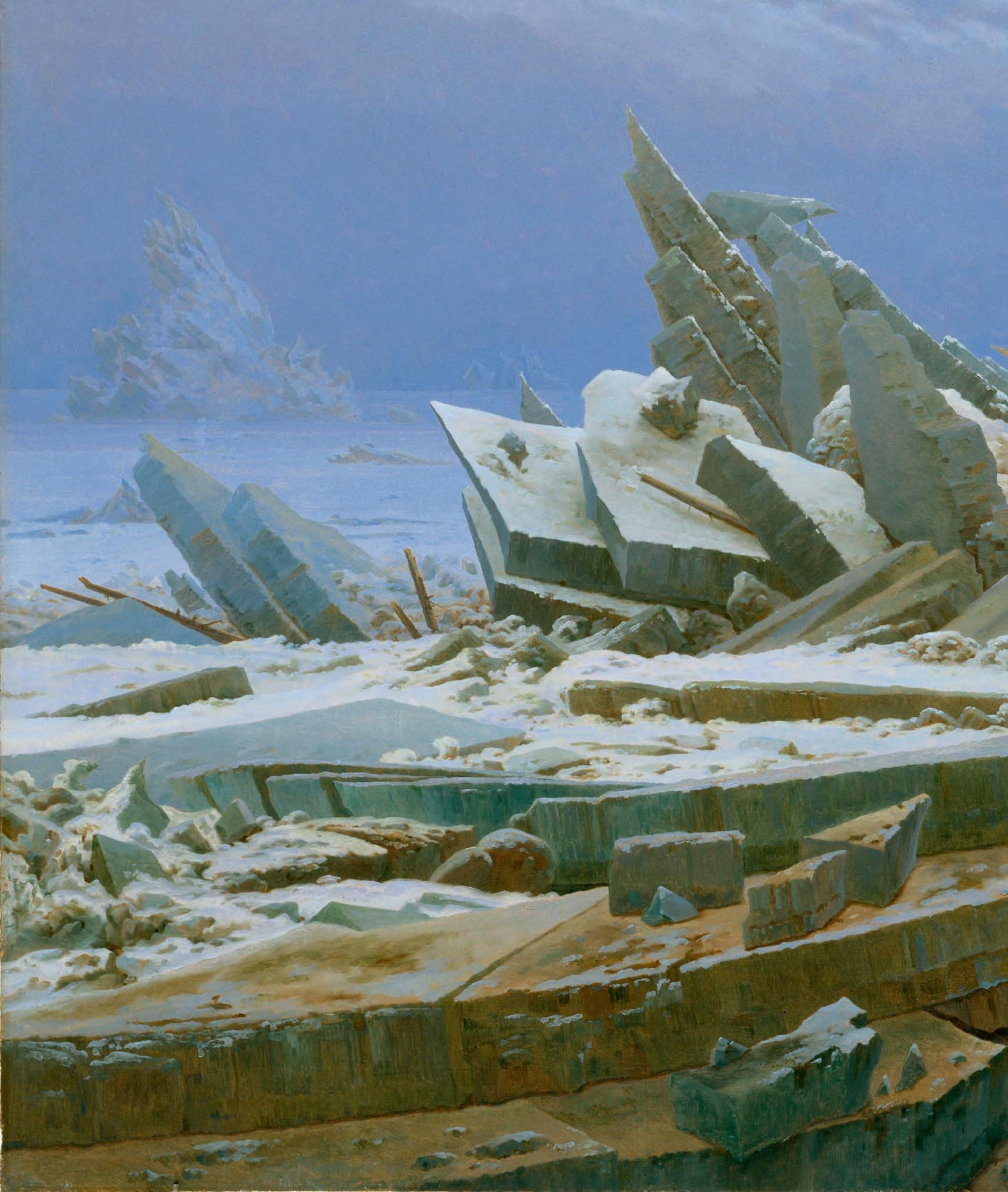
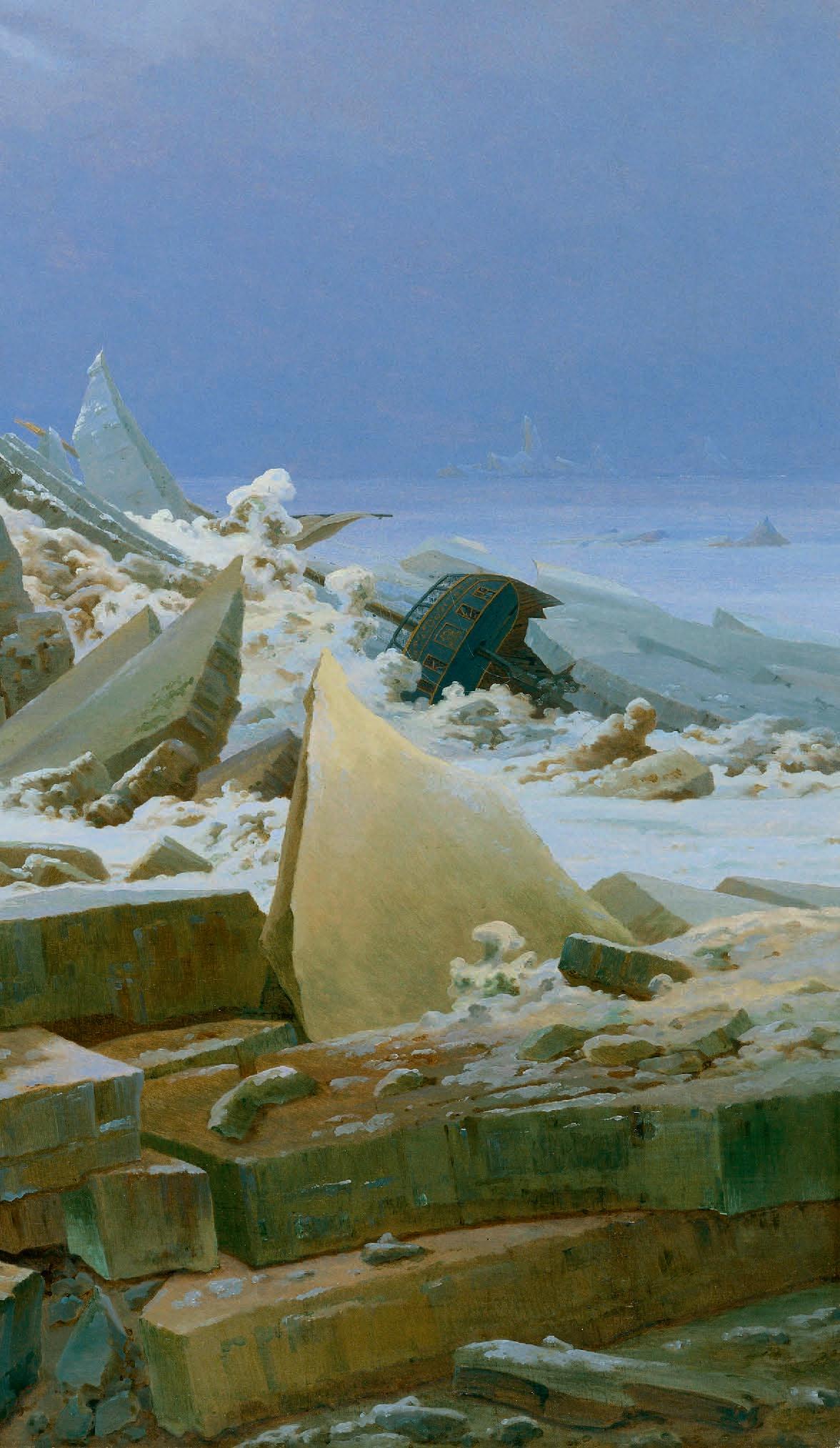
Plate 10.8
Caspar David Friedrich, The Polar Sea, 1823-1824
Oil on canvas, 38in. high x 50in. wide Hamburger Kunsthalle, Hamburg, Germany
BPK, Berlin/Hamburger Kunsthalle/ ElkeWalford/Art Resource, NY
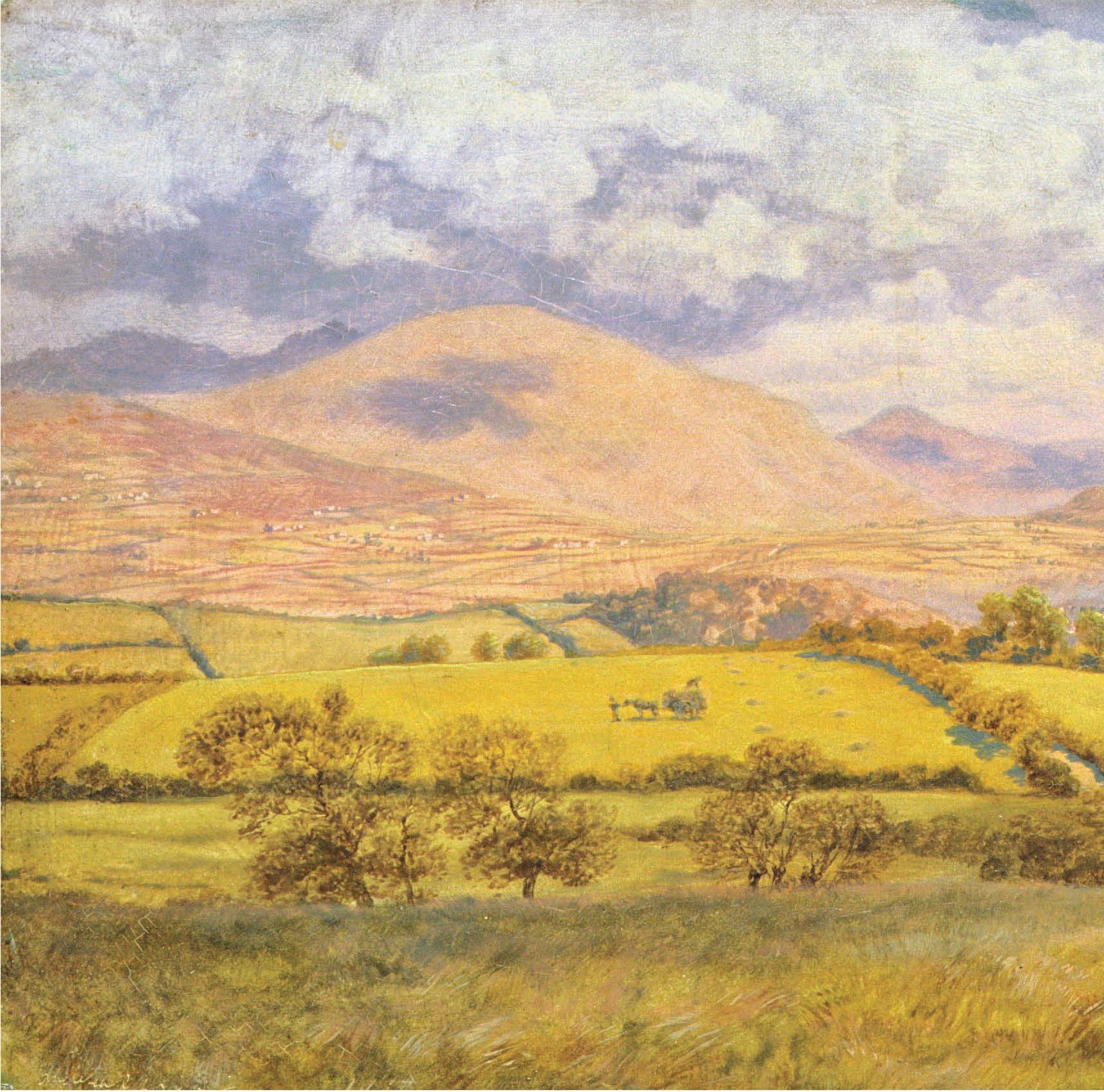
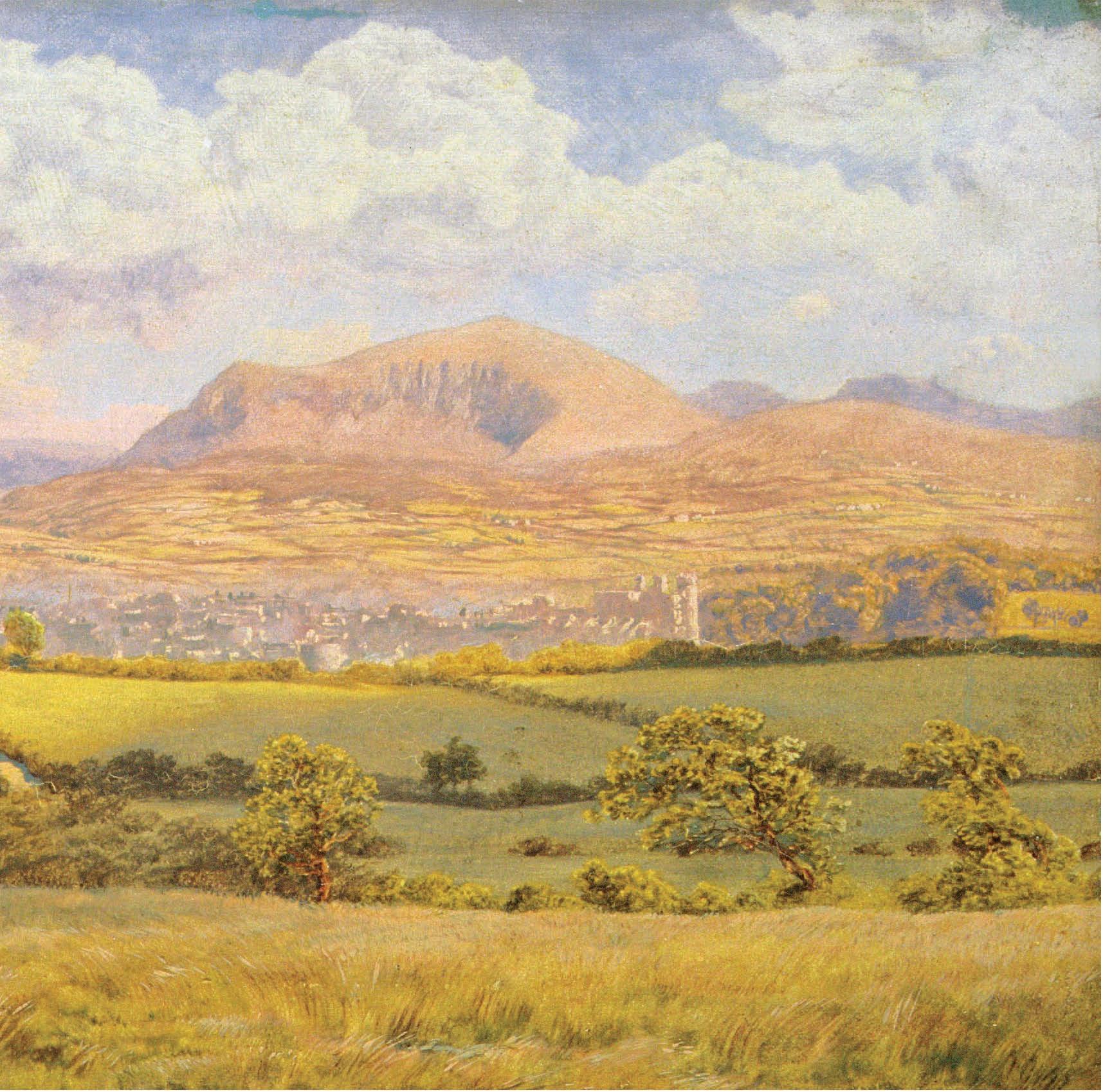
Though John Brett was close friends with members of the Pre-Raphaelite Brotherhood and adopted the group’s meticulous attention to draftsmanship, he never wished to espouse the Pre-Raphaelite subject matter. He was particularly inspired by William Holman Hunt’s approach to landscape painting, which embodied this detailed precision for which the Pre-Raphaelites were known. Brett adopted a similar style and applied it to his views of the coast and the countryside.
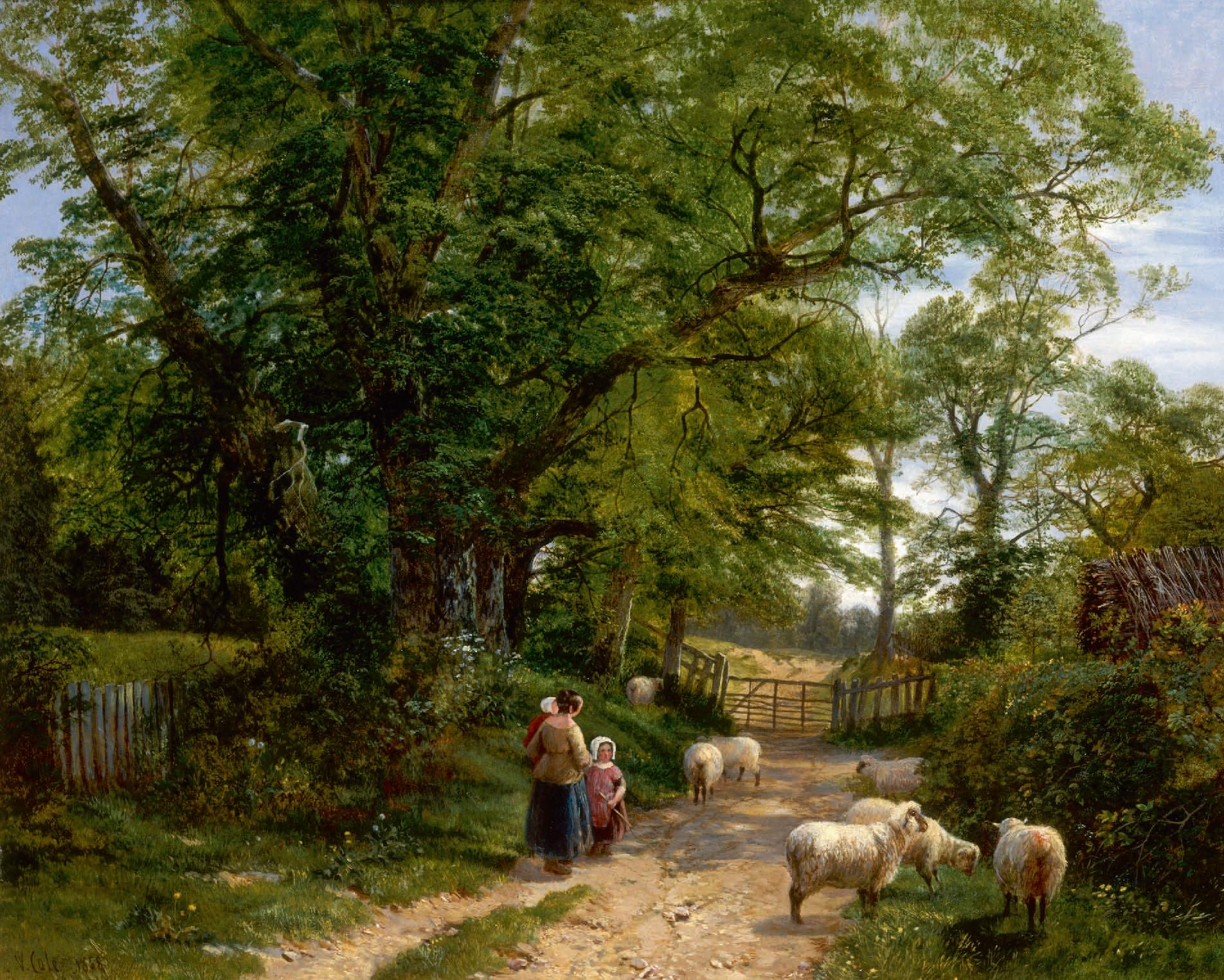
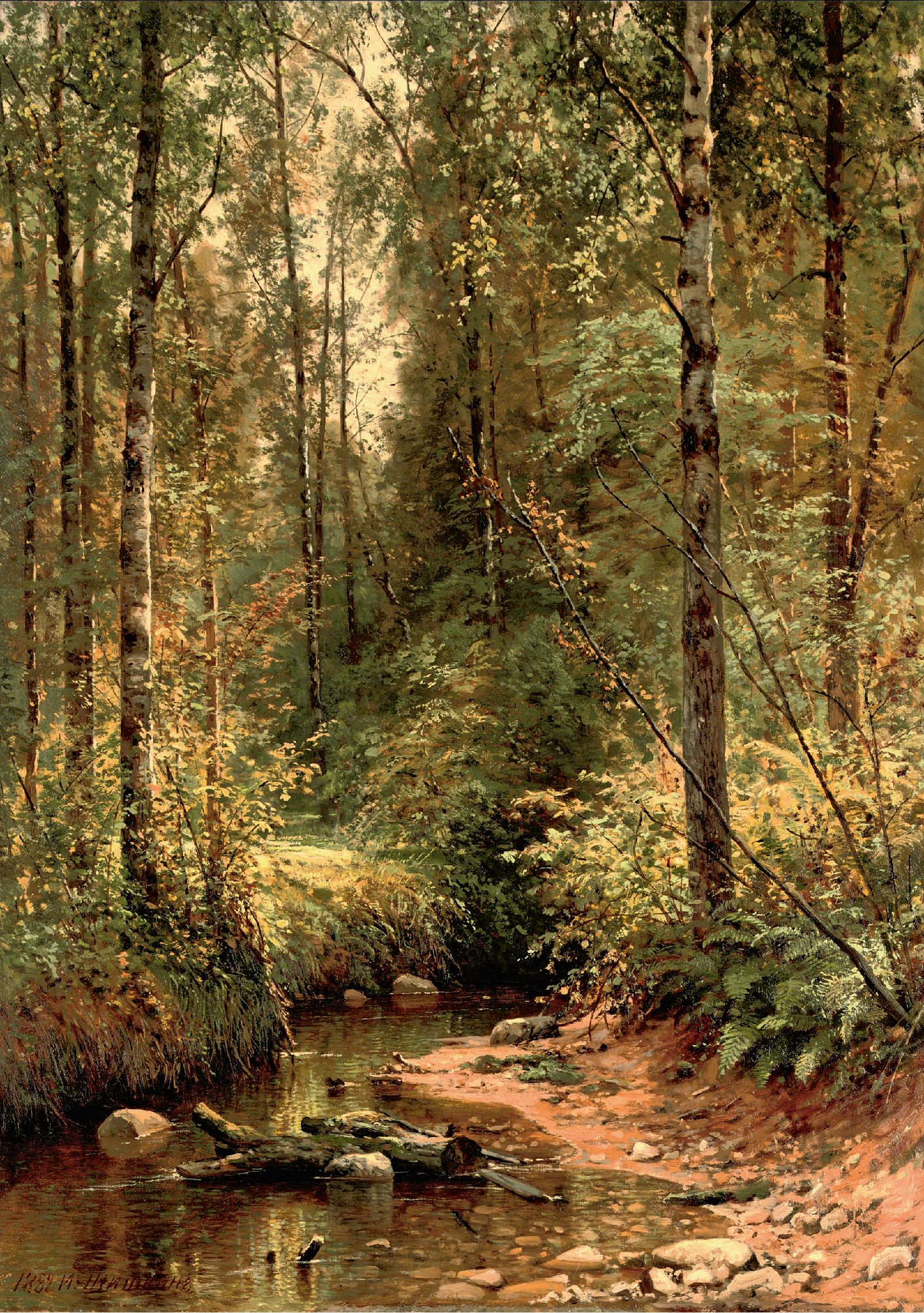
Atkinson Grimshaw, Under the Leafless Trees, 1880 Oil on canvas, 33in. high x 48in. wide Private Collection, Illinois