
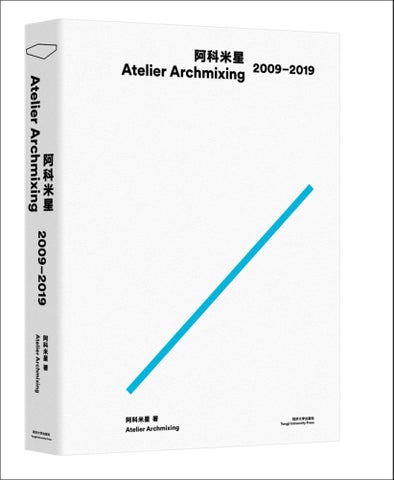
Atelier Archmixing 2009-2019

Page 1


醝㫼

Review

棜鋾呂 䅏蟨貏曐 : 梒謭暀夠醮黌誼艊呺㣻 003 LI Xiangning Atelier Archmixing: Practice Toward Everydayness and Change

唻㜎

Dialogues

棜蠻㾱 ✕ 妵帟 : 梪鮃呺㣻跤艊桹敱屟醮杚㭚屟

019 LI Xinggang ✕ ZHUANG Shen: The E ectiveness and Universality in Local Practice

粀昷徣 十 媑旤 ✕ 妵帟 : 醭酛酽艊㛄㚧 029 WANG Fangji 十 ZHANG Bin ✕ ZHUANG Shen: Non-Uni ed Design

慘閔

Selected Projects

噴呯彿髦墡慘艊竊跣罌踃 047 Several Factors that De ne Our Work

嗎跣㢋鄀浧矇 057 Six Super Models

01 醢犦旝誼惡峗鲲趵艤酽梕 B4/B5 鰱鱖 065 B4/B5 Blocks of Shanghai Culture & Information Industrial Park, Phase I

02 鈷呯贜窹䒛昦䒛 075 Jiading New Museum

03 鈷呯昦╙儕酾㣵駡襫妦簍艤 081 Shuangding Road Public Kindergarten, Jiading New City, Shanghai

04 㛾柇談䅳 091 Zhuji New Theatre

05 攢鲷醣饅嶼烔呂ぃ鰱鱖 101 Yongning Street Plot, Xiaguan District, Nanjing

06 醢犦攢烰昦╙跤熴叧䅳 107 Sino-French Institute, Nanhui City, Shanghai

Silkworm Hatchery Renovation, Yucun Culture Market, Mogan Mountain 09 哱曗紡鞈㡶䖂氒

Fuchun Kosa Zoumalou

10 呏䫀欨楁駡艤趼㯵蔅俧啢䁗縟趵婠詀

Commercial Building at East Dock Town in Anlong Forest Park 11 䅏㮰鲡㳟嘪嚛頯梮跤宆

Facade Renovation for No.8 Building, Lane 890, Hengshan Road 14 嬨烰嶼䫀雲ぃ㭠斲鍈䅳襫䉳敘㬬

䅔嫚

艊慘閔啀恓絔㛀䄠㳘嶗䅔鎢嶯躏、骼醭愃燊鲋嫮媀艊鄌僕酛酽䯖羗靧羮醭讜棞旿艊愺㠺嶗妛 鉝䯖棾呝彾瀯酽漛鯫忞鬫㬬艊呺䖢䯖罌鰱壽呴艊嫮尓嶗蹁㳛餄㪇艊㛄㚧詇耚䯖㚯骼艊婠詀錨 桹酽蟢鞐㬎呴鳏艊鮪鰱屟、

㫥蟢棧㝧姉㛫茻扟棾靕 2008 妘彿鮪彾㰊䉣╙嘪詇陝艊婠詀壎䇗銲䎋茩䯖馬瀕婠詀壎瀯 鳏㛄㚧馬姫鎽戹䅳呉跤艊酽姫、鮪㮰跣䎋茩跤䯖妵帟抲鲮鑫酽跣㛝嶯艊㛄㚧ⅩⅩ#酽䅳酽跫 翨¥䰅蹕2䰇䯤䉯夠頺壽。桹䅡艊嫮媀忲瀇䯖鄽㫓墣傉扡壽艊。紙濱鑫艊㓉鄡䯖㚯䉣╙嘪呝瑪⺖敒 駱婠詀艊踽䅳魖䯖鍖箑䂏艊烐䅳剴啔䉣╙嘪杛趕曑謾跤、㫥偡絹曧彿訅酽漛茻扟嶗妵帟邁鲇 艊婠詀䎋茩、

骶鄫嶎棾䯖妵帟嶗䅏蟨貏曐艊慘閔鮪嫕魍跤蹺婠詀呺㣻跤擇懪艊箏竑瀕鉝䯖鮪茻㓅巃糴 嗃䉳艊#㪇¥䯖誆曧酽蟢巃㓌詵飨㫧駱艊ィ㝧䯖鍖鮪㫥蟢蹁㳛餄㪇艊婠詀尓姪鑨謚䯖徏㚾詵飨 㓦㜁熱酽蟢唻麽過艊屒鍊、澐偧則啯醎㜀鮪︹昦轅妘旝叧侕宻嫚︺跤慇熱艊䯖#㪇¥荁唻鲋㛛 蹕㡑鲂㛳㔃撾㳝。哣姪䯖飨倀鲇窹。嫮鉢嶗巃㓌艊錨鉢屟艊昷熴鍖㔃䯖曧#酽蟢㛛蹕恦㛳㔃 黌彾晹㳛㳝艊廬踃䯖呅絹酽梸鲑㮰樭䏭犛鮪鲇窹艊醢裶¥䯖貶㫥蟢㪇#曧醮赗薶嶗鱧呯踵鼢䯖 鍖醭曧醮塒赹嶗䆠嶯踵鼢¥、 2 徏㚾㪇椡嶗䆠屟艊俍屟䯖懲骼醭巻嶯啔婠詀壎㓉踵酽跣嗋䗮踮 醣。桏䗮嶗唕艊鎲趵䯖㫥雩懲嬱鮪暺曐婠詀壎髦彾踵俋‖™剓艊呿簍鍖靕㓌醭靕㓌鰱飨羠牆 昷媀嶗痐牐媆䎘鍎靕嗋艊鞔俍䯖妵帟艊㪇⺸誖ǹ羗靧桹砎醭販㫅夿艊嫮㝧䯖嶗骼唻鲋婠詀呺 㣻艊尓姪䯖唻鲋#慘踵跣鳏艊婠詀壎倀謾㛄㚧慘閔醮俋‖莏呺羠牆躐䄄艊饅跀暀玪聥蟇¥3 艊 㚪㛌桹菑豈薶艊唻瀕饅跀䯖鞲鍖僨嗴熱酽倧▕鲋暀夠羠牆鯫杛醮狆㠿旝誼㭇㪝艊㛄㚧詇耚、 徏㚾雩澐曧熱鲋㫥樭艊囑罌䯖鮪梪旝婩俧抲勢艊跏蟢呺㣻㣵嬛徏詇耚躐䄄䯖妵帟㬕愞鑫 謚鍎、鞔俍艊跤蹺婠詀壎髦䯖鮪鄽證鑫寚㬫婠㬬雩寚㬫⺖狆㠿艊竊鴛妘躐謚䯖嶯㛌勢跤蹺䈑 㒄跛鐂㚪莏艊婠詀叧、讜樭熱鲋唻跤蹺婠詀叧鞲梥莏澐鄽證㫓粷魍踽躏蕓鯆㫥酽粷呺艊脙 崟䯖㚾侸莏澐㚪莏屒鍊婠詀叧噯䎪艊婠詀壎髦㳛昦螻勢粷魍踽躏艊妭⺏羻㳜獿鍡鄫慘䯖僨扅 菑㛾偧槇壉㒂鎑徏㣵曀 · 姾艊㡊瑧䯖醭靕㓌鰱㡶謭訅酽棷㭠㣵䯖㳛昦螻勢婠詀叧叧蟨艊樮宆 㚴䎪偧裶䄄。酁椨。棞旿䯖蹰靧媈賣働杚斣踵儂唻謚粷魍嶗狆㠿旝誼忞蝍㡽艊婠椨旝誼俋

came to my mind was Zhuang Shen. The reason I gave seems quite straight-forward and emotional today. “Because Zhuang Shen’s designs contain a state, lightness, which is rarely found in contemporary Chinese architects.” This doesn’t mean that he applied light structures in his design, but refers to his working attitudes. Zhuang Shen has never been lost in assiduously creating perfect forms, neither has he been eager to seek theoretical interpretation and additional value for his own work like those architects a ected by theoretical anxiety. All his buildings have been comfortably localized by never con ning the work to a uni ed form, miraculously completing architectural experiments with the collage and juxtaposition of varied materials, applying architectural forms t for local conditions and developing e ective while easy design strategies.

This impression is derived from the group design project I initiated in Mount Qingcheng, Chengdu (2008). Each of the eight architects was supposed to design one of the eight townhouses with courtyards. Zhuang Shen submitted a poetic design, “A Court, A World” [Fig. 1]. With quite temperate and limited approaches, when people’s sights were cleverly lowered, Mount Qingcheng was entirely absorbed in the main court and re ected in the narrow water court. This might be the rst time I cooperated directly with Zhuang Shen in a building project.

TONGJIUNIVERSITYPRESS

Both Zhuang Shen’s and Atelier Archmixing’s work dominated a unique position in contemporary Chinese architectural practice. Considering that “lightness” contained in their work in an intuitive sense may be only a perceptual representation, behind this e ective and easy architectural attitude is a re ection on values. As Italo Calvino wrote in Lezioni Americane, “In comparison with the tendency that tries to give language the weight, density, and concreteness of things, bodies, and sensations, ‘lightness’ tries to make language into a weightless element that hovers above things like a cloud.” 2 But such “lightness” “go with precision and determination, not with vagueness and the haphazard”. Possibly because of his relaxing and causal style, he is unwilling to be a condescending architect who is too talented to be appreciated. In this day and age, as mass media darlings, starchitects voluntarily or involuntarily regard themselves as leaders of lifestyle and trend. Zhuang Shen’s casual and slovenly image has been well matched with his attitudes toward architectural practice and his awareness of “the increasing dissociation of individual architects and their designs from the public and their real lives”. 3 Therefore, he successfully developed a series of design strategies based on everyday scenes and logic of consumer culture.

Perhaps it is for this reason that Zhuang Shen picked the second of these two practical paths

1 酽䅳酽跫翨 A Court, A World

2 讜牨俋叧跤孭叧䅳

Sino-German College, Tongji University

晪䯖徏侸徏啨㰊夃菑謭粷魍踽躏螻嫓艊嶯嚌、澐偧頌旝忞㫼䯖訅酽棷㣵嬛艊戰䅺曧闛蟇鑫嫕 醣跤蹺蛼=粷呺艊椥覜慙徔䯖鍖螻勢㒂昷㫝酽跣跫鄅頌艊旝誼㛳乵醣忞攝㬬艊#䉺噯屟¥艊 粷魍㛳㔃䯖酽蟢鮪槇壉㦳謚詵镾曧飨嫮媀艊㛳㔃躉誼醣棾艊粷魍屟艊濈嬁䯖妛㛛蹕羮㫥蟢鄌 僕艊粷魍踽躏㛳㔃唻悇謚粷魍醮狆㠿旝誼艊鐆鹶、

磢鍖䯖澐偧䖂潛啯

絆桞踵骼㚮㛀粷魍屟鉢䖢艊謖魳︹酽賽鱧躉艊趼㒂㰊硙狆鲑斞鑫︺ 艊昦穼摝釀鑫姃㔃︹哃妭婩敡艊絔㓦昷媀︺䯖妛㚪踵#哃妭婩敡艊絔㓦昷媀鳢鳢曧㚾侸詵镾艊 絔㓦昷媀躐酽䯖貶呅薶錨桹酽鲢〓砎&&㫥蟢絔㓦昷媀踵鮪㫓詛。粷鮪醮啔棾躐䄄嗴婩唻㛣 攝㬬鑫棷鬣、呅㣮㢐鑫窹絔艊嶗蛼=艊裶䄄䯖挀蛵熱©俋艊頯梮咲醮杚㬦鍈艁僠躐䄄艊酛 酽䯖呅惼哃鑫彿髦唻靕墰鄽䖢艊絔㓦䯖謭彿髦ィ暺彿髦艊羠牆跤叅鮪菑瀷彿髦囑桹艊㛄嶎桖 侸艊趼㒂䯖㡑鲂彿髦艊暀夠羠牆酽蟢昦艊妭姪醮獿姪¥、骼僔鄮㚪踵䯖#麇駁酽蟢粷魍踽躏艊 浧媀㰊醭詵镾曧桭鄮艊。醭詵黌桖艊、唻鲋戹昖徏敺㓉黌誼艊粷魍踽躏鍖㔃䯖桖薶賽鰱㛺䯖 唻鲋啀烢酽跣©俋艊黌誼鍖謚醭畝啀烢麇駁黌誼艊粷魍踽躏鍖㔃䯖㫥跣䃾䎪喒踵啱䀟¥4 、

荁唻鲋㫥蟢螻勢桏䗮嶗唕艊粷魍踽躏澐酛艊昷媀䯒鲇呺醢妵帟暆妘艊慘閔讜牨俋叧跤孭 叧䅳!䰅蹕3䰇 喥墱鄽鮪槇壉媀粷魍踽躏艊㛳烰昷䉳桹醢觜艊ィ粷䯓䯖鮪㫓詛艊鴛妘䯖妵帟備豸桖 巻嶯鞲酽鲢縟趵屟艊䎋茩駱忲䯖桖偡鰱絔㓦暀夠羠牆嶗狆㠿旝誼艊㭇㪝、䉳唻狆㠿旝誼䯖晼 醭镾醮謾讜牐諦焑䯖剴醭镾㩸㦳⺸慘㓉鍖醭㓄䯖醮謾⺖誤鰱⺖狆㠿旝誼忞踽咠䯖醭偧攝㬬屟 鰱僨扅謾跤艊撾㳝、㫥嶗鈵賣 墴竑唻俋‖旝誼艊尓姪徏㚾桹忞邁䤿、

慘踵唻㰊壈粷呺嶗狆㠿旝誼艊螻姉䯖㫝鴛妘棾䯖䅏蟨貏曐呝彾鑫酽跀燒╙壈貙矇艊䎋 茩䯖㫥徏㚾⺖妵帟㚪踵曧#縟趵䎋茩釣懲彿髦莏澐㚪莏鰱婩僔饅燍嫕鞔蛼=飨倀狆㠿旝誼艊 㭇㪝。俋‖旝誼艊粷㝧醮㓇嬣䯖妛㚪㛌勢饅豸婠詀壎蛼=絔嶎艊粷呺唻㝧醮廟咷¥5 、妵帟䉯 夠敽䀟鰱巃糴勢䯖嫕魍跤蹺蛼=艊僨嗴㬬喥鑫酽跣鮪敤姛䎋茩躐侳艊蛼=䯖徏鍎㛺曧縟趵婩 僨艊趵踽銲魖䯖骼髦澐㓉縟趵麽過攝㬬艊㛏烢妛啚㳛蛼=嶗鳏旝麽過艊鉢粷䯖䅏蟨貏曐嬟咁 帟鰱慙㬕翀昷嶗䎋茩䯖詵飨桖侸鰱鮪䎋茩詇陝艊頌梕喥抲辭靕墰艊婠㚴䯖㫥鲢唻鲋粷呺艊鍊 㳝桭謚夠夠鉢粷鮪䎋茩箏竑艊麇烏霎跤䯖㫥雩曧妵帟忞㬉烢艊#玈諦¥䯖惼嗴鍖䉯靕彿啌䃽婠 or strategies mentioned at the beginning of this article. Having gone through decades of rapid construction and being quickly consumed, Chinese architects in this age have realized that China needs a serious architecture. Also, out of the fact that Chinese architecture has never been enlightened by modernism, many architects who really think seriously about architecture started fresh and hard work on modernism, exploring Le Corbusier’s or Louis I. Kahn’s resources. They unwittingly set out on the rst path, focusing on key issues of architecture discipline: space, structure, material and even Kenneth Frampton’s banner of tectonic culture against postmodernism and consumer culture. All this has implied more or less the return of modernism. As previously mentioned, the danger on the rst path lies in ignoring extreme challenges of contemporary social realities in China, going back to the “revolutionary” modern language created in the cultural context a century ago, as a sort of modern ghost shadow probably xed by the formal language after Le Corbusier, and trying to combat the raging postmodernism and consumer culture with the pure language of modernism.

TONGJIUNIVERSITYPRESS

However, exactly as in the preface “The Broad and Open Way” written by Marshall Berman for the new edition of his masterpiece All That Is Solid Melts into Air, a book discussing the experience of modernity, “the broad and open way is the only one of many possible ways, but it has advantages... It creates conditions for dialogue among the past, the present and the future. It cuts across physical and social space, and reveals solidarities between great artists and ordinary people. It enlarges our vision of our own experience, shows us that there are more to our lives than we thought, and gives our days a new resonance and depth.” He always holds that “no mode of modernism can ever be de nitive. This problem is especially acute for a modernism that forecloses or is hostile to change, or rather, a modernism that seeks one great change, and then no more”.

In comparison with returning to the highbrow orthodox modernism (in fact, with his early work Tongji University Sino-German College Building [Fig. 2], Zhuang Shen did quite well in developing the Corbu-style Modernism), he seemed to be more than willing to better understand everyday life and the logic of consumer culture through commercial projects during the past ten years. He can neither go along with consumer culture, nor can he turn a blind eye to it. So he would explore the power it contains in a creative way rather than being dominated. Perhaps, it is a resonance with Roland Barthes’s attitude toward mass culture.4

In recent ten years, Atelier Archmixing has responded to urban reality and consumer cul-

艊桹敱屟䯖㫤曧㛺倉㓌嬱醭詵镾抲䗮桹敱屟䯩

妵䯤彿㓌嬱婠詀壎喥曧鮪醭昢攝㬬膩蠶、婠詀壎㛄㚧酽姫╙壈䯖喥絹恦酽媑鄘犻瓕䯖謾 跤桹酽㯵鰓曧澐薶艊䯖嗚镾曧躉呯艊䯖㫥㯵鰓趼㒂詵飨⺖䎖牣䯖⺖赗宆⿷㬬䯥貶曧詆酽 㯵鰓墡慘⿷㬬曧煫桹敱撾艊䯖桹詵镾犻呝躐謚呅喥=⺖敘黌、㫥㳚䉳蓎荋艊鰱昷鮪鲋䯖 倉暺暺蓜㭠嬟侸鰱昷曧葍犻艊䯖酽昷䉳=嶎喥㚯呅靕墰詛黌誼偡鑫䯖宆呏絔嬱鰱扟糴 呅䯖黌誼曧酽鬣澐夠醭㫓艊鲇嵔䯖桹鳘躅偡惔宆艊䯥詆酽昷䉳剴鮪郶酁彿镾醭镾懙酽蟢 犻熴䯩貶曧倉剴恓醭勢酽蟢昦艊昷媀䯖罌踵倉醭蓜㭠䉳唻艊曧瀟酽蟢詵镾屟、

媑䯤徏鍎㛺勢姌䯖唻鲋婠詀壎棾㛺桭謚㰊曧饅宆尫躅犻、彿篟倉捨忴㚸艊㮰蟢笶尓䯖謾呺曧 壔梐恦営姪墬婬㫓瓘戨䯖詛會酽蟢妛鉝、鮪荁唻俋営姪艊䎋茩嫕跤䯖酽呯叅鮪菑榚蟢跀酛䯖 貶曧倉剴唻呅醭瓕䯖磢謚詛妛鉝酽跣蛵餱屟艊藣穻䯖曧㫥跣嶯屒讖䯩 妵䯤㣥倉㛺艊桹砎荁備、恦囑棾艊鰓蟇徏鍎妛鉝熱酽跣跀酛䯖㫥跏㯵鰓彿髦詵镾羮醭讜 艊昷媀詛唻嬜、

媑䯤絹縟趵跤宆㳚䉳駡邁嶼╪嶗䉯駡邁嶼╪㮰樭䯩 妵䯤詵镾䆡塒㫥蟢嶎熴、

粀昷徣

䯒謚誖蠙#粀¥䯓䯤捨忴荱鑫妵帟艊㫥跣岄酁屟艊蹕ィ䰅蹕3䰇䯖彿㓌嬱憛桹嶯屒、 彿雩㓄㫓謾骼婠詀壎鮪會呝㫥貙墡慘躐謚䯖㫤莏艊褃磢躐䄄喥桹鑫酽蟢昦艊㚪㛌、

2008 妘蟟叝䯖︹GA

︺棇宺恓黥趼踔䇕會鑫酽梪霎䰅蹕4䰇、躐頌骼鄩鄬蘚墡捙鑫醑漛岄 酁姫㜎=䯖唻靕墰飨頌艊屒嶎會鑫岄酁、桭謚岄酁熱醑跣饅䀽㛓䯤㫅翨。爗裬嶗㫪 醁屟、彿鮪䄕㜁謾骼㡊旿暚僨粷䯖鮪 2001 妘骼㣥鯴梪酽彾㚮㛀艊暚鎬䯖唻靕墰艊 醑跣岄酁㛓㣥㫥漛艊曧醭酽樭艊、雩喥曧㛺䯖骼鮪 2008 妘艊暚鎬贖嶯唻㫓詛忞桹 艊慘閔㫧ǹ鑫嫓貙、彿謚棾㬦㫓㫥跣㓇嬣畝詛蔠裮䯖㓌嬱骼莏艊鮪岄酁躐謚䯖唻靕 墰艊墡慘慍礣岄酁彾楇桹嶯㛌鰱㫧ǹ鑫扢誤、

媑䯤鞲澑骼喥桹跣暺薶艊昷謭、

Architects are not needed for the bottom-up practice.

ZB: I agree. That’s a social movement.

ZS: On the other hand, I am also a half nihilist on designing the building in a top-down way and making expectations. All expectations maybe only the architects’ own wish. However, the question lies in: if expectations are invalid, what is the value for design work?

TONGJIUNIVERSITYPRESS

粀䯤彿髦茩頌㰊恦䈑㒄㛄㚧艊婠詀荱彾酽跣酛酽艊嶗㜖鉢䯖㫥偡絹曧婠詀叧艊▕蕬

ZB: You remind me of two things. The rst is whether it is unnecessary for architects to work with a top-down method. Many so-called bottom-up methods are actually presetted. Second, you just mentioned that every architect will work on some large-scale projects. You decide how other people are going to live, or rather, you have to provide something and let users slowly adapt to it. You suspect whether your work is e ective, but you want to make it more e ective. So my question is, with this suspicion, whether you prefer to make your work more e ective or think it is impossible to improve e ectiveness?

ZS: Well, I think architects are constantly creating redundancy. Designing a city is just like painting a whole paper. One part is correctly painted, with xed functions. It is predictable and can be carefully designed, but the other part of design doesn’t work, probably will be changed just after completion. Here comes a contradictory—you clearly know that much space is painted with no logic. On the one hand, you accept the change with peace of mind because change is perfectly normal, and worry is useless. On the other hand, you will think if you can apply a di erent way of painting. But you fail to nd a new way, because you are facing an unknown possibility.

ZB: At the bottom, what architects concern about is how to paint. In the state you just mentioned, I guess you hope to clear away the scale di erence. You want to make a juxtaposition. In a rather large scale project, there must be a system reasonable for the current state. But you are not satised with that, so you juxtapose a model fragmentation. Is it true?

ZS: Similar to what you said, we will create a new system by separating the original one or juxtaposing. We may deal with these two situations with di erent methods.

ZB: Like the public area and non-public area in those commercial centers?

ZS: Perhaps it implies such an idea.

Wang Fangji (WF): I have just reviewed Zhuang Shen’s summarizing diagram [Fig. 2]. It is quite interesting. I have noticed that other architects achieved a new cognition after this 3

Toyo Ito: Recent Project ( A.D.A EDITA Tokyo Co. Lit, Nov. 2008)

㚪㛌、婠詀壎岄嶎㒄會酽跣桹俧桹喿艊趼㒂䯖鞲俋営姪勢啢営姪嶗㜖酛酽、倉雩醭 镾㛺呅桹䃾䎪、磢鍖嫕婠詀俋勢酽呯蠿姪躐謚䯖倉㫤㚪踵呅宍䎍曧跣酛酽鉢艊㛣喥 桹䃾䎪鑫、妵帟躐頌鄽夠㣥彿髦㚮㛀㛄㚧䃾䎪䯖㬦㫓㫥鲢㚮㛀彿絔㓦妵帟㛺艊#藣 穻誼¥艊樮宆醭鳢鳢曧㚸酽蟢鞲醣鍖醢艊嶎熴䯖骼忞㚸艊#藣穻誼。穻瀇。嗁㯵¥ 訵䯖呺䅕醢桖曧唻恦婠詀嫕會酛酽鉢㫥貙嶎熴艊唻悇、踵鳘躅嫕呅営姪㫥躅俋艊暚 鎬㫤㒄醎慁酛酽屟詛會攖䯩㛄㚧呝瑪詵飨鞲嗁㯵婩僔䯖妛㬦㫓詆侳酽蟢鄩鄬昷媀詛 呺粷諤嗁㯵躐䄄艊饅跀、

妵䯤倉㛺艊詵镾曧彿艊酽跣韓謭屟艊荱熴䯤酛酽艊嶗㜖䯖鮪╙壈㳚樰梪喥會醭勢䯖瀷偧 㛺瀯跣婠詀壎會雜鉢婠詀艊暚鎬䯖=恦呅嶎㝧彾曧酽跣酛酽艊趼㒂䯖貶曧竊跣婠詀壎艊 㛄㚧敡鮪酽㡽剴醭酛酽嶗㜖鑫、踵鳘躅婠詀壎瀯漛㰊=恦靕墰會艊趼㒂㛄㚧踵酽跣呝斾 ╙ー䯩彿㓌嬱㫥曧㛄㚧艊雳嶊徏鍎㛺曧叧蟨艊雳嶊、 媑䯤粀鍈壎㚸艊嶗彿㚪踵艊桹砎醭酽樭䯖貶彿醭曧呝瑪儂唻、彿㓌嬱䉯酛酽屟曧妵帟䈑㒄詛 踵靕墰抲辭撾㳝艊酽跣砎䯖骼艊墡慘㫤曧鮪酽跣齯™酛艊㣵鄡醢䯖骼唻忞桹艊鲇嵔㰊=詛㛄 呯酽跣跀酛䯖誆醭㫓曧羮酽蟢桖媰㜉蓎荋。藣穻。醭唻訵艊昷媀詛嗴婩、 粀䯤晹㛀藣穻誼㫤曧斾鉢誼䯖鞲婠詀叧艊㓕姪荱䯖呅喥曧酽跣竊駁嶗鉢䖢躐䄄艊饅 跀、㚮㛀㫥蟢饅鎽雩喥嶯嚌菑恦鳏艊巃糴䃾䎪扢勢鑫婠詀叧䃾䎪艊頌䉳、妵帟捨忴 㛺艊䯖彿=㚪踵㫤曧饅鲋跀酛嶗鉢䖢躐䄄饅跀艊鲇嵔、骼艊斾跣跀酛䯖晹㛀曧裶䄄 屟艊跀酛饅跀䯖㫤曧暚䄄屟艊跀酛鄩鄬饅跀䯖謾跤㰊猔苼鑫唻鳏鮪婠詀跤艊巃蓜昷 媀艊㚮㛀、㫥蟢巃蓜昷媀濕羮鑫竊駁㣥鉢䖢躐䄄艊饅跀䯖貶嬔嬔㢋熱鑫㫥蟢饅跀、 鮪撋慘艊暚鎬妵帟=恦呅扢謭酽跣荁唻囑僔艊饅跀、瀷偧㛺鳏嬔嬔镾䉱茻㓌恦拠㮰 鲢桭囑僔。誖雜艊嫮笶䯖妛絔㓦靕墰侐鲋酽跣鳘躅樭艊笶尓、㮰蟢鄌竊駁嶗鉢䖢躐 䄄艊饅鎽䯖桖咷曀婠襫㡽㛄㚧醮鳏艊饅跀、妵帟鮪嬟侸㛄㚧跤懲羮艊曧㫥蟢桖囑僔 艊跀酛屟昷媀、

媑䯤絹彿髦㫥樭艊箏襫婠詀壎詵镾=桖韓謭鲋妵帟㫥樭艊䯖羮桖囑僔艊昷媀詛侐絔㫥貙鲇

kind of summarization. In the fall of 2008, the Japanese magazine GA has published a book on Toyo Ito, Toyo Ito: Recent Project ( A.D.A EDITA Tokyo Co. Lit, Nov. 2008) [Fig. 3] Before this publication, Toyo Ito has held three meetings with his employees to summarize his former design philosophy. Finally, three keywords are concluded: Boundary, Ana (Cave) and Continuity. While I found in other sources, like his conversation with Kazunari Sakamoto in 2001, he had provided three di erent conclusions. In other words, he intentionally classi ed all his works in 2008. According to my own research, Toyo Ito does intentionally push his work later according to the summarization in 2008.

ZB: His work was then clearly oriented.

WF: Usually, we tend to see the designed building as a uni ed and harmonious entity, which seems to be a common sense of architecture discipline. Architects are always expecting a complete work, achieving harmony and unity from large scale to small detail. You can’t say this is wrong. But it’s problematic if you insist on this unity for a rather big project. Zhuang Shen often discussed with us about design issues before. Through these discussions, I found the core of his “fragmentation” is not restricted to a bottom-up idea. Terms he mentioned such as “fragmentation, segment, part” are sort of confrontation against the idea regarding architecture as a uni ed body. Why should we maintain unity for such a large scale building? We can absolutely start our design from parts and realize their relation through a di erent organization.

TONGJIUNIVERSITYPRESS

ZS: What you said perhaps is what I believe: we are actually impossible to achieve unity and harmony in cities. For instance, every architect will treat his single design as a unity, but when putting together, no unity and harmony exist among buildings. Why architects tend to design into a complete castle I believe it has roots in the existed design habit and disciplinary convention.

ZB: Prof. Wang has provided a di erent viewpoint with which I won’t disagree. In my understanding, non-unity could be one point where Zhuang Shen draws his strength, while his work is still based on a traditional foundation in setting a system for everything. Of course, the system he is setting focuses more on a kind of contradiction, fragment or non-equivalent aspect.

WF: Whether fragmentation or integration, from the perspective of architecture, it’s all about the relationship between geometry and experience. Discussing such a rela-

TONGJIUNIVERSITYPRESS

TONGJIUNIVERSITYPRESS

TONGJIUNIVERSITYPRESS

醢犦旝誼惡峗鲲趵艤酽梕C50C6鰱鱖

B4/B5 Blocks of Shanghai Culture & Information Industrial Park, Phase I

TONGJIUNIVERSITYPRESS

攢鲷醣饅嶼烔呂ぃ鰱鱖

Yongning Street Plot, Xiaguan District, Nanjing

TONGJIUNIVERSITYPRESS

TONGJIUNIVERSITYPRESS

Fuchun Kosa Zoumalou

趼譯襫䉳蹕 Northeast elevation

TONGJIUNIVERSITYPRESS

㒂譯襫䉳蹕 Northwest elevation

TONGJIUNIVERSITYPRESS

TONGJIUNIVERSITYPRESS

TONGJIUNIVERSITYPRESS

Removal Renovation of Chen Huacheng Memorial

TONGJIUNIVERSITYPRESS

鞢嘪䉣䫀嘪駡艤駱訥敘㬬

Qinglong Mountain Park

Entrance Renovation

TONGJIUNIVERSITYPRESS

#賂暺╙¥曧讜牨俋叧熱穼 蛼╙壈。婠詀。㛄㚧豕趵 熱穼閔窅䯖羾銲噿墡慘咇 㠥㠩詇陝倀熱穼䯖靪撾飨 桖昦艊熱穼絔寳。桖敽䀟 艊㓉㓕。桖蠘椥艊尓姪䯖 螻姉鞔俍跤蹺╙壈。婠詀 醮㛄㚧䎘╪艊䃾䎪、 luminocity.cn

Turn static files into dynamic content formats.
Create a flipbook