The theme for National Reconciliation Week 2026 is All In, a call for all Australians to commit wholeheartedly to reconciliation every single day.
THE RISE OF AI
From emails written by AI to automated meeting notes and chatbots handling customer service, artificial intelligence (AI) is quickly becoming part of everyday life.
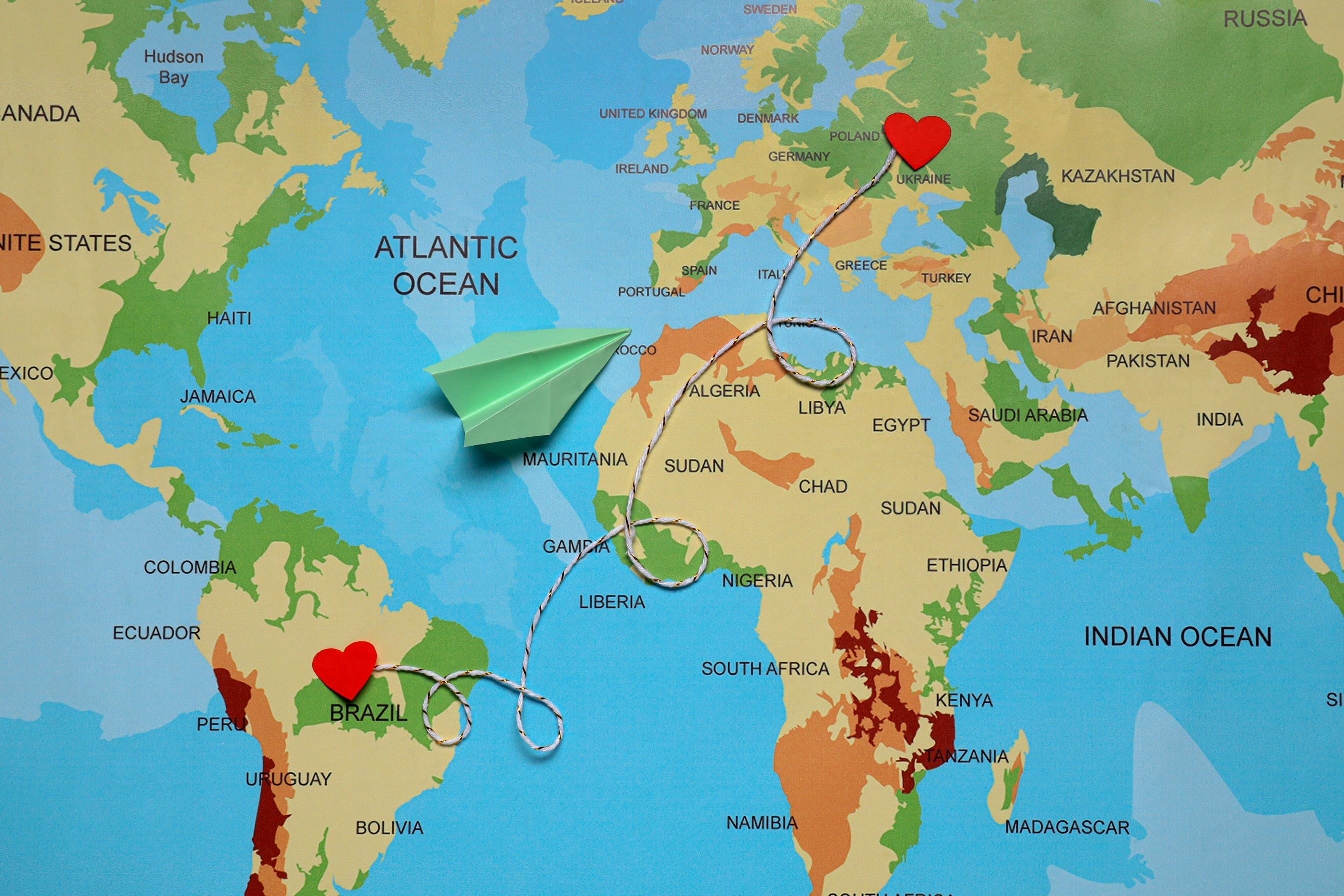
MANAGING LONG DISTANCE RELATIONSHIPS
In an increasingly global and mobile world, many people now find themselves navigating relationships across countries, cities, time zones, and continents
LEADER SPECIFIC SELF-CARE & WELLBEING HABITS
Workplace mental health challenges are costing Australian organisations an estimated $39 billion annually It’s crucial that leaders take care of themselves first, to then take care of their teams
FOOD NOISE
Feeling intrusive mental chatter about food and cravings? Even when your body is not physically hungry?
This is referred to as ‘food noise’, and does not mean you lack willpower or self control
ISOLATED WORK (ALL KINDS)
When isolation becomes prolonged, unsupported, or emotionally disconnecting, it can begin to affect wellbeing, motivation, communication, and job satisfaction.
FINANCIAL WELLBEING IN TIMES OF UNCERTAINTY
While financial uncertainty can feel confronting, there are practical and proactive steps individuals can take to regain a sense of control and reduce stress
FROM THE CEO
REBECCA WEISS CHIEF EXECUTIVE OFFICER
As we move further into the year, many workplaces are beginning to feel the pace and pressure that can quietly build over time Deadlines intensify, responsibilities grow, and for many people, the balance between staying informed, staying productive, and staying well can become increasingly difficult to maintain
In this edition of Acacia Connect, we explore some of the modern challenges shaping wellbeing both inside and outside the workplace. From the rise of artificial intelligence and the impact of constant doom scrolling, to the effects of isolation, financial stress, and digital overload, these conversations reflect the realities many people are navigating every day.
At the same time, this issue also highlights the importance of practical support, meaningful connection, and sustainable self-care We examine topics such as healthy wellbeing habits, managing long distance relationships, and supporting people experiencing alcohol-related challenges with empathy and understanding We also explore the critical importance of psychological safety in conversations surrounding domestic and family violence in the workplace
One message continues to emerge across all of these themes. Wellbeing is not built through one single action It is shaped through consistent moments of care, awareness, and support, both individually and collectively.
At Acacia, we remain committed to helping organisations and individuals navigate complexity with compassion, evidence-based support, and practical tools that make a meaningful difference
As we enter the middle of the year, I encourage you to take a moment to check in with yourself and those around you Small conversations, healthy boundaries, and intentional pauses can have a greater impact than we often realise Thank you for continuing to prioritise connection, wellbeing, and care
From 27 May to 3 June, we will mark National Reconciliation Week 2026, a time that encourages all Australians to learn about our shared histories, cultures and achievements, and to recommit to reconciliation and justice for First Nations peoples
The theme for National Reconciliation Week 2026 is ALL IN - a call for all Australians to commit to reconciliation wholeheartedly, every day, and to take meaningful action to create change.
ALL IN reminds us that reconciliation is not a spectator sport It calls on each of us to step away from the sidelines and actively contribute to a more inclusive and respectful future
The theme also recognises that reconciliation and the advancement of Aboriginal and Torres Strait Islander peoples’ rights cannot rest solely on First Nations communities, who have carried the responsibility of championing, explaining and driving change for far too long.
Reconciliation will not happen by itself. It requires all of us
The #NRW2026 campaign was created in collaboration with Carbon Creative, a First Nations owned and operated marketing and creative agency
The artwork for this campaign was created by renowned Gumbaynggirr/Bundjalung artist Otis Hope Carey, whose distinctive style provides a colourful and optimistic representation of people from all walks of life being “all in” to make change
You can visit the official Reconciliation Australia NRW Week webpage here.
iation value
g r peoples, histories, cultures and futures.
At Acacia, reconciliation is not simply a value we speak about - it is something we actively embed within our culture through our Reflect Reconciliation Action Plan (RAP) and the leadership of our Working Group
DATES & EVENTS Mental Health Mental Health
ALL JUNE Pride Month
MAY 27 - JUNE 3
National Reconciliation Week
JUNE 1
Global Day of Parents
JUNE 5
World Environment Day
JUNE 8 - JUNE 14
Infant Mental Health Awareness Week
JUNE 10
First Responders Day
JUNE 14
World Blood Donor Day
JUNE 15 - JUNE 21
Men's Health Week
JUNE 15
World Elder Abuse Awareness Day
JUNE 18
Autistic Pride Day
JUNE 20
World Refugee Day
JUNE 27
PTSD Awareness Day
ALL JULY Dry July
ALL JULY
Plastic Free July
JULY 5 - JULY 12
NAIDOC Week
JULY 24
International Self-Care Day
JULY 30
International Day of Friendship
AUGUST 6
Jeans for Genes Day
AUGUST 3 - AUGUST 9
Loneliness Awareness Week AUS
AUGUST 12
International Youth Day
AUGUST 17 - AUGUST 21
Bullying No Way Week
AUGUST 19
World Humanitarian Day
AUGUST 20
Daffodil Day
AUGUST 27
Red Nose Day
AUGUST 28
Wear it Purple Day
THE RISE OF AI
ADAPTING WITH CONFIDENCE, NOT FEAR.
Are you feeling overwhelmed or unsure with all the new AI tools and updates appearing everywhere lately? From emails written by AI to automated meeting notes and chatbots handling customer service, artificial intelligence (AI) is quickly becoming part of everyday life. While these tools can improve efficiency and productivity, they are also creating uncertainty and pressure for many people.
The challenge is not only learning new technology but also understanding how AI is changing the world around us, what it could mean for the future, and how people can adapt while still protecting their wellbeing
What is Artificial Intelligence (AI)?
Artificial Intelligence (AI) refers to technology that can perform tasks that would normally require human intelligence This includes understanding language, recognising patterns, solving problems, learning from information, and making predictions or recommendations
Although AI may seem like a recent development, it has actually been around for many decades However, in more recent years, advances in technology, faster computers, and the huge amount of digital information online have caused AI to grow much more rapidly.
Today, AI systems are becoming more advanced and easier to access than ever before. Many people already use AI daily without even realising it. AI is used in search engines, streaming recommendations, navigation apps, online shopping suggestions, virtual assistants, and social media feeds.
In workplaces, AI is increasingly being used to:
Summarise emails and documents
Automate repetitive tasks
Analyse data and trends
Assist customer service through chatbots
Generate meeting notes and schedules
Support creativity and brainstorming
Help detect fraud and improve cybersecurity
Assist medical professionals with research and diagnostics
AI does not think or feel emotions like humans do. Instead, it works by analysing large amounts of information and identifying patterns to complete tasks or generate responses quickly. Even though some AI systems can appear very intelligent, they are still tools created and controlled by humans
Why AI is advancing so quickly
The growth of AI over the past few years has increased significantly New AI programs and tools are being released constantly, and they are becoming more powerful, cheaper, and easier to use. Several factors have contributed to this rapid growth, including:
Faster and more powerful computers
Access to massive amounts of digital data
Large investments from governments and technology companies
Improvements in machine learning and language processing
Greater public access to AI tools
As AI continues to improve, it is starting to influence almost every industry, including healthcare, education, finance, retail, construction, transport, media, and customer service. Because of this, AI is no longer just a technology topic It is becoming a social, economic, and workplace issue that affects everyone
What AI means for people & society
AI brings many exciting opportunities. It has the potential to improve productivity, reduce repetitive work, support innovation, and solve problems faster than humans alone.
However, AI also raises concerns and challenges.
Many people are worried about job security as automation and technology advances Some jobs may change significantly, while others may disappear completely At the same time, new jobs and industries are also likely to emerge.
There are also concerns around misinformation, privacy, cybersecurity, and ethical decision-making AI-generated images, videos, and written content can sometimes make it difficult to tell what is real and what is fake This creates risks around scams, fake news, and manipulated information online
Another challenge is the speed of change itself. Constant updates, new systems, and pressure to ‘keep up’ can contribute to stress, overwhelm, and burnout Even positive technological change can still feel difficult for people trying to adapt
This is where human skills (You) become more valuable
Although AI is advancing rapidly, there are still many human skills that technology cannot replace In fact, these skills are becoming even more valuable in modern workplaces as AI usage increases. These include:
Emotional intelligence
Communication
Adaptability
Critical thinking
Resilience
Leadership
Creativity and innovation
Human connection
Technical skills are still important, but human skills are becoming a major advantage AI may support productivity, but it cannot replace empathy, emotional awareness, meaningful relationships, or human judgement
The future workplace is likely to value people who can work alongside technology while still bringing human strengths into their roles
What could the future look like?
No one can predict the future of AI with complete certainty, but most experts agree that AI will continue to grow and become more integrated into everyday life.
Due to this, society will need to manage the risks that come with this technology carefully Governments, organisations, and communities are already discussing how AI should be regulated and used responsibly Questions around privacy, fairness, bias, job displacement, and ethical use are becoming increasingly important.
This is why public understanding of AI matters. Decisions about AI will affect everyone, not just people working in technology industries.
Why staying informed about AI is important
Staying informed does not mean becoming an AI expert It simply means having a basic understanding of how AI works, where it is being used, and what opportunities and risks it may create. Being informed can help people: Adapt more confidently to workplace changes
Make safer decisions online
Recognise misinformation and scams
Understand how technology may affect careers and industries
Use AI tools responsibly and effectively
Participate in discussions about the future of society
People who stay informed and open to learning are often better prepared to adapt to change rather than feel overwhelmed by it.
Tips to Help Adapt
1. Stay curious, not fearful
Try learning one new AI tool or concept at a time You do not need to understand everything immediately.
2. Focus on adaptability over expertise
Most people are not expected to become AI experts overnight. Being willing to learn and adapt is often more important
3. Protect your mental wellbeing during change
Continuous workplace and technological change can increase stress and burnout risk. Prioritising rest, boundaries, and support is still important.
AI will continue to grow and reshape society, workplaces, and everyday life. While the pace of change can feel intimidating, avoiding it completely may only increase uncertainty and stress.
Technology does not replace the value of human connection, judgement, and wellbeing The people and organisations that adapt best will likely be those that support both innovation and people, helping individuals build confidence, resilience, and awareness in a rapidly changing world
4. Strengthening your human skills
Communication, empathy, collaboration, creativity, and problem-solving continue to be highly valuable skills.
5. Verify information carefully
As AI-generated content increases online, it becomes more important to fact-check information and use reliable sources.
6. Use support services early
Accessing professional, confidential support through Acacia can help people manage workplace uncertainty and change before challenges become overwhelming.
Long distance relationships can lead even the most securely attached people to feel vulnerable and exposed. Separation anxiety caused by a lack of proximity to significant others is common not only in romantic relationships, but also in friendships, family relationships, and even workplace connections.
In an increasingly global and mobile world, many people now find themselves navigating relationships across countries, cities, time zones, and continents.
Whether through necessity, opportunity, circumstance, or personal choice, physical separation has become a normal part of modern life. People experiencing long distance relationships often need to find intentional ways to stay authentically connected in order to reduce isolation, relationship anxiety, and emotional disconnection.
International relocation, career opportunities, FIFO and remote work, defence deployment, digital dating, study, travel, placements, and economic pressures are all factors that can separate individuals from their families, friendships, colleagues, and social networks.
At the same time, long distance relationships can also offer unique opportunities They may expose people to different cultures, lifestyles, foods, languages, landscapes, and ways of living Sometimes these experiences stretch people beyond what feels comfortable.
Less familiar routines and nightly comfort rituals, more intentional communication, travel, adaptability and personal growth
Often, it is the smaller things that are missed most deeply Daily rituals such as morning coffee with a partner, casual workplace conversations, regular family check ins, or small moments of shared routine These psychological needs for connection and belonging are often deeply felt, even when they are not openly expressed When those rituals disappear, .. absences can quickly grow into worry, . emotional distance, relationship strain, or workplace silos
Geographical distance is a pressure point that requires active management. So, what can help ease the difficult goodbyes, communication gaps, feelings of loneliness, and the sense of being outside the daily orbit of those who matter most?
Consistency&Expressed ExpectationsBuildTrust
Communication does not need to be constant, but having a predictable rhythm around contact helps foster trust and emotional security. In long distance relationships, reliability often becomes a form of intimacy.
Check ins, voice calls, video chats, and messages all signal active engagement in the relationship and a willingness to continue showing care, interest, and effort. Clearly expressing expectations around communication and scheduling is not about demanding that needs be met. Rather, it creates safety, predictability, and shared understanding. Life updates begin to replace the day to day connection that physical proximity once provided.
PromoteExperientialReality
Experiential reality refers to shifting from simply thinking or talking about life to actively experiencing it in a grounded and sensory way This concept is often used in mindfulness based therapies to help people reconnect with what is actually happening in the present moment, rather than becoming consumed by imagined scenarios, predictions, or fears
Separation anxiety can create many thinking traps People may catastrophise ambiguous text messages, overanalyse messages that seem emotionally distant, or imagine that others are moving on without them Technology can either intensify these fears or help soothe them.
Experiential reality may involve cooking together online, reading stories to children over video calls, travelling while talking on the phone, falling asleep during a call, or sharing ordinary daily experiences through Facetime or WhatsApp. These moments help people remain emotionally present in each other’s lives despite physical distance
At the same time, technology itself needs to be managed carefully Time lags, frozen screens, unreliable connections, and constant digital communication can sometimes create frustration or emotional strain if relied upon too heavily
CreateRituals&‘ToolboxChats’
Rituals help turn distance into structure rather than emptiness They are proactive, intentional, and reassuring.
A toolbox chat is traditionally an informal safety discussion held before beginning work In long distance relationships, the concept can be adapted into regular conversations focused on checking in emotionally and practically in real time
This might involve discussing current what is working well, enges, celebrating ng together for the onversations motional investment, bility within the
Long distance relationships may sound romantic in theory, filled with airport reunions and countdowns, but in reality they also require patience, organisation, and emotional resilience
reparationMatter
ificant strain on hen the reason for days, work trips, tions, and reunions all emotional d logistical pressure
When navigating geographical distance, everyday routines often need to become portable. Knowing where important items are, preparing backup plans, managing schedules, and reducing avoidable stressors can make transitions smoother and reduce unnecessary tension.
Long distance relationships are increasingly common and, for many people, unavoidable While they can be deeply meaningful and fulfilling, they also require emotional resilience, communication, and intentional effort to remain healthy and connected.
If you or someone you know is struggling with the isolation, stress, or emotional strain that long distance relationships can bring, Acacia’s confidential EAP services are available to provide support, tools, and strategies to help individuals and relationships thrive
Support Support Support for for for Alcohol Alcohol Alcohol Addiction Addiction Addiction
Alcohol is often embedded into social events, celebrations, and even ways of coping with stress. While many people consume alcohol occasionally without issue, there are times when drinking can begin to impact physical health, emotional wellbeing, relationships, work performance, and daily functioning Recognising when alcohol use is becoming harmful can be difficult, especially because the effects often develop gradually over time.
Alcohol addiction, or alcohol dependence, is not a sign of weakness or failure It is a complex health issue that can affect anyone, regardless of age, background, or lifestyle The positive news is that support and recovery are possible, and even small steps towards change can have a significant impact
responsibilities However, addiction ......does not always fit a particular stereotype If alcohol is regularly ........affecting your wellbeing or functioning, it may be worth exploring support
Recognising the Signs
Alcohol addiction can look different for everyone Some people may drink heavily every day, while others may binge drink during stressful periods or social situations
Practical Steps to Support Recovery
Recovery does not have to happen all at once. Small and manageable changes can help build momentum and confidence
Build Awareness
Start by noticing patterns in your drinking. Consider:
When do you drink most often?
What emotions or situations trigger drinking?
How do you feel afterwards?
Tracking alcohol use can help increase awareness and identify areas where change may be helpful.
Create Healthier Coping Strategies
Alcohol is often used to manage difficult emotions or stress Finding alternative coping tools can reduce reliance on drinking This might include:
Exercise or movement
Spending time outdoors
Journaling
Mindfulness or breathing exercises
Connecting with supportive people
Engaging in hobbies or creative activities
Change Your Environment
Social environments can strongly influence drinking habits. It may help to:
Reduce time in situations centred around alcohol
Plan alcohol-free activities
Remove alcohol from the home
Spend time with people who support your goals
Establish Routine and Structure
A structured routine can support recovery by reducing unplanned or impulsive drinking Focus on:
Consistent sleep routines
Regular meals
Physical activity
Scheduled social connection
Meaningful daily activities
Seek Professional Support
Recovery is often easier with support. Counsellors, psychologists, medical professionals, support groups, and EAP services can provide practical strategies, emotional support, and a safe space to talk openly without judgement. There is no “perfect time” to seek help Reaching out early can prevent concerns from escalating further.
Supporting Someone Experiencing Alcohol
Addiction
Watching someone struggle with alcohol addiction can feel overwhelming and emotionally exhausting You may feel worried, frustrated, helpless, or unsure of what to say
If you are supporting someone:
Approach conversations calmly and without judgement
Focus on expressing concern rather than criticism
Listen openly and avoid ultimatums where possible
Encourage professional support when they are ready
Maintain healthy boundaries for your own wellbeing
Recognise that recovery is a process and setbacks can occur
Importantly, supporting someone else does not mean carrying the responsibility alone Friends, family members, and colleagues can also benefit from accessing professional support for themselves.
Recovery is Possible
Recovery looks different for everyone For some, it may involve reducing alcohol use. For others, it may involve complete abstinence and ongoing support Progress is rarely linear, and setbacks do not erase the effort already made
What matters most is taking the first step and recognising that support is available
If alcohol use is impacting you or someone close to you, reaching out for support can be an important starting point Speaking with a trusted professional, GP, counsellor, or EAP service may help you explore strategies, build healthier coping mechanisms, and work towards improved wellbeing
Support is always available, and you do not have to navigate challenges alone If you or someone close to you would benefit from professional support, Acacia’s confidential EAP counselling services are available to help.
Reach out to us at 1300 364 273 or info@acaciaconnection.com
Safety at the Heart of Support
Managing Domestic and Family Violence in the Workplace
Domestic and Family Violence (DFV) is a pervasive community issue with significant implications for the workplace. DFV disproportionately affects women; on average, one woman every nine days is killed by a current or former partner, and one in four women has experienced violence by an intimate partner since age 15 Given that a large majority of those experiencing DFV are part of the workforce, it is not a matter of if a manager will confront this issue, but when For managers, supporting an affected employee is more than an act of leadership; it is a pivotal moment where genuine empathy must be integrated with a formal duty of care to ensure the safety of the individual and the broader team.
Under work health and safety laws employers have a duty to provide and maintain a safe and healthy work environment for employees (including contractors), so far as is reasonably practicable. When DFV impacts the workplace, whether through harassing communications, the physical presence of a high-risk individual, or the increased vulnerability of employees working from home, it becomes a critical health and safety issue that requires proactive risk management and support Adopting a health and safety perspective can be helpful for managers to move beyond personal concern toward a more structured and objective management of these risks
Managers are uniquely positioned to notice the subtle behavioural shifts that may indicate DFV. These indicators frequently manifest as uncharacteristic patterns of absenteeism or lateness in previously dependable staff, or as sudden performance fluctuations where high achievers begin struggling with routine tasks and deadlines
Such distress is often underscored by excessive personal communication, where the individual receives a high volume of calls or appears noticeably shaken after checking their phone. Beyond professional output, physical and social changes offer critical cues; managers may observe unexplained bruising, persistent fatigue, or a sudden withdrawal, as the employee becomes unusually quiet or avoids team events.
Managers must approach a conversation regarding suspected DFV with profound empathy and careful preparation. This begins with choosing a private setting where the meeting will not be interrupted, ensuring the employee feels physically and psychologically secure When initiating the discussion, it is most effective to use "I" statements, focusing on observable behaviours or shifts in wellbeing, and inviting the employee to share only what they feel comfortable disclosing.
The manager’s role is to listen without judgment, maintaining a clear focus on workplace-specific support rather than attempting to provide personal or therapeutic solutions. Central to this interaction is the assurance of confidentiality; managers must clearly communicate that information will remain private, with the only exceptions being instances of immediate risk to life or legal mandatory reporting requirements Once this foundation of trust is established and a disclosure is made, the focus must immediately shift toward implementing practical safety measures.
Following a disclosure, a tailored Workplace Safety Plan should be developed in consultation with the employee and supported by OHS and/or HR advisors. Practical changes might include communication screening, such as changing an employee’s work phone number or email address to block harassing messages or enhancing physical security by relocating the employee to a more secure, non-publicfacing area or a different work location
Security personnel should be briefed on a need-to-know basis to prevent unauthorised workplace access, while safe entry and exit protocols, including secure parking or a security escort to the employee’s vehicle may also be implemented. Emergency contact details should also be reviewed to ensure any high-risk individuals are removed and replaced with a trusted alternative. The plan should also incorporate an agreedupon "safe word" allowing the employee to discreetly signal immediate danger, enabling an emergency response without alerting an aggressor.
Employees navigating the impacts of DFV frequently require time away from work for essential activities, such as court appearances, medical appointments, and securing safe housing. In developing a Workplace Safety Plan reasonable adjustments should be considered as a proactive measure. This may include flexible start and finish times, the removal of the employee’s direct contact details from public-facing directories, or a temporary modification of duties to reduce public exposure
To facilitate this, all employees within the national workplace relations system are entitled to 10 days of paid family and domestic violence leave annually This leave is available in full immediately and does not need to be accrued. Importantly, to protect the employee, this leave should not be labelled as 'DFV Leave' on their payslip; it should appear under another generic designation, such as 'Special Leave' or 'Personal Leave'.
For the affected employee, Acacia can provide valuable, confidential EAP counselling and psychological support, while specialised DFV services, such as 1800RESPECT, offer expert crisis intervention and safety planning These external resources are often available 24/7, providing a continuous safety net beyond standard business hours
Encouraging the employee to utilise these services ensures they receive appropriate support that falls outside a manager's remit
Furthermore, these resources serve as a vital tool for managers; by contacting external specialists, managers can more effectively navigate the complexities of a disclosure while maintaining professional boundaries and preventing personal burnout.
Effectively managing DFV in the workplace is rarely simple or straightforward. Each situation is different, and the best approach must always be guided by the employee’s specific circumstances and safety needs By combining empathetic leadership with organisational and external supports, managers can establish a vital safety net that safeguards both the individual and the wider team Adopting a proactive, riskbased approach does more than satisfy legal duties; it provides the essential stability and security an employee needs to reclaim their life while maintaining their career A proactive, well-managed response ensures that the workplace remains a sanctuary of support rather than another site of risk
Practical Tips
Watch for uncharacteristic patterns such as sudden performance fluctuations, uncharacteristic lateness, or an employee appearing shaken after receiving a personal call or message.
Approach suspected cases with profound empathy in a private, secure setting, using "I" statements to focus on observable changes in their behaviour and wellbeing, treating any disclosure with the utmost sensitivity and respect
Work with the employee and OHS/HR to develop a workplace safety plan tailored to the individual’s specific needs, ensuring they remain in control of the process while identifying reasonable adjustments to mitigate risks
Review the employee's emergency contacts to remove any high-risk individuals and establish a discreet 'safe word' to facilitate a rapid workplace response in the event of immediate risk.
Consider reasonable adjustments as part of safety planning such as flexible start and finish times, removing direct contact details from public directories, and modifying duties to reduce publicfacing exposure
Ensure the employee knows they have access to 10 days of paid family and domestic violence leave annually that they can use for activities such as court appearances and medical appointments.
Encourage the employee to utilise Acacia (EAP) for psychological support and specialised services like 1800RESPECT for 24/7 crisis intervention and safety planning
These services are also available to managers seeking professional guidance on how to best support an affected staff member
Leader Specific Leader Specific Leader Specific
Self-Care
The Increasing Demand of Leadership
Leadership is increasingly demanding, with rising expectations around performance, availability, and emotional labour These roles require sustained cognitive effort, ongoing decision making and responsibility for others, all of which increase vulnerability to stress and burnout over time
With workplace mental health challenges costing Australian organisations an estimated $39 billion annually (Heads Up, a joint initiative of Beyond Blue and PwC Australia), leader wellbeing is not only an individual concern, but a critical driver of organisational performance.
From a psychological perspective, sustained self-sacrifice reduces emotional regulation, impairs decision-making and increases burnout risk. Sustainable leadership therefore requires a shift in mindset: self-care is not optional; it is a core leadership capability
Reframing Self-Care as Part of the Role Effective leadership begins with examining the beliefs that drive behaviour Many leaders operate with assumptions such as ‘I should always be available’ or ‘My needs come last.’ While these beliefs reflect commitment, they also contribute to overextension and reduced effectiveness over time.
Well-established psychological frameworks highlight the importance of identifying and adjusting unhelpful thinking patterns. Leaders who regularly question these assumptions are better able to adopt more sustainable ways of working A more adaptive position is recognising that maintaining wellbeing directly supports clarity, consistency, and leadership effectiveness
Practical Micro-Recovery Strategies
Given the pace of leadership, self-care must be practical and embedded into the workday Brief, intentional recovery moments, often referred to as microrecovery practices, support nervous system regulation and prevent stress accumulation.
Leaders can incorporate:
Brief periods of slow, diaphragmatic breathing between meetings
Short, device-free breaks to reset attention
A rapid grounding strategy such as the 5-4-3-2-1 technique to regain focus under pressure
These strategies act as immediate mental resets, supporting emotional regulation and improving response quality in highpressure situations.
Managing Cognitive Load & Decision
Fatigue
Leadership requires continuous decisionmaking, which increases the risk of cognitive fatigue As mental resources deplete, decision quality, concentration, and emotional tolerance decline
Structuring the workday to protect cognitive capacity, such as addressing complex tasks earlier, reducing unnecessary decisions and using structured frameworks supports more consistent, high-quality decision-making.
Strengthening Emotional Regulation
Leaders must manage both their own emotional responses and those of others
Ignoring or suppressing emotional states increases reactivity and reduces interpersonal effectiveness Developing awareness through brief emotional checkins, labelling emotional states, and pausing before responding improves regulation and supports ‘more considered’ communication
Acceptance-based approaches reinforce the ability to experience discomfort without allowing it to dictate behaviour, enabling leaders to remain aligned with professional values.
Psychological Detachment & Recovery
The inability to mentally disengage from work is a key contributor to burnout
Without adequate recovery, cognitive and emotional fatigue accumulate
Establishing a clear transition out of the workday, such as reviewing priorities and closing tasks, supports psychological detachment. Limiting after-hours engagement and engaging in restorative activities improves recovery, resilience, and sustained performance.
Reflective Practice
High-performing leaders incorporate reflection rather than operating in continuous action mode Structured reflection strengthens learning, improves decision-making, and enhances selfawareness
Leaders benefit from asking:
• What worked well?
• What was challenging?
• What would I do differently next time?
This process supports both immediate improvement and longer-term development
Maintaining Support & Connection
Leadership can be isolating, particularly in complex or high-stakes environments.
Regular consultation with peers, mentors or supervisors provides perspective, supports problem-solving, and reduces the burden of decision-making in isolation
Strong professional support networks are a key protective factor against burnout
Final Note
Sustainable leadership is not defined by output alone, but by the ability to perform consistently over time Leaders who prioritise their wellbeing strengthen decision-making, emotional regulation, and team effectiveness. In this context, self-care is not separate from leadershipit underpins it
Leaders are encouraged to connect for support in developing these skills further. Acacia can provide confidential, practical guidance to help strengthen wellbeing and support effective sustainable leadership
Why you might be thinking Why you might be thinking about food all day about food all day
1. You’re not eating enough overall
1. You’re not eating enough overall If you’re unintentionally under-eating due If you’re unintentionally under-eating due to a restrictive mindset around food, your to a restrictive mindset around food, your body will naturally try to compensate by body will naturally try to compensate by increasing hunger signals. This can show increasing hunger signals. This can show up as constant thoughts about food, up as constant thoughts about food, cravings, or feeling ‘snacky’ all day Your cravings, or feeling ‘snacky’ all day. Your body is simply trying to ensure it gets body is simply trying to ensure it gets enough energy enough energy
4. Low fibre intake 4. Low fibre intake
2. Labelling foods as ‘Good’ or ‘Bad’
2. Labelling foods as ‘Good’ or ‘Bad’
When foods are placed into rigid When foods are placed into rigid categories, it can actually increase categories, it can actually increase obsession around the ‘bad’ foods obsession around the ‘bad’ foods
Fibre is incredibly powerful for managing Fibre is incredibly powerful for managing hunger signals. It can help reduce levels of hunger signals. It can help reduce levels of ghrelin, often referred to as the ‘hunger ghrelin, often referred to as the ‘hunger hhormone.’ ormone ’
When fibre intake is low, you may find
Psychologically, when we’re told not to do
Psychologically, when we’re told not to do something, we tend to want it even more. something, we tend to want it even more. The same applies to food. Restriction can The same applies to food Restriction can make certain foods feel more desirable make certain foods feel more desirable and mentally consuming. and mentally consuming.
3. Not enough protein throughout 3. Not enough protein throughout the day the day
When fibre intake is low, you may find yourself feeling hungry more often or yourself feeling hungry more often or experiencing stronger cravings Foods rich experiencing stronger cravings. Foods rich in fibre include: in fibre include:
Vegetables
Vegetables
Fruits
Fruits
Whole grains
Whole grains
Beans and legumes
Beans and legumes
Seeds
Seeds
Protein helps keep you physically satisfied
Protein helps keep you physically satisfied and full. Ideally, aim to include a source of and full. Ideally, aim to include a source of protein in each meal and snack so your protein in each meal and snack so your body receives a steady supply throughout body receives a steady supply throughout the day. the day
Some easy protein options include: Some easy protein options include:
Protein yogurt
Protein yogurt
Low-fat cheese
Low-fat cheese
Chicken or turkey Chicken or turkey
Eggs, Tofu or tempeh
Eggs, Tofu or tempeh
Legumes such as lentils or chickpeas
Legumes such as lentils or chickpeas
5. Seeking a dopamine boost
5. Seeking a dopamine boost
Sometimes food noise isn’t just about
Sometimes food noise isn’t just about physical hunger Foods especially high in physical hunger. Foods especially high in sugar, fat, or salt, can trigger the release sugar, fat, or salt, can trigger the release of dopamine, the brain’s ‘feel-good’ of dopamine, the brain’s ‘feel-good’ cchemical hemical
During stressful workdays or emotional
During stressful workdays or emotional moments, your brain may seek that quick moments, your brain may seek that quick dopamine boost. Unfortunately, the effect dopamine boost. Unfortunately, the effect is temporary, which can lead to repeated is temporary, which can lead to repeated cravings for the same foods. cravings for the same foods.
What You Can Do What You Can Do
1. Focus on balanced meals
1. Focus on balanced meals
Aim for three main meals each day that Aim for three main meals each day that iinclude: nclude:
Complex carbohydrates
Complex carbohydrates
PProtein rotein
Vegetables or fibre-rich foods
Vegetables or fibre-rich foods
Some flavour or healthy fat (like
Some flavour or healthy fat (like cheese, dressing, nuts, or olive oil) cheese, dressing, nuts, or olive oil)
Balanced meals help stabilise energy
Balanced meals help stabilise energy levels and reduce excessive hunger levels and reduce excessive hunger ssignals ignals
2. Plan strategic snacks
2. Plan strategic snacks
Instead of avoiding snacks entirely, Instead of avoiding snacks entirely, consider planning them intentionally. consider planning them intentionally.
Choose snacks that combine protein and Choose snacks that combine protein and fibre, such as: fibre, such as:
Greek yogurt with berries Greek yogurt with berries
Apple with peanut butter Apple with peanut butter
Cottage cheese and crackers
Cottage cheese and crackers
Protein yogurt and fruit
Protein yogurt and fruit
These combinations help minimise These combinations help minimise physical hunger and keep you satisfied physical hunger and keep you satisfied between meals. between meals.
3. Create a “dopamine checklist”
3. Create a “dopamine checklist”
If you notice you’re reaching for food
If you notice you’re reaching for food mainly out of stress or boredom, try mainly out of stress or boredom, try introducing small dopamine boosting introducing small dopamine boosting habits before grabbing a snack. habits before grabbing a snack.
Examples include: Examples include: Making a cup of tea Making a cup of tea
Going for a short walk
Going for a short walk ooutside utside
Stretching or moving Stretching or moving your body your body
Talking to a friend or Talking to a friend or ccolleague olleague
Taking a short mental Taking a short mental break break
These activities can help delay the
These activities can help delay the automatic reaction and reduce reliance automatic reaction and reduce reliance on food for emotional relief on food for emotional relief
Summary Summary
If you experience food noise, it does not
If you experience food noise, it does not mean you lack discipline or willpower mean you lack discipline or willpower
More often, it is your body communicating More often, it is your body communicating important signals related to energy intake, important signals related to energy intake, nutrient balance, stress, or emotional nutrient balance, stress, or emotional nneeds. eeds.
By focusing on adequate nutrition,
By focusing on adequate nutrition, balanced meals, protein and fibre intake, balanced meals, protein and fibre intake, and alternative dopamine outlets, you can and alternative dopamine outlets, you can better support your body and reduce better support your body and reduce constant thoughts about food constant thoughts about food
The goal isn’t to silence your body, it’s to
The goal isn’t to silence your body, it’s to listen to what it might be telling you and listen to what it might be telling you and respond with care respond with care.
Scrolling The Importance
Of Keeping In Touch with the Real World
For many people, checking the phone has become almost automatic. A quick look at social media or the news can easily turn into thirty minutes of scrolling It is increasingly common for people to find themselves repeatedly consuming distressing news, emotionally charged content, and endless social media updates for extended periods of time This behaviour is often referred to as ‘doomscrolling ’
While staying informed is important, constant exposure to negative online content can affect mental wellbeing, increase stress, and gradually disconnect people from the world directly around them Over time, many individuals notice they feel mentally overloaded, emotionally drained, or unable to properly switch off.
Understanding the impact of doomscrolling can help people develop healthier digital habits and create a more
Doomscrolling refers to spending excessive amounts of time consuming online content, particularly distressing or emotionally triggering information. This may include scrolling through news updates, short-form videos, online commentary, or user-generated content across social media platforms and news apps.
It commonly occurs late at night, during work breaks, or during periods of stress, uncertainty, boredom, or emotional discomfort Many people continue scrolling even when the content is clearly making them feel anxious, overwhelmed, angry, or emotionally exhausted.
One of the challenges with doomscrolling is that it often feels productive or informative in the moment People may believe they are staying informed or regaining a sense of control, while actually becoming increasingly distressed and overstimulated.
Why Doomscrolling happens
Human beings are naturally wired to pay attention to threats and uncertainty
Negative information tends to capture attention more strongly than positive information because the brain interprets it as important to survival.
Social media platforms are also intentionally designed to encourage ongoing engagement. Endless scrolling, notifications, emotionally charged headlines, and algorithm-driven content can keep people online far longer than they intended
People who have experienced trauma may also find themselves repeatedly seeking information online in an attempt to regain a sense of certainty or safety
Unfortunately, this can have the opposite effect, reinforcing anxiety rather than relieving it.
Recognising personal vulnerability to doomscrolling is important, as some individuals may be more psychologically impacted by constant exposure to distressing content than others g
Excessive doomscrolling can contribute to:
Increased anxiety and stress
Feelings of helplessness or hopelessness
Difficulty concentrating
Sleep disruption
Over time, doomscrolling can become an automatic coping behaviour during stress, loneliness, fatigue, or emotional discomfort
Harvard Medical School notes that some groups may be particularly vulnerable to doomscrolling, including women and people with a history of trauma Violent or distressing media content can feel more personally threatening or emotionally activating for these individuals
Mental fatigue and emotional
exhaustion or overwhelm
Reduced motivation and productivity
Increased irritability
Disconnection from real life relationships and activities
When large amounts of time are spent online, people may also begin neglecting activities that support wellbeing, such as exercise, hobbies, social connection, rest, and time outdoors.
Key signs to watch for
Repeatedly checking your phone without intention
Feeling emotionally worse after scrolling
Difficulty stopping once you start
Spending less time engaged in real world activities
Scrolling late into the night
Feeling distracted or mentally overloaded during the day
The Importance of Staying Connected to the Real World
Digital connection should not replace real world connection
The nervous system benefits from experiences that are calming, physical, and socially grounding. Spending time outdoors, exercising, engaging in hobbies, sharing meals, laughing with others, and participating in meaningful conversations all support emotional regulation and psychological wellbeing.
These experiences help bring attention back to the present moment instead of remaining absorbed in an endless cycle of online information and emotional stimulation
Schedule screen free moments
Create regular periods during the day without screens Even short breaks from digital input can improve mental clarity and emotional regulation.
Create boundaries around screen time
Set limits around when and how often you access social media or news content. Consider keeping phones away from the bedroom or avoiding screens before sleep.
Curate your online environment and set clear limits
Unfollow accounts that increase stress or negativity. Choose content that is balanced, informative, and supportive of wellbeing. Consider setting time limits for social media or news apps. Turning off notifications can also reduce the urge to constantly check your phone.
Notice your triggers and practice intentional phone use
Pay attention to when you are most likely to scroll excessively. Stress, boredom, loneliness, and fatigue are common triggers.
Before opening an app, pause and ask yourself why you are reaching for your phone Awareness can interrupt automatic habits.
Replace scrolling with real world activities and staying connected
Reconnect with activities that ground you in the present moment. This may include walking, exercising, cooking, reading, creative hobbies, or spending time with others.
Meaningful conversations and face to face interactions help regulate stress and strengthen emotional wellbeing in ways online interaction often cannot fully replace
Seeking Support
Technology is part of modern life, but constant connection is not always healthy Staying informed matters, but so does protecting emotional wellbeing and maintaining connection to the people and experiences around us.
If you feel your phone use, social media habits, or doomscrolling are becoming difficult to manage, support is available
Acacia’s confidential EAP counselling services can assist individuals to better understand their habits, manage stress, and develop healthier coping strategies around technology and social media use.
ISOLATED
WORK WORK
All Kinds
Work has changed significantly in recent years While many people still work in busy offices or team environments, others now spend large portions of their working lives in isolation. For some, this means working remotely from home. For others, it may involve travelling alone, working night shifts, conducting field work, driving long distances, or working in physically isolated locations away from immediate support.
Not all isolated work looks the same, and importantly, not all isolation is negative. Many people value autonomy, flexibility, and quiet working environments. However, when isolation becomes prolonged, unsupported, or emotionally disconnecting, it can begin to affect wellbeing, motivation, communication, and job satisfaction.
Understanding the risks associated with isolated work can help both individuals and organisations create healthier and more sustainable ways of working.
What Is Isolated Work?
Isolated work refers to any work situation where a person has limited interaction, support, supervision, or connection with others while performing their role
This may include:
Remote or work from home arrangements
Fly in fly out or remote location work
Night shift or after hours work
Long distance driving or transport roles
Community or in home support work
Field work conducted alone
Solo business ownership or freelance work
Roles with minimal team interaction
According to Safe Work Australia, remote and isolated workers may face increased physical and psychological risks due to limited support, reduced supervision, and decreased access to assistance during stressful or challenging situations.
The Psychological Impact of Isolation
Human beings are naturally social Even people who enjoy independence still benefit from regular connection, shared experiences, and feeling part of something larger than themselves.
When isolated work continues over long periods, people may begin to experience:
Reduced motivation and engagement
Loneliness or disconnection
Increased stress and anxiety
Mental fatigue
Lower job satisfaction
Difficulty separating work and personal life
Reduced collaboration and communication
Increased risk of burnout
Research into remote work and loneliness has found that high levels of remote work can increase feelings of social isolation, particularly when people have limited meaningful interaction with colleagues
The Australian Institute of Health and Welfare also notes that social isolation and loneliness can negatively affect both physical and mental health, psychological wellbeing, and overall life satisfaction.
One of the challenges with isolated work is that the effects can develop gradually. People may initially enjoy the flexibility or independence, only to later notice reduced energy, emotional exhaustion, or a growing sense of disconnection from their team or workplace culture.
How Isolation Can Affect Teams and Organisations
The impact of isolated work extends beyond individuals. Teams can also experience challenges when connection and communication reduce over time Without regular interaction, teams may experience:
• Reduced collaboration and idea sharing
• Communication misunderstandings
• Lower trust and team cohesion
• Increased disengagement
• Less innovation and creativity
• Reduced psychological safety
Research from Harvard Business Review has highlighted that loneliness and isolation in remote teams can directly impact job performance, communication quality, and workplace connection
Importantly, isolation does not only occur in remote work settings Someone can feel isolated while physically surrounded by others if there is limited emotional connection, support, or inclusion within a workplace.
Promote Wellbeing
and Breaks
Encourage regular movement, breaks away from screens, and healthy work hours Isolation can sometimes lead to overworking or difficulty switching off.
Recognise Early Signs of Disconnection
Withdrawal, reduced communication, lower motivation, irritability, or emotional exhaustion may indicate someone is struggling with isolated work
Practical Strategies to Reduce Isolation at Work
Prioritise Meaningful Connection
Regular check ins, conversations, and shared team interactions help people feel connected and supported. Communication should not only focus on tasks and deadlines.
Create Structure and Routine
Maintaining clear boundaries between work and personal life can support motivation and reduce emotional fatigue, particularly when working from home
Encourage Collaboration
Opportunities for teamwork, brainstorming, and shared problem solving help strengthen relationships and reduce feelings of working alone
Schedule Regular Face to Face
Interaction
Where possible, in person connection remains valuable Even occasional team gatherings or shared workdays can strengthen trust and belonging.
Support Psychological Safety
People are more likely to stay engaged when they feel comfortable asking questions, sharing concerns, and contributing ideas without fear of judgement.
Staying Connected Matters
Flexibility and independence can be valuable parts of modern work, but connection still matters. Productivity and performance are strongest when people feel supported, included, and psychologically connected to others.
Creating healthier work environments does not require constant interaction
Often, small and consistent moments of communication, support, and inclusion make the greatest difference
If isolated work, loneliness, stress, or disconnection are beginning to affect wellbeing, support is available. Acacia’s confidential counselling and wellbeing services can help individuals and teams navigate workplace challenges, strengthen coping strategies, and maintain healthy connection in modern work environments
Periods of economic uncertainty, global instability, rising living costs, workforce changes, and unexpected life events can place significant pressure on financial wellbeing. Even people who are usually financially stable may experience increased stress, anxiety, or uncertainty during difficult periods.
Financial stress can affect far more than bank balances It often impacts sleep, emotional wellbeing, relationships, concentration, and overall quality of life. When people feel financially overwhelmed, it can become difficult to think clearly, make decisions, or plan ahead
While financial uncertainty can feel confronting, there are practical and proactive steps individuals can take to regain a sense of control and reduce stress. Importantly, support and guidance are available, and small actions taken early can make a meaningful difference over time
Gain control of your financial situation
1. Understand the Bigger Picture
One of the most important first steps is gaining a clear understanding of your current financial position. Begin by listing your income, expenses, debts, savings, and financial commitments. Having a realistic overview can help reduce avoidance and uncertainty.
Creating a simple budget can also provide valuable insight into where money is going each month and where adjustments may be possible Financial coaching or professional advice can assist in developing a realistic and manageable financial plan
2. Create an Action Plan
Once you understand your financial situation more clearly, it becomes easier to prioritise what needs immediate attention and what can wait.
An action plan may include:
Reviewing spending habits
Reducing discretionary expenses
Creating short term financial goals
Exploring additional income opportunities
Contacting lenders or service providers early
Building a small emergency buffer where possible
Financial stress often feels more overwhelming when there is no clear plan. Even small practical steps can help restore a sense of direction and stability
3. Take Control of Spending
During uncertain times, reviewing spending habits can help reduce financial pressure Focus first on essential expenses and consider where temporary adjustments can be made This does not mean eliminating all enjoyment or comfort. Rather, it involves making intentional decisions about spending priorities until circumstances become more stable Small changes made consistently over time can create meaningful financial relief and reduce stress levels
4. Address Financial Pressures Early
If you are struggling to meet repayments or financial obligations, it is important to seek support early rather than waiting until the situation becomes unmanageable. Many lenders, utility providers, landlords, and service organisations offer hardship support or flexible payment arrangements Open communication can often lead to practical solutions and reduce unnecessary stress Avoiding financial difficulties may temporarily reduce anxiety, but proactive conversations generally create better long term outcomes.
Staying connected to healthy coping strategies such as exercise, routine, social support, and professional guidance can help protect both financial and emotional wellbeing.
5. Avoid High Risk Coping Behaviours
Periods of financial stress can sometimes increase vulnerability to unhelpful coping strategies such as impulsive spending, online gambling, excessive gaming, or avoidance behaviours. While these activities may provide short term distraction, they can often worsen stress and financial strain over time.
6. Maintain Perspective and Emotional Wellbeing
Financial stress can create feelings of shame, fear, or hopelessness It is important to remember that financial challenges can affect anyone, particularly during periods of broader economic or global uncertainty Talking openly with trusted supports, financial professionals, or wellbeing services can reduce emotional pressure and help people feel less alone in navigating financial challenges
Seeking Support
Financial stress can affect emotional wellbeing, especially during periods of uncertainty and change If financial pressure is becoming difficult to manage, support is available
Acacia’s confidential financial coaching and counselling services can provide practical guidance and support to help individuals regain a sense of stability and control. Additional support and information can also be accessed through: MoneySmart National Debt Helpline Gambling Help Online Lifeline Beyond Blue