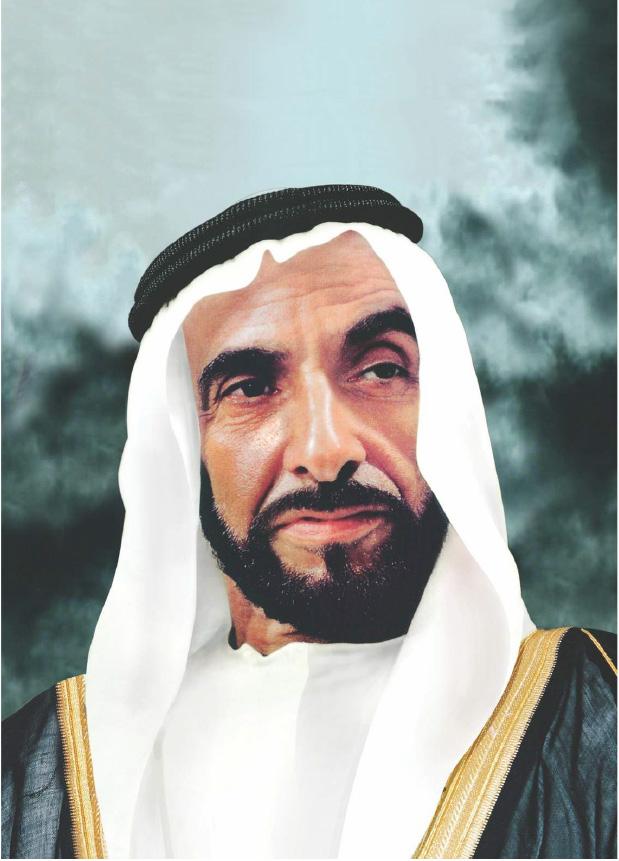
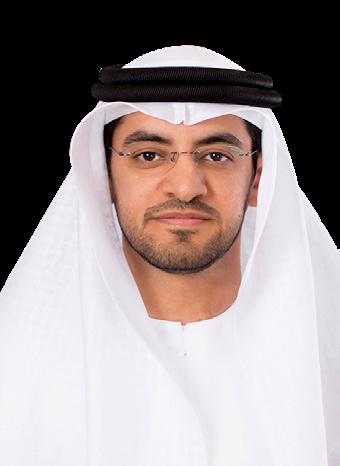
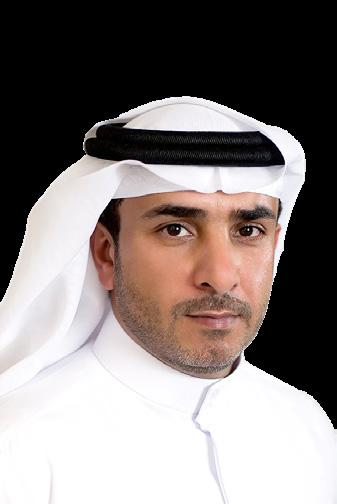
Late Sheikh Zayed bin Sultan Al Nahyan Founder of the United Arab Emirates
“Future generations will be living in a world that is very different from that to which we are accustomed. It is essential that we prepare ourselves and our children for that new world.”
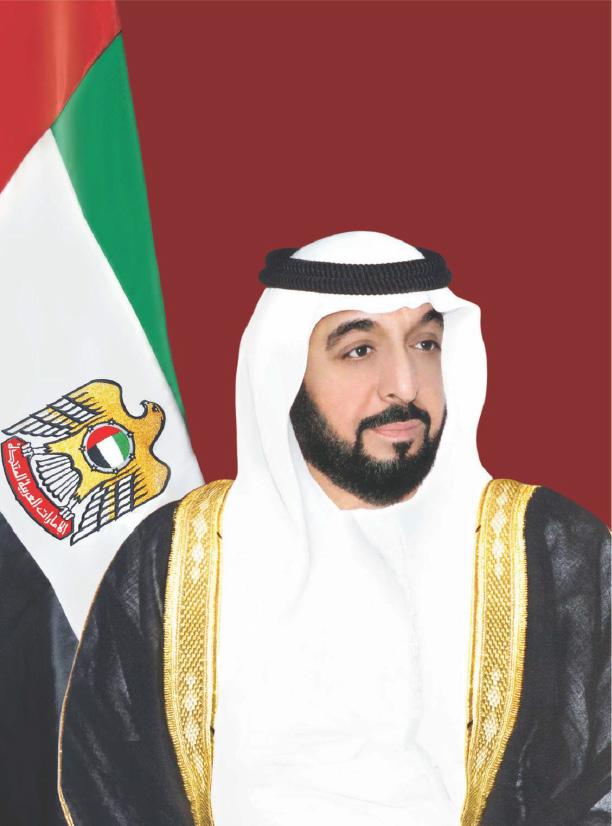
HH Sheikh Khalifa bin Zayed Al Nahyan President of the United Arab Emirates
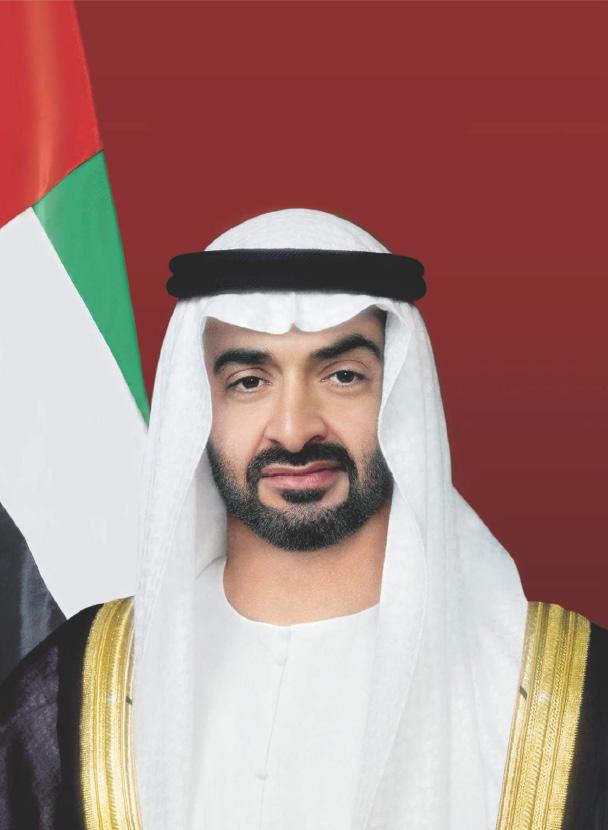
HH Sheikh Mohammed bin Zayed Al Nahyan
Crown Prince of Abu Dhabi
Deputy Supreme Commander of the UAE Armed Forces
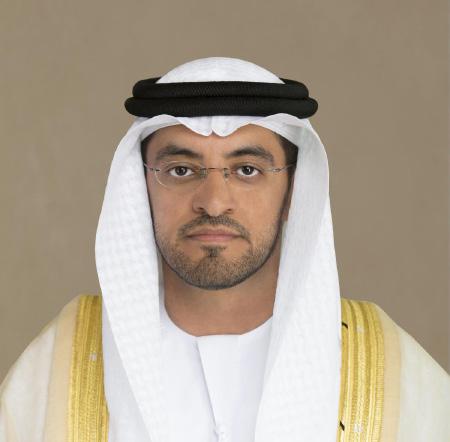
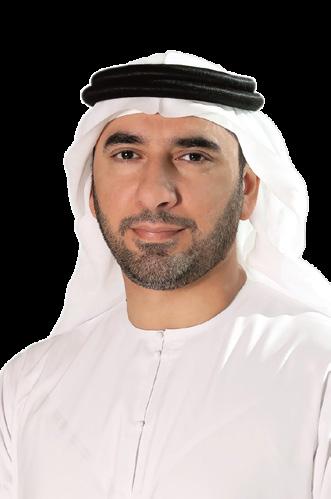
H. E. Falah Mohammad Al Ahbabi Chairman of Abu Dhabi Ports
CHAIRMAN’S STATEMENT
On behalf of the board of Abu Dhabi Ports, I am pleased to present our company’s Sustainability Report for 2019.
The United Nations sets out clear standards for clean energy, sustainable economic growth, healthy ecosystems, and increased resource efficiencies –considerations that resonate strongly within the UAE.
“The devotion to sustainable development lies at the heart of the UAE’s vision for its future, and our country can lay claim to being one of the most progressive and sustainable societies in the region.”
Through a comprehensive implementation plan, the UAE Government has set specific goals and has mapped out a framework to accommodate, meet and deliver on their commitment to the highest international standards at federal and local levels.
Since our first report, published last year, we have expanded our mission at Abu Dhabi Ports to incorporate a long-term sustainability strategy that adheres to the United Nations’ Sustainable Development Goals (SDGs) 2030 and seeks to balance the commercial, environmental and social dimensions of development.
Across our operations and supply chains, our management team has endorsed the concept of sustainable growth in line with long-term business objectives. We know that establishing Abu Dhabi as a premier trade, industrial, and logistics hub can only
be achieved through the cultivation of long-lasting relationships with our customers, and by evolving the portfolio of services we bring to the marketplace.
However, these business goals do not stand in isolation. Committing our resources across a wide range of environmental initiatives, aimed at nurturing and protecting our environment, preserving our seas, and maintaining marine biodiversity, remains a critical factor in how we gauge success.
This year’s report details the progress made in integrating sustainability across our operations, employing technological and workplace innovation to reduce emissions and waste, whilst supporting the UAE’s economic diversification efforts and enhancing our community and social responsibility.
Through our business, values, and activities each one of us has a role to play and, most importantly, we can all make a difference in how we contribute towards the benefit of our society and the environment which we share.
We thank you, our stakeholders, partners and customers, for your continued support and we look forward to working together in the collective pursuit of excellence and sustainability.
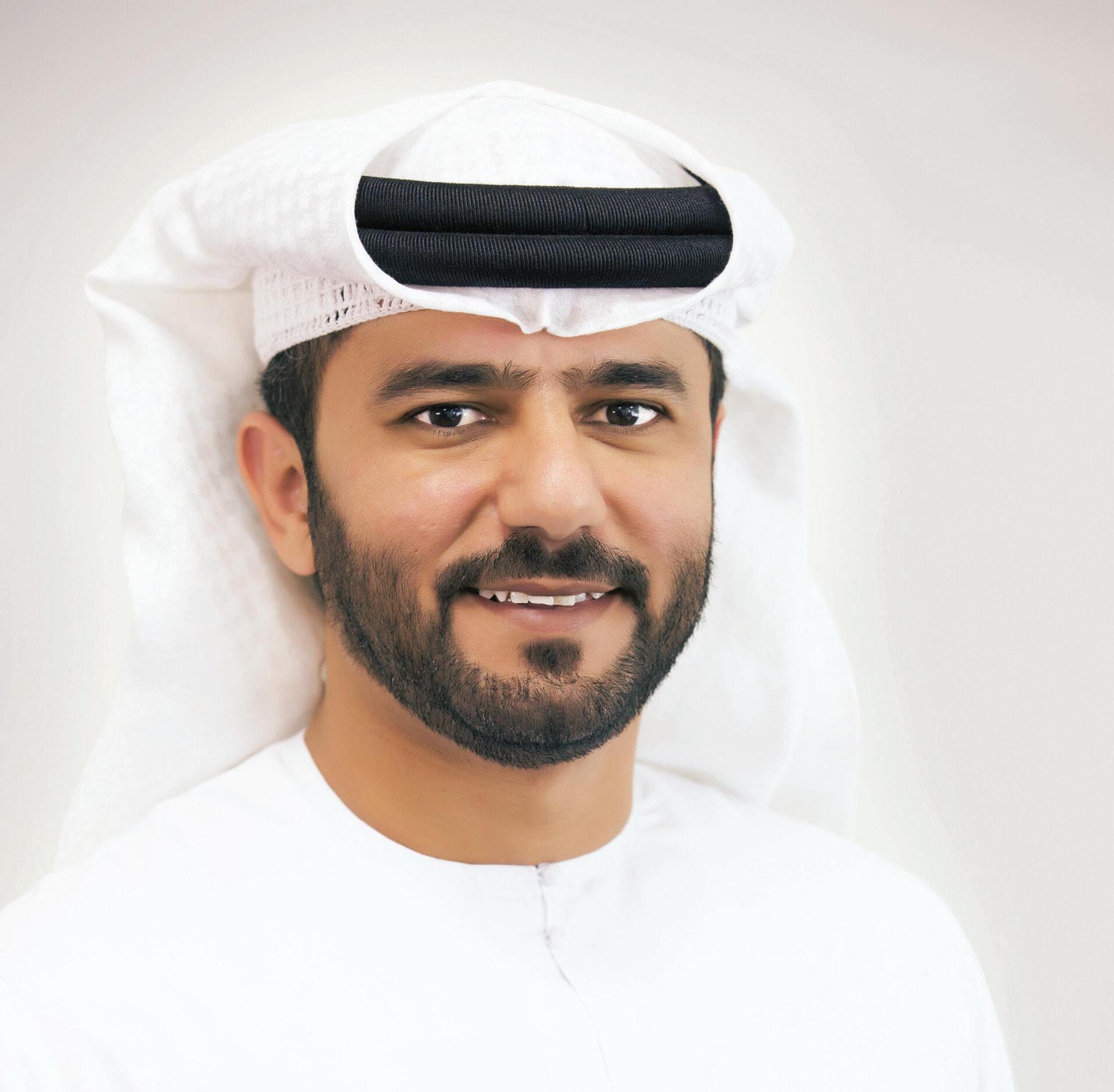
Captain Mohamed Juma Al Shamisi Group CEO, Abu Dhabi Ports
GROUP CEO’S STATEMENT
As we look back on our achievements Abu Dhabi Ports can not only take pride in in its contribution to trade and globalisation, but also in its commitment to upholding the highest ethical and environmental standards practiced within our industry.
“Sustainability is a core principle of our business strategy and it has provided our organisation with the opportunity to demonstrate leadership in championing best practice.”
Abu Dhabi Ports is committed to minimising resource inputs, waste, pollution and carbon emissions. We are determined to realise our goals of inclusive growth and low-carbon transformation by ethically deploying technology and maintaining rigorous public health and safety standards across our organisation.
Sustainability is core to the formulation of all planning – in operating our ports and industrial zones in harmony with their surroundings we serve to protect our precious ecosystems for future generations. Across our projects we diligently adhere to the Abu Dhabi Urban Planning Council’s Estidama Building Standards, which promote responsible design and sustainable developments throughout the emirate.
Thanks to our Seawater Quality Monitoring Programme at Khalifa Port we can continuously monitor water quality, track seawater intake and discharge areas adjacent to protected sites - such as the Ras Ghanada coral reef - and help maintain ambient marine water quality levels.
In addition to supporting environmental sustainability our team is dedicated to fostering a spirit of cooperation across the public sphere by undertaking a wide spectrum of humanitarian initiatives.
Thanks to our robust Corporate Social Responsibility programme we continue to work alongside enterprises, governments, communities and the general public to promote sustainable social welfare through our partnerships with leading NGOs, including Emirates Red Crescent and Make-A-Wish Foundation – UAE.
Building and maintaining trust with our stakeholders, partners and customers underpins the success and reputation of Abu Dhabi Ports. We are proud of the achievements we have made in 2019 and will continue to focus on conducting our business responsibly and sustainably. It is not just the right thing to do, it is essential to our long-term success.
First Cruise Turn Around at Fujairah Port
IIP Platinum Accreditation
ABU DHABI PORTS KEY ACHIEVEMENTS
60% Increase in TEUs Handled
41.5% Decrease in LTI Frequency Rate
4.2 Billion Investment for Khalifa Port
66% Decrease in Number of Minor Environment Incidents
SQA Accredited Centre
CIPS Certification Achieved
49% Increase in Closing of Corrective Actions
Launched Polymer Park
Initiated RFID Tagging Project
53% Decrease in Solid Waste Landfilled per TEU
Coral Reef Translocation
70 Tons of Marine Debris Removed
60% Emiratisation
14% Decrease in Electricity Consumption Intensity per TEU
Initiated Knowledge Ambassadors Programme
6% Decrease in Fuel Consumption Intensity for Tug Boats
Signed Blue Ocean Declaration
Initiated KAFU Reward Platform
69% Solid Waste Recycled
9% Reduction in Annual Water Consumption
89% Job Satisfaction
93% Local Suppliers
Abu Dhabi Ports
No. of cruise passengers
WHO WE ARE
Since its inception in March 2006, Abu Dhabi Ports has been the governing authority behind 11 exceptional ports & terminals in the UAE and Guinea. It proudly owns, manages, or operates these ports and terminals along with a 410 square kilometre wide industrial zone, KIZAD, alongside other subsidiaries which include Maqta Gateway, SAFEEN and Abu Dhabi Maritime Academy.
When we merge long term vision and dedication with service, we attain perfection through our actions. Abu Dhabi Ports today stands strong as a premier trade hub and is often referenced as one of the most important contributors behind the booming tourism and trade in the country.
Abu Dhabi Ports is part of ADQ, one of the region’s largest holding companies with a diverse portfolio of major enterprises spanning key sectors of Abu Dhabi’s non-oil economy. Abu Dhabi Ports executes essential tasks such as managing ports, integrated assets, and services.
Abu Dhabi Ports not only contributes to the growth of overall trade and tourism in the country, being located at
the most critical junction along the Europe-Asia-Africa trade route, but it also facilitates trade between nations globally. With its robust infrastructure and modern-day facilities, it makes the movement of goods, equipment, and other materials hassle-free.
It contributes nearly 4.6 % to Abu Dhabi’s non-oil GDP and accounts for an AED 24.7 Billion infusion into the economy. Abu Dhabi Ports also support 92,000 and 150,000 jobs in Abu Dhabi and UAE, respectively.
Through the business subsidiaries, it is providing end to end services for ports and industrial zone operation. Several expansion projects are underway, unlocking new and untapped trade and tourism opportunities.
Surrounded by the most promising and developing economies like the Middle East, Africa and South Asia regions, Abu Dhabi Ports extends its services to nearly 4.5 Billion consumers, from 4 different time zones.”
OUR SERVICES
Abu Dhabi Ports provides a wide variety of services to facilitate the UAE’s diversification agenda. The services we deliver help establish Abu Dhabi as a premier regional and international business hub.
Marine Services
Through SAFEEN we provide several marine services including Vessel Traffic Services (VTS), pilotage, harbour tug and towing, mooring and bunkering services.
Maritime Training
Through our Maritime Academy, we offer globally recognised maritime courses.
Ports & Terminal Operations
Our portfolio consists of commercial, community, logistics, and leisure ports providing container, general cargo, bulk and Roll on - Roll off (RoRo) services.
Cruise Services
Through Abu Dhabi Cruise Terminal, Sir Bani Yas Cruise Beach and Fujairah Terminals we strive to deliver efficient, fast and smooth operations for arriving vessels from regional and international cruise lines
Transforming maritime infrastructure, forging partnerships, and integrating innovation is how we have positioned ourselves as a global trade enabler:
Digital Solutions
We provide digital solutions to trade and port communities, to increase the efficiency and productivity of maritime business interactions, encouraging transparency, access to real-time information, and optimising resource consumption.
Logistics
We provide complete logistical solutions to our customers including freight, relocation, warehousing, customs clearance, air and sea charting.
Industrial & Freezone
Through KIZAD and Khalifa Port FTZ, Abu Dhabi Ports offer warehousing solutions, land lease, licencing, and freezone offices to support the needs of industries and logistics companies.
Support Services
We offer five support services: security; fire & rescue, medical emergency, oil spill response, and waste management
KHALIFA PORT OUR PORTS & TERMINALS
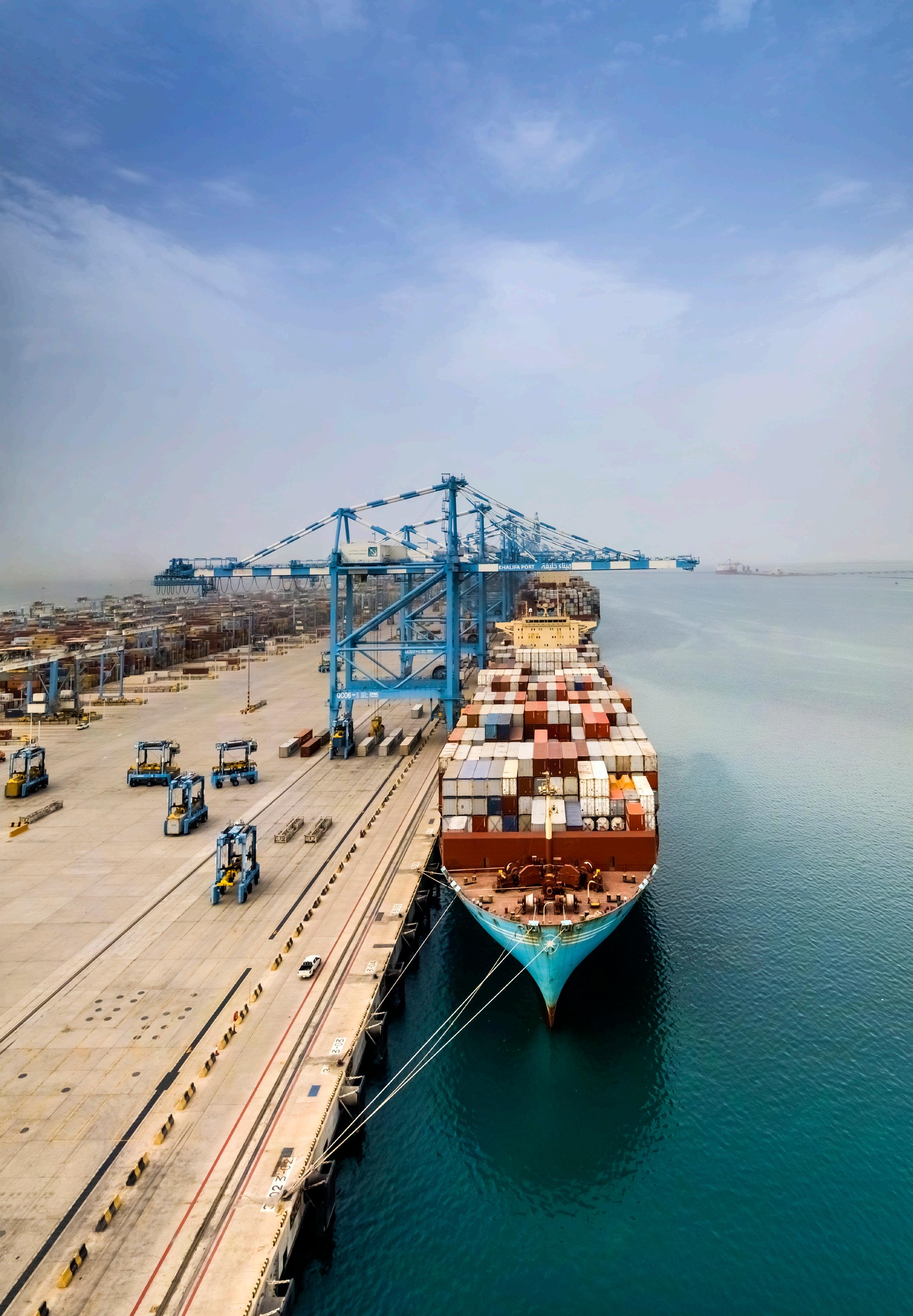
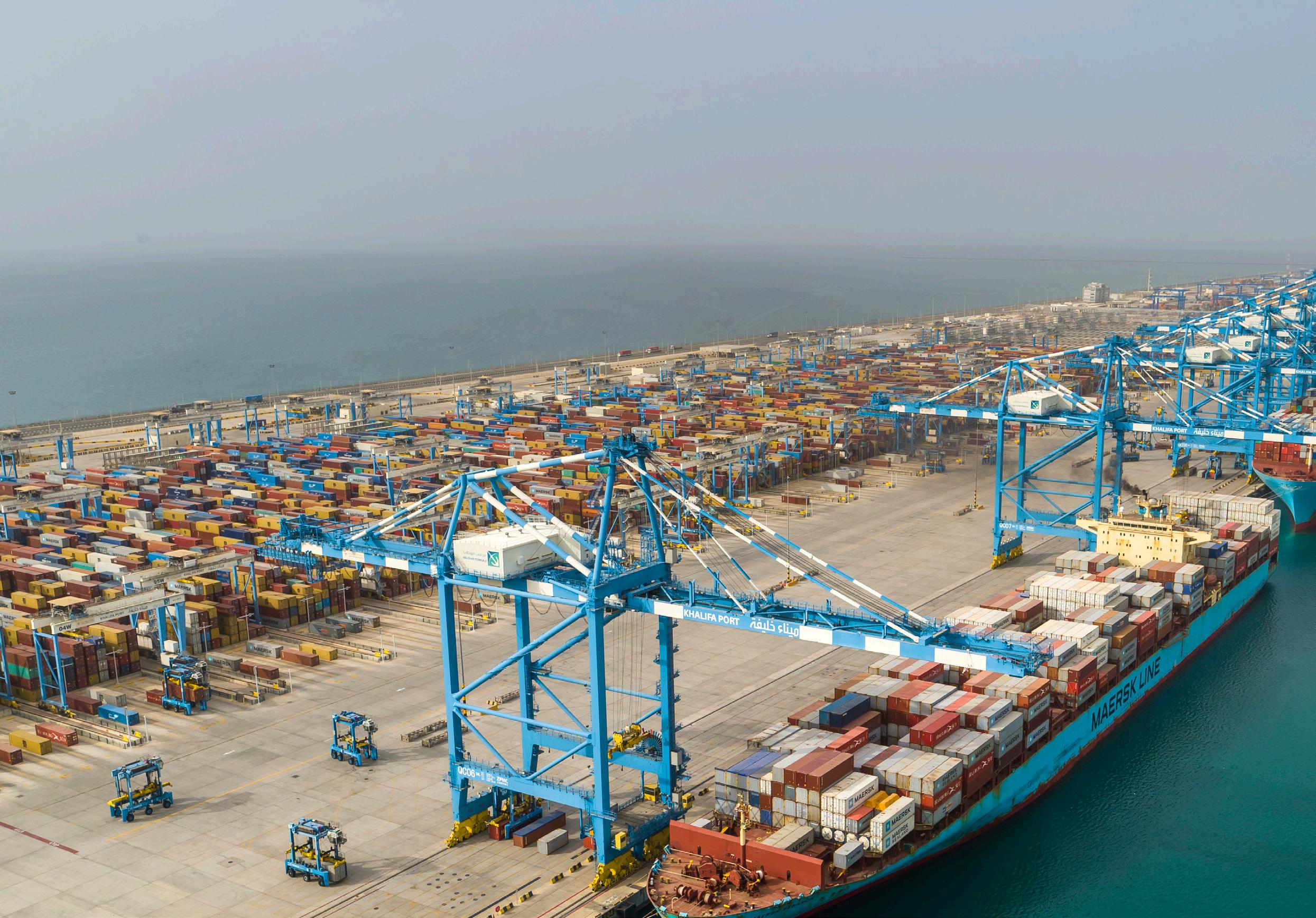
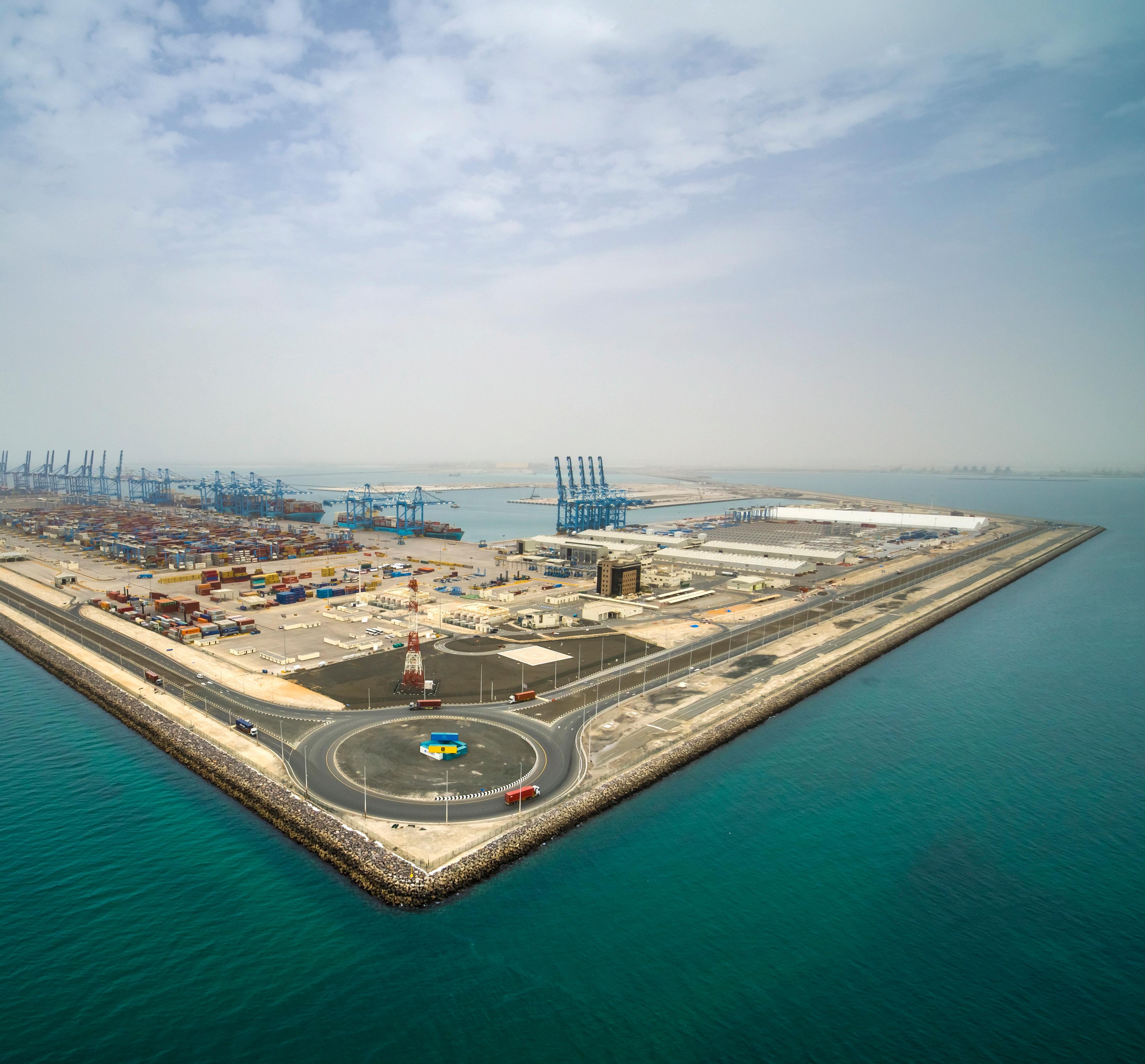
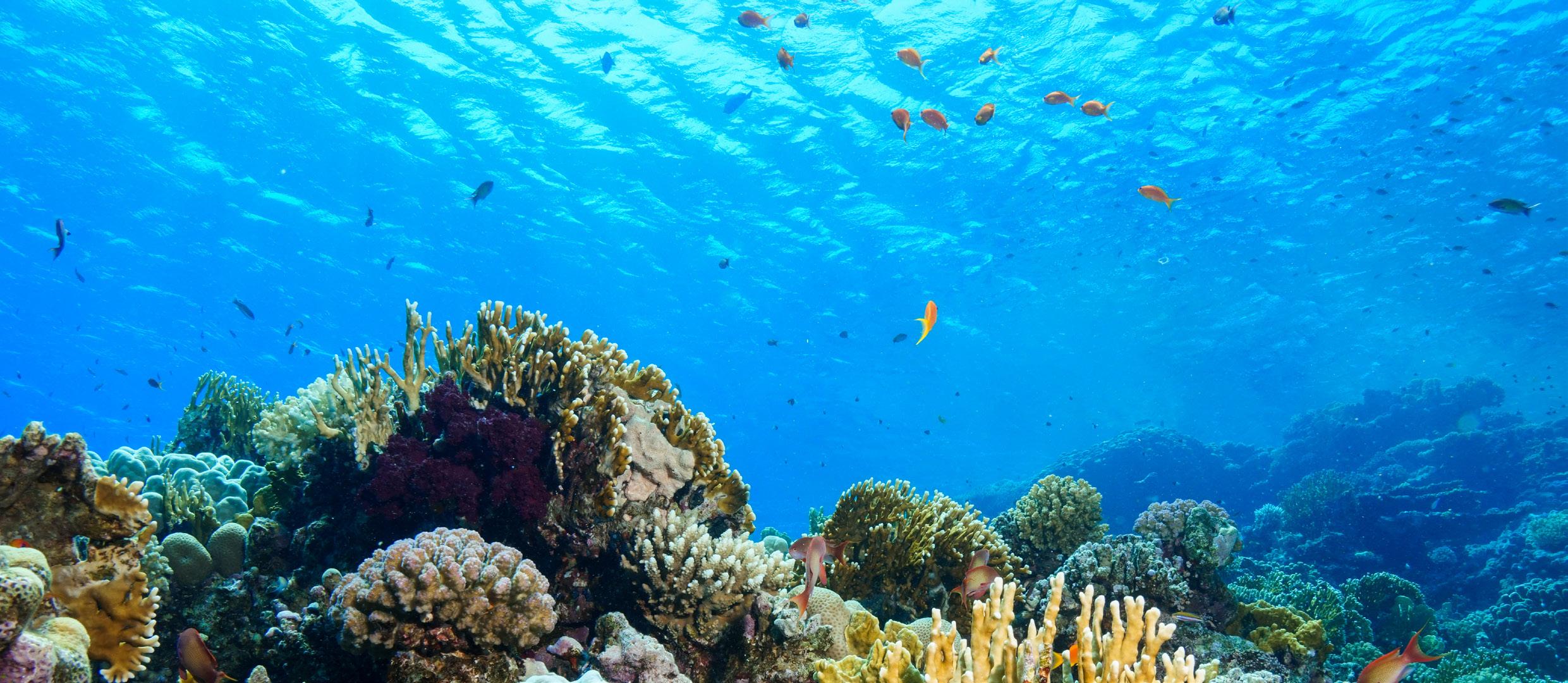
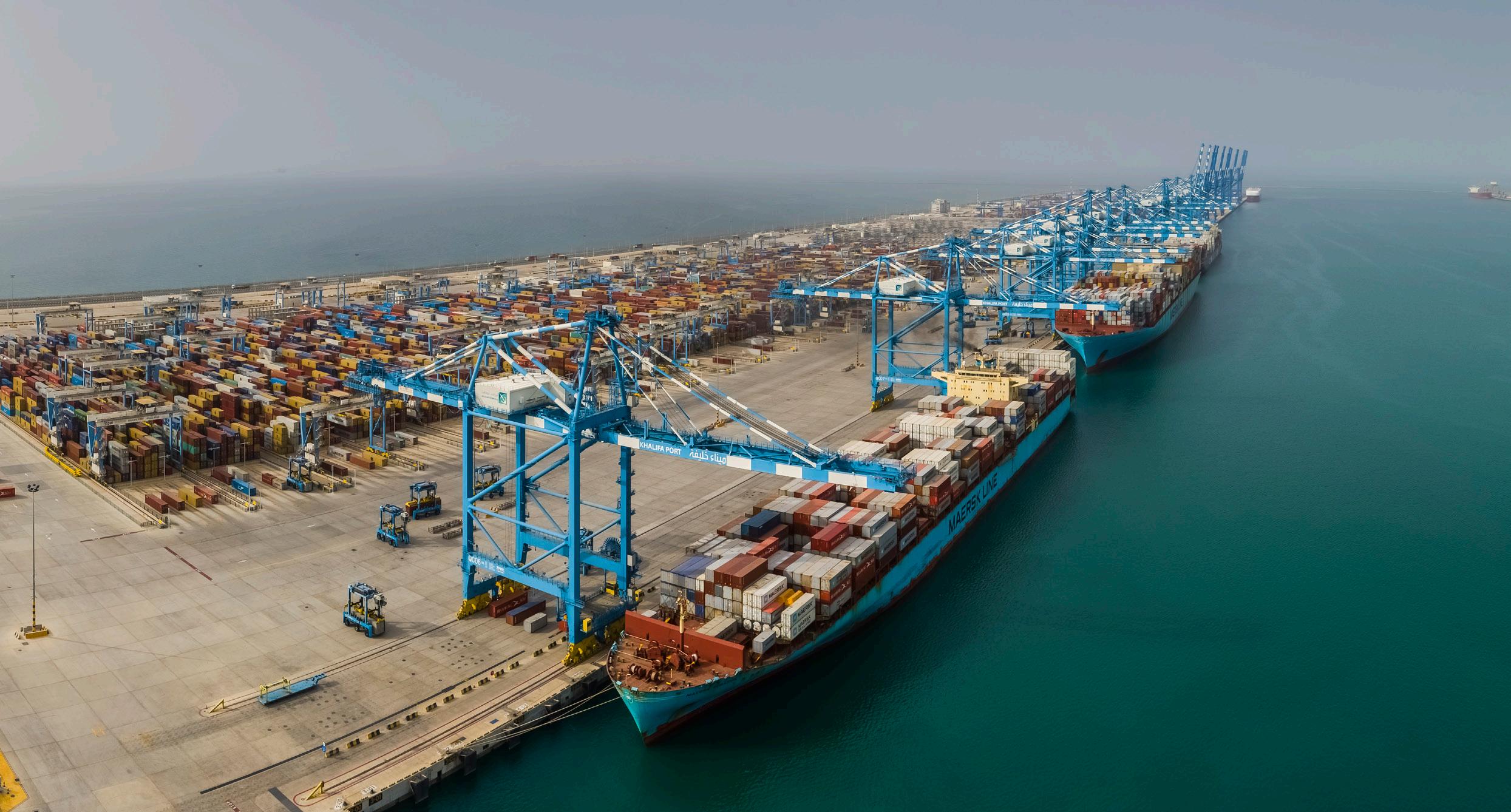
The flagship Khalifa Port wears the crown of being one of the most advanced and sustainable ports in the region and is the first semi-automated deep water container port in the GCC. Construction of Khalifa Port was carefully planned to reduce the impact on the environment. An 8 kilometre long breakwater, the longest in the Middle East, was built to safeguard the nearby Ras Ghanada coral reef.
The environmental breakwater is designed in a way that it allows the Gulf’s currents to flow freely while protecting the marine ecosystem.
Operating since 2012 and located strategically between Abu Dhabi and Dubai, Khalifa Port handles general cargo, container, roll-on, roll-off (RoRo) as well as break-bulk activities.
Khalifa Port through our subsidiaries are serving more than 100 international hubs by offering connection to intermodal transport networks, efficient transportation, and logistics across all three mediums – water, land and air, and serves more than 25 shipping lines.
Forging Partnerships for a better tomorrow
Abu Dhabi Ports and COSCO SHIPPING Ports Limited (CSP) entered into a partnership and inaugurated the CSP Abu Dhabi Container Terminal in December 2018. It has a design capacity of 2.5 million
TEU and began with a handling capacity of 1.5 million TEU, with 1200 metres of quay length. The water depth of the terminal is 18 metres, allowing it to accommodate mega-vessels typically, carrying over 20,000 TEU.
The Khalifa Port Container Terminal is managed by Abu Dhabi Terminals (ADT) through a 30-year concession agreement. Abu Dhabi Ports and Autoterminal Barcelona signed an agreement for the creation of a joint venture company called Autoterminal Khalifa Port in the year 2018. Autoterminal Khalifa Port manages the RoRo/car terminal in Khalifa Port under a 15-year concession agreement.
Abu Dhabi Ports and Mediterranean Shipping Company also entered into a 30-year concession agreement to operate and support the development of Khalifa Port Container Terminal. The Khalifa Port Container Terminal is managed by Abu Dhabi Terminals (ADT) through a 30-year concession agreement. The expansion includes an extension of the quay from 1,400 to 2,265 metres effectively doubling ADT’s handling capacity from 2.5 million to 5 million TEUs. The water depth of the terminal is 18 metres, allowing it to accommodate mega-vessels typically, carrying over 20,000 TEUs.
Khalifa Port is a global maritime hub and key player along China’s One Belt One Road initiative.
ZAYED PORT
Zayed Port was established in 1972 in the centre of Abu Dhabi and has been the leading port in Abu Dhabi for 40 years. It covers 5.3 square kilometres houses 21 berths and has a berth length of is 4,375 metres, with advanced
FREE PORT
To incentivise and enhance the cargo, logistics, and recreational facilities on smaller islands within the UAE, Free Port was established in 1978. This Port
warehousing and cold storage facilities. It is renowned for boosting cruise tourism in the country and continues to support general and bulk cargo operations.
specialises in handling chemical and petroleum cargos in both general and bulk capacity.
MUSAFFAH PORT
The 53 kilometre Musaffah channel, which is the second largest and also one of the busiest channels in the world, acts as the lifeline of Musaffah Port. The port is located in the Musaffah industrial area and provides services to steel, dredging, and ship building industries.
MUGHARRAQ PORT
Mugharraq Port, located in Al Dhafrah Region, provides general cargo handling, ferry and logistics support currently, and is set to extend its services to offshore oil and gas industry following an AED 200 million worth infrastructure expansion allocation.
COMMUNITY PORTS
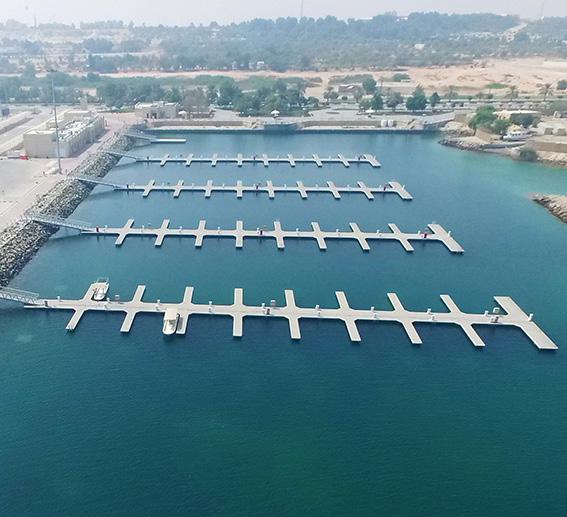
The community ports play two crucial roles; they support the activities of local fisherman and also play an essential role in facilitating the developmental activities of the nearby islands. These ports are spread across a vast region from Shahama near Abu Dhabi to Al Dhafra. They also play a vital role in supporting the oil and gas sector, by offering general cargo handling, support logistics, and passenger ferry connections, and other similar maritime trade activities. There are four major community ports that include:
Al Mirfa Port:
Al Mirfa port primarily caters to the fishing and leisure vessels and houses a designated area for shopping and local enterprises establishments as well.
Delma Port:
Located at Delma islands, this port functions as a multipurpose facility and handles general cargo, passenger ferries and fishing vessels in its day to day operations.
Al Sila Port:
It supports the local fishing industry and provides cargo services, along with recreational activities.
It is a mixed-use port and is quite popular with leisure boat users. Shahama Port:
FUJAIRAH TERMINALS
Fujairah Terminals was formed in the year 2017 when Abu Dhabi Ports and Fujairah Port signed a 35-year concession agreement. It is the only multi-purpose port on the eastern seaboard of the country. By 2020, it will be able to accommodate supersize 360mt Panamax
ABU DHABI CRUISE TERMINAL
Zayed Port is home to Abu Dhabi Cruise Terminal. Its foundation was laid in 2015 as the first dedicated permanent cruise structure in the emirate, and it is now well established as a cruise hub.
Sir Bani Yas Cruise Beach is the first and only dedicated cruise beach of its kind in the region. It is located on Sir Bani Yas Island, which is a natural and cultural landmark
PORT OF KAMSAR
Kamsar container terminal (KCT) houses 2 berths and is fully capable of handling ships up to 140 metres in length. The port is operated by Abu Dhabi Ports as an
vessels with up to 10,000 TEU’s capacity. Additional capacity and new quay cranes will begin operations in 2021. The Port is expected to reach 1 million TEUs and 700,000 tons of general cargo by 2030.
of the UAE. The island offers a blend of luxury, harmony, and adventure to visitors and therefore was considered an ideal location to develop a cruise beach and meets the demand for beach call by the world’s leading cruise lines.
Cruise tourism within the UAE has grown exponentially, and today approximately half a million passengers yearly use Abu Dhabi Ports cruise services.
independent authority and provides its services to Aluminum industries specifically bauxite for Emirates Global Aluminum in Guinea and West Africa.
2019 Highlights
Polymers park launched
Reached AED 73 billion in investments
Crossed 600 companies
Accommodation project for 5,000 employees underway
OUR BUSINESS SUBSIDIARIES
OUR BUSINESS SUBSIDIARIES
KHALIFA INDUSTRIAL ZONE ABU DHABI (KIZAD)
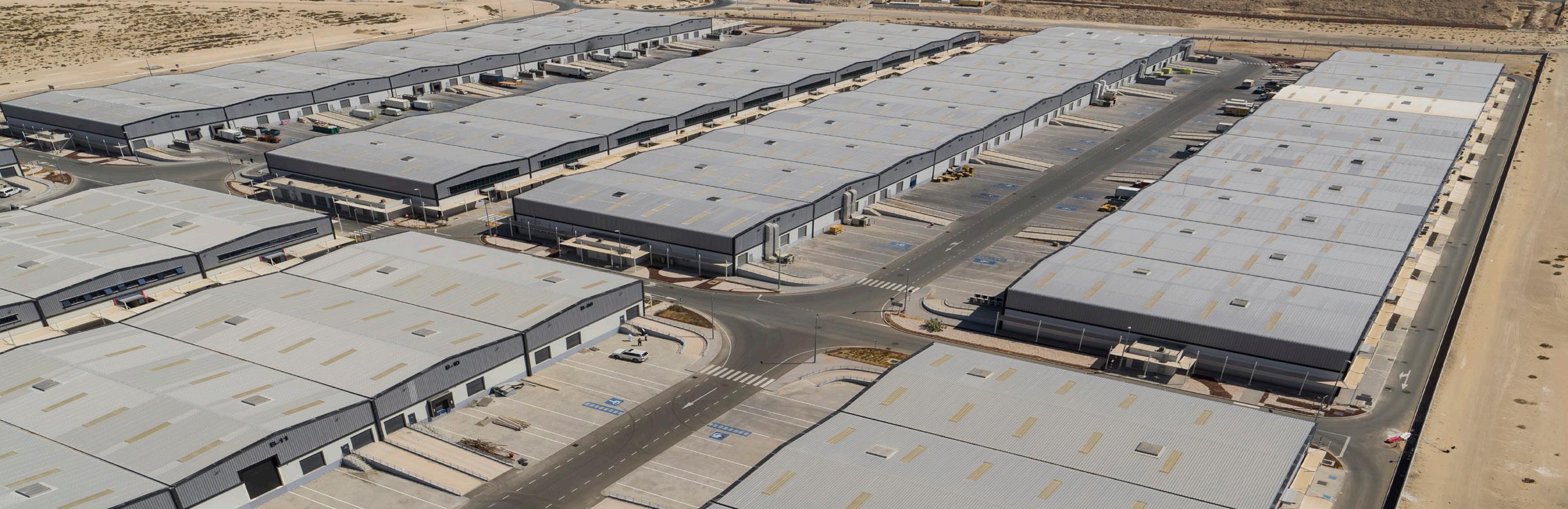
Khalifa Industrial Zone Abu Dhabi [KIZAD], a subsidiary of Abu Dhabi Ports, is an integrated industrial ecosystem driving the non-oil GDP of Abu Dhabi. It offers sustained competitive advantages of cost, speed, scale and community to all businesses within its ecosystem.
KIZAD is committed to providing sustainable practices across key pillars of People, Planet and Prosperity. Some of the key initiatives underway include;
• Pre-built facilities that are rated Estidama Pearl 2
• Sustainable infrastructure promoting waste water reuse on-site
• Sustainable master plan with an optimised grid to encourage prevailing winds to minimise heat island effect
• Planned office buildings equipped to reduce solar heat gains
• Being home to the world’s first commercial indoor tomato farm using only LED lighting
• Reduced carbon footprint through localisation of key industries
KEY CLUSTERS AT KIZAD
FOOD LOGISTICS AUTOMOTIVE POLYMERS METALS
TOTAL LAND AREA
Abu Dhabi Ports
DEVELOPMENT PHASE
Developed Area (m2)
Occupancy (%)
Leasable Area (m²)
ENSURING SUSTAINED COMPETITIVENESS OF OUR INVESTORS
Promoting a circular economy and reducing investors’ cost of operations Initiatives and developments to build investor confidence
• Hot Metal Road for the downstream industry reducing over 40% cost and minimising the carbon footprint
• Polymer distribution centre and packaging plant
• Shared amenities like laboratories, cold storage, clean rooms etc. for the food industry
• Dedicated RoRo facility for the automotive industry
• Pre-built facilities for logistics and light manufacturing
• 75% of the free zone services are free of cost
• SME booster packages to support investors
• Developing a mega truck plaza with a capacity to park over 100 trucks
• Modular Path for large machinery and prebuilt structures
• Retail and leisure facilities to improve the quality of life within the industrial zone
ABU DHABI MARINE SERVICES
‘SAFEEN’
SAFEEN was established in 2013 and provides marine and ancillary quayside services to vessels visiting Abu Dhabi Ports. Its services include Port Services (VTS, Pilotage, Towage), Marine Services (ferry management, oil spill response, mooring), Navigation Services, as well as Fleet Maintenance Services.
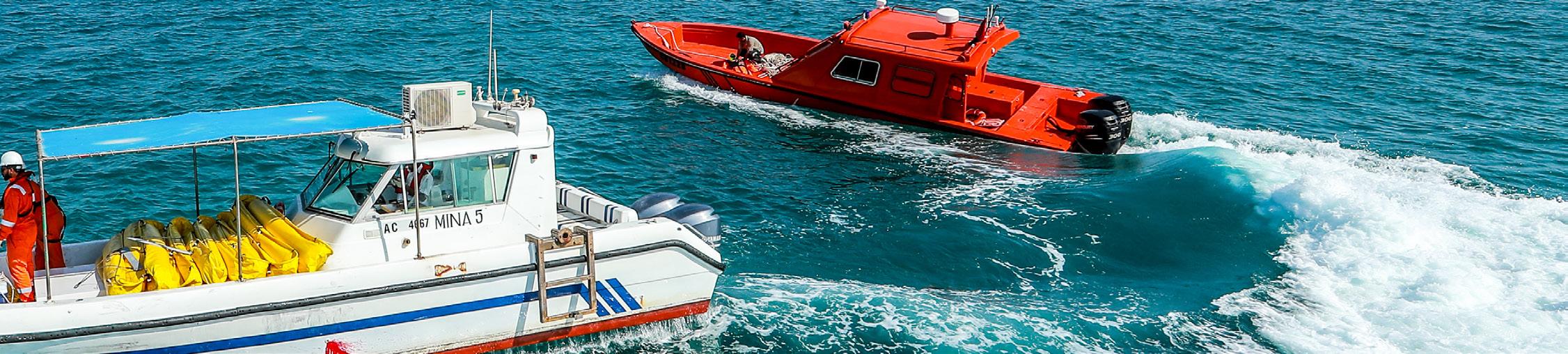
SAFEEN’s fleet is well equipped to assist vessels in and out of port. Its 15 harbour tugs have bollard pulls ranging from 28 to 75 tons, and they can provide harbour towage for vessels up to 150,000 DWT and LOA in excess of 350 metres. In addition to tugs, the fleet consists of 5 pilot boats, 6 speedboats, 2 buoy & survey maintenance vessels, and 2 oil spill response boats.
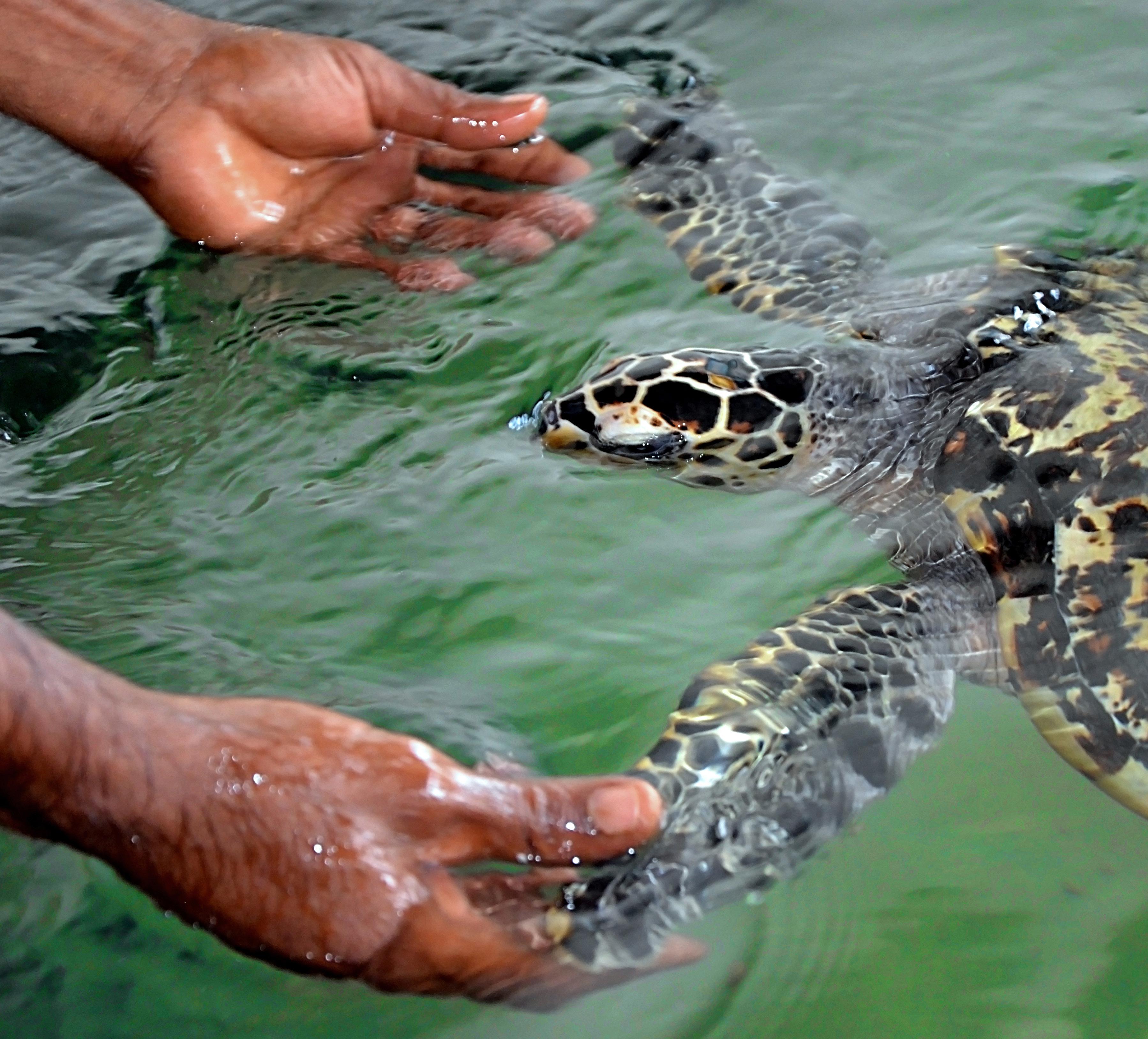
SAFEEN has also dedicated its team and resources towards environmental and social wellbeing. Its delegates visit local schools to give students and teachers insight into the many dangers that ships and passengers may encounter and allow students to enjoy practical safety demonstrations. SAFEEN has also commissioned marine debris collecting vessels and have actively participated in turtle rescue programmes.
SAFEEN is committed to safeguarding our marine ecosystem; we are actively carrying out marine debris removal, turtle rescue and awareness campaigns.
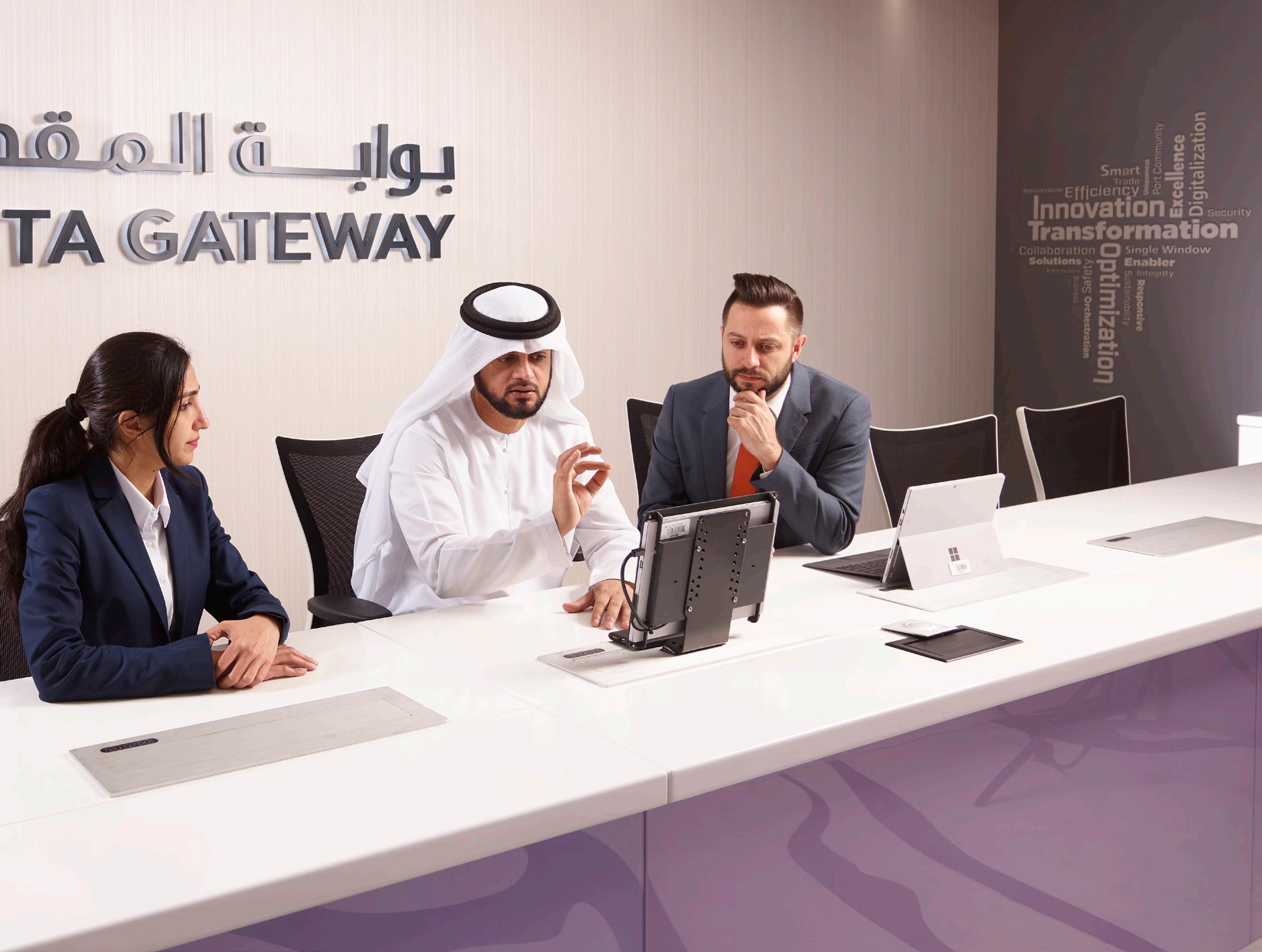
MAQTA GATEWAY
Maqta Gateway LLC was established in 2016, with a vision to propel Abu Dhabi Ports as a leader in the development of integrated, digital, global trade.
Maqta Gateway developed the first Port Community System in the UAE. This system facilitates the exchange of goods and the movement of people and contributes to the three pillars of sustainable development.
MAQTA E-SERVICES
Our services are focussed at streamlining and enhancing the efficiency of ports operation and management. The E-services provided by us is presented below:
MAQTA Products
LICENSING MANAGEMENT SYSTEM
VESSEL MANAGEMENT SYSTEM
MAQTA PAYMENT GATEWAY
VERIFIED GROSS MASS
A powerful and user-friendly solution to managing the issuance of new licenses and the renewal of existing licenses offered with advanced tracking, an administration module, and payment.
A centralised solution to facilitate granting the approval for all the related Vessel formalities such as Calls, Service Requests, Vessel Registration, Shifting, Clearance, and many others.
Advanced solution to provide customers with an easy channel to pay invoices and manage accounts, easily able to integrate with any ERP Solution.
A digital single-window that facilitates information flow between all the port stakeholders and customers.
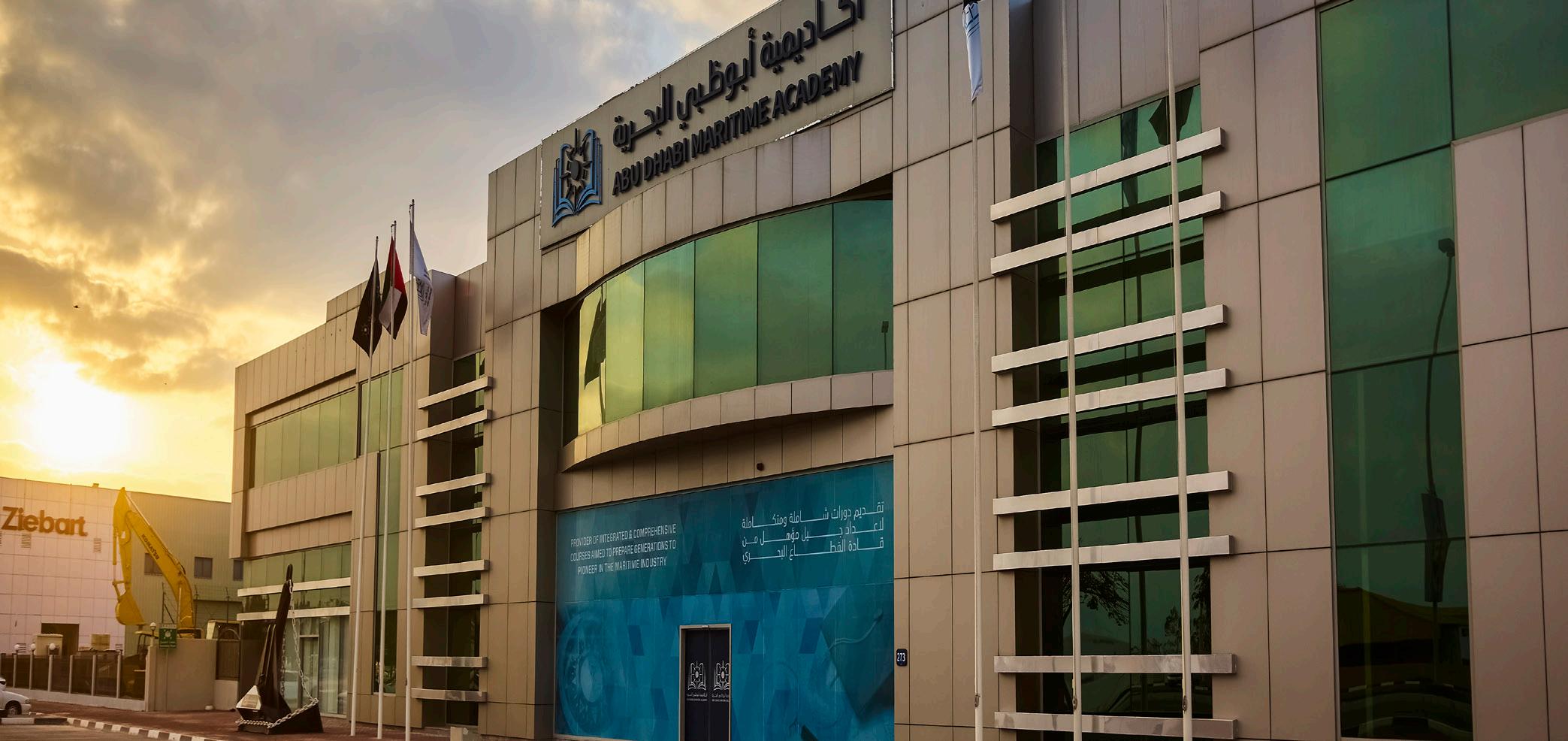
ABU DHABI MARITIME ACADEMY
Since its establishment in 2006, Abu Dhabi Ports has been aligning itself with the economic plans and directives of the Abu Dhabi Government’s 2030 Economic Vision.
We have a holistic approach to the maritime sector and realise that it’s not just about Containers and TEUs. We recognise the need to promote and raise awareness about maritime education and training in the UAE and the region.
Building Maritime Capacity and Preparing FutureLeaders of the Maritime Sector
Being in a specialised industry, we acknowledged the need to build the nextgeneration of mariners and future leaders to join the maritime industry and worked tirelessly since 2012. We started with a small but specialised maritime training centre and subsequently established the Abu Dhabi Maritime Academy to contribute to the knowledge economy and position it as leading maritime education and training provider.
Abu Dhabi Maritime Academy is shaping the future of the maritime industry by developing skilled cadres with worldclass maritime education. A pioneering undertaking that focuses on building homegrown and international talent for diverse functions in the maritime sector, the academy offers turnkey education from beginner level to advanced courses and training and helps build a talent pool of maritime professionals who can pursue rewarding careers in the fastgrowing maritime industry.
The academy is one of the first in the region to deploy state-of-the-art simulators to train marine professionals in fields such as – ARPA (Automatic Radar Plotting Aid), ECDIS (Electronic Chart Display and Information System) and GMDSS (Global Marine Distress and Safety System) communications.
High-quality Maritime Education and Training are the bedrock of a safe and secure shipping industry. Quality is a key aspect of this to ensure seafarers are competent in their onboard roles and prepared for career advancement.
ENVIRONMENTAL STEWARDSHIP
14% Decrease in Electricity Consumption Intensity per TEU
ABU DHABI PORTS ENERGY AND EMISSIONS
Mobilising Low-carbon Transformation
6% Decrease in Fuel Consumption Intensity for Tug Boats
BMS implementation at head-office to reduce energy consumption
Efficient lighting project underway at Khalifa Port
There is no denying the fact that energy consumption and the resulting emissions have an impact on the local as well as the global environment. However, it’s also true that careful planning and resourceful execution of sustainability policies and initiatives can reduce the overall impact to a considerable extent. In 2017, the leadership of the UAE launched the ‘Energy Strategy 2050’. The underlying ambition of the strategy is to increase the contribution of clean energy in the total energy mix from 25% to 50% by 2050, and reduce the carbon footprint of power generation by 70% and also to increase consumption efficiency of individuals and corporates by 40%.
Abu Dhabi Ports is working towards increasing its consumption efficiency by integrating energy efficiency measures throughout its operation. Energy needs for Abu
Dhabi Ports operations include electricity, and fuel (diesel and gasoline). The electricity supplied by the local utility company is consumed mainly by cranes, offices, and warehouses, while the fuel is consumed in tugs and vehicles. We measure and monitor the total quantity of each type of energy consumed and also keep track of consumption intensity to assess our performance.
“On land and in the sea, our forefathers lived and survived in this environment. They were able to do so only because they recognised the need to conserve it, to take from it only what they needed to live, and to preserve it for succeeding generations.“
H.H. Sheikh Zayed bin Sultan Al Nahyan
Figure 01: Electricity consumption
Figure 02: Fuel consumption
Abu Dhabi Ports is currently expanding, forging new partnerships, and adding capacity to its existing port infrastructure. We achieved a record-breaking volume of TEUs handled this year.
Figure 03: Electricity consumption intensity
We are conscious of our energy footprint, and therefore have been integrating several energy efficiency measures at our facilities.
Due to the increased volume of business and further expansion, our absolute energy consumption has been increasing.
Figure 04: Fuel consumption intensity of tug-boats Litres per running hours
It is due to the relentless efforts that we have seen year on year reduction in energy intensity both for electricity and fuel.
Gigawatt hours
Abu Dhabi Ports
ENERGY EFFICIENCY MEASURES AT HEAD-OFFICE
According to the World Watch Institute, buildings are responsible for the annual consumption of 40% of the world’s energy. Energy consumption of buildings can be reduced significantly to support energy-saving and GHG emission reduction programs.
Abu Dhabi Ports conducted a detailed energy study for one of the major occupancy buildings which, is Abu Dhabi Ports Head Office. Based on the studies recommendation, several opportunities for enabling improvement in energy efficiency were identified, which includes VFD for AHU motors, controlling of lighting systems with sensors, lighting system automation with programmable control during nonworking hours, centralised control for AC units, regulate scheduling of AC chiller units.
To achieve the above-noted multiple energy efficiency systems located at a centralised location for the entire building, it was proposed to implement the Building Management System (BMS) at Abu Dhabi Ports- Head Office.
BMS is a centralised microprocessor-based system that simplifies controlling, monitoring, operations and management of building-related systems, like heating, air conditioning, ventilation, lighting, water & power energy, and other ELV services. The objective of installing the BMS was to enhance energy saving, improve operational efficiency and promote a safe and comfortable working environment for building occupants. The adoption of BMS has generated:
Annual maintenance cost scaled down to 30,000 AED/year from 80,000 AED/year.
Electricity consumption reduction from approximately 600,000 KWh/year to 350,000 KWh per year.
In-depth monitoring and reporting of energy consumption.
Automated regulating systems for airflow, temperature, lighting with sensors integrated with fire, water, and elevator systems.
Centralised control unit for ACs and lighting systems. Total savings of 100,000 AED per year
EFFICIENT LIGHTING AT KHALIFA PORT
Port lighting is indispensable to the operation and safety of ports. Sufficient and reliable illumination allows seamless operation of a port facility for both vehicular and foot traffic. Proper illumination levels are essential to avoid hazards and the safe handling of goods and equipment.
Lighting is also one of the significant consumers of electricity within our ports. To reduce energy consumption as well as our carbon footprint, we
initiated the lighting project at Khalifa Port. The project consists of the following elements:
1. Replacement of high masts and flood lights, bay lights, and street lights with LED.
2. Lighting management system for remote monitoring and control.
GREEN HOUSE GAS EMISSIONS
Several studies, reports, national and international organisations have been telling us that climate change impacts are visible and are happening now, and are much faster than had been predicted.
The 2018 Report of the Intergovernmental Panel on Climate Change (IPCC) on the Impacts of Global Warming of 1.50C above pre-industrial levels, reflects that we must limit global warming to 1.50C by the end of the century if we are to avoid irreversible and catastrophic impacts on the environment and lives. This means that carbon dioxide (CO2) emissions need
Emission sources and classification into scopes
to reduce by approximately 45% by 2030 and should become net zero by mid of century, i.e., 2050.
At Abu Dhabi Ports, we believe that this goal is within reach; however, to achieve the same, it would require unprecedented social and business transformation.
We measure our GHG emissions on an ongoing basis and adhere to GHG Protocol guidelines while estimating and reporting our inventory.
222,303 tCo2
Scope 3 - Within our water limits, all emissions by vessels visiting our ports are accounted for
32,340 tCo2
Scope 1 - Fuel consumed in equipment operations
Fuel consumed in vehicles and boats owned by the company
59,816 tCo2
Scope 2 - Electricity consumption by cranes, offices, and warehouses of the company
Total water consumption in operations and otherwise
EMISSIONS FROM OUR OPERATIONS
05: CO2 emissions from fuel consumption
06: CO2 emissions from electricity consumption
07: CO2 emissions from water
The total emissions for Abu Dhabi Ports have risen at a similar level as our energy consumption which itself was influenced by the expansion of our operations.
However, it’s worth noting that our emission intensity (provided in the following page) has gone down due to the energy optimisation measures we have undertaken.
Figure
Tons
Figure
Figure
EMISSION INTENSITY AND BENCHMARKS
Since our ports have been expanding, comparing historical emissions does not provide the right picture of efforts we have been taking to curb emissions, within our operations.
We have set energy intensity benchmarks so that the comparison of emissions can be accurate and logical.
The emissions per TEU as well as per hour of tugboat use, has been going down continuously.
This is due to the efficient port infrastructure that we have invested in recently as well as the new tugboats that we have been adding to our fleet during the last few years.
Figure 08: CO2 emission intensity per TEU
Figure 09: CO2 emission intensity for tug boats
Figure 10: CO2 emission intensity for cargo
Figure 11: CO2 emission intensity for Ports operation
GREEN INFRASTRUCTURE
In line with our sustainability strategy and our commitment towards low carbon transformation, we have adopted Estidama Pearl 2 requirements for several of our warehouses and buildings in Abu Dhabi.
The Pearl rating system addresses the need for a regionally relevant system to drive sustainability in the built infrastructure.
By adhering to Pearl Rating System requirements, we are achieving energy and water efficiency, reduced waste generation, and better indoor air quality.
AUTONOMOUS TUG BOATS
Furthering our commitment to innovation and efficiency, we are looking into the possibility of developing efficient unmanned tugboats. We are in discussion with some of the pioneers in the field. Once materialised these, tugboats shall enhance safety and further improve the efficiency of our operations and would result in GHG reduction as well.
Energy efficiency
Reduced GHG emissions Water optimisation
Better indoor air quality
Enhanced waste management
ABU DHABI PORTS WATER AND MARINE BIODIVERSITY
We make every drop count
Water is an essential resource and is central to sustainable development. Considering this, various aspects of water issues have been incorporated into the United Nations Sustainable Development Goals (UN SDGs).
The UAE, due to its geography and climate has a minimal supply of freshwater; most of the water that we put in use is from desalination units.
We at Abu Dhabi Ports, genuinely understand the value of water and hence do our very best to conserve and optimise its use across our operations.
We have been able to reduce our water consumption from 1.12 million cubic metres in 2018 to 1.02 million cubic metres in 2019; this was only made possible with efficient planning and resourceful
execution of water optimisation measures, a key element of our sustainability strategy.
A significant quantity of water is consumed at Zayed and Khalifa Port. Almost 54% of the water is consumed at Zayed Port, followed by 45% at Khalifa Port and less than 1% at Musaffah Port.
70 Tons Marine Debris Removed
Successful Translocation of Coral Reef
ABU DHABI DECLARATION ON CLEANING THE MARINE ENVIRONMENT
Globally, ocean health is declining as a result of overfishing, unregulated waste management, pollution, and limited policies and regulations. It is now a well-known fact that time is running out, and we must act swiftly.
It is time to mobilise global resources to realise a sustainable ocean economy. To address these issues, World Ocean Summit 2019, was held in the UAE. Along with the World Ocean Summit 2019, a roundtable was held amongst Abu Dhabi Government, private sector, industry, and Non-Governmental Organisations (NGOs), to discuss the existing challenges of marine litter in the Abu Dhabi emirate.
The round table concluded with the signing of the Abu Dhabi Declaration on Cleaning the Marine Environment.
Through this declaration agreement, Abu Dhabi Ports further strengthened its commitment towards protecting the marine environment.
Recognising that Abu Dhabi is a petrochemical and plastic producing and exporting emirate, it wishes to champion the responsible use of plastics. The campaign is being led by Environment Agency Abu Dhabi and supported by Abu Dhabi Ports as well as other organisations.
• Mobilising collaborative efforts, resources, and funding to clean the marine environment.
Objectives of the declaration include:
• Raising awareness to inspire a behavioural change in the Abu Dhabi population to reduce plastic consumption, to use proper disposal methods, to report lost fishing gear, and to further develop the culture of environmental awareness and protection.
• Reducing the amount of “Single-Use Plastic Materials” consumed in the emirate of Abu Dhabi and the volume of plastics and other forms of litter escaping into the environment.
Abu Dhabi Ports
CORAL TRANSLOCATION
Port development and expansion is often at odds with coral reef conservation, however, at Khalifa Port Abu Dhabi Ports built an 8 km long environmental breakwater at a cost of US$ 240 million to safeguard the Ras Ghanada Coral Reef.
Owing to the consistent efforts of Abu Dhabi Ports and ongoing marine ecological monitoring and litter removal programs, the coral reefs were provided with an ideal habitat. In due course, the coral reef expanded and also covered significant parts of the environmental breakwater.
As part of the recent Khalifa Port expansion project, a small section of the environmental breakwater was identified to be removed. Abu Dhabi Ports conducted a detailed baseline survey to assess the health and quantity of coral reef and its associated habitat on the breakwater. The baseline coral dive survey identified the presence of healthy coral colonies along the breakwater seawall.
It is well known that coral relocation is an appropriate restoration technique particularly, in cases where corals or its habitat are scheduled for destruction. Abu Dhabi Ports, being an environmentally responsible organisation, decided to translocate all the existing health coral colonies to minimise the damage to corals.
A pre-translocation survey was commissioned, and a suitable recipient site was identified, which had similar substrate and environmental quality. The recipient side also had a diverse population of reef-associated organisms such as sea urchins, oysters, and fish.
As part of the translocation process, more than 1,000 coral fragments were translocated. Abu Dhabi Ports shall continue to monitor the translocated corals and take measures to ensure that the corals remain healthy.
MARINE POLLUTION PREVENTION
Plastics are considered as the biggest threat to nature, especially to marine life and the ecosystem. Swirling converges trap tons of floating plastic every year, and at the current pace, plastic pollution is set to out number fish in the sea by year 2050. Being a leader and renowned entity in the Ports industry, we take it as our duty to safeguard marine life.
In an innovative approach to curbing the plastic waste from seawater, Abu Dhabi Ports has taken the following steps to curb marine water pollution:
Commissioned trash collection vessels within its water limits. These vessels are installed with advanced and modern technology to skim through the seawater, collecting all floating waste on the go. The collected waste is then either decomposed, recycled, or disposed of after a careful segregation process. In the last two years, we have collected 197 tons of marine debris and devoted 8,300 man-hours towards this cause.
Several awareness campaigns on curbing marine pollution have been undertaken under two programmes “We Care” and “Salamaty” by the SAFEEN team. A total of 38 awareness sessions have been conducted, 45 ships have been visited and 533 seamen and crew members made aware.
ONGOING AIR & WATER MONITORING
To safeguard public health and the environment, and by preventing and reduce air pollution throughout our operations we have developed and implemented a state-of-the-art air quality management programme.
The two air quality monitoring stations are located in our industrial zone area (KIZAD) as well as Khalifa Port. The air quality within our facility has a good compliance record.
We also have a well-established water quality and ecological monitoring programme, with a focus in the area between the western boundary of Khalifa Port and the western side of the Ras Ghanada breakwater. This area was chosen as it includes all habitats that are considered to be of critical biodiversity importance.
Habitats that have been chosen for monitoring include dense and sparse coral and dense seagrass. The monitoring visits are conducted every four months at 85 stations, at which short, geo-referenced video clips are taken.
Figure 13: Air quality
Figure 14: Sea water quality at Ras Ghanada
Figure 15: Sea water quality % compliance at mixing zone
Figure 16: Delta TDS at mixing zone in grams per liter
Figure 17: Delta T at mixing zone in 0C
70 Tons Marine Debris Removed
ABU DHABI PORTS WASTE MANAGEMENT
Practising circular economy principles
Abu Dhabi Ports has developed a Waste Management Strategy & Plan (WMP) to manage the waste generated by ports operations and received from the visiting vessels.
tracked under the Center of Waste Management (CWM) waste manifest requirements.
69% Solid Waste Recycled
53% Decrease in Solid Waste Landfilled per TEU
14% Increase in Solid Waste Recycled at Cruise Terminal
The WMP comprehensively identifies all types of waste and includes the baseline benchmark for all the waste. The WMP was developed in conjunction with MARPOL and provides regulatory criteria, implementation protocols, and monitoring methodologies for all mentioned causes of pollution.
The waste and resource management hierarchy identified in the WMP sets the order of preference for options to manage waste—from avoiding to re-using, recovering, treating, and disposing of waste. We keep track of the entire waste generation, storage, and disposal chain. All waste movement from the ports is
This includes the completion of CWM Waste Manifest consisting of details of waste producer, waste transporter, and designated treatment/recycle/ disposal facility.
In line with Abu Dhabi Ports culture of continuous improvement, the success of the ports WMP is monitored to ensure its objectives are met. Our waste performance is provided in the following pages and is marked by increased recycling and reduced waste landfilling intensity.
PRINCIPLES OF WASTE MANAGEMENT
The entire waste management system works strictly in compliance with the WMP; we follow the following principles of waste management and apply them across all our operations including ports and industrial zones:
Initiatives are identified and implemented to use raw materials and natural resources efficiently.
All operations are assessed for their potential to provide Health, Safety, Environment, and Community (HSEC) benefits or the adverse HSEC impacts over their lifecycle.
Support and advice are made available to all stakeholders regarding the possible HSEC impacts associated with the production, transport, storage, use, recycling, and disposal of waste.
Programmes are in place to ensure that waste is are eliminated, avoided, reduced, reused, recycled, treated, or properly disposed of. Records are kept ensuring that all wastes can be tracked from source to disposal, and waste receiving facilities are audited to ensure compliance.
Initiatives are identified and implemented to reduce the environmental impact of operations.
Opportunities are sought to conduct or support research and innovation that promotes the use of products and technologies that are safe and efficient.
Waste generated onsite is disposed of under management plans that cover; waste characterisation, assessment of waste reduction opportunities, and management of waste in as per-waste management hierarchy.
OUR PERFORMANCE - SOLID & HAZARDOUS WASTE
Figure 18: Solid waste generatedAbu Dhabi Ports
Figure 19: Solid waste recycledAbu Dhabi Ports
During the reporting period, Abu Dhabi Ports generated 400 tons of additional waste as compared to the previous year. This can be attributed to the increased trade volumes at our ports.
Our WMP was developed in conjunction with MARPOL and provides regulatory criteria, implementation protocols, and monitoring methodologies for the noxious liquid waste, sewage from ships, oil spills, air, and garbage pollution along with harmful substance release.
Cubic
Figure 27: Trade effluent collected from vessel
Figure 26: Sewage collected from vessel called Cubic
WASTE INTENSITY
Figure 28: Solid waste landfilled per TEU
The increase in the percentage of solid waste recycling significantly impacted the solid waste landfilled during the reporting period. The waste landfilled intensity per TEU decreased from 0.172 Kg to 0.081 Kg.
Figure 29: Solid waste landfilled per passenger
The solid waste generation intensity increased slightly during the reporting period. We are closely monitoring the change and hope to improve our performance in the coming years.
Sustainable waste management is incredibly important to us, and we are committed to the principles of a circular economy. Year after year, we are shaping the future for waste management in ports and industrial zones.
SOCIALLY RESPONSIBLE
9.9%
ABU DHABI PORTS PEOPLE AND COMMUNITIES
Our people make us who we are
An organisation is what its people make it to be, and our people have always made us stand amongst the best. While we strive to encourage our employees, enhance skills, provide equal growth opportunities, they reward us with their trust and dedication.
With a commitment to becoming an employer of choice, Abu Dhabi Ports takes a keen interest to promoting diversity, gender equality, and employee wellbeing within and outside its work culture.
Abu Dhabi Ports is the first organisation from the Middle East region to receive Investors In People (IIP) Platinum accreditation. IIP is an international standard for people management.
Platinum accreditation is the highest accolade that an organisation can achieve, as per IIP standard, and only 1% of IIP accredited organisations globally hold the platinum accreditation.
To ascertain that our policies are working as intended, we conduct employee satisfaction surveys.
This helps us measure the real impact of our efforts, and presents us with opportunities to better the experience for our employees.
We consider progress, recognition, pay parity, job responsibility, and leadership skills as our key performance indicators for the cause
“We are the first organisation from the Middle East region to have received Investors In People (IIP) Platinum accreditation. A testimony to our commitment towards people management”.
EQUAL OPPORTUNITY
Gender equality is intrinsic to sustainable development and is central to the realisation of human rights. The overall objective of gender equality at Abu Dhabi Ports is to develop a workplace wherein women and men enjoy the same opportunities, rights, and obligations in all spheres of work and life.
Considering the nature of our work, which is largely port operations, a significant proportion of our employees are male. However, improving the female to male gender ratio is one of our sustainability objectives, and we have been continuously working to improve the same
Figure 30: Number of male & female employee
Our people represent a diverse workforce of a total of 889 individuals from 50 different nationalities.
Figure 32: Job satisfaction percentage
The level of job satisfaction has grown positively over the last three years. This is a testament to our ongoing efforts to improve our employee experience and indicates that we are on the right track with our human resource management. In 2019 around 89% of employees reported that they were satisfied with their job with us.
TRAINING OUR PEOPLE
At Abu Dhabi Ports, training is considered an investment in the future of our people and business. Training and developing employees is critical to the success of our organisation. It is also a vital factor in employee retention, succession planning, and enhancing efficiency.
The training programmes help our employees acquire the knowledge and expertise in the fields, which they may not have opted otherwise, but are essential for their professional growth. Different sets of training and events are organised by Abu Dhabi Ports for every tier of its employees.
34: Number of employee turnover
Employee turnover percentage is one of the most important KPIs in determining workforce satisfaction.
We have been able to bring down our employee turnover rate from 6% in 2016 to 3% in 2018 and now to 2.8 % in 2019. This shows that we are gradually becoming an employer of choice.
Figure 33: Average hours of training
Figure
Figure 35: Average hours of training for male & female
KNOWLEDGE AMBASSADORS
At Abu Dhabi Ports we believe in sharing knowledge, and we launched a distinguished programme called “Skills Bank” to ensure knowledge transfer amongst our employees. The programme has received an overwhelming response from the employees.
Under this programme, we document the skills, expertise, and qualifications of our employees, who then impart their skills and knowledge to their peers through knowledge sharing sessions.
SQA ACCREDITED CENTRE KAFU REWARD PLATFORM
Reward and recognition not only makes employees proud and confident but also makes them feel more connected to the organisation.
Abu Dhabi Ports designed a particular programme to acknowledge the excellent work done by its employees and named it KAFU.
The programme aligns with the core ideologies of Abu Dhabi Ports, such as – responsiveness, collaboration, safety, sustainability, innovation, and commitment.
This programme also allows the employees to nominate each other for awards, which makes it even more engaging and exciting.
Abu Dhabi Ports is an SQA Approved Centre that can now offer internationally recognised qualifications accredited by SQA.
SQA has a comprehensive portfolio of maritime qualifications to support the maritime sector.
The qualifications enhance the employability by advancing skills valued and considered vital for effective work within the maritime industry.
Through this accreditation, we can provide necessary training to our employees and contribute to their professional development.
EMIRATISATION AT ABU DHABI PORTS
Emiratisation is a vital aspect to achieving UAE’s Vision 2021. Abu Dhabi Ports is committed to creating job opportunities for Emiratis. Creating job opportunities for the local community is also an essential aspect of sustainable development.
Year on year, the total number of local employees at Abu Dhabi Ports has been increasing, and we remain steadfast in our determination to continue this upward trend in the coming years.
Abu Dhabi Ports has a well-defined maternity and paternity leave policy in line with local regulations. We encourage our employees to avail of the entire maternity and paternity leaves they are entitled to.
The following graphs illustrate the number of employees availing paternity and maternity leaves.
The Emiratisation percentage neared the 60% mark in 2019 from almost 56% in 2017. This positive trend shall continue to improve as we keep putting measures in place to ensure we have a healthy Emiratisation percentage in line with national priorities.
Figure 38: Number of employee who took paternity leave
Figure 36: Number of local employees
Figure 37: Percent of local employees
OPEN DAY FOR EMIRATIS
Abu Dhabi Ports Maritime Academy, in collaboration with the Human Resources Authority, hosted the Maritime Industry Open Day.
More than 250 Emiratis attended the event during which the academy outlined and showcased the range of maritime programs on offer to Emirati students.
During the event, the opportunities for career development in the UAE’s maritime sector for Emiratis were also discussed.
SANAD PROGRAMME
Through the SANAD mentoring programme. Abu Dhabi Ports facilitates UAE national professionals to gain insight and knowledge from experienced Abu Dhabi Ports employees. Mentors are prepared up to the extent where they can individually impart the required knowledge and skills to others.
The mentoring programme follows the guidelines of ILM accreditation and is recognised around the world. The total number of SANAD mentees and mentors in 2019 was 51 and 17, respectively.
CADETSHIPS FOR EMIRATI STUDENTS
As we are developing as a nation, we believe that we will need more skilled personnel to look after our expanding maritime industry. The best way to achieve this is to educate and train young students in maritime operations from their early career years.
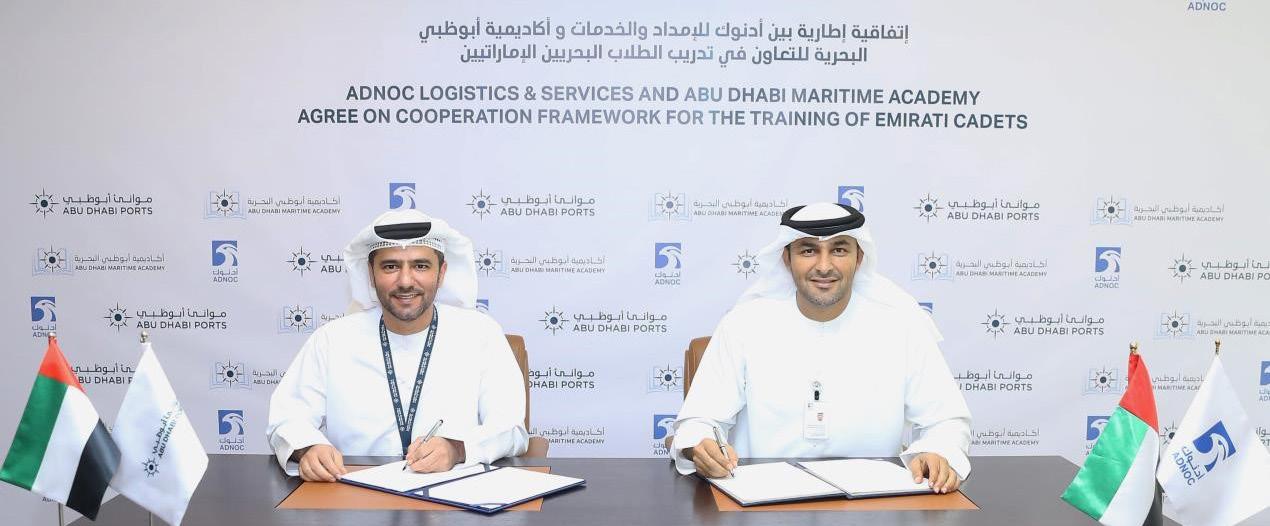
Abu Dhabi Ports Maritime Academy has recently signed an MoU with ADNOC Logistics & Services to offer
cadetships to Emirati students, who have enrolled for the courses at the academy.
This MoU will help us shape the future of our next generation of Emirati marine officers and will enable them to explore marine service experience.
41.5% Decrease in LTI frequency rate in last two years
ABU DHABI PORTS SAFE AND SUSTAINABLE
Prioritising Health & Safety to drive wholesome growth
49% Increase in closing of correctice actions inititated from HSE observations
66% Decrease in number of minor environment incidents
17.5 % Reduction in land incidents
Abu Dhabi Ports functions as the Port Authority and is responsible for administering ports, water limits and industrial zones within its jurisdiction and assuring safe operations therein. All entities directly or indirectly concerned with the activities and operations in Abu Dhabi Ports, are responsible for dealing with Health, Safety, and Environmental (HSE) issues in these ports, including both the administered areas and water limits.
Our commitment to managing HSE issues derives inspiration from the United Nation Sustainable Development Goals, particularly Goal 8 “Promote inclusive and sustainable economic growth, employment and decent work for all” and target 8.8 “Protect labour rights and promote safe and secure working environments for all workers, including migrant workers, in particular, women migrants, and those in precarious employment”. This requires cooperation by the relevant entities for the development and
implementation of a system for the effective management of HSE issues to protect our personnel, assets, environment, and reputation.
As Port Authority, our responsibility includes the issuance of necessary policies, standards, procedures, codes of practice, instructions, and guidelines to safeguard the health and safety of Abu Dhabi Ports’ personnel and port users while also preserving the environment and protecting assets. Ensuring compliance with HSE requirements through audits and inspections and collecting evidence and issuing corrective/preventive actions, warnings or penalties is also one of our responsibilities. We also evaluate and recommend HSE related training programmes for the continual development of our people.
The perfect execution of health and safety plans require discipline and excellence in work, which you can experience at any of the Abu Dhabi Ports controlled or managed ports and terminals.
Abu Dhabi Ports has developed an Integrated Health & Safety and Environmental Management System (IHSE MS), in conformance with ISO 45001:2018 and ISO 14001: 2015 international standards, and in compliance with the requirements of Abu Dhabi Occupational Safety and Health Centre (OSHAD) and the Department of Transport Abu Dhabi (DoT)
as the Sector Regulatory Authority (SRA.). The IHSE MS provides the overall strategic framework for maintaining and improving workplace health and safety and environmental performance; to safeguard personnel, environment, assets, and reputation as well as the surrounding community from OHS risks & environmental impacts.
KEY ELEMENTS OF OUR IHSE MS
Implementation and Controls:
It includes training, awareness, and competence development of employees and external parties. It also defines operational controls to minimise risk to personnel safety.
Planning:
Through planning we ensure that corporate objectives are agreed and then converted into plans and ultimately into budgeted activities.
Checking and Audit:
It involves ongoing monitoring, HSE inspections, investigating incidents and internal/external audit of IHSE MS.
Risk Management and Controls:
It involves the identification of hazards, assessing the associated risks, and evaluating existing controls
Management Review:
It includes assessing opportunities for improvement and the need for changes to the HSE MS policy, procedures, and targets.
Abu Dhabi Ports
OUR HSE PERFORMANCE
Under our IHSE MS, we measure our safety performance through pre-defined KPIs. Abu Dhabi Ports is proud to report that there have been no fatalities for over 11 years. The key indicators of our safety performance are presented in the following graphs.
40: Land incidents
Figure 44: HSE observations
Figure 41: LTI frequency rate
Figure 42: Manhours without LTI
Figure
Figure 43: Total recordable
Figure 45: Serious injuries
Figure 48: Minor environment
Figure 49: Man hours worked
Figure 50: Corrective actions initiated from HSE
HEALTH, SAFETY & ENVIRONMENT WEEK
Giving back to society has always been on our priority ever since inception. In October 2019, we commenced the third round of our annual CSR activity. The yearly HSE week was dedicated to raising awareness and knowledge sharing on the best practices related to HSE, as well as encouraging increased collaboration on HSE awareness and readiness through public-private partnerships.
Under the theme of ‘Risk Management and Business Continuity’, several presenters highlighted the various ways organisations can protect their infrastructure and people while mitigating the negative impact of disruption. Such events are essential to raising
NEESHAN HSE AWARDS
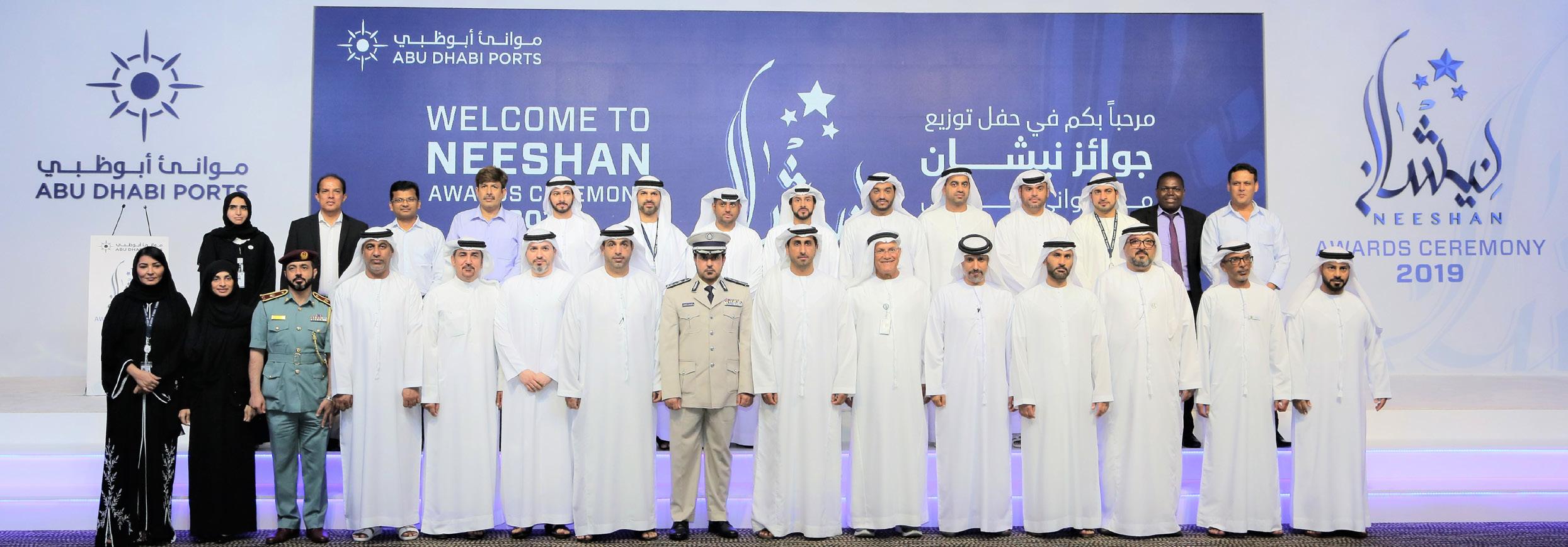
In the year 2019, we continued with our NEESHAN awards and announced the winner in July during a felicitation event. NEESHAN is an HSE award aimed at recognising the contributions of individuals, government, and private entities and partners for their role in improving Abu Dhabi Ports’ overall HSE performance. NEESHAN award has three main categories that include ‘Individual HSE Awards’ ‘Department Awards’ and ‘Customer Awards’. Under
awareness on HSE issues amongst the organisations and communities, to lay a strong foundation of healthy and safe work culture in the UAE.
The event featured a wide range of lectures, workshops, and safety equipment demonstrations along with an annual research competition for students from different institutions, where the winning project related to business continuity and risk management was recognised by Abu Dhabi Ports.
The event attracted a large number of participants from across the UAE’s emergency services, academic institutions, healthcare providers, and HSE suppliers.
each category, there is a list of awards identified: “6” Individual HSE Awards, “7” Department Awards, and “5” Customer Awards.
The award seeks to promote a competitive spirit among Abu Dhabi Ports’ employees as well as customers and suppliers in adopting the best HSE practices in various facilities.
ABU DHABI PORTS ‘EYES ON THE ROAD’ CAMPAIGN
Abu Dhabi Ports organised the ‘Eyes on the Road’ initiative through which we offered truck drivers free health check-ups at our premises. Throughout this campaign, Abu Dhabi Ports highlighted the importance of health and safety for truck drivers, given the long hours they put in on the roads.
Improper health conditions could lead to a lack of concentration, which in turn can have catastrophic consequences for truck drivers, motorists, and passing pedestrians. As part of the campaign, truck drivers were also treated to some well-deserved rest and recreation, including games and refreshments for them to unwind.
MARITIME SAFETY CAMPAIGN FOR STUDENTS
We at Abu Dhabi Port believe that knowledge, when imparted at the right age, can do wonders for young minds. As a part of our CSR activities, the SAFEEN team launched ‘Salamty’ safety campaign, held in cooperation with the Ministry of Education, Abu Dhabi Department of Transport, and Abu Dhabi Police.
The aim was to educate Dalma Island students about passenger safety on ferries. SAFEEN’s safety and security team, along with the ferry’s captain and crew, gave an interactive presentation on safety procedures. They also demonstrated how to use lifesaving equipment. The students also took part in a competition to test the speed of their response when using safety equipment. Around 200 students from Dalma Island’s schools participated in the initiative.
We are Supporting UNSDG targets 3.6 and 11.2 on reducing road traffic, death, and injuries as well as the provision of safe and sustainable system.
ABU DHABI PORTS GOVERNANCE
Our prescient board of directors define the strategic business plans of Abu Dhabi Ports and supervise the implementation, assisted by specialised committees. Our leadership team aims to contribute to a sustainable, diversified and high-value-added economy that encourages enterprise, entrepreneurship, and
innovation to integrate Abu Dhabi Ports with the global economy. Under the guidance of these visionary leaders Abu Dhabi Ports has been able to maintain its stature as the leading ports and industrial zone operator in the region.
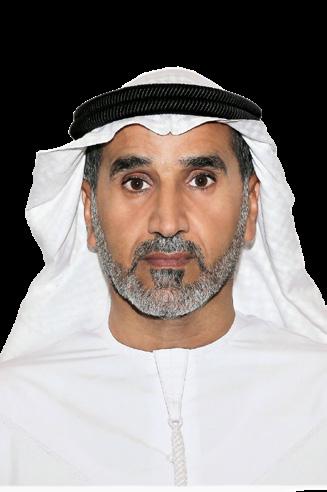
H. E. Falah
Mohammad Al Ahbabi Chairman
H.E. Khalifa
Mohammed Hamad Fares Al Mazrouei Board Member
H.E. Mohamed Mubarak
Ali Al Mazrouei Board Member
H.E Abubaker Seddiq Al Khoori Board Member
H.E. Staff Major General Pilot Faris
Khalaf Khalfan Al Mazrouei Board Member
SUSTAINABILITY COMMITTEE
The Sustainability Committee was created under the directive of our Board of Directors. It is composed of an eight-member team and works towards integrating sustainability principles into the Abu Dhabi Ports management process, promoting industry best practices, developing and monitoring sustainability
objectives and performance indicators. The committee meets every quarter and comprises of members drawn from different departments. The committee members are appointed for a term of one year and are currently headed by the Chairperson from the Corporate HSE department.
OUR VALUE & PRINCIPLE BASED APPROACH TO DOING BUSINESS
At Abu Dhabi Ports, our corporate sustainability starts with the value system and a principles-based approach to operating and expanding ports and industrial infrastructure of the emirate of Abu Dhabi.
We are committed to UN Global Compact’s (UNGC) principles of responsible business, which includes
Human Rights Labour
meeting fundamental responsibilities in the areas of human rights, labour, environment, and anti-corruption. By incorporating the Ten Principles of the UNGC into our strategies, policies, and procedures, and establishing a culture of integrity, we are not only upholding our primary responsibilities to people and planet but also setting the stage for long-term success.
Businesses should support and respect the protection of internationally proclaimed human rights
Make sure that they are not complicit in human rights abuses
Businesses should uphold the freedom of association and the effective recognition of the right to collective bargaining
The effective abolition of child labour
Principle 5: Principle 4:
Principle 1:
OUR VALUES
Environment Anti-Corruption
Principle 7:
Businesses should support a precautionary approach to environmental challenges
Principle 6:
The elimination of discrimination in respect of employment and occupation
Principle 9:
Encourage the development and diffusion of environmentally friendly technologies
Principle 8:
Undertake initiatives to promote greater environmental responsibility
Principle 10:
Businesses should work against corruption in all its forms, including extortion and bribery
Our stakeholders are the source of our inspiration and aspirations; without their support, it would not have been possible for us to become the industry leader we are today.
10 Material Topics Identified
11 Modes of Engagement with Stakeholders
We engage with stakeholders to identify what is essential for the business and to communicate with them on environmental, social, and governance issues. Since Abu Dhabi Ports operations vary in great degrees, we have an extensive range of stakeholder entities to engage with. These include – employees, shareholders, regulatory bodies, customers, suppliers, consultants, and many other associated groups like local communities and civil societies.
Throughout the year, we conduct several events, activities, surveys, meetings etc. to be in direct touch with our stakeholders. Through these engagements, we educate them about new developments, strategic decisions, our priorities, etc. whereas they share their feedback and suggestions, which helps us improve as a responsible business.
Meetings, Internal communication focus groups, and feedback sessions were the critical tools for us in 2019 for stakeholder engagement. To develop our material list of disclosures, we created and floated an online survey amongst our stakeholders to gain more insights on what they consider essential for us to disclose in our sustainability report.
“CONNECTING WITH OUR STAKEHOLDERS HELPS US UNDERSTAND THEIR PERSPECTIVE AND HELPS DEVELOP OUR GROWTH STRATEGY.”
STAKEHOLDERS CONSULTATION
Both internal and external stakeholder surveys were conducted last year. All surveys were prepared with a specific agenda and goal in mind to make it easier for everyone to communicate. Few of those were specially designed to address the private sector companies and civil society organisations associated with Abu Dhabi Ports. Others discussed the calling of the local and federal government and regulatory authorities. External stakeholder surveys mainly focused on engaging 6 main groups – Regulatory authorities, NGOs, suppliers, customers, and community, and industry peers.
The survey participants were requested to rate the sustainability topics from 1 to 10 which is then later converted into a materiality matrix for better visualisation of the data so that inferences
can be drawn, and the sustainability topics could be prioritised.
By conducting these surveys, we also let the stakeholders know that we seek their expertise and feedback in defining the content of our sustainability report, and their opinion is of utmost importance to us in realising the goal of a completely sustainable ecosystem.
Abu Dhabi Ports
ENGAGING WITH STAKEHOLDERS
Our stakeholders’ group is selected based on many criteria and hence involve a wide range of professionals from all walks of life. Mentioned below, you will find our most valuable and respected groups of stakeholders and how we engage with them through activities and promotions throughout the year.
Type of Stakeholders
Audit and inspection
One to one meetings
Social media channels
Board meetings
Publications
Official Communications
Workshop and seminar
Internal Communications Surveys
Panel discussions
Abu Dhabi Ports
MATERIALITY ASSESSMENT
The sustainability report can be termed as the mirror reflection of any company’s environmental, economic, and social influence within and outside the organisation. These reports enable the stakeholders to get a deeper insight into their company’s operation and provides them with an opportunity to provide
feedback and influence decisions for the betterment of the world and business. While considering the disclosures that would be considered for the report, multiple methodologies were adopted to identify those:
FINALISATION OF ABU DHABI PORTS MATERIAL TOPICS:
Questionnaire Distribution:
An extract of the brainstorming sessions is converted into a questionnaire format, which is then shared with the stakeholders during a consultation process. The questions are based on GRI standards and address a wide range of topics such as financial, social and environmental concerns.
Online Survey:
To supplement the results of brainstorming and questionnaire distribution, Abu Dhabi Ports conducted an online survey to cast a wider net for collecting feedback. A detailed questionnaire format was created online and then shared across various channels for collecting responses.
Prioritising sustainability issues:
The questionnaire results from both internal and external surveys are collated together, based on the priorities set by our stakeholders.
Sustainability brainstorming sessions: These sessions are conducted to understand the sustainability priorities of the organisation in different departments and domains. These sessions set the guidelines and the central theme for the proposed sustainability report.
Finalisation of Abu Dhabi Ports
Material Topics:
Alignment with national and international plans and commitments:
The finalised topics are compared with various national and international commitments and priorities such as – Paris Climate Agreement, UAE Energy Strategy 2050 and UN Sustainable Development Goals. A list of finalised material topics is then compiled for approval by Abu Dhabi Ports leaders and executives.
MATERIAL TOPICS
Material Topics
We consider the materiality analysis an important tool to identify the most relevant environmental and social priorities that are consistent with Abu Dhabi Ports ‘ vision and business strategy and to define the contents of our sustainability report.
Through rigorous stakeholder consultation, we plotted the topics as represented in the matrix above. Through this matrix, we have identified the topics that have a significant impact on the economic, social, and environmental performance of Abu Dhabi Ports or that may substantially influence stakeholders’ perceptions and decisions.
Environmental
GRI 302 : Energy
GRI 303 : Water
GRI 305 : Emissions
GRI 306 : Effluent and waste
GRI 307 : Environmental compliance
Social
GRI 404 : Training and education
GRI 405 : Diversity and equal opportunity
GRI 406 : Non-discrimination
GRI 413 : Local communities
Economic
GRI 201 : Economic performance
Abu Dhabi Ports
252,000 jobs supported
ABU DHABI PORTS ECONOMIC PERFORMANCE
Catalysing sustainable economic growth
Ports are a crucial part ofa country’s infrastructure. Expansion of a country’s connectivity to global trade leads to increased economic growth. Considering this, Abu Dhabi Ports has invested heavily in expanding and improving the emirate’s port and industrial infrastructure.
Additionally, the projected economic activity shall support around 252,000 jobs in Abu Dhabi by 2030.
0.54 Billion economic impact
Robotics & AI integration to support the finance function
Implementation of automated capex budget transfer system
The investments in infrastructure have attracted investors and increased trade volumes through the ports and industrial zones.
The increased activity at Khalifa Port, Fujairah Terminal, KIZAD and Mugharraq Port will deliver significant growth to the Abu Dhabi economy.
Indeed by 2030, their total contribution is expected to exceed AED 111 billion (in 2017 prices), which is projected to be equivalent to almost 12% of the emirate’s non-oil economy that year.
“WE
ARE CATALYSING SUSTAINABLE ECONOMIC GROWTH FOR ABU DHABI EMIRATE AND THE UAE BY CREATING OPPORTUNITIES THAT ALLOW BUSINESSES TO THRIVE AND PEOPLE TO HAVE QUALITY JOBS THAT FURTHER STIMULATES THE ECONOMY WHILE LIMITING IMPACT ON THE ENVIRONMENT”.
OUR ECONOMIC PERFORMANCE
AUTOMATION OF CAPEX FOR BETTER EFFICIENCY AND TRANSPARENCY
Cutting down on the unnecessary approval workflows and documentation can increase the overall productivity of the system by manifold. Automated Capex Budget Transfer system was adopted by Abu Dhabi Ports to fully automate the budget changes and approval process. The solution is a complete transition from manual to an automated process flow in consideration of the required approvals to authorise the budget changes.
There are 5 core steps involved in this automated system of funds allotment
1st Step
Request posting through the system
2nd Step
Automated checks and fund reserves from the source by system
3rd Step
Approval and notification through email and mobile
4th Step
Predefined approval hierarchy by the system
5th Step
Automated posting on the approval process completion
These integrated steps make it easier for the administration to allocate funds, which otherwise would have required rigorous efforts and time. It trumps the manual process flow in many ways, as it does not require any manual forms to be filled, the transfers are fully traceable from start to end and in the long run, it saves much time and manual paperwork.
ROBOTICS AND AI TO INCREASE EFFICIENCY
Abu Dhabi Ports Finance vertical has adopted Robotics & AI to speed the process and functions. The RPA bots can now log into applications, perform tasks such as; entering data, computing and then safely logging out without any human intervention.
Repetitive and bulk tasks are now being easily scheduled using these bots, eventually saving thousands of manual work hours, which can be better utilised in the more innovative and creative problem-solving processes.
RFID TAGGING
In an attempt to further ease operational stresses and increase the overall efficiency of the system, Abu Dhabi Ports have started using RFID technology for tagging, locating and managing inventory and other important assets within the ports premises.
RFID stands for Radio Frequency identification and does not require the item to be physically present within the line of sight for data transfer. This latest technology has enabled us to speed up the inventory management process by automatically and uniquely identifying the objects within a cluster.
SUSTAINABLE PROCUREMENT PRACTICES
Corporate Procurement Division (CPD) provides all necessary procurement services to Abu Dhabi Ports and its subsidiaries under a shared procurement business model. The rendered services range from capital developments, consultancy services, operational services, and purchases. Abu Dhabi Ports has a well-
Customer-centric approach:
Customer service has been identified as the core reason for the existence of the CPD. It serves not only as a tactical service provider but also serves as strategic partners to enable business units to meet their objectives.
defined procurement strategy, followed by policy and procedures that provide detailed guidance on the procurement function. CPD’s six strategic objectives are provided below, of which “Sustainability” is of crucial importance.
Continuous improvement &
technology application
In the ever-evolving business landscape, CPD is committed to continuous improvement and shall integrate the use of available technology.
Business continuity
CPD places a vital role in supporting Abu Dhabi Ports business continuity. It involves workforce and succession planning, recruitment, training, and development of employees identifying strategic suppliers, and development of risk register with mitigation plans.
Governance:
CPD is committed to eliminating financial and reputational risks associated with procurement by limiting the opportunity for fraud and misconduct. We seek to establish and maintain an appropriate governance structure along with policies and procedures to mitigate these risks.
Cost-Effectiveness:
CPD aims to contribute to the bottom line of the organization by identifying saving opportunities through effective management of the procurement process.
Sustainability:
CPD is committed to sustainable procurement through the following objectives:
• Recruit and develop UAE/ local talent
• Promote work-life balance
• Prioritise local and underrepresented suppliers
• Seek employee welfare commitment from the suppliers
• Undertake employee and supplier feedback
Abu Dhabi Ports objective has always been to promote the local suppliers, vendors, manufacturers, and service providers to boost the local economy. This leads to a close-knit ecosystem of local businesses and entities working together to achieve a common goal of the
economic prosperity of the UAE. Also, since our major operations and business tasks are executed within the borders of Abu Dhabi, it’s logical for us to collaborate with local suppliers.
Figure 57: Number of suppliers
Figure 58: Annual spend on suppliers
Figure 59:
GRI CONTENT INDEX
GRI Standard Disclosure
GRI 101: Foundation 2016
General Disclosures
Organisational profile
Page
and/or
102-1 Name of the organisation Abu Dhabi Ports
102-2 Activities, brands, products, and services 16, 18, 19
102-3 Location of headquarters 16
102-4 Location of operations 16, 20, 21, 22, 23
102-5 Ownership and legal form 16
102-6 Markets served 16
102-7 Scale of the organisation 16, 80, 81
102-8 Information on employees and other workers 56, 57
102-9 Supply chain 84, 85
102-10 Significant changes to the organisation and its supply chain No significant changes in supply chain.
102-11 Precautionary Principle or approach 43
102-12 External initiatives 61
102-13 Membership of associations International Port Community System Association. Strategy
102-14 Statement from senior decision-maker 9, 11
Ethics and integrity
102-16 Values, principles, standards, and norms of behavior 72, 73 Governance
102-18 Governance structure 70, 71
102-21 Consulting stakeholders on economic, environmental, and social topics 78, 79
102-22 Composition of the highest governance body and its committees
102-23 Chair of the highest governance body
Note : For the Materiality Disclosures Service, GRI Services reviewed that the GRI content index is clearly presented and the references for Disclosures 102-40 to 102-49 align with appropriate sections in the body of the report.
Stakeholder engagement
102-40 List of stakeholder groups 76
102-41 Collective bargaining agreements
Collective bargaining agreements are not permitted in the UAE.
102-42 Identifying and selecting stakeholders 74, 75
102-43 Approach to stakeholder engagement 76, 77
102-44 Key topics and concerns raised 78, 79
Reporting practice
102-45 Entities included in the consolidated financial statements
MICCO Logistics - Sole proprietorship LLC, Abu Dhabi ports Marine Services LLC, Khalifa Industrial Zone Company LLC, Abu Dhabi Free Zone LLC, Al Awaid Project Managament & Property LLC, Al Howaitha General Contracting & Logistics LLC, Al Yaher General Trading Ltd, Maqta Gateway LLC, Fujairah Terminals LLC, Abu Dhabi Ports Operating & Logistic Company LLC, Auto terminal Khalifa Port LLC, Abu Dhabi Maritime Academy
102-46 Defining report content and topic Boundaries 78, 79
102-47 List of material topics 79
102-48 Restatements of information None.
102-49 Changes in reporting None.
102-50 Reporting period January to December 2019.
102-51 Date of most recent report December 2018.
102-52 Reporting cycle Annual.
102-53 Contact point for questions regarding the report customerserivce@adports. ae
102-54 Claims of reporting in accordance with the GRI Standards This report has been prepared in accordance with the GRI standards : Core Option.
102-55 GRI content index 86
102-56 External assurance Not Assured.
Material Topics
306-1
GRI 103: Management Approach 2016
GRI
Environmental Compliance
GRI 400 Social Standards Series Training and Education