BATTERY › GEOTHERMAL › INFRASTRUCTURE › LNG › NUCLEAR › REGULATORY › RENEWABLE › STRATEGY

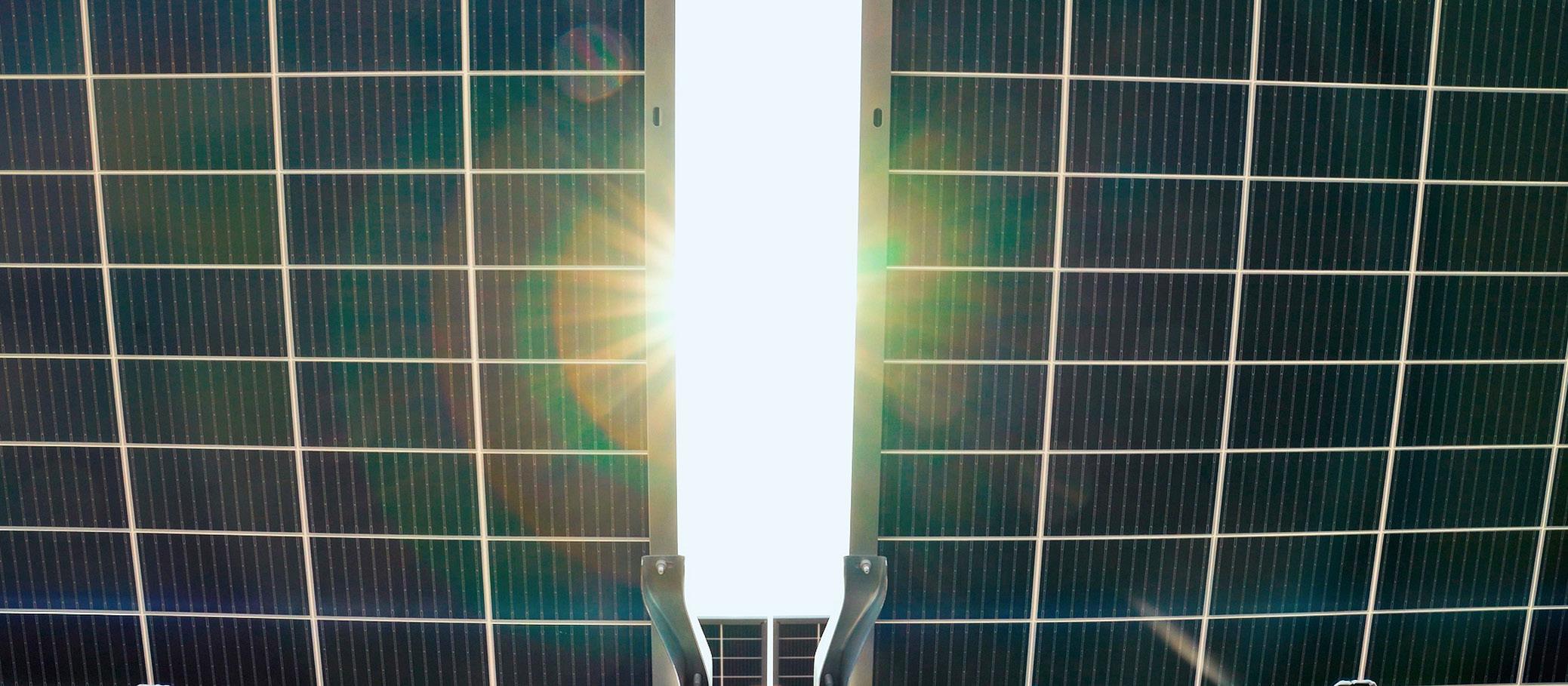
As Hungary accelerates its push toward energy independence and decarbonization, market-based solutions linking renewable producers with corporate consumers are gaining strategic importance. In an interview with Energy Review, Green Cloud Platform CEO László Pokol and commercial director Ildikó Varga-Futó discuss how domestic solar capacity, long-term corporate power purchase agreements, and energy storage integration can strengthen supply security while delivering predictable, bankable returns in an increasingly complex energy market.
By Bence Gaál
What role does domestic renewable energy capacity play in strengthening Hungary’s energy independence, and how does Green Cloud contribute to this goal?
László Pokol: Domestic renewable capacity is one of the most effective ways to improve energy independence
because it reduces exposure to imported fuels and the price volatility that comes with them. In Hungary, the rapid build-out of solar has already proven how quickly local generation can strengthen supply security—especially when it is paired with market-based offtake structures that make new projects financeable and predictable.
Green Cloud contributes by creating a professional bridge — and virtual marketplace — between renewable producers and corporate consumers. We help to bring new and existing domestic renewable generation to the market through structured, transparent offtake solutions (including corporate PPAs), while supporting clients with forecasting, balancing, and risk management.
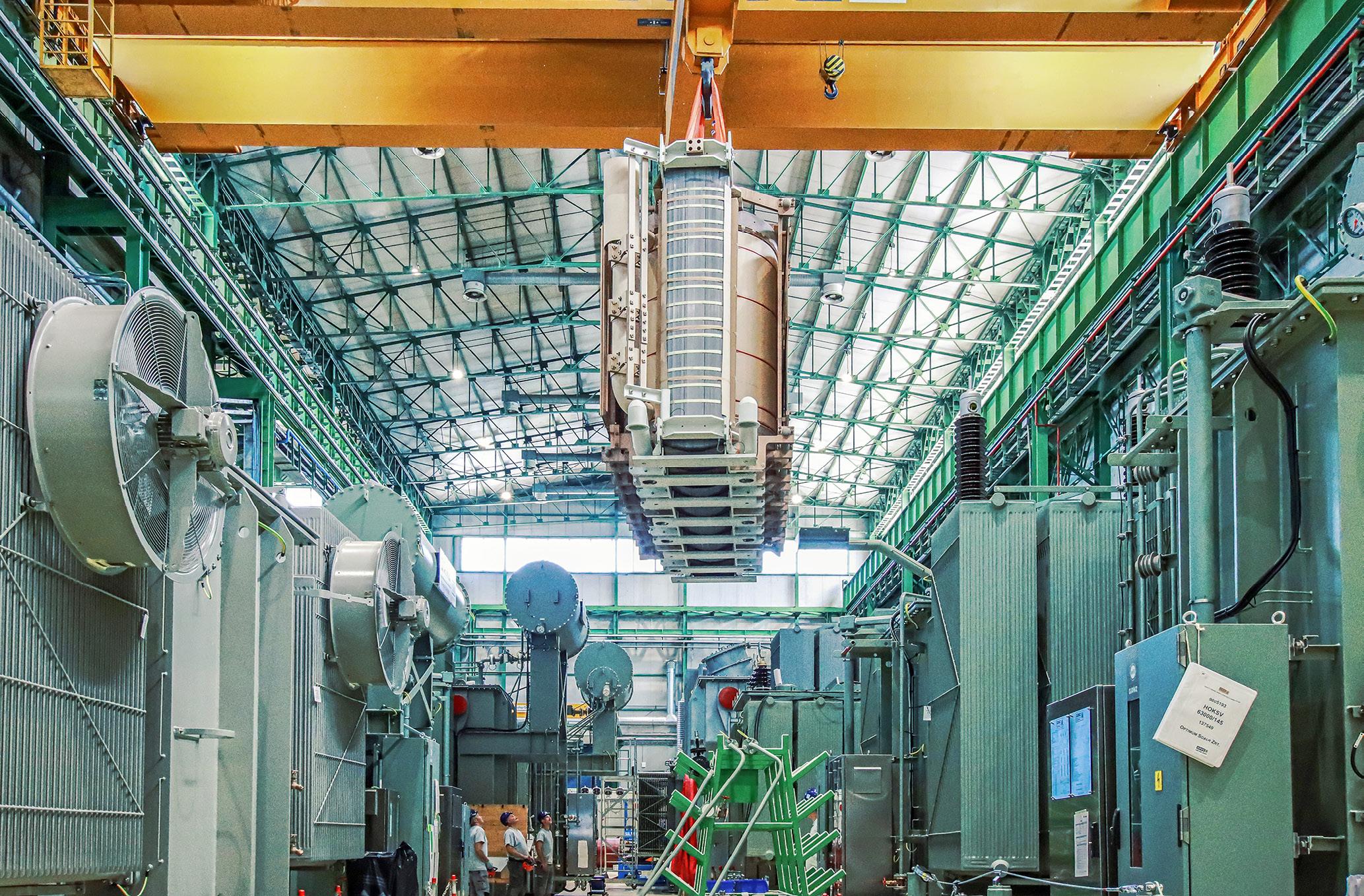
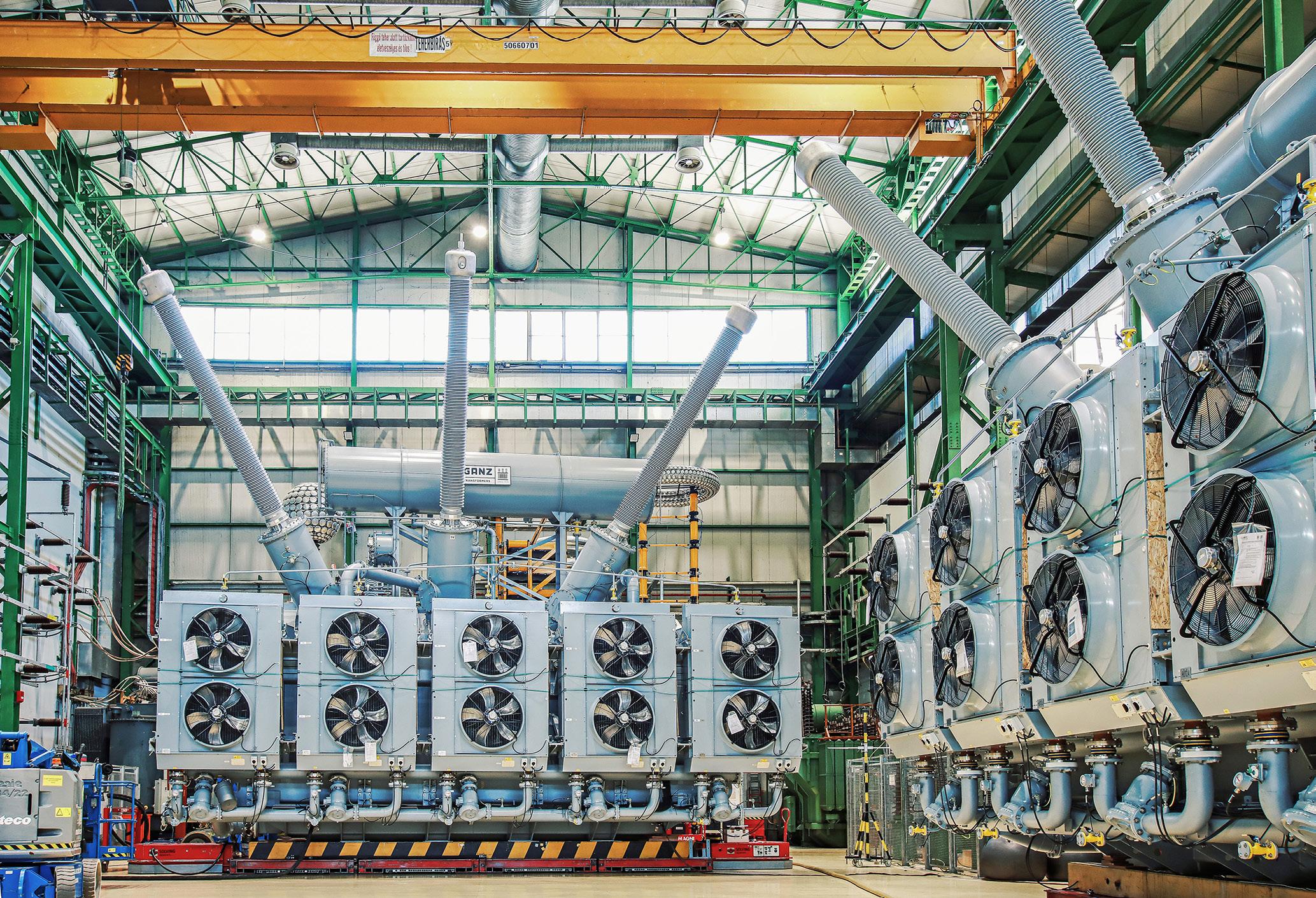
For nearly 150 years, Ganz Transformers and Electric Rotating Machines Ltd. has been a defining force in ensuring the stability and reliability of energy supply across Europe and beyond. As one of the continent’s most established heavy industrial manufacturers, the company combines deep engineering heritage with modern technological capabilities.
By Bence Gaál
Today, Ganz Electric designs and produces high-voltage transformers, medium- and high-voltage rotating machines, and advanced digital monitoring solutions, all of which
contribute to the safe and efficient operation of global energy systems. With its commitment to innovation and sustainability, the company continues to play a crucial role in supporting the energy transition and strengthening industrial resilience.
Rotating machine manufacturing is one of the most complex and expertise-intensive areas of heavy industry, and Ganz Electric has built its reputation on mastering precisely this field. The company manufactures a wide range of medium- and highvoltage motors and synchronous generators, covering the full scope of engineering and production, from initial design and mechanicalelectrical development to on-site installation and commissioning supervision. This end-to-end capability allows Ganz Electric to respond to highly specific customer requirements
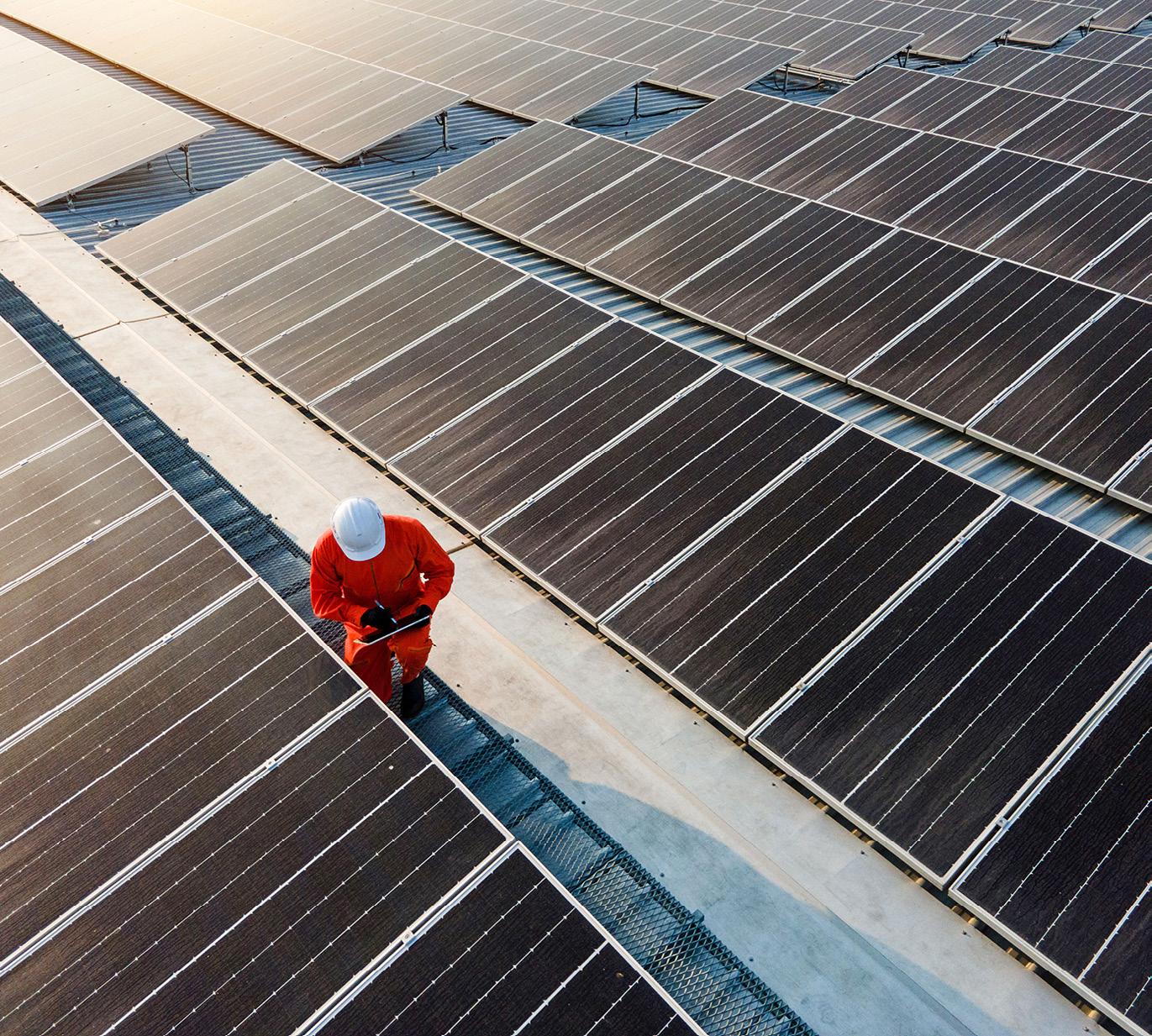
For decades, a basic principle governed electricity supply: power could not be stored at scale, so generation had to match consumption in real time. That logic is now rapidly changing. The expansion of renewable energy sources, particularly solar, is reshaping how Hungary produces, distributes and consumes electricity. E.ON says energy storage is becoming a cornerstone of Hungary’s electricity system, as the country accelerates its shift toward renewable energy and a more flexible, decentralized grid.
By Bence Gaál
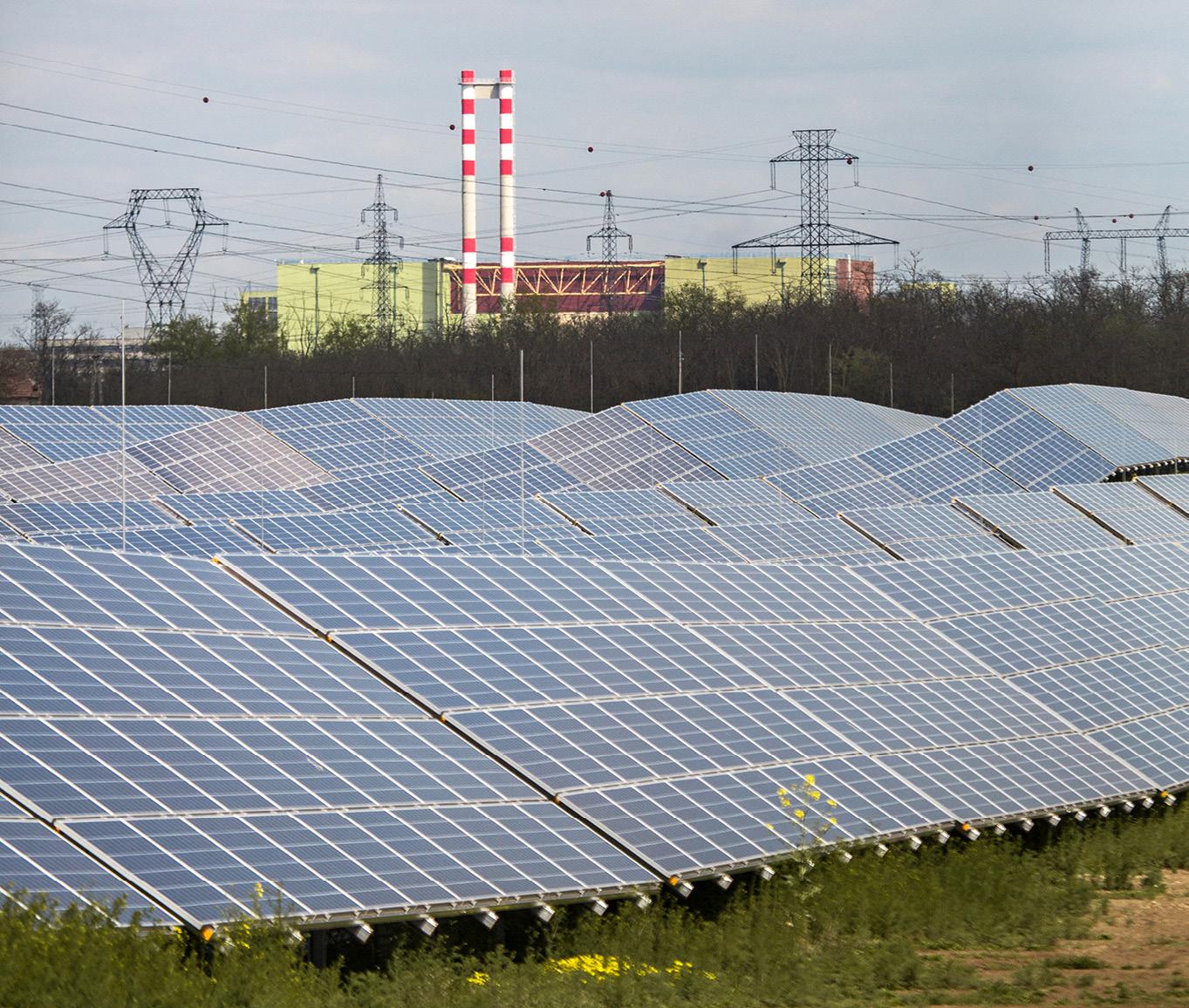
Installed solar capacity in Hungary has grown to levels comparable with the output of the country’s largest conventional power plants. However, unlike fossil fuel or nuclear generation, solar energy is inherently variable. Output depends on weather conditions and daylight hours, meaning production can fluctuate significantly within a single day.
On cloudy days, generation drops sharply; at night, it effectively falls to zero. As a result, electricity production and
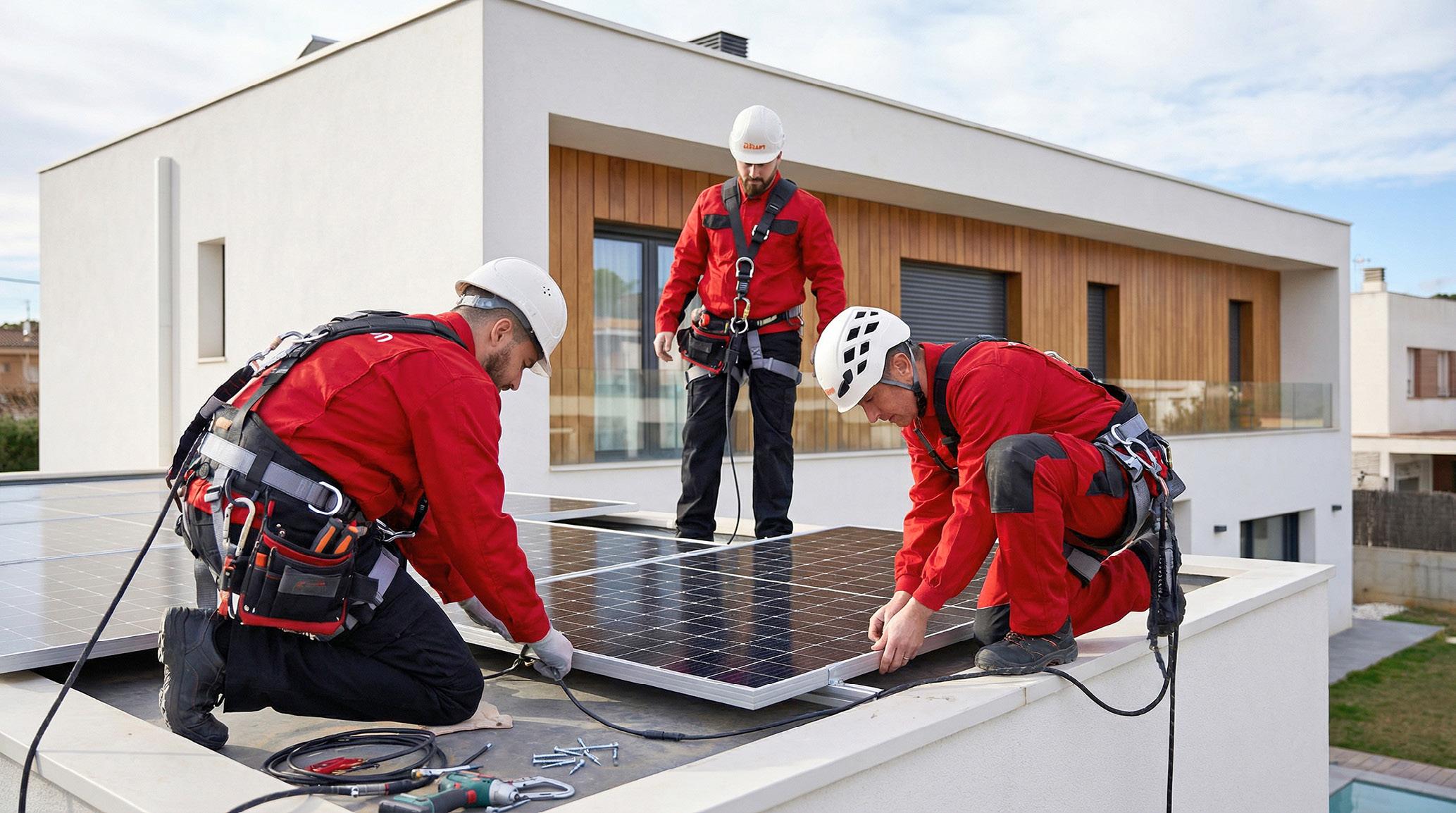
In the following Energy Review Market Talk, Anita Simon, deputy CEO for Sustainability and Circular Economy at ALTEO; Beáta Szoboszlai, head of Energy and Utilities at PwC Hungary; Zsolt Szilágyi, CEO of Duna-Dráva Cement Kft; and Gergely Gál, CEO of Ganz Transformers and Electric Rotating Machines Plc, share their perspectives on one of the defining challenges for Hungary’s economy: maintaining industrial competitiveness while advancing decarbonization.
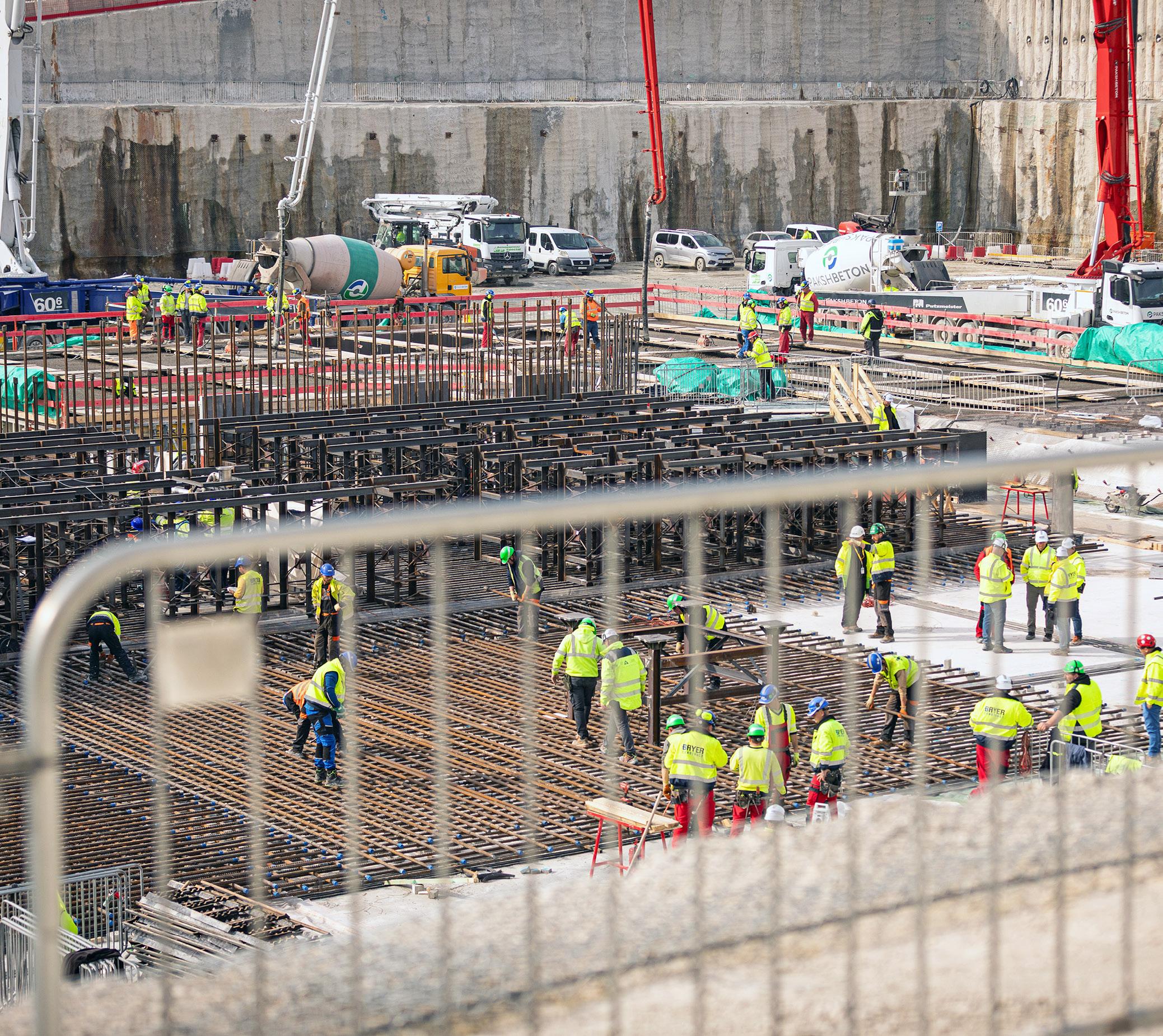
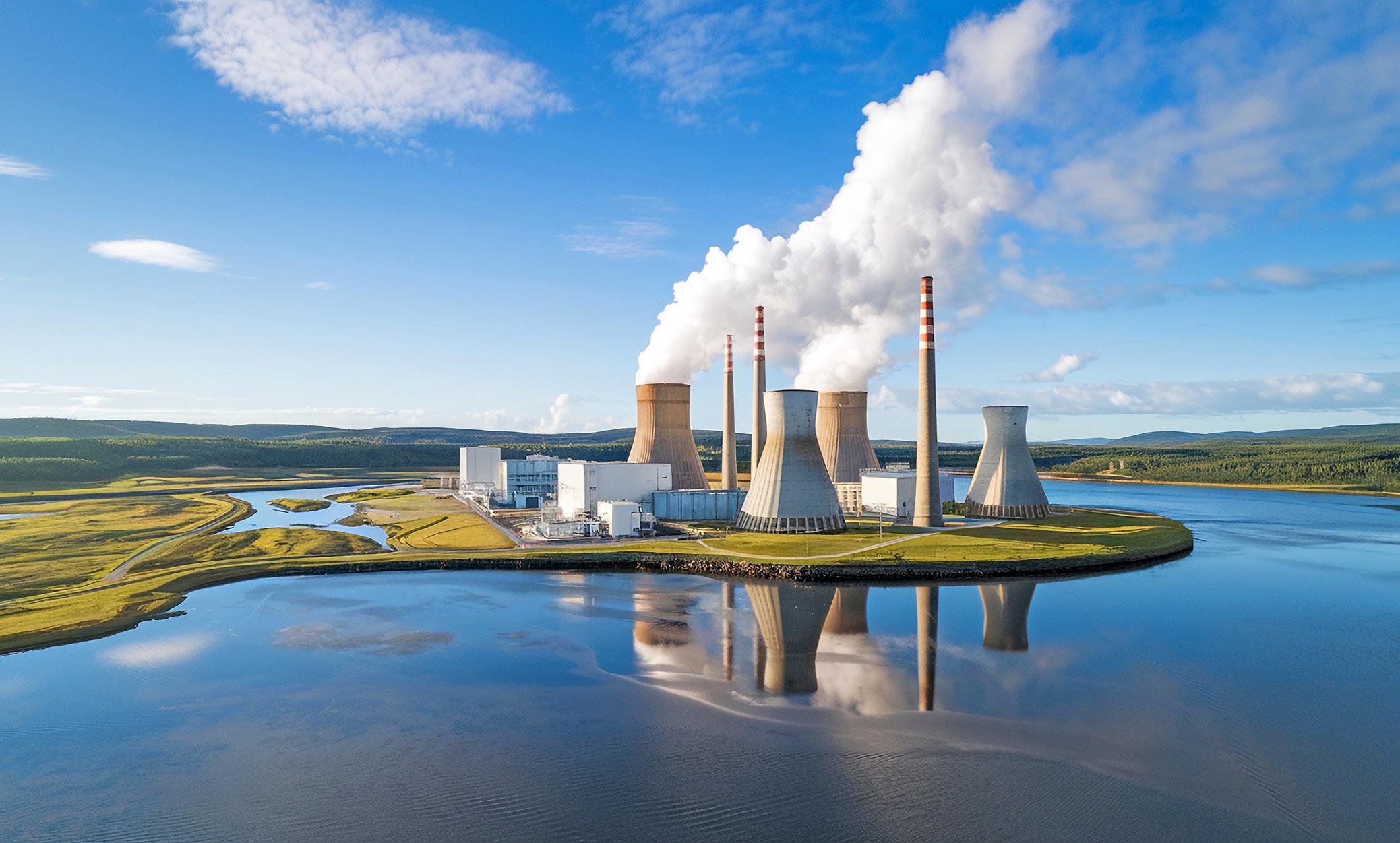
The construction of the reinforced concrete foundation slab for Unit 5 of Paks II. Nuclear Power Plant has begun – this marks the first concrete pouring, a milestone in the construction of nuclear facilities.
“If there has been a project that had to face headwinds, Paks II. is, I believe a completely perfect example of that,” said Rafael Grossi at the ceremony of the first concrete pouring of the Paks II. Nuclear Power Plant.
The Director General of the International Atomic Energy Agency added, “Today is a significant step not only for Hungary, but also for the international nuclear industry and sustainable energy production.”
The MVM Group is an indispensable player in Hungary’s and the region’s energy supply. The group’s operations cover the entire domestic energy system and almost the complete value chain of the energy sector. In addition to its leading role in Hungary, MVM aims to become a key corporate group at the regional level as well.
By Bence Gaál
Changes in the market environment have triggered new processes to which all actors worldwide must respond. To not only observe but also understand these changes, MVM Group provides insight into the company’s strategic thinking, the challenges it faces, and its responses.
The energy industry is being fundamentally shaped by long-term global trends that present both challenges and opportunities for companies. The rapid electrification of energy systems, the interconnection between different energy segments,
and sustainability requirements are no longer just regulatory pressures but have also become strategic imperatives.
In response to these developments, MVM has developed a strategy that defines numerous concrete commitments and directions up to 2035, including how the company plans to transform its generation portfolio into a more flexible, cleaner and more sustainable structure over the long term.
According to the company, the coming decade defined by
sustainability challenges and the structural transformation of energy systems, while ensuring the safe operation of existing systems remains essential. The company interprets this not merely as external pressure but as a clear opportunity, and is gradually transforming its operational framework accordingly.
As part of this transformation, the modernization and decarbonization of the generation portfolio is underway, along with the acceleration of technological developments, the launch of efficiency improvement and digitalization programs, and the deeper integration of energy transition
Hungary’s oil security has entered a new phase of uncertainty following the suspension of crude deliveries through the Druzhba pipeline in Ukraine at the end of January. On top of that, the war in Iran and the disruption to oil and gas flows through the Strait of Hormuz have triggered “the greatest threat to global energy security in history,” as defined by the International Energy Agency’s (IEA) Executive Director. Currently, fuel supplies in Hungary remain stable, following MOL Group’s request to unlock State’s strategic reserves and a new focus on maritime imports.

Hungary and the United States signed an important agreement on nuclear energy cooperation earlier in February. During his visit to Europe, U.S. Secretary of State Marco Rubio announced concrete steps towards building nuclear power plants in Central Europe using cutting-edge U.S. nuclear energy technologies.
By Claudia Patricolo
Specifically, in Budapest, Secretary Rubio signed the U.S.-Hungary Civil Nuclear Intergovernmental Agreement, underscoring his country’s commitment to making Hungary a hub for regional small modular reactor (SMR) development, and encouraged Hungary to select U.S. SMR technology. He also reaffirmed that American firm Holtec

Hungarian households pay one of the lowest energy prices in Europe. This is thanks to government measures aimed at protecting residential consumers and reducing energy poverty throughout the country, and there are no hints that this will change, even in light of recent global geopolitical turmoils. However, some are warning that having regulated utility prices is distorting the Hungarian market, discouraging investments.
By Claudia Patricolo
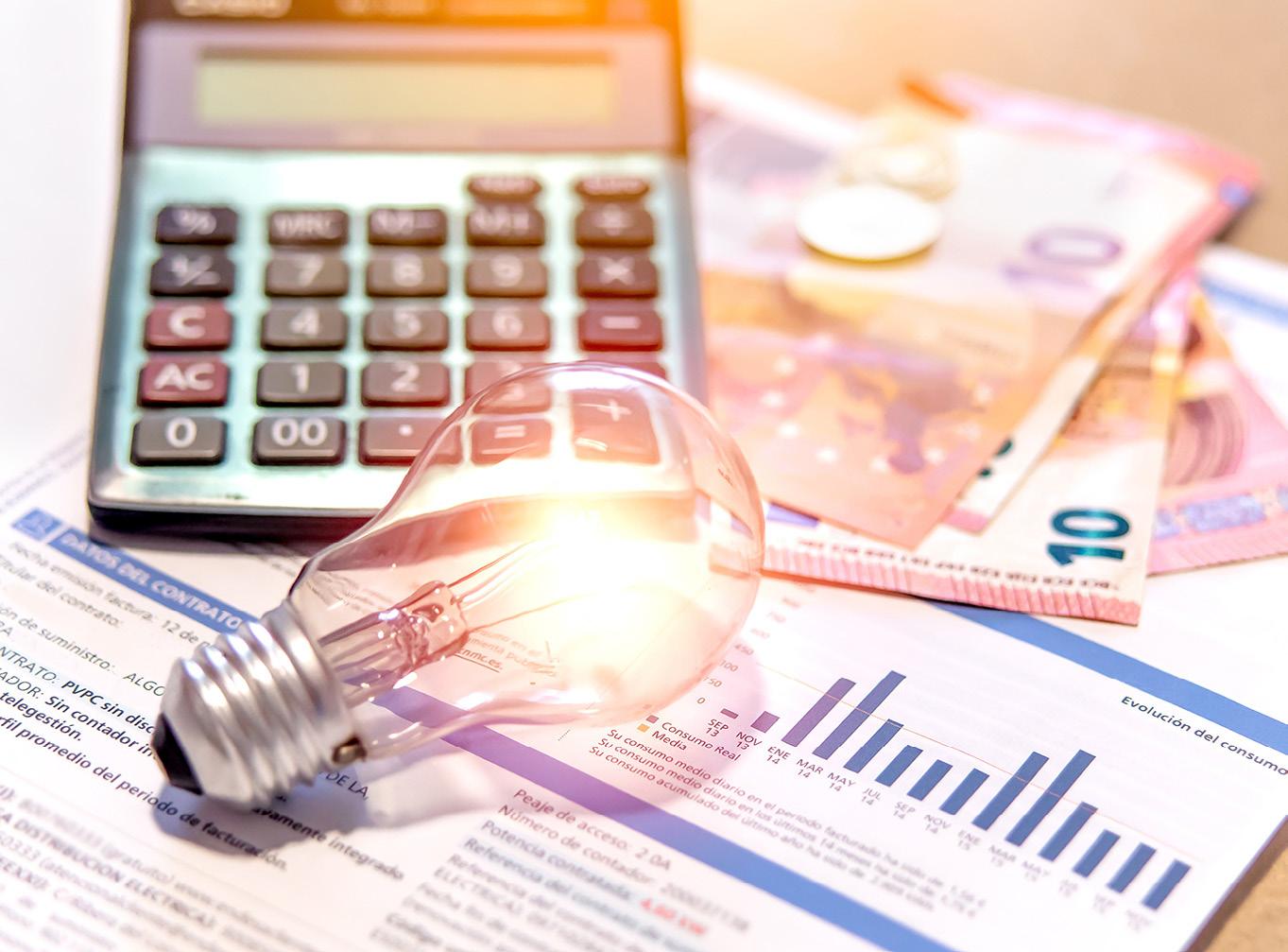
Currently, both electricity and natural gas prices follow a two-tier regulated system, meaning that households benefit from a reduced tariff: HUF 36 per kilowatt-hour (kWh) for an annual consumption of up to 2,523 kWh for electricity; and HUF 102 per m³ for an annual consumption of up to 1,729 m³ for gas. For those who surpass these thresholds, bills can be higher. What does it mean in practice? An important share of household consumption is protected from market price fluctuations, which helps ensure affordability and predictability, two crucial aspects of today’s energy systems.
At the end of January, prices were further lowered due to extreme winter weather. Energy Minister Csaba Lantos announced that all Hungarian households that receive energy through the grid would benefit from a 30% utility discount, a measure positively affecting nearly 8 million consumers nationwide. This temporary “utility price freeze” saw the government absorb roughly HUF 50 billion in additional costs. The Minister stressed that the government’s goal was to ensure that households that remained within the regulated price band in 2025 would not be pushed into higher pricing tiers due to January’s increased consumption. And this won’t change even in light of recent market changes at the global level, following the shutdown of the Druzhba oil pipeline in Ukraine and the war in Iran, which triggered a rise in oil prices worldwide. In fact, ahead of the EU summit, which took place on March 19 and 20, Hungary’s Prime Minister Viktor Orbán replied with a sharp “no” when asked by local journalists whether high global prices could lead to a limitation of Hungary’s utility price cap scheme.
Hungary’s energy transition is entering a new phase focused on flexibility, not just generation, as shown by the several agreements and new energy storage-related projects. Major Hungarian players like Alteo and MVM Group are laying the ground for tomorrow’s flexible electricity system, when even more renewable energy capacity will be installed, and the grid must be ready.
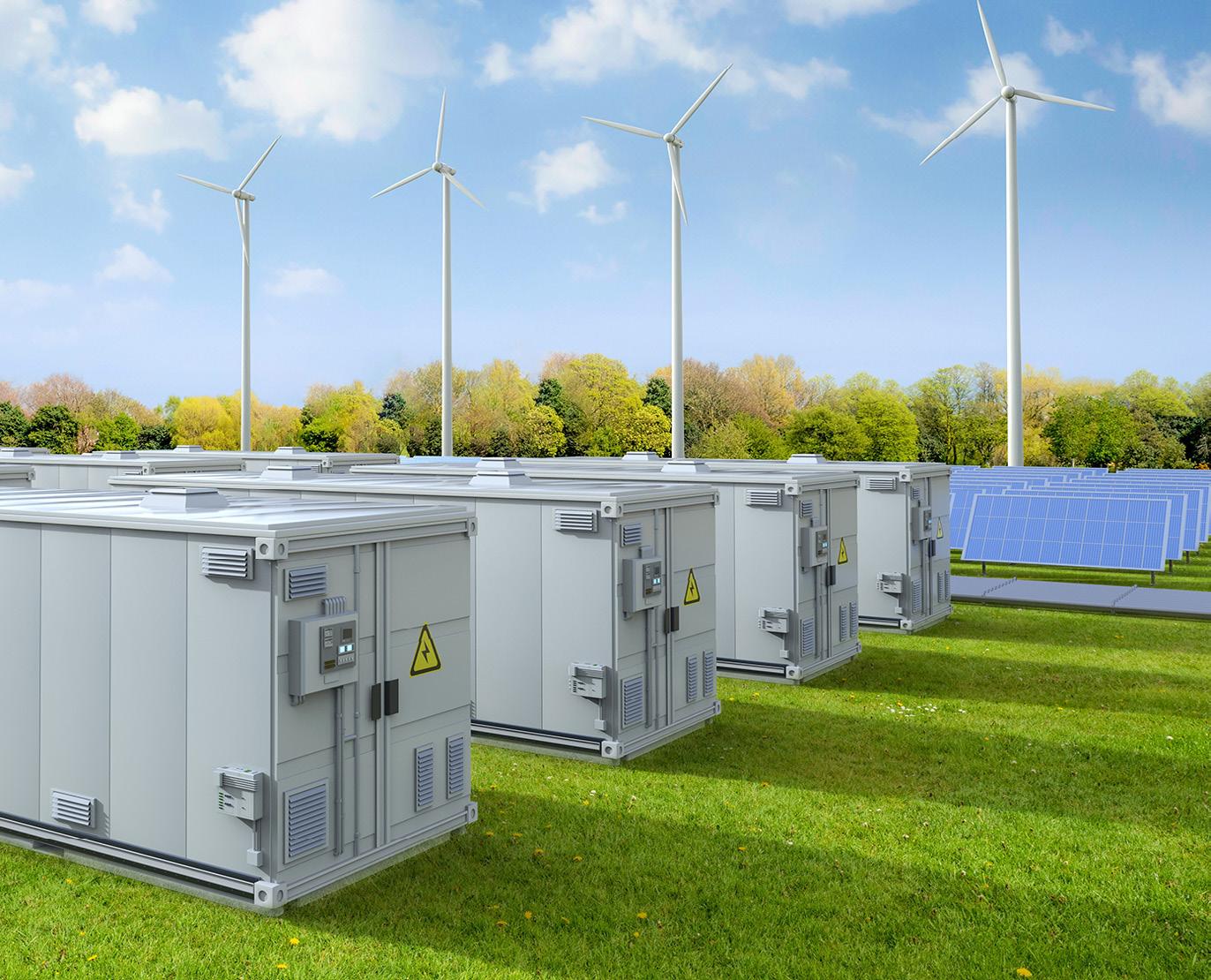
Hungary’s rapidly evolving energy landscape is entering a more complex phase, where managing the effects of surging solar capacity is becoming as critical as expanding it, according to industry experts. László Pokol, CEO of Green Cloud; Tamás Pazsiczky, partner at EY-Parthenon; and Levente Nagy-Gál, consulting and business development lead for Hungary at Schneider Electric, said the focus is shifting toward battery storage, digitalization and new market models to ensure system stability, economic efficiency and long-term sustainability.
By Bence Gaál
Energy Review: Where do you currently see the most disruptive innovation in Hungary’s energy sector — generation technologies, storage, digitalization, flexibility solutions, or new business models?
Levente Nagy-Gál: In today’s energy sector, I don’t see a single technology as the most disruptive; rather, it is the integrated solutions that simultaneously address generation, flexibility, and digitalization. This is particularly true in Hungary: by early 2026, photovoltaic systems already account for more than 50% of the country’s total installed electricity generation capacity. In this context, storage, demand-side flexibility, and intelligent grid operation are becoming increasingly important— together forming the foundation of so-called microgrid operation.
Globally, this decentralized model is spreading rapidly. In the microgrid solutions offered by Schneider Electric, for example, we see that an industrial site can optimize its own solar generation, battery storage, and consumption through intelligent control: when energy is abundant and cheap, it stores; when it is scarce or expensive, it feeds back or reduces consumption—effectively operating as a “mini energy system.”
László Pokol: Today, significant changes are taking place across Hungary’s energy sector. The development of renewable
The functioning of today’s energy markets is shaped not only by economic factors, but increasingly by geopolitical developments. Recent armed conflicts, uncertainties in supply routes, and the fragility of global trade chains have fundamentally reshaped price dynamics. Even a development in the Middle East can have a rapid and tangible impact on European –and consequently Hungarian – markets.
By Bence Gaál
“The energy market no longer operates on a regional logic: global events now define local prices. Predictability has given way to the need for rapid adaptation as a core capability for businesses,” says Zsuzsa Nagy, managing director of E.ON Energy Solutions Ltd.
One of the most significant consequences of ongoing geopolitical tensions, particularly in Iran and the broader Middle East, is the persistence of uncertainty and heightened volatility. Prices have not only stabilised at higher levels but also show rapid and often hard-to-predict fluctuations. As a result, the role of energy trading is evolving: beyond securing supply, the focus is increasingly on managing risks and creating greater predictability.
Recent market movements clearly illustrate this dynamic. In the electricity market, forward prices rose sharply from around EUR 90 to above EUR 115 within a short period, followed by a correction. In the gas market, TTF – the Dutch gas exchange serving as Europe’s benchmark – surged from approximately EUR 30 at the end of February to above EUR 70, before settling around EUR 60 by mid-March.
The trend is clear: these are not isolated fluctuations, but persistent, fast-moving price changes that require businesses to adapt. European energy markets continue to operate on organized, exchange-based systems. In Hungary,
A new analysis from U.K.-based think tank Ember has revealed that a technological leap in deep-earth drilling is poised to transform geothermal energy from a niche “volcanic” resource into a mainstream power source. The study showed that geothermal could replace 42% of the European Union’s coal and gas-fired generation, providing a stable, “alwayson” alternative to fossil fuels for less than EUR 100/ megawatt-hour (MWh), the cost of coal and gas electricity. In particular, the report highlighted that the largest potential is today concentrated in Hungary.
By Claudia Patricolo
If we think about conventional geothermal, it was mainly concentrated in places where rock formations were both hot and naturally permeable, meaning that only specific geographical areas came into mind when referring to geothermal energy potential. Places like Iceland or Indonesia. Today, progress in geothermal technologies (known as “next generation geothermal”) has removed the need for these specific natural conditions. This progress, together with more cost-effective deep drilling and advances in power-conversion systems that enable electricity generation at
It has been two years since the Antwerp Declaration, a call from European industry leaders urging the EU to align climate ambition with industrial competitiveness. Although some tangible progresses have been made, 83% of the Antwerp Declaration Monitoring Framework indicators have seen no improvement.
By Claudia Patricolo
Ahead of the European Council meeting in Alden Biesen, which took place in February 2026, industry representatives warned that Europe could face serious consequences if it continues to fail to take meaningful steps to improve its competitiveness. Among those are also the Hungarian Chemical Industry Association (MAVESZ) and MOL Group, which underlined how, without a strong European industry and an appropriate regulatory environment, the continent’s economy will continue to weaken, factories will close, and jobs will be lost.
“Without strong industry, there can be no growth in Europe,” said MOL Group’s executive vice president of Downstream, Gabriel Szabó. “We support the EU’s goals, but our industry continues to struggle with high energy costs and unrealistic targets. The green transition is a priority, but not at the expense of competitiveness. We need real growth drivers and an environment that will make Europe stronger.”
In particular, Hungary’s chemical industry is quite an important pillar of the country’s economy with a turnover of EUR 6,55 billion and almost 17,000 highly trained employees.
At the same time, it is also among the most exposed to rising energy costs and tightening EU climate policies.
“The Hungarian chemical industry is facing significant transformation challenges and, at the same time, high risk of structural job losses,” commented Csaba Szabó, director of MAVESZ. “In Europe, the sector is currently navigating the worst production drops in decades, driven
by high energy costs, intense international competition, and the pressure of decarbonization. Indeed, as he recalled, the European chemical plant closures reached around 9% of production capacity in just four years, together with ten-thousands of direct and indirect job losses. “Hungarian chemical industry is struggling in parallel with low market demand and capacity utilization, high energy costs, and some local taxes (for example, the CO2 quote tax), which increases the risk of potential shutdowns,” he highlighted.
Furthermore, the Hungarian chemical industry is heavily exposed to high energy prices, especially when compared to competitors outside the EU (including in the US or Asia). “Chemical industry manufacturing losses can have a multiplier effect, where one direct job loss can lead to up to five additional jobs lost elsewhere,” Szabó said, adding that the industrial output in Hungary has decreased for three consecutive years (by more than 10% between 2023-25).
EMERGING
However, it is not just about job losses. As new employment opportunities emerge across sectors such as renewable energy, electrification, hydrogen, and the circular economy, a different set of competencies is
2025 was a record year for domestic hydrocarbon production in Hungary. Approximately 1.17 million tonnes of crude oil were brought to the surface from domestic fields, surpassing the previous record set in the early 2000s. At the same time, domestic natural gas production approached 2 billion cubic meters (bcm), a figure last seen in 2013.
By Claudia Patricolo
The main drivers of these successful explorations were several concessions announced by the Ministry of Energy in 2024, which resumed after a 5-year hiatus, and granted the right to explore and produce gas and oil for a period of twenty years, with the possibility of an extension, without a new tender, by up to half of its initial duration. In February, new hydrocarbon E&P concessions were announced for both natural gas and crude oil in the potential fields of Érd-Baracska, Bácsalmás, Békéscsaba, Kisköre, Nagylengyel-West, Tiszacsege, and Tiszalök. As the Ministry stated, the goal is to base Hungary’s “energy sovereignty and the secure supply of consumers” on domestically available resources.
“In order to reduce import exposure, it is advisable to meet as large a share of energy demand as possible from sources available within the country’s borders,” highlighted Gábor Czepek, Deputy Minister of the Ministry of Energy. Indeed, betting on more domestic hydrocarbon resources is particularly important in light of the recent geopolitical tensions that led to supply disruptions and operational
challenges, such as the halt in operations of the Druzhba oil pipeline, which transported to Hungary (via MOL) roughly 290,000 barrels per day (b/d).
“Maintaining domestic hydrocarbon production is strategically important for both energy and industrial resilience,” stated the Supervisory Authority for Regulatory Affairs (SARA). “The growth in domestic hydrocarbon production confirms the success of the consistent
legislative efforts of recent years to support Hungary’s mining sector. While the 2025 production figures are impressive in their own right, it is important to note that they represent the peak of a five-year period of continuous growth. We are confident that the recently announced hydrocarbon concessions will help to maintain this upward trend.”
According to MOL Group, behind these exceptional results were favorable external conditions that supported refining margins and the weaker yearon-year performance of petrochemicals. Additionally, the increased output across Central and Eastern Europe and in the Kurdistan region of Iraq reinforced higher production levels in the upstream. Looking into 2026, the Group is expecting an increase in production to around 95-97 Thousand Barrels of oil equivalent per day (mboepd).
Recent concessions are also building on continued exploration success in Hungary. In the last quarter of 2025, MOL and O&GD discovered a new oil field at a depth of approximately 2,400 meters near Galgahévíz. The well, named
LISTED IN ALPHABETICAL ORDER
COMPANY NAME WEBSITE TOTAL NET EVENUE IN 2024 (HUF MLN)
MAIN AREAS OF ACTIVITY NUMBER OF FULL-TIME EMPLOYEES IN 2026
OWNERSHIP: HUNGARIAN NONHUNGARIAN TOP LOCAL EXECUTIVE
Aufwind Schmack Első Biogáz Kft. –2,899 Biogas production (from agricultural and organic waste), renewable energy generation 25 MOL Nyrt. (100) (–)
ALTEO
Energiakereskedő Zrt. alteo.hu 40,677 Electricity and natural gas sales A
ALTEO
Energiaszolgáltató Nyrt. (100) (–)
Auster-Solar Kft. www.solar-markt.com 0 Production of electricity from renewable sources 1 SM Invest Holding Kft. (100) (–)
Budapesti Erőmű Zrt. budapestieromu.hu 206,897
Electricity and heat (district heating) production in Budapest, operation of power plants 188
CHP Energia Befektetési és Vagyonkezelő Zrt. (100) (–)
Evelin Halász Managing director
Attila Chikán Jnr. Chairman-CEO
Györgyné Dávid, Ágnes Jakabos Managing director
György Palkó CEO
ADDRESS PHONE E-MAIL
5540 Szarvas, Mezőberényi út 0640. hrsz. (+36) 66 514-400
1117 Budapest, Dombóvári út 25. (+36) 1 236-8050 info@alteo.hu
1061 Budapest, Andrássy út 10.info@solar-markt.com
1117 Budapest, Budafoki ut 52. (+36) 1 577-8439 gabor.tatar-kis@bert.hu