Design & Layout: Alana Searle ATG Group Co-ordinator & Advertising: Jason Searle
Hanging
see what’s new at your local gardening outlet
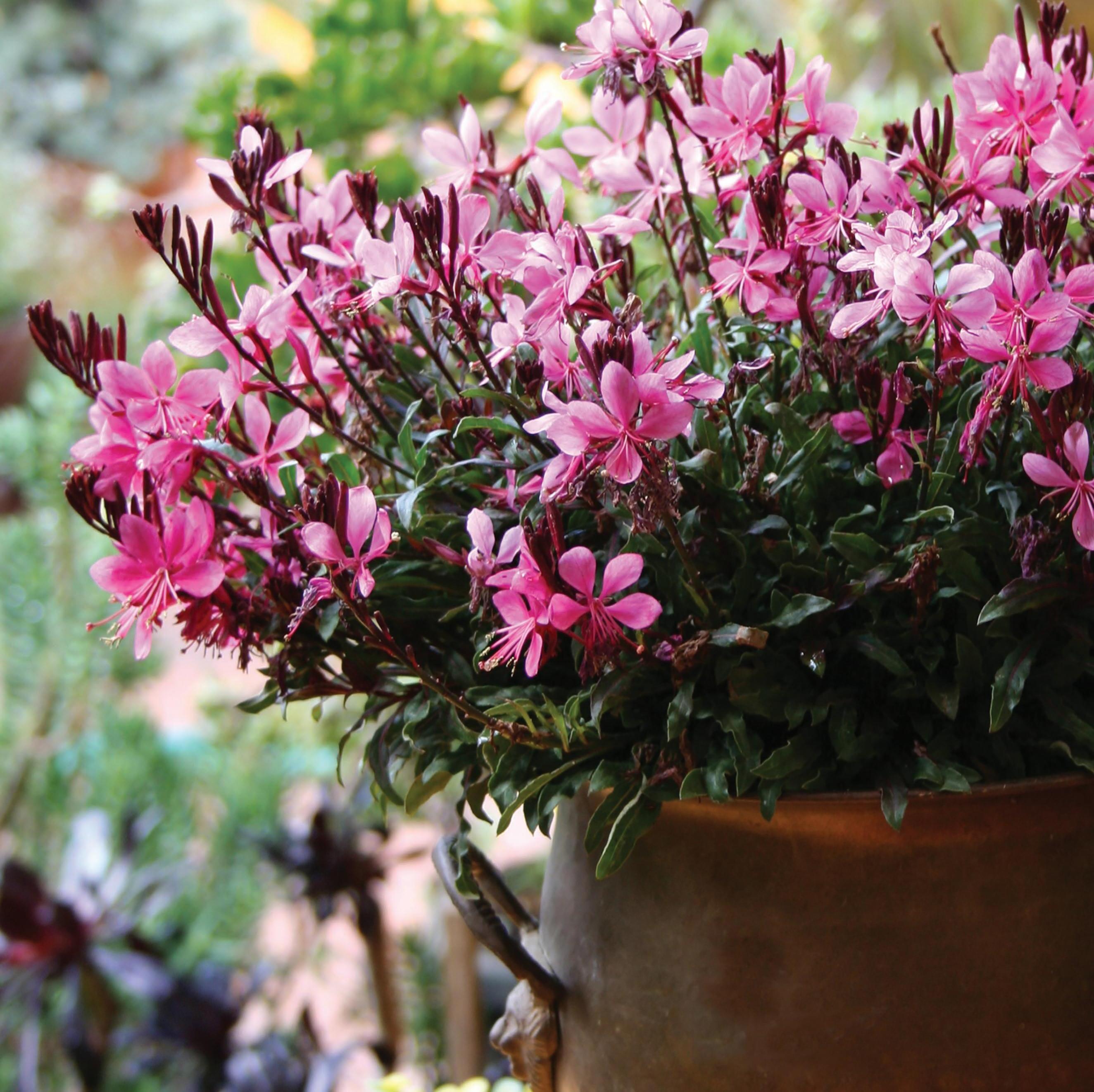
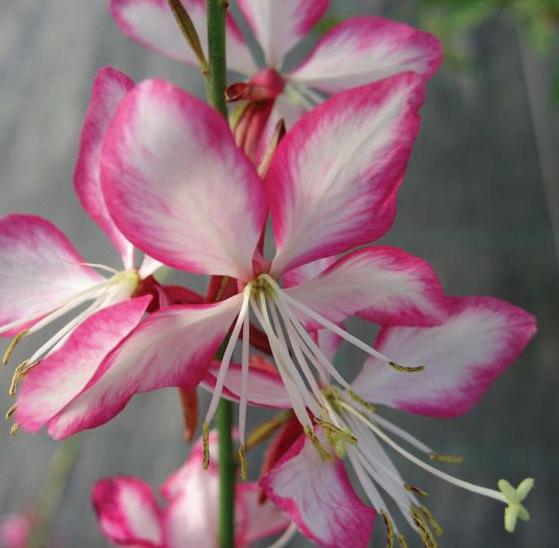
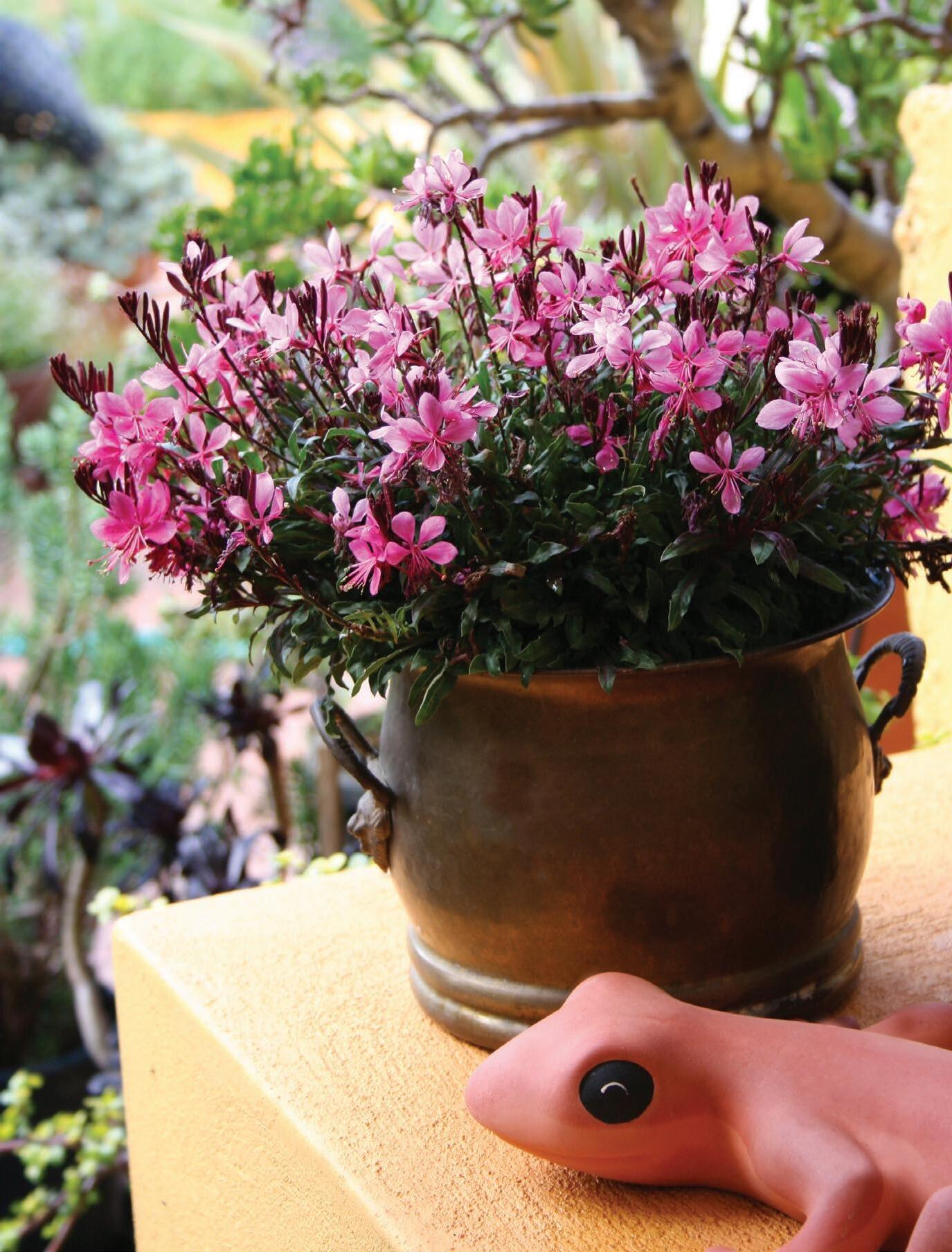
Proven Winners® Gaura range are hardy perennials and easy to grow in sunny areas in garden beds or containers. With little care needed once established, you can sit back and watch the attractive butterfly shaped flowers dance anytime the wind blows. Both of these Gauras have great flowering power during the colder months.
Gaura ‘Lillipop Pink’
The attractive flowers are pink and look like masses of floating butterflies above soft, dark green foliage. Compact gaura.
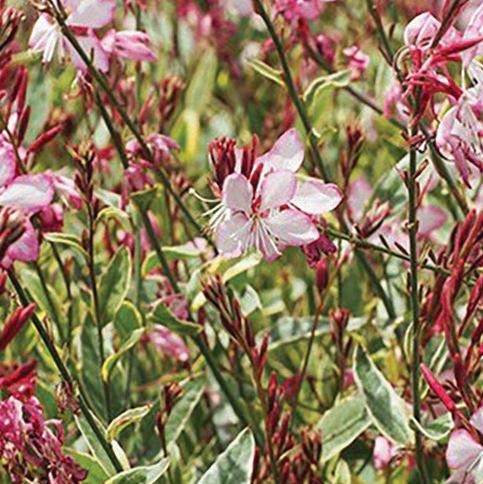
Gaura ‘Freefolk Rosy’
The colourful foliage of ‘Freefolk Rosy’ truly catches the eye with its highly variegated green and white leaves speckled with shiny pink and brown flecks that become more prominent in cooler regions.
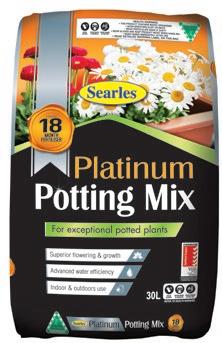
Plant them in full sun for better flowering. Use Searles Platinum Potting Mix for pots or Searles Planting Mix for garden displays. Mulch and keep soil moist while establishing. Heat and drought tolerant once established. Water more often if planted in pots. A heavy prune at the end of Autumn, along with an application of balanced fertiliser watered in lightly will give a growth boost for the upcoming flowering season.
See it. Love it. Ask for it at your local garden centre
Gauras
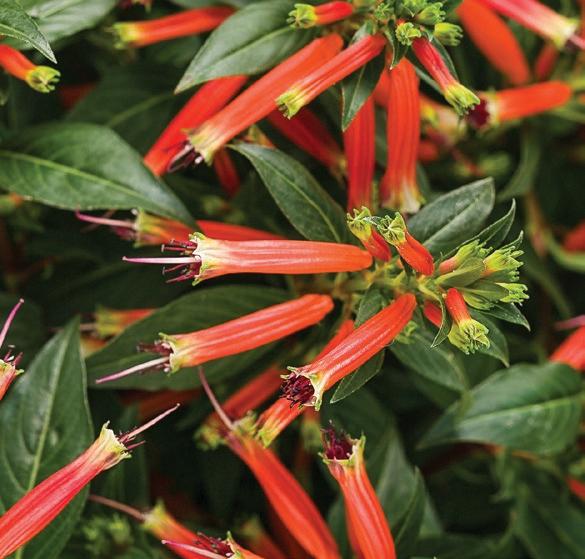
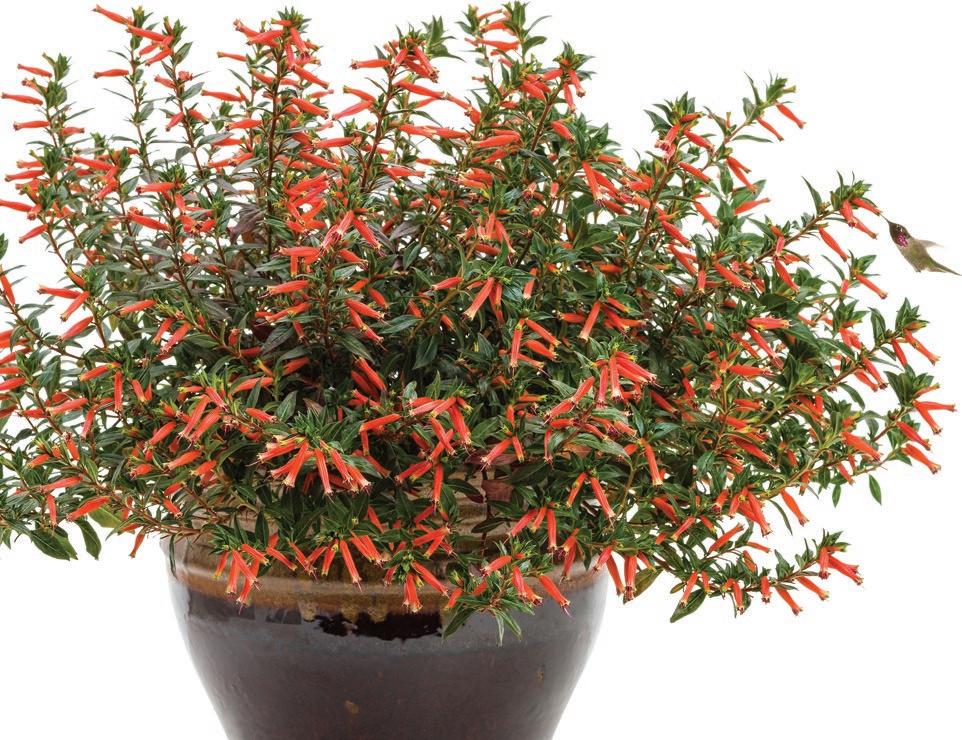
Cuphea‘Vermillionaire’
This cuphea has a mounding habit which is covered in yellow/orange flowers. Easy to grow, heat and drought tolerant and is a terrific addition to sunny garden beds as well as plant containers.
‘Lillipop Pink’
‘Freefolk Rosy’
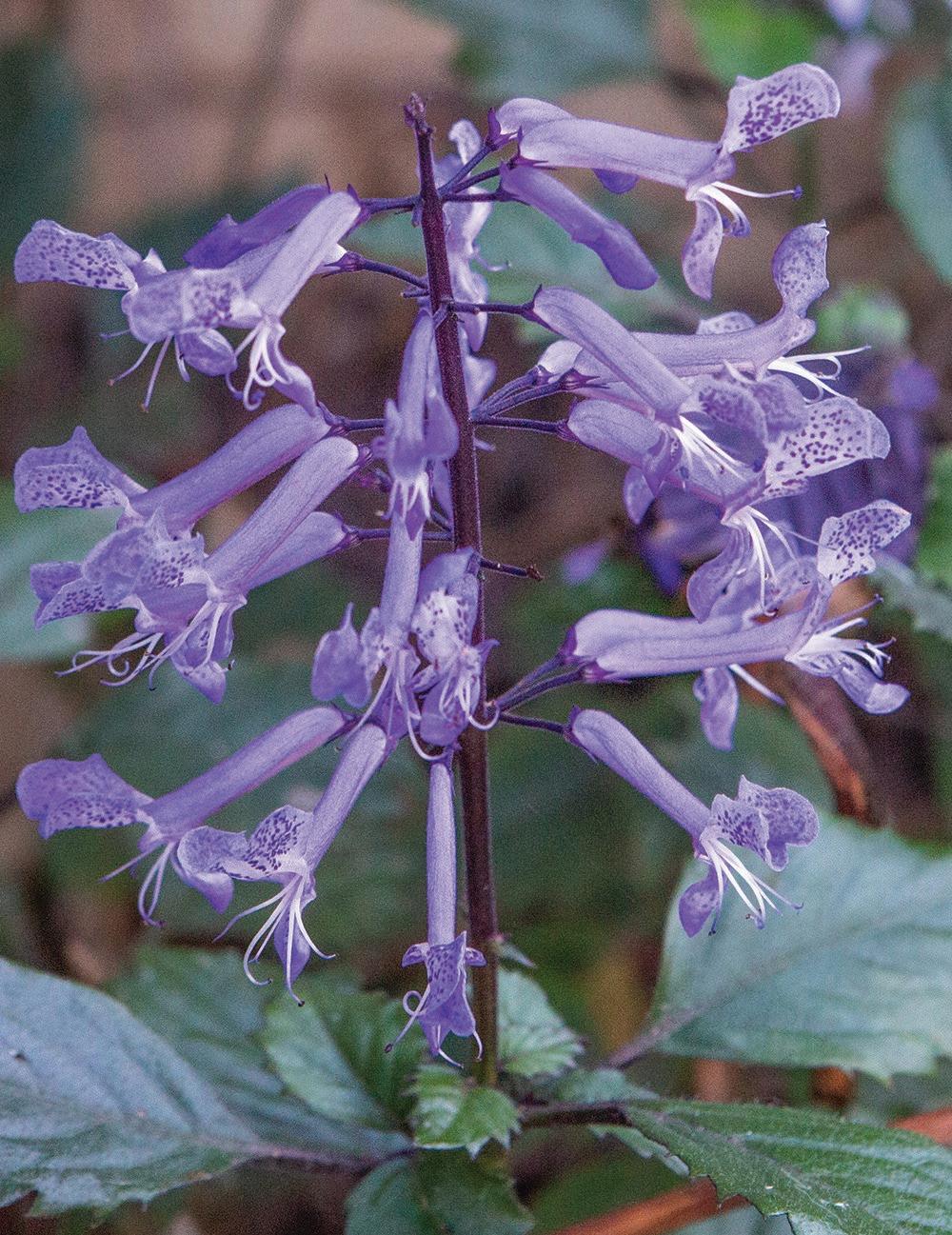
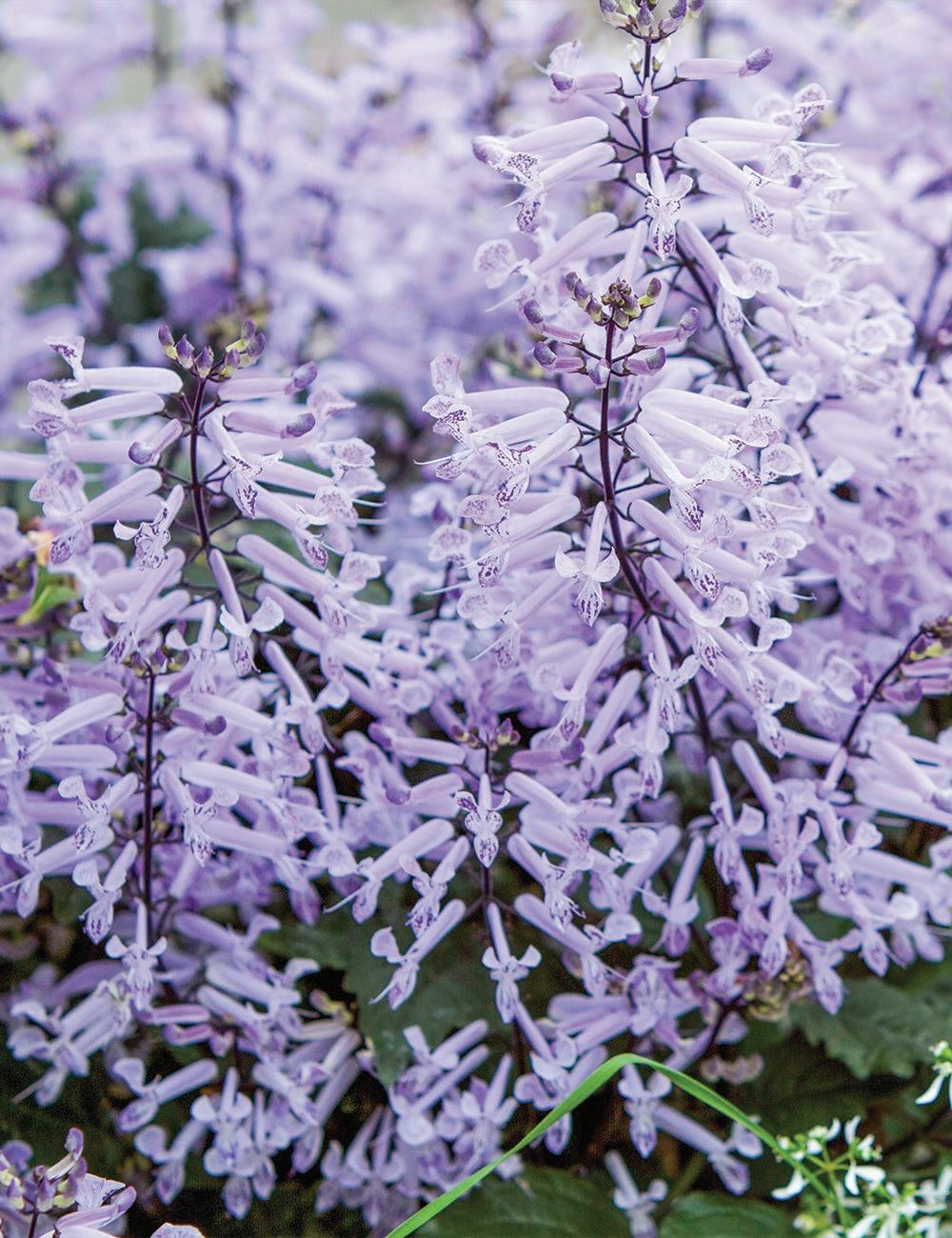
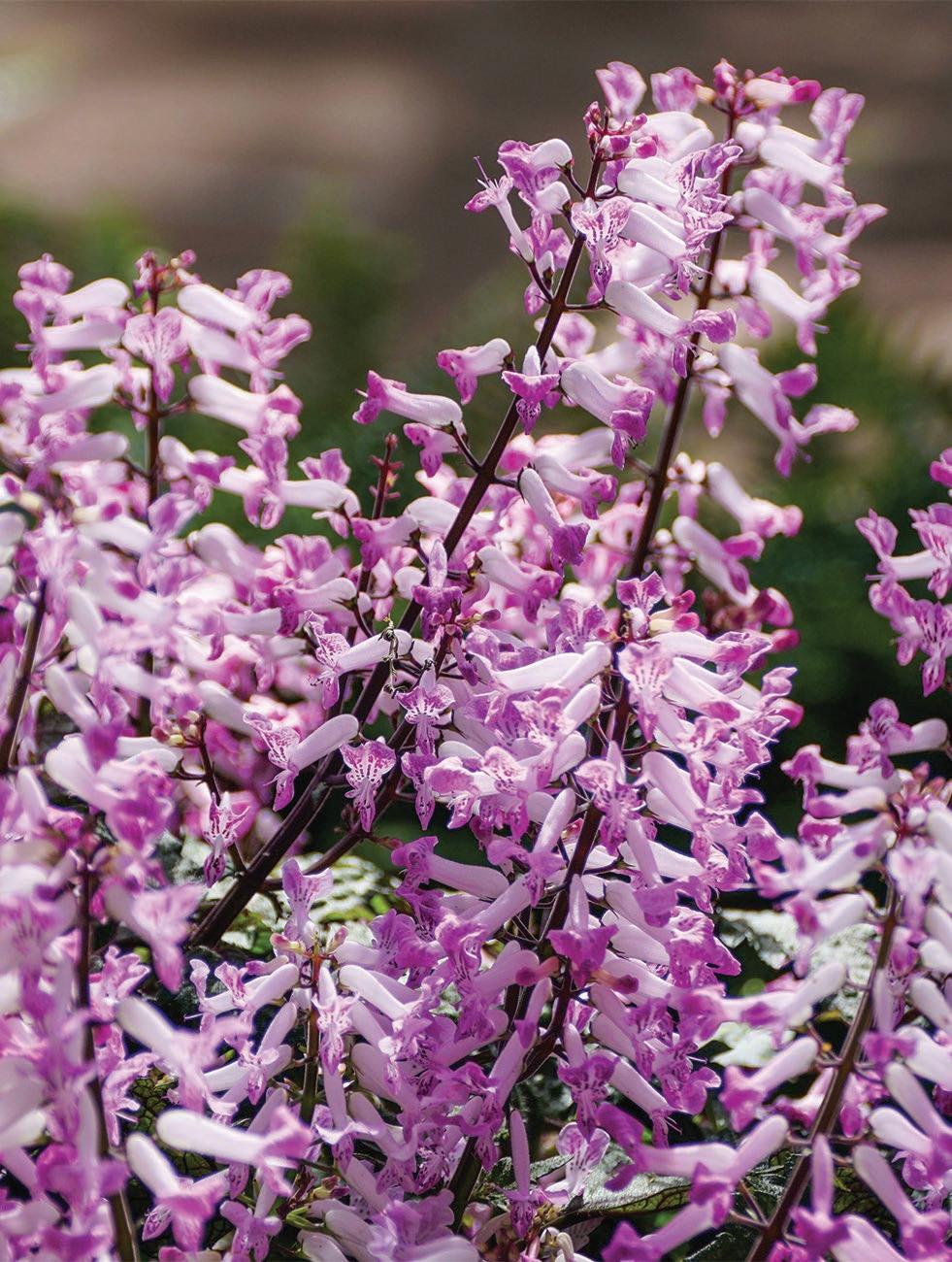
Plectranthus Velvet Series
The “Plectranthus Velvet Series” refers to a collection of ornamental plants, such as ‘Velvet Diva’, ‘Velvet Lady’, and ‘Velvet Idol’ known for their dramatic, velvety foliage with dark green tops and purple undersides. These plants are prized for their low-maintenance nature, long flowering periods from autumn, through winter and versatility in various garden settings or containers. They typically grow well in shady or part-shade conditions and are popular choices for borders, mass plantings. Plectranthus Velvet series naturally flower into shorter days. A great understorey plant and pop of colour for the shade.
Velvet Lady
Has deep green leaves with purple/black undersides and pink flowers. It is a bold and showy plant with large plumes of flowers.
Velvet Diva
Offers deep green leaves with purple undersides and bright purple flower plume.
Velvet Idol
A variety with large plumes of baby blue flowers.
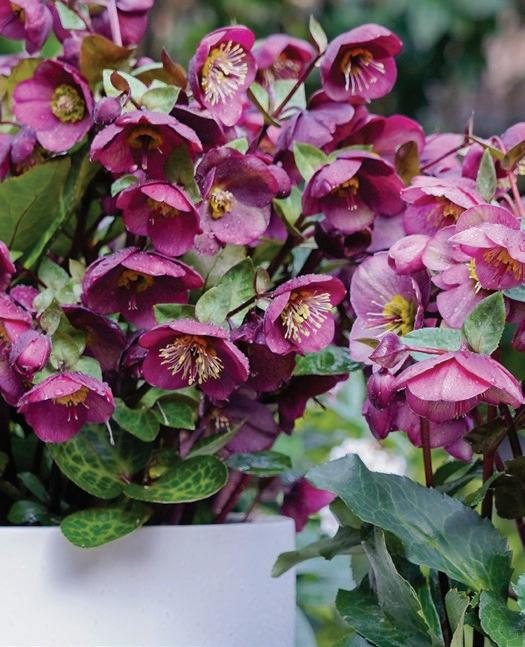
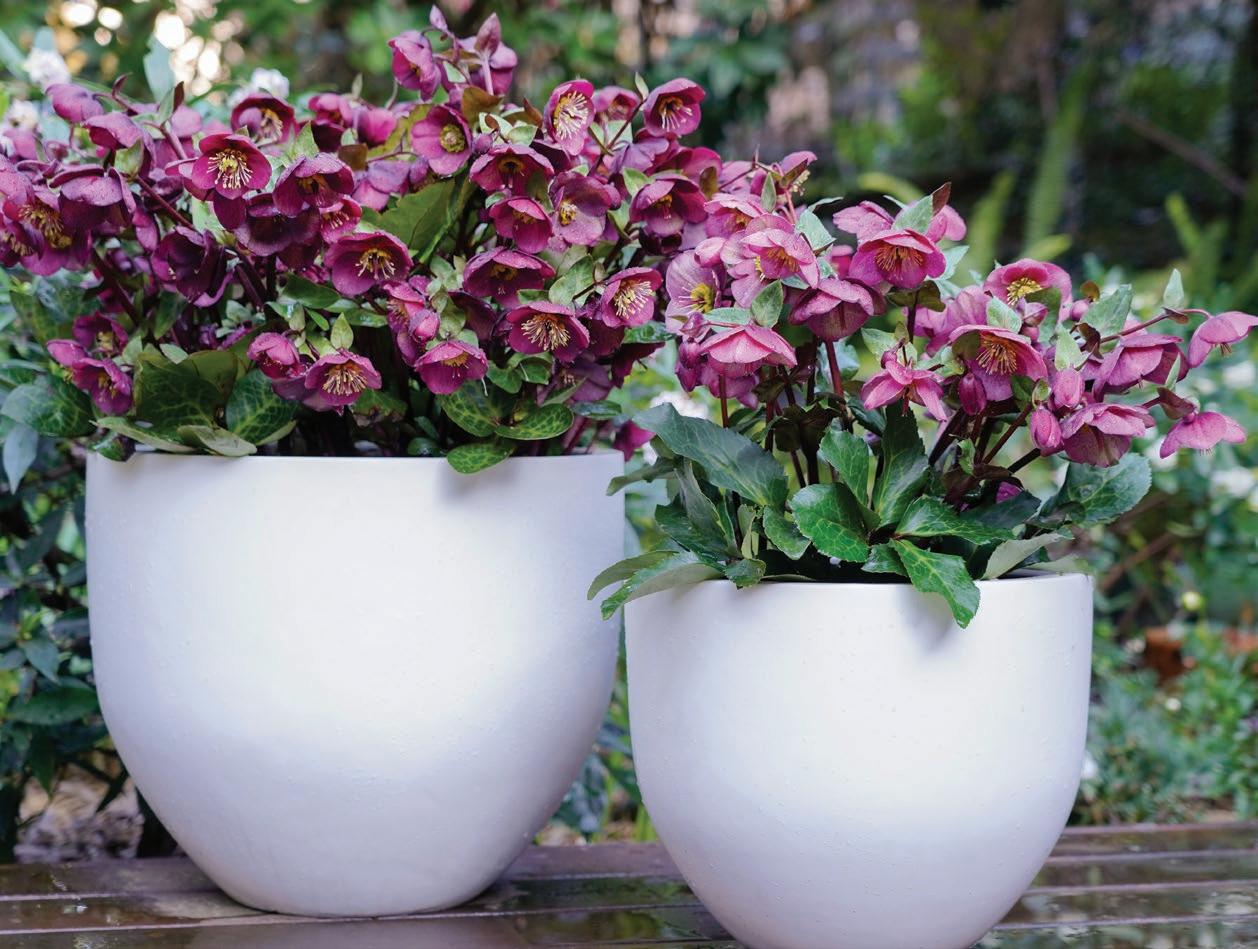
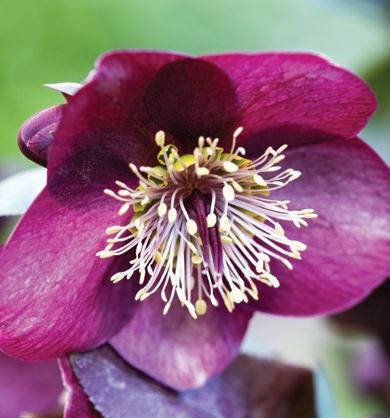
Frostkiss® Hellebore ‘Vibey Velvet’
Cheer up your winter!
Experience the sheer delight of winter’s beauty with FROSTKISS® Hellebore Vibey Velvet
This extraordinary plant captivates with its upright, large, cupped flowers that gracefully bloom from winter through early spring. The floriferous displays of magentared flowers held above the exquisite marbled foliage are truly a sight to behold. With its compact, rounded habit and strong floral presence, Vibey Velvet will add a touch of grace and beauty to any garden, ensuring a captivating display throughout the seasons.
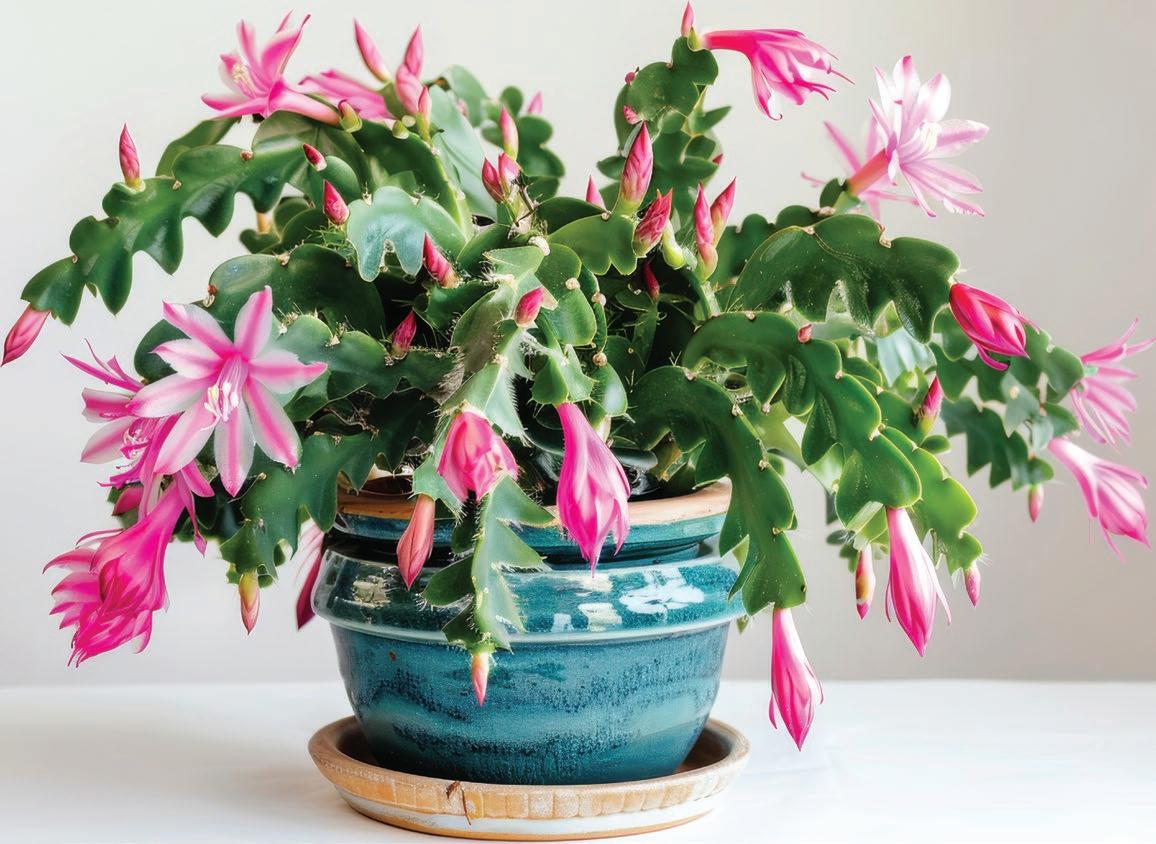
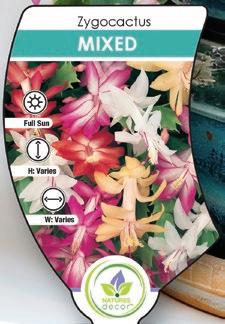
Schlumbergera (Zygocactus) features magnificent, vibrant tubular flowers, perfect for indoors, patios, or hanging baskets. Bright, showy winter blooms are easy-care and adaptable to household conditions, requiring minimal maintenance. Available in 13 colours in the range. Look for the Natures Decor label at all good garden centres.
Velvet ‘Diva’
Velvet ‘Idol’
Velvet ‘Lady’
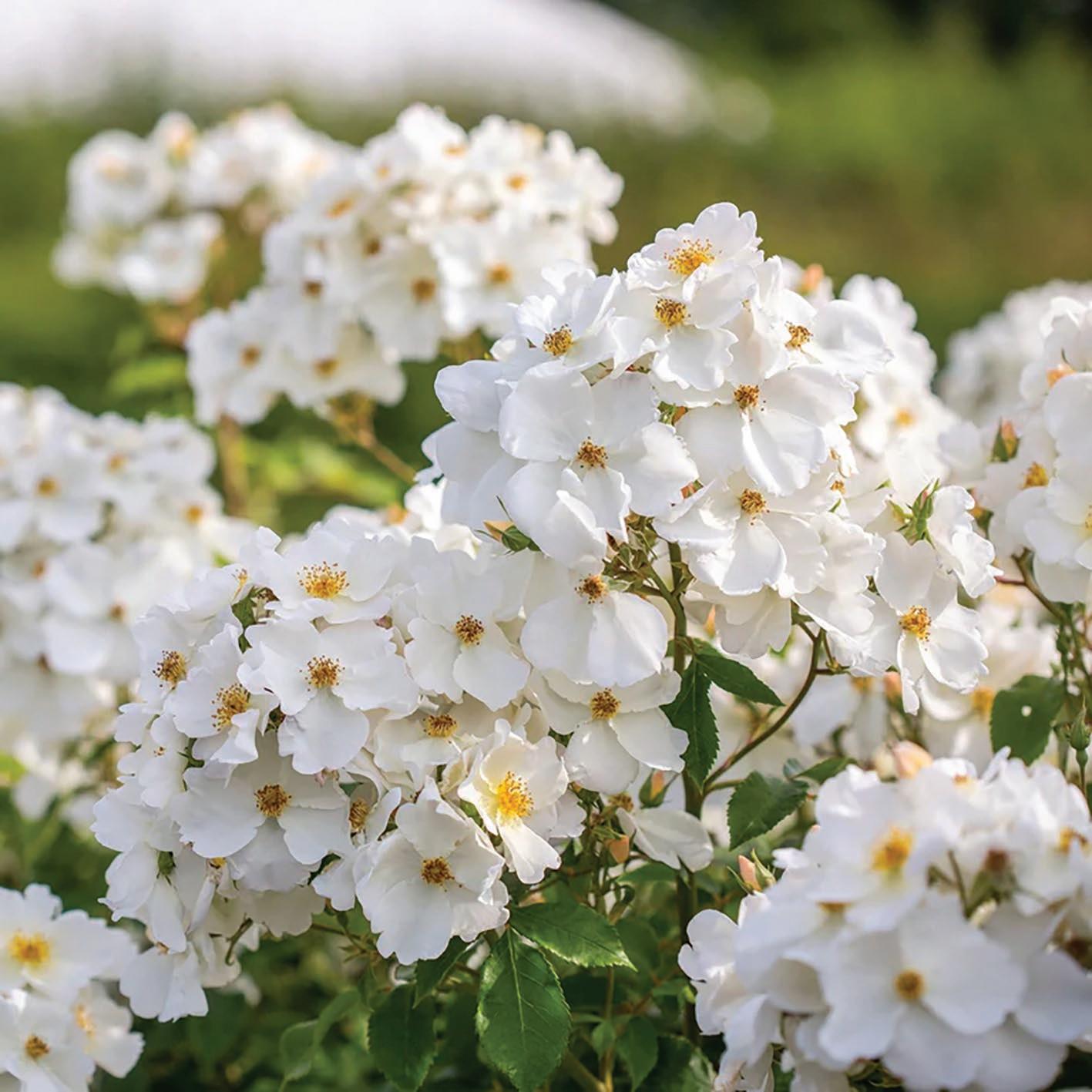
Kew Gardens™
Kew Gardens™ is a charming English shrub rose that captures the gentle spirit of an English meadow. It produces clouds of small, single white blooms, each touched with a soft hint of apricot at the centre. Flowering freely throughout the season, the blooms appear in generous clusters against mid-green foliage, creating a luminous effect in the garden. Its almost thornless stems make it especially suited to pathways or borders, where ease and elegance go hand in hand. Flourishes in full sun and adapting well to a range of conditions, including coastal settings.
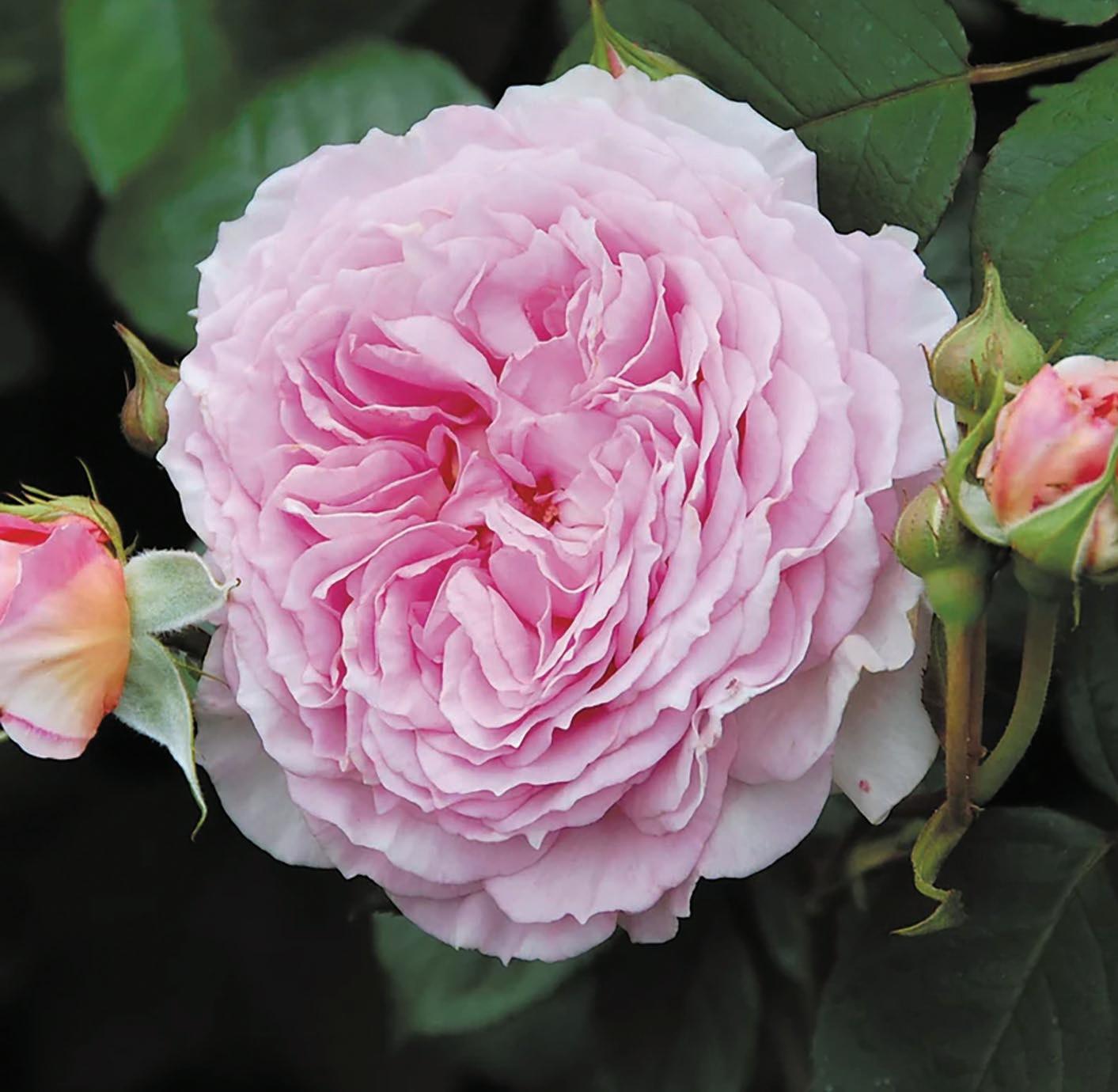
James Galway™
James Galway™ is an English climbing rose of exceptional grace. Its large, fully double blooms are a warm, mid-pink that softens gently toward the edges, creating a luminous effect across walls and arches. Flowering freely from early summer through to late autumn, the rose produces clusters of perfect, old-rose-shaped flowers with a light, classic fragrance. Almost thornless and naturally tidy in growth, James Galway™ is both beautiful and easy to manage. Ideal for training over arches, and fences. For the best display, tie stems horizontally to encourage abundant flowering.
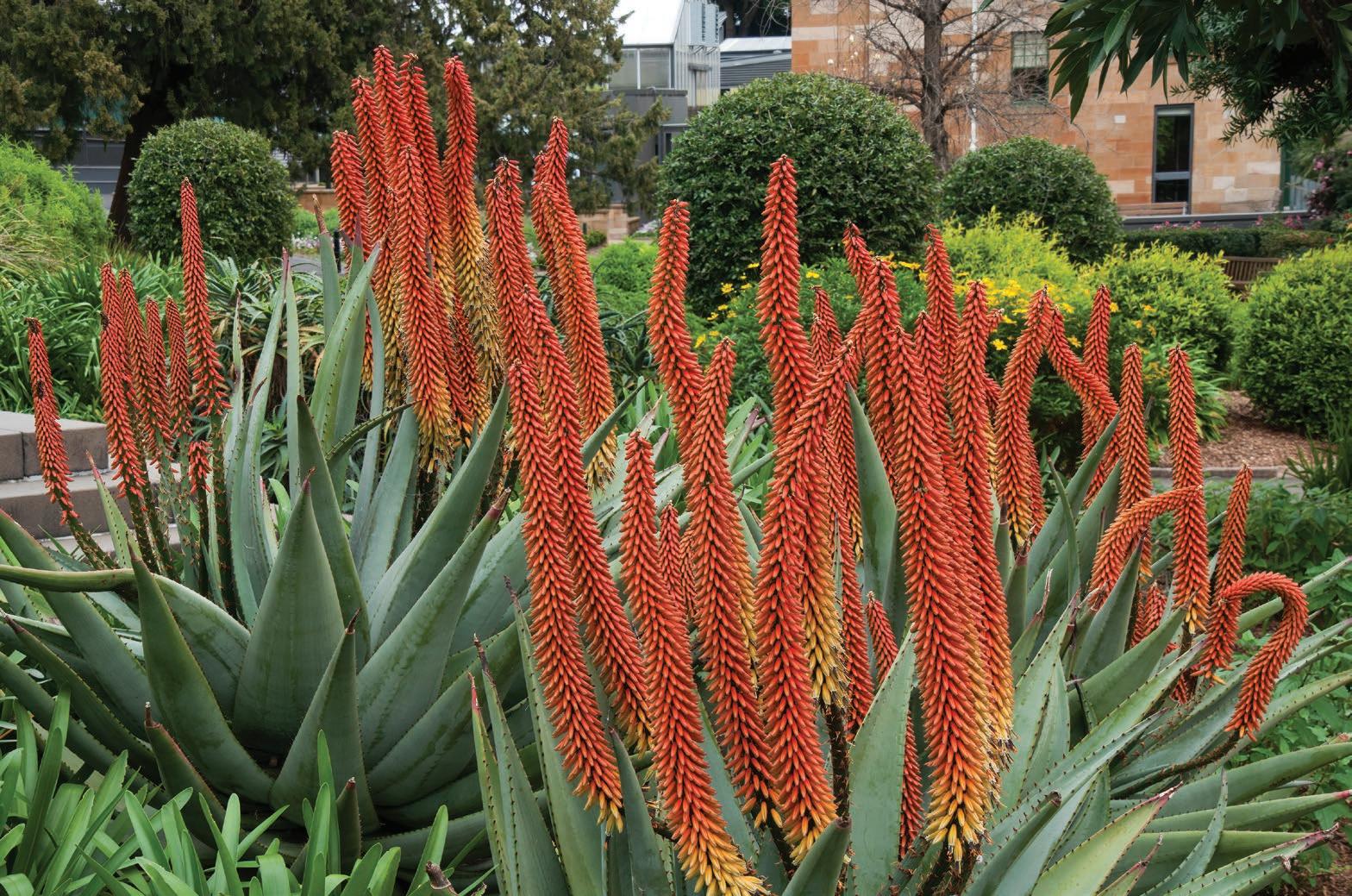
Flowering Aloes
Of course some of the most striking of all succulent species to flower during the depths of winter would have to be the hybrid flowering Aloes. Appreciated for their amazing resilience and dramatic flowering capabilities, there is flowering Aloe to suit any style and size of garden. Flowering Aloes are one of the best attractants for nectar feeding birds in the winter along with an essential source of pollen for our native stingless bee species. A full sun position suits them best with good drainage, yet they enjoy deep watering to help produce strong flowering stems.
CLIMBER
FRAGRANT FRAGRANT
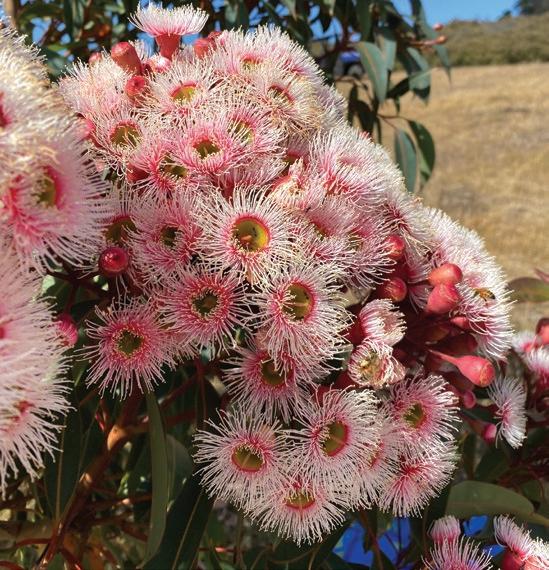
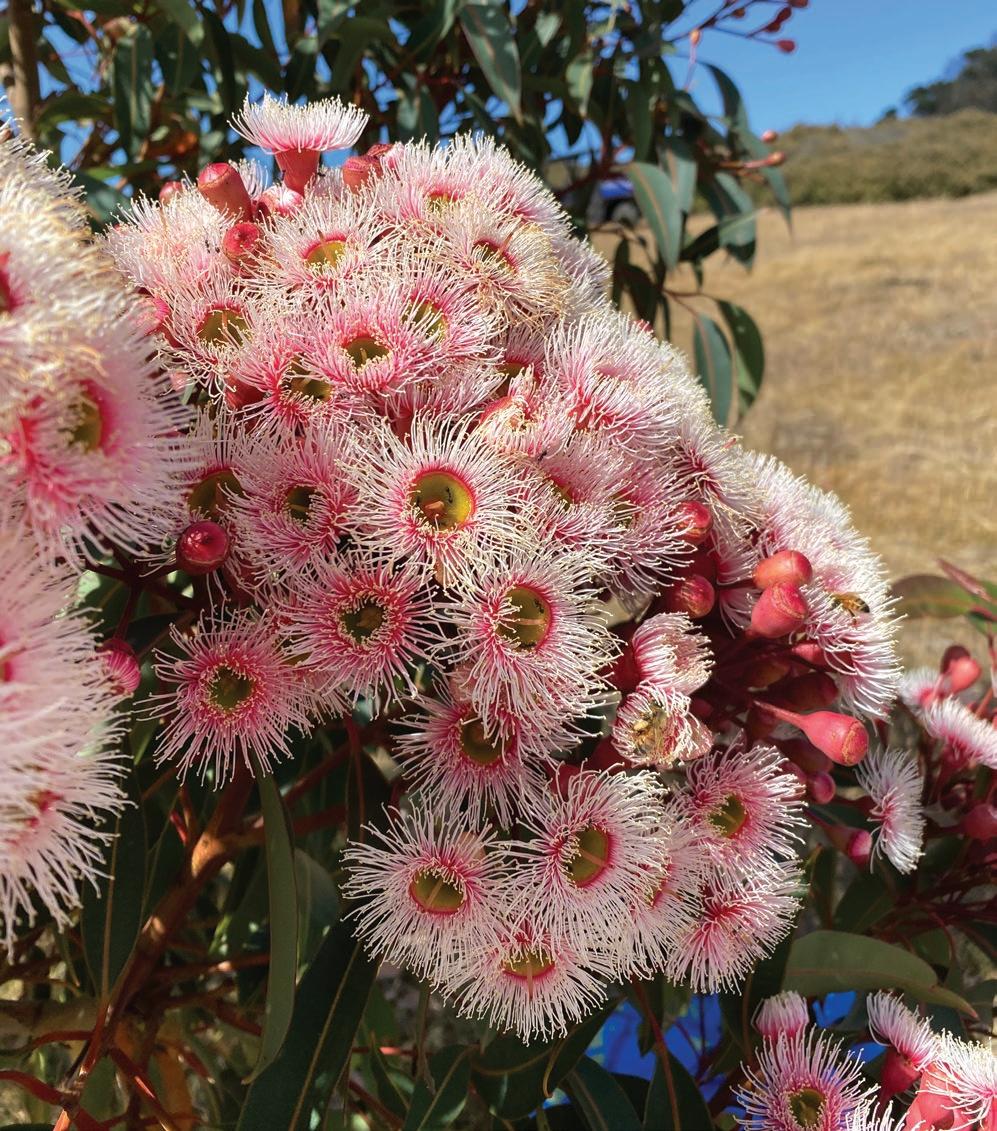
Corymbia
‘Precious Pearl’
the world. It has
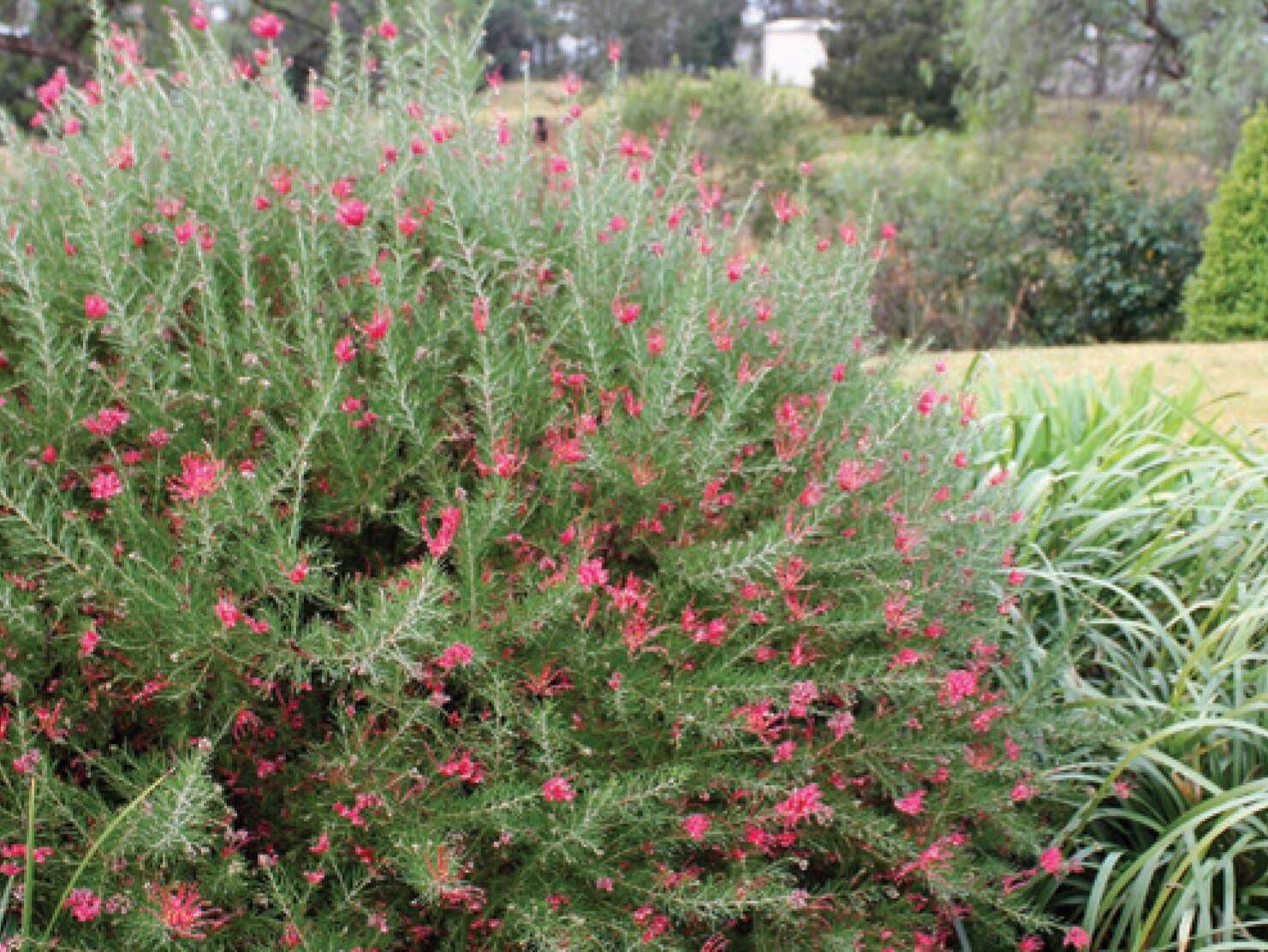
Crimson Villea™ Grevillea is one of the showiest winter flowering plants in the world. It has an abundance of crimson flowers in autumn, winter and early spring. A tough, compact Grevillea with tidier foliage. Grows well in dry and irrigated areas. Not fussy and copes well with frost down to -5°C and moderate humidity. Ideal for mass plantings, native gardens and rockeries.
Corymbia ficifolia ‘Precious Pearl’ produces large clusters of pink-to-white blooms during the warmer months, creating a striking display that adds elegance and visual interest to larger gardens. Flourishes in full sun and well-drained soil and tolerates drought and mild frost once established, making it a robust choice for variable garden conditions.
Grevillea‘Crimson Villea’
‘Crimson
Native success <<
Oxalis triangularis
Oxalis triangularis, also known as the purple shamrock, is a striking perennial with deep purple, triangular leaves and delicate pink or white flowers. It flourishes in well-drained soil with partial shade, making it ideal for indoor pots, patios, or sheltered garden beds. In most Australian climates, it grows best in autumn and spring, but it can tolerate mild winters. Keep the soil lightly moist, avoid waterlogging, and allow the plant to rest during dormancy in the hottest summer months to encourage healthy regrowth.
Alocasia ‘Silver Dragon’ is a bit of a diva, but a very glamorous one. Give it bright, indirect light, a freedraining potting mix, and just enough water to keep the soil lightly moist without soggy feet. It loves warmth, humidity, and being admired, making it happiest indoors or in a sheltered, frost-free spot where it can show off its metallic, dragon-scale leaves.
The ponytail plant (Beaucarnea recurvata) is perfect for indoor pots, adding sculptural beauty with its bulbous base and cascading leaves while requiring minimal care. It also improves indoor air quality and brings a touch of greenery that boosts mood and brightens any space.
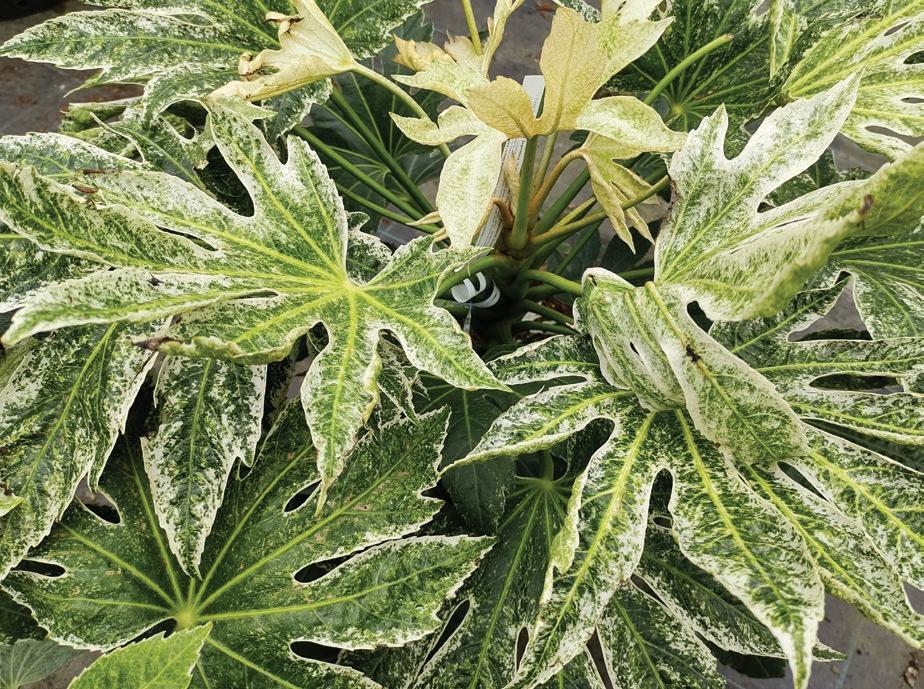
Fatsia japonica is the bold, leafy extrovert of the shade garden, flaunting glossy, dinner-plate leaves. It’s happiest in a sheltered, shady spot with rich, well-drained soil and regular drinks, especially while settling in. Surprisingly tough beneath its tropical looks, it copes with cool weather and light frost, and rewards minimal care with lush, architectural growth.
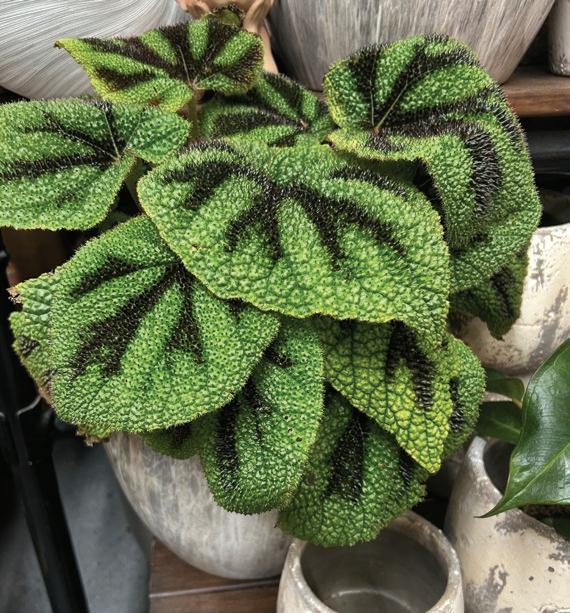
Begonia ‘Iron Cross’ display unique furry black vein foliage.
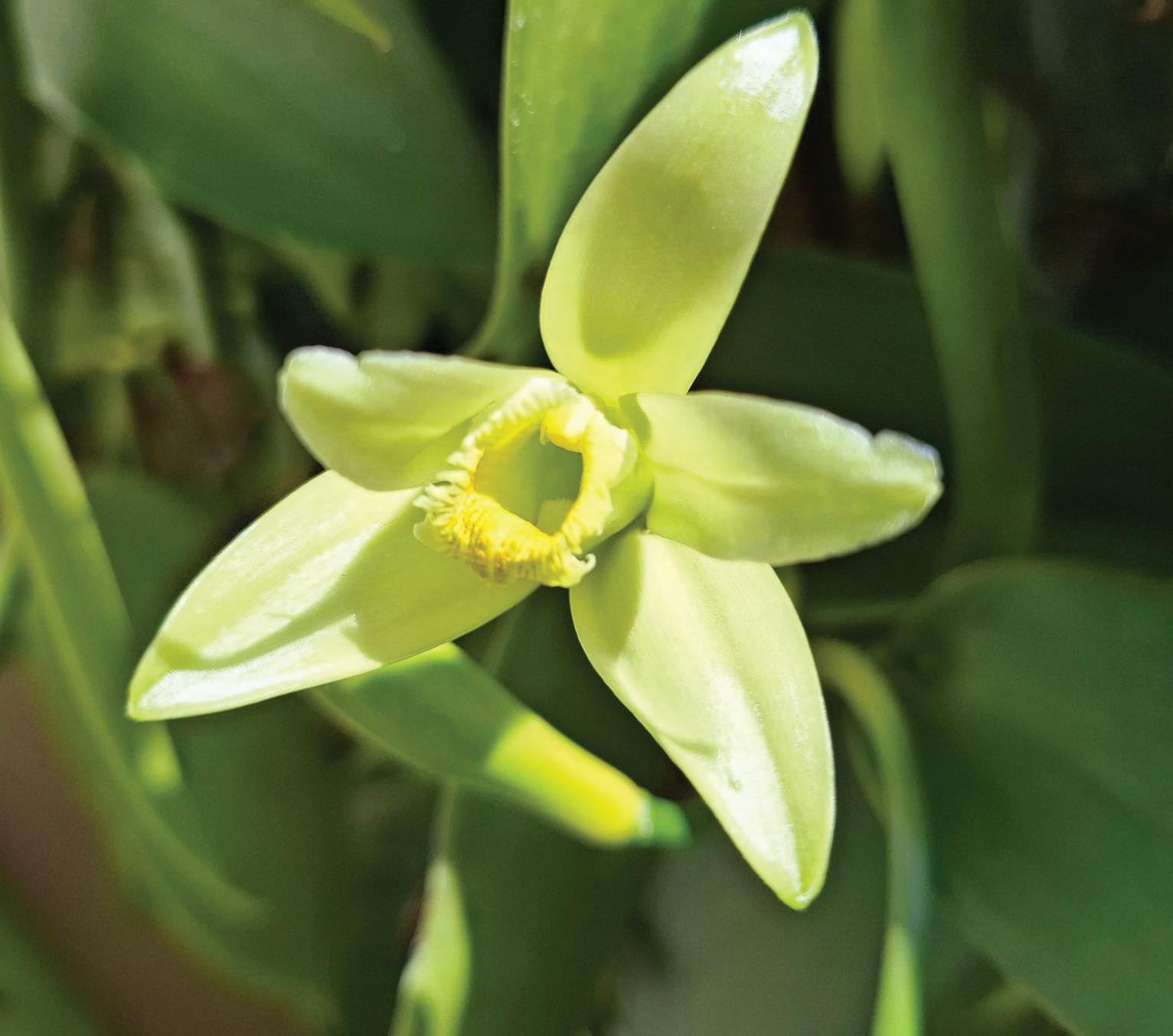
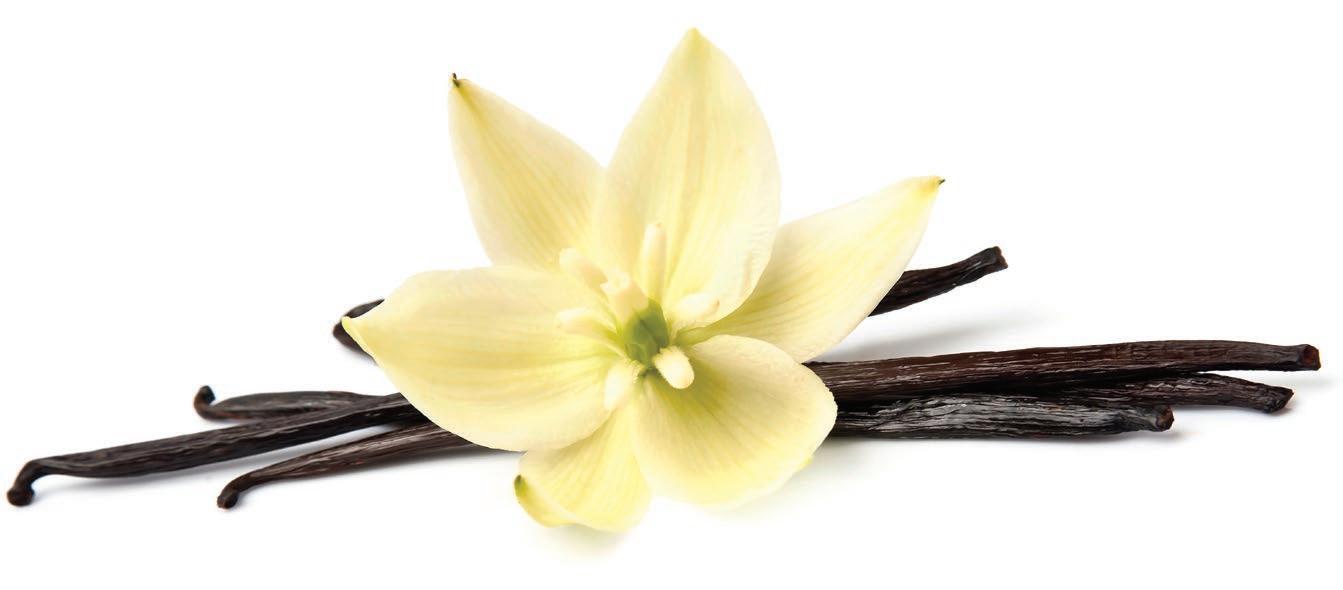
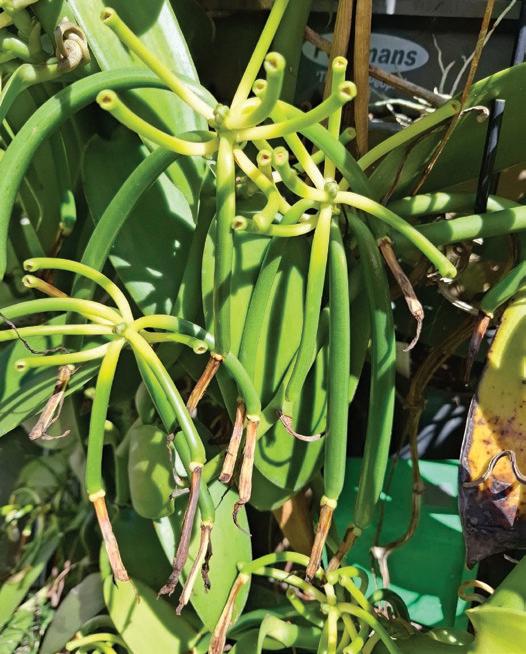
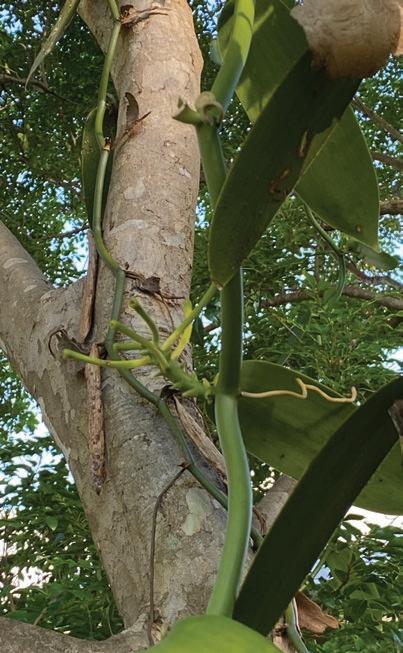
The vanilla bean orchid, source of the world’s beloved true vanilla, is a plant that few gardeners dare to grow. It demands patience, commitment, and the right conditions —but for those willing to try, nurturing this exotic orchid can be an incredibly rewarding experience.
A Tropical Climber with Specific Needs
The vanilla bean orchid is a climbing plant native to tropical regions, where temperatures remain warm year-round. To grow it successfully outside the tropics, gardeners must recreate these conditions: consistent warmth, high humidity, and bright but filtered light.
In cooler climates or areas further south, a greenhouse or glasshouse can offer the stable environment this orchid needs. Without adequate warmth and humidity, the plant will struggle to flourish.
Flowering and Pollination
Vanilla orchids typically do not flower for the first two to three years. When they finally do, the blooms appear as delicate, yellow-green flowers that last for just a single day. Because natural pollinators are absent in most parts of the world, hand pollination is essential if you want the plant to produce vanilla pods.
Without hand pollination, most flowers will simply drop off. When successful, however, the resulting bean pods will take up to nine months to fully mature—another test of the grower’s patience.
Propagation
Vanilla bean orchids are primarily propagated from cuttings, which tend to be larger than typical plant cuttings. Each cutting should have at least two nodes above the growing medium to ensure strong, healthy development.
A Rewarding Challenge
Growing a vanilla bean orchid is not for the casual gardener, but those who invest the time and effort can enjoy the unique satisfaction of cultivating the source of real vanilla. With warmth, humidity, filtered light and attentive care, this remarkable orchid can flourish— bringing both beauty and flavour to your garden.
Planting and Support
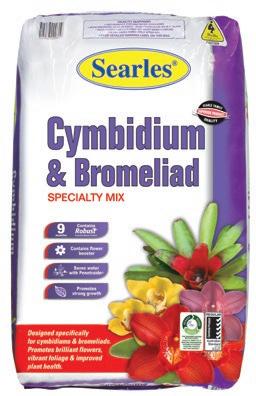
Searles Cymbidium Mix is the preferred growing medium, providing the right balance of drainage and moisture retention. Because vanilla orchids naturally climb, they benefit from a trellis or other sturdy structure.
In some gardens, these orchids will readily attach themselves to nearby trees. One example comes from a grower whose plants, kept in 20cm hanging pots, extended roots onto four-metre-high trees. When the trees were pruned—allowing more light through—the orchids rewarded the gardener by flowering for the first time.
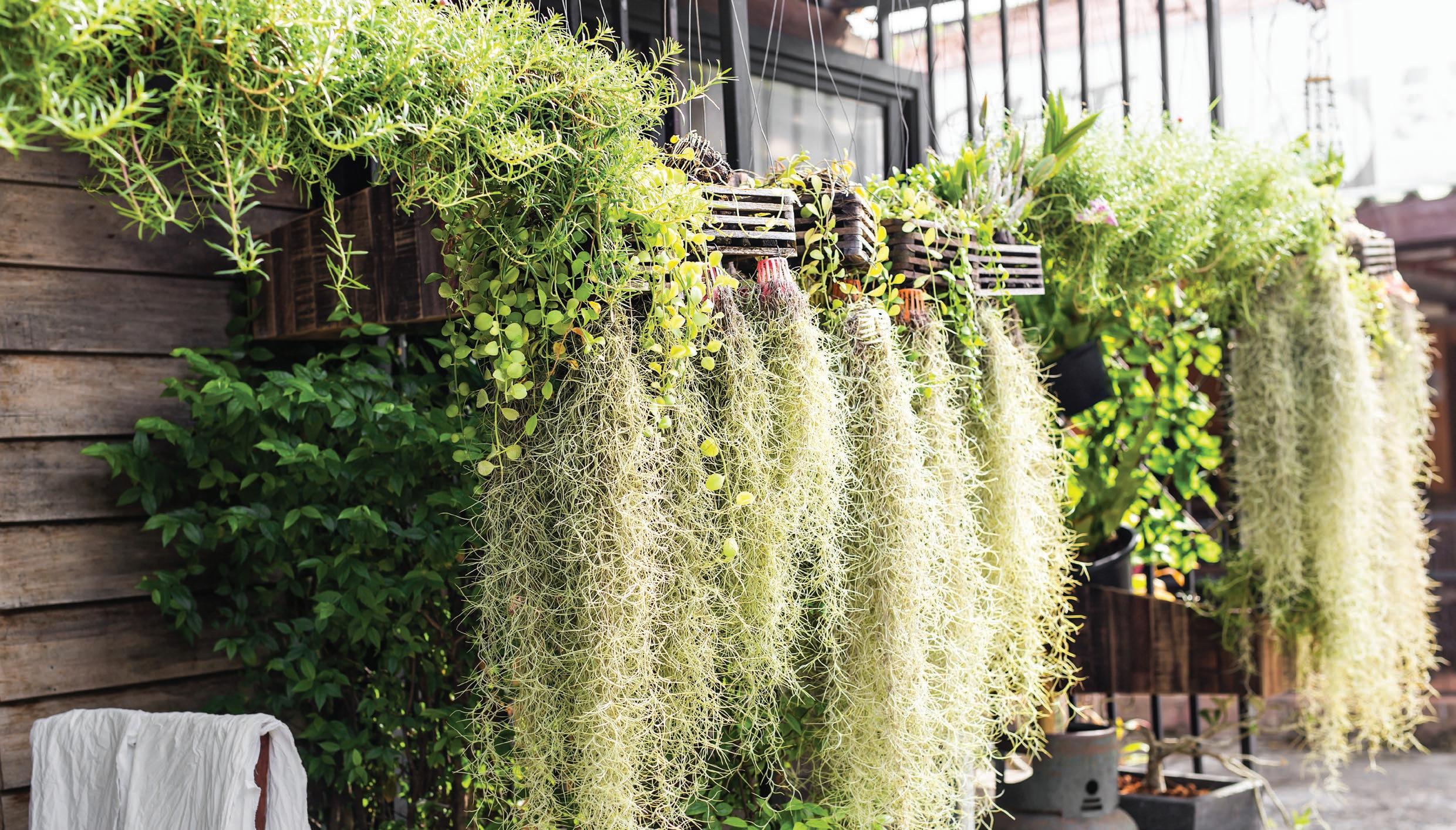
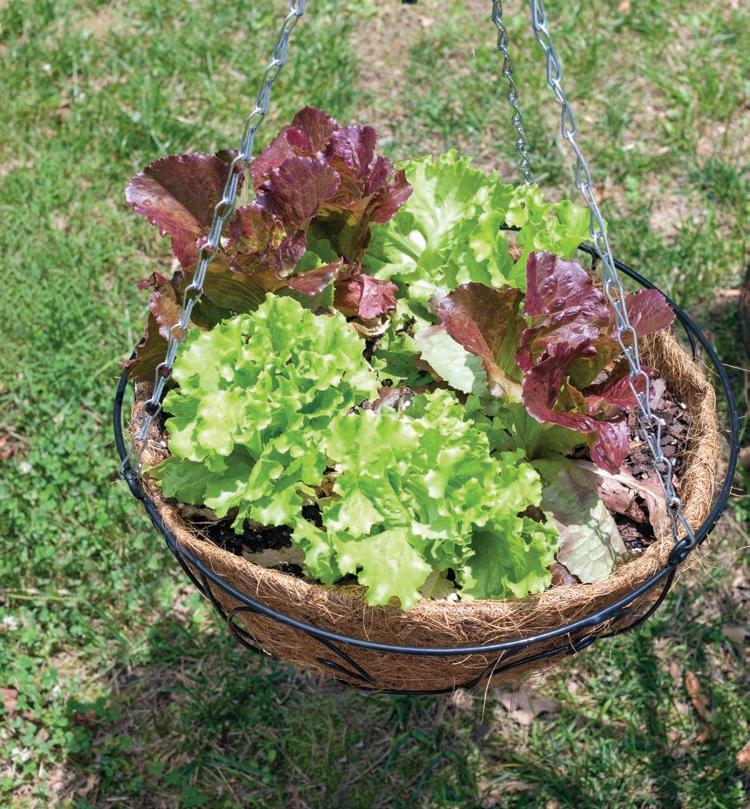
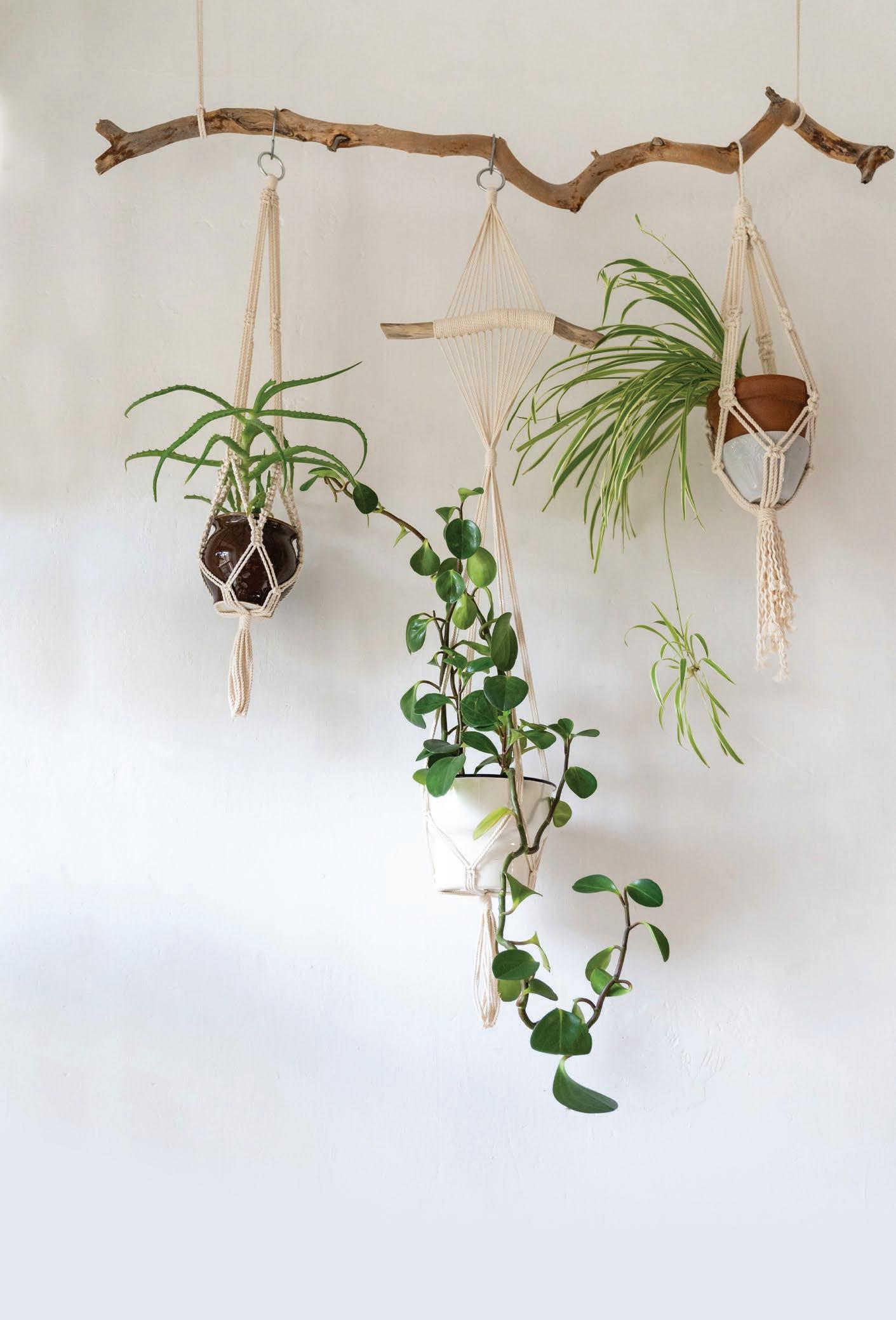
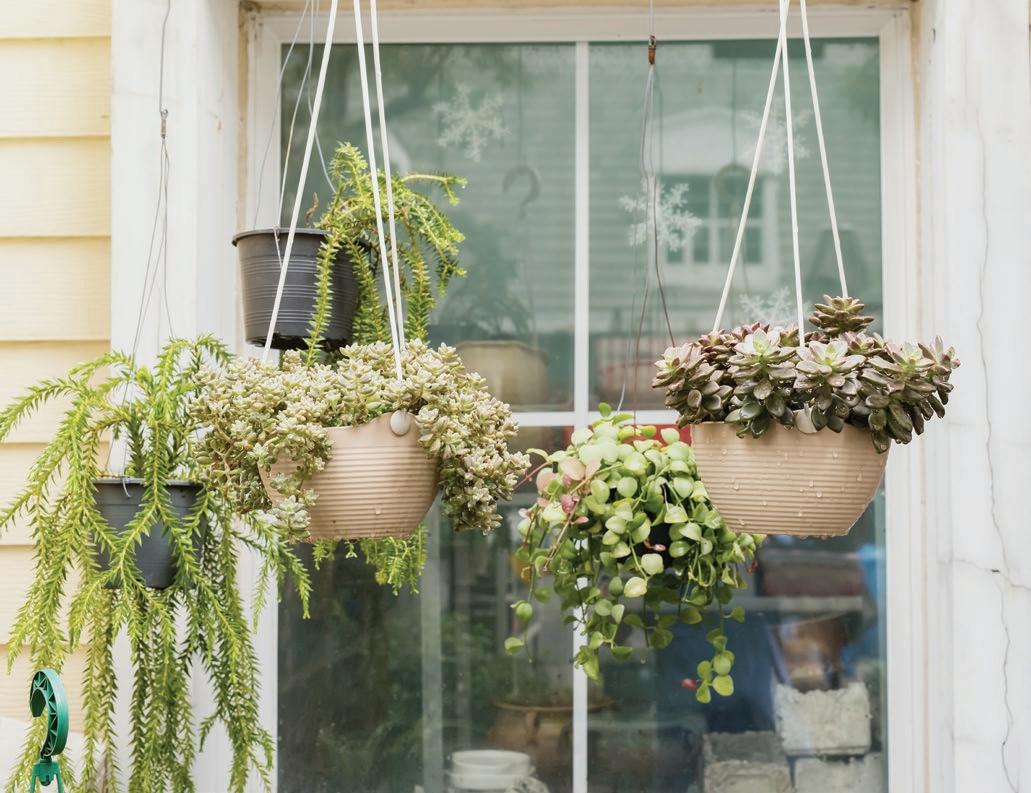
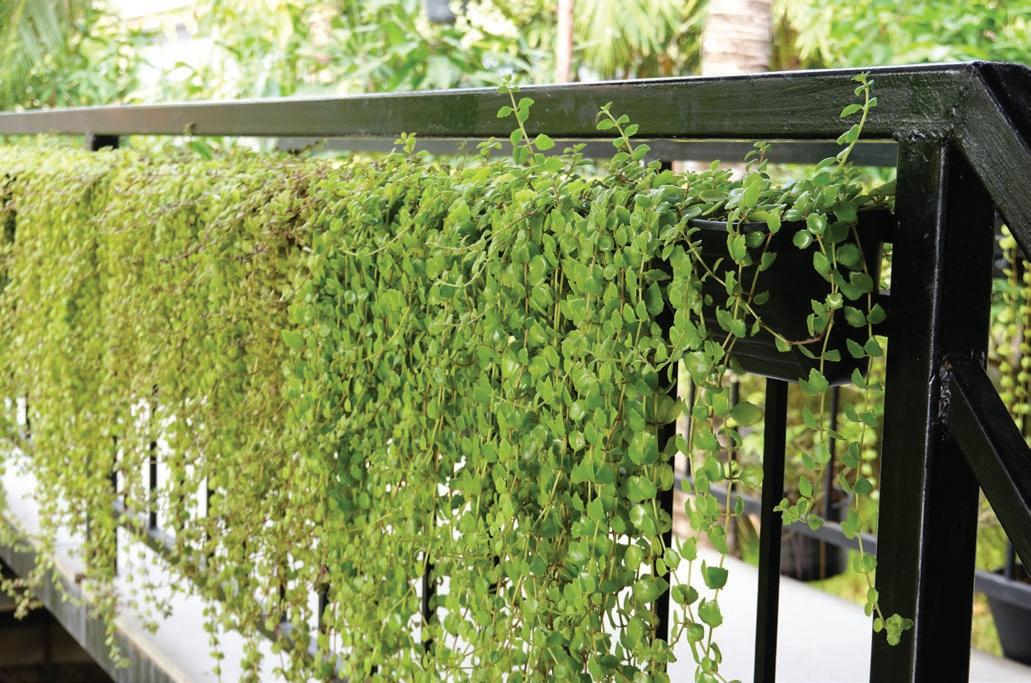
Hanging baskets add beauty and character to any home green space. They are a stunning way to grow plants around the home and add extra dimensions of colour at your choice of height.
Choosing your plants
First you will need to decide where you are going to position your hanging baskets, whether it be in full shade, semi-shade or full sun. Then choose plant varieties that are suited to those conditions. There is such a massive choice of plants to use; the list is almost endless. By mixing and matching, you can create some splendid effects and colour themes. Consult your local garden centre expert for advice and tips on good plants for your conditions.
Planting in hanging baskets
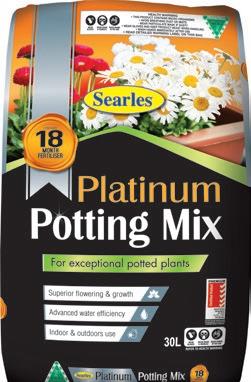
Fill the hanging basket approximately half full with a good quality potting mix such as Searles Platinum Potting Mix. Hanging baskets, especially baskets lined with coir fibre, are generally exposed to lot of air flow and will dry out quicker than plants in the garden, so be sure to use good quality potting mix to keep water retention.
Now position your plants and fill the remainder of the pot with potting mix to cover all plant roots and hold plants in place. Leave the level of potting mix about 25mm lower than the basket top to allow room for water when watering.
Watering
Before you water the plants in, hang the basket in position to make sure that you are happy with its height and position. Once watered, the weight will increase dramatically, so it is best to position the basket first. Give the potting mix a good thorough watering so that all the mix is completely moistened and excess water drains from the bottom.
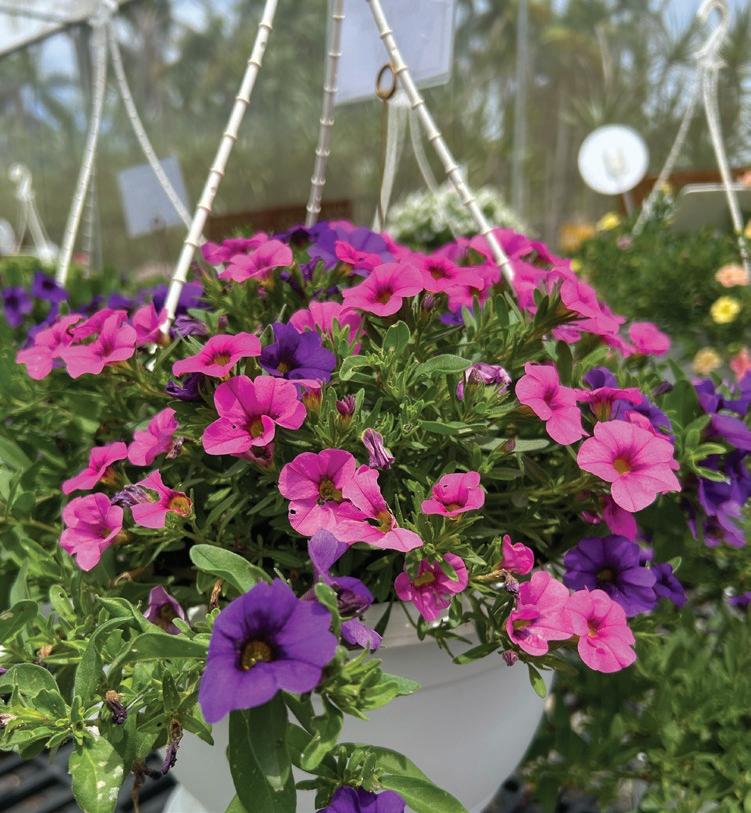
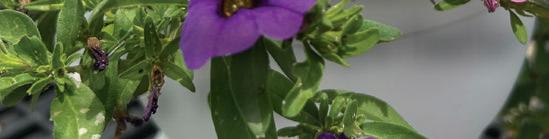
Calibrachoa Superbells®
‘Blue’ & ‘Pink’
Migonette lettuce
For indoor hanging baskets, use Searles Indoor Potting Mix for ideal foliage growth.
Be sure to keep the potting mix moist and don’t allow it to dry out for any prolonged length of time. Remember that baskets with liners such as coconut fibre will dry out quicker due to air gaining access to the mix from all sides. New liners can be installed once the old liner disintegrates.
Fertilising
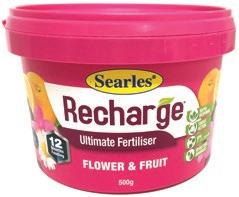
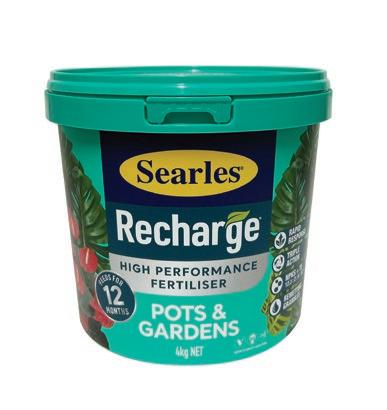
Good quality potting mixes will contain added slow release fertilisers and trace elements. To maintain good healthy plant growth, alternate fertilising by applying Searles Flourish Soluble Plant Food, fortnightly, for quick growth and response. Every 6 months add a controlled release fertiliser, Searles Recharge Ultimate Fertiliser - Pots & Garden, for sustained growth during the year. Searles Recharge contains 12 month fertiliser, plus the added benefits of re-wetting granules, which reduce soil dryout and aid water retention.
For organic fertilising, liquid feed with SeaMax Organic Fertiliser every fortnight and sprinkle 5 IN 1 Pellets every 4 to 6 weeks for longer term fertilising to promote and sustain healthy plant growth and flower development.
Revitalising old basket soil
For old hanging baskets of plants that are tired and the mix needs a recharge, sprinkle some Searles Recharge Ultimate Fertiliser - Pots & Garden onto the potting mix surface, scratch into the mix and water in. Your plants and the mix will have a new lease of life.
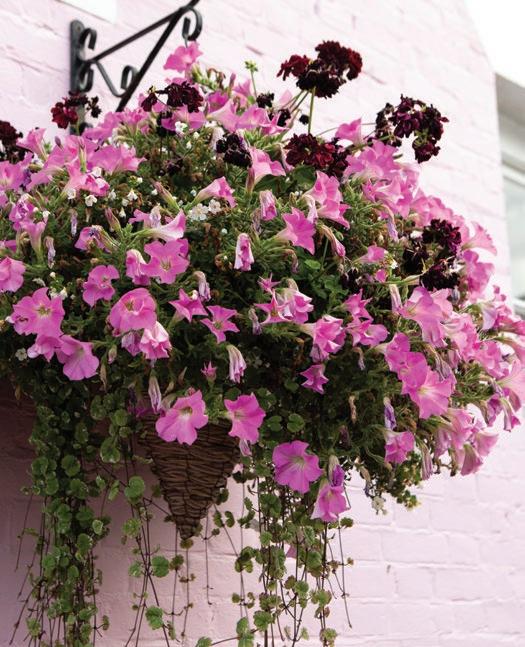
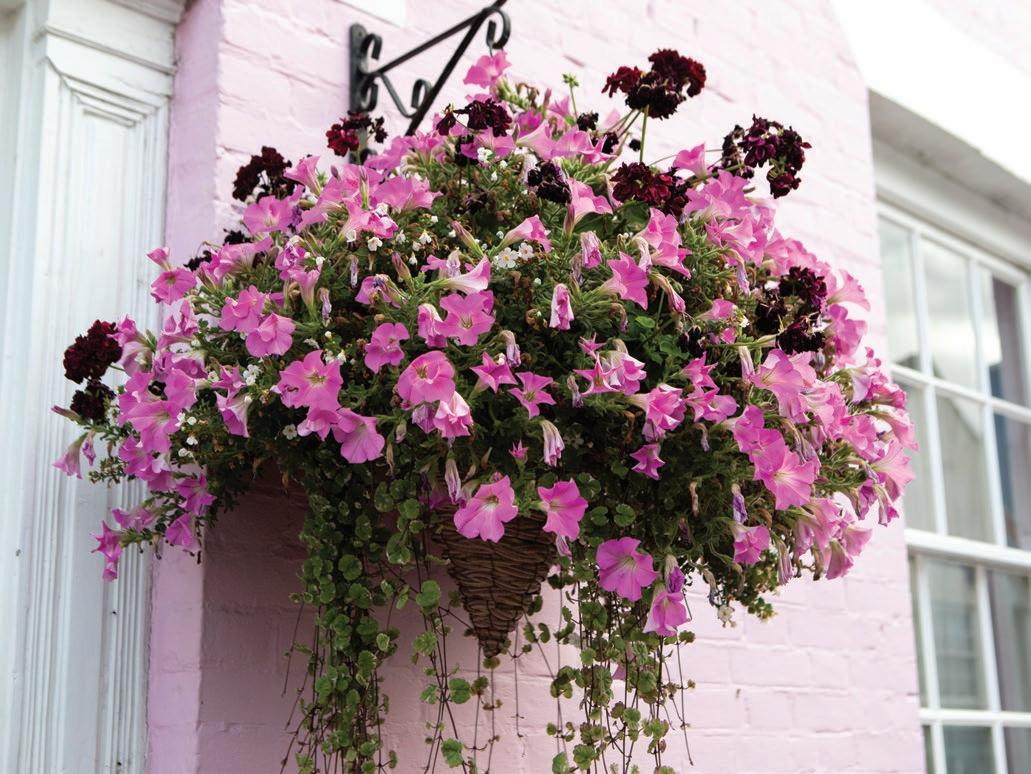
Petunia, ivy pelargonium and a heart-shaped vine
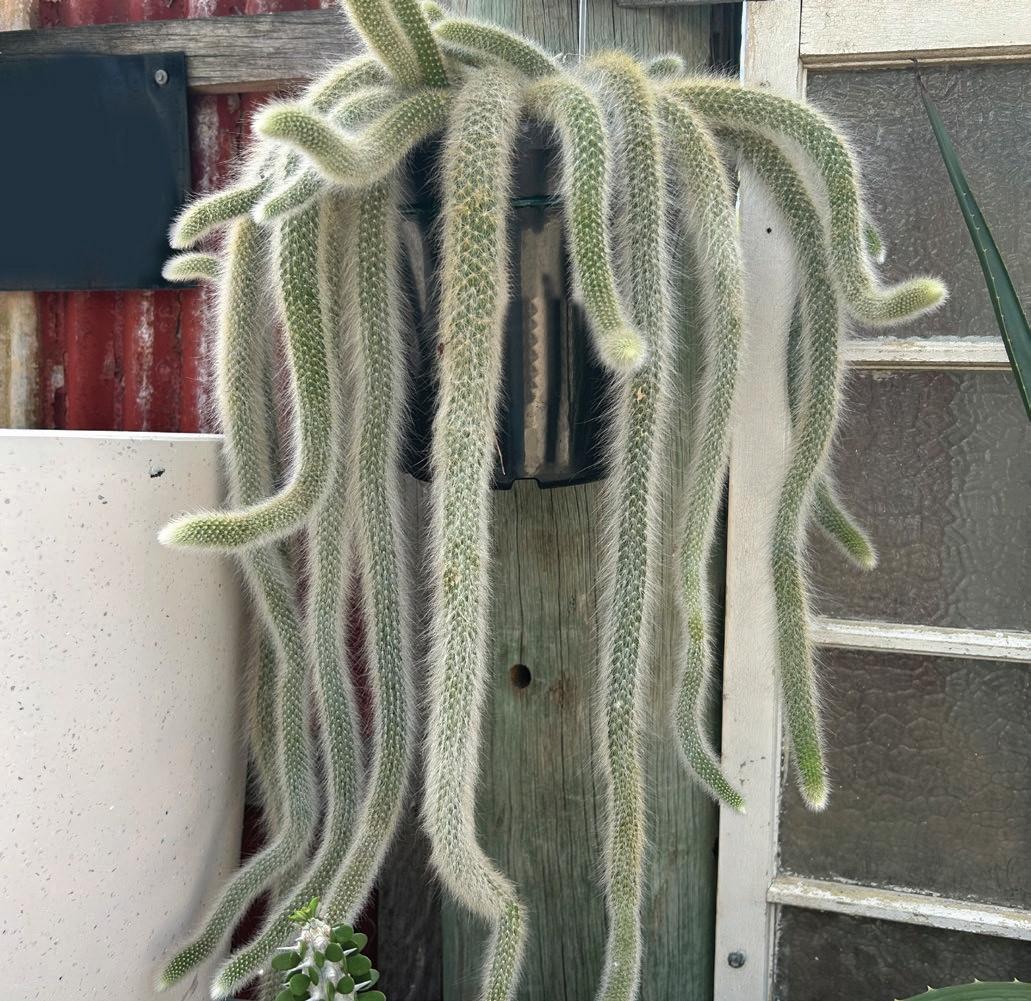
Tassel fern (far left)
Coleus prostratus
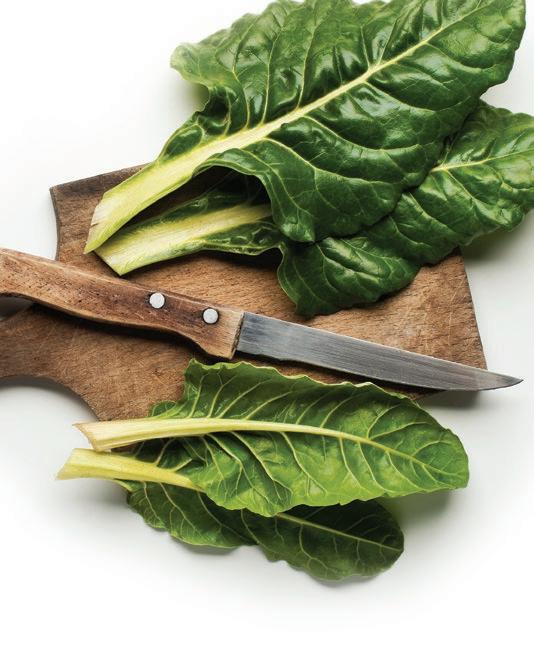
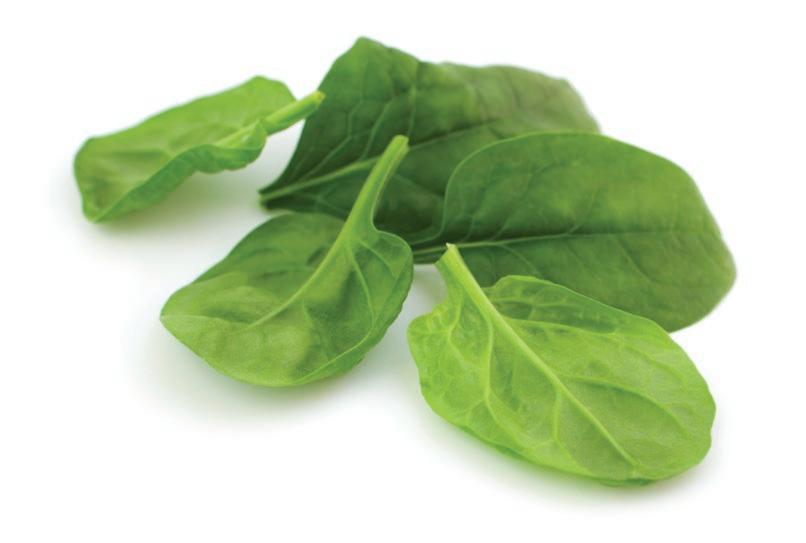
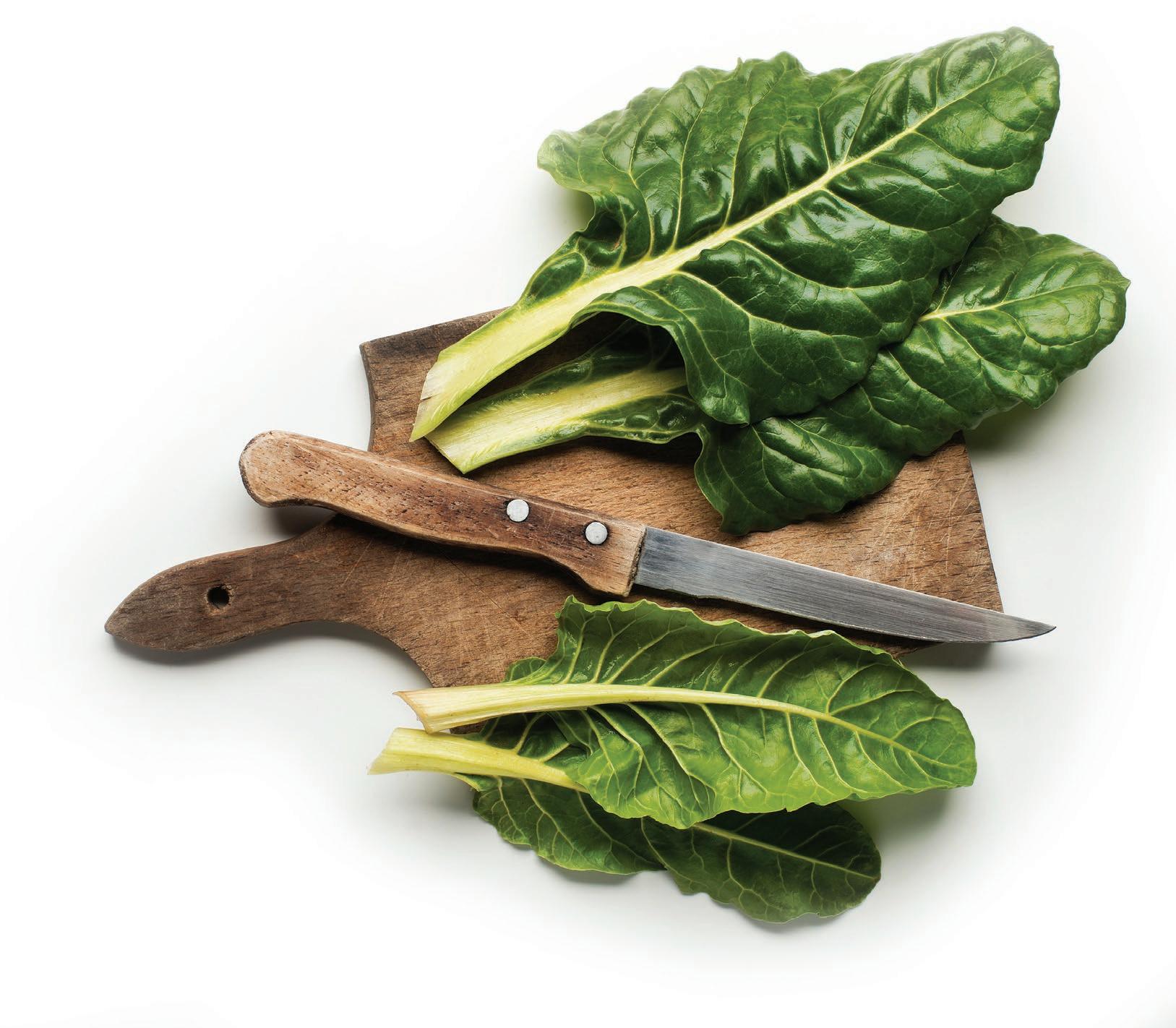
Spinach and silverbeet are often thought to be the same plant, but while they belong to the same family, they have distinct appearances, growth habits, and culinary uses. Depending on where you live—even in different regions of Australia—what you call “spinach” might actually be silverbeet.
True Spinach: Sometimes called “English spinach,” true spinach has smaller, soft, flat leaves with green veins. It flourishes in cooler climates, which is why it’s usually available only in autumn and winter. If planted in the warmer months, it bolts quickly, sending up flower stalks and going to seed before you get a chance to harvest. Baby spinach is simply young leaves harvested early, ideal for salads and delicate dishes.
Silverbeet: With thicker, puckered leaves and prominent white veins, silverbeet is better suited to warmer regions. More closely related to beetroot than true spinach, silverbeet can be grown year-round if it’s protected from the harsh afternoon sun and given plenty of water. Most Australian nurseries offer silverbeet seedlings, making it a popular and versatile garden plant.
Swiss Chard (Rainbow Chard): If you love a splash of colour, Swiss chard is essentially a variety of silverbeet with vibrant stems. Seeds are often mixed to produce a “rainbow” of red, yellow, orange, and pink stalks, adding both visual appeal and nutrition to your garden and plate.
In the Kitchen: While they differ in appearance and growing conditions, spinach and silverbeet are interchangeable in cooking. Both can be enjoyed raw in
salads or lightly cooked in a wide variety of dishes, offering flexibility for home cooks and chefs alike.
Whether you’re growing in the cool south or the warmer north, knowing the difference between these leafy greens ensures a successful harvest and a plate full of flavour.
For strong, fast healthy growth, liquid feed fortnightly with SeaMax.
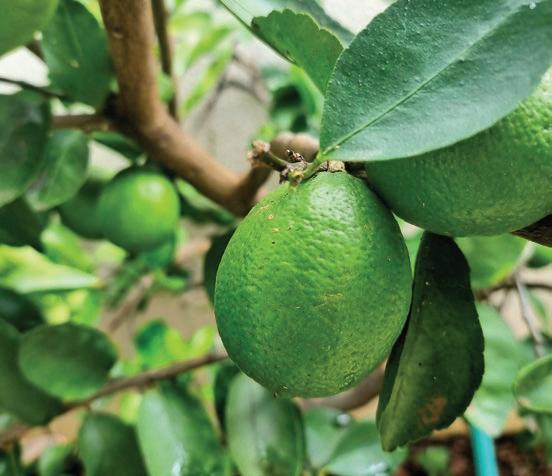
Persian Lime: Also known as Tahiti lime, this is the most widely grown lime in Australia. Small to medium fruit size with a smooth thin skin, seedless, and juicy, Persian limes flourish in subtropical and tropical climates. They prefer full sun, fertile well-drained soil, and regular watering, producing fruit during the cooler months but almost year-round in the right conditions.
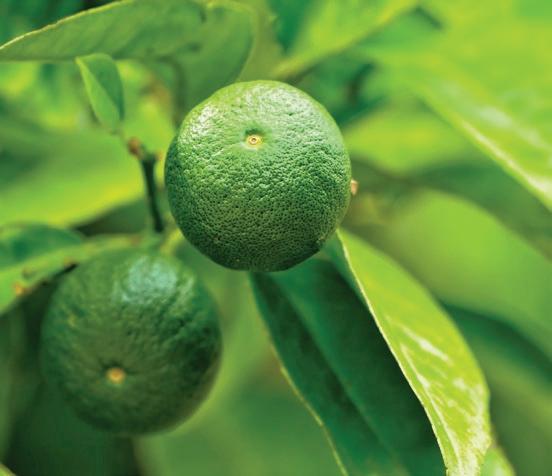
West Indian Lime (Citrus aurantifolia): Known as Key Lime: Small, round, and intensely flavoured, West Indian limes are famous for their use in pies and cocktails. They are more suited to warm, frost-free areas and benefit from some protection in cooler climates, but popularly grown in southern states of Australia. West Indian lime trees are relatively compact, making them ideal for pots or small garden spaces.
smaller gardens or indoor cultivation in large pots. Warmer climates are their preferred growing conditions.
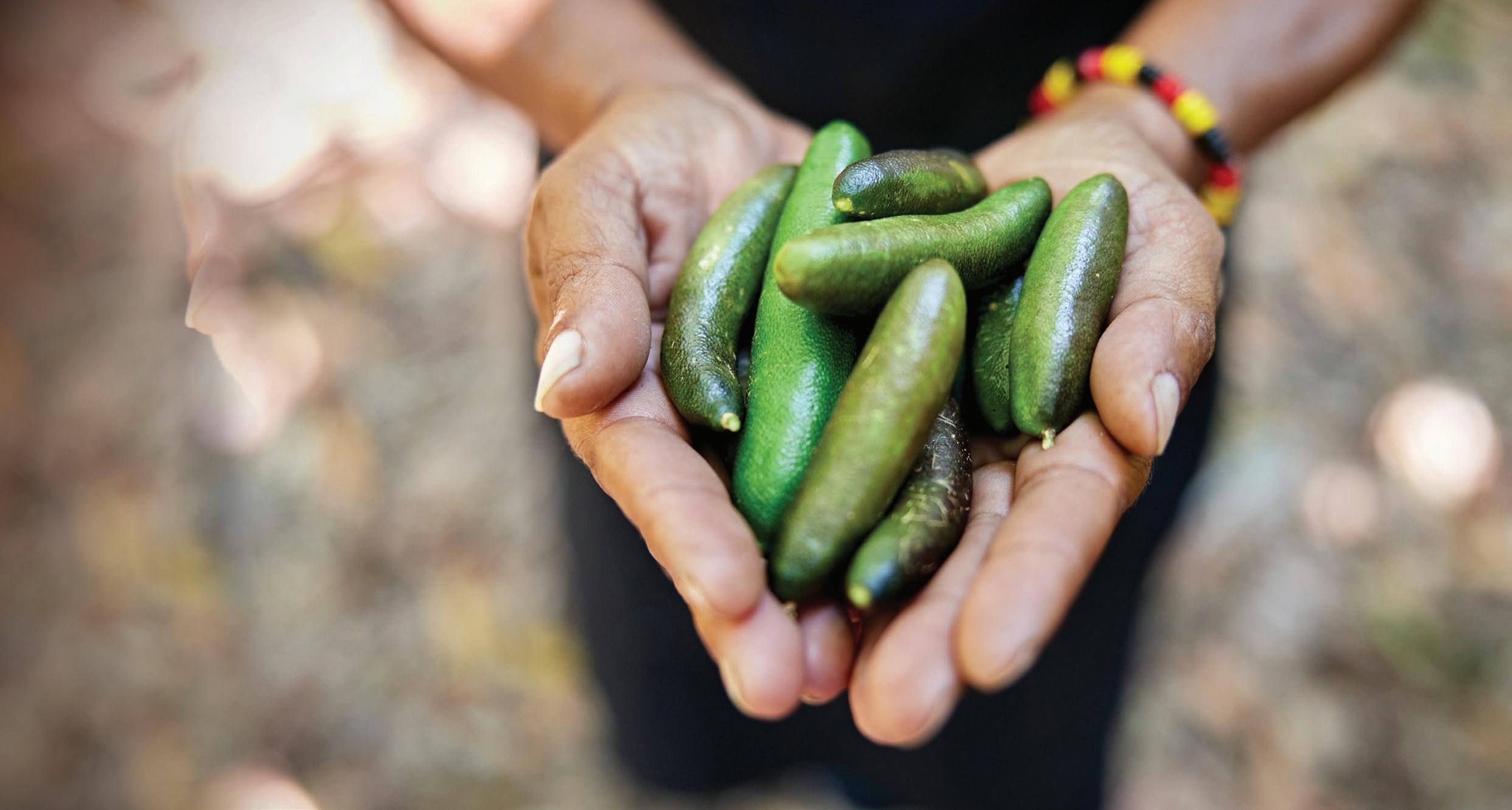
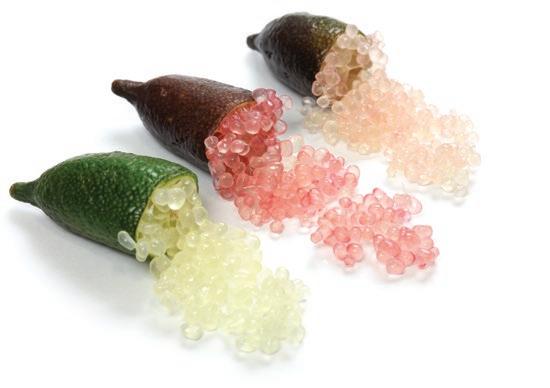
Finger Lime: Unique and striking, finger limes produce elongated fruit filled with tiny, caviar-like juice vesicles. Perfect for adding a gourmet touch to dishes, these limes prefer subtropical conditions and need a sunny, sheltered spot. They are slower to bear fruit but well worth the wait for their flavour and novelty.
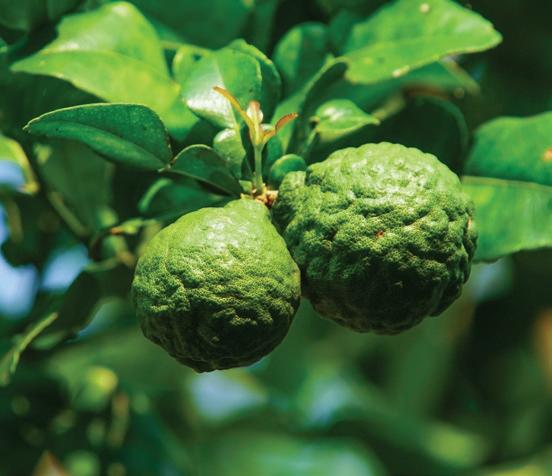
Kaffir lime: Also known as the Makrut lime, with its aromatic leaves, is commonly grown for adding a unique flavour to Thai cooking use, rather than the fruit, while other heritage and dwarf varieties can suit
Taste the varieties of limes available by getting to know their different climates, tastes, and garden styles, including several unique Australian natives. Knowing your options helps you choose the perfect lime tree for your garden. page 13
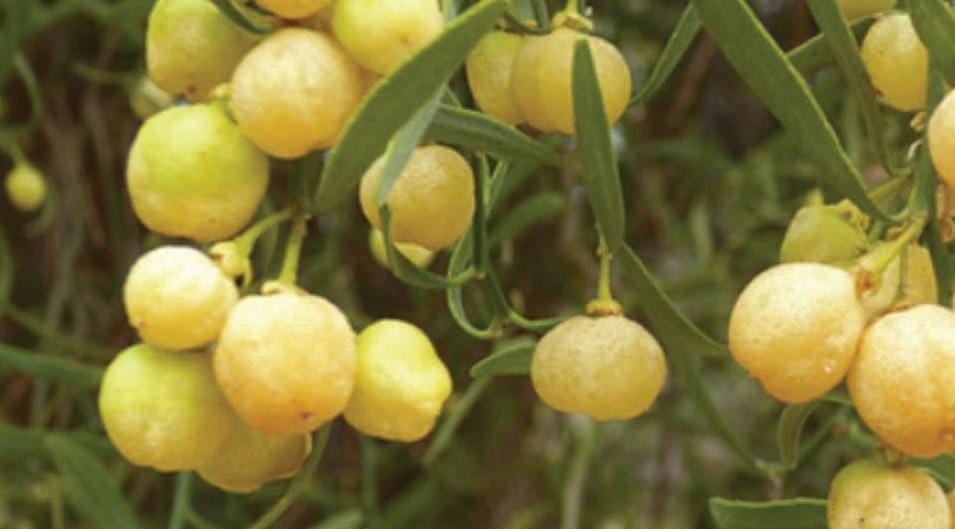
Australia is home to several unique native lime varieties that bring distinctive flavours and resilience to local gardens. Finger lime (Citrus australasica), as mentioned before, is perhaps the most familiar to gardeners. Other native limes include the round and tart desert lime (Citrus glauca), ideal for arid regions. Colloquially, it’s also known as the “wild lime”, “bush lime”, “desert kumquat” and “desert lemon”, producing small, green, grape-sized fruits not unlike Calamansi, also known as Calamondin, and exotic kumquats. Desert Limes have an intense flavour, and as an Aboriginal bush food are enjoyed whole. These native limes are well adapted to Australian climates, often more tolerant of drought, heat, and poor soils than traditional citrus, making them excellent choices for sustainable, lowmaintenance gardens while adding a uniquely Australian twist to your culinary creations.
When planting limes in Australia, consider your local climate, soil type, and frost risk. Most lime trees love sun, regular watering, and protection from strong winds. With the right care, you can enjoy fresh, homegrown limes that elevate everything from a casual salad to a tasty cocktail.
Desert limes
Kaffir
Tahiti
West Indian
Finger lime
Preheat oven to 160˚C. Pour heavy cream and milk into a saucepan, then add
vanilla seeds and pod. Over medium heat, dissolve sugar by whisking quickly. Turn off the heat when the cream just starts to steam and small bubbles start to form around the edges (about 5 minutes). Let cool for 2 minutes.
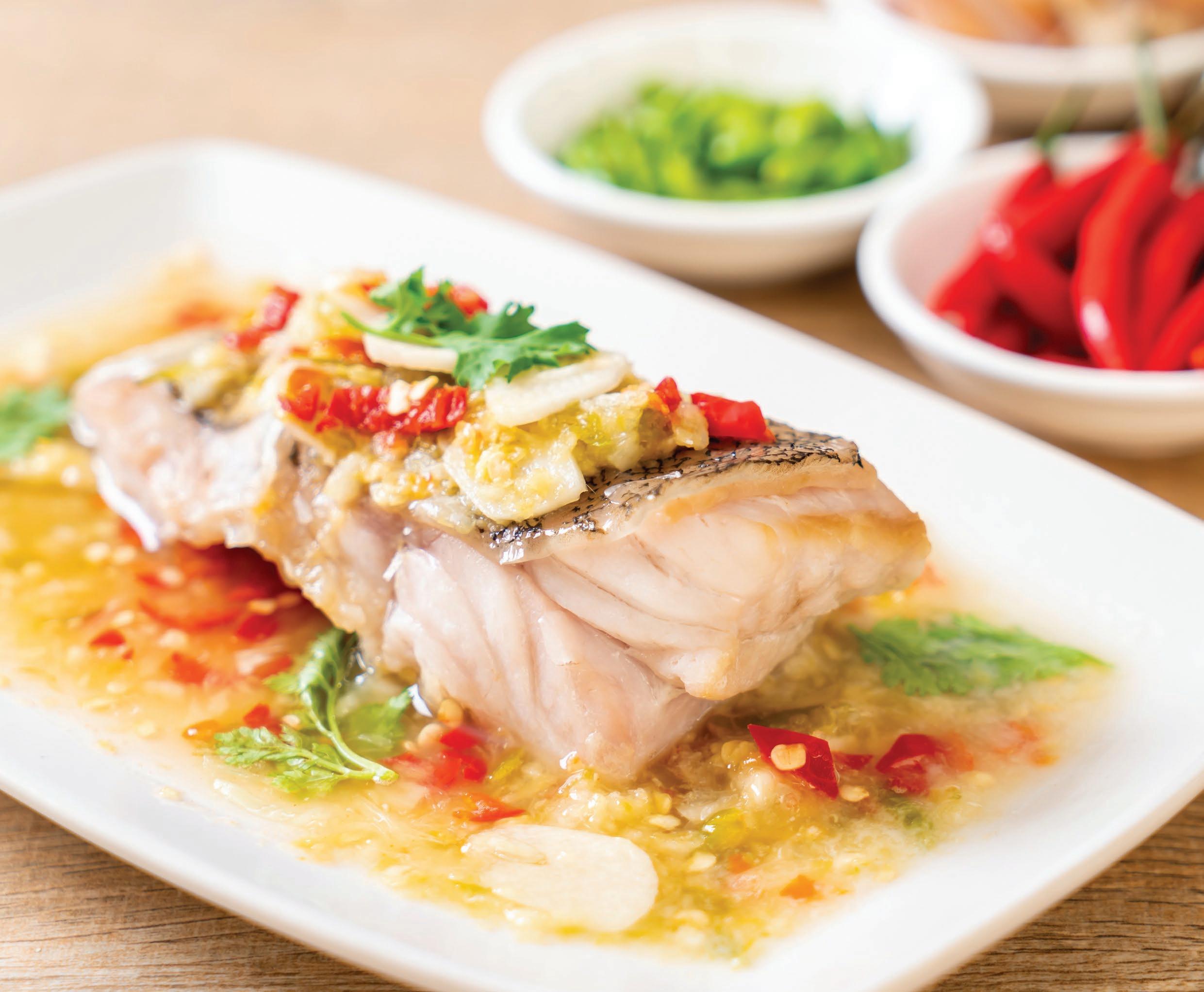
2 x 200g white fish fillets
(e.g. barramundi, snapper & cod)
Lime slices, to serve
Coriander leaves
1 red chilli, finely sliced
Sea salt
Prepare
Lime & garlic sauce:
1 red chilli, roughly chopped
4 garlic cloves
½ tsp sea salt
¼ cup chicken or fish stock
3 tbsp fish sauce
3 tbsp lime juice
1 tsp sugar
For lime sauce, crush roughly chilli, garlic and salt to a rough paste. Transfer to a bowl and mix with the stock, fish sauce, lime juice and sugar.
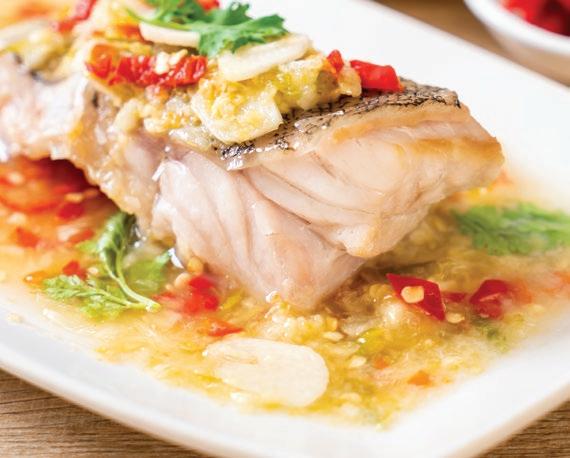
Make a trivet from foil by scrunching it up into a rough cylinder and coiling it around to make a circle. Place trivet at the bottom of the pan and fill pan with water until the water level is below the plate you will add to the pan. Next, bring water to a simmer. Place the fish on a heat proof serving plate and secure plate on top of the foil in the pan. Cover with a lid and steam for 5 minutes. Then remove the lid and pour the lime and garlic sauce over the fish. Replace the lid and steam fish further until cooked through.
Carefully remove the hot plate of fish from the pan. Garnish with lime slices, coriander and chilli slices. Serve with steamed rice.
In a measuring cup, whisk egg yolks. Add in a 100mL of hot cream mixture while whisking until well-combined. Slowly pour the rest of the cream mixture into the egg yolks while stirring constantly. Whisk in salt.
Remove any foam on top. Pour mixture into ramekins which are sitting in a baking dish. Put baking dish in oven. Pour hot water, just off the boil, around the ramekins, about ¾ of the way up the sides.
Bake for 30-35 minutes, or until custards are set, but still slightly wobbly in the middle. Place ramekins on a cooling rack. Let cool until room temperature, then refrigerate for at least 3 hours and up to 3 days.
Serve
Sprinkle 2 teaspoons sugar evenly, completely covering the custards surface. With a kitchen blowtorch, held a little distance away and with circling pattern caramelize the sugar until melted and browned.
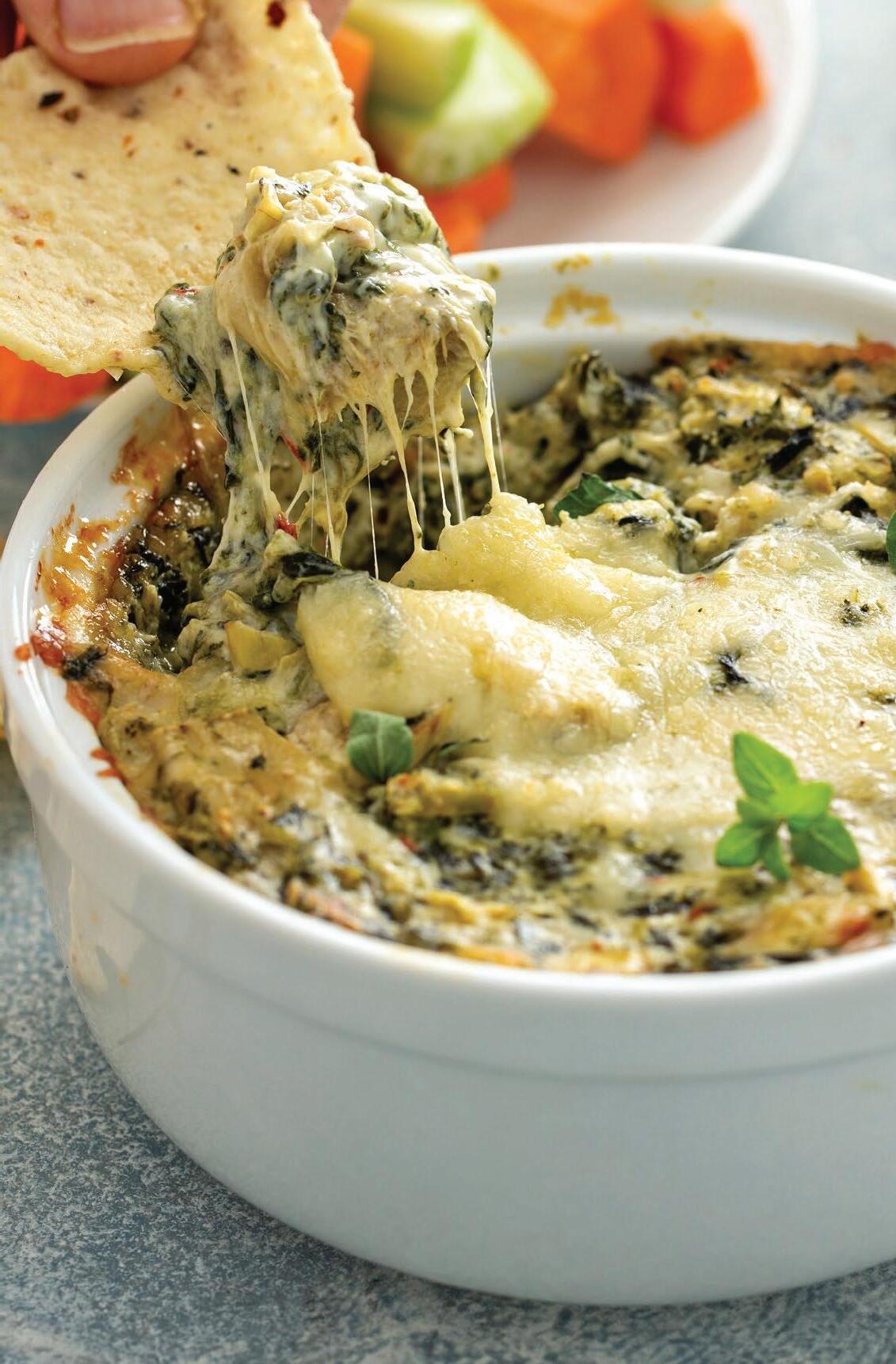
Soften cream cheese in a large heat proof bowl in the microwave, then mix until smooth.
Add remaining ingredients. Mix until just combined.
Warm in microwave to your taste. Adjust salt and pepper to taste.
Add mixture into a microwave-safe serving bowl, sprinkle with extra parmesan cheese and heat until parmesan is melted and browned.
Serve warm with tortilla chips or vegetable sticks for a healthy option.
Keep winter gardens protected.
• Mulch gardens to keep soil temperatures moderated.
• Liquid feed with a two-in-one fertiliser and tonic, SeaMax Organic Fertiliser to improve health and vigour to combat temperature extremes.
• Move cold vulnerable pot plants to a more protected area until the last frosts have passed.
• Keep indoor plants away from heaters.
• Move indoor plants to receive more light during the winter months.
• Refrain from pruning frost bitten plant leaves until the last frost has passed.
Lawn weed whispers
Weeds in your lawn can act as indicators of what your soil is lacking—or receiving too much of. When conditions favour weeds, they outgrow the grass.
Wet, shaded areas attract nutgrass (a sedge with a three-sided stem), as well as chickweed, crab grass, creeping Charlie, mosses and dock. Use a selective herbicide specifically for nutgrass, improve drainage by aerating, diverting water, reducing irrigation, and adding sand.
Dry lawns often develop lambs tongue and thistles. Check for hydrophobic soil and correct it with a yearly application of Searles Penetraide.
Low-nutrition soil encourages clover and sorrel. Clover, a nitrogenfixing legume, flourishes when grass is weakened. A week after weed spraying, apply a good lawn fertiliser and water well. Adding organic matter or topdressing helps restore soil health.
Compacted soil invites bindii, dandelions, crabgrass, crowsfoot and burdock. Compaction reduces oxygen around roots, thinning the lawn and creating space for weeds. Aeration and topdressing improve both structure and nutrient levels.
Acidic soil tends to grow plantain, lambs tongue, moss and sorrel. Correct soil pH with garden lime or dolomite, following label directions. These also add calcium, which helps where lambs tongue or sorrel suggest deficiencies.
Always repeat selective herbicide applications as directed to target new seedlings. Because many weeds signal multiple issues, the key is balance: avoid extremes in moisture, nutrition and mowing height. A healthy lawn is your best defence.
Winter is a great time of year to purchase bare-root trees and fruit trees. There are generally many more varieties of deciduous trees available and at lower prices than in spring/summer when they’re available in pots. Planting when dormant will give them the best chance of being replanted successfully. They are also easier to transport and transplant into their final position in the garden.
Plant bare-root deciduous plants, such as, apples, stone fruit, ornamentals, pears, figs, mulberries, pomegranates and nut trees.
Before you buy bare-root stock, check its roots and stem health to ensure better establishment and plant health in the soil. Soak roots before planting with a half rate solution of SeaMax Organic Fertiliser to increase root establishment.
During winter, all bare-root trees should be pruned back by 1/3 upon planting to reduce dieback. Dieback happens because of the damage to the roots when the tree is dug from the ground initially. Pruning balances out this damage to the roots and means that the roots are sustaining a more manageable amount of tree, therefore regrowth is faster.
Scan for more planting bare-root deciduous fruit trees
Scan for more planting bare-root trees and shrubs
allzones
winter planting & care guide
> Seed potatoes are best planted late autumn to early winter in warmer areas and late winter to early spring in cooler areas. Choose potatoes that are certified seed potatoes. These are tested to be virus free and suitable for Australian gardens.
> Globe artichokes. You can plant the suckers from autumn through to spring, except in the tropics where they struggle.
> Lettuce, kale, leek, cabbage, spring onion, and many Asian greens like pak choy, mizuna and tatsoi grow well and fast. Harvest young and regularly for a better taste and to bring on more leaves. Winter herbs such as, rosemary, chives, rocket and sorrel are in abundance now. Check for caterpillars on leafy greens such as lettuce, cabbage and broccoli. Control with Searles Bug Beater.
> Sub Tropics/Tropical fruit for winter: plant olives, banana, avocado, citrus (kumquat, lime, mandarin, grapefruit, lemon, orange, tangelo), pineapple, custard apples, apples (warm climate varieties). For cooler climates try apples, grapes, olives, avocado, citrus (kumquat, lime, mandarin, grapefruit, lemon, orange, tangelo), cherries and pears.
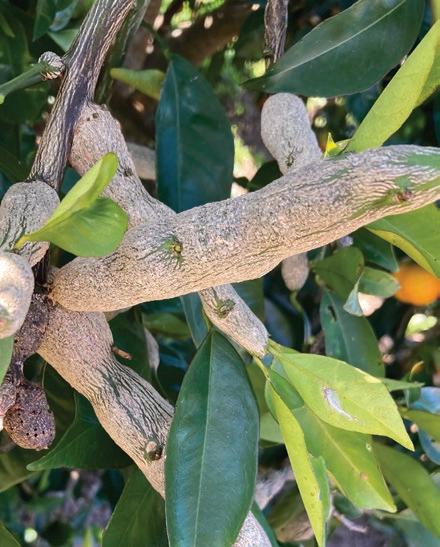
Regularly monitor for gall wasp activity on citrus in winter when they lay their eggs in the stems, causing the stem to swell. Treat promptly. If gall present, remove affected branches and burn or bin them before the new adults emerge from the gall in spring.
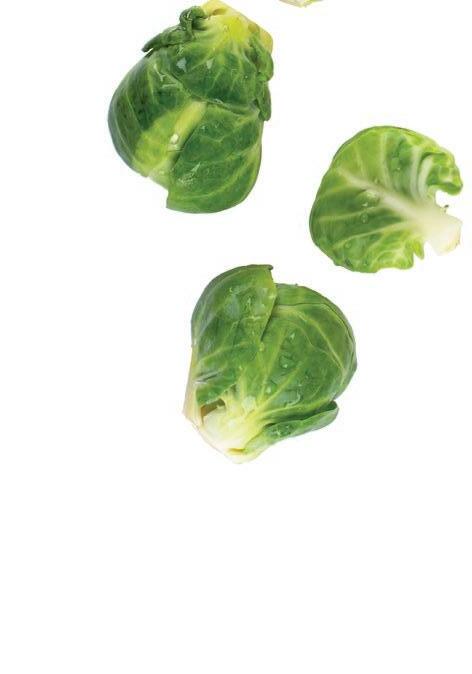
Plant easy growing winter vegetables like broccoli, cabbage and cauliflower. Grow Brussels sprouts in cooler regions. Enrich the garden bed with 5 IN 1 Organic Fertiliser, then liquid feed weekly with SeaMax Organic Liquid Fertiliser to keep their growth strong. Harvest heads young and protect by treating any visual pests and diseases early. Net crops to reduce the risk of cabbage white butterfly and caterpillars.
> Plant rhubarb crowns into well-drained soil, late autumn and early winter, about 75cm to one metre apart to allow for their stem and leaf growth. Sufficient airflow around the plants will also keep diseases and fungus at bay. They love well-composted soil. Dig 5 IN 1 Organic Fertiliser into the soil two weeks prior to planting for rich healthy soil.
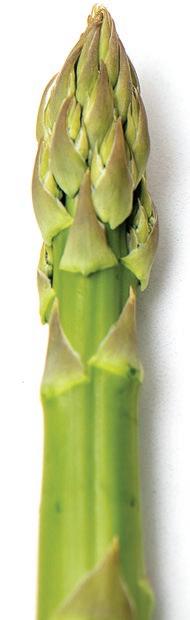
Winter is a key time to prepare asparagus crowns for planting. Scan QR code for how to.
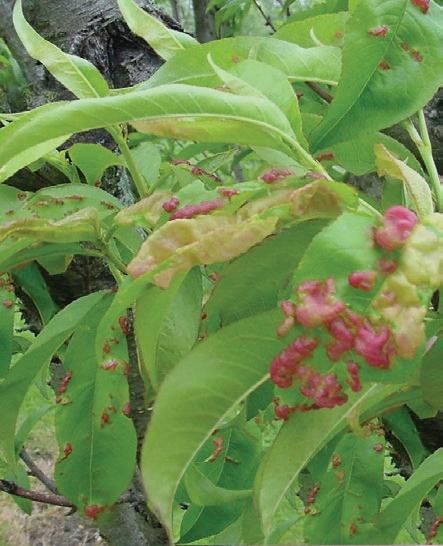
Leaf curl
To protect stonefruit from leaf curl and other bacterial diseases, apply Lime Sulphur or Copper Oxychloride while the tree is dormant in winter and at early bud swell. Additional sprays may be necessary. Lime Sulphur will also control blackspot and powdery mildew on apples and blackspot on pears.
Best winter colour for pot displays
Hellebores - For cooler climate gardeners. Easy to grow.
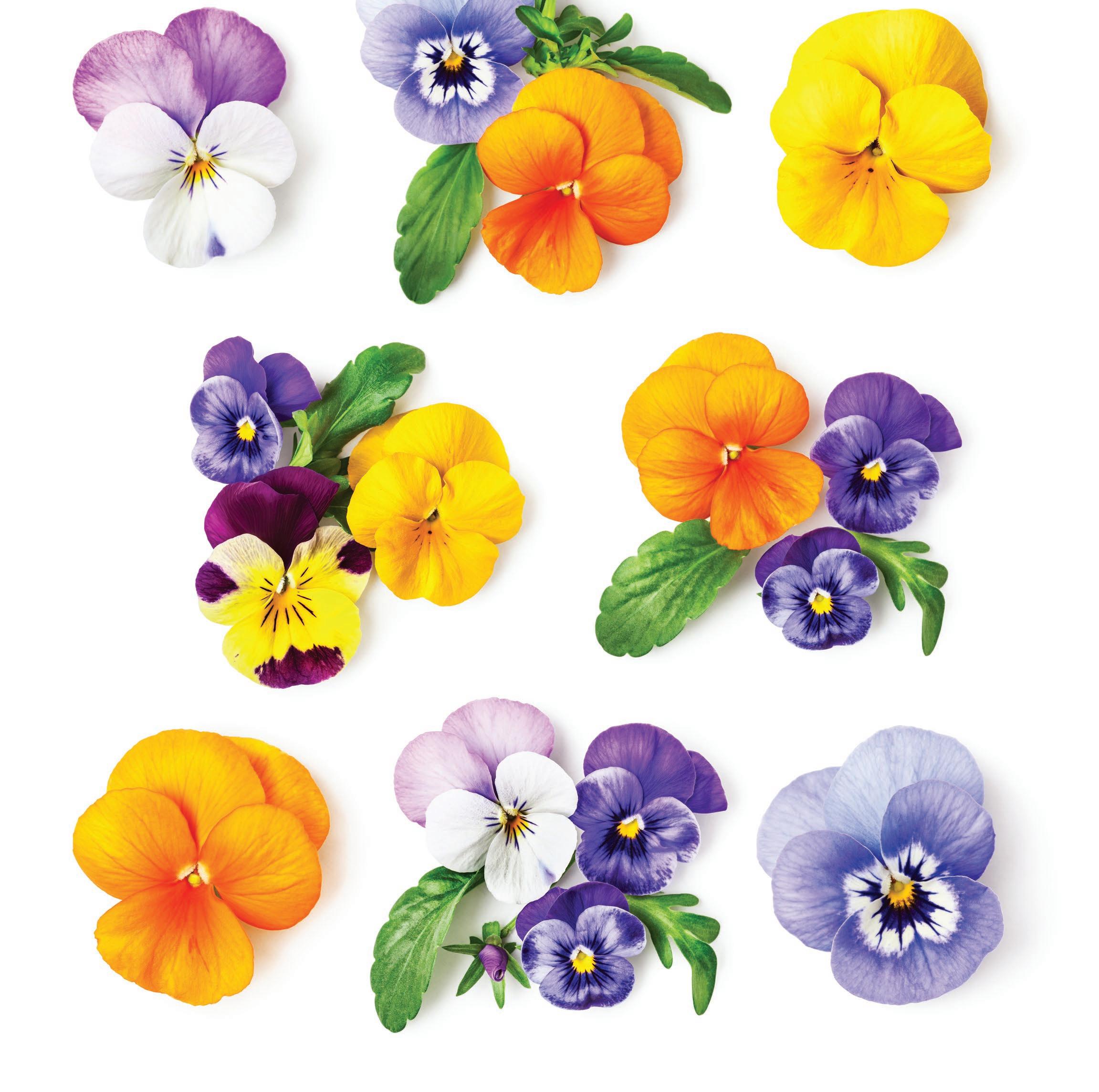
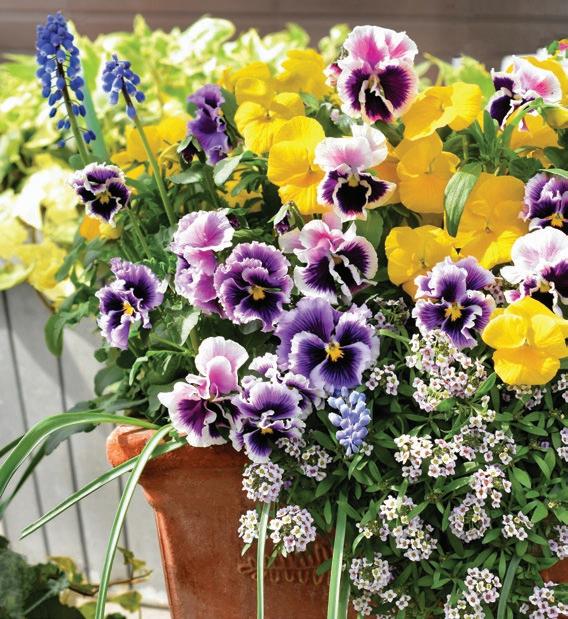
Panies & Violas - Smiling flowers for fillers and mass displays.
Cyclamens - Loves shady areas in winter for long flowering.
Poinsettias - Naturally bloom in winter.
Kalanchoes - Upright succulent-like plant with bright blooms. African violets - Loves cool nights in protected pots.
Best winter colour for hanging baskets
Fuchsias - Flourish in cool, shaded areas with regular watering. Lobelias - Great fillers and spillers.
Calibrachoas - Spreading habit with a mass of bright flowers.
Best winter colour for sunny gardens
Lavender - Hardy winter bloomer with no water needs.
Ozothamnus - Large rice size flower buds bloom during winter. Many Australian natives - See below.
Scaevola - Attractive ground cover with big flushes of blooms.
Calendulas - Bright orange flowers and long flowering. Statice - Low-maintenance, vibrant, papery blooms.
Best winter colour for native gardens
Winter roses
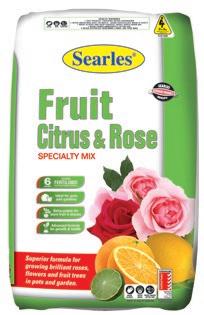
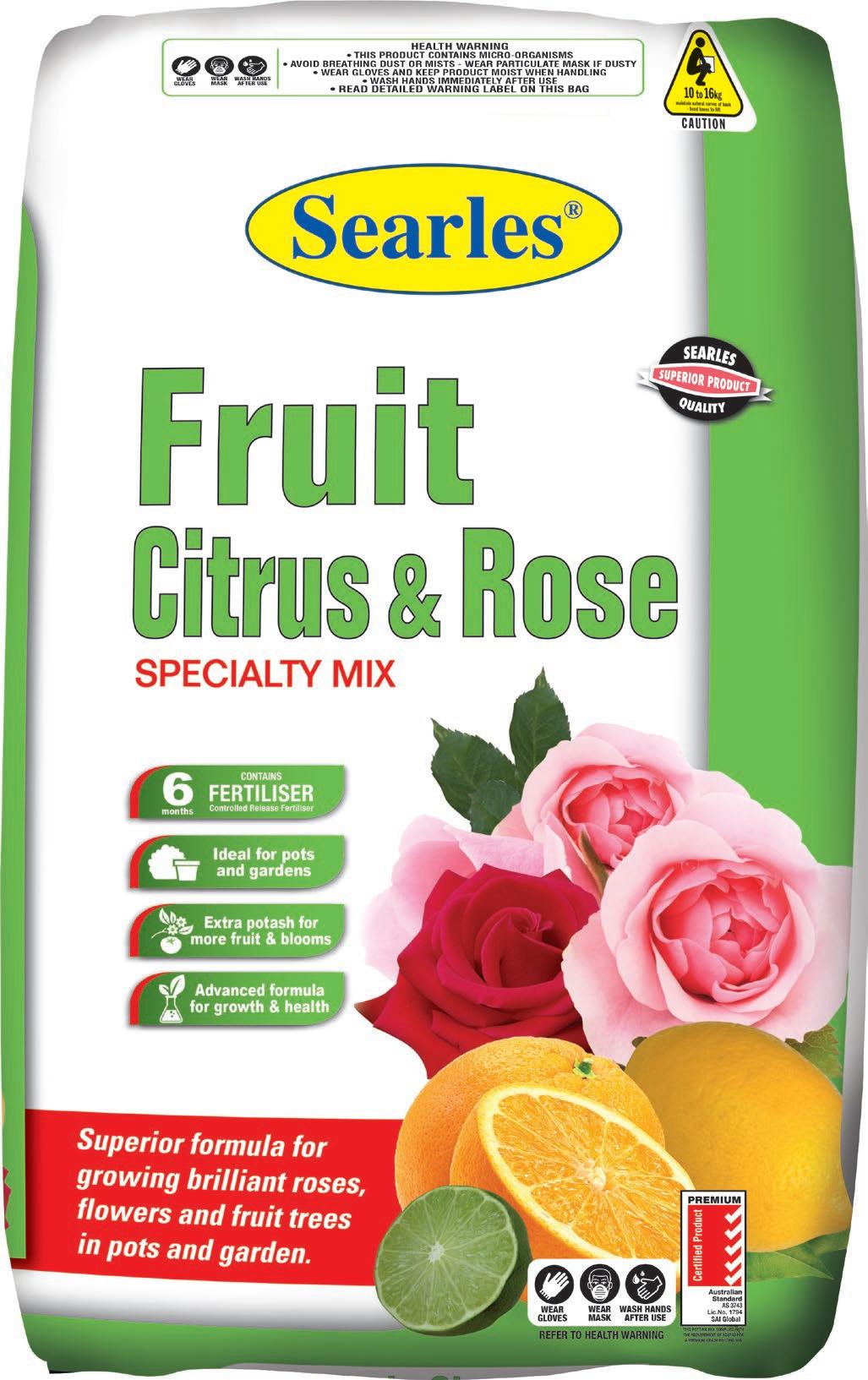
Bare-root roses can be purchased and planted in winter soils. Follow the planting instructions of the plant label. Use Fruit, Citrus & Rose Specialty mix for when planting in garden beds or pots. Before planting soak roots in a diluted half solution of SeaMax Seaweed to aid new growth and establishment.
Winter light
Winter sunlight is reduced, so move indoor plants to a brighter, warmer position in the house away from heaters which will dry them out. Let the potting mix dry out before watering to reduce fungal and root diseases. Outdoor pot plants can be moved also for more sunlight, but protect from frost and strong winds.
Camellia flush
Lechenaultia formosa, wattles, banksias, croweas and correas, Leptospermum ‘Cardwell’, Geraldton wax, Chrysocephalum apiculatum, emu bush, hakea, many varieties of grevilleas, native wisteria, Hardenbergia violacea (purple coral pea), Australian Heaths (Epacris spp.) are gorgeous winter bloomers for the wildlife. For Mediterranean climates, grow Rose Coneflower (Isopogon formosus).
Best winter colour for climbing gardens
Hardenbergias - Fast growing climbers in full sun. Small-leafed Clematis (Clematis microphylla) - Fast growing vine with star like white flowers, ideal for fences and as covers.
Best winter colour for perfumed gardens
Perfumed luculia - Great for frost-free areas.
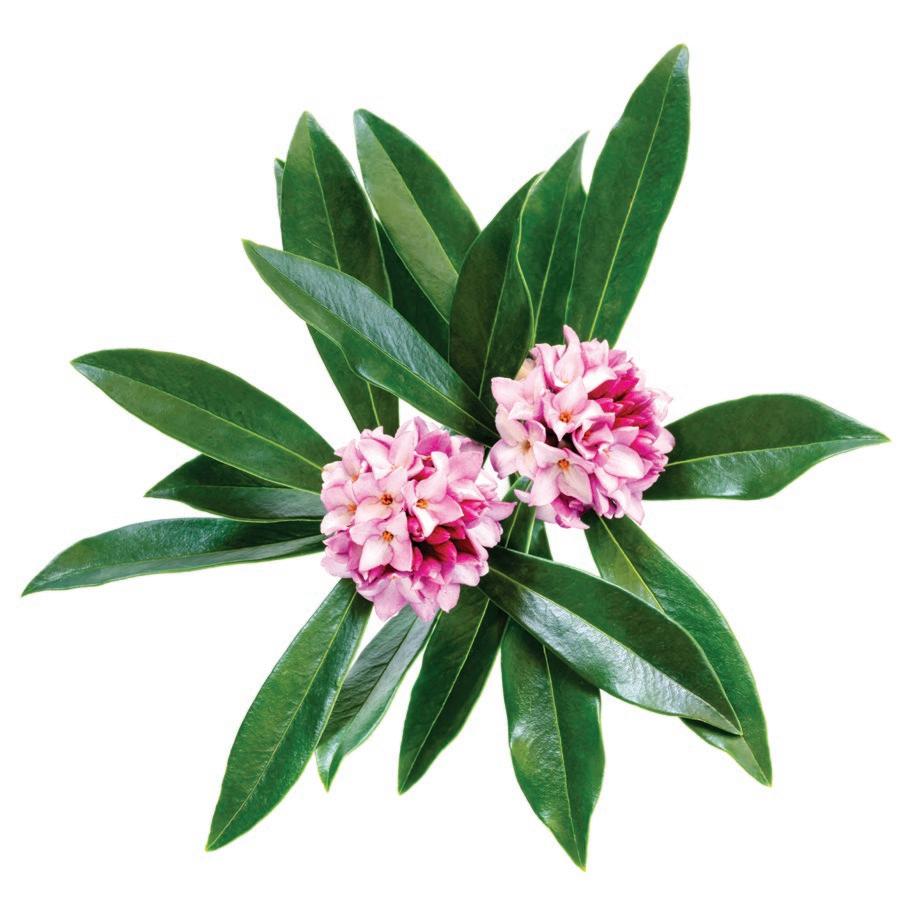
Daphne odora - For cooler regions.
Osmanthus fragrans - Smell like sweet apricots. Camellia japonicas - Some are lightly scented. Wintersweet - Intensely fragrant, waxy, pale yellow flowers.
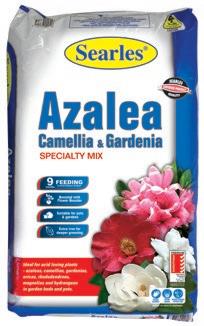
Camellia japonicas show their true floriferous magnificence during the winter months. Like other camellias, the japonica is long-lived, versatile and easy-care. All camellias are ‘acidloving’ plants. To be confident growing camellias in pots or garden beds, plant them in Searles Azalea & Camellia Specialty Mix. This mix will help maintain the ideal level of soil acidity for camellias, as well as providing all the nutrients needed for excellent growth, vigour and flowering. Always mulch well after planting and reapply mulch once or twice every year.
Winter prune
Winter is a good time to give deciduous plants a prune for warmer weather regrowth. Hydrangeas, roses, wisteria and grape vines benefit from a good prune early winter. Use sharpened clean blades on your pruning tools to minimise stem damage and reduce disease exposure.
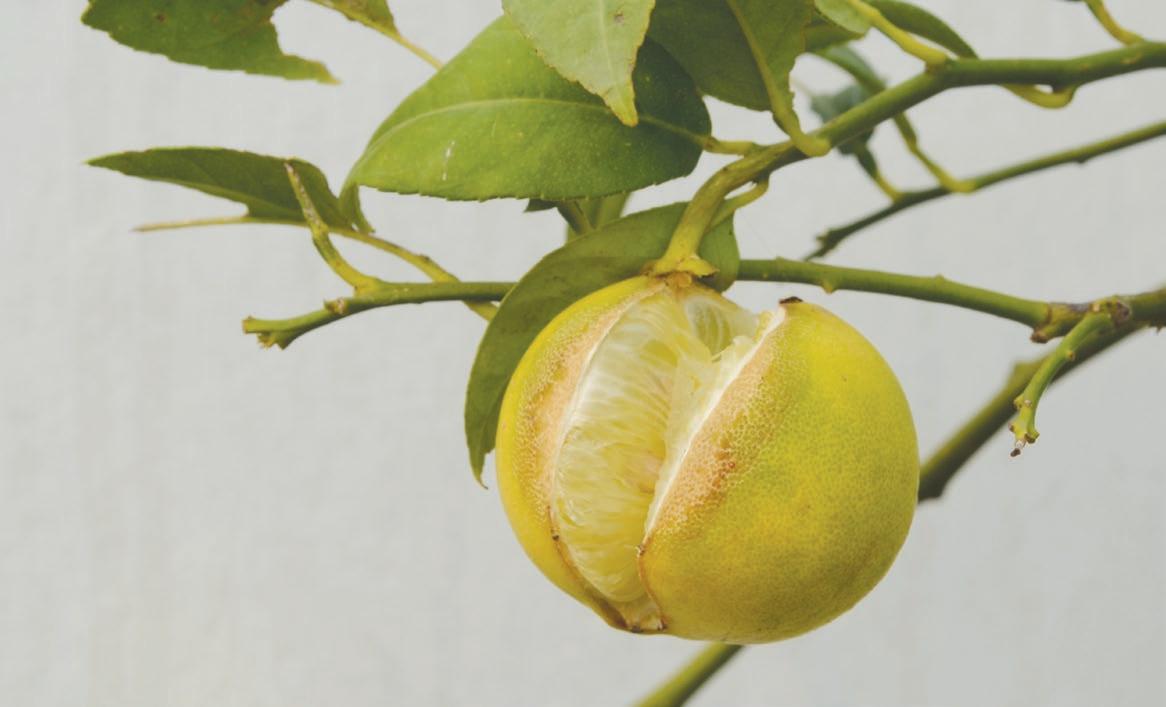
Boron is an important micronutrient for tissue development in plants, pollination and the quality of flowers, fruit and in seed set. Boron deficiencies develop more often in dry weather, soils lacking in organic materials and alkaline soils or those that have been limed heavily. Boron is available in the form of Borax. It is a natural product, and it can be applied directly into the ground or mixed with water as a foliar spray. Being a micronutrient, it is imperative that it is applied as directed, as over supply can harm the plant. In citrus trees it is more important for mature trees. It is said to enhance the quality and flavour of the fruit, as it supports the general health for the tree. Signs of boron deficiency can be;
• Dropping of buds or blossoms
• Brown sunken areas on fruit
• Distortion or cracking of stems
• Yellowing or death of the growing tips
• Thickening or twisting of roots
• Lateral buds/leaves thicken and curling
• Young leaves may also show a yellow chlorosis sometimes with reddish-purple colouring.
Quick tips
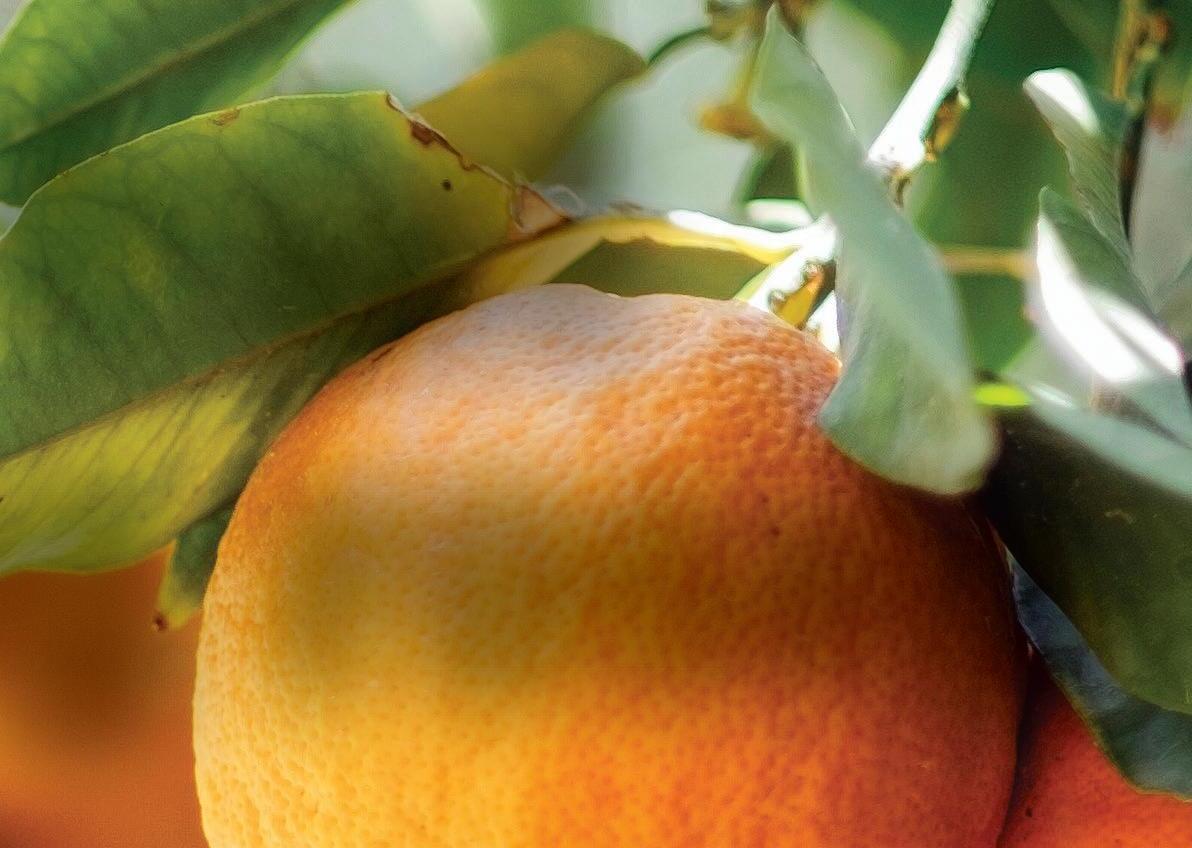
For citrus fruit such as oranges or mandarin that have become sour over time, apply sulphate of potash as directed on the bag under the drip line of the tree and water in with a 9 litre watering can with two teaspoons or 10g of magnesium sulphate (Epsom salts). A tip the late Colin Campbell recommended.
The Serenity Prayer God grant me the serenity to accept the things I cannot change; courage to change the things I can; and wisdom to know the difference.
Living one day at a time; Enjoying one moment at a time; Accepting hardships as the pathway to peace; Taking, as He did, this sinful world as it is, not as I would have it; Trusting that He will make all things right if I surrender to His Will; That I may be reasonably happy in this life and supremely happy with Him Forever in the next. Amen. Trust in the LORD with all your heart and lean not on your own understanding; in all your ways acknowledge him, and he will direct your paths. Proverbs 3, 5-6
Let nothing disturb thee. Let nothing affright thee All things pass God never changes. Patience gains all. Who has God. Wants for nothing. God alone suffices. (St Teresa of Jesus)
by climatic zone
FLOWERS
> During early winter pruning of roses, citrus trees, deciduous trees should be done. Remove dead, damaged and rogue branches and prune back by a third. Liquid feed with SeaMax Organic Fertiliser plant nutrients for return growth.
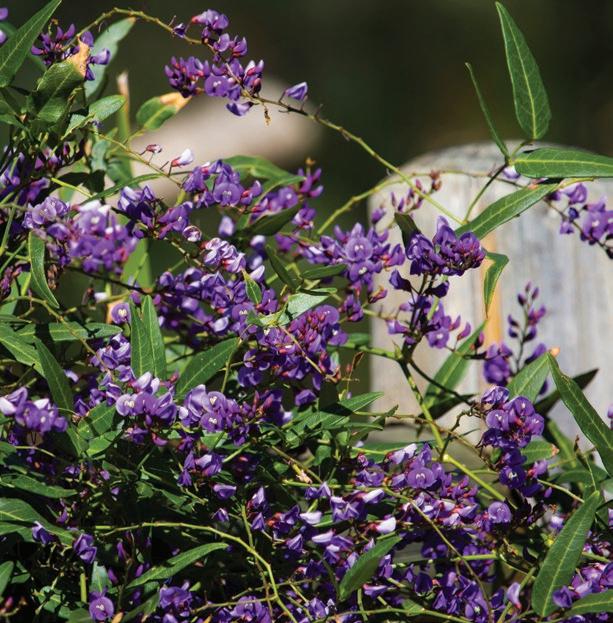
> The beautiful Camellia japonica will be in bloom now. Some grevilleas and natives are flowering during winter. Display kalanchoes and petunias in pots and ozothamnus and lavender for winter garden colour. Hardenbergia (pictured) produce winter climbing blooms.
> Plant spring flowering bulbs, such as hippeastrum and daylilies.
> If there is a snail invasion, hand remove, insert beer baths or use Searles Snail & Slug Pellets to stop vulnerable young seedlings from the munch.
EDIBLES
> Towards the end of winter, fertilise veggie gardens and fruit trees with 5 IN 1 Organic Fertiliser Pellets for early spring growth.
> If you haven’t already planted broccoli and cauliflower and cooler season veggies, plant seedlings over seeds to maximise growth during the peak of winter. Liquid feed with SeaMax Organic Fertiliser for better harvest.
GARDEN CARE
During periods of wet or overcast weeks in winter, watch out for powdery mildew on ornamentals and edibles. Reduce winter watering and spray mildew with Searles Mancozeb Plus
MORE ON YOUR CLIMATE ZONE FOLLOW US
FLOWERS
> Bromeliads will still show their bracts flowers during winter. Orange trumpet vine (Pyrostegia venusta) and many Dendrobium species and other rainforest orchids continue to produce flowers or spikes through winter.
> Kurrajong (Brachychiton paradoxum) and Yellow kapok bush (Cochlospermum) have gone deciduous now, showing off their flowers. So too the orange flowering Woollybutt tree.
> Cocky apple (Planchonia careya) is a lovely native flowering woodland tree with beautiful large pink and white flower blooms during winter. Outer fleshy fruit is edible.
EDIBLES
> Keep up the water to fruit trees, like bananas, black sapote, mango, star apple, guava, fruit vines and citrus trees during the drier winter period.
> The veggie patch can be filled with most vegetables. Plant seedlings of beans, broccoli, beetroot, peas and leafy greens. Plant capsicum, tomatoes, zucchini and eggplant.
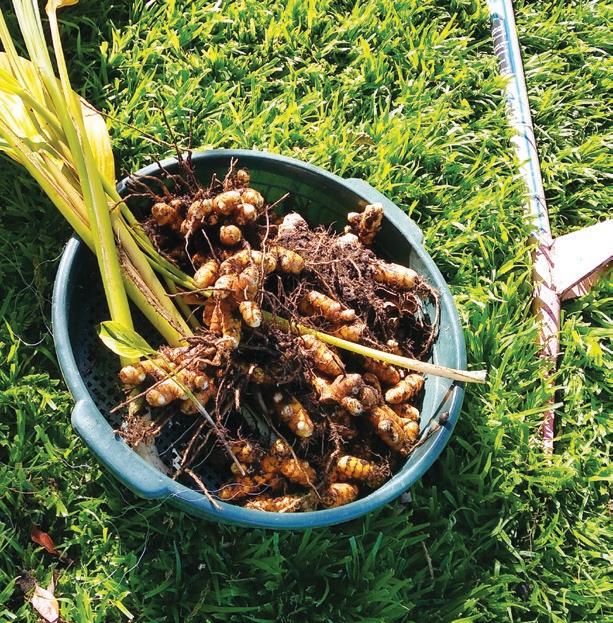
> Galangal, ginger and turmeric (pictured) can be harvested now. Trim back lemongrass to encourage new shoots. Grow Thai basil and coriander.
> Mangoes and rambutans are flowering now, fertilise with Searles Fruit & Citrus Plant Food during winter.
GARDEN CARE
The drier season is here, aerate your lawn and sprinkle Searles Penetraide ReWetting granules on your lawn, garden beds and pot plants to aid better water penetration.
Not sure what deficiency your plant has?
Searles Trace Elements boosts soils with all the essential trace elements for balanced health plant growth. Corrects major trace element deficiencies which result in poor growth, deformed & yellowing leaves and deformed fruit.
SCAN TO READ ON TRACE ELEMENTS
plant & grow by climatic zone
FLOWERS
> Prune deciduous shrubs and summer flowering evergreens to better their shape and promote more compact regrowth, remove damaged and dead branches while you have better access to branches and its shape.
> Camellia japonicas, lavender and serrurias are on show now for garden colour. For potted displays, plant hellebores, cyclamen and winter flowering annuals available from your local gardening outlet. Banksias, hakeas, correa and epacris are flowering.
> Bare-root roses, fruit trees and some ornamentals are available from gardening outlets for planting now. Before planting, give roots a bath of half strength SeaMax Seaweed for a nutrient boost.
EDIBLES
> Broccoli, cauliflower, cabbage, onions and greens such as kale, lettuce, Asian greens can be planted in the ground during winter. Thyme and rosemary are suitable for winter gardens.
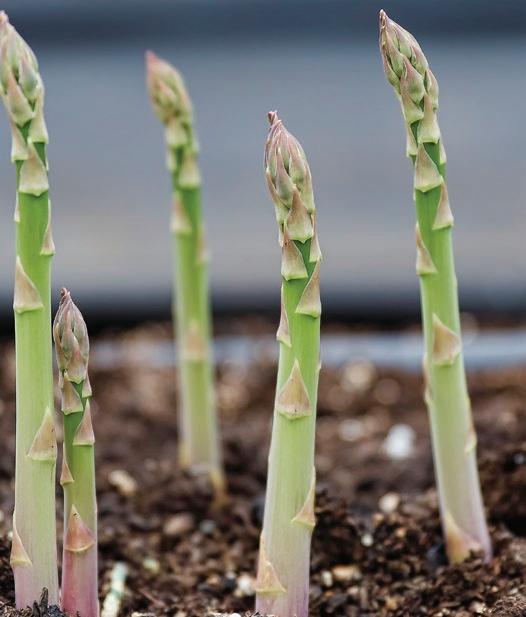
> Rhubarb and asparagus (pictured) can be planted in soils now.
> Liquid fertilise winter herbs and veggies with SeaMax Organic Fertiliser to strengthen their growth.
FLOWERS
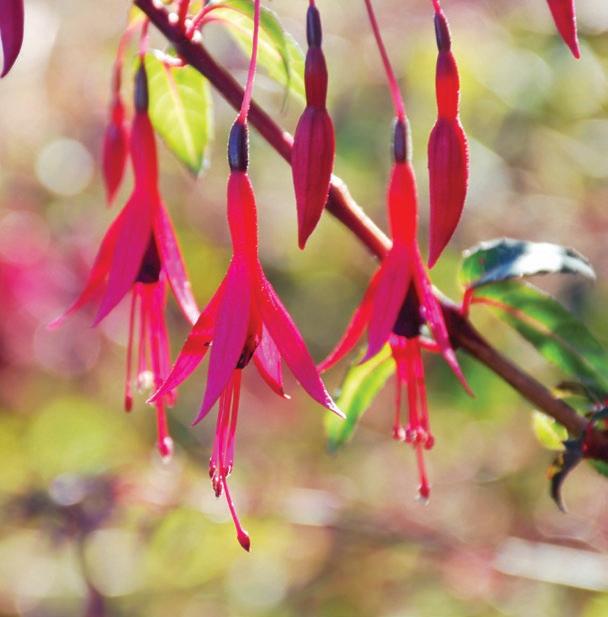
> Grow cyclamen, protea, serruria, wattle, hellebores, clivia, grevillea, camellia, ‘Silver princess’ gum, leucadendron, bergenia, snowdrops and tree fuchsia (pictured) for winter garden colour. For perfumed garden fragrance, grow luculia, daphne, wintersweet and lilly of the valley.
> Winter is the time to find bare-root ornamentals and rose varieties in gardening outlets. Before planting, dunk the bare roots in a half-strength solution of SeaMax Seaweed to promote better transplant establishment and root development.
> Croweas and correas make a floral appearance during winter, also providing must needed winter fodder for wildlife.
> For potted displays, plant a mix of pansies, polyanthus, primulas, ranunculus and snapdragons.
EDIBLES
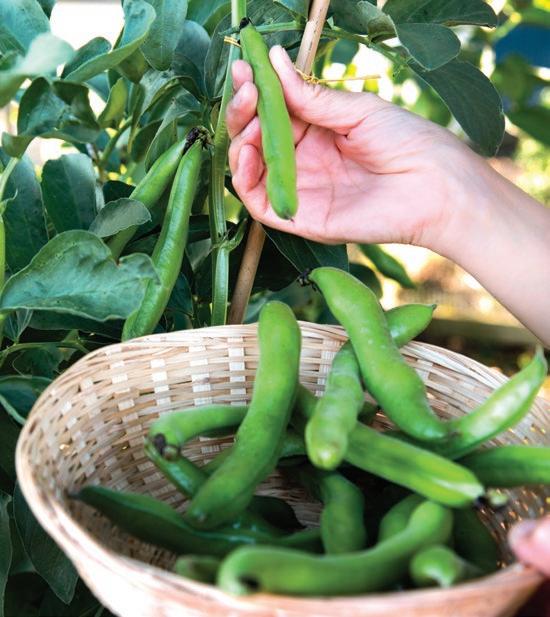
> Garlic, broad beans, broccoli, silverbeet, kale, and lettuce will grow in-ground during winter. Root vegetables like turnips, radish, swede and onions also.
GARDEN CARE
Snail, slugs and all things slimy are chewing plants. Hand remove or use Searles Snail & Slug Pellets around problem areas. Take notice of winter weeds appearing and deal with them before they seed and multiply with the warmer weather.
GARDEN CARE
Winter is the time to manage leaf curl on peaches and nectarines. This fungal disease distorts leaves affecting the trees’s health. Spray trees during winter with a lime sulphur solution. A follow-up spray may be needed later in the season.
FLOWERS
> Plant bare-root ornamental trees, roses and shrubs now. Pre-soak bare roots in a diluted solution of SeaMax Seaweed before planting to strengthen roots.
> Arctotis, euphorbias, hardenbergias, wallflower, French lavender and the forever beautiful Camellia japonica will take its place in the flowering game and flower during winter and into spring. The heart-leaf flame pea (Chorizema cordatum) displays bright duo colour combination pea-like flowers from winter to early summer.
> Ageratum, alyssum, cineraria, cleome, cyclamen, forget-me-not, Iceland poppy, lobelia, lupin, pansy, phlox, primula, stock, verbena, wallflower and zinnia for great potted plant displays.
EDIBLES
> Most leafy vegetables, root vegetables, artichoke, asparagus and members of the brassica family (including broccoli, cauliflower, brussels spouts and cabbages) will grow well in winter veggie patches. Improve soil with Searles Soil Improver and dig in thoroughly before planting.
FLOWERS
> Encourage wildlife to forage in your garden by planting winter flowering natives, desert oaks, grevilleas, mallees, leptospermum and emu bush (Eremophila spp.). Some varieties of salvias and lavender are great performers during winter bringing in the birds and bees.
> Try combining impatiens, dianthus, lobelia, pansy, violas, polyanthus, primulas, petunias and stock into large pots for big winter displays. Liquid feed fortnightly with Searles Flourish Soluble Plant Food - Flowers & Foliage to promote better flowering and plant density.
EDIBLES
> Protect peaches from leaf curl by spraying as a preventative at early bud swell with Copper Oxychloride and reapply again 7-10 days later.
> Root crops such as garlic, onions, carrots, parsnips and radish can be sown during winter. Plant them in well-composted aged soil. Too much rich nutrients will promote more leaf growth then root bulb.
> Leafy greens, brassicas, such as broccoli and cauliflower, peas, snow peas and broad beans grow well.
> Prune back citrus trees after harvesting and check for gall wasp activity on branches and liquid feed with 5 IN 1 Organic Fertiliser
GARDEN CARE GARDEN CARE
With the rainy season here, watch out for mildew and blackspot on roses and ornamentals. Treat with Searles Rose Pro
Prune summer and autumn fruiting trees and vines. Ensure your pruners are sharp for a clean cut, reducing the risk of disease and fungal infections. Give pruned plants a liquid feeding with SeaMax Organic Fertiliser to promote new growth.