Design & Layout: Alana Searle ATG Group Co-ordinator & Advertising: Jason Searle
About the Garden is published seasonally by JC & AT Searle Pty. Ltd. ABN 14 002 898 893 4914 D’Aguilar Highway, Kilcoy or P.O. Box 183, Kilcoy Qld. 4515 Ph: (07) 5422 3000 atg@aboutthegarden.com.au
see what’s new at your local gardening outlet
The DREAMERIA® series is an easy to grow collection of no fuss garden plants bred in Australia for real impact throughout the year.
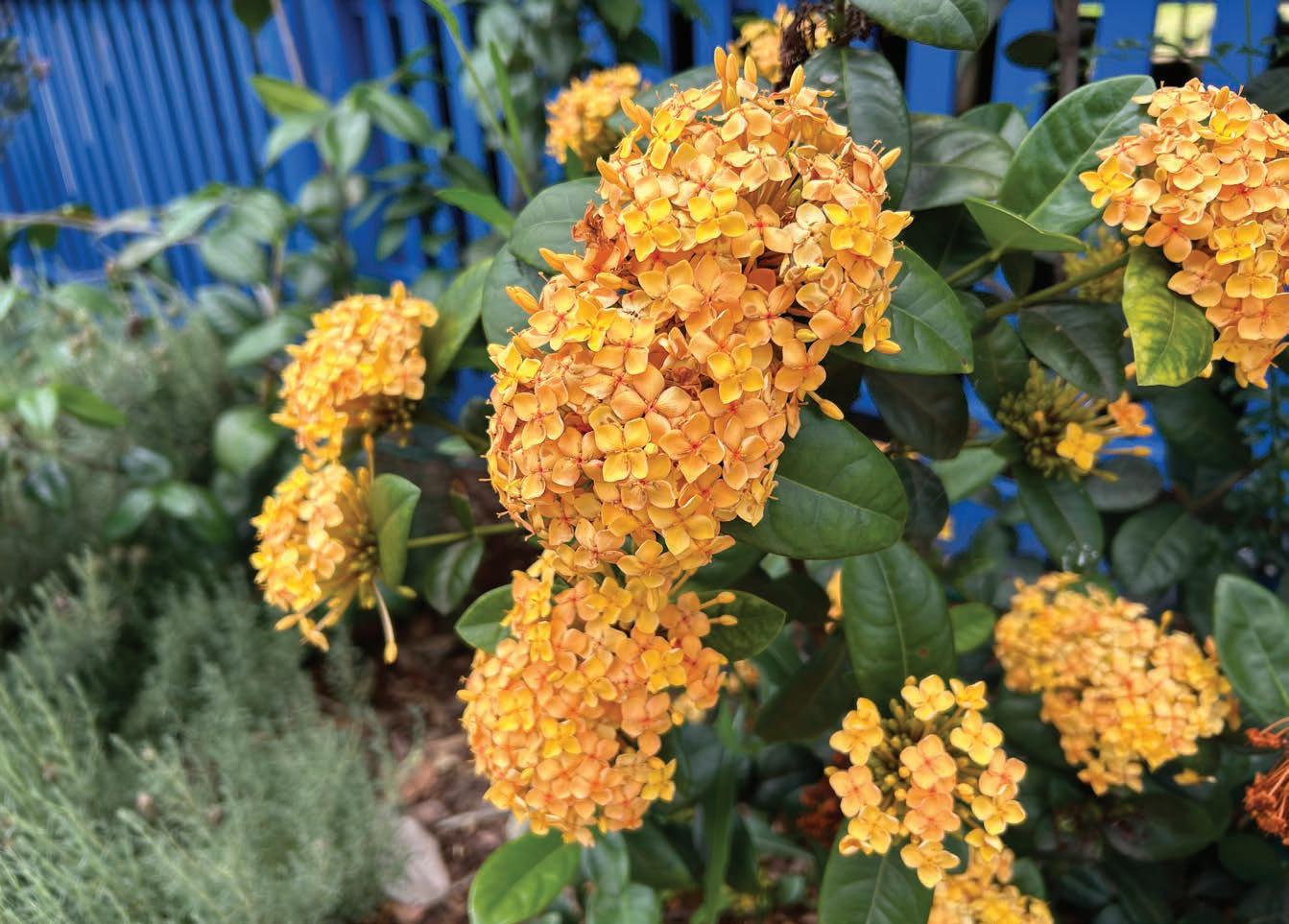
Ixoras are prized for their clusters of vibrant flowers, available in bright red, orange, yellow, pink, coral, salmon, white, and various shades of apricot and peach that provide long lasting colour through the warmer months and attract pollinators such as butterflies and bees. Their dense, evergreen foliage makes them ideal for hedges, borders, pots, and tropical style gardens. For best results, grow ixoras in a sunny to partly shaded position with welldrained, slightly acidic soil. Water regularly during dry periods, mulch to keep roots cool, and feed with Searles Flourish Soluble Plant Food -Azalea & Camellia fortnightly during growing season to encourage healthy growth and abundant blooms.
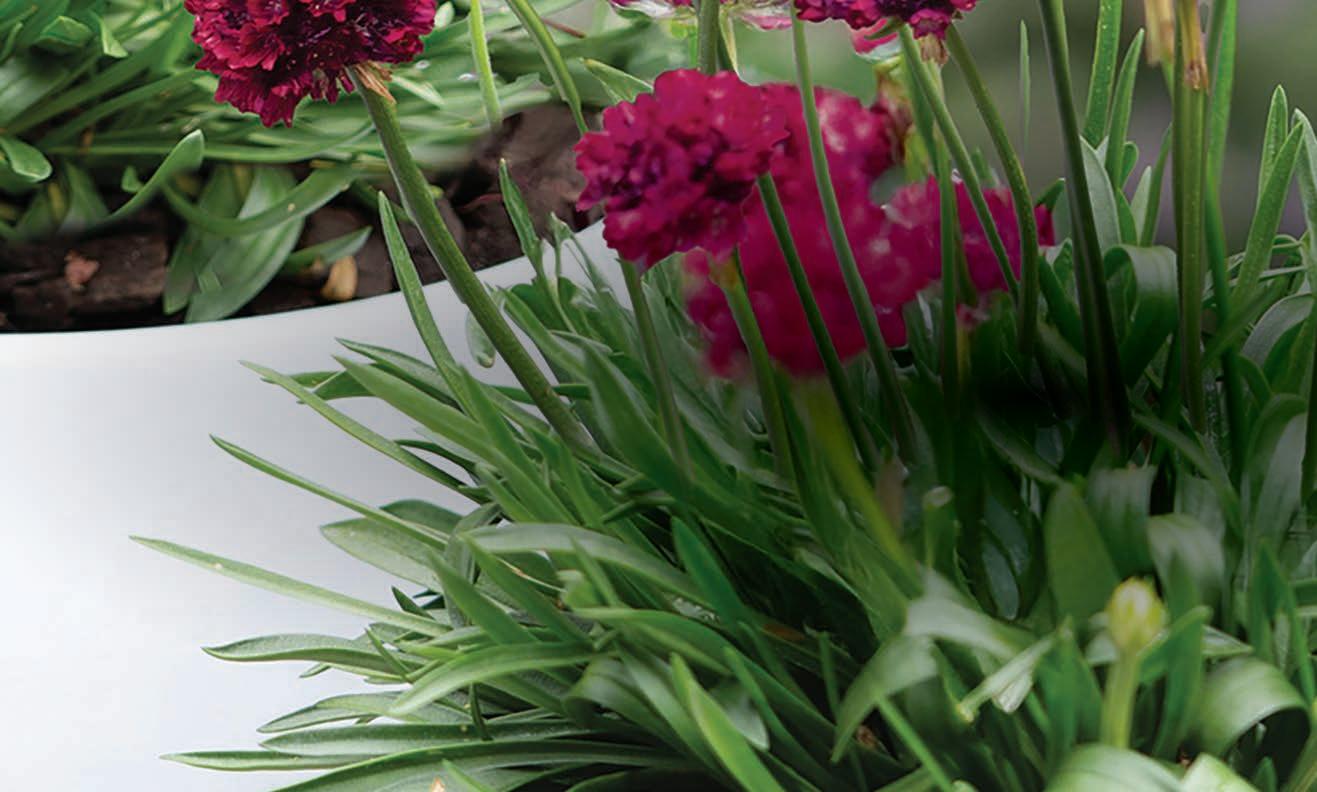
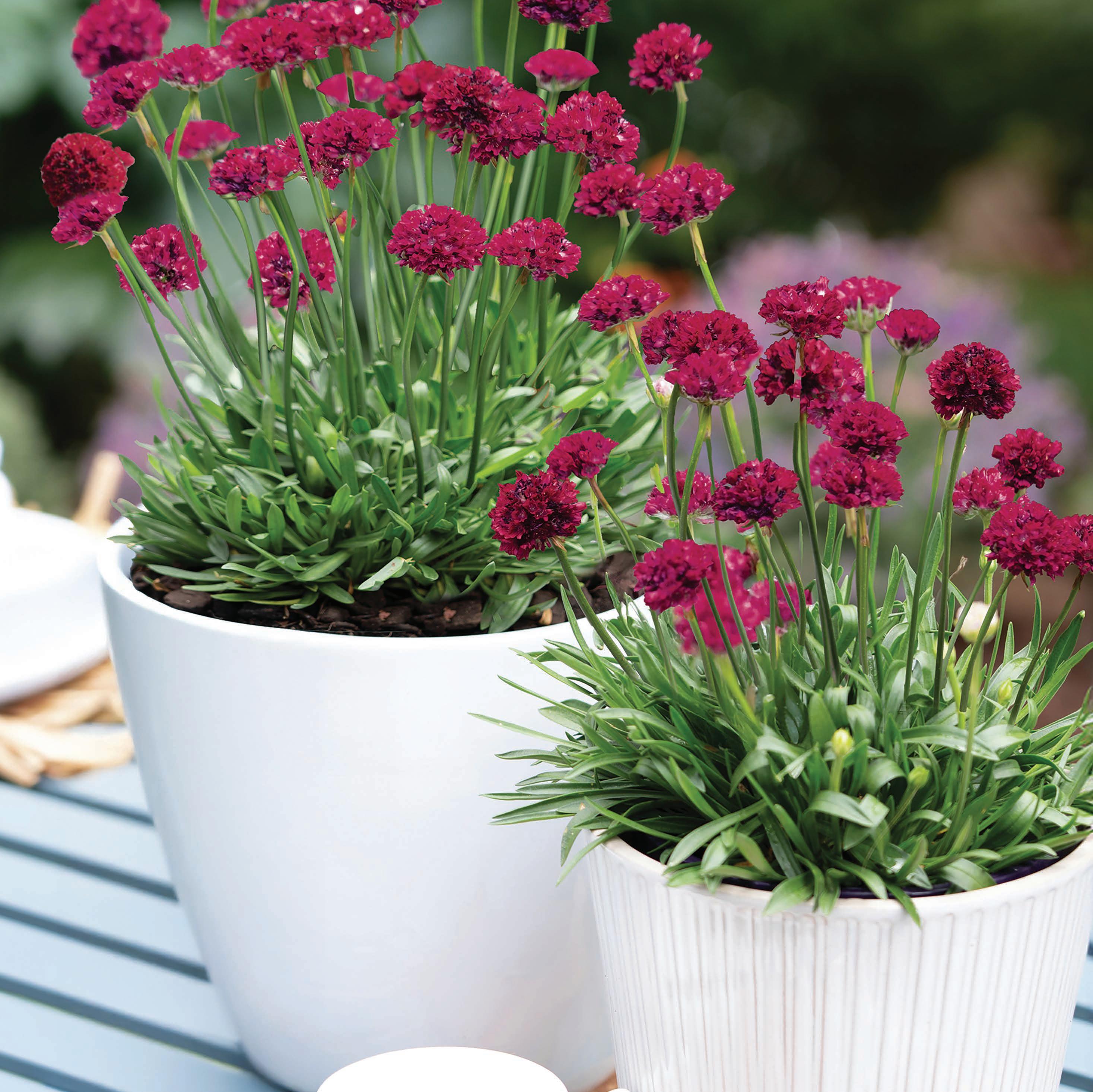
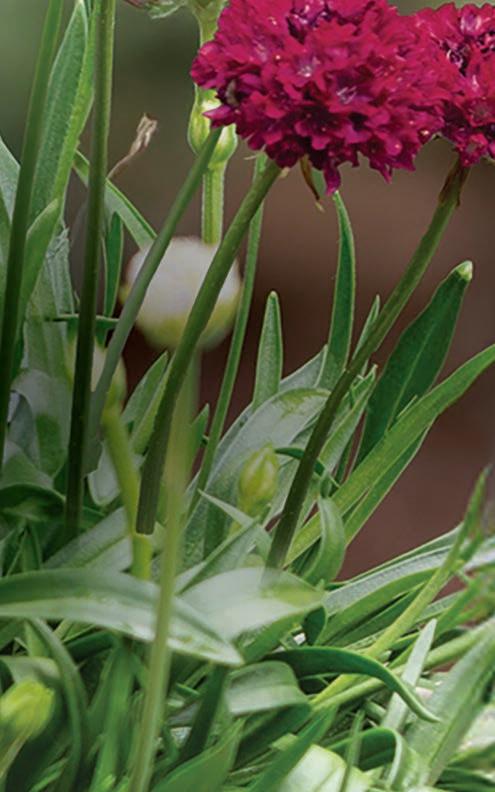
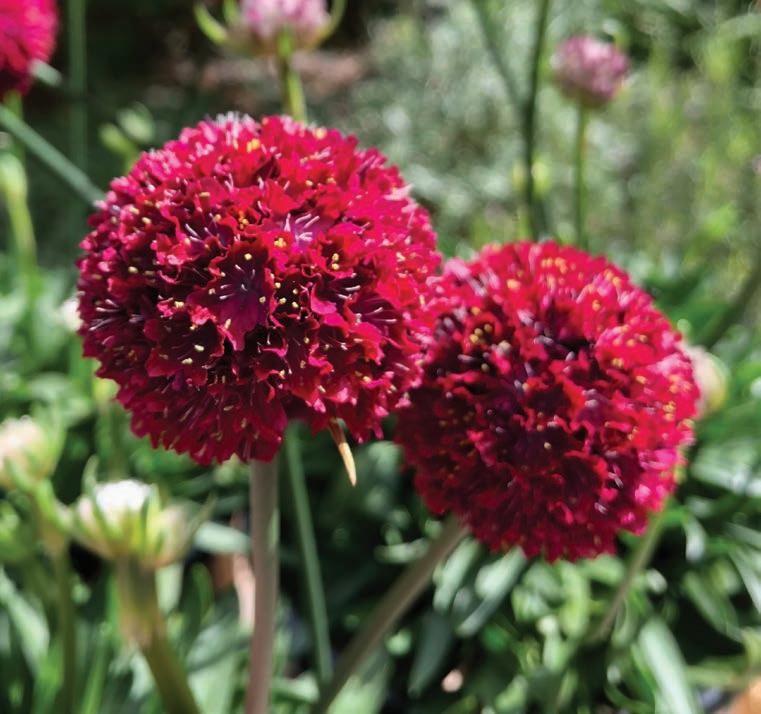
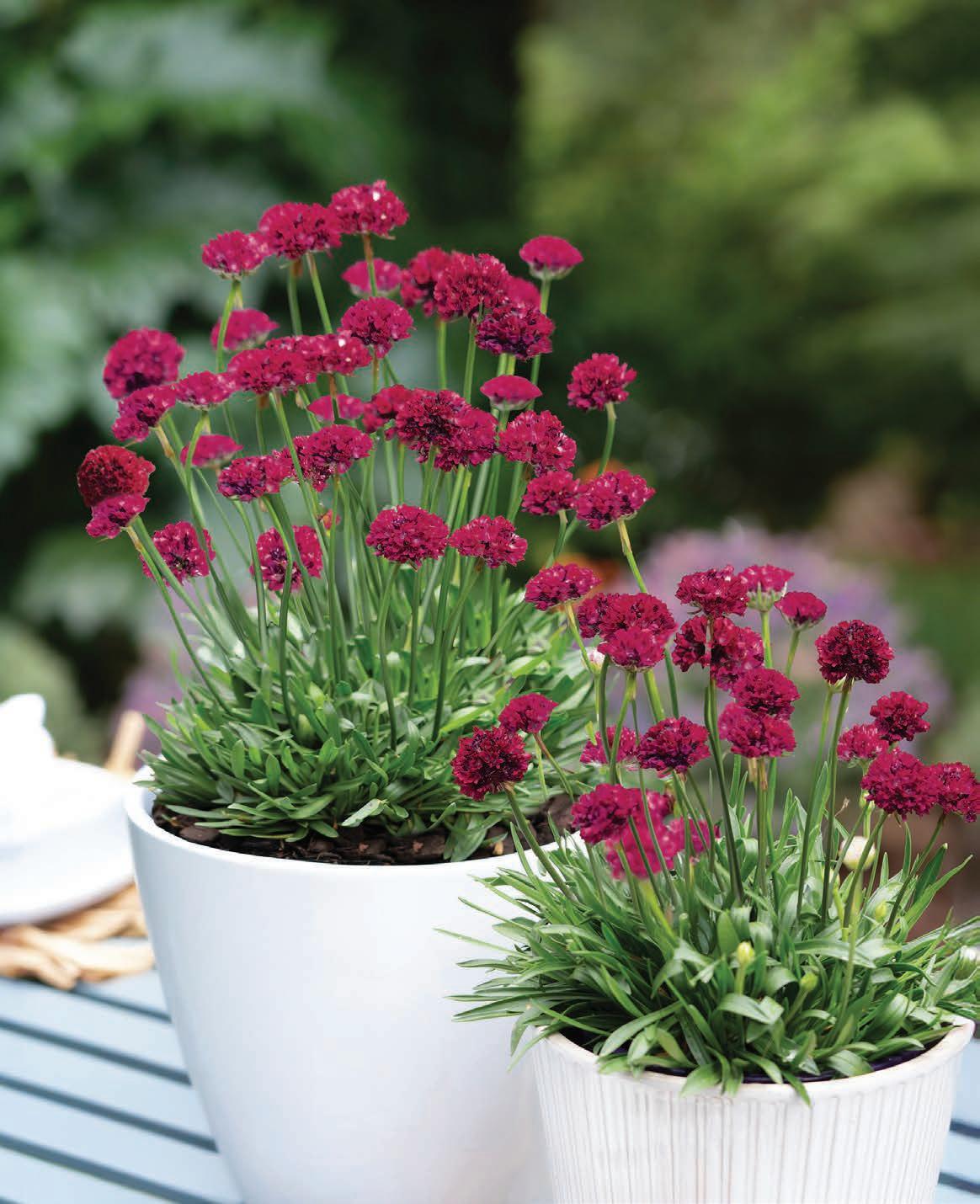
DREAMERIA® Armeria ‘Hypnotic Dreams’ produces masses of large garnet coloured globe-shaped flowers from winter to late spring sitting atop shapely evergreen mounds of foliage. This selection is an outstanding garden and container performer. Spectacular flower colour show for borders and path edges and cut flower displays. Bred for hardiness and repeat flowering abilities throughout the year. Remove spent flower heads to encourage further displays. Fertilise in late winter for optimum results.
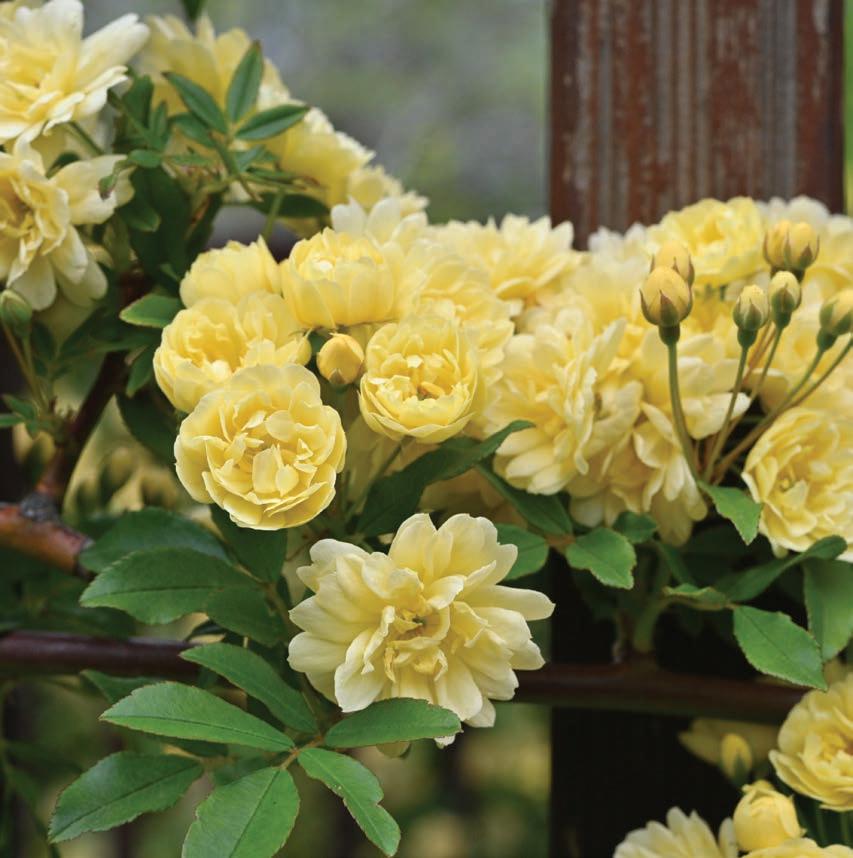
The climbing Banksia Rose is a spectacular, fast-growing climber that transforms fences, pergolas and arches with a breathtaking cascade of small blooms in spring. Almost thornless and easy to grow, it quickly creates lush cover while attracting pollinators and adding a charming, cottage-garden feel to the landscape. Once established, it is hardy, vigorous and rewards gardeners with an impressive floral display year after year.
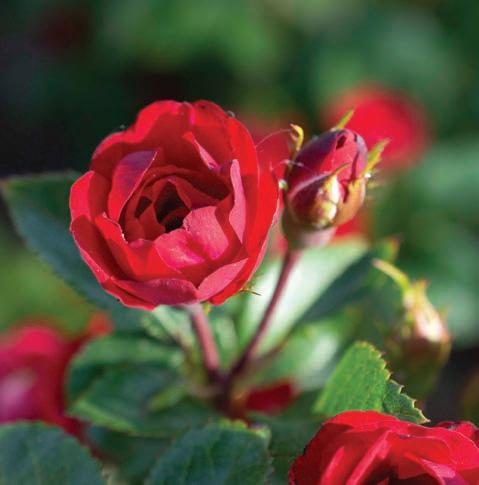
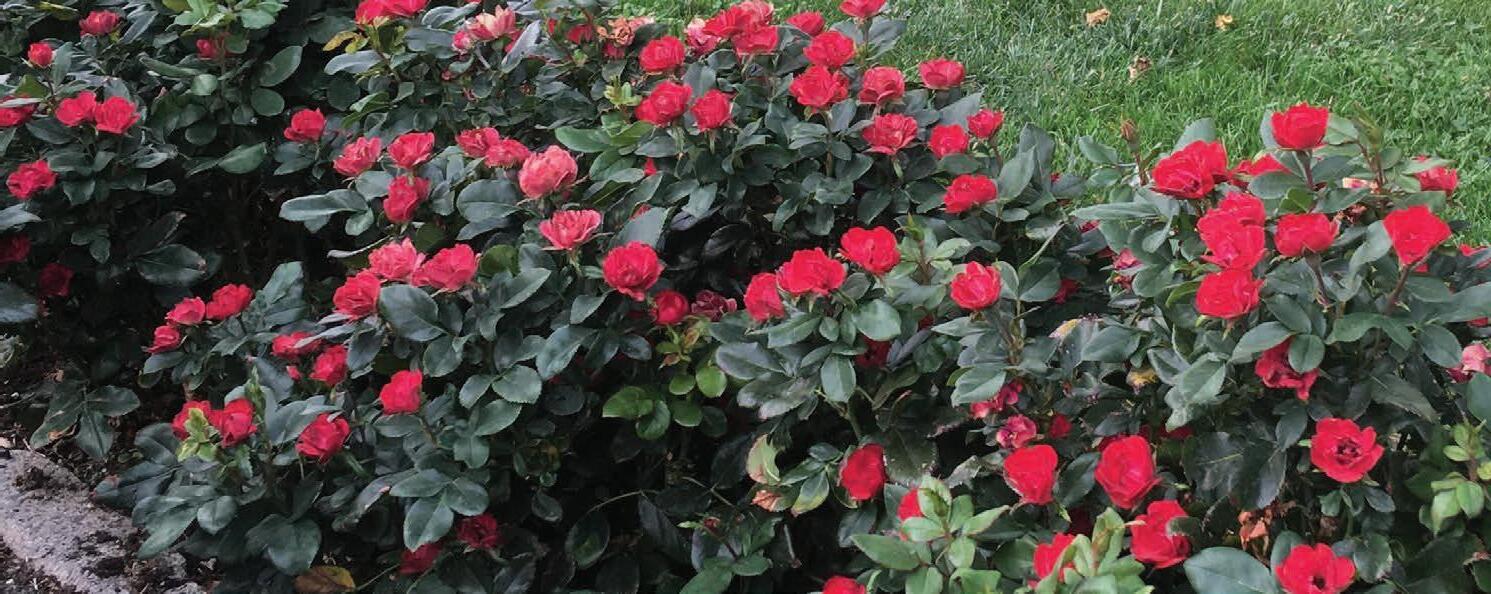
Rose Zepeti® is a charming, compact rose variety known for its fragrant, soft bright red blooms. Ideal for gardens and containers, it offers continuous flowering from spring to autumn. With disease resistance and easy care, Rose Zepeti® adds delicate beauty and a sweet scent, brightening any outdoor garden and sunny patio.
Loves warmer climates
new release
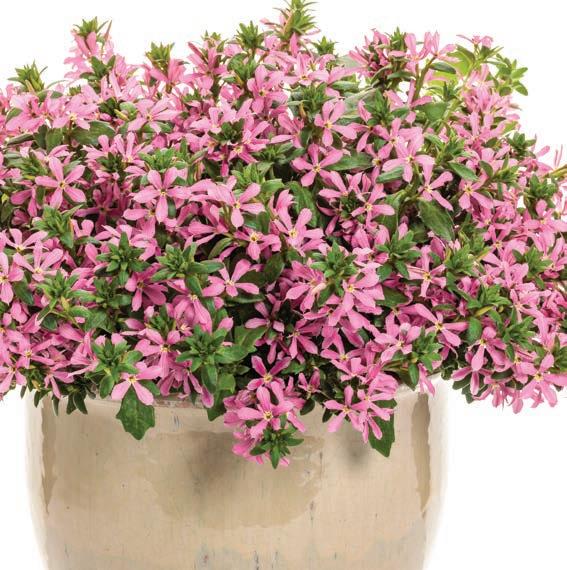
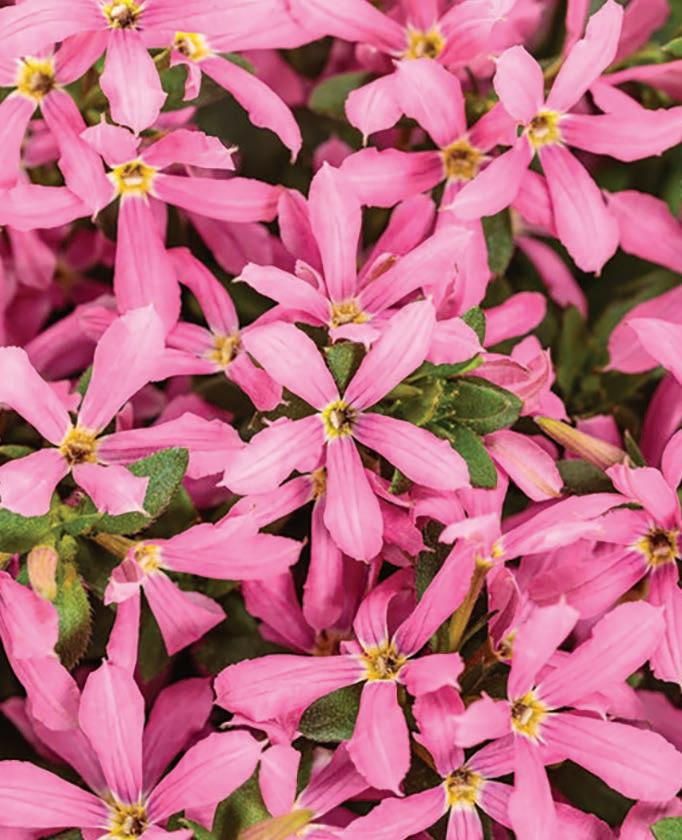
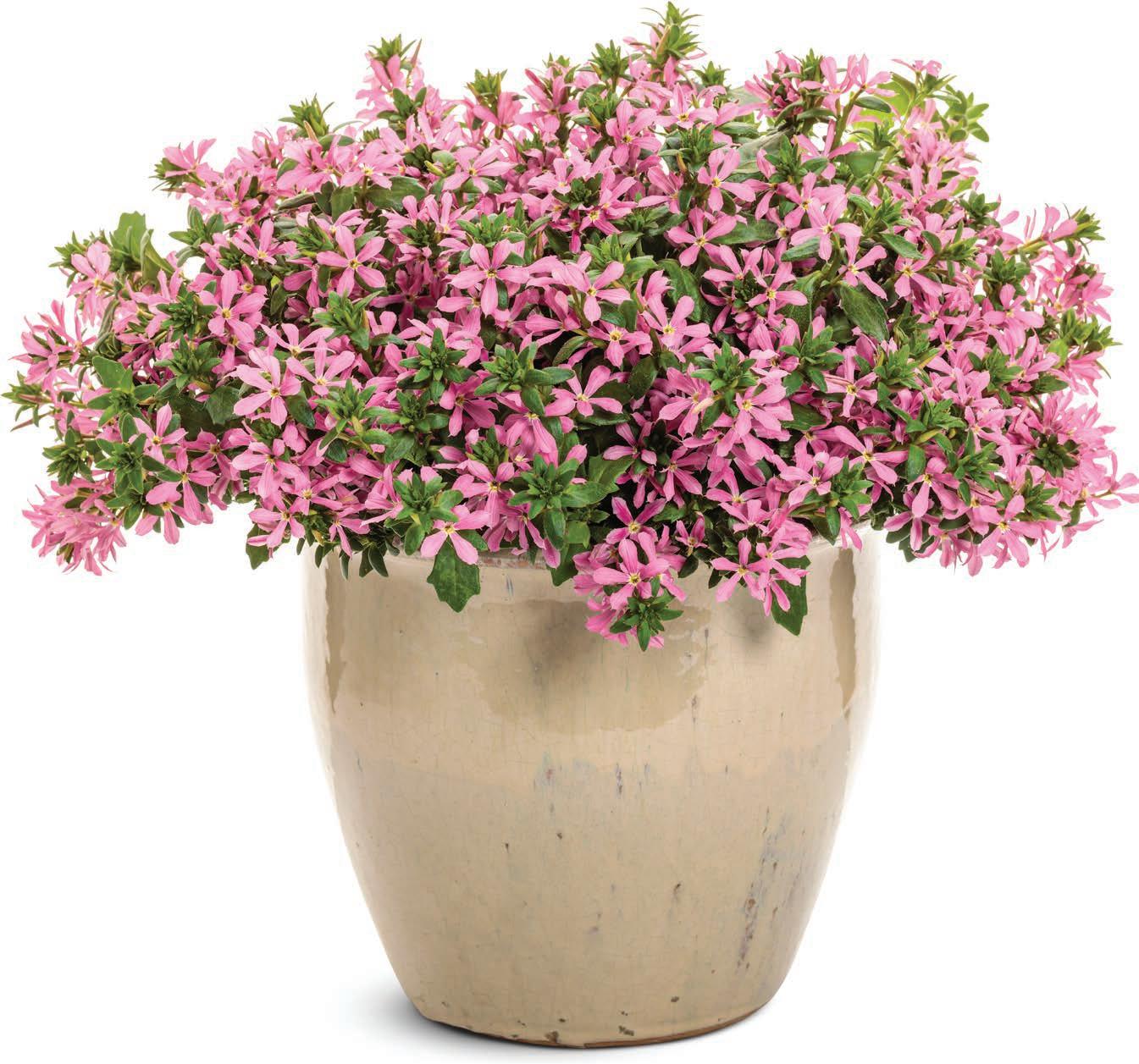
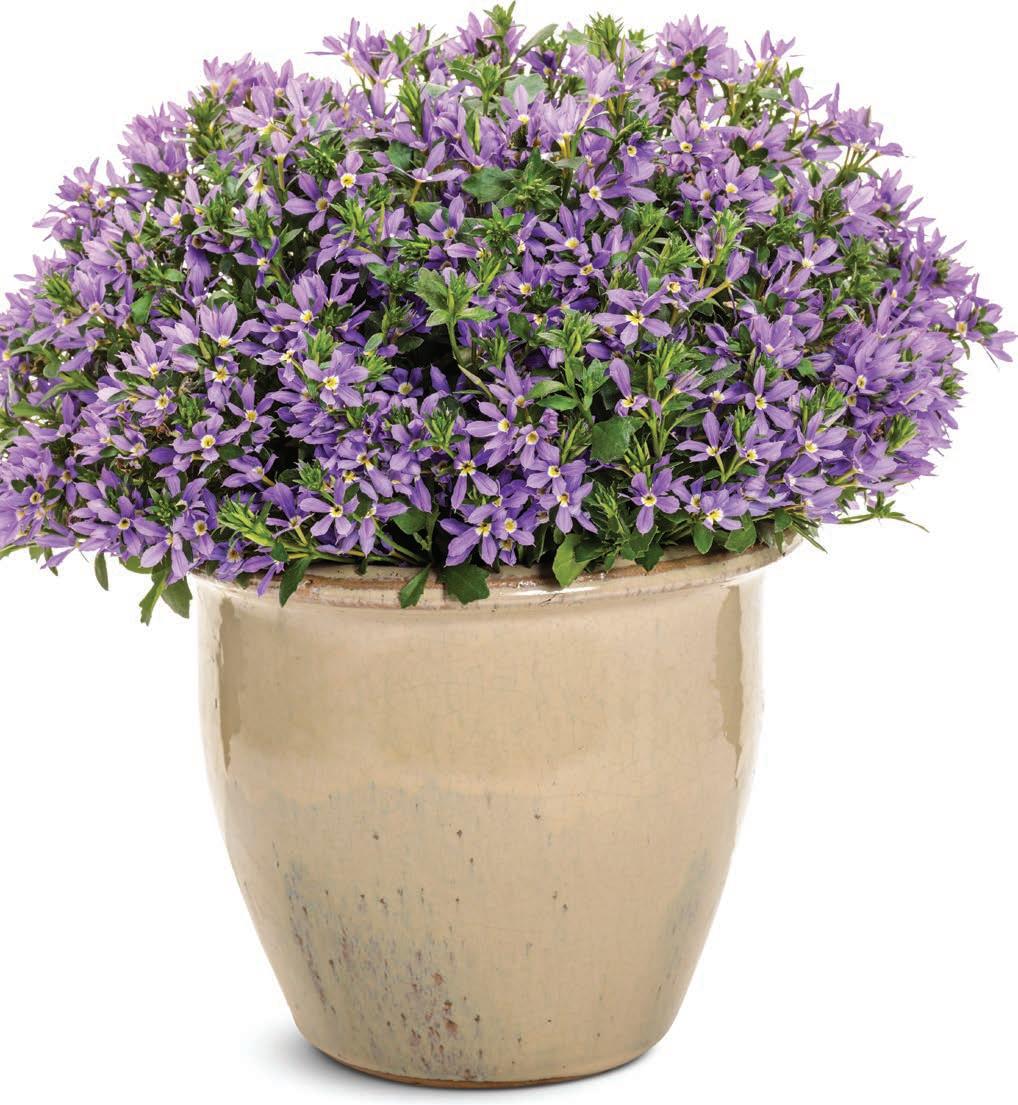
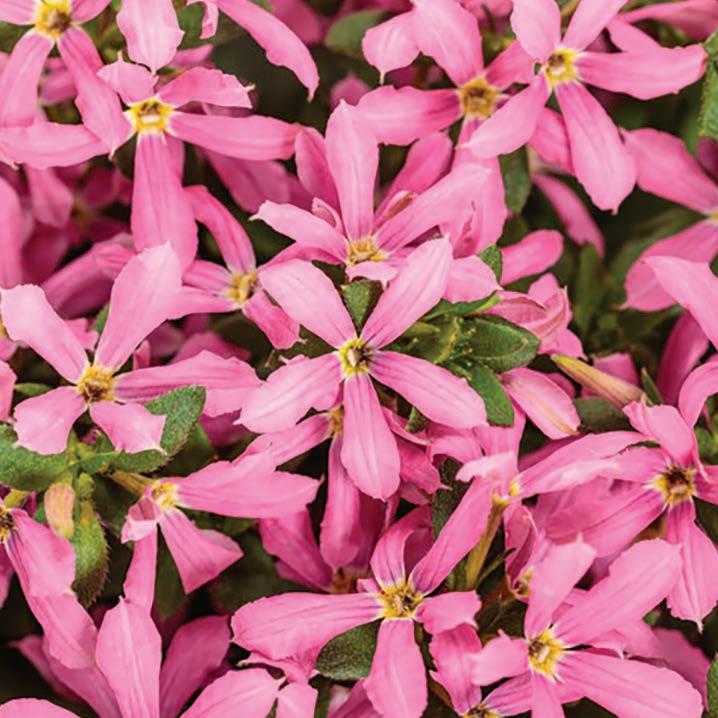
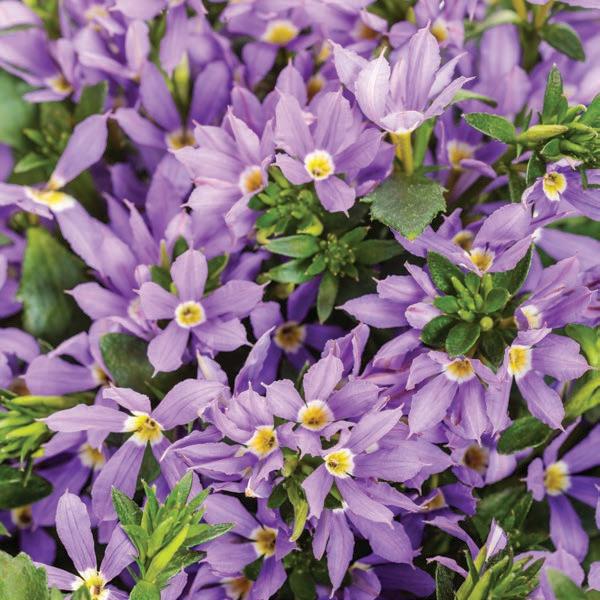
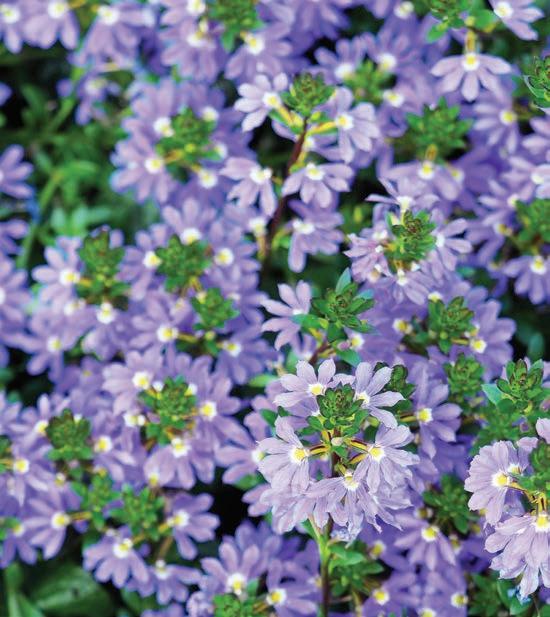
Meet the first-ever series of Scaevola aemula with star-shaped rather than fan-shaped flowers. Though both types have five petals, those of the new StardivaTM series are arranged in a perfect star formation, lending a larger, fuller appearance to the blossoms.
Scaevola StardivaTM Blue & Scaevola StardivaTM Pink are remarkable garden plants proudly bred in Australia by an Australian breeding program. This innovative variety features a unique, first-of-its-kind star-shaped flower that sets it apart from traditional blooms. Combining vibrant pink and blue hues with exceptional hardiness, StardivaTM is enjoyed in gardens & containers all over the world. Its distinctive floral form and adaptability make it a standout addition to any garden, showcasing the best of Australian horticultural innovation on a global scale.
There are 2 colours in the release. ‘StardivaTM Blue’ features unique star-shaped violet-blue flowers and ‘StardivaTM Pink’ features cotton candy pink flowers. Both feature a tiny white bullseye that rims the throat of each flower which pollinating bees are quick to find. StardivaTM Pink won the highest honour/ prestigious Flower of the Year at the 2025 Japan Flower Selections in the Gardening Category, where it is named Star Tiara Pink.
StardivaTM fan flowers are densely mounded plants that make great fillers for containers but will also spill slightly over the edges as they mature through the season. They are beautiful when planted on their own in pots or mixed with other well-behaved varieties. Also try them planted near the front of garden borders where they will add a bright splash of colour all season.
The StardivaTM fan flowers are low maintenance annuals that thrive in tough conditions. These Australian natives can handle intense sun, heat and humidity, as well as it is drought tolerant once established. If you have a windy area in your garden or landscape, this plant can handle it. Fertilise regularly and since their flowers are self-cleaning, no deadheading is necessary, and the flowers will continue to bloom throughout the season.
Stardiva
Stardiva
‘Blue’
‘Pink’
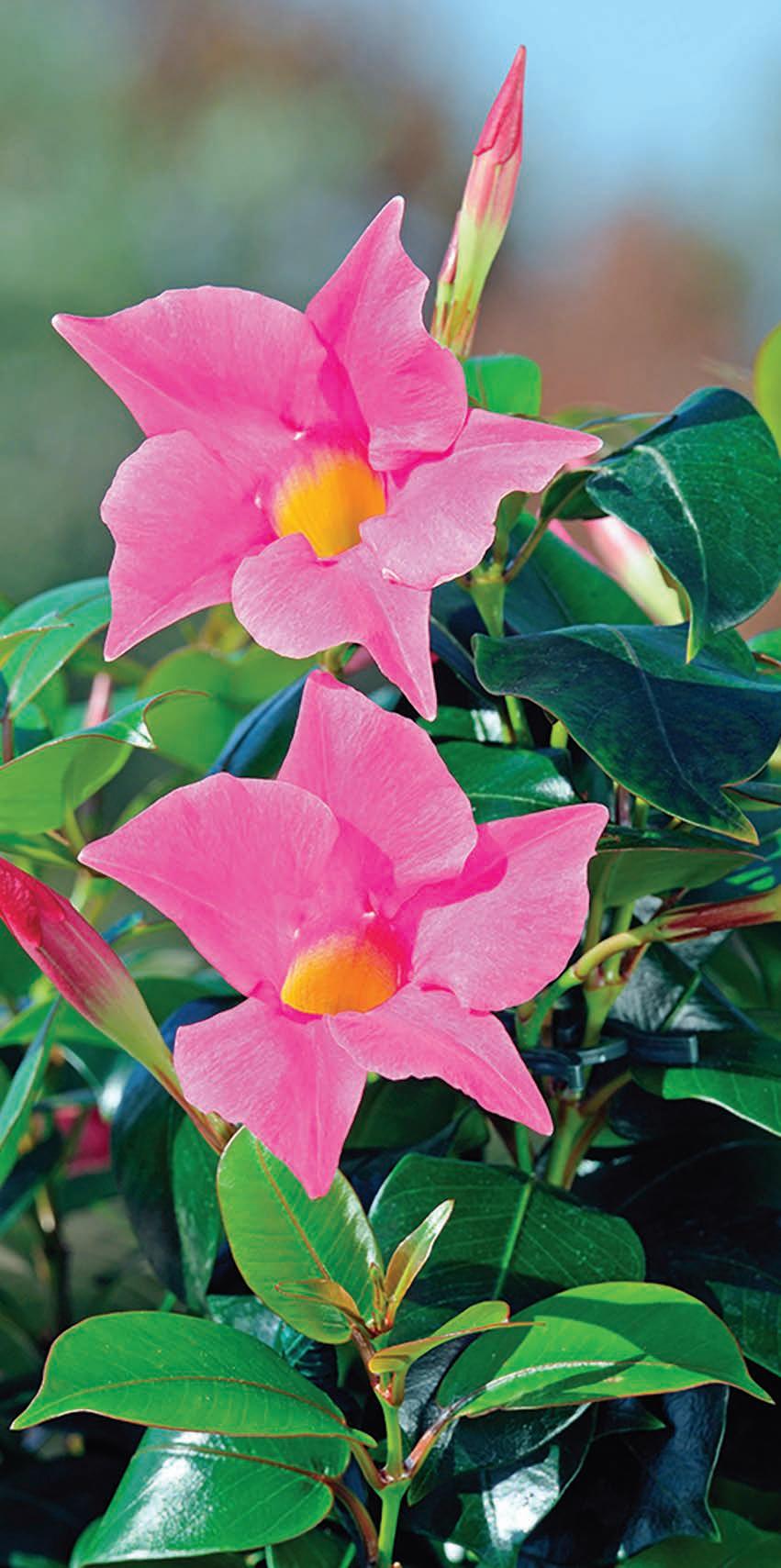
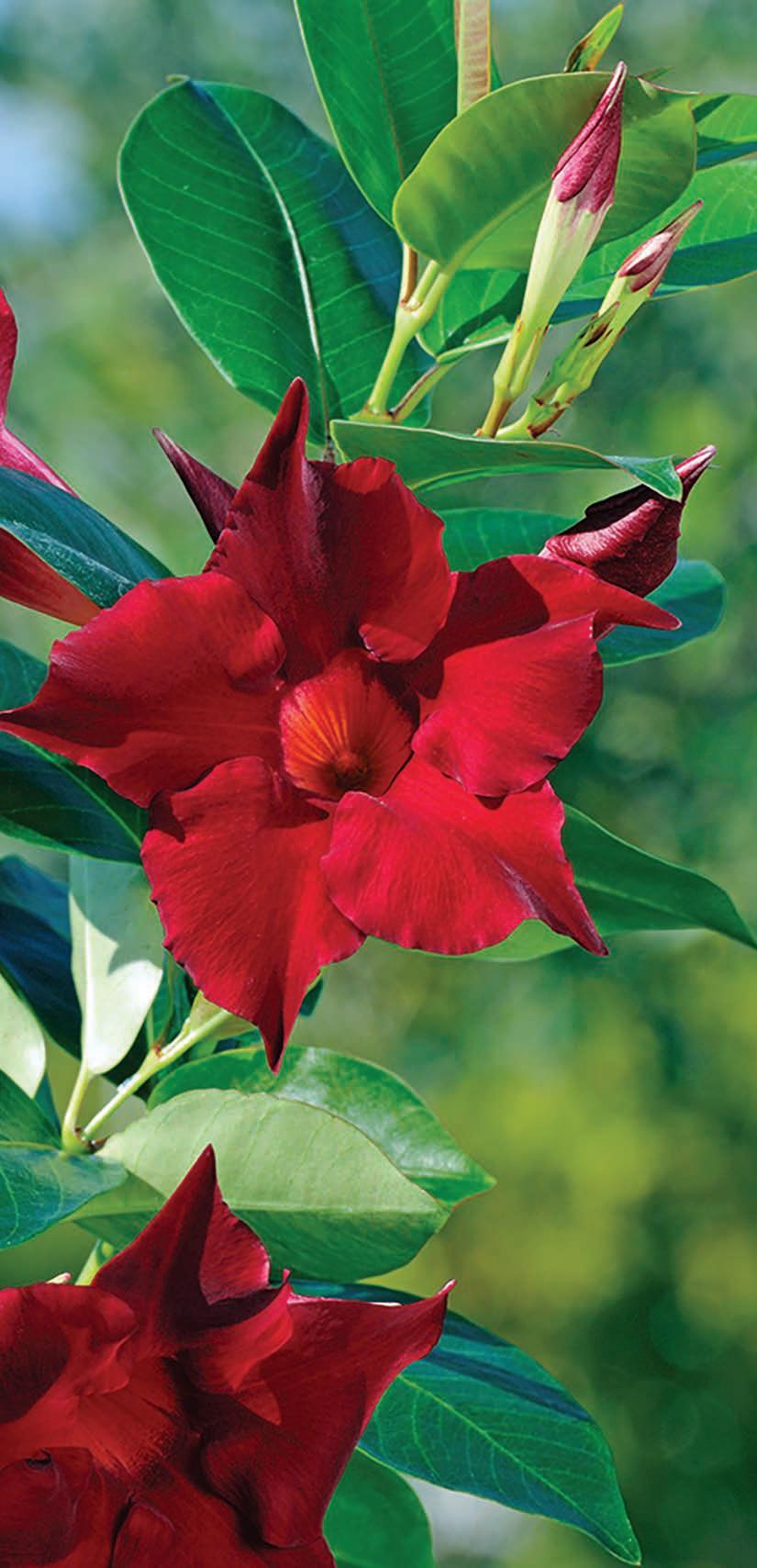
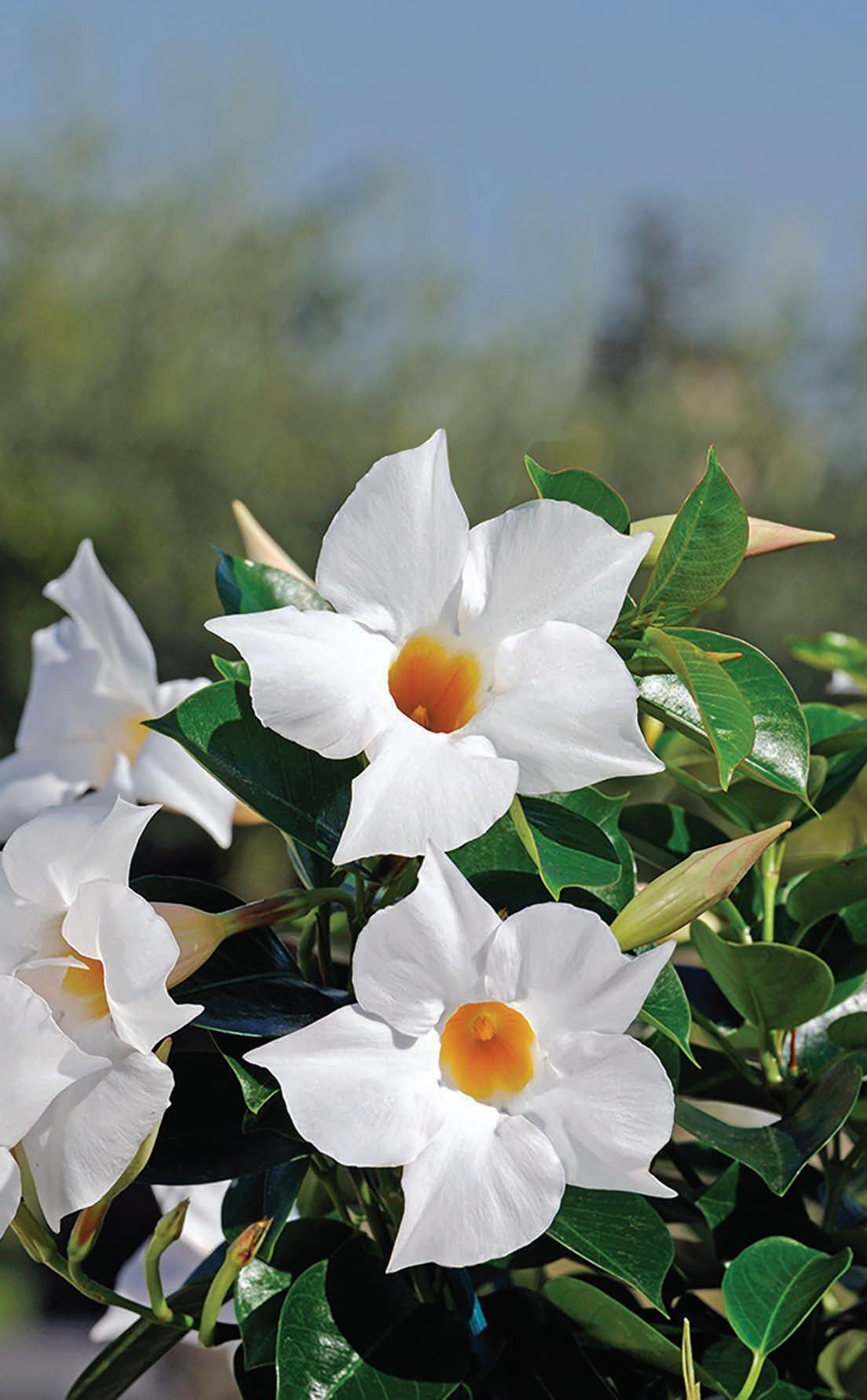
Illusions Mandevillas have been crossbred to become a more compact version, multiple self-branching habit, ideal for small hedges! Line your garden with some colourful florals, and with their continuous high flower count you’ll have blooms most of the year! Also perfect as a feature plant, shrub or makes a stunning patio pot.
‘Illusions’ White
‘Illusions’ Red
‘Illusions’ Pink more compact variety
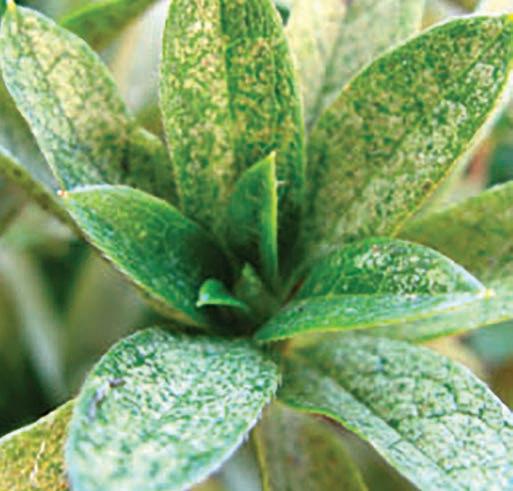
Azalea lace bug
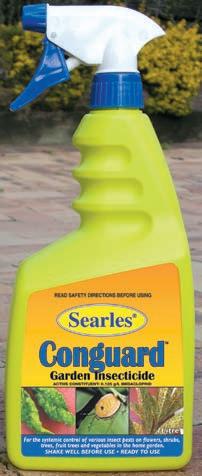
Azalea Lace Bug are sap suckers, responsible for the silvering of the leaves. Spray all over the top and underneath of leaves with Searles Conguard, early to control spread.
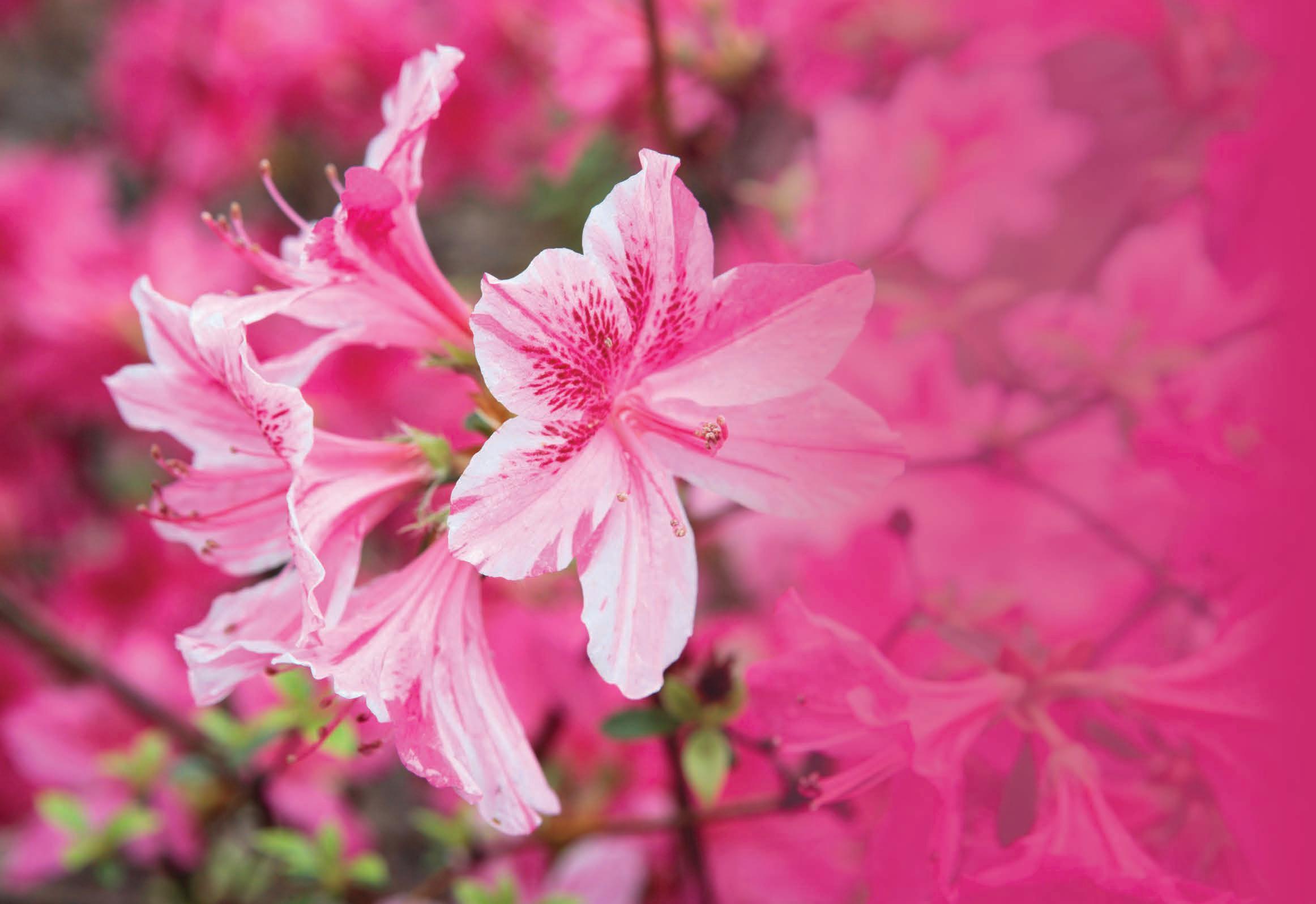
There are many types of azaleas suited to a range of lighting conditions from full sun positions to shaded areas. This gives an excellent range of azaleas to choose from to suit almost any area of your garden. Enquire at your local garden centre for the best azalea varieties suited to a specific position in your garden.
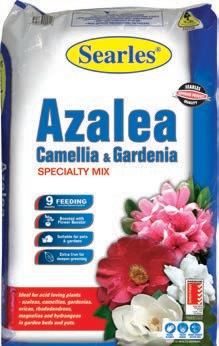
When planting azaleas, remember that they love an acidic soil, rich in organic matter. For ideal growth, plant into Searles Azalea & Camellia Specialty Mix. This will give your azaleas the right mix of nutrients and pH for a great start and strong, healthy growth.
Water them regularly, avoiding the petals which can result in petal blight. Feed them with Searles Flourish Azalea & Camellia Fertiliser, which gently acidifies the soil, provides essential iron and promotes strong growth and brilliant flowering.
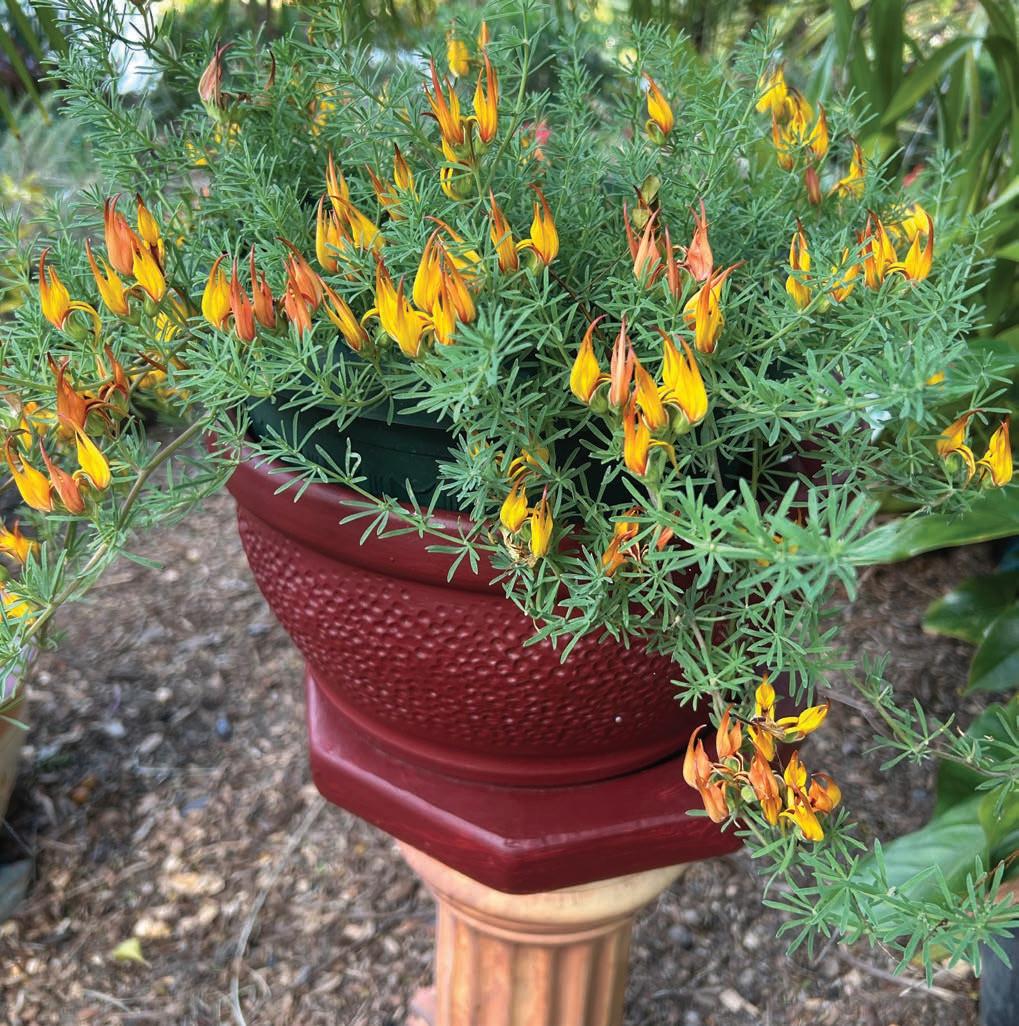
Lotus berthelotii is a standout ornamental for cool to mild climates, valued for its finely textured foliage and striking flame-like flowers that appear in spring. Ideal for hanging baskets, pot planting, or spilling over retaining walls, it adds soft contrast and movement to garden designs. It’s also relatively low-maintenance once established, droughttolerant, and attractive to pollinators, making it both a practical and visually distinctive choice for seasonal colour.
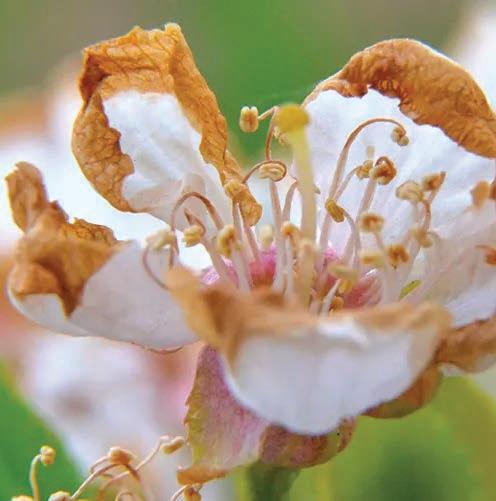
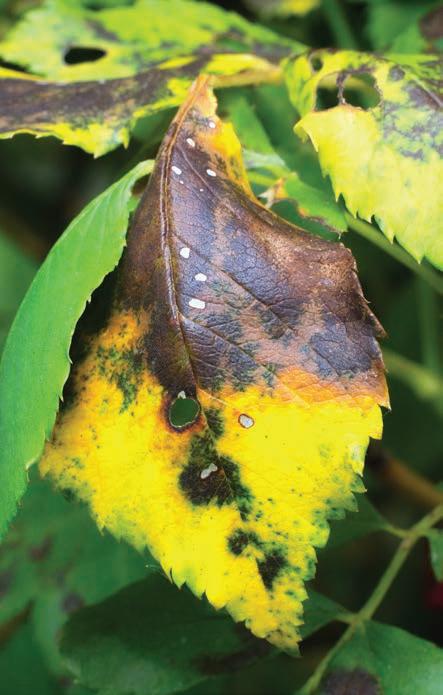
Azalea petal blight
Azalea petal blight is a common fungal problem effecting azalea flowers. Remove petals promptly, destroy and treat plant with Mancozeb Plus and avoid watering over plant foliage and flowers.
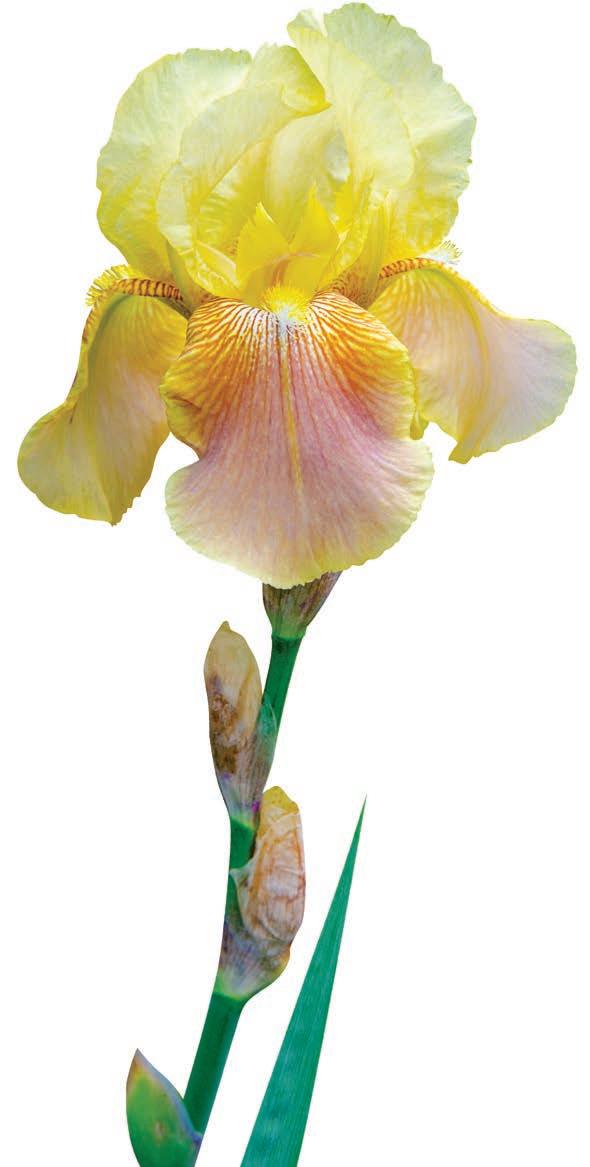
Bearded irises reward gardeners with spectacular spring blooms, striking architectural foliage, and longlasting colour, while flourishing in sunny positions with minimal maintenance once established.
colour that lasts
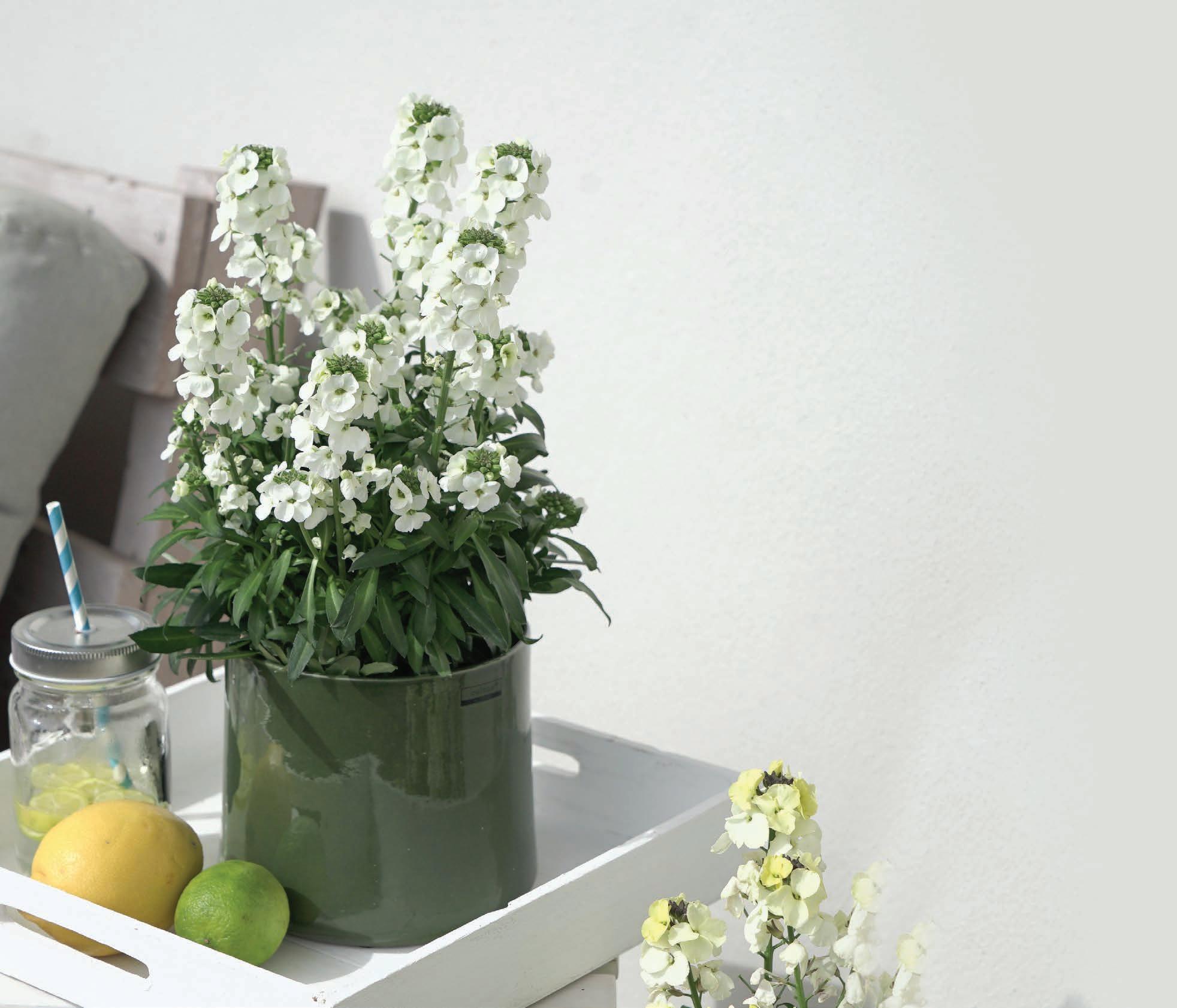
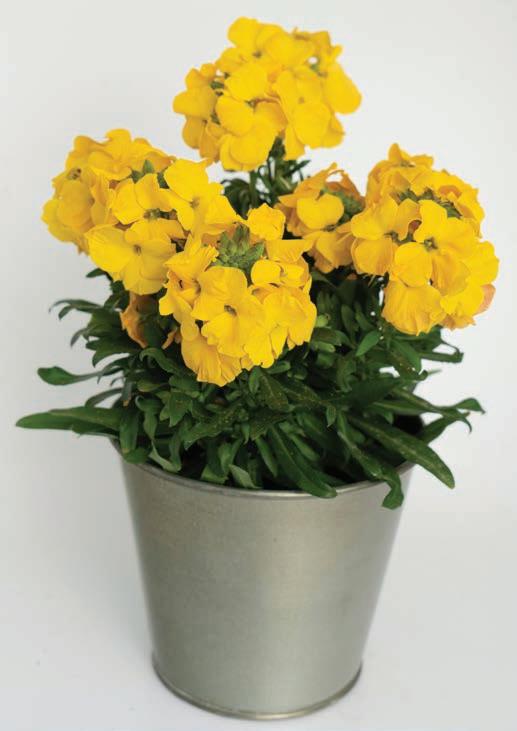
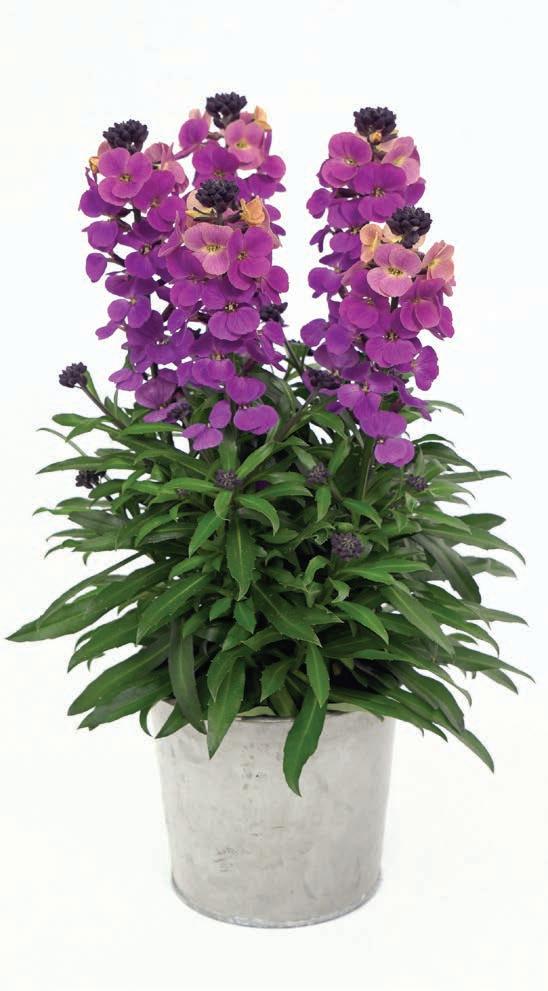
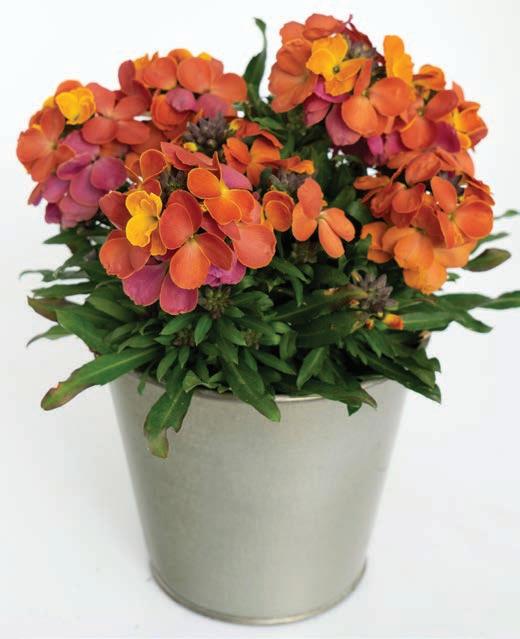
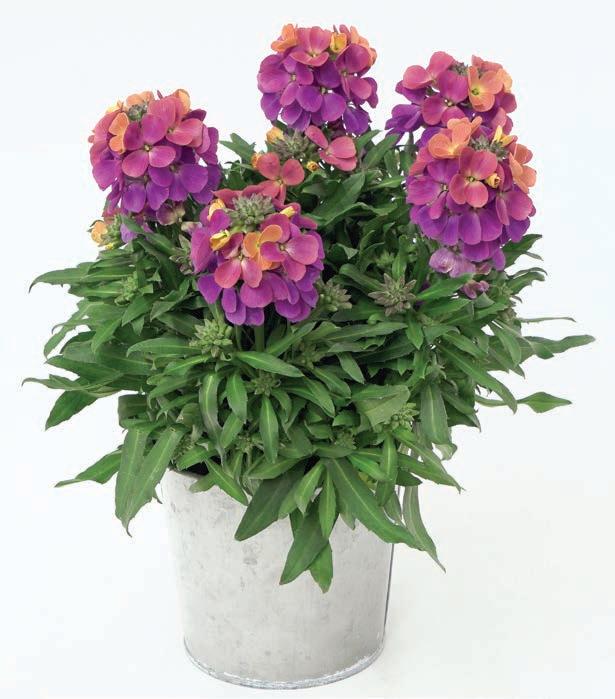
Erysimum ‘Brightside’ (Wallflower) is a collection of five compact, evergreen, highly fragrant perennial varieties that provide a spectacular display of vibrant blooms from early spring through to late summer. Ideal for early winter and spring planting, producing an abundance of flowers over an extended season.
A favourite with bees and other pollinators, the Brightside series is an excellent choice for adding long-lasting colour to garden beds, borders, and containers, and is widely available through local nurseries.
Plant in full sun to part shade, with at least 4–6 hours of direct sunlight each day to maintain compact growth. Prefers well-drained soil. Once established, plants are highly drought tolerant.
Lightly prune after flowering to maintain a neat shape and encourage fresh growth.
With its long flowering period, easy-care nature, and exceptional garden performance, the Brightside series is a reliable choice for gardeners looking to enjoy months of colour with minimal maintenance.
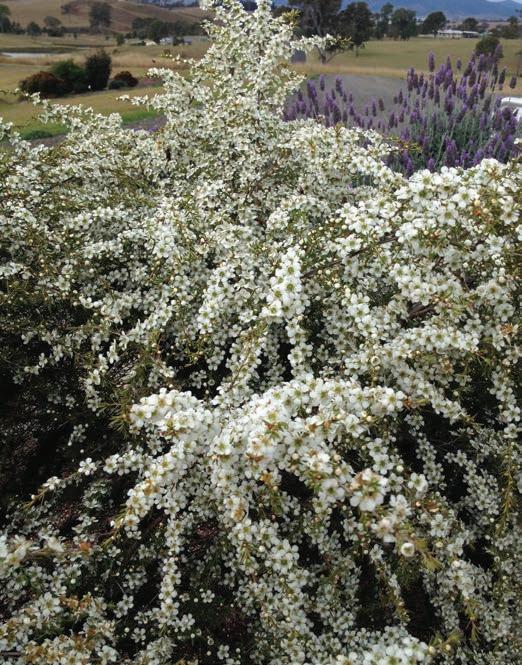
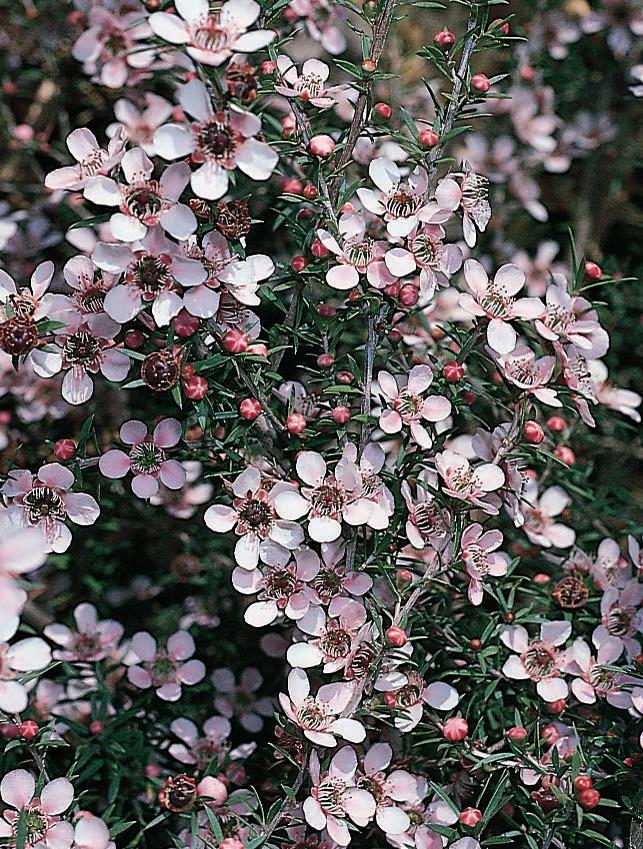
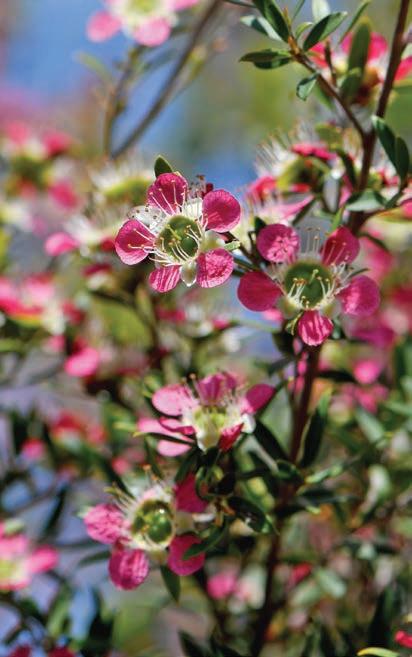
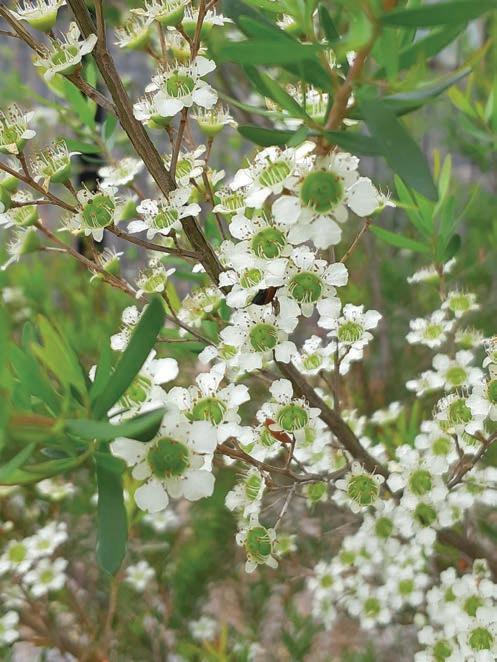
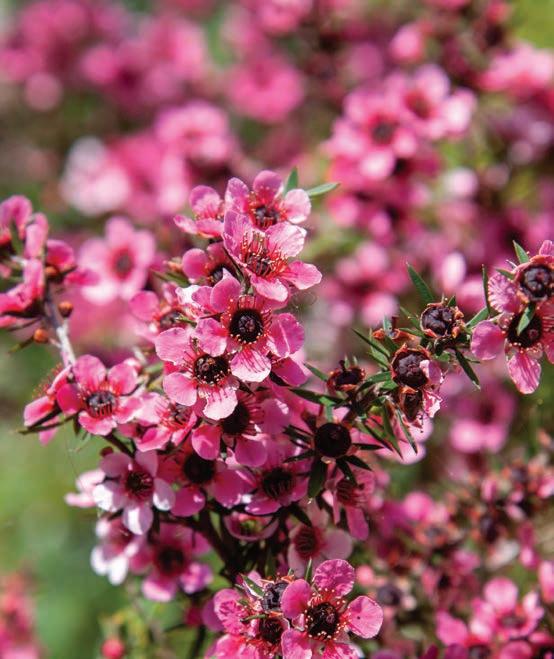
Leptospermums are prized for their masses of nectar-rich spring flowers, ability to attract bees and native pollinators, tolerance of drought once established, and adaptability to coastal, temperate
scoparium ‘Cardwell’ Low-growing, spreading
and Mediterranean climates. Many compact cultivars also make excellent feature shrubs, hedges or container plants, while larger forms provide colourful screening and habitat for birds. These are among the best-performers.
Leptospermum scoparium. Classic form. Available in wide range colours
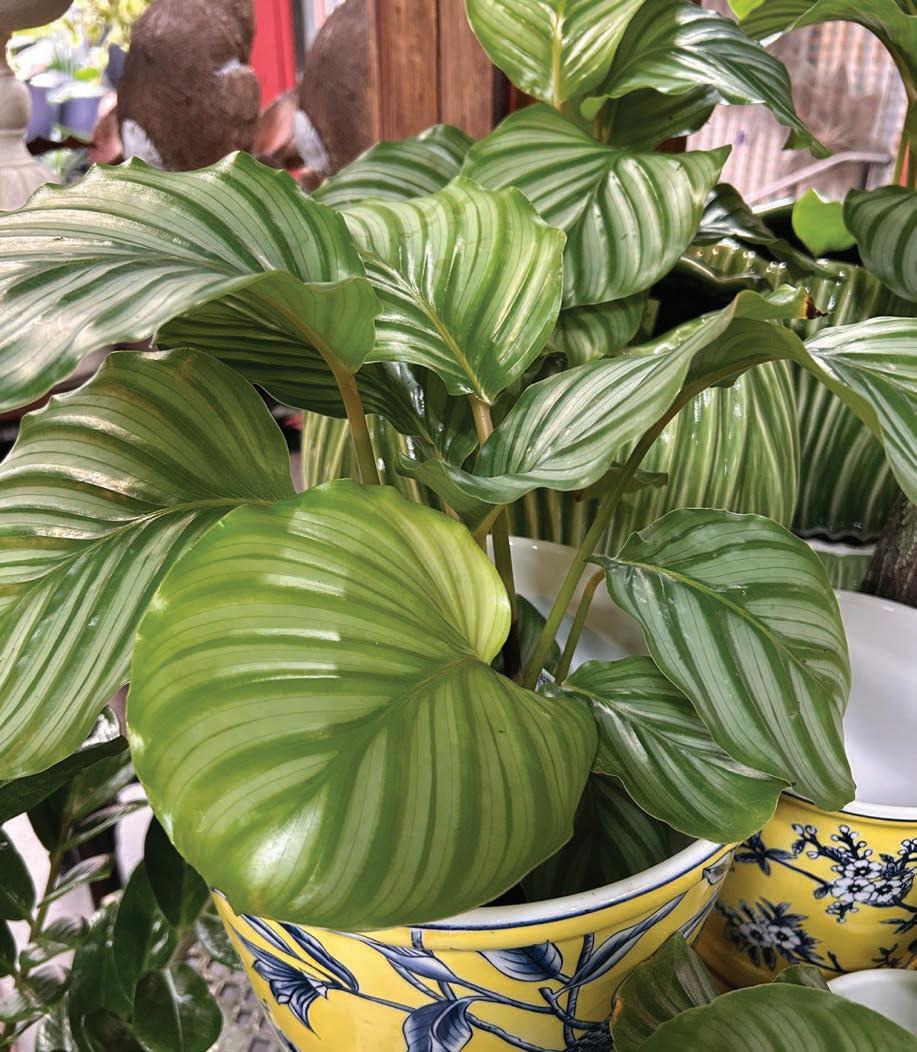
Calathea orbifolia flourishes in warm, humid conditions with indirect light, prized for its large, round leaves marked by bold silver-green stripes that create a soft, elegant statement indoors.
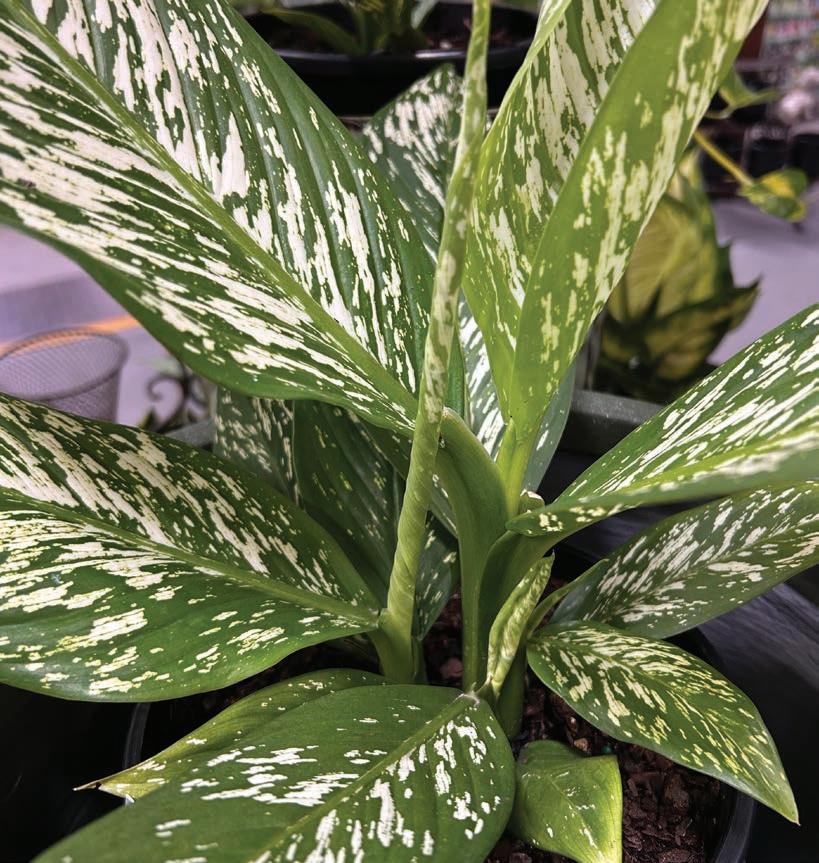
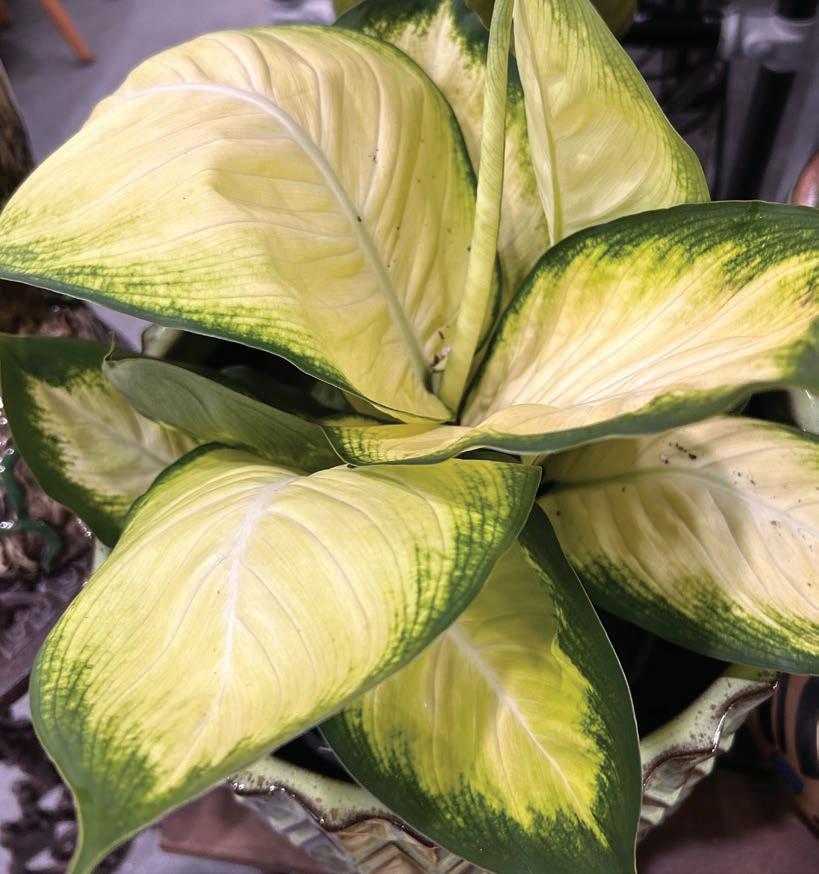
Different dieffenbachias
Dieffenbachia plants are prized for their striking and varied leaf patterns, which range from bold, high-contrast variegation to softer, marbled blends. Many varieties feature large, oval leaves splashed with creamy whites, pale greens, or yellow tones against a deep green background, often forming central midrib highlights or irregular speckling. Some cultivars display symmetrical patterns with light centres and dark margins, while others are more random, with mottled or camouflaged effects. This diversity in foliage makes dieffenbachias standout indoor plants, adding texture and visual interest even without flowers. Note: Dieffenbachia leaves are toxic. Keep away from pets and children.
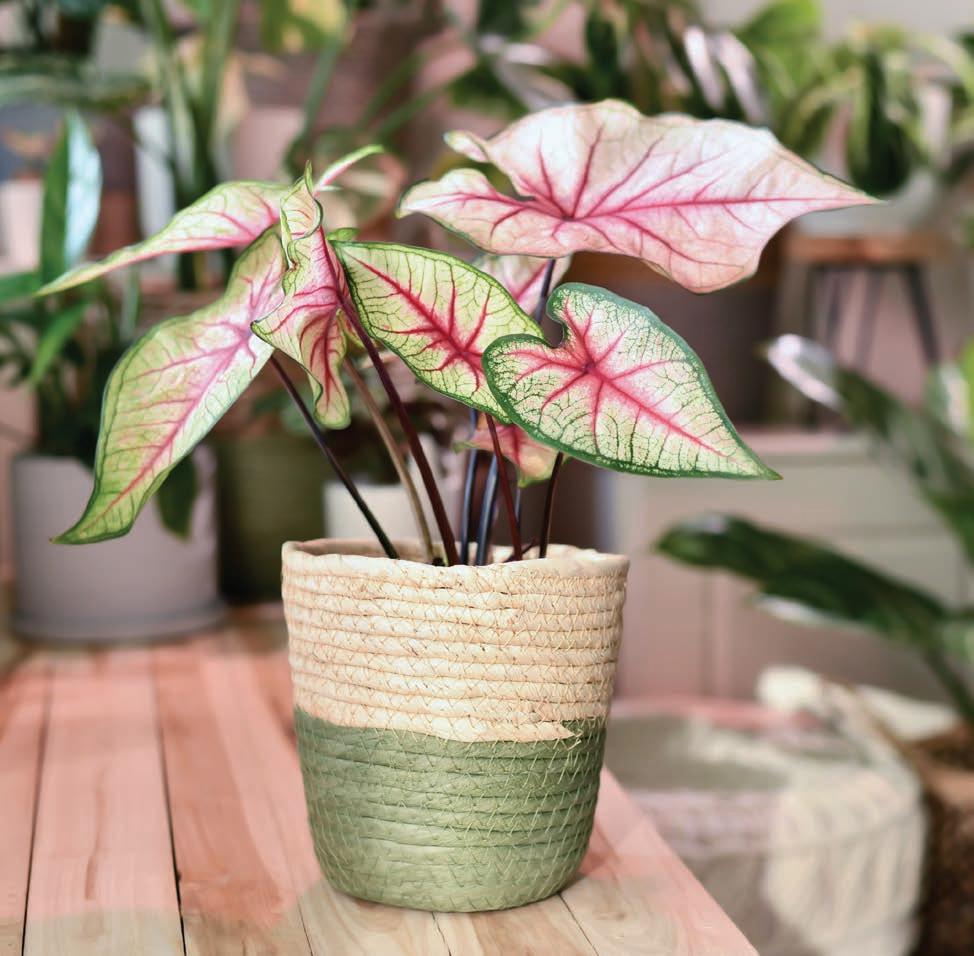
Caladium ‘White Queen’ features striking translucent white leaves etched with vivid red veins and edged in green, creating a bold, high-contrast display in shaded spaces.
Variegated forms of Ficus elastica, such as ‘Tineke’ and ‘Ruby’, feature large, glossy leaves splashed with creamy white, soft green and blush-pink tones, creating a brighter, more decorative look while retaining the same bold structure as the classic rubber tree.
Australian bred
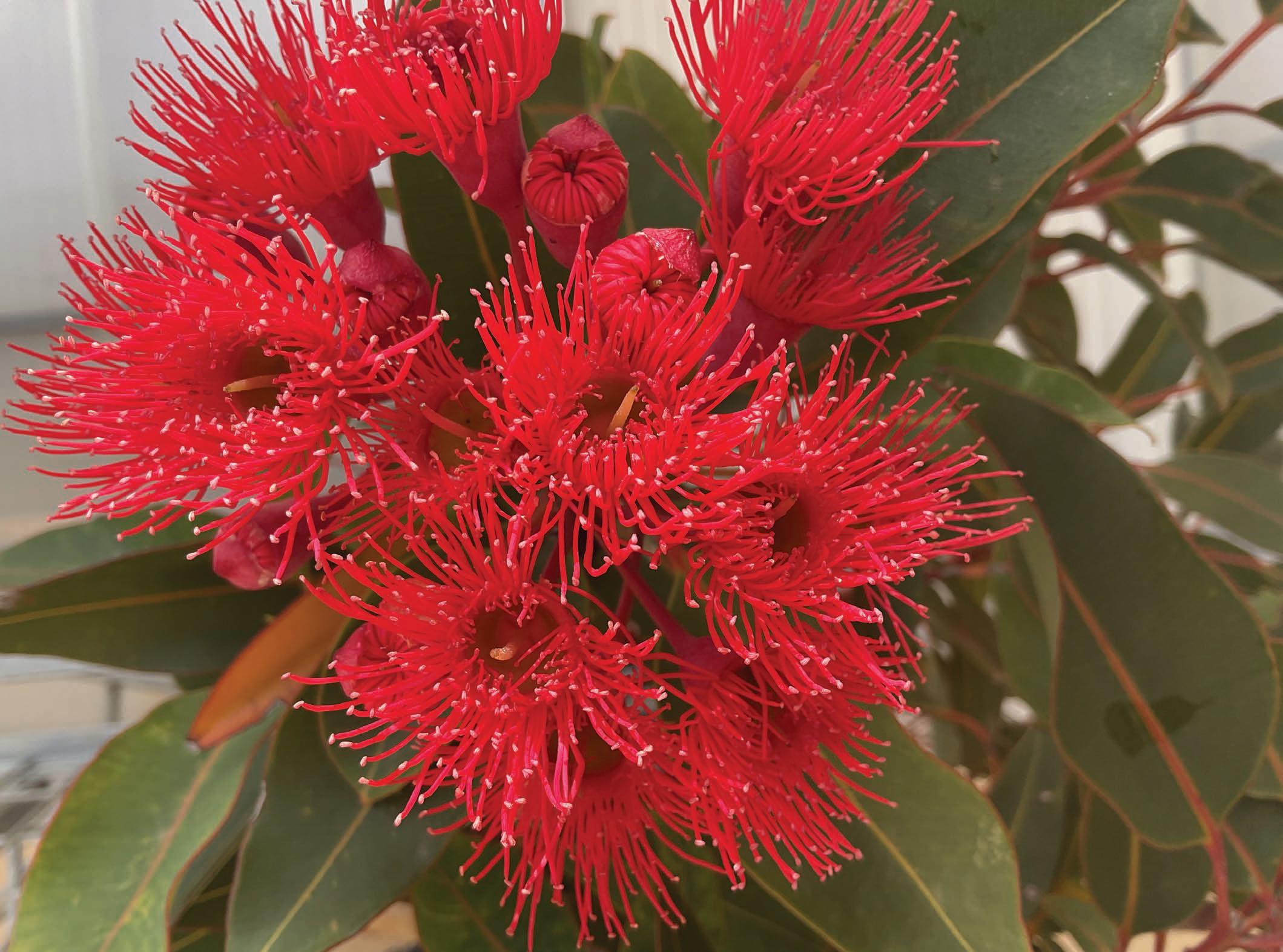
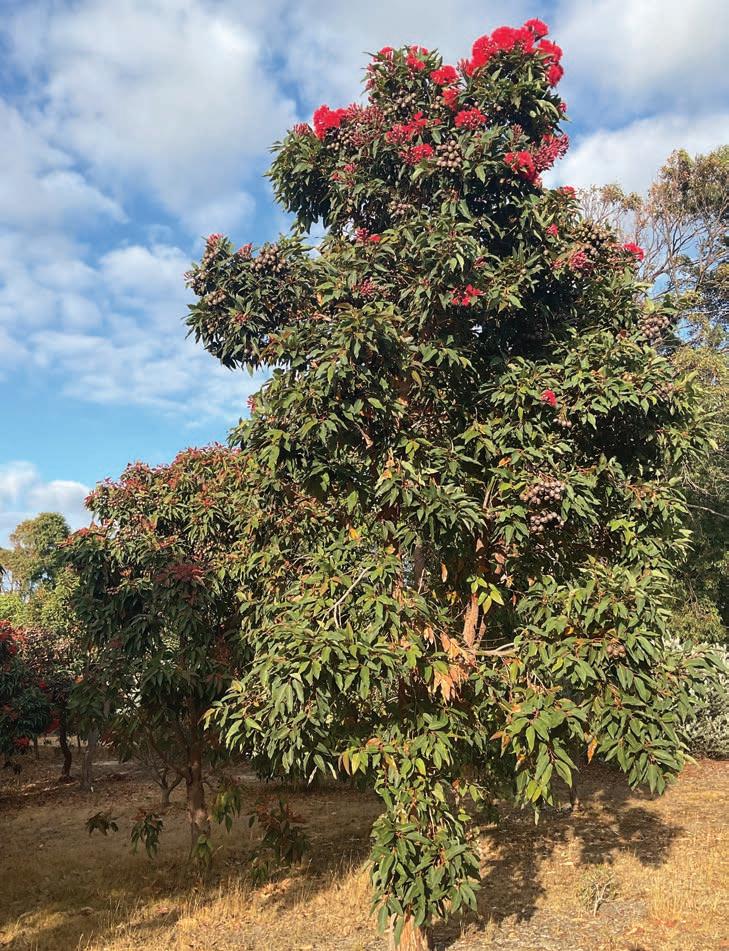
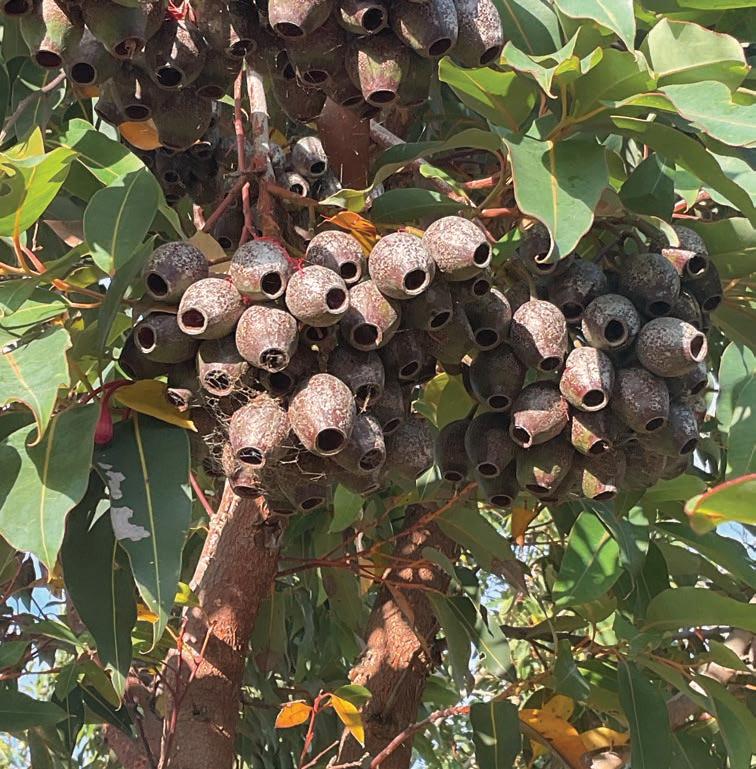
Corymbia ficifolia ‘Red Flame’ is developed in partnership with Austem Foundation and Kings Park and Botanic Garden breeding program, a distinctive tissue cultured variety of Corymbia ficifolia is now available.
Bringing uniform aesthetic appeal, enhanced disease resistance, a compact lowmaintenance growth habit along with habitat benefits, Corymbia ficifolia ‘Red Flame’ is an ideal choice for landscapers, councils and home gardens.
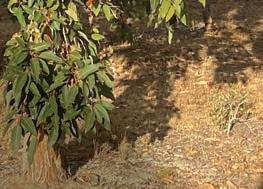
Corymbia ficifolia ‘Red Flame’ grows 6 metres tall and 3.5 metres wide, producing large clusters of bright red blooms during the warmer months, creating a bold and striking display.
This variety grows well in full sun and well-drained soil, tolerating drought and mild frost once established, making it a robust choice for areas with variable conditions. Its nectar-rich flowers attract birds, bees, and other pollinators, fostering biodiversity and supporting healthy ecosystems in urban and suburban areas.
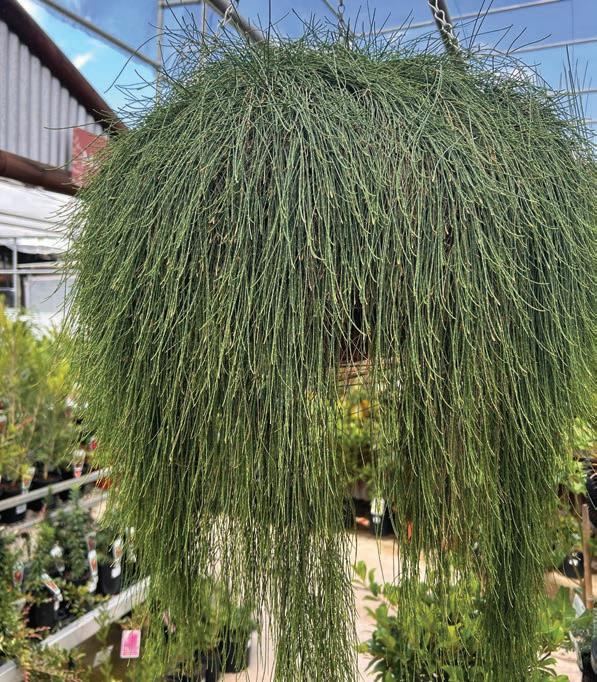
Growing Casuarina glauca ‘Cousin It’ in a hanging basket offers a unique way to showcase its soft, cascading foliage while adding texture and movement to outdoor spaces. This tough Australian native is droughttolerant in gardens once established, copes well with coastal conditions, and requires relatively little maintenance. Regular trimming helps maintain a compact, trailing form, making it an attractive choice for hanging displays, balconies, patios, and native-themed gardens. For hanging basket and pot displays, water more often than you would if planted in the garden.
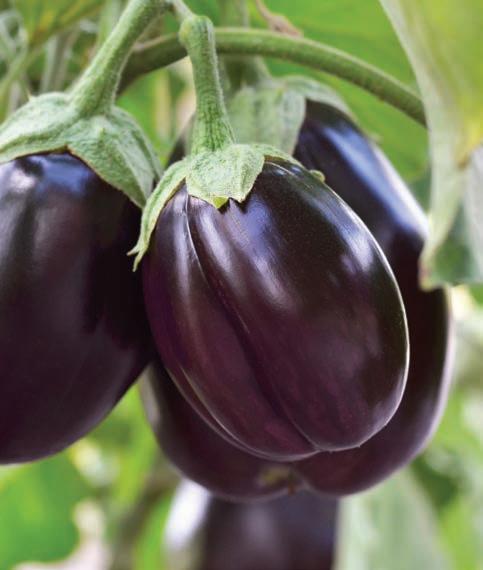
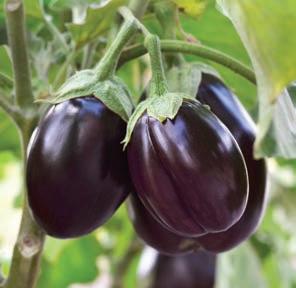
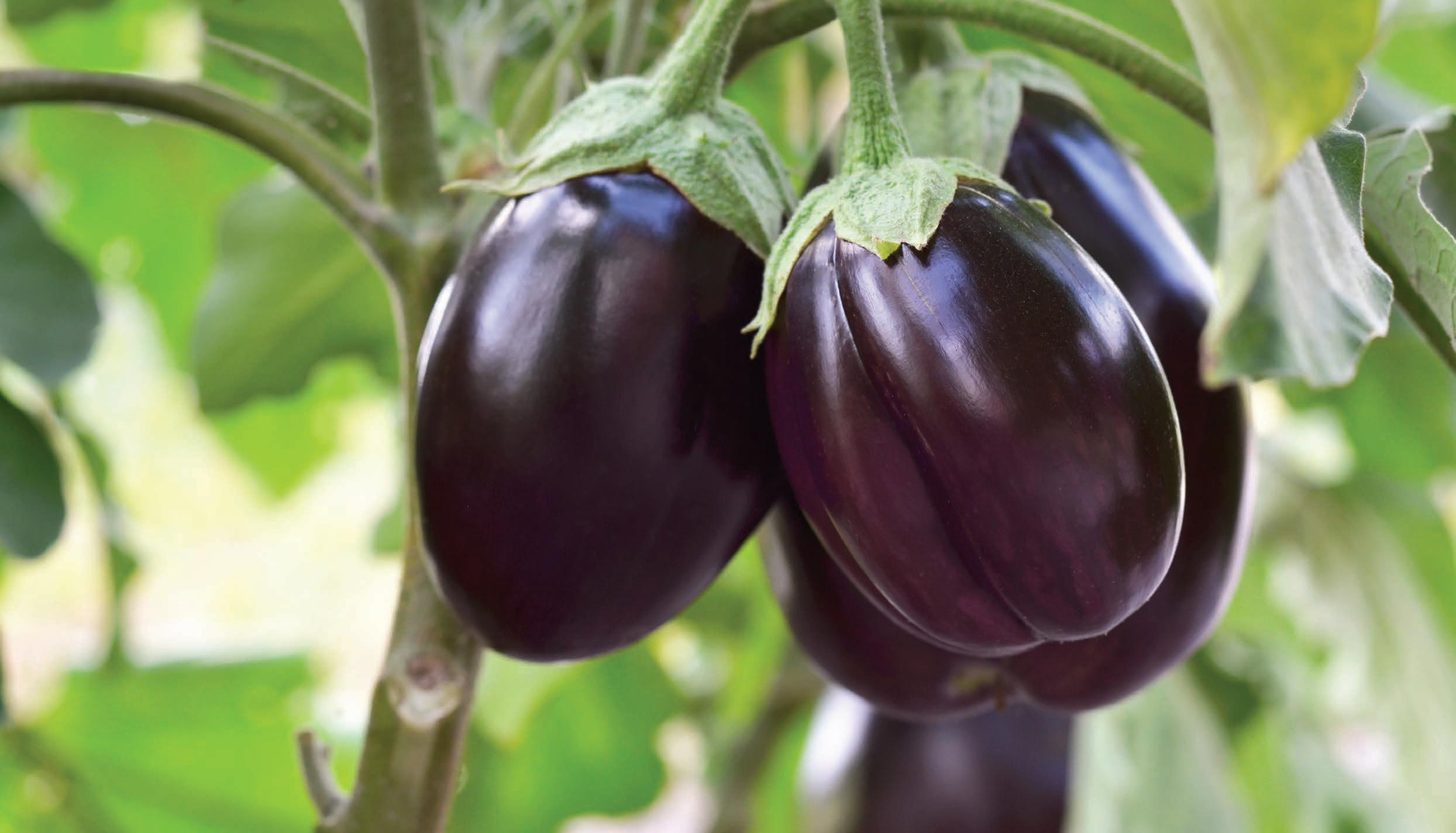
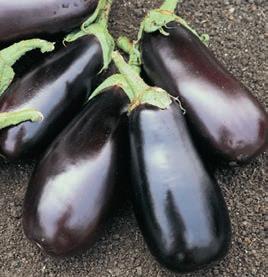
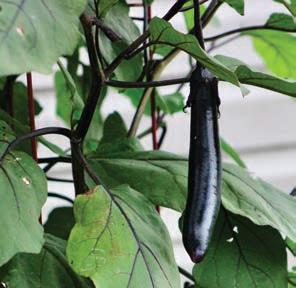
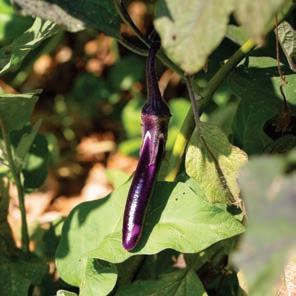
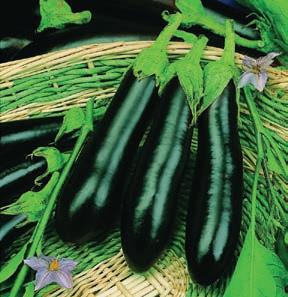
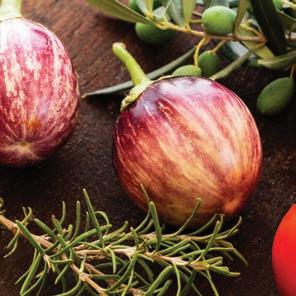
Reliable eggplant varieties for home gardeners
Black Beauty – Classic large purple; dependable and versatile
Eggplants are one of the easiest plants to grow, in saying
that there are
a few things to keep in mind.
Eggplants produce a bounty of fruit so don’t fall into the trap of overplanting, unless you have lots of eggplant recipes or are great at preserving. Eggplants love rich, well composted soil and mulched well to keep competing weeds at bay. Eggplant varieties vary in size, shape and colour when maturity is reached. Protect them from strong winds, soggy soil, frosts, poor air circulation and sunburn. Eggplants can grow for up to six months of the year depending on your region.
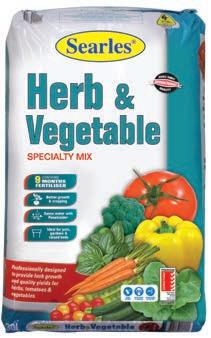
Choose a position in the garden which receives 6-8 hours of sun each day. After you have selected the position, consider which variety serves you best. Enrich the existing soil with 5 in 1 Dig In Organic Fertiliser or use Searles Herb & Vegetable Specialty Mix for new pots. Avoid replanting them once established as they are fussy about their roots being disturbed. Mulching will cut back on weeds and protect their roots. Leave plenty of room between each plant for good air circulation to limit the possibility of fungal disease. Some varieties can grow up to 1m tall, so stake the plants to help them support the weight of the branches and fruit. Like tomatoes and other vegetable crops, crop rotation is another way to limit soil born issues. Planted with potato or bean plants makes the vegetable patch super-efficient, plus they don’t compete.
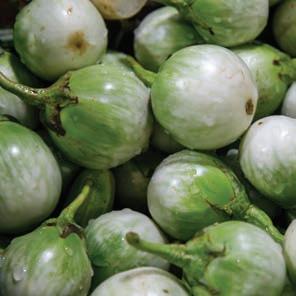
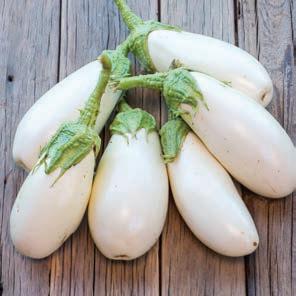
Depending on your variety, not all eggplants turn into the dark purple trademark appearance, some are white and finger shape or speckled mauve and white. There is a variety called Patio Eggplants that are perfect for larger pots on balconies. The seed packet or punnet will give you an indication how long it will take to harvest, typically it is two to three months.
Market Supreme – High yielding with long harvest, large teardrop shaped, glossy black skin
Ping Tung Long – Very productive, heat-tolerant, long curved fruit
Little Finger – Compact plants with small, slender fruits, great for pots
Rosa Bianca – Round, pale striped heirloom; mild, creamy flesh
Thai Round – Small fruits; ideal for curries and tropical climates
Casper – Snow-white skin colour, quick to bear, suitable for cooler areas
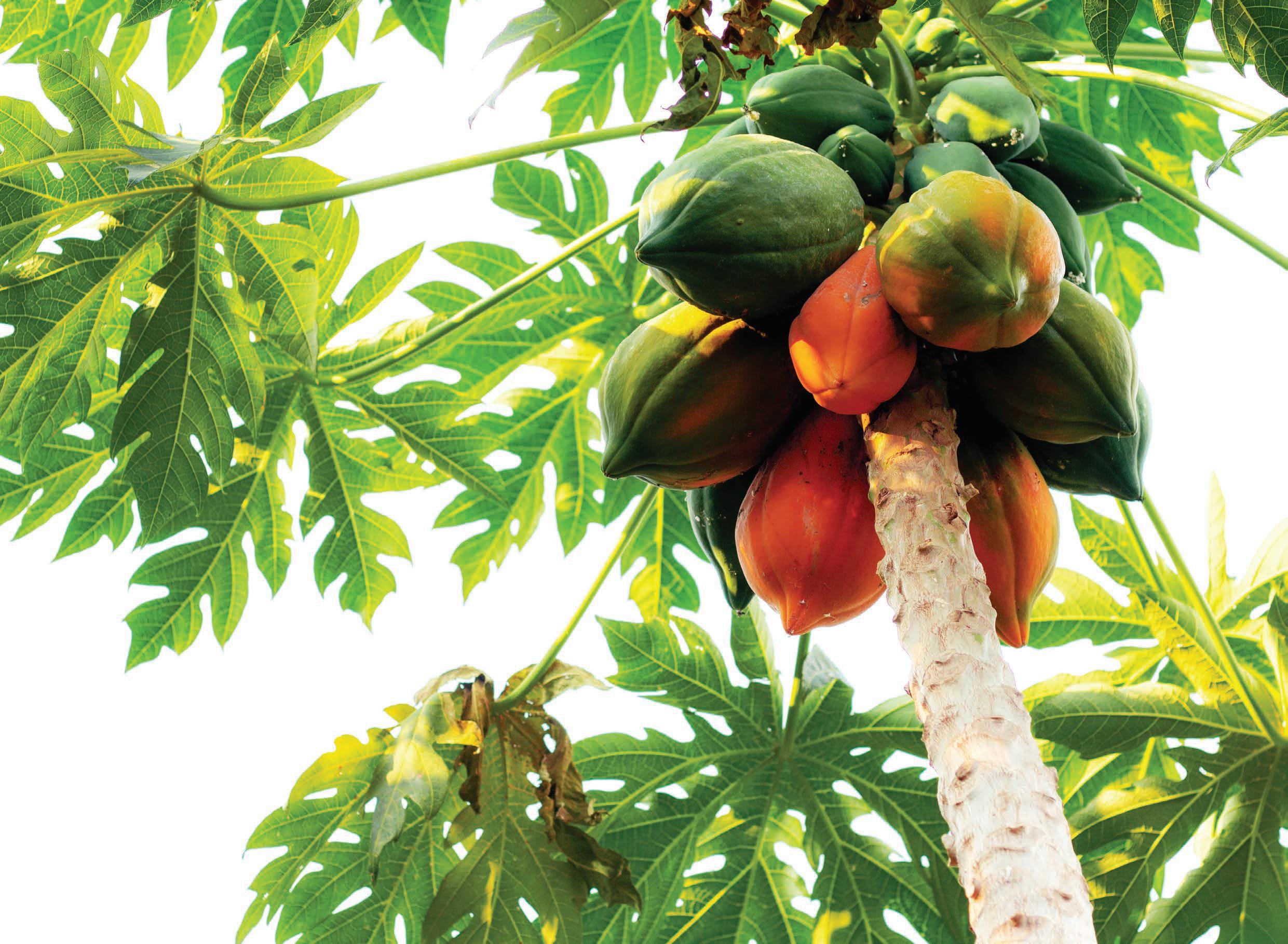
Pawpaw (papaya) (Carica papaya) is a fast-growing tropical fruit tree perfect for warm Australian gardens. Flourishing in full sun and well-drained soil, it can produce sweet, juicy fruit within a year. With regular care, pawpaw is a rewarding and productive addition to any backyard.
Which sex to buy?
Pawpaw trees can be male, female or bisexual (they produce flowers that have both male and female functioning parts). It’s important to be aware of this as male specimens won’t bear fruit and female trees will need a male tree somewhere nearby for fertilisation before they can set fruit. Bisexual varieties, which are now readily available in garden centres, are self-pollinating which can make them an easier option.
Soil preparation
Pawpaws grow best in soils rich in organic matter, but good drainage is important to prevent root rot. Best planted on a mound to encourage drainage. Two weeks before planting, mix plenty of 5 IN 1 Organic Fertiliser into the soil. Pawpaws don’t like very acid soils and addition calcium in the soil will produce better fruiting, dig lime or dolomite into the soil at the recommended rate and allow it to settle for two weeks before planting.
Planting Pawpaw
Pawpaws are prolific fruiters in warm climates. Plant them in a warm, sunny position and keep them well protected from frost. When planting, allow enough space between the trees to encourage airflow which will reduce mildew attack and allow pollinating insects to roam freely. Mulch well after planting and water well.
Pawpaw Maintenance
For best fruiting, apply Searles Liquid Potash every 2 to 3 weeks, starting before the first formation of flower buds and continuing through to the end of fruit production. Pawpaws are heavy feeders, so for best fruit production apply Searles Fruit & Citrus Plant Food throughout the growing season, spring and autumn. Water requirements depend on the weather, but watering pawpaws once weekly throughout the growing season or twice weekly during drier weather is a good guide. Too much water can lead to disease.
Harvest
Some trees take 60–120 days to mature and others take up to 12 months before they start bearing fruit. A good strategy is to harvest the fruit just before it ripens so pick it when it’s about two-thirds golden in colour and allow it to finish ripening indoors. In the tropics, fruits will grow all year round. In the subtropics, fruiting will usually cease during the winter months.
Pest and Disease Control
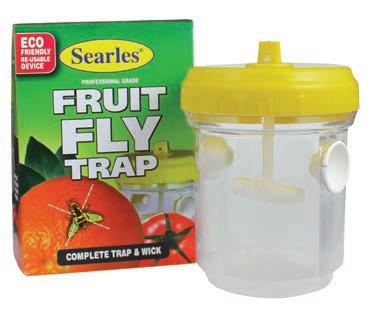
Control mites and mealybug with Ecofend Vegetable & Garden spray. Keep an eye out for aphids and caterpillars, which can be hosed off and squashed if the infestation isn’t too severe. Get rid of fruit fly by hanging Searles Fruit Fly Traps around the trees. To reduce fruit rot and fungal problems, pick the fruit early and ripen it indoors, as described earlier. In humid weather watch for mildew, which can be discouraged with good airflow around the plants and can be controlled with Searles Mancozeb Plus
Are pawpaw and papaya different?
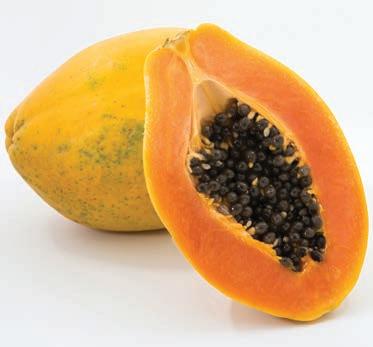
Pawpaw and papaya in Australia are different cultivars of the same species (Carica papaya). Red Papaya is usually pear-shaped with red/orange flesh and is sweeter, while Yellow Paw Paw is rounder, has yellow flesh, and is less sweet, often with a milder tropical flavour. In other countries you may be referring to Asimina triloba, the American papaw, pawpaw, paw paw, or pawpaw, which is a species of small deciduous tree with different fruit.
FOR A PITCHER JAR
Passionfruit simple syrup (makes 2 cups of syrup)
8 ripe passionfruit
1 cup water
1 cup sugar
1 1/2 cups fresh squeezed lemon juice
2 cups sparkling water, chilled
simple recipes made from garden kitchen produce
Prepare
In a small saucepan, bring water and sugar to a boil. Stir until the sugar is dissolved and remove from heat.
Add passionfruit seeds and pulp into the sugar water. Stir and let the passionfruit steep in the simple syrup for about 2 hours. With a fine mesh sieve over a glass measuring cup, pour the contents of the saucepan through the sieve. Do not press on the seeds — you want the syrup to be clear.
Transfer the syrup to a clean storage jar. Refrigerate. The syrup will last up to two weeks refrigerated.
To make lemonade, combine the lemon juice and simple syrup in a pitcher and refrigerate until very cold. Just before serving add the sparkling water to the mixture and stir.
To serve: Fill the glasses with ice, add lemonade and garnish with lemon slices or passionfruit seeds as desired.
2 eggplants, halved lengthways
1/2 tsp salt
1 tsp smoked paprika
1 tsp garlic powder
300g minced meat, beef or lamb
1 onion, diced
3 garlic cloves, crushed
50g tomato paste sachet
2/3 cup tasty cheese, grated
1/2 cup parmesan cheese, grated
Prepare
Preheat oven to 180˚C on conventional setting.
Place halved eggplant on a lined baking tray. Combine smoked paprika, garlic power and salt in a small bowl. Rub spice mix onto eggplant flesh. Bake eggplant, flesh side up in oven for one hour or until softened.
While eggplants are baking, in a hot frying pan with olive oil, cook onion and garlic until transparent, then add mince and cook through. Add in tomato paste and a two tablespoons of water and stir through. Cook until simmering then remove from heat.
Ingredients
1 papaya
200g self raising flour
2 tbsp caster sugar
To Serve
1 tsp baking powder
1 egg, lightly whisked
250ml milk of your choice 20g butter, melted
Whipped cream, raspberries, flaked almonds, honey and remaining fresh papaya
To assemble, top eggplant with meat mixture, sprinkle tasty cheese and then parmesan. Bake in the oven until cheese is melted and browned.
Serve hot with a dollop of sour cream on each eggplant.
Prepare
Cut papaya in half lengthwise, scoop out seeds. Scoop out about 250g of papaya flesh and puree, set aside. Cut the remaining papaya into cubes, removing the skin and set aside for serving.
In a large bowl, mix flour, caster sugar and baking powder.
In a jug, mix egg, milk and butter and pour into flour mixture, whisk until smooth. Add in papaya pulp and mix through.
Heat a large non-stick frying pan over medium-low heat. Spray with oil. Pour two tablespoons of batter into the pan for each pancake. Cook for 2 minutes or until bubbles appear on the surface. Turn and cook for a further 1 -2 minute or until golden. Cook the remaining batter in the same way. This batter will make approximately 12 pancakes.
To serve
Serve pancakes stacked with cream and papaya cubes between each layer. Alternatively, for a tangy taste, swop cream with yoghurt).
Top with remaining papaya pieces, raspberries, honey and flaked almonds.
Springtime brings abundant growth for roses, but it is also a time pests and diseases are active.
Roses are one of the most loved plants. They are not native to Australia and in some regions the soil type or weather conditions can require higher maintenance than the gardener is able to commit to.
Roses do need regular maintenance in pruning, fertilising, pest and disease control. In spring and summer this could be fortnightly or if your plants suffer from chilli thrip attack, then weekly. The maintenance is usually for pests and diseases such as blackspot, spider mite, aphids and bud worm being just a few. When selecting a garden spray, check that it notes the pest or disease you are trying to control. Searles Rose Pro is an insecticide, fungicide and miticide and covers a huge range of these. The next most important thing is that it should be re-applied every 14 days or even more often if it is to control two spotted mites or chilli thrip.
Insecticides do not kill the eggs of these pests, so they should be re-applied regularly to kill the offspring when they hatch.
For the best practises for pest and disease control, it is important to not use just one spray type as the pest or
fungi can build an immunity or resistance to that one spray. Always have a few alternative sprays which have varying active ingredients e.g. Rose Pro, Conguard or Bug Beater
Roses are hungry plants; regular fertilising is essential. Always check on the back of the packet how long the fertiliser feeds for, some only weeks and others six months. If you are using a fertiliser that is added to water, it usually has a feeding life of only two weeks when applied. Best practises is to have a granular/ slow-release fertiliser giving a constant feed, plus a fortnightly top up with a fertiliser added to water.
For a fertiliser to be called a fertiliser it must have an analysis stating the nitrogen, phosphate, potassium and any trace elements levels. Soil conditioner or tonics are not fertilisers but often mistaken for a fertiliser.
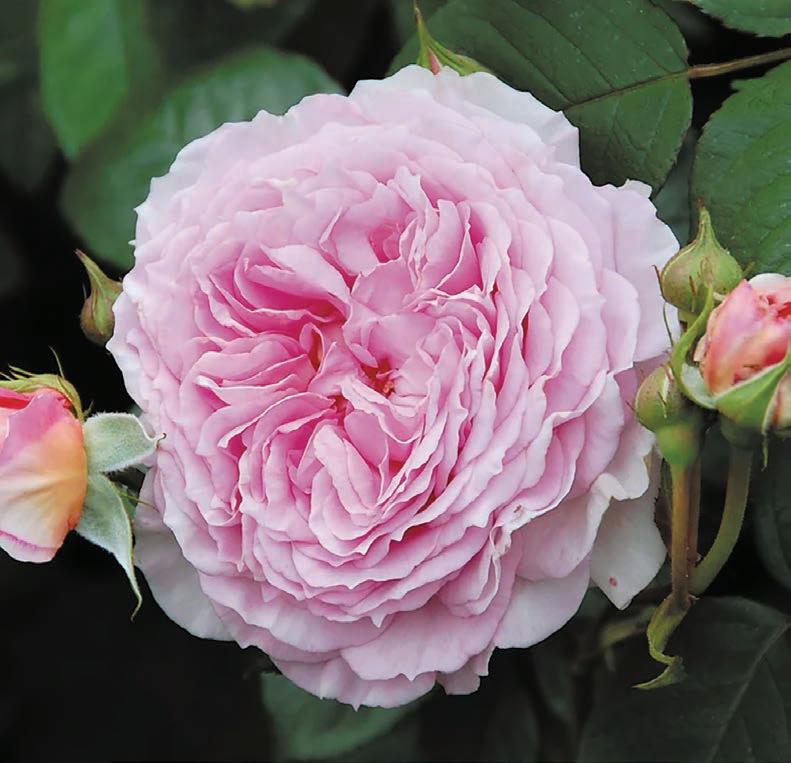
David Austin rose ‘James Galway’
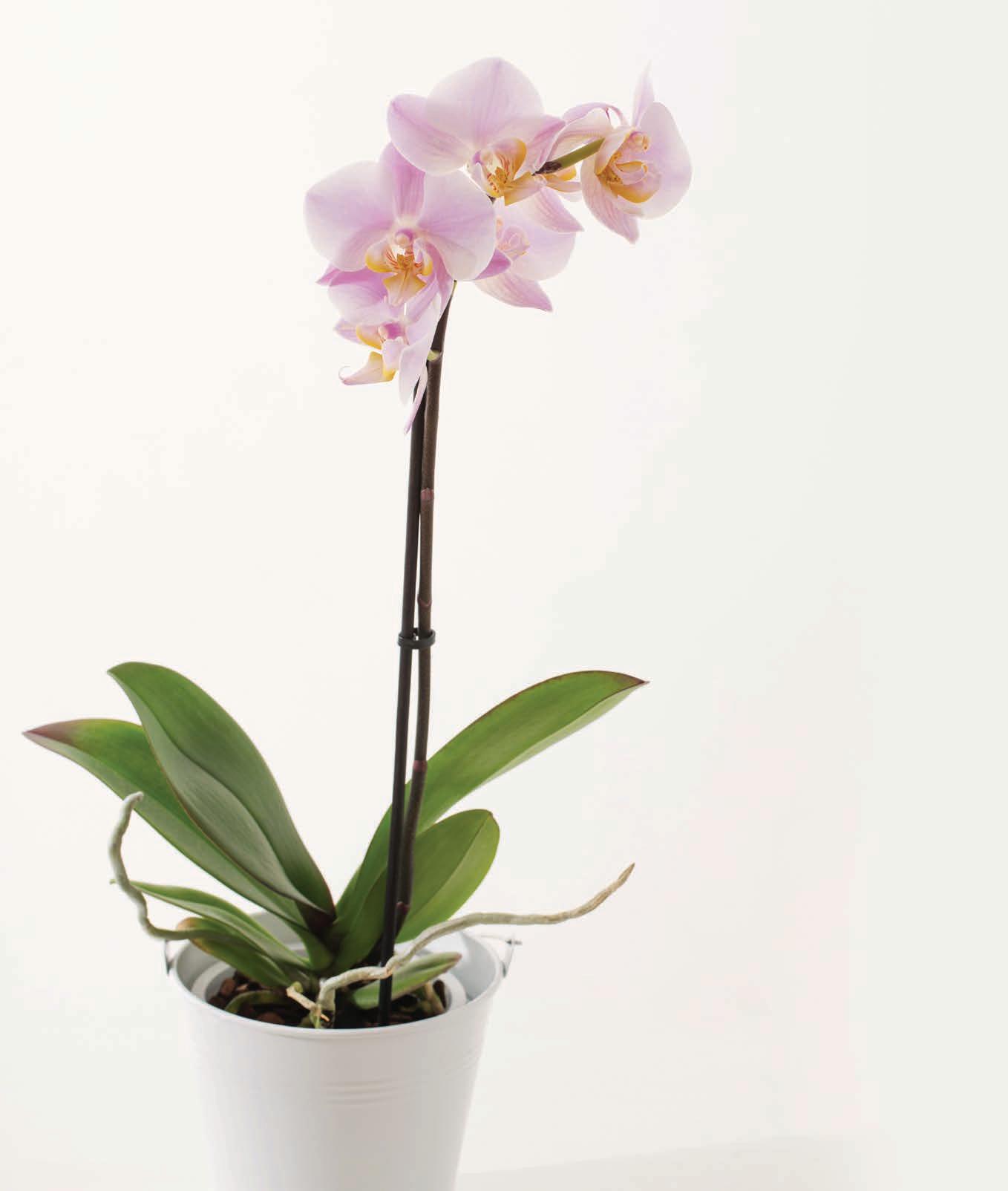
Phalaenopsis are also called the “moth orchid”, as their flowers resemble the shape of a moth or butterfly. These are one of the very easiest orchids to grow, and often bloom for over 3 months!
Phalaenopsis will flourish indoors under normal lighting conditions, with indirect sunlight being the most advantageous. Caution should be used when placing a Phalaenopsis in direct sunlight due to the fact that its leaves burn easily from too much exposure to the sun. Phalaenopsis enjoy mild temperatures.
Water often enough to keep continuous moisture just below the surface of the medium, but be cautious of over-
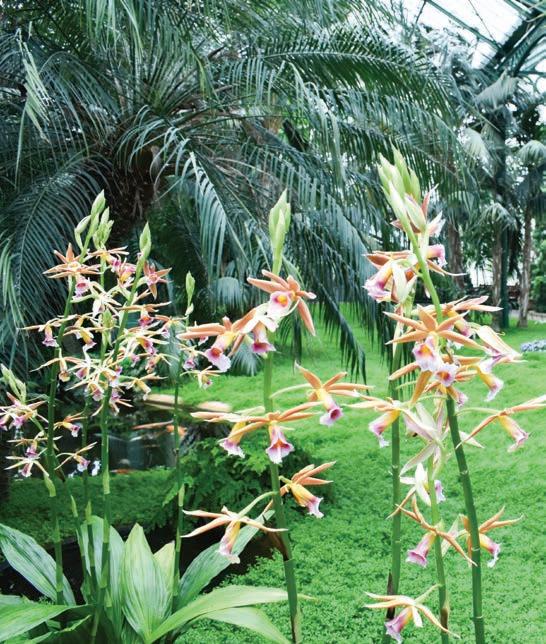
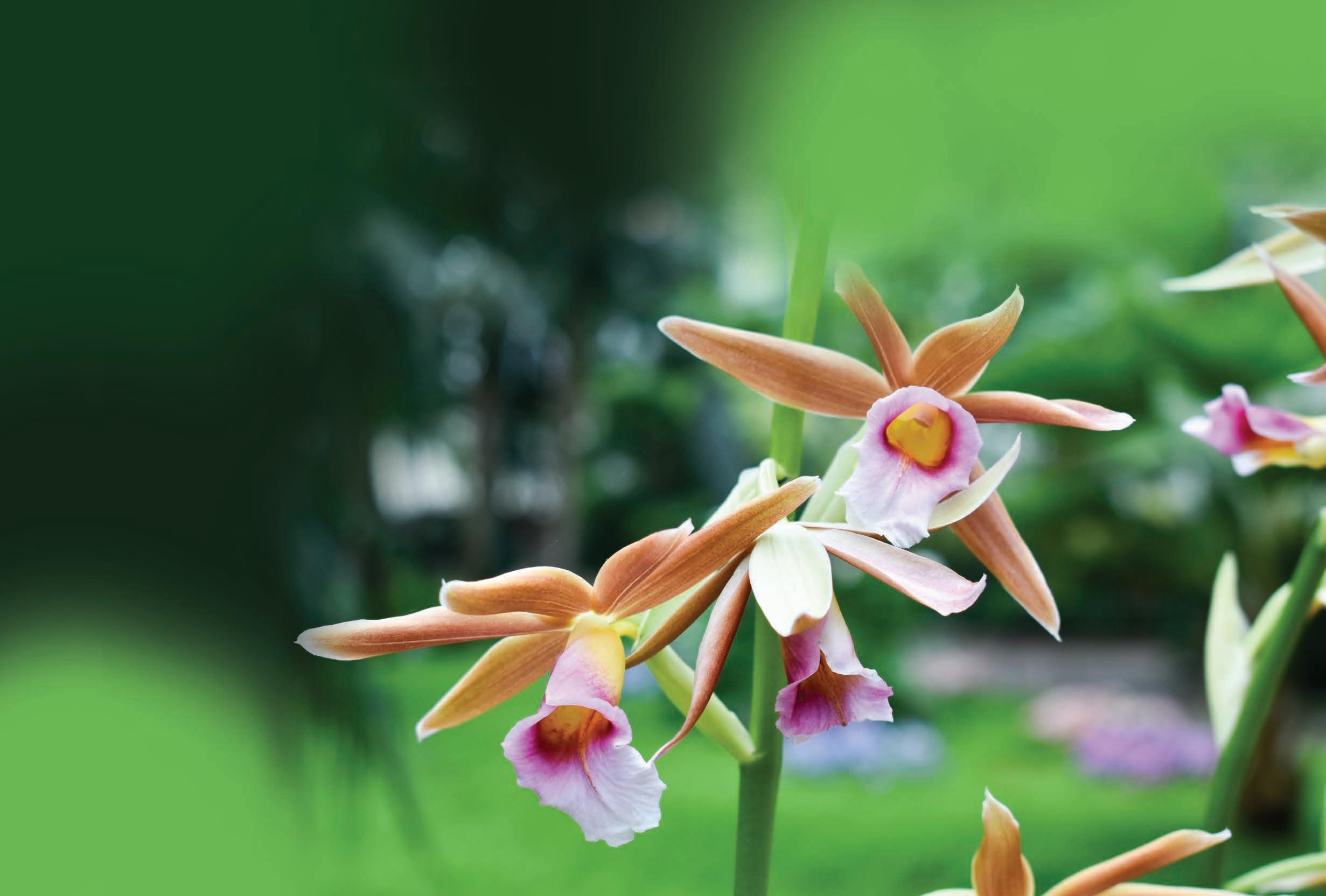
The perfect Australian native plant for a moist, welldraining shady place in the garden. The Swamp Orchid or Phaius australis is an amazing orchid with gorgeous large perfumed flowers, that reach up to 2 metres. A clumping evergreen plant with broad green corrugated leaves that clump up to 1 metre wide. It is considered an endangered species but can be purchased from nurseries, mainly when they are in flower. The loss of habitat and invasive plant species out competing them, is the reason for them becoming endangered. There are over twenty varieties and these are endemic to Australia. There have been several name changes for the swamp orchid or swamp lily. They are a joy to plant if you find one not in flower, to be surprised when they bloom.
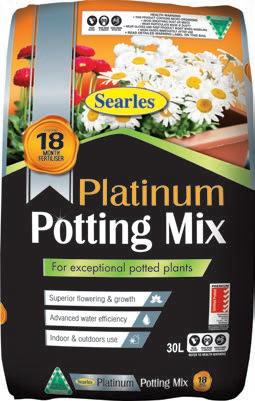
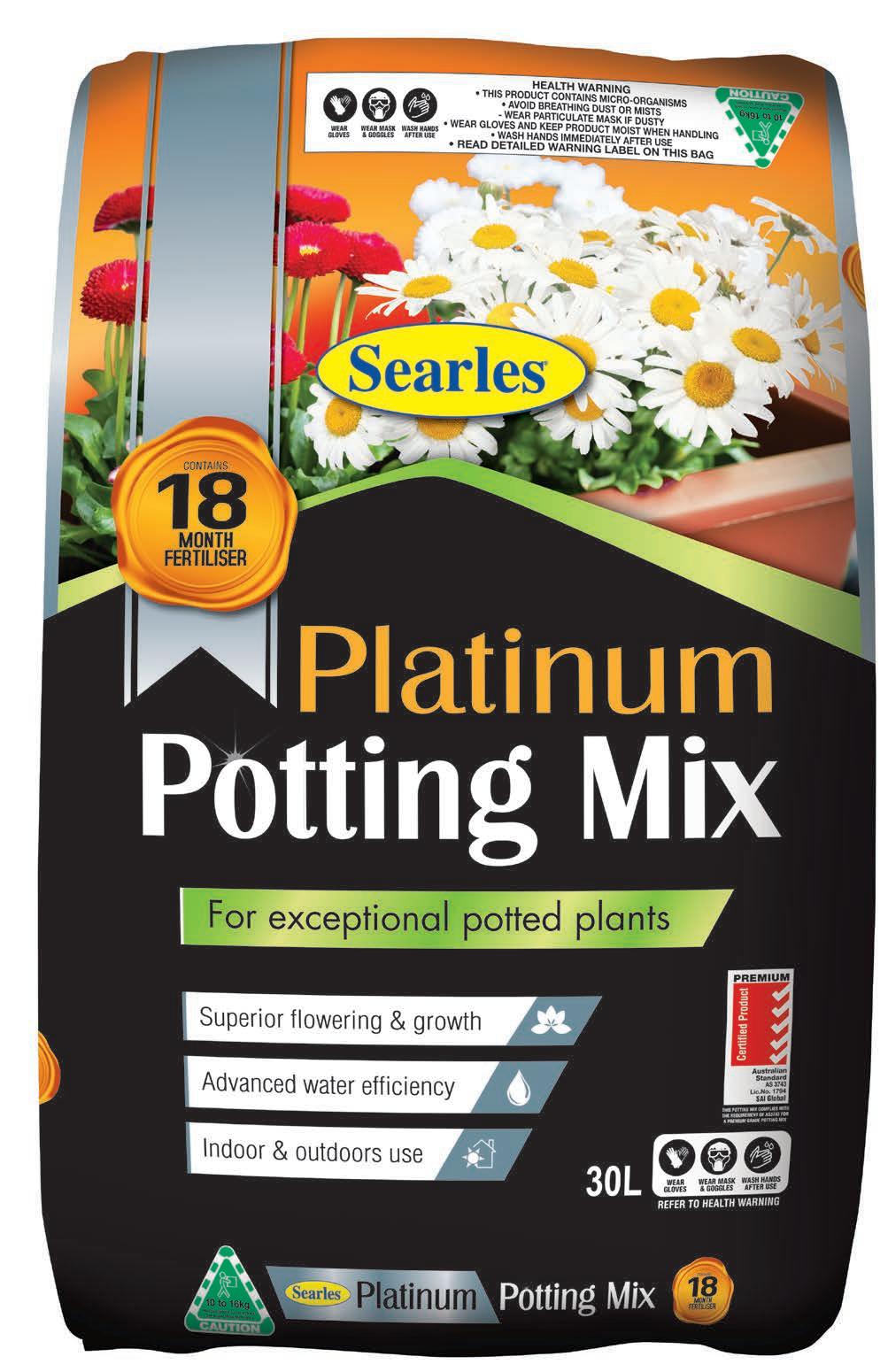
The flowers are an off white with a red-brown throat, blooming in spring. Happy to grow in full to semi shade but protected from strong sunlight and wind. A soil rich in organic matter is their preferred growing medium, and they are seen as an easy to grow plant in the correct position. They don’t want to grow in a bog but a moist well-draining soil or if in a pot keep a saucer full of water under the pot. Use a potting mix that holds the moisture such as Searles Platinum Potting Mix rather than the normal Orchid Mix when potting Swamp Orchids.
watering. Watering once a week is normally sufficient to keep plants healthy.
When the last flower drops and the stem goes brown and dies, cut your flower spike off. Continue caring for it and wait for re-bloom.
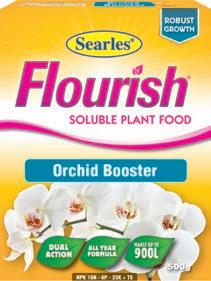
For the best results, fertilise with Searles Flourish Orchid Booster. Apply every 7 to 14 days over foliage and soil.
Plants should be re-potted every other year and, because they grow upwards without spreading, can go back into the same sized pot. Re pot with a specially designed orchid mix for phalaenopsis like Searles Orchid Mix. Water sparingly until new roots are well established.
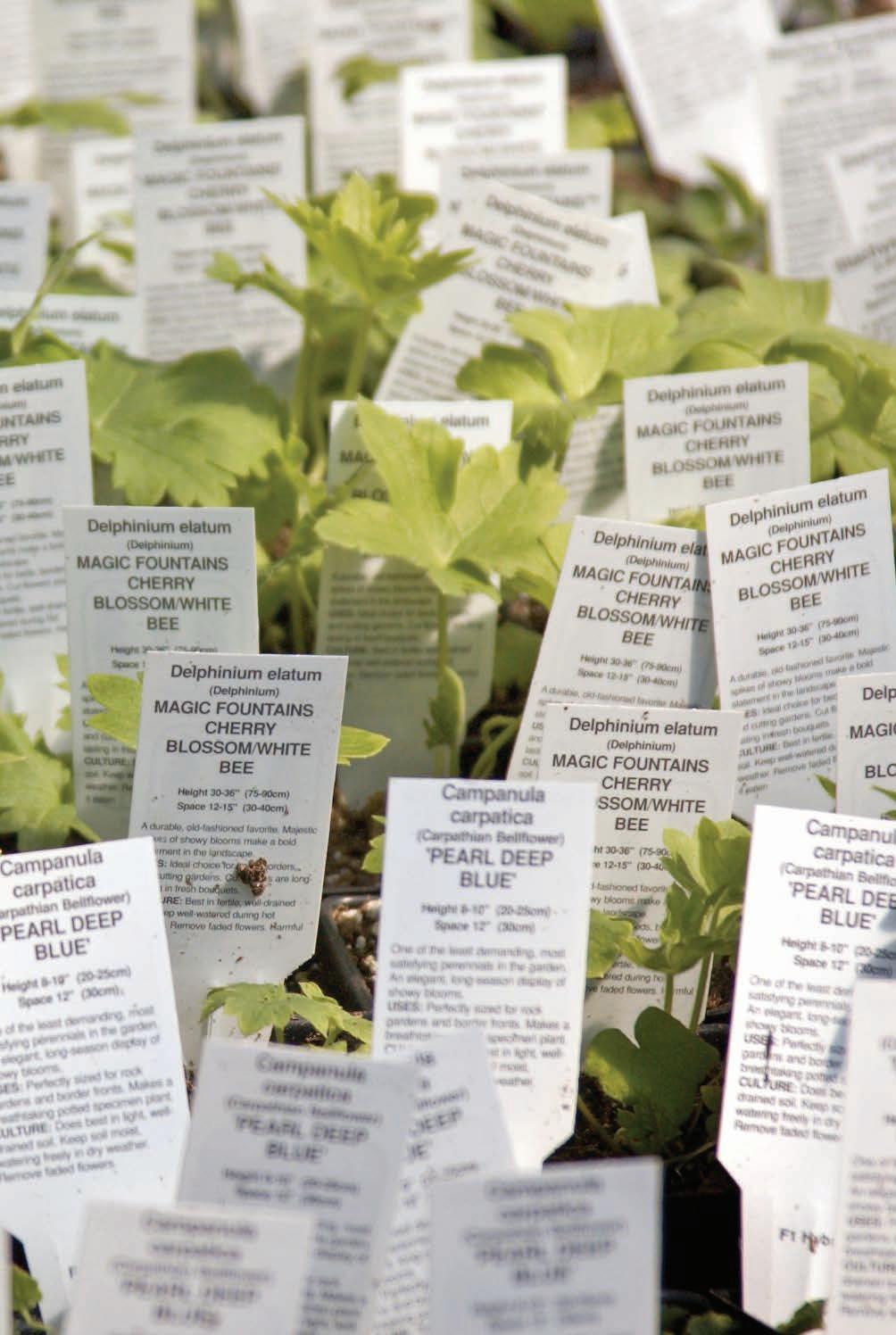
Australian laws on what information is stated on plant tags.
Many people buy a plant and then wonder if it is toxic or if it was one found in nature or created by a breeder. By Australian laws this must be clearly stated on the plant tag when purchased.
A common name like mock orange can refer to over a dozen plants including Murraya panniculata, Philadelphus virginalis, Philadelphus coronarius, Murraya paniculata’ Min-a-Min’, Murraya Exotica and so it goes on. This variance may be due to a name given overseas or even a regional name. For this reason, plant tags must have a Latin or scientific name stated so you know which specific plant it is. It must include species, variety, and cultivar if applicable.
Plants that are engineered by humans and not found in nature must also be noted. These are plants that have been bred and the breeders’ rights or PBR (Plant Breeder’s Rights) must also be stated. These plants covered by PBR can not be reproduced and sold by anyone not having a permit from the breeder. Where there is a TM or trademark after the name, this refers to the name being grown by a particular grower and they have the rights over that name.
If the plant is harmful to life or the environment this must also be noted. This should cover humans as well as pets, be it a skin reaction or more severe. If the plant has the possibility to be invasive or harm the environment this should also be noted. Many ask after they have purchased if this plant is harmful to pets or themselves and a quick check on the tag should cover this. It is at the bottom of the tags and clearly visible. If in doubt you can also check online but be sure to check using the Latin or scientific name.
Can I order plants or seeds from overseas?
Most people know moving some plants between Australian states is restricted to prevent pests and diseases. Bringing plants or seeds into Australia is far stricter, as even small breaches can introduce serious biosecurity risks.
Plants must arrive free of soil and plant debris, clearly labelled with their full botanical name, securely packaged, and declared. Even soil on boots can carry harmful organisms and is not permitted.
Seeds must also be declared. Some are allowed if properly packaged, while others are confiscated. Many require a phytosanitary certificate, and some may need treatment or quarantine. Commercial imports must have permits and meet strict government requirements.
All mailed seeds are inspected by Australian Border Force. They may be treated, and any extra plant material—like leaves or stems—is prohibited. There’s also the added risk of introducing invasive species, even from seeds bought online.
Recent threats such as tomato brown rugose fruit virus, myrtle rust, and Banana freckle highlight why these controls matter. Many other pests are stopped at the border every year.
If a plant isn’t available in Australia, there’s usually a good reason. Avoid the temptation to bring in seeds or plants from overseas— you could unintentionally introduce a serious pest or disease.
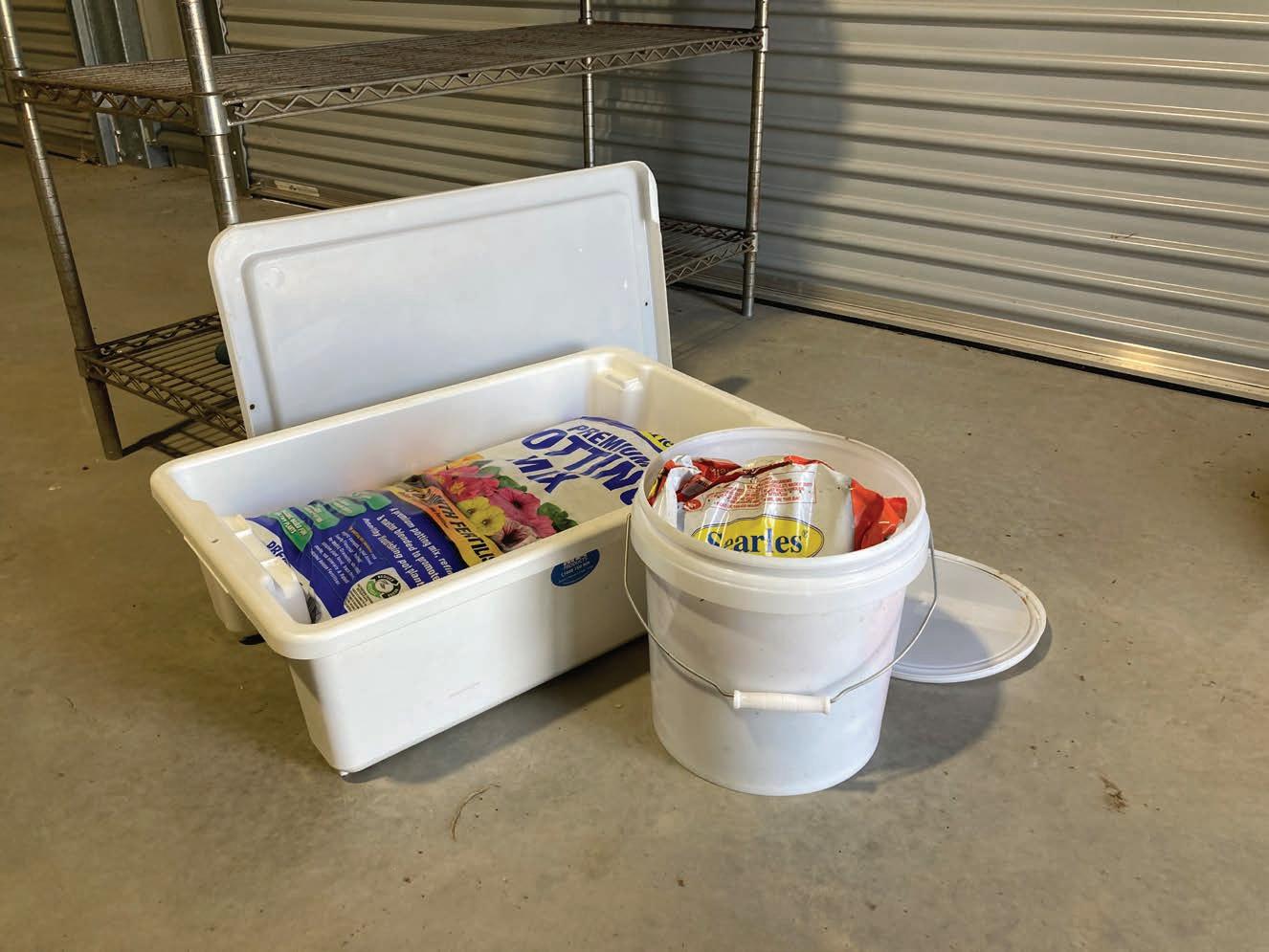
How to store potting mix properly
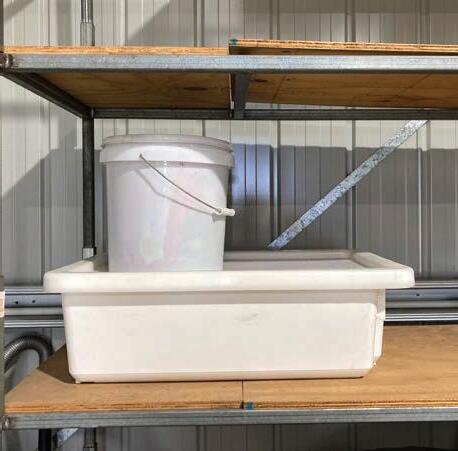
Many of us store our flour in a sealed container to keep out the weevils. Similarly, to maximise the longevity of unused potting mix and keep out unwanted pests breeding in the mix, reseal bag and store in a sealed container. Place container in a dry, sheltered area away from the sun and moisture, preferably indoors. Remember potting mix does degrade over time. If you have had a bag in the shed for over 12 months, spread the old mix onto a garden bed and buy a fresh new bag of potting mix for potting new plants. The old adage applies, ‘fresh is best’.
allzones
spring planting & care guide
> Control leafspot on pawpaw and other tropical fruit trees with Searles Copper Oxychloride. Spray all of the leaves, stems, trunk and fruit for effective results. Prune gall wasp off citrus trees and burn or bin them to stop the breeding cycle.
> Zucchini enjoy the warmer weather to fruit. Only one type of zucchini should be grown at any one time as cross-pollination between different varieties can affect fruit quality. To keep a continual supply, plant an extra one plant every month over the warm season. In spring and autumn, give zucchini full sun; in summer, semishade. Zucchini likes a well-composted, deep soil that has been heavily manured the season before. Ensure good drainage. Dig the soil over to a depth of 15cm, adding plenty of 5 IN 1 Organic Fertiliser. Compact varieties can be grown in containers. Powdery mildew can effect cucurbits, so treat with Mancozeb Plus at first sight.
> Cucumbers can be planted all year in the tropics, spring and summer in the subtropics and from late spring to summer in the cool temperate climates after the last frosts. Enrich the soil with plenty of compost before planting and water regularly to keep the fruit sweet.
> Peas grow well in spring all throughout Australia. Support their growing habit by installing a trellis. Plant in compost enriched soil. Pick young for better taste.
berries
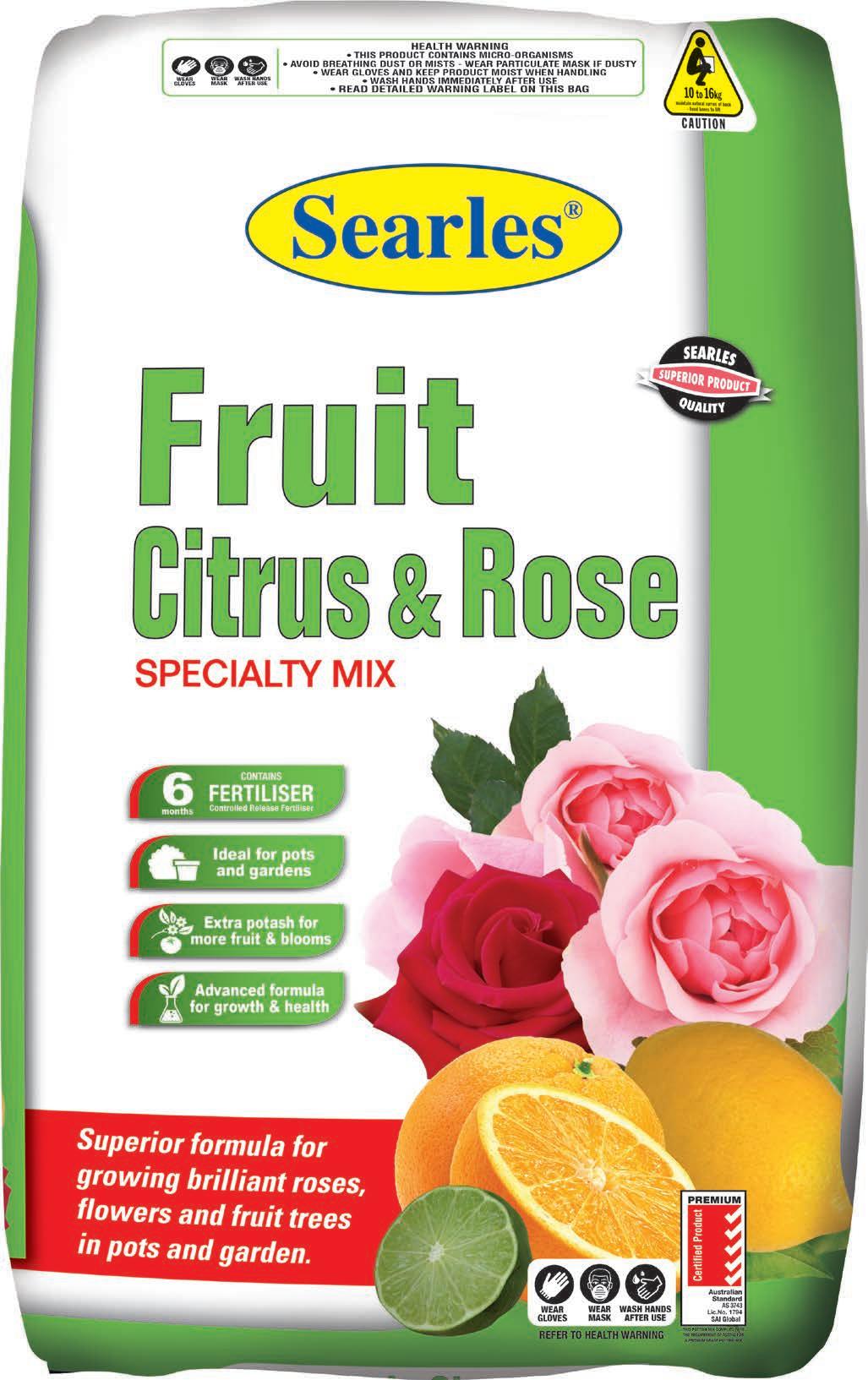
Strawberries, raspberries, blueberries, mulberries (warmer climates) will crop throughout spring and summer with many varieties continuing through autumn. Give berries a sunny position with good drainage and plenty of rich well composted soil. Strawberries can be planted in hanging baskets so their fruit over hang and are easy to pick. For berries in pots and gardens, plant in Fruit, Citrus & Rose Specialty Mix.
> Melons such as, watermelon, rockmelon and honeydew can be planted in the ground with plenty of space once the soil warms up. To avoid a watery-tasting crop, minimise watering as fruit approaches maturity.
> Another crop of leafy greens can be planted and harvested before summer. Plant lettuce, Asian greens, silverbeet, kale and swiss chard. Mulch with sugar cane mulch around the exposed soil. Monitor watering regime as with the warmer weather, you may need to increase watering slightly for faster and tastier growth.
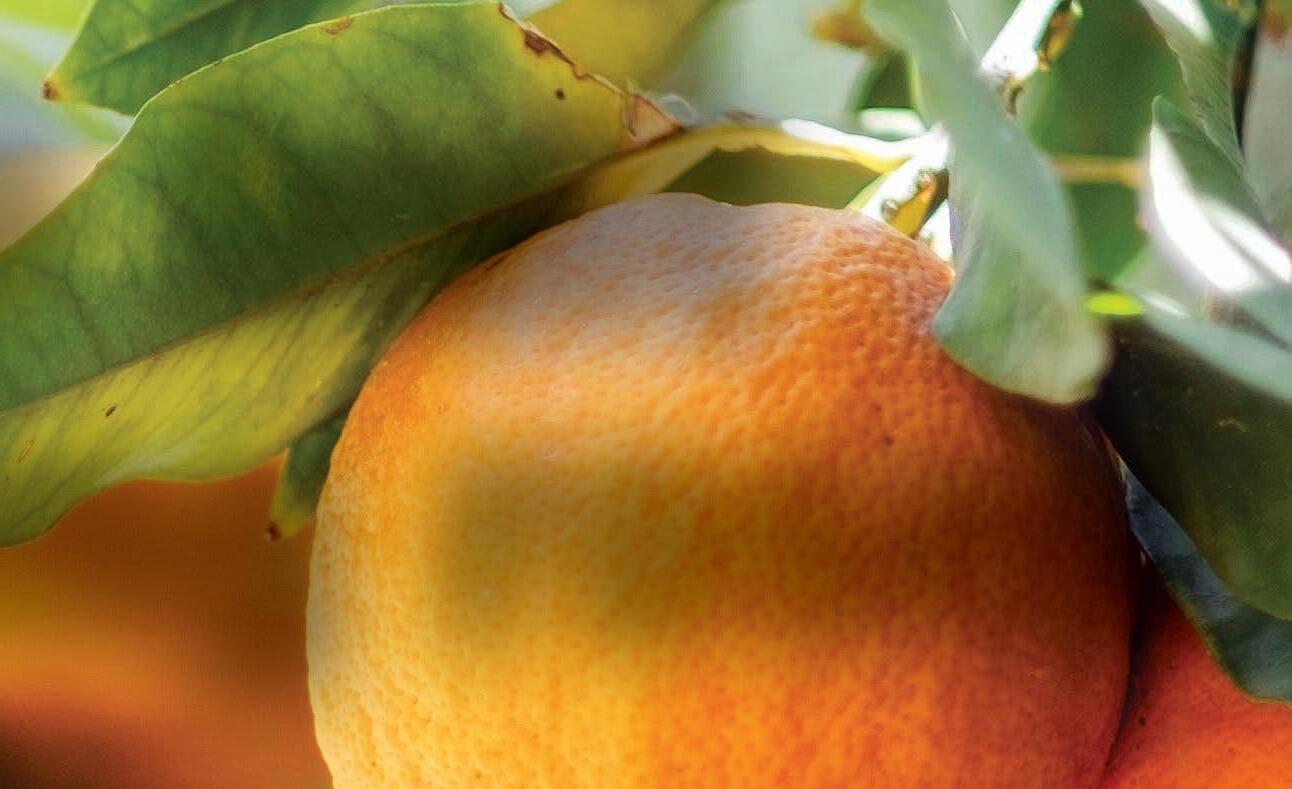
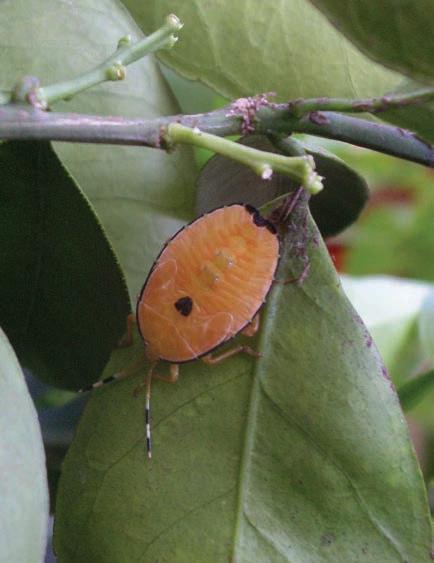
Bronze orange bugs can be a major pest of citrus trees. They will cause fruit drop and defoliation as they suck sap from the plant. Control small numbers by knocking them into a bucket of hot, soapy water. For non-bearing citrus and ornamental shrubs, but not edible citrus trees, treat bronze orange bug with Searles Conguard.
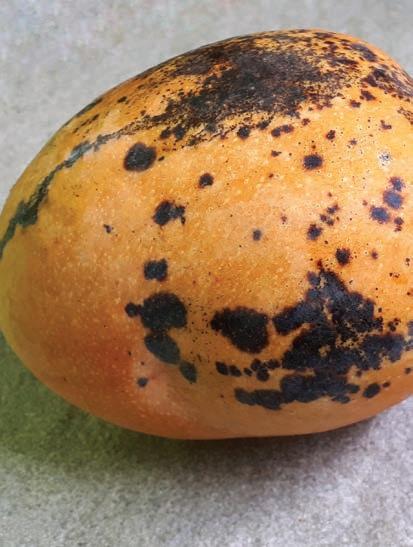
Spray mangoes with Searles Mancozeb fungicide after flowering to protect them from anthracnose - a common cause of fruit drop.
Even if you have limited garden space, a passionfruit vine can provide not only two delicious fruit crops a year but also beautiful, shiny green foliage and breathtakingly ornamental, purple and white flowers. For passionfruit to produce well, dig 5 IN 1 Organic Fertiliser into existing soil before planting and fertiliser every season with Searles Fruit & Citrus Plant Food will ensure your vine has adequate nutrients for successful cropping. Support their growth with a fence or trellis. Water consistently to ensure better fruit set.
Plant sweet corn in rows in warmer climates in spring. Wait until summer for cooler areas. Plant in blocks for better pollination. Try growing rainbow corn cobs for fun.
Maintain a regular watering regime for good growth and watch out for corn earworm.
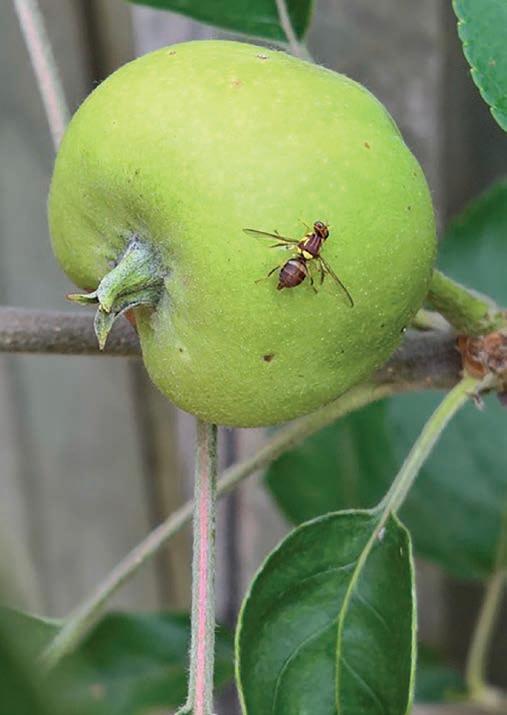
Place fruit fly traps around the perimeter of your orchard or veggie garden and one trap in the centre to monitor fruit flies. The traps will kill the male flies stopping the breeding cycle and also indicate fruit flies are around. Fruit fly particularly sting the fruit of tomatoes, citrus and passionfruit. Place traps in trees and check them weekly, starting late august in the tropics, September in Brisbane and October in cooler climates such as in Sydney areas.
Boost produce
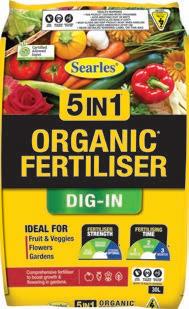
Before planting spring veggies, flowering fruit trees and vines, mix into existing soil a good dose of 5 IN 1 Organic Fertiliser Dig-in. For existing plants, sprinkle 5 IN 1 Organic Fertiliser Pellets onto the soil near the roots. Plant warm season vegetables such as, tomato, capsicum, beetroot, beans & carrot. In warmer areas, sweet corn, zucchini, pumpkin, cucumber and beans can also be planted from early spring. For cooler areas, hold off planting these until mid to late spring.
Cover veggies from pest problems
Create a physical barrier by covering leafy vegetables with a fine weave vegetable netting. Sometimes you need to protect only one plant or row of plants. A cloche is a temporary cover, sized and shaped to fit a particular plant. For single plants, make inexpensive cloches by removing the bottom of a 2L plastic milk bottle and setting them over the young plants. Cloches can create heat buildup on sunny days. Make sure you remove or vent the cloches, so they don’t overheat your plants.
One organic spray to protect veggies
Searles Ecofend Vegetable & Garden soap-based spray is an essential certified organic spray to have on the shelf for the first sight of mites, aphids, thrips, mealybug and whitefly on veggies and fruit trees. Spray when pests are first noticed, and reapply 5-7 days later or as neccessary. Also suitable for use on pot plants and ornamentals.
allzones
spring planting & care guide
> Malus or Crab apples must surely be among the most useful of all the ornamental trees, as they are one of the most hardy and easily grown trees available. They are a source of bright spring blossom, many feature edible fruits that are excellent for making jelly and still others feature wonderful autumn tones and highly-coloured ornamental fruits. All are easy-to-grow, small trees that tolerate a wide variety of growing conditions.
> Scented beauties for spring time scent; Port Wine Magnolia, Rondeltia amoena, lavender, daphne & native frangipani.
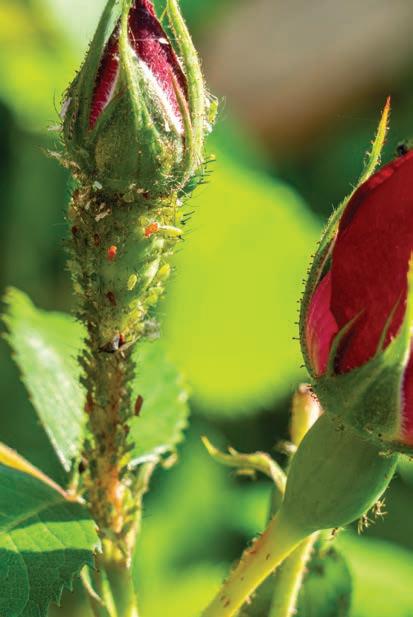
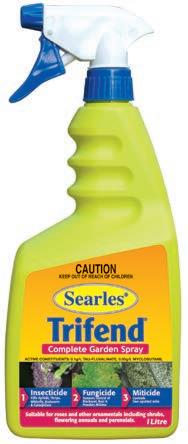
Aphids, two-spotted mite, spider mites, thrips and whitefly and fungal disease, rust and powdery mildew can deform bloom and leaf growth performance. Spray at first sight with Searles Trifend
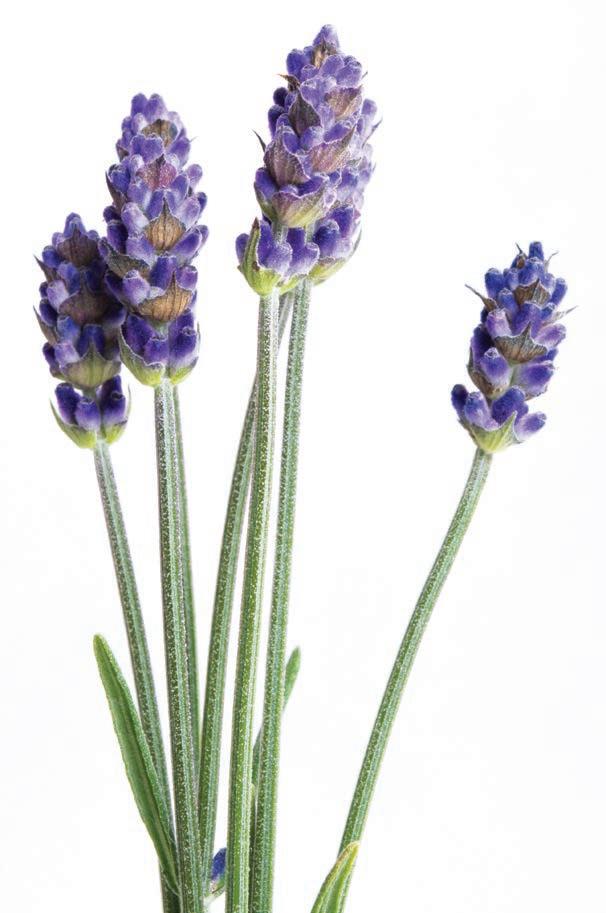
Lavender is hardy and resistant to disease as well as being stylishsuiting most garden or landscape styles, enjoying enduring popularity. Lavender needs full sun to grow and flower well. Lavender traditionally comes from a dry, Mediterranean climate and dislikes humidity. If you live in a warm or cool temperate climate you should be able to grow most lavenders. However, some modern hybrids have an increased resistance to humidity given the correct conditions. In warm climates, choose French, Italian and Spanish varieties.
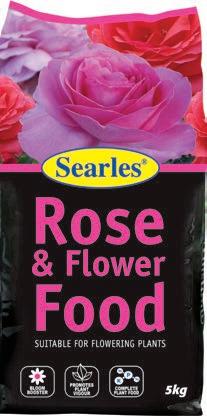
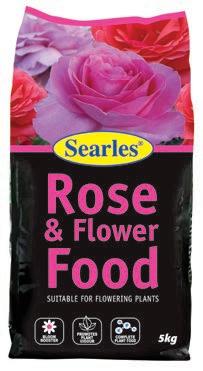
Encourage strong spring growth and blooms by applying a complete plant food, Searles Rose & Flower Food, at the start of spring and fortnightly liquid feed with Searles Flourish Soluble Plant Food - Flowers & Foliage
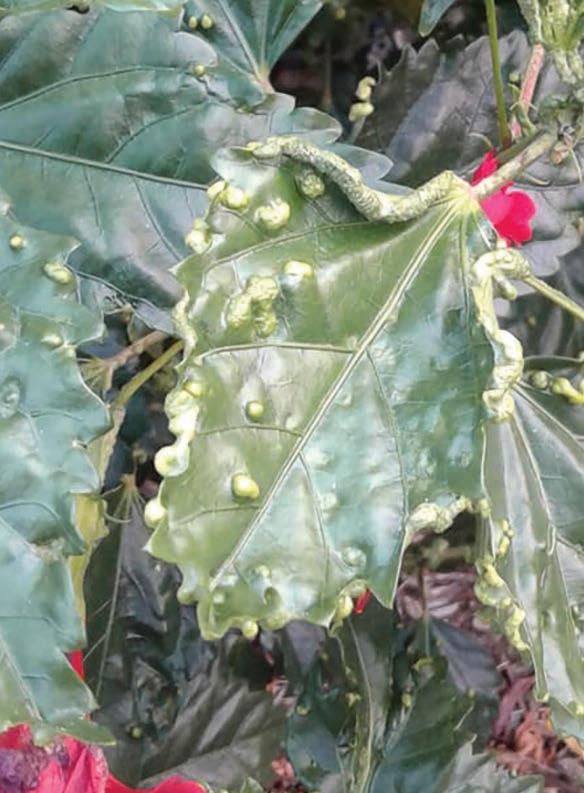
If you live in warmer climates, beware of hibiscus beetle on flower buds. If evident, spray them with Searles Conguard. Erinose hibiscus mite, appears as wart-like galls on the leaves in warmer weather. Prune effected branches, bag and bin.
Erinose mite
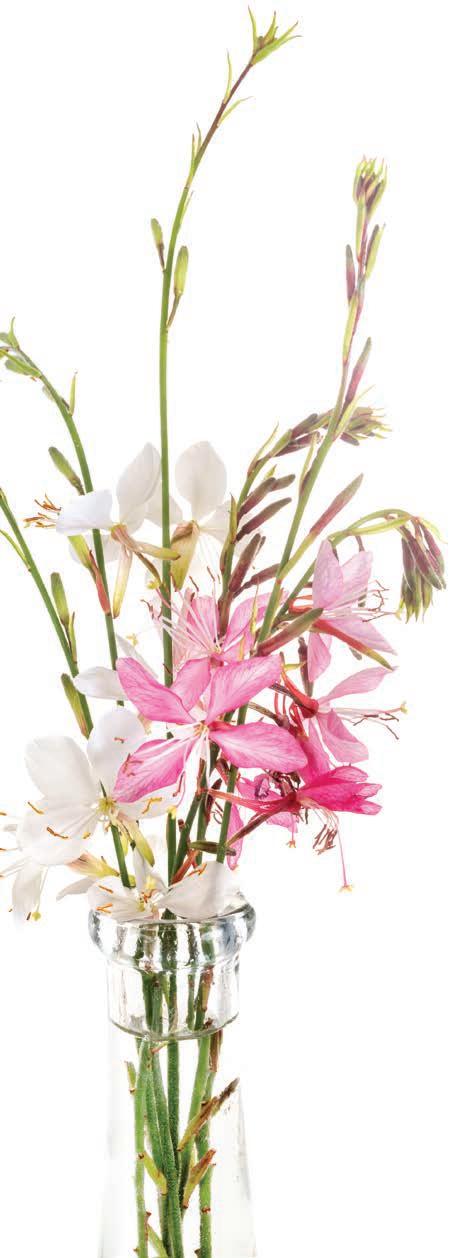
dancing in the wind, gauras
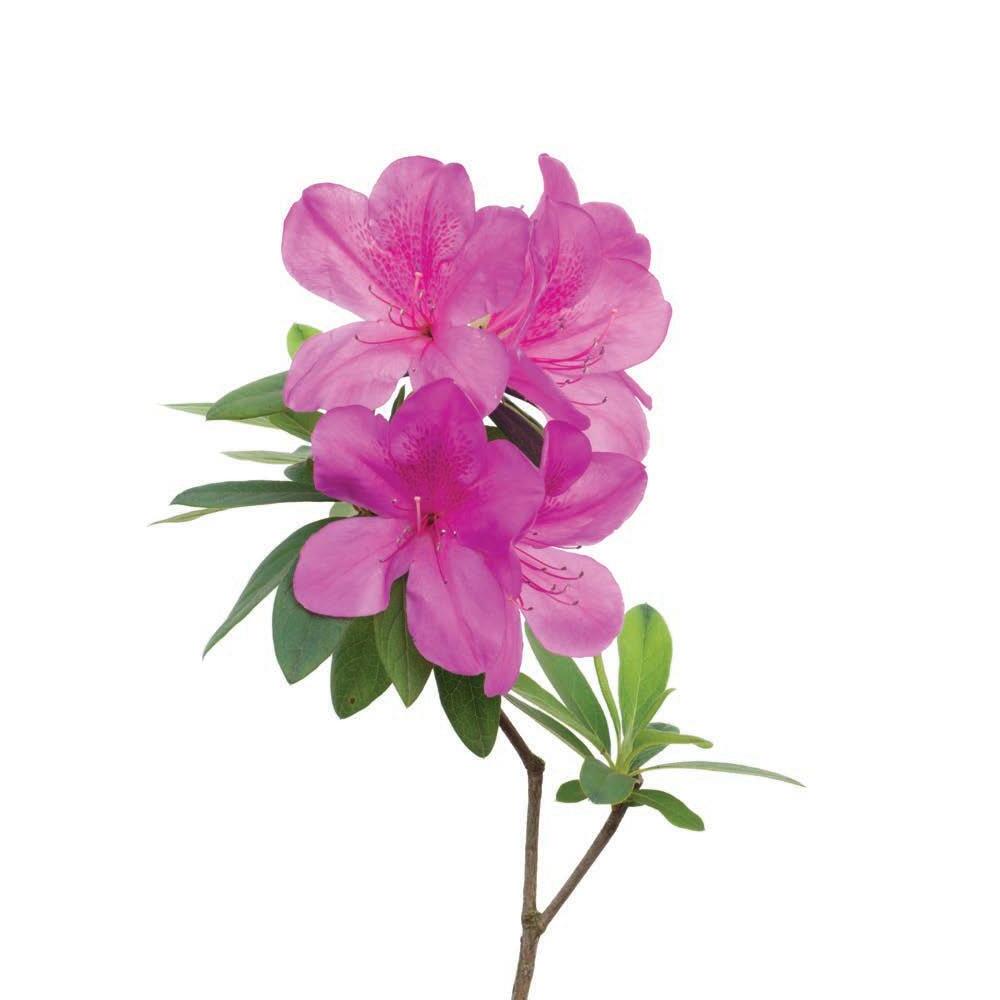
spring time azaleas
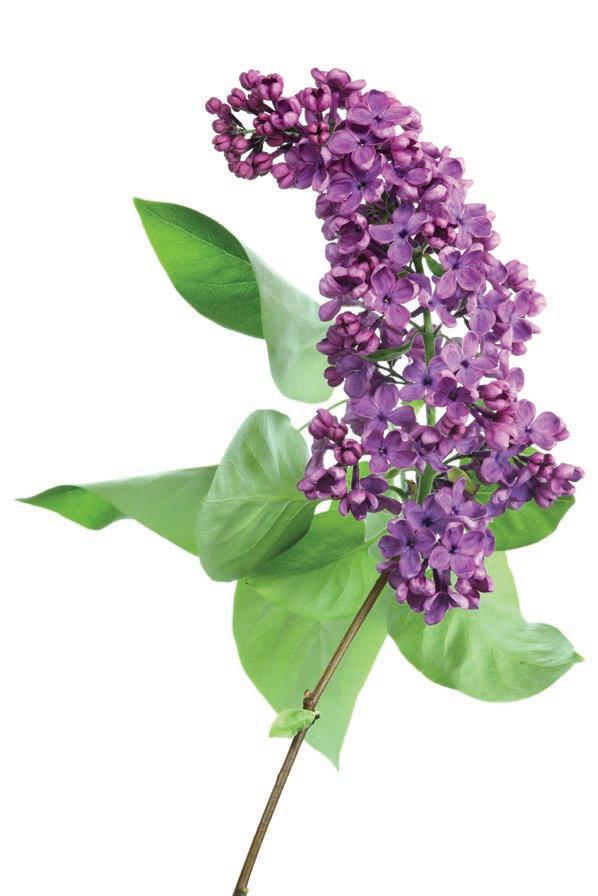
sweet scent of lilac
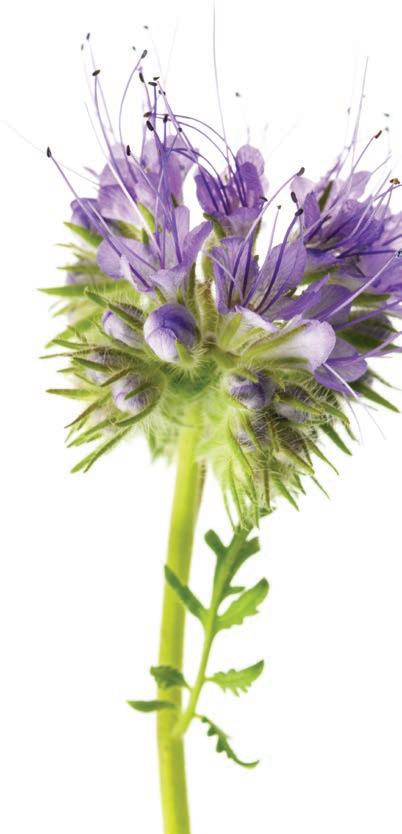
lacey phacelia daily daylilies
fertilise for masses of roses
> For spring garden colour, plant lavender, gauras, heliotrope, leptospermum, osteospermums, ptilotus, gazanias, New South Wales Christmas bush, scaevola, pandorea and pentas.
> In cooler areas of Australia, wisteria will be in full bloom draped over archways and pergolas. In climates too warm to grow wisteria, grow purple wreath (Petrea volubilis) instead. Add to the list bangkok rose, banksia rose, dipladenia, allamanda, mandevilla, jasmine vine, clematis, lady slipper vine, cardinal creeper, bougainvillea, hardenbergia violacea, etc.
> Prune hibiscus in early September and fertilise with Searles Hibiscus & Bougainvillea Plant Food. If you live in the tropics or subtropics, beware of hibiscus beetle in flower buds and hibiscus mite (which appears as wart-like galls on the leaves). If you see evidence of these pests, spray them with Searles Conguard
> Boost spring native flowering by using a low phosphorus fertiliser specifically designed for natives. Ideal for grevillea, callistemon, banksia, billy button, kangaroo paw, waratah, ptilotus exaltatus, correa, dryandra formosa, leptospermum, NSW christmas bush – Ceratopetalum gummiferum
Watch out for blackspot, spider mite & budworm on roses. Treat with Searles Rose Pro RTU Blackspot & Insect Killer. Spray thoroughly including undersides of foliage. Commence spraying when new shoots emerge in spring or at first sign of insects or disease. Repeat at 14 day intervals if required. Two-spotted mites may require more frequent applications.
What to do when spring bulbs start emerging
As spring bulbs begin to emerge, keep the soil consistently moist but not waterlogged, especially during dry spells. Position them in full sun to part shade, and avoid disturbing the soil around shoots to prevent damage. A light application of a balanced fertiliser will support strong growth and flowering, while a layer of mulch helps retain moisture and regulate soil temperature. Watch for pests like snails and slugs, which are attracted to tender new growth, and protect shoots as needed.
Spring flower boost fertilising
Spring is a busy reset period in the garden, so focus on jobs that support fresh growth and flowering. Prune frost-damaged or leggy plants, divide overcrowded perennials, and refresh garden beds with compost or wellrotted manure. Feed lawns and apply a slow-release fertiliser to trees, shrubs, and flowering plants. Control weeds early before they establish, and check irrigation systems as temperatures rise. It’s also the ideal time to plant new vegetables, annuals, and springflowering colour, while keeping an eye out for emerging pests like aphids and snails.
Encourage cacti & succulent to flower
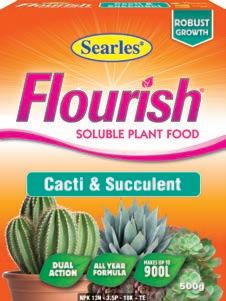
Encourage your cacti or succulent to flower in the warmer months. Cacti and succulents will generally flower better with access to a fair amount of sunshine per day. An application of Searles Flourish Cacti & Succulent Soluble Plant Food will give them an instant reason to sparkle!
23
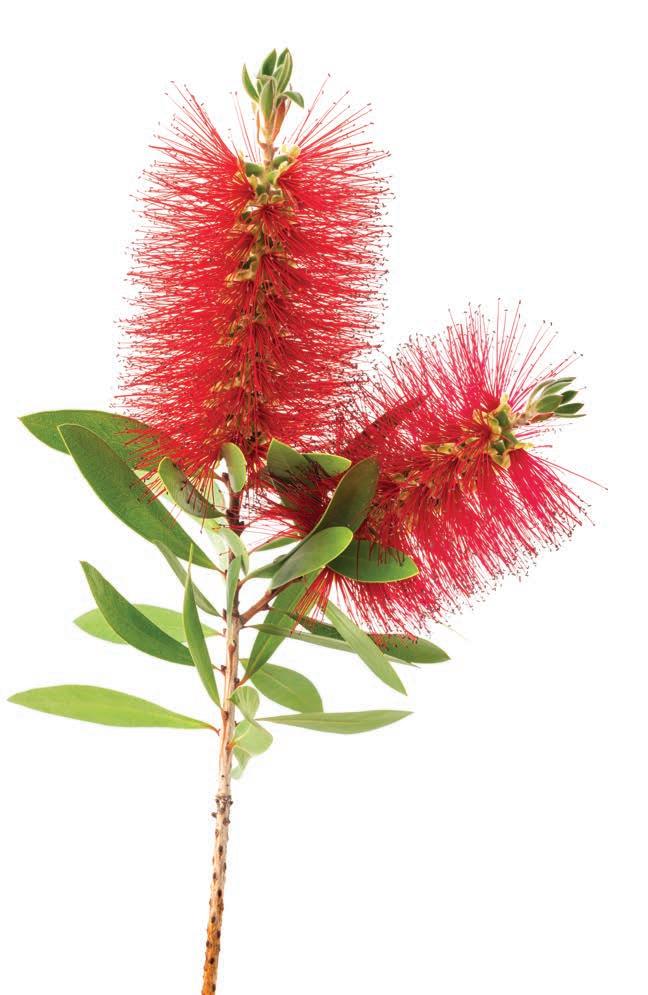
native bottlebrush
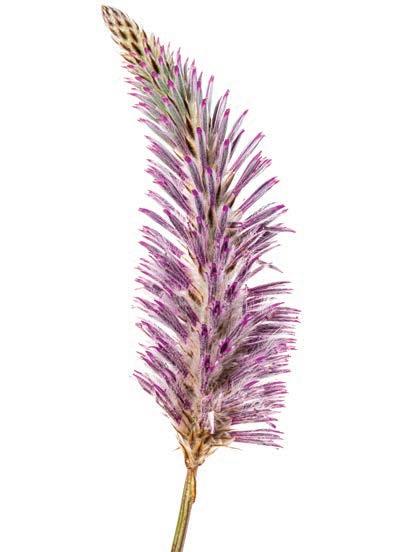
bushy ptilotus
billy buttons
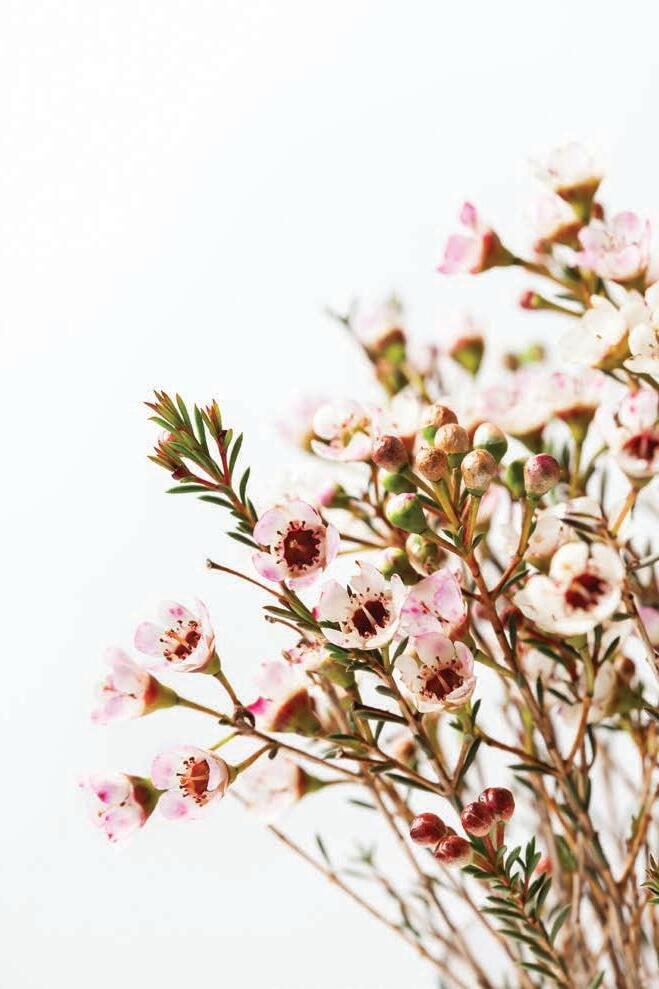
Geraldton wax
plant & grow by climatic zone
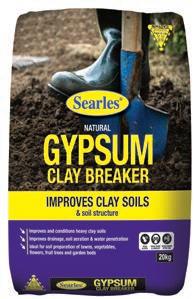
When building new gardens it’s the perfect time to prepare the soil, and if you have clay soils, it is very important to build up the soil before planting.
Clay soils are usually very slow draining, and stick together in clods when wet. If they dry out, they crack and go as hard as bricks. If clay soils are left as they are, they can be a problem to grow plants in, but on a good note, clay soils are very rich in nutrients, they just require good preparation before planting.
To successfully grow plants in clay soils it’s important to both build up the soil with good organic matter and break up the clay with special additives.
The first step is to add gypsum to the soil. Gypsum works on the clay, breaking it up into small crumbly pieces making it easier to work with and also improves drainage. The next step is to build up the soil with plenty of organic matter. Do this by digging in large quantities of Searles Premium Organic Compost. This will improve soil fertility and help break up the soil, preventing it from drying hard like a brick. Leave the soil undisturbed for a few weeks to settle and improve soil structure.
By constantly adding more organic matter year by year and mulching well, the soil will naturally improve and the benefits are enormous.
The Serenity Prayer God grant me the serenity to accept the things I cannot change; courage to change the things I can; and wisdom to know the difference.
Living one day at a time; Enjoying one moment at a time; Accepting hardships as the pathway to peace; Taking, as He did, this sinful world as it is, not as I would have it; Trusting that He will make all things right if I surrender to His Will; That I may be reasonably happy in this life and supremely happy with Him Forever in the next. Amen. Trust in the LORD with all your heart and lean not on your own understanding; in all your ways acknowledge him, and he will direct your paths. Proverbs 3, 5-6
Let nothing disturb thee. Let nothing affright thee All things pass
God never changes. Patience gains all. Who has God. Wants for nothing. God alone suffices.
(St Teresa of Jesus)
FLOWERS
> Late winter to early spring brings Azalea bushes in full bloom. Azalea lace bug can quickly damage new growth, control with Searles Conguard. A fungal disease, Petal blight can proliferate in wet, damp conditions, so spray promptly with Mancozeb Plus.
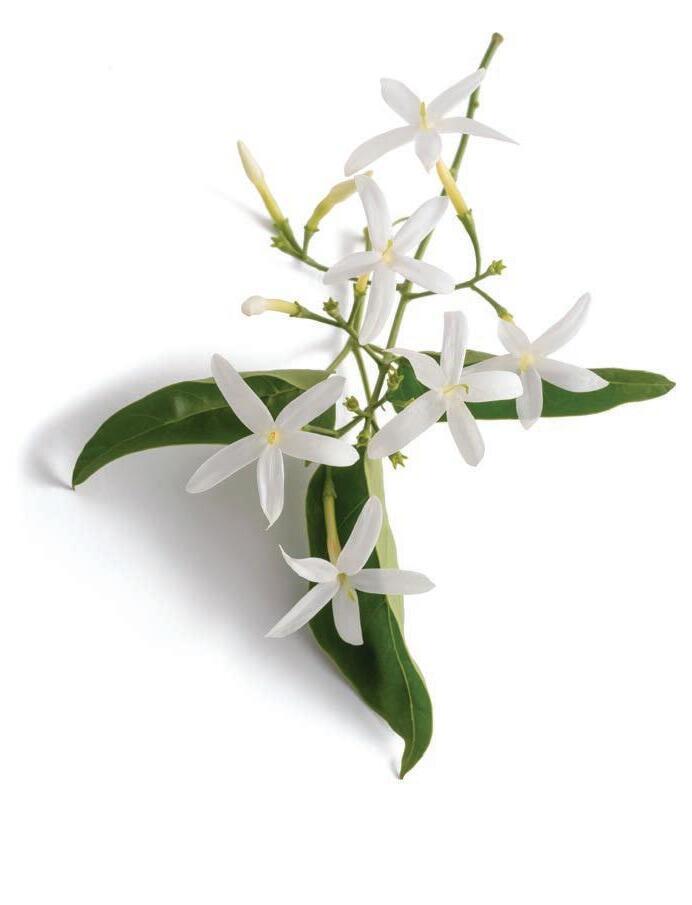
> Dormant winter roses, many natives and flowering vines such as jasmine, will be blooming again. Native frangipani flower during spring before the exotic frangipanis which flower later. Cliveas, daylilies and hippeastrums spring up from the soil to show their beauty. Many annual plants are in gardening outlets for planting.
EDIBLES
> Perfect time to grow tomato, zucchini, potato varieties, corn, leafy green, bean, capsicum, beetroot, onion and spring onion and most herbs. Pumpkin and melon vine seedlings can be planted now for summer cropping. Plant in rich well composted and nutrient packed soil for fast growth. Searles Herb & Vegetable Specialty Mix is designed for hungry feeding vegetables. Great for growing veggies in pot and garden applications. During their growth period liquid feed with Searles 5 IN 1 Organic Fertiliser every fortnight.
> Don’t forget to lookout for developing mulberries (pictured), harvest promptly. Some varieties of blueberry start flowering for late spring. Plant in Searles Azalea & Camellia Specialty Mix for the right nutrients to grow plenty of berries.
GARDEN CARE
Top dress lawns or fertilise lawns early spring or do both for thicker, greener growth. Bindii and other pesky weeds will be out in force. Spray with herbicides early and repeat spray if necessary to hit the new weeds.
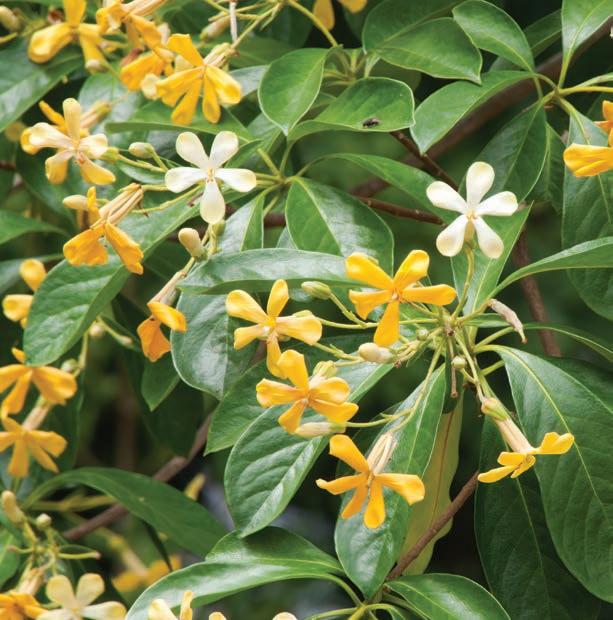
> Plant cannas, acalypheas, cordylines, coleus and crotons for tropical colour. Position in semi-shaded areas. Flowers of Giant Granadilla with vibrant colours and pops of long lasting red flowers from the Ruellia colourata will show their spring displays. Lilly pillys, hibiscus, native frangipani (pictured) and other frangipani varieties are in full bloom.
EDIBLES
> Start by planting crops that flourish in rising heat and humidity. Vegetables like carrot, choko, cucumber, eggplant, French beans, lettuce, radish, spring onion, squash, tomato, capsicum, kohl rabi, okra, pumpkin, rosella, sweet potato, tomato, rockmelon, watermelon & zucchini, while fruits such as pawpaw, mango, soursop, jackfruit, pineapple, and passionfruit benefit from the warming soil.
> Harvest ginger, turmeric and galangal if you haven’t already. Replant some for next season. Sow rosella seedlings early spring.
GARDEN CARE
dress-up
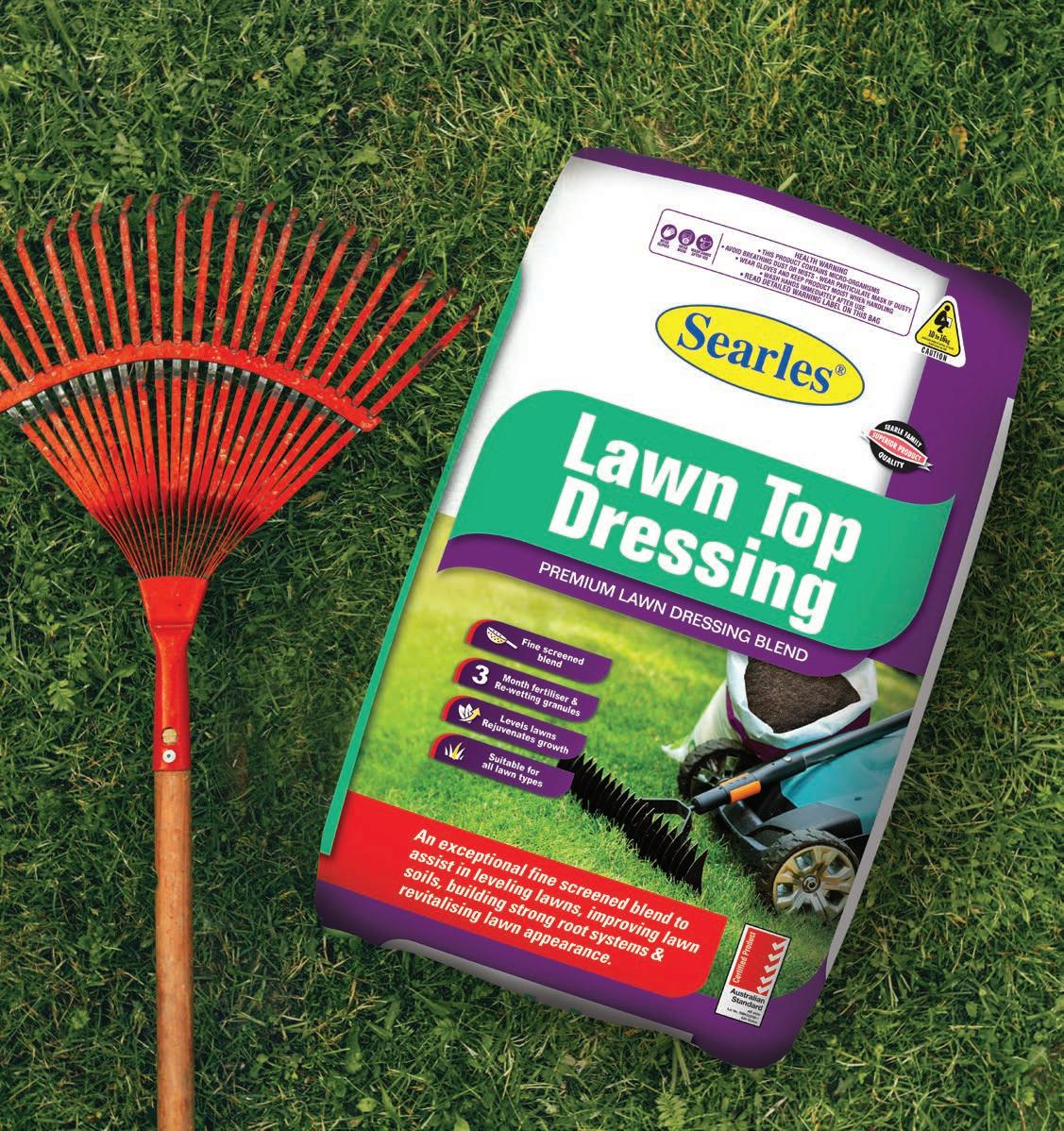
Whether you are filling in holes, evening out lawns or adding nutrients to the soil for better growth, applying a 1-2cm layer of Searles Lawn Top Dressing will set your lawn up for strong spring growth.
Top dressing with Searles Lawn Top Dressing will add rich composted nutrients and minerals to encourage the production of new grass shoots and strengthen roots resulting in a thicker greener lawn. A thicker and regularly mown lawn will smother out weeds, reducing the use of chemical spraying. A top dress of organic matter will also encourage microbial activity to break down grass clippings and provide extra nutrients into the soil. Extra organic matter also improves water retention and drainage in the soil. Especially helpful during drier times of the year, but also equally when the ‘big wet’ comes.
In tropical spring gardens, prepare for explosive growth before the wet season arrives. As temperatures rise, apply a fresh, thick layer of organic mulch and feed your soil with compost or a slow-release fertiliser—this jump-starts plant growth while improving moisture retention and nutrient availability ahead of heavy rains. Getting this foundation right in spring means plants establish quickly, out compete weeds, and handle the coming humidity and downpours far more effectively.
SCAN FOR MORE INFO ON SPRING LAWN TIPS
plant & grow by climatic zone
FLOWERS
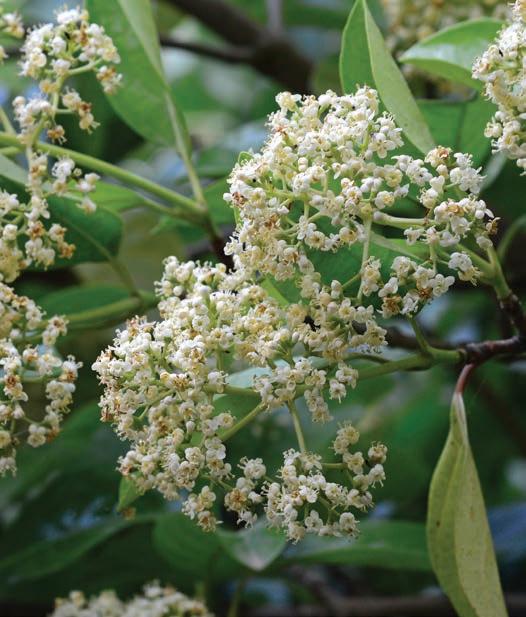
> Azaleas, hibiscus, Indian hawthorn, Pride of Madeira, wax flower, may bush, viburnum (pictured) and many natives including grevillea, callistemon and flowering gum are creating a floral display during spring.
> Wisteria cascading blooms are on display over archways, pergolas and fences. Other spring flowering vines of jasmine, hardenbergia, passionfruit and golden trumpet vine (Allamanda cathartica) are ablaze now. Prune during the season if the vines become over the desired size. Prune heavily after flowering for better growth for its next flowering season.
> Roses, lilac and spirea benefit from an early spring fertilise with Searles Rose & Flower Food
EDIBLES
> Plant spring veggies that love the warmer soil - carrot, choko, cucumber, French bean, lettuce, radish, spring onion, squash, beetroot, cabbage and silver beet. Plant capsicum, chilli, zucchini, pumpkin, eggplant, tomato and sweet corn once the soil has received its spring warmth.
> Plant berry bushes, including strawberry vine and blueberry bush, passionfruit vine, olive, citrus and fruit trees. Figs are fruiting again.
FLOWERS
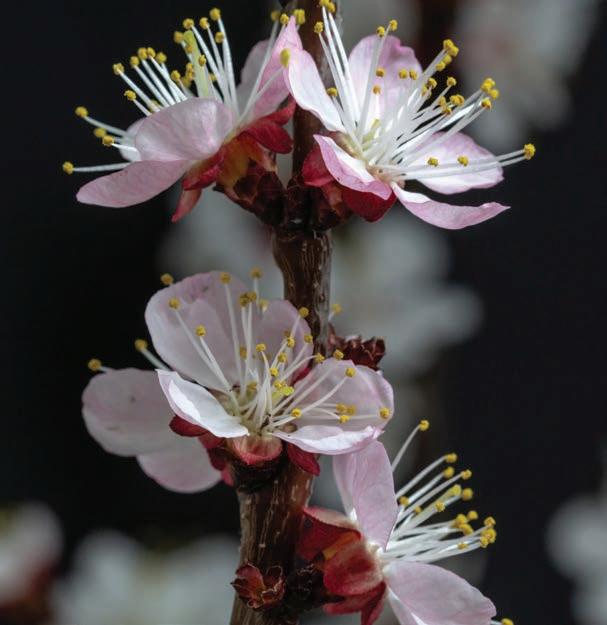
> Spring bulbs are springing from bare soil and deciduous trees and deciduous fruiting trees signal springtime with masses of blossoms to many viewers delight - prunus (pictured), may, plum, apricot, almond, wintersweet, crabapple and apple trees, maple and crepe myrtle to name a few.
> Azalea, rhododendron, daphne and viburnum benefit from early spring fertilising. Waratah, callistemon, protea, correa, Chamelaucium uncinatum and many other natives flower now.
EDIBLES
> Plant fruiting vines - grape, passionfruit, kiwi fruit and fruiting bushes - berry, citrus and rosella. Liquid feed during spring with Searles Flourish Fruit Booster for more yummy fruit.
> Asparagus and rhubarb can be planted again. For warmer weather veggie growing, dig into the existing soil 5 IN 1 Fertiliser before planting, to enrich the soil with heaps of well composted manures for excellent growth. Then as the plant matures, continue feeding growth and flowering with 5 IN 1 Fertiliser Liquid every fortnight.
GARDEN CARE GARDEN CARE
Sap sucking aphids, thrips, whitefly are in force on veggies and flowering plants. Control with Searles Bug Beater on contact or for systemic control, treat aphid and mealybug on shrubs and ornamentals with Searles Conguard
> Re-pot tired looking pot plants into new fresh potting mix. Searles Platinum Potting Mix.
> Mulch gardens to protect from frosts.
> Fertilise garden with 5 IN 1 Organic Fertiliser Pellets to boost spring growth.
FLOWERS
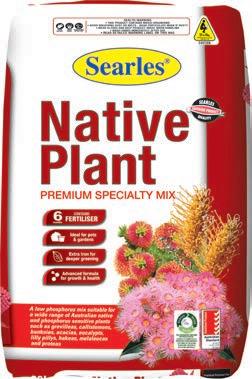
> Grevillea, flowering gum, bottlebrush, kangaroo paw, banksia, melaleuca, leptospermum, hakea, Chamelaucium (Geraldton wax) and correa are alive with blooms early spring. Spring is the best time to see WA wildflowers. Plant Australian natives in a native low phosphorus mix such as Searles Native Plants Specialty Mix
> Sunflower, zinnia, cosmos and marigold attract pollinators and cope well with the coming dry conditions.
EDIBLES
> Melons can be planted now for a summer crop. Strawberries and other berry bushes, passionfruit and citrus trees can be planted during spring. Plant in Searles Fruit, Citrus & Rose Specialty Mix Monitor fruit fly activity with fruit fly traps.
> After the last of the frosts, plant warm season vegetables, such as bean, capsicum, cucumber, eggplant, Asian green, tomato, leafy green, potato, radish, salad onions, pumpkin and zucchini. Continue succession planting of quick growers like lettuce and rocket, but provide some shade as temperatures rise. For strong growth to support veggie production, enrich the soil with 5 IN 1 Organic Fertiliser. After planting seedlings mulch to insulate soil from warming temperatures.
FLOWERS
> Add colour to patio pots and fill up dull areas in the garden by planting petunia, vinca, cosmos, marigold, salvia, portulaca, nasturtium and zinnia. Plant early spring for a longer flowering time. Repot with Searles Platinum Potting Mix for long term soil performance for growth.
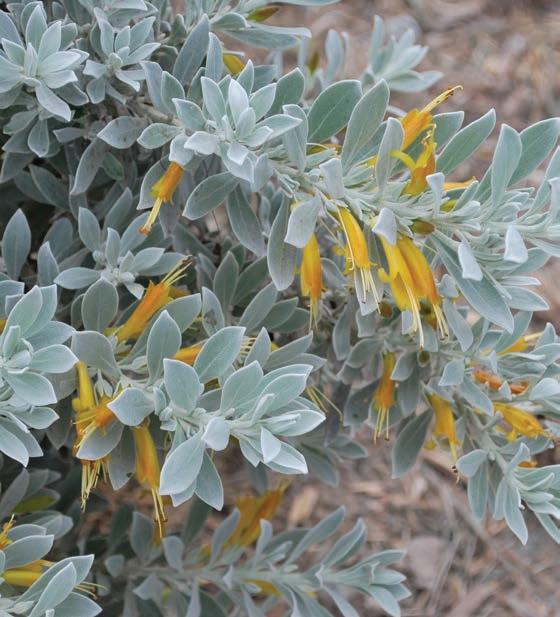
> Establish some Australian natives, in particular, our best flowering species the grevillea and flowering gums. Eremophila (pictured), acacia, callistemon, senna (cassia), maireana (bluebush) are other great choices for this climate. Visit your local gardening outlet for the latest in breeding cultivars and the best natives to suit your area.
EDIBLES
> Don’t let garden pests take a hold during their active period in spring. Be vigilant for aphids, leaf miners, and leaf chewing bugs. Watch out for aphids munching on new branches of roses and citrus. Spray with Searles Bug Beater. Monitor and protect vegetable patches, tomatoes, citrus and passionfruit vines from fruit fly sting by hanging fruit fly traps.
> Inland areas have a good climate for growing all types of annual herbs such as basil, rosemary, coriander, dill, sage and oregano. Plant watermelon, pumpkin, zucchini, cucumber and rockmelon vines. Plus most vegetables can be grown now with the warmer weather arriving.
GARDEN CARE GARDEN CARE
Look out for blackspot and aphids on roses and aphids on ornamentals and flowering plants. Control large infestations with Searles Trifend Complete Garden spray. Ensure bushes have good air movement around the branches to reduce fungal problems.
Incorporate compost to improve water retention and soil health. Form shallow basins around plants to capture water. Bare soil dramatically increases water loss, mulch citrus trees, vegetable patches and garden beds to help moisture retention in the soil and protect the plant roots from temperature fluctuations.