Design & Layout: Alana Searle ATG Group Co-ordinator & Advertising: Jason Searle
see what’s new at your local gardening outlet
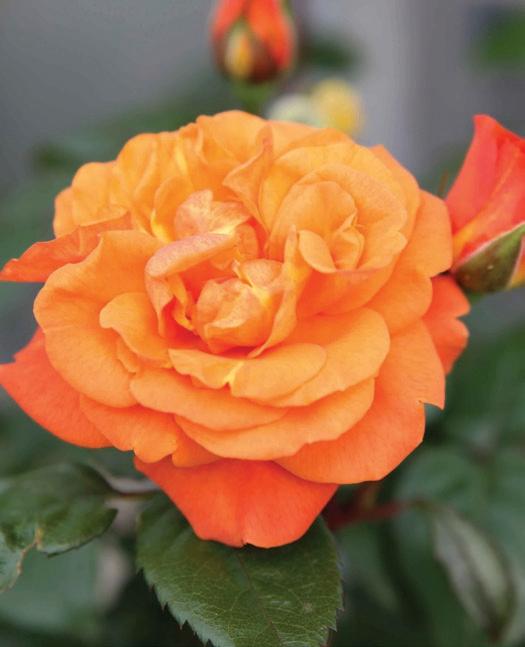
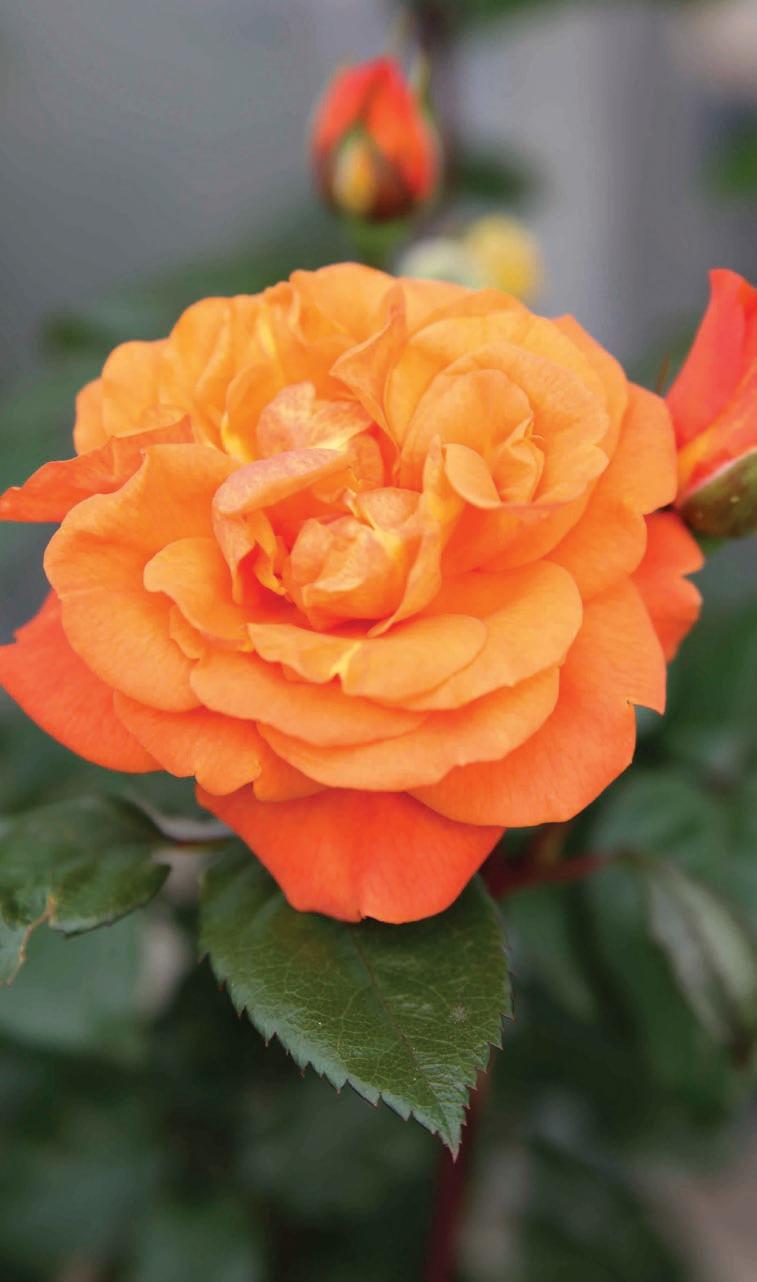
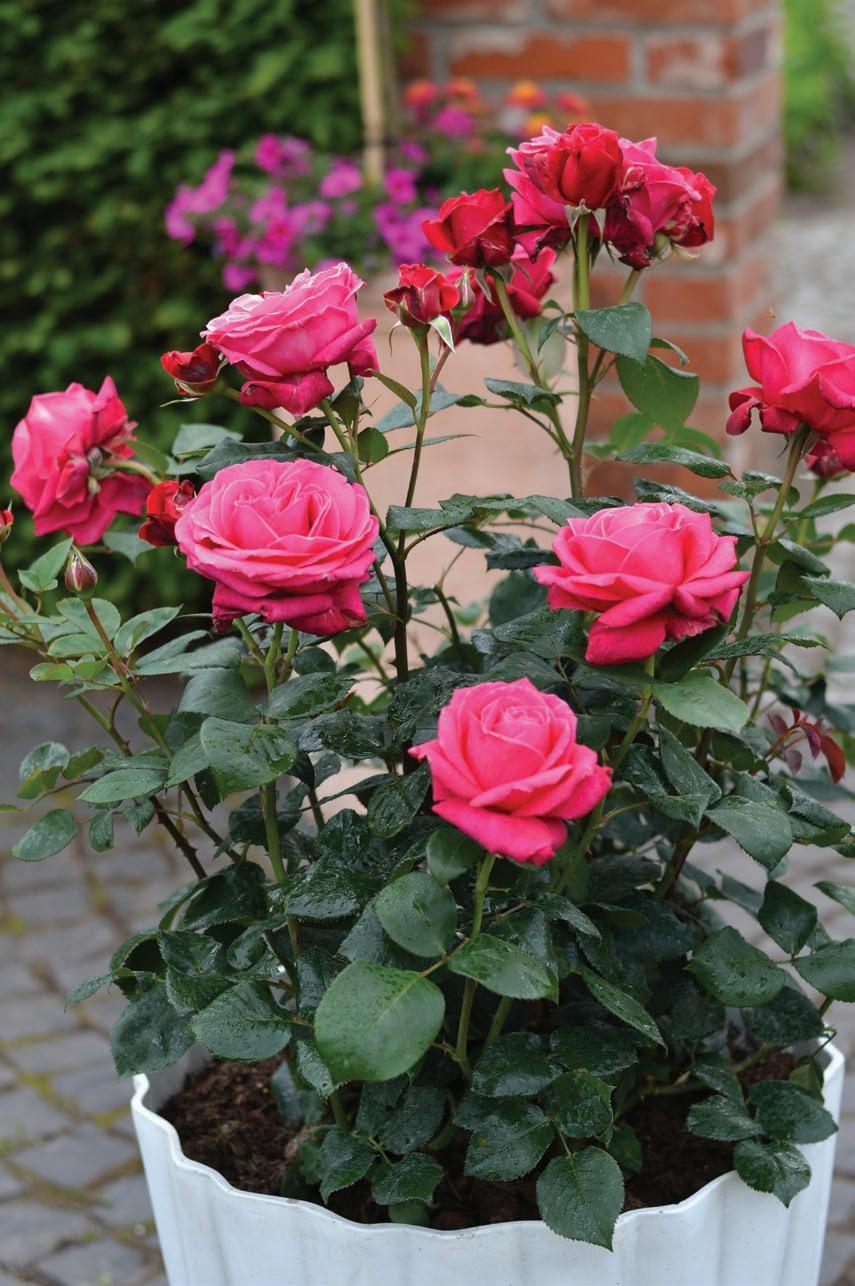
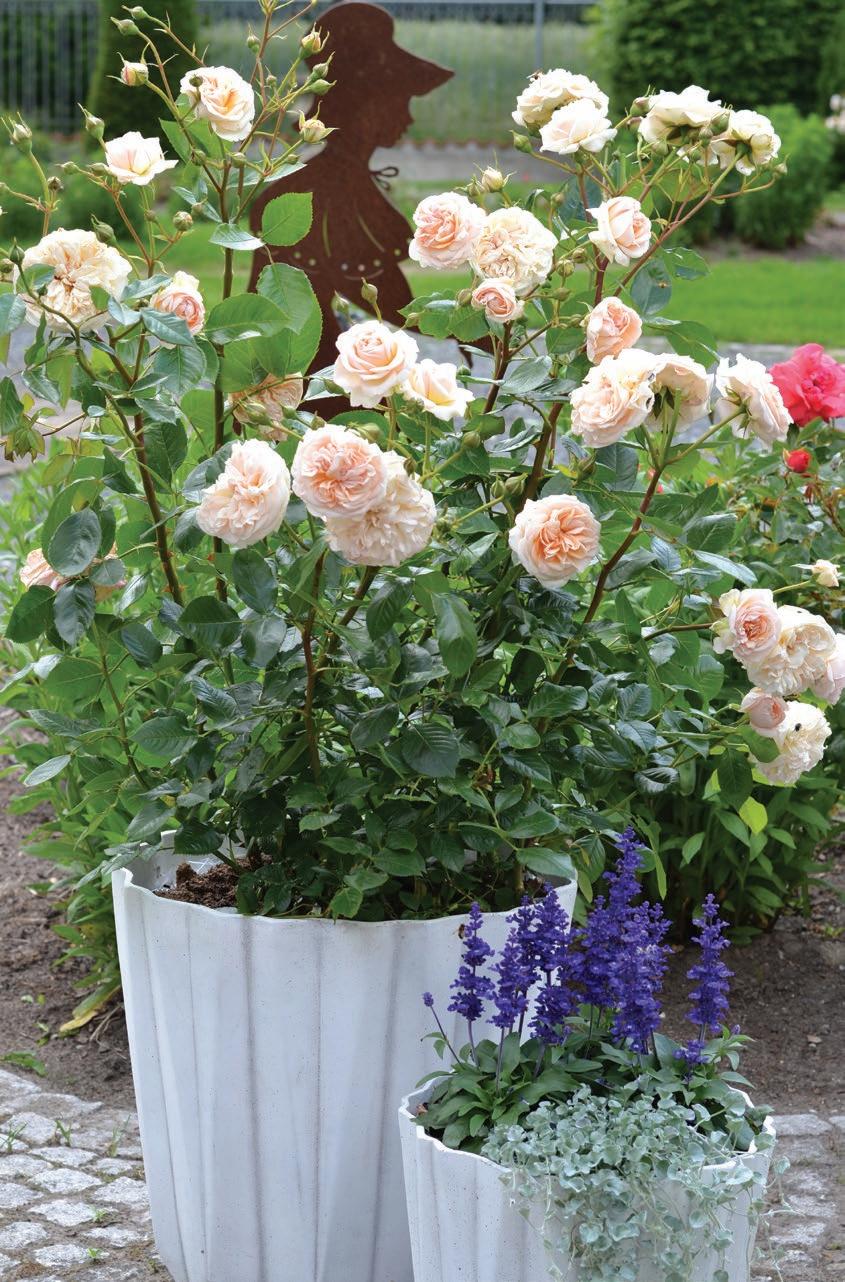
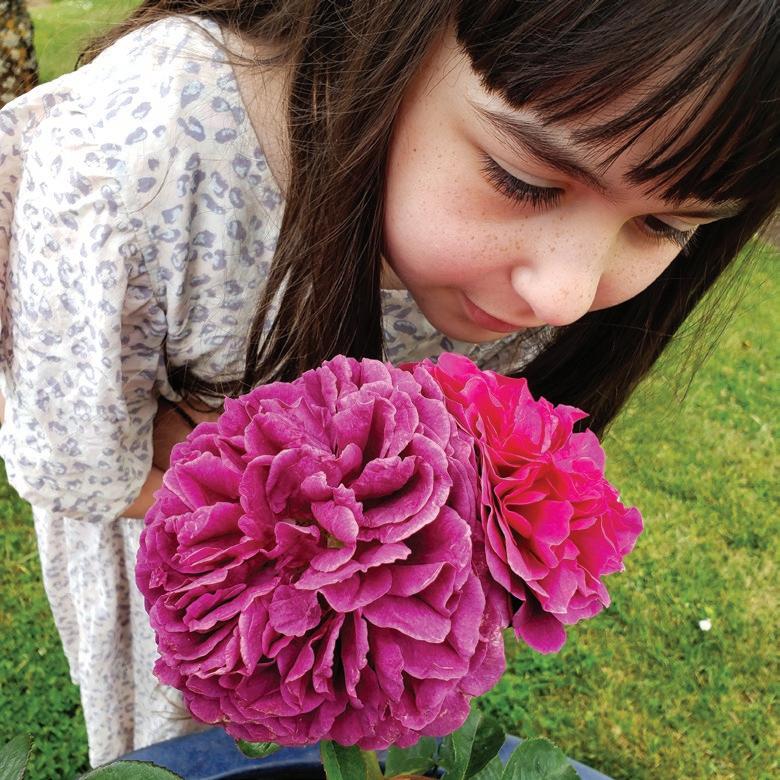
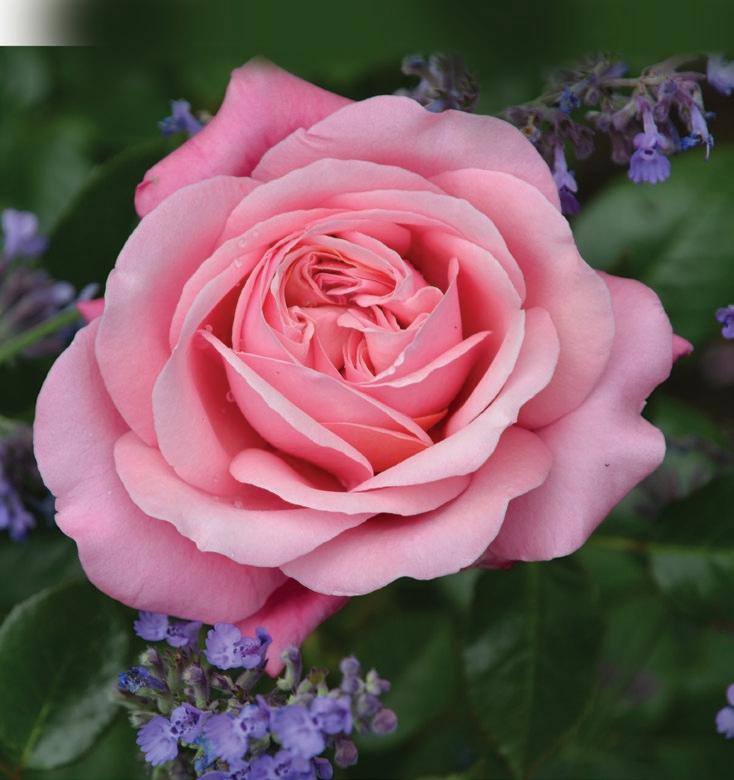
These fragrantly, large and floriferous Showpiece™ shrub roses are from the renowned breeder of the famous Flower Carpet® ground cover roses and are disease resistant and easy to care for. Available in 5 stunning colours: Blush, Berry, Lipstick, Champagne and new Orange. They firstly open as hybrid tea roses and then transition into beautiful Old English roses, but although they have this glorious oldworld look, they have all the benefits of modern disease resistance plus a truly delightful fragrance. They have lush mid green foliage and can grow to around 1m high. From spring through to early winter, you’ll have many rose blooms either to enjoy in the garden or pick for a vase indoors. The Showpiece™ Roses are drought tolerant and don’t require chemical spraying.
Apply moderate watering and tip prune after flowering to encourage next flush of flowers. Great for pots or the garden in any sunny spot!
Full sun to part shade
Flowering spring to early winter
Low maintenance, easy care
Tough, low water use
Orange Lipstick
Champagne
Berry
Blush
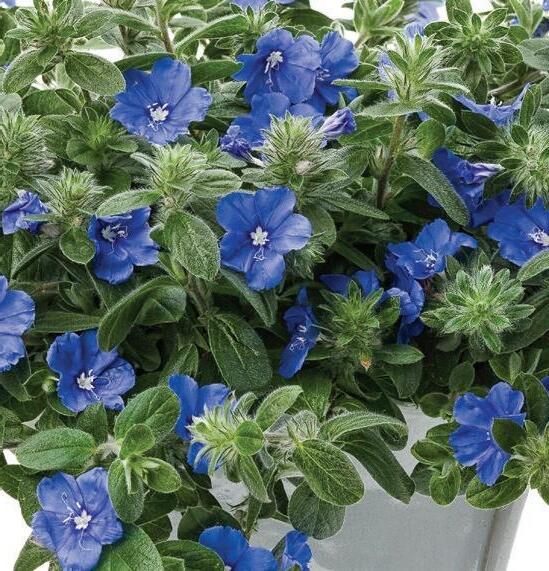
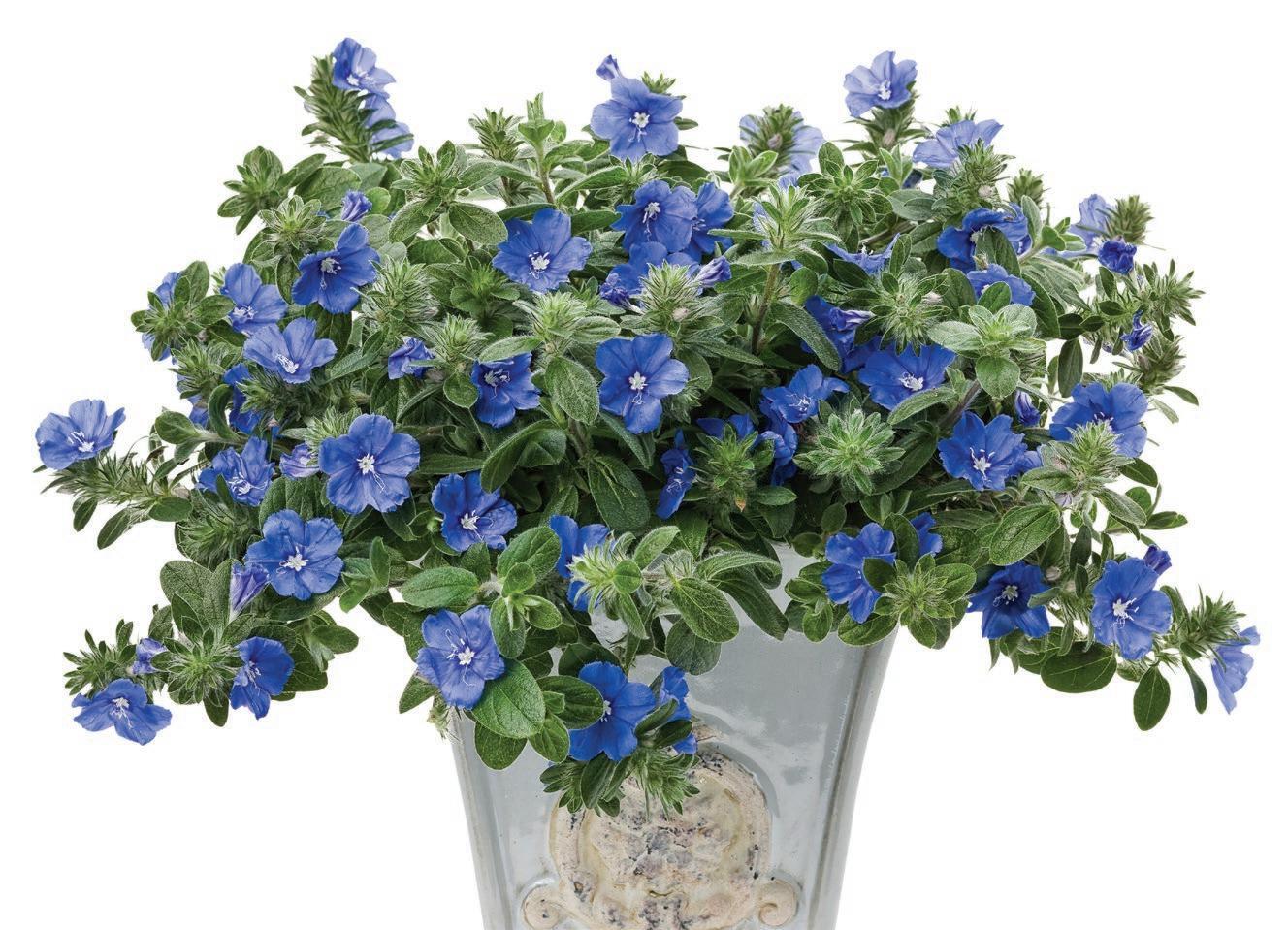
It is hard to find a great plant with lots of bright blue flowers. Here we have an improved version of Evolvulus, dwarf and spreading in its habit, which flowers its head off. This plant makes a statement in frost free gardens.
Keep soil moist with good drainage. Any well prepared garden in sun to semi-shade will be suitable. Liquid feed every two weeks with Searles Flourish Flowers & Foliage Soluble Plant Food keep the plant flowering.
Evolvulus
Blue My Mind
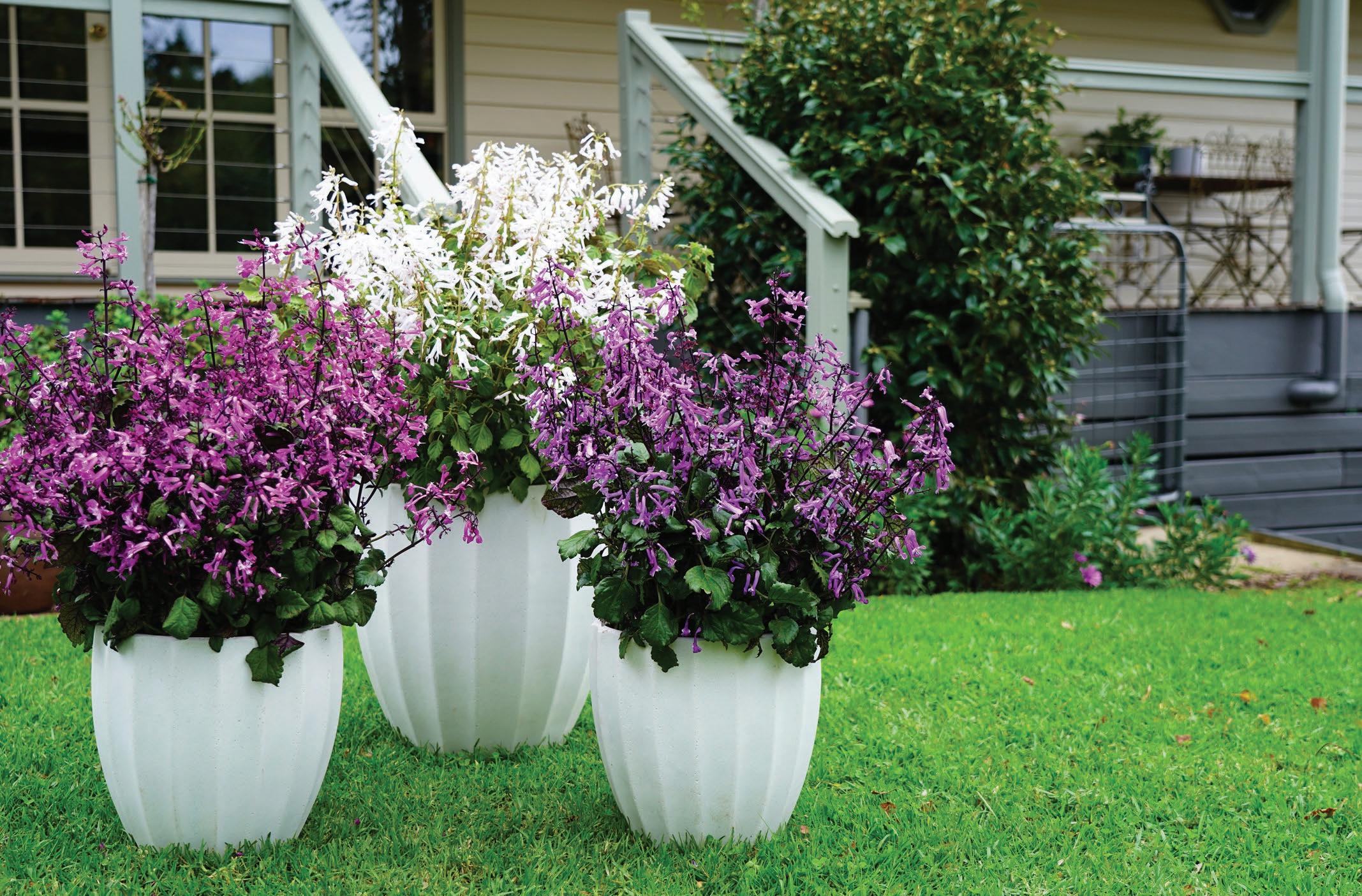
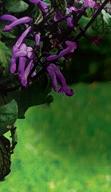
Plectranthus ‘Mona® Series’ is the perfect shrub for shady nooks around the garden that will provide long floral displays. Available in deep richly coloured purple-pink, pink, lavender and white flowers, which crown proudly on deepgreen serrated foliage throughout autumn and repeat flowering other seasons in the year. These bold flowers provide colour contrast to darker spots in the garden where it can sometimes be a challenge to find long-lasting colour. With a naturally neat, compact growth habit, Plectranthus ‘Mona® Series’ is well suited for a splash of colour in garden beds, as fillers or featured in pots closer to the house.
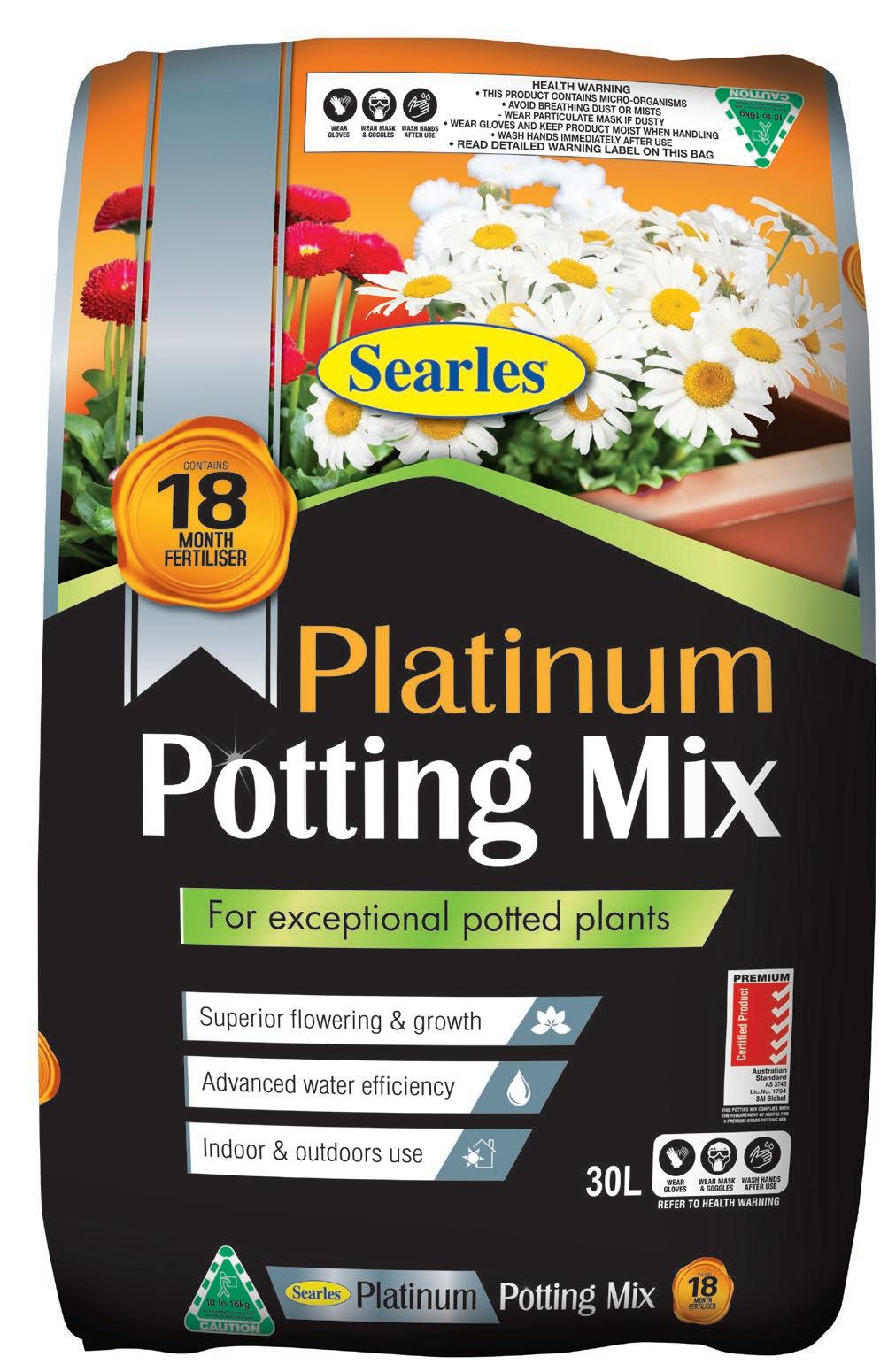
Water requirements are medium once established. Tough and easycare plant. Some dry tolerance once established. If growing in containers, care should be taken not to allow the soil to dry out completely. Plant in a welldraining Searles Platinum Potting Mix in pots or in Searles Planting Mix for garden beds.
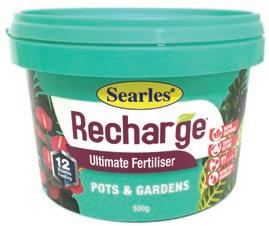
Tidy after flowering by removing old flower heads. For best results, feed in late autumn and spring with a Searles Recharge Pots & Gardens Controlled Release Fertiliser. Keep protected from frosts.
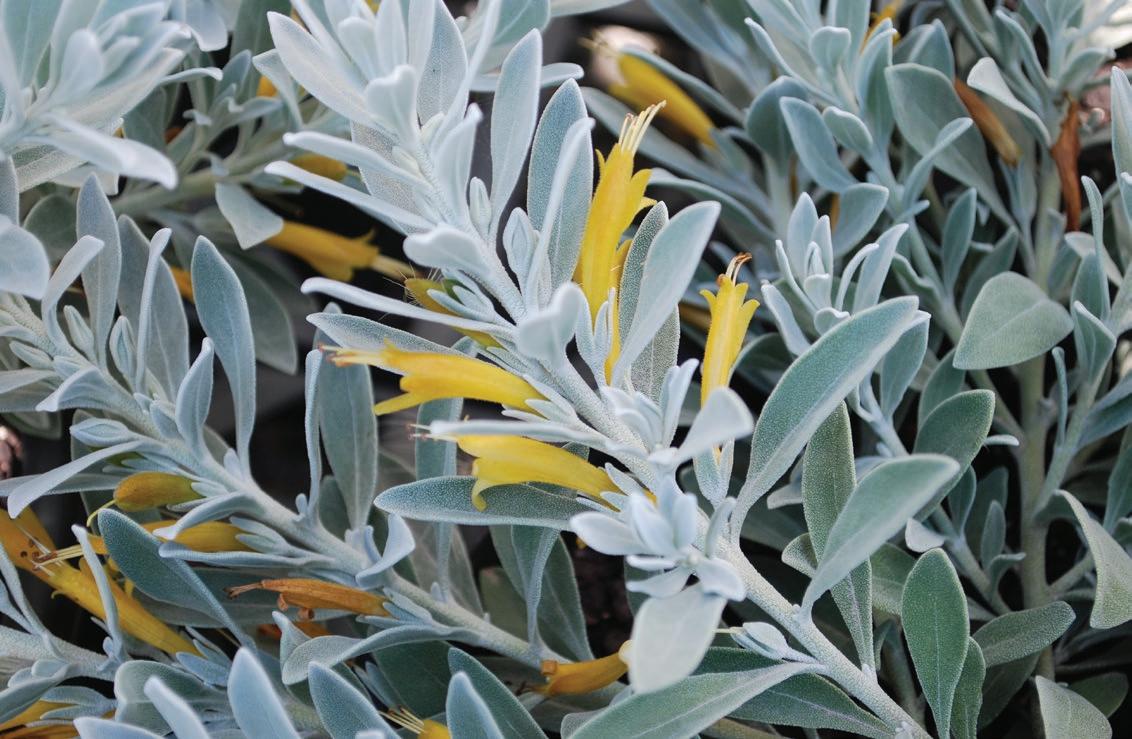
‘Desert Flame’ produces a mass of long lived golden flowers above silver-grey foliage. If planted above retaining walls or in garden planters, it will spill down the sides for a stunning cascading effect. Flowers all year long in S.E. Qld. Plant in full sun in well drained soil. Ideal for ground cover, in pots, among trees and shrubs or as a border in open garden beds. Prune when the plant looks a little tired.
Image: Plants Management Australia www.pma.com.au
Amethyst
Pink
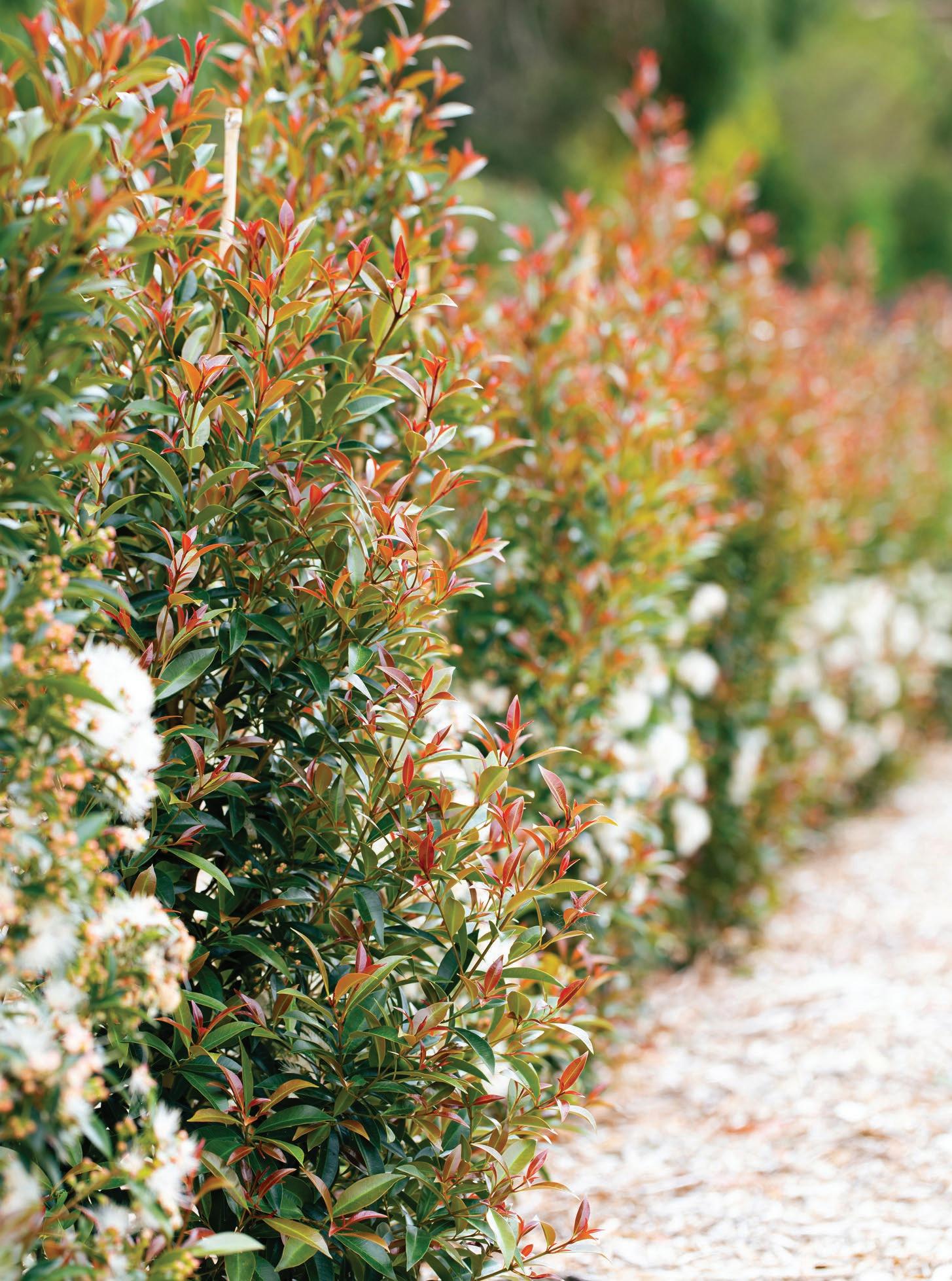
Syzygium ‘Up and Away’ is the dream plant you have been searching for; with an unrivalled neat, columnar habit and stunning foliage colour year-round, what more is there to be desired? Throughout the warmer months, white flowers are borne. Flowers are pollinator friendly, attracting some of our beautiful native birds. Red-copper new growth turns to deep shades of green. This stunning new native tree is a great garden performer that can be easily grown in different climates and soil conditions.
Perfect for narrow spaces, small gardens, hedging or a screening solution. Ideal for topiary designs and native or coastal gardens.
Low water requirement. Occasional deep watering required during long dry periods.
*May be susceptible to Psyllid in certain areas of the country at certain times of the year. Please check with your local garden centre if this occurs to find a suitable treatment.
natives
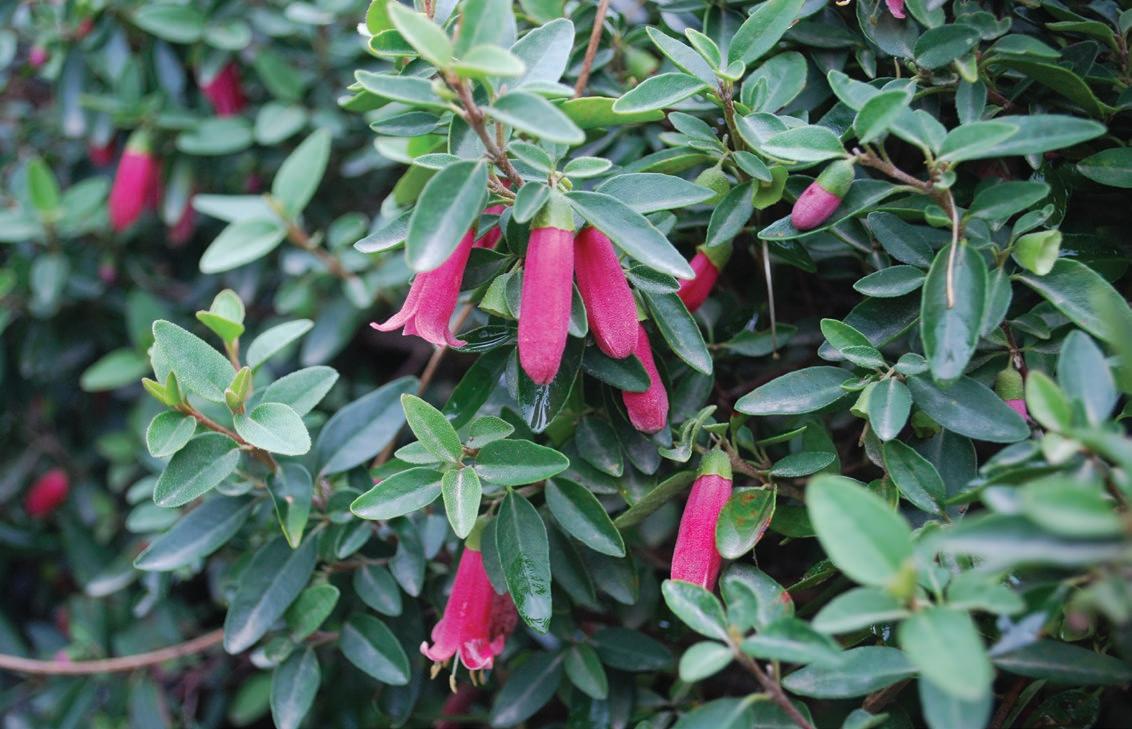
Compact, small shrub with dusky red, bell-like flowers that hang under the dense green foliage. Flowers appear in spring and attract nectar feeding birds. Excellent in mixed garden beds and in light shade under trees or larger shrubs. Prefers a slightly shaded position but will tolerate some sun. Moist well drained soils are also ideal. Tolerant of light to moderate frost.
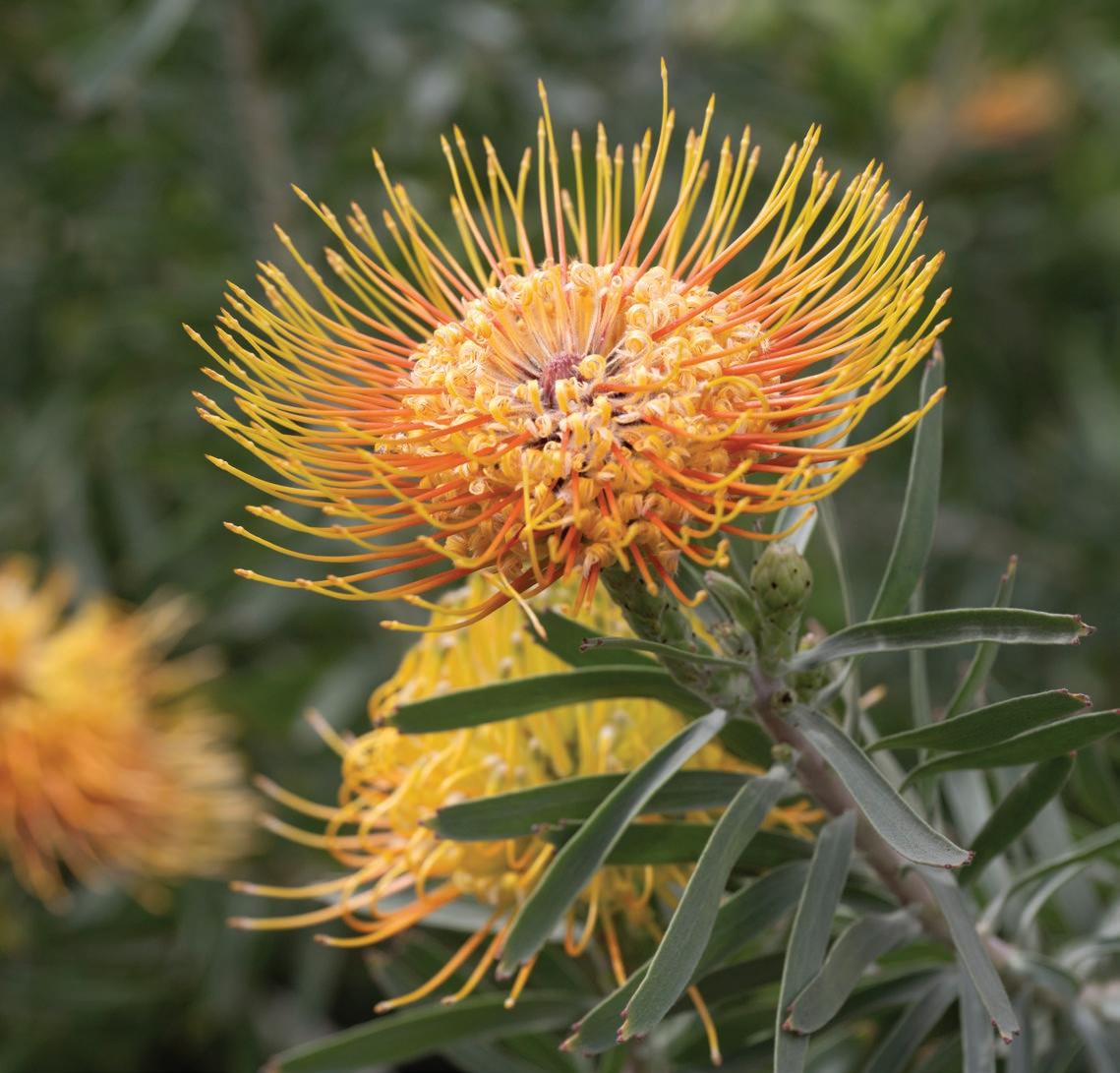
A large shrub to small tree with bluish foliage, and much admired for the stunning flowers, appearing autumn and into winter. Plant in a sunny spot for better flowering. Frost tolerant, but new growth can sustain some frost damage. A shallow rooted plant, so can be affected in windy weather.
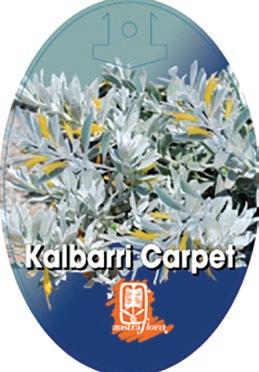
Eremophila Kalbarri Carpet
Eremophila glabra
A nice choice as a soft ground cover in your garden. Featuring handsome silvery foliage and contrasting golden flowers which bloom mainly during spring and summer. Birds, butterflies and bees adore this plant, and you’ll have wildlife aplenty. Dot them around your garden amongst other plants for interest, flow over a bank or retaining wall, or even put in a large container for something different. Requiring little maintenance once established, and tolerating most soil types as long as it is well-drained.
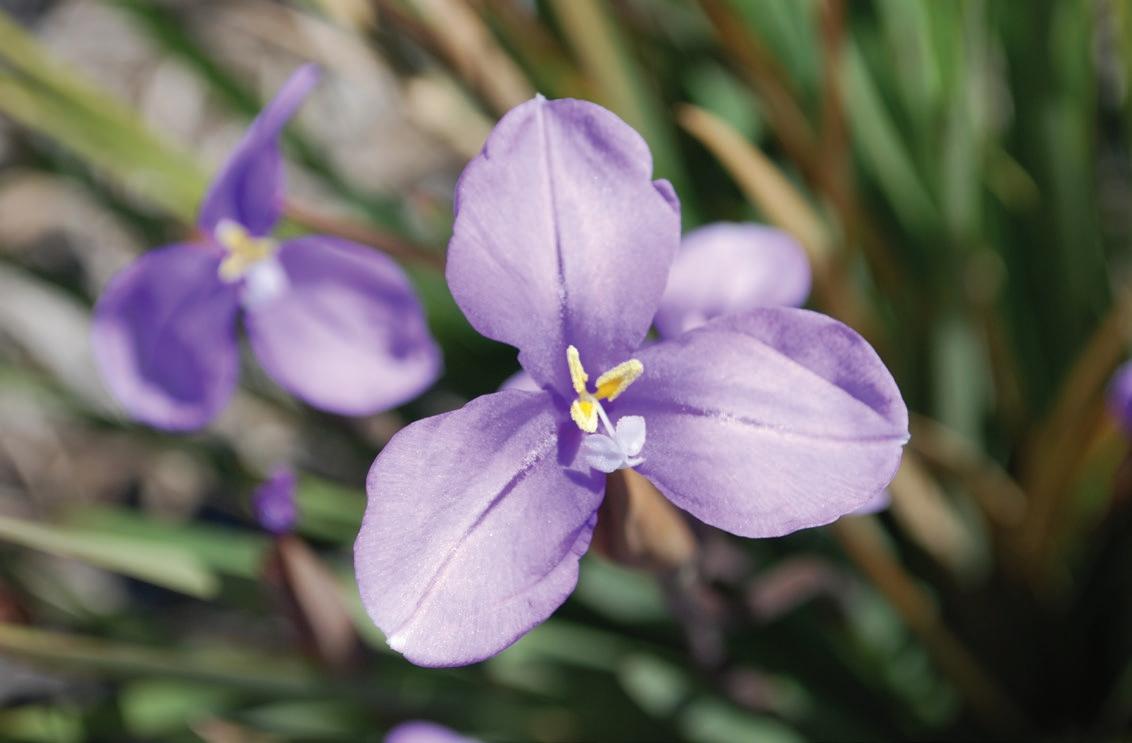
Patersonia occidentalis
A tough, attractive, tuft forming Australian native with beautiful blue to purple flowers which resemble Irises. Flowers appear in late spring and early summer. Perfectly suited for the backyard, courtyard or in landscaping. Plant in a sunny position with a moist to wet soil. Tolerates light frost and some seasonal dryness once established. Mulch well to conserve soil moisture and suppress weeds. Fertilise in spring with a slow release fertiliser. Pruning rejuvenates old plants. Patersonia occidentalis can reach a height of 80cm and a width of 30-60cm.
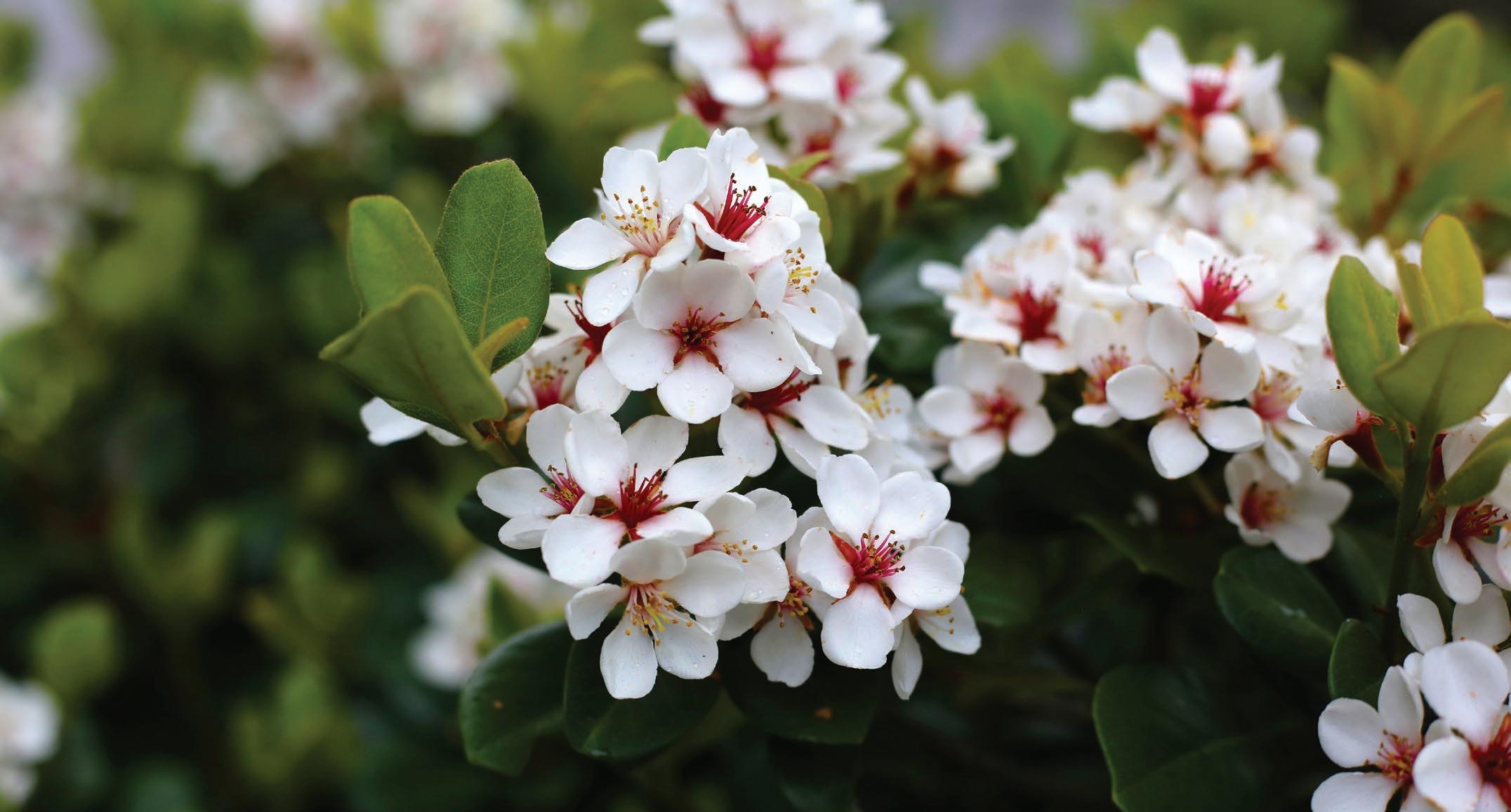
Indian Hawthorn
(Rhaphiolepis indica)
This small, flowering shrub (2m tall) makes a beautiful, low-growing hedge. Sweetly-perfumed flowers appear in spring, followed by bluish-black berries. Handles difficult situations including drought, frost and seaside conditions. Prune to shape in summer after flowering.
This hardy, fastgrowing shrub is ideal for hedges 1.3m to 3m tall and will grow in full sun or part shade. Highly fragrant flowers appear in spring. Adaptable to most soils, but dislikes very heavy clay. Water well until established, after which time it will be drought tolerant. Tolerates light frosts. Plants can live over 40 years in good conditions.
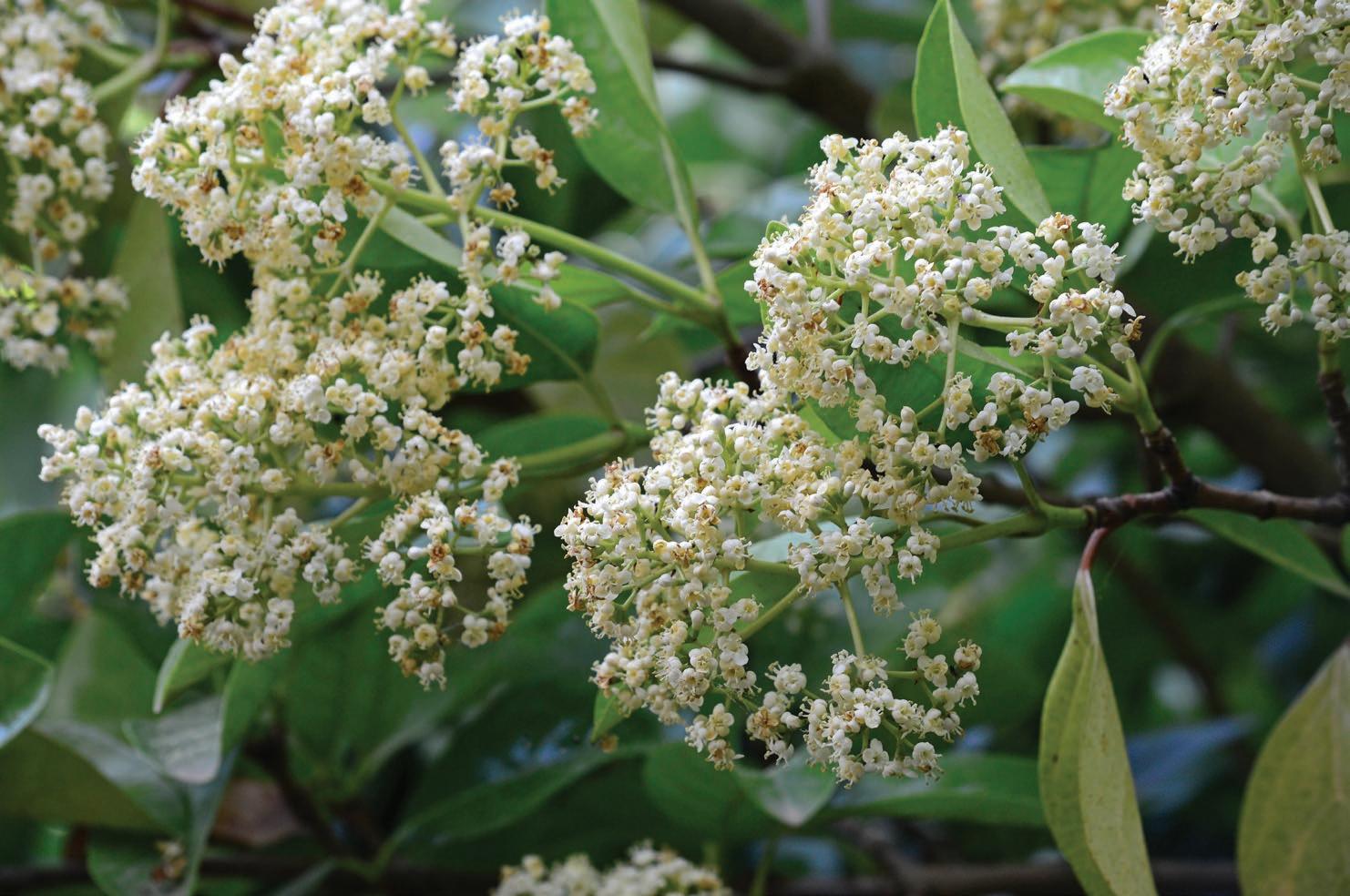
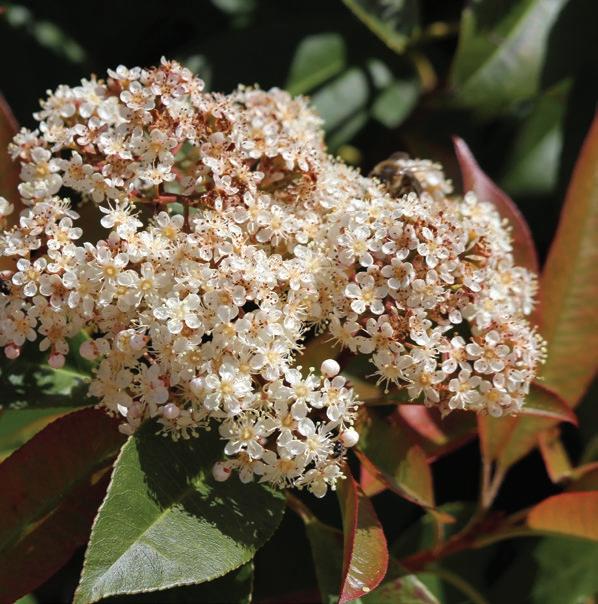
Photinia robusta
This hardy and vigorously growing shrub can grow up to 5 metres, but if pruned makes a thick glossy hedge in full sun. Photinias deep fiery red new growth makes them an attractive choice for garden colour. Clusters of dainty white flowers adorne this shrub during spring. Frost tolerant. Ideal for screening of large areas.
Sweet Viburnum
(Viburnum odoratissimum)
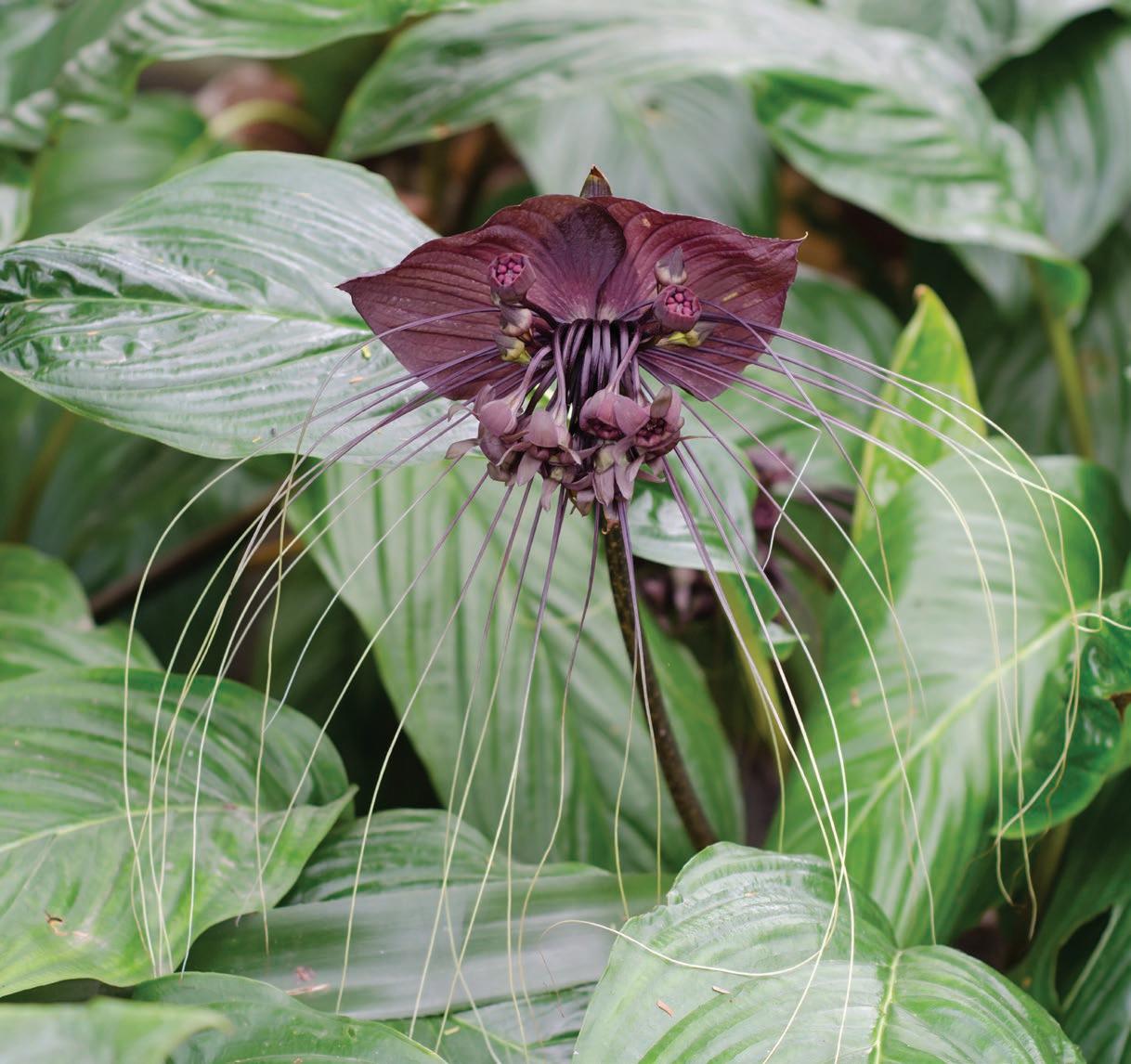
The bat plant (Tacca chantrieri) is a striking tropical ornamental grown for its dramatic, bat-shaped flowers and long whisker-like bracts. It flourishes in warm, humid conditions with bright, indirect light and protection from direct sun. Plant it in free-draining Searles
Platinum Potting Mix and keep the soil consistently moist but not waterlogged. Bat plants perform best in sheltered outdoor positions in frost-free climates or as indoor plants, where regular misting and warm temperatures support healthy growth and flowering.
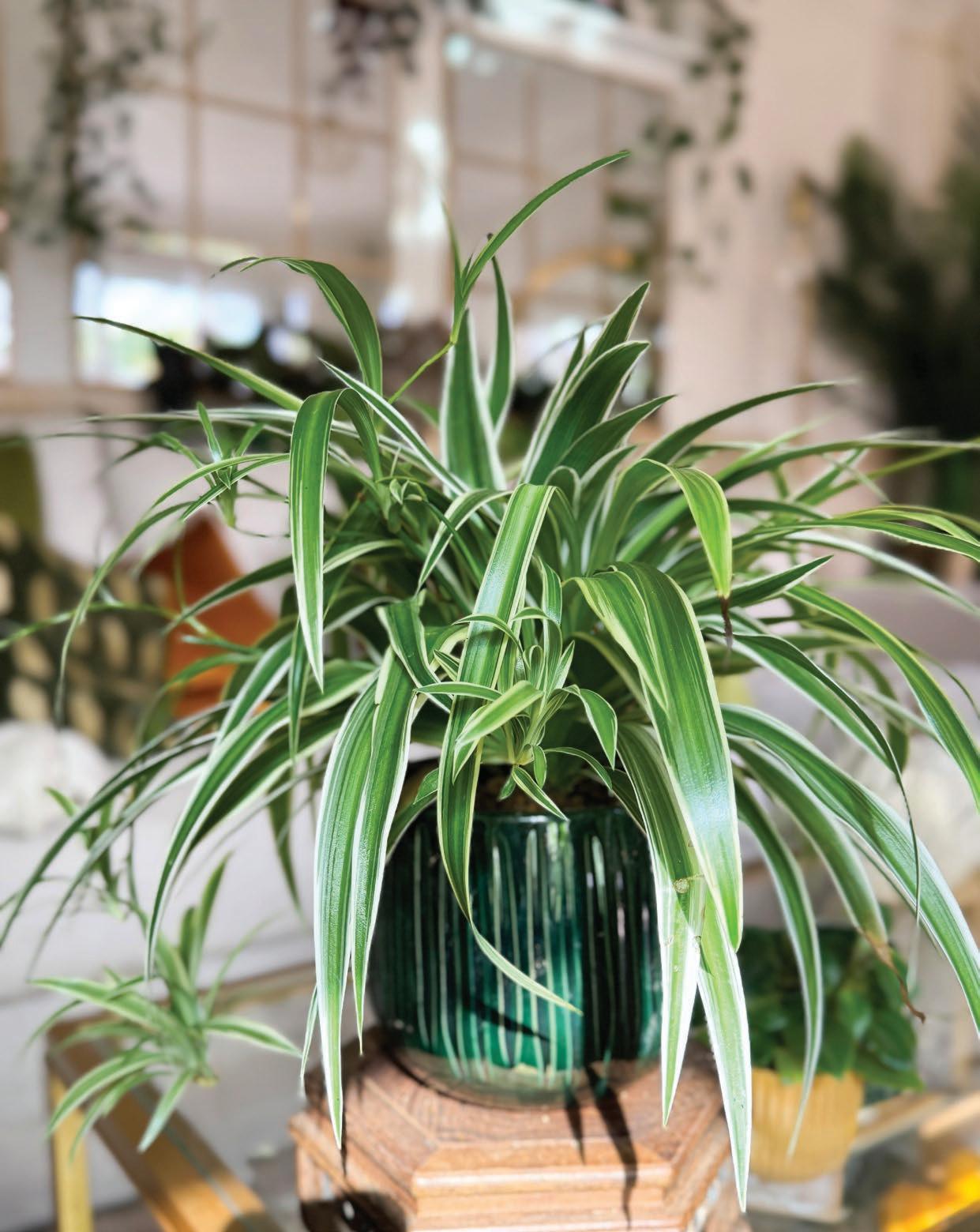
Spider plant is a low-maintenance houseplant that helps improve indoor air quality, copes well with a wide range of light conditions, and recovers quickly if neglected. It is fast growing, easy to propagate from its baby plantlets, and well suited to homes, offices, and beginner gardeners.
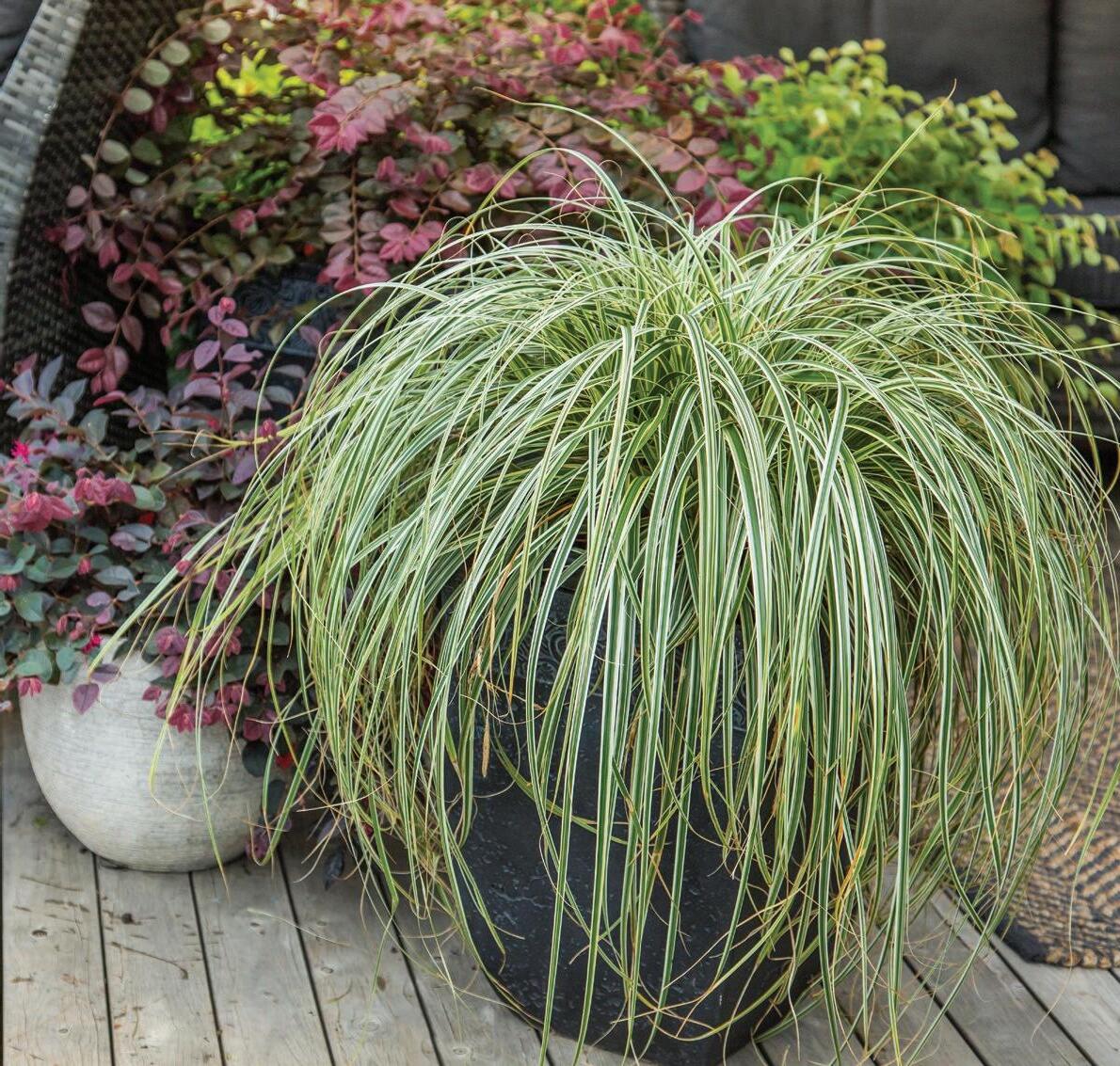
A highly decorative plant with outstanding garden and pot performance. The long clean and crisp foliage will reward you with a year round maintenance free plant. A highlight of this new variety is its beautiful plumes of feathery flower stems that emerge from the centre of the fresh new variegated foliage during the spring months.
Watch out for mealy bug and scale on indoor plants. Control large infestations with Searles Pest Gun.
The colourful foliage of cordylines can bring year-round colour to your garden and a tropical look to even cool-climate gardens. Surprisingly drought tolerant and easy to propagate, they can sprout roots from cuttings after a few weeks in a vase of water.
Orchids come in a dazzling array of shapes, colours, and sizes, making them one of the most diverse and captivating plant families to explore.
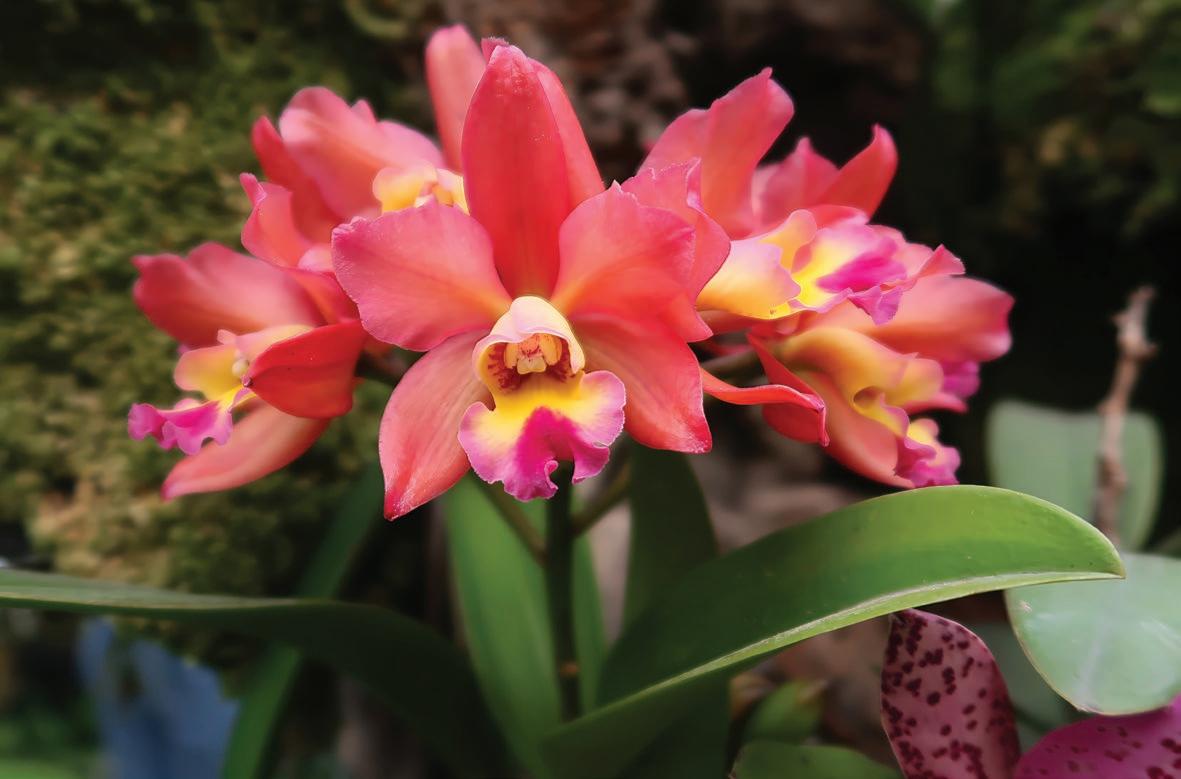
Cattleyas bring stunning, fragrant blooms that add both beauty and a touch of luxury to any indoor or outdoor space, with their best feature being the spectacular, long-lasting flowers.
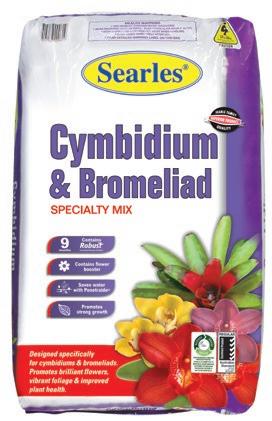
Pick the correct Cymbidium for your climate type and they are one of the easiest free flowering orchids in the garden. They will flower for a period of 8 to 12 weeks each year if given bright, indirect light and cooler conditions. They prefer a free-draining orchid mix and should be watered regularly in the growing season, allowing the medium to dry slightly between waterings. When the flower sheath swells and the buds emerge, bring the plant in out of the weather and keep the flowers dry to prevent bruising. Repot every few years with Searles Cymbidium & Bromeliad Mix to keep the roots healthy and flowering.
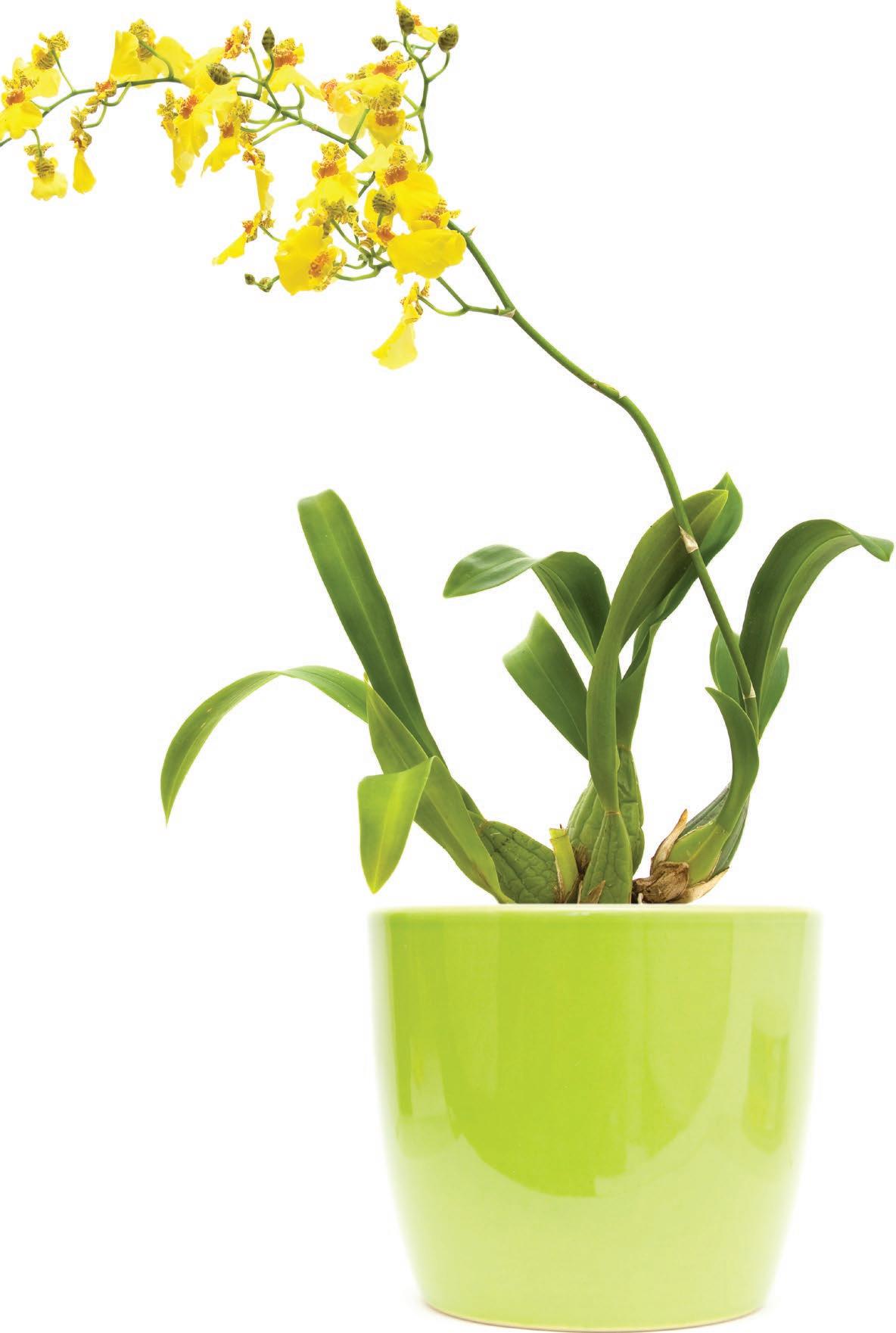
Oncidium
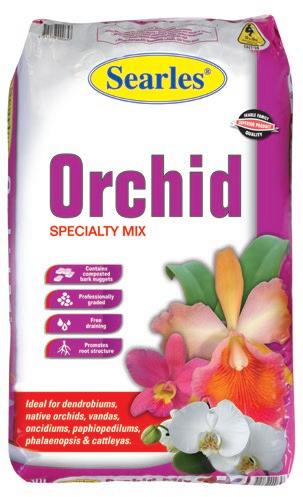
Also called ‘dancing ladies’ oncidiums grow in arching sprays of tiny flowers, typically patterned in yellow and brown. Give them bright shade and a free-draining mix like Searles Orchid Specialty Mix Oncidiums can be mounted onto bark or trees. Their hardiness makes them perfect for beginners. Most varieties dislike temperatures below 10 degrees and enjoy humidity. Don’t let them dry out but don’t overwater. Propagate by division.
Also called moth orchids, the Phalaenopsis appear on long, arching stems for up to six months of the year. Easycare and highly recommended for beginners, they’re traditionally pink or white but now available in other colours and variegated forms. Give them plenty of light but not direct sunlight during the summer. They love a sunny windowsill with no direct sunlight.
SCAN FOR MORE INFO ON GROWING ORCHIDS
Autumn is the perfect time to grow green leafy vegetables, as the cooler weather encourages tender, healthy growth and prolongs harvests. Our best picks.
LETTUCE
Seed can be sown or seedlings planted almost year round for a continual harvest. Soft-hearted varieties are the best to grow as leaves can be harvested as needed or harvest the full head after 8 weeks.
KALE
Plant seedlings in autumn and begin harvesting leaves when the plant is well-established, around 7-8 weeks from planting. There are many kale varieties available, so select your favourite or opt for a mixed punnet.
SPINACH
English spinach is a delicately flavoured, leafy veggie that’s best grown through the cooler months. Sow seed or plant seedlings throughout autumn. Harvest larger leaves as they mature after around 8 weeks.
PEAS/SNOW PEAS
Plant peas in late autumn and early winter; they like cold weather but the flower buds won’t form until frosts have finished. Select the types most suitable for your climate. Stagger planting every month to prolong the season for produce. A sunny position is essential for good flower and pod development. All peas perform better if they are grown on a trellis or special pea netting, which should be erected before sowing seeds or planting seedlings, to prevent damage to the young plants.
For strong, fast healthy growth, liquid fed fortnightly with SeaMax.
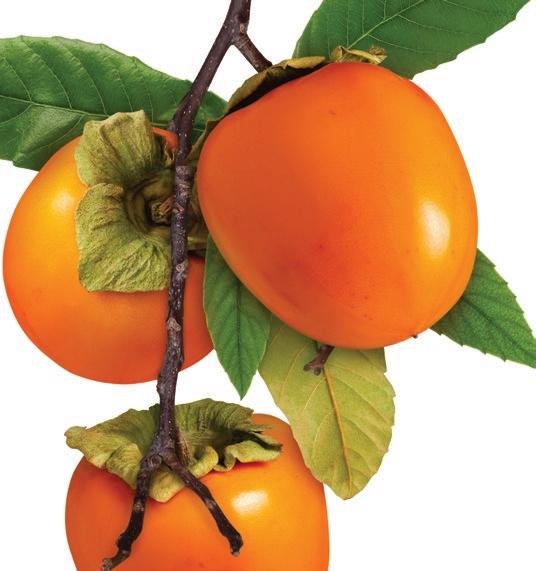
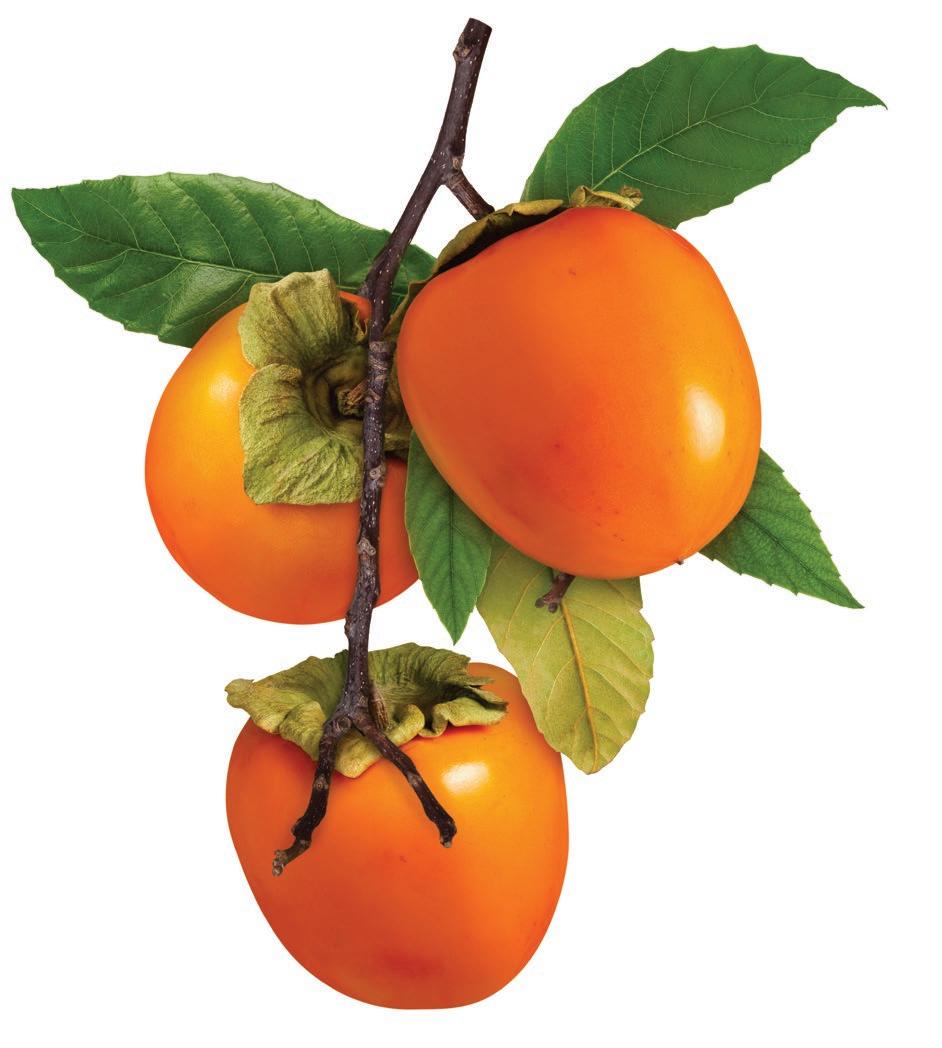
Persimmons can grow in a range of climates, from subtropical to cold temperate. Non-astringent varieties are well suited to subtropical regions, while frost-tolerant varieties are better for cooler areas. Plant in autumn, winter, or spring. Some cultivars need two trees to be planted for cross-pollination.
Persimmons are in season from late February to mid June.
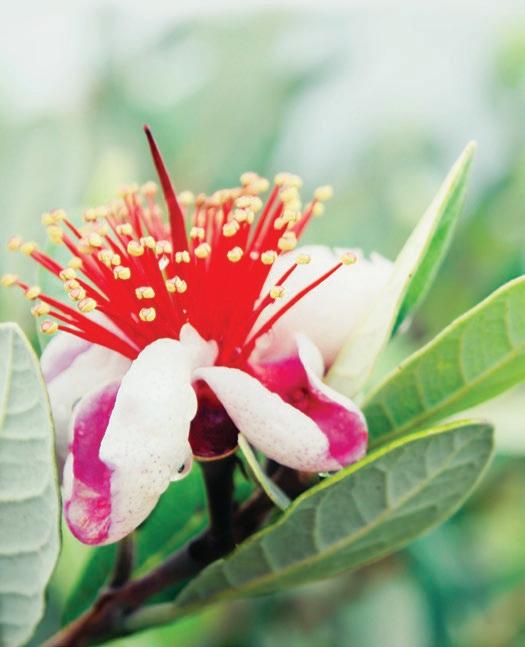
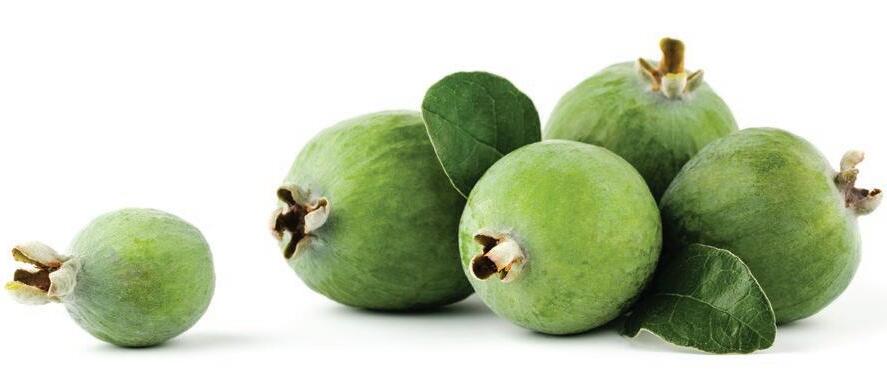
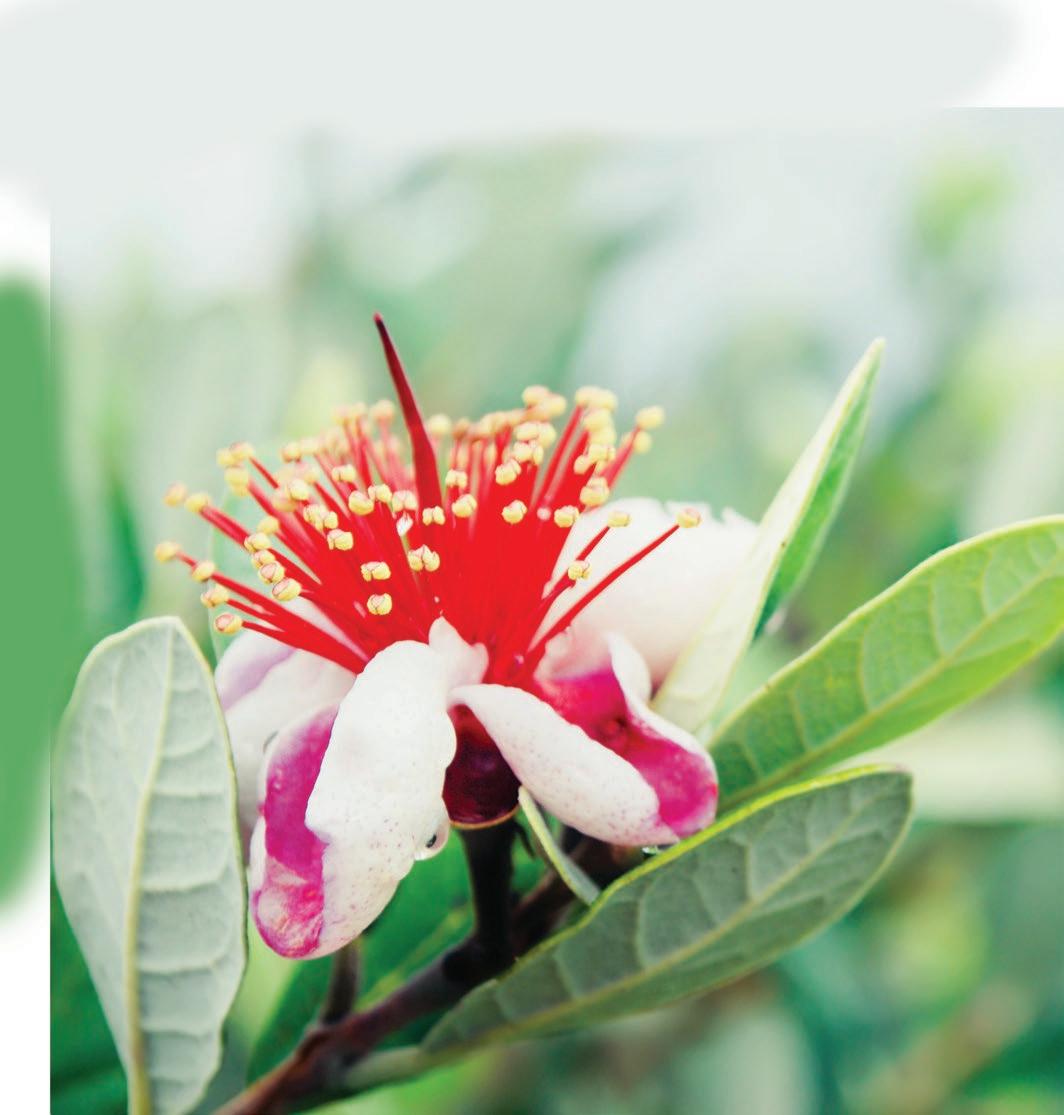
Feijoa trees produce an abundance of bi-colour scarlet flowers in spring and by autumn the delicious, fragrant fruit which taste like the tropics will to ready to pick. When not in fruit, their lush evergreen foliage with matte green and silver leaves makes for beautiful feature trees in ornamental gardens or in large container plantings.
Feijoa trees prefer cool winters and moderate summers, so are well suited to cooler climates of Australia. They will also grow happily further north in certain regions. Check with your local gardening outlet for the best varieties. They are generally hardy with minimal pests. Find a sunny position in the garden for them with well drained soil. Dig plenty of Searles Soil Impover into the soil to start healthy growth. Fertilise early spring with 5 IN 1 Organic Fertiliser - Fruit & Flower just before flowering and again early summer to develop the fruit.
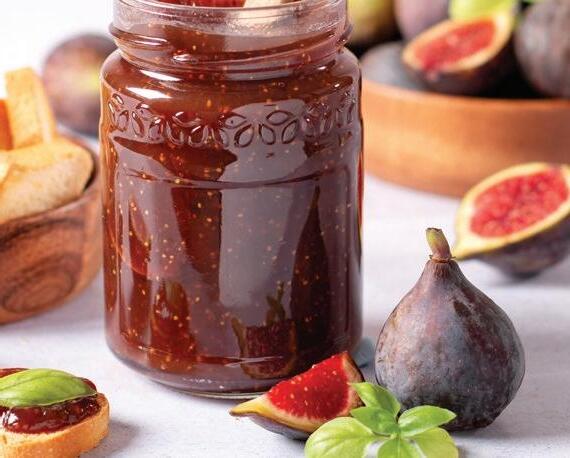
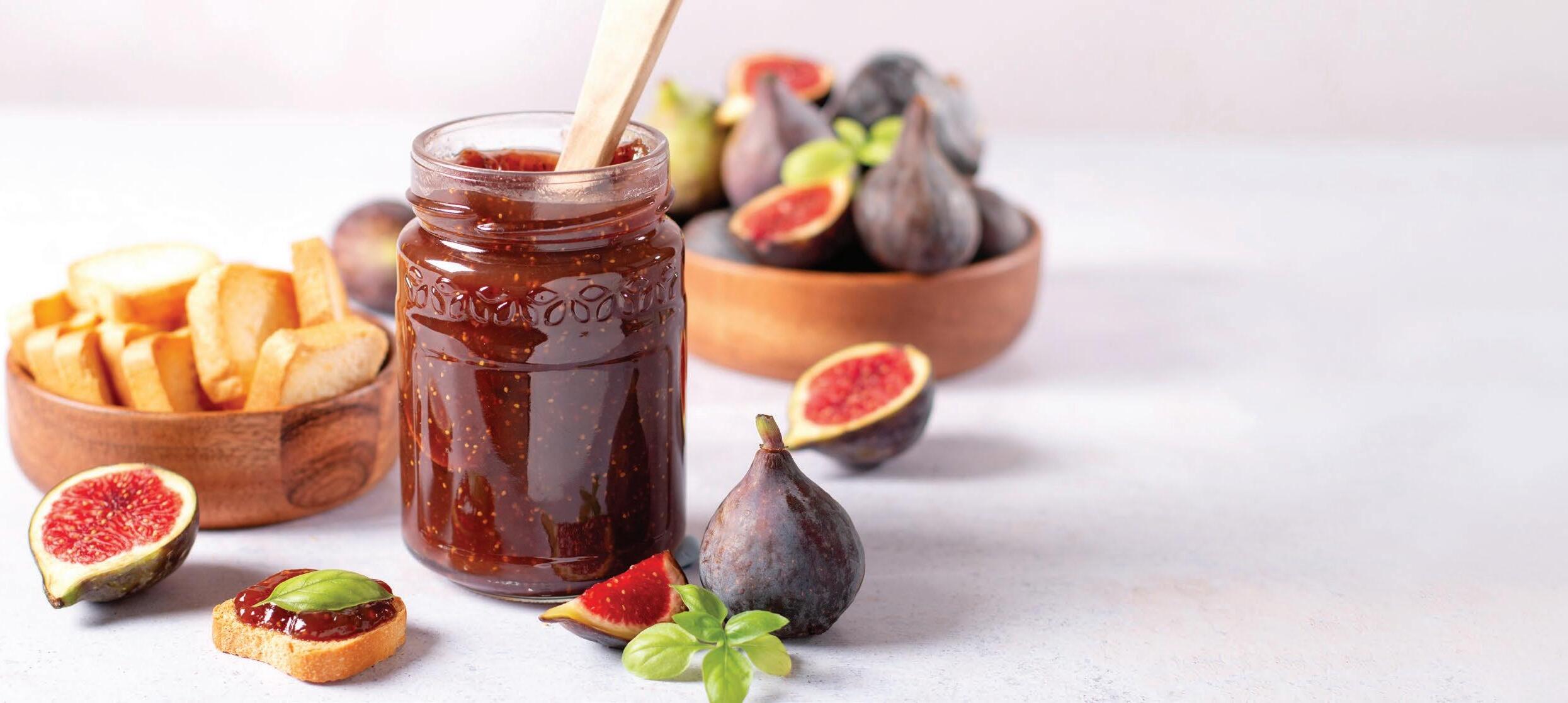
There’s nothing like the sweet, juicy flesh of a freshly ripe fig straight off the tree. A highly ornamental tree in both formal and informal gardens, the fig can be grown in most parts of Australia. Figs are deciduous, large shrub or small trees, typically growing to 2 to 3 metres. They are an easy and abundant cropper, making it one of the most rewarding trees to grow in home gardens.
Fig trees love a hot, fairly dry climate so are ideal for most parts of Australia, where they can be planted at any time of year. They need full sun but dislike strong winds, so choose a sheltered position if this is an issue in your area. Although they grow happily in alkaline soils, they especially enjoy compost-rich, slightly acidic soil, so don’t hesitate to dig plenty of 5 IN 1 Organic Fertiliser into the soil before planting.
1 sheet short crust pastry
2 shallots, finely diced
Handful of cherry tomatoes, diced
4 mid-sized mushrooms, finely diced
½ mid-sized zucchini, grated
Half a cooked chicken, shredded 7 eggs
1 cup parmesan cheese
Garlic salt
Tuscan seasoning
1 tbsp oregano
Prepare
Preheat oven to 210˚C on conventional setting.
Line an oiled pie dish with short crust pastry and trim edges.
In a bowl, combine shallots, tomatoes, mushrooms, zucchini and shredded chicken and mix.
In a separate bowl, whisk eggs. Add in half the parmesan, garlic salt, Tuscan seasoning and oregano.
Spread chicken mixture evenly into the pie dish. Pour egg mixture over the chicken mixture. Top with the remaining half cup of parmesan.
Cook for 30 minutes or until egg mixture has set and gone golden brown on top.
Prepare
Place ingredients in a bowl, cover and stand overnight at room temperature. Transfer to a pan over low heat and stir to dissolve sugar. Bring to the boil, then cook over very low heat, stirring regularly, for 45 minutes or until thick and sticky. Mash figs gently with a fork or masher to break up a little. Remove vanilla pod, quill and rind, then cool slightly, and seal in sterilised jars. Store for up to 3 months.
Ingredients
2 cups leafy greens, such as arugula
3-4 figs, sliced in quarters
400g pumpkin, peeled, sliced and oven roasted
Handful pine nuts
½ cup quinoa, cooked
180g Greek fetta, crumbled
½ cup pomegranate seeds
1 tbsp Olive oil
2 tbsp Dijon mustard
Prepare
In a serving bowl or platter, arrange greens onto the plate first, then add figs, roasted pumpkin, pine nuts, quinoa, fetta and pomegranate seeds.
In a small separate bowl, mix olive oil and Dijon mustard. Drizzle over salad. Season with salt and pepper to taste.
Small succulents come in a wide range of shapes, textures, and colours, making them perfect for pots, windowsills, and small garden scapes.
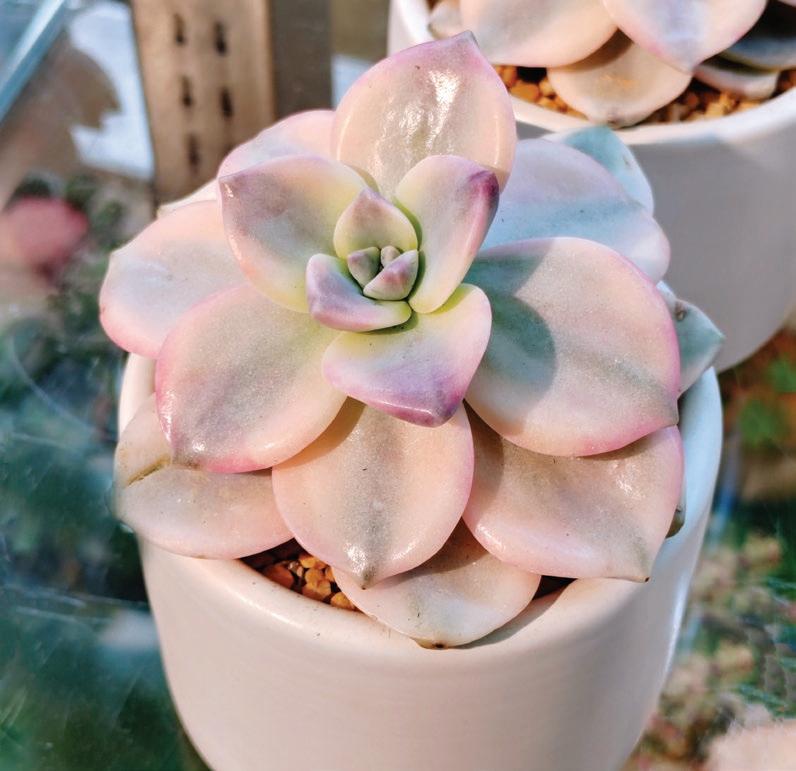
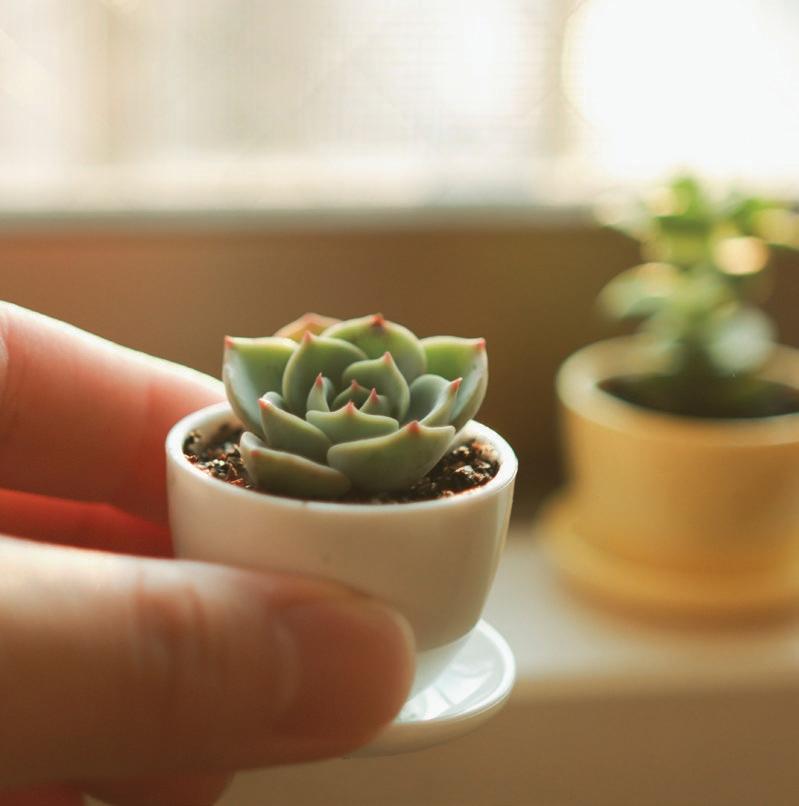
A popular variety is Echeveria, known for their rosette forms and pastel shade. Small Echeverias form compact rosettes of fleshy leaves, often staying low to the ground and slowly spreading into clusters. Their neat, symmetrical growth habit makes them ideal for pots, rockeries, or mixed succulent displays.
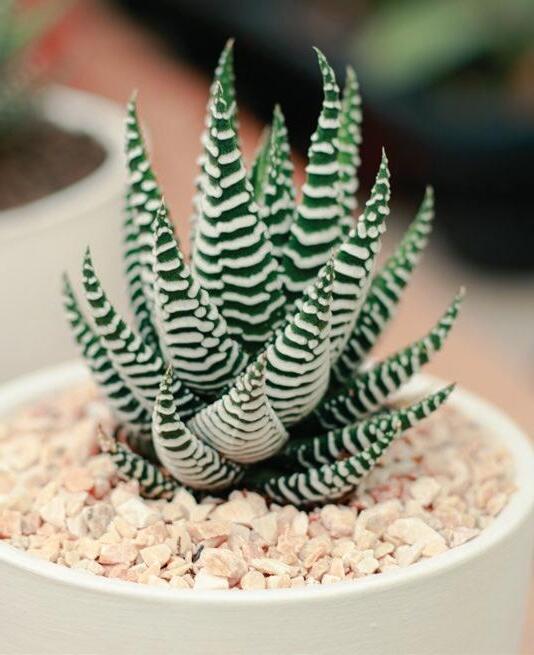
Haworthia: often known as Zebra plants are compact plants with striped or spotted fleshy leaves. They stay small, making them great for indoor pots and terrariums.
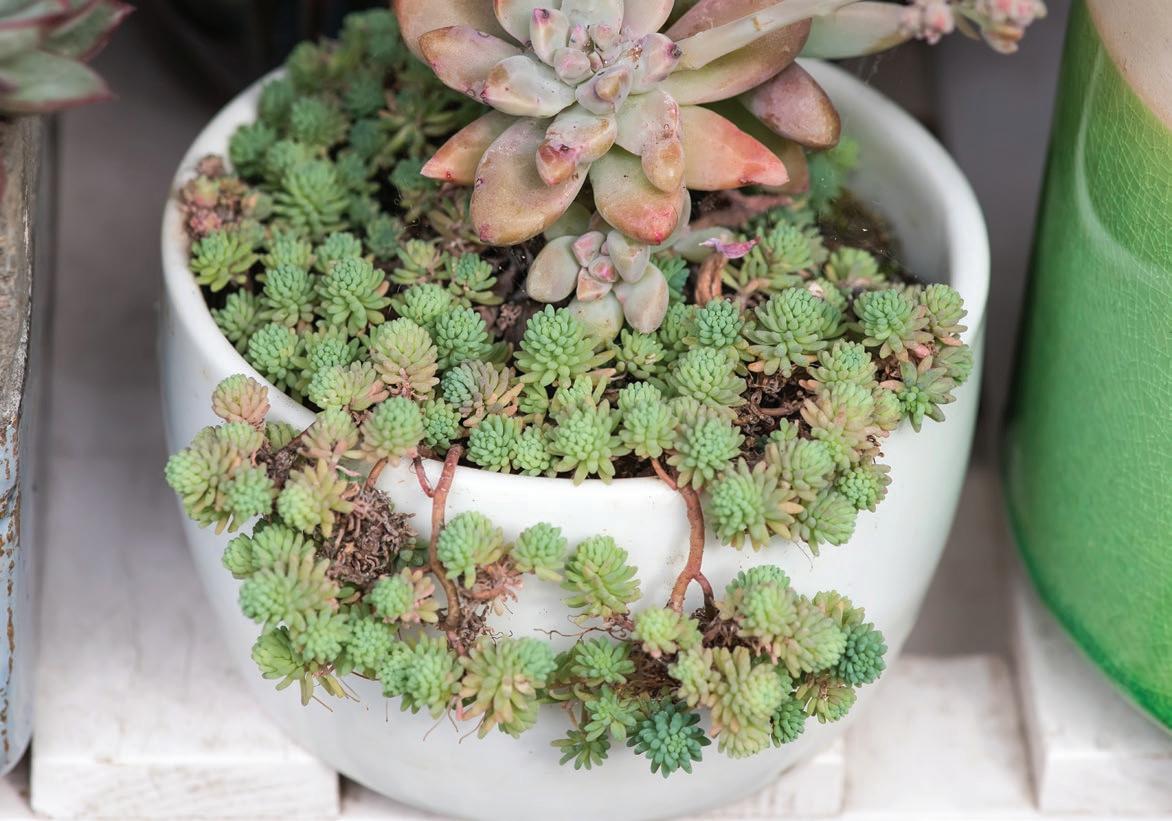
Sedums: which often spread low and trail over the edges of containers. Look for small Sedum varieties, including Sedum dasyphyllum ‘Himalayan Skies’ and Sedum album ‘Coral Carpet’, as well as miniature forms like Sedum furfuraceum.
Other favourites are Graptopetalum & Graptosedum with their silvery rosettes. These genera offer
numerous small and miniature cultivars, such as ‘Superbum’ and ‘Bert Swanwick’.
Graptopetalum ‘Purple Delight’
Crassulas: like the wellloved jade plant. Many tiny Crassula species and cultivars exist, like Crassula ovata ‘Baby Jade’ and Crassula rupestris, suitable for tight spaces.
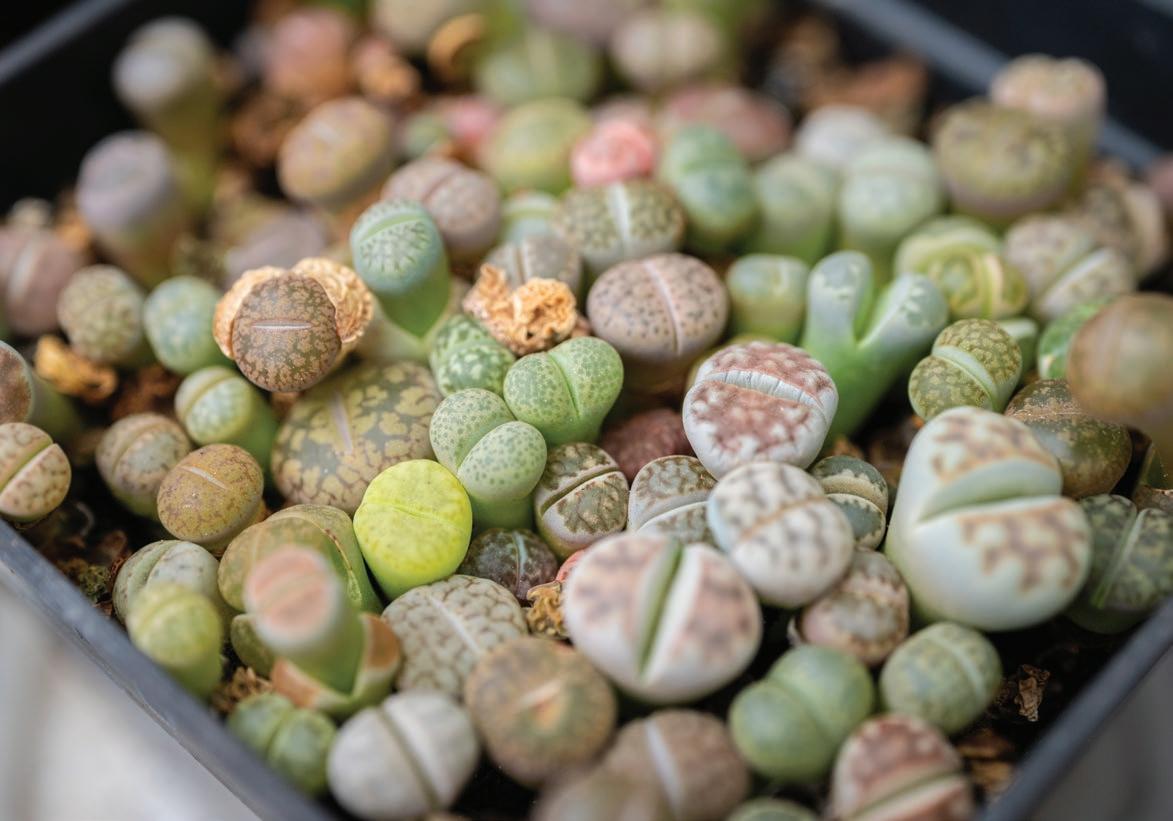
Lithops (living stones): which mimic pebbles and add a quirky touch to collections. When they flower it will make you look twice with their daisy look and the size of the flower compared to the parent plant. These smaller succulents are particularly valued by gardeners with limited space, as they can flourish in tiny pots, terrariums, and mixed arrangements.
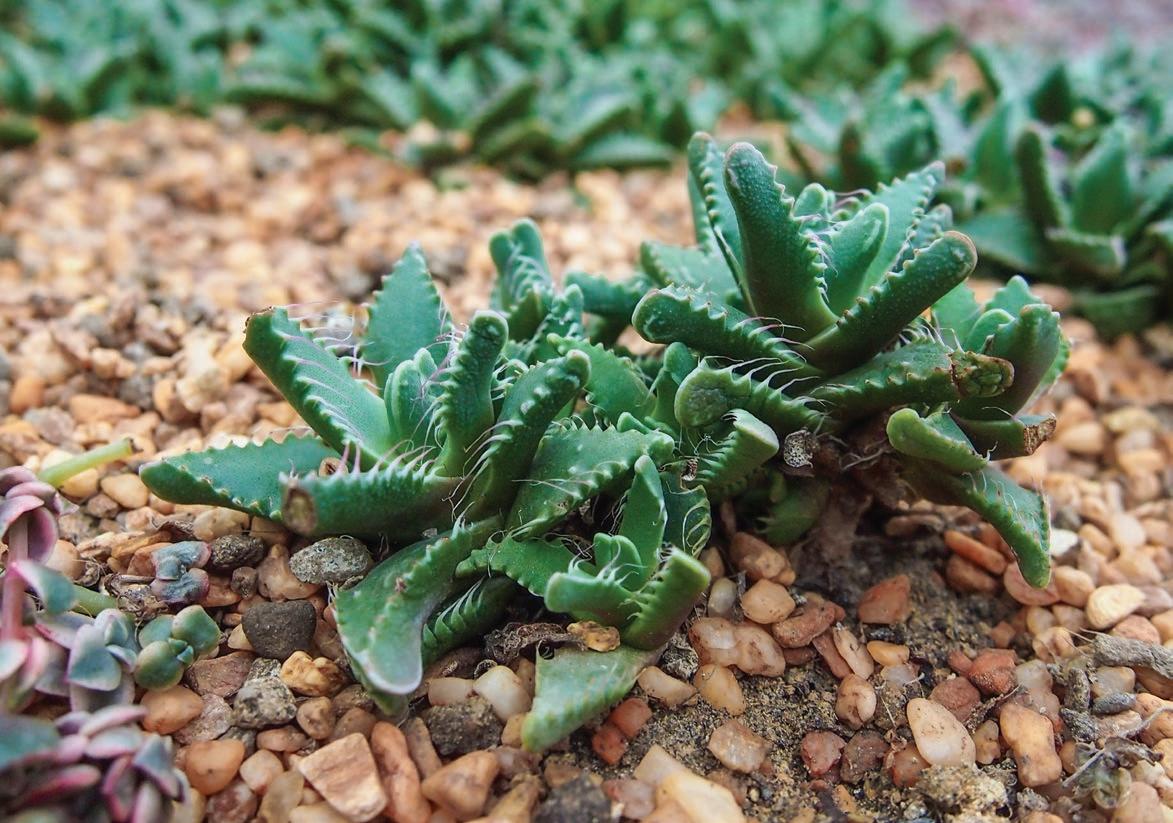
Tigers Jaws: a small succulent but has spines like teeth on the edge of their fleshy leaves. Tiger Jaws enjoy a sheltered position with bright light.
Zebra plant (Haworthia fasciata)
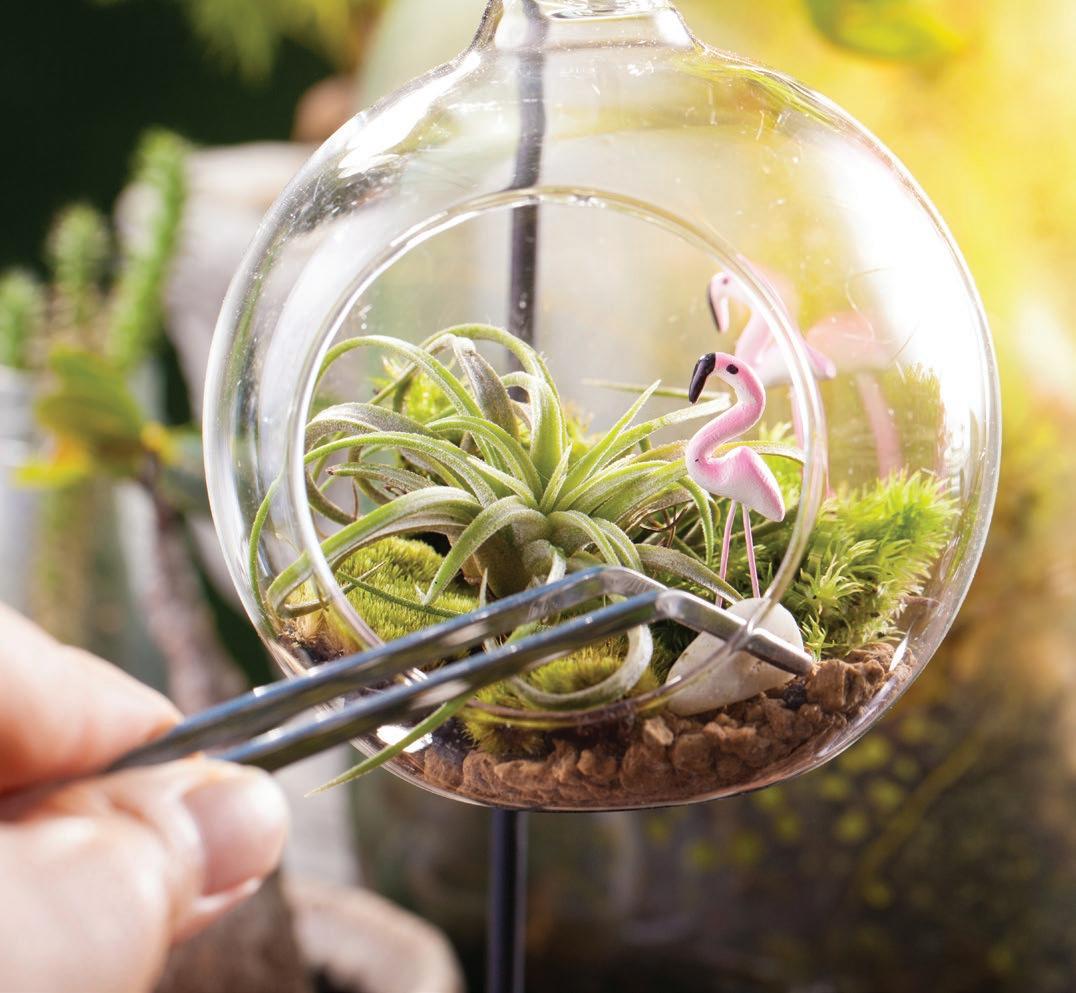
Air plants and sedums remain compact, tiny plants, suitable for smaller terrariums and mini pots displays
Air Plants (Tillandsia): don’t require to be planted in soil to survive. These unique plants can be displayed in various containers and require occasional misting.
Growing small succulents successfully comes down to replicating their natural arid habitats. They need a welldraining soil mix, usually a free-draining sandy blend soil. For planting succulents in garden beds or pots, use Searles Cacti & Succulent Specialty Mix. Good drainage is essential, as sitting in water will quickly rot their roots. Succulents prefer bright light, with many flourishing on a sunny windowsill or in a position that receives morning sun and afternoon shade. Indoors, placing them near a bright window helps maintain compact growth, while too little light can cause stretching and weak growth.
Watering should be done sparingly using the “soak and dry” method—water thoroughly until it drains out the bottom, then allow the soil to dry completely before watering again. During winter dormancy, most succulents need very little water.
Fertilise as directed in spring and summer with a solution of Searles Flourish Cacti & Succulent Soluble Plant Food encourages healthy growth, but they don’t require heavy feeding. Regularly removing dried leaves and repotting every few years into fresh soil helps keep small succulents neat and flourishing.
Crassula
Lithops, unusual ground hugging succulents
Bottom plant - Sedum hispanicum
Tiger Jaws (Faucaria tigrina)
Smaller growing echeveria
The importance of deadheading to extend flowering time.
Deadheading, the removal of spent flowers, regularly promotes more flowers to develop because the plant does not spend energy producing seeds and instead concentrates on continual flowering.
To deadhead, remove faded flowers, and utilise this time to shape the plant for a fuller and healthier appearance. The plant’s performance intensifies. Hidden from view, the root system will also benefit from the energy being diverted away from seed production and back to the overall health and vigour of the plant.
The main principle of an annual is to form seeds and perpetuate the plant’s life cycle; the formation of developed seeds tells the plant it has done its job, and the plant dies off as it has fulfilled its purpose, such as when lettuce flowers. Deadheading delays this cycle, and the plant still strives to develop flowers in the hope of producing viable seeds.
Ollas for watering systems
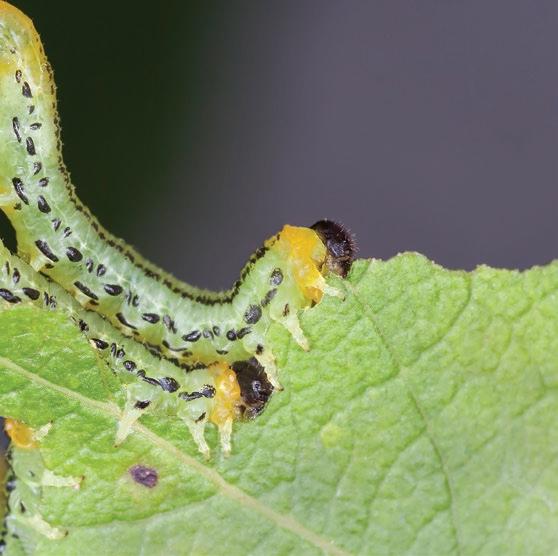
Sawfly larvae garden pests
A heads up for those who spend time out in the garden in autumn, sawfly larvae are about too. As a child we use to call this mass of caterpillar like creature’s spitfires. They wave their tails about and regurgitate a yellow liquid to ward off predators and gardeners so be sure not get your face near to them as they can cause irritation. Though they look similar, they are not a caterpillar, featuring three sets of legs and covered in bristles.
These are the offspring of a flying insect that looks a bit like a wasp but with no stinger. So, we don’t mind the adult, but their larvae can stripe a eucalyptus or callistemon of all its leaves if it is a small tree. They prey on native plants, when you go to inspect your plant, you usually get stung by the larvae before you see the reason for the defoliation. They feed at night and look for shelter during the day. As they are eaten by birds, they need to hide from them. They gather in groups on the stems, waving their tails to all that come near.
Usually, mother nature controls these beasties, but you can spray them with garden insecticides if they become too rampant.
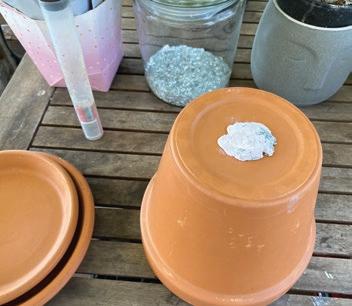
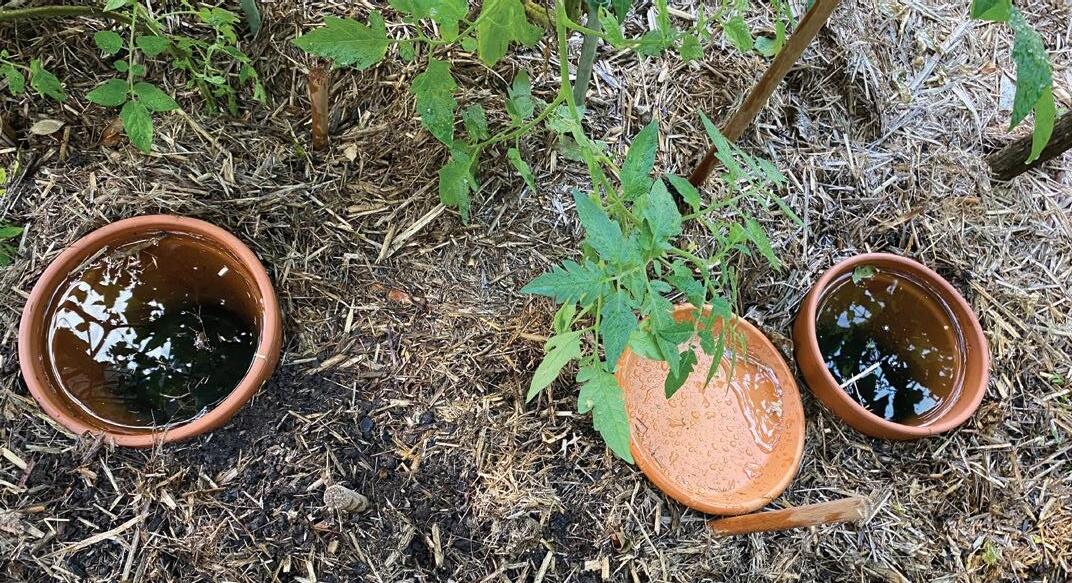
This easy watering system has been used for over 2000 years. You can buy unglazed terracotta pots purpose built for this laidback watering system or you can DYI.
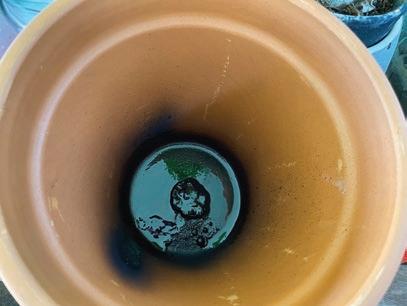
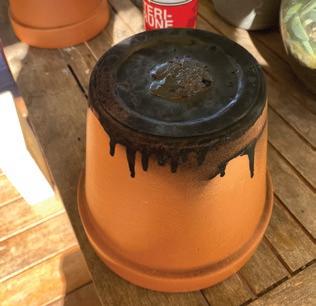
Use two unglazed terracotta pots with saucers. Fill the drainage hole in the base with ‘Knead It’ or silicon, to seal pot. Being terracotta, the water will slowly seep out. Cover the base with a waterproof paint, in this case Steri-prune tree dressing. This is an extra layer of protection in case the bung hole leaks, plus it holds a small amount of water in the bottom.
Once water proofed at the bottom, bury the pot in the garden and fill it with water. The saucers are used as a lid to stop evaporation, dirt or pests getting in. They are perfect for vegetable gardens or newly planted plants. They do need to be refilled two to three times a week. Depending on where you read more about this process, ollas will cover about half a metre of garden.
sawfly larvae
allzones
autumn planting & care guide
> Autumn is the perfect temperature to grow most leafy greens, such as herbs, lettuce varieties, kale, Asian greens, microgreens, sprouts, leeks and spinach varieties. Keep them well mulched to protect their shallow roots. For a sweet and juicy crop, keep them well watered and don’t let the soil dry out. This can prevent the leaves becoming bitter.
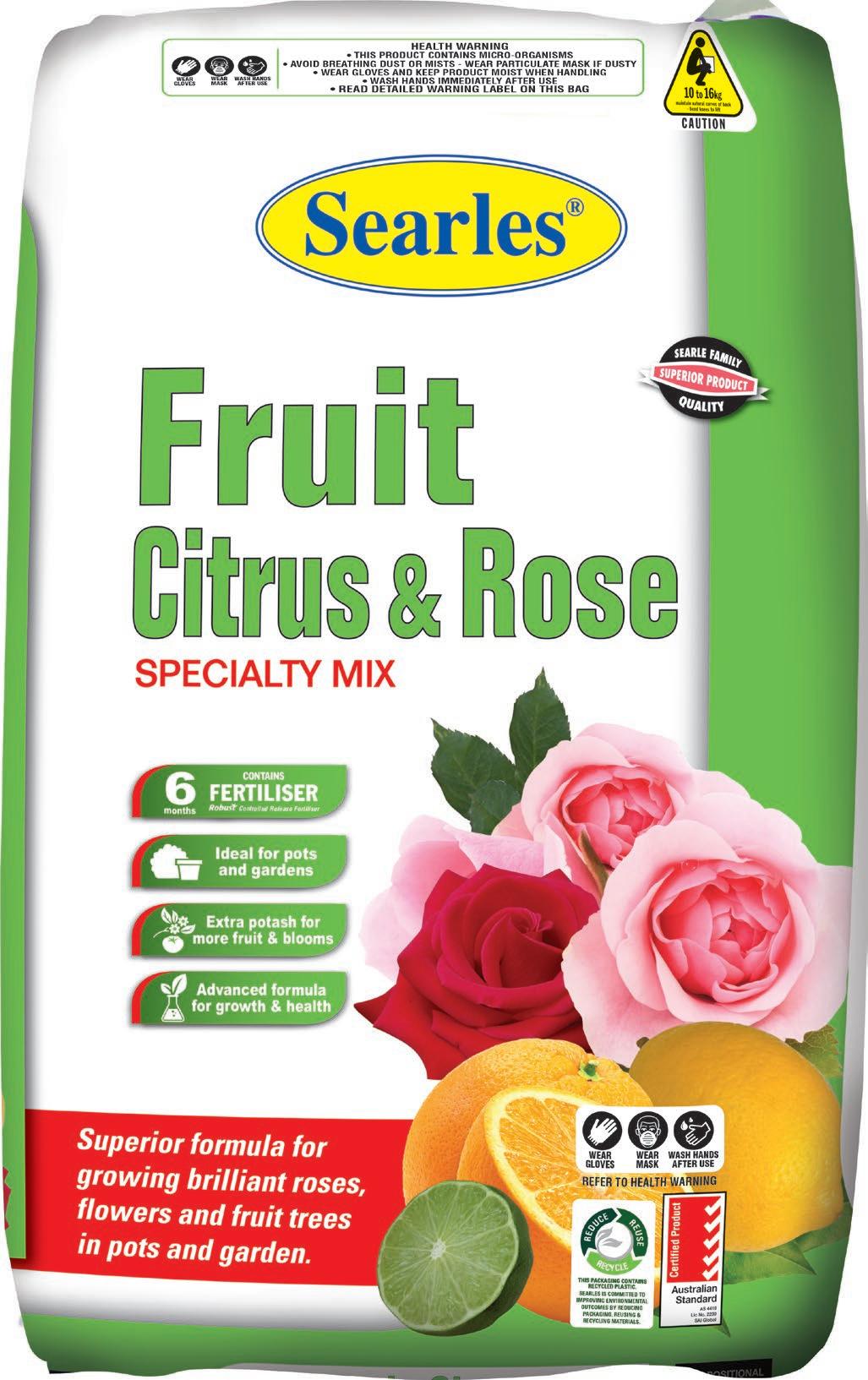
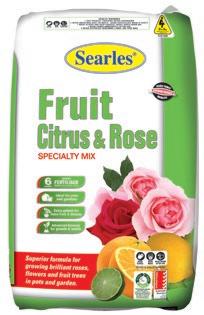
> New passionfruit, citrus, strawberry, olives, figs and most other fruit trees can be planted in the ground. For ground and pot planting, Searles Fruit, Citrus & Rose Specialty Mix is an all-in-one planting mix to provide initial strong root development and plant establishment, plus provide sustained fertiliser for up to 6 months. After this time feed with Searles Fruit & Citrus Plant Food every season.
> Tomatoes can be grown again in warmer climates now that the heat and wet weather has settled. Before planting new seedlings, mix 5 IN 1 Organic Fertiliser into the soil and leave to settle for two weeks before planting.
> By late April and May, start sowing cool growing edibles, such as cabbage, broccoli, cauliflower, peas, broad beans, onions, so you will have seedlings at the ready for early winter peak growing. Use Seed Raising Mix for a better seed strike rate and strong root growth before transplanting into their final growing space.
Time to plant a few rows of beetroot. Grow them in sweet, well drained soil and full sun. Sow in early March for a mid May crop.
> If your plant is displaying poor growth, deformed and yellow leaves or deformed fruit, this may indicate a trace elements deficiency. Correct major element deficiencies with an application of Searles Trace Elements. This soluble formula will produce rapid response and boost healthy plant growth.
> Most root vegetables, such as, swede, carrots, radish, turnips and parsnip can be sown or planted into veggie patches.
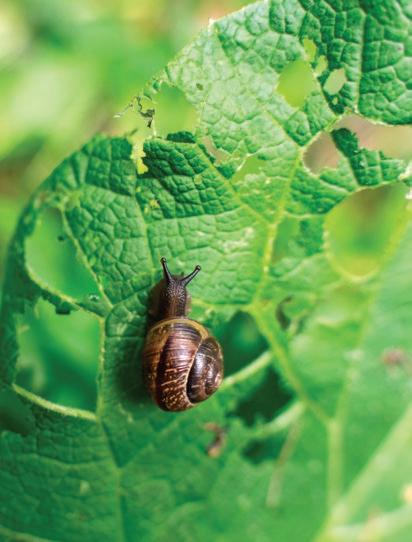
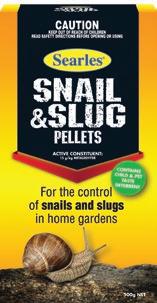
Keep an eye out for snails and slugs on your veggies, particularly when seedlings are germinating. Silvery trails on the ground and chewed leaves suggest snail or slug activity. These can be kept at bay with regular inspections, hand removal, barrier netting or cloches, or the use of snail baits which have a child and pet deterent.
Searles Ecofend Vegetable & Garden soap-based spray is an essential certified organic spray to have on the shelf for the first sight of mites, aphids, thrips, mealybug and whitefly on veggies.
Veggie protector
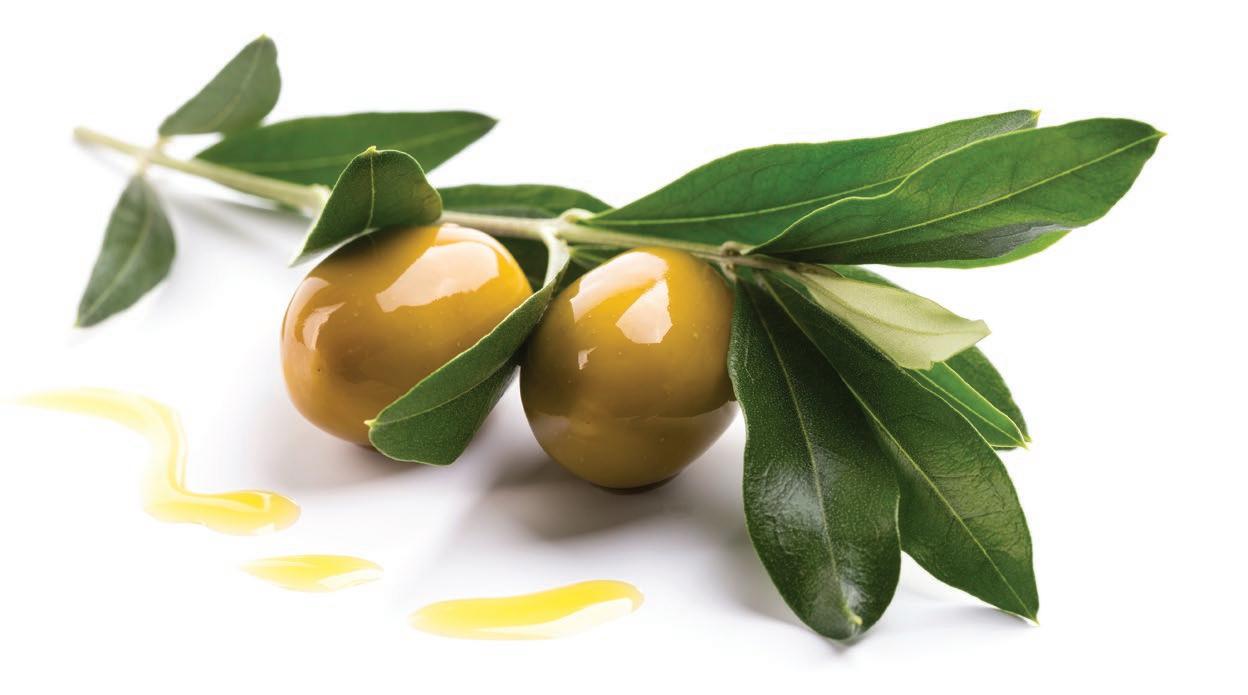
Plant olive trees in autumn in a sunny position in large pots or placed as a feature in the garden. Olives flourish in cool winters with hot dry summers with low humidity. They are tolerant of winds, coastal salt spray, medium frosts and dry conditions. They need some cooling time to be more productive. Olive trees can take up to 7 years to fruit.
Fruit in pots
Fruit trees have a large growing root systems, so plant in a pot larger than 40cm diameter. Fig, lemon, cumquat, blueberry, olives and dwarf fruit tree varieties are suitable for pot specimens. Plant in Searles Fruit, Citrus & Rose Specialty Mix, specially designed for these hungry feeders in pots and gardens.
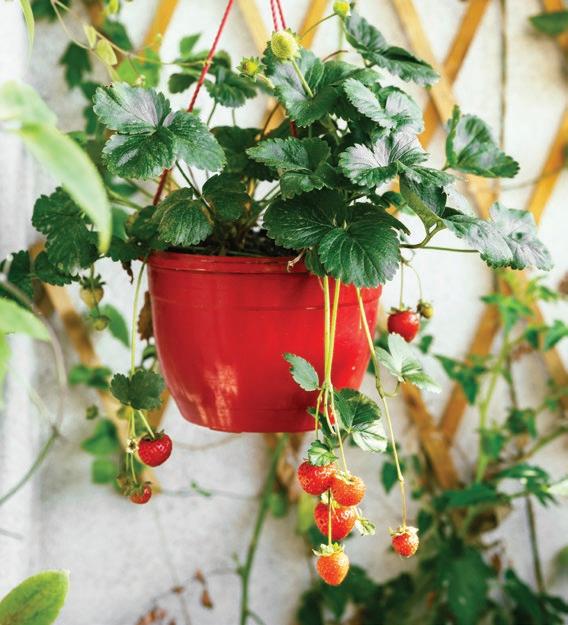
Strawberries grow best in pots and hanging baskets where the fruit can hang freely. Prepare pots and baskets with Premium Potting Mix and liquid feed fortnightly with Searles Flourish Fruit Booster to promote berries formation.
Have Searles Ecofend Fruit & Garden spray at the ready for any first spotting of scale or citrus leafminer on leaves.
Keep trees well mulched, water them deeply and regularly. Yellowing older leaves can mean magnesium deficiency, in which case a dose of Searles Trace Elements will correct any nutrient deficiency.
Autumn veggie patch care
If you haven’t already prepared veggie patches for autumn growing, remove spent summer crops and rejuvenate the organic nutrients and beneficial microbial activity in the soil by digging through some 5 IN 1 Fertiliser. While planning your autumn veggies selection, think about what companion plants will help bring in the beneficial insects and keep the chewers away.
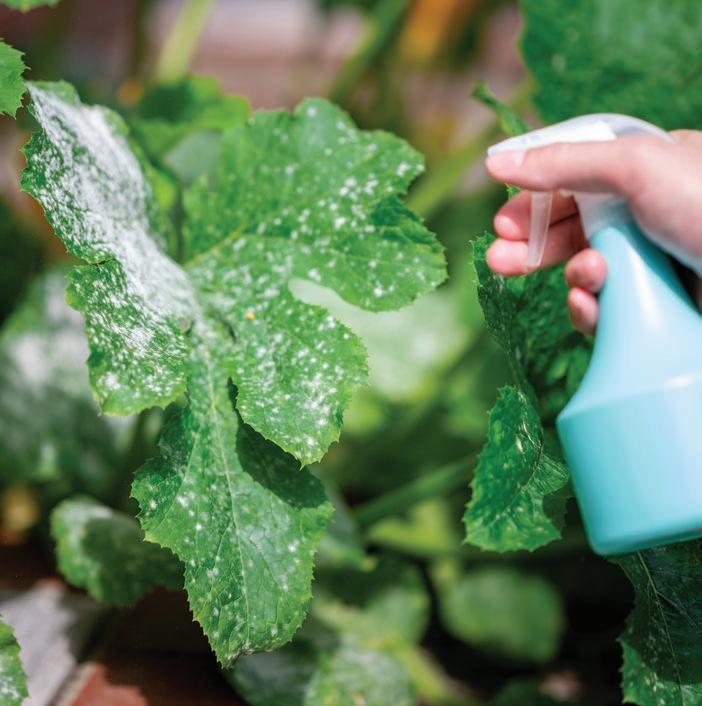
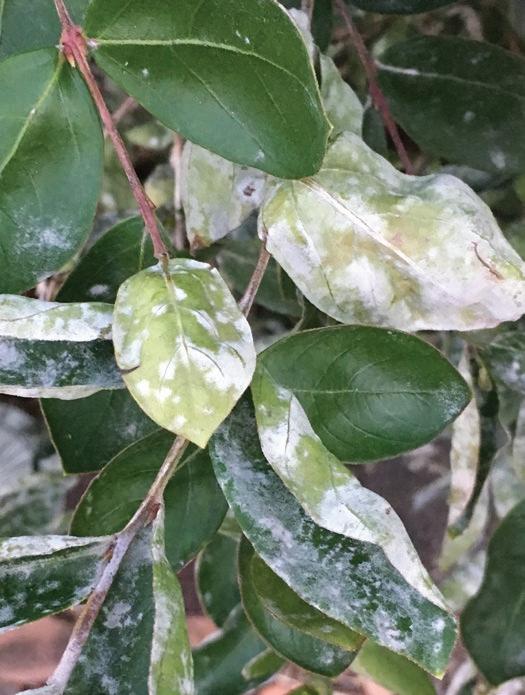
Powdery mildew is one of the most commonly seen fungal problems on members of the cucurbit tribe such as pumpkins, zucchini and squash. Powdery mildew is easily spotted as distinct white markings on foliage that resemble freshly sprinkled talcum powder. In the case of cucurbits, it can appear equally on both stems and foliage of plants while on fruiting crops such as grapes, it can also be found smothering the fruit. Foliage quickly wither and die, even while holding and producing fruit.
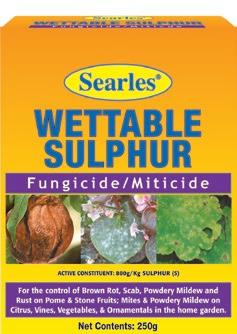
Good air flow is essential in and around plants and physical removal of all affected foliage should be swift and not added to compost. Control powdery mildew by spraying with Searles Wettable Sulphur. Note: check the back of the label if this product is suitable for your plant type.
allzones
autumn planting & care guide
> For autumn garden colour, plant lavender, buddleja, gaura, ixora, daisies, rudbeckia, salvia, chrysanthemum, aster, and dahlia, scaevola, pandorea and penta. Petunia, pansy, cornflour, sweet pea, viola, snapdragon and calendula can be planted now for cooler weather flowering.
> There is a plethora of natives blooming in autumn. Now is the time to visit a local garden centre to see what is flowering. Banksias, grevillea, callistemon, crowea, correa and lechenaultia will keep up their autumn bloom with a granular feed of Searles Native Food.
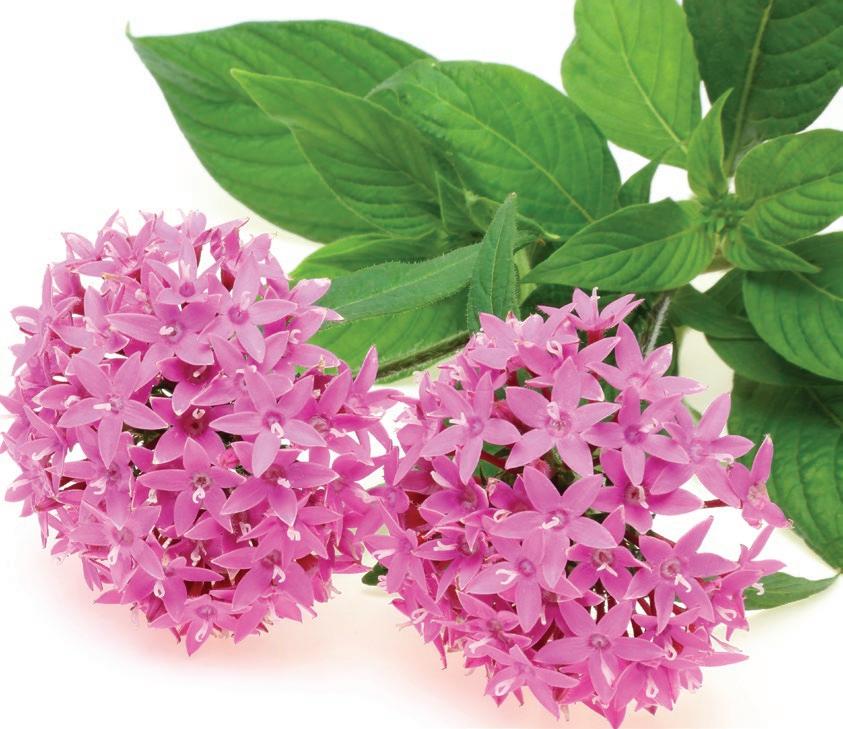
Pentas attract butterflies and are an easy and fast way to bring cheerful colour to the garden throughout the year. Great as cut flowers, take your pick from their cheerful hues of bright red, every shade of pink, white and mauve. Tough performers in a range of climates, they’re also easy to propagate from cuttings. Plant them in full sun in a rich, well-drained soil. Feed with Searles Flourish Liquid Plant Food every two weeks for prolific flowering.
bring instant colour pop to gardens and pots
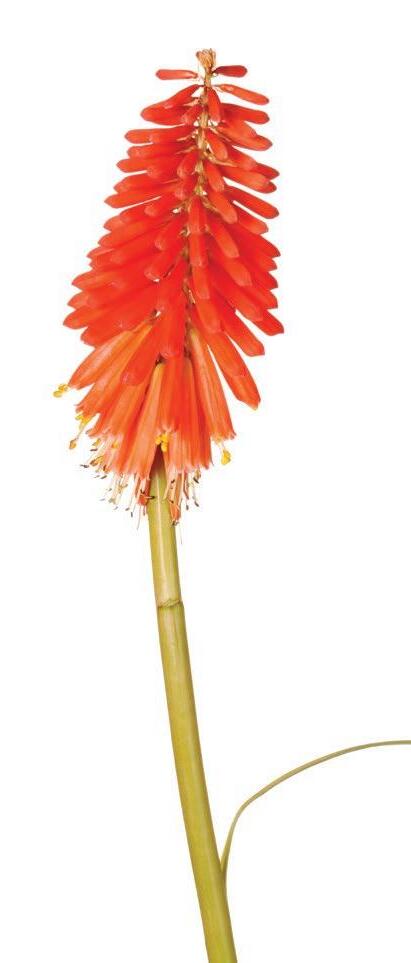
red hot pokers for garden structure
Plant spring flowering bulbs now, like daffodil, jonquil, freesia, snowflake, anemone and bluebells. In warmer areas, wait until mid to late April before planting bulbs as they may flower before winter if planted too early!
rudbeckias add sunny faces to gardens
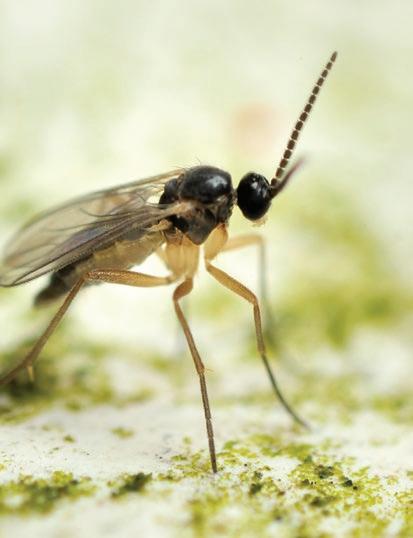
Ever wondered what those tiny black flying insects are buzzing about in small groups around your indoor plants?
Fungus gnats (Sciaroidea family) in their adult form can be most annoying invading our interior space in large numbers. But it is their larvae which do the most damage to plants’ roots. Adult flies lay hundreds of eggs at a time in the plants’ soil and their eggs hatch, wreaking havoc by feeding
on the roots and soft stem material of the plant, seriously weakening its ability to survive. The Fungus Gnat’s life cycle from egg to adult flies is just three weeks.
To control gnats, don’t over water soil, remove water from saucers, mulch with very small stones or pebbles to provide a physical barrier to stop the adults reaching the soil and laying their eggs.
fungus gnats
• salvia
• gaura
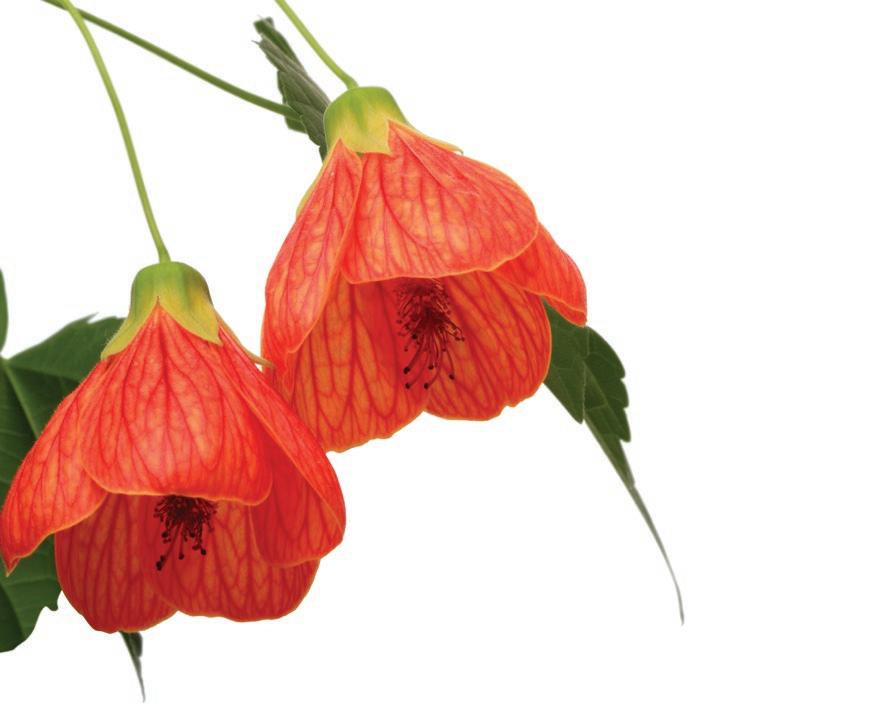
• abutilon
• petunia
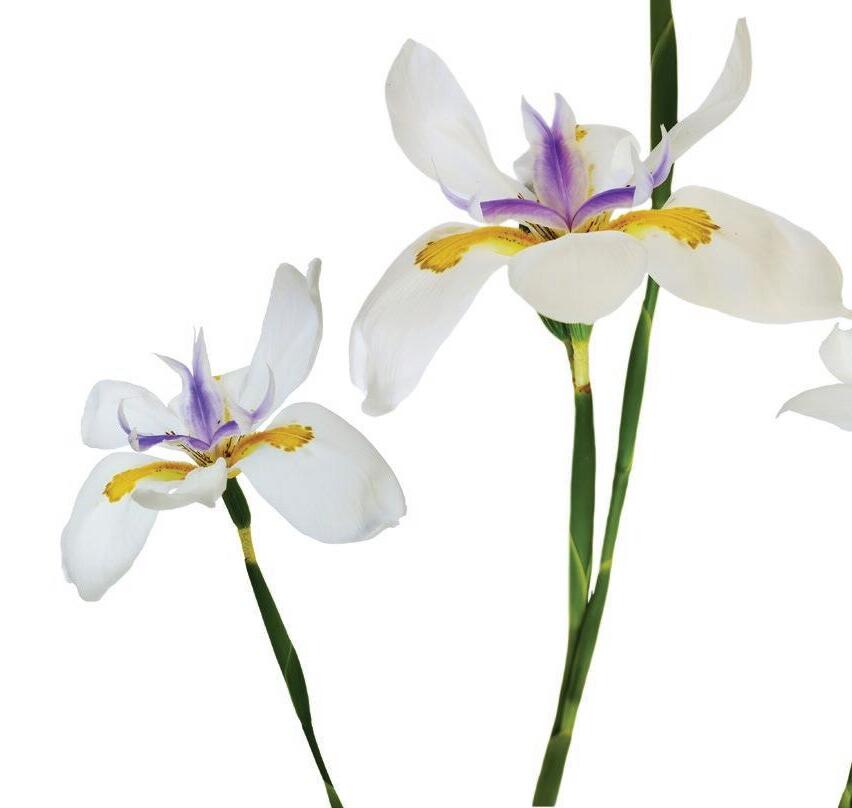
• dietes
• sweet pea
• pansy/viola
• snapdragon
• lobelia
• marigold
• nasturtium
• dahlia
• verbena
• plumbago
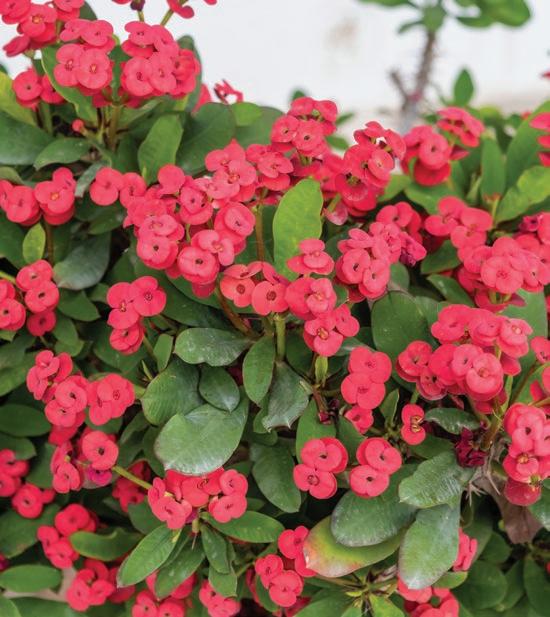
• euphorbia
• buddleja
• sedum
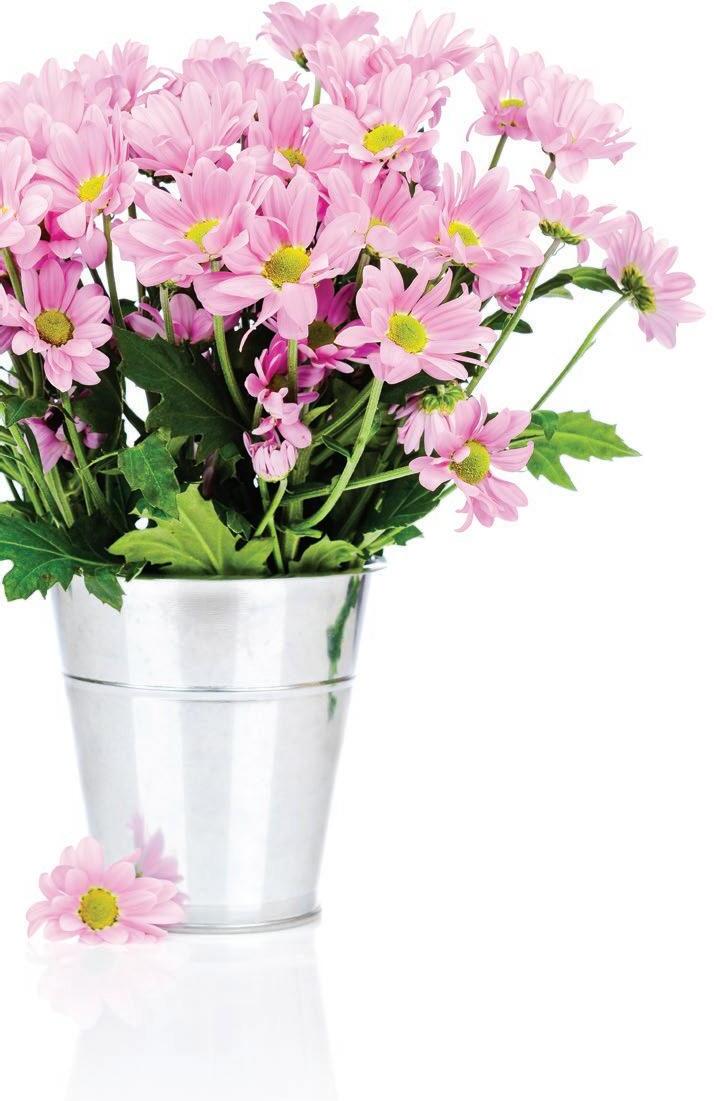
• daisies
• helenium
• rudbeckia
• hydrangea
• cyclamen
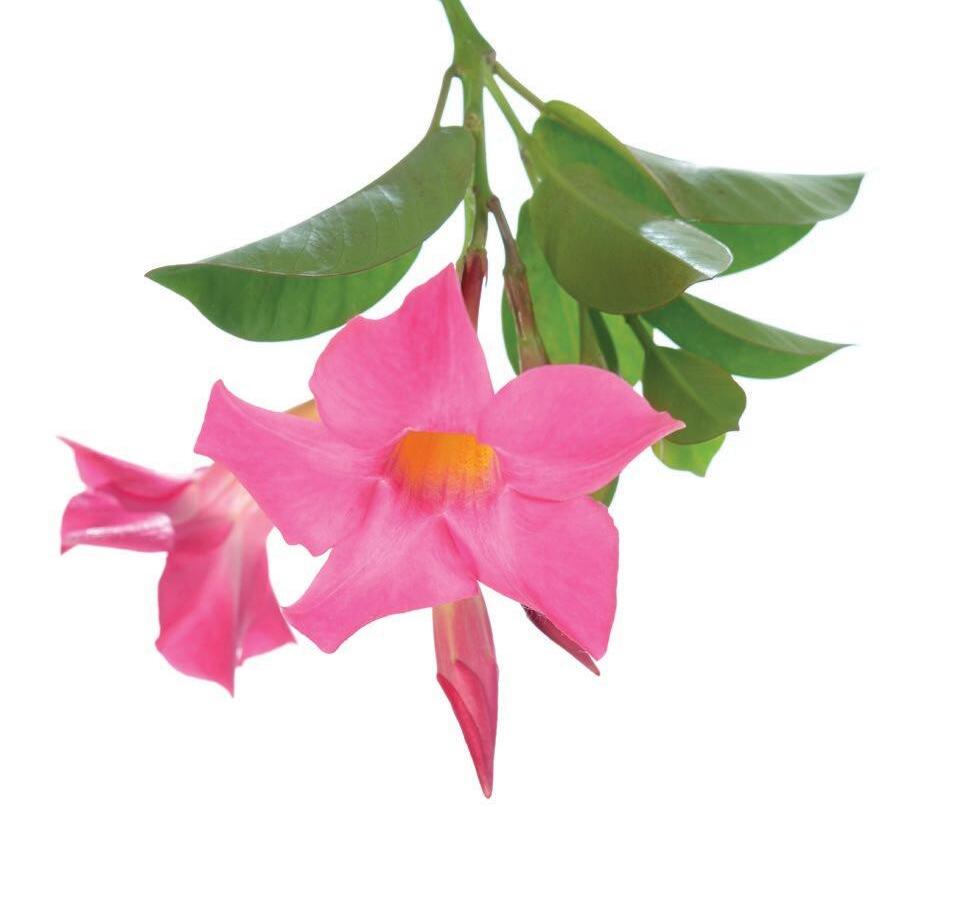
• mandevilla
• gazania
• calibrachoa
• grevillea
• camellia sasanqua
• geraniums/pelargonium
• penta
• tibouchina
• red hot poker
• golden penda
plumbago
flowering now
• argyranthemum
• Nerines (cold climates)
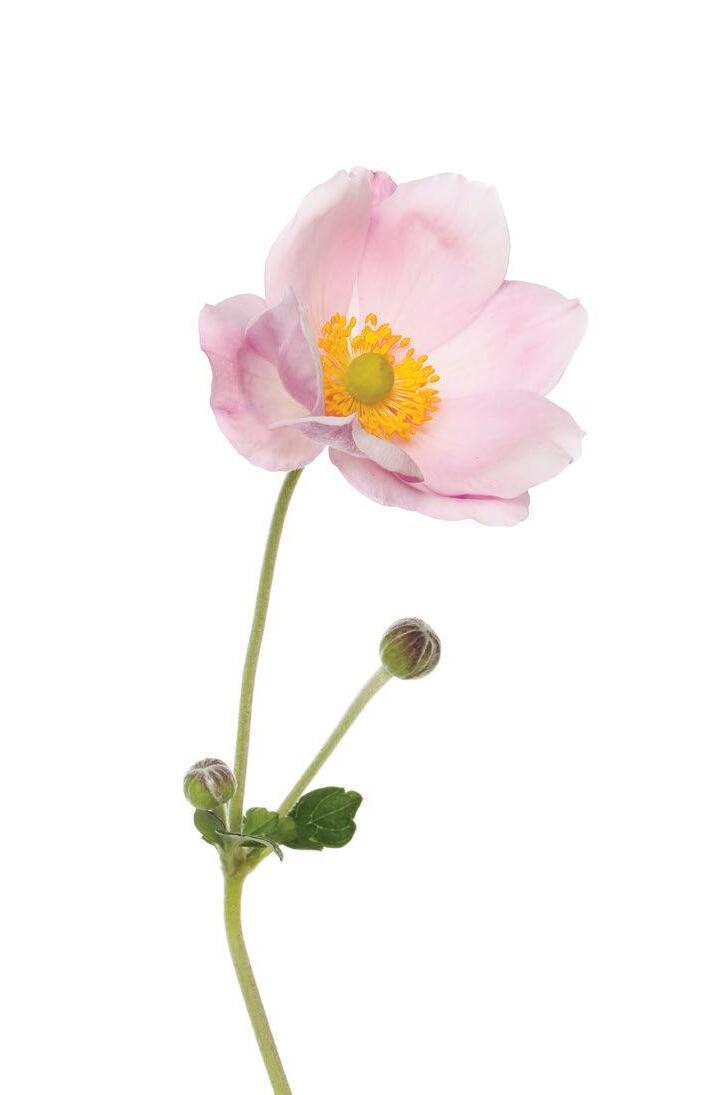
• Japanese anemones (cold climates)
NOTE: This may vary in different climatic zones
Japanese anemones love cold
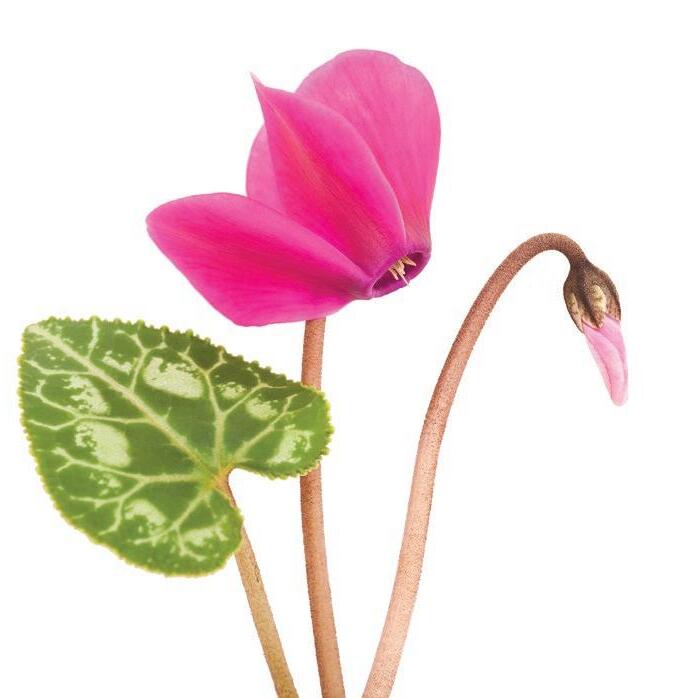
Plant cyclamen in pots
Transplant success
So you have decided your plant needs a different home in your garden. A little bit of prep work will ensure your plant doesn’t suffer shock from the move.
Avoiding transplanting at a time that the plant is most vulnerable, such as before they begin to bloom or during extremes of weather. Transplant on a cloudy day or in the evening/early morning so that the roots aren’t exposed to those harsher conditions.
Water plant well before removing plant from its original position. Try to dig out and keep together as much of the root ball as possible. Avoid breaking off some of those smaller roots. Keep soil moist while in transit.
Reduce the time between planting out so that less of the smaller roots have time to dry out and die off.
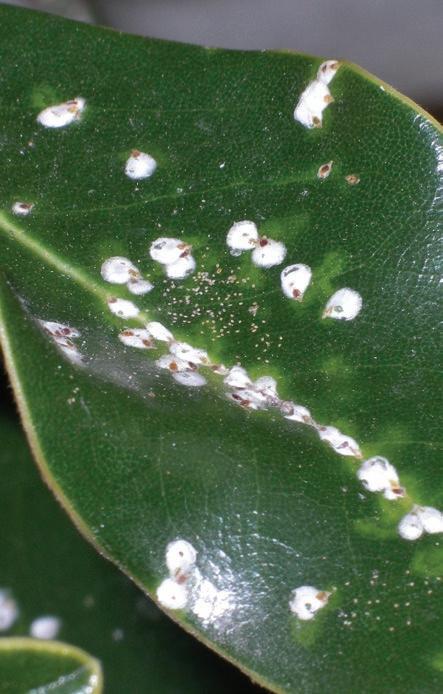
Scale is an immobile, sap-sucking insect which can seriously weaken plants if it colonises in great numbers.
Scale can also encourage sooty mould effecting plant photosynthesis.
Control with Searles Pest Gun. scale
Autumn garden prep
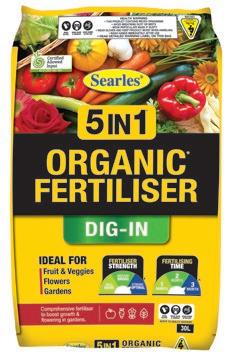
Great time to establish new garden beds and prepare beds for cooler season vegetables. Dig some 5 IN 1 Organic Fertiliser into the soil while you decide what veggie and herbs you’ll plant.
powdery mildew
Powdery mildew can destroy crepe myrtles, begonias, dahlias and roses. Remove and bin affected leaves and spray promptly, at first sight with Searles Wettable Sulphur
plant & grow by climatic zone
FLOWERS
> Warm climates can feature fiery autumn foliage with clever plant selections. Great choices are Liquidambar, Crepe Myrtle, Ginkgo biloba, Acer palmatum and Chinese Tallow Wood.
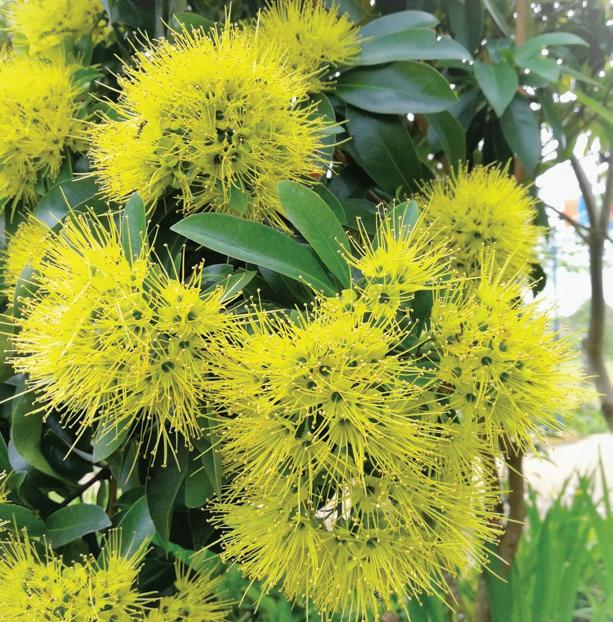
> The striking red flowers of the firewheel tree (Stenocarpus sinuatus), the white flowering ivory curl tree (Buckinghamia celsissima) and golden penda (pictured) are outstanding autumn natives.
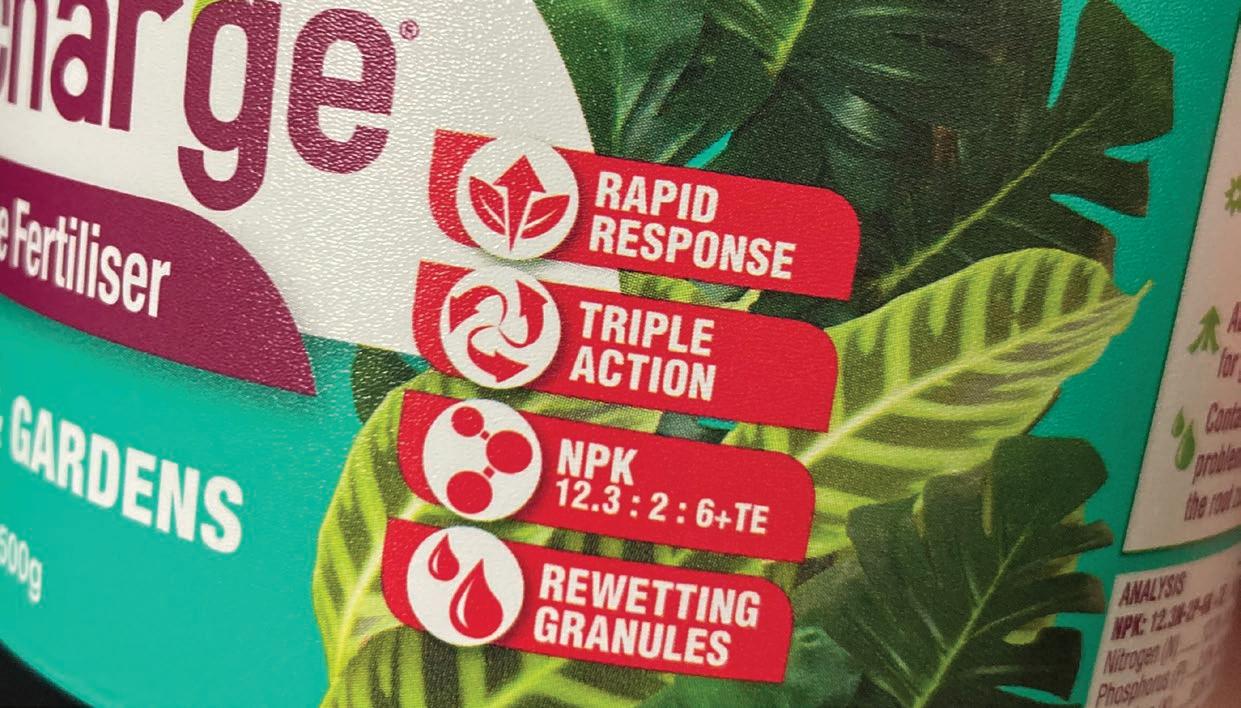
NPK on the label of fertilisers refers to the macro nutrients or the nutrients that it contains in larger amounts. All fertilisers must state the NPK analysis on the product as a minimum requirement, the trick is understanding what this means. All of them are essential for plants to survive. The main feature of nitrogen (N) is for growth and greening, phosphorus (P) is for root development, and potassium (K) is for flowering and fruit. A plant in good health can withstand pest and disease attacks better and so the NPK is the basis of the building blocks of overall plant health.
If a plant is low in nitrogen, it goes yellow and has little to no growth. A plant low in potassium struggles to flower and then fruit to its full potential.
Use high in potassium fertilisers during flowering and fruiting season. Low in phosphorous fertilisers for natives. High in nitrogen fertilisers for green growth.
NOTE: Organic fertilisers naturally have lower NPKs when compared to inorganic fertiliser, yet organic fertilisers often produce potent, excellent results.
The Serenity Prayer God grant me the serenity to accept the things I cannot change; courage to change the things I can; and wisdom to know the difference.
Living one day at a time; Enjoying one moment at a time; Accepting hardships as the pathway to peace; Taking, as He did, this sinful world as it is, not as I would have it; Trusting that He will make all things right if I surrender to His Will; That I may be reasonably happy in this life and supremely happy with Him Forever in the next. Amen. Trust in the LORD with all your heart and lean not on your own understanding; in all your ways acknowledge him, and he will direct your paths. Proverbs 3, 5-6
> Sow ageratum, alyssum, candytuft, carnation, cineraria, coreopsis, cornflower, cyclamen, delphinium, dianthus, everlasting daisy, Iceland poppy, impatiens, marigold (English), pansy, snapdragon, sweet pea, verbena and viola. Geraniums, salvias, dahlias and mandevillas are showing their brilliance in the autumn garden. Cyclamen and cymbidium orchids flower now.
EDIBLES
> Tomato can be planted again after the hot summer has passed. Leafy greens, most herbs and peas and beans grow well in autumn. Garlic and onions can be planted now. At the end of April, consider what cool season veggies you need to prepare the veggie patch for.
> Custard apples, jaboticabas, figs, olives, warm climate apples, persimmons and passionfruit are fruiting. Keep fertilising citrus with Searles Fruit & Citrus Food for a better winter harvest.
Let nothing disturb thee.
Let nothing affright thee All things pass God never changes. Patience gains all. Who has God. Wants for nothing. God alone suffices. (St Teresa of Jesus)
GARDEN CARE
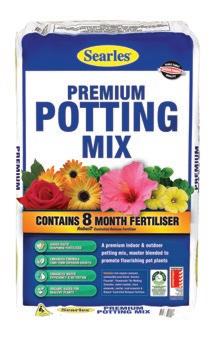
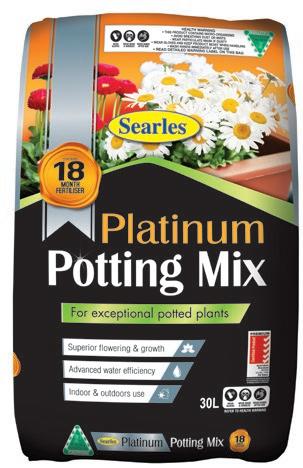
Re-pot tired, compacted potting mix after a long hot summer with premium mixes, Searles Platinum Potting Mix or Searles Premium Potting Mix for better plant health and flowering.
MORE ON YOUR CLIMATE ZONE FOLLOW US
FLOWERS
> Plant alyssum, amaranthus, begonia, celosia, cosmos, dianthus, gerberas, gomphrena, marigolds, pansy, petunia, phlox, portulaca, salvia, sunflower, torenia & zinnia for garden colour. Sun tolerant impatiens produce endless colour during autumn. Plant in Searles Garden Soil Mix for gardens or Searles Platinum Potting Mix for great potted results.
> Cordyline fruiticosa varieties are easy care plants for tropical foliage all year round. Acalypha, cannas, bird or paradise, gingers, allamandas put on an autumn flush. Prune foliage if overgrown.
> You should already have noticed the Mussaenda (Bangkok rose) charming autumn gardens with their large pink-white blooms.
EDIBLES
> Most herbs, leafy greens and vegetables grow well during the mild autumn weather. Sow or plant veggie seedlings in a large pot or in the veggie patch filled with Searles Herb & Vegetable Mix.
> Plant new citrus, Davidson’s plum, loquat, macadamia and avocado now. Figs, pawpaw, jackfruit (pictured), mango, pineapple, starfruit and durian all fruit during autumn. Protect fruit from fruit fly activity and use netting or fruit exclusion bags to avoid bird attack.
GARDEN CARE
Regularly check your lawns and gardens for lawn grubs and armyworm before they chew through your lawns roots and kill off the grass. Control them in Searles Dead Grub Pro when they first appear.
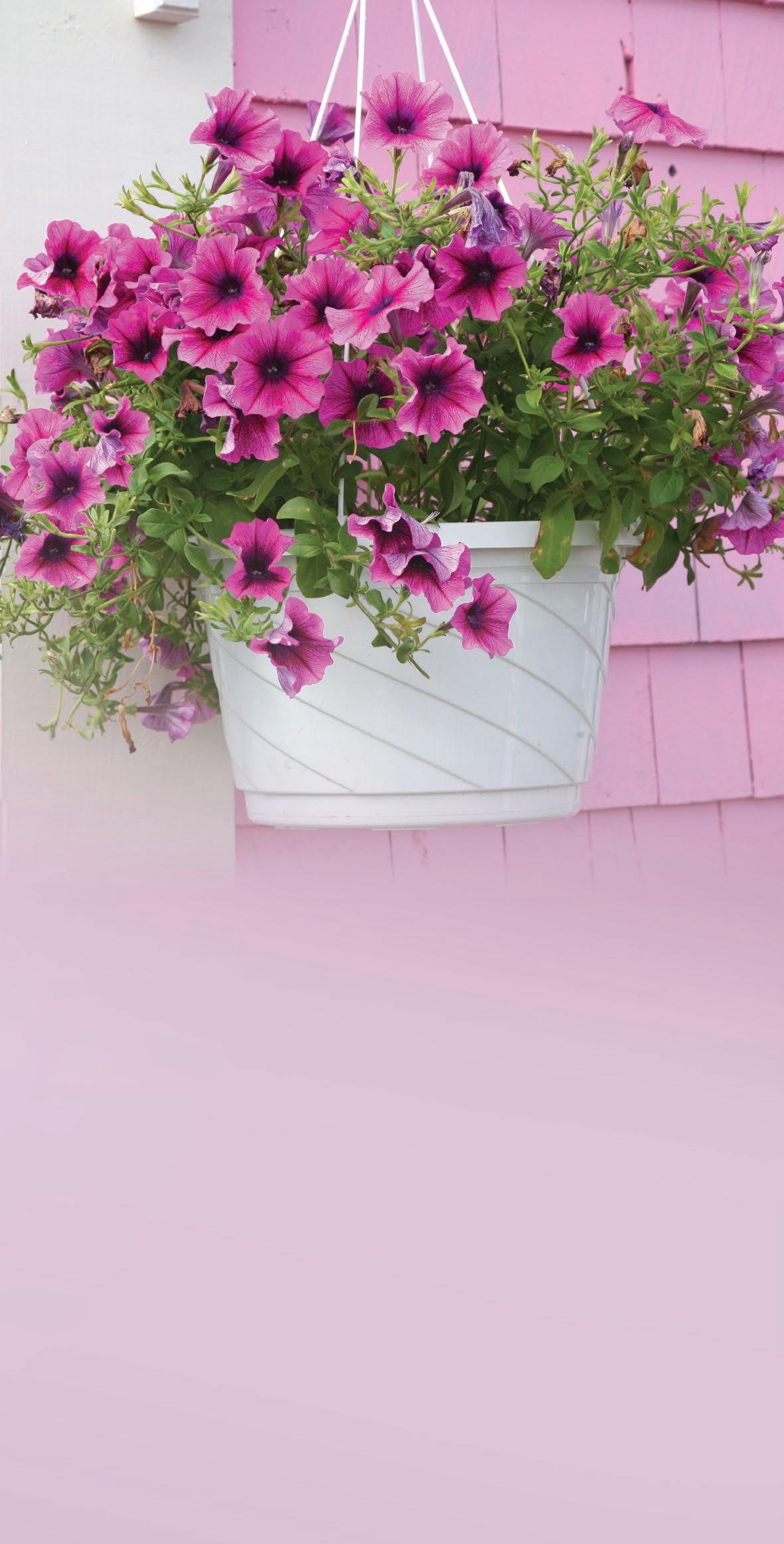
The right potting mix and fertiliser combination for strong displays.
Hanging baskets can dry out quickly. Use a premium potting mix with water saving efficiency technology and boosted with 18 month controlled release fertiliser.
happy planting!
SCAN TO READ TIPS ON HANGING BASKETS
plant & grow by climatic zone
FLOWERS
> Prepare Camellia sasanquas and Camellia japonicas for cooler weather flowering by sprinkling Searles Azalea & Camellia Plant Food onto soil and water in. For when their flower displays really hit their straps, liquid feed with Searles Flourish Azalea, Camellia & Gardenia Soluble Plant Food fortnightly to keep up their brilliance.
> By now some trees are transforming into their dormancy by showing off their autumnal leaf colour. Consider Claret Ash (pictured), Golden Ash and Japanese Maple for autumn foliage.
> Tibouchina, ivory curl, gaura, geranium, gordonia, ixora, blueberry ash, salvia and buddleja are in bloom now.
> Plant sweet peas now for garden or cut flower displays later in the season. Cyclamen, orchid and kalanchoe look great in pot displays and can spend time indoors in a partially sunny position.
EDIBLES
> Broccoli and other winter crops, leafy greens and asparagus can be planted mid Autumn for a winter crop.
> Plant citrus, passionfruit vines and fruit trees now to give time for the roots to establish through winter and spring growth. Feijoas, olives, pomegranates, some apples and figs are fruiting now.
GARDEN CARE
Aphids, blackspot and powdery mildew can destroy roses, begonias, dahlias and crepe myrtles. Remove and bin affected leaves and spray promptly with Searles Trifend Complete Garden Spray
FLOWERS
> Plant spring flowering bulbs now such as crocus, daffodils, tulips, anemones, bluebells, freesias, Dutch iris, hippeastrum and liliums.
> Try berberis, enkianthus, prunus, punica and viburnum for deciduous autumn colour foliage.
> Now is the time to plant cool-season flowering annuals. Pansy, viola, snapdragon, alyssum, lobelia, cyclamen, marigold and nasturtium are always an easy gardeners choice. Hellebore (pictured), fushsia and camellia will start blooming.
EDIBLES
> Plant your winter veggies and leafy greens now for a long crop of edibles. Prepare veggie patch two weeks prior with 5 IN 1 Organic Fertiliser to give your produce the best results or use Searles Herb & Vegetable Specialty Mix for pots or gardens. Keep up the water and remove weeds from around the base of the plant to keep the plant performing optimally.
> Plant new citrus and fruit trees including avocado and olives trees. Some pear and apple varieties are ready for harvest.
GARDEN CARE
Fertilise to strengthen flowering plants defence ahead of winter with SeaMax Organic Fertiliser and promote autumn flowering displays. Mulch gardens to insulate soils and move frost sensitive plants to a more protected area.
FLOWERS
> Anigozanthos - bring the bush to your garden with a range of colourful blooms. The taller varieties are generally the hardiest. Many natives like banksia, callistemon, grevillea flower well now. Plant in Searles Native Plant Specialty Mix
> For garden and potted colour plant dianthus, gypsophila, hollyhock, impatiens, lobelia, marigold, pansy, snapdragon and violas. Pop in some garden classics like lavender, roses, salvias and shrubs featuring silvery-blue foliage. Try hardy succulent plants like agave & aloes.
> Plant bulbs for Mediterranean climates such as jonquil, Spanish bluebell, ixia, ranunculus, anemone and lachenalia.
EDIBLES
> Olive, pomegranate, feijoa and figs should be ready to harvest during autumn. And it is a great time to plant more. New citrus trees, planted now will establish themselves well for spring growth.
> Plant tomatoes, capsicum and zucchini early autumn for another crop before winter sets in. Winter veggies can be planted later in the season, such as, artichoke, broccoli, cabbage, cauliflower, cress, leek, lettuce, radish, onion, shallot and silverbeet.
FLOWERS
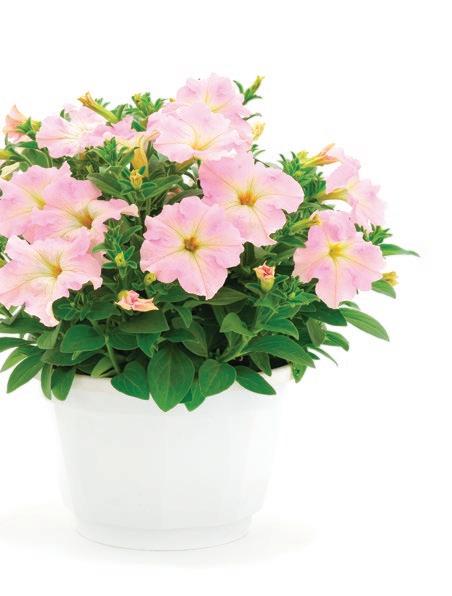
> Sow chrysanthemum, cockscomb, cosmos, dahlia, gerbera, impatiens, marigold, nasturtium, petunia, rudbeckia, salvia, snapdragon, sunflower, torenia, verbena, wallflower and zinnia. Plant Supertunia Vista petunias, Limonium ‘Purple parachute’, Evolvulus ‘Blue My Mind’ and daisies are hardy big bloomers for the autumn months.
> Coprosma, desert flame, geranium, gaura, aloes, kangaroo paw, gazania, portulaca, everlasting daisy, Salvia and autumn flowering natives put on displays.
EDIBLES
> Plant Asian greens, peas, leeks, beetroot, celery, garlic cloves, lettuce, onions, parsnips, spinach, broad beans and Asian greens. Plant into Searles Herb & Vegetable Specialty Mix for pots and gardens.
> Grow leafy greens fast and pick young for the tasty result. Water daily and liquid feed fortnightly for quick growth.
> Plant olive, fig, citrus, passionfruit and loquat trees. Mix into existing soil some 5 IN 1 Organic Fertiliser, water well and mulch after planting. Plant strawberries in hanging baskets for easy picking.
GARDEN CARE GARDEN CARE
Aphids, thrips, cabbage moths can plague veggies and flowering annuals. Control heavy infestations with Searles Bug Beater Ready-to-use spray promptly. Repeat spray at weekly intervals as necessary.
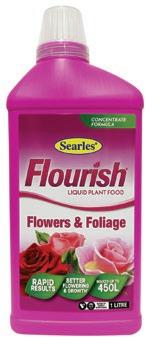
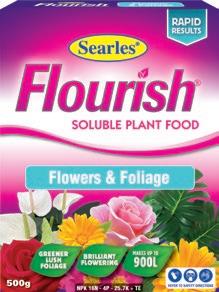
Feed fortnightly with Searles Flourish Soluble Fertiliser - Flowers & Foliage to provide autumn flush of roses, annuals and flowering shrubs.