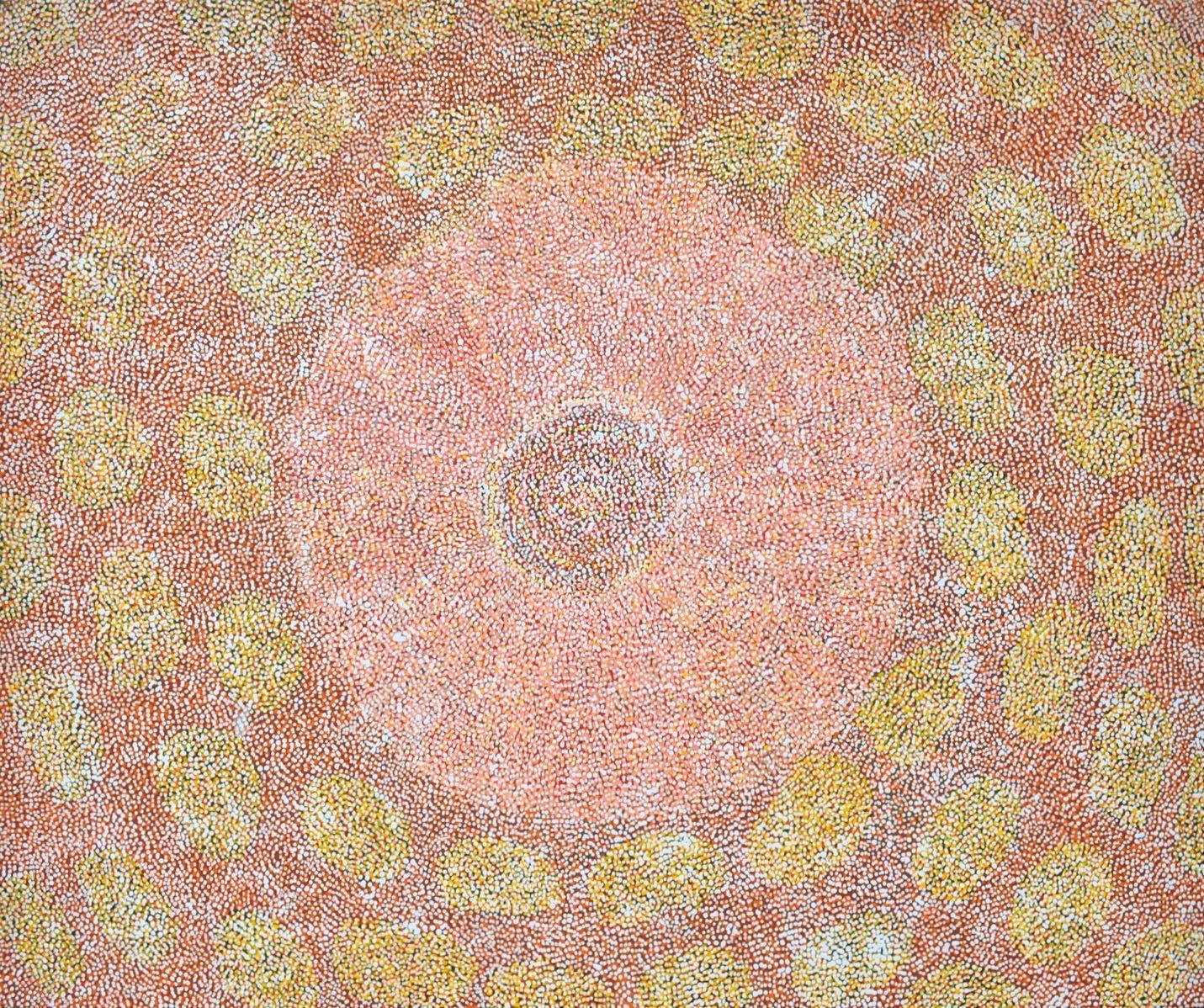
Two Brothers, Same Skin, Sitting at Tjupi
Kutjarra Tjakamarra

Two Brothers, Same Skin, Sitting at Tjupi
Two Brothers, Same Skin, Sitting at Tjupi
Presented by Aboriginal & Pacific Art gallery in association with Papunya Tjupi Arts, Papunya, Northern Territory.
Exhibition Dates: 1 April - 25 April, 2026
Tjakamarra Kutjarra is a series of contrast and mutuality. Both Dennis Tjakmarra Nelson and Simon Tjakamarra Yuungut have a significant inheritance from independent Tjupurrula fathers. Fathers who pioneered the Western Desert Art Movement. Intergenerational knowledge is the ground, the stylistic contrast reinvigorates Tjukurrpa (Dreaming), identity, perception and the individual in unity.
- Willie Ackerman, Papunya Tjupi Manager

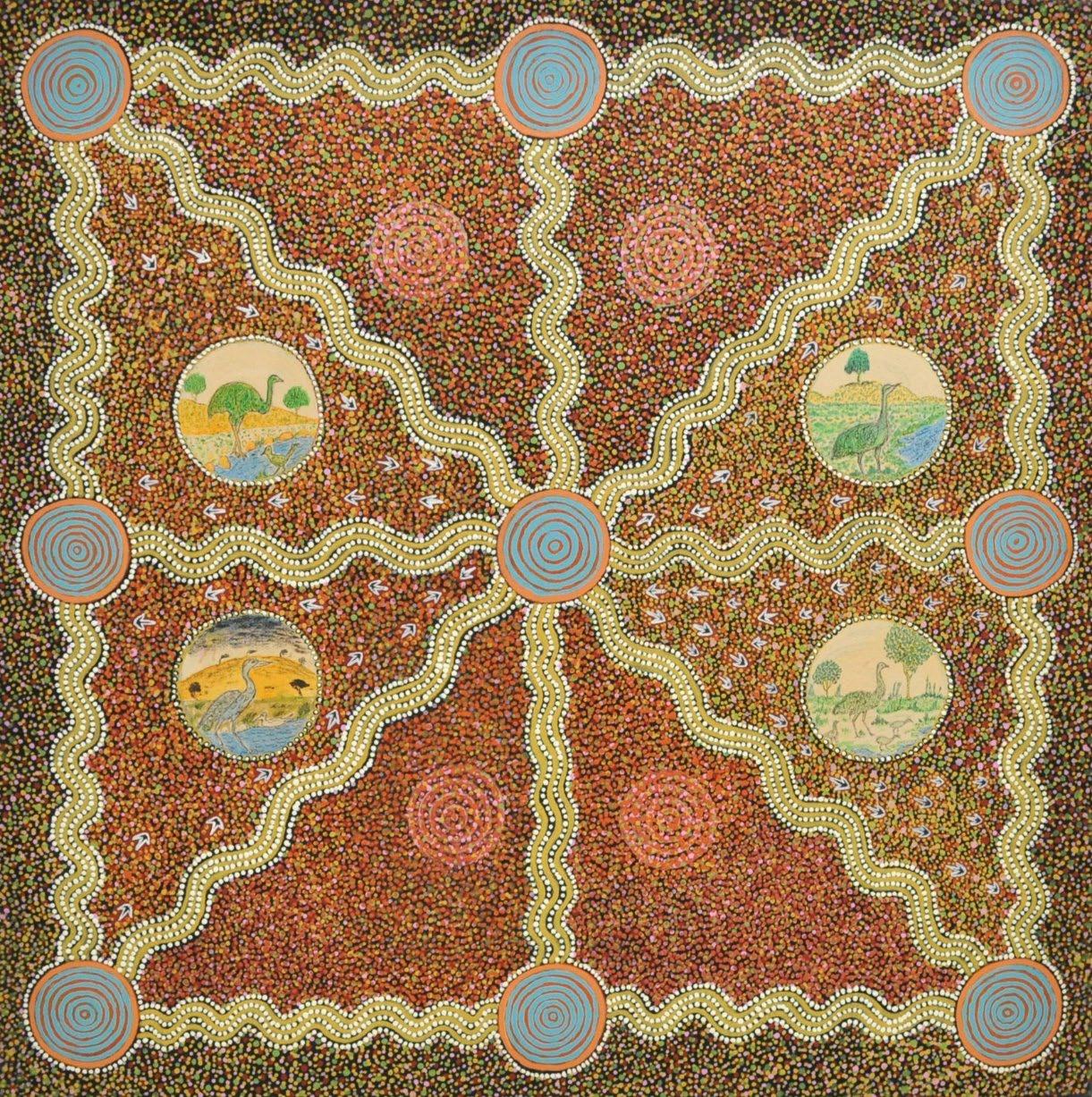
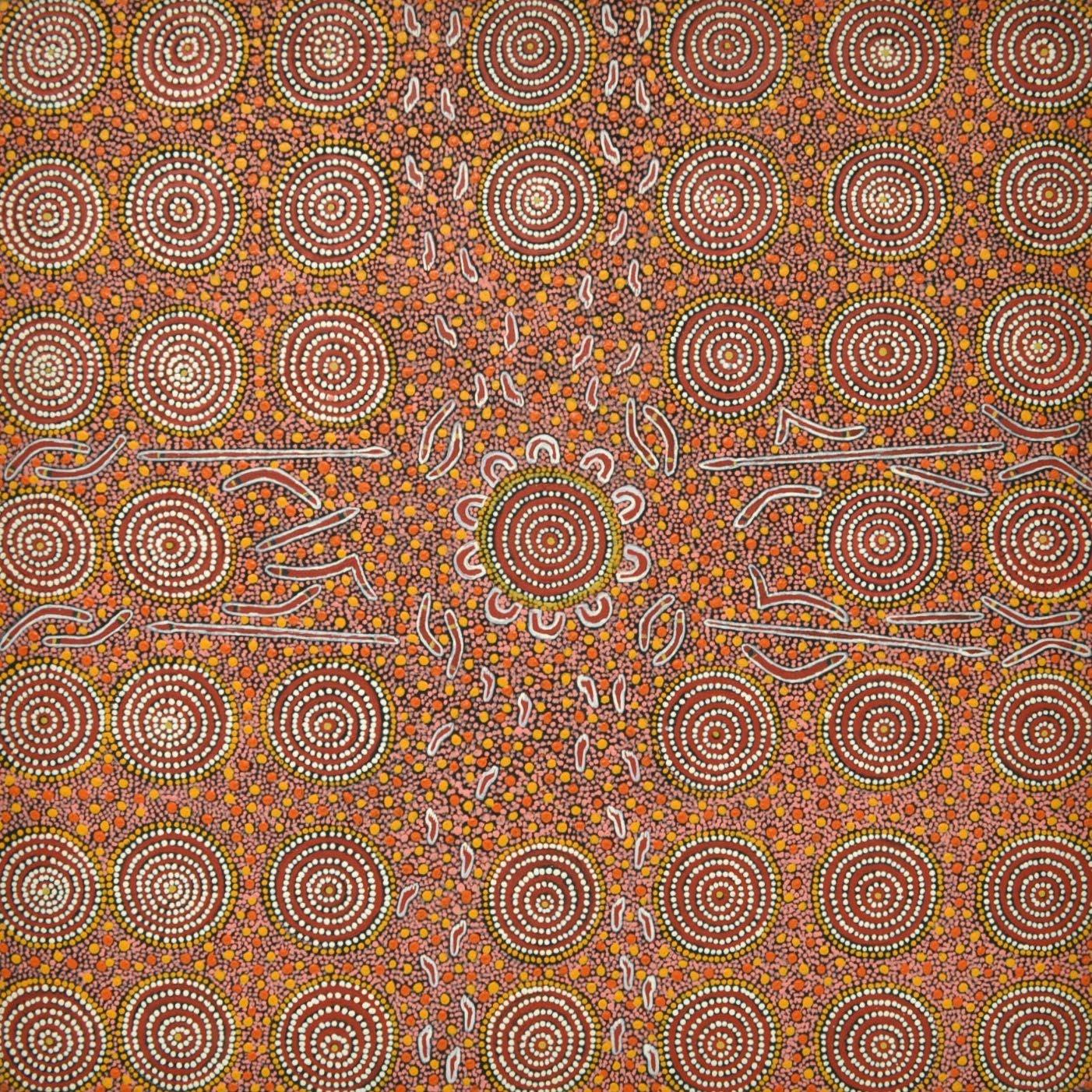
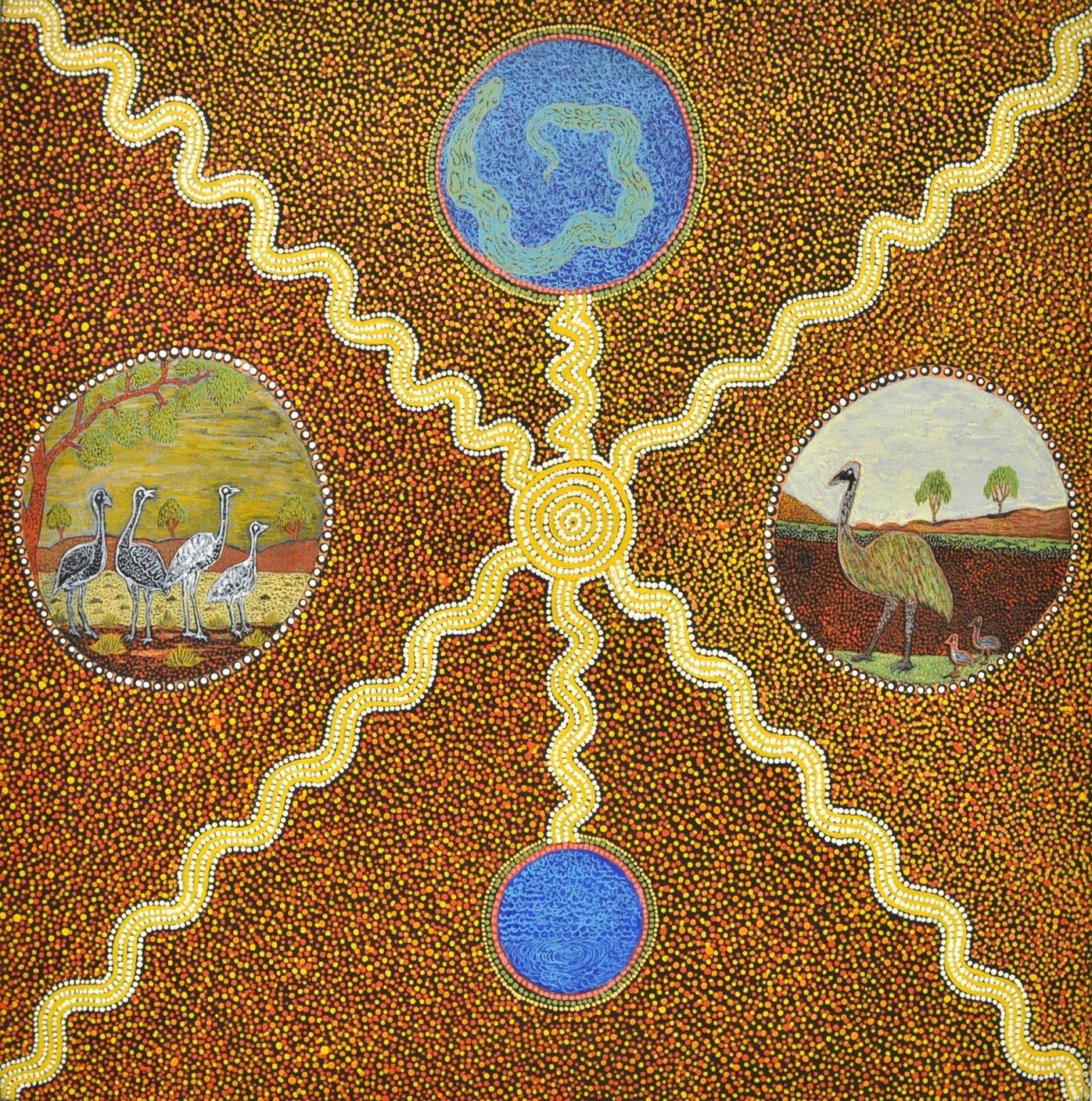
Synthetic Polymer on Canvas
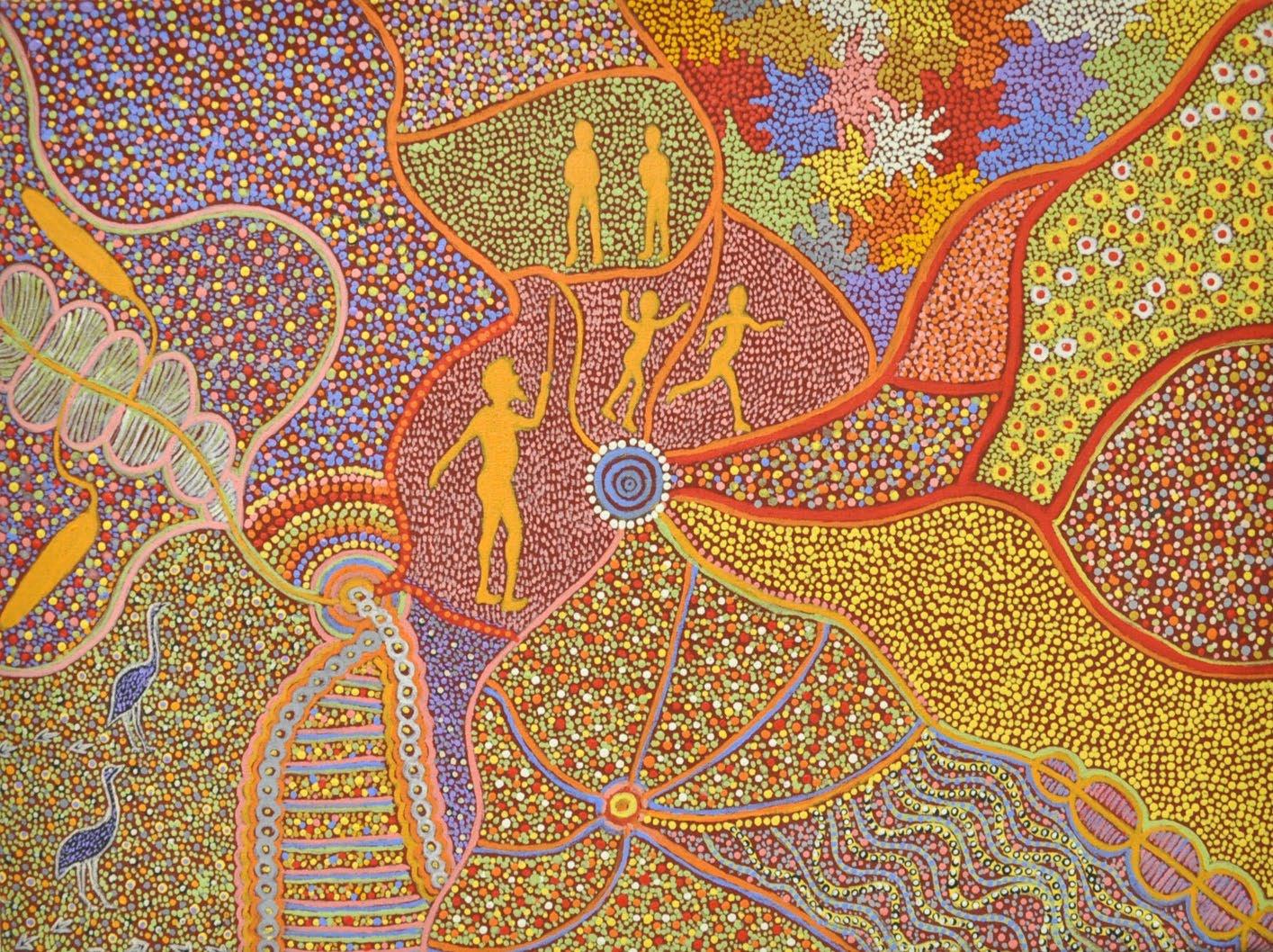
Dennis Nelson Tjakamarra
Kalipinypa
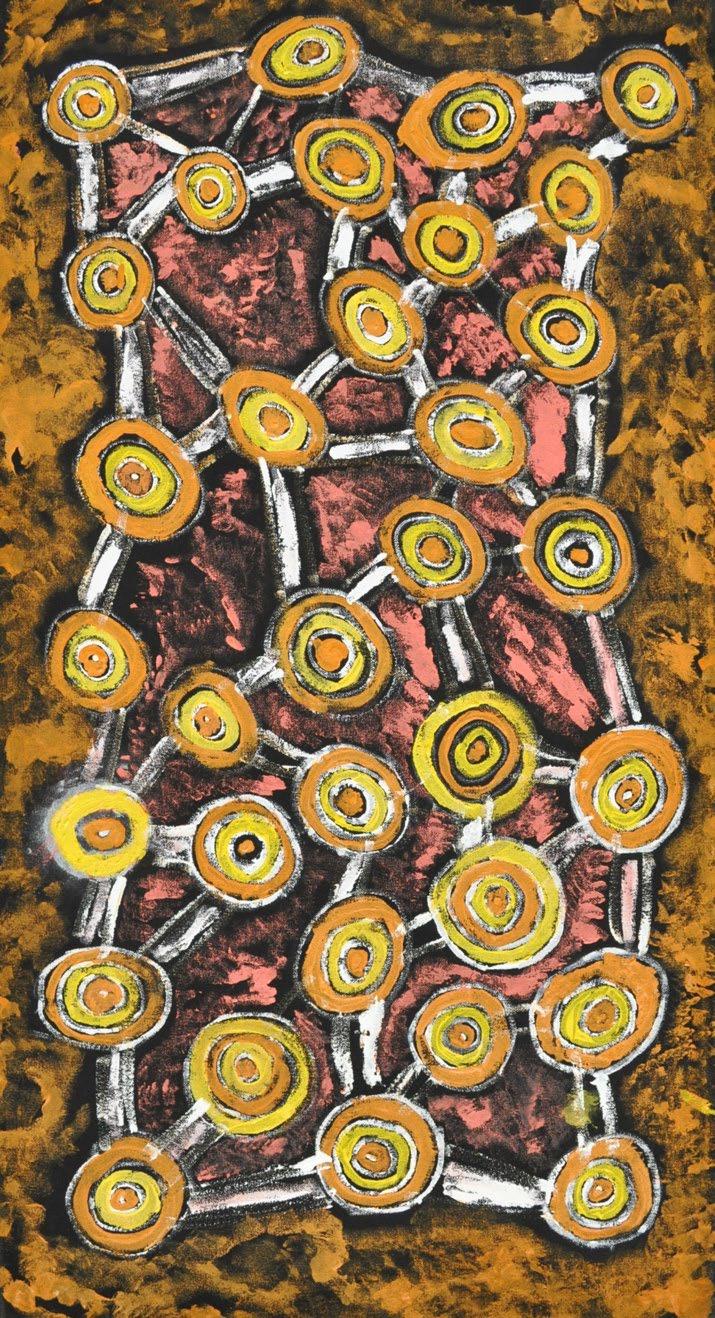
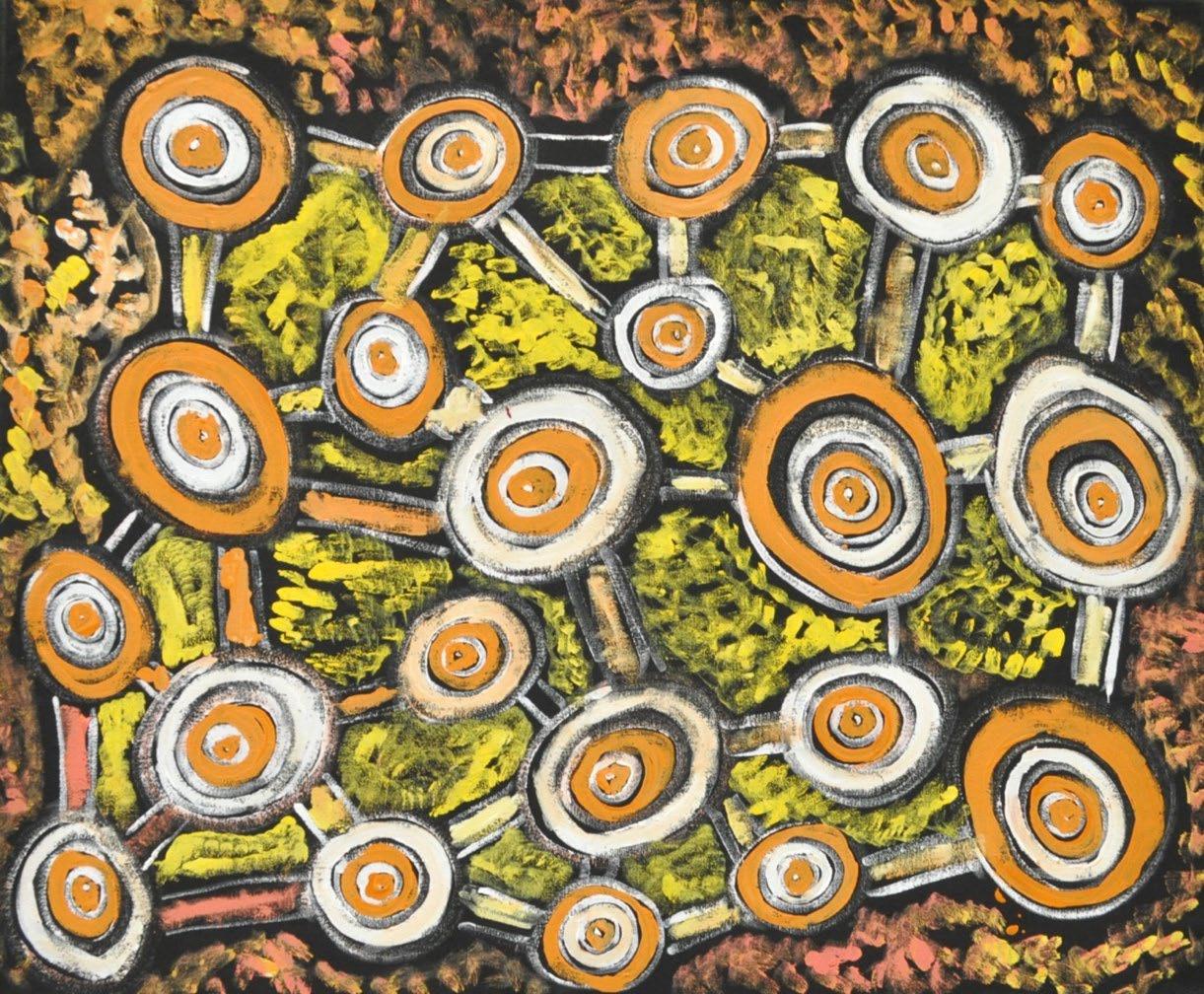
This painting depicts the Kapi Tjukurrpa (Water Dreaming) site of Kalipinypa, North-east of Kintore. Dennis talks of Kalipinypa as Paradise Country. He remembers a story of this site where two birds wonder around for water. Underneath that water there is a snake making the water bubble. There is bush tucker all around. There are wildflowers, kapi tjukitji and water running. The painting tells the story of an important rain making ceremony involving the rainmakers to invoke storms. Kalipinypa is a powerful storm that brings lightning, thunderclouds and rain to rejuvenate the earth, filling rock holes, clay pans and creeks. It has the power to create new life and growth upon the land. If present, the circles represent kapi tjukitji (rock holes) and the meandering lines depict the water flowing throughout the country and between waterholes. Background dotting represents the rejuvenating effect the rain has on the land, bringing out the bush food plants and providing easy access to water.
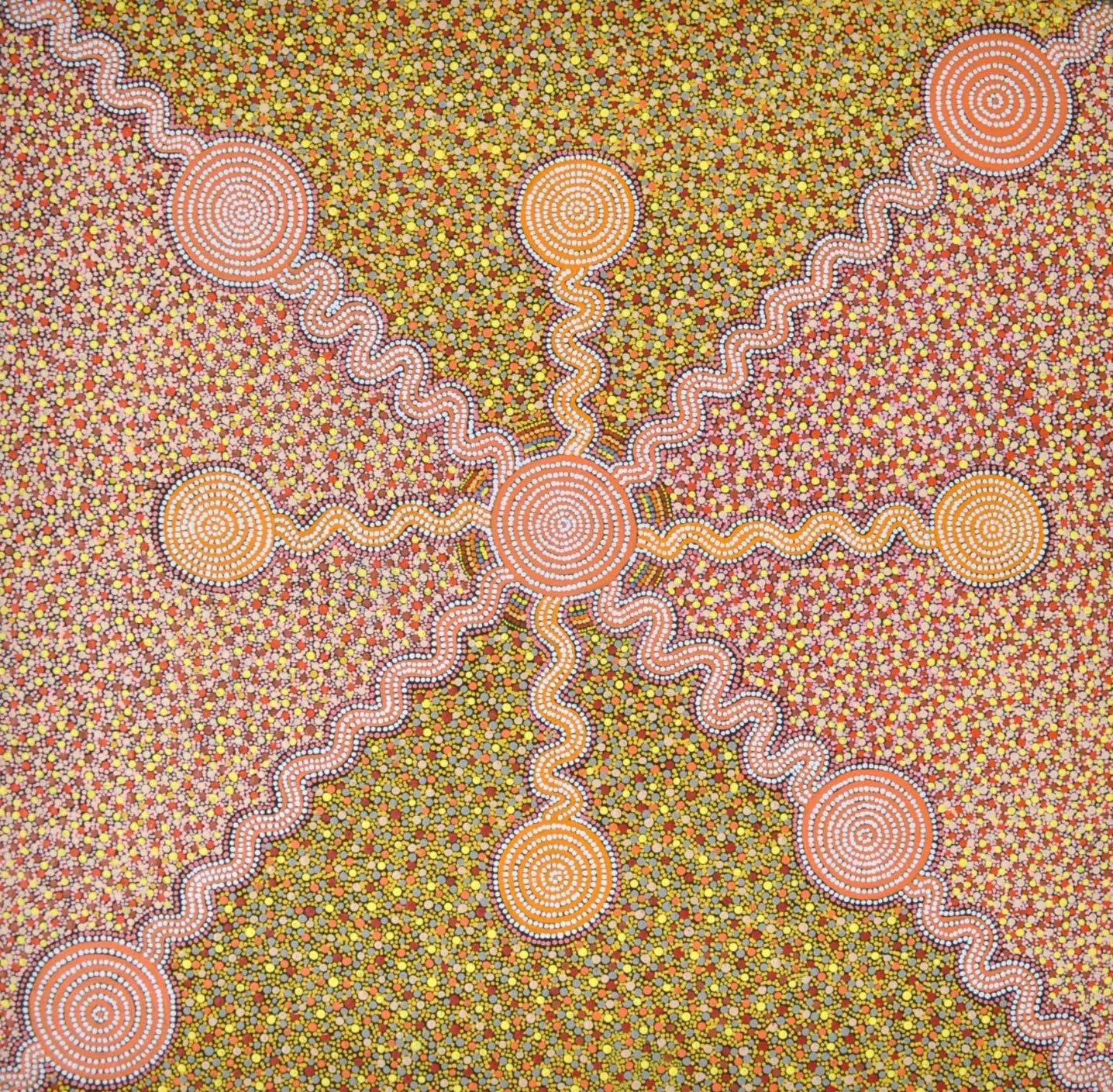
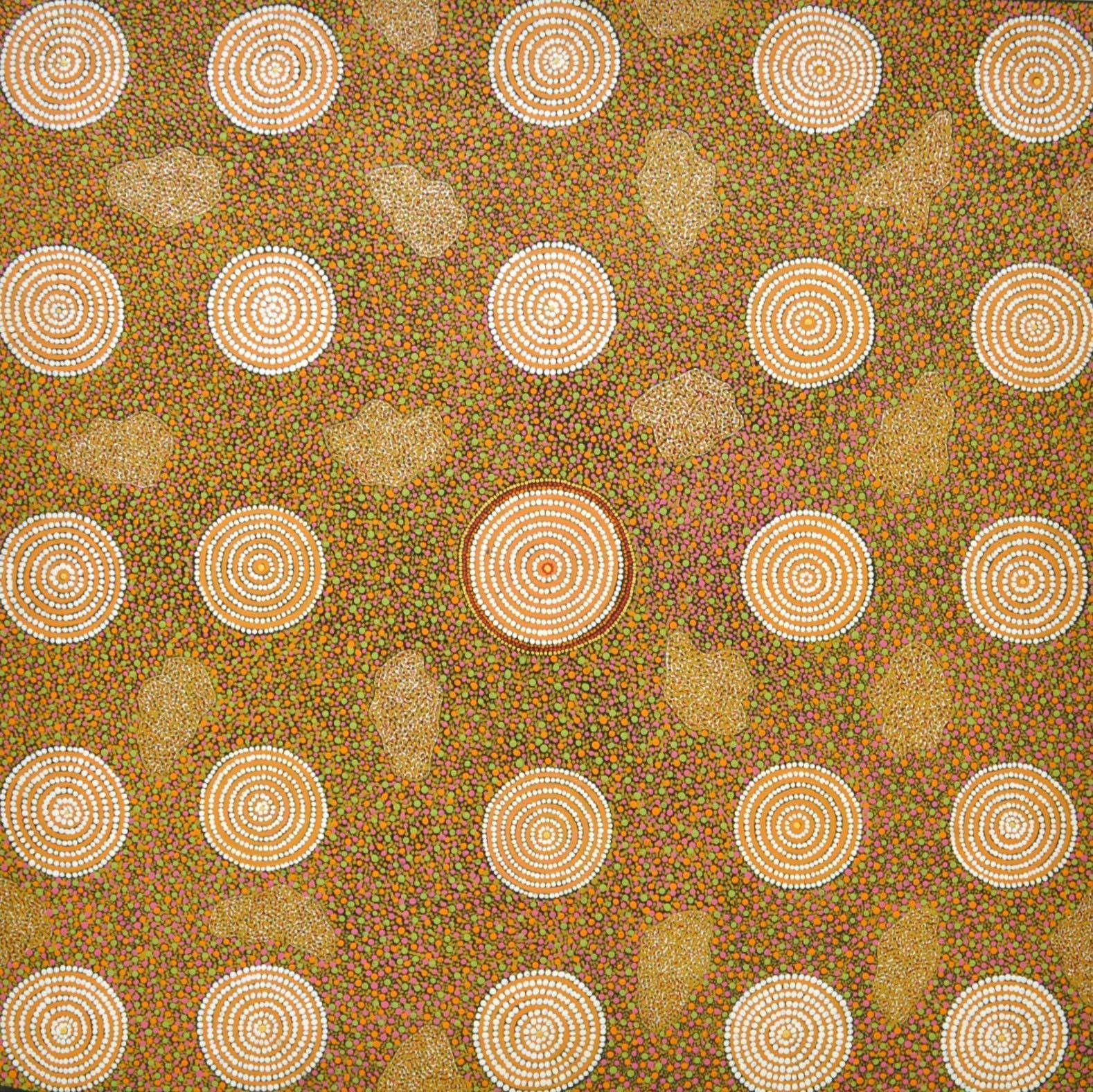
In this painting Dennis has depicted Tjikari, a site to the north of Kalipinypa, near Kintore. It is a story where the old man Pangkalangku, a hairy mythical like figure, is telling the Nyana Nyana Wati (Men) to go down inside a hole in the ground where a great fire is. These men do not return. They are transformed in this hole and never come back.
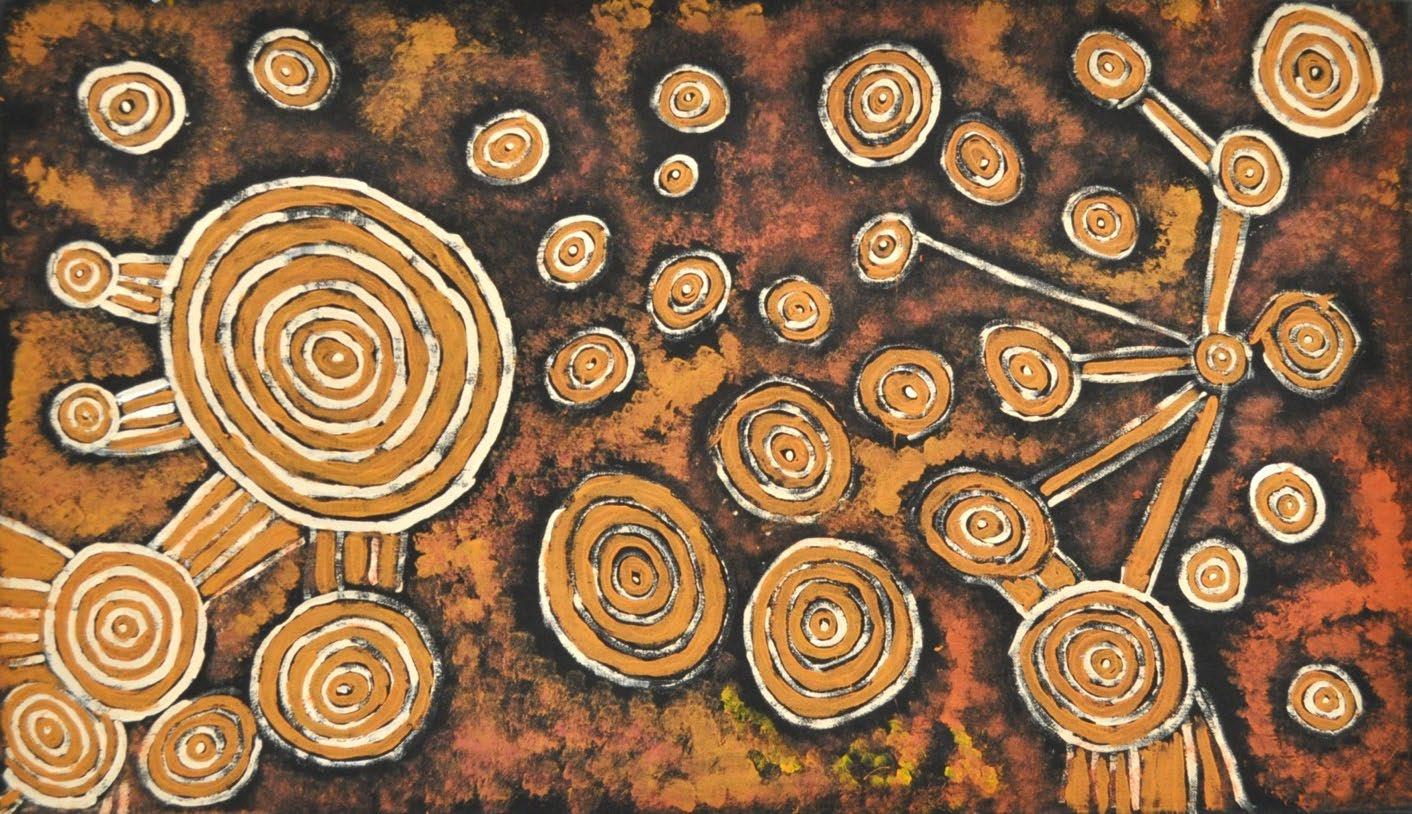
Tingari, 2025
#292-25
Synthetic Polymer on Canvas 122 x 71cm
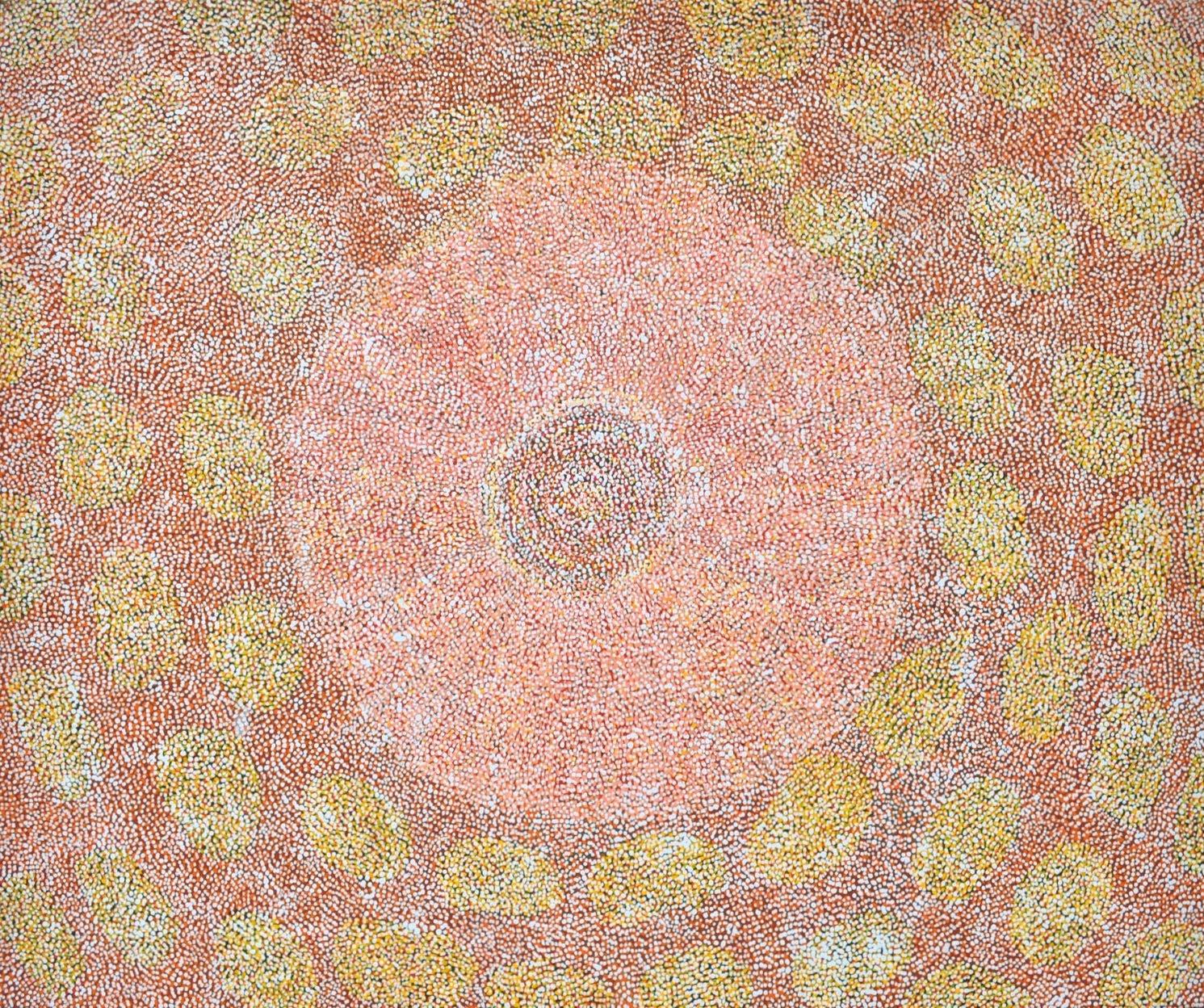
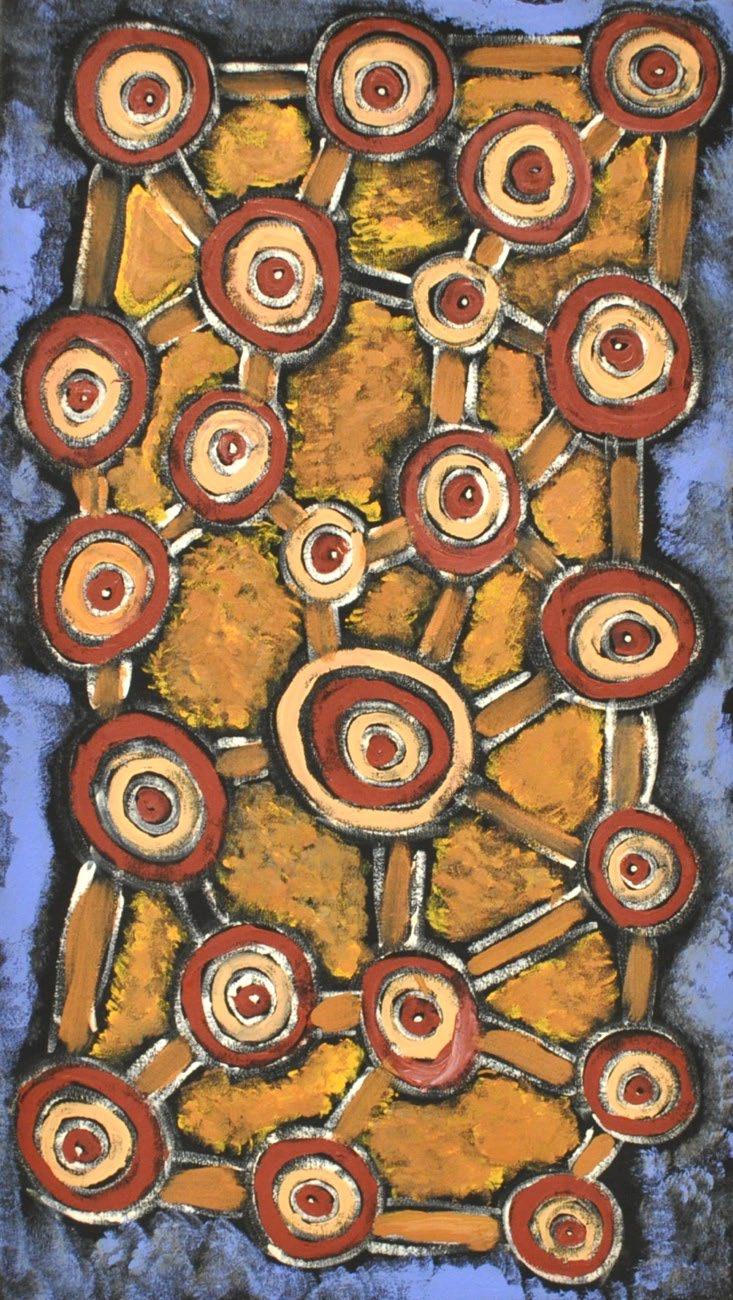
Simon's paintings depict the dreaming stories and the travels of the Tingari, using the traditional concentric circle and line design. Tingari refers to the Dreaming and its Laws for the Pintupi language group of the Central Western Desert. The Tingari is the Creation era when the Dreamtime Ancestors moved across the lands, creating the features of the landscape and all aspects of the natural world. The Tingari story is mostly of a secret nature, and the men are usually given greater emphasis than the women. Aboriginal people believe the Creation or Dreamtime is the beginning of ‘knowledge’, when the laws of existence were put together. It is also the beginning of time when the supernatural Ancestral beings were born out of their own eternity. It is said the Ancestors moved across the then barren surface of the world, holding ceremonies, hunting and fighting. In doing so they changed the form of the land creating the mountains, rivers, trees, plains, water holes and sand hills. The Ancestors were honoured by Aboriginal people in corroborees performed at sacred sites where the spirit of the Ancestors had become part of the landscape or turned into entities such as rocks or trees. Simon draws inspiration from his father, Johnny Yungut Tjupurrula of the Western Desert, with visible evidence of the style and tjukurrpa being passed down.
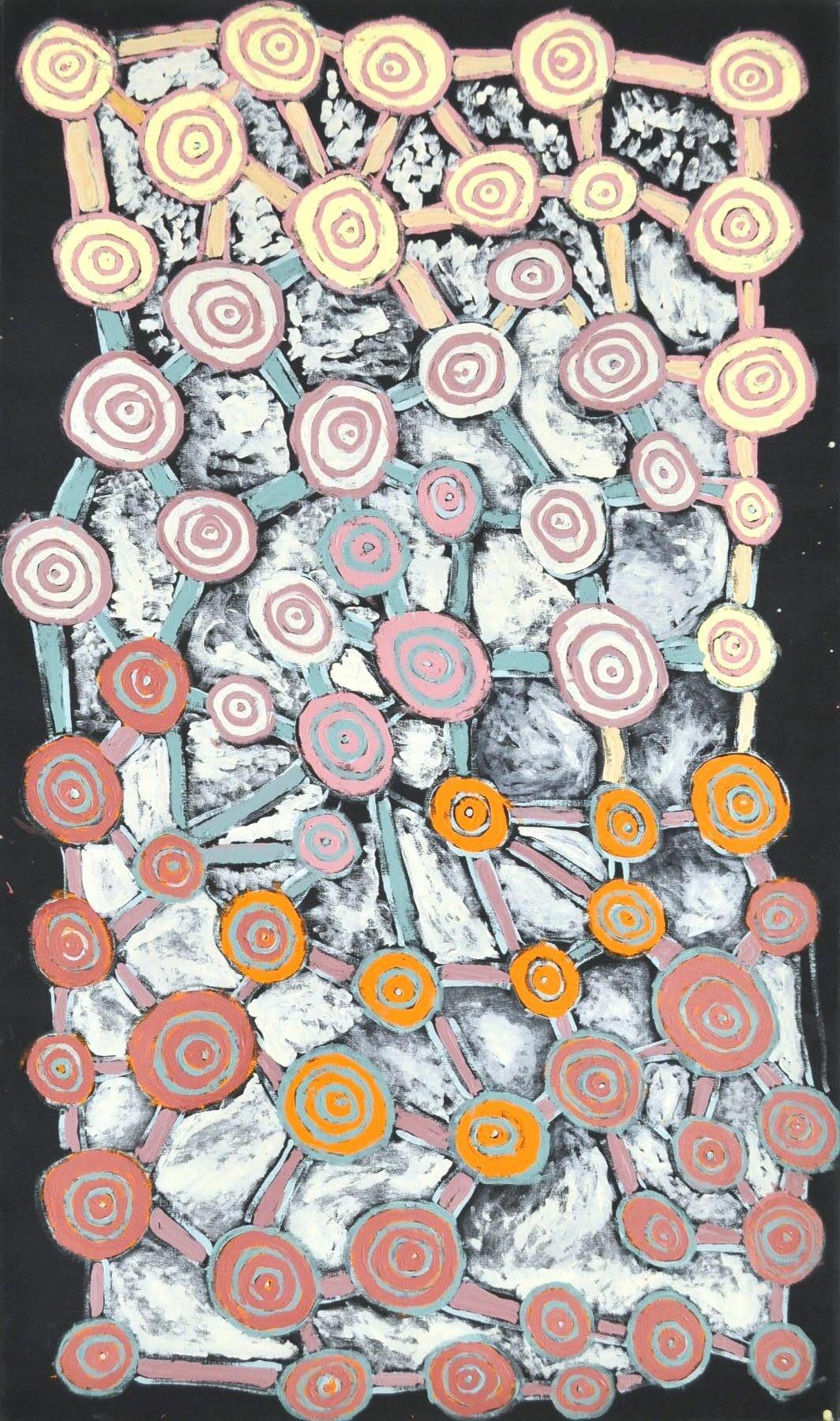
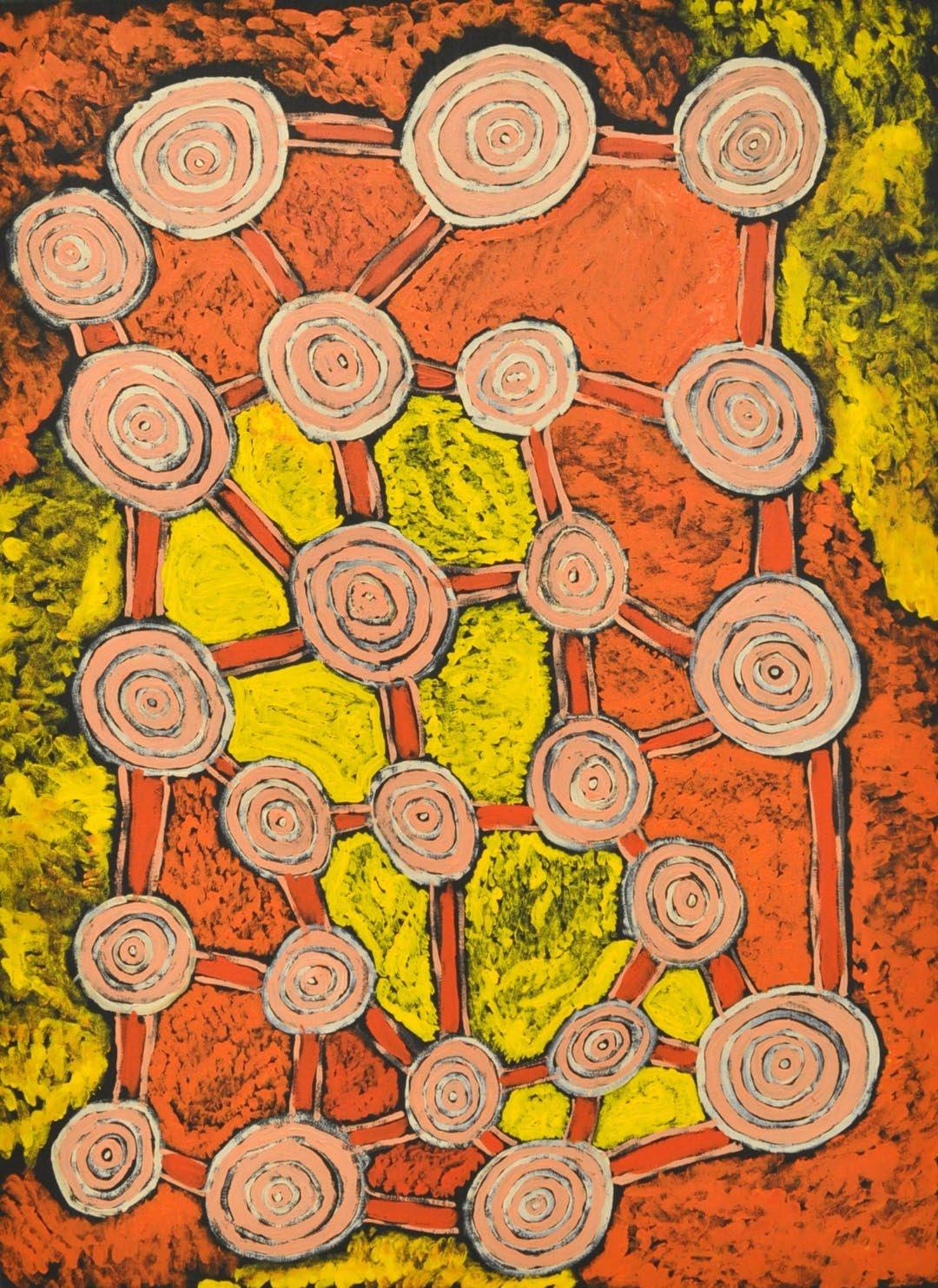
Synthetic Polymer on Linen
122 x 91 cm
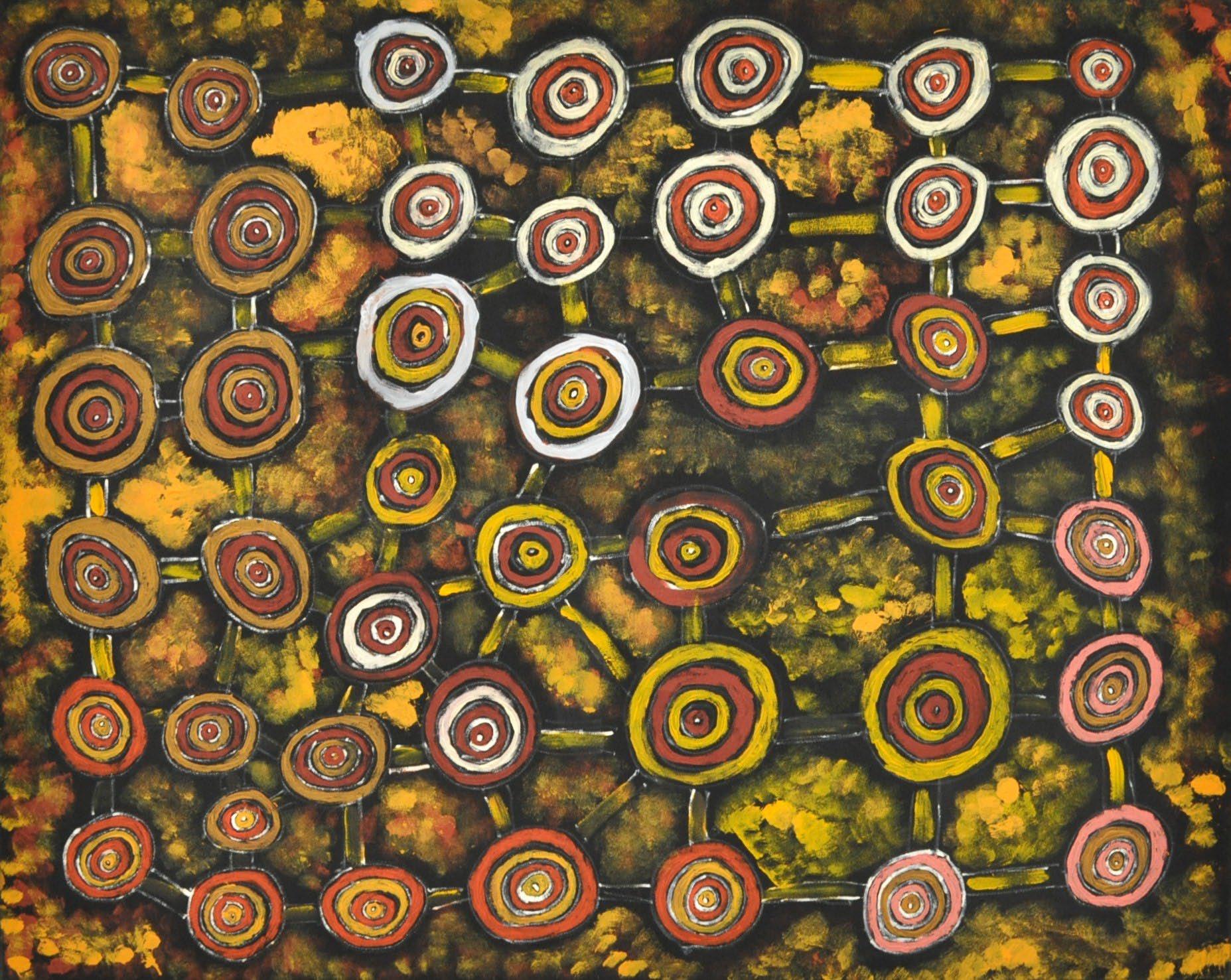
Tingari, 2025
#269-25
Synthetic Polymer on Canvas
153 x 122cm
Presented by Aboriginal & Pacific Art Gallery in association with Papunya Tjupi Arts, Papunya, Northern Territory.
Papunya Tjupi Arts is an Aboriginal owned, community-based enterprise, representing over 100 artists. We encourage the sharing of knowledge and skills to foster self-determination and cultural development. This is done through arts practice, community activities, meaningful employment, and training opportunities. All proceeds are split between the artists and the funding of further community projects. We would like to thank you for your support and welcome anyone who would like to visit.
All images and text Copyright 2026 the artists and the community, Papunya Tjupi, Papunya, NT.