



Ability Centre is a not-for-profit disability service provider that has been supporting Western Australian families for more than 69 years.
Our Purpose
Empower people to realise their abilities
Our Vision
People of all abilities thrive in their community throughout their lives
Our Values Empowerment Innovation Excellence Commitment Passion Accountable Respect Integrity
T
ABN

The end of this financial year saw the overwhelming majority of our customers transitioned to the NDIS.
During this year we have relentlessly pursued quality service for our customers, their families and carers. We have all experienced an extraordinary environment due to the challenges of COVID-19 and I applaud the resilience of everyone in our community.
The end of this financial year saw the overwhelming majority of our customers transitioned to the NDIS. This has been long awaited and is a fundamental change to how we have traditionally worked. I believe the groundwork over the last couple of years to prepare our governance and organisation structure, as well as our supporting systems, will stand us in good stead to grow and strengthen our services and customer experience.
In response to this new operating environment, the Board has developed a Strategic Financial Framework to guide Ability Centre’s long term sustainability. This will be in place from 2020/21 and will provide a sound basis to move to a position of small surpluses over the next three years.
We ended the year with 2195 customers, 977 employees and income in excess of $83 million. The 10% decrease in customer numbers from the previous year can be attributed to a date cleansing project undertaken in preparation for the NDIS and some people exercising their option to choose another provider. At the same time, others have chosen to take up Ability Centre services.
We have continued to invest in our people with the largest training program in our recent history for our frontline employees and their leaders. We remain committed to receiving regular feedback from our workforce and we will re-introduce our formal survey process in 2020/21.
We have continued to invest in our people with the largest training program in our recent history for our frontline employees and their leaders.
I am very supportive of opportunities for dialogue and our new Ability Checkin performance discussions will be a key platform for this, combined with our regular leader forums.
Meaningful employment is also important for many of our customers. In January 2020, we embraced the WA Government’s new Containers for Change recycling initiative and committed to three sites and up to 30 dedicated jobs for people living with disability. This will be a new chapter for our organisation from October 2020 and will further strengthen our existing employment services with more career pathways.
Ability Centre is part of the broader disability sector across Australia and we continue to benefit from strong relationships with other organisations such as Ability First Australia and National Disability Services. We also value our relationships with the WA Department of Communities, the WA Department of Health and the National Disability Insurance Agency. These links have been especially valued this year, with our Executive active in numerous forums and working groups to achieve positive outcomes for people living with disability in light of COVID-19.
I was very pleased to continue to represent Ability Centre as part of the Disability Boards Exchange throughout the year. Designed to exchange information, discuss and debate issues facing the disability sector, and engage constructively with government and others, it was a valuable forum given the challenges we have all faced this year.
We remain committed to being open and transparent in regard to any information requested by The Royal Commission into Violence, Abuse, Neglect and Exploitation of People with Disability. No form of abuse, exploitation or discrimination is acceptable and we respect our customers’ right to raise any concerns with the Royal Commission. We farewelled Daniel Butler as a Board member after five years’ service, and I thank him for his service. Our Board membership has consolidated this year. I thank each member for their commitment to pursuing our vision of empowering people living with disability and being willing to challenge our thinking in how we work towards this.
Ability Centre has a proud history and a wealth of long term and recent supporters and donors. These individuals and groups have again been unwavering in giving their time and supporting our fundraising campaigns. We continue to be passionate about living our purpose to empower people to realise their abilities and this will again be a focus next year when we celebrate our 70th Anniversary. I greatly look forward to connecting with as many people as possible across our planned celebrations.

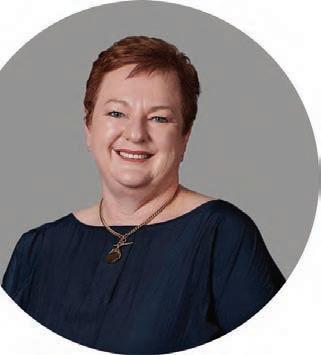
Justin Scanlan Chairman
Throughout the COVID-19 pandemic our first priority has been, and continues to be, the health and safety of our customers and our employees.
Reflecting on the last year, it is impossible not to view it in two halves, with a number of our plans delayed and many new unexpected initiatives now in place.
Throughout the COVID-19 pandemic our first priority has been, and continues to be, the health and safety of our customers and our employees. This has included people’s physical and mental wellbeing and I have been uplifted by the dedication of our team to act quickly and their willingness to do what is right.
COVID-19 has shown our ability to get things done quickly and efficiently and we must not lose the insights from this agility. We pushed decision-making down to where it was most needed and expedient, relying on enough information, not perfect information. We got more right than wrong and moved quickly to change when needed.
This year has also demonstrated more than ever the importance of leadership at all levels of our organisation. Every day our leaders have demonstrated our Values in action and we will continue to build and develop these skills to support our dynamic working environment.
COVID-19 had a material impact on Ability Centre’s operations and financial performance in 2020 and I am incredibly proud of how we have adapted the way we operate to being COVIDSafe as a part of every day.
Despite solid demand for services until January, the closure of most of our therapy face-to-face services and the significant costs associated with operating in line with COVID-19 restrictions impacted our business in the second half of the year. This compounded our forecast that in 2019/20 we would bear significant costs associated with the transition to the NDIS.
We have progressed a number of projects that will see our administrative processes move fully to the online environment and we are well underway with a complete review of our policies and processes.
We benefited from the Federal Government’s JobKeeper initiative from May 2020, with payments providing a buffer to support our operations.
Although our 2019/20 results are an improvement on 2018/19, we are facing a funding model with lower margins and increased competition across all our services. In the year ahead we will continue to rightsize our organisation; we will also complete a review of our corporate overhead costs and implement the resulting recommendations. We will finalise our market review of products and services and make necessary adjustments to ensure we are providing contemporary services that are in demand.
The move to the NDIS has not been all consuming. We have progressed a number of projects that will see our administrative processes move fully to the online environment and we are well underway with a complete review of our policies and processes.
One of our more exciting projects has been our exploration of partnerships for Specialist Disability Accommodation (SDA). We are committed to providing contemporary
services and this includes the homes and living options available to our customers. SDA, and the provision of support services, will be part of our offering from next year.
Moving forward, our key decisions, projects and initiatives will flow through a new Governance Framework adopted in June 2020. Comprising six Executive subcommittees, it reflects the main elements of a good practice corporate governance approach and has taken account of both Australian Institute of Company Directors’ principles and NDIA Quality and Safeguarding requirements.
In June 2020, we apologised to a group of employees who had been unintentionally underpaid over a 19 month period. The amounts owed to past and present employees were paid in full and with interest in the same month. We understand how important it is to ensure our hardworking employees are paid correctly, in full and on time and took full responsibility for this mistake. We are working with the Fair Work Ombudsman to ensure we have taken all necessary steps to address the situation and prevent a similar situation arising in the future.
We also took the opportunity to advocate for our customers and others who were moved to the Commonwealth Department of Health Continuity of Support Programme. This mainly impacted customers over the age of 65 and we believe an inequitable two-tier funding approach was created. While funding levels have subsequently increased, we will continue to pursue a solid policy change to this age-based approach.
Our 2019 Ability Awards were celebrated in style in November and it was another opportunity to sit back and take in the breadth of skills, expertise and care our employees demonstrate every day. We acknowledged 72 people for five or more years’ service and 25 employees with more than 15 years with our organisation.
The CEO Award went to Jodie Cox from Enterprise Services who began her career with us at Goodwill Engineering in May 2010. Jodie is a purposeful, strong and passionate advocate for people living with a disability.
We also introduced the inaugural Chairman’s Award which was presented to Ian Curlewis. This award recognises individuals or organisations that have been dedicated and loyal in their support of Ability Centre.
Ian joined the Board in August 2001 and served until 2014. Ian also became a Trustee of the Cerebral Palsy Foundation in 2012 and continues in that role today. Outside of these formal appointments, Ian has been a trusted legal advisor and confidante to our CEOs and Board members for many years.
We will reflect on 2020 as a landmark year in our organisation’s history. It has shown us the true value of community and demonstrated the emotional connections this brings. Everyone has faced uncertainty and anxiety and yet we did not see a decrease in support from our donors and fundraisers. We have also seen amazing generosity from our volunteers and even strangers. On behalf of everyone at Ability Centre, my heartfelt thanks.
Our Board has provided strength and guidance to myself and the Executive this year, at all times demonstrating good governance and unwavering commitment to the pursuit of our vision and purpose. My sincere thanks Chairman Justin Scanlan and the Board.
I would like to once again thank our customers for choosing us as their provider this year. Finally, I would like to extend my deepest personal thanks to our team members for their tremendous e orts during what has been an incredibly busy and challenging year. I feel privileged to be a part of this team.
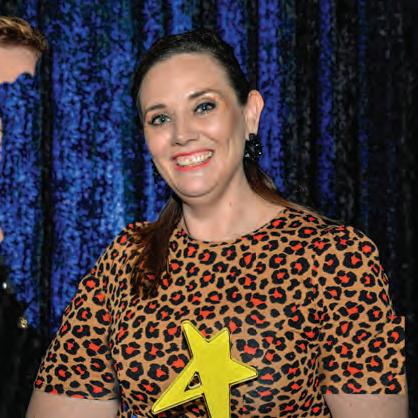

Jacquie Thomson Chief Executive O cer
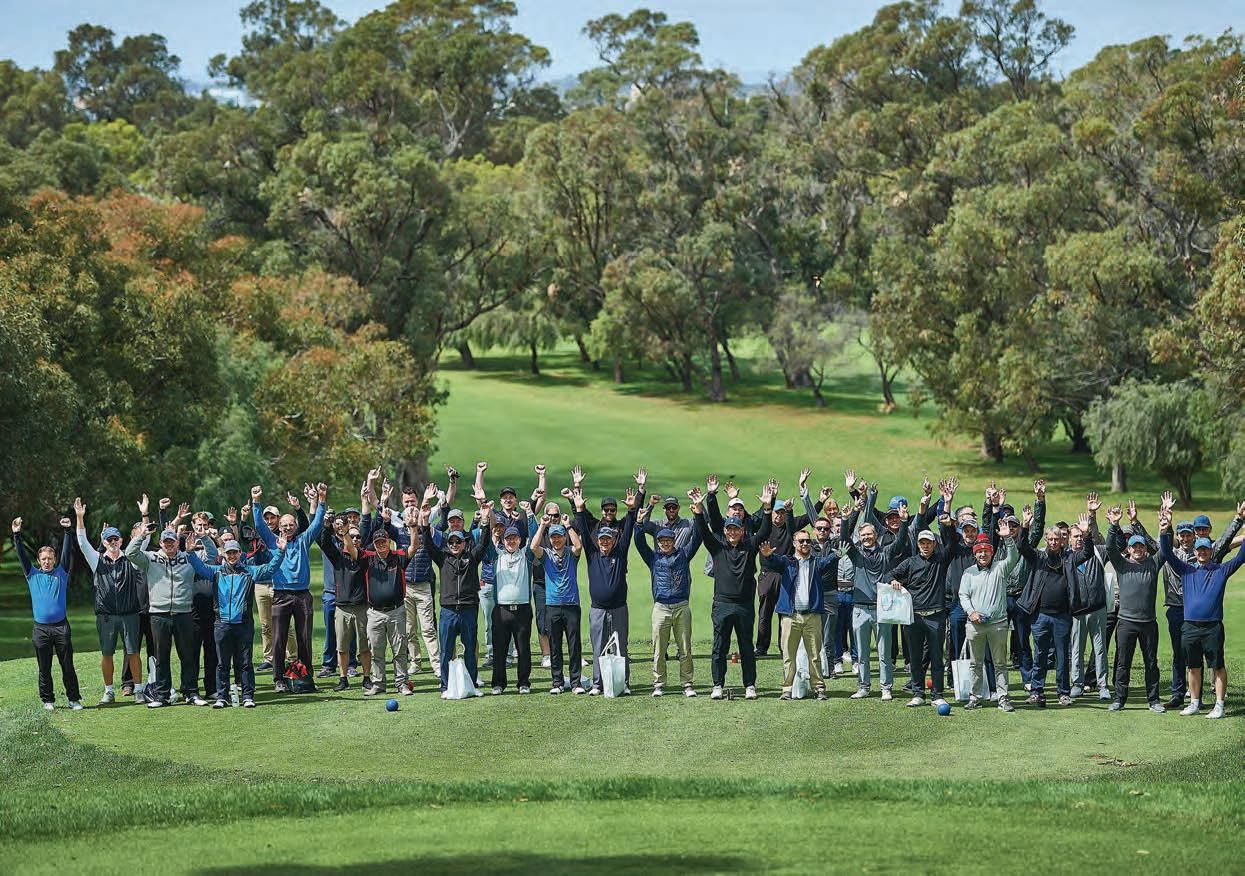
Fifteen teams participated at this year’s Golf Classic, raising more than $20,000

WA Premier Hon Mark McGowan MLA and Environment and Disability Minister Hon Stephen Dawson MLC launched the State’s Containers for Change scheme at Goodwill Engineering
As at 30 June 2020

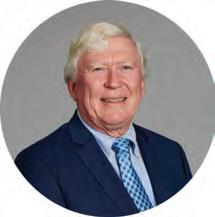

01. Justin Scanlan Chairman
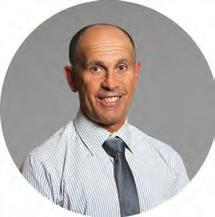
02. Ken Nylander Deputy Chairman
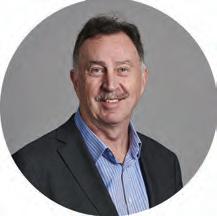
03. Mino Intini Treasurer
04. Tony Adcock
05. Priya Cooper OAM
06. Russell Hardwick
07. Gary McGrath
08. Melissa Northcott
09. Robert Radley
10. Dianne Ritson
Daniel Butler resigned during 2019/20


As at 30 June 2020



01. Jacquie Thomson Chief Executive O cer
02. Darren Cutri Chief Financial O cer and Company Secretary
03. Bronwyn Fitzgerald Chief Customer O cer
04. Tamsyn Howard Chief People O cer
05. Melissa Boekhoorn Executive General Manager Therapy Services
06. Sue Theunissen Executive General Manager Community Services
Business Analysis
Finance
Information and Communications
Technology
Payroll
Property and Fleet
Risk and Audit
Corporate Governance
Communications
Community Inclusion
Customer Engagement
Fundraising
Marketing
Research
Customer, Community and Strategy
Corporate Services
Quality and Governance
Employee Relations
Human Resources
Learning and Development
Occupational Health and Safety
Recruitment
Employment Services
People, Culture and Quality
Chief Executive Officer
Therapy Services
Community Services
Enterprise Services
Equipment Services
Occupational Therapy
Physiotherapy
Positive Behaviour Support
Social Work
Speech Pathology
Opportunities
Short Term Accommodation
Supported
Independent Living
Transition Care
Containers for Change
Goodwill Engineering

total customers as at 30 June 2020 2,195


58,735 1.34M
hours of Therapy Services provided hours of supported accommodation provided



449

sta members have been with us for more than 5 years
hours of supported employment services provided new employees joined us over the course of 2019/20


62,831 170 <16 $25.73M $83.21M
total income earned during 2019/20
workers compensation claims – 45% below the industry average cash and cash equivalents on hand at the end of 2019/20



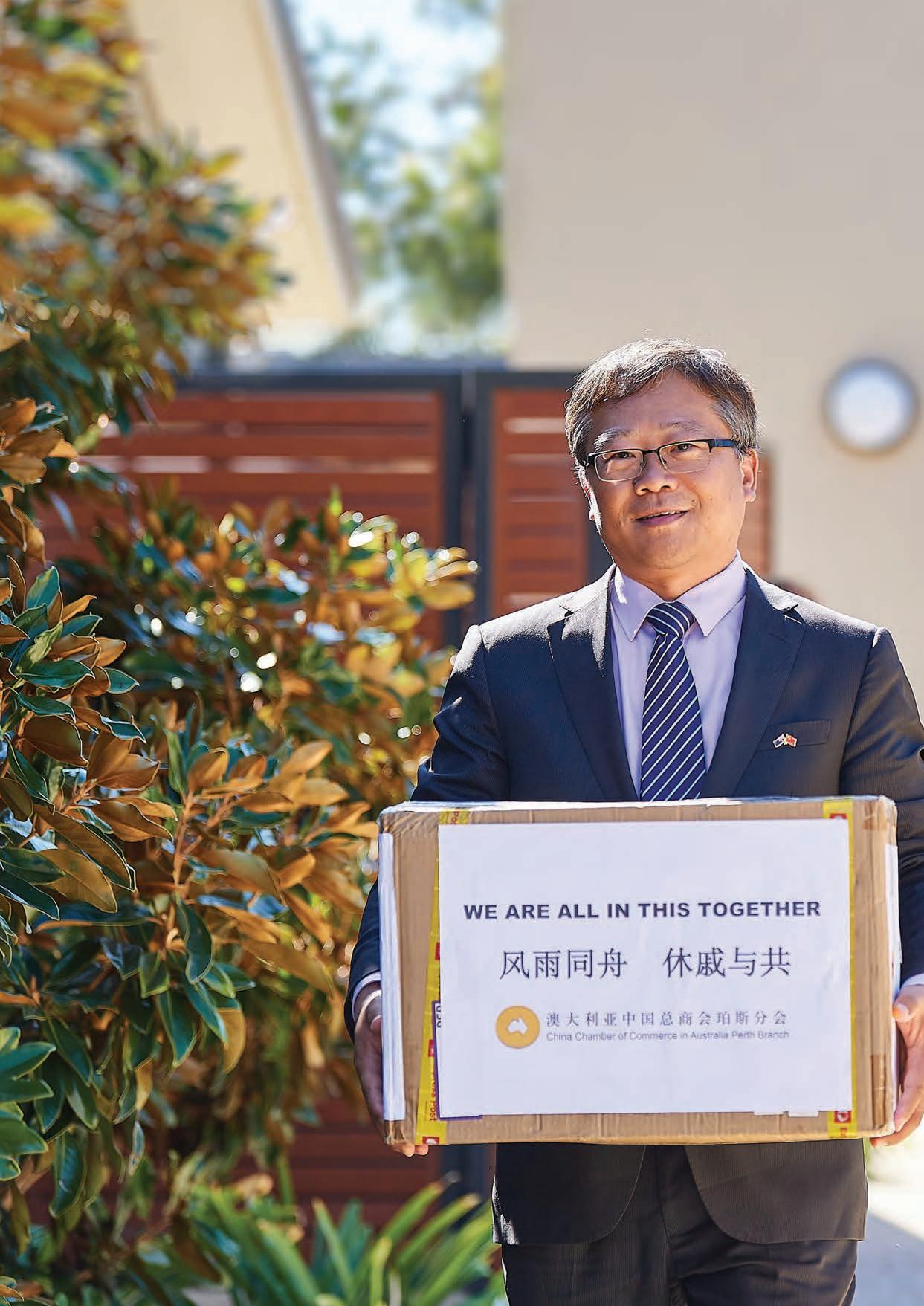
Individual donations from the Australian Chinese community to Ability Centre this year totalled $40,000, along with 4,000 medical grade masks donated by the China Chamber of Commerce WA to support Ability Centre’s response to COVID-19. The funds supported Ability Centre’s infection control programmes, targeting potential future COVID-19 transmissions and ongoing risks associated with the annual flu season.
Along with every other disability support and service provider, we have grappled with the impact of COVID-19 on our customers, our employees and our organisation since early 2020. The health and safety of our customers and our employees has been, and continues to be, our highest priority.
Our first employee communication, addressing infection control and advice for travellers returning from Hubei Province, was sent on 31 January 2020 and our internal and external communications escalated from that point. We focused on ensuring employees were well informed about infection control protocols, were clear on how to abide by government travel advice and knew how to escalate any queries or concerns.
Our intent was always to provide regular and timely communication for all customers and stakeholders but the quickly evolving situation and the differing advice from State and Federal government sources made this sometimes challenging to achieve.
Although we were dealing with an unprecedented situation in our organisation’s history, we responded with our tried and tested methodologies. In early March, we set up an Incident Management Team (IMT), an Outbreak Management Team and a Working Group each with senior representatives from across our organisation.
The groups met at least weekly and were responsible for detailed risk analysis. The IMT, led by our Chief Executive Officer, was the peak decision making forum and referred to advice and situation reports from WA Health, the Australian Health Department, the World Health Organisation and the Australian Health Protection Committee. Ability Centre was also represented on a number of forums run by Ability First Australia and National Disability Services. Our approach was to engage nationally and locally to ensure we were in step with best practice and leading advice and did not miss anything in our response.
We did not underestimate the responsibility we had to support our vulnerable customers and their families. The uncertainty that COVID-19 brought to our community was our greatest challenge as we balanced quick protective responses with a respect for people’s freedom of choice.
It took time to be clear how government directives would be applied to the disability sector and this was especially true in terms of categorising our employees as essential workers. With such a strong reliance on our workforce to care for our customers, this decision was vital for business continuity. From late March we completely reorganised how we delivered services given the restrictions on face-to-face contact and some services had to cease where they could not be managed within the guidelines.
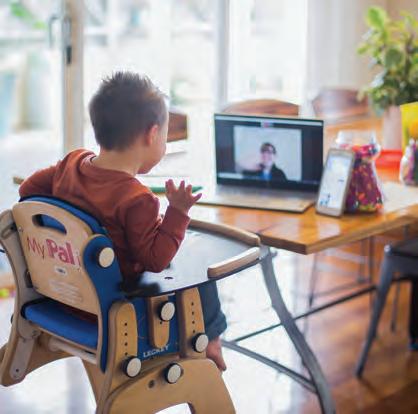
Face-to-face therapy ceased for all but critical services and our group programs and children’s respite services were put on hold. There was a quick ramp up for teletherapy services and our Community Support Workers were diverted to providing home-based support and activities. Our Equipment Services team also moved to providing contactless equipment repairs and delivery. Despite these significant efforts, there there were considerable disruptions to our service delivery capacity from April to June.
Infection control protocols and preparations for employees and customers dominated our early response to COVID-19. Ordering and centralising our stocks of personal protective equipment as well as ensuring we had a quick distribution process in place took priority.
We reviewed our outbreak management protocols and ensured we had suitable plans in place. We sought advice from an independent health consultant as part of this process.
As the COVID-19 story unfolded, our aim was to make timely decisions that protected the health of our customers while we continued to provide as many services as practical. Our communication strategy was at the heart of this.
As much as possible, our Therapy Services, Community Services and Enterprise Services teams made personal contact with customers to provide advice and support. Global and customer group communications were provided as circumstances evolved following government advice. A dedicated mobile number, website page and social media channels were used to share information and updates and we had a program to call all customers for their latest contact information. We provided specific
information on Ability Centre’s altered services as well as links to government helplines and Easy English information.
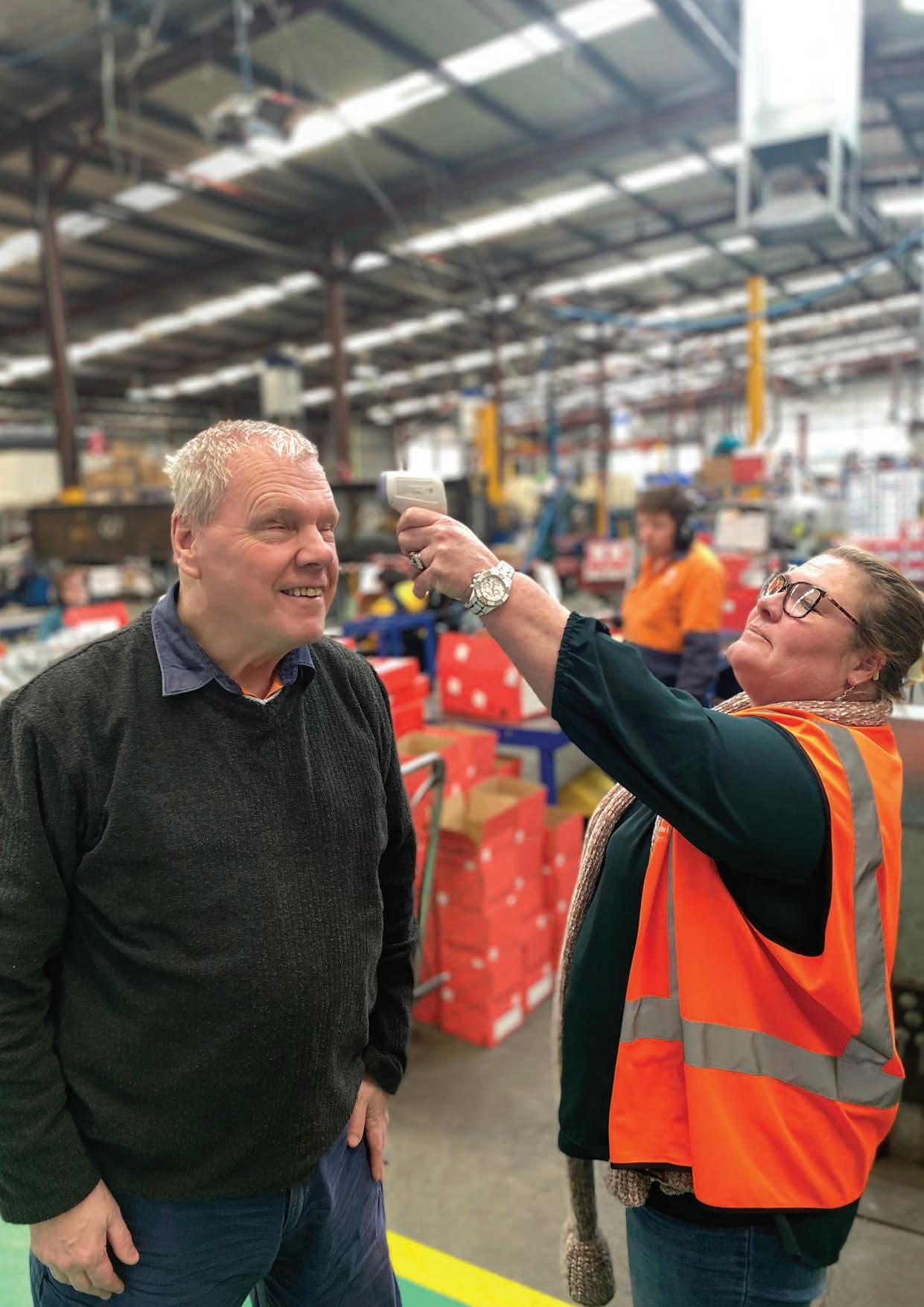
Implementing additional infection control protocols for customers and their families was one of our first steps in our Shared Living homes, with our therapy hubs following quickly. Visitor registration and temperature checks were first implemented in Shared Living in March and were then rolled out across all sites and offices. We also reduced the movement of employees across our Shared Living homes.
A COVID Care Team was formed and trained, drawing on volunteers from within our Community Services workforce. This team was ready to step up if an outbreak occurred.
For a person-centred organisation, the reduction in face-to-face services as a result of COVID-19 was confronting. The resilience and adaptability of our customers was outstanding and we all embraced our community in the online environment.
Our Equipment Services team came into their own as customers spent more time at home and, inevitably, in their wheelchairs or beds. It was even more important for people to be connected to the outside world and the team was dedicated to setting up bluetooth for customers and ensuring they could make the most of online technology and were able to adjust controls for their living environment independently. Fewer therapy sessions meant sleep and seating positioning advice and support was also vital to prevent pressure injuries.
Our Shared Living customers enjoyed weekly online quizzes, baking and talent competitions and karaoke. Many of our therapy customers moved to teletherapy sessions and we introduced a Key Worker Model to ensure they had a single contact point to access the different therapy disciplines and services.
From 18 May, WA Government restrictions relaxed so a gradual and cautious roadmap for the return to face-to-face services was introduced.
In our approach to COVID-19, employee health and safety was treated with the same priority as customer care.
Ensuring we communicated and adapted key government information for our organisation was a significant task and there were regular verbal and written updates as well as a dedicated mobile hotline and intranet page.
Understanding changing travel restrictions, ensuring personal contact details were updated, offering free flu vaccines, issuing essential worker cards and providing online infection control training were key topics in March and April.
From 25 March, we held daily online updates for our leadership team with the Chief Executive Officer. These short morning calls provided direct clarification and a briefing opportunity across all internal and external issues arising from COVID-19.
In early April 2020, we made the decision to suspend our supported employment program due to the potential risks posed by COVID-19 and our employees did not return until 1 July 2020. Our Employment Services Manager and Coordinator were in weekly contact with each employee during this period but it was challenging for everyone who missed friends, companionship and their work routine.
In June, Ability Centre participated in the government’s DETECT program that allowed workers who were asymptomatic to undergo an optional swab test for COVID-19.
Undoubtedly, moving as many employees to work remotely from home as possible was one of the biggest changes and challenges. Systems access and equipment had to be set up along with new working protocols. From April, only a skeleton staff was office based. This created unprecedented demand for ICT support and subsequently prompted the development of a range of guides and tools to increase IT literacy. We were also the very grateful recipients of a donation of 20 new laptops for our staff members from mining services company Macmahon.
Meetings moved online and we quickly adapted to a new routine. The introduction of Facebook Workplace had begun prior to the pandemic but this was ramped up to provide a live platform for sharing photos, videos and leader updates - all easily accessible from a mobile phone. Anecdotally, working from home resulted in people enjoying less travel time, more work day flexibility and more time with family.
Under our COVID Safe Plan, a return to office was staged from late May with between 30% and 50%’ fewer employees on site at any one time compared to preCOVID occupancy.
Our employees felt the impact of the reduced demand for services as a result of COVID-19. A proactive leave program was introduced to reduce leave balances and 780 employees accessed the Australian Government’s JobKeeper Scheme payments from April.
Our employee engagement survey begins again in August 2020 and employee satisfaction with the organisation’s support and response in relation to COVID-19 will be a key focus.


2,895

nights of respite accommodation provided for 52 people
Our Community Services team has continued to build relationships with our customers and their families while providing care and support through the challenges presented by COVID-19.
We have a renewed appreciation for our community and how we work together for people living with disability.
While we have been preparing to transition to NDIS since 2015, this year has seen the culmination of this activity. A key part of this work has been to ensure we are organised to support our customers and ‘rightsized’ for the new funding model.
In January 2020 we announced a new leadership model that will be in place once the NDIS is fully implemented from July 2020. The key objectives of our new leadership model are to ensure that our customers remain at the centre of everything we do; for customers to have one point of contact; and for our decisionmaking to be closer to our customers.
The leadership model was based on feedback from Support Workers, customers and families as well as a review of other organisations, NDIS funding and quality principles.
The change means Support Workers will work in small regional teams made up of Residential Care Workers, Community Support Workers, and Relief Workers. Services and houses in close proximity
The key objectives of our new leadership model are to ensure that our customers remain at the centre of everything we do; for customers to have one point of contact; and for our decisionmaking to be closer to our customers.
43,093
hours of total Community Inclusion services provided
have been grouped together so that there is a Coordinator based at one or two locations. Managers will lead a team of Coordinators across a region of mixed services, based on NDIS geographic areas.
In parallel with an organisational refresh undertaken this year, we have also reviewed our suite of services to ensure we are providing a contemporary approach. The transition to the NDIS will see the cessation of WA Government block funding for respite care services and all customers. The NDIS treats respite care very differently to the traditional service model and uses the term ‘short term accommodation’ with a general annual limit of 14 nights per year.
We recognised that our service model for respite needed to change and we commissioned some customer focus groups with children and adults to help shape this. This was part of an organisation-wide products and services review that will be finalised in the next financial year.
We particularly examined our respite services for adults and children. We believe this is an area that will greatly change as the flexibility of NDIS funding makes traditional group respite services less attractive.
Responding to what our customers told us through the research, we ran some very successful sport, arts and adventure camps for children and teenagers in the school holidays. Camps are a great place for children and teenagers to meet new people, learn new skills and build their confidence. Our camps are specifically designed for young people living with disability to grow their independence in a fully supported environment.
Moving to the NDIS
Aside from day-to-day customer support, a large part of our focus this year has been preparing our Supported Independent Living (SIL) customers for their NDIS planning meetings. As at 30 June 2020 only 14 customers had not transitioned to NDIS.
To ensure optimum support for our customers throughout their NDIS transition process, we appointed a SIL Coordinator to act as a primary point of contact. This role is in addition to the existing transition team, which includes representatives from our Community Services, Nursing and Therapy teams. The transition team is responsible for completing and reviewing all assessments, reports, support plans, equipment requirements and consumable needs and recommendations that customers must provide to the NDIS.
Several of our customers have also transitioned to the Commonwealth Continuity of Support Program. This program provides continuity of support to older people with disability who are in receipt of State managed specialist disability services but who are not eligible for NDIS. people lived with us in 2019/20
Connecting people to our housing options requires strong, trusting relationships with both referral sources and with our prospective customers.
Fully utilised housing stock is a key organisational objective and the move to NDIS has seen an increased focus on ensuring that all customers have their individual housing and support needs met with increased access to contemporary housing.
The introduction of Specialist Disability Accommodation (SDA) as part of the NDIS has also seen an increase in housing providers in Western Australia, leading to a highly competitive marketplace and more provider options for customers.

The introduction of the SIL suitability assessment, quoting and approval process has led to delays for some customers in accessing the housing they need.
Connecting people to our housing options requires strong, trusting relationships with both referral sources and with our prospective customers. Since July 2019, we have implemented a Vacancy Management Working Group, a dedicated marketing campaign and dedicated Coordinator in our Customer Engagement team to support our vacancy management. We ended the year with an occupancy rate of 92%.
Specialist Disability Accommodation
Specialist Disability Accommodation (SDA) is modern housing that is designed for people with very high support needs resulting from their disability. SDA homes are designed to be more accessible so people can live more independently and still receive the support they need. SDA also encourages private investment in the social housing market, which in turn provides more choice and control for people living with disability.
69,266
hours of Shared Living Opportunities provided
We have spent time with customers exploring options and understanding what their housing dreams are and we are excited that our first customers will move to an SDA funded home in late 2020.
SDA funding increases housing options for our eligible customers and we look forward to supporting them to move into a new home, villa or apartment either on their own or with housemates.
This year, we appointed a SDA Project Officer, reporting to the SDA Steering Committee, who is responsible for developing our housing and living options. Throughout the year, we have developed relationships with possible housing partners who will be able to offer our customers a choice of contemporary and high quality homes and we look forward to a number of formal partnerships.
We have spent time with customers exploring options and understanding what their housing dreams are and we are excited that our first customers will move to an SDA funded home in late 2020.
From 1 December 2020, we will be required to comply with the NDIS Quality and Safeguarding Framework across all our services. The Framework will ensure a consistent national approach to help empower and support customers to exercise choice and control while ensuring appropriate safeguards are in place.
This means we need to work with families to actively support our customers to make informed choices about all aspects of their lives and the level of risk they are prepared to take. Reducing and eliminating restrictive practices is fundamental to this and has been a training focus for our workforce and an education focus for our customers’ families. This work, led by two Senior Behaviour Support practitioners, is increasing understanding around this sensitive issue and supporting collaboration between employees and customers that will lead to positive change.
Training is another important component in our preparations for the new Framework and we have undertaken one of the largest training schedules in our history.
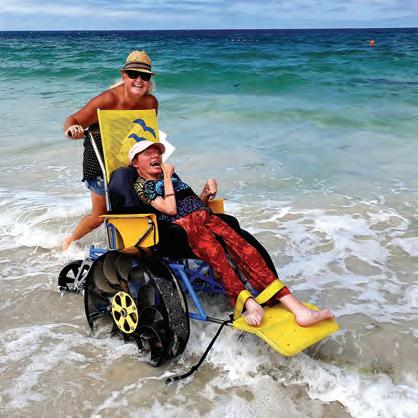
We were able to offer 14 people an opportunity to complete their Certificate IV in Disability with AMA Training Services thanks to a grant from the Department of Communities.
108 employees completed NDIS Fundamentals training, with another 28 training sessions scheduled to be completed by December; 93% of the Community Services team completed the NDIS Orientation module and 42 of our front line leaders are enrolled in a Leadership Development program due for completion in December 2020. 150 employees participated in customer service accredited training and this will continue as we seek to improve the customer experience across all our services. We also invested in developing leadership skills across the business by engaging Professional Coaching Australia to deliver training in coaching skills. Building a coaching culture provides our leaders with a methodology and tools to increase productivity and empower their teams in a changing environment. This will continue through next year.
Relaxation and recreation
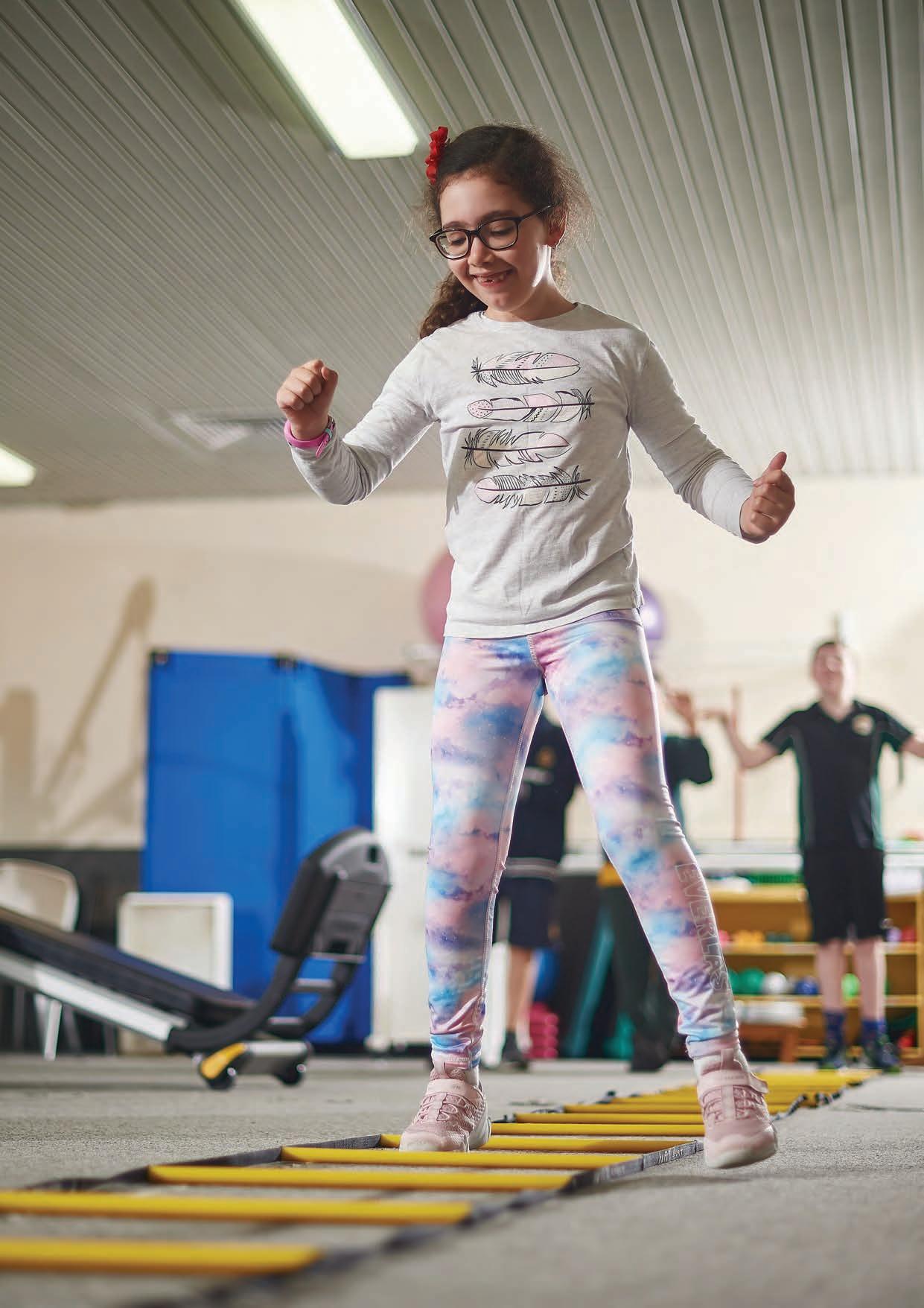
Although our customers have faced many challenges in 2020, they have also had a lot of fun and we are proud to provide spaces and services that bring joy.
Throughout the challenges posed by COVID-19, we were pleased to continue our popular Opportunities program online when face-to-face activities were not possible.
A review of our Opportunities program in late 2019 included the facilities in which we were offering the program. As a result of this review, we closed our Walcott and Townsend studios and moved these activities to our Coolbinia site in Bradford Street. This provided customers access to great, modern facilities that were previously under-utilised, including our Bradford Views community room and
art room, various activity rooms, a pool and indoor gym, and the beautiful Yokine Reserve and Minderoo Community Garden.
We are also in the process of examining our modified vehicle fleet and how we can make this more sustainable so we can continue providing transport for customers.
Outings and activities of every combination have been enjoyed and milestones, anniversaries and birthdays have been celebrated. Our community is full of sport, music and art enthusiasts and more recently COVID-19 restrictions revealed a number of keen chefs and home bakers.
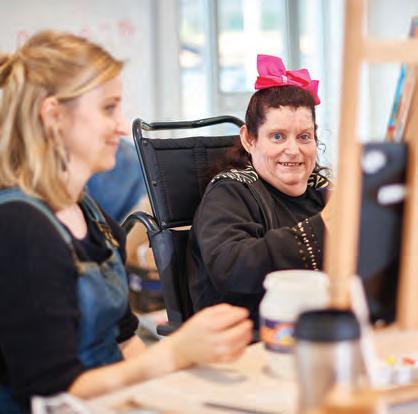
Artistic expression is very popular in its many forms and we established a pop up art gallery in our Coolbinia office with pieces available for sale. Over the year, 12 of our customers attended weekly art classes as part of our Opportunities program. Their artwork was displayed at the annual Creative Connections Art and Poetry Exhibition held at the Moores Gallery in Fremantle.

2,111

customers received Therapy Services during 2019/20
Over the last year we have strengthened our commitment to a multidisciplinary team approach to therapy as the best way to support every customer to achieve their goals.
Adapting to customer demand
Over the last year our Therapy Services team has implemented a number of initiatives identified in 2018 to better align our services with customer demand under the NDIS. As part of this, we have extended the centralised scheduling of customer appointments to all therapy teams and moved our equipment therapy and workshop services into the Therapy Services business unit.
Centralised scheduling for customer appointments was a significant project that was trialled for a small group of customers in 2017 and rolled out to our three therapy hubs in October and November 2019. This was part of a dedicated plan to support therapists to maximise their direct therapy time with customers and reduce their administrative load.
We have not underestimated the time it will take for therapists and customers to adjust to this new process and acknowledge it has been challenging for both parties to move away from appointment discussions within therapy sessions, and direct contact via telephone. We are working to bring the scheduling and therapy teams closer to help refine the experience for our customers.
Bringing our equipment, workshop and therapy teams together has proven proven beneficial – this change was a key part of our organisational refresh.
58,735
hours of Therapy Services provided
Bringing our equipment, workshop and therapy teams together in November 2019 has proven beneficial - this change was a key part of our organisational refresh. The refresh introduced an operating model with a refined leadership structure that allows us to maximise the number of experienced therapists available to work with customers.
Over the next six months we will be further reviewing our services. Our intent is to match our services to customer research and feedback to ensure we are offering innovative groups, clinics and individual therapy options to our customers.
In June 2020, the Board approved discontinuing the use of a separate CP Tech brand for our equipment and workshop services, moving these services under the Ability Centre brand. We also amalgamated our Dreamfit services into our Equipment Services. These changes will ensure our full suite of therapy and equipment services are aligned and strengthen Ability Centre’s reputation as a holistic service provider.
We are continuing to review our therapy services, and where they are best provided. Our Positive Behavior Support service continues to thrive, with team agility increasing to ensure customer demand and professional resourcing remain balanced.
We continue to see a strong demand for multidisciplinary therapy services in regional hubs, including physiotherapy, occupational therapy, speech pathology, dietetics and social work. Our therapy assistants add great value to our customer’s experience, supporting them with maintenance programs, groups and water-based therapy.
As part of our ongoing review and after careful consideration, a decision was made to cease clinical psychology services in September 2019. We continue to support customers with their mental health through our positive behaviour support and psychosocial services (registered psychology and social work).
10,544
hours provided by Equipment Services
Where customers have complex mental health needs requiring clinical psychology services, we support them to connect with providers external to Ability Centre.
In April 2020 our Rockingham Therapy Hub was closed in response to COVID-19, and a decision has been made not to reopen this location. This decision was based on widespread recognition that the space was not meeting the needs of customers or employees. An interim service has been provided at our expanded Canning Vale Hub with opportunities for therapy space in Baldivis being explored.
Access to technology supporting communication, independence and mobility continues to be important for our customers and we are dedicated to tailoring our products and services for each individual. The Equipment Services team excelled supporting our customers to reduce feelings of isolation and ensure their physical comfort through COVID-19 by facilitating their use of technology, such as iPads, to engage socially with family and friends, as well as attend online therapy sessions.
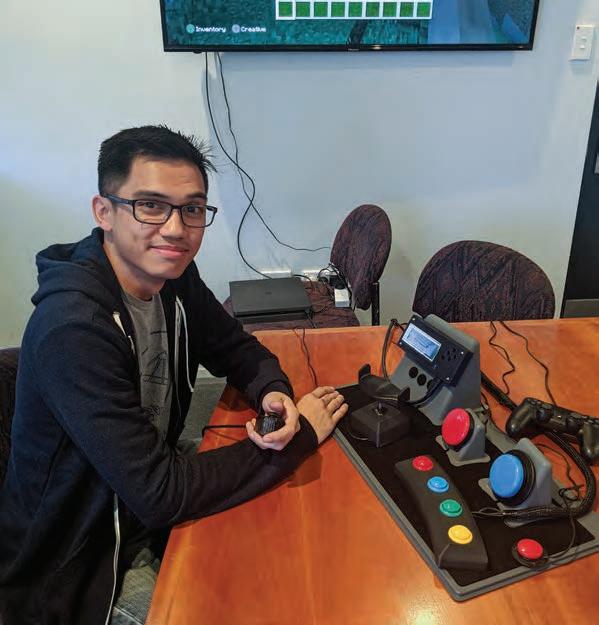
Outside of this period, we have seen an increase in requests for technology solutions that can be applied in a recreational setting. Improved gaming controls is one example that our younger customers are embracing. We also used a 3D printer to create a support to sit on the arm of a wheelchair allowing a customer to use a hand warmer. Cold hands find it hard to operate wheelchair controls so this simple solution is making a real difference to people’s independence.
While home modification services were placed on hold in response to COVID-19, we received increased requests when services resumed, particularly for bathroom and home access modifications. As with the wider community during COVID-19, many of our customers enjoyed more time in the kitchen and as a result we have also received an increased number of requests for kitchen modifications.
Mechatronics Engineer Luke Tornilla (right) developed a new accessible gaming controller for our customer Bill.
Bill says his new controller is awesome and makes his gaming experience so much easier. He is no longer limited in his choice of gaming and can do what he loves without restrictions.
Early intervention for babies and toddlers before they have received a diagnosis has a huge benefit not only for the child but also their parents. Over the past 12 months, Ability Centre’s In-Home Baby Intervention Service (IBIS) has supported 96 infants and their families. Our team of experienced IBIS therapists have provided 2034 in-home direct sessions across a range of therapies, ensuring every child has the assistance they require to achieve their developmental milestones.
Through the generous support of our 2019 Tax Appeal, Annual Golf Day and an early intervention grant received through Telethon, Ability Centre has been able to provide IBIS as well as target resources to develop our Early Intervention Strategy. This involves creation of the much-needed support structures for families with children in the early stages of diagnosis who are often transitioning from hospital to the community.
We appointed a Project Lead Early Intervention in February 2020 to oversee and co-ordinate a one year project. Through this project we will be able to identify suitable and contemporary tools to use when working with young children and families; develop education modules on identified topics of interest for families; nurture more formal connections with tertiary paediatric hospitals; and establish networks and platforms to support peerto-peer conversations for parents.
Our partnership with the Tiny Sparks WA Developmental Playgroup has flourished this year and we expanded our program to run two streams – ‘six months to walking’ and ‘walking to age three’. These play groups support parents of babies who are not meeting their early developmental milestones, with play-based group therapy and monitoring. Developed and run by paediatric therapists who specialise in early
intervention, the groups provide parents with guidance and advice on their child’s development and access to additional input from our wider team including dieticians and meal-time specialists. We have around six young children attend each playgroup, joined by their parents and siblings.
On 17 July 2019 we were delighted to welcome the Minister for Disability Services Hon Stephen Dawson MLC to officially launch our Future Thinking website.
Future Thinking is an online resource hub with vital health and lifestyle information for people living with physical disabilities. It is based on consumer-led research and was developed as part of the Disability Services Commission’s Future Thinking: Disability, Ageing and a Good Life project. Everyone feels the impacts of ageing, but for people living with a physical disability these are felt much earlier, often in the 30s and 40s. Being prepared for this is the key to living well. A first for Australia, the Future Thinking website provides a central online information resource for people living with physical disability, their families, carers, and medical and allied health professionals. It covers a wide range of practical topics such as nutrition, communication, mobility equipment, sleep, physical fitness and mental health. All the information was developed in consultation with people living with physical disabilities and all the topics covered are tailored for different age ranges from 16 to 65 years.
Over 60 downloadable fact sheets are designed to support informed decisionmaking about appropriate services and interventions at key times in life. The underlying premise is that people are more likely to achieve good health and wellbeing if they participate in activities of their choosing.
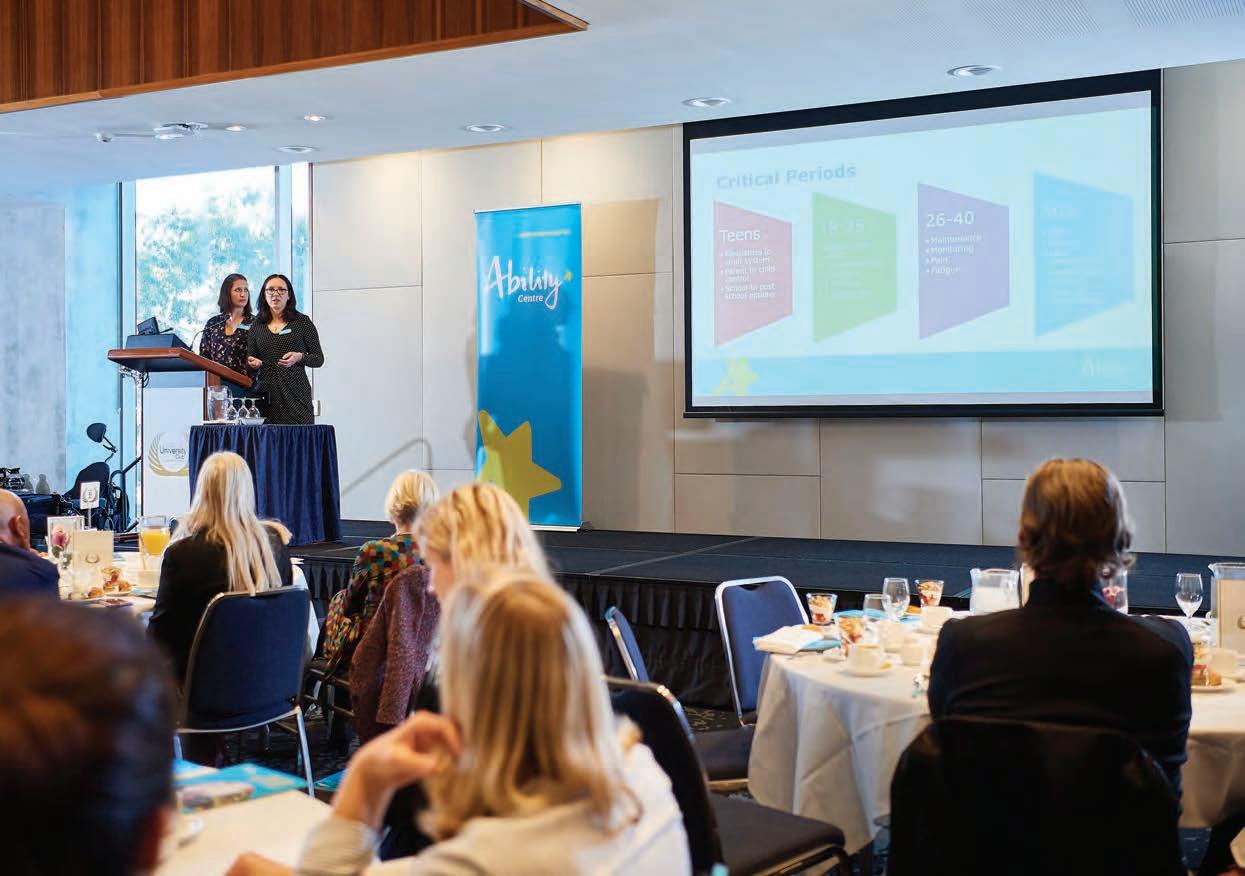
Ability Centre therapists Casey and Jade introducing the Future Thinking project
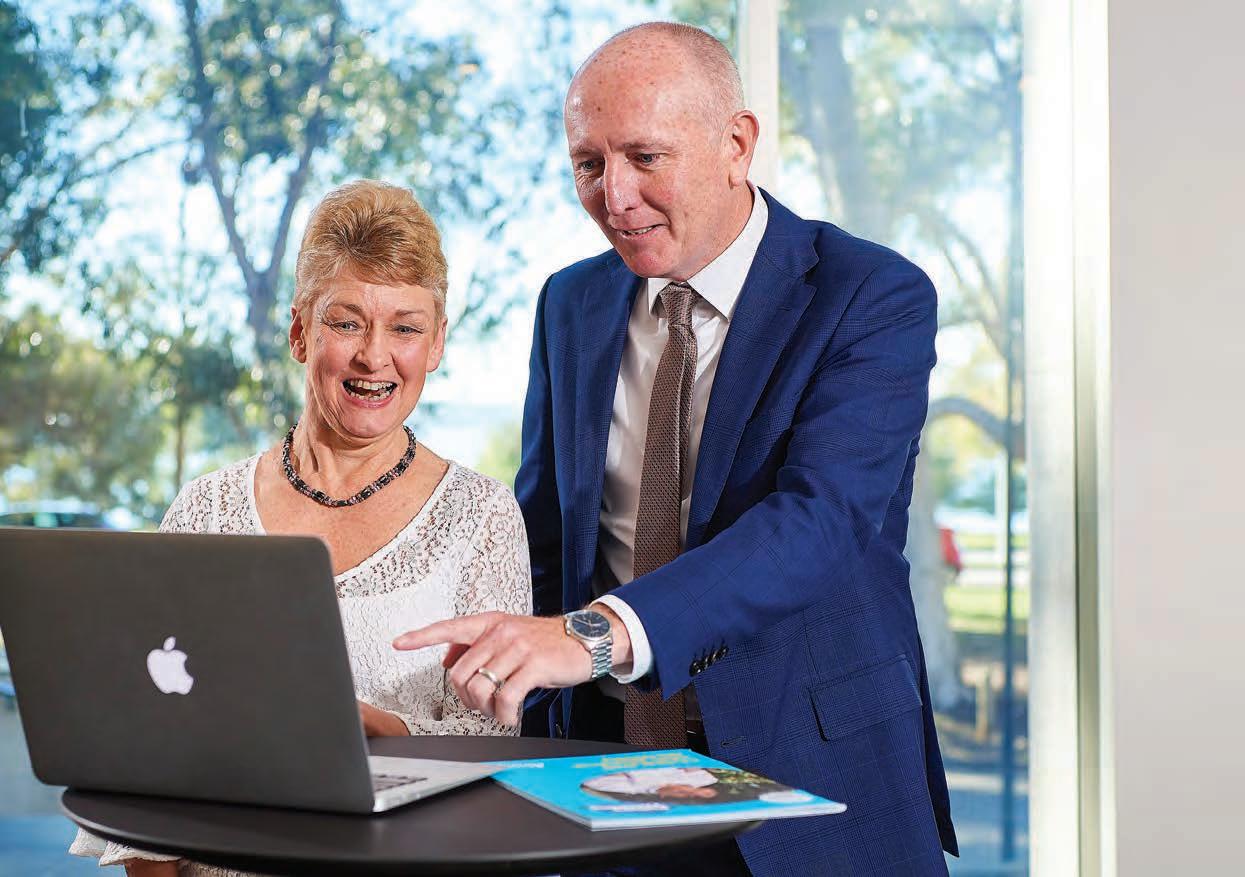
Ministerial Advisory Council for Disability Chair Kerry Alan-Zinner and Minister for Disability Services Hon Stephen Dawson MLC viewing the Future Thinking website at the launch of the project

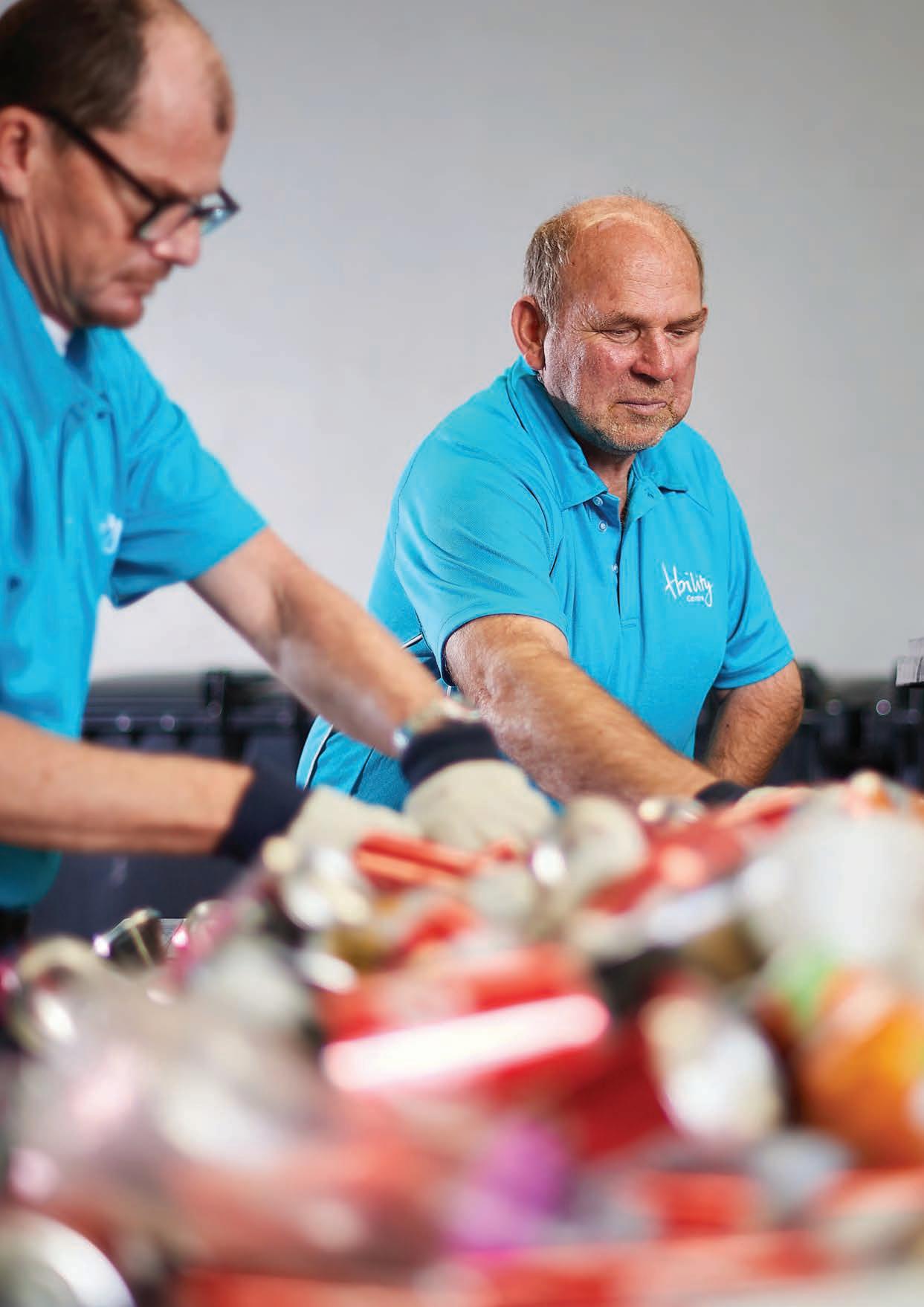

Developing the capability of people living with disability is important to everyone at Goodwill Engineering and our dedication to this shone through again this year as we supported 72 employees to learn new skills, develop their knowledge and achieve personal goals.
Employment pathways are individual and we are just as pleased to support people who begin to look beyond Goodwill Engineering for meaningful employment.
Currently we are working with our Employment Services team to support a young man to achieve his goal of working FIFO in open employment on a mine site. He now works two days a week with us and three days in a wrecking yard as he loves working with cars. He was exploring a mechanical apprenticeship but has now changed his preference to mining.
Another employee is moving to our Container Deposit Scheme because he is passionate about getting to know people in his community. This pathway will see him receive training that will diversify his already wide skill set.
For some employees Goodwill Engineering is their community and long service is not unusual. This year Wayne Thomas celebrated 35 years employment and Scott Hooson, Trevor Corboy and John McLennan each celebrated an incredible 40 years.
Although social gatherings have been limited this year, over 65 employees and their families and service providers
Employment pathways are individual and we are just as pleased to support people who begin to look beyond Goodwill Engineering for meaningful employment.
62,831
hours of supported employment services were provided
attended the Picnic in the Park in March 2020 and we also had a great day on Sunday 15 March when the Ballajura Lions Club cooked a wonderful BBQ.
Transitioning to the NDIS has also been a huge achievement for our Goodwill Engineering employees. General information sessions were hosted for them and their families as well as individual pre-planning meetings to assist them to understand this new funding model. By June 2020 almost all Goodwill Engineering employees has NDIS plans in place, with employees continuing to familiarise themselves with how to make the most of their plans.
Our Goodwill Engineering employees undertake a range of tasks, focused mainly on producing wire ties and building hardware products. Despite the challenges of COVID-19, we are grateful for our long term customers and partners who have supported us for another year with strong sales which included two new wire tie products.
Our fabrication business has not fared as well in the current economic climate and an increasingly competitive market. That said, there is consistent demand for the production of wear strips used in harvesting machinery and we are continuing to pursue suppliers of farm machinery components to keep our laser cutter busy. The team has also developed and successfully marketed a range of ergonomic sorting tables for the Containers for Change recycling scheme.
Goodwill Engineering and our Employment and Equipment Services areas hold ISO 9001:2015 accreditation in addition to accreditation under the National Standards for Disability Services.
Containers for Change is a new container deposit scheme for Western Australia. From 1 October 2020, people will receive a 10 cent refund for each eligible container returned for recycling at an approved Refund Point.
On 16 January, we were proud to host the o cial launch of WA’s new Containers for Change recycling scheme at our Malaga refund point, attended by WA Premier Hon Mark McGowan MLA and Minister for Environment and Disability Services Hon Stephen Dawson MLC.
Ability Centre has been successful in joining the scheme as both a Refund Point operator at three sites - Midvale, Beckenham and Bibra Lake - and a manufacturer of metal infrastructure that will be used to collect recycled containers.
Our Containers for Change sites will provide 30 jobs for people living with disability - a valuable addition to the employment opportunities Ability Centre o ers.
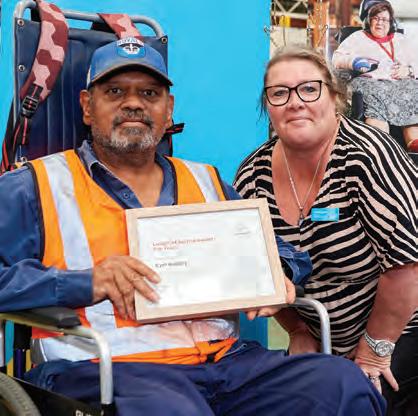
Employment Services
It was another busy year assisting people under the Disability Employment Services program to find meaningful work and over the year 21 people were placed with employers.
We were very pleased to formally negotiate preferred supplier agreements with PageGroup and Pan Pacific Perth Hotel. Successful placements rely on good relationships and understanding so this is a great step forward to support both employers diversify their workforce with suitable candidates from our Disability Employment Program.
A key part of the Employment Services team’s role is to promote the benefits of diversity and including people living with disability to potential employers. This year we were involved in a number of presentations to organisations including the City of Stirling, Synergy and the Chamber of Minerals & Energy. We were very proud to take part in Hudson’s latest Diversity and Inclusion Think Tank which was streamed live across Australia. This was prompted by Hudson’s view that employers are increasingly willing to consider employing people living with disability and that COVID-19 has broadened their view on what is possible.
This year we also appointed some of our Employment Services participants as Brand Ambassadors to showcase employment success stories. One of these is Aimee Edwards who has worked with the Michael Page recruiters to help them become more disability confident.
The annual AccessAbility Day in November is an Australian Government initiative and we placed four people with employers for the day – City of Joondalup, Compass Group, Illuminance Solutions and Chamber of Minerals & Energy. The purpose of the initiative is to encourage employers to connect with jobseekers with disability to see their potential in the workplace and provide participants to gain an insight into a particular job or type of work.
We received great feedback on the initiative in 2019 and look forward to participating again in 2020.
Although job placements slowed due to COVID- 19 in 2020, we took the opportunity to survey 50 employers and find out what we do well and areas we could improve on. We rated highly on consistent support for employers and employees; having a very good turnaround on requests; and being passionate about working with employers to find the right candidate. Feedback and continuous improvement is vital as the employment services market becomes increasingly competitive.
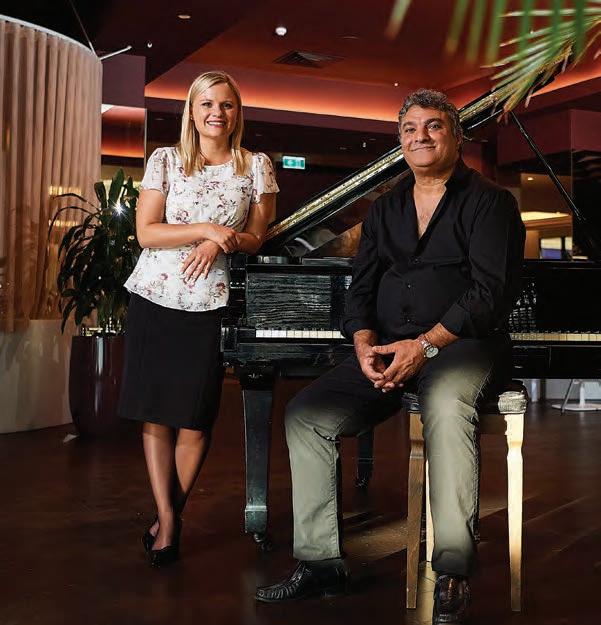
Our Employment Services team works with people with a wide range of abilities and skills. Pan Pacific Hotel Perth hired Zak last year to play piano and he’s now entertaining guests at their weekend high teas.

1,442

customers had NDIS plans as at 30 June 2020
Working in collaboration with our frontline teams, valuing our customers and delivering contemporary services have been at the core of a wide range of projects for Customer Community and Strategy this year.
Seeking customer input
To better understand our customers’ experience with us, we established a Customer Advisory Committee in September 2019 that meets every two months. The group has a diverse membership and has been very helpful in developing our Customer Commitment Statement.
A comprehensive review of our products and services is underway and as part of this we ran several customer focus groups across the year. These group sessions were treated as discrete qualitative market research projects, looking at the topics of respite care for children and adults and our therapy and equipment services across a range of life stages. The results have informed our understanding of key transition periods in the customer journey and the services most valued at each stage.
In August 2020, we’ll also reintroduced a Net Promoter Score tool as a measure of customer satisfaction.
We launched our new Customer Management System (CMS) and for the first time in our organisation’s history, we have a single source of truth for customer data.
21,000
phone calls taken by the Customer Contact team
On 1 July 2019 we launched our new Customer Management System (CMS) and for the first time in our organisation’s history, we now have a ‘single source of truth’ for customer data. This was the culmination of almost three years’ work that involved everyone in our leadership team as well as contract support and specific project officers for varying periods.
Moving away from paper-based systems and individual business unit processes was an enormous change for our workforce and we do not expect the new system will be fully embedded for another 12 months. There will also be opportunities to further use the system’s capabilities as this new way of working is established. A business user group has been set up to ensure this happens methodically and system enhancements are consistent across user groups.
At the time of implementation, customer data from multiple sources was migrated into the CMS. While some data cleansing was possible prior to this, more work was needed and a comprehensive data cleanse project began in May 2020.
All customers will be contacted to ensure their details are accurate and the project will also detail processes and delegations across the organisation to update customer information in the CMS. Completion is expected by December 2020.
Our Customer Engagement and Customer Contact teams have continued to interface with our new and existing customers as they join the NDIS or navigate their funding allocations and service agreements. The process has been challenging for our customers and their families, with many needing clarification on what queries need to be addressed by the NDIA and what Ability Centre can help with as their provider.
As at 30 June 2020, 1,442 customers had NDIS plans and 571 were still to transition. 817 new customers joined Ability Centre. There was a substantial increase in requests for support coordination and this is a service we will build in the future.
Our Customer Contact team has also had a busy year handling 21,000 incoming calls and over 3,300 emails.
One of the most complex areas has been assisting our Supported Independent Living customers to transition to the NDIS. A collaborative approach with families, our Community Services team and the WA NDIA team was adopted and there was substantial work from all parties to prepare the necessary data and information prior to NDIS planning meetings.
were handled
One of our Customer Engagement Coordinators was dedicated to finding new homes for people living with disability and we were delighted to welcome 18 new customers. Finding suitable accommodation with compatible housemates can be challenging for people living with disability and the team has proactively engaged with referral partners and promoted our vacancies through sector contacts and
advertising channels. The Customer Engagement Coordinator has also worked with existing customers wishing to explore other accommodation options in preparation for transition and specialist disability accommodation.
Over the year we deployed a number of Coordinators to work in our north and south Therapy Hubs rather than centrally. Working closely with the therapists, the Coordinators have provided on the spot advice for customers and played a key role in upskilling our therapy leaders on applying the NDIS. There have been some real synergies for our existing therapy customers with this model and its application will be explored in the coming year as we review the number of contact points customers have with our organisation.
The generosity of our donors and supporters has inspired us for another year. Given the general economic challenges experienced widely in 2020, we are humbled by the financial and inkind support we continue to receive from individuals and organisations.
Throughout the year we continued our donor care program and spoke with many of our long term donors. These connections were particularly important during COVID-19 as many people were self-isolating and we took this opportunity to check in on them.
Summary results
$926,530 fundraising income
$46,680 in-kind donations
$560,992 philanthropic grants
340 volunteering hours
Our Fundraising Partners
Corporate
China Chamber of Commerce WA
Credentia Construction
Gage Roads Brewing Co
Kevrek
Margaria Cleaning Group
Macmahon
RAC
Smartfleet
Toybox International
Willis Towers Watson
Community
Combined Charities Association
Cottesloe Golf Club Ladies Bridge Club
DanielInk
Drift-Ability
Foodbank WA
Lions Club of Booragoon
Lions Club of Cowaramup
Lions Club of Duncraig
Lions Club of Ellenbrook
Lions Club of Kalamunda
Lions Club of Morley
Lotterywest
Old Ram Muster
Point Walter Golf Club
Stirling Drive In Pharmacy
Yokine Bowling Club
Trusts and Foundations
Channel 7 Telethon Trust
Harry Howden Trust
HF Carter Trust
Jean Balston Trust
John Sutton Trust
JP Stratton Trust
Stan Perron Charitable Foundation
T Fricker & E Knowles Memorial Trust
15 teams competed at our Golf Day on 19 September 2019 at Wembley Golf Course and raised over $25,000. This event has been part of our calendar for 32 years thanks to a number of keen golfers and long term supporters. Despite adapting the format and locations in recent years, support for this event is becoming increasingly harder to secure so we have made the decision to look for other fundraising opportunities that will have a wider appeal.
Our supporters and sponsors have been personally thanked and we are looking forward to continuing to work with them.
Sometimes opportunities and organisations who find us are unexpected though always very welcome. This is certainly the case with the dedicated volunteers from Driftability who, for a second year at Wanneroo Barbagallo Raceway, offered our customers an exhilarating experience. Designed to give people with special needs and young adults living with disability the thrill of riding in a race car, 16 of our customers took on the challenge in November and the event raised over $7,000 for us.
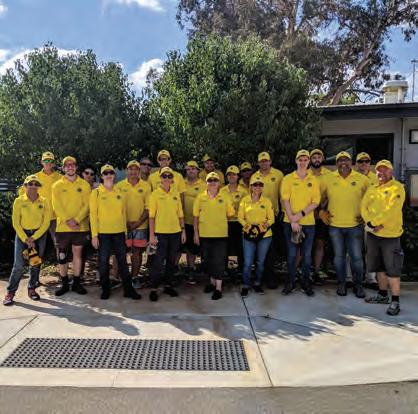
In 2019 we were very pleased to reinstate the Joe Michell Award that was originally set up by the Michell family in 2003 in honour of Joe’s belief in the value of a good education and to celebrate the achievements of young adults who use Ability Centre’s services.
The award is open to Ability Centre customers aged 16 to 25 and provides for funding of up to $6,000 to support further education or employment through university, TAFE, online courses, short courses or life/business/career coaching.
In January 2020, our customers Jack Day, Ashleigh Johannes, Asha Melville and Madison Heady were presented their award by CEO Jacquie Thomson and will be using the funds received towards their studies during 2020:
• Asha Melville – Certificate VI in Education Support at St Mark’s
• Ashleigh Johannes – Bachelor of Youth Work at ECU
• Jack Day – Bachelor of Science/Art in Psychology at Murdoch University
• Madison Heady – Public Speaking Course at the Emotional Intelligence Institute
Our biggest corporate supporter this year has been RAC, providing us with more than 136 hours of volunteer support. A variety of dedicated teams from across RAC have gardened at our Shared Living homes as well as repurposing part of our Coolbinia outdoor play space to support our new adult gardening program.
RAC also kindly donated $20,000 worth of management training from the Australian Institute of Management (AIM) they received as part of their Social Responsibility Award at AIM’s annual Pinnacle Awards.
Community Inclusion
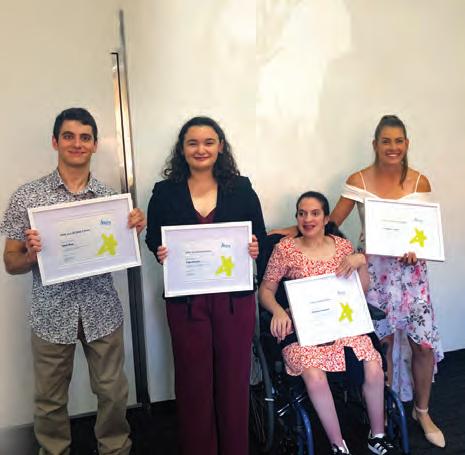
Influencing community attitudes to drive positive change for people with disability is important to us. While this is a responsibility for everyone in our organisation, we also dedicate resources to formally represent the organisation and our customers.
Our CapAbility Consultant represents Ability Centre in the following groups and organisations:
• Chair of the Access and Inclusion Subcommittee, National Disability Services.
• Member of the Access and Inclusion Committee, Perth Stadium for Venues West.
• Member of the Access and Inclusion Committee, City of Belmont
• Member of the Access and Inclusion Committee, City of Armadale supporting the recently completed Aquatic Centre redevelopment
• Member of the Access and Inclusion Committee, City of Rockingham working on securing more ACROD parking and a changing place to be installed on Rockingham foreshore by the end of 2020.
• Working with the WA Electoral Commission on the i-vote system.
• Consultant to the Fremantle Men’s Shed and Access Housing as part of The Shed Project.
• Consultant to Men’s Shed WA on the Men Who Potter Project. The primary objective is to create more equitable and diverse opportunities for all men to join their local shed and acquire pottering skills in metal and wood-working activities while ensuring minimal risk.
• Supported students from North Metro TAFE completing a personal training qualification to work with customers and build their disability awareness.
• Joint presentation with National Disability Services at the WA Local Government Association forum - Creating Accessible and Inclusive Communities and How We Can Better Work Together.
• Committee member for the NDS Community Living and Participation Grant Scheme until 30 June 2020.
• Established a new partnership with Swan Valley Adventure Centre with an initial camp for 12 teenagers held in January 2020.
Supporting our customers to be involved
Sometimes it takes encouragement or a helping hand for our customers to shine outside their immediate family or experiences. Over the last year we’ve supported customers to join the community in the following ways.
12 year old twins Emily and Reese were involved in styling display cabinets as part of the 2019 International Day of People with Disability at Joondalup Shopping Centre. Retailers also ran sessions for people with disability to view products and get to know their local shopping community.
Our customer Gary was appointed to the City of Belmont’s Access and Inclusion Committee for two years in November 2019. Another customer, Eleana, was appointed for two years to the Access and Inclusion Committee for the City of Perth in May 2020. These appointments highlight true engagement with a person with lived experience of disability to advise on current and future access and inclusion initiatives.
We assisted our customer Kirstie to provide feedback to the Public Transport Authority on access issues she was experiencing and the need for more accessible bus stops. This has resulted in an upgrade to two bus stops in Coolbinia.
We assisted four customers to provide feedback on the draft State Disability Plan.
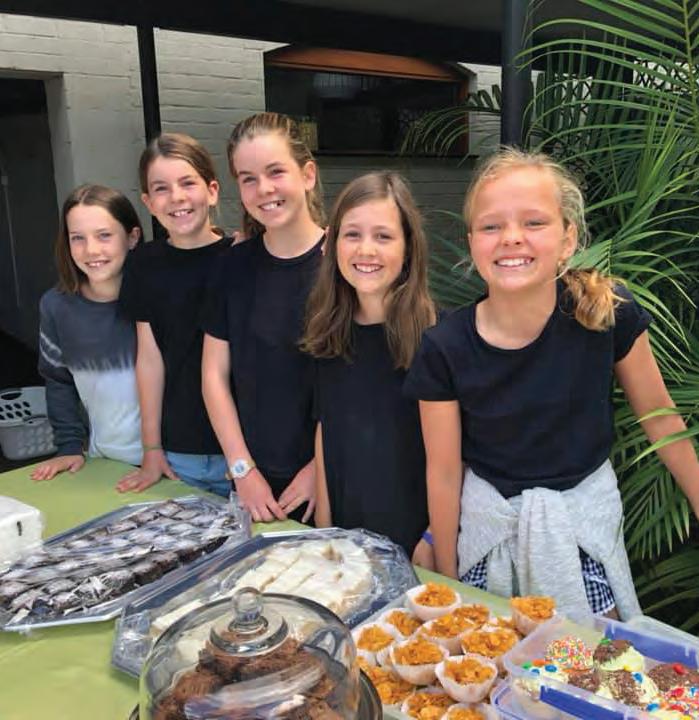
A group of Nedlands Primary School students got together to raise money for Ability Centre by selling their toys and books, as well as baking delicious cakes and brownies, at a garage sale. They raised an amazing $378 for Ability Centre, as well as donating four bags of new toys to our customers.
This year our research team continued in their dedication to finding ways to improve life for people living with disability. Working with our partners, their research was published widely and highly regarded at a number of conferences and sector forums.
Respiratory disease in cerebral palsy (CP): What can we do about it?
Thanks to research from Ability Centre and Perth Children’s Hospital, we now know the risk factors that predict serious respiratory disease in children and young people with cerebral palsy. This research produced our respiratory risk checklist. This year, the same research team investigated the question: What can we do about it? In other words, how can we help children with cerebral palsy at risk of respiratory disease? And how can we help children with cerebral palsy who are ill? We think the answer is to assess their risk factors early and make a plan for managing them while acknowledging that care can be complex and different for every child.
All Abilities Football program
In 2016 the Coolbinia Bombers Junior Football club launched ‘Starkick’, an all abilities football program that runs with a simple mantra: “If you want to play, we will find a way”. The club asked researchers from Ability Centre and Curtin University to evaluate the program because they were interested in gathering data to change attitudes and policy around inclusive sports. The research team completed the evaluation, and used the information gathered from the studies to prepare a manual for coaches of all abilities football programs around Australia. The coaches manual and accompanying video footage was handed to the Junior Development Office of the WA Football Commission in February 2020, 2020, for inclusion in the Commission’s online resources.
The families of children with disabilities often express concern about mental health. Are these children really at higher risk of mental health issues? What’s the evidence? A collaborative research team led by researchers at Telethon Kids Institute systematically reviewed the research literature to answer this question. They found that children with cerebral palsy and children with intellectual disability do have a higher risk of mental health symptoms that can impact quality of life. The research highlights the need for greater community awareness that children with a disability could be experiencing mental health difficulties, and screening and clarifying pathways for at-risk children to receive mental health services.
Following previous research on an existing exercise prescription app, Ability Centre researchers identified the need for an app made specifically for children. Zingo is an Apple iOS app developed in consultation with parents, therapists and teachers to provide individual home and school programs for children aged 6 to 12 with disabilities. The app was designed with 220 professional videos of children demonstrating common therapy activities, real-time feedback mechanisms for therapists, and exciting gamification features, including digital pets that children earn rewards for when they complete therapy activities. Following careful development, Zingo was reviewed in an initial research study involving eight children using the app at schools and homes around Perth.

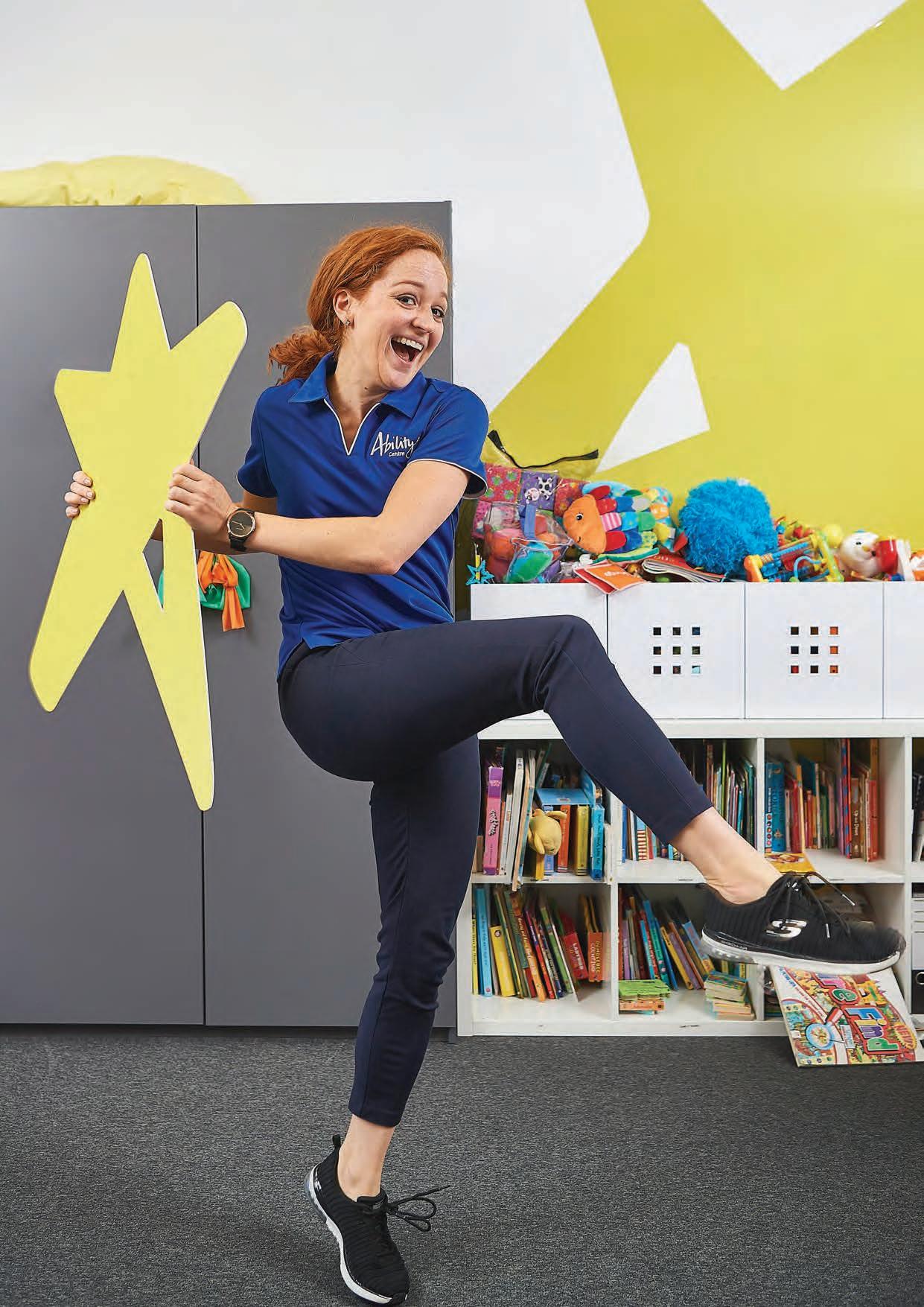

employees as at 30 June 2020
We employ over 900 people across Perth to support our customers through all their life stages. We are committed to investing in our people so they have the right skills and come to work in a safe environment with a positive workplace culture.
It has been another busy year for recruitment with 170 new people joining our organisation, although our recruitment activities slowed considerably during COVID-19 and a number of our usual programs were put on hold.
One of our key recruitment campaigns was to attract new Support Workers. Vacancies arose as a result of our Shared Living customers moving to the NDIS and the subsequent new rosters of care. In anticipation of this growth, we established a dedicated Community Services recruitment team in January 2020.
This new team has worked hard to develop a strong understanding of the specific needs and preferences of our customers to improve the recruitment, selection and matching of candidates to customers and locations. This resulted in some great new tools and resources to aid in the selection process.
170 new people joined our organisation this year, although our recruitment activities slowed considerably during COVID-19.
new employees joined us over 2019/20
We have continued to run bi-monthly Ability Forums either face-to-face or online and Leader Briefs have been prepared on a wide range of topics.
We are committed to listening to our employees and regularly seeking their feedback on a range of topics.
Our Employee Net Promoter Score (eNPS) survey continued this year with response rates varying from 15% to 22% over the year. This email survey is sent to one third of our employees each month and asks the question, ‘Would you recommend Ability Centre as a place to work to your family and friends?’. Unfortunately problems with the survey software were identified in October 2019 and the process was placed on hold.
A new survey provider was identified with the capacity to integrate the customer, brand and employee experience. This system was installed in early 2020 and will be launched next financial year following a delay due to COVID-19.
Providing our leaders with direct briefings on key topics and issues and supporting them to cascade information to their teams are at the core of our engagement and feedback process. We have continued to run bi-monthly Ability Forums either faceto-face or online and Leader Briefs have been prepared on a wide range of topics. Both these tools are important to give leaders the opportunity to understand and ask questions prior to employee dialogue.
Linking individual work effort to the strategic direction of the organisation and embedding our Values and aligned behaviours has been a key project this year. We developed a new annual performance and development review which is called the Ability Check-in.
The Ability Check-in process was piloted in our Therapy Services teams in January 2020 and the feedback was very positive from leaders and their team members. Over the next year the process will be rolled out across all other business units. Leaders will be supported with training in how to give effective performance feedback to ensure the experience is positive and rewarding for everyone involved.

As our organisation has continued to evolve to support the services our customers need and the NDIS model, the People and Culture team has provided support for the required changes. This work has been consistent across the year with both Community Services, Therapy Services and Enterprise Services implementing new leadership models, updating position descriptions and in some cases establishing new rosters were needed.
In addition to these projects, the team is also coordinating a process to revise all position descriptions across the organisation to ensure they accurately reflect role priorities and are expressed in contemporary language.
Between October and December 2019 we introduced centralised appointment scheduling for our therapy customers.
Centralised scheduling complements the introduction of the CMS and has further embedded our ‘one source of truth’ approach to customer information. Over 27,000 jobs were created for 1600 unique customers in Therapy Services during the year.
The Scheduling team has also worked closely with Community Services to expand our pool of relief staff. This has provided a better experience for our customers and been financially beneficial. We also introduced a new procedure for the rostering of relief staff and this has improved the notice, expectations and effectiveness of this employee group.
Approximately 600,000 hours of services were rostered for Community Services customers with Operations Support provided 365 days of the year, 7 days a week, 18 hours a day.
Ongoing learning and development is a foundation for everyone in our organisation and this will be further reinforced with the introduction of the NDIS Quality and Safeguarding Framework from 1 December 2020.
In preparation, roles within the Learning and Development team have been realigned to provide better support to all the business units with an increase in clinical trainer components to provide enhanced clinical training capacity.
This year we developed a mandatory training calendar and schedule following an internal review of all our policies and procedures. All content was designed and developed for a new online learning platform that will be launched in August 2020.
The team worked with Therapy Services on the rollout of training for the new International Dysphagia Diet Standardisation Initiative framework as well as supporting all Community Services employees to complete the new NDIS Fundamentals course.
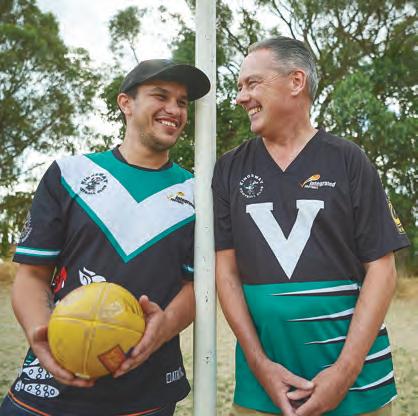
We are committed to providing safe, quality services for people with disability and this includes continuing to build on the quality measures and safeguards currently in place for our customers.
This year the Quality and Governance team has played a key role supporting the organisation to prepare for the transition to the NDIS Quality & Safeguards Commission and the Disability Royal Commission. Our focus has been on enhancing our systems to support accountability and oversight across the organisation and this lead to the restructure and expansion of the team in mid-February 2020.
In working to strengthen our systems, we have focused on:
• Increased reporting.
• Providing multiple ways for people to provide feedback to us and how we respond locally and systemically to information provided.
• Providing evidence to support continuous quality improvement across the organisation.
• Reduction and elimination of restrictive practices and improved reporting.
• Reviewing and analysing our data so that we can act preventatively.
• Conducting internal independent reviews and investigations of serious complaints and incidents.
We also introduced a new operational governance framework in June 2020 that has streamlined internal groups reviewing enterprise risk, clinical risk, quality management, customer experience, workforce and information management.
The COVID-19 pandemic renewed our efforts in infection prevention and control and we have improved our supports and systems across the board. A number of additional quality assurance checks were part of the process and these remain in place. We also set up an Outbreak Management Team that comprehensively reviewed policies and protocols that are now embedded in our emergency management.
employees have been with us for more than five years



Our Corporate Services team has been at the heart of our organisation this year with major projects requiring financial acumen, data integrity and IT capability.
Improving our systems was a continued focus this year, with the launch of the new Customer Management System on 1 July 2019 the culmination of over three years’ work. This was a major change to how we work and considerable resources went into employee training and the associated guidelines and processes to ensure over 600 new system users could be included. In turn, this resulted in a 137% increase in ICT support requests from 1 July to 31 December 2019.
To ensure our Community Services team can fully use the system, work has continued throughout the year on developing a Bring Your Own Device program, upgrading our ConnX HR system and integrating the scheduling function. This work should be complete by December 2020.
An upgrade to the organisation’s telephone system was completed and this has facilitated greater portability with the system now accessed via computers, mobile phones and tablets. Work to move our 35 Shared Living homes onto the National Broadband Network is also 97% complete and will improve connectivity for our customers.
An upgrade to the organisation’s telephone system was completed and this has facilitated greater portability via computers, mobile phones and tablets.
documents collated in preparation for the Royal Commission >7,800
This year the Information Management Team undertook a substantial piece of work in preparation for data that may be required by the Royal Commission. Over 7,800 files and records have been collated. This has been completed with the Quality Governance team and will provide a solid foundation if further review is required.
On 30 June 2020, the final Annual Client Data Collection report was submitted to the Department of Communities. This was a comprehensive report that is no longer required with customers now funded by the NDIS.
Our Finance team has had a significant year with a number of large projects completed. One of these was a result of our new CMS which required a fundamental change to our invoicing processes and how we make claims and interface with the NDIS portal. Adapting to a new reporting methodology and ensuring information was tailored to business requirements was also a critical task.
With the NDIS roll out almost complete for all customers, the team has also worked to improve the regularity of customers’ invoices from monthly to bi-weekly as well as providing more transparent item descriptions. This is vital as customers are now able to review their funding and how they are using it.
The team also lead the organisation’s application for the JobKeeper Scheme with the first submission for 780 employees on 11 May. There was considerable work required to ensure Ability Centre understood and met the Government’s eligibility criteria. Once this was in place, working with People and Culture, individual employee applications were collected and reviewed for suitability before the application could be submitted. The process has required ongoing monitoring to ensure the eligibility of employees.
Regular internal and external auditing continued as a core responsibility. Five internal audits and one external audit were successfully completed and the Annual Financial Statements were signed at the Annual General Meeting on 4 October 2019.
On a smaller scale, the team also supported the introduction of a new online payment system for all corporate credit card holders and a new donor and stakeholder database.
Our Business Analysis team has had another year supporting the Executive with financial forecasting and reporting. This is a crucial support for our senior leaders to ensure they are making evidence-based decisions. The uncertainty created by COVID-19 and a switch to three-monthly rolling forecasts for the second half of 2019/20 was a significant load for the team. Regular financial updates and briefings at leader forums have been greatly valued.
Our Property and Fleet team was fully occupied with a major re-organisation and refurbishment of our two offices at our Coolbinia site – Sir David Brand Centre and Brian North House – in late 2019. Our south Therapy Hub in Canning Vale doubled in size to meet growing customer demand and the team was on hand to support this expansion. Work was also competed to update all floor markings and signage for safety and evacuation purposes at our Malaga site.
The team remained on site throughout COVID-19 restrictions and took the opportunity to progress many maintenance tasks that were easier to complete with vacant offices.
Working with our Quality Governance team, Property & Fleet also took on a centralised role for storing and distributing personal protective equipment across the organisation which has greatly streamlined the process and provided assurance to inventory control process.

Residential Care Worker Mimi’s passion for supporting our customers shines through
Our Risk Appetite Statement is the classification and level of risk Ability Centre is prepared to accept to ensure our objectives of delivering quality services, valuing our customers, focusing on our people, building our communities and strengthening our organisation are met through well informed decision making, high calibre service provision and strategic development.
• Our risk mitigation approach places customer service and safety as our foremost responsibility so that our customers thrive in their communities throughout their lives.
• Ability Centre puts ‘choice and control’ for our customers foremost. We will not tolerate abuse, neglect, violence, harm or substandard care.
• We are committed to the wellbeing of our staff and to ensuring a safe working environment and positive culture.
• We will not tolerate any activity that violates laws and regulations.
The Ability Centre governance model applies the three lines of opportunity creation and defence as a framework for managing risk across the organisation. Critical to this is a customer centric culture, effective training, risk identification, mitigation and management and appropriate reporting at all levels, and compliance with the NDIS Commission Quality and Safeguarding Framework as a minimum.
This risk culture starts at the top and cascades into the organisation through reporting lines.
Our first line of defence
Includes management and supervisory staff responsibility for owning, managing and supervising, within a defined risk appetite, all the risks in all business and support areas.
Our second line of defence
Provides oversight and control including responsibility for a risk culture, risk appetite being defined, reporting and analysis of clinical and non-clinical risk for our Executive, Governance & Risk Committee and Board.
Our third line of defence
Includes the responsibility of internal audit, which is performed by relevant independent companies, for reporting any matters warranting escalation to our Board, Customer Experience Committee, Finance and Audit Committee and Governance & Risk Committee.
We recognise risk as a dynamic part of life. We view risk management as a process that facilitiates the opportunities presented to our organisation and evaluates the risks attached, allowing us to make balanced operating decisions within a pragmatic, realistic risk appetite.