Paid vs. Organic Digital Marketing
A comprehensive guide to understanding the two core pillars of digital visibility — Paid / Sponsored and Organic strategies. Learn which channels belong to each category, how they work, and what to expect in terms of timeline and results.
Two Pillars of Digital Visibility
Every digital marketing strategy falls into one of two categories. Understanding the difference helps you allocate budget, set expectations, and build a balanced approach for maximum reach.
�� Paid / Sponsored
You pay platforms to show your ads to a targeted audience. Results are immediate — your brand appears as soon as campaigns go live. Ideal for quick visibility, promotions, and competitive keywords.
�� Organic
You build visibility through content, optimization, and consistency — without direct ad spend. Results take time (typically 3–4 months), but they compound and sustain over the long term.
Search / Text Ads
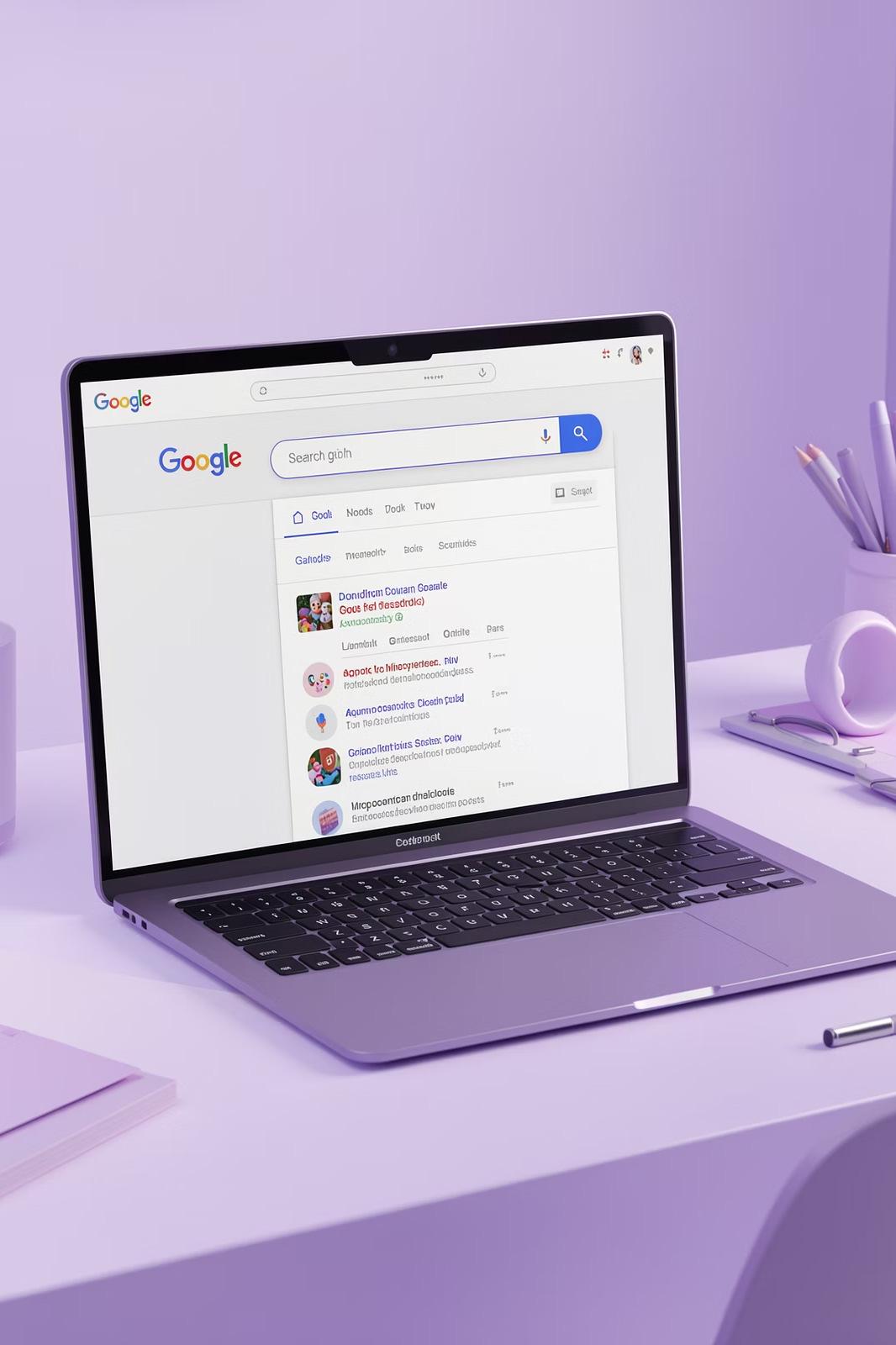
Search ads appear at the very top of search engine results pages (SERPs) when users type relevant queries. They are the most direct form of paid advertising — you bid on keywords, and your ad shows up instantly. Platforms like Google Ads allow precise targeting by location, device, time, and audience intent. This is the fastest way to capture high-intent traffic.
Instant Visibility
Ads go live within hours of campaign setup
Intent-Based
Reach users actively searching for your product
Pay-PerClick You only pay when someone clicks your ad
Display Ads
What Are Display Ads?
Visual banner advertisements that appear on websites, apps, and social platforms across the Google Display Network and other ad exchanges. They use images, animations, or rich media to capture attention.
Display ads are excellent for brand awareness and retargeting — reminding users who previously visited your site to come back and convert.
Key Benefits
Reach over 90% of internet users globally
Highly visual — great for storytelling
Retargeting capabilities to reengage visitors
Flexible formats: static, animated, interactive
Cost-effective CPM (cost per thousand impressions)
App Promotion Ads
App promotion ads are paid campaigns designed specifically to drive app installs, in-app actions, and user engagement. Platforms like Google App Campaigns (UAC) and Apple Search Ads automatically optimize ad placements across Search, Play Store, YouTube, and the Display Network.
Install Campaigns
Drive new users to download your app from the App Store or Google Play
Engagement Campaigns
Re-engage existing users to return and take in-app actions
Conversion Campaigns
Optimize for specific in-app events like purchases or sign-ups
Video Ads
Video ads are among the most engaging paid formats available. They appear on platforms like YouTube, social media feeds, and connected TV. Video ads can be skippable or non-skippable, and they work across the full funnel — from awareness to conversion.
Pre-Roll Ads
Play before or during video content on YouTube and partner sites
In-Feed Video
Appear natively in social media and content feeds
Bumper Ads
Short 6-second non-skippable ads for maximum recall
Shopping Ads
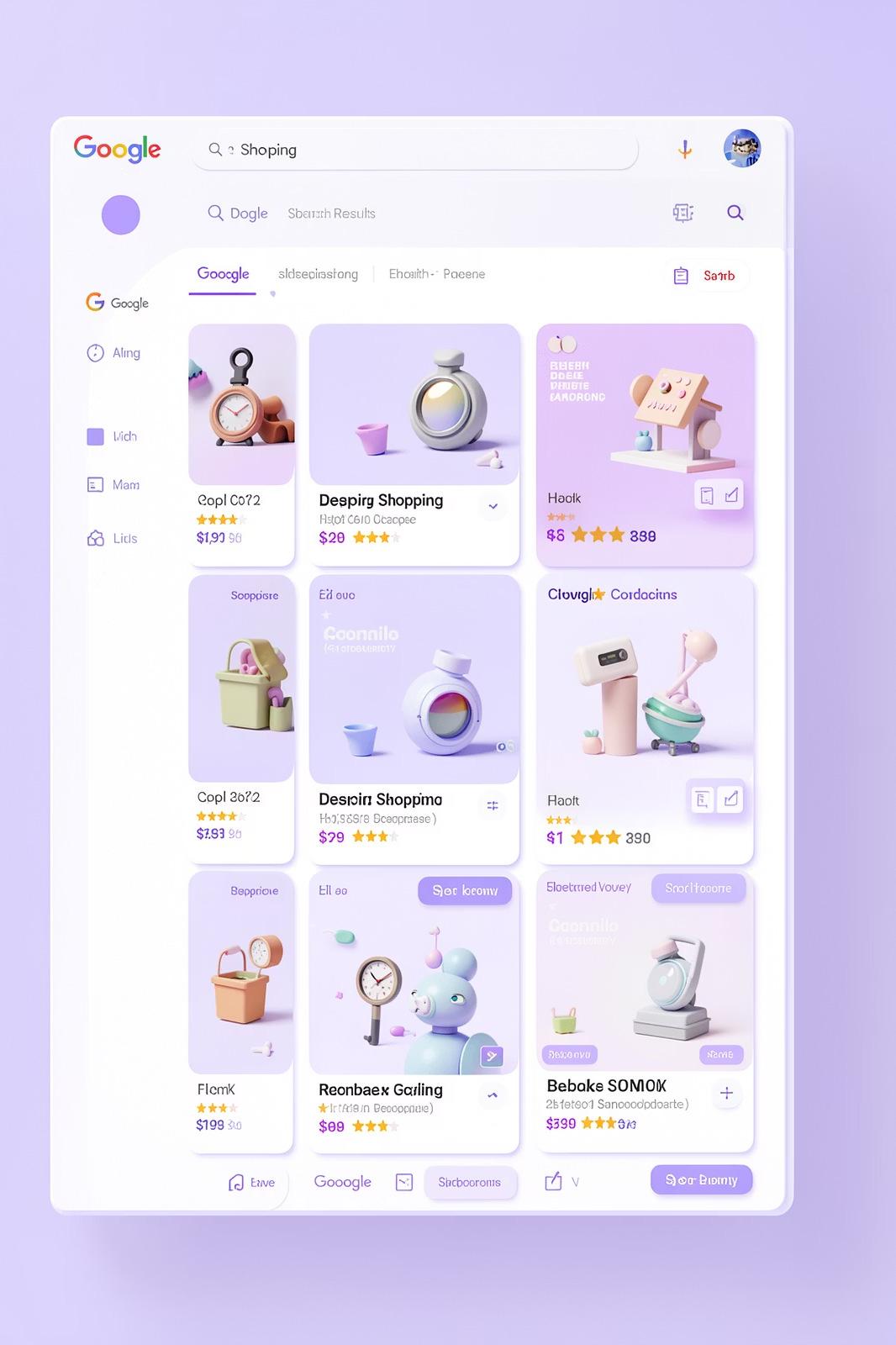
Shopping ads (also known as Product Listing Ads) display your product image, price, store name, and reviews directly in search results. They are highly effective for e-commerce businesses because they show the product beforethe user even clicks.
These ads are powered by a product feed — a data file containing all your product information — submitted to Google Merchant Center. Shopping ads typically deliver higher click-through rates than text ads for retail products.
Why Shopping Ads Win
Visual product preview in search results
Price displayed upfront — attracts qualified buyers
Higher CTR than text-only ads
Appears on Google Search, Shopping tab & Images
ORGANIC STRATEGY
SEO — Search Engine Optimization
SEO is the practice of optimizing your website and content to rank organically (without paying) in search engine results. It involves on-page optimization, technical improvements, content creation, and building authority through backlinks.
On-Page SEO
Optimize titles, meta descriptions, headers, and content for target keywords
Technical SEO
Improve site speed, mobile-friendliness, and crawlability for search engines
Off-Page SEO
Build domain authority through quality backlinks and brand mentions
Google My Business / Local Listing
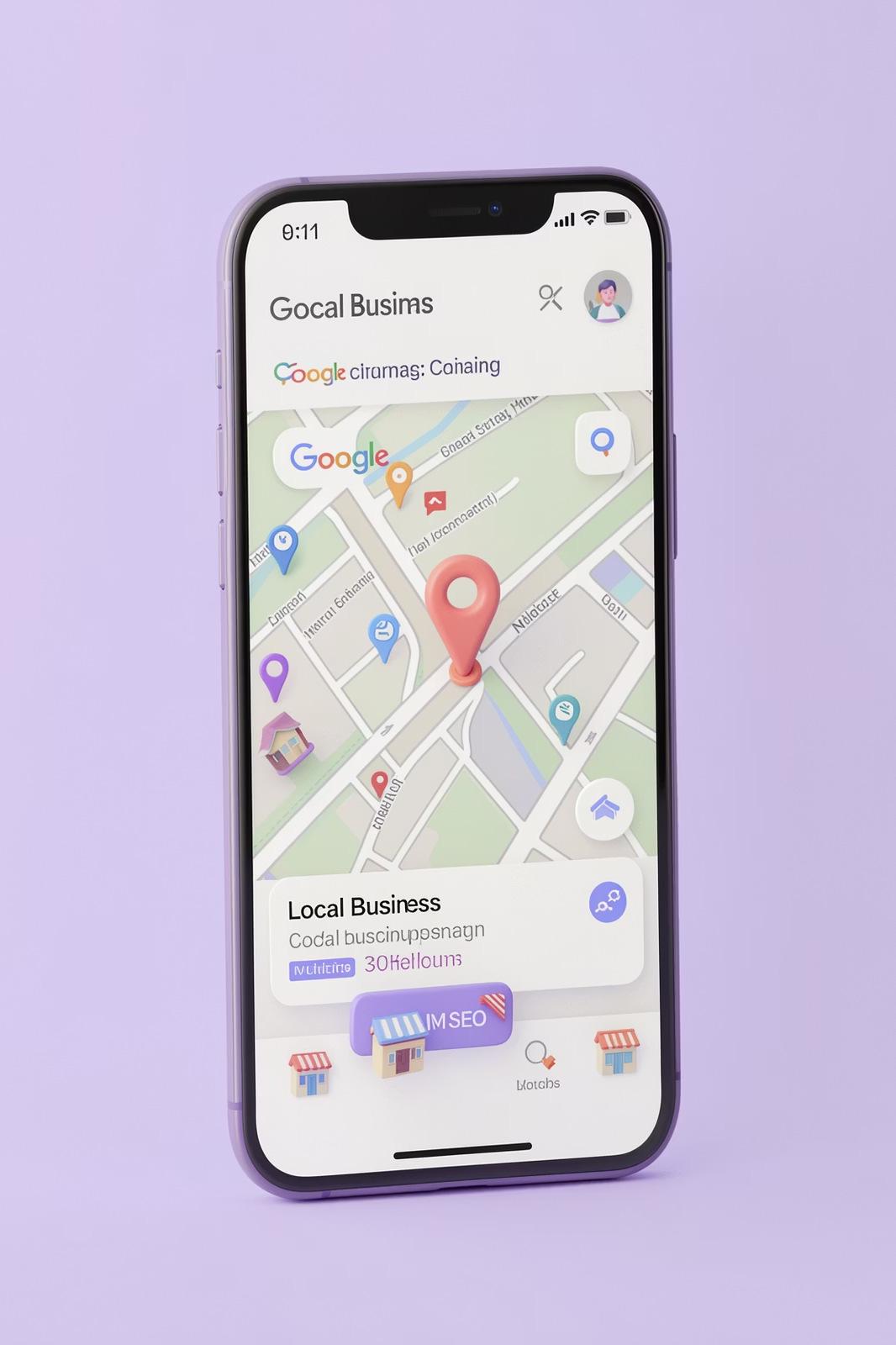
Google My Business (GMB) is a free tool that allows businesses to manage their online presence across Google Search and Maps. A well-optimized GMB profile helps local customers find you, view your hours, read reviews, and get directions — all without any ad spend.
Local SEO is critical for brick-andmortar businesses, restaurants, clinics, and service providers who depend on nearby customers.
Optimization Checklist
Complete and verify your business profile
Add accurate hours, photos, and categories
Collect and respond to customer reviews
Post regular updates and offers
Use local keywords in your description
Timeline & Key Takeaways
�� Organic strategies (SEO & Local Listings) typically take 3 to 4 months to show meaningful results. Patience and consistency are essential. Paid strategies deliver immediate visibility but require ongoing budget.
Paid = Speed
Search, Display, App, Video & Shopping
Ads deliver instant results — ideal for launches, promotions, and competitive markets
Organic = Sustainability
SEO & Google My Business build longterm, compounding visibility — takes 3–4 months but continues to deliver without ongoing ad spend
Best Approach = Both
Combine paid for immediate impact and organic for long-term growth — a balanced strategy maximizes ROI over time