EMPOWERING MEDICINE THROUGH PHYSICS
Artificial Intelligence Theranostics Frontie rs
Artificial Intelligence Theranostics Frontie rs
This guide is intended to support informed and effective participation in the AAPM Summit: Empowering Medicine through Physics. It includes strategic background materials, attendee biographies and photos, as well as site and logistics information to facilitate meaningful engagement, cross-disciplinary connection, and productive collaboration throughout the Summit. All information in this guide is accurate as of February 10, 2026
February 10–12, 2026 AIP Headquarters | 555 12 th Street, NW | Washington, DC
Dear Colleagues,
Medicine stands at a defining inflection point. Advances in physics-driven science, computation, and technology are converging at a pace that outstrips current structures for collaboration, translation, and implementation. At the same time, patients, clinicians, and health systems are demanding faster progress, greater precision, and more equitable access to innovation. We are extremely pleased to welcome you to Washington, DC, for the 2026 AAPM Summit: Empowering Medicine Through Physics at this moment of urgency. The choices we make now will shape the next decade of medical discovery and care delivery.
The Summit is organized around three domains where physics-enabled leadership is especially consequential:
• the continued evolution of theranostics through the integration of advanced imaging, dosimetry, and targeted therapies;
• the responsible development and deployment of artificial intelligence and computational science to enhance rigor, efficiency, and clinical decision-making;
• and the frontiers of new science, where emerging technologies and paradigms will redefine what is possible in medicine.
These areas frame both the immediate opportunities before us and the longer-term responsibilities we share. This Summit is designed as a working meeting to catalyze action: fostering cross-disciplinary collaborations, identifying shared priorities, and establishing pathways that turn promising science into clinical and societal impact. As medical physicists, we are uniquely positioned to serve as integrators: connecting discovery to delivery, data to decision-making, and technology to patient care.
The discussions ahead are intentionally framed to bridge vision and execution. Participants are asked to develop action-oriented plans. Summit participants are expected to propose concrete work programs with clear ownership for continued progress. AAPM is committed to stewarding post-Summit follow-through and to integrating outcomes directly into the Association’s strategic agenda.
We are grateful for your expertise, perspective, and leadership. Your participation reflects our shared commitment to advancing medicine decisively. We look forward to translating insight into action and shaping the future of medicine intentionally and purposefully.
With appreciation and resolve,

Robin Miller, MS, FAAPM

M Mahesh, PhD, FAAPM Andrew Maidment, PhD, FAAPM AAPM President AAPM Chair of the Board AAPM President-Elect
Northwest Physics Medical Center Johns Hopkins University University of Pennsylvania
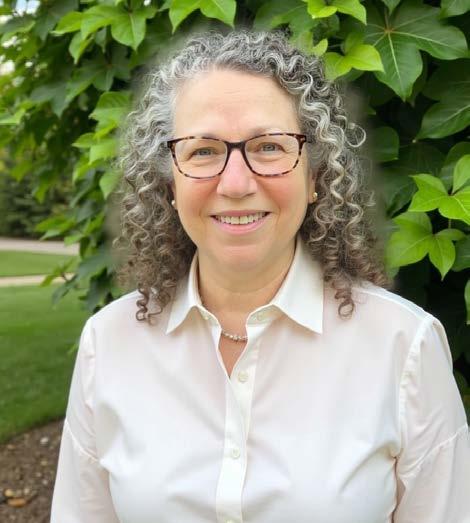
Robin Miller, MS, FAAPM President Northwest Physics Medical Center
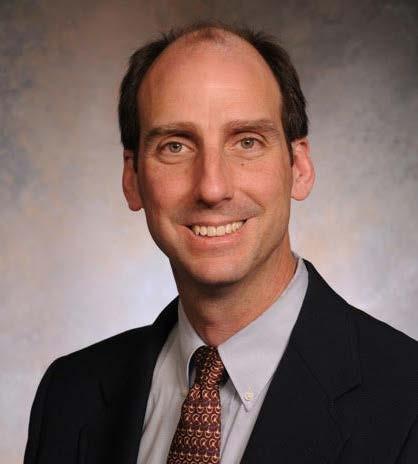
PhD,
Treasurer
The University of Chicago
Andrew Maidment, PhD, FAAPM President-Elect University of Pennsylvania
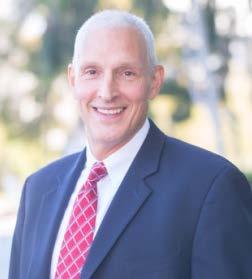
Former Board Chair
UC San Diego
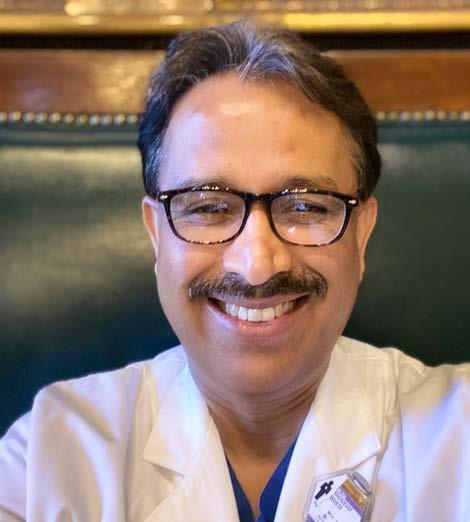
M
Chair of the Board Johns Hopkins University
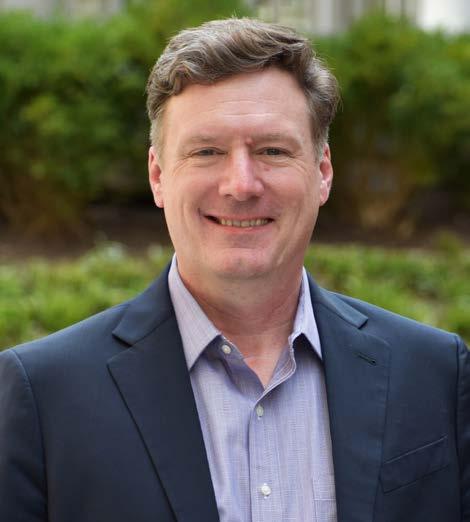
Executive Director
Secretary UC Davis Medical Center
MEDICAL PHYSICS is facing two shifts at once. Artificial intelligence is moving from research labs to clinical reality. Radiopharmaceutical therapies are expanding faster than training programs can keep up with. And these are only two prominent examples of a broader wave of innovation reshaping medicine.
The world is not waiting for medical physics to figure out how we fit in. That reality is exactly why this Summit exists.
Over the past year, AAPM engaged leading researchers, physicians, and scientists across radiology, radiation oncology, nuclear medicine, and medical physics to understand where medicine is heading and how physics can contribute in a meaningful way. Their insights, along with the foundational work of AAPM’s Ad Hoc Advisory Committee on New Science, shaped what you will find in these pages and in the discussions ahead.
Many volunteers and collaborators from partner disciplines gave generously of their time and thinking to make this possible. That spirit of cross-disciplinary collaboration is not optional - it is precisely what the next decade will demand.
The question in front of us is concrete: What can and must physics contribute to the most important breakthroughs in medicine, and how do we ensure those contributions happen?
Thank you for joining us, and for committing your insight and energy to answering these questions together.

C. David Gammel Executive Director, American Association of Physicists in Medicine
As the AAPM Summit convenes, it does so at a moment of both undeniable change and extraordinary opportunity. Medicine, and the scientific communities that sustain it, faces mounting challenges: constrained and uncertain research funding, rapidly evolving regulatory and ethical landscapes, accelerating technological complexity, and the pressure to translate advances in AI, theranostics, and emerging technologies into safe, equitable, and clinically meaningful impact. For medical physicists and allied disciplines, these dynamics test not only our ingenuity but also our resilience, adaptability, and collective resolve. Yet it is precisely in such moments of disruption that the need for vision becomes most acute.
This Summit is intentionally forward-looking. It affirms that the future of innovation in AI-enabled medicine, theranostics, and advanced technologies will not be shaped by any single discipline, institution, or funding mechanism, but by sustained, multidisciplinary collaboration across physics, engineering, data science, biology, clinical medicine, industry, and policy.
We wish to acknowledge the foundational work of the AAPM Ad Hoc Advisory Committee on New Science (AHNS), chaired by past AAPM President, James L. Dobbins, III, PhD. AHNS was established to examine how the application of physics in medicine is likely to evolve over the next 10 to 30 years and to recommend strategic investments that would well position AAPM and the field of medical physics for sustained leadership and impact.
The Committee’s work recognized that medicine is undergoing rapid transformation driven by advances in computation, molecular science, data availability, and emerging technologies. While future trajectories are inherently uncertain, AHNS emphasized the importance of deliberate, forward-looking analysis to ensure that medical physics continues to play a central role in innovation, clinical translation, and societal benefit.
Building on the earlier work of the AAPM Ad Hoc Committee to Explore Future Directions in the Science
of Physics in Medicine (AHFDS), AHNS expanded its scope to include a broader range of stakeholders and thought leaders from medicine, science, and peer organizations. The committee was charged to identify major challenges and likely directions in the evolution of medicine, and to articulate how medical physics can expand its scientific and clinical contributions.
Through literature review, interviews with luminary leaders, engagement with peer organizations, and stakeholder input, the committee identified twenty-three “hot topic” areas shaping the future of medicine:
• AI (development, clinical application, explainability/interpretability, testing, security, and privacy)
• Data-driven medicine (big data/data science with attention to scalability)
• Immunology (both for infectious disease and cancer treatment)
• Vaccine development
• Cancer/oncology
• Surgery; planning, integration with the rest of medicine, structured reporting, imaging
• Molecular diagnostics and therapeutics (e.g., theranostics)
• Biomarkers and quantitative/precision medicine
• Genomic/epigenomic/”-omics” medicine
• Cardiovascular disease
• Neurodegenerative disorders/psychiatry/mentalhealth, brain studies
• Public health, pandemics
• Global health (access to healthcare, global disparities in healthcare, cost effective technologies)
From this analysis, AHNS then distilled three primary strategic areas expected to have the greatest impact over the next several decades:
1. Computation-Driven Medicine — Data science, artificial intelligence, modeling, and in silico clinical trials, reflecting the growing role of physics-informed computation across healthcare.
2. Molecular-Driven Medicine — Radiopharmaceutical imaging and therapy, theranostics, and optical agents, highlighting the
convergence of physics, molecular science, and personalized medicine.
Expansion of physics expertise into domains such as surgery, cardiology, neurology, immunology, regulatory science, and healthcare modernization through interdisciplinary collaboration.
Across these areas, the committee emphasized the unique role of medical physicists at the interface of physical science and clinical practice, distinguished by systems-level thinking, scientific rigor, and a commitment to patient safety and quality.
The findings and recommendations of AHNS provide the foundational framework for this Summit. The opportunity areas explored during the meeting align directly with the committee’s conclusions and are intended to move discussion toward collective prioritization and action.
The questions that follow are not intended to prescribe answers or define a single path forward. Instead, they are offered as ‘guiding’ questions, or ‘thought exercises’ to support shared exploration, challenge assumptions, and surface areas of alignment and tension across disciplines and perspectives.
• Where is medical physics uniquely positioned to lead, rather than support, the future of medicine over the next 10–30 years, and where must leadership be shared across disciplines?
• What breakthroughs in computation-driven medicine (AI, modeling, digital twins, data science) are most likely to translate into meaningful clinical impact? What currently limits their safe, scalable adoption?
• How can theranostics and molecular-driven medicine expand precision care beyond oncology, and what scientific, workforce, regulatory, or infrastructure barriers must be addressed to enable that expansion?
• As AI moves from innovation to infrastructure, how should medical physics define and own responsibility for validation, quality assurance, safety, and ongoing performance monitoring of evolving clinical AI systems?
• What evidence standards, evaluation frameworks, or regulatory models are no longer sufficient for emerging technologies? What new approaches are needed to keep pace without compromising trust or patient safety?
• How should the roles, skills, and training pathways of medical physicists evolve to meet the demands of AI-enabled medicine, personalized dosimetry, and expanding clinical domains, without eroding core professional rigor?
• Where are the greatest opportunities for physicsinformed approaches to reshape clinical trials, regulatory science, or real-world evidence generation to accelerate translation into practice?
• What systemic bottlenecks, either scientific, operational, economic, or cultural, most limit the transition from isolated technical success to scalable, sustainable clinical impact?
• In an era of constrained and uncertain research funding, what strategies are essential to protect the research pipeline, support early-career scientists, and sustain long-term innovation in medical physics?
• What new models of collaboration, across academia, industry, health systems, regulators, and professional societies, are most urgently needed to shape standards, accelerate adoption, and share accountability?
• If this Summit is successful, what concrete alignment, priority, or action should clearly be visible one year from now? What must begin now to make that outcome possible?
As participants engage with these questions, we invite you to think beyond individual research agendas or institutional priorities and to consider the broader systems scientific, clinical, regulatory, educational, and societal — that will shape the future of medical physics and its role in medicine.
We encourage you to share your diverse perspectives freely during the Summit. The goal is not consensus for its own sake, but clarity: about where medical physics may be uniquely positioned to lead, where new partnerships are essential, and where deliberate choices will be required to sustain impact over the decades ahead.
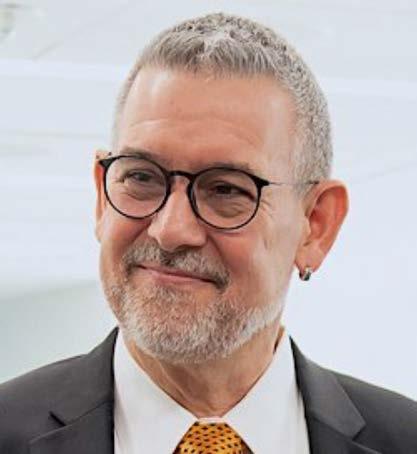
Seth Kahan is a strategist, facilitator and author who works with leaders of scientific, professional, global organizations to advance collaboration and long-term impact. He specializes in designing and leading highstakes convenings that help experts think beyond current paradigms, surface breakthrough insights, and clarify strategic direction. Seth has served on the boards of and facilitated for numerous scientific and professional communities and brings deep expertise in strategic dialogue, innovation, and collective leadership, with a particular focus on guiding groups through complex, future-defining questions.
This Summit brings together a remarkable group of leaders, thinkers, and practitioners at a pivotal moment for patient care, health, and medicine. You have been invited for your expertise, perspective, and capacity to think beyond current boundaries. Your charge is to engage fully and thoughtfully. Together, you will explore emerging opportunities, surface important questions, and envision what leadership from AAPM and the medical physics community can become in the years ahead, including breakthroughs that call for new ways of
seeing familiar challenges. The Summit is designed to support expansive thinking, careful listening, and the integration of diverse insights.
The work is intentionally interactive and collaborative. You will engage across disciplines, challenge assumptions, and contribute both knowledge and curiosity. Our aim is clarity about what matters most, where physics can have the greatest impact on medicine, and what actions will move the field forward.
To ensure lasting impact, participants will serve as Rapporteurs and Scribes during select sessions. Rapporteurs will draw together key themes and insights and will be asked to speak in Plenary, while Scribes will capture ideas and questions as they emerge. These roles are essential to translating rich conversation into shared understanding and actionable outcomes and will be assigned thoughtfully to balance participation and ensure all voices are heard.
I invite you to approach this work with openness, generosity, and a willingness to engage deeply. The quality of the Summit’s outcomes will reflect the quality of your participation and our collective commitment to shaping the future together.
TUESDAY, FEBRUARY 10
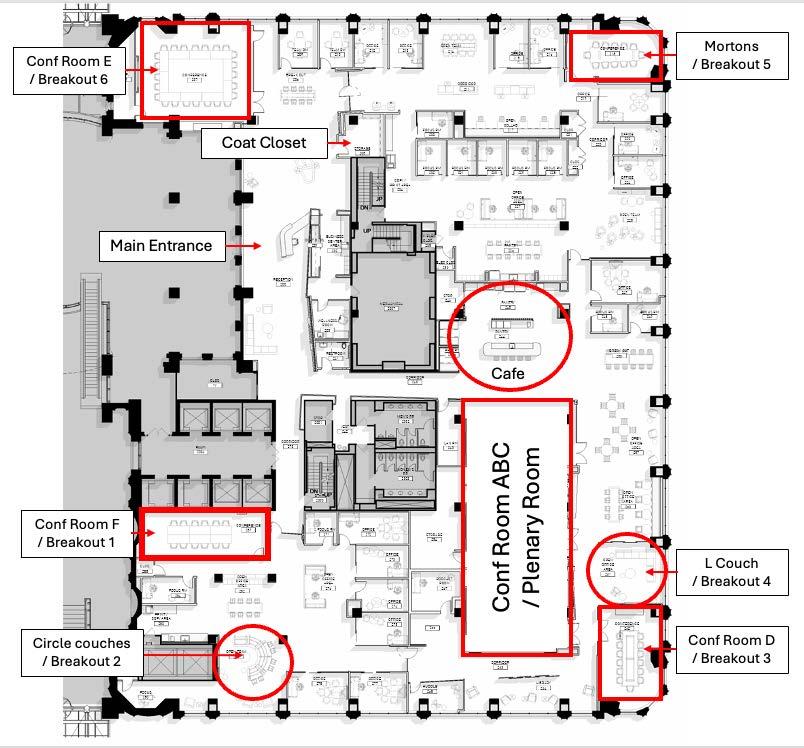
AIP HQ, 555 12th St, NW, WDC | 12th Floor Sky Lounge
4:00 pm – 5:00 pm Welcome; AAPM President Ms. Robin Miller
Opening Key Note Speaker; Dr. Anna Barker
Introduction; Summit Facilitator Seth Kahan Guided small-group discussions, and Lightning Harvest report-out
5:00 pm – 7:00 pm Cocktail Reception
7:00 pm Adjourn Unstructured dinner time
MORNING – WEDNESDAY, FEBRUARY 11
AIP HQ, 555 12th St, NW, WDC | 12th Floor Sky Lounge
7:00 am – 8:00 am Breakfast
8:00 am – 8:05 am Morning Welcome; AAPM Chair Dr. M Mahesh
8:05 am – 8:20 am Summit Charge; Seth Kahan
8:20 am – 10:20 am Visionary Presentations; ≈ 10 min., discussion following each
10:20 am – 10:30 am Break
10:30 am – 12:30 pm Collaboration team proposals, open discussion and selection; Dr. Andrew Maidment and Seth Kahan
A Vision of the Future - AAPM Summit is the beginning of our persistent effort to anticipate and prepare for the future of physics in medicine. AI, novel cancer vaccines and immunotherapies, and numerous other disruptors will challenge the way we practice medical physics in the future. We must set ourselves up to be able to work actively, so as to influence and direct our future roles in medicine.
Dr. Sameer Keole
Dr. Tina Morrison
Dr. Mathias Prokop
This 3-part interactive session will identify the most important futurefacing themes for medicine and will be used to form the Collaboration Teams for the Summit.
Part 1: Theme Development (30–40 min.); Open discussion, participants propose themes.
Part 2: Team Exploration World Café–style (60–70 min.); Open discussion, tables assigned by theme.
Part 3: Voting (5-10 min.)
AFTERNOON – WEDNESDAY, FEBRUARY 11
AIP HQ, 555 12th St, NW, WDC | 2nd Floor
12:30 pm – 1:30 pm Lunch
1:30 pm – 3:15 pm Announcement of Collaboration Teams, Team break-out working sessions
In this working session, newly formed collaboration teams will define their mission, focus, objectives, needs (e.g., educational and clinical impact), and research priorities.
3:15 pm – 3:30 pm Group Summit Photo AIP Headquarters lobby
3:30 pm – 3:40 pm Break
3:40 pm – 4:15 pm Break-out working sessions continue
4:15 pm – 5:45 pm Plenary Session; Reflections, synthesis, and discussion Collaboration teams will briefly share one key highlight and/ or challenge (3–5 min. each), followed by a facilitated synthesis of common themes and an open Q&A with all participants
5:45 pm – 6:00 pm Outline of Day 3 objectives
6:00 pm Adjourn
Prepare team presentations, templates will be provided to guide content (e.g., mission, timelines, pilot studies, work programs)
Unstructured dinner time
THURSDAY, FEBRUARY 12 AIP HQ, 555 12th St, NW, WDC | 2nd Floor
8:00 am – 8:50 am Breakfast
8:50 am – 10:30 am Plenary; Team Presentations and Discussion
Each team will present on mission, key breakthrough vision, roadmap and milestones, early pilots, work programs and governance, articulate what support is needed from AAPM and partner organizations, and highlight any cross-agency commitments, followed by Q&A (15 min. presentation + 15 min. discussion each)
10:30 am – 10:40 am Break
10:40 am – 11:45 am Plenary; Team Presentations continued
11:45 am – 12:00 pm Closing, Next Steps, and Thank You
12:00 pm Adjourn
Brown bag lunch provided; Participation concludes for nonAAPM attendees
Please note that AI-assisted tools may be used during this meeting to support note-taking and summary preparation. These tools are intended solely to aid accuracy and efficiency and do not replace human review or judgment. No quotes will be shared publicly or used in any written communication without express consent of the speaker.

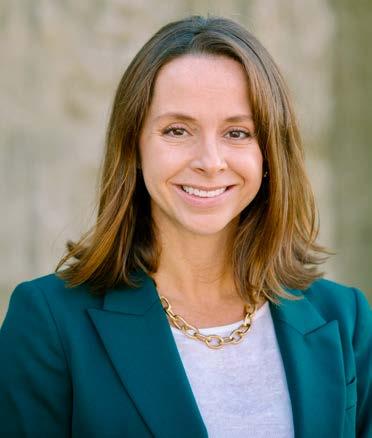
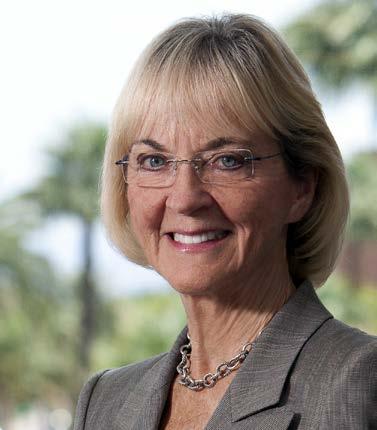
Katherine Andriole, PhD, FACR, FSIIM, FSPIE
Associate Dean for Health Artificial Intelligence (AI) Strategy and Innovation, Director, UCLA Center for AI and SMART Health,Professor of Radiological Sciences, UCLA David Geffen School of Medicine; Professor of Bioengineering, UCLA Samueli School of Engineering
Dr. Andriole is a leading expert and educator in medical imaging informatics. Her work focuses on digital imaging, machine learning, data standards, AI integration, workflow optimization, and translating advanced technologies into clinical practice to improve quality, efficiency, and patient care.
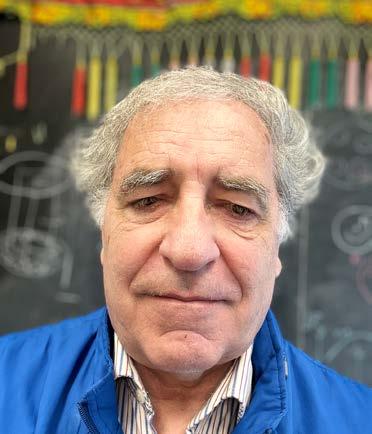
Erin Angel, PhD, FAAPM
Leads Global Research and Scientific Affairs, GE HealthCare; Chair, AAPM Corporate Advisory Board
Trained as a medical physicist, Dr. Angel focuses on bringing technical and scientific advances into clinical practice. She holds bachelor’s degrees in physics and business economics, and earned her MS and PhD in biomedical physics from UCLA. Her background includes roles in R&D, scientific and medical affairs, and management of a product business segment.
Robert H. Austin, PhD
Professor of Physics, Princeton University
Dr. Austin is a leading figure in biological physics and biophysics. His research applies principles of physics and non-equilibrium dynamics to complex biological systems, with a particular focus on cancer evolution, microbial adaptation, and cellular heterogeneity. Dr. Austin is internationally recognized for pioneering interdisciplinary approaches that integrate physics, biology, and medicine, and for his influential contributions to understanding how physical constraints shape disease and therapeutic response.
Anna D. Barker, PhD
Chief Strategy Officer, Ellison Medical Institute, Los Angeles, CA; Distinguished Visiting Fellow, Complex Adaptive Systems, Arizona State University
Dr. Barker has previously served as Principal Deputy Director of the National Cancer Institute, where she helped lead major national initiatives including The Cancer Genome Atlas and the Physical Sciences - Oncology Centers. Her work focuses on accelerating complex systems and data science, team science, precision medicine, and cross-sector collaboration to drive transformative advances in cancer research and care.
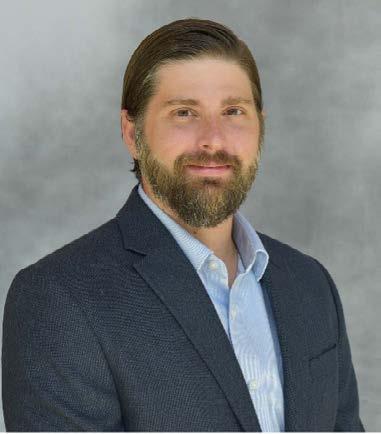
Bryan Bednarz, PhD
Co-founder & CSO, Voximetry; Professor, Medical Physics and Radiology, University of Wisconsin — Madison
Dr. Bednarz, with affiliate appointments in Radiation Oncology, Radiology, and Engineering Physics, also leads the Radiological Engineering and Design (RED) Laboratory, applying engineering methods to advance translatable uses of ionizing radiation. The RED Lab focuses on radiopharmaceutical therapy (RPT), particularly imaging and dosimetry. He has authored 100+ publications and holds seven issued or pending patents. He co-created the UW Cancer Center Theranostic Disease Oriented Team (DOT) and serves as a founding board member of the UW Institute for Theranostics and Particle Therapy.
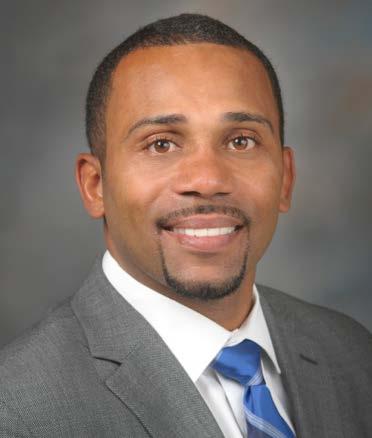
Nynke van den Berg, PhD
Vice President, Medical Technologies, Telix Pharmaceuticals / Lightpoint Medical
Dr. van den Berg leads development of surgical guidance, imaging, and digital workflow technologies in support of Telix diagnostics and therapeutics portfolio. She trained in image-guided surgery at the Leiden University Medical Center (NL) and at Stanford. Prior to joining Telix she led the clinical development of a fluorescent PSMA agent at Intuitive Surgical.
Denis Bergeron, PhD
Research Chemist, Radioactivity Group, National Institute of Standards and Technology (NIST)
Dr. Bergeron develops primary measurement standards for radionuclides, advancing precision in nuclear medicine and medical physics. His work includes absolute activity quantitation using liquid scintillation techniques, supporting calibrations both imaging and targeted radiotherapeutic applications.
Justin E. Bird, MD
Professor Orthopaedic Oncology & Spine Surgery, Deputy Division Head, Innovation, IDEAS LAB, University of Texas MD Anderson Cancer Center
Dr. Bird specializes in complex spine, sacral, and pelvic tumor surgery, directing the IDEAS Lab which integrates clinical care with translational research and technology development. His work bridges cutting-edge surgical techniques with research in musculoskeletal oncology to advance both practice and patient care.
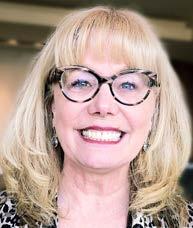
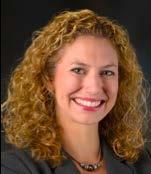
Bette W. Blankenship, MS, DABR, FAAPM
Therapeutic Medical Physicist, Alliance Medical Physics, LLC; Chair, AAPM Administrative Council
Ms. Blankenship has applied experience supporting clinical radiation oncology and physics operations. Her work has included contributing to quality assurance programs, data analysis for clinical systems, technical support of treatment planning, therapy and imaging workflows, theranostic program development, and facility radiation protection programs.
Kristy K. Brock, PhD, FAAPM
Professor, Imaging Physics and Radiation, University of Texas MD Anderson Cancer Center
Dr. Brock is a nationally recognized leader in quantitative imaging, deformable image registration, and adaptive radiation therapy. Her work has been foundational in advancing the use of image guidance and longitudinal imaging to support personalized, response-adaptive cancer treatment, with a strong emphasis on clinical translation and validation. Dr. Brock has played a leading role in multidisciplinary collaborations that bridge physics, data science, engineering, and clinical oncology, and she is widely recognized for her contributions to the development of imaging standards, data-driven methods, and learning health systems in oncology.
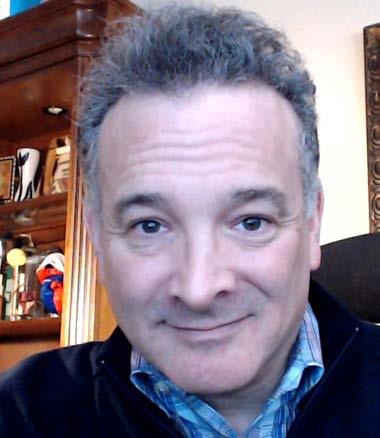
Jeffrey C. Buchsbaum, MD, PhD, AM
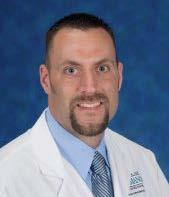
Medical Officer and Program Director, Office of the Director, National Cancer Institute (NCI) Radiation Research program
Dr. Buchsbaum (theoretical and computational physics, biophysics, molecular biochemistry) is board-certified radiation oncologist who provides national and international leadership in clinical trials oversight, quality assurance, pediatric radiation oncology, theranostics, hadron therapy, QIS, digital twins, data science/compute, and trans-agency collaboration in translational cancer research.
Jay W. Burmeister, PhD, DABR, FAAPM
Professor and Chief of Physics, Karmanos Cancer Center / Wayne State University School of Medicine; Chair, AAPM Education Council
Dr. Burmeister work focuses on radiation oncology physics, including advanced radiotherapy techniques, quality assurance, clinical technology evaluation, and training of future medical physicists and radiation oncology residents; he has also received the SDAMPP Distinguished Educator Award for his contributions to education in the field.

Mauro Carrara, PhD
Head of Dosimetry and Medical Radiation Physics Section, Division of Human Health, International Atomic Energy Agency (IAEA)
Dr. Carrara leads global efforts in radiation dosimetry standards, quality assurance, and medical physics support for Member States. He previously worked as a clinically qualified medical physicist and has co-authored over 75 peer-reviewed publications in dosimetry and quality assurance.
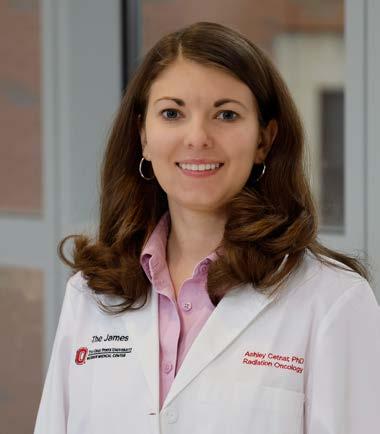
Ashley Cetnar, PhD, MS, DABR
Associate Professor of Radiation Oncology, The Ohio State University; Vice Chair, AAPM Education Council
Dr. Cetnar is a board-certified clinical medical physicist whose work focuses on radiotherapy quality and safety, motion management, emerging technologies, and medical physics education and training.
Anthony Chang, PhD
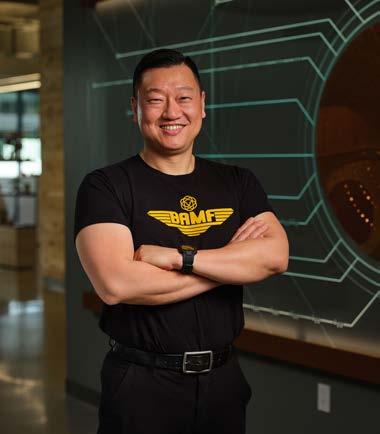
Founder and CEO, BAMF Health
BAMF Health is a healthcare technology company focused on bringing theranostics and intelligence-based precision medicine to the forefront of care. Dr. Chang is a globally recognized theranostics pioneer, advancing molecular imaging, commercial radiopharmacy manufacturing, first-in-world clinical trials, and targeted therapies for cancer, and heart and brain conditions. With over 25 years of experience as a scientist, researcher, and educator, he leads BAMF Health’s global team of experts to make theranostics affordable and accessible to all.
Jessica Clements, MS, DABR, FAAPM, FACR
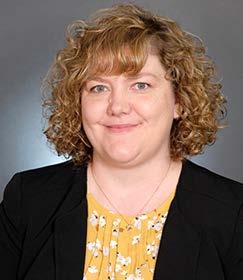
Medical Physicist and Radiation Safety Officer, University of Vermont Medical Center
Ms. Clements’ clinical and academic work includes radiopharmaceutical therapy, radiation safety, and quality assurance, with a strong focus on education, professional service, and advancing safe, high-quality patient care.
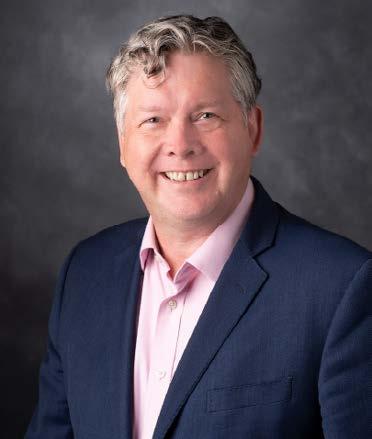
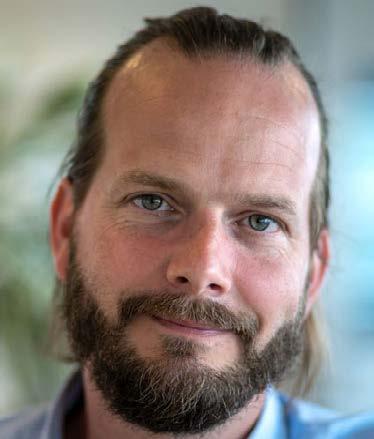
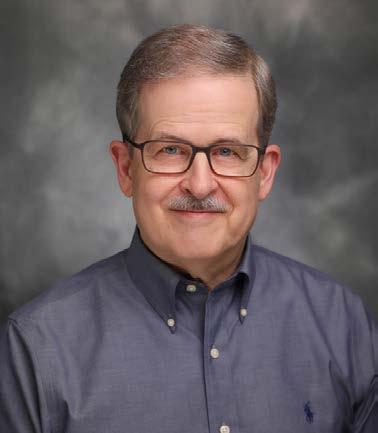
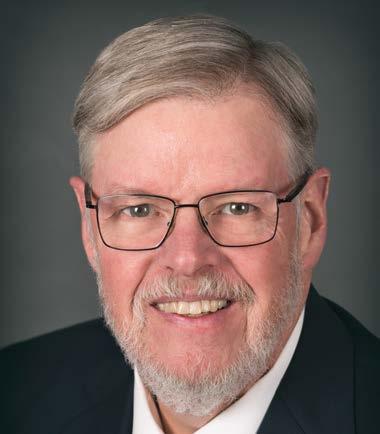
Laurence E. Court, PhD, FAAPM
Professor of Radiation Physics, University of Texas MD Anderson Cancer Center
Dr. Court leads the research and development of automated contouring and treatment planning tools (e.g., the Radiation Planning Assistant) to improve radiotherapy access and quality at MD Anderson. His work spans imaging, radiomics, AI-based planning, and global radiotherapy support.
Andre Dekker, PhD
Medical Physicist & Professor of Clinical Data Science, Maastricht University, Maastricht UMC+, and MAASTRO Clinic, the Netherlands
Dr. Dekker also serves as Chief Scientific Officer of Medical Data Works B.V. His research focuses on federated FAIR health data infrastructures, development of AI-based outcome prediction models, and applying data-driven approaches to improve patient care across oncology and other health domains.
James T. Dobbins, III, PhD, FAAPM, FSPIE
Associate Vice Provost Emeritus and Professor Emeritus of Radiology, Biomedical Engineering, and Physics, Duke University
Dr. Dobbins is a globally recognized leader in medical imaging science and education. His research has advanced quantitative image quality and diagnostic imaging modalities now used clinically worldwide. He was Founding Director of the Duke Medical Physics Graduate Program and has served in numerous leadership roles including past President of AAPM.
Frederic Fahey, DSc, FAAPM
Professor of Radiology Emeritus, Harvard Medical School; Former Director, Nuclear Medicine Physics, Boston Children’s Hospital
Dr. Fahey is an internationally recognized leader in quantitative molecular imaging, dosimetry, and pediatric imaging, with extensive experience advancing standards, safety, and clinical translation of radiopharmaceutical and theranostic technologies. He is past president of the Society of Nuclear Medicine and Molecular Imaging (SNMMI).
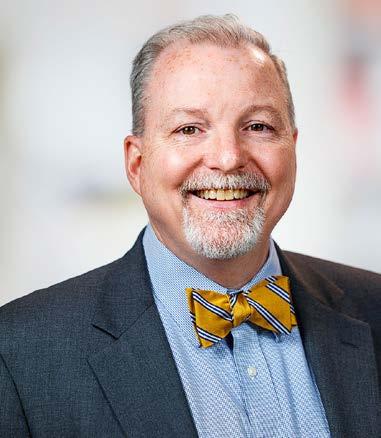
Michael Folkert, MD, PhD
Professor, Chief of Brachytherapy Program, Physician Lead of Radio-Isotope Program, University of Washington Medical Center and Fred Hutch Cancer Center
Dr. Folkert is Professor of Radiation Oncology specializing in brachytherapy and radiopharmaceuticals (theranostics), and has a background in nuclear engineering. He leads brachytherapy and radio-isotope programs and serves in a national advisory role on medical isotope safety and policy and on cooperative group and professional society committees focused on theranostics.

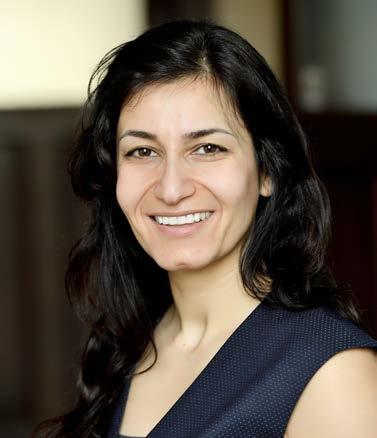
Donald P. Frush, MD
John Strohbehn Professor of Radiology at Duke University School of Medicine; Faculty Member, Duke Medical Physics Graduate Program
Dr. Frush’s work focuses on pediatric radiology, with particular emphasis on CT imaging, radiation dose optimization, and imaging safety. Dr. Frush is a national leader in radiation protection and has played a key role in initiatives such as the Image Gently Alliance, which he Chairs.
Kimia Ghobadi, PhD
John C. Malone Assistant Professor, Department of Civil and Systems Engineering, Johns Hopkins University
Dr. Ghobadi serves as Associate Director of the Center for Systems Science and Engineering, and she is a Chaired faculty member of the Malone Center for Engineering in Healthcare and a member of the Johns Hopkins University Data Science and AI Institute. Her research applies AI, mathematical modeling, optimization, and data analytics to complex healthcare systems and decision-making, including projects in radiation therapy planning, healthcare operations, and resource allocation.
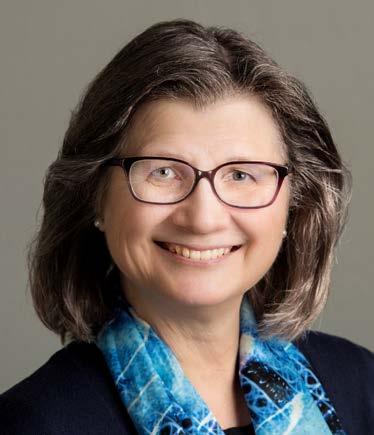
Maryellen Giger, PhD, FAAPM, FAIMBE, FIEEE, FSPIE, MNAE
A. N. Pritzker Distinguished Service Professor of Radiology on Medical Physics, and Vice-Chair for Basic Science Research, Department of Radiology, University of Chicago
Dr. Giger earned her PhD in Medical Physics from the University of Chicago after completing degrees in physics, mathematics, and health science as well as an MSc in physics, and has led pioneering research in computer-aided diagnosis, machine learning, radiomics, and quantitative imaging with broad applications in cancer and disease assessment. Dr. Giger is a member of the National Academy of Engineering, a former president of the American Association of Physicists in Medicine and SPIE, and principal investigator on major AI imaging initiatives including the NIH NIBIB-funded Medical Imaging and Data Resource Center (MIDRC).
Robert François Hobbs, PhD, FAAPM
Associate Professor and Director of Radiation Safety, Department of Radiation Oncology and Molecular Radiation Sciences, and Medical Physics Division, Johns Hopkins University School of Medicine
Dr. Hobbs has expertise in RPT dosimetry, with particular emphasis on dosimetry-based treatment planning, alpha-particle and small-scale dosimetry, combination therapy dosimetry, and QA tool development. His work spans clinical, research, education, and professional service.
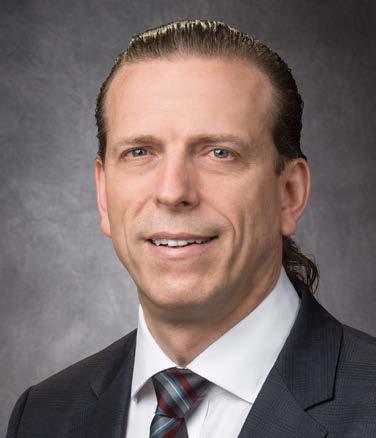

David A Jaffray, PhD, FAAPM
Senior Vice President, Chief Technology and Digital Officer, Professor, Radiation Physics and Imaging Physics, The University of Texas MD Anderson Cancer Center
Dr. Jaffray holds 28 patents and has authored >300 peer-reviewed publications in topics related to cancer, including the development of new radiation treatment machines, exploring the fundamental limits of imaging system performance, the development of novel nanoparticle formulations for improved detection of cancer, and challenges in global health.
Robert Jeraj, PhD, FAAPM
Professor of Medical Physics, Human Oncology, Radiology and Biomedical Engineering, University of Wisconsin — Madison, Chair, AAPM International Council
Dr. Jeraj’s main research interests focus on understanding disease heterogeneity and treatment resistance, with extensive use of advanced quantitative imaging biomarkers for predictive modeling in oncology and neurology. Dr. Jeraj has played leadership roles in national initiatives and contributes broadly to advancing predictive medicine.
David Jordan, PhD, FAAPM
Chief Medical Physicist, Professor of Radiology, University Hospitals Cleveland Medical Center, Case Western Reserve University School of Medicine
Dr. Jordan is an expert in quantitative imaging, instrumentation, and advanced imaging physics, with extensive experience in multidisciplinary research, clinical quality, and imaging standards that improve accuracy and patient care.
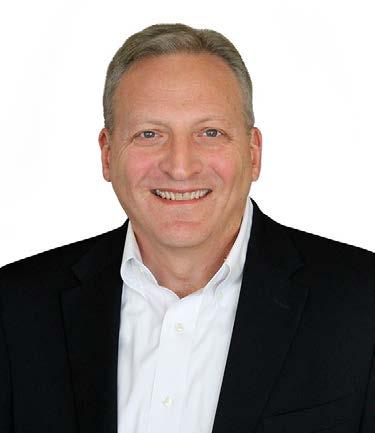
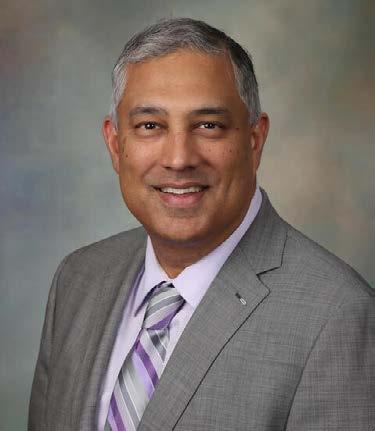
Chuck Kahn, MD, MS
Radiologist and informatics leader, Penn Medicine; Editor-in-Chief, Radiology: Artificial Intelligence
Dr. Kahn is widely recognized for his expertise in radiology informatics, clinical systems, and imaging data strategy, with a focus on improving workflows, standards, communication, and the effective integration of emerging technologies in imaging practice.
Sameer Keole, MD, FASTRO
Consultant, Dept of Radiation Oncology, Mayo Clinic; Medical Director, Mayo Clinic Platform-West Region Provider Relations.
Dr. Keole joined the Mayo Clinic in 2012 after prior leadership roles at the ProCure Proton Therapy Center in Oklahoma City and the University of Florida Proton Therapy Institute, where he was part of the original team that launched the center in 2006. Dr. Keole has authored > 90 peer-reviewed publications across pediatric, genitourinary, and gynecologic oncology, as well as image guidance and particle therapy, and previously served as Proton Medical Director at Mayo Clinic Arizona from 2012 to 2023. Nationally recognized in radiation oncology, he is an active member of ASTRO, was re-elected to its Board of Directors in 2023, served as President in 2025, and currently serves as Board Chair.
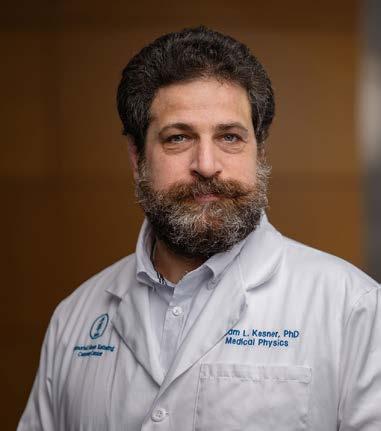
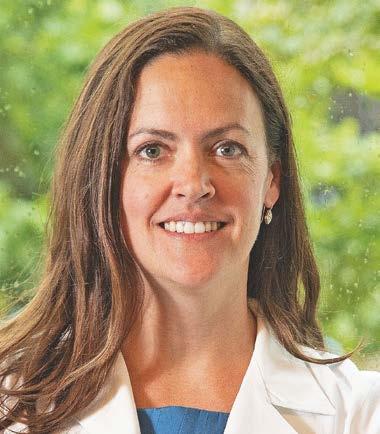
Adam Kesner, PhD
Attending Physicist and Deputy Service Chief of Molecular and X-Ray Imaging Physics, Memorial Sloan Kettering Cancer Center
Dr. Kesner is a medical physicist and national leader in radiopharmaceutical dosimetry and data stewardship. He serves as contact PI for the NIH-funded, SNMMI-endorsed MIRDsoft initiative, advancing standardized, accessible dosimetry tools and fostering collaboration, education, and improved patient-centered practice across nuclear medicine.
Ana Kiess, MD, PhD
Associate Professor, Radiation Oncology, Johns Hopkins University
Dr. Kiess’ clinical focus is on the treatment of prostate cancer with external beam radiotherapy and radiopharmaceutical therapies (RPTs). Her research concentrates on the integration of new radiopharmaceutical therapies and dosimetry techniques into the clinic. She is the chair of the ASTRO RPT committee and is principal investigator and steering committee member for multiple RPT clinical trials.
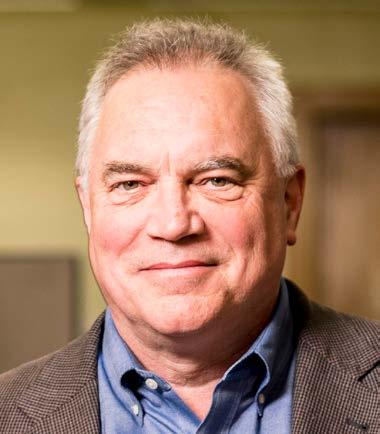
Paul E. Kinahan, PhD, FAAPM
Professor of Radiology and Bioengineering, Vice-Chair of Research, Department of Radiology, University of Washington
Dr. Kinahan leads the Imaging Research Laboratory and serves as Director of PET/ CT Physics. Dr. Kinahan was part of the team that developed the first PET/CT scanner and is internationally recognized for his work in quantitative PET/CT imaging, image reconstruction algorithms, and advancing quantitative imaging biomarkers for clinical trials and therapy assessment.
Eric Liu, MD, FACS
Co-Director, Rocky Mountain Cancer Centers and Chief Medical Advisor, The Healing NET Foundation
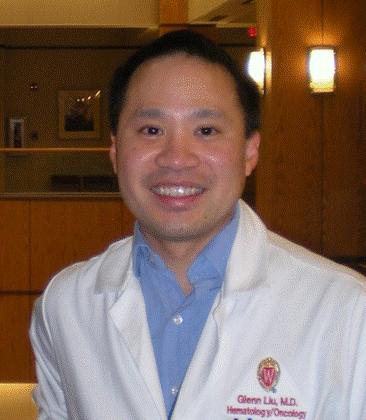
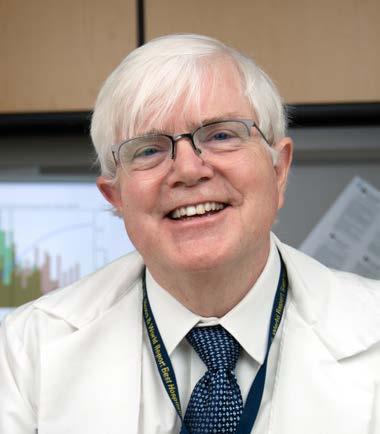
Glenn Liu, MD
Professor of Medicine and Medical Physics, University of Wisconsin – Madison
Dr. Liu serves as the Genitourinary Disease-Oriented Group leader and director of the UW Prostate SPORE Developmental Research Program. He is funded by NCI UM1(ETCTN), DOD (PCCTC), and NCI SPORE grants, and Prostate Cancer Foundation (Optimizing PSMA targeted radiotherapy using individual lesion characteristics).
Chuck Mayo, PhD, FAAPM
Professor in Radiation Oncology, Director of Radiation Oncology Informatics and Analytics, University of Michigan Medical School
Dr. Mayo focuses on integrating clinical, development, and research efforts to build big data resource systems and actionable analytics. A community science advocate, he collaborates with multidisciplinary, multinational teams to develop consensus-based standards that improve interoperability, data sharing, and real-world impact across healthcare systems.
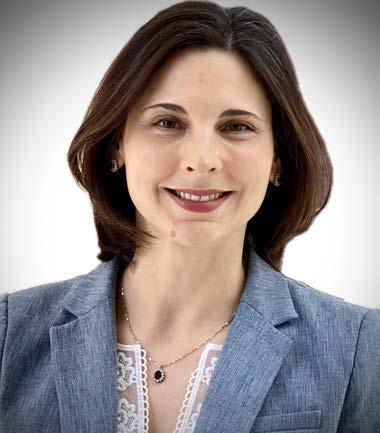
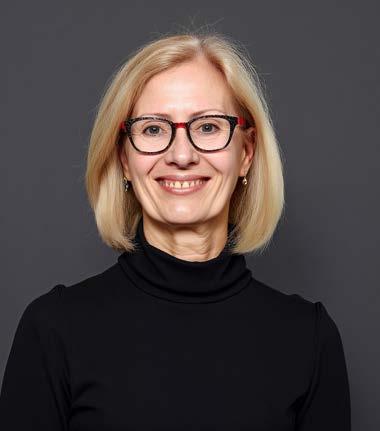
Tina Morrison, PhD
Vice President of Scientific Strategy, EQTYLab
Before joining EQTYLab, a technology firm with solutions for data provenance and AI governance, Dr. Morrison served as a senior executive at the U.S. FDA, where she led regulatory science and innovation programs and chaired cross-agency initiatives on in silico technologies and credibility assessment, including AI. Dr. Morrison is a mechanical engineer and applied mathematician with expertise in building trust in complex computational systems.
Kyle Myers, PhD, FAAPM
Principal, Puente Solutions, LLC
Dr. Myers focuses on medical imaging science, image quality assessment, and quantitative performance evaluation. She previously held senior leadership roles at the U.S. Food and Drug Administration, shaping regulatory science for imaging and softwarebased medical devices while advancing evidence-based standards across clinical, academic, and industry settings. She is an AAPM MIDRC investigator and now consults for med-tech companies seeking FDA authorization for imaging and AI/ML devices.
Paul Nagy, PhD, FSIIM
Director of Education, Biomedical Informatics and Data Science, Johns Hopkins University
Dr. Nagy leads a program with over 75 graduate students, including a doctoral program supported by an NLM T15 award. He teaches 6 courses on data science working with EHR and Medical Imaging data. Dr. Nagy leads the JH Observational Health and Data Science Informatics (OHDSI) research group at JHMI and has been awarded $26 Million in grants and contracts since 2021 from the FDA, NIH, NSF, and the CDC. He is the author of > 140 papers and > 200 national presentations in the field of informatics and implementation science.
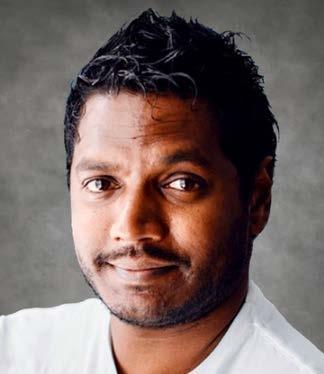
Paul Naine
Director, Customer Success and Outreach, Sun Nuclear
Paul is a certified engineer and medical physicist whose experiences bridge clinical and technical realms. He’s led diverse 100+MUSD organizations for two decades in global industry, currently focuses on human-technology hybrid teams, and actively contributes to advancing the global practice of RT, education, and equitable technology integration.
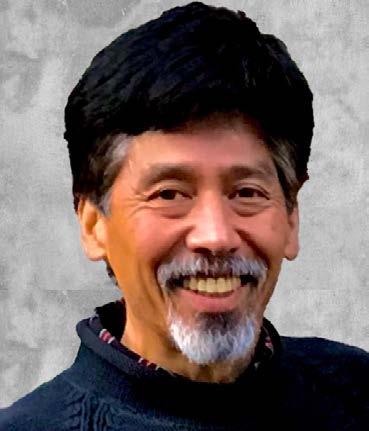
Robert M. Nishikawa, PhD, FAAPM
Professor, University of Pittsburg
Dr. Nishikawa is an internationally recognized expert in breast imaging and technology assessment especially pertaining to computerized analysis of breast images. His research spans the development, implementation, and evaluation of advanced imaging and machine-learning methods to improve diagnostic accuracy and clinical workflows.
Jonathan Piper Chief Scientific Officer at MIM Software, Inc.
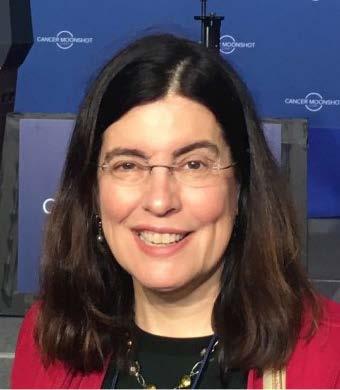
Etta Pisano, MD, FACR
Chief Research Officer, American College of Radiology
Dr. Pisano leads research strategy and innovation for ACR and is the first woman to hold this position. She is an internationally recognized expert in breast imaging and women’s health, known for leading landmark clinical trials such as the Digital Mammographic Imaging Screening Trial and the Tomosynthesis Mammographic Imaging Screening Trial.
Dr. Pisano also is an Adjunct Professor of Radiology at the University of Pennsylvania and has a distinguished career spanning academic leadership, clinical investigation, and national research initiatives.
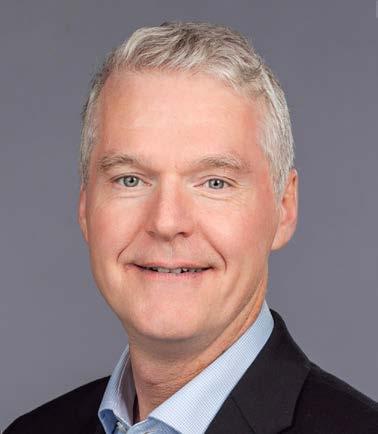
Brian W. Pogue, PhD, FAAPM
Robert A. Pritzker Professor of Biomedical Engineering, Dartmouth University
Dr. Pogue is a leader in medical physics and biomedical optics whose research centers on developing advanced optical imaging tools and technologies for radiation therapy, surgical guidance, and cancer diagnosis and treatment. His work spans the creation of unique optical systems that support Cherenkov imaging, fluorescence-guided surgery, photodynamic therapy, and molecular imaging, as well as innovative methods to visualize and quantify treatment delivery and tissue characteristics.
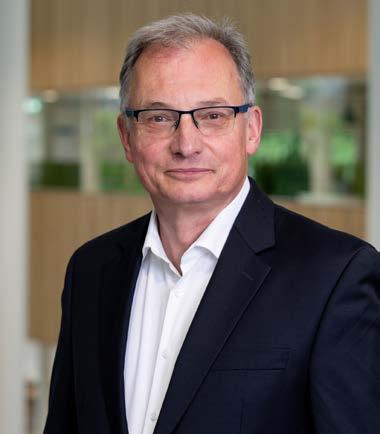
Mathias Prokop, MD, PhD
Chair and Professor of Radiology, Department of Medical Imaging, Radboud University Medical Center, the Netherlands
Dr. Prokop studied medicine and physics in Germany and trained at Hannover Medical School. His career took him to Vienna, Austria and Utrecht in the Netherlands, where he established himself as one of the pioneers of novel CT technologies and lung screening. His department in Nijmegen focuses on impactful innovations in care and hosts one of the largest research groups in Europe. He now serves as the first Vice President of the European Society of Radiology.
Dushyant V. Sahani, MD
Professor & Chair, Department of Radiology, University of Washington
Dr. Sahani is an innovator in CT imaging, leading research on advanced CT techniques to enhance patient safety, workflow efficiency and healthcare outcomes. He’s authored over 400 peer-reviewed articles, delivered over 400 lectures globally and co-edited three textbooks. His is prior President of SCBT-MR, SABI and Vice President of the ISCT.
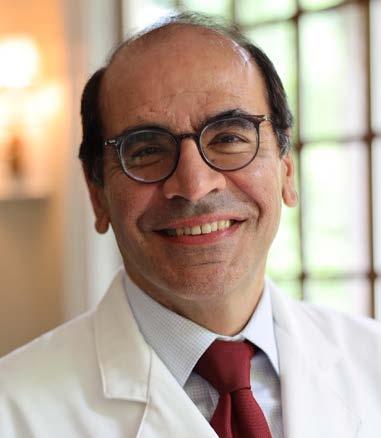
Ehsan Samei, PhD, FAAPM
Reed and Martha Rice Distinguished Professor of Radiology and Chief Imaging Physicist, Duke University School of Medicine
Dr. Samei is an imaging scientist and director of two national centers on virtual trials and regulatory science. He applies his expertise in medical physics and in silico methods to enable and accelerate patient-centric care through innovative design, human-guided use of AI, and compassionate practice.
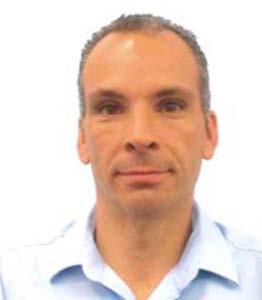
Ioannis Sechopoulos, PhD, DABR, FAAPM
Professor of Advanced X-ray Imaging Methods, Chair of the Advanced X-ray Tomographic Imaging (AXTI) Laboratory, Department of Medical Imaging, Radboud University Medical Center, the Netherlands
Dr. Sechopoulos also holds a part-time professorship with the Multi-Modality Medical Imaging (M3i) group at the University of Twente and serves as Scientific Advisor to the Dutch Expert Center for Screening (LRCB). Dr. Sechopoulos works on advanced x-ray imaging, including breast tomosynthesis, dosimetry, image reconstruction, and clinical imaging trials, and he contributes to numerous professional task groups and editorial boards in medical physics and radiology.
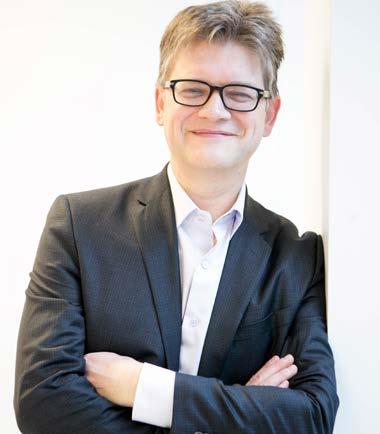
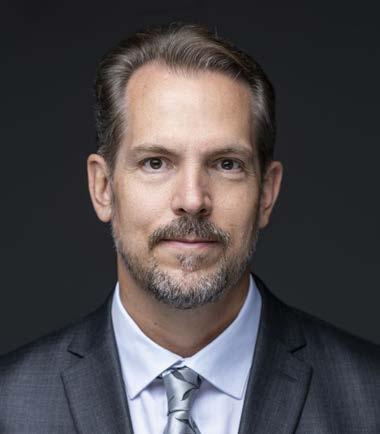
Jan P. Seuntjens, PhD, FAAPM
Head of Medical Physics, Orey and Mary Fidani Chair in Radiation Physics, Princess Margaret Cancer Centre; Chair, AAPM Science Council
Dr. Seuntjens focuses on radiation physics, medical dosimetry, and imaging-driven radiation therapy innovation. He has extensive expertise in Monte Carlo simulation, detector and proton therapy technologies, and data-driven treatment optimization, and is recognized for collaborative research, standards development, and advancing precision radiation medicine internationally.
Jeffrey H. Siewerdsen, PhD, FAAPM
Professor of Imaging Physics, Radiation Physics, and Neurosurgery, The University of Texas MD Anderson Cancer Center
Dr. Siewerdsen is Director of Surgical Data Science and Co-Lead for Safety, Quality, and Access to Cancer Care in the Institute for Data Science in Oncology (IDSO) at MD Anderson. His research focuses on emerging technologies for image-guided interventions and data-intensive methods for cancer care. He is internationally recognized for pioneering contributions to medical imaging physics, including cone-beam CT and image-guided surgery technologies, as well as research in imaging performance, image registration, and predictive modeling for clinical workflows.
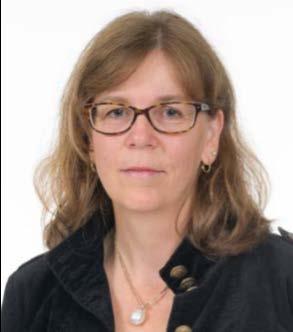
Katarina Sjögreen-Gleisner, PhD
Professor of Medical Radiation Physics, Lund University, Sweden
Dr. Sjögreen-Gleisner is study director of undergraduate education in Medical Physics. She is expert in personalized dosimetry in radionuclide therapy, with contributions that advance clinical implementation. She is a board member and representative of the Special Interest Group for Radionuclide Internal Dosimetry of the European Federation of Organisations for Medical Physics.
Russell Tarver, MS, FAAPM
Chief Medical Physicist, Tennessee Oncology; Chair, AAPM Professional Council
Mr. Tarver focuses on advancing medical imaging through technology integration, clinical collaboration, and operational leadership. His work bridges imaging science, informatics, and healthcare delivery, supporting scalable solutions that improve diagnostic performance, workflow efficiency, and the translation of innovation into routine clinical practice.
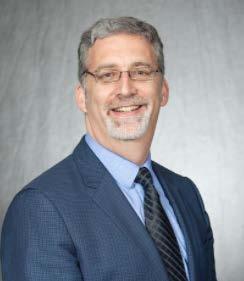
Mike Tilkin, MS
Chief Information Officer and Executive Vice President for Technology at the American College of Radiology (ACR)
Mr. Tilkin leads ACR’s information technology, informatics, and data science efforts supporting quality and safety, clinical research, imaging informatics, and education. He oversees the ACR Data Science Institute and related initiatives to promote the development, validation, and safe adoption of artificial intelligence and advanced data solutions in radiology. Mr. Tilkin has a long track record of technology leadership across healthcare and informatics domains.
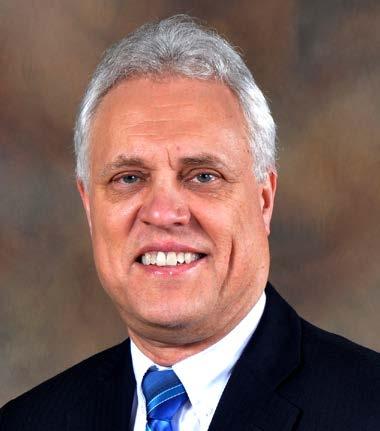

Jean-Luc Urbain, MD, PhD
President, the Society of Nuclear Medicine and Molecular Imaging (SNMMI) (2025-26 term); Professor of Radiology & Nuclear Medicine and Medicine, President and Chair of the Board, Society of Nuclear Medicine and Molecular Imaging (SNMMI 2025-2026)
Dr. Urbain is an internationally recognized leader in nuclear medicine and molecular imaging, he has held senior academic and professional leadership roles and has made significant contributions to imaging innovation, theranostics, and the clinical translation of advanced diagnostic and therapeutic technologies.
Mark Waddle, MD
Director of AI and Data Analytics, Department of Radiation Oncology, Mayo Clinic; Physician Chair, Artificial Intelligence Task Force, American Society for Radiation Oncology (ASTRO); Rad Onc Representative, American Medical Association (AMA) AI Speciality Society Collaborative
Dr. Waddle is a recognized leader in the practical application of artificial intelligence in radiation oncology. At Mayo Clinic, Dr. Waddle leads departmental initiatives integrating advanced machine learning, data-driven decision support, and workflow optimization into clinical cancer care. He is a key contributor to RadOncGPT and to the application of large language models to improve clinical efficiency, enable standardized data capture, and streamline documentation. Dr. Waddle plays a pivotal role in shaping policy, safety standards, and best practices for the responsible use of AI in medicine.
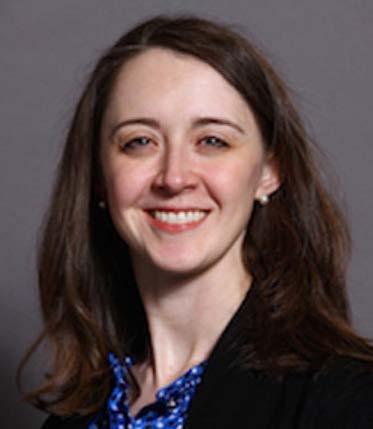
Heather M. Whitney, PhD
Assistant Professor of Radiology, University of Chicago
Dr. Whitney leads research in artificial intelligence, computer-aided diagnosis, and radiomics across medical imaging modalities such as MRI and ultrasound, with a particular focus on gynecological imaging. Dr. Whitney’s work spans imaging science, AI performance evaluation, and data harmonization, and she collaborates with the Medical Imaging and Data Resource Center (MIDRC) on projects addressing AI robustness and imaging data interoperability.
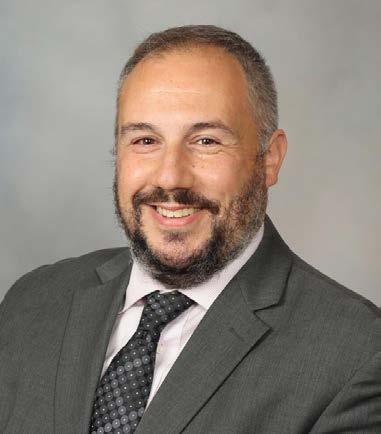
Mark Zarella, PhD
Vice Chair of Digital and Computational Pathology, Department of Pathology, University of Pennsylvania
Dr. Zarella has been an active participant in the field of digital pathology since 2012. Prior to joining Penn Medicine, he served as the Scientific Director of the Division of Computational Pathology & AI at the Mayo Clinic, as well as Director of Digital Pathology at Johns Hopkins Medicine, and the Director of Pathology Informatics at Drexel University. His research focus is on establishing and refining best practices to ensure the responsible deployment of AI tools in pathology, which includes establishing novel techniques for quantitative evaluation of AI models to estimate risk.
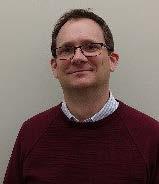
Brian E. Zimmerman, PhD
Group Leader, Radioactivity Group, Radiation Physics Division, National Institute of Standards and Technology (NIST)
Dr. Zimmerman leads national measurement standards programs for radioactivity that support nuclear medicine, quantitative imaging, dosimetry, and radiopharmaceutical applications. His research includes radionuclide metrology, decay data evaluation, and development of standards and calibration methodologies that improve accuracy and traceability in medical and scientific measurements.
The American Association of Physicists in Medicine gratefully acknowledges these individuals whose expertise, insight, and support contributed to the development of this Summit:
Katherine Andriole, PhD, FACR, FSIIM, FSPIE University of California, Los Angeles
Anna D. Barker, PhD Ellison Medical Institute
Nynke van den Berg, PhD Telix Biopharma
Sergio Calvo GE Healthcare
Anthony Chang, PhD BAMF Health
Tessa Cook, MD, PhD University of Pennsylvania
Laurence Court, PhD University of Texas MD Anderson Cancer Center
Andre Dekker, PhD Maastricht University
Freddy Escorcia, MD, PhD RayzeBio
Alex Frangi, PhD University of Manchester
Kimia Ghobadi, PhD Johns Hopkins University
Chuck Kahn, MD, MS, FACR University of Pennsylvania
Adam Kesner, PhD Memorial Sloan Kettering Cancer Center
Ana Kiess, MD, PhD Johns Hopkins University
Woojin Kim, MD American College of Radiology/HOPPR
Althea Lang, PhD Foundation for the National Institutes of Health
Curtis Langlotz, MD, PhD
Stanford University
Chuck Mayo, PhD University of Michigan
Rafe McBeth, PhD University of Pennsylvania
Tina Morrison, PhD EQTYLab
Kyle Myers, PhD Puente Solutions, LLC
Paul Nagy, PhD, FSIIM Johns Hopkins University
Robert Nishikawa, PhD University of Pittsburgh
Dushyant W. Sahani, MD University of Washington
Mitchell Schnall, MD, PhD University of Pennsylvania
Koren Smith, MS, MBA, DABR University of Massachussetts/IROC
Mike Tilkin
American College of Radiology
Mark Zarella, PhD University of Pennsylvania
We wish to thank the following AAPM-member Summit planning teams, whose dedication, strategy support and sustained contributions over many months were essential to the development, organization, and success of this convening.
ARTIFICIAL INTELLIGENCE AND COMPUTATIONAL SCIENCE TRACK
Kristy Brock, PhD, FAAPM University of Texas MD Anderson Cancer Center
*Maryellen Giger, PhD, FAAPM, FAIMBE, FIEEE, FSPIE, MNAE University of Chicago
Paul Kinahan, PhD, FAAPM University of Washington
Paul Naine, MSc Sun Nuclear
Ioannis Sechopoulos, PhD, DABR, FAAPM Radboud University, the Netherlands
Heather Whitney, PhD University of Chicago
THERANOSTICS TRACK
Erin Angel, PhD, FAAPM GE Healthcare
Jessica Clements, MS, DABR, FAAPM, FACR University of Vermont
Fred Fahey, DSc, FAAPM Emeritus, Harvard Medical School
Robert Hobbs, PhD, FAAPM Johns Hopkins University
*David Jordan, PhD, FAAPM Cleveland Medical Center / Case Western
FRONTIERS TRACK
Ashley Cetnar, PhD, MS, DABR The Ohio State University
*Robert Jeraj, PhD, FAAPM University of Wisconsin-Madison
Brian Pogue, PhD, FAAPM Dartmouth University
Ehsan Samei, PhD, FAAPM Duke University
Jeffrey Siewerdsen, PhD, FAAPM University of Texas MD Anderson Cancer Center
*indicates track leader
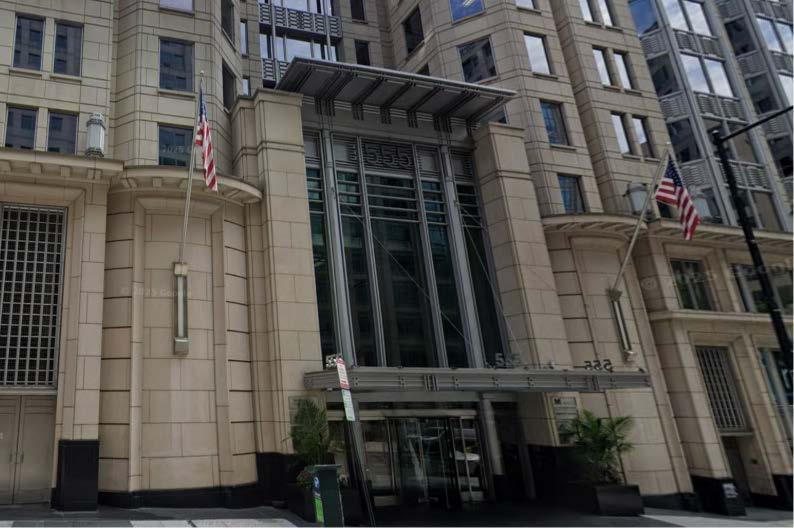
555 12th Street NW
Suite 250
Washington, DC 20004
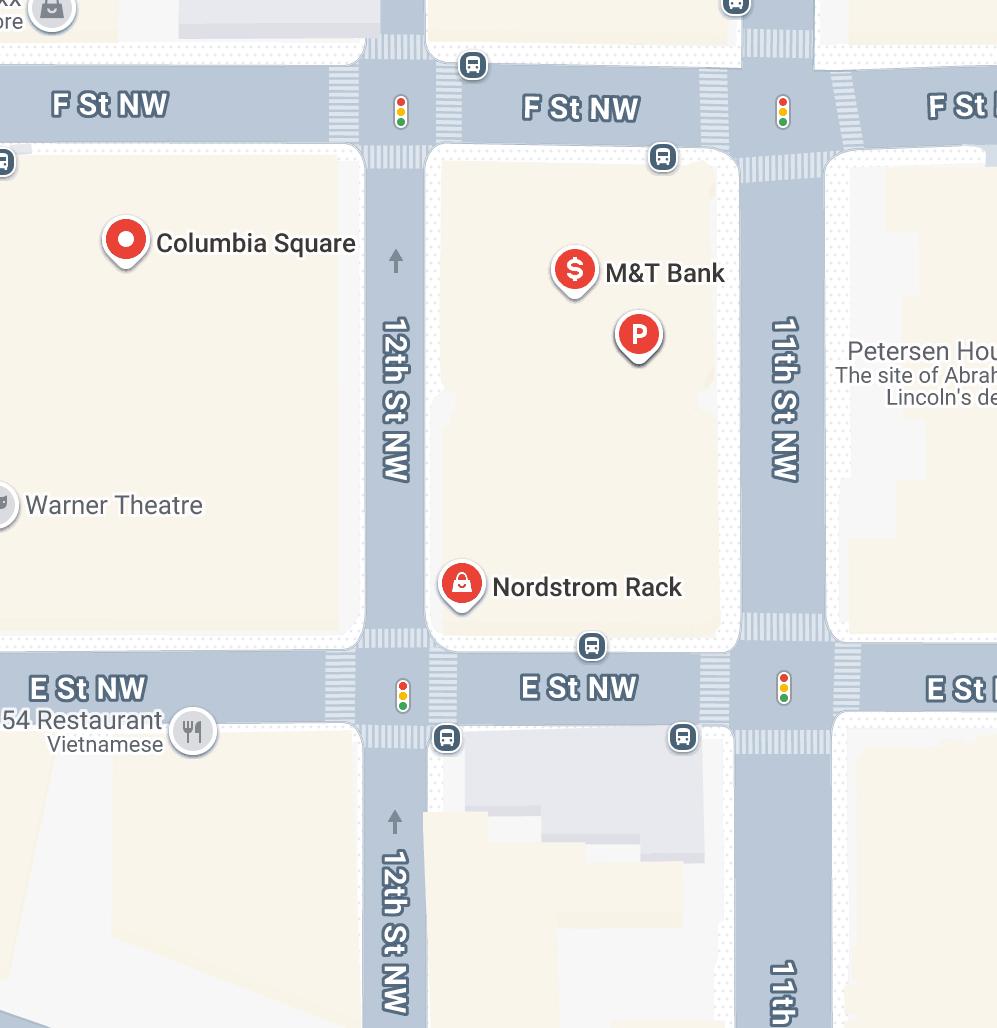
Parking Near AIP Offices (555 12th Street, NW):
• Garage Parking – 560 11th Street, NW
Open: 5:30 am–12:30 am
• Garage Parking – 603 12th Street, NW
Open: 5:30 am–11:00 pm
• Garage Parking – 610 12th Street, NW
Open: 6:00 am–9:00 pm
• Garage Parking – 1301 Pennsylvania Avenue, NW
Open: 7:00 am–12:00 am
ONSITE STAFF CONTACT INFORMTION
Emily Townley
Lisa Schober
Cell: 202-446-6824 Cell: 301-922-2182 emily@aapm.org lisa@aapm.org
Linda Minor
Cell: 301-704-5051 linda@aapm.org
Metrorail from Dulles
Located on airport property adjacent to Parking Garage 1, opposite terminal. Silver Line to Metro Center Stop on G St. NW and 11th St. NW
Metrorail from Reagan
Located on airport property opposite terminals 2 and 3.
Yellow/Blue Lines to Metro Center Stop on G St. NW and 11th St. NW Metro Payment Options
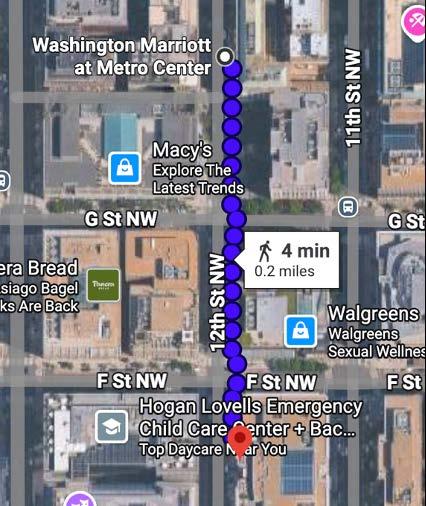
Washington Marriott at Metro Center 777 12th Street NW Washington, DC 2005
Approximately 4 miles (and 20 minutes by car) from DCA
Approximately 27 miles (and 50 minutes by car) from IAD
Check-in: 4:00 pm (note, every effort is being made to accommodate early check-in on Tuesday, Feb 10)
Check-out: 12:00 pm
On Property Hotel Amenities:
Fitness centers open 7 days a week, 24 hours a day
Heated indoor pool open 6:00 am–11:00 pm
Starbucks open 6:00 am–3:00 pm
4-minute walk to AIP building (555 12th Street)
Parking At Marriott Metro Center Hotel: $65/day – valet only
Parking Near Marriott Metro Center Hotel (775 12th Street, NW):
• Garage Parking – 802 12th Street, NW
Open: 6:00 am–10:00 pm
• Garage Parking – 701 13th Street, NW
Open: 6:00 am–8:00 pm
Please note, Summit attendees are welcome to make their own dinner plans and reservations, according to their interests and schedules.
Ocean Prime | 1341 G Street NW | (202) 393-0313
Upscale chain known for its sophisticated decor, long wine list & classic steak & seafood menu.
Joe’s Seafood, Prime Steak & Stone Crab | 750 15th Street NW | (202) 489-0140
American surf ‘n’ turf restaurant serving upmarket fare & cocktails in a lavish space.
Old Ebbitt Grill | 675 15th Street NW | (202) 347-4800
Iconic tavern offering American meals, including oyster specials, in Victorian-style digs.
Moon Rabbit by Kevin Tien | 927 F Street NW | (202) 525-1446
Vietnamese eatery with elevated dinner menus, plus cocktails, wine & beer.
SUCCOTASH | 915 F Street NW | (202) 849-6933
Chef Edward Lee’s classy eatery melds Dixie & Asian flavors in an inventive menu.
Zaytinya | 701 9th Street NW | (202) 638-0800
Chef José Andrés’ offers Eastern Mediterranean small plates & regional wines.
Spotted Zebra (in the Marriott Metro Hotel) | 775 12th St NW | (202) 737-2200
Casual dining concept featuring handcrafted cocktails & American fare.
Proper 21 | 1319 F St NW | (202) 847-3674
Sports bar serving All American classics with a gourmet twist
The Smith | 901 F St NW | (202) 868-4900
American eats and specialty drinks in hip, upbeat surroundings.
Carmine’s | 425 7th St NW | (202) 737-7770
Relaxed, family-friendly restaurant serving a menu of homestyle Southern Italian meals.
Jaleo | 480 7th St NW | (202) 628-7949
Spanish spot from chef José Andrés serving tapas and paella in a striking, artsy space.
Oyamel | 401 7th St NW | (202) 628-1005
Lively, upscale spot with creative Mexican tapas & street food.
Clyde’s | 707 7th St NW | (202) 349-3700
Long-running local restaurant serving classic American dishes & cocktails in a traditional setting.
The Cheesecake Factory | 1426 H St NW | (202) 312-5801
American chain restaurant offering sizable portions from a vast menu including signature cheesecake.
The Hamilton | 600 14th St NW | (202) 787-1000
A wide-ranging menu of American cuisine in a lively, modern setting.
Chase
120 G Street NW
Bank of America
610 F Street NW
Truist
1300 Constitution Avenue NW
PNC
1250 H Street NW
Citibank
1155 F Street NW
Wells Fargo
801 Pennsylvania Ave NW
Walgreens
1155 F Street NW
Open: 9:00 am–1:30 pm / 2:00 pm–5:00 pm
CVS
1275 Pennsylvania Avenue NW
Open: 9:00 am–1:30 pm / 2:00 pm–7:00 pm
Attendance at this meeting constitutes permission for AAPM to use and distribute photographic images of attendees for communications and promotional purposes only, now or in the future, except where prior opt-out notice has been indicated to AAPM staff.