THEKEY










































Trinity Way Boulevard, FL 34746
Eustis, FL 32726
7451 Gatehouse Circle Orlando, FL 32807
All Star Fire, Inc. All Star Fire,
Backflow Testing & Repair;Fire Alarm Installation, Monitoring & Service;Fire Sprinkler Installation/Inspection/Backfl ow/Hydrants;Fire Alarm Certification & Consulting;Fire Extinguishers
Chamberlain Group Group
Access Control Systems;Cameras | CCTV;Gates/Surveillance Systems
Appliances Today Appliances Today Appliances;Bulk Waste Removal;Coin Operated Laundry Equipment
BFARR Contracting BFARR Contracting
Commercial Roofing & Repair;Roofing Contractors/Consultants
BidBuddy BidBuddy Market Data;Preventative Maintenance;Procurem ent;Software Solutions
Crystal Air Cooling and Crystal Air Cooling Heating of Orlando Heating of Orlando Air Conditioning;Air Conditioning Filters & Materials;Air Quality Service | Indoor
Hers and His Plumbing Hers and His LLC
Backflow Testing & Repair;Plumbing Parts/Supplies/Services;Water Filtration
Contraform Furniture Furniture Source Source Carpentry & Refurbishing;Painting;Rehab; Siding/Installation
Community Community Coatings LLC Coatings LLC Pool and Patio Furniture;Outdoor/Indoor Furniture;Outdoor/Indoor Furniture/Refinishing;Furnitu re/Housewares Sales/Leasing
DoodyCalls of North of North Orlando Orlando Structural Engineering
CP Sustainable CP Solutions LLC. Solutions LLC. Waste/Recycling;Bulk Waste Removal;Waste Removal/Consulting;Wa ste Removal
Preventative Maintenance;Softwa re Solutions;Revenue Management;Reside nt Retention Florida Horizon Florida Horizon Engineering Engineering Waste Removal;Waste Removal/Consulting

AAGO Education Badges make it easy to identify training opportunities tailored to your role in the multifamily industry. Simply look for the badge that matches your profession and discover courses designed to help you grow your skills, increase your confidence, and advance your career.











































Support and help elect state and local candidates who champion the Florida apartment industry’s interests, issues, and initiatives
Empowers us to influence key policy decisions that impact the industry.
Supports candidates in Orange, Osceola, Lake, Seminole, and Volusia counties.
Fosters relationships to protect, promote, and defend our industry's interests.
ContributetoAPACbyscanningthe QRcode.Yourinvestmentmakes adifferenceinbuildingcritical industryrelationships.

Written by Kevin Knight
In a recent decision with meaningful implications for residential property owners and managers across Central Florida, the Fourth District Court of Appeal clarified an important limitation on attorney’s fee awards in landlord-tenant disputes The case Wenlei Mao v Adam Smith and Tamara Smith addresses a recurring issue in litigation: how far a prevailing party can go in recovering attorneys fees
While many landlords are familiar with the concept that the “prevailing party” may recover attorney’s fees under a lease or Florida law, this decision underscores a critical boundary one that can significantly impact litigation strategy settlement decisions and risk exposure
The dispute arose from a small claims action filed by tenants against their landlord, asserting multiple claims related to the tenancy, including issues involving the handling of a security deposit The case ultimately proceeded to a six-day bench trial, an unusually lengthy proceeding for a small claims matter
The tenants represented themselves at trial although one of the tenants was a licensed attorney After trial:
The tenants prevailed on some claims (including a key security deposit issue)
The landlord prevailed on others
Both sides sought attorney’s fees and costs
Following post-trial proceedings the trial court awarded substantial attorneys fees to the tenants This included compensation not only for:
1 Work performed on the merits of the case
2 Work establishing entitlement to fees
but also for time spent litigating the amount of attorney’s fees itself commonly referred to as “fees for fees”
The landlord appealed
Florida law recognizes three distinct components of attorney’s fee claims:
Time spent litigating the case itself
Time spent establishing entitlement to fees
Time spent litigating the amount of fees
The third category fees incurred arguing about how much should be awarded is known as “fees for fees
And here’s the key point:
FLORIDA COURTS GENERALLY DO NOT ALLOW RECOVERY OF FEES FOR FEES.
There are only three exceptions:
1 When a statute explicitly allows it
2 When the contract language is broad enough to include it
3 When awarded as a sanction for bad faith conduct
This decision provides several important lessons for those managing residential properties in Florida:
Even if a lease or statute allows recovery of attorney’s fees that does not mean all litigation-related fees are fair game Courts will strictly interpret the language
The scope of recoverable fees often turns on precise wording Narrow language tied to “enforcement” may limit recovery, while broader language could expand it
This case illustrates how a relatively modest dispute can evolve into extensive litigation over fees sometimes exceeding the underlying damages
4. COURTS ARE INCREASINGLY SENSITIVE TO OVER-LITIGATION
The trial court itself noted that both sides over-litigated the case and that the fees were disproportionate to the amount at stake This is a growing theme in Florida courts
To minimize exposure and improve outcomes in similar disputes, landlords should consider:
Reviewing lease provisions with counsel to ensure clarity on attorney’s fees
Documenting all tenant interactions especially regarding deposits
Evaluating early settlement opportunities to avoid fee escalation
RISK MANAGEMENT STRATEGIES FOR PROPERTY OWNERS CONTINUED
Using proportional litigation strategies aligned with the value of the dispute
Consulting experienced counsel early in contested matters
For apartment managers and residential property owners, this case is more than a technical legal ruling it is a practical warning.
It reinforces that:
Attorney’s fee exposure can expand quickly but it is not unlimited
Courts will enforce strict boundaries on what can be recovered
Overly aggressive litigation strategies may backfire, even for prevailing parties





Most importantly the decision highlights the critical role of lease drafting and litigation strategy
A well-drafted lease and a disciplined approach to disputes can mean the difference between a manageable legal issue and a costly drawn-out battle over fees
In an environment where tenant disputes particularly involving security deposits are common, this case serves as a timely reminder:
Winning the case does not guarantee recovering every dollar spent to win it
For Central Florida landlords, understanding that distinction is essential to protecting both legal and financial interests


Written by Kevin Knight
In a recent Florida appellate decision, Beachway Restaurants, LLC v Coquina Beach Holdings, Inc, the Fifth District Court of Appeal addressed an issue that frequently arises after a lease dispute: when can a landlord treat property left behind by a tenant as “abandoned”?
The ruling is important for both residential and commercial landlords because it reinforces a basic but often misunderstood principle: a tenant’s departure from the premises does not automatically mean the tenant has abandoned personal property left inside
The dispute involved a commercial lease between Beachway Restaurants LLC and Coquina Beach Holdings. After a disagreement between the parties Beachway brought claims against the landlord for unlawful eviction tortious interference and conversion
The appellate court affirmed the trial court’s ruling on most of the claims but reversed the decision on the conversion claim
A “conversion” claim essentially means that someone wrongfully exercised control over another persons property In landlord-tenant disputes conversion claims often arise when landlords remove dispose of, lock away, or use property that belonged to the tenant
The appellate court explained that abandonment can defeat a conversion claim, but only if there is evidence showing that the tenant intended to abandon the property and acted in a way that carried out that intent
The court found that while there was evidence the business itself had been abandoned, there was no competent evidence showing that the tenant intended to abandon the inventory and personal property left inside the premises Because of that, the conversion claim had to be reinstated and sent back to the trial court for further proceedings
The dispute involved a commercial lease between Beachway Restaurants, LLC, and Coquina Beach Holdings After a disagreement between the parties, Beachway brought claims against the landlord for unlawful eviction, tortious interference, and conversion
The appellate court affirmed the trial court’s ruling on most of the claims but reversed the decision on the conversion claim
A “conversion” claim essentially means that someone wrongfully exercised control over another person ’ s property In landlord-tenant disputes, conversion claims often arise when landlords remove, dispose of, lock away, or use property that belonged to the tenant
The appellate court explained that abandonment can defeat a conversion claim but only if there is evidence showing that the tenant intended to abandon the property and acted in a way that carried out that intent
The appellate court explained that abandonment can defeat a conversion claim but only if there is evidence showing that the tenant intended to abandon the property and acted in a way that carried out that intent
The court found that while there was evidence the business itself had been abandoned, there was no competent evidence showing that the tenant intended to abandon the inventory and personal property left inside the premises Because of that the conversion claim had to be reinstated and sent back to the trial court for further proceedings
Although this case involved a commercial lease, the reasoning is highly relevant to residential landlords and property managers
Many landlords assume that if a tenant vacates the unit stops paying rent, disappears, or leaves furniture and belongings behind, the landlord is free to dispose of everything immediately This case serves as a warning that doing so too quickly can create significant legal exposure
Florida law generally requires caution before treating tenant property as abandoned Courts will look at whether the tenant truly intended to give up ownership of the property Simply moving out is not always enough
For example, suppose a tenant is evicted and leaves behind: Furniture Clothing
Electronics
Personal documents
Appliances
Valuable collectibles
If the landlord immediately throws away or sells those items without following proper procedures, the tenant may later claim conversion or wrongful disposal of property
Under the reasoning in Beachway a court may distinguish between:
1 Abandonment of the rental unit itself and
2 Abandonment of the tenant’s personal property
Those are not necessarily the same thing
1. Do Not Assume Property Is Abandoned
A vacant apartment does not automatically mean all property inside has been abandoned
Management staff should avoid making snap judgments based solely on:
Nonpayment of rent
Utilities being disconnected
The tenant not answering calls
A partially empty unit
A move-out rumor from neighbors
Courts often require evidence showing the tenant intended to permanently give up the property
2. Follow Florida Statutory Procedures Carefully
Residential landlords should carefully follow Florida statutes governing abandoned property and post-eviction handling of belongings
Even when management strongly believes the tenant has left permanently, documentation and proper notice procedures remain extremely important
Best practices include:
Photographing the condition of the unit
Creating detailed inventories
Sending written notices
Preserving valuable property for an appropriate period
Consulting legal counsel before disposing of high-value items
3. Train Staff Not to Remove Property Prematurely
One of the biggest risks comes from maintenance personnel or onsite managers acting too quickly
Common mistakes include:
Throwing belongings into dumpsters
Allowing others to take property
Moving items offsite without documentation
Changing locks while property remains inside
Using or distributing tenant property
These actions can later become evidence supporting a conversion claim
4. Distinguish Trash From Valuable Property
Courts are more likely to view obvious garbage as abandoned
However items that appear organized valuable or intentionally stored may indicate continuing ownership
For example:
Broken food containers may be trash
Family photographs, jewelry, electronics, or furniture usually are not
When in doubt landlords should proceed conservatively
The ruling also provides important protections for tenants Tenants sometimes leave property behind because:
They are moving quickly
They lack transportation
They are hospitalized
They are financially distressed
An eviction occurred unexpectedly
They intend to return later for belongings
This decision reinforces that tenants do not automatically lose ownership rights simply because they vacate the premises
However, tenants should also understand that leaving property behind creates risk and confusion Tenants are always best protected when they:
Remove all belongings promptly
Communicate clearly with management
Request access in writing
Document remaining property
The broader lesson from Beachway Restaurants is that courts require actual evidence of intent before finding abandonment of personal property
For landlords this means caution documentation and compliance with statutory procedures are essential For tenants, it confirms that ownership rights in personal property do not disappear automatically when a lease dispute arises
In today’s environment of increased litigation and heightened scrutiny of landlord practices, property managers who follow careful procedures and avoid self-help measures will place themselves in a far stronger legal position if disputes later arise









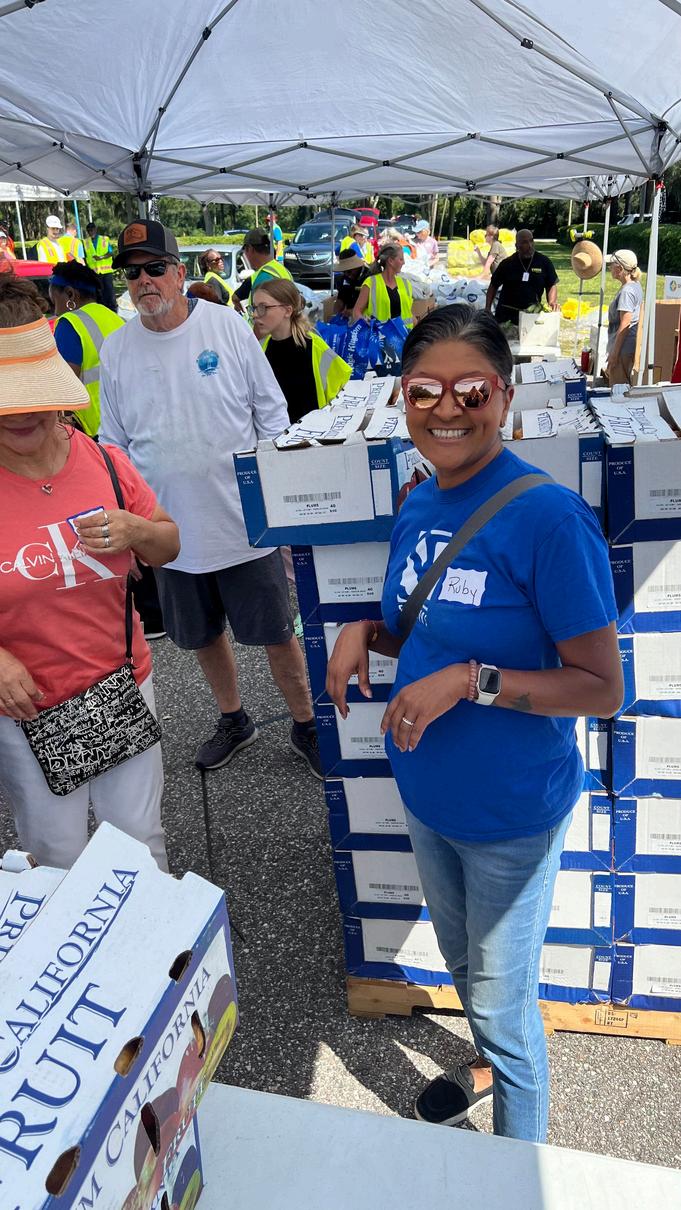
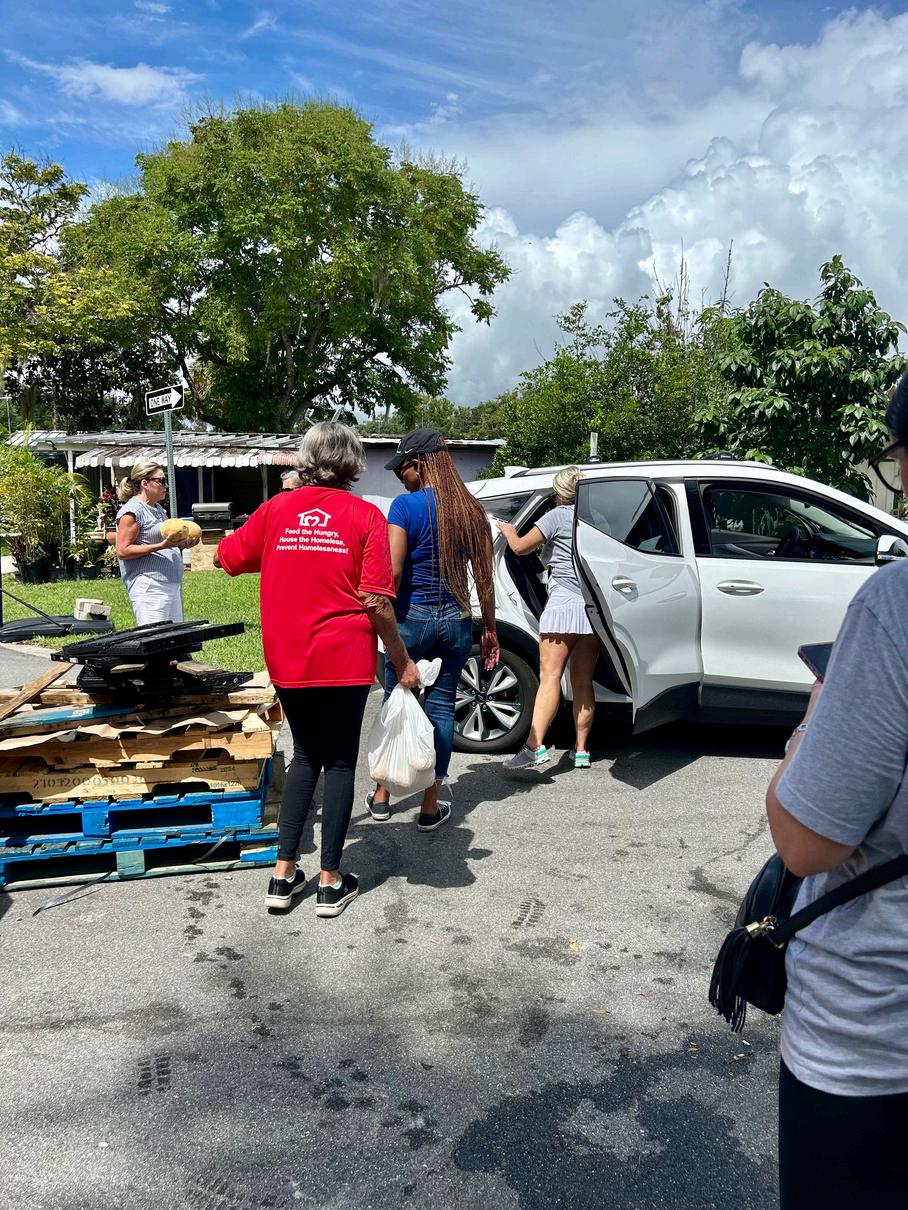
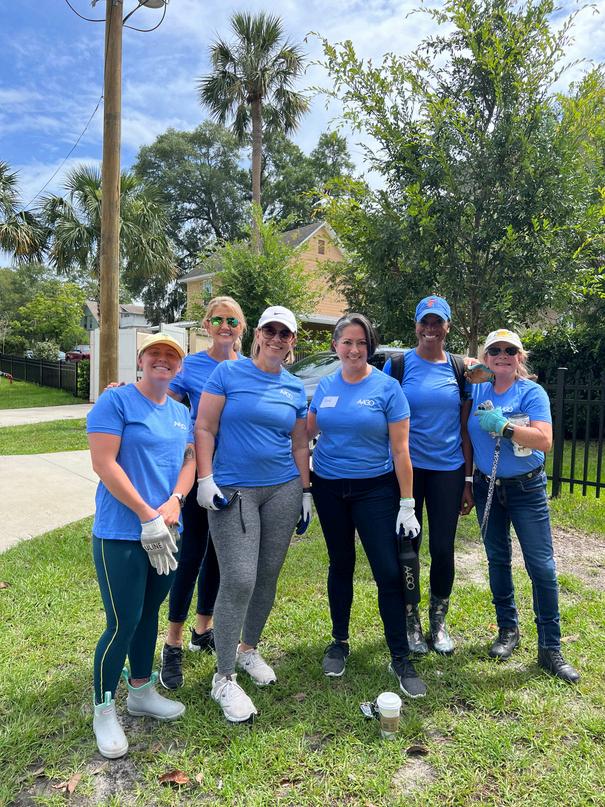
Don'tmissoutonwhat'shappening! Visitourwebsiteorfollowusonsocial mediatostayinformedandlearnmore aboutourfoundation.
Don'tmissoutonwhat'shappening! Visitourwebsiteorfollowusonsocial mediatostayinformedandlearnmore aboutourfoundation.
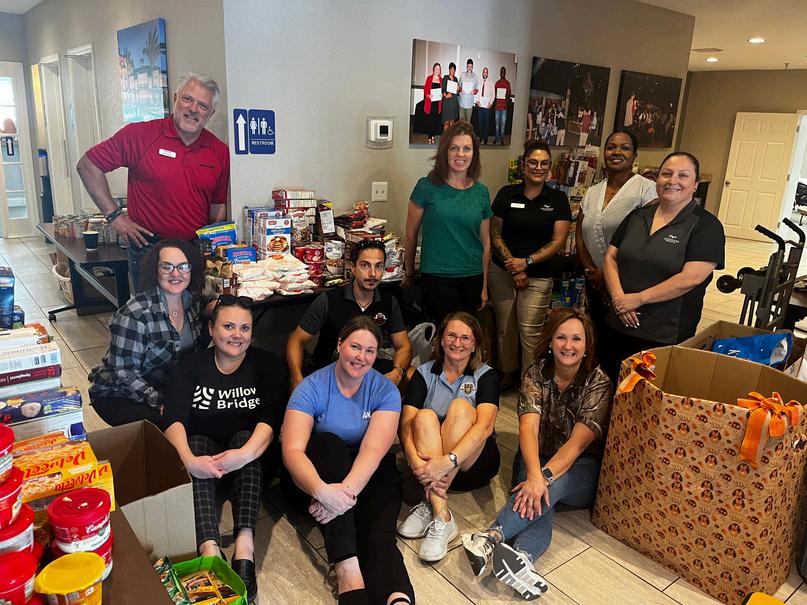
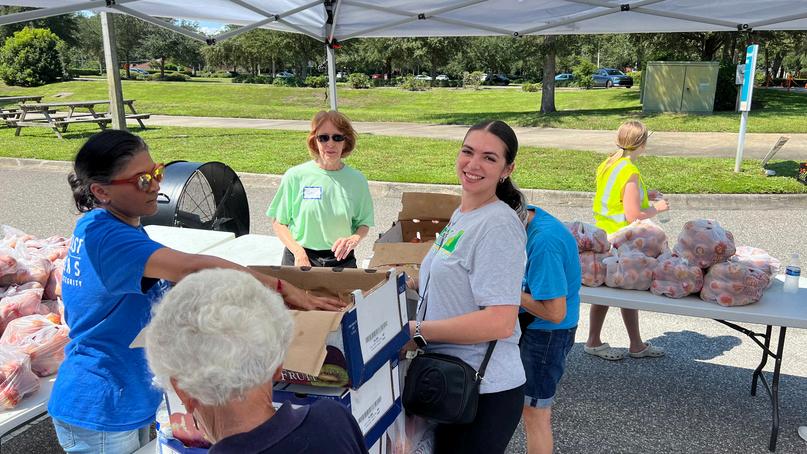

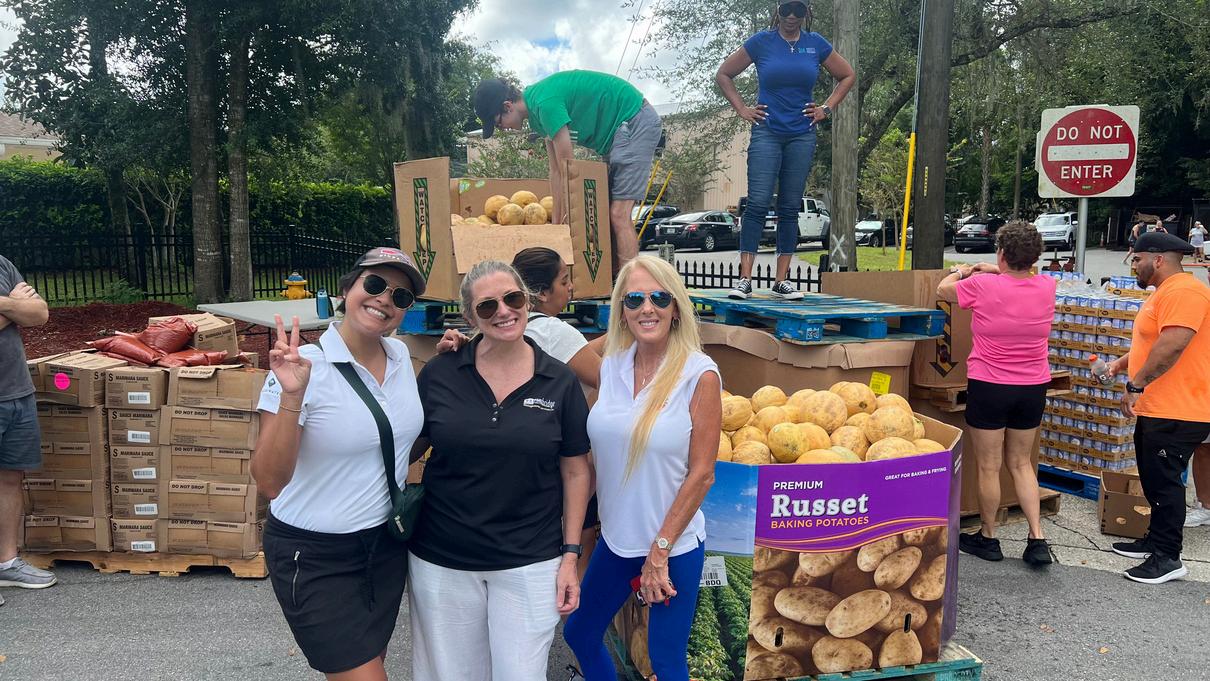
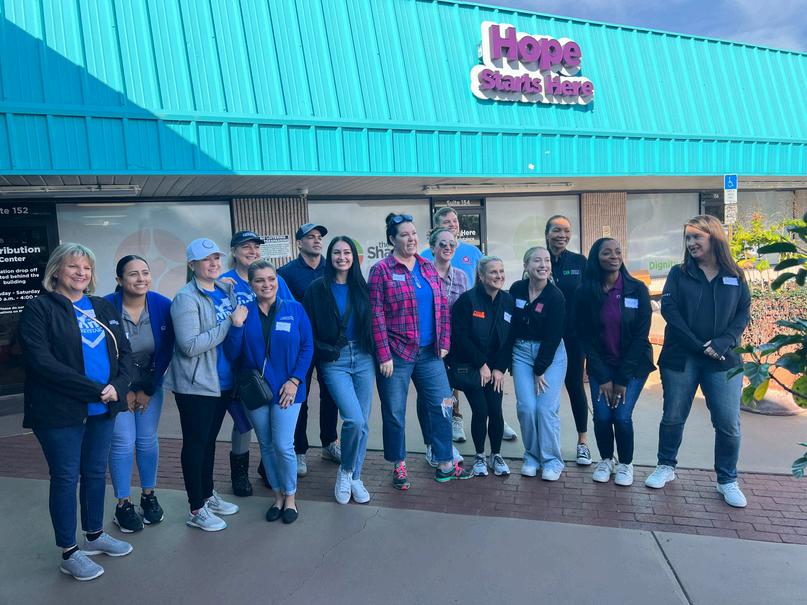
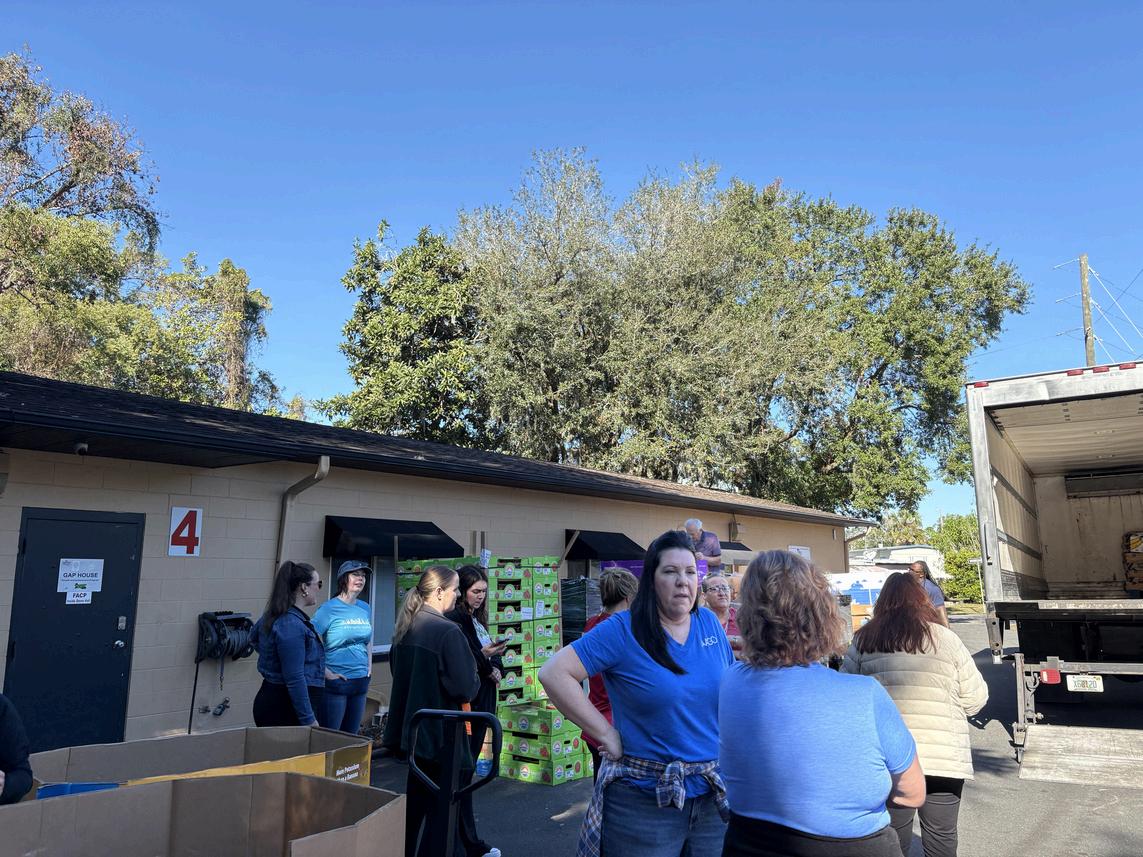
Becomeavolunteerandhelpmakea positiveimpact!Together,wecanpave thewayforbrighterfuturesforthosein need.It'safantasticopportunitytogive backtoyourcommunity.
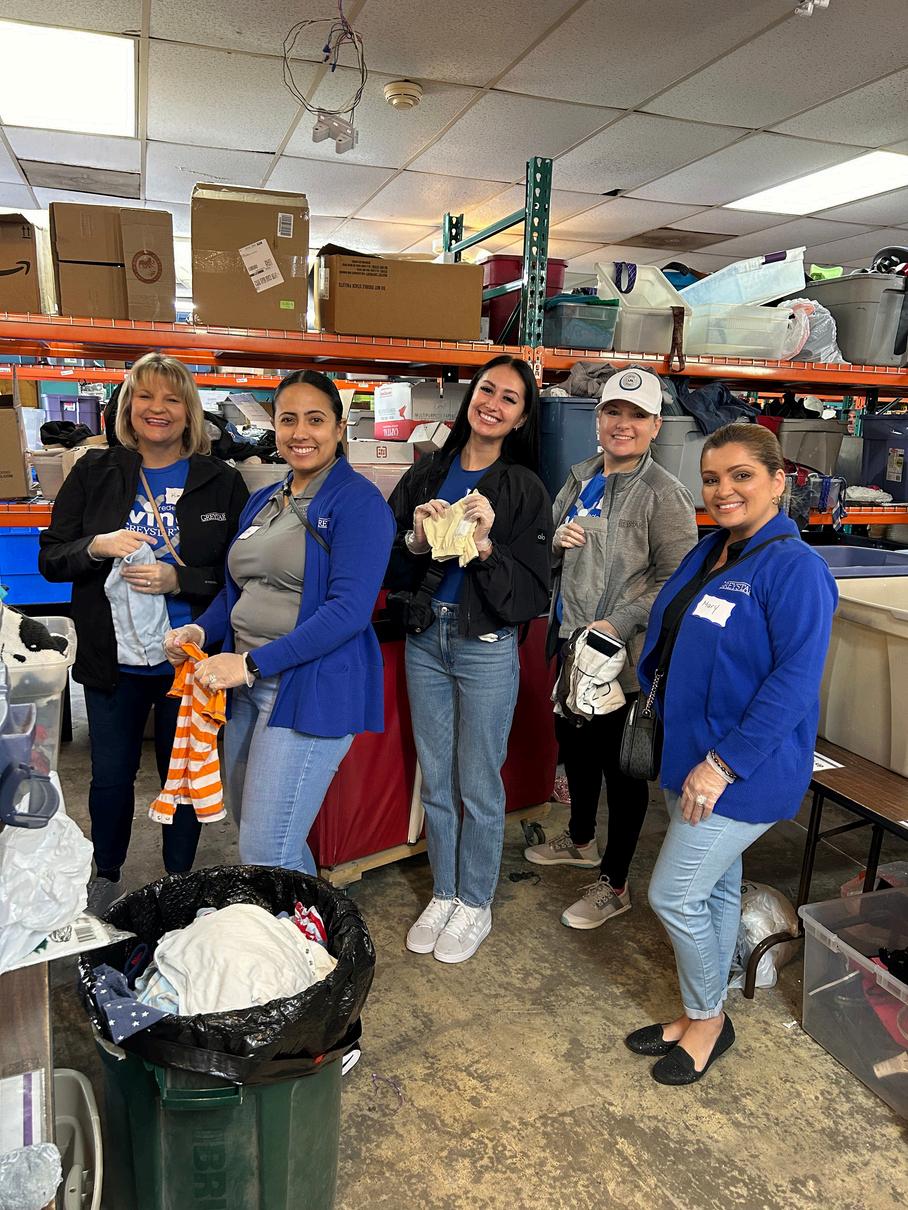
thewayforbrighterfuturesforthosein backtoyourcommunity.


Donatetodaytosupporthousingand
Donatetodaytosupporthousingand educationinitiatives!Everydollar bringsusclosertotransforminglivesin CentralFlorida.Yourgenerosityfuels change.
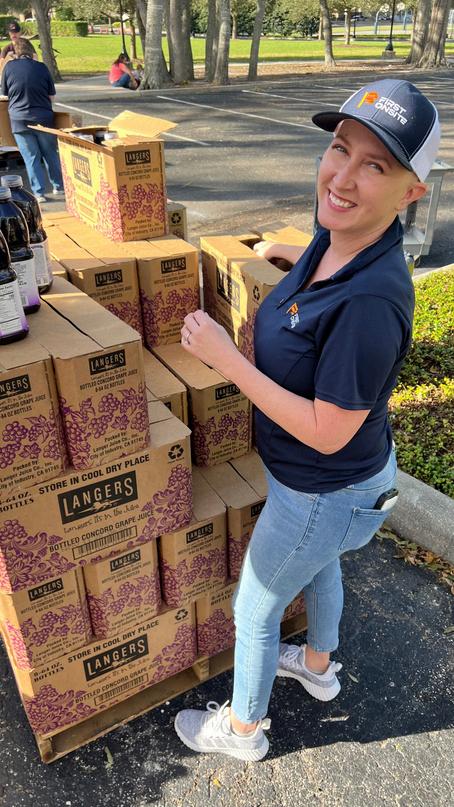

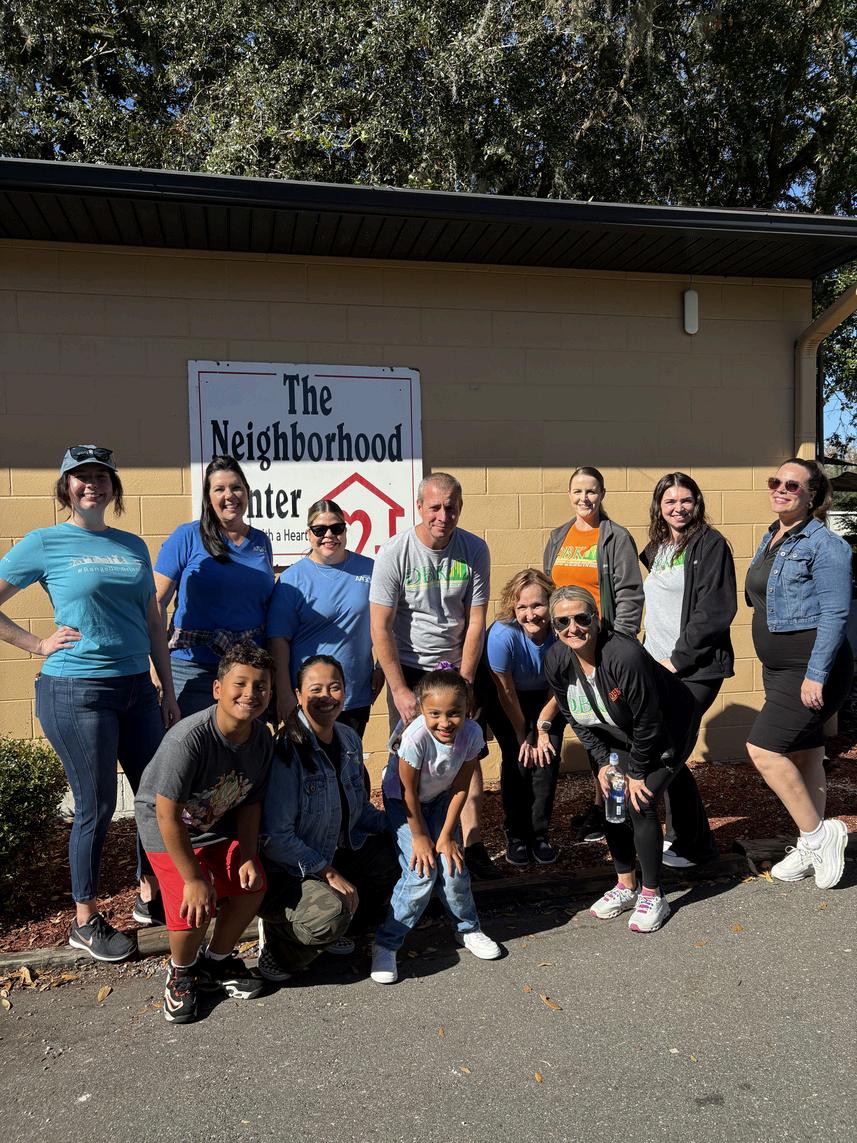
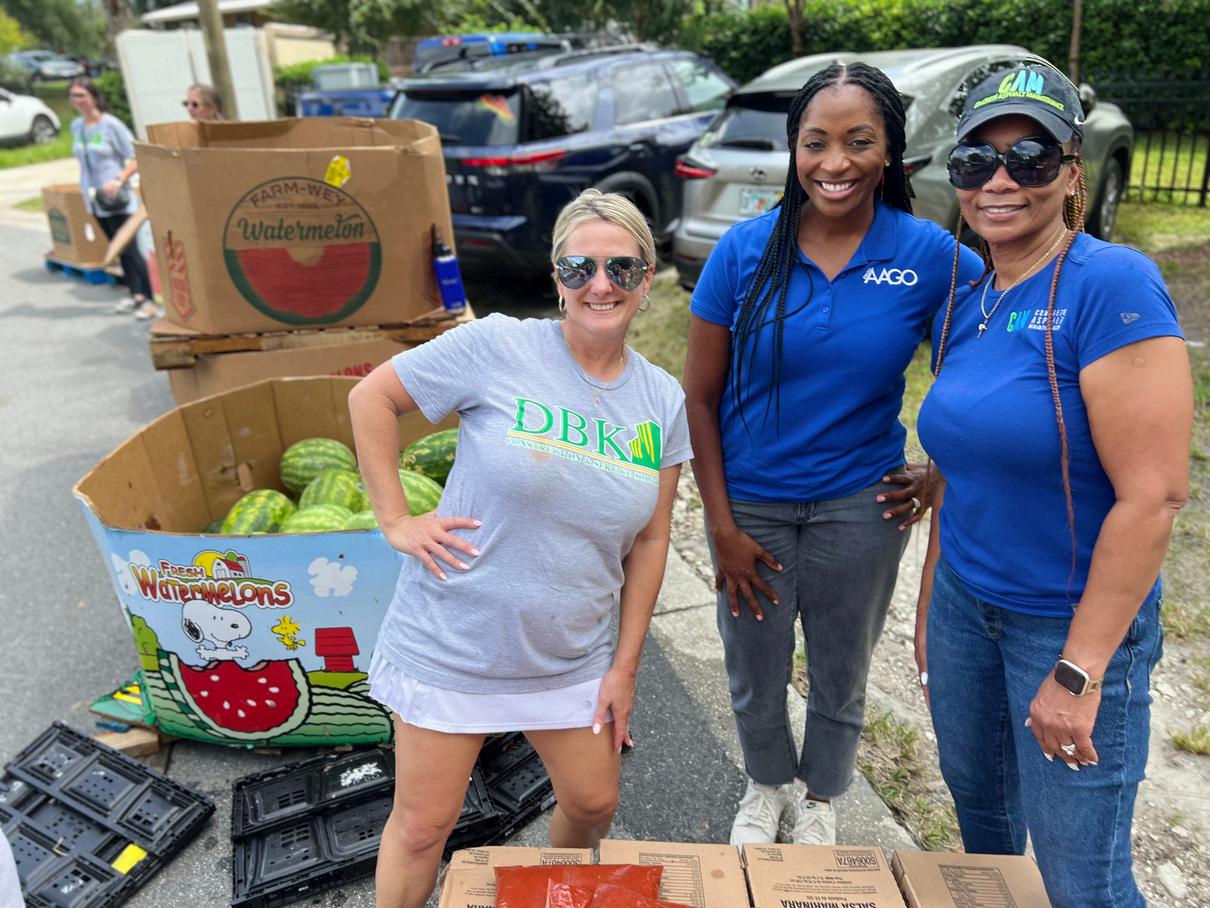
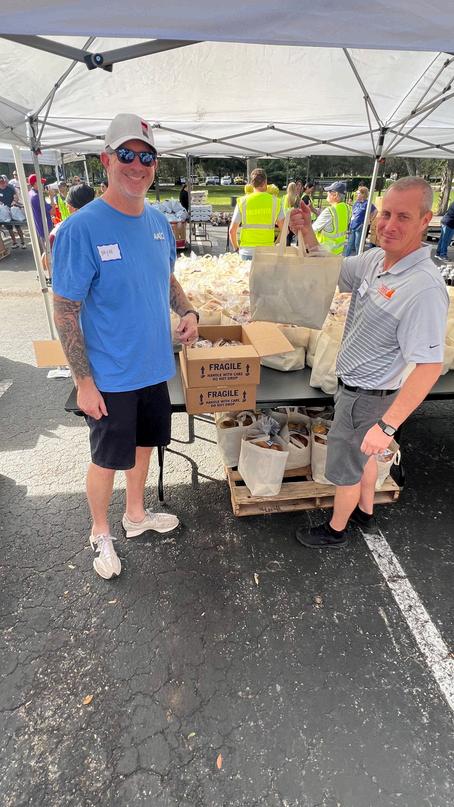
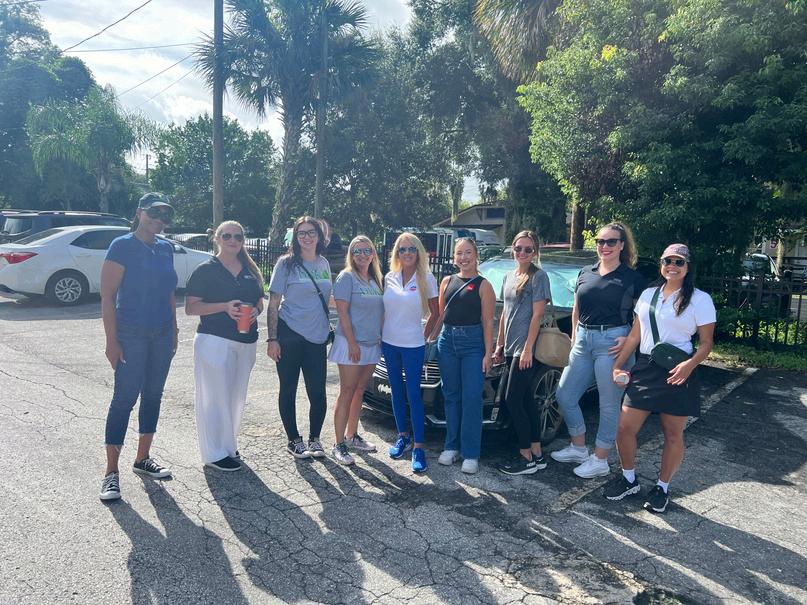
armofthe Apartment Associationof GreaterOrlando, wechampion engagementand givingtosupport industry education initiativesand localcharity partners.