OFFICE WINHOV
OFFICE WINHOV
Office Winhov is an Amsterdambased architectural practice, with a multidisciplinary team of creative professionals working on projects across Europe. It approaches architecture as an active, participatory endeavour, rooted in context and continuity, which connects the past and the present with an unknown future.
The studio believes that the buildings it makes – whether they reuse existing structures or are newly created – should feel as though they have always been there, working as a continuation of the life of the city and making almost imperceptible stitches into its fabric. Architects only step into this continuity briefly, as temporary custodians, so must take responsibility for translating a building’s story and use that to shape what’s to come. Office Winhov sees architecture as an adding-to rather than an instead-of, a collaborative activity which celebrates craftsmanship alongside technical rigour, and brings new thinking about social and environmental resilience to traditional techniques.

From the start, Office Winhov was set up as a platform for education, engagement, research and debate across the creative disciplines. Members of the team are active in the profession as lecturers, speakers and writers, and sit on numerous committees, juries and editorial boards. As founder of the Local Heroes and Design-bythinking-of initiatives, the studio brings the design community together to share ideas and uncover new perspectives.
Office Winhov received the ARC Oeuvre Award in 2016 and was named Architect of the Year in 2023 for its contributions to the profession.The studio was awarded the BNA Best Building of theYear in 2024 and 2025 – for Den Helder City Hall and the National Holocaust Museum – and its work has been nominated twice for the annual Mies van der Rohe Award.
Before the German invasion in May 1940, the Netherlands was home to around 200 thriving Jewish communities, and they had been part of Dutch society for approximately 350 years. In 1940, about half of the Jewish population of 140,000 people lived in Amsterdam. During World War II, the Nazis and their collaborators persecuted Jews across occupied Europe. They murdered about six million of them. In this period, known as the Holocaust or Shoah, 75% of all Jews living in the Netherlands were killed. The social fabric of Amsterdam was forever changed.
How can you turn these shocking facts into something that lives on and shapes our shared memory and future actions? The goal is clear: never again.
IT HAPPENED BY DAYLIGHT
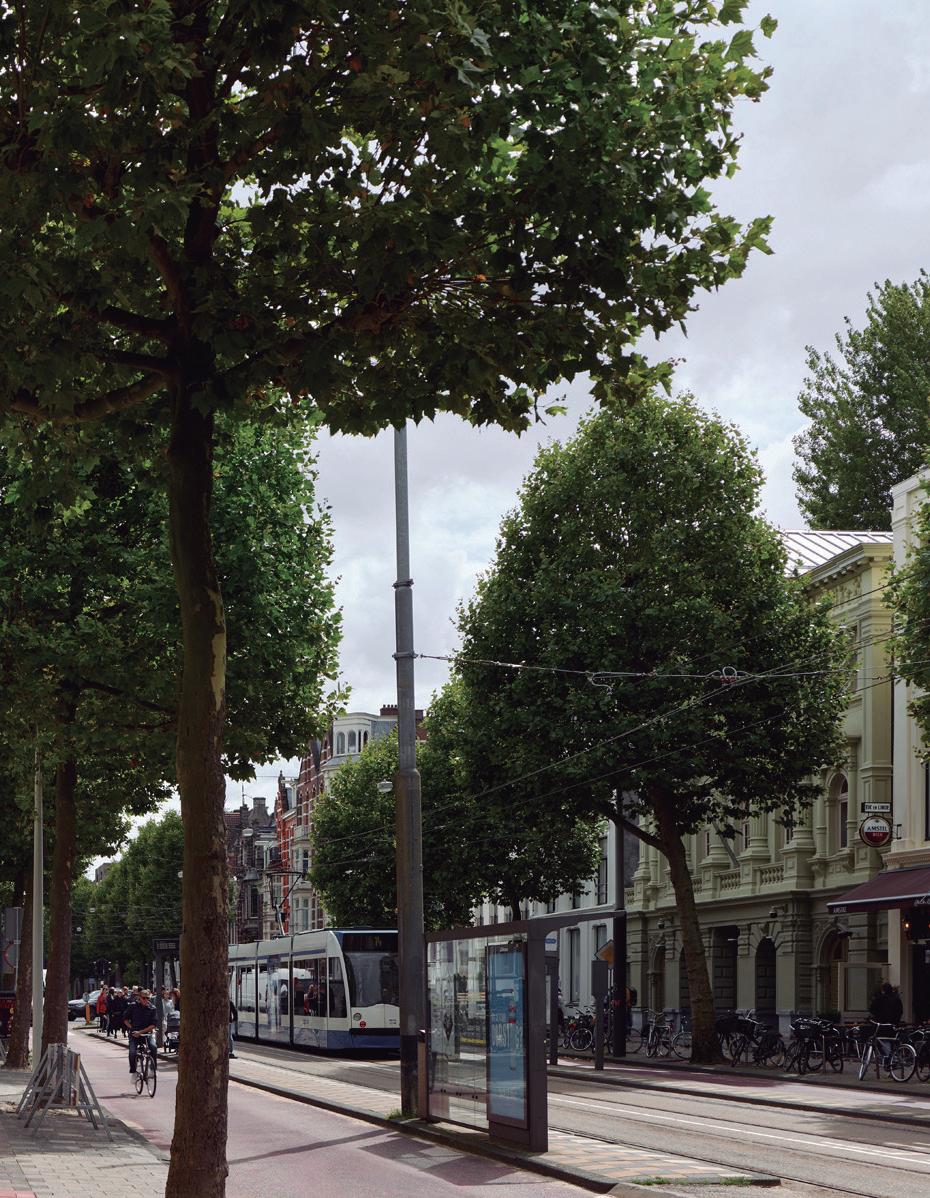
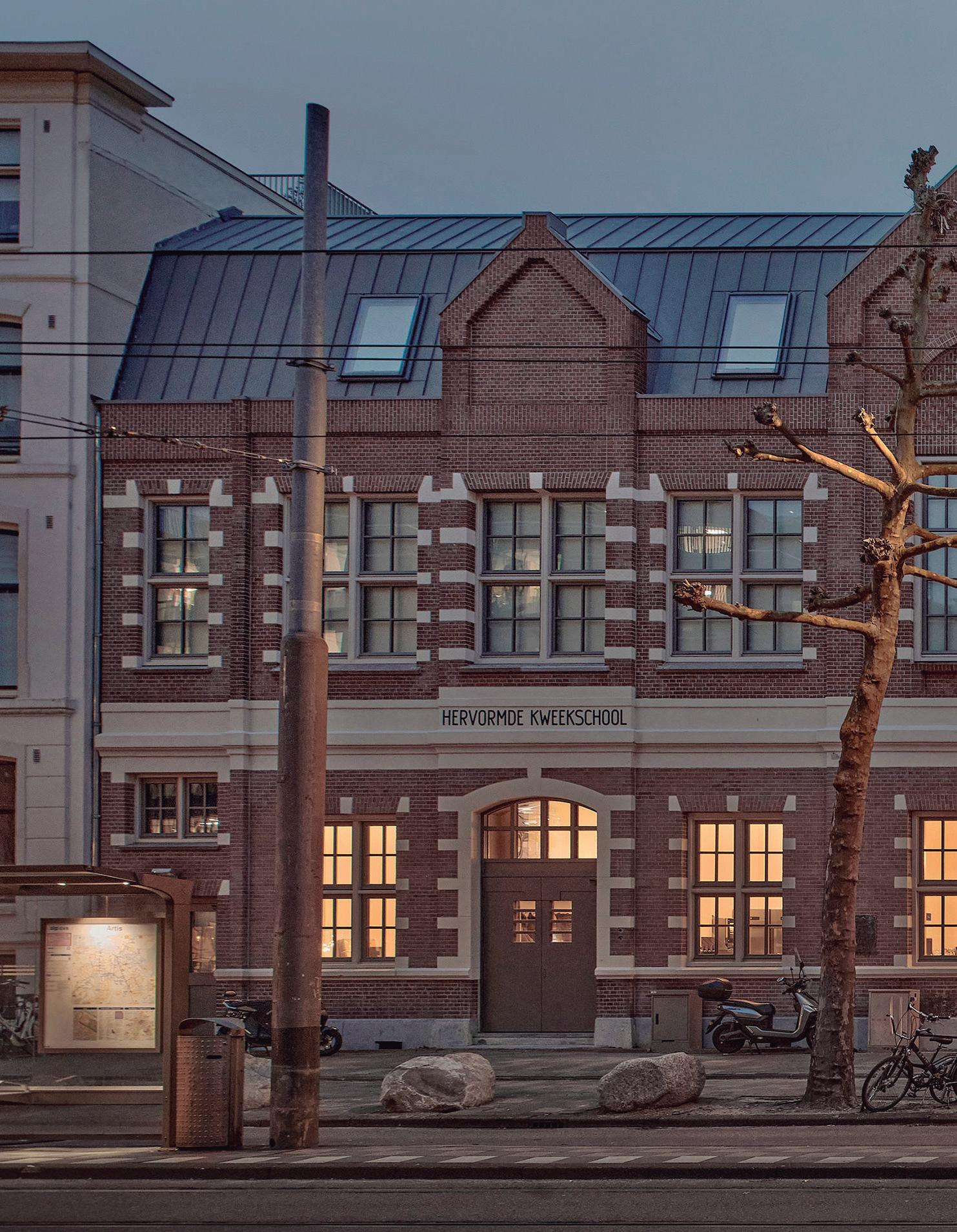
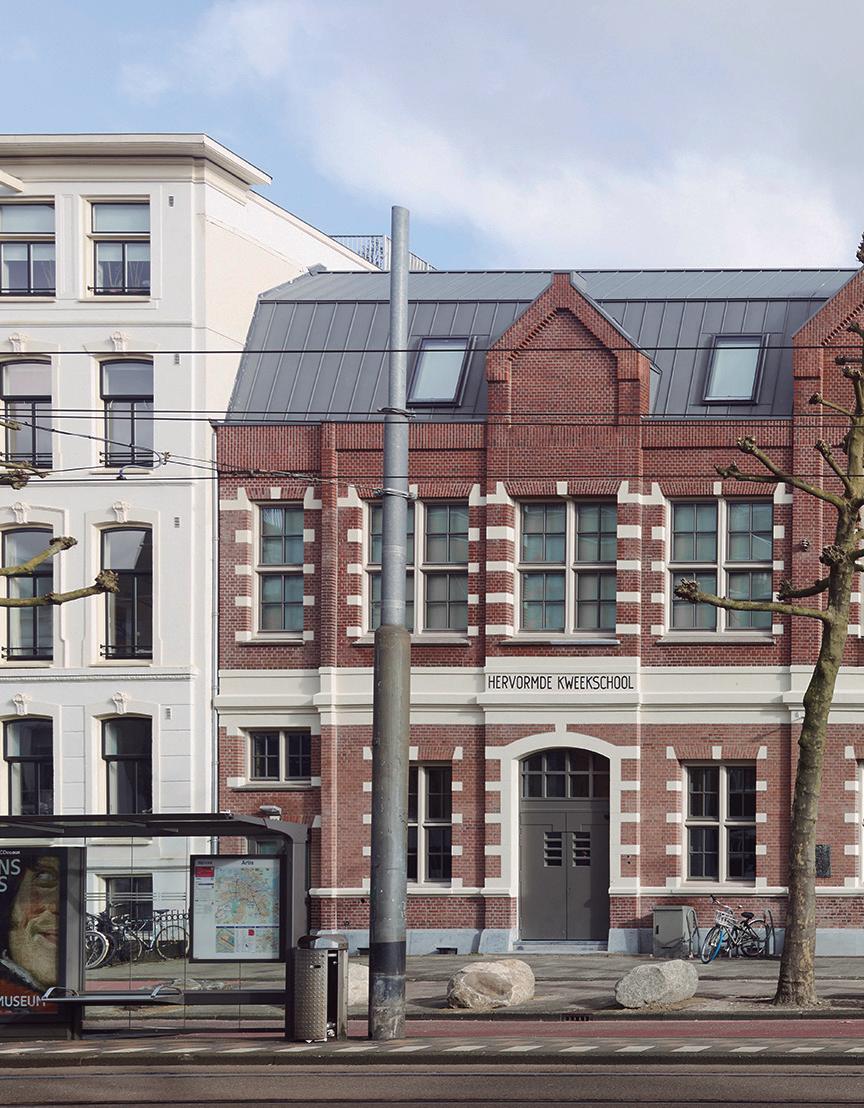
The Holocaust happened because people made deliberate choices driven by intense hatred toward a Jewish minority. Perpetrators built a system and used the war to hide their policies of discrimination, segregation, humiliation, exploitation, deportation, and ultimately murder. The Hollandsche Schouwburg (‘Dutch Theatre’), one of the buildings central to this publication, was part of their system. Across the street, another building, the former Hervormde Kweekschool [‘Reformed Teachers’ Training College’], represents the best of humanity, having served as a place of great courage and rescue.
The crimes linked to this genocide occurred openly in the city centre, visible to everyone. Therefore, the museum, within its current urban setting, serves as a stark reminder of what humans are capable of when they no longer see themselves or their shared humanity in others.
That the Holocaust did not occur in darkness or isolation is an essential story that must be told. But how do you turn this history into a fully integrated museum experience?
A MUSEUM BUILT THROUGH COLLABORATION
The project started in 2005 when the Jewish Cultural Quarter decided to create a National Holocaust Museum on a site already steeped in history. In a city closely associated with Anne Frank, the museum aims to showcase the broader national story of persecution and destruction – right where part of that story unfolded.
The National Holocaust Museum results from a carefully crafted, collective vision rather than a single guiding hand. It is the product of intensive and precise collaboration among curators, architects, exhibition designers, content designers, graphic designers, lighting experts, historians, educators, technical engineers, and builders. Multiple professional perspectives shaped it. From the outset, architecture, spatial design, and narrative had to develop together.
This publication emphasises the museum’s architecture. However, the architecture cannot be fully understood without considering the narrative that influenced it. Every spatial choice, material selection, and adjustment to the existing environment was driven by curatorial principles.
At the same time, the existing buildings are not neutral; they serve as primary witnesses to the Holocaust. The museum is a story told through architecture, and a story told by architecture that lived through it.
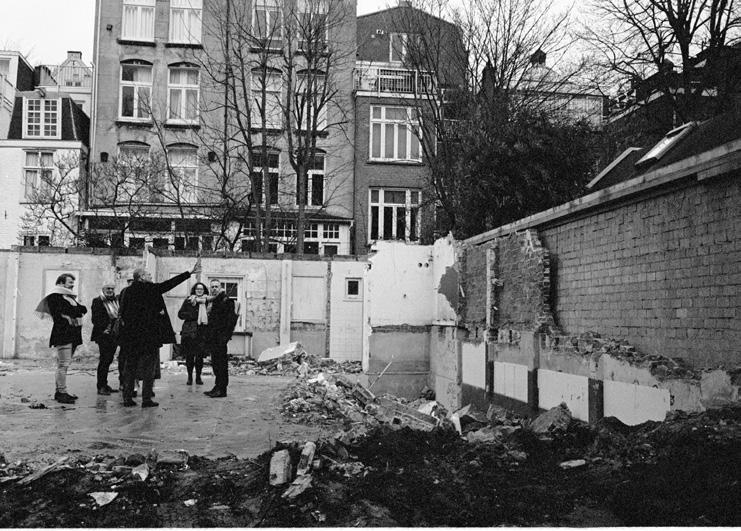
IMG 01 The team examines the former location of the separation wall exposed during the demolition.
Photo by Nienke Fonk.
NATIONAL HOLOCAUST MUSEUM AMSTERDAM
AMSTERDAM, NETHERLANDS
2019 - 2024
OFFICE WINHOV ON THE SPATIAL AND MATERIAL DECISIONS BEHIND THE MUSEUM
Architecture as memory… What if it is not the buildings themselves but the events embedded in our collective memory that shape identity? In the National Holocaust Museum, the buildings, the new museum programme, and the commemoration of historical events on this site all come together in the design.
Two distinct buildings with separate yet connected stories required two different approaches – one as a memorial at the Hollandsche Schouwburg, and the other as the new National Holocaust Museum housed in the former Hervormde Kweekschool.
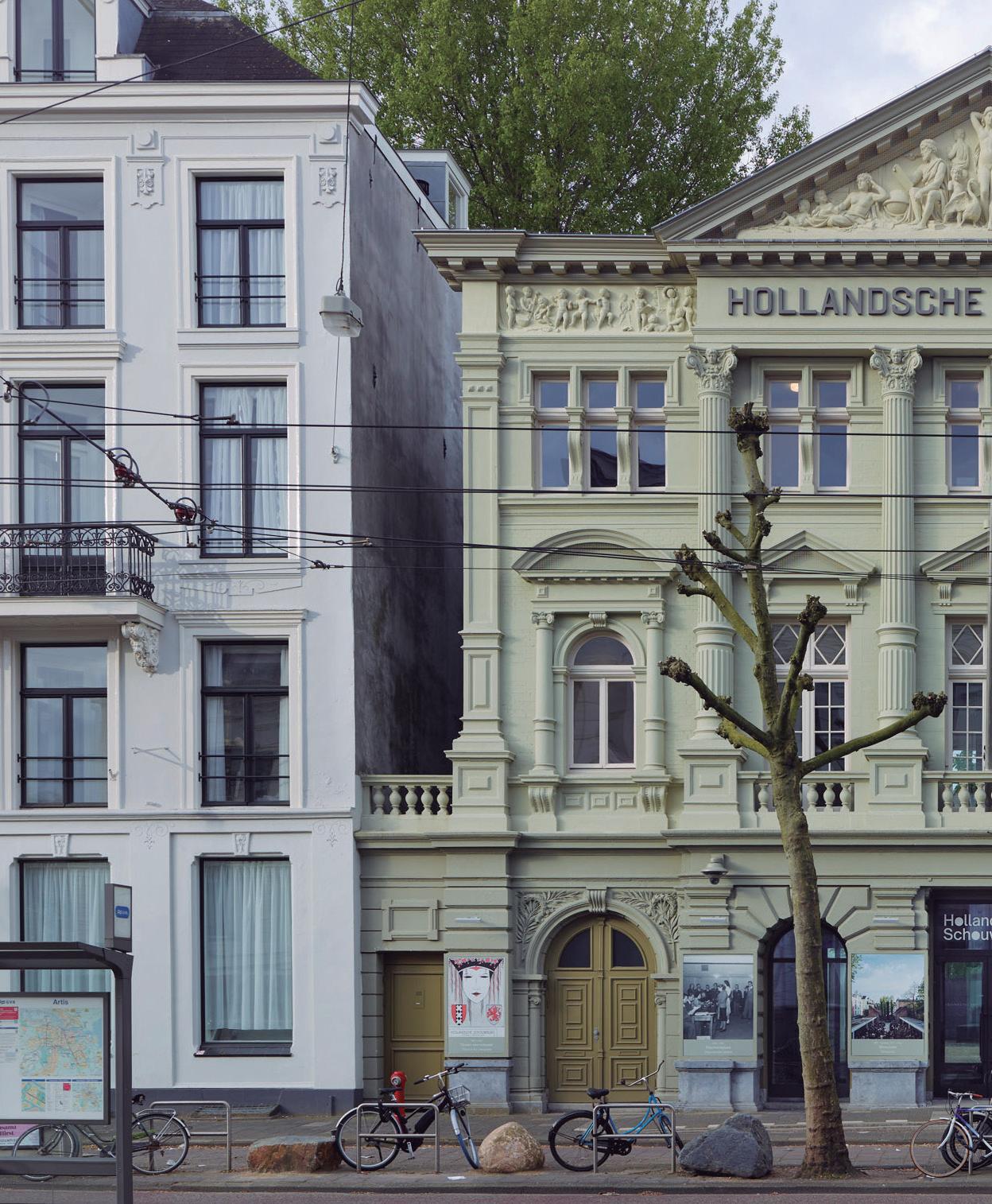
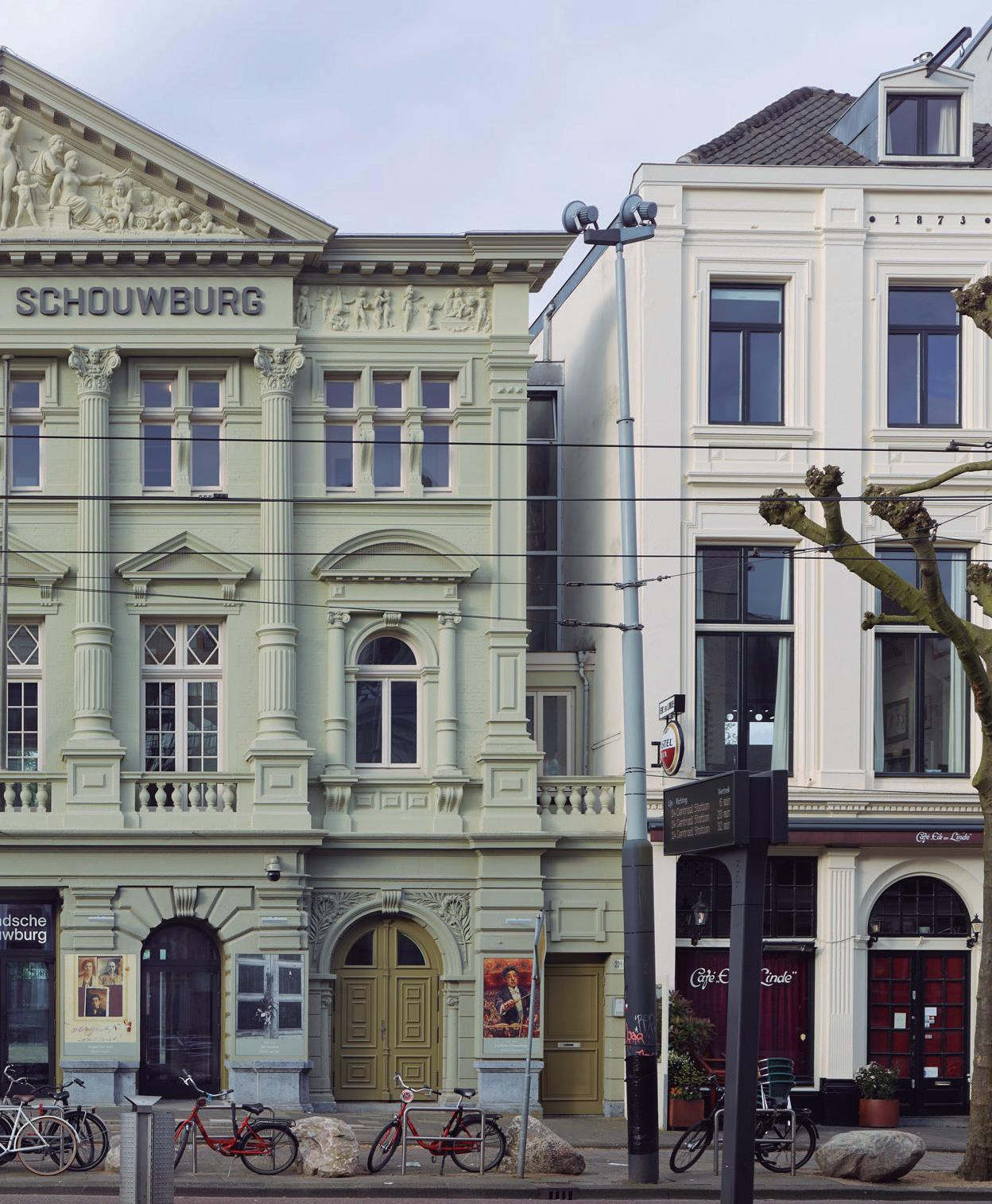
Originally designed by architect C. Bombach and opening in 1892, the Hollandsche Schouwburg became a memorial in 1962, designed by Jan Leupen and Léon Waterman, following the demolition of its deteriorated theatre hall.
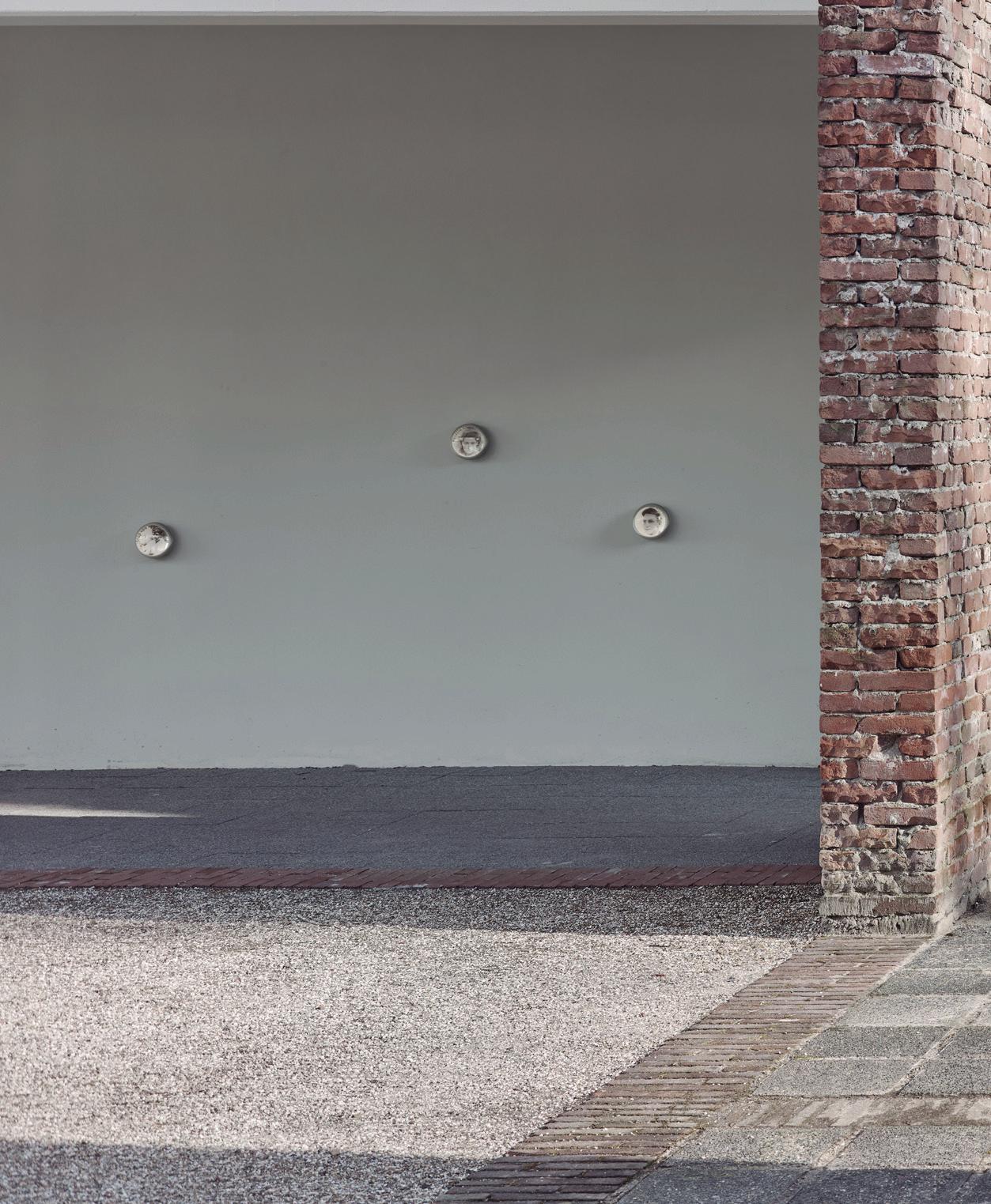
The strategy for the renewed Hollandsche Schouwburg was never to rebuild the original theatre – doing so could be seen as denying history. Using Leupen and Waterman’s design as a starting point, all later alterations were carefully reconsidered, and Leupen’s spatial clarity, material palette, and colour logic were reinstated where possible.
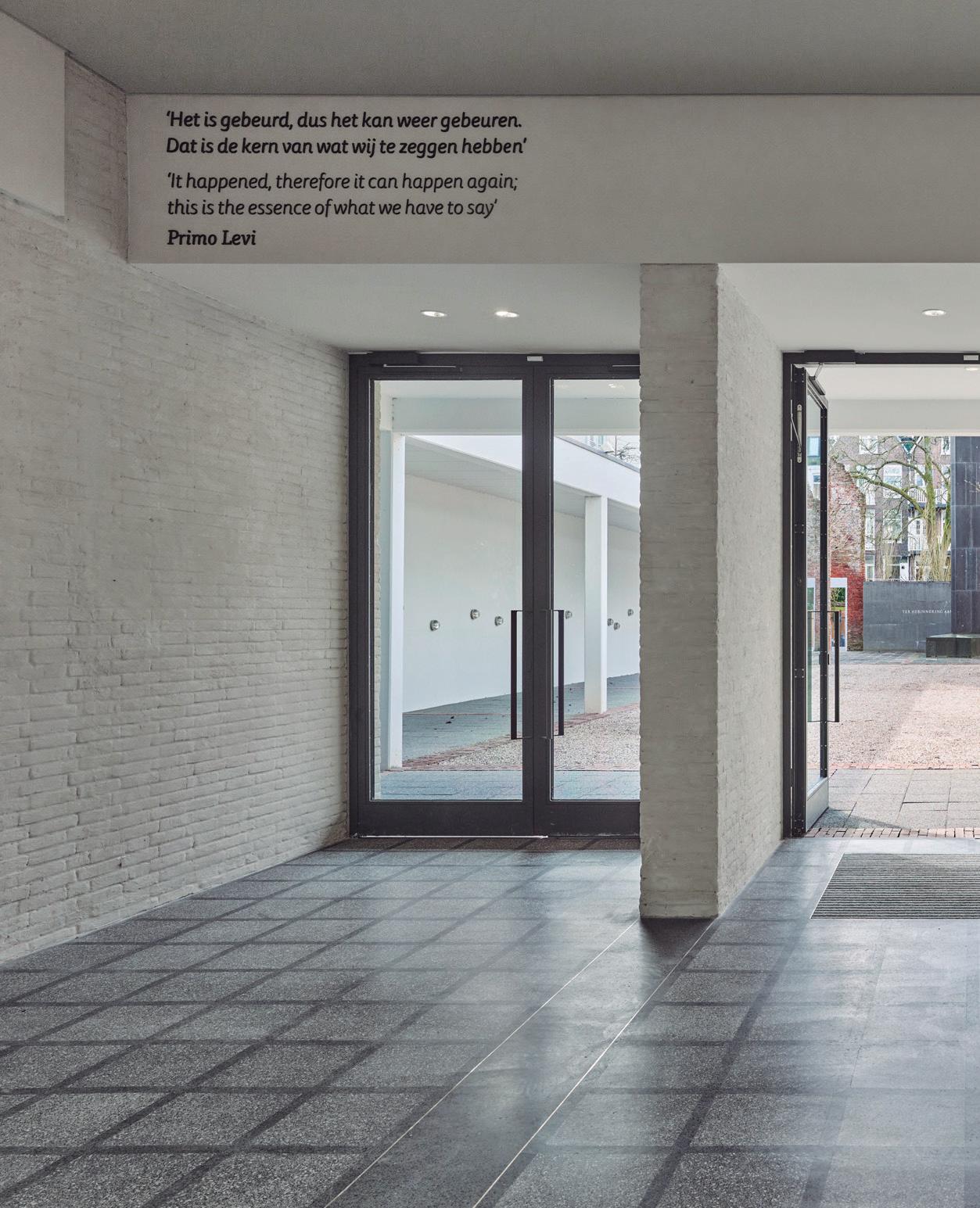
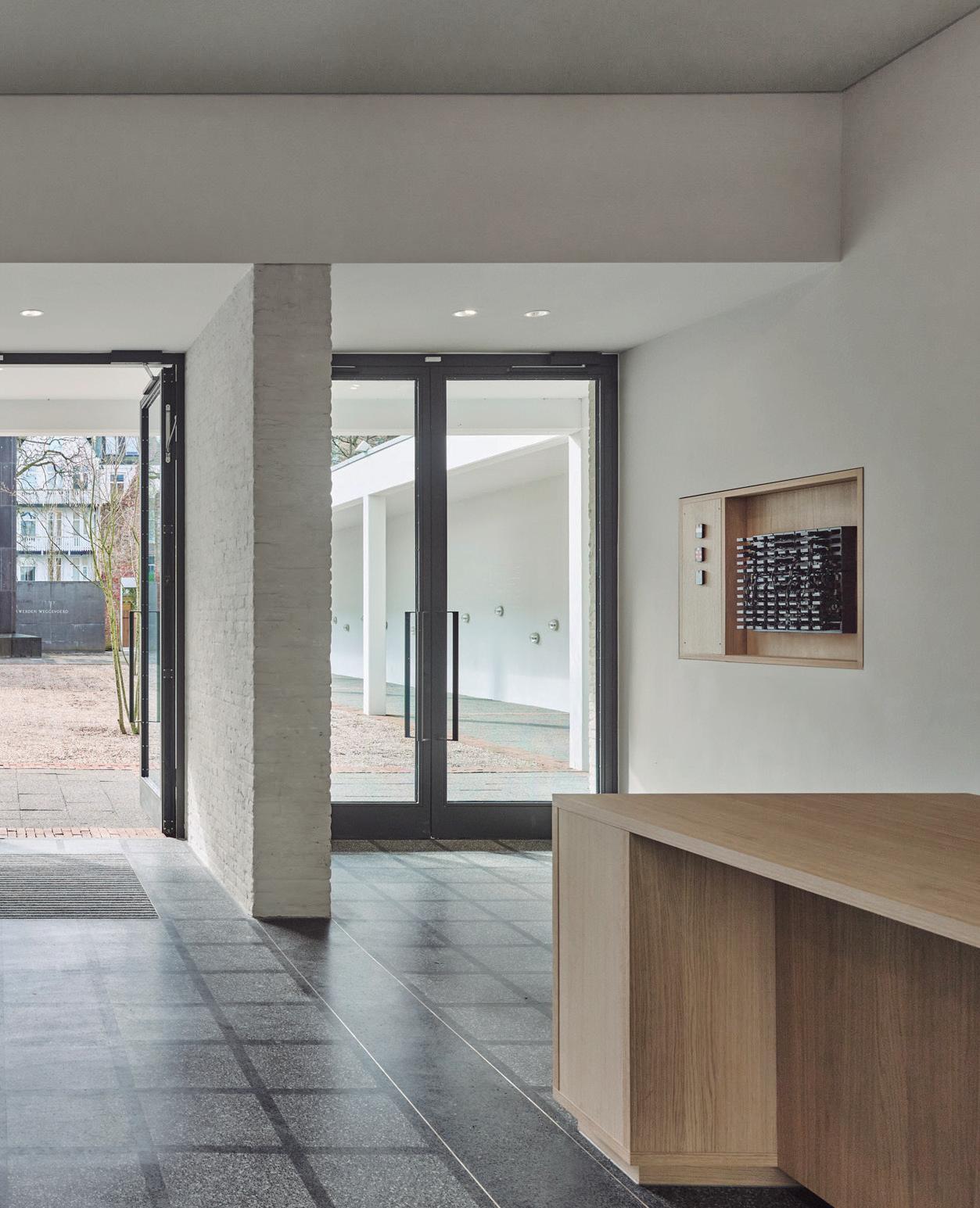
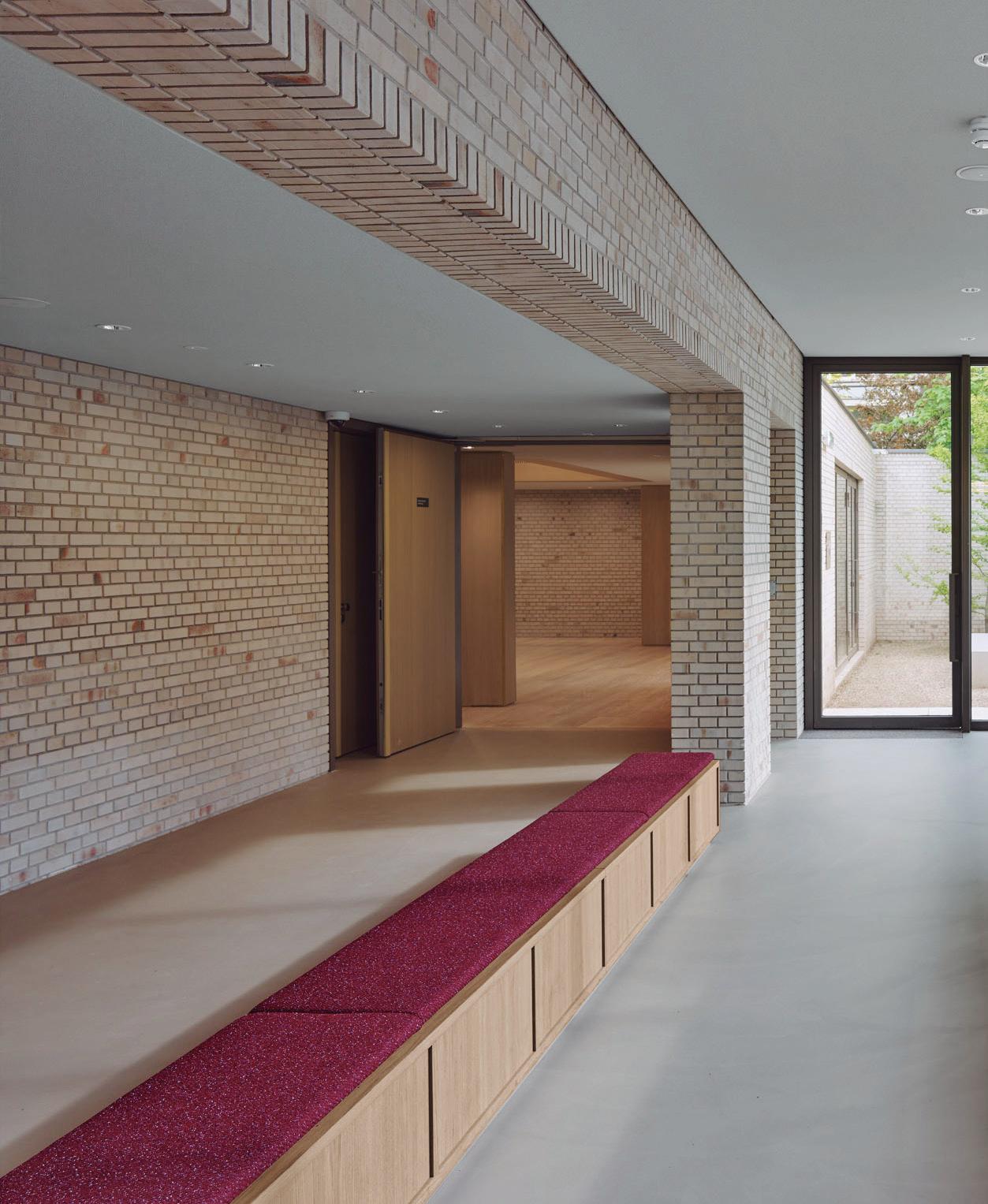
The white-painted front façade, which revealed 25 layers of paint, was carefully repaired. Following the restorative approach adopted for the building, the colours were returned to those introduced by Leupen in 1962, and the memorial space on the site of the demolished hall was renewed. A new connection was established between the memorial space and the garden in the back. The original open connection between the street and the memorial was turned into a welcoming reception area, while the upper floors now host the museum’s educational rooms. The goal throughout was to strengthen the building’s identity as a memorial, updating it only where necessary to meet contemporary visitor, safety, and accessibility standards.
The postwar alterations of the Kweekschool – and the destruction of the adjacent house and
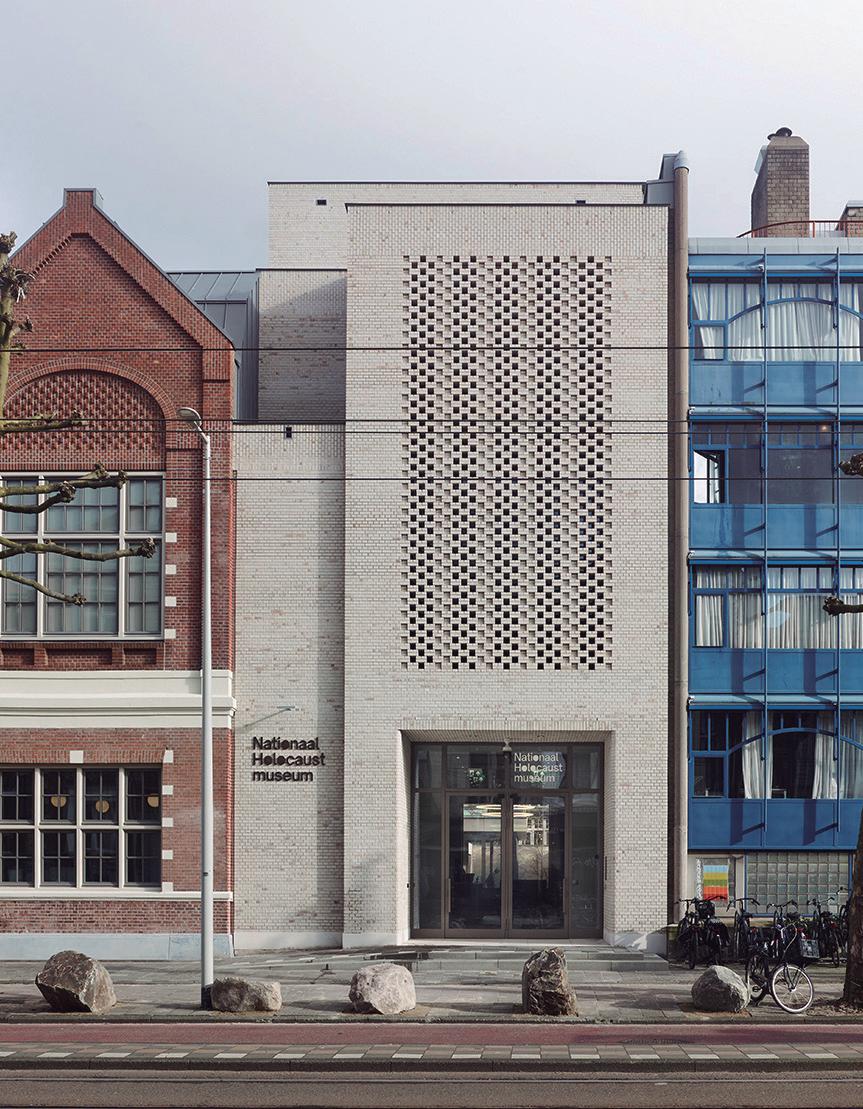
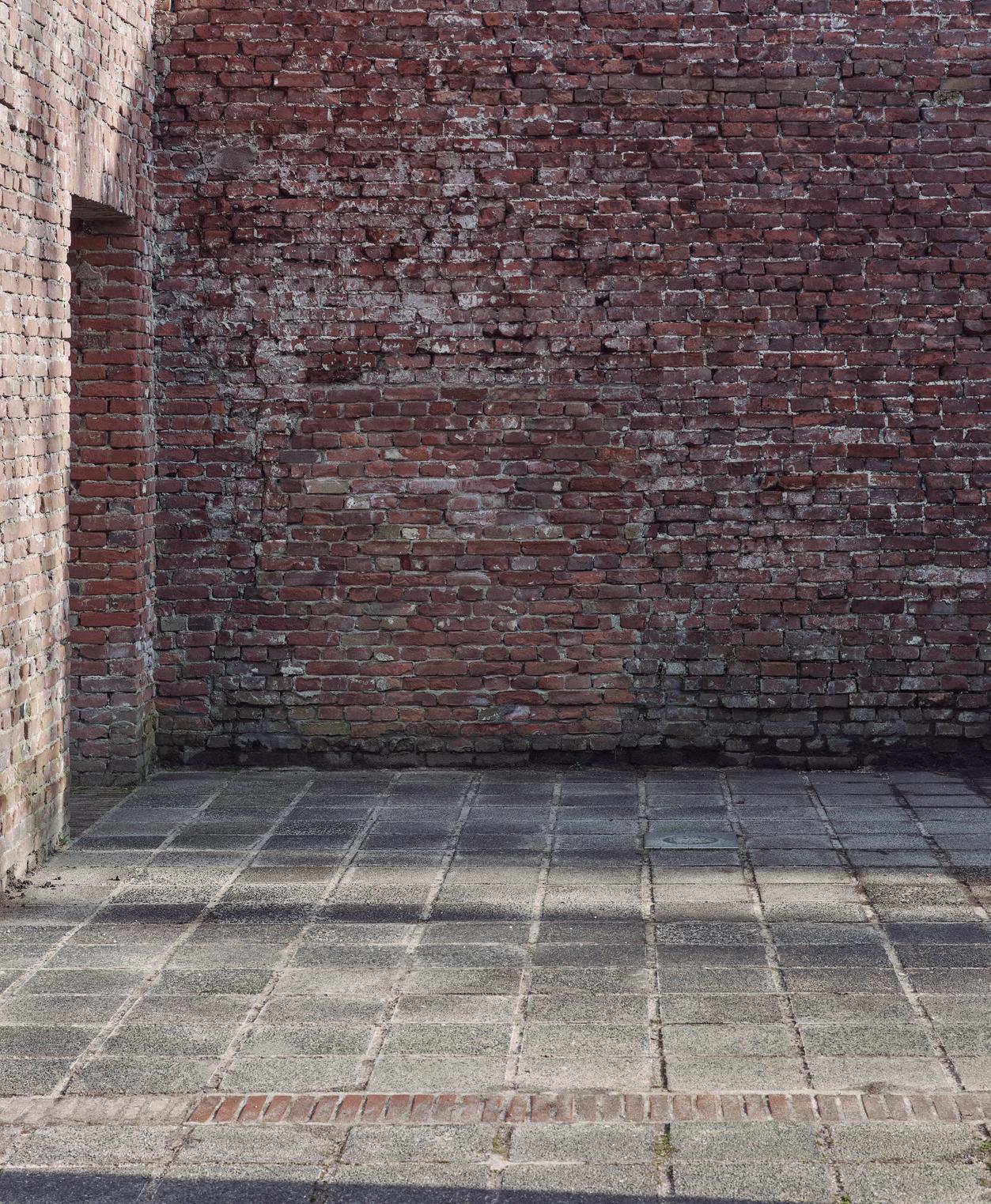
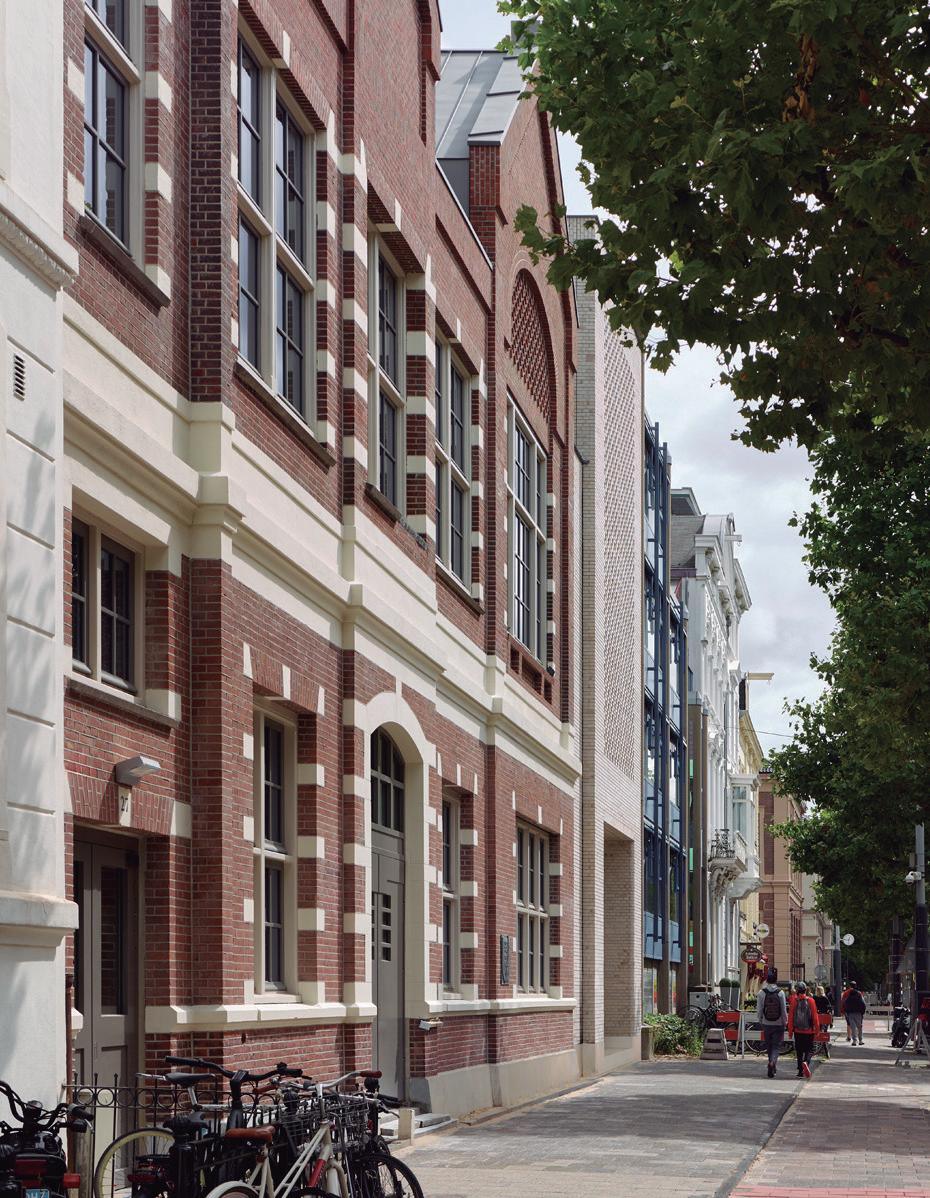
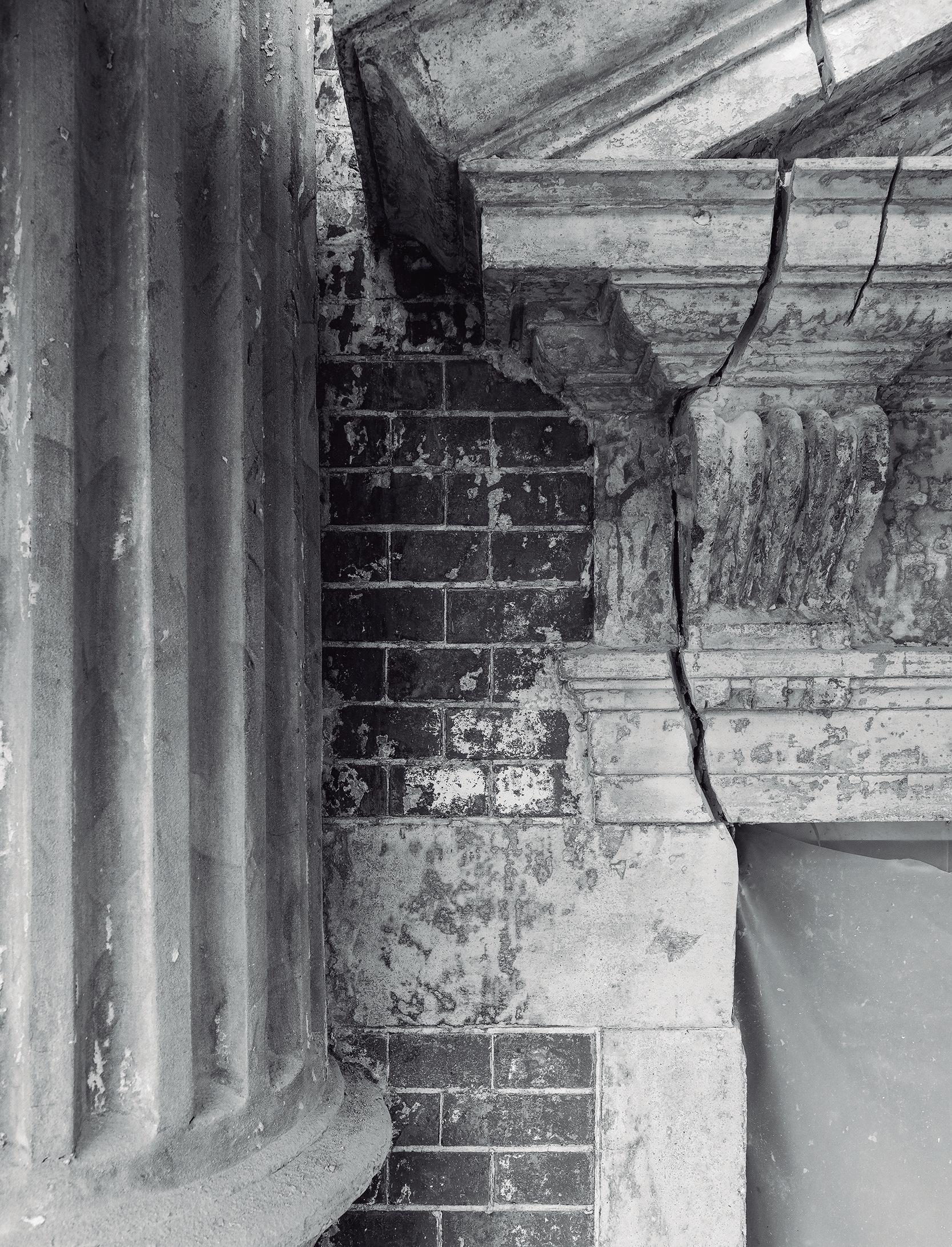
nursery – had made the buildings’ intertwined history all but unreadable. The approach needed to be more transformative since any visible connection to the child-smuggling operations had long faded. To recover that legibility, the design reintroduced the spatial proportions of the original classrooms and corridors and quietly reinstated the historic facade profile. The facade, significantly deteriorated, was rebuilt in an abstract manner – preserving original sections alongside traces of postwar modifications, with a new masonry gable completing the contours. The building could once again be read as a school without resorting to literal reconstruction.
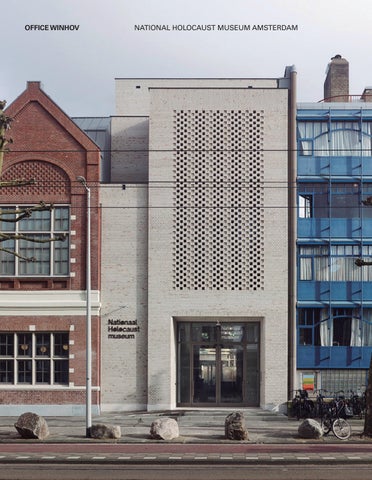
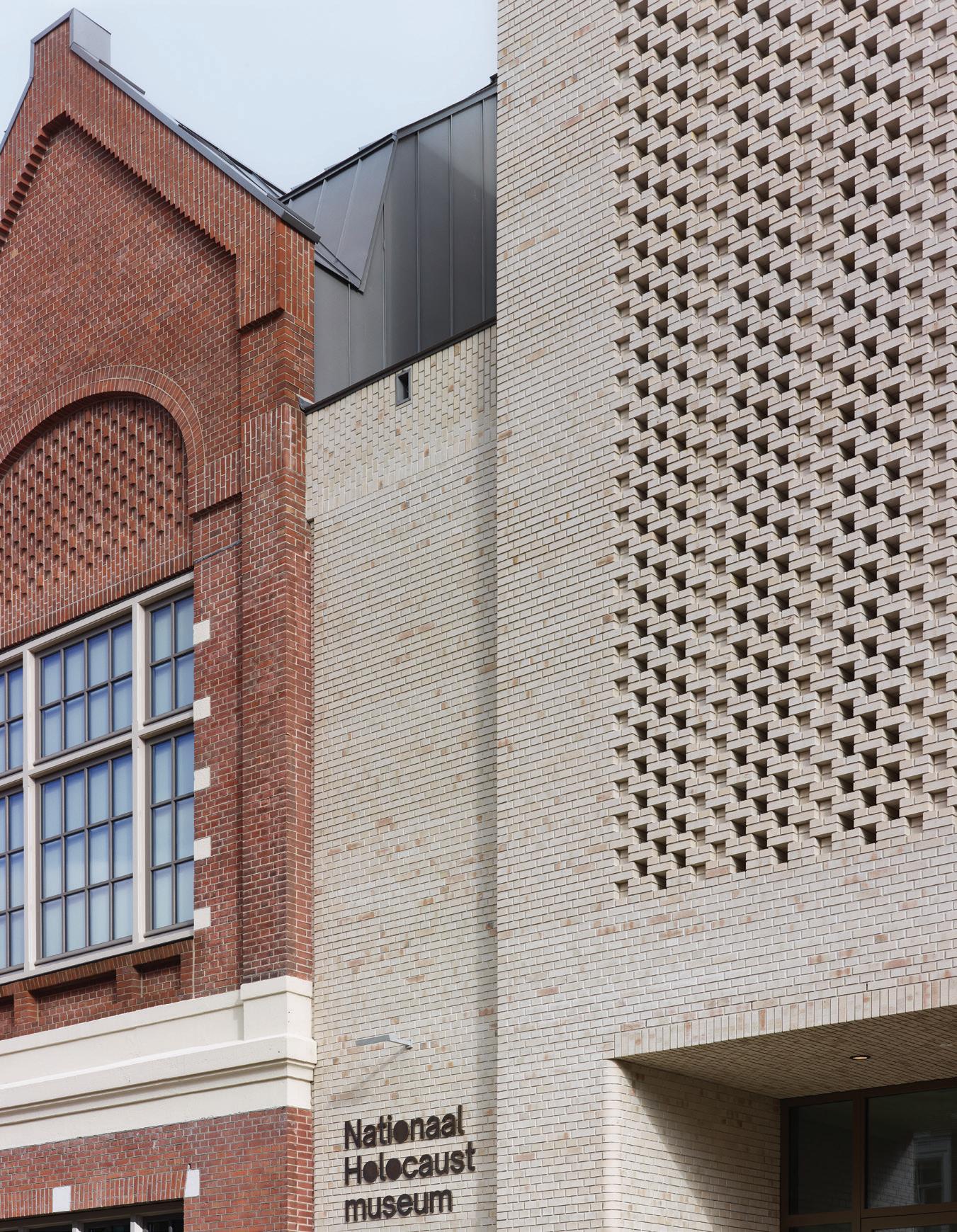
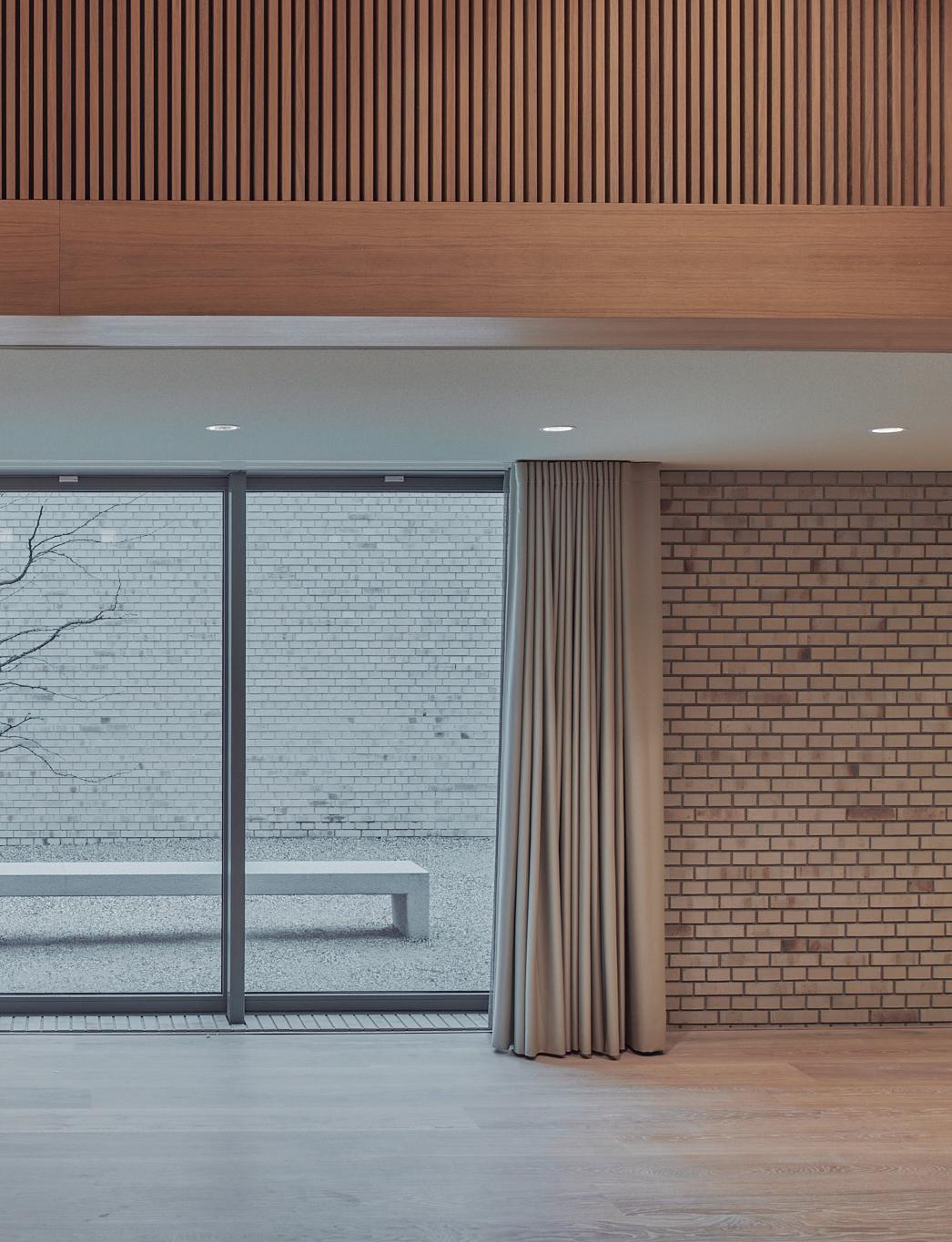
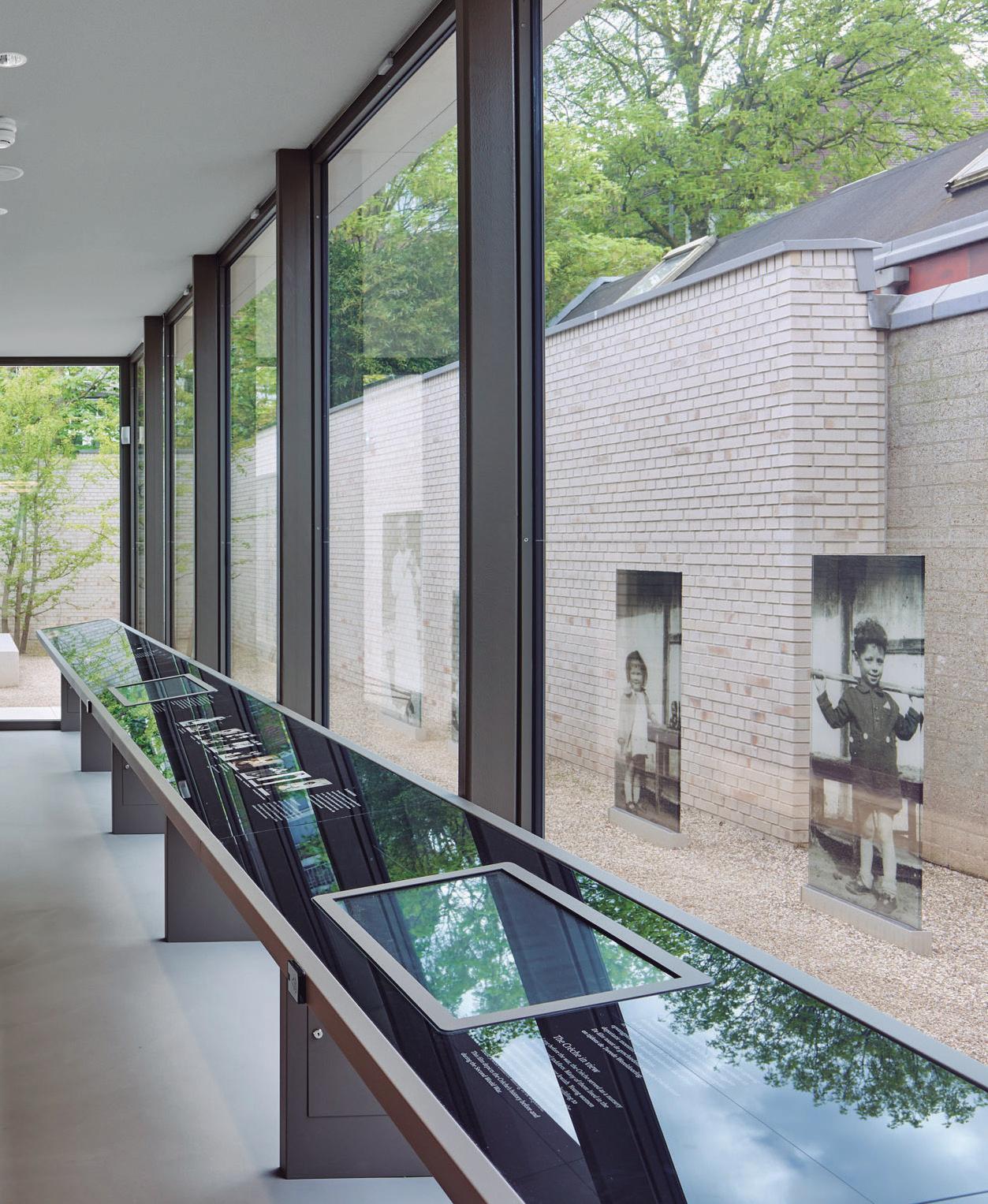
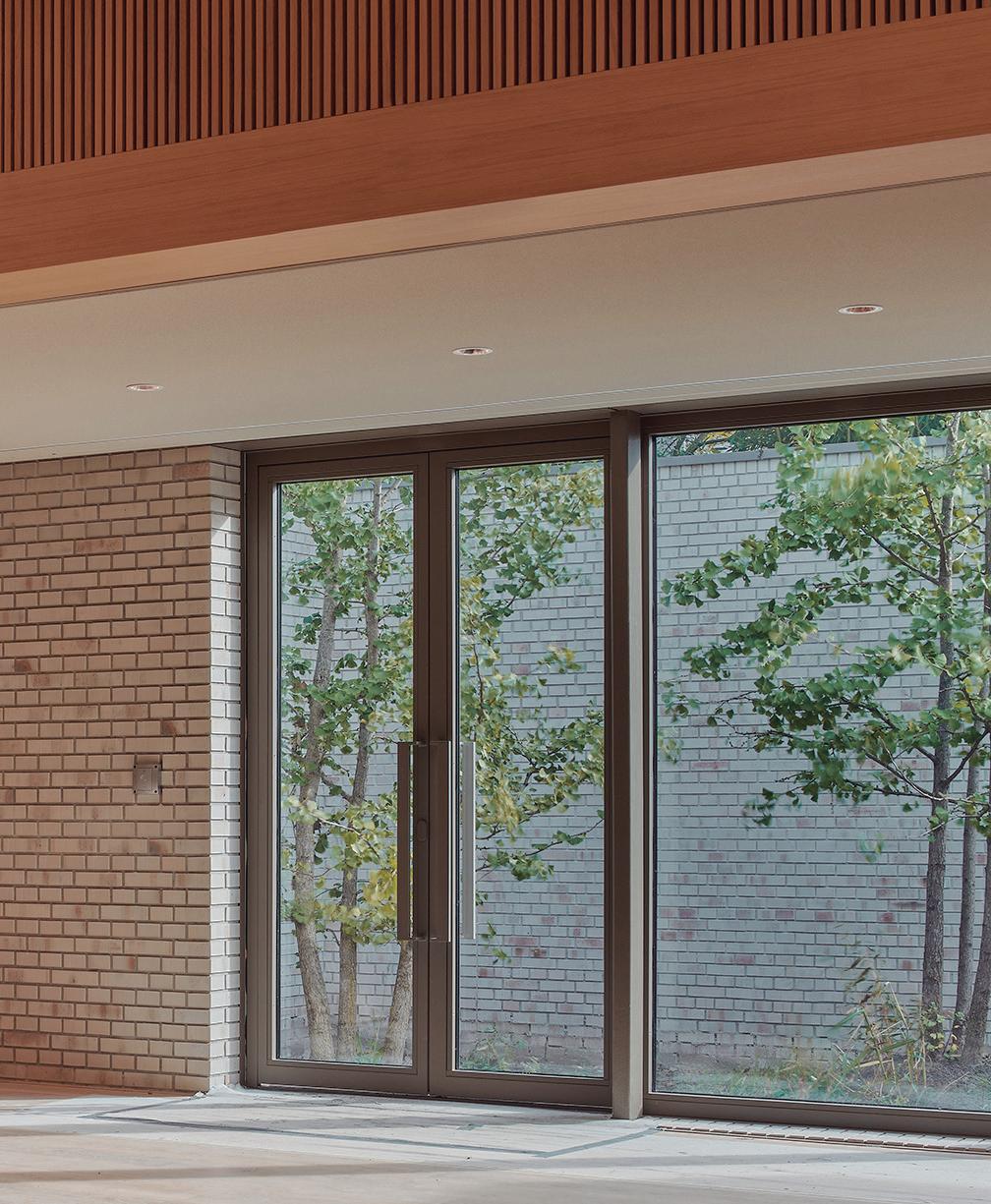
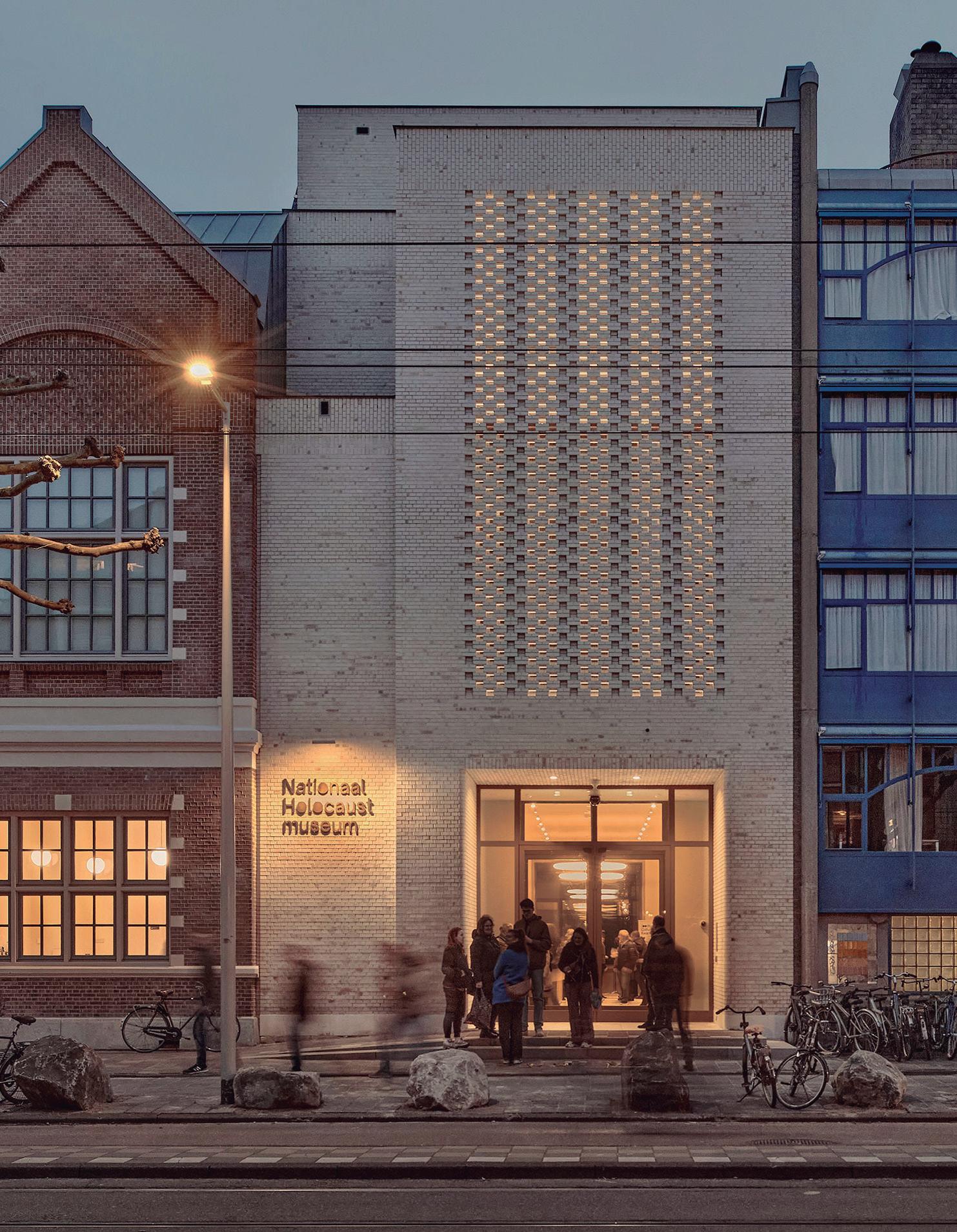
The museum’s robust, contemporary entrance was built on the site of the former residence, using the shell of the postwar building. The rhythm of the new facade reflects the original proportions of the house that once stood there. The white brick complements the original house’s white accents and the many white buildings along the street. The vertical claustra masonry subtly references the Amsterdam School architecture that characterises many Jewish landmarks in the city. Directly visible from the reception area, where the original garden and the wall to the former crèche once stood, an open space now commemorates the children’s rescue.
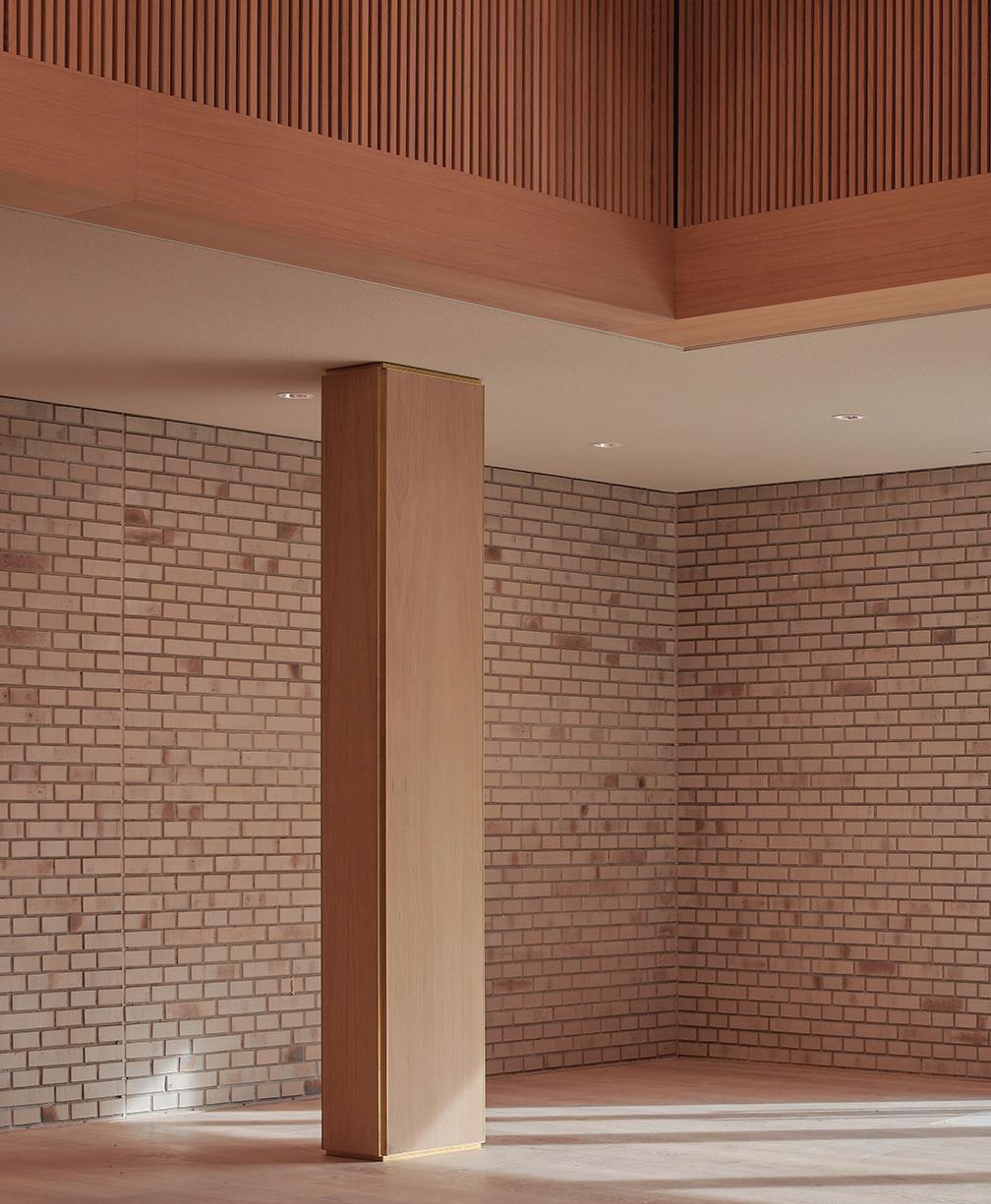
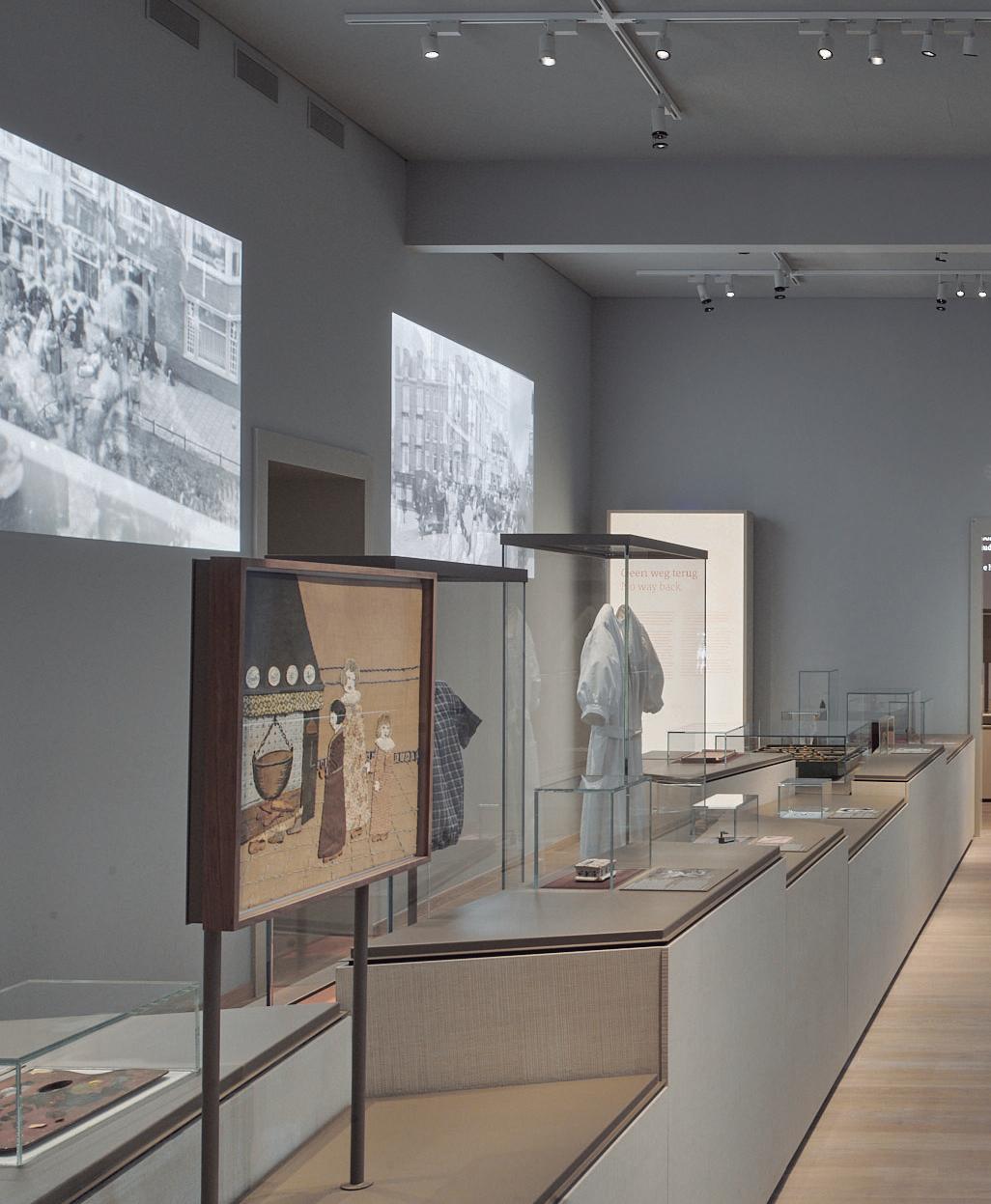
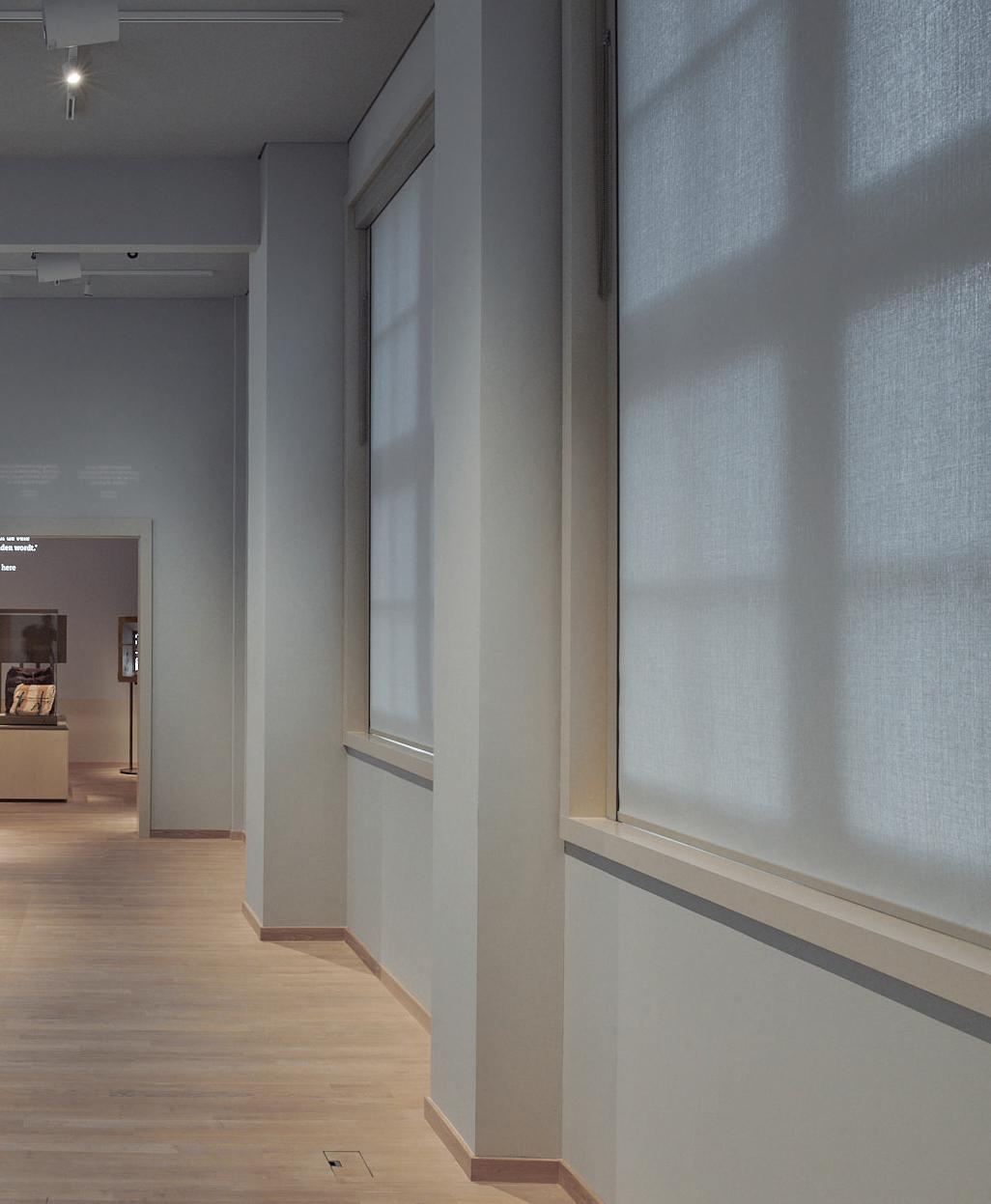
Natural light enters the building whenever conservation regulations allow. Sightlines connect the interior to the street and the opposite theatre, enhancing the narrative. Light, neutral tones and filtered daylight foster a sense of openness while meeting strict lux levels for the collection. Artificial lighting near windows preserves the daylight ambience; even rooms without windows are lit with dimmed backlit glass panels.
The central corridor with classrooms on both sides served as the basis for the conversion. A large temporary exhibition space and auditorium have been created at the rear to complement the permanent exhibitions in the former classrooms. The ground-floor layout guides visitors along the children’s
escape route, from reception through the garden to the back of the school, before a new staircase connects to the original upper floors, the café, and the reception area.
The theatre and the school had no relationship before the Occupation. What happened between them – and in the decades that followed – forged the connection they now share. Through their function as the National Holocaust Museum, these buildings carry that histor y forward.
OFFICE WINHOV
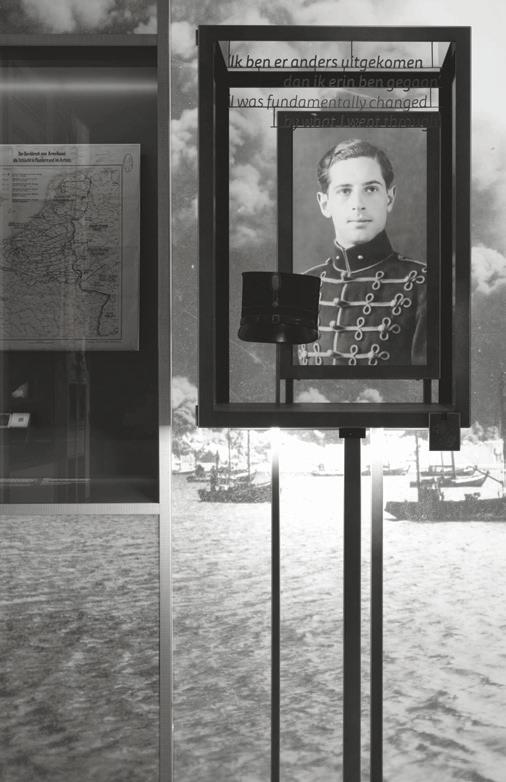
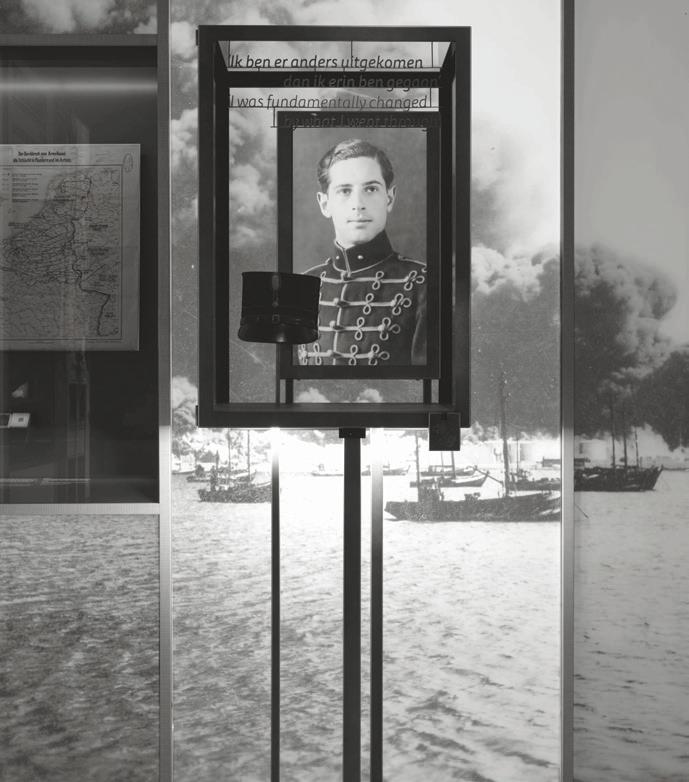
DO NOT FORGET US!
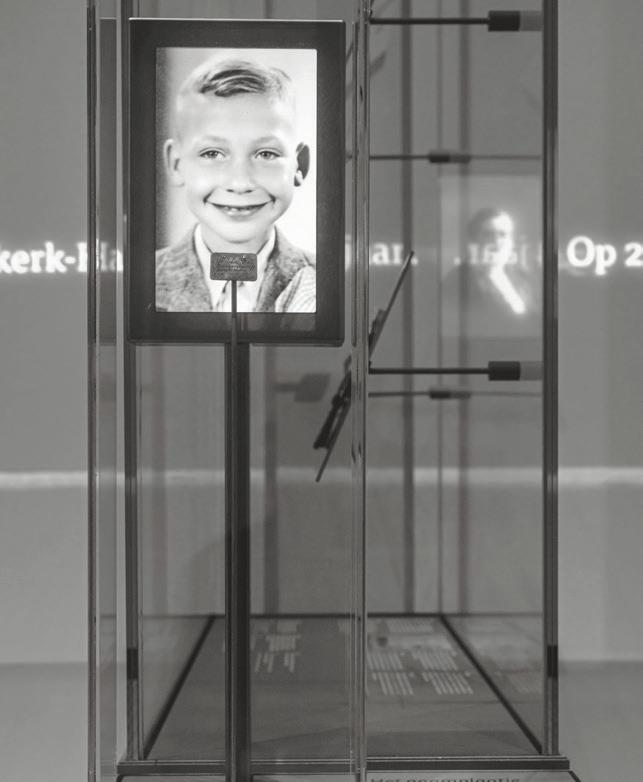
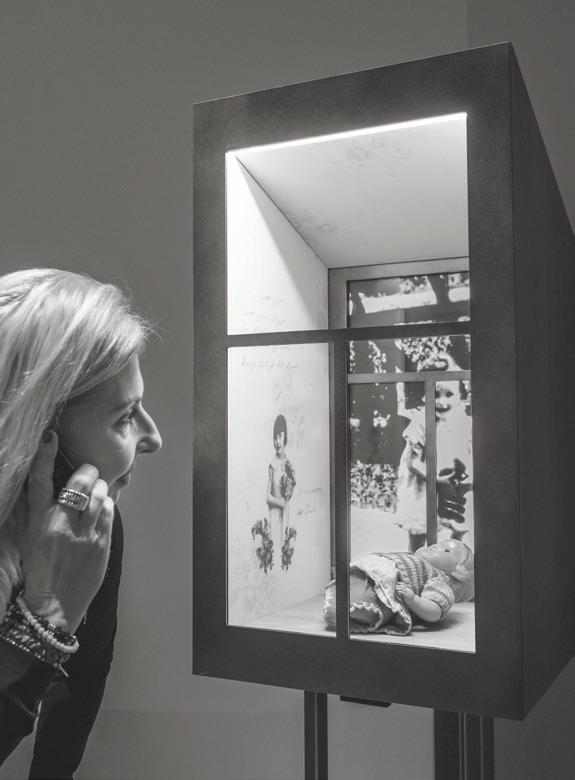
Three passport photos of unknown Shoah victims in a folder bearing the words ‘Do not forget us!’. That was the starting point for us.
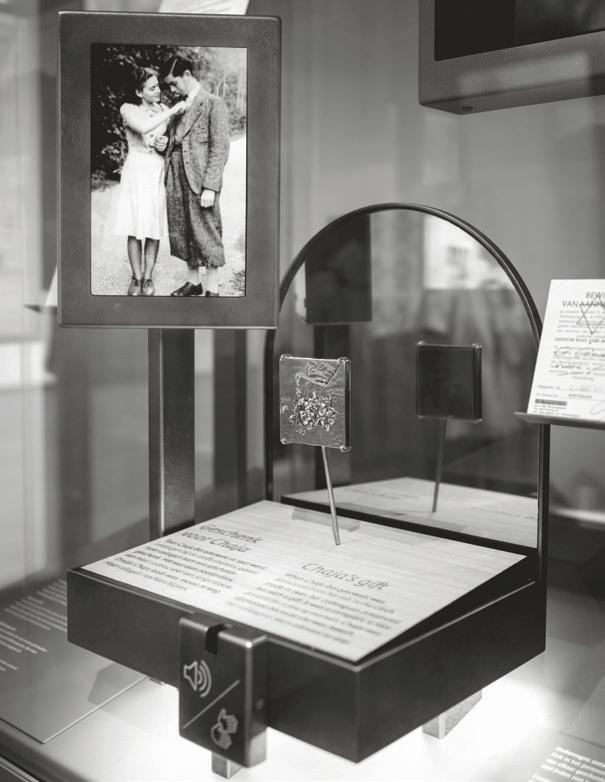
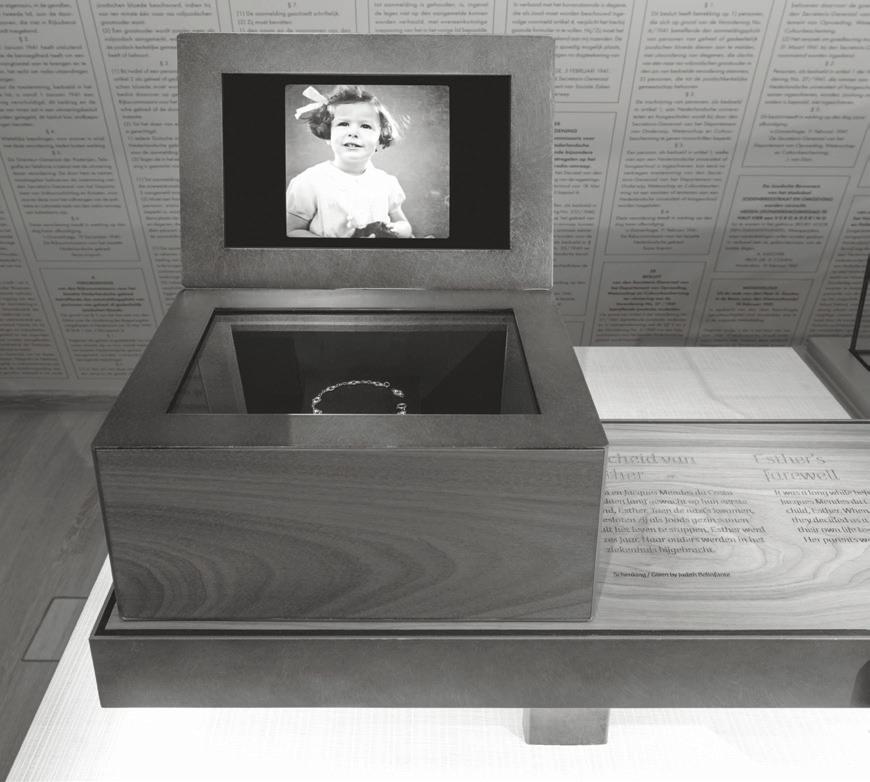
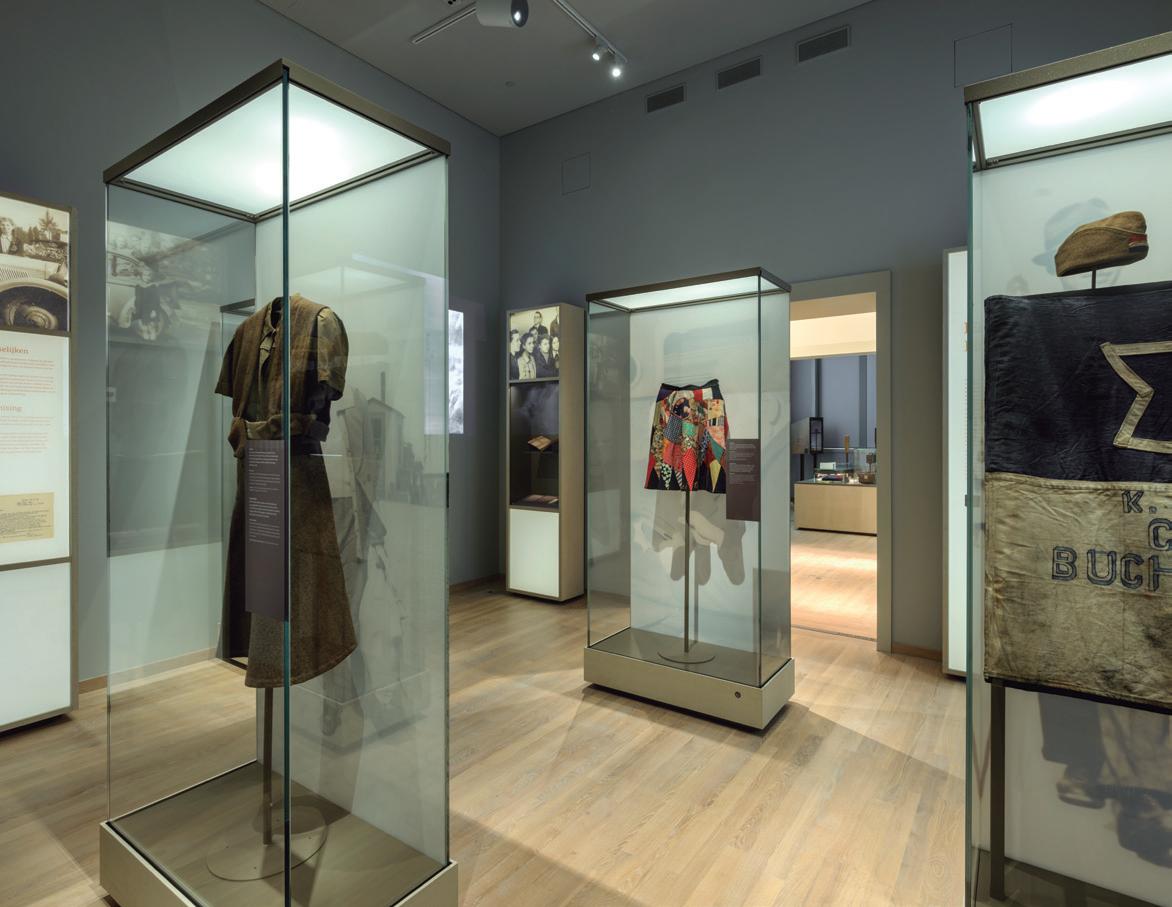
How could we expose the system of dehumanisation, and rehumanise the victims of the Shoah? The wallpaper of crimes shows all anti-Jewish laws and regulations of the Nazis In the Netherlands. Into that colourless world of exclusion we placed the ‘ForgetMe-Nots’. A warm tribute to these anonymous victims.
Each of the 19 ‘Forget-Me-Not’ pieces of furniture is unique, and inspired by a personal story. We chose warm and distinctive materials – a brass finish combined with different types of wood.
The finish contrasts with the relatively light finish of the other furniture in the museum. The ‘Forget-Me-Not’ furniture stands on three steel legs that vary in thickness.
They are stable but look fragile. Our ambition was to give them something human, a warm and slightly unfinished look.
Boaz Bar-Adon, oPERA Amsterdam
DO NOT FORGET US!
Three passport photos of unknown Shoah victims in a folder bearing the words ‘Do not forget us!’. That was the starting point for us.
How could we expose the system of dehumanisation, and rehumanise the victims of the Shoah? The wallpaper of crimes shows all anti-Jewish laws and regulations of the Nazis In the Netherlands. Into that colourless world of exclusion we placed the ‘ForgetMe-Nots’. A warm tribute to these anonymous victims.
Each of the 19 ‘Forget-Me-Not’ pieces of furniture is unique, and inspired by a personal story. We chose warm and distinctive materials – a brass finish combined with different types of wood.
The finish contrasts with the relatively light finish of the other furniture in the museum. The ‘Forget-Me-Not’ furniture stands on three steel legs that vary in thickness.
They are stable but look fragile. Our ambition was to give them something human, a warm and slightly unfinished look.
Boaz Bar-Adon, oPERA Amsterdam
MUSEUM NORTHEAST ELEVATION
FEATURED WORK
NATIONAL HOLOCAUST MUSEUM AMSTERDAM, NETHERLAND
2019-2024
Architecture OFFICE WINHOV
Client Foundation Hollandsche Schouwburg
Joods Cultureel Kwartier
Total floor area
3.500 m²
Address:
Plantage Middenlaan 24, 27, 29, Amsterdam, The Netherlands
Exhibition design
OPERA Amsterdam
Content design
Studio Louter
Chief Curator
Annemiek Gringold
Team Office Winhov
Uri Gilad
Inez Tan
András Szél
Leon Kentrop
Rick Bruggink
Anna Janssen
General contractor
De Nijs
Construction Installations
Klomp
Construction ellectricity
Elektropartners
Extern Project Manager
Wijngaarde & Partners
Engineering and MEP
ABT
Light advisors
Beersnielsen
Images page cover dust, 02, 16-17, 18-19, 20-21, 22-23, 30-31, 32-33, 35-36, 38-39, 41 and 42-43
© Stefan Müller
page 06, 44, 49, 52-53, 57 and 66-67
© Max Hart Nibbrig
page 12-13
© Louis Frequin
page 27, 58, triptych pages and 61
© Mike Bink
COLLECTION
AMAG LONG BOOKS
hello@amagpublisher.com www.amagpublisher.com PUBLICATION
VOLUME
LB 41
TITLE
OFFICE WINHOV
National Holocaust Museum
ISBN 978-989-36626-5-6
PUBLICATION
DATE
April 2026
EDITOR-IN-CHIEF AND GENERAL MANAGER
Ana Leal
EDITORIAL TEAM
Ana Leal, architect
Filipa Figueiredo Ferreira, designer
Inês Rompante, designer
João Soares, architect
PRINTING
Graficamares
LEGAL DEPOSIT
480255/21
RUN NUMBER
1000 numbered copies
PUBLISHER AND OWNER
AMAG publisher
VAT NUMBER 513 818 367
CONTACTS
/1000
LONG BOOKS COLLECTION
LB 01 DAVID ADJAYE mole house
LB 02 NICHOLAS BURNS guimarães chapel
LB 03 DAVID ADJAYE the webster
LB 04 CARVALHO ARAÚJO casa na caniçada
LB 05 ANDRÉ CAMPOS | JOANA MENDES centro coordenador de transportes
LB 06 ANDRÉ CAMPOS | JOANA MENDES PEDRO GUEDES DE OLIVEIRA fábrica em barcelos
LB 07 DAVID ADJAYE winter park library & events center
LB 08 DAVID ADJAYE 130 william tower
LB 09 BRANDENBERGER KLOTER ARCHITECTS community hall laufenburg
LB 10 BRANDENBERGER KLOTER ARCHITECTS school pfeffingen
LB 11 BRANDENBERGER KLOTER ARCHITECTS double kindergarten rüti
LB 12 BRANDENBERGER KLOTER ARCHITECTS school aarwangen
LB 13 BRANDENBERGER KLOTER ARCHITECTS school birrwil
LB 14 ANGELO CANDALEPAS the castle
LB 15 PAUL MURDOCH ARCHITECTS flight 93 national memorial
LB 16 ÁLVARO SIZA monte da lapa volume l
LB 17 SO – IL amant
LB 18 AFF spore initiative
LB 19 LYNCH ARCHITECTS n2
LB 20 VIANA DE LIMA casa das marinhas
LB 21 SPASM parikrama house
LB 22 JOSEP FERRANDO social center
LB 23 SJB 19 waterloo Street
LB 24 KENGO KUMA cam
LB 25 TOMOAKI UNO terabe guest house
LB 26 AM2 Arquitectos | ARENAS & ASOCIADOS | NOARQ halo
LB 27 LYNCH ARCHITECTS westminster coroner’s court
LB 28 CHRIST & GANTENBEIN swiss national museum
LB 29 CAMILO REBELO côa museum
LB 30 CAMILO REBELO ovo
LB 31 CAMILO REBELO mim
LB 32 NICOLA BAVIERA apartment house urdorf
LB 33 VINCENT VAN DUYSEN casa m
LB 34 EDUARDO SOUTO MOURA vatican chapel
LB 35 EDUARDO SOUTO MOURA casa em braga
LB 36 CAMILO REBELO promise
LB 37 LUÍSA PENHA duas portas
LB 38 ÁLVARO SIZA fundação gramaxo
LB 39 URSA roberto ivens building
LB 40 PPAA toronjos
LB 41 OFFICE WINHOV national holocaust museum, is the fortyfirst title from LONG BOOKS COLLECTION.
AMAG LONG BOOKS COLLECTION brings together a unique selection of projects that establish new paradigms in architecture.
With a contemporary and timeless conceptual graphic language, the 1000 numbered copies of each LONG BOOK will document works with different scales and formal contexts that extend the boundaries of architectural expression.
This title has the special support from: