
ANNUAL REPORT 2025




WHO WE ARE
ABOUT SANBI
Bioinformatics is a specialist discipline straddling the fields of biology, mathematics and computer sciences and it is integral to modern biological research. The South African National Bioinformatics Institute (SANBI) is situated at the University of the Western Cape (UWC) in Bellville, Cape Town.
Our primary focus is the development and implementation of computational methodologies that allow biomedical researchers to accelerate their genomics data analyses. SANBI aims to heighten awareness of bioinformatics in South Africa and to assist the country in making optimal use of bioinformatics tools. As the leading bioinformatics entity in Africa, we continue to foster local and regional collaborations on health-related topics that cover both communicable and non- communicable diseases.
SANBI provides a focus for biological research located in Africa and as such, is dedicated to:
• the development of online specialised resources for genomics and genome informatics;
• capacity development in genomics and bioinformatics in Africa; and the development and implementation of genome annotation methods.
OUR VISION
• To be a global leader in computational biology, achieving the highest level in biomedical research and education in the global, African and South African context.
OUR MISSION
• To conduct cutting edge bioinformatics and computational biology research relevant to South African, African and global populations.
• To develop human resources in bioinformatics and computational biology by educating and mentoring scientists.
• To increase awareness of, and access to, bioinformatics and computational biology resources.
OUR GOALS
• To generate and publish high quality, relevant biomedical research.
• To train and graduate competent and productive researchers.
• To add value to the academic programme of UWC.
• To enhance other research fields through collaborative projects.
• To establish sources of renewable funding to pursue the mission of the institute.
POLICY MANDATES
5TH
NATIONAL STRATEGIC PLAN (NSP) FOR HIV, TB AND STIS (2023 - 2028)
The vision and mission of SANBI align with the NSP 2023 - 2028 that outlines how the country will respond to the prevention and treatment of HIV, TB and Sexually transmitted infections (STIs). The NSP aims to “...build resilient systems for HIV, TB and STIs that are integrated into systems for health, social protection and pandemic response...”
NATIONAL RESEARCH FOUNDATION (NRF) STRATEGY 2025
The vision and mission of SANBI aligns with the NRF’s Strategy 2025, specifically global and competitive research and innovation”
Research and Development aligns with the Department of Science and Innovation White Paper on Science, Technology and Innovation 2018 - 2028 by contributing to “the development of human capabilities, knowledge expansion and innovation performance...”
THE SA MEDICAL RESEARCH COUNCIL (SAMRC) ACT (ACT 58 OF 1991)
As an extramural unit of the SAMRC, SANBI falls under the legislative mandates of the SAMRC.
At Section 3, this Act states that the Legislative Mandate of the SAMRC is:
“...through research, development and technology transfer, to promote the improvement of the health and quality of life of the population of the Republic, and to perform such functions as may be assigned to the SAMRC by or under this Act...”



DIRECTOR‘S MESSAGE
Globally, 2025 has been a year of uncertainty, as we have witnessed a shift in funding, including the abrupt cancellation of US funding for South Africa. SANBI lost one international project due to funding cuts, but our staff pivoted to other sources of income to ensure no disruption to staff morale or project momentum.
Staff and students at SANBI have had a productive year and have ensured that we place translational research at the center of our agenda. We report on computational tools that are impacting the region and beyond. A 6-year project aimed at empowering African countries to retain data ownership and facilitate cross-border collaboration in response to disease threats has been well-received. Our African data and biospecimen exchange platform (ADBEx) continues to gain momentum as researchers grapple with data registries and traceability.
Our national mandate is to grow the next generation of scientists. We celebrated our PhD and MSc graduates in 2025 and look forward to working alongside the 2026 cohort.
I encourage you to reach out to our staff after reading about our progress in 2025.
We look forward to forging new partnerships and strengthening existing collaborations in 2026.


Professor Alan Christoffels PhD, M.ASSAf, FRSSAf
Senior Advisor: African CDC Pathogen Genomics Director: South African National Bioinformatics Institute University of the Western Cape

YEAR IN REVIEW
2025 HIGHLIGHTS:
INTERGOVERNMENTAL WORKING GROUP AT WHO, GENEVA
Alan Christoffels was one of the SA negotiators at the WHO Pandemic Access and Benefit Sharing (PABS) negotiations from 1-5 December 2025. The PABS system is designed to ensure transparent and equitable sharing of pathogen samples and genetic sequence data. This work forms part of the Pandemic Agreement that was signed in May 2025 to make the world safer from future pandemics.
PHA4GE CONFERENCE & IPSN GLOBAL PARTNERS FORUM 2025
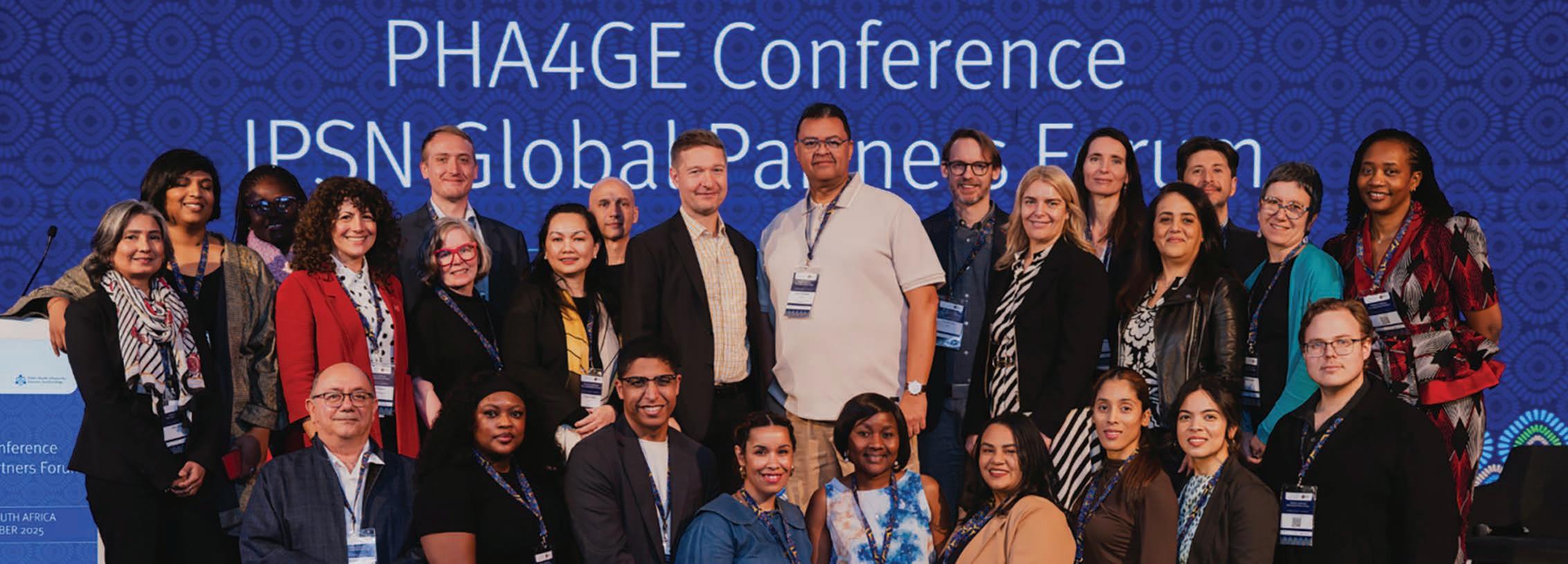
The second Public Health Alliance for Genomic Epidemiology (PHA4GE) conference was held jointly with the third International Pathogen Surveillance Network (IPSN) Global Partners Forum in Cape Town in October 2025. Co-ordinated by the PHA4GE Secretariat at SANBI, the biennial conference was co-hosted by the WHO Hub for Pandemic and Epidemic Intelligence and WHO’s Regional Office for Africa. More than 270 scientists, policy-makers, funders and public health experts from around the world attended.
INAUGURAL FELLOWSHIP IN PUBLIC HEALTH INTELLIGENCE
Nicki Tiffin was awarded the inaugural visiting senior researcher fellowship in public health intelligence which was jointly offered through the Charité Center for Global Health and the WHO Hub for Pandemic and Epidemic Intelligence. The fellowship provided the opportunity to spend six months in Berlin to extend collaborative networks and to participate in the research programmes being undertaken at both these centres.
RESEARCH PROJECT HIGHLIGHTS:
16 publications in research journals
1 PhD and 2 MSc graduations
3 significant computational tools were developed by SANBI
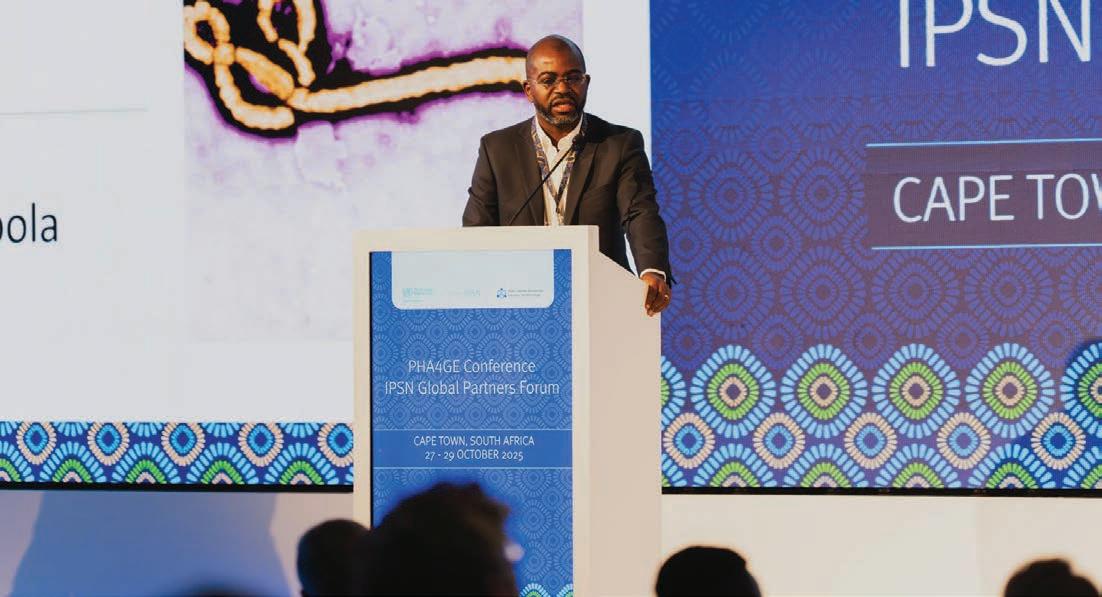
At the PHA4GE Conference opening, keynote speaker Placide Mbala delivered a powerful message on the need to strengthen health systems.
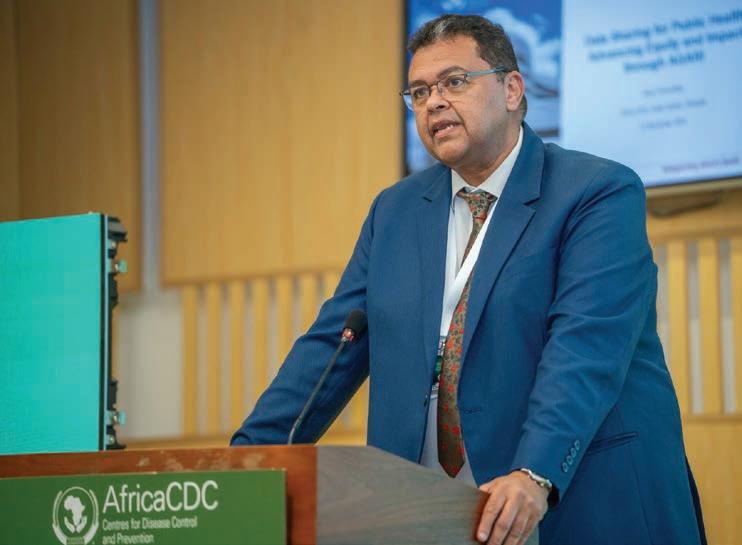
Alan Christoffels presenting AGARI, Africa’s first platform for genomic data sharing, at the Africa CDC Annual Laboratory Symposium held in Addis Ababa, Ethiopia and attended by various ministries of health and policymakers.
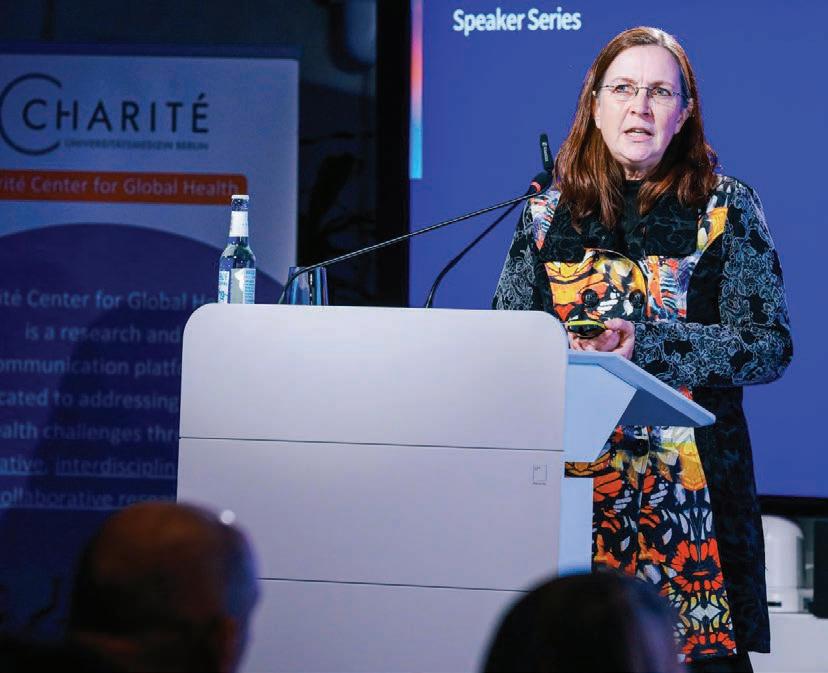
Nicki Tiffin speaking at the Charité Center for Global Health/WHO Speaker Series in Berllin.
STAFF
SANBI comprises a highly skilled, diverse group of research scientists, technical and administrative staff who all contribute to a dynamic productive working environment. As SANBI is a research institute, the Director reports through the faculty of Natural Sciences at UWC.
RESEARCH STAFF
The research staff at SANBI are dedicated to developing innovative tools that address pressing health challenges in South Africa and across the African continent. These efforts aim to lower the barriers to research for scientists in resource-limited settings, thereby broadening access to advanced biomedical research and fostering capacity-building across Africa.

Alan Christoffels, Prof SANBI Director
*UWC
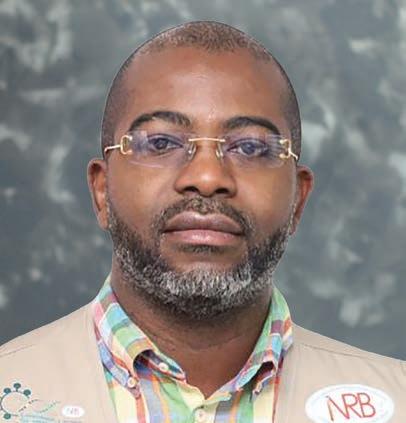
Placide Mbala, Prof Extraordinary Professor
*INRB, DRC

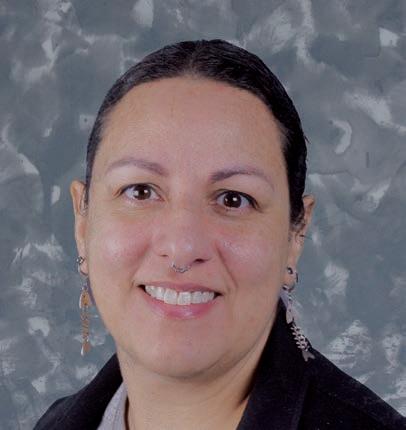
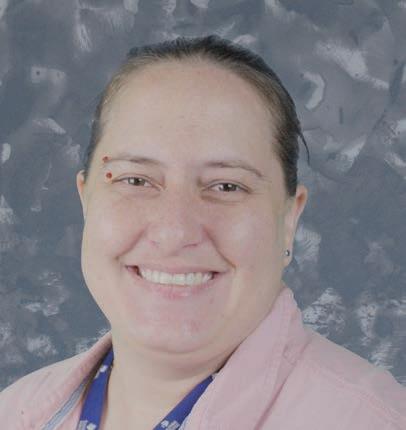

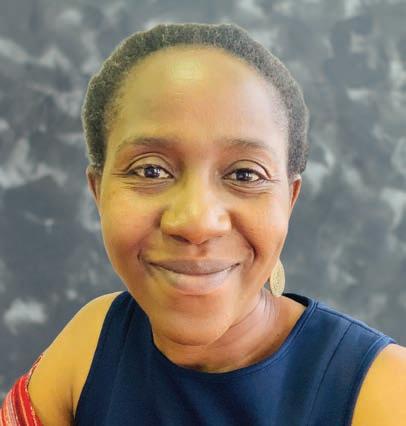
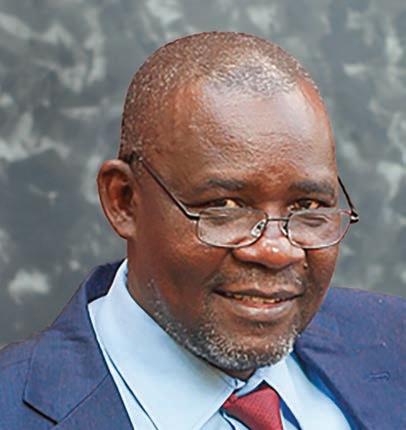
Sam
*Gates Foundation

Gordon
*UWC



Nicki Tiffin, Prof SANBI Deputy Director *UWC
Dominique Anderson, Dr Senior Lecturer *UWC
Anja Bedeker Research Associate
Ruben Cloete, Dr Senior Lecturer *UWC
Nobubelo Ngandu, Dr Research Fellow *SAMRC
Oyola, Dr Research Fellow *ILRI, Kenya
Harkins, Prof Emeritus Professor

TECHNICAL STAFF
The SANBI technical staff are responsible for developing, managing and maintaining the computing infrastructure that underpins the institute’s research and analytical capabilities. Their work ensures a robust, secure, and efficient technological environment to support the cutting-edge bioinformatics research undertaken at the institute.
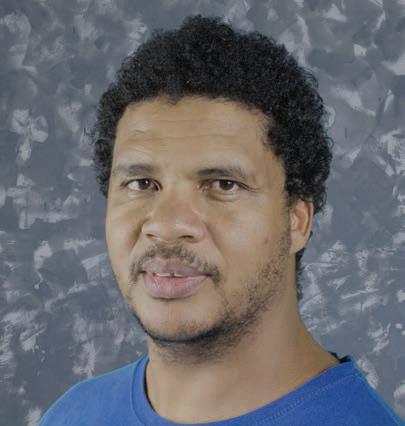
Quinton Coert
Software Developer
*TIA Seed Funding

Campbell Rae Web Developer
*UWC

Peter van Heusden
Senior Systems Developer
*Wellcome Trust
ADMINISTRATIVE STAFF
SANBI administrators ensure the smooth running of daily operations Their responsibilities include HR and student support; financial management of grant funding, processing of payments; events coordination, especially workshops, courses and seminars at SANBI venues; and the sourcing of office essentials.

Saajidah Beghardien Administrator
*UWC

Fungiwe Mpithi PA/Administrator
*UWC
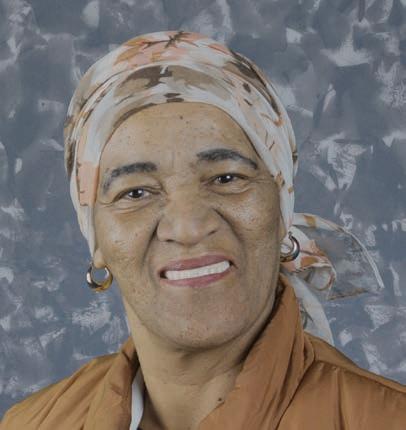
Ferial Mullins
Finance Administrator
*UWC

Williams
Marketing Administrator (part-time)
*UWC
Junita
PUBLIC HEALTH ALLEGIANCE FOR GENOMIC EPIDEMIOLOGY (PHA4GE) SECRETARIAT
Funded by the Gates Foundation, the PHA4GE Secretariat hosted at SANBI provide administrative and project management support to the PHA4GE working groups.
https://pha4ge.org/.

Michael Bridger Business Development

Rangarirai Matima Communication Specialist
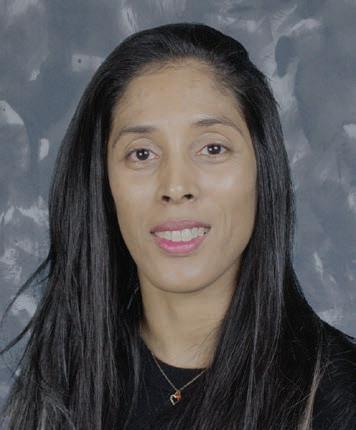
Tracey Calvert-Joshua, Dr Technical Manager

Jamie Southgate Communications Officer

Nawaal Nacerodien-Weitz Project Manager
Gabrielle Arendse Project Administrator

Keaghan Brown Training Co-ordinator
Farzaana Diedericks Training Co-ordinator
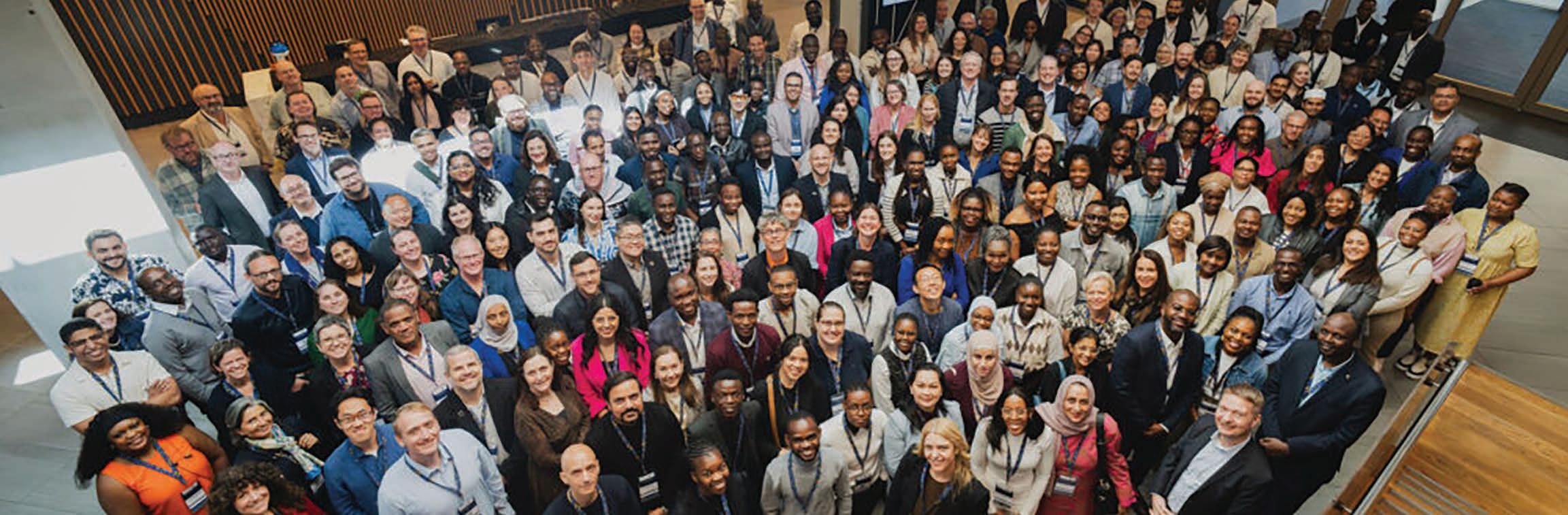
PHA4GE and IPSN extend sincere gratitude to all sponsors, partners, delegates, speakers, and volunteers for their invaluable contributions to the success of this joint event. Special thanks go to the organising committee (left) for their dedication and commitment to the success of the event.
WELLCOME TRUST advISO PROJECT
New staff members joined SANBI in 2025 as part of this Wellcome Trust funded project. Led by SANBI co-PIs, this 4-year project aims to assist laboratories in LMICs to streamline and standardise bioinformatics processes, quality assurance, and workflow implementation, enabling them (particularly in Africa) to have accreditation-ready bioinformatics services to complement genomic data being generated. https://github.com/advISO-project



Bioinformatics Developer
*Wellcome Trust
*Wellcome Trust
*Wellcome Trust
FURTHER DEVELOPMENT OF STAFF
SANBI remains committed to fostering a culture of continuous learning by supporting staff in pursuing advanced skills and formal qualifications. The following staff members were enrolled in higher education programmes to enhance their professional expertise and contribution to their roles in SANBI.
Christoffels
Tsaone Tamuhla
Nicki Tiffin
van Heusden
Sophia Bam Senior Workforce Co-ordinator
Sibongiseni Msipa Junior Workforce Co-ordinator
Buhle Ntozini
SERVICE TO THE SCIENTIFIC COMMUNITY
SANBI academic staff are actively involved in translating research into policy. In 2025, all of the academic staff were appointed on national and international councils, committees and expert panels that develop research frameworks to accelerate biomedical research. Nearly all SANBI faculty also contributed to the academic community by serving as editorial board members or peer reviewers for scientific journals. Additionally, SANBI academics are also called on to examine theses and to moderate courses at other institutions of higher learning.
MEMBERSHIP OF EXPERT PANELS AND COMMITTEES
National Scientific R Collections Platform
PHA4GE Consortium
UWC Science Teaching and Learning
Dominique Anderson
Seq-Africa technical and strategic committee
SANAS biobanking accreditation Working group
ISCB-Africa
DSI Biobank Cluster
PHA4GE Consortium
Anja Bedeker
Global Alliance for Genomics and Health (GA4GH)
Medical Biobanks Working Group Co-Chair
Data Curator and member of the DSWG
Committee member
Committee member
Working group member
Conference Scientific program coordinator
Committee member
Alan Christoffels
Africa CDC
PHA4GE Consortium
African Society for Bioinformatics and Computational Biology
Academy of Science of South Africa
Global Emerging Pathogens Consortium
Member - Steering Committee
Co-Chair - Ethics and Data Sharing Working Group
Member - Regulatory and Ethics Workstream
Product Lead - Ethical Preparedness for Pandemics and Epidemics (EPPE) Framework
Advisor for Pathogen Genomics
Principal Investigator
Member - Governing Council
Member - Standing Committee on Biosafety and Biosecurity and Standing Committee on POPIA
Member - host an annual conference on emerging pathogens as part of our mandate to create awareness of biosecurity threats across Africa, and to empower African scientists to respond to disease outbreaks.
Applied Bioinformatics & Public Health Microbiology Conference Organising Committee
African Bioinformatics Institute
Member - Interim Council
NAME INSTITUTE
ROLE AND PURPOSE
MEMBERSHIP OF EXPERT PANELS AND COMMITTEES
NAME INSTITUTE
South African Society for Bioinformatics
Ruben Cloete
ROLE
AND PURPOSE
Member
African Society for Bioinformatics and Computational Biology Vice President
African Bioinformatics Institute Group Leader
Biophysical Society
Nobubelo Ngandu Global Alliance to End AIDS in Children by 2030
Member
Member - South Africa technical working group
University of Cape Town, Computational Biology Division Honorary Professor
Stellenbosch University, Centre for Bioinformatics and Computational Biology
International Health Cohorts Consortium
Nicki Tiffin
Peter van Heusden
Member of Governing Board
Member - Executive Committee and Steering Committee
African Population Cohorts Consortium Independent Advisory Group
PHA4GE Consortium
WHO Global Clinical Platform (AG91)
Member - Steering Committee; Chair - Ethics and Data Sharing Working Group
Member - Independent Advisory Group
African Bioinformatics Institute Group Leader
WHO guidelines for attributes and principles for genomic data sharing platforms supporting surveillance of pathogens with epidemic and pandemic potential
Member - WHO expert contributors
African Bioinformatics Institute Group Leader
PHA4GE Consortium
Galaxy Project
Infrastructure Working Group
Intergalactic Utilities Commission
JOURNAL EDITING AND REVIEWING
JOURNAL
BMC Medical Ethics
BMC Genomics
PLoS ONE
BMC Bioinformatics
Bioinformatics
REVIEWER SCIENTIFIC REVIEWER JOURNAL ASSOCIATE EDITOR
Anja Bedeker
Alan Christoffels
Ruben Cloete
Peter van Heusden
Data Journal
Bioinformatics Advances
Heliyon
MDPI Viruses
Chemical Papers
Bioinformatics
Biology Insights and Life Sciences
Journal of Antimicrobial Chemotherapy
BMC Pregnancy
BMC HIV Medicine
Frontiers in Immunology
SAMRC pre-ethics submission
Nucleic Acids Research Genomics and Bioinformatics
Population Studies
EDITORIAL BOARD MEMBER
Alan Christoffels
Ruben Cloete
Nobubelo Ngandu
Nobubelo Ngandu
Nicki Tiffin
THESIS AT OTHER UNIVERSITIES
MODERATOR DEGREE
PhD, University of Pretoria
Alan Christoffels
PhD, University of Witwatersrand
EXTERNAL MODERATION BY SANBI AT OTHER UNIVERSITIES
MODERATOR COURSE DETAILS
Dominique Anderson
Tsaone Tamuhla
Nicki Tiffin
University of Stellenbosch - Introduction to Bioinformatics for the Molecular Pathology Course.
University of Zululand - Undergraduate Epidemiology and pathogenesis of infectious disease (4MCB321) Course
University of Stellenbosch - BSc (Hons) Bioinformatics Program
SANBI IN THE MEDIA
The ground breaking research at SANBI regularly features in print and online media. SANBI academics are also frequently requested to provide commentary on pressing issues affecting bioinformatics researchers. Below are some articles which appeared during 2025.
TITLE
AUTHOR
Building bioinformatics in Africa
By Morgan Morris
10 March
African scientists set genomics ‘world speed record’ in confirming Ebola outbreak in Uganda
By Morgan Morris
21 March
Nature Africa
https://www.nature.com/articles/d44148-025-00064-x
Nature Africa
https://www.nature.com/articles/d44148-025-00090-9
TITLE
AUTHOR PUBLISHED BY URL
New ethical guidance tool for wastewater surveillance launched
19 May
How Bold New Research Is Changing Everything
By Dr Yaw Bediako and Prof Nicki Tiffin, with Juliette Mutheu.
30 May
ASSAf helps to demystify POPIA for Researchers
6 May
Managing Microbes: IMBM and SANBI collaborate on new Laboratory Information Management System
By Nicklaus Kruger
25 June
UWC’s SANBI Joins Africa-Wide Response to New Ebola Outbreak In DRC
By UWC Institutional Advancement
5 September
African ‘eBay for data’ challenges northern repositories
By Linda Nordling
18 September
Wastewater surveillance reveals disease trends in South Africa
By Morgan Morris
20 November
UWC’s SANBI Plays Leading Role In New African Disease Data Archiving Platform
By UWC Institutional Advancement
28 November 2025
Pathogen Data Network
https://pathogendatanetwork.org/new-ethical-guidance-tool-forwastewater-surveillance-launched/
Connecting the dots Podcast https://open.spotify.com/episode/2caHV0ePsw1cVoZQbrTKNq
Academy of Science of South Africa (ASSAf) http://dx.doi.org/10.17159/assaf.2025/113
Biodiversity Biobanks Management
https://bbsa.org.za/2025/06/25/managing-microbes-imbm-and-sanbicollaborate-on-new-laboratory-information-management-system/
UWC News and Announcements
https://www.uwc.ac.za/news-and-announcements/news/ uwcs-sanbi-joins-africa-wide-response-to-new-ebola-outbreak-in-drc
Research Professional News
https://www.researchprofessionalnews.com/rr-news-africa-panafrican-2025-9-african-ebay-for-data-challenges-northern-repositories/
Nature Africa
https://www.nature.com/articles/d44148-025-00364-2
UWC News and Announcements
https://www.uwc.ac.za/news-and-announcements/news/uwcs-sanbi-playsleading-role-in-new-african-disease-data-archiving-platform
STAFF AWARDS AND HONOURS
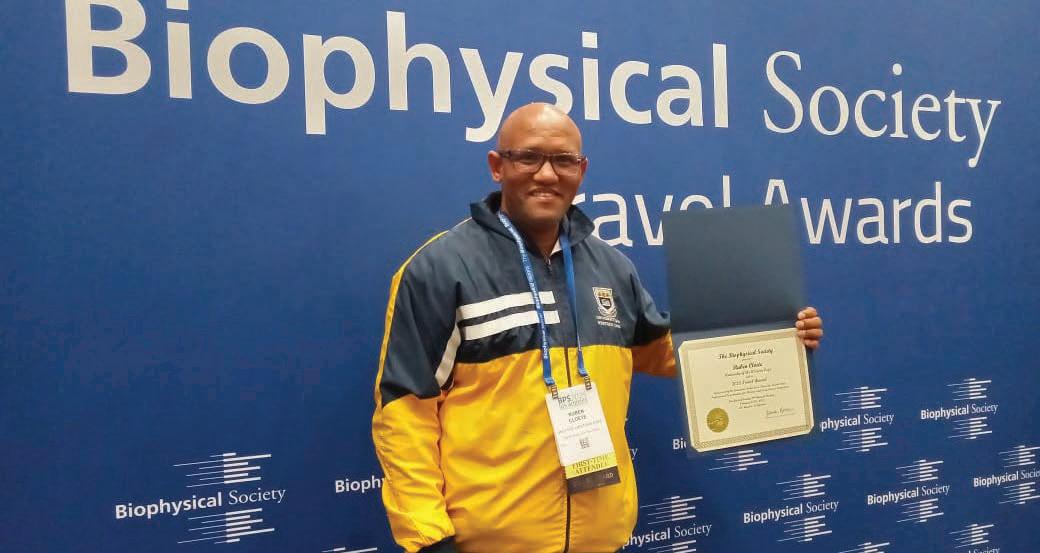
Ruben Cloete received the Travel Award to the Biophysical Society Annual Meeting held in Los Angeles, California in February.
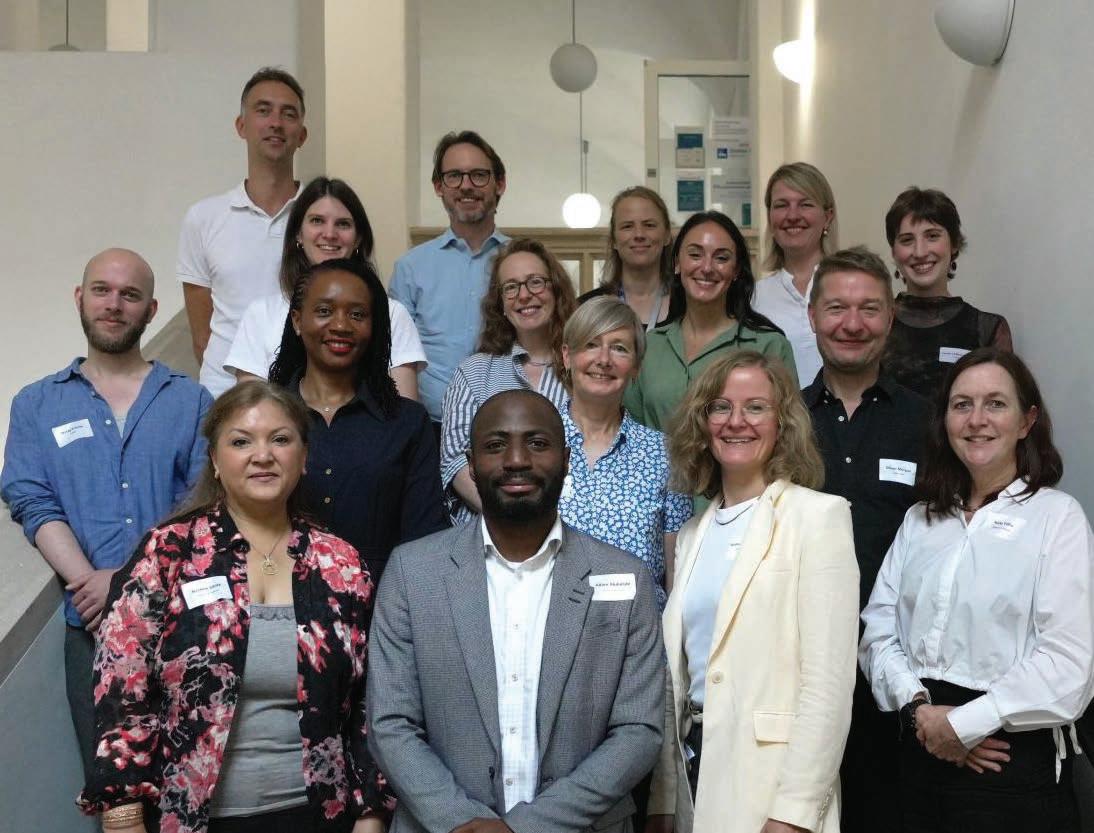
Nicki Tiffin received a joint visiting senior researcher fellowship in public health intelligence from July - December through the Charité Center for Global Health and the WHO Hub for Pandemic and Epidemic Intelligence. Nicki is pictured with the inaugural fellows of Charité Center for Global Health.
Nicki Tiffin received the 2021 - 2026: Calestous Juma Fellowship, 2021 Cohort, Gates Foundation.
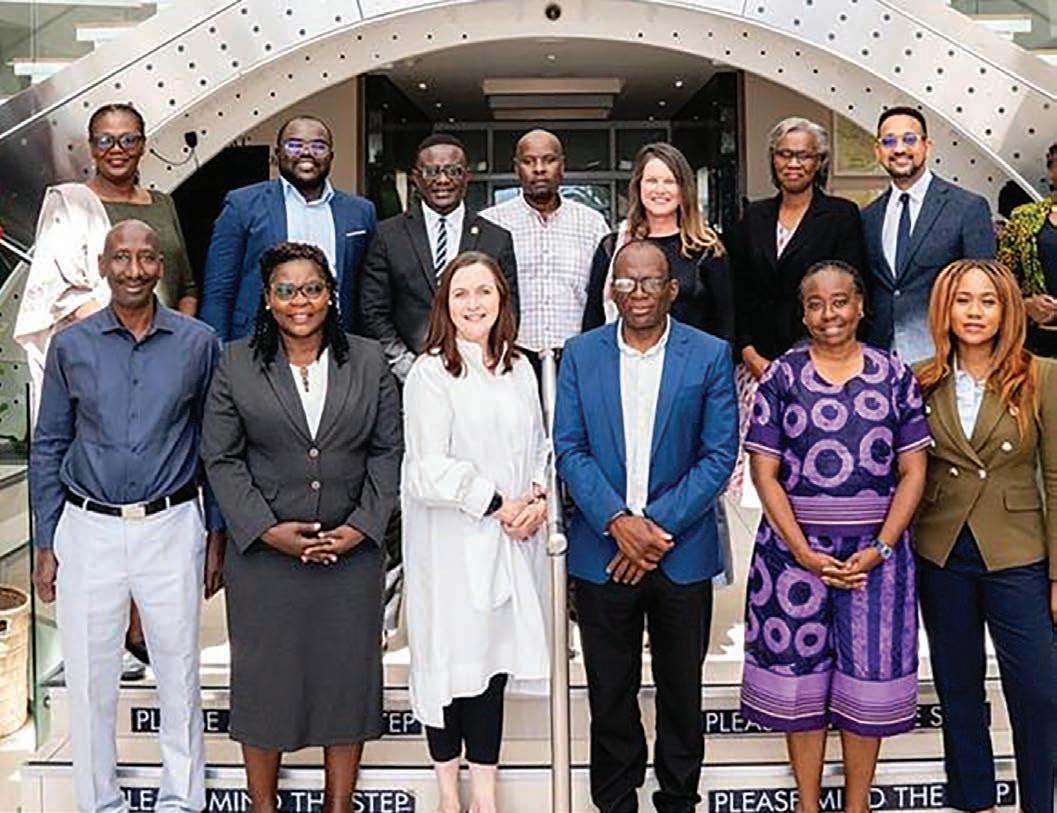
Nicki is pictured with the fellows of the first cohort of the Calestous Juma Fellowship in Cape Town, October. (Photo credit: Gates Foundation).
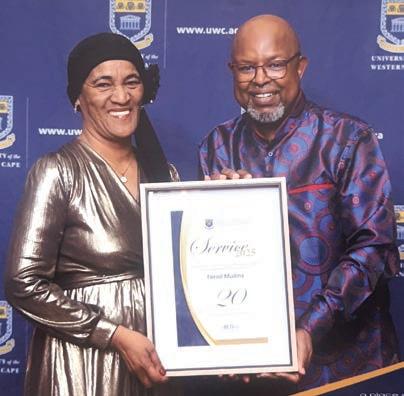
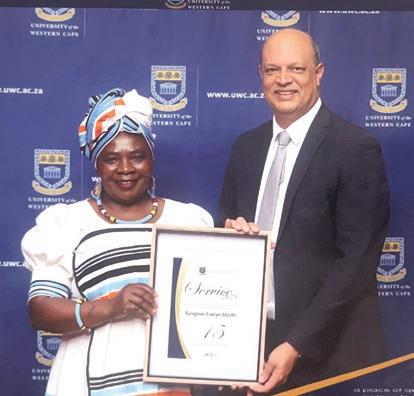
Ferial
received her 20-year long service award and Fungiwe
received her 15-year long service award at an illustrious event held in November at
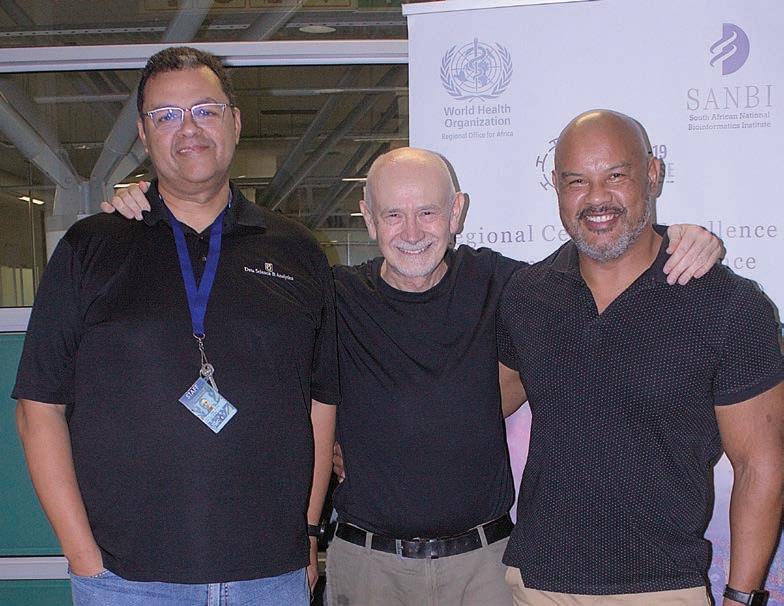
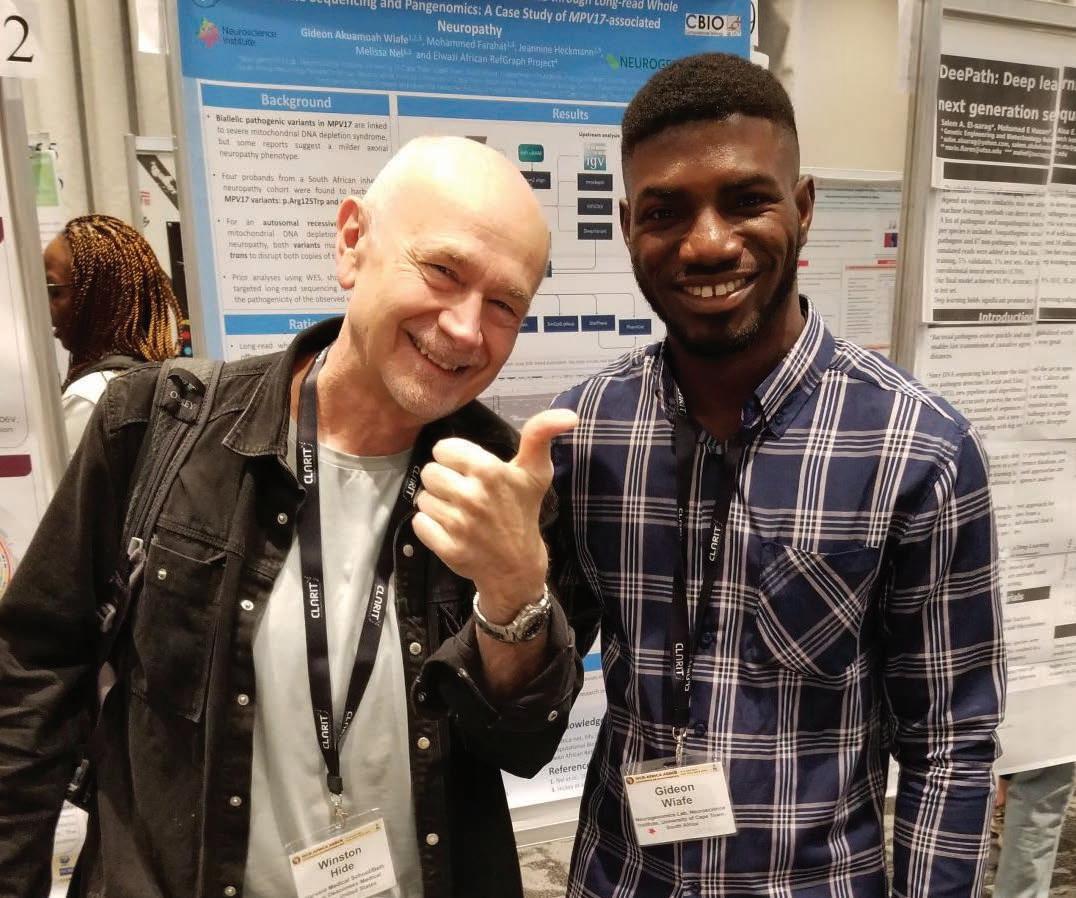
Founding Director of SANBI, Prof Winston Hide, enjoyed a visit and lunch with SANBI staff and students in April. He was also seen at the ISCB Conference later that month.
Mullins
Mpithi
Pigalle Restaurant in Cape Town.
Alan Christoffels, Win Hide and Junaid Gamieldien at SANBI offices.
Win Hide attending the ISCB2025 Conference in Cape Town.
CAPACITY DEVELOPMENT
SANBI is dedicated to becoming a global, African, and national centre of excellence in biomedical research and education. By integrating cutting-edge research with structured teaching and learning initiatives, SANBI continues to strengthen regional capacity in bioinformatics and genomics.
UNDERGRADUATE TRAINING PROGRAMME
Students who are interested in Bioinformatics as a career path are encouraged to take a combination of multidisciplinary subjects by combining Life and Health Sciences with Statistics, Computer Science and Mathematics during their undergraduate degree.
BIOINFORMATICS MODULE (BTN 315)
Each year the UWC undergraduate Bioinformatics Module is taught to third-year Biotechnology students by the SANBI faculty. Approximately 75 students were taught a range of specialist topics which include: Introduction to Bioinformatics and Databases, Protein structure prediction, Sequence alignments and Phylogenetics.
POSTGRADUATE TRAINING PROGRAMME
Postgraduate training at SANBI is well-established with an alumni network that are now contributing to research institutions and industries all over South Africa and the globe.
HONOURS DEGREE (BSC HONS)
Although SANBI does not host a standalone Honours programme, students in the BSc Honours Biotechnology programme at UWC who achieve a pass rate exceeding 60% may elect to incorporate a bioinformatics component into their research thesis.
MASTER’S DEGREE (MSC) IN BIOINFORMATICS
This research-focused degree is awarded by thesis and typically completed within two years. Applicants must hold a BSc Honours or an equivalent qualification in a related scientific discipline.
DOCTORAL DEGREE (PHD) IN BIOINFORMATICS
Candidates should be in possession of a MSc degree in Bioinformatics or in a related scientific subject such as Computer Science, Mathematics, Biochemistry and Engineering. The PhD degree must be completed within five years.
POSTDOCTORAL FELLOWSHIP
SANBI hosts postdoctoral fellows for a maximum of three years. Admission is granted following consultation with a potential supervisor and is dependent on research alignment and available funding.

SANBI STUDENTS
In 2025, SANBI continued to strengthen its position as a premier hub for bioinformatics training, hosting a diverse cohort of 25 researchers. The student complement is defined by its international character, drawing talent from across the African continent – including South Africa, Zimbabwe, Nigeria, Botswana, Benin, Uganda, the DRC and Lesotho. This multicultural environment fosters a rich exchange of scientific perspectives across all levels of study, currently comprising 6 Postdoctoral Fellows, 8 Doctoral candidates, 11 Master’s students and 2 Honours students.
REGISTERED POSTDOCTORAL RESEARCH FELLOWS
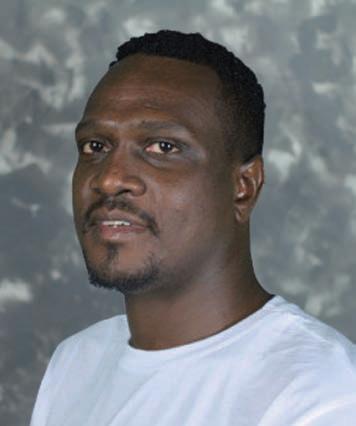
Darius Riziki Martin
*Cloete

Taiwo Omomule
*Christoffels

Catherine Rossouw
*Christoffels
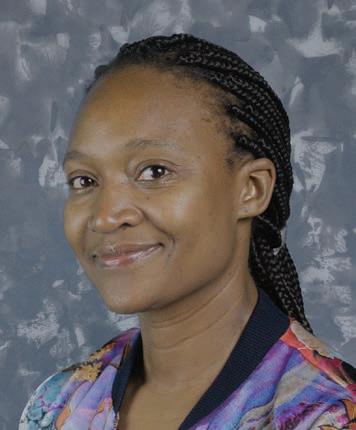
Tsaone
Tamuhla
*Tiffin
REGISTERED DOCTORAL DEGREE STUDENTS

Adetutu Akinnuwesi
*Cloete

Keaghan Brown
*Cloete
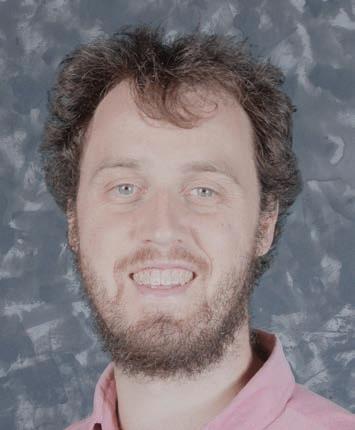
Jeremy Burgess
*Cloete
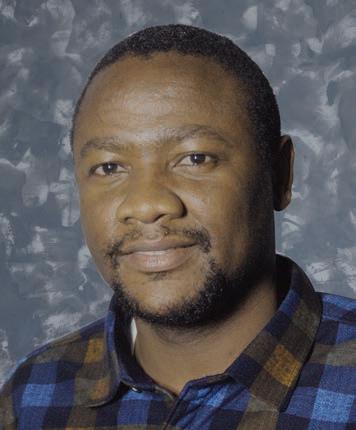
Adeshina Odugbemi
*Christoffels
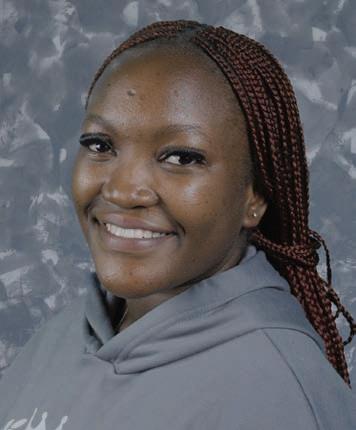
Josephine Peka
*Harkins

Sohail
Simon
*Tiffin
* Primary Supervisor
REGISTERED MASTERS’ DEGREE STUDENTS

Harrison Abrahams
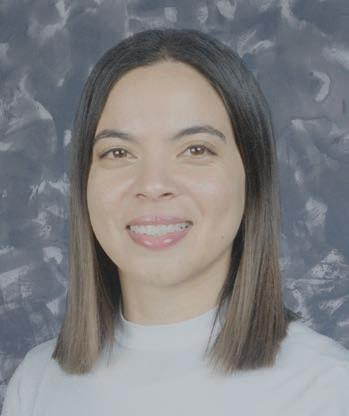



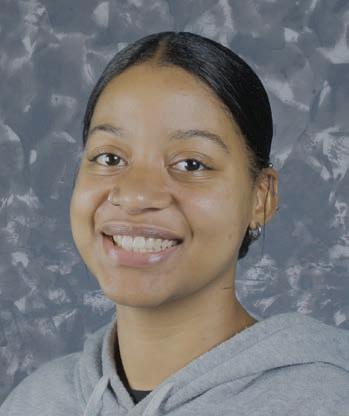
*Dube and Cloete Farzaana Diedericks

Hwenude
Chance Gountin
*Christoffels
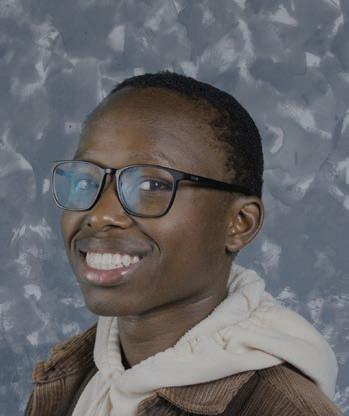
*Christoffels Kuhle Kitsili
*Anderson
Siphamandla Dlamini
*Cloete

Lunathi Ndlondlo
*Cloete
HONOURS DEGREE STUDENTS

Nomakhosazana
Princess Mamatsiari
*Anderson

Olwethu Stuurman
*Cloete
Kriheska Francis
*Ngandu and Harkins
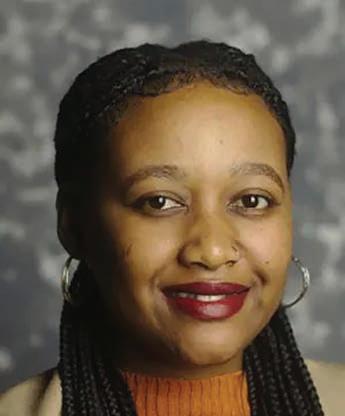
Nkosazana P Nyembezi
*Harkins
Ridaa Fredericks
*Christoffels
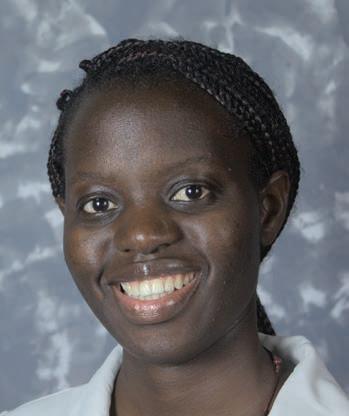
Veronica Wokibula
*Anderson
Tiffany Fredericks
*Tiffin
NAME DEPARTMENT THESIS TITLE
Nomakhosazana
Princess Mamatsiari
Olwethu Stuurman
UWC Biotechnology
UWC Biotechnology
Computational prediction and characterisation of antimicrobial peptides from snake venom proteins of unknown function.
Modeling human and ebola viral protein-protein interactions to inform drug design.
INTERNSHIPS
While focusing primarily on postgraduate excellence, SANBI actively shapes the undergraduate pipeline to prepare the next generation of biodiversity and bioinformatics professionals.
SANBI hosted a UCT Computational Health Informatics MSc student as part of their 6-week internship. During the internship with Dominique Anderson as supervisor, the student was assigned to design a web application for integrating metadata schemas and creating new schemas with existing ontologies, using Python-streamlit programming language. Developing the Meta-Query web application allowed the intern to combine programming, data management, and problem-solving skills in a practical and meaningful way. The application that was developed during this period could be employed in data handling for bioinformatics research turning complex datasets into easily searchable, organised, and exportable formats.
Justin Cheney a UWC Computer Science student and CHPC Student Cluster Competition participant and mentor, joined SANBI as an intern for three months to work on modernising the infrastructure in the SANBI data centre under the supervision of Peter van Heusden.
Alan Christoffels hosted two UWC students for two weeks to do research on pharmaco genomics. They are Clarissa Morris from the UWC Pharmacy department and Ryan Nadar from Medical Biosciences.
CAPACITY BUILDING FOR SOVEREIGNITY
By training a diverse cohort from across 8 African member states, SANBI is not merely educating individuals but is building a sustainable network of experts on the continent. This continental expertise is vital for ensuring that Africa maintains scientific so genomic data and public health strategies.
GENDER PARITY
In total there are 48% female and 52% male students. The Master’s programme shows strong female representation, accounting for over 63% of the candidates in this category. This trend suggests that SANBI’s future doctoral output will likely see an increase in female scientists moving toward Doctoral and Postdoctoral positions in the coming years.

2025 SANBI GRADUATIONS
SANBI takes great pride in congratulating the following students on their graduations during 2025.
NAME DEGREE THESIS TITLE

Farzaana
Ridaa Fredericks MSc
PRIMARY
Development, evaluation and in vitro assessment of AI antidiabetic predictive models from a-Glucosidase inhibitors.
The role of non-coding SNPs in multi-drug resistant Mycobacterium tuberculosis.
3D Pharmcophore based identification of possible ATP-synthase inhibitors for Mycobacterium tuberculosis (MTb).

Alan Christoffels

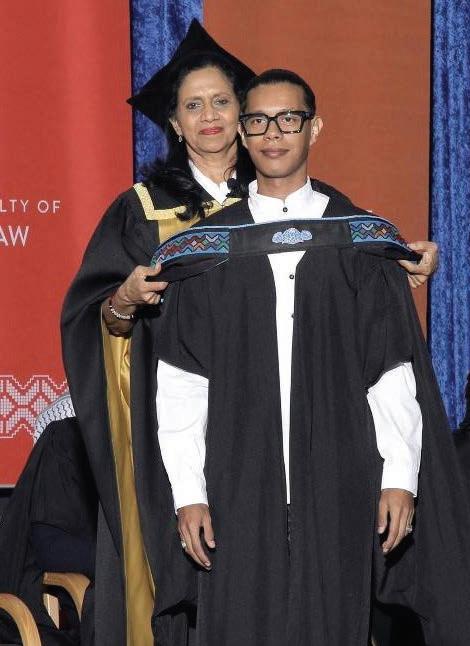
Adeshina Odugbemi PhD
Alan Christoffels Samuel Egieyeh
Diedericks MSc
Alan Christoffels
Adeshina Odugbemi
Farzaana Diedericks
Ridaa Fredericks
SANBI’s commitment to capacity development in the field of bioinformatics is apparent in all their activities to organise or conduct training and workshop opportunities for a variety of participants throughout Africa.
SANBI LEARNING AND TEACHING WORKSHOPS AND COURSES TAUGHT BY SANBI FACULTY
TITLE AND PRESENTER
Introduction to Theory of Change
By Nicki Tiffin
10 February
Introduction to Bioinformatics
SA virtual classroom hosted by SANBI, co-ordinated by Nicki Tiffin and Catherine Roussouw.
April - July
Introduction to Bioinformatics
By Alan Christoffels, Nicki Tiffin and Ruben Cloete
April - May
How to write your thesis as you go
By Nicki Tiffin
26 May
ADBEx: The African Data and Biospecimen Exchange
By Nicki Tiffin
4 July
Genotyping Data Analysis Workshop
By Tsaone Tamuhla
22 - 24 July
FORMAT AND PARTICIPANT DETAILS
Seminar and workshop for UCT Faculty of Health Sciences.
Course focusing on Introduction to Bioinformatics, Databases and resources, Introduction to Linux, Introduction to searching and sequencing alignment, Molecular evolution and phylogenetics and Genomics.
18 participants from UWC and external institutions including TASK Applied Science, Stellenbosch University, SAMRC and the Agricultural Research Council.
UWC BSc (Biotechnology) Bioinformatics Module BTN315 for 3rd year students.
Seminar for SANBI students.
Presentation and interactive session for UCT Faculty of Health Sciences.
3-Day, hands-on workshop designed for anyone working with data from Illumina genotyping arrays, including postgraduate students, early-career researchers, and research support staff. 16 Participants from SANBI, SAMRC and UWC Forensic Lab Heads.


TITLE AND PRESENTER
Sustainable Software Engineering
By Peter van Heusden
https://rsse.africa/events-training/2025-07-17/
Developing Bioinformatics Software for Accreditation Workshop -
By Dominique Anderson and Peter van Heusden
24 - 25 October
R for Epidemiology
By Peter van Heusden
PHA4GE Wastewater Bioinformatics Training
By Keaghan Brown, Farzaana Diedericks, Tsaone Tamuhla
FORMAT AND PARTICIPANT DETAILS
How to optimise code for maintainability to reduce software system complexity and build modular and modifiable applications based on core software engineering principles and practices. 20 Researchers and postgraduate students from South African universities and research institutes who are already developing software for science or engineering purposes.
Pre-Conference Workshop at PHA4GE Conference and IPSN Global Partners Forum 2025. Key considerations when developing bioinformatics software for ISO accredited environments. The workshop covered validation and verification, explored challenges with selected bioinformatics software, and identified how academic tools can be incorporated into service.
Data Science Training for staff from public health laboratories in 9 different African countries for Africa CDC, in partnership with Oxford Centre for Global Pathogen Surveillance and HISP South Africa.
PHA4GE Pre-Conference Workshop
Bridging data ecosystems for Health Research and Practice
Introduction to building a Theory of Change, log frames and Gantt charts
The African Data and Biospecimen Exchange platform –adbex.org.
By Nicki Tiffin and Tsaone Tamuhla
17 November
African genomics short course
By Tsaone Tamuhla
30 November - 10 December
Beginner to intermediate phase workshop on wastewater surveillance bioinformatics for public health.
https://training.pha4ge.org/courses/wastewater-bioinformaticstraining-course/
Workshop facilitator at the Charité University Centre for Global Health Community DayInterconnecting Research, Public Health and Health Service Data Ecosystems, Co-creating Actionable Insights.
Tutorial/Workshop (with practical session follow up) for for PhD students at Charité University Centre for Global Health Berlin, Germany.
Presentation and interactive session at Kemri Wellcome Trust in Kilifi, Kenya and The Science for Africa Foundation in Nairobi, Kenya.
Genomics module for Faculty of Health Sciences, UCT.
A collaboration between the African Society of Human Genetics (AfSHG), UCT, Wellcome Connecting Science, The Jackson Laboratory, Johns Hopkins University, and other African university partners.
AFRICAN BIOINFORMATICS INSTITUTE (ABI) STAKEHOLDER MEETING
This landmark gathering marked a significant step toward establishing the ABI as a continental infrastructure to support research, training, and innovation in bioinformatics. Over 200 experts and leaders in genomics, bioinformatics, public health, and data science across Europe and Africa attended. Alan Christoffels was appointed as an interim Council member and SANBI PIs Nicky Tiffin, Ruben Cloete and Peter van Heusden were selected as Group Leaders on various structures
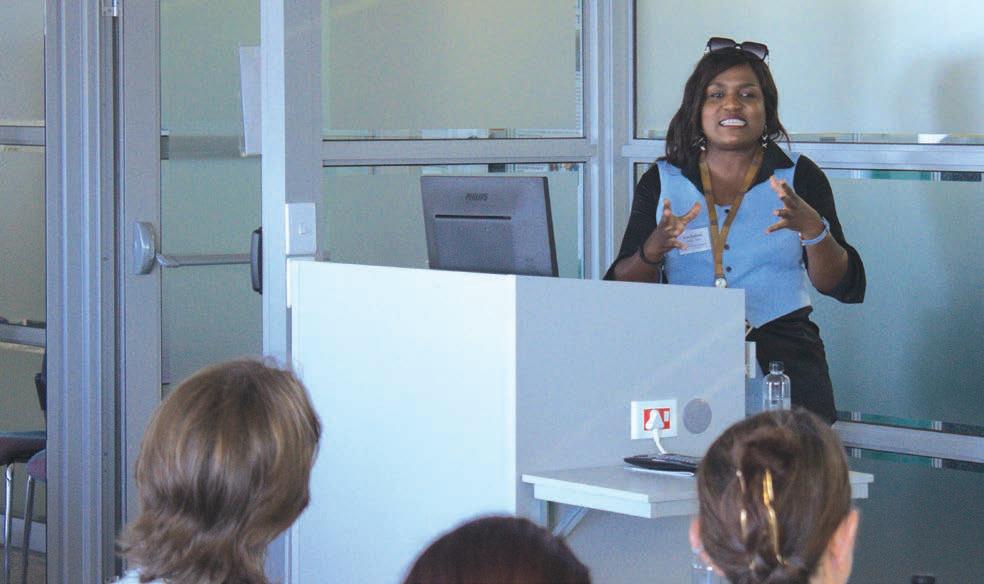
VCAMM: A GENOTYPED COHORT FOR STUDYING MULTIMORBIDITY IN THE WESTERN CAPE STAKEHOLDER’S
MEETING
This workshop on 22 January was to engage with stakeholders for discussion and feedback on the pilot phase of the project to build a disease-agnostic, genotyped cohort representing the general population in the Western Cape. This followed from a feasibility study in 2023 when the pilot phase was launched. Funded by the UKRI/MRC, one of the main aims of this project is to build a large enough population cohort that can be used as a discovery cohort and a validation cohort for many different health outcomes in the Western Cape general population.
REGIONAL WORKSHOP ON CONTINENTAL PATHOGEN DATA SECURITY THROUGH THE AFRICA GENOMIC ARCHIVE FOR RESPONSE AND INSIGHTS (AGARI)
On 25 October, Alan Christoffels led this one-day consultative workshop on Continental Pathogen Data Security Benefits Through AGARI During Disease Outbreaks. The participants included a group of negotiators to the WHO Pathogen Access and Benefit Sharing agreement which also included governmental officials from ministries of health and security of AU Member states. A live demonstration showcased the national control over pathogen data and highlighted insights into real-time disease threats. This was followed by open discussions and awareness of AGARI supporting health security in Africa.
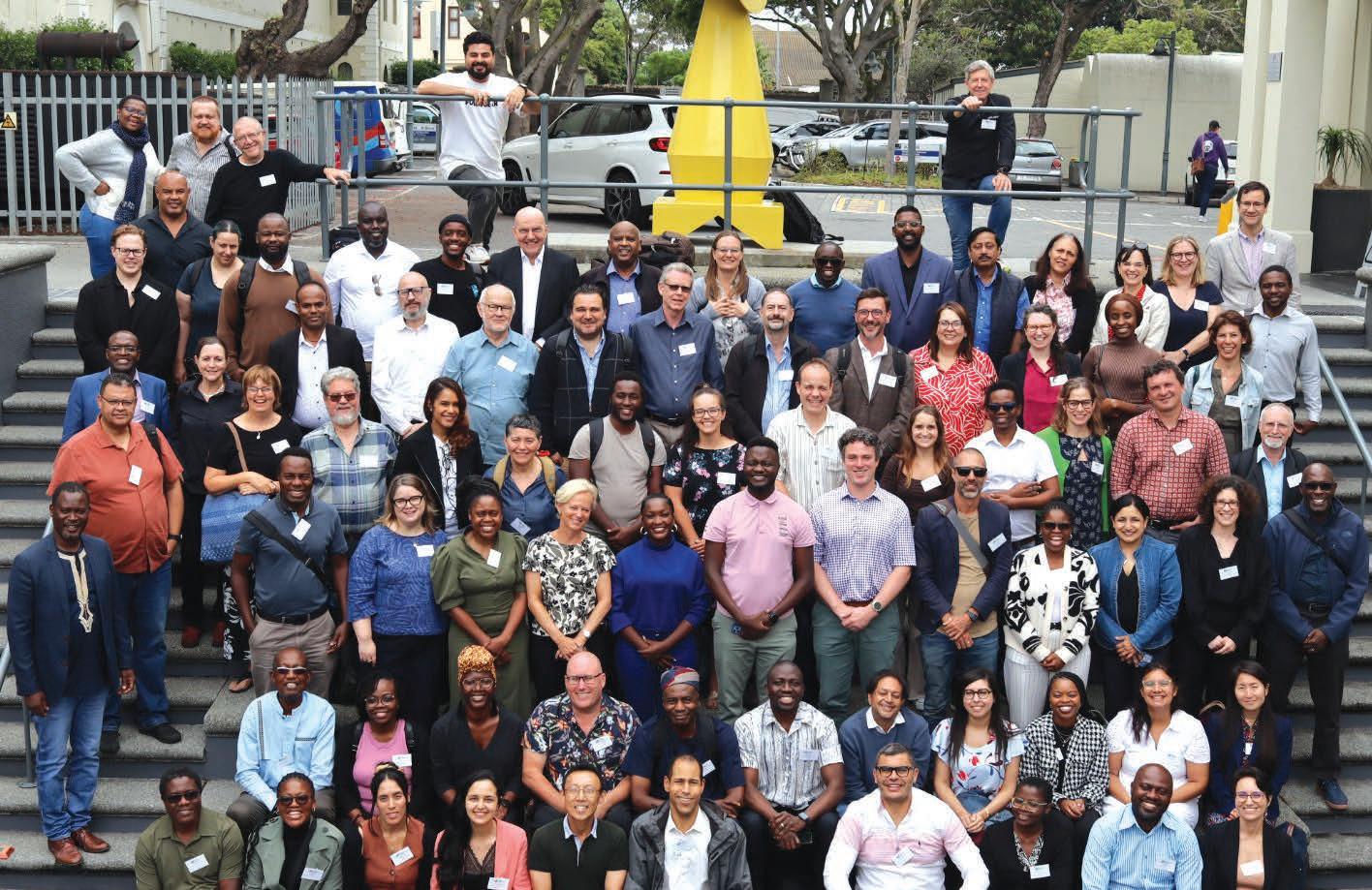
Funded by the Wellcome Trust and the Chan Zuckerberg Initiative, the meeting received input from the stakeholders that will help shape a roadmap for the ABI’s structure, governance, and operational framework.
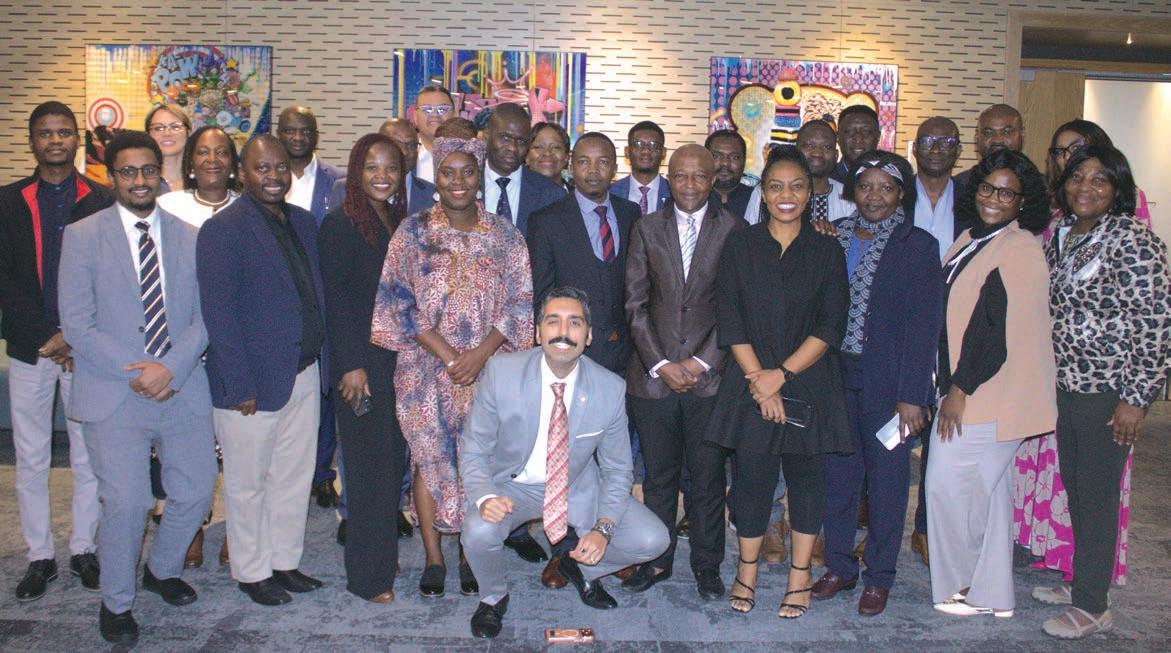
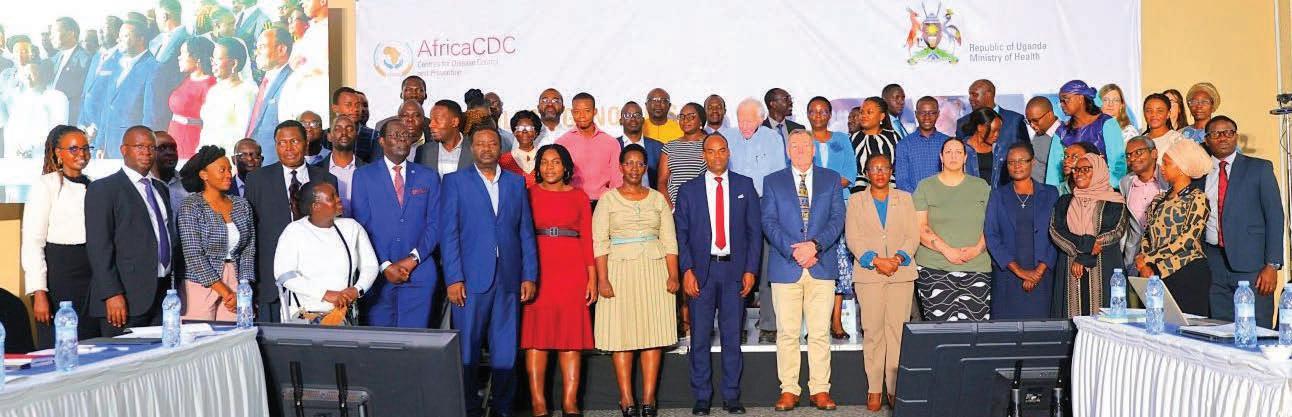
Participants at the AGARI regional workshop held in Cape Town.
Irene Muchada presenting at the VCAMM stakeholder’s meeting.
COMPUTATIONAL RESOURCES
SANBI’s IT and bioinformatics software development team supports the work of the institute through software development and engagement with other computing providers to ensure that SANBI researchers are able to access appropriate computing resources.
Our major computing partners are the Centre for High Performance Computing (CHPC) whose HPC cluster supports the Ilifu cluster and cloud resources. Ruben Cloete’s research group makes extensive use of both the CHPC and Ilifu for molecular dynamic simulations and docking simulation between candidate drugs and target proteins. Alan Christoffels and Nicki Tiffin use virtual machines hosted on the Ilifu cloud to host database resources.
RESEARCH AND DEVELOPMENT DRIVING SANBI’S
COMPUTATIONAL INFRASTRUCTURE DEPLOYMENT

RESEARCH SOFTWARE AND SYSTEMS ENGINEERING AFRICA (RSSE AFRICA)
RSSE Africa is an initiative started by SANBI’s Peter van Heusden and Eugene de Beste in 2017 to stimulate the growth of an African community of practice around digital research infrastructure development and research software and system engineering practices.
Previous events hosted by RSSE Africa highlighted the need for more resources to assist those developing research software, many of whom have in fact only recently heard the term “research software engineer” despite the centrality of software development to their research work.
This year we partnered with Profs Colin Venters (University of Limerick and CERN) and Birgit Penzenstadler (Chalmers University) to offer a workshop on Sustainable Software Engineering, focused delivering best practices for research software engineering specifically focused on making software sustainable and the contribution of software engineering to sustainability.

AFRICAN DATA AND BIOSPECIMEN EXCHANGE (ADBEX)
On 26 September, an interactive Q&A and demo session was held, with invited guests from SAMRC, Stellenbosch University, IMBM UWC, UCT, Western Cape Government of Health and Wellness (WCGHW) and the ADBEx product design and development team from SANBI, our development partners Hominum and MethodLab, with Nicki Tiffin as the main speaker.
After multiple rounds of user testing sessions were conducted at UWC, the ADBEx online platform was officially introduced to end-users in 2025. The platform facilitates ethical and equitable sharing of data and biospecimens generated in Africa. The seminar started with a presentation by Nicki Tiffin on the history and motivation for developing the platform, including the drive for open access that has created some difficulties for sharing sensitive data, the lived experiences of African researchers when sharing their resources, and the need for research equity in and representation in Africa. The presentation was then followed by an interactive session where guests were invited to try out the platform and even upload listings for their own datasets or biospecimen collections.

AGARI (AFRICA GENOME ARCHIVING FOR RESPONSE AND INSIGHT) - NEW DATA
ARCHIVING PLATFORM FOR AFRICAN DISEASE
On 28 November, the Africa Centres for Disease Control and Prevention (Africa CDC), with input from SANBI, launched an online platform that will allow countries across the continent to share vital genomic data on disease-causing pathogens of concern to Africa.
The AGARI platform has been co-developed with Member States over seven years. The data portal respects national sovereignty and allows real-time collaborative response to disease threats impacting Africa and the rest of the world. Alan Christoffels as advisor to the Africa CDC pathogen programme and project lead, credited Peter van Heusden and Dominique Anderson for guiding the initial technical development of the AGARI platform. Hominum Global and OpenUpSA were instrumental in the technical implementation.
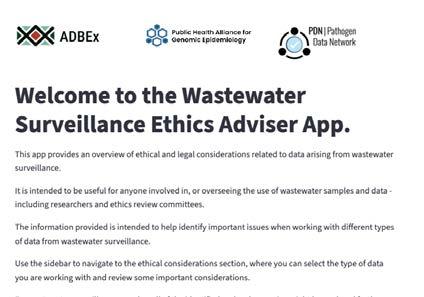
THE WASTEWATER SURVEILLANCE (WWS) ETHICS ADVISOR APP
This WWS Ethics Adviser which was launched in May 2025, is an online interactive tool designed to alert users to context-specific ethical, legal, and governance considerations when working with wastewater. While the communities from which wastewater is sourced should be the primary beneficiaries of surveillance efforts, WWS should also prevent harm to communities. The app aims to synthesise the principles of guidelines, treaties and other complex frameworks and resources into concise and actionable information for end users while also ensuring appropriate use of potentially sensitive or commercially valuable findings.
RESEARCH OUTPUTS
JOURNAL PUBLICATIONS
PUBLICATION DETAILS
Implementation of a genotyped African population cohort, with virtual follow-up: A feasibility study in the Western Cape Province, South Africa.
Tamuhla T, Coussens AK, Abrahams M, et al
Wellcome Open Research 2025, 9:620.
https://doi.org/10.12688/wellcomeopenres.23009.2
13 January
*CONFERENCE PROCEEDING*
BPS2025 - Computational identification and in vitro validation of diverse novel compounds targeting Mycobacterium tuberculosis. Cloete, REA.
Biophysical Journal, Volume 124, Issue 3, 324a - 325a.
DOI: 10.1016/j.bpj.2024.11.1792
13 February
Is silence in the face of global injustice in the “best interests” of South African universities?
Lewins K, van Heusden P, Mohamed N, Sibanda S, Pointer R, Reynolds L, et al
South African Journal of Science;121(3/4), Art. #21191. https://doi.org/10.17159/sajs.2025/21191
7 March
Medical Biorepositories of South Africa: Establishing a Medical Biorepository Network in South Africa to Advance Health Research
Conradie EH, Anderson DE, Fransman WO, Swanepoel AC, Thobela MS, Staunton C, February F, Sanderson M, Duma BM, Maseme MR, Singh S and Swanepoel CC.
Biopreservation and Biobanking. https://doi.org/10.17159/sajs.2025/21191
7 March
Cardiometabolic protein expression levels and pathways associated with kidney function decline in older European adults with advanced kidney disease.
Aylward RE, Hayward S, Chesnaye NC, Janse RJ, Jonsson PA, Torino C, Demetrio A, Szymczak M, Drechsler C, Dekker FW, Evans M, Jager KJ, Wanner C, Rayner B, Ben-Shlomo Y, Tiffin N, Caskey FJ, Birnie K; for the EQUAL investigators.
Clinical Kidney Journal, 2025, vol. 18, no. 4, sfaf079.
https:/doi.org/10.1093/ckj/sfaf079
18 March
PUBLICATION DETAILS
POPIA Framework for Researchers and Institutions.
Academy of Science of South Africa (ASSAf) including Anderson DE, Christoffels AG, et al.
DOI: http://dx.doi.org/10.17159/assaf.2025/113
14 May
Comparative analysis of human coronavirus Epeptide-PALS-1 interactions using molecular dynamic simulations.
Schoeman D, Fielding BC, Cloete R
Computational and Structural Biotechnology Reports 2 (2025) 100056.
https://DOI: S2950-3639(25)00027-4
12 June
Machine learning prediction of intestinal α-glucosidase inhibitors using a diverse set of ligands: a drug repurposing effort with drugBank database screening.
Odugbemi AI, Nyirenda C, Christoffels A, Egieyeh SA. In Silico Pharmacology (2025) 13:95.
https://doi.org/10.1007/s40203-025-00384-8
15 June
Population-level toggling of T cell immune escape at human leukocyte antigen anchor residues in SARS-CoV-2 Spike proteins, in an ethnicaly diverse population region.
Ngandu NK, Fielding BC, van Heusden P, Mcinga K, Francis K, Harkins G.
PLoS Comput Biol 21(7): e1013261.
https://doi.org/10.1371/journal.pcbi.1013261
21 July
*STRATEGY DOCUMENT*
Actionable approaches to empower African research & development.
Tiffin N, Aniebo I, Bediako Y et al as the Calestous Juma Science Leadership Cohort 2021. Gates Open Res 2025, 9:59
https://doi.org/10.21955/gatesopenres.1117217.1
21 August
PUBLICATION DETAILS
Bayesian estimation of HIV acquisition dates for prevention trials.
Rossenkhan R, Giorgi EE, Shao D, Ludwig J, Labuschagne P, Magaret CA, Ndung'u T, Muema D, Gounder K, Dong KL, Walker BD, Rolland M, Robb ML, Eller LA, Sawe F, Nitayaphan S, Grebe E, Busch MP, Delaney KP, Facente S, Carpp LN, deCamp AC, Huang Y, Korber B, Juraska M, Rudnicki E, Kosmider E, Reeves DB, Mayer BT, Hural J, Deng W, Westfall DH, Yssel A, Matten D, Bhattacharya T, Corey L, Gilbert PB, Williamson C, Mullins JI, Edlefsen PT. mBio 16:e01881-25.
https://doi.org/10.1128/mbio.01881-25
9 September
Ten quick tips for protecting health data using de-identification and perturbation of structured datasets.
Lulamba TE, Mutemaringa T, Tiffin N.
PLoS Computational Biology 21(9): e1013507.
https://doi.org/10.1371/journal.pcbi.1013507
23 September
Impact of HIV and hospitalization on the incidence of subsequent rifampicin-resistant tuberculosis after initiation of first-line tuberculosis treatment: a retrospective cohort study in South Africa.
Zinyakatira N, Smith M, Boulle A, Tiffin N, Johnson LF, Ford N, Cox H. EClinicalMedicine; 90:103603.
https://doi.org/10.1016/j.eclinm.2025.103603
30 October
Integrating Magnetic Bead-Based SELEX with In Silico Binding Analyses for the Identification of High-Affinity DNA Aptamers Targeting TAGLN2
Martin DR, Waddad A, Gafar MA, Govender T, Cloete R, Madiehe AM, and Meyer M. ACS Omega 2025, 10, 47, 57067–57084. https://DOI:10.1021/acsomega.5c04680
18 November
Research software: A key (neglected) component of the digital research infrastructure ecosystem. van der Walt A, Martin K, Panji S, Trusler A, Vaccari M, van Heusden P S Afr J Sci. 2025;121(11/12), Art. #21437. DOI: 10.17159/sajs.2025/21437
26 November
Drug repurposing for type 2 diabetes: computational studies of potential alpha-glucosidase inhibitors from DrugBank.
Odugbemi AI, Oselusi SO, Kalu J, Khosa L, Kalipa K, Magazi Z, Magqaza A, Mahlombe B, Christoffels A, Egieyeh SA. In Silico Pharmacology (2025) 13:193. https://doi.org/10.1007/s40203-025-00475-6
21 November
KEYNOTE ADDRESSES OR INVITED TALKS
CONFERENCE DETAILS
Digital Health Summit, UCT 21 January
SAMRC and CPUT Cardiometabolic Health and Diabetes
Africa Congress, Cape Town 3 March
ISCB-Africa ASBCB 2025 Conference on Bioinformatics
4th African Student Council Symposium (AfSCS 2025), Cape Town, SA 14 - 17 April
PRESENTER PARTICIPATION AND TITLE
Speaker
Respecting Participant Autonomy with Tiered Informed Consent.
Nicki Tiffin
Alan Christoffels
Speaker VCAMM: A genotyped cohort for studying multimorbidity in the Western Cape.
Keynote Speaker Conference Opening
Presenter and Facilitator
Nicki Tiffin
Tsaone Tamuhla
AUDA-NEPAD and AFIDEP Evidence for Development Conference (Evi4Dev 2025). Nairobi, Kenya
6 - 8 May
Applied Bioinformatics and Public Health Microbiology, Wellcome Campus, Cambridge, UK 21 - 23 May
Africa CDC Workshop on Metadata standards for Cholera, Nairobi, Kenya 26 - 29 May
Nicki Tiffin
Special Session: Navigating data governance in the health data ecosystem: An interactive multi-stakeholder perspective.
Panelist
Special Session: Navigating data governance in the health data ecosystem: An interactive multi-stakeholder perspective.
Panelist
Optimising the role of data, evidence, and innovation in Africa’s efforts to create wealth, empower citizens, and foster responsive and inclusive governance.
Moderator and Panelist
Alan Christoffels
The implications of data-driven genomics approaches in public health settings.
Session facilitator
Dominique Anderson
Vibrio Cholera metadata standard development and community consensus.

CONFERENCE DETAILS
Africa CDC and PHA4GE Regional consultative workshop on Malaria Molecular Surveillance Data Standards Analysis Tools and Sharing for Public Health, Kampala, Uganda
PRESENTER PARTICIPATION AND TITLE
Alan Christoffels
Dominique Anderson
Eddie Lulamba
European and Developing Countries Clinical Trials Partnership (EDCTP) Forum, Kigali, Rwanda
Genomics and ethics/ governance. Africa CDC, Addis Ababa and online
WHO Regional Office for Africa, Dakar, Senegal
European Society of Clinical Microbiology and Infectious Diseases (ESCMID) IMMEM XIV 14th International Meeting on Microbial Epidemiological Markers, Porto, Portugal 17 - 20 September
WHO Hub Berlin workshop: Building Large Language Models and other Artificial Intelligence tools for Public Health Intelligence, Berlin, Germany b Berlin workshop: Building Large Language Models and other Artificial Intelligence tools for Public Health Intelligence, Berlin, Germany 30 September - 2 October
WHO Hub Berlin Speaker Series No. 11: Building Large Language Models and other Artificial Intelligence tools for Public Health Intelligence
2 October
Global Alliance for Genomics and Health (GA4GH)
13th Plenary, Uppsala, Sweden
9 October
Nicki Tiffin
Welcome remarks and Session Moderator What data (contextual/genomics/ molecular, etc) is regarded as essential for applying malaria genomics to control programs for evidence-based decision making?
Session Moderator Data Standards to Enhance MMS Data Use for Public Health Decision Making
Presenter
What are the challenges in generating data standards for malaria and which stakeholders are required to build a standard?
Panelist
“Meet the Expert” sessions.
Speaker Shaping the PABS Annex under the WHO Pandemic Agreement.
Panelist
Anja Bedeker
Artificial Intelligence for Disease Modeling.
Invited speaker and panelist Models for data sharing and governance.
Participant and Presenter Short presentation on ethics, governance and equity.
Invited speaker and panelist Equitable use of AI and LLMs in Public Health Intelligence
Presenter
Leveraging GA4GH’s Tools & Standards to Balance Pathogen Data Sovereignty with Open Access.
CONFERENCE DETAILS
Gates Foundation Calestous Juma Fellowship and Grand Challenges Africa Meeting
25 October
Charité Center for Global Health Community Day
28 October
PRESENTER
PARTICIPATION AND TITLE
Invited speaker and workshop participant Practical and Actionable Approaches to Strengthen the African R&D Ecosystem.
Nicki Tiffin
Panelist
Navigating shifts in the Global Health Ecosystem and what does this mean for my own research.
Alan Christoffels Opening Remarks
Keynote Speaker
Placide Mbala
PHA4GE Conference and IPSN Global Partners Forum
2025, Cape Town, SA
27 - 29 October
Nicki Tiffin
Pathogen Genomics and Data sharing for outbreak response and public health actions: DRC’s experience on EVD and Mpox.
Invited speaker
The PHA4GE Ethics and Data Sharing Working Group.
Breakout session facilitator
IPSN Insights to Action.
Session Chair
Anja Bedeker
KlebNET-GSP Meeting, Stellenbosch University
30 October
Africa CDC Annual Laboratory Symposium, Addis Ababa, Ethiopia
11 November
Modeling of Disease and Health in Africa (MODHA)
Network Convening Workshop, Nairobi, Kenya
18 - 20 November
WHO Hub Berlin Speaker Series No. 12: Bridging Research and Practice to Strengthen Pandemic and Epidemic Intelligence
4 December
Nicki Tiffin
Alan Christoffels
One Health and Surveillance session.
Invited Talk
Data Governance for Pathogen Data.
Providing advice on data sharing framework, including potential implementation of the Data Sharing License for the network data-sharing strategy.
Keynote
Data sharing for Public Health: Advancing equity and impact through AGARI.
Invited talk
GDPEDMA: Gestational Diabetes and Pre-Eclampsia Data Modeling in Africa.
Nicki Tiffin
Invited speaker and panelist.
Insights from the inaugural Research Fellowship in Public Health Intelligence.
SANBI PRESENTATIONS
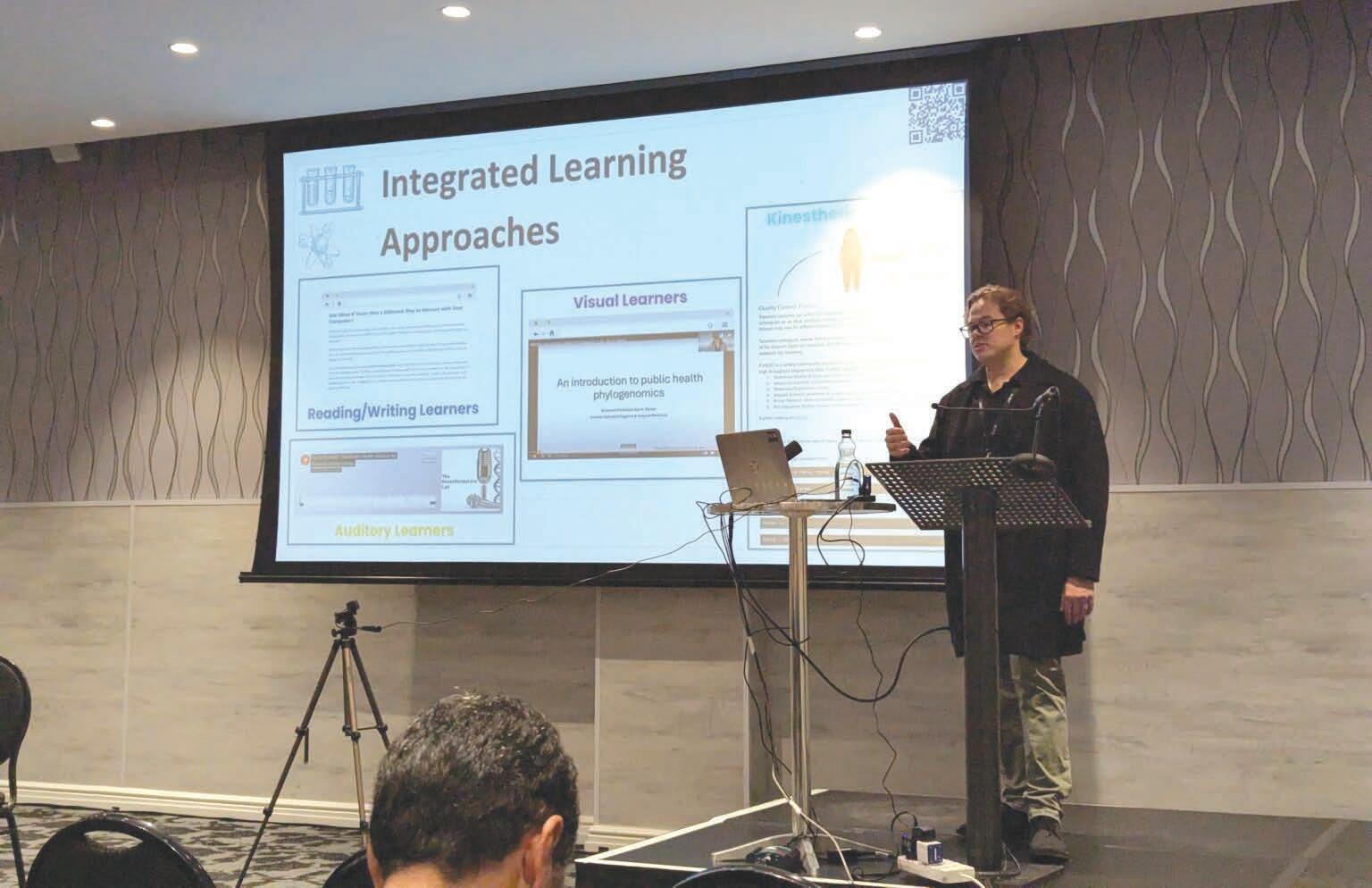
Keaghan Brown presenting PHA4GE’s innovative wastewater surveillance course at the ISCBAfrica ASBCB Conference on Bioinformatics.
Nicki Tiffin presenting the African data and bioscpecimen exhange (ADBEx) platform in July.
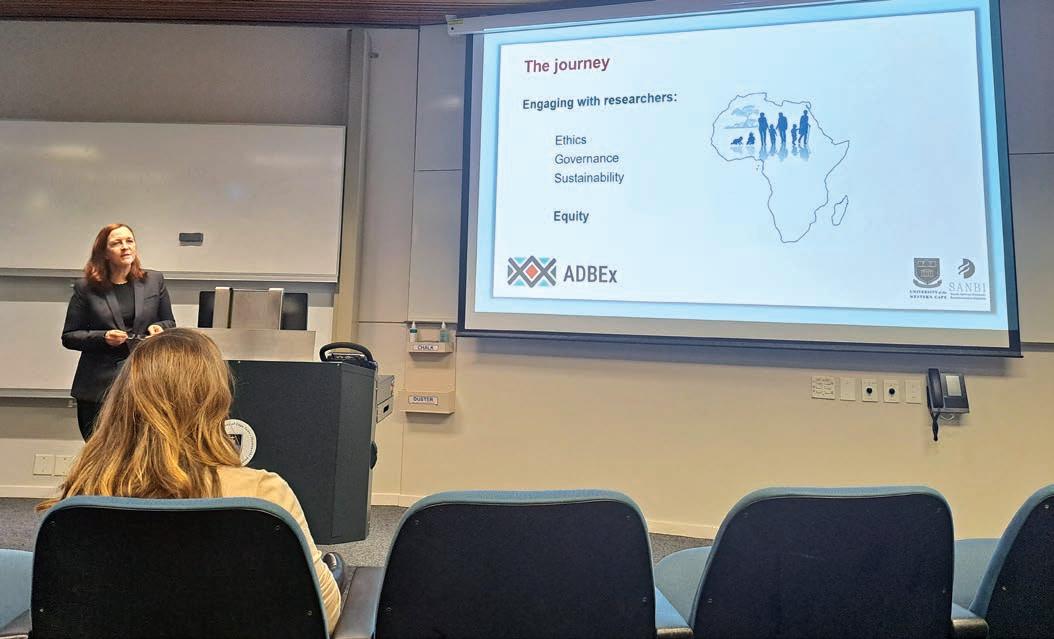
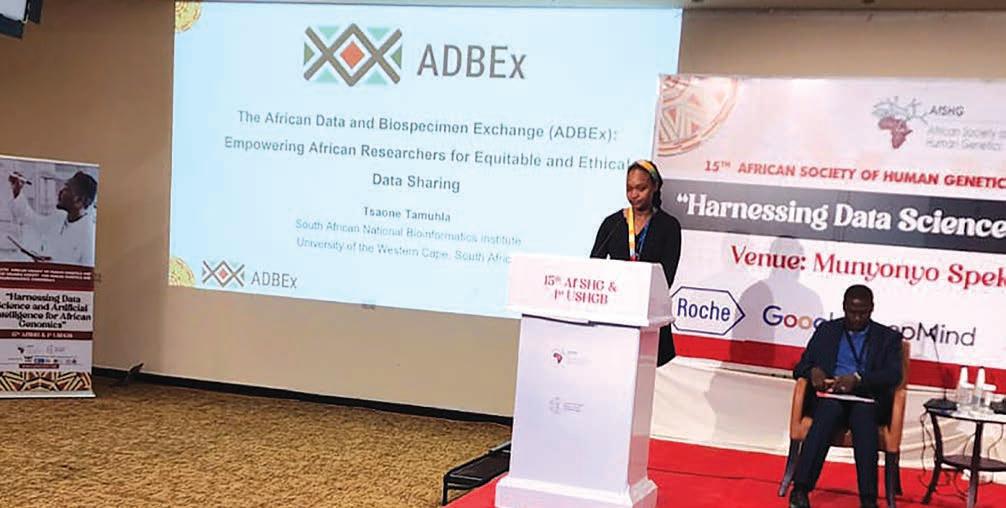
Tsaone Tamuhla presenting ADBEx at the 15th African Society of Human Genetics and the 1st Ugandan Society of Human Genetics and Bioinformatics Conference in Entebbe, Uganda.
Anderson presented at the Annual Cholera Genomics Meeting in Uganda.
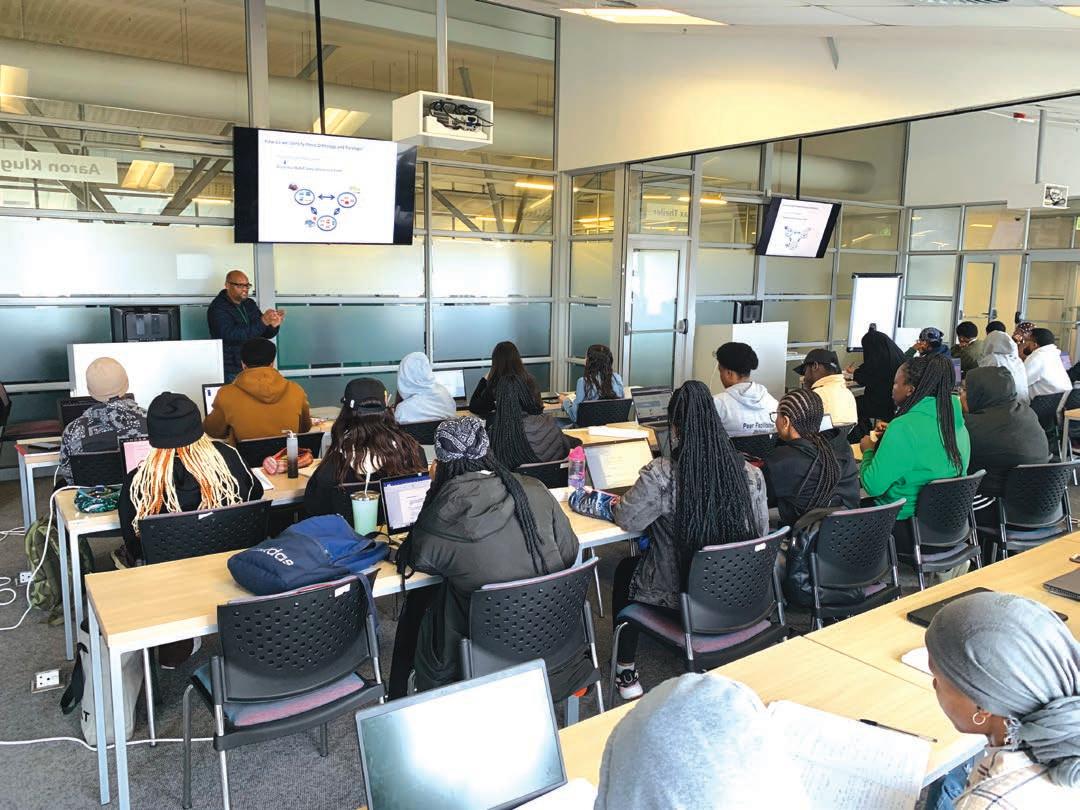
Cloete presenting a bioinformatics module to the 3rd-year Biotechnology students attending the BTN315 course.
Ruben
Dominique
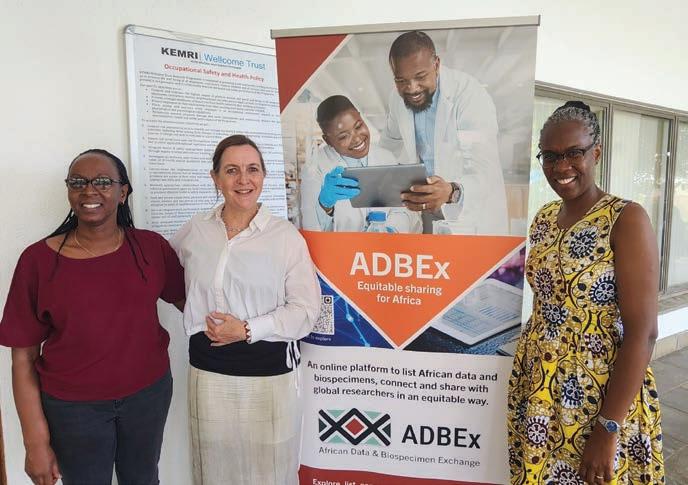
Nicki Tiffin launched ADBEx with presentations at KEMRIWellcome in Kilifi, Kenya.
CONFERENCE PARTICIPATION
Throughout the year SANBI staff and students have numerous opportunities to participate in key scientific conferences and webinars whether as presenters or attendees.
CONFERENCE DETAILS
Digital Health Summit 2025, UCT, Cape Town, SA
20 - 21 January
The15th African Society of Human Genetics (AfSHG) Conference and the 1st Ugandan Society of Human Genetics and Bioinformatics (USHBG), Entebbe, Uganda
3 - 7 February
Biophysical Society (BPS) Annual Meeting 2025, Los Angeles, USA Conference Los Angeles, USA
15 - 19 February
Cloud computing in Africa Workshops, Banjul, The Gambia.
In partnership with our colleagues at MRC The Gambia, the ARTIC network and Public Health Wales.
16 February
12th Annual Cholera Genomics Meeting, Kampala, Uganda
10 - 12 March
Africa CDC, Ethiopia Workshop on finalising the continental Pathogen
Genomic Data Flow Framework
14 - 16 April
PRESENTER PARTICIPATION AND TITLE
Oral Presentation & Panel Discussion
Themba Mutemaringa
Linkage of patient data within the Western Cape Provincial Health Data Centre (WC PHDC).
Oral Presentation
Tsaone Tamuhla
The African Data and Biospecimen Exchange (ADBEx): Empowering African Researchers for Equitable and Ethical Data Sharing.
Ruben Cloete
*Travel Award Winner*
Oral and Poster Presentation
Computational identification and in vitro validation of di verse novel compounds targeting Mycobacterium tuberculosis
Attendees
Dominique
Anderson and Peter van Heusden
Dominique
Anderson
Peter van Heusden
The ARTIC group hosted a workshop on their toolkit for genomic surveillance with a outbreak investigation simulation exercise followed by a hands on training on data analysis of amplicon sequencing data using the MRC-CLIMB-Big Data cloud resource. The second workshop was on how to bring the advantages of systems like MRC-CLIMB to Africa.
Oral presentation Cholera metadata schema development.
Meeting participant
Draft framework guiding African Union member states in the regional sharing of pathogen genomic data.
CONFERENCE DETAILS
ASBCB Omics Codeathon titled "Developing a Smart LLM for Efficient Clinical Note Generation"
14 - 17 April
PRESENTER
PARTICIPATION AND TITLE
Chance Gountin
Veronica Wokibula
Flash talk and a poster for a group project from JanuaryApril 2025.
Poster
Bioinformatic characterisation of antimicrobial activity in snake venom.
Flash Talk
Developing a Smart LLM for Efficient Clinical Note Generation.
Poster
Chance Gountin
Towards Identification of Operons in Clostridium difficile.
Poster
Tiffany Fredericks
ISCB-Africa ASBCB 2025, Cape Town, SA
14 - 17 April
Sohail Simon
Irene Muchada
Themba Mutemaringa
Florence Phelanyane
Developing a Bioinformatics Pipeline for Predicting and Analysing Human Leukocyte Antigen (HLA) Genotypes and Pharmacogenetic (PGx) Profiles in Populations from the Western Cape, South Africa.
Poster
Evaluating innovative data science methodologies for the analysis of disease drivers and outcomes: a case study for kidney disease in Khayelitsha, South Africa.
Poster
Participant-centred research: personal experiences with implementing tiered informed consent for genomics health studies using a qualitative iterative approach.
Poster
Assessing techniques for the accurate linkage of genomic and clinical data in the Western Cape.
Attendee
CONFERENCE DETAILS
Applied Bioinformatics and Public Health Microbiology, Wellcome Connecting Science, Cambridge, UK 21 - 23 May
Malaria Molecular Surveillance Workshop, Africa CDC, Uganda 10 - 12 June
International Pathogen Surveillance Network 2025 Global Genomic Surveillance Strategy Workshop: Crafting a Collaborative Roadmap for Action, WHO Hub Berlin, Germany and Online 11 - 12 June
2025 South African Population Research Infrastructure Network (SAPRIN) Conference, hosted by SAMRC in Gordon’s Bay, Cape Town, SA 21 - 23 July
Continental Digital Health Interoperability Workshop, hosted by Africa CDC, Gaborone, Botswana 25 - 27 August
Pan-African Health Informatics Scientific Conference (HELINA 2025), Gaborone, Botswana 28 - 29 August
Research and Innovation UWC Research Week 08 - 10 September 2025
GGBN/ISBER 2025 Joint Biobanking Conference, Cape Town, SA 29 September - 3 October
Annual World Health Summit, Berlin, Germany 12 - 14 October
4th International Conference on Public Health in Africa, Durban, SA 22 - 25 October
PRESENTER
PARTICIPATION AND TITLE
Alan Christoffels
Dominique Anderson
Scientific Programme Committee Session Chair: Equity in Public Health. Moderator: New Methods and Algorithms.
Attendee
Attendee
Nicki Tiffin
Tsaone Tamuhla
Presentation
Implementation of a genotyped virtual African population cohort: A feasibility study in the Western Cape province, South Africa.
Presentation
Digital Health Leaders Forum (DHLF) - convene digital health leaders from African Union Member States to discuss ongoing and future digital health initiatives across the continent.
Attendee
Ruben Cloete
Oral Presentation
Technology and Innovative Transfer: Novel and innovative approaches to drug discovery applications to tuberculosis.
Attendee
Dominique Anderson
Nicki Tiffin
Placide Mbala
Meeting participant/poster Project posters at WHO Hub Tour.
CPHIA 2025 Co-Chair Africa stands at a crossroads. The health of our communities depends on the actions we take today to chart a new path – one defined by independence, not charity. It is our political choice and our economic future. This is the conviction we leave with.
CONFERENCE DETAILS
PHA4GE Conference and IPSN Global Partners Forum 2025, Cape Town, SA
27 - 29 October
International Society for Vaccines Congress, Stellenbosch, SA
28 - 30 October
ASLM2025 Special Convention on AMR and Diagnostics, Nairobi, Kenya
25 - 27 November
PRESENTER PARTICIPATION AND TITLE
Oral Presentation and stakeholder workshop
Dominique Anderson
Developing a Neonatal Specific Metadata Standard Schema for Global Genomic Surveillance of Neonatal Sepsis.
Wastewater Surveillance workshop.
Tsaone Tamuhla
Nicki Tiffin
Presentation
From Principles to Practice: Ethics and Equity in Microbial Data Sharing.
Poster
Nobubelo Ngandu
Dominique Anderson
Human Leukocyte Antigens common in Local Ethnic groups define population-level T cell immune escape patterns in rapidly spreading viruses: Observations from SARS-CoV-2 in South Africa 2020 - 2022.
Poster MBirSA: Towards fostering a unified network of medical biorepositories across South Africa.
WEBINAR PARTICIPATION
TITLE AND WEBINAR DETAILS
Data sharing and governance for pathogen genomics. Pakistan NIH, Asia Pathogen Genomics Institute, DukeNUS Medical School and Aga Khan University
27 March
The future of health data in precision medicine (25-year horizon). Wellcome, Sanger Institute and European Bioinformatics Institute
3 April
Ethics and Governance for Research using Health Service Data.
UWC, Dentistry Faculty
8 April
Implications of international policy decisions on Digital Sequence Information (DSI) benefit-sharing for biological database managers.
25 June
South-South collaboration: a Common Data Model for Maternal Health Research.
10 June
Pharmacogenomics (PGx) Winter School & stakeholder engagement workshop.
18 - 19 July
International Data Week, UWC Webinar
15 October
NeoNET Africa Webinar
26 November
PRESENTER NAME PARTICIPATION AND BENEFIT
Speaker: Ethics, Legal and Risk Communication in Wastewater Environmental Surveillance.
Nicki Tiffin
Peter van Heusden
Speaker: Panel discussion exploring the future of health data in precision medicine. How data collection, analysis, and application will evolve over time alongside precision medicine; and what breakthroughs, challenges, and ethical considerations emerge as we move toward a more data-driven and individualised healthcare system.
Speaker/Presentation: Respecting Participant Autonomy with Tiered Informed Consent. The webinar focused on topics such as co-designing digital health programs for community wellness; digitisation of comprehensive primary health care services; challenges and opportunities with data integration in the Global South; ethics and data collection and use; emerging intersections of computing and health.
Panelist: The webinar brought together DSI database managers, researchers, and policymakers to: Learn about the new expectations for DSI databases under the Convention on Biological Diversity (CBD); Explore how other UN processes are addressing access and benefit sharing for genetic resources and what that means for DSI databases; Hear from global database experts on how databases can support the implementation of new benefit-sharing mechanisms.
Nicki Tiffin
Tsaone
Tamuhla and Tiffany
Fredericks
Panelist: The webinar was about our experience using the OMOP (Observational Medical Outcomes Partnership) Common Data Model, and mapping our respective datasets to the CDM in order to conduct epidemiological analyses using a federated approach.
Attendees: The workshop provided a platform to gain foundational knowledge in PGx; discuss its role in personalised healthcare in South Africa; explore available PGx resources for clinical decision support; address ethical, legal, and social considerations in PGx Implementation; and to foster collaboration and networking among PGx stakeholders.
Presenter: Designing modular metadata schemas, unlocking FAIRNESS.
Dominique
Anderson
Presenter: A Neonatal Specific Contextual Metadata Standard for Genomic Surveillance of Neonatal Sepsis.
RESEARCH LABORATORIES

PROF ALAN CHRISTOFFELS
HIGHLIGHTS OF 2025
Launch of AGARI in November
Co-developed by African experts over 7 years and coordinated by the Africa Pathogen Genomics Initiative (Africa PGI), AGARI is more than a website. It acts as a centralised hub for archiving, analysing, and sharing genomic sequencing data and related information. The innovation enables real-time pathogen detection and accelerates decision-making to contain outbreaks before they spread. Significantly, AGARI empowers African Union Member States to maintain control over their genomic data and use it effectively for public health action.
MSc student, Chance Gountin, thesis completed with zero corrections and poster entitled “Towards Identification of Operons in Clostridium difficile” was presented at the ISCB Conference.
Graduations:
1 PhD and 2 MSc student graduations
Supervision of students:
2 Postdoctoral Fellows
2 MSc students
RESEARCH PROJECT THEMES
PATHOGEN GENOMICS
• In collaboration with the Tygerberg SAMRC Unit, we are developing methods to analyse high throughput sequencing data for microbial genomes.
• Identification of novel drug targets in pathways known to contain drug resistant genes.
• Identification of operons and non-coding RNAs to understand gene regulation in pathogen genomes.
PATHOGEN SURVEILLANCE
• Developing systems for pathogen data management.
• Development of global standards for data sharing and integration.
• Public Health Alliance for Genomic Epidemiology (PHA4GE).
DRUG DISCOVERY
• In partnership with the School of Pharmacy at UWC, delineate the pharmacokinetics of drugs in response to host genetic factors.


RESEARCH PROJECTS
The projects below underpin our translational work:
Tuberculosis
A comprehensive research programme is underway that includes investigating genetics determinants in both host (Human) and pathogen (Mycobacterium tuberculosis) to understand drug resistance, and protein structure determination to inform patient-centric drug design. These findings inform the development of a scientific workflow management system to support reproducible high throughput computational experiments. One of the projects focuses on predicting operons. Operons may be important drug targets for the development of effective anti-microbials to combat the emerging, global drug resistance challenge. However, there is a shortage of known Mycobacterium tuberculosis operons. We developed COSMO, an algorithm that removes the limitations imposed by using the constraints of one specific organism’s genome and exploits raw RNA-seq data instead. The code and examples of input and output files for testing and validation, are available at the project home page at https://github.com/SANBI-SA/COSMO
Biobanking
In collaboration with Dominique Anderson, we continue to strengthen our biobank software capabilities so that genetics data and biospecimens can be curated and stored.
RESEARCH COLLABORATIONS
1. DEVELOP A BIOBANK INFORMATICS MANAGEMENT SYSTEM
Collaborating Parties:
Dr Dominique Anderson - SANBI, UWC and Africa CDC
Nature and Purpose:
Development of a laboratory management system for use by Biorepositories.
Output in the last 12 months:
Baobab LIMS Lite core module has been developed.
Future Direction:
Building functionality to support biodiversity biorepositories.
2. ANALYSING GENETIC NETWORKS IN M.TUBERCULOSIS
Collaborating Parties:
Prof Rob Warren - University of Stellenbosch Nature and Purpose:
Identification of Operons: applying Operon finder, COSMO, to clostridium difficile.
Output in the last 12 months: Refining COSMO for clostridium.
3. COMPUTATIONAL BACTERIAL ANALYTICAL TOOLKIT FOR TUBERCULOSIS (COMBAT-TB)
Collaborating Parties:
Profs Samantha Sampson and Rob WarrenUniversity of Stellenbosch
Peter van Heusden - SANBI, UWC
Nature and Purpose:
Develop a computational platform to store tuberculosis -omic data and to provide a visualisation tool.
4. BIOSECURITY PREPAREDNESS IN AFRICA
Collaborating Parties:
Dr Dominique Anderson - SANBI, UWC
Global Consortium on emerging infectious diseases www.getafrica.org
Nature and Purpose:
We aim to establish infrastructure and research capacity to respond to highly infectious emerging pathogens.
Future Direction:
Advocating for Biosecurity Best Practice in Africa.
5. PUBLIC HEALTH ALLIANCE FOR GENOMIC EPIDEMIOLOGY (PHA4GE)
Collaborating Parties:
63 Organisations including - Africa CDC; Oxford University; Washington University; University of Melbourne; USA CDC; University of Birmingham UK; Simon Fraser University, Vancouver; Canada; Broad Institute in Boston and H3Africa.
Nature and Purpose:
The PHA4GE consortium was established to bring bioinformatics closer to public health - to build data standards.
6. AFRICAN GENOMICS ARCHIVE
Collaborating Parties: Africa CDC
Nature and Purpose:
To establish a data platform in Africa to manage disease surveillance data with a view to strengthen public health institutes.
Output in the last 12 months: AGARI (Africa Genome Archiving for Response and Insight).
Future Direction:
Develop a production ready server to host 5 priority pathogens for African countries. Adding additional Pathogen functionality. Translating the tool into French.

PROF NICKI TIFFIN
TEAM MEMBERS
Postdoctoral Fellows:
Tsaone Tamuhla, Tawanda Chakuvinga PhD students:
Sohail Simon, Florence Phelanyane,
Themba Mutemaringa MSc student: Tiffany Fredericks
Researcher: Irene Muchada
HIGHLIGHTS OF 2025
STUDENTS
During 2024, Themba Mutemaringa and Florence Phelanyane, who both work at the The students in the Health Data Integration Group have a variety of projects working with large routine health datasets as well as conducting pilot studies to link and data-mine genomic and routine health data.
Sohail Simon continues his PhD work on drivers of Kidney Disease outcomes during 2025, working on data from the Provincial Health Data Centre, and funded by NRF in 2025; and Tiffany Fredericks has successful completed bioinformatics training and the launch of her MSc project working with data from the VCAMM project. Tiffany and Sohail are supervised by Tsaone Tamuhla and myself.
Tsaone has continued as a postdoc, working on the ADBEx programme, and she also has been the co-lead of the VCAMM project and has been primarily responsible for overseeing the successful completion of the pilot phase of this project funded by UKRI/MRC. We are now able to continue working on analysis of the data generated from the first ~1000 participants, with Tsaone’s leadership and her supervision of Tiffany’s MSc project. Tsaone is also the co-PI of our newly launched project on data modelling for gestational diabetes and pre-eclampsia, funded by the Gates Foundation. This year, Tsaone has also continued with the final modules of her Masters in Public Health degree undertaken at UCT, and is on track for completion of this degree in February 2026.
During 2025, Themba Mutemaringa and Florence Phelanyane, who both work at the Provincial Health Data Centre at Western Cape Government Health and Wellness have made good progress in
their part-time PhD degrees under my supervision as an Honorary Professor at UCT. Themba has successfully completed his research into optimising data linkage algorithms for African health data, and is preparing his PhD thesis for submission in February 2026.
We welcome Tawanda Chakuvinga to our team as a new Postdoctoral fellow, in collaboration with the UCT Computational Biology Division where he is funded by a Postdoctoral fellowship from UCT. Tawanda is a mathematical modeller who is taking our work on factors driving adherence to medication for people with diabetes in new directions using his data modelling expertise.
Irene Muchada, together with Tsaone has been co-ordinating participant recruitment and has continued to work as a genetic counsellor on the VCAMM project. We were very sad to bid her farewell in 2025 as we came to the end of the MRC/ UKRI-funded phase of the programme, but we wish her every success in her new position, and hope to work with her again in the future: she has been such a valued member of team and made an enormous contribution to the success of VCAMM to date.
FUNDING
Our research group has been awarded a new grant from the Gates Foundation to develop advanced data modelling approaches for analysing risk factors and maternal and child outcomes for gestational diabetes and preeclampsia, using large health datasets, as a project within the Modelling of Health and Disease in Africa (MODHA) network. As PI, with co-PI Tsaone Tamuhla, the project launched in November 2024 and brings together African collaborators
from South Africa, Kenya and Uganda, as well as global South collaborators in India and Brazil. By leveraging innovative data-driven modelling methodologies, this initiative aims to generate insights that can contribute to improving maternal and child health outcomes in diverse global South healthcare settings. This programme has gathered momentum in 2025, with online seminars from the network partners to increase our understanding of gestational diabetes and pre-eclampsia in the African and Indian context, and work to digitalise the complex diagnostic guidelines for these serious conditions in pregnant women.
In 2025 we completed our fourth year of funding with the Gates Foundation provided through the Calestous Juma Science Leadership Fellowship awarded to myself. This fellowship provides five years of funding for building the African Data and Biospecimen Exchange (ADBEx) as well as opportunities for networking and training in non-scientific expertise for the fellows. We have successfully launched ADBEx in 2025, with presentations locally at UWC and UCT, and in Kenya hosted by KEMRI-Wellcome in Kilifi, and Science for Africa Foundation in Nairobi. We are excited to invite you to try ADBEx yourself, at https://adbex.org, if you have African datasets or biospecimen collections you would like to list as available for sharing but don’t wish to submit to centralised repositories – or if you are a researcher anywhere in the world looking for African data or samples to share.
We also successfully completed a very rewarding stakeholder meeting for VCAMM, the virtual genotyped multi-morbidity population cohort created by the linkage of routine health data to genotype data for consenting participants in the Western Cape, South Africa. This first phase of the
cohort programme was supported by UKRI/MRC and we are now working with the data generated from our first ~1000 participants in this cohort. We thank our guest speakers Dr Muzzammil Ishmail from the PHDC, Western Cape Department of Health and Wellness Professor Scott Hazelhurst from Wits University, Dr Hannah Hussey from the Cape Town South African Population Research Infrastructure Network (SAPRIN) Node and Professor Ntobeko Ntusi, President and CEO of SAMRC; and of course our own Director Alan Christoffels for opening the meeting.
Finally, we worked with our collaborators from Centro de Integração de Dados e Conhecimentos para Saúde (CIDACS) in Brazil and the Provincial Health Data Centre (PHDC) at the Western Cape Department of Health and Wellness to complete our project using federated data analysis to explore outcomes TB and Syphilis in pregnant women.
RESEARCH PROJECTS AND COLLABORATIONS
1. MULTIMORBIDITY IN THE WESTERN CAPE
The focus of this project is the management, integration and analysis of routine health data from health care clients attending government health facilities in the Western Cape.
1.1 Establishing a virtual population cohort using routine health data for epidemiological analyses
Nature and Purpose:
We are analysing anonymised and perturbed routine health data from a virtual cohort of all health care clients who attended any government health facility in the Khayelitsha sub-district in Cape Town during 2016 and 2017. Analysis of this data provides insights into multimorbidity in this population group that suffers from a high burden of both infectious and non-communicable diseases. In addition, we have continued to work in collaboration with the Provincial Health Data Centre (PHDC) at the Western Cape Department of Health in epidemiological and service-delivery projects working with routine health data from the Western Cape. Florence Phelanyane is working at the PHDC and undertaking her Ph D (UCT) part-time, building complex algorithms to define disease algorithms from the routine health data available in the PHDC. We have also done further work to define and document approaches to data perturbation and anonymisation in this context.
Researchers:
Tsaone Tamuhla, Sohail Simon, Florence Phelanyane, Eddie Lulamba, Themba Mutemaringa
We continue to collaborate with other researchers working with similar datasets from the PHDC. Outputs in the past 12 months:
Dixon J, Morton B, Nkhata MJ, Silman A, Simiyu IG, Spencer SA, et al. including Tiffin N. (Zinyakatira N, Smith M, Boulle A, Tiffin N, Johnson LF, Ford N, Cox H. Impact of HIV and hospitalization on the incidence of subsequent rifampicin-resistant tuberculosis after initiation of first-line tuberculosis treatment: a retrospective cohort study in South Africa. EClinicalMedicine. 2025 Oct 30;90:103603. doi: 10.1016/j.eclinm.2025.103603.
RE Aylward, S Hayward, NC Chesnaye, RJ Janse, PA Jonsson, C Torino, et al. incl N. Tiffin. Cardiometabolic protein expression levels and pathways associated with kidney function decline in older European adults with advanced kidney disease. (2025) Clinical Kidney Journal 18 (4),
Lulamba ET, Mutemaringa T, Tiffin N. Ten quick tips for protecting health data using deidentification and perturbation of structured datasets. (2025) . PLoS Comput Biol 21(9): e1013507. https://doi.org/10.1371/journal. pcbi.1013507
Future Direction:
In this project, we will continue to build on appropriate methodologies for analysis of complex routine health data in order to inform evidence-based care. Sohail Simon continues to work within this project to further explore analysis using latent factor analysis as well as machine learning approaches to analyse risk factors for
kidney disease in this population group. Tawanda Chakuvinga is building on our previous studies in this project in his data modelling work to better understand the dynamics of adherence to medication in people with diabetes. In addition, Tsaone is using this dataset in our preliminary data modelling and epidemiological analyses for our new programme investigating drivers of gestational diabetes and pre-eclampsia in African populations.
1.2 VCAMM - A virtual genotyped population cohort linking genotype and routine health data:
Nature and Purpose:
With informed consent from health care clients, it is possible to link individuals’ genotype data with their routine health data in order to establish a genotyped virtual cohort with complex clinical phenotype data that can be updated into the future using routine health records. We have used this approach to establish a virtual genotyped cohort for participants from Cape Town. We will continue to work with collaborators across a variety of projects as new approaches to genomic data analyses are applied to genomic data from African populations, and Tiffany Fredericks has joined this project to work Tsaone in building analysis pipelines for these data.
Researchers:
Tsaone Tamuhla, Nicki Tiffin, Irene Muchada, Tiffany Fredericks.
Outputs in the past 12 months:
Implementation of a genotyped African population cohort, with virtual follow-up:
A feasibility study in the Western Cape Province, South Africa.
Tamuhla T, Coussens AK, Abrahams M, et al. Wellcome Open Research 2025, 9:620. https://doi.org/10.12688/ wellcomeopenres.23009.2
Future Direction:
Whilst analysis continues on data from our first ~1000 participants, we are actively seeking new funding resources to take this work forward.
1.3 Optimising data linkage of African health client data
Nature and Purpose:
When integrating individualised data from a variety of sources, different linkage algorithms can be used to ensure the most accurate linkage and deduplication of records that originate from the same individual. Most of these algorithms, however, have been developed using Euro-centric datasets and do not necessarily perform as well in African contexts, and we are working on a systematic approach to improve data linkage for routine health data. Themba Mutemaringa has continued to take this work forward through his Ph D project, and completed his research during 2025 with submission of his thesis planned for February 2026
Researchers:
Themba Mutemaringa, Nicki Tiffin
Collaborators:
Andrew Boulle, Alexa Heekes, Western Cape Department of Health.
Future Direction:
Themba is a data analyst at the Provincial Health Data Centre, and will be able to take the learnings from his PhD work directly to assist with improving data linkage for the Western Cape Department of Health and Wellness.
2. FACILITATING ETHICAL AND EQUITABLE SHARING OF AFRICAN DATA AND BIOSPECIMENS: THE AFRICAN DATA AND BIOSPECIMEN EXCHANGE - ADBEX
https://adbex.org

ADBEx, funded by my Calestous Juma Fellowship from the Gates foundation, is an online platform to facilitate ethical and equitable secondary sharing of African data and biospecimen resources. The query-able platform stores meta-data about African sample and data collections, submitted by researchers who hold those resources, and facilitates direct sharing partnerships between resource providers and resource end-users without requiring centralisation of samples or data. It also provides online infrastructure for drawing up and recording data-sharing, benefitsharing and collaborative agreements, and we will continue to build a repository of data and biospecimen guidelines and governance resources. We have greatly valued working with our partners for ADBEx for the User Interface - Hominum and software development by MethodLab. We also greatly appreciate our partnership with Jive Media Africa: Robert and Linka and their colleagues have helped us to effectively communicate the good news about ADBEx with the rest of the world. Find us on LinkedIn at ADBEx: The African Data & Biospecimen Exchange
Researchers: Nicki Tiffin, Tsaone Tamuhla, Tiffany Fredericks
Collaborators:
Hominum Global, www.hominum.globalUser Interface and Software Specification and Development; MethodLab, https://methodlab.io/ - Software development; Jive Media Africa https://jivemedia.co.za/
Future Direction:
We will continue to spread the word and introduce ADBEx to many potential users across the African Continent. We have a series of roadshows planned for 2026 to introduce ADBEx to researchers across many African countries.
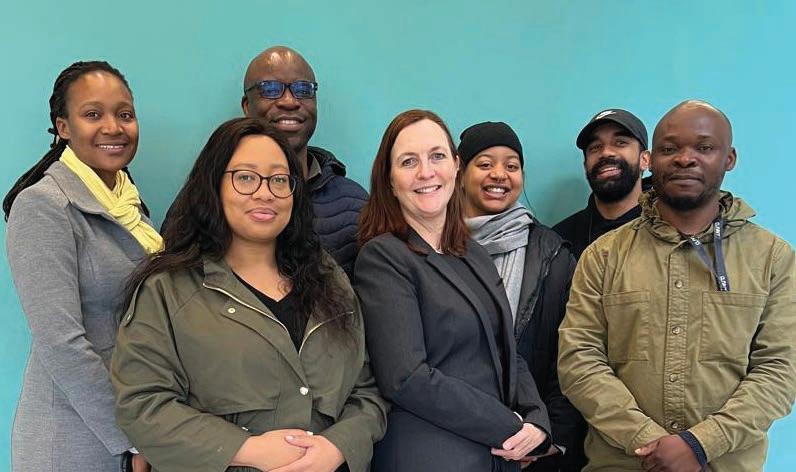
3. THE DATA SHARING LICENSE, BY ADBEX
https://license-builder.adbex.org
however, provided me the opportunity and environment to focus on developing and launching the Data Sharing License Builder with review and input from collaborators in Berlin.

I was extremely fortunate to be awarded an inaugural Fellowship in Public Health Intelligence, jointly offered by the Charité Centre for Global Health and the WHO Hub for Pandemic and Epidemic Intelligence, which provided me the opportunity to spend six months in Berlin from July to December 2026. This provided an opportunity to extend collaborative networks and to learn from and participate in the impressive programmes being undertaken at both these centres. I also had my own project to undertake there, and the fellowship provided me an opportunity to build The Data Sharing License. This online tool, designed to address some of the significant concerns about sharing data that have repeatedly surfaced in the health research ecosystem, and inspired by the Creative Commons License, has been in the pipeline for some time. The fellowship
The Data Sharing License is a product for anyone, anywhere, with a dataset to share. The online tool prompts the user to enter a short set of questions to select an appropriate data-sharing license that can inform end-users and sharers of the detailed terms and conditions of use for that dataset (or data collection, or data in a database). It generates a visual icon clearly illustrating T’s and C’s, a pdf with a detailed explanation of the license, html code for embedding the license in a website, and machine-readable code for recording the license in a digital record. We hope that this mechanism for clear, unambiguous and detailed description of acceptable end use for a dataset will encourage end-user accountability whilst encouraging data sharing. The development of the online tool was undertaken with our partners Hominum and MethodLab, who have once again created a high quality online product for us. The development work was funded through my Calestous Juma Fellowship from the Gates Foundation. Researchers:
Nicki Tiffin and Tsaone Tamuhla Collaborators:
Beate Kampmann and Matej Krisnar at the Charité Centre for Global Health and Institute for International Health, Charité Universitätsmedizin, Berlin , Germany
Timothy Dallman, Josefina Campos, Stéphane Ghozzi and Oliver Morgan at the WHO Hub for Pandemic and Epidemic Intelligence
Tim Smith and Brendan Joseph from MethodLab Nicol Ronga and Nick Louw from Hominum.
The ADBEx team at the launch in July 2025.

DR DOMINIQUE ANDERSON
HIGHLIGHTS OF 2025
• Supervisor of 2 MSc students and 1 Honours student
• Co-supervisor of 1 PhD student
• Lead in Data curation capacity development and User design
The research group is investigating several areas with an interest in metagenomics, data security and privacy, biomedical data governance, informatics of biobanking and application of AI in One Health. I have an ongoing role in a team focused on informatics solutions for biobanking with continued development, enhancement, and training in the open-source Baobab laboratory information management system. Information management and quality management remains a core area of activity in my research group with hopes to expand the collaborative network of developers and researchers. In relation to additional interests, I am involved in community engagement and effective science communication and training and am an active committee member of the DSI Medical Biobank Cluster, POPIA code of conduct committee, and others .
With regards to data privacy and governance, my collaborators and I combine expertise in biobanking, bioinformatics and big data, and law to investigate how both regulations and best practices influence the biomedical data and data sharing landscape in Africa. I am also currently working towards establishing networks
within the agricultural, veterinary, medical, and environmental sphere in order to intensify research in the area of One Health and machine learning and investigating field-able molecular biology and ‘-omics’ sequencing for pathogen genomic surveillance, as well as investigating venom bioinformatics and the associated governance of indigenous knowledge resources.
RESEARCH PROJECT THEMES
INFORMATICS TOOLS
• Biobank informatics - multiple collaborations for biocollection sample quality management and e-infrastructure with a focus on Baobab LIMS. Current collaboration with IMBM funded by the UWC seed fund to develop Baobab LIMS lite for microbial biorepositories.
• Pathogen genome databases for impact in public health and pathogen surveillance.
BIOMEDICAL DATA GOVERNANCE
• Collaboration with biobank and law experts to evaluate data governance of biological diversity and human biomedical collections.
• Cybersecurity and data management in Africa.
• Metadata standardisation and impacts of data management in public health.
VENOM BIOINFORMATICS
• Bioinformatic evaluation of potential therapeutics and targets from venomous animals.


RESEARCH COLLABORATIONS
1. DATA GOVERNANCE AND THE POPI ACT
Collaborating Parties:
ASSAf
Nature and Purpose:
To investigate the impact of local and international regulation on the sharing of biomedical research data in Africa. Drafting committee member for the POPIA code of conduct for research.
Output in the last 12 months:
POPIA COMPLIANCE 2025 FRAMEWORK
For Researchers and Research Institutions have been published (May 2025). https://www.assaf.org.za/popia/
Future Direction:
Ongoing engagement and amendments to the framework.
2. VENOM BIOINFORMATICS
Collaborating Parties:
Professor Bryan Maritz - UWC
Dr Ciara Staunton - EURAC
Dr Carmen Swanepoel - University of Stellenbosch
Dr Ruben Cloete - SANBI, UWC
Nature and Purpose:
Investigating the therapeutic potential of venoms through bioinformatic analysis of protein-protein and protein-ligand interactions.
Output in the last 12 months:
Postgraduate students enrolled. One MSc student has submitted their thesis for examination.
Future Direction:
Seeking funding to expand our work on venom bioinformatics and support a venom biodiversity biorepository for further research.
3. BIOBANK INFORMATICS AND DATA
QUALITY MANAGEMENT/DATA CURATION
Collaborating Parties:
Prof Alan Christoffels - SANBI, UWC
Africa CDC
PHA4GE Consortium
IMBM
Medical Biorepositories SA
Nature and Purpose:
Maintenance and enhancement of Baobab LIMS. Entrepreneurship focused on hybrid social and sustainability models for QM software. Standardisation of e-infrastructure. Evaluating the impact of data standardisation in public health and mechanisms to improve data quality across workflows. Development of data platforms for sharing and archiving pathogen data. Strengthening capacity in data curation and development of metadata standards. Facilitating the development of a network of medical biorepositories in South Africa.
Output in the last 12 months: Successful completion of Phase 2 of the African Pathogen Data Sharing and Archive platform. A final version of the CholGen metadata standard is completed and in review. A neonatal sepsis metadata standard has been developed and is currently being tested by expert stakeholders. Core module for Baobab LIMS lite developed in partnership with IMBM to establish a custom microbial biorepository platform. The MBiRSA network is established with ongoing engagements and collaboration, and a working group for SANAS accreditation for biobanking has been established. Conradie EH, Anderson DE, Fransman WO, Swanepoel AC, Thobela MS, Staunton C, February F, Sanderson M, Duma BM, Maseme MR, Singh S, Swanepoel CC. Medical Biorepositories of South Africa: Establishing a Medical Biorepository Network in South Africa to Advance Health
Research. Biopreserv Biobank. 2025 Oct;23(5): 396-403. doi: 10.1089/bio.2024.0160. Epub 2025 Mar 7. PMID: 40101279.
Future Direction:
New collaborations within Africa as well as training initiatives on the continent. User design thinking in software development as well as building a data curation cohort with regional representation on the continent. Phase 2 of the APA. Biodiversity module of the LIMS Lite core. Application development for metadata schema development to facilitate equitable and agnostic standards in Africa. Ongoing development of Baobab LIMS lite.
4. ONE HEALTH, AI AND MACHINE LEARNING
Collaborating Parties:
Seeking collaborative partners.
Nature and Purpose:
Multidisciplinary approaches to understanding infectious diseases. Development of metadata standards, novel AI based tools for surveillance and species cross-over and translational research in One Health. Examining field-forward technologies bringing molecular biology and ‘-omics’ sequencing to the sample. Output in the last 12 months: Paper accepted for publication, 28 December 2025:
Zoon0PredV: Potential Virus Species Crossover Prediction using Convolutional Neural Networks and Viral Protein Sequence Patterns. doi: 10.1177/11779322251415123. Bioinformatics and Biology Insights

DR RUBEN CLOETE
HIGHLIGHTS OF 2025
Student Surpervision:
1 Postdoctoral fellow - Dr Darius Riziki Martin
3 PhD students - Jeremy Burgess, Adetutu
Akinnuwesi and Keaghan Brown
1 MSc student - Siphamandla Dlamini
My UWC Medical Biosciences PhD student that I co-supervise, Dewald Schoeman, graduated in 2025.
• Grants/Funding Awarded: Co-Principal investigator on a SAMRC RCDI grant with Prof Megan Shaw for 2021-2025. The overall goal of this project is to identify novel chemical scaffolds able to inhibit SARS-CoV-2 growth. Such hits will serve as the starting point for long term goals to find specific drugs for treating COVID infections. Funding has been extended to July 2026.
• Grants/Funding Awarded: NRF CSUR funding, 2025-2027. The overall aim of this project is to identify novel chemical scaffolds able to inhibit Mycobacterium tuberculosis (Mtb) growth. Such hits will serve as the starting point for long-term goals to find specific drugs for treating resistant Mtb infections. We have identified to date one molecule with good dose response activity against Mtb and additional studies are under way.
RESEARCH PROJECTS
My primary research interests focus on understanding drug resistance in Mycobacterium tuberculosis and Human Immunodeficiency Virus (HIV-1) integrase protein and the identification of causal variants in Parkinson’s disease development. Tuberculosis and HIV-1 drug resistance is a huge problem in South Africa and calls for the identification of newer drugs to curb the spread of these diseases. The use of computational methods to speed up the process of drug discovery can reduce the cost and time spent pursuing drugs that later fail in clinical trials.
We have developed computational pipelines within my laboratory to interrogate drug targets to screen for drugs that inhibit enzyme targets that can be purchased and tested in vitro for activity against Mycobacterium tuberculosis. We also use computational methods to validate mutations and their effects on protein structure and function. This is also very useful to determine if a drug remains within an enzyme active pocket and if the mutation results in reduced binding or no binding. The result of this research may provide improved treatment regimens for South African populations to combat infectious disease and non-communicable diseases like Parkinson’s.
Recently, my group also embarked on identifying novel drugs to treat SARS-CoV-2 coronavirus infections using computational methods.
Other collaborative projects involve studying drug transporter proteins associated with Diabetes Mellitus and investigating structural differences between human Coronavirus envelope proteins to understand pathogenicity between virulent and non-virulent strains.
RESEARCH PROJECTS THEMES
PATHOGEN RESISTANCE
• NGS sequencing of tuberculosis isolates and HIV plasma samples allowed the identification of novel mutations. To identify mutations associated with drug resistance we develop structural computational pipelines to further our understanding of HIV-1 and tuberculosis drug resistance.
• To identify drug resistance pathways in HIV-1 using Phylogenetics.
DRUG DISCOVERY
• Previous pathway mapping and gene prioritisation methods allowed us to identify known and novel Mycobacterium tuberculosis drug targets. Here we exploit the drug targets using virtual screening methods to identify novel drugs to treat drug resistant tuberculosis. The drugs identified are tested for activity against Mycobacterium tuberculosis using a bioluminescent reporter assay system. In silico discovery of compounds with activity against the novel SARS-coronavirus and in vitro testing.
HUMAN DISEASE GENOMICS
• Whole genome sequencing identified variants that co-segregate within South African families with Parkinson’s disease. Here we use various software tools to prioritise these variants to identify causal variants that might be associated with Parkinson’s disease.
MACHINE LEARNING APPROACHES
• Using machine learning methods to identify putative compounds with activity against Mycobacterium tuberculosis and HIV.
DIAGNOSTIC TOOL DEVELOPMENT
• Develop structural methods to aid in the identification of biomarkers useful for tuberculosis and Ebola virus diagnosis.
RESEARCH COLLABORATIONS
1. NOVEL DRUG DISCOVERY AGAINST MYCOBACTERIUM TUBERCULOSIS AND SARS-COV-2 CORONAVIRUS
Collaborating Parties:
Prof Samantha Samson and Dr Melanie Grobbelaar
- University of Stellenbosch
Prof Andrej Sali - University of California San Francisco, USA
Prof Megan Shaw - Medical Biosciences, UWC
Dr Bianca Gordon - Medical Biosciences, UWC
Nature and Purpose:
To identify novel diverse drugs with a new mode of action against Mycobacterium tuberculosis protein using computational and experimental methods. Target proteins essential for transcription and translation in SARS-CoV-2 coronavirus to find novel drugs to inhibit the SARS-Corona virus.
Future Direction:
One manuscript has been drafted for Mycobacterium tuberculosis drug discovery project entitled “Computational Identification of novel diverse Inhibitors targeting Thiamine Monophosphate Kinase (Rv2977c/ThiL) in Mycobacterium tuberculosis and in vitro validation”.
Furthermore, two draft manuscripts are planned for the SARS-CoV-2 coronavirus drug discovery project for 2026.
2. PRIORITISING MUTATIONS IDENTIFIED IN SOUTH AFRICAN PARKINSON’S DISEASE PATIENTS USING STRUCTURAL METHODS
Collaborating Parties:
Prof Soraya Bardien - University of Stellenbosch
Nature and Purpose:
To identify novel genes associated with Parkinson’s disease development using Whole Exome Sequencing and using structural computational methods to understand the impact of mutations on protein structure and function.
Future Direction:
One manuscript is under preparation for publication based on Dr Katelyn Cuttler’s PhD work.
3. STRUCTURAL STUDIES OF MORE AND LESS VIRULENT CORONAVIRUS ENVELOPE PROTEINS TO UNDERSTAND HUMAN HOST INTERACTION AND SEVERITY OF DISEASE
Collaborating Parties:
Prof Burtram Fielding - Department of Medical Biosciences, UWC
Nature and Purpose:
Structural modelling and simulation studies to understand the structural differences between the virulent and less virulent coronavirus envelope proteins and their interaction with the human host PALS1 protein.
Output in the last 12 months:
Schoeman, D., Fielding, B.C. and Cloete, R., 2025. Comparative analysis of human coronavirus E-peptide-PALS-1 interactions using molecular dynamic simulations. Computational and Structural Biotechnology Reports, p.100056.
4. THE IDENTIFICATION AND CHARACTERISATION OF DNA APTAMERS FOR APPLICATION IN DIAGNOSIS OF INFECTIOUS DISEASES
Collaborating Parties:
Prof Mervin Meyer - Biotechnology Department, UWC
Prof Abram Madieyeh
Nature and Purpose:
The aim of the research is to develop multiplex lateral flow devices (LFDs) for the detection of serum human biomarker proteins for TB and Ebola diagnosis using DNA aptamers.
Output in the last 12 months:
Martin, D.R., Waddad, A., Gafar, M.A., Govender, T., Cloete, R., Madiehe, A.M. and Meyer, M., 2025.
Integrating Magnetic Bead-Based SELEX with In Silico Binding Analyses for the Identification of High-Affinity DNA Aptamers Targeting TAGLN2. ACS Omega.
Future Direction:
Setup in silico protocols for aptamer development and prepare organic and metallic nanoparticles for drug delivery using computational methods.
5. EBOLA VIRUS 3D DATABASE (EBOV3D): UNDERSTANDING THE EBOLA VIRUS PROTEOME AND EVALUATING POSSIBLE DRUG TARGETS
Collaborating Parties:
Dr Arun Pandurangan - Department of Medicine, University of Cambridge
Prof Placide Mbala-Kingebeni - National Institute of Biomedical Research, Democratic Republic of the Congo, University of Kinshasa
Prof/Sir Tom Blundell - Department of Medicine, University of Cambridge
Dr Hocine Bendou - Division of Computational Biology, University of Cape Town
Dr Adetayo Emmanuel Obasa - Faculty of Medicine
and Health Sciences, University of Stellenbosch
Nature and Purpose:
The aim of this project is to provide a user-friendly and easily accessible 3D webserver, so that endusers can navigate, inspect and download the 3D structural proteome data, visualise modelled oligomeric complexes, analyse pockets of modelled structures, and investigate Ebola virus human-protein interactions, mutations and protein–ligand docking interfaces.
Output in the last 12 months:
The Postgre SQL back end of the database has been developed and all data has been captured into the database.
Future Direction:
Build the front end and prepare two paper manuscripts for publication based on the database results.
6. THE USE OF APTAMERS COMPLEXED TO ORGANIC NANOPARTICLES FOR THE TREATMENT OF MYCOBACTERIUM TUBERCULOSIS INFECTIONS
Collaborating Parties:
Prof Admire Dube - School of Pharmacy - University of the Western Cape
Nature and Purpose:
The aim of the research is to use in-silico approaches to model aptamers that bind to ManLAM in M. tb, and to simulate the interaction of these aptamers when conjugated to a PLGA nanoparticle and bound to ManLAM mannose structures. Future work will involve testing the aptamers as therapeutic agents to inhibit M.tb growth.
Future Direction:
Draft one paper manuscript based on the results of the MSc student’s computational work entitled: “Computational modelling of aptamer-poly (lactic-co-glycolic acid) nanoparticles targeting
mannosylated lipoarabinomannan on Mycobacterium tuberculosis”.
7. THE USE OF VENOM PROTEINS TO INHIBIT CELL WALL COMPONENTS OF MYCOBACTERIUM TUBERCULOSIS
Collaborating Parties:
Dr Dominique Anderson - SANBI, UWC
Nature and Purpose:
Investigating the therapeutic potential of venoms through bioinformatic analysis of protein-protein and protein-ligand interactions.
Output in the last 12 months:
One MSc student has submitted her thesis for examination.
Future Direction:
Publish at least one paper on the results of this project. Molecular Modelling and Docking Studies of Snake Venom PLA2 Enzymes Targeting Cell Wall Components of Mycobacterium tuberculosis

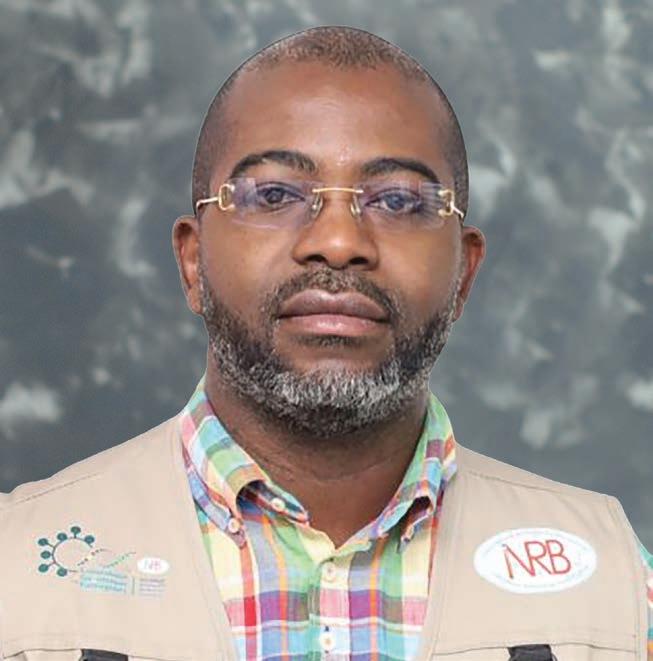
PROF PLACIDE MBALA
Extraordinary Professor, SANBI MD, MSPH, PhD
Head of Epidemiology and Global Health, INRB
Associate Professor, Medical School, University of Kinshasa, Democratic Republic of Congo
HIGHLIGHTS OF 2025
TIME100 Health Leaders List 2025 TIME recognised his global leadership and scientific contributions to emerging infectious disease research and outbreak response.
Led a clinical research initiative evaluating the effectiveness s of Tecovirimat in the treatment of Mpox in the Democratic Republic of the Congo, contributing critical evidence to therapeutic management strategies in endemic settings.
Directed the MBOTE Study (Mpox Biology, Outcome, Transmission, Epidemiology), a multidisciplinary research program aimed at improving understanding of Mpox clinical evolution, transmission dynamics, and epidemiological patterns.
Strengthened international scientific collaboration through partnership with Institute of Tropical Medicine Antwerp, US National Institute of Health, University of Manitoba, University of California Los Angeles, University of Osaka, University of Western Cape, University of Edinburgh, University of Montpellier, etc. enhancing capacity building, knowledge exchange, and joint research implementation.
Coordinated the deployment of molecular and genomic laboratories during the 2025 Ebola outbreak response, ensuring rapid diagnostic capacity and genomic surveillance in remote affected areas, including Bulape and Mweka.
Supported real-time pathogen genomics integration into outbreak response to guide public health decision-making and improve detection of transmission chains.
Authored and co-authored approximately 29 peer-reviewed scientific publications in 2025, significantly contributing to global knowledge on emerging infectious diseases, particularly Mpox and Ebola.
Advanced national and regional research leadership by promoting evidence-based outbreak response, laboratory strengthening, and the translation of genomic data into public health action.
RESEARCH PROJECTS
MBOTE (Mpox Biology, Outcome, Transmission, Epidemiology)
HIVAX: A research study to evaluate the effectiveness of Mpox vaccine in persons living with HIV in Kinshasa, Democratic Republic of Congo
IMReC (International Mpox Research Consortium) Mpox Serosurvey study in key-population and in general population.
Mpox-GECIVO (Mpox Genomics, Epidemiology, Clinical, Immunological and Virological Outcomes)
An observational study to describe genomics, immunology, virology and clinical outcomes of Mpox in the Democratic Republic of Congo
PALM program (Pamoja Tulinde Maisha)
PALM007 Trial : A randomised, placebo-controlled, double-blinded trial of the safety and efficacy of tecovirimat for the treatment of (hospitalised) adult and pediatric patients with monkeypox virus disease in the DRC
RESEARCH COLLABORATIONS
Collaborating Parties:
Colombia State University, USA : Professor Ian Lipkin
Institute of Tropical Medicine, Antwerp, Belgium : Professor Laurens Liesenborghs.
National Institute of Health, USA : Dr Olivier
Tshiani, Dr Lori Dodd, Dr Veronique
Laboratoire National de Microbiologie de Winnipeg, Canada : Dr Jason Kindrachuk
University of California Los-Angeles : Professor Anne Rimoin
University of Montpellier : Dr Martine Peters, Professor Eric Delaporte.
Nature and Purpose:
Understanding the epidemiology, genomics and transmission dynamic of mpox among HIV patients, key-population et general population in the Democratic Republic of Congo, and other African countries.
Output in the last 12 months:
Authored and co-authored approximately 29 peer-reviewed scientific publications in 2025, significantly contributing to global knowledge on emerging infectious diseases, particularly Mpox and Ebola.
Future Direction:
Improving metagenomics capacity for human outbreaks of unknown pathogens
Implementation of genomics for multipathogen detection in wastewater.

DR NOBUBELO NGANDU
I am a Specialist Scientist at the South African Medical Research Council (SAMRC) and hold a new joint Affiliate Research Fellow position at SANBI since January 2025.
My research is in two main areas:
1. Investigating the relationship between the genetic evolution of viruses of pandemic concern and the human host T cell immune responses.
I investigate research questions which aim to inform advancements in vaccine science research and vaccine development.
2. Investigating barriers to eliminating HIV disease burden and transmission during pregnancy and breastfeeding and exploring interventions to prevent vertical transmission.
HIGHLIGHTS OF 2025
• Students: Kriheska Francis (MSc 2023-2025 completed), Student Lindokuhle Mdluli (MSc 2025-ongoing Stellenbosch)
RESEARCH PROJECT THEMES
• T cell immune escape in emerging viruses of pandemic concern
• Interventions to prevent vertical transmission of HIV
RESEARCH PROJECTS
1. DEVELOPING AN IMMUNOINFORMATIC RESEARCH PIPELINE FOR POPULATION-LEVEL PREDICTION OF T CELL IMMUNE ESCAPE MUTATIONS IN EMERGING VIRUSES.
Funder:
South African Medical Research Council
Collaborators:
University of the Western Cape and Stellenbosch University, Simon Fraser University, University of Cape Town. Outputs in the last 12 months:
• Publication: Ngandu NK, Fielding BC, van Heusden P, Mcinga K, Francis K, Harkins G. Population-level toggling of T cell immune escape at human leukocyte antigen anchor residues in SARS-CoV-2 Spike proteins, in an ethnically diverse population. PLoS Comput Biol 21(7): e1013261. https://doi.org/10.1371/ journal.pcbi.1013261
• Conference Poster: Ngandu Nobubelo K., van Heusden Peter, Mcinga Kuhle, Francis Kriheska, Harkins Gordon, Fielding Burtram. Human Leukocyte Antigens common in Local Ethnic groups define population-level T cell immune escape patterns in rapidly spreading viruses: Observations from SARS-CoV-2 in South Africa
2020-2022. Poster number 139 at International Society for Vaccines Congress 28 - 30 October 2025, Stellenbosch, South Africa.
2. THE ROLE OF T CELL IMMUNE ESCAPE IN THE EVOLUTION OF THE MIDDLE EAST RESPIRATORY SYNDROME CORONAVIRUSES (MERS-COV).
Funder:
South African Medical Research Council, Stellenbosch University
Collaborators: Stellenbosch University
3. DIGITAL HEALTH INFORMATION SYSTEMS INTERVENTION TO IDENTIFY MISSED OPPORTUNITIES FOR PREVENTING VERTICAL HIV TRANSMISSION.
Funder: Gilead Inc Research Scholars Grant
Collaborators:
KwaZulu-Natal Department of Health, National Institute of Communicable Diseases, University of Witwatersrand.
RESEARCH COLLABORATION
SAMBULELO PEDIATRIC CLINICAL TRIAL
Nature and Purpose:
Phase II double blind randomised placebocontrolled clinical trial to evaluate the safety and pharmacokinetics of VRC07-523LS in breastfed HIV-exposed uninfected and HIV-infected neonates and infants in South-Africa.
Collaborating Parties:
Vaccine Research Center - NIH and Research labs and institutions in South Africa, France, Bergen and Italy.
Coordinating Investigators - Ameena Goga and Philippe Van de Perre; National Co-Principal Investigators - Terusha Chetty and Nobubelo Ngandu
Future Direction:
Active participant recruitment (50% achieved) and ongoing follow-up visits.

DR SAM OYOLA
Senior Scientist: Molecular Biologist and Head of Genomics
International Livestock Research, Kenya
HIGHLIGHTS OF 2025
• Together with our ILRI colleagues, we were awarded a 5-year £5M grant by the Wellcome Trust to work on “Understanding endemic Rift Valley Fever (RVF) transmission in distinct Africa regions”.
• A manuscript titled: Spatiotemporal patterns of Rift Valley fever virus in Africa: a retrospective genomic epidemiology and phylodynamic modelling study” accepted in LANCET MICROBES.
RESEARCH PROJECT THEMES
• Genomic Epidemiology
• Wastewater environmental surveillance
• Application of AI to Model Pathogen and AMR transmission Dynamics
RESEARCH PROJECTS
• Understanding endemic RVF transmission in distinct Africa regions
• Genomic Surveillance to control pathogens infections in Africa (GenPath Africa)
• Wastewater Environmental Surveillance (WES): An early warning tool for public health

PROF GORDON HARKINS
My research focuses on the evolution and molecular epidemiology of DNA and RNA infectious viral pathogens where I seek to determine the evolutionary underpinnings of the emergence and spread of the numerous viral diseases that seriously threaten the health and food security of Africa and the rest of the developing world.
In early 2020, in response to the emergence and rapid early spread of COVID-19, we immediately shifted our research focus to tackle the unprecedented volume of SARS-CoV-2 genomic and spatial data that was being generated and shared with the scientific community to gain real-time insights into the virus transmission during a viral pandemic.
RESEARCH PROJECTS AND COLLABORATIONS
1. SELECTION ANALYSIS IDENTIFIES UNUSUAL CLUSTERED MUTATIONAL CHANGES IN OMICRON LINEAGE BA.1 THAT LIKELY IMPACT SPIKE FUNCTION.
Collaborating Parties:
Darren P Martin, Arne De Klerk - Department of Integrative Biomedical Sciences, UCT
Philippe Lemey - Department of Microbiology, Immunology and Transplantation, Rega Institute, Belgium
Steven Weaver, Stephen D Shank, Sergei L Kosakovsky Pond - Temple University, Pennsylvania, USA
Houryiah Tegally, Emmanuel James San, Eduan Wilkinson, Jennifer Giandhari, Richard J Lessells, Anton Nekrutenko, Tulio De Oliveira - KwaZuluNatal Research Innovation and Sequencing Platform (KRISP), School of Laboratory Medicine & Medical Sciences, University of KwaZulu-Natal
Ben Murrell - Karolinska Institutet, Stockholm, Sweden
Carolyn Williamson - Division of Medical Virology, UCT
Spyro Lytras, Oscar S MacLean, David L Robertson, Richard J Orton - MRC-University of Glasgow
Alexander G Lucaci - Department of Biology, Temple University, Philadelphia
Wolfgang Maier, Bjorn Gruning - Department of Computer Science, University of Freiburg, Germany
Maciej F Boni - Center for Infectious Disease
Dynamics, Department of Biology, Pennsylvania State University
Cathrine Scheepers, Jinal N Bhiman - National
Institute for Communicable Diseases (NICD) of the National Health Laboratory Service, (NHLS),
SAMRC Antibody Immunity Research Unit, School of Pathology, University of the Witwatersrand
Josie Everatt, Daniel G Amoako - National Institute for Communicable Diseases (NICD) of the National Health Laboratory Service, (NHLS)
James Emanuel San, Jennifer Giandhari -
KRISP, School of Laboratory Medicine & Medical Sciences, University of KwaZulu- Natal
Alex Sigal, Ravindra K Gupta - Africa Health Research Institute
Nei-yuan Hsiao - Division of Medical Virology, UCT
Anne von Gottberg - NICD
Robert W Shafer - Division of Infectious Diseases, Stanford University
Robert J Wilkinson - Wellcome Center for Infectious Diseases Research in Africa, UCT
Brian Trevor Sewell - Institute for Infectious Diseases and Molecular Medicine, UCT
Allison J Greaney, Tyler N Starr, Jesse D Bloom - Fred Hutchinson
Cancer Research Center
Nature and Purpose:
To determine what drives the mutational changes in the Omicron variant of concern (VOC).
Output in the last 12 months:
One paper published in 2022 in the Journal
Molecular Biology and Evolution.
Future Direction:
This is an ongoing collaboration.
2. CONSERVED RECOMBINATION IN CORONAVIRUS SUBGENERA
Collaborating Parties:
Darren P Martin, Arné de Klerk, Phillip Swanepoel, Mpumelelo Zondo, Isaac Abodunran - Institute of Infectious Diseases and Molecular Medicine, UCT
Rentia Lourens - Neuroscience Institute, UCT
Spyros Lytras, Oscar A MacLean, David Robertson - MRC-University of Glasgow Centre for Virus Research
Sergei L Kosakovsky Pond, Jordan D ZehrInstitute for Genomics and Evolutionary Medicine, Temple University, Philadelphia
Venkatesh Kumar, Ben Murrell - Department of Microbiology, Tumor and Cell Biology, Karolinska Institutet
Michael J. Stanhope - Department of Population and Ecosystem Health, College of Veterinary Medicine, Cornell University
Nature and Purpose:
To determine whether recombination is non-random in coronavirus subgenera.
Output in the last 12 months: One article has been accepted in the journal Virus Evolution.
Future Direction:
This is an ongoing collaboration.
3. HIV-1 LATENT VIRAL RESERVOIR DYNAMICS
Collaborating Parties:
Melissa-Rose Abrahams, Lynn Tyers, David Matten, Deelan Doolabh, Colin Anthony, Carolyn Williamson - Institute of Infectious Disease and Molecular Medicine, UCT
Salim Abdool Karim - CAPRISA, University of KwaZulu-Natal
Andrew Redd - Johns Hopkins University, School of Medicine
Siposethu Matzishana, Nkosazana NyembeziSANBI, UWC
Nature and Purpose:
To study the viral dynamics involved in HIV-1 subtype C latent reservoir formation maintenance and evolution to better understand the determinants thereof.
Future Direction: This project is funded by the National Institutes of Health (NIH) USA and the South African Medical Research Council and will run between 2020 and 2025.
COLLABORATIONS / ALUMNI
SOUTH AFRICA
SANBI
University of the Western Cape (UWC)
University of Cape Town (UCT)
University of Stellenbosch (US)
National Institute for Communicable Diseases (NICD)
South African Medical Research Council (SAMRC)
KwaZulu-Natal Research Innovation and Sequencing Platform (KRISP)
Centre for the AIDS Programme of Research in South Africa (CAPRISA)
Provincial Health Data Centre (PHDC), Western Cape Department of Health
Academy of Science South Africa (ASSAf)
Africa Health Research Institute (AHRI)
University of the Witwatersrand (Wits)
Groote Schuur Hospital
Medical Biorepositories of SA (MBirSA)
KwaZulu-Natal Department of Health
MethodLab
FRANCE
University of Montpellier
ITALY
Eurac Research
JAPAN:
University of Osaka
SWEDEN
Karolinska Institute
GERMANY
Charité Universitätsmedizin, WHO Hub for Pandemic and Epidemic Intelligence
Charité Centre for Global Health and Institute for International Health, UNITED KINGDOM
Oxford University
University of Cambridge
University of Birmingham
MRC-University of Glasgow Centre for Virus Research
University of Edinburgh, UNITED STATES OF AMERICA
Washington University
Broad Institute
Johns Hopkins School of Medicine
Temple University
Pennsylvania State University
Cornell University
Stanford University
Fred Hutchinson Cancer Research Centre
Howard Hughes Medical Institute
US National Institutes of Health
Colombia State University
University of California Los-Angeles
University of California San Francisco
GLOBAL CONSORTIA
Africa CDC
USA CDC
PHA4GE Consortium
Global Consortium on emerging infectious diseases
H3Africa
Hominum Global
International Common Disease Alliance (ICDA)
International HundredK+ Cohorts Consortium (IHCC)
AUSTRALIA
University of Melbourne
BELGIUM
Rega Institute
Institute of Tropical Medicine
BRAZIL
CIDACS
CANADA
Simon Fraser University
University of Manitoba
Laboratoire National de Microbiologie de Winnipeg
DEMOCRATIC REPUBLIC OF CONGO
National Institute of Biomedical Research
University of Kinshaha
SOUTH AFRICA
Public Health Alliance for Genomic Epidemiology (PHA4GE), Cape Town
Southern Africa Institute for Peace, Security & Development (IPSED), Cape Town
National Institute of Communicable Diseases, Johannesburg Cape Town
Government Administration, Johannesburg
SAPRIN Node
Amazon Acumen Software
GENEdiagnostics, Cape Town
ALX Africa, Cape Town
Talarify, Cape Town
Standard Bank, Johannesburg
NexGen Cloud, Cape Town Bash, Cape Town
IBM, Johannesburg
University of SA
University of Pretoria
University of Stellenbosch
University of Cape Town
University of the Western Cape
University of the Free State
University of the Witwatersrand
Monash University, Cape Town
University KwaZulu-Natal
CPUT
Synthesis Software Technologies
Roche, Cape Town
Nvisonage, Pretoria
Bika Lab Systems, Cape Town
H3ABioNet, Cape Town
CACTUS Communications
SAMRC, Cape Town
Hyrax Biosciences, Cape Town
Tyme Bank, Cape Town
Quantum Computing Institute, Cape Town
Amazon Web Services, Cape Town
ETHIOPIA
Africa CDC, Addis Ababa KENYA
Deimos ML, Nairobi County
Egerton University, Njoro
University of Nairobi Icipe, Duduville
International Livestock Research Institute
The Technical University of Kenya (TU-K)
GHANA
University of Ghana NIGERIA
Lagos State University
MAURITIUS
Mahatma Gandhi Institute USA
National Institutes of Health
Washington University
Ann Arbor
Invitae
Pharma US
Mayo Clinic
The Bioinformatics CRO
Princeton University
Novocraft Technologies
Brigham and Women’s Hospital
New Jersey DoH’s Public Health and Environmental Laboratories
Georgetown University
Jamf
University of Connecticut CANADA
Western University: London UK
Illumina, Cambridge Albemarle College
AstraZeneca
University of Surrey University of Westminster FINLAND Espoo
IRELAND
National University of Ireland
SWITZERLAND
Nanyang
SpeeDx
University of Melbourne
CHINA
Shanghai World Foreign Language Primary School
FINANCIALS
SANBI’s income and expenditure trends for 2025 are shown in this section.
FIGURE 1. INCOME FROM SA SOURCES
FIGURE 2. INCOME FROM ALL SOURCES
FIGURE 3. EXPENDITURE IN 2025
FIGURE 4. INCOME VS EXPENDITURE
FUNDERS



WELLCOME TRUST

POSTAL ADDRESS:
South African National Bioinformatics Institute
University of the Western Cape
Private Bag X17
Bellville 7535
PHYSICAL ADDRESS:
South African National Bioinformatics Institute
5th Floor Brian O’Connell Building
University of the Western Cape
Robert Sobukwe Road
Bellville
7530
TELEPHONE: +27 (0)21 959 3645
EMAIL: info@sanbi.ac.za
WEBSITE: www.sanbi.ac.za
X: @SANBI_SA