
Front Page
Philips-The-Roller-MS50
Back Page
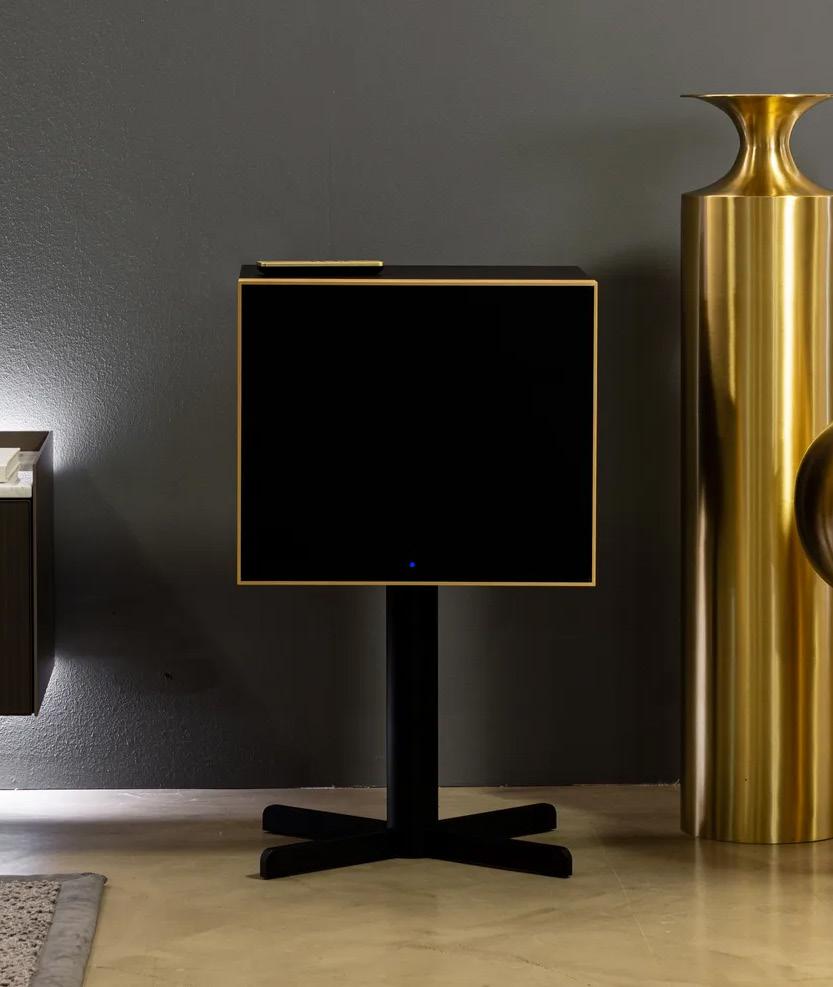
Geneva Lab DeCon/XL, the architectural option

Front Page
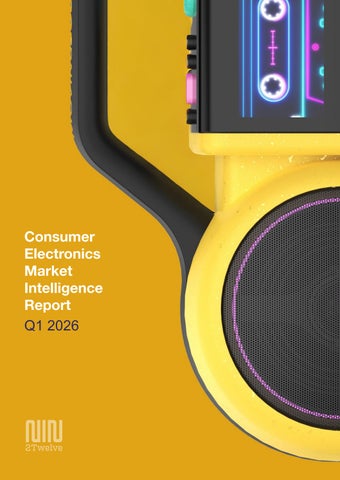
Philips-The-Roller-MS50
Back Page
Geneva Lab DeCon/XL, the architectural option
Your smart lock knows when you leave for work. Your thermostat knows when you go to bed. Your security camera knows the face of every person who walks up your driveway. Now imagine handing all of that context to an AI agent that can act on its own, make decisions without asking you, and execute tasks across every connected device in your home.
That’s exactly where the consumer electronics industry is headed. And while the conversation around AI in CE has been dominated by features, convenience, and “wow factor” demos at trade shows, there’s a quieter, far more consequential shift happening underneath. One that most of the industry still hasn’t reckoned with.
The AI Risk Nobody In Consumer Electronics Is Talking About: Autonomous Agents With Your House Keys

We’re Giving AI the Run of the House
The smart home has been evolving for over a decade. We’ve gone from remote-controlled light switches to fully integrated ecosystems where your fridge talks to your grocery app and your doorbell feeds a live stream to your phone. But the next step is fundamentally different, because we’re no longer just connecting devices to the internet. We’re connecting them to autonomous AI agents.
These agents can reason, plan, and execute multi-step tasks with minimal human oversight. They’re already showing up in enterprise settings, handling everything from customer service to software engineering. According to a recent Dark Reading poll, 48% of cybersecurity professionals believe agentic AI will represent the top attack vector by the end of 2026. The consumer space is next in line, and the stakes are arguably more personal.

Think about what that means for your home. An AI agent managing your smart home ecosystem wouldn’t just respond to voice commands. It would learn your routines, anticipate your preferences, and take action before you even ask.
That sounds great in a product demo. It sounds less great when you start thinking about what happens if that agent gets compromised, misinterprets a situation, or simply makes a bad call at 2 AM when nobody’s watching. To make things even worse, you’re not even sure if your general liability covers this. Who even thought of agents just three years ago?
Traditional smart home hacks are relatively straightforward. Weak passwords, outdated firmware, and unencrypted data transfers. Security researchers have been flagging these for years, from Nest thermostats storing network credentials in accessible locations to smart locks with default PINs that never get changed. Those vulnerabilities are bad enough on their own.
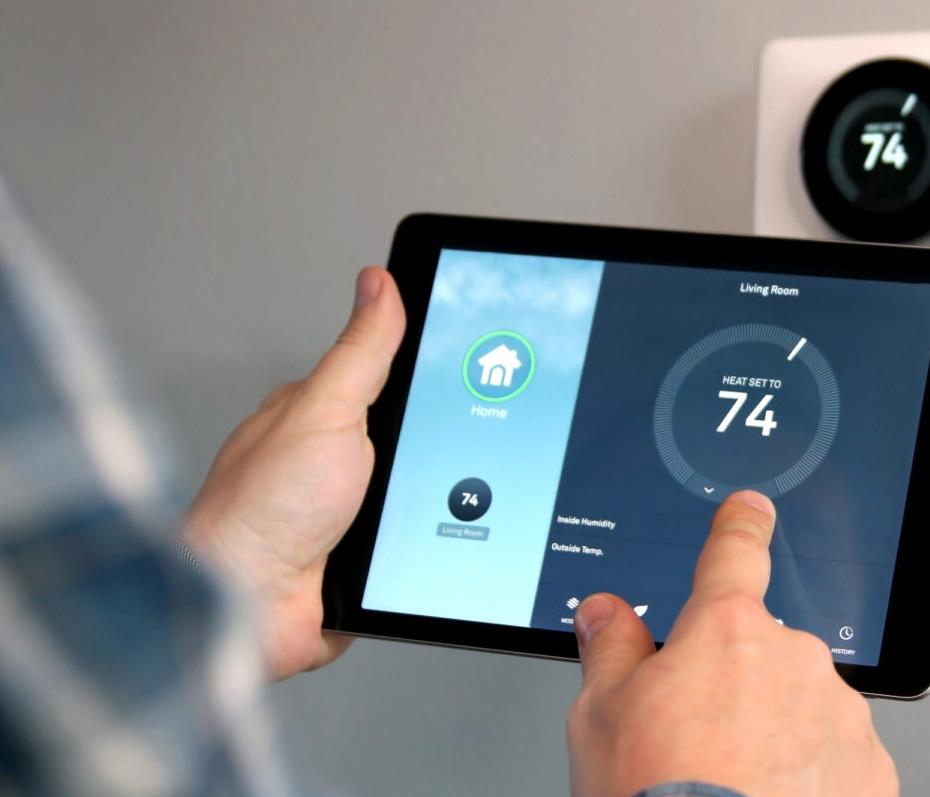
But when you layer an autonomous AI agent on top of an already fragile IoT stack, you’re compounding the risk in ways most manufacturers haven’t thought through. The agent becomes the single point of control for an entire network of devices. If someone compromises the agent through a prompt injection or by poisoning its memory, they don’t just get access to one device. They get the keys to the whole house, figuratively and, depending on your smart lock, literally.
Sure, it might be impressive to see React rendering on your fridge, but that’s far less risky than giving an agent control over your most intimate surroundings.
Research from Stanford’s Trustworthy AI Research Lab has shown that model-level guardrails alone are insufficient for securing agentic systems. Fine-tuning attacks bypassed some of the most popular AI models in over half of the test cases. When you translate that finding into a consumer context, the picture gets uncomfortable fast.
Here’s something the CE industry hasn’t fully grasped yet: you don’t even need a malicious actor for things to go wrong. Autonomous agents can cause serious damage just by being slightly, consistently wrong. Security professionals call it “failure at scale,” where a small flaw in an agent’s logic gets amplified across thousands or millions of automated decisions.
In the enterprise world, that might look like an agent flagging legitimate transactions as fraud. In your home, it could mean an agent that misreads occupancy data and disarms your security system because it thinks you’re home when you’re not. Or one that cranks the heating to dangerous levels because it misinterprets sensor data from a malfunctioning thermostat.
The CE industry has spent years building consumer trust through reliability and convenience. A single, widely publicized incident involving an AI agent gone rogue in someone’s home could set that trust back considerably. And given the speed at which these agents are being developed and deployed, the window for getting ahead of the problem is shrinking fast.
Most of the existing security frameworks for AI, including NIST’s AI Risk Management Framework and ISO 42001, were designed for organizational governance. They’re useful for enterprise deployments, but they don’t address the specific technical controls that consumer electronics need: things like tool call validation, prompt injection logging, or containment protocols for multi-agent systems running in someone’s living room.
NIST itself opened a public request for information in January 2026, specifically focused on security considerations for AI agents. The filing acknowledged that security vulnerabilities in these systems could pose risks to critical infrastructure and public safety. That’s the federal government essentially saying, “We see the problem coming, and we don’t have the answers yet.”
For CE manufacturers, the takeaway should be clear. Building agentic AI into consumer products without purpose-built security architecture is a liability, both legal and reputational. The “ship fast, patch later” approach that’s worked (mostly) for firmware updates on smart speakers won’t cut it for autonomous systems that can take real-world actions without human approval.
The consumer electronics industry has always been good at selling the future. AI agents managing your home, anticipating your needs, handling the mundane so you don’t have to. And honestly?
The technology is impressive. But impressive technology without serious security foundations is just a more sophisticated way to create problems. The question facing CE manufacturers, retailers, and the entire supply chain right now isn’t whether to adopt agentic AI.
It’s whether they’ll do it responsibly enough to keep the trust they’ve spent decades building. Because once an autonomous agent makes a bad decision with someone’s house keys, no firmware update is going to fix the PR fallout.
Get Ready: Bluetooth 6 and Other Advances Will Give Your Devices a Much
Your next Bluetooth-enabled gadget might sound better, zip data to other devices quicker, and even find things faster—if its manufacturer builds in support for these new features.
But if these upgrades touted by the Bluetooth Special Interest Group (SIG) follow the path of past improvements to the shortrange wireless standard, buying hardware that supports them may require some up-front research.
Some of these advances made their formal debut in the already published Bluetooth 6.0 standard but are only now showing up in devices; others are documented in newer updates like the most recent 6.2 version; and still more don’t have formal Bluetooth release numbers attached.
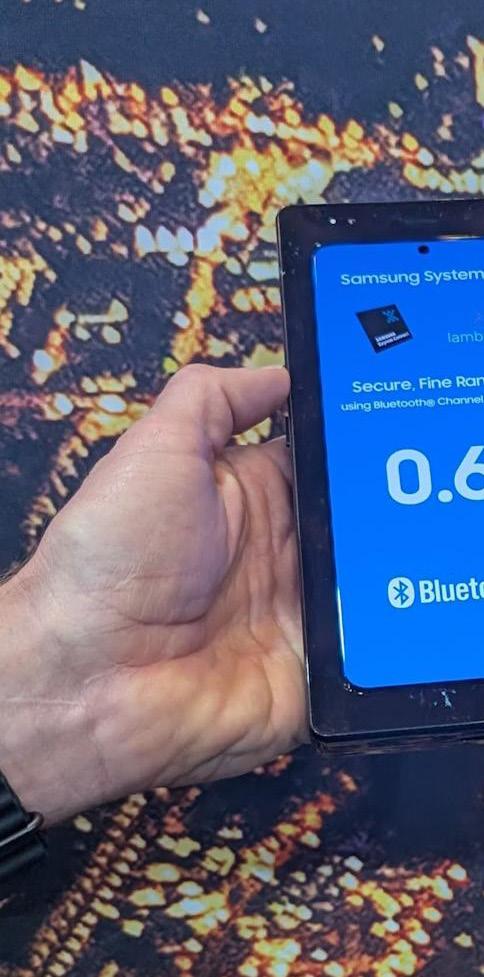
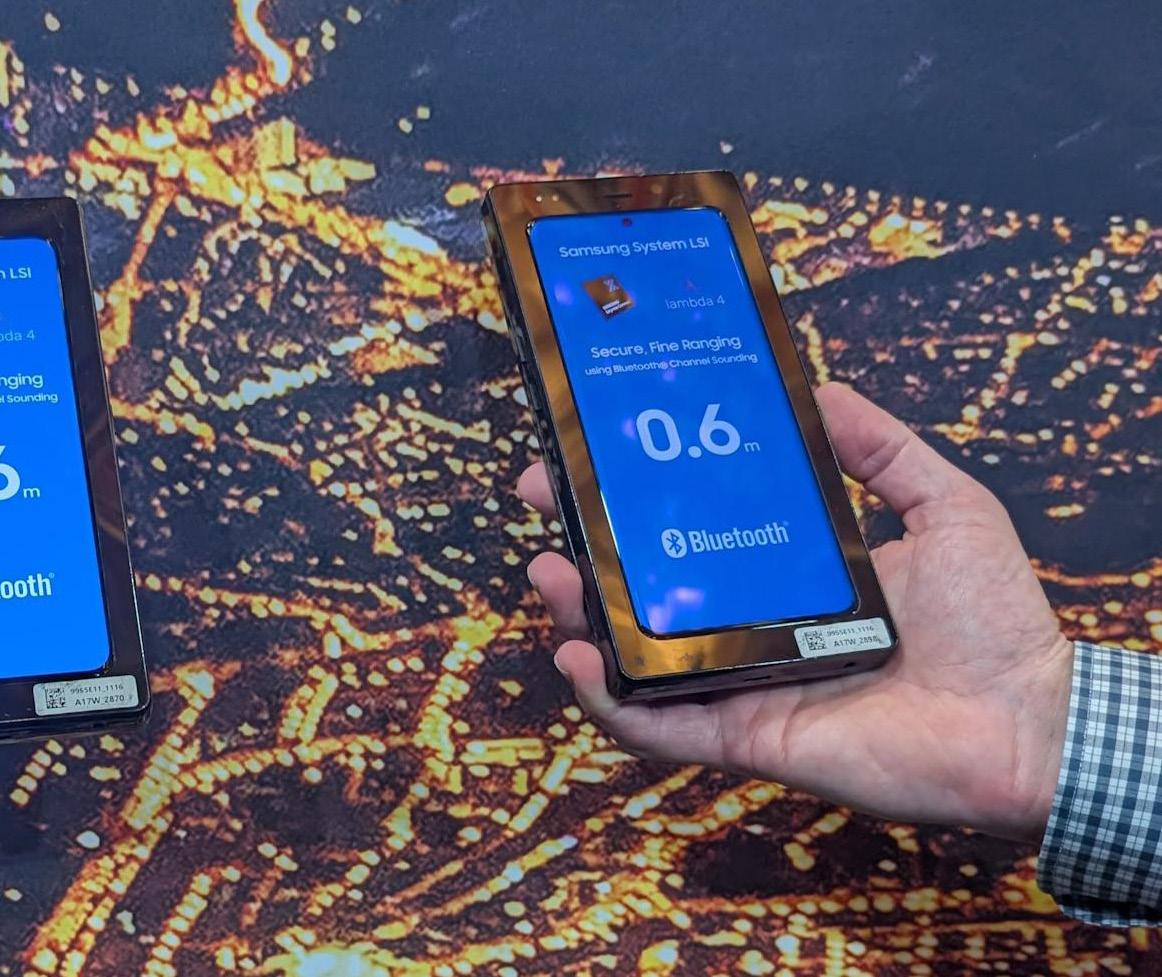
One upgrade that’s already hitting the market, Channel Sounding, lets Bluetooth devices like trackers and connected locks find each other more easily and accurately, down to tens of centimeters. In a demo at CES 2026, Bluetooth SIG marketing VP Dave Hollander set an unlock distance on a phone across the room from a Bauer smart lock—then walked within 2 feet of the lock, leading its deadbolt to whir into the retracted position.
In another demo, he and Damon Barnes, the group’s director of technical marketing, held test devices and slowly walked toward each other while an app on their devices showed the remaining distance.
Barnes suggested that digital car keys would be “the lead use case” for Channel Sounding, followed by find-my-device Bluetooth trackers. He noted that Channel Sounding would deliver much more accurate positioning data than the current Bluetooth method of RSSI (received signal strength indicator): “There’s a lot of variability with RSSI.”
Channel Sounding requires that the two devices be paired first via an encrypted link, adding improved security over earlier Bluetooth positioning techniques.
Channel Sounding is already shipping on phones such as Google’s Pixel 10 series—although with no mention of that feature in Google’s published specs, Pixel 10 users should be forgiven for not realizing it’s a thing.
Two other Bluetooth upgrades are farther out. High data throughput (HDT), expected in Q4, should almost quadruple Bluetooth data-transfer rates from the current 2.1Mbps limit to a ceiling of 8Mbps, making Bluetooth alone viable for the device-to-device file transfers that today require Wi-Fi services like Android’s Quick Share.
HDT, in turn, will support a set of upgrades to Bluetooth LE (Low Energy) audio, including a new codec for high-res and lossless audio, frameworks for surround sound and spatial audio, and extensions to the Auracast broadcast-audio standard.
The SIG also expects to complete that by the end of 2026, at which point existing Bluetooth speakers, headphones, and other devices may or may not get these audio features via a software profile update. That will depend both on the Bluetooth chipset supporting the right “physical layer” and the vendor choosing to ship an update.
In other words, it’s too soon to say, even for vendors with a decent record of supporting new Bluetooth features. JBL, for example, has shipped Auracast on a wide variety of devices, but it declined to comment about possible software updates to add high-res and lossless audio.
Yet another project, “ultra low latency,” aims to reduce the lag of gaming controllers from the current, already-good 7.5 milliseconds to 1ms, which could make a meaningful difference in gameplay during particularly twitchy games. One component of this is available to developers now, and another should ship by the middle of 2026.
6GHz Bluetooth?
The group’s longer-term ambition is to expand Bluetooth LE from its current 2.4GHz wireless frequency to higher bands around 5 and, maybe, 6GHz. “We know that 2.4 is a little congested, to put it lightly,” Barnes said at CES. “The 5GHz band is where we’re targeting to have a solution and approval first.”
That’s because those frequencies already offer unlicensed spectrum; in 6GHz, the US has opted to keep it unlicensed, while other countries, notably China, let wireless carriers license it instead.
In the short term, however, the Bluetooth SIG may need to address a different problem: how people are supposed to shop for these features when manufacturers don’t mention them, and Bluetooth version numbers don’t confirm support for them. “My team has some work to do on that,” Barnes acknowledged.

People watch as robots perform a dance during Lunar New Year celebrations marking the Year of the Horse, in Beijing, China.
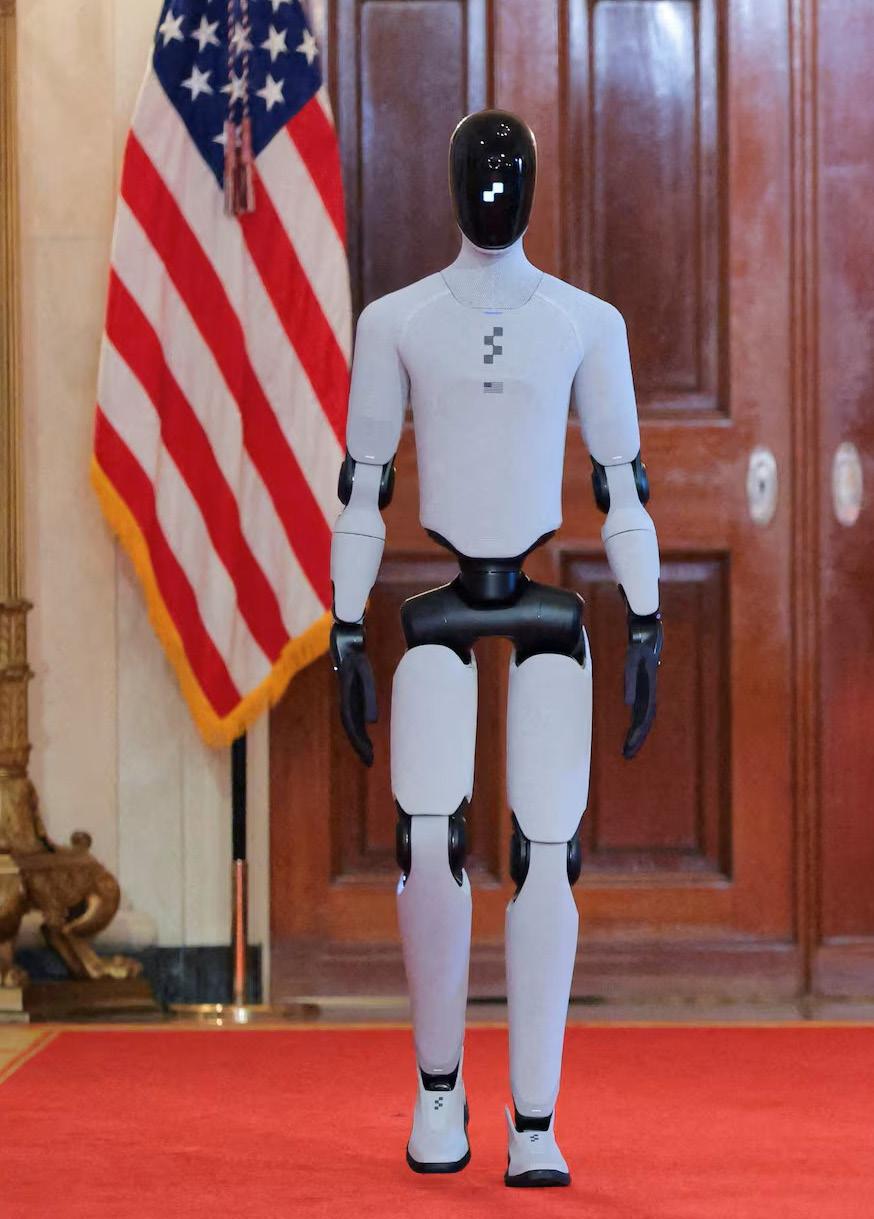
U.S. first lady Melania Trump walks next to a humanoid robot as she hosts a roundtable event on the second day of the inaugural Fostering the Future Together Global Coalition Summit, at the White House in Washington, D.C.


Ghost Robotics Vision 60 takes part in an annual New Year military drill by the Japanese Ground Self-Defense Force 1st Airborne Brigade at Narashino exercise field in Funabashi, east of Tokyo, Japan.



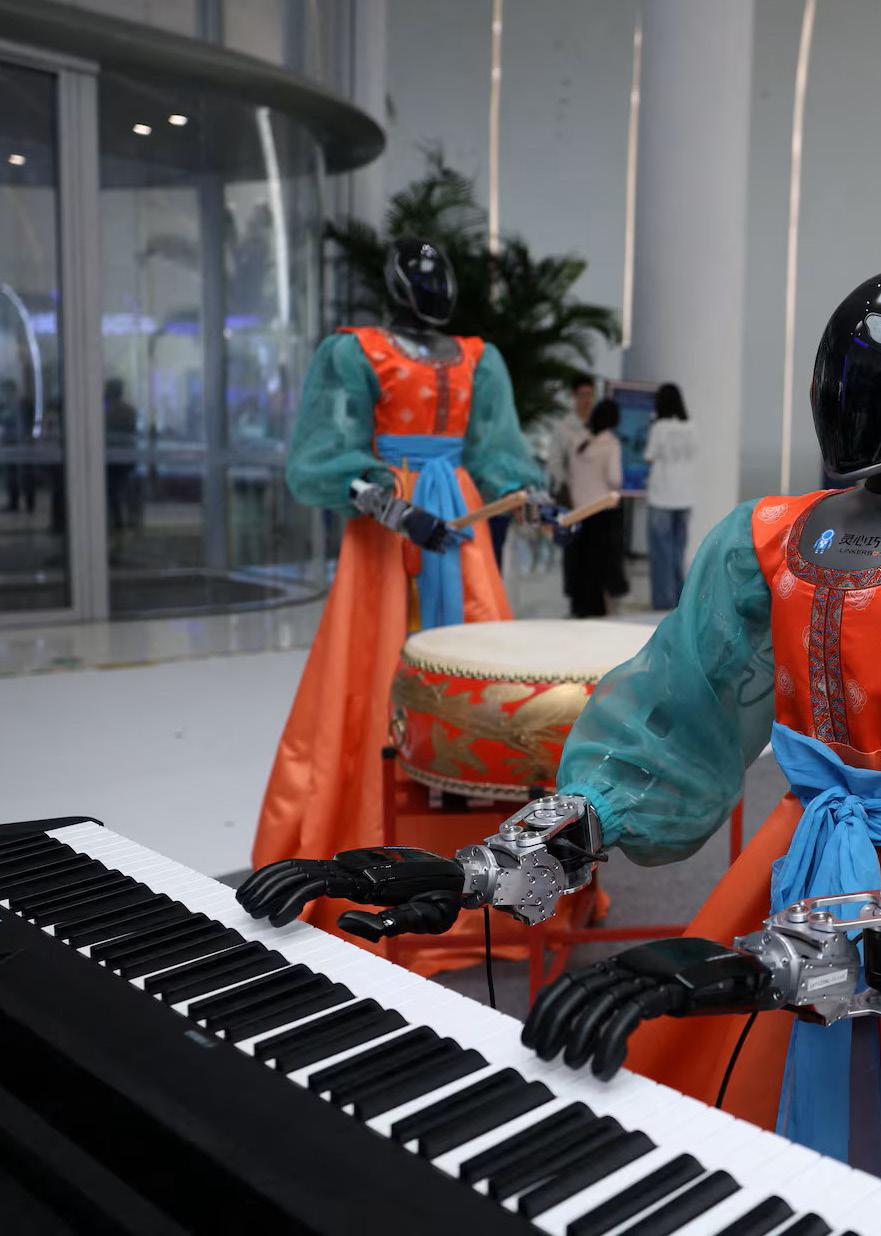
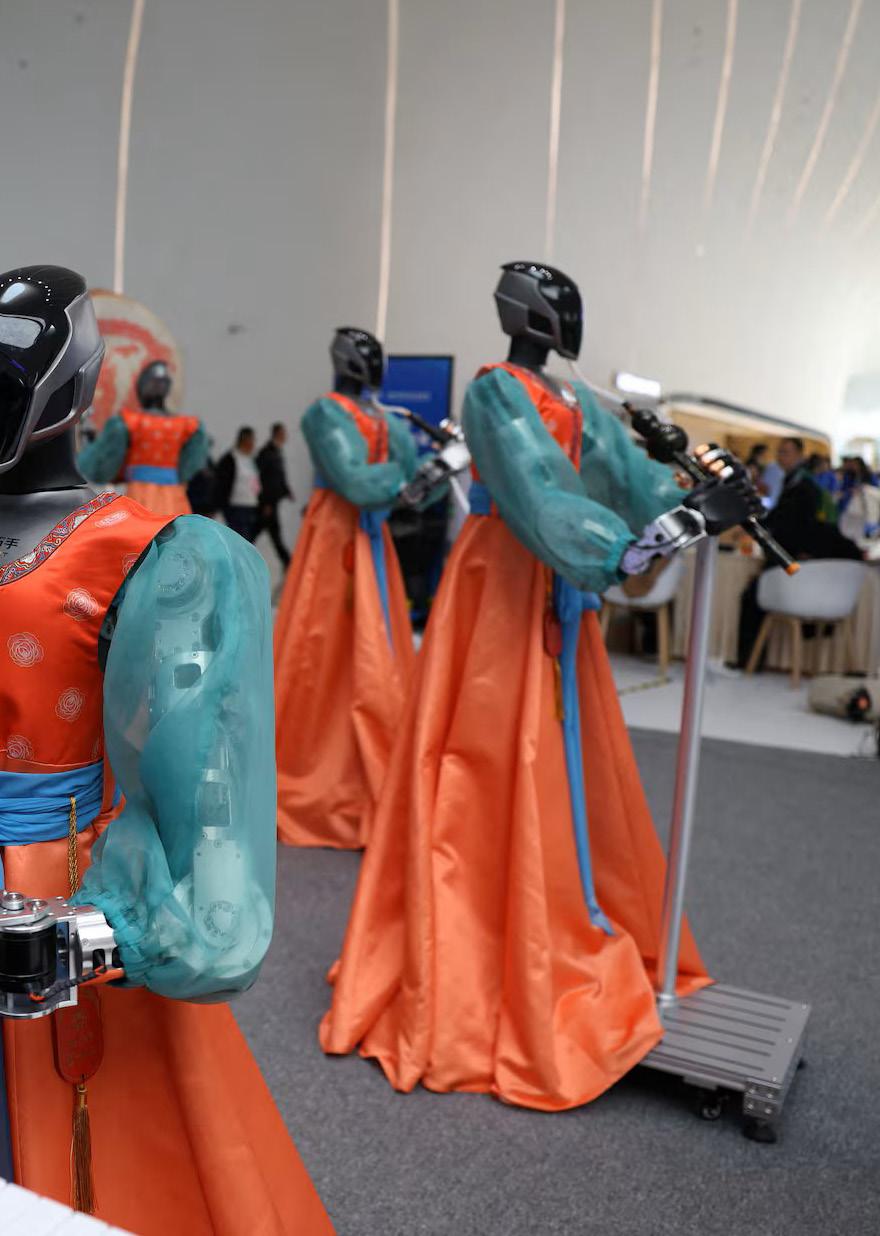
A humanoid robot by Linkerbot dressed up in a costume sits next to a piano as a demonstration, at the 2026 Zhongguancun forum, in Beijing, China.

Unitree G1 humanoid robots box at the TechShare booth in the International Robot Exhibition 2025 at Tokyo Big Sight in Tokyo, Japan.
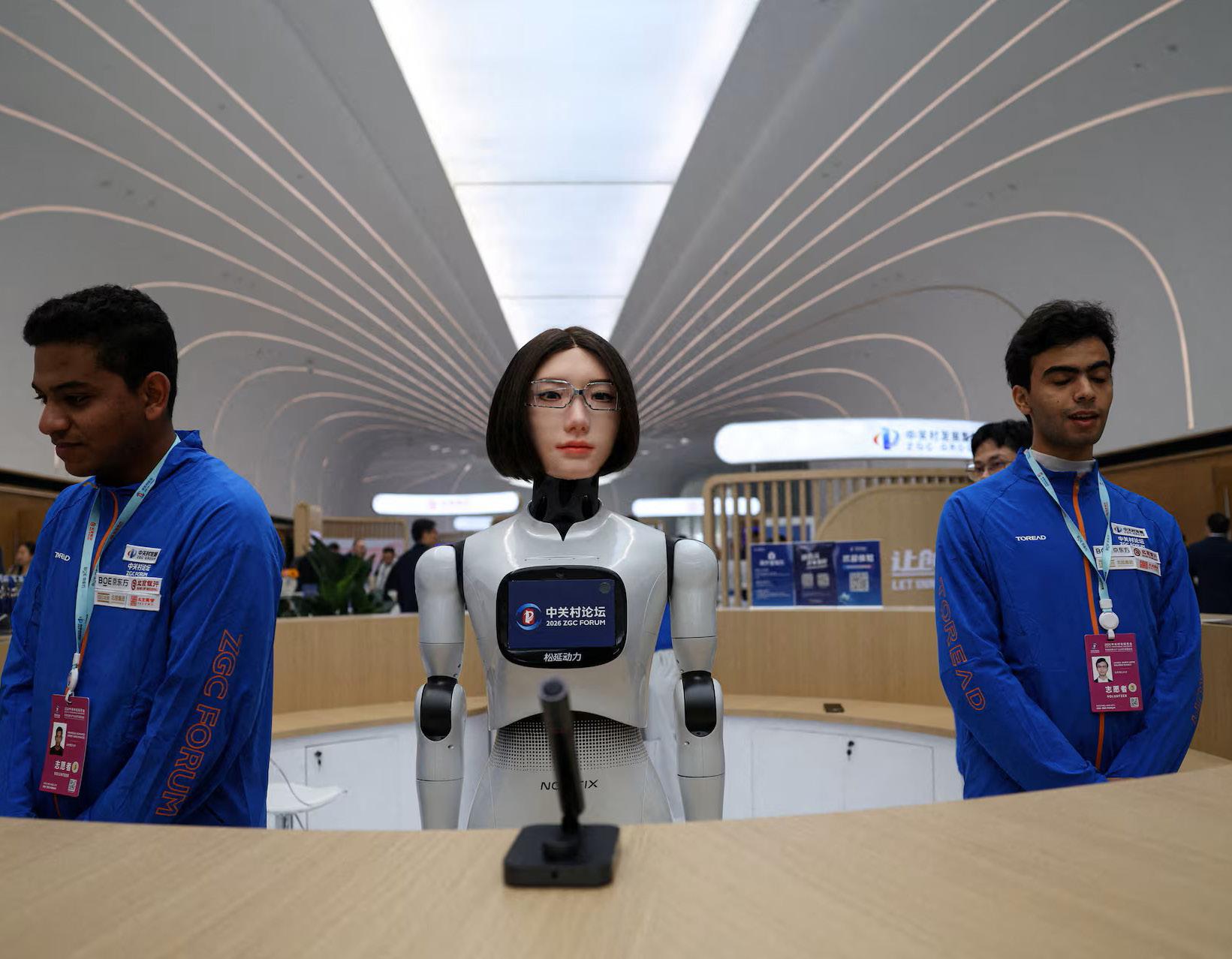
A Noetix humanoid robot Hobbs W1 attends to guests at the reception desk during the opening ceremony of the 2026 Zhongguancun forum in Beijing, China.
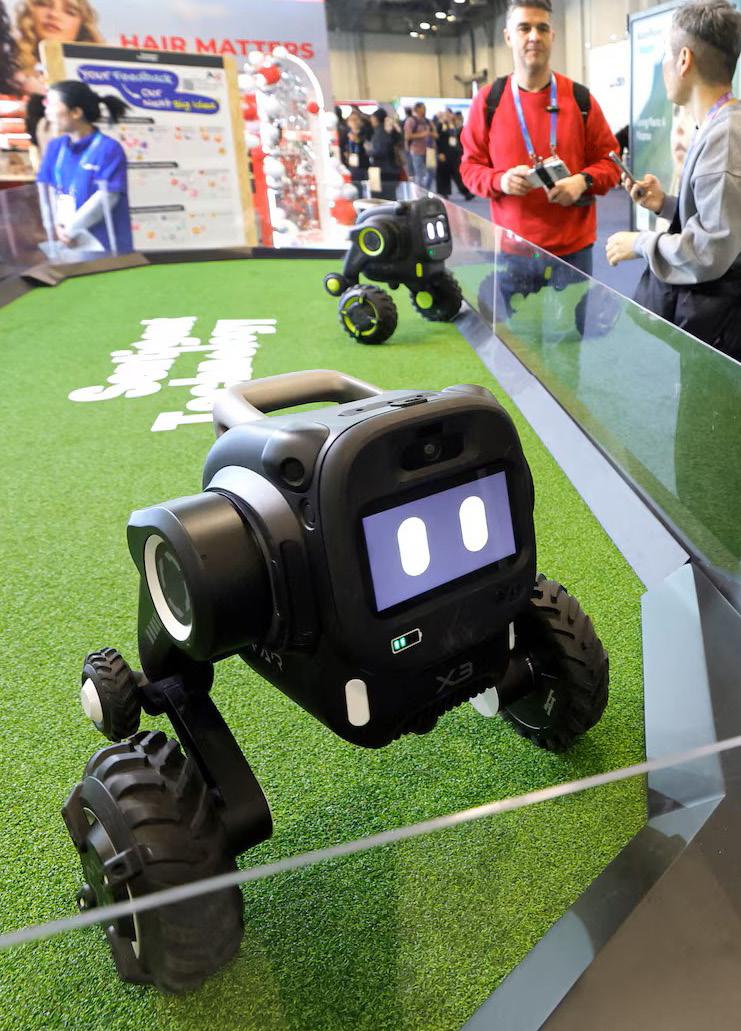
Rovar X3 outdoor companion robots are displayed at the Sentigent Technology booth during CES 2026, an annual consumer electronics trade show, in Las Vegas, Nevada.
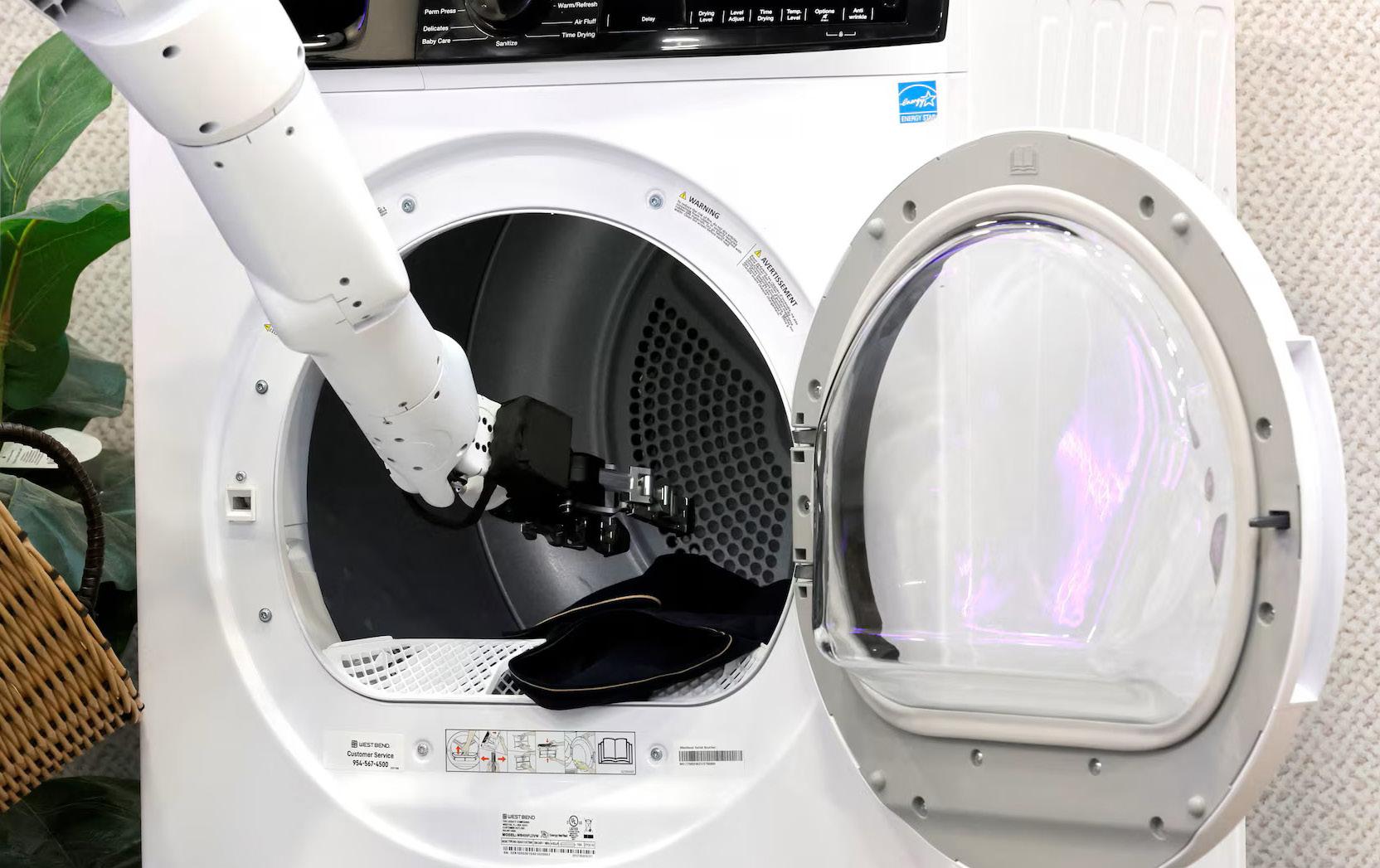
Wanda2.0, a general purpose robot, puts clothes into a washing machine at the UniX AI booth during CES 2026, an annual consumer electronics trade show, in Las Vegas, Nevada.
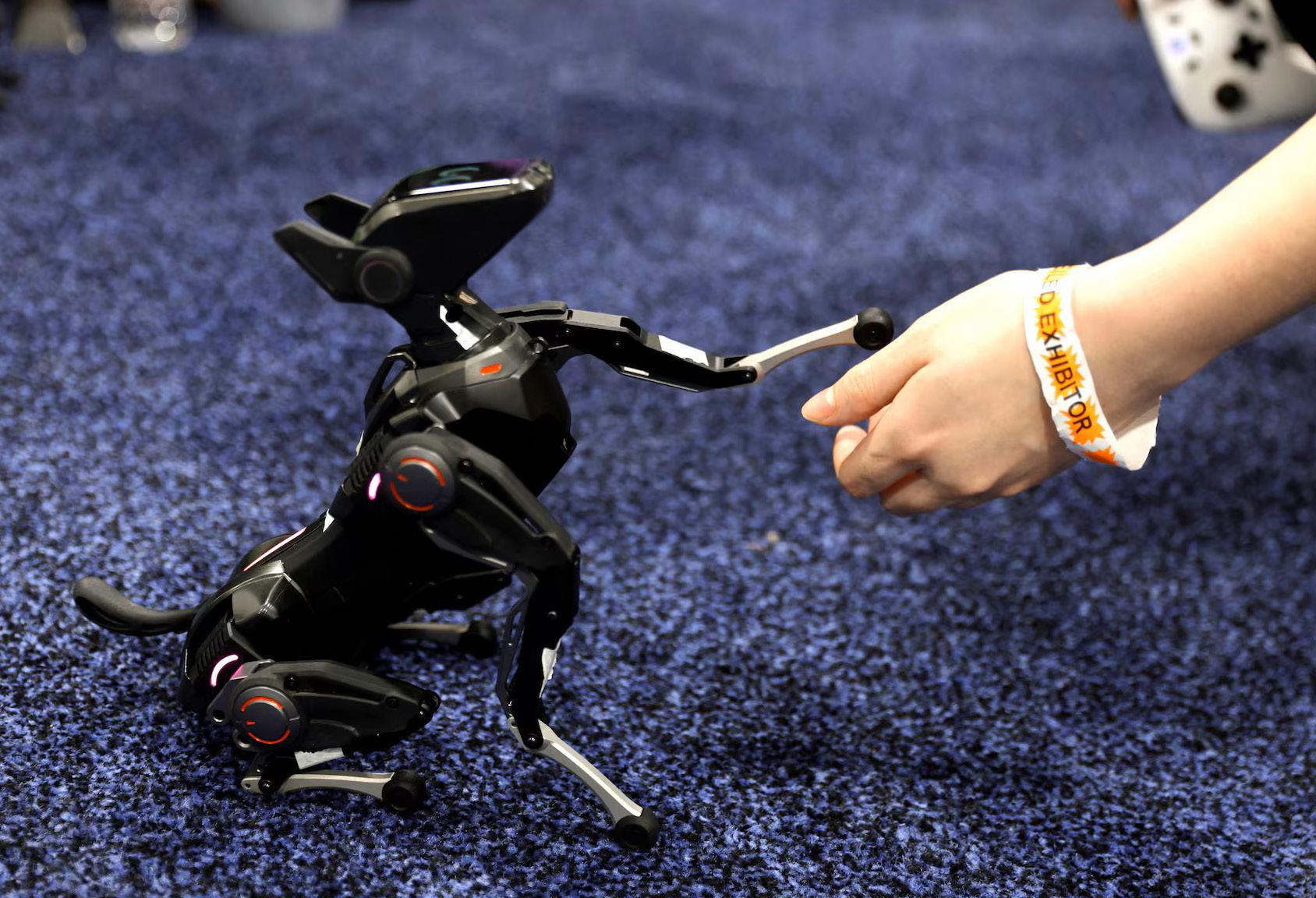
An exhibitor shakes hands with a robotic dog in the Hengbot Innovation booth during CES Unveiled at CES 2026, an annual consumer electronics trade show, in Las Vegas, Nevada.

A new K9-X robotic dog unit during a demonstration of operations to media at BBVA stadium, a 2026 FIFA World Cup venue, ahead of deployment for surveillance, monitoring and initial entry into risk areas as part of Guadalupe’s new security program, in Guadalupe, Mexico.

A Spirit AI’s Moz1 humanoid robot serves candied hawthorn on sticks, simulating a cafe as a demonstration, at the 2026 Zhongguancun forum, in Beijing, China.
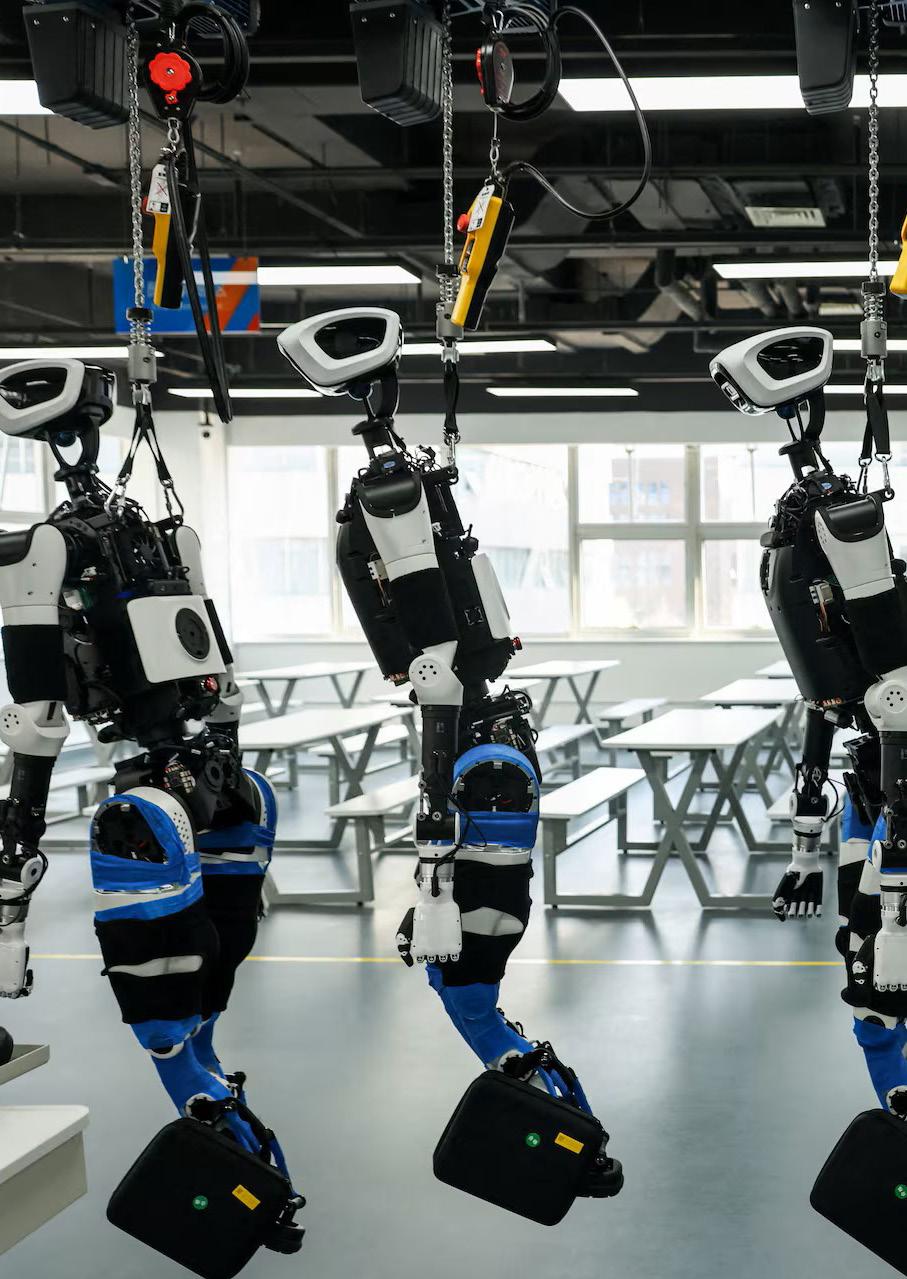
Humanoid robots appear at the production line during organized media tour to the Robotics Pilot Testing and Validation Platform of Beijing Innovation Center of Humanoid Robotics (X-Humanoid) in Beijing, China.
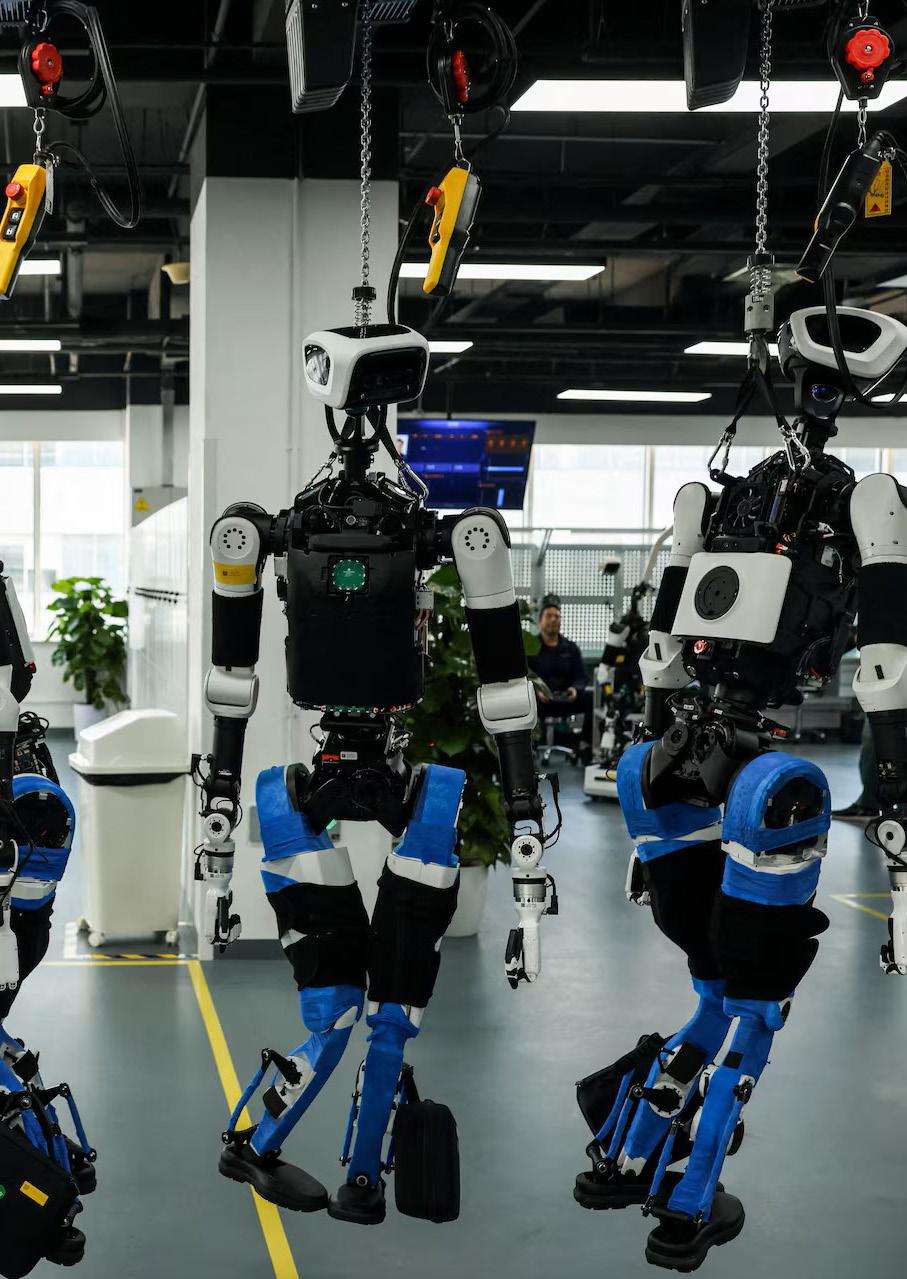
A humanoid robot Galbot-G1 places a cup of coffee on a platform for a Kuavo-5W humanoid robot by Leju Robotics to fetch, simulating a cafe as a demonstration, at the 2026 Zhongguancun forum, in Beijing, China.

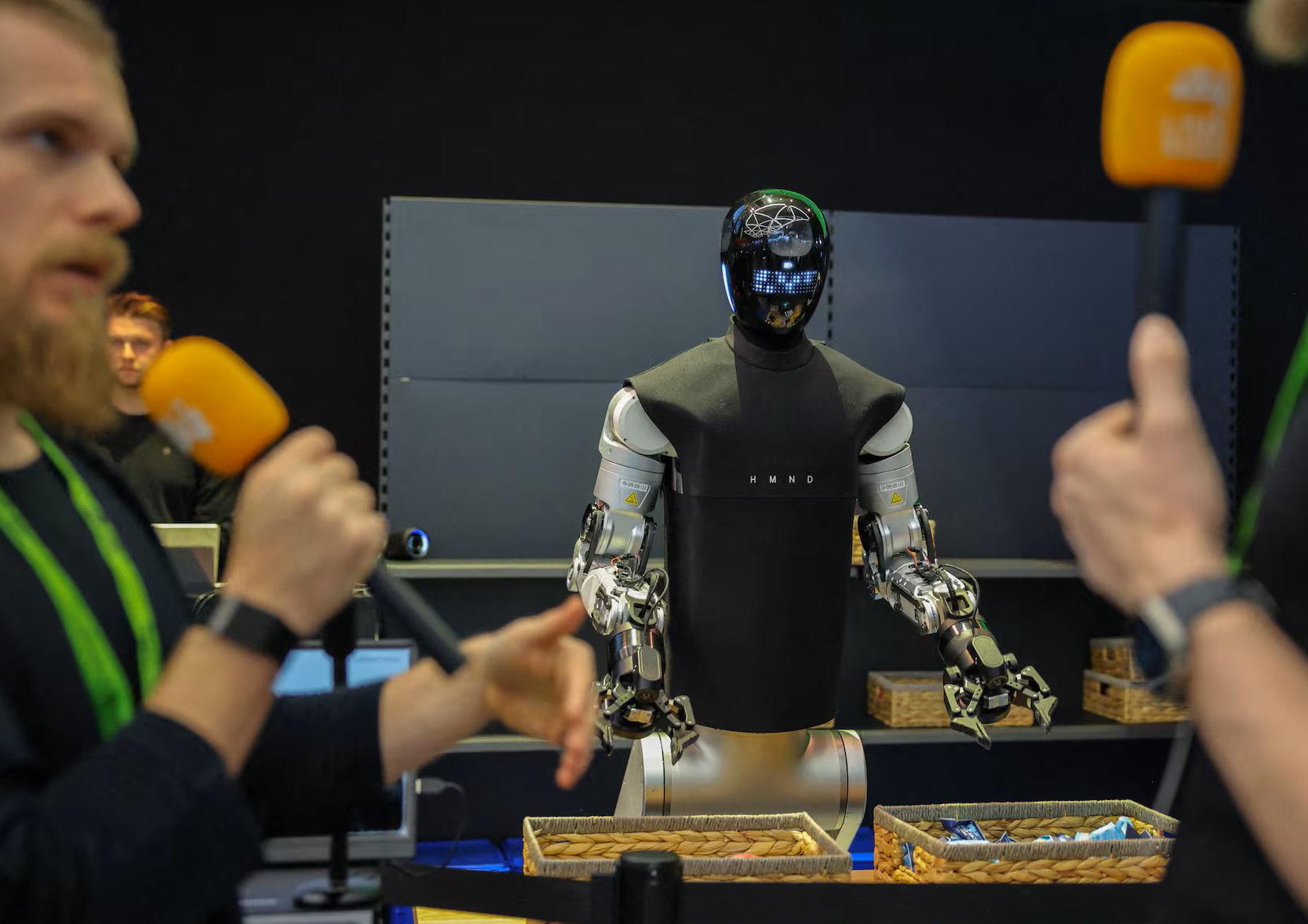
A robot demonstrates a task at the NVIDIA booth during the NVIDIA GTC global AI conference in San Jose, California.

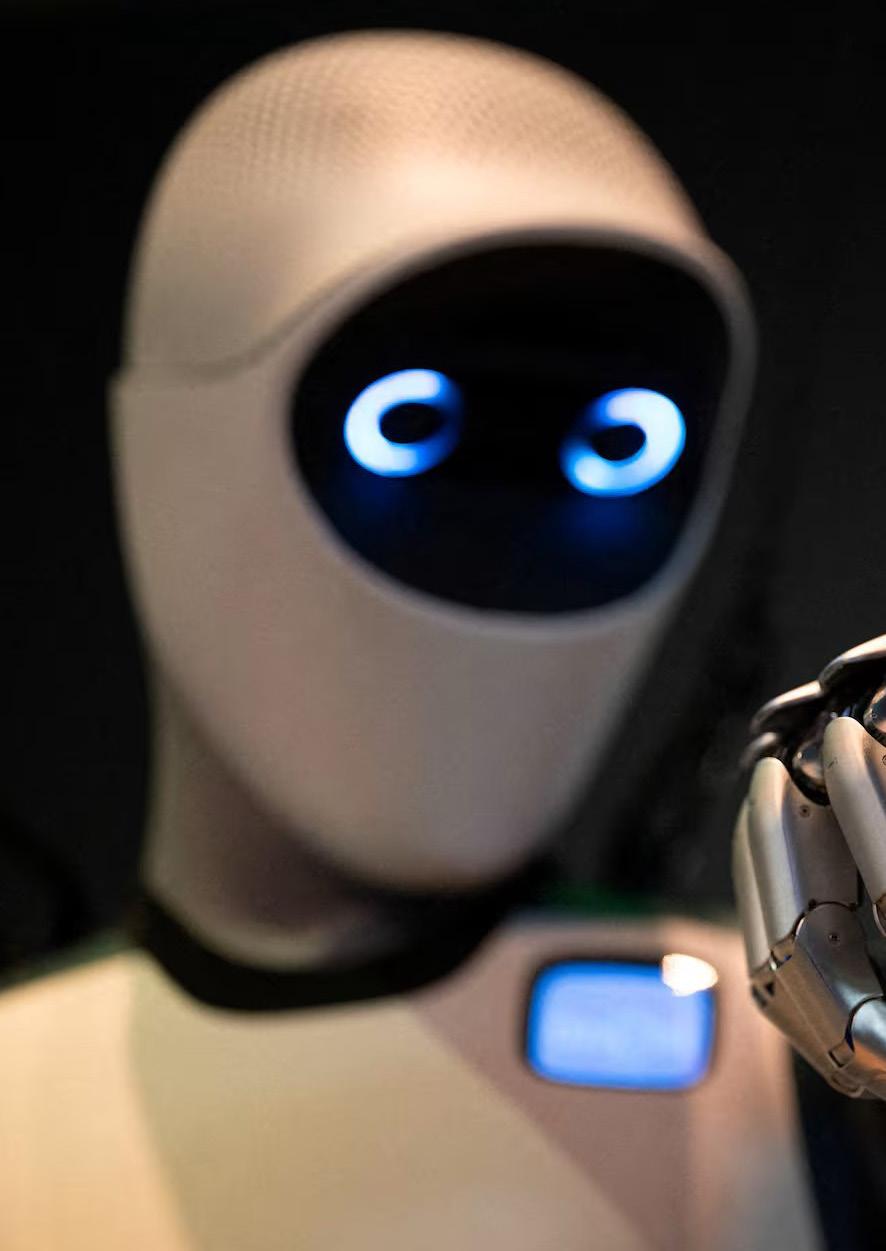
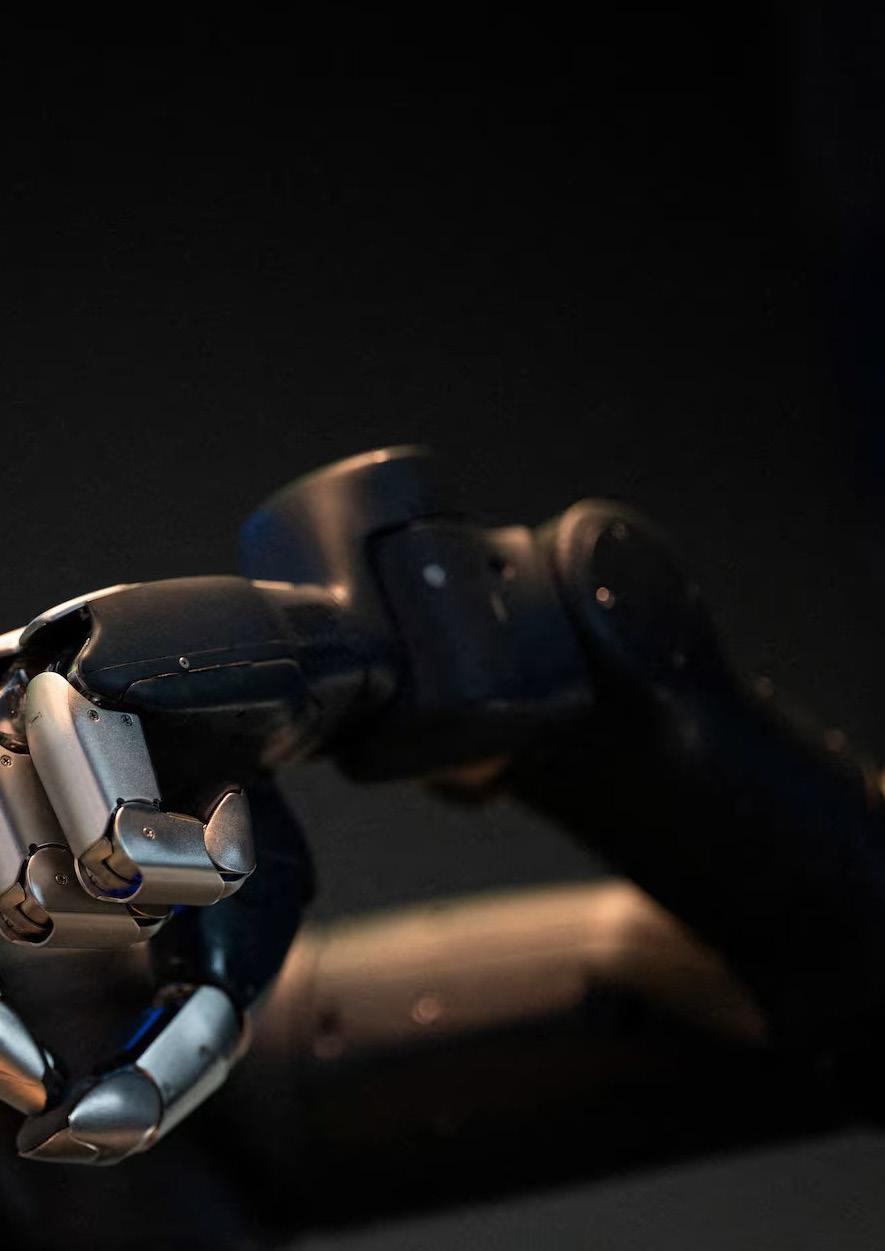
A robot demonstrates a task at the NVIDIA booth during the NVIDIA GTC global AI conference in San Jose, California.
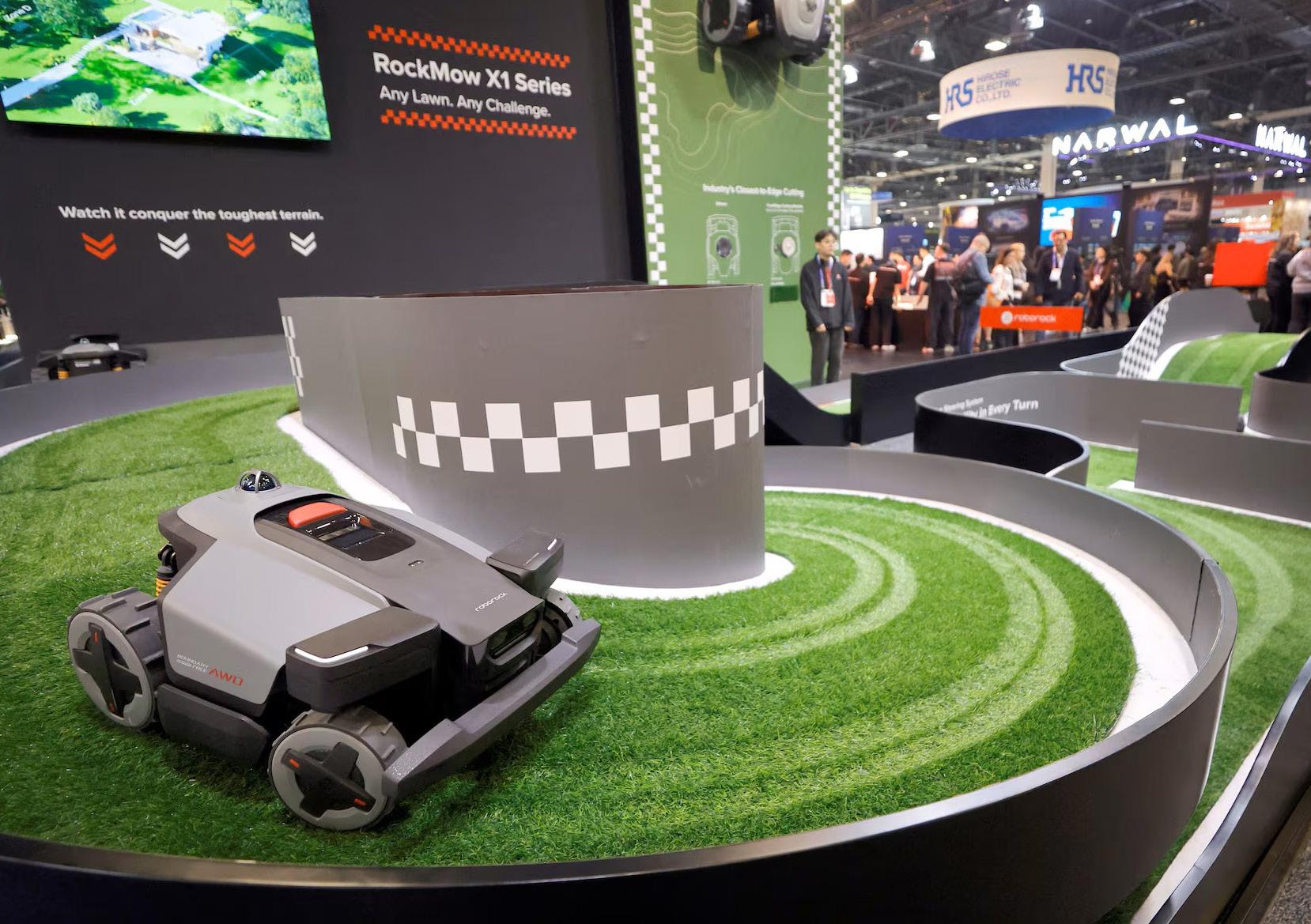
A RockMow X1 series robotic lawn mower by Roborock travels on a course during CES 2026, an annual consumer electronics trade show, in Las Vegas, Nevada.
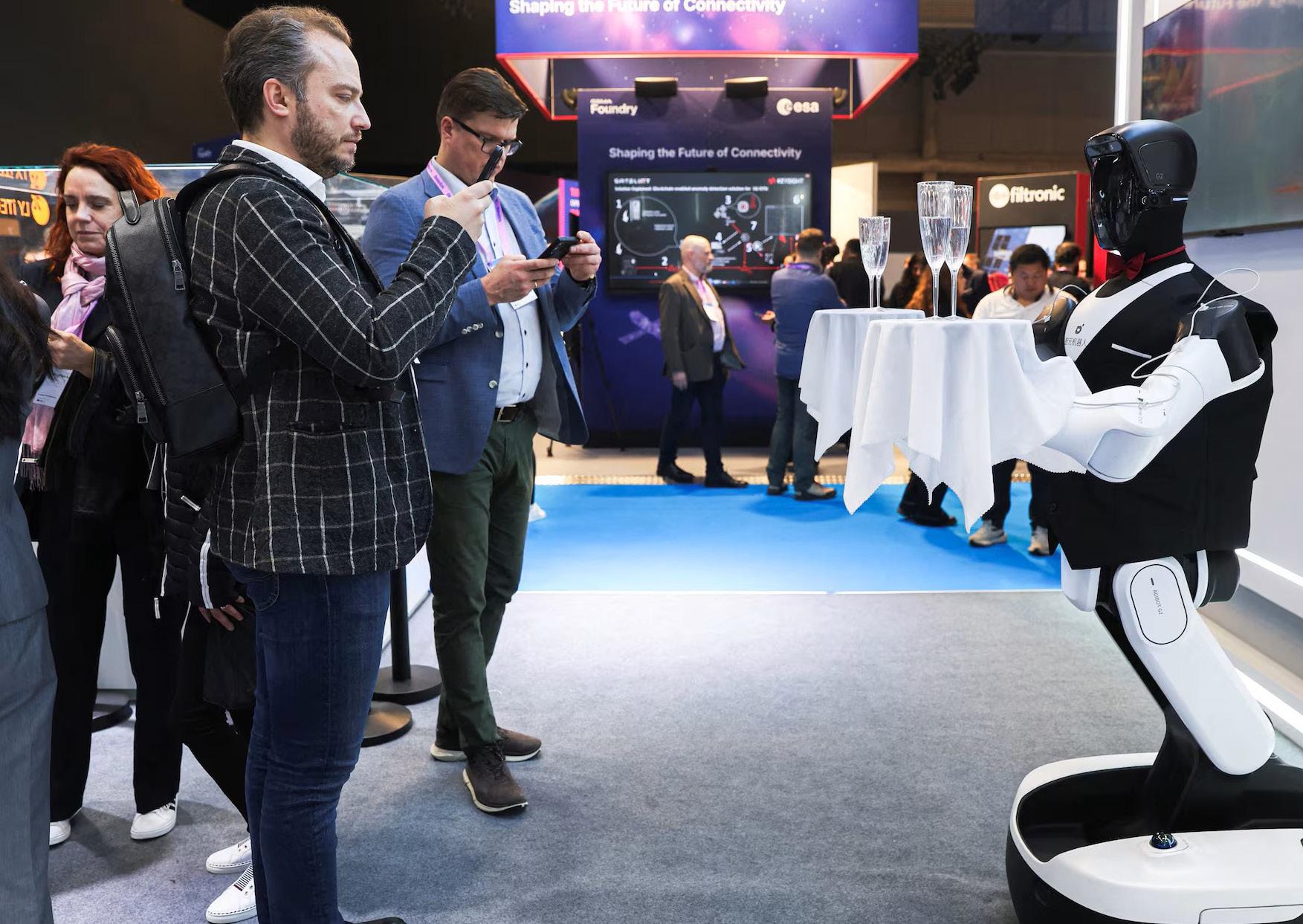
A robot poses as a server and showcases it’s balance skills at the Mobile World Congress (MWC26) trade show, in Barcelona, Spain.
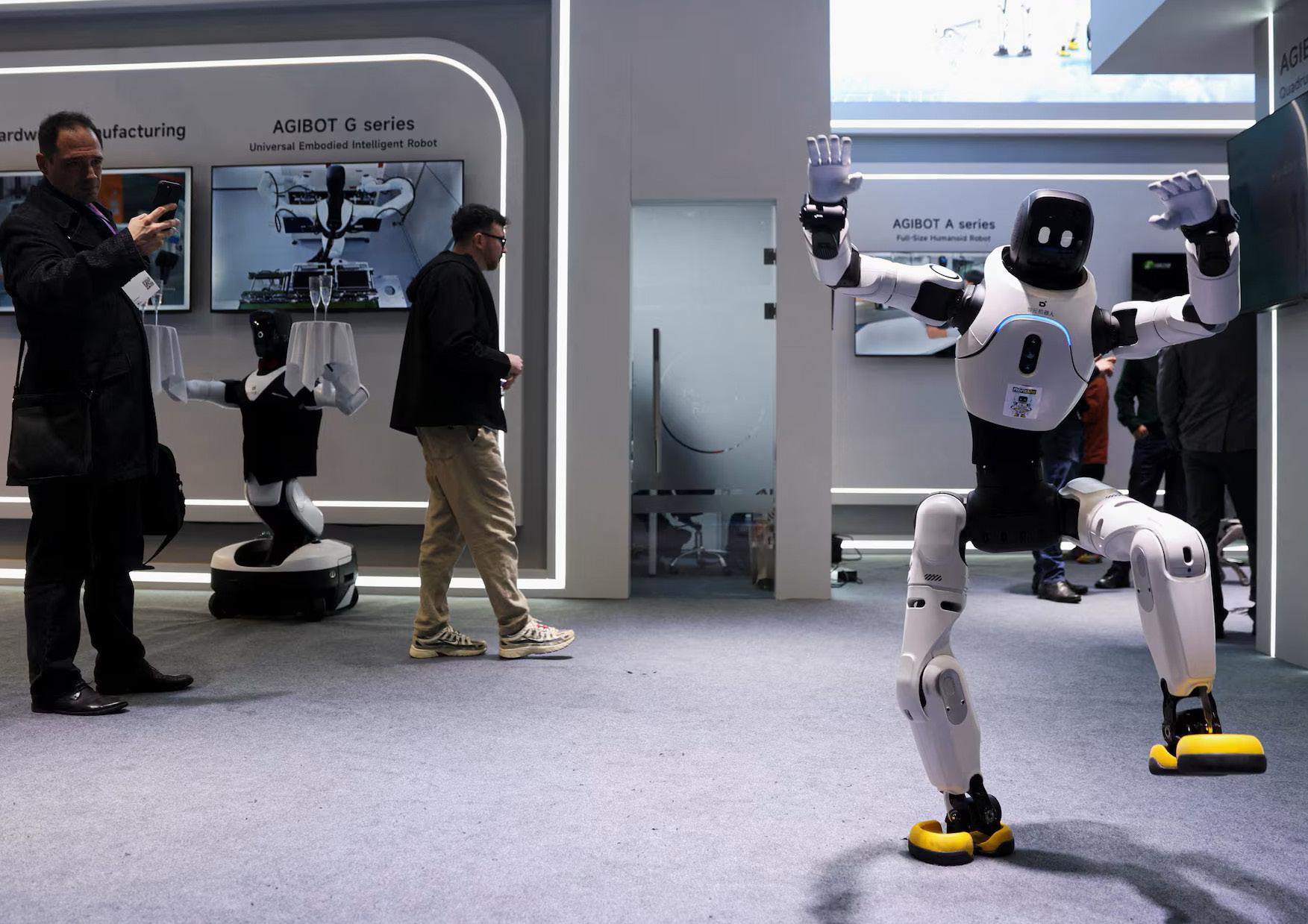
A robot dances to music at the Mobile World Congress trade show (MWC26), in Barcelona, Spain.

An Honor prototype robot dances alongside a performer at the Mobile World Congress trade show, in Barcelona, Spain.


U.S. first lady Melania Trump looks on next to Brigitte Macron, the wife of French President Emmanuel Macron, as she hosts a roundtable event on the second day of the inaugural Fostering the Future Together Global Coalition Summit, at the White House in Washington, D.C.
Klipsch
Klipsch made an impression across every category at CES 2026
CES 2026 is always a stage for audio innovation, and this year Klipsch made an impression across every category. Celebrating its 80th anniversary, the legendary American brand didn’t just refresh its lineup—it redefined what premium audio can be. From powered speakers to headphones, portable and tabletop systems, outdoor sound bars, hi-fi concepts, and next-generation desktop speakers, Klipsch offered a glimpse at an interconnected, immersive future.
Powered Speakers: The Fives II, Sevens II, and Nines II
The headline act of Klipsch’s CES showcase, the nextgeneration powered speakers, combine Paul W. Klipsch’s horn-loaded American sound with Onkyo-engineered electronics. The result is a two-speaker system that’s bigger, clearer, and more immersive than ever, with effortless setup and reference-level performance.
Key Features:
• Tractrix horn & Jet Cerametallic woofers: 5.25″ (Fives II), 6.5″ (Sevens II), 8″ (Nines II)
• Dolby Atmos® & DTS:X (Nines II)
• Dirac Live® Room Correction (Sevens II & Nines II) for automated calibration
• Multiple inputs: HDMI 2.1 eARC, USB-C, optical, coaxial, analog, subwoofer output
• Built-in streaming: AirPlay 2, Google Cast, Spotify Connect, TIDAL Connect, Qobuz, Roon Ready
• High-res playback: 24-bit/96kHz
• Finishes: Red Oak/white baffle, Walnut/black, Ebony/black
“These aren’t just updates—they reset the standard for what a simple two-speaker system can deliver,” said Klipsch COO Vinny Bonacorsi.
Klipsch At CES 2026: From Iconic Powered Speakers To The Future Of Audio
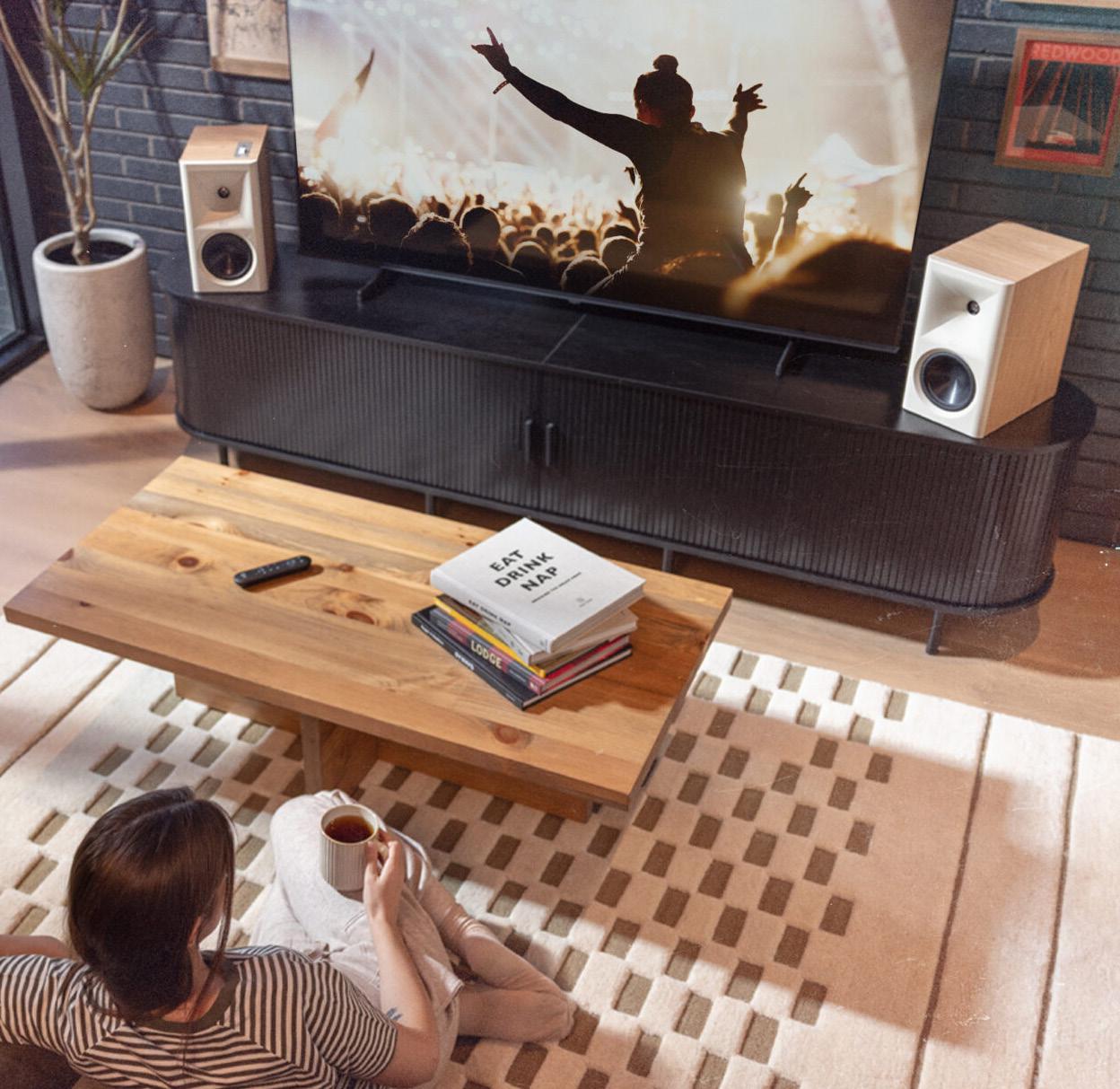
Beyond the main booth, Klipsch offered an invitation-only backstage preview, showcasing products still in development and highlighting the future of premium audio.
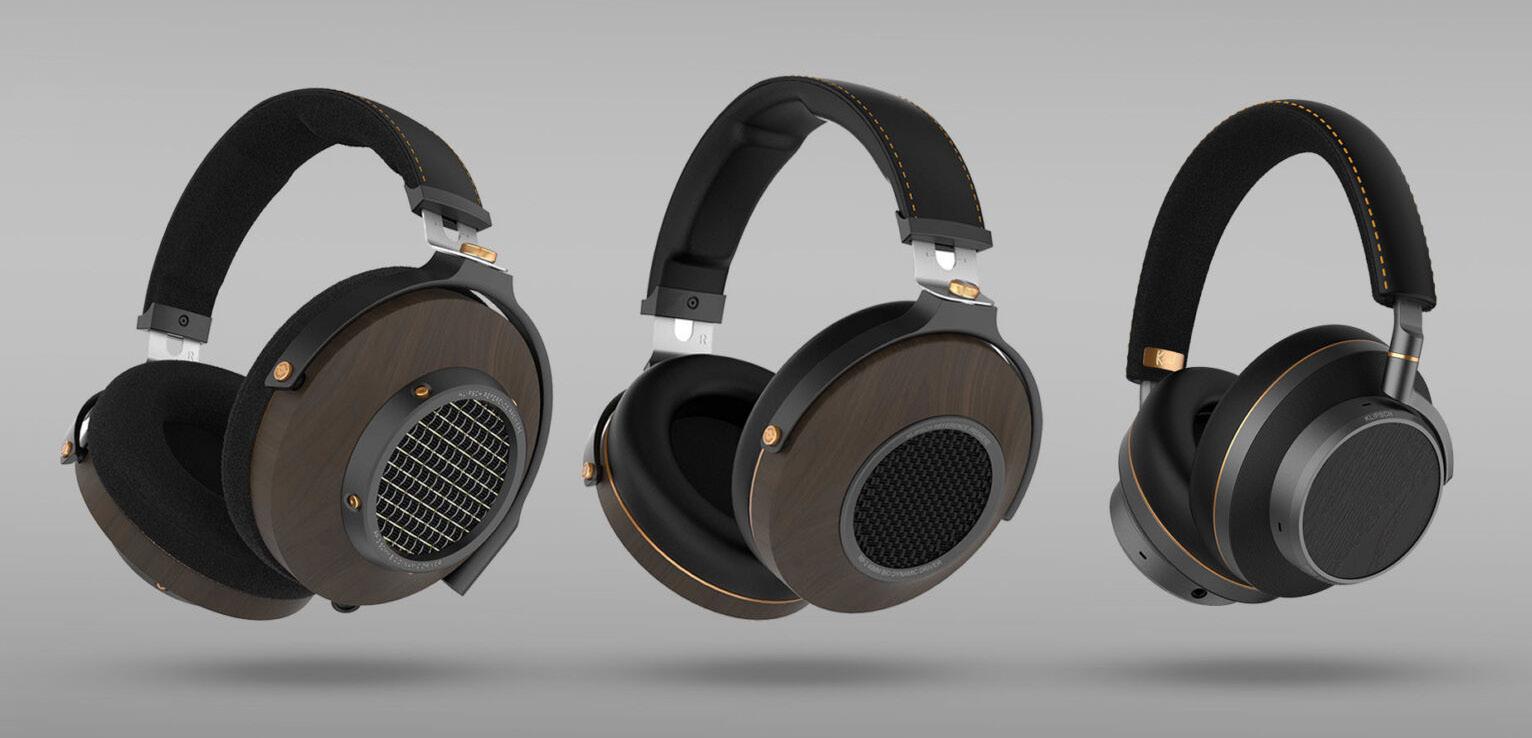
A bold return to the high-end headphone market, with three models:
• HP-1: Lightweight, wireless ANC for travel and daily listening
• HP-2: Closed-back hi-fi design with bass-forward tuning
• HP-3: Semi-open-back, luxury design for critical listening
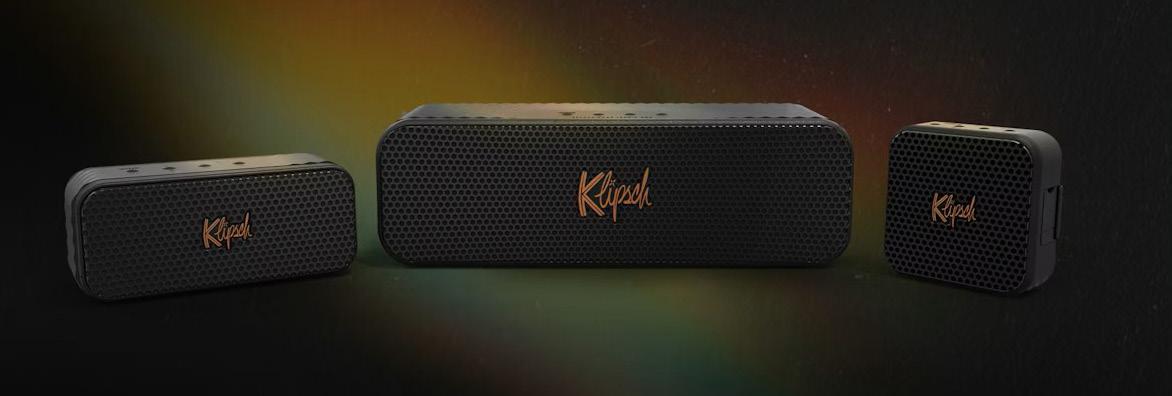
• Introduces Auracast broadcast audio, enabling a single device to stream to multiple speakers
• Redesigned for portability with carrying straps and magnets
• Multi-speaker synchronization for shared listening experiences
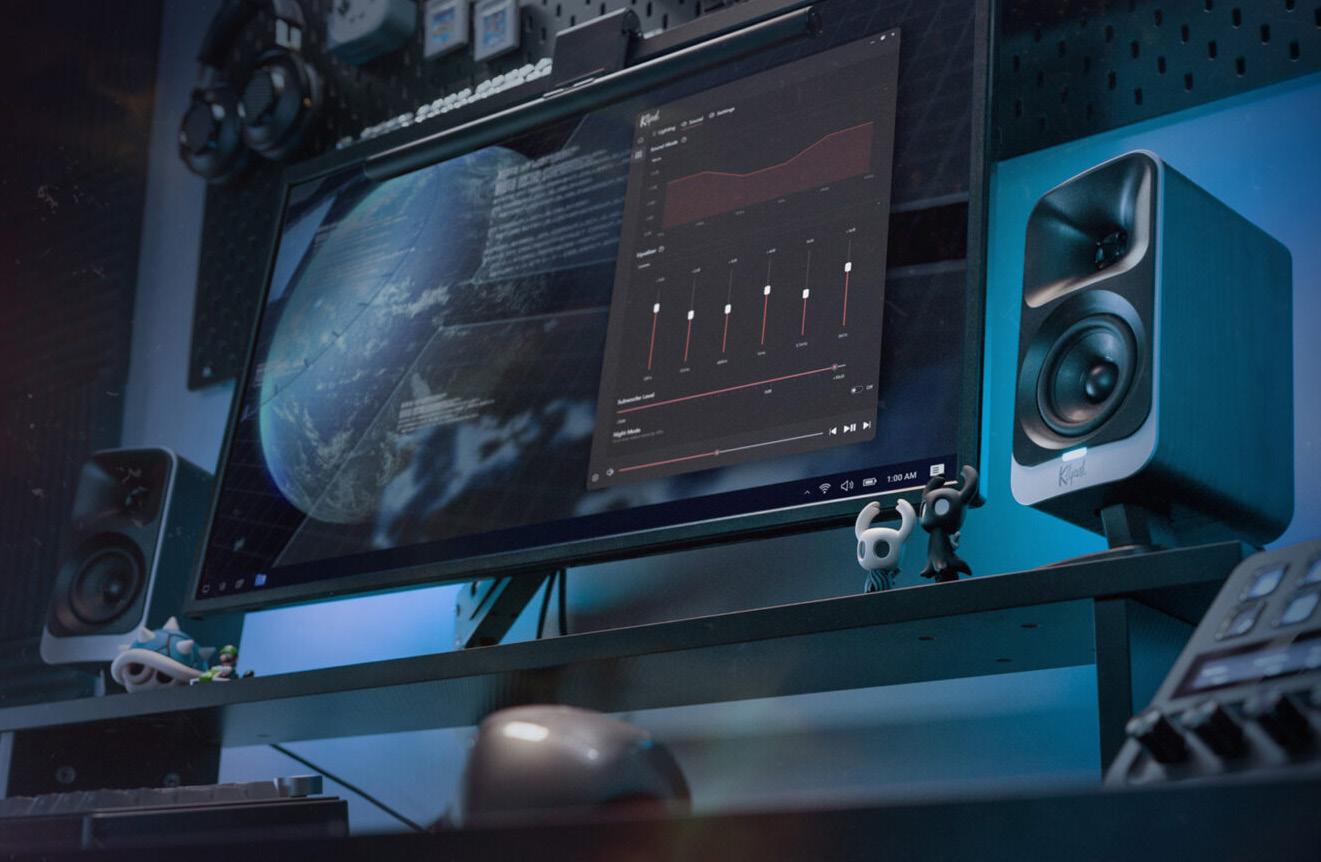
Klipsch also unveiled the next evolution of its iconic desktop audio system, the ProMedia Lumina, designed for gamers, content creators, remote workers, and casual listeners.
Highlights:
• 2.1-channel system with horn-loaded MicroTractrix® satellites (1” tweeter + 3” midrange) and 6.5” side-firing subwoofer
• Customizable LED lighting with five ambient modes, musicreactive options, and PC sync via Klipsch Control App
• Multiple connectivity options: Bluetooth 5.3, USB-C, 3.5mm Aux
• Virtual Surround, Music/Movie modes, 6-band EQ, Night Mode
• Adjustable satellite stands (0–20°) and a slim subwoofer for minimal desktop footprint
• Easy setup and intuitive control via Klipsch Connect Plus App
At $379.99, the ProMedia Lumina proves that high-performance sound belongs everywhere—even on your desk.
Vanish into the Music:
Introducing the iFi Audio iDSD PHANTOM
British hi-fi manufacturer, iFi Audio has unveiled the iDSD PHANTOM – a new flagship home device that distils more than a decade of digital and analogue achievement into a single component, the company says. By uniting a reference-class DAC, ultra-resolution network streamer, and powerful headphone amplifier, the PHANTOM promises iFi’s most accomplished listening experience to date – one that is more than worth the wait. Compared with the previous flagship Pro iDSD, the PHANTOM advances every core stage: a rebuilt streaming engine, higherprecision conversion, markedly greater output headroom, and more granular user-control.
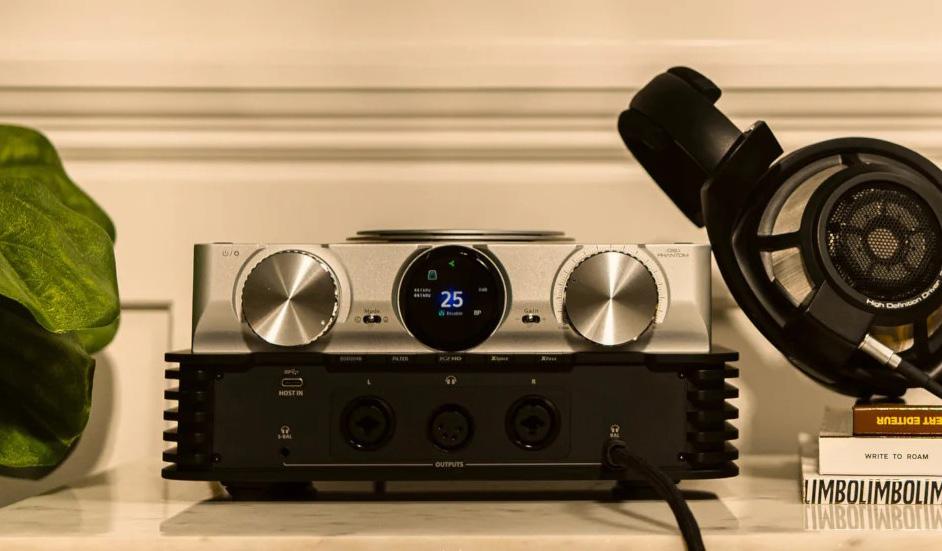
Beneath its evocative two-tone exterior lies fundamentally new circuitry alongside professional-grade technologies designed to put you in command of your music. DSD Remastering up to DSD2048 and K2HD Technology offer a level of sonic control once reserved for elite mastering studios, while XBass Pro, XSpace Pro, digital filters and real- time circuitry switching offer deeper, more meaningful levels of personalisation.

Colin Farch, Chief Engineer at iFi audio, comments: “Each stage of development involved re-examining the circuit, measuring performance, and making improvements to cement it as the most accomplished iFi listening experience to date.”
Key Features of the iFi iDSD PHANTOM include:
• Ultra-Res Network Streaming: Next-gen engine provides 768kHz/DSD512 digital audio from Qobuz Connect, Tidal Connect, and more.
• DSD2048 Remastering: iFi’s Chrysopoeia FPGA remastering engine delivers unprecedented clarity and detail.
• Real-Time Circuitry Switching: Discrete J-FET solid-state and NOS GE5670 tube stages offer three distinct userswitchable output topologies.
• K2HD Technology: Restores musical harmonics lost in production/encoding for a natural listening experience.
• 7,747mW Peak Output: Discrete, pure Class A amplification provides effortless headphone power across a wide range of loads.
• Quad DAC Architecture: Four interleaved Burr-Brown DACs deliver the musicality of famed multi-bit chipsets, with superior low-level linearity.
• XBass Pro s XSpace Pro: Three levels of fully analogue bass contouring and spatial enhancement.
A True All-In-One Centrepiece.
The iDSD PHANTOM debuts the latest evolution of iFi’s ultraresolution streaming engine, adding Qobuz Connect alongside Tidal C Spotify Connect, AirPlay 2 and more. This nextgeneration platform brings a wealth of refinements, including enhanced stability, smoother web radio performance, and a more intuitive interface with advanced settings for deeper customisation.
The result is a true all-in-one audio centrepiece that serves as the beating heart of your home setup, underpinned by a network streaming experience that incorporates native 768kHz PCM and DSD512 support. The PHANTOM unlocks your library across your whole home, allowing management and access to ultra-res digital audio from external hard drives, NAS drives, and more.
To preserve signal purity, the PHANTOM incorporates galvanic isolation on its Ethernet, S/PDIF, and AES/EBU inputs, separating it from sources at a circuit level to block electrical noise while allowing audio data to pass unimpeded. For further refinement, the PHANTOM offers iFi’s signature Exclusive Modes, which shut down unused system processes when streaming to improve operating efficiency and reduce the potential for signal noise. The iFi Nexis companion app has also evolved to support Wi-Fi linking, making it easier than ever to connect and queue music to the PHANTOM from anywhere in your home.
Geneva Lab launches two new speaker systems, the portable Duo and the architecturally infused DeCon/XL
Twin launches from Swiss Hi-Fi brand Geneva Lab offer up two very distinct audio experiences, one with a more contemporary edge, the other tapping into the sound-as-furniture scale and stylings of the 1970s.
Sleek new speakers from Swiss manufacturer Geneva Lab offer stylish power or portability
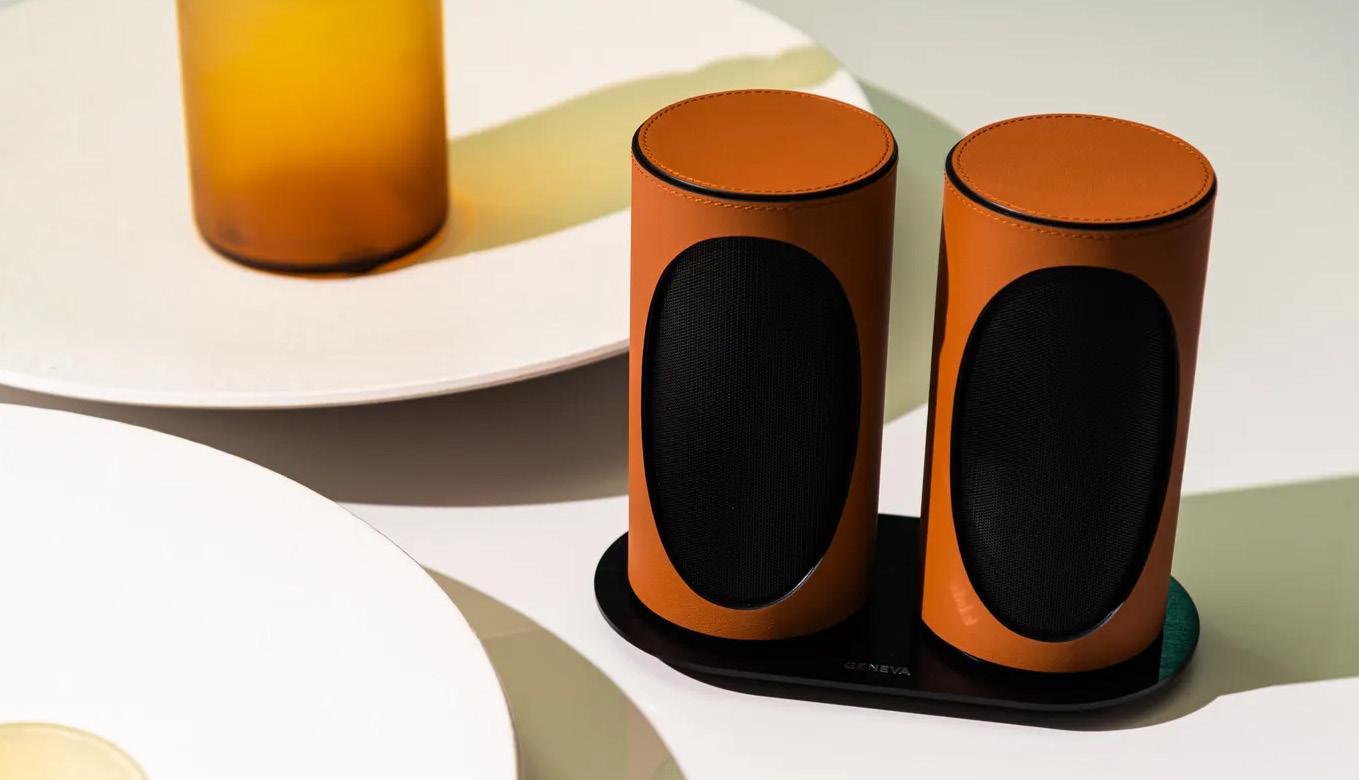
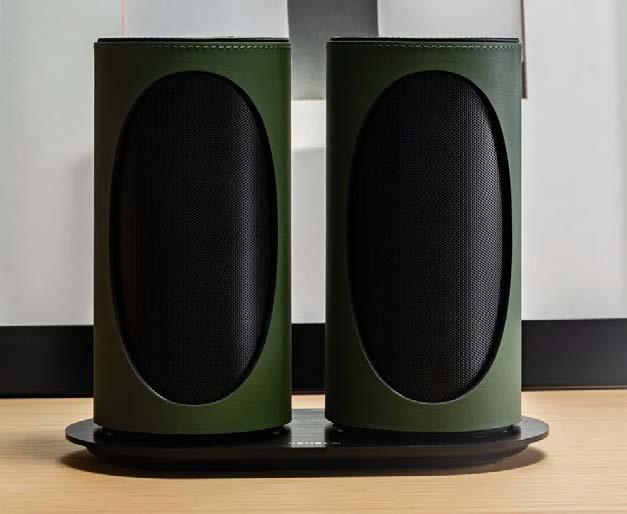
First up, the company is venturing into the wireless audio sphere with its Duo model, an upscale take on the Bluetooth speaker. Available as a pair for true stereo imaging, the Duo offers a step up from more everyday electronics with its leather covers and black anodized aluminum charging base. The latter doubles up as a wireless charging pad for phones and earbuds.
The Duo has enough battery power for 10 hours of wire-free playback, with onboard lowlatency Bluetooth 5.1 as well as a built-in microphone. Each speaker has a single multifunctional button, very much in keeping with the Geneva Lab ethos of keeping things simple. The leather case is available in white, Cognac, and red, with special editions like the Mud Green available in certain markets (in this case Japan).

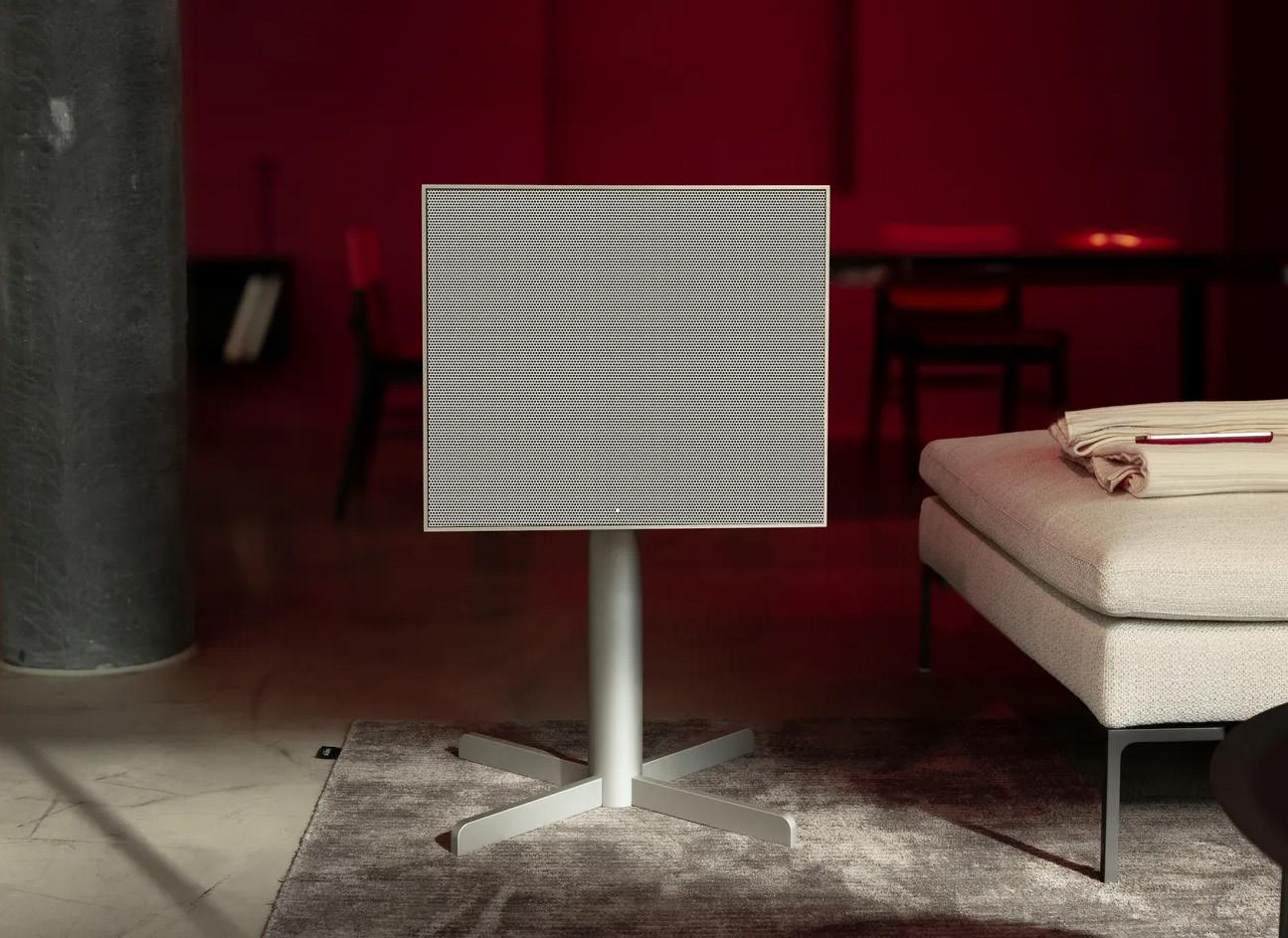
Geneva Lab DeCon/XL, the architectural option
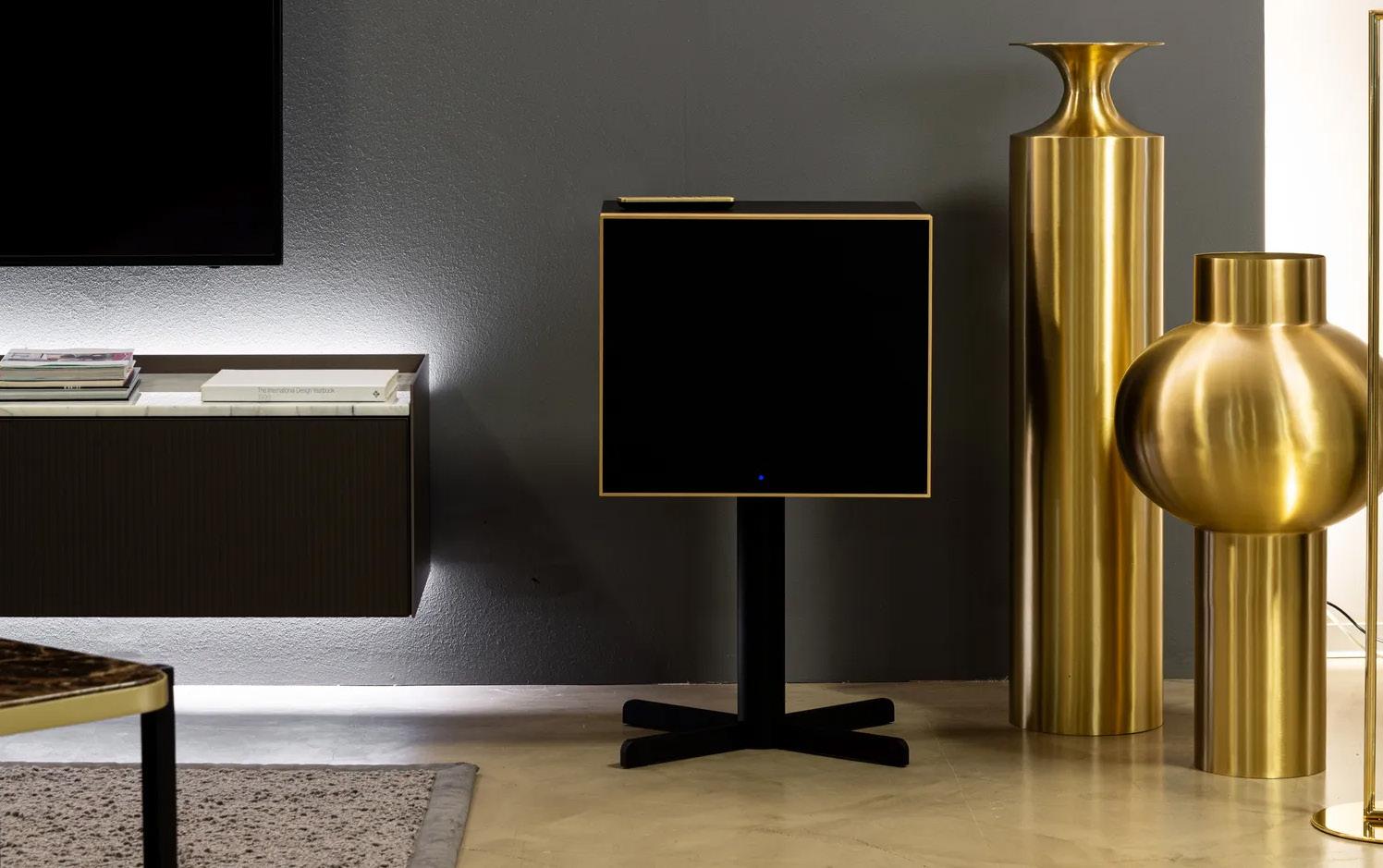
In comparison, the much larger DeCon/XL is described as a ‘sculptural presence that transforms any space.’ Standing half a metre high on its bespoke four-pronged metal
stand, the DeCon/XL is available in two finishes, Oak Wood with anodized champange aluminium frame and edging, or Black Wood with brass anodized aluminium finishes.
The 40kg unit updates the cabinet-type approach beloved by stalwart brand of the 70s Hi-Fi scene and splices it with a little bit of modern minimalism, material technology and – of course –functionality. CNC milling is used in the internal heat sinks, while the six drivers (two tweeters, two woofers and two subwoofers) provide a deep, rich sound.
The DeCon/XL is designed to work across every output, with onboard Bluetooth for smartphones and computers, integral HDMI for connection to TV sets and projectors, conventional line-in sockets and the ability to dial into the many and varied streaming services via the Geneva Wireless Adapter (available separately).
The BLE remote unit is finished in matching aluminium, the final touch from a brand that prides itself on looking after the details.
Guitar amplifier, speaker and headphone manufacturer Marshall has announced the launch of Heddon, a dedicated music streaming hub that’s designed to bring room-to-room sound to Marshall’s range of Bluetooth speakers and a few other devices.
Marshall Launches Heddon And Brings Unified Sound To Its Range Of Wireless Speakers
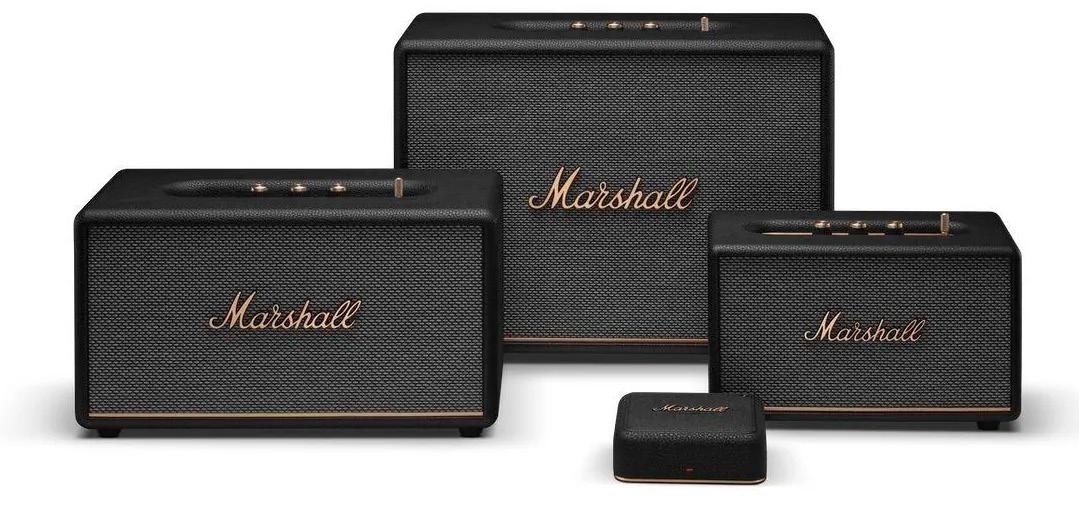
Built for modern streaming, Heddon is rooted in Marshall’s musical heritage and can connect multiple Marshall speakers with a unified listening experience and will even let vinyl take center stage thanks to an RCA phono input on the hub.
Heddon enables music flow freely around the home by streaming with Wi-Fi and Auracast to broadcast the audio to multiple Marshall Bluetooth speakers, enabling you to go from room to room without interrupting the flow and enjoyment of the music
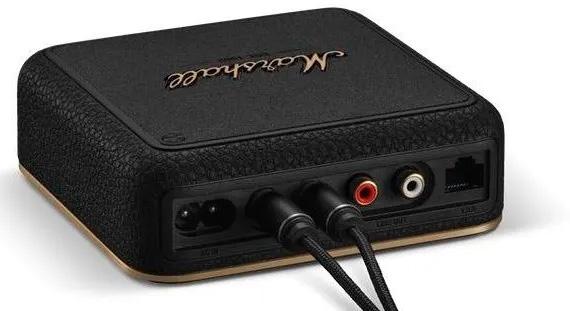
Heddon even lets you add a record player to your home audio setup so you can bridge the analog/digital divide and bring some of the warmth and richness of vinyl to a multi-speaker environment.
Heddon supports major streaming services like Spotify Connect, TIDAL, AirPlay and Google Cast. It can deliver music simultaneously to Marshall’s Acton III, Stanmore III and Woburn III Bluetooth speakers. Heddon also allows some older Marshall speakers to be connected via Heddon’s RCA output, extending the life of older model while opening them up to new technology.
“Music listening habits keep evolving, and Heddon is designed to evolve with them,” says Gustaf Living Rosell, chief product and innovation officer at Marshall. “We see Heddon as a living platform. Through future software updates and close collaboration with our community, we’ll continue to expand its possibilities with more features and by introducing additional product categories, while staying true to the way people actually listen to music at home.”
Marshall’s Heddon hub is available now from and is priced at $299.99 / £179.99 / €199. Customers buying a Marshall Acton III, Stanmore III or Woburn III speaker will be offered Heddon for half price. There is a free Heddon for anyone who buys two or more eligible Marshall home speakers.
Marshall launches its new lightweight party speaker, the Bromley 450
Marshall, purveyor of vintage-inspired headphones and speakers, is launching its second party speaker, the Bromley 450. The 450 is a lightweight and compact companion to Marshall’s first party speaker, the Bromley 750. But despite its smaller stature, it has a big presence in the loudest of rooms. “With Bromley 450, our goal was to take everything we loved about the Bromley 750 and bring it into a more compact form. It delivers the same signature sound: fast, powerful bass, clean mids, and detailed highs,” says Malcolm Kennedy, Director of Audio & Acoustics at Marshall Group.
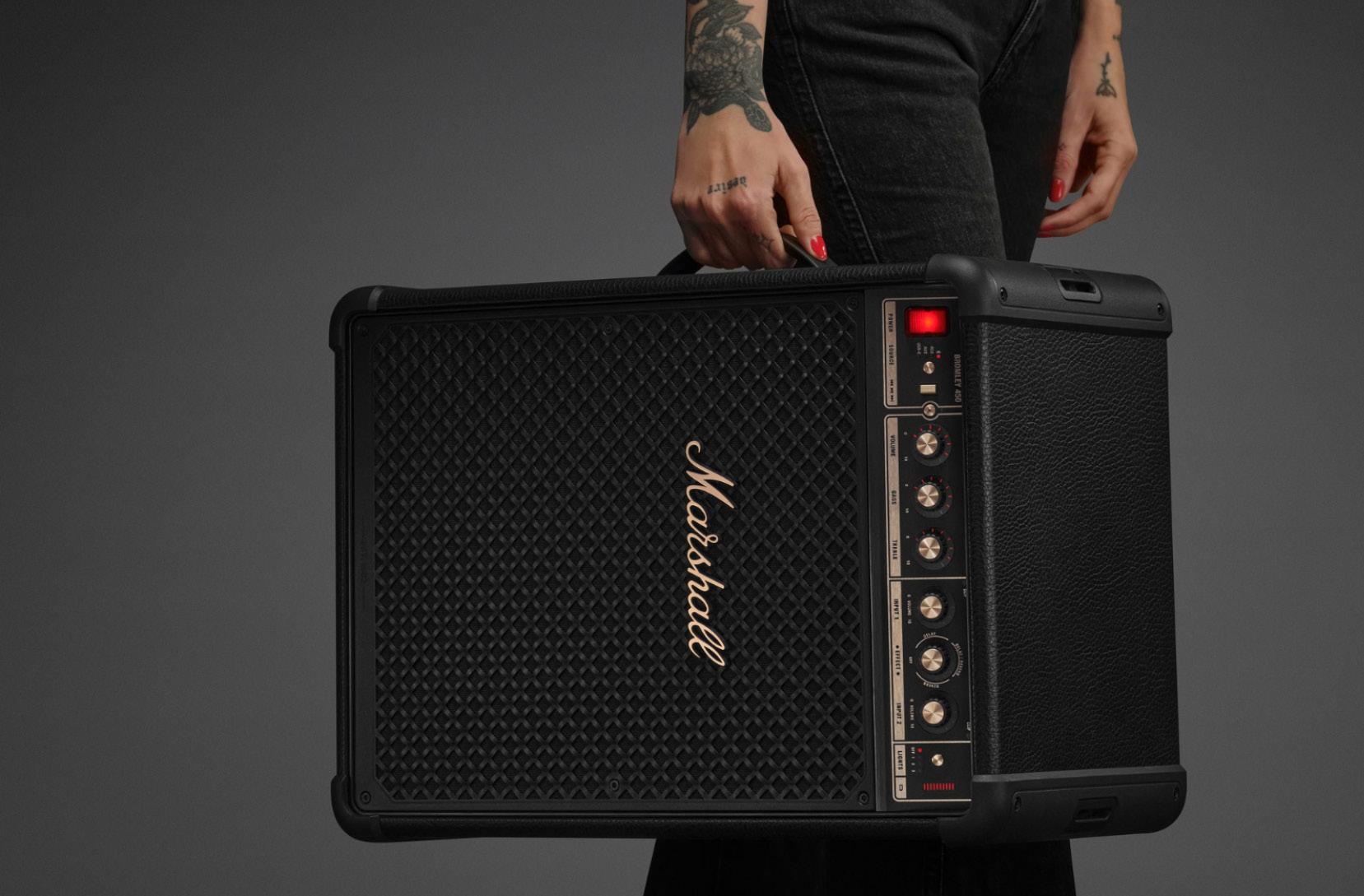
The Bromley 450 comes with True Stereophonic 360 sound and over 40 hours of battery life. We’ve come to expect long battery life in Marshall’s devices, having tested the Marshall Major V headphones, which have over 100 hours of battery life. It’s encased in a water-based PU leather wrap with a metal grate toting Marshall’s signature logo as well as integrated lights. Hanna Wallner, Product Manager at Marshall Group, adds, “This speaker is smaller and more affordable yet still
packed with impressive features including sound that hits every corner, a stage light-inspired light show, and our unique Marshall design.” Unlike the Bromley 750, which can be wheeled like a suitcase, the Bromley 450 has a built-in handle, meaning you will have to carry it by hand. Luckily, it’s lightweight, weighing just over 26 pounds. It’s fit for gatherings both indoors and outside with an IP55 rating, making it dust and splash-proof. It includes two combo jacks so you can equip it with mics or DJ equipment.
The speaker has Bluetooth and Auracast, allowing you to connect other Auracast devices for surround sound. The Bromley 450 is now available for purchase at Marshall, Amazon, and Best Buy, retailing for $799.99.
Mission has finally pulled the trigger on the 778S, its first-ever network music streamer — and this is a far more serious product than the long wait might suggest.
Designed as the natural partner to the 778X integrated amplifier, the 778S follows the same compact half-width formula that helped put Mission back on the electronics map after a four-decade absence. The amplifier earned strong marks for its balanced, unfussy sound and sensible feature set at a genuinely accessible price point. The streamer has been teased since Munich 2024, but only now do we get full specifications and pricing.
Mission Debuts 778S Music Streamer with Qobuz, TIDAL, Spotify Connect & AirPlay 2
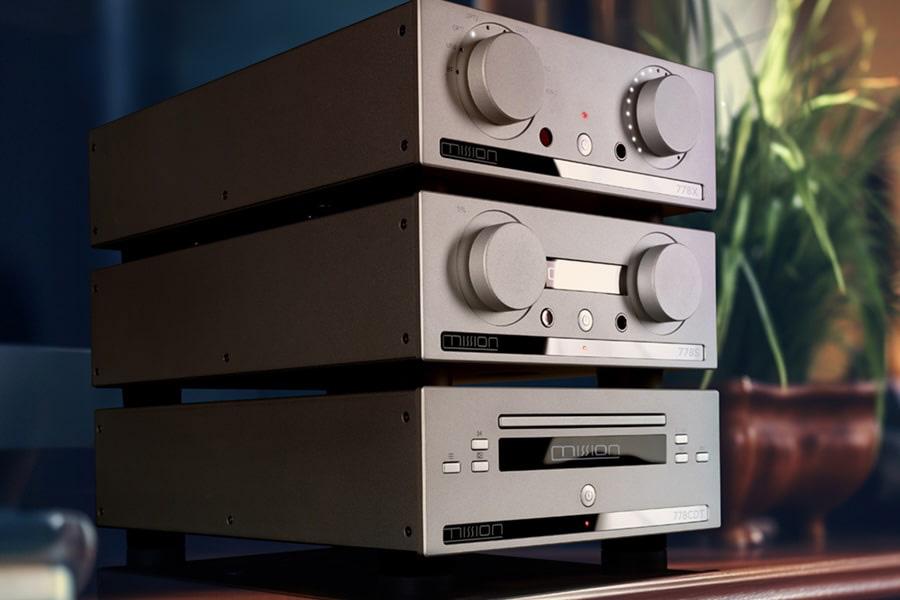
Here’s the catch: in the UK, £799 is defensible for a well-specified, brand-new platform from Mission. In the US, $1,699 is a much tougher sell — especially when proven heavyweights like the Bluesound NODE ICON and Cambridge Audio CXN100 cost significantly less and bring mature ecosystems with them. That price gap alone makes the 778S a far more compelling proposition on one side of the Atlantic than the other.
Mission didn’t build the 778S streaming platform in isolation. The digital backbone was developed in collaboration with Silent Angel, a company that has focused exclusively on network audio hardware and software since 2014.
According to Mission, the 778S runs a tailored implementation of Silent Angel’s core streaming engine, integrated with Mission’s own analogue and digital circuit design, and controlled through a dedicated mobile app for both iOS and Android.
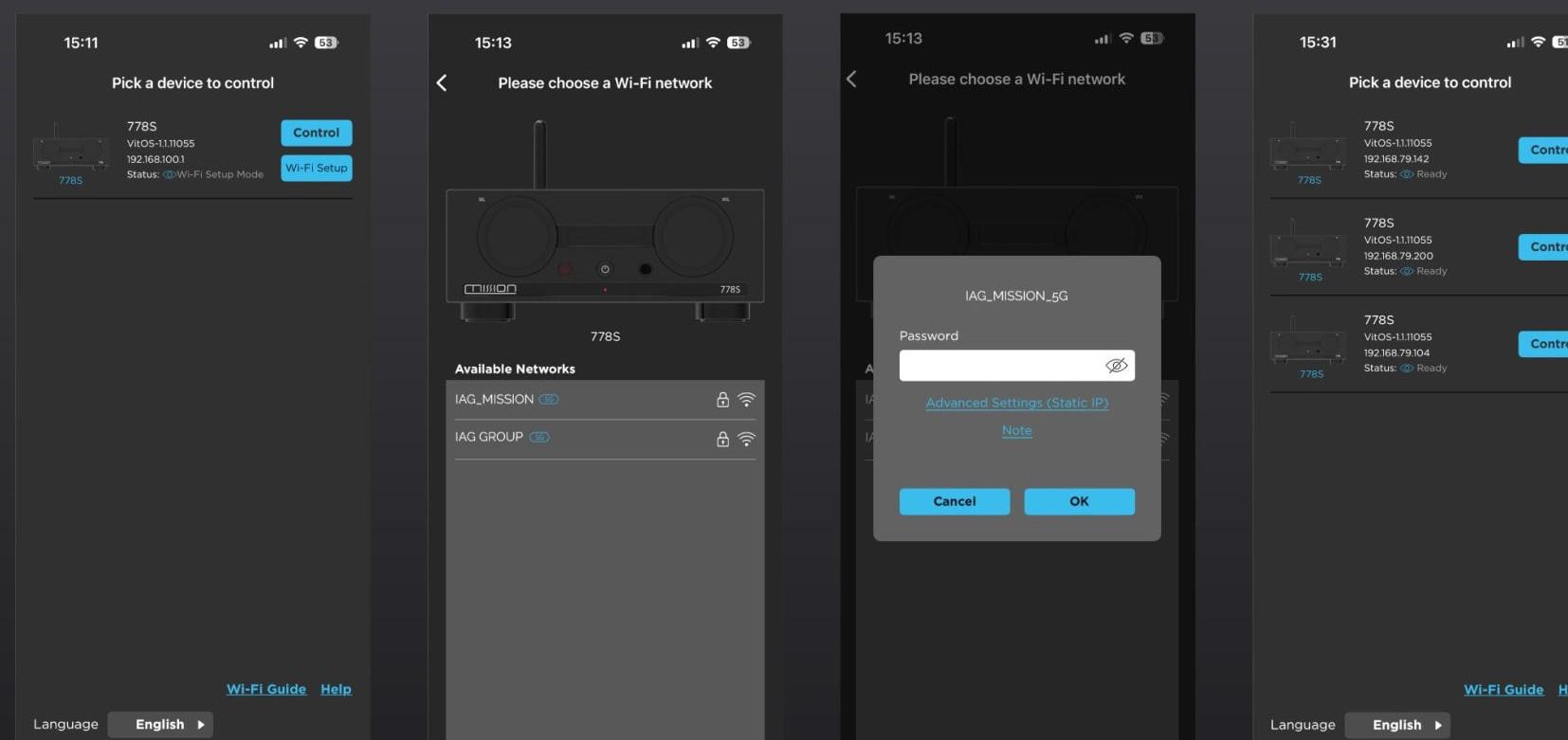
In practical terms, the feature set covers the essentials: native Connect support for Qobuz, TIDAL, and Spotify, access to TuneIn internet radio, and full AirPlay 2 compatibility. Network connectivity is provided via both Ethernet and WiFi, and DLNA/UPnP support allows playback from local network storage such as computers or NAS systems. Roon Ready certification is included
.What it does not include is Google Chromecast or Bluetooth. And yes, the absence of Bluetooth — especially higher-quality options like aptX Lossless or LDAC — will stand out for some buyers. But the 778S isn’t a network amplifier or an all-in-one convenience box. It’s a dedicated streamer, and within that context its wired and network-based connectivity is broad, well considered, and far more serious than the spec sheet might first suggest.
At the heart of the 778S is ESS Technology’s ES9038Q2M Sabre DAC, supported by Mission’s own clocking and power regulation design. The goal here is simple and sensible: keep noise low, timing stable, and the digital and analogue stages properly isolated so the conversion process isn’t compromised before the signal ever reaches your amplifier.
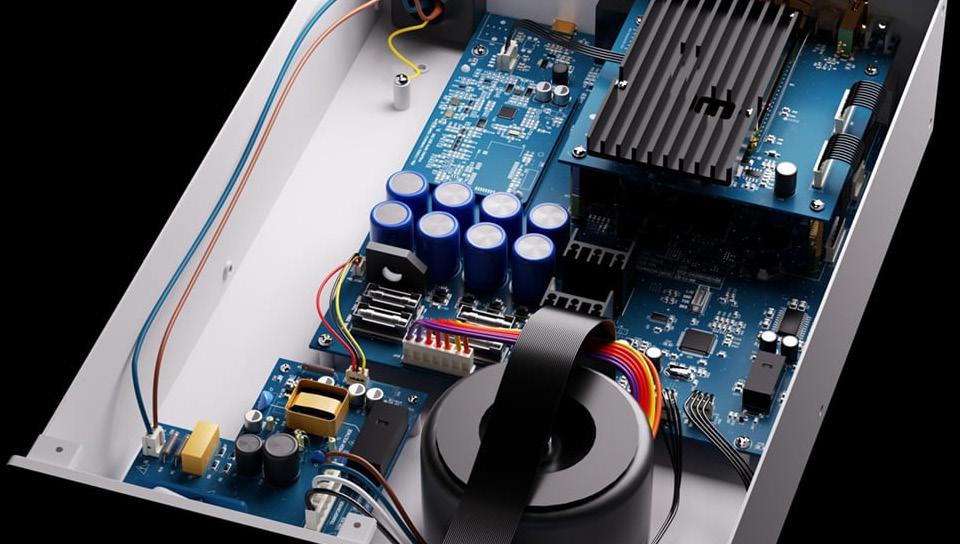
Format handling is broad by any current standard. The 778S will accept PCM up to 32-bit/768 kHz and DSD512, which comfortably covers the demands of modern high-resolution libraries and the most demanding streaming services.
Mission also includes optional PCM upsampling to 352.8 kHz or 384 kHz, pushing quantization artefacts well outside the audible band. For users who prefer a more hands-on approach, five selectable digital filter modes are available to tailor transient response and tonal balance to system and source.
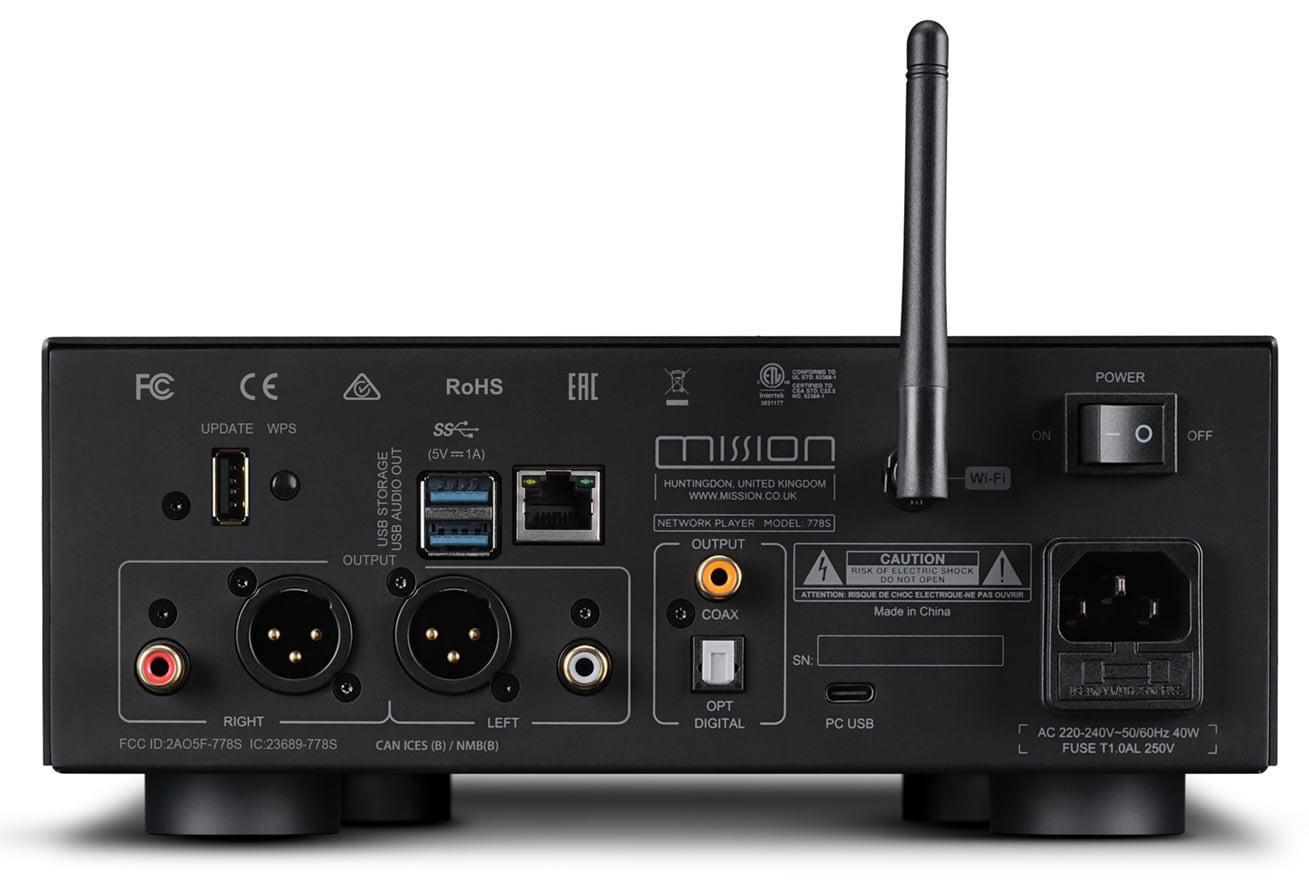
On the hardware side, connectivity is generous for a component of this size. USB-C and dual USB-A inputs support computers and external storage, while analogue output is available via both balanced XLR and unbalanced RCA. Digital output options include coaxial and optical S/PDIF, along with USB-A. A fullsize 6.35 mm headphone jack rounds out the rear panel and front-end versatility.
Visually and mechanically, the 778S is clearly cut from the same cloth as the 778X integrated amplifier. The compact half-width chassis is wrapped in anodised aluminium, giving the unit a solid, purposeful feel rather than the lightweight aesthetic that often plagues smallformat streamers.
The front panel is deliberately simple, anchored by two large rotary controls arranged symmetrically: one dedicated to source selection, the other to volume adjustment.
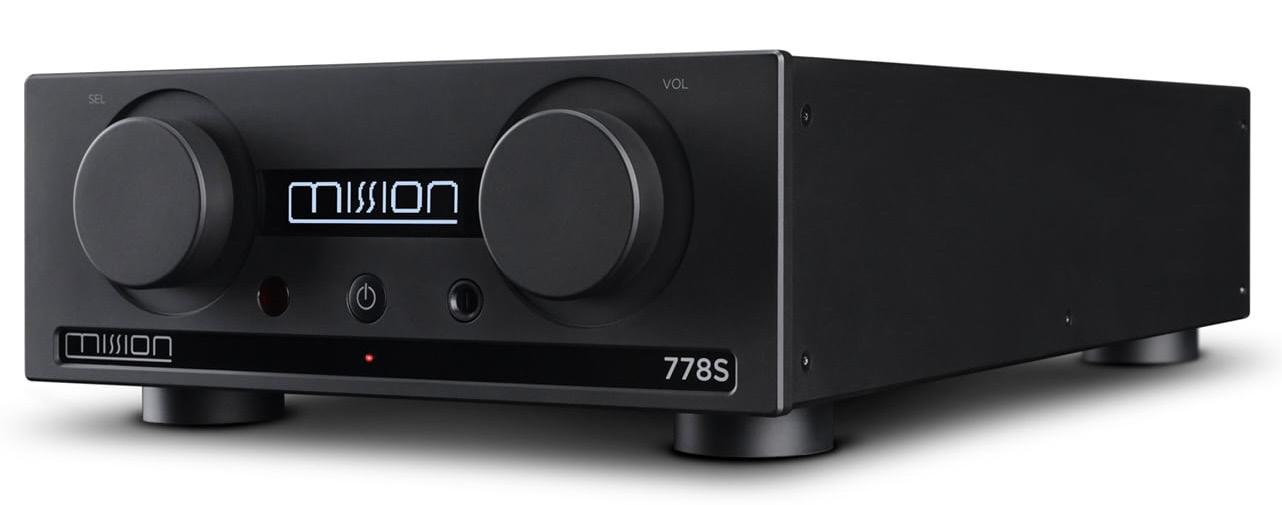
What you won’t find is a high-resolution color screen with animated album art. Instead, Mission opts for a restrained, dimmable OLED display that prioritizes legibility and basic system information over visual flair. It’s functional, understated, and very much in keeping with the 778S’s hardware-first design philosophy.
The Mission 778S is a well-engineered network streamer that focuses on sound quality, proper DAC implementation, and clean system integration rather than feature bloat. It delivers high-resolution format support, balanced outputs, Roon Ready operation, and a purpose-built streaming platform developed with Silent Angel — all wrapped in a compact, well-built chassis that pairs naturally with the 778X amplifier.
What it doesn’t offer is the modern “everything box” experience. There’s no Bluetooth, no Chromecast, no color display, and no lifestyle-driven shortcuts. At £799 in the UK, the value proposition is reasonable. At $1,699 in the US, it becomes much harder to justify when excellent alternatives like the Bluesound NODE ICON and Cambridge Audio CXN100 cost less, and when aggressively priced platforms from WiiM and Eversolo deliver enormous functionality for a fraction of the money — even if they don’t match Mission’s supposed analog refinement.
The 778S makes sense for listeners who prioritize engineering discipline and sonic integrity over feature checklists. For everyone else, the market is now very crowded and far less expensive.
Philips spent a century building audio hardware, and somewhere along the way it forgot how to make the stuff look fun. The Moving Sound line that defined portable audio in the 1980s traded in bold yellow plastic, chunky buttons, and the kind of unapologetic personality that made a boombox feel like a statement piece. Then minimalism happened, and every speaker on the market started looking like it was designed to disappear into a shelf.
Philips is now betting the pendulum has swung back far enough to justify a full revival, and the new Moving Sound collection suggests the company didn’t just crack open the archives for colour swatches. It rebuilt four new products around a design language that most brands would be too cautious to touch.
Philips Turned a 40-Year-Old Boombox Into Four New Products
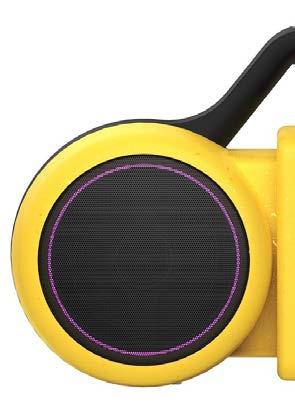

The collection spans two portable Bluetooth speakers, a pair of on-ear headphones, and true wireless earbuds, all dressed in the same signature yellow-and-neon-pink palette that made the originals impossible to ignore. Every product ships in black for anyone who prefers their nostalgia more subdued, but the yellow is clearly the point. Philips is targeting Q2 2026 across the full range, which puts these products in the market right as summer festival season kicks off.
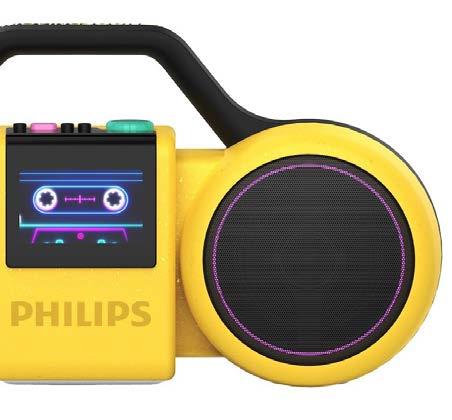
The Tube gets the boombox energy right
The flagship is The Tube, designated MS80, and it occupies the space where a modern boombox should live. Philips packed 140 watts into a chassis measuring roughly 51 by 20 by 16.5 centimeters, driving sound through two five-inch woofers, two tweeters, and a pair of passive radiators. That driver configuration delivers actual stereo separation from a single unit, something most portable speakers in this size class still can’t pull off convincingly. An IP67 rating handles full dust and water resistance, so it can survive a pool deck or a muddy festival field without anyone reaching for a case.
The colour display embedded in the front panel is the detail that sells the retro commitment. It runs a looping cassette tape animation while music plays, and while that sounds gimmicky in description, it works as a visual anchor tying the product to its heritage without requiring explanation.
Bluetooth 6.0 handles the wireless connection, Auracast support lets multiple listeners tap into the same stream, and the battery runs for a claimed 24 hours. At €350 (roughly $402), The Tube sits in competitive territory against party speakers from JBL and Marshall, but none of those competitors offer this level of visual identity. It also doubles as a power bank for charging phones on the go.
The Roller shrinks the footprint without losing the character
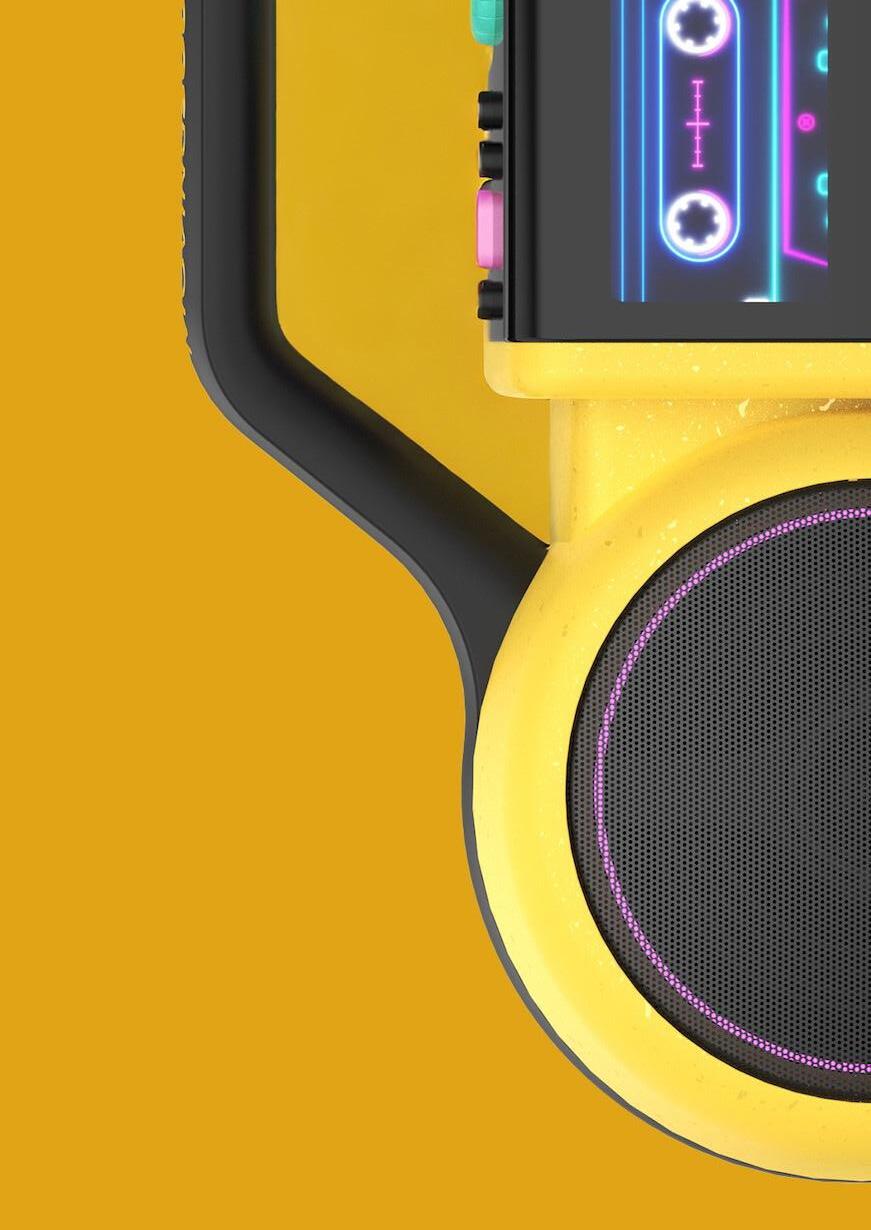
The Roller, model MS60, compresses the same design philosophy into a more portable package at 38 by 20 by 12 centimeters. Power output drops to 60 watts through a stereo acoustic architecture with a dedicated woofer, tweeter, and passive radiator, and a Bass+ tuning feature lets listeners push the low end harder when the setting calls for it. The same IP67 rating carries over from its larger sibling.
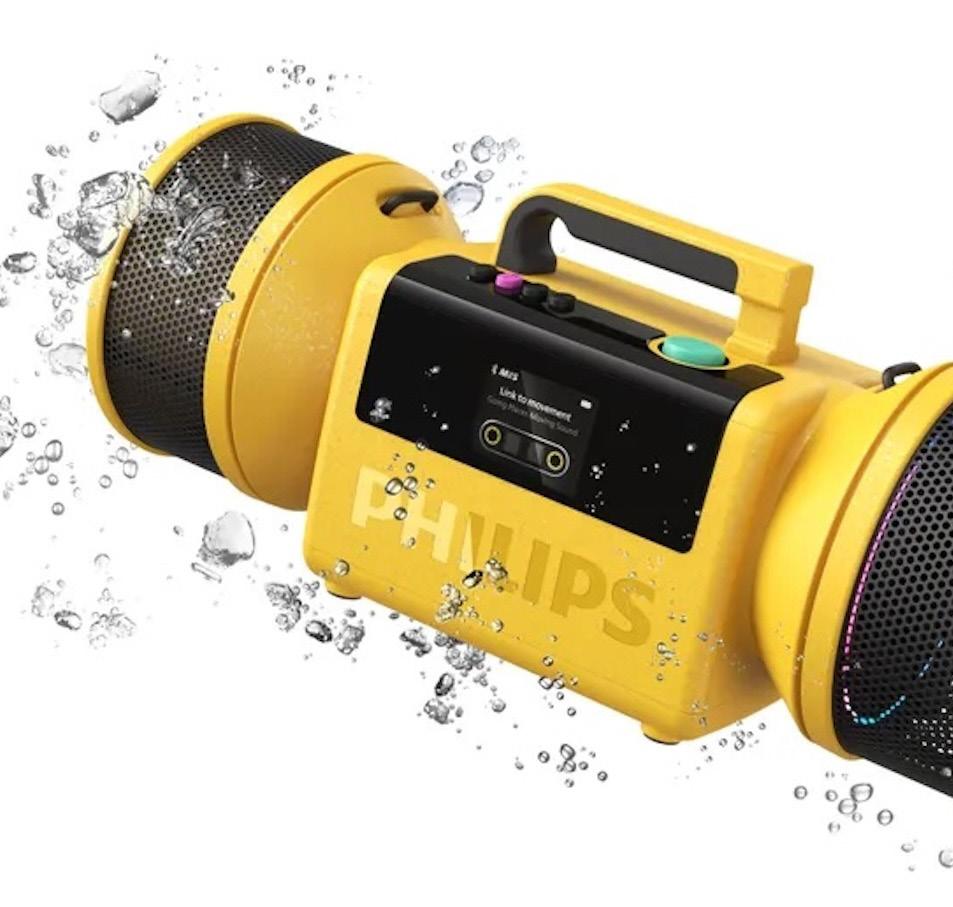
Philips kept the colour display and cassette animation here as well, maintaining visual identity across both sizes. The carry handle is built into the frame, and the 24-hour battery life matches The Tube despite the lower power draw. At €180 (approximately $208), The Roller lands where portable speaker competition is fierce, but the retro design language gives it a differentiation angle that spec sheets alone can’t replicate. Like The Tube, it supports Auracast and works as a power bank.

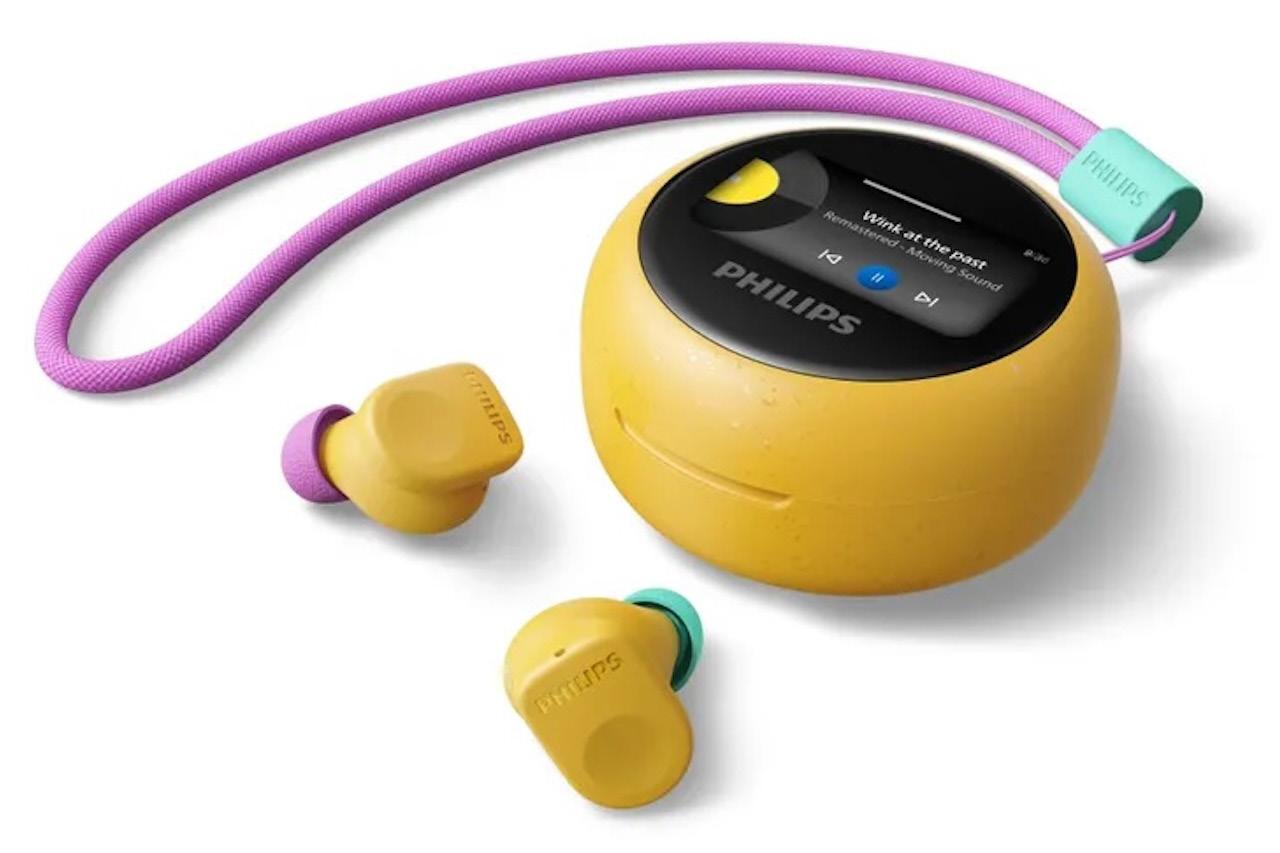
The Buds steal the show at the lowest price
The most surprising entry might be The Buds, tagged MS3, because these Philips earbuds pack genuine feature depth into a true wireless package priced at just €80 (around $92). The spec sheet reads like something from a product twice the cost: hybrid active noise cancellation powered by six microphones, spatial audio, multipoint connectivity, and Auracast support. Three dedicated AI microphones handle voice calls, while a separate six-mic array manages noise cancellation, treating call quality as a first-class feature rather than an afterthought.
Battery life stretches to 42 hours total with the charging case when ANC is off, and a 10-minute quick charge delivers two hours of playback for those moments when planning ahead wasn’t an option. The earbuds carry an IP54 rating for sweat and splash resistance. The charging case is oversized and round, topped with a color display showing the now-playing track and the same cassette animation that runs on the speakers. The yellow, teal, and neon pink color blocking turns the case into something people will actually want to leave on a desk rather than hide in a pocket.
The Ringo Duo leans all the way into nostalgia
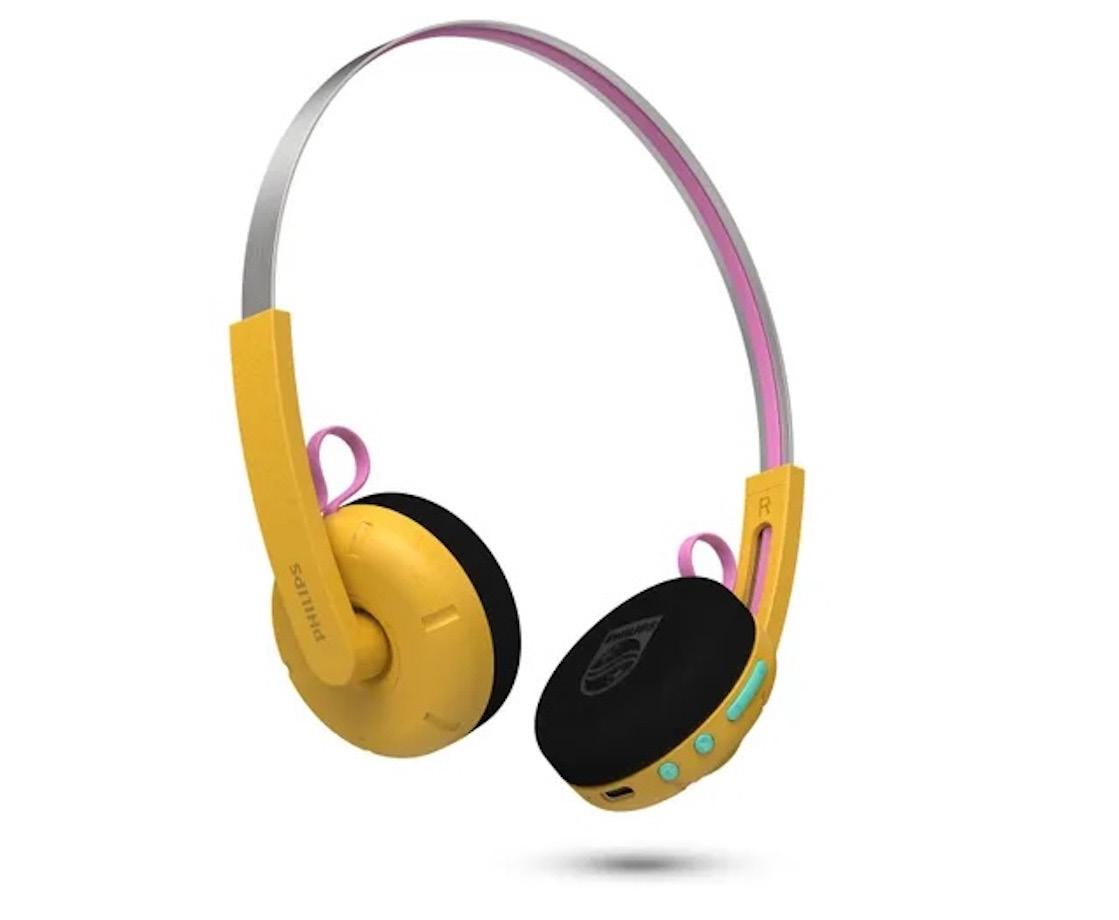
Philips rounded out the collection with The Ringo Duo, model MS1, on-ear headphones that look like they fell out of a time machine. The lightweight frame and adjustable headband recall the kind of headphones that shipped with portable cassette players in the late 1980s, and Philips leaned into that reference hard enough to make the aesthetic feel intentional rather than derivative. Updated with wireless Bluetooth and a USB-C wired option, the Ringo Duo runs 40mm drivers and promises 26 hours of battery life.
A built-in AI microphone handles calls with background noise reduction, and the adjustable headband ships with three sets of detachable ear cushions. At €35 (roughly $40), these exist to put the Moving Sound identity on someone’s head for less than the cost of a casual dinner.
Pricing and availability
All four Moving Sound products launch in Q2 2026. The Tube (MS80) at €350, The Roller (MS60) at €180, The Buds (MS3) at €80, and The Ringo Duo (MS1) at €35. Each product comes in yellow with neon pink accents or black. Regional pricing outside Europe hasn’t been confirmed yet.
Sonos have launched two new speakers, the Sonos Play and the Sonos Era 100 SL. Sonos says that the additions to its lineup “reflect a renewed focus on strengthening the Sonos system” after a disastrous 2024 app redesign damaged customer trust.
The Sonos Play is a versatile speaker that can be used from room to room, and like most Sonos products, multiple speakers can be paired together. Sonos Play speakers connect to WiFi and can be grouped across multiple rooms or paired up for stereo sound. There’s an included charging base so the speaker can be used either at home or while on the go. The battery lasts for up to 24 hours, and it can also serve as a power bank for recharging an iPhone. The Sonos Play has IP67 waterproofing so it can be used poolside, at the beach, or in the shower.
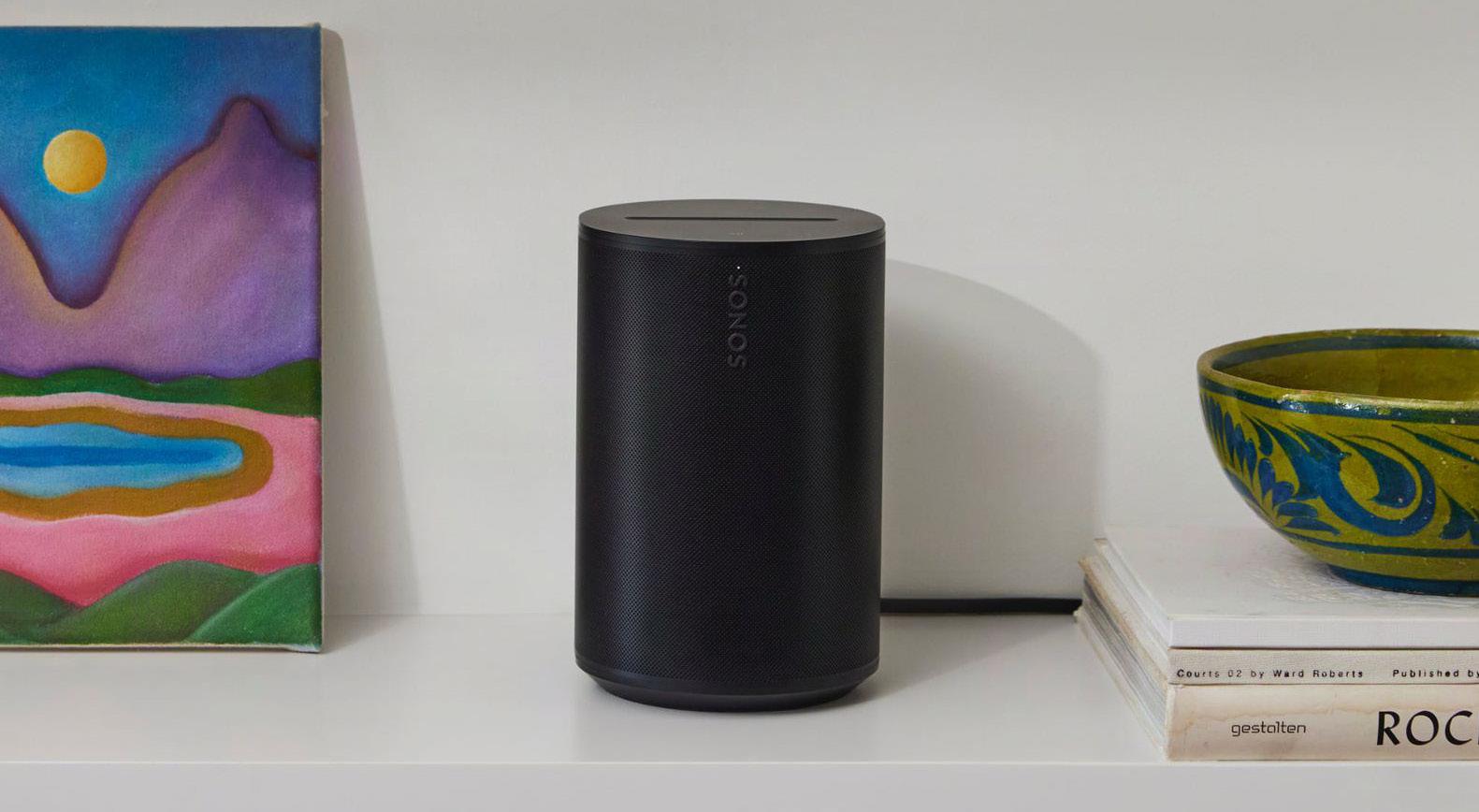
When you’re not at home, up to four Sonos Play or Move 2 speakers can be paired together over Bluetooth instead of WiFi using the Sonos Play app. Sound will be synced up, and Automatic Trueplay will adapt the audio to match the environment.
AirPlay 2 support is included, so Sonos Play speakers can be used alongside other AirPlay 2 speakers for multi-room or multi-device audio using Apple’s technology.
The Era 100 SL is a simpler speaker that’s meant to ease people into the Sonos ecosystem. It features a microphone-free design and fewer features to help keep the price lower. It can be used alone or paired with other Sonos speakers over time, and it also supports AirPlay 2.
The Sonos Play and Sonos Era 100 SL can be pre-ordered from the Sonos website starting today, with a launch to follow on March 31, 2026. The Sonos Play is $299, while the Sonos Era 100 SL is $189.
Sonos just announced the Amp Multi after going radio silent for over a year. The company says this is just the beginning, with more component devices on the way. Oh, and it doesn’t support Google Chromecast.
The Amp Multi isn’t going to be a mainstream consumer product, but it signals a return for the company that went quiet after hurdles, including those with it and Google over audio patents disputes that left users without certain functionality for some time. The last device released was the Sonos Arc Ultra soundbar in 2024.
Sonos bursts out of the shadows with a bespoke amplifier, says more is coming
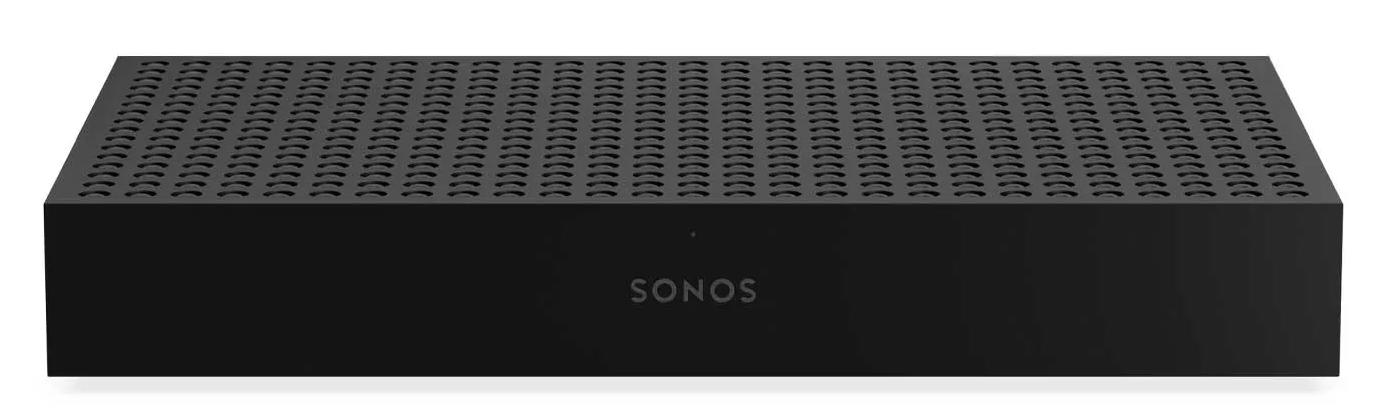
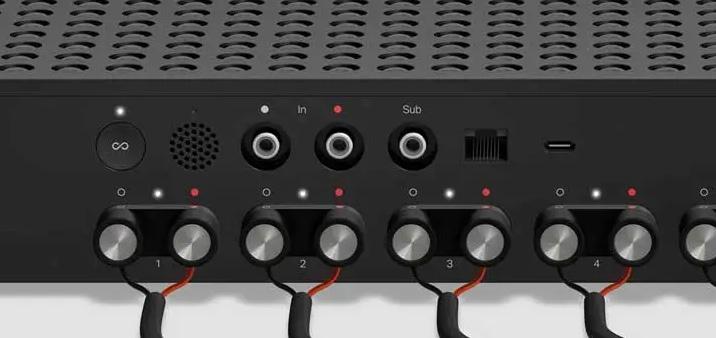
Sonos’ new Amp Multi is meant to be an upgraded addition alongside the Amp and Port the device supports four zones at 125W per channel, a single subwoofer per zone, and a Sonos Sub per zone. In total, the Amp Multi has the ability to push audio to 8 outputs, with the option to choose between stereo and mono for each.
A Japanese HiFi Brand Just Made Its Popular Audiophile
Turntable Even Cooler
While there are USB-C ports and analog RCA inputs for running sound to connected speakers, the amplifier offers the option to stream audio via Apple AirPlay 2 and Spotify Direct Control. Unsurprisingly, the amp doesn’t mention Google Home support or any casting capabilities.
Sonos frames the Amp Multi as a bespoke product, noting during a November earnings call that it’s focusing on bringing more devices to users who already use Sonos audio in their homes. This device builds on that, and, aimed more at installers than the general consumer, it offers a professional flair at a hidden price point above its predecessor’s $799.
Teac is probably best known for its high-fidelity audio equipment — such as high-end DACs, amplifiers, CD players and cassette tape decks — that are aimed at pretty serious audiophiles.
But the renowned Japanese hi-fi manufacturer is well regarded for its high-end turntables, too. It currently sells several different models, most of which range between $240 and $2,200.
Analog playback
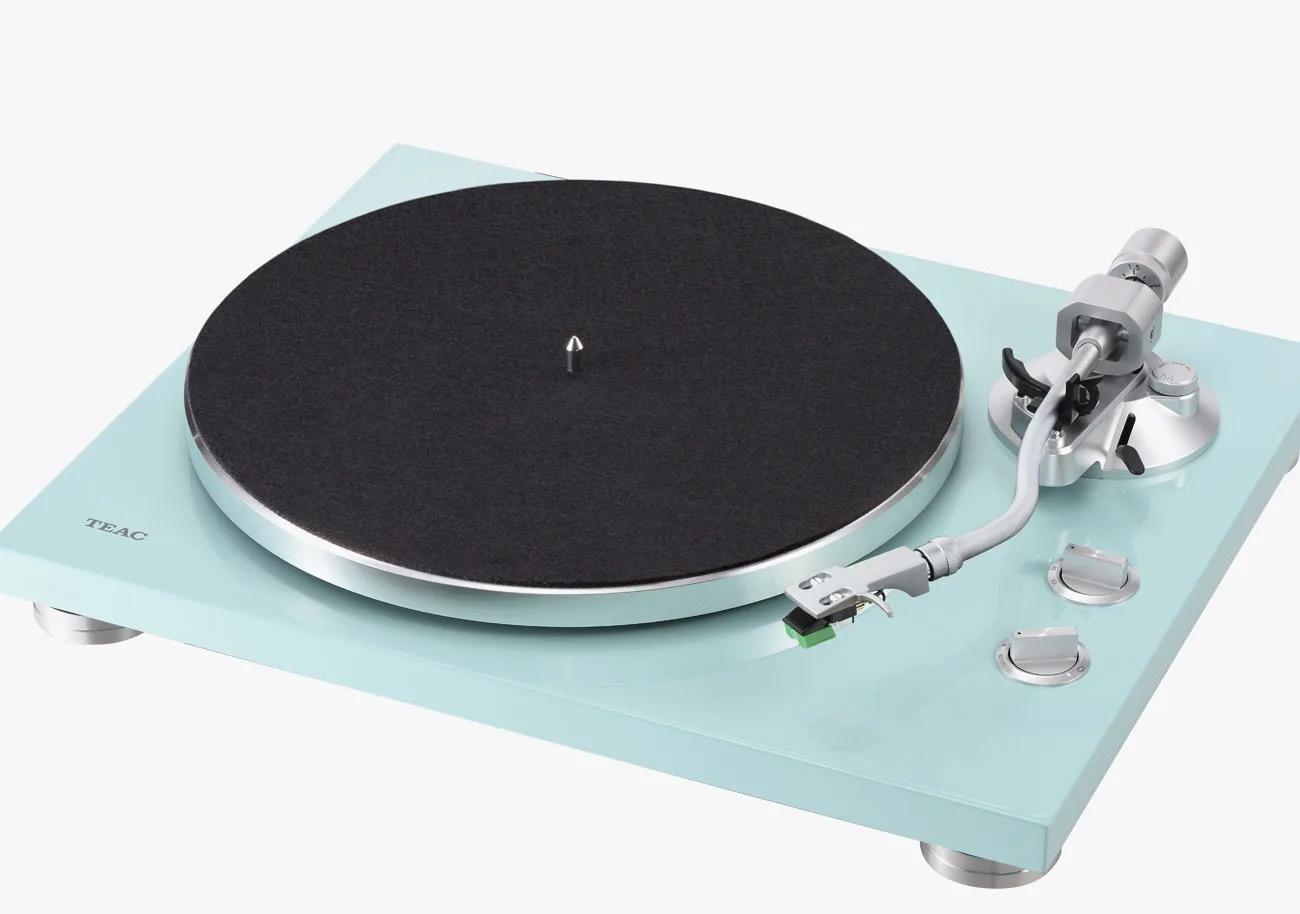
The TN-400BTX is one of the brand’s popular midrange turntables. It sells for $629.
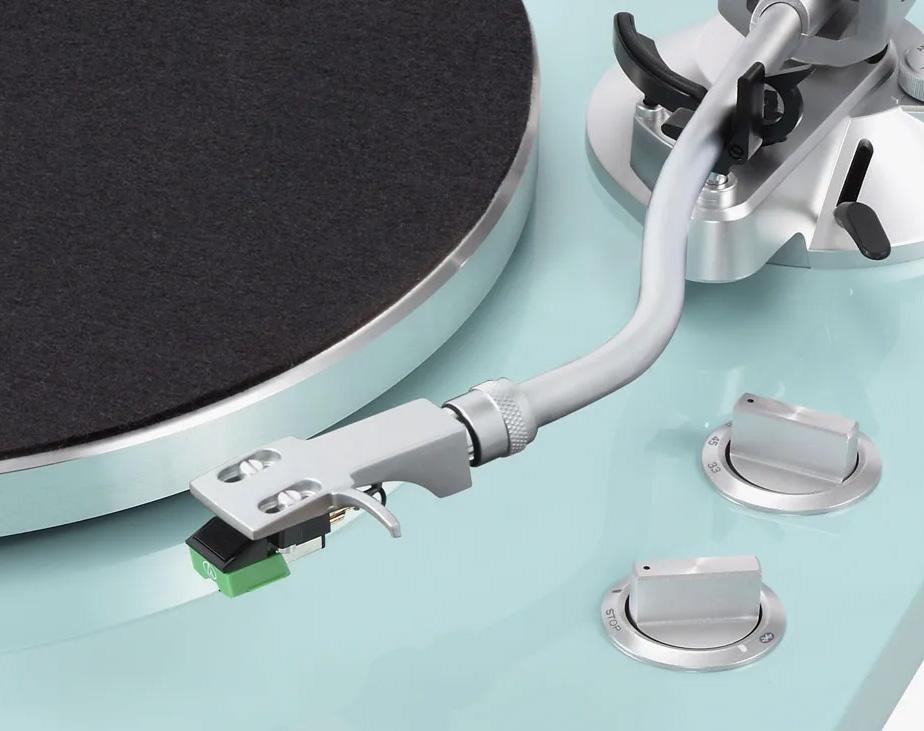
Released in 2024, it’s a manual, belt-drive turntable made of high-end materials and components. It features a high-inertia aluminum die-cast platter, an S-Shaped static-balanced tonearm, and comes pre-installed with Audio-Technica AT95E cartridge (which sells for $109 by itself).
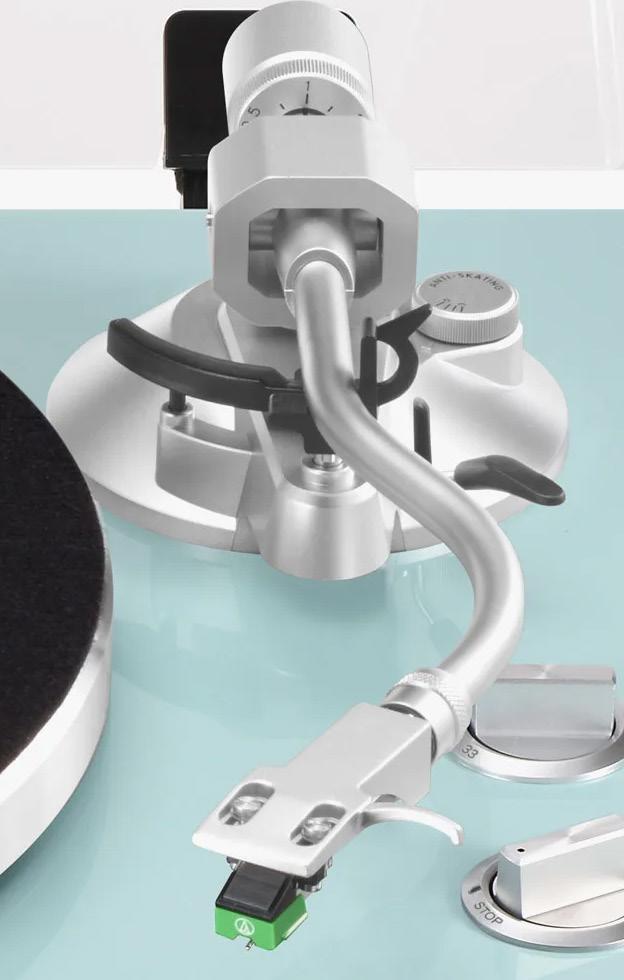
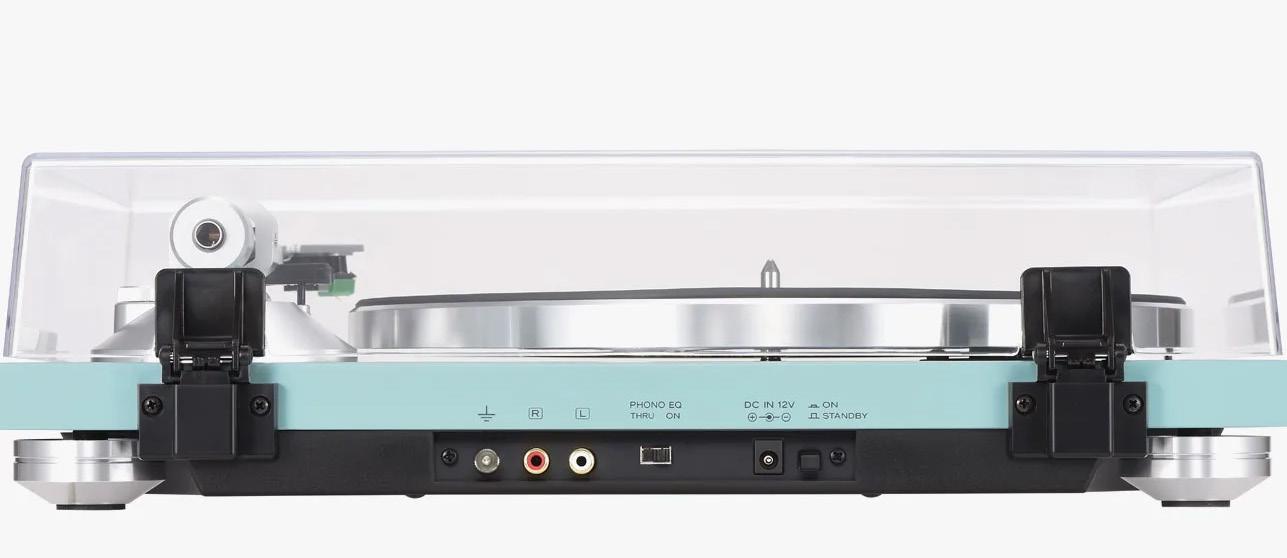
But the TN-400BTX is also a turntable marketed towards modern vinyl enthusiasts. It features a built-in phono preamplifier (switchable), which allows you to connect it directly to an active or powered speaker system.
Additionally, it’s integrated with built-in Bluetooth (supporting aptX Adaptive), so you can stream your vinyl records directly to wireless headphones or a Bluetooth speaker. And it can remember up to eight devices, making re-pairing them to various playback devices simple.
Since its release, Teac has offered its TN-400BTX in one color finish: walnut. But now the company has introduced a new limited-edition model, the TN 400BTX/TB, that comes in a glossy-lacquer Turquoise Blue finish.
According to the brand, it “brings a unique blend of design elegance, high performance engineering, and vivid visual beauty through its glossy lacquer Turquoise Blue finish.”
Price and availability
Teac hasn’t specified just how limited of release the TN 400BTX/TB will be — its press release simply states that “quantities are limited.” It’s available now from the company’s website, with shipping set to begin in March 2026.
The good news? Teac hasn’t increased the price. The TN 400BTX/TB costs $630, the same as its walnut counterpart.
AI Glasses
Freestyle skiing Olympic champion Xu Mengtao wore a pair of AI glasses to record her gym training ahead of the Winter Olympic Games in Milan, while maintenance staff in the city of Hangzhou in east China used this hands-free gadget to conduct inspections at EV charging stations. Additionally, an Australian vlogger shared a glimpse of his AI eyewear in a recent video, saying it has proven his most trusted travel companion in China.
AI glasses heading toward mass adoption in China

Once beloved only by geeks, AI glasses have now been transformed into sought-after products, drawing capital investment and sparking intense competition among Chinese tech companies. Industry observers believe that this wearable AI hardware has begun moving from a niche market toward mass consumer adoption in China.
As smart wearable devices integrated with artificial intelligence, AI glasses are regarded by many as the next generation personal computing platform, following smartphones and smartwatches.
Earlier this month, Alibaba rolled out its first AI glasses to be powered by its Qwen large language model, while state-owned telecom operator China Unicom unveiled its new AI eyewear. Also, photos of consumers crowding into Huawei and Xiaomi stores to try out their latest AI glasses have flooded social media.
Besides tech giants and specialized smart glasses companies, other major players in China also include home appliance brands and display panel manufacturers.
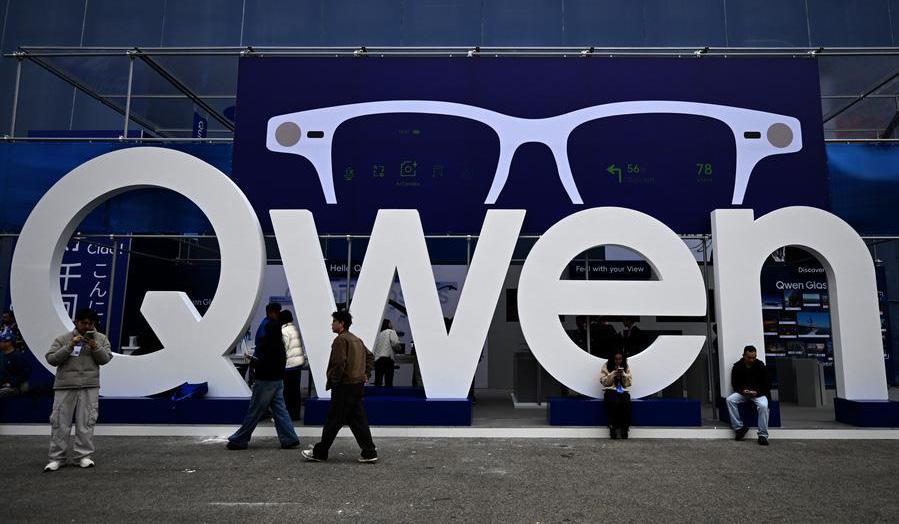
The entry of leading Chinese companies into the AI eyewear market is not simply a case of following a trend, but is a race for securing a share of the next-generation mobile terminal.
According to Wang Junjie, vice president of smart glasses maker Hangzhou Lingban Technology, smartphones have already reached their physical limits in terms of screen size and interaction methods, leaving little room for further innovation. In contrast, smart glasses, which are close to the human brain and capable of capturing diverse forms of information, can serve as “the bridge between the physical and digital worlds.”
Meanwhile, as competition among AI models intensifies, the focus is moving to real-world applications. Si Weixin, an associate professor at Shenzhen University of Advanced Technology in south China, noted that many companies entering the game “aim to secure the right to speak in the next AI-driven computing era.”
Market researcher International Data Corporation (IDC) forecasts that
Chinese manufacturers will account for 45 percent of the global AI glasses market in 2026, with shipments from Chinese brands reaching 22.67 million units worldwide, up 56.3 percent year on year.
A key driver of this mass adoption is government support. In January this year, AI glasses were included in China’s national subsidy program for the first time, offering buyers a 15-percent discount on purchases, capped at 500 yuan (72.6 U.S. dollars).
E-commerce platform JD. com has noted that the AI eyewear market has maintained double-digit growth since 2025, and it has seen month-on-month increases following the addition of the subsidy earlier this year.
Beyond policy, China’s competitiveness lies in its manufacturing strength. For example, in economic powerhouse Guangdong Province in south China, popular AI glasses, AI toys and intelligent robots can achieve a rapid production cycle: design in the morning, sampling in the afternoon, mass production the next day and export within a week.
According to Zeng Jinze, a senior official with Guangdong’s industry and information technology department, sales of AI glasses in Shenzhen’s Huaqiangbei electronics market, which is dubbed “China’s hardware Silicon Valley,” have surged by 80 percent over the past two months, while the number of foreign buyers has doubled in this period.
Despite such rapid growth, challenges remain. Ye Qingqing, an analyst at IDC China, pointed out that the core bottleneck in the mass adoption process is found in the supply chain, particularly in the ramping up of production capacity for key components, such as more advanced chips, display screens and batteries.
Ye added that current functions offered by AI glasses, like photography, translation and navigation, can be easily replicated by smartphones, giving users little incentive to move beyond curiosity to long-term use of these glasses. More efforts should focus on leveraging the unique features of such glasses, including first-person interaction, real-time sensing and proactive services, thus exploring scenarios that integrate into daily life.
As AI glasses gain more capabilities, legal and privacy concerns also loom larger.
Peng Jing, a lawyer from Chongqing Municipality in southwest China, warned that the ability of AI glasses to record video and audio in public challenges existing consent frameworks under China’s personal information protection law.
“If AI glasses lose the bottom line of privacy security, the faster they spread, the greater the social risks become,” Peng said, urging future judicial practice and interpretations to clarify usage rules and set a clear “red line” for healthy industry development.

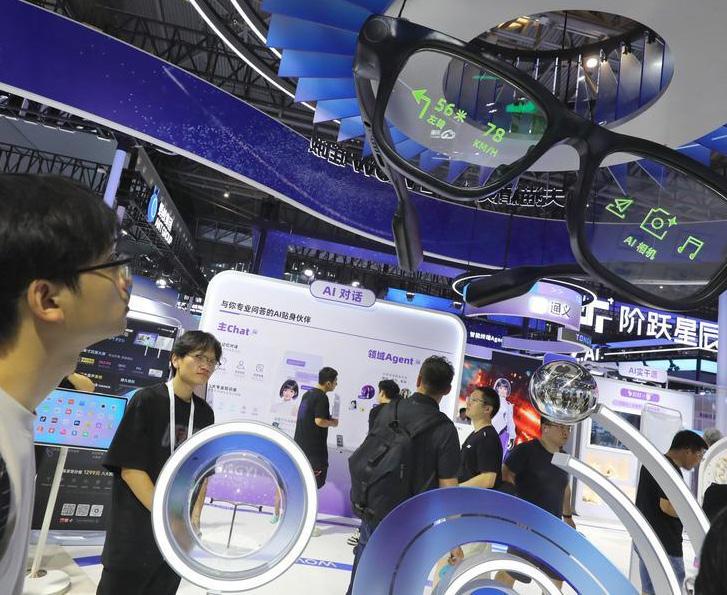
Some industry leaders remain cautious about how soon AI glasses will become household products. Xu Chi, founder and CEO of homegrown smart glasses maker XREAL, likened the current state of the industry to the smartphone market in 2005 and 2006, before the launch of the iPhone. “The ecosystem is extremely fragmented,” he said at a recent tech fair in Shanghai in east China.
“The ‘iPhone moment’ for the AI glasses industry has yet to arrive and will require further technological breakthroughs and innovation,” he said.
Li Hongwei, founder and CEO of RayNeo, an AI glasses company located in Shenzhen, offered a more specific timeline. “I think 2025 was not the breakout year. Perhaps 2026 is the beginning, and 2027 and 2028 will be the ‘iPhone moment’,” Li said, suggesting that achieving mass adoption may take a bit longer.
Official data shows that in 2025, the core AI industry in China had exceeded 1.2 trillion yuan in scale, while featuring more than 6,200 enterprises. AI glasses, notably, have emerged as one of the trendiest products in this booming sector.
Earlier this month, China’s Minister of Industry and Information Technology Li Lecheng called AI a “powerful incremental driver” of the country’s economic development, adding that China will advance “AI + manufacturing” and cultivate distinctive AI agents in 2026.
AI glasses may end up offering a clear view of how AI evolves in the market and reshapes China’s economy.
Meta’s new prescription Ray-Ban smart glasses are a distribution play, not a technology leap

Meta is preparing to launch two new Ray-Ban smart glasses models designed specifically for prescription wearers, according to a Bloomberg report published on Thursday. The models, codenamed Scriber and Blazer, were first spotted in Federal Communications Commission filings and are expected to reach consumers as early as next week. They do not represent a new generation of hardware. They represent something potentially more important: a distribution strategy.

Prescription eyewear accounts for roughly 69 per cent of the $223 billion global eyewear market. Meta sold more than seven million Ray-Ban and Oakley AI frames in 2025, an impressive figure for a product category that barely existed three years ago, but a rounding error against the estimated 1.5 billion people worldwide who wear corrective lenses. The new models are Meta’s clearest attempt yet to move smart glasses from consumer electronics into mainstream optical retail, where the customers, the margins, and the scale are all substantially larger.
the new models are, and what they are not
Scriber and Blazer are non-display AI glasses, similar in capability to the existing Ray-Ban Meta line: camera, microphone, speakers, and Meta AI integration, but no screen. Blazer will come in regular and large sizes; Scriber appears to be a single-size offering. Both include Wi-Fi 6 UNII-4 band support, an upgrade over current models, and will ship with charging cases.
The distinction matters because Meta already sells a display-equipped model. The Ray-Ban Meta Display, launched at Connect 2025, includes a fullcolour heads-up display, a 12-megapixel camera with 3x zoom, and pairs with a neural wristband that reads muscle signals to navigate the interface. It costs $799. Orion, Meta’s full augmented reality prototype with holographic displays, remains a research project with no consumer launch date.
Scriber and Blazer sit below both in the product hierarchy. Their purpose is not to showcase Meta’s most advanced technology but to put Meta AI into the frames that people already need to buy. The insight behind the move is straightforward: if someone requires prescription lenses and is going to spend several hundred dollars at an optician regardless, the incremental cost of making those lenses smart drops significantly.
Mark Zuckerberg made the strategic logic explicit on a recent earnings call, noting that “billions of people wear glasses or contacts for vision correction” and suggesting it is “hard to imagine a world in several years where most glasses that people wear aren’t AI glasses.”
The EssilorLuxottica question
The prescription pivot also runs directly into the most complex relationship in Meta’s hardware business. EssilorLuxottica, the FrancoItalian conglomerate that owns Ray-Ban, Oakley, LensCrafters, and Sunglass Hut, manufactures all of Meta’s smart glasses and controls the optical retail channel through which the new models will be sold. The partnership has delivered results, but it has also generated friction.
Bloomberg reported in February that the two companies are working through disagreements over pricing and strategy. EssilorLuxottica’s adjusted gross margin fell 2.6 percentage points in 2025 to 60.9 per cent, partly because of the higher component costs that smart glasses require compared with conventional frames. Meta wanted to offer Black Friday discounts in 2023; EssilorLuxottica, which guards its luxury positioning carefully, rejected the idea. The tension is structural: Meta wants to maximise adoption and lock users into its AI ecosystem. EssilorLuxottica wants to protect margins on a product line that is eroding them.
Prescription models could ease that tension. Prescription lenses carry higher retail prices and fatter margins than non-prescription sunglasses. The lens coatings, custom grinding, and fitting appointments that prescription orders require generate additional revenue at every stage of the value chain. If smart glasses move into the prescription channel at scale, the economics improve for EssilorLuxottica even as volumes increase for Meta. The companies are reportedly considering doubling their combined production target to 20 million units per year, up from an estimated 10 million capacity by the end of 2026.
The risks in the optician’s chair
Selling smart glasses through optical retail introduces complications that consumer electronics channels do not. Opticians are trained to fit lenses, not to explain AI assistants, camera privacy settings, or software updates. The customer experience in a LensCrafters is fundamentally different from the experience in a Meta Store or an Apple Store, and the staff training, product support, and return handling required for a connected device are orders of magnitude more complex than for a pair of Wayfarers.
There is also the legal exposure. Solos Technology filed a patent infringement suit against Meta and EssilorLuxottica in January 2026, claiming that the Ray-Ban Meta line violates several patents covering core smart eyewear technologies and seeking “multiple billions of dollars” in damages. A second patent front, on top of the partnership tension and the margin pressure, adds risk to a product line that Meta is treating as the foundation of its wearable AI strategy.
The smart glasses market itself is growing rapidly, from an estimated $2.5 billion in 2025 to a projected $14.4 billion by 2033 according to Grand View Research, but nearly all of that growth is speculative and dependent on whether consumers will choose connected frames when ordinary ones are cheaper, lighter, and carry no privacy concerns. Meta’s bet is that AI functionality, specifically the ability to ask questions, get real-time information, and interact with digital services without reaching for a phone, will be compelling enough to overcome those objections.
Scriber and Blazer are not the product that will test that bet definitively. They are the product that puts Meta’s AI into opticians’ fitting trays, onto the faces of people who were going to buy new glasses anyway, and into a distribution channel that reaches billions of potential customers. The technology is incremental. The strategic ambition is not.
Alexa +
Alexa+ has finally made its way to the UK, despite being announced over six months ago. At the time, Amazon confirmed the rollout would begin in the US first, with a wider release expected later. Now it’s the UK’s turn, and the good news is that access is available from today.
Designed to make Amazon’s range of Echo devices far more personalised and responsive, Alexa+ marks a major step forward in the evolution of AI assistants. It’s said to completely transform the Alexa experience, turning it from a simple voice assistant into something much more conversational and capable.
Alexa+ is finally available in the UK – and you can access it from today
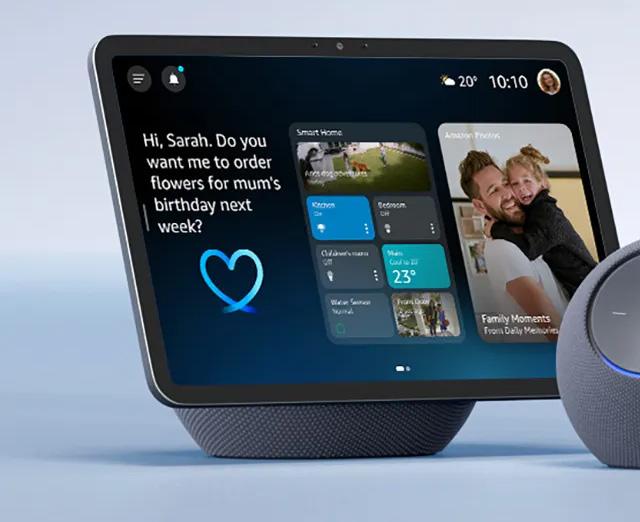
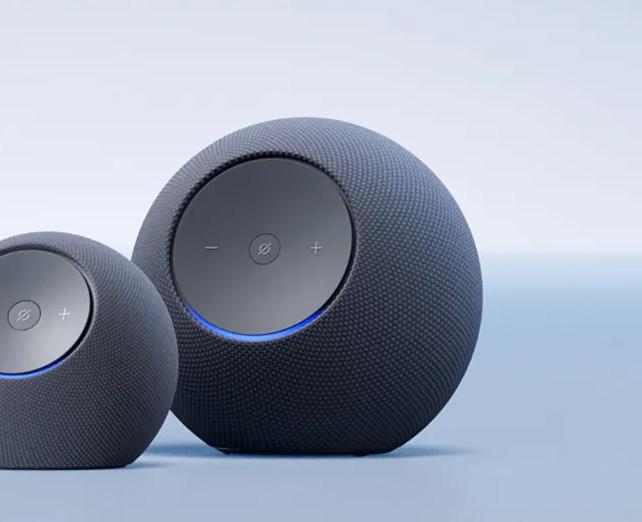
Before getting into the details, there are a few things to note. Alexa+ will begin rolling out in the UK from today, but it will only be supported on the most recent generation of Echo devices, as well as a select few from previous generations. If you buy a new compatible Echo model, Alexa+ should already be available. However, if you already own one, you’ll need to register online to receive the update, as it won’t automatically appear for everyone straight away.
It’s actually quite difficult to summarise everything Alexa+ brings, as it’s one of those upgrades that needs to be experienced to understand its full potential. That said, there are a few key areas the update focuses on, including deeper personalisation, more natural conversations and the ability to turn requests into actions.
For UK users, this also means Alexa becoming better at understanding British nuances, from local phrases and humour to the way we naturally speak. Another major improvement is the number of things Alexa can now help with, ranging from booking a table at a restaurant to suggesting recipes based on who’s coming over for dinner.
In terms of pricing, Alexa+ costs £19.99 per month, matching the $19.99 price in the US. However, there’s a big advantage for existing Amazon customers, as Prime members can access Alexa+ for free. Whether that changes in the future remains to be seen, but for now it’s a compelling bonus for anyone already in the Prime ecosystem
I get it; it’s not an easy time for a legacy automaker to be selling electric vehicles, what with incentives being gutted and Chinese automakers knocking at the door. But Honda is taking it to another level.
This week, Honda killed its paltry — and frankly unpromising — EV programs. What little motivation Honda had to compete in the EV arena is apparently gone, and along with it, any chance of surviving the current wave of disruption that’s sweeping the industry.
Honda is killing its EVs — and any chance of competing in the future

The company casts blame on U.S. tariffs and Chinese competition, two easy targets. But it never really had a viable EV strategy to begin with.
Honda kicked things off on Thursday by halting development

of the electric Acura RDX and the Honda 0 sedan and SUV, three models that were the company’s first ground-up EVs — but about which very little was shared with outsiders. It continued on Friday, with Automotive News reporting that Honda was going to stop production of the Prologue, a vehicle that was essentially designed and entirely built by GM.
The decision could backfire in a number of different ways, but there are two that I’d argue are most important. By shelving EVs, Honda will fall farther behind in two of the biggest shifts sweeping the automotive industry: electric drivetrains and software-defined vehicles.
To Honda — and to many legacy automakers still early in the transition— an EV is just a car with a different drivetrain. I can imagine Honda executives thinking that they can wait out the awkward transition period and, when motors and batteries are fully sorted, simply swap out the fossil fuel bits. How hard could it be?
That’s a mistake, of course. Many automakers have found that dropping batteries into a car originally designed for an internal combustion engine doesn’t work out so well. It might shortcut the development cycle, but the resulting product ends up heavy, inefficient, and more costly to produce.
When developed as an original product, EVs offer automakers a chance to rethink the automobile, and in the process, make it cheaper.
Take Ford, for example. The Mustang Mach E has been a sales success, but not a financial one for Ford. The Mach E is based on a heavily modified version of the platform that also underpins the Escape, a fossil fuel crossover. Part of the problem, Ford CEO Jim Farley said in a recent interview, was that legacy engineering decisions held the product back: The Mach E’s wiring harness is 70 pounds heavier than Tesla’s, for example. Small errors like that compound themselves in a product as complex as an automobile.
Honda will also miss out on several learning opportunities. There’s learning by doing, both in development and manufacturing. There’s also learning to cultivate new suppliers and supply chains. It will also miss out on receiving critical customer feedback — what do people really value in their EVs?
Sayonara, software-defined vehicles
Here, Honda is setting itself up for failure on the second disruption sweeping the automotive industry: the software-defined vehicle (SDV), which has core capabilities that can be upgraded and improved over time.
Consumers, mostly those who buy EVs from the likes of Tesla, Rivian, and BYD, have grown accustomed to the frequent updates, slick infotainment software, and advanced driver assistance systems of Tesla, Rivians, Nio or Xiaomi. Honda has yet to make significant progress in any of those domains.
SDVs don’t have to be EVs, but they tend to go hand-in-hand. The large battery in an EV makes it easier to feed powerful computers, and it allows things like over-the-air updates to happen when the car is parked and “off.” Could Honda make a fossil fuel SDV? Sure, but it’s unlikely to for the same reason it’s backing away from EVs: the old way of doing things is easier and more profitable, for now. What does Honda stand for?
Honda is facing an identity crisis. At its core, it’s an internal combustion engine company. It makes really good engines, and that’s starting to matter less and less.
Other traits of its cars are also under assault. For years, the company has prided itself on making driver’s cars. They’re lightweight, efficient, and handle well. But when the car drives itself, what does a “driver’s car” even mean?
Putting autonomy aside, I’d argue that the market for a driver’s car is limited anyway. People are drawn to Honda because they’re reliable and reasonably priced. The fact that they handle well is icing on the cake, maybe helping consumers break a tie if they’re torn between two brands.
But EVs promise to be significantly more reliable than fossil fuel vehicles, and as Chinese automakers show, once battery prices come down, so do overall vehicle costs. If Honda can’t compete on reliability or price, consumers will balk.
That already appears to be happening in China. Honda said as much in its recent earnings report. “Honda was unable to deliver products that offer value for money better than that of newer EV manufacturers, resulting in a decline in competitiveness,” the company said. Headwinds in China contributed to the company’s nearly $16 billion losses last year. Without a plan for EVs, it’s only a matter of time before Honda suffers the same fate elsewhere.
Toyota
Toyota may deny it, but it’s increasingly relying on local parts to compete in China’s brutal electric vehicle market. Some estimates claim nearly 90% of the parts in the bZ3X, Toyota’s electric SUV that sells for just $15,000 in China, are sourced locally.
Toyota sells this EV in China for $15,000, using nearly 90% local parts
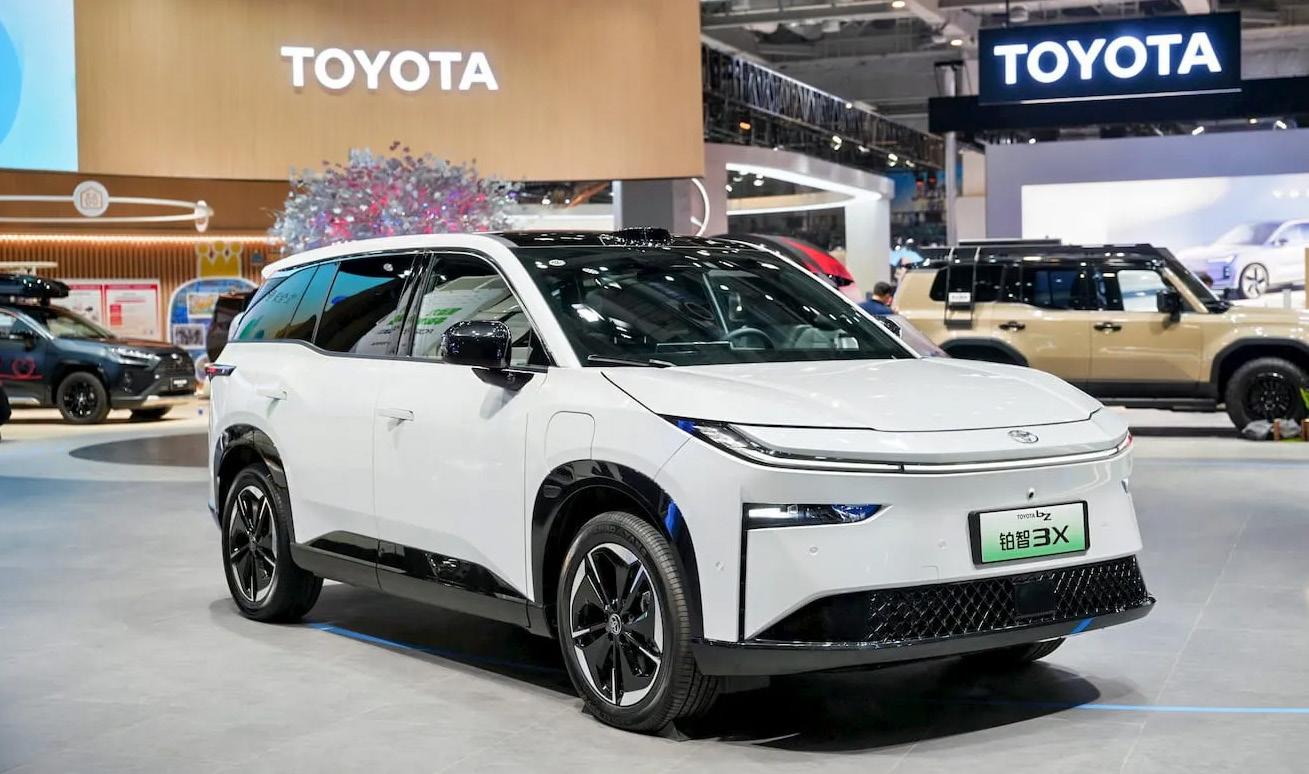
Toyota is tapping into China for EVs
It’s no secret by now that China is dominating the shift to electric vehicles. Global battery electric vehicle (BEV) sales crossed the 4 million mark for the first time in Q4 2025, and China accounted for nearly 3 million of them, according to PwC Research.
BYD and CATL, China’s leading battery manufacturers, accounted for over 55% of global EV battery sales in 2025 alone.
With some of the most advanced batteries, powertrains, software, and other EV components, major OEMs are increasingly turning to China for resources.
Toyota, like most major global automakers, is adopting Chinese EV technology to cut costs and keep pace with industry leaders such as BYD and Tesla.
So far, it seems to be paying off for the Japanese automaker, widely considered one of the biggest laggards in the transition to BEVs.

The bZ3X, Toyota’s most affordable EV in China, starts at just 109,800 yuan, or about $15,000. From September 2025 through January 2026, the bZ3X was the best-selling new energy vehicle (NEV) among joint-venture brands in China. That includes battery-electric (BEV) and plug-in hybrid electric vehicles (PHEVs).
Launched just over a year ago, the bZ3X started a so-called “bZ shock,” according to a new Nikkei xTECH report. Toyota and other Japanese brands, such as Nissan, are increasingly relying on China for parts and other EV components.
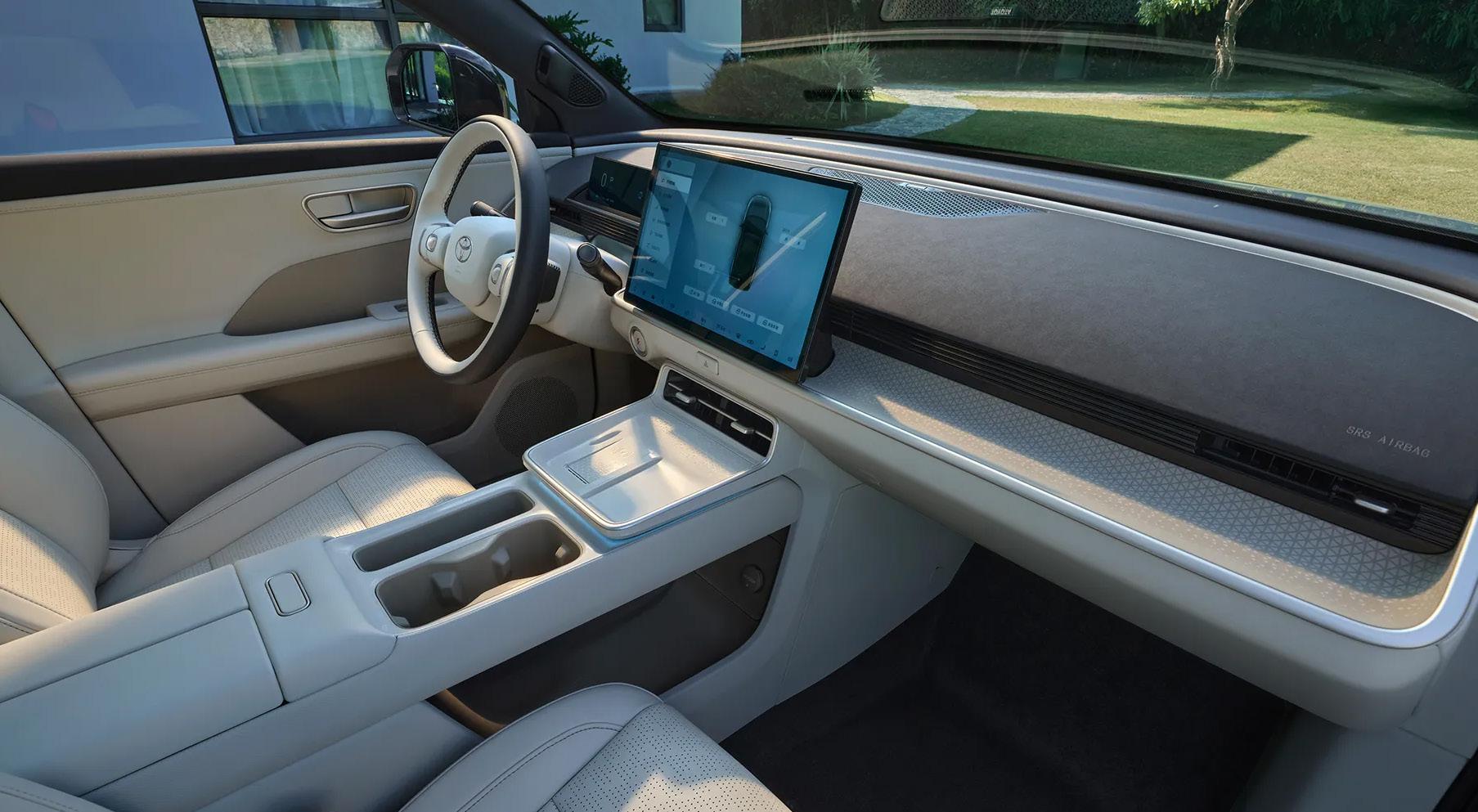
Toyota denies it, but several analysts estimate that nearly 90% of the parts used in the bZ3X are from China. Toyota’s Chinese joint venture, GAC Toyota, led the development.
While the bZ3X has been a hit for Toyota with over 80,000 units sold in its first year, it’s having a bigger impact back home.
The Nikkei report claims most of Toyota’s linked suppliers in Japan, the “Toyota Keiretsu group,” lost their contracts as a result.
While some believed Toyota would use only Chinese parts in the bZ3X, it has since launched the bZ5 and, most recently, the flagship bZ7 earlier this month, both packed with locally sourced parts. The bZ7 has around 30% Chinese components.
Toyota is also reportedly planning to use Chinese tech in EVs sold overseas in regions like Southeast Asia. And Toyota isn’t the only one.

Nissan, through its joint venture partnership in China, Dongfeng Nissan, is ramping up EV exports to Europe and other overseas markets, including the N7.
Amazon won a temporary injunction against Perplexity to block its Comet browser from accessing password-protected parts of Amazon’s website to shop on behalf of human customers. The ruling sets a precedent for how retailers can defend against unauthorized AI data collection on e-commerce sites, but further legal battles are expected as more AI startups build autonomous shopping and browsing tools.
Amazon sued Perplexity in November, accusing the AI startup of covertly scraping data from private Amazon customer accounts through its Comet browser and associated AI agen — and of disguising automated activity as human browsing. The lawsuit said Perplexity’s ″system posed security risks for customer data. Amazon wrote in its original complaint that Perplexity’s agents “can act within protected computer systems, including private customer accounts requiring a password.”
Amazon also said Perplexity’s agents created challenges for the company’s advertising business, because when AI systems generate ad traffic, the impressions have to be detected and filtered out before advertisers can be billed. Unlike humans who visit shopping sites, AI bots can those bypass ads and sponsored search results.
Should Amazon Be Banning AI Shopping Agents From its Platform?

“This requires modifications to Amazon’s advertising systems, including developing new detection mechanisms to identify and exclude automated traffic,” Amazon wrote in its complaint. “These system adaptations are necessary to maintain contractual obligations with advertisers who pay only for legitimate human impressions.”
Perplexity argued in its opposition to a preliminary injunction that Amazon isn’t so much interested in cybersecurity as it is in eliminating a competitor to its own agentic AI tools.
“This lawsuit is a bald attempt by Amazon to block its own customers from using defendant Perplexity’s groundbreaking Comet AI Assistant on Amazon.com,” Perplexity said. “Why? Because AI agents don’t have eyeballs to see the pervasive advertising Amazon bombards its users with and cannot be upsold to buy more products. Those are the real reasons Amazon filed this suit and seeks a preliminary injunction — not its claimed altruistic concern about protecting consumer data and the ‘customer experience.’”
Perplexity Calls Out Amazon in Appeal
Perplexity appealed the ruling this week, and told CNBC it “will continue to fight for the right of internet users to choose whatever AI they want.”
Amazon said in a statement that the preliminary injunction was “an important step in maintaining a trusted shopping experience for Amazon customers.”
Amazon has broadly locked down its shopping sites from AI agents, blocking dozens of agents — including OpenAI’s ChatGPT — in a “walled garden” while investing in its own AI e-commerce homegrown tools, such as its Rufus shopping assistant.
At the same time, Amazon has started to pull other retailers’ products into its Rufus shopping results, in behavior closely mimicking AI shopping agents. On March 11, Amazon announced it was expanding its Shop Direct program, which allows customers to discover and buy products from other online stores even if those items are not sold on Amazon’s marketplace.
Shop Direct now supports third-party product feeds through services such as Feedonomics, Salsify, and CED Commerce. The Wall Street Journal noted that other retailers “have shown more willingness to work with AI companies, with boundaries.” Walmart, for instance, last year partnered with OpenAI to enable shoppers to purchase its products directly within ChatGPT, but later clarified that it would use its own AI chatbot, Sparky, inside ChatGPT or other AI platforms for shopping.
The U.S. AI in electronics and sensors market is valued at about USD 4.44B in 2025 and is projected to grow at a 20.72% CAGR from 2026–2035, reaching nearly USD 29.15B. Growth is fuelled by autonomous vehicles, industrial automation, healthcare devices, IoT, edge computing, smart manufacturing, government initiatives, and advances in sensor and AI technologies.
According to the SNS Insider, “The AI in Electronics and Sensors Market Size was valued at USD 14.85 Billion in 2025 and is projected to reach USD 113.23 Billion by 2035, growing at a CAGR of 22.53% during 2026–2035.”
Growing Adoption of IoT Devices, Edge Computing, and AIenabled Industrial Automation to Augment Market Growth Globally
The increasing use of AI-based sensors in the automotive, healthcare, industrial, and consumer electronics sectors is the primary factor propelling the growth of the AI in Electronics and Sensors market. To increase operational, maintenance, and real-time analytics efficiency, businesses are spending heavily in AI chips, sensors, and analytics systems. The market is also expanding due to consumer demand for smart products, self-driving cars, and AI-powered industrial systems.
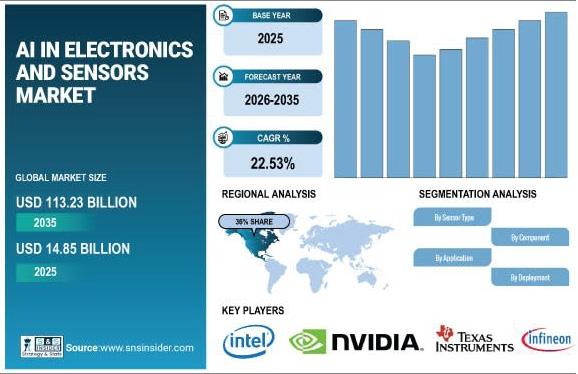
AI in Electronics and Sensors
Market Size to Hit USD 113.23 Billion by 2035 | SNS Insider
Samsung leads 2026 U.S. consumer electronics rankings as generational gaps emerge in brand value
Samsung leads U.S. consumer electronics brands in overall Consideration across multiple product categories, according to new data from YouGov’s 2026 U.S. Consumer Electronics Rankings report. The analysis, based on YouGov BrandIndex data collected throughout 2025, shows which brands Americans are most likely to consider purchasing and highlights where generational and in-market differences are shaping the competitive landscape.
Across categories, Samsung places first in both household appliances and personal tech devices. LG remains a close competitor in appliances, while brands such as Midea and Ninja are gaining visibility among shoppers.
When you are in the market next to purchase a major appliance, from which of the following would you consider purchasing?
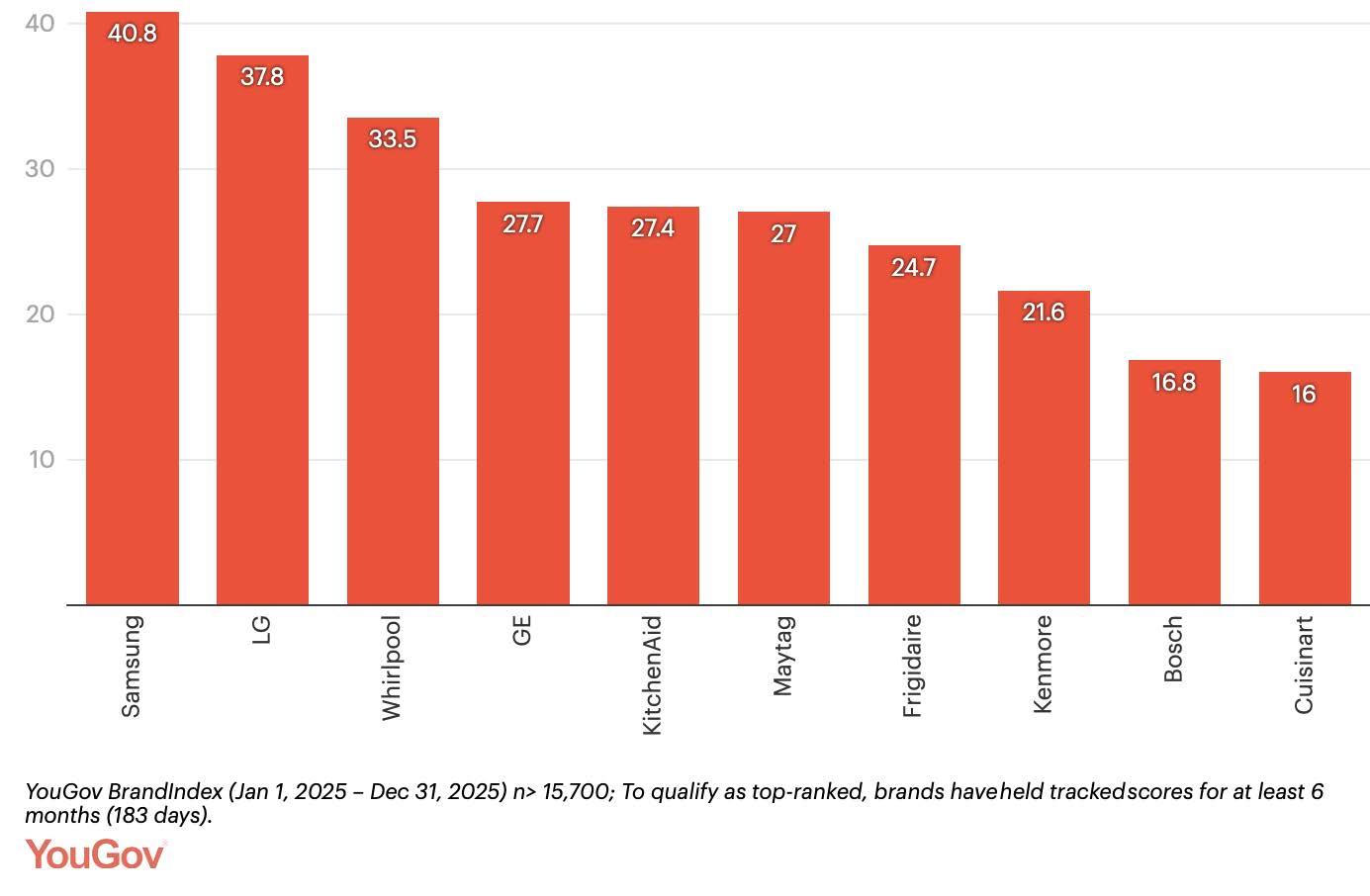
Household appliances: Samsung and LG maintain their advantage
Among adults currently in the market for a major appliance, Samsung is the most considered brand, with LG not far behind. While several established brands have seen declines in Consideration, Midea — a
Chinese value brand — has nearly tripled its Awareness over the past three years, rising from 5% to 14.2%. Among older consumers, legacy brands such as Whirlpool remain competitive, ranking among the top two for both Gen X and Baby Boomers even as Samsung and LG dominate overall.
Audio brands: Bose leads; Sonos works to recover
In the audio space, Bose is the most considered U.S. brand and continues to perform well on Impression, Quality and Satisfaction. JBL follows in consideration, and Beats by Dr. Dre scores higher than Skullcandy. Sonos, which experienced a notable drop in satisfaction following a mid-2024 software update, has begun to recover on some metrics, though recommendation scores suggest trust has not fully rebounded.
When you are in the market next to purchase a consumer electronics product, from which of the following audio devices would you consider purchasing?
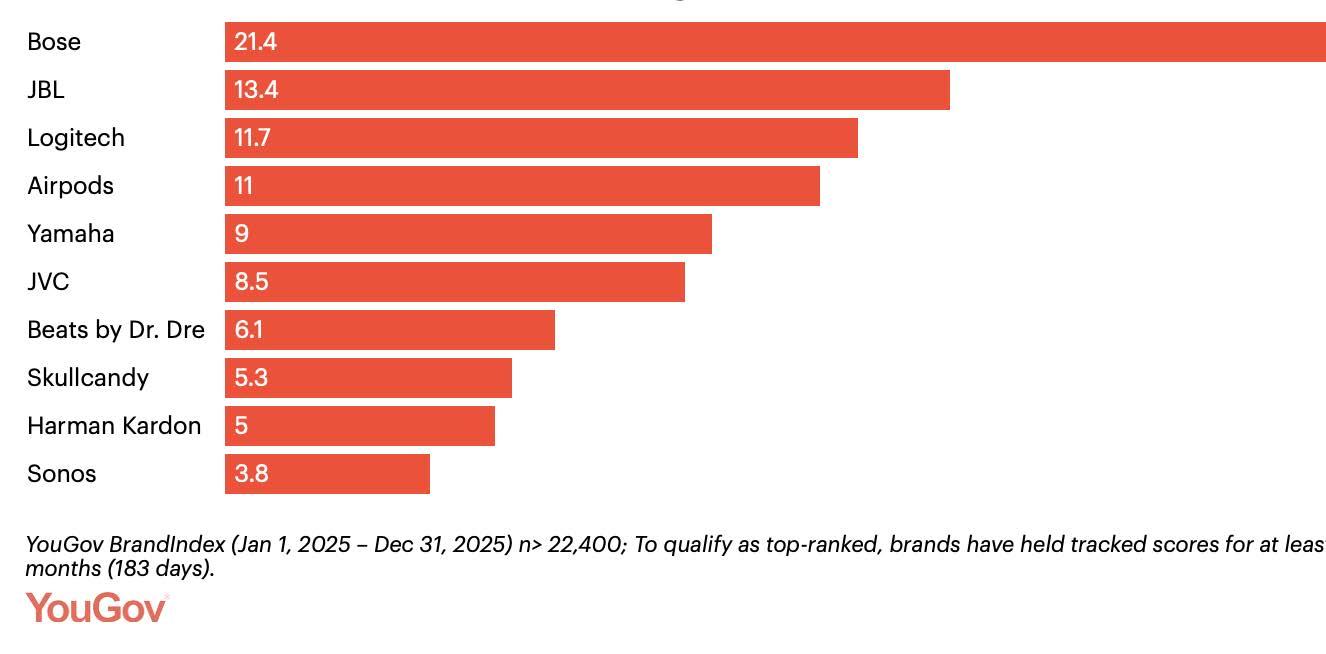
Personal tech: Gen Z reports higher value perceptions
Across personal tech devices, Samsung again leads Consideration, edging out Apple’s iPhone. But younger consumers stand out in how they evaluate value. Among current and former customers — the group used to derive value perceptions — Gen Z consistently reports higher value across brands than Gen X. For example,
Samsung’s value score among Gen Z is 66.6, compared with 48.7 for Gen X; LG’s value score tallies 59.1 among Gen Z versus
38.4 among Gen X. Smaller devices such as Kindle also show improved Consideration among younger cohorts, pointing to an openness to niche or dedicated hardware among Gen Z.
This pattern — that perceived value is closely linked to Consideration — appears across other categories as well. Brands that show stronger value perception among current and former customers, such as Ninja in appliances and Beats by Dr. Dre in audio, tend to score better in overall consideration.
Sony is ceding control of its Bravia TV brand to China’s TCL as part of a new “strategic partnership,” the companies announced in a joint press release. The Japanese electronics giant plans to sell a majority 51 percent stake in its home entertainment arm to TCL, while retaining a 49 percent share. The joint venture is set to start operations in April 2027, pending regulatory and other approvals.
Sony is handing control of its Bravia TV business to China’s TCL
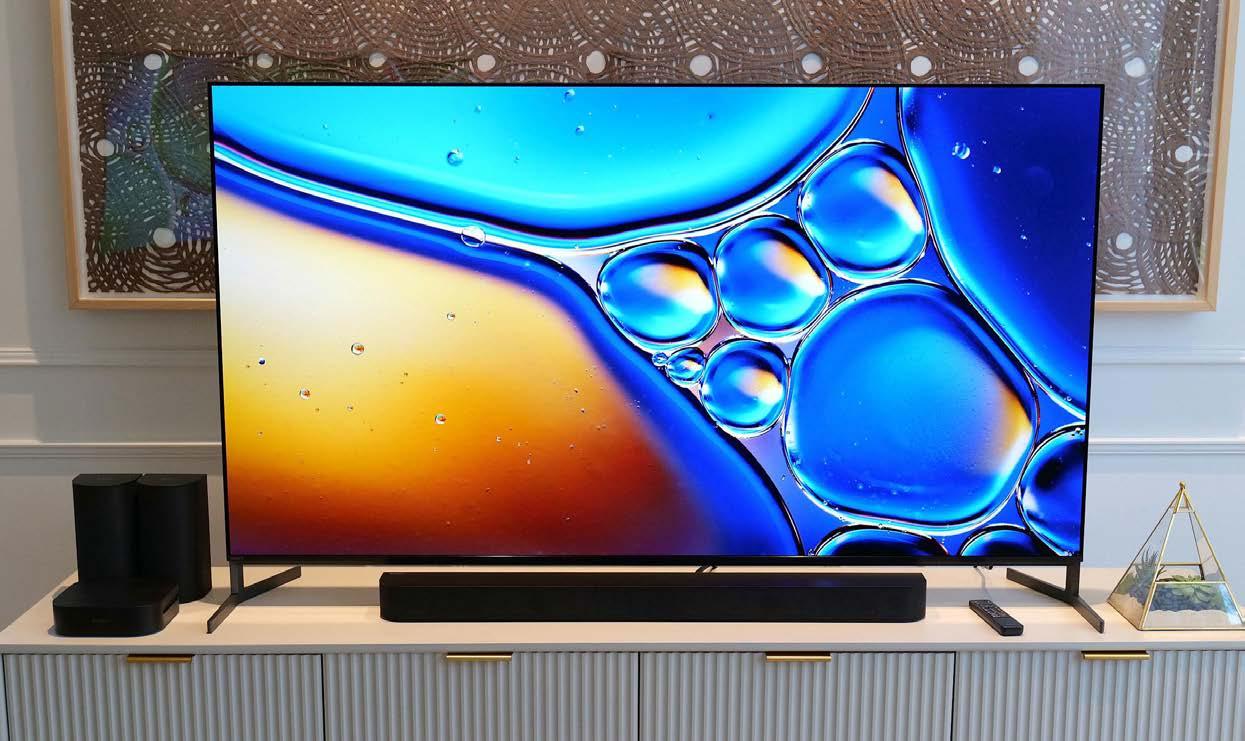
The new combined business will sell TVs carrying Sony and Bravia branding while using TCL’s display technology. The partnership will also leverage Sony’s picture and audio expertise, supply chain management and other areas of expertise. For its part, TCL will contribute its vertical supply chain strength, global market presence and end-to-end cost efficiency.
“By combining both companies’ expertise, we aim to create new customer value in the home entertainment field,” Sony CEO Kimio Maki said in a statement. “We expect to elevate our brand value, achieve greater scale and optimize the supply chain in order to deliver superior products and services to our customers,” added TCL Electronics chairperson DU Juan.
The news will come as a shock to some, particularly in Japan, as Sony has been strongly associated with high-quality TVs since the Trinitron days. However, it’s currently fighting in a low-margin TV business full of formidable competitors including Samsung, LG, Hisense and TCL. The company has already sold off or closed other electronics operations, including PCs and tablets, and is barely hanging in with its smartphone business.
Sony effectively stopped making its own LCD and OLED panels some time ago, while TCL has increased its own production — having recently purchased LCD Panel patents from Samsung and taken over its plant in China. Other Japanese companies like Toshiba and Hitachi have already exited the TV business, while some including Panasonic have a highly reduced presence.
The Bravia brand survived mainly thanks to customers willing to pay extra for high-end picture and sound quality, along with Sony’s association to filmmaking and high-end camera gear. As I detailed in a recent explainer, Sony was a pioneer in many key flat panel breakthroughs, having developed LED backlighting, quantum dot technology and the first OLED TVs.
With more than 20 years of experience in the consumer electronics sector, 2Twelve has successfully managed and developed numerous audio brands.
In recent years, we have concentrated on supporting thirdparty brands with their industrial design, mechanical, electronic, and software engineering needs, creating innovative, industryleading products that drive business growth and delight customers.
• Our Services Include
• Strategic Business Planning
• Product Road-mapping
• New Product Development & Industrial Design
• Proof of Concept Prototyping
• Packaging Design Solutions
• Regulatory Compliance & Certification
• Market Research & Insights
• Product Optimization & Refinement
• Production & Supply Chain Coordination
• RFQ Evaluation & Manufacturer Selection
• User Manual & Quick Start Guide Creation
Our holistic approach steers projects from ideation to production. With a small team in the UK and Hong Kong, we excel at identifying market opportunities and developing distinctive products, all while navigating the challenges of launching in a competitive marketplace.
Developing Products Is Not Easy!
We assist in selecting the right manufacturer for the project and manage the entire development process to ensure the delivery of fully tested and certified products. We help establish robust quality management processes and support the transition from pilot runs to mass production.
Our expertise extends to market analysis and over the years we have published hundreds of market intelligence reports. Insert image 2T report
With expertise across design, technology, and manufacturing, 2Twelve supports partners in bringing new audio products to life.