DUBLIN ECONOMY CONTINUES TO GROW DESPITE HOUSING PRESSURES
PAGE 12
SERIOUS IMBALANCES IN HOUSING MARKET
by Annette Hughes, Director, DKM Economic Consultants
By Muirne Laffan, Chief Digital Officer, RTÉ
HIGHLIGHTS
Dublin unemployment rates remained stable at 7.8% in Q4 2015 as total employment increased marginally in the capital.
Residential rents for Dublin continued to rise in Q4 2015 as average apartment rents reached the highest level recorded since Q3 2007.
Dublin house completions accelerated in February 2016 with over 440 units completed, still well below the number needed to meet demand.
Dublin Airport arrivals exceeded one million in December 2015, again, to cap a year of remarkable growth (+15.1%).
Dublin Port maintained significant momentum in the first quarter of 2016, handling over 8.6 million tonnes of cargo.
The Dublin MARKIT PMI data continued to increase sharply in Q1 2016 with the strongest expansion in business activity occurring in the construction sector.
KBC/ESRI consumer sentiment in Dublin improved in Q1 2016, driven principally by more positive consumer assessments of financial circumstances.
welcome to the april 2016 issue of the dublin economic monitor
The Dublin Economic Monitor is a joint initiative on behalf of the four Dublin Local Authorities, co-ordinated by the City Council. The Dublin Region (4 Dublin local authorities combined) plays an increasingly important role in the economy of Ireland and it is important that its performance is properly tracked. The Monitor is designed to be of particular interest to those living and doing business in Dublin or considering locating here. It is produced by DKM Economic Consultants, with KBC/ ESRI delivering the Dublin consumer sentiment data and MARKIT delivering the Dublin Purchasing Managers’ Index (PMI). In this edition we have a special article from Annette
Hughes, Director of DKM Economic Consultants, setting out the current state of the Dublin residential housing market.
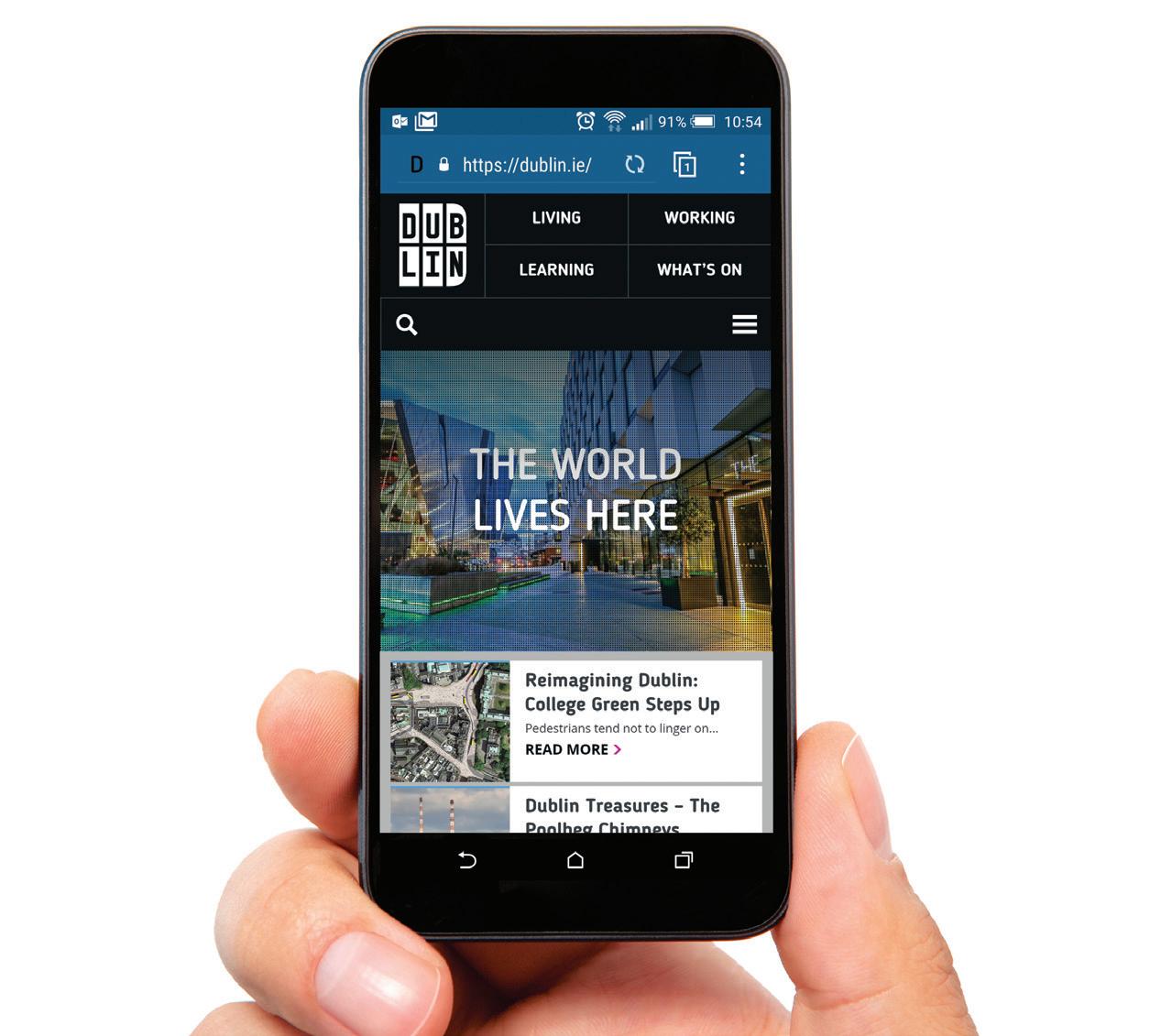
Múirne Laffan, Chief Digital officer from RTÉ, introduces Dublin.ie, a new website and brand that has been designed to enhance the Dublin region’s economic potential. You can sign up to our quarterly mailing list and access the Monitor online at www.dublineconomy.ie We hope you find the Monitor useful and welcome any feedback to info@leo.dublincity.ie. The next release will be published online on Thursday 28th July 2016. Interactive charts from the Monitor are available on the Dublin dashboard www.dublindashboard.ie
This document provides general information on the Dublin economy. It is not intended to be used as a basis for any particular course of action or as a substitute for financial advice. The document is produced independently by DKM Economic Consultants; the views and opinions expressed are those of the relevant author, and do not necessarily reflect the views of the Dublin Local Authorities. The Dublin Local Authorities disclaim all liability in connection with any action that may be taken in reliance of this document, and for any error, deficiency, flaw or omission contained in it.
Dublin City Council South Dublin County Council Fingal County Council Dún Laoghaire Rathdown County Council
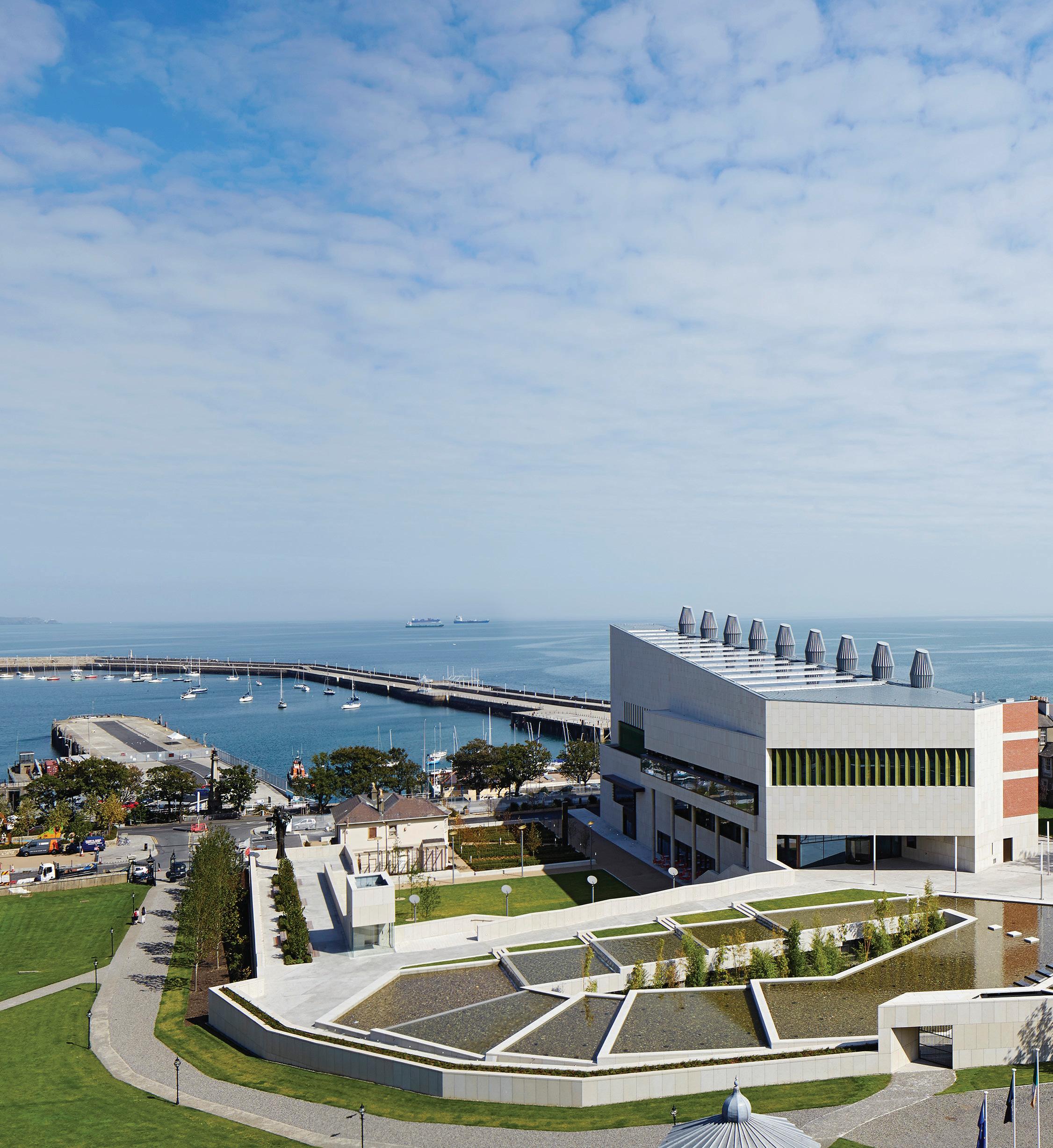
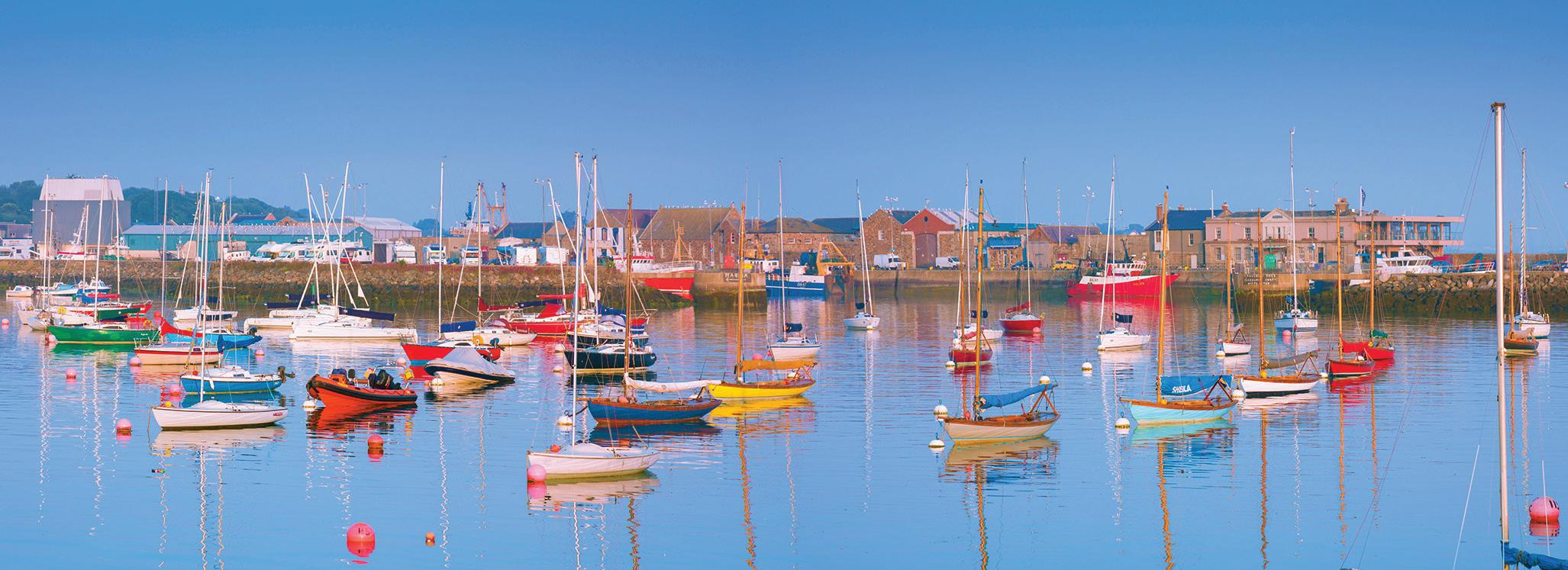
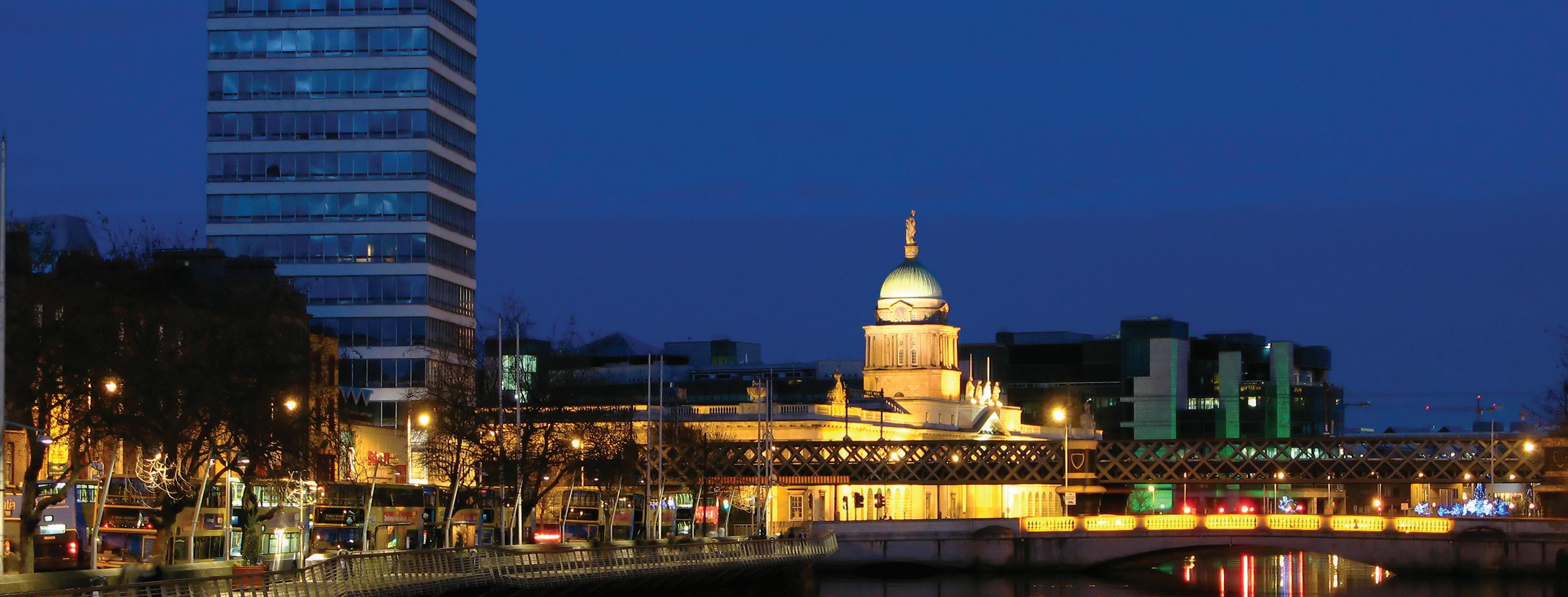
Main Cover Photograph: Lexicon Library, Dun Loaghaire By Dennis Gilbert
GLOBAL ECONOMY
After a significant wobble in late 2015/early 2016, global markets have recovered and stabilised somewhat. Meanwhile, the IMF, in its latest Outlook, expects growth in 2016 to match the levels of 2015, and to accelerate marginally in 2017.
The IMF notes however that there are heightened downside risks to their forecasts, around continued weakness in developed economies, vulnerabilities in emerging markets, the impact of prolonged oil price weakness on producer countries, the risk that China will not successfully rebalance, and geopolitical risks.
The global economy also remains dependent on broadly accommodative monetary policy across the developed world, as governments everywhere struggle with fiscal challenges.
sterling: euro exchange rate
source: central bank of ireland
Closer to home, the major uncertainty is the prospect of ‘Brexit’. With the referendum now imminent, and the polls predicting a very close outcome, this uncertainty appears to be having an identifiable impact on the UK economy, with spillover impacts for ourselves, notably on the exchange rate (see chart). This has implications for tourism and trade. Should the UK electorate vote to leave the EU, a period of major disruption and uncertainty beckons, around renegotiation of trade arrangements, the border, and the further prospect of Scottish secession from the UK and rejoining the EU.
Despite the uncertainties in the external environment (mainly continued Eurozone weakness and the aforementioned possibility of ‘Brexit’) the Irish economy continues its robust recovery, and remains the star performer in Europe. The latest estimates for 2015 indicate that GDP grew by a remarkable 7.8% – a rate that hasn’t been seen since the year 2000. While the economy is undoubtedly growing strongly, there are a number of extraneous factors that may be boosting this figure, mostly relating to the activities of multinationals, including tax-motivated ‘inversions’. Recent moves by the White House may have stemmed that flow, however, judging by the abandonment of the Pfizer-Allergan merger.
Notwithstanding this, the Irish economy is on a solid growth path. Unemployment continues to fall, with improvement spread around the country (albeit assisted to some degree by increasing inward commuting to Dublin). Personal consumption meanwhile is growing (see chart), boosted by rising employment and tax reductions.
personal consumption 2007-2017f (€ million, constant prices)
cso, esri.
Political uncertainty remains, following the inconclusive general election. At the time of writing, a functioning government is still not in place. If this continues for an extended period it would be an unwelcome complication given the many pressing internal and external issues that require policy direction.
source:
CONFIDENCE IN DUBLIN ECONOMY CONTINUES TO STRENGTHEN
consumer and producer sentiment strengthen further, despite housing issues
Dublin continues to perform, with strength, at the head of the fastest growing economy in Europe. While the unemployment rate, having dipped below 8% in Q3 2015, was stable in Q4 2015, employment grew marginally. The latest MARKIT PMI indicators suggest that employment in the capital moved further ahead in Q1 2016, while the ESRI/KBC consumer sentiment index for the quarter was also positive on the jobs outlook (see quotes below).
Housing difficulties in Dublin continue to intensify, judging by rental costs, which have breached boom-time record levels for apartments, and are almost there for houses. This will inevitably have implications for Dublin’s international competitiveness. House purchase price data, on the other hand, indicates prices in the capital are stable, but this relates only to, approximately, 55% of the market that is mortgage-financed. The balance is represented by cash transactions, and price data on these is not available.
Despite policy steps such as reduced development levies and relaxed requirements for apartments, participants in the housing market still carry a number of legacy issues mainly around debt. These issues are hampering the market’s ability to function properly. This is dealt with in more detail on pages 12 and 13 of this edition of the Monitor.
Supply shortages are being seen in the commercial space markets, as well, though not to the same extent. Office vacancy rates continue to fall, but significant new office space is coming on stream, albeit concentrated in areas such as the Docklands.
Retail vacancies in prime city centre locations are becoming scarce as more international operators are seeking a presence in the city, Although in the north inner city spreading the growth momentum beyond the core retail area centre remains a challenge.
The 1916 celebrations were a great showcase for Dublin. The many well-attended events should have given the hospitality and tourist-related sectors a boost. However, their confluence with St. Patrick’s Day and the Easter holidays may mean a slight blip in the economic data for Q1, 2016.
That said, the ongoing intermittent LUAS strikes are having a
negative impact, notably on city centre retail. Likewise, the delay in moving to 10-minute DART frequencies, when public transport numbers are growing steadily, is not helpful.
Despite the concerns raised above, both consumer sentiment and key business performance indices (PMIs) strengthened in the quarter. Austin Hughes, chief economist at KBC Bank Ireland, comments on the latest survey of Dublin consumer sentiment:
“Dublin consumer sentiment improved in early 2016 on increased optimism regarding household finances and the outlook for jobs. While consumers scaled back their views on Irish economic prospects, presumably reflecting increased uncertainty at home and abroad of late, this didn’t prevent some improvement in their assessment of the buying climate.
So, the survey suggests consumers in the capital grew in confidence of late and likely increased their spending plans.”
Likewise, Andrew Harker, senior economist at Markit, comments on producer sentiment:
“The Dublin economy showed further signs of strength at the start of 2016. Output growth remained sharp, despite easing slightly from the end of 2015. There were some divergences at the sector level, with substantial expansions in the services and construction sectors contrasting with a slow down in growth of manufacturing production.. Overall, the capital’s economy continues to benefit from improving economic conditions in Ireland. There was further evidence that the rest of Ireland is, at least, matching the performance of Dublin. One area where this was not the case, however, was employment. Dublin companies increased their staffing levels faster than the rest of Ireland, This outperformance of the capital was the largest for a year.”
More detail on the Consumer Sentiment and PMI indices is contained on pages 9 and 10, in this edition of the Monitor.
DUBLIN ECONOMIC INDICATORS
unemployment rate remains stable in dublin
source: cso qnhs
The seasonally adjusted Dublin unemployment rate remained stable at a 6-year low of 7.8% in Q4 2015 – 1.1 percentage points below the same quarter in 2014. The national unemployment rate declined marginally QoQ in Q4 2015, but was still significantly higher than the Dublin rate at 9.1%. Total employment in the capital rose marginally on a quarterly basis, but increased by over 23,500 YoY.
private services sector drives job creation
Employment in the Dublin economy continued to expand on a seasonally adjusted YoY basis in Q4 2015. This was primarily driven by the private services sector where employment grew by over 16,300 jobs (or 4.5%) over the 12-month period. The public sector recorded the only YoY decline, with employment falling by 2,100 jobs (or 1.3%). Both industry and construction recorded robust YoY employment growth of 10.6% and 9.3% respectively.
Dublin National
dublin & national unemployment rate % (sa)
source: cso qnhs. dublin seasonally adjusted by dkm.
DUBLIN ECONOMIC INDICATORS
accommodation & food leads growth in services employment
q4 ' 15
source:
The level of employment in Dublin’s services sector remained relatively steady in Q4 2015 at over 528,000 jobs (seasonally adjusted). This represented a minor quarterly increase, but employment in the sector was at the highest level since the series began in 1998. Services employment in the public sector declined by 1.3% YoY, but rose by 4.5% YoY in the private sector. The Accommodation & Food and ICT sectors recorded the strongest growth levels with YoY increases of 15% and 6.6% respectively.
property prices stabilise in latest quarter
The Residential Property Price Index for Dublin (mortgagefinanced transactions only) fell for a fourth consecutive month in February 2016, though the rate of decline was minor compared to previous months. The Index for the capital in February remained 4% higher than for the same month in 2014 despite these recent declines. Outside of Dublin, residential property prices rose by 11.5% YoY though momentum has been weak in recent months.
further growth in residential rents in q4 2015
'
source: prtb.
Average residential rents for both houses and apartments in Dublin recorded further robust growth in Q4 2015. Average rents for apartments grew by 8.7% or €105 YoY to reach €1,314, the highest level since the series began in Q3 2007. Average rents for houses grew by an even larger proportion, rising by 9.5% or €124 YoY to stand at €1,431 in Q4 2015. Average rents for apartments and houses also rose outside the capital, with respective YoY increases of 10.7% and 9.6%.
property price index (2005 = 100)
city centre office rents rise in q1 2016
source: CBRE
Rent levels in the Dublin office market remained high but relatively stable in Q1 2016. The city centre was the only area in which a QoQ increase in rents occurred as its index reached 104.6. This represented a 4.6% increase QoQ, and a 21.1% rise YoY. Rents across all of the suburbs were stable in the quarter. The south suburbs remained the most costly with the index for the area staying at a peak index level of 110 for a fourth consecutive quarter. This was a 22.3% increase YoY in Q1 2016.
office vacancies decline further in q1 2016
source: cbre.
Office vacancy rates across Dublin fell in Q1 2016. Vacancies in the Dublin 2/4 area have declined in every quarter since Q1 2013, and recorded the lowest rate in the capital at 4.8%. This was 2.2 percentage points (pp) below Q1 2015. Vacancy rates also remained on a downward trajectory across all of the suburbs. In the south suburbs the vacancy rate decreased by 4.1pp YoY to reach 10.9%.
q4 caps a strong year for public transport
source: nta seasonally adjusted by dkm.
The level of public transport usage in Dublin continued to rise in Q4 2015, reaching a seasonally adjusted total of almost 49 million trips in the quarter. This was a YoY increase of 3.2 million trips (or 7%). Public transport usage has now increased on a QoQ basis in every quarter since Q2 2013. Overall, 2015 passenger trips rose by over 4% when compared with 2014. The strongest growth arose in the second half of the year.
nta seasonally adjusted by dkm.
dublin
source: cbre.
source:
Dublin 2/4
Suburbs
transport million trips (sa)
source: cbre.
dublin office rents index (2006 = 100)
DUBLIN ECONOMIC INDICATORS
2015 an exceptionally strong year for dublin airport
DEC ' 15 total arrivals '000s (SA) 1,060.2
source: cso, seasonally adjusted by dkm.
2015 was a remarkably strong year for Dublin Airport with double-digit YoY growth in passenger arrivals recorded every month. Overall, passenger arrivals increased by over 15% across the year to reach in excess of 12 million arrivals. The final three months of the year continued the trend of robust growth from the previous three quarters, with over 1 million passengers (seasonally adjusted) arriving at the airport each month. December, which is traditionally busy due to the Christmas period, recorded a small MoM decline in arrivals but was still up by 10.2% YoY.
housing completion rates accelerate in february
feb '16
total house completions (sa) 442 year on year change (sa) +248
source: declg. seasonally adjusted by dkm.
Housing completion rates in Dublin accelerated in February 2016 to reach the highest level (seasonally adjusted) since September 2014. Over 440 units were completed in the month, representing a YoY increase of 248 units (or 128%). This large increase was mainly driven by greater completions in the Dún Laoghaire/ Rathdown and Fingal local authority areas. Despite improved completion rates, the overall Dublin housing market is still suffering from a severe shortage of supply.
dublin port activity maintains momentum
Activity levels recorded at Dublin Port maintained significant momentum in the first quarter of 2016 following an exceptionally strong year in 2015. The total tonnage handled at the port increased by 7.9% YoY to reach a new peak of 8.6 million tonnes in the first quarter (seasonally adjusted). A YoY expansion of over 7% in Ro-Ro tonnage was the main driver of this increase. Exports were a relatively stronger source of growth when compared to imports, increasing by 8.2% YoY to reach just under 3.4 million tonnes in the quarter.
airport arrivals '000s (sa)
cso. seasonally adjusted by dkm.
dublin housing completions (sa)
Max: 1,800
source: declg. seasonally adjusted by dkm.
dublin port tonnage million tonnes (sa)
source:
dublin
source:
DUBLIN FEATURES STRONGLY ON KEY BENCHMARKS
Internationally published benchmarks are a useful means of measuring a city’s performance relative to its peers, Recent indicators confirm Dublin’s strong showing across a range of dimensions (see table below).
The benchmarks listed focus on a number of areas – attractiveness for FDI, the real estate market, quality and cost of living, business environment, university quality, start-up environment and tourism.
Dublin has raised its overall ranking to 3rd place in the FDI Intelligence European Cities & Regions of the Future index, just published for 2016/2017. The capital also featured strongly as the best performing small region in Europe, and the 5th best performing region overall. The strength of Dublin’s tech sector in particular attracted attention in the latest Index:
“The city is becoming a hotbed for investment in software and IT, with the sector attracting more than 45% of all Dublin’s inward FDI between 2010 and 2014.”
Meanwhile, the Global Financial Centres Index (GFCI) 2016 sees Dublin rise to 39th position globally. On quality of life, Mercer’s latest global Quality of Living Survey for 2016 sees Dublin rise one place to 33rd, ahead of cities such as Paris, Barcelona and London.
Ireland, as a whole, also continues to perform strongly in international benchmarks, and the Dublin region is a key driver of this. The country ranked no. 1 as the least complex place to do business, in the world, in the latest TMF Group’s Global Benchmark Complexity Index, matching the top ranking on both IBM’s 2015 Global
Locations Trends report and the 2015/2016 Adecco Global Talent Competitiveness Index. International rankings also continue to provide good news on the tourism front. A recent survey by Airports Council International (ACI) ranked Dublin Airport No.1 in Europe for passenger service, as passenger numbers reach new highs and the airport announces plans to proceed with a second runway.
On the negative side, Dublin has recently been ranked as the 7th most congested city in Europe, and the 15th most congested in the world, by satnav maker TomTom. While this may be a return to the commuting patterns of the previous boom, it also points to the pressing need to prioritise investment in, and the utilisation of existing transport infrastructure in the city and surrounding region.
(MBA)
dublin consumer sentiment rises in first quarter
The Consumer Sentiment Index for Dublin improved in the first quarter of 2016 to 159.8 from 152.6 in the final quarter of 2015. While the index for Dublin rose, the index for the rest of Ireland was unchanged. Like their counterparts in the capital, consumers outside Dublin were more positive in their assessments of their household finances but they were more negative in their views on the general economic outlook and job prospects over the next 12 months.
perceptions of current conditions also improve
The increase in consumer sentiment in Dublin in the first quarter of this year has primarily been the result of a more positive perception of the current environment. It was principally driven by a more positive assessment by consumers of their financial circumstances and the current buying climate for major household durables.
consumer expectations in dublin show moderate increase
Dublin consumers were more positive in their assessment of the outlook for jobs in Q1 2016. However, they were more negative in their outlook for the overall economy over the next 12 months. 58 per cent of Dublin consumers expect the labour market to improve over the next 12 months compared to 14 per cent that envisage a deterioration. 39 per cent of Dublin consumers expect their household financial situation to improve over the next 12 months while 14% anticipate poorer household finances.
current conditions
overall pmi maintains strong growth in q1 2016
Output across the Dublin economy continued to increase sharply during the first quarter of 2016. Strong output growth was also signalled across the rest of Ireland. The construction sector again posted the sharpest expansion in business activity during Q1, while services also registered a steep increase.
new orders continue expansion
New orders at companies in Dublin continued to increase at a substantial pace in the first quarter of 2016. That said, the rate of growth eased marginally. The rate of expansion in new business in the rest of Ireland was again slightly faster than recorded in Dublin.
Strong Employment Growth in Dublin Continues
As has been the case in each quarter since Q4 2012, employment in Dublin increased in Q1. The rate of job creation remained robust, and little had changed from the end of last year. Companies in Dublin continued to take on staff at a faster pace than the rest of Ireland, with the degree of outperformance in Q1 2016 the largest for a year.
serious imbalances in dublin housing market
BY ANNETTE HUGHES DKM ECONOMIC CONSULTANTS
Reports of a dysfunctional housing market, with signs of a speculative land price bubble, appear valid.
With the economic recovery well underway and Dublin accounting for over 50% of all jobs created together with continued population growth, there is considerable pent up housing demand in the Dublin market. The debate currently remains focused on the shortage of housing supply and the failure of this demand to be met. There are concerns that housing construction is not viable in some Dublin locations, with costs exceeding what the market can afford. At the same time there are reports from a number of private developers that they are finding it difficult to sell affordably priced housing in some parts of Dublin.
planning permissions not translating into commencements
A total of 17,690 units were granted planning permission in the Dublin region in the last five years. However only 8,000 units were commenced in the same period (Figure 1). Housing completions meanwhile remain low, but even these may be overstated as they are based on electricity connections, some of which represent stock left over since the boom.
figure 1: total commencements in dublin 2004-2015
Dun Laoghaire/R’down Fingal
South Dublin
table 1: dublin housing supply-demand imbalance
What is required to meet demand?
In 2014 the Housing Agency projected a minimum requirement for 35,433 housing units in Dublin over 2014-2018. This is clearly not being achieved. Over 29,000 units are required in the Dublin market over the next three years to meet this target. Population increases combined with smaller household compositions will place further pressure on housing in the capital over the medium-term.
House-building is a major factor influencing economic activity. The ability to secure housing, whether via home ownership or renting, is vital for economic growth and competitiveness. Thus a recovery in supply is essential, but schemes must be financially viable and must also deliver properties at prices that buyers can afford. There have been some moves to address cost viability in terms of development contribution rebates, reductions in Part V obligations and changes to apartment standards. However, building costs and house prices remain too high.
Separately, there are concerns about high prices being paid for
land. While there is reported to be adequate zoned residential land, servicing of this land appears to be an issue in some cases. On the other side, affordability remains a problem for first time buyers. The Central Bank lending restrictions are having an impact, particularly with respect to the loan to gross income limit of 3.5 times, which implies that a first-time buyer (FTB) working couple requires an income of €68,000 to obtain a mortgage, based on the average FTB price in Dublin of around €270,000, after saving €32,000 for their deposit. Yet a small number of new affordable private developments have recently bypassed the open market by selling in their entirety to approved housing bodies.
In summary there is market failure in the housing market as evidenced by rising rents, lack of new supply and increasing homelessness. The viability issue needs to be tackled, as land costs, building costs and house prices are too high. With land prices already showing signs of a bubble there is a need for measures to increase the availability of residential zoned and serviced land in Dublin.
introducing dublin.ie
BY MUIRNE LAFFAN CHIEF DIGITAL OFFICER, RTÉ
Dublin.ie aims to capture the colour, humour, spirit and energy that drives the Dublin region and is taking an important step in developing a unified voice in the overall promotion of the region.
For the past two years Dublin City Council and the Dublin Chamber of Commerce have worked together on a portfolio of projects aimed at making Dublin a better place to live, work, do business in and visit – under the umbrella of ‘Activating Dublin’. Last year, I became the sponsor of a project to build a new Dublin.ie platform, which would introduce, demonstrate and embody a new brand for the city.
“The purpose of Dublin.ie is to celebrate the very essence of Dublin; the people, places and things that make Dublin truly unique as a place to live, work and learn in.”
Working with a small, but smart, team from Dublin City Council and the Dublin Chamber of Commerce, and supported by several colleagues at RTÉ, we focused on getting to the nub of what the Dublin brand was all about.
Dublin has an incredible story to tell. But it is too often told in fragments. Dublin.ie can illustrate all that Dublin has to offer. The aim is to capture the uniqueness and vibrancy of the region and its thriving communities from a people-centric point of view.
“Internationally, more and more decision-makers want to know about the wider community outside of the office: ‘Is it a place where my staff can thrive professionally and personally?”
The core of our brand focused on the people of Dublin; the attitude, the chat and the creativity. We also honed in on the navigability of Dublin. From the Silicon Docks, with its multinational HQs and startups, to the compact streets of Dublin, it’s a little big city that packs a punch. You can do business here. You can connect. People will talk to you.
Dublin is a city of character and characters, filled with imagination and talent. It’s a compact world-class city where things happen.
Once we had the brand positioning figured out and visualised, with the help of Dublin-based Orchard Brand Agency and DesignWorks, the rest flowed. With EU AT Brand funding for the project, we worked with McCann Blue to deliver the new Dublin.ie, as a platform for the people and stakeholders of Dublin.
What will you find on Dublin.ie?
Visitors will find information on living, working, and learning in Dublin. The Dublin.ie team ensures that the content will answer visitors’ questions about Dublin.
Who is it all for?
This site can be enjoyed by visitors and residents alike. The aim is to offer something for all Dublin ‘users’, with the site offering everything from snapshots of everyday Dublin life and hidden treasures of the capital to event listings and essential information.
Next steps? Your role?
As work continues, Dublin.ie plans to widen its reach to every corner of Dublin. If you are reading this and have access to a network that could benefit and support Dublin.ie, get in touch with the team at info@dublin.ie. People are the heart of what makes Dublin a great place, so the more people that engage with Dublin.ie the better, and
dublin: economic scorecard April 2016
Note: These “petrol gauge” charts present the performance of the particular indicator relative to a range of performances from most positive (green) to least positive (red). Each gauge presents the latest value compared to the peak value and the trough value over the last decade (except for public transport trips which cover the past 5 years). The Commercial Property gauges are red at the high and low extremes, in recognition of the undesirability of rents that are either too high or too low as well asw vacancy rates.