Influence Me Initial Research
Ellen McAleavey
Ellen McAleavey
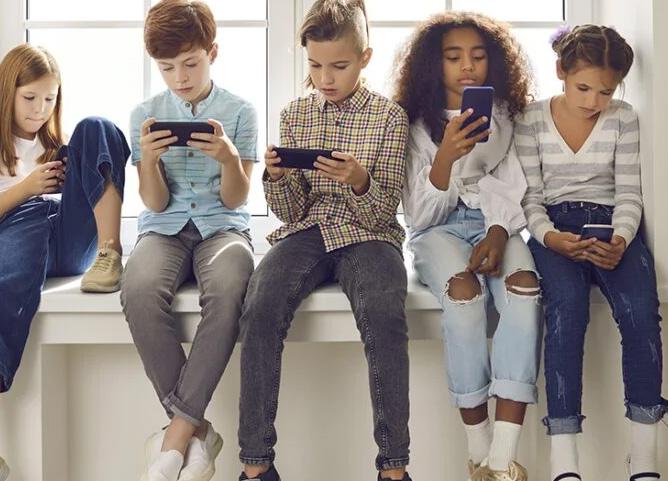
Gen Alpha are those born between 2010 and 2025, the future of our society. They are “digital natives,” tech-savvy from a young age, growing up in a world of phones, ipads and social media. They expect instant access to information and personalized experiences.
Gen Alpha envisions a future with electric vehicles, public transport to the moon, and even teleportation, highlighting their forward-thinking perspective on technology.
90% of Gen Alpha use a smart device before the age of 4 (common sense media). A lot of this use is for educational purposes, there are now apps for children such as Duolingo, Khan Academy etc.
Nowadays, children are being taught how to type before writing in schools. They are visual learners and prefer to be taught through interactive tasks and clips rather than being talked at by their teacher.
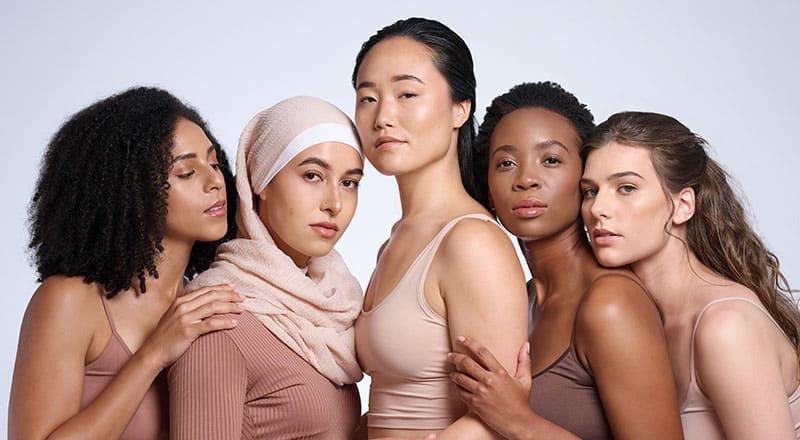
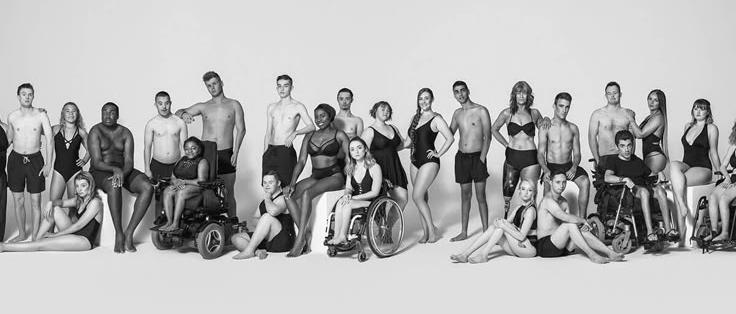
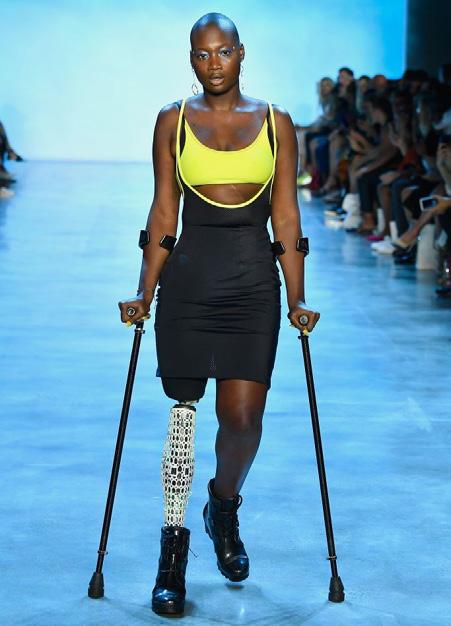
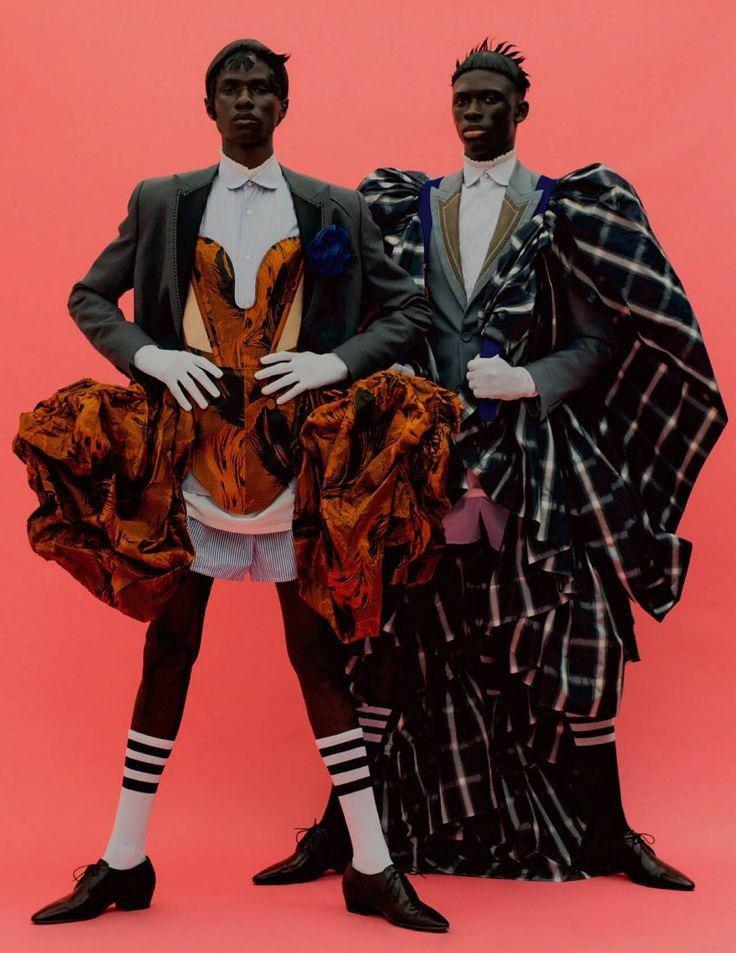
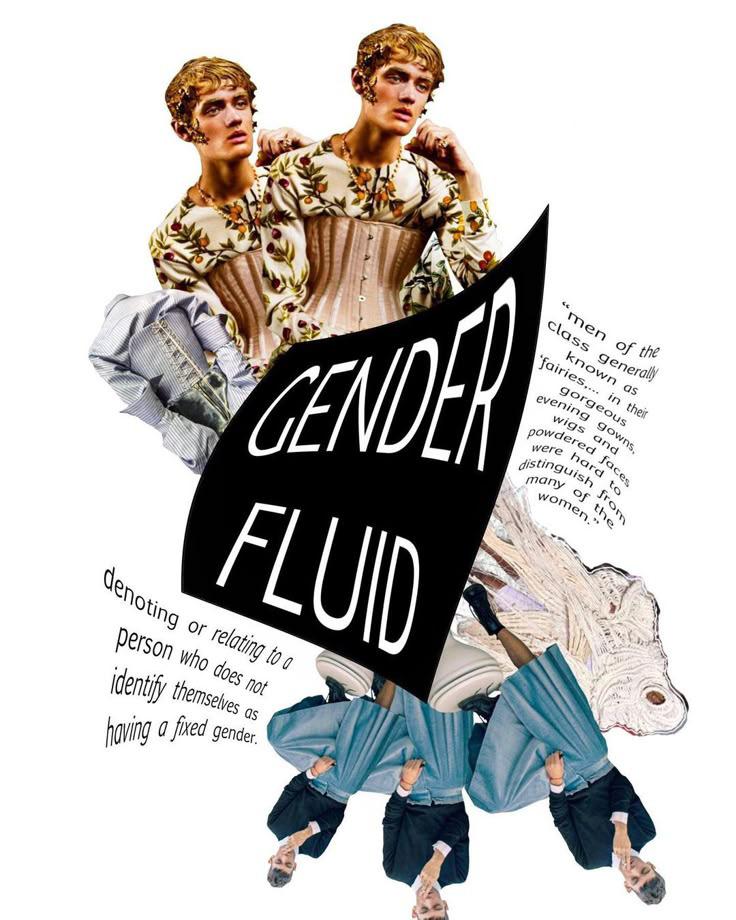
Gen Alpha are very mental health aware and have more understanding of society and the inclusivity and diversity in their community.





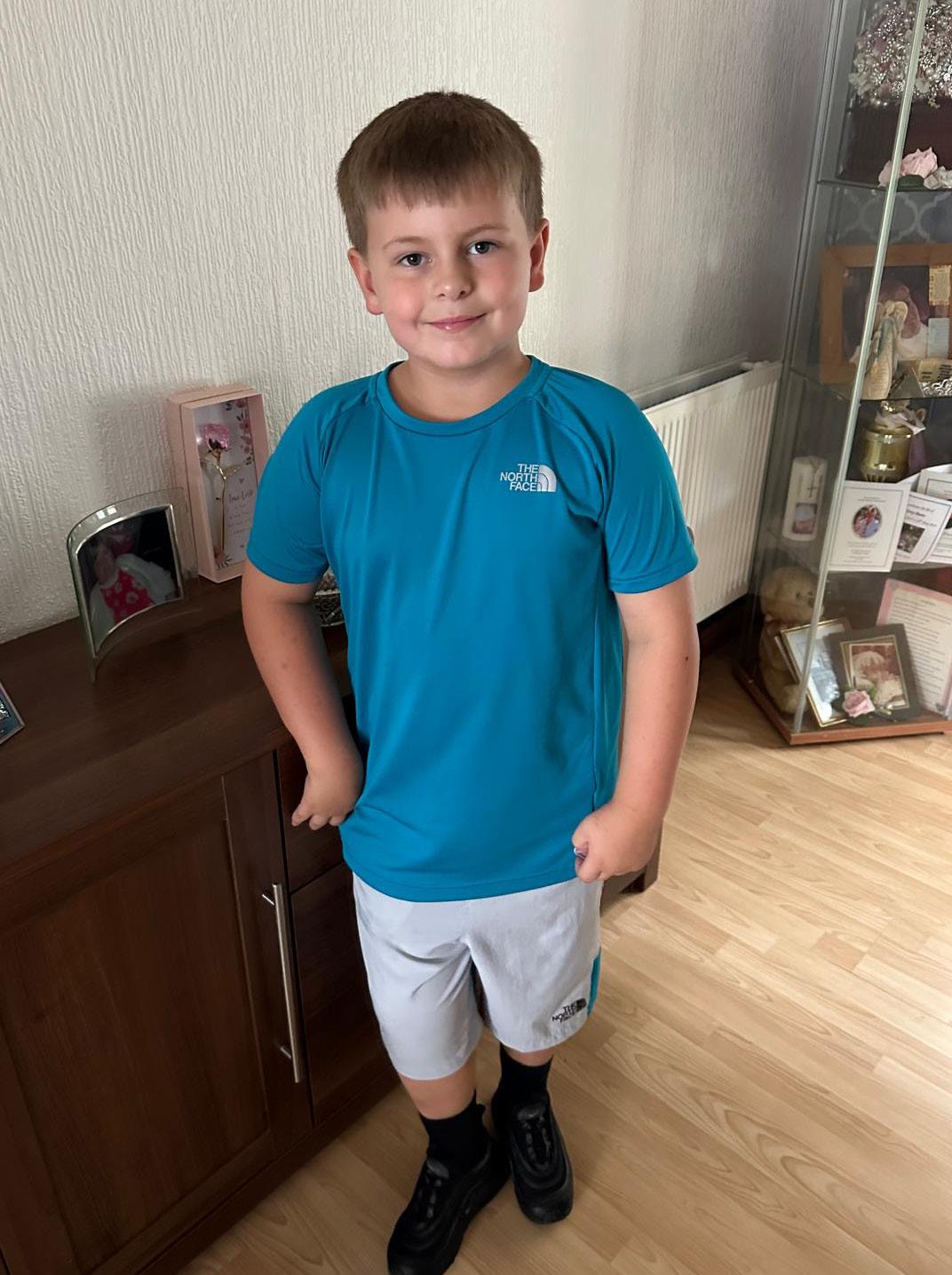
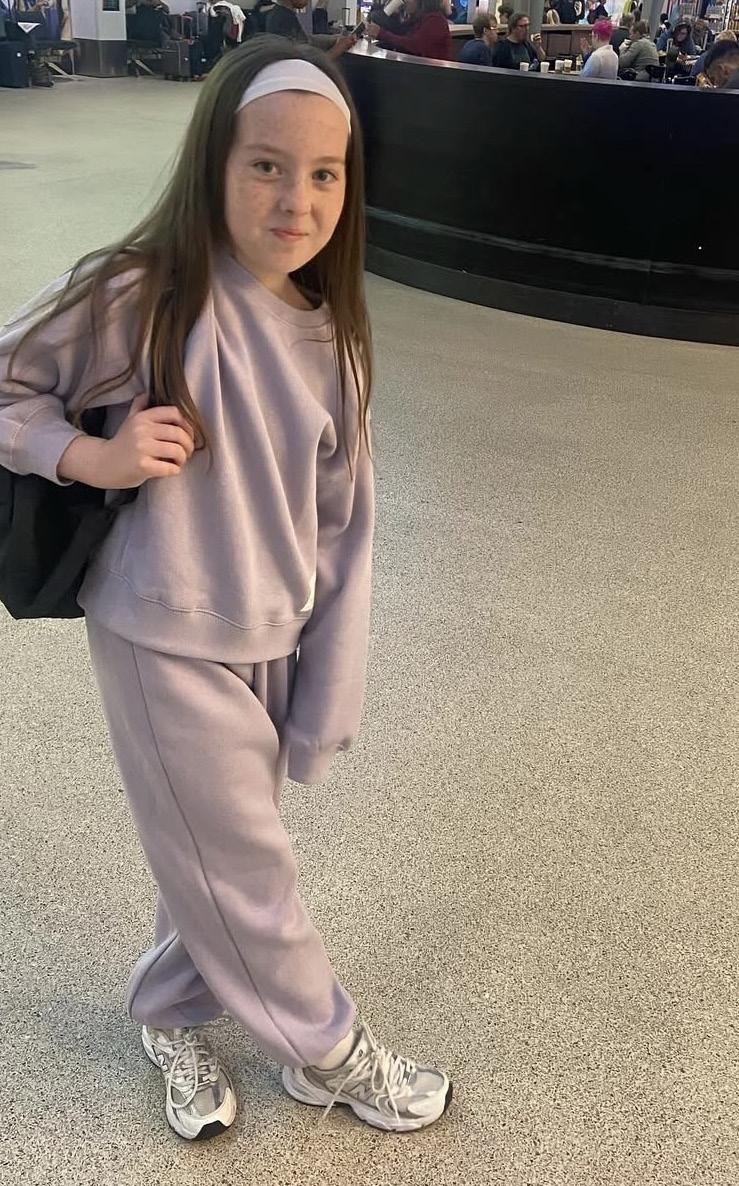

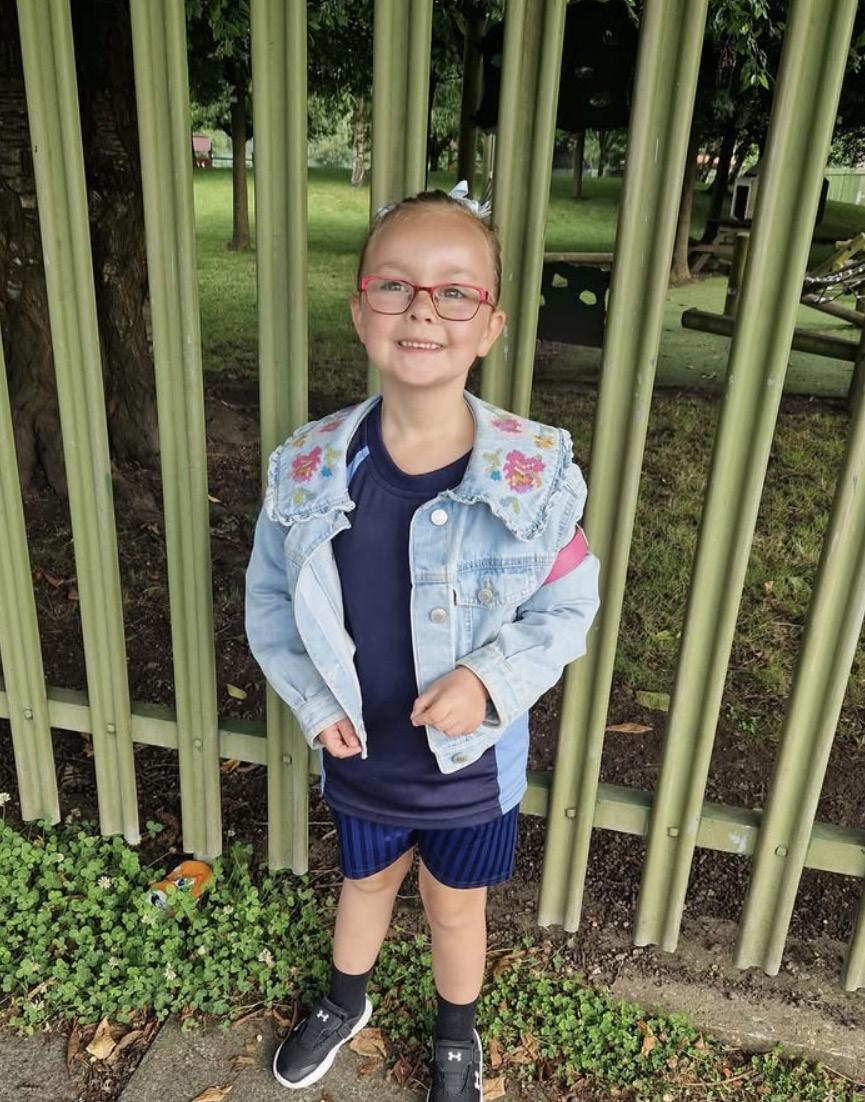

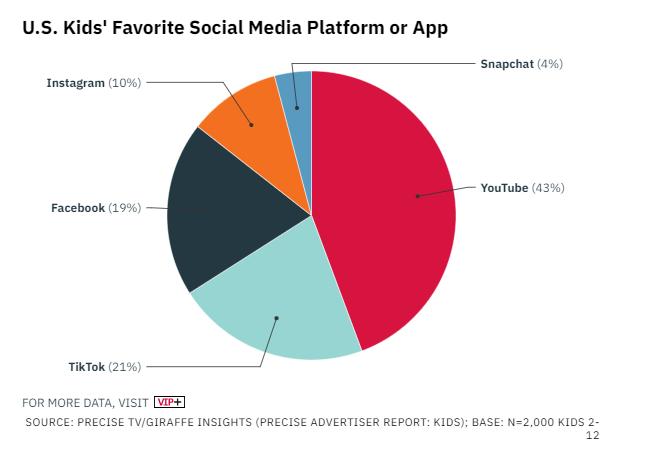
To effectively reach the community, marketers must use platforms that Gen Alpha are familiar with and use frequently, such as TikTok and Instagram. More than half (56%) of Gen Alpha parents say their kids are exposed to new brands and items through shopping content like haul and unboxing videos. Their decision-making and brand recognition are significantly impacted by this exposure from a young age.
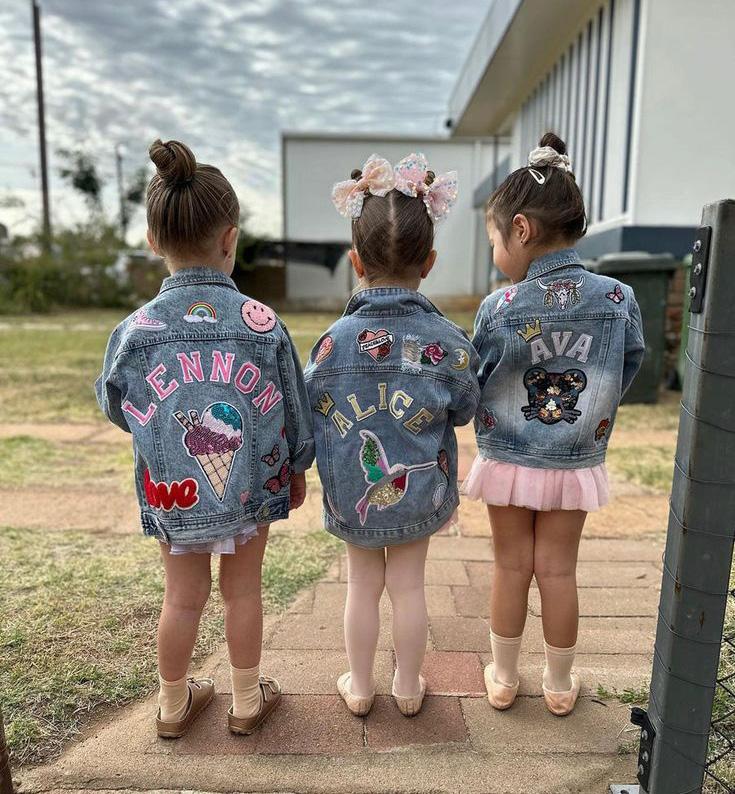
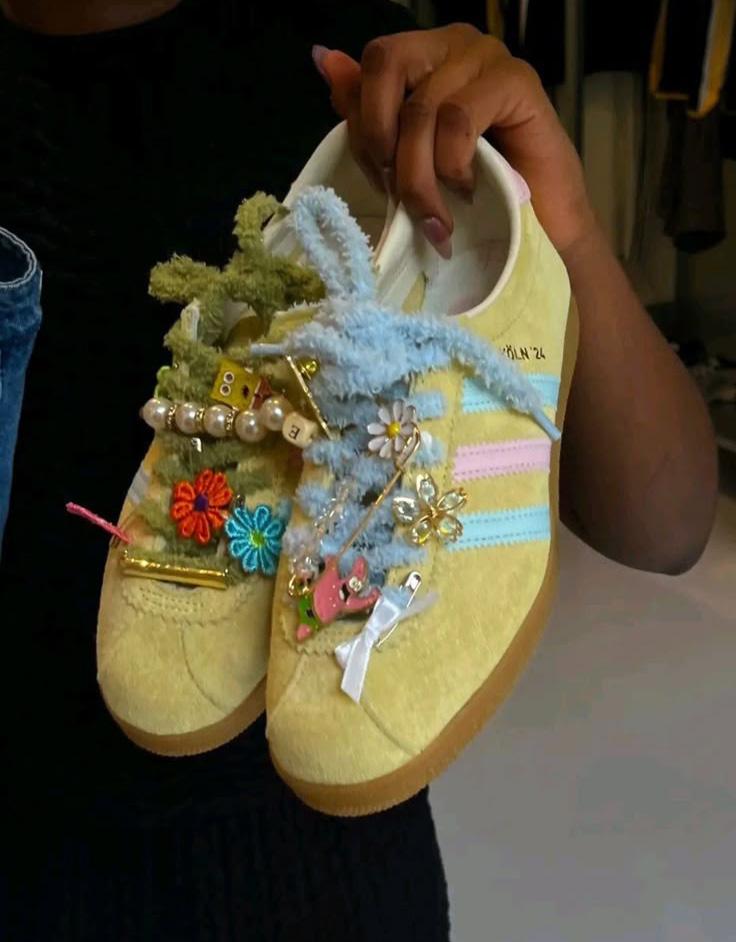
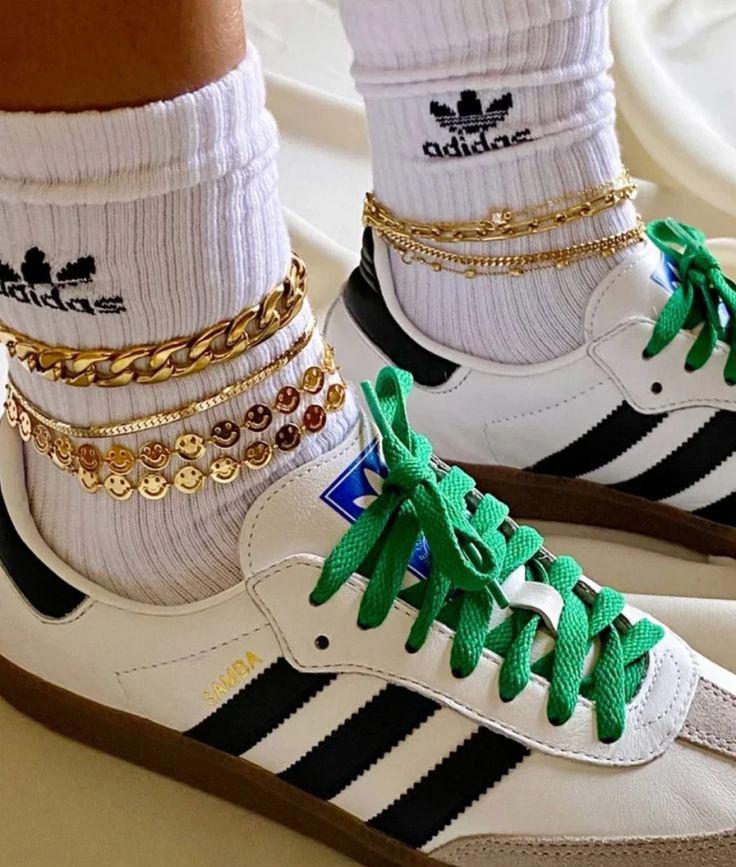
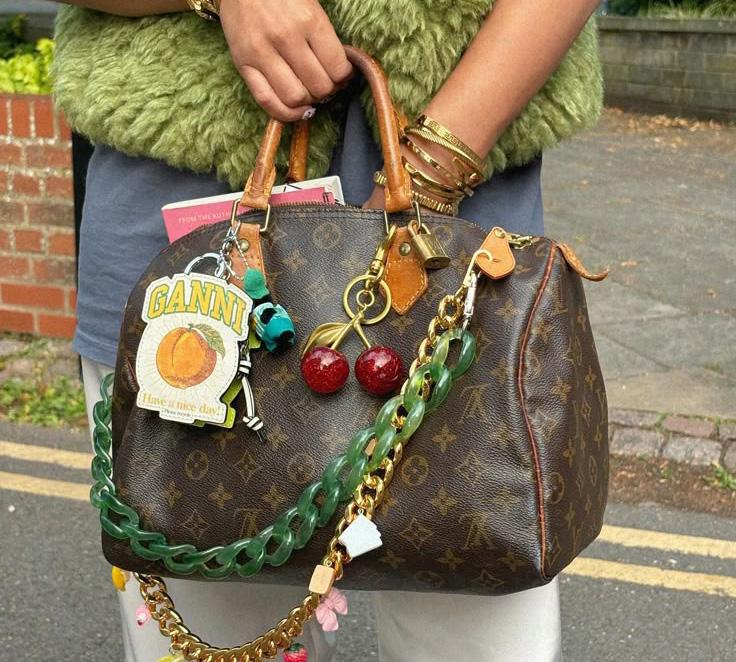
Gen Alpha prefer customisation and personalisation when it comes to the purchase patterns. They prefer products and services that reflect their unique personalities and preferences.
One way of engaging with Gen Alpha is through virtual experiences such as Roblox and other immersive gaming apps.
93% of Gen Alpha have made in-game purchases primarily for cosmetic items that allow for personalisation and social recognition, e.g. Roblox avatars, Fortnite skins etc.
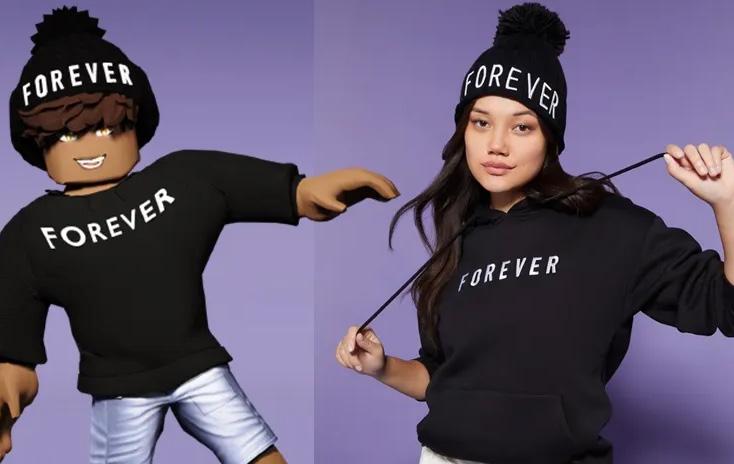

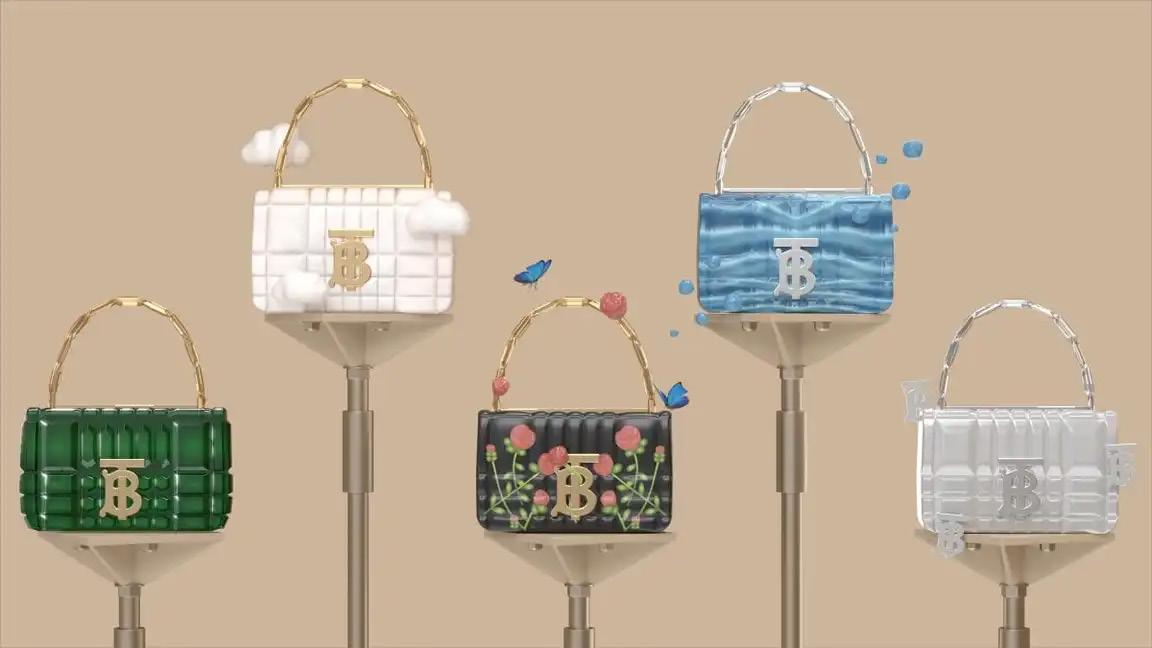
Samuel Jordan is a digital fashion designer who creates new outfits for apps like Roblox. This has led Jordan to collaborate on a collection of virtual bags with Burberry and many more collabs.

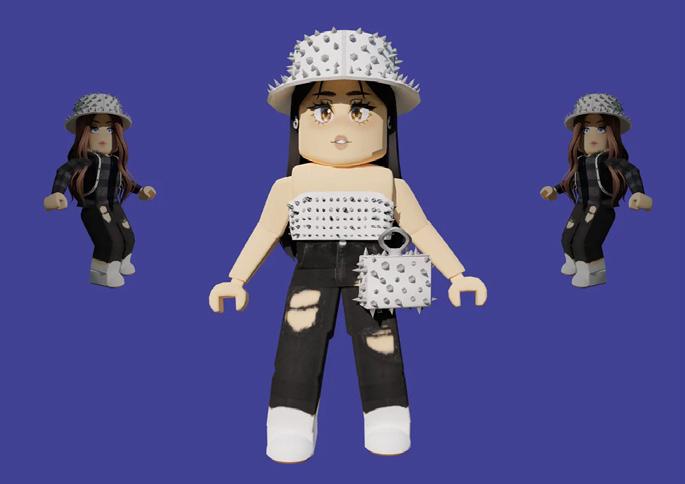
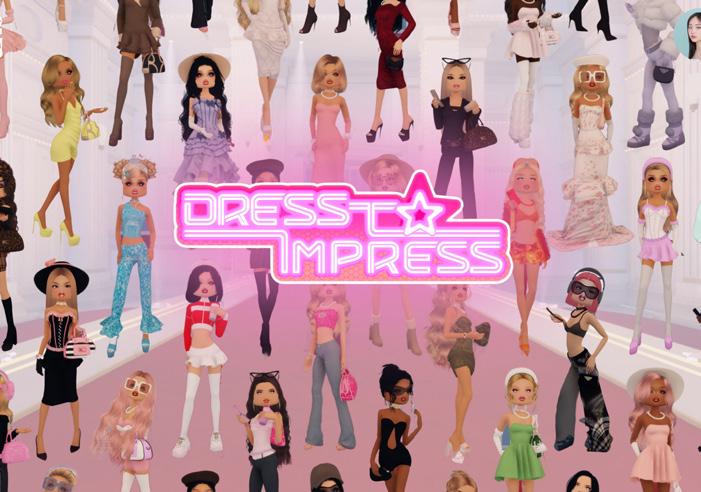
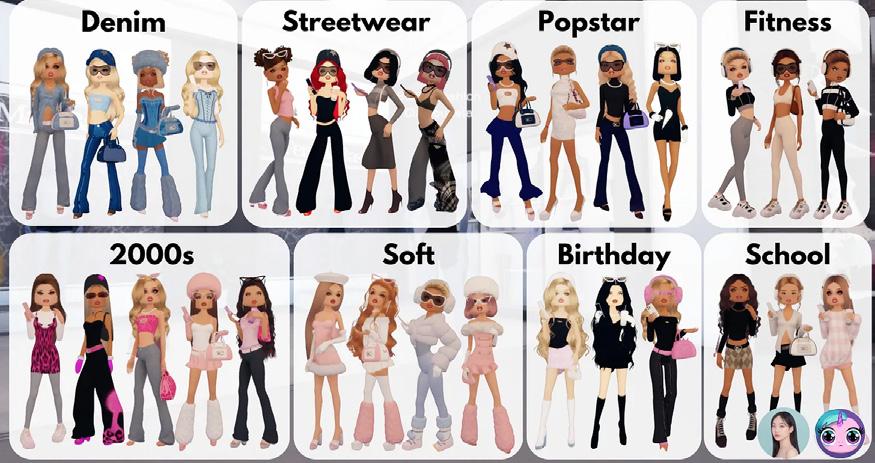
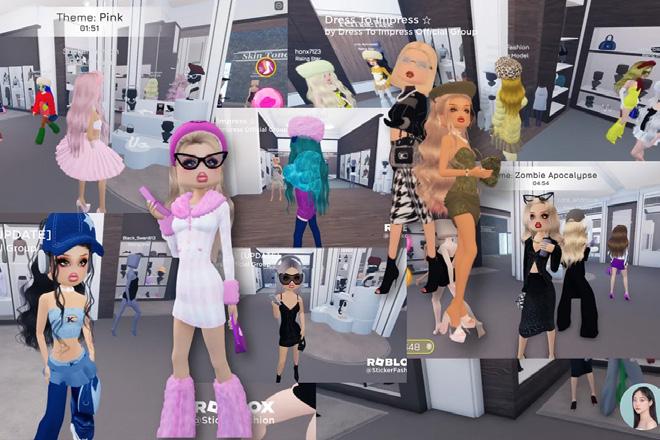
Dress to Impress is a Roblox game were players are given a theme, and 5 minutes to dress their avatar appropriately, other players will vote for who they think is the best dressed. The game has won Best Creative Direction awards and gained over 4 million views on Youtube in 2024. Dress to Impress has also collaborated with artists like Charli XCX, gaining the game even more views and plays.
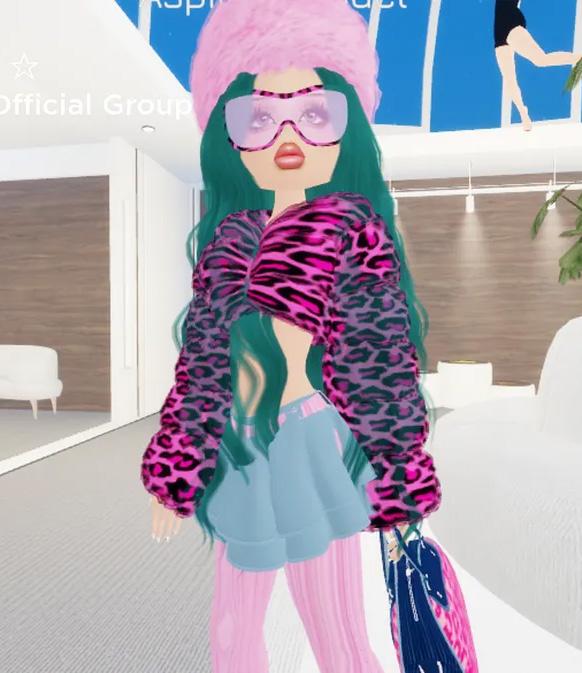
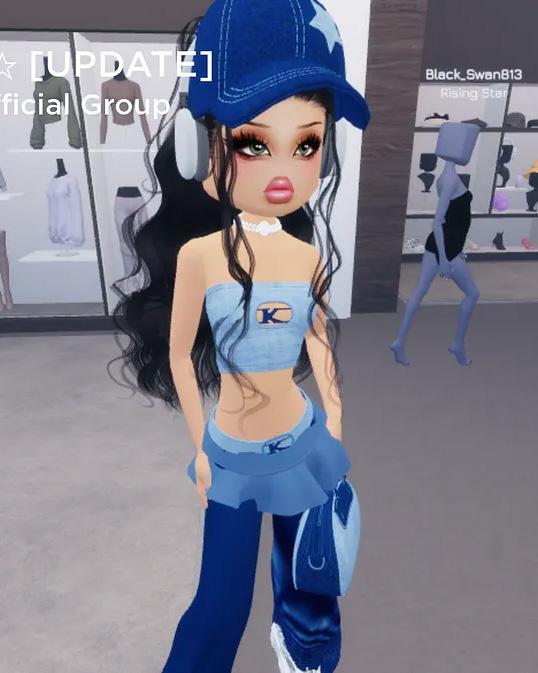
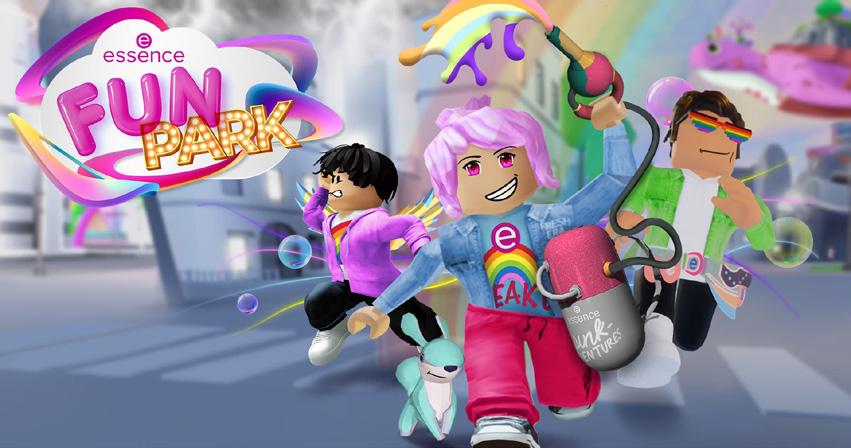
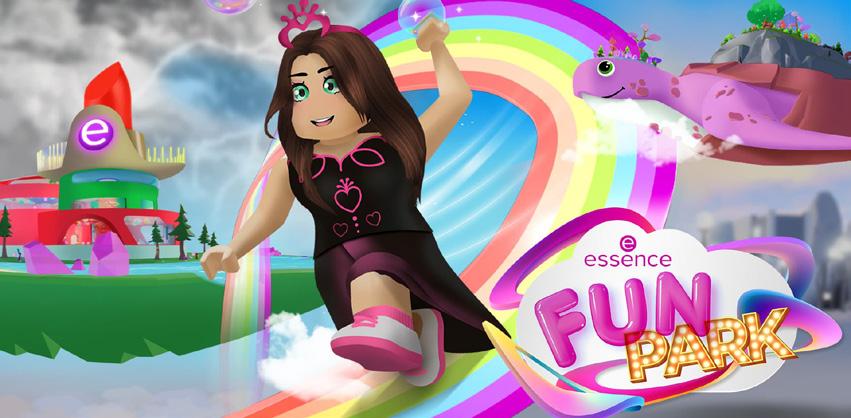
With the support of DEPT. game developers, beauty brand essence has blurred the boundaries between beauty, play, and self-expression by developing the adventurous Roblox Experience “essence FUN PARK.”
Given the constantly changing beauty industry, essence has set the longterm goal of being relevant to Gen Z and Alpha, with the brand mission to “make beauty fun”.
“we are confident that we will continue to grow beyond the boundries of the beauty industry.”- Thorsten Muhl, Chief Digital Marketing & Experience Officer, cosnova

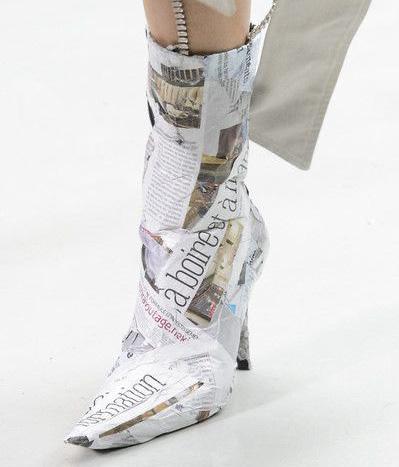
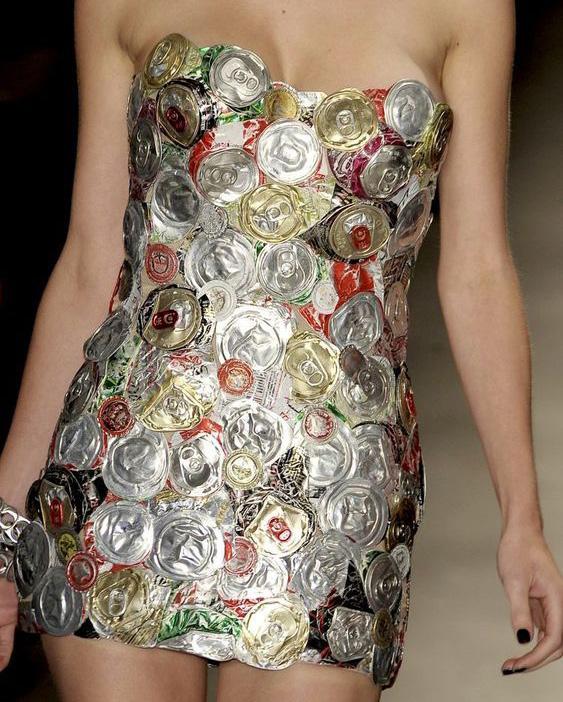
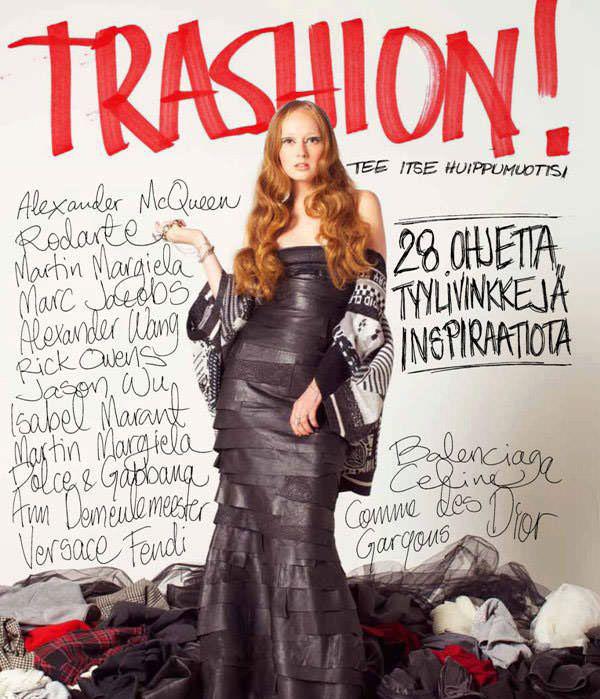
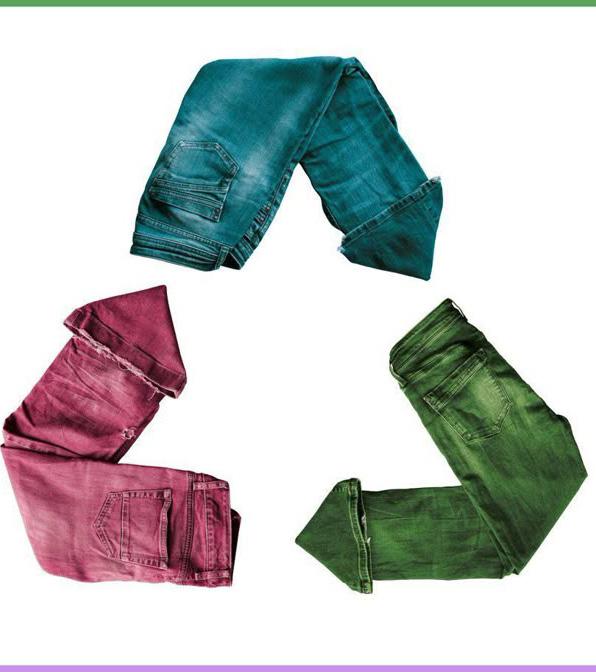
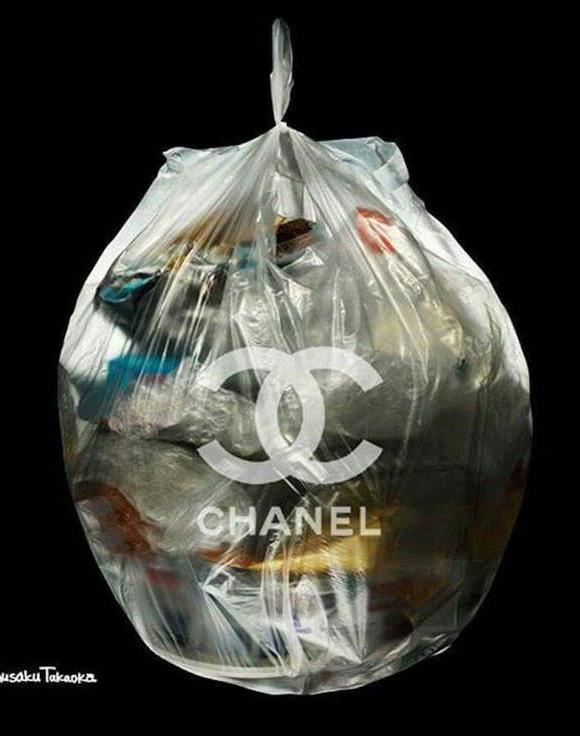
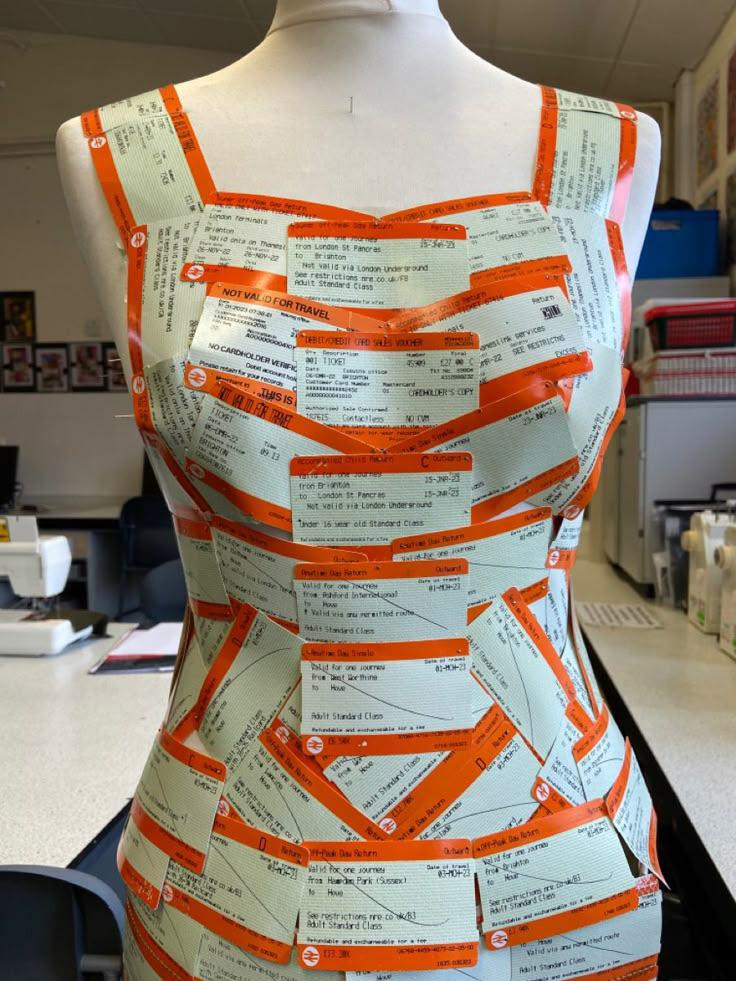
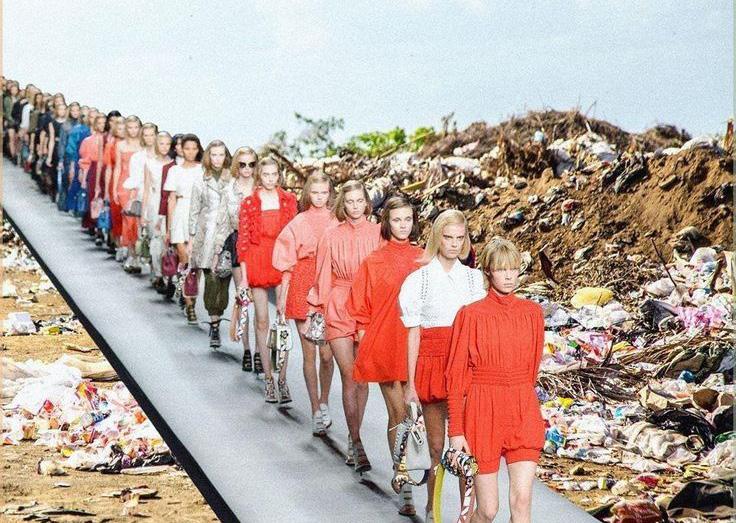
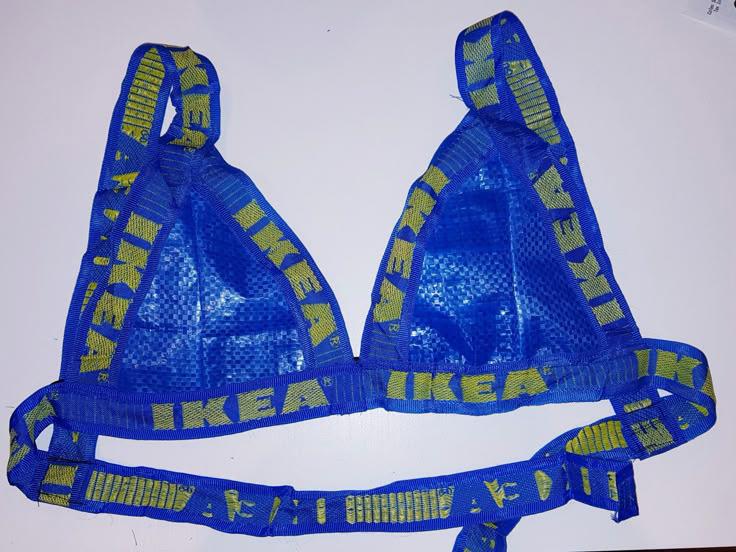
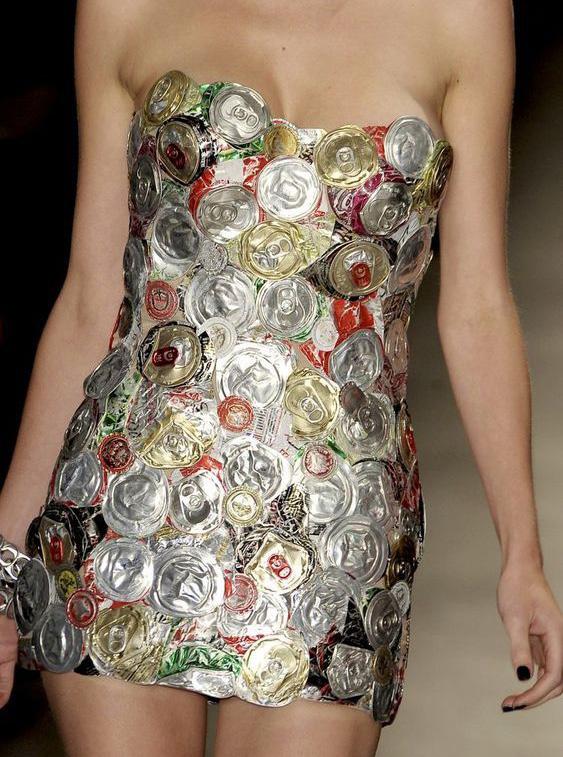
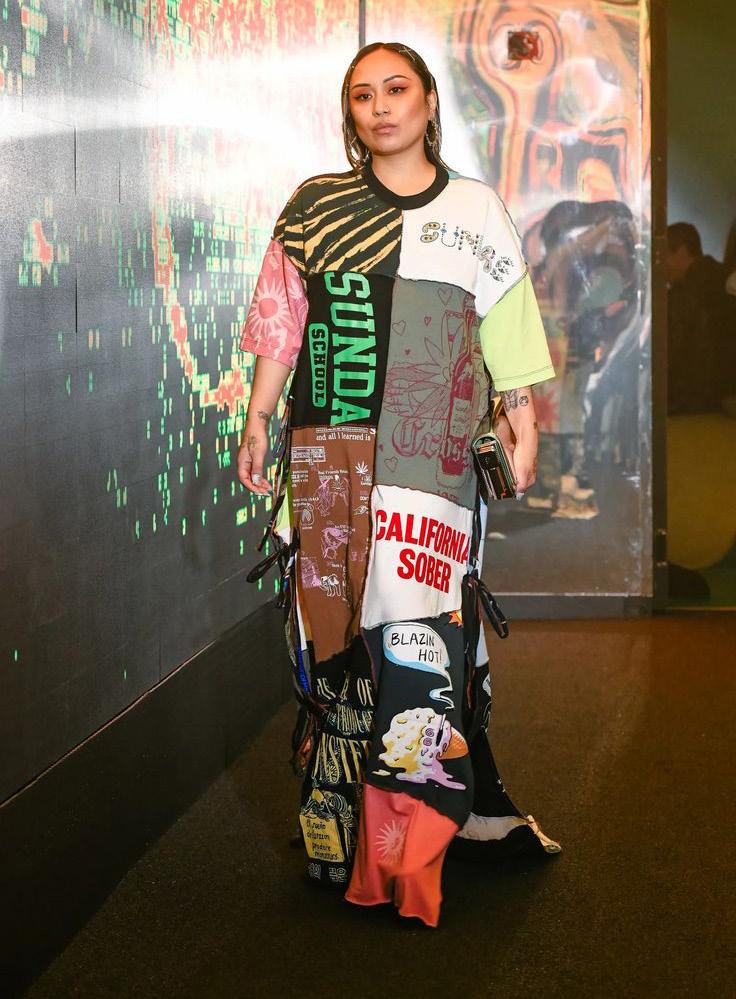
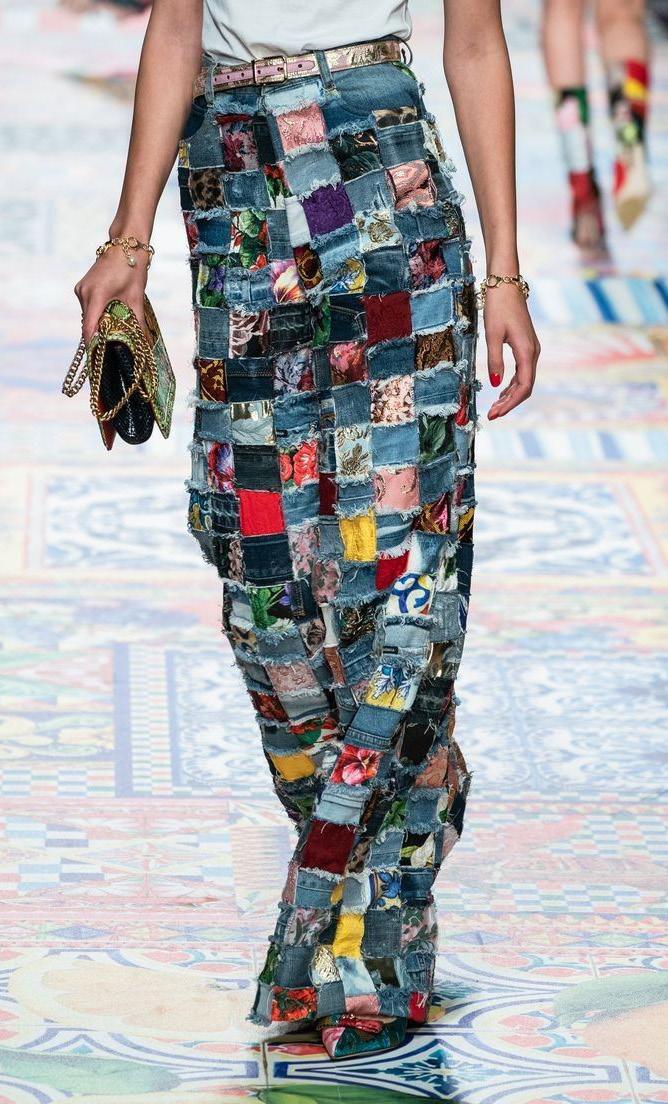
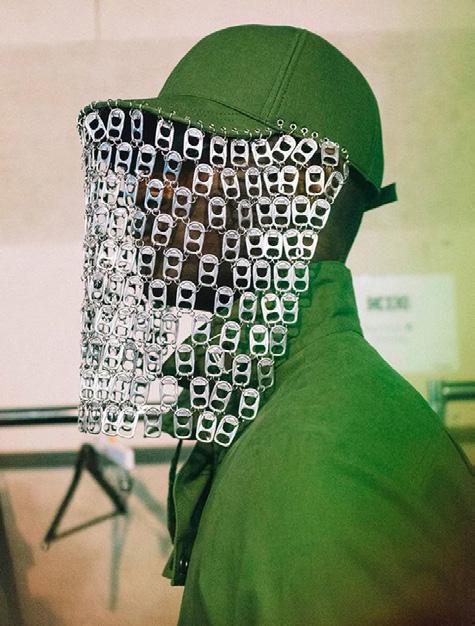
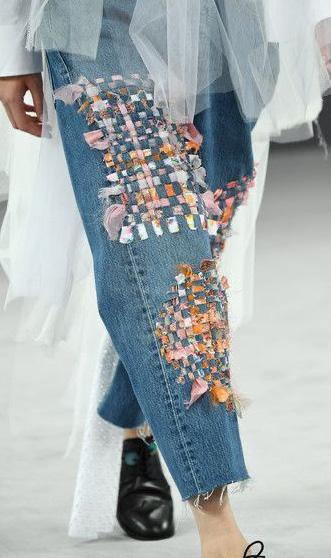
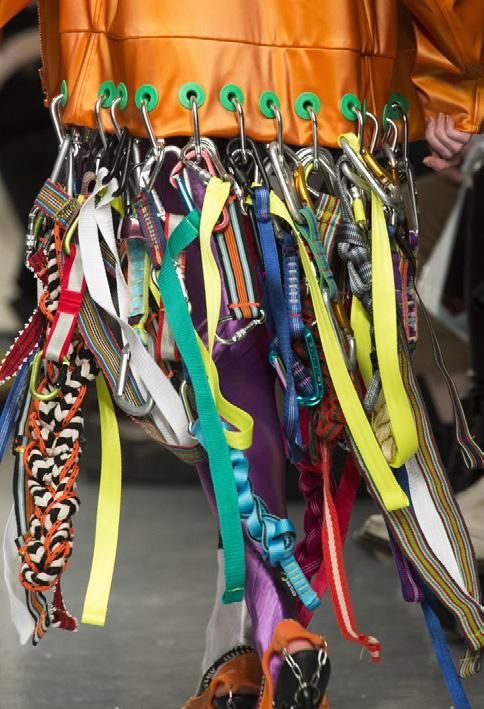
Sustainable practices aim to minimize textile waste through innovative design, recycling, and upcycling.
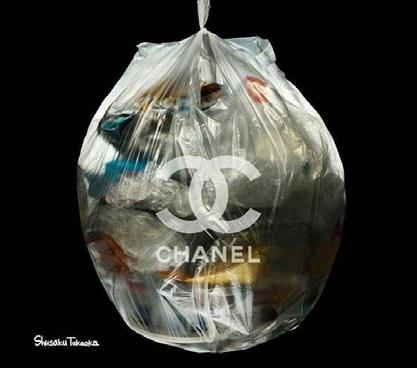
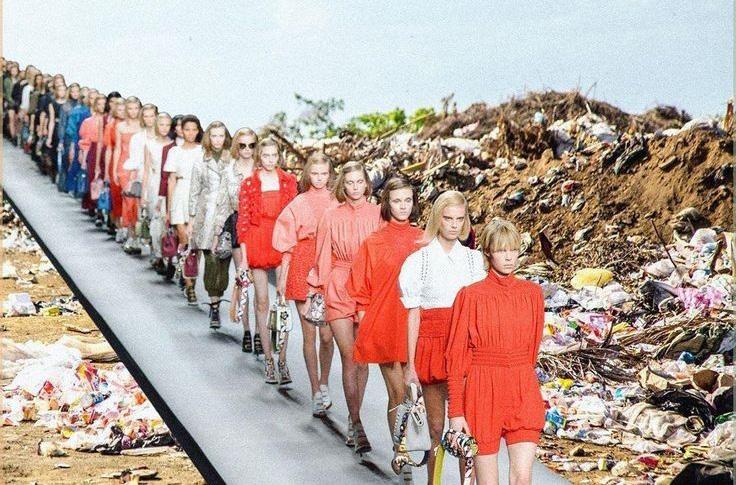
Developing new technologies and materials that further reduce the environmental and social impacts of the industry.
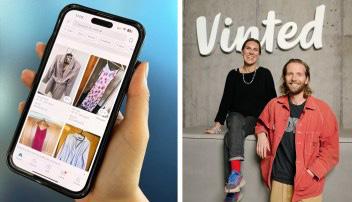
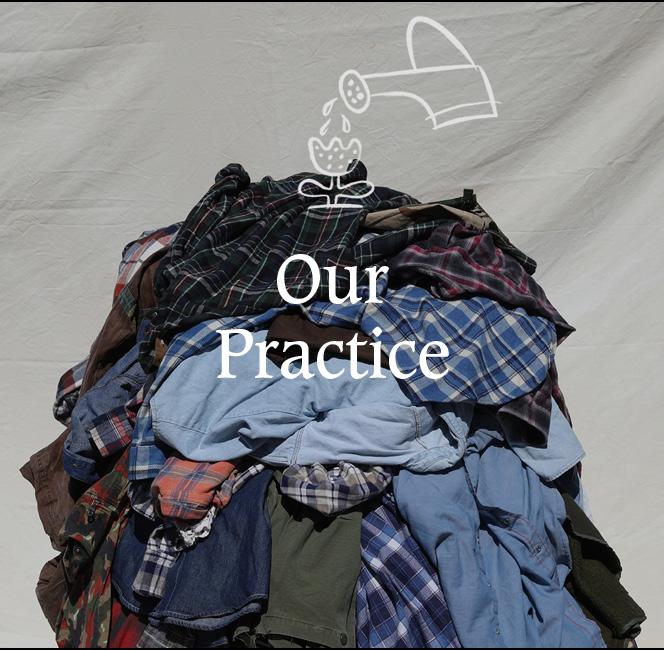

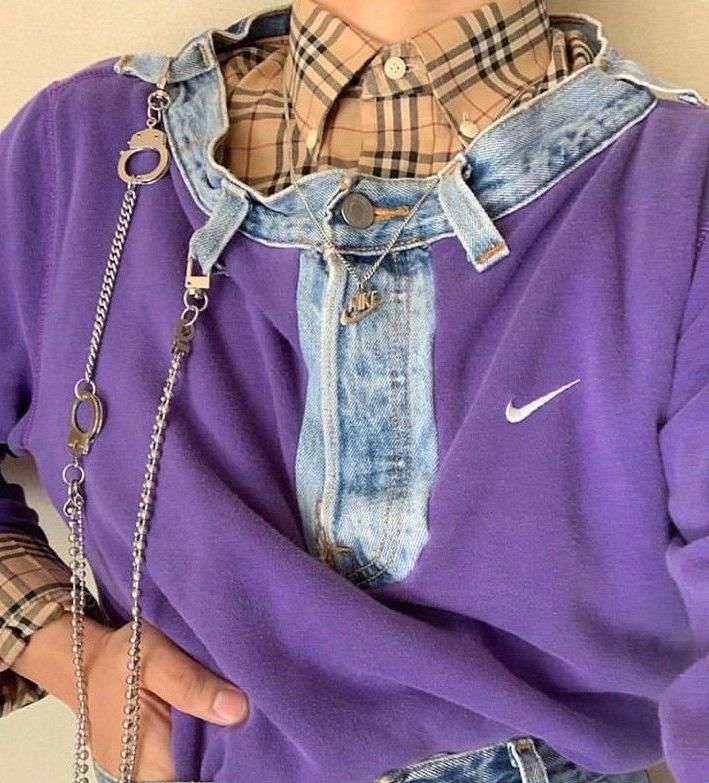
Extending the life of garments through buying and selling used clothing reduces demand for new production.

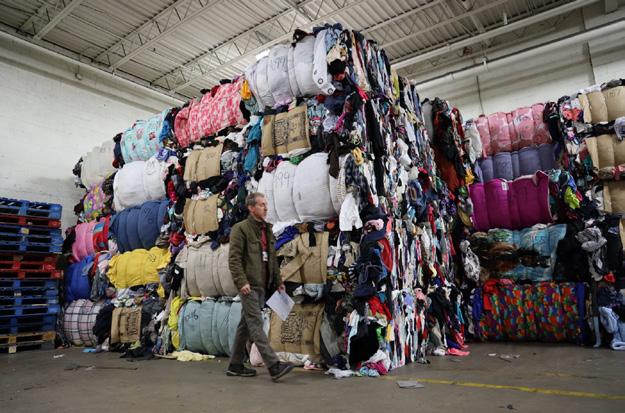
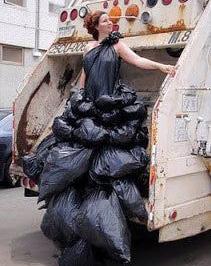
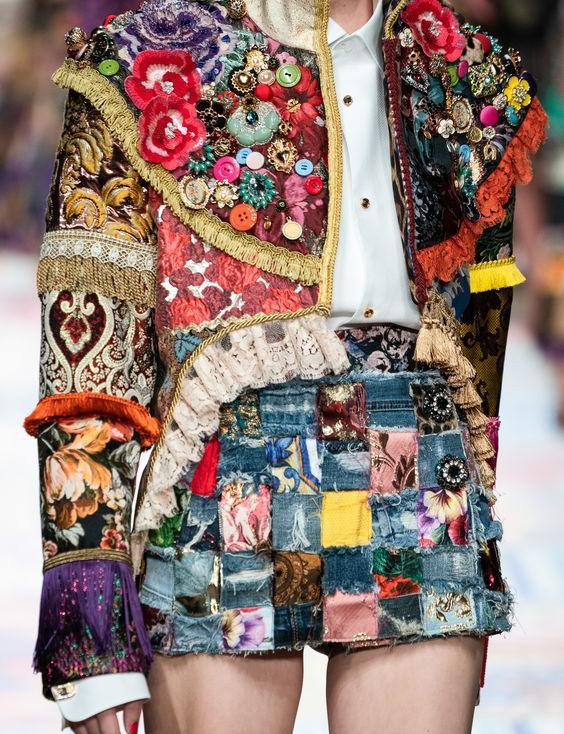
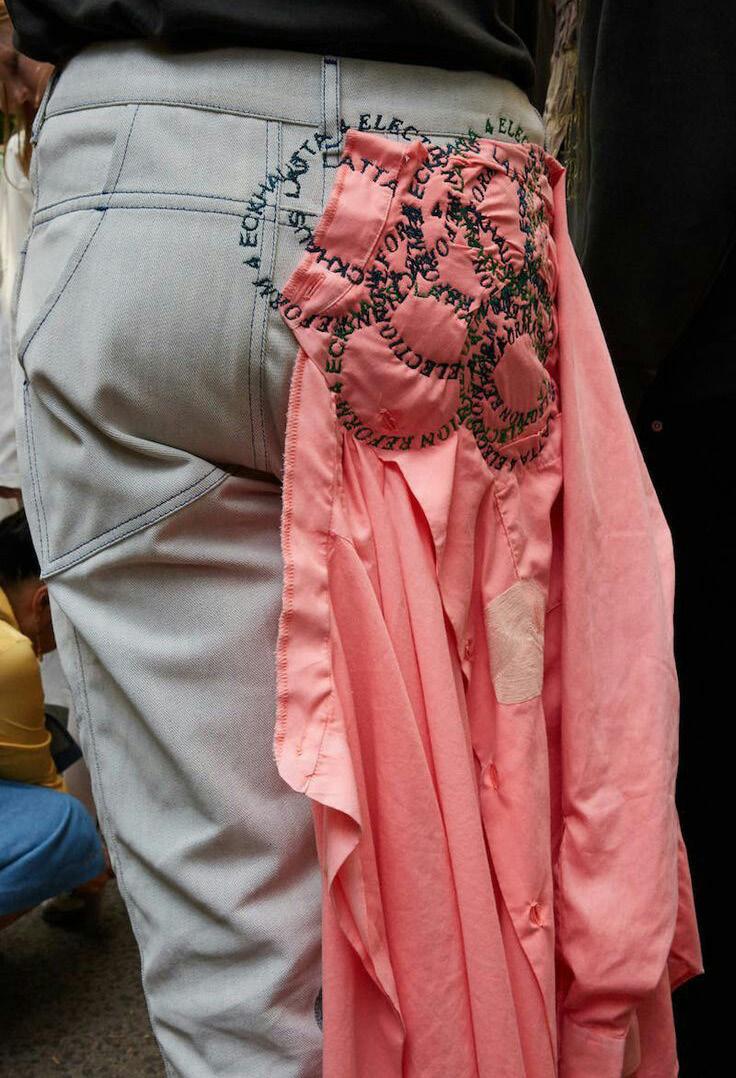
Repairing clothes instead of discarding them and repurposing fabrics into new garments minimize waste.
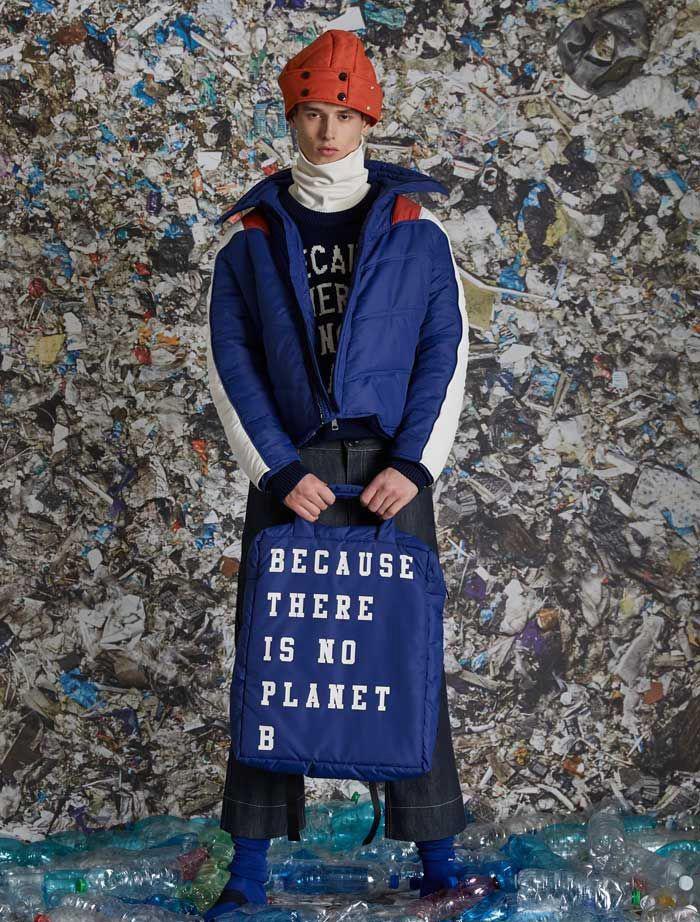
Sustainability is at the core of Gen Alpha’s values. From an early age they have been exposed to the environmental matters and climate issues through their educational system, families and friends, and social media.
They are eco-activists, demanding eco-friendly fabrics and textiles. Gen Alpha are more likely to but from brands that are transparent, ethical and inclusive. They value purpose over price and are likely to choose eco-friendly products rather than a high end brand with a well-known name, knowing they may not be as sustainable as they should.

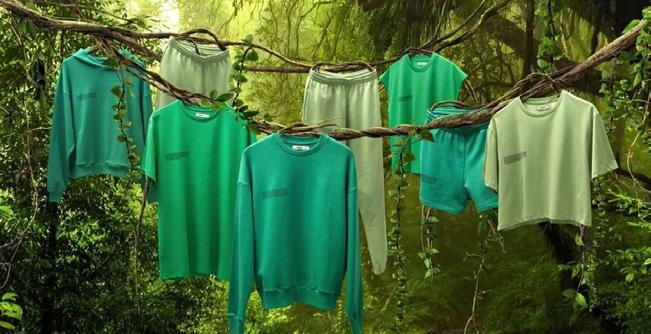
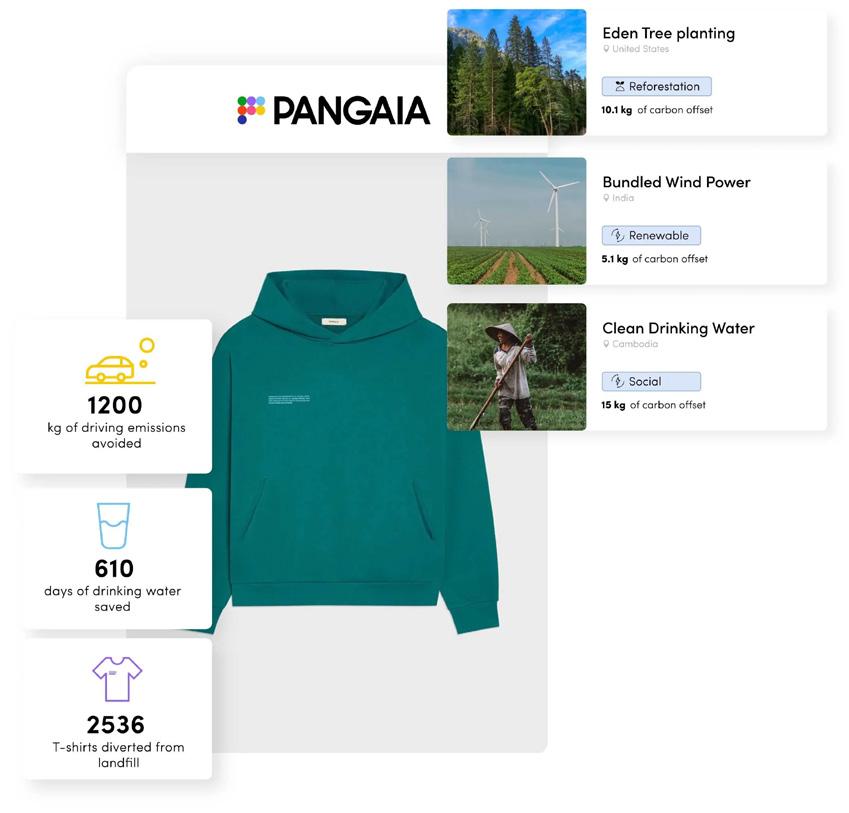
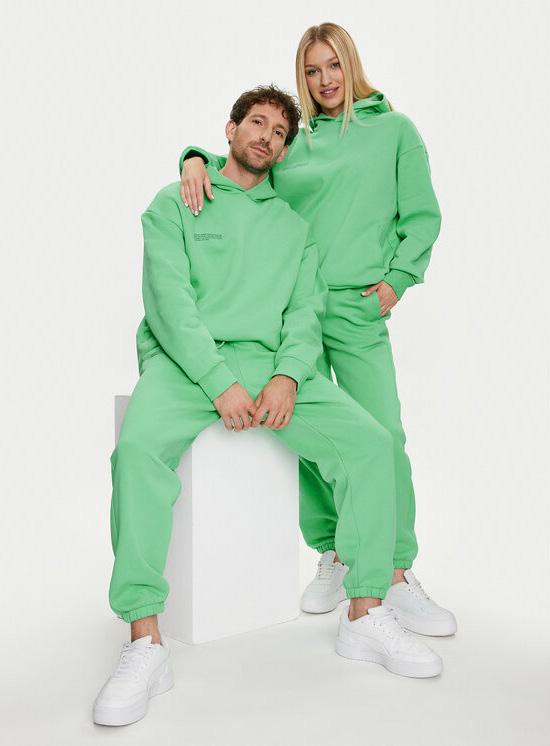
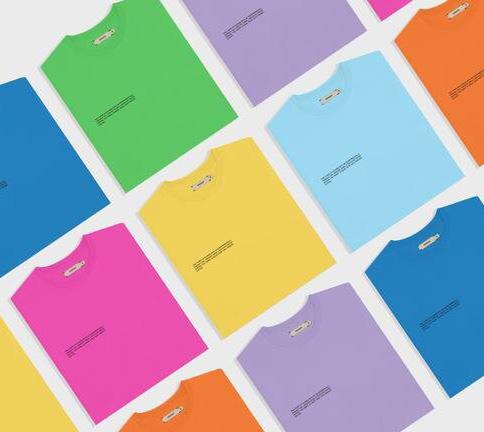
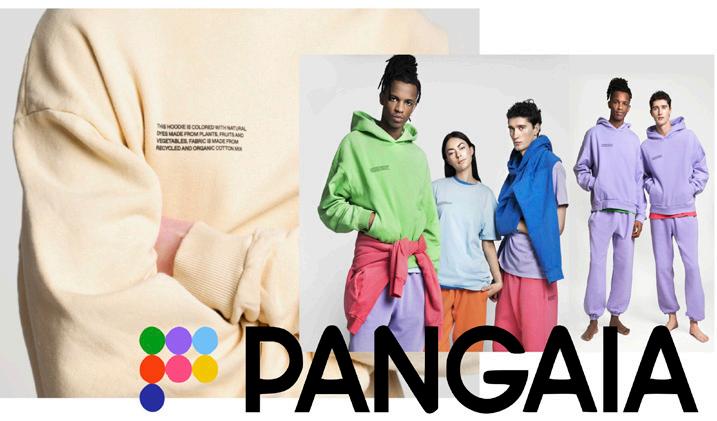
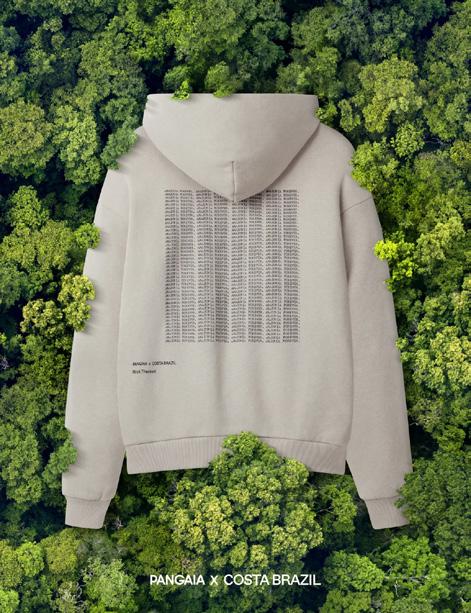
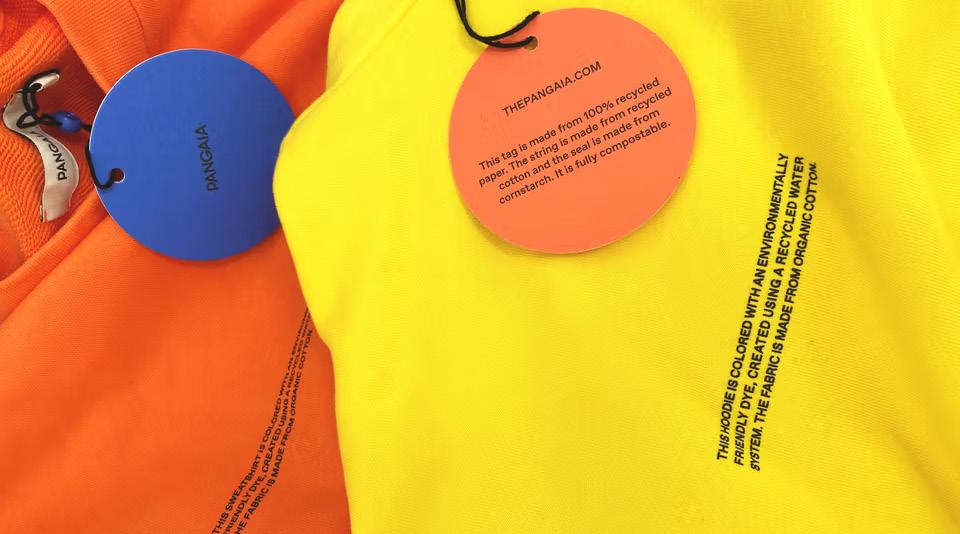
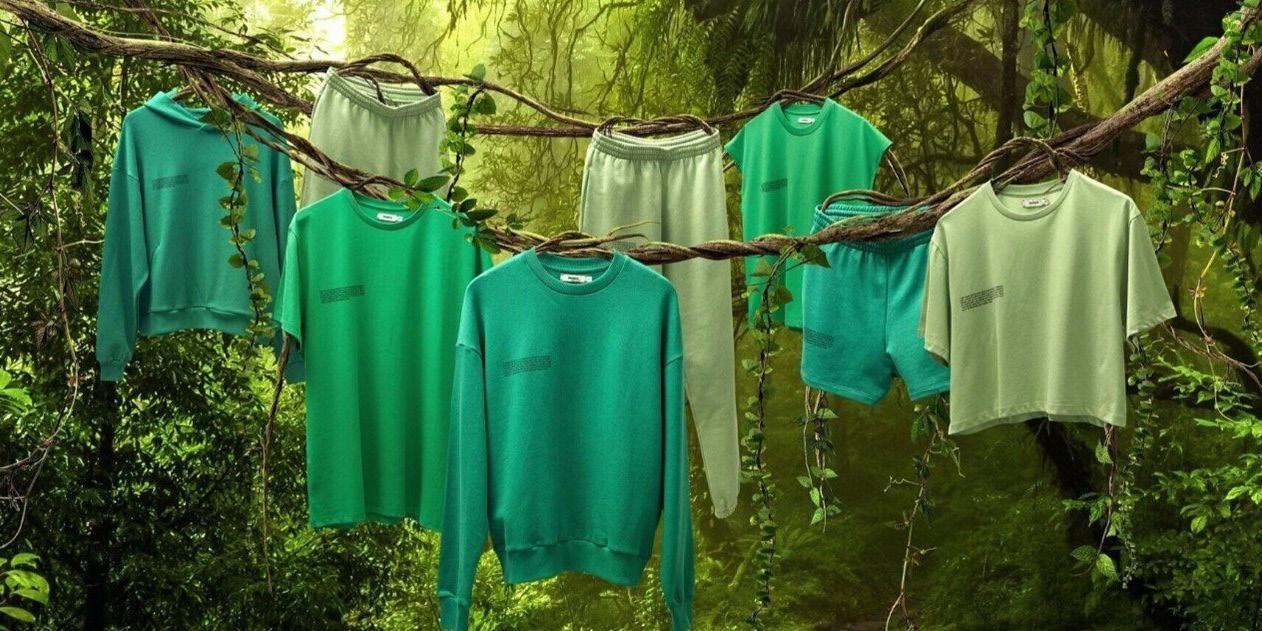
*Pangaia is an eco-friendly brand focused on minimising carbon emissions and wastewater.
*The brand uses low-impact materials like organic cotton, recycled wool, non-toxic dyes etc.
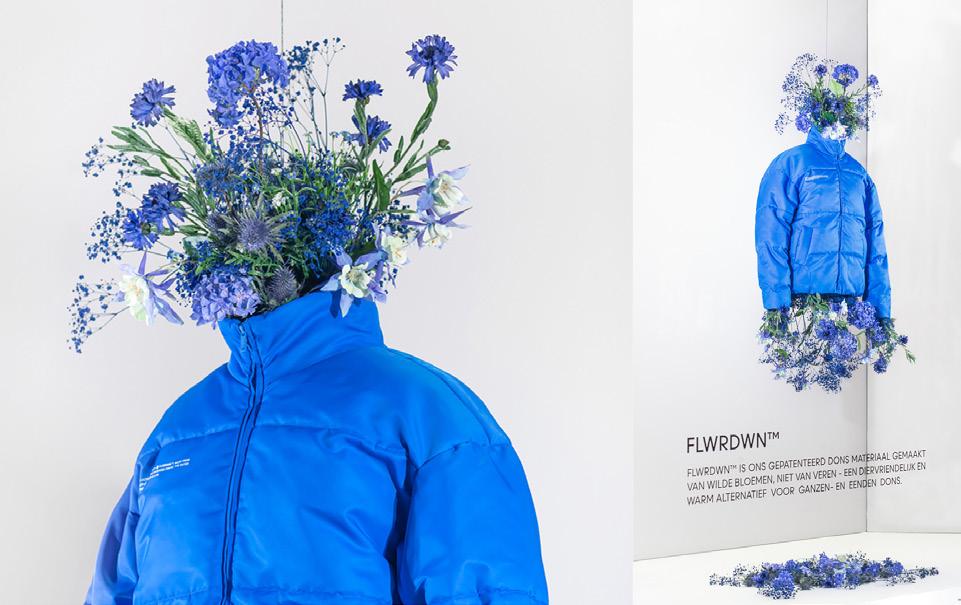
*Their fabrics are made using natural sources like rain-fed hemp, Himalayan wild nettle, banana leaf fibres, and many more.
Our vision is to inspire and accelerate an Earth Positive Future and our goal is to design an earth positive business model where our products are better for the planet than if they did not exist. Every product we create is born from science and purpose, each solving an environmental problem of the industry.

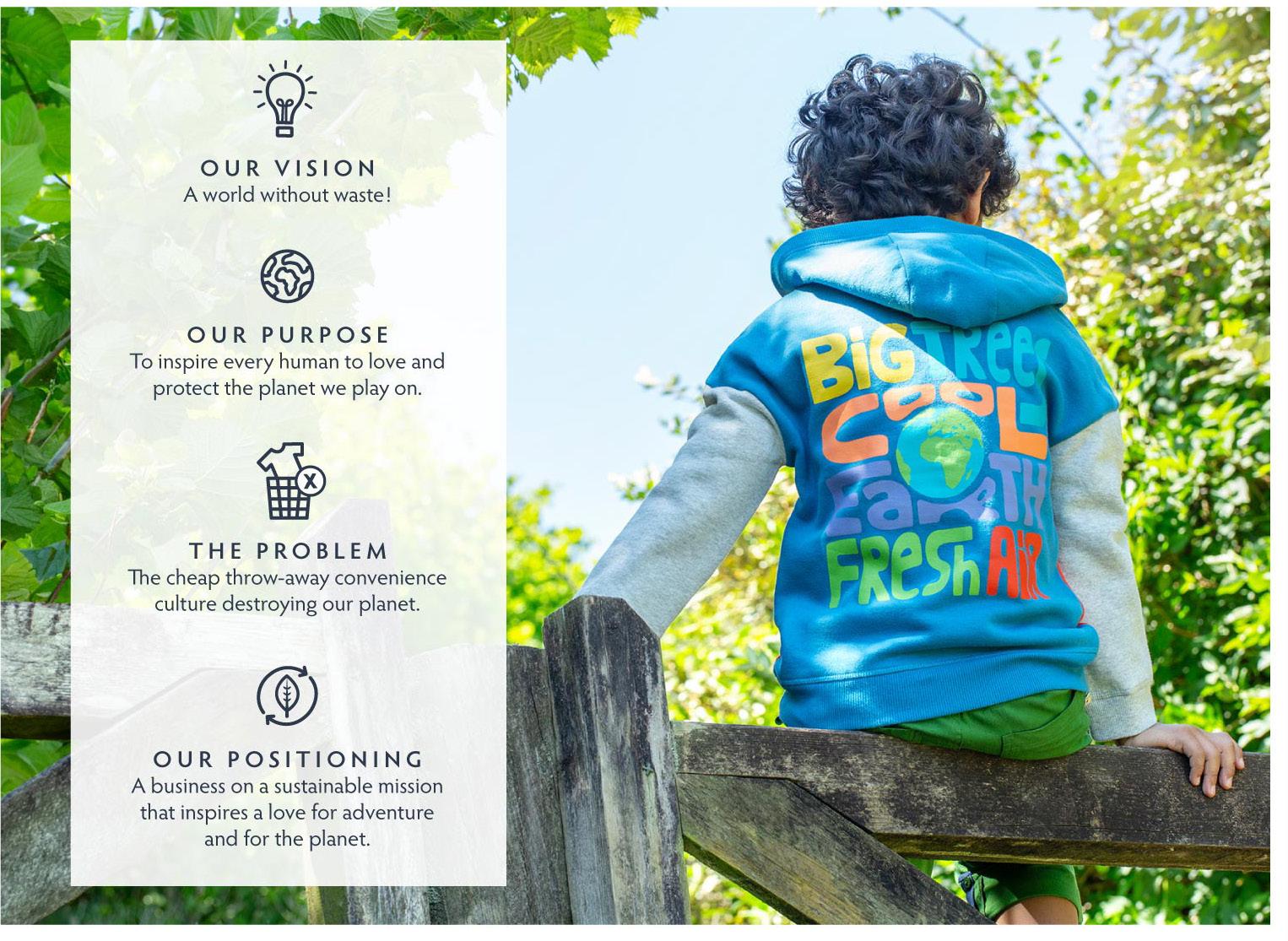
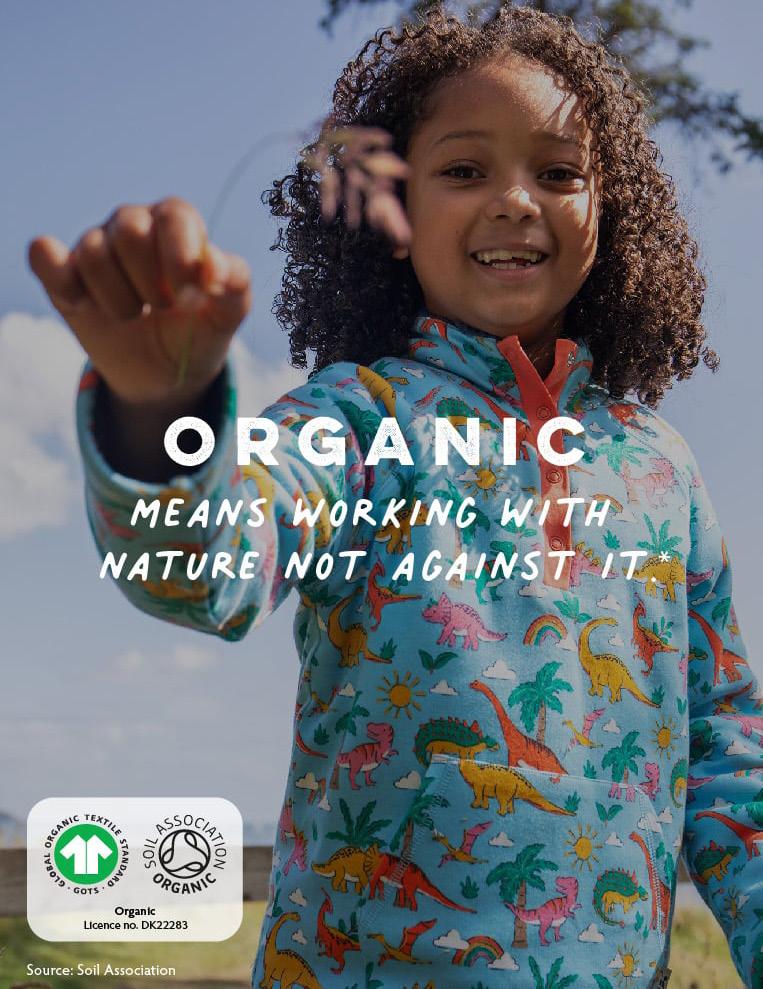
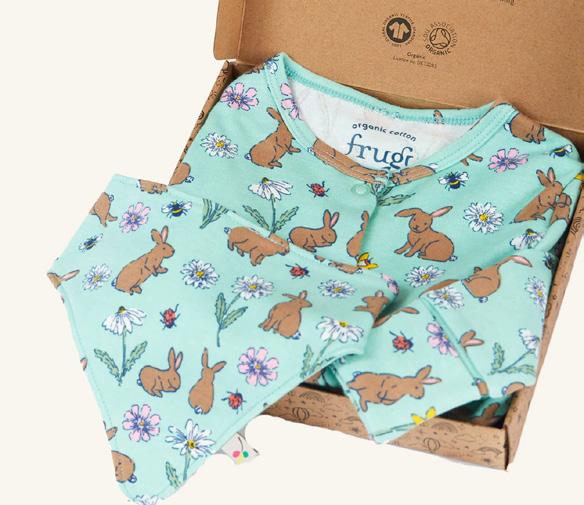
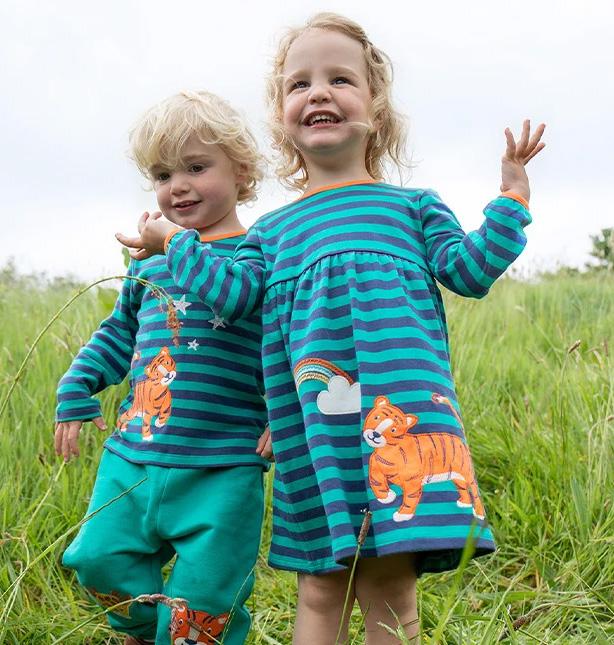
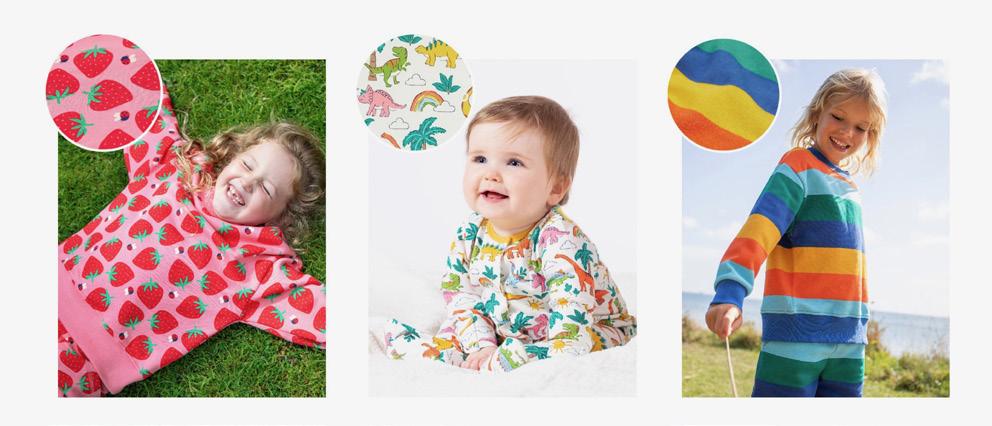
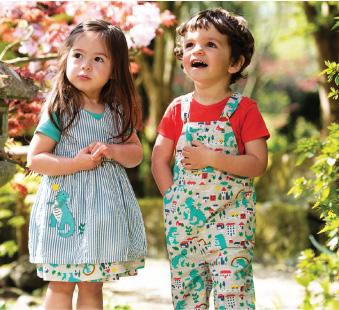
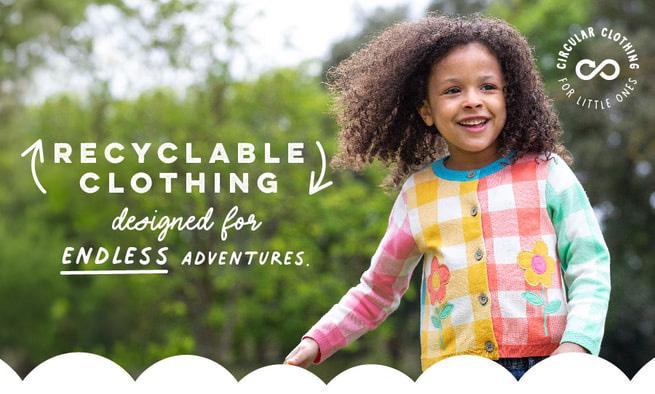
*Frugi is a sustainable childrenswear brand committed to making clothes last longer.
*They design durable, versatile clothing for children with thoughtful features like extendable sleeves and adjustable straps.
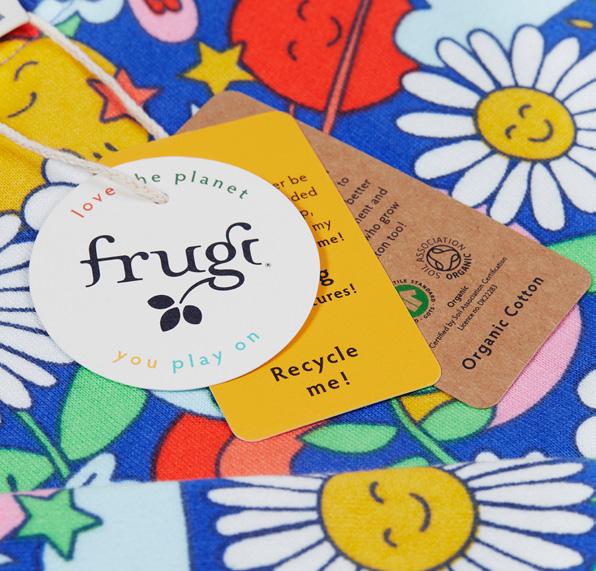
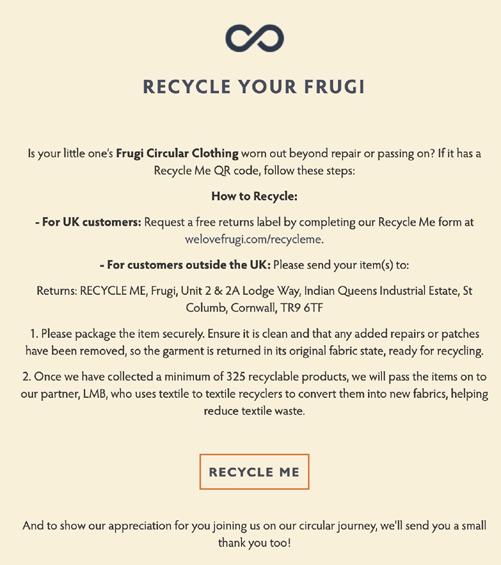
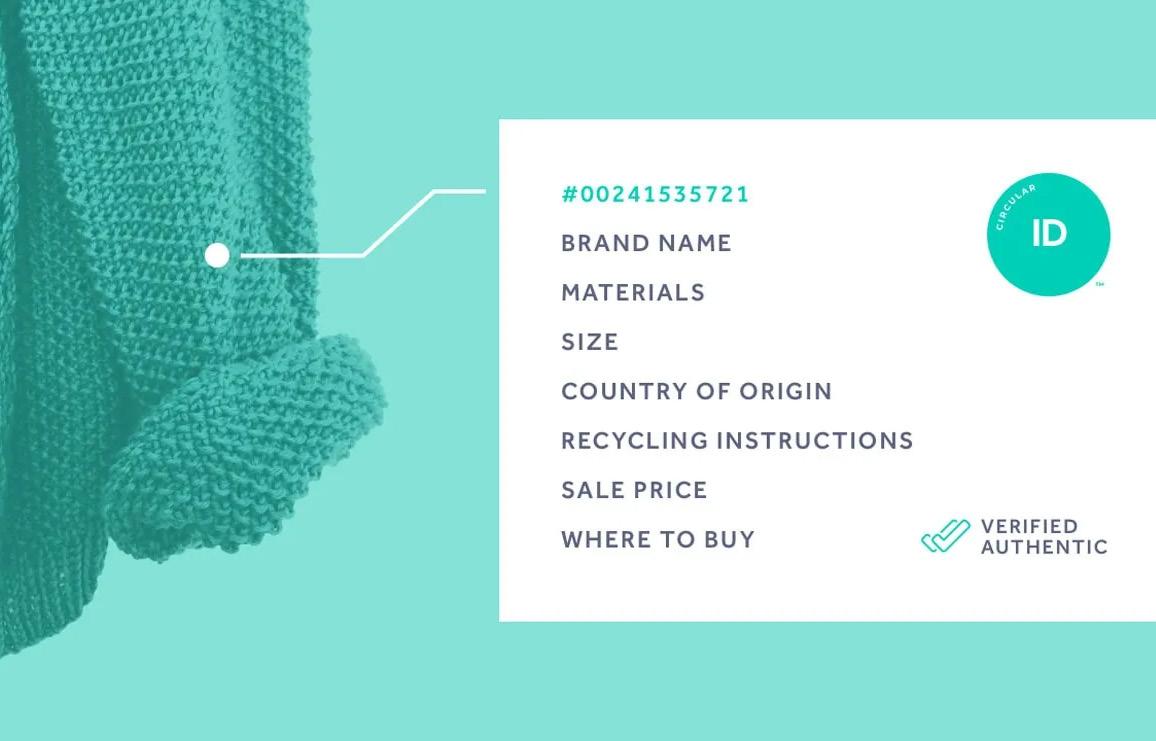
*Garments have ‘pass-me-on’ labels with a Recycle Me QR code to be returned to the company, recycled and converted into new fabrics.

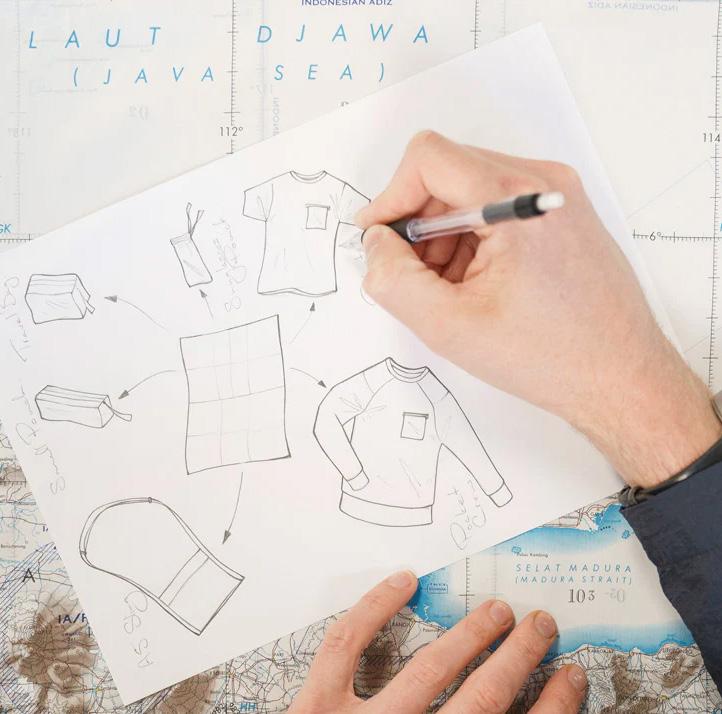
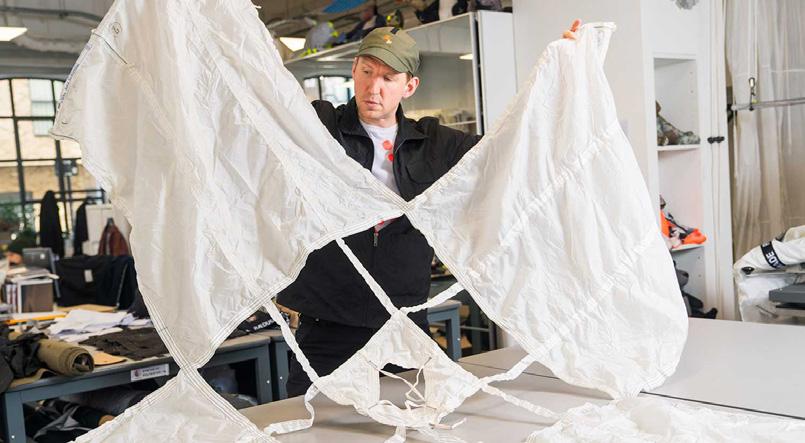
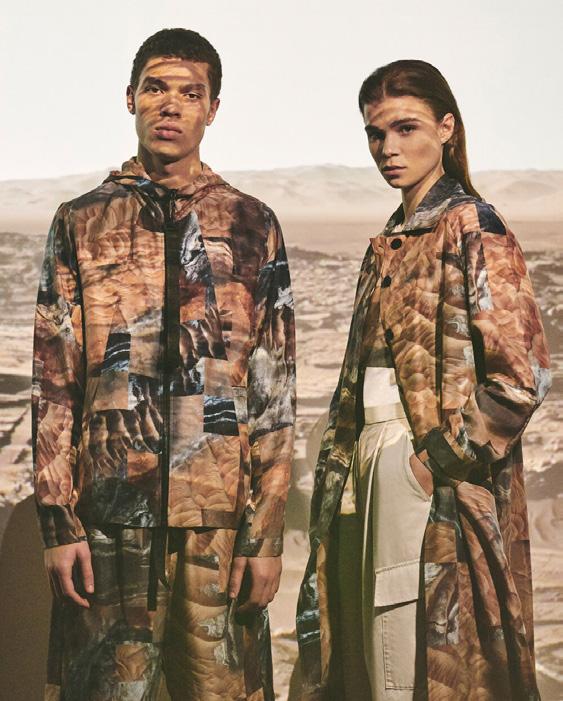
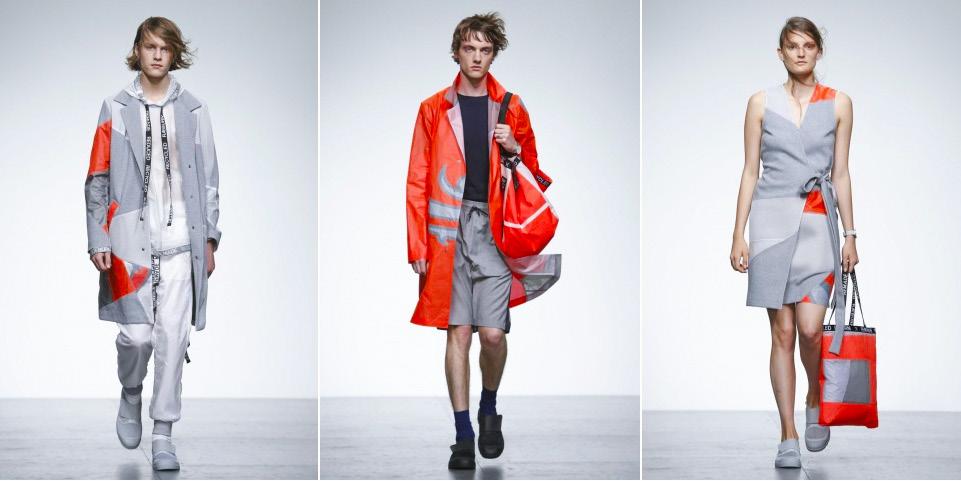
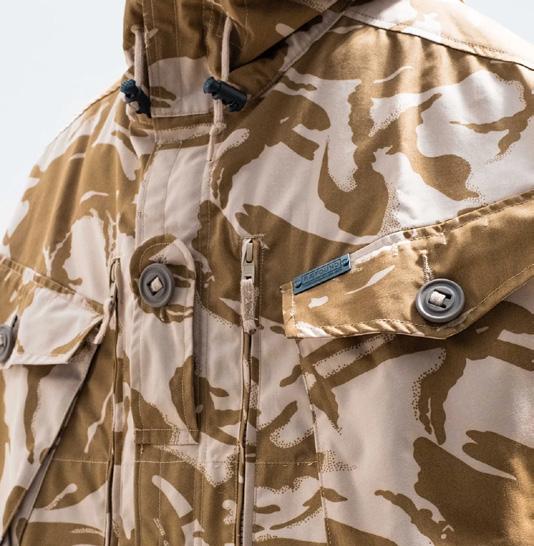
*Christopher Raeburn is a designer who reworks garments and fabrics to create distinctive and functional peices.
Reworking surplus materials, products and artefacts into completely new designs. Every remade piece is a limited edition, proudly cut and reconstructed in England.
Designs developed at the Raeburn Lab are considered for their impact on the environment. Whether reworking surplus materials, minimising carbon footprint with local manufacturing, or simply producing smaller batches, waste can be reduced.
Seeking the most sustainable materials around the globe, and working with responsible manufacturing partners is key to the Raeburn brand. Recycling pre-existing materials and harnessing green technologies is fundamental to our production process.



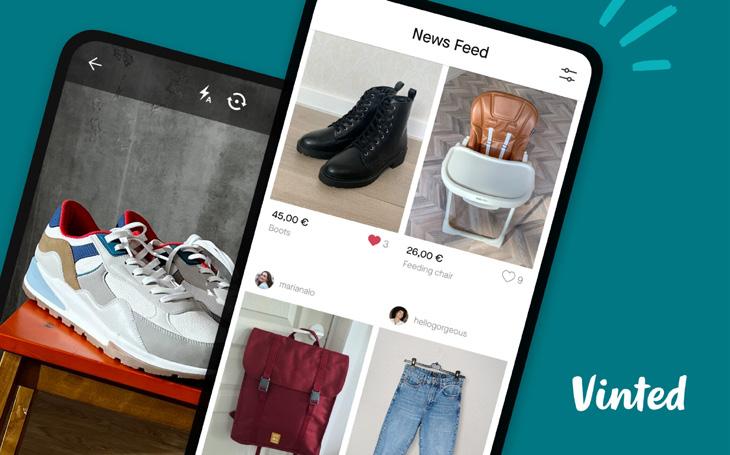
Vinted is a second hand fashion app where you can buy and sell old and new clothing. the app reduces waste and makes clothing last longer. You can buy products on Vinted for as little as 1 pound.

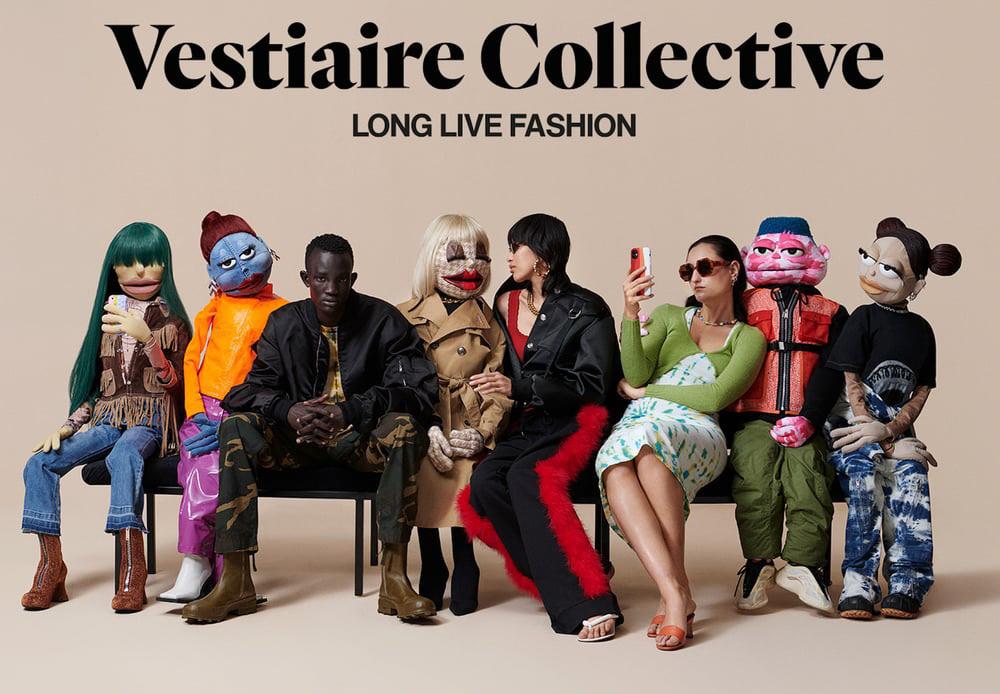
Vestiaire Collective
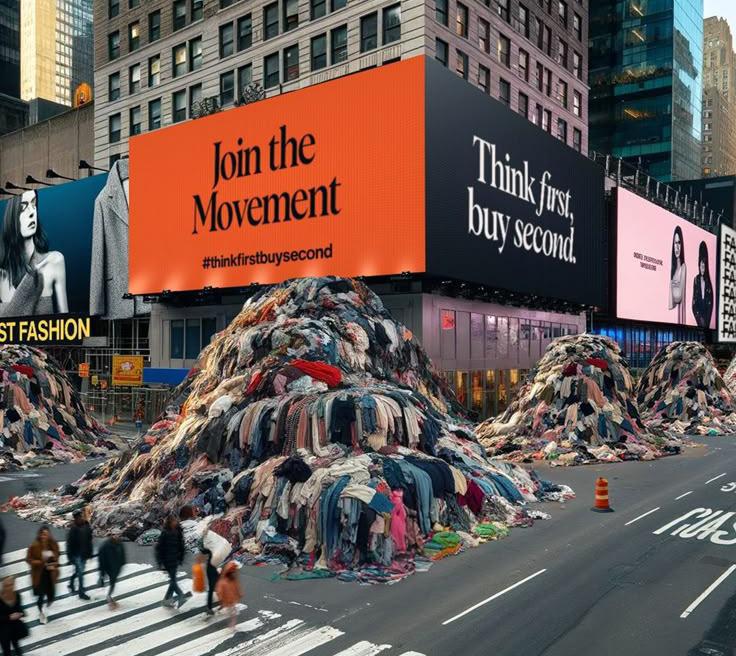
Vestiaire Collective is a global platform for buying and selling pre-owned luxury and designer fashion. It follows a sustainability-focused approach called “Think First, Buy Second,” which encourages conscious shopping.

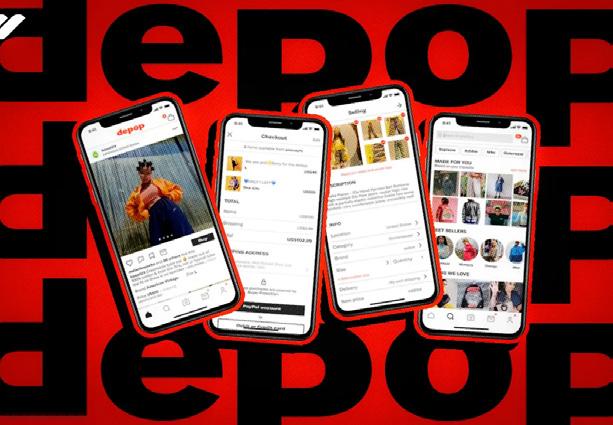
Depop is also a second hand fashion app to buy and sell more higher end, expensive clothing. Depop is accessible in countries all over the world. It is known for its trendy, fashion-forward user base, making it ideal for sellers of unique and vintage items.

3D printing enables faster and more efficient production, reducing waste and lowering costs.

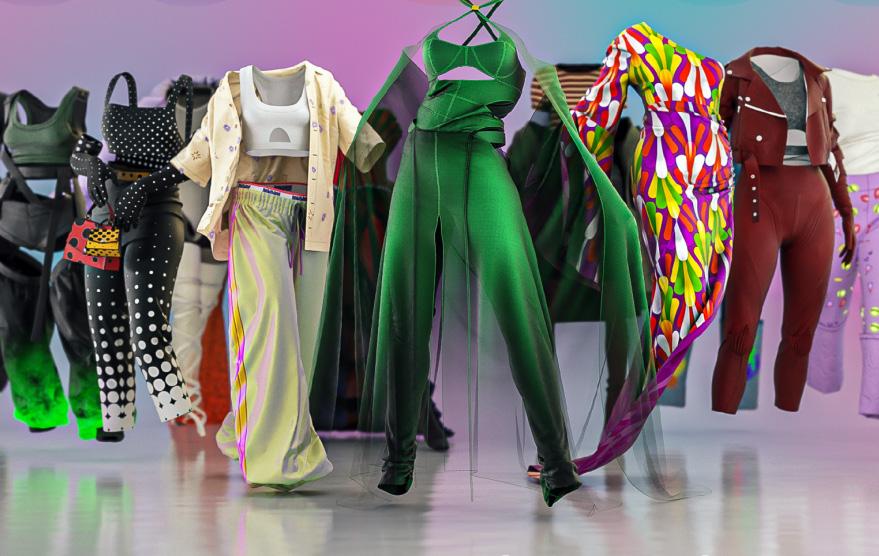
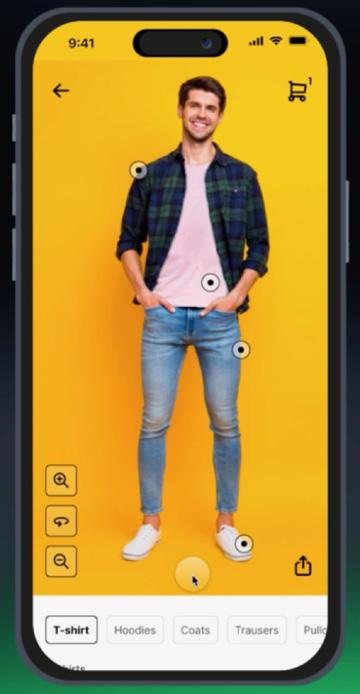
Personalised shopping experiences, such as virtual stylists and personalised recommendations creates a more efficient and personalised shopping experience but also enhances customer loyalty.
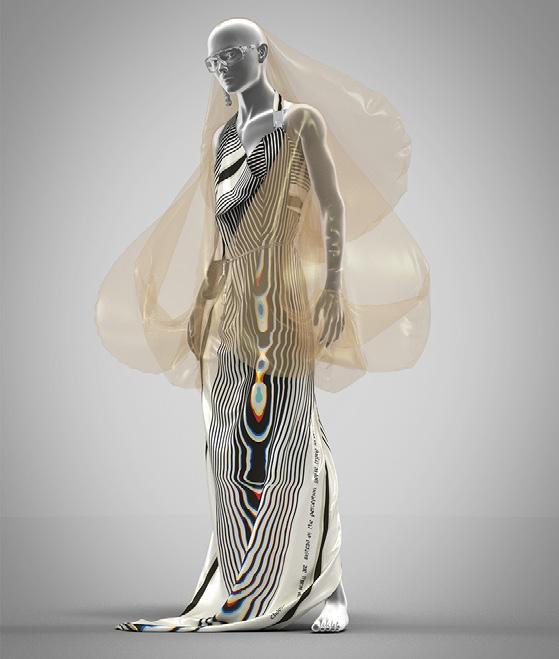
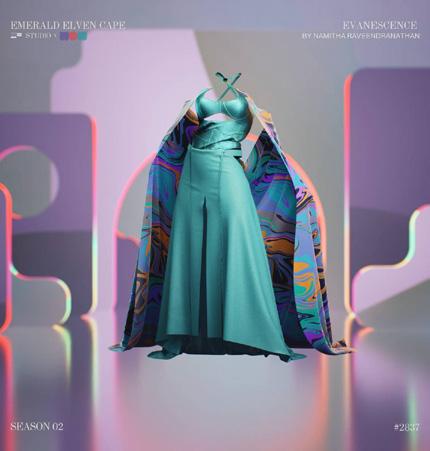
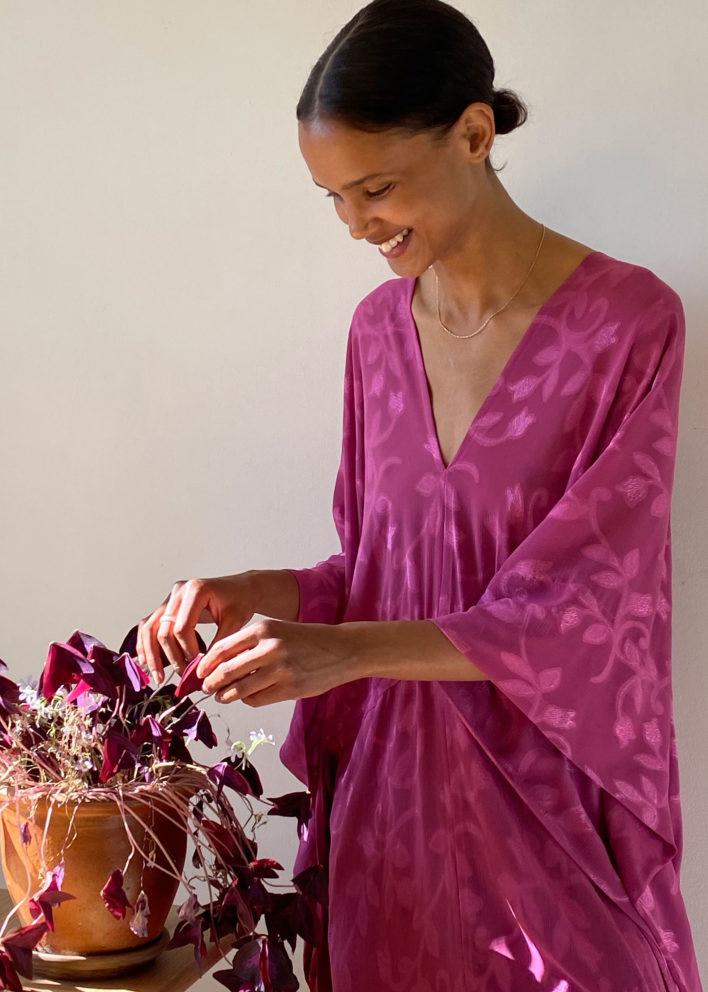
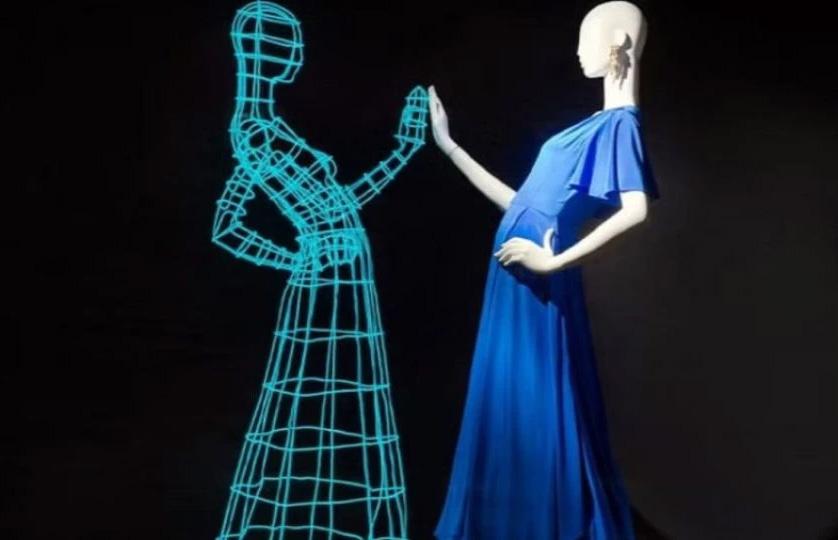
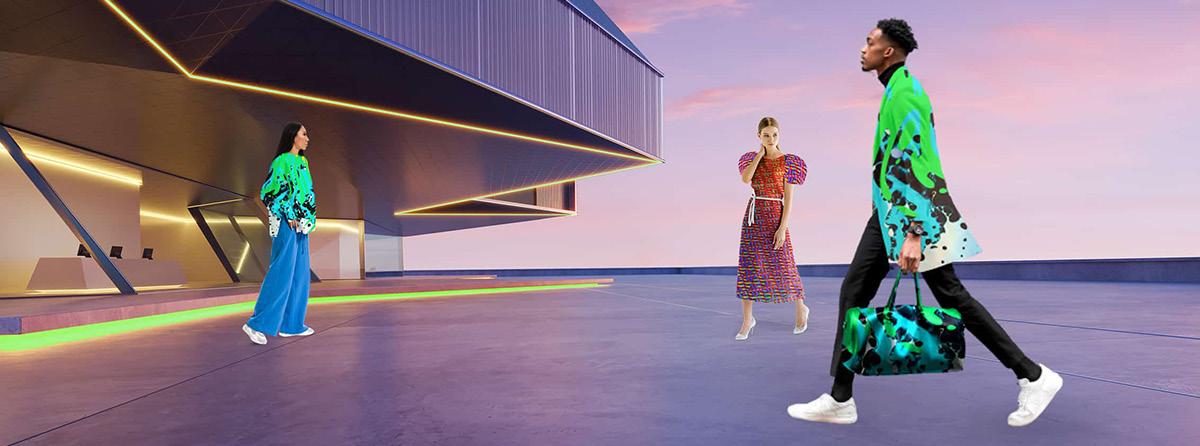
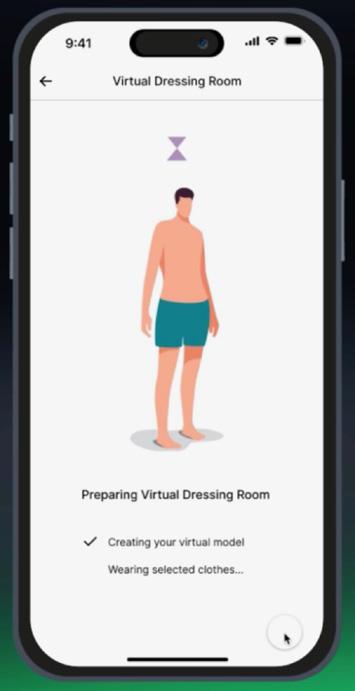
Augmented Reality enables consumers to see clothing in 3D and try on virtual outfits before making a purchase, reducing textile waste.
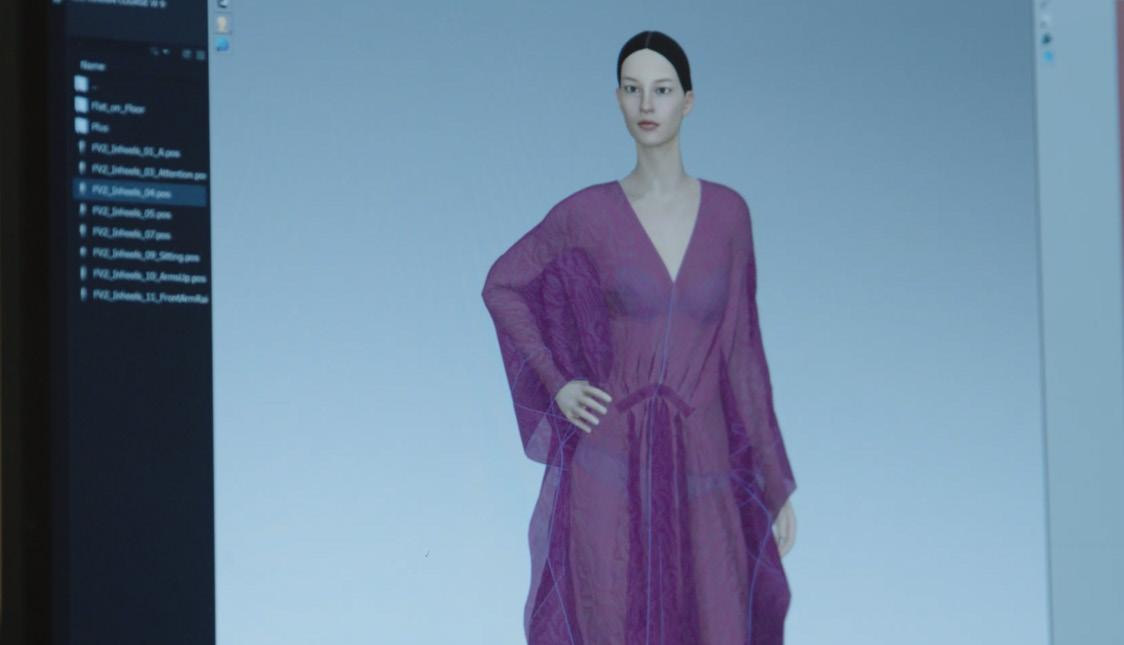
H&M created a zero waste dress using recycled polyester and zero waste pattern cutting techniques, then adjusted colour, shape and structure using 3D technology.
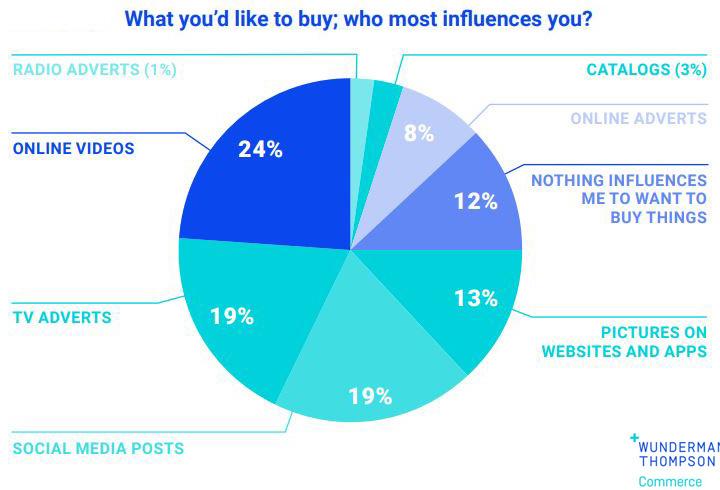
Gen Alpha have had a wide range of brand awareness from a young age due to their early exposure to technology and social media. Platforms like Instagram, TikTok and Youtube are crucial to their brand discovery and trust. They rely heavily on influencer endorsements and peer recommendations when making purchasing decisions, meaning that authenticity and relatability are key to reaching and engaging with Gen Alpha.
Gen Alpha’s brand awareness and unique consumer behaviors are shaping the future of marketing and advertising. Brands need to adapt their strategies to connect with this generation by embracing authenticity, social responsibility, and personalization. Understanding Gen Alpha’s values and preferences is crucial for building long-term relationships with this influential consumer group.

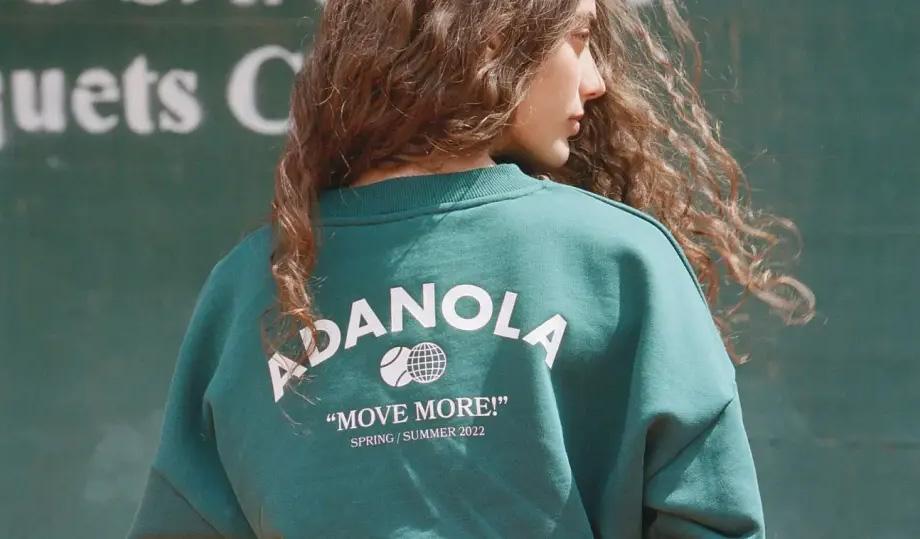


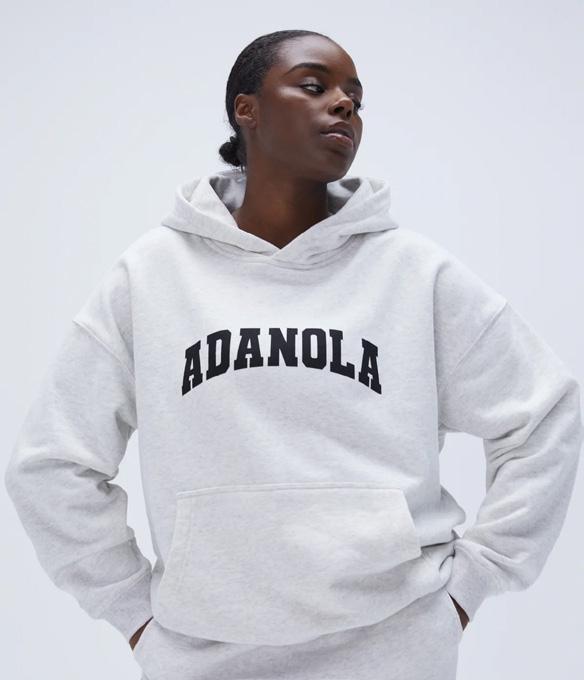
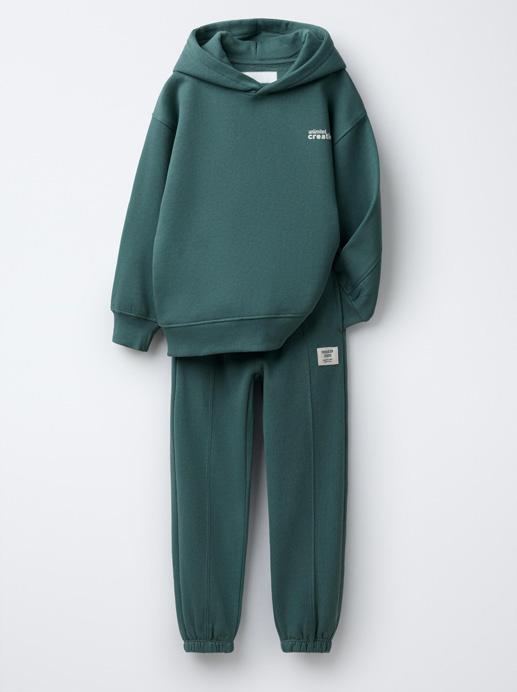

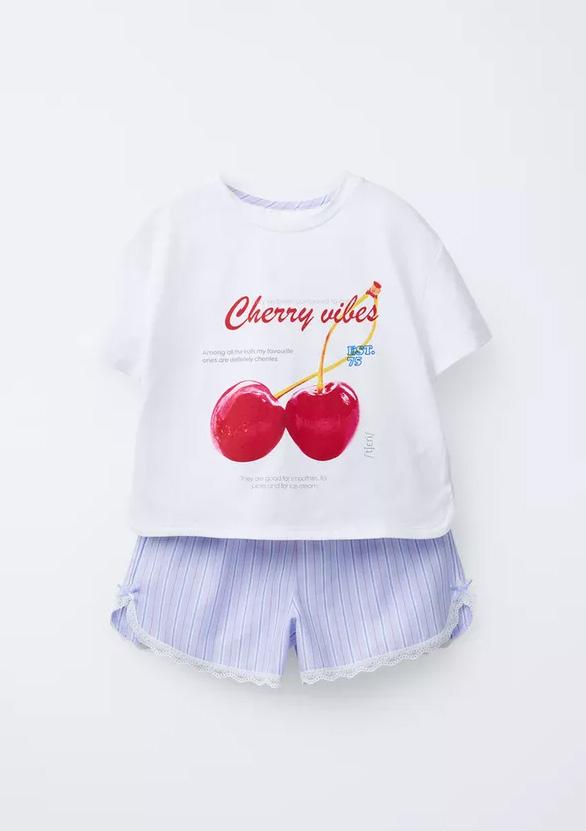
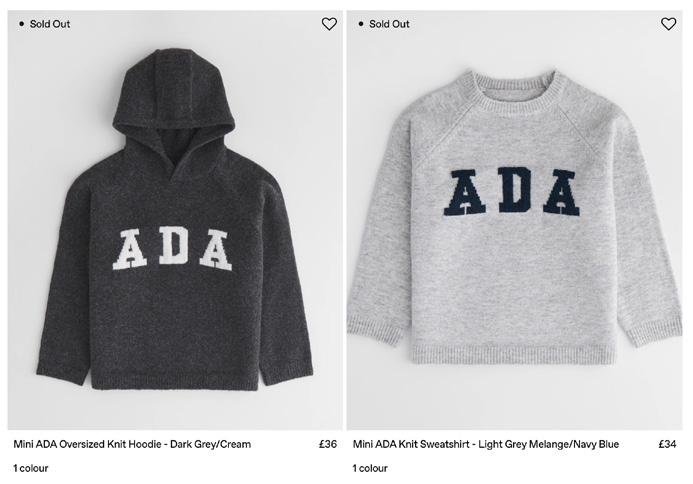
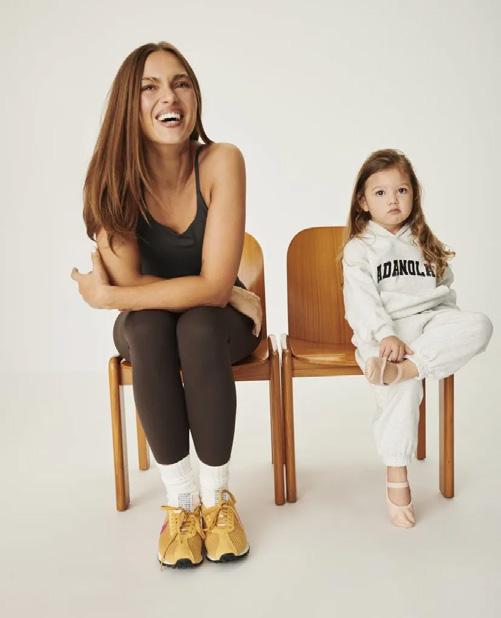
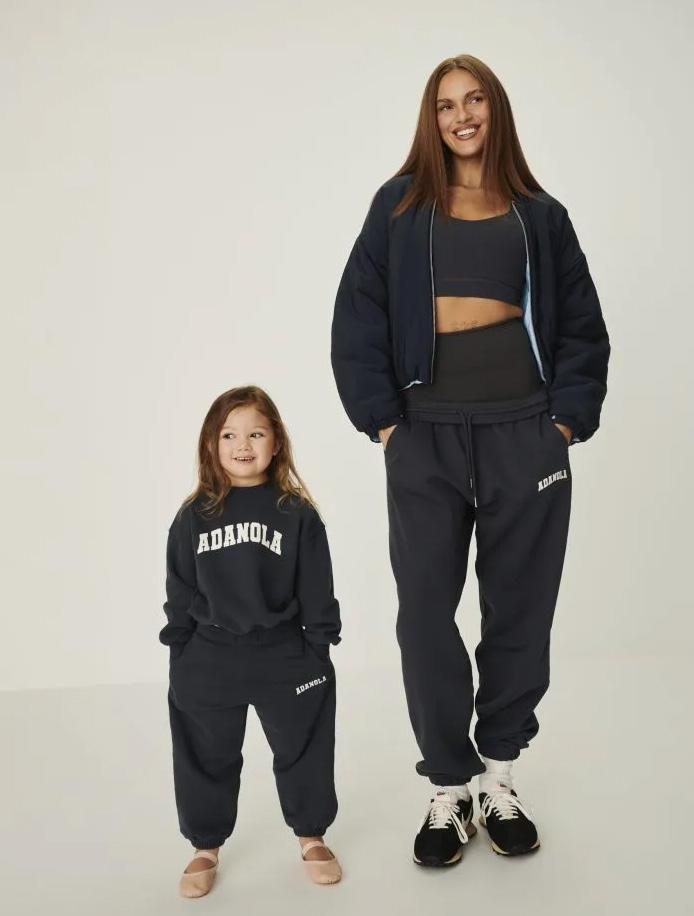
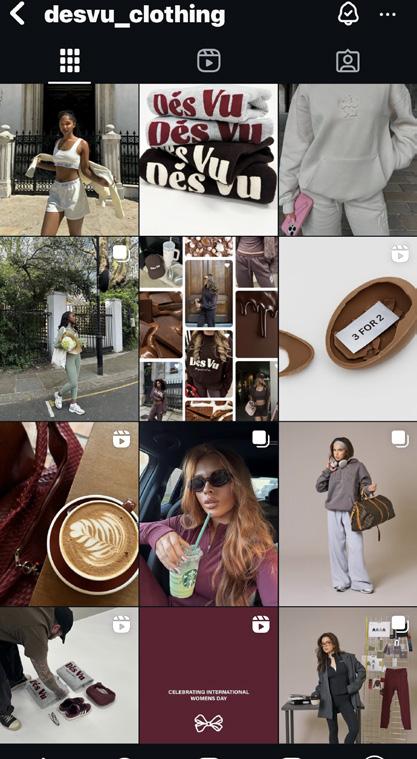
Gen Alpha are aware of a lot of the trending brands that the ‘older kids’ are wearing such as Adanola, Lululemon etc. Lots of the older Gen Alpha’s aged 10+ are already wearing these brands to fit in with the social media trends. Brands like Adanola are already creating collections for Gen Alpha to match their parents or siblings in what is trending now. Gen Alpha enjoy the clean, classic look of Adanola Activewear.

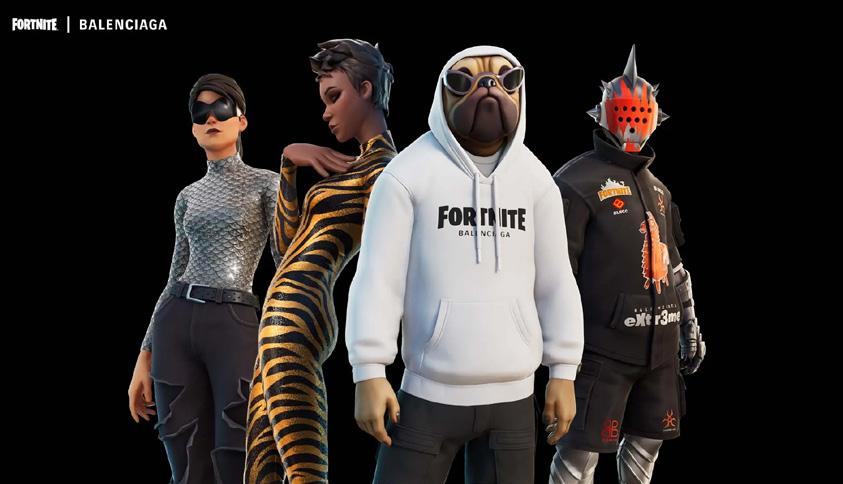
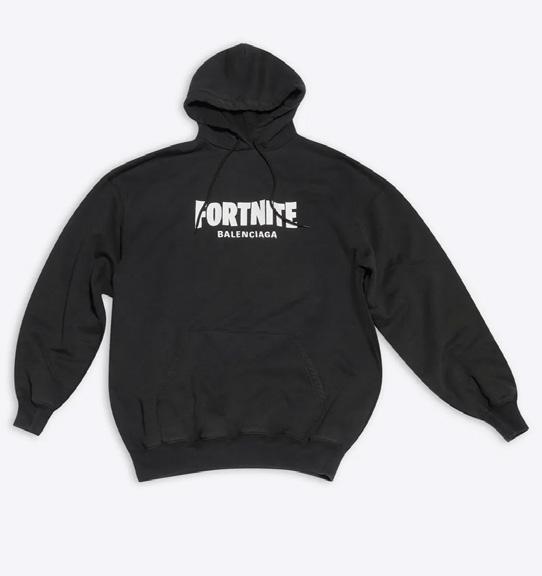
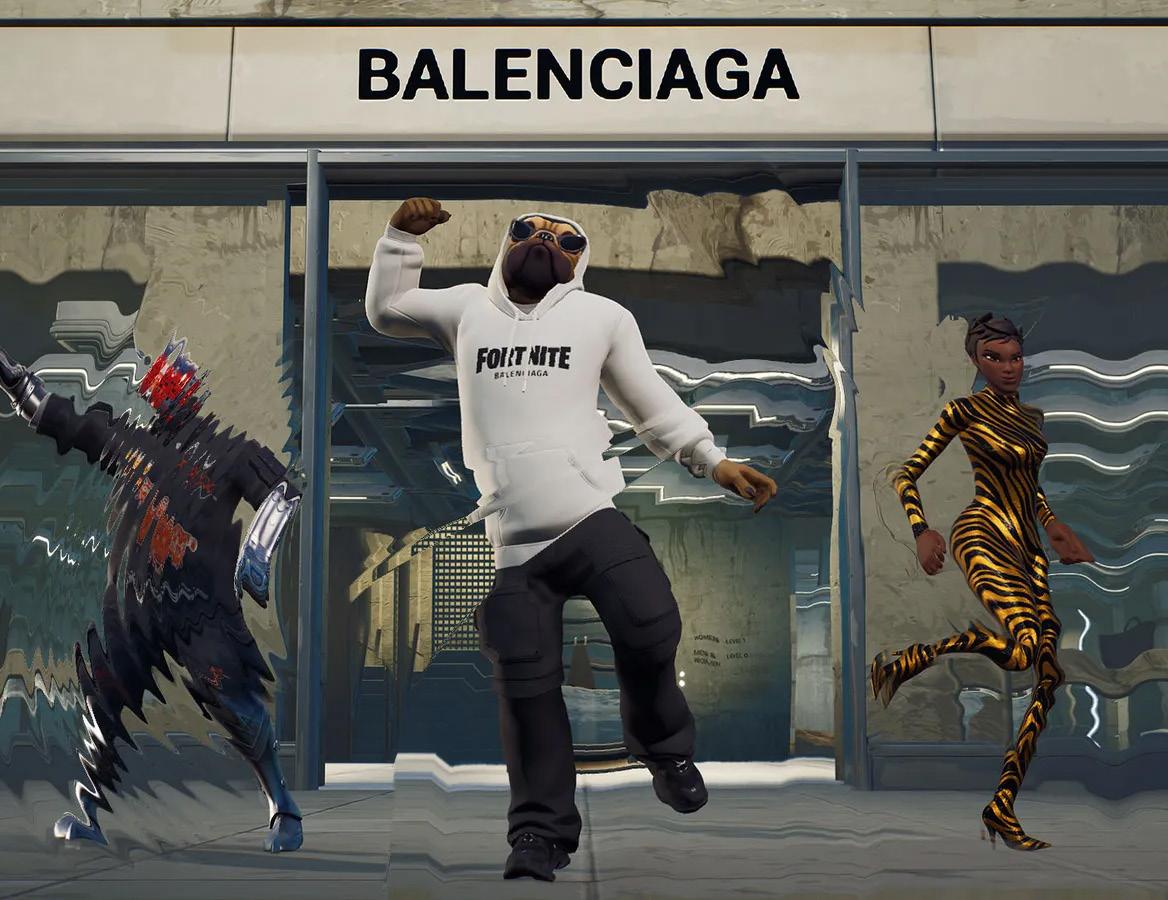
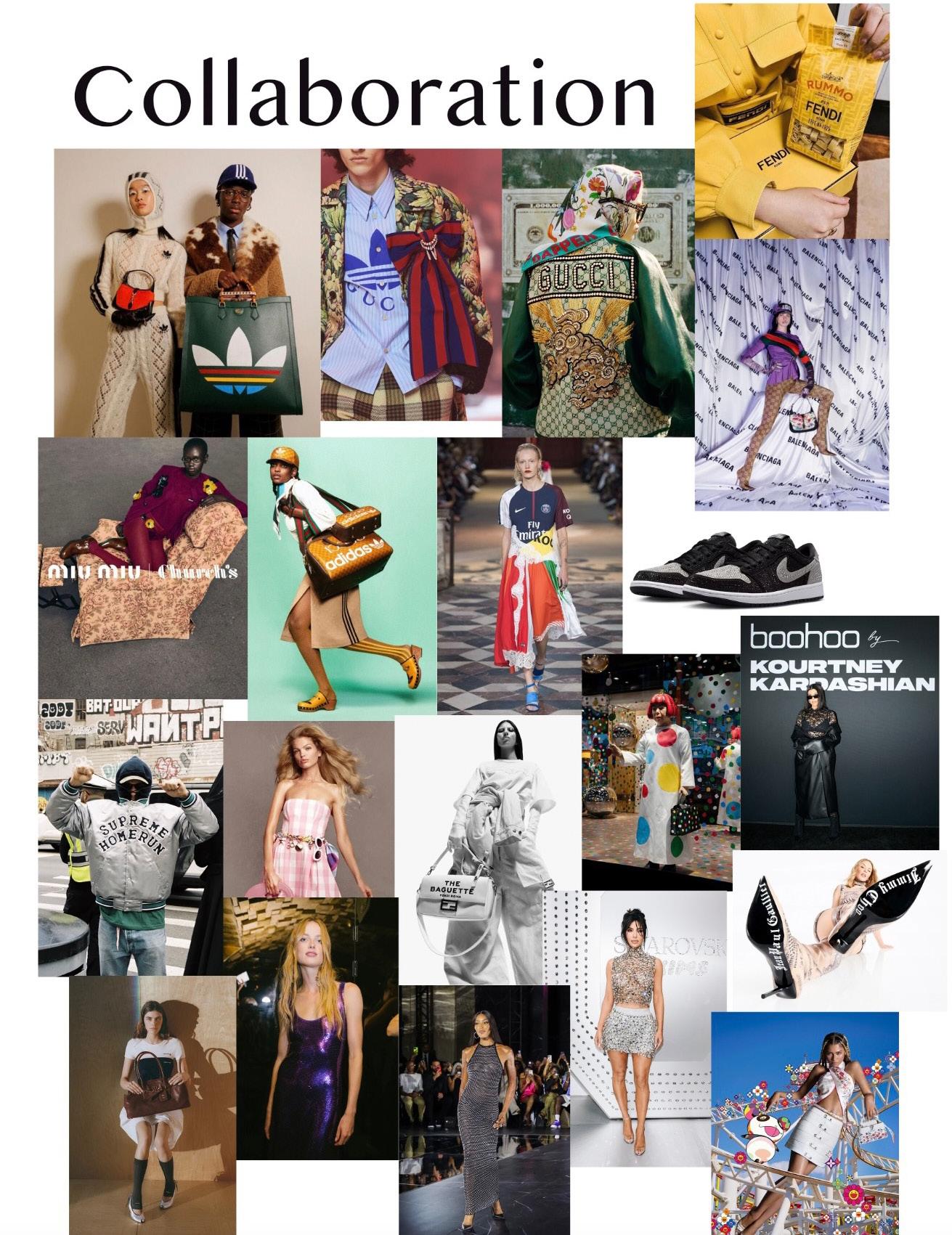
To appeal to a younger audience, high end designer brand Balenciaga have collaborated with populare video game Fortnite. The Balenciaga and Fortnite world bleeds from virtual to physical.
In the game, players can not only choose new Balenciaga outfits and accessories, but they can also enter a Balenciaga store and do a custom Balenciaga dance. Users who make a purchase and play in their new Balenciaga looks can also submit photos of their characters to be included on virtual billboards within the Fortnite town square.

Gen Alpha is increasing turning to social media rather than a search engine to gain there knowledge. For example, if they want some information, they turn to TikTok to find out. Gen Alpha places a high degree of trust in influencers, often preferring their recommendations over those of family and friends. Exposure to brands through social media and influencers has led to a strong brand-obsessed culture among Gen Alpha.
Marketers are now focusing on creating visually engaging, interactive, and personalized content in the form of Tiktok videos, Instagram reels and youtube shorts to draw in the Gen Alpha consumer. Their attention span has lessened over the years due to the wide social media usage, meaning the likes of a Youtube Video or a TV advertisement are not as effective or engaging anymore. Members of this generation are more likely to skip an ad or change the channel just to avoid them.
However, there is a downside to the escalating use of social media. The feedback and validation received through these platforms is significantly impacting individual’s self-esteem and self-worth.



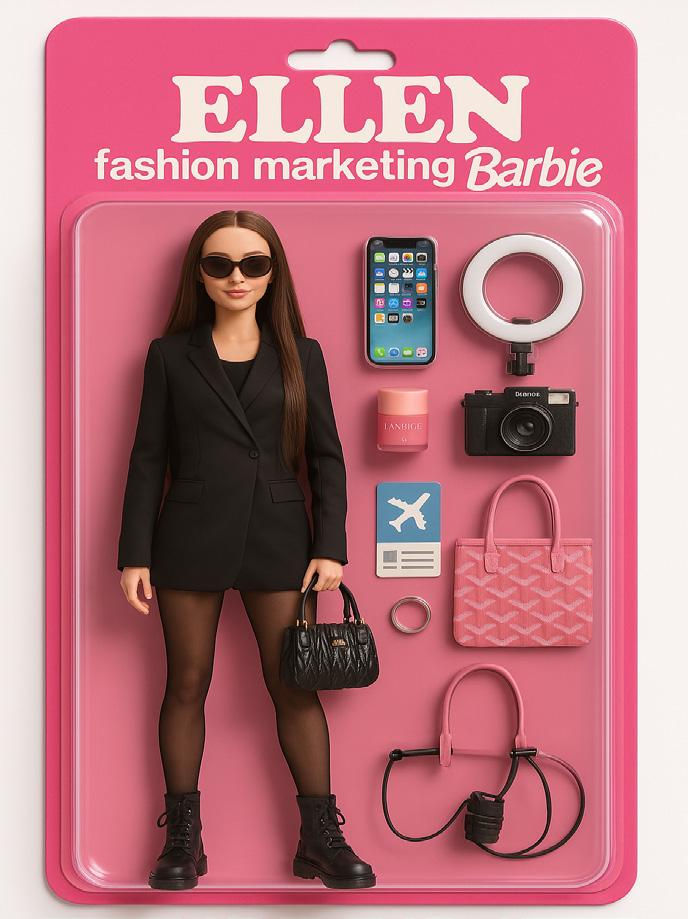
Artificial intelligence (AI) is a set of technologies that enable computers to perform a variety of advanced functions, including the ability to see, understand and translate spoken and written language, analyse data, make recommendations, and more.
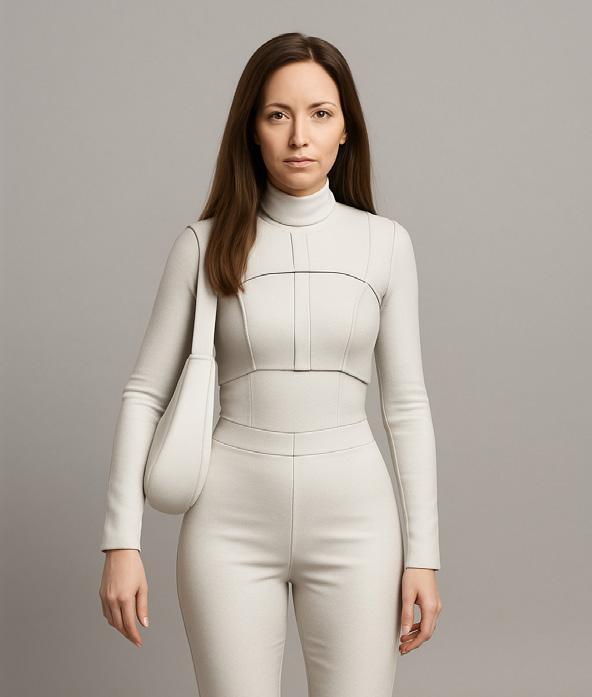
AI is now a product which can generate 3D models of people, home interiors and much more.
It is said to have a great impact on Gen Alpha to shape their learning, development and future working life.
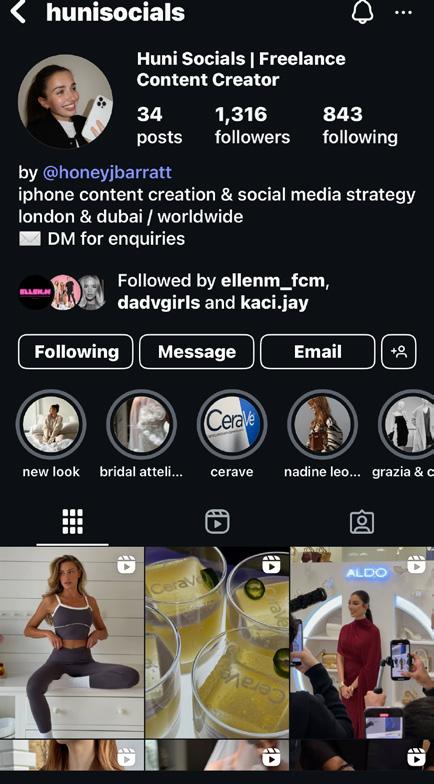
AI is also used widely in content creation and social media management. Tools can help generate and optimize content for social media, including posts, images, and even videos. As well as repurpose existing content, identify effective strategies for different channels and analyze your social media data to determine the best keywords, images, and hashtags.


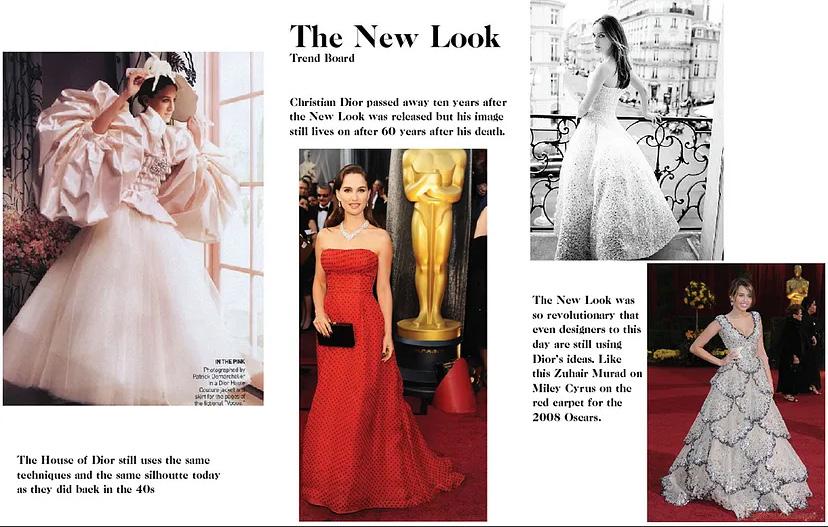
Resurgence of past trends
Sustainability

Inclusive
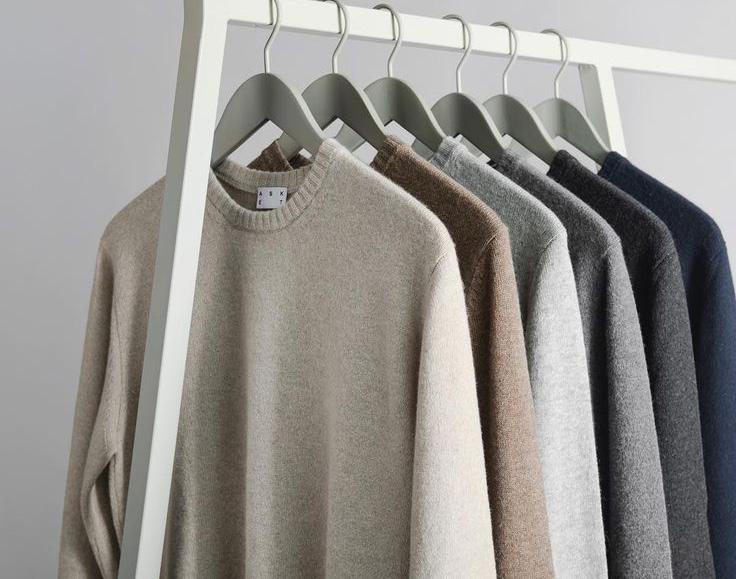
permanent collections
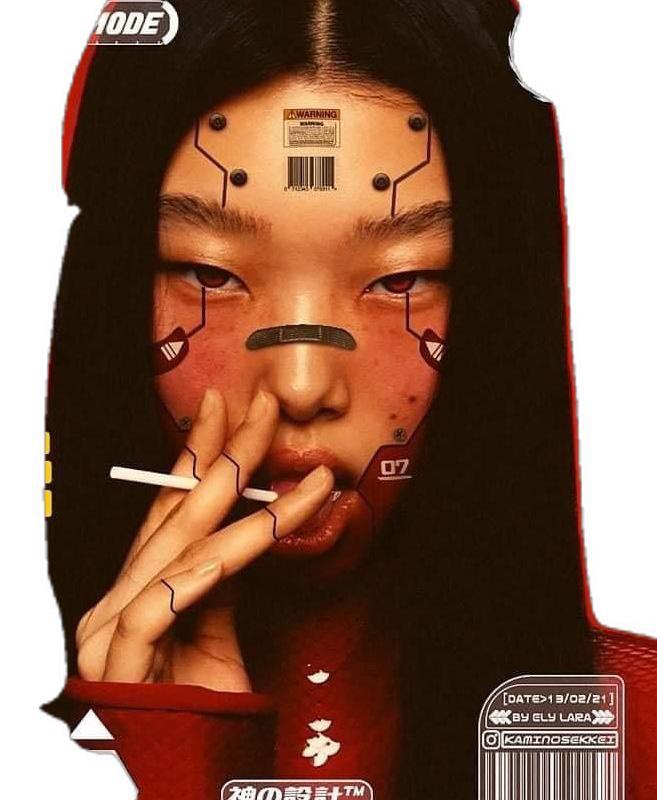
Digital ID

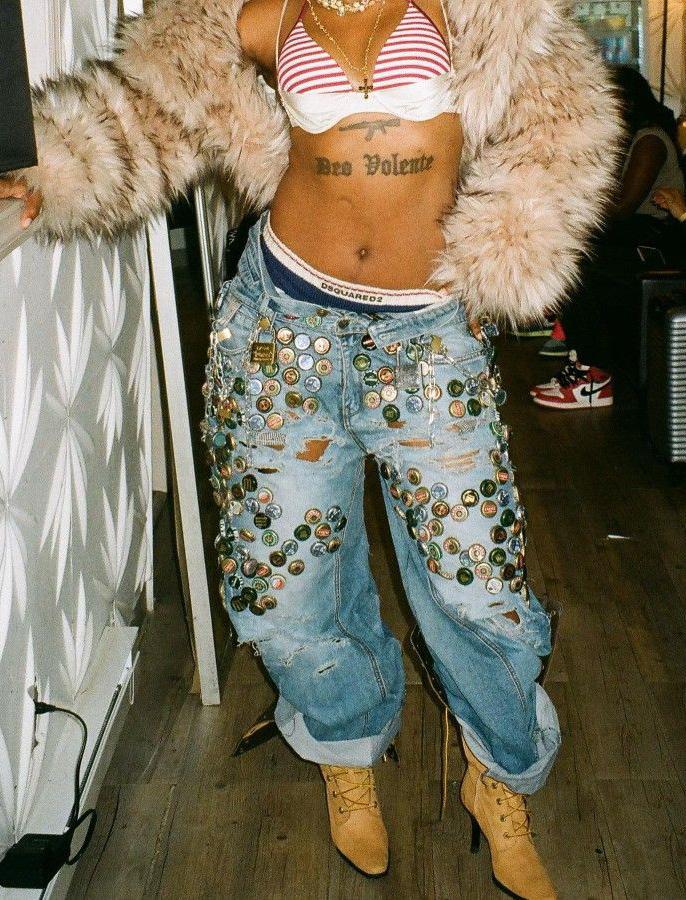
Thrifting
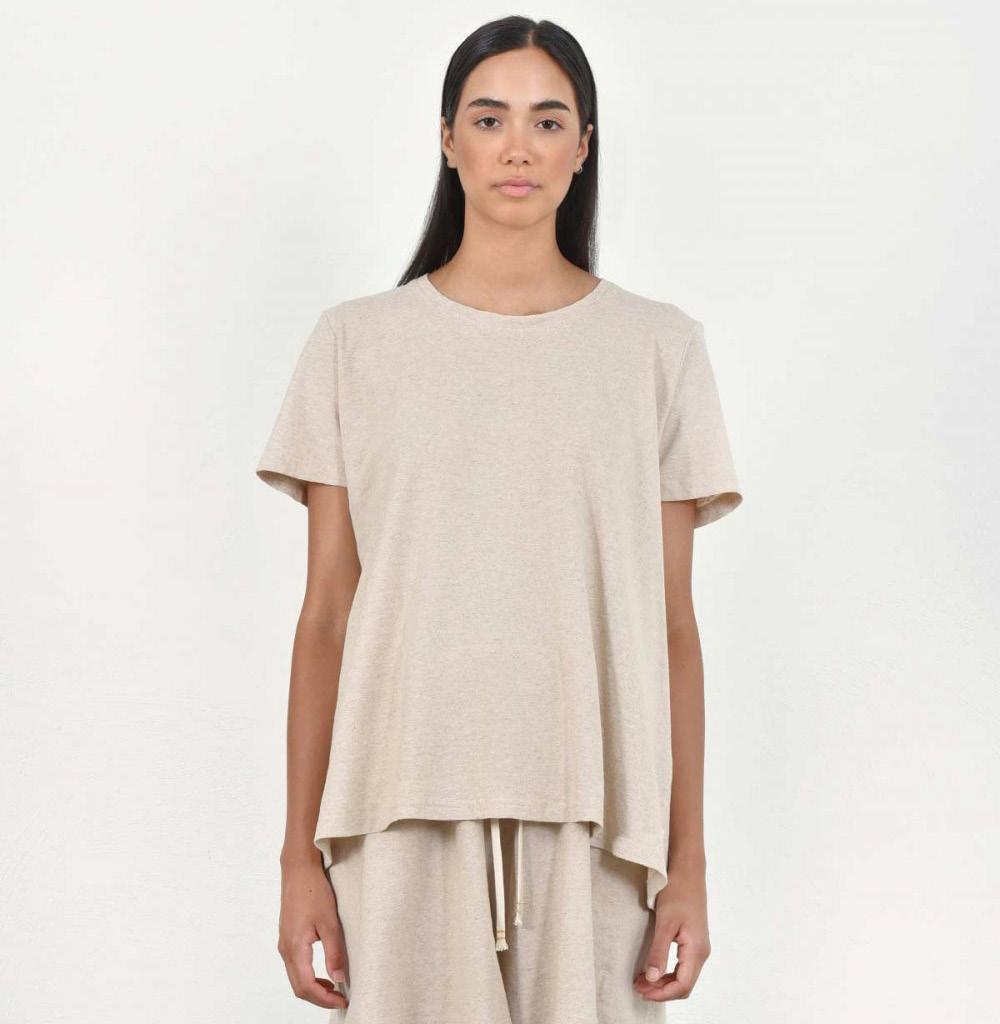
Sustainability
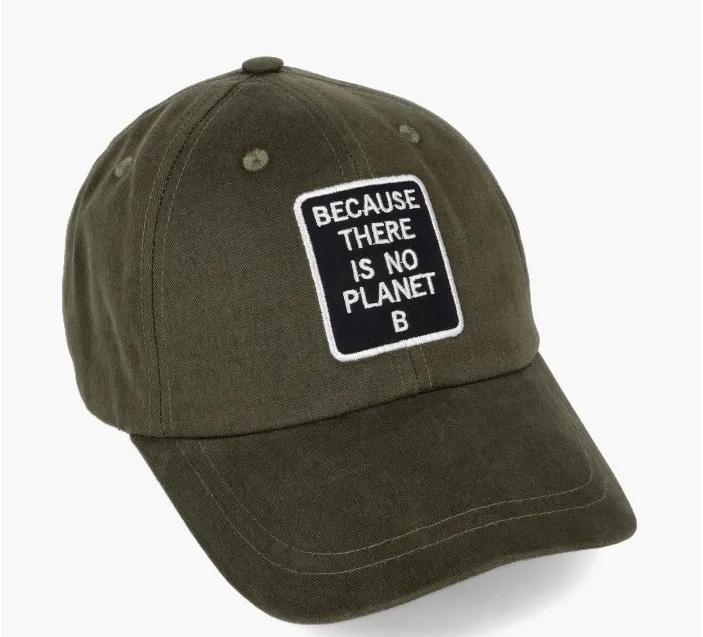
Circularity

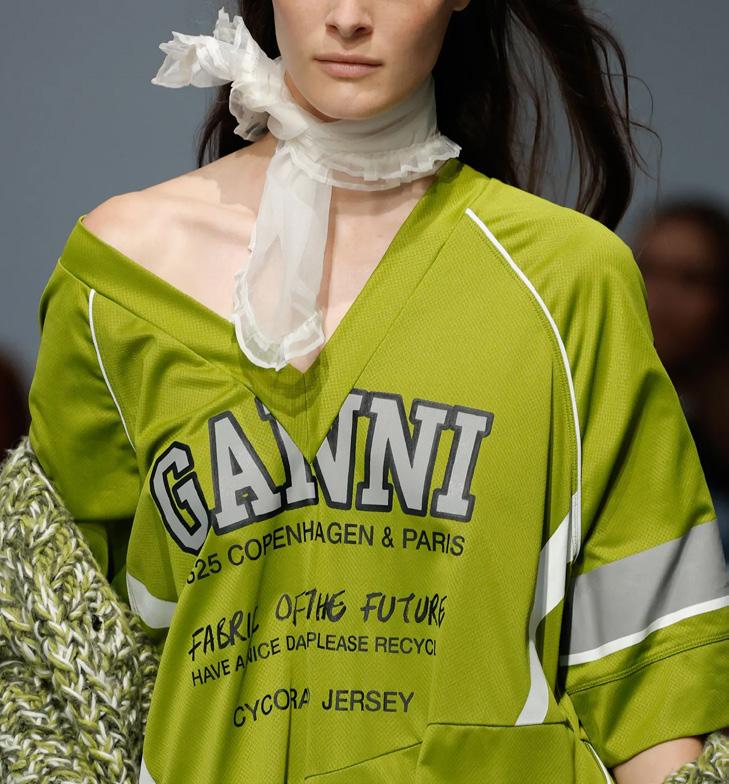
Recycled Fabrics




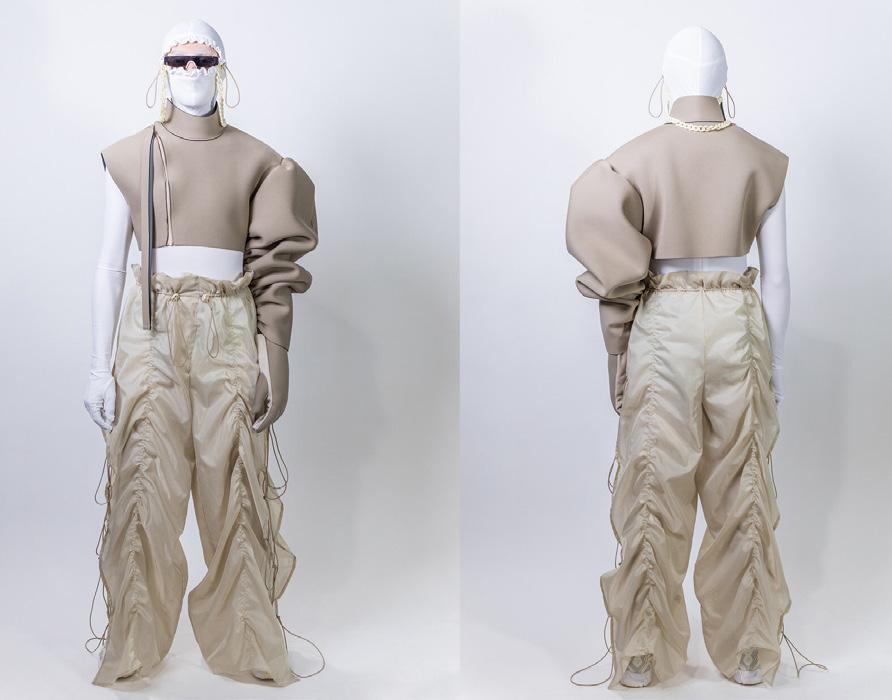
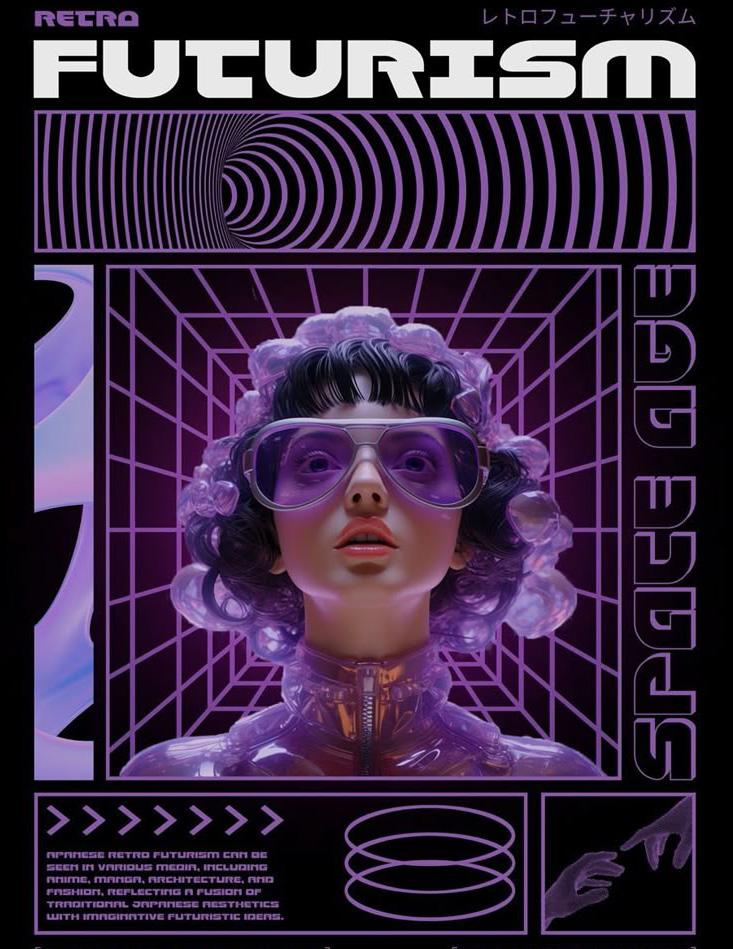















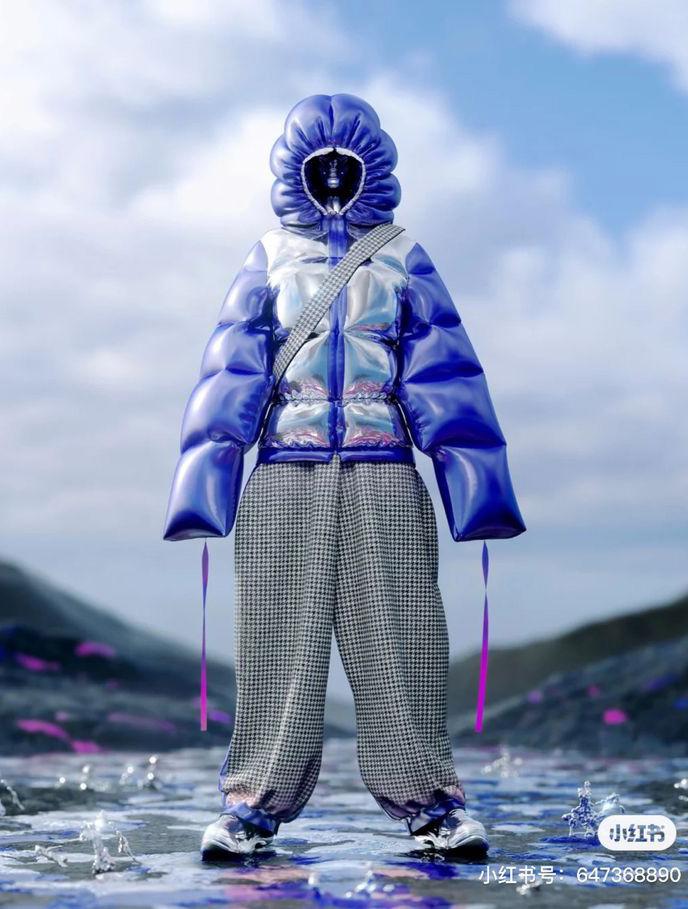
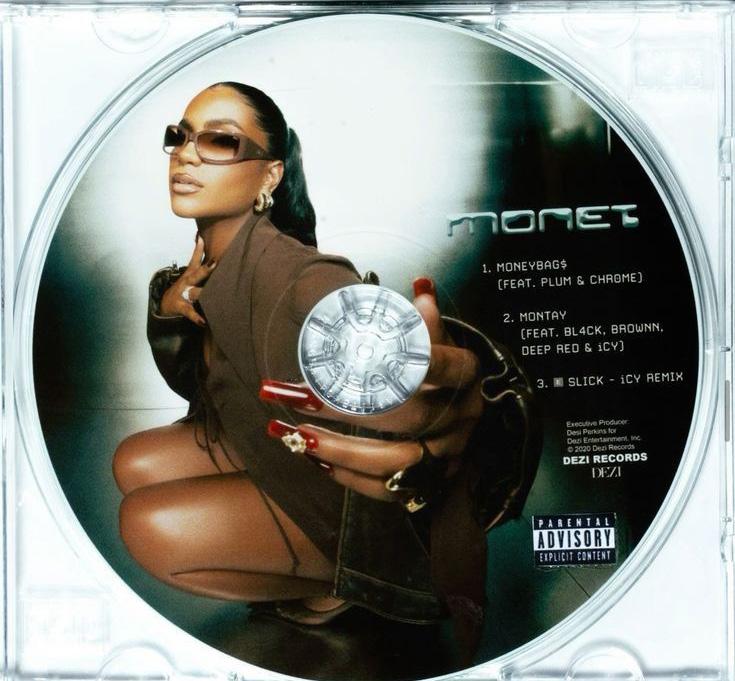
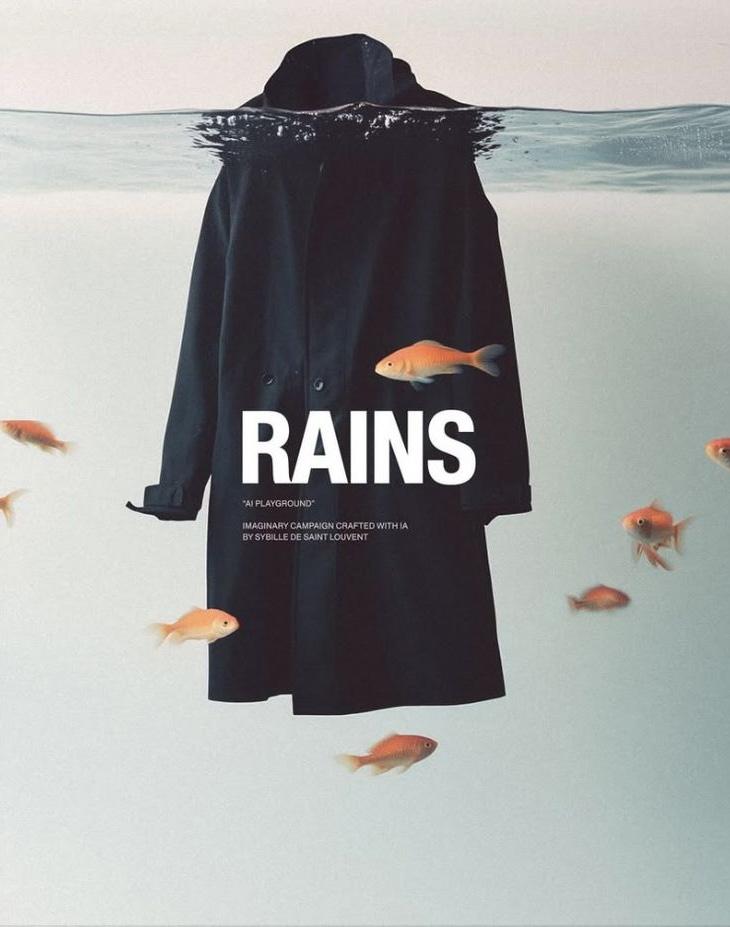

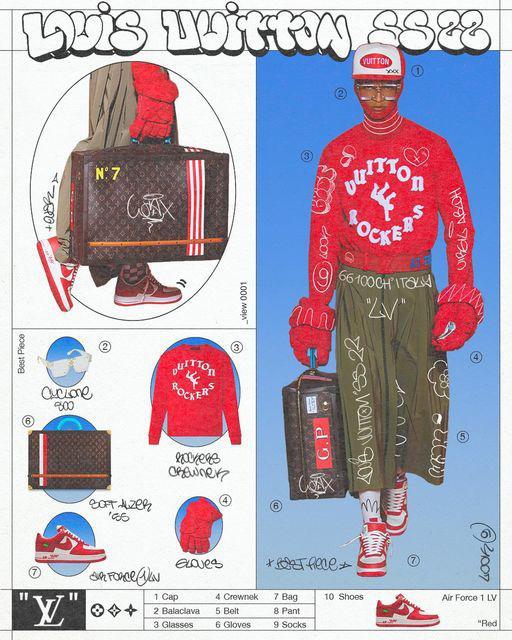



















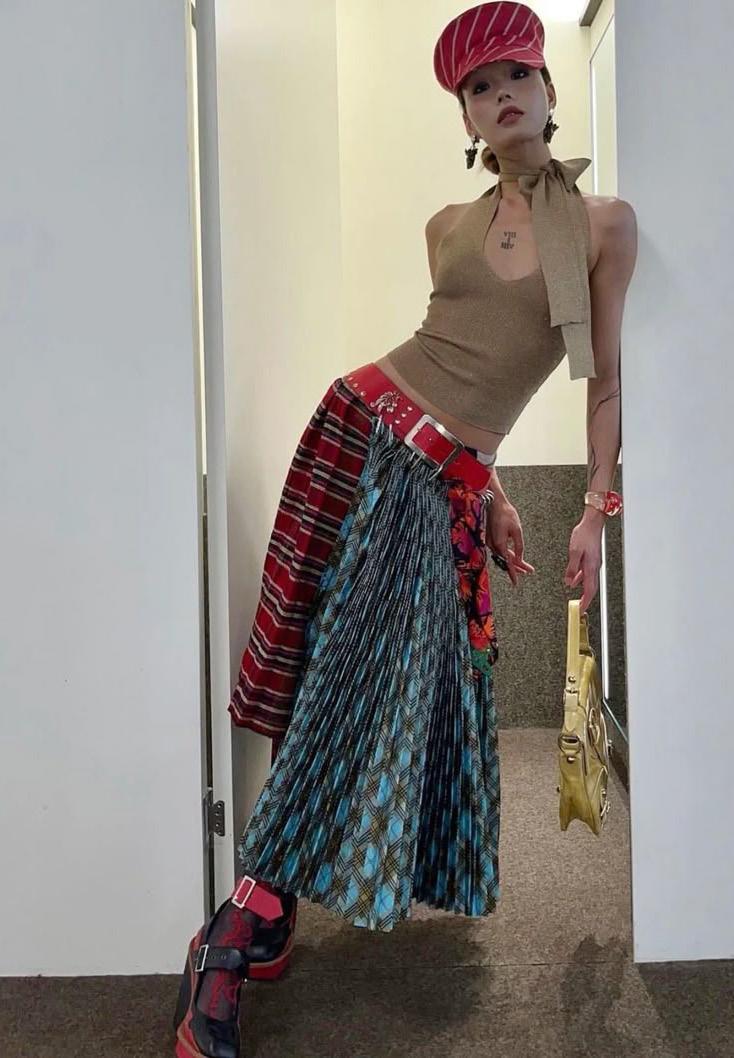
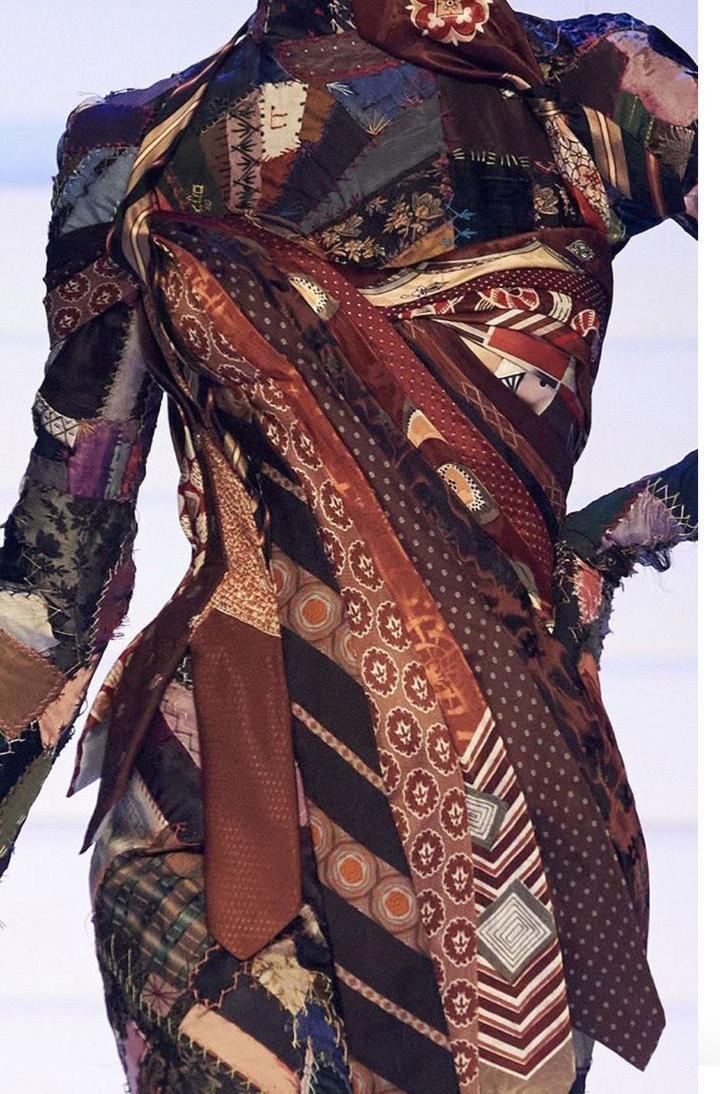
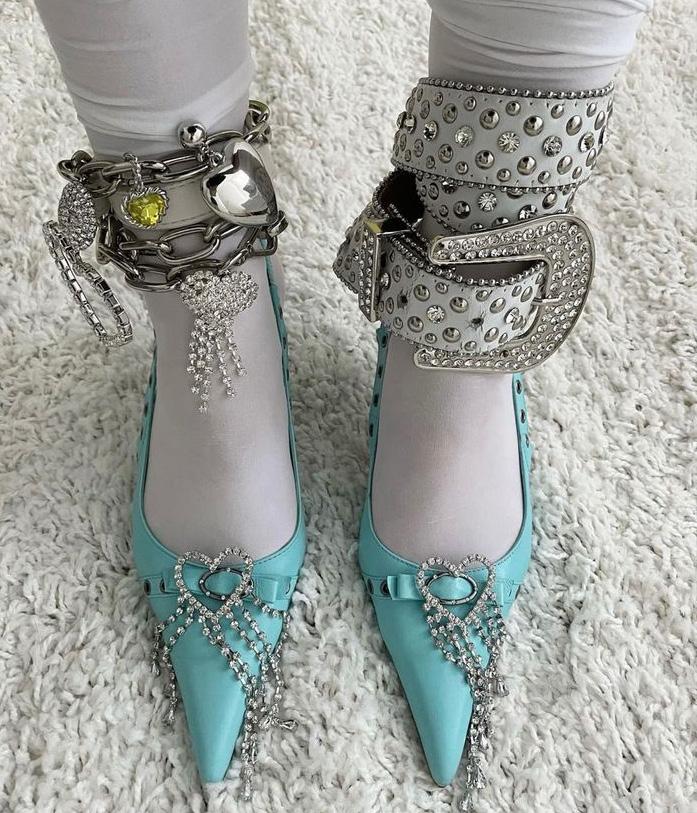
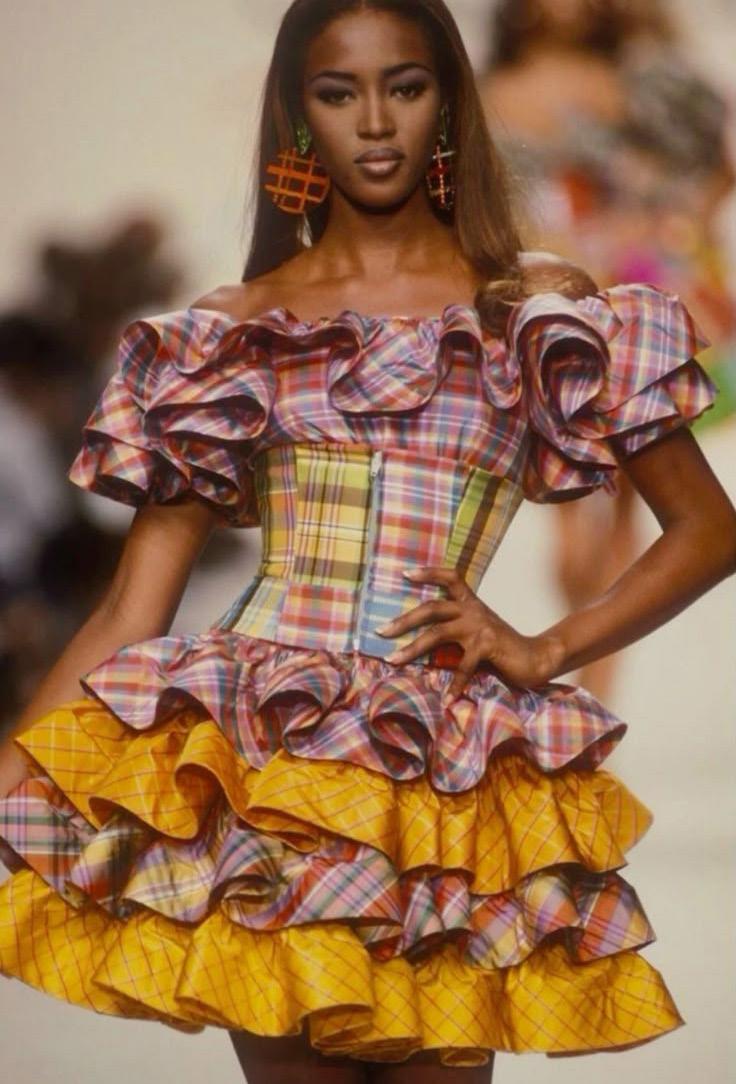

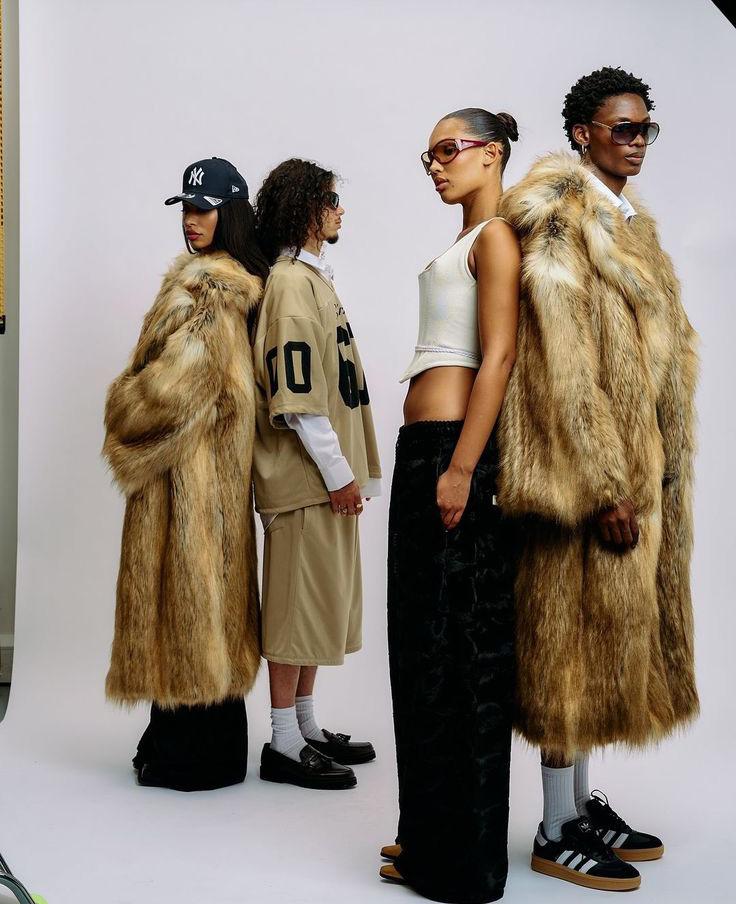
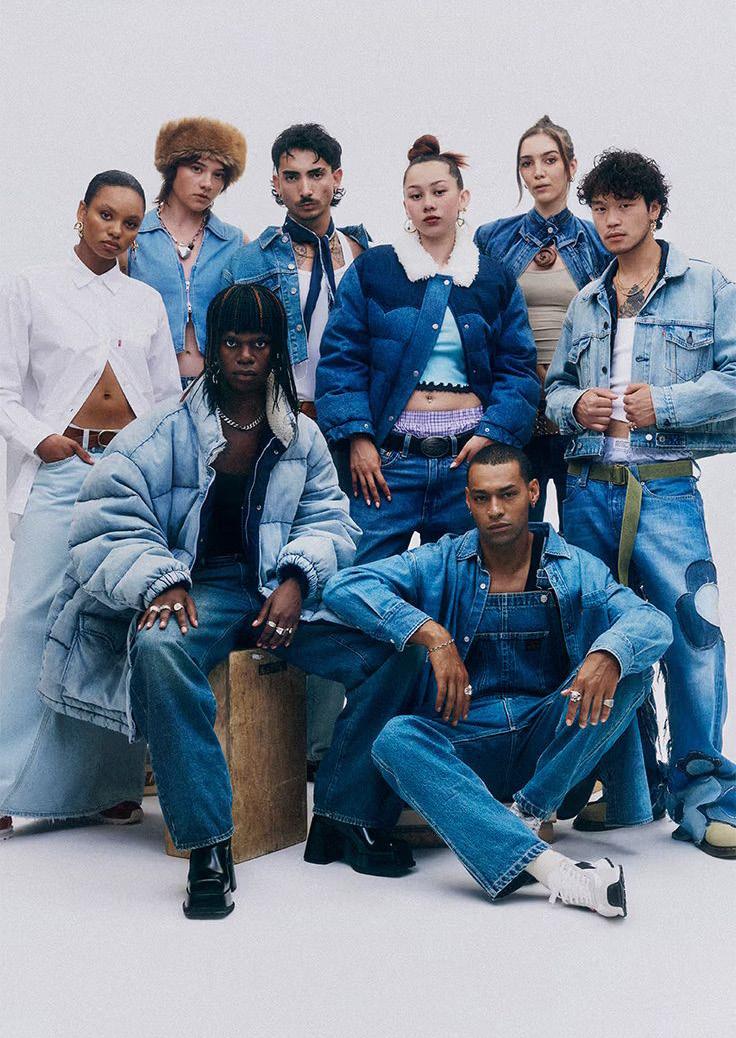
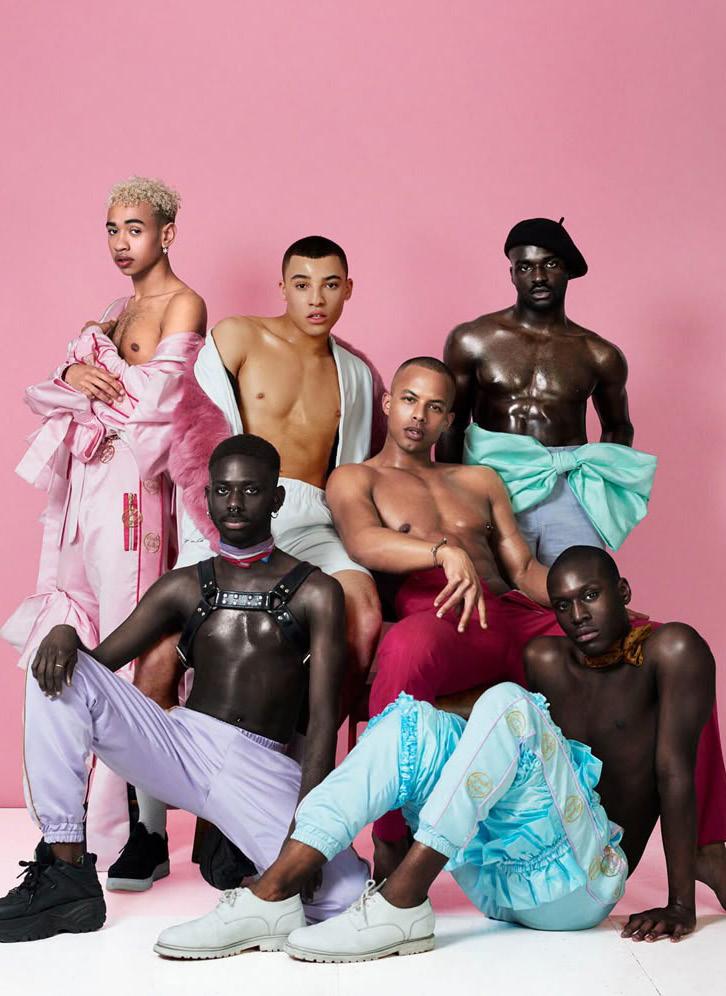
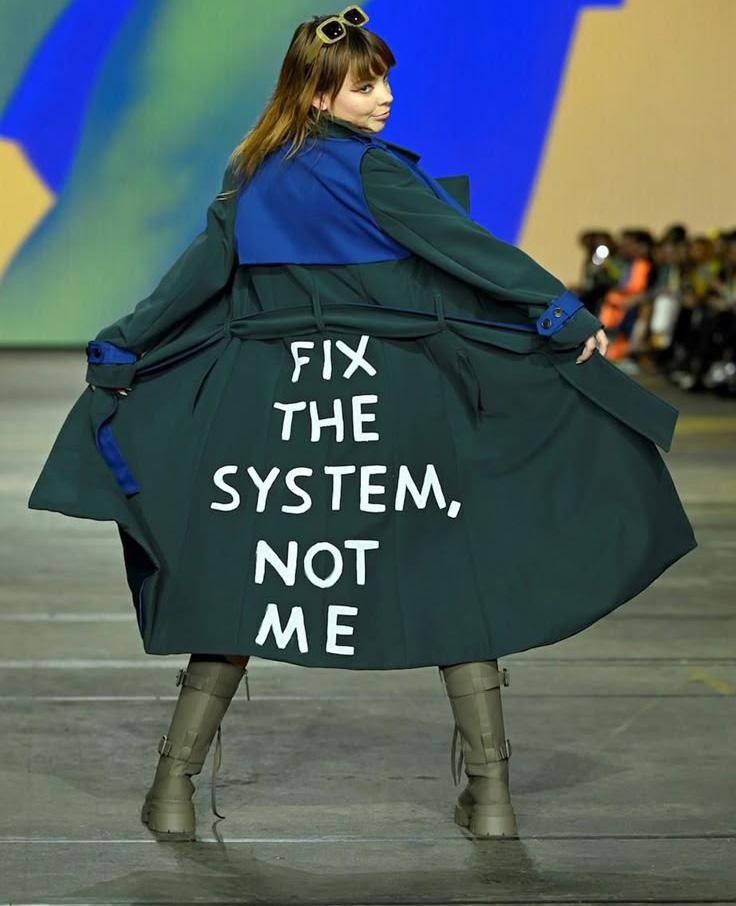
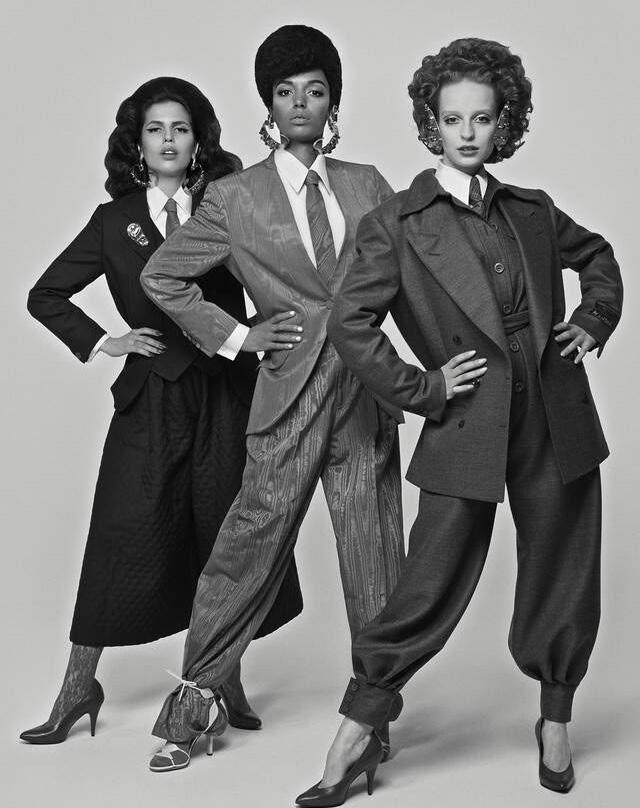

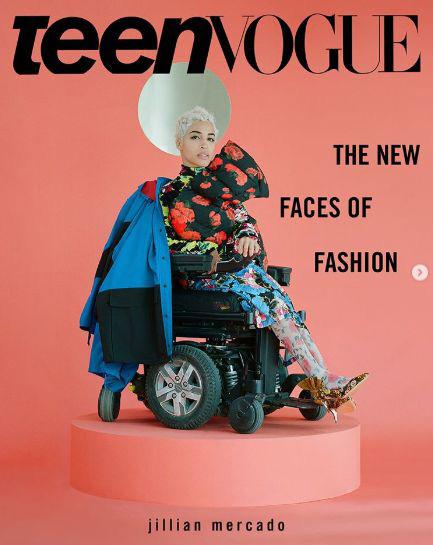
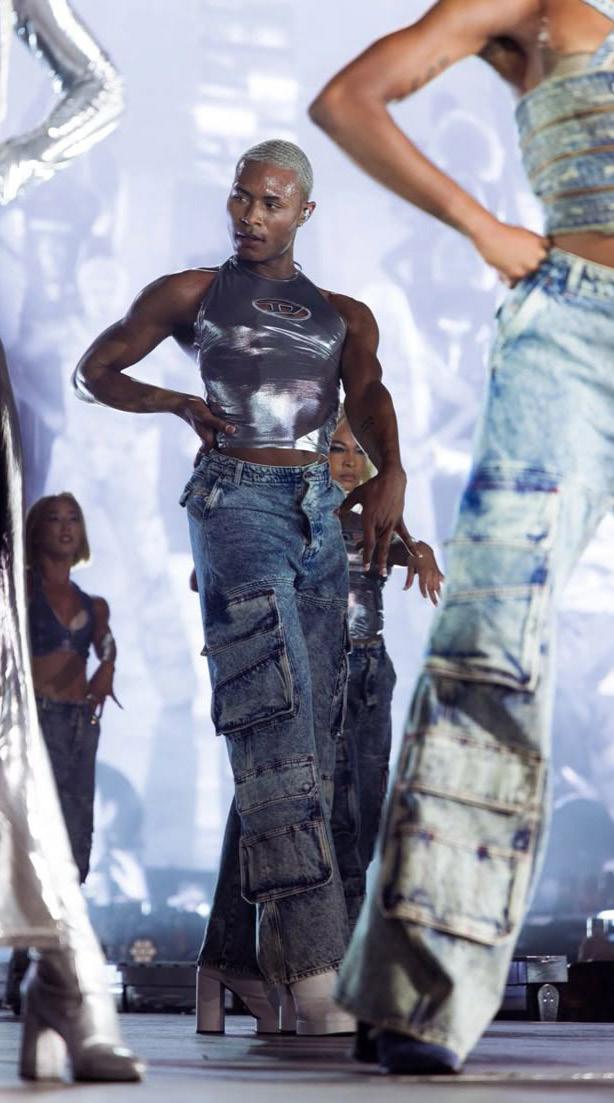
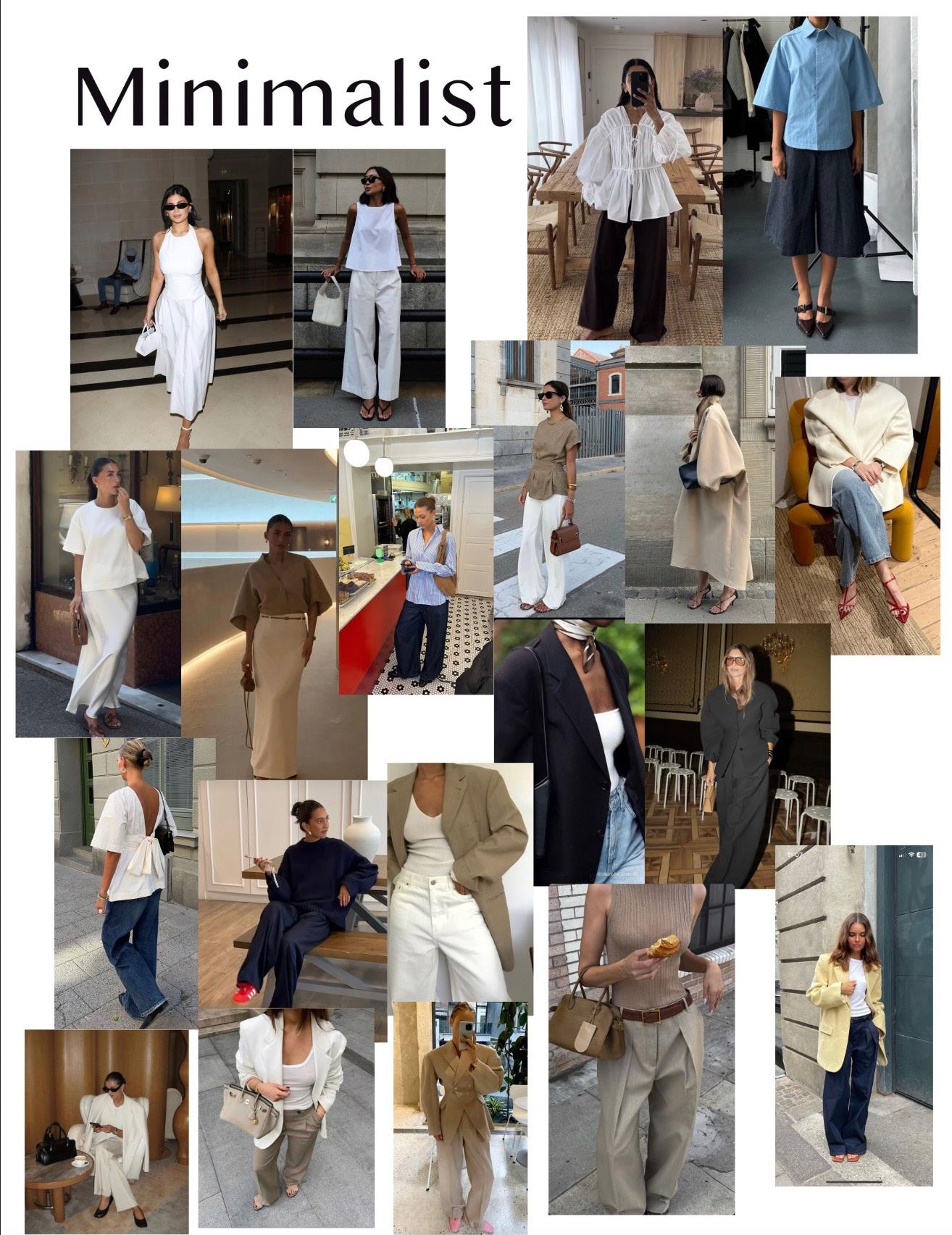
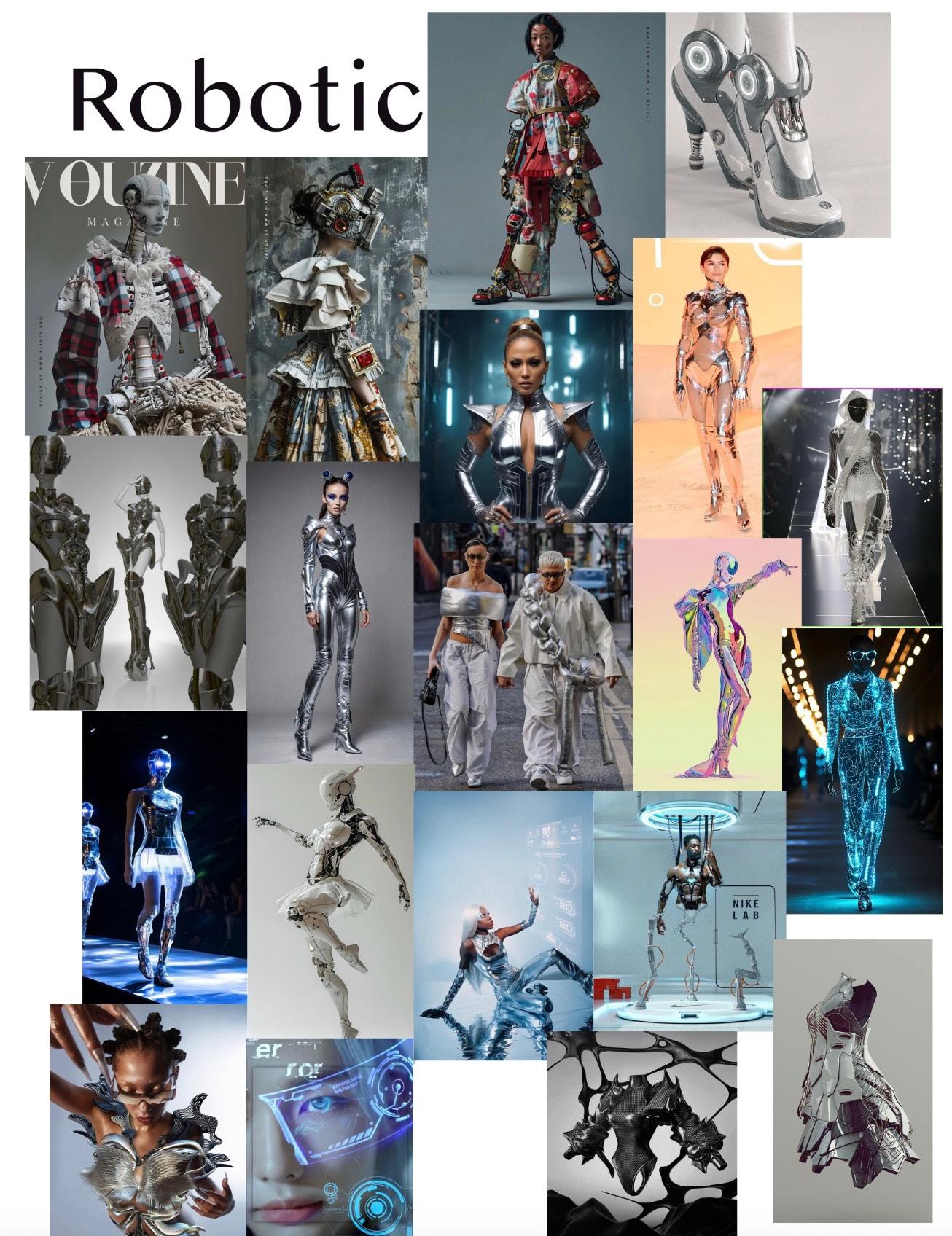
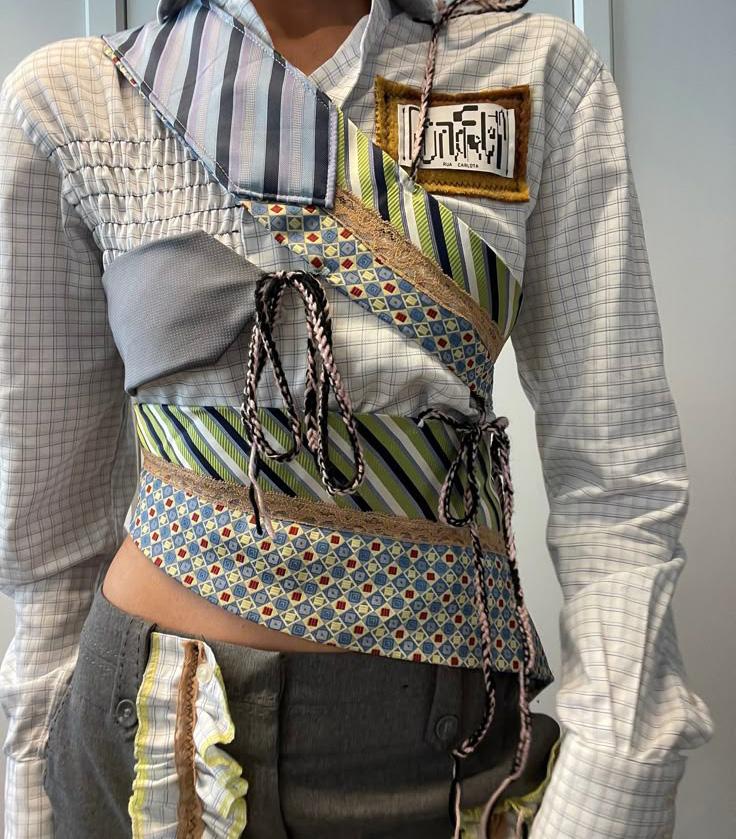
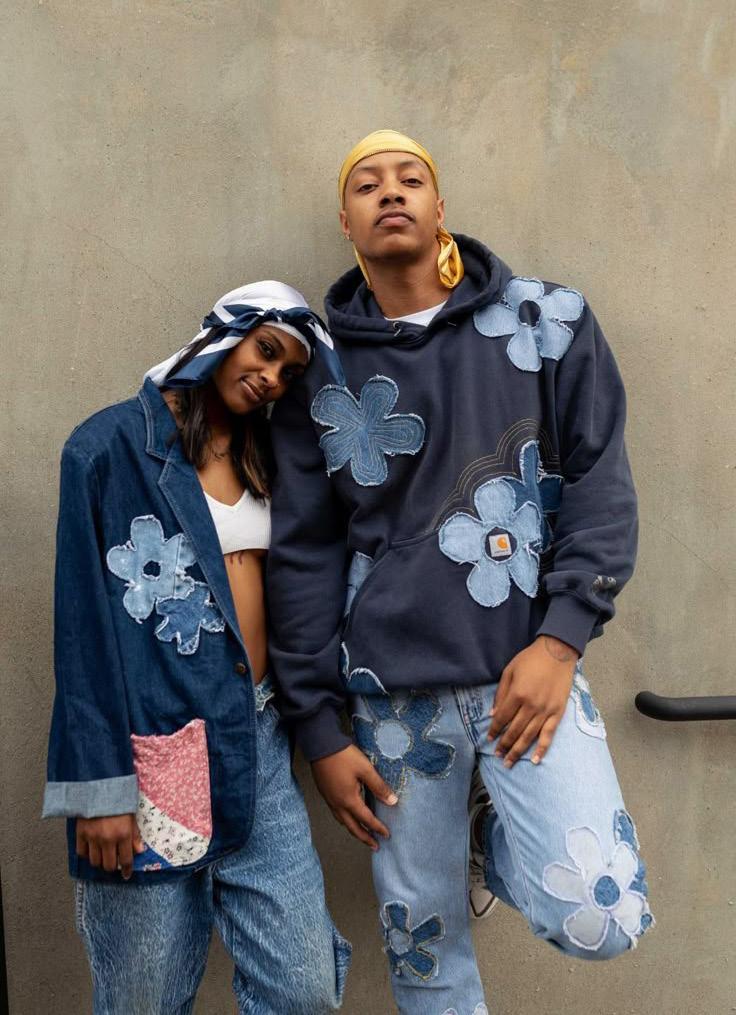
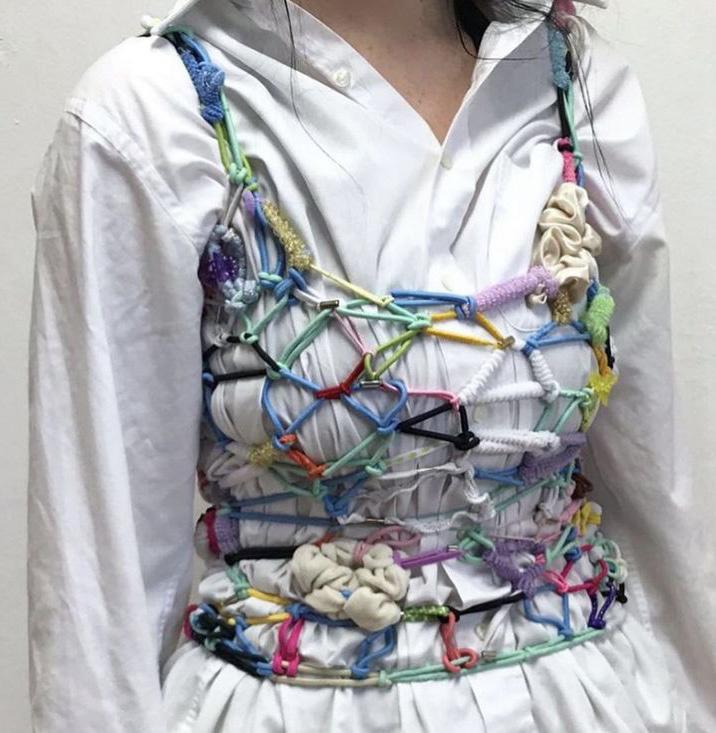
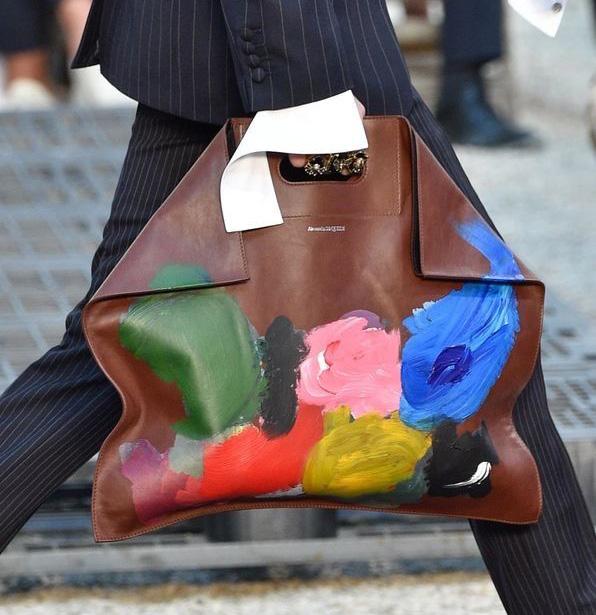
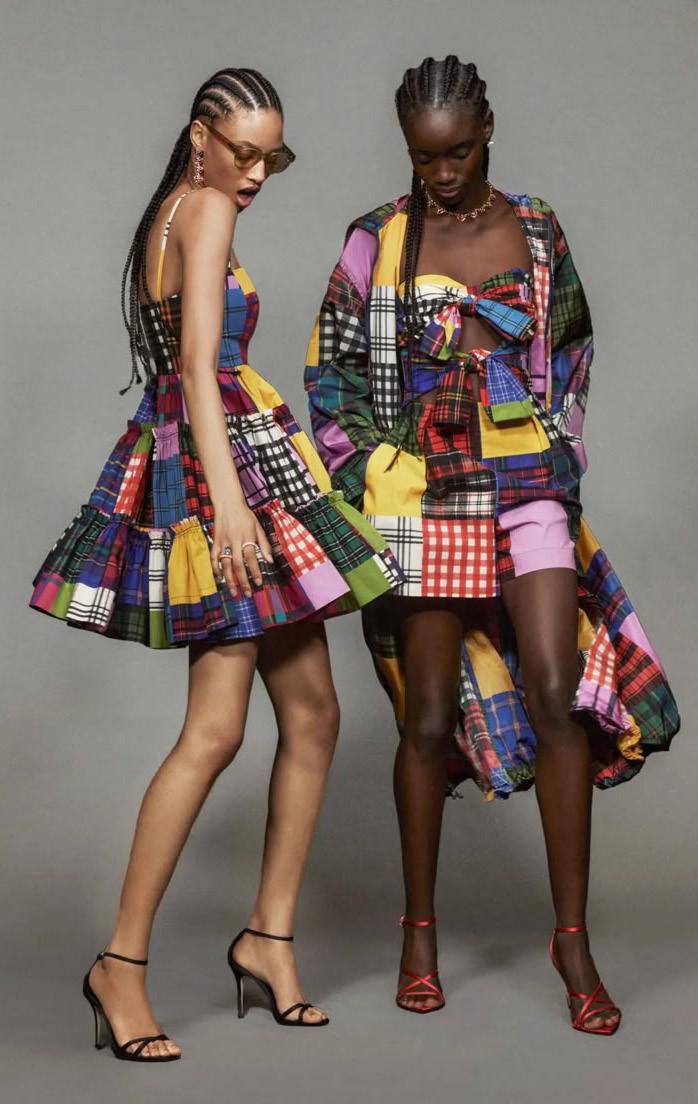
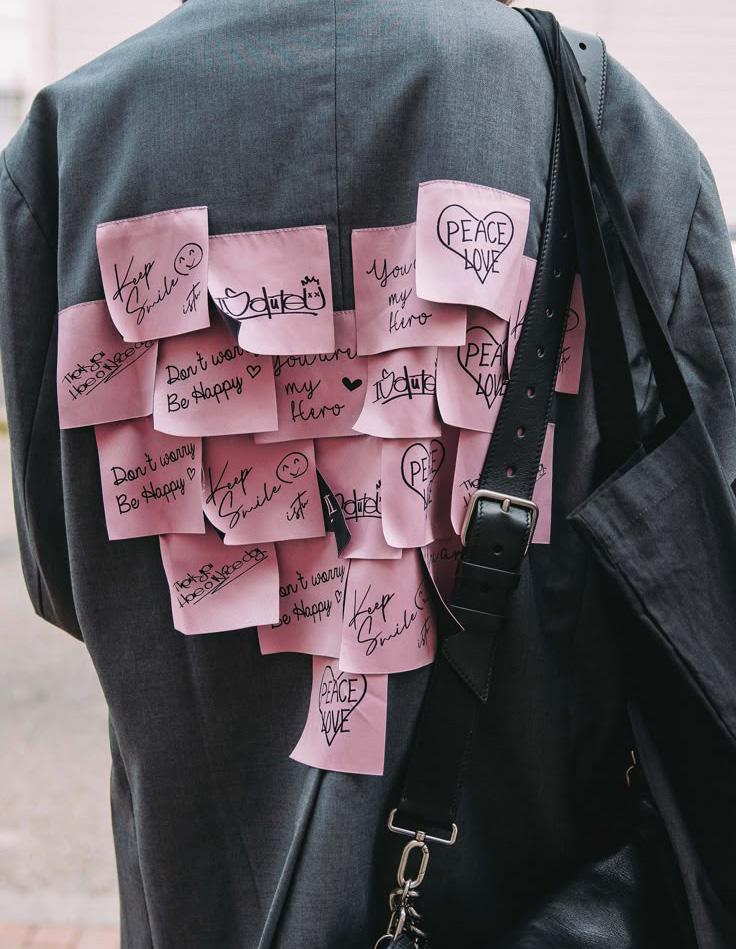











Generation Beta are those born from 2025-2039, most not even born yet. This generation is predicted to have a future shaped by technology and AI, where virtual reality and autonomous vehicles are commonplace.
AI will likely be a staple in the everyday lives of these children and play a role in their education, shopping, and other activities involving learning or decision-making.




Gen Z are those born from 1997-2012, known as the ‘digital natives’, having grown up around the wide use of internet and smartphones.
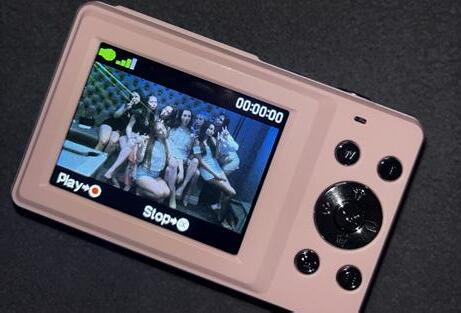
Gen Z were born into a world were the global social media platforms today were just starting off. From the age of around 6, we were using Instagram, Snapchat, Facebook and similarly to TikTok, we had Video Star, Dubsmash and Musical.ly.
In 2021, 38.2% of 18-year-olds attended university, which further decreased to 36.4% in 2024. Many decide to go straight into full time jobs or working apprenticeships.








Millenials, born 1981-1996, are becoming or are already parents to Gen Alpha and Beta. Millennials are the first generation to integrate all manner of digital technology into their daily lives.
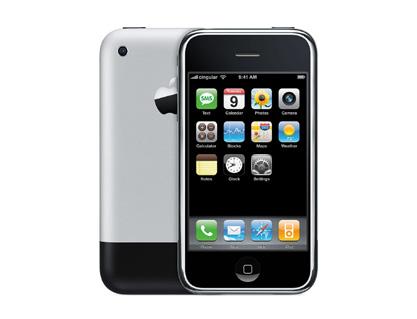
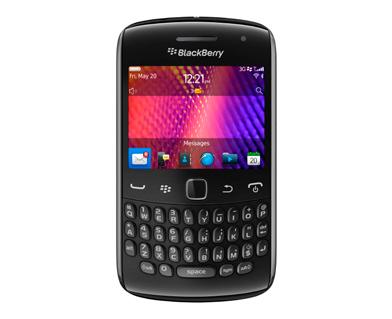
They were introduced to smartphones from a young age, using social media platforms like Facebook, Twitter, and BBM. Before the Iphone in 2010, millenials were using Blackberry phones, LG flip phones and Nokia phones to interact with there friends and family.
The parenting styles of millenials are widely centered around their childs use of technology, most with a balanced screen time for their children. Millenials are focusing on prioritising empathy and emotional intelligence for their children.


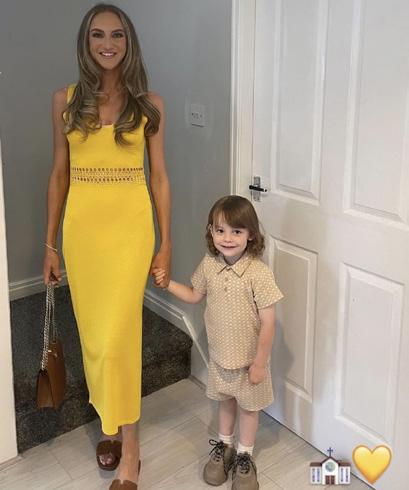

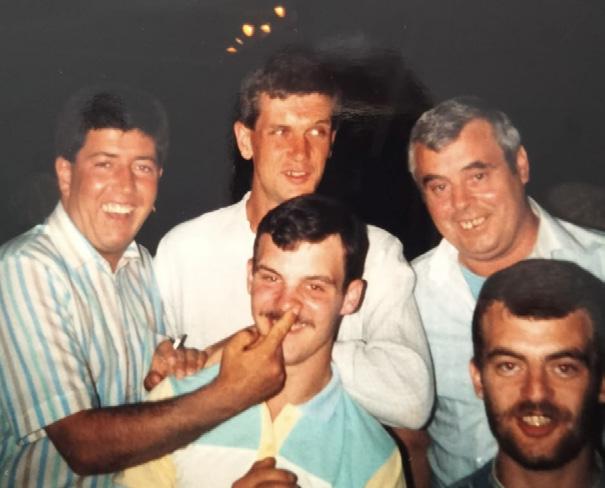
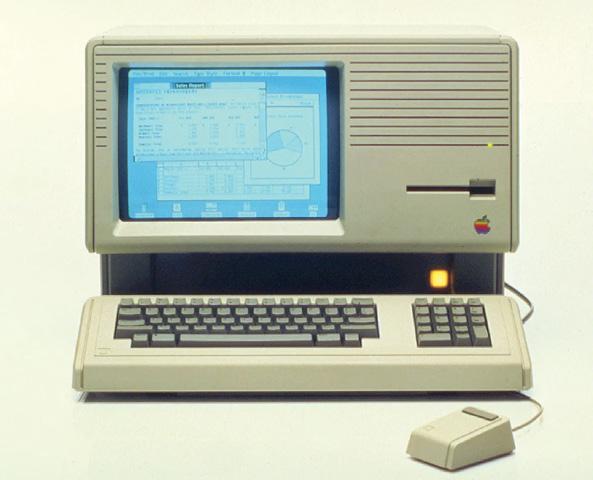
Generation X refers to those born between 1960-1980. Parents to millenials and gen z. Gen X experienced the rise of the cable television, computers and the very early days of the internet. If they wanted to play some games they had to go to the arcade.
Some Gen X as parents are known to repeat parenting styles, while others try to avoid those patterns. They are involved in their childrens lives but tend not to micromanage or intervene as and when needed.
They are known for their resourcefulness, independence, and ability to balance work and life. They tend to be more brand loyal and likely to use loyalty programs.


From my interviews with gen alpha, Lila and Erin, some of their favourite influencers are brand owners and content creators.

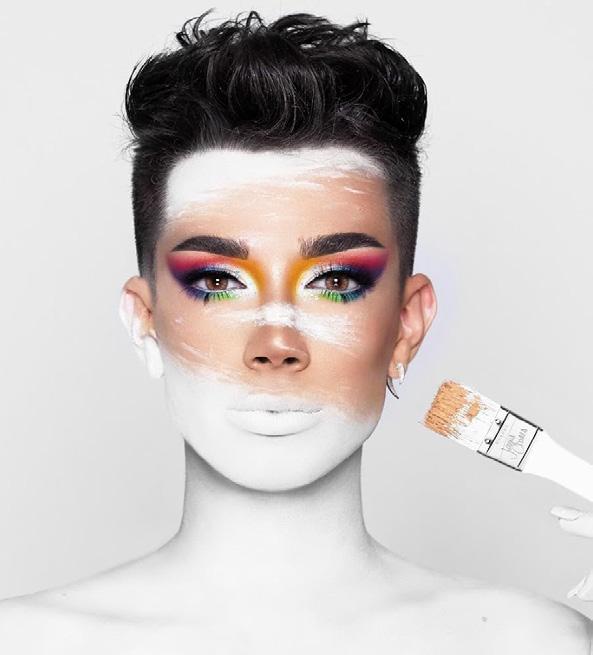
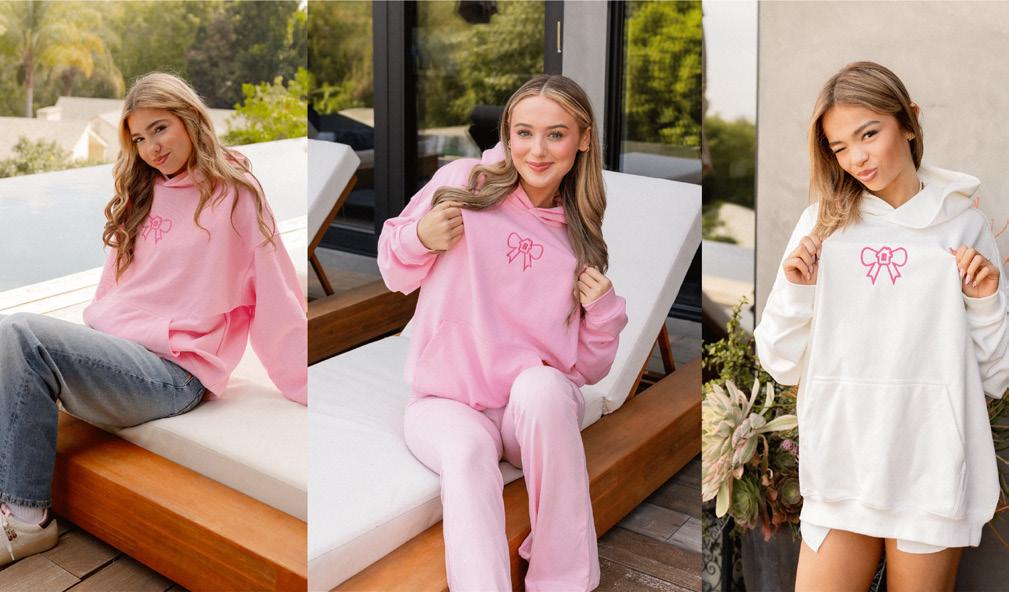
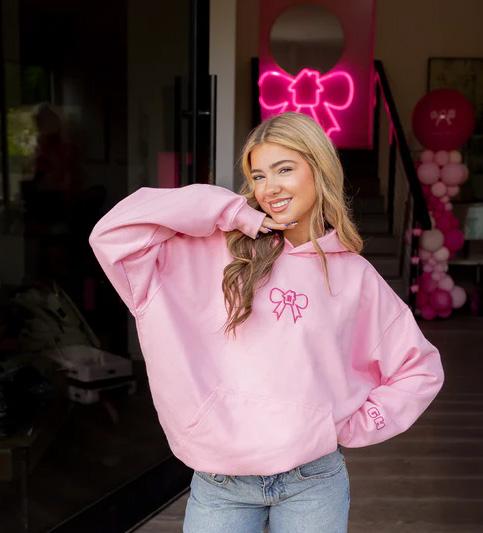
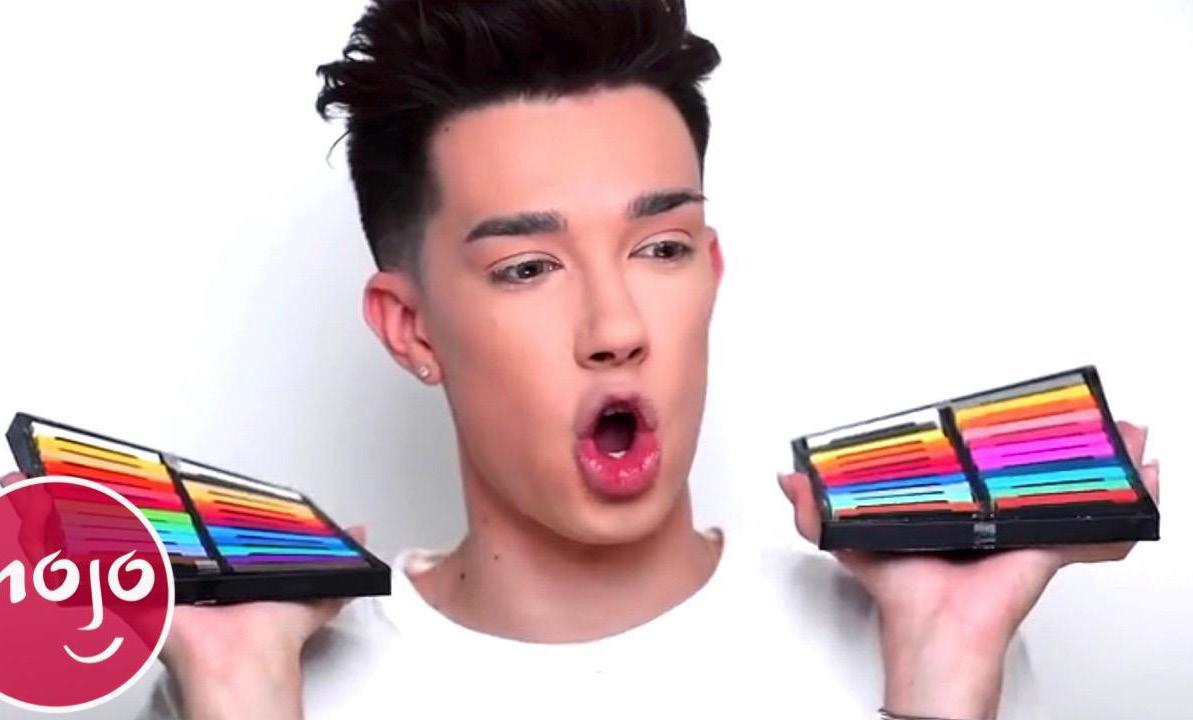

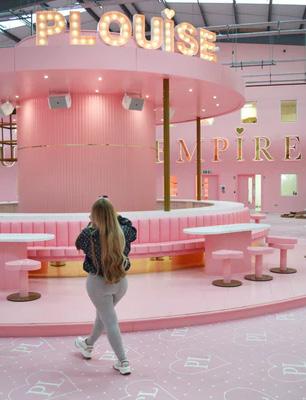
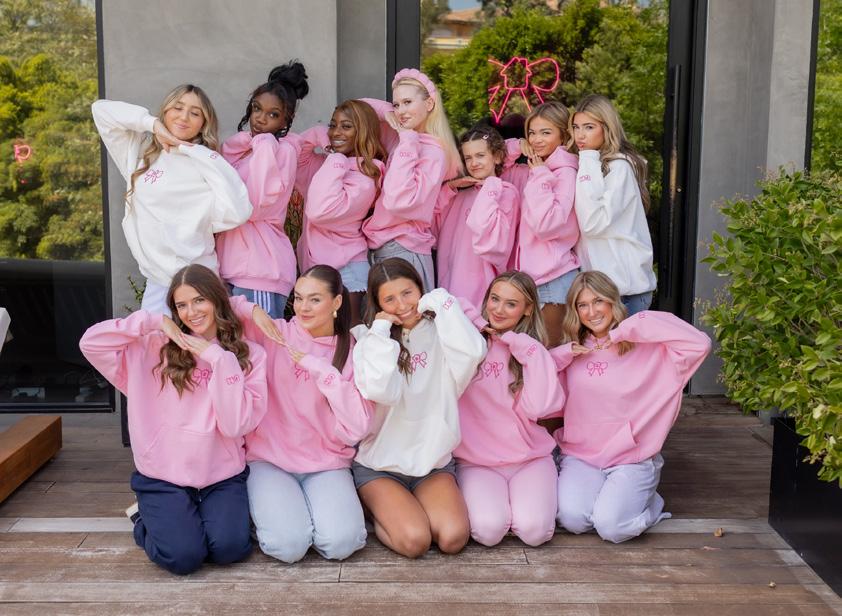


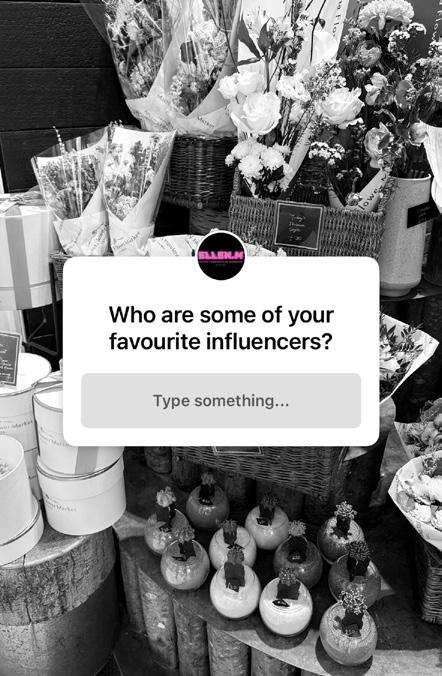

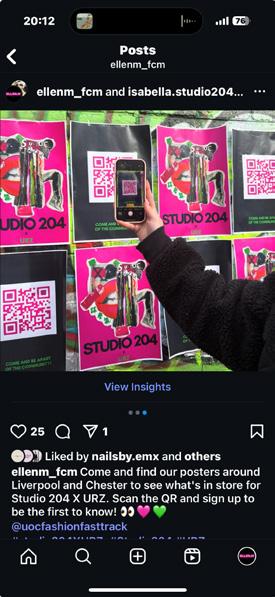
I asked my Gen Z followers who some of their favourite influencers were. Some of the most popular answers were influencers well known for being on reality tv, youtubers and others born on TikTok. These influencers are admired for their fashion sense, daily lifestyle and friendly, relatable personalities.
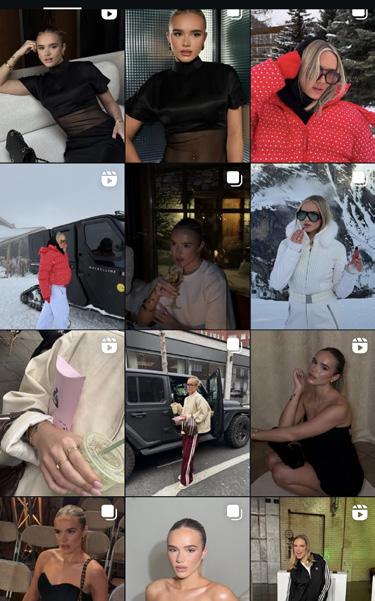

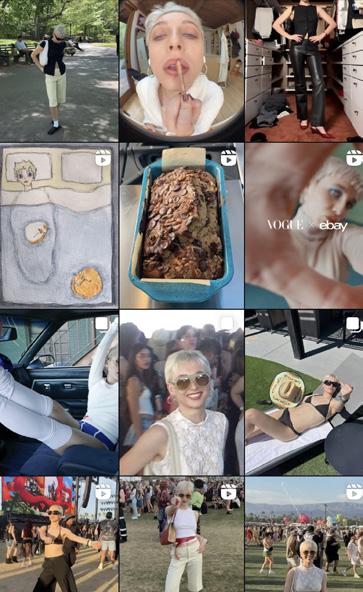

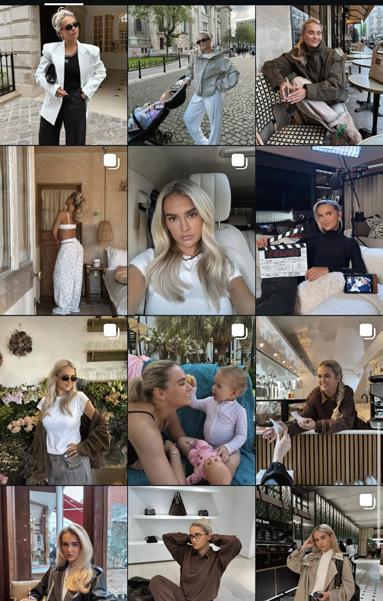
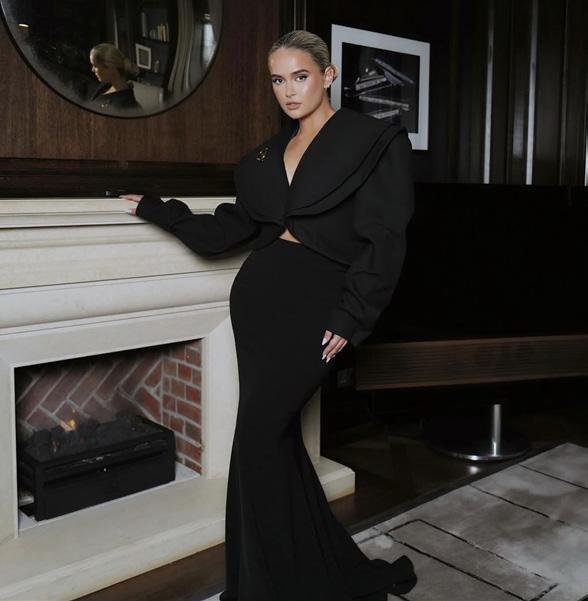
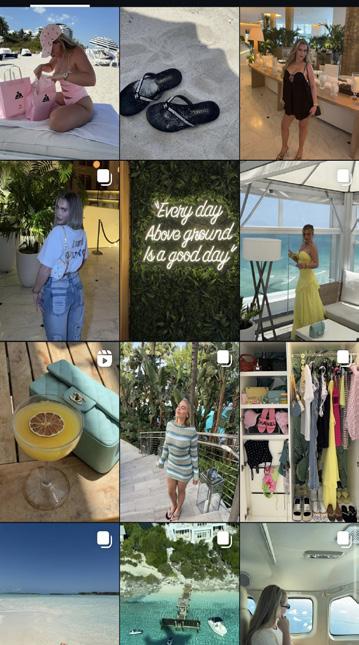
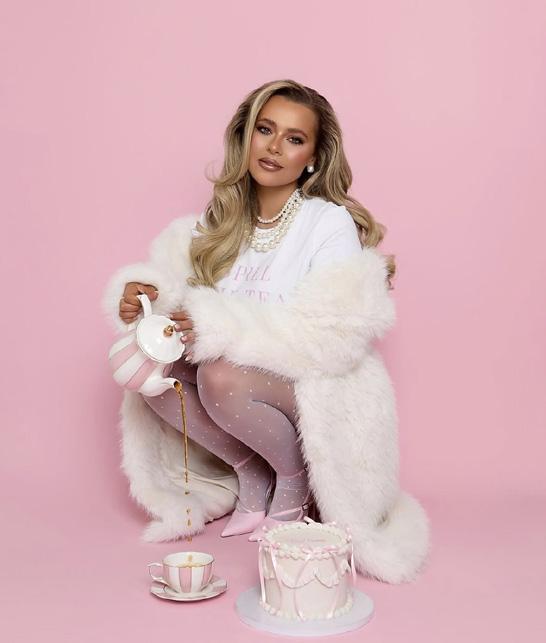
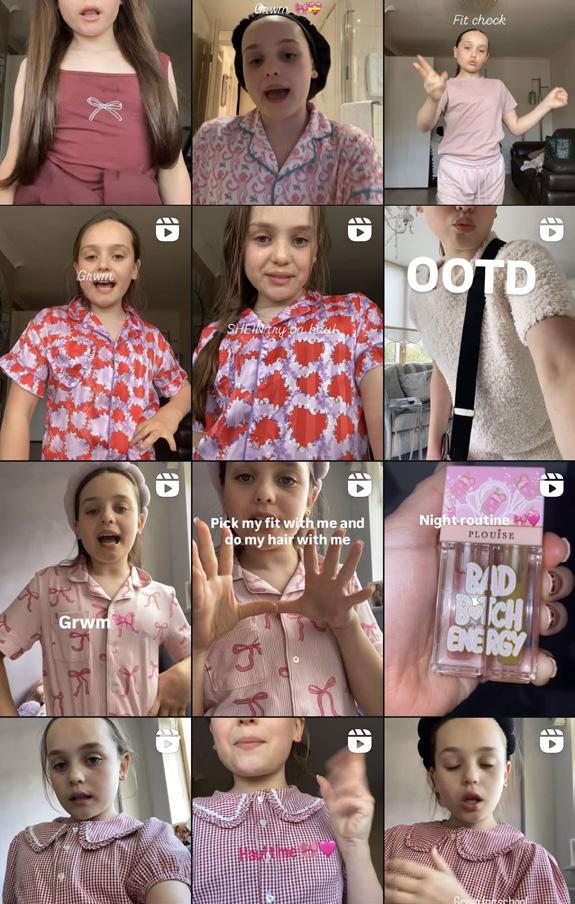
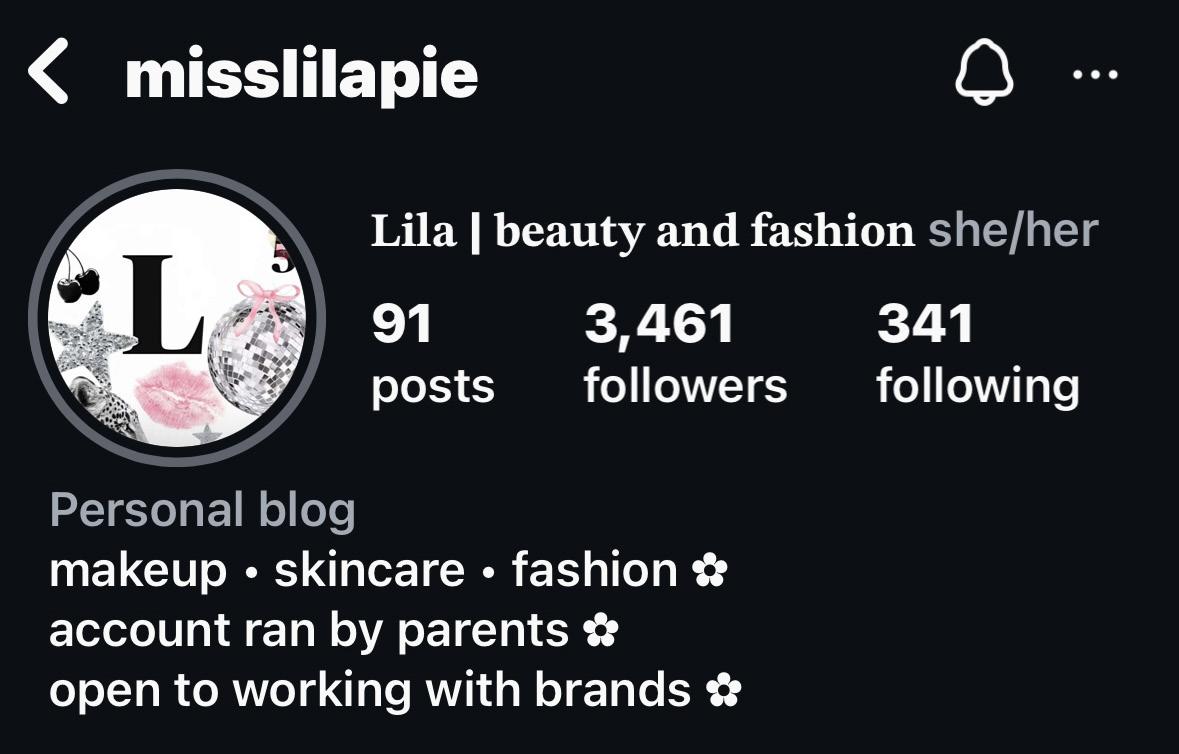
Lila 10 years old with aspirations of becoming a social media influencer, she’s already doing very well.
Lila is highly aware of trending brands within in fashion and beauty. She has her own Instagram account were she posts reels and various content including grwm, ootd, skincare and beauty reviews, and even giveaways to keep her followers engaged and interactive.
Lila follows trends and hashtags such as popular activewear brands, ‘clean girl aesthetic’ etc.
Influence from social media platforms like TikTok and Instagram has taught Lila lots of these different things like content creation and trends.




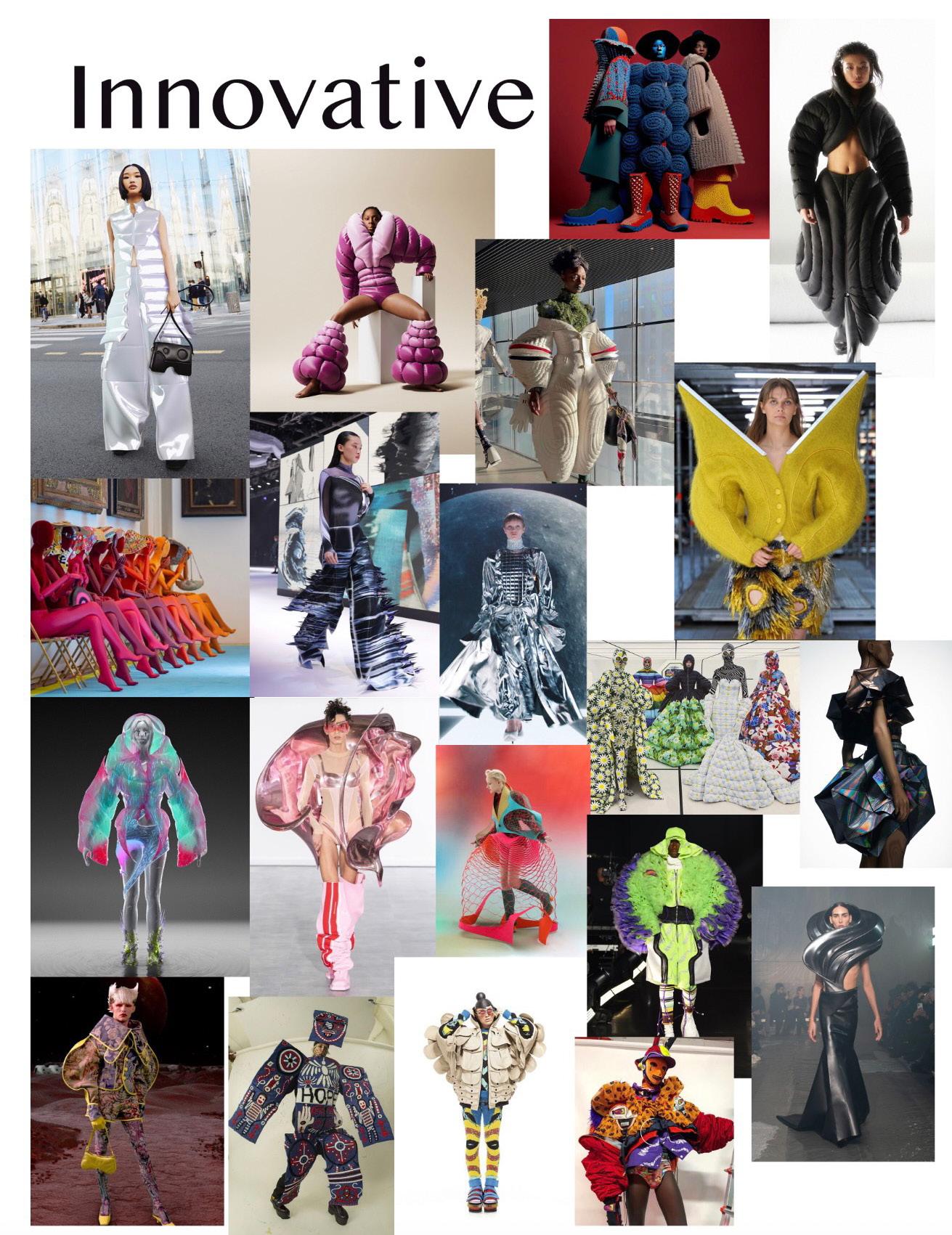
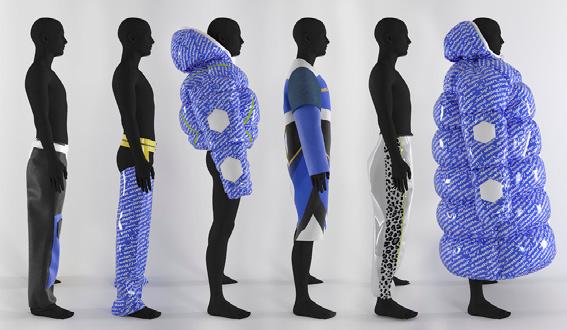
AI is used for design, pattern creation, and even predicting future trends.
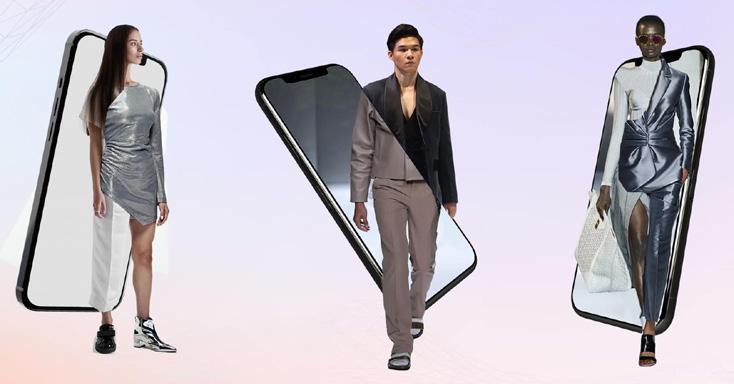
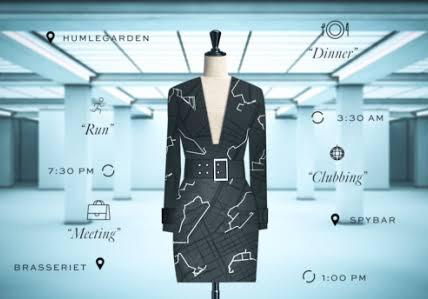
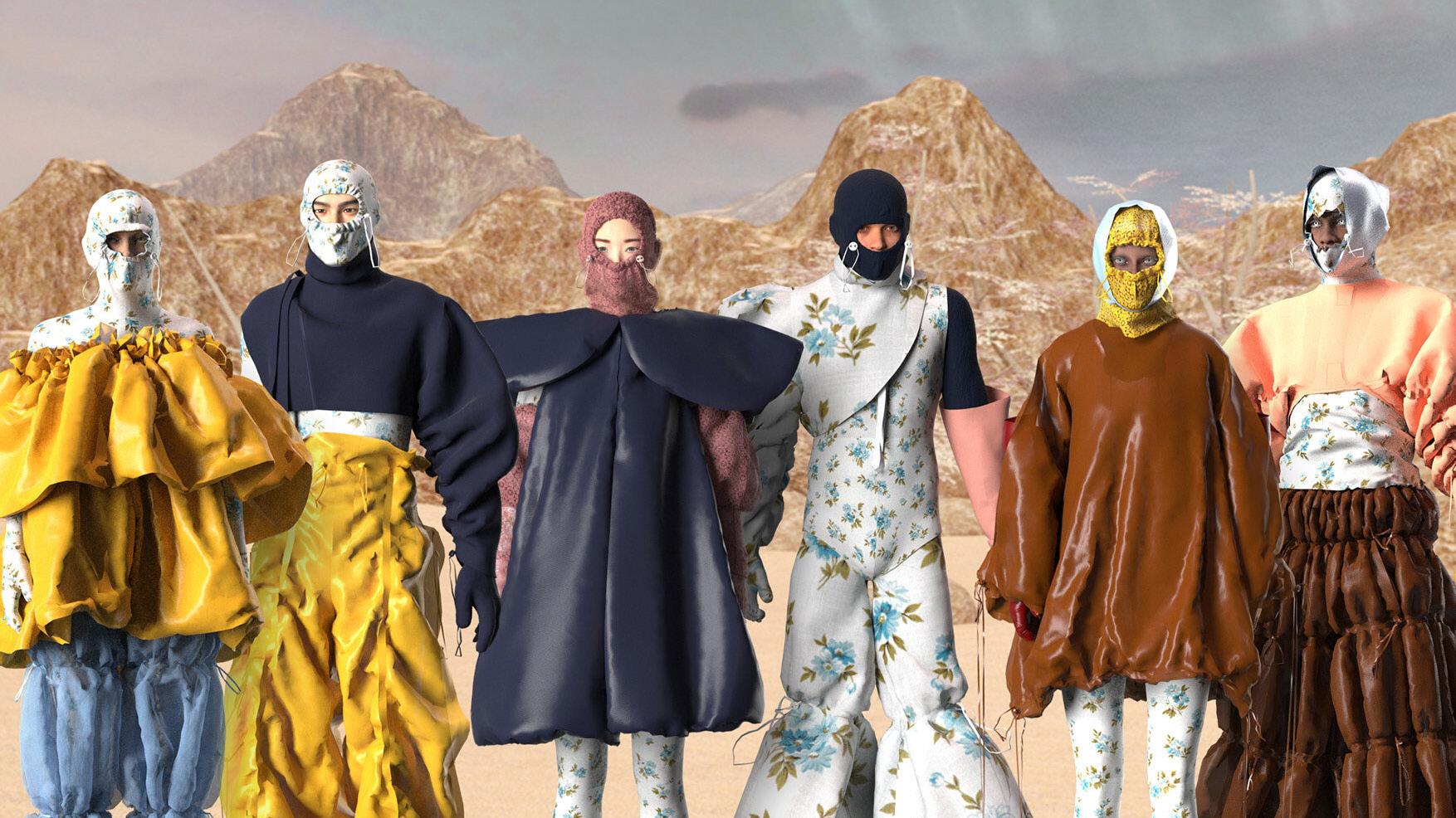
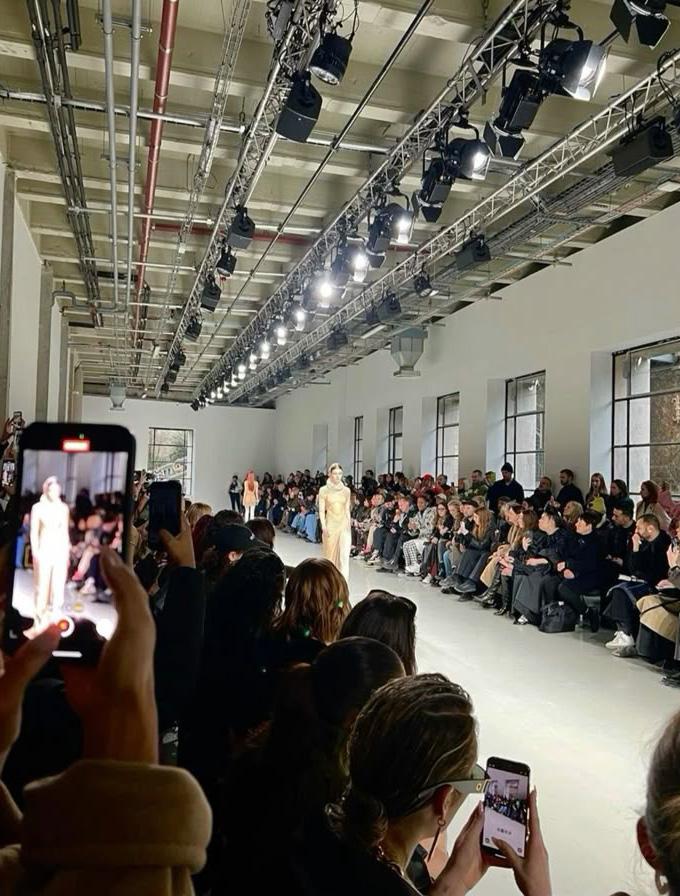
Virtual fashion experiences and online fashion shows, expanding the reach and possibilities of fashion.
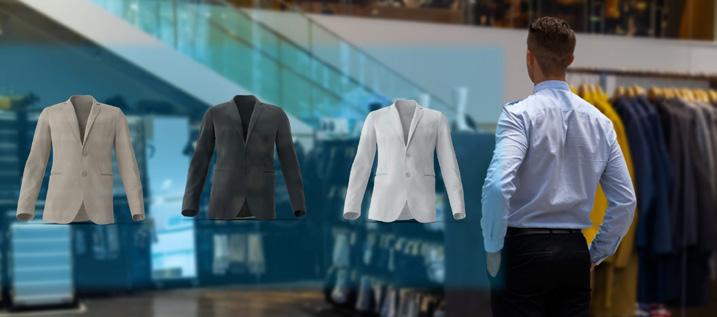
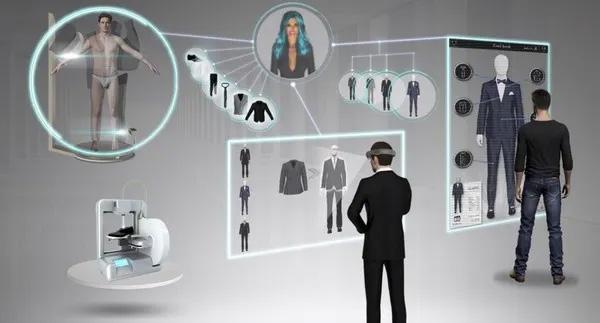
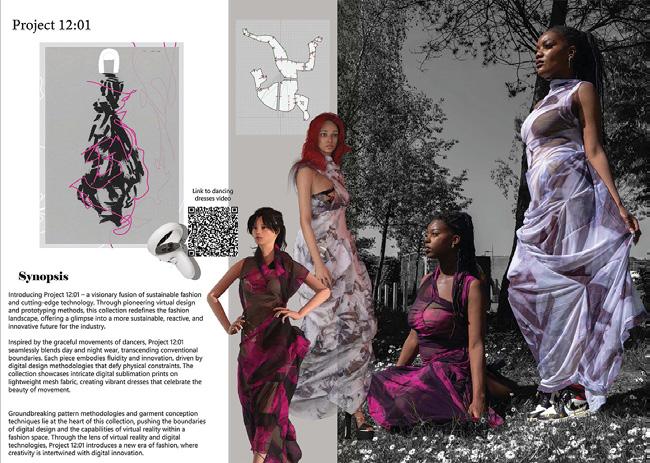
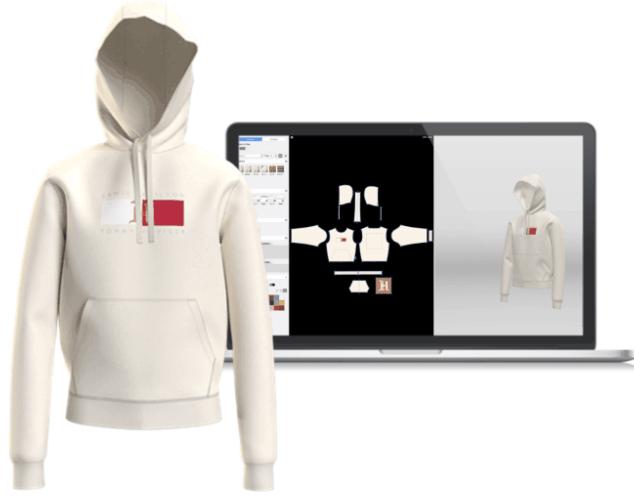
3D printing allows for rapid prototyping, customized designs, and the creation of innovative materials and garments.
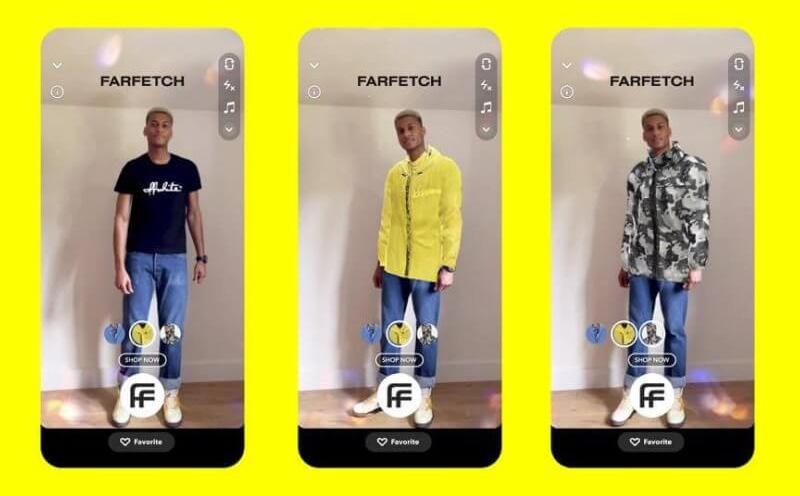
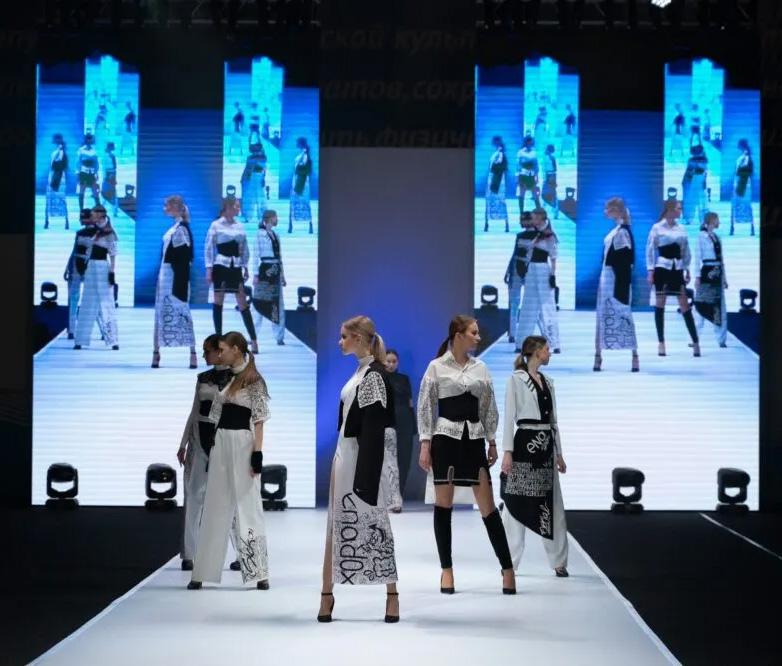
Smart fabrics and wearable devices integrate technology into clothing, providing functionalities like health tracking, communication, and even fashion statements.
Fashion brands are utilizing data analytics to understand consumer preferences, predict trends, and personalize their offerings.
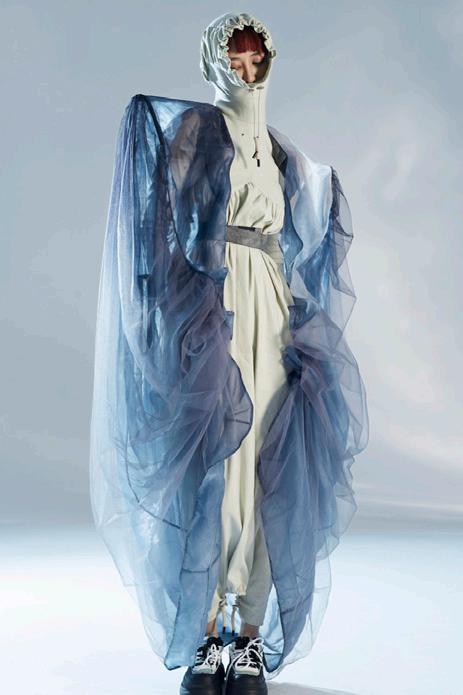
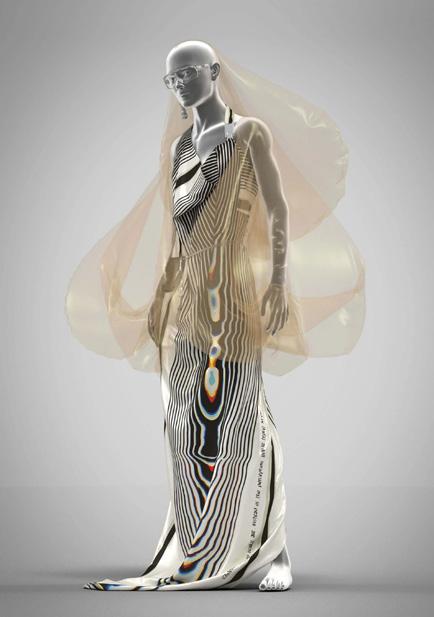
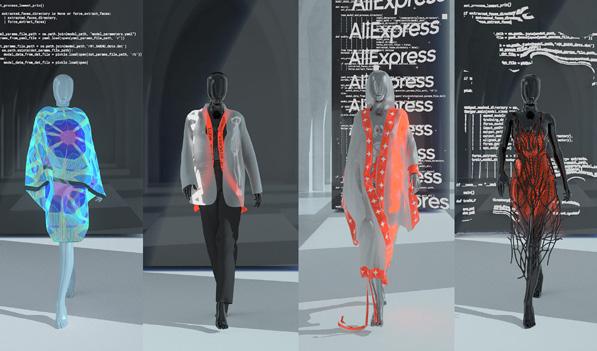
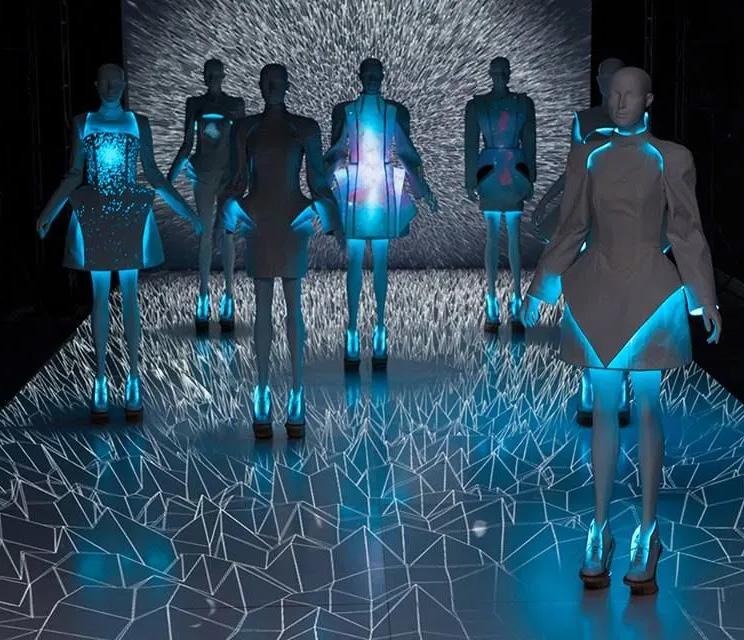
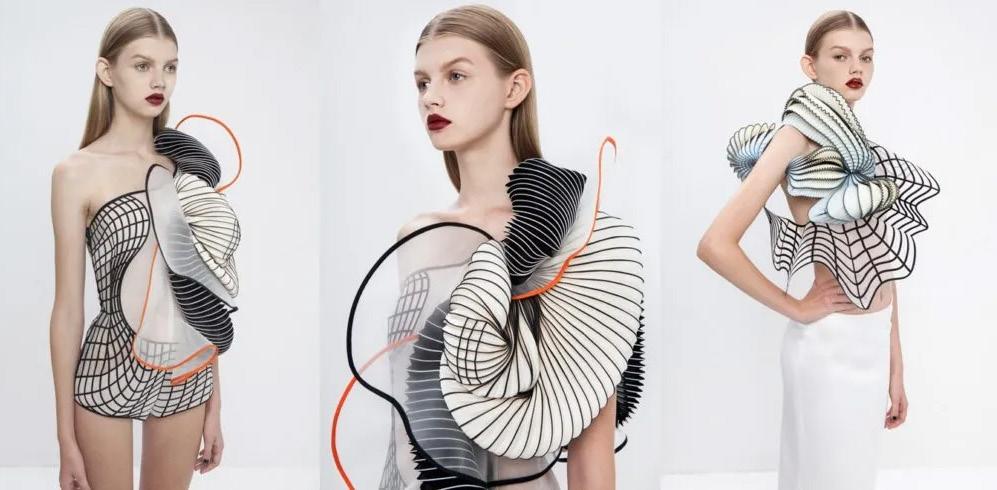
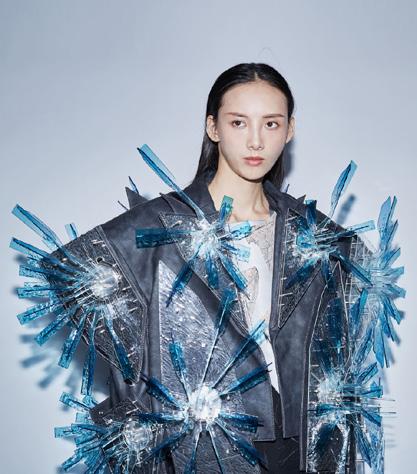
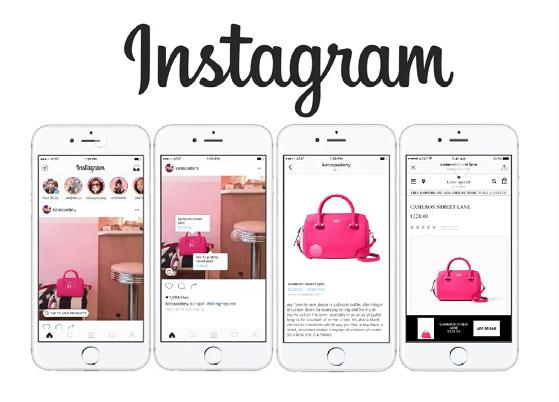
AI and data analysis are enabling the creation of on-demand fashion, allowing for personalized and customized clothing.