Influence Me
Reflective Diary Fashion Bible
Ellen McAleavey
Ellen McAleavey
When first introduced to our brief for Influence Me, some ideas sprung to mind on how to approach this project.
One idea i have is to use my younger sibling, a member of the Gen Alpha community. Erin is currently 10 years old, who sometimes thinks she is 20 years old!
Due to the growing influence of social media and technology, Erin has became acustomed to the vast, trend driven world we live in, and has great knowledge of today’s fashion. As well as the social and political issues in our society today.
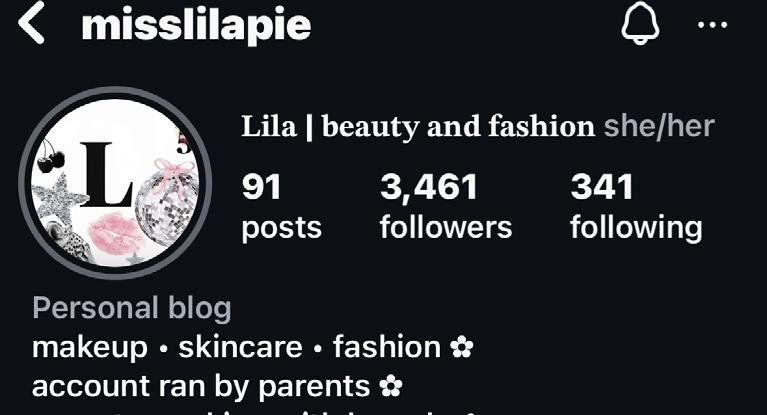
I have curated a list of questions to interview Erin on her views and knowlege of fashion today, as well as our society in general. I have also decided to interview another family member Lila, who is also 10 years old. Lila is asocial media influencer who posts creative fashion/ beauty related content.
When creating both interviews, whilst i asked both girls many of the same questions, i focused on more of a social/political approach with Erin and a more fashion focussed approach with Lila. Both interviews give some different insights into how members of Gen Alpha see the world.
Both interviews emailed to Beth.
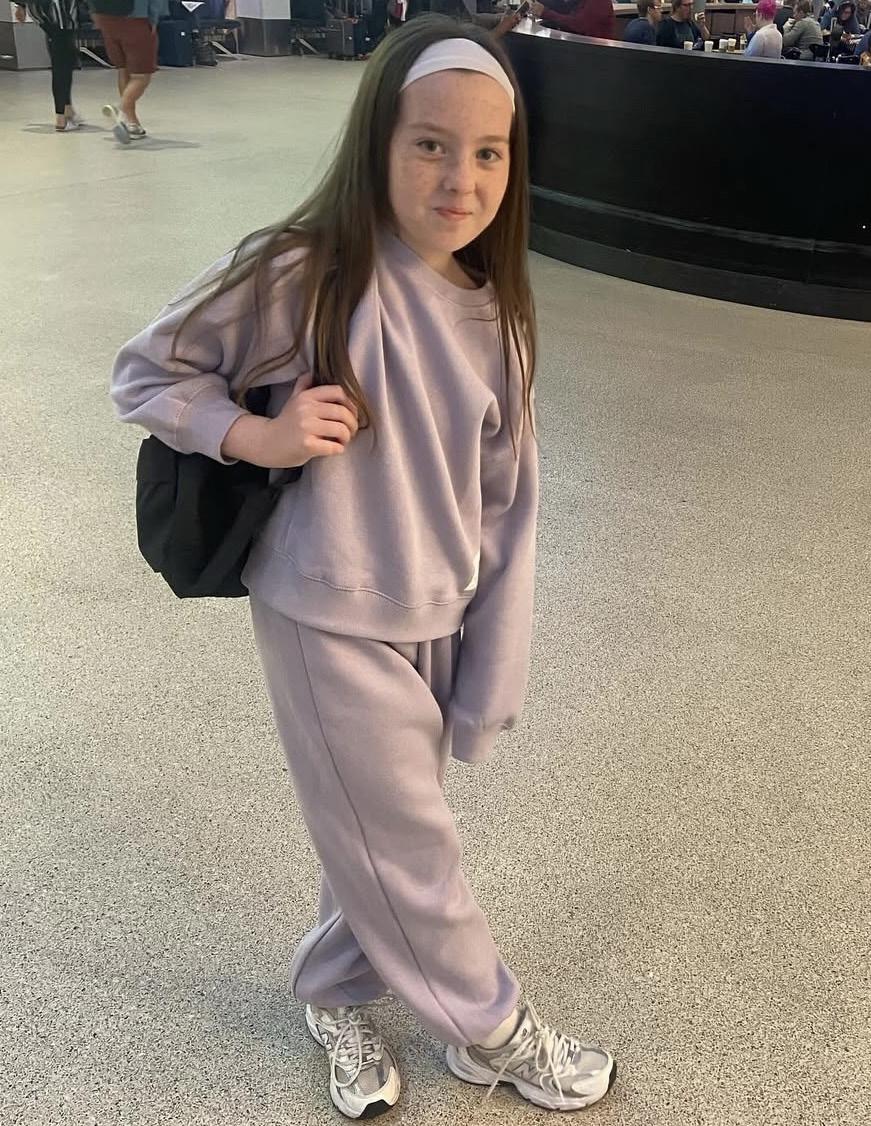
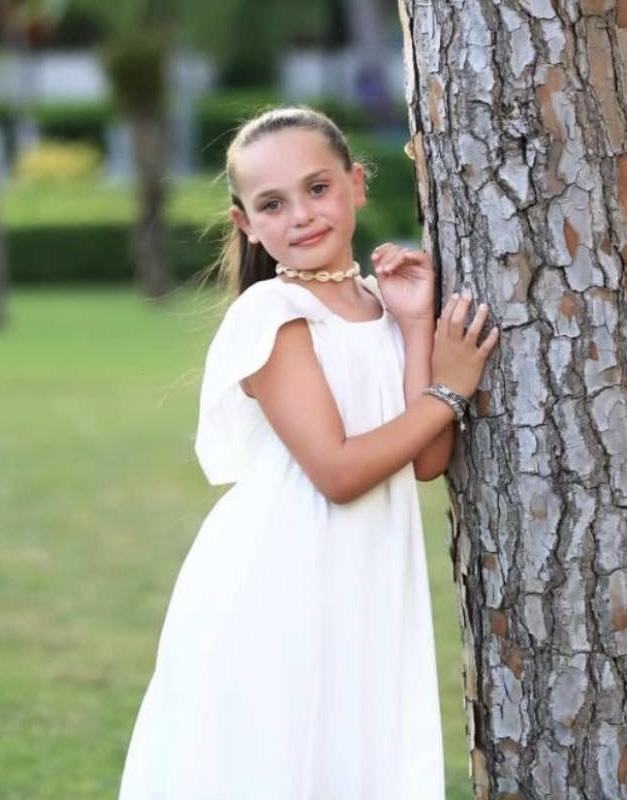
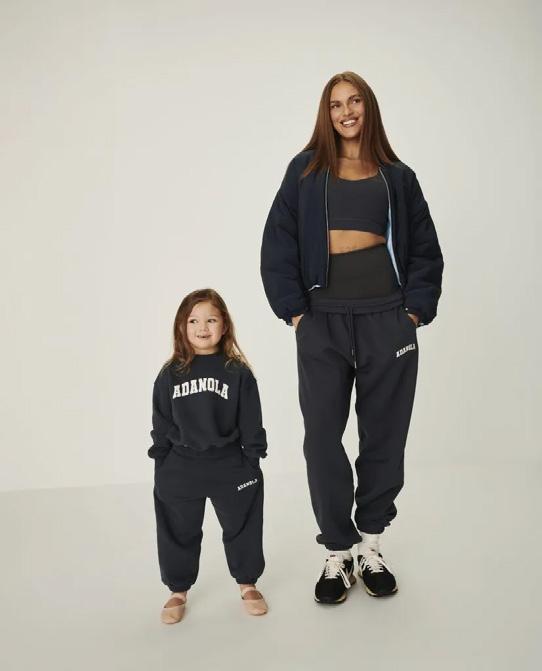
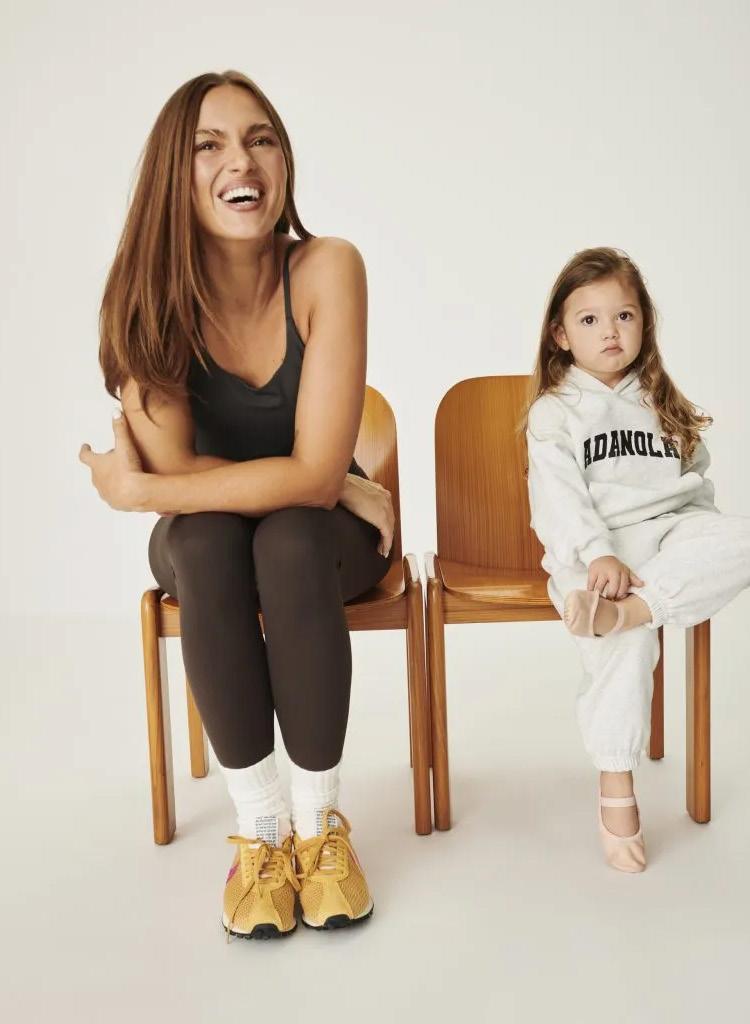
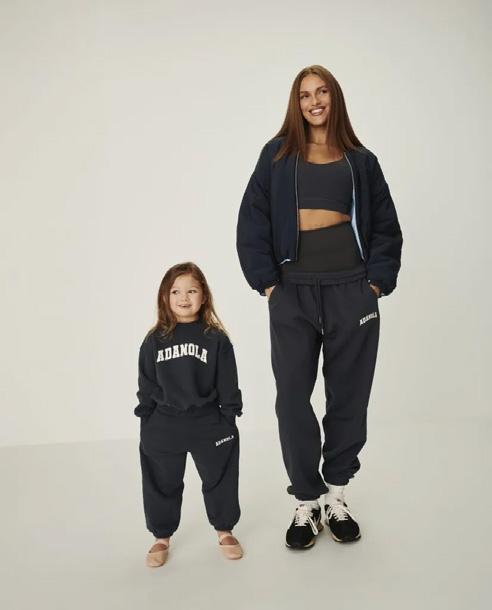
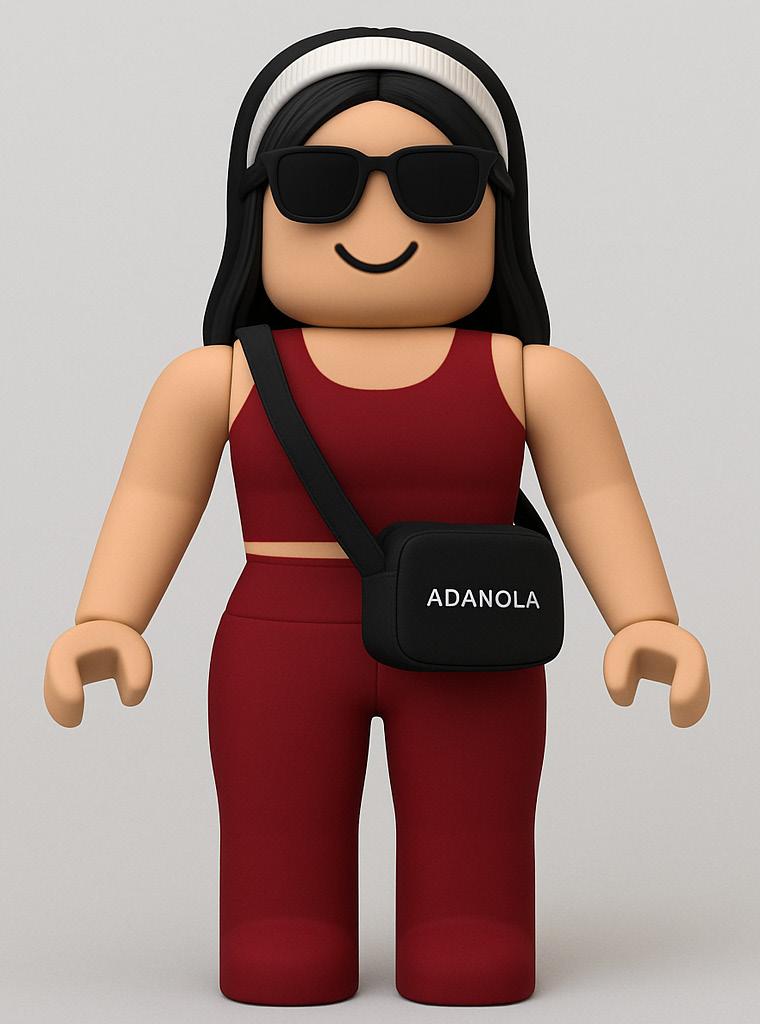
When researching into purchase patterns of Gen Alpha, and from my own interviews, lots of younger individuals are highly influenced by who they see on social media, or what their older sibling is wearing. They tend to copy those they look up to and admire and want to dress like them. For example, Lila’s style of comfort, wearing brands like Lululemon and Adanola, comes from what she sees her older sister Lottie and her friends wearing.
Lots of Gen Alphas spending is mostly on online gaming such as Fortnite, Roblox, Minecraft etc. Childrens birthday and christmas presents nowadays consist of PlayStations, Iphones and things like V-bucks or Robux, whereas when i was a child, i would recieve boardgames, dolls, different toys etc.
A very popular place where Gen Alpha enjoy to spend their money is TikTok Shop. Gen Alpha are influenced by their foryou page with links and selling livestreams where whatever they want is easy, accessible and cheap enough for them to buy. You can buy a range of different items on TikTok Shop from beauty to fashion, electronics and trinkets.



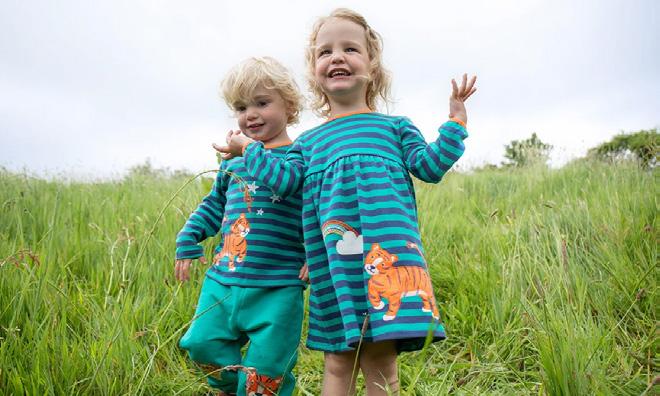
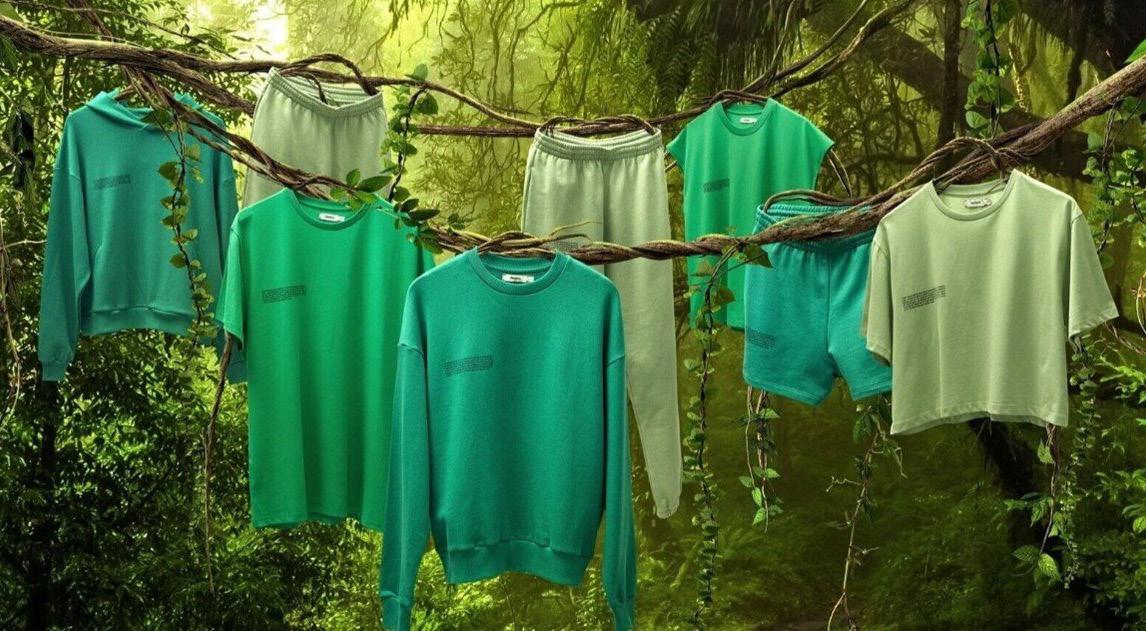
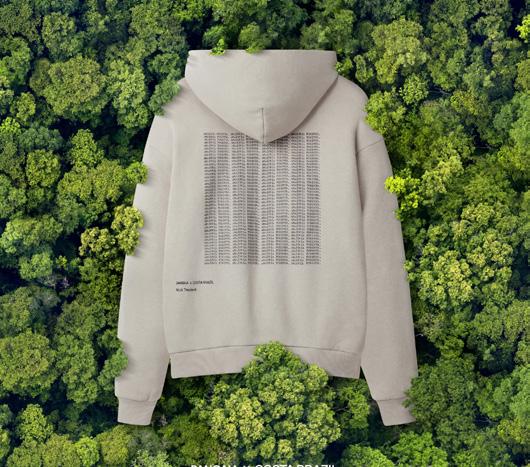
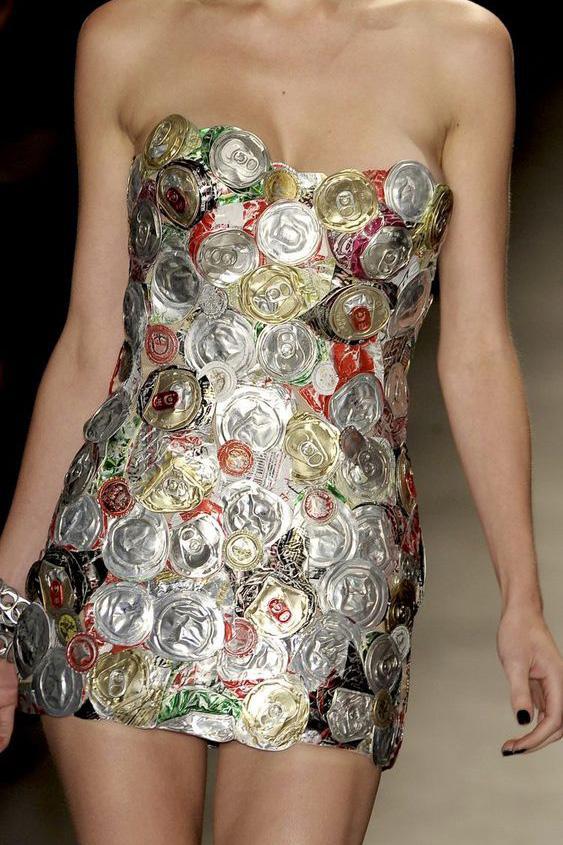
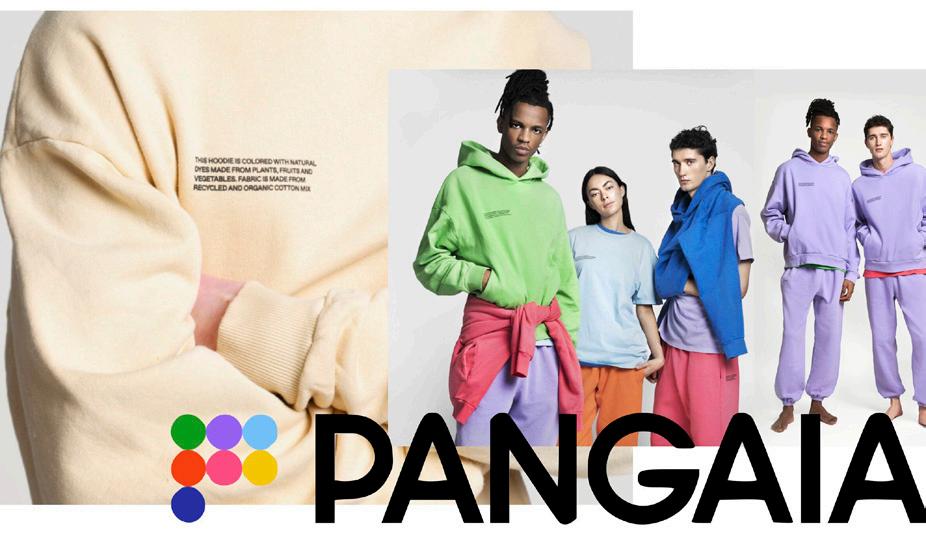
Lots of brands now are turning alot more sustainable online, in-store and overall. Brands such as Frugi and Pangaia use recycled materials and natural materials to create their clothes. Although some are not sustainable with the manufacturing process, brands such as Zara allow for you to bring in old delivery boxes to be recycled and reused for someone else’s order.
When interviewing Erin and Lila, they didn’t seem to care for sustainable brands or environmental causes and effects, due to the fact that they are uneducated. They knew what it meant to reuse and recycle but did not understand the extent of the effect it had on the world.
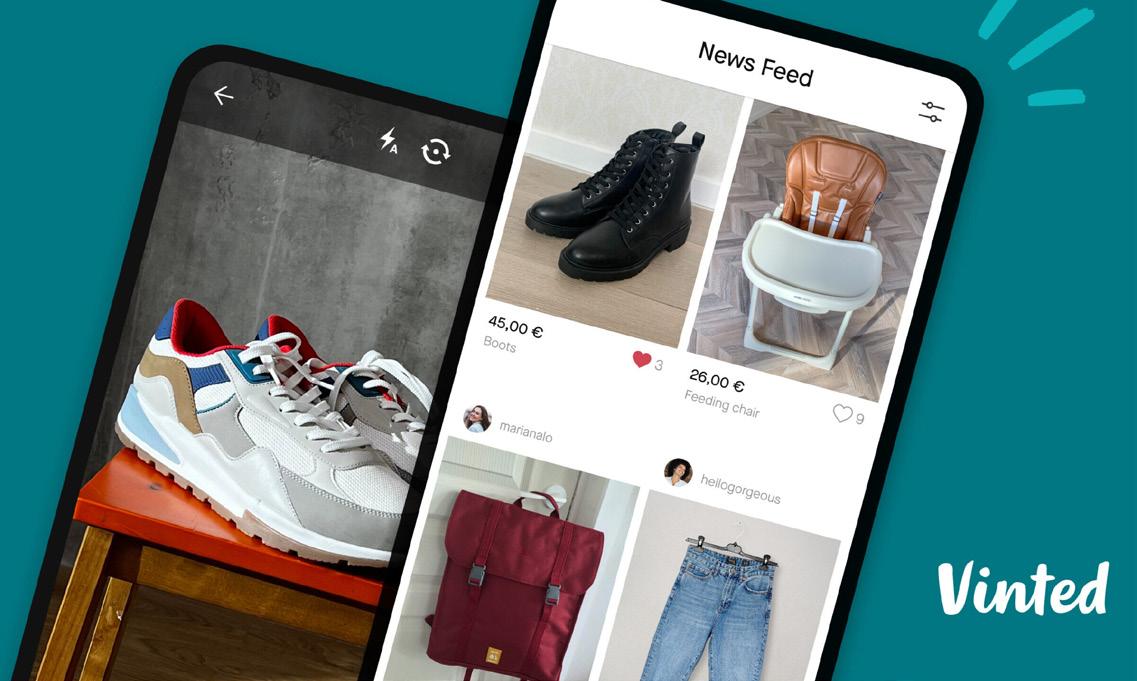
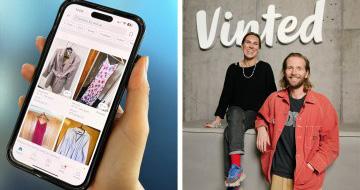
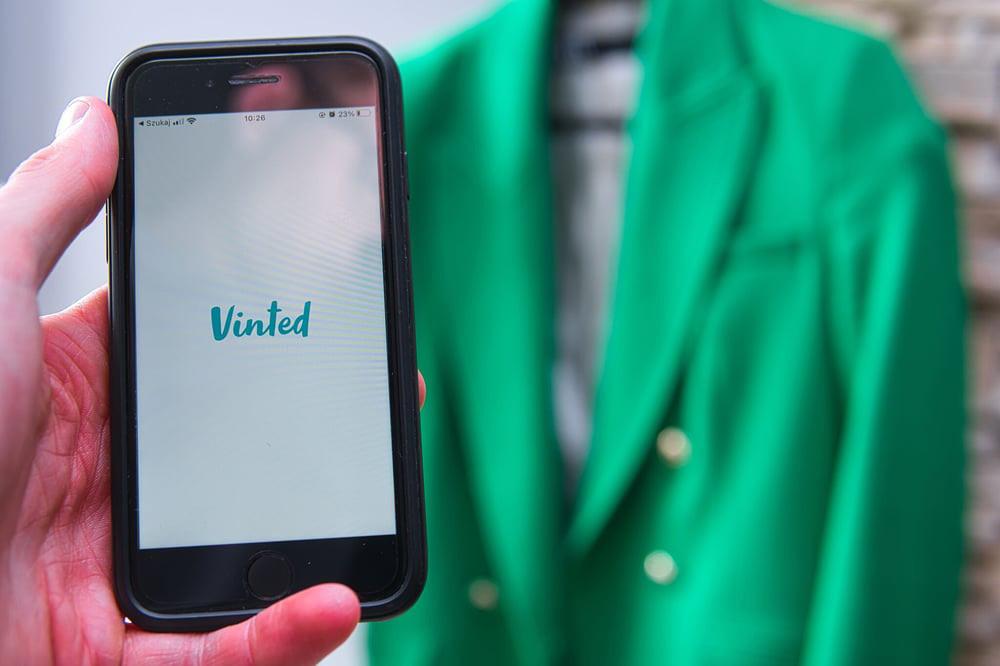
Society are promoting the use of pre-loved clothing such as buying and selling on apps like Vinted and Vestiare collective to reduce the waste and increase the longevity of items.
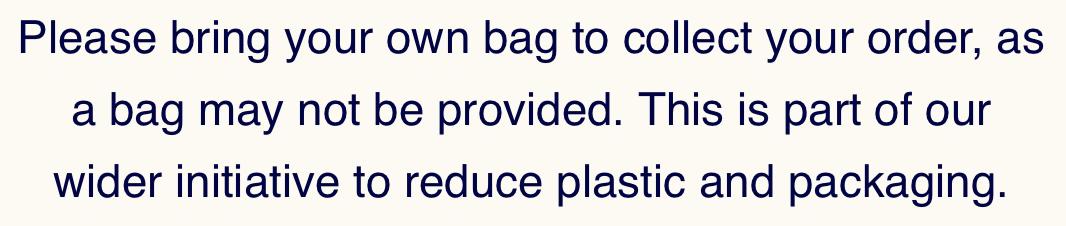
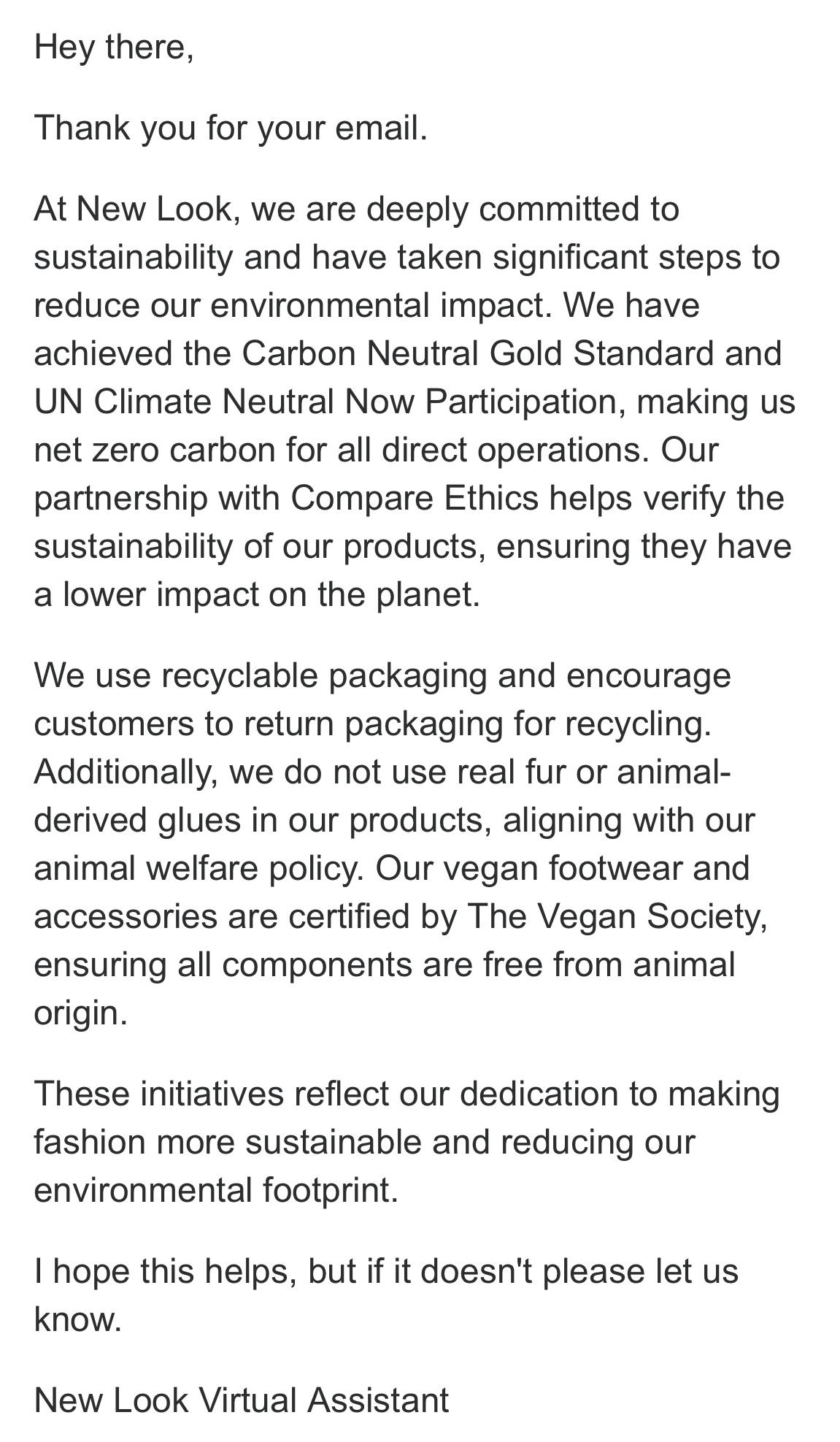
I recently found that New Look require you to bring your own bag when collecting an online order to reduce the usage and waste of bags.
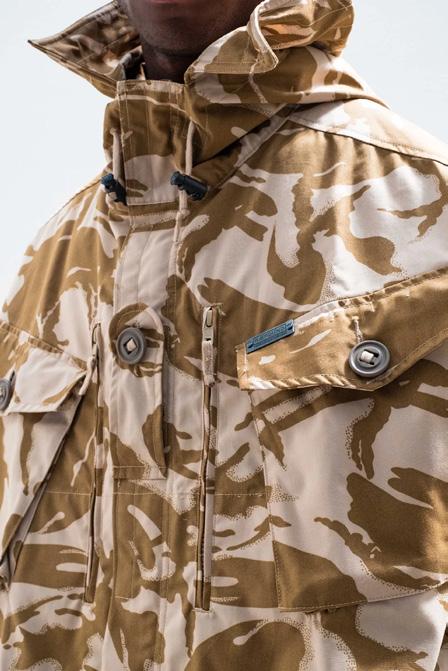
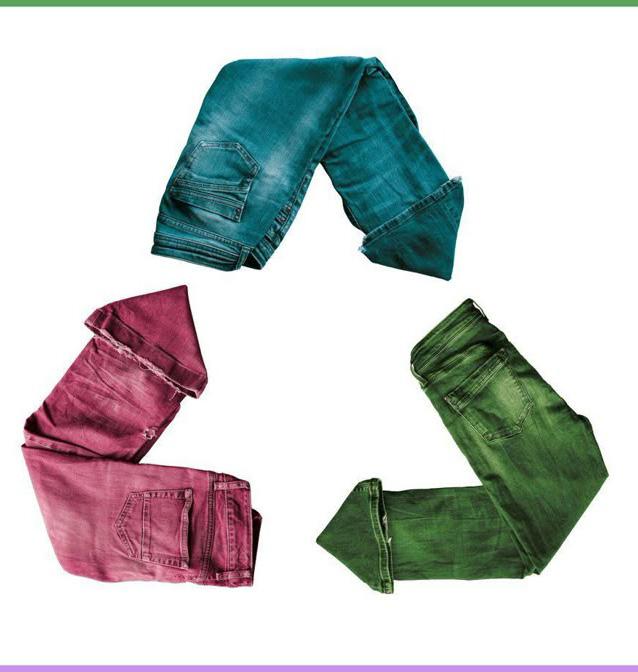
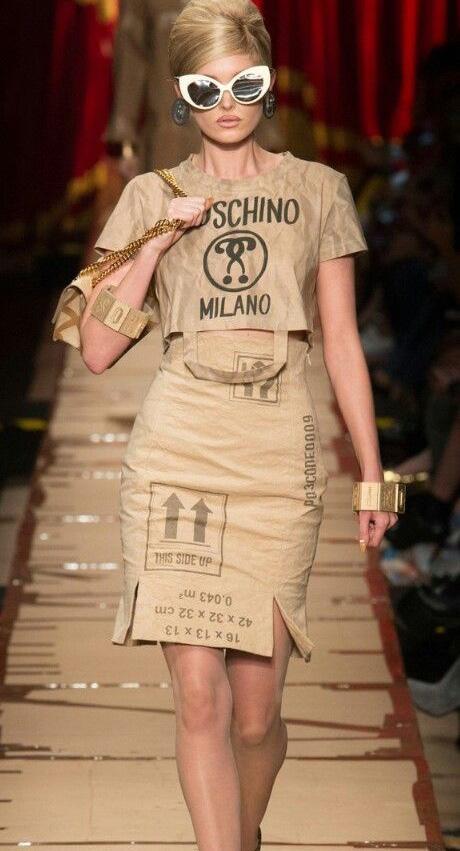
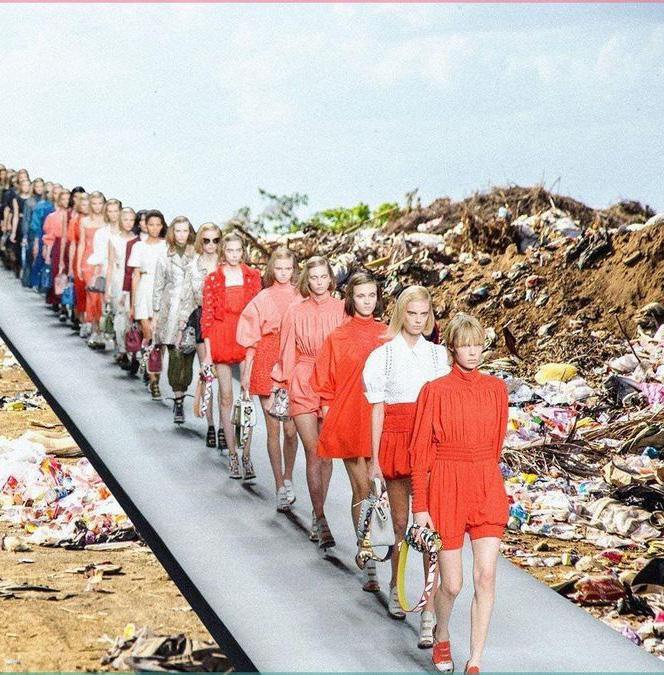
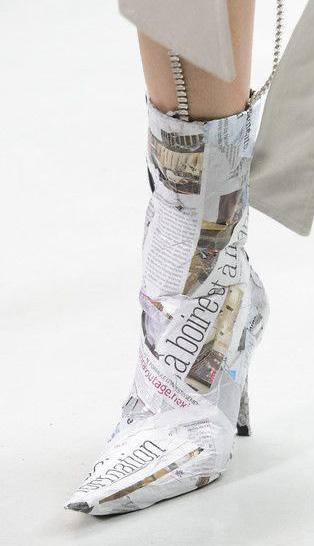
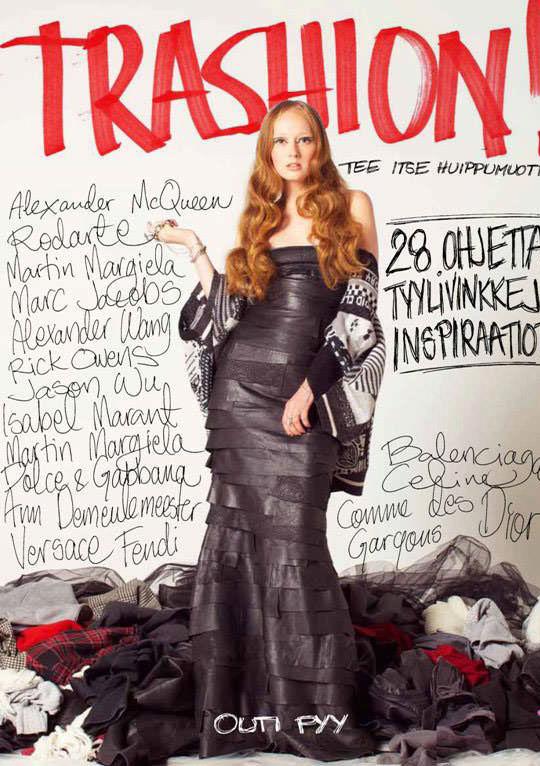
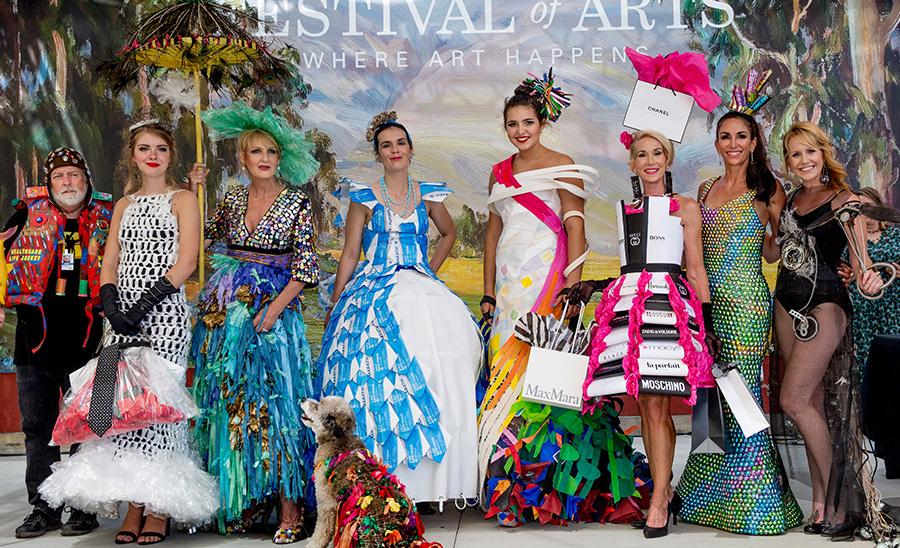
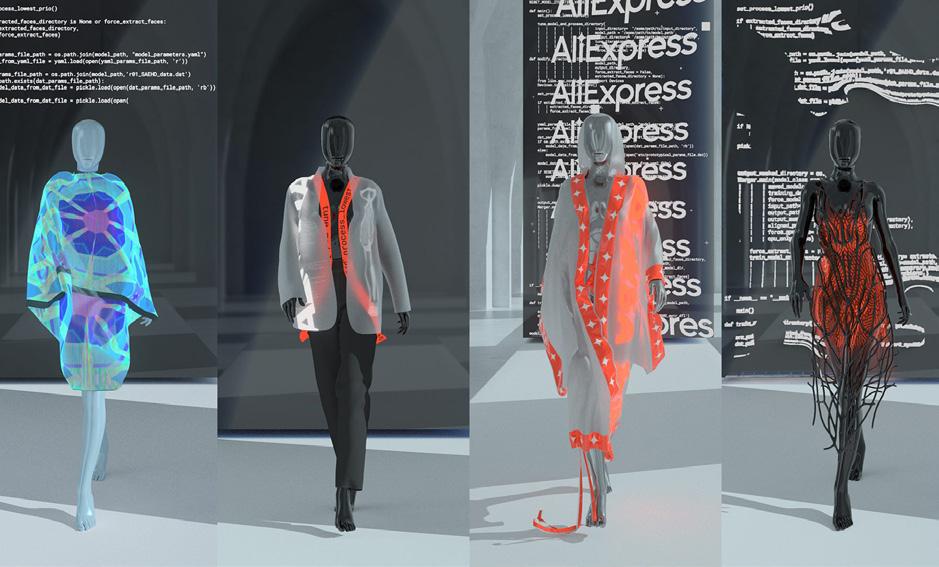
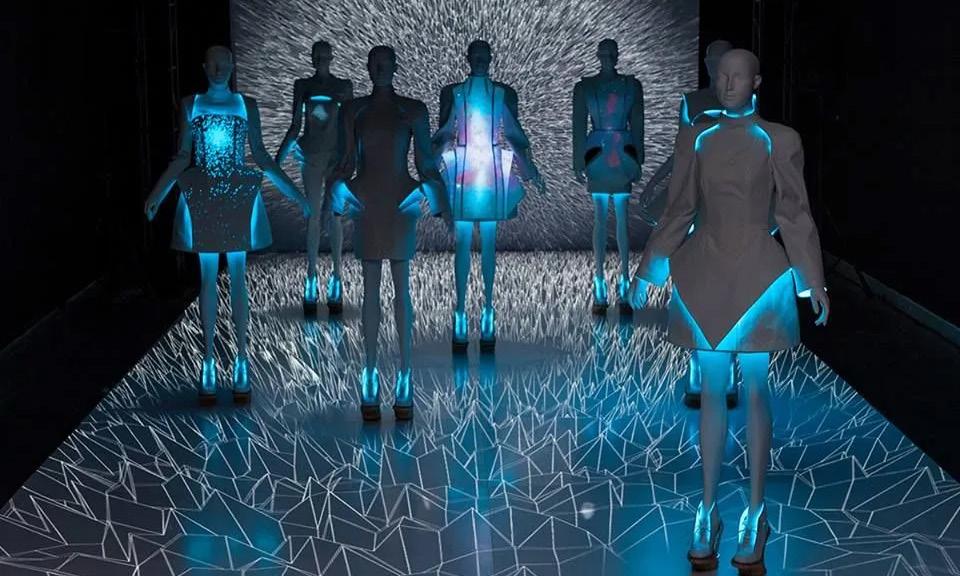
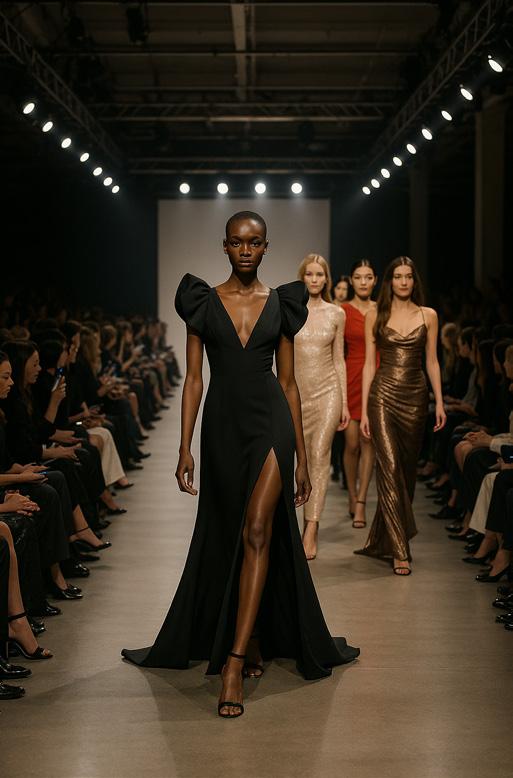
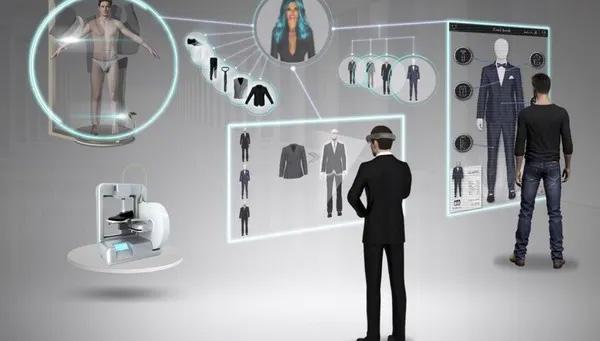
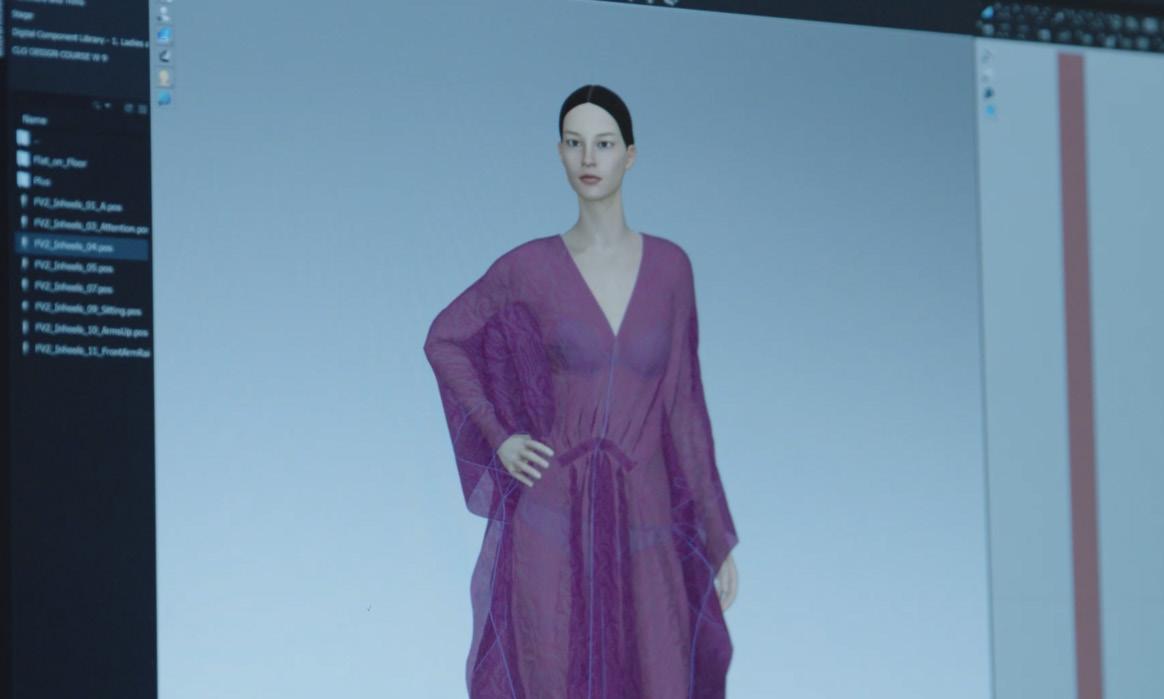
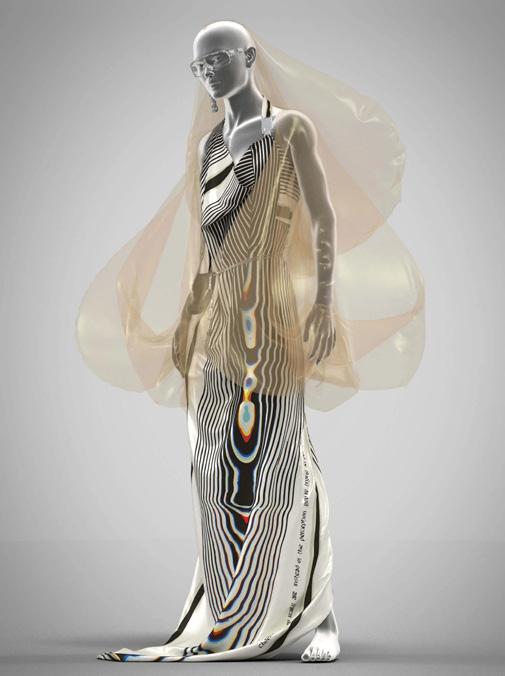
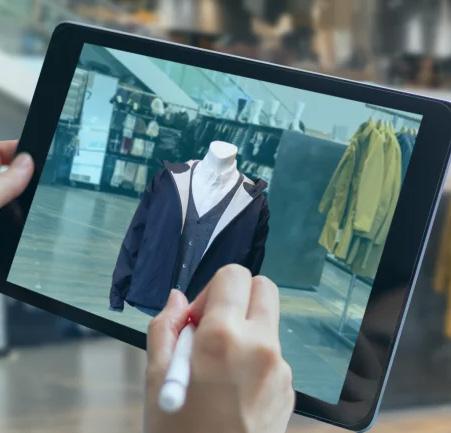
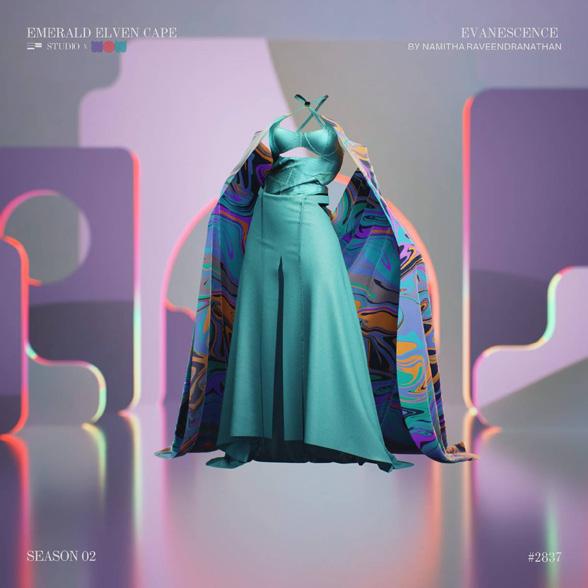
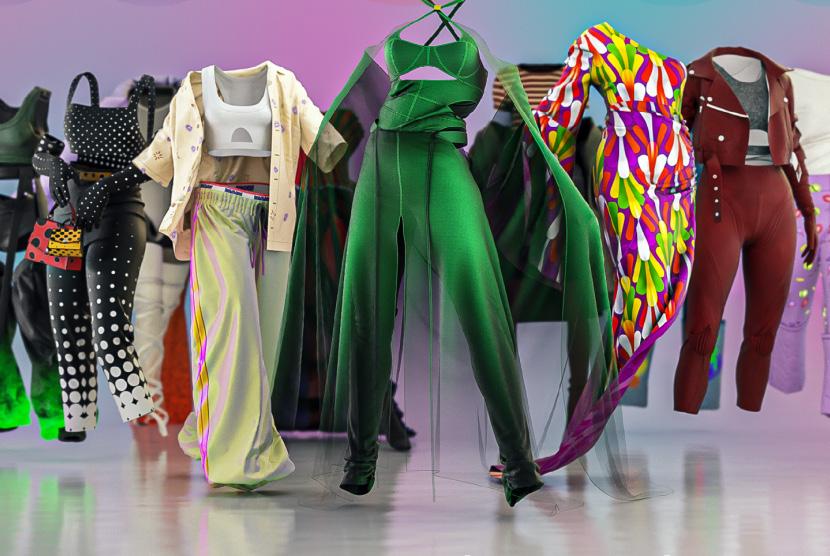
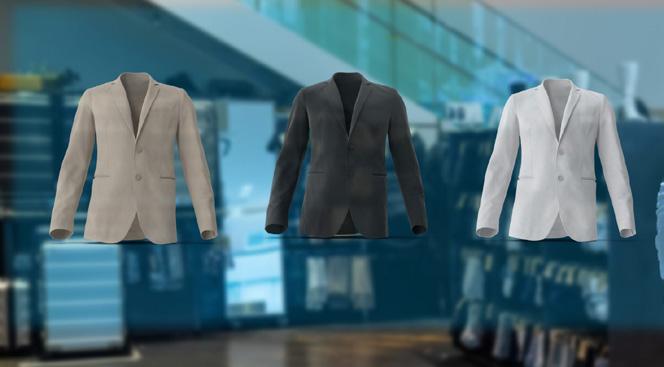
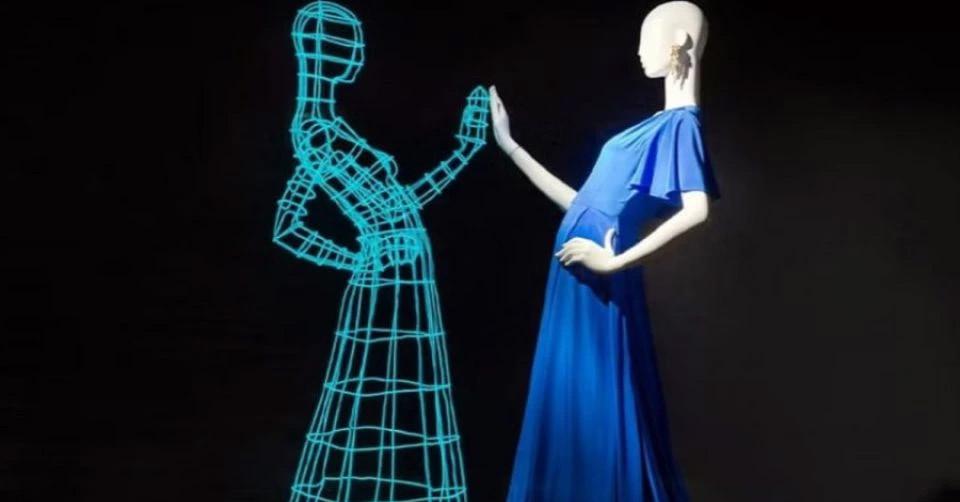
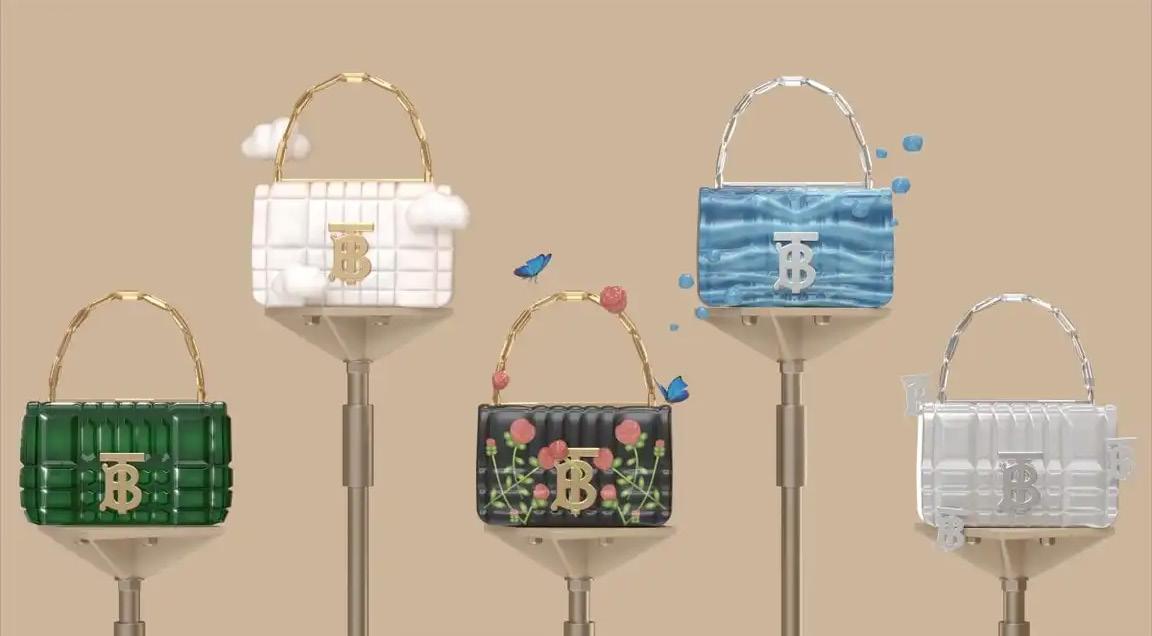
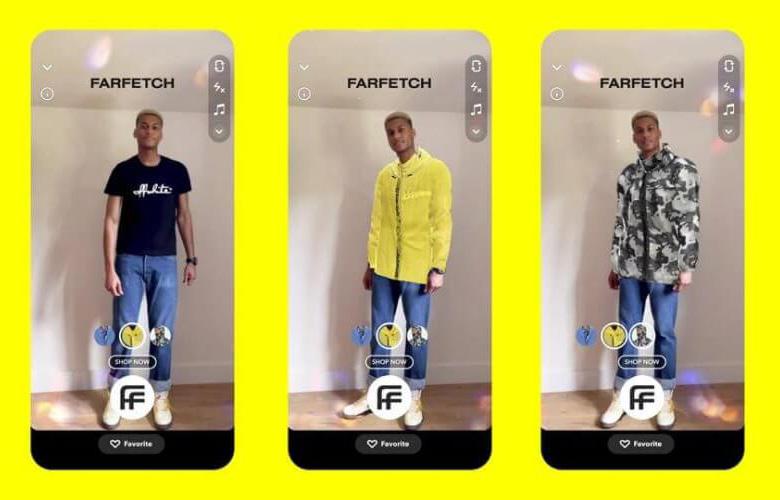
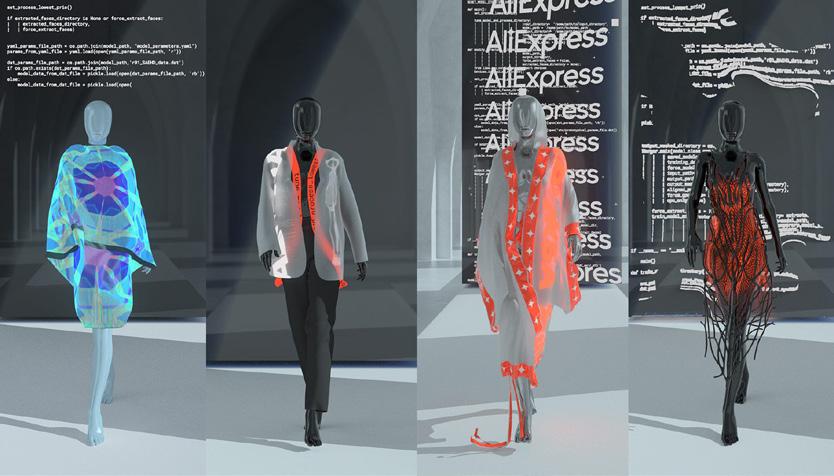
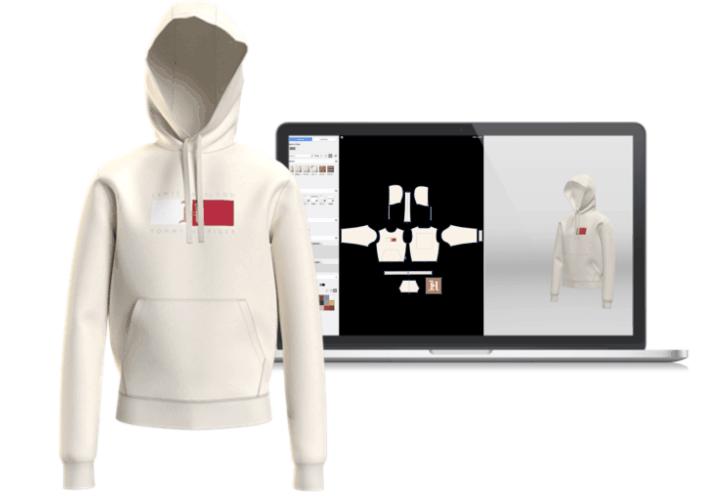
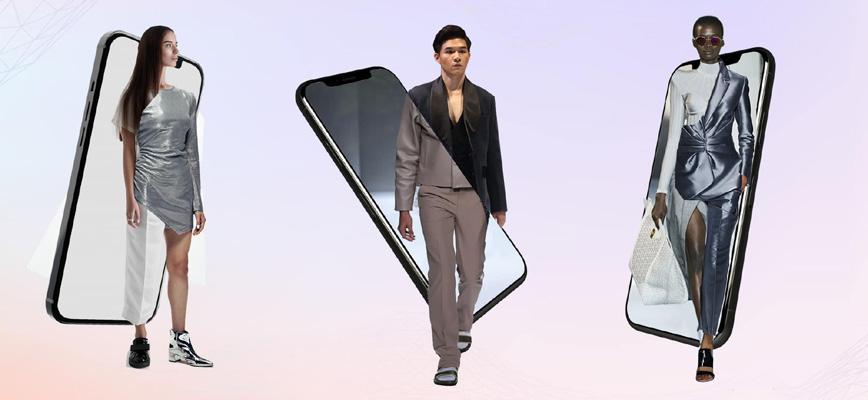
The fashion industry is attempting to increase sustainability with the use of technology. Using smart technology like 3D printing and virtual try ons and fashion shows reduces textile waste and carbon emmissions put into the earth fron factors like travelling to stores and transporting items etc.
Due to the increase in the usage of technology, i feel like this is something all brands may start to be a part of in the future, and if the knowledge of sustainability for gen alpha widens, they will be come activists for technological fashion aswell.
Gen Alpha are very aware of the popular brands today, as seen in my interviews, mostly from social media coverage of these brands e.g. ads, influencers, peers, and these brands marketing to the younger consumer.
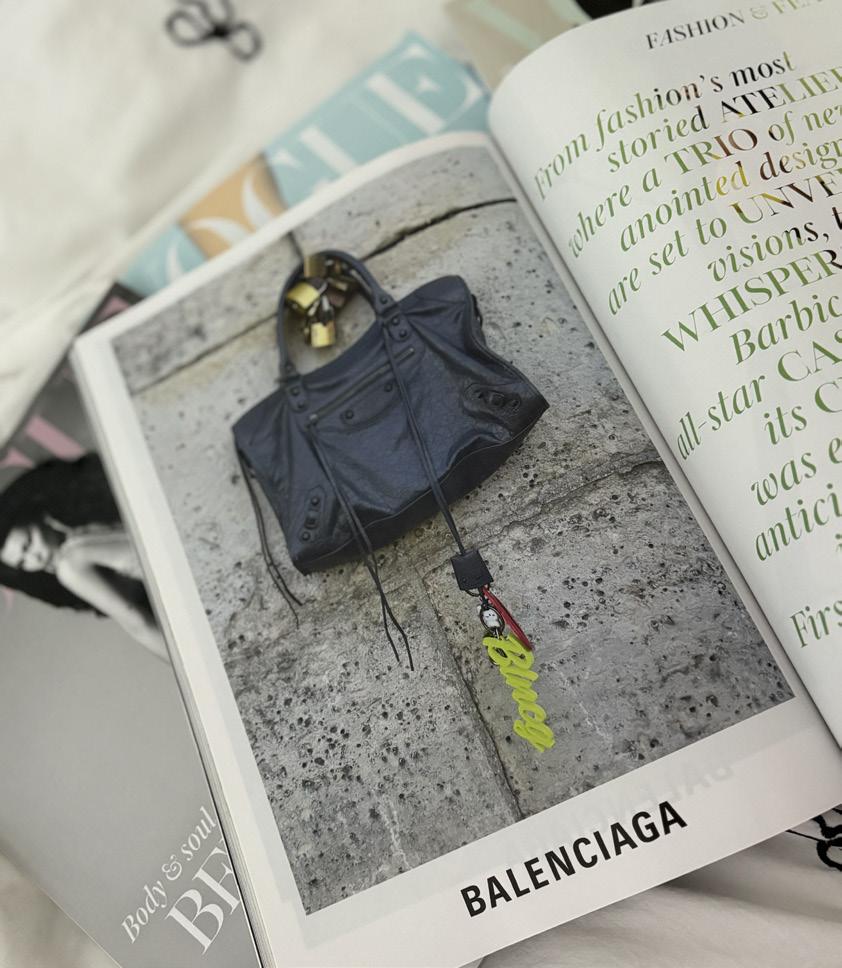
For example, Balenciaga X Fortnite. Balenciage collaborated with popular video game Fortnite to engage with a younger audience. They created a game within Fortnite dedicated to Balenciage, and a clothing line for the collaboration.
I think most brands will continue to participate in collaborations like this and different ways to market to Gen Alpha and embrace personalisation for consumers.
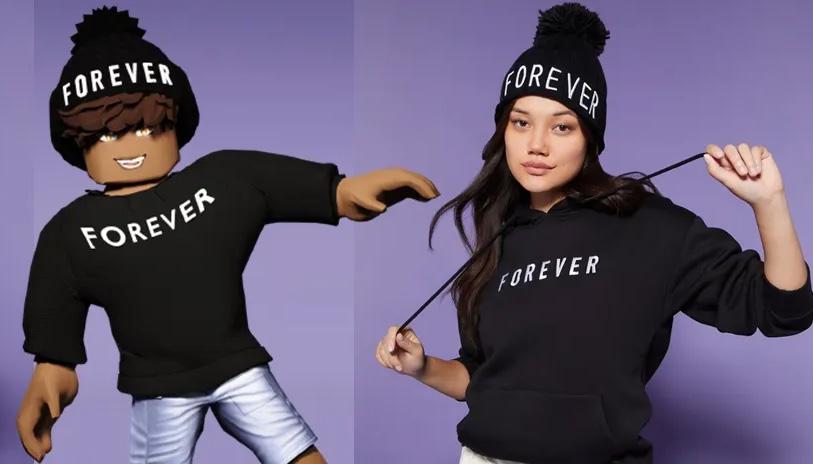
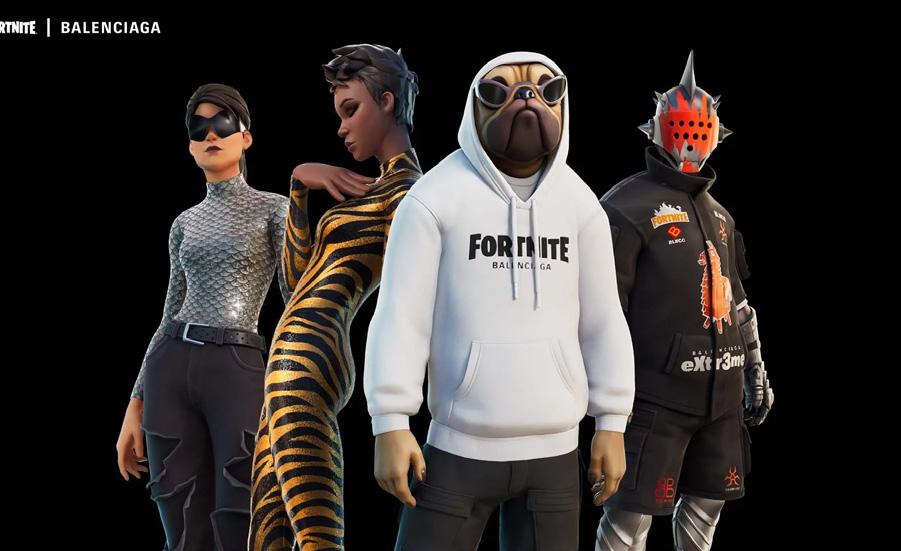
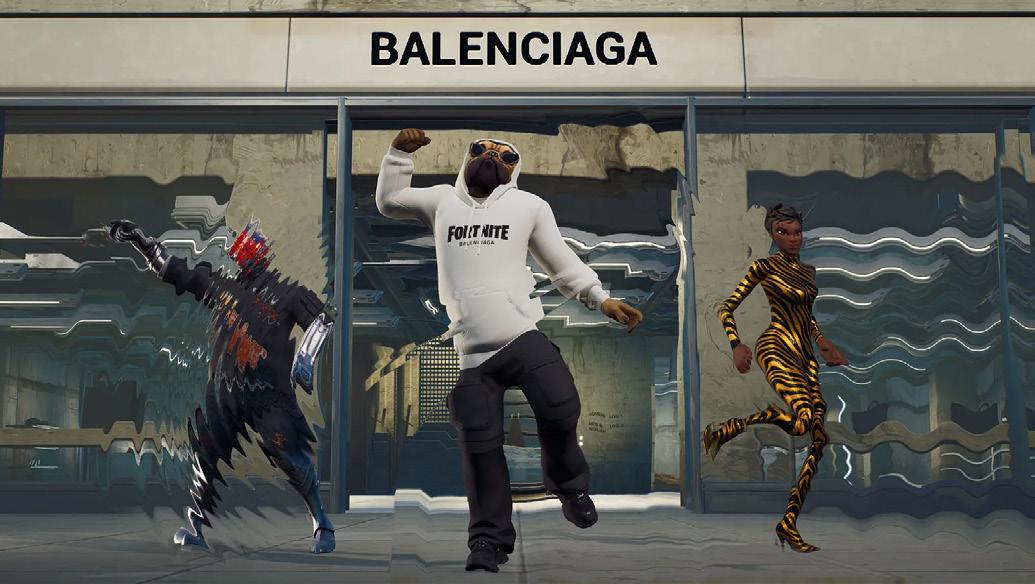
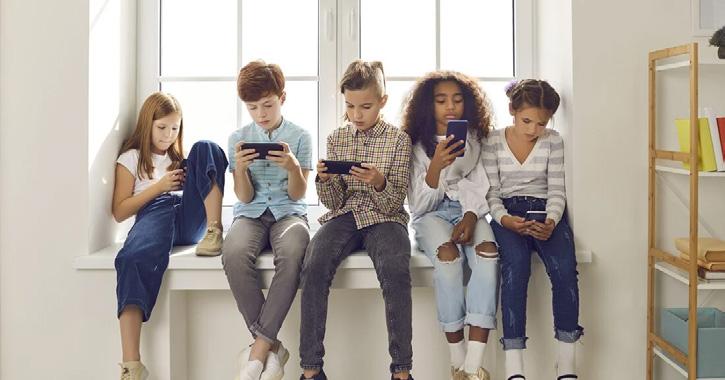
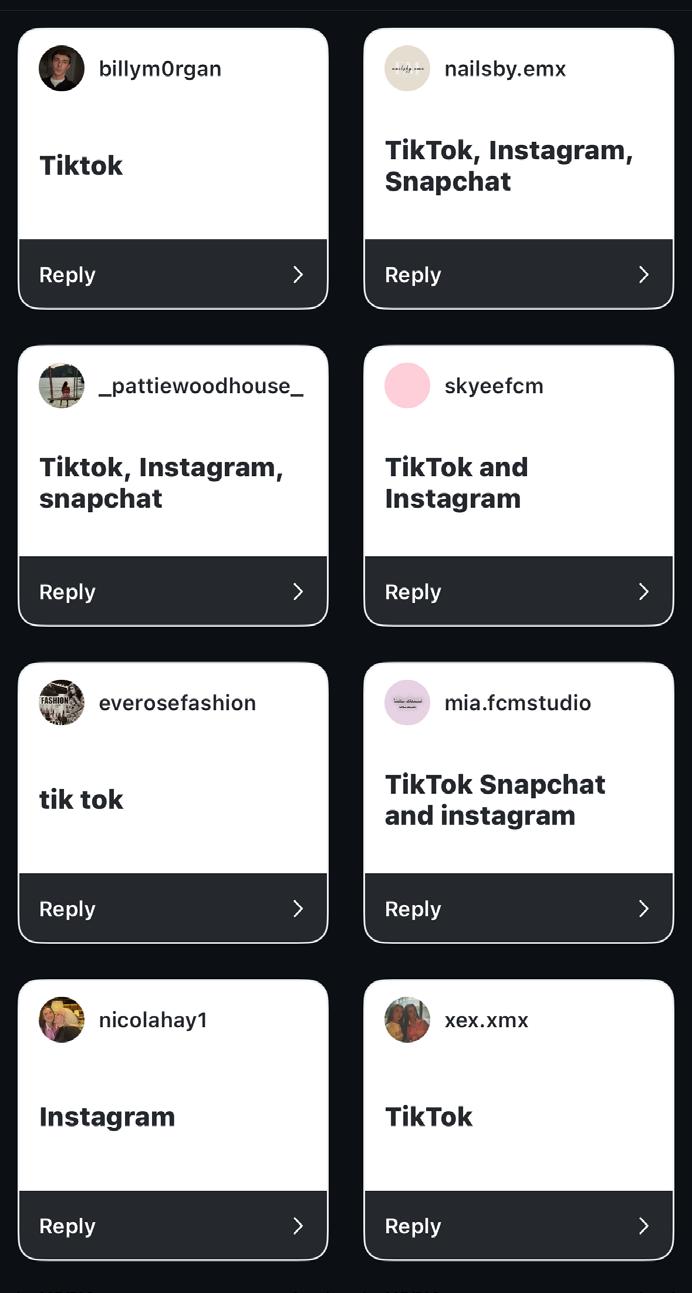
Social media is bigger than ever in the lives of Gen Alpha. We as Gen Z were introduced to social media from a young age, howeve gen alpha were born with it and are using it from the age of 3. They use platforms like TikTok, Instagram, Snapchat and these are where they interact most with their friends, do their research and learning and gain all of their fashion and beauty inspo. Gen Alpha put lots of trust in the influencers they watch on these apps which has led to the brand-obsessed culture.
Due to the extensive use of social media, gen alpha have a low attention span due to the short videos they are constantly watching online, this can have an affect on their education and peer interactions as they may not be able to sit and listen to their teacher or do social activities like attending the cinema.
I think that social media can be a positive thing for gen alpha as it is a platform which can be used for multiple different sources of education. However, it is the main cause of self-esteem and mental health issues in young children and can have a negative affect on their lives and well-being.





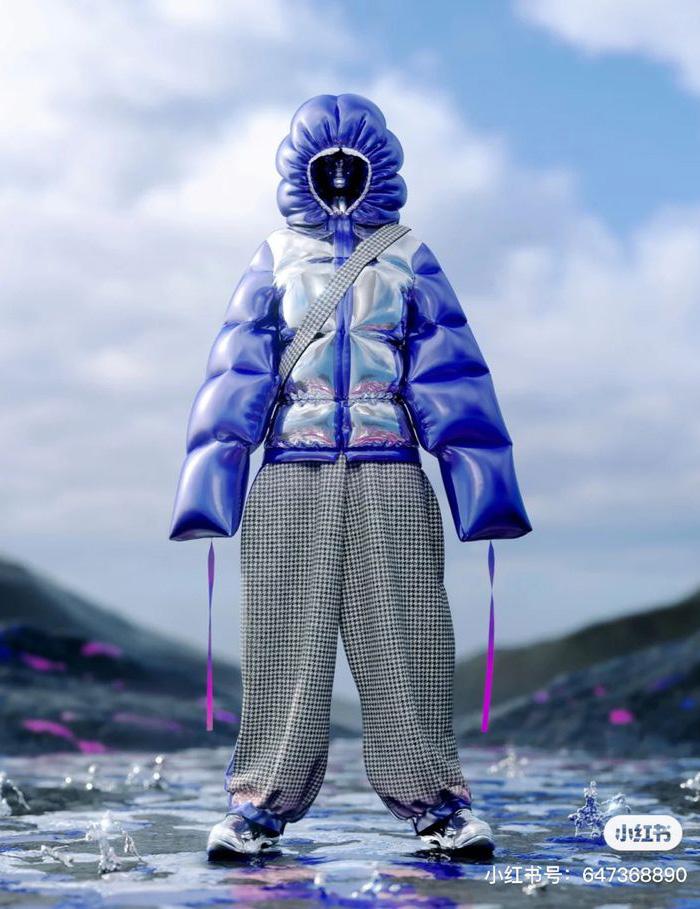
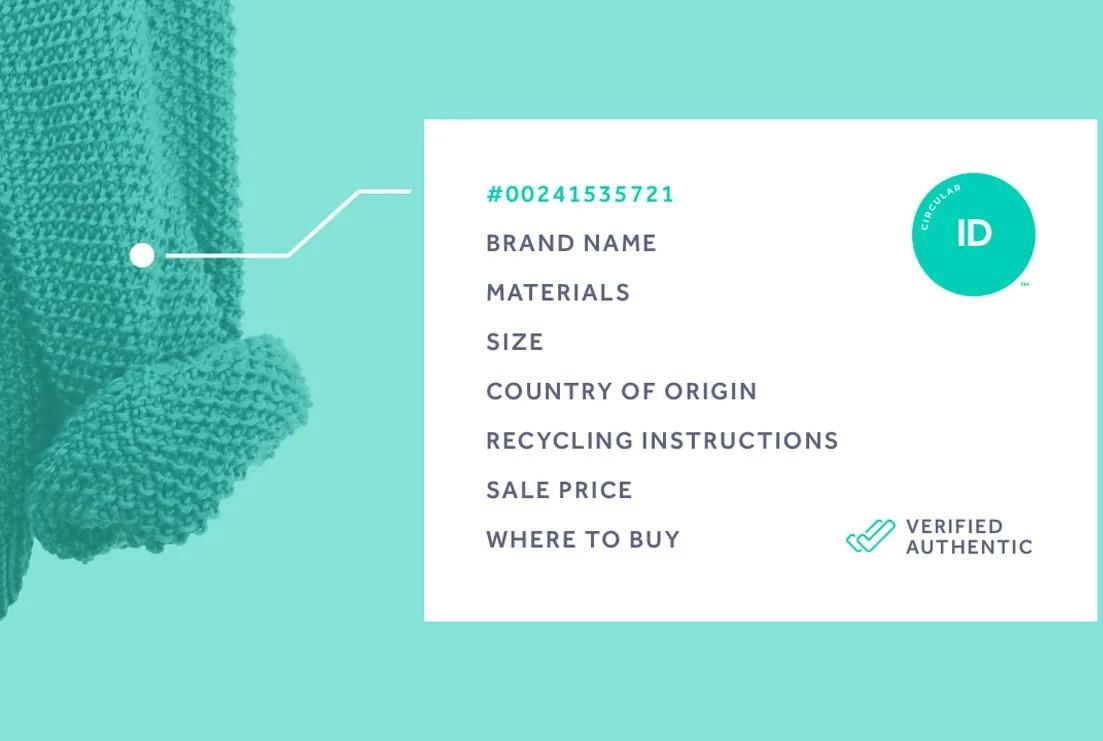
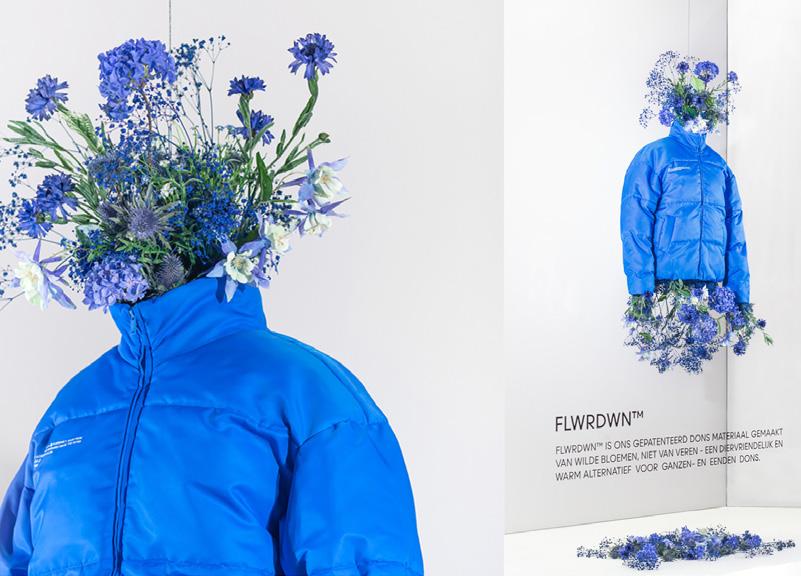
I looked into trend forecasting for 2030 and 2040, predictions are mostly centered around sustainability and technology for the future and a merge of the two. For example, virtual try-ons and fashion shows, digital IDs on garments and further popularity for thrifting, using recycyled fabrics and natural dyes for clothing.
Sustainability is a big motivator now in the fashion industry and i think come 2030/40 most-all brands will be participating in sustainable manufacturing for their garments. Especially with Gen Aplha being more educated on this, they will become advocates and maybe not shop at fast fashion and unsustainable brands.
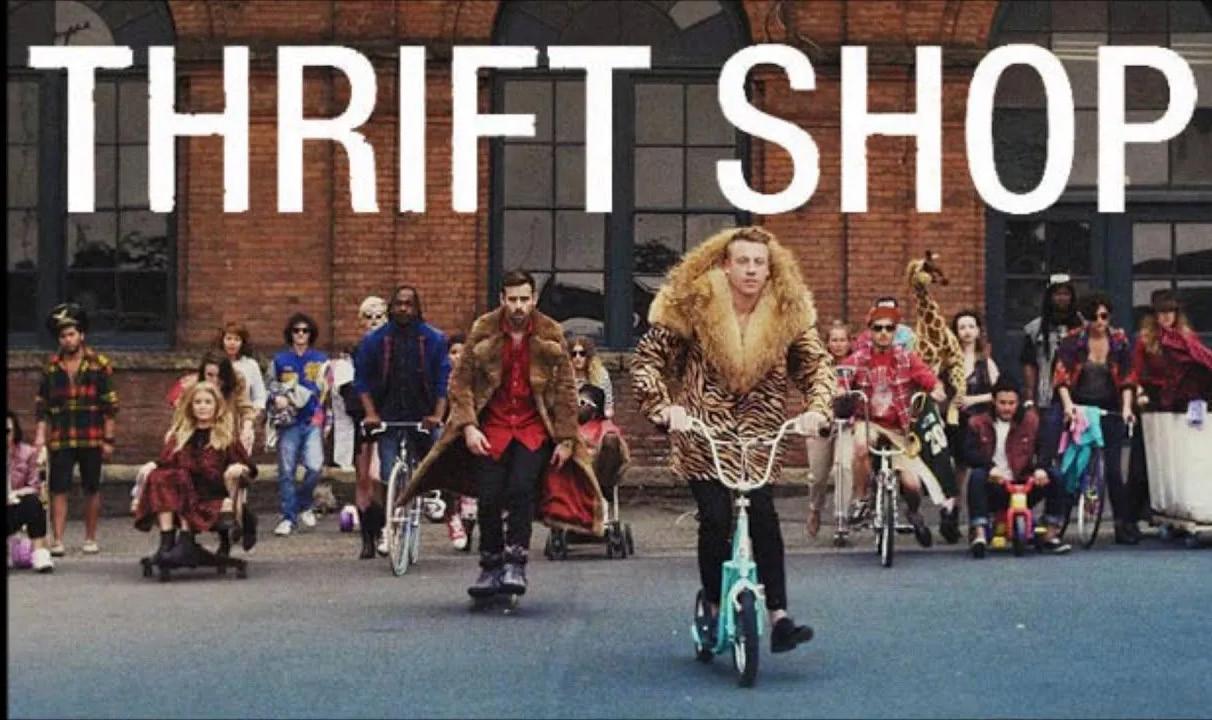
Trends from the past are often linked to nostalgia and emotional connections. For example, kidult, a playful, nostalgic trend, deeply rooted in escaping from cultural anxiety and pressures. It reflects a craving for innocence in a complex world, but also signals changing ideas of what adulthood should look like. It is not for everyone and can be dismissed as unserious or juvenile.


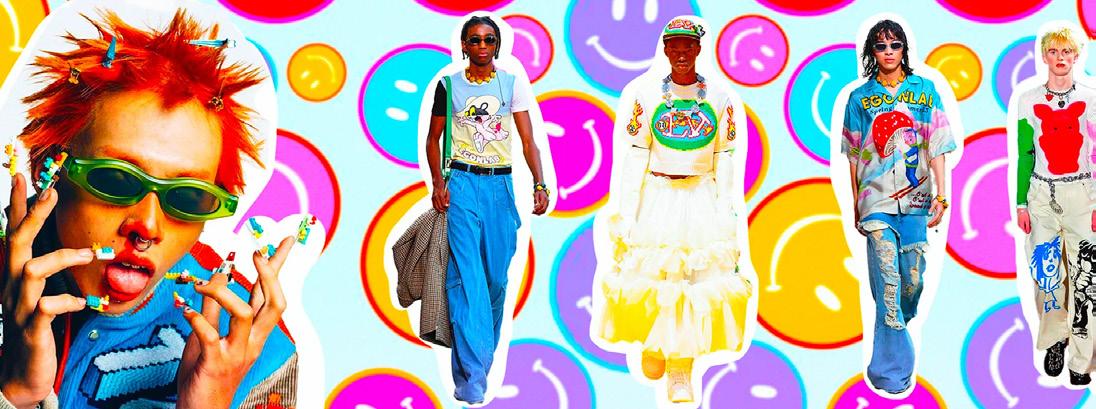
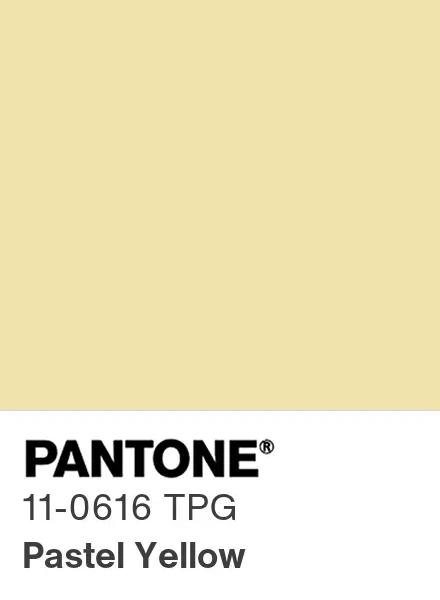
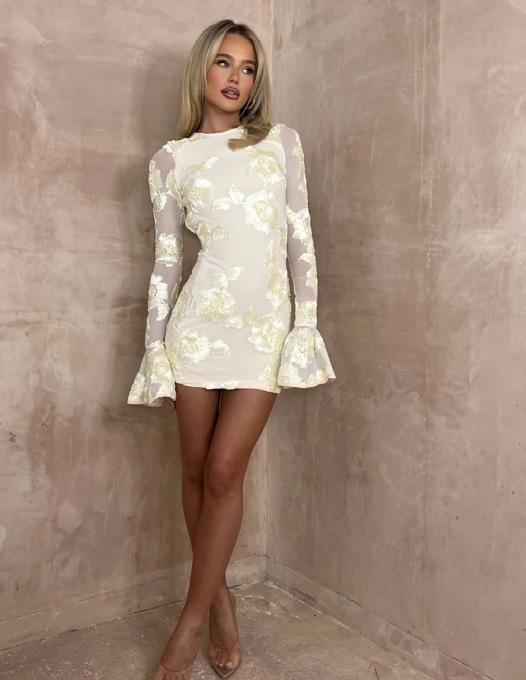
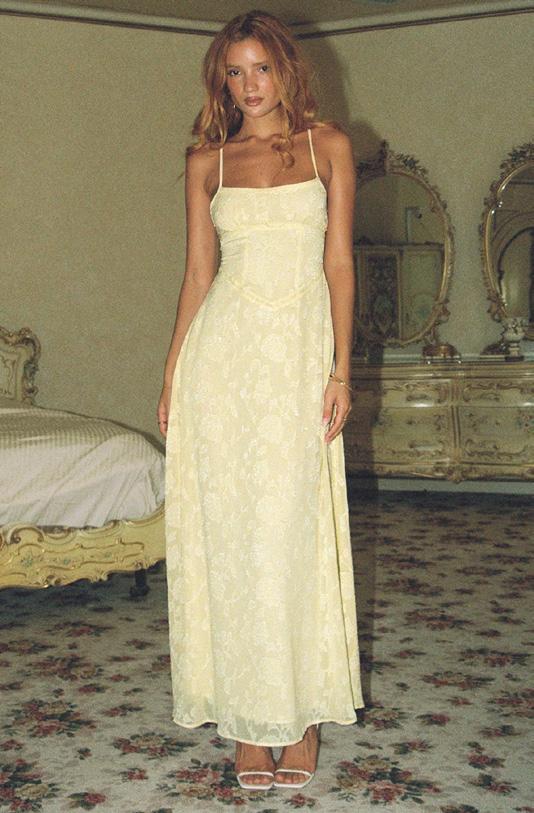
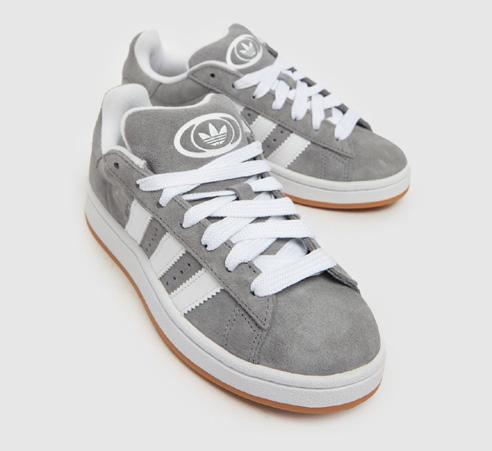
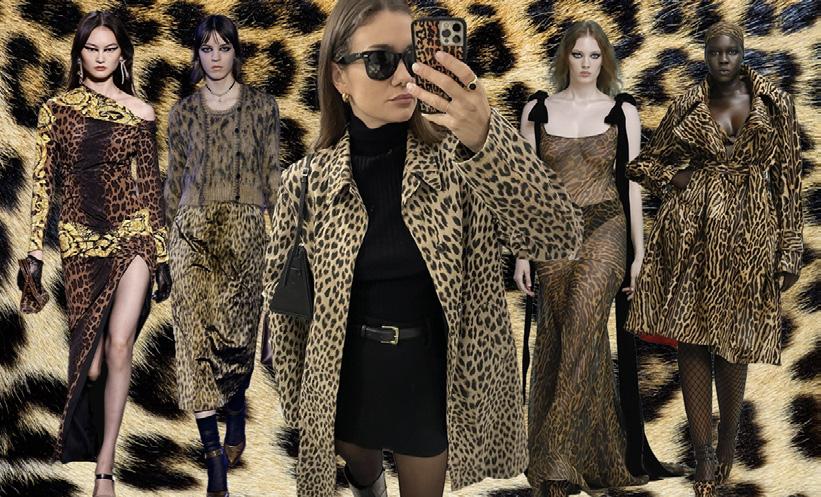
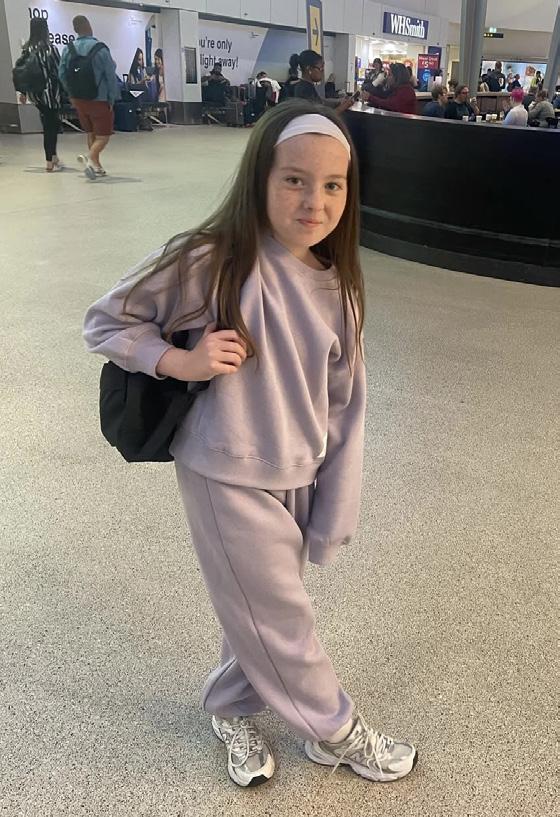
Lots of past trends are resurging and becoming more popular such as Adidas Campus/Sambas, animal prints etc. When doing my interviews, both Erin and Lila were wearing Adidas Campus in grey, a popular shoe for Gen Alpha.
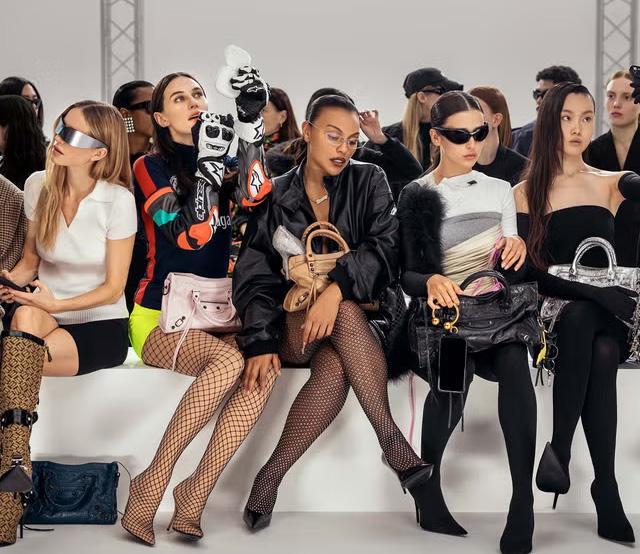
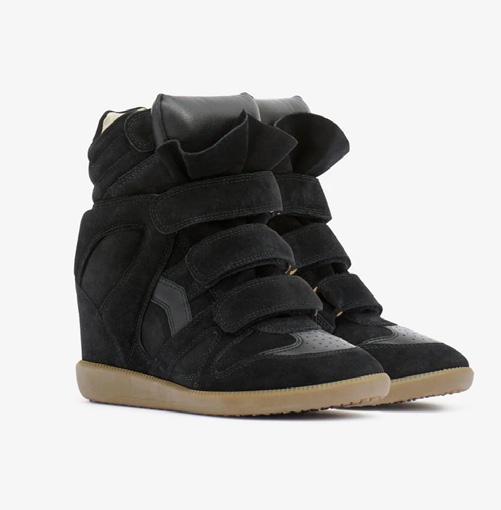
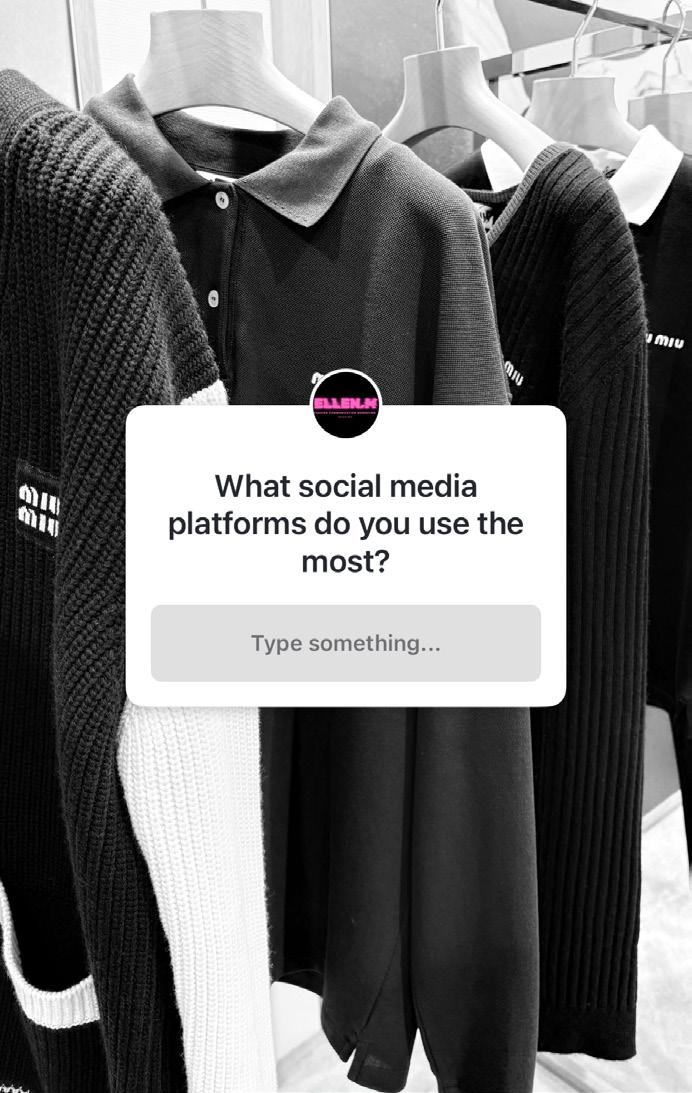
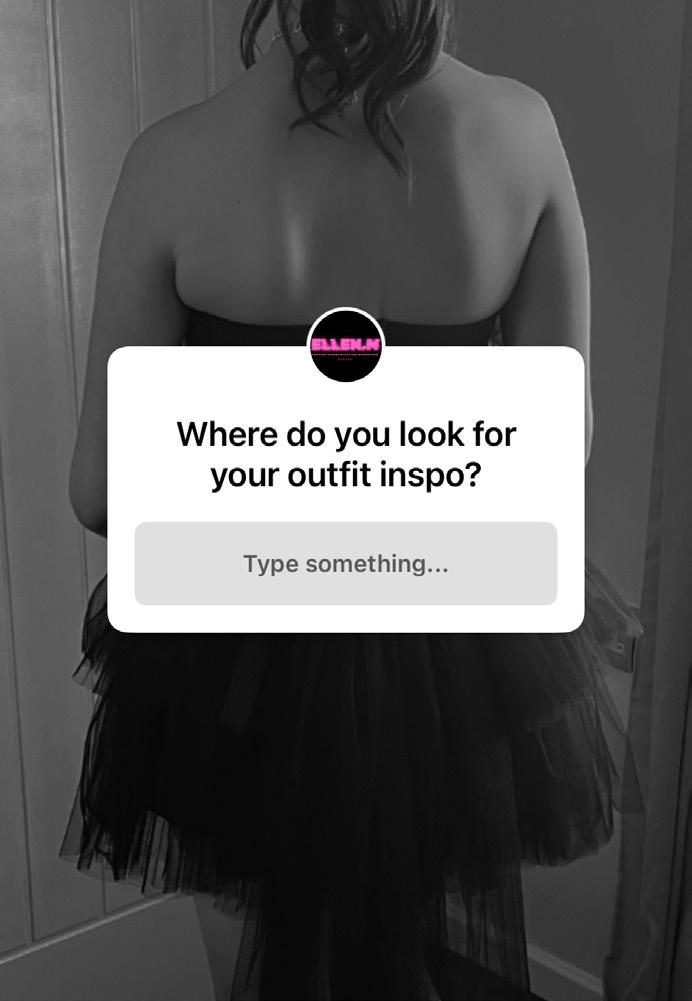
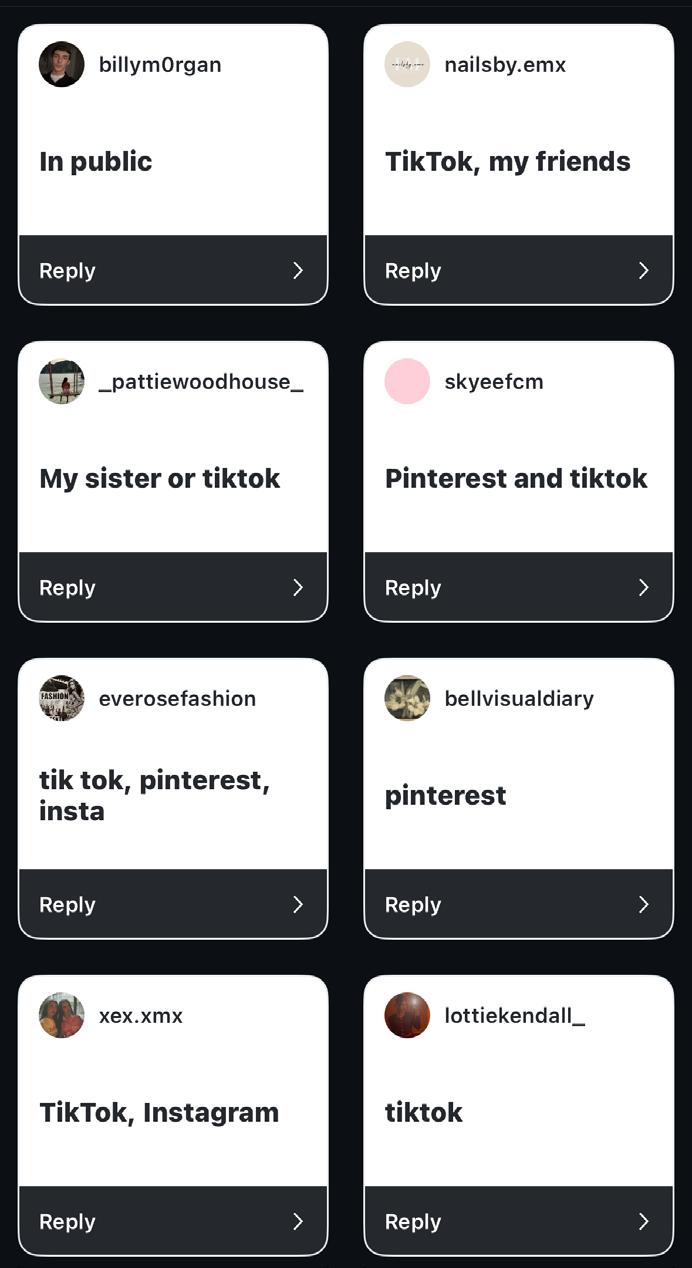
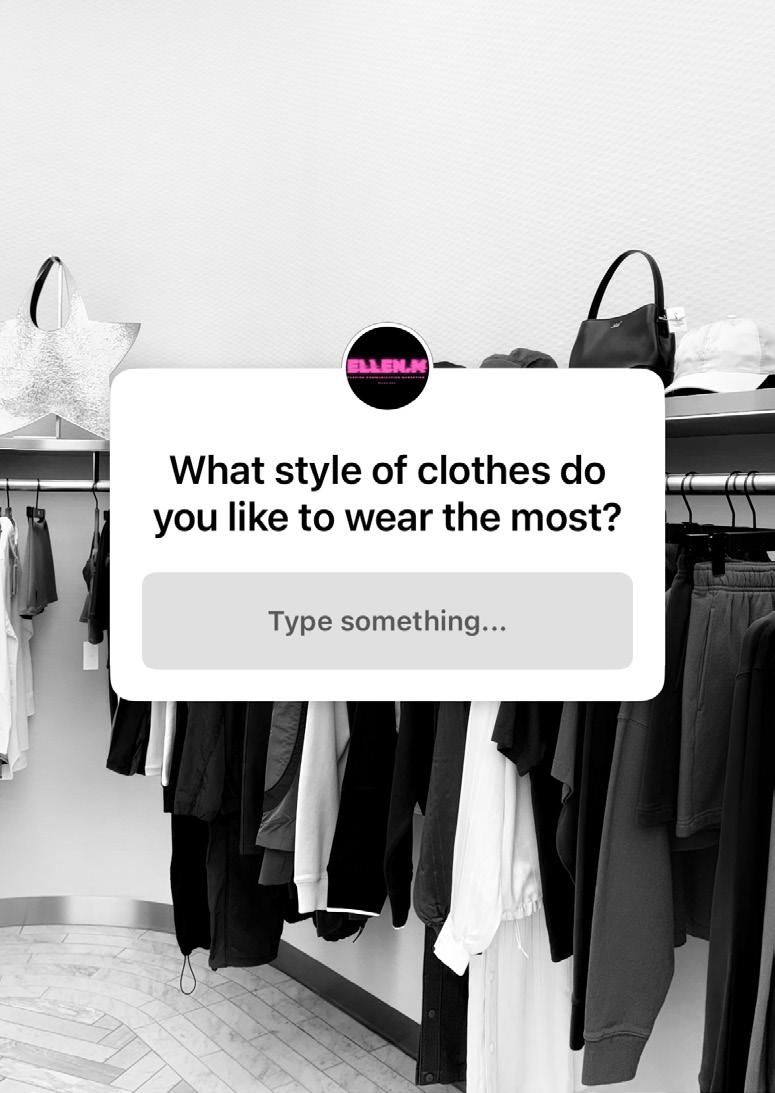
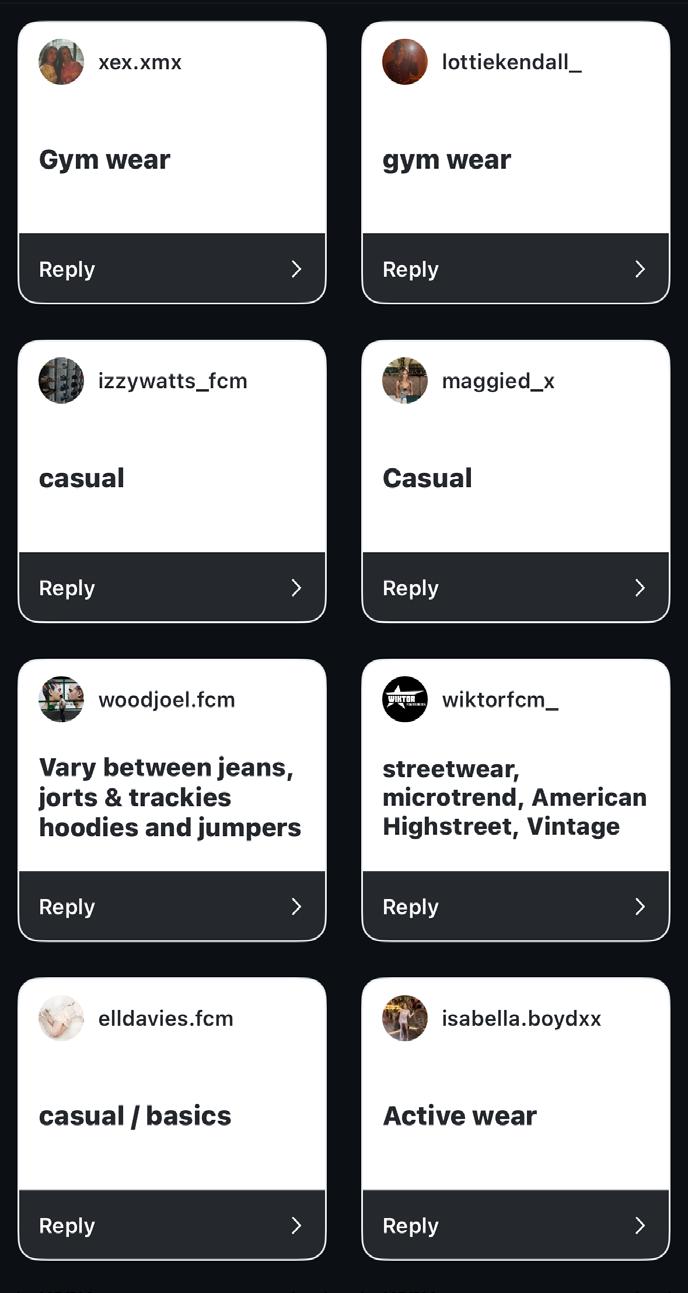
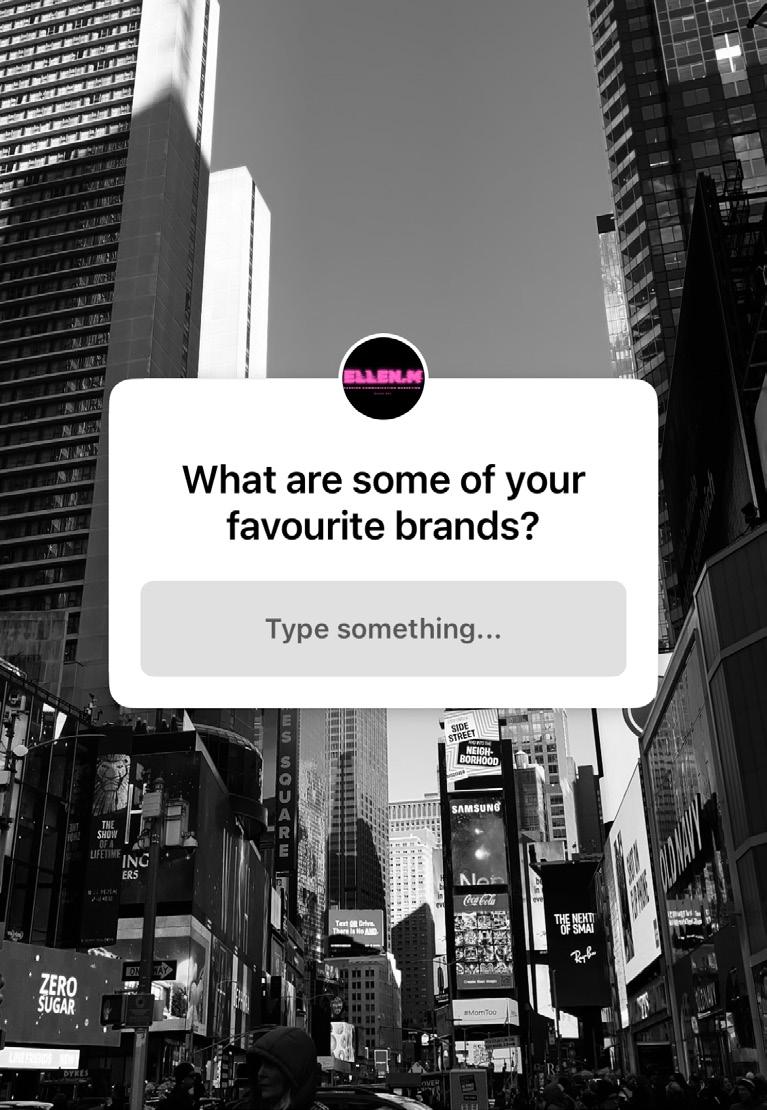
I asked my followers (mostly gen z) with an Instagram Q&A, what their favourite past and present trends are. Lots of answers were Isabel Marant high top sneakers, Balenciaga city bags, double denim etc.
I think resurging trends are a way for designers and stylists to get creative with these graments and put a modern spin on retro looks, however i feel like they are quickly overdone and lose their orginality. It is a positive thing when past items are able to be loved and worn again and is helpful for the designer, but for luxury brands like Isabel Marant, they can lose their exclusivity and uniqueness.
AI is now more popular than ever and is used for educational purposes, online gaming, and much more. It has a wide use for content creation and social media management.
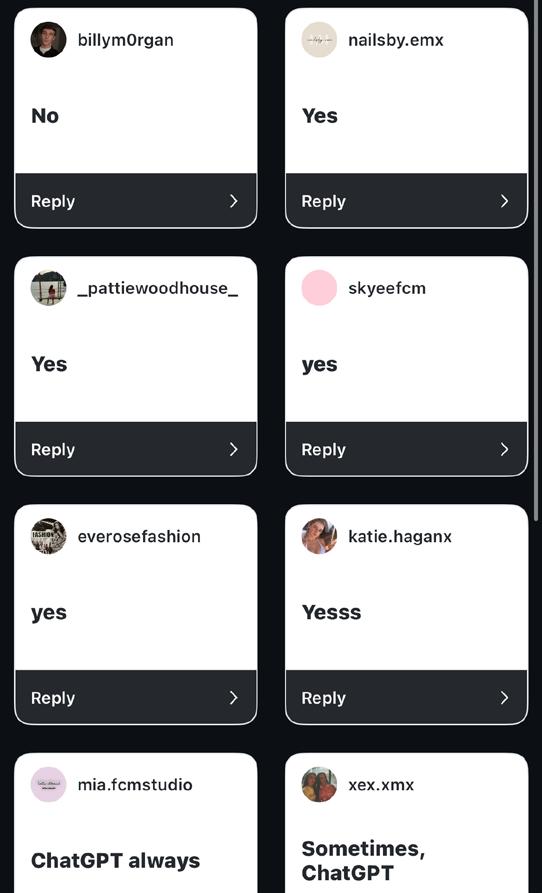
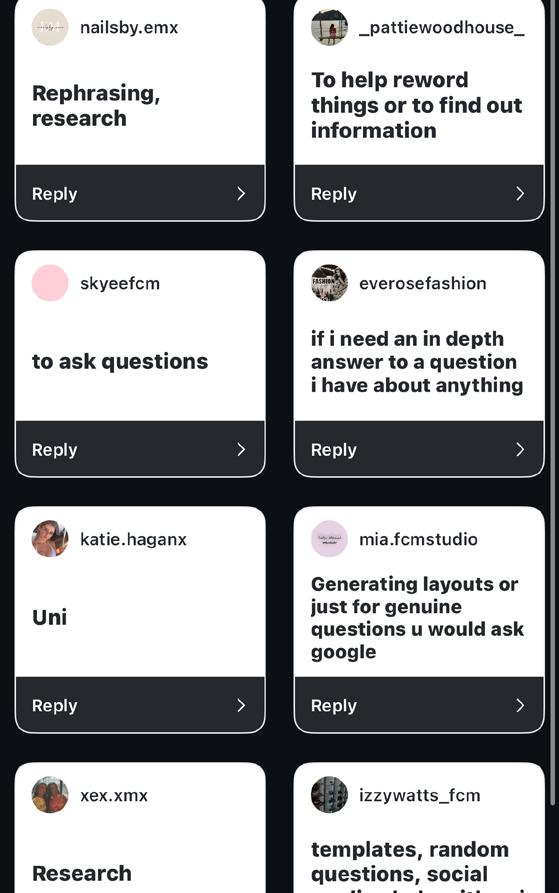
The use of AI is growing rapidly, especially within gen alpha. I asked Erin and Lila about AI and they are aware of the platform, they understand what it is and how to use it, but they don’t use it often and don’t feel the need to. I also asked my followers about their use of AI, lots of people said they use it alot or sometimes and they mostly use apps like ChatGPT for paraphrasing, general research or generating templates.
You can also use ChatGPT to generate images of dolls, interior designing etc.




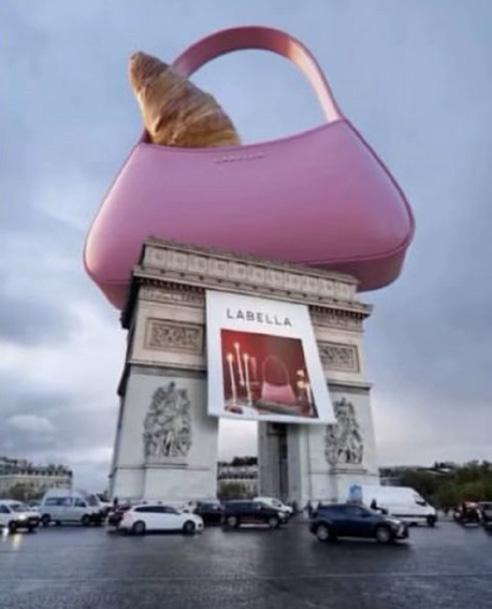

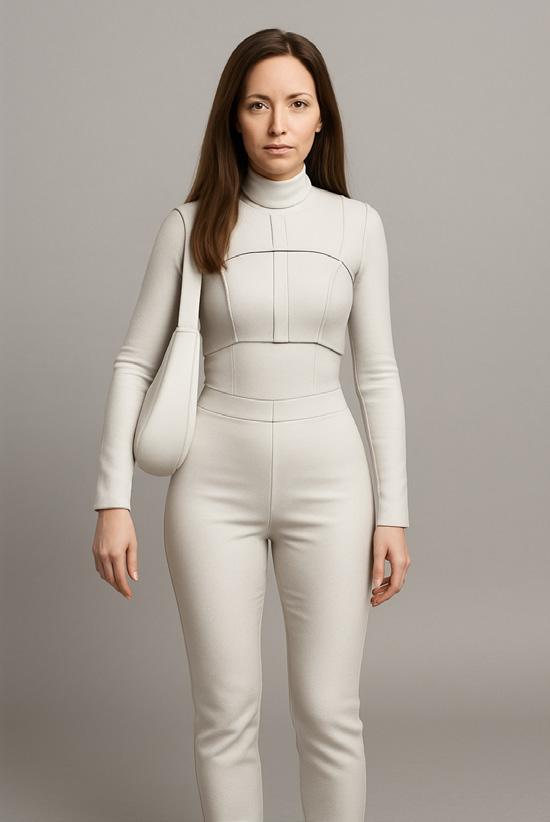
I uploaded an image of Erin on ChatGPT and asked it to generate an image of her in 20 years wearing minimalist futuristic clothing.
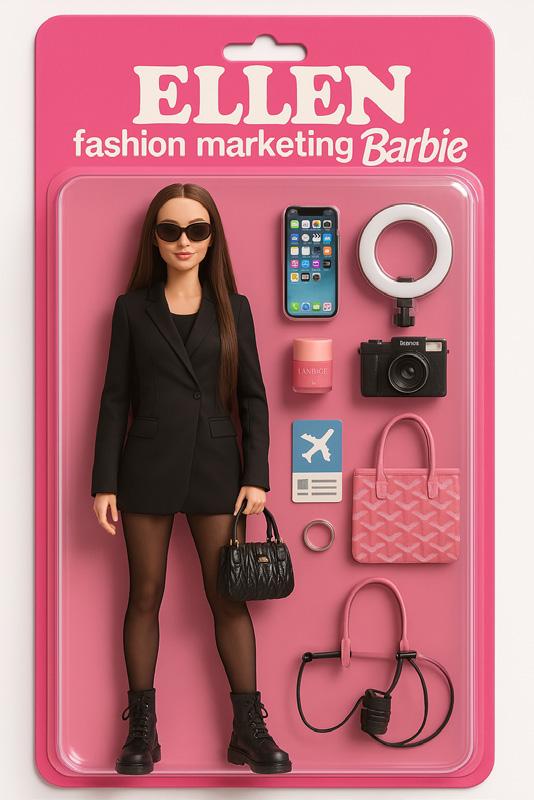
Following the popular TikTok trend, i sent a picture of myself to ChatGPT and asked it to generate a barbie doll of me. I asked it to add multiple items like an iphone, bag, camera, laneige lip mask etc.
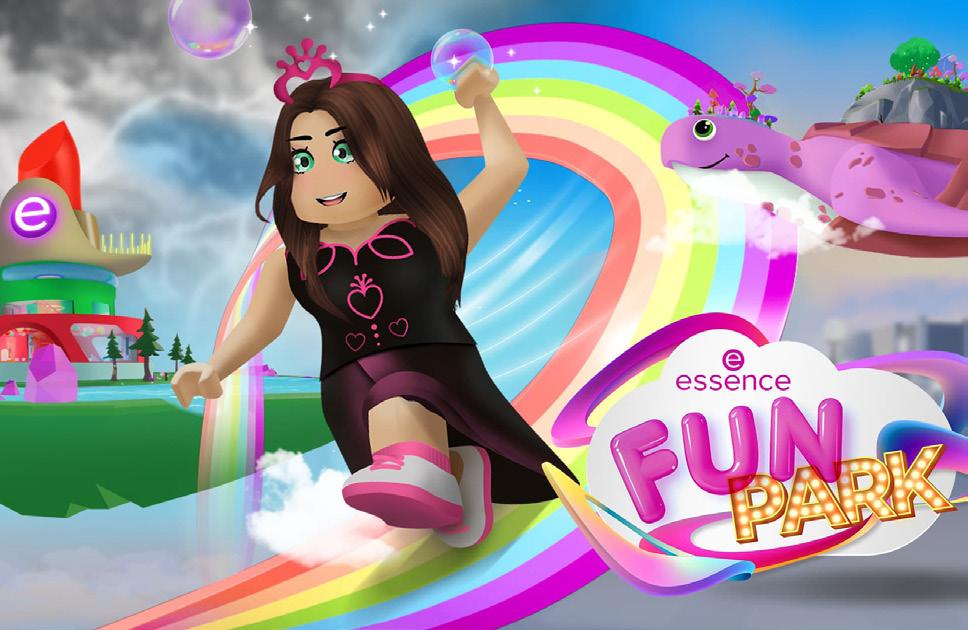
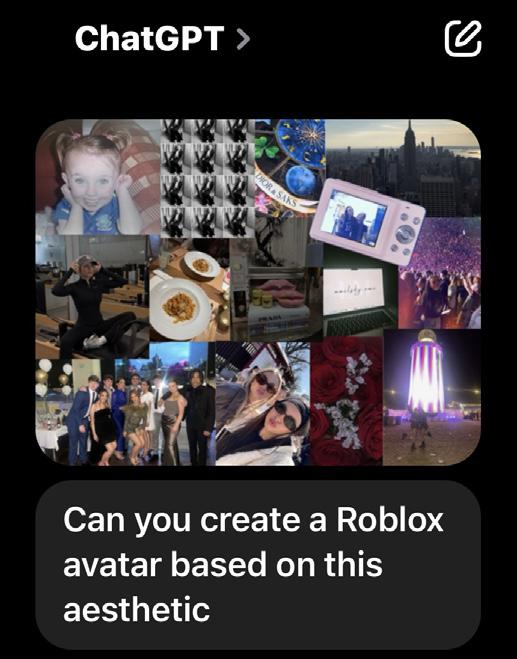
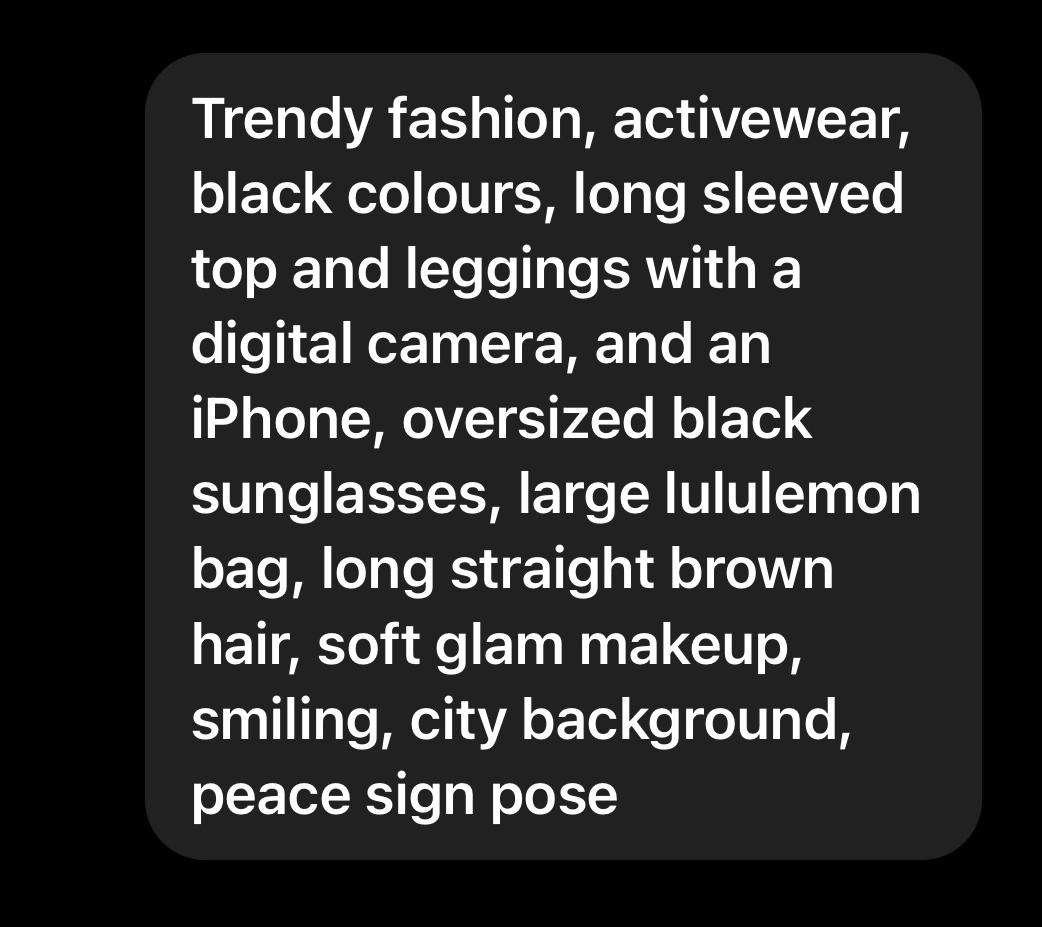
Following our session on Roblox and online gaming, i created a moodboard which represents me and sent it to ChatGPT and asked it to create a Roblox character based off my moodboard. I tried it first without a moodboard and described what I wanted it to look like but it was better with the moodboard and background.

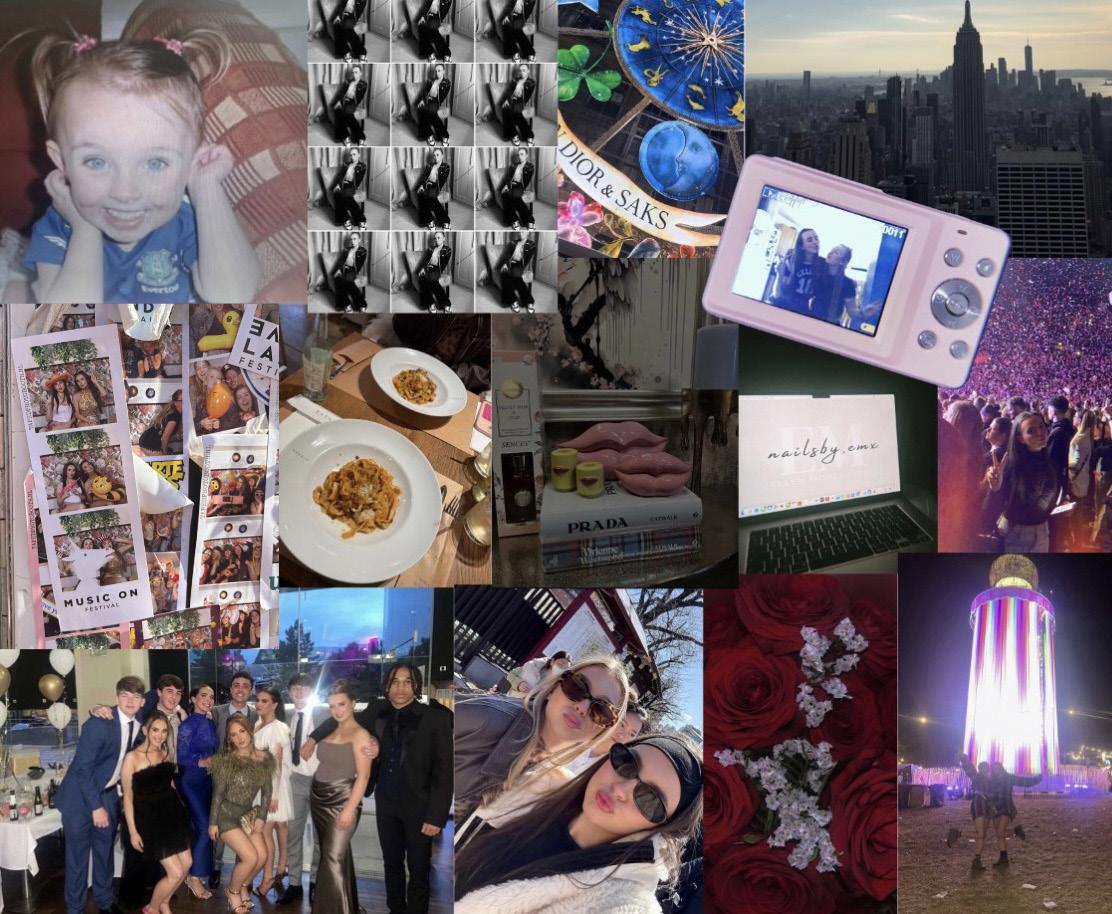
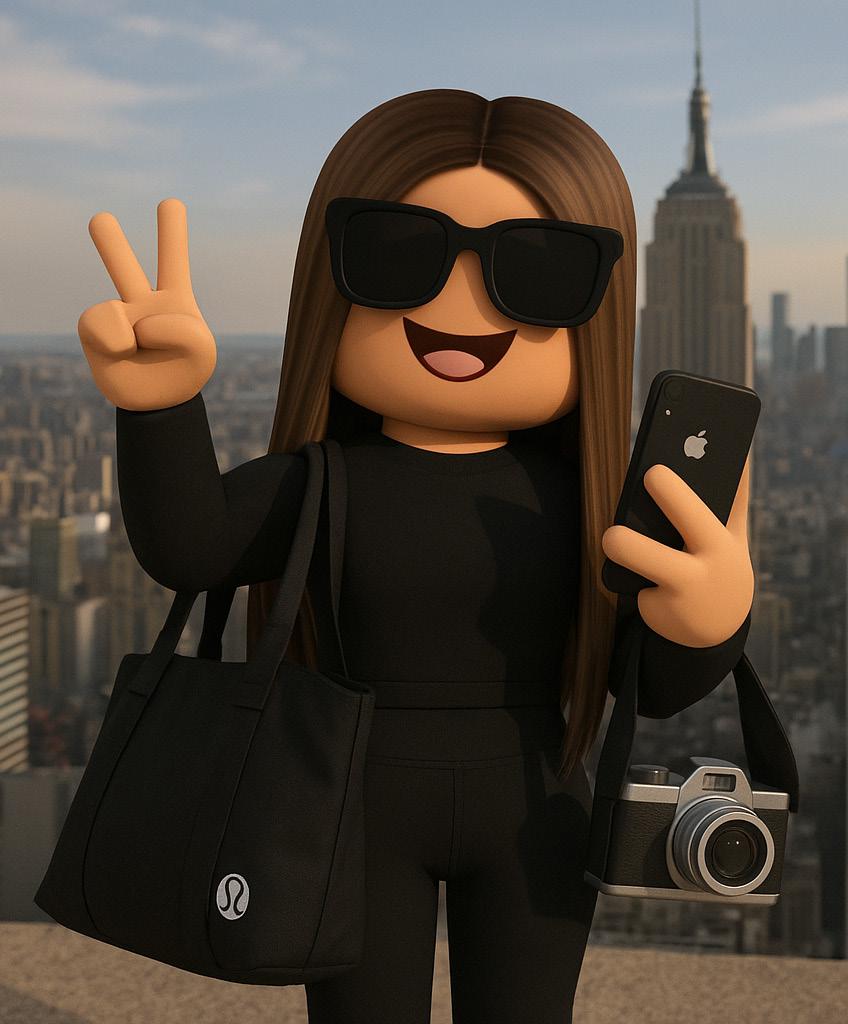
I researched into past and future generations and how they grew up and how they parented.
Growing up as Gen Z, we were around technology but not as much as gen alpha now. I was given my first iphone when i was 9, social media was just starting off and education was slightly different.
My parents, Gen X, hardly had any technology and no social media, they witnessed the firs cable television and computer. My mum and dad copied the way they were parented, they were strict, but not too strict, and made boundaries and rules a priority, especially with managing the use of social media and technology.
Millenials are becoming or are parents of Gen Alpha. They had limited social media such as Facebook and Twitter, and they weren’t as advanced as they are now. Millenials parenting is widely based around technology. It is normal nowadays to give your child an ipad in a restaurant or public setting just to keep them quiet and entertained. Not too long ago it was looked down on to have your phone or ipad at the dinner table.
Gen Beta are the newest generation born from 2025, most not even here yet. It is predicted that technology will have a huge affect on their everyday lives and become a huge factor in their daily routines. Their parents are Millenials and some Gen Z. Both generations growing up around social media and technology, it will be easy to adjust theirs and their childrens lives to the wide use of these platforms.

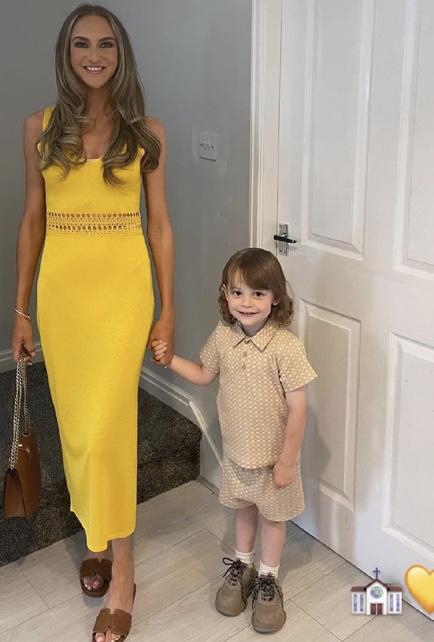
I asked my followers who some of their favourite influencers are. Many of them answered with personalities from reality tv, youtube and social media stars. They are role models for young girls and women.
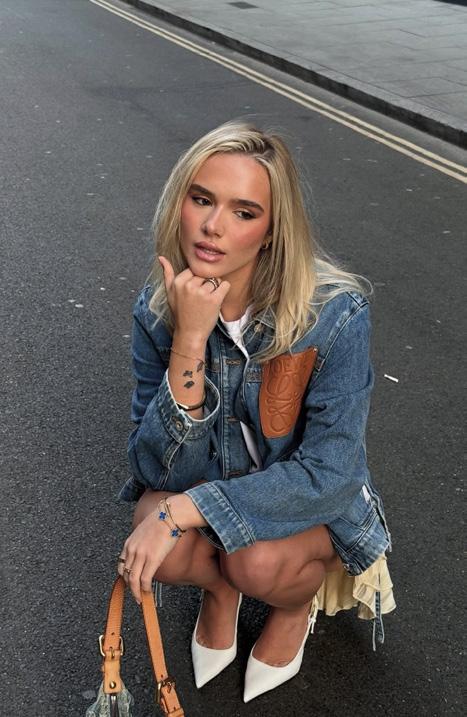
For example, youtuber Kaci Jay talks often in her videos about her periods, which is sometimes seen as a taboo subject. She promotes the subject and wants girls to feel comfortable relating to her and her struggles with her periods. Kaci is also a fashion influencer, who i take lots of my inspo from aswell.
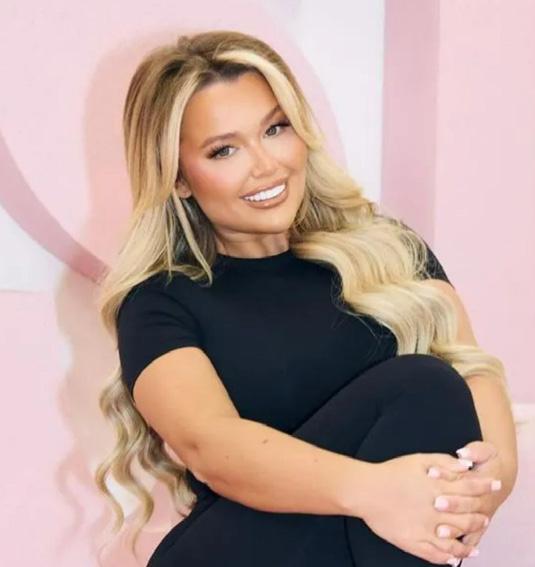
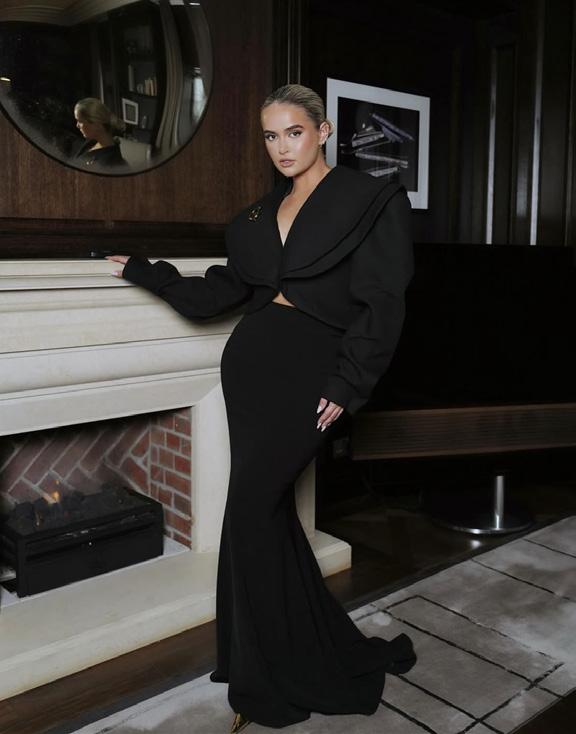
In her most recent documentary series, Love Island star and influencer Molly Mae talks about her struggles with her body image and mental health. Molly is also known for her great sense of style and owns her own clothing brand Maebe.
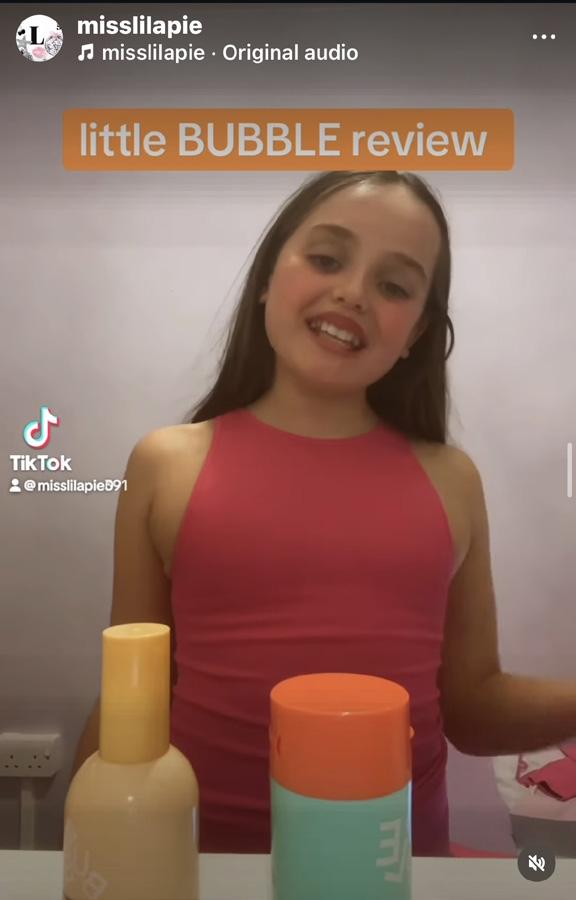
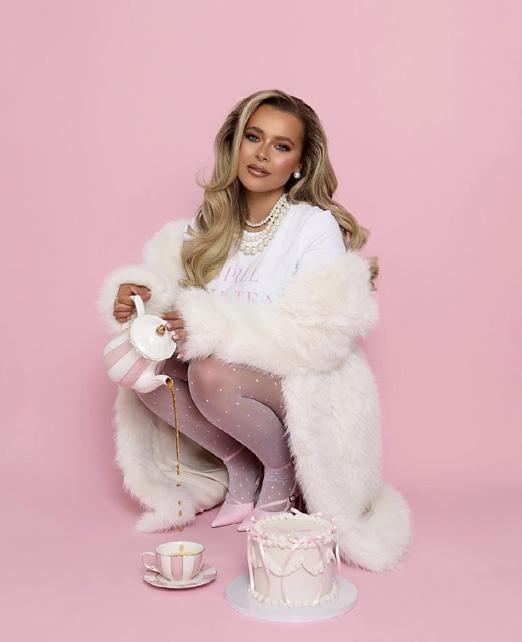
Some of Lila’s favourite influencers are beauty influencers who she follows mostly on TikTok and Youtube. They post fun, creative content like dancing videos, makeup reviews etc. Lila enjoys watching these influencers becuase it is what she likes and is obsessed with all things skin and beauty, as well as having great style.



Technology is used widely within fashion, making it more sustainable, reducing carbon emissions and the waste of materials. For example, AI is used for fashion design and predicting future trends as well as data analysis of trends. Smart technology like 3D printing is used for the creation of innovative materials and garments.
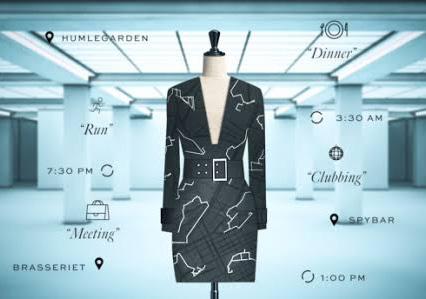
The future of fashion and technology is a mix of science, design, and storytelling. Clothing is becoming smarter, greener and more immersive. Technology is key to solving fashion’s massive carbon footprint, it won’t just change what we wear, it’ll change how we consume.
I do think it’ll be challenge to keep the humanisation of fashion as it becomes more technological, there may be a loss of craftsmanship and its unique originality. There still needs to be a key focus on emotion and identity within fashion.
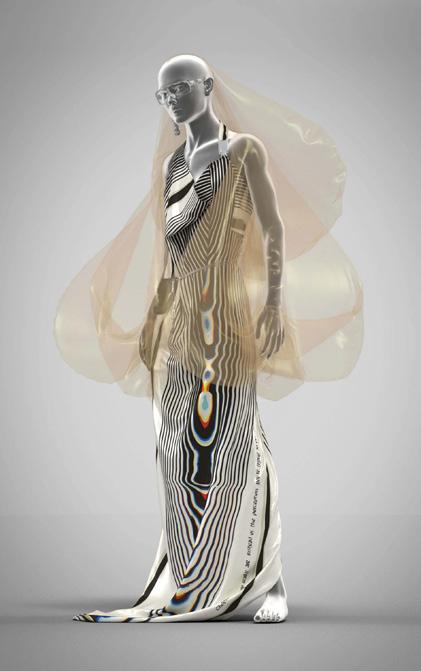
As people are living more digitally, fashion evolves into something both virtual and physical- your wardrobe might soon include things you may never physically wear.
Fashion will increasingly blend with health, productivity, and convenience and less about aesthetics vs. utility, focusing on intergrating the two.
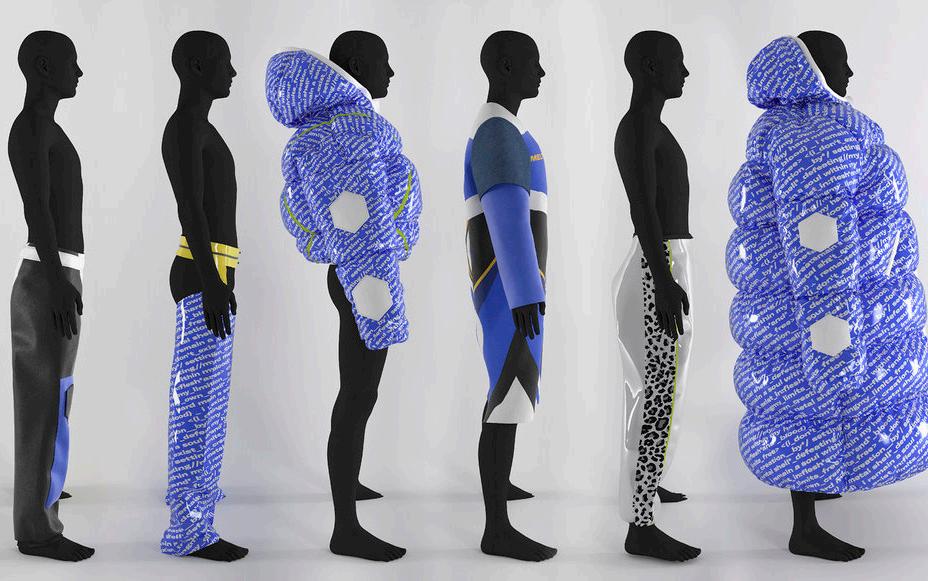
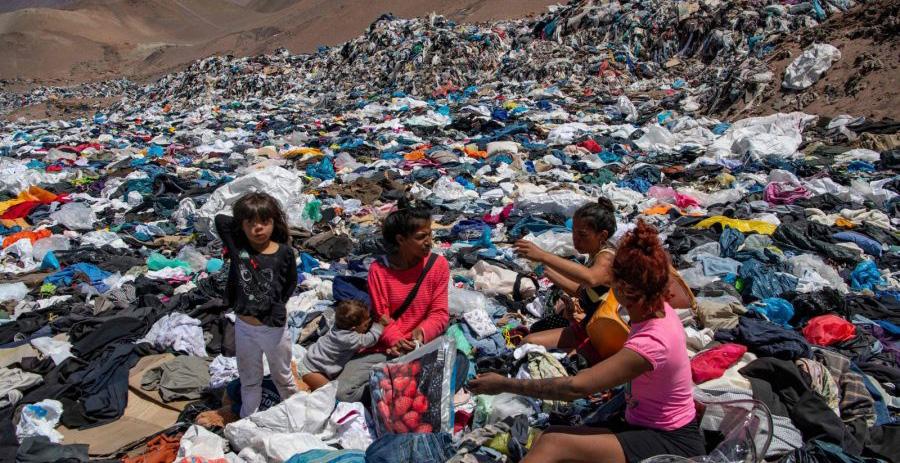
Fast Fashion is one of the largest contributors to an increasing carbon footprint and an extremely large amount of pollution. The rapid production and distribution of clothing for brands has a huge affect on the environment and provides consumers with low-quality clothing. Its overuse of water, toxic dyes and microplastics pollutes waterways.
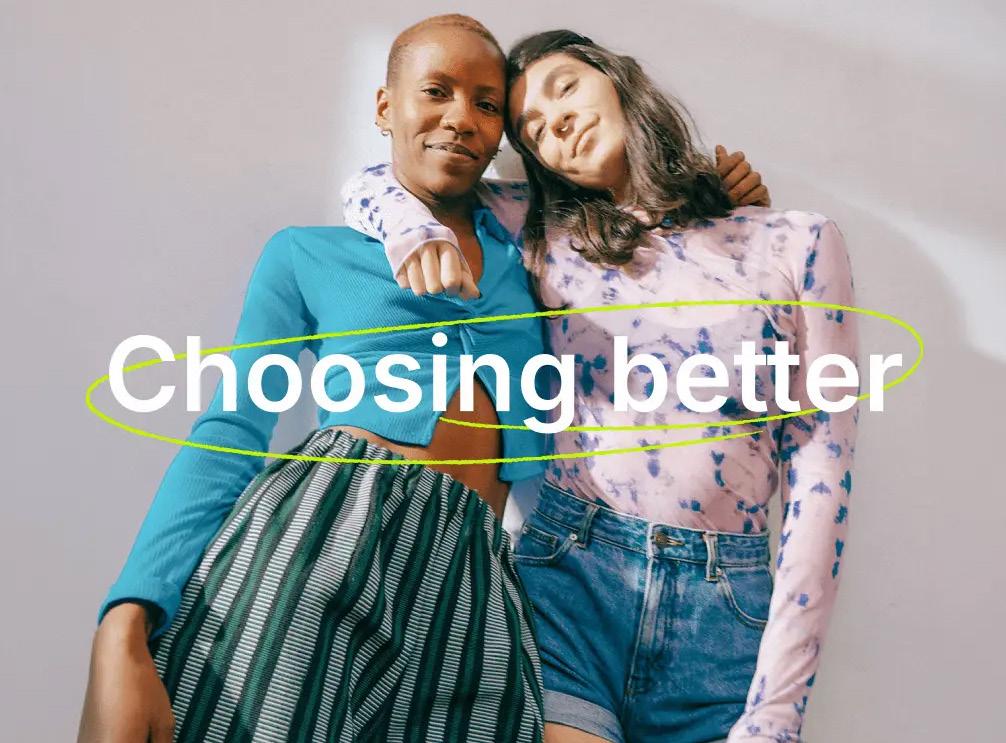
Fast Fashion answered a real demand, and created a cultural habit that isn’t sustainable. The question now is how to maintain accessibility and expression without sacrificing ethics and the planet. The scale and speed at which fast fashion operates today needs rethinking. The future of fashion should empower consumers to buy less, choose better, and make it last.
Some fast fashion brands I looked into are Urban Outfitters, Fashion Nova and Shein. The brands have been critisised for their environmental impact and even rumours of unethical working conditions and forced labour.
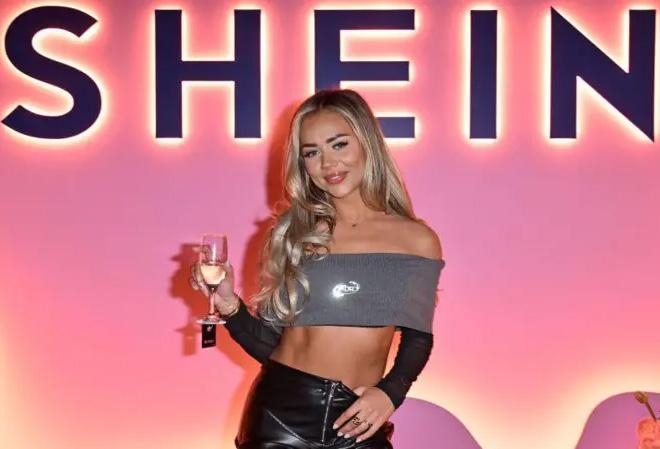
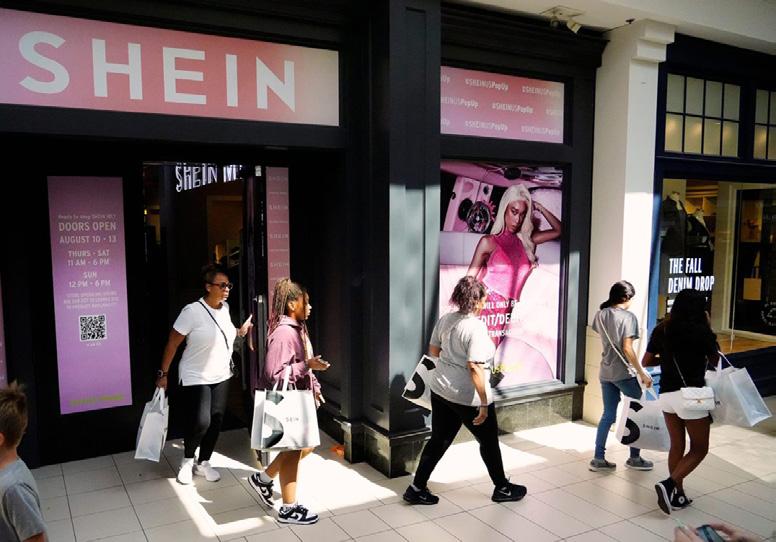
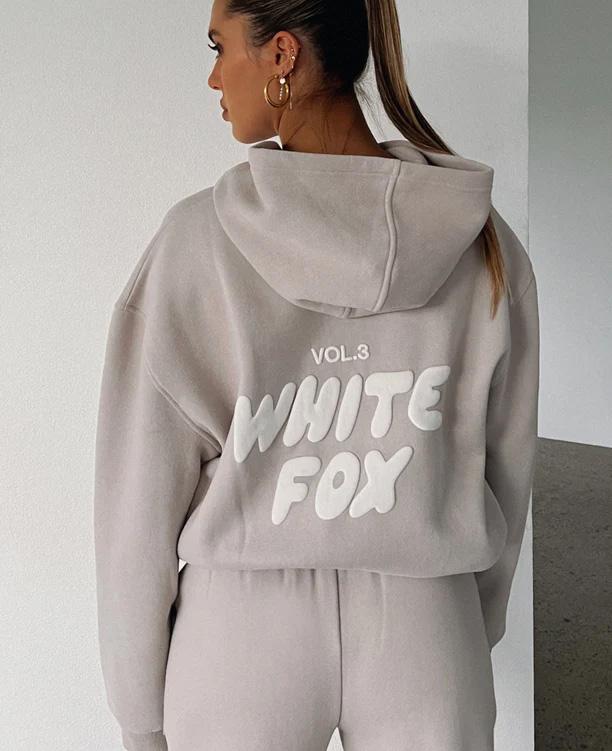
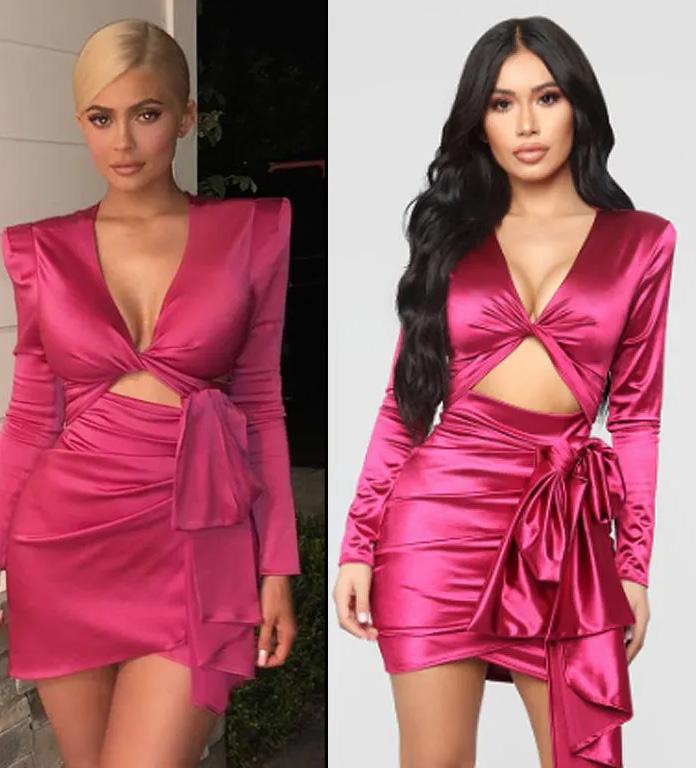
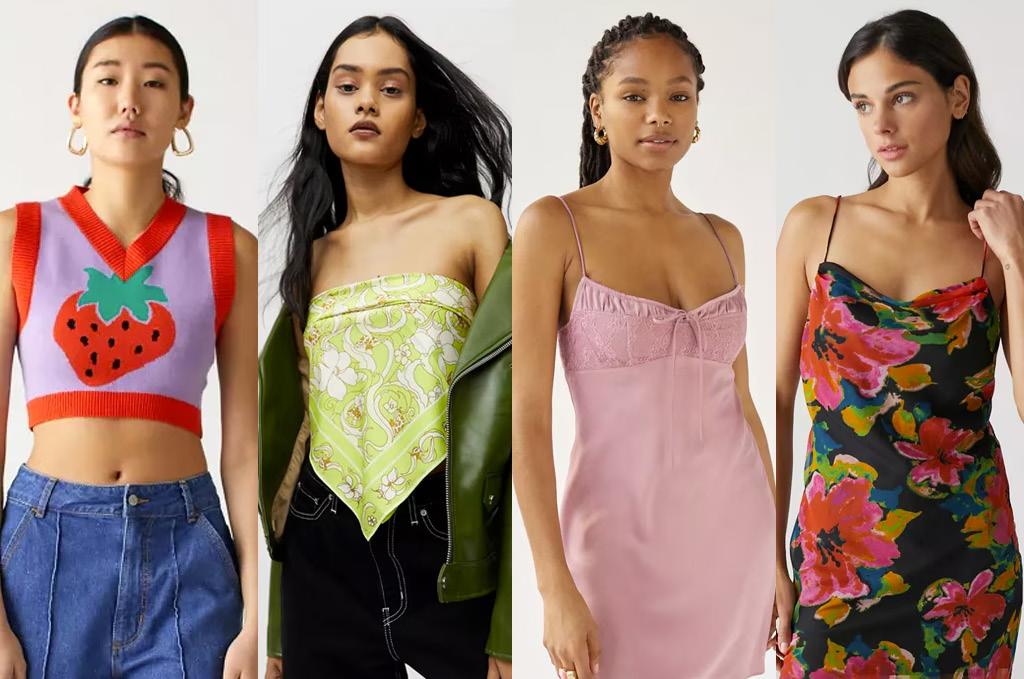

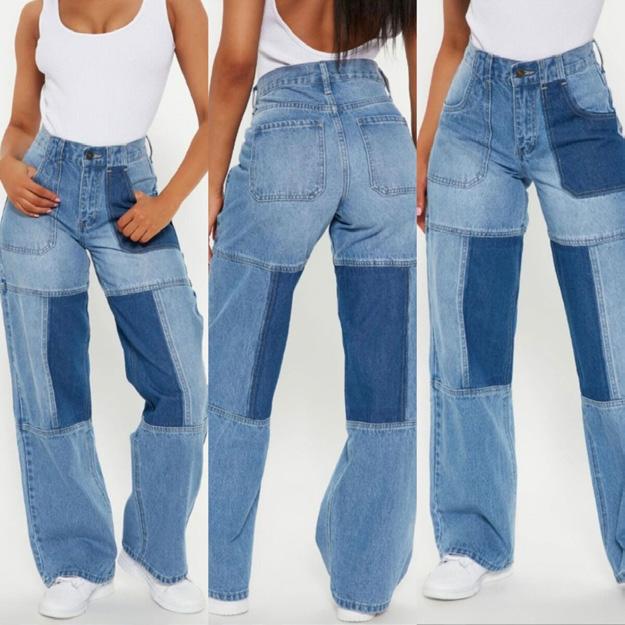
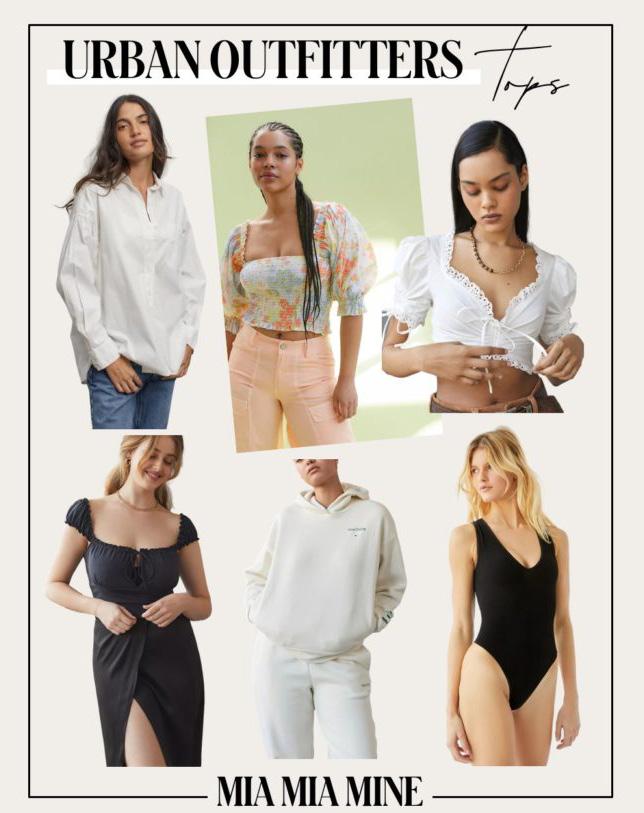
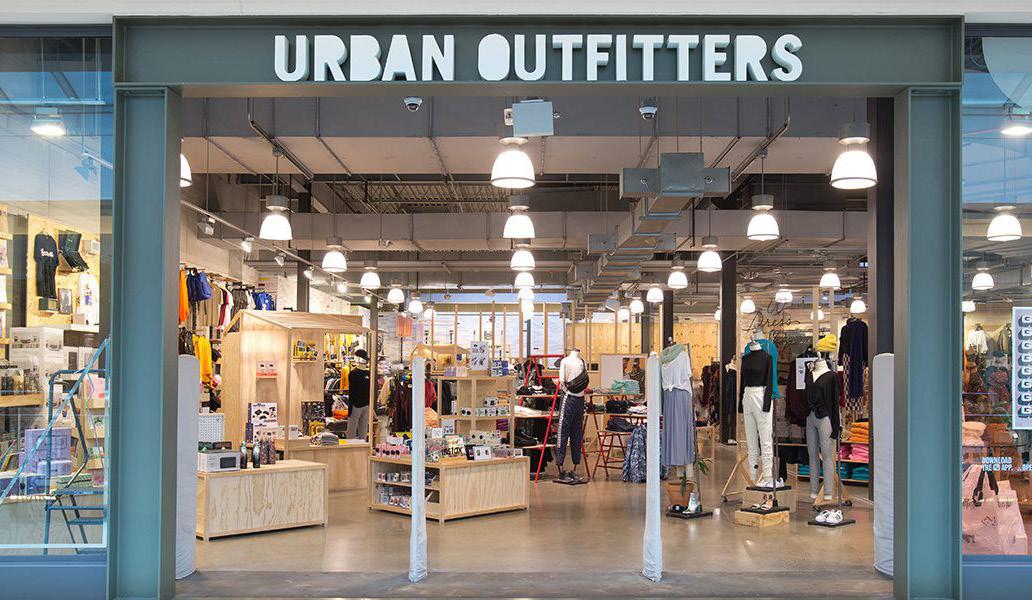
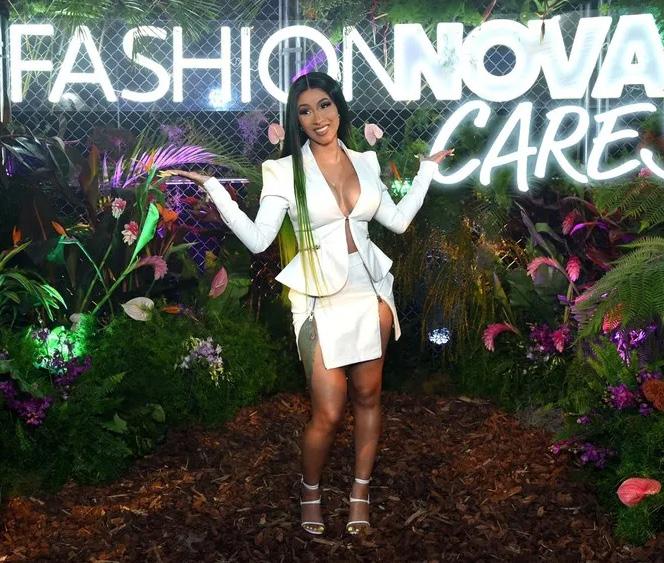
I researched into some popular social media trends on TikTok and Instagram.
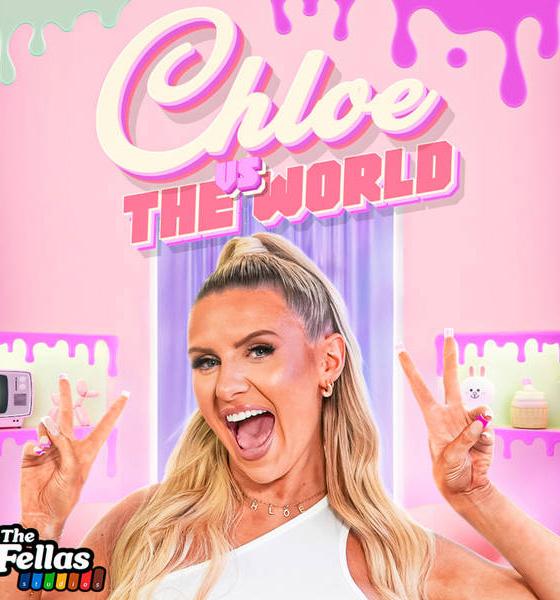
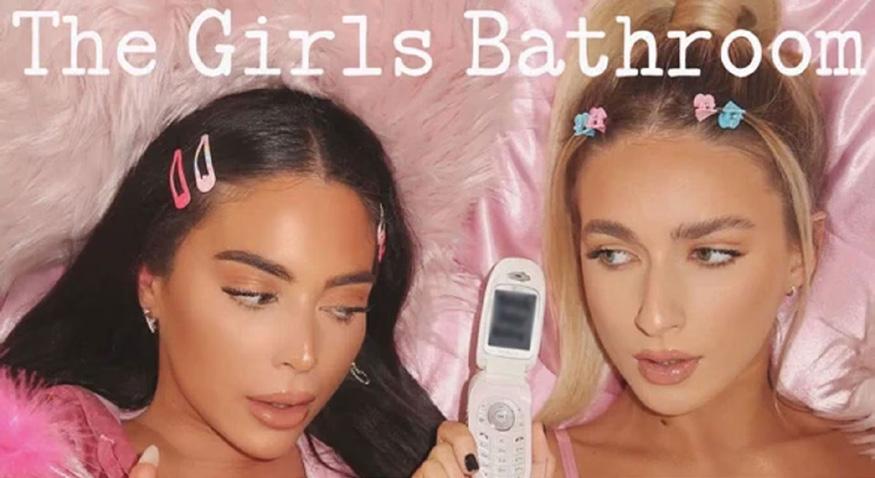
A popular trend lots of influencers are following are podcasts. People enjoy listening to relatable content from influencers that they look up to, they create emotional connections between creators and listeners and are easy to put on whilst driving, doing chores etc. As well as listening to them, you are also able to watch them on Youtube and watch the host interact with their guests. This can create a larger connection for viewers. However, i feel like due to the lessening attention span of society from Instagram reels and TikTok videos, podcasts are likely to become less popular over time. People are also able to watch clips from podcasts on TikTok and may not feel the need to listen to the full thing because they can find shorter clips on social media.
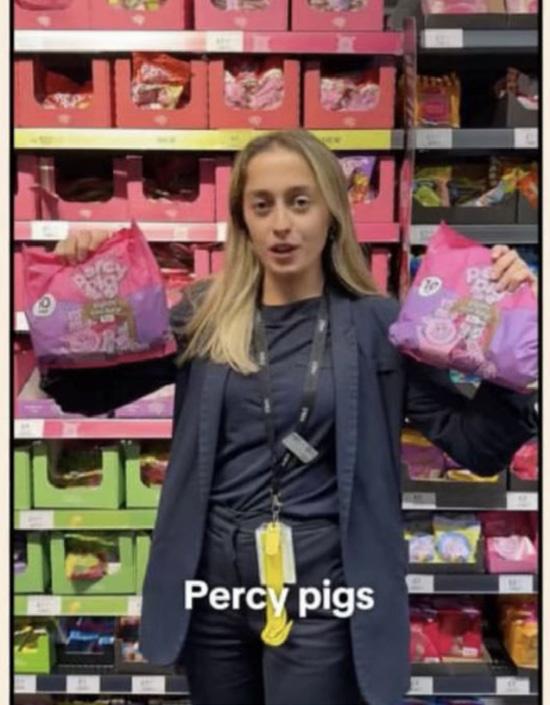
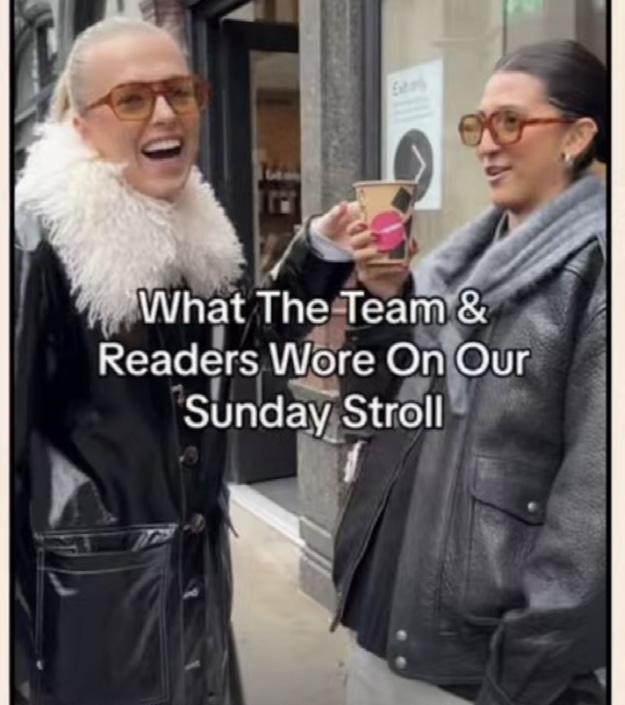
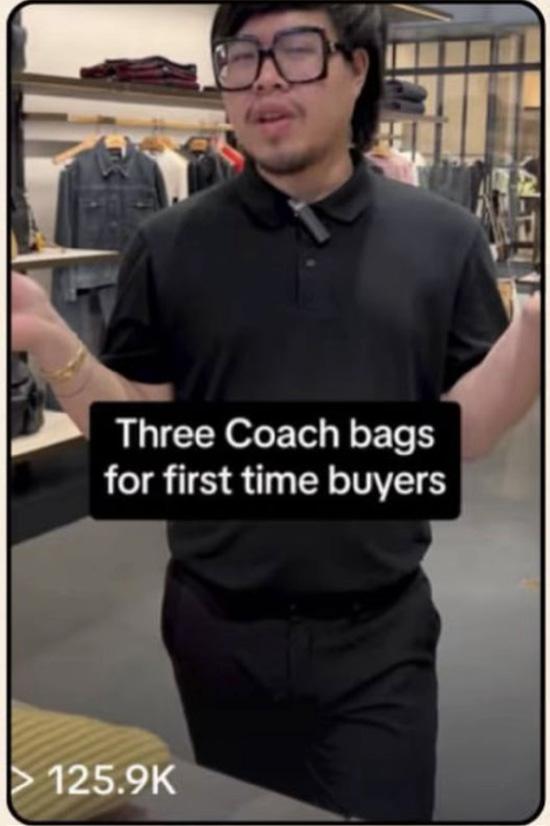
Another social media trend, especially for brands and companies, is to portray the employees as influencers and have them participate in creative content and popular trends and activities on these platforms. These videos gain a wider audience and and engagement and build trust between brands and consumers as they trust the ‘normal people’.
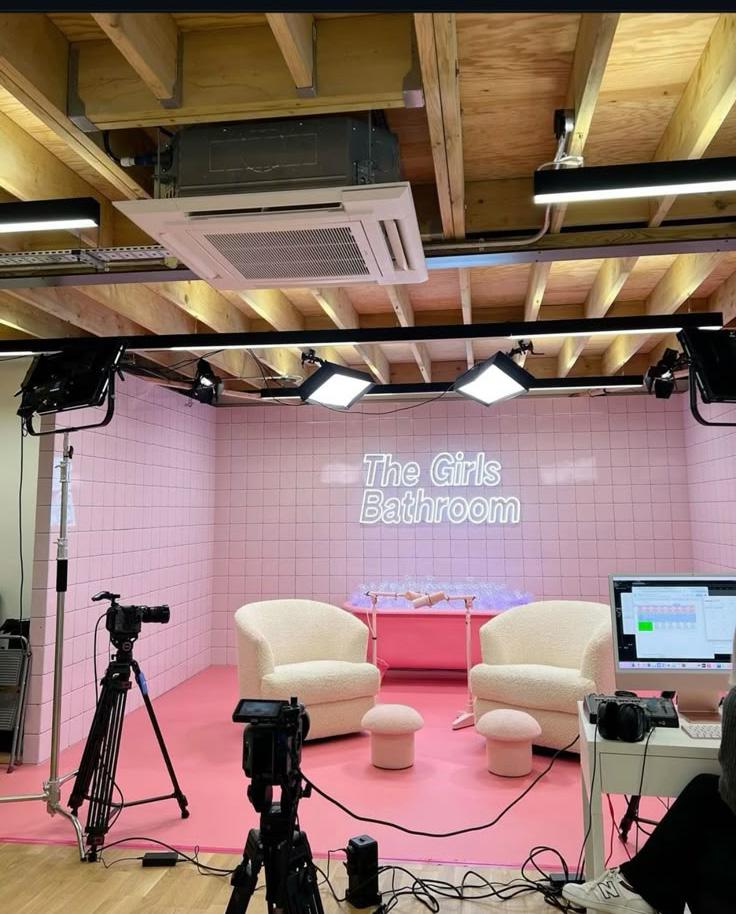
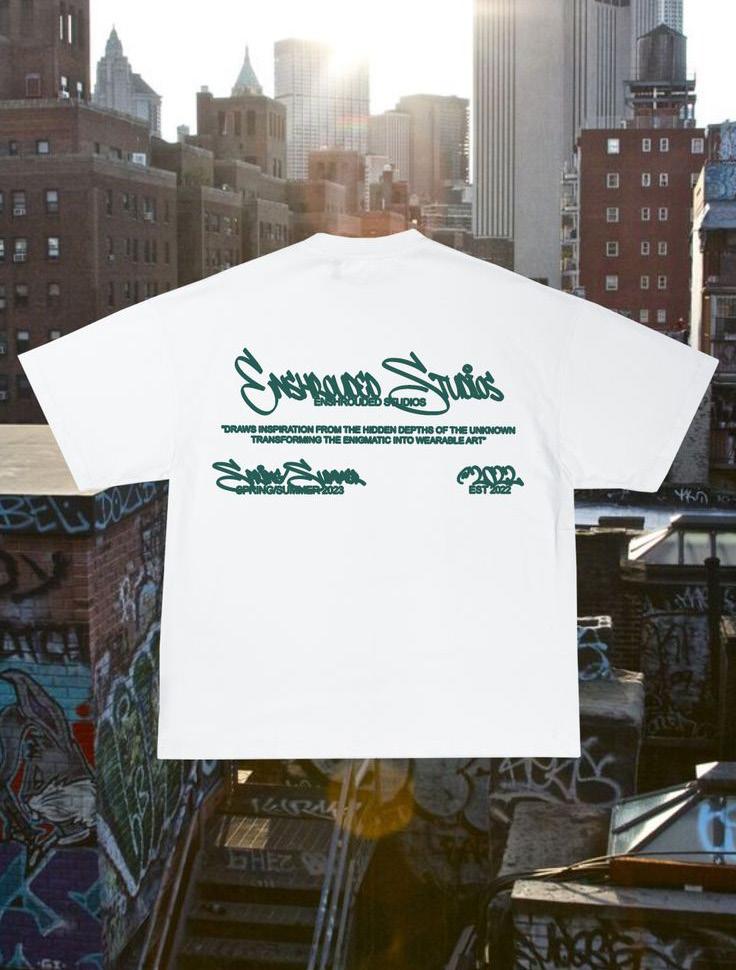
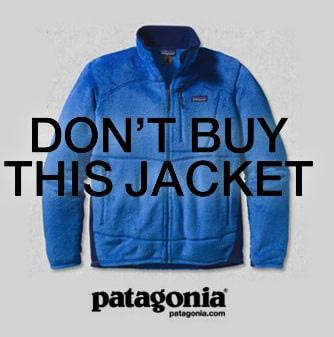
Branding and storytelling for fashion through social media is essential and increasingly powerful in shaping a brands identity, engaging audiences, and driving sales. It creates an emotional connection between the brand and consumer, and it aids a brand in standing out and staying memorable. Brands that tell stories, whether they be about origin, sustainability, culture etc, build loyal communities and not just one-time customers.
Popular platforms in executing branding and storytelling are TikTok and Instagram, visual storytelling showing the process, personality, and purpose behind the brand increases customer interaction and loyalty. Consumers, especially gen z and alpha, are hyper aware of inauthentic content. Storytelling through behind-the-scenes content, founder stories and customer experiences builds lots of trust in the brand for consumers.


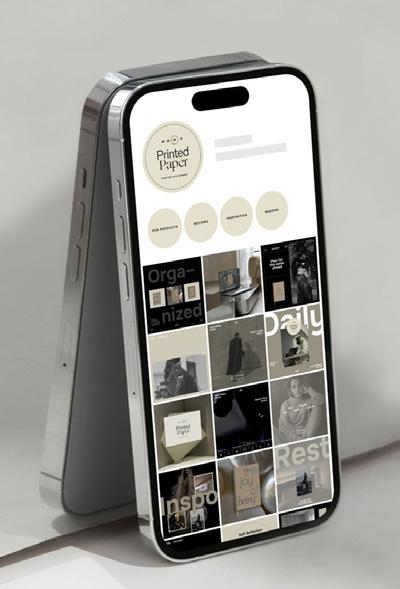
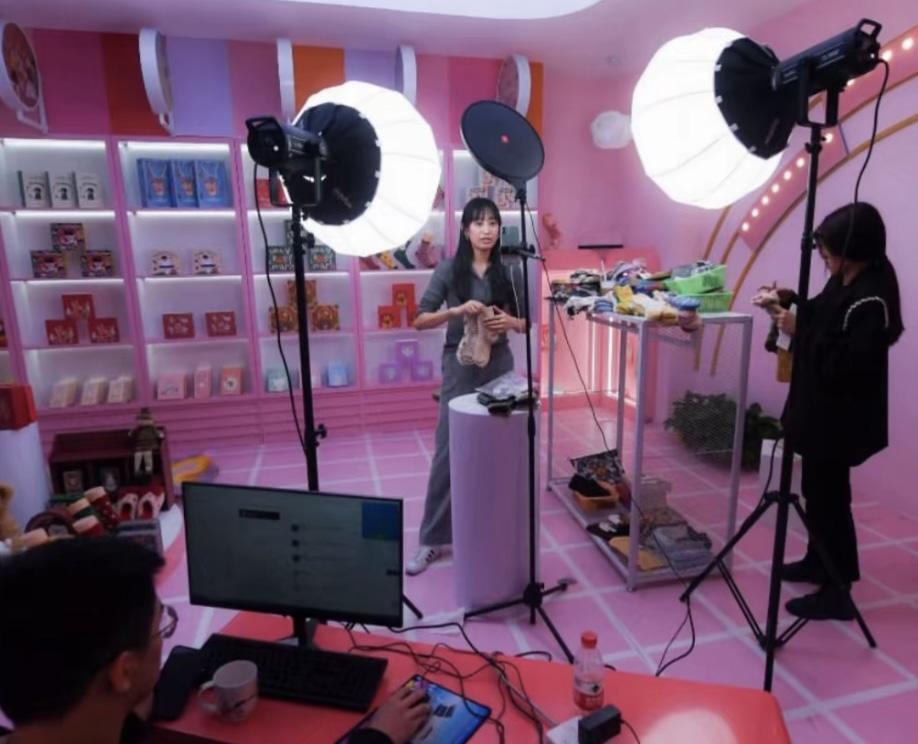
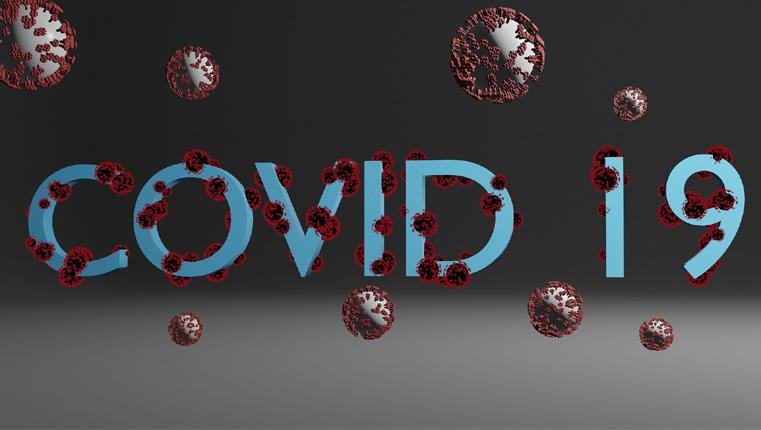
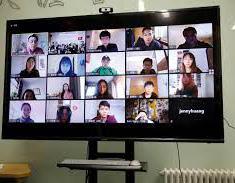
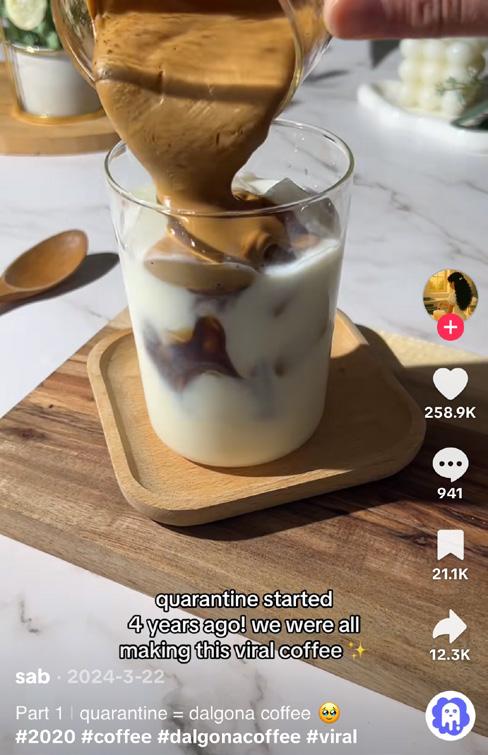
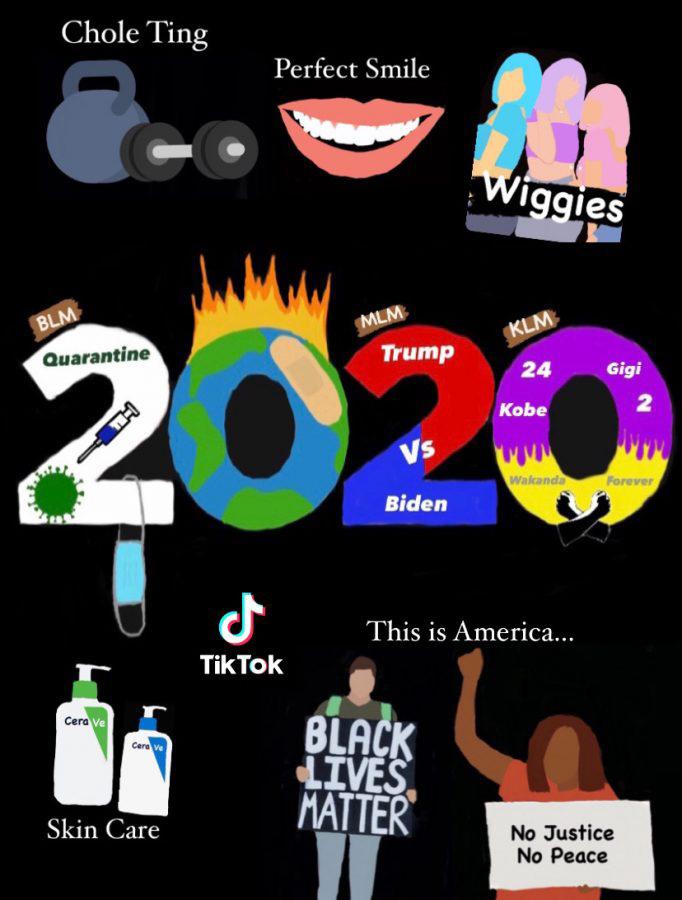
The rise of social media during COVID-19 was a cultural turning point for society. There was not just an increase in screen time, but a fundamental shift in how people connect, consume, and create. With physical distancing and a global lockdown, social media platforms became the place to feel less alone and stay informed or distracted.
Everything moved online- events, shopping, even therapy. Brands and individuals had no choice but to build digital presence fast.
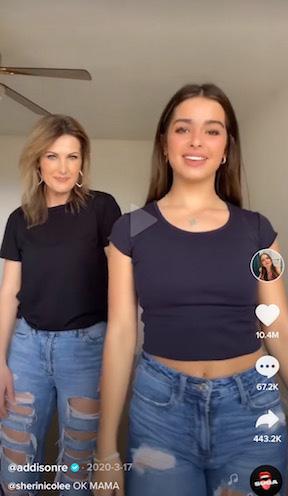
Quarantine led to a boom in creators, TikTok, in particular, exploded with DIY content. Everyone became a potential influencer, educator, entertainer, or activist.
COVID-19 didnt just accelerate the rise of social media, it completely transformed it. It is no longer just a tool; it’s an ecosystem where culture, commerce, identity now unfold.
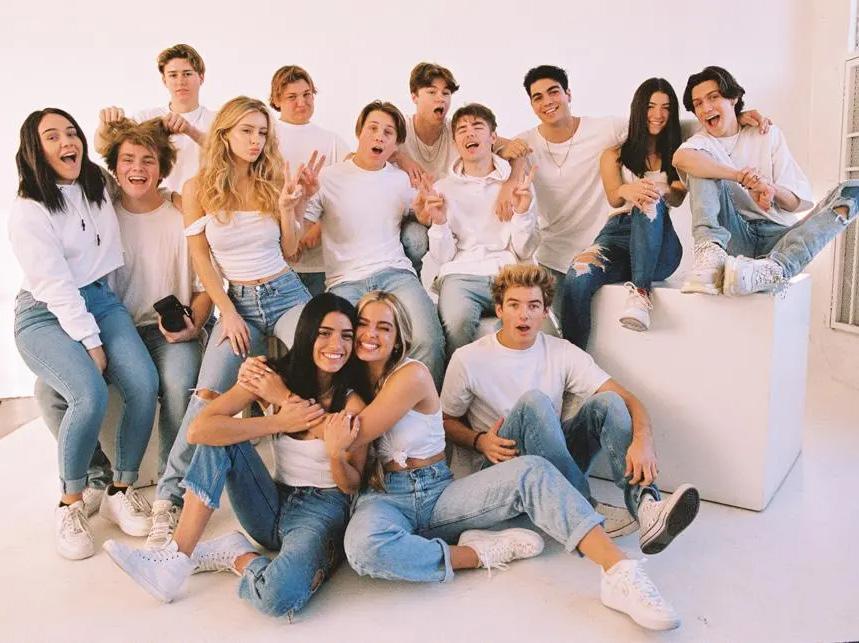

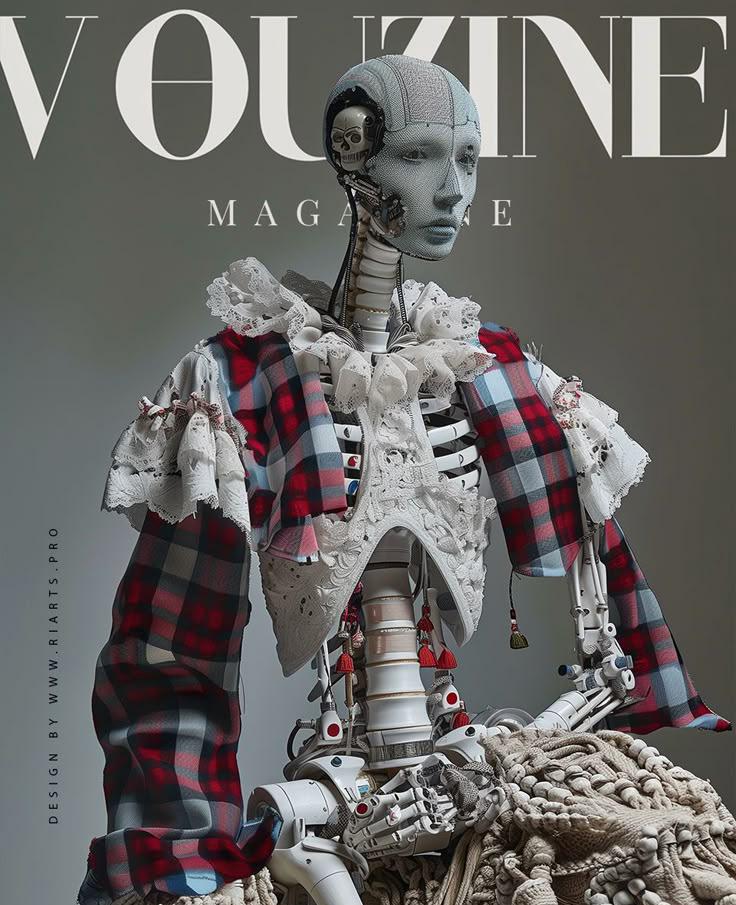
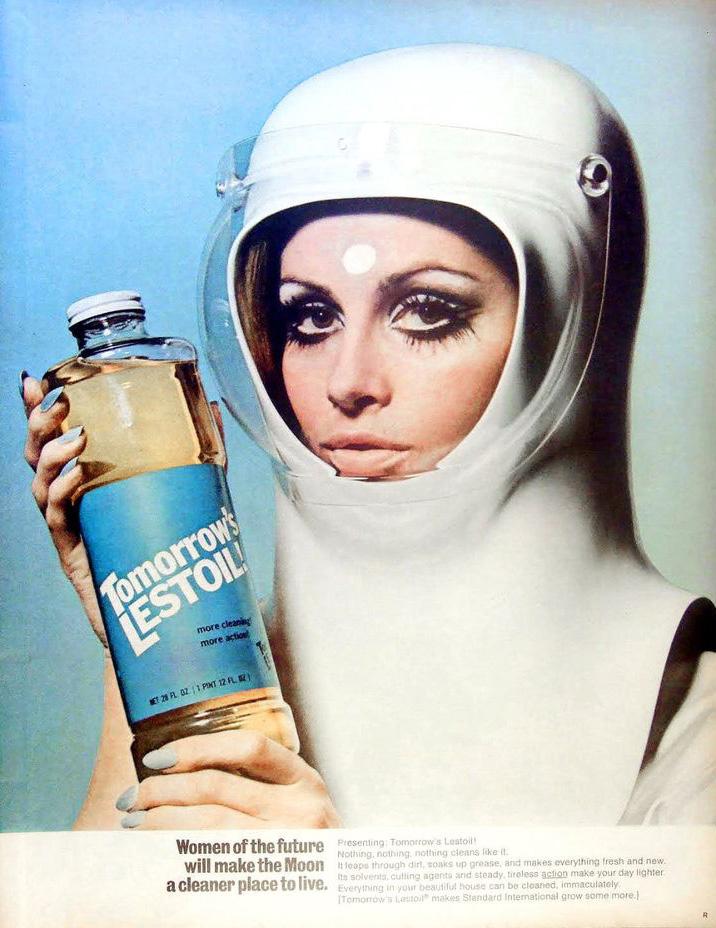
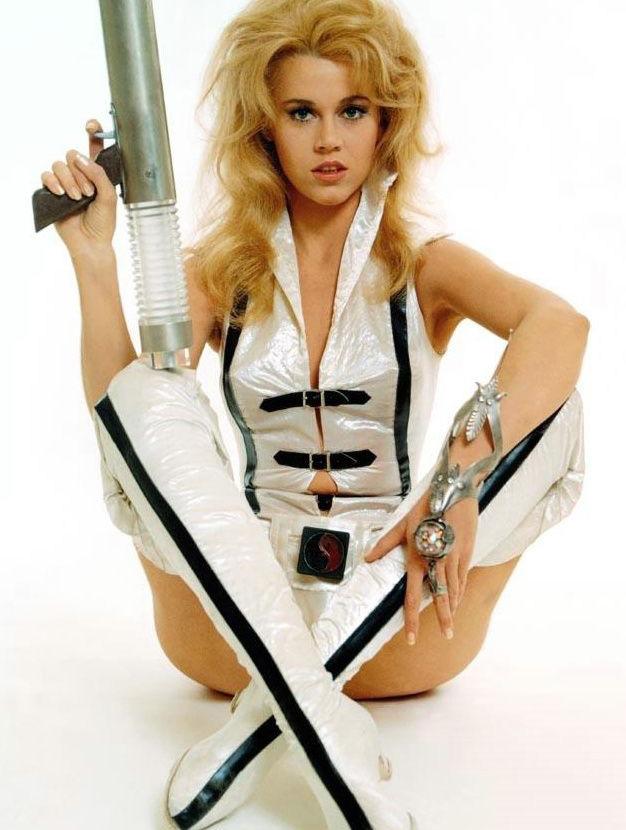
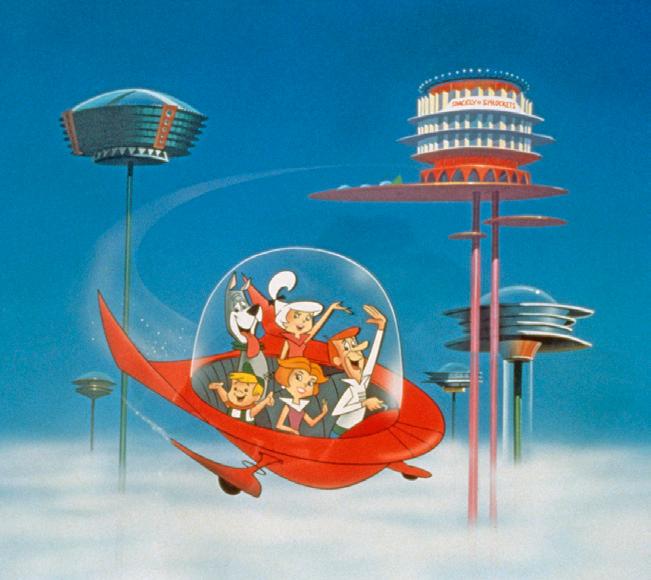
Retrofuturism is a cultural aesthetic of the way people wished or feared the future would be. It blends nostalgia and imagination about how the past thought the future would look, creating a double-layered surreal nostalgia. Retrofuturism often mixes elegance and absurdity in ways that still inspire modern design, fashion and media.
Retrofuturism also critiques modern technology and progress. By showing the gap between those utopian features and todays reality, it can highlight where we’ve exceeded or fallen short.

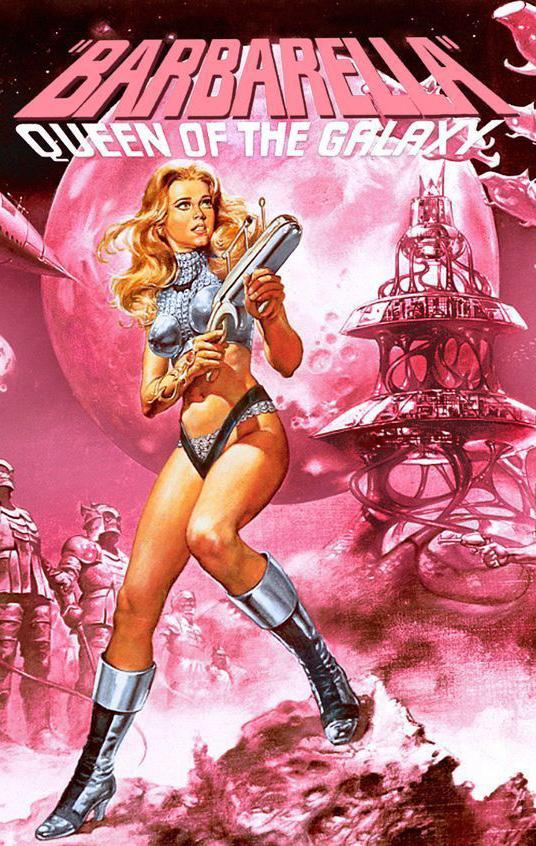
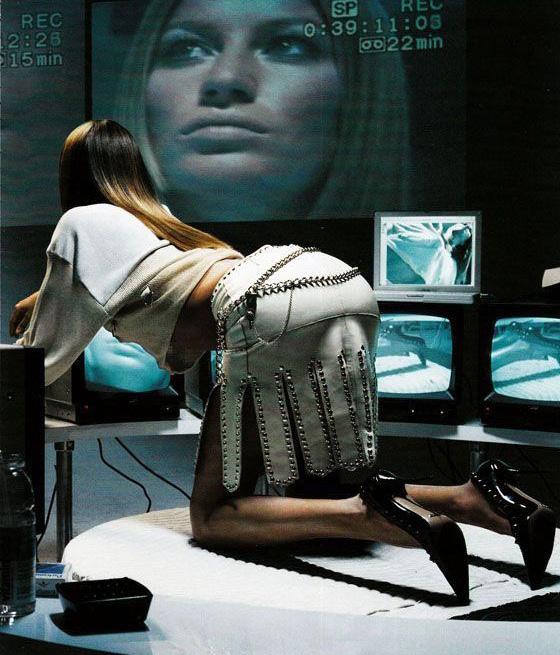

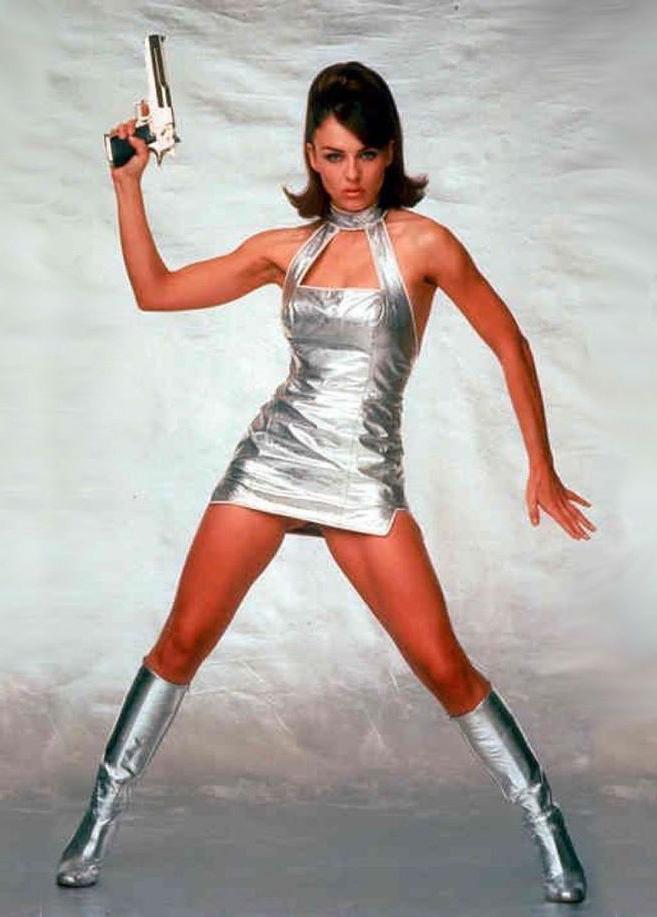
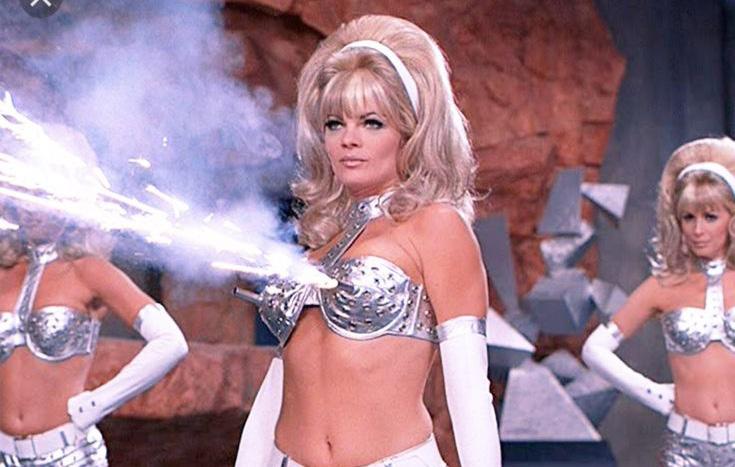

Fashion styling plays a significant role in shaping personal image, culture and even broader societal trends. It is about telling a story visually, conveying identity and sometimes challenging norms. Stylists can be culture-makers or silent influencers behind some of the most iconic visuals in the media.
The future for fashion stylists is promising, with evolving roles and expanding opportunities driven by technological advancements, sustainability and shifting consumer preferences.
I feel like there could also be a decrease in fashion styling careers due the vast growing use of AI and technology which can do it all for you.
Fashion stylists who adapt to technology, embrace sustainability, and progress their branding skills are well-positioned to succeed in the future fashion industry.
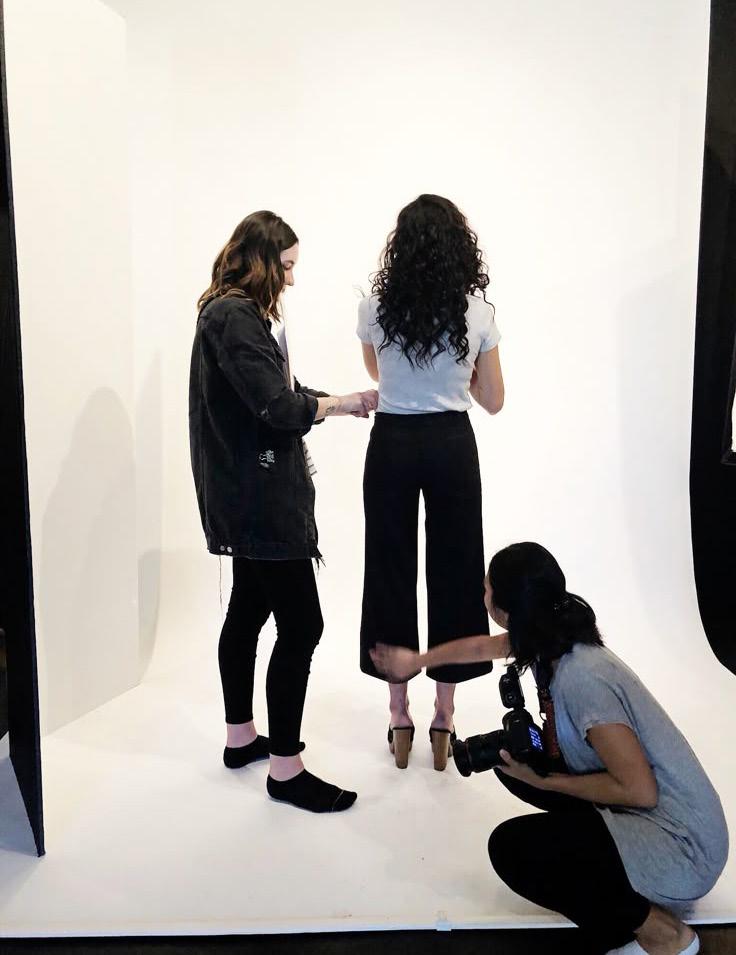
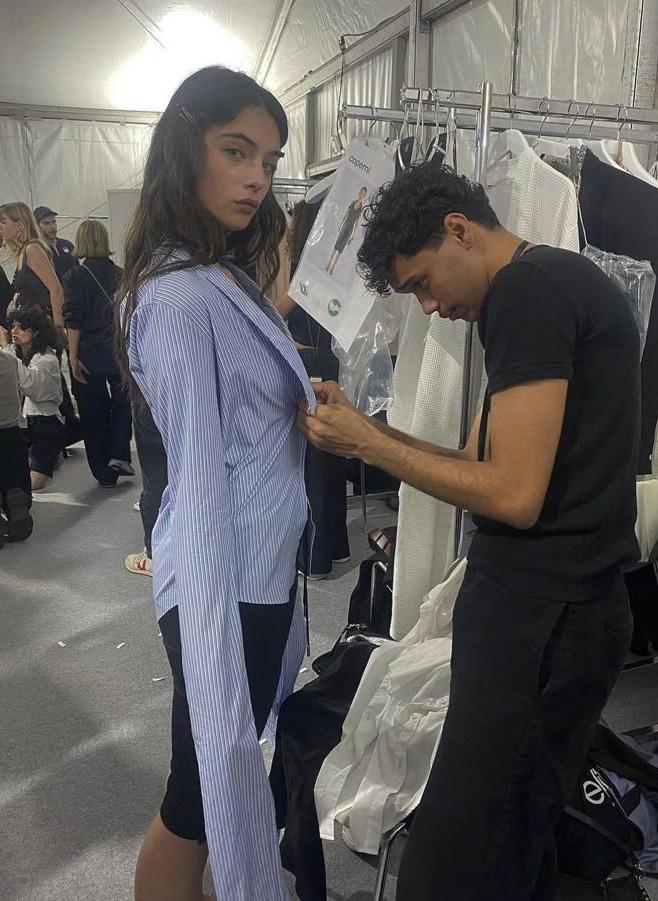
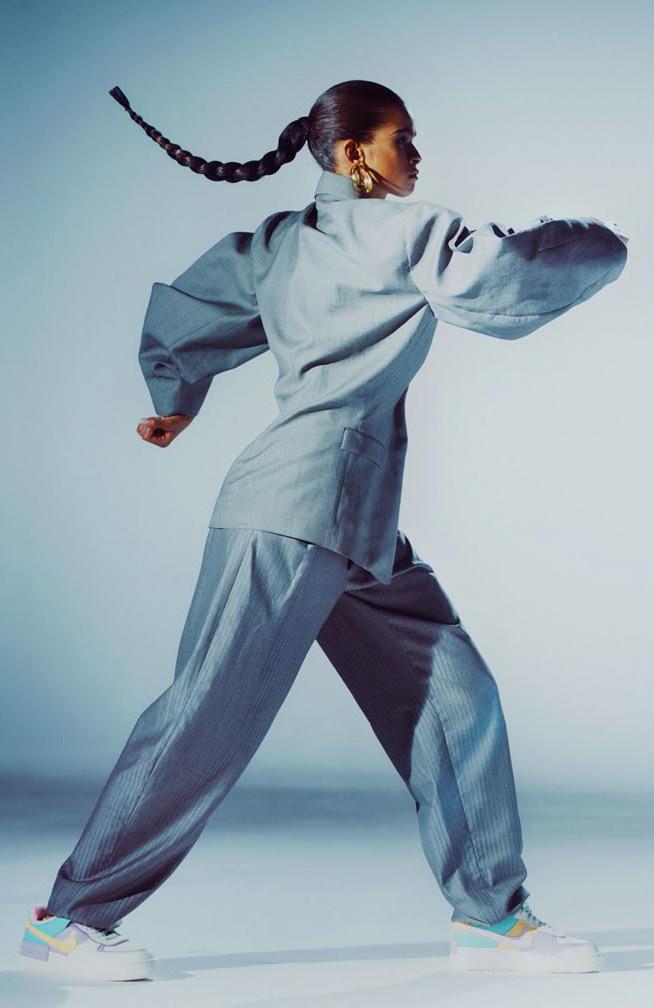
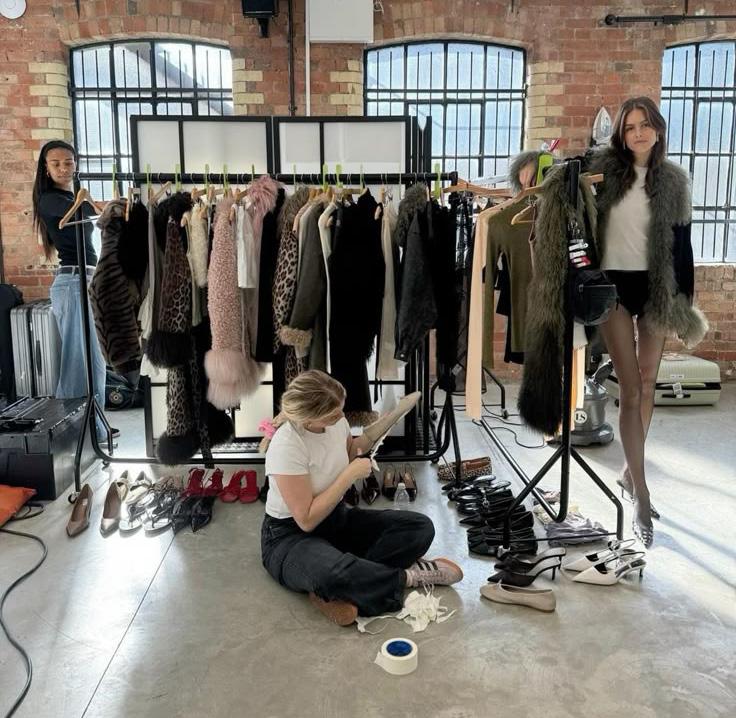
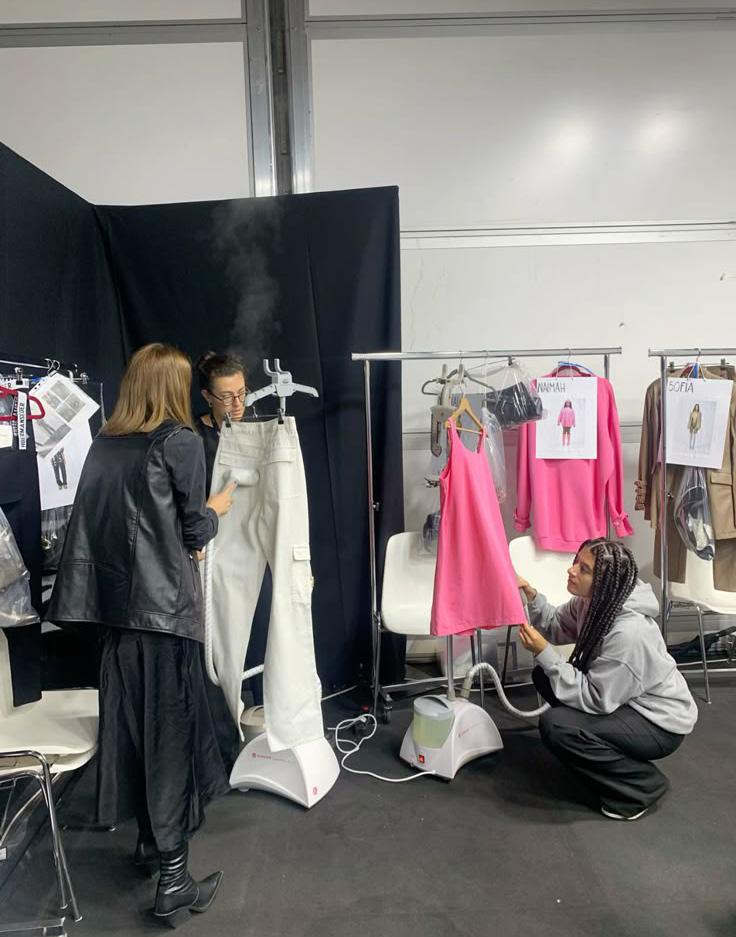
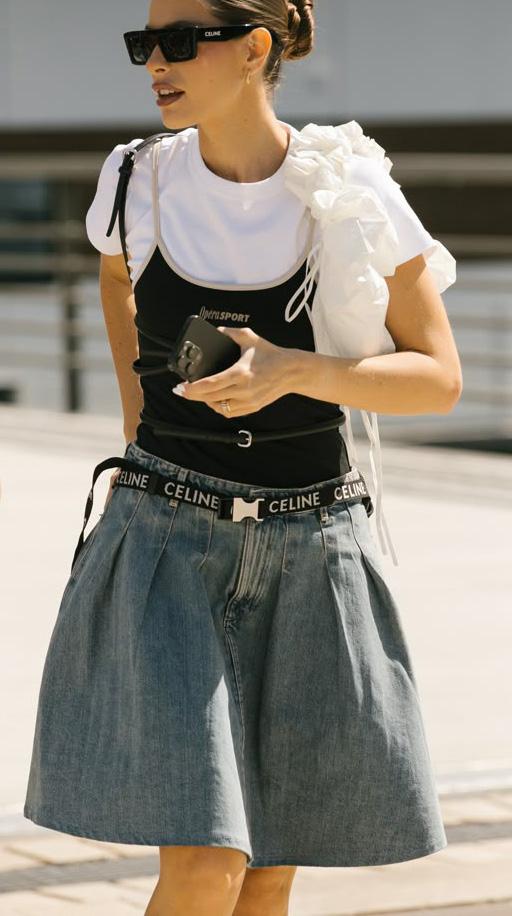
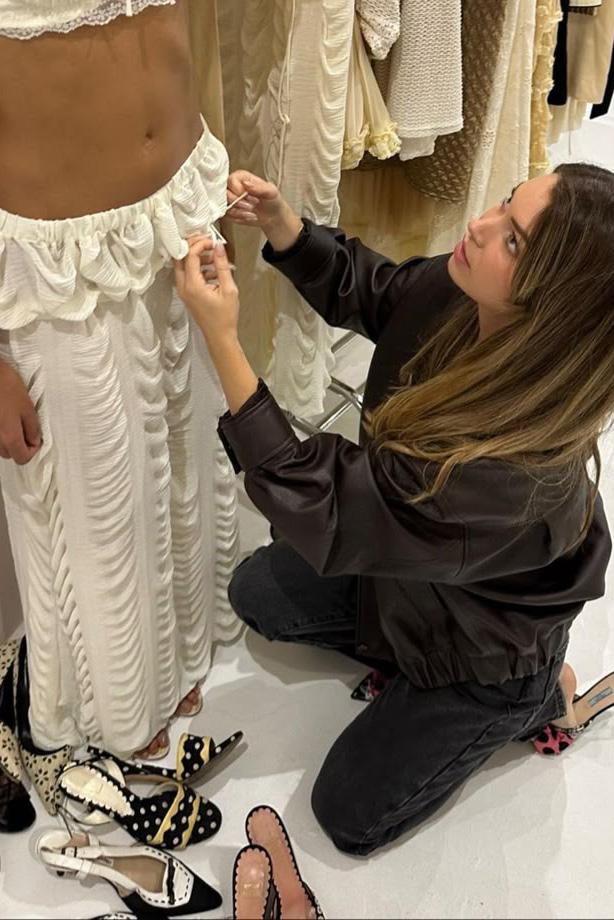
The production of a brands e-commerce and campaigns is usually very fast paced and efficient. Brands need to produce huge volumes of product imagery quickly. Production teams are often under pressure to meet daily/weekly output quotas, which can compromise quality or innovation.
Brands are beginning to tailor e-commerce experiences with individualised styling and content for the most personalised, unique looks. If not carefully curated, it can become visually repetetive or uninspired.
The purpose of fashion campaigns is to tell a story and build brand identity. It is a large collaborative process which allows for high-concept art direction , casting, and styling that elevates the brand beyond sales.
Creating a fashion campaign is costly and requires large teams, travel, and post production. With so many brands pushing out campaigns, standing out can be more difficult, and if not executed properly and ethically, the backlash can be severe.
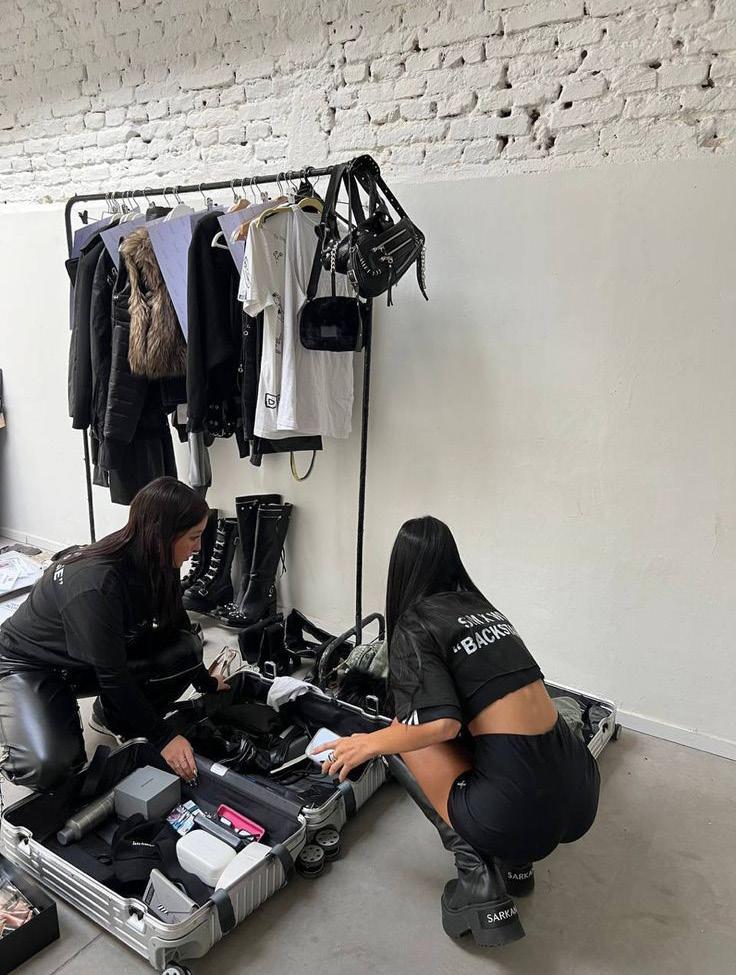
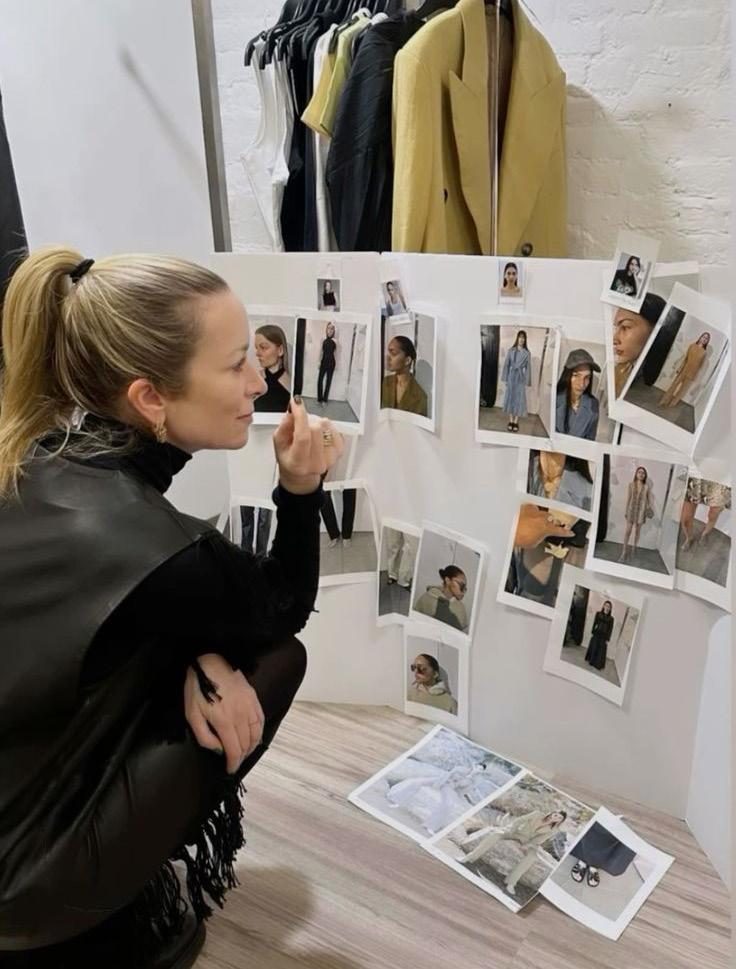
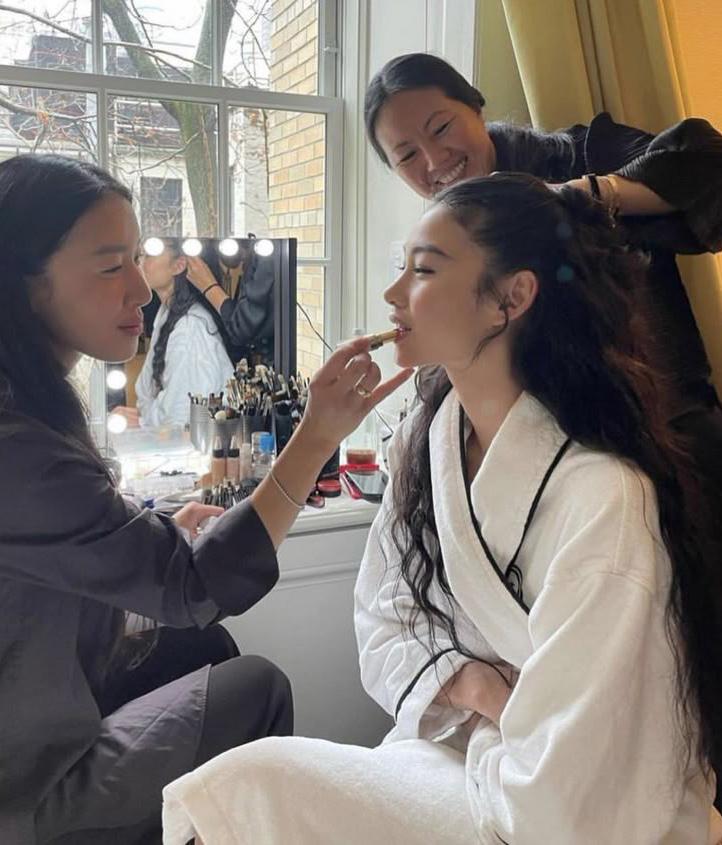

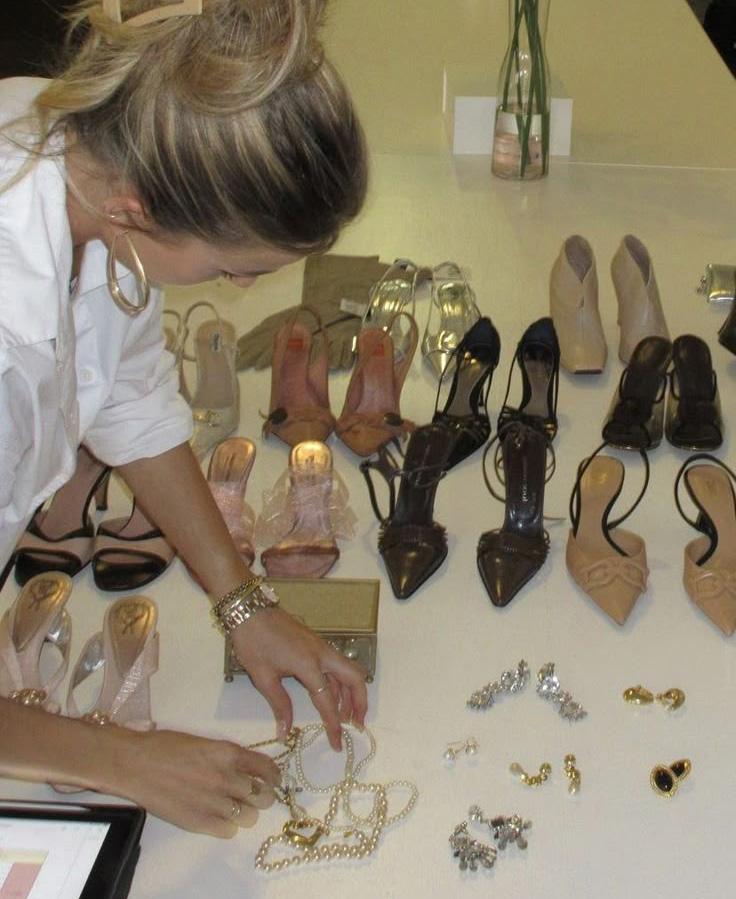
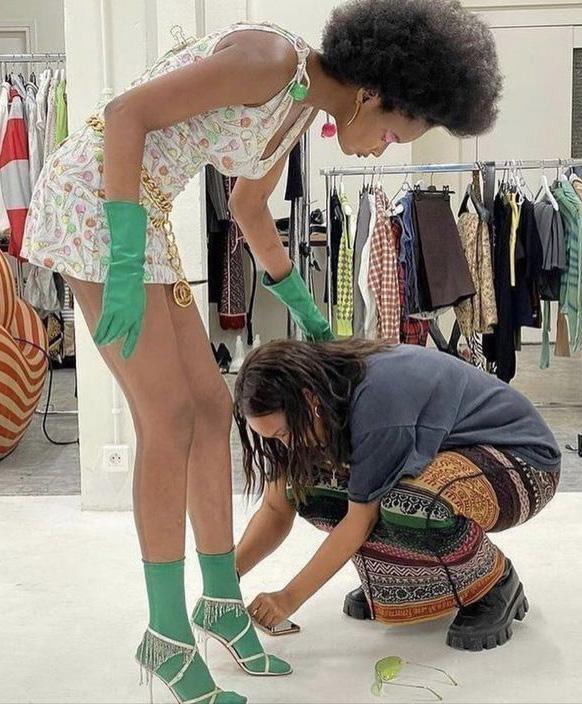
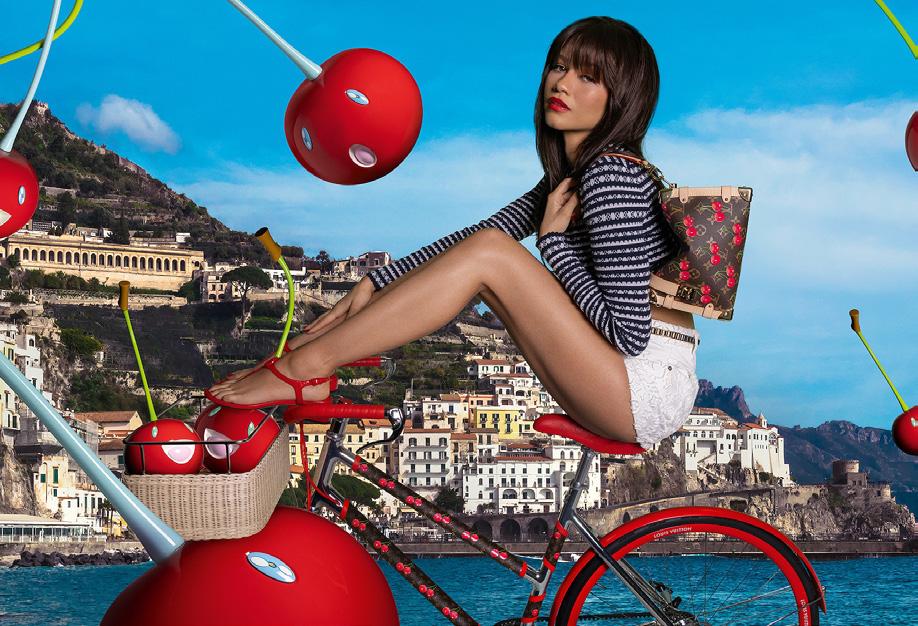
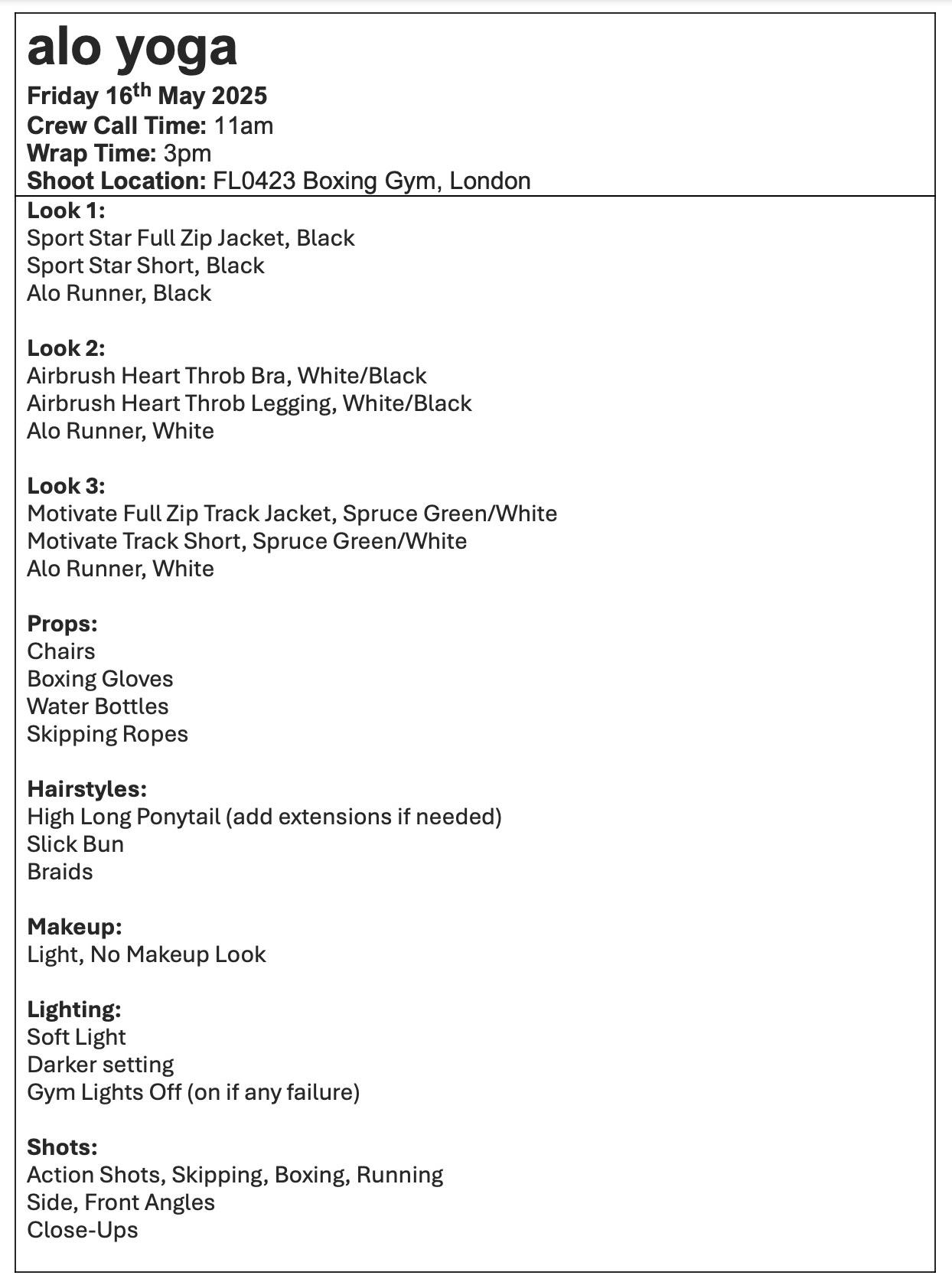
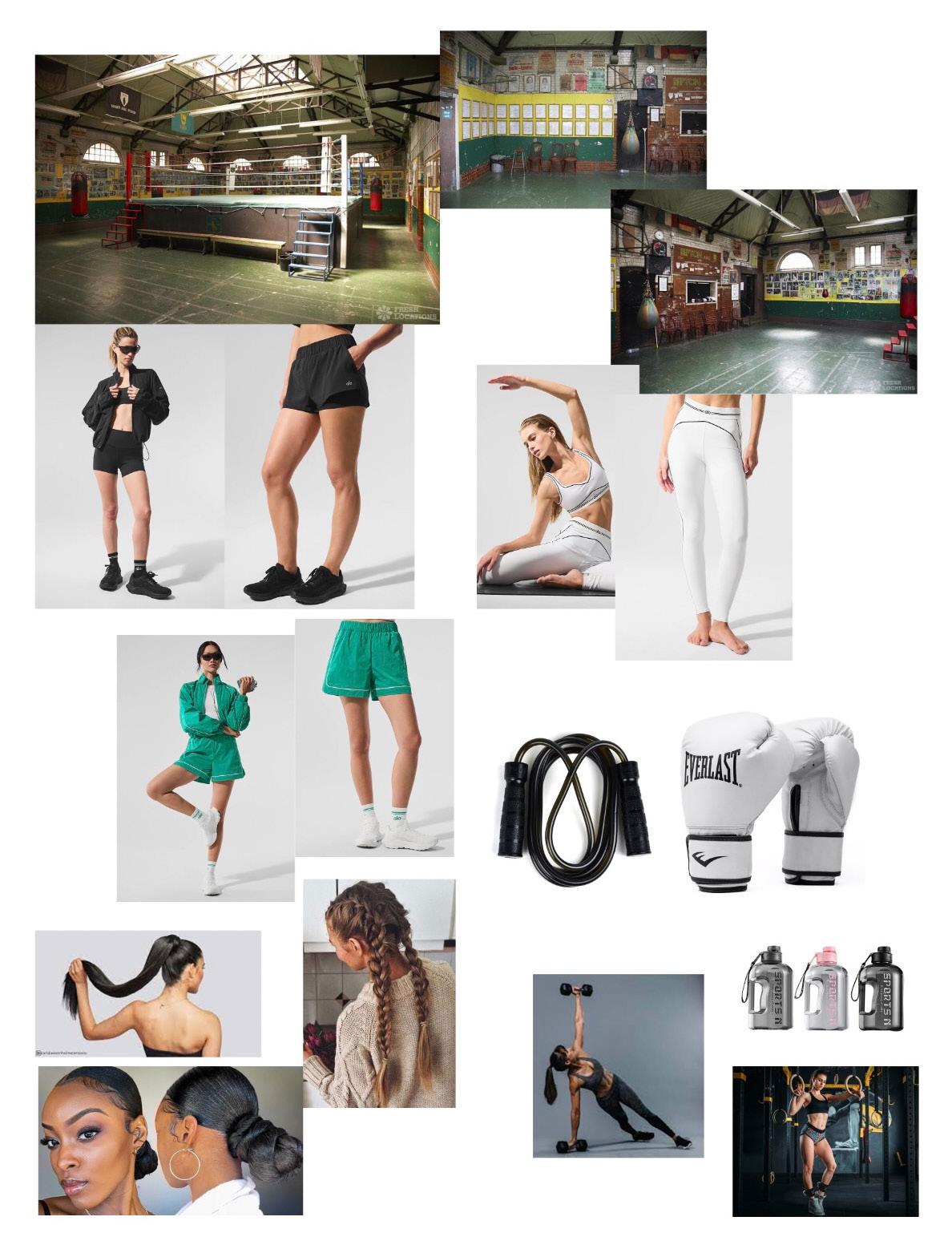
Following our session with Jenny, I created my own production plan for an Alo Yoga campaign.
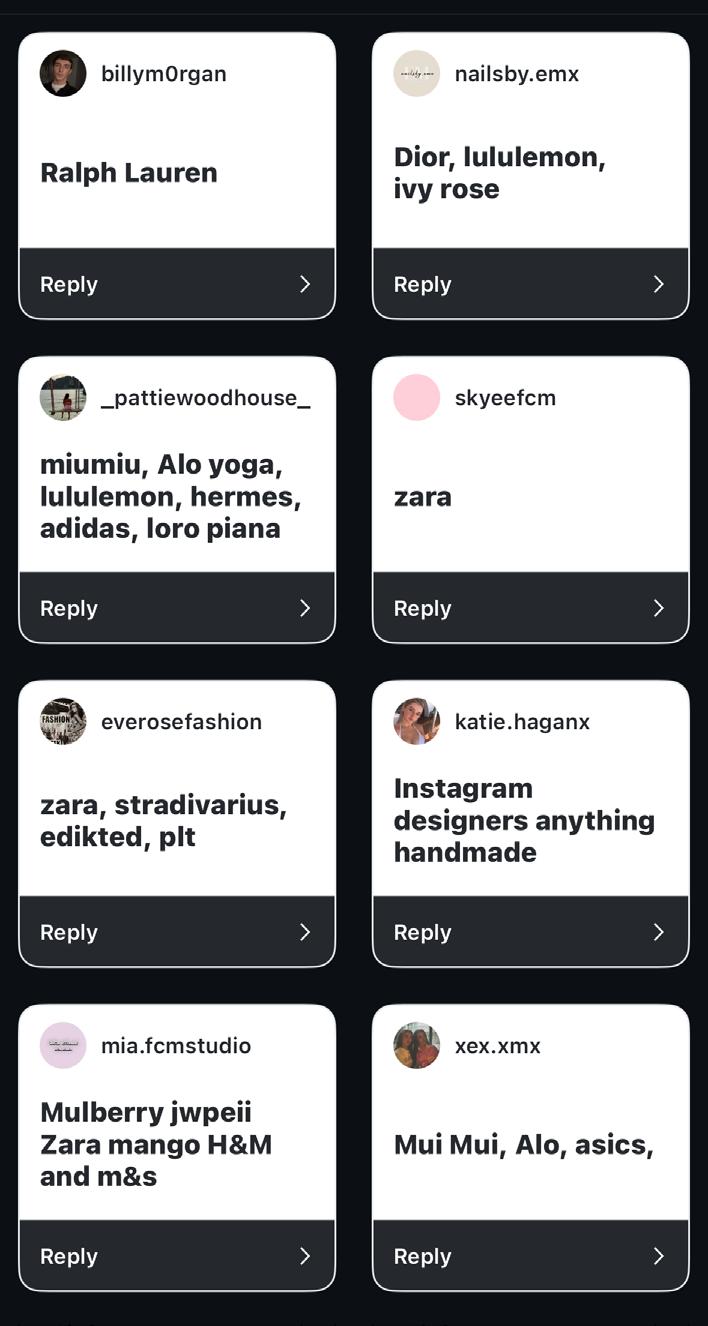
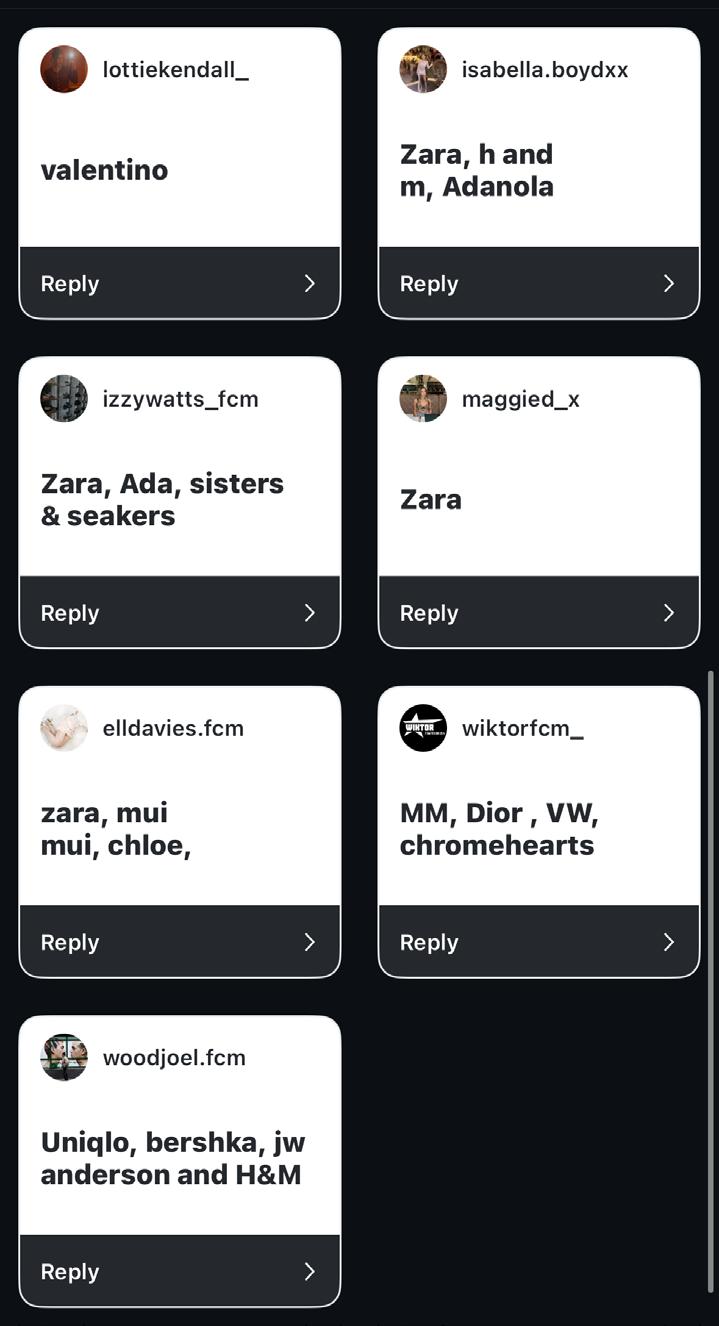
Here are some more questions I asked my Instagram followers.

Micro Influencer Award WinnerLydia McGrath
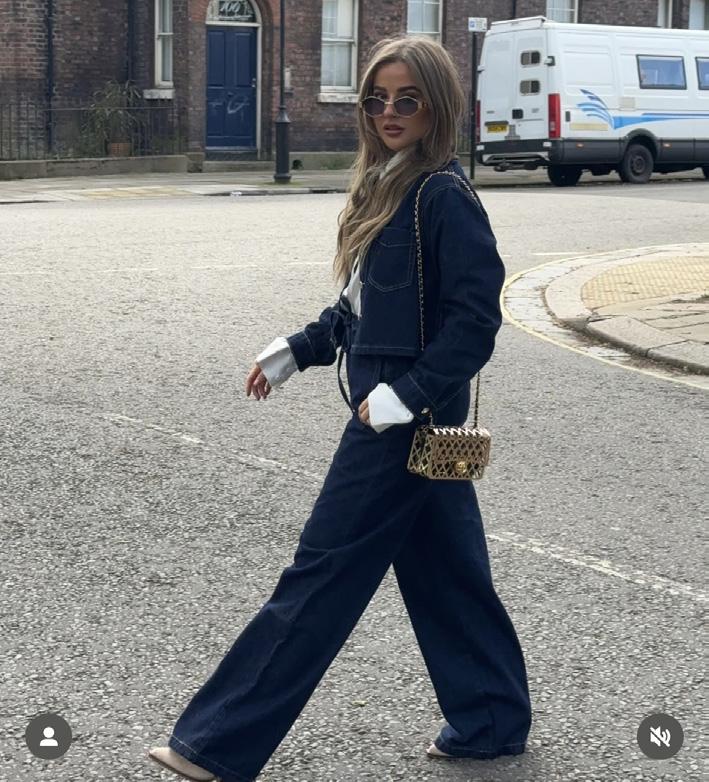
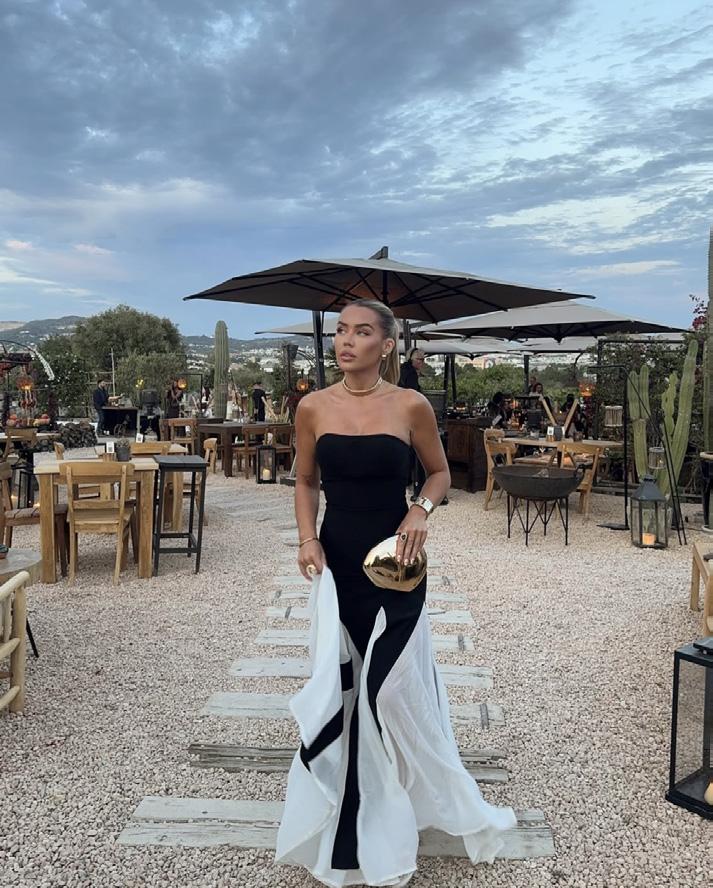
Fashion Influencer Award WinnerSamantha Kenny
Beauty Influencer Award WinnerChantelle Fenwick

Aspirational Influencer Award
Winner- Heather Bowling

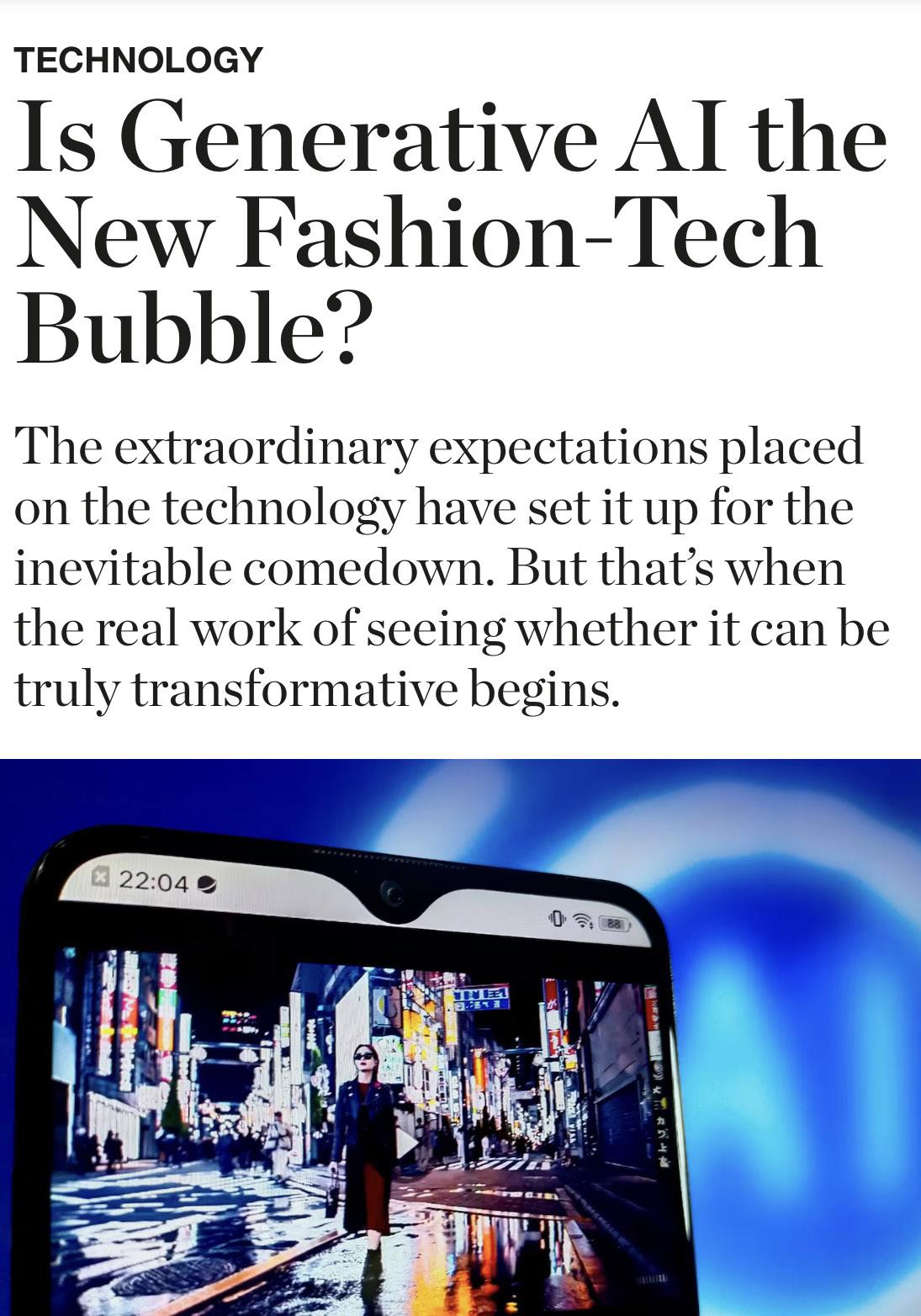
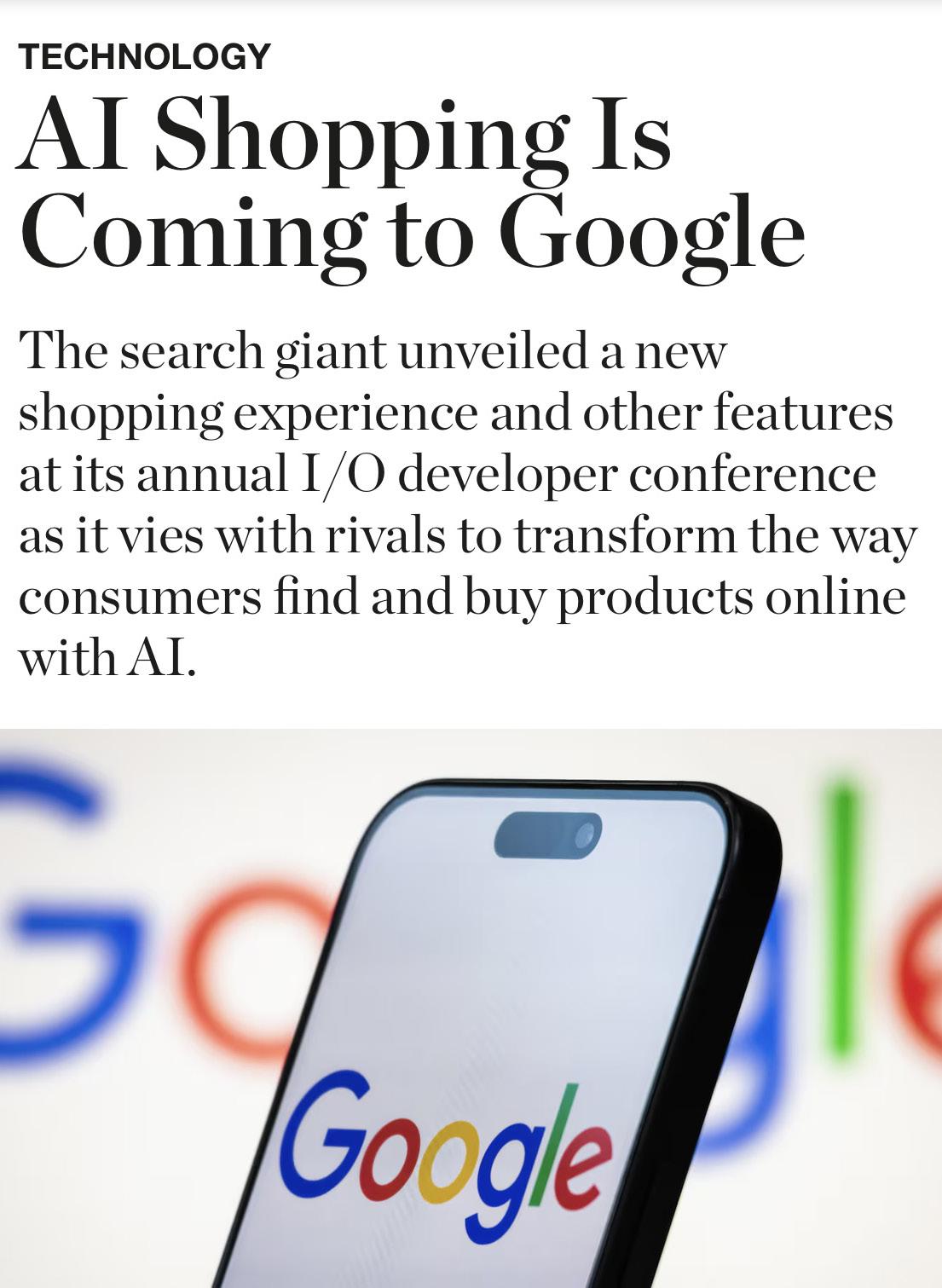
More than a year after generative models first captured public attention, even the most advanced ones still fabricate facts, make basic maths errors and produce imagery with physical or historical inaccuracies.
In fashion, the fates of some early generative-Al projects are already in doubt, and at least one high-profile example has been abandoned.
Not everyone believes generative Al will live up to the hype, but the technology is advancing quickly and doesn’t need to be revolutionary to have an impact.
businessoffashion.com
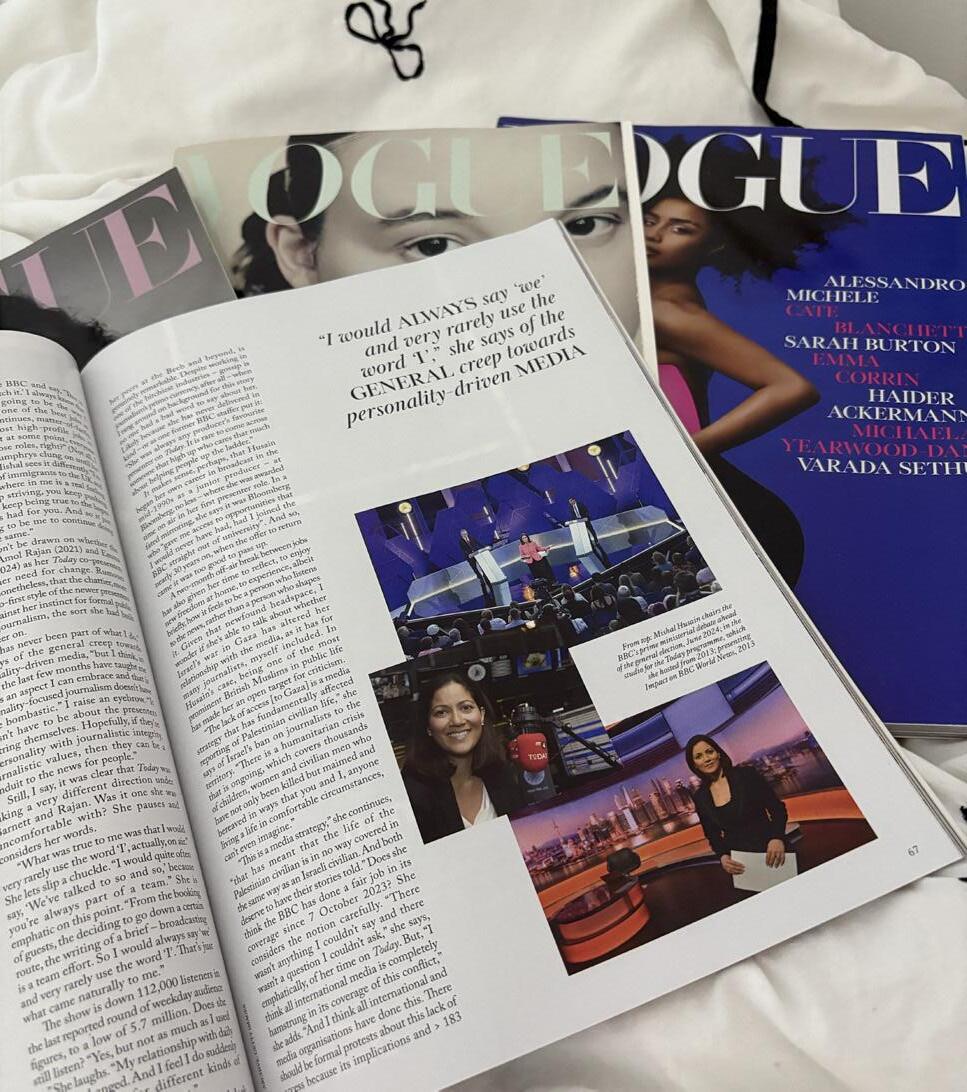
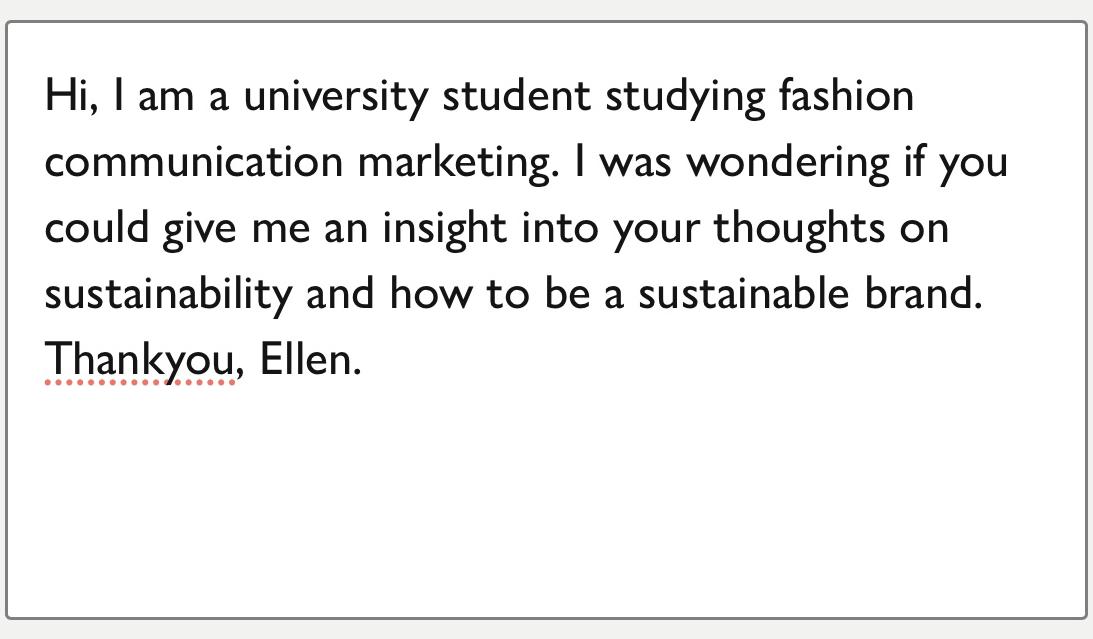
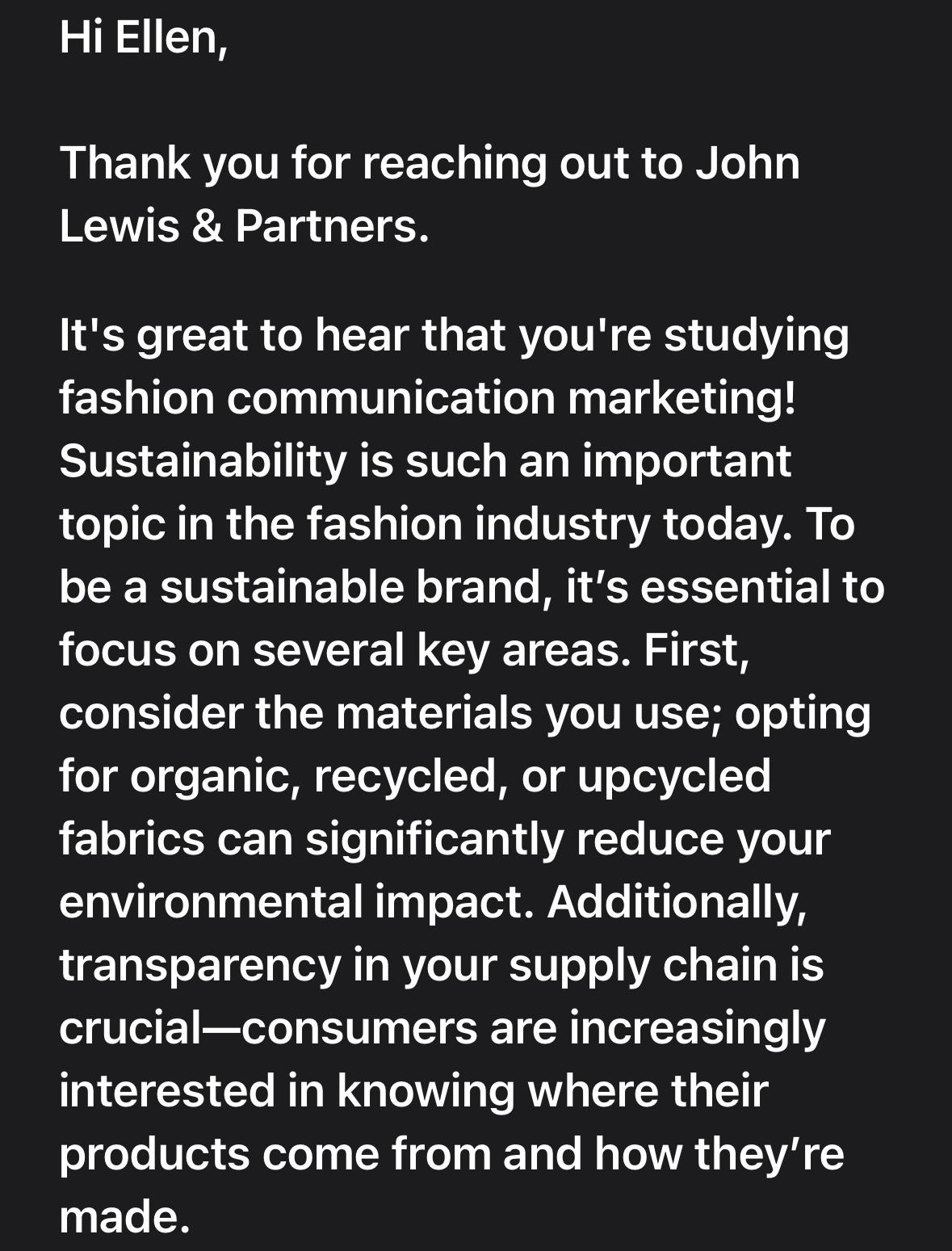
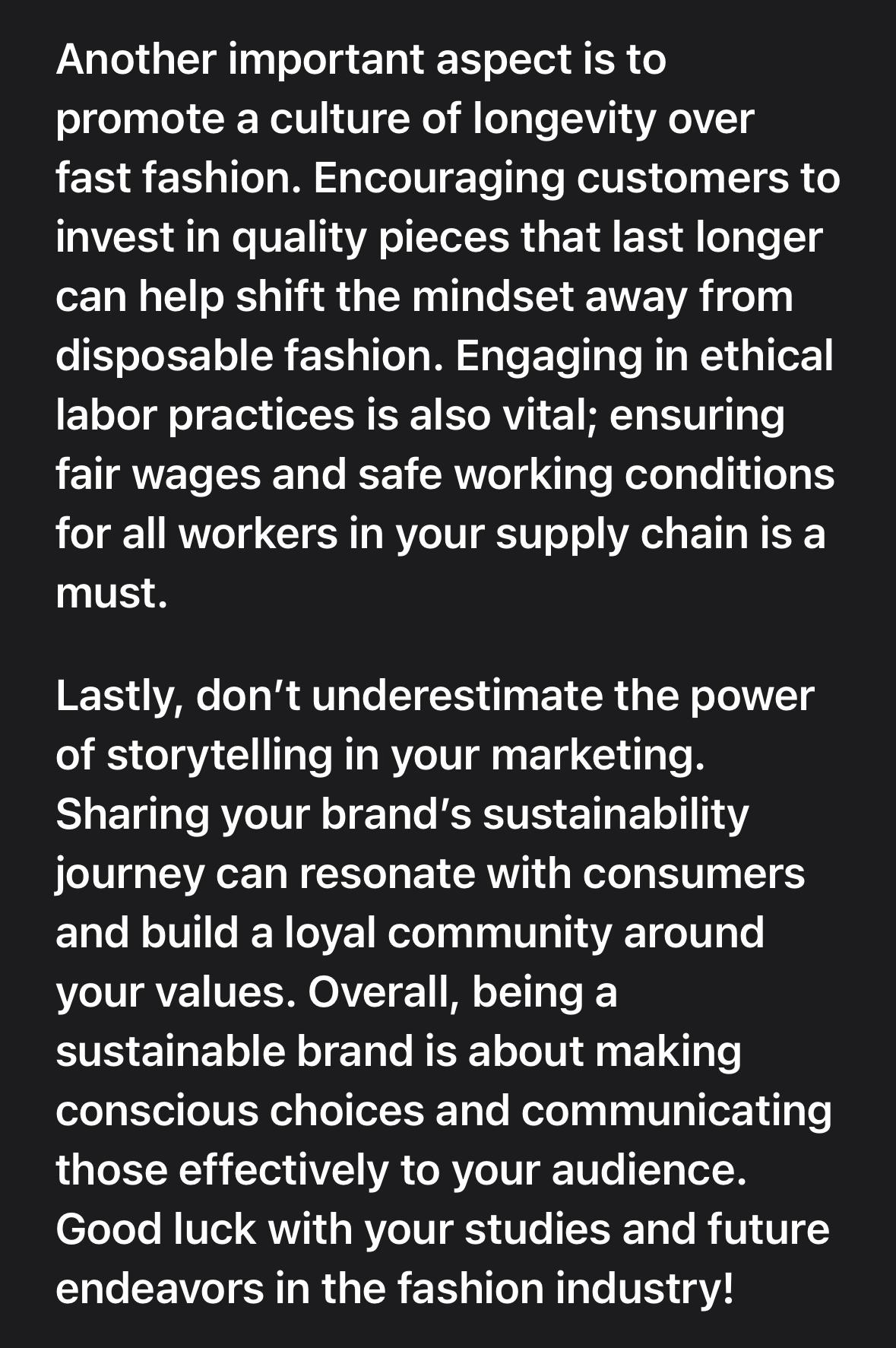
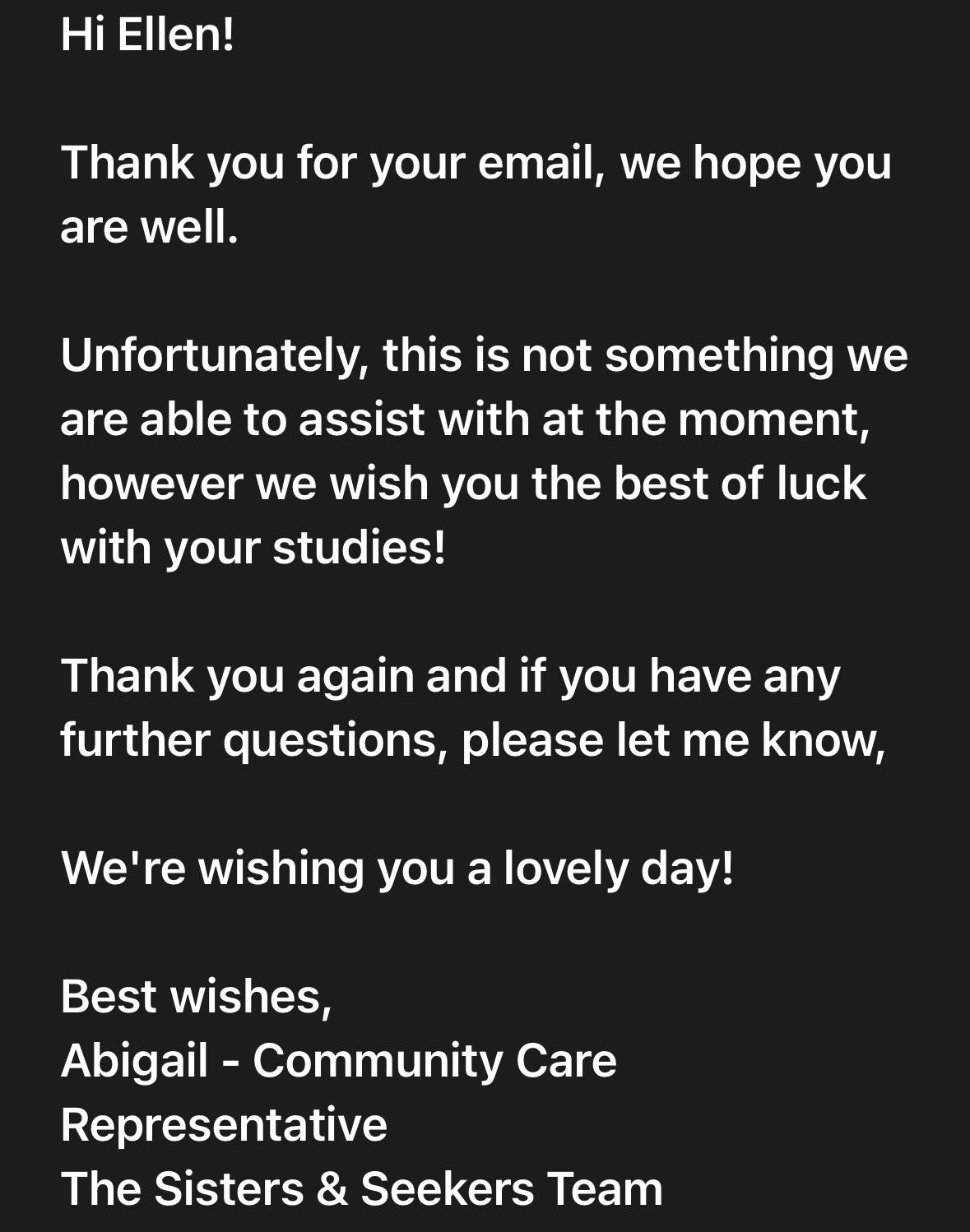
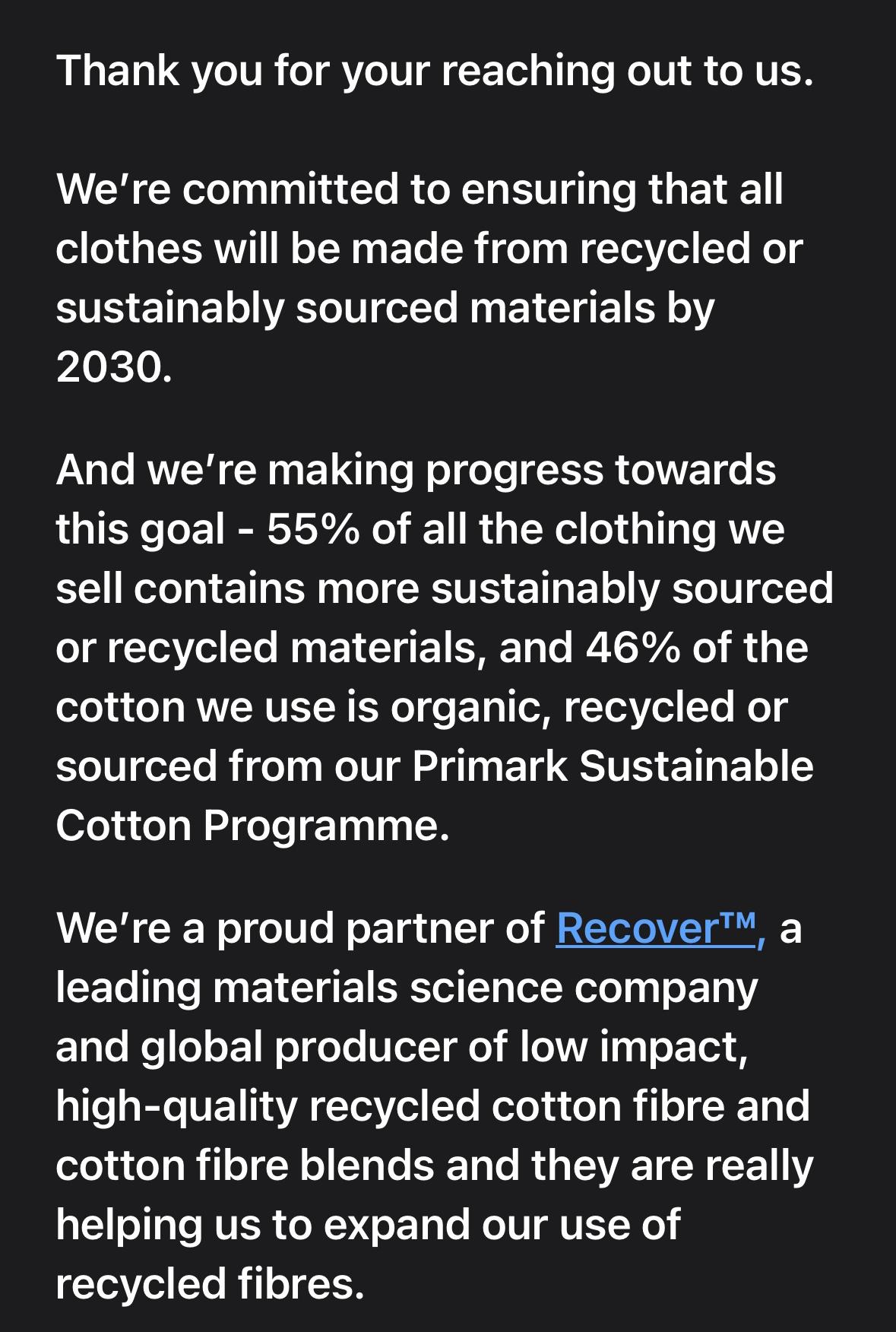
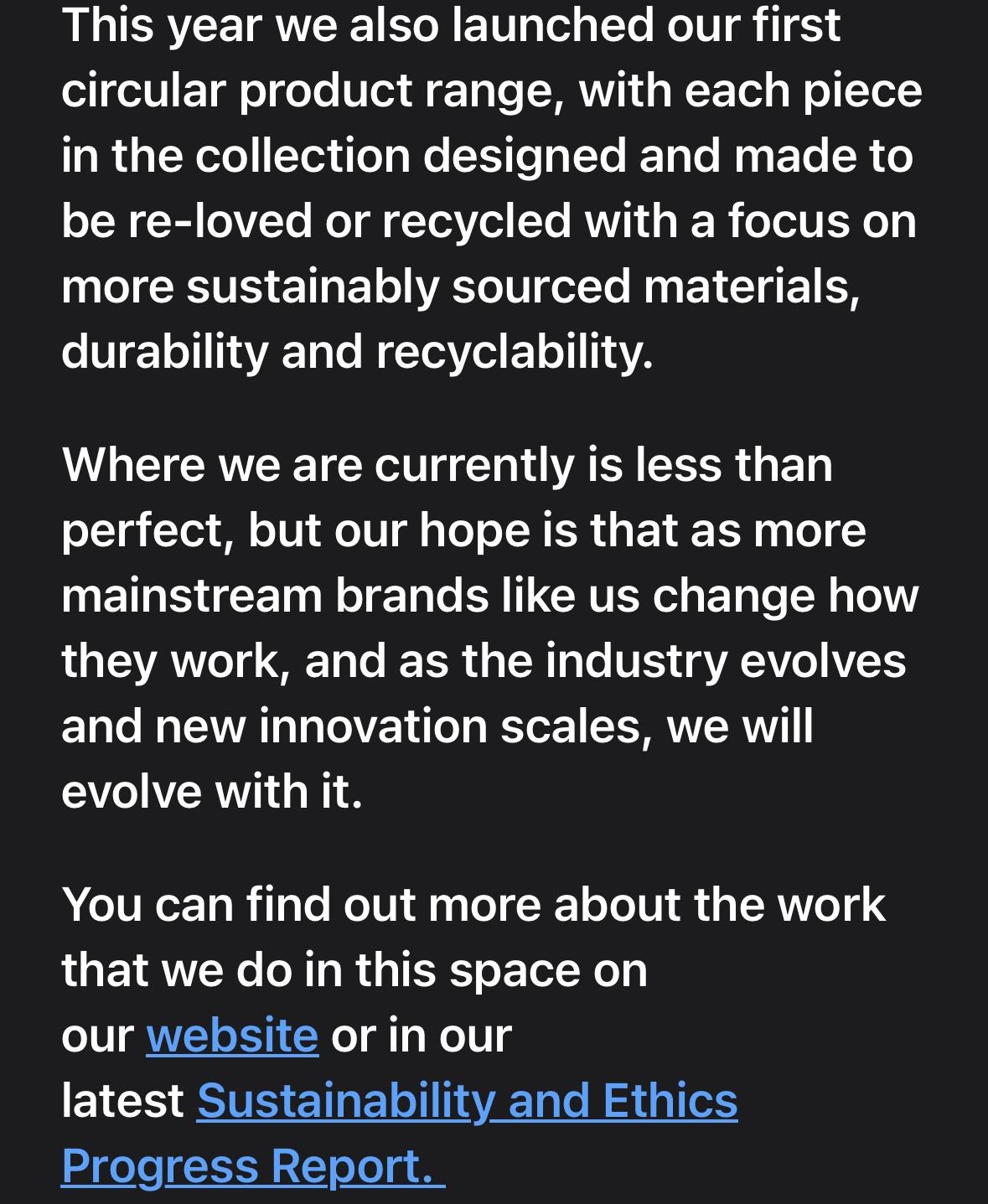
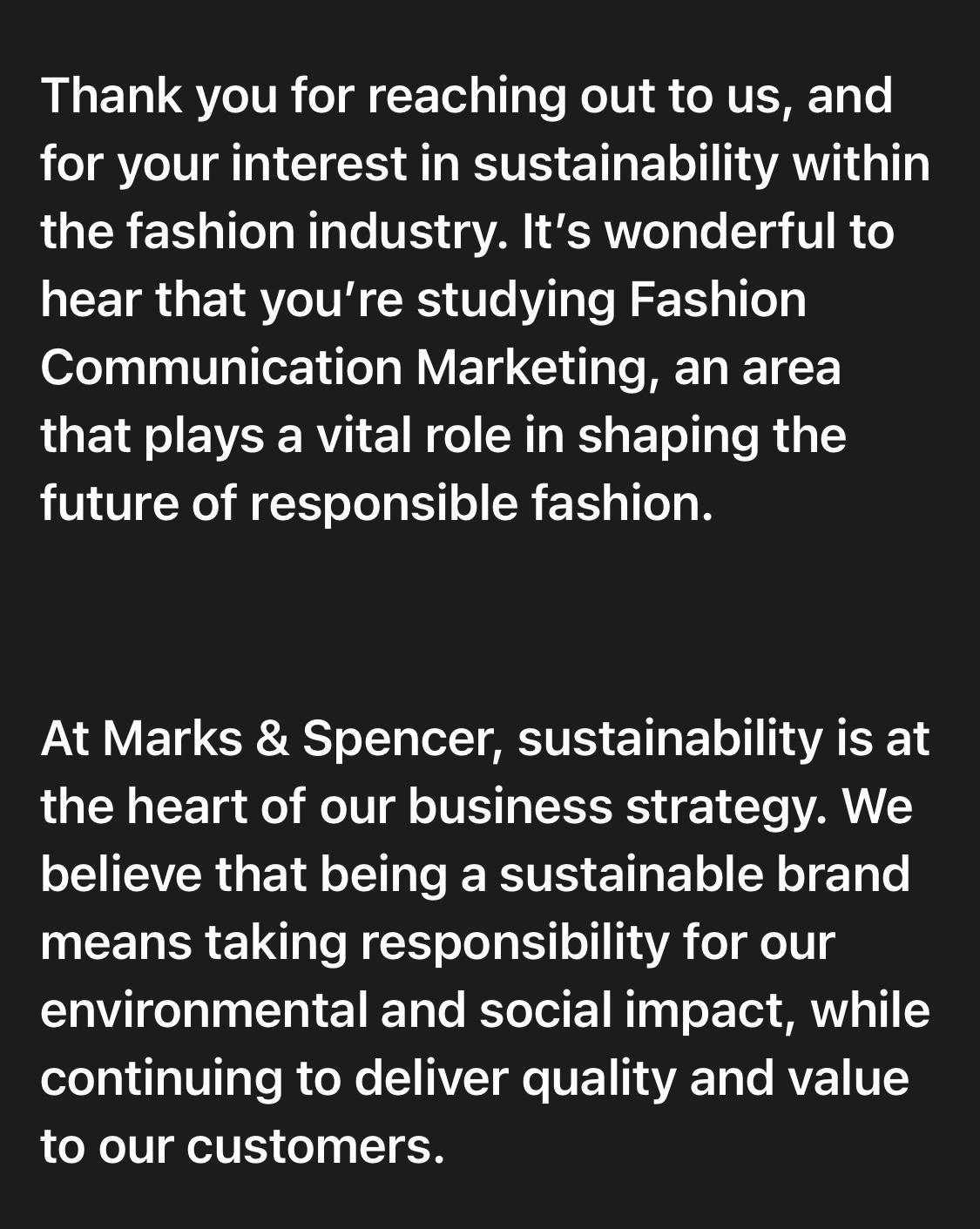
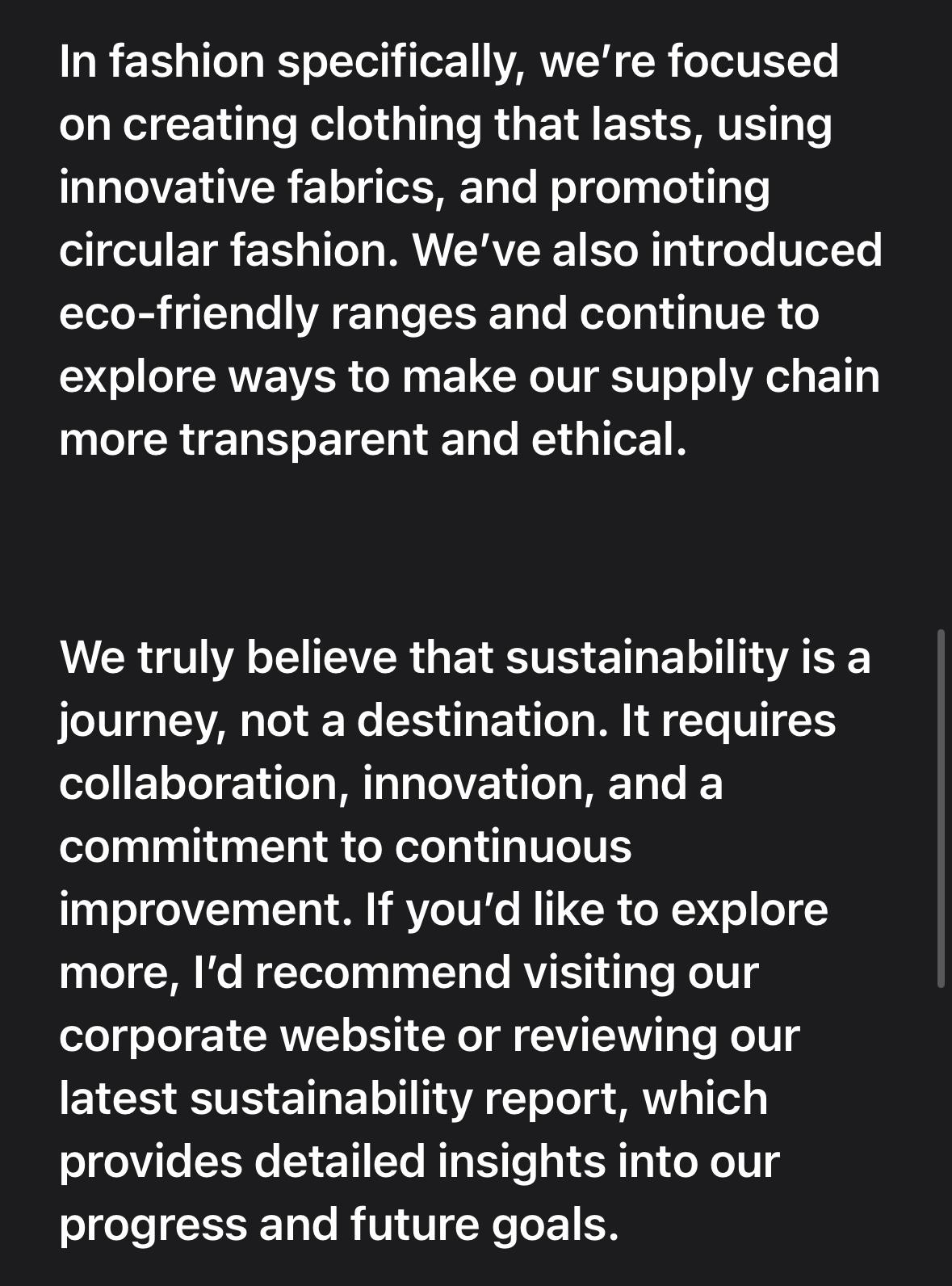
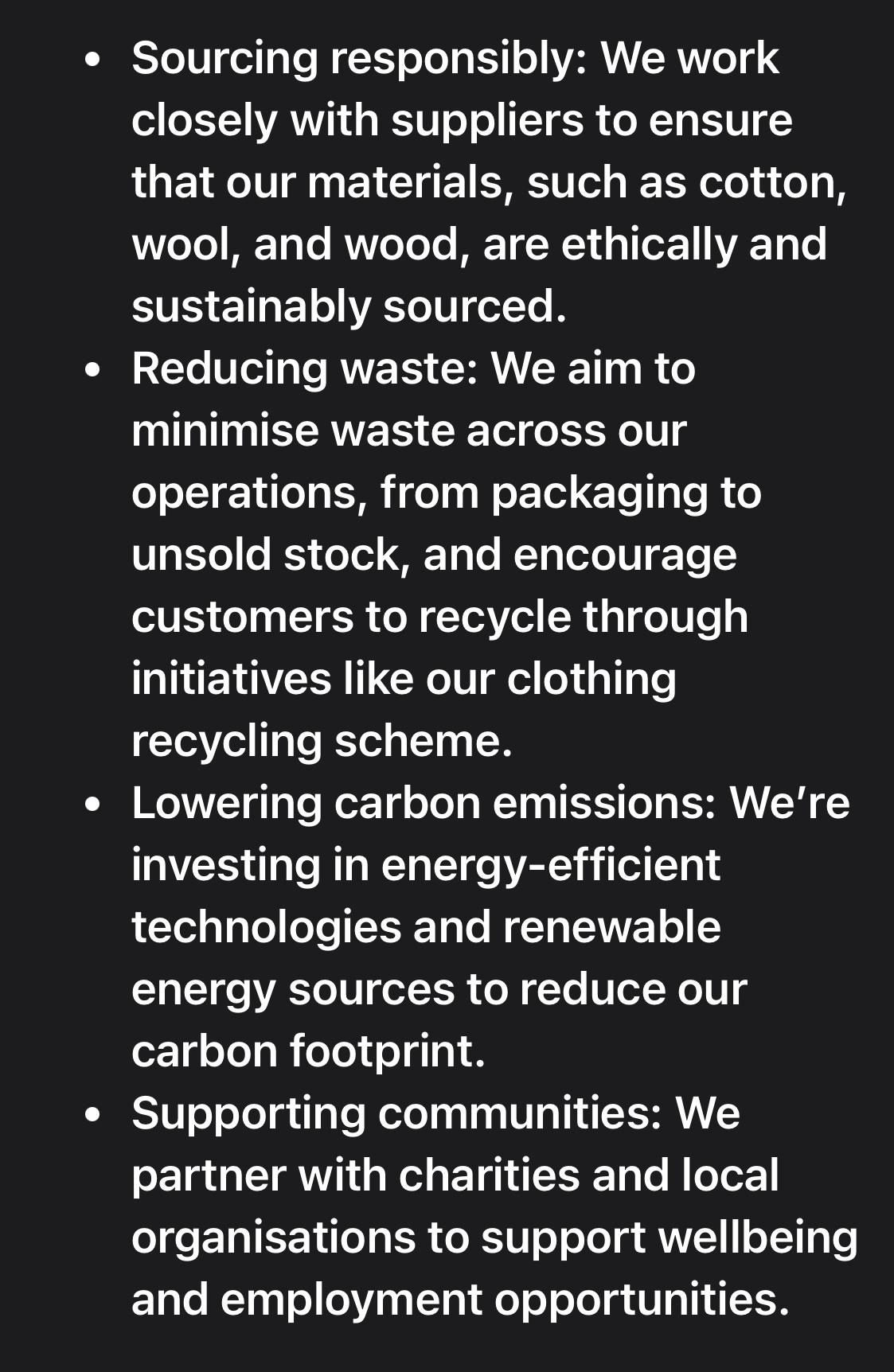
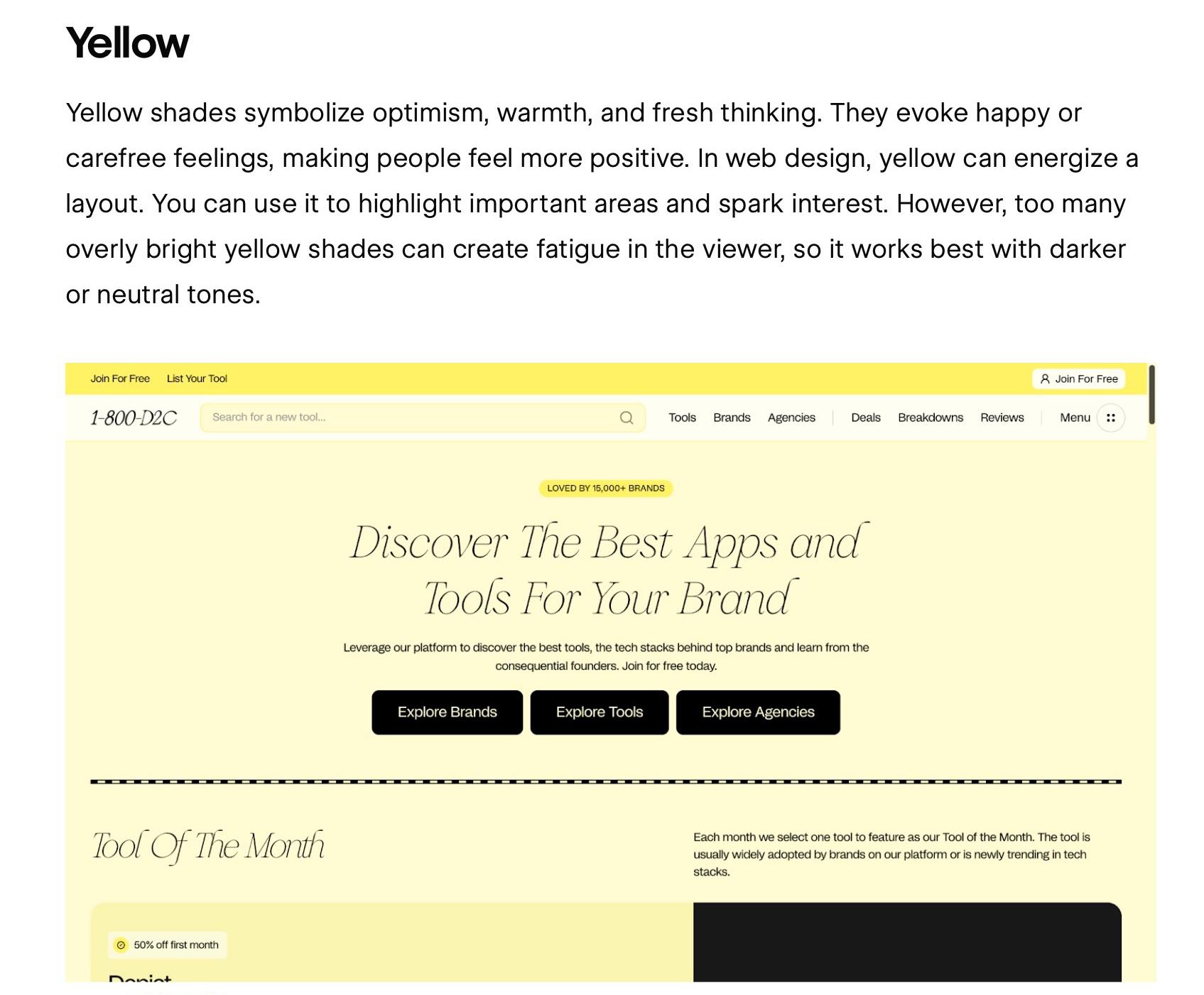
I contacted some different brands to ask for their thoughts on sustainability and how they push to be sustainable brands. Here are their responses:

The name Gen2gether represents the generations working together to educate each other and start making a difference to live a more sustainable lifestyle.
The colours of the brand represent gen2gethers brand values of optimism, future thinking, and sustainability. I originally created the brand using the colours blue and grey, inspired by the Vinted logo but i decided to change them to fit in more with my brand.
I wanted to create an educational brand that promotes other brands like Vinted and Depop to gain a larger recognition and usage of them apps. We dont want people to buy anything from us, we are a tool to boost the audience of these sustainable fashion apps and many more brands with different sustainable ways of life.


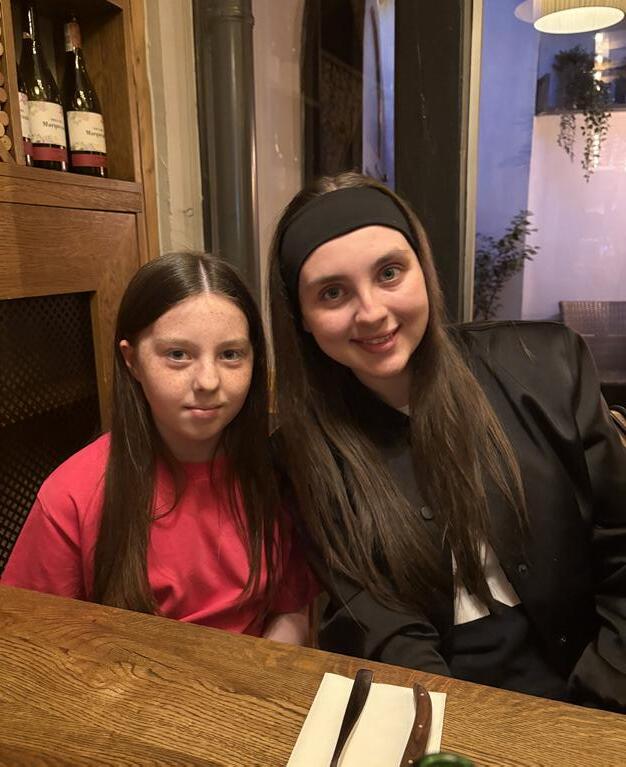


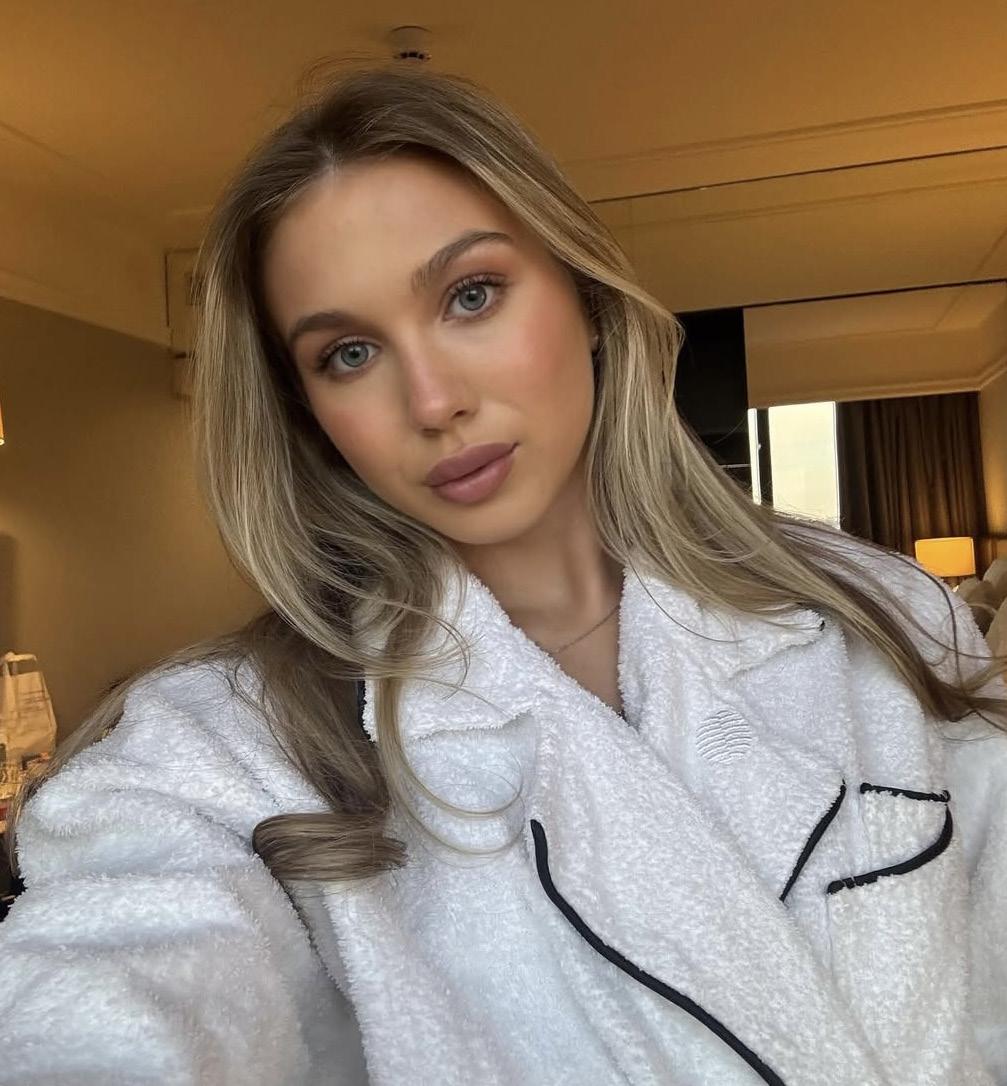
I chose to use Lila and Erin for my project as i feel they are very confident and strong minded young girls. I think they will be very comfortable working with Isabella and I and will all be able to have as much fun as possible.
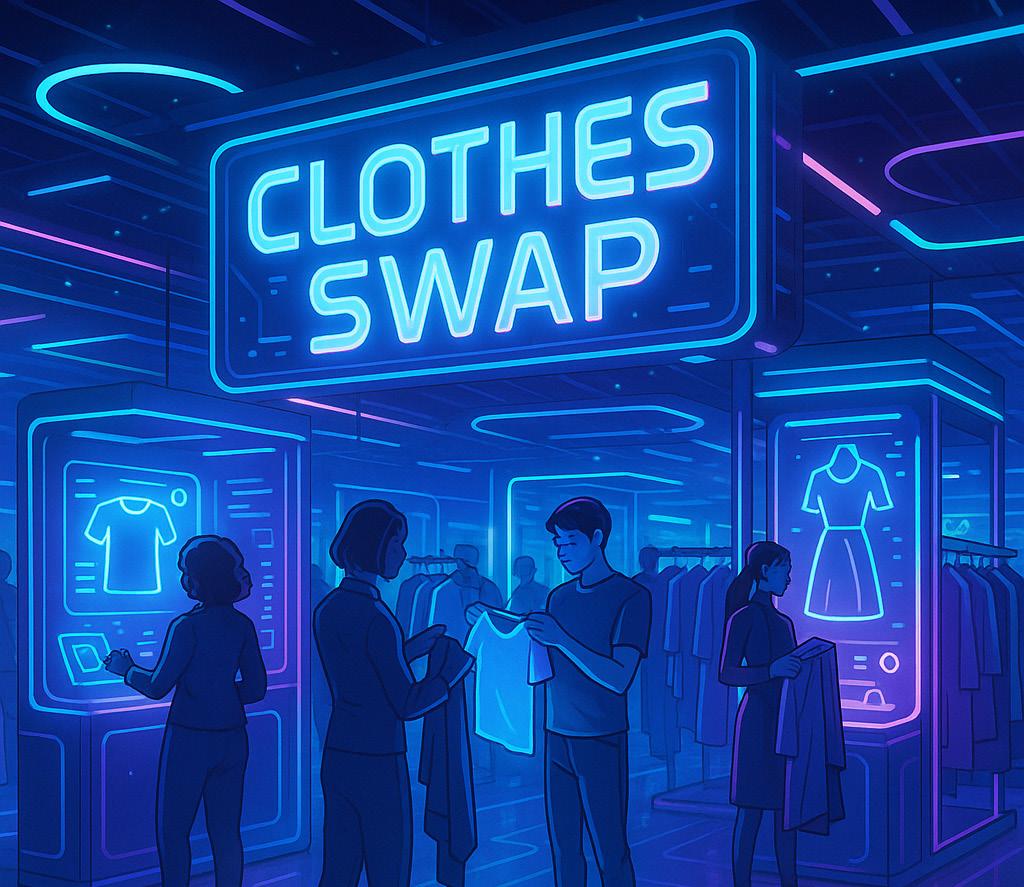
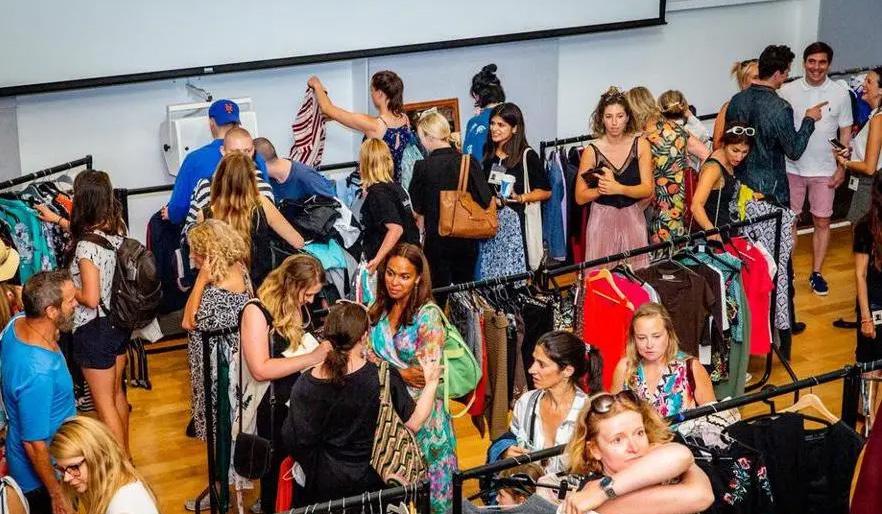
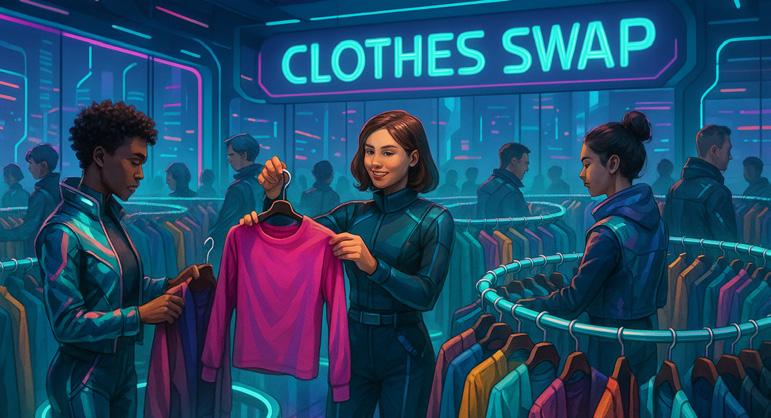
I wanted to create a clothes swap event to boost brand awareness and knowledge of sustainable fashion.
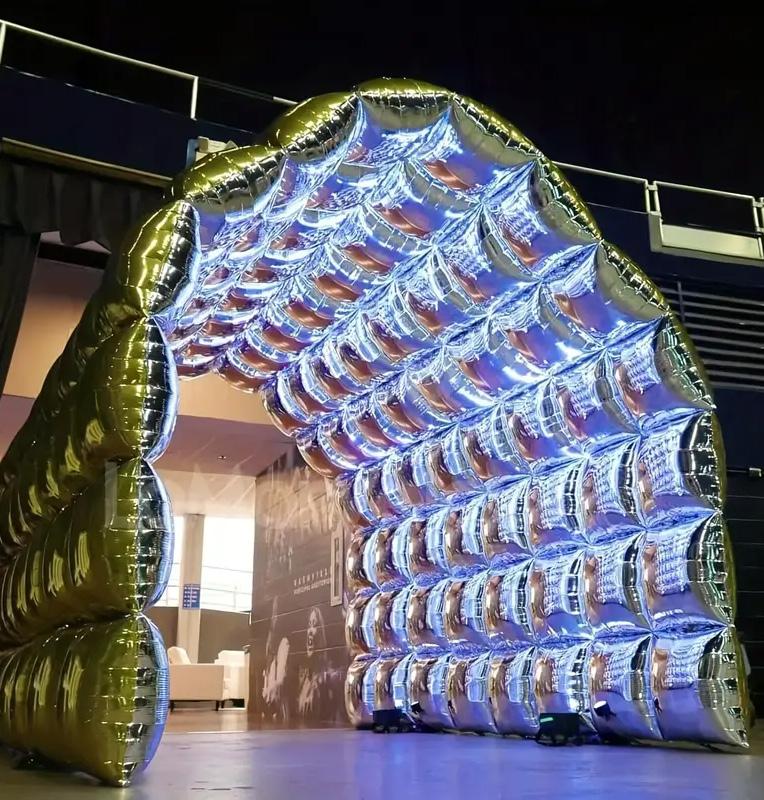
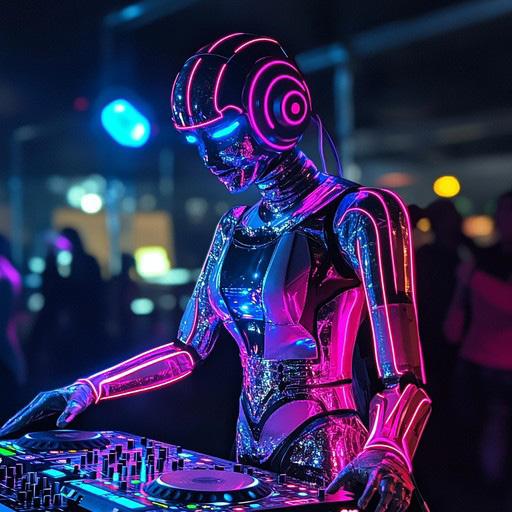
When looking into it and thinking about it more, this clothes swap is something that has already been done. I started to research into these types of events in the future and what they would look like in the future. I started to create my own clothes swap for 2030 and what that would consist of.
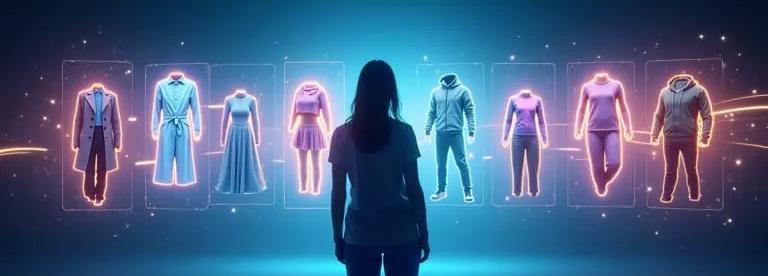
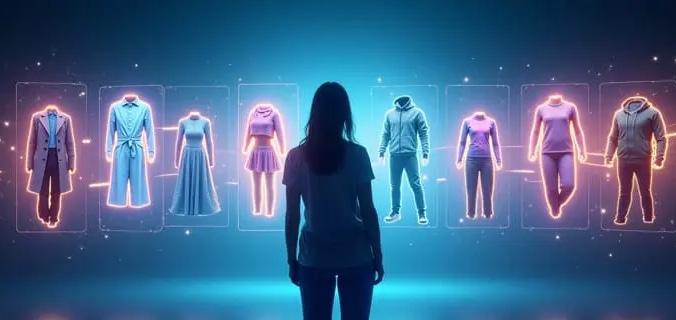
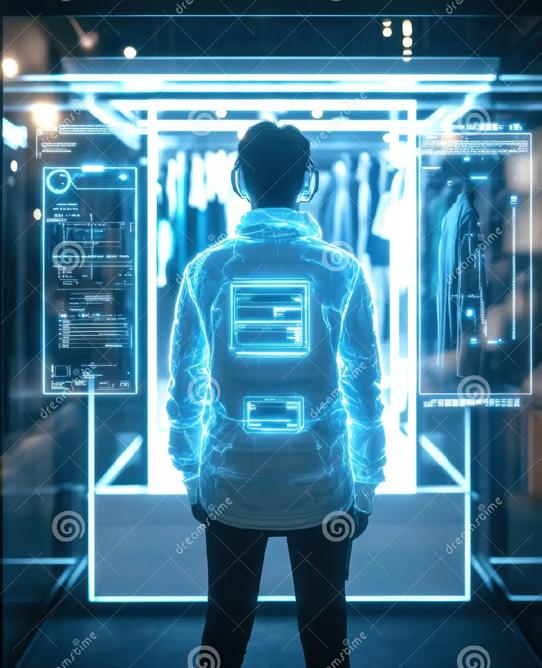
It would have features like AI mirrors for people to try on virtually, especially with the location of the event being inaccessible to proper changing rooms.
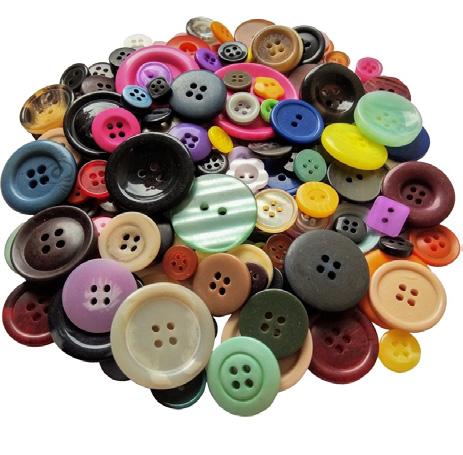
We would also have a 3D repair station with the ability to add buttons and accessories to fix up any holes or stains on clothes that are still good for use and deserve some more love.
The clothes swap event is to boost brand awareness, increase the knowledge of sustainable fashion and the different ways to be sustainable. It will be a fun, exciting day that everyone can get involved in.
The event could be an annual occurence for people to come and swap their clothes, progressing each year with advanced technology and teaching us all new ways to be sustainable.
I looked into creating a collaboration with Vinted. They have collaborated with brands like Oxfam and Evri.
In this collaboration, Vinted have gifted Gen2gether a box of clothing items to use for promotional campaigns. These clothes are likely to be struggling, or unlikely to be sold on the app and we want to decrease the amount being thrown in the bin.
The goal of the collab is to boost brand awareness and following of each brand and to promote buying and selling on apps like vinted. Gen2gether is an educational brand, not somewhere you can buy and sell from, which is why it is important for us to be involved in collabs with brands like vinted to encourage people to use them more and be more sustainble.