Selected Works
Sidney Bettenhausen. 2026
Selected Works
Sketchbook








Model Making Materials



1 water’s edge. [06-15]
2
chatfield wellness center.
studio work [16-23] [24-37] [38-51]
3 the therapy center.
4 the cinema.
supplementary course work professional work
5 etched. 6 the baker house.
7 crossing roads.
8
9
Edge.
Location: Denver, Colorado
3-Week Design and Production
Supervisor: Michael K. Jenson, PhD.
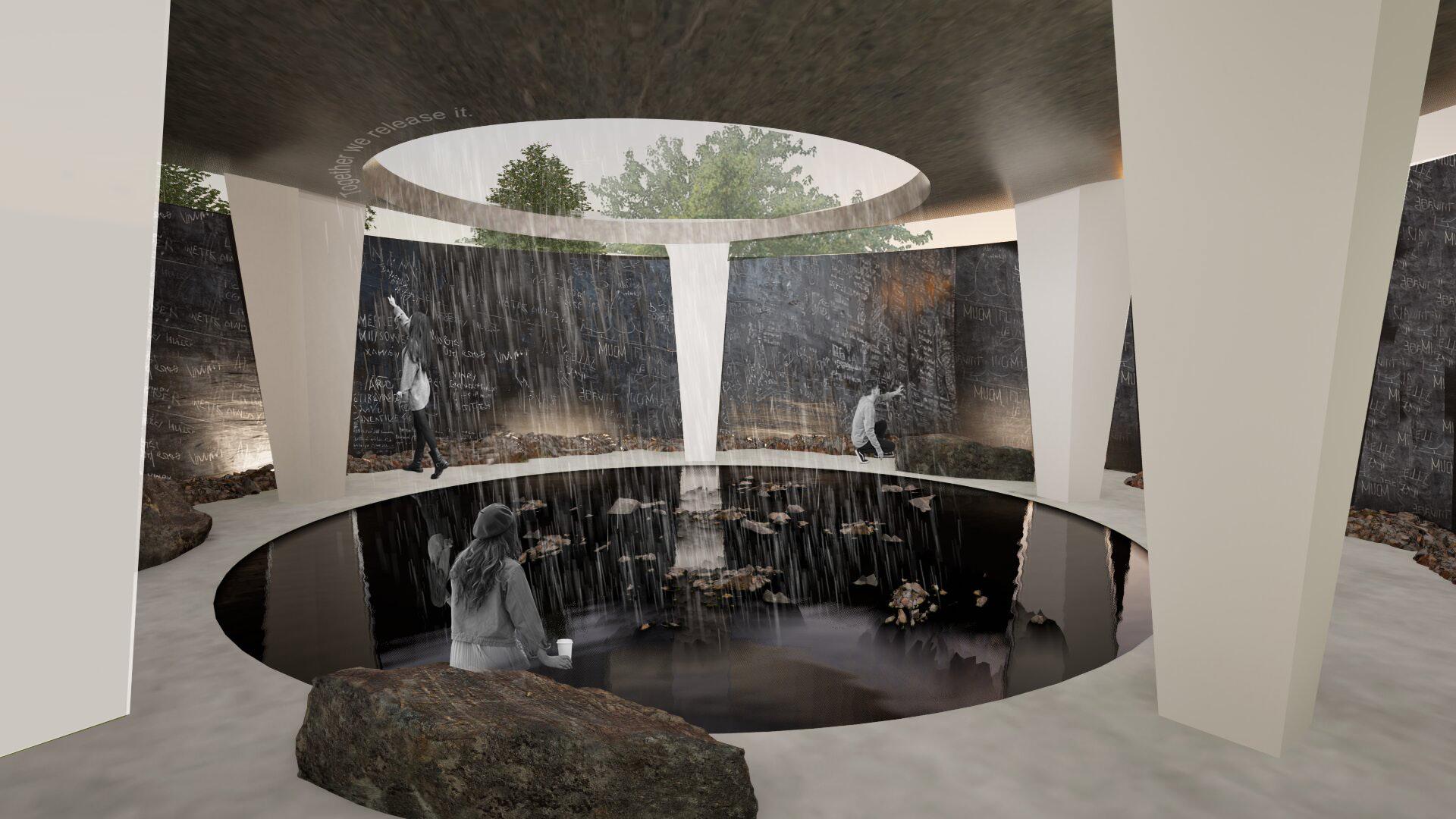
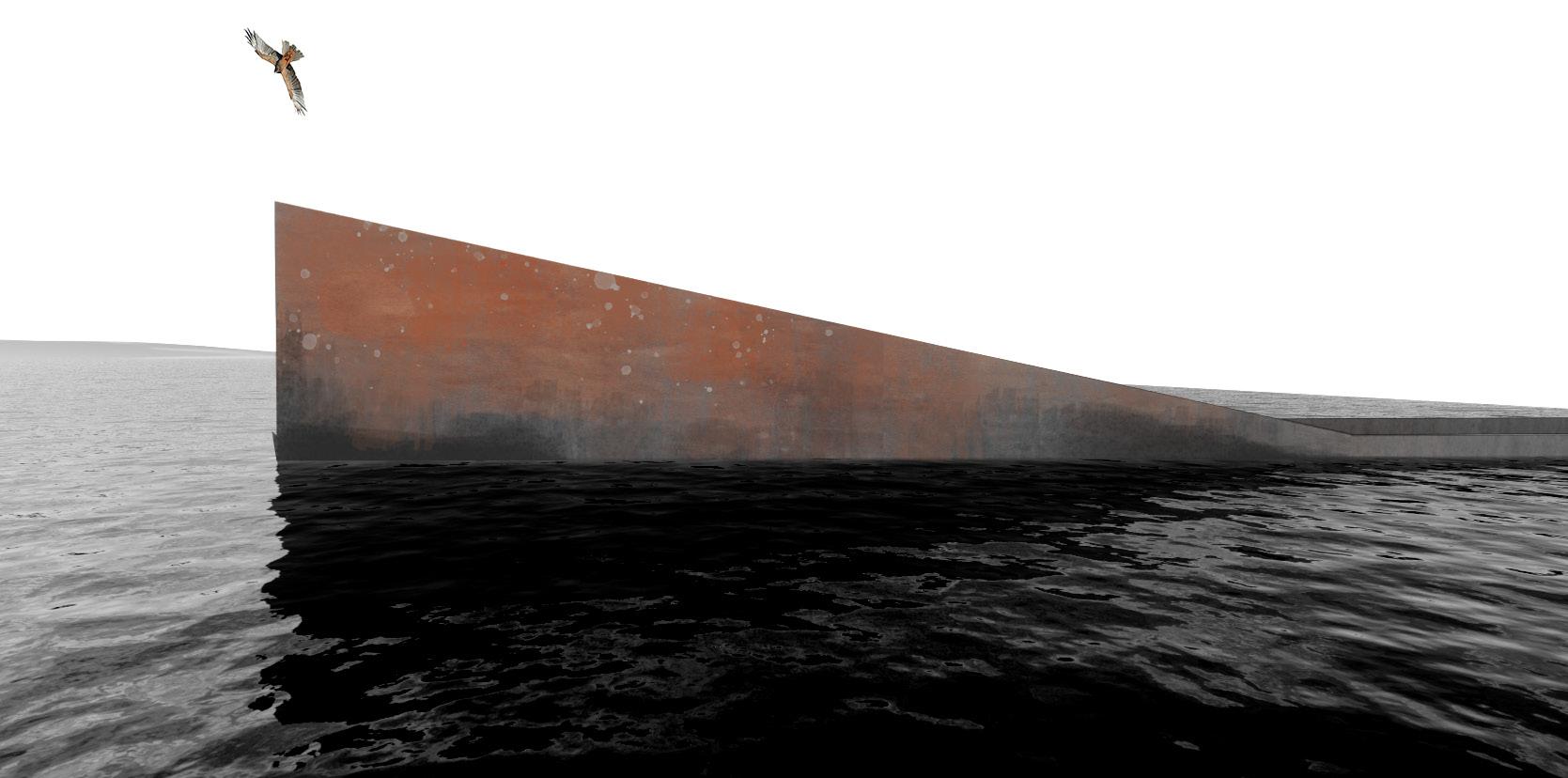
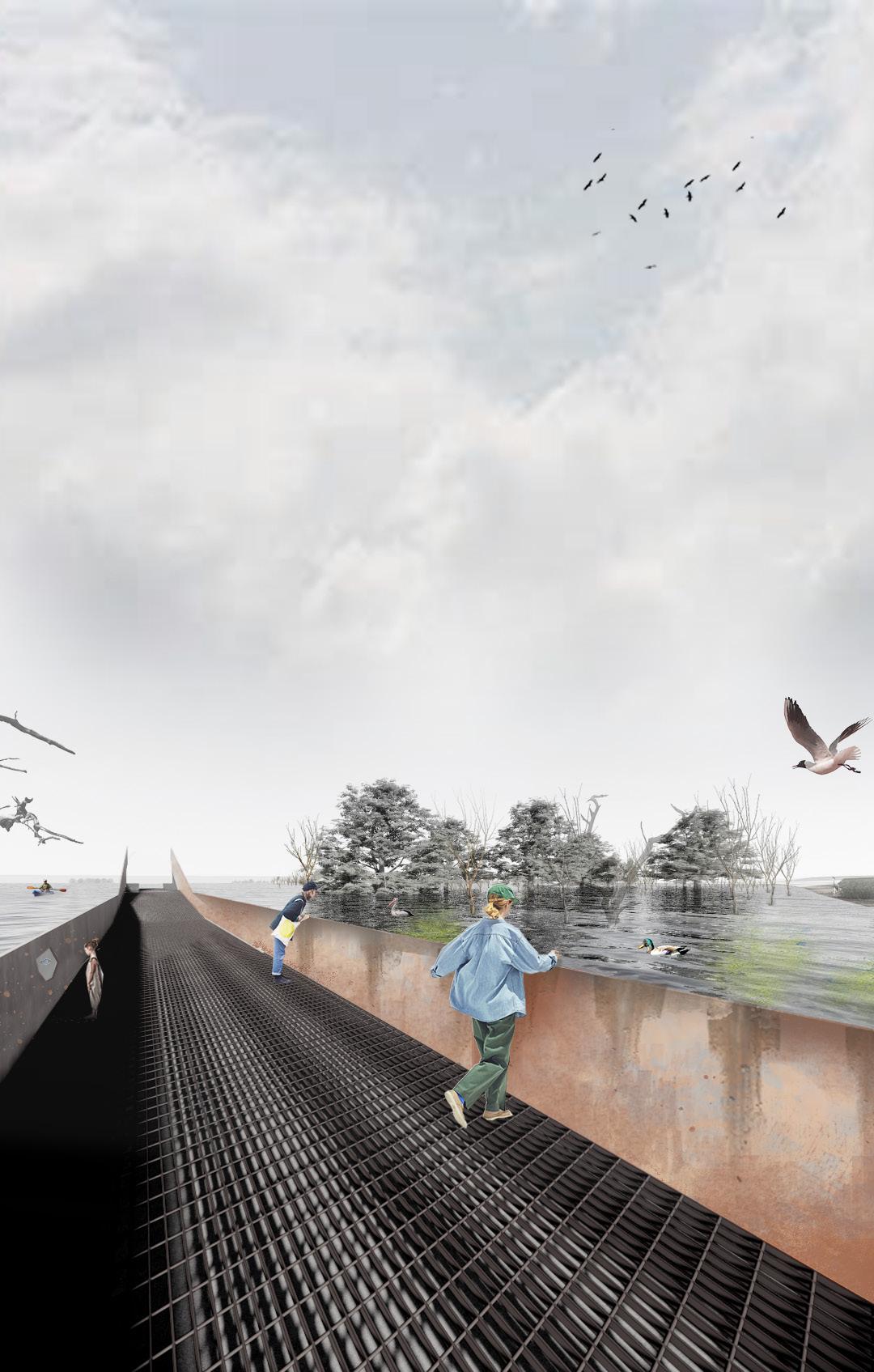
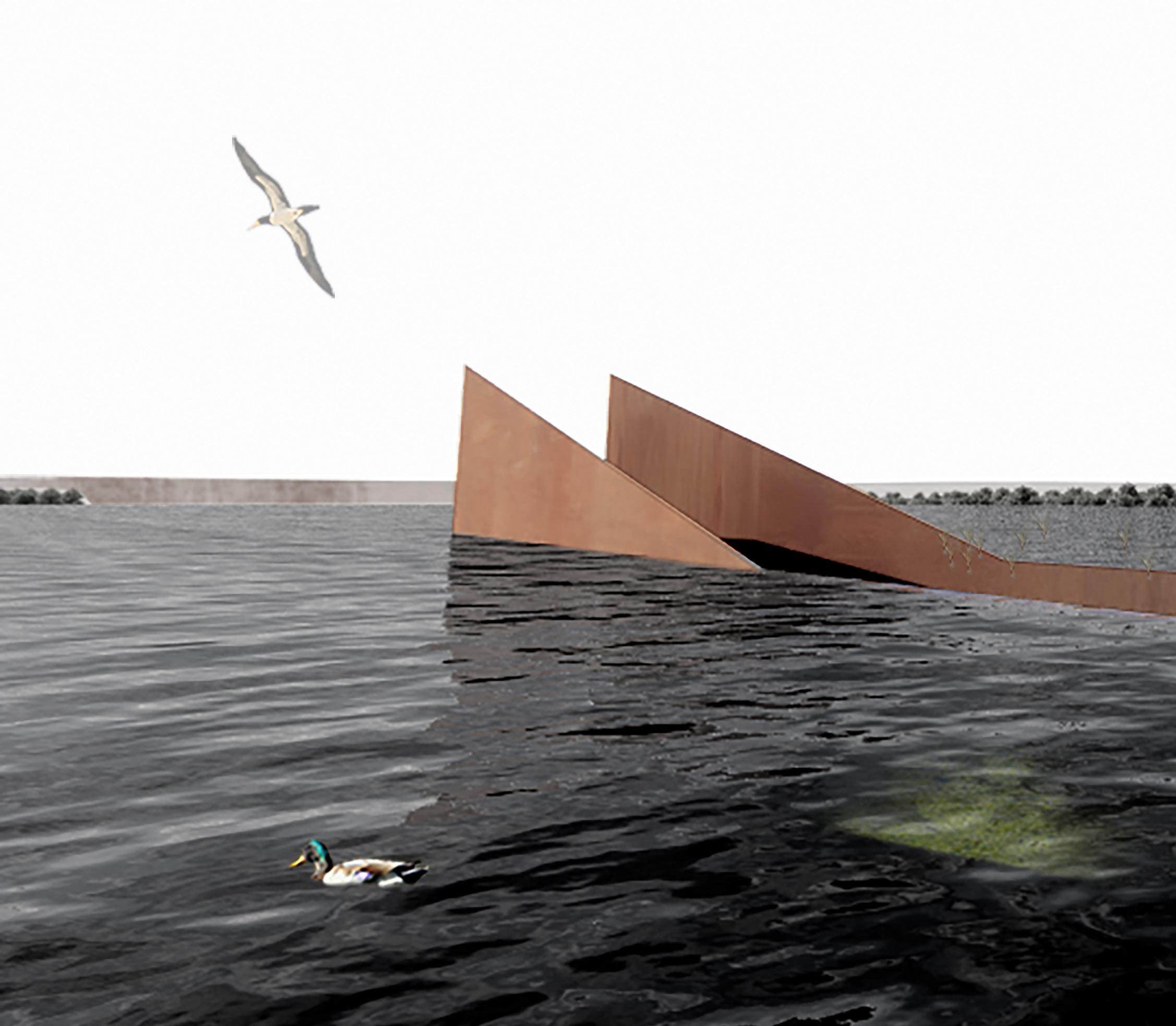
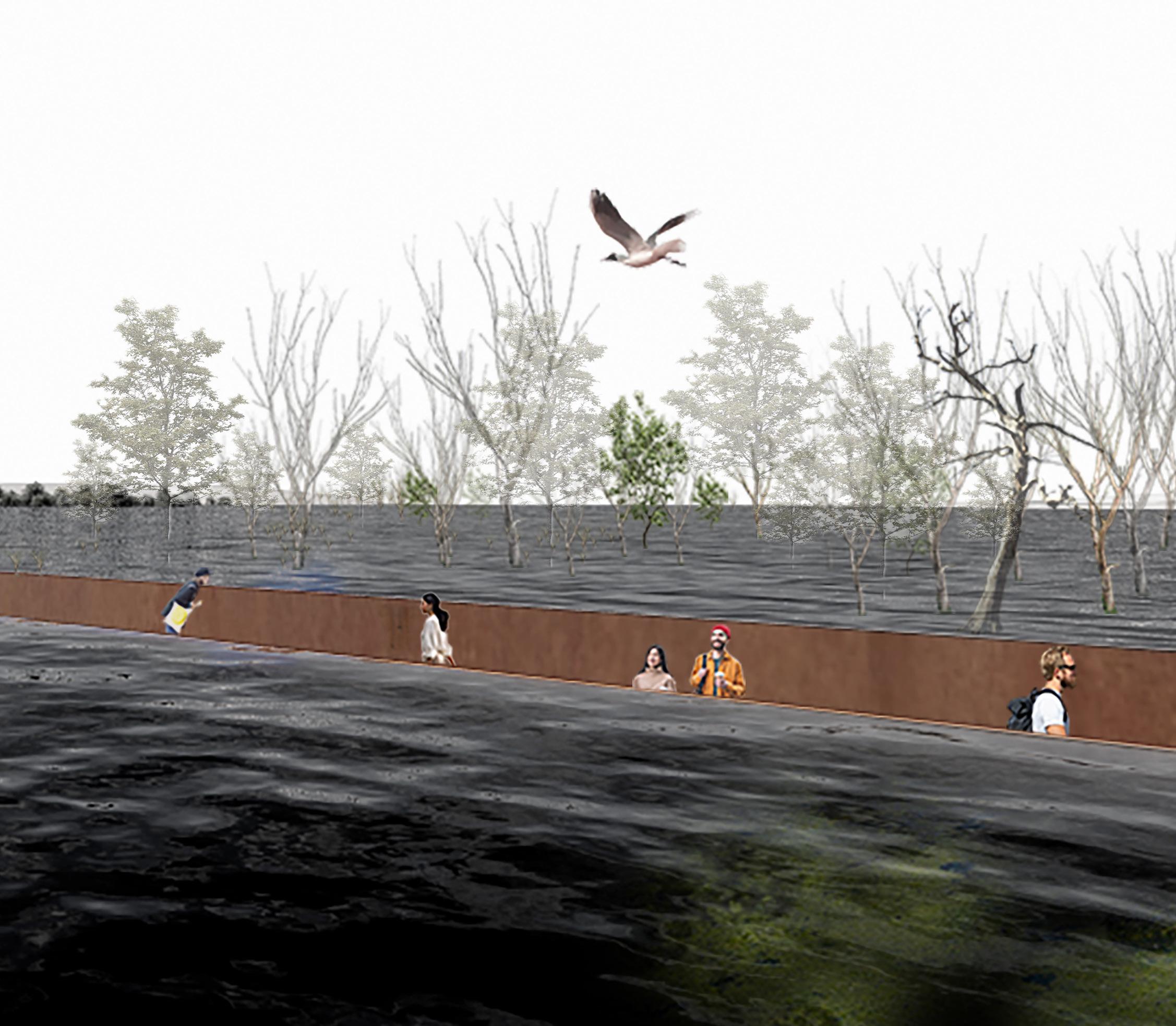
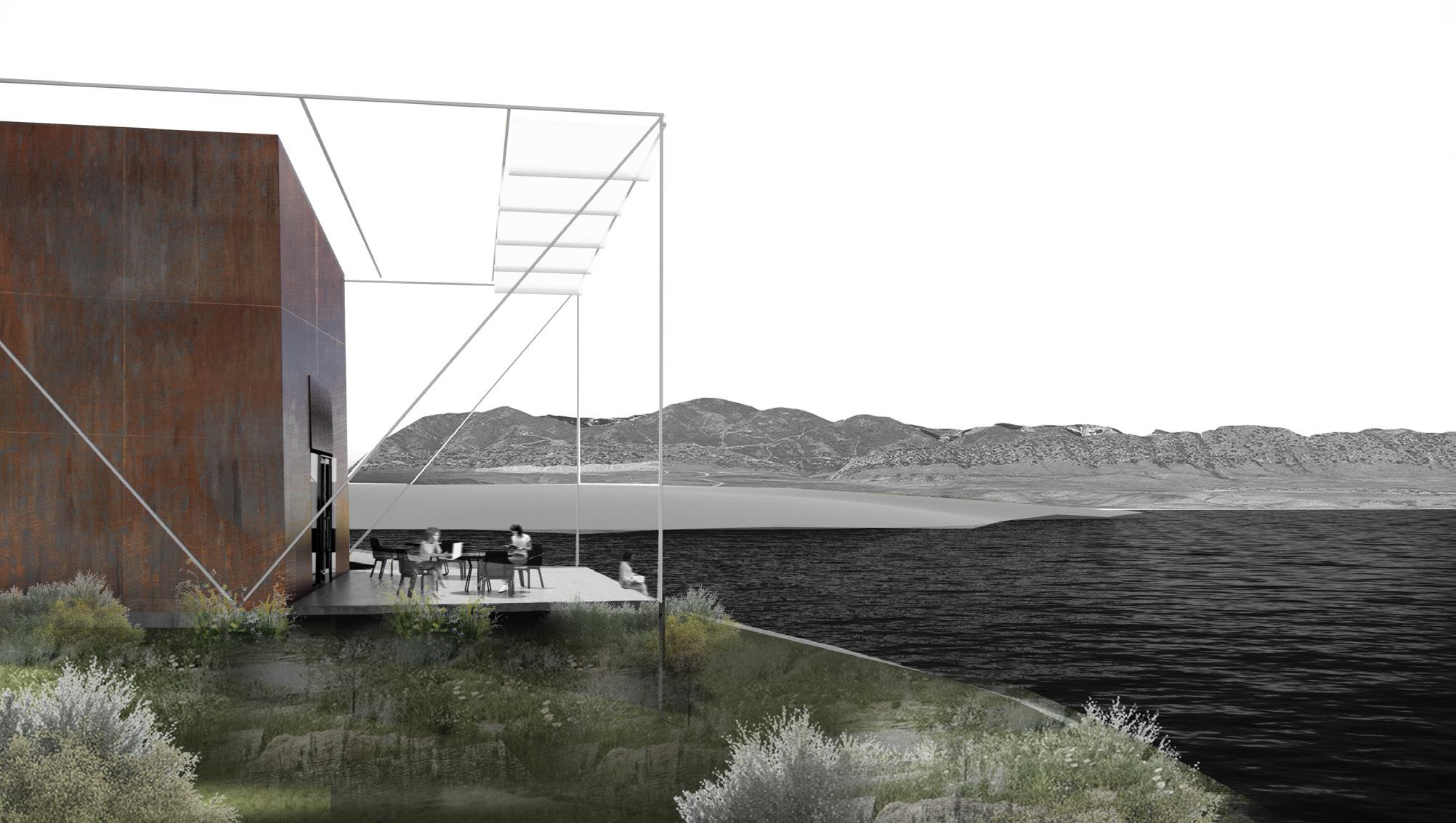
Water’s Edge immerses visitors in nature by bringing them eye to eye with the water. Located on the southeast edge of Chatfield Reservoir, this installation engages all the senses, from the feel of the water to the sounds of birds, fostering a spiritual connection to the natural world.
As visitors descend into the site, they are gradually brought down to water level, creating a sense of coexistence with the reservoir. The rusted corten steel walls bear marks of past water levels, a reminder of how human actions shape the environment, especially on this site.
The structure itself adapts to changing water levels, evolving with the landscape and offering a unique, moment-specific experience each time. From this close vantage point, visitors reflect on their connection with the water before ascending again.
Responsive Design / Designing a Pavilion that Reflects a Changing Site
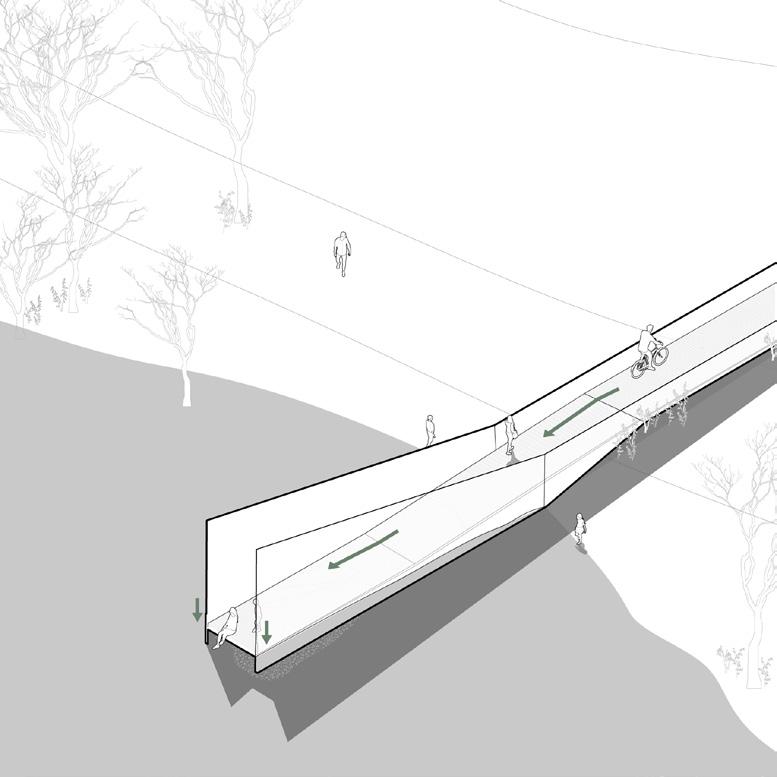
Structure is Lowered to Meet Earth
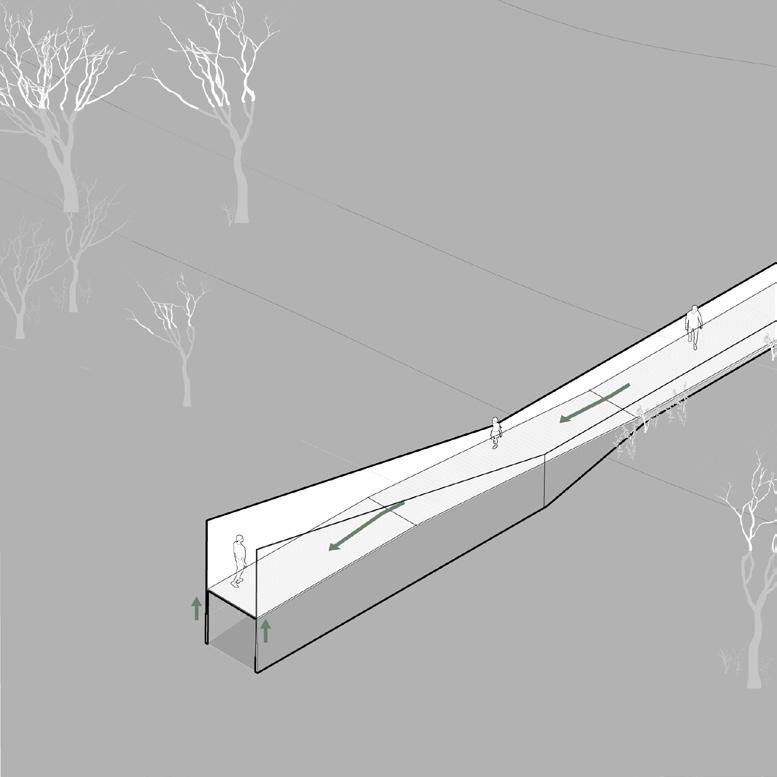
Rises to React to Water
Material Inspiration / Material that Marks the Changing Site
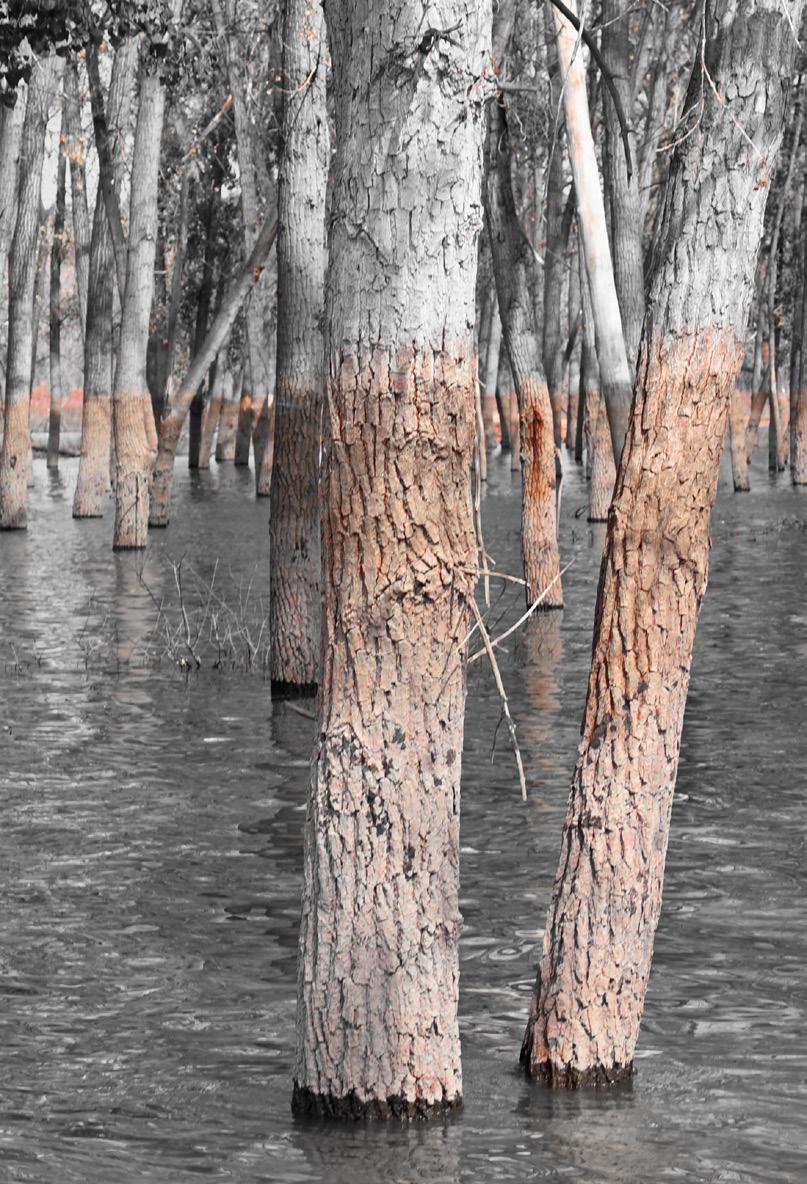
taken at initial site visit
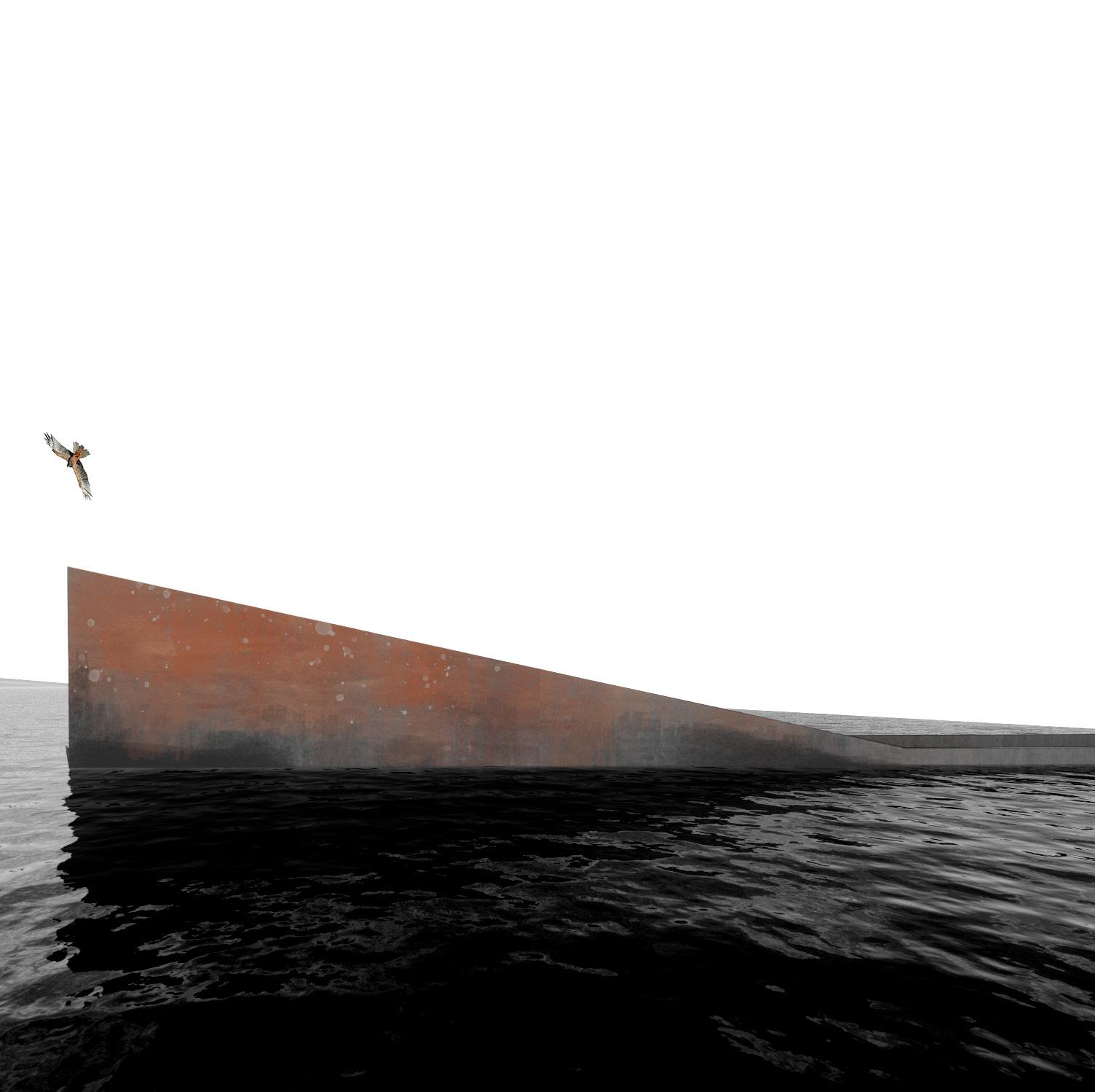
Reflection
Reconnection
Realization
Connection Details
Top: Detail AA
Bottom:Detail BB

Location: Denver, Colorado
8-Week Design and Production
Supervisor: Michael K. Jenson, PhD.
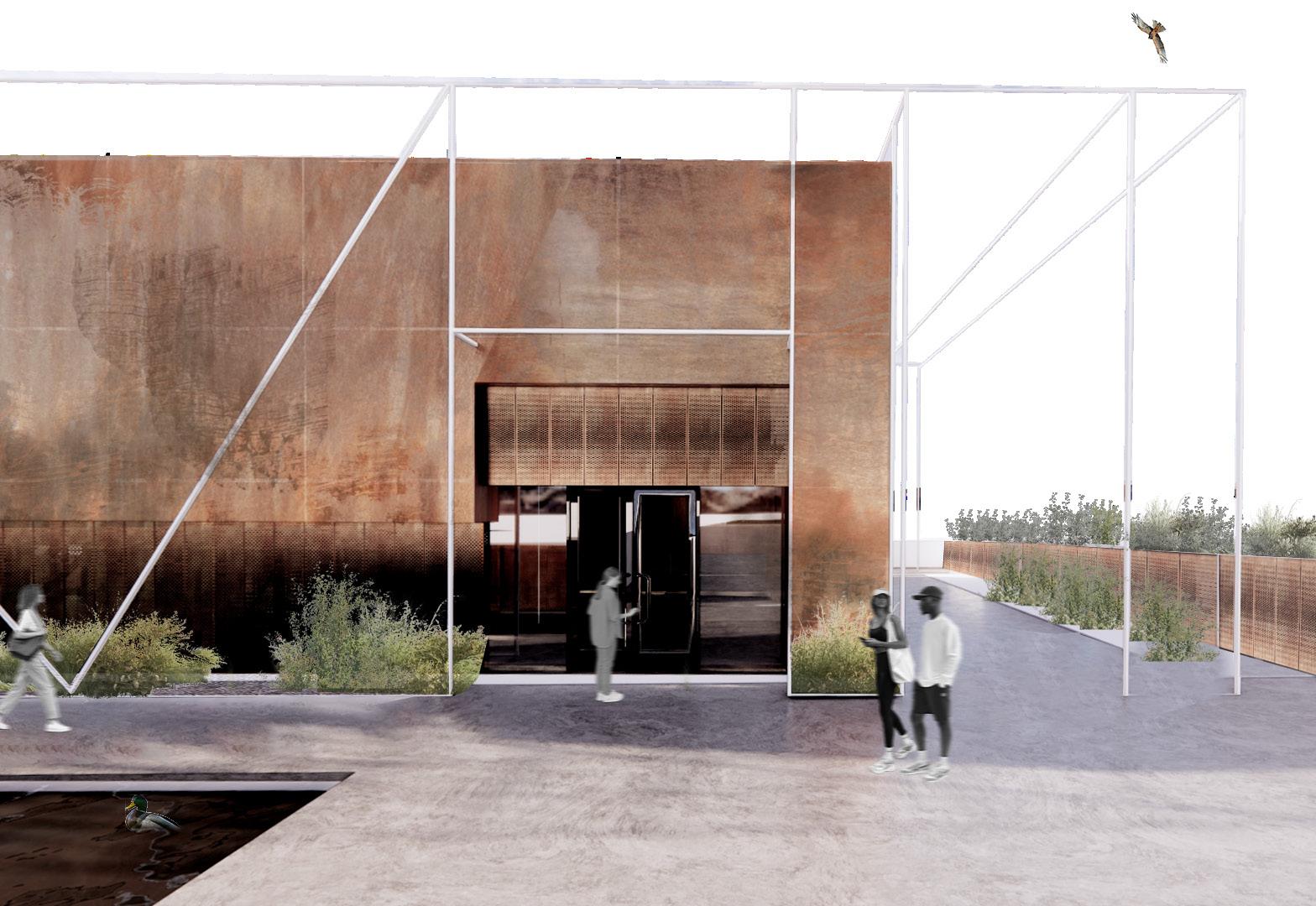
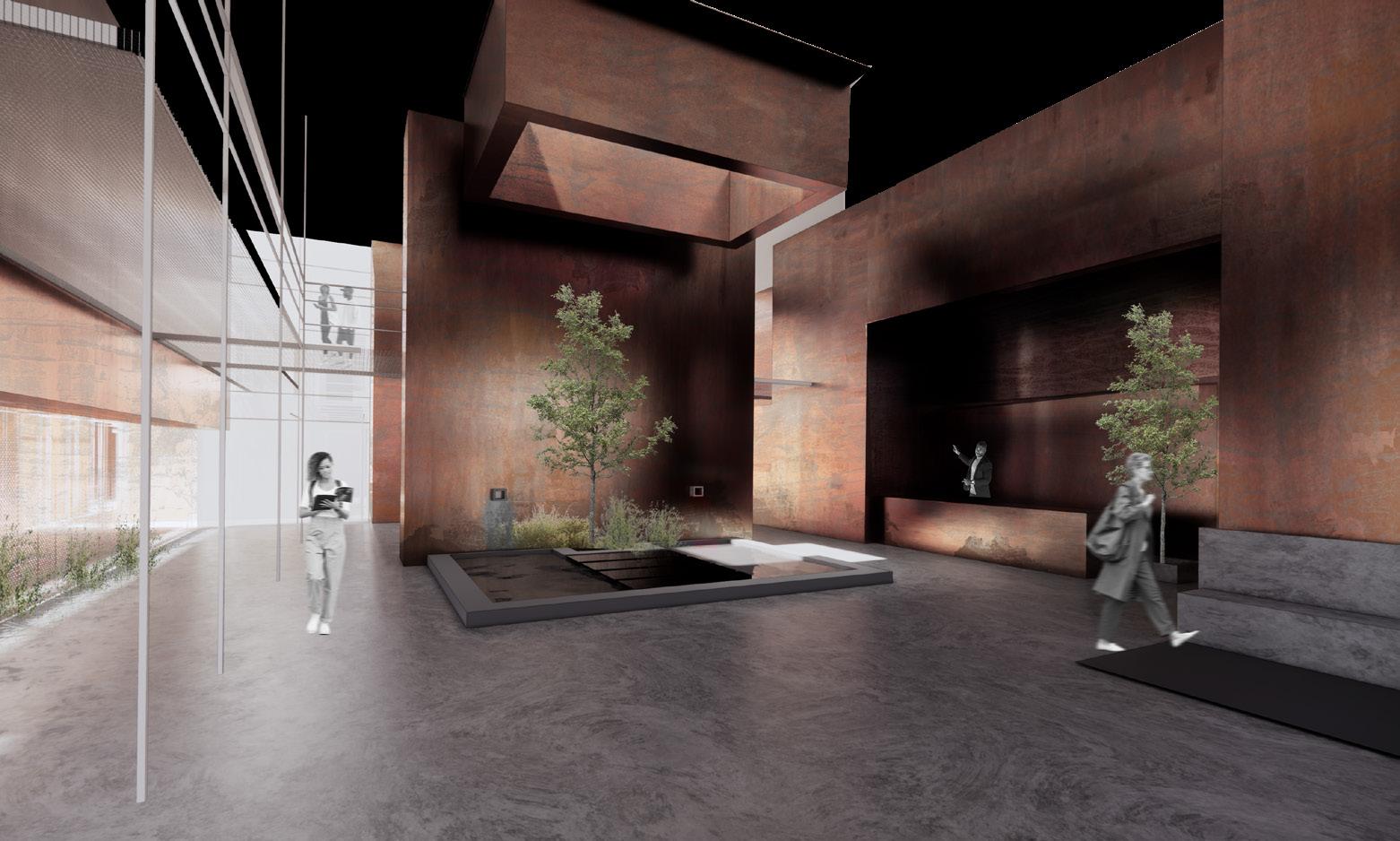
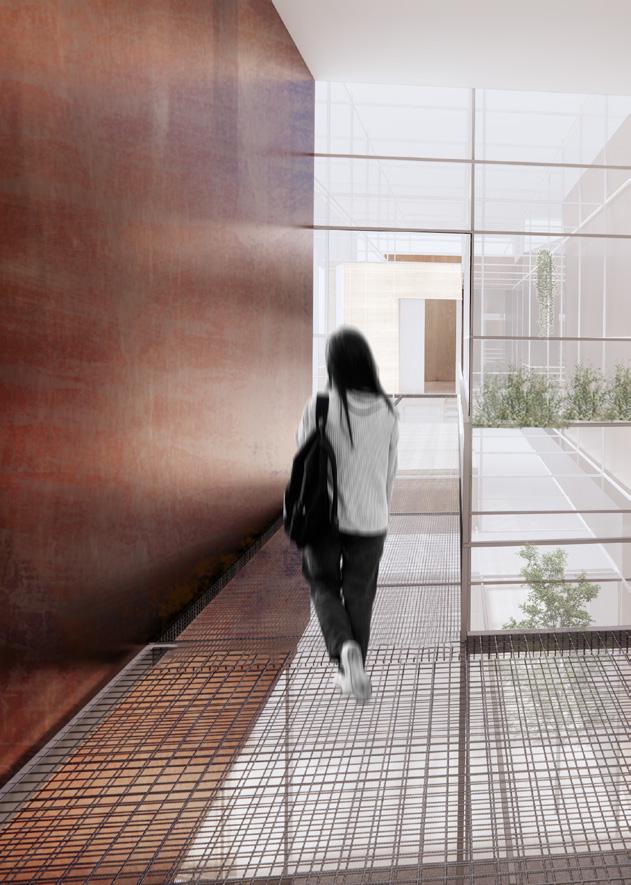
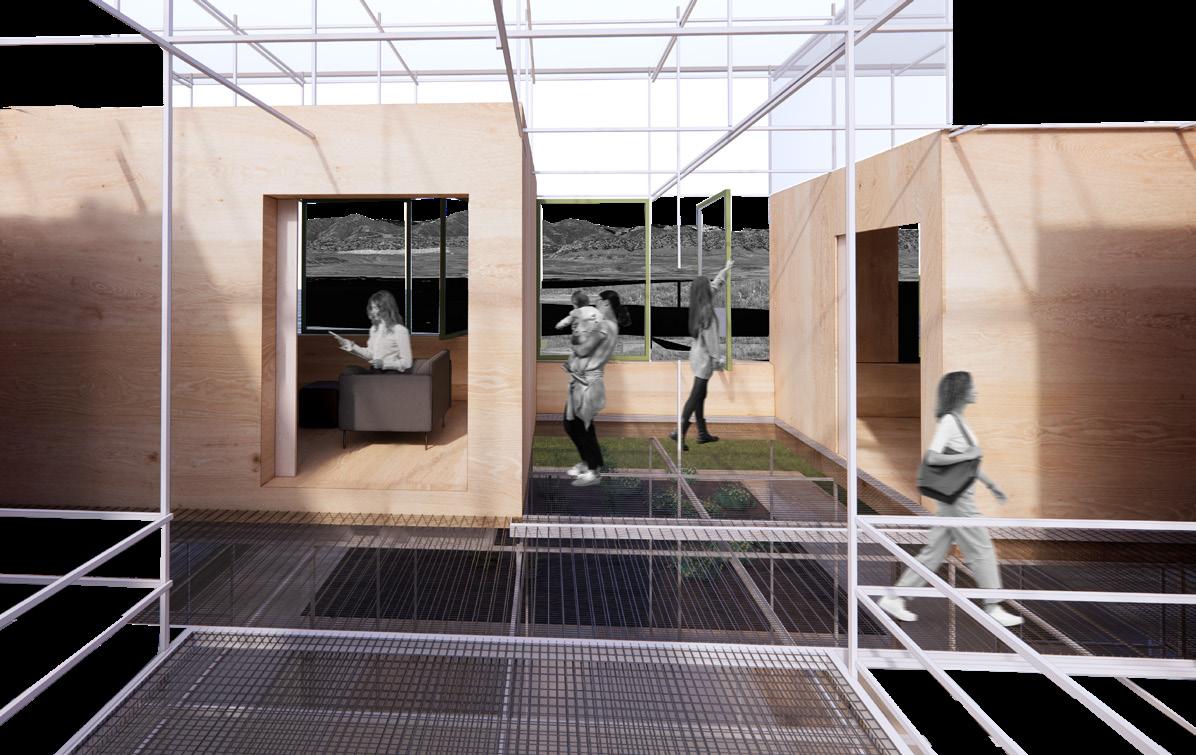
Chatfield Wellness Center is located at Chatfield Reservoir in Littleton, Colorado. The design explores how architecture and nature can come together to nurture the health and well-being of the whole person. By integrating programs such as therapy, outdoor gardening, and meditation, the space supports visitors in a holistic way, creating a strong connection between human experience and the natural environment.
The steel structure is anchored by a central metal core, which serves as the structural backbone for the surrounding program. This spine also functions as the main circulation, guiding movement through the space. The wellness areas are designed to feel lighter and more ephemeral, reflecting the impermanent and ever-changing nature of the activities within. The contrast between the solid core and the delicate program spaces embodies a balance between stability and transformation, mirroring the journey of personal growth and well-being.
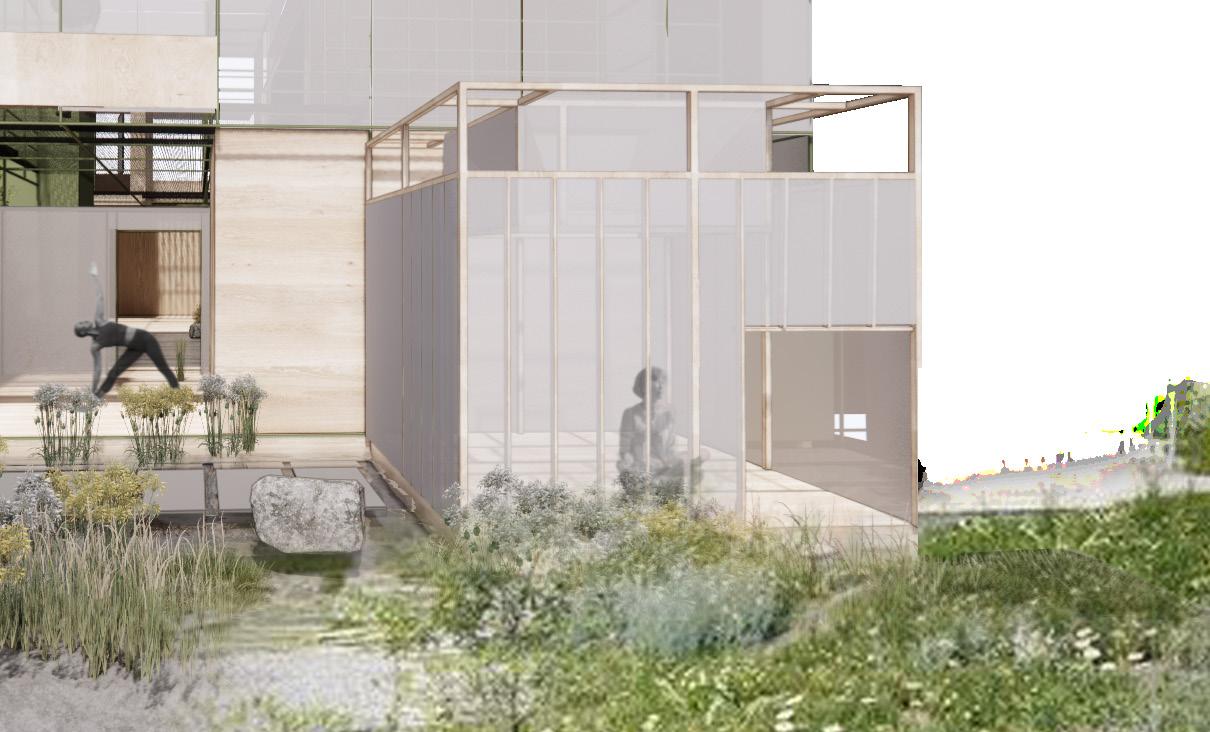
Section Perspective
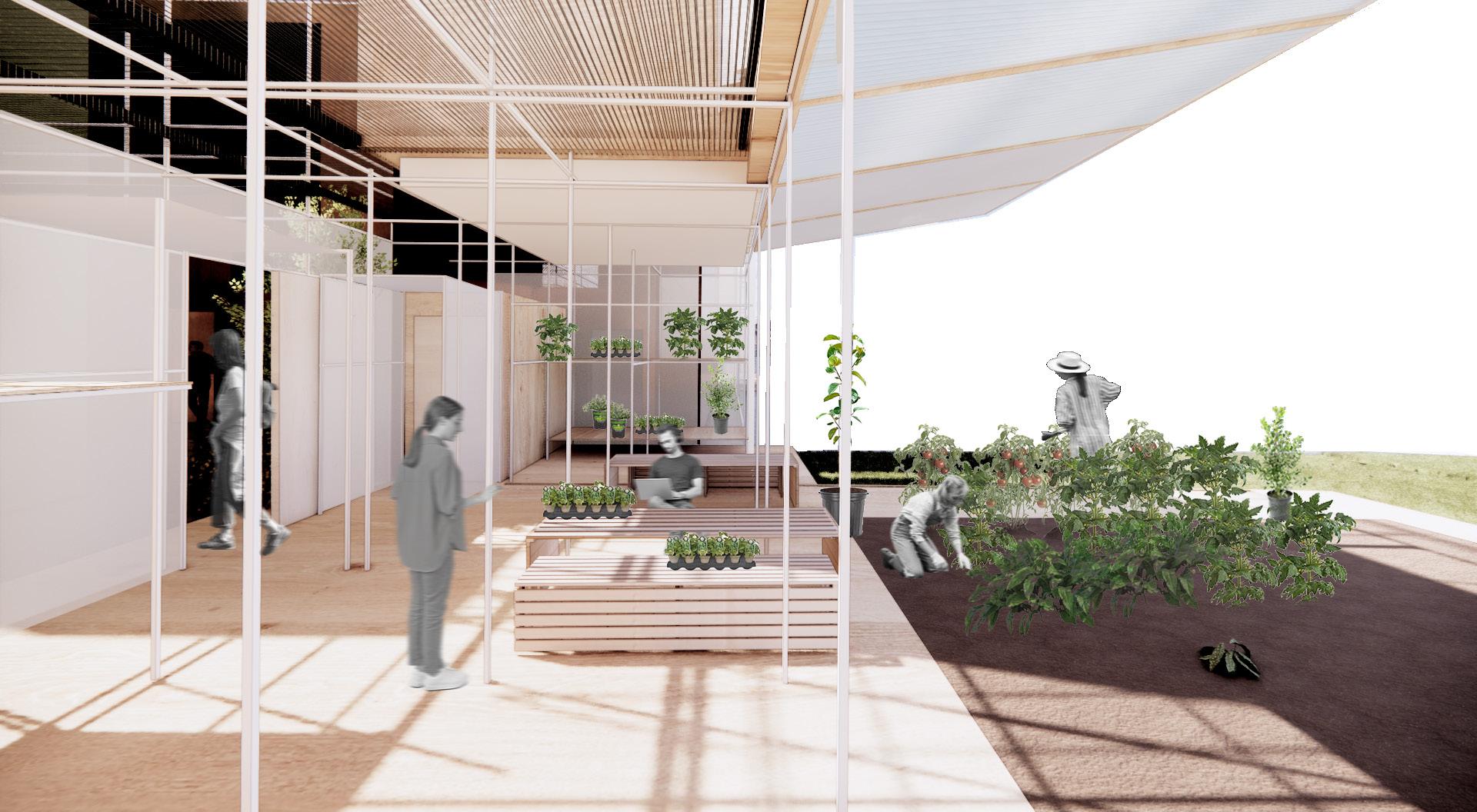
Communal Garden
Psychedelic Therapy Center.
Grad Studio V 2025
Location: Denver, Colorado
8-Week Design and Production
Supervisor: Felix Tannenbaum
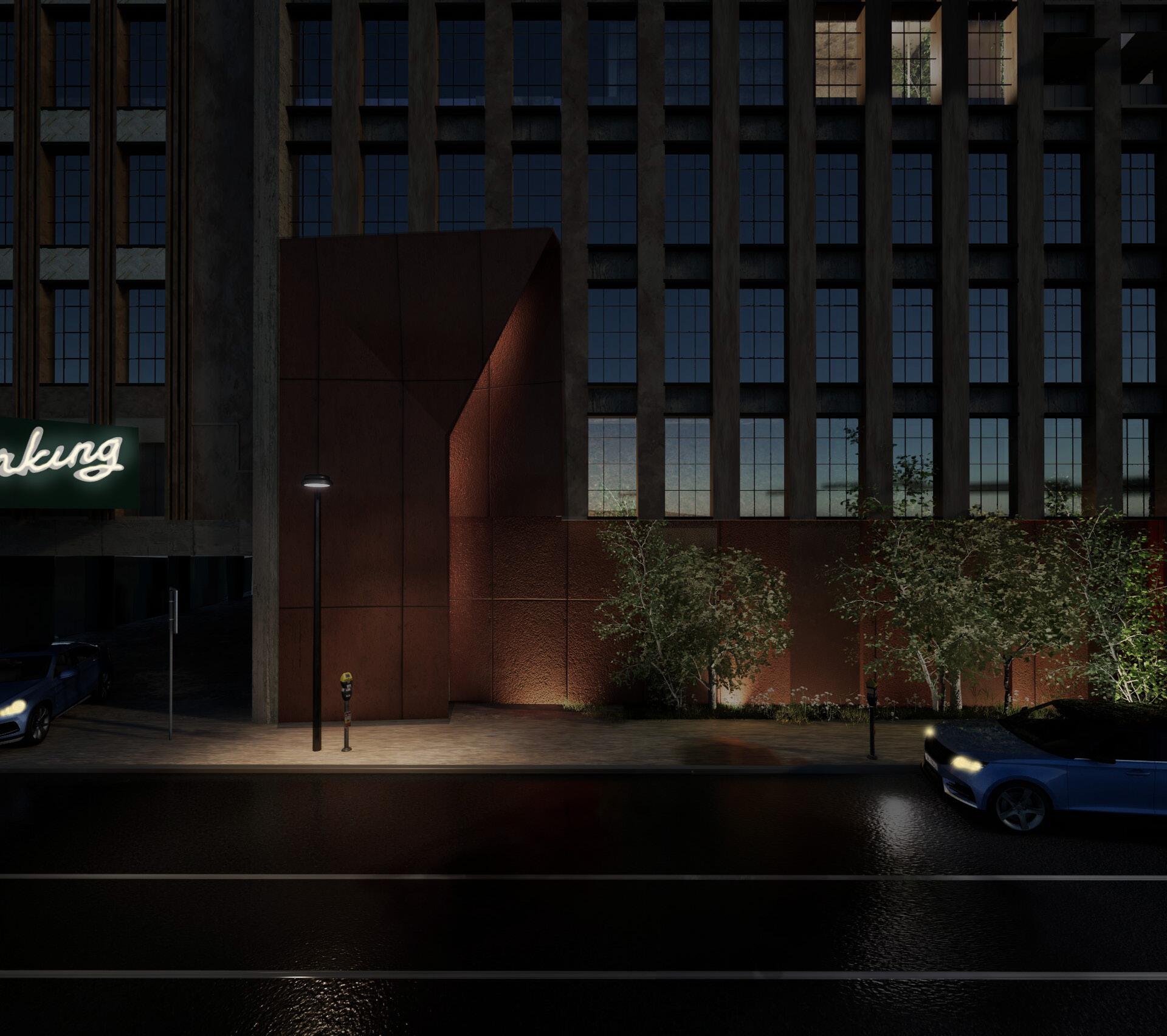
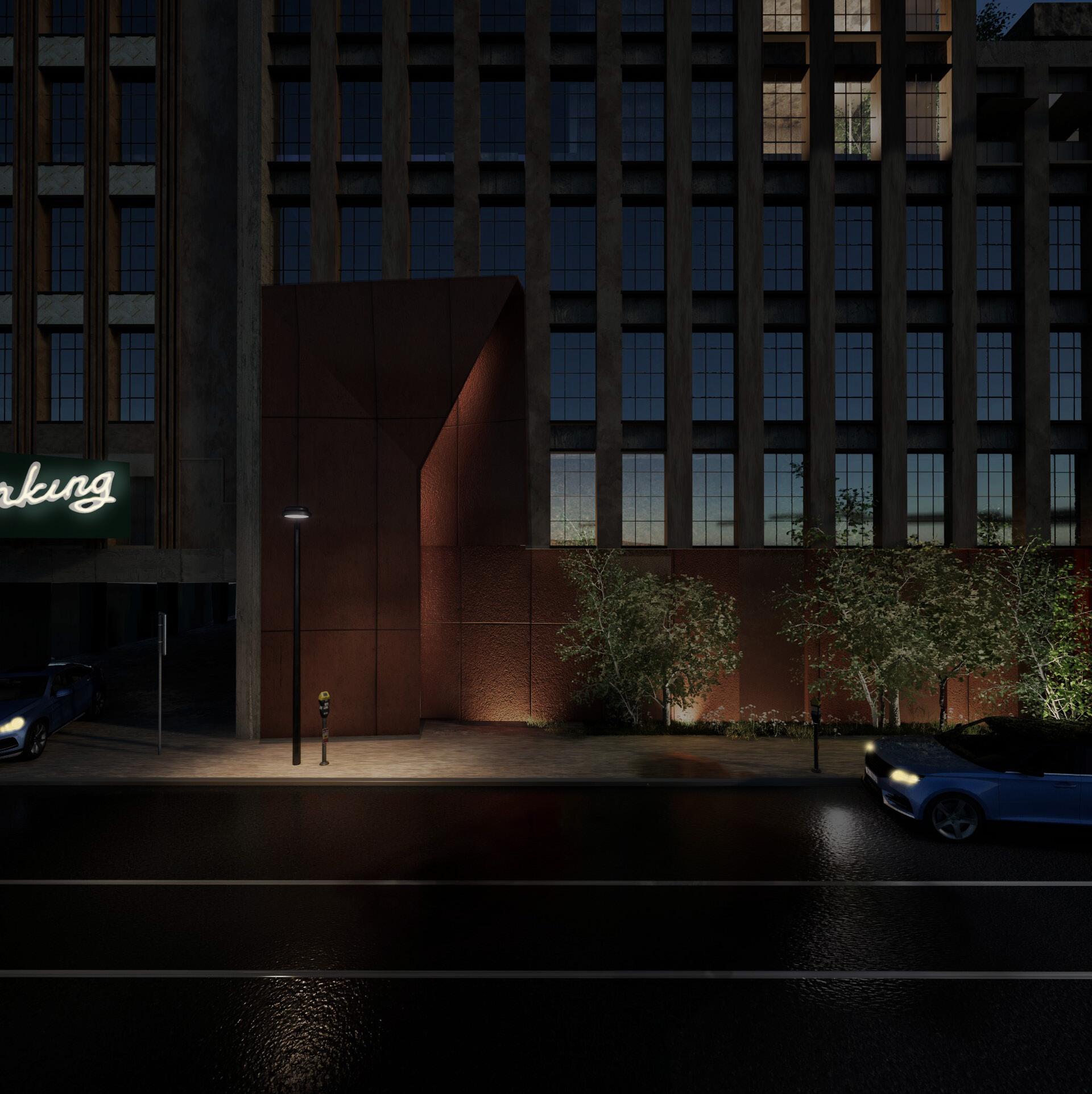
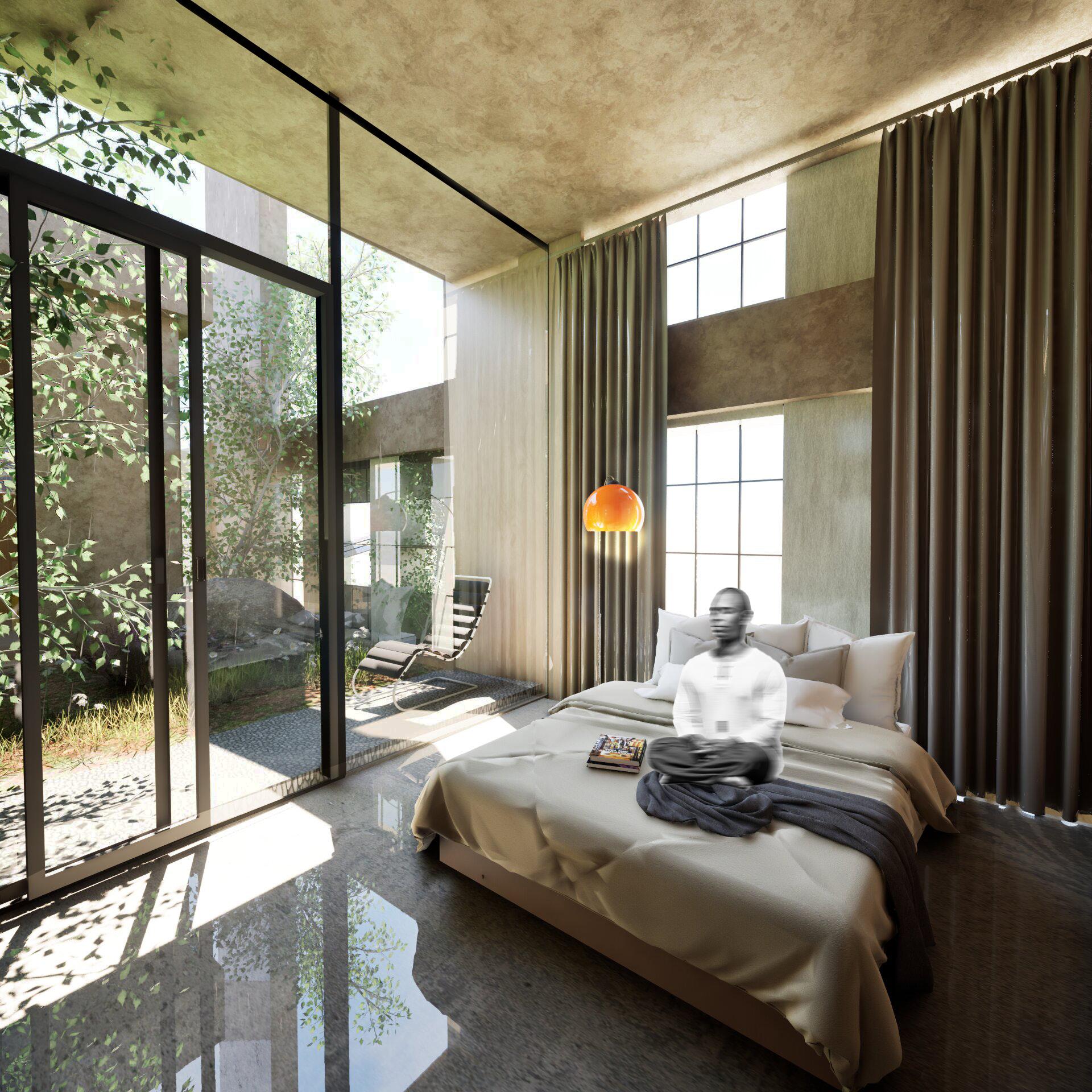
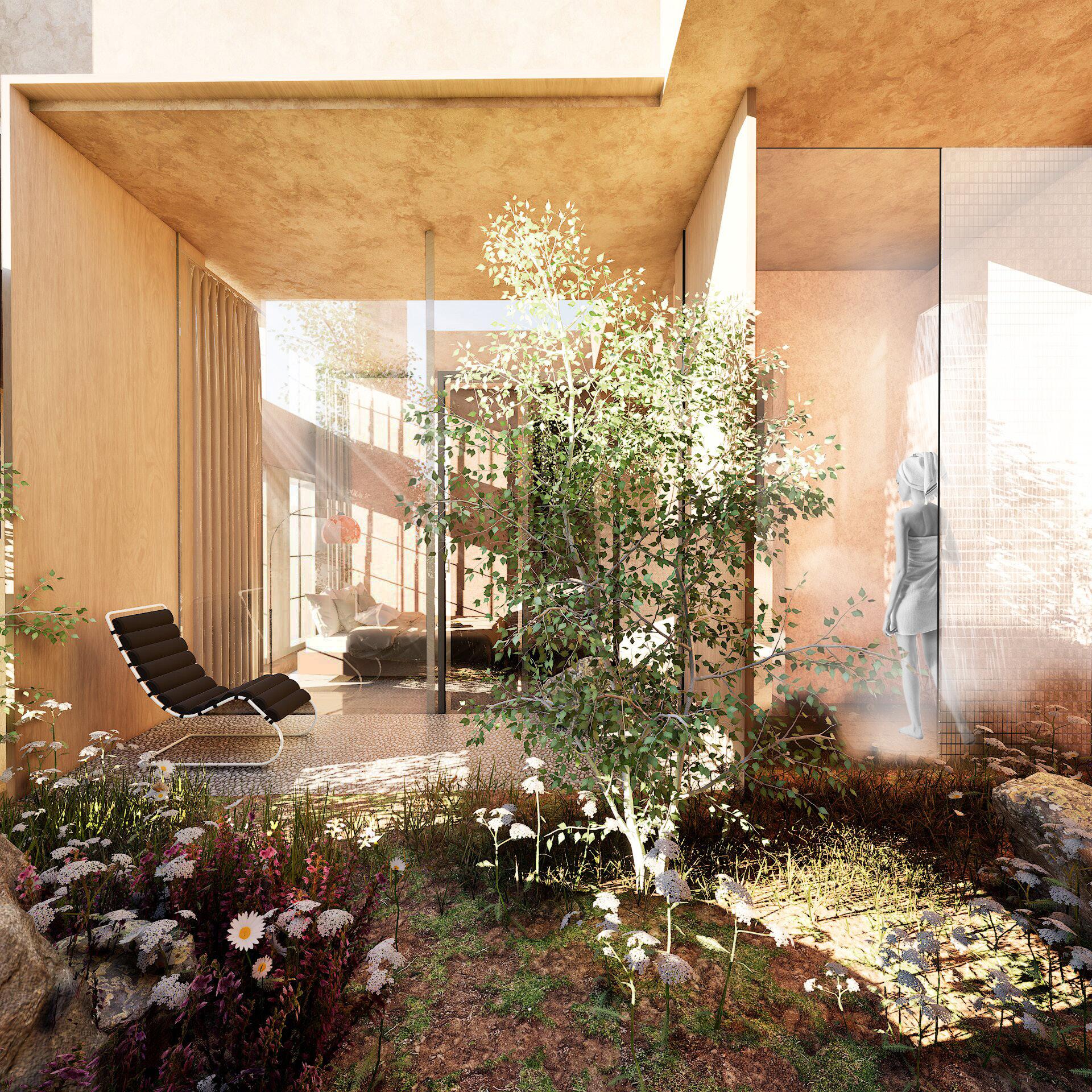
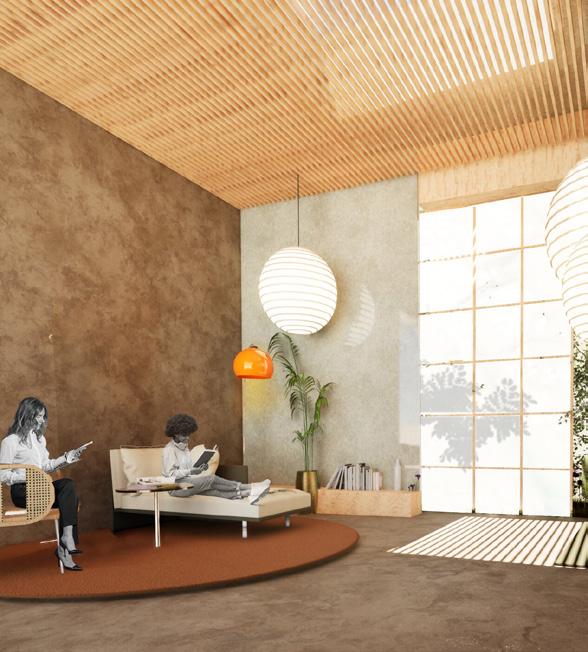
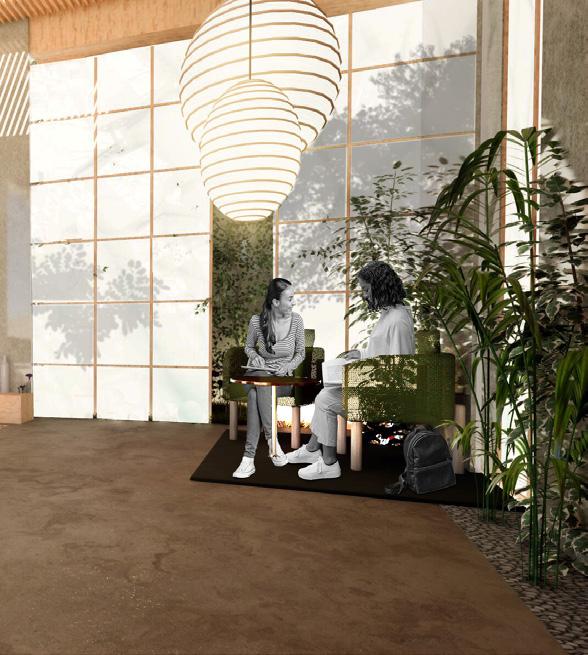
Psychedelic-assisted therapy has demonstrated significant potential in treating a wide range of conditions, including addiction, depression, and PTSD. This project explored how architectural space can actively support the healing process. The site is a vacant parking garage in downtown Denver, and a central design challenge was transforming a dark, cold structure into an environment capable of supporting individuals in a highly vulnerable state.
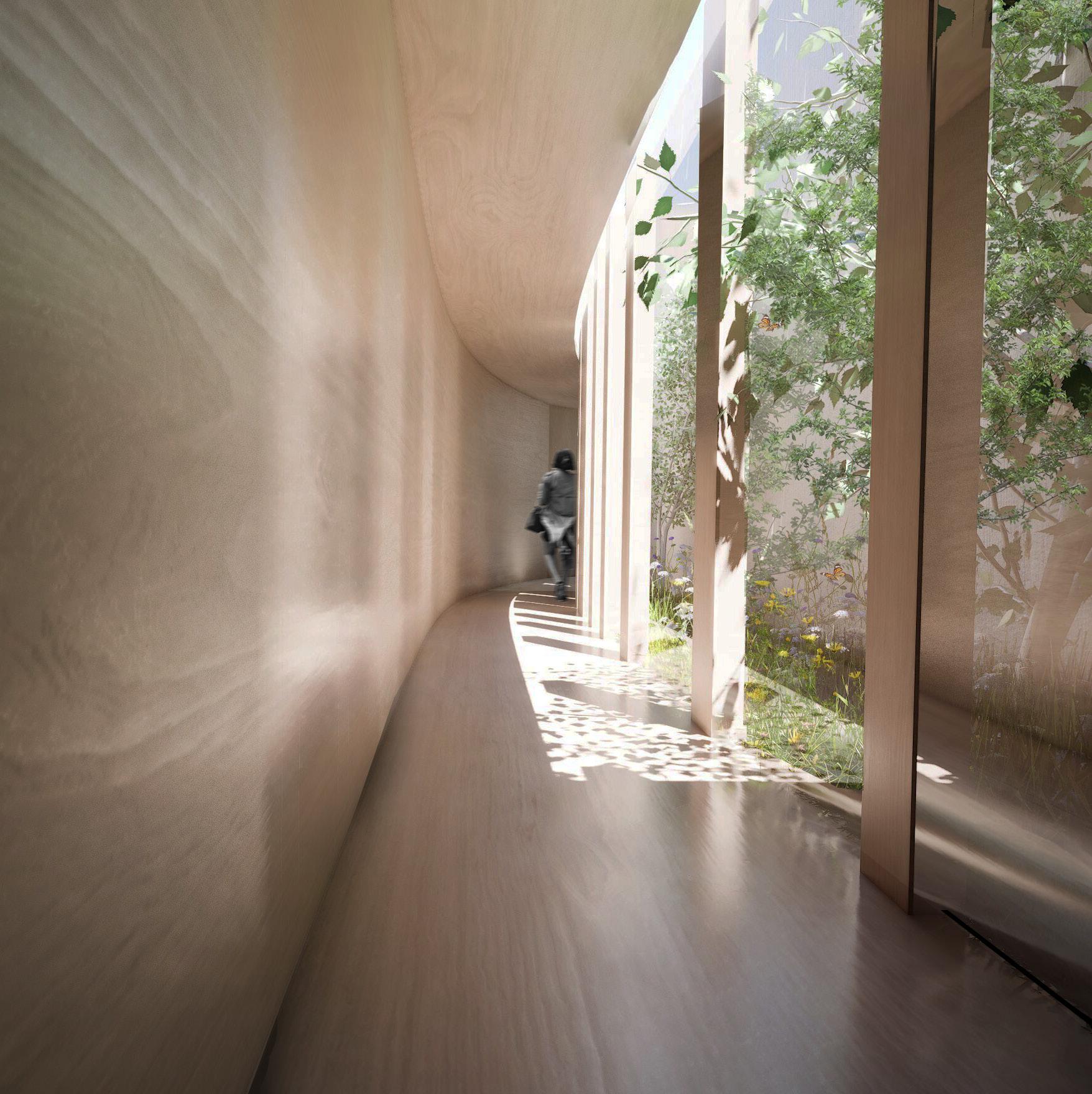
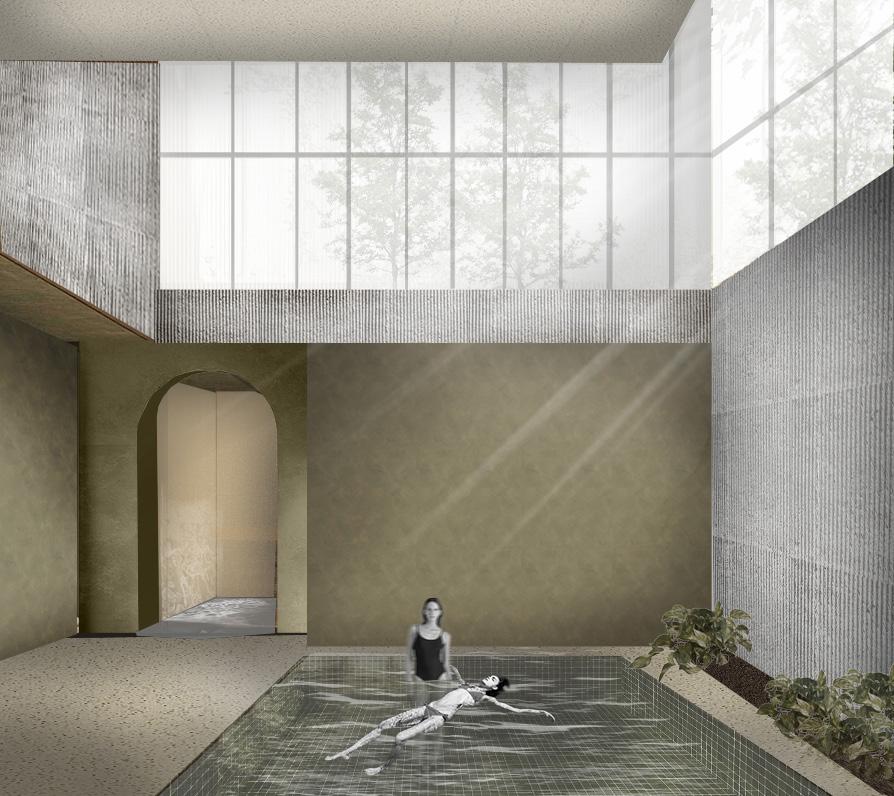
Because visitors may occupy the space for extended periods of time, the program was designed to sustain both physical and emotional well-being. Research has shown that natural elements can produce positive effects within psychedelic therapy. In response, the design integrates ecology, daylight, and natural materials as active components of the therapeutic environment, allowing architecture to function as a supportive and restorative presence throughout the session.
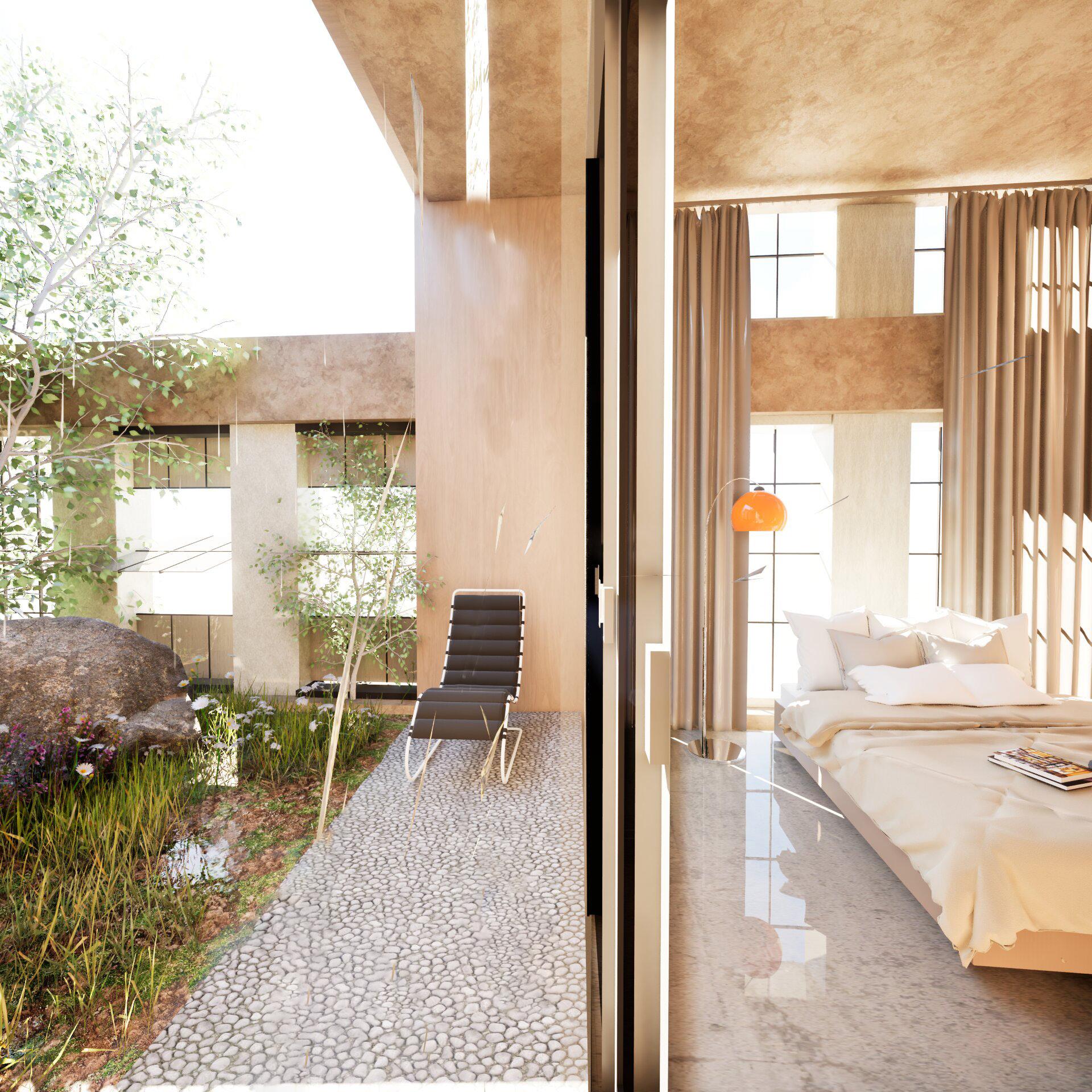
Access to Ecology / Providing Visitors with Private Access to Nature to Aid in Dosing Experience
Threshold to Dosing Area
Threshold to Dosing / Guiding Visitors Through Light and Material
Grad Studio V 2025
Location: Philadelphia, Pennsylvania
8-Week Design and Production
Supervisor: Amir Ameri
Partner: Matthew Winans
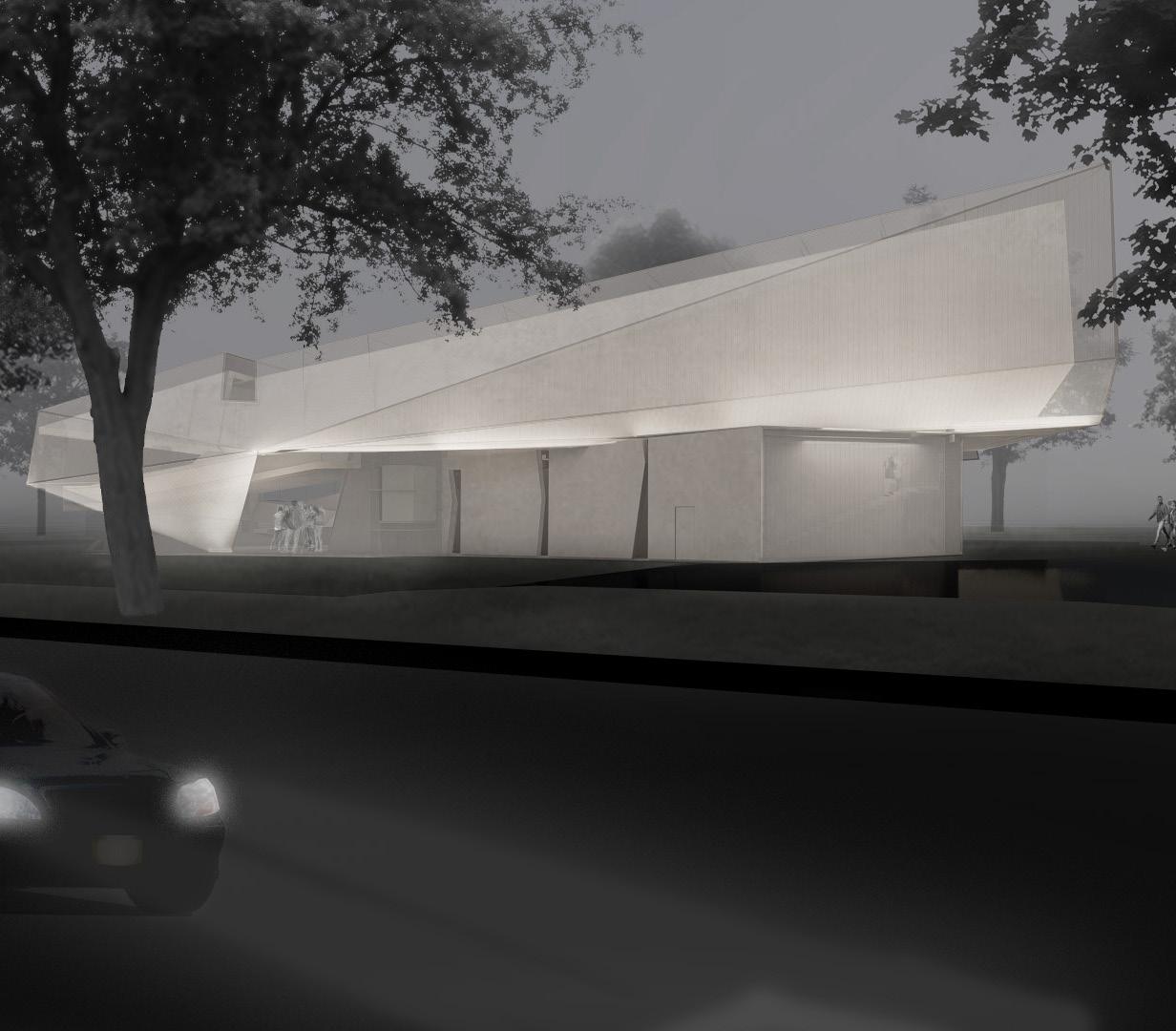
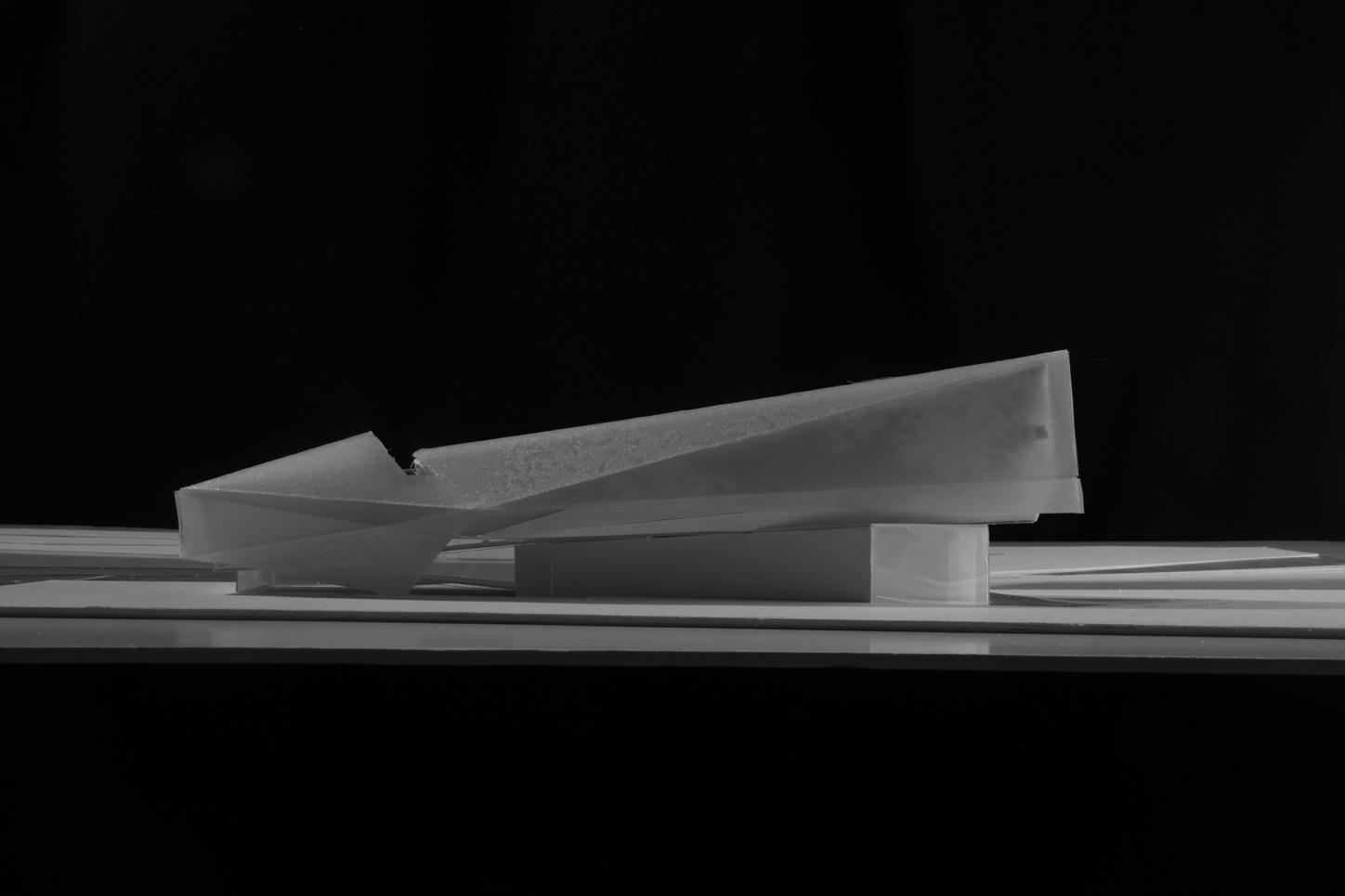
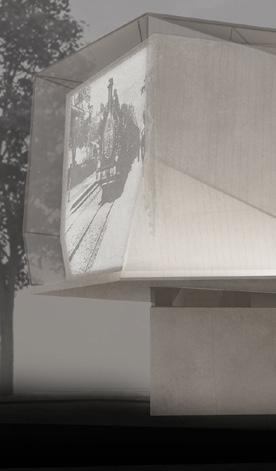
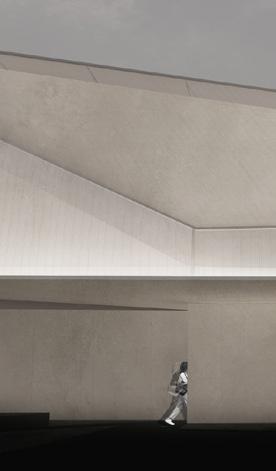
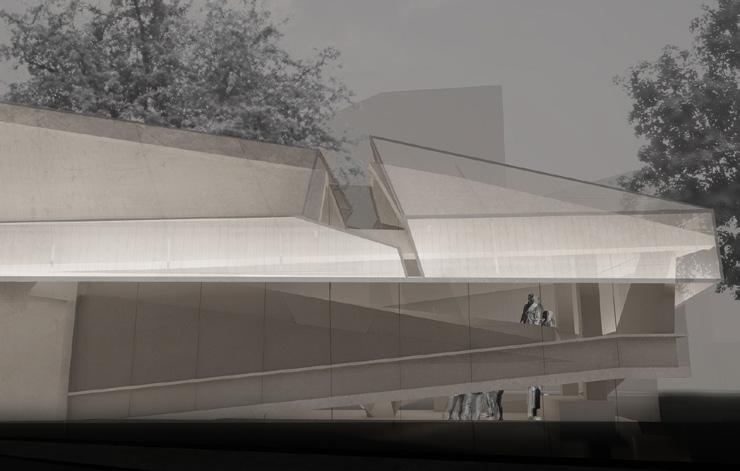
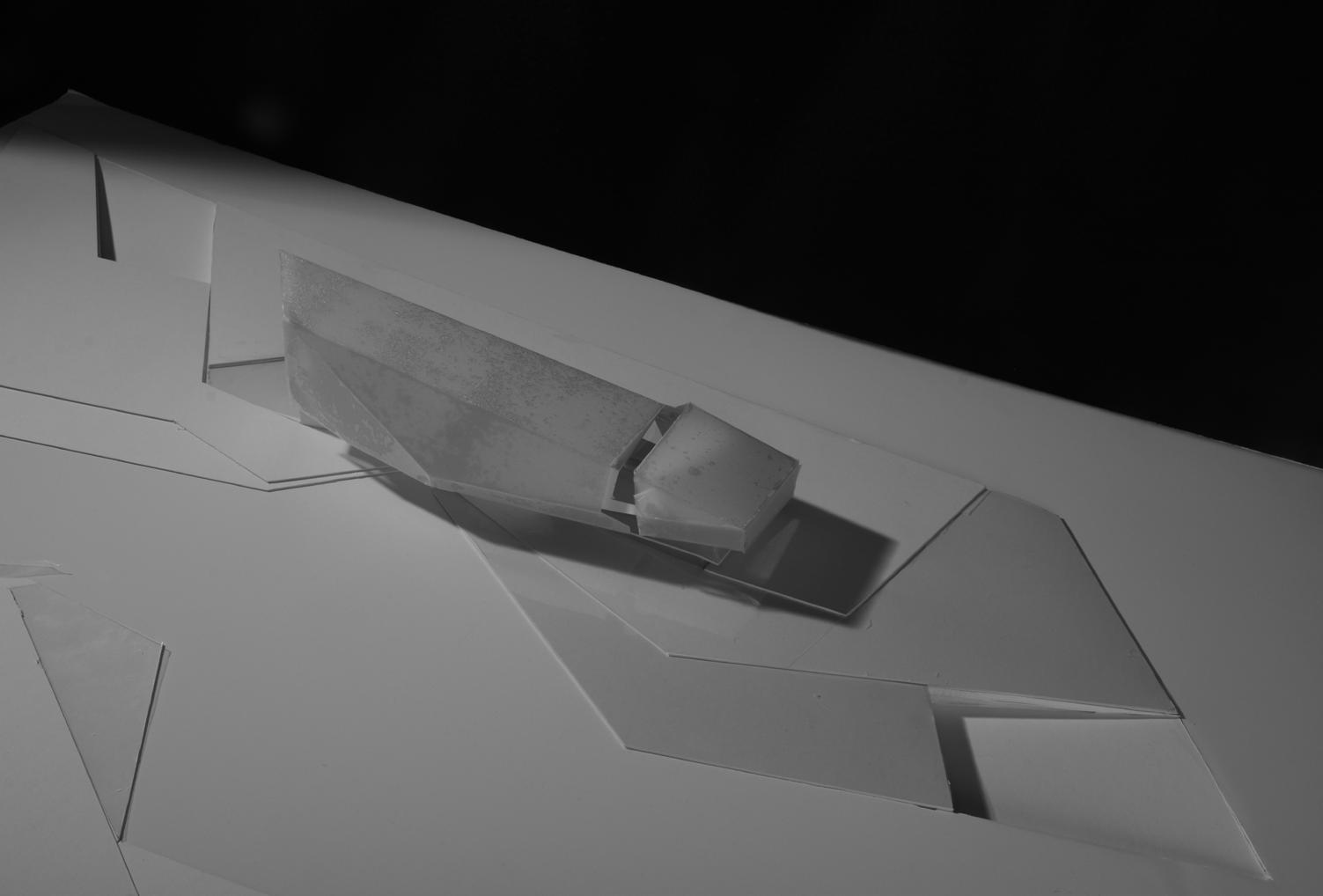
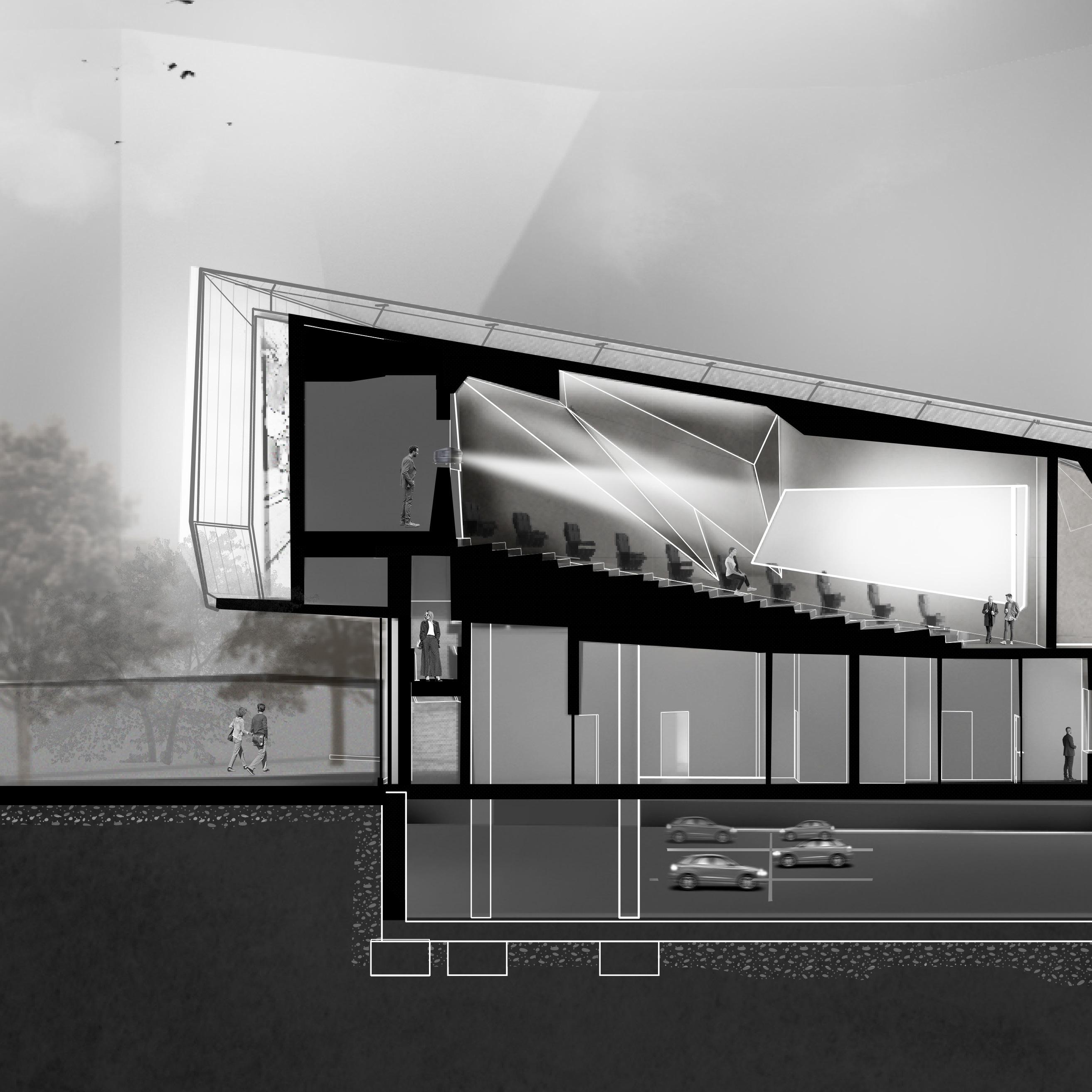
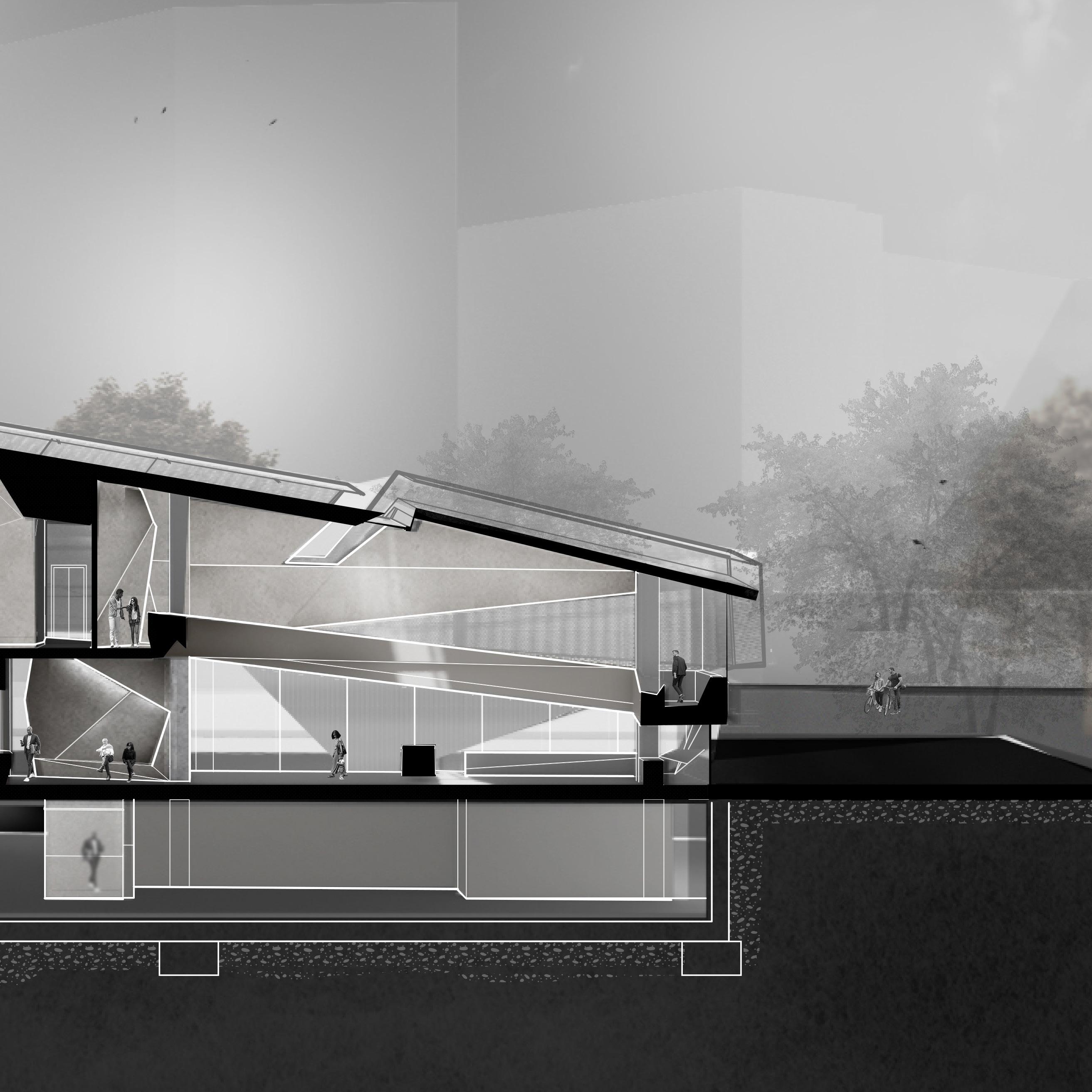
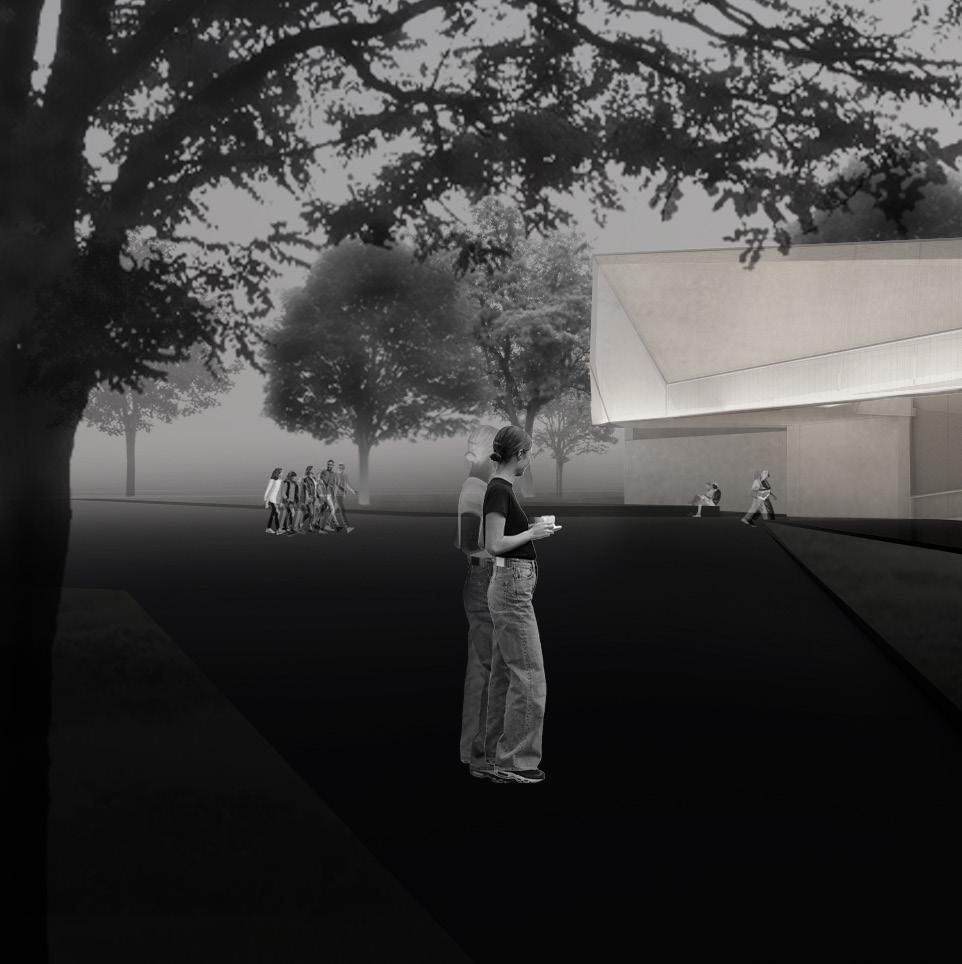
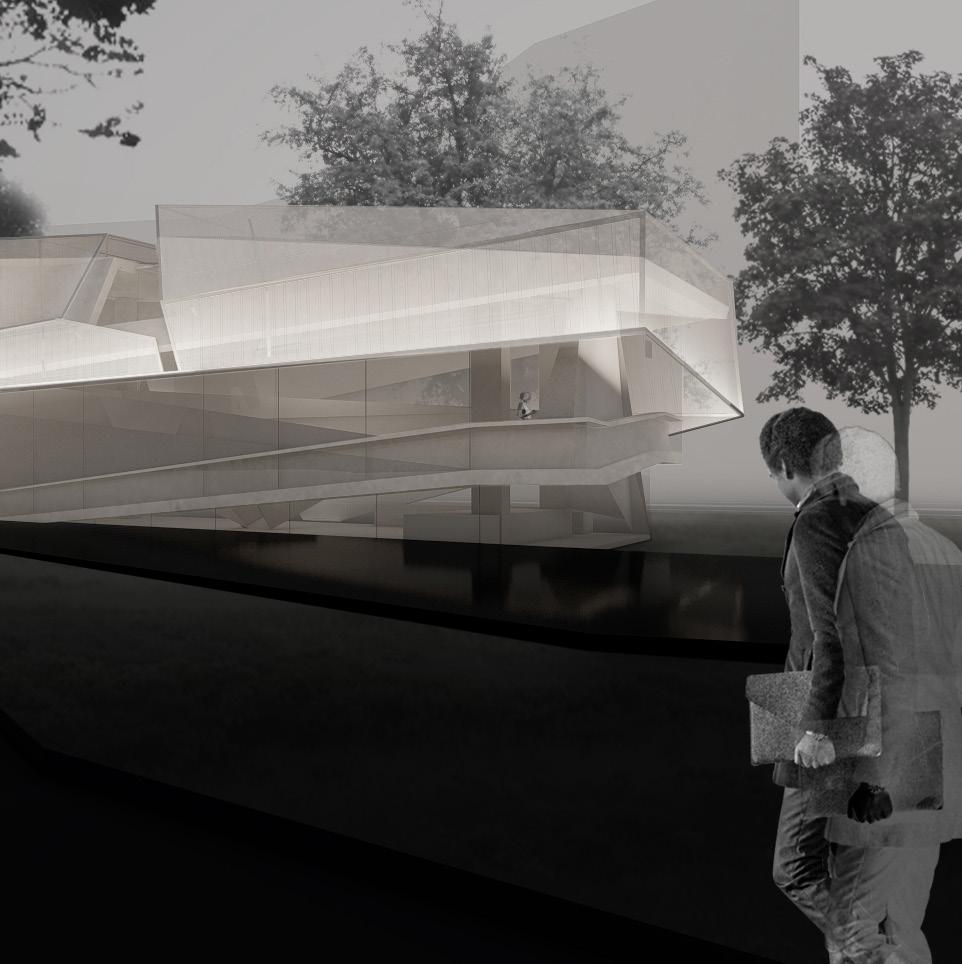
Located in Philadelphia, Pennsylvania, this studio explored how a building’s form can shape movement and define surrounding space. The project aimed to connect with the city, engaging the Benjamin Franklin Parkway in a continuous loop that responds to its urban context.
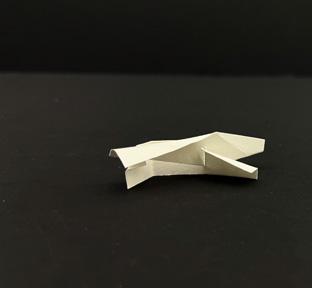
With the directive to disregard material, the design focused on how form alone, through transparency, opacity, and void, can guide experience and visual connection. The cinema is conceived as a unified form, where no single part dominates, and each space contributes to the whole.
The result is a space that encourages movement, observation, and interaction with the site. Light, shadow, and spatial relationships guide the visitor, creating an environment that feels integrated, deliberate, and responsive to both the city and its users.
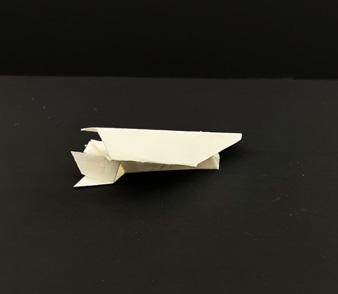
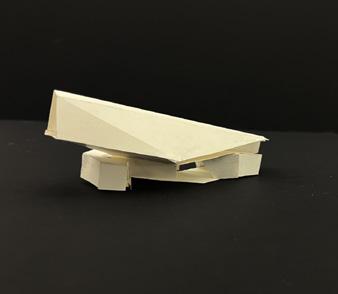
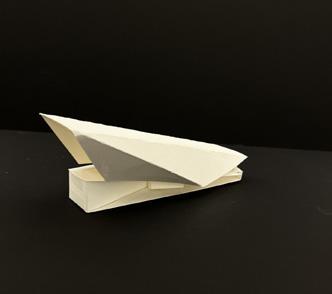
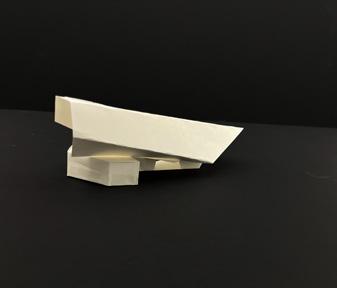
Form Development






Graduate Studies
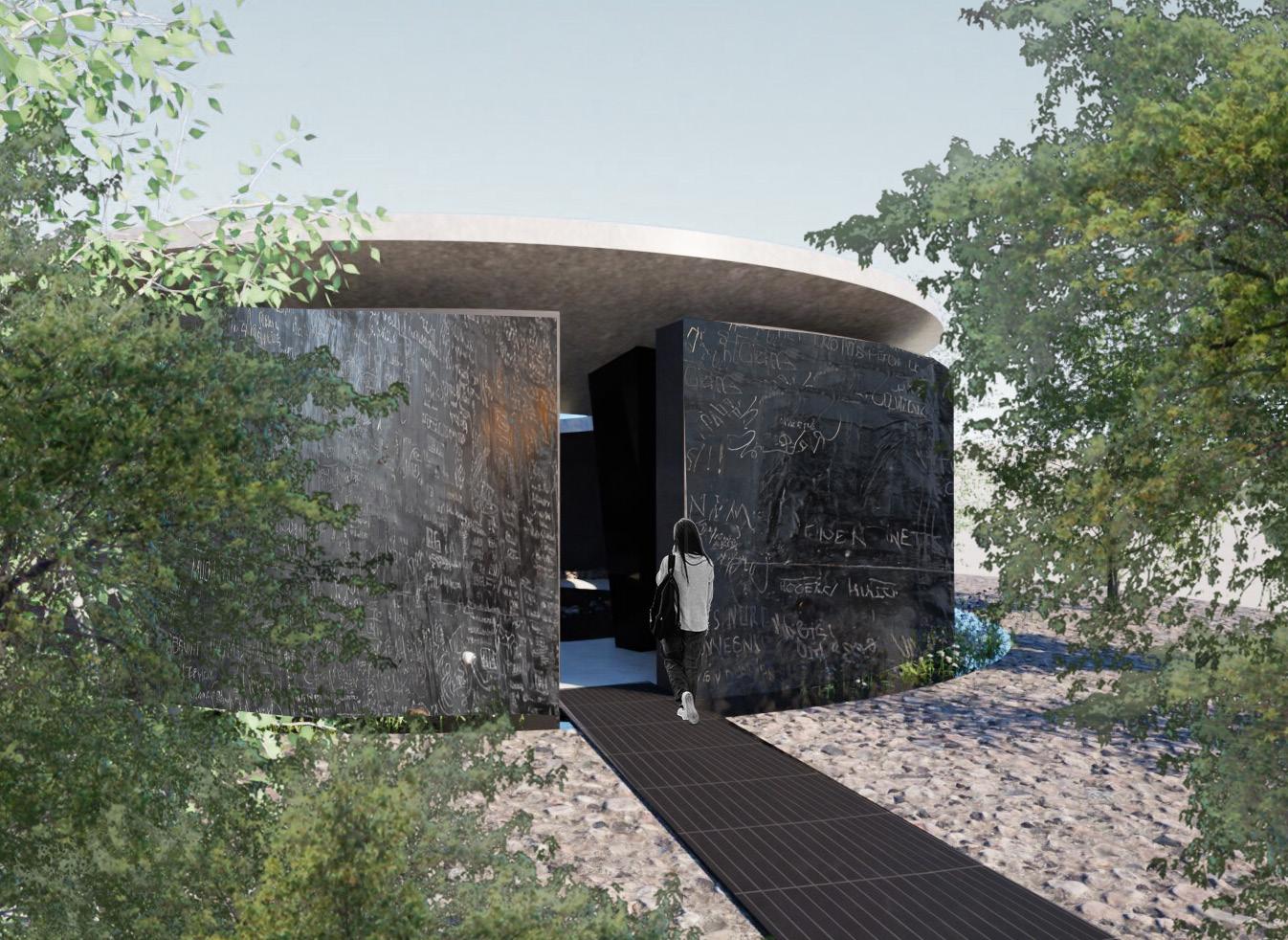
The following work represents a selection of projects from supplementary elective courses taken as part of my program at the University of Colorado. Memories in Built Form explored the role of memorials in architecture, examining the subtle meanings and associations they convey.
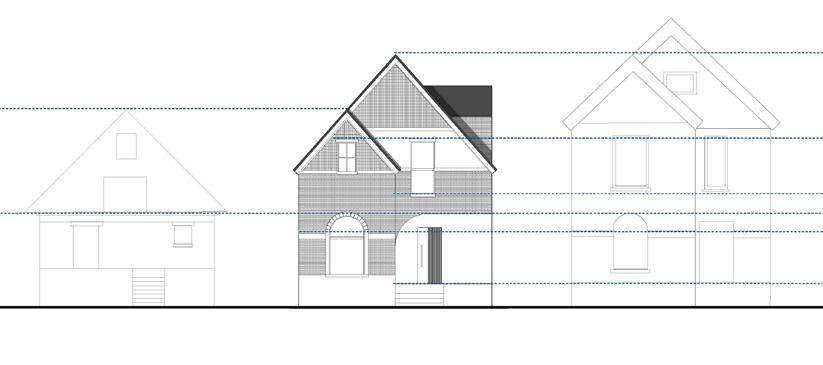
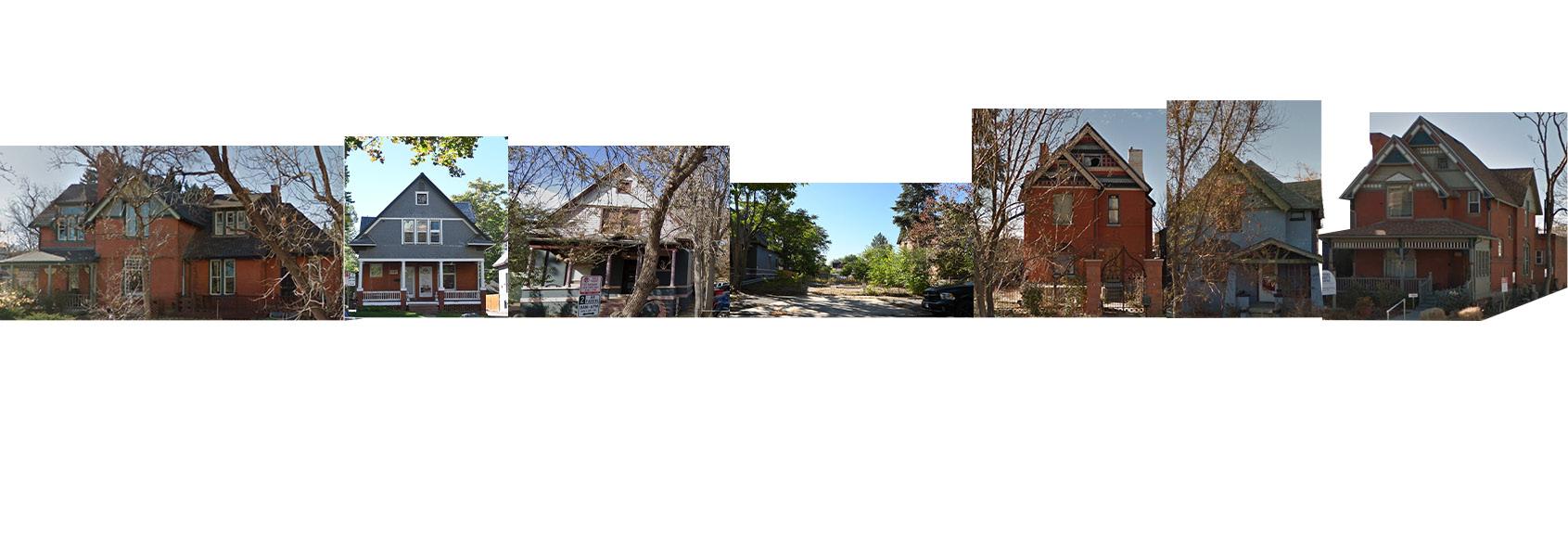
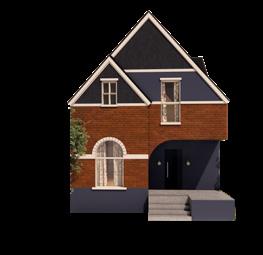
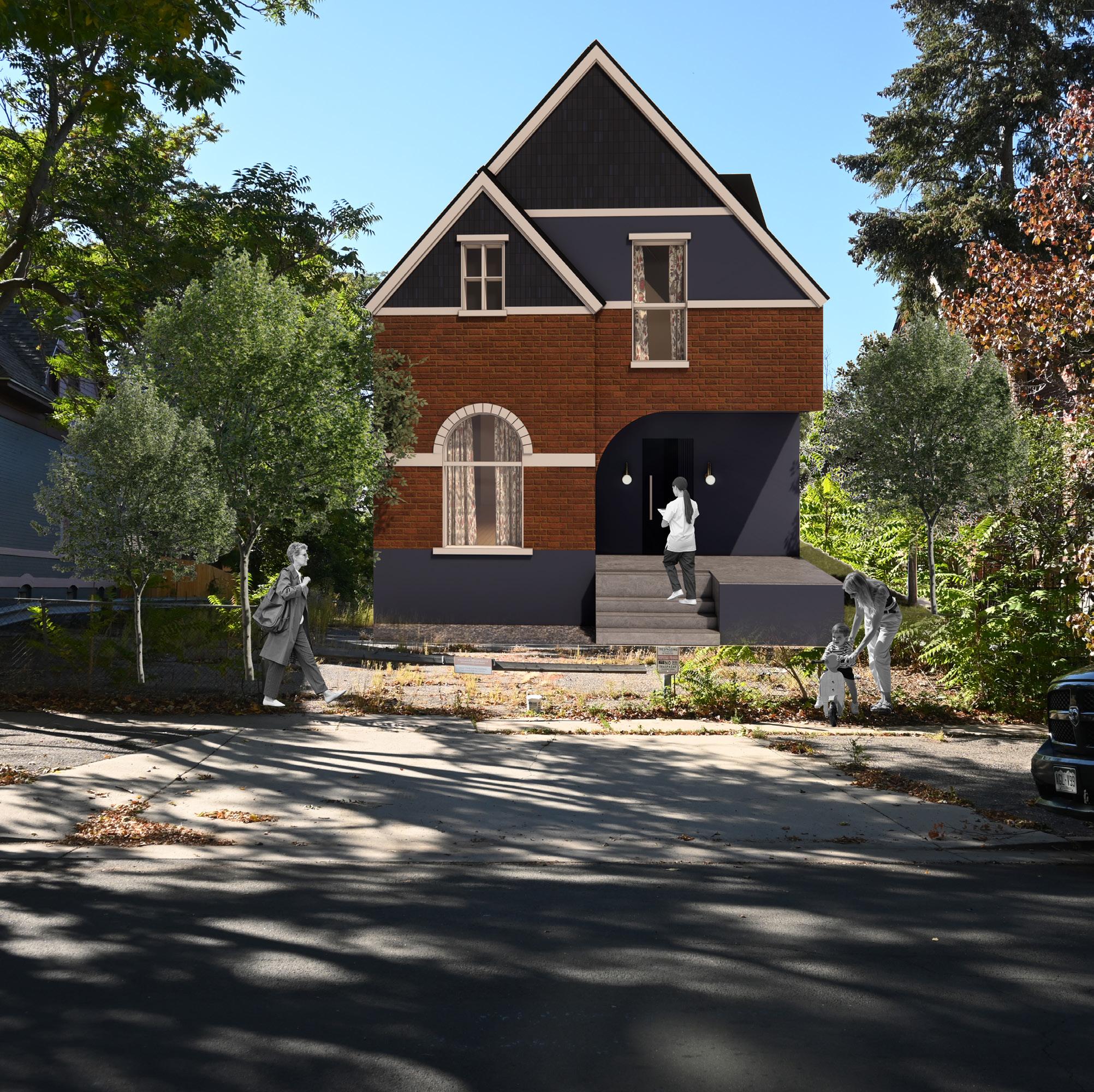
Historic Buildings in Context focused on historic districts. This specific infill project investigated how to design a new house while respecting the constraints and character of a historic district.
Professor: Jesse Kuroiwa Etched. Sidney