PROFESSIONAL SERVICES Your calling deserves a plan as intentional as your care — designed to protect what you’ve worked for and help your wealth grow with purpose.
ELEVATE YOUR PLAN WEALTH LIFE
At Elevation Wealth Planning, our mission is to help physicians build confidence and clarity in their financial lives—from residency through retirement. We understand the unique challenges medical professionals face: managing student loans, protecting income, and navigating complex career transitions. Through purposeful, personalized planning, we help you protect what you’ve earned, grow your wealth with intention, and align your financial strategy with the life and legacy you’re building.
Amplify & Thrive
Fortify & Safeguard
Turn income into lasting wealth
Lay the foundation for long-term financial health
• Student loan repayment & forgiveness strategies • Budgeting & cash flow organization • Insurance planning: disability, life, liability, and malpractice coverage • Emergency fund and liquidity planning • Employer benefits analysis (401(k), 403(b), 457, etc.) • Health, disability, and long-term care insurance • Risk management and asset protection strategies
Tax-efficient investing & portfolio construction Retirement accumulation and income strategies Backdoor & mega-backdoor Roth IRA contributions Brokerage & after-tax savings optimization Employer retirement plan select Deferred compensation & cash balance plan evaluations Goal-based savings (home purchase, education funding, sabbaticals, etc.) • Strategic tax coordination with your CPA • • • • • • •
Transform & Transition
Legacy & Impact
Strategic planning for career and life milestones
• Investment account rollovers & consolidation • Practice purchase or partnership buy-in guidance • Contract review support (compensation, benefits, restrictive covenants) • Business structure & tax entity strategy • Practice management & cash flow forecasting • Major life transition planning (marriage, family, relocation, practice sales) • Exit & succession planning for physicians nearing retirement
Extend your success beyond yourself
• • • • • •
Estate and trust planning coordination Charitable giving and donor-advised fund strategies Wealth transfer and gifting strategies Beneficiary alignment and estate document reviews Legacy design to support family and philanthropic goals End-of-career transition planning for purpose-driven living
This publication is not intended as legal or tax advice. Financial Representatives do not render tax advice. Consult with a tax professional for tax advice that is specific to your situation. Members of Elevation Wealth Planning use Elevation Wealth Planning as a marketing name for doing business as representatives of Northwestern Mutual. Northwestern Mutual Private Client Group is a select group of NM advisors and representatives. Elevation Wealth Planning and Northwestern Mutual Private Client Group are not a registered investment adviser, broker-dealer, insurance agency, federal savings bank or other legal entity. To view detailed disclosures regarding individual representatives, view their information at https:// elevationwealth.nm.com/. Northwestern Mutual Private Client Group is a select group of Northwestern Mutual advisors and representatives. Northwestern Mutual Private Client Group is not a registered investment adviser, broker-dealer, insurance agency, federal savings bank or other legal entity. The products and services referenced are offered and sold only by appropriately appointed and licensed entities and financial advisors and representatives. Financial advisors and representatives and their staff might not represent all entities shown or provide all the products or services discussed on this website. Not all products and services are available in all states. Not all Northwestern Mutual representatives are advisors. Only those representatives with "Advisor" in their title or who otherwise disclose their status as an advisor of NMWMC are credentialed as NMWMC representatives to provide investment advisory services.
SPOKANE, WA 12939 E. Pinecroft Way Suite 200 Spokane, WA 99216 (509) 838-5246 BOISE, ID 1111 W. Jefferson St Suite 540 Boise, ID 83702 (208) 947-5238 TWIN FALLS, ID 128 2nd Ave N Twin Falls, ID 83301 (208) 947-5238 FARMINGTON, UT 172 N. East Promontory Suite 265 Farmington, UT 84025 (801) 525-2300 OGDEN, UT 5929 Fashion Point Dr Suite 101 Ogden, UT 84403 (385) 343-4163
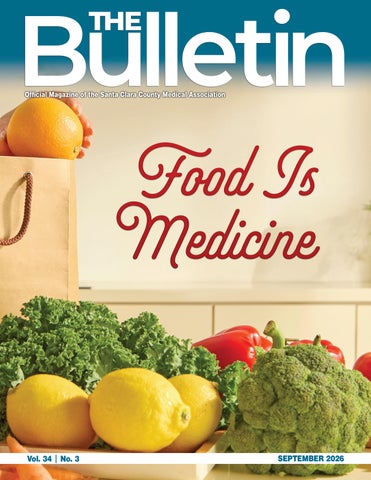
In this issue SCCMA is a professional association representing over 4,500 physicians in all specialties, practice types, and stages of their careers. We support physicians like you through a variety of practice management resources, coding and reimbursement help, training, and up to the minute news that could affect your practice. The Bulletin is our quarterly publication. Santa Clara County Medical Association SCCMA OFFICERS President | Santosh Pandipati, MD President-elect | Christine Doyle, MD Secretary | Veena Vanchinathan, MD Treasurer | Shahram Gholami, MD Immediate Past President | Fahd Rahman Khan, MD VP-Advocacy & Policy | David Li, MD VP-Membership | Paul Wang, MD VP-Professional Conduct | Lewis Osofsky, MD VP- Community Health | Annie Chang, MD
Feature Articles Plant-based meals: 6 12 14
SCCMA STAFF CEO/Executive Director | Marc E. Chow, MS Director of Operations | Angelica Cereno Director of Governance & Advocacy | Emily Coren Facilities Manager | Andie Campanilla Member & Program Manager | Rashida Mirza Administrative Assistant and Special Programs | Meha Kavoori
SCCMA COUNCILORS El Camino Hospital of Los Gatos | Jaideep Iyengar, MD El Camino Hospital – Mountain View | Carol A. Somersille, MD Good Samaritan Hospital | Judong Pan, MD Kaiser Foundation Hospital - San Jose | Haritha Reddy Rachamallu, MD Kaiser Permanente Hospital - Santa Clara | John Truong, MD O’Connor Hospital | David Cahn, MD Palo Alto Foundation Medical Group | Vibha Iyengar, MD Regional Medical Center | Open Saint Louise Regional Hospital | Open Santa Clara Valley Medical Center | Open Stanford Health Care/Children’s Health | Karen Kim, MD Managing Editor | Emily Coren Production Editor | prime42 – Design | Market | Host Opinions expressed by authors are their own, and not necessarily those of The Bulletin or SCCMA. The Bulletin reserves the right to edit all contributions for clarity and length, as well as to reject any material submitted in whole or in part. Acceptance of advertising in The Bulletin in no way constitutes approval or endorsement by SCCMA of products or services advertised. The Bulletin and SCCMA reserve the right to reject any advertising. Address all editorial communication, reprint requests, and advertising to: Emily Coren, Managing Editor 700 Empey Way San Jose, CA 95128 408/998-8850 Fax: 408/289-1064 emily@sccma.org © Copyright 2026, Santa Clara County Medical Association
www.sccma.org
16 20
Plant-Based for the Planet: Food as Medicine for a Warming World Healthy Plant Based Recipes From Hospital to Kitchen: What Happens When Doctors Trade Stethoscopes for Spatulas Making the Healthy Choice the Easy Choice: Transforming Food Environments for People and the Planet Transforming Health Through Food and Community
Issues of Concern: 30 36 38 40 45
Designer Poisons: Pesticides, Pollution and Public Health For Food To Be Medicine, We Must Address Pesticide Harm and Its Inequities When it comes to CAFOs, there are no win-wins – except for eating fewer animals The Health Effects of Gas Stoves The World We Have Made
Community News 46 50 56
How can we protect the health of our democracy? Celebrating 150 Years of Service, Advocacy, and Community Annual Physician Wellness Retreat
New and Noteworthy 24 26
Santa Clara County leans into Food is Medicine efforts Nourishing the Future: The Intersection of Climate Change, Food Security, and Pediatric Health
Regular Columns 4 49 58 68
President’s Message Public Health Update Membership Matters Upcoming Events Third Quarter 2026 | The Bulletin | 3
A Message from the President
Food as Medicine
Santosh Pandipati, MD SCCMA President
As a maternal-fetal medicine physician, I and my colleagues in obstetrics have long advocated for healthy nutrition to not only have safer pregnancies, but to nourish and enrich the next generation of humanity. Nothing is more foundational than the food we put into our mouths, from the moments after we are born to the very last moments of our lives. That conviction extends far beyond the delivery room. “Food as medicine” isn’t a slogan to physicians in any specialty, it’s something colleagues across Santa Clara County see in their exam rooms every week, even if our training and our fifteen-minute visits rarely give us the tools or the time to act on it fully. That’s the gap this issue of the Bulletin is built to help close. Dr. Ulka Agarwal opens the issue with a sweeping look at why plant-forward eating sits at the intersection of some of the biggest challenges we face as physicians and as a society: chronic disease, food insecurity, and a warming planet. It’s a piece worth reading slowly. The connections between what fills our plates and what fills our hospitals are more direct than most of us learned in medical school. Dr. Lisa Yang writes about Kaiser Permanente’s culinary medicine work, including cooking classes for patients and a new workshop for Family Medicine residents launching this year. A reminder that “eat better” becomes a real recommendation only when we can point patients somewhere to learn how. Dr. Annie Chang and our colleagues at Veggielution bring the conversation home to Santa Clara County, where food insecurity and diet-related disease are neighbors, not separate problems. And Plant-Based Advocates contributes a recipe simple enough to hand to a patient at the end of a visit. The issue also takes on the parts of our food system that rarely make it into a clinic conversation but shape our patients’ health all the same.
4 | The Bulletin | Third Quarter 2026
You’ll find pieces on pesticide exposure and its links to Parkinson’s disease and other conditions, on the public health toll on agricultural workers, on concentrated animal feeding operations and antibiotic resistance, and on the surprisingly direct health case for getting gas stoves out of our kitchens. Together, they make the point that “environmental health” and “human health” were never really two different subjects. I am hopeful that this issue of the Bulletin changes how we as clinicians talk about food with our patients and with each other. Many of us already know that a conversation about vegetables can do as much for a patient’s trajectory as anything in our prescription pad. What we don’t always have is the backup: the data, the local resources, the confidence that this is squarely within our scope of practice and not just good intentions. That’s what I hope this issue gives you. Read Dr. Agarwal’s piece for the why. Read the culinary medicine and Veggielution pieces for the how. And keep the recipe(s) and share them with your patients. My thanks to every physician, researcher, and community partner who contributed their time and expertise to this issue, and to our Bulletin editorial team for pulling it together. If food really is medicine, then talking about it with our patients, our colleagues, and our County leaders isn’t a radical departure from our work. Rather, it’s a core part of it.
Santosh Pandipati, MD President, Santa Clara County Medical Association
www.sccma.org
INDEPENDENT PRACTICE MIXER
Santa Clara Medical Association Independent Practice Mixer September 24, 2026 6:00 PM to 8:30 PM Santa Clara County Medical Association 700 Empey Way, San Jose, California 95128 An evening for Santa Clara County physicians to connect, share a meal, and explore how AI scribes are changing clinical work.
The Program Join colleagues from across Santa Clara County for dinner, meaningful conversation, and an accredited CME presentation designed for the realities of modern practice. This session examines growing evidence on how AI scribes affect physician experience, clinical workflows, documentation burden, and patient experience, with practical considerations for evaluating their impact in real world settings.
01
Welcome & dinner
02
CME presentation
03
Conversation & connection
Connect with local physicians and practice leaders over dinner.
Evidence, practical considerations, and discussion on AI scribes.
Continue the discussion with colleagues and event partners.
Featured CME Evaluating AI Scribes: Impacts on EHR Use & Burnout Presented by Dana Faber, MS PSL, RN, CPHRM The Doctors Company 1.0 AMA PRA Category 1 Credit Accreditation: This activity has been planned and implemented in accordance with the accreditation requirements and policies of the Accreditation Council for Continuing Medical Education (ACCME) through the joint providership of E2o Health Inc and California Medical Association (CMA). The E2o Health Inc is accredited by the ACCME to provide continuing medical education for physicians.
What participants will examine Participantswillexamine whether reductions in burnout associated with AI-scribe use differ based on EHR time savings and the level of scribe utilization, providing a nuanced view of how these tools may influence clinician efficiency and practice experience.
www.sccma.org
Third Quarter 2026 | The Bulletin | 5
BY: ULKA AGARWAL, MD
W
hat if one of the most effective interventions for tackling food insecurity, climate change, environmental degradation, chronic disease, and health inequity is already within our scope of practice, prescribed three times a day?
Food Insecurity By 2050, the global population will grow to nearly 10 billion. Driven by population growth and rising incomes, overall food demand is projected to surge by more than 50%, with demand for animal-based foods increasing even more by nearly 70%. At the same time, extreme weather and soil degradation are already threatening crop yields and nutritional quality. To meet the Paris Agreement, we must meet this demand without expanding existing farmland, and while cutting projected agricultural emissions by about two-thirds. How, then, do we ensure, equitably and sustainably, that everyone has enough to eat?1 To answer that question, let’s first take a look at what we currently eat.
Diet and Health Since the USDA began tracking American diets in 1909, meat consumption has steadily increased. Per capita availability rose from about 124 pounds per person per year in 1909 to nearly 230 pounds projected in 2026, the highest on record, driven largely by a sharp rise in chicken consumption, often marketed as a healthier option.2 To put that in perspective, Americans now consume approximately one million chickens every hour.3 Cheese consumption has also more than doubled since 1980, with total U.S. dairy consumption (mostly due to solid dairy products like cheese, butter, and yogurt) at near historic highs.4,5 6 | The Bulletin | Third Quarter 2026
www.sccma.org
www.sccma.org
Third Quarter 2026 | The Bulletin | 7
Consistent with these trends, poor diet is now responsible for more deaths globally each year than tobacco use, and disproportionately affects underserved communities, exacerbating health disparities.6 Right here in Santa Clara County, nearly one in three adults has diabetes or prediabetes, about one in five adults is obese, and heart disease and cancer remain leading causes of death.7,8 But how much of an effect can dietary change actually make? One way to understand the benefits of dietary change is to study populations that follow healthier patterns, such as Seventh-day Adventists, whose religious teachings discourage tobacco, alcohol, and meat. The Adventist Health Study-2 followed over 41,000 participants across the United States and Canada, categorized as vegan, lacto-ovo-vegetarian, pesco-vegetarian, and semi-vegetarian diets (consuming meat/dairy/eggs more than once a month but less than once a week). They found that the less meat, dairy, and eggs people consumed, the lower their risk for obesity and type 2 diabetes, even after adjusting for BMI and other lifestyle factors.9 Similar findings emerged from the EPIC-Oxford Study, which followed nearly 38,000 people in the UK and found that fish-eaters, vegetarians, and especially those fully plant-based had progressively lower BMI than meat-eaters, a difference that persisted after controlling for physical activity, smoking, and education.10 When multiple large cohorts point in the same direction, they give us a practical blueprint for what “healthy eating” looks like in real life. The American Heart Association’s 2026 Dietary Guidance to Improve Cardiovascular Health recommends shifting from meat to plant sources of protein like beans, peas, lentils, and nuts, which have been associated with lower cardiovascular risk.11 The American College of Lifestyle Medicine (ACLM) promotes eating a variety of whole-food, minimally processed vegetables, fruits, whole grains, beans, legumes, nuts, and seeds.12 And the implications extend far beyond individual health. At the global level, the 2025 EAT-Lancet Commission estimated that widespread adoption of a plant-forward Planetary Health Diet, which emphasizes reducing animal-based protein and increasing plantbased protein, could prevent about 15 million premature deaths per year, while supporting environmental sustainability.13
linked. Baseline health affects how vulnerable people are to climate impacts such as extreme heat and air pollution. At the same time, climate change worsens chronic disease through food disruptions, heat exposure, and declining air quality, disproportionately harming the same communities already at highest risk for chronic illness. Because of these persistent health inequities, the American Medical Association has urged policymakers to make meat and dairy optional in their federal nutrition guidelines, and to offer plant-based milks in schools, because meat and dairy have been linked to chronic illnesses and some cancers, which are disproportionately higher in communities of color.14 These same disparities are why the 2025 Dietary Guidelines for Americans raised concerns among the science community, including from the American Heart Association, the Academy of Nutrition and Dietetics, and Harvard T.H. Chan School of Public Health. Stanford’s Nutrition Studies Research Group, led by Dr. Christopher Gardner, who served on the Dietary Guidelines Advisory Committee (DGAC) alongside 20 other world-renowned scientists, noted in a commentary published on Stanford Medicine’s Prevention Research Center’s website that while the updated guidelines appropriately reaffirm core evidence-based principles such as eating more fruits and vegetables, choosing whole grains, limiting added sugars and sodium, and limiting saturated fat to less than 10 percent of total calories, they simultaneously promote foods high in saturated fat such as red meat, full-fat dairy, butter, and beef tallow. The commentary also noted that the guidelines place strong emphasis on protein intake, despite robust evidence that most Americans already consume sufficient amounts, while underemphasizing fiber, one of the nutrients Americans most consistently fall short on and one central to long-term health.15 Equity concerns were also raised about the continued emphasis on dairy given that approximately 65-70% of the global population is lactose intolerant.16 Despite this, there has been some progress for children. In January 2026, the Whole Milk for Healthy Kids Act was signed into law, and though it restored whole and 2% milk as options in the National School Lunch Program, it now permits schools to offer nutritionally equivalent non-dairy beverages (such as fortified soy milk) upon a parent or guardian’s written request, no longer requiring a physician’s note.17 In addition, just this past July, California approved a 2026-27 state budget that directs a one-time investment of $500 million into the Kitchen Infrastructure and
When multiple large cohorts point in the same direction, they give us a practical blueprint for what “healthy eating” looks like in real life.
Health and Climate Equity But what does diet-related health have to do with climate change? Diet-related health and climate change are deeply 8 | The Bulletin | Third Quarter 2026
www.sccma.org
Training (KIT) Program, permitting school districts to spend the money on plant-based foods and non-dairy milks alongside kitchen upgrades and staff training.18
Diet and the Environment Public Health Risk When most people think of farmed animals, they envision cows, chickens, and pigs in the fresh air on sprawling pastures. However, this idyllic imagery stands in stark contrast to reality. Globally, an estimated 80 billion land animals are slaughtered for food each year,19 the vast majority of which are kept in concentrated animal feeding operations (CAFOs). Also known as factory farms, these facilities can hold as many as hundreds of thousands of animals who spend much, or the entirety, of their lives confined in indoor sheds.20 In the United States alone, about 10 billion land animals are raised and killed annually—a staggering 99% of which live on factory farms. Consequently, the vast majority of meat, dairy, and eggs we consume each day, come from animals raised on factory farms. This kind of high-density animal confinement increases the risk of zoonotic disease, and intensive animal agriculture is widely recognized as a high-risk interface for pathogen spillover.21 Some 60% of emerging infectious diseases that are reported globally come from animals, and over 30 new human pathogens have been detected in the last three decades, 75% of which have originated in animals.22 According to the UN Environment Programme and the International Livestock Research Institute, increasing demand for meat and today’s unsustainable methods of meat production are two of the seven most likely causes of the next pandemic.23 Closer to home, these risks are especially relevant in California’s Central Valley, particularly the San Joaquin Valley, which hosts the highest concentration of large-scale industrial dairies and concentrated animal feeding operations (CAFOs) in the state, accounting for over 80% of dairy farms and nearly 90% of dairy cows in California.24 Waste from these facilities can contaminate groundwater and waterways, worsening nitrate pollution and threatening drinking water.25 As of August 2026, California’s State Water Resources Control Board was drafting a statewide order for Central Valley dairies that would require compliance with a nitrate drinking-water standard, tighter manure storage and land-application rules, and mandatory alternative drinking water for residents with contaminated wells.26 In the United States, approximately 70% of medically important antibiotics are sold for use in animals, contributing to antimicrobial resistance that could undermine modern medicine.27
Antibiotic overuse is contributing to antibiotic-resistant infections that already kill more than a million people a year globally.28 Without action, that toll is projected to climb to nearly 2 million direct deaths a year by 2050, with resistant infections playing a role in more than 8 million deaths annually.28 In North Carolina, more than 500 residents, many of whom were from Black, Native American, and low-income families whose land ownership in the region stretched back generations, filed federal nuisance lawsuits against Smithfield Foods over conditions near industrial hog operations, with the resulting verdicts in favor of the residents upheld on appeal. Residents experienced burning eyes, nausea, coughing, elevated blood pressure, and severe anxiety, alongside fears of groundwater and well contamination.29 Workers in these facilities are routinely exposed to air pollutants and occupational hazards linked to respiratory disease and injury, and these harms disproportionately affect low-wage, immigrant, and racially and ethnically marginalized workers.30 Emissions Food systems account for roughly one-third of global greenhouse gas emissions, with livestock production accounting for 14-18%.31,32,33 Agriculture is the largest source of human-caused methane, a short-lived but highly potent greenhouse gas responsible for about 30% of global warming. That makes methane reduction, especially from livestock, one of the fastest ways to slow global warming this decade.34 Beef has the largest environmental footprint of any food, and animal-based foods generate roughly twice the emissions of plant-based foods.35 These impacts are driven by the vast land required for grazing and feed production, along with methane from ruminant digestion and manure. While eating local food is often promoted as a climate solution, transportation accounts for less than 10% of food-related emissions. What matters most is what we eat, not where it traveled from.36 Beyond climate, animal agriculture is a leading driver of deforestation, biodiversity loss, water pollution, and ocean dead zones. Our food system is now the primary driver of transgression for five of the nine planetary boundaries beyond safe limits (land system change, biosphere integrity, freshwater change, biogeochemical flows, and novel entities), and is a major contributor to climate change.37 Without dietary change, global food emissions are projected to continue rising. Even if we stopped emissions from all fossil fuels right now, emissions from food production alone would take us well beyond the carbon budget for 1.5°C, and leave little room to reach
Feeding crops to animals wastes a large share of calories in the conversion to meat.
www.sccma.org
Third Quarter 2026 | The Bulletin | 9
our 2°C target. In other words, we cannot meet the Paris Agreement without reducing global meat consumption, particularly in high-income nations like the U.S.38 Food Waste and Inefficiency Feeding crops to animals wastes a large share of calories in the conversion to meat. Although livestock uses about 80% of global agricultural land, it provides less than 20% of global calories and about 38% of global protein.39,40 Globally, across all livestock species, producing one kilogram of meat typically requires about three kilograms of human-edible feed on average.41 By contrast, crops grown directly for human consumption use only about 16% of land.39 Even the most feed-efficient animal protein source, chicken, requires roughly nine calories of crops to produce one calorie of meat.1 Animal agriculture is also highly wasteful at the systems level. Globally, about one in four animals raised for food is never consumed, meaning nearly 18 billion land animals, along with all the land, water, and crops used to raise them, are wasted every year.42
per kilogram than beef.47 However, emissions are only one consideration. Replacing one cow requires raising approximately 200 chickens,48 and as poultry production increases, so do associated environmental impacts including deforestation for feed crops, habitat loss, biodiversity decline, air and water pollution, and nutrient runoff that contributes to ocean dead zones. Seafood is often considered a more sustainable alternative, but outcomes vary considerably by production method. Some aquaculture, such as farmed crustaceans, can generate emissions comparable to or in some cases even higher than pork and poultry, largely due to feed production and waste-related methane.39,49,50,51 About half of the seafood consumed globally is farmed.52 Wild-caught seafood is often considered more sustainable, but about 35% of global fish stocks are overfished (up from 10% in 1974),53 and about 10% of all fish caught globally are discarded, including small whales, dolphins, sea birds, sea turtles, and sharks.54,55 The most impactful dietary shift for mitigating climate change and protecting our environment remains reducing overall meat consumption, particularly in high-income nations like the U.S.
Eating less meat is not the only approach to addressing climate change. Sustainable practices like regenerative agriculture can help.
Fixing Our Food System It’s the Cow, Not the How Eating less meat is not the only approach to addressing climate change. Sustainable practices like regenerative agriculture can help. So can reducing food waste. We should pursue all of these strategies (this is not an either/or situation). But the most effective approach, regardless of the sector, is to cut emissions at the source. Regenerative agriculture is not a replacement for reducing meat consumption, because it doesn’t work by cutting emissions; it attempts to balance them by sequestering carbon in the soil. But scientists have raised significant questions about how much carbon soil can hold and for how long.43 Regenerative systems can actually increase methane because cattle live longer before slaughter, and they require vast amounts of land.44 According to research from the World Resources Institute and Project Drawdown, other proposed solutions (including feed additives, methane masks, biodigesters, grass-fed beef, and eating local) have not been shown to be as effective as initially hoped or claimed.45,46 In other words: it’s the cow, not the how. Chicken and Fish What if we simply replaced beef with chicken or fish? Replacing beef with chicken can reduce emissions, since chicken generates roughly five times fewer greenhouse gas emissions 10 | The Bulletin | Third Quarter 2026
A Call to Eat Less Meat A landmark 2023 Oxford University study analyzed the actual diets of more than 55,000 people and linked them to life-cycle assessment data from over 38,000 farms in over 100 countries. It found that plant-based diets produce approximately 75% less greenhouse gas emissions, use 75% less land, and generate about 73% less water pollution than high-meat diets (more than 100g per day). Even low-meat diets (less than 50g per day) showed roughly half the environmental impact of high-meat diets across most indicators.56 At a global level, the 2025 EAT-Lancet Commission estimated that widespread adoption of a plant-forward Planetary Health Diet (combined with other food-system transformations) could cut annual greenhouse gas emissions from food systems by more than half compared with a business-as-usual scenario.13 The UN and the IPCC have consistently emphasized plant-based diets as a key climate solution, noting that one of the greatest opportunities for mitigating climate change lies in shifting toward plant-based diets.57 Despite this, public awareness remains limited. Separate surveys conducted by Newsweek and the Washington Post/ University of Maryland indicate that the majority of Americans do not believe meat consumption significantly impacts climate www.sccma.org
change,58,59 even though per-capita meat consumption in the United States is nearly three times the global average.60 At the same time, countries with fewer economic resources are often the most affected by climate-related food system disruptions, as droughts in regions such as Somalia61 and Central America’s Dry Corridor undermine crop production and food security.62 Even meat producers acknowledge this reality. Companies such as JBS, Cargill, and Tyson Foods are investing in plantbased and alternative proteins, reflecting growing recognition that current models of animal agriculture cannot sustainably meet future demand.63
Ultra-Processed Foods and Plant-Based Meat Alternatives Ultra-processed foods are among the most debated topics in nutrition today, and plant-based meat alternatives often sit at the center of this debate. Under the NOVA classification system, these products are categorized as “ultra-processed” based on how they are made, not on their nutritional quality.64 As a result, NOVA places plant-based burgers made from pea protein or soy alongside junk food like candy bars. While NOVA appropriately flags many foods high in added sugar, salt, and unhealthy fats, it does not distinguish between nutritionally poor products and those that may serve as healthier substitutes. Plant-based meat alternatives (such as brands like Beyond and Impossible) are generally higher in fiber and free of dietary cholesterol compared with red and processed meats, which are classified as Group 2A (probable) and Group 1 (known) carcinogens, respectively, by the World Health Organization’s International Agency for Research on Cancer.65 However, nutritional profiles of these products vary, as some plant-based meat alternatives have been found to be higher in sodium, and their saturated fat content varies.66,67 As research on the health effects of plant-based meat alternatives continues to evolve, those who remain uncertain about consuming these products may find that they can be useful transition foods on the path toward whole-food plant protein sources such as beans, peas, and lentils. But it’s important to consider that despite decades of advocacy and education about the health and climate benefits of plant-based diets, global demand for meat continues to rise. So, the most likely real-world alternative to a plant-based burger is not a bowl of organic lentils — it’s a burger made from a cow raised on a factory farm. Therefore, plant-based meat alternatives may be a critical strategy for reducing demand for meat, without depending solely on individual behavior change. From an environmental perspective, life-cycle assessments have found that plant-based meat alternatives may use nearly 80% less land, 95% less water, and have 70-90% less impact on the environment than meat.68 Replacing 50% of global animal-based food consumption with plant-based alternatives by 2050 could halt net forest and natural land loss, while reducing agricultural greenhouse gas emissions by about 30%. This shift
is projected to simultaneously boost biodiversity, reduce water usage, and decrease the number of undernourished people by about 30 million, and to free up over 650 million hectares of agricultural land that is currently being used for grazing animals and growing animal feed, an area roughly the size of the entire Amazon rainforest. This shift would cause global agricultural area to decline by 12% rather than expand as currently projected.69
The Healthcare Sector The healthcare sector accounts for about 8.5% of U.S. greenhouse gas emissions, and food procurement is one of the highest-impact levers hospitals have.70 That’s why all New York City public hospitals decided to serve plant-based meals as the default dinner option, cutting food emissions by 36% and saving $500,000 in the program’s first year, with 98% patient satisfaction.71 More than 130 hospitals have taken the World Resources Institute and Healthcare Without Harm’s Cool Food Pledge, committing to reducing emissions by 38% per plate by shifting procurement from high-emission animal-based products toward sustainable, plant-rich diets.72 Sodexo has committed to offering plant-based meals by default at over 400 U.S. hospitals by 2026, with the potential to transition 10 million meals per year from meat-based to plant-based.73 In 2017, the American Medical Association passed a Healthy Food Options in Hospitals resolution that calls on U.S. hospitals to improve the health of patients, staff, and visitors by providing plant-based meals.74 The following year, California Senate Bill 1138 passed, requiring licensed California healthcare facilities to make available plant-based meal options.75
So, the most likely real-world alternative to a plant-based burger is not a bowl of organic lentils — it’s a burger made from a cow raised on a factory farm.
www.sccma.org
Conclusion Food insecurity, climate change, environmental degradation, chronic disease, and health inequity are deeply interconnected, and what we eat lies at the center of them all. By advancing the shift to plant-based diets, healthcare professionals can help address food insecurity, reduce emissions, protect the environment, reduce risk Full references are for chronic disease, and promote available at the health equity. A plant-based diet QR code is more than just dietary advice. It is preventive medicine at the scale this moment demands. And the most powerful prescription may be the one we write on our plates.
Third Quarter 2026 | The Bulletin | 11
Ingredients • • • • • • • • • • • • • •
1 tablespoon olive oil 5 cloves garlic minced 1/2 cup sun dried tomatoes chopped 1/2 teaspoon oregano 1/2 teaspoon red chili flakes 1 teaspoon salt 1/4 teaspoon ground black pepper (2) 15-ounce cans chickpeas drained and rinsed 1 cup vegetable broth 1 tablespoon tomato paste 1 cup vegan cream 2 cups baby spinach sliced 4-5 fresh basil leaves chopped optional: 1/2 cup grated vegan parmesan cheese I used Violife
Instructions 1.
2. 3.
4.
Marry Me Chickpeas This one-pan Marry Me Chickpeas recipe puts a vegan twist on the viral comfort food, Marry Me Chicken! Get ready to fall in love with this indulgent 15-minute meal.
Nutritional information (per serving approximate) Serving: 1 of 6 servings Calories: 294kcal Carbohydrates: 33g Protein: 10g Fat: 15g Saturated Fat: 8g Polyunsaturated Fat: 1g Monounsaturated Fat: 3g
Sodium: 690mg Potassium: 736mg Fiber: 8g Sugar: 8g Vitamin A: 1231IU Vitamin C: 9mg Calcium: 83mg Iron: 5mg
12 | The Bulletin | Third Quarter 2026
In a large sauté pan over low-medium heat, warm the olive oil. Add the garlic and cook for 1-2 minutes, stirring frequently, until fragrant. Stir in the sun dried tomatoes, oregano, red chili flakes, salt and black pepper. Cook for 1 minute. Now add the chickpeas, broth, tomato paste, cream and spinach and stir well. Bring to a gentle simmer over medium heat and cook for about 5 minutes, until warm and the spinach has wilted. Taste; add more salt, pepper or red pepper flakes as desired. Remove from heat and stir in the fresh basil and grated parmesan. Serve immediately with crusty bread for dipping, or on to of cooked rice, pasta or even a baked sweet potato. Enjoy!
Notes 1.
2.
3.
4.
For vegan marry me chicken, try substituting the chickpeas for any vegan chicken you like, including my homemade seitan chicken. Or make my crispy baked tofu and use that instead. For the cream, you can use any store bought dairy free creamer (I love Ripple's Half and Half), full fat coconut milk, another unsweetened plant milk or best of all, homemade cashew cream. To make cashew cream for the cream - Bring 2-3 cups of water to a boil (I use my tea kettle). Pour the hot water over ¾ cup raw cashews and let soak for 5 minutes or up to an hour. Drain the cashews and add to a high powered blender with 1 cup of fresh water and blend until creamy and smooth. If you use a store bought cream or coconut milk, you may want to thicken the chickpeas as the sauce won't be as thick. To do this, mix 1 tablespoon cornstarch and 3 tablespoons water in a bowl, then stir it into the chickpea mixture at the end. It should thicken up nicely.
Enjoy! www.sccma.org
Ingredients for Roasted Cauliflower • 1 large head of cauliflower, cut into florets • 2 tbsp olive oil (may need a little more if extra large head of cauliflower) • 1 tsp smoked paprika • 1/2 tsp ground cumin • 1/2 tsp garlic powder • 3/4 tsp salt • 1/2 tsp pepper • A handful of fresh parsley for garnish
Ingredients for Tahini Lemon drizzle • 1/3 C of Tahini • Juice of 1 large lemon (add extra if you prefer sauce to be more tart) • 1 large garlic clove, minced or grated • 2 - 4 tablespoons of water for thinning • 1/4 tsp salt 1. 2.
Roasted Cauliflower with Tahini Lemon drizzle
Preheat oven to 425 degrees F Line baking sheet with parchment paper (best to use non bleached to avoid chemical leakage into your food) 3. Place cauliflower florets in large bowl. 4. Drizzle with olive oil and toss with smoked paprika, cumin, garlic powder, salt and pepper until evenly coated. 5. Spread cauliflower in a single layer on the baking sheet. 6. Roast for 25 - 30 minutes, flipping halfway, until deeply golden and crisp on the edges. 7. While the cauliflower roasts, whisk tahini, lemon juice, garlic and salt in a bowl. 8. Slowly add slightly warm water, whisking continuously, until sauce becomes smooth and creamy. 9. Arrange roasted cauliflower on a serving plate, drizzle generously with tahini lemon drizzle and garnish with parsley. 10. Serve warm.
Enjoy!
Use all organic ingredients to reduce pesticide exposure.
Nutritional information (per serving approximate) • • • • • •
www.sccma.org
Calories: 220 Protein: 6 g Carbohydrates: 18 g Fat: 15 g Fiber: 5 g Calcium: 10% DV
Third Quarter 2026 | The Bulletin | 13
From Hospital to Kitchen: What Happens When Doctors Trade Stethoscopes for Spatulas BY: LISA YANG, MD, DIPABLM Clinical Lead, Lifestyle Medicine, Kaiser Greater San Jose Area
W
e have all been there during a busy clinic day: we deliver our best, evidence-based lifestyle counseling, look the patient in the eye, and say, “Eat more whole plants, boost your fiber, and cook at home.” The patient nods, goes home, opens their pantry, and realizes they have no idea what to do with a can of chickpeas—or worse, a raw head of cauliflower. Translating clinical guidelines into an actual, edible Tuesday night dinner is where the rubber meets the road. Two years ago, we decided to tackle this disconnect head-on by launching Cook for Health—and it has since become our most popular patient offering.
Live from the Doctor’s (Slightly Imperfect) Kitchen Once a month, two physicians broadcast live on Zoom directly from our own home kitchens. Stepping outside the sterile exam room—and into our real-life, occasionally chaotic cooking spaces—immediately dismantles the usual clinical hierarchy. (Plus, patients find it remarkably reassuring to see that doctors spill spices, misplace kitchen towels, and drop food on the floor just like everyone else.) Each session is built around a practical, engaging theme—
such as optimizing plant-based protein, demystifying fiber, mastering vibrant pastas, hearty soups and grain bowls, or surviving the holidays. We kick off with a high-yield, entertaining didactic segment connecting the month’s recipes to chronic disease pathophysiology—showing how targeted dietary choices prevent, halt, or even reverse hypertension, type 2 diabetes, and cardiovascular disease. Crucially, we validate their real-world struggles. We openly acknowledge that between long work hours, household chaos, and sheer cognitive fatigue, the siren song of takeout is real.
Accessible, Plant-Forward, and Real-Life Approved Every class features 2 to 4 whole food, plant-based recipes engineered for maximum compliance and minimal stress: • No specialty gadgets: If it requires a 10-blade gadget sold exclusively on late-night infomercials, it’s not on the menu. A basic knife and cutting board do the job. • Low culinary barrier: Designed for absolute beginners; no culinary arts degree required. • Kid- and family-tested: Because nobody has the bandwidth to cook three separate dinners for picky eaters. We send the ingredient list and recipes ahead of time so par-
Dr. Lisa Yang and Dr. Jessica Nijmeh are two of the eight Cook for Health physicians participating in the program. These photos were taken during a recent Culinary Medicine Workshop for hospitalists, highlighting the program’s broader efforts to bring practical nutrition and culinary medicine education into the healthcare setting. 14 | The Bulletin | Third Quarter 2026
www.sccma.org
ticipants can chop and sauté right alongside us, or just relax on the couch with a cup of tea and take notes. Along the way, we sprinkle in practical time-saving hacks: batch-cooking tricks, navigating food labels, and building incredible flavor without pouring on refined oils or sodium.
The Best Kind of Patient Follow-Up For those of us teaching, these sessions are a massive antidote to charting burnout. Connecting with patients over food fosters a level of rapport and mutual trust that a standard clinical encounter simply cannot match. The undisputed highlight is the grand finale: cameras lighting up across the screen as patients proudly hold up their steaming, colorful dishes to the webcam for a collective “show-and-tell.” The feedback has been consistently remarkable. Regular attendees report real, sustainable behavioral shifts: • Conquering produce aisles they previously avoided and significantly ramping up fiber intake. • Becoming savvy label detectives who can spot hidden sugars and sodium in moments. • Experiencing improved energy levels, sustainable weight management, and genuine progress in metabolic lab panels.
A Growing Movement Across Northern California What started as a grassroots initiative originating at Kaiser Permanente Santa Clara has rapidly grown into a regional movement. The program has expanded across four additional Kaiser Permanente Northern California medical centers, with over 25 physicians now trained to lead these culinary sessions. Best of all, the virtual kitchen doors are wide open: classes are available to all Kaiser Permanente Northern California patients, empowering members across the region to take charge of their health from their own stoves. Cook for Health reminds us that Food as Medicine works best when patients are actually equipped to prepare it. By pairing clinical science with culinary confidence, we aren’t just telling patients what to eat—we’re walking into the kitchen with them. www.sccma.org
Third Quarter 2026 | The Bulletin | 15
BY: ALLISON COLLINS, MD, DIPABLM, CCMS Medical Director of Lifestyle and Culinary Medicine, Kaiser Permanente Santa Clara
16 | The Bulletin | Third Quarter 2026
www.sccma.org
F
ood served within healthcare settings sends a powerful message about what we value. If we aim to prevent and treat chronic disease while reducing our environmental impact, our food environments should reflect those goals. At Kaiser Permanente Santa Clara, we have worked to make plant-forward eating the easy, appealing choice by transforming food offerings throughout our medical campus—from inpatient meals to the cafeteria, catering, and physician lounge. Bringing Plant-Forward Meals to Hospital Patients Our journey began with a local pilot offering a dedicated plant-based menu for post-cardiac patients. Building on its success, we partnered with a Northern California regional initiative to introduce an updated plant-forward menu across six Kaiser Permanente hospitals, featuring recipes developed by Lifestyle Medicine physicians through our Cook for Health culinary medicine program. The menu is now available to hospitalized patients of all ages, from pediatrics through adults. This initiative required collaboration among Kaiser Permanente National Nutrition Services, Sodexo Magic Commissary, Lifestyle Medicine physician leaders, local Nutrition Services departments, and the nonprofit organization Greener by Default. Behavioral science played a central role in the menu design. Rather than labeling meals as “vegan” or “plant-based,” which research has shown can discourage selection, meals were featured on a special “Seasonal Selections” menu with flavor-forward names such as Apple Pie Ancient Grains and Comforting Coconut Curry. Plant-forward options were placed prominently at the top of the menu, and descriptive language emphasized taste and satisfaction rather than health alone. Education extended beyond the menu itself. A patient-facing video (QR code) connected the concepts of Food Is Medicine and environmental sustainability. Frontline staff were trained to verbally introduce these dishes as featured specials, while physicians and staff participated in tasting events, educational presentations, and cooking demonstrations to experience the meals firsthand. Leadership also reinforced the initiative through consistent messaging, helping build enthusiasm and trust.
Dr. Allison Collins (KP Santa Clara) and Dr. Lisa Yang (KP San Jose) at hospital food tasting event. Both lead Lifestyle Medicine and Culinary Medicine with Cook for Health classes at their perspective KP Campuses in South Bay. www.sccma.org
During the three-month pilot, ordering patterns and patient feedback were closely monitored. Some recipes were refined or removed based on patient preferences, while the overall success of the initiative led to adoption across all Kaiser Permanente Northern California hospitals as part of the standard inpatient menu. Using pre- and post-pilot ordering data, Greener by Default estimatOur very own Lifestyle ed reductions in carbon Medicine cookbook we hand emissions associated with out to patients in our Intensive Lifestyle Medicine programs the increased selection of (pediatric and adult) plant-forward meals. Even relatively small shifts in ordering behavior—only 1–2% at some hospitals—translated into meaningful environmental benefits when implemented across a large healthcare system. One of our greatest lessons was that lasting change depends on partnership. Success required close collaboration among nutrition services, culinary teams, Lifestyle Medicine clinicians, hospital leadership, and frontline staff. Repeated education, opportunities to sample the food, and consistent communication were essential for building long-term engagement. Reimagining the Cafeteria and Catering We next turned our attention to the hospital cafeteria and café by partnering with Sodexo Magic to develop the Thrive Menu, a flavorful plant-forward menu designed to appeal to everyone—not just those intentionally seeking healthier options. Again, behavioral science informed the approach. Rather than emphasizing health-focused labels, the menu highlighted delicious, satisfying meals that happened to be plant-forward. Many recipes came directly from our physician-developed culinary medicine curriculum, allowing staff and visitors to enjoy the same recipes taught in our patient classes and access more than 300 physician-created recipes through our website (QR code). The initial offerings focused on convenient grab-and-go items, including chia pudding, overnight oats, and breakfast burritos.
5 recipes used in the hospital food meals from our KP Cook for Health Classes, all recipes developed by our Lifestyle Medicine physician team and in our cookbook and taught in Cook for Health Classes Third Quarter 2026 | The Bulletin | 17
These quickly became some of the cafeteria’s most popular items, frequently selling out. Encouraged by this success, we expanded the menu to include rotating daily lunch specials, ensuring that at least one appealing plant-forward entrée was available each day. The initiative later expanded to a dedicated Thrive Catering Menu for meetings, conferences, and physician events. Breakfast options include Mango Coconut Chia Pudding, Nutty Strawberry Banana Overnight Oats, and Thrive Breakfast Burritos featuring tofu scramble, black beans, roasted sweet potatoes, and avocado. Lunch offerings include wraps, sandwiches, grain bowls, salads, and hot entrées accompanied by fresh fruit and plant-based energy bites. Recipes reflect diverse culinary traditions—including Mexi-
Dr. Richa Goyal and Dr. Allison Collins doing cooking demos with samples of several of the recipes on the Thrive Menu at the KP Santa Clara Cafeteria
Banner in our cafeterias to spotlight the new Thrive Menu available at all KP South Bay Cafeterias 18 | The Bulletin | Third Quarter 2026
can, South Asian, East Asian, and Mediterranean cuisines—to appeal to a wide range of tastes. Popular selections include the Spicy Peanut Grain Bowl, Southwest Harvest Bowl, Smoked Sweet Potato Black Bean Wrap, and Tofu Tikka Masala. The Thrive menu can be ordered entirely plant-forward or combined with traditional catering options, allowing flexibility while expanding healthier choices. To introduce both the cafeteria and catering menus, we hosted tasting events featuring physician-led cooking demonstrations and recipe handouts. These experiences helped generate excitement while reinforcing the connection between delicious food, personal health, and environmental stewardship. One important lesson has been that implementation does not end at launch. Ongoing communication, regular quality checks, and continued collaboration with food service teams are necessary to maintain consistency, particularly as staffing changes occur over time. Expanding Plant-Forward Choices Throughout Campus Our efforts also extended beyond internal food services. Working with our catering partner, Entrees Unlimited, we collaborated to expand their plant-forward offerings by sharing recipes and discussing ways to create meals that were both satisfying and appealing. Today, their menu includes more than 80 plant-forward breakfast, lunch, and dinner options available as individual meals or buffet service. Popular selections include the Rainbow Wrap, Butternut Squash Falafel, and Moroccan Farro Salad. These meals are offered alongside traditional options, allowing individuals to choose based on preference rather than restriction. Over the past three years, the proportion of plant-forward meals ordered through catering has increased from approximately 15% to nearly 30%, reflecting growing awareness and acceptance among physicians and staff. www.sccma.org
Tasting event on one of our menu spotlights as part of the Thrive Menu Catering event
The transformation has also reached our physician lounge. Foods that once centered on processed meats and ultra-processed snacks have gradually been replaced with nourishing options such as homemade chia pudding, an oatmeal bar, soup bar, roasted chickpeas, edamame, and whole-food snack bars.
These changes make healthier choices readily available during busy clinical days. Creating a Healthier Healthcare Environment Healthcare organizations have a unique opportunity to model the behaviors we encourage our patients to adopt. By thoughtfully redesigning food environments using evidence from nutrition science and behavioral economics, hospitals can improve the health of patients, physicians, and staff while simultaneously reducing their environmental footprint. Our experience demonstrates that meaningful change does not require eliminating choice. Instead, it involves making the healthier, more sustainable option the easiest, most visible, and most appealing choice. Through collaboration among clinicians, nutrition professionals, food service teams, leadership, and community partners, healthcare systems can create food enviAccess all our recipes ronments that better reflect our from our Cook for mission to improve both human Health Classes and all and planetary health. the catering recipes by scanning the QR Code.
Hospital Menu used as part of the Plant-Based Meal Initiative www.sccma.org
Third Quarter 2026 | The Bulletin | 19
ANNIE CHANG, MD, MS Food is Medicine Lead, Integrative Medicine Workgroup, Santa Clara Valley Healthcare. Medical Site Director, Reentry, Valley Homeless Healthcare Program. VP of Community Health, Santa Clara County Medical Association. Member, Supervisor Margaret Abe-Koga District 5 Sustainability Advisory Committee
EMILY SCHWING Food Systems Manager, Santa Clara County Office of Sustainability and Resilience
CAYCE HILL Director, Santa Clara County Office of Sustainability and Resilience.
JENNY BILLER, MD Integrative Medicine Lead, Santa Clara Valley Healthcare. Chair, Department of Obstetrics and Gynecology at O’Connor Hospital 20 | The Bulletin | Third Quarter 2026
www.sccma.org
F
ood is Medicine, also commonly known as Food as Medicine, is an overarching idea, concept, often described as a movement, that has invigorated discussions and innovations of what food-based interventions mean in clinical practice. Nationally, it is estimated that less than 10 percent of the U.S. population is metabolically healthy, and 1 in 10 persons already have at least one condition contributing to cardiovascular-kidney-metabolic syndrome (CKM),. It is estimated that 90% of the $4.3 trillion national annual cost of health care is spent on chronic disease. Healthy dietary change is a vital foundational lifestyle pillar to improve metabolic health, address chronic disease, and prevent adverse CKM disease outcomes such as heart disease and stroke3,4,. However, despite healthy foods’ crucial importance, patients often struggle with the accessibility, availability, and affordability of nutritious foods. Furthermore, structured patient education, intentional community engagement, and integration into clinic practice are among the key challenges for Food is Medicine implementation. Most transformatively, the Centers for Medicare & Medicaid Services (CMS) approved Section 1115 Demonstration Waivers that allowed states to pilot interventions with Medicaid funding to address health-related social needs,, which includes food and nutritional support. In California, our demonstration is known as CalAIM (California Advancing and Innovating Medi-Cal), which is a multi-year initiative led by the California Department of Health Care Services (DHCS),. Under CalAIM, Commuwww.sccma.org
nity Supports are services provided by Medi-Cal managed care plans (MCP) to help Medi-Cal members improve their health and avoid acute, high-cost levels of care. In California, Community Supports were introduced in January 2022, and MCP can offer up to 15 Community Supports, which includes Medically Tailored Meals (MTM) and Medically Supportive Foods (MSF)9,10. Based on 2024 DHCS data, MTM/ MSF served more than 156,000 members, and were associated with reduced inpatient (21.4%) and emergency department use (22%)9, 10. In Santa Clara County, MTM/MSF are the most utilized Community Supports, serving approximately 10,000 members enrolled in Santa Clara Family Health Plan. As California and its counties explore further development and upscaling of its MTM/ MSF programming, the critical nexus between healthcare systems Veggielution served as one and food systems is of 4,5 of Santa Clara County’s main growing importance . food hubs aggregating and Food is Medicine moddistributing local fresh farm els can work toward boxes during the COVID mutually supporting pandemic, and continues to be the health of our paa central food resource for the tients, well-being of Mayfair community. Third Quarter 2026 | The Bulletin | 21
Food throughout human evolution has deeply involved community and social connection. It is imperative to center people and the social interactions that improve health and well-being in Food is Medicine design4, 5. In a recent randomized controlled trial, community-based participatory methods were used to design Medically Utilized Tailored Traditional Foods to Optimize Nutrition in Heart Failure (MUTTON-HF), a culturally and medically tailored meal program incorporating traditional Navajo foods and recipes as well as sourcing from local Navajo farmers and ranchers. Core components, such as locally sourcing meals, prioritizing culturally tailored recipes, establishing distribution networks, and leveraging community health worker partnerships were the backbone to the intervention12, . The intervention led to significantly lower all-cause hospitalization or emergency department visit compared It also leads development of local food entrepreneurship, to control (40.6% vs 57.0%), with a 71% reduction in which helps community members cultivate their cultural and heart failure specific hospitalizations12, 13. This landculinary heritages to create their own food businesses. Food mark trial demonstrated that community-based inentrepreneurs have successfully opened food cooperatives, terventions centered around cultural heritage, assets, catering services, and various other food ventures such as and participation can lead to significantly meaningfood trucks and pop-ups. Veggielution works to gather our ful health outcomes12, 13. communities, grow fresh nutritious food, and nourish our local ecosystem. Visit Veggielution.org The transformative power of Food is Medicine is tremendous - and we are at a momentous time. The our communities, resilience of our local economies, and suscardiometabolic health of the U.S. population has tainability of our environment in which we live and steward significantly worsened in the past decades since 1999, and for our future generations. will continue to worsen with nearly 50% of adults projectIn 2025, the Integrative Medicine Workgroup led by phyed to be obese by 2035. Compounding this striking health sicians in Santa Clara Valley Healthcare championed Food is challenge are the deepening severity of socioeconomic inMedicine as one of its core pillars. The workgroup works in equities, rising costs of healthcare coverage, increasing inpartnership with multiple county and community partners flationary pressures on food prices, and accelerating climate to create a county-wide Food is Medicine initiative. In close change. Healthcare systems can be leaders in food systems collaboration with the Santa Clara County’s Office of Suschange by supporting the health of our patients, well-being tainability and Resilience, the workgroup aims to advance of our communities, resilience of our local economies, and food system change in alignment with the Santa Clara Counsustainability of our environment. As our healthcare systems ty Food System Workplan. The Workplan has 7 key goals11: collectively face the cascading effects of chronic disease and 1. Enhance food system coordination and leadership their escalating costs, Food is Medicine models can improve 2. Increase community engagement toward greater food health outcomes, prevent high-cost care utilization, empowsovereignty er our local communities, generate economic resiliency, and 3. Maintain farmland, increase agricultural opportunities, work towards a more sustainable future for all. and enhance farm viability 4. Build a strong regional food economy where communities and individuals prosper 5. Improve food security and public health through access to nutritious, culturally relevant, and affordable food 6. Expand food recovery and composting 7. Build a constituency for a strong regional food system by increasing food and agricultural education Designing Food as Medicine programming with the goals to understand their interdependent health, economic, and sustainability impacts can lead to transformative change. From the local farmers that grow our food, to the To spotlight a local community-based organization at the center of food system change is Veggielution, a local producers that make our food, to the community organcommunity farm located in Eastside San Jose, Santa izations that provide safe space for food service to our Clara County. At the heart of its work is the local Mayfair most vulnerable community members, and among countcommunity, predominantly comprised of Latinx and less interactions that make what we eat possible. Asian immigrant families.
22 | The Bulletin | Third Quarter 2026
www.sccma.org
Footnotes 1.
2.
3.
4.
5.
1. Mozaffarian D. The 2025-2030 Dietary Guidelines-Time for Real Progress. JAMA. 2025 Jan 22. doi: 10.1001/ jama.2025.0410. Epub ahead of print. PMID: 39841597. 2. American Heart Association. “About 9 in 10 haven’t heard of condition that affects nearly 90% of U.S. adults”. 20 October 2025. https://newsroom.heart.org/news/about-9-in-10havent-heard-of-condition-that-affects-nearly-90-of-u-s-adults. Accessed February 01 2026. 3. Ndumele CE, Rangaswami J, Chow SL, Neeland IJ, Tuttle KR, Khan SS, Coresh J, Mathew RO, Baker-Smith CM, Carnethon MR, Despres JP, Ho JE, Joseph JJ, Kernan WN, Khera A, Kosiborod MN, Lekavich CL, Lewis EF, Lo KB, Ozkan B, Palaniappan LP, Patel SS, Pencina MJ, Powell-Wiley TM, Sperling LS, Virani SS, Wright JT, Rajgopal Singh R, Elkind MSV; American Heart Association. Cardiovascular-Kidney-Metabolic Health: A Presidential Advisory From the American Heart Association. Circulation. 2023 Nov 14;148(20):1606-1635. doi: 10.1161/CIR.0000000000001184. Epub 2023 Oct 9. Erratum in: Circulation. 2024 Mar 26;149(13):e1023. doi: 10.1161/ CIR.0000000000001241. PMID: 37807924. 4. Volpp KG, Berkowitz SA, Sharma SV, Anderson CAM, Brewer LC, Elkind MSV, Gardner CD, Gervis JE, Harrington RA, Herrero M, Lichtenstein AH, McClellan M, Muse J, Roberto CA, Zachariah JPV; American Heart Association. Food Is Medicine: A Presidential Advisory From the American Heart Association. Circulation. 2023 Oct 31;148(18):1417-1439. doi: 10.1161/CIR.0000000000001182. Epub 2023 Sep 28. PMID: 37767686; PMCID: PMC12168720. 5. Reddy KR, Aggarwal M, Freeman AM. Food Is Medicine: The Time Is Now. Am J Med. 2024 Dec;137(12):1180-1183. doi: 10.1016/j.amjmed.2024.08.006. Epub 2024 Aug 10. PMID: 39134255.
9.
10.
11.
12.
13.
6.
7.
8.
6. U.S. Department of Health and Human Services. “Access to Foods That Support Healthy Dietary Patterns”. Office of Disease Prevention and Health Promotion. https://odphp.health. gov/healthypeople/priority-areas/social-determinants-health/ literature-summaries/access-foods-support-healthy-dietary-patterns. Accessed February 01 2026. 7. U.S. Centers for Medicare & Medicaid Services. “Section 1115 Demonstrations”. https://www.medicaid.gov/medicaid/ section-1115-demonstrations. Accessed February 01 2026. 8. Bleich SN, Dupuis R, Seligman HK. Food Is Medicine Movement-Key Actions Inside and Outside the Government.
www.sccma.org
14.
15.
JAMA Health Forum. 2023 Aug 4;4(8):e233149. doi: 10.1001/ jamahealthforum.2023.3149. PMID: 37561480. 9. Department of Health Care Services (DHCS). 1915(B) Waiver Report to the Centers for Medicare & Medicaid Services (CMS) for Calendar Year (CY) 2024. Medi-Cal Community Supports Are Delivering on Their Promise. April 2025. 10. Department of Health Care Services (DHCS). 1915(B) Waiver Report to the Centers for Medicare & Medicaid Services (CMS) for Calendar Year (CY) 2024. April 2025. 11. Gazula A, Smith, C, Diekmann L, Barry S, Brinkley C, Fuchs-Chesney J, Summer C, Seavey-Hultquist J, Dubin J, Ellsworth S, Ho S. County of Santa Clara Food System Workplan. University of California Agriculture and Natural Resources. May 2021. https://sustainability.santaclaracounty.gov/resilient-communities/county-santa-clara-food-system-workplan. Accessed February 01 2026. 12. Eberly LA, George C, Sandman S, Bex D, Jones K, Yazzie A, Gray L, Morgan L, Tennison A, Williams C, Chandra M, Wickre R, Wickre B, Bolas M, Welbel R, Ignace D, Feliciano B, Hammer S, Damon-Mallette D, Lindsey E, Mora P, Ye A, Merino M, Schisterman EF, Shin SS. An Indigenous Food Is Medicine Intervention: The MUTTON-HF Randomized Clinical Trial. JAMA Intern Med. 2026 Jul 27:e262879. doi: 10.1001/ jamainternmed.2026.2879. Epub ahead of print. PMID: 42507456; PMCID: PMC13409115. 13. Hager K, Seligman HK. Lessons From a Community-Designed Meal Program for Heart Failure. JAMA Intern Med. 2026 Jul 27. doi: 10.1001/jamainternmed.2026.2873. Epub ahead of print. PMID: 42507435. 14. O’Hearn M, Lauren BN, Wong JB, Kim DD, Mozaffarian D. Trends and Disparities in Cardiometabolic Health Among U.S. Adults, 1999-2018. J Am Coll Cardiol. 2022 Jul 12;80(2):138151. doi: 10.1016/j.jacc.2022.04.046. PMID: 35798448; PMCID: PMC10475326. 15. DeCleene NK, Kahn E, Yuan CW, Gakidou E, Mokdad AH, Murray CJL, Johnson CO, Roth GA. US State-Level Prevalence of Adult Obesity by Race and Ethnicity From 1990 to 2022 and Forecasted to 2035. JAMA. 2026 Mar 17;335(11):975985. doi: 10.1001/jama.2025.26817. PMID: 41604179; PMCID: PMC12853291. Third Quarter 2026 | The Bulletin | 23
Santa Clara County leans into Food is Medicine efforts BY SUPERVISOR MARGARET ABE-KOGA
F
rom its earliest times in Santa Clara Valley, fresh, locally grown food was viewed as the area’s wealth. The French d’Agen plum, Blenheim apricot and Bing and Royal Ann cherry orchards first put the valley on the map. When the orchards gave way to subdivisions and canneries waned, the coin of the realm became technology. Nonetheless, government, nonprofits and medical practitioners are leveraging the local food system as a pathway to achieving equity and better health, a community’s own kind of wealth. The image of Silicon Valley, a place apart from Santa Clara Valley, is of affluence. Despite its relative wealth, there are still areas where risk of food insecurity remains high, including East San Jose, where 30% are at risk for food insecurity according to a local study conducted at Santa Clara University. [https:// tinyurl.com/SCC-hunger-map] Over 125,000 of Santa Clara County’s 1.91 million residents receive federal supplemental nutrition assistance program benefits (SNAP) with contributions from the state. California runs the combined program as CalFresh. Once known as food stamps, CalFresh benefit numbers are used to measure low-income access to nutrition assistance in an area. The ability of many residents to regularly obtain healthy food from traditional government sources has become more difficult. In 2026 CalFresh participants became subject to new federal work requirements for individuals up to 64 years of age. It no longer exempts from work veterans, former foster youth and parents whose minor children are over age 14. Everyone must provide documentation for their benefits every six months, which adds to the sense of uncertainty whether they will get food reliably. And this is at a time when the local food system plays an even more significant role in the health and well-being of Santa Clara County residents. In this new environment, the private sector has been called on to collaborate with government and each other to fill the breach, and to do so with healthy foods. Through popular culture -- and research -- the evolution of public awareness of “food as medicine” is beginning to support physicians in making food prescriptions. It has been slowly aided by state and local policy making, whose role has been to provide access to healthier foods for those who need help, and who live where there are often “food deserts.” Good health should not be limited to those who can afford it. California’s focus on wellness is well-known and built on a foundation that began decades ago. Pioneer fitness and health advocate Jack LaLanne, who grew up in the Bay Area, urged Americans to eat whole foods and vegetables for years in his 24 | The Bulletin | Third Quarter 2026
televised exercise show. He popularized the phrase, “You are what you eat” -- which he was began touting in 1960. What feels new is wider acceptance of the idea, “food is medicine” or “food as medicine” -- and thus of doctors prescribing whole, unprocessed foods to improve patients’ health, and improve chronic medical conditions. This, I believe is so helpful in providing a basis for more of our residents to become healthier without the burden of medications and the progression of diabetes and high blood pressure. Government has been a part of this effort.
County Programs and Activities In 2016, the state Legislature, as part of an effort to reduce climate pollutants and methane emissions, passed SB 1383. One part of it required that at least 20 percent of edible food be diverted from landfills and recovered for human consumption by 2025. This had a cascading effect in local areas. As a result, the Santa Clara County’s Department of Public Health partnered with Joint Venture Silicon Valley and Martha’s Kitchen in 2025 to create the Food Recovery Initiative, which was a pilot program to bring recovered food to four County housing sites. [https://tinyurl.com/SJ-Spotlight] Over the course of the pilot, Martha’s Kitchen delivered 34,000 pounds of recovered food, including fresh produce, groceries, and ready-to-eat meals. This is surplus edible food that would have otherwise been thrown away and instead provides higher-quality food such as fresh produce to benefit people in need. Last year, the program recovered 16 million pounds of food and provided over 13 million meals through a variety of community partner organizations. The County also rolled out the Good Foods Purchasing Program at its hospitals in 2023, focusing on fresh fruits and vegetables that are grown within 250 miles of Santa Clara County and delivered within 48 hours of harvest. It came out of the Sustainable Purchasing Policy, passed by the Santa Clara County Board of Supervisors in 2021 to reduce the environmental impact of food purchasing for County hospitals and provide more healthful options for patients, staff and visitors. The county hospitals spend nearly $4 million per year on food and beverages. To address food insecurity for older adults, the county operates the Senior Nutrition Program and the Home-delivered Meal Program. The senior nutrition program offers meals at 39 congregate dine-in sites around the County, including six in Supervisorial District 5, whose residents I represent. In Fiscal Year 2024-2025, the senior nutrition program served almost 2 million meals to 17,212 older adults who not only received nutritious sustenance, but also the opportunity to socialize with peers. The Home-delivered Meal Program allows www.sccma.org
healthy meals to be served to older, homebound individuals who would otherwise be unable to shop for and prepare their own meals. I also want to highlight the role that the nonprofit organizations, universities and hospitals in our valley play in the larger effort to help individuals get access to healthier foods. Collaborative work has been done to teach people how to eat healthier foods. Research gives us data about the impact of food as medicine. Below are some examples. Second Harvest of Silicon Valley has developed medical partnerships in this vein. It has 61 medical partners with more than 400 medical providers in both Santa Clara and San Mateo counties. It works with medical providers to integrate food insecurity screening into standard patient intake procedures and connect individuals to resources when they screen positive. If we truly take to heart that food is medicine, screening to find challenges to getting healthy food is a logical piece of data about a patient to know. Second Harvest then becomes the conduit through which food is sourced. [https://tinyurl.com/Medicalpartnerships] The county’s Valley Medical Center, Kaiser Permanente and Stanford Health Care and Stanford Medicine Children’s Health are all among those institutions working with Second Harvest. Local university research also aids this effort. A project to analyze food insecurity at the neighborhood level was proposed several years ago to Santa Clara University researcher Drew Starbird by Martha’s Kitchen leader Bill Lee. By understanding where need was greatest, the nonprofit organization could better direct its resources. [https://tinyurl.com/SCU-report ] One of the few large-scale studies of how well food as medicine works was led by Stanford University’s Lisa Goldman Rosas examining a program called Recipe4Health in Alameda County. [https://tinyurl.com/Recipe4Health-study ] The research team explored the impact of a 16-week, renewable program that delivered fruits and vegetables to participants’ doors, sometimes combined with behavioral health group coaching sessions. They all had been referred by their medical provider and had a chronic medical condition. Demonstrative improvements in health were seen in the patient groups. [https://tinyurl.com/ Recipe4Healthresults] More research is being done to tease out what works with different populations. There is a government component as well. The Recipe4Health program is a pilot. It is one of the state’s first Medically Supportive Food and Nutrition services as a covered Medi-Cal (Medicaid) service in California and there are legislators who want to make it a permanent program. It’s clear to me that we all have a role to play if we want to improve health outcomes through the food as medicine movement. From public policy makers, to research to education to food sourcing and policy advocates, it will take all sectors of our community. That’s a prescription for progress.
3.
4.
5.
Health partnered with Joint Venture Silicon Valley and Martha’s Kitchen in 2025 to create the Food Recovery Initiative, which was a pilot program to bring recovered food to four County housing sites. [https://tinyurl.com/SJ-Spotlight] Second Harvest of Silicon Valley has developed medical partnerships in this vein. It has 61 medical partners with more than 400 medical providers in both Santa Clara and San Mateo counties. It works with medical providers to integrate food insecurity screening into standard patient intake procedures and connect individuals to resources when they screen positive. If we truly take to heart that food is medicine, screening to find challenges to getting healthy food is a logical piece of data about a patient to know. Second Harvest then becomes the conduit through which food is sourced. [https://tinyurl.com/Medicalpartnerships] Local university research also aids this effort. A project to analyze food insecurity at the neighborhood level was proposed several years ago to Santa Clara University researcher Drew Starbird by Martha’s Kitchen leader Bill Lee. By understanding where need was greatest, the nonprofit organization could better direct its resources. [https://tinyurl.com/SCU-report] One of the few large-scale studies of how well food as medicine works was led by Stanford University’s Lisa Goldman Rosas examining a program called Recipe4Health in Alameda County. [https://tinyurl.com/Recipe4Health-study ] The research team explored the impact of a16-week,renewable program that delivered fruits and vegetables to participants’ doors, sometimes combined with behavioral health group coaching sessions. They all had been referred by their medical provider and had a chronic medical condition. Demonstrative improvements in health were seen in the patient groups. [https://tinyurl.com/Recipe4Healthresults] More research is being done to tease out what works with different populations. There is a government component as well. The Recipe4Health program is a pilot. It is one of the state’s first Medically Supportive Food and Nutrition services as a covered Medi-Cal (Medicaid) service in California and there are legislators who want to make it a permanent program.
References 1.
2.
The image of Silicon Valley, a place apart from Santa Clara Valley, is of affluence. Despite its relative wealth, there are still areas where risk of food insecurity remains high, including East San Jose, where 30% are at risk for food insecurity according to a local study conducted at Santa Clara University. [https://tinyurl.com/SCC-hunger-map] As a result, the Santa Clara County’s Department of Public
www.sccma.org
Third Quarter 2026 | The Bulletin | 25
By: Silicon Valley Youth Climate Action (SVYCA)’s Climate x Health Collaborative Leads: Charlotte (Jingqi) Liang, Aditi Skandan & Diya Chauhan Contributors: Diya Rishi, Dhrithi Ravilochan, Audrey Tseng, Aparaajita Rajesh, Ria Sharma, Jessica Wu, Siya Chauhan and Rosalía Bacon-Flores
26 | The Bulletin | Third Quarter 2026
www.sccma.org
Why Food + Environment = Our Health For youth, the cycle of climate change is inextricably linked to food insecurity, creating an escalating crisis for our health and our future generations. As Earth’s climate shifts, we are witnessing a surge in droughts, extreme floods, heatwaves, and wildfires right here in California. These climate events directly damage crops and disrupt agricultural supply chains. Throughout the state, prolonged droughts and extreme heat have affected crops such as lettuce, tomatoes, almonds, grapes, strawberries, and citrus fruits, reducing harvests and placing additional strain on the state’s food supply. This disruption in food production leads to a sharp increase in grocery prices, making essential nutrition difficult to access for vulnerable communities. Nutritious produce, namely fresh fruits, vegetables, and other whole foods remain expensive. Now, climate-driven shortages are driving prices even higher, with families left with little to no choice but to purchase cheaper options in order to put meals on the table. However, many inexpensive foods are highly processed and contain excess sodium, added sugars, and unhealthy fats while lacking important vitamins, minerals, and fiber. These foods may satisfy hunger in the short term, but they do not provide the nutrients children need for healthy growth and development. The intersection of food and health is a dilemma that has been extensively explored through the grassroots organization: Silicon Valley Youth Climate Action’s Climate x Health Collaborative and Annual Climate Leadership Academy. The youth perspective on climate and nutrition remains more important than ever, as young people engage with the food system through school meals, family grocery decisions, community food access, and peer health concerns. For young people in low-income households, these everyday interactions with the food system are shaped by whether their families can consistently afford nutritious food. Notably, 13.7 percent (18.3 million) of U.S. households were food insecure at some point during 2024, and a disproportionately large portion of U.S. mean household income goes toward food. When food budgets are stretched, the nutritional quality of a child’s diet plummets. Growing children and teens require consistent access to nutrient-dense foods for healthy physical growth, immune system development, and optimal brain function. Chronic food insecurity has been heavily linked to increased risks of pediatric health problems, including severe anemia, developmental delays, and weakened immune responses. Furthermore, a lack of essential nutrients directly impacts youth academic performance, including reduced concentration, impaired memory, decreased classroom participation, etc., which creates a barrier to our educational success. As the climate changes, this puts growing pressure on food systems, and securing the food supply www.sccma.org
chain is becoming essential to protecting the health and future of young people.
What Pediatricians Are Seeing in Our Generation Limited food availability is taking a toll on communities, an urgent issue that needs to be addressed today. As extreme weather events increasingly disrupt agricultural production and food distribution, healthy options can become scarcer and too expensive to afford. The scale of this global economic shift is stark: the prices associated with a healthy diet became 11.5% less affordable after 2021, and in 2024, approximately 2.6 billion people could not afford a healthy diet. For many families, this traps them in a false dichotomy of choices between “healthy” or “affordable.” These cost-driven choices are now showing up in clinics as a wave of diet-related health conditions. Locally, the crisis is apparent, with one-third of Santa Clara County adults diagnosed with diabetes or pre-diabetes, while heart disease remains the second leading cause of death in our county. In youth populations, surviving on a diet heavily reliant on processed foods drastically increases a child’s risk for obesity, malnutrition, and even early-onset osteoporosis (impaired bone development). For SVYCA youth advocates, this is where the perspectives of young people and pediatricians can complement one another. Physicians see how food insecurity presents clinically, while students experience the upstream conditions between visits, including school meals, neighborhood access, transportation, and family affordability.
Food Systems as a Health Intervention To address these rising health crises, we must begin treating our food systems as a primary public health intervention. A sustainable food system depends on economic stability, social equity, and environmental stewardship by working together. With sustainability in mind, a shift to eco-friendly farming practices, such as regenerative farming, agroecology, and organic farming, prioritizes reduced chemical pesticide use, efficient water management, the renourishment of soil health and stronger resilience of food production in a changing climate. Systemic change can begin in our own region. Implementing universal, plant-forward and ingredient transparent meals in Santa Clara County hospitals and Third Quarter 2026 | The Bulletin | 27
ening protections for farmworkers and expanding food and nutrition education. This way, Santa Clara County can keep people healthier and create a fair, eco-friendly economy for everyone. SVYCA’s youth-led work adds another layer to this effort: students can help test whether proposed solutions are understandable, accessible, culturally relevant, and actually reaching the young people they are meant to serve. That lived perspective can strengthen the expertise of physicians, food-system workers, and community partners.
How You Can Engage With Us
Too often, the communities most affected by chronic disease are also the ones with the least access to nutritious plant-based foods, and the ones most harmed by climate change. So we need policies that make healthy plant-based foods more available, affordable, and accessible, especially in vulnerable communities. — Dr. Agarwal, Santa Clara County Medical Association
schools, as championed by local advocates like Jocelyn Dubin, serves as a powerful model for systemic change. For policymakers, it can be addressing the inequities in the broader food environment, including “food swamps”, areas saturated with fast food and limited healthy options that disproportionately expose our future generation to poor nutrition. Currently, Santa Clara County boasts a rich network of local agriculture, art, and advocacy to support this transition. Organizations and farms such as the Quelites Food Cooperative in San Jose, Swanton Berry Farm, and Pie Ranch, all of whom model sustainable, community-focused food systems. At Santa Clara University, Professor Chris Bacon’s 28 | The Bulletin | Third Quarter 2026
research examines food security, sustainable agriculture and experiences of farming communities. Local artists including Josie Lepe, Valentino Loyola, Danielle Siembieda, and Narsiso Martinez similarly draw attention to the experiences and struggles of farmworkers and the necessity of climate action. By partnering with people directly connected to it, particularly farmworkers, indigenous communities, local growers and food cooperatives, resilient food systems can be at the forefront of human and planetary health. Local leaders can help turn these ideas into action by improving the nutritional quality of food served in schools and hospitals, investing in local and sustainable growers, strength-
As youth advocates, we are asking the medical community to stand with us. The Santa Clara Medical Association Bulletin welcomes active physician participation to address the intersection of climate change and public health. We want to hear from you! Through CHC, we hope this can become a two-way partnership where physicians can help youth understand what is appearing in clinics, while young people can share how climate and food systems are experienced in schools and communities. The Climate x Health Collaborative (CHC) would love to collaborate with physician members on upcoming bulletin content. If you are interested in contributing a brief statement, featured article, or other content related to environmental health, climate and health, or public health, please reach out to our team. We also welcome updates on your work. If you are giving a talk, presenting at grand rounds, or have recently published an article, please let us know so we can help share your accomplishments with the Bulletin community. As we look ahead to 2027, we are especially interested in content that connects climate and environmental issues with health and health equity, including topics such as air and water quality.
Join Silicon Valley Youth Climate Action (SVYCA) Are you a student wanting to take action, or a medical professional looking to support the next generation of climate health leaders? Join SVYCA’s Climate x Health Collaborative (CHC)! We are the Bay Area’s largest youthled initiative bridging the intersection www.sccma.org
between climate change and public health. Through speaker events, advocacy campaigns, research projects, and community partnerships, CHC works to advance climate and health equity by connecting students with healthcare professionals, researchers, and community organizations. When you get involved with SVYCA, you get the opportunity to: • Connect with a Massive Network: Collaborate with over 50 passionate students and 10+ partner organizations dedicated to environmental health. • Attend Exclusive Speaker Events: Participate in our monthly speaker series featuring renowned experts from Stanford University, Johns Hopkins University, and the Santa Clara County Medical Association. • Drive Policy Change: Work on active advocacy campaigns, such as fighting for local zero-NOx emission standards (Air District Rules 9-4 and 9-6) to improve Bay Area air quality, and advocating for plant-based diets toward climate action plans. • Engage in Global Health Data: Take part in handson initiatives, such as co-hosted Air Quality Mapathon with Stanford Global Health Club, using GIS Mapping to identify and strengthen international disaster response and healthcare access. • Create Social Media Educational Campaigns: CHC explored the connection between climate change, food systems, nutrition security, and health equity. Produced a short educational video highlighting climate change impacts on agriculture and food systems, health consequences of nutrition insecurity and community-level solutions and actions youth can take Ready to make an impact? Reach out to Charlotte Liang, Aditi Skantan, Diya Chauhan, Co-Chairs of SVYCA’s Climate x Health Collaborative: Email: kikili0717@gmail.com, diyakaurchauhan@ icloud.com, aditi.skandan@gmail.com
Extreme Heat Lens & Social Score Component Alum Rock and surrounding East San Jose neighborhoods face the highest levels of food insecurity; around 24.7% lack access to nutritious food in Santa Clara County.
Drought Lens & Social Score Component Mayfair, a low-income neighborhood in East San Jose, faces severe food insecurity stages around 26.1% half of Santa Clara County’s median.
Flood lens & Social Score Component Areas of Down Town San Jose showed a high risk of food insecurity at 23.5% www.sccma.org
Third Quarter 2026 | The Bulletin | 29
“FARMERS DO NOT DESIGN THE AGRICULTURAL SYSTEMS THAT DETERMINE WHICH HERBICIDES DOMINATE THEIR FIELDS. LANDSCAPERS DO NOT WRITE PESTICIDE REGULATIONS. CONSUMERS RARELY KNOW WHICH CHEMICALS MOVE QUIETLY THROUGH THE SUPPLY CHAINS THAT PRODUCE THEIR FOOD.” BRUCE LANPHEAR, THE RISE AND RECKONING OF ROUNDUP
30 | The Bulletin | Third Quarter 2026
www.sccma.org
I
was quickly and painfully educated about the toxicity of pesticides firsthand when our adorable dog Rudy gobbled down rat bait from a neighbor’s yard and passed away 2 days later of hemorrhage from the anticoagulant rodenticide. I also discovered that the warfarin-like compound can kill squirrels, skunks and beavers directly, and acts as a “secondary killer” when coyotes, wolves and eagles then eat the deceased, or wandering rodents with the chemical still swirling in their bloodstream, later succumbing themselves. These non-target life forms are called collateral damage and often not seen. Pesticides are a complex mixture of substances designed to kill or repel living organisms that we consider “pests”, and include insecticides, herbicides, fungicides and rodenticides. It is no surprise that the biological mechanism of the pesticide can act as a toxin to other organisms including humans, our pets and the environment, all not the intended target. Pesticides, like other toxins, can degrade in the environment, or in the liver into more toxic chemicals (DDT to DDE), persist in the environment and bioaccumulate up the food chain, leaving a trail of unseen reproductive failure and demise. Pesticides can harm the environment slowly and silently with declines in bird species, fish, bees and other sensitive wildlife that are crit-
The indiscriminate use of synthetic pesticides over decades has resulted in many unintended consequences ical parts of a biodiverse interdependent web of life resulting in the proverbial “Silent Spring”. Rachel Carson documented wildlife decline from the excessive use of DDT after a friend penned a letter to her noting birds dying from widespread mosquito spraying. Carson’s book, Silent Spring, is listed as one of the greatest science books of all time, ushering in the environmental movement and the U.S. Environmental Protection Agency. The indiscriminate use of synthetic pesticides over decades has resulted in many unintended consequences including pest resistance, long term contamination of critical natural resources,
DR. CINDY RUSSELL, MD Co-Chair SCCMA Environmental Health Committee www.sccma.org
Third Quarter 2026 | The Bulletin | 31
such as water, air and soil, loss of biodiversity and loss of critical pollinators, as well as human health impacts (Souto 2021). Non-chemical and less toxic methods of pest control can be used along with integrated pest management practices, focusing on food, water, shelter and the lifecycle of the pest to reduce toxic pesticide use. There are numerous adverse health impacts from pesticides. When we use pesticides we often harm ourselves more than the pests, as they cleverly develop resistance… we don’t.
Health Effects of Pesticides While about 150,000 people each year die of acute pesticide poisoning (Eddleston 2024) and millions more experience poisonings, there is a greater concern about long term health effects from pesticides lingering in the soil, on food and in our bodies, especially for children. Exposures and poisonings are greatest in farmers and farm workers who regularly come in close contact with pesticides as an occupational hazard through inhalation, ingestion and skin contact, along with those residing nearby who experience pesticides that “drift” in the air (Kaur 2018; Lombardi 2021). A new systematic review estimates that 46% of all farmers are being poisoned by pesticides annually (Boedeker 2026). Pesticides in food or contaminated water can also be harmful to health. Pesticides are associated with a variety of chronic human health effects including asthma, neurologic harm (Paraquat and Parkinson’s disease), reproductive failure (neonicotinoids and testicular toxicity), cancer (glyphosate, 2,4, D and Non-Hodgkins Lymphoma), birth defects (chlorpyrifos), immune system disruption (most pesticides), and endocrine disruption (atrazine, glyphosate and 2,4 D). For cancers such as breast or prostate pesticides can act like a toxic triad, alone or in combination, by mutating the cells (genotoxic), stimulating the cancer cells to grow (estrogen endocrine disruptors) and then suppressing our own immune system to fight the cancer (Friederich 2024; Mohammed 2025).
Why Buy Organic? Organic food is not only safer, it is an essential component of a healthy ecosystem that supports human health and the soil food web. The soil is a dynamic community of organisms, such as bacteria, fungi, earthworms and insects, that evolved over 2 billion years ago to break down organic matter, providing a humming underground web of interdependent food chains (NASA). These organisms transfer energy, recycle nutrients, minerals and growth factors between organisms and roots to support aboveground plants and trees, maintaining the balance of nature. These nutrients and minerals from the soil are transferred to the plants and thus to us when we consume them.
Organic: More Nutrients and Less Pesticide Natural evolution has produced plants that are able to biosynthesize a wide range of antioxidants called phytochemicals, capable of countering the oxidative damage from environmental or other stress factors. Scientists have identified over 100,000 phytochemicals from plants in the lab by chemical analysis but only about 150 have been studied in depth. Many remain to be discovered(Blumberg 2022). These antioxidants include vitamin C, Vitamin E, and phytochemicals such as carotenoids, lutein, lycopene, polyphenols and flavonoids. They have a variety of health benefits on the immune system, glucose regulation and insulin secretion, as well as protective antioxidant activity. Some cross the blood-brain barrier and may impact cognitive performance and neurodegenerative disease.
Do Insects Make Plants Healthier for You? When plants are attacked by insects their response to this stressor is to produce a remarkable diversity of phytochemicals that repel the pests. This is their own built in unique superpower pest control that happens to be beneficial to humans as well, as phytonutrients provide many beneficial effects on our physiology. Plants grown organically without pesticides to repel insects have been shown to produce more phytonutrients (Young 2005; Baranski 2014). A research study by Czech (2022) demonstrated that “all organic vegetables analyzed were more abundant in minerals (Ca, Mg, Fe, Zn, Cu and Mn) and bioactive compounds.” This is co-evolution at work. Baranski (2014) showed significantly lower cadmium levels in organically grown plants as well. Walia (2014), Poslinski (2025), and others now suggest using these natural phytochemicals from plants, and spraying them on other plants as a safer “biopesticide”. Bacillus Thurengesis (Bt) derived from a soil organism has been used for decades as a “biopesticide”.
Human Health Effects and Risks of Pesticide Exposures The toxicity of pesticides work through a variety of mechanisms disrupting cellular biological processes causing dysfunction, cell death, reproductive toxicity and genotoxicity (Ahmad 2024; Sherif 2026). Pesticides 32 | The Bulletin | Third Quarter 2026
www.sccma.org
also generate toxicity through oxidative stress that causes fragmentation of nucleic acids, proteins, and lipids and ultimately can cause DNA damage, impairing all organ systems (Kaur 2018; Kronberg 2021). Pregnant women and children are more vulnerable due to critical windows of development thus precaution is critical (Rull 2009; Lombardi 2021; Sherif 2026). Human diseases connected to pesticide exposures include Alzheimer’s Disease, amyotrophic lateral sclerosis, Parkinson’s Disease, infertility, bronchitis, asthma, congenital disabilities, autism, diabetes, obesity, respiratory disorders and immune system suppression, along with links to leukemia, brain tumors, breast cancers, lung, stomach, liver, and urinary bladder cancers (Gatto 2021; Roman 2024; Sherif 2025; Kumar 2026). Many pesticides still widely used in the USA have been banned in other countries for health and environmental risks. Donley (2019) found that of 500 agricultural pesticides in use, the EU banned 72, Brazil banned 17 and China banned 11. Despite the need for more protections, safety testing and precaution, the current administration recently fast-tracked approval of 3 new toxic persistent PFAS herbicides (trifludimoxazin, diflufenican and epyrifenacil) for use on food crops (EWG 2026). Although it is difficult to prove that a pesticide may be responsible for a single disease, some pesticides have a stronger association. Below are a few notable pesticides or pesticide classes where research points to associated health impacts.
Neurotoxicity Insecticides: • Organochlorine (DDT, Dieldrin, Endosulfan)-persistent bioaccumulative, endocrine disruptor. Neurologic cognitive impairment (Binter 2022) • Organophosphates -block acetylcholinesterase-neurologic impairment, neurodegeneration • Pyrethroids- cognitive impairment (Richardson 2019) Herbicides: • Glyphosate- neurodegeneration via oxidative stress, mitochondrial impairment, gut microbiome alteration, developmental toxicity, nerve transmission- anxiety, depression, (Costas- Ferreira 2022) • Paraquat- Parkinson’s Disease- dopamine neuron loss, oxidative stress, neuroinflammation, neurodegeneration (Richardson 2019)
Endocrine Disruption • Herbicide - Atrazine-Impaired sexual developmentHermaphroditic, demasculinize (Hayes 2002)
Cancer • Insecticide - DDT- Breast cancer via metabolite DDE (Yang 2026) • Herbicide - 2,4-D- Non Hodgkins Lymphoma, prostate www.sccma.org
cancer (Hoar 1986; Burns 2011; Smith 2017); AtrazineBreast cancer- Stimulates Aromatase (Fan WQ 2007)
Asthma • Organophosphate insecticides and inert ingredients in many pesticides (Hernandez 2011)
Pesticide “Inert” Ingredients… not necessarily inactive Pesticide ingredients are divided into two categories, either active or inactive (inert). The inert ingredients in a formulation may be biologically or chemically active despite an “Inert” label. Inactive ingredients are usually added as surfactants, solvents or propellants that aid in dispersal, absorption or adherence of the pesticide. Store samples in one survey showed inactive ingredients made up 86% of the formulation on average (Cox 2006). By regulation the pesticide active ingredient is tested, but not the inactive ingredients, and frequently not the entire formulation. About 4,000 inert ingredients are approved for use by the EPA, along with 1,000 active ingredients. Many other adjuvants in pesticides are not even listed as industry is not required to publicly disclose its formulas because they are considered proprietary trade secrets. Sometimes the inactive ingredient is more toxic than active ingredient (Defage 2017; Cox 2006). Inactive ingredients in pesticides include POEA in Roundup that is highly toxic to amphibians; PFAS toxic to immune system, thyroid, liver, kidney and testicles; organosilicones in neonicotonamides that are toxic to bees (Mullen 2016; Fenton 2021; Miko 2023). Considering health and environmental risks more disclosure, testing and hazard warnings are needed.
Regenerative Organic Agriculture Regenerative organic practices have a positive impact on soil health, biodiversity, root depth, water retention and, often, nutrient density in food. To be clear, some say regenerative is all you need but regenerative organic combines truly organic methods without the use of pesticides, GMO’s or synthetic fertilizers along with cover crops, crop diversity, crop rotation and no till. No-till as it happens does not mean back to the earth farming. It is now Third Quarter 2026 | The Bulletin | 33
billed as “regenerative”, although chemically saturated.
“Let Paraquat be Your Plow” No-Till Greenwashing Happens Friends of the Earth authored the first-of-its-kind analysis of U.S. Department of Agriculture (USDA) data on pesticide use in no-till farming. The 2025 report found “that most no-till systems are so heavily dependent on herbicides to manage weeds that a staggering one-third of total annual pesticide use (a term that includes herbicides, insecticides, and fungicides) in the U.S. can be attributed to no-till* corn and soy production alone.” A 1972 Chevron ad in No Till Farmer proclaimed, “Let paraquat be your plow.” (The Rural Blog 2023) About 90% of no-till corn and soy acres rely on seeds that are genetically engineered to withstand herbicides explaining why more herbicides are consistently found on these crops. The report also notes that the most widely used herbicide in no-till corn and soy is Glyphosate, the cancer-linked main ingredient in the widely criticized weed killer Roundup. Chemical farming is not regenerative, just the opposite, it destroys the soil, reduces biodiversity, contributes to climate change in its fossil fuel use, and creates a risk to human health and the environment. It is not sustainable in the long run. Using organic no-till methods farmers can rebuild healthy soil without synthetic herbicides.
Does Eating Organic Reduce Your Pesticide Levels? Well, Yes! The U.S uses about a billion pounds of pesticides each year for conventional agriculture. (USGS). An abundance of studies demonstrate that eating organic lowers your intake of pesticides. The literature indicates that organically grown foods have dramatically lower levels of pesticide residues than conventionally produced foods. In addition, biomonitoring studies have consistently shown that urinary levels are lowered too, even after just one week of eating organic. In the field, Baker (2002) looked at pesticide residues, com34 | The Bulletin | Third Quarter 2026
paring conventional, integrated pest management (IPM) and organically grown foods. They found that organically grown foods consistently had about one-third as many residues as conventionally grown foods and less than IPM. In the clinic, Lu (2005) monitored twenty-three school aged children before and for five days after an organic diet was consumed and found, “a dramatic and immediate protective effect against exposures to organophosphorus pesticides that are commonly used in agricultural production.” Another series of clinical studies by Fagan (2020) and Hyland (2019) looked at an organic diet intervention for five days and measuring urinary levels of fourteen different pesticides in several classes. Each found that the introduction of an organic diet in children and adults was associated with significant reductions in urinary excretion of several pesticides and their metabolites including glyphosate, organophosphates, pyrethroids, neonicotinoids and 2,4-D. The studies, and many more demonstrated that diet was the primary source of pesticide exposure for the general population and that “controlling dietary input by shifting to an organic diet is a clear-cut approach to reducing exposure.” (Fagan 2020; Hyland 2019). Extensive use of pesticides along with the introduction of GMO’s and CRISPR technology have drastically changed the nature of farming with unintended environmental and health consequences. The risks to traditional farming communities, public health, and biodiversity that has stood the test of careful slow evolution Full references are cannot be overlooked.
available at the QR code.
www.sccma.org
SCCMA AI & INNOVATION FORUM
MEDFUTURE
Where Physicians and Technology Meet Tomorrow's Healthcare DATE
SCAN TO REGISTER / MORE INFO
Oct 03
Oct 03
SATURDAY
SATURDAY
https://medfuture.health/
V E N U E
P R O G R A M
PRESENTED BY
The Ameswell Hotel
Full-Day Convening
Mountain View · California
8:00 AM – 4:30 PM
Santa Clara County Medical Association
Event Program PROGRAM HIGHLIGHTS
01
02
03
04
KEYNOTE
PANELS
EXHIBITS
NETWORKING
05
PITCH PERFECT
IN THE ROOM
Practicing Physicians
AI & Digital Health Innovators
Healthcare Leaders
Investors & Partners
AGENDA AT A GLANCE
Full program available in the packet
9:05 AM
10:00 AM
11:30 AM
1:30 PM
4:30 PM
KEYNOTE
PANEL I
PANEL II
PITCH PERFECT
ADJOURN
MEDFUTURE 2026
An initiative of the Santa Clara County Medical Association
For Food To Be Medicine, We Must Address Pesticide Harm and Its Inequities MAYRA SÁNCHEZ BARBA, PHD Associate Director, Californians for Pesticide Reform
F
ood should nourish and heal—not cause harm. Yet the way food is grown can itself threaten health and the environment. Agricultural pesticides are often falsely portrayed as indispensable for feeding the public, despite their potential toxicity to people, other living beings, and ecosystems. But growing food should not come at the expense of public health, particularly for those most vulnerable and disproportionately exposed. Pesticide exposure is a largely preventable environmental health concern.
An Unequally Distributed Risk Pesticides can drift beyond application sites, contaminate air, soil, water, homes and workplaces, and leave residues on food. A recent analysis found that 37% of produce conven-
36 | The Bulletin | Third Quarter 2026
tionally grown (ie, non-organic) in California contained PFAS residues. While dietary exposure to pesticides is considerable for the general public, inhalation and skin absorption can pose especially serious risks for agricultural workers and communities living near treated fields. Exposure to certain pesticides has been linked to reproductive, developmental, immune, neurologic, and endocrine disorders, and some cancers. Farmworkers, their families, and rural communities—particularly Latino immigrant communities—often bear the greatest burden while facing poverty, language barriers, limited access to health care, insecure employment, and fear of public authorities. These inequities can make it harder to obtain care, report exposures, or secure enforcement of existing protections.
www.sccma.org
Exposure Across Generations For these communities, pesticide exposure is not only chronic but also intergenerational. Prenatal and early childhood exposure are particularly concerning because these developmental windows are especially sensitive to toxic chemicals. Organophosphate pesticides merit special attention because they inhibit acetylcholinesterase, an enzyme important to normal nervous-system function. UC Berkeley’s CHAMACOS study has associated prenatal organophosphate exposure with later neurodevelopmental outcomes, including attention problems, lower IQ, and behavioral problems. The burden also reaches schools. A 2014 report found that Hispanic children were 91% more likely than white children to attend schools in areas with the highest pesticide use. Thanks to public pressure, California now restricts certain pesticide applications within a ¼ mile of schools and child-care facilities during school hours. However, pesticides are known to drift for miles, and we continue to see serious problems with enforcement of the buffer zone.
Recognize and Report Pesticide-Illness In California, licensed health professionals must report a suspected or confirmed pesticide-related illness or injury to the local county health officer within 24 hours. California Poison Control can assist clinicians with treatment guidance and reporting at 1-800-411-8080. Acute pesticide illness can resemble influenza, heat illness, allergies, pregnancy or alcohol intoxication. Symptoms may include eye, nose or throat irritation; difficulty breathing; headache; dizziness; weakness; tremors; blurred vision; skin rashes; nausea; vomiting; diarrhea; fever; and/or excessive salivation. A careful occupational and environmental history is essential. Ask when symptoms began relative to the application, fieldwork, a drift event, reentry into a treated area, or handling contaminated equipment or work clothing. Ask about
www.sccma.org
Tractor applying pesticides over a field of lettuce in the Salinas Valley. Photo by author.
the pesticide product, application method, exposure location, coworkers with similar symptoms, and potential household exposure.
Advocate for More Nourishing and Equitable Food Ecologies As trusted public-health voices, demand that the California Department of Pesticide Regulation implements stronger health protections, especially for those most vulnerable to pesticide harm. We urge SCCMA members to contact their representatives in support of an organophosphate ban and stronger buffer-zone protections, and to advocate for agroecological practices that reduce toxic inputs and help restore our health and ecosystems.
Third Quarter 2026 | The Bulletin | 37
SETH ARIEL GREEN
Humane and Sustainable Food Lab, Quantitative Sciences Unit of Stanford Medicine 38 | The Bulletin | Third Quarter 2026
www.sccma.org
C
alifornia ships nearly 42 billion pounds of milk a year from 1.71 million dairy cows. That means each cow produces around 24,500 pounds of milk a year, or about eight gallons a day. This productivity is a thoroughly modern invention. In 1950, the number was more like 5,300 pounds/year. We got here via intensive selective breeding. The modern cow is optimized to pump out as much milk as possible, at the cost of severely reduced genetic diversity and an increase of painful conditions like lameness and mastitis. For the most part, California cows live on factory farms in the Central Valley. Factory farm is an epithet, but it corresponds neatly to the industry standard term CAFO, a concentrated animal feeding operation. Per the EPA, a CAFO is an animal feeding operation — a farm where animals are stabled/confined and fed at least 45 days of the year and where crops and the like are not typically grown – with a very large number of animals present. A large CAFO, for instance, has at least 700 dairy cows, 30,000 laying hens, or the equivalents in animal mass for other species. CAFOs are associated with elevated pathogenic exposure, respiratory ailments, all-cause mortality, and risk of zoonotic pandemics. Moreover, existing regulations are patchy and inconsistently applied, leading to widespread water and air pollution. And yet it’s difficult to estimate the scope of those problems because agriculture benefits from reporting exemptions to environmental legislation like the Clean Air Act, CERCLA, and EPCRA. Just getting good data on where they are is a challenge. A recent project from Direct Action Everywhere (DxE), Factory Farm Watch, helps address this, starting with California. The site provides an interactive map and database for examining California’s 1,300 CAFOs: what animals are kept there, their conditions, and their impacts. A single ranch in Strathmore, CA, for instance, confines 100,000 calves at a time and emits 474,055 tons of CO2e annually, about 60,000 homes’ worth. DxE’s investigations document calves’ trou-
References 1. 2.
3. 4. 5. 6. 7. 8.
9.
https://www.cdfa.ca.gov/oars/research/livestock_and_ dairy_research/ https://www.nationalbeefwire.com/ranking-of-states-withthe-most-milk-cows-california-has-the-most-milk-cows-inthe-united-states-followed-by-wisconsin-idaho-texas-newyork https://www.farmsanctuary.org/news-stories/the-real-lifeof-a-dairy-cow/ https://www.sciencedirect.com/science/article/pii/ S175173112100135X https://www.epa.gov/npdes/animal-feeding-operations-afos https://www.epa.gov/sites/default/files/2015-08/documents/sector_table.pdf https://pmc.ncbi.nlm.nih.gov/articles/PMC5884668/ https://www.oregonlegislature.gov/committees/2021I1-SNRWR/WorkgroupDocuments/Poultry%20CAFO%20Workgroup%20-%20Kendra%20Kimbirauskas%20%28OHA%20 letter%29.pdf https://pmc.ncbi.nlm.nih.gov/articles/PMC8530906/
www.sccma.org
Calf crates at Grimmius Cattle Company in Strathmore, CA. From https://factoryfarmwatch.org/. Credit: Direct Action Everywhere.
bling living conditions there. In fairness, California’s CAFOs are better regulated and monitored than most. But monitoring didn’t stop H5N1 from sweeping Central Valley dairies in 2024–25, infecting hundreds of herds and dozens of workers. Nor does it address the nitrate-contaminated wells and dairy-ammonia PM2.5 that Valley physicians already see in their patients. Reducing confinement within farms (which California voters mandated for hens, sows, and veal calves with Prop 12 in 2018) can help, but less confined animals consume more calories, which means more land needs to be cleared to feed them, which raises CO2e emissions. So long as people want the cheapest possible animal products, CAFOs are inevitable, and there will be no win-wins, only tradeoffs. Physicians can’t regulate a dairy. But they can recommend diets, and only a plant-based one addresses the causes of factory farming rather than its symptoms. Seth Ariel Green is a research scientist at the Humane and Sustainable Food Lab within the Quantitative Sciences Unit of Stanford Medicine. He lives in Brooklyn and writes about the field of meat reduction studies at https://regressiontothemeat. substack.com/.
10. https://pmc.ncbi.nlm.nih.gov/articles/PMC7106093/ 11. https://aldf.org/case/challenging-factory-farms-exemption-from-pollution-reporting-requirements/ 12. https://graham.umich.edu/media/files/WLEB/WLEB-Science-Panel-Long-et-al.-2018.pdf 13. https://www.sciencedirect.com/science/article/pii/ S0043135421011003 14. https://19january2021snapshot.epa.gov/sites/static/ files/2020-10/documents/nh3inventoryfactsheet_jan2004. pdf 15. https://www.epa.gov/laws-regulations/summary-clean-airact 16. https://www.epa.gov/laws-regulations/summary-comprehensive-environmental-response-compensation-and-liability-act 17. https://www.epa.gov/epcra 18. https://www.nature.com/articles/s41597-025-06082-6 19. https://factoryfarmwatch.org/ 20. https://factoryfarmwatch.org/map?facility=11 21. https://factoryfarmwatch.org/brands/grimmius Third Quarter 2026 | The Bulletin | 39
BY BRET ANDREWS, DO Former Associate Chief of Neurology at Kaiser Permanente 40 | The Bulletin | Third Quarter 2026
www.sccma.org
B
ret Andrews is a former Associate Chief of Neurology at Kaiser Permanente, Oakland and currently works part time there. He focuses primarily on advocacy for climate health policy and building electrification presenting to physicians, policy leaders and communities. He is a co-director of NICHe, Neurologists Interested in Climate and Health, and a board member of San Francisco Bay Physicians for Social Responsibility.
What we have learned: The majority of California homes use “natural gas” (methane) for stoves and space and water heating generating nitrogen oxides like nitrogen dioxide (NO2), smaller amounts of volatile organic compounds (VOCs) like benzene, and other pollutants like carbon monoxide (CO). All combusted methane (and propane) residential appliance pollution contains a large portion of NO2. In California, this is predominantly generated by gas space and water heaters which are vented outside and contribute more ambient (outdoor) NO2 air pollution than passenger vehicles in the Bay Area1. However, many physicians and patients are not aware that gas stoves in California are a major source of indoor air pollution. Most adults and many families spend over 80% of their time indoors, especially at home2. Approximately 70% of California homes have natural gas stoves that can impact indoor air quality and increase health risk because the smoke does not exclusively vent outside like other gas appliances3. Range hoods that vent to the outside are 25-90% effective in eliminating indoor air pollution but it is estimated only about a third of Californians regularly use them4,5. Historically, health research predominantly focused on outdoor air pollution and showed that PM2.5 (particulates less than 2.5 um), NO2 and other fossil fuel air pollutants are linked to a broad array of health consequences including increased asthma6,7, cardio- and cerebrovascular disease8,9, chronic lung disease10, dementia11, adverse birth outcomes12, Parkinson’s disease13, and cancers14,15. An estimated 90,000 to 200,000 increased deaths annually in the United States are attributed to air pollution with a large portion of those from cardiovascular diseases (including stroke)16,17.
In recent decades, research has shown that these same pollutants are generated by gas stoves and are present in indoor air. Professor Robert Jackson’s Stanford research team at the Doerr School of Sustainability has made substantial contributions to our knowledge of gas and propane stove health risks. Jackson’s 2024 paper found that cooking with gas stoves and ovens (even with ventilation hoods operating) can cause unsafe levels of NO2 which can linger for hours even in bedrooms away from the kitchen. This disproportionately affects low income households whose homes often do not have range hoods, may be more heavily dependent on gas cooking, and are typically smaller in area18. Jackson’s 2025 paper also correlated NO2 exposures by zip code and found that stoves account for one quarter of total long-term indoor and outdoor exposure to nitrogen dioxide for people who cook with gas or propane in the United States. Indoor exposure can jump to more than half of one’s total exposure in those who cook more often or more intensely than average. Gas stoves are responsible for virtually all cases where people’s exposure at home surpasses 1-hour high-intensity “acute” health guidelines19. The evidence of NO2 health impacts from air pollution has grown substantially in recent years. For instance, childhood asthma is even more strongly correlated to NO228,29 and it is estimated that eliminating gas cooking in California would reduce childhood asthma by 20%30. Stronger NO2 associations with the incidence and mortality of longterm obstructive pulmonary disease (COPD)31,32, increased stroke2,33, increased acute coronary syndrome and morbidity34,35, and increased dementia3,36,37, have also been demonstrated. There is no known safe level of exposure to NO2. Another disturbing finding is that of benzene, a known carcinogen, which is emitted by gas and propane stoves and poses a substantial risk. In their 2023 paper, Professor Jackson’s group found benzene to be 10 to 25x higher from propane or gas cooking than electric coils and that no benzene was observed from induction stove cooking25. Further, a paper by Garg et al in 2025 concluded that high gas stove usage without sufficient ventilation increases cancer risk, especially in children (1.85x higher than adults). High efficiency vent hoods substantially reduced the children’s benzene cancer
However, many physicians and patients are not aware that gas stoves in California are a major source of indoor air pollution.
www.sccma.org
Third Quarter 2026 | The Bulletin | 41
risk26. Kashtan et al in 2022 showed that benzene risk does not stop if the stove is off as many stoves leak gas continuously and benzene is often present in the unburned gas along with methane27. Particulate PM2.5 forms from high heat cooking (which is basically burning food). Both gas and electric/induction stoves equally produce it and it can be cleared by HEPA air purifiers, ventilation hoods and/or opening windows. However, gas pollutants like NO2 and VOCs including benzene cannot be cleared with typical home HEPA air purifiers so ventilation hoods or opening windows is required.
and reduction of gas stove pollution exposure. We can talk to our patients, our colleagues, our professional organizations and policymakers, and help support further research. SF Bay Physicians for Social Responsibility41 works in collaboration with numerous organizations to promote a healthier future through electrification. Santa Clara organizations: XXX.
Recommendations for optimizing indoor air quality for our families and patients: • •
Moving Forward: Indoor air pollution can consist of over 60% infiltration from outdoor air which can enter through windows, doors, cracks, chimneys and vents. When outdoor air quality is poor (e.g. high pollution days or during wildfires)20,21 this exacerbates indoor pollution. People with chronic conditions (like cardiovascular disease, mild cognitive impairment or dementia, and lung disease), children and pregnant women and those already exposed to high levels of outdoor air pollutants by proximity (near freeways or heavy industry, for instance) can be at even higher risk from the addition of high indoor air pollution22-24. Prioritizing policies to reduce NO2
Gas stoves are responsible for virtually all cases where people’s exposure at home surpasses 1-hour high-intensity “acute” health guidelines19. and other air pollution in the homes and neighborhoods of overburdened communities (people of color and low income are disproportionately near pollution sources) has the potential for greater health justice benefits. Just this July (2026), new research showed that replacing gas with electric stoves substantially improved health outcomes for individuals with poorly controlled asthma. Their ER visits or hospitalizations for asthma over 4 weeks dropped from 10 to 3 pre vs post conversion and missed work and school significantly improved38. More evidence for improved health outcomes with conversion to electric cooking is forthcoming and will be an important argument for electrification policy. In the broader context, moving away from gas infrastructure will also have a substantial safety benefit by avoiding gas explosions and fires in our earthquake prone region. Additionally, since residential methane leaks are substantial39 and contribute to climate change due to methane’s high greenhouse gas potency (which in turn drives extreme heat, wildfire smoke and numerous other downstream health effects40), there would be a climate health benefit from moving away from gas. As health professionals, we can have a powerful voice in promoting health by advocating for better indoor air quality 42 | The Bulletin | Third Quarter 2026
•
•
•
•
•
Use an induction or electric stove if possible. Use electric cooking options when possible instead of gas including microwave, air fryer, induction hotplate, etc If using gas, run the range hood to vent to the outside and use the back burners first. If no hood is available (or it doesn’t vent to the outside), open windows if possible. Try to cook at lower temperatures to reduce particulates. If sautéing, wok cooking or other high heat cooking, use high smoke point oils like canola oil or refined avocado, sesame, or peanut oils. Run a HEPA air purifier when doing so to capture PM2.5 in addition to a hood if possible. Follow the local air quality index (AQI) and consider home PM2.5 monitoring. To protect from high outside air pollution burden on indoor air, use a HEPA air purifier in rooms you occupy on orange AQI days (yellow AQI for higher risk groups). Consider wearing well-fitting KN95 masks with a one-way valve when outside on very poor AQI days especially for at-risk populations (eg with dementia or cardiovascular disease). Consider heat pumps for space and water heating and added cooling to reduce our home’s contribution to outside air pollution (which can feedback indoors) and further climate change.
References 1. 2.
3. 4.
5.
6.
7.
8.
9.
https://www.baaqmd.gov/about-air-quality/emission-inventory/emissions-lookup-tool Klepeis NE, et al. The National Human Activity Pattern Survey (NHAPS): A resource for assessing exposure to environmental pollutants. Journal of Exposure Analysis and Environmental Epidemiology. 2001 https://www.eia.gov/todayinenergy/detail.php?id=53439 Lunden MM, Singer BC, et al. Capture efficiency of cooking-related fine and ultrafine particles by residential exhaust hoods. Indoor Air. 2015 Zhao H, et al. Factors Impacting Range Hood Use in California Houses and Low-Income Apartments. International Journal of Environmental Research and Public Health. 2020 Burbank AJ, et al. Assessing the Impact of Air Pollution on Childhood Asthma Morbidity: How, When and What to Do Curr Opin Allergy Clin Immunol. 2019 Zanobetti A,et al. Early-Life Exposure to Air Pollution and Childhood Asthma Cumulative Incidence in the ECHO CREW Consortium JAMA Network Open. 2024 Alexeeff SE, et al. Long‐term PM2.5 exposure and risks of ischemic heart disease and stroke events: review and meta‐ analysis. J Am Heart Assoc 2021 Toubasi A, et al. Short-term Exposure to Air Pollution and www.sccma.org
Ischemic Stroke: A Systematic Review and Meta-Analysis. Neurology 2023 10. Duan RR, et al. Air pollution and chronic obstructive pulmonary disease. Chronic Diseases and Translational Medicine. 2020 11. Abolhasani E, et al. Air Pollution and Incidence of Dementia. Neurology 2023 12. Nyadanu, SD, et al. Prenatal exposure to ambient air pollution and adverse birth outcomes: An umbrella review of 36 systematic reviews and meta-analyses. Environmental Pollution 2022 13. Kryanowski B, et al. Fine Particulate Matter and Parkinson’s Disease. Neurology 2023 14. Wei Y, et al. Additive effects of 10-year exposures to PM2.5 and NO2 and primary cancer incidence in American older adults. Environ Epidemiol. 2023 15. Cheng I, et al. 2019. Association between ambient air pollution and breast cancer risk: The multiethnic cohort study. Int J Cancer. 2019 16. Lyn K, et al. Comprehensive insights into the disease burden linked to air pollution exposure across U.S. states: findings from the 2021 Global Burden of Disease Study. Frontiers of Public Healt. 2025 17. Caizano F, et al. Air pollution and early deaths in the United States. Part I: Quantifying the impact of major sectors in 2005. Atmospheric Environment. 2013 18. Kashtan Y, Jackson R, et al. Nitrogen dioxide exposure, health outcomes, and associated demographic disparities due to gas and propane combustion by U.S. stoves. Science Advances. 2024 19. Kashtan Y, Jackson R, et al. Integrating indoor and outdoor nitrogen dioxide exposures in US homes nationally by ZIP. PNAS Nexus.2025 20. Leung DYC. Outdoor-indoor air pollution in urban environment: Challenges and opportunity. Frontiers in Environmental Science. 2015 21. Board on Population and Public Health Practice; Health and Medicine Division. Health risks of indoor exposure to particulate matter. Workshop summary. National Academies of Sciences, Engineering, and Medicine. 2016 22. Brumberg HL, et al. Ambient Air Pollution: Health Hazards to Children. Pediatrics. 2021 23. Josey KP, et al. Air Pollution and Mortality at the Intersection of Race and Social Class. NEJM. 2023 24. Tessum CW, et al. PM2. 5 polluters disproportionately and systemically affect people of color in the United States. Science Advances. 2021 25. Kashtan YS, et al. Gas and Propane Combustion from Stoves Emits Benzene and Increases Indoor Air Pollution.
www.sccma.org
Environmental Science & Technology. 2023 26. Garg A, et al. Exposure and health risks of benzene from combustion of gas stoves. J of Hazardous Materials. 2025 27. Lebel EB, et al. Composition, emissions, and air quality impacts of hazardous air pollutants in unburned natural gas from residential stoves in California. Environmental Science & Technology. 2022 28. Achakulwisut P, et al. Global, national, and urban burdens of paediatric asthma incidence attributable to ambient NO2 pollution: estimates from global datasets. Lancet Planet Health. 2019 29. Wang W, et al. Short-term nitrogen dioxide exposure and emergency hospital admissions for asthma in children: a case-crossover analysis in England. J Asthma Allergy. 2024 30. Gruenwald T, et al. Population Attributable Fraction of Gas Stoves and Childhood Asthma in the United States. International Journal of Environmental Research and Public Health. 2023 31. Zhang Z, et al. Exposure to nitrogen dioxide and chronic obstructive pulmonary disease (COPD) in adults: a systematic review and meta-analysis. Environ Sci Pollut Res. 2018 32. Huangfu P, et al. Long-term exposure to NO2 and O3 and all-cause and respiratory mortality: a systematic review and meta-analysis. Environ Int. 2020 33. Niu Z, et al. Association between exposure to ambient air pollution and hospital admission, incidence, and mortality of stroke: an updated systematic review and meta-analysis of more than 23 million participants. Environmental Health and Preventive Medicine. 2021 34. Chen R, et al. Hourly Air Pollutants and Acute Coronary Syndrome Onset in 1.29 Million Patients. Circulation 2022 35. Stieb DM, et al. Systematic review and meta-analysis of case-crossover and time-series studies of short term outdoor nitrogen dioxide exposure and ischemic heart disease morbidity. Environmental Health. 2020 36. Shearston JA, et al.. Can traffic-relatel review of the epidemiological evidence of effects of air pollution on dementia, cognitive function and cognitive decline in adult population. Sci Tot Env 2021 37. Rowgowski CBB, et al. Long-term air pollution exposure and incident dementia: a systematic review and meta-analysis. Lancet Planetary Health 2025 38. Sehgal AR. Asthma Control Before and After Changing Gas Stoves to Electric Stoves. Journal of Allergy and Clinical Immunology. 2026 39. Lebel et al. Methane and other gases from stoves in U.S. homes. Environmental Science & Technology. 2022 40. https://www.cdc.gov/climate-health/php/effects/index.html 41. https://www.sfbaypsr.org/our-work/electrification/
Third Quarter 2026 | The Bulletin | 43
Freedom
to Practice Medicine on Your Terms
“When it comes to exceptional patient care and meaningful medical careers, physician independence matters. That’s why CAP delivers reliable medical malpractice coverage and practice and risk management services tailored to the clinical and professional realities of medicine today. Our promise will always be to protect what physicians have worked hard to build and to support their ability to remain independent.”
Sarah E. Scher, JD Chief Executive Officer Cooperative of American Physicians
Physician-founded in 1975, the Cooperative of American Physicians (CAP) is a leading provider of medical malpractice coverage in California. More than 13,000 physicians rely on CAP to protect their practices every day. Learn how CAP can help you succeed. 800-356-5672 www.CAPphysicians.com Medical professional liability coverage is provided to CAP members through the Mutual Protection Trust (MPT), an unincorporated interindemnity arrangement organized under Section 1280.7 of the California Insurance Code.
The World We Have Made
David Rosner and Jerry Markowitz taught generations of historians, physicians, and public health scientists to look beyond individual choices and ask a harder question: What kind of world have we built? That question lies at the heart of their book Building the Worlds That Kill Us. It also lies at the heart of this poem and much of my own work. I share it here in memory of David Rosner, who died this recently. Few people did more to help us understand that disease is often woven into the environments, institutions, and products we create—and then come to accept as normal. Reprinted with permission from Bruce Lanphear, MD, MPH Professor, Faculty of Health Sciences Simon Fraser University
The scientists in white coats fill the laboratories in droves, searching for the cure. Many go gladly, moved by suffering, uplifted by the promise of technology, hopeful as people who still believe suffering can be mended. They search the blood, the gene, the misfolded protein, certain that somewhere inside the machinery of life a broken part waits to be repaired. And sometimes they succeed. A child survives leukemia. A failing heart beats longer. Pain loosens its grip for another season.
And behind them all, the factories hum, the markets climb, the shareholders gather, pleased that production was up again this quarter. The diagnosis comes later. Years after the dust settles. Years after the contract is signed. Years after the product has become ordinary. We have built an economy that rewards production more than protection. We leave our mark upon the world and forget how deeply it leaves its mark on us. Protection asks something harder of us. Not brilliance alone, but restraint.
But the promise of a cure can become its own distraction, keeping us from asking why the same harms return generation after generation.
Not another cure arriving after the damage, but the wisdom to stop poisoning ourselves in the first place.
As one epidemic recedes, another arrives quietly through the same door that delivered the last round of progress.
Yet there is too little profit in the child who never becomes sick, the illness that never comes.
The new solvent. The new pesticide. The smoke from the tailpipe. The coating that does not stick. The plastic that does not break.
So we continue our endless and noble search for cures, forgetting that disease is often less a mystery than a mirror— reflecting the world we have made.
JOIN ME ON SUBSTACK TO EXPLORE THE HIDDEN BURDEN OF TOXIC CHEMICALS (HTTPS://BLANPHEAR.SUBSTACK.COM/)
www.sccma.org
Third Quarter 2026 | The Bulletin | 45
How can we protect the health of our democracy? BY ROBERT M. GOULD, MD President, SF Bay Physicians for Social Responsibility Environmental Health Committee, Santa Clara County Medical Association A healthy democracy is key to protecting public health. For physicians and health professionals, the social determinants of health (SDOH) are familiar structures. These determinants include access to health care, a clean environment, a stable climate, and a world free from discrimination, violence, and existential threats such as nuclear weapons. Less familiar may be the democratic governance and constitutional rights that enable us to influence these structural determinants of health and that are under direct attack by our current federal administration. The federal administration has reduced access to health care, increased health costs, deregulated and cut the Affordable Care Act and Medicaid, politicized science and public health institutions, and reduced support for prevention and preparedness. (1) In addition to directly attacking health care, the administration has rolled back decades of scientific progress and environmental protections by rejecting climate science, eroding evidence-based policymaking, 46 | The Bulletin | Third Quarter 2026
weakening the public’s ability to submit comments, and disabling the Environmental Protection Agency (EPA) and the Department of Justice’s (DOJ) ability to enforce regulations and protect communities from the health harms of industrial pollution. Most notably, they revoked the “endangerment finding” which stripped the EPA of its authority to regulate climate pollution and weakened the federal government’s ability to address climate change. (2)
www.sccma.org
Facing this destruction and knowing through research (3, 4, 5) that improved health outcomes can be achieved with more opportunities for civic and voter participation, we realized that as health professionals, we have a crucial role to play in building an inclusive and representative democracy. That is why SF Bay Physicians for Social Responsibility added safeguarding democracy to our mission, and we invited Skye Perryman, President and CEO of Democracy Forward to be the keynote speaker at SF Bay PSR’s annual virtual Gala on Wednesday, September 30, 6:30-8pm. Learn more and register here: https://www.zeffy.com/en-US/ticketing/2026-annual-gala-sf-bay-physicians-for-social-responsibility Democracy Forward has become one of the most important organizations defending our democracy through the courts. Since January 2025, they have filed more than 400 legal actions, partnered with more than 600 organizations and communities, and won more than 100 victories protecting people from unlawful actions by this administration. Their recent victories include successfully blocking the federal administration’s attempt to unlawfully stifle free speech and academic freedom across the University of California system. (6) Also, they also successfully challenged a federal policy that threatened student loan access for graduate students in nursing, public health, and other essential health professions—helping to protect our future healthcare workforce. (7) In short, our political, regulatory, and legal systems are a type of preventative care system that is necessary to safeguard public health infrastructure and protect medical and scientific integrity. And as health professionals, we have an imperative to use our trusted voices to protect our democratic institutions and rights. This is why we invite you to join us on September 30 for an
www.sccma.org
inspiring evening of community and education with Skye Perryman, and her keynote address on Democracy in Crisis and the Courage to Act. Sponsorships opportunities ($200-$10,000 plus) and tickets (only $25) are available, and more information can be found on our website or email director@sfbaypsr.org. Register here for to hear Skye Perryman speak at our Gala on Wed. Sept 30, 6:30-8pm, online. https://www.zeffy.com/en-US/ticketing/2026-annual-gala-sf-bay-physicians-for-social-responsibility More event details here: https://www.sfbaypsr.org/2026-galademocracy-in-crisis-and-the-courage-to-act/
References 1.
2.
3. 4.
5. 6.
7.
p. 24 https://democracyforward.org/wp-content/uploads/2026/02/The-State-Of-Democracy-In-The-United-States. pdf p. 32 https://democracyforward.org/wp-content/uploads/2026/02/The-State-Of-Democracy-In-The-United-States. pdf https://www.countyhealthrankings.org/findings-and-insights/2023-county-health-rankings-national-findings-report https://www.cambridge.org/core/journals/journal-of-lawmedicine-and-ethics/article/health-democracy-democratizing-community-health-assessments/7AF7961F0C033F9CAA23D3803A6F0080 https://democracyindex.responsivegov.org/ https://democracyforward.org/work/legal/blocking-the-trump-vance-administrations-unlawful-assault-on-the-university-of-california/ https://democracyforward.org/work/legal/challenging-unlawful-student-loan-restrictions-that-target-nurses-counselors-public-health-professionals-and-educators/
Third Quarter 2026 | The Bulletin | 47
48 | The Bulletin | Third Quarter 2026
www.sccma.org
PUBLIC HEALTH UPDATE
Reduce risk:
Teach patients safe practices for receiving and donating breastmilk AKANKSHA VAIDYA, MD, MPH Assistant Health Officer and STI/HIV Controller
and
MONIKA ROY, MD, MS Deputy Health Officer Investigation of potential local HIV exposures from breastmilk A recent publication in the Morbidity and Mortally Weekly Report (MMWR) details an investigation of potential HIV exposures through breastmilk in Santa Clara, County. In October 2025, the County of Santa Clara, Public Health Department was notified of a pregnant woman newly diagnosed with HIV who was breastfeeding her older child at the time.1 The mother had also donated her breastmilk to various families via social media.1 All families who acquired the donated breastmilk were contacted by Public Health, underwent appropriate testing and provided with education about using milk banks to obtain and donate breastmilk.1
The only safe way to get donated breastmilk is through a certified milk bank Healthcare providers should educate patients who are seeking donated breastmilk about safe ways to obtain it. Mothers’ Milk Bank of California is a certified milk bank that can provide patients with safe donated breastmilk. Prospective donors complete a comprehensive medical screening and obtain medical clearance from their primary care provider.2 All donated breast milk is pasteurized in a method to destroy harmful pathogens while maximizing preservation of beneficial properties.2 Testing is conducted by the California Department of Public Health to confirm that the pasteurized milk product is safe for infants.2 Patients interested in obtaining or donating breastmilk can contact Mothers’ Milk of California at (877) 375-6645 and at info@ mothersmilk.org.
access or donate breastmilk.
References: 1.
Recommendations for Healthcare Providers • Continue promoting breastmilk for infants and linking breastfeeding people to breastfeeding resources. • Counsel patients on the potential risks of obtaining breastmilk directly from individuals. • Educate and refer patients to certified milk banks to www.sccma.org
2.
Løchen A, Pang D, Howard S, et al. Notes from the Field: Potential Infant HIV Exposure from Donated Breast Milk Received Through Social Media — Santa Clara County, California, May 2025–January 2026. MMWR Morb Mortal Wkly Rep. 2026;75. doi:10.15585/mmwr.mm7531a2 Mothers’ Milk Bank of California. A Pediatrician’s Guide to Donor Human Milk. A Pediatrician’s Guide to Donor Human Milk. Accessed August 17, 2026. https://mothersmilk. org/the-milk-hub/a-pediatricians-guide-to-donor-humanmilk/get-guide/ Third Quarter 2026 | The Bulletin | 49
Celebrating 150 Years of Service, Advocacy, and Community SCCMA Marks Historic Milestone with Memorable Anniversary Celebration On June 18, 2026, the Santa Clara County Medical Association (SCCMA) celebrated a remarkable milestone: 150 years of serving physicians, advocating for patients, and strengthening healthcare throughout Santa Clara County. More than 300 physicians, healthcare leaders, elected officials, community partners, sponsors, and guests gathered at The Ameswell Hotel in Mountain View to commemorate this historic occasion. The evening was a celebration not only of SCCMA’s rich history, but also of the people and partnerships that continue to shape the future of medicine in our community. For an organization that has served the medical profession since 1876, the anniversary represented a rare opportunity to reflect on a century and a half of accomplishments while looking ahead to the next generation of healthcare leadership.
Bringing the Medical Community Together One of the most memorable aspects of the evening was the incredible turnout and the spirit of connection that filled the venue from start to finish. Physicians from a wide range of specialties and practice settings came together alongside healthcare executives, medical group leaders, hospital representatives, elected officials, and longtime supporters of organized medicine. The event served as a reminder of SC50 | The Bulletin | Third Quarter 2026
CMA’s unique role in bringing together diverse voices across the healthcare landscape. Throughout the evening, guests reconnected with longtime colleagues, met new members of the medical community, and engaged in conversations that extended well beyond clinical practice. In a profession often defined by demanding schedules and competing priorities, the celebration offered a rare opportunity to simply enjoy one another’s company in a relaxed and welcoming environment. The anniversary celebration demonstrated the strength of the relationships that have sustained SCCMA for generations and highlighted the importance of maintaining those connections as healthcare continues to evolve.
A Celebration Worthy of the Occasion The Ameswell Hotel provided an ideal setting for the celebration. Guests gathered on the property’s expansive outdoor lawn, where the evening’s festivities unfolded beneath clear skies and a festive atmosphere. The event featured two full-service bars, three food stations, passed hors d’oeuvres, comfortable lounge spaces, lawn games, and a variety of opportunities for guests to mingle and connect. The casual outdoor setting encouraged conversation and camaraderie, creating an environment that felt both celebratory and welcoming. Laughter, conversation, and friendly competition could be found throughout the venue as guests participated in games, www.sccma.org
From Left to right: Santosh Pandipati, MD (SCCMA President), Kurt VandeVort, MD (Palo Alto Foundation Medical Group), Liza Batallones (PAFMG), Marc Chow, MS (SCCMA CEO)
Physicians from all practice types and specialties gathered to celebrate SCCMA’s 150th Anniversary From Left to right: Christine Doyle, MD (SCCMA President-elect), Santa Clara County Supervisor Sylvia Arenas Santosh Pandipati, MD (SCCMA President), Marc Chow, MS (SCCMA CEO)
www.sccma.org
Special guests included Rosemary Kamei, Council Member, City of San José that presented certificates or recognition of SCCMA’s 150th Anniversary.
Third Quarter 2026 | The Bulletin | 51
entered raffle drawings, and enjoyed the opportunity to spend time with colleagues and friends outside of traditional healthcare settings. For many attendees, the evening served as a reminder that the medical profession is strengthened not only through clinical excellence and advocacy, but also through the relationships and community that unite physicians across specialties and organizations.
Looking Toward the Next 50 Years Among the evening’s most engaging activities was SCCMA’s Time Capsule Project. Guests were invited to share their thoughts and predictions about what healthcare might look like 50 years from now. Physicians reflected on the future of technology, artificial intelligence, paAs an activity, guests could submit what they thought healthcare would look tient care, medical education, physician like in 50 years and put their thoughts into a time capsule. wellness, and the evolving healthcare landscape. tosh Pandipati, MD wrote a letter for the time capsule. The activity sparked thoughtful conversations and encourThe anniversary celebration provided an opportunity to recaged attendees to imagine the possibilities and challenges that ognize the countless physicians, volunteer leaders, staff memfuture generations of physicians may encounter. bers, and community partners whose contributions have helped As SCCMA celebrated its first 150 years, the time capsule sustain the organization across generations. served as a symbolic reminder that the Association’s mission A Milestone Made Possible by Community extends far beyond honoring its history. It is equally committed The success of SCCMA’s 150th Anniversary Celebration was to helping shape the future of medicine and supporting the made possible through the support of dedicated sponsors, comphysicians who will lead that future. munity partners, volunteers, and staff members who worked Honoring a Legacy of Leadership tirelessly to create a memorable experience for all attendees. Throughout the evening, speakers reflected on SCCMA’s enMost importantly, the celebration reflected the commitment during impact on healthcare in Santa Clara County and beyond. and engagement of SCCMA’s membership. The presence of For 150 years, the Association has served as a trusted voice more than 300 guests underscored the enduring value of orfor physicians, advocatganized medicine and the ing on behalf of patients, strong sense of communipromoting professional exty that continues to define cellence, and fostering colSCCMA today. laboration among healthAs the Association looks care stakeholders. From toward its future, the annipublic health initiatives versary celebration served and legislative advocacy to as both a tribute to the past and an affirmation of the work that physician support and community engagement, SCCMA has relies ahead. mained dedicated to advancing the health and well-being of the One hundred fifty years after its founding, SCCMA remains communities it serves. committed to its mission of supporting physicians, advocating As an activity, attendees left notes of what they would think for patients, and strengthening healthcare throughout Santa healthcare and medicine would look like in 50 years. It have Clara County. The evening was more than a celebration of hisattendees a chance to imagine the future and consider the adtory, it was a celebration of community, connection, and the vances in technology. In addition, SCCMA put together a time shared commitment to improving the health of future generacapsule that will be opened in 50 years. SCCMA President, Santions.
Among the evening’s most engaging activities was SCCMA’s Time Capsule
52 | The Bulletin | Third Quarter 2026
www.sccma.org
THANK YOU SPONSORS
PREMIER SPONSORS
www.sccma.org
Third Quarter 2026 | The Bulletin | 53
Santa Clara County Medical Association 150th Anniversary Time Capsule
A Letter to the Physicians of 2076 June 2026
To my colleagues in medicine, fifty years hence, I write this letter in June of 2026 — the sesquicentennial year of the Santa Clara County Medical Association — as its President, and as a physician who has spent his career in the service of mothers and their families. I do not know who you are, but I know this: you have chosen medicine. And in that choice, you carry something ancient and irreplaceable. The profession you have inherited was, in my time, one under extraordinary pressure. Physicians in 2026 faced a paradox: more tools than ever before, yet less time to think, less space to listen, and less room to simply be present with a patient. Administrative burden had grown to consume nearly half of a physician’s working hours. Burnout had reached crisis proportions, touching every specialty and every stage of a career. The system we worked within often seemed designed for throughput rather than healing. Many of our colleagues left medicine altogether — not for lack of devotion, but from exhaustion. And yet, even then, the most powerful moments in a clinical encounter remained profoundly human. A hand held in a difficult diagnosis. A question asked slowly, and answered honestly. The particular silence that falls in a room when a patient understands, for the first time, that they are not alone in their fear. No algorithm generated those moments. No device measured their depth. Artificial intelligence arrived in medicine during my generation with tremendous speed and, I believe, genuine promise. Machines learned to read imaging, flag laboratory trends, and synthesize vast bodies of literature in seconds. In some domains, they outperformed individual clinicians on narrow diagnostic tasks. The temptation — commercial, institutional, and even philosophical — was to conclude that the physician was becoming obsolete. I did not share that view, and I hope that history has proven it wrong. My hope for you — the hope I carry into this capsule — is that the technology of your era has freed you to be more human, not less. That AI has absorbed the burden of documentation, of pattern recognition, of logistical complexity, and returned to you the time and presence that medicine always required but rarely protected. That remote
54 | The Bulletin | Third Quarter 2026
www.sccma.org
monitoring and digital tools have extended your reach to patients who might never have found you otherwise, rather than replacing the relationship that makes care meaningful. That the machine serves the bond between physician and patient, rather than substituting for it. I also hope, deeply, that physician well-being is no longer a conference topic or a wellness retreat, but rather a lived reality. A half century is enough time to have made meaningful progress — to have redesigned systems that protect the healer as much as they serve the healed. The physicians of 2076 deserve to practice with joy, with curiosity, and with the sense of vocation that drew most of us into medicine in the first place. There is one obligation that falls with particular weight on physicians in Santa Clara County. We practice at the epicenter of the world’s technology revolution. The companies shaping the future of healthcare AI, digital medicine, and remote monitoring are, in many cases, headquartered within miles of our clinics and hospitals. That proximity is both a privilege and a responsibility. Throughout my tenure, the SCCMA worked to ensure that the healthcare technology being built here is developed by and for physicians — not solely by technologists, however brilliant, who may not fully appreciate the intricacies of clinical care, the weight of a diagnosis, or the irreducible complexity of the human being sitting across from a doctor. Physicians must have a seat at the table when these tools are designed, not merely be handed the finished product. I hope that advocacy has made a difference, and that you have inherited a technology landscape that reflects the values of those who actually deliver care. The Santa Clara County Medical Association has stood for 150 years in service of physicians and their patients in this remarkable valley. I am honored to have been its steward for even a small chapter of that history. Whatever the world looks like when you open this letter — whatever the technology, the politics, the challenges I cannot yet imagine — I trust that you are still doing what physicians have always done: showing up, listening, and caring for the person in front of you. That will never go out of practice. With deep respect and enduring hope, Santosh Pandipati, MD 2026 President, Santa Clara County Medical Association Founder & President, Silicon Valley Maternal-Fetal Medicine (UCSF Health) Co-Founder & Chief Health Officer, Lōvu Health Santa Clara County, California — June 2026
www.sccma.org
Third Quarter 2026 | The Bulletin | 55
PHYSICIAN WELLNESS
5th Annual Physician Wellness Retreat For 150 years, the Santa Clara County Medical Association (SCCMA) has stood alongside physicians through changes in medicine, challenges in practice, and the evolving needs of the medical community. As SCCMA celebrates this milestone anniversary, that commitment includes recognizing an increasingly important priority: supporting the well-being of the physicians who care for our communities. That commitment was reflected this summer through SCCMA’s 5th Annual Physician Wellness Retreat, held August 28–30 at 1440 Multiversity in Scotts Valley. The three-day, two-night retreat provided physicians with something that can be difficult to find amid the demands of medicine: intentional, uninterrupted time to recharge, reflect, connect with colleagues, and focus on their own well-being.
Making Physician Wellness More Accessible Physician wellness is more than a weekend away. For SCCMA, it is an investment in the people who make quality patient care possible. Recognizing that cost can be a barrier to participating in meaningful wellness programs, SCCMA directly subsidizes the retreat for its physician members. In 2026, SCCMA members paid $950 for a private single-occupancy room or $1,500 per pair for a private double-occupancy room representing savings of approximately $550 for single occupancy and $450 for double occupancy compared with the unsubsidized rates. The subsidy reflects an intentional commitment by SCCMA to make a high-quality wellness experience more accessible to its members. Rather than viewing physician well-being as an added benefit, SCCMA recognizes it as an important part of sustaining physicians throughout their careers. This year, that commitment also extended beyond Santa Clara County. Through an agreement between SCCMA and the Alameda-Contra Costa Medical Association (ACCMA), ACCMA physician members were invited to participate at the same subsidized rate, with SCCMA managing registration and retreat logistics. This year’s group consisted of SCCMA Members from El Camino Health, Kaiser Permanente, Palo Alto Foundation Medical Group, and Santa Clara Valley Medical Center.
56 | The Bulletin | Third Quarter 2026
Time and Space to Reconnect Set among 75 acres in the Santa Cruz Mountains, 1440 Multiversity offered an environment deliberately removed from the usual pace and pressures of clinical practice. Guest rooms embrace a minimalist design, without televisions or minibars, encouraging participants to step outside their rooms, engage with programming, enjoy the natural surroundings, and connect with one another. Throughout the weekend, physicians participated in educational and wellness programming addressing the personal and professional pressures that accompany careers in medicine. Participants were also able to earn 2.0 CME credits. The 2026 program approached well-being from several perspectives by notable speakers from across the country. Clinical psychologist Kristine Burkman presented Sustainable Emotional Well-Being: Flexible Strategies that Support Meaningful Work, drawing upon nearly two decades of experience working with individuals in high-stress and high-stakes environments. Her expertise in trauma, chronic stress, substance use, and moral injury offered an important framework for understanding the complex burdens often carried by physicians and other helping professionals. Transformative leadership consultant and workplace mediator Eve Gordon led Cultivating Joy: Sustaining Ourselves with Joy and Purpose, exploring the role that meaning, connection, and joy can play in sustaining individuals and creating healthier professional environments. Eric Williamson, PhD, Registered Dietitian, presented The Nutrition of Longevity: Food for a Longer, Healthier Life. Drawing on his experience in metabolism, healthy aging, exercise nutrition, and clinical practice, Dr. Williamson shared evidence-based strategies for translating nutrition science into sustainable behaviors that support long-term health. Nutrition was also incorporated throughout the retreat experience. Guests were served fresh, plant-forward meals reflecting 1440 Multiversity’s integrated approach to wellness and its emwww.sccma.org
phasis on the relationship between food and health. In between presentations, attendees had optional activities to guide stretches, Zumba, and practices to relieve tension in the body.
Wellness Extends Beyond the Physician SCCMA also recognizes that the people who support physicians outside of the workplace can play an important role in their well-being. Physicians reserving double-occupancy accommodations were encouraged to attend with a spouse, significant other, family member, friend, colleague, or another person who serves as an important source of support in their lives. This approach acknowledges that physician wellness does not exist solely within the walls of a hospital, clinic, or medical office. Strong relationships and support systems are an important part of sustaining physicians personally and professionally. At the same time, the retreat created opportunities for physicians to connect with peers outside traditional professional settings. Shared meals, educational sessions, outdoor spaces, and unstructured time allowed conversations and connections to develop naturally throughout the weekend.
Continuing a 150-Year Commitment SCCMA’s 5th Annual Physician Wellness Retreat represents one part of a much larger commitment. For generations, SCCMA has worked to strengthen the medical profession through advocacy, education, leadership, community engagement, and support for physicians. The needs of physicians have changed considerably since SCCMA was established in 1876, and the ways the Association serves them must continue to evolve as well. Today, supporting physicians means advocating for their profession and providing education and opportunities for leadership. It also means recognizing the human beings behind the white coats, the people navigating demanding schedules, changing healthcare systems, administrative burdens, staffing challenges, difficult clinical decisions, and the responsibility of caring for others. As SCCMA celebrates 150 years, the Physician Wellness Retreat is a reminder that supporting medicine begins with supporting physicians. Five years into this annual tradition, SCCMA remains committed to creating meaningful opportunities for physicians to step away, reconnect, and invest in their own well-being and to making those opportunities accessible through the direct support of their Medical Association. Because as SCCMA looks toward its next 150 years, physician well-being will remain essential to a strong medical profession and a healthy community. Throughout 2026, SCCMA is proudly celebrating 150 years of supporting physicians, advancing medicine, and serving the Santa Clara County community. As we honor the legacy built since 1876, we also look ahead to the physicians, partnerships, and possibilities that will shape the next chapter of medicine.
Have you heard of Valley Health Foundation? We’re the philanthropic partner to Santa Clara Valley Healthcare (SCVH), strengthening the County’s public hospital and health center system. A strong public healthcare system benefits every patient and clinician in Santa Clara County. When SCVH has the resources to meet rising needs, it reduces pressure on emergency departments, stabilizes referral pathways, and supports coordinated care across the entire medical community.
We help by: + Expanding access to essential programs that improve patient outcomes + Supporting equipment, innovation, and workforce resilience across the safety-net health system + Ensuring vulnerable patients receive care, medications, transportation, and safe-discharge essentials Serving more than two million residents, SCVH is one of the nation’s largest public health systems, and philanthropy helps keep it strong for everyone. Join us in advancing equitable, high-quality care for every patient in our county.
Scan to Learn More valleyhealthfoundation.org © 2026 Valley Health Foundation, an independent, community-driven 501(c)3 nonprofit organization working to support quality health and healthcare for all in Santa Clara County. (Tax ID 77-0187890)
www.sccma.org
Third Quarter 2026 | The Bulletin | 57
MEMBERSHIP New: SCCMA Air and Water Quality Analytical Report & Policy Brief The Santa Clara County Medical Association (SCCMA) recognizes air and water quality as public health concerns and social determinants of health. Poor air and water quality both contribute to adverse health outcomes across communities. However, environmental exposure to these pollutants are not experienced equally. Low-income communities, communities of color, children, older adults, and individuals with pre-existing health conditions, often face greater exposure to environ-
Resources available for physicians facing immigrationrelated challenges Immigration policies and enforcement actions can have significant consequences for physicians, physicians in training and the patients who rely on them. As federal immigration policies continue to shift, the California Medical Association (CMA) is supporting physicians and physicians in training facing immigration-related legal and administrative challenges through advocacy, referrals and other member resources. CMA’s work is grounded in policy adopted by the House of Delegates last year, which opposes the deportation of health care workers and medically vulnerable patients based solely on their documentation status. That policy has helped shape CMA’s ongoing efforts to protect California’s physician workforce and ensure physicians can continue providing care to their communities. Read more at www.cmadocs.org/newsroom
58 | The Bulletin | Third Quarter 2026
mental hazards. SCCMA supports local action that prevents exposure, improves public health transparency, and prioritizes communities with the greatest need in Santa Clara County. This summer, building on SCCMA’s commitment to health equity, intern Meha Kavoori examined how air and water quality affect communities across Santa Clara County. Read the policy brief by visiting: https://www.sccma.org/ programs/health-equity.aspx
CMA publishes 2026 Mid-Year Legislative Update As the state legislature quickly approaches the final month of the 2025-2026 legislative session, the California Medical Association (CMA) has published its 2026 Mid-Year Legislative Update. The report highlights CMA’s ongoing advocacy on legislation impacting California patients, the medical profession and public health. While California’s budget deficit continues to shape legislative priorities, artificial intelligence (AI) has emerged as one of the year’s defining policy issues, alongside major debates over funding Medi-Cal financing and prescription drug affordability. Throughout the session, CMA has successfully defeated or amended numerous measures that would have expanded scope of practice without appropriate safeguards and training, increased unnecessary administrative burdens, or undermined physician clinical judgment. Access the Mid-Year Legislative Update at www.cmadocs.org/newsroom
www.sccma.org
CMA Board of Trustees votes to support Proposition 3 to protect health care funding The CMA Board of Trustees has voted to support Proposition 3, a November ballot measure that would permanently extend California’s existing tax on the state’s highest-income earners to protect funding for Medi-Cal and other essential health care services. The measure would help preserve a stable, long-term source of funding for California, which helps protect the health care safety net at a time of growing financial uncertainty.
The Board’s action comes as California’s health care safety net faces growing financial pressure, including uncertainty surrounding future federal Medicaid funding. Maintaining a stable, reliable source of state funding is essential to protecting access to care for Medi-Cal beneficiaries and supporting the physicians and hospitals that serve them. Read more at www.cmadocs.org/newsroom
CMA medical group symposium examines a sustainable path to health care affordability
CMA-sponsored bill to address rise in e-bike injuries heads to Governor’s desk
CMA’s 2026 Medical Group Advocacy Symposium brought medical group leaders together with policymakers, health plans, purchasers and health system executives for candid discussions about the forces reshaping California health care and what those changes will mean for the physicians and organizations responsible for delivering care. California’s health care challenges will not be solved through reimbursement cuts, isolated mandates or campaign promises alone. Meaningful reform will require physicians and medical groups to be involved in designing the policies and delivery models they will ultimately be responsible for implementing. Reflecting on the symposium, Ilan Shapiro, M.D., of AltaMed Health Services, emphasized the importance of coordinated advocacy from the local level through state and national policy discussions. “Medical groups need coordinated representation, from the county level all the way up to the state and national conversation,” Dr. Shapiro wrote on LinkedIn. “Advocacy work at the association level is patient care too. It just happens further upstream.” CMA will continue bringing medical group leaders into its advocacy work as California confronts the political, financial and regulatory decisions shaping the future of patient care. Read more at www.cmadocs.org/newsroom
The California state legislature has passed Assembly Bill 2346, a critical piece of legislation sponsored by the California Medical Association (CMA) aimed at modernizing e-bike safety laws and protecting children. The bill, authored by Assemblymembers Lori Wilson and Marc Berman, advanced out of the state legislature today and now heads to the Governor’s desk for a final signature. As electric bicycles have surged in popularity across California, physicians have witnessed an alarming increase in e-bike-related injuries, particularly among youth. AB 2346 addresses this growing public health concern by implementing common-sense safety regulations designed to keep young riders safe on the road. “Physicians across California are seeing firsthand the devastating impact of e-bike accidents on our youth,” said CMA President René Bravo, M.D. “By establishing clear, modern safety standards, AB 2346 allows us to better protect our children from preventable, often life-changing injuries. We urge the Governor to sign this vital legislation into law to ensure that increasing use and popularity of e-bikes does not come at the cost of a children’s health and safety.” Read more at www.cmadocs.org/newsroom
To read more on these articles and more, scan the QR code or visit www.cmadocs.org/newsroom/news
www.sccma.org
Third Quarter 2026 | The Bulletin | 59
Independent Practice Mixer
MEDFUTURE 2026
An evening for Santa Clara County physicians to connect, share a meal, and explore how AI scribes are changing clinical work. Date: September 24 Time: 6:00 PM to 8:30 PM Location: Santa Clara County Medical Association. 700 Empey Way San Jose, California 95128 Registration: FREE CME: 2.0 Join colleagues from across Santa Clara County for dinner, meaningful conversation, and an accredited CME presentation designed for the realities of modern practice. This session examines growing evidence on how AI scribes affect physician experience, clinical workflows, documentation burden, and patient experience, with practical considerations for evaluating their impact in real-world settings. Participants will examine whether reductions in burnout associated with AI-scribe use differ based on EHR time savings and the level of scribe utilization, providing a nuanced view of how these tools may influence clinician efficiency and practice experience. Featured CME: Evaluating AI Scribes: Impacts on EHR Use & Burnout - Presented by Dana Faber, MS PSL, RN, CPHRM | The Doctors Company Learning Objectives: Detail existing evidence about the impact of AI scribes on physician experience, physician workflows, and patient experience. Describe key considerations for assessing the impact of AI scribes. Assess whether reductions in burnout associated with AI-scribe use vary by EHR time reductions and level of scribe utilization.
Where Physicians and Technology Meet Tomorrow’s Healthcare Date: Saturday, October 3 Time: 8:00 AM - 4:30PM Location: The Ameswell Hotel — Mountain View, CA Website: https://medfuture.health/ MEDFUTURE brings innovators, clinicians, AI Healthcare Start Ups, and investors together to shape the future of healthcare. MEDFUTURE is an initiative of the Santa Clara County Medical Association (SCCMA) designed to position the organization as a leading convener and trusted resource at the intersection of artificial intelligence (AI), healthcare innovation, and medical practice. Through MEDFUTURE, SCCMA aims to support physicians in navigating the evolving landscape of digital health technologies by fostering education, collaboration, and practical engagement. Gain groundbreaking insights, connect with industry leaders, and be part of the conversation shaping tomorrow’s healthcare solutions. Keynote, panel discussions, exhibits and more. Register now, space is limited!
National Latine Physician Day Rally Oct 1 12:15 -1pm Renova Park All are welcome. Reception at Valley Health Foundation 5:306:30pm Catered All are welcome.
60 | The Bulletin | Third Quarter 2026
Webinar: Best Practices - Documenting Disruptive Patient Behavior Hosted by CMA Date: Thursday, October 8, 2026 Time: 12:15pm-1:15pm Best Practices - Documenting Disruptive Patient Behavior Purpose: Disruptive patient encounters create undue stress on medical office staff and on physicians; threaten an environment of patient safety; and divert valuable resources away from patient care. Health care workers face increased anxiety, stress, personal and professional isolation, and diminishing coping strategies as they encounter patients who push the limits of appropriate behavior and comments on the phone or in the office. Health care professionals must evaluate disruptive and inappropriate patient behavior through a lens that includes evaluation of cultural issues, intrinsic bias, language and health literacy. Medical record documentation should also reflect the patient experience and behavior in the medical office. Documentation of patient inappropriate or disruptive behavior is required to defend health plan grievances and to successfully respond to patient comwww.sccma.org
plaints to the licensing boards. Documentation must support any patient dismissal. Physicians must prepare themselves and their medical office staff to work successfully with disruptive patients, appropriately document their behavior, and be mindful of cultural and other issues for patients, staff and visitors.
We’ve paid enough. It’s time to make polluters pay.
To register for any of these events, please visit www. sccma.org or scan the QR code
Interested in protecting our climate and holding Big Oil polluters accountable? Join the statewide fight in support of a Make Polluters Pay Climate Superfund to make polluters pay their fair share for the cost of climate damages in California. Join our regular grassroots calls to get plugged into the fight: Aug 31 at 5pm PT Sept 14 at 5pm PT Sept 28 at 5pm PT https://cleanandhealthyca.org/climate-superfund Aug 31 at 5pm PT Register here:
www.sccma.org
Sept 14 at 5pm PT
Sept 28 at 5pm PT
Register here:
Register here:
Third Quarter 2026 | The Bulletin | 61
62 | The Bulletin | Third Quarter 2026
www.sccma.org
SCCMA’s Pilot Physician Financial Education Series Presented by Elevation Wealth Management
SCCMAʼs Pilot Finance Program Your career evolves.Your financial strategy should too. Webinar sessions will occur October, January and April
Financial priorities can look very different at each stage of a physician’s career. From managing student loans and building a strong financial foundation to growing wealth, navigating practice ownership, preparing for retirement, and planning a legacy, the decisions physicians make today can have a lasting impact. Virtual sessions will be hosted quarterly for every track. The SCCMA Physician Financial Education Series is designed to help physicians better understand the financial considerations that arise throughout their careers. The series is organized into three educational pathways, making it easier to identify the topics most relevant to where you are today: FOUNDATIONS TRACK
Residents & Early-Career Physicians
Build your financial footing with education on student loan strategies, insurance planning, cash flow and early investing, and contract and compensation considerations.
OPTIMIZATION TRACK
Mid-Career Physicians
Explore strategies for a more established stage of your career, including advanced tax planning, investment and wealth accumulation, practice ownership considerations, and asset protection planning.
LEGACY TRACK
Late-Career & Transitioning Physicians
Prepare for what comes next with topics including retirement income planning, practice transition and succession, estate coordination, and philanthropy and legacy planning. Choose the pathway that fits your career phase or explore them all. While the series is organized by career stage, all webinars are open to all SCCMA members. Members are encouraged to attend whichever sessions best reflect their financial questions, goals, and interests.
For more information or to register for a track, scan the QR code with a smartphone or visit www.sccma.org/programs/physician-financial-education-series.aspx SCCMA · Santa Clara County Medical Association
SCCMA.ORG
Address service requested 700 Empey Way, San Jose , CA 95128-4705
PRSRT STD U.S. Postage PAID San Jose, CA Permit No. 503