

From the CEO’s Desk Amanda Rae
Work-Life Balance Isn't a 50/50 Split
I believe in the grind. Working hard, figuring it out, going for gold. But I don't believe life is binary — that you're either grinding or you're not.
You can hit the business journey at full pace and still live and enjoy your life.
Business, like life, has chapters. Some chapters are allnighters. Others are quiet mornings and still nights. Both count.
Which brings me to pace.
I am not a runner. I despise running. I fear it. If I so much as think about having to run, I'll worry about the act of running right up until the moment I have to do it. And when I finally do, my pace is slow — not because I can't run, and not because I couldn't be good at it. I'm just too inexperienced to keep up with people who run regularly.
Business works the same way. It's hard to keep pace with companies that have been at it longer and more seriously than you have. That's not a verdict on your ability. It's a fact about experience.
If I decided I wanted to be a runner — which, secretly, I do — I'd have to buck up, manage my anxiety, set a goal, and get it done. But the real question isn't the goal. It's the pace. Wanting to run a marathon someday is one thing. Wanting to run one in six weeks is another. The second one reorders my entire life.
Because every priority I have is already spoken for. Being a highly involved mother. Date nights with my partner. Cooking food that's actually good for us. Friends. Sleep. Time that belongs only to me.
Add a new priority, and something has to give. Something has to adjust and realign around the new vision.
That's why I've stopped thinking about work-life balance as a scale — work on one side, life on the other, forever trying to level them out. It never levels. Chasing an even split just makes you feel like you're failing at both.
Here's the picture that actually works for me: spinning plates. Every priority is a plate. The bigger the priority, the bigger the plate, and the more effort it takes to keep it spinning. Smaller priorities are smaller plates. Less time, less energy, but still spinning. Your job isn't to give every plate the same attention. Your job is to keep every plate turning, and to know which ones fall first if you walk away too long.
Some seasons, the business plate is the biggest one. Some seasons it isn't. What matters is that you chose the size — you didn't just let it happen.
So work-life balance is knowing the order of your priorities, giving each one the time and energy its rank deserves, and keeping them all spinning while you go get the goal.
Full pace is still available to you. You just get to decide what full pace costs — and what you're willing to spend.
Onwards and upwards,
Amanda Rae CEO, 17hats
Sips & Snippets News from 17hats HQ
Feature Updates
New Feature:
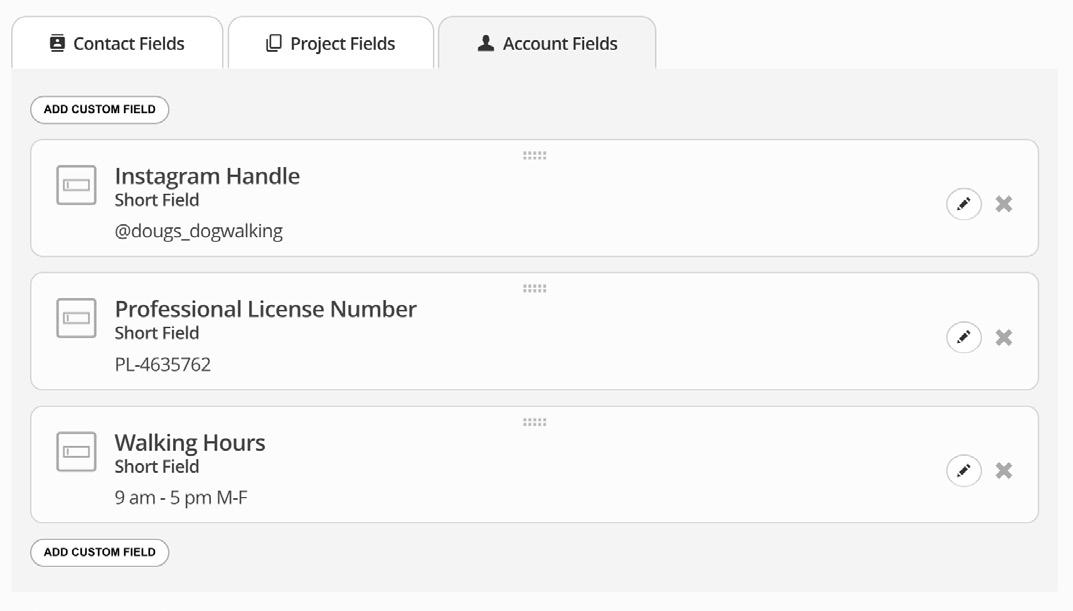
Custom Account Fields
Personalize your business like never before with Custom Account Fields. Store details like office hours, license numbers, and social media handles, then use them as tokens in emails, documents, Products & Services, and Client Portals to keep your information consistent across 17hats.
New Feature:
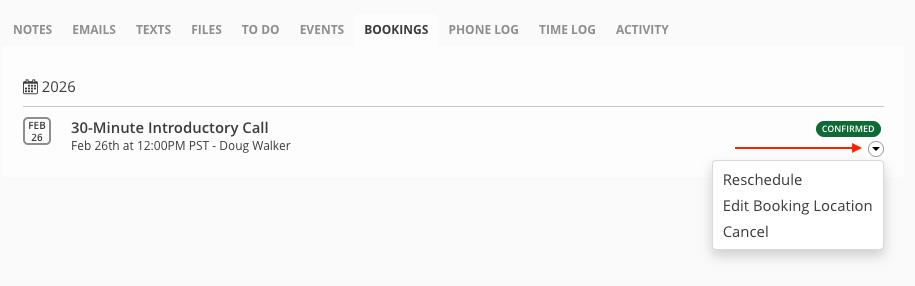
Edit Locations for Online Scheduling Bookings
Need to change a meeting spot? You can now edit the location of an Online Scheduling booking directly from the Project → Bookings tab. Any updates will update the calendar event, future Online Scheduling location tokens, and Project details. — keeping everything accurate and up to date.
Feature Update:
Google Analytics & Tag Manager Integration
See what's driving your leads and bookings with new Google Analytics (GA4) and Google Tag Manager integrations. Connect your Lead Capture Forms and Online Scheduling services to automatically track key actions like form views, submissions, scheduling activity, and completed bookings—all from the tools you already use.
Feature Update:
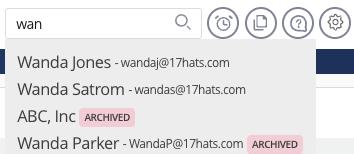
Archived Contacts in Search
Finding active contacts just got easier! Archived Contacts will now appear at the bottom of your Contact Search results and are clearly labeled as Archived, helping keep your searches cleaner and more organized.
Feature Update: Automate with Questionnaire Responses
Questionnaires just got even more powerful! Checkbox questions can now automatically apply Project Tags based on your client’s responses, helping you trigger Workflows, move Projects into Pipelines, and automate your process with less manual work.
Feature Update: Search PO Number for Invoice
From the Document section, you can now search for Invoices by PO number. Simply click Documents on your left rail, then click the Invoice Tab, next add the PO number to the Search Invoices.
Feature Update: Custom Redirects for Online Scheduling
You can now choose what clients see after they book through Online Scheduling. Use the standard 17hats confirmation page or redirect clients to a custom URL, such as a thank-you page, intake form, or next-step instructions.
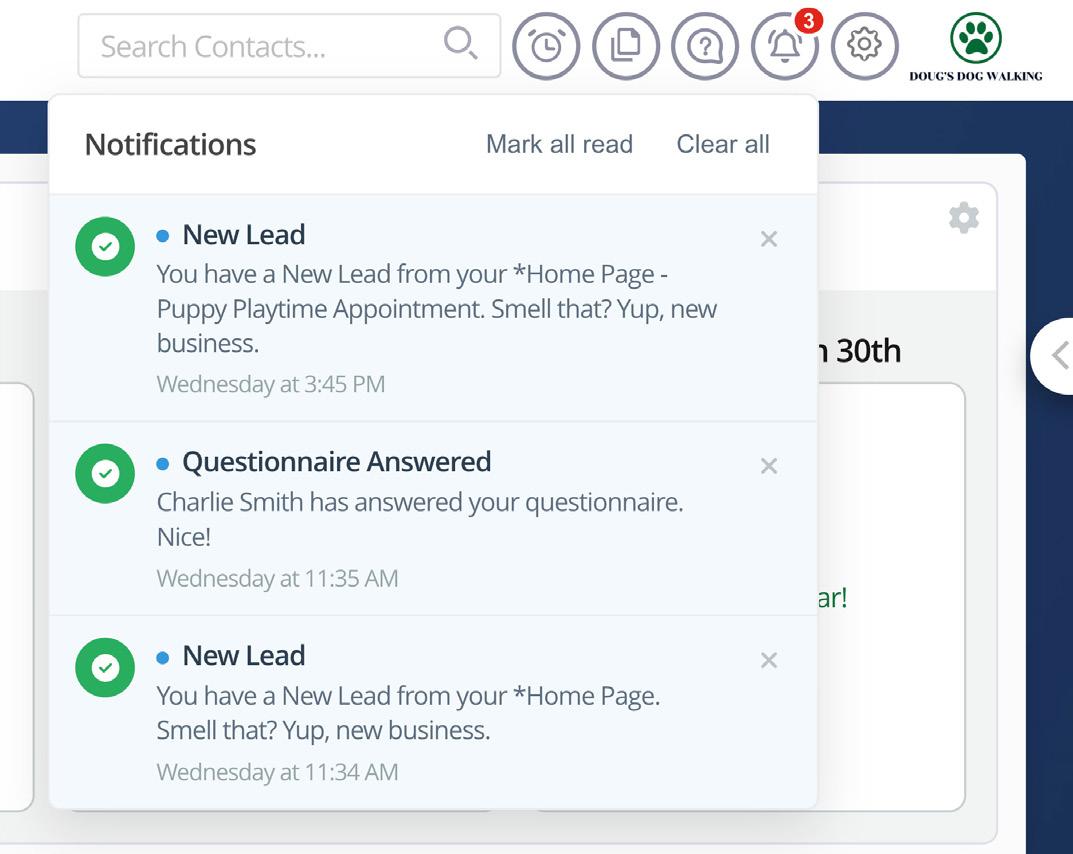
New Feature: Notification History
Never lose track of important account activity again. You can now open the notification bell to view a history of recent alerts—including new leads, signed contracts, paid invoices, bookings, and more. Each user has their own notification history, making it easy to review, mark as read, or clear notifications whenever you're ready.
WRITTEN BY JEBB GRAFF
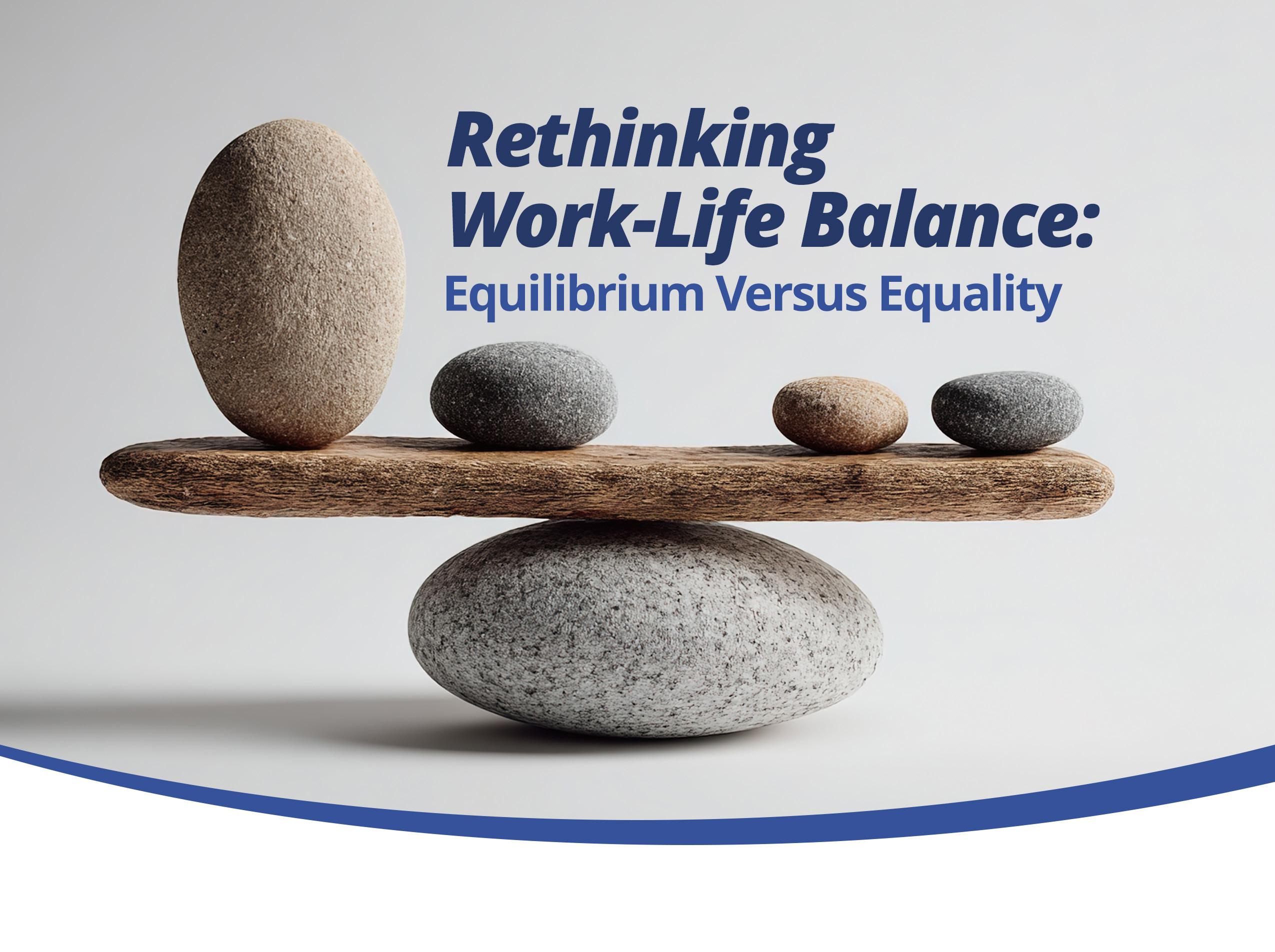
We often think of work-life balance as if it's math. If there are 24 hours per day, eight of them are for sleep, eight are for work, and eight are for our personal life which is supposed to encompass self-care, family time, hobbies, errands, chores and a number of other things.
We all know that this rarely works out to match the math. You’re physically present at dinner, but mentally you're still solving a client problem or you’re working on a client project and your child is in the other room crying because their screen time limit is up. And you’re not sure if you’ve had eight continuous hours of sleep since you were in your teens.
Then we face the issue of how we’re supposed to be good at everything and we’re not, so now we don’t feel good enough and we know that’s not good, so we feel bad about feeling bad.
So what if we stop thinking of work-life balance as a math problem?
Actual work-life balance isn't about equality. The lens of equality has us attempting to measure sometimes immeasurable factors. Equality looks for sameness in quantities and values. Equilibrium, however, doesn’t require us to divide our time or tasks into equal parts
because equilibrium is about balance between opposing forces. Think of a surfer riding a wave. If the surfer stands perfectly centered on the middle of the board, they will likely wipeout as soon as they stand up. The wave is constantly changing. Sometimes, the surfer needs to move their weight forward and to the right to move ahead of the breaking section, and sometimes they need to shift back to create drag and stay in the sweet spot. They’re balancing their way through rapidly changing variables in order to achieve the goal of riding the wave. The moment they get equal about dividing their weight and board surface area for a perfect center of gravity, they get pummeled by the wave. A perfect, stationary center of gravity is great in a vacuum where nothing ever changes. In surfing and in life, if everything is predictably stationary – we won’t be catching any waves, doing any business, or having much fun.
In our work-life scenario when we fixate on equal hours, we assume that if we get the proportions right, everything will feel balanced. But balance for a small business owner isn't a static state. Some weeks, a big project or a client demands more of your attention and other weeks your personal life or mental health needs you more.
This is where quality becomes more important than quantity. It doesn’t serve you, your personal relationships, or your clients to be physically one place and mentally another. I’d argue it’s even more detrimental because it seeds resentment in all parties. Equilibrium means making choices. Sometimes you work late because the project needs your attention and your family understands. Other times, you block your calendar for things in your personal life that have taken priority. With clear communication (our May 2026 Issue is all about communication) and the acceptance that equilibrium is the goal instead of equality, you have the flexibility to move client calls, delegate when possible, and show up fully present for others and yourself without shame or guilt.
This flexibility is one of our greatest advantages, yet we often treat it like a problem. We think we should be able to run our business like a 9-to-5 when our reality is a bit more fragmented than that. We feel guilty for working on a Saturday morning even though if we do, it means we can be fully present later that afternoon. The problem is that guilt assumes we’re doing something wrong. And we’re not. What we are doing is no longer pretending that everything fits in tidy greige containers with cute little labels we found on Etsy (those are for the closet re-org anyway).
Work and life are interconnected and finding equilibrium requires clarity about our own boundaries and needs, and the courage to be honest about them. Equilibrium also means accepting that what works for someone else may not work for you. Night owls and early birds can both deliver a project on time while not missing out on personal preening. Your equilibrium may look chaotic to an outsider, and that does not matter as long as it’s working for you, your personal relationships, and your clients.
Remember the surfer paragraph? I didn’t say to imagine the surfer’s age, fitness metrics, board length, experience, or even the type of wave they were surfing. Everyone who reads this article will picture a different surfer and each of those surfers will have wiped out during the wipeout part, and each of those surfers will have ridden on in the balancing part. We all have different variables in our lives, and we all can be pummeled by work-life waves if we insist that all things be equal while knowing deep down they aren’t. Or we can all accept that everyone’s variables are constantly changing and we can clearly, candidly, communicate with the people who matter to be able to shift our focus when we need to in order to stay in the sweet spot.
Stress Management Tips & Productivity Hacks Haven’t Worked for You. This Is Why.
Typical work-life balance advice…
• Set boundaries
• Batch tasks
• Time-block your calendar
• Put your phone away after 6 pm
• Schedule self-care
And yet… How many nights have you promised yourself you’d be done by 6 pm, only to look up and realize it’s already after 9 pm and you’re still at your computer? Did you even eat a real meal today?
“There’s just not enough time in the day.”
There are always more fires to put out. Clients who need a response. New inquiries you feel like you have to answer immediately or they’ll hire someone else.
Even when you’re doing all the right things, your brain is still on, your body is still wired, and work still bleeds into every moment of your life.
If that’s you (let’s face it, that’s most business owners), you are not broken, lazy, or bad at boundaries.
This is why quick-fix stress management tips and productivity hacks don’t work.
Your To-Do List is Not the Problem One day, I was venting to a friend
about the 823 things on my to-do list and how overwhelmed I felt, feeling like I had no idea how I was going to get it all done.
“If I could just get more organized…”
“If I could just break this list into smaller pieces…”
“If I could just stick to my plan…”
So I tried all the things. I broke my list into projects. I created smaller, bite-sized tasks. I scheduled them out on my calendar. I ruthlessly tried to delete and delegate.
If I’m honest, for that day or two, I felt better. But, almost without noticing, I’d get back in the same situation over and over.
You know how sometimes you get a little sign or feeling you shouldn’t do something, or suddenly your client cancels at the last minute so you actually get time to take a break –subtle, little signs.
But then other times, you get the metaphorical “2x4” to the face… I’ll never forget the day my “2x4” showed up in the form of finding a lump in my breast.
Suddenly, my to-do list felt nearly irrelevant. My priorities drastically shifted.
Within that same week, I learned that one friend had been rediagnosed with asthma and another had been diagnosed with stage 4 cancer. Why does this matter?
All three of us are Business Owners.
That single week changed everything for me. It changed how I use and prioritize my to-do list. It helped me shift HOW I was working. But most importantly, it helped me understand my stress on an entirely new level.
The Real Reason Why Tips Haven’t Worked
When I talk about stress and burnout, I’m not talking about typical stress management tips — mindfulness, meditation, exercising, taking time off. (Don’t get me wrong, these are all great things.) But I don’t want you to just “manage” your stress.
Instead, what is the real reason – the underlying root – for what’s causing your stress and, therefore, your behaviors that keep you stressed out and your nervous system “on” and dysregulated?
For Example: For me, the problem wasn’t my to-do list. The real problem was actually my underlying
belief that, because things were working in my business, I feared that I couldn’t maintain it – that anxious feeling of “the next shoe is going to drop.” So from this belief, I responded with the behavior of adding all of the things to my to-do list that I could possibly think of to keep me from failing.
Simply Put: My to-do list wasn’t stressing me out; it was the reason WHY I had a to-do list of 823 things in the first place.
So even when I used every productivity hack in the book, the list grew again because I didn’t want to fail.
Believe me when I say, this is not my only example. This is what I see over and over with small business owners who are genuinely trying to create work-life balance.
They feel like they’re too busy, not good at time management, or they just keep pushing, thinking that, “If I just get these things done, THEN I’ll be able to relax.”
This is why stress-management tips and productivity hacks can feel helpful for a moment, but rarely do they actually help you create real work-life balance. They’re focused on what you’re doing, not why you’re doing it.
If some part of you believes: “If I slow down, everything will fall apart.” “If I’m not always available, I’ll lose clients.” “If I’m not busy, I’m failing.” “If I say no, I’m being selfish or ungrateful.”
Then of course you’ll: keep saying yes, keep checking email late at night, keep adding to your list, keep working past the time you said you’d stop, and keep feeling like there’s never enough time.
Which is also why, when you try to set boundaries, it feels like a risk. Or why, when you try to rest or do self-care, it doesn’t feel safe.
There’s a deeper part of you that believes something different than the work-life balance you want.
Where Real Balance Begins
When you’re able to get to the root cause of your stress and understand the underlying belief that’s keeping you stuck in your stress loop, that’s when things actually change.
Start by considering some of these questions (and be honest with yourself):
What am I afraid will happen if I actually stop working at 6 pm? What do I believe it means about me if I say no, or if I’m not always available?
What am I trying to prove, earn, or protect by staying this busy? What would I have to feel, or face, if I slowed down?
These aren’t comfortable questions. But they will help you start to identify the real belief underneath your stress.
From that awareness, you can then start to understand HOW to set boundaries while understanding
your deeper fears, time-block while understanding your actual capacity, or build systems to support you while understanding what typical patterns keep you in your stress loop.
Work-life balance shouldn’t be another thing to add to your to-do list. Instead, it comes from the deeper understanding of your beliefs and wounds that keep you stuck and exhausted in stress loop behaviors.
Because no matter how long your to-do list, how big your goals are, or the stress loop behaviors you have, your business and entrepreneurship shouldn’t cost you your health.

About The Author
Danielle Uhl is a Certified Coach & Business Consultant, 17hats Implementation Expert, and multibusiness entrepreneur with 13+ years scaling three profitable businesses from scratch. She blends mindset, strategy, and systems with a human-first approach to help service-based business owners and multipassionates build and streamline their business without overwhelm so they can focus on what they love and grow with confidence. As a 17hats Ambassador, Marketplace Partner, and contributor to The Journey, she offers custom 17hats system buildouts, consulting, and ready-to-use templates so you can stop running on fumes and duct-taped chaos and build a sustainable business.
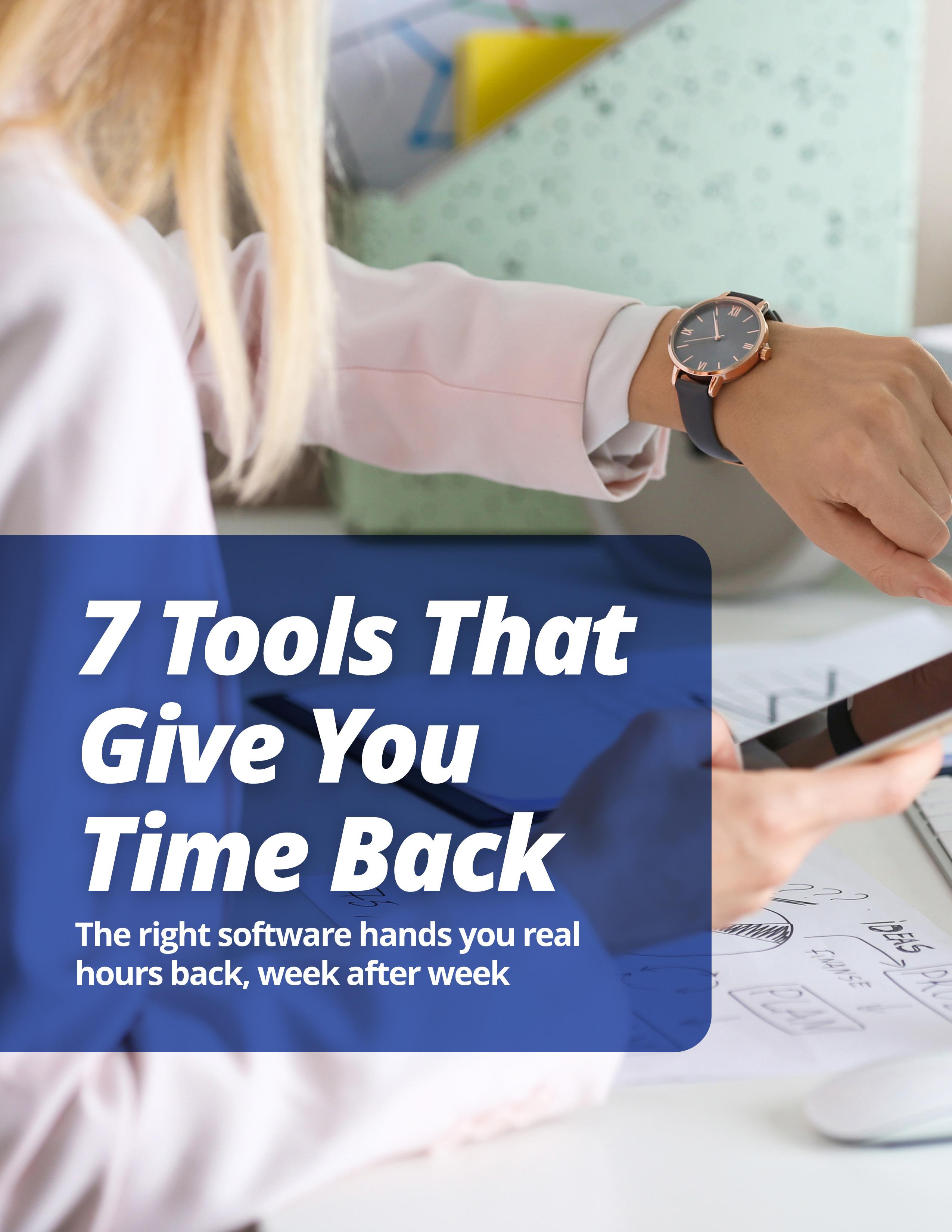
When you run everything yourself, time is the one resource you can't buy more of. Every hour lost to admin is an hour stolen from paying work or the life waiting outside your office. The good news is that a handful of tools can hand a lot of that time back. Here are seven worth a look, each matched to a headache you probably know well.
1. 17hats: for the admin that eats your day
Sending contracts, chasing invoices, booking clients, following up on questionnaires. Done by hand, one at a time, these swallow whole afternoons. 17hats pulls your client management, contracts, invoicing, scheduling, and bookkeeping into one place, and its workflows can send the right document or email automatically at each step of your process. You set it up once, and the busywork runs in the background while you do the work you were actually hired for.
2. Zapier: for the apps that don't talk to each other
Copying a new client's info from one app into another, over and over, is exactly the kind of task you shouldn't be doing manually. Zapier connects thousands of apps so information moves between them on its own. 17hats has a built-in Zapier integration that syncs your contacts with tools like your email marketing platform, so a new lead lands everywhere they need to be without you retyping a thing.
3.
Wispr Flow: for everything you'd rather say than type
Most of us talk faster than we type. Wispr Flow is voice dictation that works wherever you're already writing: your email, a document, your CRM. You tap a keyboard shortcut, speak naturally, and it transcribes as you go, cleaning up the "ums" and adding punctuation for you. It claims around four times your typing speed, and because it works across your apps, you're not stuck using it in just one place. Great for knocking out client emails on a busy morning.
4. Claude or ChatGPT: for the blank page
Writing the same kinds of emails, captions, and descriptions from scratch is a daily time drain. An AI assistant like Claude or ChatGPT can turn a rough idea into a solid first draft in seconds, whether that's a reply to a tricky client, a week of social posts, or a new service
description. You'll still edit it to sound like you, and you should. Starting from a draft is far faster than starting from a blank screen.
5. Canva: for templates ready for your brand
Canva offers ready-made templates for social posts, price guides, presentations, and just about anything else. Set your brand colors and fonts once, and you can turn out polished, on-brand graphics in minutes. For anyone who's spent an hour wrestling a single Instagram post into shape, that time back adds up fast. Bonus: If you're a designer, consider adding Canva templates to your client packages.
6. A password manager: for the "reset password" spiral
Few things waste small chunks of time as reliably as forgetting a login and clicking through yet another reset link. A password manager like 1Password or Bitwarden stores every login behind one master password and fills them in automatically. You stop losing minutes to reset emails, and your accounts get more secure in the process. It's a small setup for a payoff you'll feel every single week.
7. Social scheduling: for the "I forgot to post" scramble
Posting to social media in real time, every day, is a recurring drain that's easy to batch instead. You don't need a paid scheduler to do it. Meta Business Suite is free and lets you write and schedule posts for both Facebook and Instagram in one place, up to weeks in advance. Sit down once, line up a couple weeks of content, and your feed stays active while you're busy doing everything else.
Pick the single tool that targets your worst daily frustration and get it running this week. Give it a few days, then take stock of the hours it freed and what you did with them. That payoff is usually all the proof you need to set up the next one.
Marketplace
Services Support When You Need It Most
Vetted service providers ready to help you refine and streamline your systems
The 17hats Marketplace is home to trusted service providers who help turn good intentions into fully working systems. Marketplace Services are designed for business owners who know what they want to improve, but would benefit from experts on how to do it well.
Whether you need help setting up workflows, auditing your account, refining your client experience, or offloading operational tasks entirely, these providers meet you exactly where you are.
Each Marketplace Service Provider is carefully vetted and approved by the 17hats team. Each of them have proven experience and a deep understanding of how to build effective systems inside the platform.
Instead of figuring everything out alone, Marketplace Services allow you to collaborate with professionals who’ve already built, tested, and refined the systems. Think of it as targeted support, personalized, and designed to help your business move forward.
Meet Your Marketplace Service Partners


Donna Lee Lyttle Speaker Concierge
Donna Lyttle supports speakers behind the scenes so they can stay focused on the stage. With expertise in engagement research, pitch development, follow-ups, and financial organization, she brings structure and polish to speaker businesses. Donna is the operational partner speakers trust to stay organized, professional, and consistently booked.
Deb Mitzel Small Business Systems Strategist
Deb Mitzel brings nearly 30 years of business experience to helping small business owners strengthen the systems behind their success. A longtime 17hats user, Deb specializes in CRM setup, consulting, and practical business strategy that helps owners confidently run the “business side” of their work.





Nicole Larson
Small Business Systems Consultant
Nicole Larson helps creative businesses go from scattered to scalable through smart systems and workflows. With a love for details, spreadsheets, and streamlined processes, she’s especially known for supporting balloon business owners using 17hats. Nicole believes sustainable growth starts with systems you can actually maintain.
Kristen Lettini Systems Strategist & Workflow Expert
Kristen helps service-based business owners build 17hats systems that truly stick. With a background in marketing, operations, and communications, she focuses on workflows that reduce mental load and improve client experience. Her audits, VIP builds, and templates are designed to make your CRM feel clear, usable, and supportive.
Danielle Uhl Certified Coach & Business Consultant
Danielle Uhl blends strategy, systems, and coaching to help small businesses grow without overwhelm. With experience scaling multiple businesses and a deep knowledge of 17hats, she offers templates, custom builds, and operations consulting designed to support long-term, personalized success.
Will Wohler Headshot & Portrait Photographer
Will Wohler specializes in helping people see themselves with confidence. Through a thoughtful, guided portrait process, he helps clients break through insecurities and reconnect with the work and purpose that matters most to them. His approach blends artistry, authenticity, and deep care for the client experience.
Kira Derryberry Photographer & AI Educator
Kira Derryberry is a photographer, educator, and AI consultant who helps small business owners work smarter with technology. Through Boss Level AI, she teaches practical AI strategies that save time and support growth. Kira relies on 17hats to keep her business organized so she can focus on education and impact.
Danielle Hardesty
Photographer & Virtual Assistant
Danielle Hardesty combines photography, virtual assistance, and systems expertise to help businesses show up authentically and run smoothly. A former educator turned entrepreneur, she’s helped dozens of businesses set up 17hats accounts with clarity and care, all while balancing creativity, organization, and connection.
Non-Negotiables CREATE YOUR

The small promises you keep to yourself when everyone else needs a piece of you
You're not just a business owner. You're the parent packing lunches before the workday starts, the spouse trying to stay present at dinner, the friend who keeps meaning to call back, the son or daughter your aging parents lean on, the volunteer who said yes again. Your business is one hat in a tall stack, and some weeks it feels like every hat is on fire at once.
Maybe you're not even full-time yet. You're building this thing in the margins, after the kids are down, on lunch breaks, in the quiet before dawn. Either way, the math is the same. There's more life than there are hours, and the part that vanishes first is almost always you.
That's exactly why non-negotiables matter. A non-negotiable is a small promise you make to yourself and refuse to break: the walk, the workout, the Sunday with no laptop, the thirty minutes that belong to you and no one else. It can feel indulgent when your to-do list is screaming. It isn't. It's the thing that keeps you standing when a season gets hard, and hard seasons come for all of us.
Run on empty long enough and even the work you love starts to feel like a weight.
Here's the part that's hard to believe until you live it. The time you swear you don't have for yourself is often what makes the rest of your time work. Rested, you make better decisions.
Steady, you show up better for your clients and the people you love. A non-negotiable can quietly make you more successful, even in the weeks it feels like one more thing you can't afford.
Think about the last genuinely hard stretch you went through: a family illness, a cash-flow scare, a month where nothing landed right. The people who come through those seasons whole are rarely the ones who abandoned everything for the grind. They're the ones who kept one small thing steady, an anchor that reminded them they were more than their hardest problem. A nonnegotiable is that anchor, waiting before you need it.
What's your non-negotiable?
We asked 17hats ambassadors to share the one thing they refuse to give up, no matter how busy the week gets.

"Working on off days and after hours are nonnegotiable. No calls/text messages answered."
– Dr. Ruby E. Powell
"Dealing with health issues this past year- time to reset and renew is a non-negotiable for me and that means getting into nature - which is why 17hats is so helpful. – Laura Janzen


"I would refuse to give up my moral compass on life." – James Hurt


"I really try to stick to business hours. In the studio by 8:30 and out by 4-5pm during the week." – Will Wohler
Here's how to start. Name it, and make it specific "Take better care of myself" is too vague to protect. Pick something real you can put on a calendar. A 30-minute walk after lunch. Dinner with your family by 6. A Saturday morning that belongs to you. Choose what genuinely refills you, not what you think should. The best nonnegotiable is one you'd actually miss.
Protect it like it's a client
A non-negotiable that lives only in your head loses to the first person who needs "just a quick minute."
Block it on your calendar and make it recurring, so you decide once instead of every week. If you use

"I won’t give up my workouts. Although it can feel hard to carve out the time on busy days, ultimately they make me more productive." –Gail VanMatre
"If someone thinks they're too smart, or better than others, that's a character I won't bring into my work or my life and that is my non-negotiable." – Mariette Martinez

"I refuse to give up vacations or time during vacations. My laptop stays home and I largely do not talk to clients during that time. Vacations are sacred time with my family and time I need to rest and recharge." – Tori Bornholdt
"I truly do live by look good, feel good. I think it’s important to maintain what makes me feel confident. I will always have time to get my nails done! – Carolina Waldroff
17hats, set it as a recurring event and let it hold that space for you automatically. When someone asks for that time, you don't owe an explanation. "I'm not available then, but I have Thursday at 10" is a complete answer. Protecting your time also means being honest about who drains it. The client who texts at midnight and argues every invoice costs you more than the project pays. You can't refill yourself on Saturday if the wrong clients drain you all week.
Give yourself grace
Choose one non-negotiable and protect it for two weeks before you add another. Tell the people you live with what you're doing, so they can help you guard that time instead

of filling it. You'll miss a day. That doesn't undo the habit. Reset the next morning and keep going. This is a difficult journey, and you're allowed to be human on it. Small and steady is how it sticks.
If any part of you still feels guilty for taking the time, read "Self Care Isn't Selfish" on page 28. It makes the case better than any permission slip could.
Your business is meant to support the life you want. A non-negotiable is how you protect that life on purpose, one promise at a time, especially in the weeks it feels impossible. Choose one this week and hold onto it. It may be the very thing that carries you through.

A guide to outsourcing when you are the whole team
When you run a business by yourself, you're the founder, the marketer, the bookkeeper, the customer service line, and the person taking out the trash at the end of the night. Doing it all can feel like dedication. Mostly, it's just exhausting. It also caps how far you can grow, because there are only so many hours in a week and you're already spending every one of them. You tell yourself you'll delegate once things calm down, but things never calm down. They just pile higher.
Outsourcing is how you get some of those hours back. It isn't a luxury reserved for big companies with big budgets, and you don't have to be bringing in six figures to start. You just have to be honest about one thing: you can't do all of it well, and you shouldn't try. The only real question is what to hand off first.
Decide what to hand off before you hire anyone
Before you spend a dollar or post a job, get clear on what actually belongs on someone else's plate. Run every recurring task in your week through three questions.
Does it drain me? Some tasks cost far more energy than the time they take. If you dread it, put it off, and feel wiped out afterward, that's a strong candidate.
Am I slow at it? We all have work that takes us three hours and would take someone else thirty minutes. Bookkeeping, design, editing, tech setup. Being slow at a task usually means it belongs with someone who's faster.
Does it move the business forward?
Some tasks make you money or grow your business, and some just keep the lights on. Answering the same question by email for the hundredth time doesn't grow anything. Meeting a new client, sharpening your offer, and doing the work you were hired for does.
The tasks that drain you, that you're slow at, or that don't move the needle are your first candidates. Your goal is to protect your hours for two things: the work that grows the business and the work you actually love. Everything else is up for grabs.
Start small
For one normal week, keep a simple log of where your time goes. Track it in a notebook, a spreadsheet, or right inside 17hats if you already use it to run your projects. At the end of the week, look for two things: the tasks that show up over and over, and the ones you dreaded. Where those overlap is where you start.
Then pick one task and hand it off. Just one. Write down how you do it so whoever takes over can match your standard, and let them run with it. Give it a few weeks, see what the freed time is worth, and only then decide what to hand off next. Starting small keeps your risk low and lets you build trust in the process before you lean on it. The point is momentum. One good handoff makes the next one feel obvious.
The hard part is letting go
If outsourcing is this useful, why do so many owners resist it? Usually it comes down to two fears. The first is money, because spending on help feels risky when every dollar counts.
The second is control, because no one will ever care about your business the way you do. Both are understandable, and both will keep you stuck right where you are. The right help is an investment that pays you back in time, and time is the one thing you can pour into growth. You also don't have to give up control to begin. Hand off only the tasks that don't carry your personal stamp. The invoice reminder, the grocery run, and the photo edits can leave your hands without changing a thing about what makes your business yours.
Three places to outsource Once you know how to choose, it helps to know where to look. Outsourcing falls into three buckets, and the strongest plans borrow from all three.
Your business. Start with automation before you start with people, because software is the cheapest help you'll ever hire. If you use 17hats, workflows can send the right document or email at each step, invoice reminders can go out on their own, and clients can book straight into your calendar without the back-and-forth. That's hours a month you're no longer touching by hand. When you're ready for a person, a virtual assistant can field calls and email, a bookkeeper can take your finances off your plate, and a local assistant can handle the in-person work that eats your day: packaging orders, mailing, deliveries, and writing thank-you
notes. One owner might automate their whole booking and payment flow and never think about it again. Another might keep a VA on for five hours a week just to stay on top of the inbox. Both are outsourcing.
Your personal life. This is the bucket most people skip, and it's often the most valuable one. Every hour you don't spend cleaning, running errands, or grocery shopping is an hour you can put back into your business or your life. A housekeeper every other week, a sitter so you can work an uninterrupted afternoon, a grocery delivery app like Instacart, or a house manager for a few hours a week can free up real time. Sometimes the smartest business move is paying someone to clean your kitchen so you can spend that Saturday on your marketing, or with your kids. The work-life ledger has two sides, and buying back personal time counts just as much as buying back work time.
Your craft. The hardest things to let go of are the parts of the work you're known for. Even here, though, pieces can come off your plate. A photographer can outsource editing. A course creator can hand off video production. A writer can bring in an editor. The rule of thumb is to keep the work clients hired you for and let go of the steps around it. Handing off those supporting steps frees you to spend more time in the part only you can do, the part clients actually pay you for.
Make sure it pays off Outsourcing only works when the time you free up goes somewhere worthwhile. Handing off a task and filling the gap with more busywork misses the point.
Before you delegate something, know what you'll do with the hours it gives back. Maybe you'll take on one more client, finally build the offer you keep putting off, or just be present at dinner.
All three count.
There's a rough math that helps. If an hour of your work earns more than an hour of help costs, paying for that help tends to pay for itself. Say a bookkeeper costs you $50 an hour and clears five hours off your month. If those hours help you land even one new client, you're ahead, and you've stopped dreading your books in the bargain. Some hours never show up on an invoice at all. Time with family, rest, and a clear head are worth paying for too, even when the return is harder to measure. The trade is simple: you swap money for time, then spend that time on what earns more or matters most.
You became your own boss for a reason, and drowning in admin probably wasn't it. Look at your week, find the task you dread most, and hand it off this month. Then watch what the extra time does, both for your business and for the life you're building it around.
10 Policies 10 Policies Every Business Needs

When you're the whole company, the word "policy" can sound like corporate overkill. It's actually the opposite. Policies are the rules that decide how people treat your time, your work, and your rates. Write them down before you need them, and you stop making stressful decisions in the heat of the moment.
The goal is simple: fewer judgment calls in the moment, and less resentment later. Here are ten worth having, even as a business of one.
1. Business hours
State when you work and when clients can reach you, then put it on your website, your email signature, and your booking page. Clear hours tell clients when to expect you and give you permission to close the laptop at night without guilt. Even a simple "Monday through Thursday, 9 to 4" works, and the clients worth keeping will respect a schedule you stick to.
2. Communication policy
Decide how clients contact you and how fast you'll respond. One channel, one clear window, like "email, and I reply within one business day." Setting this up front keeps a 9 p.m. message from feeling like an emergency. When a client knows a reply is coming tomorrow, they stop refreshing their inbox, and so do you.
3. Payment terms
Spell out how and when you get paid: a deposit to book, the balance due by a set date, and which payment methods you accept. A deposit confirms commitment before you block off time you can't get back. Automated reminders and due dates do the nudging, so you're never the one sending an uncomfortable "just following up."
4. Late payment policy
Decide ahead of time what happens when an invoice goes past due, whether that's a reminder schedule, a late fee, or paused work. Writing it into your contract makes following through feel routine instead of awkward. A line like "invoices unpaid after 15 days incur a 5% fee" does the talking, so you don't chase and confront at the same time.
5. Cancellation and rescheduling policy
State how much notice you need and whether deposits are refundable if a client cancels. This protects the income tied to a slot you may not be able to fill on short notice. A 48-hour notice window with a nonrefundable deposit is common, fair, and makes last-minute cancellations far less likely.
Every policy you set is one less decision you'll have to make under pressure.
Pro Tip: Review your policies once a year. Your rates, schedule, and limits change, and your written rules should keep up.

6. Refund policy
Define what qualifies for a refund and what doesn't, before anyone asks. A written refund policy keeps a tense moment from turning into an on-the-spot negotiation you'll probably lose. Spell out the specifics, like whether deposits are ever returned or how you handle a project cancelled midway.
7. Return policy
If you sell physical products or tangible deliverables, put your return window, condition requirements, and who covers return shipping in writing. Clear terms head off disputes before they start. "30 days, unused, buyer pays return shipping" is easier to point to than a conversation you improvise every time.
8. Scope and revisions policy
Name what's included in your service and how many rounds of revisions come standard, then what happens beyond that. This is your best defense against scope creep, the habit that eats away at your real hourly rate. Try "two rounds of revisions included, extra rounds billed hourly" as a clear line to hold when a project starts to sprawl.
9. Marketing release policy
Decide whether you can feature client work, photos, or testimonials in your own marketing, and get written permission in your contract. You build your portfolio and your proof without an awkward ask months later. A single checkbox in your intake or contract handles it, and clients who prefer privacy can simply opt out.
10. Privacy and data policy
Say plainly how you collect, store, and use client information. Clients increasingly expect it, and a short, honest privacy statement is a quiet trust builder. Skip the legal jargon; a few clear sentences about what you keep and that you'll never sell it will do.
Pick the two policies you most wish you'd had during your last stressful client moment, write them in plain language, and add them where clients will actually see them. If you use 17hats, most of these can live right in your contracts, invoices, and booking flow, so they apply themselves without you playing enforcer. Every policy you set is one less decision you'll have to make under pressure.
Document, Don't Remember
How five 17hats features hold the details, so you don't have to.
Your brain is holding too much.
The client who asked to move her call from Monday to Tuesday. The quote you promised to resend by Friday. The vendor's new number you scribbled on the back of a receipt. Each of these is an open loop, and open loops are expensive. Psychologists have a name for the way unfinished tasks keep tugging at your attention. You don't need the term to feel it. It's the low hum of mental noise that makes it hard to focus, hard to relax, and hard to be present with the people in front of you.
Most of us try to solve this by remembering harder. We keep a running list in our head, add a few sticky notes, and hope nothing slips. That works until it doesn't. Something always slips, usually the thing that mattered most.
There's a calmer way to work, and it starts with one habit: get it out of your head and into a place you
trust. When every task, note, and detail has a home, your mind is free to focus on the work in front of it. Here's where things go in 17hats.
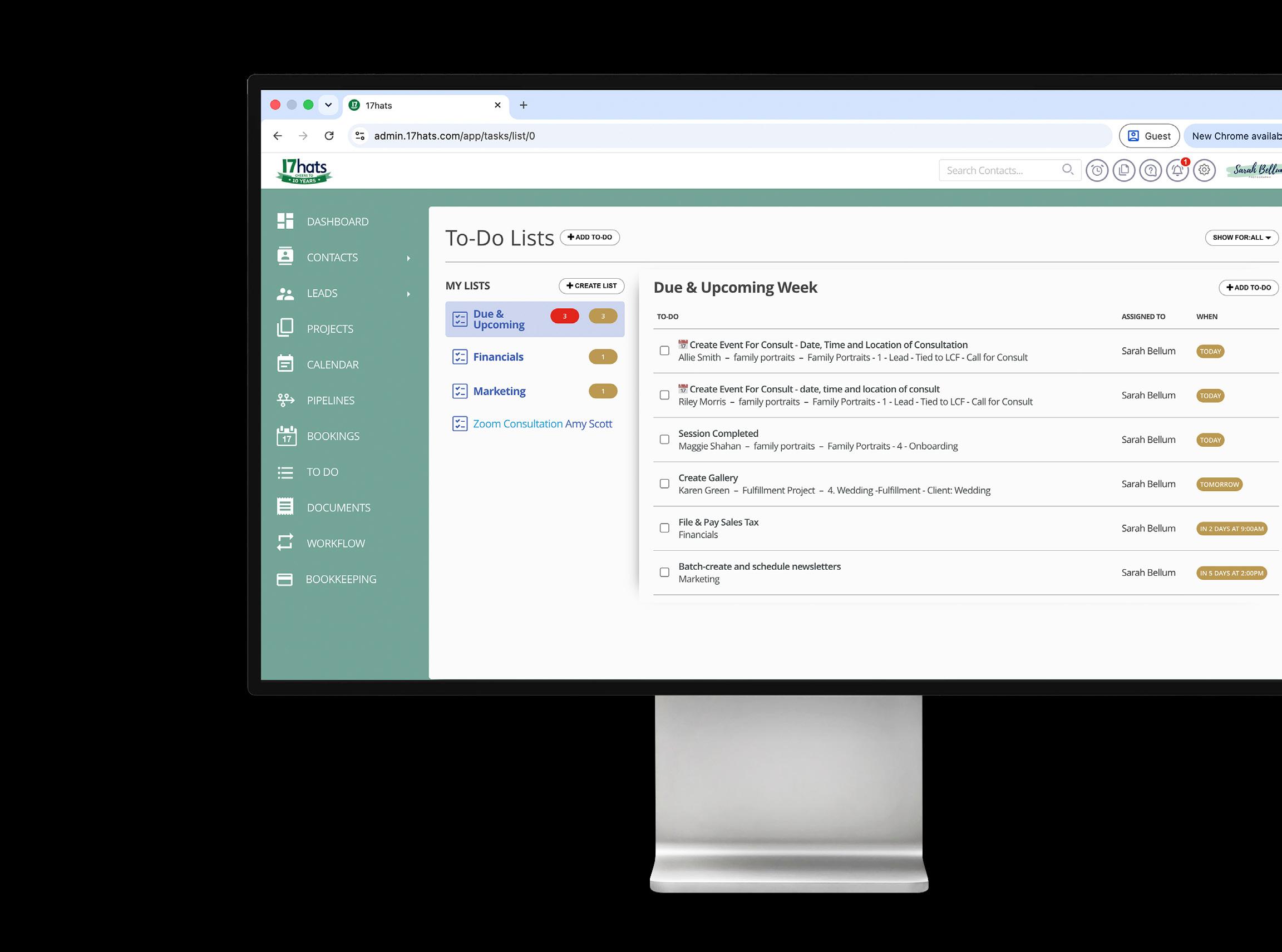
To-Dos
The moment a task lands in your head, put it on your To-Do list. From the To-Do page you'll see everything that's due in one view. You can add one-off tasks, set recurring To-Dos for your client experience, build To-Dos right into your workflows, and put due dates on them so they show up on your calendar too. Build separate lists for different parts of your business, and checked-off items tuck away so your list stays clean. This is your catch-all. When something pops up mid-task and threatens to derail you, add it here and keep going.
Project Notes
Every client conversation carries details worth keeping: a preference, a deadline, a promise you made. Drop them in the Notes tab inside that client's project, where 17hats
stamps each entry with the date automatically. You can even map answers from your questionnaires and lead forms straight into Project Notes, so the information shows up without any retyping. Now everything lives with the client it belongs to, and you're not digging through your inbox to recall what you agreed to three weeks ago.
Contact Notes
Some details aren't about a single project. They're about the person: how they found you, what they care about, the small things that make working together smoother. Keep those in the Notes field on the contact's profile so you have context every time you reconnect. It's the difference between "remind me who this is" and picking up right where you left off.
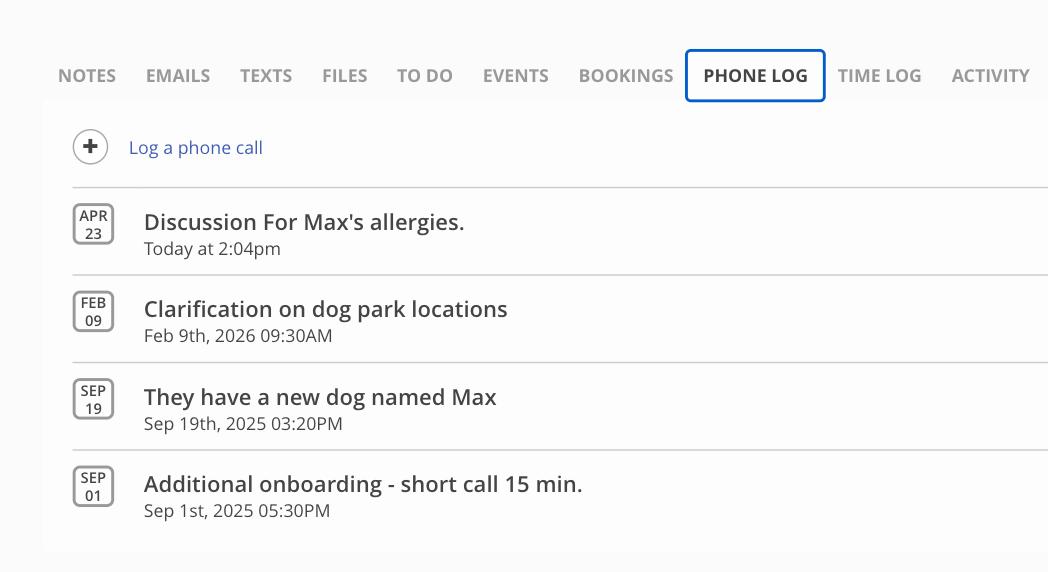
Phone Logs
The phone call is where good information goes to die. You hang up, get pulled into the next thing, and by evening half of what was
said is gone. After any call that matters, take twenty seconds to jot the highlights in the Phone Log tab on the project: what they asked for, what you committed to, when you'll follow up. The next time that client calls, you'll have the full history in front of you.
Time Logs
If you bill by the hour, guessing at your time costs you money. In Account Settings you can set up the hourly rates you charge, then track your work from the Time Log tab on any project. Start the built-in timer when you begin a task, or add the time manually after the fact, and 17hats records how long you spent and what it's worth. When it's time to invoice, you're billing from a record instead of a rough memory of your week.
is the easiest place to begin, because you'll feel the relief the very next time that client reaches out. Once it sticks, add the next one.
Notice the thread running through all five. Everything attaches to the client or task it belongs to, and none of it depends on you holding it in your head.
If this sounds like extra work, start small. Pick one habit for one week.
You might also try a single brain dump. Set a timer for ten minutes and empty everything rattling around in your head into 17hats: the follow-ups, the half-finished ideas, the things you keep meaning to get to. Put each item where it belongs. When the timer ends, notice how much quieter your head feels.
That's the point. When your business lives somewhere you trust, you can stop carrying it around with you. You'll close your laptop without the nagging sense that you're forgetting something, because you won't be. It's all written down. Give your brain the break. Document it, and let it go.
When I first started my business, I thought work-life balance meant learning how to clock out. I imagined that once the emails were answered, the invoices were sent, and my to-do list was finished, I’d simply close my laptop and enjoy the rest of my day.
That never happened.
Like many solo business owners, I wasn’t just doing the work I loved. I was also the marketing department, customer service representative, accountant, scheduler, sales team, and operations manager. Even when I wasn’t actively working, I was mentally carrying a running list of everything that still needed my attention.
Eventually, I realized something surprising. It wasn’t my workload that was exhausting me. It was the constant stream of decisions I had to make. Every email required me to think about what to say. Every client question interrupted my focus. Every morning began with deciding what deserved my attention first. By lunchtime, I’d already switched between multiple roles. I wasn’t physically tired, I was mentally depleted before I ever reached the work I actually loved.
Every decision costs mental energy. That realization completely changed how I viewed work-life balance. I stopped trying to become better at managing my time, and I started becoming better at protecting my attention.
Many people assume systems make a business feel less personal. My experience has been exactly the opposite. Systems remove repetitive work so I can be fully present during the moments that actually matter.
Today, much of my client communication happens automatically. Inquiry responses, booking confirmations, questionnaires, payment reminders, and preparation guides arrive exactly when they’re needed. My clients receive timely, consistent communication without waiting for me to answer emails late into the evening.
Automation has never replaced my relationships, it has protected them. Instead of spending my energy rewriting the same emails over and over, I can spend that energy listening more carefully and creating a better experience for every client I serve.
One of the easiest ways to begin building systems is by looking for repetition. If you’ve written the same email more than a few times, turn it into a template. If you repeatedly explain the same process, build a workflow that delivers it automatically. Small improvements may only save a few minutes at a time, but those minutes compound into hours over the course of a year.
The second lesson that transformed my business had nothing to do with software. It came from changing how I approached my calendar.
Like many entrepreneurs, I believed flexibility was one of the greatest advantages of working for myself. Instead, unlimited flexibility often created paralysis. I would open my computer and immediately see emails, bookkeeping, marketing, content creation, and unfinished projects competing for my attention.
Without realizing it, I spent more time deciding what to work on than actually working.
Time blocking changed everything. Now I assign categories of work to dedicated blocks on my calendar. Client communication has its own time. Administrative work has its own time. Content creation, planning, and focused project work each have their own place as well.
When that block begins, the decision has already been made. I don’t waste mental energy debating which task deserves my attention because my calendar has already answered the question. Every time we stop to decide what comes next, we interrupt our own momentum. Momentum is one of the most overlooked resources in business, and every unnecessary decision steals a little bit of it.
I don’t think balance is measured by how many hours you work. I think it’s measured by how much mental energy you have left when you’re done.
Every template you create saves future decisions. Every workflow you automate removes another mental burden. Every documented process frees your mind to focus on work that actually requires your creativity, expertise, and attention.
Those changes may seem small on their own, but together they create something much bigger. They create margin.
Margin to spend with your family. Margin to pursue hobbies you’ve neglected. Margin to rest without feeling guilty. Margin to enjoy the business you worked so hard to build instead of constantly feeling consumed by it.
Start with one thing.
Find the email you’ve written repeatedly and save it as a template. Identify one task you repeat every week and create a simple checklist. Block one uninterrupted hour on your calendar for a specific category of work, and protect it like you would a meeting with your most important client.
Then do it again next week.
That’s how systems are built. Confidence doesn’t come from having all the answers. It comes from trusting the systems you’ve built to carry the routine, so you can focus on the moments that actually require you.
That’s how confidence is built.
And that’s how balance is built, not by working less, but by deciding less so you can be fully present for the work you love and the life waiting beyond it.
About The Author
Elle is the owner of Elle Studios LLC and ElleMarie & Co Photography, a luxury photography studio and education brand focused on client experience, sales psychology, and sustainable business growth. With over a decade in the industry and a multi-six-figure business, she specializes in helping service-based business owners refine their client journey through intentional communication and ethical sales strategies. Elle is passionate about teaching others how to build businesses that not only generate revenue, but also create meaningful, confidence-driven client experiences.

WRITTEN BY DEB MITZEL
Work-life balance gets talked about like it's a scheduling problem.
Block off Fridays.
Stop checking email after 7 p.m.
Protect your weekends.
Get the calendar right, and balance will follow.
I've spent enough time in business — and working alongside small business owners — to know that's not how it works.
Here's what I actually believe - when you own a small business, life and business aren't two separate things to balance against each other. They're one. Your business is woven into how you spend your days, how you support the people you love, and how you show up for what matters most. You can't

cleanly separate them — and you shouldn't try to. What you can do is design them, intentionally, so the whole picture reflects what you actually value.
That starts with a question most of us never actually sit down to answer - What do I want my life to look like?
Not what the world says a successful life looks like. Not what someone else's business or someone else's timeline suggests you should be working toward. What do you actually want, based on your own principles and values and the things that are true for you?
When I left my corporate career, I planned to continue offering photography services alongside my consulting work. I loved it, I was good at it, and it seemed like a natural fit. But once I experienced real time and location freedom for the first time, I realized I wasn't willing to trade my summer evenings for client shoots — no matter how much I loved the craft. Once I knew what freedom actually felt like, photography's requirements became a tradeoff I wasn't willing to make. I let it go and leaned fully into consulting, where I have the flexibility that matters most to me in this season of life.
That decision had nothing to do with the business alone. It had everything to do with the life I was designing — and for a small business owner, they're the same thing.
This isn't a search for a perfect situation — it doesn't exist. But no matter where you are in your life or your business right now, there are almost certainly things you can do to close the gap between where you are and where you want to be. Maybe not completely — but closer than you are today, and that is worth working toward.
Design the Life First. Then Evaluate the Business.
Before you evaluate anything about your business, get honest about five areas of your life and what you actually want each of them to look like. These aren't "business" questions or "personal" questions — they're both, because they're one.
Keep your natural seasonal rhythms in mind as you work through these questions. A busy season, a slow stretch, a stretch that runs you ragged every year — that's part of this picture, not separate from it.
Time
What are your non-negotiables — the things you want to make sure you always have time for, no matter what? Think about what you would truly resent giving up — your morning routine, evenings off, the activities that energize you. What needs to be sacred, no matter how busy things get?
Finances
What does financial security actually mean to you? Does it mean never worrying about a bill? Taking trips without hesitation? Retiring by a certain age? Paying for your children's or grandchildren's education? Giving generously to causes you care about?
Here's a question worth really thinking about before you answer: How much is enough? Until you define that for your specific life, it's easy to keep chasing more — more revenue, more clients, more income — at the expense of the very things you were working toward. More money doesn't automatically mean more joy. Knowing what "enough" looks like, based on your values and your vision, is one of the most clarifying things you can do.
Location
Where do you want to work and live? Do you want the freedom to work from anywhere — a coffee shop in a new city, your back deck on a Tuesday, a rental somewhere warm in February? Or does having a physical space, a consistent routine, and a community around you matter more? Do you need to be near family? Does your ideal life require mobility, roots, or some combination of both?
Relationships
What does being present for the people who matter most actually look like? Does it mean attending every game, recital, and family gathering without having to reschedule anyone? Making specific people a consistent priority — not just when work slows down? Think about who matters and what showing up for them actually requires.
Health and Wellness
What does health and wellness look like in the life you're designing? Think about the practices and routines that keep you physically and mentally well — daily movement, exercise, quiet mornings, time outside, whatever is restorative for you. What does taking care of yourself consistently look like, and what does your ideal life make room for?

Stop Chasing Balance: A Life and Business Planning Guide
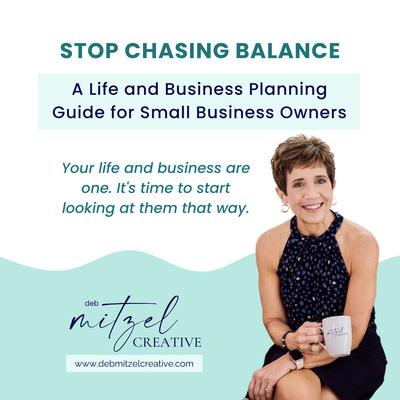
Download my free Stop Chasing Balance: A Life and Business Planning Guide for Small Business Owners to work through the all the details: clarifying the life you want, assessing where you are today, and building a realistic game plan to start closing the gap.
A Quick Reality Check: Where Things Stand Today
Once you've thought through those five areas, take an honest look at where things actually stand right now. Rate your current situation in each area on a scale of 1 to 5, then rate where you want to be. The gap between those two numbers is your starting point.
1 = Significantly out of alignment with the life I want
2 = Struggling — this area is affecting my life in real ways
3 = Getting by, but there's room to improve
4 = Mostly working, with a few things to fine-tune
5 = No complaints here — this is working
Time
Finances
Location Relationships
Health & Wellness
Where you see the biggest gaps, you have your clearest opportunities. Sometimes closing a gap means a straightforward change — a better system, a boundary you haven't set yet, outsourcing something that's draining your time whether that's in your business or at home. Sometimes it means something bigger. Not every gap requires a dramatic fix. But every gap is worth understanding.
This Is a Starting Point, Not a Final Destination
Your answers will shift as your life evolves. What balance looks like in an early growth season looks different from

what it looks like five years in. What you're willing to give up in January might be completely different from your non-negotiables in July.
The people who feel like their life and work truly fit together aren't the ones who stumbled into balance. They're the ones who got honest about what they wanted, looked clearly at where they were, and made deliberate choices — one season at a time — to start closing the gap. You don't have to change everything. You just have to start.
About The Author
Deb Mitzel is a Small Business Systems Strategist and one of 17hats' original Marketplace Partners. With 30 years of operational and leadership experience, she helps solopreneurs and small business owners build simple, strategic systems so their clients get the best experience possible and they still have time for the things that matter most. Learn more at debmitzelcreative.com.

WRITTEN BY COACH LORI ANNE (LORI ANNE DE IULIO CASDIA)
Can we have an honest moment? No judgment...just us entrepreneurs. Have you ever answered emails while brushing your teeth? Scheduled a Zoom call during lunch because, "I'll eat afterward," only to realize at 4:30 p.m. your gourmet lunch consisted of three almonds, a cup of cold coffee, and the crust from your kid's sandwich? Or proudly announced, "I've worked fourteen days straight!" as though someone was about to hand you a trophy?
If you're smiling—or cringing— welcome to the club. Membership is free. Burnout is expensive. Entrepreneurs are the only people I know who will spend seven dollars on coffee to save ten minutes... then skip lunch because they're "too busy."
We've somehow convinced ourselves that running on caffeine, adrenaline, determination — and maybe a little chocolate — is a business strategy. Trust me… I've been there. There was a season when my calendar was packed, my business was growing, and from the outside, everything looked successful. But behind the scenes, I was exhausted. I was checking emails while standing in the grocery line, convincing myself lunch could wait another hour, and believing that if I just pushed a little harder, someday I'd finally have the life I dreamed of when I started my business.
Then one day I asked myself a question that changed everything. "If I keep living this way...what exactly am I working so hard to build?"
That question didn't just change my schedule. It changed my life. It changed my coaching.
And it changed the way I define business strategy. Because here's what I've learned after decades of coaching entrepreneurs, executives, and leaders.
Why Self-Care Is Your Greatest Business Strategy
Can I coach you for just a minute? Most entrepreneurs believe business strategy begins with marketing. Or pricing.
Or sales.
Or systems. Or social media.
Those things absolutely matter.
But after years of watching businesses thrive — and watching others struggle — I've come to
a very different conclusion. The quality of your business will never consistently exceed the quality of the person leading it.
Read that again. Because everything flows from that truth. Who creates the vision? You. Who serves the clients? You. Who makes difficult decisions? You. Who inspires the team? You. Who solves the unexpected problems? You. Who carries the weight when life throws a curveball? You.
So here's the real question. What happens when YOU are exhausted?
• Your creativity shrinks.
• Your patience shortens.
• Your confidence slips away.
• Your communication changes.
• Your decision-making slows.
Even your joy begins to disappear. That's why I no longer see self-care as something personal. I see it as strategic. Because every business strategy depends on one thing: The health, clarity, energy, and leadership of the person executing it. That's you. Self-care isn't competing with your business strategy. It is your business strategy.
Intentionality Is the Missing Ingredient
The irony is we call it self-care, which somehow makes it sound optional. Like a bubble bath, a massage, or something we'll eventually get around to after everything else is finished.
But after coaching extraordinary people for decades, I've discovered something completely different.
Self-care isn't a reward for success. It's one of the reasons success becomes sustainable.
The problem is that self-care rarely happens by accident. It happens by intention. I've built my life's work around one simple truth:
Intentionality is the bridge between where you are and where you want to be. That applies to your business. Your relationships. Your leadership. Your finances.
And absolutely to how you care for yourself.
But over the years I've realized something even deeper. Every bridge begins with the first plank. I believe that first plank is self care.
Every intentional act of caring for yourself becomes another plank in the bridge.
One healthy boundary.
One walk.
One real lunch.
One evening with your family. One hour reclaimed because your systems handled the repetitive work.
One journal entry.
One intentional decision becomes another. Then another. Until one day you look back and realize … You aren't simply running a better business. You're becoming a better leader, spouse, parent, friend, and overall better human being.
You're stepping into the fullness of your potential. That's what intentional living has always meant to me. Not becoming someone different. Becoming more fully the person you were created to be. Because businesses don't transform. People do. And transformed people build extraordinary businesses.
Five Ways to Make Self-Care Your Greatest Business Strategy 1. Begin Each Day with Intention Before you pick up your phone... Before you open your inbox... Before the world tells you what it needs from you... Ask yourself one question. "How do I want to show up today?" Notice I didn't ask, "What do I have to accomplish?" I asked, "Who do I choose to become?" That one question shifts you from reacting ... to leading.
2. Schedule Yourself
Like Your Best Client I've often said: Your calendar reveals your priorities. If every appointment belongs to someone else ... your calendar just voted. Protect time for movement. Reflection. Prayer. Learning. Family. Laughter. Rest.
And if your dentist has a recurring appointment on your calendar but you don't, we need to have a little chat. If it matters, schedule it. Otherwise your business will happily schedule something else in its place.
3. Protect Your Greatest Asset Time management matters. Energy management changes everything.
Pay attention to what fills your cup... and what pokes holes in it. Take the walk.
Eat the lunch. Close the laptop. Protect your peace.
You can't consistently lead others from a place of exhaustion. And your clients deserve more than what's left over.
4. Let Systems Handle the Busy Work
People often ask why I've been such a believer in systems like 17hats.
The answer surprises them. It isn't because I love software. I don't wake up excited about workflows. (Ok sometimes I do) I wake up excited about people. I love systems because they give me something much more valuable than efficiency.

They give me choice. When 17hats remembers the workflow... When it sends the reminder... When it generates the invoice... When it handles the repetitive details ... I get to decide how I'll invest the time it gives back.
Maybe it's a walk with my husband, Anthony. Maybe it's quiet time to think, pray, write, read, laugh with friends, prepare for a client, or simply breathe. Those moments aren't interruptions to my business strategy. They are my business strategy.
Because every minute I intentionally invest in becoming a healthier, wiser, more present leader benefits every client I have the privilege to serve.
5. Reflect So Tomorrow Gets Better Growth doesn't happen because another day passes. Growth happens because we pause long enough to learn from it. Reflection turns experience into wisdom.
Wisdom creates intentional decisions. And intentional decisions create extraordinary lives.
Why I Created the Intentional SelfCare Journal Workbook
Truth be told ... I never woke up one morning thinking, "The world needs another journal." I think there are already plenty of beautiful journals sitting on bookshelves with three pages filled in and a guilty-looking bookmark.
The workbook came to life much differently. Everything you're reading in this article began inside my coaching practice. Page after page. Worksheet after worksheet. Conversation after conversation. These weren't writing exercises. They were real people facing real challenges while trying to build meaningful businesses and meaningful lives.
Together, we refined these practices. Something remarkable happened. As my clients intentionally cared for themselves, they didn't simply become less stressed. They became more focused. More resilient.
More courageous.
Better communicators. Better leaders.
Better business owners.
About The Author
Coach Lori Anne is America's #1 Take Action Success Coach and Strategist. She believes the greatest success isn't measured by what you build, but by who you become while building it. Her philosophy is simple: Lifestyle First. Business to Support It. Through intentional living, practical strategy, purposeful action—and the occasional loving kick in the excuses—she helps entrepreneurs become the fullest expression of who they were created to be, creating businesses that support extraordinary lives. CoachLoriAnne.com
Most importantly… they stopped merely surviving their businesses and began stepping into the fullness of their potential. Eventually they all started asking me the same question. "Can I take this home?" They wanted the worksheets. The reflection questions. The journaling prompts. The intentional practices.
Then one client smiled and said something I'll never forget. "Lori Anne ... this shouldn't stay inside your coaching practice. Everyone needs this." That moment stayed with me.
Their encouragement inspired me to publish the Intentional Self-Care Journal Workbook so anyone could experience the same intentional practices that had already transformed so many lives.
Before You Turn the Page... Can I ask one favor?
Please don't let this become another article you read, nod your head... say, "That's so true..."and then turn the page. Please don't do that.
Pick one thing:
• One walk.
• One healthy lunch.
• One hour without notifications.
• One journal entry.
• One appointment with yourself.
• One boundary.
• One intentional decision.
• One intentional choice at a time.
People often ask me why I say, "Someday deserves a date."
Because I've coached enough extraordinary people to know that someday quietly steals dreams.
Someday I'll slow down.
Someday I'll take care of myself.
Someday I'll travel. Someday I'll spend more time with my family.
Someday I'll enjoy everything I've worked so hard to build.
Here's the truth.
Grab Lori's

GET THE DOWNLOADABLE
Someday isn't a day on the calendar. It's a decision. Every intentional choice you make today gives someday a date. Every walk. Every healthy boundary. Every hour reclaimed through systems like 17hats. Every journal entry. Every moment you choose yourself without guilt.
Those moments become the bridge between the life you're living and the life you're meant to live. My hope is that you'll become more present, intentional, and fulfilled. That you'll stop measuring success solely by the business you build and begin measuring it by the life you're blessed to live while building it.
Intentionality is the bridge between where you are and where you want to be.
Self-care is the first plank in that bridge. And every intentional decision you make strengthens it.
The bridge doesn't simply lead to a bigger business. It leads you to step into the fullness of your potential. Ironically … that's where your greatest business strategy begins. After all ... Someday deserves a date.
Choose today to protect your energy, your peace, and to take action by living intentionally.
Step into the fullness of your potential.

Some weeks you run your business. Other weeks it runs you. This quick check helps you see which one is true right now. Read each statement below and check the ones that sound like your life lately. Be honest. No one's grading you, and the only person who benefits from a real answer is you.
Check every statement that sounds like you:
• I check email or messages the moment I wake up, before I'm even out of bed.
• I can't remember the last full day I took off without feeling guilty.
• Most of my to-do list lives in my head, not on paper or in an app.
• I've skipped a meal, a workout, or plans because work ran long, again.
• Clients can reach me at any hour, and they do.
• I say yes to work I don't really want because turning it down feels risky.
• I do the same repetitive admin tasks by hand every single week.
• I feel guilty or restless when I'm not working.
• If I got sick for a week, most things in my business would grind to a halt.
• I'm busy almost all the time, but I'm not sure the busyness is moving me forward.
• I regularly work nights or weekends just to stay caught up.
• I've missed or rushed through an important personal moment because of work.
• When I try to fall asleep, my mind runs through everything I still have to do.
• I keep meaning to raise my prices or let go of a draining client, but I never do.
• I haven't taken a real, fully unplugged vacation in over a year.
Now Count Your Checks.
0 to 3: You're in the driver's seat. You've built real boundaries, and it shows. Keep protecting what's working, because balance is easier to maintain than it is to rebuild. 4 to 7: The business is starting to creep in. You're managing, but the edges are fraying. Pick one or two boundaries to firm up before the creep becomes the norm.
8 to 11: The business is running you. You're carrying too much by hand and by memory, and it's costing you. The good news is that a few focused changes can give you real relief fast. 12 to 15: You're deep in burnout territory. This isn't a character flaw, and it's not permanent. Choose one change this week and start there. Small beats nothing, every time.
Crossword Puzzle: Work-Life Balance

ACROSS
2. To hand off a task instead of wearing all 17 hats yourself.
4. To disconnect completely, phone and inbox included.
7. The invisible fences that keep client emails out of your Sunday dinner.
9. Doing something on purpose, not just because you always have.
10. A repeatable rhythm that brings order to the solo workday.
DOWN
1. The state of health that no invoice is worth sacrificing.
3. What you do to repetitive admin so it stops eating your evenings.
5. The exhaustion that mistakes constant busyness for success.
6. What both your laptop and your energy need at day's end.
8. Protected hours that aren't for working, and shouldn't feel guilty.
SEE PAGE 39 FOR THE ANSWERS
5 You Need to Stay Organized
Calendars
WRITTEN BY AMANDA RAE
Calendars are the backbone of an organized small business. Knowing what to do and when to do it helps you prioritize tasks, make quick decisions, and effectively tackle your day. Unorganized calendars, on the other hand, create frustration and chaos — not knowing where to start, rewriting to-do lists, double bookings, and missed appointments.
With all that said, let's optimize your calendars for a better work-life balance!
Whether you are a 17hats member or not, this can be done in Google Calendar and/or 17hats calendars. Not only will this task help you better digest the chaos of your calendar, but as a 17hats member, you'll also be able to utilize 17hats features better.
After years of optimizing my calendar — even to the point of over-complication — I've figured out the best approach: easy to use, not overly complicated, and most important, efficient. It's as simple as not thinking of your calendar as one place that holds all your appointments, but as 5 separate calendars that allow you to be an efficient and effective business owner.
But first, let's stop there for a quick service announcement! If you're a 17hats member using Google Calendar, you'll want to create these calendars in Google and then sync them over to 17hats. It's super easy. Here's our help article to walk you through it.
5 Calendars You Need in 17hats for Optimal Organization
Separating your calendar out into specific calendars allows your brain to compartmentalize, reducing overwhelm. You can also use the calendar colorcoding feature in 17hats for a nice visual, allowing you to make decisions quicker.
Below are the five calendars that will help you stay organized.
1. Booked Calendar – This calendar holds all service dates and meetings for booked clients. Every meeting,
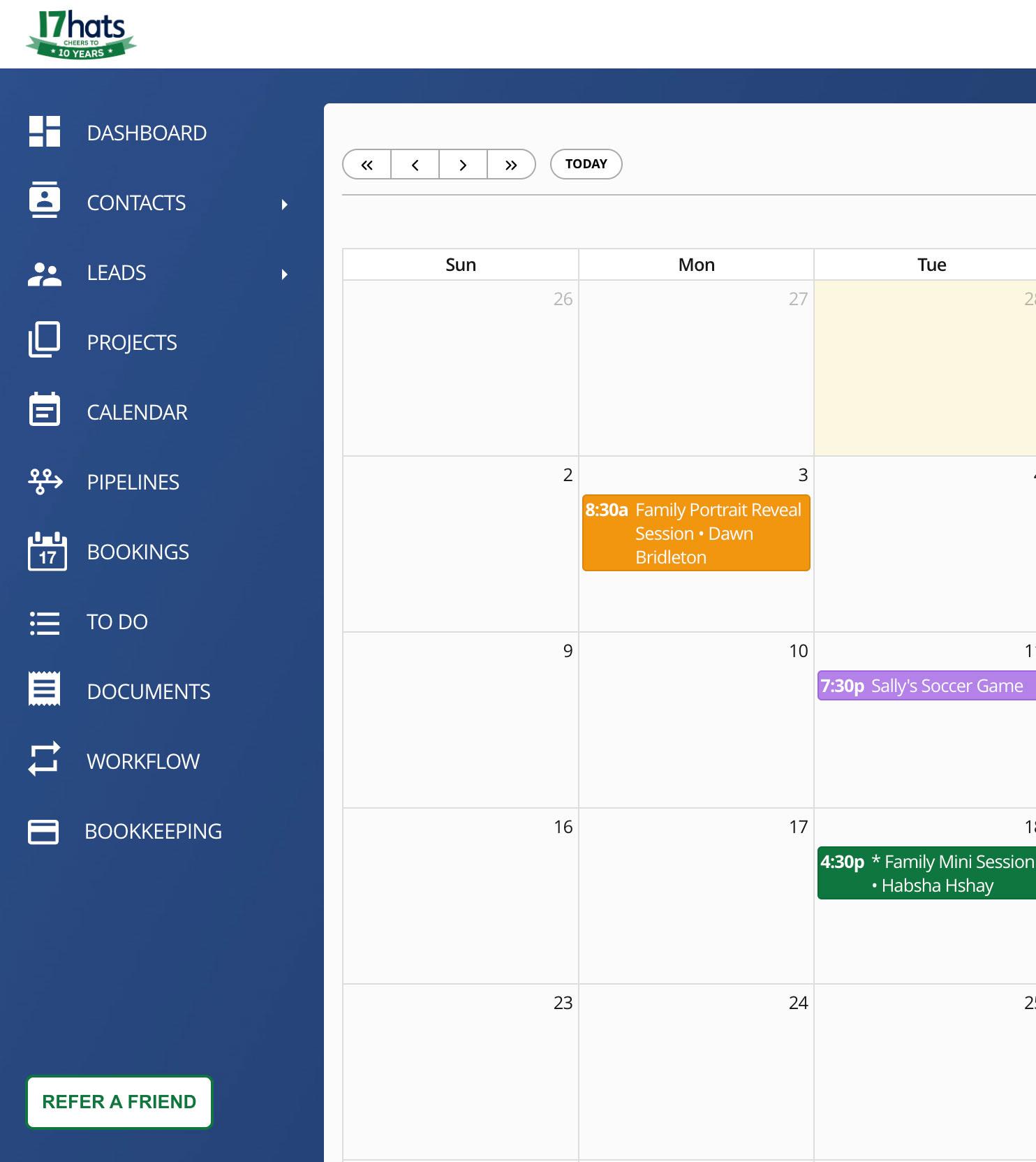
phone call, and service appointment here is only for booked clients. And since booked clients mean money in your pocket, color-code this calendar green.
Advanced Tip: Use the 17hats Workflow action step "Change Calendar" to automatically move new clients to your Booked Calendar after they complete a quote, contract, and/or invoice.
Did you know 17hats is one of the only platforms that lets you color-code your calendars? Whhhaat! Yep. That's true!
2. Leads Calendar – Just like your Booked Calendar, your Leads Calendar contains all your leads' meetings and service dates. Since leads need your attention, let's color-code this calendar red.
Advanced Tip: Edit your Lead Capture Forms so that all new leads go to your Leads Calendar.
3. Life Calendar – Set the color code to your favorite color and add all your life events to the Life Calendar. Doctor appointments, birthday parties, lunch dates … basically whatever is happening in your personal life. If you already have a Life Calendar on Google, easily connect it to your 17hats account.
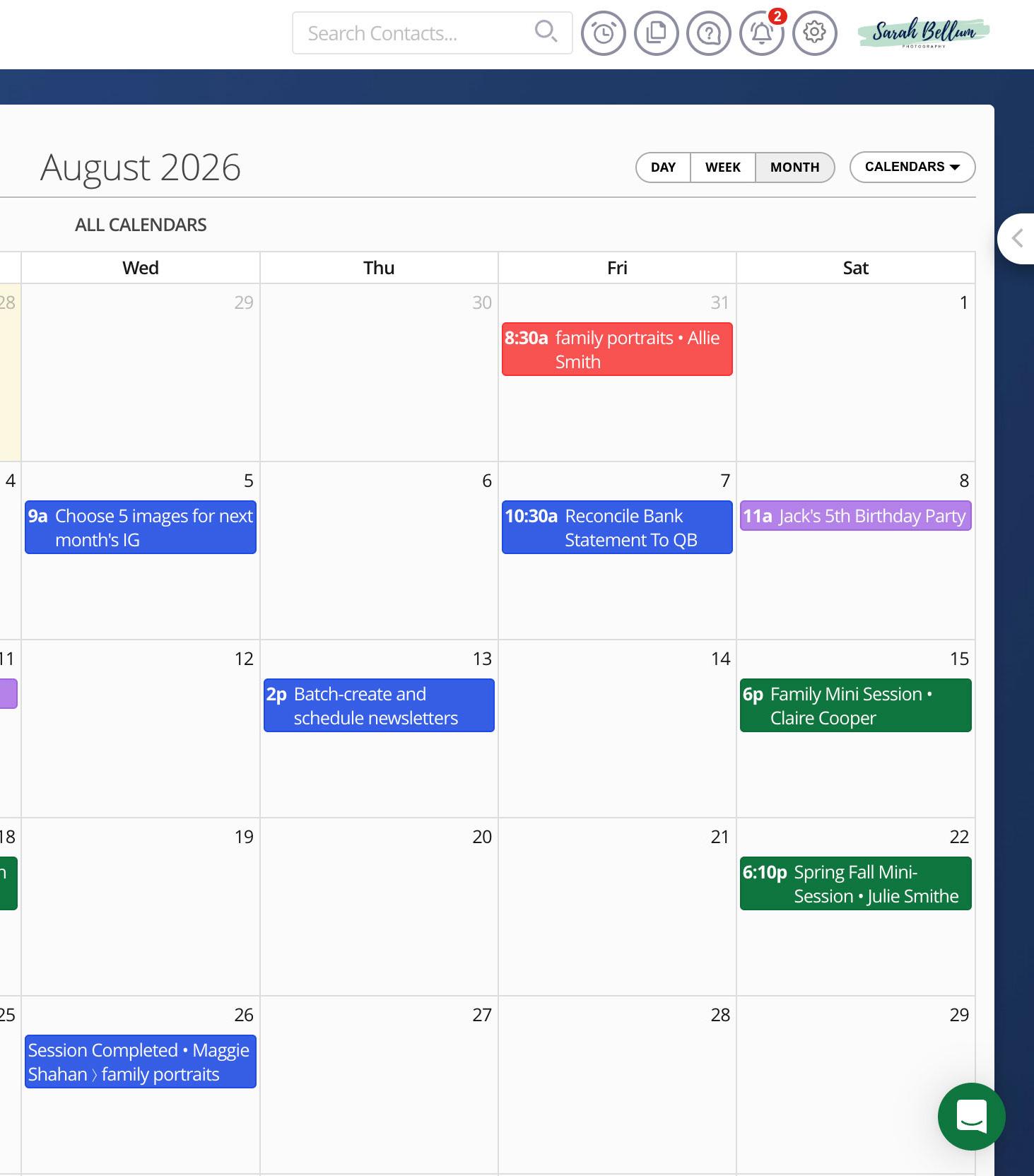
4. To-Do Calendar – I can't say this enough: I highly recommend all Workflows and To-Dos go on a To-Do Calendar. Color-code it in an attention-grabbing color, and now all your to-dos will be easily seen on your calendar, ensuring nothing slips through the cracks.
Advanced Tip: Need to add a to-do with a start and stop time? Create an event in the project, add it to your To-Do Calendar, and if you're using Client Portal, remove the event from the client portal.
5. To Be Confirmed Calendar – If you use the confirmation feature on 17hats Online Scheduling, I recommend having a To Be Confirmed Calendar. By color-coding it orange, you'll quickly be able to see which bookings need to be confirmed at a glance.
Why is it important to have 5 different calendars for your small business?
By breaking out your calendars and color-coding them, you'll be able to quickly identify what needs to be done with just a glimpse. Red — you have a lead that needs a response. Orange — quickly review and confirm your booking.
Also, with leads being red and booked clients being green, you'll be able to tell if a lead is requesting a date that's already booked.
Finally, if you use 17hats Online Scheduling, you'll easily be able to cross-reference your Leads, Booked, To Be Confirmed, and Life calendars, ensuring you don't double-book yourself. Since you can move your to-dos around, there's no need to cross-check that calendar.
A well-organized calendar isn't just about staying on top of appointments — it's about giving yourself the clarity to see your whole life at a glance, protect your time, and step away from work without wondering what you've forgotten. That's what real balance looks like. Here's to a calendar that works as hard as you do — and knows when to let you rest.
Share Your Secret to Business Success
Turn your business savvy into cash rewards by simply sharing 17hats.
Referring 17hats is a win-win. You’ll earn $50 for every new member who joins using your link — and there’s no limit to how many rewards you can collect.
Even better? Your friends get a huge head start with 50% off their first year or first two years of 17hats. That’s up to $400 in savings for them, just for being connected to you. It’s an easy way to support fellow business owners while putting extra cash in your pocket.

Easy Ways To Refer 17hats:
Share on Social Media
Post about how 17hats helps you — and include your link. Include before/after stories or screenshots! Business owners love seeing behind-the-scenes.
Send a Personal Message
Reach out to a business friend with a quick text or DM:
“Hey! If you’re still juggling client stuff manually, you should check out 17hats. Here’s my referral link for 50% savings — it’s a no brainer!”
Add it Where People Already Look
Place your referral link somewhere simple, like your email signature, website resources page, or link-in-bio. That way, business owners can discover it naturally without feeling like you’re directly pitching them.
Example:
Find Your Referral Code & Link!
Head to your 17hats account settings and click the “Referrals” tab to copy your unique referral link. Your referred friend can use your code when signing up for a trial or upon checkout. You can also send them your link that allows your referral to directly buy now.
“Tools I use to keep my business organized: 17hats — here’s my referral link for 50% off.”
Your Shortcut To Working Smarter Top Tutorials!
Want to get more out of 17hats without the guesswork? Our top tutorials are the fastest way to learn, implement, and level up your business systems — no tech degree required. Each video walks you through key tools and features step-by-step, so you can spend less time figuring things out and more time doing what you love.

Learn how to connect Google Calendar to your 17hats account for two way sync, so every event stays updated automatically in both places.

Learn how to set up Online Scheduling in 17hats, covering services, availability schedules, booking messaging, approvals, and reminders.
Craving MoreEducation?

Learn how to bulk import products and services into your 17hats account.
Learn how to make Payment Schedules for your clients.

Head over to 17hatsUniversity.com and blog.17hats.com to dive deeper into both business and 17hats education. Bookmark both sites and check back weekly for fresh insights and tutorials.

17hats Resources

Deep dive into our blog and learn how 17hats can help you manage your business better.
Listen to our HatsOff Podcast for business tips and tricks with our CEO, Amanda Rae.

Check out our University for 17hats tutorials, workshop replays, live events, and more.
Upcoming Conferences
Balloon Boss Summit 2026, Orlando, FL
November 8 - 12, 2026
Elevate your Balloon Business and Increase Your Professional Network in an Intimate Setting. Focus on increasing business skills taught by business professionals. Learn proven business systems to increase efficiency from balloon business owners.
Find Ambassador, Nicole Larson leading 4 new classes.
Ambassador Events

17hats Power Hour: Tags & Custom Fields
Tuesday, August 18, 2026
11:00 AM PT / 2:00 PM ET
Location: Virtual
Join 17hats Ambassador Deb Mitzel, for her 17hats Small Business Success Series: Power Hour. This series is dedicated to learning more about a 17hats feature, including use and set it up and Q&A after the feature presentation.
debmitzelcreative.com/workshops
Crossword Puzzle:
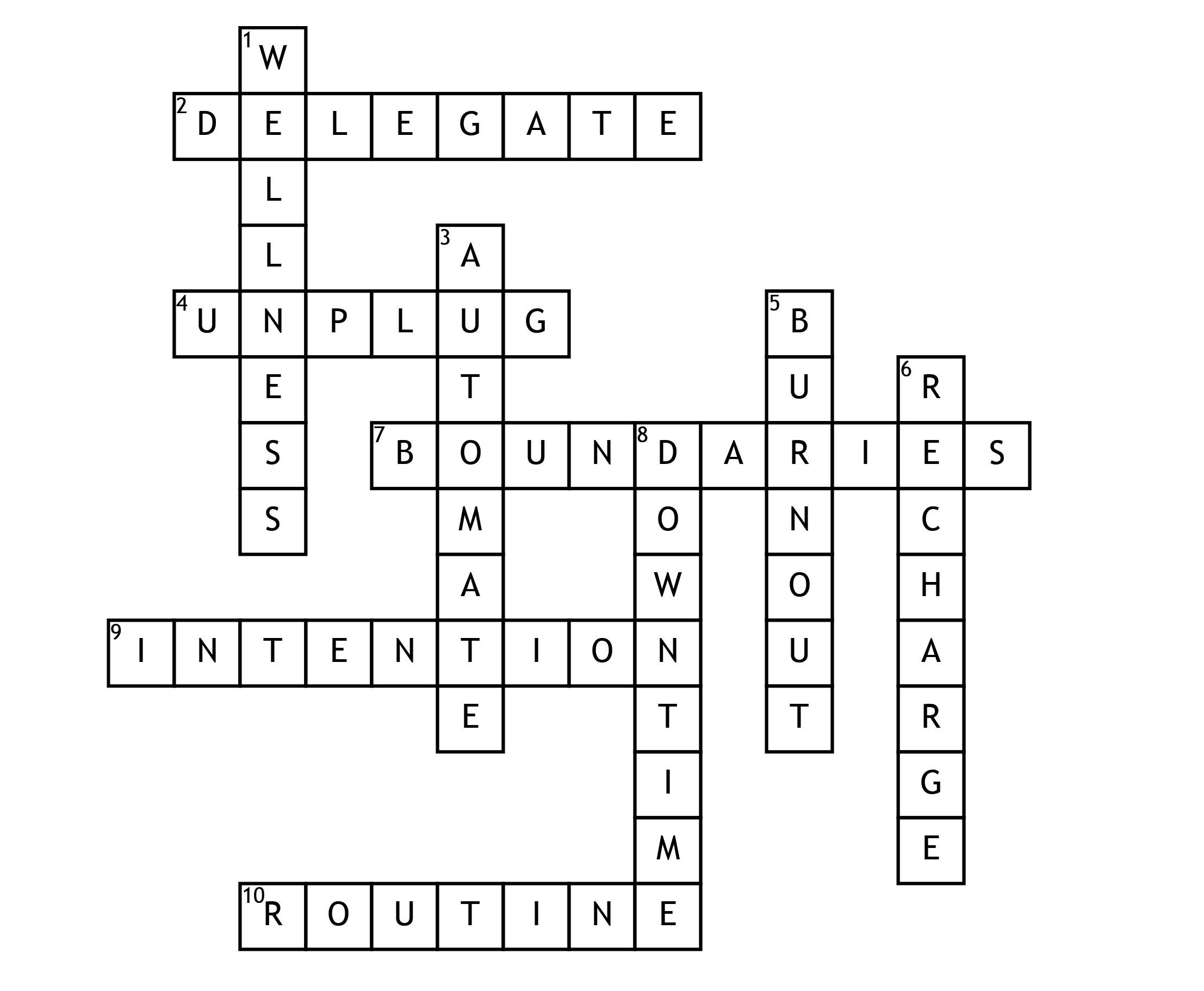
ACROSS
2. To hand off a task instead of wearing all 17 hats yourself.
4. To disconnect completely, phone and inbox included.
7. The invisible fences that keep client emails out of your Sunday dinner.
9. Doing something on purpose, not just because you always have.
10. A repeatable rhythm that brings order to the solo workday.
DOWN
1. The state of health that no invoice is worth sacrificing.
3. What you do to repetitive admin so it stops eating your evenings.
5. The exhaustion that mistakes constant busyness for success.
6. What both your laptop and your energy need at day's end.
8. Protected hours that aren't for working, and shouldn't feel guilty.


Time is more valuable than money. You can get more money, but you cannot get more time.
– Jim Rohn
Keep In Touch