From the CEO’s Desk
Amanda Rae
Marketing can feel like a moving target.
New platforms, new strategies, new advice … it’s easy to feel like you’re always one step behind or doing just enough to get by, but never quite seeing consistent results.
The truth is, most business owners don’t have a marketing problem. They have a clarity problem.
That’s exactly why we created this issue of The Journey.
Inside, you’ll find a simpler, more grounded way to think about marketing, one that focuses less on doing more, and more on doing what actually works. From the five pillars of branding to understanding your marketing funnel, this issue is designed to help you connect the dots between how people find you, why they trust you, and what ultimately leads them to hire you.
You’ll also hear from business owners and experts who are putting this into practice every day. They’re not chasing every trend or trying to be everywhere at once. Instead, they’re building clear positioning, showing up with intention, and creating systems that support their growth, from stronger websites and smarter email setups to more meaningful content and local relationships.
Because great marketing is about alignment.
When your message is clear, your brand is consistent, and your processes make it easy for people to take the next step, your business starts to feel different. More predictable. More sustainable. More like something you can truly grow.
As you read through this issue, don’t try to implement everything at once. Instead, look for one idea you can act on this week.
Small shifts create momentum. And momentum is what moves your business forward.
Onwards and Upwards,
Amanda Rae CEO, 17hats
Sips & Snippets News from 17hats HQ
Feature Updates
Feature Update:
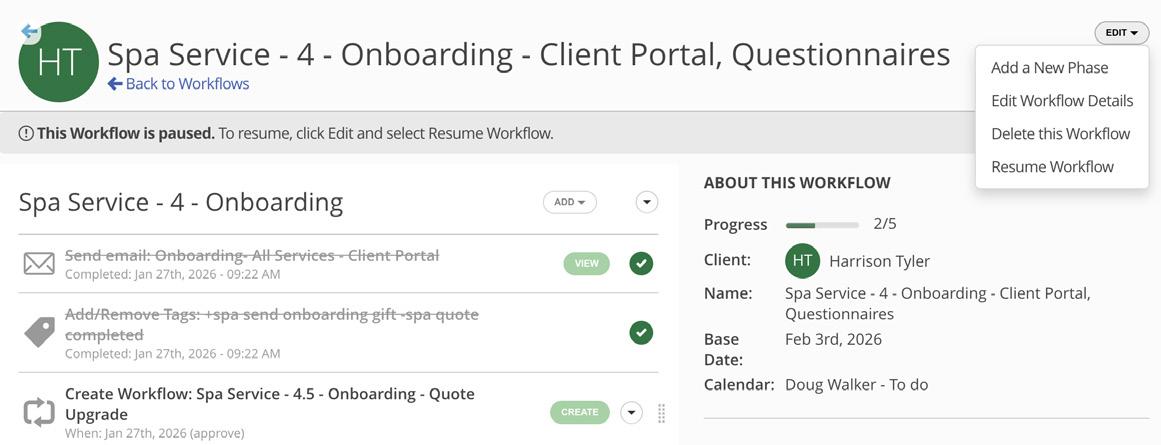
Pause and Resume Workflows
You can now pause and resume active Workflows with ease! This gives you more control over timing without deleting or rebuilding steps, and temporarily removes related notifications until you’re ready to pick things back up. For more details, check out the help article or connect with our Business Support Team.
New Feature:
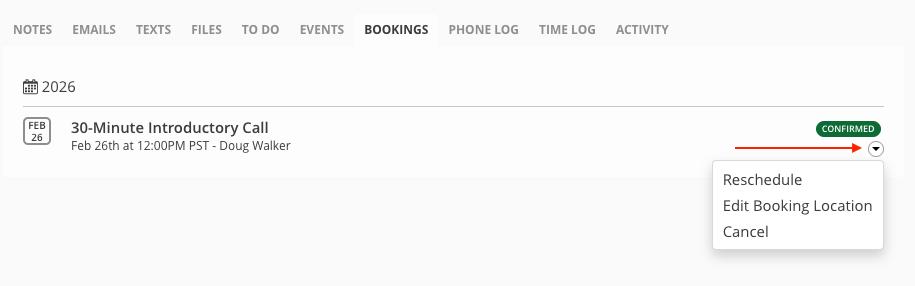
Edit Locations for Online Scheduling Bookings
Need to change a meeting spot? You can now edit the location of an Online Scheduling booking directly from the Project → Bookings tab. Any updates will update the calendar event, future Online Scheduling location tokens, and Project details. — keeping everything accurate and up to date.
New Feature:
Start/Stop Workflow Automation
This just-released feature allows you to start and stop Workflows by applying a Project Tag. This feature will redefine how you follow up with your leads and clients. Read more on page 18.
Feature Update:
Project Details Question Type
Capture key project info right from your Questionnaires! �� The new “Project Details” question type lets you map responses directly to project dates, times, and locations — automatically updating your project and creating events in one step.
Feature Update: Send Documents via SMS Texting
You can now send documents by text message in 17hats! When SMS is enabled and clients have opted in, you can send Quotes, Contracts, Invoices, and Questionnaires via SMS — making it easier to share important documents in the way your clients prefer.
Feature Update:
Smarter Project Date Updates for Online Scheduling
Project dates now update more intelligently based on your booking settings. Auto-confirmed bookings update instantly, while bookings requiring confirmation will update at the right time — keeping your calendar accurate without losing any existing dates.
Feature Update:
Enhanced Text Editing
We’ve upgraded the text editor in Questionnaires! ✍️You’ll now have more formatting options when customizing “Text” Option in Questionnaires — giving you greater flexibility in how you communicate with clients.
Feature Update: "After All Previous Items Are Complete" Automation in Workflows
Workflow automation just got more reliable. The “After all previous items are complete” setting now evaluates the full sequence of prior steps, helping your automations run more accurately and consistently every time.

Marketing Terms
EVERY BUSINESS OWNER SHOULD KNOW
A simple guide to the marketing terms that help you attract the right clients, build trust, and grow your business.
Marketing can feel like its own language. SEO, ROI, funnels, engagement — it’s easy to get lost in the jargon.
But at its core, marketing is simple: helping the right people find your business, trust what you do, and feel confident hiring you.
Here’s a straightforward guide to the most important marketing terms — explained in plain English.
Marketing Foundations
Brand
The overall feeling people have about your business — not just your logo, but your reputation.
Target Audience
The group of people most likely to need and pay for your services.
Ideal Client
Your best-fit customer — the kind of person you enjoy working with and get great results for.
Positioning
How you stand out in your market and why someone should choose you over others.
Niche
A specific focus within your industry — a type of client or service you specialize in.
Brand Voice
The tone and personality you use when communicating (friendly, professional, bold, etc.).
Brand Awareness
How familiar people are with your business and what you offer.
Personal Brand
How your personality, story, and reputation influence your business.
Consistency
Showing up regularly with a clear and recognizable message across platforms.
Campaign
A focused marketing effort built around a specific goal (like launching a service or promotion).
Touchpoints
Every interaction someone has with your business — website, emails, social media, inquiries, etc.
Digital Marketing Basics
SEO (Search Engine Optimization) Improving your website so it shows up when people search on Google.
Content Marketing
Sharing useful or interesting content to attract and build trust with potential clients.
Organic Marketing
Getting attention naturally (without paying for ads).
Paid Advertising
Promoting your business through paid placements (Google Ads, social media ads, etc.).
Landing Page
A single page designed to get someone to take one specific action.
Lead Magnet
A free resource offered in exchange for someone’s contact information.
Email List
A list of people who have given you permission to contact them.
Newsletter
A recurring email that keeps your audience informed, engaged, and connected.
Social Proof
Evidence that others trust you (reviews, testimonials, results, etc.).
Audience & Engagement
Lead
Someone who has shown interest in your business.
Conversion
When someone takes the next step — booking, buying, or hiring you.
Marketing Funnel
The journey someone takes from discovering you to becoming a client.
Call to Action (CTA)
The next step you want someone to take (inquire, book, download, buy).
Engagement
How people interact with your content — likes, comments, shares, replies.
Reach
The number of unique people who see your content.
Impressions
The total number of times your content is shown (even if it’s the same person multiple times).
Referral Marketing
Getting new clients through recommendations from others.
Word of Mouth
When people naturally talk about and recommend your business.
Community Building
Creating ongoing relationships with your audience — not just transactions.
Marketing Metrics
ROI (Return on Investment)
Whether your marketing made more money than it cost.
ROAS (Return on Ad Spend)
How much revenue you generated for every dollar spent on ads.
Traffic
The number of people visiting your website.
Bounce Rate
When someone lands on your site and leaves without taking action.
Click-Through Rate (CTR)
The percentage of people who click after seeing a link or ad.
Conversion Rate
The percentage of visitors who turn into leads or clients.
Lifetime Value (LTV)
The total revenue a client brings to your business over the entire time they work with you.
Retargeting
Showing ads to people who have already interacted with your business.
Evergreen Content
Content that stays useful and relevant over time.
Cost of Acquisition (CAC)
How much it costs, on average, to get a new client.
Emerging & Modern Terms
GEO (Generative Engine Optimization)
Optimizing your content so AI tools (like ChatGPT or Google’s AI results) can find, understand, and recommend your business.
AEO (Answer Engine Optimization)
Structuring your content to directly answer questions so it shows up in featured snippets, voice search, and AI-driven results.
Automation
Using tools or systems to handle repetitive marketing tasks (like follow-ups or email sequences).
CRM (Customer Relationship Management)
A system for tracking leads, clients, and communication in one place.
The More You Know ...
You don’t need to memorize every marketing term to run a successful business.
What matters is understanding how people find you, why they trust you, and what helps them decide to hire you.

Get those pieces right, and everything else starts to fall into place.
Marketing Funnel The
A simple, practical breakdown of how customers find you, trust you, and choose to work with you — and how to fix the gaps that are costing you business.

CONSIDERATION
CONVERSION
Most small business owners don’t have a marketing problem — they have a clarity problem.
They’re posting on social media, maybe running ads, asking for referrals … but leads feel inconsistent, and conversions feel unpredictable. The missing piece is understanding how all of those efforts fit together.
That’s where the marketing funnel comes in.
Think of it less like a complicated system and more like a simple journey your customers take — from first discovering you to finally hiring you. When you understand each stage, your marketing becomes intentional instead of scattered.
Let’s break it down.
Where Most Small Businesses Get Stuck
Here’s the truth: most businesses don’t have a lead problem—they have a funnel problem.
Common breakdowns look like this:
• Plenty of awareness, no conversions → Weak trust or poor follow-up
• Strong interest, low inquiries → Confusing messaging or unclear next steps
• Lots of inquiries, few bookings → Poor sales process or slow response
• No leads at all → Visibility problem
When you understand the funnel, you can diagnose the issue instead of guessing.
Awareness Where Discovery Begins
What is Awareness?
Awareness is how people first discover your business. If people don’t know you exist, nothing else matters.
This is where most small businesses underinvest or misunderstand. They rely on word-of-mouth alone, which is powerful, but not predictable.
How to Build Awareness
You don’t need to be everywhere. You need to be consistent in a few key places:
1. Google Presence
• Google Business Profile fully filled out and updated frequently
• Reviews (aim for 20 with photos)
• Hours, services, and photos
2. Search + Local SEO
• Make sure your website clearly says what you do
• Use phrases your customers actually search (not industry jargon)
3. Referrals
• Ask for referrals at specific moments (like after a great experience)
• Partner with adjacent businesses
Interest
4. Social Media
• Focus on showing your work, not just talking about it
• Behind-the-scenes content builds trust fast
5. Paid Ads
• Use ads to amplify what’s already working, not fix what isn’t
The Mistake to Avoid
Being invisible where buyers are already looking.
If someone searches for your service and you don’t show up, or look credible, you’ve already lost.
The Moment They Decide If You’re Worth It
What is Interest?
Once someone discovers you, they start paying closer attention. They’re not ready to buy yet—but they’re curious.
This is where your job shifts from being found → to being understood and remembered.
How to Build Interest
1. Your Website Matters More Than You Think
• Clear headline: what you do, who you serve, where
• Simple navigation
• Real photos > stock photos
2. Show, Don’t Tell
• Before-and-after photos
• Case studies
• Short videos explaining your process
3. Content That Answers Questions
• “What does this cost?”
• “How long does it take?”
• “What should I expect?”
If your content answers what people are already Googling, you build trust before they ever contact you.
4. Lead Magnets (Optional but Powerful)
• Free guides
• Checklists
• Quick estimates or investment
These help you capture interest instead of losing it.
The Mistake to Avoid
Making people work too hard to understand what you do.
If someone lands on your page and is confused in 5 seconds, they leave.
Consideration
Where Most Opportunities Are Lost
What is Consideration?
At this stage, your potential customer is comparing options. You’re no longer just competing for attention — you’re competing for trust.
How to Win the Consideration Stage
1. Reviews Are Your Best Sales Tool
Highlight real customer experiences Use specific, detailed testimonials (not just “great job!”)
2. Clear Process = Reduced Anxiety
People don’t just buy services — they buy certainty.
Explain:
• What happens first
• What happens next
• What they can expect
3. Pricing Transparency (Even If It’s Ranges)
You don’t need to list exact pricing— but give guidance:
• “Most projects range between…”
• “Factors that affect pricing…”
This filters out bad-fit leads and builds trust with good ones.
4. Fast, Professional Communication
• Respond quickly (within hours, not days)
• Be clear and helpful—not overly formal or robotic
Conversion Turning Interest Into A Booked Client
What is Conversion?
This is where someone decides to hire you.
And surprisingly, this is where many businesses drop the ball—not because of marketing, but because of process.
How to Increase Conversions
1. Make It Easy to Take the Next Step
• Clear call-to-action: “Schedule a call,” “Request a quote,” etc.
• Simple forms (don’t ask 20 questions upfront)
2. Speed Wins
• Respond quickly
• Follow up consistently (most businesses don’t)
3. Confidence in the Close
• Be clear about next steps
• Don’t leave people wondering what happens after they say yes
4. Professional Presentation
• Clean proposals
• Clear scope of work
• Easy-to-understand pricing
5. Comparison Content
Help them compare — even if it’s risky:
• “DIY vs hiring a pro”
• “What to look for when choosing a [your service]”
When you educate, you position yourself as the expert.
The Mistake to Avoid Leaving trust to chance. If your competitors explain things better, respond faster, or show more proof — you lose, even if you’re better.
5. Follow-Up System
Most sales happen in the followup—not the first conversation.
Have a system:
• 24-hour follow-up
• 3-day follow-up
• 1-week follow-up
The Mistake to Avoid Assuming interested leads will just come back.
They won’t. The business that follows up best usually wins.
A Simple Way To Fix Your Funnel This Month
Most small business owners don’t struggle because they aren’t trying — they struggle because they’re trying to fix everything at once.
Let’s simplify it. Instead of overhauling your entire marketing, just focus on one part of the funnel this month. That’s how you actually make progress.
Step 1: Take a Real Look at Your Funnel
Before you change anything, slow down and look at what’s actually happening.
Put yourself in your customer’s shoes:
• How are people finding you? Google your own service like a customer would. Do you show up? And if you do — does it look like a business you’d trust?
• What happens when they land on your page? Open your website or Instagram. Is it obvious what you do in the first few seconds?
• Why would they choose you? Do you have real proof — reviews, photos, examples — or are you expecting people to just take your word for it?
• How easy is it to hire you? Try filling out your own contact form. Try booking with yourself. Is it smooth … or kind of annoying?
If you really want clarity, ask a friend to go through this and tell you what feels confusing.
Step 2: Find Where Things Are Breaking
Before you try new marketing tactics, it's important to know where things are getting stuck.
Look at what’s actually happening in your business:
• Not getting leads at all?
• People are visiting, but not reaching out?
• You’re getting inquiries, but not booking jobs?
• People go quiet after you send pricing?
Now here’s the important part: Pick one. Not all of them. One.
• If you’re not getting leads → focus on showing up more (reviews, posting, partnerships)
• If people aren’t reaching out → fix your messaging
• If you’re not booking → build more trust and clarity
• If you’re getting ghosted → fix your follow-up
Trying to fix everything at once is how nothing gets fixed.
Step 3: Put One Simple System in Place
This is where things actually start to change.
Instead of relying on memory, create one simple system you can repeat.
Nothing fancy — just something that makes your life easier and your process more consistent.
Here are a few easy wins:
• Have a go-to way to ask for referrals
• Fix your homepage headline Make it painfully clear what you do, who you help, and where.
• Set up basic follow-ups
Most people don’t respond the first time. That’s normal. A quick check-in a couple days later can be the difference between getting the job or losing it.
• Give people a pricing starting point
You don’t need full pricing online — but even a range builds trust and saves time.
If you find yourself thinking, “I’ll just remember to do that next time…” — you won’t.
That’s why systems matter.
The Big Shift
You don’t need to become a marketing expert overnight.
You just need to:
• Fix one weak spot
• Put one system in place
• Then do it again next month
That’s how things start to feel easier and more predictable.
Because at the end of the day, the businesses that grow aren’t doing more… They’re just doing the right things, over and over again.
Lead Source Reporting: Spend Smarter, Grow Faster
WRITTEN BY AMANDA RAE
The general rule of thumb is to allocate 20–25% of your revenue to marketing. But once you've set your budget, the real question becomes: where do you spend it to get the highest return?
That's exactly where 17hats Lead Source Reporting earns its keep.
When you ask leads, through a Lead Capture Form, Online Scheduling, or vetting Questionnaire, where they heard about you, you're doing more than making small talk. You're building a data trail. Over time, that data shows you not just where your leads are coming from, but which sources are bringing in the clients who actually book, and how much revenue those clients generate for your business.
That's the difference between guessing and growing.
Not All Channels Are Created Equal
Here's something every small business owner needs to understand: different marketing channels serve different purposes, and they work together, not in isolation.
A paid ad is often an awareness play. It puts your name in front of someone who didn't know you existed. Your blog or social media is where that same person goes
when they're curious and want to learn more. And, finally, your website is where they convert.
Marketing experts talk about touchpoints. The idea that a potential client needs to see or hear about you multiple times before they take action. Lead Source Reporting helps you understand which touchpoints are doing the heavy lifting for your business.
When the Data Tells You Something Important
Imagine this: you have a marketing channel generating a flood of leads. Exciting, right? But those leads aren't booking. Or they're booking, just only your lowest-tier package.
That's critical information.
Lots of leads with low conversion means you're spending money to attract the wrong audience. It's not a volume problem; it's a fit problem. And without the data, you'd never know the difference; you'd just keep spending.
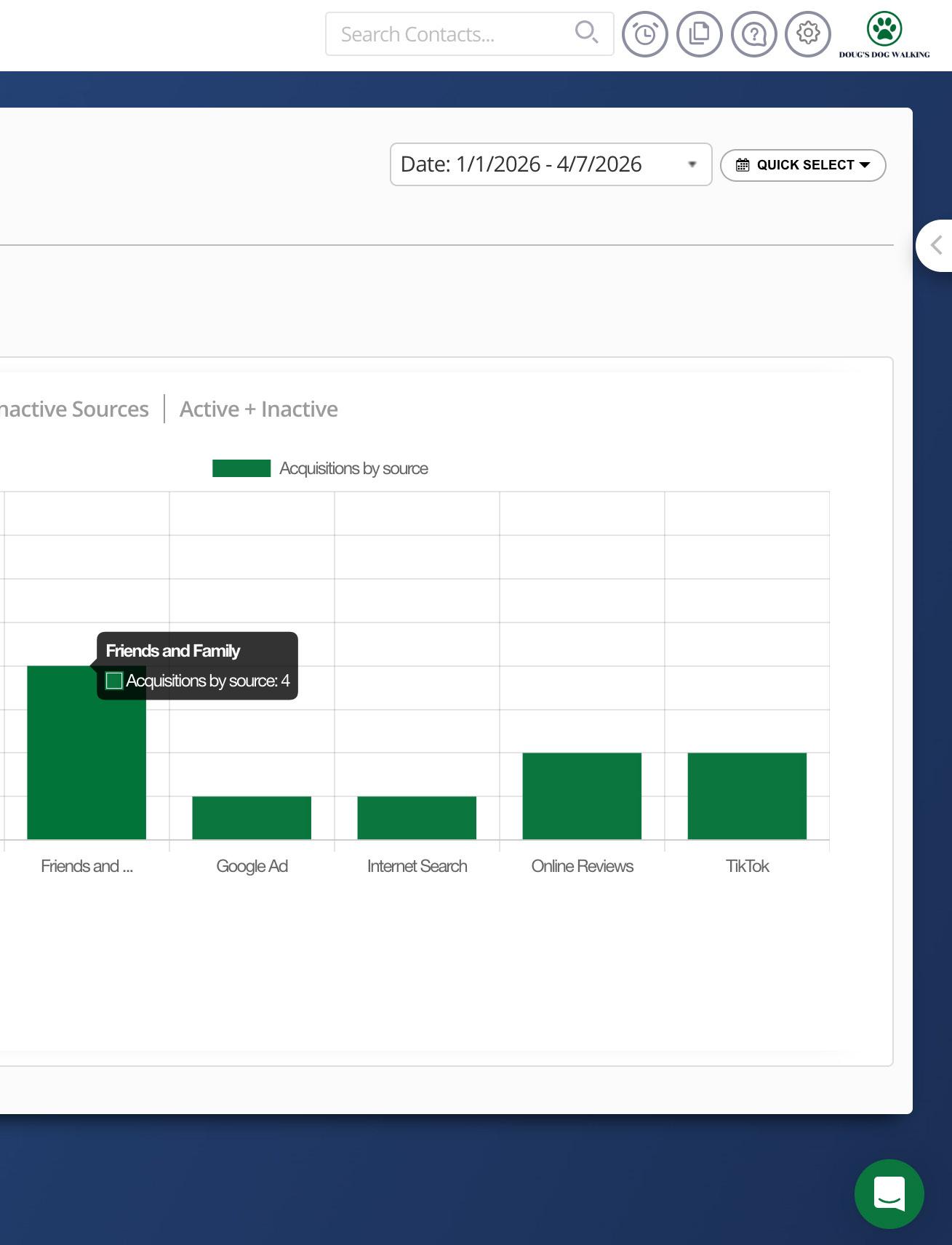
On the flip side, when you find a channel that's consistently bringing in high-quality, high-converting clients? That's your signal to scale. Double down. Pour more into what's working and watch your business grow with intention, not luck.
The 5-Minute Change That Pays Off
Most business owners try to do it all without the data to back their decisions. Don't be that person.
Adding a Lead Source Question that asks "How did you hear about us?" to your 17hats Lead Capture Form,
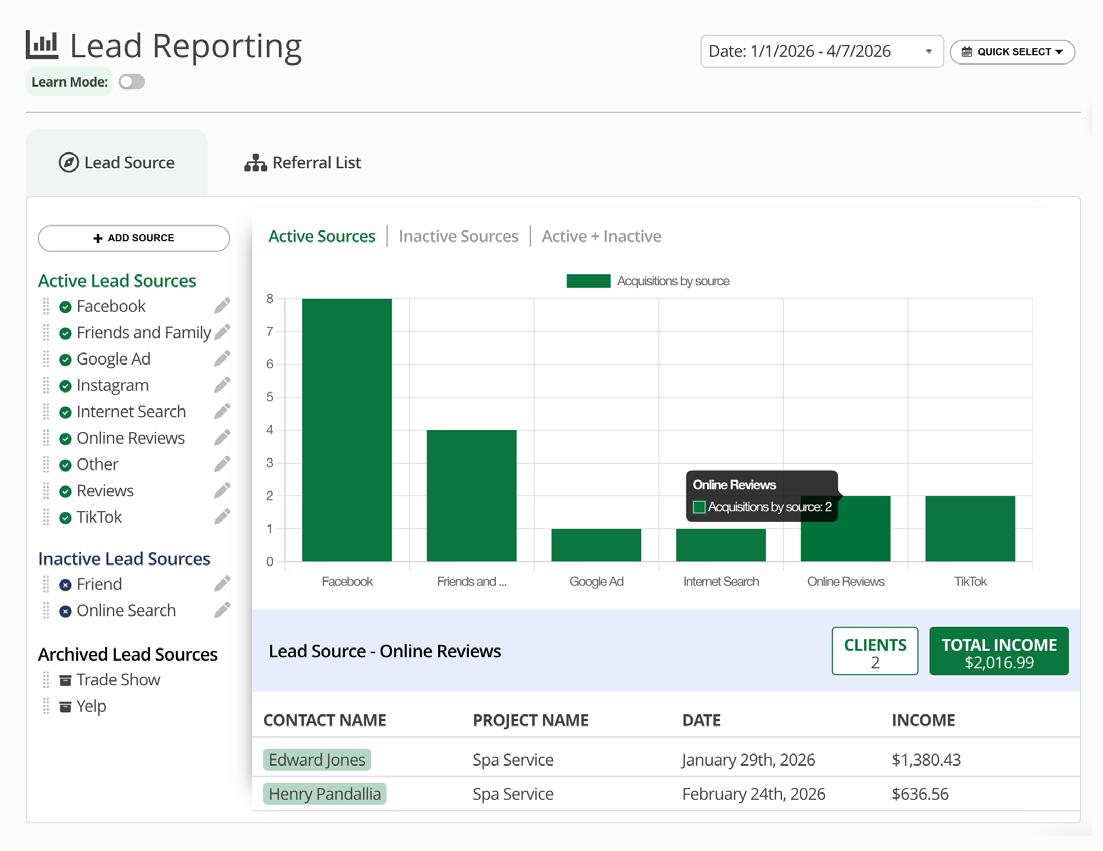
Online Scheduling questions, or intake Questionnaire takes less than five minutes inside 17hats. But the insight it gives you? That compounds over months and years into smarter spending, better clients, and a marketing strategy you can actually stand behind.
Add A Lead Source Question
Easy steps to adding a Lead Source Question. Head over to Leads on the left rail. Use the arrow to view the dropdown under Leads. Click Reporting. Add your lead sources (Instagram, TikTok, Online Ad, Google Map Search, Online Search, Referral) and make sure you add ‘Other’ in case they heard about you from somewhere you have not listed.
Once you have your lead sources listed, head over to your Lead Capture Form, Online Scheduling Service, and Questionnaires to add a Lead Source question. It’s that simple.
WATCH NOW See It In Action
17hats University Video
The Five
Brand Pillars
A Simple Framework for Building a Strong, Memorable Brand

When most small business owners think about branding, they think about logos, colors, or a nice-looking website.
But strong branding goes deeper than visuals.
At its core, branding is about how people understand your business, how they experience it, and why they choose you over someone else.
To make that easier, you can think of your brand as being built on five key pillars.
These pillars give your marketing direction and help your business feel consistent, clear, and trustworthy.
1. Purpose
Why your business exists
Your purpose is the reason behind your business — beyond just making money.
It includes your mission, your values, and what you care about most in your work. Ask yourself:
• Why did I start this business?
• What do I want to help people achieve?
• What matters to me in how I serve clients?
Example: A photographer’s purpose might be helping families preserve meaningful moments. A business coach’s purpose might be helping clients feel confident and in control.
Your purpose is what gives your brand meaning — and people connect with that.
2. Positioning
Who you serve and how you stand out Positioning is how your business fits into the market.
It answers two important questions:
• Who is this for?
• Why choose you over someone else?
You don’t need to be everything to everyone. In fact, strong brands are very clear about who they serve best.
Example: Instead of “wedding photographer,” your positioning might be “timeless wedding photography for couples who want a calm, guided experience.”
Good positioning makes your marketing easier because people immediately understand if you’re the right fit.
3. Personality
How your brand feels
If your brand were a person, how would you describe it? Your personality shows up in your tone, your visuals, and how you communicate.
It could be:
• warm and friendly
• bold and creative
• calm and professional
• fun and energetic
Example: A balloon artist might feel playful and colorful. A website designer might feel clean and modern.
When your personality is clear, your brand becomes more recognizable — and more relatable.
4. Perception
How people actually see your brand
This is one of the most important pillars.
Perception is not what you say your brand is. It’s what your clients experience.
It’s shaped by:
• your communication
• your process
• your reviews
• your follow-up
If you say your brand is “professional,” but your responses are slow or unclear, the perception won’t match.
The goal is alignment: What you promise should match what people experience.
5. Promotion
How you share your message
Promotion is how your brand shows up in the world.
This includes:
• your website
• social media
• emails
• ads
• networking
But promotion is more than just posting content. It’s about communicating your purpose, positioning, and personality in a clear and consistent way.
Example: If your brand is calm and professional, your marketing should feel that way too — not rushed or overwhelming.
How These Pillars Work Together
These five pillars build on each other.
• Your purpose gives your brand meaning
• Your positioning makes it clear who you serve
• Your personality makes it feel human
• Your perception reflects how well you deliver
• Your promotion brings it all to life
When they are aligned, your brand feels strong and consistent.
The Big Idea
You don’t need a big budget or a full rebrand to build a strong brand. You need clarity.
When you understand your purpose, define your position, show your personality, deliver a consistent experience, and communicate clearly, your brand becomes easier to recognize, easier to trust, and easier to choose. And that’s what good marketing is all about.
Branding

The Smart Checklist For Small Businesses

Once you understand your brand pillars, the next step is bringing your brand to life.
This is where many small business owners get stuck.
It’s easy to think you need everything — custom logos, a full website, brand photos, perfectly curated social media.
But strong branding isn’t about having more.
It’s about having the right pieces working together.
A good brand does three things well: It helps people understand what you do, trust your work, and take the next step.
This checklist is designed to help you focus on exactly that.
The Essentials
(Clarity + Conversion)
Start here. These are the pieces that directly impact whether someone understands your business and decides to reach out.
Clear Positioning Statement
Can you explain what you do, who it’s for, and why it matters in one or two sentences?
Example: “I help busy families plan stress-free birthday parties with custom balloon designs.”
If this isn’t clear, nothing else will work as well.
A Simple, Action-Focused Website Your website needs to guide action for potential leads.
Make sure it answers three questions quickly:
• What do you do?
• Who is it for?
• What should I do next?
Include a clear call-to-action like “Inquire,” “Book,” or “Schedule a Call.”
Proof That You’re Trustworthy Before people hire you, they look for reassurance.
This can be:
• testimonials
• past work
• examples or case studies
Even one or two strong examples can make a big difference.
Easy Contact or Booking Process
If someone is ready to reach out, don’t slow them down. Use a simple Lead Capture Form or Online Scheduling link so they can take action right away.
The easier it is, the more likely they are to follow through.
Consistent Name + Presence
Make sure your business name and contact details are the same everywhere — your website, social media, and listings.
Consistency builds trust.
The Professional
Layer (Consistency + Recognition)
Once your foundation is clear, this layer helps your brand feel more polished and recognizable.
Visual Consistency (Colors + Fonts)
Choose a small set of colors and fonts and use them everywhere.
Don’t fall into the trap of design trends. Your brand should be about recognition. People should start to recognize your brand at a glance.
Defined Brand Voice
How do you sound when you write or speak? Friendly? Direct? Calm? High-energy?
Your tone should match your personality and stay consistent across emails, your website, and social media.
Aligned Visual Style
Your images should reflect your brand.
Ask yourself:
• Does this look like the kind of experience I provide?
• Would my ideal client connect with this?
Consistency here builds a stronger impression over time.
Clear, Repeatable Messaging
You shouldn’t be reinventing how you describe your business every time.
Have a few go-to phrases that clearly explain:
• what you do
• who it’s for
• why it matters
Repetition builds clarity.
The Growth Layer (Efficiency
+ Scale)
These elements help your brand grow more efficiently.
Email Experience
Your emails are part of your brand.
Use consistent language, formatting, and tone so every message feels like it’s coming from the same business. Try 17hats Hattie AI to help you draft Email Templates.
Templates and Systems
Create reusable templates for:
• Emails
• Proposals
• Social Posts
This keeps your brand consistent and saves time.
Stronger Visual Assets
As your business grows, invest in better visuals like, brand photography, updated graphics, or refined design.
These elevate your brand, but only after your foundation is clear.
Ongoing Message Refinement
Pay attention to what resonates with your audience.
What questions do people ask? What do clients respond to?
Use that insight to refine your messaging over time.
What Actually Matters Most
The goal of consistent and clear branding is to remove confusion. When your message is clear, your experience is consistent, and your process is easy your brand starts to work for you.
And when your brand works, your marketing gets a whole lot easier.
10-Minute Brand Audit
If you want a quick check, ask yourself:
• Can someone understand what I do within 10 seconds?
• Is it obvious what step they should take next?
• Do my visuals and messaging feel consistent?
• Do I look as professional as the experience I provide? If not, start there.

The Smartest Way to Ask for Reviews
(Without lifting a finger)
WRITTEN BY AMANDA RAE
You know reviews matter. Every article in this issue that talks about trust points to them. And yet, for most solo business owners, collecting reviews is something that happens occasionally, when they remember, when the timing feels right, when they work up the nerve to ask.
That's not a system. That's hoping.
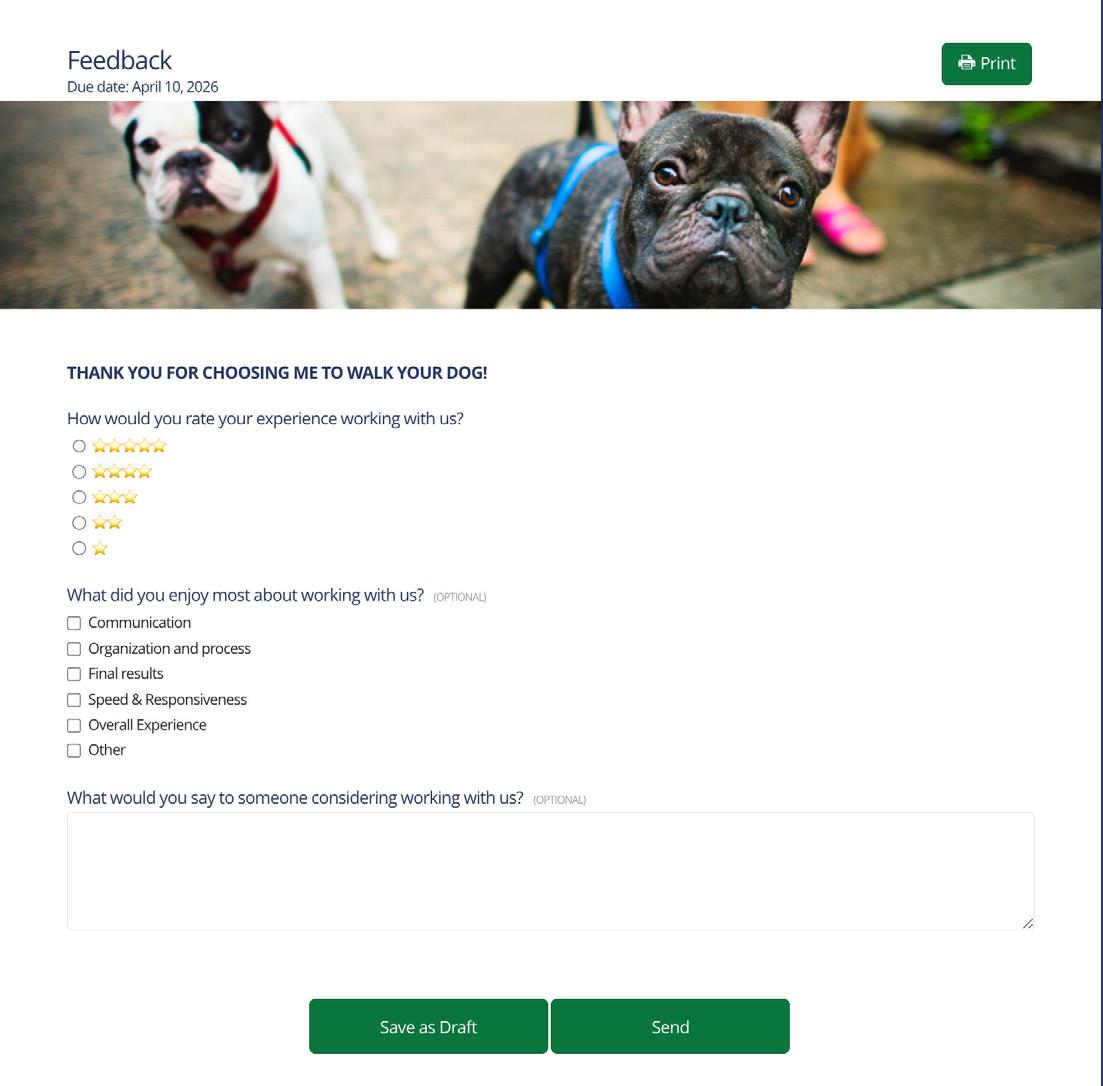
Here's the good news: with 17hats, you can build a review request process that runs automatically, reaches only the clients who loved their experience, and requires zero effort once it's set up. The secret is connecting a feedback questionnaire to the newly released Start/ Stop Workflow Automation.
Why Filtering First Is The Smarter Move
Most review request strategies make one critical mistake: they ask everyone. But not every client is primed to leave you a glowing five-star review. Asking a client who had a frustrating experience to leave a public review is not just ineffective; it's a risk you don't need to take.
The better approach is to ask for feedback privately first, route the happy clients toward a public review, and give yourself the chance to address anything that fell short before it goes public. That's what this system does.
How To Build It
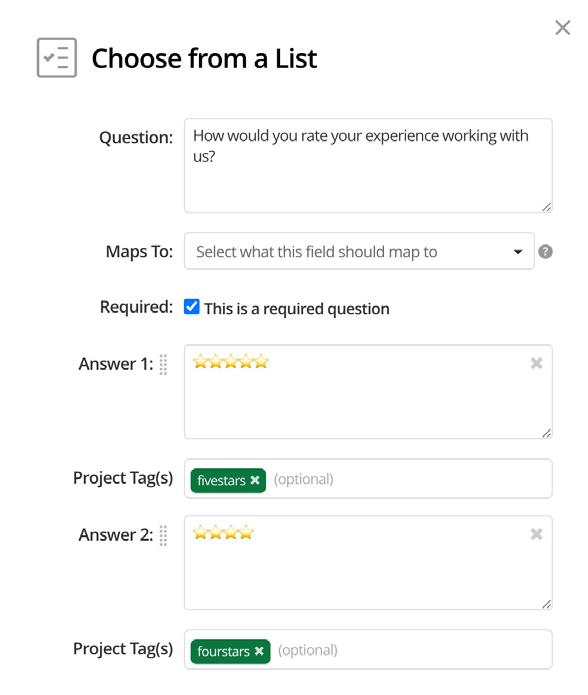
Start by creating a Feedback Questionnaire in 17hats. Add a question using the "Choose from a List" format. Your question might simply be: How would you rate your experience working with us? Your answer options: Five Stars, Four Stars, Three Stars, Two Stars, One Star. Use emoji stars for an extra pizzazz.
Now here's the key step: tag each answer. When a client selects Five Stars, apply a "fivestars" tag to their

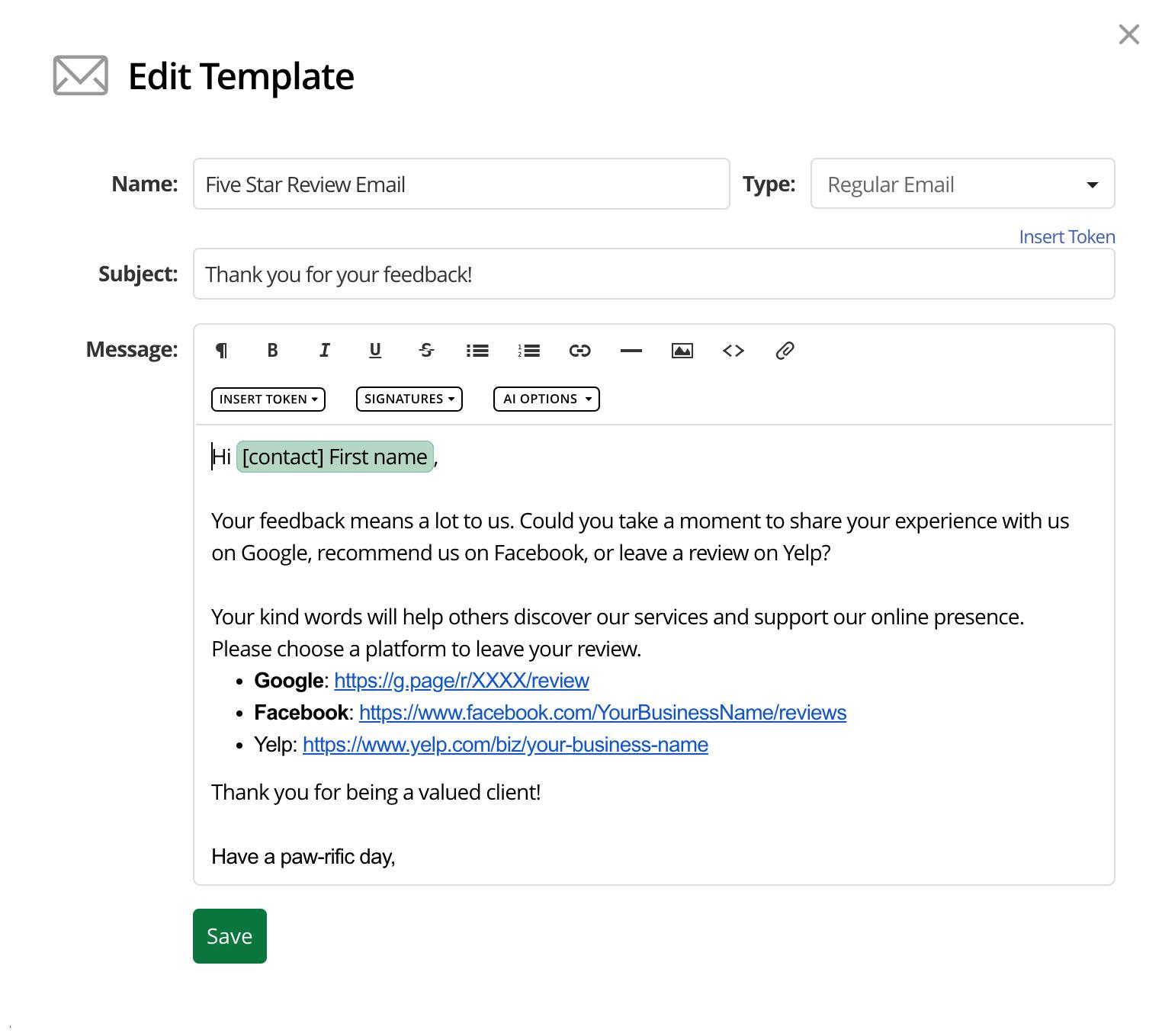
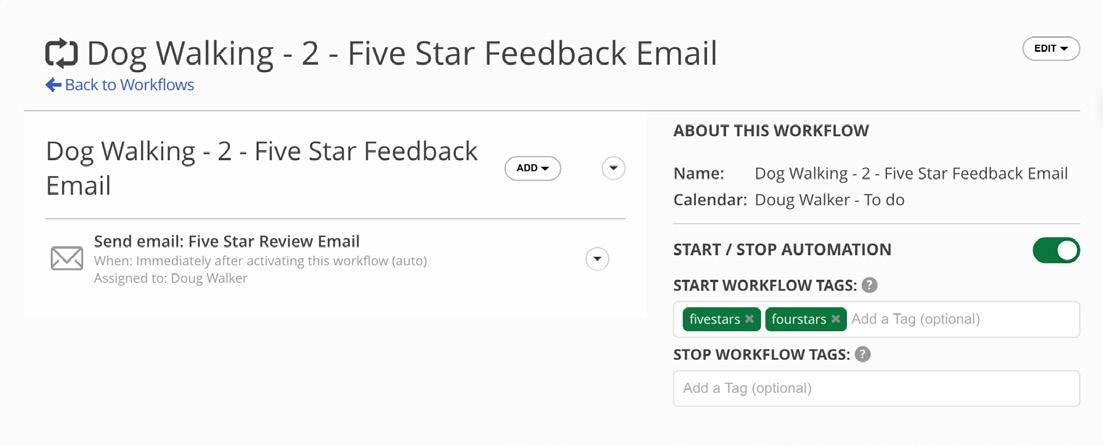
That's it. Now, whenever a project is tagged four or five stars, this workflow launches automatically and sends the review request without you touching a thing.
project. Four Stars gets a "fourstars" tag, and so on down the list. 17hats does this automatically within your questionnaire responses.
Next, create a simple one-step Workflow. The only step is an email — a warm, genuine message thanking the client for their kind words and including a direct link to wherever you collect reviews: Google, Facebook, a directory specific to your industry, or anywhere else that matters to your business.
Finally, use the Start/Stop Workflow Automation and set it to trigger on the "fourstars" and "fivestars" tags.
Clients who rated you three stars or below? Their tags are captured. You can follow up with them personally, address the concern, and turn a mixed experience into a stronger relationship. But they will never receive an automated review request.
The Result
Your review count grows steadily and organically. The clients who genuinely loved your work are the ones you're asking. And the whole process happens on its own.
You built a business on doing great work. This is how you make sure the world knows it.

WRITTEN BY VANESSA JOY
Marketing Like a CEO:
I’m going to say something that might hit a little closer to home:
If your marketing isn’t working… it’s not a consistency problem. it’s not an algorithm problem.
It’s a positioning problem. An authority problem. And a communication problem in how you speak, how you show up, and how you sell.
On social media.
On your website. And especially on calls.
Because I see this constantly. Business owners are doing “all the right things,” like posting regularly, showing their work, even getting inquiries… and still feeling like they never have any bookings.

Why Your
Content
Isn’t Converting (And What To Do About It)
So they assume: “I need more leads.” No.
You don’t need more leads. You need to stop repelling the ones you already have.
The Real Reason Your Social Media Isn’t Converting
If your content, website, or consult calls aren’t turning into sales, it usually comes down to this:
• Your positioning is unclear
• Your authority isn’t being communicated
• Your language feels optional instead of decisive
Here’s how that shows up in real life:
On social media:
You post pretty work, but don’t tell people why it matters to them specifically.

On your website:
You describe what you offer, but not why it’s valuable, and you sound like every other person in your industry.
On calls:
You explain everything… but don’t relate it back to the things they actually care about.
That generalization leaves client leaves thinking:
“This was nice… I’ll think about it.” and leaves you unmemorable.
What Strong Positioning Actually Looks Like
Positioning answers this question instantly:
Why you, and why now?
If someone lands on your Instagram or Tiktok and has to “figure you out,” you’ve already lost them.
Strong positioning is:
• Clear about who it’s for, and who it's not for
• Clear about the outcome, not just the logistics
• Clear about what makes your approach different from every other business in your niche.
Weak positioning sounds like:
“I’m a photographer based in…”
“I offer packages with…”
“I love capturing moments…”
That’s not wrong. It’s just forgettable and can apply to any photography your lead stumbles across.
Strong positioning sounds like:
“I help couples feel confident in front of the camera so their photos don’t just look good, they feel good taking them on their wedding day.”
or if you're a business coach like me,
“I help photographers increase revenue per client, without booking more weddings, by fixing how they position themselves and speak to their leads.”
Now we know exactly what you do and why it matters to your ideal client specifically.
How to Reframe Your Social Media Positioning (Practically)
If you want your social media to actually convert, you need to stop treating it like a portfolio and start treating it like a positioning tool.
Here’s how to fix it:
1. Change Your Bio From “What You Do” to “What You Solve”
Most bios say something like:
“Wedding photographer | NJ + NYC | Light & airy”
That tells me what you are. Not why I should care.
Reframe it to:
“I help wedding couples feel natural and confident so their wedding photos actually feel like them.”
Now you’ve communicated a result, a result they want, that you are an expert in delivering.
Action Step:
Rewrite your bio using this formula: “I help [who] achieve [result] by [how/approach].”
2. Stop Posting Only Results — Start Explaining Them
Pretty photos don’t build authority. Explanation does.
Instead of just posting an image, tell me:
• Why this photo works
• What you did to create it
• What problem you solved for the client
• Bonus: add a client testimonial about it
Example:
Not this:
“Loved this wedding ”
But this:
“She told me she felt awkward in photos and wasn't looking forward to getting her wedding photos taken. Before the wedding we created a mood board together and I walked her through initial posing tips based on what she was hoping for her day. On the wedding day, I guided them through authentic movement and conversation instead of posing, and these are the photos we got!”
Now you’re showing expertise, process and successful result.
3. Use Content That Calls People Out (In a Good Way)
A unique way to build authority is to articulate what your audience hasn’t been able to say themselves.
Examples:
• “You don’t need more inquiries — you need to stop losing the attention of the eyeballs you already have.”
• “Your pricing isn’t too high. You just don’t know how to communicate its value.”
• “If your clients are ‘price shopping,’ it’s because you sound like a store brand instead of a luxury brand.”
That kind of content makes people stop and think: “Wait… that’s me.”
And that’s what creates connection.
4. Speak Like a Guide, Not a Peer
This is where most people lose sales once they finally get in your world, both in content and on calls.
They soften everything.
They over-explain.
They give too many options. They wait for the client to decide.
But people don’t want more options. They want clear and inspiring direction.
Instead of:
“You can do an album if you want…”
Say:
“Every one of my clients gets an album because your photos deserve to exist somewhere real.”
Instead of:
“Let me know what you’re thinking…”
Say:
“Based on what you’ve told me, this is the best fit. Ready to move forward with that?”
That’s authority.
Your Website and Calls Should Match Your Content
Here’s where a lot of businesses break:
Their social media says one thing… Their website says another… And their calls feel completely different.
It has to be aligned.
If your content is bold, but your website is vague, you lose trust.
If your website is strong, but your calls are passive, you lose the sale.
Your positioning should carry through all three:
• Social media attracts
• Website reinforces
• Calls convert
If one of those is weak, the whole system feels uneasy and creates distrust and disconnect with your prospects.
The Shift That Changes Everything
You do not need to become louder. You do not need to post more.
You just need to become clearer.
Clear in:
• What you do
• Who you help
• Why it matters
• How you communicate it
Because when your positioning is strong, and your authority is felt, marketing stops feeling like effort.
It starts feeling like alignment.
If You Want Help Fixing This…
Everything I just broke down is exactly what I teach inside my Photo to Profit Mastermind.
This is where I help photographers and creatives:
• Fix their positioning so they actually stand out
• Learn how to speak with authority in their content and sales
• Structure consult calls that convert
• Increase revenue without needing more leads
This is not about becoming a better artist.
It’s about becoming someone who knows how to run a profitable business.
If you’re reading this and thinking, “Okay… this is what’s been missing.”
DM me the words PHOTO MASTERMIND on Instagram @vanessajoy
Or go to: https://bit.ly/17hatswebinarvanessa
Because the truth is: Your business doesn’t grow when you do more marketing.
It grows when your positioning, your authority, and your communication finally match the level you’re trying to operate at.

WRITTEN BY MRYNA DARAMY
Let's be honest, the marketing world loves a new acronym. First, it was SEO. Then AEO showed up. Now everyone's talking about GEO. And if you're a service-based business owner trying to run your business and stay up to date with the latest digital strategy trends, it can feel like you're always one acronym behind. Here's what I want you to know: You're not behind...the goal just got clearer.
Let me break it down in layman's terms:
• SEO (Search Engine Optimization) refers to the tactics you use to help Google find and rank your content
• AEO (Answer Engine Optimization) refers to the structuring of your content so AI tools can pull direct answers from it
• GEO (Generative Engine Optimization) refers to making your brand visible inside AI-generated results (think ChatGPT, Gemini, Perplexity)
Three acronyms. One core mission: make it easy for the right people to find you, trust you, and choose you. And the businesses winning right now aren't the ones chasing every new tactic. They're the ones who got clear, got consistent, and got strategic. Here's how you do the same.
Get Clear on What You Actually Want to Be Found For
Before you optimize anything on your website, profile, or content, you need clarity about your message. Having a little bit of everything sends mixed signals. I tend to rely on this alliteration: be Specific, Searchable, and Solvable.
Ask yourself:
• What do I most want to be hired for?
• What problem do I solve, and who do I solve it for?
• What would someone type into Google (or ask ChatGPT) to find me?
If your messaging is scattered, no algorithm can easily make sense of it. Search engines and AI tools look for alignment of your website content and profiles, all pointing to the same focused expertise. Clarity is your first optimization strategy.
Treat Your Google Business Profile Like a Living Asset
If you only update one thing after reading this article, make it this. Your Google Business Profile isn't just a directory listing anymore. It's often the first impression a potential client has of your business, and now AI-powered search is pulling directly from profiles like yours to generate recommendations and summaries. An optimized profile signals trust, and a neglected one signals risk.
Here's what to update right now:
• Write a clear, keyword-rich business description speaking to who you serve and what you do
• Add 15-25 high-quality images that reflect your work and brand
• Select accurate services and categories: be specific and avoid broad categories if possible
• Keep hours and contact info current: outdated information erodes credibility fast
• Post updates 1-2 times per month: posting tells Google you're active and relevant
• Collect and respond to reviews: reviews are now algorithmic trust signals, not just social proof
This is one of the highest-leverage moves you can make for local and AI-driven visibility. Don't skip it.

Blog With a Strategy, Not Just a Schedule
Blogging still works, but the approach has evolved. Posting randomly about whatever feels timely is no longer a strong content strategy. It's content noise. What actually builds authority is topical clusters. The goal is to create focused body of content on a single core subject area.
Here's how it works:
Choose one core topic relevant to your services. Then create multiple posts that answer different questions within that topic. For example, if you're a brand strategist, you would write several blog posts about surrounding the topic of brand strategy:
• What is a brand audit, and do I need one?
• 5 signs your messaging is confusing your ideal client
• How to reposition your brand without starting over
Each post is meant to strengthen the others. Search engines will see you as an authority in that space. AI tools have more of your content to pull from when generating answers. And your ideal client gets a trail of helpful, relevant content that builds trust before they ever contact you. One strong cluster beats a dozen disconnected posts every time.
Write for Humans First, Then Make It Easy for AI
Here's where SEO, AEO, and GEO all come together: your content needs to be understood, not just indexed. AI tools don't just scan your website; they interpret it. They're looking for clarity, structure, and specificity. Your readers are looking for the same thing.
Making these few shifts will make a big difference:
• Use headings and short paragraphs: Walls of text lose both humans and algorithms
• Answer questions directly: Don't bury the answer in three paragraphs of buildup
• Be specific about who you serve and what you solve
This minor shift changes everything:
We provide exceptional, customized services tailored to your unique needs.
We help overwhelmed service-based business owners get found online and convert more of the right clients.
The second sentence provides enough context to evoke just enough trust for a potential client can act on. The first sentence sounds like every other website they've visited. Clarity builds trust and trust builds visibility.
Build a Consistent Digital Footprint Across Every Platform
Search isn't just Google anymore. Your ideal clients are searching on Instagram, Pinterest, YouTube, and increasingly, they're asking AI tools like ChatGPT and Perplexity to recommend service providers. What matters across all of them is consistency.
Your name, your services, your messaging, and your visuals should align across:
• Your website
• Your Google Business Profile
• Your social platforms
• Your blog content
When these are out of sync with different bios, different service descriptions, or outdated information, it creates confusion for both humans and algorithms. And confused platforms don't recommend you.
Here’s your first action step: do a quick audit by Googling yourself. Ask yourself: Does everything I see tell the same story? If not, that's your starting point.
Final Thought: Alignment Is the New Algorithm
AI hasn't made visibility more complicated. It's made clarity more valuable. The businesses that get found and remembered aren't the ones posting the most or chasing every new platform. They're the ones who know what they stand for, say it clearly, and show up consistently. You don't need to master every acronym. You simply need to close the gap between the work you do and the words you use to describe it. Start there, and the rest will follow.
About The Author
Myrna Daramy is a Strategic Growth & Brand Optimization Expert and founder of Myrna & Co. With 20+ years of experience, she helps service-based businesses get found, build authority, and grow with intention, without losing the human touch. Learn more at myrnadaramy.com

Green Flags For Hiring A Web Designer
WRITTEN BY JOSH HALL
We’re in a trust recession.
In the age of questionable AI content, influencers, and shady internet marketing “experts”, it’s no wonder we’re all as skeptical as ever before following, engaging – let alone purchasing – from a service provider…especially web designers.
Why? Well, for web designers or any creative service provider (like photographers, videographers, brand designers, etc) our product is a mix of service + relationship; something much more personal than selling a simple one-off product.
As a web designer/agency owner turned web design business coach/ online educator myself, I’ve
learned a lot about building trust as a service provider one client relationship at a time, so today, I’m sharing my top 3 “trust signals” or “green flags” – as it were – to help YOU find the right web designer for your business.
Green Flag #1 - Care
When I started in web and graphic design back in 2010, I was NOT the best (putting it lightly) designer…so how did I get clients early on you may wonder? Well, I really cared about my clients. Like, deeply, genuinely, honestly cared about the work I was doing for them. And potential clients felt that in my calls and meetings with them.
People can sense when someone actually cares versus when they’re just trying to make a quick buck. So even though I was early in my journey as a web designer, I stood out and got clients by truly caring, sharing ideas, creating inspiration, communicating well, and overdelivering where I could.
I was also very honest about my capabilities, experience, and what I know and didn’t know, which went a long way.
In fact, I just recently caught up with a client of mine (we started working together in 2012) on my podcast, and when I asked him, “What made you trust me when I was so early in my journey?” he said, “You communicated well and made us feel like we were your only client.”

So when looking for YOUR web designer, trust your gut when sensing their level of care. They don’t need to be the best web designer in the world…they just need to be the best for YOU.
Green Flag #2 - Vibe
I’ve learned to appreciate, respect and listen to my “vibe check” more and more over the years. And by vibe, I don’t just mean colors and fonts. I’m talking about the “feeling” you get from your web designer (or any service provider).
Vibe can absolutely be a web designer’s design style, but it goes much deeper than that. It’s how they write, how they communicate, the words they use, the feeling they give you when you interact.
When you work with a web designer, you’re starting a working relationship that will last for hopefully years, so you’ll want to work with someone you enjoy, and the same should be true on their end as well.
Life is better when you work with people you enjoy. That’s one reason we’re all 17hats users after all, right?!?
So, a few ways you can do a vibe check:
• Does their “design style” fit my brand?
• How do I feel when I talk to them?
• Do I get excited (or sigh) when I see their name in email or phone?
• Does their style of communication (casual, stiff, cursing, funny, direct, etc) fit my brand?
• Does their portfolio have sites I like?
• Would I be proud to be on their list of reviews or featured as a success story?
• Could I see working with them for years to come?
Those are just a few ways to do a personal vibe check before even engaging with them or moving forward. But, this really leads to perhaps the most important green flag to check before hiring a web designer…
Green Flag #3 - Fit
Aside from checking off the care and vibe boxes, what does a “good fit” web designer look like practically?
It could be one or all of the following, but I’ll give you my top 3 “good fit tips”:
1. They know your niche - for example, my community member Kristin Adkins who works exclusively with speakers or my close colleague Jason Gracia who builds sites only for coaches. A web designer who works in your niche can be a great fit because they already know your target audience, the right conversion principles and best practices for your industry.
2. Their services align with your goals - for example, another Web Designer Pro member, Sam Sarsten’s agency focuses on Local SEO, so clients who want to get found locally (often brick and mortar stores or service providers who serve certain areas) are their ideal clients. Vis versa, my personal SEO and Copy guru Michelle Bourbonniere works with clients typically needing to rank better for national or global SEO terms.
3. They’re not too big but not too small - I’m guessing you or someone you know has worked with a web design freelancer who flaked or who has simply disappeared? That’s the struggle with working with a oneperson freelancer who quickly gets overwhelmed. But the opposite isn’t always better…when working with a big digital web agency, you’ll often feel like a number on a spreadsheet. I teach web designers my model of being right in the sweet spot – a solopreneur with a small remote team & support community behind them, which is often the best fit for most small business owners.
So there we go friends, consider this an insider scoop on how to find the right web designer (or any creative service provider) for you, from someone who’s been in the web design industry since 2009.
The client + web designer relationships that result in a successful, win-win long run have all these green flags in place:
The web designer really cares The web designer passes your vibe check
The web designer’s services & setup are a good fit for you
Hope this helps as you look to hire the right web designer now or in the future!

About Josh Hall
Founder of web design community
Web Designer Pro®
Founder of web agency In Transit Studios
Host of the #1 rated Web Design Business Podcast
Proud 17hats user since 2015
Consistency In Client Experiences Is The Foundation Of Your Brand.
Picture this. Your best friend has been raving about a new coffee shop. They have the best lattes, chill atmosphere, friendly staff, and hassle-free checkout. You check their website, and everything looks well-crafted and polished.
The next morning, you head over feeling good about what you’ve heard and seen online. You arrive, and it looks as you expected, but the espresso machine is broken, the music is loud, the barista seems annoyed, and there’s an extra fee to use your credit card. The drip coffee you settle for tastes fantastic, but you’re feeling a little disappointed. Maybe it’s back to the drivethru tomorrow, where you know exactly what to expect, even if it isn’t ideal.
What you experienced was an inconsistency in client experience. Their product was good, their branding seemed good, but your experience didn’t match your expectations or their reputation.
What Is Brand?
Brand is reputation.
Many small business owners think of a brand as the visuals. Logos, colors, and photography are part of it, but your brand is really the sum of every impression you leave on people. It's how quickly you respond to inquiries, whether your booking and onboarding processes feel polished, the tone of your emails, the experience of receiving final deliverables, and even how you handle complaints.
Every one of those touchpoints affects your brand, and when they're inconsistent, clients notice, even if they can't name exactly what feels off.

Your Reputation Brand Precedes You
Trust and reputation are built slowly and lost quickly. When a client has a seamless experience from first inquiry to final delivery, they feel good and confident. Confident enough to refer you to a friend and confident enough to hire you again.
However, when the experience is unpredictable, when booking is smooth but communication goes silent, or the final product is great, but invoicing is a headache, clients leave with mixed feelings. They may still recommend you, but it'll come with a caveat. "They do great work, but..." is not the referral or reputation (brand) you want.
Systems Are a Brand Strategy
Many service-based business owners treat systems and processes as administrative logistics for big businesses. Often, they see them as boring necessities that have little to do with their brand and shelve them as a chore to do some other time. Ever said to yourself, “I’m not big enough for that yet, I’m just…”?
When you have repeatable, reliable processes, clients feel it. They may not be able to point to your CRM or your workflow, but they feel the confidence and care behind it. A wellbuilt system communicates that you're a professional who takes your business seriously.
Start With One Touchpoint
Pick one part of your client experience that feels inconsistent and tighten it up. Maybe it's your inquiry response or how you deliver a final product. Maybe it's a gap in communication between booking and project start date. Fix one thing, then move to the next. You'll be building a client experience that feels right to your clients from start to finish, and your brand stops being a logo and becomes a reputation.
The best brands in the world are consistent because someone observed that every interaction leaves an impression and decided that controlling that impression better served their clients and their reputation.
You don’t have to be one of the biggest brands to make the decision to be one of the best brands.

WRITTEN BY SHAWN BROOKS
When was the last time your website booked you a client without you doing anything? Not a referral who happened to land on your site — a stranger who found you, read what you had to say, and decided to book a call.
For most service providers, that almost never happens. And the reason isn't traffic, design, or SEO. It's that most websites are built to inform, not to convert. They look professional, explain what you do, and then just sit there.
There's a name for that kind of website: a digital business card. And it's the most expensive marketing asset you'll ever underpay for.
After 25 years of helping entrepreneurs build websites that actually work, I've identified the same five gaps showing up on sites that look great but aren't generating clients. I call them the 5 Fatal Gaps.
Gap #1: The Positioning Gap
Visitors make a subconscious decision within eight seconds of landing on your site: Is this for me?
If your headline says "Helping People Reach Their Full Potential" or "Services for Businesses of All Sizes," you've already lost them — not because the words are bad, but because they don't answer the question.
The fix: get specific. "I help [specific person] go from [specific pain] to [specific outcome]." It requires courage to niche down, but vague positioning is the #1 reason good websites fail.
Gap #2: The Messaging Gap
Read the first three sentences of your About page. Count how many times "I" appears versus "you."
Your visitor doesn't care about your credentials — they care about whether you understand their problem. The most effective websites lead with empathy before
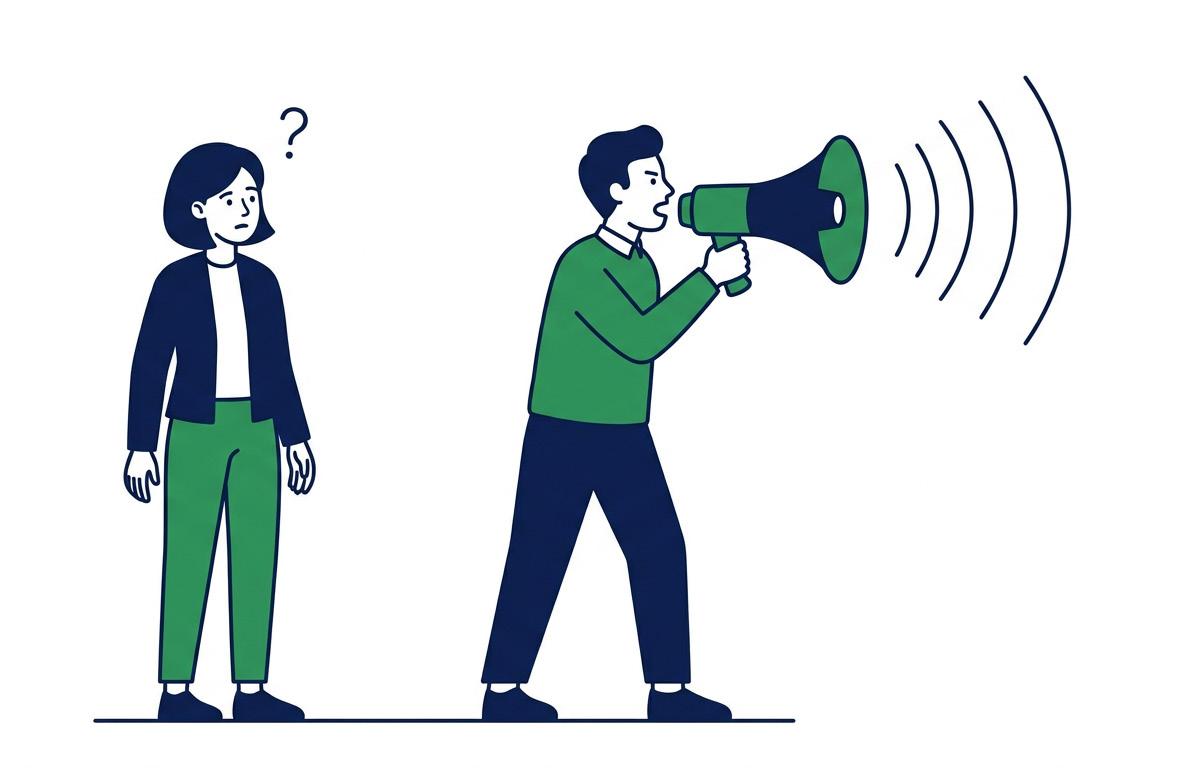
expertise, describing the visitor's frustration so accurately they think: this person gets it.
Gap #3: The Navigation Gap
Confused visitors don't convert — they leave. Your website needs one primary path: a single, obvious, low-friction next step that moves a qualified visitor closer to working with you.
A visitor should never have to wonder what to do next. Make the answer obvious at every scroll point.
Gap #4: The Credibility Gap
"John was amazing to work with" is essentially worthless as a testimonial. Credibility is built through specificity.
least three times: in your hero section, in the middle of the page, and at the bottom.
Close the Gaps. Build the System.
When all five gaps are addressed, your website stops being a digital business card and starts becoming what it was always supposed to be — your best salesperson. Working 24/7. Speaking directly to your ideal client. Booking calls while you're busy running your business.

You already have the expertise. You already have the results. The only question is whether your website is communicating that clearly enough to the people who need to find you.
Your proof needs to answer: Has this person solved a problem like mine? The most powerful testimonials follow a simple structure — where the client started, what changed, and what the measurable result was. That's not a testimonial. That's proof. And proof converts.
Gap #5: The Call-to-Action Gap
A CTA that doesn't exist, asks too much too soon, or appears only once at the bottom quietly kills more conversions than any other gap.
Your call to action needs to match where the visitor is in their journey — a low-stakes, highvalue first step like a free discovery call or a short assessment. And it should appear at
About The Author
Shawn Brooks is a Navy veteran and website conversion strategist with 25+ years of experience helping 3,000+ entrepreneurs turn their websites into client acquisition systems. His book, The Website That Works While You Sleep, publishes May 2026. Learn more at shawnbrooks.com.

WRITTEN BY LIZ AUGUST
When most service providers say their email marketing isn't working, the first place they look is the writing. They tweak their subject lines, rewrite their welcome email for the third time, and wonder why their open rates still feel flat.
But here's what I see on the back end when I'm setting up email systems for clients: the writing is usually fine. The setup is the problem.
I've built out email marketing systems across Kit, Flodesk, Mailchimp, ActiveCampaign, GoHighLevel, and more. I also set up CRMs, websites, lead magnets, and automations for service-based business owners who are done piecing things together and ready for a backend that actually works. And the number
one thing I see is that people are putting real effort into email content on top of a system that was never built to convert.
Your platform setup matters more than you think.
Most people pick an email platform because someone recommended it, they sign up, import their list, and start sending. That's it. No branding, no segments, no automations. Just a list and a send button.
A properly set up platform has your brand built into every template so nothing looks like a generic newsletter. It has tags or segments so you know who's on your list and why. It has at least one automation running so new subscribers hear from you immediately, without you having to do anything.
That last part is important. If someone downloads your lead magnet on a Tuesday night and doesn't hear from you until your next broadcast goes out two weeks later, you've already lost the moment. The tech is supposed to catch that. If it isn't, the setup isn't done.
Your opt-in is a door. Most people leave it cracked.
Getting someone onto your list is only useful if something happens next. Your opt-in form has to be connected to an automation, not just a list. There's a difference.
A list collects names. An automation does something with them. It sends a welcome email, delivers the freebie, introduces you, and tells them what to expect. It warms them up before you ever ask them to book a call or buy something.
If your opt-in drops people onto a list and nothing fires automatically, you have a collection system, not a marketing system.
Your
lead magnet and your email system have to be connected.
I see this gap constantly. Someone has a great lead magnet, a landing page, and an email platform. But the three things aren't actually talking to each other. The form isn't triggering the right automation. The freebie delivery is manual. The follow-up sequence doesn't exist.
A lead magnet that isn't connected to an automated nurture sequence is a dead end. Someone downloads your thing, maybe reads it, and never hears from you again in any intentional way. The lead magnet did its job. The system didn't.
The goal is a backend that runs without you.
When an email marketing system is set up correctly, here's what happens: someone finds your lead magnet, fills out the form, gets the freebie automatically, receives a welcome sequence that introduces you and your services, and gets added to your regular broadcast list over time. You didn't touch any of it.
That's the goal. Not just a prettier newsletter. A system that captures interest, builds trust, and keeps working even when you're not.
If your email marketing feels like a lot of effort for not much return, it's worth looking at the infrastructure before you rewrite another subject line. The content can only do so much when the system underneath it isn't built to support it.
About The Author
I set these systems up for clients regularly, alongside CRM builds, website projects, and full tech stack audits. Want to know what your setup is actually missing? A Strategy Session is a great place to start.

Liz August is a 17hats Ambassador and founder of Simplify, Simplify LLC, where she helps online service providers get their tech out of the way and back to work. From email marketing setup to CRM builds, websites, full tech stack implementation, and general admin virtual assistance, she handles the backend so her clients don't have to.
Not exactly.
But the way we use them? That’s where things have changed.
For years, business cards were a staple of networking. You’d meet someone, exchange cards, and hope they’d remember you when the time came.
But today, most people don’t keep stacks of business cards. They lose them. Forget them. Or take a quick photo… and never look at it again.
So the real question isn’t whether business cards still work. It’s this: What happens after you hand one out?
The Old Way: Pass and Hope
You meet someone. You hand them your card. You say, “Let me know if you need anything.”
And then… nothing.
This approach relies on one thing: the other person taking action.
The Shift From Passive To Intentional
But people are busy. Even if they liked you, even if they do need your service, your card becomes just one of many.
This is what many small business owners are unknowingly doing — what feels like marketing, but is really just waiting.
The Shift: From Passive to Intentional
Business cards aren’t the problem. Passive follow-up is.
Today, the most effective business owners don’t just hand out cards — they create a next step.
Instead of hoping someone reaches out someday, they make it easy to stay connected right away.
Because marketing works best when it’s immediate, simple, and intentional.
What Works Now
Here’s how to make your business card — and your first interaction — actually lead somewhere.
1. Give Your Card a Purpose
A business card shouldn’t just share your contact info. It should point to something.
A booking page. A portfolio. A free guide.
Even better if it includes a QR code that takes someone directly there.
Now your card isn’t just a reminder — it’s a next step.
2. Make the Connection Stick
Sending a link is great, but you can go one step further.
Have an Online Scheduling link ready so they can quickly book a follow-up call or even a coffee meeting. It removes the back-and-forth and makes it easy to get something on the calendar right away — something both of you will appreciate.
A quick message like: “Hey, it was great meeting you today — here’s a link if you want to grab a quick call this week.”
This small step makes you memorable and shows professionalism. Most people don’t do it — which is exactly why it works.
3. Ask for Their Info, Too Instead of putting all the responsibility on them, create a two-way connection.
Ask: “Want me to send you that info?”
You can even use a simple lead capture form to collect their details right then and there, so
nothing gets lost. From there, you can follow up quickly — or even have an automatic message sent to keep the conversation going.
Now you have a way to follow up, and they don’t have to remember to reach out.
4. Show, Don’t Just Tell
When possible, show your work in the moment. Pull up your portfolio. Share a quick example. Let them see what you do.
A business card says, “Here’s how to find me.” A quick demo says, “Here’s why you should.”
So… Are Business Cards Still Worth It?
Yes — but not as a standalone strategy.
Think of your business card as a starting point, not the entire plan.
It works best when it’s part of a larger system: A clear next step
A simple way to connect A follow-up process
Because the real value isn’t in the card itself.
It’s in what happens next.
A Better Way to Think About It
Instead of asking, “Did I give them my card?”
Start asking, “Did I make it easy for them to take the next step?”
That’s what turns a quick interaction into a real opportunity.
And that’s what turns marketing from chance… into something you can actually count on.
Make 17hats Feel Like Your Brand
12 Simple Customizations To Do Today
WRITTEN BY NICOLE LARSON
If you're a 17hats user, you're likely aware of its incredible functionalities for managing your business tasks. But did you know that you can also incorporate tons of your branding into your 17hats account? Today, I’ve got a dozen 17hats branding tips for you to infuse your brand into your system and provide a cohesive customer experience.
Here we go...
1.
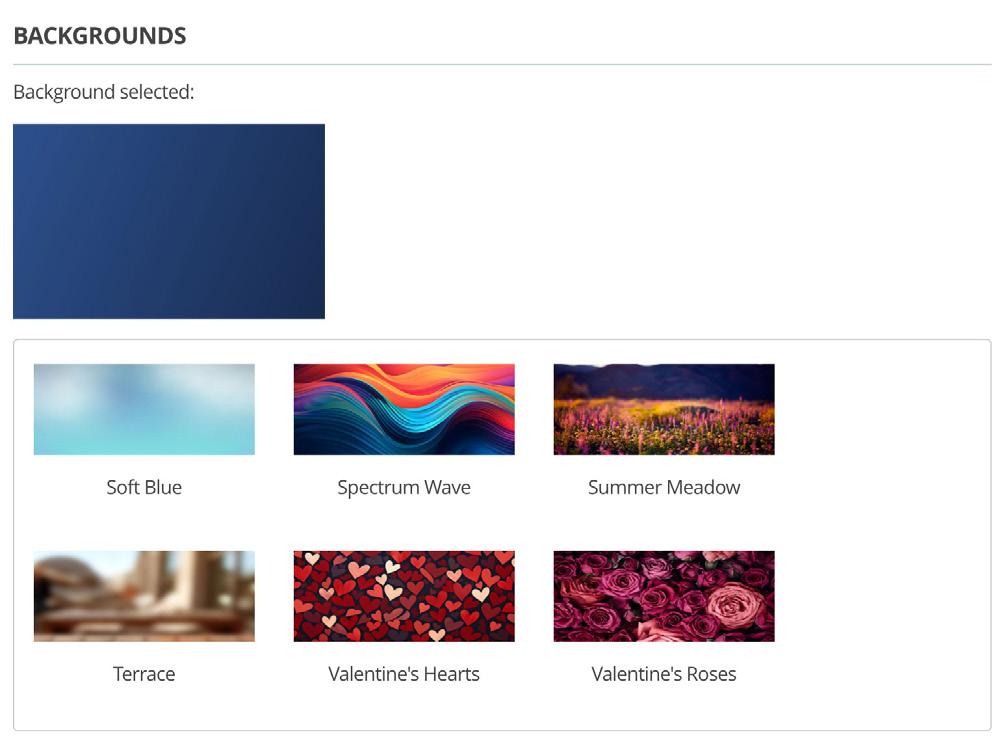
Background:
Set the Tone for Success
Start by changing the background of your 17hats screen. This internal tweak lets you choose from a wide variety of colors and textures, creating an inspiring environment for you each time you log in.
2. Subdomain: Make Links
Recognizable
Customize the links of your lead capture forms and online scheduler by replacing the default account number with your business name. It's a subtle touch that helps customers recognize your brand.
3. Timezone: The Nitty-Gritty Details
While not exactly a branding move, checking your timezone settings is essential, especially for online
scheduling. This will keep your calendar accurate and won’t leave your customers surprised when your automatic reminders are sent.
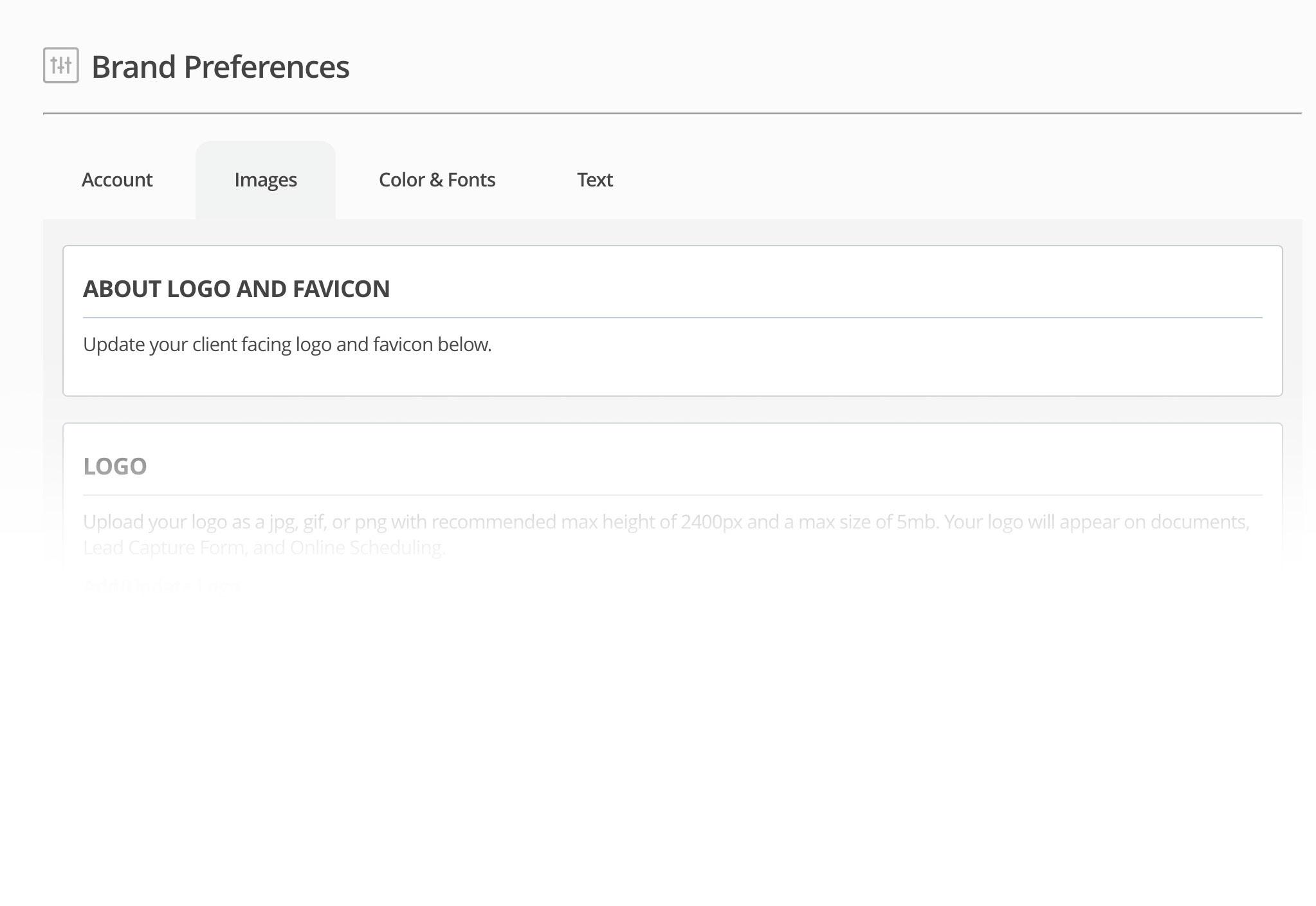
4. Logo: The Face of Your Documents
Upload your logo with the recommended size to ensure it appears well on your document headers. This is a significant detail that adds a professional touch to your communications.
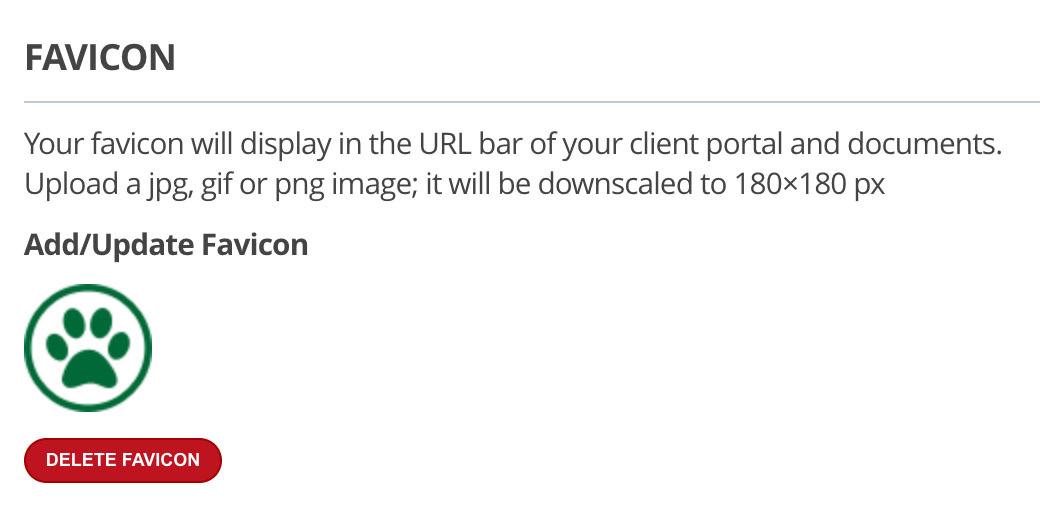
5. Favicon: A Tiny Mark with a Big Impact
Pay attention to the recommended size for your favicon, too—the small image on browser tabs when you link to your forms or schedulers. It may be small, but it contributes to brand consistency and recognition.
6. Header Images: Tailor Your Documents
If you’d like to dress up your documents beyond just your logo, you also have the ability to select dedicated images for the headers of your documents, online scheduler, and lead capture forms. Size is important here, too, so don’t miss the recommended dimensions. Tailoring these images might include adding your tagline or pictures of your products.
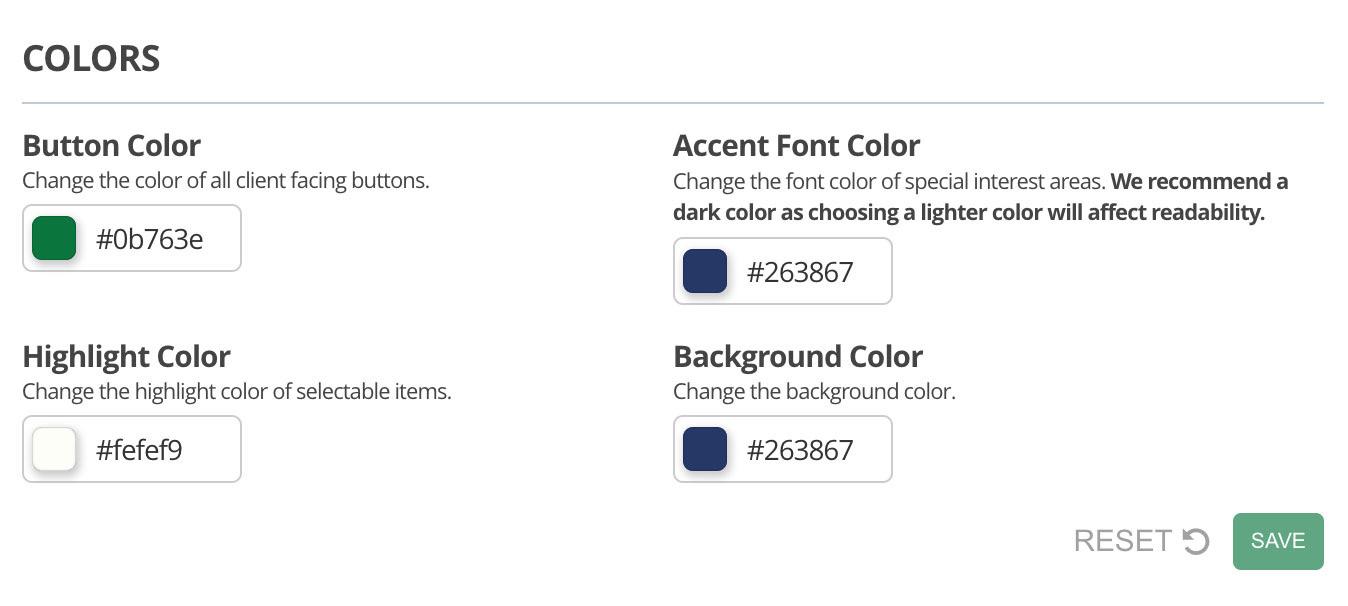
7. Colors: Flow with Your Website
Perhaps my favorite 17hats branding tip, don’t miss your chance to customize the button, font, and background colors of your lead capture forms so they flow seamlessly with your website. These subtle touches add that personal flair to your forms while keeping that cohesive customer experience.
8. Fonts: Style Your Text
Add more flair to your forms by choosing accent fonts and button fonts that represent your brand personality. Be mindful of readability as you choose your colors and fonts, because you’d never want that to be the thing that prevents someone from getting in touch with you.
9. Text: Stand Out with Your Words
Here’s another really cool option: changing the default text on the buttons of your lead capture forms and other documents. Consider creative alternatives to standard words like “submit”. If you’re in the event services industry, perhaps your lead capture form submission button could say “start my party”. Or maybe you like words like “agreement” instead of “contract” or “proposal” instead of “quote”. Make these buttons say just what you want so it feels right for your business.
10. Signature: Personalize Your Emails
Don’t forget to add some branding in your email signatures, too. Consider creating two signatures: one that includes your website link, social handles, logo, etc. that you’ll use for sending regular emails to your customers; and another for the templates that correlate with your documents. (Keep this second signature brief because the document button will show below your signature.)
11. Global Invoice Settings
Drop in your website, email address, tagline, and social handles in the footer of your invoices to extend your brand presence to your financial documents as well. Every opportunity to provide that cohesive customer experience is worth it!
12. Client Portal: A Warm Welcome
If it’s part of your subscription plan, you can customize your client portal with a welcome message, cover image, logo, and more. This is a great place for your customers (especially your repeat or recurring customers) to come and view all the projects you’ve worked together on.
There you have it, a dozen branding touches that can elevate your client experience. If you haven’t already, jump into your 17hats account and start customizing. These small updates can make a big difference in how your brand is seen and remembered.
WRITTEN BY MEREDITH RYNCARZ
Every Move, a New Market
Starting over is humbling. I don’t mean the kind of “fresh start” that feels exciting and full of possibility. I mean the kind where you go from fully booked, referralbased, and confident... to completely unknown. That can feel crippling, leaving you asking yourself if you can really do this? As an Army Spouse and someone who has moved her business for 17 years, I can promise you that it doesn’t have to be scary or crippling.
Every time I moved my business, I learned a little more, I made fewer mistakes, and I marketed more efficiently and successfully.
Here’s hoping that the lessons I learned will fast-track you through the fear.
Show Up Locally
Online marketing builds awareness, but showing up locally can build connections. When you move, you are the new kid on the block, and that can be a superpower. People are naturally curious and want to know who you are and what you do.
By showing you are building a tribe of local business owners that will come alongside you, cheer you on, and refer you. People hire those whom they recognize or who their friends recommend.
Build Trust and Not Just Attention
When you enter a new market, attention isn’t enough. You must build trust in order to scale your business. To do that, start with these three areas.

1. Showing the Experience. Anyone can post pretty images for their brand as a photographer or a nonphotographer. Instead, focus more on the experience you offer and what it feels like to work with you, and how that experience can solve issues that your clients are facing.
2. Creating Content that Answers Questions Before They Ask. Instead of waiting to answer questions for each inquiry as they come in, make content that answers those questions ahead of time. This positions you as a local in your market as an authority figure. Even better if you can collaborate with established local businesses that have that trust already.
3. Building a Searchable Brand. If someone starts talking about your business, great, but know that people are going to search what they talk about. Make sure that what they find is intentionally supporting your brand. Things like an updated website, blog posts that answer those frequentlyasked questions, and consistent messaging across platforms. You want your business to be top-of-mind and tip-of-tongue in your new market, but attention alone doesn’t get you booked. That trust factor is fuel to get you booked faster.
The Best Yes
When we are new in a market, we feel the pressure to say yes to everything. Not everything is the right marketing idea for you and for your brand. Don’t forget who you are and what you stand for. Be okay with saying no to marketing opportunities that do not align. An example of this would be participating in an event for newborns or maternity when your business and your brand serve neither of these demographics.
Learn Local
If you don’t sound like a local, it may be a good thing (new and shiny) or a bad thing (bless your heart). When I moved to Texas, I thought the local grocery store was called Hebb. Nope, turns out it stood for Howard E. Butt, or Here Everything's Better (H. E. B.). While talking to a potential client in Virginia, she mentioned the Tidewater region ... I was clueless. Learn and learn quickly.
18 Month Rule
In marketing to a new area, the rule I have found as a small business owner is that it can take two months to start booking (if you market before you get there) and 6 months to be known.

With a lot of sweat equity and consistency in your marketing efforts, it can take up to 18 months to fully be in the swing of things, depending on your desired growth in that market. Don’t wait until you get into that market to target that region. Do it now.
Meredith Ryncarz is a former college art professor turned photographer with Meredith Ryncarz Photography. Named one of the top photographers in the south by South Magazine, her work can be seen inRolling Stone, Forbes, The New York Times, and Southern Living. As a military spouse, Meredith has crafted a business that is not situated in one regional market but rather is mobile to suit the lifestyle of her family, allowing her to restart her business multiple times over the past decade. She has pioneered a system for relocation and geographical growth through her company, The Restart Specialist.

Listen To Matt:
Generator Podcast https://generatorpodcast.com @generatorpodcast on all social channels
Available on Apple, Spotify, and all podcast platforms
YouTube channel at https://youtube.com/@ generatorpodcast

Why I Built My Marketing Strategy Around A Podcast Nobody Asked Me to Make
WRITTEN BY MATT STAGLIANO
Most photographers who want to grow their business are told the same things. Run ads. Post more reels. Show up on Instagram every day and hope the algorithm notices. I tried enough of that to know it wasn't the right answer, and then I did something that made a lot more sense: I started an honest conversation.
Generator is a podcast I started in 2022 for working creatives, and it's the most deliberate marketing decision I've made for Stonetree Creative in years.
The Gap In The Photography Podcast Space
Most photography podcasts are either highlight reels with a microphone, where a successful photographer walks you through their six-figure framework and sends you off feeling behind, or informal conversations littered with hot takes designed for viral clips. Neither format addresses what photographers actually need.
Creative work is solitary, the business is uncertain, and the gap between what someone posts and what they're actually living is wider than most people admit. More success stories don't help. They make the loneliness louder.
Generator exists because those weren't the conversations I needed, and I'm willing to bet they weren't the ones my audience needed either. I bring
on respected names like Sue Bryce, Susan Stripling, Jonny Edward, and Kara Marie, and we talk about what it actually costs to keep working in an industry that rewards the appearance of ease over the reality of the work. Hearing someone at that level admit they're going through the same thing you are is worth more than any tactical framework.
The ROI, Honestly
I've been podcasting since 1999, so the podcasting pivot felt natural because it's a return to something I've always known how to do, built now with intention. The opportunities Generator has opened are concrete: a live episode at WPPI in front of photographers who came specifically for that conversation, acceptance into Ecamm's year-long Creator Compass program, and a credible platform to launch products like my book Speak Less, Get More.
The deeper return is reach and trust at a scale geography alone could never produce. Someone who finds Generator finds a perspective and a way of thinking about creative work. By the time they learn I also run a portrait studio, they know who I am and what I value. It opens doors to brand deals, speaking engagements, and collaborations that traditional marketing simply doesn't.
Where It Fits In The Larger Strategy
The photographers building sustainable businesses understand that a single revenue stream is a liability. Generator has allowed me to develop digital products, raise my profile as an educator, and give guests access to my audience in return for theirs. When I bring someone on, I'm strengthening a real relationship and building credibility across multiple revenue lines at once, not relying on a campaign or single offer.
What It Actually Takes
Nobody talks honestly about this, so I will. A weekly show is a full production cycle: prep, recording,
transcription, show notes, editing, social clips, email, and YouTube descriptions. The hardware, hosting, and software all add up, and the time cost is significant enough that I had to solve for it directly.
Part of that solution was building a fully automated guest workflow in 17Hats. Applications, questionnaires, scheduling, confirmations, reminders, and post-episode follow-ups all run without me touching them. Pipelines track exactly where every guest is at any moment, the operation feels professional before anyone sits down with me, and the hours saved go back into the show itself.
The other shift was moving to multiple live streams per week alongside recorded interviews. Live sessions give my audience something immediate and unfiltered that polished audio can't replicate. The relationships built through consistent live presence are qualitatively different, and over time they create a singular voice rooted in who I am and how I show up, not just what I know.
The part that costs the most isn't the gear or the hours. It's the presence. A good episode requires genuine curiosity and the willingness to stay in a conversation until something true gets said. You can't fake that, or batch create it.
The Longer Arc
Traditional photography is changing in ways the industry hasn't fully reckoned with. The photographers who build something beyond a client list, who develop a voice that extends past session pricing, are the ones who will be standing when things shake out. Generator is how I'm building that, one honest conversation at a time.
That's the marketing strategy. It's a long game, and I'd make the same bet again.

Strengthening Your Headshot Business
With Genre Awareness & Smart, System‑Driven Client Support Methods
WRITTEN BY CHRISTY BELL
Headshot photography thrives when it’s treated as an ongoing partnership rather than a one-time service. As more industries rely on polished portraits to communicate trust, personality, and brand identity, photographers who understand these genres — and who build systems that support clients year-round — create stability, recurring revenue, and deeper client loyalty.
Integrating a reliable CRM and automated workflows elevates the entire experience for both you and your clients.
Industries That Consistently Need Headshots
A wide range of professions depend on updated headshots, often multiple times a year. Each brings its own style, expectations, and marketing potential.
• Corporate and Professional Services need cohesive, trustworthy images for websites, directories, and internal communications. Security badges, Speaker Announcements.
• Creative and Performing Arts require expressive portraits that
show range and personality, often with multiple looks.
• Entrepreneurs and Personal Brands use headshots across websites, funnels, social media, and digital products.
• Real Estate Professionals rely on headshots for signs, postcards, listing presentations, seasonal marketing, awards, and announcements.
• Medical, Legal, and Financial Fields need onboarding headshots, leadership portraits, and images for speaking engagements.
• Hospitality and Service Providers, Tradespeople — chefs, salon owners, fitness trainers — use portraits to build trust and showcase personality and Identity.
• Nonprofits and Community Leaders need images for press releases, grant applications, and community outreach. Announcements and awards.
How Clients Use Their Headshots Understanding usage helps you shoot intentionally and create packages that solve real problems.
Common uses include:
• Website bios and About pages
• LinkedIn and other social profiles
• Email signatures
• Press releases and media kits
• Business cards and printed collateral
• Speaking engagement promotions
• Book covers and author pages
• Podcast artwork
• Marketing funnels and landing pages
• Real estate signs and listing materials
• Team directories and internal communications
Delivering multiple crops, expressions, and brand-aligned color palettes ensures clients have everything they need for every platform.
Subscription Models That Keep Clients Current
(CRM Use)
A subscription model transforms headshots into a predictable, recurring revenue stream while giving clients a seamless way to stay visually relevant. A strong subscription can include:
• Quarterly or biannual update sessions to keep social media, websites, and branding fresh
• Automatic alerts reminding clients when their next session is due ( Text/Email)
• New-hire onboarding headshots so companies always have updated team directories
• Seasonal marketing refreshes for entrepreneurs and real estate agents
• Priority scheduling for subscribers ( Texted/Emailed
Prep guides and alerts)
• Packaged add-ons such as lifestyle branding images or team photos. This model positions you as an ongoing partner in your clients’ visibility and marketing efforts.
Marketing Systems That Support Growth
A reliable CRM becomes the backbone of a thriving headshot business. Platforms like 17hats streamline the entire client journey and ensure nothing slips through the cracks. Key functions include:
• Automated scheduling with calendar syncing and self-booking options
• Appointment reminders via email and text to reduce no-shows
• Prep guides and confirmations sent automatically before sessions
• Follow-up emails after sessions for galleries, reviews, and upsells
• Lead capture forms that feed directly into your workflow
• Pipeline tracking to monitor inquiries, bookings, and project stages
• Contracts, invoices, and payment plans all in one place
• Recurring workflows that support subscription clients with quarterly reminders and renewal prompts
• Task automation for editing timelines, delivery reminders, and client check-ins.
A strong headshot business grows from the combination of genre awareness, intentional image usage, and well-built systems that support clients year-round. When photographers pair their creative skills with tools like subscription models, automated reminders, and a reliable CRM, they transform headshots from a one-time service into an ongoing partnership that keeps clients visible, confident, and consistently on-brand. This approach not only elevates the client experience but also creates predictable revenue and long-term relationships that sustain and strengthen the studio over time.

Christy Bell, CPP
A Northern Virginia headshot specialist known for creating confidence-driven, modern portraits that elevate professional brands.
Christy has also been with 17hats as a user for over 10 years, and an Ambassador for 5. As a Headshot
These systems create a polished, professional experience that clients trust. A CRM-powered headshot business becomes a beautifully sustainable model.
Crew Associate Photographer and Mentor, she blends technical mastery with a gift for helping clients feel seen, supported, and at ease, teaching other photographers and guiding them toward success in the field. Crew She is also the owner of a thriving Photography studio in Loudoun County Virginia, where she guides clients and teaches photographers greater visibility, clarity, and creative growth.

Five Marketing Materials That Still Work for Rural Businesses
Rural business is not business as usual.
I’ve seen that firsthand in a lot of different places. From the Upper Peninsula of Michigan to the mountains of Colorado. From the city streets of Stuttgart, Germany, to my home today in Menahga, Minnesota. No matter where I’ve lived, I’ve always been interested in one question: how can rural businesses compete with the bigger cities?
They can compete because rural communities are different. They’re the places where families have lived for generations. Where people still look out for each other. Where neighbors turn into friends somewhere between the coffee shop, the post office, and the donation-only fundraising pancake feed.
But the business landscape has changed. More companies operate online than ever before, and typical marketing advice is often written for big-city businesses with big-city budgets. Meanwhile, the smaller local businesses that keep rural communities running are trying to compete in a digital world that wasn’t exactly built with them in mind.
Word of mouth still matters here, but it doesn’t work the way it used to. Read that again — word-of-mouth doesn’t work the way it used to.
Today, rural businesses often need to reach customers who may not hear about them through friends or family. They need to be visible both locally and online. And when someone does find them, they need to make an impression strong enough that customers remember them, and hopefully recommend them to someone else.
The good news is you don’t need dozens of complicated marketing systems to make that happen. In most cases, a few well-chosen materials can do a lot of the heavy lifting.
These are the five I recommend most often.
Business Cards
Any business that works face-to-face with people should still have a business card.
You may have heard marketing experts claim business cards are obsolete. Maybe that’s true in some industries. But if you work with real people in the real world (contractors, service
providers, shop owners, mechanics, technicians) you already know they’re still incredibly useful.
People like having something they can hold in their hands. Even in a world full of smartphones and apps, handing someone a card is still the fastest way to share your information. It’s a lot easier to say, “Here, take my card,” than to try spelling your name while someone types it into their phone.
Trust me. If your name isn’t spelled exactly as it sounds, you learn this lesson quickly. By the time someone has finished typing your name and correcting the spelling, they may have already forgotten what you do. Irritation sets in, and they now have a bad association with your business.
A good business card solves that problem instantly. It’s simple, affordable, and still one of the most cost-effective marketing tools a rural business can have.
If the contact information on your card is tied into 17hats, your quick interaction doesn’t end there. When your new customer reaches out, you’re ready with workflows, quotes, and contracts that make them feel taken care of right from the start.
The business card is the connection point. What you do next is what builds the relationship.
Signage and Vehicle Lettering
Once people can identify you in person, the next step is making sure they can recognize you from a distance.
For many rural businesses, that starts with vehicle lettering. If you’re driving to job sites, delivering products, or traveling between towns, your vehicle becomes a moving billboard. Your business name should be easy to read and look professional. People should be able to glance at your truck and know what you do.
And don’t forget about physical signage at your location.
I don’t know about you, but I hate walking toward business for the first time and wondering which door I’m supposed to use.

A readable sign or simple vinyl lettering on the glass removes that confusion right away.
Take a look around your area. What do your competitors’ signs look like? If a potential customer had to choose between you and someone else based only on first impressions, which business would they trust? Clear, professional signage makes that decision easier.
Online Presence
Whether we like it or not, every business today needs some kind of online presence.
That doesn’t necessarily mean you need a complicated website or multiple social media accounts. In many cases, a free Google Business listing is enough to get started. You may choose to build a small website or stay active on one social platform you actually enjoy using.
The keyword here is focus. You don’t need to be everywhere. You just need to show up somewhere consistently.
Your online information should be accurate and up to date. Beyond that, you don’t need to spend hours every week posting content or reinventing your marketing strategy. Sometimes the best online presence is simply a clear one.
But here’s the part that often gets overlooked: your online presence isn’t just about being found. It’s about what happens after someone finds you.
When a potential customer fills out a form or sends a message, that’s your moment. If it sits unanswered for too long, they’ll move on.
When your inquiries are organized and responded to consistently — whether manually or through simple workflows inside something like 17hats — you create a better experience without adding more work to your plate.
You don’t need more platforms. You need a smoother process.
A Follow-Up Plan
Here’s a little homework assignment I often give business owners.
Think about one of your favorite customers from the past. The kind of customer you’d happily work with again.
• What were they like?
• What kind of work did they need?
• What would they appreciate hearing from you after the job was done?
Most customers enjoy being thanked. Something as simple as a thank-you postcard can go a long way. Others might appreciate a short list of maintenance or tips related to the service you provided.
Some customers may want the option to call with questions later. Others might benefit from a reminder when it’s time for their next service. The goal is to stay connected in a way that feels helpful rather than pushy.
When you take the time to think about how your best customers experience your business, it becomes easier to turn good customers into loyal ones — and loyal customers tend to bring their friends along.
A Marketing Professional in Your Corner
Finally, every business benefits from having someone they can talk to about marketing.
Not someone who throws around complicated buzzwords. Someone who explains things in a way that actually makes sense. Marketing shouldn’t feel confusing or overwhelming. When you work with the right professional, it usually feels surprisingly straightforward.
The goal isn’t to chase every marketing trend that comes along. It’s to find the handful of strategies that work best for your business and keep using them consistently. When you have someone in your corner who understands both marketing and rural business realities, promoting your company becomes a lot less stressful and more effective.
Rural businesses have something many larger companies struggle to build: real relationships with their customers. The right marketing materials help those relationships travel a little farther. They help more people discover your business, remember your name, and recommend you to someone else.
And in small communities, that kind of reputation still means everything.
Relationships still matter, in rural communities and everywhere you work with people. And they always will.
About The Author
Andrea Haverinen is a marketing engineer of rural businesses and the owner of AH Grafix based in Menahga, Minnesota.

Stop Blending In:
How Small Business Owners Can Stand Out Online and Build Local Partnerships
In a crowded digital world where every scroll reveals another business competing for attention, standing out can feel overwhelming. But for Maddy Mahairas Jenkins, the answer isn’t louder marketing or chasing trends. It’s something far more effective: clarity, connection, and real relationships.
Jenkins, a former military photojournalist turned photographer and educator, has built her career on storytelling. Today, as the owner of Maddness Photography and founder of The Photographers Round Table, she helps small business owners grow their visibility in a way that actually feels natural and works.
Her message is simple: you don’t need to do more. You need to show up better.
The Real Reason Most Businesses Blend In
According to Jenkins, the biggest mistake business owners make online is showing up in a generic way.
Quick comments like “Congrats!” or dropping a link may feel productive, but they don’t create a connection. They make you interchangeable.
“The only thing that truly sets you apart is you,” she says.
What to do instead:
• Replace generic responses with thoughtful, personalized comments
• Share your perspective, not just your services
• Let your personality show in how you communicate
If someone could copy and paste your response, and it still works, then it’s not helping you stand out.
Start With Clarity, Not Reinvention
Standing out doesn’t require a full rebrand. It starts with clarity.
Jenkins encourages business owners to focus on how they present themselves across their website and social platforms. Do they clearly reflect who you are and how you serve your clients?
One of her most practical tools is a strong elevator pitch.
Build a 20–25 word pitch that answers:
• Who you are
• Who you serve
• What you do
• Why you’re different
Skip overused words like “luxury” or “timeless.” Instead, say it the way you naturally would.

Simple action step:
Look at your last five comments or inquiries. Do they clearly communicate what makes you different? If not, rewrite one today using your new pitch.
Small Shifts That Help You Stand Out Immediately
You don’t need a full marketing overhaul to start seeing results.
Jenkins points to one simple tactic that has consistently helped her stand out: using visual storytelling.
She creates slideshows to showcase her work and includes them when responding to inquiries. The result? Clients often say she was the only one who presented her work that way.
Try this:
• Create one slideshow or short video that highlights a specific service
• Use it the next time you respond to an inquiry or post
• Focus on showing the experience, not just the final product
Sometimes, standing out is just about presenting your work differently.
Why Local Relationships Still Win
While social media is powerful, Jenkins is clear about its limits.
“You don't have to choose between being professional and being yourself.”
– Maddy Mahairas Jenkins
“Social media gets you seen, but relationships are what get you booked.”
Algorithms change constantly. Trust does not. When another local business recommends you, you’re no longer just another option — you’re a trusted referral.
Why this matters:
• Referrals build instant credibility
• Clients are more confident reaching out
• You’re no longer competing only on price
How to Start Building Local Partnerships
For business owners who feel unsure where to begin, Jenkins recommends starting small and focusing on connection, not pitching.
Start here:
• Follow and engage with local businesses online
• Visit their space and support them in person
• Send a simple message: “I love what you’re doing, especially ___”
• Share their work or leave a thoughtful review
“The goal is to build a real relationship first,” she says. Partnership opportunities grow naturally from there.
What a Strong Partnership Looks Like
Not every collaboration will work, and that’s okay.
The best partnerships share three things:
• A similar target audience
• Aligned values
• Mutual benefit
Examples of simple collaborations:
• Hosting a pop-up event or mini session together
• Running a joint giveaway that captures leads
• Cross-promoting services to shared audiences
When done well, both businesses gain exposure, build trust, and generate leads.
Be Yourself — And Be Clear
Many business owners struggle to balance personality with professionalism. Jenkins believes that’s a false choice.
“You don’t have to choose between being professional and being yourself,” she says. People connect with personality, but they trust clarity.
Focus on both:
• Speak in your natural voice
• Be clear about your process and expectations
• Follow through on what you promise
Stop Comparing, Start Defining Your Voice
It’s easy to look at what others are doing and try to replicate it. But copying removes the very thing that makes your business unique.
Instead, Jenkins suggests simplifying your brand voice.
Try this exercise:
• Ask people to describe your business in 2–3 words
• Look for patterns in their responses
• Use those words as a filter for your content
Then review your recent posts:
• Does this sound like me?
• Is it clear who I serve?
• Does it reflect my experience?
If not, simplify. Your voice should feel natural, not forced.
One Small Step to Start Today
If all of this feels like a lot, Jenkins offers a simple starting point.
Do one thing.
Create one piece of content that better represents your work. Start one real conversation. Support one local business.
You don’t need a full strategy to begin. You just need to show up with more intention, more clarity, and more of yourself.
Turn Everyday Moments Into Magnetic Marketing
How Becca Lueck uses simple tools, behind-the-scenes content, and smart systems to create marketing that feels natural and drives real results.
There’s a difference between showing your work and inviting people into it.
Photographer and educator Becca Lueck has built a marketing approach that does exactly that. Instead of relying on overly curated content or complicated strategies, she focuses on capturing real moments as they happen and turning them into meaningful connection points with her audience.
Based in Portland, Oregon, Becca has spent over a decade building her photography business, but her success didn’t happen overnight. Like many small business owners, she refined her marketing approach over time, discovering what truly works through experience, experimentation, and a willingness to evolve.
Today, her strategy is a blend of strong foundational marketing and modern tools, including Meta Glasses, that make showing up online feel natural instead of overwhelming.
Building a Marketing Foundation That Lasts
Before diving into new tools or trends, Becca focused on what she calls the “core pillars” of her marketing: SEO, email marketing, and Instagram.
Her turning point came when she began optimizing her website for search engines.
“When I started learning about SEO and optimizing my website for Google searches, that’s really when my business started to take off,” she explains.
That investment continues to pay off today. While social media often gets the spotlight, Becca emphasizes that her website still drives the majority of her inquiries.
Takeaway
for business owners: Before chasing new platforms, make sure your foundation is strong. A well-designed, SEOoptimized website can quietly generate leads for years.
Personality Beats Perfection
One of the biggest mindset shifts in Becca’s journey was letting go of the idea that marketing needed to feel “professional” in the traditional sense.
“I used to think that my marketing needed to be really polished … but the most effective marketing is actually full of personality,” she says.
That shift made it so instead of trying to present a perfect version of her business, she leaned into showing real moments, real interactions, and the real experience of working with her.
For service-based business owners especially, this approach builds trust faster than any polished campaign ever could.
The Power of Behind-the-Scenes Content
Becca’s social media stands out because it feels effortless. Much of her content comes from behind-the-scenes moments during her sessions.
“I have such a large library of videos now. I can easily make a reel by going to my behindthe-scenes folder… Easy!”



This type of content does more than just fill a feed. It helps potential clients visualize the experience, while also giving fellow photographers insight into her process.
It’s marketing that doesn’t feel like marketing.
Actionable tip:
Start capturing small moments during your workday. Over time, those clips become a content library you can reuse again and again.



Where Meta Glasses Fit In
While many business owners feel pressure to constantly adopt new tools, Becca takes a different approach. For her, tools like Meta Glasses are not the strategy — they simply support it.
“What I love about my Meta glasses is that you can see the back of my camera in the behind-the-scenes videos… and most people don’t even realize they are recording, so it’s not disruptive,” she shares.
Instead of interrupting the moment to capture content, the glasses allow her to document her work naturally. The result is footage that feels immersive and genuine, giving her audience a true “you are there” perspective.
The best tools remove friction instead of adding complexity. If a tool makes content creation easier and more natural, it’s worth exploring.
Working Smarter, Not Harder
Consistency is often the biggest challenge for business owners. Becca solves this by batching her work.
it gets faster and easier,” she explains.
She also uses automation tools like ManyChat to streamline communication, ensuring followers get information quickly without requiring constant manual effort.
Simple shift to try:
Instead of creating content daily, set aside one focused block of time each week to create multiple posts at once.
Knowing What Not to Do
Equally important to Becca’s success is what she chose to stop doing.
After investing over a year in Pinterest marketing without meaningful results, she made the decision to walk away.
“It didn’t produce the results that would make it worth it,” she says.
That clarity allows her to focus her energy where it matters most.
A Smarter, More Human Approach to Marketing
Becca’s approach is a reminder that effective marketing isn’t about doing everything. It’s about doing the right things consistently.
Her strategy combines:
• A strong SEO foundation
• Personality-driven content
• Simple, repeatable systems
• Tools that enhance, not complicate
And now, with the addition of Meta Glasses, she’s capturing her work in a way that feels effortless, immersive, and real.
She dedicates specific blocks of time to brainstorming, creating, and scheduling content, allowing her marketing to run even when she’s traveling or focused on family.
“When you’re doing the same task repeatedly,
For business owners looking to elevate their marketing, the lesson is clear: You don’t need more complexity. You need clarity, consistency, and content that feels like you.
Know What's Actually Working in Your Business
Coming Soon: Connect your marketing efforts to real bookings, so you can see what’s driving results and make smarter decisions with confidence.
If you've ever wondered which marketing efforts are actually bringing in leads and bookings and which ones are just noise, we have some exciting news.
We're releasing Google Analytics integration for 17hats, and it's going to change how you see your business.
This feature is currently in beta and rolling out soon. We wanted to give you an early look, because once you understand what's possible, you'll want to be ready the moment it lands in your account.
The Question Every Small Business Owner Is Asking
You're spending time (and maybe money) driving people to your Lead Capture Forms and Online Scheduling links. You're posting on social media, running ads, sending emails, word-of-mouthing your way through every networking event.
But do you actually know what's working?
Most 17hats members haven't had a way to connect what happens before someone fills out a form to what happens after they book. That gap has made it hard to invest smarter, scale what's working, or cut what isn't.
Google Analytics integration closes that gap.
What's Now Possible
Once you connect your Google Analytics ID to your 17hats Lead Capture Forms and Online Scheduling Services, you get real visibility into your client experience:
See exactly how many people view your Lead Capture Form and how many actually submit it. That conversion rate tells you a lot. Is your form too long? Is your offer unclear? Now you'll know.
Track which of your Online Scheduling services are getting views vs. bookings. Maybe your consultation service gets 80 views but only 5 bookings. That's a funnel problem and now you can see it.
Distinguish between lead activity and client activity. When you set up your scheduling services, you'll set each one to Lead, a Schedule (existing clients), or a Purchase. That means your GA data actually means something; you're not just counting clicks, you're tracking business outcomes.
Connect your 17hats data to your broader marketing picture. Already using GA to track your website? Now your forms and scheduling live in the same ecosystem. See the full journey from first site visit to booked appointment.
How It Works (The Simple Version)
Getting set up takes just a few minutes:

1. Find your Google Analytics Measurement ID. In Google Analytics, go to Property Settings → Data Collection and Modification → Data Streams → open your Data Stream. Your ID will look something like G-XXXXXXXXXX.
2. Add your ID to your Lead Capture Forms. Open any Lead Capture Form in 17hats, find the Tracking Keys section, paste in your Measurement ID, and save. Your form will now automatically fire two events: one when someone views the form, and one when they submit it.
3. Add your ID to your Online Scheduling Services. Same process, with one extra step: choose what type of event this service should fire — Lead, Schedule, or Purchase. Pick the one that best describes what this service represents in your business. Save, and you're live.
4. (Optional but powerful) Set up Custom Definitions in GA. Out of the box, GA will track your events. If you want to see the details — like which specific form was submitted, the contact's name, or the service ID — you'll register custom dimensions in your GA account. It takes about 10 minutes and unlocks a much richer view of your data.
5. Test it in Real Time. After setup, open your form or scheduling service, and head to Reports → Realtime Overview in Google Analytics. Within 20–60 minutes, you'll start seeing your events come through live.
In Beta Now, And Coming To All Soon
The Google Analytics integration will be available to all 17hats users when it launches out of beta. We'll announce the moment it's live.
In the meantime, you can get a head start by reviewing our full Help Article here: Google Analytics for 17hats Online Scheduling and Lead Capture Forms
And if you're not already using Google Analytics on your website, now is the perfect time to set it up, so you're ready to go the moment this integration is live.
This is one of those features that, six months from now, you'll wonder how you ever ran your business without it. We can't wait for you to get your hands on it.
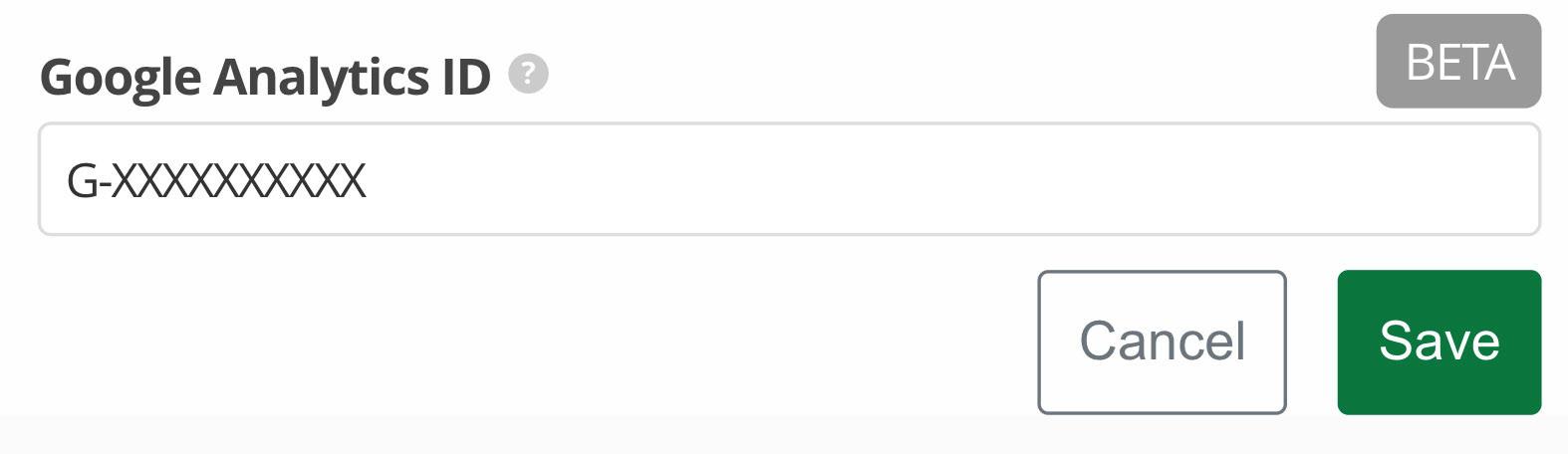
Share Your Secret to Business Success
Turn your business savvy into cash rewards by simply sharing 17hats.
Referring 17hats is a win-win. You’ll earn $50 for every new member who joins using your link — and there’s no limit to how many rewards you can collect.
Even better? Your friends get a huge head start with 50% off their first year or first two years of 17hats. That’s up to $400 in savings for them, just for being connected to you. It’s an easy way to support fellow business owners while putting extra cash in your pocket.
3 Easy Ways To Refer 17hats:
1. Invite a business friend to book a live 1:1 17hats Walkthrough
Share your referral code and send them to meet with a 17hats expert to see if 17hats is a good fit for their business. Your referrals can book a 1:1 directly from the 17hats.com
2. Share on Social Media
Post about how 17hats helps you — and include your link. Include before/after stories or screenshots! Business owners love seeing behind-the-scenes.
3. Send a Personal Message
Reach out to a business friend with a quick text or DM: “Hey! If you’re still juggling client stuff manually, you should check out 17hats. Here’s my referral link for 50% savings — it’s a no brainer!”
Find Your Referral Code & Link!
Head to your 17hats account settings and click the “Referrals” tab to copy your unique referral link. Your referred friend can use your code when signing up for a trial or upon checkout. You can also send them your link that allows your referral to directly buy now.
Want to get more out of 17hats without the guesswork? Our top tutorials are the fastest way to learn, implement, and level up your business systems — no tech degree required. Each video walks you through key tools and features step-by-step, so you can spend less time figuring things out and more time doing what you love.
Learn how to use Lead Source Reporting in 17hats to track your marketing efforts.
Learn how to add a Header Image to 17hats Documents.
How to add images to Products & Services for better Quotes & Invoices.
Learn how to add a custom subdomain to your 17hats account.

Head over to 17hatsUniversity.com and blog.17hats.com to dive deeper into both business and 17hats education. Bookmark both sites and check back weekly for fresh insights and tutorials.

You Bring The Talent We Bring The Tools
17hats is the all-in-one business management platform you didn’t realize you need — but soon can't imagine yourself living without. Together, we'll take your business to the next level.
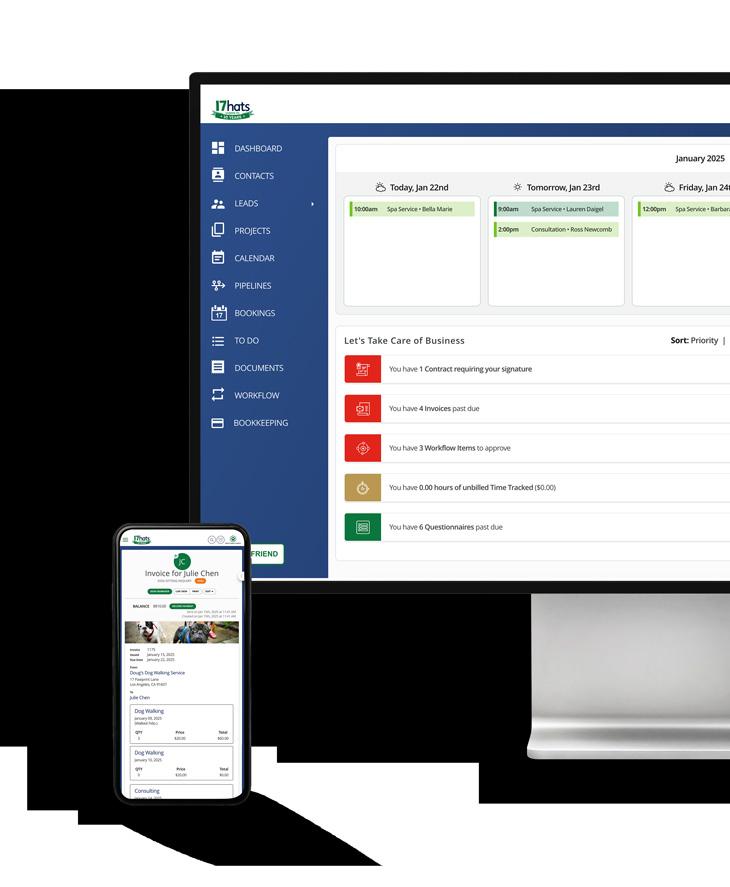
START A 7-DAY TRIAL
17hats Resources
Deep dive into our blog and learn how 17hats can help you manage your business better.
Listen to our HatsOff Podcast for business tips and tricks with our CEO, Amanda Rae.

Check out our University for 17hats tutorials, workshop replays, live events, and more.
Upcoming Conferences
Texas School of Photography, Addison, TX
April 25 - May 1, 2026
The Texas School of Professional Photography is six days of the BEST photographic education in the world. Our classes educate, inspire creativity and invigorate your photography business.
Find Ambassador, Meredith Ryncarz instructing "Built For More"
Balloon Boss Summit 2026, Orlando, FL
October 12 - 15, 2026

Elevate your Balloon Business and Increase Your Professional Network in an Intimate Setting. Focus on increasing business skills taught by business professionals. Learn proven business systems to increase efficiency from balloon business owners.
Find Ambassador, Nicole Larson leading 4 new classes.
Ambassador Events


17hats Power Hour: Online Scheduling
Tuesday, April 21, 2026
11:00 AM PT / 2:00 PM ET
Location: Virtual
Join 17hats Ambassador Deb Mitzel, for her 17hats Small Business Success Series: Power Hour. This series is dedicated to learning more about a 17hats feature, including use and set it up and Q&A after the feature presentation.
debmitzelcreative.com/workshops
Build a Smarter Document Reminder Strategy in 17hats
Wednesday, May 6, 2026
10:00 AM PT / 1:00 PM ET
Location: Virtual
Join 17hats Ambassador Kristen Lettini for a live working session on refining your document reminder emails and texts. We’ll map out when to send reminders and upgrade the language so it feels human — not generic. Replay included.
Click here to register
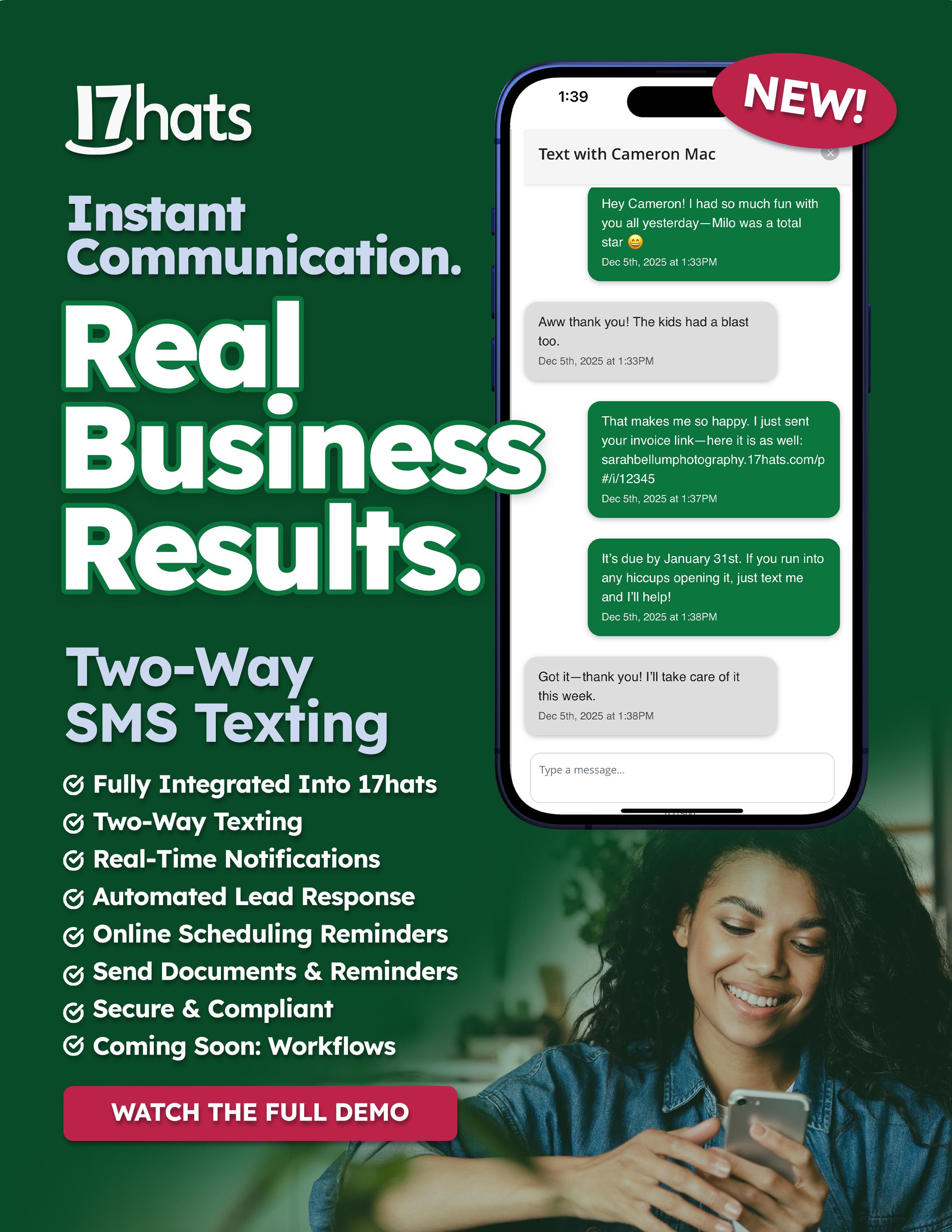


Process Creates Freedom.