• Fear Avoidance after Concussion Tool (FACT): patient-reported outcome measure development and content validation
• Biomechanics during highdemand functional activities in females following ACL reconstruction surgery: A systematic review
• Cross-Education Across the Lifespan: Different Neural Pathways, Similar Strength Gains
Contents
REGULARS
02
From the Chair
Board Chair Anthony Leicht reflects on a strong and purposeful start to the year, outlining the successful delivery of SMA’s first FIMS Team Physician Development Course, the integration of Mental Health First Aid into our education portfolio, and the launch of the Sports Healthcare Finder. Together, these initiatives reinforce SMA’s strategic focus on governance, professional standards and sustained impact across Australian sport.
03
From the CEO
CEO Jamie Crain highlights the widespread adoption of Extreme Heat Guidelines, the launch of accredited Mental Health First Aid and the inaugural FIMS Team Physician Development Course, all initiatives ensuring clubs, clinicians and communities are better equipped to support athlete safety, health and wellbeing across Australia.
Opinions expressed throughout the magazine are the contributors’ own and do not necessarily reflect the views or policy of Sports Medicine Australia (SMA). Members and readers are advised that SMA cannot be held responsible for the accuracy of statements made in advertisements nor the quality of goods or services advertised. All materials copyright. On acceptance of an article for publication, copyright passes to the publisher.
FEATURES
04
Fear Avoidance after Concussion Tool (FACT): patient-reported outcome measure development and content validation Liam Sherwood presents the development and validation of the FACT, a patient-reported measure that identifies fearavoidance behaviours after concussion, supporting targeted interventions and safer return to daily activities, work, and sport.
Publisher Sports Medicine Australia State Netball and Hockey Centre – Parkville 10 Brens Drive, Parkville VIC 3052 sma.org.au ISSN No. 2205-1244 PP No. 226480/00028
Editor Caitlin Ficken
General Manager,
Membership Development
Sarah Hope Design/Typesetting
Perry Watson Design
Cover photograph
Getty Images / Drazen Zigic
Content photographs
Author supplied; www.gettyimages.com.au
08
Biomechanics during high-demand functional activities in females following ACL reconstruction surgery: A systematic review Peta Johnston reviews 71 studies examining biomechanics in females after ACL reconstruction, identifying increased peak knee valgus during bilateral drop vertical jump compared with healthy controls. The findings highlight implications for return-to-sport testing and targeted rehabilitation.
12
Five sports nutrition myths and what the evidence actually says
Accredited Sports
Dietitians unpack five common sports nutrition myths, from excessive carbohydrate targets and menstrual cycle based training adjustments to rapid weight-loss drugs, collagen for injury prevention and ice slushies as a heat solution. The consistent message: avoid shortcuts, prioritise adequate energy intake, and individualise strategies based on evidence, performance demands and athlete tolerance.
14
Cross-Education Across the Lifespan: Different Neural Pathways, Similar Strength Gains
Associate Professor Dawson J. Kidgell reviews evidence showing that training one limb increases strength in the untrained opposite limb across age groups. While younger adults rely on fast, direct corticospinal pathways, older adults achieve similar gains via slower, indirect brainstem pathways. The findings highlight practical applications for unilateral training in rehabilitation and ageing populations.
INTERVIEWS
People who Shaped SMA: Emeritus Professor Gregory Kolt
5 Minutes With: Dr Kade Paterson
Sports Medicine in Slovenia 26
Sports Trainer Spotlight: Lara Carstensen 30
FROM THE CHAIR
Professor Anthony Leicht, Chair, Sports Medicine Australia
Positioning SMA for Sustainable Impact and Growth
THE SMA BOARD REMAINS FOCUSED ON LONG-TERM IMPACT, GOOD GOVERNANCE AND SUSTAINABILITY, MAKING SURE OUR WORK DELIVERS REAL VALUE FOR MEMBERS AND THE WIDER SPORTING COMMUNITY.
At Board level, our role is to provide clear stewardship of Sports Medicine Australia, ensuring the organisation remains purpose-driven, financially sustainable, and positioned to deliver meaningful impact across the community and sports medicine field.
Over the past year, we have continued to build our public profile. This has included advancing national conversations around concussion awareness, updating and promoting our Sports Injury Fact Sheets, supporting the rollout of Extreme Heat Guidelines, and launching the new Sports Healthcare Finder, a tool designed to connect the public directly with our members.
On the latter, our research shows that more than one-third of Australians do not know who to turn to when they experience a sporting injury. This is a significant gap SMA aims to address. The Sports Healthcare Finder, available on our website, provides plain language descriptions of our members’ disciplines and lists SMA practitioners near a user’s location. We encourage practitioner members to opt in via the member portal for this free service.
SMA has also taken a more proactive approach to working with adjacent member-based organisations. Through
SMA exists to serve its members, and our ongoing priority is to ensure that the value proposition remains relevant, accessible, and aligned to the evolving needs of professionals working across sports medicine and sports science.
partnerships with AUSactive, ESSA and APA, SMA is now delivering high-quality CPD education to more than 50,000 allied health and fitness professionals, helping ensure first aid and CPR skills remain current across the sector. This collaborative approach strengthens the ecosystem in which our members operate and reinforces SMA’s role as a trusted provider of education and standards.
The Board remains firmly memberfocused. SMA exists to serve its members, and our priority is to ensure
the value proposition remains relevant, accessible, and aligned to the evolving needs of professionals across sports medicine and sports science. This includes supporting career pathways, enabling professional development, and strengthening connection across our multidisciplinary membership. Member insight continues to inform our strategic direction, and we thank all who contributed to the 2026 Member Survey.
From a governance perspective, the Board has continued to mature its practices in line with contemporary standards, strengthening committee structures, refining our skills matrix, and reinforcing clarity in roles, responsibilities, and decision-making. Our objective is to ensure SMA is governed in a way that supports confident, timely, and effective decisions that benefit members.
This includes financial stewardship. SMA’s stability places us in a strong position, and the Board is considering options to maximise returns on reserves and investments, balancing prudent management with opportunities to secure additional income for the future.
On behalf of the Board, I thank our members, partners, and stakeholders for their continued support. We remain focused on ensuring SMA continues to grow in relevance, capability, and impact in the years ahead.
Professor Anthony Leicht Chair, Sports Medicine Australia
Leading with Evidence: SMA in Action
FROM EXTREME HEAT TO MENTAL HEALTH AND HIGHPERFORMANCE SPORT, SMA’S PROGRAMS ARE MAKING A TANGIBLE DIFFERENCE ACROSS AUSTRALIA.
We have come through another Australian summer, and in some parts of the country, that meant truly extreme conditions, with temperatures pushing close to 50°C. It was heartening to see the Extreme Heat Risk and Response Guidelines and accompanying Sports Heat Tool, developed in partnership with the University of Sydney, so widely and enthusiastically adopted across community sport.
Clubs, schools and sporting organisations acted with purpose, flooding our website with traffic to review their risk. That kind of proactive risk management is exactly what these resources were designed to support. Congratulations to Professor Ollie Jay and the University of Sydney Heat and Health Research Centre for their outstanding contribution to community safety. This work is a practical example of evidence and quality research translated into real-world impact.
Education remains central to SMA’s purpose. In February, we successfully delivered our first round of accredited Mental Health First Aid courses. The response from the sporting community was strong, and this training is now a permanent fixture in our portfolio. The integration of mental and physical health literacy in sport is not optional
FROM THE CEO
Jamie Crain, Chief Executive Officer, Sports Medicine Australia
Bringing this internationally-recognised
program to Australia was an important milestone, and the course was met with excellent engagement from participants.
It strengthens our ability to support medical practitioners working in highperformance and team environments and reinforces SMA’s leadership in multidisciplinary sports medicine education. Special thanks to Drs Sharon Stay and Andrew Jowett for their leadership in bringing this course to life. Stay tuned – more courses to follow.
With football season already underway across the country, now is an opportune time to revisit the Australian Concussion Guidelines for Youth and Community Sport, as well as our free Sports Injury Fact Sheets, both available on the SMA website. Knowing what to do, when the time comes, remains the key challenge for all involved in sport.
anymore, and so we are proud to equip our members, partners and the broader sporting community with the skills and confidence to support participants in both domains.
We also delivered the inaugural FIMS Team Physician Development Course in Melbourne. Bringing this internationally-recognised program to Australia was an important milestone, and the course was met with excellent engagement from participants.
This edition of Sport Health includes important contributions across the sports medicine spectrum including a practical examination of five common sports nutrition myths. With so much information in the public domain on sport nutrition, this article helps distil it down to the key messages.
As always, thank you for the role you play in keeping Australian sport safe, informed and evidence-driven.
Jamie Crain jamie.crain@sma.org.au
Fear Avoidance after Concussion Tool (FACT):
patient-reported outcome measure development and content validation
CONCUSSION IS A MAJOR PUBLIC HEALTH CONCERN GIVEN THE RELATIVELY UNKNOWN FUTURE IMPLICATIONS AND THE DIAGNOSTIC UNCERTAINTY ASSOCIATED WITH POOR PREDICTIVE CAPACITY OF IMAGING OR BLOOD TESTS.
Some people with concussion recover quickly, whilst others have persisting post-concussion symptoms (PPCS) for durations longer than four weeks. Risk factors for PPCS include pre-injury history of migraine, anxiety, learning difficulties and fear avoidance behaviour. Determining those at risk of persisting symptoms is important so that management strategies can be tailored to the individual. This will hopefully alter the recovery trajectory by reducing the persons symptom burden.
Fear avoidance behaviour is considered a risk factor for persisting symptoms of not only concussion, but musculoskeletal conditions such as low back pain and patellofemoral pain syndrome. Fear avoidance behaviour is a maladaptive coping strategy whereby people avoid activities and/ or environments out of fear that it will lead to symptom exacerbation or re-injury. This can be a useful coping strategy (e.g. not returning to contact sport while still experiencing symptoms). However, when people
worry that physical, cognitive, or social activity will worsen symptoms or cause reinjury, they may start to avoid everyday activities, even when they do not actually provoke symptoms. This fear avoidant pattern can limit exposure to normal stimuli, increase sensitivity, and contribute to ongoing symptoms and deconditioning.
Patient reported outcome measures (PROMs) are used to quantify the severity of fear avoidance behaviour in these conditions. Measures such
as the Tampa Scale for Kinesiophobia have been revolutionary in private practice to identify patients with low back pain with fear of movement beliefs. I led a systematic review to assess fear avoidance behaviour measures in concussion and the results were dire. The tools used were derived from musculoskeletal versions and substituted “pain” for “concussion symptoms.”
When developing these questionnaires, there was no consultation of with
Patients and clinicians were involved at every stage to ensure the questionnaire is relevant, comprehensive, and easy to complete.
people with lived experience or clinicians considered experts in the field of concussion. Consumer engagement within the development of these tools is vital to ensuring content validity; the extent to which a PROM adequately reflects the construct it aims to measure. This measurement property is arguably considered the most important.
The Fear Avoidance after Concussion Tool (FACT) study was intentionally designed to address shortcomings identified in earlier tools by thoroughly involving both patients and clinicians at every stage of development. In order for PROMs to be valid and reliable, we must follow the gold standard protocol of the Consensus-based Standards for the selection of health Measurement Instruments (COSMIN) guidelines.
These guidelines dictate that without content validity; other measurement properties (e.g., reliability and construct validity) are irrelevant. So, the aim of this study was to develop a PROM with adequate content validity, and for that, you require a tool that has relevant items that are comprehensible (easy to understand) and the list is comprehensive. We used a three-phase, mixedmethods approach to do this.
In the first phase, semi structured interviews were conducted with people who had experienced concussion, exploring how fear influenced their recovery, choices, and daily activities. These interviews were complemented by input from clinical and research experts working in concussion. These experts included sports medicine physicians, physiotherapists, neuropsychologists and rehabilitation specialists. Together, patients and professionals generated 191 potential items. Stage one participant’s highlighted themes that the PROM should be easy to administer, quick to complete (less than five minutes) and be available electronically or paper based.
Fear Avoidance after Concussion Tool (FACT):
patient-reported outcome measure development and content validation
Next, professional participants deemed international experts in the field of concussion, completed an online survey rating each item for relevance and comprehensiveness, and suggesting modifications or deletions. This step helped reduce redundancy, refine wording, and ensure that items were clinically meaningful. This data created a ranking for each item to ensure only the most relevant items were included for the final stage.
Finally, one-to-one interviews with both patients and clinicians were used to confirm that the FACT items were understandable and comprehensive.
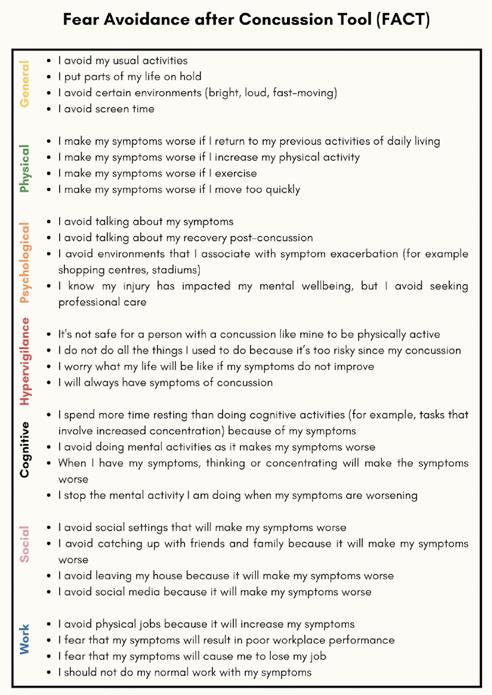
The final FACT consists of 28 items divided evenly across seven domains that emerged from the qualitative themes in stage one: general, physical, psychological, hypervigilance, cognitive, social, and work. Each item is scored
on a four-point Likert scale from strongly disagree to strongly agree, yielding a total score out of 84, where higher scores reflect greater fear avoidance. The questionnaire takes approximately five minutes for a patient to complete under clinician supervision, making it feasible for routine use in clinical practice.
Clinical Utility
From a practical standpoint, clinicians can administer the FACT as part of a standard concussion review, using the total score to gauge overall fear avoidance and the domain scores to pinpoint areas needing targeted intervention. For example, a patient with predominantly high physical and
The FACT allows clinicians to systematically screen for fear avoidance rather than relying solely on clinical impressions.
cognitive domain scores may benefit from graded exercise and return to play planning, whereas high social and work scores might prompt closer collaboration with employers or referral for psychological support.
Persistent post-concussion symptoms can severely impact quality of life, contributing to unemployment, academic disruption, and social isolation. Fear avoidance is likely one of several psychological and behavioural factors that shape whether acute symptoms resolve or become persistent.
Identifying fear avoidance behaviours early creates an opportunity for proactive, rather than reactive care. Early education about concussion, reassurance regarding safe activity levels, and interventions that target unhelpful beliefs (e.g., graded exposure and cognitively informed rehabilitation), can all support a more adaptive recovery trajectory. Having a PROM like the FACT allows clinicians to systematically and objectively screen for fear avoidance instead of relying solely on clinical impressions.
A typical workflow might involve asking the patient to complete the FACT in the waiting room or at the start of the consultation, then briefly reviewing the responses together. This shared review can open conversations about beliefs that might otherwise remain unspoken. Scores can be tracked over time to monitor change, evaluate the impact of interventions, and support shared decision making about return to sport and work/learn.
Future Implications
The FACT currently has strong evidence for content validity, but further work is underway to evaluate other measurement properties such as structural validity, internal consistency, responsiveness, and minimal important change. These next steps will help determine how best to interpret changes in scores over time and what constitutes a clinically meaningful difference for individual patients.
Ultimately, the goal is not merely to quantify fear, but to use that understanding to help patients rebuild confidence, reengage with daily activities, and return safely to sport, work, and life after concussion.
For article references please email info@sma.org.au
About the Author
Liam Sherwood is a physiotherapist and final-year medical student at The University of Notre Dame Australia. He recently completed a Master of Medical Research at Edith Cowan University, investigating fear-avoidance behaviour following concussion and developing a novel patient-reported outcome measure, the Fear Avoidance Concussion Tool (FACT). He has worked for five years in private practice, managing concussion cases across sporting and workers’ compensation settings. He now predominantly runs his own telehealth service, Online Concussion Clinic, which aims to bridge gaps in access to evidence-based concussion care.
The problem
The annual number of anterior cruciate ligament (ACL) injuries in Australia is rising, particularly in females, with rates of female ACL injuries growing approximately 6% per year. This rise in ACL injuries, appears to be in parallel with the increased female participation in sport, particularly high-demand sports. Risk factors including anatomical, hormonal and neuromuscular have also been found to contribute to the incidence of ACL injuries being up to eight times higher in female athletes compared to males.
Biomechanics
during functionalhigh-demand activities in females Anteriorfollowing Cruciate Ligament (ACL) reconstruction surgery: A systematic review
Athletes who sustain an ACL injury and aim to return to high-demand sports involving jumping, landing and pivoting frequently undergo ACL reconstruction surgery, to restore stability to the injured knee joint. Female athletes who return to sport following ACL reconstruction surgery have an increased risk of reinjury compared to their uninjured female counterparts. However, little is known if the increased risk of reinjury is due to challenges in dynamic control during high-demand movements.
The study
We conducted a systematic review of existing evidence to understand movement characteristics (biomechanics) during high-demand functional activities specifically in females after ACL reconstruction surgery.
The aims of this review were:
1) To identify the types of highdemand functional activities that have been investigated in females following ACL reconstruction surgery;
2) To describe how movement characteristics (biomechanics) are commonly evaluated; 3) To compare movement patterns of the female ACL reconstructed limb during bilateral drop vertical jump (DVJ) with (a) the unaffected limb and (b) healthy female counterparts.
Four electronic databases were searched until March 2025 (Embase, MEDLINE, PubMed and SportDiscus). Studies were included if they were original research published in peerreviewed journals. Inclusion in this review required that participants were female human subjects who had undergone ACL reconstruction surgery and were assessed post-operatively for at least one biomechanical variable during highdemand functional activities, which were defined as activities replicating sporting movements with a period of flight followed by either a period of stabilisation or progression (e.g. running, landing from a jump). A further inclusion criterion was that biomechanical data needed to be compared between limbs or to healthy female controls. Two independent reviewers completed an appraisal of methodological quality for all included studies.
The findings
5,000 records were identified from the electronic database searching. Following review of title and abstract 4,199 records were excluded. Full texts were retrieved for all 801 remaining records and the inclusion/ exclusion criteria applied. A total of 71 studies met inclusion criteria and were included in this review.
Aim 1) To identify the types of highdemand functional activities that have been investigated in females following ACL reconstruction surgery.
Peak knee valgus during the bilateral DVJ was greater in females following ACL reconstruction than healthy female counterparts.
Results
The bilateral DVJ was the most commonly analysed activity (n= 21 studies), which reflects its use as a common assessment tool in clinical practice. There was a breadth of high-demand functional activities that were of interest to researchers, and these are summarised in Table 1. Participants completed highdemand functional activity testing between 5 months and 13.4 years post ACL reconstruction surgery.
Table 1. Types of high-demand activities and number of studies
High-demand activity Number of studies
Aim 2) To describe how movement characteristics (biomechanics) are commonly evaluated.
Results
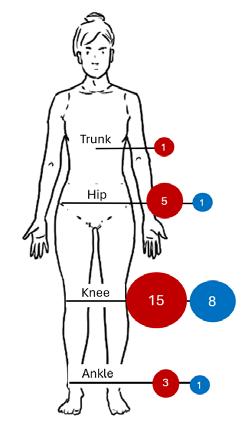
As expected, the movement characteristics (biomechanics) of the knee joint were most commonly reported, with fewer biomechanics analyses reported for the other lower limb joints, as illustrated in Figure 1 and Tables 2 & 3 for the most commonly analysed highdemand activity, bilateral DVJ.
Figure 1: Illustration of the number of studies reporting biomechanics (kinematics / kinetics) during the bilateral DVJ. Larger circles, located at the knee joint, represent greater numbers of studies, with red circles representing the studies that reported kinematic outcomes and blue circles the kinetic outcomes.
during high-demand functional activities in females following Anterior Cruciate Ligament (ACL) reconstruction surgery: A systematic review
Table 2. Kinematic outcomes for bilateral DVJ
Table 3. Kinetic outcomes for bilateral DVJ Number studies Sagittal Coronal Transverse
Aim 3) To compare movement patterns of the female ACL reconstructed limb during bilateral DVJ with (a) the unaffected limb and (b) healthy female counterparts.
Results
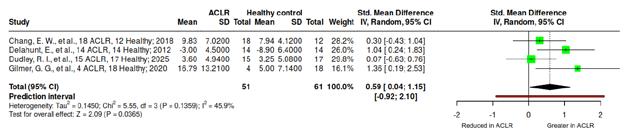
Peak knee valgus during the bilateral DVJ was greater in females following ACL reconstruction than healthy female counterparts, but there was no difference between limbs (Figure 2 & 3).
Peak knee flexion during the bilateral DVJ was not different in females following ACL reconstruction compared to healthy
female counterparts (Figure 4 & 5). Limited reporting of peak knee flexion between limbs prevented meta-analysis. Why these results matter?
These findings support incorporating bilateral DVJ assessments in return-to-sport criteria for female athletes, with emphasis on reducing valgus through strength, plyometric, and feedback-based interventions.
Increased knee valgus in females following ACL reconstruction surgery, may indicate an incomplete recovery and the need for additional targeted neuromuscular training approaches.
Figure 3: Peak knee valgus of ACL reconstructed limb to the unaffected limb
Figure 2 : Peak knee valgus of ACL reconstructed limb to healthy female counterparts
Limitations of this study
This review has several limitations that need to be considered including heterogeneity between studies regarding surgical techniques, graft types, rehabilitation protocols, and time since ACL reconstruction surgery. Also, despite 71 studies being included in this review, few studies reported the same biomechanical variables, thereby limiting the extent of the analysis.
Summary
This systematic review evaluated biomechanical outcomes in females following ACL reconstruction surgery during dynamic highdemand functional tasks, identifying 71 diverse studies.
Compared to healthy female counterparts, the ACL reconstructed limb exhibited increased peak knee valgus during bilateral DVJ.
Understanding gender-specific movement patterns following ACL reconstruction surgery may enable more targeted rehabilitation approaches for females.
Future research
Further studies investigating if targeted rehabilitation approaches can modify movement characteristics (biomechanics), including knee valgus, identified in females following ACL reconstruction surgery is warranted.
For article references please email info@sma.org.au
About the Author
Peta Johnston completed her PhD in 2023 into outcomes following anterior cruciate ligament (ACL) reconstruction surgery and now works as a Lecturer in Physiotherapy at La Trobe University, Melbourne whilst also continuing to work clinically as a physiotherapist. Her research interests include optimising functional outcomes, biomechanical changes in people with orthopaedic and musculoskeletal conditions and injury prevention strategies. This article presents summary findings of a systematic review (manuscript in preparation), undertaken into female biomechanics following ACL reconstruction surgery, with a special thank you to colleagues Dr. Brodwen McBain, Professor Jodie McClelland and Professor Kate Webster for all their support and collaboration.
Figure 4: Peak knee flexion angle of ACL reconstructed limb to healthy female counterparts
Figure 5: Peak knee flexion moment of ACL reconstructed limb to healthy female counterparts
Five
Myth 1
100g/hour of carbohydrate is advisable for multi-hour endurance events.
Current carbohydrate recommendations for endurance events are based on duration. For events longer than 2-3 hours, guidelines generally recommend up to ~90g/hour. While research shows carbohydrate oxidation can exceed 90g/hour under certain conditions, practical recommendations have settled around this level due to increased gastrointestinal (GI) intolerance at higher intakes and limited robust evidence demonstrating additional performance benefit.
Before recommending intakes above 90g/hour, several factors should be considered:
ٚ Athlete level and intensity: Elite athletes competing at high
common sports nutrition myths heard by Accredited Sports Dietitians
intensities may benefit more from higher intakes than recreational athletes moving at slower paces.
ٚ Gut tolerance: Higher carbohydrate ingestion increases GI risk. “Gut training” during key sessions is essential if targeting intakes above 90g/hour.
ٚ Type and ratio of sugars: Glucose absorption is limited by transporter saturation (~60g/hour). Combining glucose with fructose allows higher absorption via different transporters. Commercial products commonly use a 2:1 glucose-to-fructose ratio, while some research suggests ratios closer to 1:0.8 may support slightly faster oxidation when exceeding 90g/hour.
The recommendation: Individualise carbohydrate targets based on event demands, performance level and gut tolerance. More is not always better.
Myth 2
All female athletes should adjust diet and training based on menstrual cycle phase.
There is currently insufficient high-quality evidence to conclude that menstrual cycle phases significantly affect performance or macronutrient utilisation across all menstruating athletes.
Menstrual symptoms are highly individual. Some athletes experience minimal disruption, while others report fatigue, higher perceived exertion, mood disturbance, bloating, inflammation, appetite changes or GI upset. Nutritional risks may include increased iron losses or appetite suppression.
Given the variability including potential underlying medical conditions, low energy availability and contraceptive use, a one-sizefits-all approach is not appropriate.
The recommendation: Encourage athletes to understand and track their own cycles before considering any nutrition or training changes. The Australian Sport Commission provides practical resources to help athletes identify what is “normal” for them. Individual symptom management, rather than blanket dietary changes, is best practice.
Myth 3
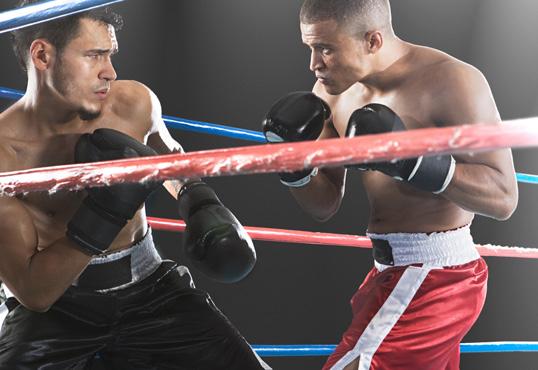
Combat athletes should make weight using GLP-1 receptor agonist drugs.
GLP-1 receptor agonists are currently on the WADA monitoring program, with ongoing investigation into their potential performance and health implications. While GLP1 agonists have been approved by the FDA for Type 2 Diabetes and chronic weight management, there is insufficient evidence supporting their safe and effective use in combat athletes.
Key concerns include:
ٚ GI side effects (nausea, vomiting, bloating) due to delayed gastric emptying
ٚ Reduced thirst and dehydration risk
ٚ Appetite suppression leading to low energy availability and increased risk of REDs
ٚ Weight regain following cessation
Best-practice guidance from the Australian Sports Commission recommends athletes remain within 5–7% of fight weight to avoid large, risky weight cuts.
The recommendation: Weight manipulation should prioritise structured, evidence-based nutrition strategies — including controlled adjustments to carbohydrate (glycogen-associated water), fibre (gut content), and fluid/sodium — under the supervision of an Accredited Sports Dietitian. Pharmacological shortcuts carry significant risk.
Myth 4
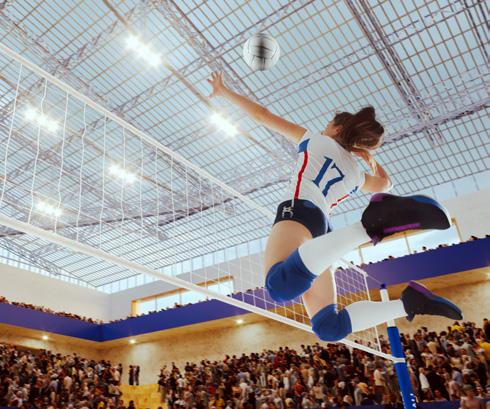
Collagen supplements reduce tendon and ligament injuries in jump and explosive type sports (e.g. volleyball).
Collagen is currently classified as a Group B supplement within the Australian Institute of Sport Supplement Framework, indicating emerging or mixed evidence.
Before considering collagen supplementation, foundational nutrition must be addressed. Low energy availability significantly increases injury risk. Ensuring total energy intake and adequate protein (generally 1.4–2.0g/kg/day for most athletes) is the priority.
Collagen may have a role in specific injury recovery contexts, particularly when timed around rehabilitation loading. However, it should not replace comprehensive dietary adequacy.
The recommendation: Optimise overall diet quality, total energy intake and protein first.
Myth 5
Crushed Ice/Ice-slushies help athletes improve decisionmaking in the heat.
Cool fluids improve palatability and voluntary intake, supporting hydration behaviours. Ice slurries and crushed ice drinks can also enhance internal cooling, particularly in sports with lower sweat efficiency and in hot environments.
However, improved cooling does not replace the need for a structured hydration plan. Dehydration substantially increases the risk of exertional heat illness and impairs cognitive and physical performance.
The recommendation: Ice slushies can be a useful strategy within a broader, individualised hydration plan. Athletes should understand their sweat rate, pre-hydrate appropriately and match fluid and electrolyte intake to environmental conditions. Guidance from Sports Dietitians Australia can assist athletes in developing personalised strategies.
For further information visit https://sportsdietitians.com.au/
Cross-Education Across the Lifespan:
Different Neural Pathways, Similar Strength Gains
DAWSON J. KIDGELL (PH.D.), Monash University
Introduction
Training one limb can increase strength in the opposite, untrained limb. This phenomenon, known as cross-education, has been consistently demonstrated across a range of muscles, tasks, and populations. From a clinical perspective, cross-education is particularly valuable when direct loading of an injured, immobilised, or painful limb is not possible. In these situations, unilateral resistance training offers a practical strategy to preserve strength and function during rehabilitation, including in older adults.
Meta-analytic evidence indicates that cross-education typically produces contralateral strength gains of approximately 10–15% in younger adults, with similar magnitudes increasingly reported in older populations. Importantly, these gains occur in the absence of measurable muscle hypertrophy in the untrained limb, indicating that crosseducation is driven primarily by neural rather than peripheral adaptations. Understanding which neural pathways support these adaptations is therefore central to optimising the use of cross-education in rehabilitation and ageing populations.
Much of what we know about the neural basis of cross-education comes from studies using transcranial magnetic stimulation (TMS). TMS is a non-invasive technique that briefly stimulates the part of the brain responsible for voluntary movement and allows researchers to assess how effectively signals travel along the
brain–muscle pathways. When the motor cortex is stimulated, a small electrical response can be recorded in the target muscle using surface electromyography, known as a motor evoked potential (MEP). The MEP provides an overall measure of how excitable the pathways linking the brain and muscle are, integrating contributions from the motor cortex, brainstem, spinal cord,
and the motor neurons that activate muscle fibres. For many years, the size of the MEP was interpreted as a general indicator of how excitable the brain-muscle pathway is. However, growing evidence shows that the MEP is not a single, uniform response. Instead, it contains distinct early and late components that reflect activity travelling through different descending brain–muscle pathways.
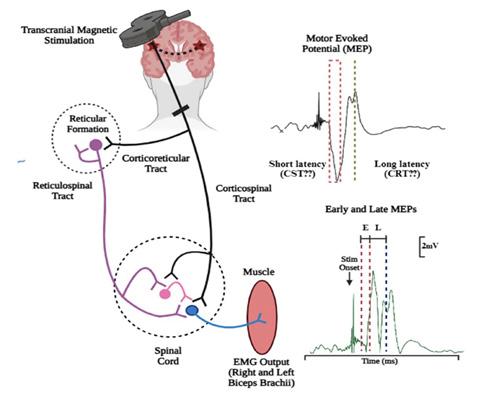
Figure 1. Neural and electrophysiological representation of early and late motor evoked potential (MEP) components. Left panel: Structures activated by transcranial magnetic stimulation (TMS), including the primary motor cortex, corticospinal tract, and brainstem reticular formation, with corticospinal and reticulospinal pathways converging at spinal motoneurons to activate the target muscle. Right panel: Example MEP showing early (0–8 ms; red) and late (8–24 ms; green) components in the raw waveform (top) and rectified signal (bottom) used for analysis.
The early part of the MEP reflects fast, direct pathways between the motor cortex and the muscle, while the later part reflects slower, indirect pathways that pass through brainstem motor centres before reaching the spinal cord and muscles (Figure 1). Importantly, these early and late components can change independently of one another. This means that two people may show similar overall MEP sizes, but rely on different neural pathways to produce muscle activation. As a result, changes in peak MEP amplitude do not necessarily reflect a single underlying physiological process.
age-related declines in the structure and adaptability of direct brain–muscle pathways further limit the contribution of these mechanisms. This raises the question of how meaningful strength transfer is maintained with ageing.
Strength improved in the untrained arm even though these fast pathways showed little change.
Most explanations of cross-education have focused on changes in the motor cortex and communication between the two sides of the brain. While these cortical mechanisms are evident in younger adults, they are often modest and do not always align closely with the size of strength gains in the untrained limb. In older adults,
Ageing affects the main corticospinal pathway that carries signals directly from the motor cortex to the spinal cord, resulting in slower signal transmission and reduced capacity for neural adaptation. In contrast, some indirect brain–muscle pathways, particularly those passing through the brainstem, appear to be relatively preserved with age. One such pathway, the reticulospinal tract, projects to both sides of the body and plays an important role in force production and coordinated movement. Evidence suggests that this pathway can be increasingly recruited during voluntary contractions and may help compensate when direct corticospinal drive is reduced.
Cross-Education Across the Lifespan:
Different Neural Pathways, Similar Strength Gains
A useful approach for examining these different brain–muscle pathways is to separate the motor evoked potential into early and late components. Early components reflect fast, direct corticospinal pathways, while later components reflect slower, indirect pathways involving brainstem circuits. Applying this approach to crosseducation allows different neural strategies supporting strength transfer to be identified across the lifespan.
Accordingly, the aim of this study was to determine whether ageing alters the neural strategy supporting crosseducation by examining changes in early and late phases of the motor
evoked potential following unilateral strength training. We hypothesised that strength transfer in younger adults would be driven primarily by adaptations in fast, direct brain–muscle pathways, whereas in older adults it would rely more on slower, subcortical brain-muscle pathways.
Participants
Twenty-five healthy adults took part in the study, including 13 older adults (67 ± 5 years) and 12 younger adults (26 ± 6 years). Most participants were right-hand dominant, and none had performed regular upper-limb resistance training in the previous 12 months. Individuals were excluded
if they had a history of neurological, musculoskeletal, or cardiovascular conditions, head injury, or any contraindications to transcranial magnetic stimulation (TMS). All participants completed standard TMS safety screening. Ethical approval was granted by the Monash University Human Research Ethics Committee (Project ID: 30882), and all participants provided written informed consent.
Study Design and Training Program
The study examined whether training one arm could improve strength and neural function in the opposite, untrained arm. Participants completed a two-week unilateral resistance training program targeting the dominant elbow flexors. Testing was performed before training began and again after the final training session. Training consisted of six supervised sessions over two weeks (three sessions per week), with at least 48 hours between sessions. In each session, participants performed standing biceps curls using the dominant arm only. Four sets of 6–8 repetitions were completed at a moderate-to-high intensity (70–75% of one-repetition maximum), with controlled movement speed and two-minute rest periods between sets. Training loads were adjusted as needed to maintain the target intensity. The non-dominant arm remained completely untrained throughout the intervention.
Strength and Muscle Activation Measures
All outcome measures were obtained from the untrained, non-dominant arm. Maximal strength was assessed using an isometric elbow flexion task, with participants seated and the elbow positioned at 90 degrees. Several brief maximal efforts were performed, with adequate rest between attempts to minimise fatigue. The highest force recorded was used for analysis. Muscle activation
of the biceps brachii was assessed using surface electromyography. Standardised electrode placement and skin preparation procedures were used to ensure consistent recordings across sessions. Electromyographic activity was analysed around the point of peak force production and normalised to each participant’s maximal muscle response to allow meaningful comparison between pre- and post-training assessments.
Assessment of Neural Adaptations
To examine neural changes associated with cross-education, transcranial magnetic stimulation was applied to the motor cortex controlling the untrained arm. Single magnetic pulses were delivered while participants maintained a light contraction of the untrained biceps brachii, and the resulting motor evoked potentials were recorded from the muscle. Rather than relying solely on the overall size of the motor evoked potential, responses were examined in more detail by separating early and late components. The early component reflects fast, direct communication between the motor cortex and the muscle, while the later component reflects activity transmitted through slower, indirect pathways involving brainstem motor centres. This approach allowed us to determine whether unilateral training
altered the relative contribution of different neural pathways to strength in the untrained limb.
Statistical Analysis
Changes in strength and neural measures from before to after training were analysed using linear mixed models. This approach allowed comparisons between younger and older adults while accounting for individual variability. Statistical significance was set at p < 0.05, and results are reported with 95% confidence intervals where appropriate.
Results
Strength Changes in the
Trained and Untrained Arms
Unilateral strength training remains an effective strategy for maintaining strength on both sides of the body.
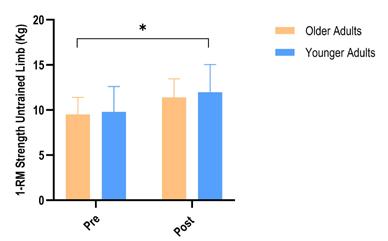
After two weeks of unilateral training, strength increased not only in the trained arm but also in the untrained arm, confirming a clear crosseducation effect. Importantly, the size of these strength gains was similar in younger and older adults. In the untrained arm, dynamic strength increased by approximately 20–25% in both age groups. Isometric strength showed a comparable improvement, with maximal voluntary force increasing significantly from pre- to post-training across younger and older participants (Figure 2). There were no meaningful differences between age groups for either dynamic or isometric strength gains. As expected, strength in the trained arm increased
Figure 2. One-repetition maximum (1-RM) strength of the untrained biceps brachii in younger and older adults across time. Bars represent group means and error bars indicate ±95% confidence intervals. # denotes significant main effects of time from pre for both younger and older adults.
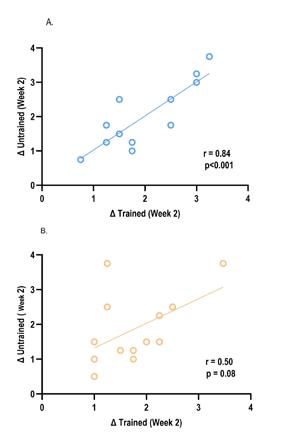
Figure 3: Relationship between changes in dynamic strength (1-RM) from baseline in the trained and untrained limbs in younger (A) and older adults (B).
substantially, confirming that the training program was effective in both younger and older adults.
When the relationship between trained and untrained limbs was examined, different patterns emerged with age. In younger adults, improvements in dynamic strength in the trained arm were closely linked to gains in
Cross-Education Across the Lifespan:
Different Neural Pathways,
Similar Strength Gains
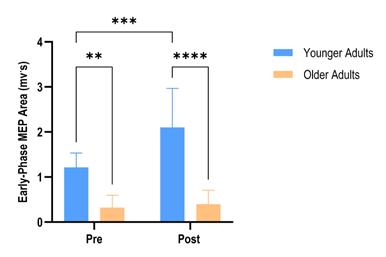
Figure 4: Changes in early phase MEPs pre-post in younger and older adults. ** denote differences at pre; *** denotes increase in MEP area following training in younger adults; **** denotes significant differences post training between younger and older adults.
the untrained arm. In older adults, this relationship was weaker and more variable. For isometric strength, moderate relationships between the trained and untrained limbs were evident in both age groups. Together, these findings indicate that while the overall amount of strength transfer was similar across age groups, the way in which strength gains in the trained limb related to gains in the untrained limb differed with age.
Changes in Neural Measures
Early Phase Motor Evoked Potentials
Early phase motor evoked potentials, which reflect fast, direct communication between the motor cortex and muscle, increased following training in younger adults. In contrast, older adults showed little change in
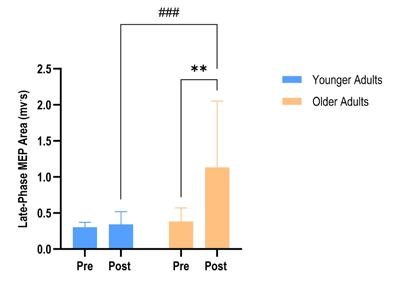
Figure 5: Changes in late phase MEPs pre-post in younger and older adults. ** denotes increase in MEP area following training in older adults; ### denotes significant differences post training between younger and older adults.
this early neural response. As a result, early phase motor evoked potentials were larger in younger adults than in older adults after training (Figure 4). This pattern suggests that unilateral strength training enhanced corticospinal excitability in younger adults, whereas this pathway showed limited adaptation in older adults.
Late Phase Motor Evoked Potentials
A different pattern was observed for late phase motor evoked potentials, which reflect slower, indirect neural pathways involving brainstem motor centres. In older adults, late phase motor evoked potentials increased following training, whereas changes in younger adults were smaller. Following training, late phase responses were larger in older adults than in younger adults. These findings
indicate that older adults relied more heavily on slower, polysynaptic motor pathways following unilateral strength training, consistent with an age-related shift in the neural strategy supporting strength transfer.
Discussion
This study shows that training one arm can improve strength in the other arm in both younger and older adults. Importantly, the size of this strength transfer was similar across age groups, meaning that ageing does not reduce the overall effectiveness of cross-education. For clinicians and trainers, this reinforces that unilateral strength training can be a useful option across the lifespan.
What differed between age groups was not how much strength was
gained, but how the nervous system supported those gains. In younger adults, improvements in the untrained arm were linked to increased activity in fast, direct brain-to-muscle pathways. These pathways, commonly referred to as corticospinal pathways, are known to adapt readily with strength training and are often the primary focus of rehabilitation and performance training in younger populations.
In older adults, strength improved in the untrained arm even though these fast pathways showed little change. Instead, improvements were linked to increased activity in slower, indirect neural pathways that descend through the brainstem before reaching the spinal cord and muscles. This suggests that older adults rely more on alternative neural routes to
Subcortical motor pathways appear to remain adaptable and can support meaningful strength gains.
achieve strength gains. Importantly, this does not mean that the ageing nervous system is less adaptable. Rather, it appears to adapt differently.
One pathway that is particularly relevant in this context is the
reticulospinal tract. This pathway has connections to both sides of the body and plays an important role in force production and coordinated movement. Although it has traditionally been associated with posture and gross motor control, there is growing evidence that it also contributes to voluntary strength, especially when corticospinal pathways are less responsive. The present findings suggest that this system may help older adults maintain strength transfer when training one limb.
A useful aspect of this study was the way neural responses were analysed. Instead of looking only at the overall size of the motor evoked potential, responses were separated into early and late components. This allowed different
Cross-Education Across the Lifespan:
Different Neural Pathways, Similar Strength Gains
neural pathways to be examined more directly. Using this approach showed that ageing is associated with a shift in which neural pathways are most responsive to training, rather than a general reduction in the capacity for neural change.
These findings have clear practical implications. For older adults who are unable to train both limbs due to pain, injury, surgery, or fatigue, unilateral strength training remains an effective strategy for maintaining strength on both sides of the body. The results also suggest that clinicians and trainers do not need to assume reduced training potential in older individuals simply because corticospinal plasticity is diminished. Subcortical motor pathways appear to remain adaptable and can support meaningful strength gains. More broadly, recognising that different neural pathways contribute to strength gains at different ages can help inform exercise prescription and rehabilitation planning. While younger adults may benefit most from training strategies that strongly engage corticospinal pathways, older
adults may achieve similar outcomes through approaches that place greater emphasis on force production, bilateral coordination, and repeated higheffort contractions. Understanding these age-related differences allows practitioners to apply cross-education principles with greater confidence and flexibility across a wide range of clinical and training settings.
Practice tips: Crosseducation in older adults
ٚ Train the unaffected limb to support strength when the other side can’t be loaded.
ٚ Keep exercises simple and effortfocused rather than complex.
ٚ Use early in rehab to maintain strength when bilateral training isn’t possible.
For article references please email info@sma.org.au
About the Author
Dawson J. Kidgell, PhD, is an Associate Professor of Exercise Science at Monash University and Director of the Monash Exercise Neuroplasticity Research Unit. His research examines how resistance training and rehabilitation drive neural adaptations to improve strength, motor performance, and recovery across the lifespan. Associate Professor Kidgell works at the interface of exercise science and sports medicine, applying human neurophysiology to inform evidence-based training and rehabilitation practice, with relevance for injury recovery and healthy ageing.
For elite performance
People who shape SMA Emeritus Professor Gregory Kolt
Can you walk us through your career to date and how its different strands have shaped your work in sports medicine? I initially studied multiple disciplines and degrees including psychology, physiotherapy, exercise science, and education. While I obviously enjoyed my time at University and didn’t want to leave, I was always thinking about how these various disciplines can be used in combination for better outcomes. Probably my most favoured area was psychology and how it related to injury, rehabilitation, and performance, and that ended up being the focus of my PhD.
My career has blended academic work, research, and clinical practice. That balance has been deliberate, and it’s something I actively encourage others in sports medicine and health more broadly to pursue. To me, variety in professional roles strengthens clinical judgment, keeps practice grounded in evidence, and most importantly sustains long-term career engagement.
Clinically, I’ve worked across both psychology and physiotherapy, combining general work in those disciplines as well as some work in high-performance sport. My work as a psychologist (endorsed in both Health Psychology and Sport and Exercise Psychology) has included roles with Circus Oz in the mid-1990s, the GBR Challenge team during the 2002–2003 America’s Cup, and a range of New Zealand national teams in the early 2000s, including weightlifting, badminton, gymnastics, shooting, and netball (the Silver Ferns).
As a physiotherapist, I was part of the Australian gymnastics team in 1989 and served as physiotherapist for the Australian Maccabiah Games teams from 1989 to 1999.
Alongside this and other more general clinical work, I’ve maintained a strong commitment to academic and research activity, with each area informing and strengthening the others throughout my career.
Your research has consistently highlighted the psychological and behavioural drivers of physical activity. From your perspective, what are the biggest barriers preventing Australians from being more physically active?
I think one of the biggest changes in recent years has been the automation of some leisure and recreational activities. Electric bikes and scooters, for example, have replaced the old ways of getting around. Children and adults are still moving, but often not getting as much physical activity benefit.
Another major factor is screen time. People have phones with them all the time, and social interaction is increasingly online. In the past, socialising meant walking, playing sport, or meeting friends in person. Now so much is done while sitting. That’s particularly important for younger people, when we want to set patterns for a more active, less sedentary lifestyle. Increased social media use also replaces the movement that used to come with face-to-face socialising. These
Variety in professional roles strengthens clinical judgment, keeps practice grounded in evidence, and sustains long-term career engagement.
changes are not just affecting Australians, but populations globally.
You’ve worked across academia, policy, and applied sport and exercise settings. What are your top three tips for sports medicine professionals to put research into practice with inactive or disengaged populations?
First, clinicians need to engage more with patients about incidental and intentional physical activity as part of rehabilitation and preventative care. There’s been progress, but more education on behaviour change is needed for practitioners across many disciplines.
Second, practitioners should expand their knowledge beyond their usual scope, learning about things like behaviour change, preventative approaches, and how to integrate physical activity into everyday life. Multidisciplinary conferences, like SMA’s annual conference, are a great way to pick up these skills.
Third, use a team approach. Collaborate not only with other disciplines, but also with people from the diverse populations you are trying to engage.
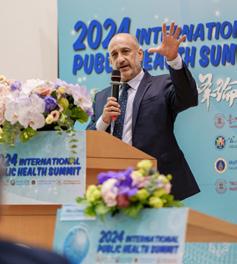
Teaching international workshops on scientific publishing, health promotion, and physical activity’s role in wellbeing. Taiwan, 2024.
For example, my research with and for culturally and linguistically diverse groups demonstrated the absolute need to tailor interventions to match expectations and lifestyles.
Much of your work challenges the idea that motivation alone drives behaviour change. Based on the evidence, what approaches are most effective for sustaining long-term physical activity?
Establishing the right physical activity patterns early in life is key. There’s enough research to show that if people develop these habits young, they’re more likely to maintain them later. I often come across people who only start exercising after a major cardiac event or other health issue and I wonder what the outcome might have been if they had already been more active and following healthier behaviours from an early age. Many of these events could probably have been prevented.
Modelling healthy behaviours is especially important for young people, whether from parents, teachers, friends, or health professionals. Finally, activity should be naturally built into everyday
life and be enjoyable. When it’s enjoyable, it becomes more habitual.
We almost need to have this mantra of making sure you put back into your profession at least what you’ve taken out, if not even a little bit more as well.
You have been involved with Sports Medicine Australia for many years. How has your longstanding engagement with SMA shaped your career and influenced your perspective on evidence-based practice in sport and exercise medicine?
My first SMA membership was in 1984 as a student, then as a full member in 1988, and as a Fellow since 2010, giving me over 40 years of involvement. Over that time I’ve been involved in many aspects of the organisation, not just attending conferences. I served on a very early SMA Public Health committee in the late 1990s, held the role of Editor-in-Chief of the Journal of Science and Medicine in Sport from 2009 to 2015, and later served as an SMA Board Director from 2015 to 2024, including three years as Chair of the Board (2019-2022).
My involvement over so many years has led to me meeting and establishing strong working relationships and friendships with people from a huge range of disciplines. That hasn’t just
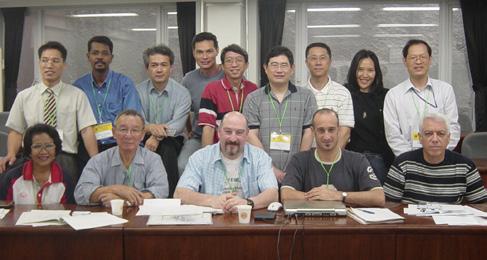
Serving on the Managing Council of the Asia South Pacific Association of Sport Psychology (ASPASP). South Korea, 2003.
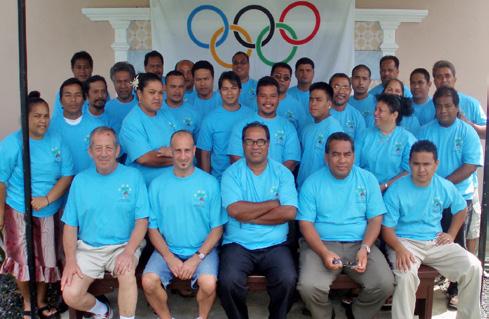
Delivering sports medicine education in Micronesia (led by SMA Fellow, David Zuker OAM) through the Oceania National Olympic Committees (ONOC) Medical Commission in 2007.
enriched my professional life, it’s also made it incredibly enjoyable and rewarding. Being editor of the journal was particularly amazing, as it allowed me to interact with so many contributors globally.
I’ve always been motivated by my belief that it’s important to contribute professionally in your areas of expertise as well as just taking from that profession. When I was in the early stages of my career, there were people who really modelled positive behaviours about contributing to a profession, mentoring younger or early career people. I benefited from
that greatly, and I think that’s why I’ve always been keen to be involved in SMA activities — to put back into the next generation of professionals. We almost need to have this mantra of making sure you put back into your profession at least what you’ve taken out, if not even a little bit more as well.
Looking ahead, what do you believe should be the top priority for the sport and exercise medicine sector if we are serious about improving population health outcomes, not just elite performance?
SMA has been doing a terrific job moving beyond elite performance and recognising the importance of physical activity, public health, and health promotion as critical parts of its remit. I think the sector needs to continue on this trajectory and fully embrace healthy lifestyles as essential for preventing illness and injury.
Establishing the right physical activity patterns early in life is key. There’s enough research to show that if people develop these habits young, they’re more likely to maintain them later.
It’s no longer just about treating the presenting injury, as it was when those in my generation undertook their training. It’s about asking, how do we actually prevent this happening again? Or how do we ensure on a broader, population level that people are engaging in healthy behaviours? Concussion is a good example. SMA has rolled out concussion guidelines in recent years. How do we make sure that at a population level, people minimise the risk of concussion, or for those who do get concussed, follow clear guidelines to get back to safe participation in sport?
I’m a strong believer that SMA needs to play a more significant and expert role in improving population health outcomes through sport and activity. We need to keep advocating for changes in policy and practice, and that involves working closely with public health, government, and other peak bodies who focus on these areas.
Outside of your research and professional work, do you have a favourite way to stay active, or a specific sport that you enjoy?
I enjoy lots of sport. While I don’t play “sport” per se anymore I do stay active with quite a few activities. I fortunately have the opportunity to get to the gym most mornings of the week, doing a mixture of activity there. I usually also swim laps a few days a week as well, and just lots of incidental physical activity. One thing I’ve made a conscious effort of doing lately is to use the car as little as possible and use more public transport. To use public transport, you need to get there, you need to walk to the bus or the train, and you need to walk from the bus or train to wherever you’re going. I think building in more incidental activity is really, really important.
5 minutes with
Kade Paterson
You were the second podiatrist in Australia to complete the Sports Podiatry credentialing pathway. How has that experience influenced the way you manage complex foot and lower limb injuries and what is involved in achieving that credential?
That training has given me a much more comprehensive lens for clinical practice. As a podiatrist, your training is very focused, but the Sports Podiatry credentialing pathway forced me to look much wider, not just at the specific problem the patient presents with, but at all the factors contributing to that person’s injury. It is about thinking beyond the immediate pathology and considering the whole athlete, including their biomechanics, training load, recovery and environment.
It also highlighted the value of multidisciplinary teamwork. Often, podiatrists work on their own or only with other podiatrists, so this exposed me to what other sports medicine professionals are doing and how podiatry fits into that broader picture. It helped me advocate for the role of podiatry within sports medicine and understand how we can complement what physiotherapists, strength and conditioning coaches and sports physicians are doing.
The Sports Podiatry credentialing pathway itself is not a short course. It is a comprehensive process. You submit a portfolio of around 15 cases mapped to key competency areas, following patients from presentation through to resolution. You are also
It helped me advocate for the role of podiatry within sports medicine and understand how we can complement what physiotherapists, strength and conditioning coaches and sports physicians are doing.
required to contribute to evidence and leadership, such as presenting at local sporting clubs or professional networks, or producing written work. Most people take between 12 and 24 months to complete it. Some university programs, such as the Master of Sports Medicine at The University of Melbourne or Queen Mary University London, map closely to the credentialing requirements, meaning graduates can get recognition of prior learning and may only need to complete an additional examinations such as a viva or written assessment.
Across elite athletes, amateurs and older active adults, what trends or patterns in foot and lower limb injuries do you notice most often?
Plantar heel pain is by far the most common injury across all groups. We see it in beginners just starting to run, in older adults returning to activity and in experienced runners. Stress fractures are also common, particularly metatarsal stress fractures and, less frequently, navicular stress fractures, which can be more serious. Medial tibial stress syndrome is another frequent issue and, if it is not managed early, it can sometimes progress to tibial stress fractures. Forefoot problems, such as intermetatarsal bursitis and neuromas, also show up regularly.
The patterns really depend on the population. For elite athletes, injuries often relate to training load and sport specific demands, including
repeated jumping, sprinting or insufficient recovery between sessions. For amateur runners or people returning to exercise later in life, we see a lot of issues stemming from sudden increases in activity, inappropriate footwear or a lack of gradual progression.
During COVID, many people who had not run regularly before suddenly took it up, sometimes running several times a week without building up gradually. Some had previously relied on the gym or swimming and switched abruptly to running, which exposed them to very different loading patterns. As a result, there was a noticeable spike in plantar heel pain and tendinopathies. Even experienced runners who increased mileage too quickly ended up with problems. It really highlighted how sensitive the foot and lower limb are to load and how critical progressive training and education are in preventing injury.
Even with lots of research on conditions like heel pain and tendinopathies, we do not always see better outcomes in practice. Why is that?
A lot of research is conducted in highly active populations, including elite athletes or very fit amateurs, so it does not always reflect what most clinicians see in practice. Research designs are typically highly standardized. Everyone receives the same orthoses or exercise program and follow up is tightly controlled because studies need to be reproducible.
In many cases, it is not that the evidence is wrong, but that it cannot fully reflect the complexity of real world clinical care.
Clinical practice is very different. It is essentially an N=1 design for every single patient. You tailor treatment to that person’s presentation, their biomechanics, their lifestyle and their goals. You modify programs from consultation to consultation, adding new elements, taking things away and responding to how they are progressing. That level of nuance and ongoing adjustment is difficult to capture in research, which helps explain why outcomes in real world practice do not always mirror the literature. In many cases, it is not that the evidence is wrong, but that it cannot fully reflect the complexity of real world clinical care.
You are both a researcher at the University of Melbourne and work closely with elite teams. How do you balance the evidence with the pressure to keep athletes performing?
Elite athletes are in a very different situation to most patients. They start from a high baseline. They are strong, coordinated and exceptionally fit, and they have multidisciplinary teams focused entirely on recovery and performance. That gives them a greater capacity to tolerate load and to recover quickly.
Even so, it is a constant balancing act. Rehabilitation in elite sport is highly nuanced. You do not simply prescribe a program and wait. You are continually assessing response, adjusting load and refining exercises. That dynamic process is not easily captured in research studies, which are necessarily more controlled. It is about using evidence as a guide while applying clinical reasoning in a
The profession is evolving and it is exciting to see podiatry’s role within sports medicine continue to grow.
way that respects both performance demands and long term health.
Where do you think podiatrists could play a bigger role in multidisciplinary sports medicine teams?
This is something I am particularly passionate about. Outside elite sport, podiatrists can be overlooked in the sports medicine team, yet we can play a significant role in both prevention and performance. I think one of the
best examples is getting podiatrists into clubs at the start of the season. Simple things like helping athletes understand that they should not wear new boots or shoes on game day, managing blisters, or providing advice on appropriate foot and ankle exercises can make a huge difference. Pre season screening, footwear education, blister management and targeted foot and ankle strength programs are all areas where podiatrists add real value.
The loads absorbed and generated by the foot are enormous, so small errors can have significant consequences. Podiatrists bring expertise in footwear and orthoses, but increasingly also in strength and conditioning for the intrinsic and extrinsic foot muscles. That expertise is relevant across all levels of sport, from junior athletes to elite competition. We are fortunate to have a strong cohort of sports podiatrists in Australia, from the trailblazers of the 1990s to a new generation of clinician researchers coming through. The profession is evolving and it is exciting to see podiatry’s role within sports medicine continue to grow, and I think we are moving toward greater recognition of that role within multidisciplinary teams.
Be ready for the conversations that change lives.
Mental Health First Aid Training
For clinicians and allied health professionals who want the skills, language, and confidence to support adults experiencing mental health challenges.
Strengthen your practice with evidencebased mental health training. Scan the QR code to view our upcoming courses. SMA Members receive 15% off all Sports Trainer courses. Recognise the Signs Respond with Confidence Support Through Crisis Become an Accredited MHFAider
Sports Medicine in From Pioneering Origins to a Specialist Future
PETRA ZUPET, MD, PET, PHD
Slovenia – A Land of Sport and Knowledge
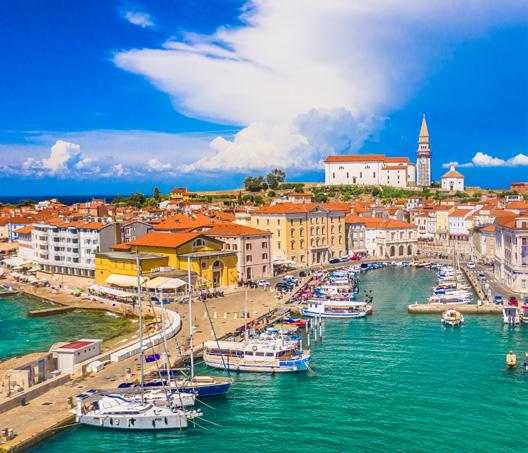
Slovenia, a nation nestled between the Alps and the Adriatic with a mere two million inhabitants, has for decades proven that small size is not a limitation, but an advantage. Exceptional sporting achievements, a high level of academic knowledge, and a tradition of an active lifestyle have created an environment where Sports Medicine (SM) is developing as a natural link between science, health, and peak performance. Today, Sports Medicine in Slovenia rests on solid foundations, built by pioneers such as Dr. Alojzij Šef, and generations of physicians whose dedication and research spirit have shaped a profession that connects the human being, movement, and health.
Historical Foundations of the Profession
The beginnings of organized Sports Medicine date back to the 1950s, when physicians first began to study the effects of physical activity on the athlete‘s body. Dr. Alojzij Šef, a physician and visionary, was among the first in Slovenia to introduce systematic medical examinations for athletes, laying the foundation for the preventive monitoring of the sporting population. His work marked the start of understanding sport as a complex biological and health challenge, not merely a competition.
In the 1960s and 1970s, Slovenian Sports Medicine became closely affiliated with the Faculty of Physical
Culture (today the Faculty of Sport at the University of Ljubljana).
This is where the first laboratories for performance testing, lactate measurements, and studies on the impact of training on the cardiovascular system were established. Physicians collaborated with national teams, accompanied athletes to international competitions, and began formulating clinical guidelines for safe exercise.
In the 1980s, the first sports-medical outpatient clinic was established in Ljubljana, integrating diagnostics, counselling, and rehabilitation for athletes. This was a period when Slovenia, within the framework of the former Yugoslavia, gained recognition as one of the bestorganized environments in the field of Sports Medicine.
A New Path After Independence
In 1991, Slovenia entered a period of independence—and with it, Sports Medicine moved into a new chapter. The profession was formally integrated into the specialization of Occupational, Traffic, and Sports Medicine (MDPS), as the common denominators of both fields—load, adaptation, and prevention—allowed for synergy. Physicians in this specialization acquire knowledge from internal medicine, orthopaedics, rehabilitation, exercise physiology, emergency medicine, psychology, and public health.
The final year of the specialization is dedicated to the Sports Medicine track , where the candidate
focuses on sports injuries, training physiology, readiness diagnostics, and medical support for athletes.
The Slovenian Sports Medicine Association (ZMS) plays a vital role in organizing national and international congresses, professional education, and ensuring alignment with the standards set by the European Federation of Sports Medicine Associations (EFSMA) and the International Federation of Sports Medicine (FIMS). Furthermore, the Olympic Committee of Slovenia, through its Medical Commission, ensures unified protocols for the healthcare of national teams and promotes the safety and well-being of athletes.
Slovenia
The duty of the physician in sport is not only to treat injuries, but to help man maintain health, strength, and dignity through movement.
Education
and Professional Competence
The specialization lasts four years and is a combination of hospital, outpatient, and field work. It includes rotations through key areas:
ٚ Internal Medicine and Cardiology
ٚ Orthopaedics and Traumatology
ٚ Physical and Rehabilitation Medicine
ٚ Emergency Medicine
ٚ Exercise Physiology
ٚ Preventive and Occupational Medicine
In the final year, the specialist chooses the Sports Medicine track , where they acquire additional knowledge regarding load management, regeneration, sports injuries, nutrition, psychology, and performance
monitoring. Today, approximately 10 to 15 physicians in Slovenia are focused on working in the field of Sports Medicine. Professional growth is supported by additional training, international exchanges, and participation in European sports medicine congresses.
The Modern Role of the Sports Medicine Specialist
Today, the Sports Medicine specialist combines three key tasks— preventive, diagnostic, and therapeutic They care for athletes, recreational enthusiasts, and patients who use exercise as part of their treatment.
Their work includes:
ٚ Preventive medical examinations
Sports Medicine in Slovenia
From Pioneering Origins to a Specialist Future
for athletes —from children to veterans, with risk and capacity assessment.
ٚ Treatment and rehabilitation of injuries, involving physiotherapists and kinesiologists.
ٚ Functional testing —laboratory and field measurements, ECG stress tests, spirometry, and performance assessment.
ٚ Nutritional counselling and regeneration monitoring.
ٚ Medical support for national teams during training, competitions, and the Olympic Games.
ٚ Organization and leadership of medical services at sporting events.
In recent years, Slovenian Sports Medicine has increasingly reached out to the broader population. The concept of “Exercise on Prescription” has come to the forefront—the use of physical activity as a clinical tool in treating chronic non-communicable diseases, improving quality of life, and preventing premature mortality.
Sports Medicine and Public Health
Sports Medicine is today an inseparable part of public healthcare. Physicians from this field collaborate with cardiologists, internal medicine specialists, physiatrists, and general practitioners in developing programs
for patients with cardiovascular diseases, diabetes, obesity, osteoporosis, depression, and other chronic non-communicable conditions.
This strengthens the bridge between the clinic and lifestyle —the Sports Medicine specialist becomes
a consultant who, with expert knowledge, promotes movement as medicine. Numerous national projects, such as Healthy Lifestyle, Move, Don‘t Wait!, and Slovenia in Motion, involve Sports Medicine specialists as the professional leaders in preparing exercise guidelines. Since Slovenia has long been one of Europe‘s most physically active nations, Sports Medicine has an important mission: to keep movement safe, effective, and accessible for all generations.
Research
and Scientific Excellence
Slovenian researchers are internationally recognized in the fields of exercise physiology, sports cardiology, regeneration, and biomedical measurements Various research institutions across Slovenia conduct interdisciplinary research that connects medicine, kinesiology, biology, and technology.
Current research topics include:
ٚ The effect of altitude training on cardiovascular adaptations.
ٚ Monitoring fatigue and regeneration using modern sensors.
ٚ The use of artificial intelligence in movement analysis.
ٚ The epidemiology of sports injuries and overtraining.
ٚ The safety of young athletes and the prevention of sudden death during exertion. Furthermore, Slovenia actively participates in European projects aimed at promoting physical activity and preventing chronic diseases.
Ethics, Safety, and Social Responsibility
An important part of modern practice is ethical responsibility. Physicians cooperate with the Slovenian Anti-Doping Organisation (SLOADO) in education, counselling,
and preventive activities. The profession also focuses on young athletes, for whom education on healthy exercise, proper nutrition, and preventing substance abuse is key.
Within professional circles, the concept of holistic athlete treatment is increasingly established, encompassing physical, psychological, and social well-being. Emphasis is placed on the early recognition of burnout, eating disorders, and emotional distress that can accompany elite sports.
Looking Ahead – The Future of Sports Medicine in Slovenia
Slovenia stands at a significant turning point: the formation of an independent specialization in Sports Medicine. European guidelines clearly define the need for an independent, comprehensive program that will allow physicians to gain in-depth education and a strong professional identity. Preparations for the introduction of this specialization are already underway, in collaboration with the Medical Chamber of Slovenia, the Slovenian Medical Association, and international partners.
The goals for the next decade are ambitious:
ٚ Establish a national network of sports-medical centres
ٚ Integrate Sports Medicine into public healthcare
ٚ Strengthen research infrastructure and collaboration with EU projects
ٚ Encourage the education of young physicians and interdisciplinary networking
Sports Medicine in Slovenia is already recognized today as a vital part of the sports system and public health. In the future, it will even more distinctly connect medicine, science, and society.
Concluding Thought
Sports Medicine in Slovenia has evolved from the vision of individuals into a modern, dynamic, and scientifically based profession. It connects the laboratory and the playing field, the hospital and the stadium, science and the heart. Its mission remains the same as once written by Dr. Alojzij Šef:
About the Author
Petra Zupet, MD, PhD, Pet, FEBSM, is a specialist in sports medicine with over twenty years of experience in clinical practice, athlete monitoring, and the treatment of elite and young athletes. She serves as an active member of the Medical Commissions of both the Union Cycliste Internationale (UCI) and World Rowing, and is the President of the Slovenian Sports Medicine Association. Dr. Zupet is also the co-founder and Medical Director of the Institute for Medicine and Sport in Ljubljana. Her research focuses primarily on sports prevention in sport and the exercise physiology, with particular interest in the effects of high-altitude environments on athletic performance.
Lara Carstensen Sports Trainer Spotlight
What first drew you to sports training, and how did you get started in this field?
Whilst undertaking a double degree in Bachelor of Science in psychology and Bachelor of Health Science (Human Movement), one of the electives I applied for was sports medicine. That was my first introduction to taping, concussion management, and addressing sports injuries. I quickly realised I loved the practical, hands-on aspect of it. From there, I got a job with Ainslie AFL, which was my first proper experience working with a sports team. I also completed placement with the Brumbies for a full season, assisting with taping and rehabilitation. Those experiences gave me exposure to community and elite-level sport and really shaped my interest.
When I started university, I didn’t know exactly what I wanted to do. I was interested in both the mind and the body, so the double degree was perfect. I considered postgraduate study in sports psychology, but through my placements, I gravitated more toward the sporting team environment than clinical psychology. During my time with the Brumbies, I was fortunate to work with the physiotherapy supervisor. Seeing the
professionalism required at that level and the way physiotherapy integrates into a high-performance team environment, had a positive impact on me. Completion from my double degree, that experience influenced my decision to begin studying physiotherapy. I’m now in my second year of this degree and continue to work as a sports trainer alongside my studies, which complements what I’m learning and works well together.
What excites me most is the opportunity to educate and develop future sports trainers.
When you’re out on the field or at events, what does a typical day look like for you?
It really depends on the team, but preparation is key, especially at elite levels. For example, in AFL, we arrive 15 to 20 minutes before the athletes or coaches to set up equipment, massage tables, tapes, medical supplies, and ensure everything is ready before the training session starts. Once athletes arrive, it can get chaotic quickly, so organisation is everything.
Knowing your athletes also helps. Understanding who might have allergies or previous injuries allows you to provide care efficiently and safely, and it builds trust. On game days, communication becomes even more critical. You’re constantly coordinating
with other trainers, physios, coaches, and sometimes referees to manage injuries in real time. Some games go smoothly, but often there are injuries, head collisions, dislocations, or strains, so situational awareness is essential.
Looking back, what’s been one of your most rewarding or memorable moments as a Sports Trainer?
I’d say the most rewarding part is staying calm in stressful situations and gaining the trust of both athletes and coaches. I remember during a high-pressure match when an athlete experienced a head collision and was very distressed. On the field, I quickly assessed the situation to rule out any spinal injury. Once I was confident that they could be moved safely, I then removed them from the field and continued a thorough assessment for a potential concussion, providing reassurance and ensuring their safety. At the same time, I communicated with the referee and coaches to manage the situation effectively.
Moments like that are stressful, but when you maintain composure and professionalism (especially when emotions are high), is incredibly rewarding. Gaining that trust and knowing you’ve protected someone’s
Sports Trainer Spotlight
Lara Carstensen
longer-term wellbeing is what makes this work so meaningful.
You’re about to join SMA as a presenter, what excites you most about this next chapter?
What excites me most is the opportunity to educate and develop future sports trainers. I can share my experience, even down to something as practical as where to start and finish with taping, and help build confidence and skills. SMA plays a huge role in the sporting community, providing not just
Communication is key. Know your strengths and support others where they excel. The more you immerse yourself, the more you’ll grow.
knowledge, but the confidence to step into a sports trainer role. Being able to contribute to that is really exciting.
At the moment, I’ll be presenting Sports Trainer Level 1 and Level 2 courses, as well as introductory and advanced taping workshops. In the future, I’d love to include First Aid and CPR training once I complete the necessary qualifications. Balancing study, work, and presenting is a challenge, but I tend to work better when I have a few things going at once.
For those just starting out as Sports Trainers, or thinking about getting involved with SMA, what’s your top piece of advice?
My main piece of advice would be just get involved! The more you participate in the sporting community, the more experience, confidence, and connections you gain. Every sport has different approaches to taping and injuries, so exposure is invaluable.
I remember I practised taping on my loved ones to build skill, speed, and confidence. Sometimes it didn’t go perfectly, but I kept going until I got it right and felt confident applying it in real situations. Don’t be afraid to reach out and shadow experienced trainers, there’s no harm in asking for guidance. Communication is key, know your strengths and support others where they excel. The more you immerse yourself, the more you’ll grow.